Skip to content
Recipes

All recipes

Vegetarian, or something you can't eat? Set your diet once and we'll hide recipes that don't fit.

Gobi parathaCauliflower-stuffed flatbread

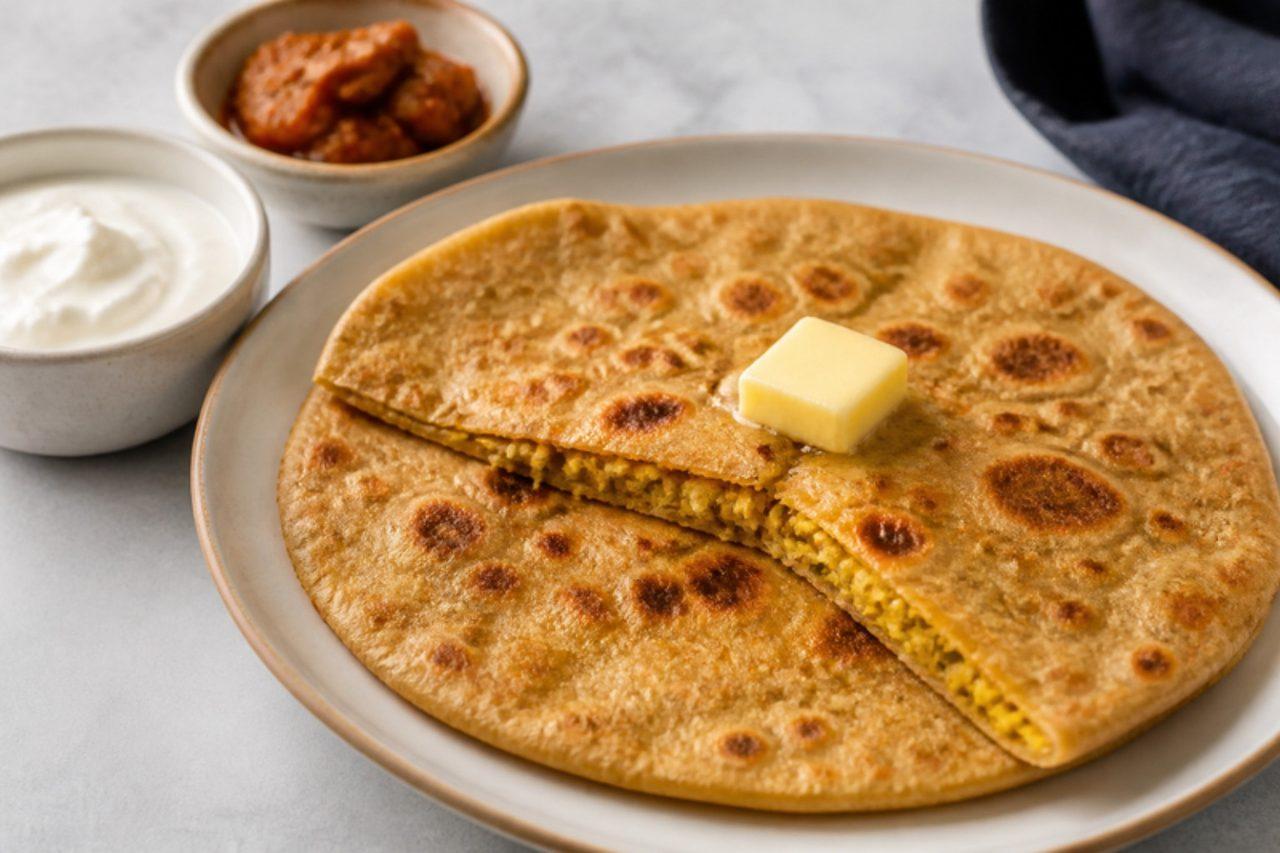
When the first tight, white cauliflowers come into the Ludhiana and Jalandhar mandis in November, gobi paratha becomes the Sunday breakfast of choice. Finely grated cauliflower is mixed with ginger, green chilli, coriander, ajwain and a pinch of amchur, sealed inside atta dough and rolled out, then cooked on a tawa with ghee until brown and blistered. The filling stays juicy and slightly sweet against the crisp, flaky outside. Serve with a cube of white butter melting on top, a bowl of thick dahi, and some mixed achar or green chutney, with a glass of lassi or a cup of chai. Common mistake: salting the filling and then leaving it to sit. Salt pulls the water out of the cauliflower and the parathas burst while rolling. Chef's tip: keep the gobi unsalted, squeeze it gently in a cloth, and season it with salt only a few minutes before you start stuffing.

by KrazyBadal 0 views

DoodhpakRice milk pudding

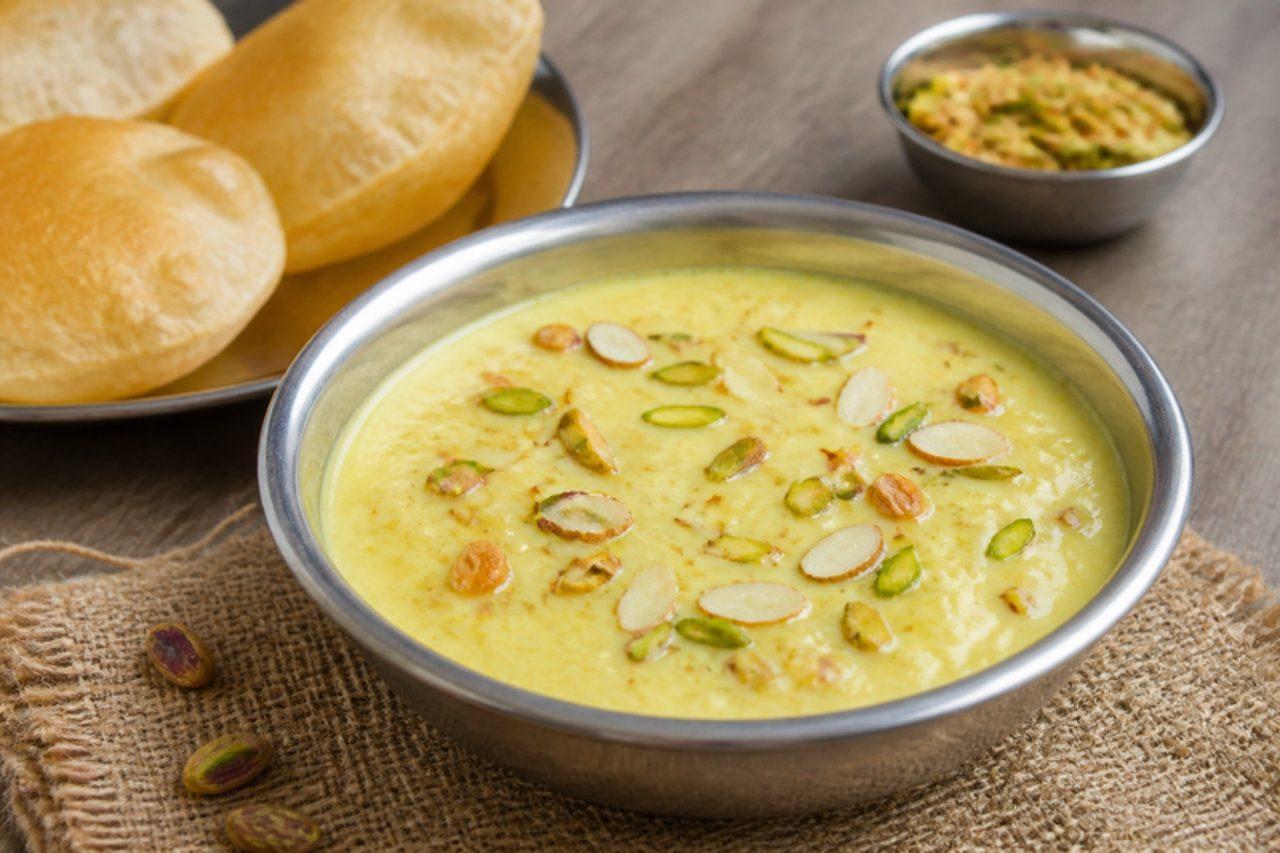
Doodhpak and puri is the classic pairing of a Gujarati jamanvar (feast), served at weddings, at Sharad Purnima and, in many families, cooked for pitru paksha (shraddh) to remember the ancestors. Unlike a thick kheer, doodhpak is pourable and silky: a small amount of rice cooks in milk that has been reduced by about a third, so each grain is soft but still whole, and the milk turns creamy and faintly golden from saffron. Charoli (chironji, small almond-like seeds), slivered almonds and pistachios give it bite, and cardamom with a little nutmeg (jaiphal) is the true Gujarati flavour. It thickens a lot as it cools, so take it off the heat while it still looks thin. Serve warm in winter or chilled in summer, with hot puris, dal-bhaat and a dry shaak. Common mistake: adding sugar before the rice is fully soft; the sugar stops the grains cooking and they stay chalky. Chef's tip: rub the soaked rice with a teaspoon of ghee before it goes in, so the grains stay separate and do not form lumps on the base.

by KrazyBadal 0 views

Ellu bellaSesame and jaggery mix

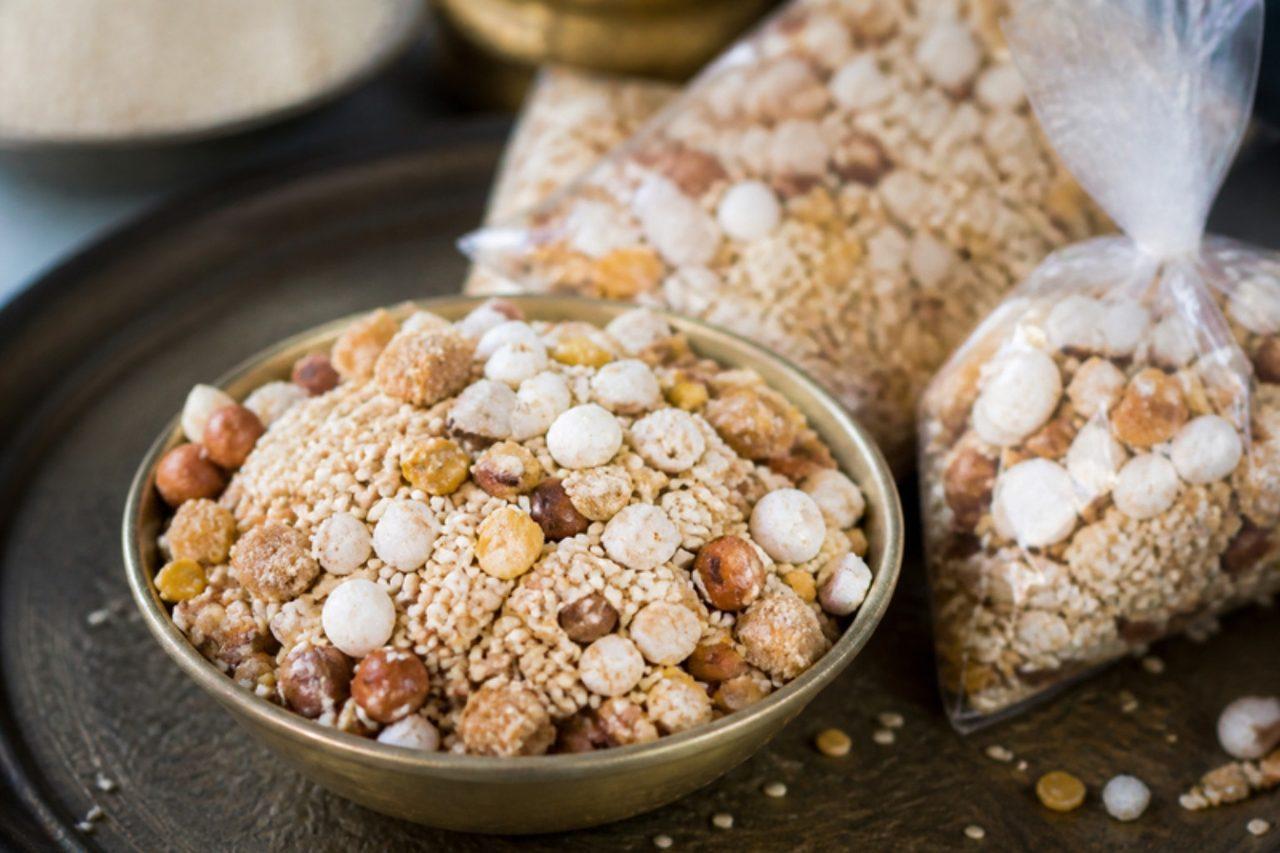
'Ellu bella thindu olle maathadi': eat sesame and jaggery and speak only good words. On Sankranti morning, girls in Bengaluru and Mysuru dress in new silk and carry small steel plates of ellu bella, a sugarcane stick, a banana and a sugar figure (sakkare acchu) from house to house, a custom called ellu birodhu. The mix itself is uncooked once its parts are roasted: white sesame, tiny cubes of dry coconut and jaggery, peanuts and putani (roasted gram), sometimes with a few fried gram-dal sugar beads. It is crunchy, nutty and sweet in small bursts. Families make a kilo at a time to give away. The common mistake is mixing it while the sesame is still warm, which melts the jaggery and turns everything into a lump. Chef's tip: cut the copra and jaggery to the same small size as the peanuts so every spoonful has a bit of everything.

by KrazyBadal 0 views

Ghila pithaFried rice and jaggery cakes

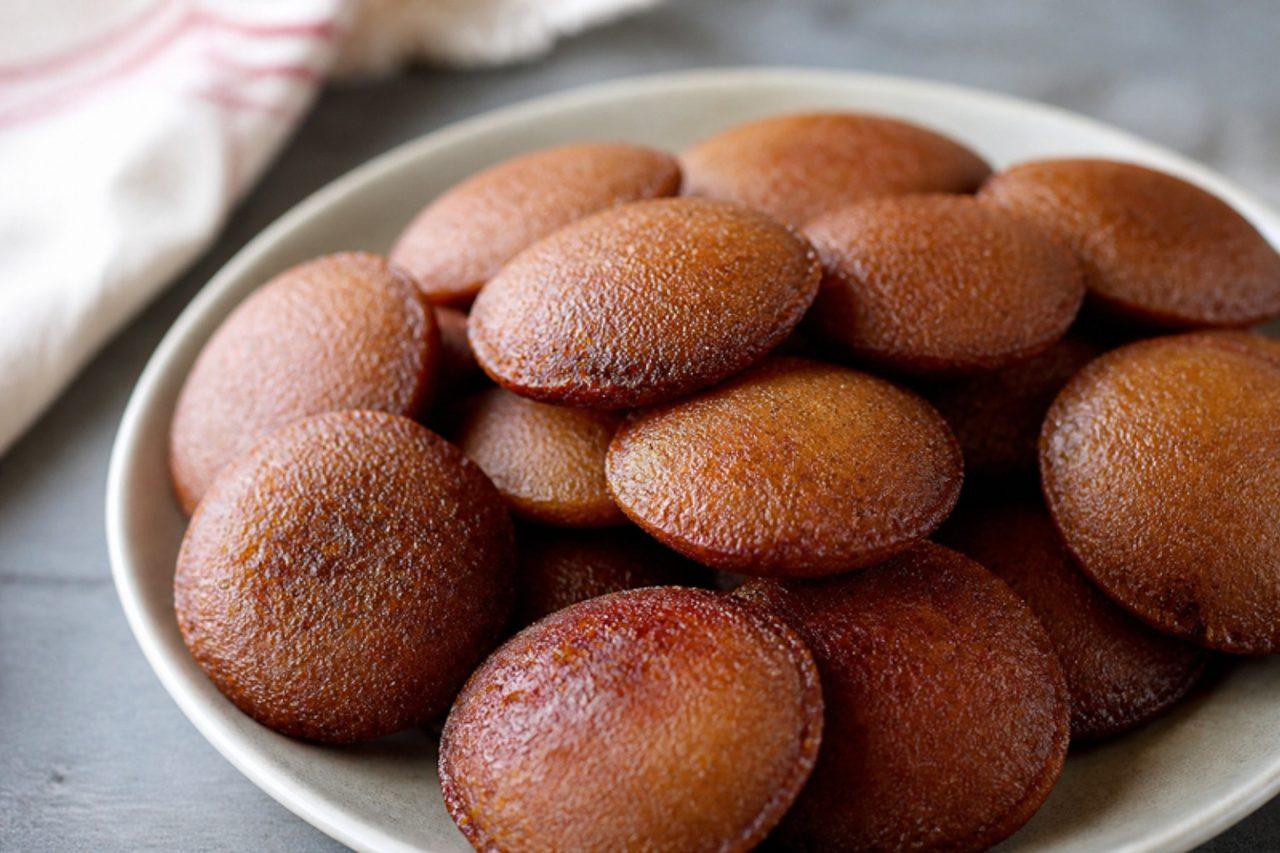
Magh Bihu in January closes the harvest in Assam with bonfires, feasts and plates full of pitha. Ghila pitha takes its name from ghila, the kneecap, because the little cakes are pressed into rounded discs that puff in the middle as they fry. Sticky bora or plain rice is soaked, dried and ground to a damp flour, then kneaded with melted jaggery and fried in mustard or vegetable oil. Outside they are dark brown and crisp; inside chewy and soft like a doughnut, with the deep flavour of jaggery. They keep a few days, so they are stacked in steel tins for visitors and eaten with black tea or with doi and jolpan. Some cooks add a pinch of fennel or sesame. The common mistake is oil that is too hot: jaggery darkens and burns long before the inside is cooked, so fry slowly. Chef's tip: let the dough rest for 30 minutes after kneading; the rice flour drinks up the syrup and the cakes hold together.

by KrazyBadal 0 views

Gor keriSweet mango pickle

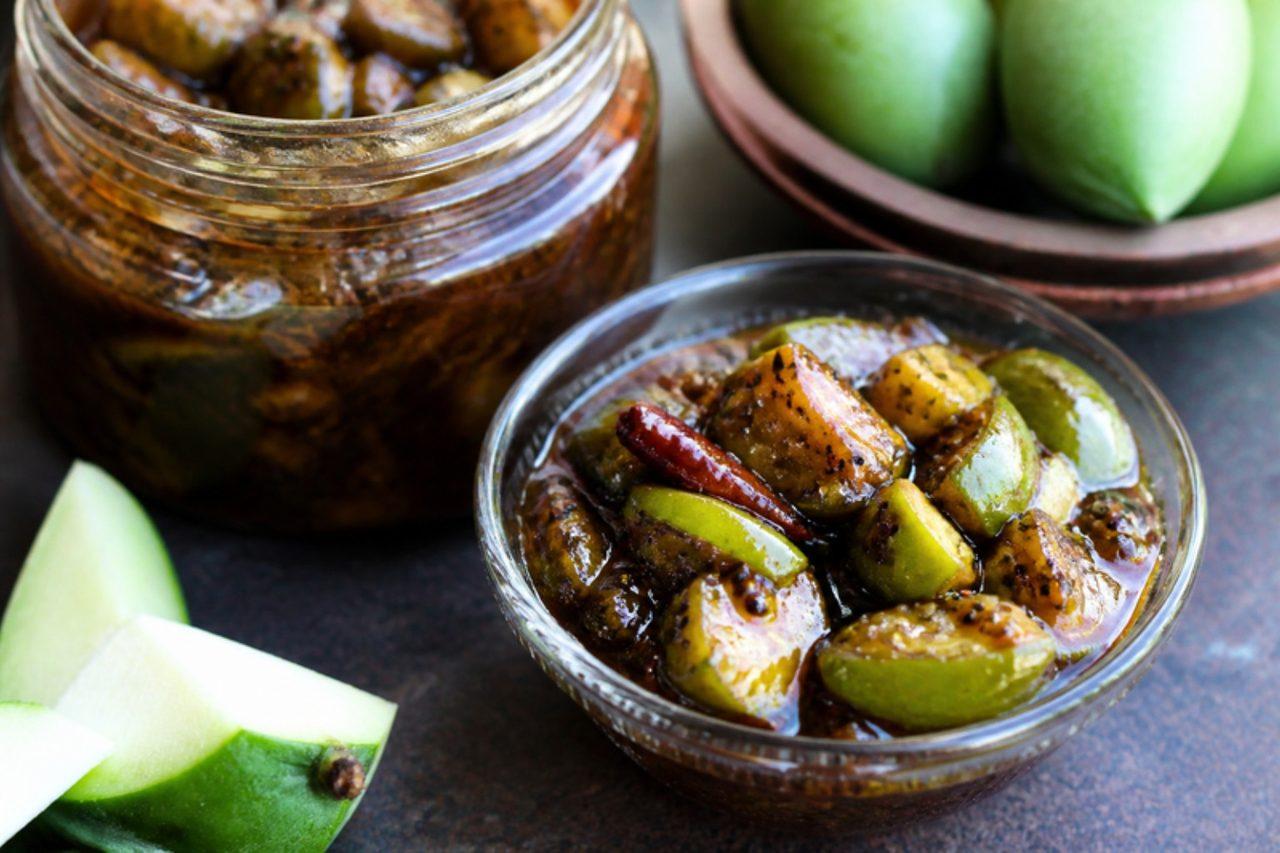
Gor keri is the sweet sister of methia keri, and in most Gujarati homes both jars are filled in the same week of May. The mango is salted and dried in the same way, but the masala is milder, with methi kuria, a little rai kuria, hing and Kashmiri chilli for colour, and the star is desi gor (jaggery). Over 4–6 days the jaggery melts in the mango's own juices into a dark, glossy syrup that covers the pieces and keeps them, so it needs only a little oil. It tastes sweet, sour and gently warm, and children who refuse spicy pickle eat it by the spoonful. Serve it with thepla, puri, khichdi, or dal-bhaat on a hot afternoon. Choose soft, dark, fresh jaggery that breaks easily; hard, pale blocks never fully melt. Common mistake: wet mango, which thins the syrup and invites mould. If the syrup still looks thin after a week, warm the pickle gently on the stove for 5 minutes and cool before jarring again. Use only a clean dry spoon, and throw it out if you see mould. Chef's tip: a teaspoon of lightly crushed fennel (variyali) adds a lovely fragrance, as many Kathiyawadi families do.

by KrazyBadal 0 views

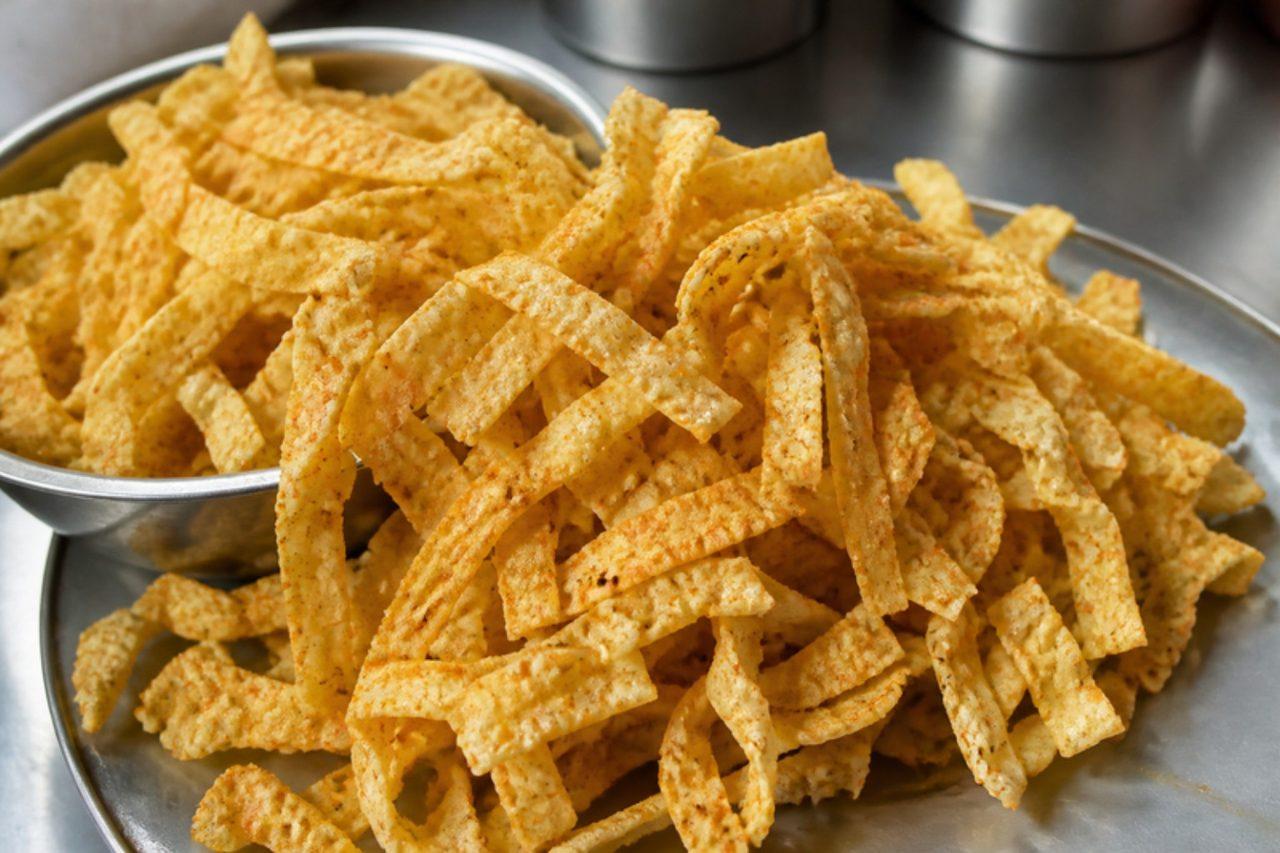
ChorafaliCrisp besan and urad strips

Chorafali is the snack Gujarati children wait for in Diwali week, because it is made in the last days and vanishes first. The dough of gram flour and white urad flour is kneaded, then pounded with a pestle until it turns pale and elastic, rolled out almost transparent and cut into strips. In hot oil the strips swell into crunchy, bubbled ribbons in under a minute, and a shower of red chilli, dry mango powder and kala namak while they are hot makes them tangy, salty and sharp. It is a Surat and Saurashtra favourite and comes out alongside suvali, mathiya and ghughra for guests on the New Year. Eat it on its own or with tea. Chef's tip: roll with oil on the board and pin, never dry flour; loose besan burns in the oil and leaves bitter brown flecks on the strips.

by KrazyBadal 0 views

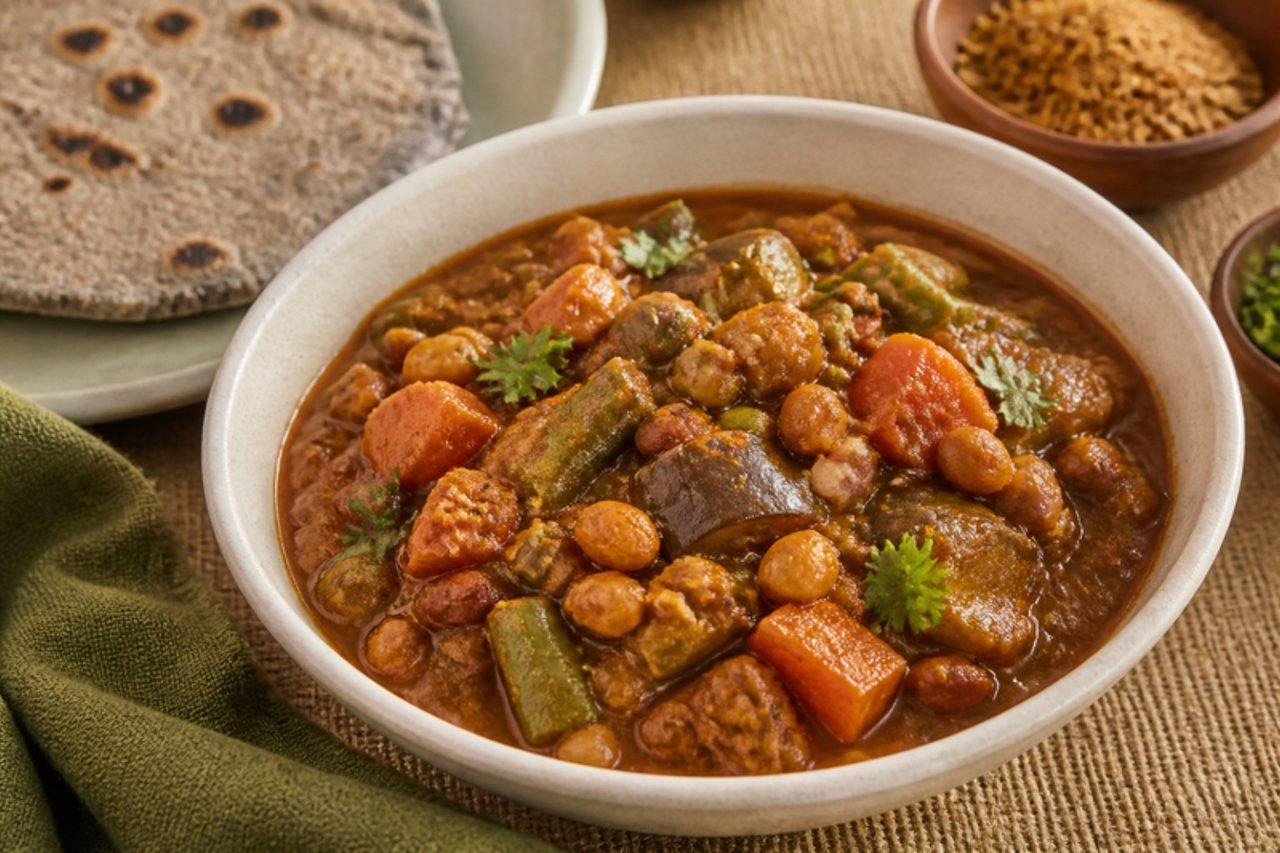
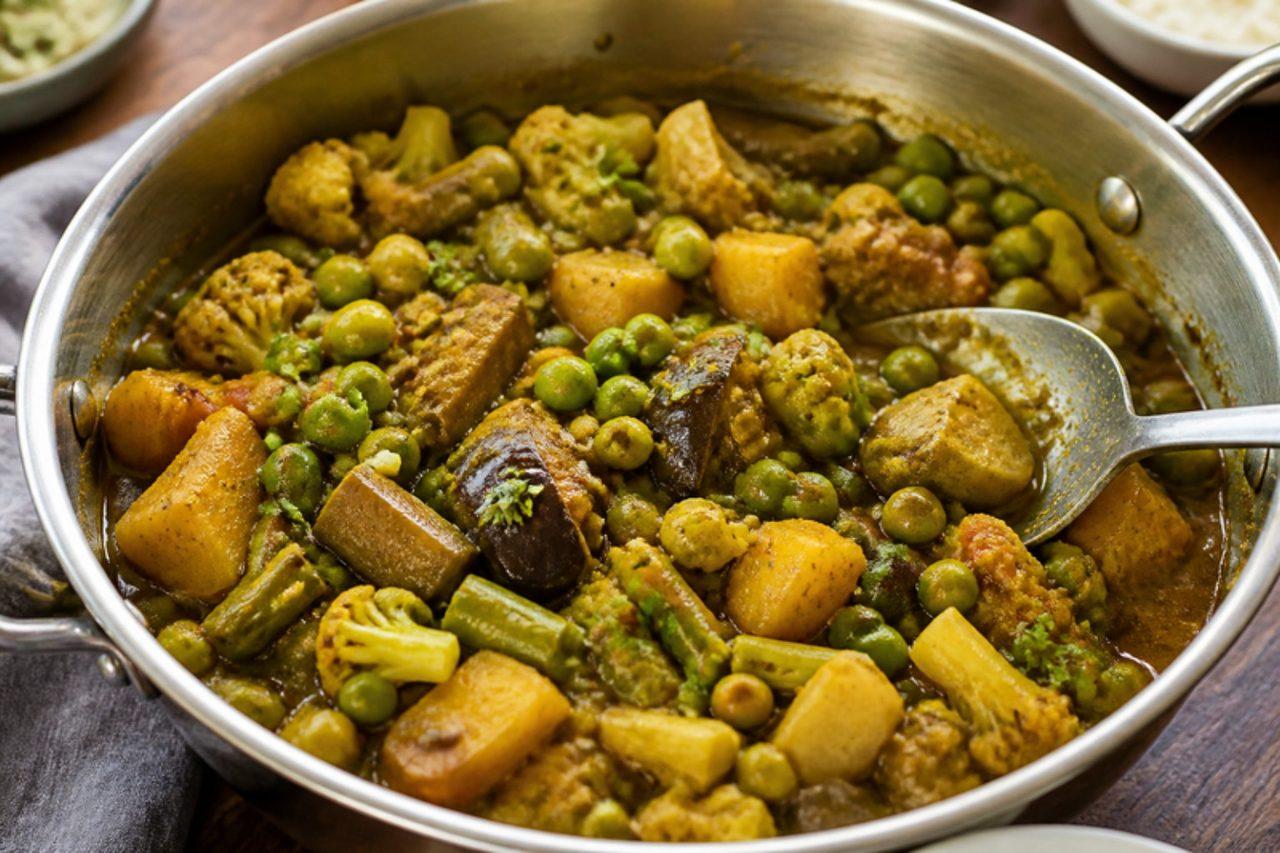
Bhogichi bhajiWinter vegetable and peanut stew

Bhogi, the day before Makar Sankranti, is a day of plenty in Maharashtra, and the lunch to match is this thick mixed bhaji made from everything the winter market offers: green chickpeas (harbhara), fresh field beans (pavta and ghevda), carrots, small brinjals, green peas, ber and sugarcane pieces in some homes. Peanuts and sesame are crushed into it for richness, and the spice is goda masala, the sweet-smoky Maharashtrian blend. It is served with bajra bhakri spread with white butter or sesame, a lump of jaggery and a piece of radish. The taste is earthy, slightly sweet and warming. The mistake is using too much water: it should be a thick, almost dry curry that coats the vegetables. Gluten-free if your goda masala has no wheat-cut asafoetida in it; check the label. Chef's tip: add a spoon of jaggery and a little tamarind at the end; that sweet-sour finish is what makes it taste like Bhogi.

by KrazyBadal 0 views

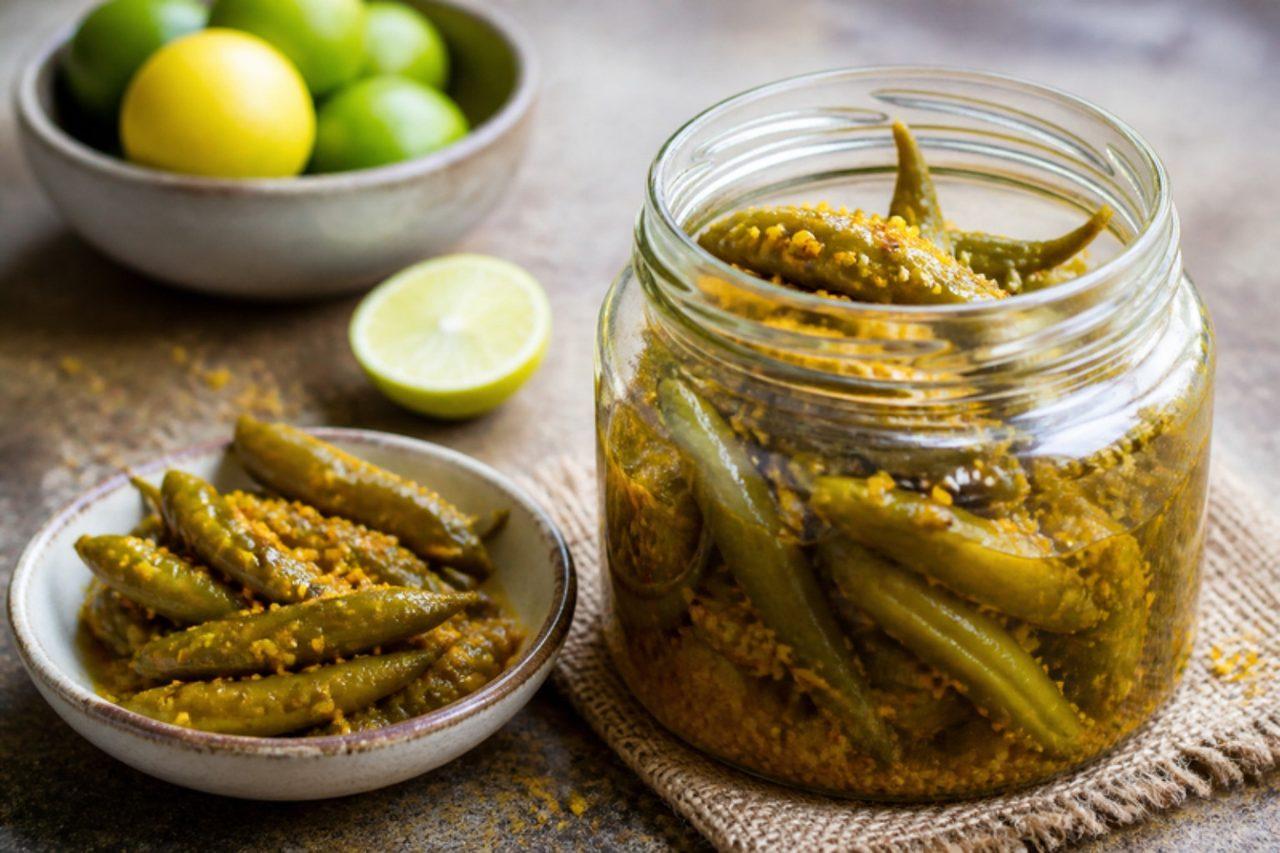
Athela marchaQuick pickled green chillies

On a Gujarati table there is nearly always a small steel bowl of athela marcha beside the thali, the quick daily pickle that makes plain khichdi, dal-bhaat, thepla or a plate of fafda taste complete. Thick, mild chillies (Bhavnagri or the pale green ones sold for bhajia) are slit, tossed with rai kuria (split mustard), salt, turmeric and hing, and soused with lemon juice. Within a few hours the mustard blooms and turns pleasantly pungent, the lemon softens the chillies and the colour turns olive green. They stay crunchy for about a week in the fridge, so most homes make a small batch every few days. Use thin, hot chillies if your family likes the heat. Common mistake: washing the chillies and using them damp, which waters down the masala and turns the pickle slimy; dry them completely before slitting. Always serve with a clean, dry spoon and throw the jar out if it turns cloudy, mouldy or smells off. Chef's tip: a pinch of methi kuria and half a teaspoon of sugar round out the sharpness if the lemons are very sour.

by KrazyBadal 0 views

Dum ka roatBaked semolina and khoya cake

Dum ka roat is baked in Hyderabadi homes and bakeries in the first ten days of Muharram, and boxes of it are shared with neighbours and at majlis gatherings in the Old City. It is closer to a dense shortbread than a sponge: coarse semolina soaked overnight in ghee and milk, mixed with khoya, sugar, eggs, cardamom and nutmeg, then baked slowly until golden and crumbly with a crunchy almond top. It contains egg, so it is vegetarian with egg, not vegan. Each piece tastes of browned butter, milk and spice, and it keeps for a week in a tin. Eat it with Irani chai. The common mistake is skipping the overnight rest: the semolina stays gritty and the roat falls apart. Chef's tip: bake low and slow, at 160 °C, until the top is deep golden and a skewer comes out with moist crumbs; at higher heat the edges burn before the khoya centre has set.

by KrazyBadal 0 views

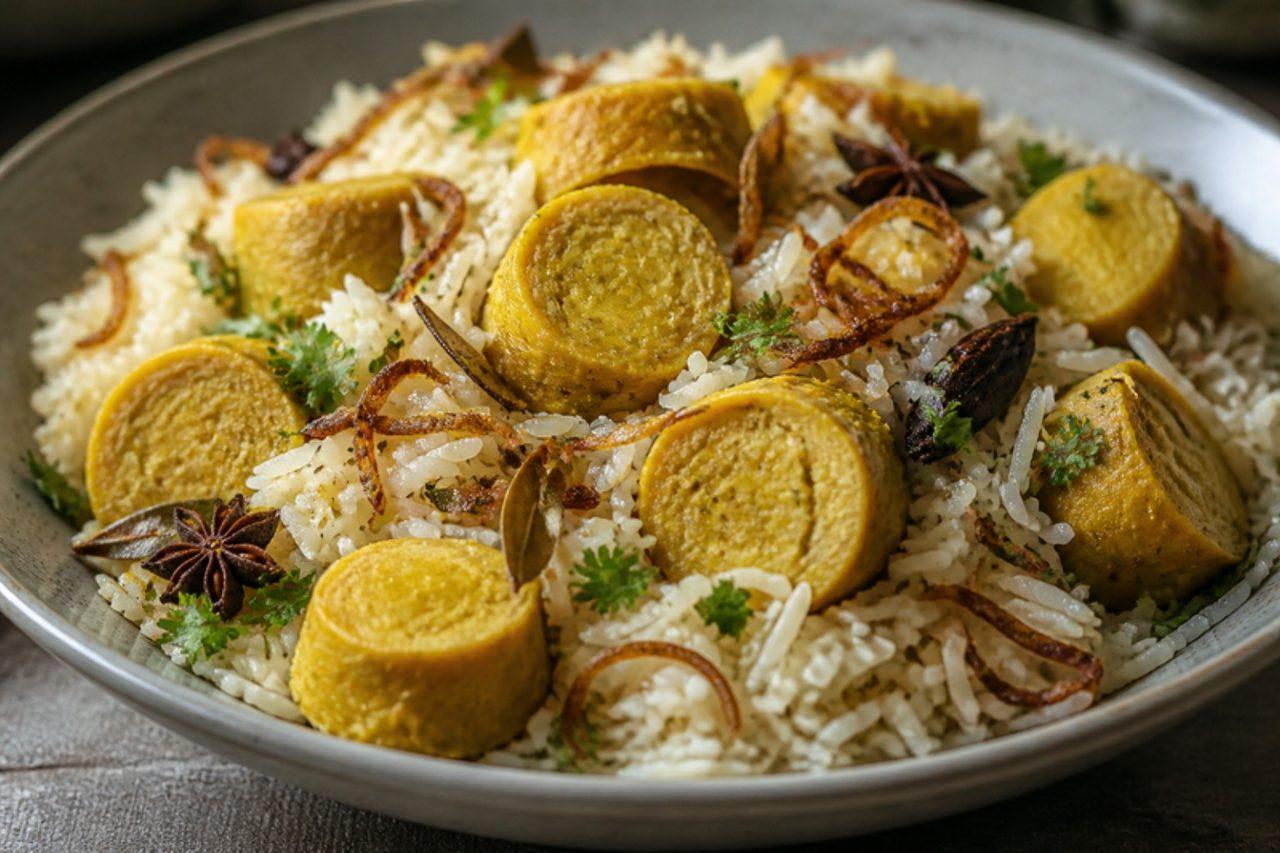
Gatte ka pulaoPulao with gram flour dumplings

Marwari kitchens in Jodhpur, Bikaner and Jaipur were built around ingredients that keep in the desert, and gram flour gatte are the clever result: a spiced besan dough rolled into logs, boiled, sliced and fried, standing in for vegetables that were hard to find. Folded through basmati with ghee and whole spices, they make gatte ka pulao, a festive one-dish meal served at Marwari weddings and on Gangaur or Teej. The rice is fragrant and separate, and the gatte are golden outside and soft, almost spongy, inside, with the warmth of ajwain and chilli. Many Jain and Maheshwari homes make it without onion; leave it out and add a little more ginger if you do. Serve it with kadhi, plain dahi or boondi raita and papad. Common mistake: a soft gatte dough, which splits in the boiling water; it should be firm, like a stiff roti dough. Chef's tip: cook the rice in the water the gatte were boiled in; it carries the besan and spice flavour into every grain.

by KrazyBadal 0 views

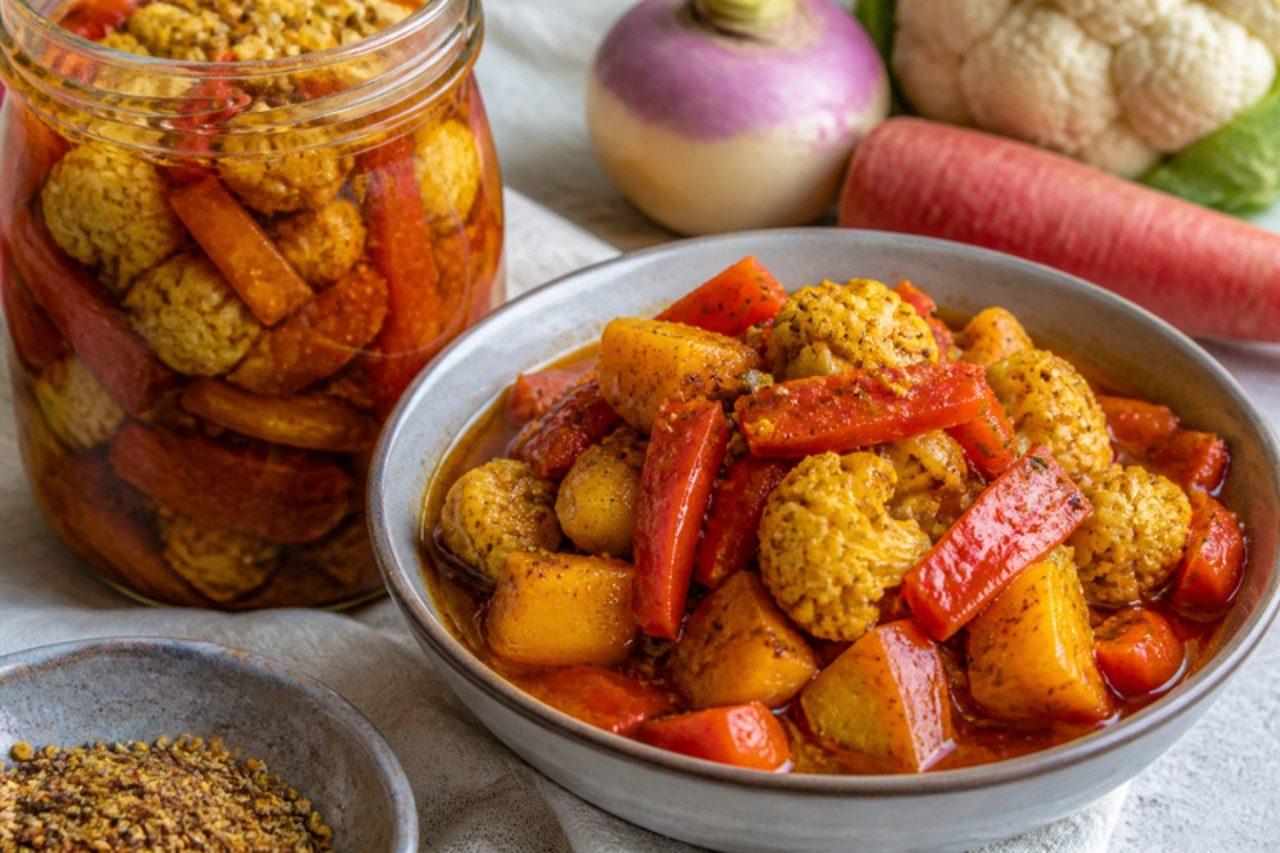
Gajar gobhi shalgam acharCarrot, cauliflower and turnip pickle

When Punjabi kitchens are full of winter vegetables, this is how they keep them: carrots, cauliflower and turnips are blanched, dried in the weak winter sun, and mixed with smoked mustard oil, ginger, garlic, coarse mustard, garam masala and a dark syrup of jaggery and vinegar. In three or four days the vegetables are tangy, sweet and warm, still crunchy, and the jars come out with makki di roti and sarson da saag, aloo parathas and every dal through to spring. Use white or sugarcane vinegar; malt vinegar is made from barley, so avoid it if you need the pickle gluten-free. Common mistake: packing the vegetables while they are still wet from blanching, which dilutes the vinegar and spoils the batch; they must feel dry to the touch. Keep the jar in a cool place or the fridge once matured, use a clean dry spoon and discard if mould appears. Chef's tip: cut the turnip slightly thinner than the carrot, so everything softens at the same pace.

by KrazyBadal 0 views

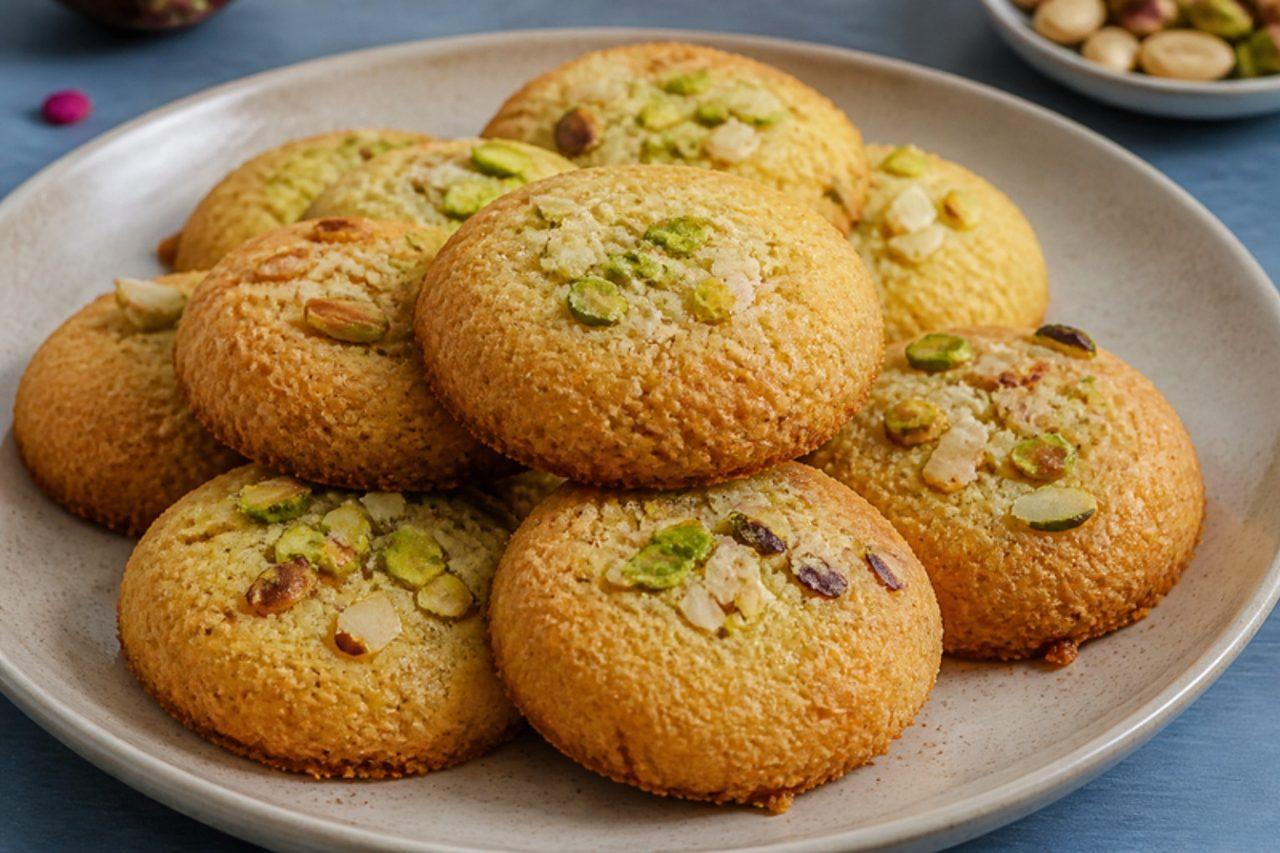
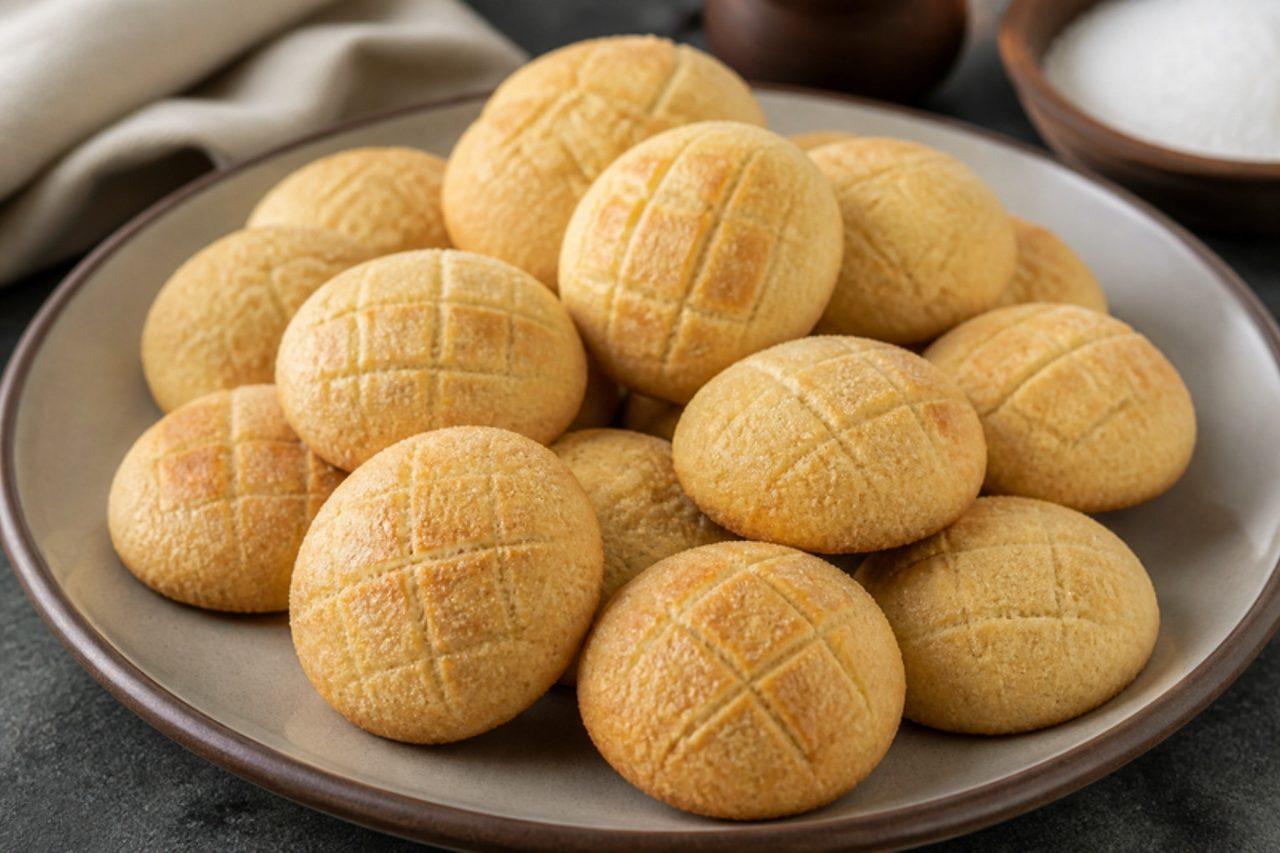
BolinhasSemolina and coconut cookies

Bolinhas (small balls in Portuguese) are the cookies Goan Catholic families bake in batches for the Christmas kuswar, the tins of sweets sent to friends and neighbours in Panjim and Salcete in mid-December. Fresh coconut is cooked briefly in a sugar syrup, mixed with semolina and left overnight so the grains soften, then bound with butter and egg yolks, shaped into small balls, marked with a fork or a cross and baked until golden. The texture is sandy and crumbly outside with a chewy coconut centre, and they smell of cardamom and browned butter. They contain egg yolk, so they are vegetarian with egg, not vegan. The common mistake is baking them the same day: unsoaked semolina stays gritty and the cookies spread. Chef's tip: shape with slightly damp hands and keep them small, about 3 cm; they puff a little and need room on the tray.

by KrazyBadal 0 views

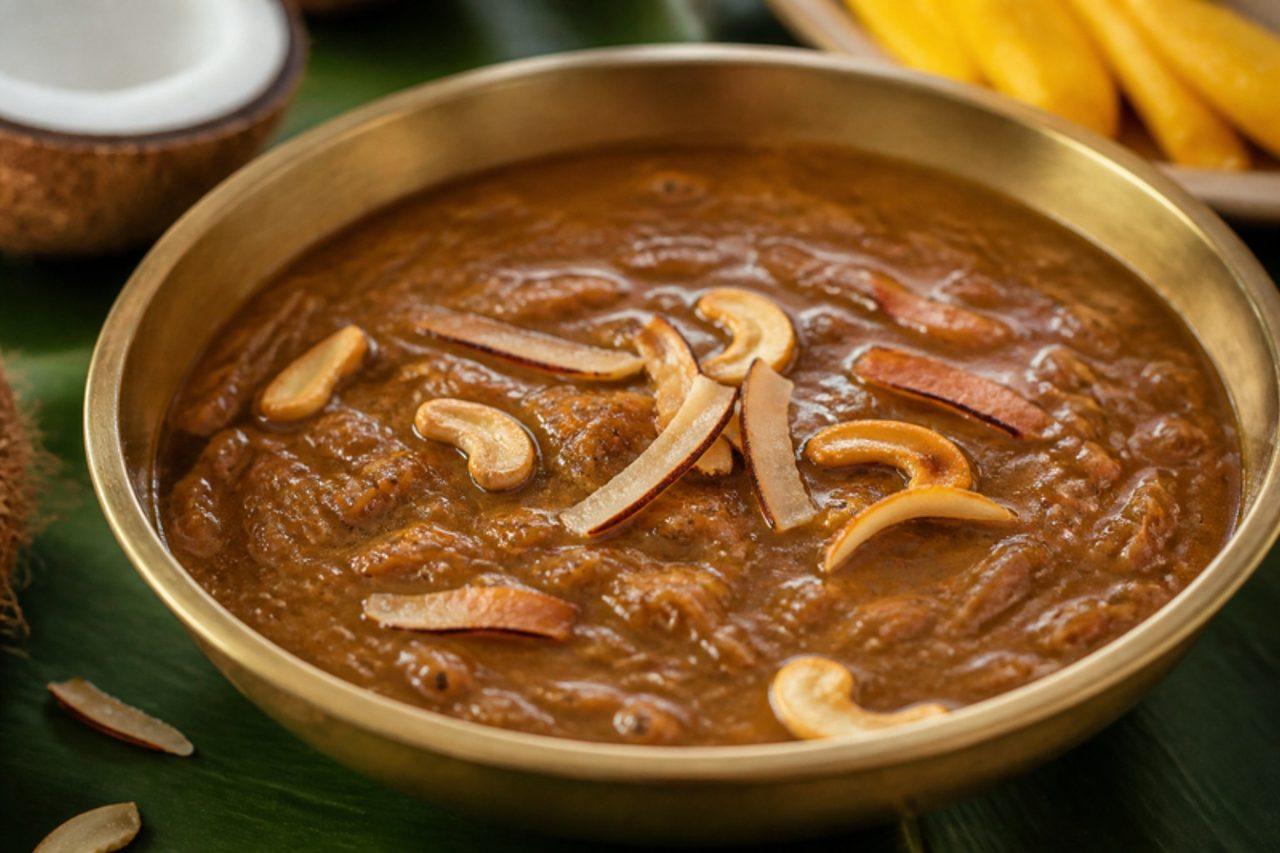
Chakka pradhamanJackfruit coconut milk pudding

When the jackfruit trees of Kerala hang heavy in summer, families cook the ripe bulbs with jaggery and ghee into chakka varatti, a dark, sticky preserve that keeps for months. Come Onam in August or September, a jar of varatti is all that stands between them and chakka pradhaman, the richest payasam on the sadya leaf. The preserve is melted into thin coconut milk, simmered, then finished with the thick first pressing, dry ginger, cardamom and coconut slivers fried in ghee. It tastes of caramelised fruit and toffee, smooth and heavy, with crunchy bits of coconut. Serve it warm in small cups or on the leaf with a crushed pappadam and a slice of banana, as Malabar families do. Do not let the pot boil once the thick coconut milk goes in: it splits and turns oily. Chef's tip: if you have ready varatti, use 250 g and skip the first stage; the slow-cooked jackfruit is what gives the deep colour, so do not rush it.

by KrazyBadal 0 views

ChhundoSweet grated mango preserve

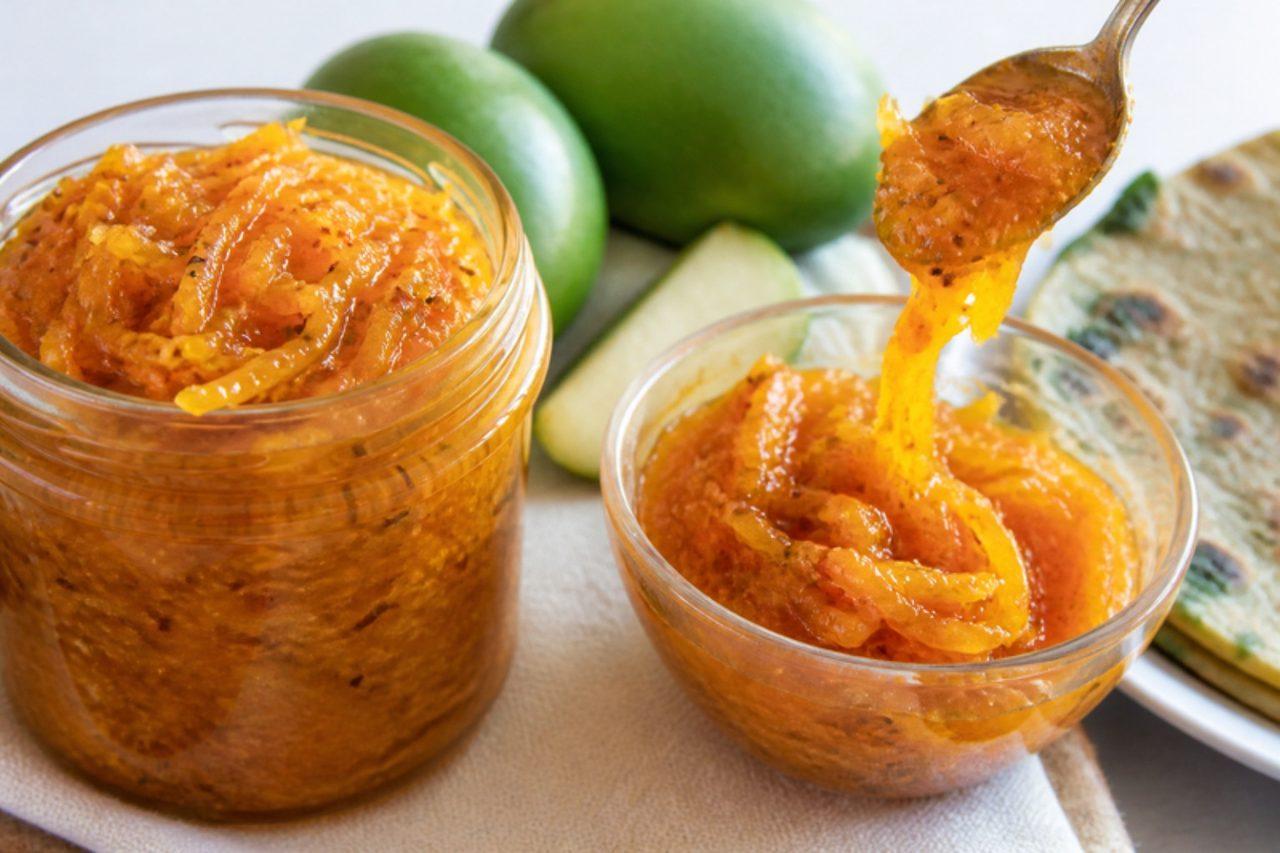
Every May, when rajapuri mangoes arrive hard and green, Gujarati terraces fill with muslin-covered jars of chhundo slowly cooking in the sun. Grated raw mango is salted, mixed with sugar and left out for a week or more, stirred each day, until the sugar melts into a clear, glossy syrup and the shreds turn translucent. Red chilli and roasted cumin go in at the end, so it is sweet first and then warm. It is what children spread inside a thepla or a rotli for the school dabba, and it sits beside khakhra, puri and dal-bhaat all year round. No terrace or no sun? It cooks just as well on the stove in 25 minutes; both methods are below. Use rajapuri (or another firm, sour, fibre-free raw mango) and grate it on the large holes so the shreds hold. Common mistake: cooking past one-string; the syrup keeps thickening as it cools and the chhundo sets hard like candy. Store it in a dry, sterilised jar and always use a clean, dry spoon; discard it if you ever see mould or it smells fermented. Chef's tip: mix part Kashmiri chilli for colour and part hot chilli for heat, and add the chilli only after the syrup is ready so it stays bright red.

by KrazyBadal 0 views

AmchurDry mango powder

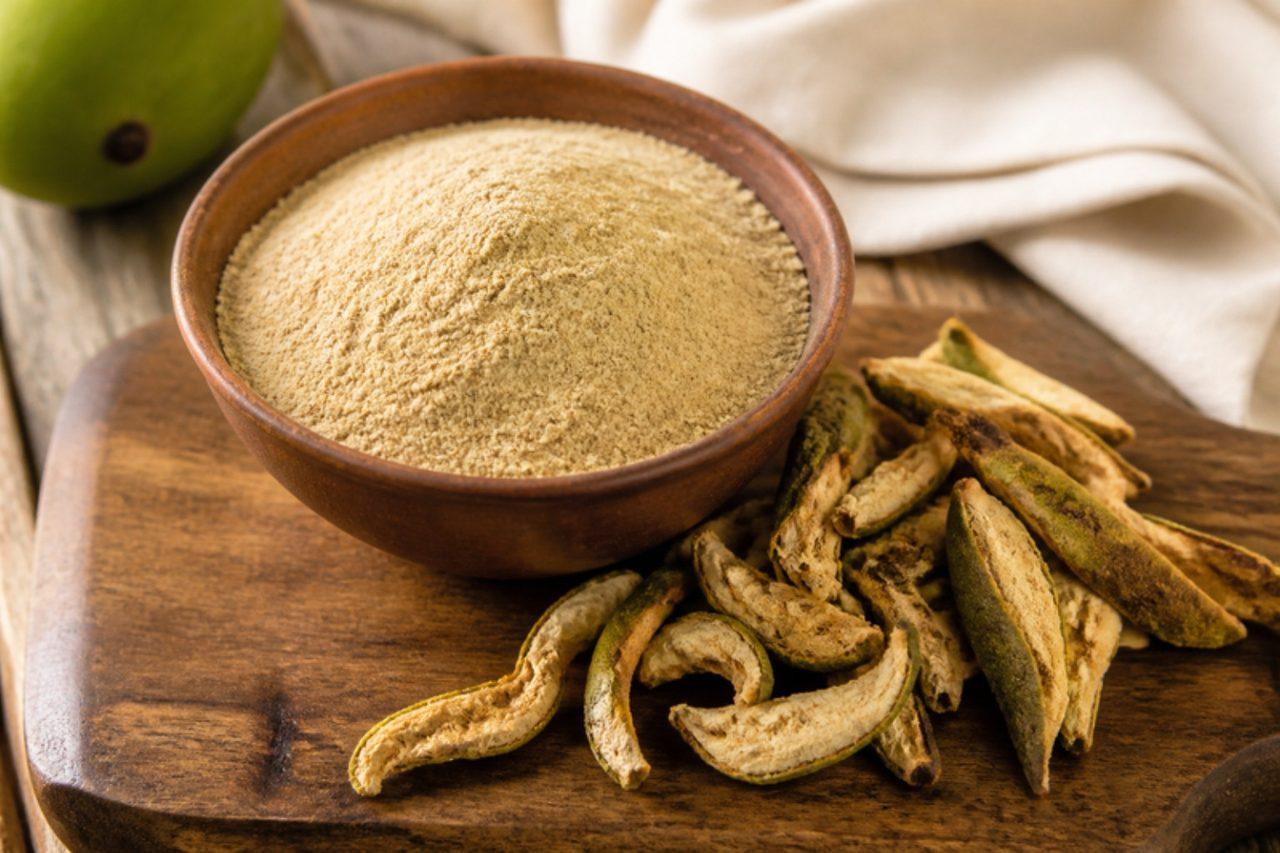
Every Punjabi and UP kitchen keeps a jar of amchur next to the jeera and haldi, and the homemade version smells far fresher and sourer than most shop powder. In villages around Saharanpur and Malihabad, the raw mangoes that fall in early-summer storms are peeled, sliced and spread out to dry, and the brittle slices (amchur khatai) are either stored whole or ground. Amchur gives a fruity, mouth-puckering sourness without any liquid, which is why it goes into dry dishes where tomato or tamarind would make things soggy: bhindi masala, stuffed karela, samosa and kachori fillings, chole, chaat masala and pav bhaji masala. A kilo of mangoes gives roughly 100 g of powder. Common mistake: grinding slices that still bend; even slight moisture makes the powder clump into hard lumps in the jar. Chef's tip: choose small, rock-hard, very sour green mangoes with white flesh, not ones starting to turn yellow; riper fruit dries into a brown, sweetish powder.

by KrazyBadal 0 views

Bagara khanaSpiced tempered rice

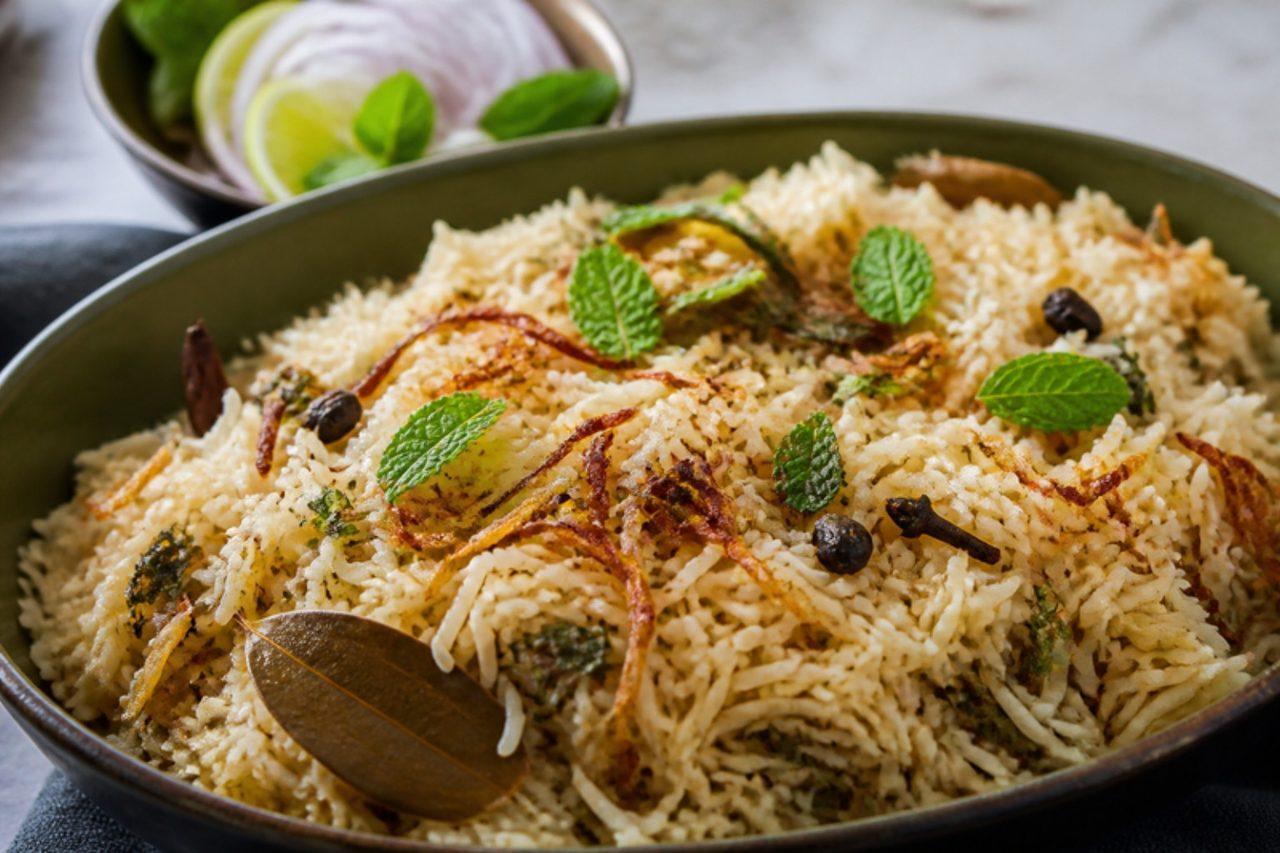
Ask for rice at a Hyderabadi wedding or Eid dawat and, if it is not biryani, it will be bagara khana: long-grain basmati cooked in a bagar (tempering) of ghee, shahi jeera, cinnamon, cloves, cardamom and bay leaf, with sliced onion, ginger-garlic, green chillies, mint and coriander. It has no vegetables or meat in it at all; it is the plain partner for rich, sour gravies like dalcha (lentils with bottle gourd), mirchi ka salan and bagara baingan, and every Old City household eats it on Sunday. Each grain should be long, separate and fragrant, glossy with ghee and flecked with green. The common mistake is too much water, which makes it mushy; measure 1¾ cups of water for each cup of soaked rice and finish on dum. Chef's tip: add a squeeze of lemon to the boiling water; it keeps the basmati white and stops the grains breaking.

by KrazyBadal 0 views

Amla murabbaGooseberry preserve

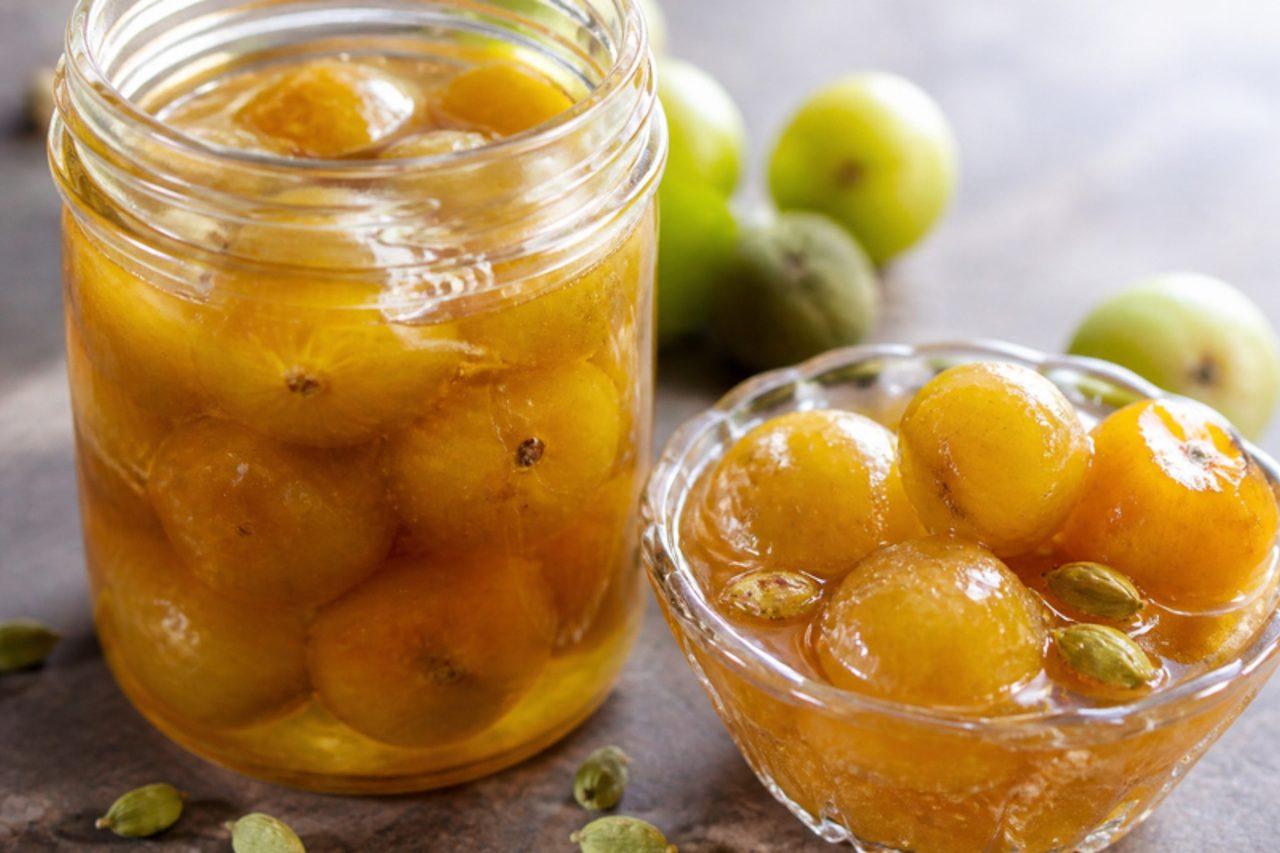
Murabba is the old North Indian way of keeping amla through the year, and a single gooseberry in syrup each morning is still the winter habit of many grandparents in Uttar Pradesh, Punjab and Rajasthan, who swear by it for digestion and colds. Fresh amla are sour and astringent; pricked, briefly steamed and simmered in sugar syrup, then left to steep overnight, they turn golden, translucent and soft, sweet with a sour heart and a gentle bitterness at the end. Cardamom, black pepper and saffron perfume the syrup. Eat one on its own, chopped into yogurt, or with a paratha. Choose large, firm, unblemished amla in November–February, when they are in season. Common mistake: steaming them too long; they split into segments and fall apart in the syrup. Steam only until they turn pale and the lines on the skin show clearly. Store in a dry, sterilised jar with the amla under the syrup, use a clean dry spoon, and discard if mould or fermentation bubbles appear. Chef's tip: the overnight rest is what lets the syrup soak right to the centre; reboil the syrup the next day so it thickens again.

by KrazyBadal 0 views

AnnakutWinter vegetable shaak

The day after Diwali, Pushtimarg havelis from Nathdwara to Ahmedabad build the annakut, literally a mountain of food, piled before Shrinathji to remember Krishna lifting Govardhan hill. Among dozens of sweets and farsan, there is always a shaak cooked from every vegetable of the new season, and many Gujarati and Rajasthani homes make their own version for the New Year meal. In the haveli tradition there is no onion or garlic, and many families leave out tomato too; the flavour comes from ajwain, ginger, green chilli, a little jaggery and lemon. It is lightly spiced, sweet-sour and full of different textures, from creamy raw banana to crunchy beans. Serve with puri, kadhi and rice. This version uses groundnut oil, so it is vegan; havelis cook it in ghee. Chef's tip: cut every vegetable to roughly the same size and add them in order of how long they take, so the shaak ends up tender, not mushy.

by KrazyBadal 0 views

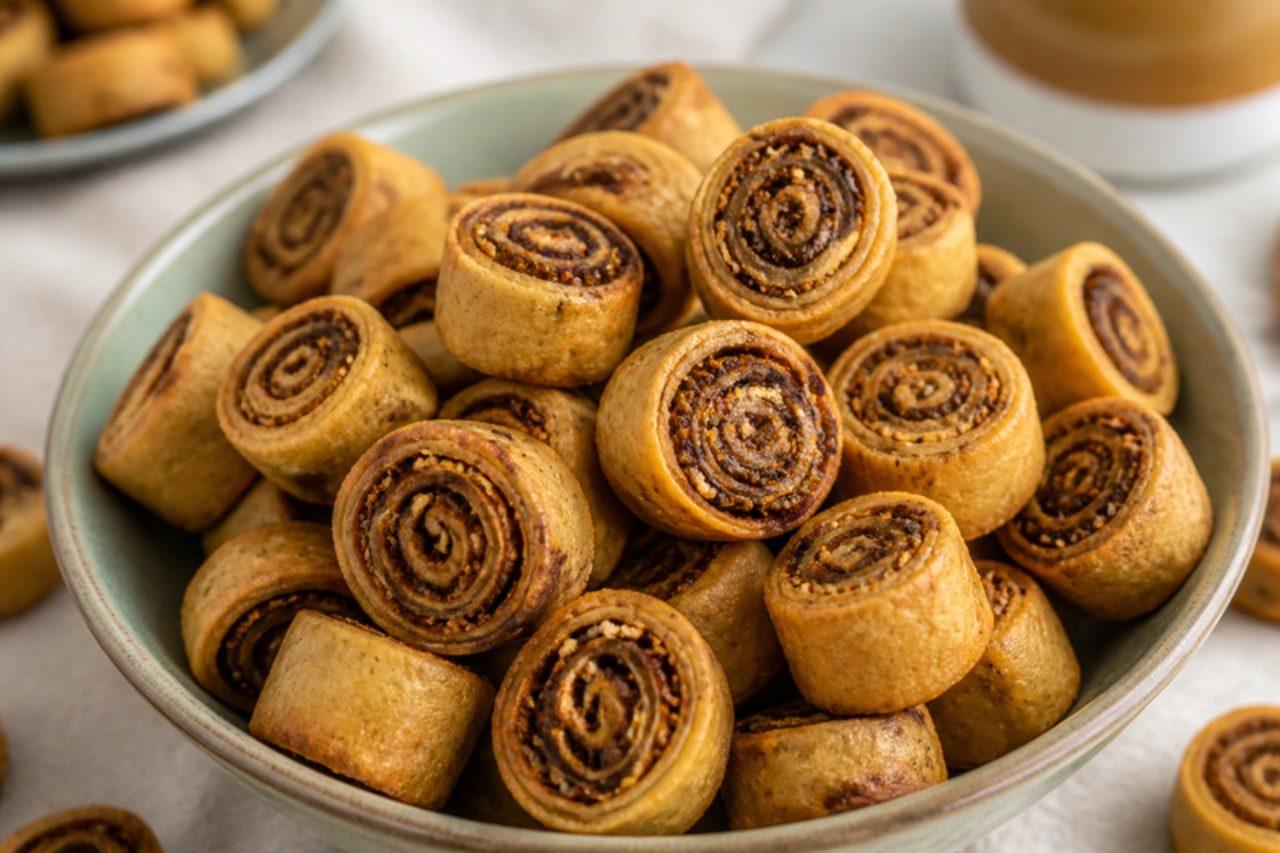
BhakarwadiSpiced coconut pastry pinwheels

Pune claims bhakarwadi as its own, and the queues outside the city's old sweet-and-farsan shops at Diwali prove it. Thin sheets of spiced pastry are spread with tamarind, sprinkled with a roasted filling of dry coconut, sesame, poppy seeds, coriander, fennel and chilli, rolled up tight and sliced into spirals before frying. Each bite is crisp, then sweet, then sour, then hot, which is why one is never enough. Gujarati farsan shops sell a sweeter cousin, but the Maharashtrian version keeps the chilli forward. They keep for weeks, travel well and make a good tea-time snack all year. Chef's tip: press the filling into the dough with the rolling pin before you roll the log; loose filling falls out when you slice and the spirals unwind in the oil.

by KrazyBadal 0 views

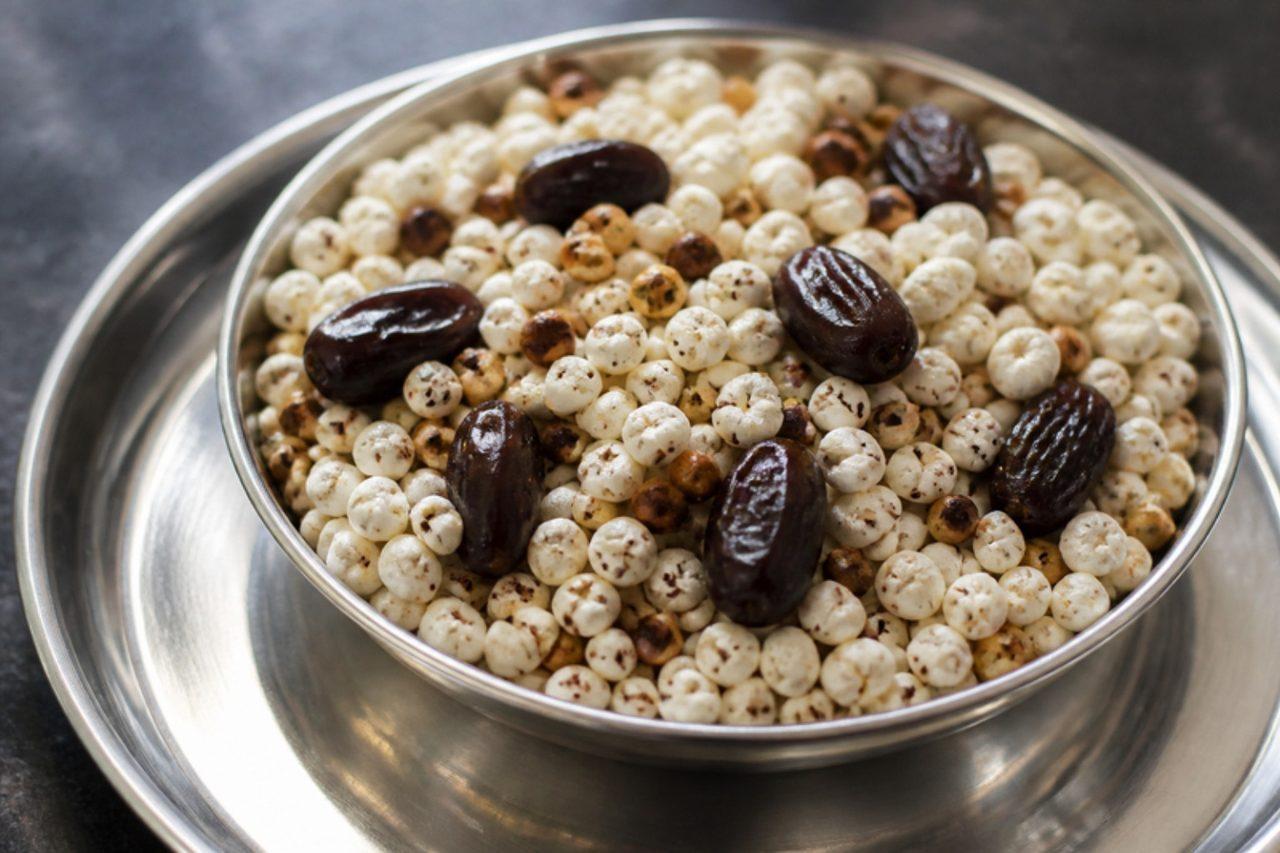
Dhani khajurPopped jowar and dates

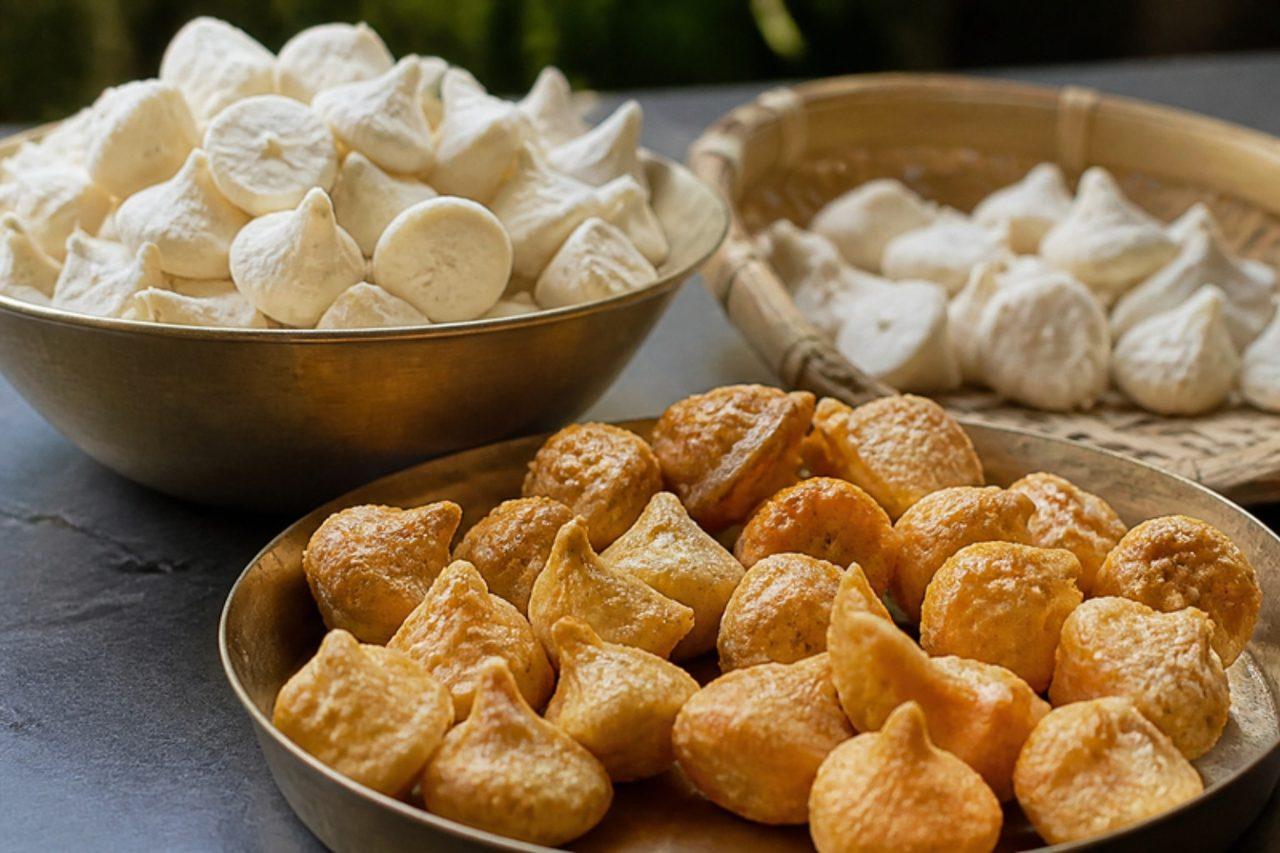
On Holika Dahan night, Gujarati families circle the bonfire with coconut, water and a plate of dhani, dalia and khajur, toss a handful into the flames, and then share the rest. The popped jowar is light and crunchy, the roasted chana nutty and mealy, and the dates bring a chewy, caramel sweetness, so together they make a surprisingly satisfying snack. The idea passed down by elders is practical: as the season turns from winter to summer, dates give warmth and energy, and the dry grains settle the stomach. It is also the first thing handed to children when they come home with coloured faces the next morning. Buy fresh dhani in the weeks before Holi, when Gujarati grocers and street sellers have it by the sackful. Chef's tip: shake the dhani in a sieve before mixing; it loosens the papery husks and the hard unpopped kernels that can crack a tooth.

by KrazyBadal 0 views

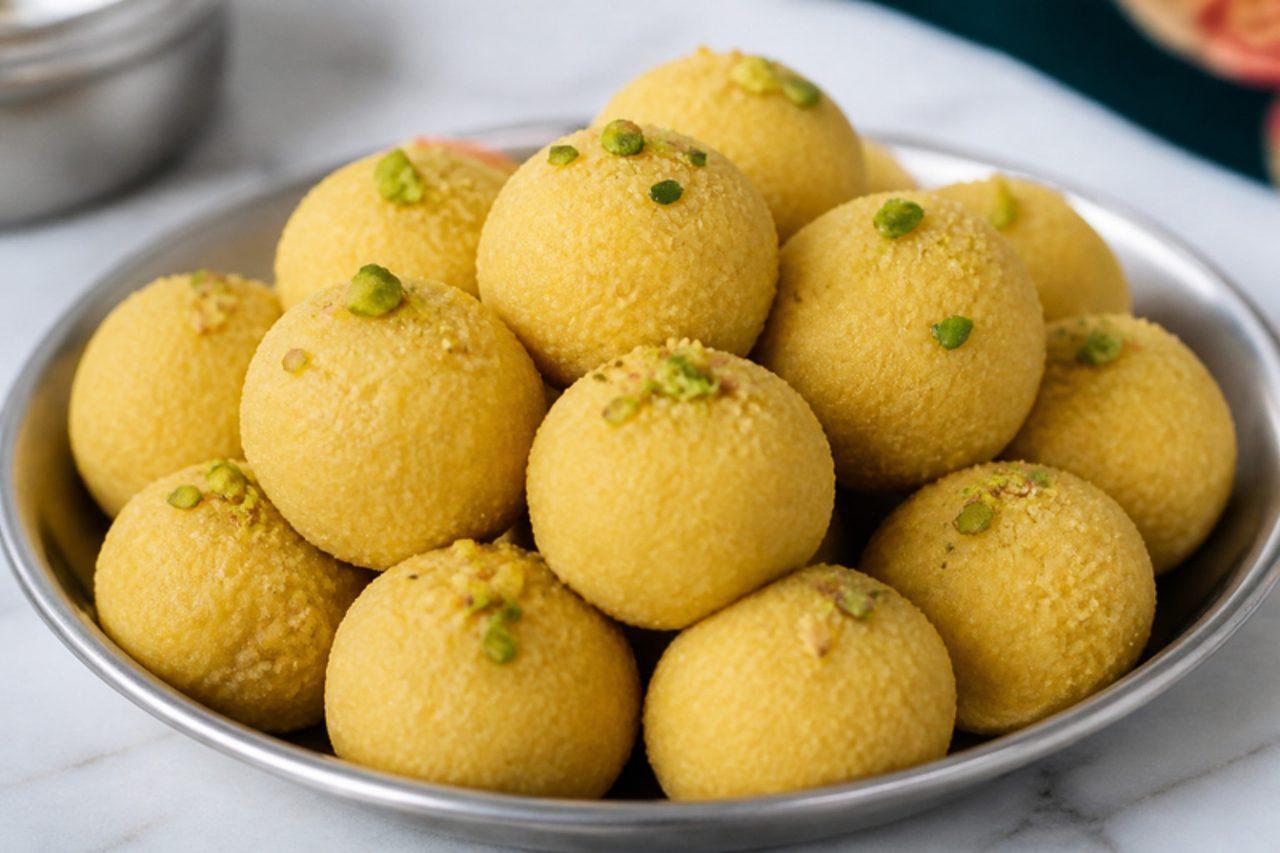
Besan ladooGram flour sweet balls

Every North Indian and Gujarati kitchen has its besan ladoo argument: coarse or fine flour, boora or caster sugar, nuts or not. What nobody argues about is the roasting. The gram flour has to cook in ghee on a low flame for half an hour, going from a stiff lump to a loose, flowing paste the colour of sand, until the raw beany smell is gone and the kitchen smells like roasted peanuts. That patient roast gives a ladoo that is melt-in-the-mouth, faintly grainy and rich, never pasty. They are made for Diwali, offered to Ganesh on Chaturthi and packed for travellers because they keep for weeks. Use besan packed without wheat if you need it gluten-free. Chef's tip: let the roasted besan cool until just warm to the touch before the sugar goes in; hot besan melts the sugar and your ladoos slump into flat discs.

by KrazyBadal 0 views

Bengali boriSun-dried lentil dumplings

Winter mornings in rural Bengal used to mean bori-making: the household gathered on the roof with a big bowl of freshly ground, hand-whipped urad dal and dropped little peaked dollops onto cloth in neat rows. In Medinipur the women even pipe them into lace-like gohona bori, a folk art of its own. The everyday kind is simpler, a cone the size of a marble, sun-dried until rock hard. Fried in mustard oil, a bori turns crisp and golden outside and slightly spongy inside, and it soaks up gravy beautifully. A handful goes into shukto, into a maacher jhol with potatoes, into lau ghonto (bottle gourd) or into a simple vegetable chorchori. Common mistake: grinding the dal with too much water; the paste then spreads flat on the cloth instead of holding a peak. Chef's tip: check the whipped paste by dropping a little into a bowl of water. If it floats, it has enough air and the bori will be light; if it sinks, keep beating.

by KrazyBadal 0 views

Danyachi amtiPeanut curry

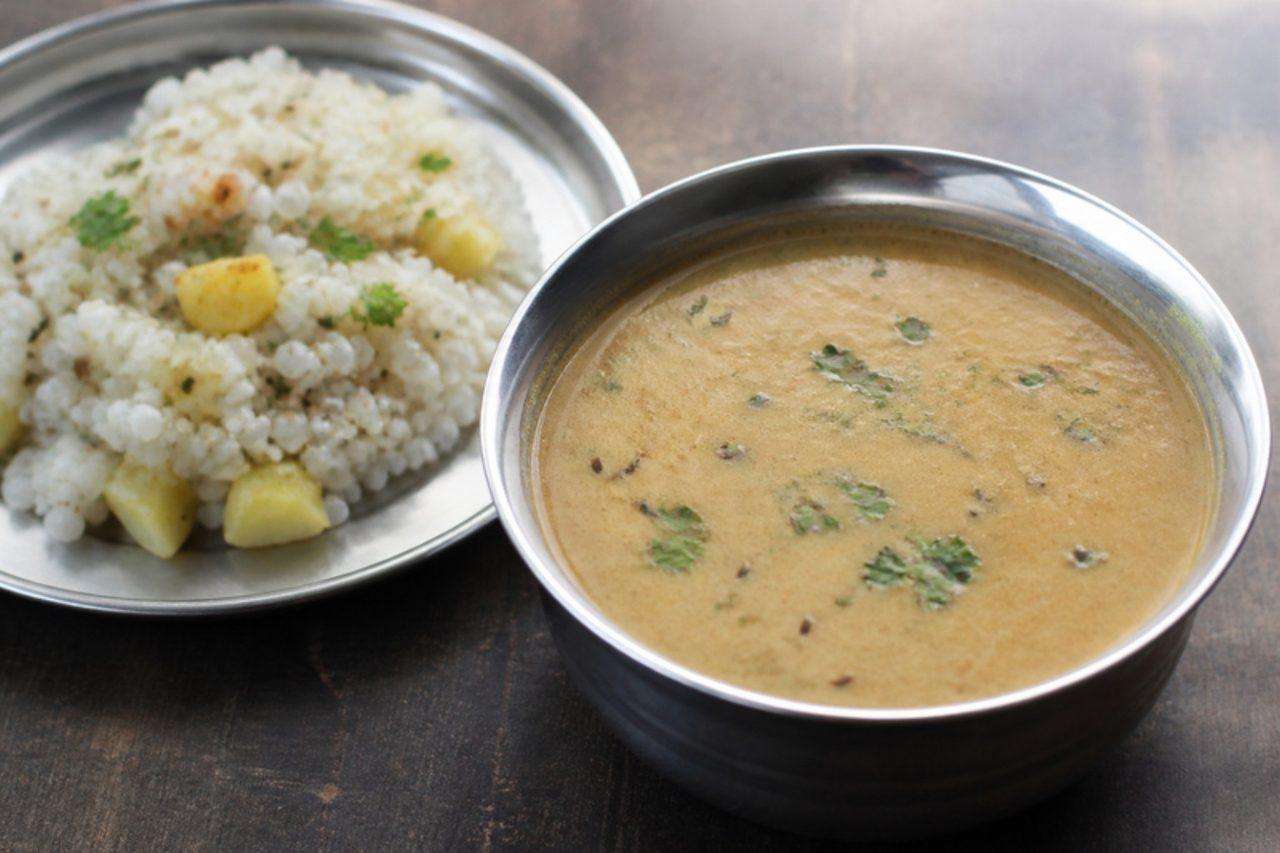
On fast days in Maharashtra, when dal is off the menu, danyachi amti takes its place. Roasted peanuts are ground smooth with green chilli, then simmered with water, a cumin tadka, kokum and a little jaggery into a pale, creamy curry with a sour, slightly sweet and spicy taste. It is ladled over sabudana khichdi or vari tandul (barnyard millet) bhagar, loosening them and adding protein to a fasting meal, and it goes well with upvasachi batata bhaji on the side. Use sendha namak so it suits the fast; ghee is the usual fat in many homes, oil keeps it vegan. It thickens a lot as it stands, so thin it with hot water before serving. Chef's tip: grind the peanut paste really smooth and whisk it into the water before heating; a coarse grind leaves the amti gritty and it splits as it boils.

by KrazyBadal 0 views

PatraSteamed colocasia leaf rolls

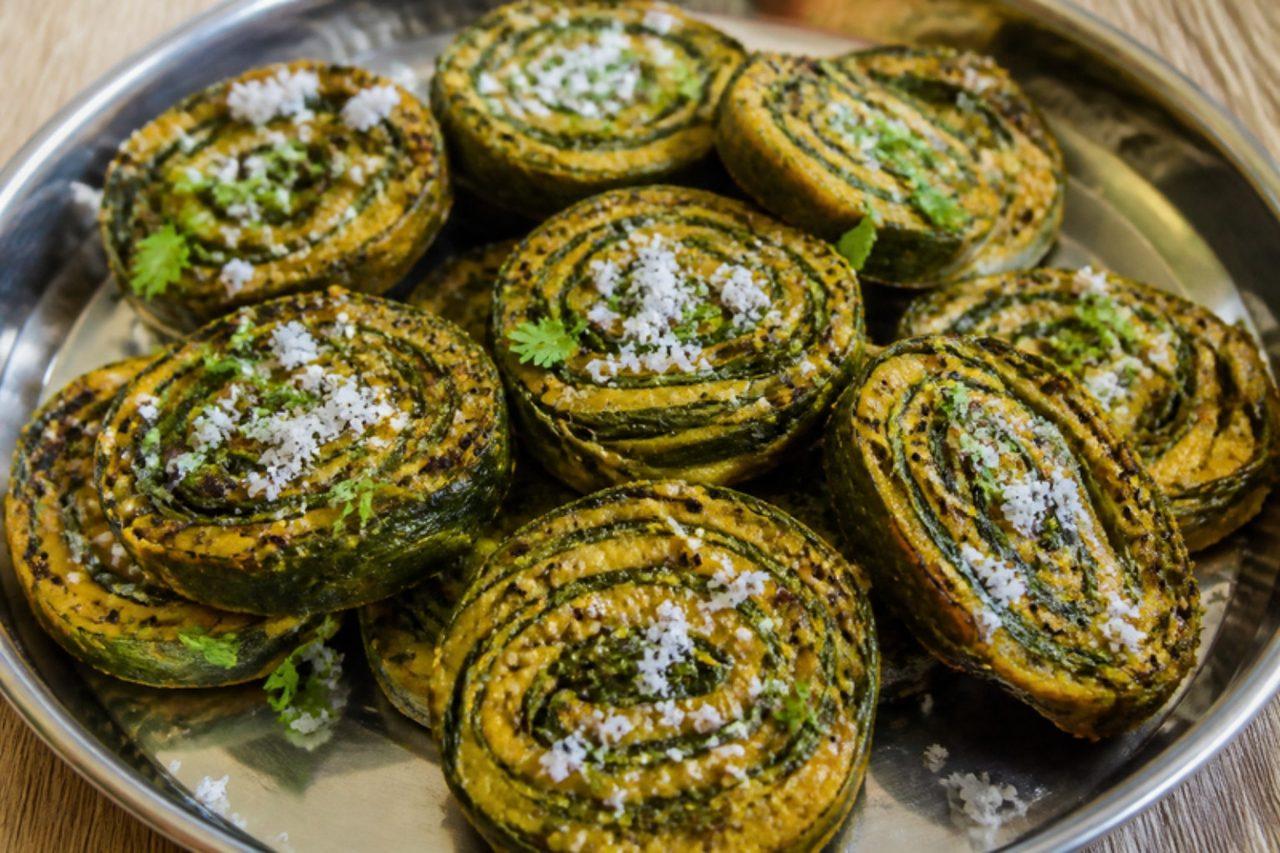
Arbi leaves (colocasia, sold as patra or alu leaves in Indian shops) are on every farsan counter from Surat to Ahmedabad, and steamed patra is the one Gujarati mothers make on a Sunday when the leaves look good at the market. Several leaves are glued together with a thick besan paste that is sour with tamarind, sweet with jaggery and warm with ginger and chilli, then rolled, steamed, cooled and cut into spirals. A final vaghar of mustard, sesame and curry leaves gives a crisp edge. The same dish in Maharashtra is alu vadi, where the slices are usually fried. Patra is a must on a wedding or Diwali farsan plate and is good cold in a dabba too, with green chutney or nothing at all. Tamarind matters for more than taste: raw colocasia makes the throat itch, and the acid in the paste stops it, so never skip it. Common mistake: slicing the rolls while hot, when they crumble; let them cool completely first. Chef's tip: choose medium leaves without holes, and shave the thick back veins flat with a knife so the leaves lie flat and roll tight.

by KrazyBadal 0 views

Showing 24 of 1,455 recipes

Show more recipes

Page 1 of 61