Skip to content
Recipes

All recipes

Vegetarian, or something you can't eat? Set your diet once and we'll hide recipes that don't fit.

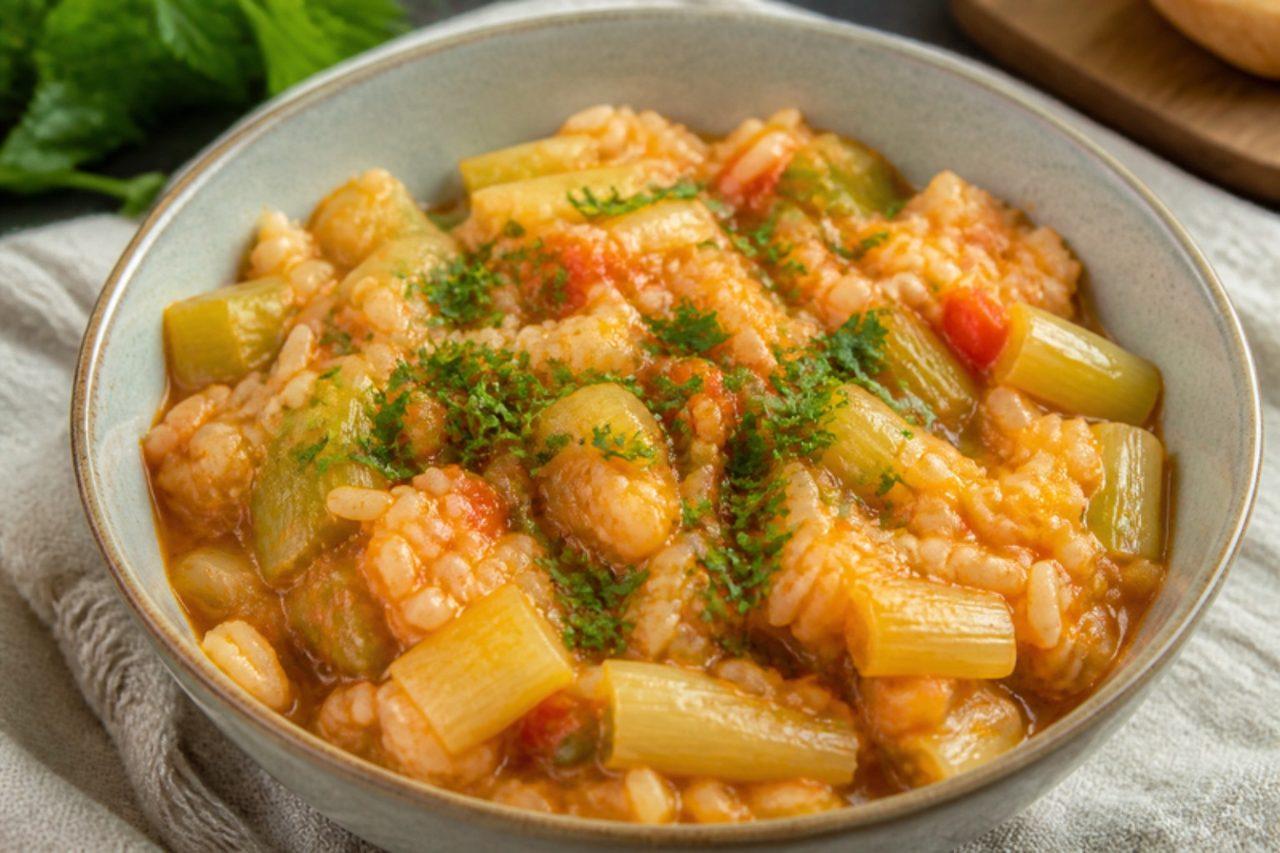
Mâncare de praz

When the Orthodox calendar calls for a fasting day (zi de post), Wallachian kitchens from Craiova to Bucharest often fall back on a pot of leeks. Thick rounds of leek melt slowly in olive oil with a handful of rice and tomato until the whole thing turns soft, sweet and spoonable, closer to a loose risotto than a soup. It is a vegan post dish, eaten warm or at room temperature with black olives, pickled peppers and a chunk of bread. Where most people go wrong is skipping the washing: leeks hide grit between their layers, so split and rinse them properly or every mouthful crunches. Chef's tip: let the finished pot stand off the heat for 10 minutes before serving, so the rice drinks up the last of the juices.

by KrazyBadal 0 views
Învârtită

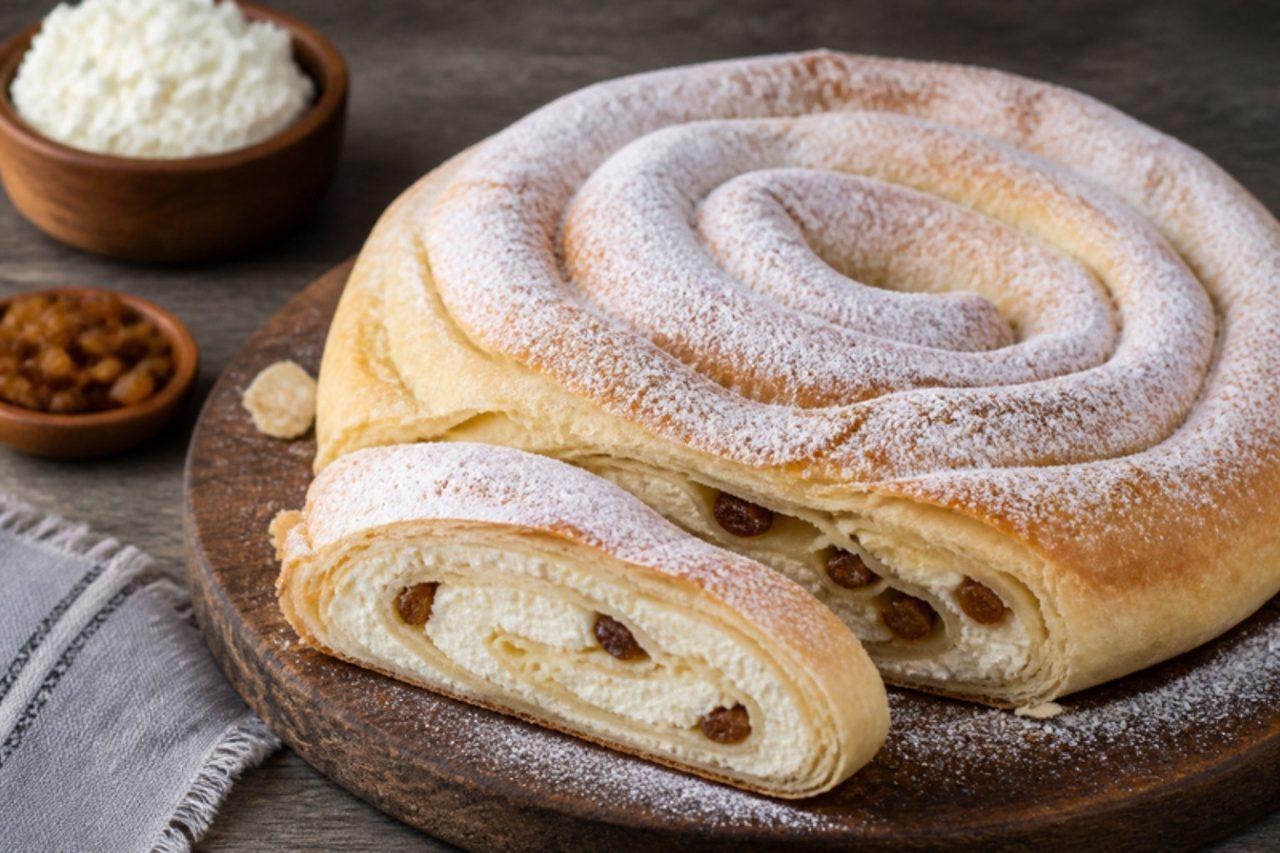
Sunday visits in the villages around Iași and Suceava rarely happen without a tray of învârtită, the coiled pastry whose name simply means 'twisted'. A soft dough is pulled over a floured tablecloth until it is as fine as paper, brushed with butter, covered in sweet cottage cheese with raisins and lemon zest, rolled up and wound into a snail before baking. Fresh from the oven it is crackly at the edges and moist in the middle; it is cut into wedges and eaten with coffee or a glass of milk. Families also fill it with sour cherries in June or grated pumpkin in autumn. Cottage cheese is usually made without animal rennet, but check the label if you keep strictly vegetarian. Lots of bakers stretch the dough too soon after mixing, and it tears into holes; give it the full rest. Chef's tip: drain the cottage cheese in a sieve for 20 minutes first, so the filling stays creamy and does not run out of the seams.

by KrazyBadal 0 views
Vărzări

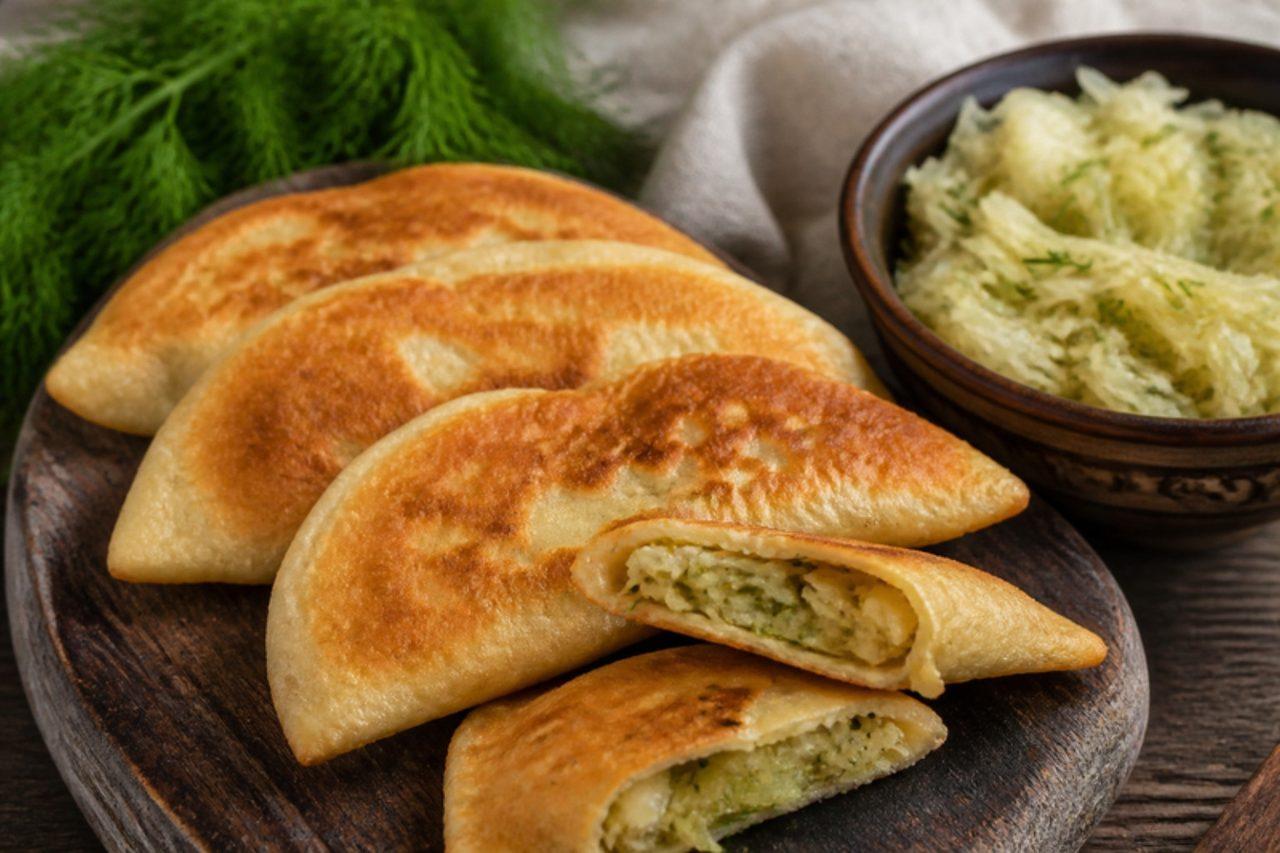
Across Moldavia and over the Prut in the Republic of Moldova, the long Lent before Easter and Christmas is when grandmothers bring out the sauerkraut barrel and start rolling vărzări. The dough is plain flour, water and oil, rolled paper-thin, folded around sauerkraut fried with onion and black pepper, then pan-fried in a little oil until blistered and crisp. Hot from the pan they are flaky outside and soft and sour within; at room temperature they make a good packed lunch, often eaten with a glass of compote or a bowl of bean soup. Being completely free of animal products, they suit the strict fasting days. Where most people go wrong is leaving the sauerkraut wet: squeeze it hard, or the juice soaks the dough and the pies tear. Chef's tip: rest the dough under a warm bowl for half an hour; the gluten relaxes and it will roll almost transparent without springing back.

by KrazyBadal 0 views
Bulz

Shepherds in the Apuseni mountains and the sheepfolds above Sibiu made bulz from what they had in the hut: stiff mămăligă pressed in the hand around a lump of salty sheep's cheese, then pushed into the embers until the outside crisped and the cheese melted. At home it bakes in the oven and comes out with a golden shell and a molten, tangy middle, usually with a spoon of sour cream and sometimes a fried egg on top. Telemea, brânză de burduf and caș are often made with animal rennet, so for a vegetarian bulz use a feta-style or other salty white cheese labelled vegetarian. The usual slip is cooking the mămăligă too soft, so the balls slump and leak; it should be thick enough to hold a wooden spoon upright. Chef's tip: wet your hands with cold water before shaping so the hot cornmeal does not stick.

by KrazyBadal 0 views
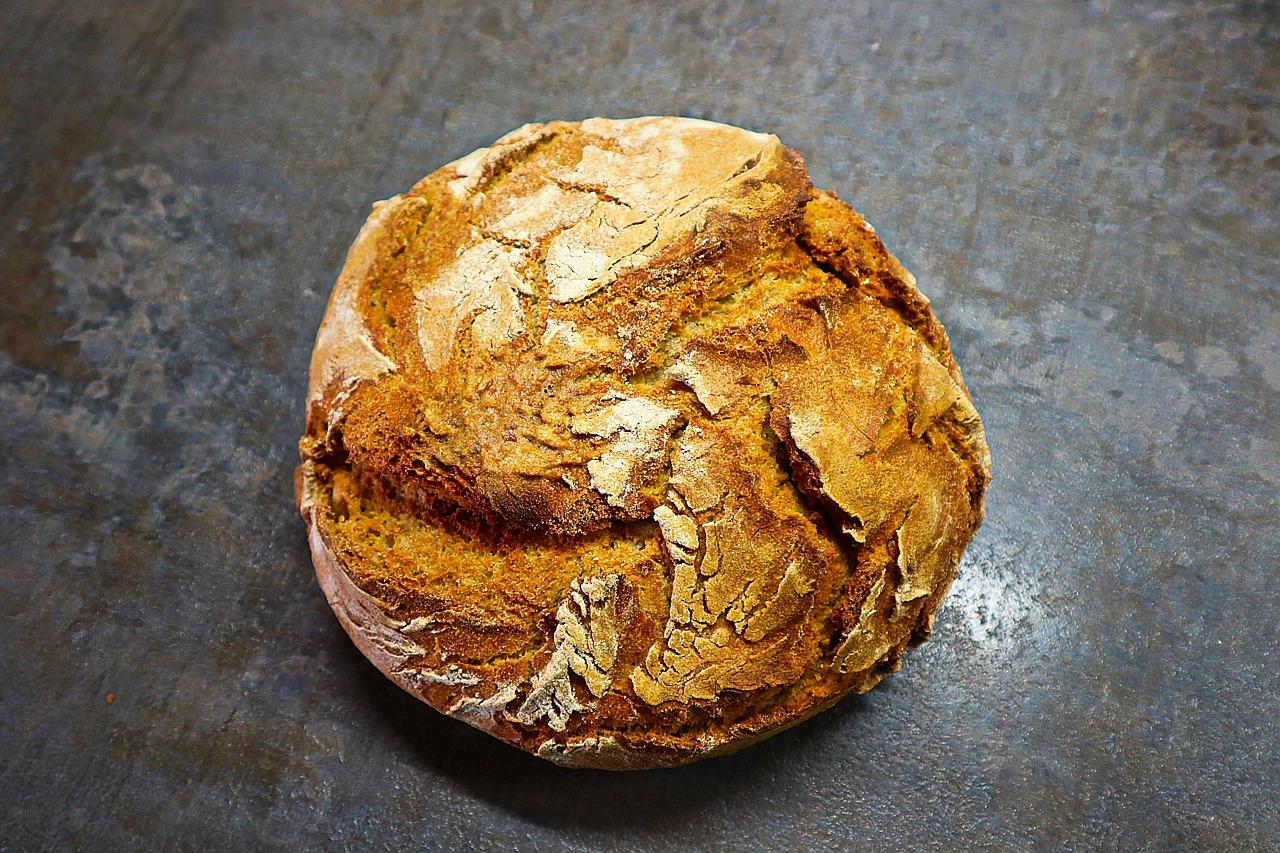
Pită de Pecica

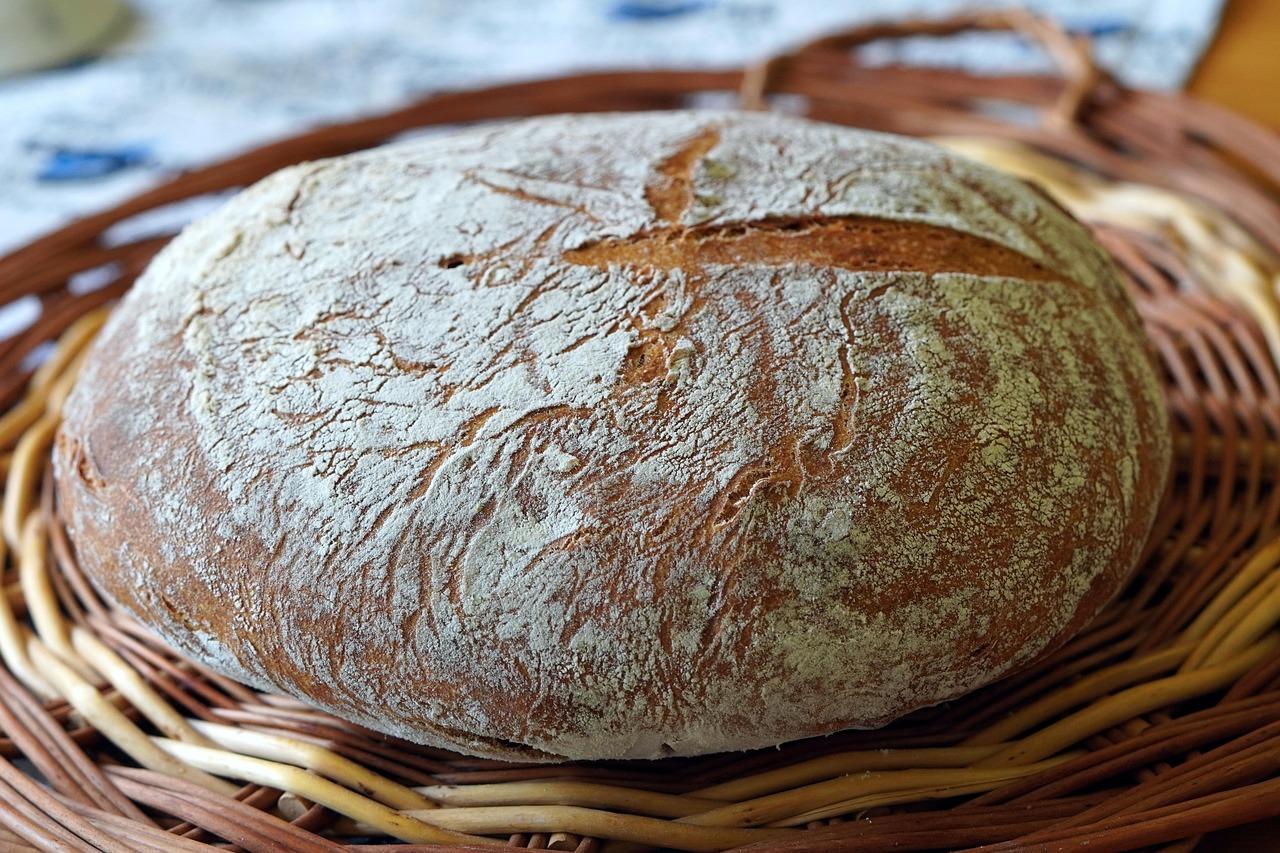
The bakers of Pecica, a large village near Arad close to the Hungarian border, are famous across western Romania for their pită: a huge round loaf with a crackling, deeply browned crust and a moist, slightly tangy crumb that keeps for a week. The old recipe needs only flour, water, salt, boiled potato and a natural leaven kept alive from bake to bake, with a long slow rise and an even longer bake in a wood-fired oven. This home version makes one 1.6 kg loaf in an ordinary oven with a baking stone and steam. Where most people go wrong is underbaking such a big loaf, which leaves a gummy middle; check the inside temperature. Serve thick slices with soup, with fresh cheese and onions, or toasted with garlic. Chef's tip: feed your starter the night before so it is bubbly and at its peak when you mix.

by KrazyBadal 0 views
Borș

Before lemons were common in Moldavian and Wallachian villages, every household kept a crock of borș, the cloudy, tangy liquid that turns a plain soup into a ciorbă. Wheat bran and a little cornmeal are steeped in hot water, seeded with a starter and left to ferment for 3–4 days in total, so although the hands-on work is short, plan a long weekend: the timings shown cover only the first two days of waiting. It is naturally vegan and a staple of the fasting (post) kitchen, where it sours nettle, bean and vegetable ciorbe. Where people go wrong is using a jar that is not properly clean, which lets the wrong microbes win and turns the borș slimy or mouldy. Chef's tip: keep a few spoonfuls of the drained bran, dried, as the starter (huște) for your next batch.

by KrazyBadal 0 views
Covrigi

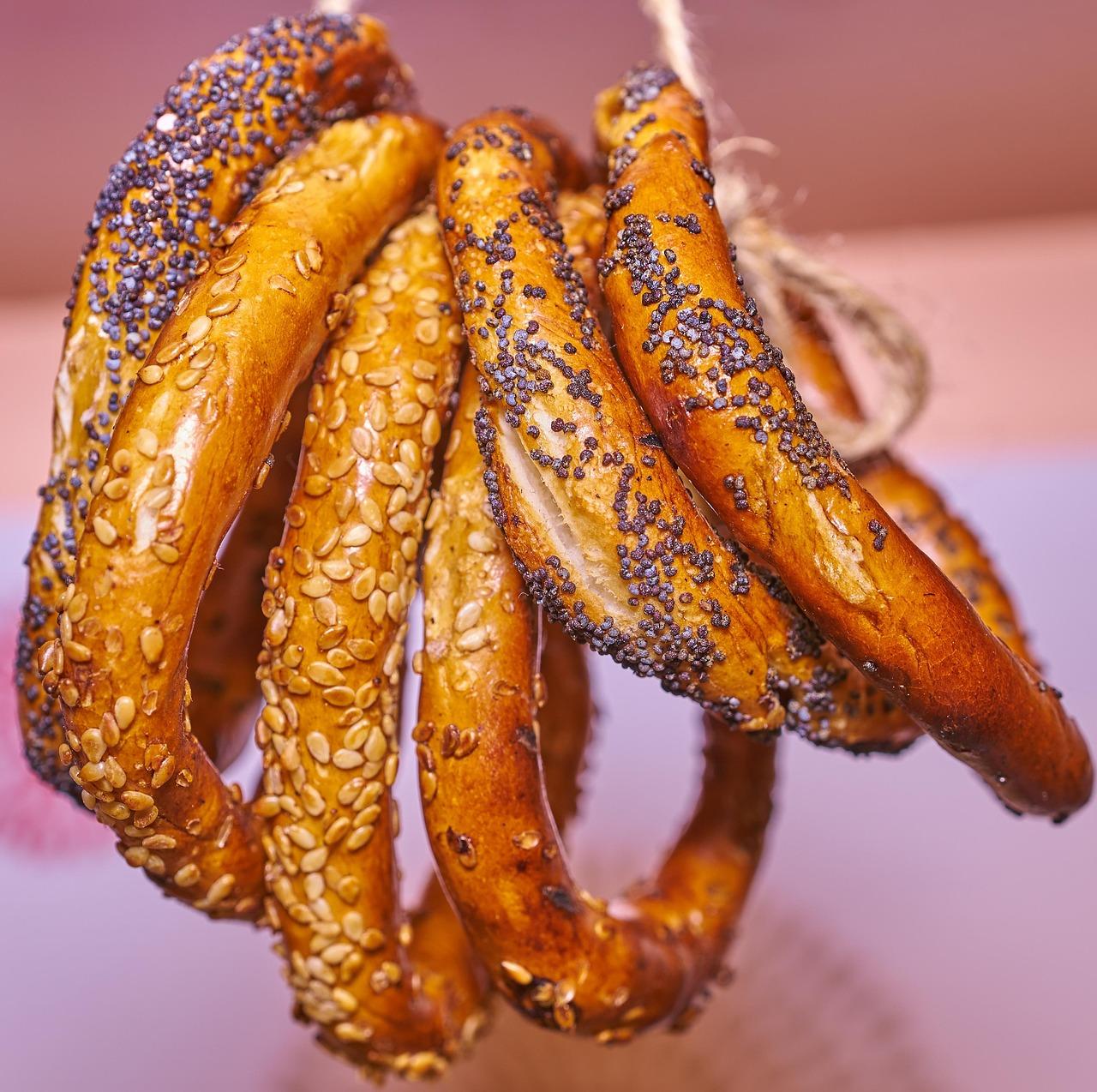
Morning commuters in Bucharest buy them hot from a hole-in-the-wall covrigărie, a paper bag of rings still warm enough to fog the glass; in Buzău, the town most proud of them, people swear by the thin twisted kind. Covrigi are a lean yeast dough with no egg or milk, so they are eaten through the fasting seasons too. Each ring is dipped briefly in boiling soda water, scattered with coarse salt and seeds, then baked until shiny and chewy with a crisp crust. A common mistake is leaving them in the water bath too long, which wrinkles the surface; 20–30 seconds is plenty. Serve them on their own, with a glass of ayran-style yogurt drink or with soup. Chef's tip: shape the rings on a dry, unfloured worktop, as a little grip makes the ropes easier to roll thin and even.

by KrazyBadal 0 views
Ciorbă de hribi

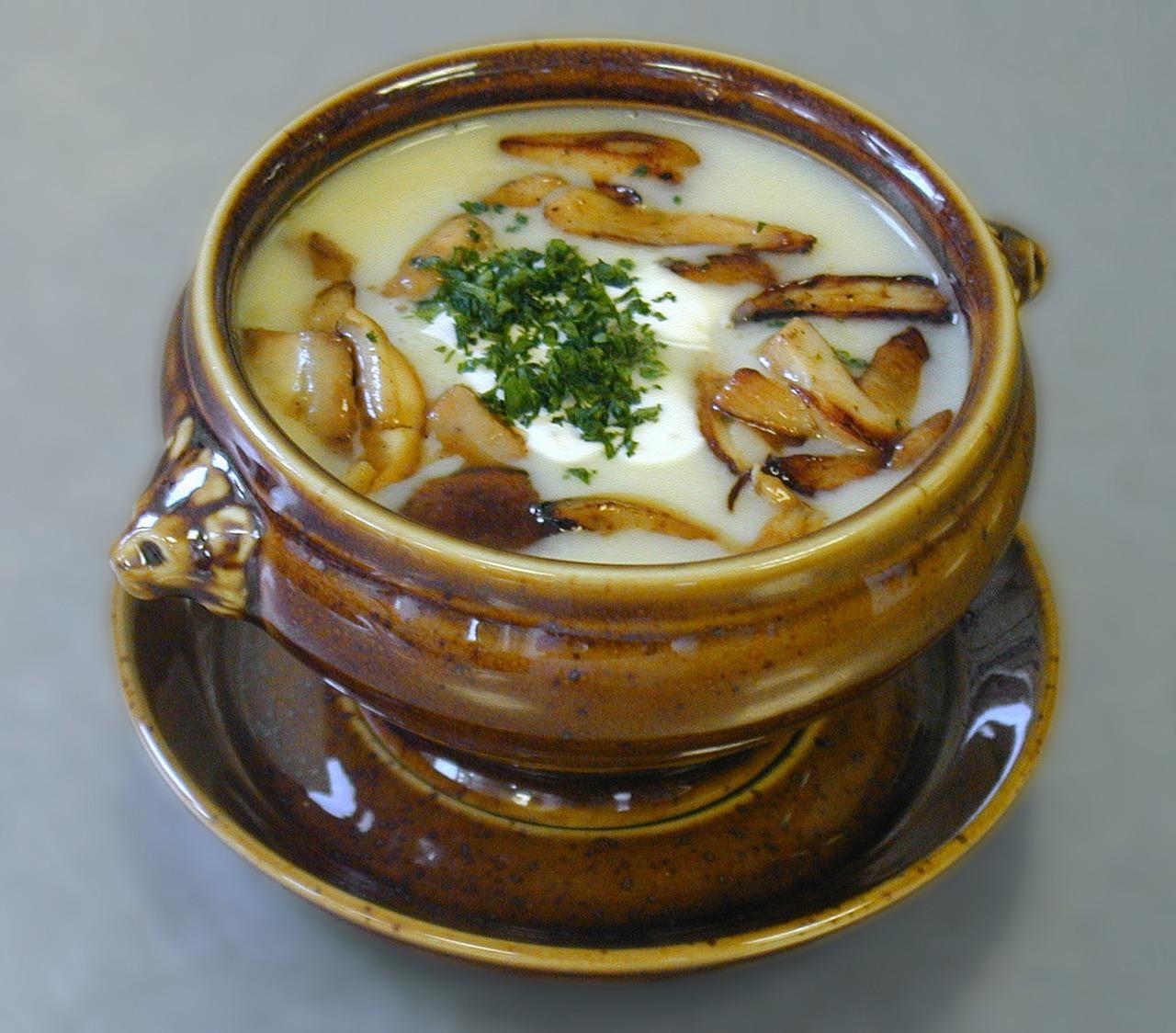
Late summer in the beech and spruce forests of Maramureș sends whole families out with baskets, and the first pot of the season is usually this sour porcini soup. Fresh hribi give it a meaty bite, a handful of dried ones deepen the broth, and a spoon of vinegar plus sour cream turns it into a proper ciorbă: tangy, creamy and smelling of the woods. It is eaten as a first course with a slice of rye bread and a fresh hot pepper on the side, often during the Orthodox fasting weeks in its cream-free form. The usual slip is stirring cold sour cream straight into the pot, where it splits into white flecks; warm it with a ladle of broth first. Chef's tip: keep the soaking water from the dried porcini and pour it in slowly, leaving the last spoonful and its grit behind in the bowl.

by KrazyBadal 0 views
Amandine

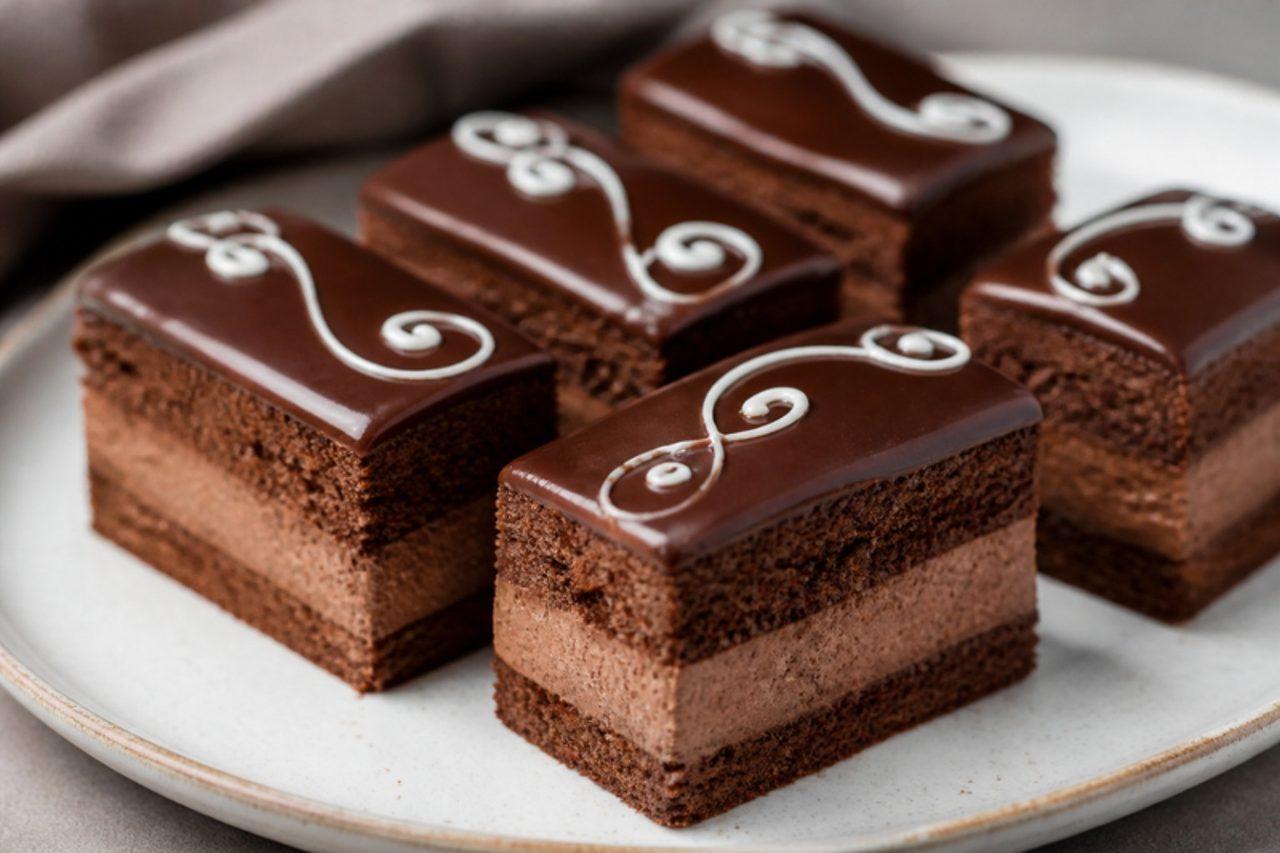
Every Bucharest cofetărie keeps a tray of amandine in the glass case, neat dark oblongs that generations of schoolchildren have bought with their pocket money. Despite the almond-sounding name there are no almonds in them: a cocoa sponge is split, soaked with a cocoa syrup, sandwiched with a rich chocolate custard buttercream and coated in a shiny ganache. Bakeries traditionally add rum to the syrup; this version is alcohol-free and uses vanilla and orange zest instead, though you can add 2 tablespoons of rum if you like. A common mistake is soaking the sponge while the syrup is still hot, which turns it to mush; both should be cool. Chef's tip: chill the filled cake until really firm before glazing and cutting, and wipe the knife hot between each cut for clean edges.

by KrazyBadal 0 views

Plăcintă dobrogeană

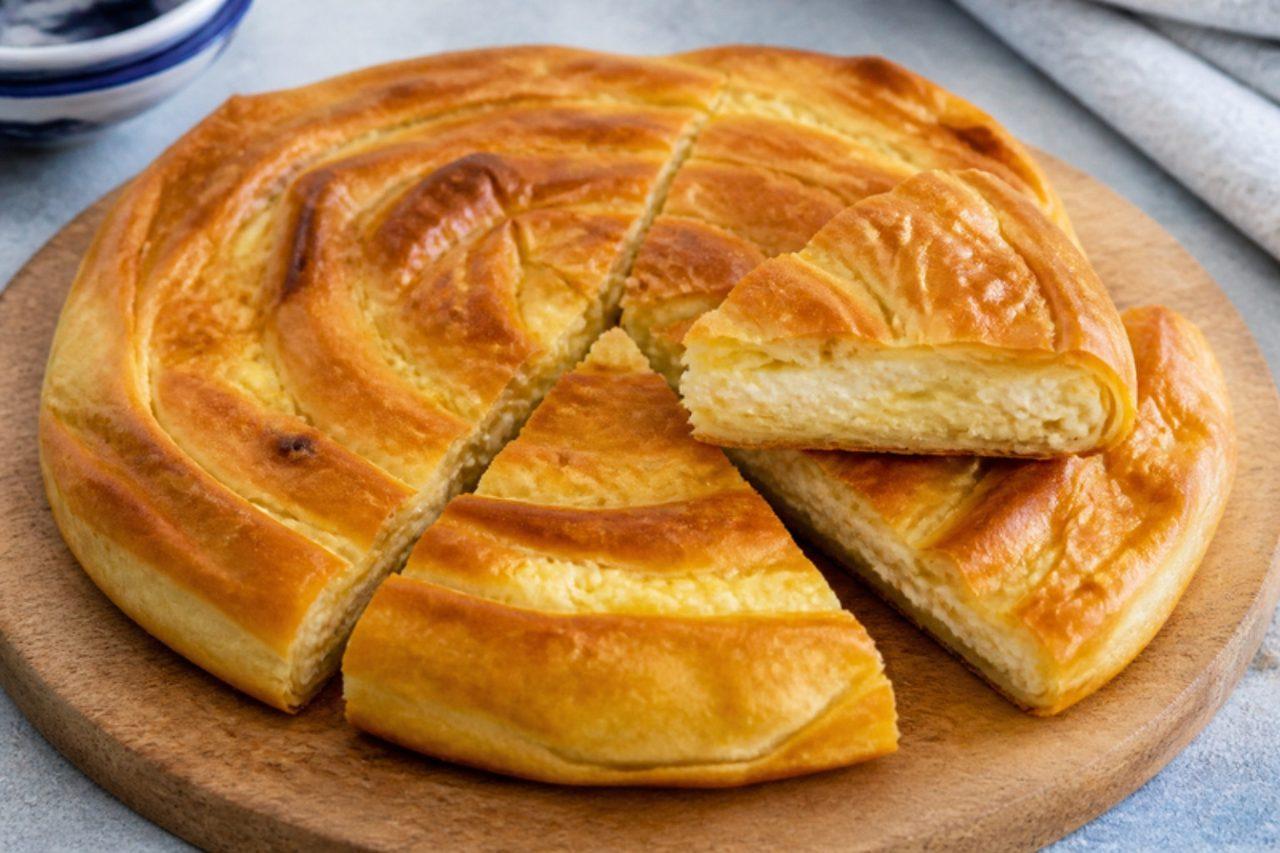
Down on the Black Sea coast and the steppe villages around Constanța and Tulcea, where Aromanian, Turkish and Tatar cooks have shared ovens for generations, plăcintă dobrogeană is a big round pie made from hand-stretched sheets rolled around salty cheese and egg, coiled into a tin and baked until crackling. Just before baking, a little egg and yogurt is poured over, so the inner layers turn soft and custardy under a shatteringly crisp top. It is cut into wedges and eaten warm for breakfast with ayran or a glass of milk. Telemea and other salty white cheeses are often made with animal rennet, so pick one labelled vegetarian. The usual slip is overfilling the rolls, which split as they coil. Chef's tip: keep the stretched dough under a damp tea towel while you work, so it stays supple.

by KrazyBadal 0 views

Turte cu julfă

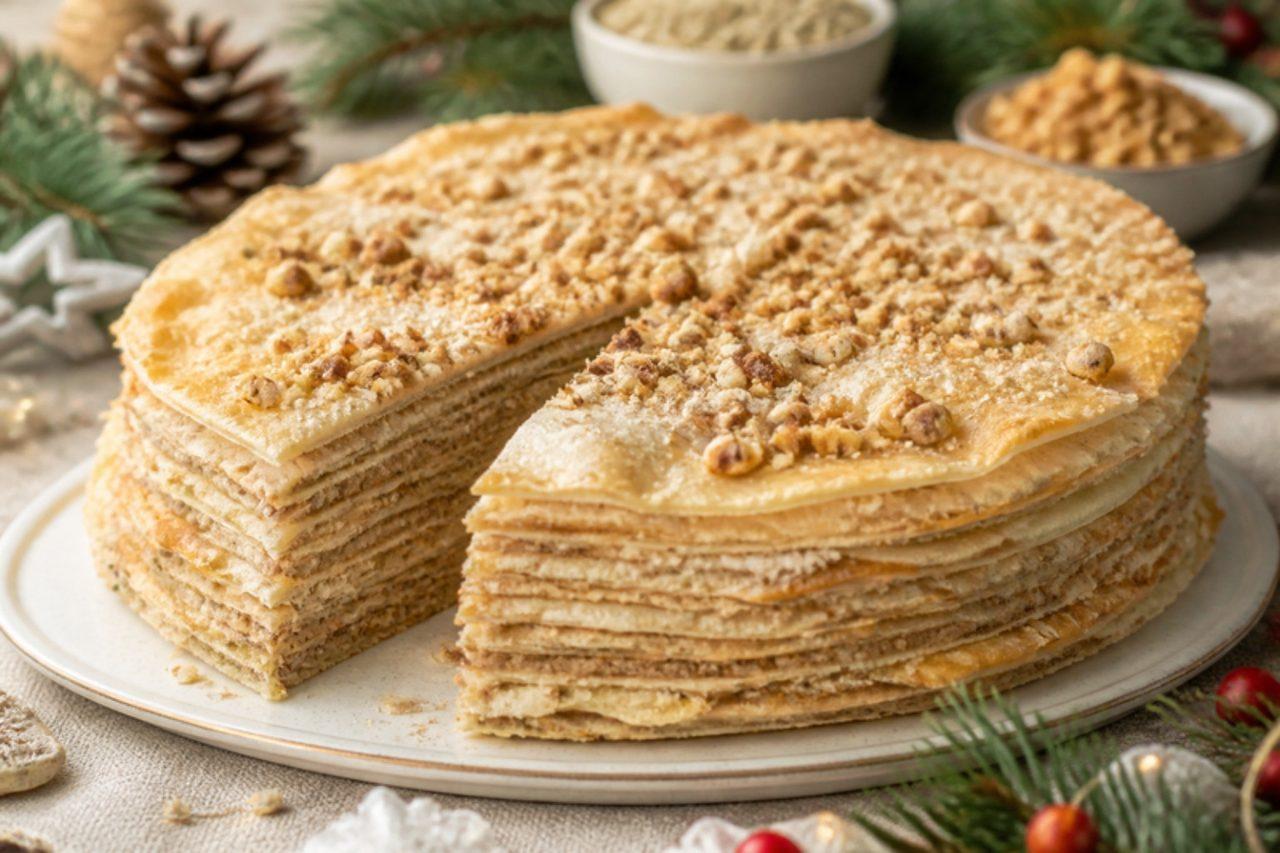
On Christmas Eve (Ajunul Crăciunului), the last day of the Advent fast, old Moldavian households around Neamț and Suceava set out turte cu julfă: paper-thin baked sheets of dough stacked with a sweet cream of ground hemp seed and crushed walnuts. The sheets are said to stand for the swaddling clothes of the Christ child, and the whole cake is vegan so it can be eaten while the fast still holds. Soaked with syrup and left overnight, it softens into a dense, nutty, gently sweet slice. Buy food-grade hulled hemp seeds (hemp hearts), which are sold as a food and contain no intoxicating THC. A common mistake is cutting the cake straight away; it needs a night in the fridge to soften and hold together. Chef's tip: bake the sheets a day or two ahead and let them dry on a rack, as dry sheets soak up the syrup more evenly.

by KrazyBadal 0 views

Gogoși

Fairground stalls, seaside promenades in Constanța and every grandmother with a big frying pan produce gogoși, fat, golden rounds of yeast dough fried and rolled in sugar while still too hot to hold. They are an everyday treat rather than a feast-day one, eaten with a mug of milk or filled with plum jam, sour cherry jam or sweet cheese. The dough is soft and enriched with eggs, milk and butter, so the inside should be fluffy and the outside thin and crisp, never greasy. Where most people go wrong is the oil temperature: too cool and the doughnuts soak up fat, too hot and they brown before the centre cooks. Keep a thermometer in the pan and never leave hot oil unattended. Chef's tip: fry one test doughnut first and break it open, so you can adjust the heat before the whole batch.

by KrazyBadal 0 views

Plăcinte cu crumpi

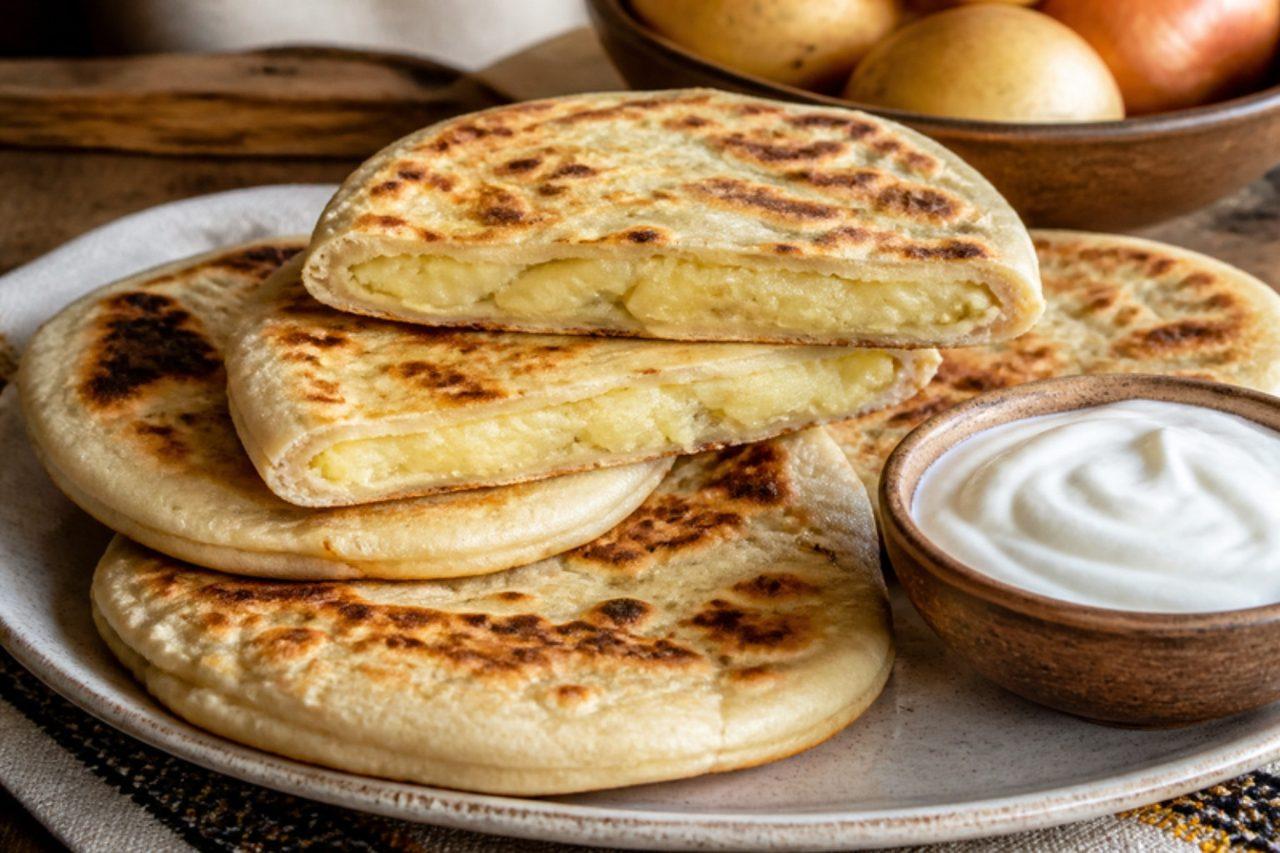
Crumpi is the Maramureș word for potatoes, and in wooden-church villages such as Ieud and Botiza these thin stuffed flatbreads come off the hot plate of the kitchen stove almost every week, stacked high and wrapped in a cloth to stay soft. A simple yeast dough is wrapped around mashed potato and slowly browned onion, rolled flat and cooked dry on a griddle until blistered and speckled. With no dairy or egg they suit the fasting (post) days, and outside the fasts they are often eaten with sour cream or a bowl of soup. The common mistake is rolling too hard, which pushes the filling through the dough; press gently from the centre outwards. Chef's tip: brush them with a little oil as they come off the griddle and stack them under a tea towel, which keeps them supple.

by KrazyBadal 0 views

Drob de miel

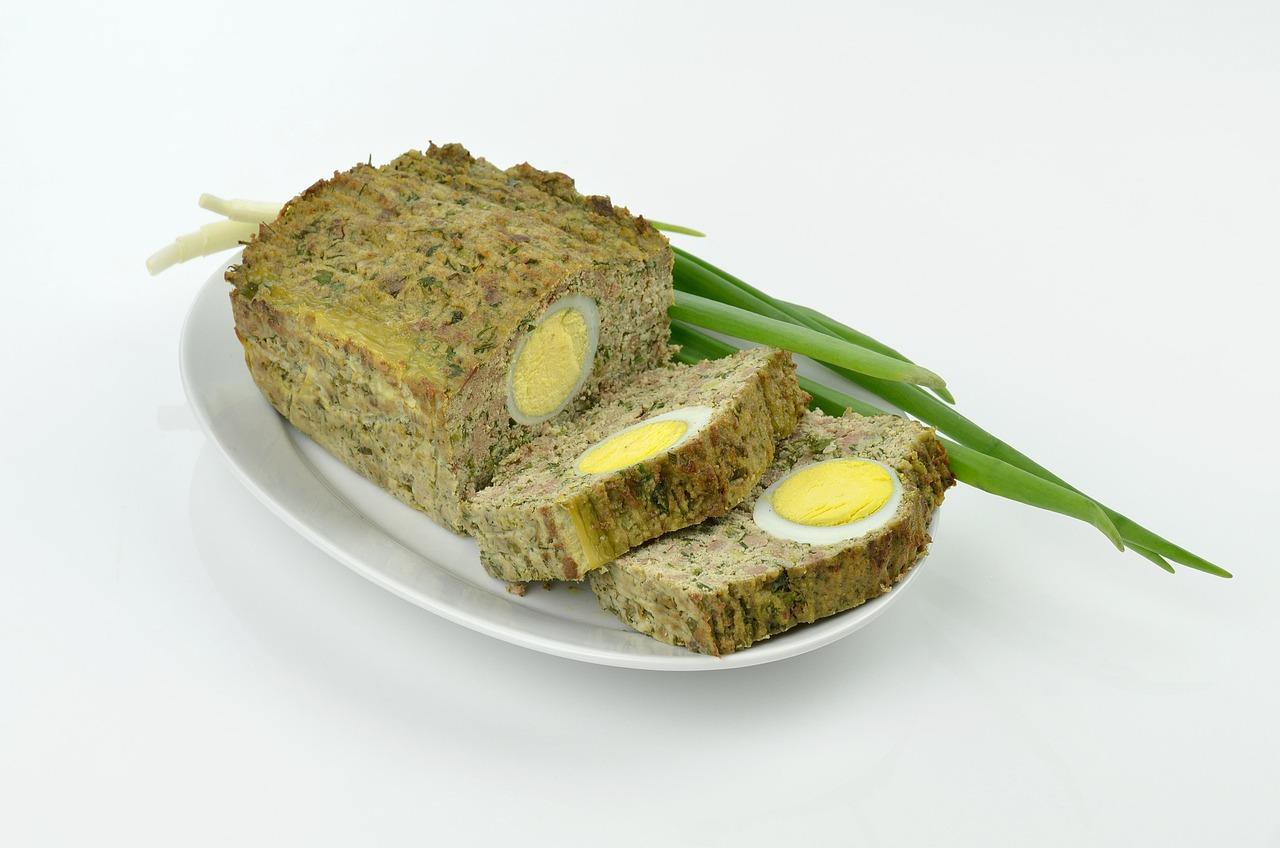
On Easter Sunday a Romanian table holds red-dyed eggs, cozonac and, nearly always, a slab of drob: lamb liver, heart and kidneys poached, chopped and bound with fresh bread, raw egg and a whole bunch of spring onions and dill, then baked with hard-boiled eggs hidden in the middle. Sliced cold, each piece shows a yellow-and-white eye of egg in a green-flecked, earthy loaf that is milder than you might expect. It is served as a starter with radishes, horseradish and green salad, and keeps well for the days of visiting that follow. Butchers often sell a lamb 'pluck'; ask for the lungs to be left out if you prefer, and use a little extra lamb mince instead. The classic mistake is under-seasoning: the loaf is eaten cold, which dulls salt and herbs, so the mix should taste bold. Chef's tip: wrap the loaf in caul fat (prapur) if your butcher has it; it bastes the drob as it bakes and gives a lacy, golden crust.

120 minRomanianMeat
by KrazyBadal 0 views

Salată de icre

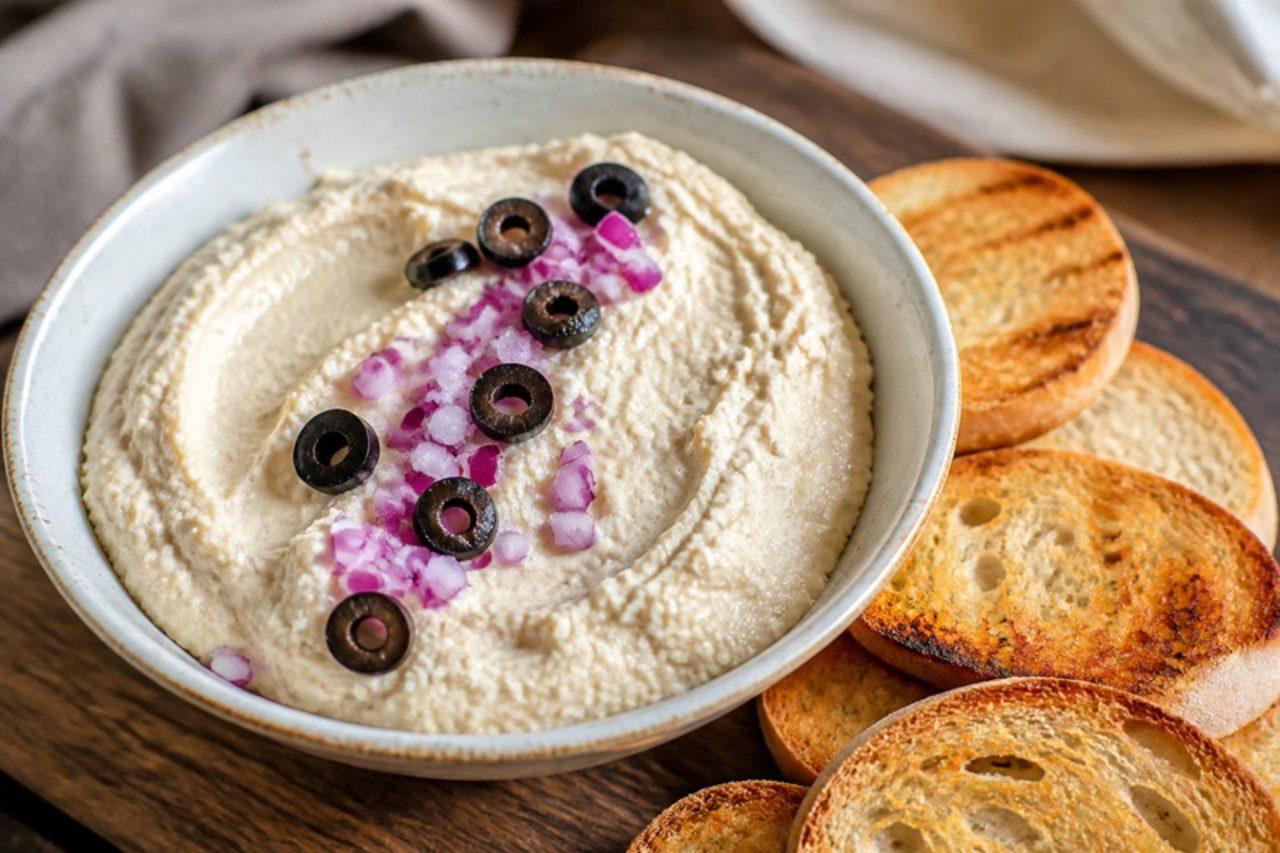
No Romanian buffet, Christmas table or Lent meal of the Delta is complete without a bowl of salată de icre, the pale pink spread made by whisking salted carp or pike roe with sunflower oil and lemon until it becomes light and fluffy, like a fish mayonnaise. Spread thickly on toasted bread with a ring of raw onion and a few black olives, it is salty, creamy and briny, and it vanishes in minutes. The roe is cured with salt but not cooked, so buy ready-salted roe from a good fishmonger or deli and keep it chilled; this spread is not for pregnant women, young children or anyone with a weakened immune system. The mistake to avoid is pouring the oil in quickly, which makes it split and greasy; add it a few drops at a time. Chef's tip: if it does split, whisk a teaspoon of cold water into a clean bowl and slowly whisk the split mixture back into it.

by KrazyBadal 0 views

Pită cu untură

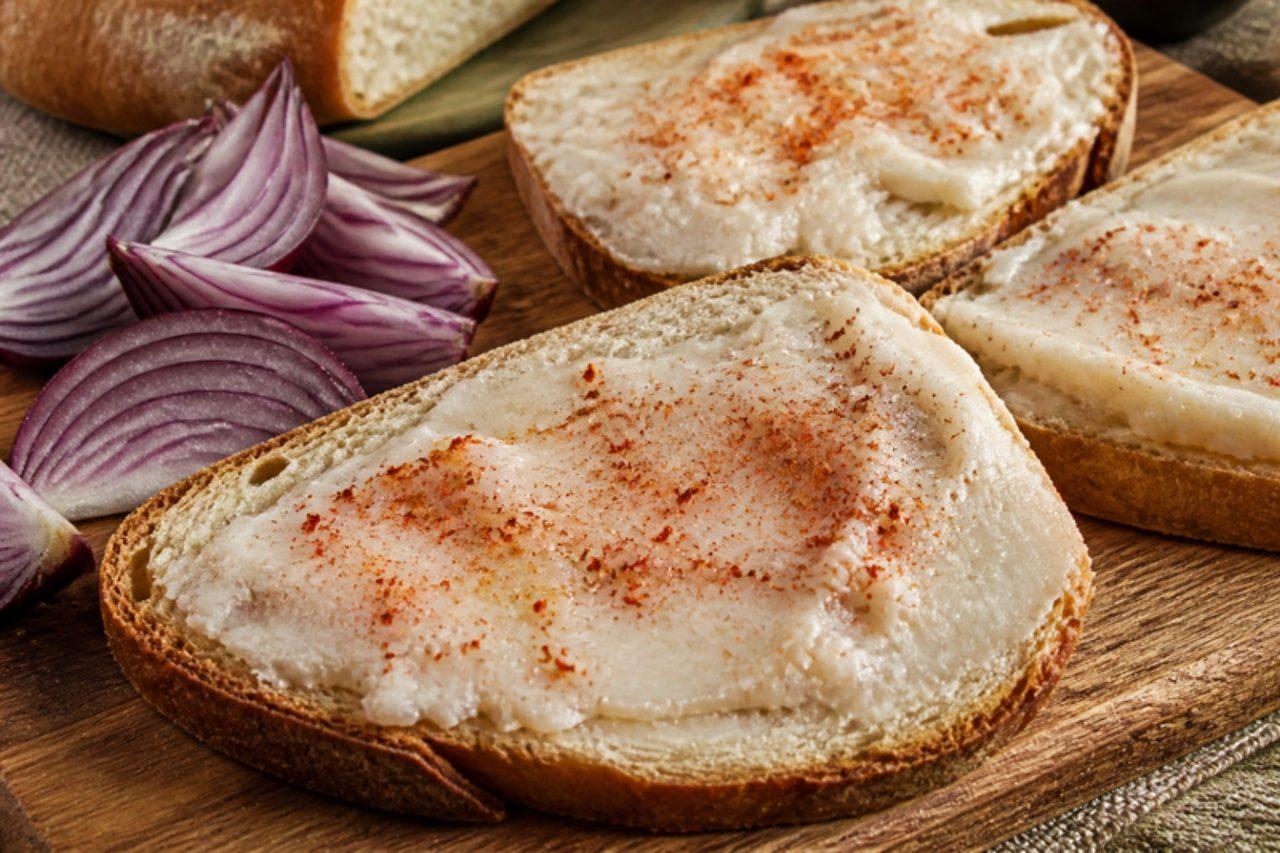
In the Banat villages around Timișoara, where bread is still called pită, the simplest snack of all is a thick slice of country bread spread with white pork lard, sprinkled with salt and red paprika and eaten with a raw onion bitten like an apple. It was the field workers' mid-morning bite and the thing grandparents give children when they come in from playing; today it turns up at pig-slaughter feasts and as a cheeky snack with a glass of buttermilk. The cold lard is creamy, the paprika sweet and smoky, the onion sharp and juicy. The one mistake to avoid is cold bread from the fridge: the lard will not spread and the slice tastes flat. Chef's tip: lard with crackling bits (untură cu jumări) from a good butcher makes it even better; whip plain lard with a pinch of salt for 1 minute if it is too firm.

by KrazyBadal 0 views

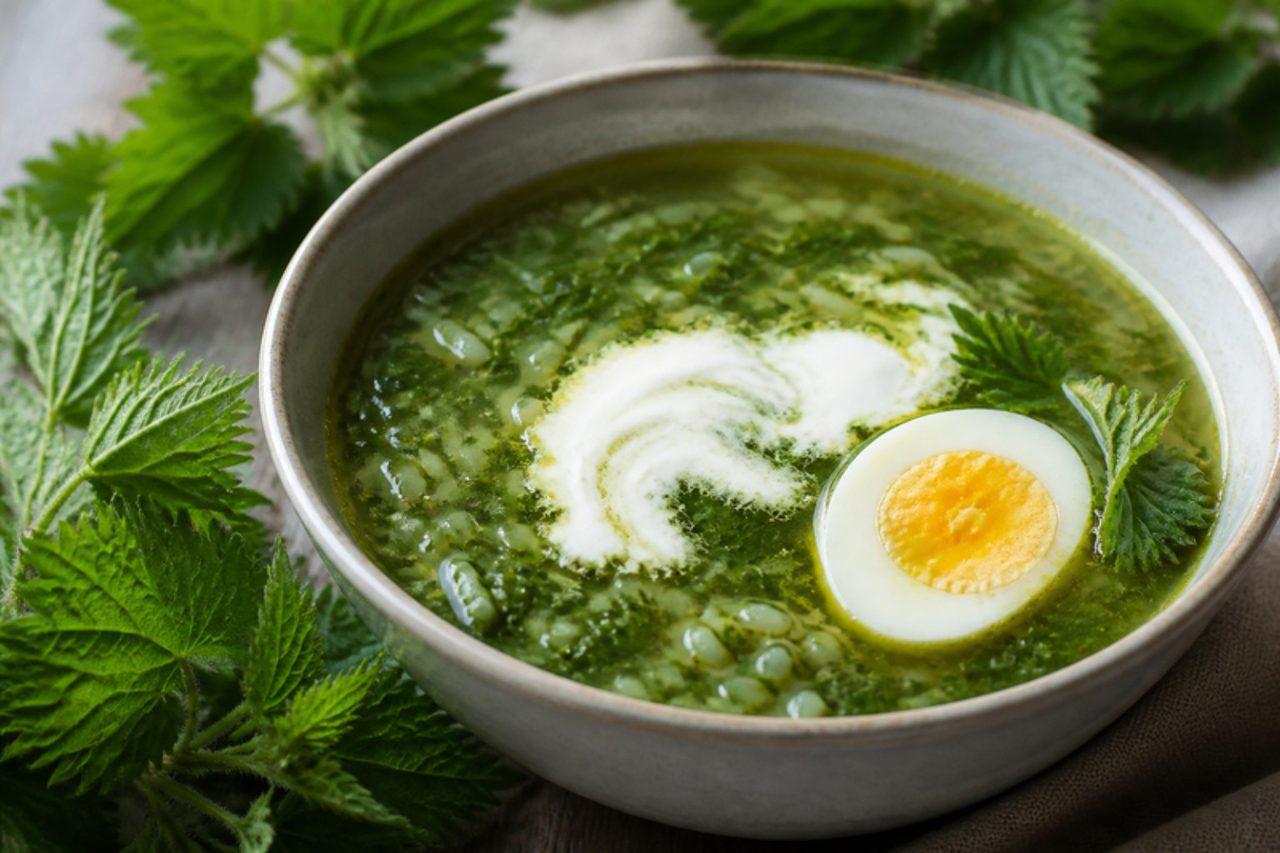
Ciorbă de urzici

Around Iași and in the Moldavian hills, the first young nettles of March and April arrive just as the long Easter fast begins, and a green, sour ciorbă de urzici is often the first fresh vegetable dish of the year. It is a vegan post dish: nettle tops, spring onions and a little rice simmered together, then soured with borș until the broth is bright and tangy, with a grassy, spinach-like depth. Wear gloves to pick and wash the nettles and use only the young tops, the first four to six leaves; older, flowering plants turn tough and gritty. The classic error is boiling the nettles for too long, which makes them grey and stringy. Chef's tip: add a handful of chopped lovage with the borș, as it gives the soup its unmistakably Moldavian flavour.

by KrazyBadal 0 views

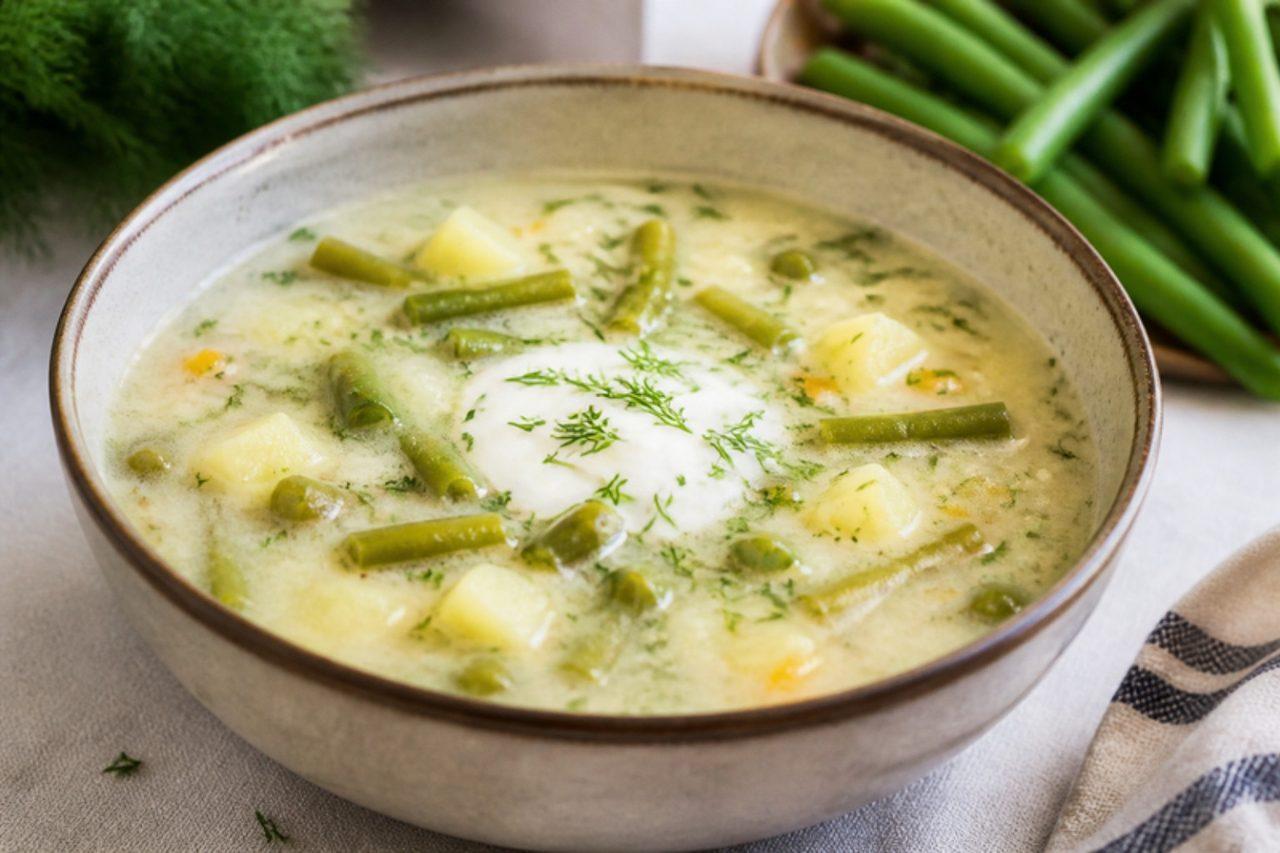
Ciorbă de fasole verde

High summer in Transylvania means green beans by the basketful, and both Romanian and Hungarian households around Cluj and Târgu Mureș turn them into this pale, creamy, sour soup, which Hungarian cooks call tejfölös zöldbableves. Beans, potato and a little pepper simmer in a light tomato broth that is soured with vinegar, then finished off the heat with sour cream and a fistful of dill, so every spoonful is tangy, silky and fresh. Serve it hot for lunch with good bread, or with mămăligă for a thicker meal. The classic mistake is tipping cold sour cream straight into the boiling pot, where it curdles into flecks; temper it with hot broth first. Chef's tip: add the vinegar gradually and taste, as the soup should be bright but not sharp.

by KrazyBadal 0 views

Pityókás kenyér

In the Székely villages of Harghita and Covasna, the Hungarian-speaking corner of eastern Transylvania, pityóka is the local word for potato, and pityókás kenyér is the bread baked on Saturdays in outdoor wood ovens. Mashed potato in the dough keeps the crumb moist, soft and slightly sweet for days, while a long, hot bake builds a crust so dark it is nearly black in places, traditionally laid on a cabbage leaf. It is eaten with soups, with onions and fresh cheese, or simply with salt. Where most people go wrong is pulling the loaf too early when it looks brown; this bread wants a really deep crust and a hollow sound underneath. Chef's tip: use the potato cooking water, cooled to lukewarm, for the dough; its starch gives a better rise and a softer crumb.

by KrazyBadal 0 views

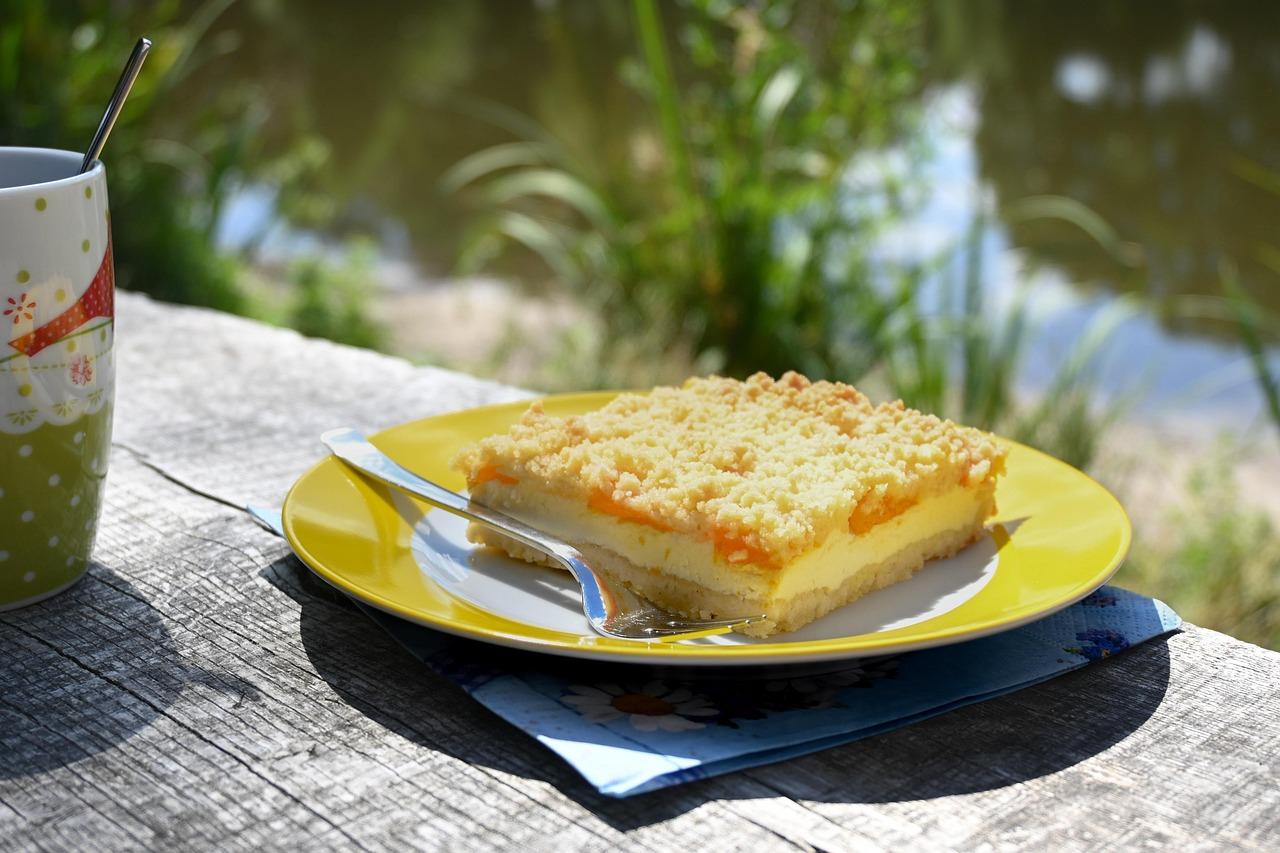
Hanklich

The Transylvanian Saxons, German-speaking villagers who settled around Sibiu, Brașov and Sighișoara in the Middle Ages, baked Hanklich in their fortified-church villages for Sundays, weddings and the Kronenfest in late June. A thin, soft yeast base is spread with a thick layer of sweetened cottage cheese, eggs and cream that bakes into a wobbly, lemony custard with a golden top, a little like a cheesecake on bread. It is cut into squares and eaten with coffee. Some quark and cottage cheese is made with animal rennet, so check the label if you want it strictly vegetarian. The classic slip is overbaking until the topping cracks and weeps; take it out while the centre still trembles slightly. Chef's tip: roll the dough right into the corners of the tray and build a small rim, so the topping stays put.

by KrazyBadal 0 views

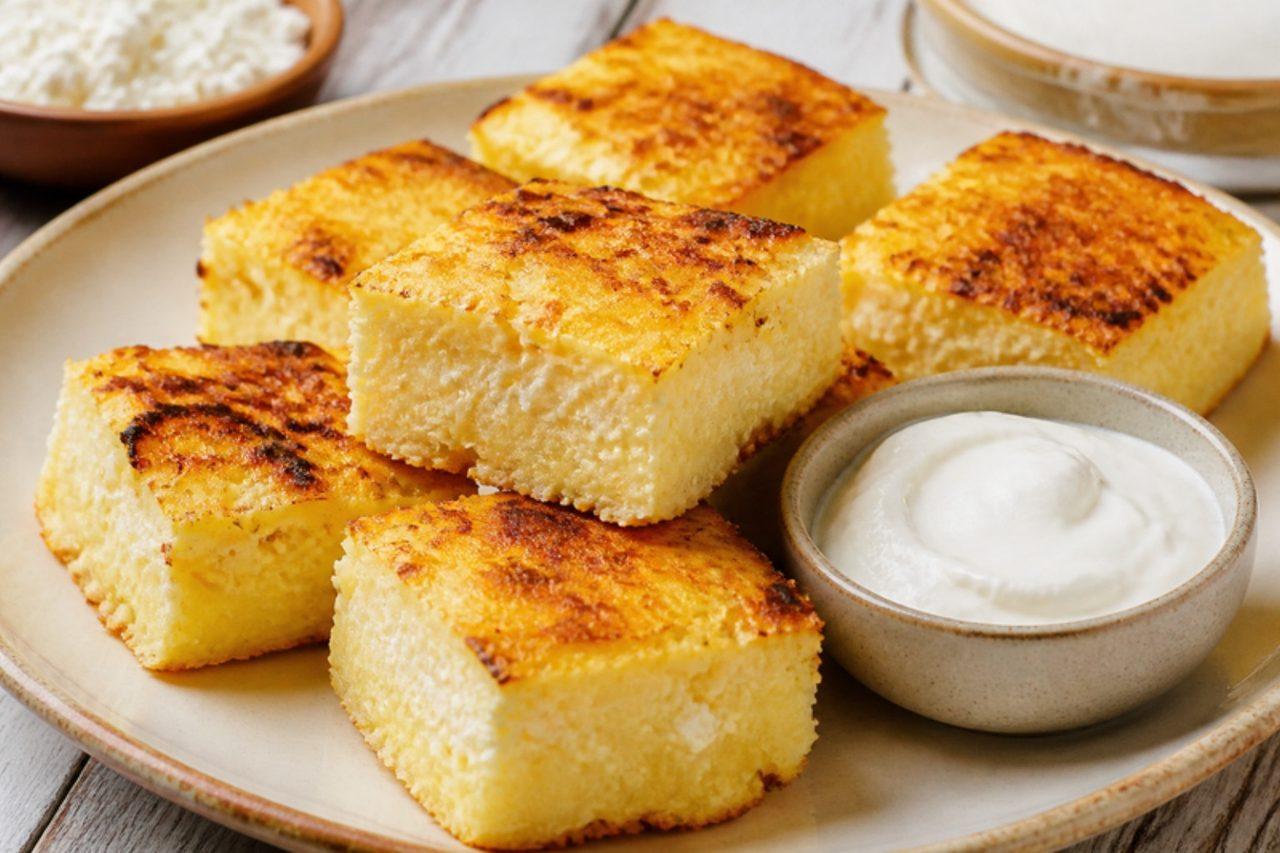
Alivenci

Across the Prut, in villages from Vaslui to the Republic of Moldova, alivenci is what happens when a farmhouse has fresh cheese, sour cream and a sack of cornmeal: a soft, custardy cake baked in a tray and cut into squares while warm. It is lighter than mămăligă and richer than bread, with a tender, slightly crumbly crumb studded with curd, and is eaten for Sunday breakfast or as a side with stews and a dollop of sour cream. Traditional brânză de vaci (cottage-style cheese) is usually made without rennet, but some brands use it, so check the label. Where most people go wrong is using coarse polenta, which stays gritty; fine cornmeal gives the silky texture. Chef's tip: let the batter sit for 15 minutes before baking so the cornmeal hydrates and the cake sets evenly.

by KrazyBadal 0 views

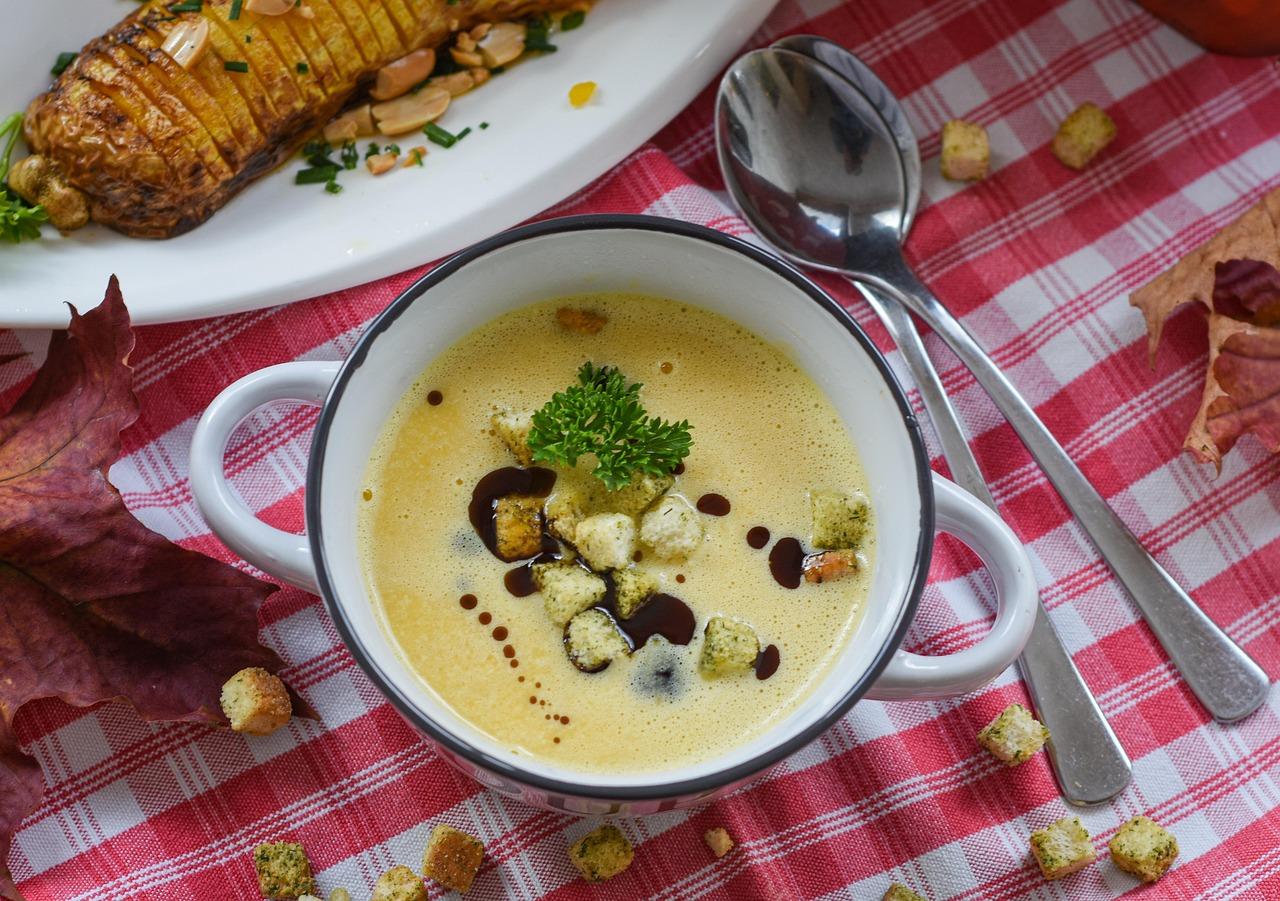
Supă de chimen

Banat Swabian families around Timișoara, the German-speaking farmers settled on the plain in the 18th century, called it Kümmelsuppe, and their Romanian and Hungarian neighbours took it up as supă de chimen. Caraway seeds are fried in butter with flour until the roux turns the colour of hazelnuts, then whisked into stock and finished with ribbons of beaten egg and crisp croutons. It is a cheap, warming soup for cold mornings and for the morning after a feast, nutty and toasty with a gentle aniseed note. A common mistake is browning the roux on a high heat, where it burns and turns bitter in seconds; keep the heat medium and stir without stopping. Chef's tip: lightly crush the caraway first to release more flavour.

by KrazyBadal 0 views

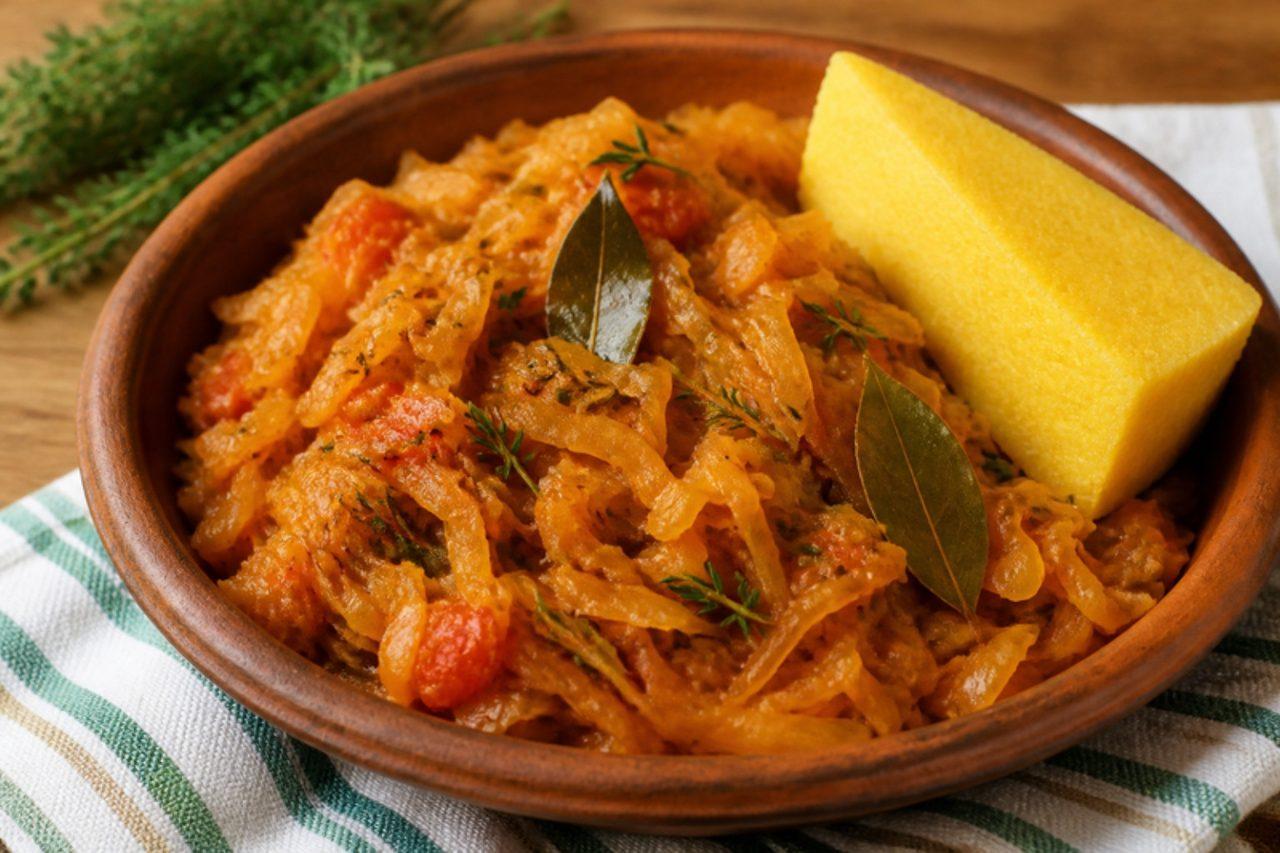
Varză călită

Ask a Wallachian grandmother what goes with hot mămăligă on a winter weeknight and she may well point to a pan of varză călită. Fresh white cabbage is shredded and braised for the best part of an hour with onion, tomato, bay and thyme until it turns amber, silky and faintly sweet; in January many cooks use sauerkraut from the barrel instead, rinsed once to tame the salt. With no meat or butter it is a classic fasting (post) dish, though outside the fasts it also sits next to sausages and roasts. The usual slip is turning up the heat to hurry it, which scorches the base before the cabbage softens. Chef's tip: a spoon of vinegar and a pinch of sugar at the very end wake up the flavour without making it taste sour.

by KrazyBadal 0 views

Salată orientală

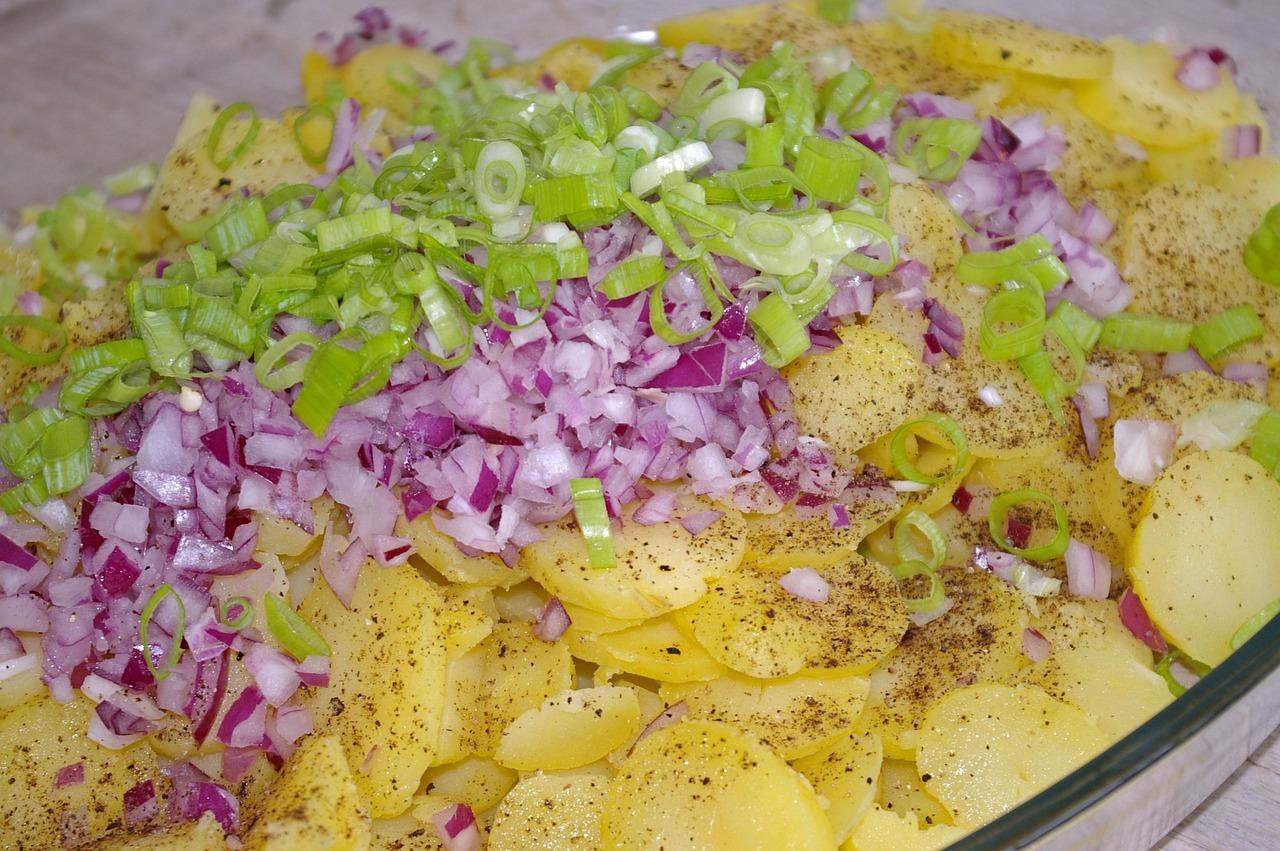
Nothing about salată orientală is particularly oriental; the name dates from interwar Bucharest, when olives and onion felt exotic on a potato salad. Today it is a fixture of student canteens, Lenten-season buffets and summer suppers on the balcony, served warm from the pot or cold from the fridge. Waxy potatoes are dressed while hot with sunflower oil and vinegar, then folded with red onion, black olives and quartered hard-boiled eggs, so it stays bright and sharp rather than creamy. A common mistake is overcooking the potatoes until they crumble; they should hold their cubes when tossed. Chef's tip: soak the sliced onion in cold salted water for 10 minutes to soften its bite while keeping the crunch.

by KrazyBadal 0 views

Showing 24 of 301 recipes

Show more recipes

Page 1 of 13