Skip to content
Recipes

All recipes

Vegetarian, or something you can't eat? Set your diet once and we'll hide recipes that don't fit.

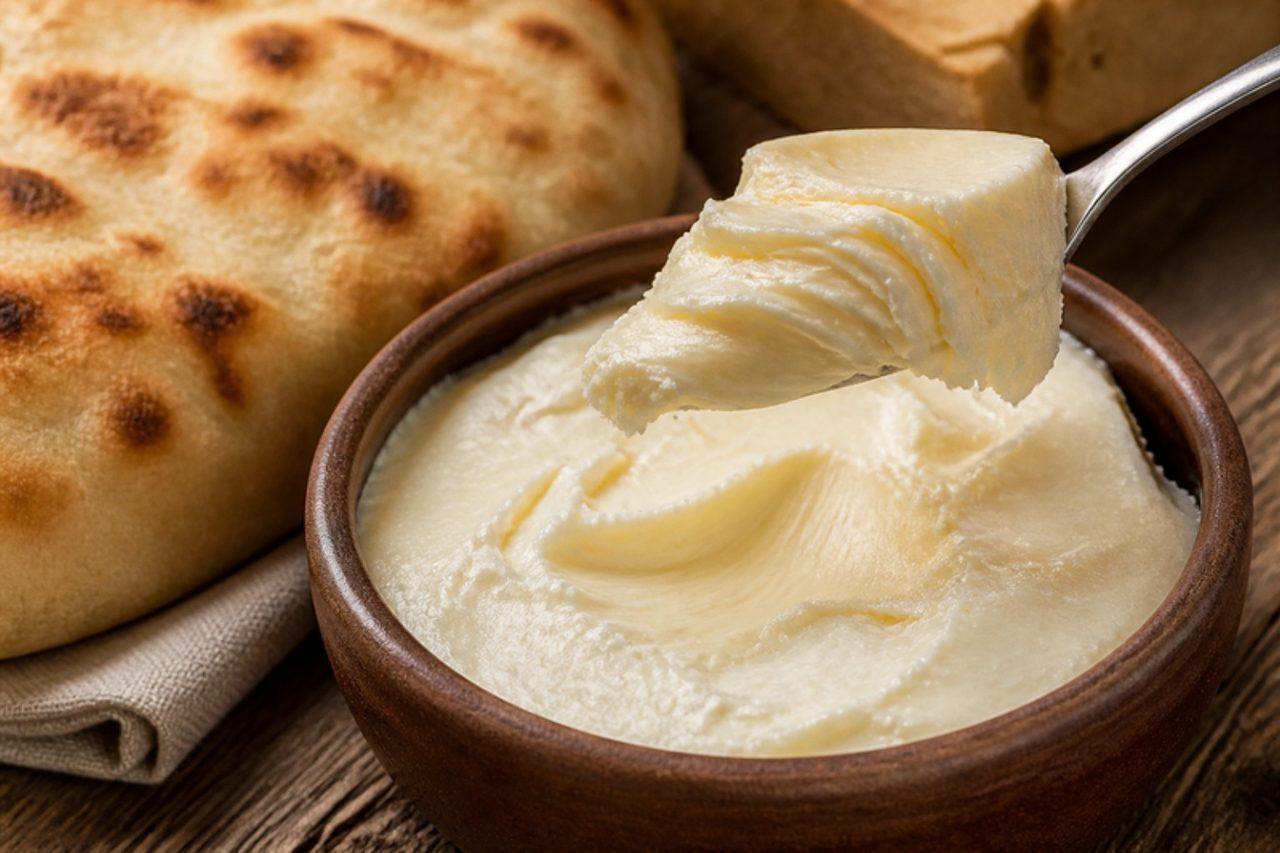
Kajmak

At the Zlatibor and Čačak markets, women sell kajmak from wide tubs, cut in soft ivory folds that taste of cooked milk, butter and a little salt. It is made by slowly heating rich milk, letting it settle in shallow pans and lifting off the thick skin that forms as it cools, then layering those skins with salt. This home version uses pasteurised milk and cream and stays in the fridge throughout; the long-aged, raw-milk kajmak of the villages is not something to copy at home. Spread it on warm lepinja or proja, or stir it into hot potatoes. A common mistake is letting the milk boil: the bubbles tear the skin and you end up with flecks instead of a thick sheet. Chef's tip: keep the skimmed milk left underneath for porridge, proja or pancakes; nothing goes to waste.

1440 minBalkanBasicsGluten free
by KrazyBadal 0 views

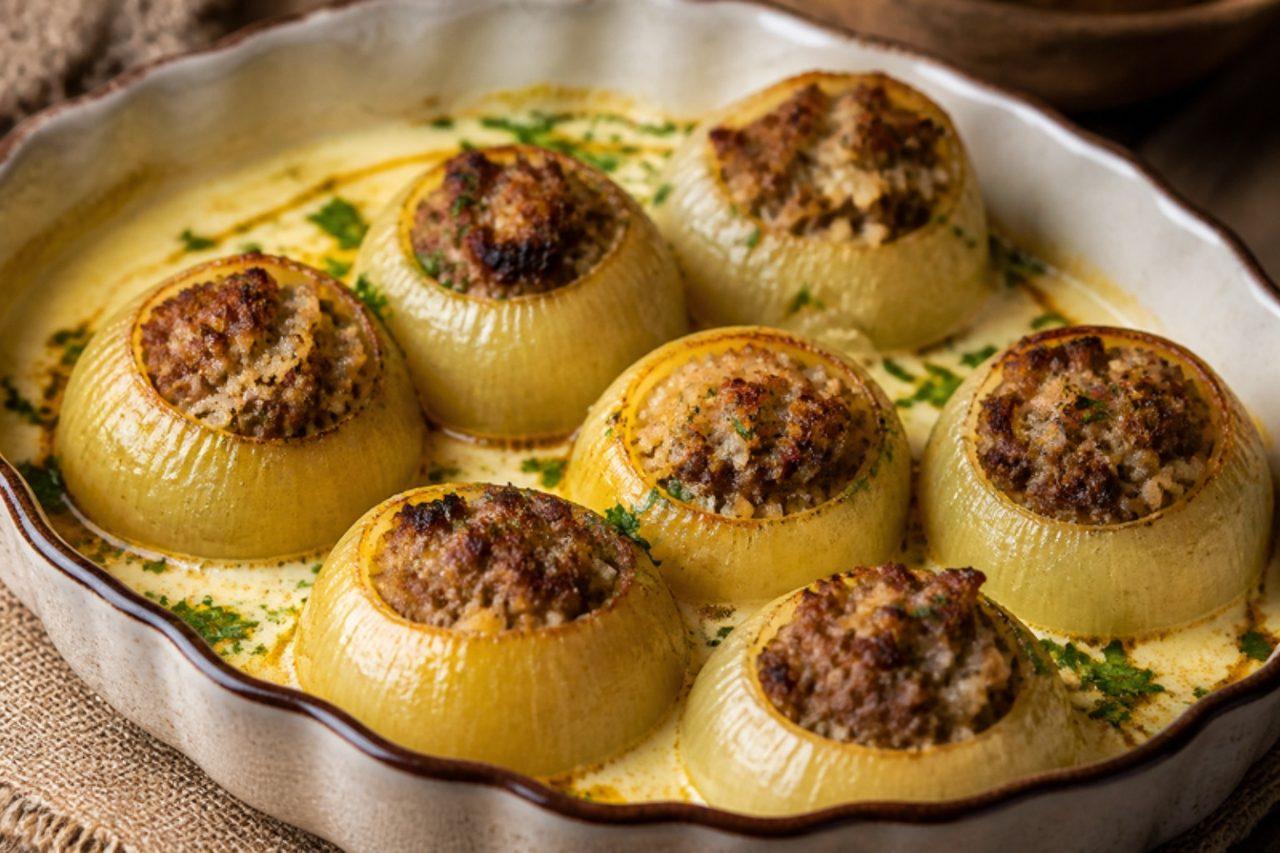
Sogan dolma

Sarajevo's grandmothers make sogan dolma in summer, when the onions are sweet and juicy: whole onions are blanched, their layers peeled apart, and each shell is filled with spiced beef mince and rice, then baked until soft and caramel-edged and finished with a tangy sour cream sauce. In Bosnia and Herzegovina they are a dish for Ramadan iftar tables and family Sundays, eaten with bread to mop up the sauce. Where most people go wrong is not blanching the onions long enough; the layers tear instead of slipping apart. Chef's tip: chop the small inner hearts you cannot stuff and fry them into the filling, so nothing is wasted.

120 minBalkanMeatGluten free
by KrazyBadal 0 views

Vanilice

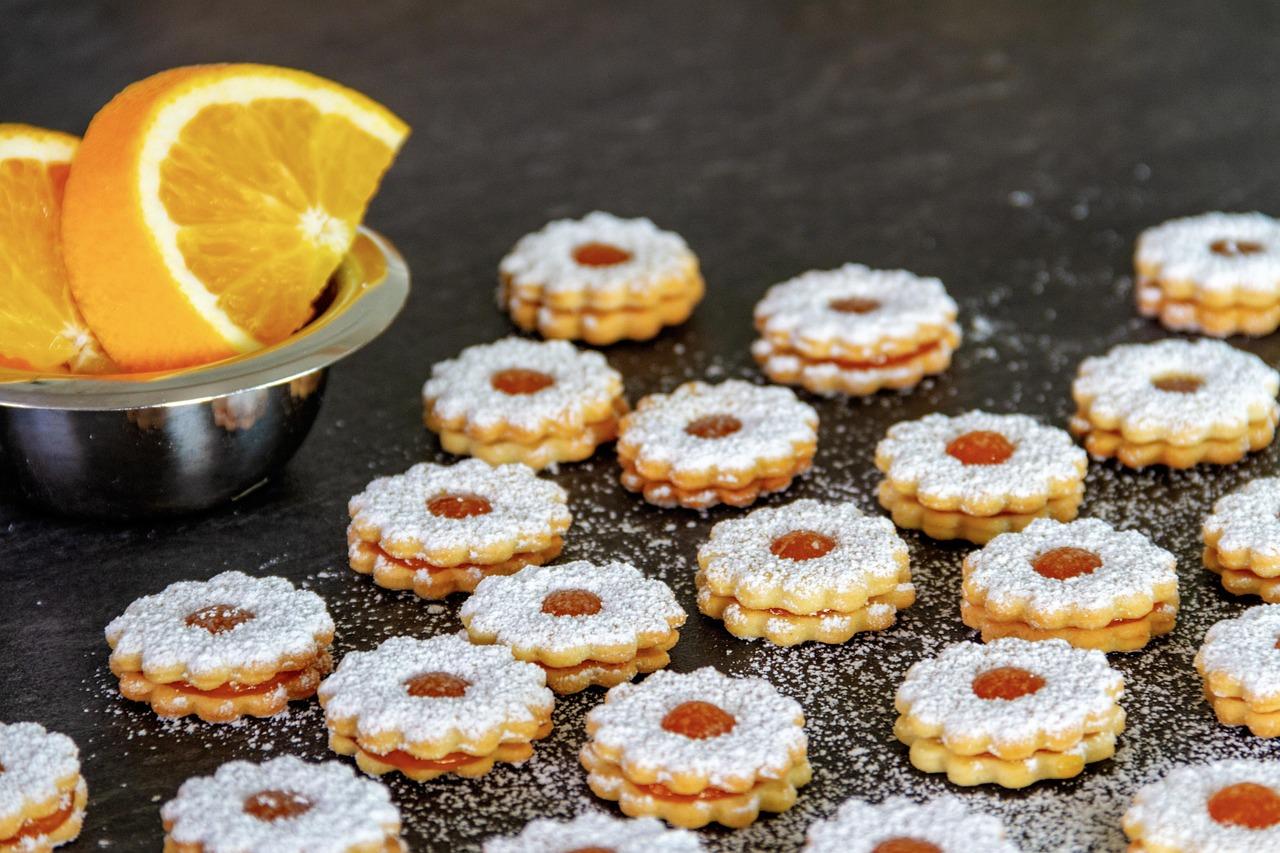
No slava, the family saint's day feast in Serbia, goes by without a plate of vanilice, and every grandmother's tin holds a few hundred at Christmas. Two tiny fluted rounds of tender walnut shortbread are glued together with tart jam, usually apricot or rosehip, then rolled in vanilla sugar until snowy. They crumble at the first bite and turn soft and melting after a day or two in the tin. Many old recipes use lard; this one uses butter, so the biscuits are vegetarian. Where most people go wrong is baking them until golden: vanilice should stay pale, with only the faintest colour on the base, or they turn hard and lose their vanilla scent. Chef's tip: roll them in the sugar while they are still slightly warm from sandwiching, so the coating clings.

by KrazyBadal 0 views

Fritaja sa šparogama

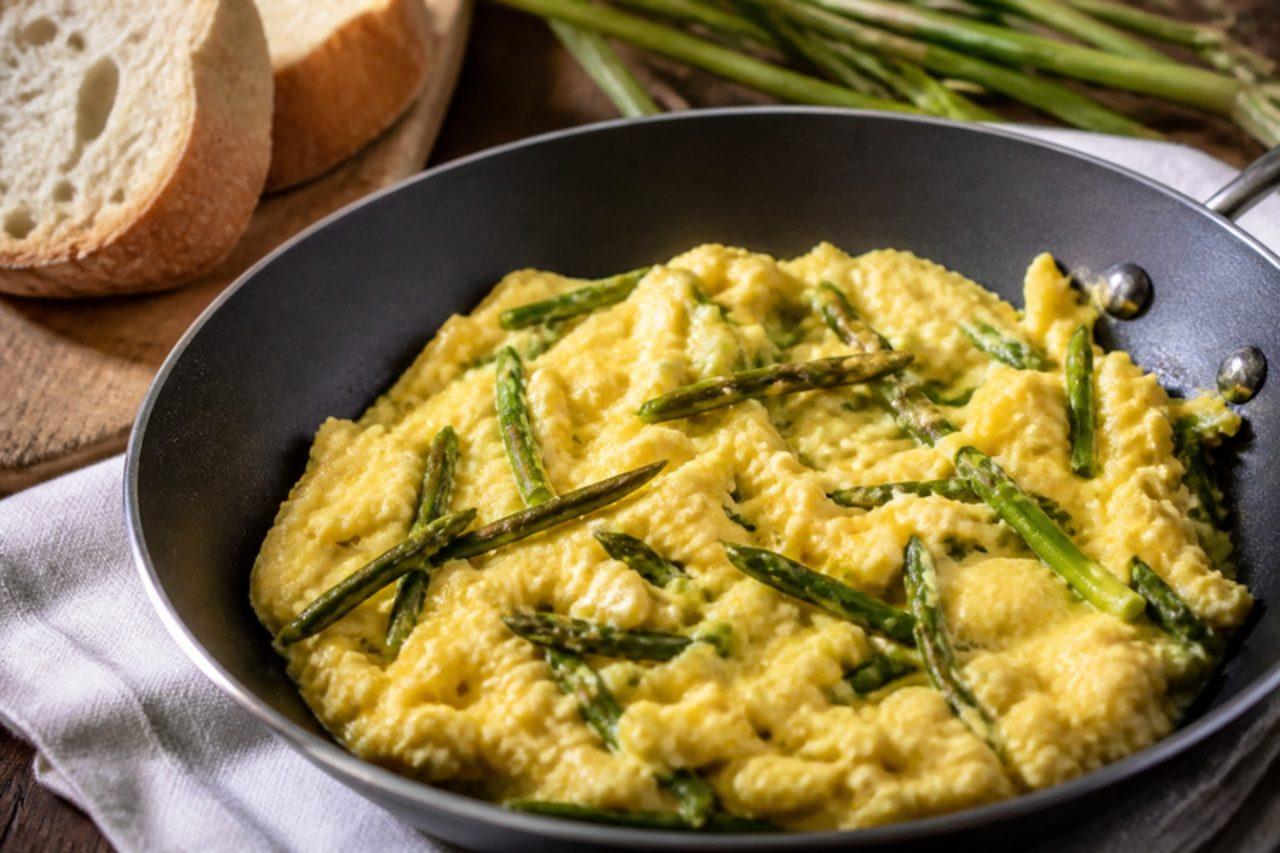
Come April, families across Istria and the Kvarner coast of Croatia walk the hedgerows picking thin, dark wild asparagus, and the first bunch nearly always becomes fritaja. Despite the name it is softer than an omelette: the spears are fried in olive oil, then beaten eggs are stirred through until they set in loose, creamy curds. Wild asparagus tastes greener and slightly bitter, which is lovely against the rich egg; thin garden asparagus works if you can't forage. Eat it for breakfast or a light supper with crusty bread and a glass of cold water or fresh juice. The usual slip is cooking the eggs hard and dry; stir gently over a low heat and stop while they still look moist. Chef's tip: snap each spear and keep only the part that breaks cleanly; the woody ends never soften.

by KrazyBadal 0 views

Viška pogača

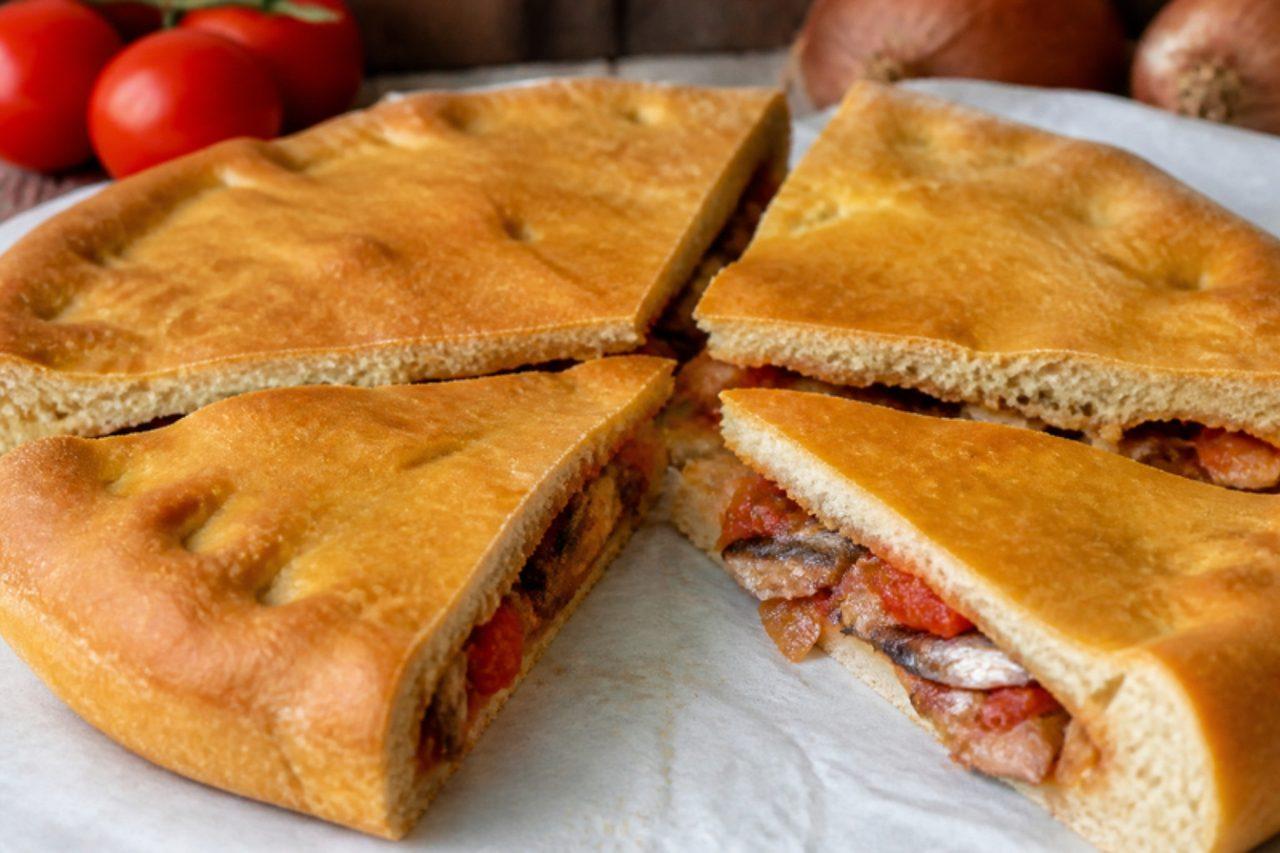
Vis, the most far-flung inhabited island of Croatia, has a fishing town, Komiža, that gave the world this pie: two thin layers of olive-oil bread dough wrapped around onions stewed until jammy with tomato, and fillets of salted anchovy or sardine. Fishermen took wedges of it to sea, and it still turns up at island festivals and in bakeries, eaten warm or at room temperature with a tomato salad. The salted fish is bought ready-cured from a good fishmonger and is baked inside the pie until piping hot. Where most people go wrong is a wet filling: the onions and tomato must cook down until thick and jammy, or the bottom crust goes soggy. Keep leftovers in the fridge and eat within 2 days. Chef's tip: soak the salted fillets in cold water for 15 minutes to take the harsh edge off the salt, and don't add any more salt to the filling.

120 minBalkanFish
by KrazyBadal 0 views

Purica s mlincima

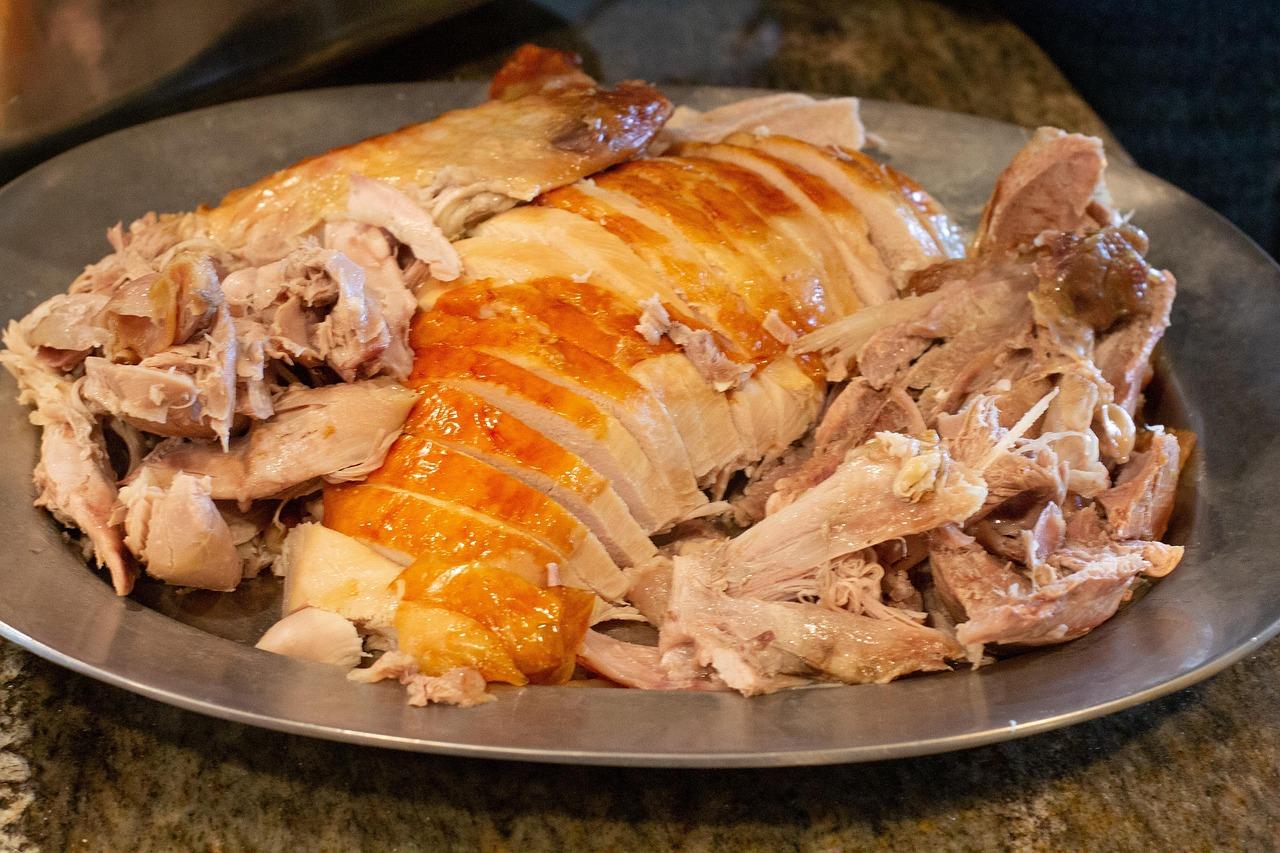
Up in Zagorje, the green hill country north of Zagreb in Croatia, this is the Sunday and Christmas roast: turkey roasted slowly and basted until the skin is crackling-brown, then served with mlinci, thin dried flatbreads broken into pieces, scalded and tossed in the roasting juices until they turn soft, chewy and glossy like rustic pasta. Serve it with a sharp cabbage or green salad. Where most people go wrong is soaking the mlinci too long, so they turn to porridge; one minute in hot water is enough. Chef's tip: bake the mlinci yourself the day before, but if you are short of time, good dried shop mlinci work beautifully.

by KrazyBadal 0 views

Escavèche

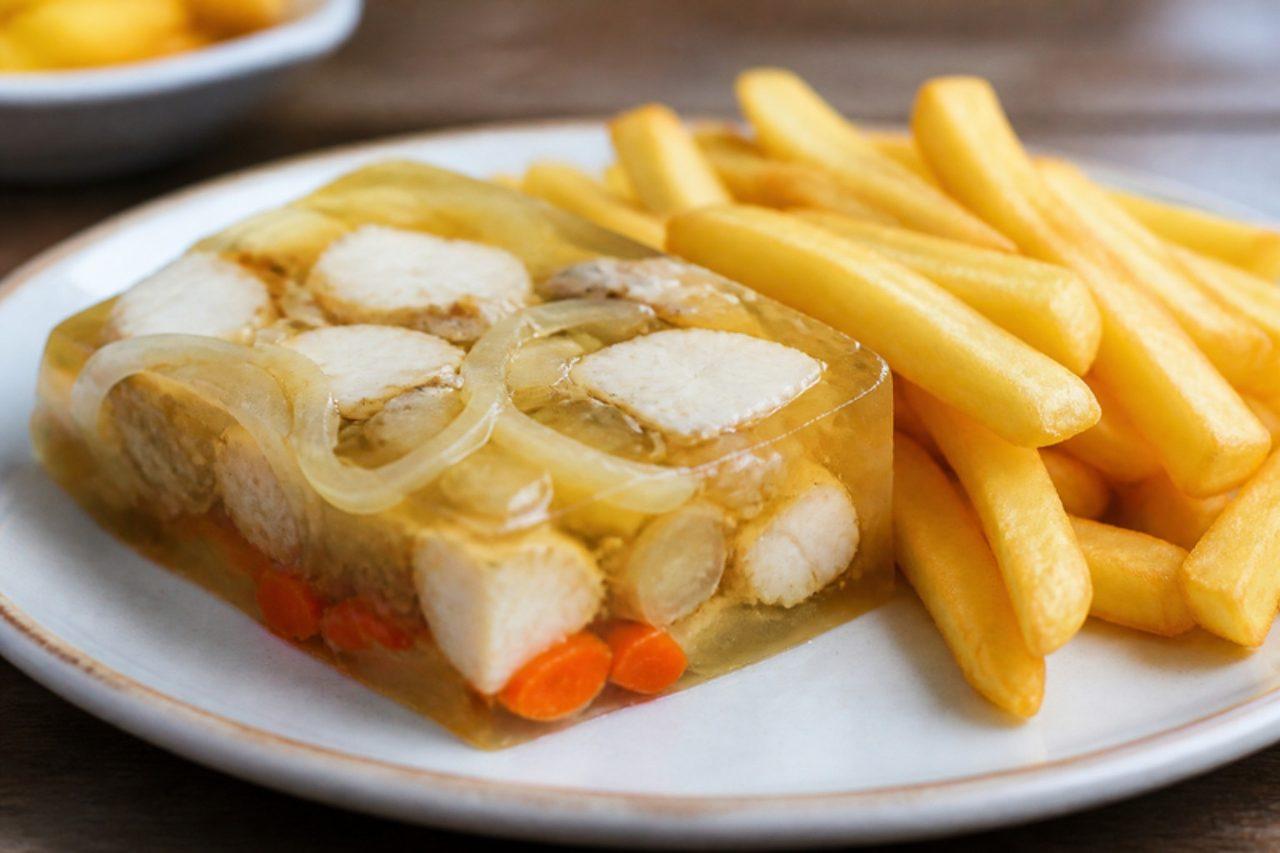
Escavèche is a speciality of the Chimay and Couvin area in southern Wallonia, a legacy of Spanish rule in the 16th century: fish fillets, traditionally eel or pike, fried and then covered with a hot marinade of vinegar, onion, thyme and bay that sets into a clear, tangy jelly as it cools. It is eaten cold, sliced, with crisp fries, in the brasseries of the Botte du Hainaut. A common mistake is not cooking the fish through before it goes into the marinade; cold marinade does not cook it. Chef's tip: let it set for at least 12 hours in the fridge; the vinegar mellows and the jelly firms. The fish should be opaque and flaking before marinating.

by KrazyBadal 0 views

Čobanac

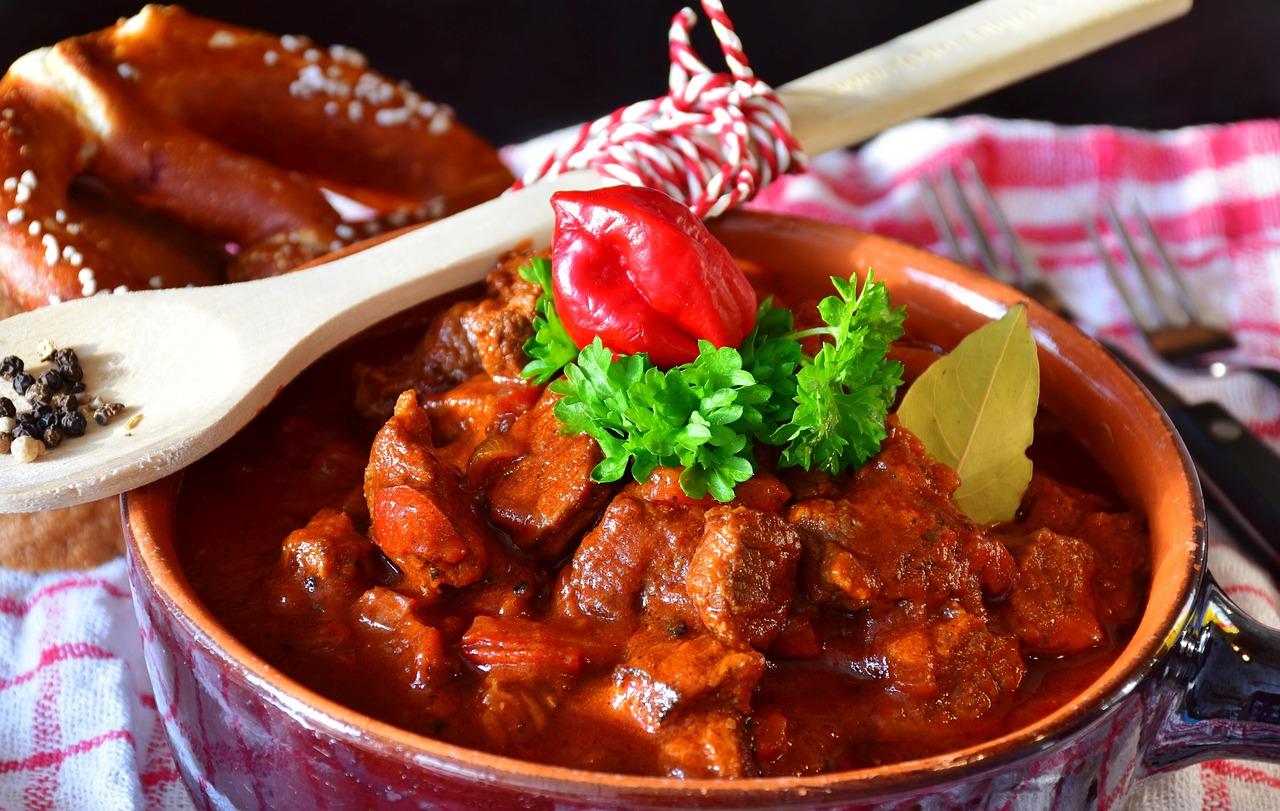
Slavonia, the flat farmland of eastern Croatia, cooks čobanac outdoors in a black cauldron at village fairs and hunting parties, and the smell of paprika drifts across the whole field. Three meats go in, typically beef, pork and venison or wild boar, with mountains of onion, sweet and hot paprika and a few peppers, simmering for hours until the sauce is thick, brick-red and spicy. This dish contains pork. Eat it with crusty bread or polenta. The usual slip is burning the paprika: it turns bitter in seconds, so always take the pot off the heat before stirring it in. Chef's tip: cook it a day ahead; like most stews it tastes deeper the next day.

180 minBalkanMeatGluten freeSpicy
by KrazyBadal 0 views

Jan in de zak

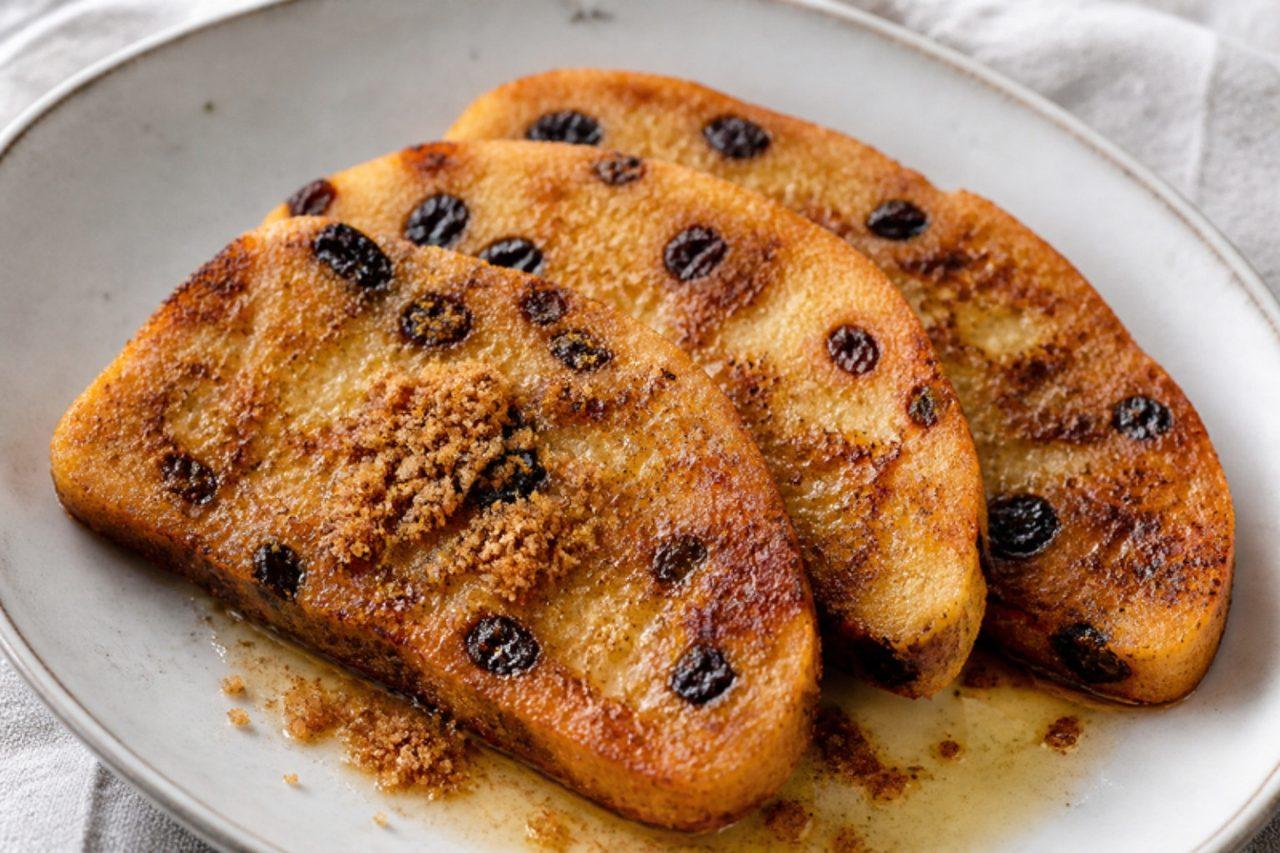
Jan in de zak, 'John in the bag', is the old Flemish farmhouse pudding cooked for Shrove Tuesday and winter Sundays in West and East Flanders: a soft yeasted dough with raisins and currants tied up in a floured cloth and boiled for hours, then sliced and fried in butter and eaten with brown sugar or treacle. It is the Flemish cousin of Dutch 'Jan in de zak'. A common mistake is tying the cloth tightly, which leaves no room for the pudding to swell and makes it dense. Chef's tip: tie the cloth loosely, leaving room for the dough to double, and keep the water at a steady simmer.

by KrazyBadal 0 views

Mitraillette

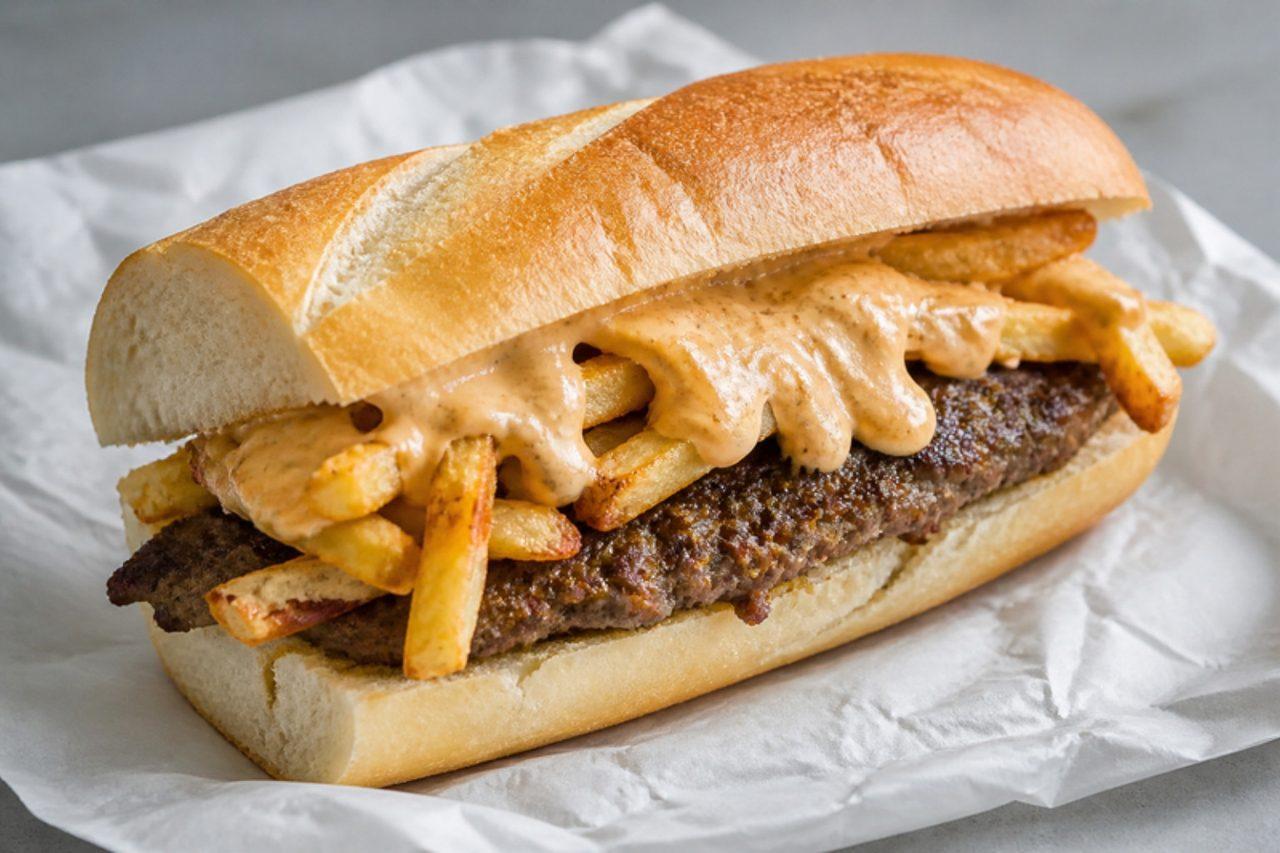
The mitraillette, 'submachine gun', is the overloaded sandwich of Brussels friteries, eaten after football or a night out: half a baguette split and stuffed with a hot meat patty or sausage, a heap of double-fried Belgian fries, lettuce and tomato, and a generous squeeze of sauce, usually andalouse, samurai or mayonnaise. It is messy and huge. This version uses a homemade beef burger. A common mistake is fries that are not crisp, which go soggy in the bread. Chef's tip: fry the chips twice, first at 160 °C until soft, then at 180 °C until golden, the Belgian way. Beef burgers must reach 71 °C in the middle.

by KrazyBadal 0 views

Raštan

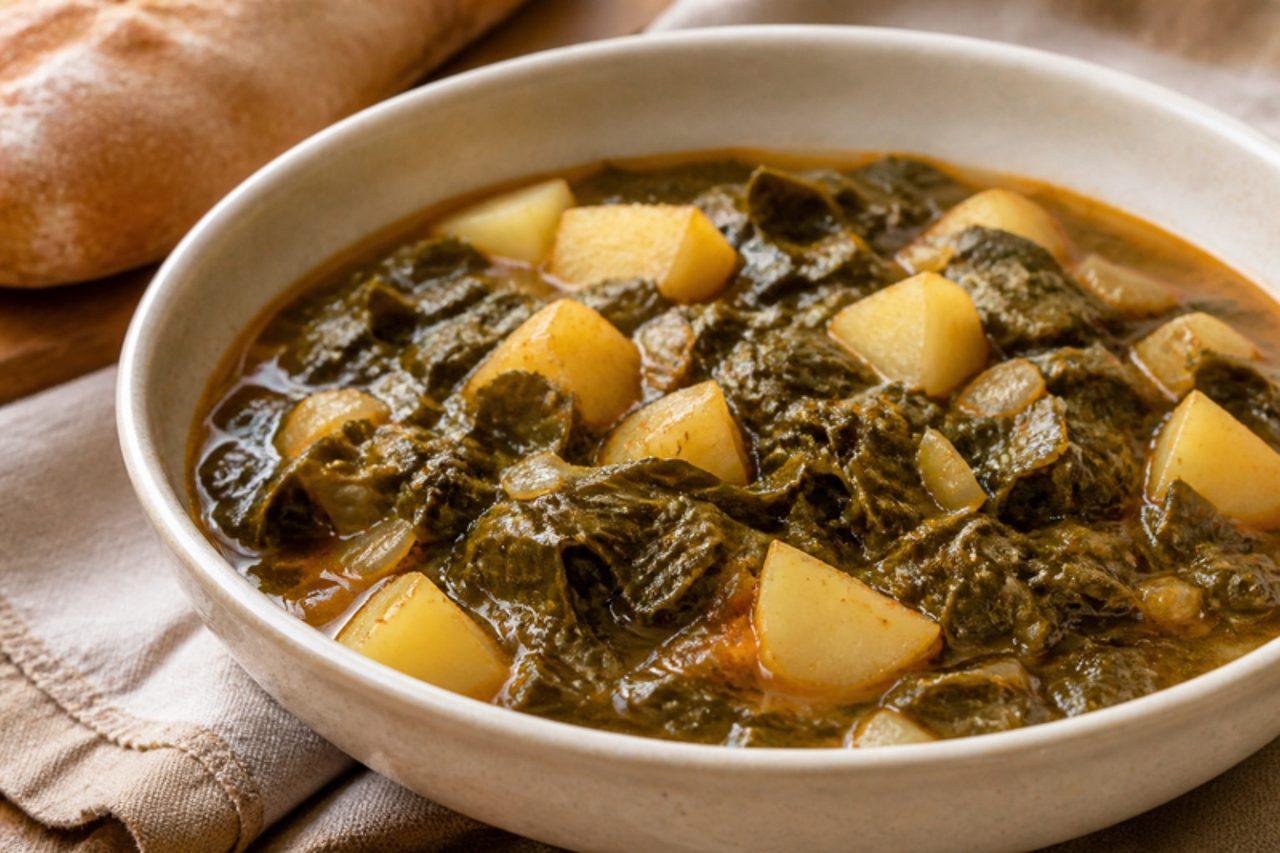
Almost every village garden from Nikšić to the Bay of Kotor in Montenegro has a row of raštan, a tall, loose-leaved collard that survives the winter frosts, and through the cold months it goes into the pot with potatoes and, traditionally, a piece of smoked pork neck or dried mutton. This meat-free version keeps that hearth-smoke depth with smoked paprika bloomed in garlicky olive oil, so the stew is fully vegan. Cooked long, the leaves turn silky and dark while the potatoes slump into the broth and thicken it into something between a soup and a stew. Eat it hot from deep plates with cornbread and a pickled pepper on the side. Where most people go wrong is taking the pot off while the leaves still squeak against the teeth; raštan needs a good 40 minutes to lose its bitterness. Chef's tip: stir the paprika into the warm oil off the heat, never into a scorching pan, or it turns bitter in seconds.

by KrazyBadal 0 views

Reform torta

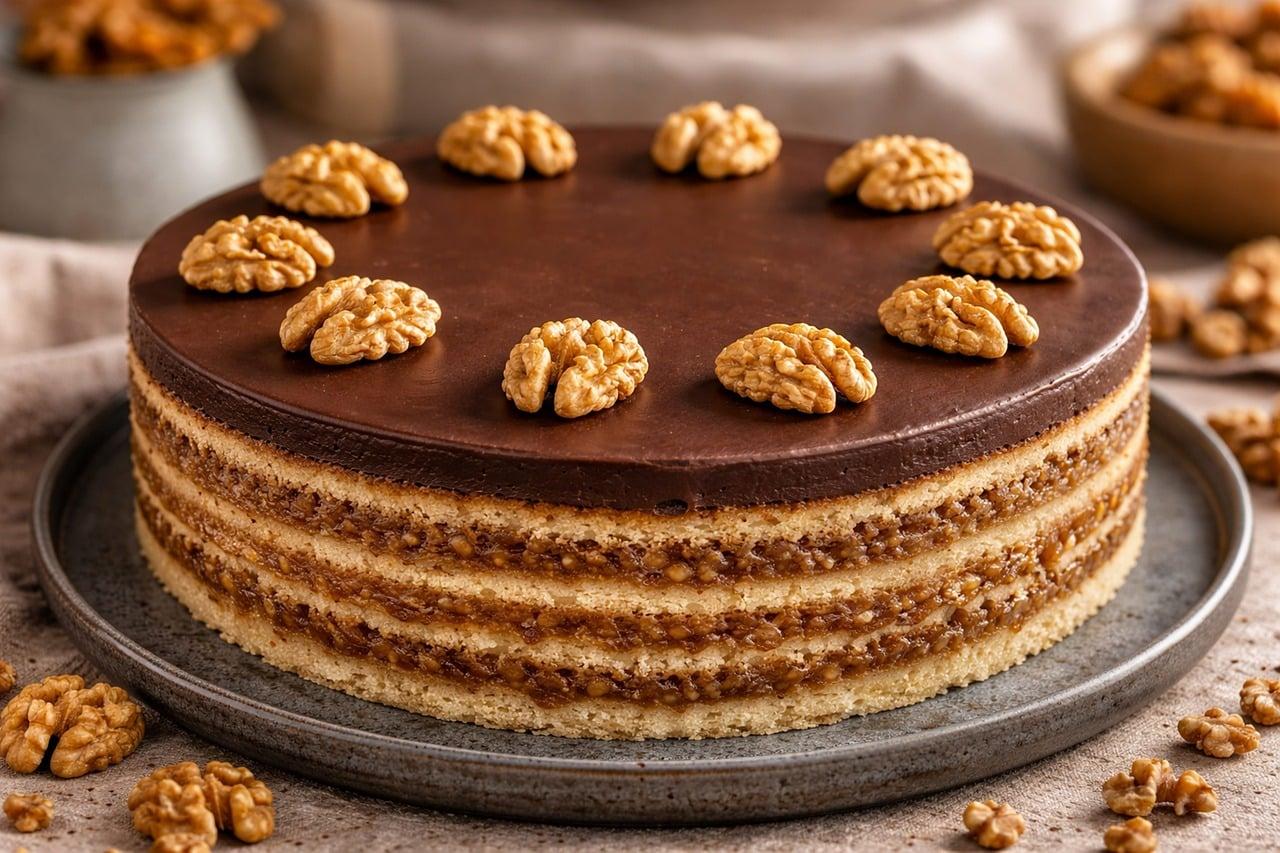
Belgrade pastry shops have sold reform torta since the early twentieth century, and it is still the cake Serbian families bring out for birthdays, weddings and the slava. Three thin layers of walnut meringue, crisp at the edge and chewy inside, are stacked with a dense chocolate butter cream made with egg yolks cooked over steam until thick. It is very rich, so cut thin slices and serve with strong coffee. The usual slip is beating the butter into a chocolate mixture that is still warm, which melts it and splits the cream; let it cool to room temperature first. Chef's tip: assemble the cake the day before; overnight in the fridge the meringue softens a little and the cake slices cleanly with a hot knife.

150 minBalkanBaking
by KrazyBadal 1 views

Kletskoppen

Kletskoppen are the lacy, crackly biscuits of Bruges, sold in the old city's bakeries and served with coffee in the cafés around the Markt: brown sugar, butter and chopped almonds with very little flour (this version uses none), baked until they spread into thin, see-through, toffee-flavoured lace. A common mistake is putting them too close on the tray; they spread enormously and join up. Chef's tip: let them cool for a minute on the tray before lifting, and drape them over a rolling pin while still warm if you want curved tuiles.

by KrazyBadal 0 views

Skradinski rižot

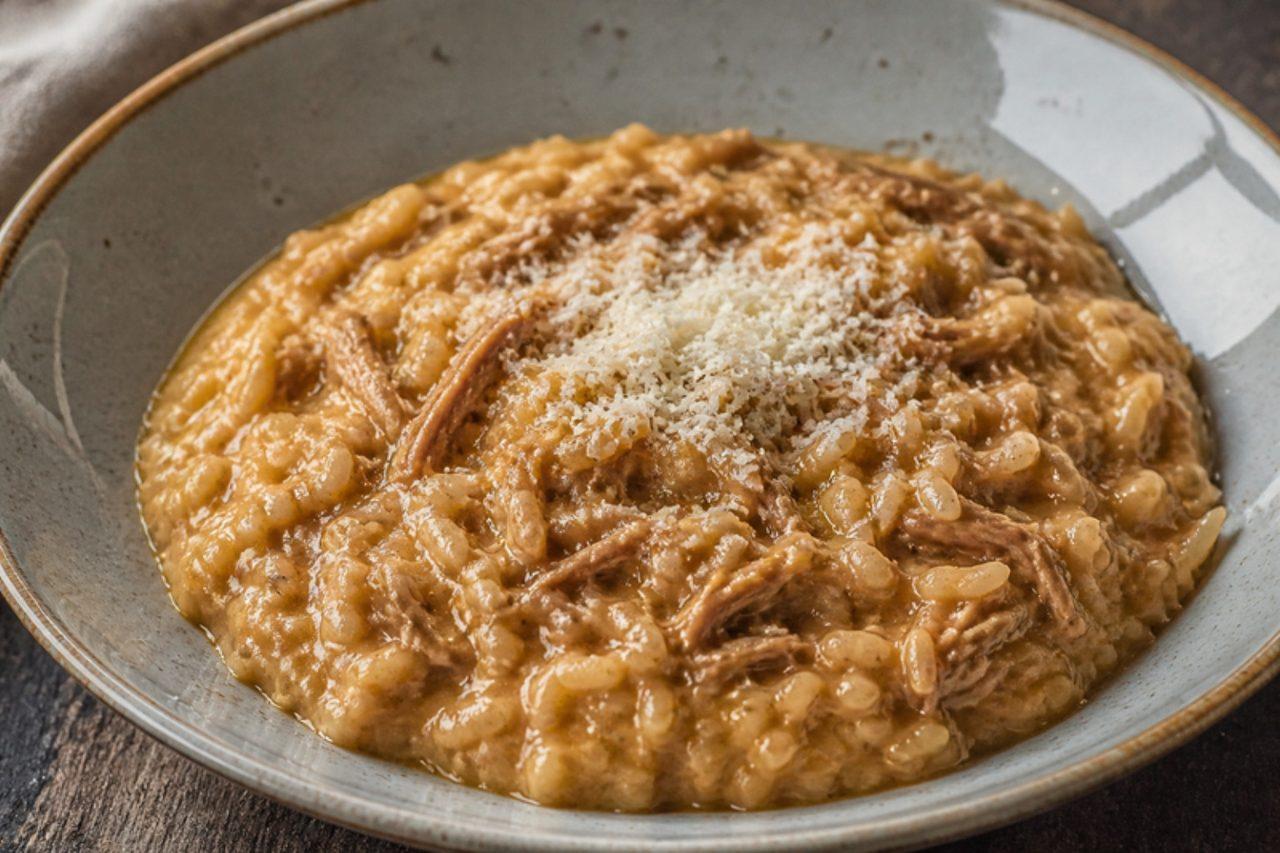
The little Dalmatian town of Skradin, at the mouth of the Krka river in Croatia, makes this risotto once a year in huge pots for its summer festival, and the cooks, traditionally men, stir it for hours. Veal is simmered with onion until it falls into threads, and the rice is then cooked slowly in that rich broth until it nearly melts, so the dish ends up creamy, golden and deeply savoury without a drop of cream. It is served on its own, with grated hard cheese and a glass of something cold. A common mistake is hurrying it on a high heat: the meat must collapse completely before the rice goes in. Chef's tip: shred the veal with two forks right in the pot, it thickens the sauce as it breaks down.

by KrazyBadal 0 views

Ćimbur

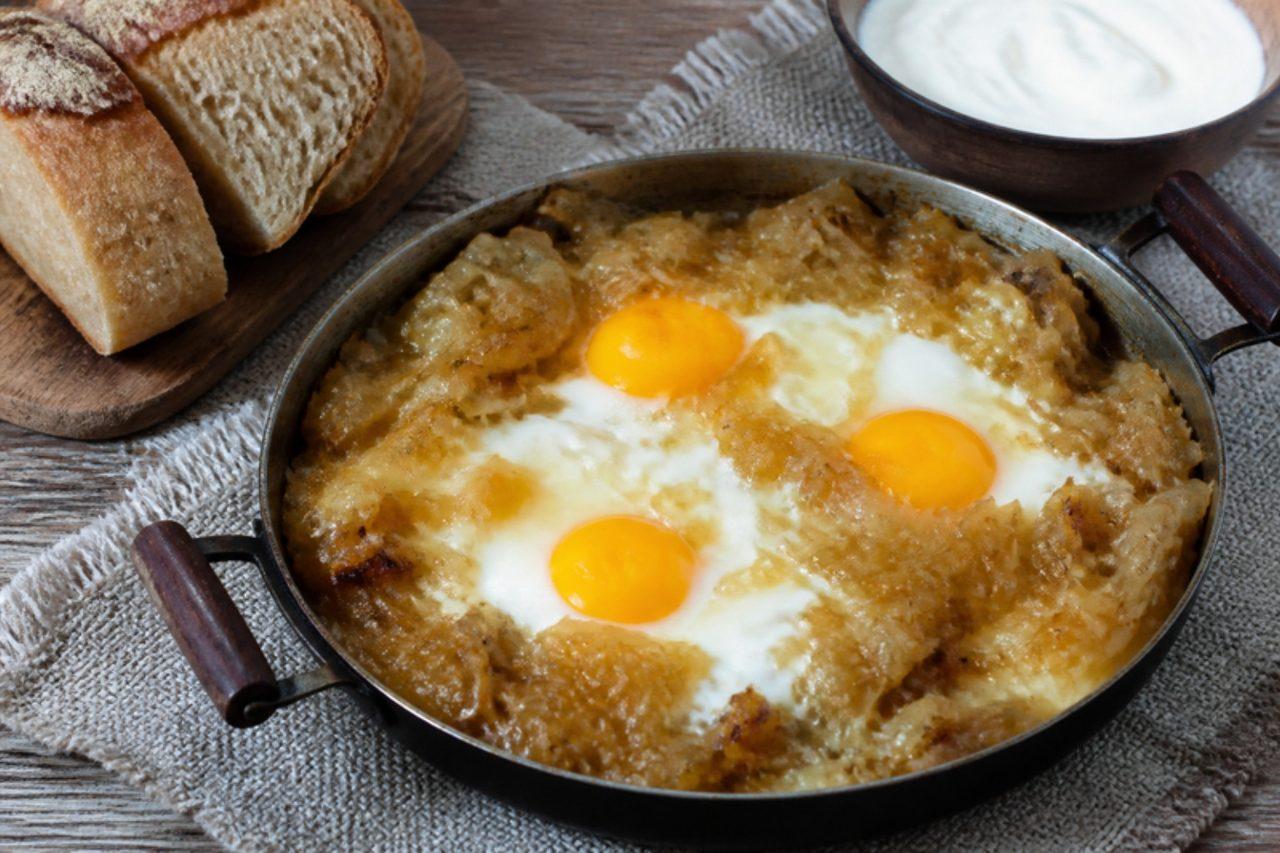
Bosnian home cooks make ćimbur when there are eggs, onions and not much else, and it is a favourite weekend breakfast, or a quick sehur before dawn during Ramadan. Lots of sliced onion is cooked gently in butter until meltingly soft and sweet, then eggs are cracked into little hollows and covered until the whites set, so you scoop up runny yolk, silky onion and a dusting of paprika with warm bread or somun. A bowl of plain yogurt on the side is common. A common mistake is rushing the onions over a high heat, so they scorch on the edges while staying crunchy inside; patience over a medium-low flame is what makes the dish. Chef's tip: if the onions start to catch before they are soft, add a splash of water and keep going.

by KrazyBadal 1 views

Garnaalkroketten

Along the Flemish coast, from De Panne to Knokke, the North Sea grey shrimp is king, and garnaalkroketten are the dish every seaside restaurant is judged by: a molten, creamy shrimp-flavoured béchamel packed with little brown shrimps, set firm, crumbed and fried until golden, served with fried parsley and lemon. In Oostduinkerke, shrimp fishers on horseback still drag their nets through the shallows. A common mistake is a béchamel that isn't thick enough, so the croquettes burst in the oil. Chef's tip: make a strong shrimp stock from the shells, if you have them, for the béchamel, and chill the mix overnight so it is firm to shape. The shrimp are already cooked; fry until golden and hot through.

by KrazyBadal 0 views

Cougnou

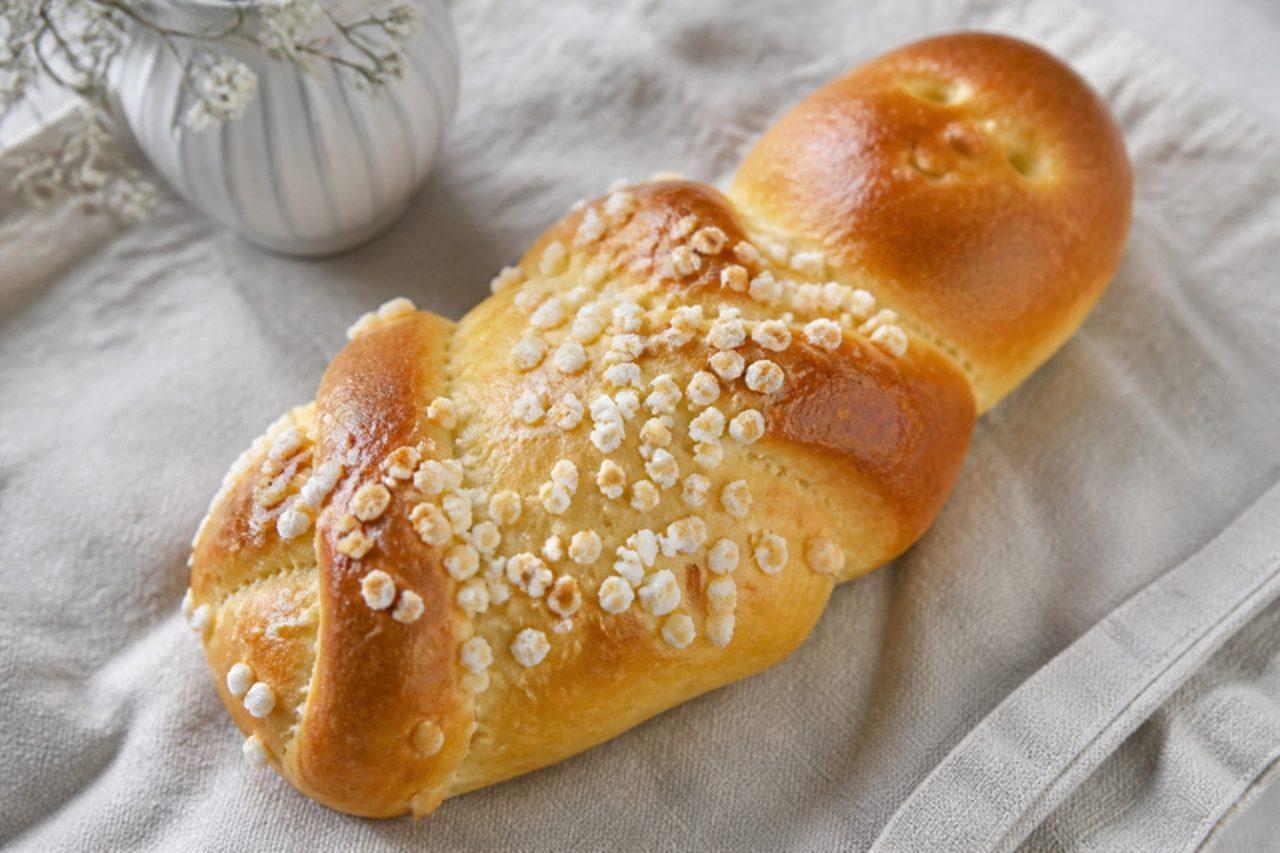
Cougnou, also called cougnolle or bommetje, is the Christmas bread of Wallonia, given to children on Christmas morning: a soft brioche shaped like the infant Jesus in swaddling clothes, with a little clay or sugar medallion pressed into the middle, eaten with hot chocolate. Bakeries in Namur and Charleroi make them from early December. A common mistake is shaping them too small, which dries them in the oven. Chef's tip: make three balls, one large for the body and two small for the head and feet, pressed together tightly so they bake as one.

by KrazyBadal 0 views

Karađorđeva šnicla

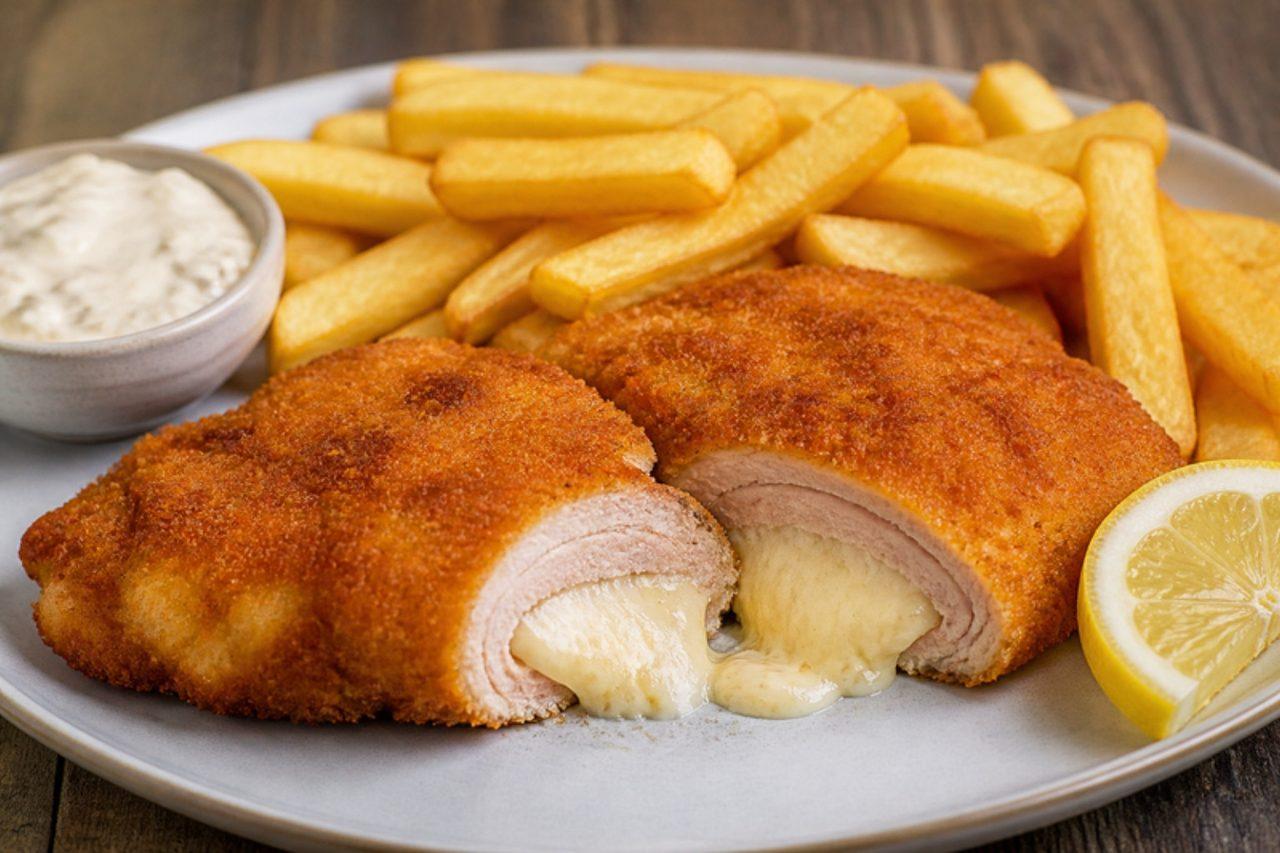
Belgrade restaurants have served this since a local chef created it in the mid-20th century, naming it after Karađorđe, leader of the First Serbian Uprising; diners fondly call it the maiden's dream. A thin pork escalope (veal is the other classic) is spread with kajmak, Serbia's rich, slightly tangy clotted cream, rolled tight, double-breaded and fried into a golden log that oozes when cut. It comes with chips or roast potatoes, a lemon wedge and tartar sauce. If you can't find kajmak, beat cream cheese with a little soft butter and a pinch of salt. Rolling it loosely is the mistake that ruins it, because the cream escapes into the oil; roll tightly and chill before breading. Chef's tip: fry only until golden, then finish in the oven, so the crumb stays crisp while the pork cooks through to the centre.

60 minBalkanMeat
by KrazyBadal 0 views

Leskovačka mućkalica

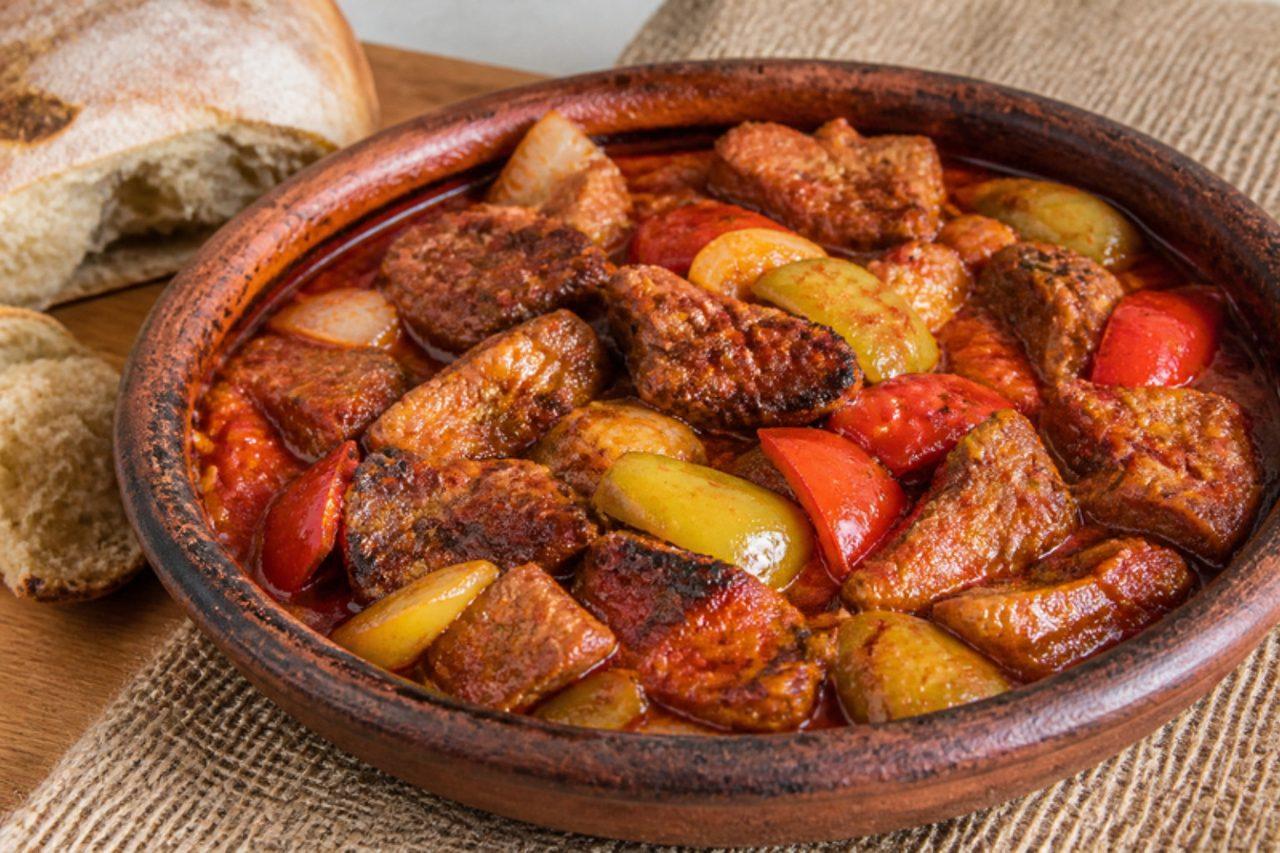
Leskovac, in southern Serbia, is the country's grill capital, and its late-summer barbecue festival fills the main street with smoke; mućkalica is what the grill cooks make with meat that has spent time over the coals. Chunks of pork neck or shoulder are charred, then stewed with roasted peppers, onion, tomato and hot paprika until the sauce turns thick, glossy and fiery. This home version marinates the pork in the fridge and sears it on a griddle pan for that charred note. Serve straight from the pot with flatbread and a cucumber salad. The name comes from shaking the pan, and constant stirring is the usual mistake; swirl the pot instead so the pepper strips keep their shape. Chef's tip: char the peppers until black and blistered, then steam them in a covered bowl for 10 minutes and the skins slip off in seconds.

80 minBalkanMeatGluten freeSpicy
by KrazyBadal 0 views

Soparnik

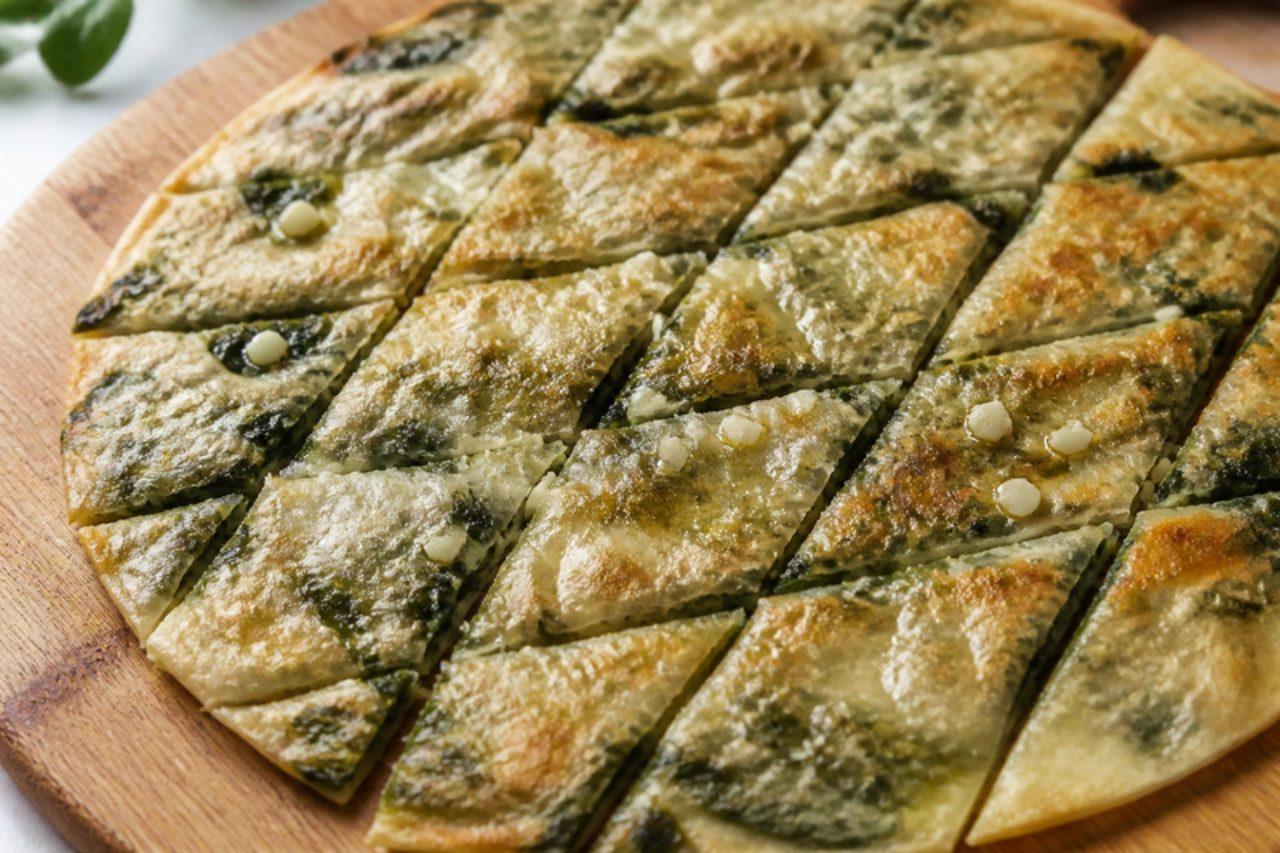
Between Split and Omiš, in the stony villages of Poljica in Dalmatia, women once baked soparnik on the open hearth, sliding a huge round of thin dough under hot embers and ash. Its filling is nothing but raw Swiss chard, onion and parsley with olive oil, and the finished pie is brushed with garlic and more oil while it is still steaming. It is crisp at the edges, soft and green inside, and was traditionally eaten on fasting days such as Good Friday and Christmas Eve, cut into diamonds and served lukewarm with a glass of water or a plate of olives. A common mistake is salting the chard too early: it weeps water and the bottom turns soggy, so salt only as you spread it. Chef's tip: heat a large baking tray or pizza stone in the hottest possible oven so the base cooks fast, as it would on the hearthstone.

by KrazyBadal 0 views

Paprenjaci

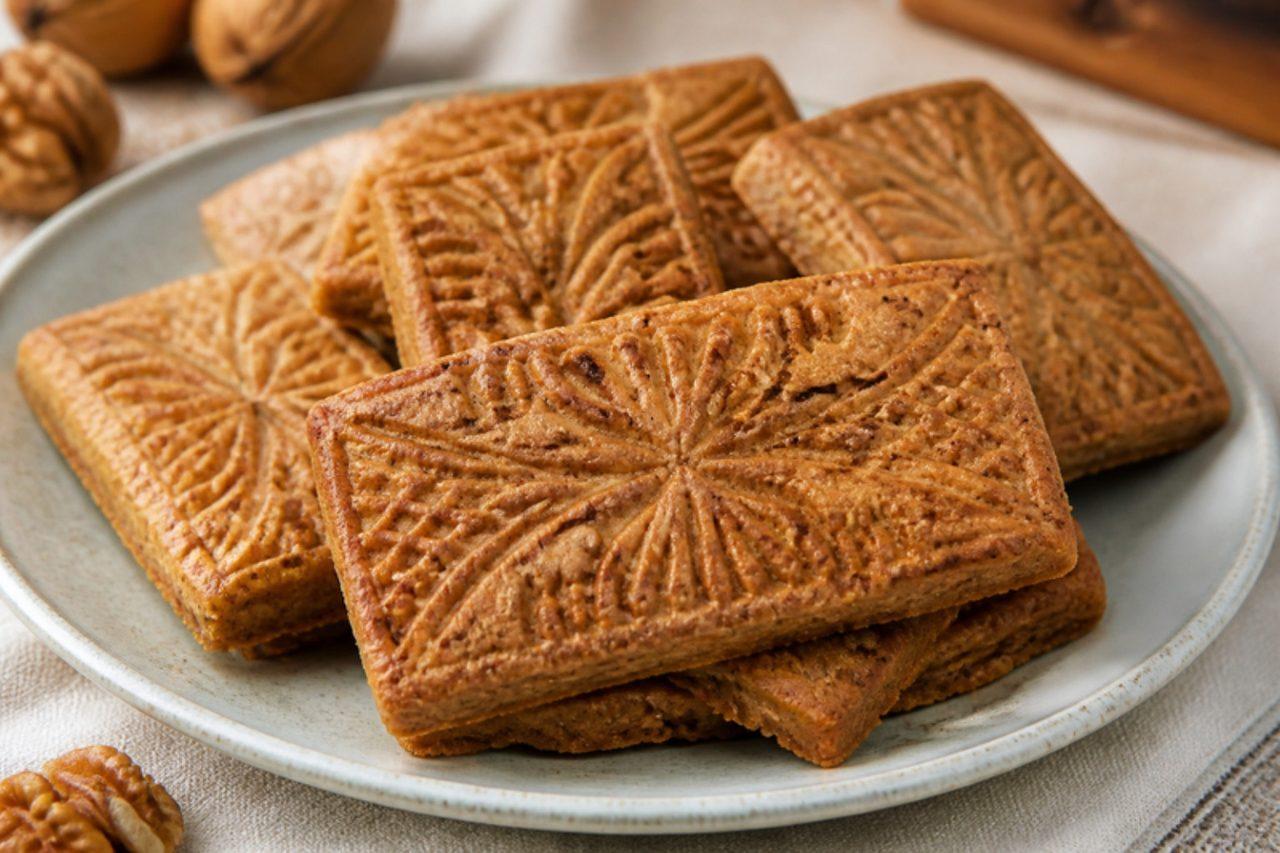
Paprenjaci have been baked in Zagreb and the villages of northern Croatia for centuries, and today they are on the list of Croatian heritage foods, sold at Christmas fairs and as gifts in pretty tins. The dough is sweetened with honey and spiced with cinnamon, cloves and a surprising amount of black pepper, then pressed into carved wooden moulds so each biscuit carries a flower, bird or heart. They are firm at first, with a slow peppery heat behind the honey, and soften after a few days. Serve them with tea, mulled apple juice or coffee. The usual slip is forgetting to flour the mould, so the dough sticks and the pattern tears; dust it every time. Chef's tip: grind the pepper as finely as you can, almost to a powder, so you get warmth in every bite rather than hard specks.

by KrazyBadal 0 views

Svadbarski kupus

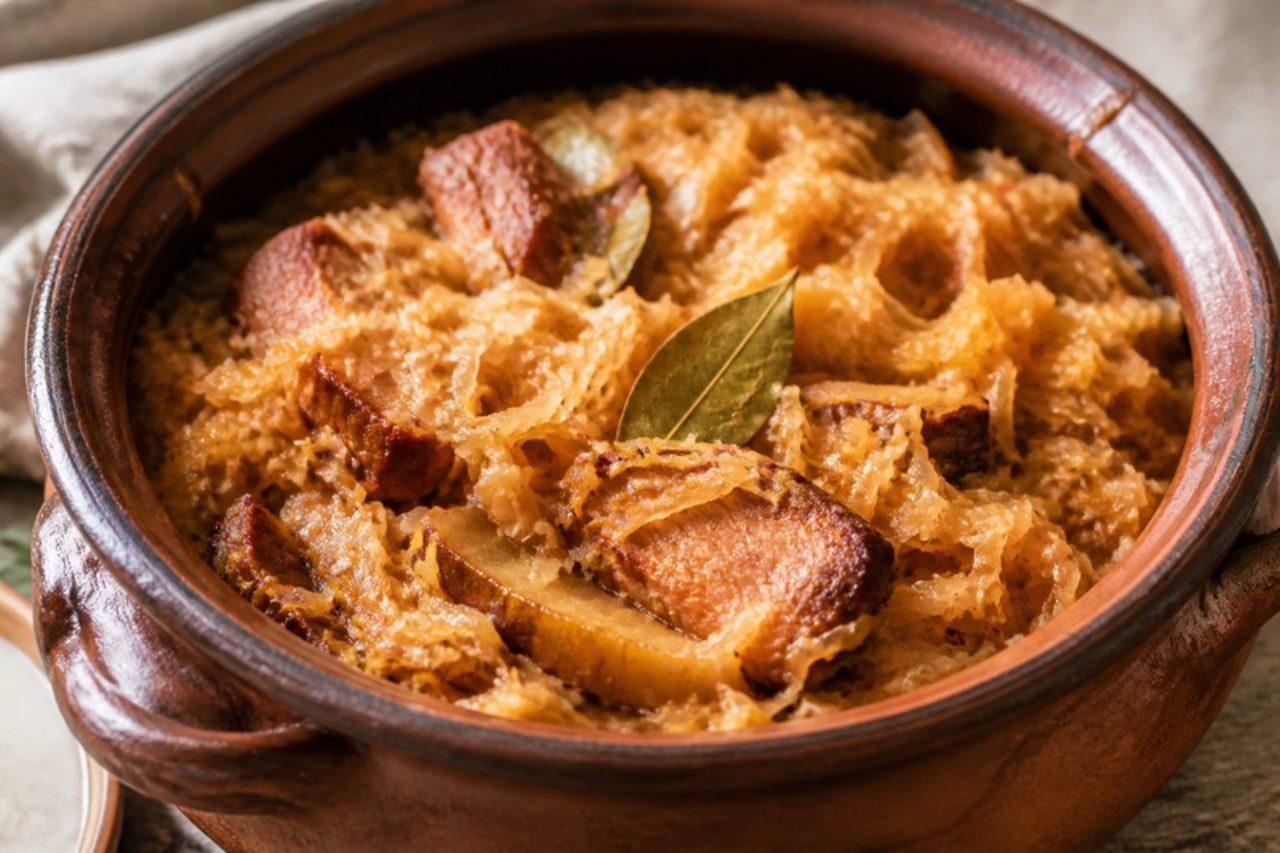
Wedding cabbage is cooked by the cauldron in central Serbia, and the village of Mrčajevci near Čačak holds a whole autumn festival in its honour, with cooks competing over clay pots that have bubbled in the embers since dawn. Sauerkraut is layered with smoked pork ribs, smoked bacon, pork shoulder and beef shin, then left alone for hours until the meat collapses and the cabbage turns soft, smoky and sour-sweet. This version goes into a low oven in a clay pot or heavy casserole. Serve it with bread, hot dried chillies and a glass of cold water. Hurrying it in a hot oven is the commonest error; at 200 °C the kraut dries and the meat tightens, while 150 °C and patience give silky results. Chef's tip: it is even better made a day ahead; cool, refrigerate and reheat covered until bubbling hot all the way through.

360 minBalkanMeatGluten free
by KrazyBadal 0 views

Stonski kolač

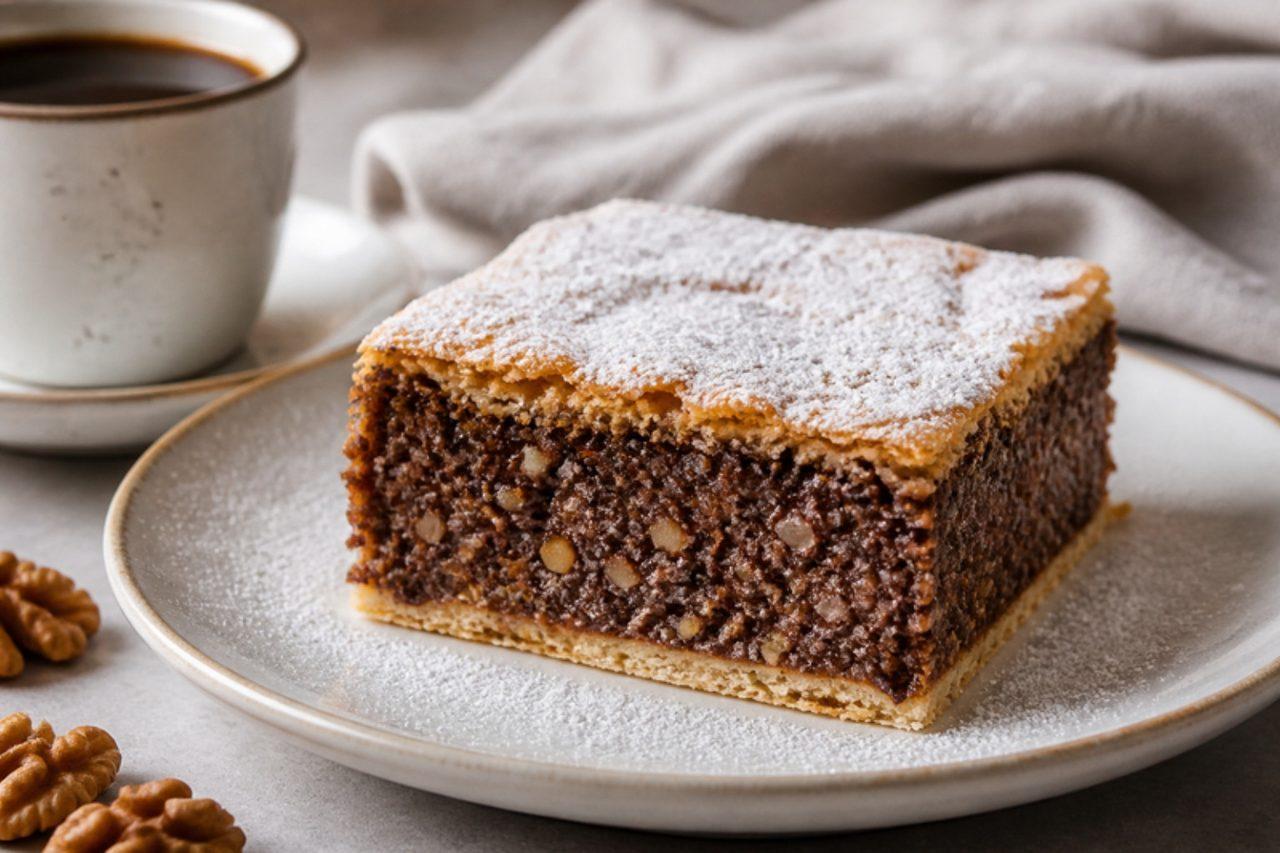
Behind the long stone walls of Ston, on the Pelješac peninsula near Dubrovnik in Croatia, bakers make one of the strangest cakes on the Adriatic: a pastry case filled with short pieces of cooked pasta, ground walnuts, chocolate, cinnamon and citrus zest, all bound with eggs and sugar. It is served on feast days and at weddings, cut into dense, fragrant slices where the pasta gives a soft, chewy bite against the nutty filling. Many families add a splash of rum to the filling; this recipe is alcohol-free, and adults can add 2 tbsp of rum with the zest if they like. A common mistake is cutting the cake while warm, when the filling is still too soft to hold; leave it to cool completely. Chef's tip: undercook the pasta by a minute, because it keeps softening in the oven.

120 minBalkanBaking
by KrazyBadal 0 views

Idrijski žlikrofi

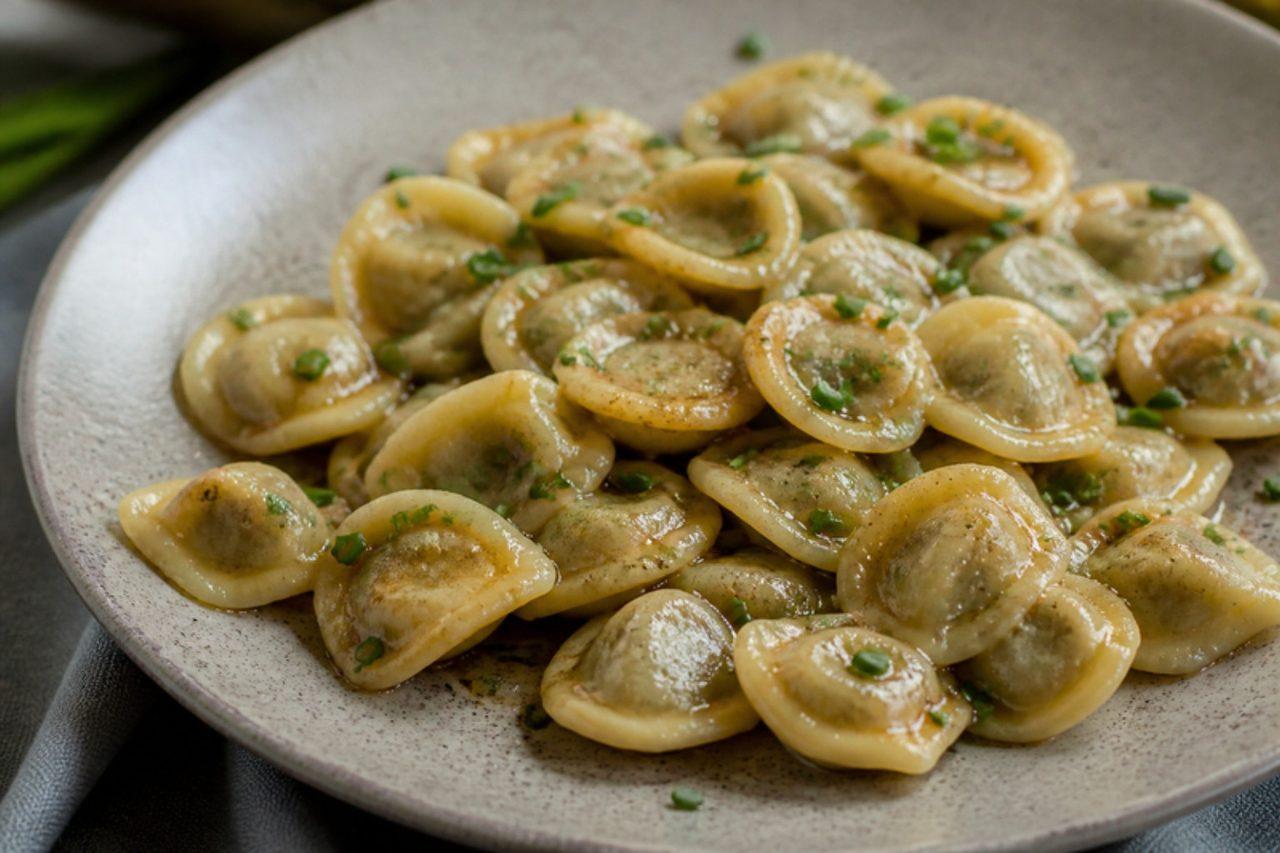
Mercury miners in Idrija, the hill town in western Slovenia, lived on these: thumbnail-sized pasta parcels pinched into a little hat shape with a dimple in the middle and filled with potato, onion, chives and marjoram. They carry EU protected status, and in Idrija they come either with melted butter and crumbs or with bakalca, a slow-cooked lamb sauce; the traditional filling often has a spoon of pork fat or cracklings too. This vegetarian version uses butter throughout. Shaping 150 or so of them is a job for two people and a good chat. A wet filling is the usual downfall: boil the potatoes in their skins and mash them dry, or the dough tears when you pinch it shut. If you add the optional grated hard cheese, choose a vegetarian one, as parmesan-style cheeses use animal rennet. Chef's tip: dry the shaped žlikrofi on a floured cloth for 20 minutes before cooking so they hold their shape.

by KrazyBadal 0 views

Showing 24 of 264 recipes

Show more recipes

Page 1 of 11