Skip to content
Recipes

All recipes

Vegetarian, or something you can't eat? Set your diet once and we'll hide recipes that don't fit.

Tallarines rojosSpaghetti in red sauce with chicken

Tallarines rojos is the Sunday-lunch and weeknight pasta of homes all over Peru, from Lima to Arequipa: spaghetti in a sweet, deep-red sauce of blended tomato, onion and garlic with a little ají panca and oregano, often with pieces of chicken cooked right in it. Children love it, and it is served with a sprinkle of grated cheese and sometimes a spoon of huancaína on the side. The usual mistake is cooking the sauce too briefly, so it tastes of raw onion; let the blended tomato fry until it darkens and the oil shows at the edges. Chef's tip: a bay leaf and a spoon of ají panca paste give the sauce its Peruvian character; paprika will do if you can't find the paste.

by KrazyBadal 0 views

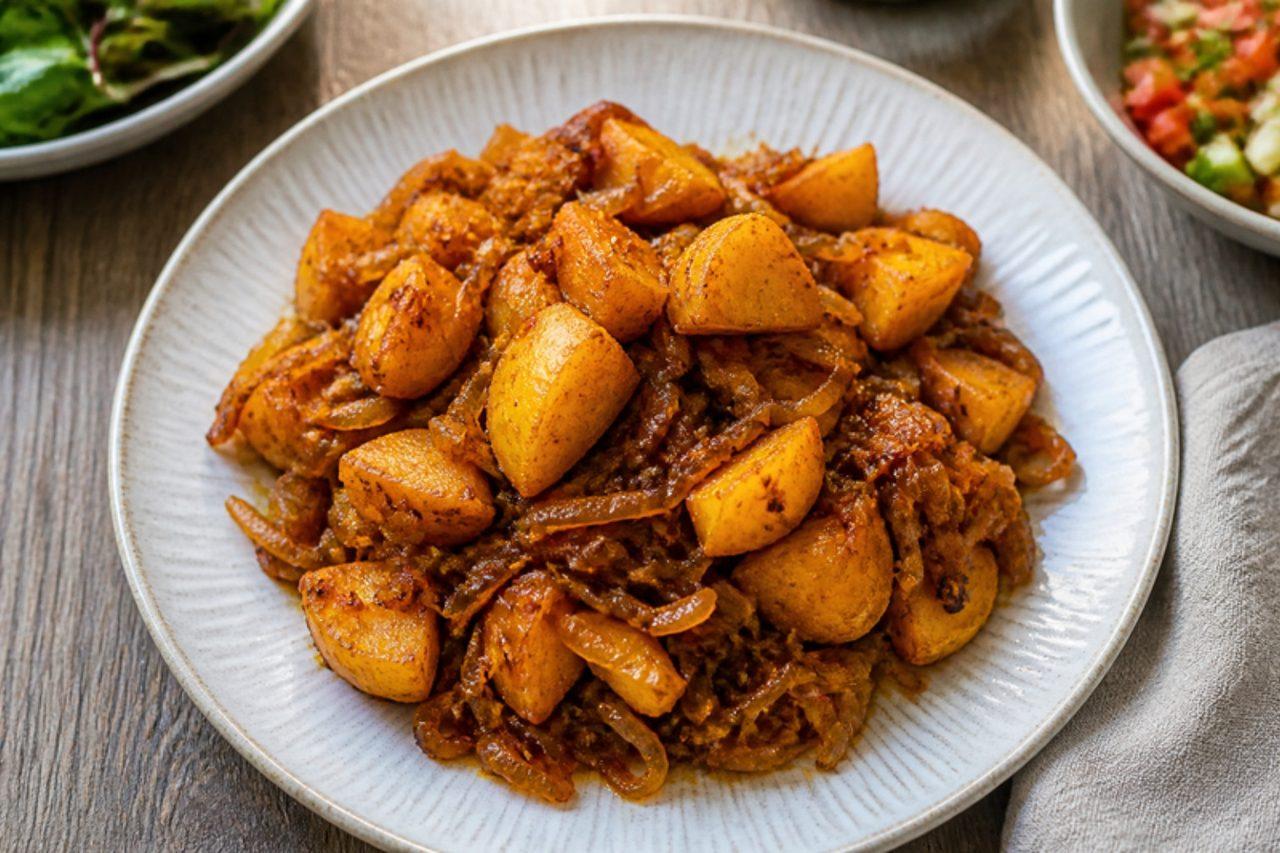
Dopiazeh alooPotatoes fried with onion and tomato

Dopiazeh means 'two onions', and in Shiraz this potato dish lives up to the name: cubed potatoes are fried with a generous heap of golden onions, turmeric and tomato paste until the edges catch and the sauce clings to every piece. Shirazi families eat it as a side with rice and kebab or, on busy evenings, as the main dish rolled up in flatbread with yogurt or fresh herbs. The usual mistake is crowding the pan, so the potatoes steam and break up instead of browning; use your widest pan. Chef's tip: fry the tomato paste in the oil for a full minute before adding water, so it turns brick red and loses its raw edge.

by KrazyBadal 0 views

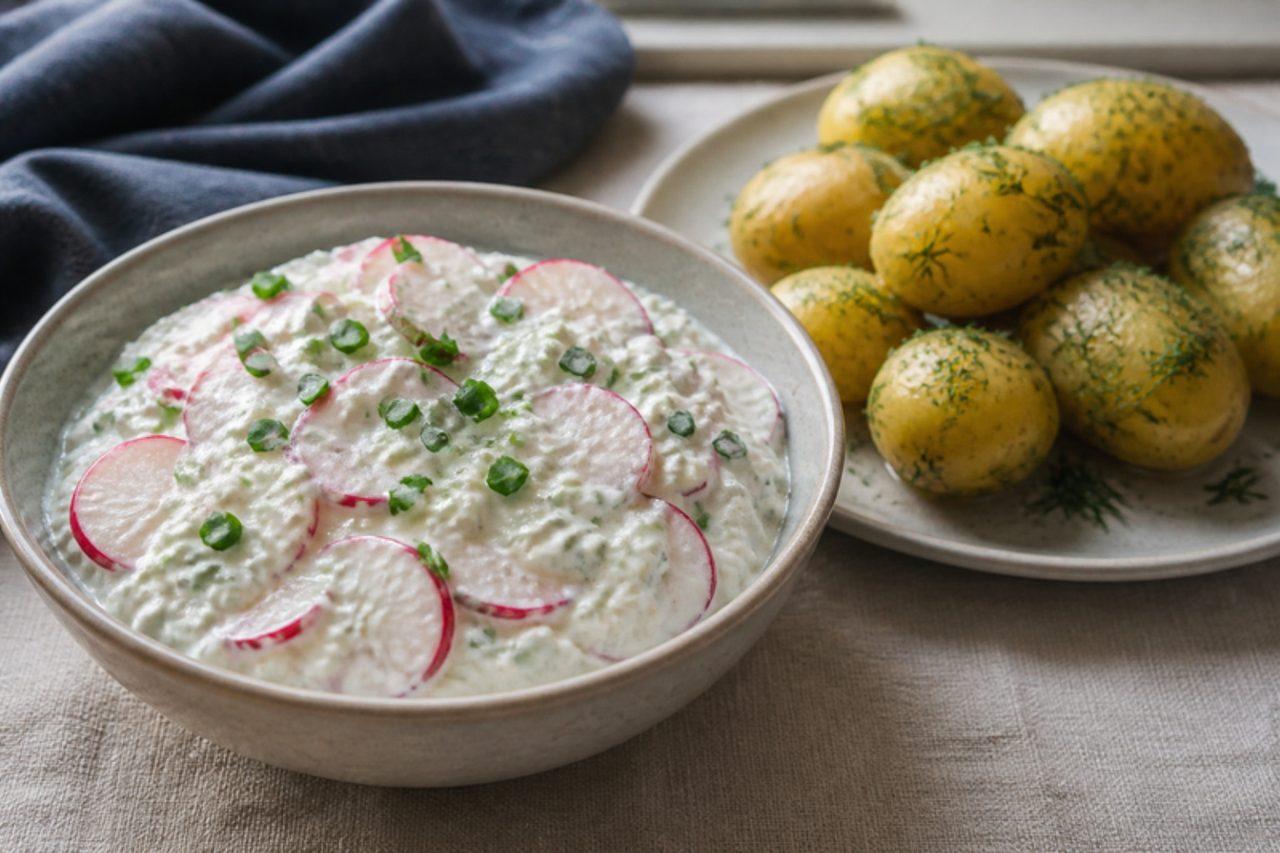
Gzik (Poznań quark with radish and chives)

Gzik is a Poznań favourite, so much a part of Greater Poland that the region's potato-and-quark supper, pyry z gzikiem, has its own festival. Soft white quark is beaten with sour cream, then mixed with chopped radish, onion and chives into a cool, tangy, crunchy spread that is spooned over hot boiled potatoes in their skins, or onto rye bread for breakfast. The most common mistake is using dry, crumbly quark without loosening it, which gives a pasty gzik; it should be smooth and just spoonable. Quark and sour cream are made without rennet, so this is a good vegetarian choice. Chef's tip: salt the chopped radish and onion only at the last minute, so they stay crisp instead of weeping into the cheese.

by KrazyBadal 0 views

Torta de ricotaLemon ricotta tart

Italian families brought ricotta tarts to Buenos Aires and Rosario, and torta de ricota is now as Argentinian as mate: every panadería has one in the window, with a lattice of sweet, crumbly masa frola over a pale, lemon-scented ricotta filling. It is cut into wedges for the merienda, the late-afternoon snack, or for a birthday where nobody wants a heavy cake. The texture is light and slightly grainy rather than silky, and the pastry tastes of butter and vanilla. Wet ricotta is the biggest risk, giving a weeping, soggy tart. Chef's tip: drain the ricotta overnight in the fridge in a sieve lined with a cloth, and add a few raisins only if they have been soaked, or they draw moisture from the filling.

by KrazyBadal 0 views

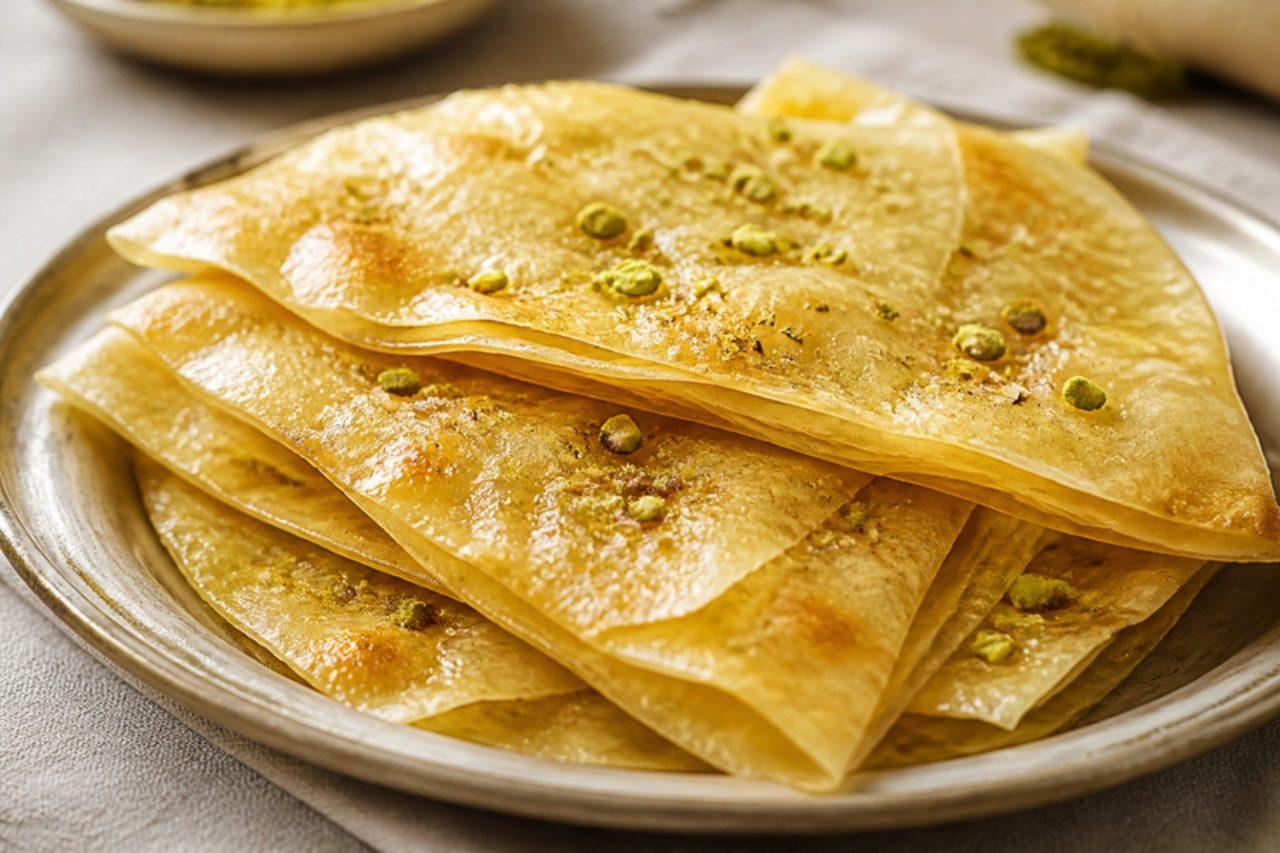
Kak-e KermanshahiThin buttered sugar sheets

Kermanshah, in Iran's Kurdish west, is famous for its ghee, and kak is the sweet that shows it off: dough rolled so thin you can read through it, baked crisp in seconds, then brushed with melted ghee and showered with sugar before the sheets are folded and stacked. Shops in the city's bazaar sell them in tall boxes, and families bring them out for guests and at Nowruz with glasses of black tea. They are traditionally made with Kermanshahi ghee, a nutty sheep's-milk ghee; ordinary ghee or clarified butter works well. The classic mistake is rolling too thickly: anything over a millimetre bakes up like a cracker, not a crisp, glassy sheet. Chef's tip: roll on a lightly oiled counter rather than flour, and stretch the last bit over the backs of your hands, as the Kermanshah bakers do; excess flour scorches on the hot tray.

by KrazyBadal 0 views

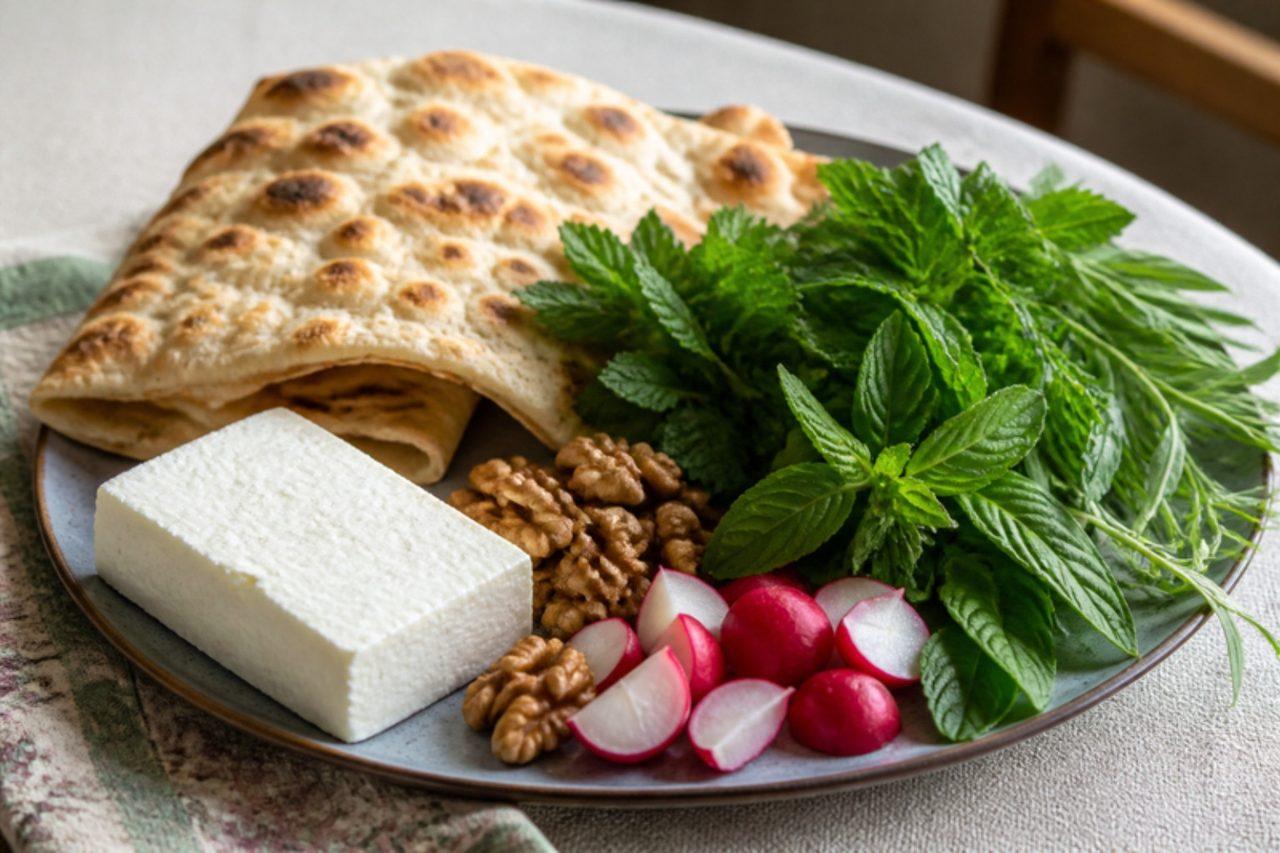
Nan-o panir-o sabziBread, white cheese and fresh herbs

Nan-o panir-o sabzi, 'bread, cheese and herbs', is laid out on Iranian tablecloths from Tabriz to Mashhad for breakfast, for a light summer supper and before dawn during Ramadan: warm flatbread, salty white cheese, a big plate of fresh herbs, walnuts and crisp radishes, all wrapped into little bites. There is no cooking beyond warming the bread, so it is ready in ten minutes. The common mistake is serving herbs that are still damp from washing, which wilt and make the bread soggy; wash them earlier and let them dry fully. Iranian white cheese (lighvan) and most feta are made with animal rennet, so choose a vegetarian feta-style cheese if needed. Chef's tip: soak the walnuts in cold water for 10 minutes; it softens their bitterness the way Iranian cooks like.

by KrazyBadal 0 views

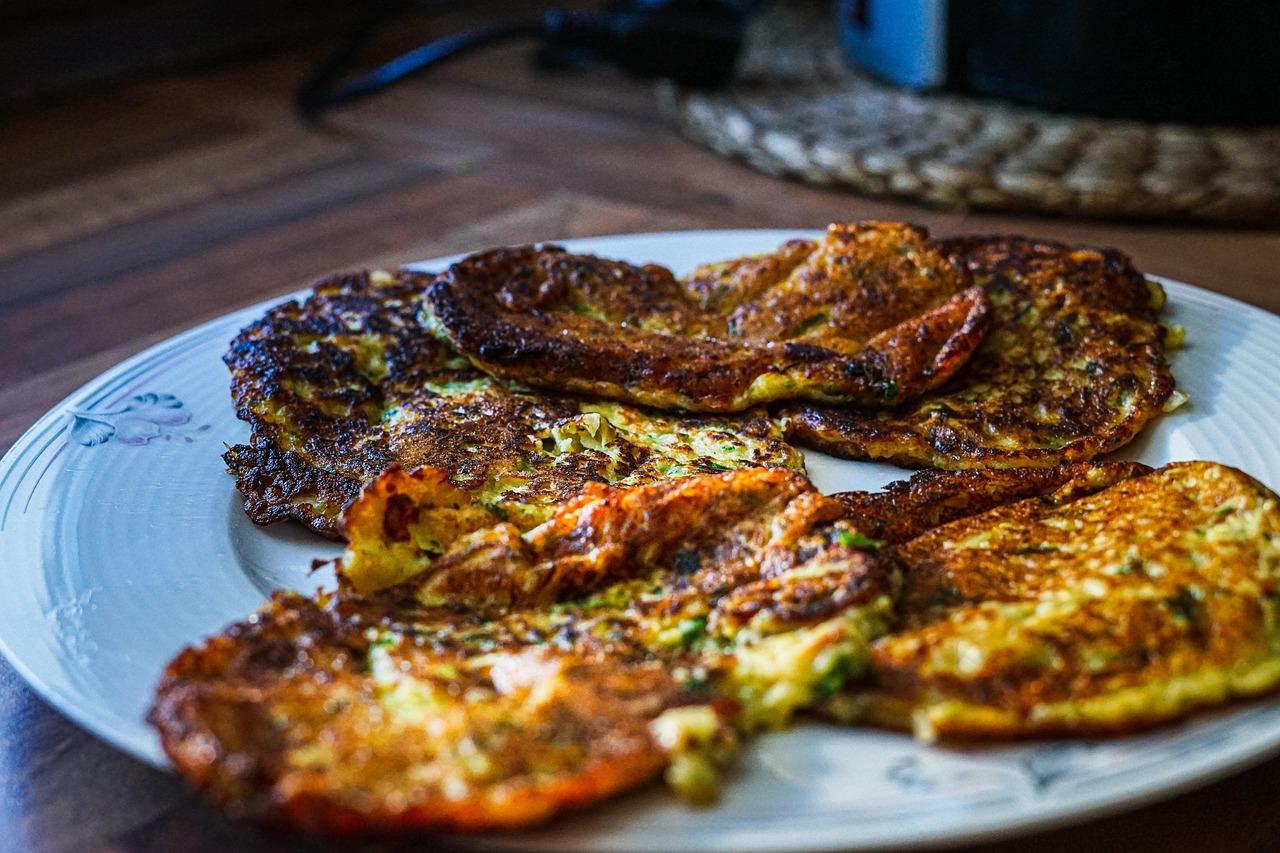
Placki z cukinii (Polish courgette fritters)

Every Polish allotment produces more courgettes in August than anyone can eat, and placki z cukinii is how the glut becomes a weeknight dinner: grated courgette bound with egg, a little flour and plenty of dill, fried into golden, soft-centred fritters. They are eaten hot with a spoon of sour cream or a garlicky yogurt dip, and leftovers go into lunchboxes the next day. The mistake that ruins them is skipping the squeeze: courgette is mostly water, and unwrung it makes a loose batter that spits in the pan and fries up soggy. Chef's tip: salt the grated courgette and leave it for 10 minutes while you get everything else ready, then wring it hard in a clean tea towel.

by KrazyBadal 0 views

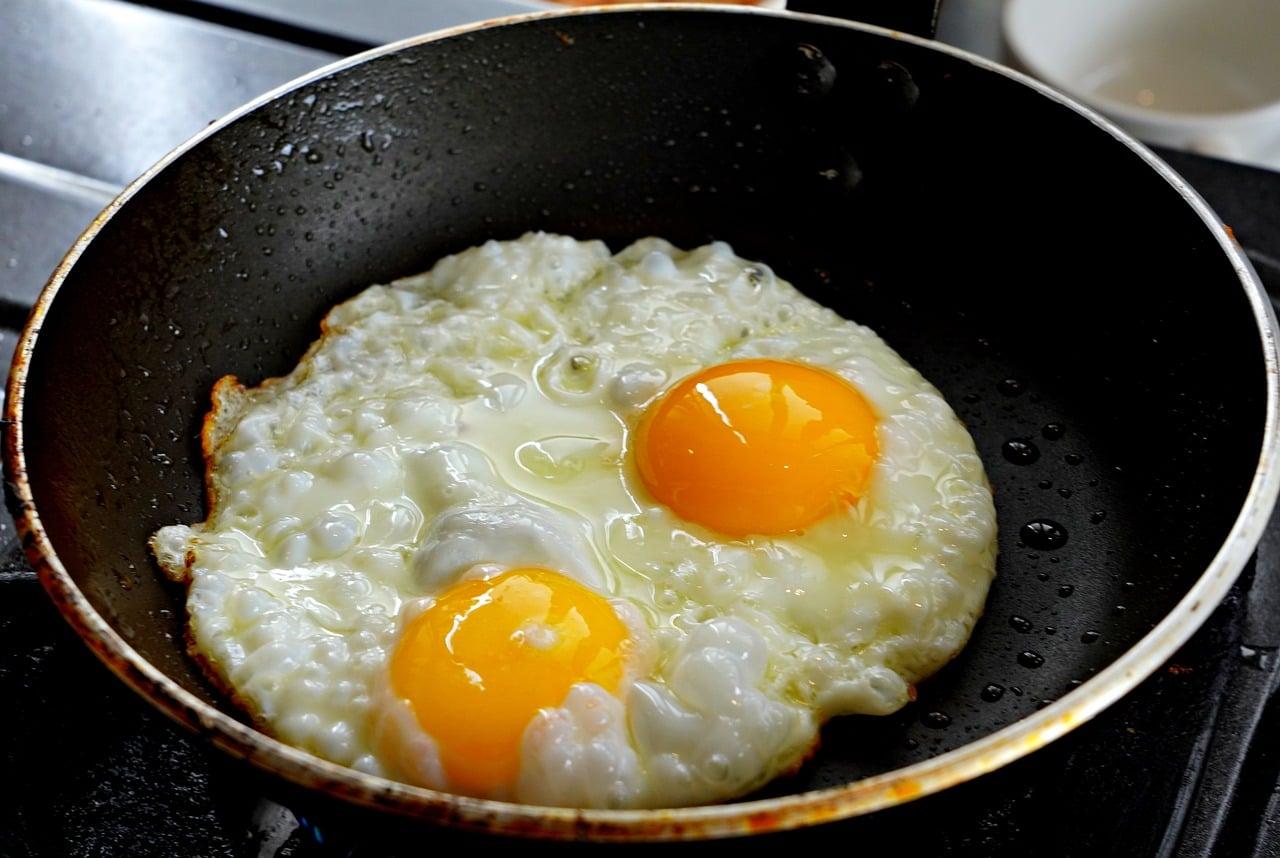
NimrooHalf-set fried eggs

Nimroo, literally 'half-done', is what Iranian students in Tehran and families in every city cook when there is no time: eggs fried gently in a small pan until the whites set and the yolks stay soft, sprinkled with salt, pepper and sometimes a pinch of turmeric. It is eaten straight from the pan with torn lavash or sangak, fresh herbs and sweet black tea, for breakfast or a late supper. The common mistake is a fierce heat that burns the edges of the white while a raw film stays round the yolk; a lid for the last minute sets the top gently. For anyone pregnant, very young, older or with a weakened immune system, cook the yolks until firm. Chef's tip: serve it in the pan it was cooked in, on a board, so it stays hot.

by KrazyBadal 0 views

Salpicón de aveCold chicken salad

Salpicón de ave is the cold supper of Argentine summers, made in Buenos Aires flats and on estancias alike when it is too hot to cook much, and a favourite way to use the chicken from a puchero or Sunday roast. Shredded chicken is mixed with diced pepper, tomato, spring onion, sweetcorn and boiled egg, bound with mayonnaise sharpened with lemon and mustard, and served chilled with crusty bread or on lettuce. The common mistake is dressing it while the chicken is still hot, which melts the mayonnaise into an oily puddle; let everything cool first. Chef's tip: dress the chicken with the lemon juice and a pinch of salt before the mayonnaise goes in, so the meat itself is seasoned, not just its coating.

by KrazyBadal 0 views

Tarta de coco y dulce de lecheCoconut and dulce de leche tart

Ask Argentinians for their favourite tart at a family birthday and this one often wins: a crisp shortcrust spread thickly with dulce de leche, then covered with a coconut, sugar and egg topping that bakes into a golden, chewy crust. Bakeries from Córdoba to Mar del Plata sell it by the slice for the merienda with mate or a café con leche. It is very sweet, so the slices are thin, and it is a good keeper for a few days. Ordinary spreading dulce de leche is the mistake: it runs and bubbles out at the edges. Use the thicker pastry-style kind, sold in Argentina as 'repostero'. Chef's tip: chill the case with the dulce de leche spread on it for 15 minutes before adding the coconut, so the two layers stay distinct.

by KrazyBadal 0 views

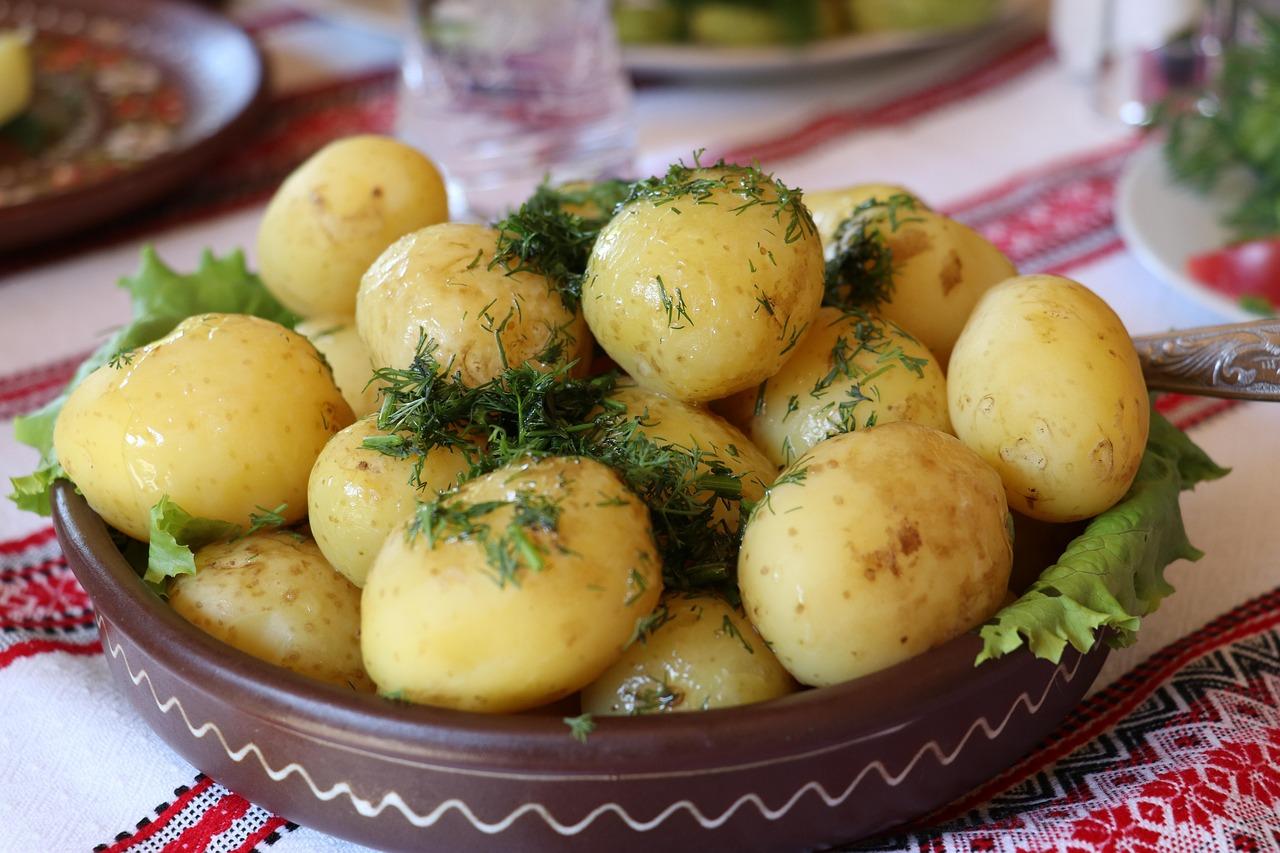
Młode ziemniaki z koperkiem (new potatoes with dill)

In June, when the first new potatoes reach Polish markets, many families make a whole supper of them: thin-skinned potatoes boiled, tossed in melted butter and a fistful of chopped dill, with a glass or bowl of cold kefir or buttermilk alongside. It is simple, early-summer country food, and it also sits next to fried eggs or cucumber salad. The common mistake is peeling them or boiling them hard; new potatoes should be scrubbed only and simmered gently, or they split and go watery. Chef's tip: add the dill only once the potatoes are off the heat, so it stays bright green and fresh-tasting.

by KrazyBadal 0 views

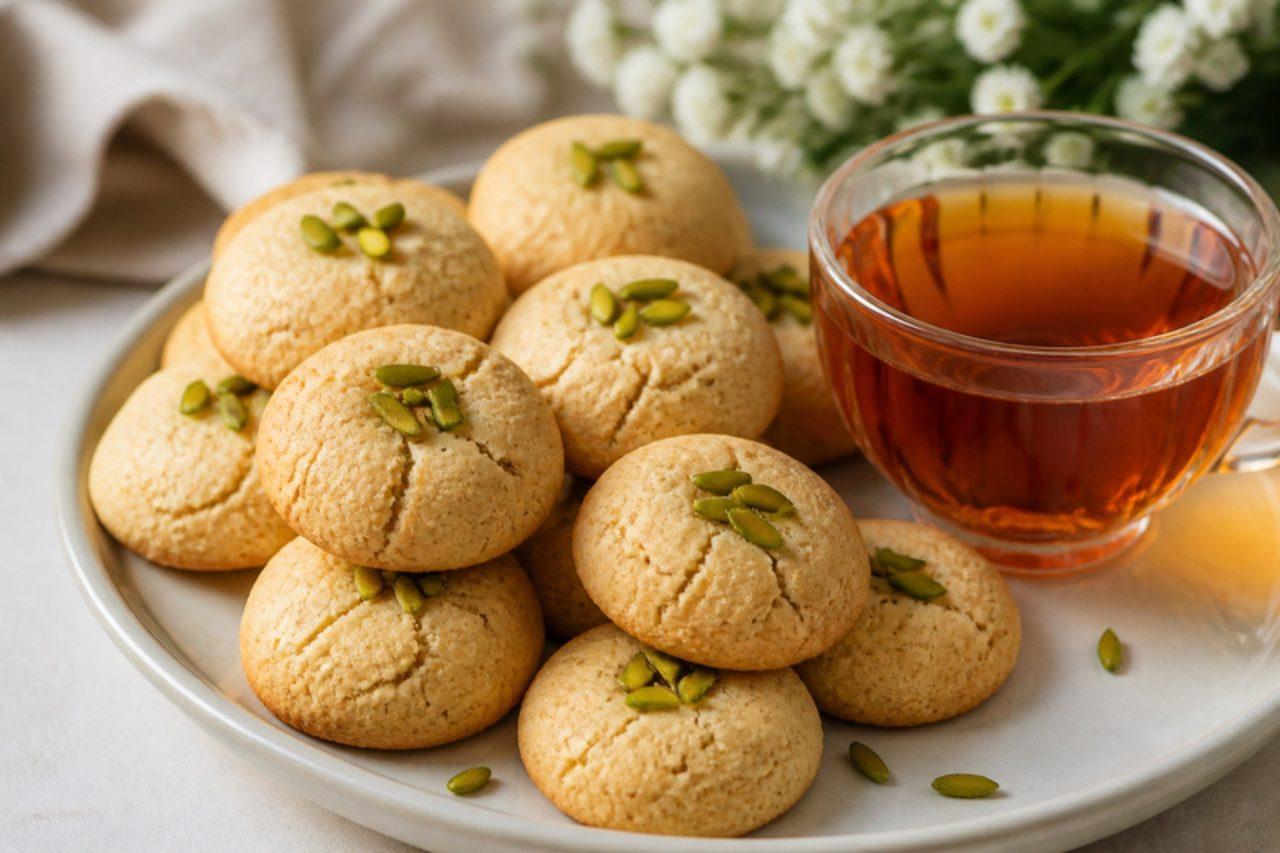
Nan-e badamiAlmond cardamom cookies

Tabriz and Yazd both claim the best nan-e badami, and in the weeks before Nowruz pastry shops across Iran fill trays with these small almond cookies for the new-year table. Made from ground almonds, sugar and egg white with no flour at all, they have a thin crisp shell and a moist, chewy middle, perfumed with cardamom and rose water and topped with a sliver of pistachio. Offer them with tea when guests make their Nowruz visits; they also keep well enough to make a week ahead. Over-whisking is the easy error: the whites only need to be frothy, not stiff, or the cookies puff and crack like meringues. Chef's tip: let the shaped cookies sit uncovered for 20 minutes before baking so a skin forms; that skin is what gives the neat, crackled top.

by KrazyBadal 0 views

Nan-e keshmeshiSaffron raisin cookies

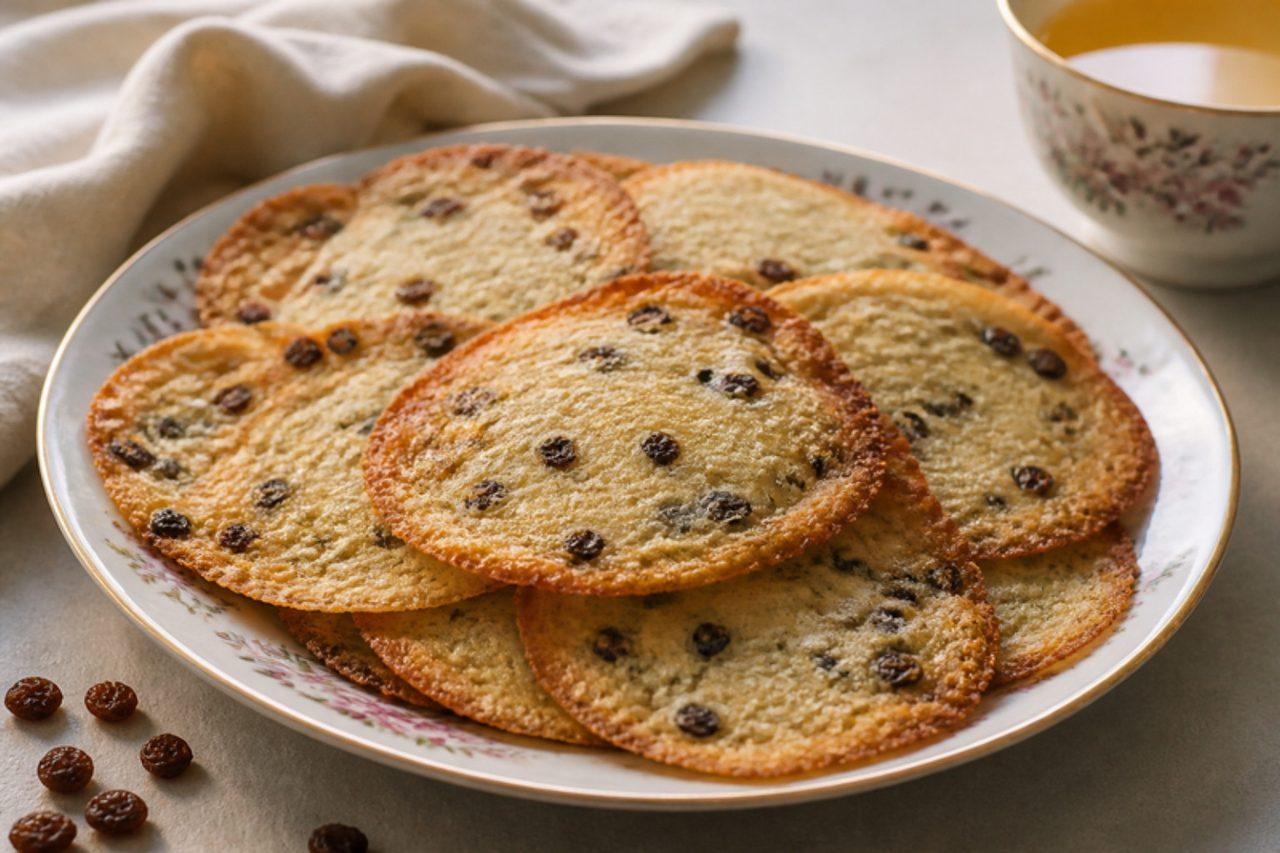
Ask an Iranian child which Nowruz sweet they reach for first and many will say nan-e keshmeshi, the little raisin cookies with crisp golden rims and soft, chewy centres. Confectioners in Tehran make them by the thousand in the run-up to the spring new year, and they turn up again whenever there is tea and company. The dough is a simple butter-sugar-egg batter warmed with saffron and vanilla, spooned out in small dabs that spread thin in the oven. Spooning them too big or too close is the common slip: they run into each other and bake into one sheet. Chef's tip: soak the raisins in hot water for 10 minutes and dry them well first; plump raisins stay juicy instead of burning on the surface.

by KrazyBadal 0 views

Jajecznica (Polish scrambled eggs)

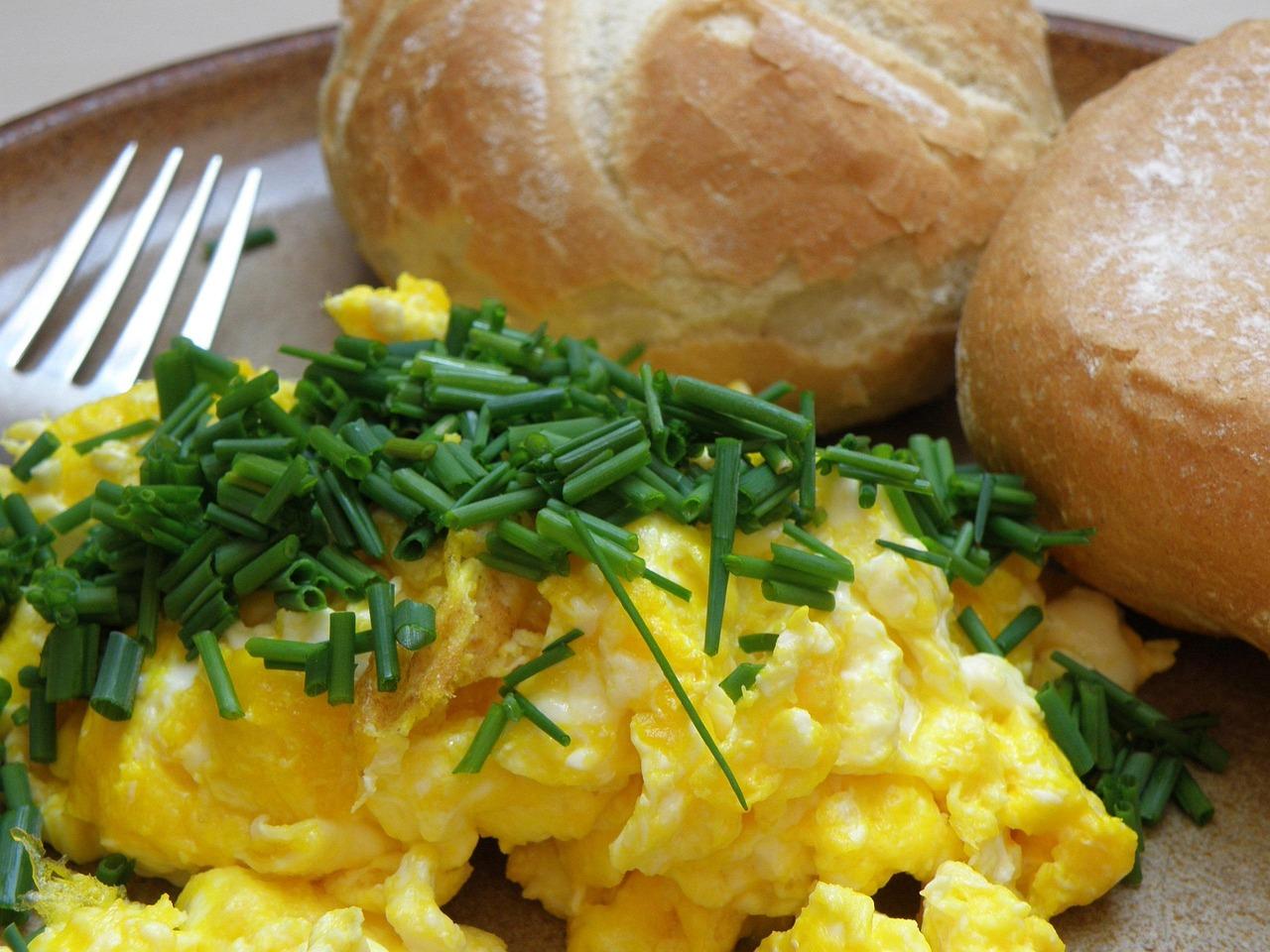
Jajecznica is what a Polish household cooks when there are ten minutes and a box of eggs: soft, large curds stirred slowly in plenty of butter, sometimes with a little onion softened first and always with a shower of chives. It turns up at weekend breakfasts with bread and sliced tomato, and just as often as a light supper after work. The usual mistake is a pan that is too hot, which turns the eggs rubbery and weepy before they have had a chance to go creamy. If you are cooking for anyone pregnant, very young, older or otherwise vulnerable, cook the curds until no liquid egg remains. Chef's tip: take the pan off the heat while the eggs still look slightly underdone; they finish setting on the way to the plate.

by KrazyBadal 0 views

Omelet-e gojeh farangiTomato and egg omelette

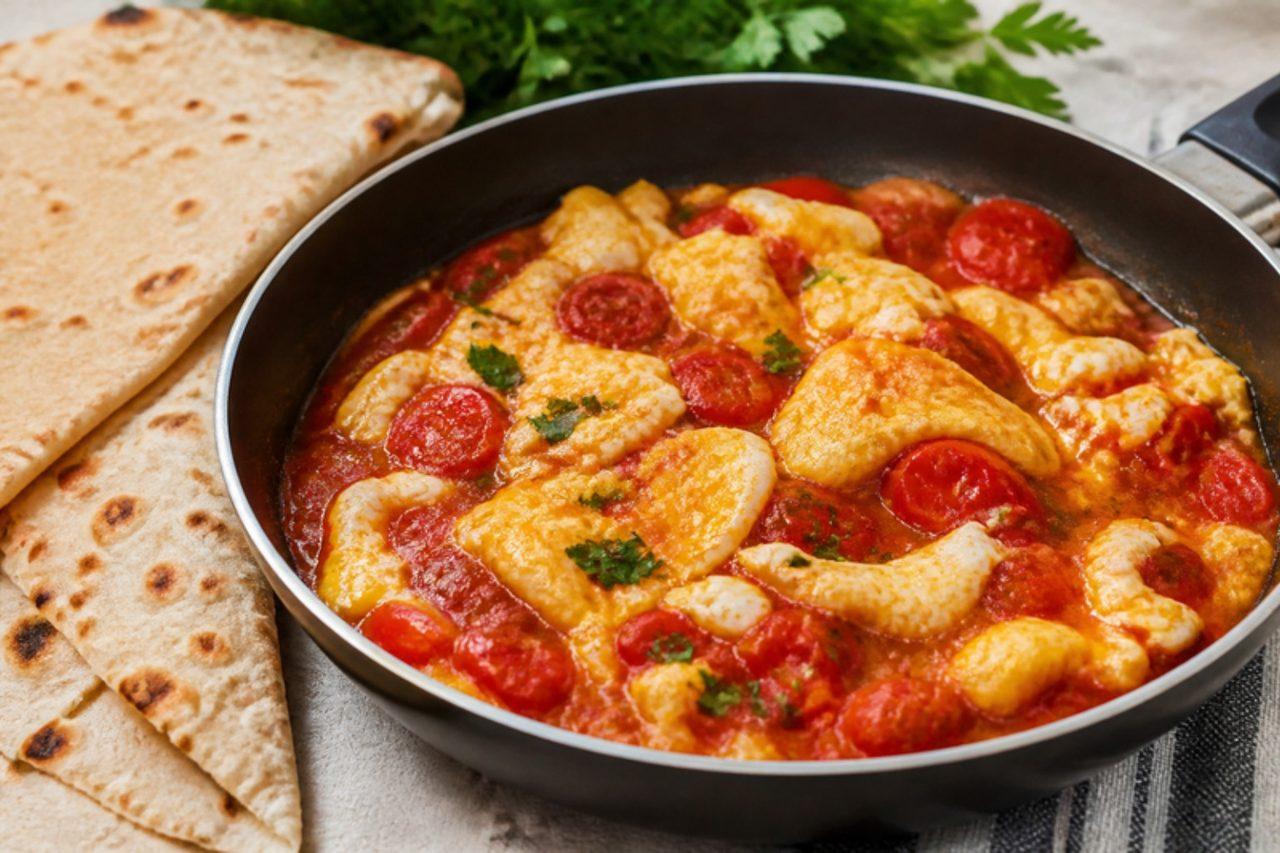
In Iran the word omelet means something quite different from a folded French one: ripe tomatoes are cooked down in oil with a little onion and turmeric until jammy, then eggs are stirred through so they set in soft streaks of red and gold. It is the classic quick dinner of Tehran apartments and student dorms, eaten from the pan with lavash and a plate of herbs. The mistake that makes it watery is adding the eggs before the tomato juices have cooked away; wait until the sauce is thick and the oil sizzles again. Chef's tip: grate the tomatoes on a box grater and throw away the skins, so the base melts down in minutes.

by KrazyBadal 0 views

Fideos con mantecaButtered noodles with cheese

Ask anyone from Buenos Aires to Córdoba what they ate when they came home late or felt poorly as a child, and the answer is often fideos con manteca: short pasta tossed with butter and a snowfall of grated queso rallado. It is the plainest dish in the Argentine home kitchen and the one people cook for themselves on a tired weeknight. The mistake that ruins it is draining the pasta bone-dry and adding cold cheese to a hot empty pan, which leaves greasy strands and clumps; a splash of cooking water makes a light, creamy coating instead. Argentine reggianito and Parmesan are made with animal rennet, so use a vegetarian hard cheese if needed. Chef's tip: grate the cheese very finely, like dust, so it melts on contact.

by KrazyBadal 0 views

Pejerrey arrebozadoBattered fish fillets with onion salsa

Pejerrey arrebozado is a Lima classic from the cevicherías and home kitchens of the coast, eaten at lunch on a plate with white rice, a heap of sharp salsa criolla and sometimes boiled potato. The pejerrey, a small silverside, is opened into butterflied fillets, dipped in a light egg-and-flour batter and fried golden. Outside Peru, use small fillets of whiting, sole, haddock or tilapia. The batter here uses sparkling water, not beer, so it is alcohol free. The common mistake is frying in oil that isn't hot enough: the batter drinks the oil and turns greasy, so test with a drop of batter first. Chef's tip: make the salsa criolla first and let the onion sit in lime for ten minutes; it softens its bite and turns a pretty pink.

by KrazyBadal 0 views

Chicharrón de pescadoCrisp fried fish chunks

Up and down the Peruvian coast, from Chorrillos in Lima to the beaches of Piura, chicharrón de pescado is the crunchy plate ordered alongside ceviche at a long seafood lunch: bite-size chunks of firm white fish marinated briefly in garlic and lime, dusted in flour and fried, then served with fried cassava, salsa criolla and tartar or rocoto sauce. Using frozen peeled cassava keeps it to half an hour. The common mistake is leaving the fish in the lime too long: after about ten minutes the acid starts to 'cook' the outside and the coating slips off. Chef's tip: toss the floured pieces in a sieve to shake off every bit of loose flour; a thin coat fries crisp, a thick one turns pasty.

by KrazyBadal 0 views

Placek ze śliwkamiPlum and crumble yeast cake

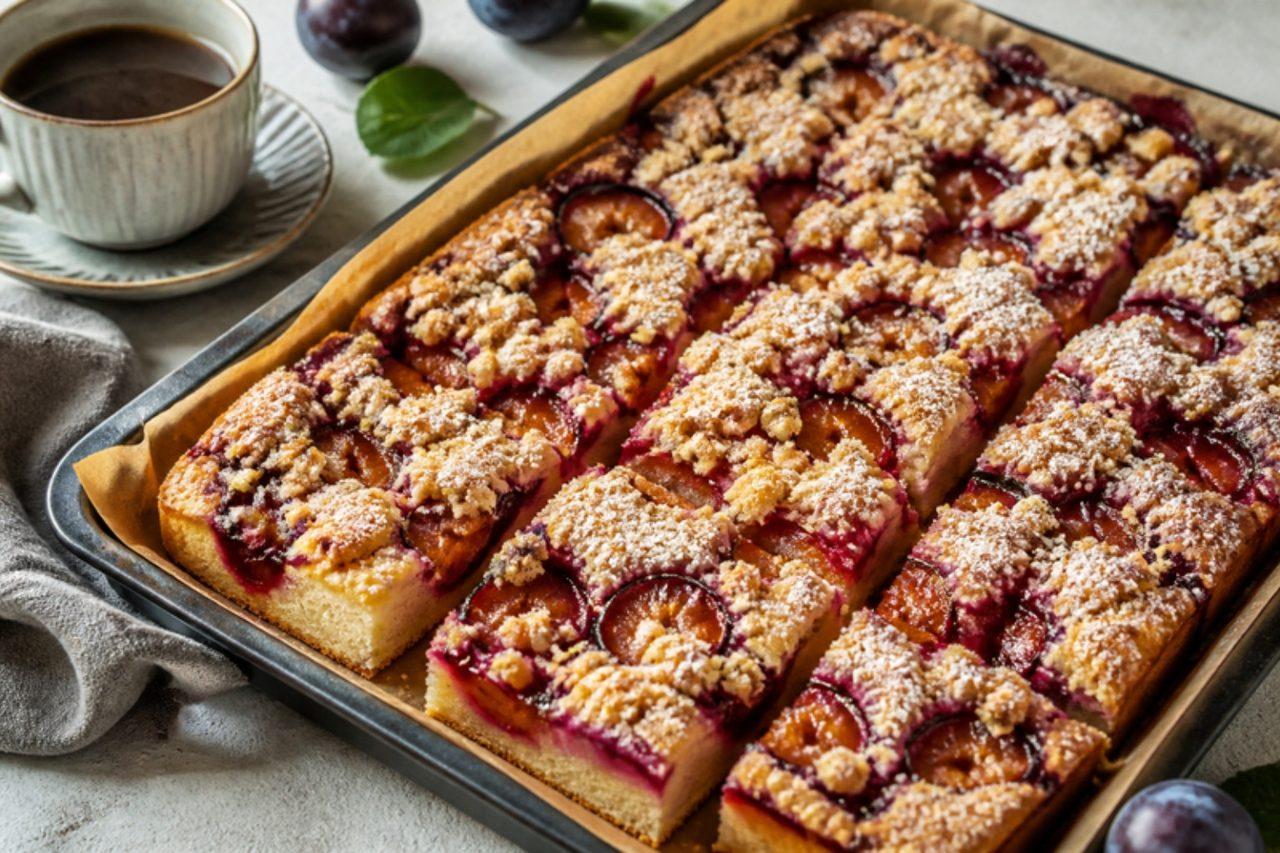
When the węgierki plums ripen in late August, Polish grandmothers from Kraków to Gdańsk bake placek ze śliwkami on the big oven tray and cut it into squares for Sunday coffee or for the neighbours. Under a buttery kruszonka crumble the plums melt into jammy, sharp pools on a soft, slightly sweet yeast dough. It is best on the day, still faintly warm, with a mug of coffee or a dollop of whipped cream. Laying the plums skin side down is the classic mistake: the juice floods the dough and leaves it raw, so set them cut side up and close together. Chef's tip: toss the plum halves with a spoonful of semolina or breadcrumbs before arranging; it soaks up the juice and keeps the base light.

150 minPolishBaking
by KrazyBadal 0 views

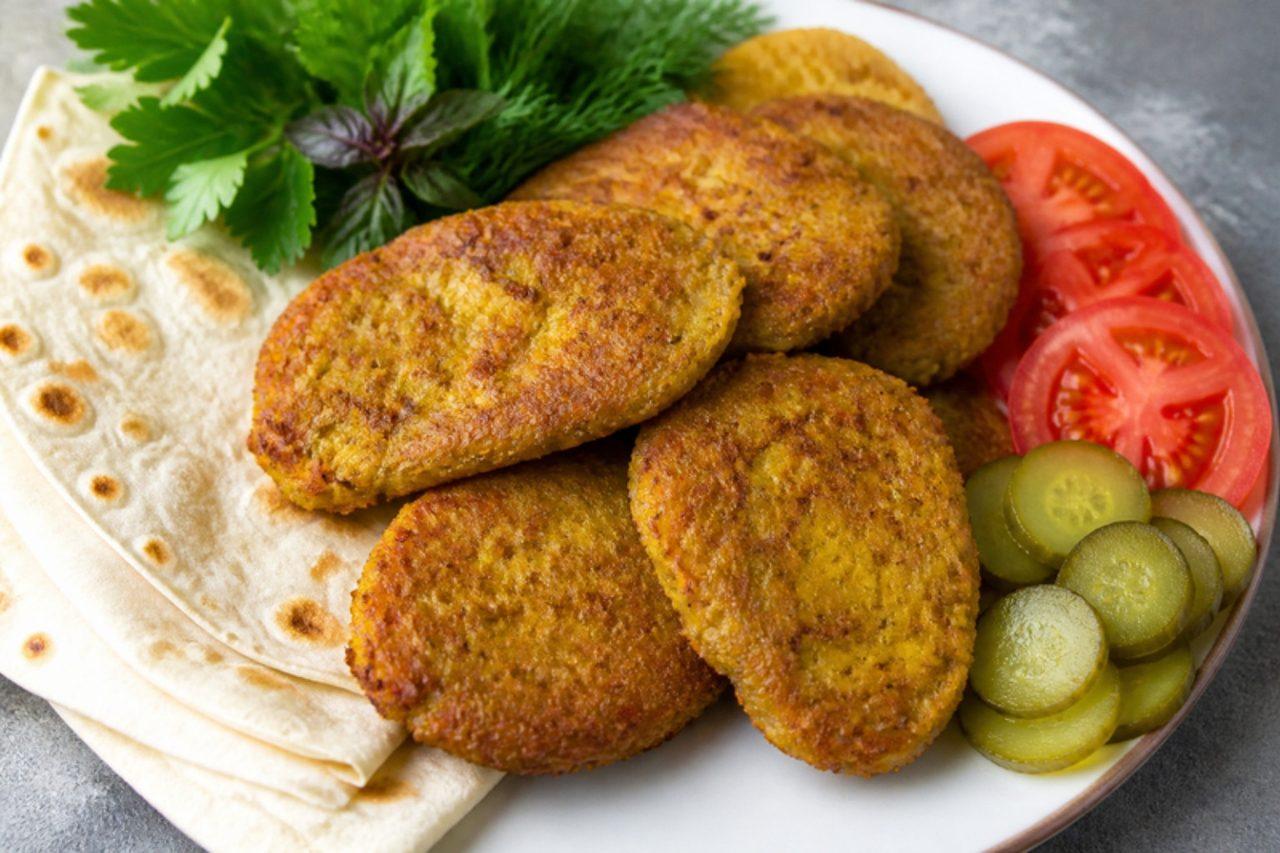
Persian kotlet (beef and potato patties)

Kotlet is the dish Iranian families make in big batches for school lunches, road trips and Friday picnics in the park: minced beef mixed with grated potato, onion, egg and turmeric, shaped into flat ovals and fried until deep brown and crisp at the edges. They are eaten tucked into lavash or a soft roll with tomato, cucumber pickles and herbs, warm at home and cold the next day. They contain egg and gluten (breadcrumbs). Chef's tip: squeeze the grated onion and potato hard in a cloth; that water is what makes kotlet fall apart in the pan.

by KrazyBadal 0 views

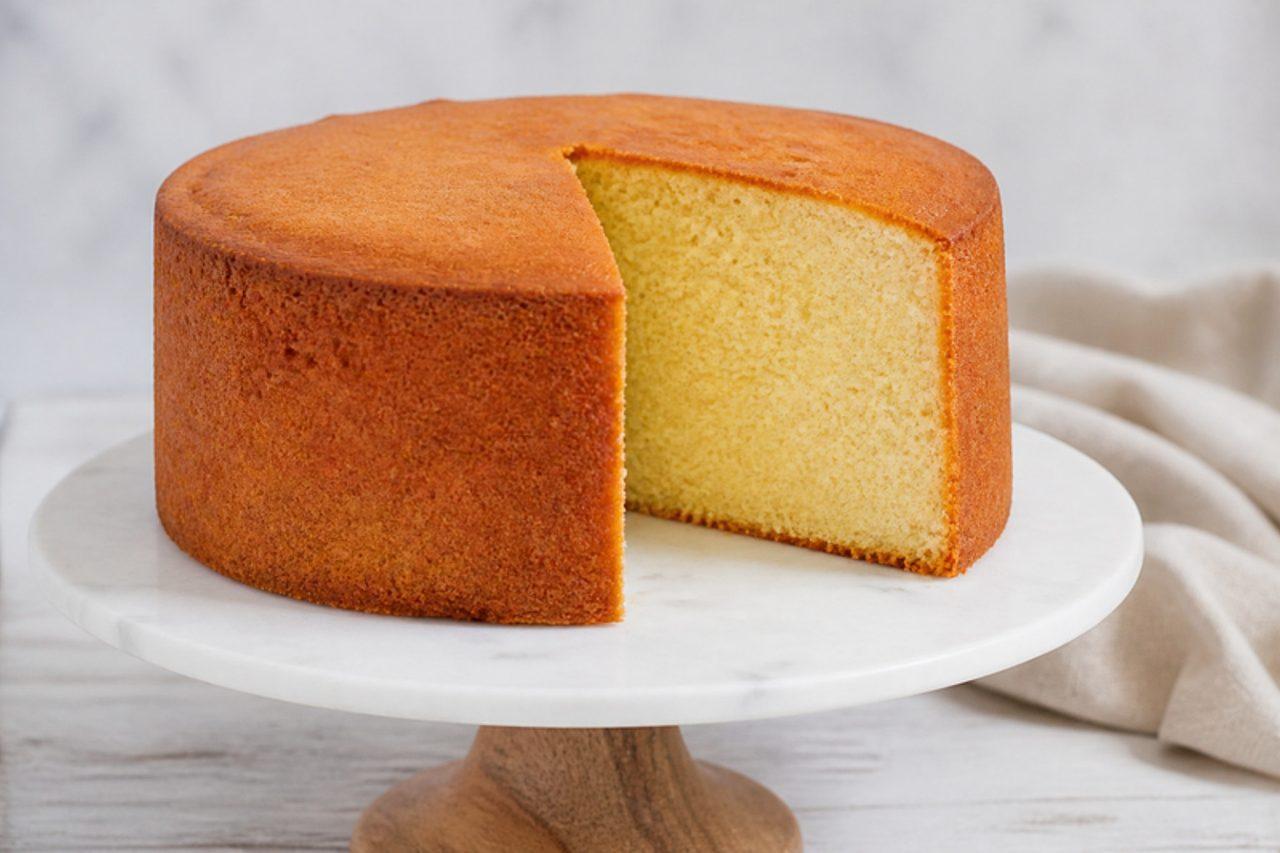
BizcochueloPlain whisked sponge cake

Nearly every Argentine birthday torta starts life as a bizcochuelo: a tall, plain sponge of eggs, sugar, flour and cornflour, with no butter and no baking powder, lifted only by long whisking. Grandmothers bake it on Sunday to split into three and fill with dulce de leche and whipped cream, or eat it plain in the afternoon with mate. The crumb is fine, dry-ish and airy, made to soak up syrup. Opening the oven in the first 20 minutes is the classic way to flatten it, so leave the door shut. Chef's tip: whisk until the mixture reaches 'punto letra', thick enough that a ribbon drawn on the surface holds its shape for a few seconds; that takes a good 8–10 minutes with an electric mixer, and warm eggs get there faster.

by KrazyBadal 0 views

Pan chutaAniseed round bread

The small town of Oropesa, half an hour from Cusco, calls itself Peru's bread capital, and its wood-fired bakeries are famous for chuta: big, flat, round loaves as wide as a dinner plate, glossy on top, with a faint sweetness and the warmth of aniseed. Travellers on the road to Puno and Bolivia stop to buy them by the bagful, and families bring them home for All Saints' Day and for sharing with hot coca tea or coffee, fresh cheese and butter. The bakeries traditionally use lard; this version uses vegetable shortening and butter, so it is vegetarian. The make-or-break moment is the proof: chuta is large and flat, and if it goes in under-risen it bakes dense and splits at the rim. Chef's tip: toast the aniseed for a minute in a dry pan and crush it lightly before adding, for a rounder, sweeter perfume.

by KrazyBadal 0 views

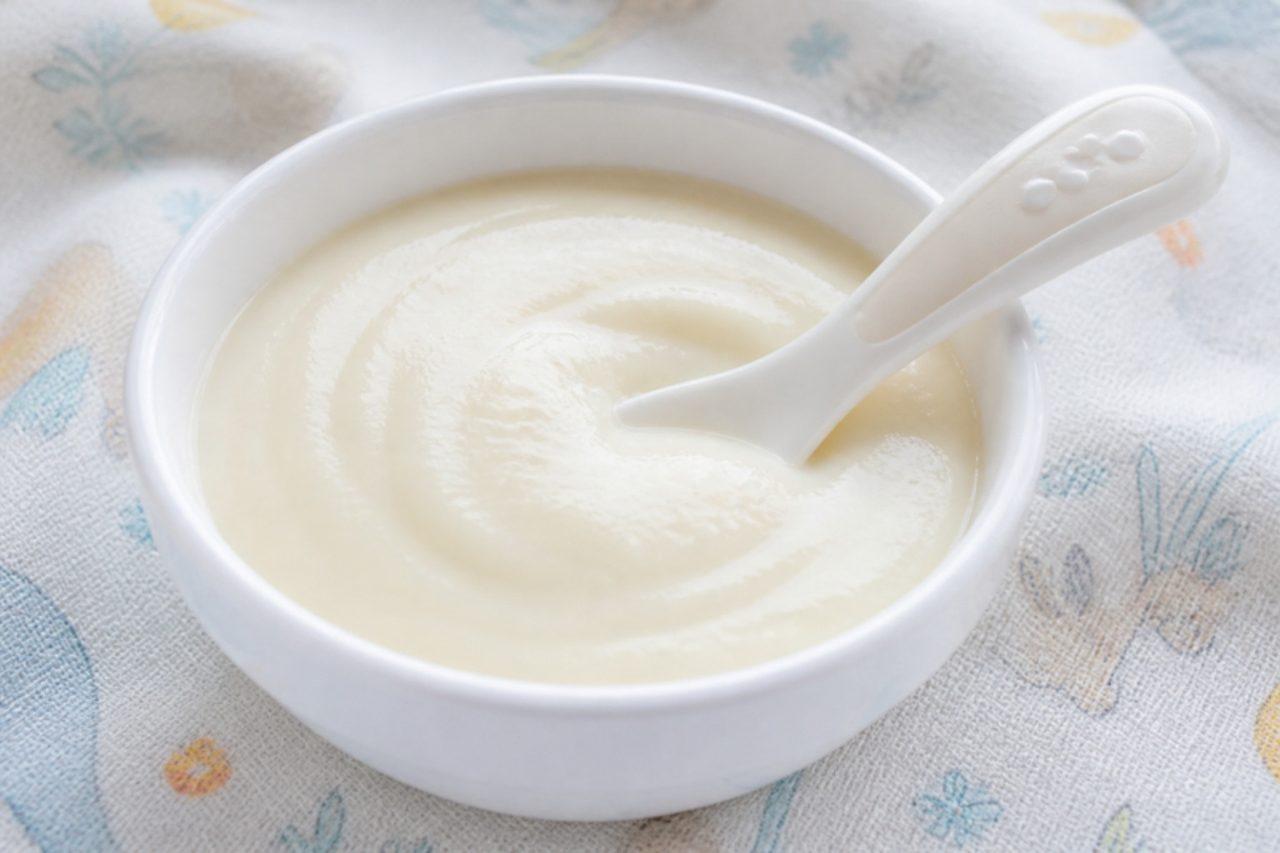
Fereni for babies (Persian rice-milk porridge)

Fereni is one of the oldest Persian sweets, and in Iranian homes it is also a baby's first spoon food: rice flour cooked slowly in milk until it is soft, pale and silky. Mothers often make it for breakfast or for a winter afternoon. For babies under one it is served plain; older children get the rosewater, a little sugar and a dusting of cinnamon that the family enjoys. It contains milk; there is no egg, gluten, nuts, soya, sesame or fish. Chef's tip: stir with a whisk for the first few minutes, then switch to a spatula so you can scrape the bottom of the pan.

by KrazyBadal 0 views

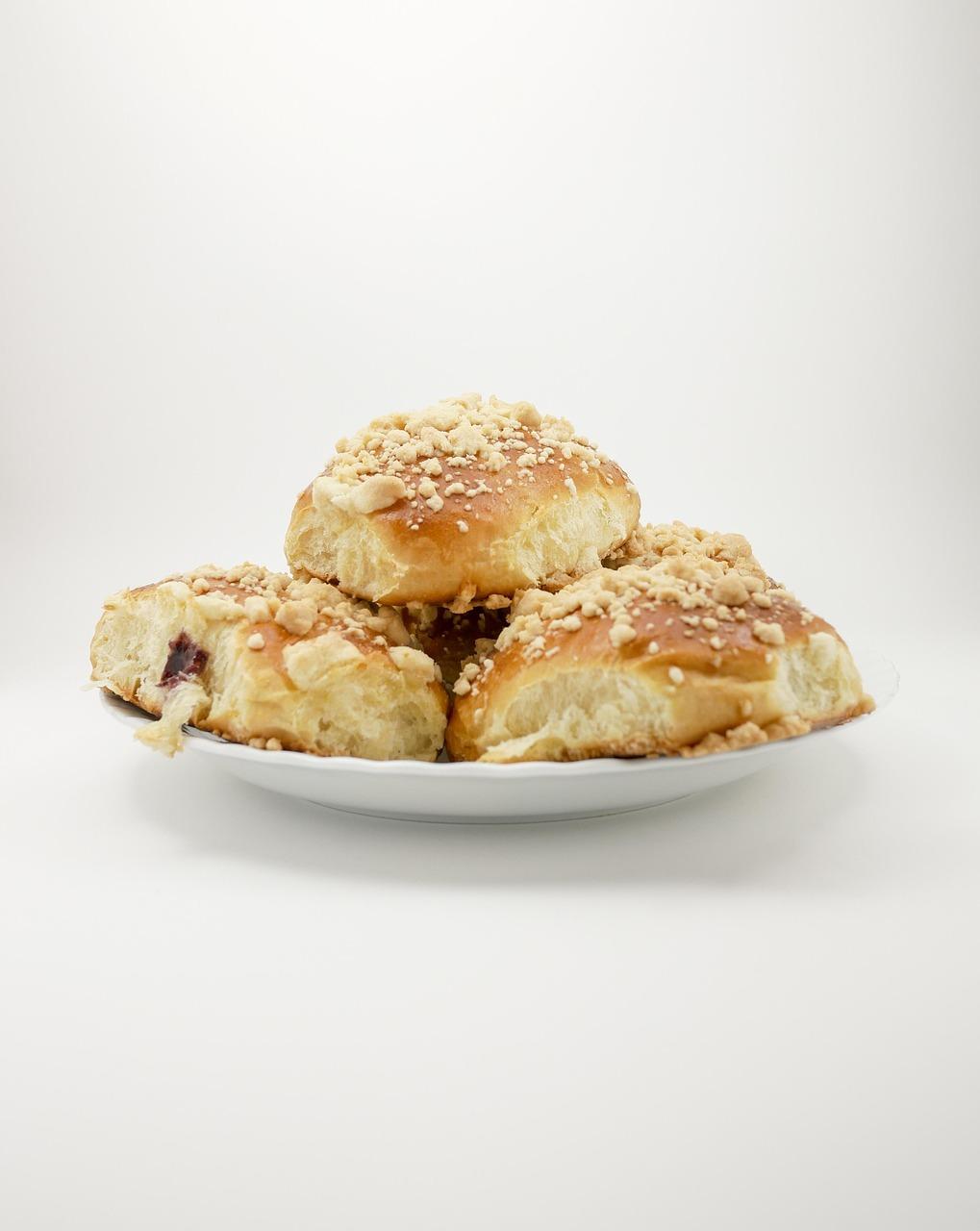
JagodziankiBlueberry crumble buns

When the forest blueberries (jagody) arrive in July, Polish bakeries start selling jagodzianki by the trayful, and queues form for them warm. Each oval bun is soft, buttery yeast dough wrapped around a juicy pocket of blueberries, topped with a crunchy butter crumble and sometimes a drizzle of icing. They are a summer treat for the beach, the train or an afternoon with coffee, and children eat them by the bagful, staining their fingers purple. Berries tossed in sugar alone burst through the seams; the potato starch thickens the juice so it stays inside. Chef's tip: pinch the seams very firmly and set the buns seam side down, then press the crumble on with your palm so it sticks to the egg wash.

145 minPolishBaking
by KrazyBadal 0 views

Showing 24 of 557 recipes

Show more recipes

Page 1 of 24