Skip to content
Recipes

All recipes

Vegetarian, or something you can't eat? Set your diet once and we'll hide recipes that don't fit.

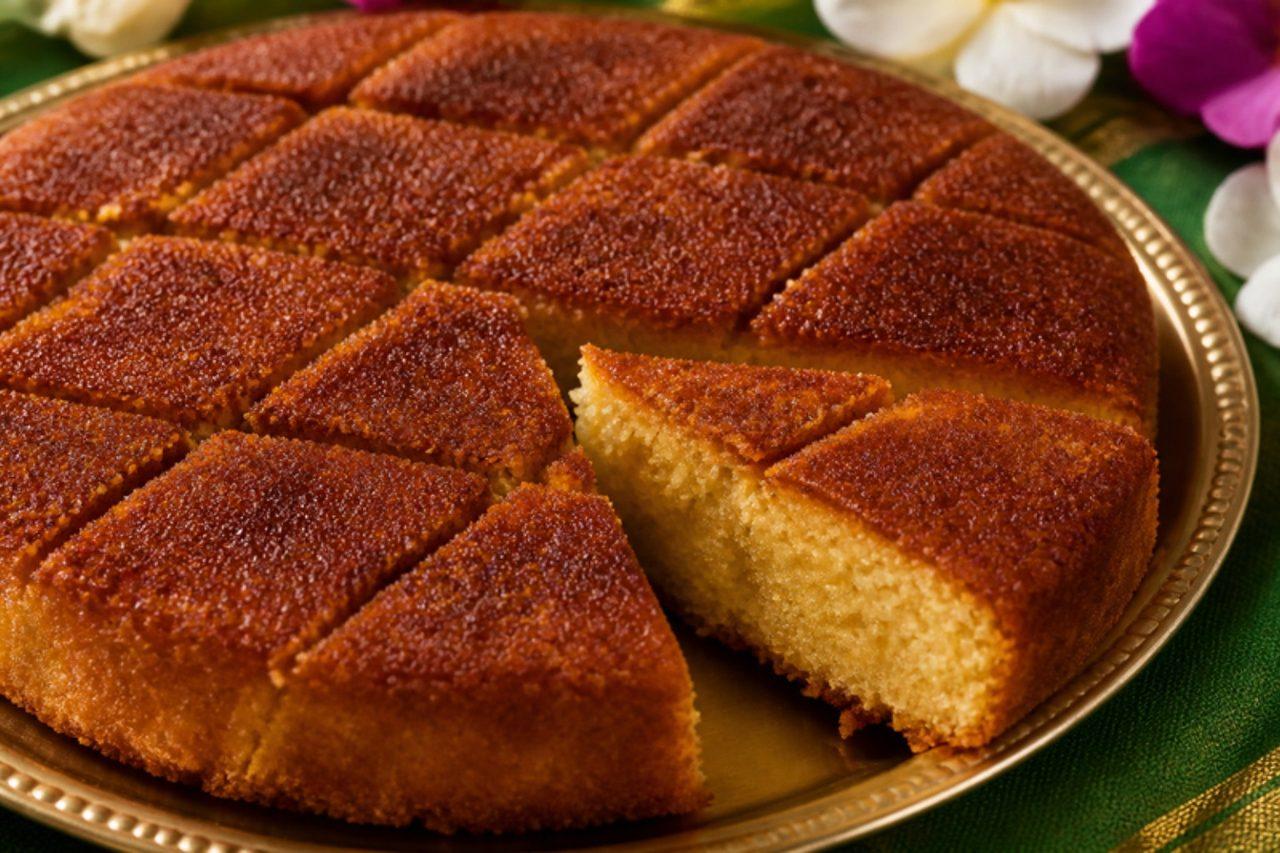
Goan baathSemolina and coconut cake

From Margao to Mapusa, Goan Catholic families start baath a day early: semolina, fresh coconut, sugar and butter are rubbed together and left overnight so the grains drink up the coconut milk. The next morning eggs go in and the cake is baked until brown and fragrant, ready for the Christmas kuswar plate alongside bebinca and neureos, or cut into diamonds for a wedding. The crust is crisp and caramelised; the inside is dense, moist and chewy with coconut, scented with cardamom and sometimes a little rose water. Desiccated coconut is the common shortcut and the common mistake: it makes a dry, crumbly baath, so use fresh or frozen grated coconut. Chef's tip: bake it in a heavy metal tin and do not open the oven for the first 40 minutes; the slow, steady heat gives the dark crust without a raw middle.

660 minIndianBaking
by KrazyBadal 0 views

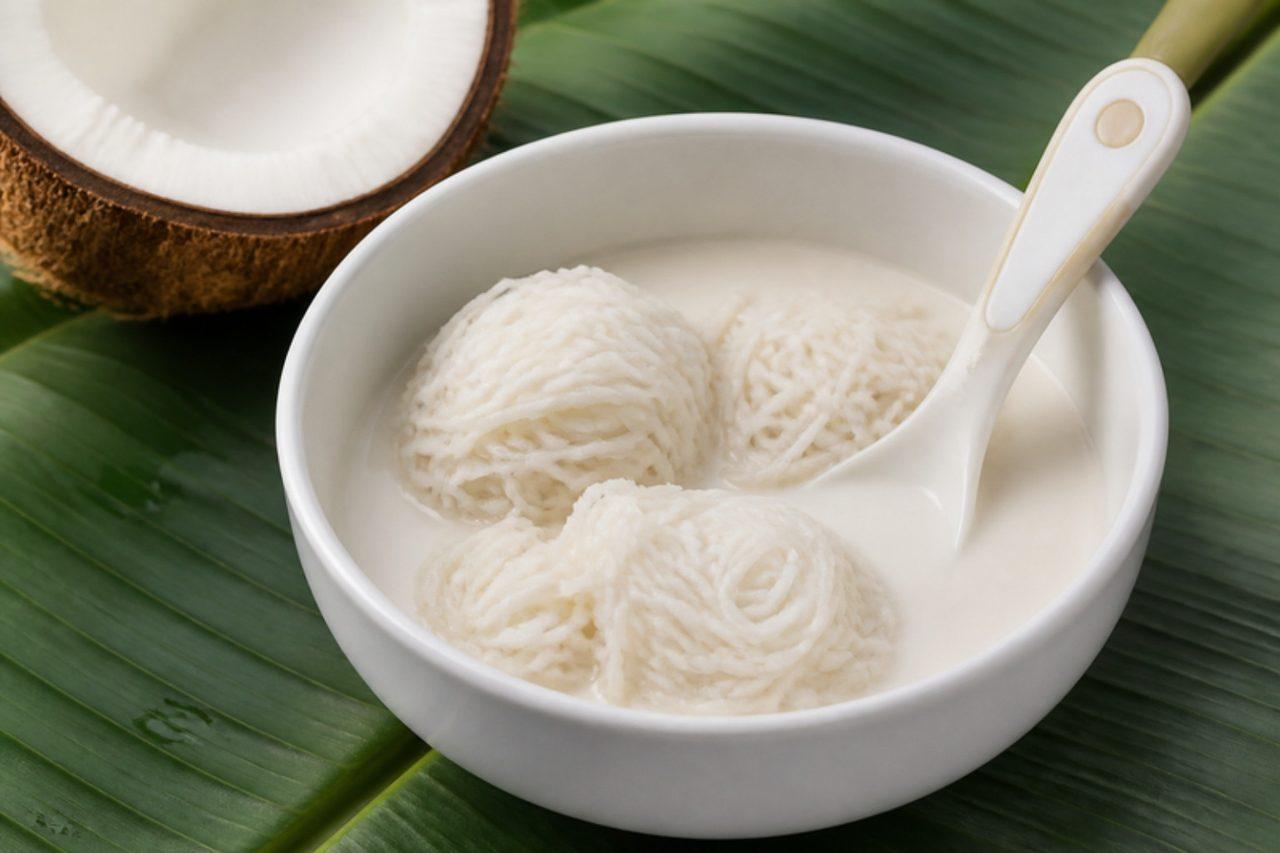
Idiyappam with coconut milk

Idiyappam, lacy nests of rice noodles pressed and steamed, is a breakfast across Kerala and Tamil Nadu, and soaked in fresh coconut milk it is one of the first 'proper' foods many South Indian babies eat, from about nine months. The strands are soft, a little springy and taste of sweet coconut. Grown-ups add salt to the dough and children over one often have a little jaggery stirred into the coconut milk; for babies both are left out. It has none of the common allergens (milk, egg, gluten, peanut, tree nuts, soya, sesame, fish), though coconut can rarely cause a reaction. Chef's tip: the water must be at a rolling boil when it hits the flour, or the dough is crumbly and won't press.

by KrazyBadal 0 views

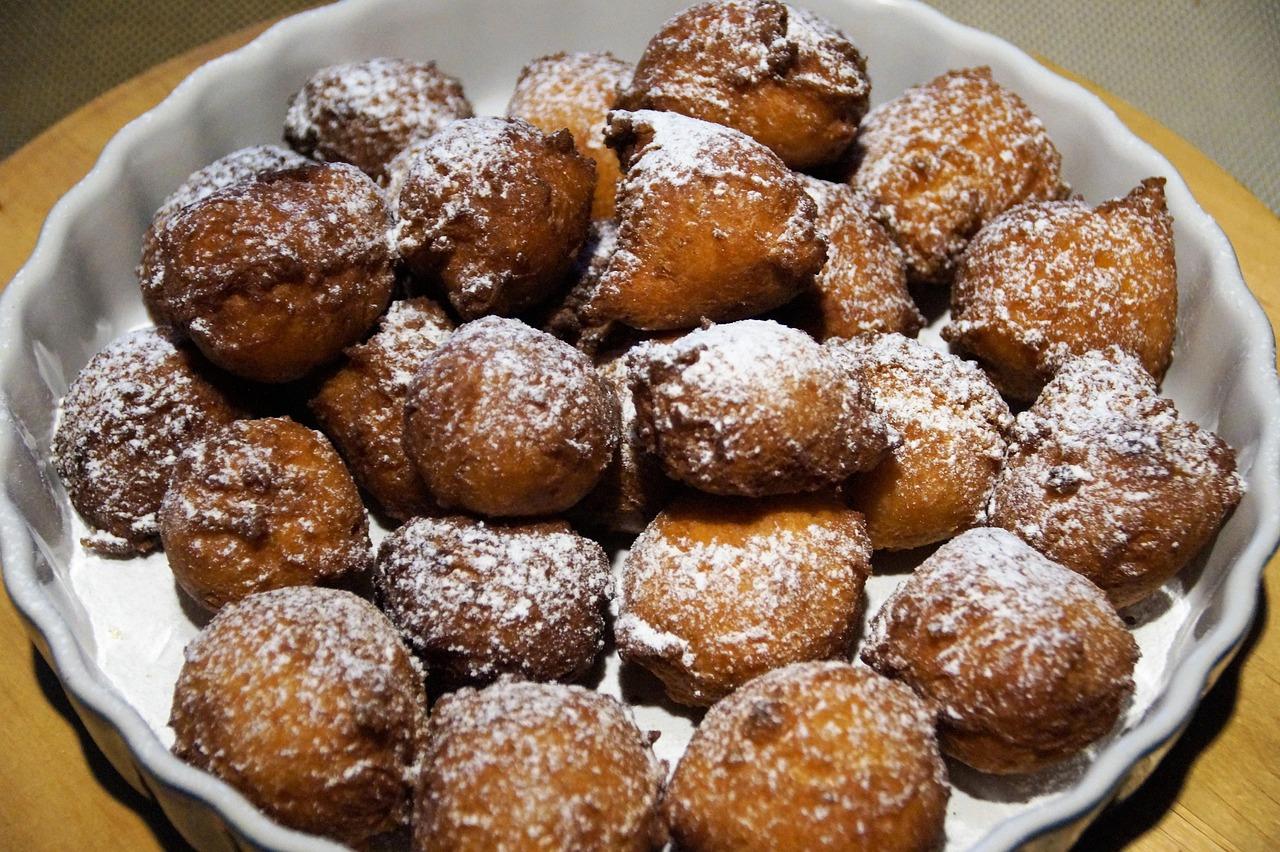
Quarkbällchen (German quark doughnut balls)

Quarkbällchen fill the trays of German bakeries all year and reach their peak at Fasching, the carnival season, and families in Berlin, Saxony and beyond make them at home for children's afternoon Kaffee und Kuchen. The quark dough needs no yeast, so they are quick: crisp and golden outside, soft and cake-like inside, with a light tang. They are rolled in sugar rather than drenched. They contain milk, egg and gluten. Chef's tip: keep the oil at 170 °C so they cook through; hotter oil browns them before the centre is done.

by KrazyBadal 0 views

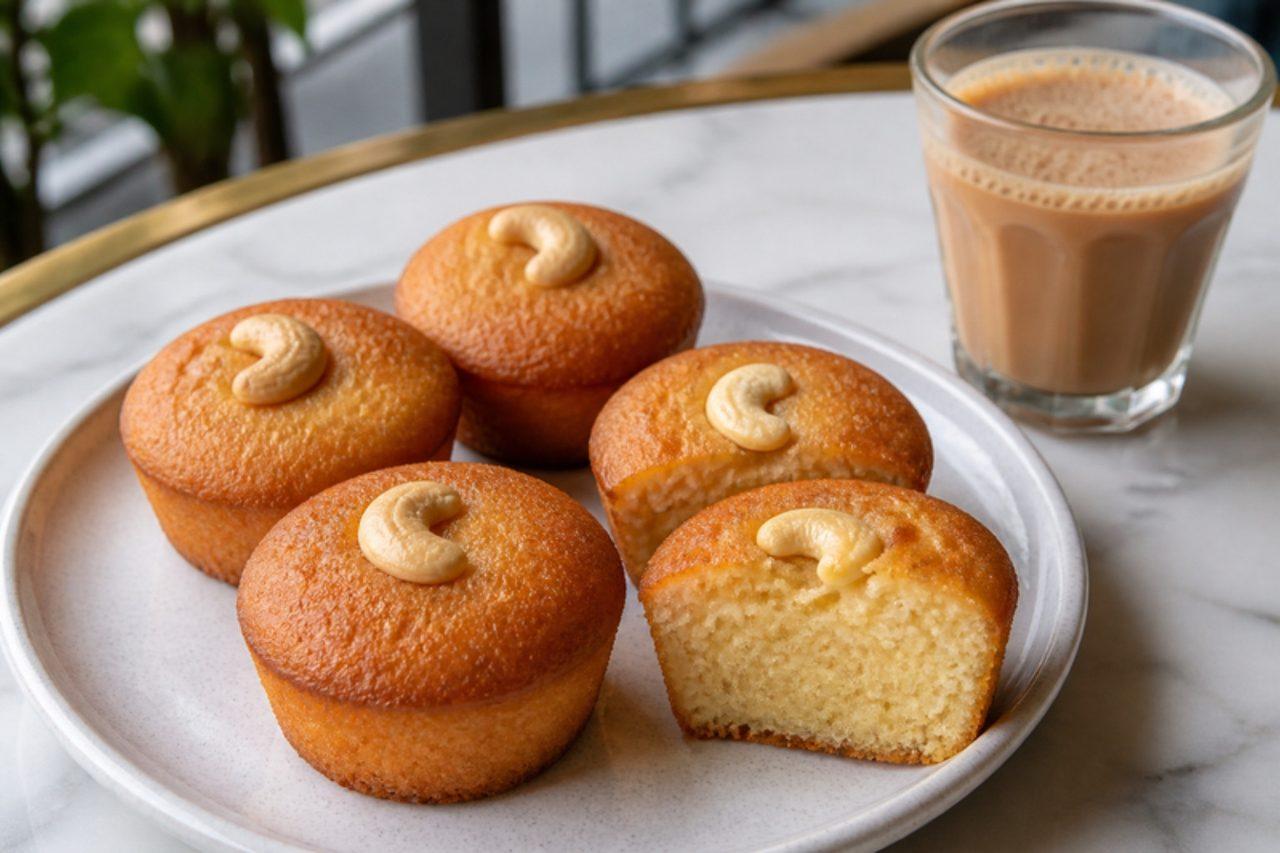
Mawa cakeCardamom khoya butter cake

Walk into an old Irani café in Mumbai or Pune at teatime and the glass jars on the counter will hold squat, golden mawa cakes, each crowned with a single cashew. The crumb is close and buttery, heavy with milky khoya and perfumed with cardamom, somewhere between a pound cake and a barfi. Locals dunk a slice in cutting chai or eat it with a bun maska on the side. This version uses eggs, as the classic bakeries do; eggless versions swap the eggs for yogurt or condensed milk and are just as popular. The usual slip is adding the khoya in hard lumps, which leave greasy pockets in the cake, so grate it and rub it smooth before it meets the butter. Chef's tip: warm the cardamom seeds in a dry pan for a minute before grinding; the aroma doubles and carries right through the bake.

by KrazyBadal 0 views

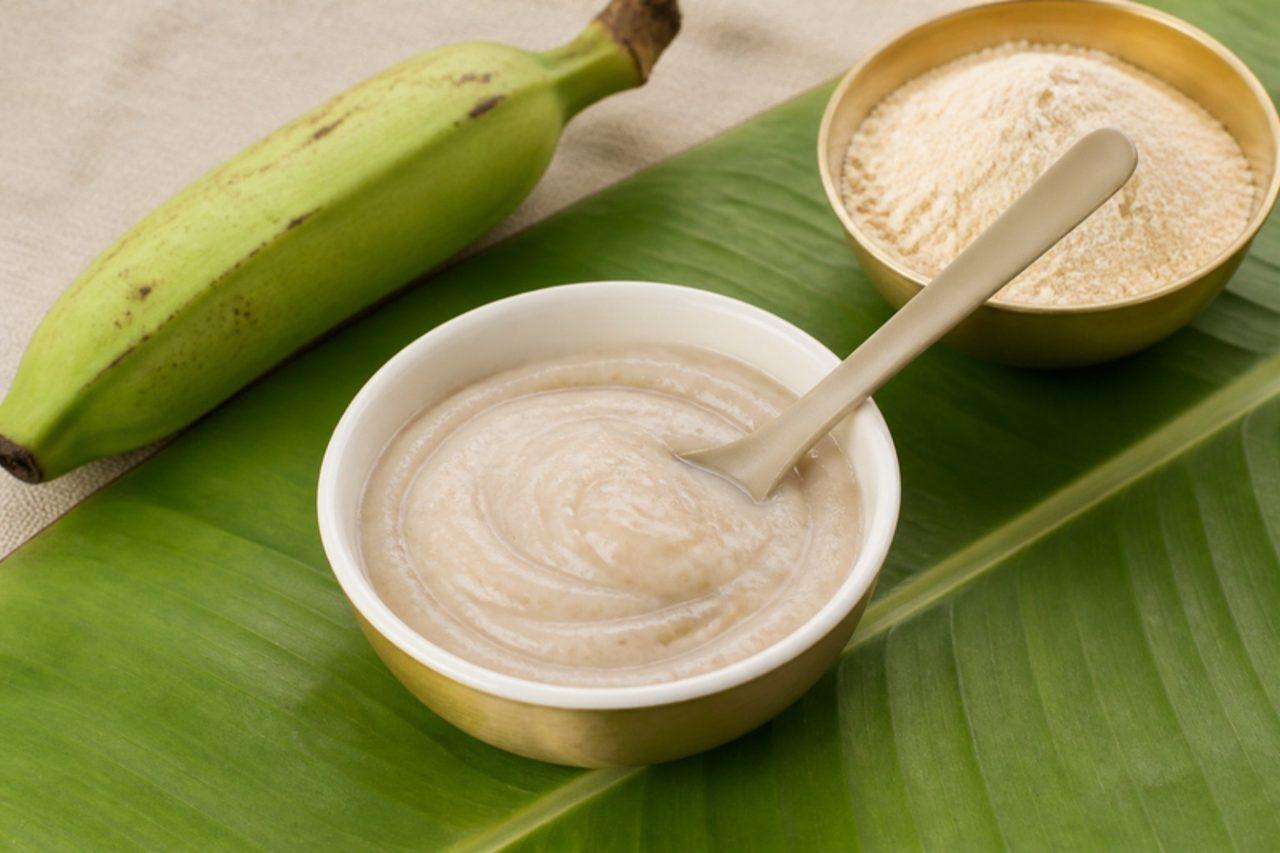
Nendran banana powder kurukku (ethakka podi kurukku)

In Kerala, families dry slices of raw nendran banana in the sun, grind them to a cream-coloured flour and cook it into kurukku, a smooth, thick porridge that has been a baby's first food in the state for generations. It is usually given mid-morning, and grandmothers often keep a jar of home-made ethakka podi for each new grandchild. It tastes gently sweet and slightly earthy. It contains none of the common allergens (milk, egg, gluten, peanut, tree nuts, soya, sesame, fish). Chef's tip: to make the powder at home, peel raw nendran bananas, slice them thinly, dry them in a low oven or the sun until brittle, then grind and sieve.

by KrazyBadal 0 views

Sweetcorn pulao

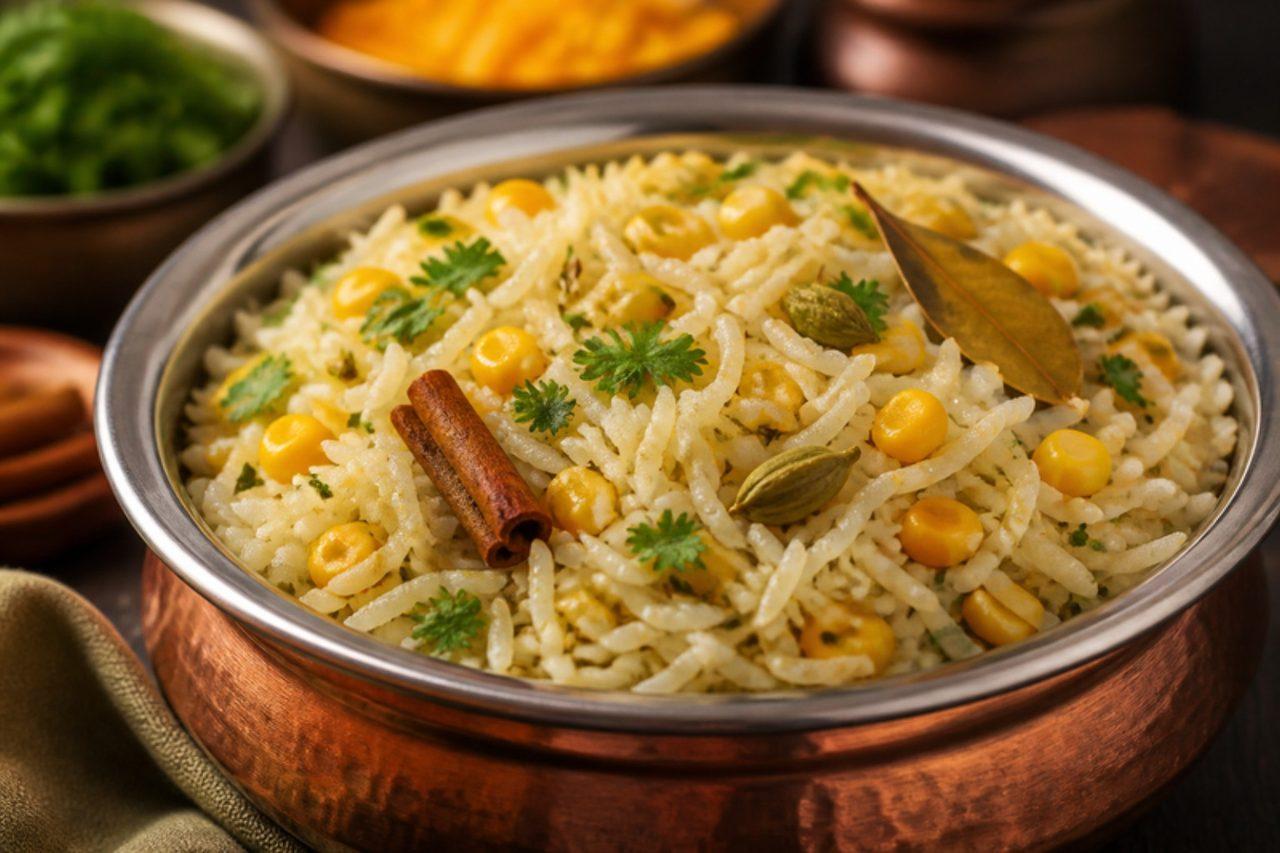
Sweetcorn pulao is a modern city favourite in India, from Pune to Delhi, cooked on school nights and packed into the next day's tiffin: fluffy basmati with juicy corn, gently perfumed with cumin, bay and cardamom, mild enough for the youngest at the table. Serve it with raita or a simple dal. It contains milk (ghee); use oil for a dairy-free version. Chef's tip: once the lid is on, don't stir; stirring breaks the grains and makes the pulao sticky.

by KrazyBadal 0 views

Ghee-shakkar roti roll

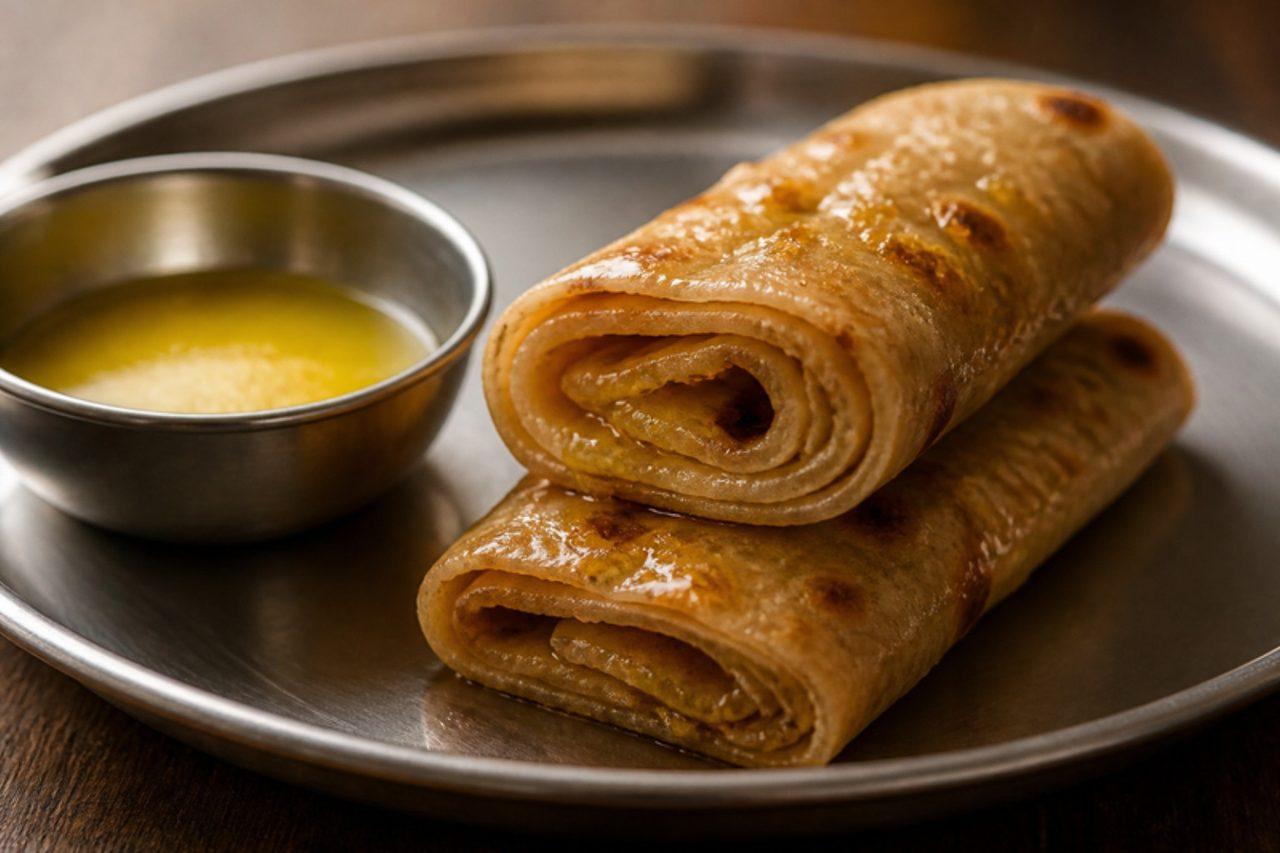
Ask anyone who grew up in north India about school tiffin and the ghee-shakkar roti comes up: a soft, warm chapati brushed with ghee, sprinkled with a little sugar or jaggery powder and rolled like a cigar, made by a parent in the rush before the school bus. It is sweet, buttery and wheaty, and still tastes good cold at the morning break. It contains milk (ghee) and gluten (wheat). Chef's tip: use jaggery powder and a light hand; a teaspoon per roti is plenty, and the ghee carries the flavour.

by KrazyBadal 0 views

Ragi laddooFinger millet jaggery balls

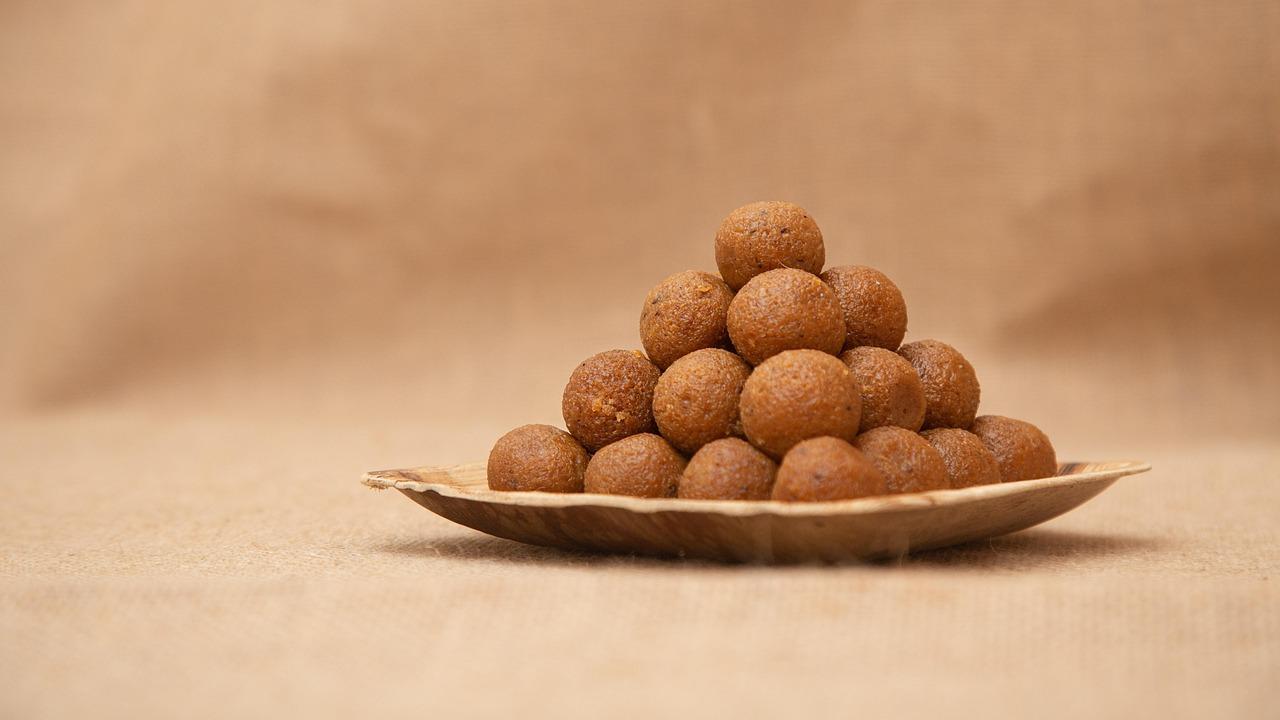
In Karnataka, ragi (finger millet) is everyday food, and mothers roll ragi laddoos to keep in a tin for after-school snacks and school sports days, because they are filling and keep well. The flour is roasted in ghee until it smells like toasted biscuits, then bound with melted jaggery and sesame into dark, fudgy balls. Jaggery is still sugar, so these are a treat, kept small. They contain milk (ghee) and sesame. Chef's tip: roast the flour slowly until it darkens a shade and smells nutty; under-roasted ragi tastes raw and floury.

by KrazyBadal 0 views

Pan chutaAniseed round bread

The small town of Oropesa, half an hour from Cusco, calls itself Peru's bread capital, and its wood-fired bakeries are famous for chuta: big, flat, round loaves as wide as a dinner plate, glossy on top, with a faint sweetness and the warmth of aniseed. Travellers on the road to Puno and Bolivia stop to buy them by the bagful, and families bring them home for All Saints' Day and for sharing with hot coca tea or coffee, fresh cheese and butter. The bakeries traditionally use lard; this version uses vegetable shortening and butter, so it is vegetarian. The make-or-break moment is the proof: chuta is large and flat, and if it goes in under-risen it bakes dense and splits at the rim. Chef's tip: toast the aniseed for a minute in a dry pan and crush it lightly before adding, for a rounder, sweeter perfume.

by KrazyBadal 0 views

TelerasSoft two-groove sandwich rolls

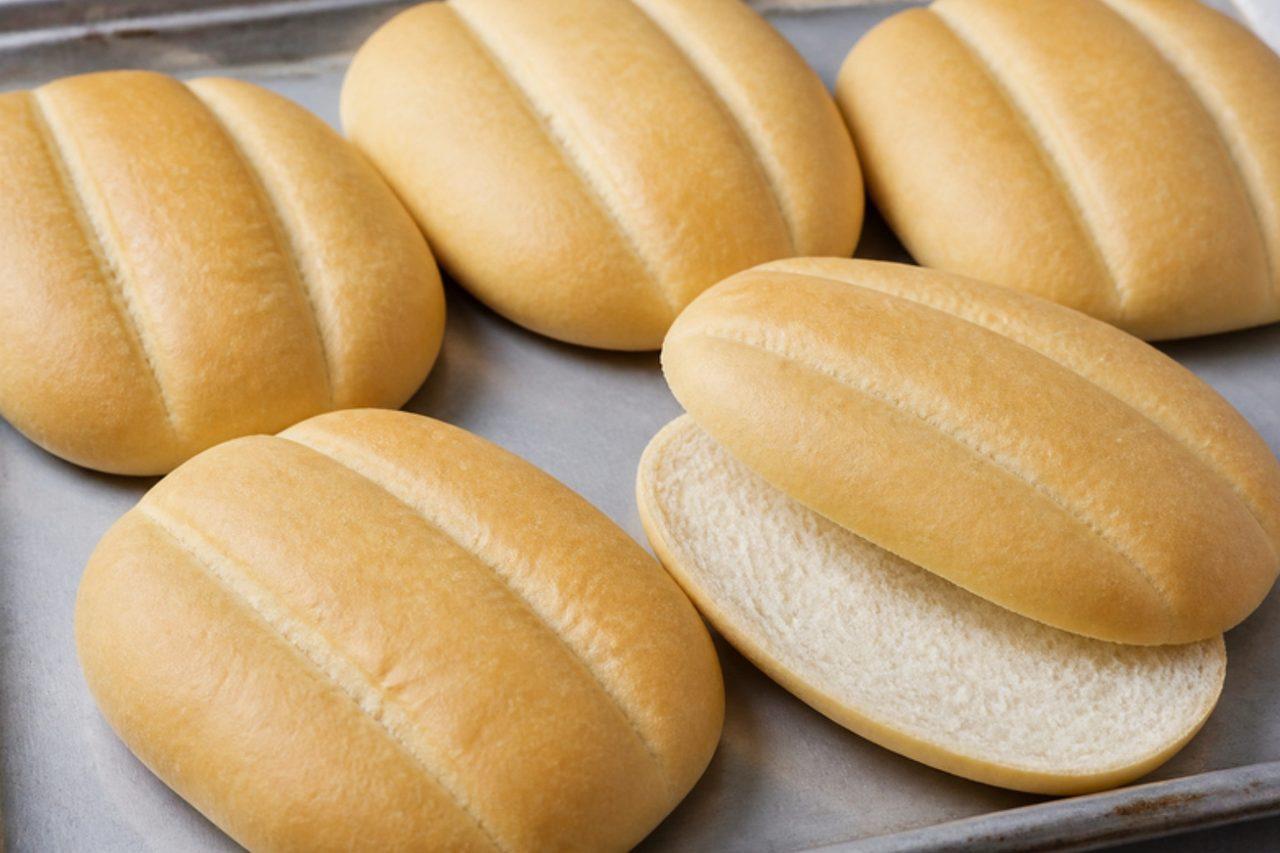
Without teleras there would be no torta, Mexico City's great lunchtime sandwich. These wide, flattish oval rolls, marked with two long grooves, have a thin, tender crust and a soft, close crumb that holds refried beans, avocado, queso and pickled jalapeños without falling apart. Every neighbourhood panadería piles them on metal trays next to the crustier bolillos, and street stalls toast them on a griddle before filling. Some bakers add a spoonful of lard to the dough; vegetable shortening gives the same softness and keeps these vegan. Pressing the grooves too gently is the usual mistake, because they puff closed in the oven and you lose the three-part shape. Chef's tip: for a proper torta, split the roll, pull out a little of the crumb and toast the cut sides on a hot comal with a smear of oil or butter.

by KrazyBadal 0 views

Huevo con papa toddler tacos

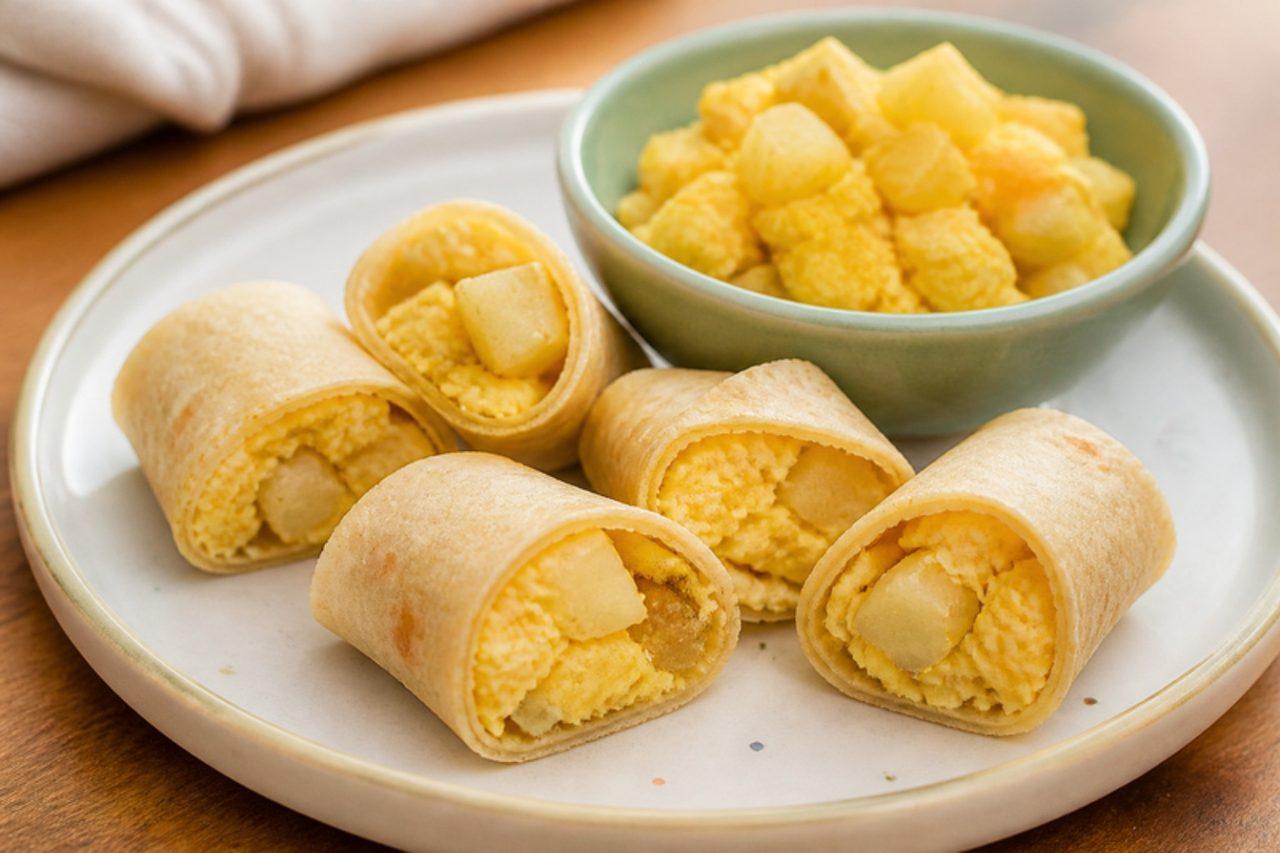
Huevo con papa is a breakfast and supper standby in kitchens all over Mexico: small cubes of potato fried until tender, then scrambled with egg and rolled into warm tortillas. Mild, soft and easy to hold, it is a favourite for toddlers from a year old, and the grown-ups add salsa to their own. It contains egg; made with 100% corn tortillas it has no gluten, and it has no milk, nuts, soya, sesame or fish. Chef's tip: cut the potato into small 1 cm cubes and cover the pan for the first few minutes, so it steams tender before it browns.

by KrazyBadal 0 views

Bean broth for babies (caldito de frijol)

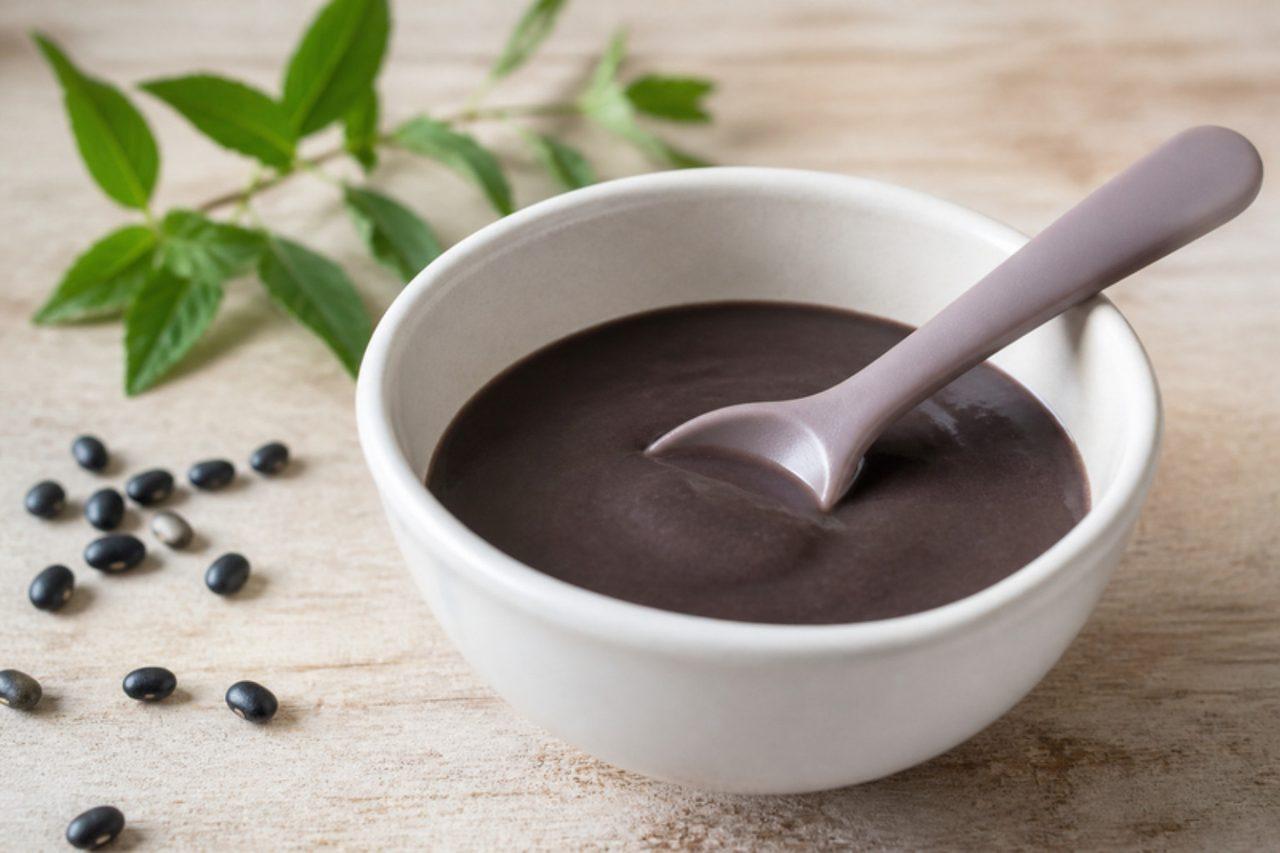
Mexican families nearly always have a pot of frijoles de la olla on the stove, and before the salt goes in a cup of caldito is set aside for the baby. Black or pinto beans are cooked slowly with a piece of onion until they collapse; the broth is offered first on its own and, a week or two later, thickened with the sieved bean flesh into a smooth, earthy purée. Families from Oaxaca to Monterrey give it at midday, the time of the main meal. It has none of the common allergens (milk, egg, gluten, peanut, tree nuts, soya, sesame, fish). Chef's tip: soak the beans overnight and change the water; they cook more evenly and are easier on small tummies.

130 minMexicanSoupsVeganGluten free
by KrazyBadal 0 views

Rice atole for babies (atole de arroz)

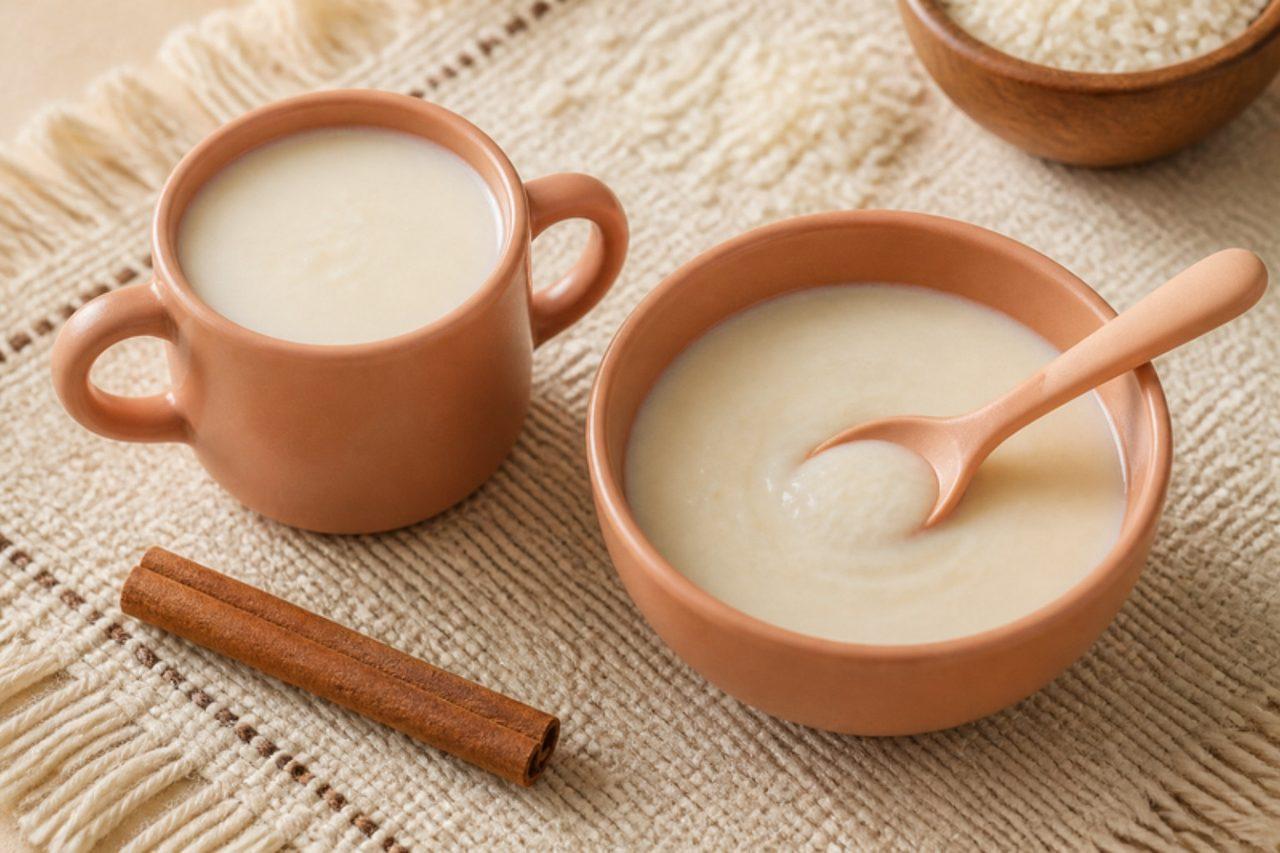
Atole is the warm, thick drink Mexicans have sipped since before the conquest, and in many homes the first version a baby tastes is atole de arroz, ground rice cooked with a stick of true cinnamon. For grown-ups it is sweetened with piloncillo and drunk at breakfast or on cold evenings around Día de Muertos; for babies the sugar stays out and it is thickened enough to eat from a spoon. It contains milk; there is no egg, gluten, nuts, soya, sesame or fish. Chef's tip: grind the rice yourself in a spice grinder; shop-bought rice flour works, but freshly ground rice tastes sweeter.

by KrazyBadal 0 views

Fruit and cereal mash (Obst-Getreide-Brei)

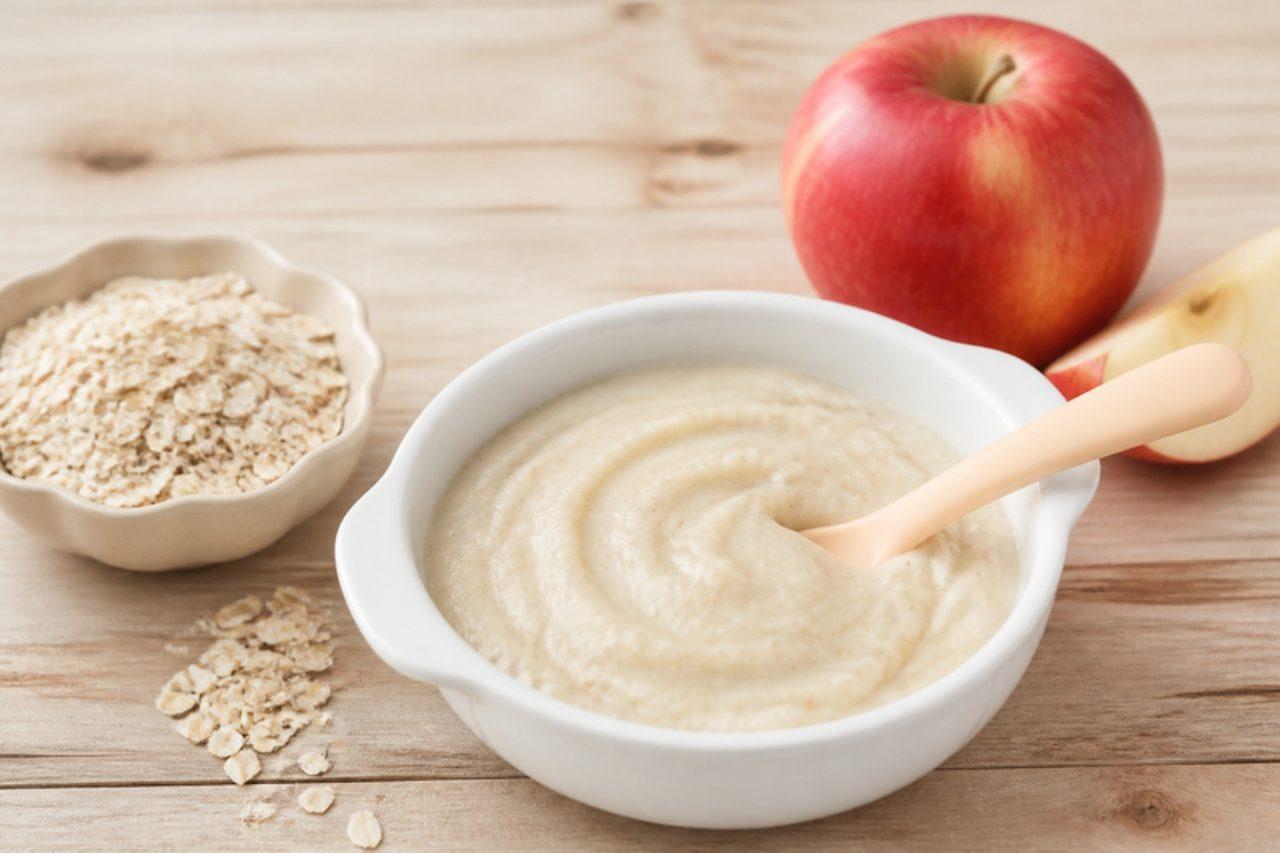
German weaning follows a well-known plan: a vegetable lunch first, then a milk and cereal evening meal, and finally an afternoon Obst-Getreide-Brei, a dairy-free mash of cooked cereal flakes and fruit, usually from around seven months. Fine oat or millet flakes are simmered in water, then stirred into stewed apple or pear with a spoon of rapeseed oil, which German paediatric advice recommends for healthy fats. It is fruity, smooth and naturally sweet. It contains gluten if made with oats (use millet flakes for gluten free); there is no milk, egg, nuts, soya, sesame or fish. Chef's tip: stew the fruit in a little water rather than using juice, which adds sugar.

by KrazyBadal 0 views

Moong dal water for babies

In North Indian homes, moong dal ka pani is often the first thing other than milk a baby tastes, spooned from a steel katori at lunchtime while the family eats dal-chawal. Split yellow moong is cooked until it falls apart with a pinch of turmeric, then the thin top liquid is strained off; over the following weeks more of the soft dal is mashed in. It tastes mild and slightly sweet. It is free of the common allergens (milk, egg, gluten, peanut, tree nuts, soya, sesame, fish). Chef's tip: a drop of ghee can be added once your baby is used to dairy, but keep it plain at first.

by KrazyBadal 0 views

Vegetable frankie

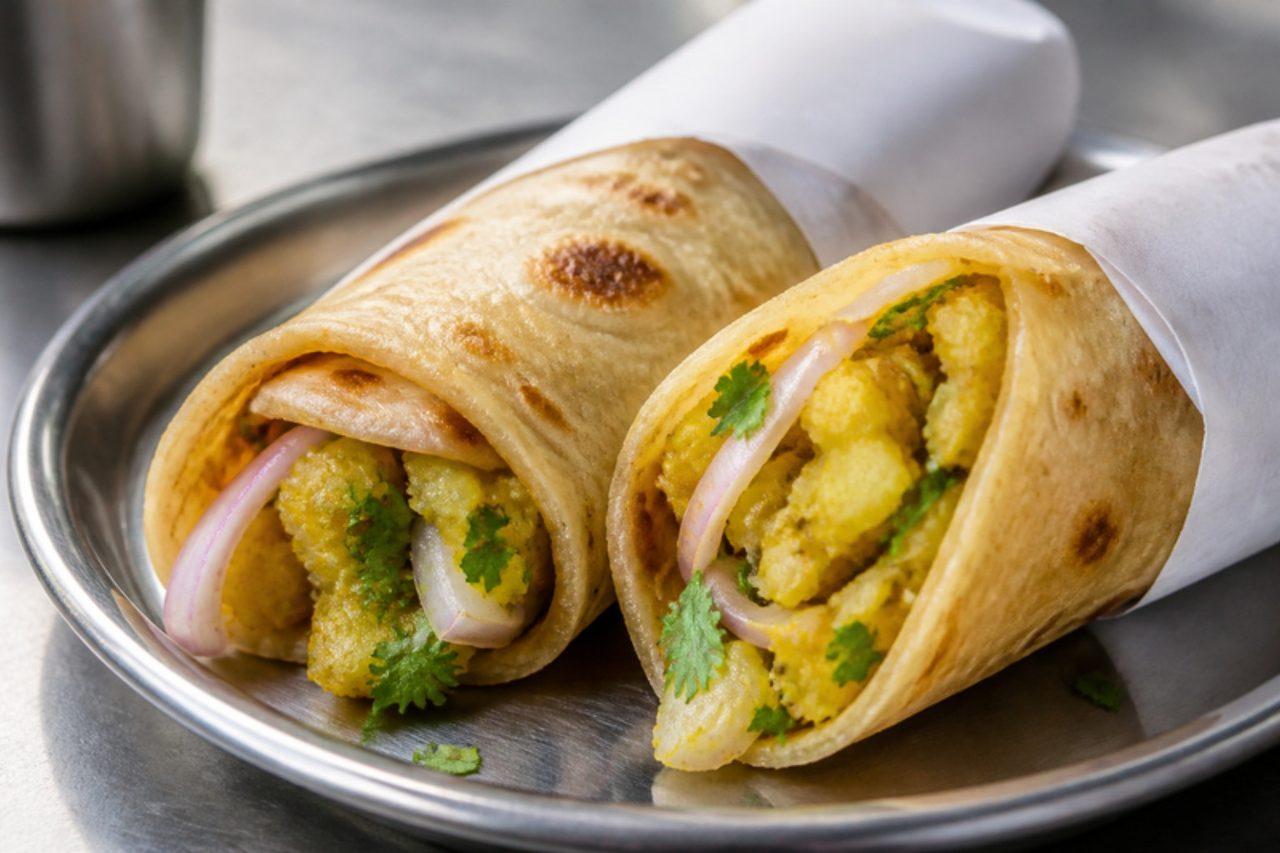
The frankie was born on the streets of Mumbai and soon moved into the city's tiffin boxes: a soft flour roti wrapped around a spiced potato filling, sprinkled with a tangy chaat-masala vinegar and raw onion, then rolled in paper. Children eat it for lunch and after school, and parents tone down the chilli. This version is vegan; it contains gluten (wheat flour). Chef's tip: just a few drops of the masala water per roll; it should taste tangy, not make the roti soggy.

by KrazyBadal 0 views

Dal paratha

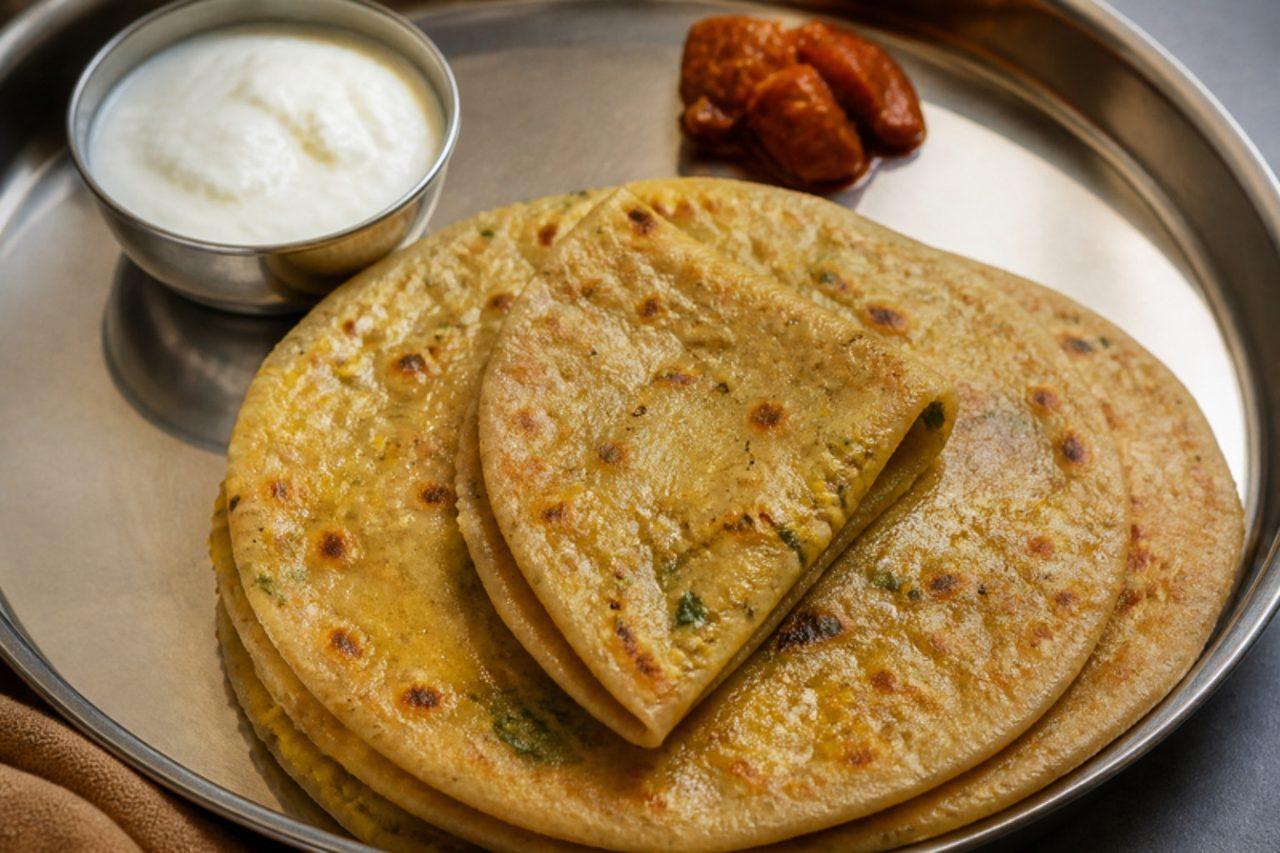
In north Indian kitchens, last night's thick dal rarely goes to waste: the next morning it is kneaded into wholewheat flour with ajwain and coriander and rolled into soft, savoury parathas for breakfast and the school tiffin. They are golden-flecked, faintly spiced and filling, and taste good cold with yoghurt or pickle. They contain gluten (wheat) and milk (ghee); use oil to make them dairy free. Chef's tip: add the dal before any water; it is often all the liquid the dough needs.

by KrazyBadal 0 views

Mini podi idli

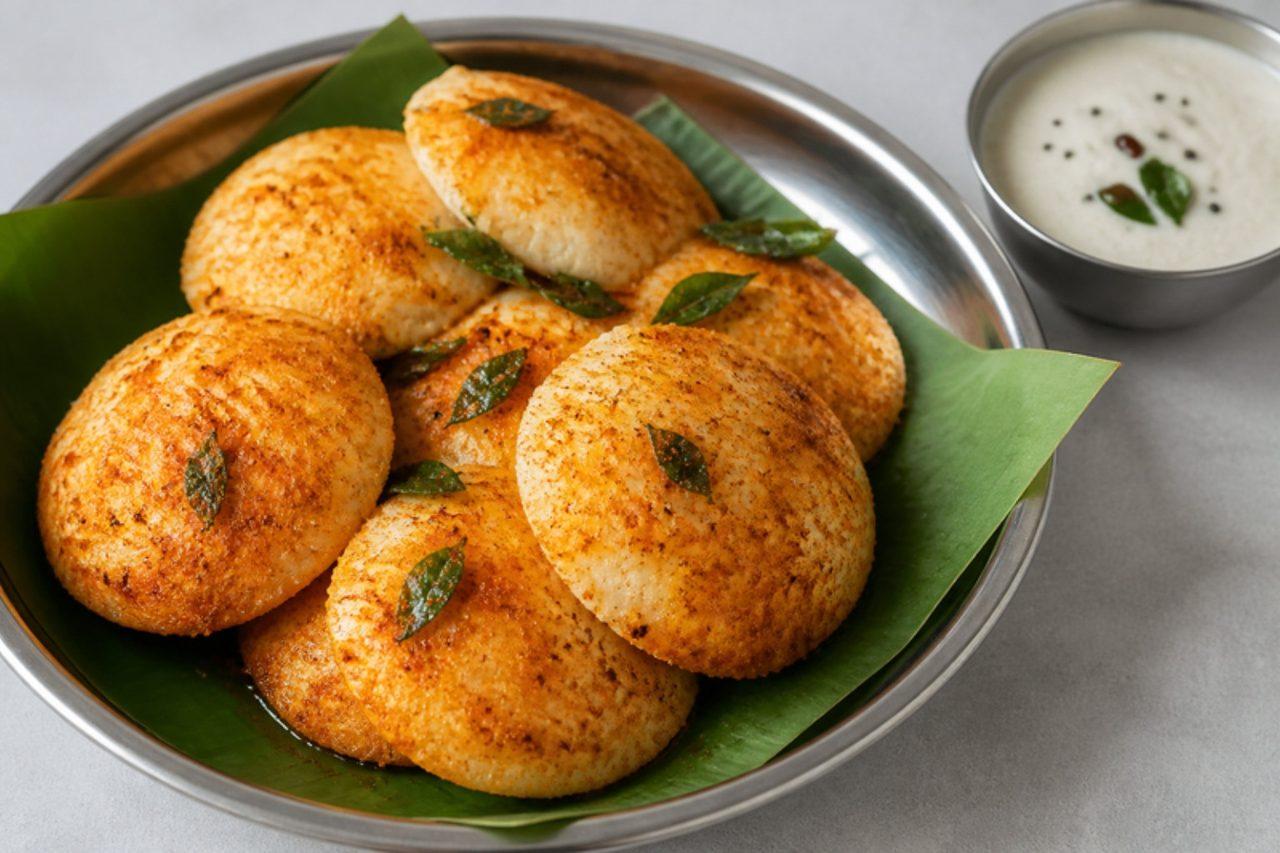
In Tamil Nadu and Karnataka, podi idli is the tiffin parents pack because it stays soft until lunch and needs no chutney: steamed mini idlis are tossed in hot sesame oil with mustard seeds, curry leaves and spicy-nutty idli podi, so every one is coated. Train travellers carry them for the same reason. It is vegan and contains sesame; check that your podi's asafoetida is gluten free if that matters. Chef's tip: let the idlis rest for 5 minutes after steaming so they firm up and don't break when you toss them.

by KrazyBadal 0 views

Vegetable cutlet

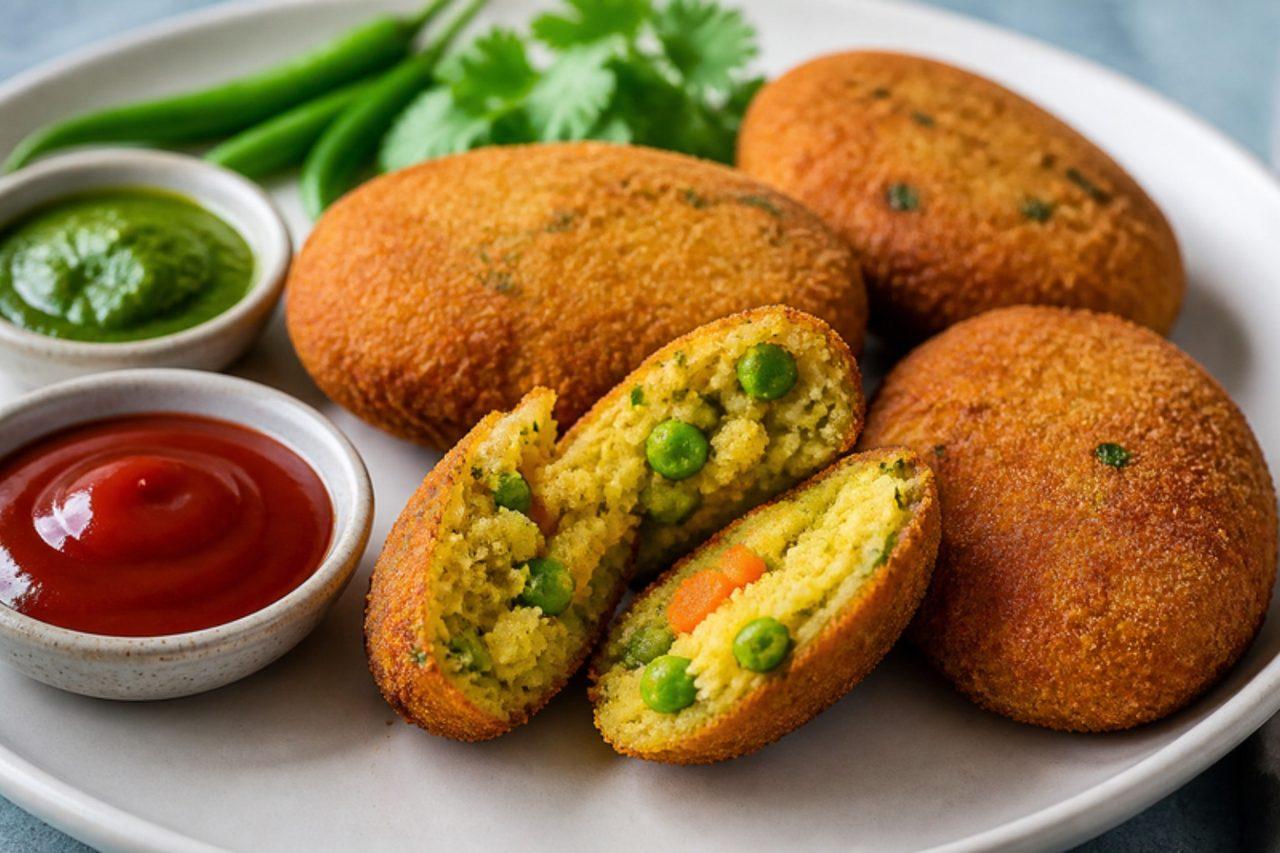
From Kolkata's railway canteens to Bengaluru's school tiffins, the vegetable cutlet is one of India's most familiar snacks: mashed potato with peas, carrot and green beans, lightly spiced, shaped into ovals, rolled in breadcrumbs and shallow-fried until crunchy. Children take them to school with ketchup and eat them warm at tea time. They are vegan and contain gluten (breadcrumbs). Chef's tip: chill the shaped cutlets for 20 minutes before frying; cold patties hold together and crisp better.

by KrazyBadal 0 views

Bean and cheese burrito

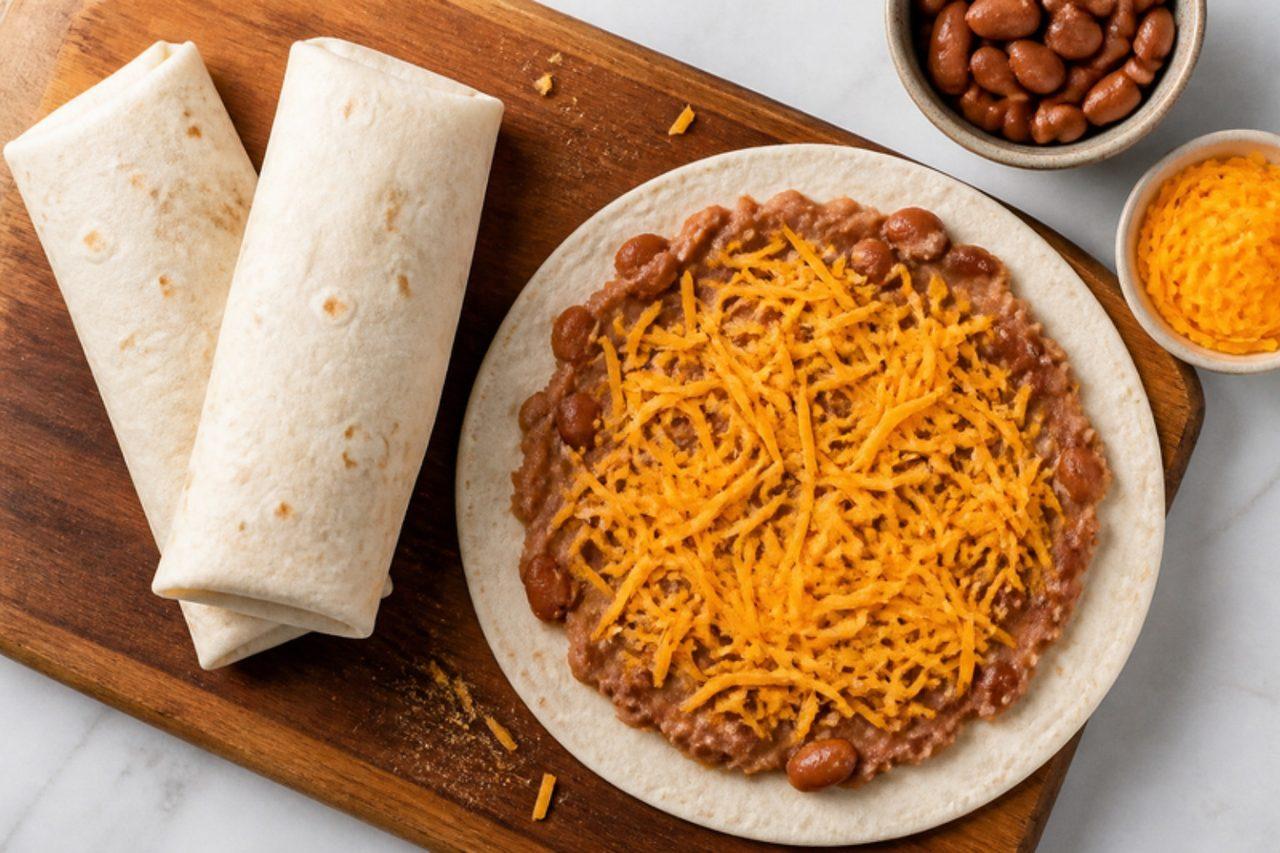
In Sonora and the rest of northern Mexico, where wheat tortillas are an everyday bread, a burrito of refried beans and cheese is one of the simplest things to wrap in foil for a child's school lunch or an after-school snack. The beans are fried with a little onion and cumin until thick and creamy, then rolled up with cheese and toasted so it melts. It contains milk and gluten (wheat tortillas). Chef's tip: warm the tortillas before filling them; cold ones crack when you roll them.

by KrazyBadal 0 views

Sopa de letras (Mexican alphabet soup)

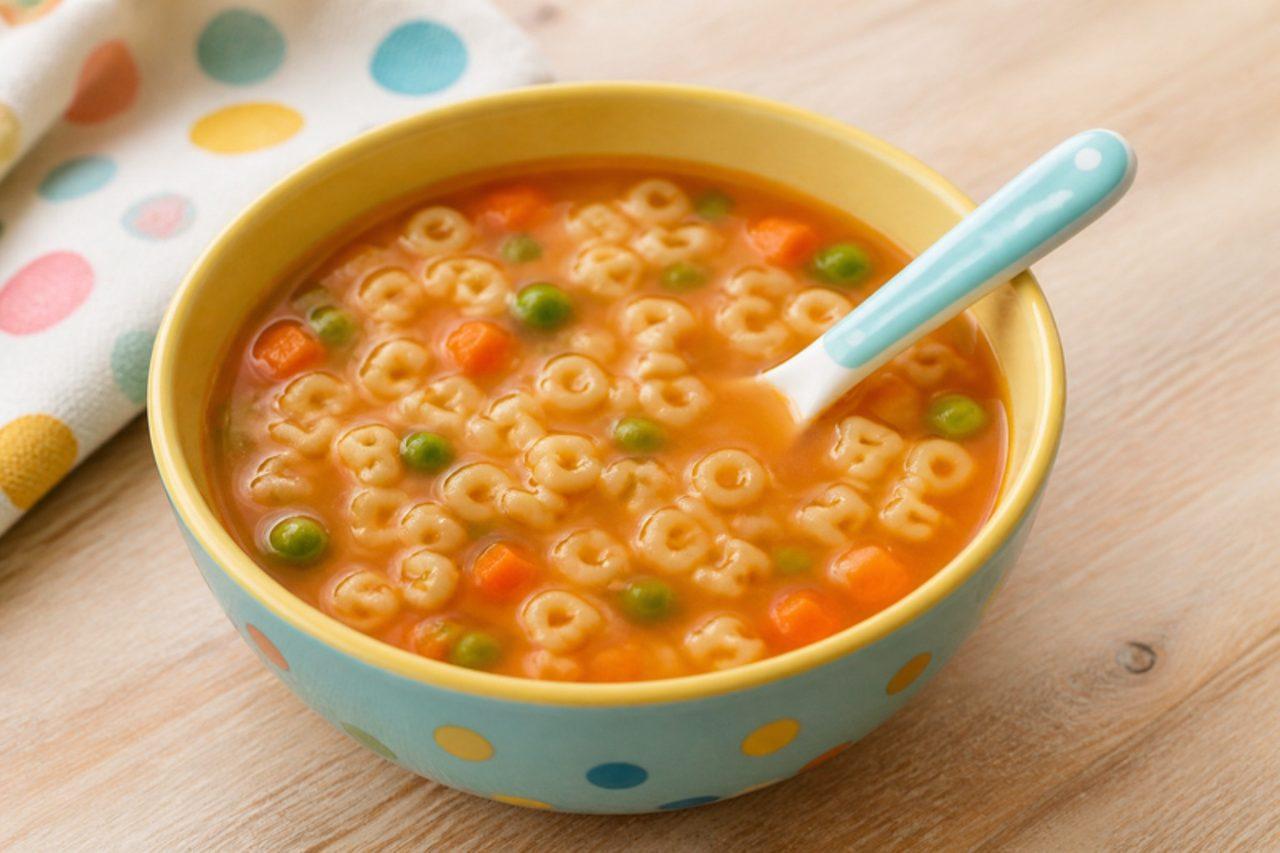
Sopa de letras is the soup almost every Mexican child grows up on, served as the 'sopa aguada' course at the midday meal: tiny letter-shaped pasta, toasted golden in oil, then simmered in a broth of blended tomato, onion and garlic with soft diced carrot. For toddlers it is made with a no-salt vegetable stock, so the sweetness of the tomato comes through. It contains gluten (wheat); it has no milk, egg, nuts, soya, sesame or fish. Chef's tip: toast the pasta until it smells nutty and turns light gold; that is where the flavour comes from.

by KrazyBadal 0 views

Gemüse-Kartoffel-Fleisch-Brei (vegetable, potato and beef mash)

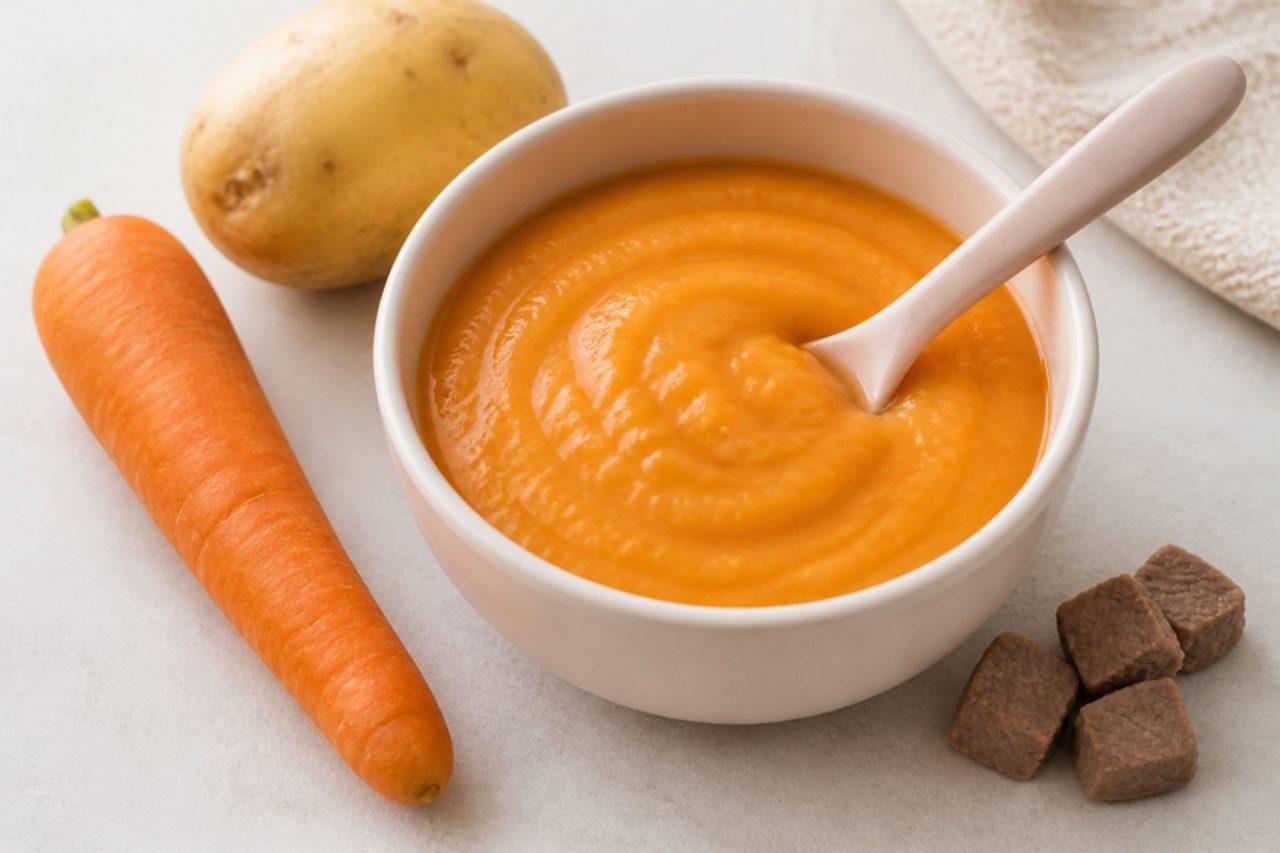
In Germany the first proper lunch for a baby of about six months is the Gemüse-Kartoffel-Fleisch-Brei, a smooth purée of carrot or parsnip with potato and a little lean beef, finished with a spoonful of rapeseed oil. Many parents stir in a little unsweetened fruit juice or purée too, as vitamin C helps the body take up the iron from the meat. It tastes sweet and mild and is made with no salt. It contains none of the common allergens (milk, egg, gluten, peanut, tree nuts, soya, sesame, fish). Chef's tip: add the oil to each portion after reheating rather than before freezing, so it stays fresh-tasting.

40 minGermanMeatGluten free
by KrazyBadal 0 views

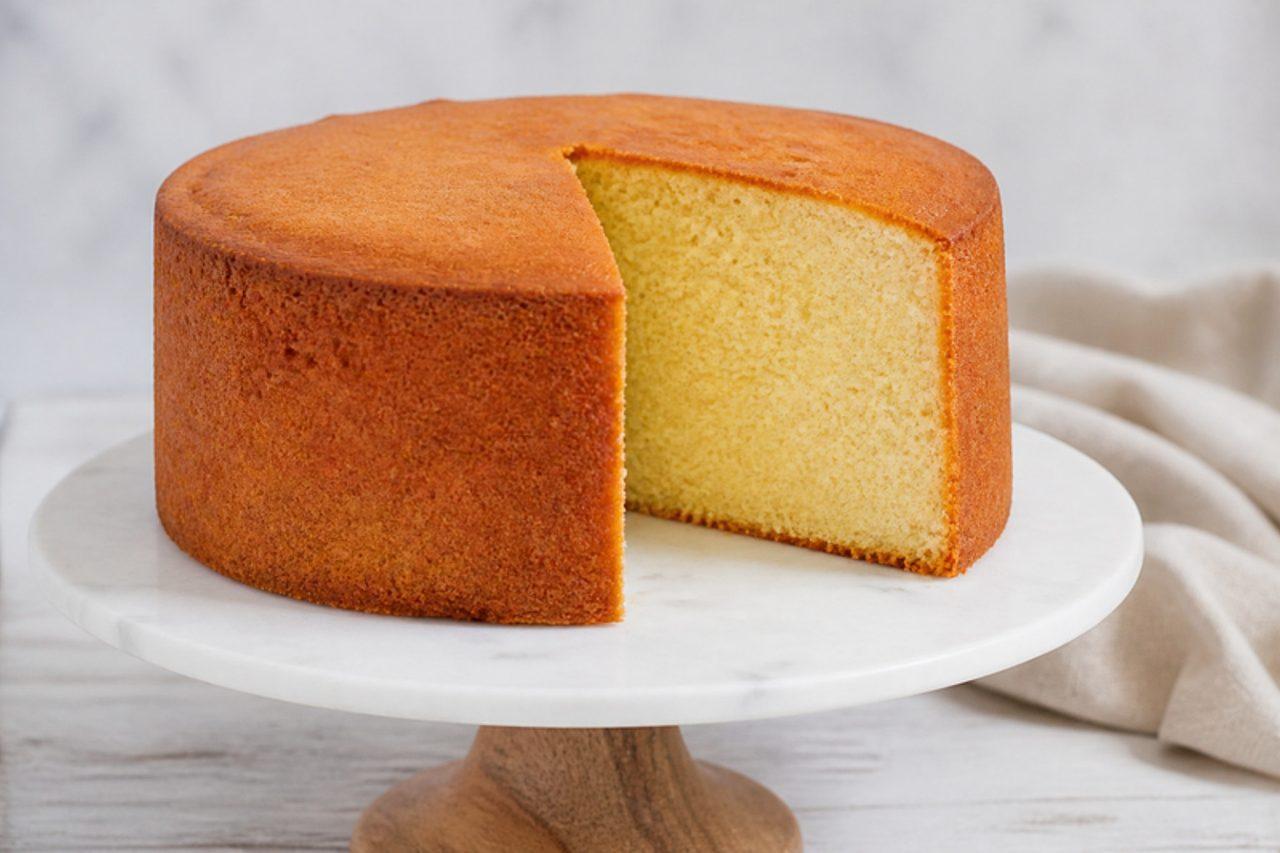
BizcochueloPlain whisked sponge cake

Nearly every Argentine birthday torta starts life as a bizcochuelo: a tall, plain sponge of eggs, sugar, flour and cornflour, with no butter and no baking powder, lifted only by long whisking. Grandmothers bake it on Sunday to split into three and fill with dulce de leche and whipped cream, or eat it plain in the afternoon with mate. The crumb is fine, dry-ish and airy, made to soak up syrup. Opening the oven in the first 20 minutes is the classic way to flatten it, so leave the door shut. Chef's tip: whisk until the mixture reaches 'punto letra', thick enough that a ribbon drawn on the surface holds its shape for a few seconds; that takes a good 8–10 minutes with an electric mixer, and warm eggs get there faster.

by KrazyBadal 0 views

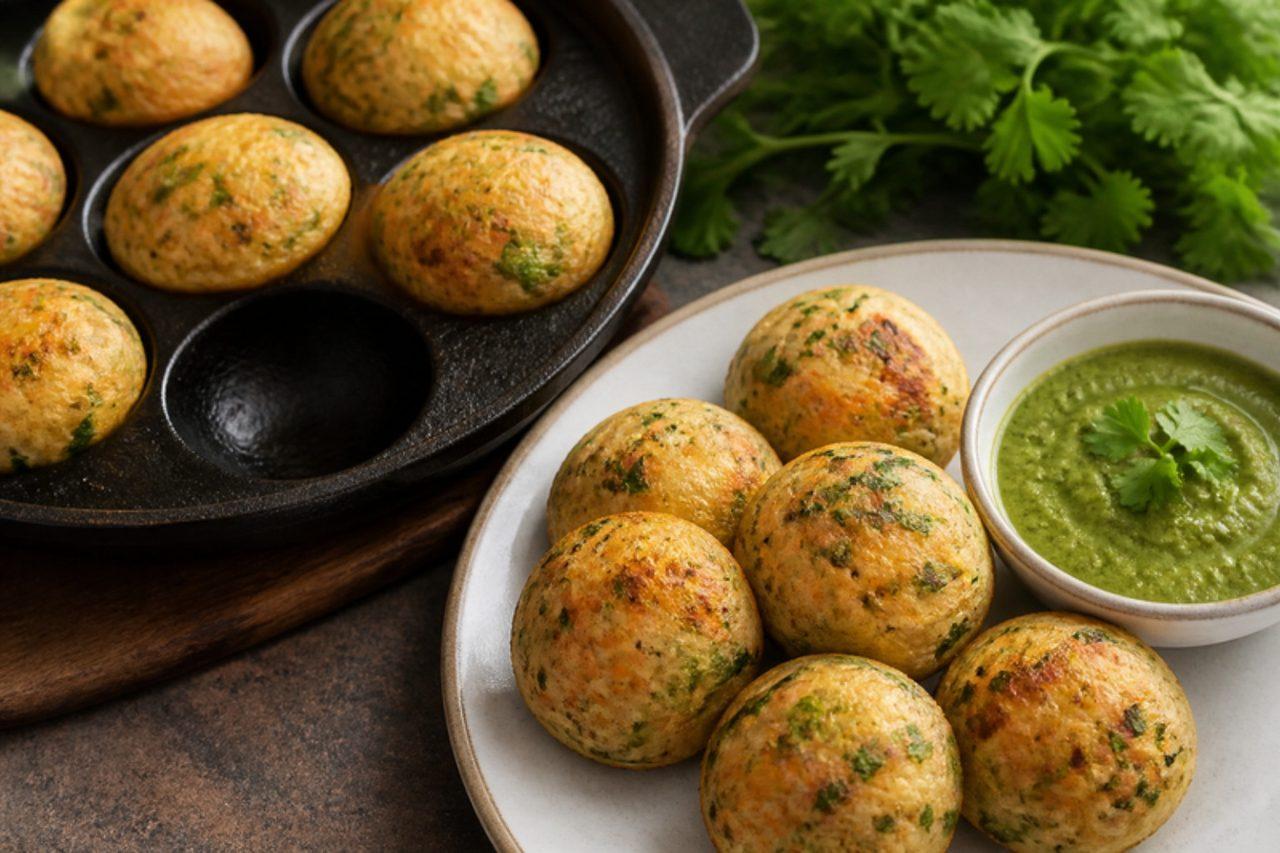
Rava appe (semolina vegetable dumplings)

Across Karnataka and Maharashtra, rava appe is a weekday trick for a quick breakfast or a lunchbox that comes back empty: semolina and yoghurt batter, studded with carrot, pepper and coriander, is cooked in a round-holed appe pan until the balls are crisp outside and soft inside, using only a little oil. Children eat them with a mild green chutney or ketchup. They contain gluten (semolina) and milk (yoghurt). Chef's tip: stir in the bicarbonate of soda only when the pan is hot and you are ready to cook, or the batter loses its lift.

by KrazyBadal 0 views

Showing 24 of 1,886 recipes

Show more recipes

Page 1 of 79