Skip to content
Recipes

All recipes

Vegetarian, or something you can't eat? Set your diet once and we'll hide recipes that don't fit.

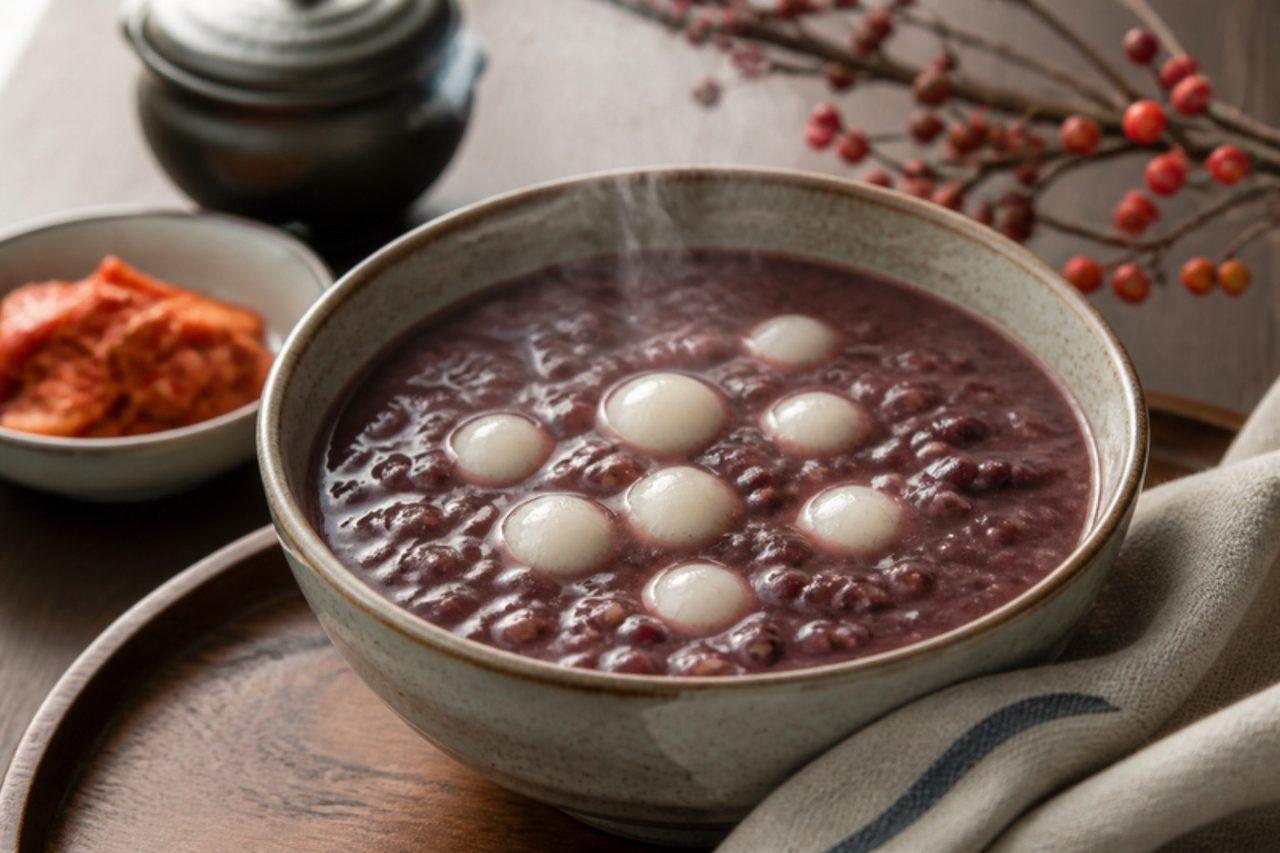
PatjukRed bean porridge

On Dongji, the winter solstice, Korean families eat a bowl of deep red patjuk: the colour was believed to drive away bad spirits on the longest night, and grandmothers still flick a little on the gate. Adzuki beans are boiled soft, pushed through a sieve and simmered with rice into a thick, earthy porridge, and little balls of glutinous rice dough called saealsim, one for each year of your age by tradition, are cooked in it. It is lightly salted; in Jeolla people add sugar. A bowl is about 380 kcal. The most common mistake is not stirring the bottom once the rice goes in; the thick porridge catches and burns quickly. Chef's tip: throw away the first boiling water of the beans; it removes bitterness and makes the porridge taste cleaner.

by KrazyBadal 0 views

Kongnamul bapSoybean sprout rice

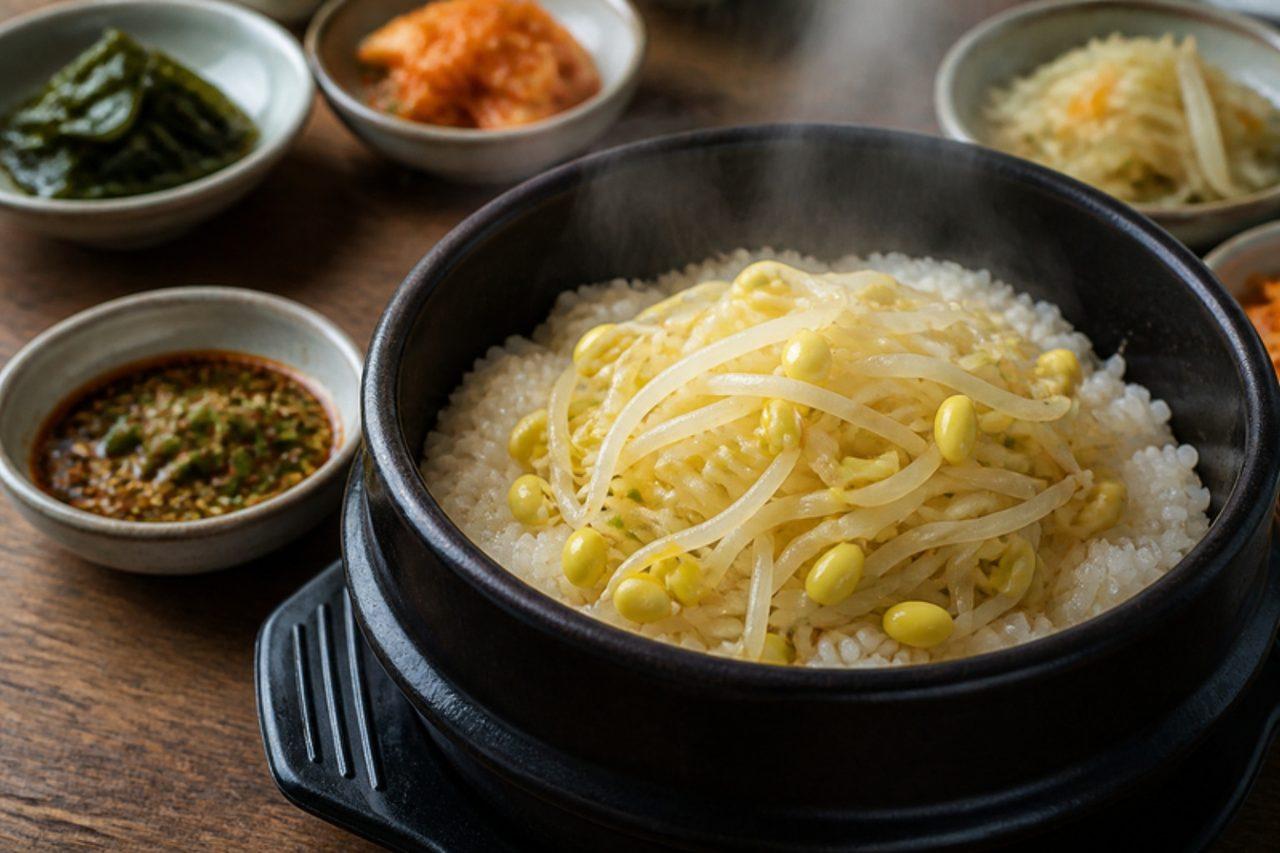
In Jeonju and Jeonbuk, the province famous for its soybean sprouts, kongnamul bap is the humble one-pot supper of winter: rice steamed with a thick layer of crunchy sprouts on top, so they wilt into the grains and give them a sweet, nutty flavour. Each person spoons on a sharp yangnyeom-jang, soy sauce with spring onion, garlic, chilli flakes and sesame, and mixes it through. A portion is about 300 kcal. Many homes add a little minced beef; this version keeps it vegetable-only. The common mistake is using the usual amount of water; the sprouts release a lot of liquid, so cut the water by about a fifth, or the rice turns mushy. Chef's tip: don't lift the lid while it cooks; the sprouts give off a raw, beany smell if the steam escapes halfway.

by KrazyBadal 0 views

Bugeo gukDried pollack soup

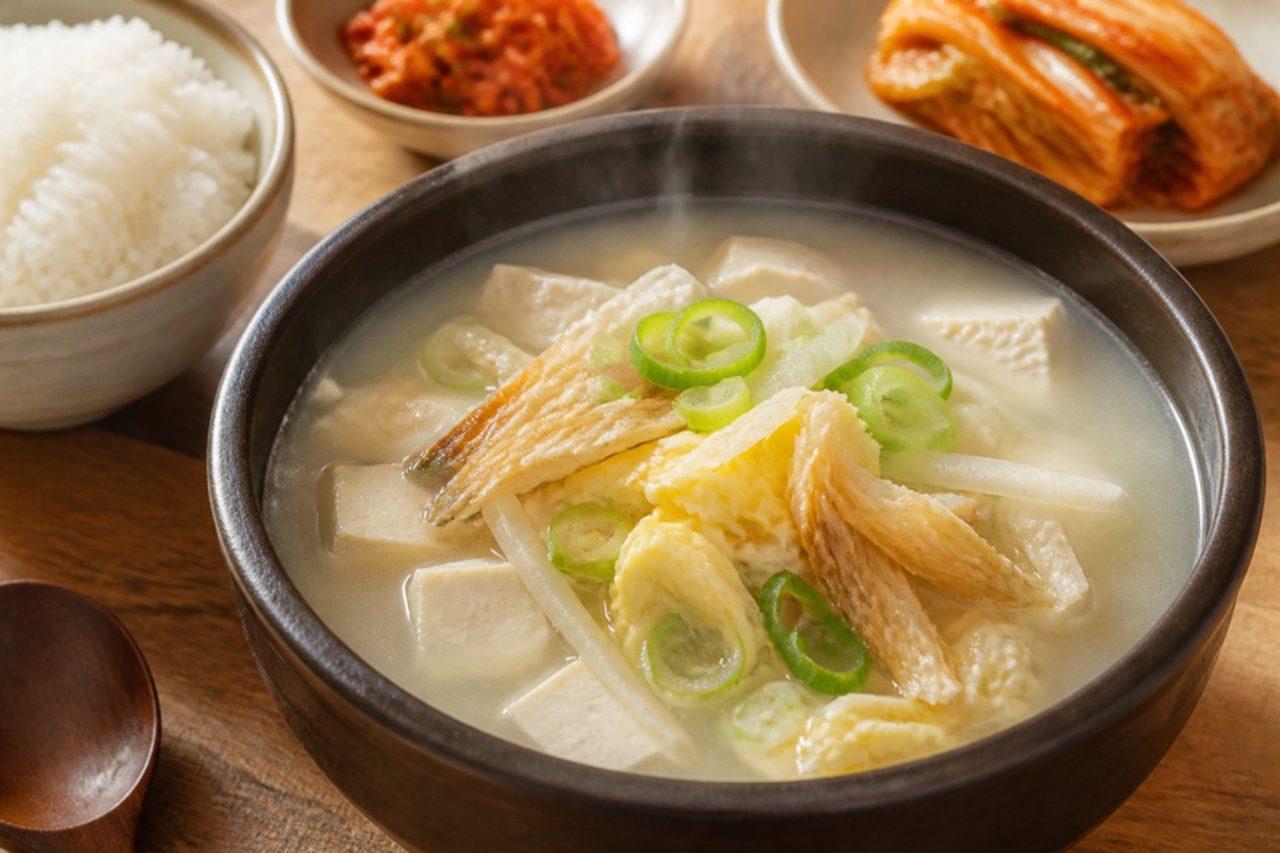
In Seoul, little restaurants near Mugyo-dong have served bugeo-guk since dawn for decades to office workers recovering from the night before, and at home it is the light, fortifying soup for any cold morning: shreds of air-dried Alaska pollack fried briefly in sesame oil, then simmered with radish and tofu into a milky, savoury broth, with beaten egg swirled in at the end. It is clean and comforting. Fish and egg are the allergens. A bowl is about 130 kcal. The most common mistake is using the dried shreds straight from the bag; soak and squeeze them first, or they stay tough and the soup is salty. Chef's tip: fry the pollack in sesame oil until it smells toasty before adding water; it is what turns the broth white and rich.

by KrazyBadal 0 views

Sangchu geotjeoriFresh lettuce salad

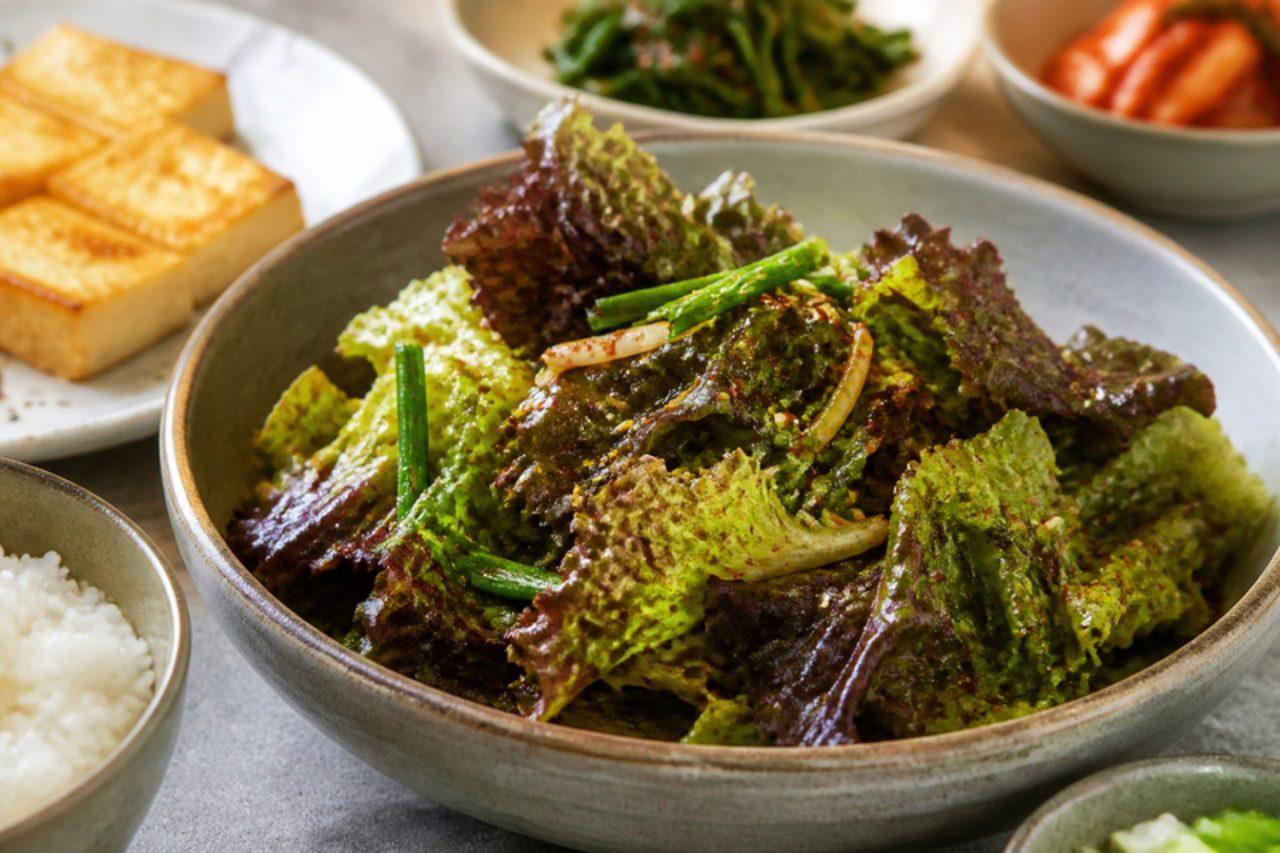
Geotjeori is "fresh kimchi", made to be eaten the same day, and lettuce geotjeori is the summer version Korean families throw together in ten minutes when the leafy red lettuce from the garden or the market in Suwon is piling up: torn leaves and spring onion tossed in a garlicky gochugaru and soy dressing. It goes with grilled meat, bibimbap or just rice. Many homes add fish sauce; this vegan version uses soy and a little more sesame. A portion is about 45 kcal. The most common mistake is dressing it in advance; lettuce goes soggy within minutes, so mix it at the table. Chef's tip: dry the leaves very thoroughly in a salad spinner; any water left on them dilutes the dressing and stops it clinging.

by KrazyBadal 0 views

Buchu muchimSeasoned garlic chives

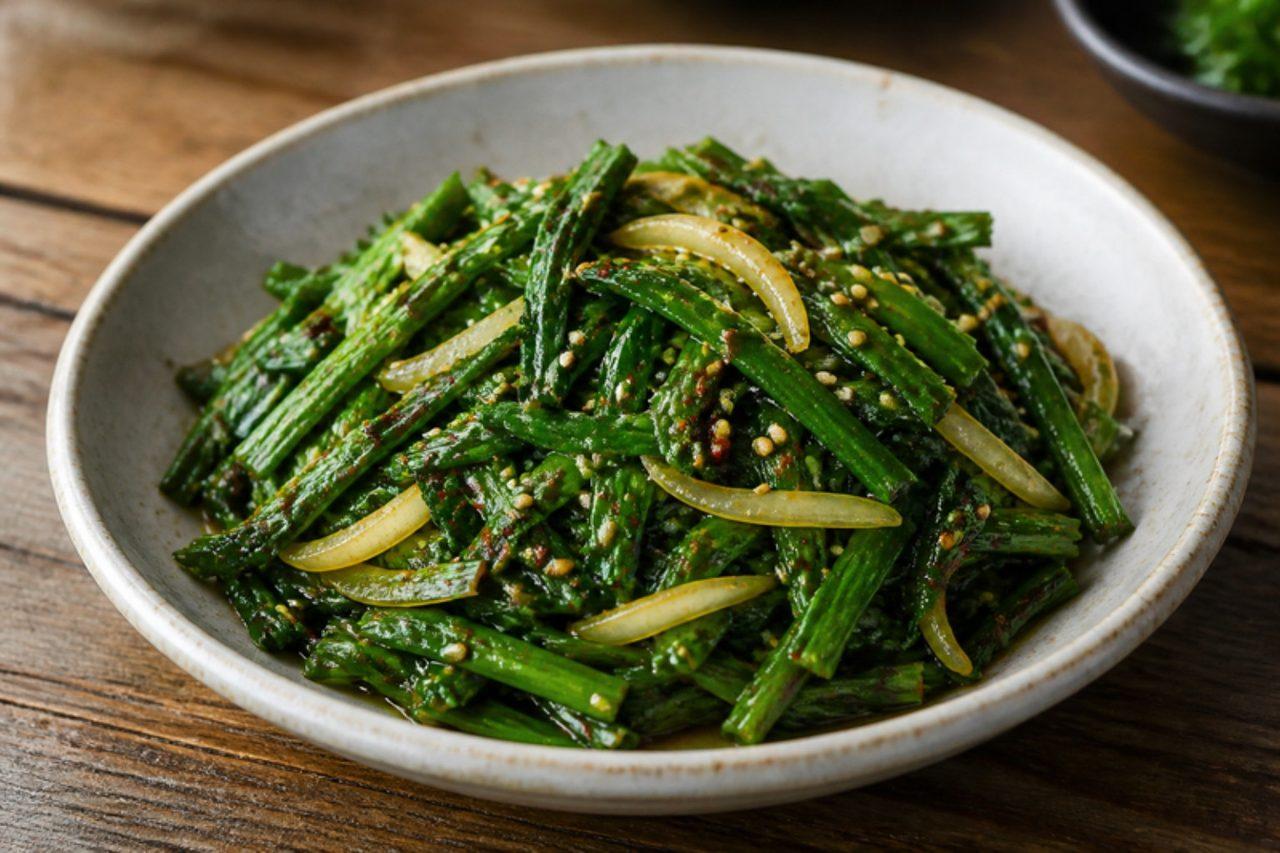
In Korean barbecue restaurants from Mapo in Seoul to Busan's Haeundae, a little bowl of dressed garlic chives comes to the table with the grilled pork, and at home buchu muchim is the five-minute banchan made when there is a bunch of chives in the fridge. The flat chives are cut into lengths and tossed raw with gochugaru, soy, vinegar and sesame; they have a punchy garlic-onion bite that cuts through rich meat or a simple bowl of rice. A portion is about 40 kcal. The usual mistake is mixing it hard, which bruises the chives and makes them bitter and slimy; toss lightly with your fingertips. Chef's tip: dress the chives with the oil first, then the salty and sour parts; the oil coats them and keeps them crisp longer.

by KrazyBadal 0 views

JapgokbapMultigrain rice

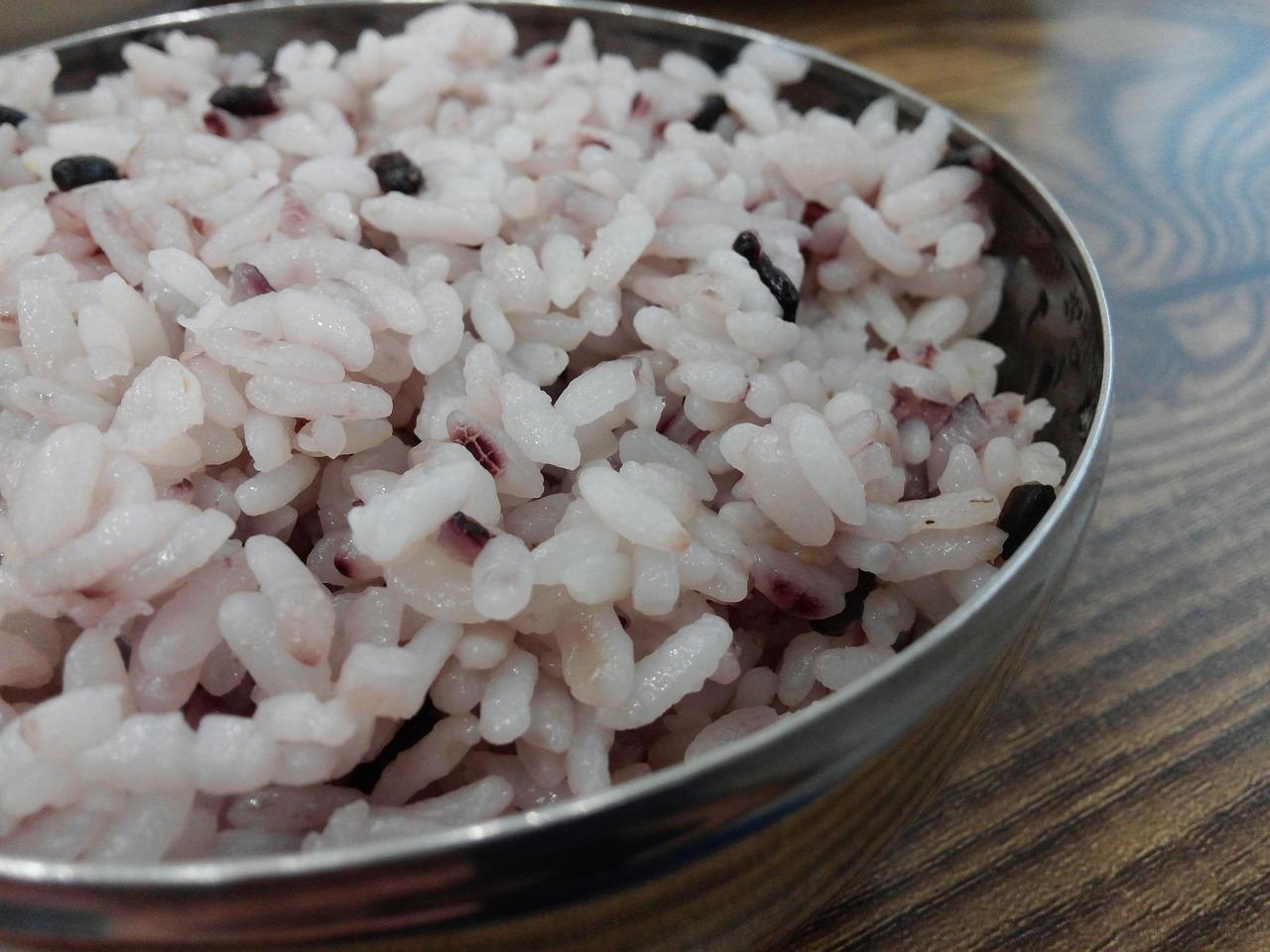
In Korean homes today, the bowl of rice beside the stew is more often japgokbap than plain white: short-grain rice cooked with a handful each of barley, brown rice, black rice, millet and beans, which turns it purple-grey, chewy and nutty. Supermarkets in Seoul sell ready-mixed bags of japgok for the rice cooker, and the habit goes back to times when rice was rationed and stretched with other grains. A portion is about 270 kcal, with far more fibre than white rice. The beans and brown grains need soaking: 4 hours or overnight (not counted). The common mistake is cooking it with the water for white rice; whole grains need about a quarter more. Chef's tip: soak the beans and brown grains separately from the white rice, which only needs 20 minutes; that way nothing ends up hard or mushy.

by KrazyBadal 0 views

Aehobak bokkeumStir-fried courgette

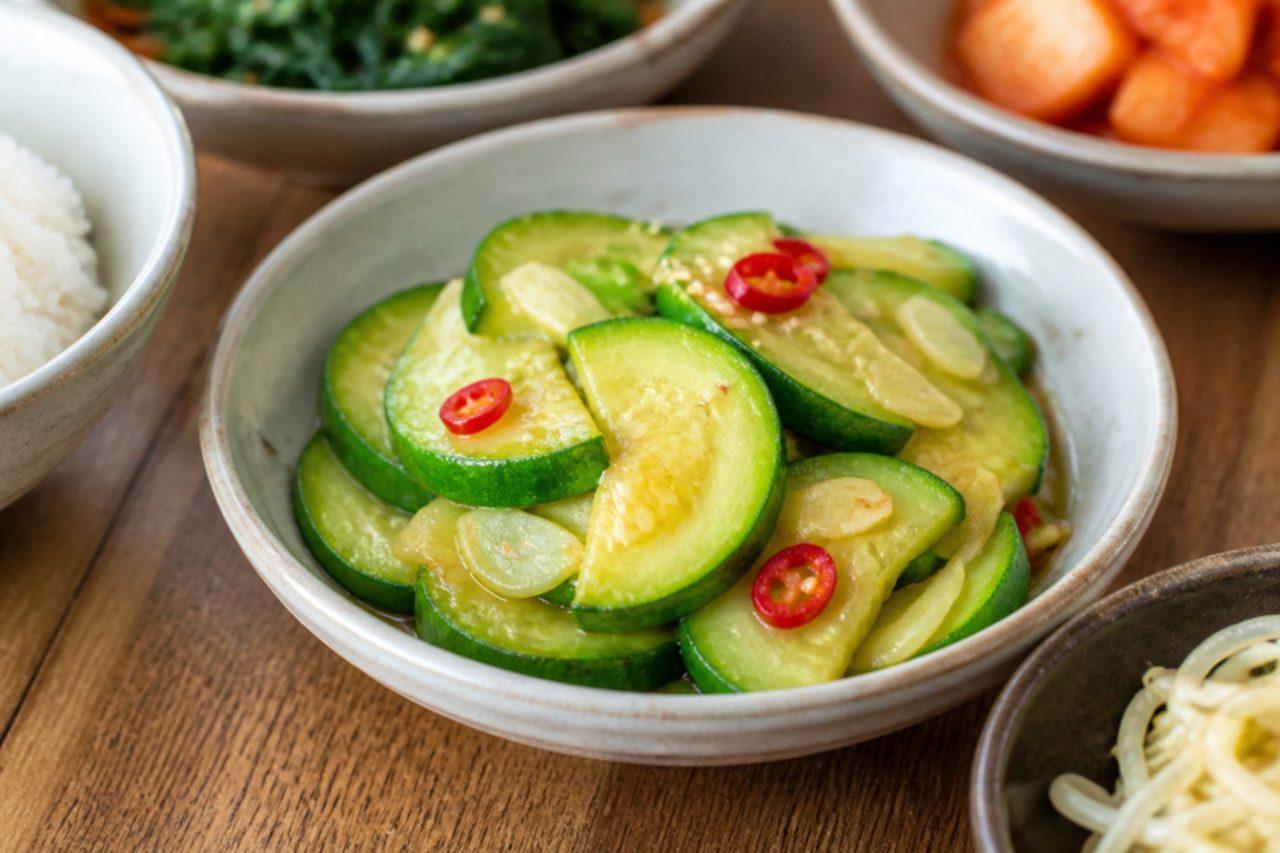
Aehobak, the pale green Korean courgette, is in every market from Gwangjang in Seoul to Busan's Jagalchi all summer, and a quick stir-fry of it is one of the banchan most often on the family table and in school lunches. Half-moon slices are lightly salted, then stir-fried with garlic until just tender and glossy, and finished with sesame. Many homes season it with saeujeot, salted shrimp; this version uses salt and a little soy instead, so it is vegan. A portion is about 45 kcal. The common mistake is overcooking, which leaves limp, watery slices; cook it hot and fast and take it off while the slices still have a little bite. Chef's tip: salting the slices for 10 minutes and patting them dry keeps them firm and stops the pan filling with liquid.

by KrazyBadal 0 views

ErdäpfelstrudelSavoury potato strudel

Austrians, especially in the Mühlviertel of Upper Austria and the Waldviertel, make savoury strudels as often as sweet ones, and Erdäpfelstrudel is a farmhouse favourite for a meatless Friday or a cold evening. Thin pastry wraps a filling of potatoes, fried onion, sour cream, marjoram and parsley, baked until crisp and golden and sliced with a green salad or a dill and sour-cream dip. Bought filo makes it easy at home. The mistake to avoid is a wet filling, which turns the pastry soggy underneath. Chef's tip: cool the filling completely before rolling; warm filling makes the layers stick and tear.

by KrazyBadal 0 views

KongguksuCold soybean noodle soup

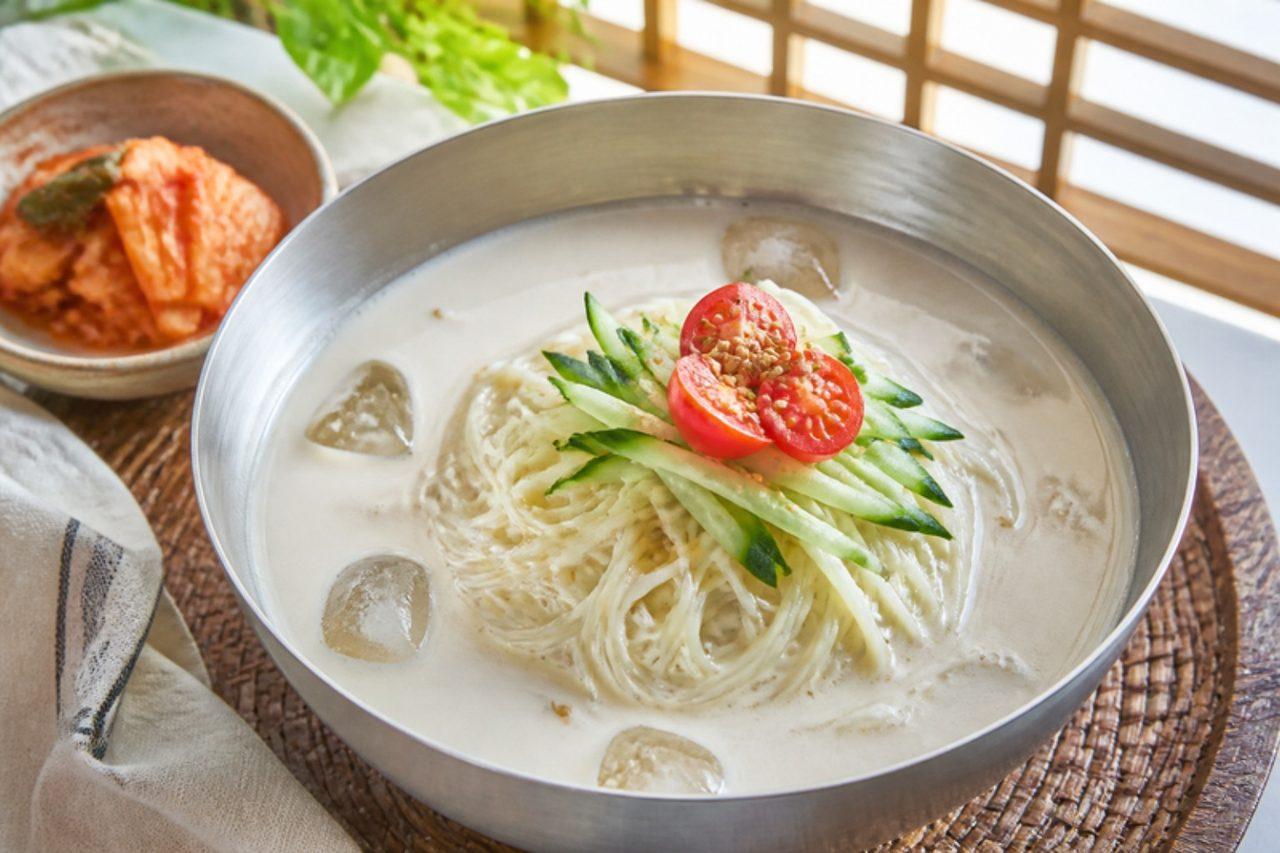
When the monsoon heat settles over Seoul in July, queues form outside old noodle houses near City Hall for kongguksu: thin wheat noodles in an ice-cold, thick, nutty broth of soybeans boiled and blended with their skins, topped with cucumber and sesame. It is plain, rich and very cooling, and people season it at the table with salt (in Seoul) or sugar (in Jeolla). A bowl is about 520 kcal, a full meal with plenty of protein. Soak the soybeans overnight first, not counted in the times. The most common mistake is overboiling the soybeans, which gives a fermented, "meju" smell; boil them for exactly 10–12 minutes and taste one: it should be cooked but not soft. Chef's tip: blend a handful of pine nuts or toasted sesame with the beans; it makes the broth even creamier.

by KrazyBadal 0 views

Chwinamul muchimSeasoned aster greens

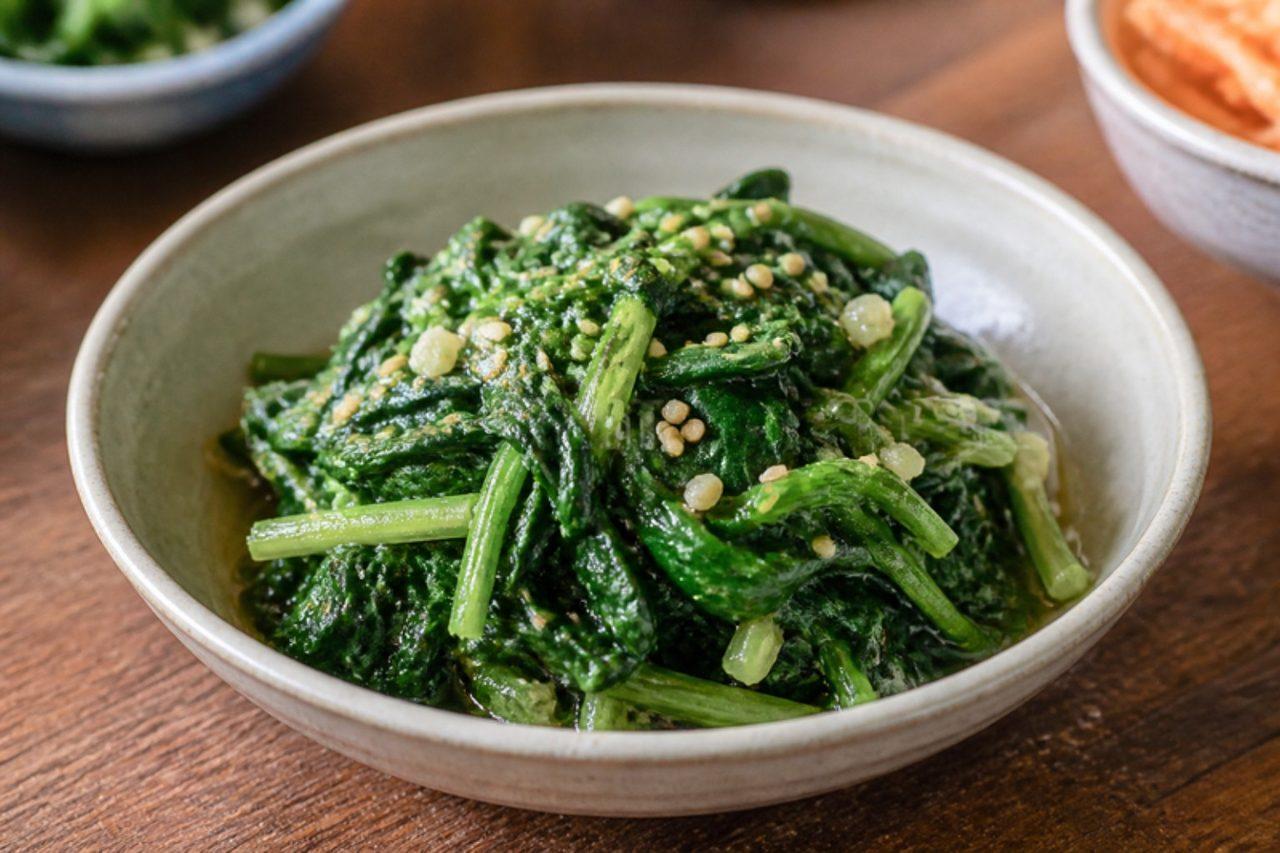
Chwinamul, the wild aster that grows on the mountains of Gangwon and the slopes around Jirisan, is one of the most loved spring greens in Korea, sold by grandmothers at village markets in April and dried for the namul of Daeboreum, the first full moon of the lunar year. Blanched and squeezed, it is seasoned with soup soy sauce, garlic and sesame oil and has a deep, herbal, slightly bitter flavour that wakes up the rice. A portion is about 45 kcal. If you can't find chwinamul, use spinach or watercress, blanched for less time. The common mistake is not squeezing the greens well, so the seasoning slides off; press them firmly in your fist. Chef's tip: season with your fingertips, rubbing the dressing gently into the leaves; Korean cooks call it son-mat, the taste of the hands.

by KrazyBadal 0 views

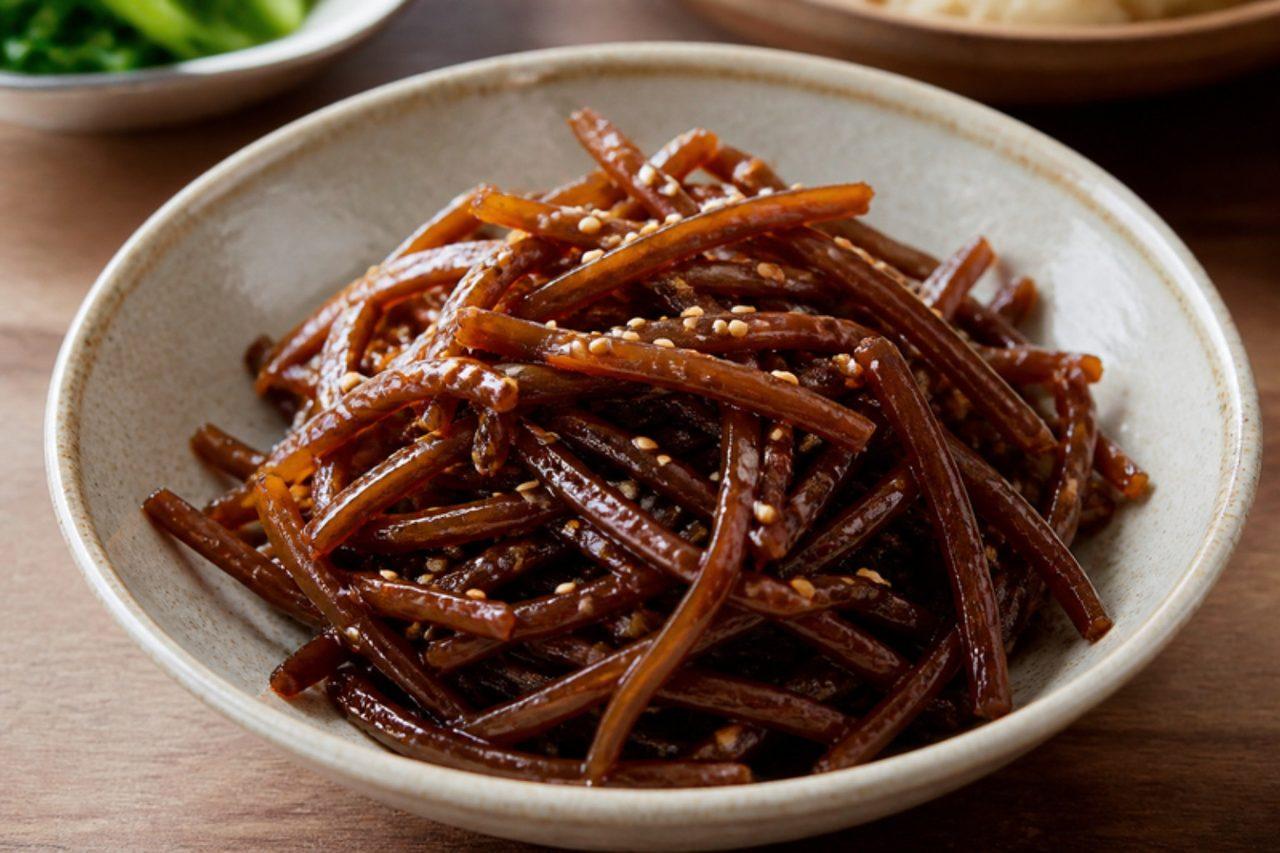
Ueong jorimBraised burdock root

Thin sticks of burdock root braised in soy and sugar until they are dark, glossy and chewy are one of the banchan Korean mothers make in a big batch on a weekend; they keep for a week and go into the lunch boxes of schoolchildren in Seoul and into gimbap rolls. The flavour is earthy, sweet and savoury, with a little stickiness from rice syrup. A portion is about 95 kcal. The common mistake is adding the sweetener too early, which makes the burdock hard; braise in the soy first, and add the syrup at the end for the shine. Chef's tip: soak the cut burdock in water with a splash of vinegar for 10 minutes; it stops it turning grey and takes away the bitter edge.

by KrazyBadal 0 views

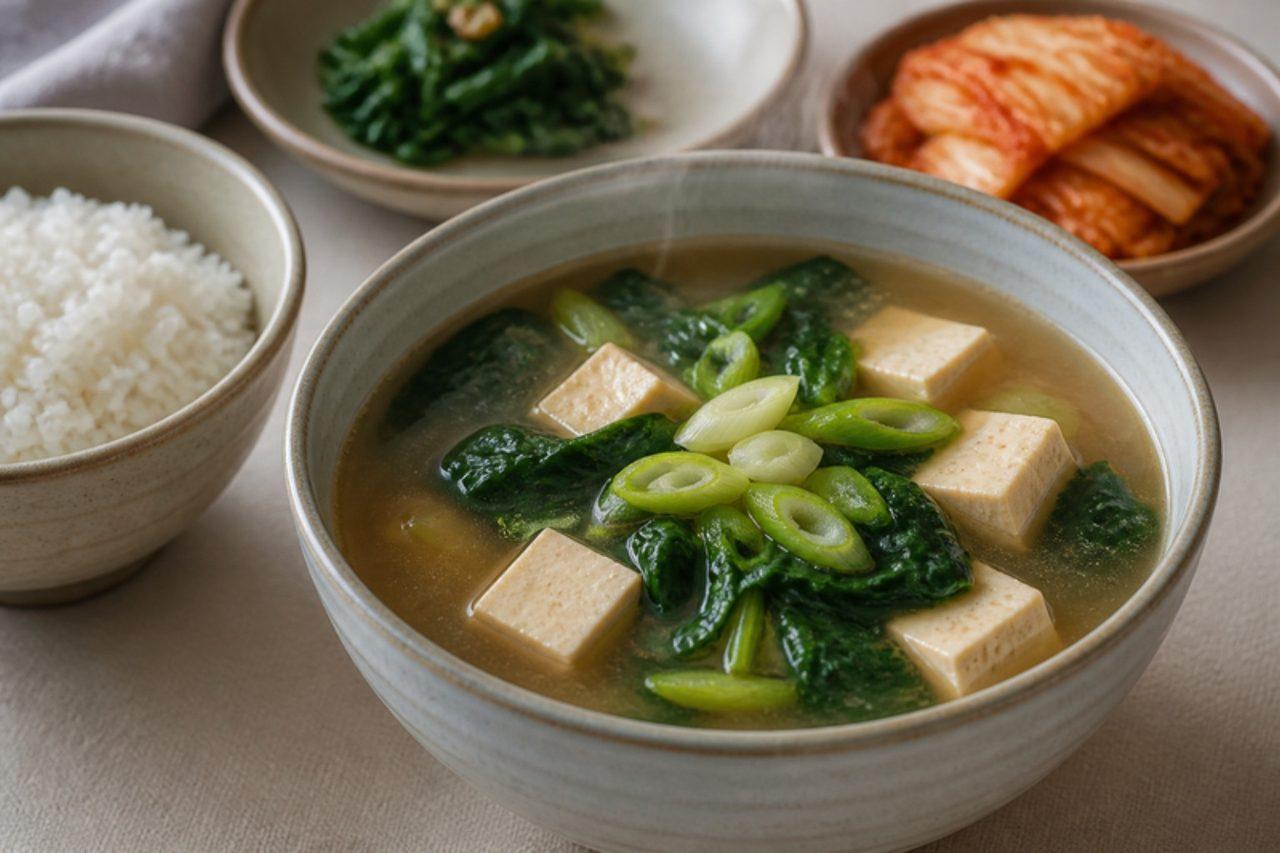
Sigeumchi doenjang gukSpinach soybean paste soup

Spinach doenjang-guk is one of the soups that appears most often on Korean breakfast and dinner tables in winter, when the short, sweet Pohang spinach called pohang-cho arrives from the east coast: a clear, savoury broth of fermented soybean paste with spinach, tofu and spring onion, eaten with rice and kimchi. It is usually made with anchovy stock; this version uses kelp and dried shiitake, so it is vegetarian. A bowl is about 60 kcal. The common mistake is boiling the doenjang hard for a long time, which makes it bitter and dulls its fragrance; dissolve it in, then simmer gently. Chef's tip: push the doenjang through a small sieve into the pot; it dissolves without lumps and leaves the husky bits behind.

by KrazyBadal 0 views

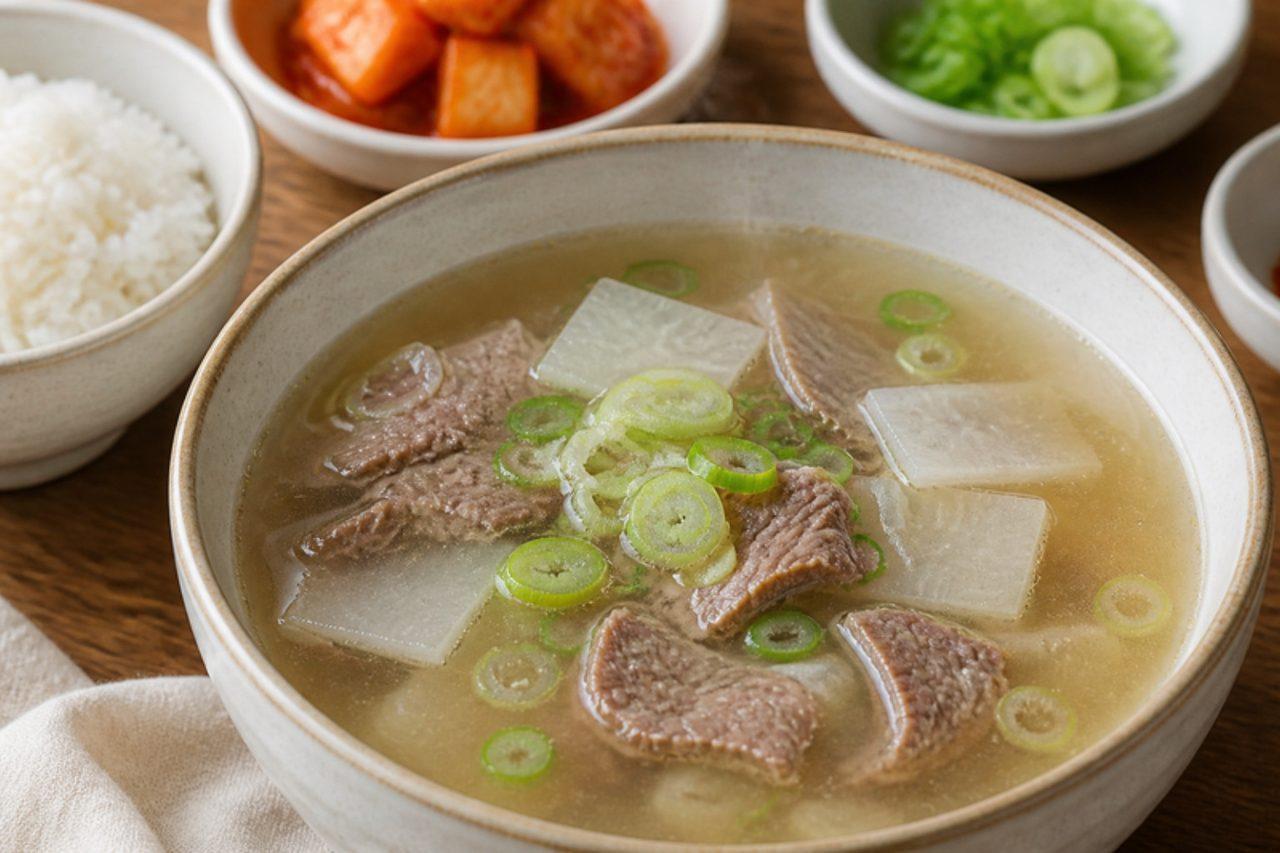
Sogogi mugukBeef and radish soup

Sogogi muguk is the soup of ordinary Korean mornings and of the ancestral memorial table in Gyeongsang homes, where a clear version is offered on rites days: thin slices of beef brisket or round sautéed in sesame oil with squares of Korean radish, then simmered in water until the radish turns translucent and the broth sweet and beefy. It is seasoned only with soup soy sauce, garlic and salt and eaten with rice and kimchi. A bowl is about 160 kcal. The common mistake is skipping the sauté: frying the beef and radish together in sesame oil first is what makes the broth rich without hours of simmering. Chef's tip: cut the radish into thin, flat squares, not chunks; they cook quickly and release their sweetness into the soup.

by KrazyBadal 0 views

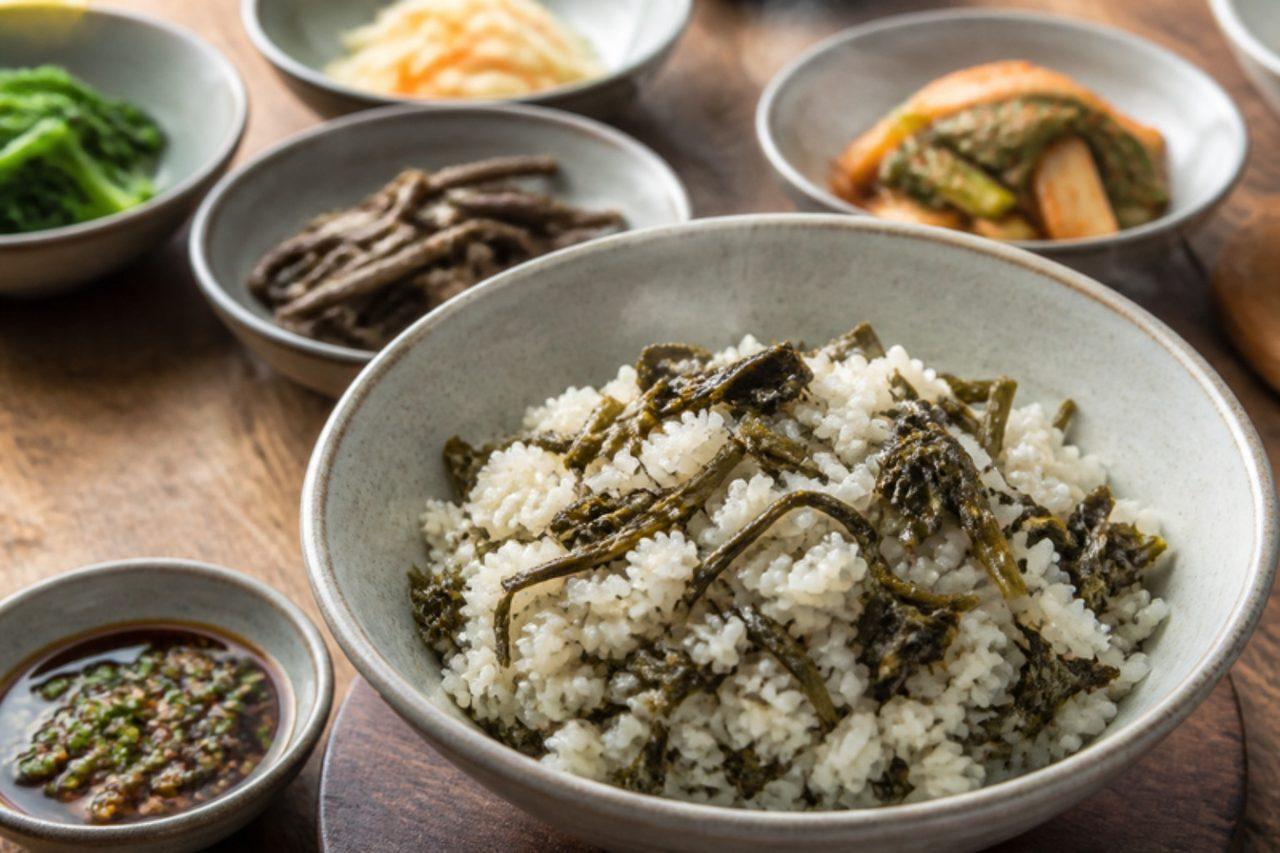
Gondeure bapThistle greens rice

Gondeure, a mountain thistle that grows on the steep slopes of Jeongseon in Gangwon, kept villagers fed through lean springs, and gondeure bap is now what visitors travel to Jeongseon's five-day market to eat: rice cooked with the soft, dried greens and a little perilla oil, served with a soy, spring onion and sesame sauce. It is earthy, mild and fragrant, a little like artichoke. A portion is about 320 kcal. Dried gondeure must be soaked overnight and boiled for 20 minutes beforehand, which is not counted; Korean grocers also sell it ready-boiled and frozen. The common mistake is not squeezing the greens well, which makes the rice wet and soft. Chef's tip: toss the squeezed greens with a spoon of perilla oil and soup soy before they go on the rice; they season the grains as they steam.

by KrazyBadal 0 views

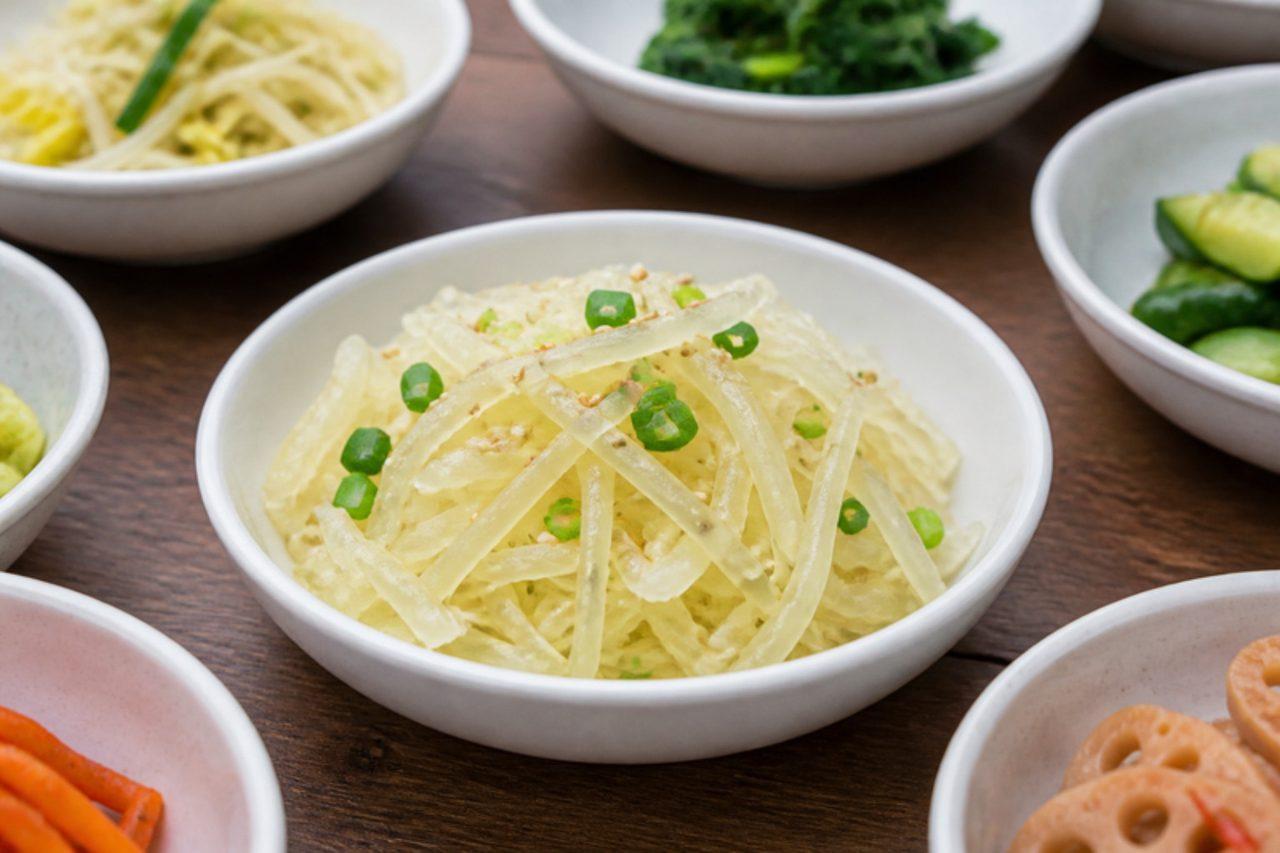
Mu namulStir-fried radish strips

Mu namul is the soft, white radish side dish that appears among the banchan of a Korean home table in autumn and winter, when the fat Korean radishes are at their sweetest, and it is always part of the namul set laid out for Chuseok and ancestral rites in Andong and Seoul. Thin matchsticks of radish are stir-fried with garlic and a pinch of salt, then steamed briefly in their own juice until tender and translucent, and finished with sesame. It is mild, sweet and very gentle on the stomach. A portion is about 50 kcal. The most common mistake is cutting the radish against the grain, so it breaks into short bits; cut lengthways, along the grain, so the strands stay long. Chef's tip: salt the radish first and let it sit for a few minutes; it releases water that it then cooks in, so you need almost no oil.

by KrazyBadal 0 views

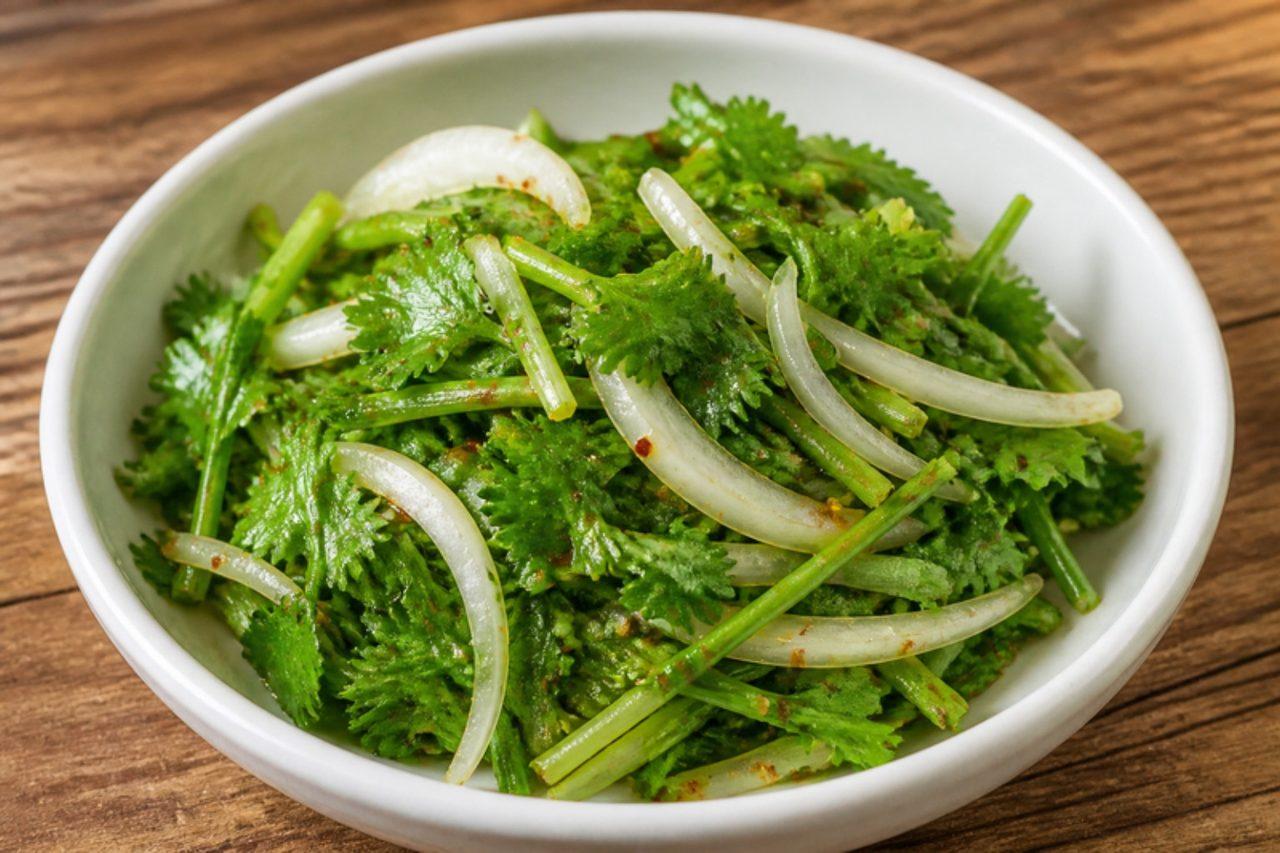
Minari muchimWater dropwort salad

Minari, Korean water dropwort, grows in the wet fields of Cheongdo and around Daegu, and in early spring Koreans eat it raw and crunchy as a sharp, peppery salad: the stems are tossed in a sweet-sour dressing of gochugaru, vinegar, garlic and a touch of sugar, with thinly sliced onion. It is served alongside grilled pork belly or a fish stew to freshen the palate. A portion is about 50 kcal. If minari is hard to find, use watercress or celery leaves with stems. The common mistake is dressing it too early: the leaves wilt and weep within half an hour, so toss it just before eating. Chef's tip: soak the cut minari in iced water for five minutes first; it turns very crisp.

by KrazyBadal 0 views

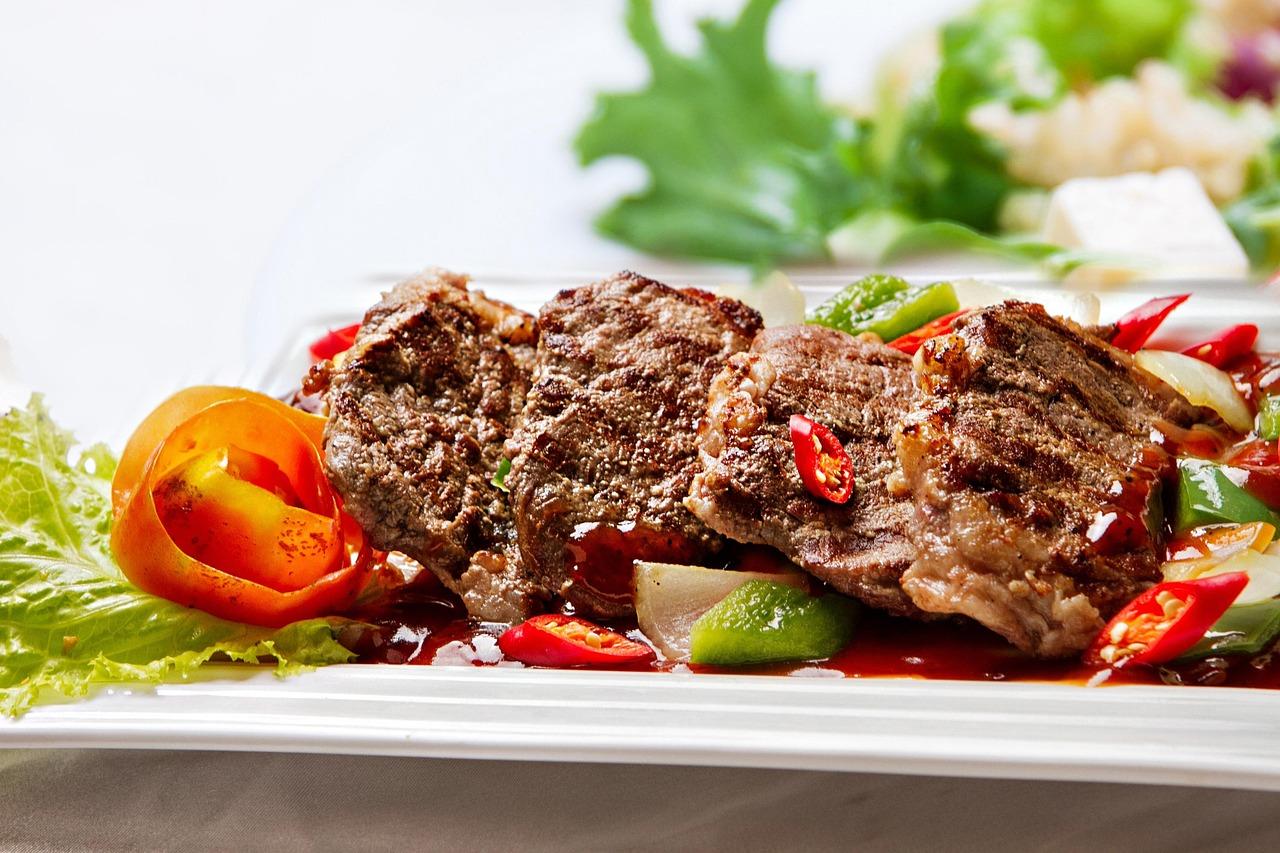
Yam nua (grilled beef salad)

Beer gardens and seafood restaurants around Bangkok put yam nua on the table as a drinking snack, but at home it is just as good with sticky or jasmine rice on a hot evening. Thick beef steak is grilled hard over charcoal, sliced and tossed while still warm with cucumber, tomato, onion, mint and coriander in a dressing that is very sour, salty and hot. Thai cooks often serve the beef quite rare; this recipe cooks it to medium so it is pink but not raw in the middle, which is safer for everyone at the table. Chef's tip: rest the steak before slicing and slice across the grain; cutting it straight off the grill floods the board with juice and leaves the strips chewy.

27 minThaiSaladsGluten freeSpicy
by KrazyBadal 0 views

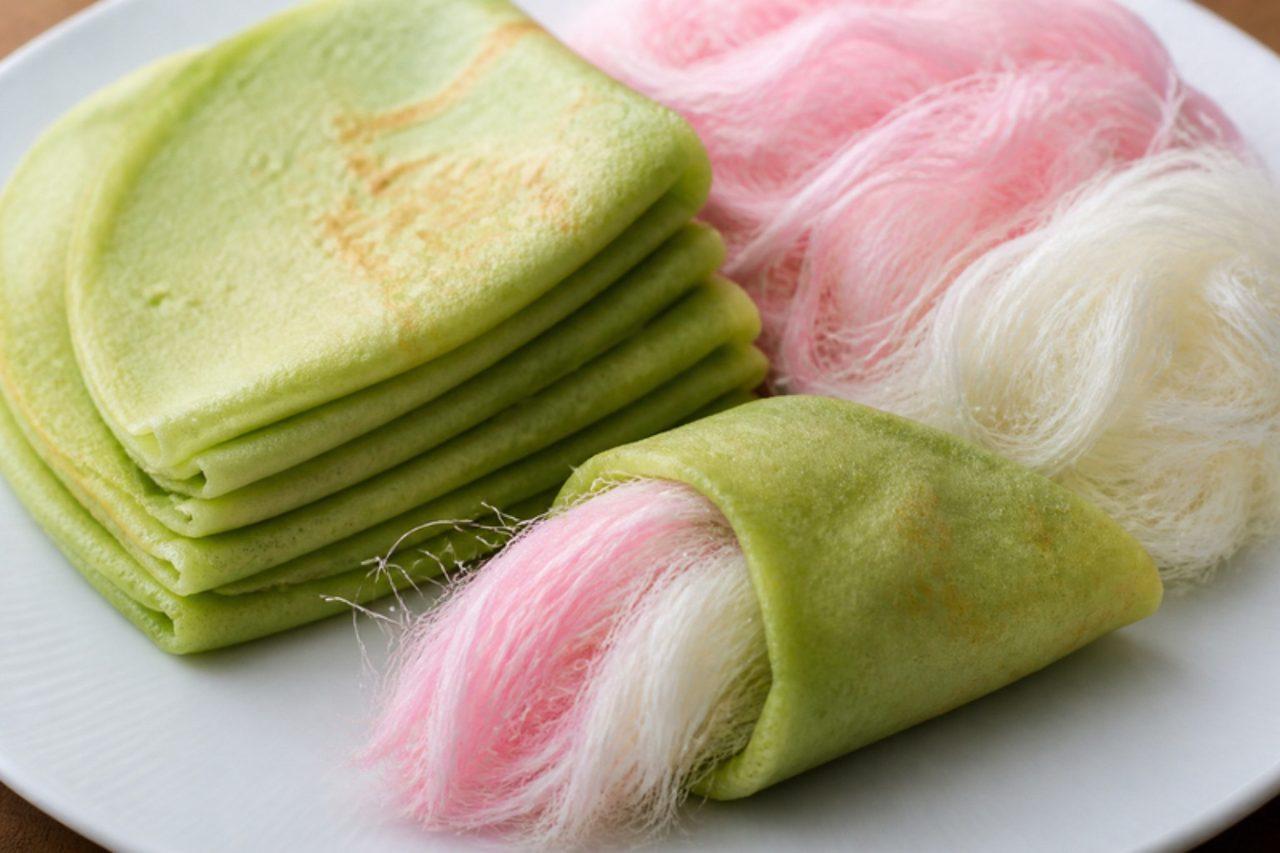
Roti sai maiCandy floss crêpes

Ayutthaya's famous souvenir is sold from stalls along the road outside the city's hospital and old temples: a bag of soft, thin crêpes and a bag of pastel floss, to roll together yourself. The floss (sai mai, 'silk thread') is pulled sugar, finer and silkier than fairground candy floss, and melts on the tongue against the slightly salty, chewy crêpe. Pulling floss takes practice, so most home cooks buy it from Thai shops and make the crêpes fresh. Chef's tip: the classic mistake is wrapping the floss while the crêpe is hot; let the crêpes cool or the sugar melts into a sticky smear.

by KrazyBadal 0 views

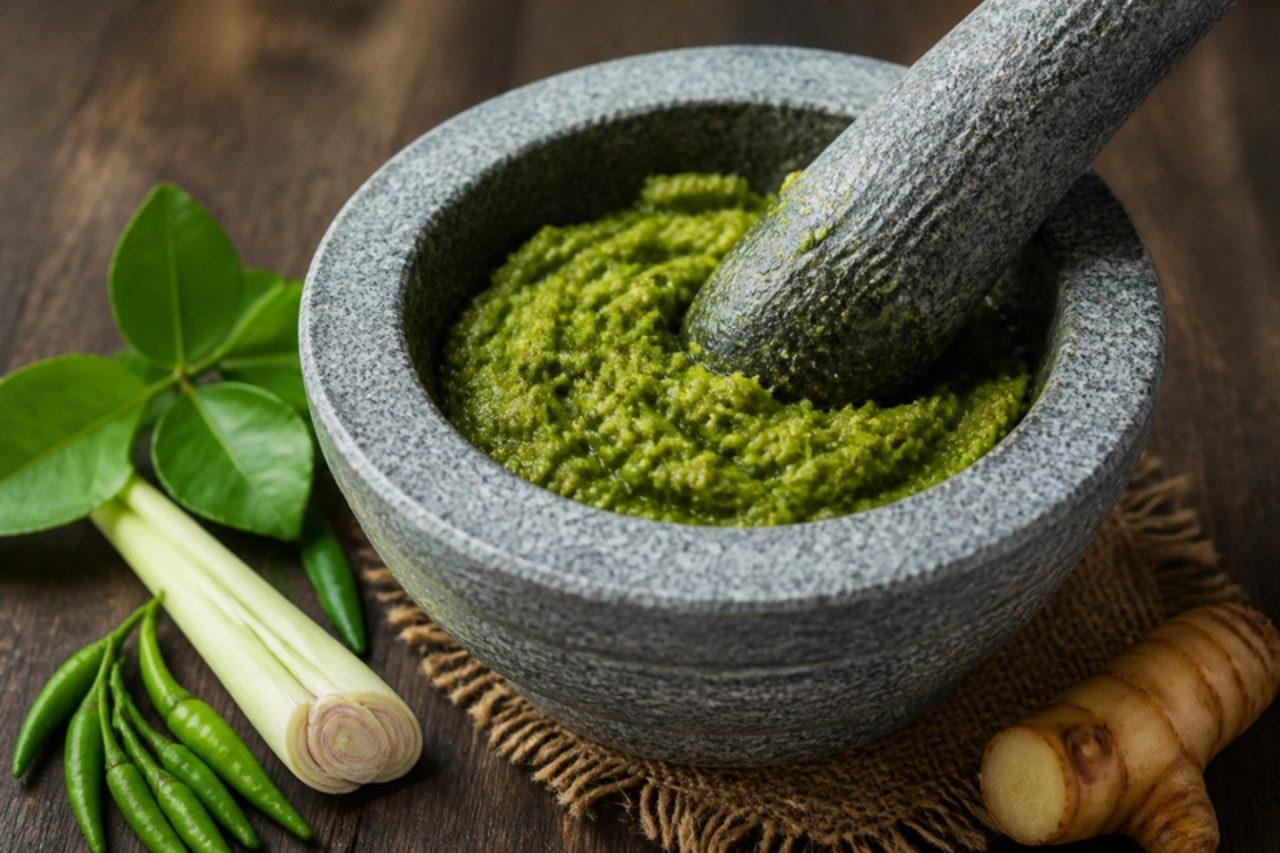
Thai green curry paste

Green curry is a central-plains dish, cooked in Bangkok shophouse kitchens and eaten over rice or khanom jeen noodles at lunch. Its paste uses fresh green chillies rather than dried red ones, so it tastes grassy, hot and citrusy, with cumin and white pepper underneath. Thai cooks would add kapi (shrimp paste) at the end; here yellow soybean paste gives the savoury depth so the paste is vegan, and 1 tsp roasted shrimp paste can go back in for the traditional version. Chef's tip: don't add water to get the blender going; a watery paste won't fry in coconut cream and the curry tastes flat. Use a spoonful of oil and patience instead.

38 minThaiBasicsVeganGluten freeSpicy
by KrazyBadal 0 views

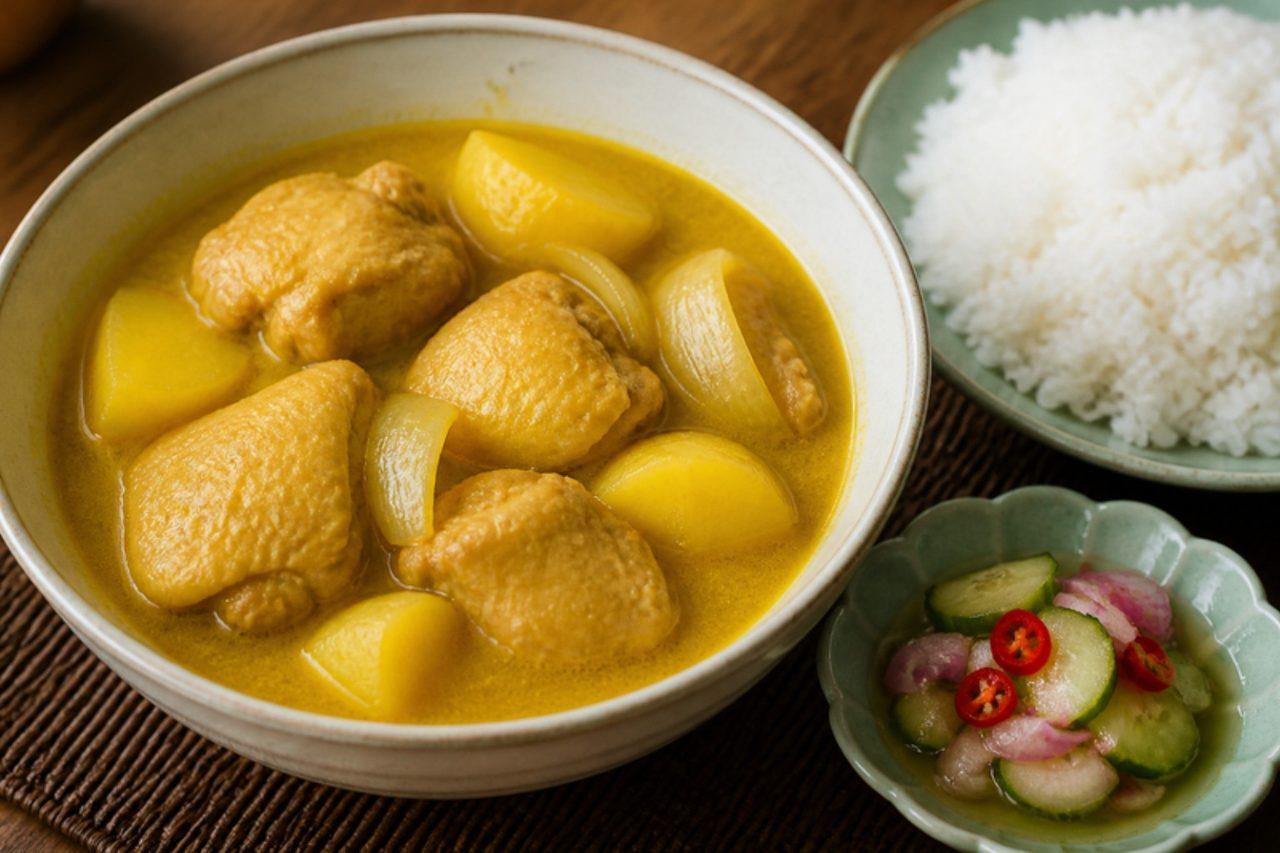
Gaeng kari gai (Thai yellow chicken curry)

Thai yellow curry came to Bangkok through Muslim and Indian traders, and you still find it at curry-over-rice shops near the old mosques of Bang Rak, ladled out with a sharp cucumber relish called ajad. It is the gentlest of the Thai curries: turmeric and curry powder in coconut milk, with chicken, waxy potatoes and onion that soak up the sauce, and children usually like it. For a vegetarian version, use 400 g fried tofu and extra potato, a shrimp-free paste and light soy sauce instead of fish sauce. Chef's tip: fry the paste in the thick coconut cream until the oil separates before adding anything else; skipping this is why many home yellow curries taste raw and powdery.

by KrazyBadal 0 views

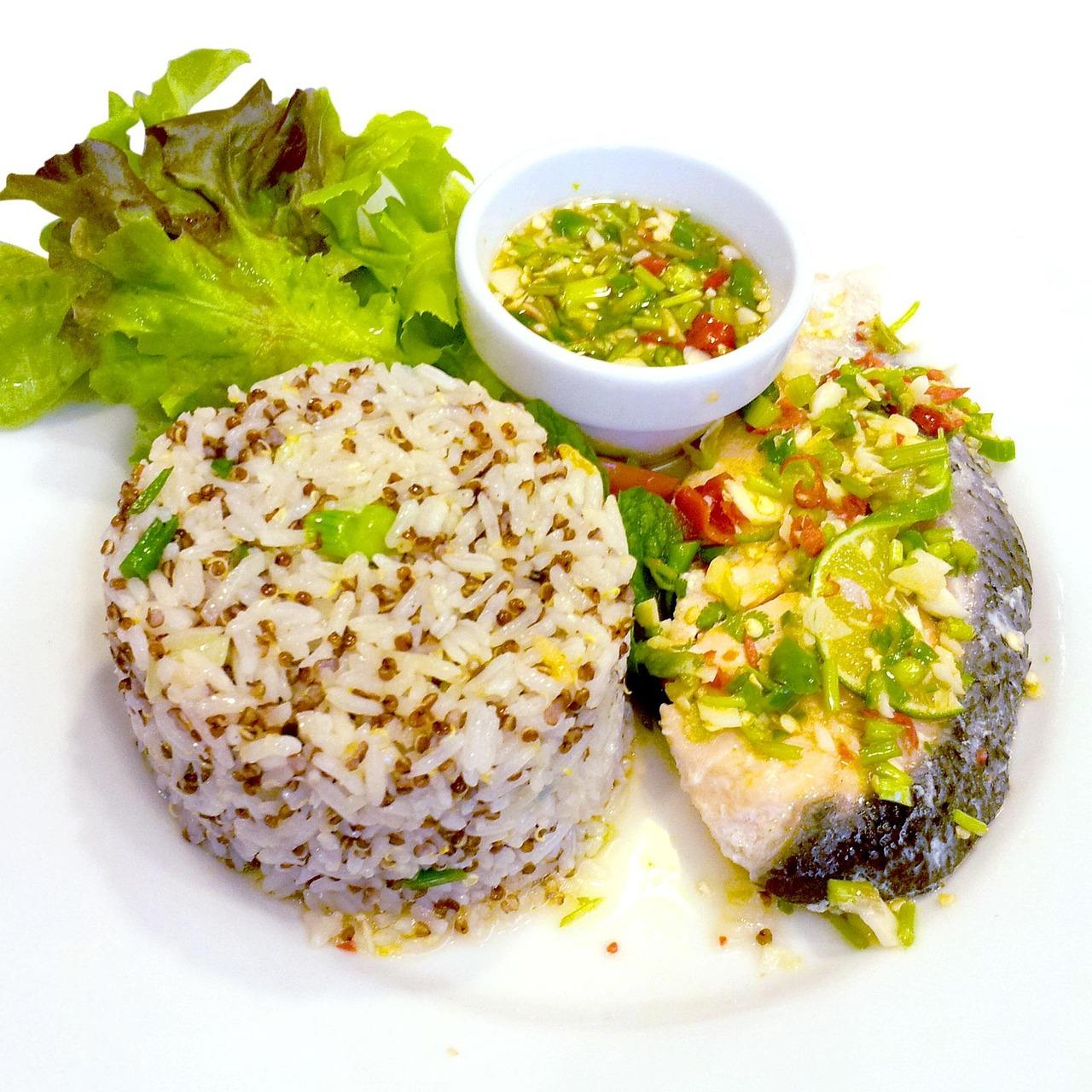
Pla neung manao (steamed fish in lime and chilli)Steamed fish with lime and chilli

Restaurants all over Bangkok bring this dish to the table in a fish-shaped steamer with a flame underneath, the fish swimming in a broth of garlic, chilli, lime and fish sauce that keeps bubbling as you eat. Sea bass (pla kapong) is the usual choice. It is clean, sour and very garlicky, ideal for a light dinner with rice and a plate of greens. A whole fish is traditional; two thick fillets work just as well and steam faster. Chef's tip: pour the sauce over at the end, not before steaming; lime cooked for 15 minutes loses its freshness and turns bitter.

35 minThaiFishGluten freeSpicy
by KrazyBadal 0 views

Oliang (Thai black iced coffee)

Old Bangkok coffee shops in Chinatown and Bang Rak still brew oliang through a long cotton sock, using a dark blend of coffee roasted with corn, soybeans, rice and sesame that gives it a toasty, almost cocoa-like flavour. It is served black, heavily sweetened and poured over crushed ice in tall glasses, a mid-morning pick-me-up for market traders. Look for any Thai 'oliang powder' blend in Asian shops, or mix dark coffee with roasted grains as below. It contains caffeine, so it is not one for children. Chef's tip: adding sugar after chilling is the mistake; dissolve it while the coffee is hot, or it stays gritty.

15 minThaiDrinksVeganGluten free
by KrazyBadal 0 views

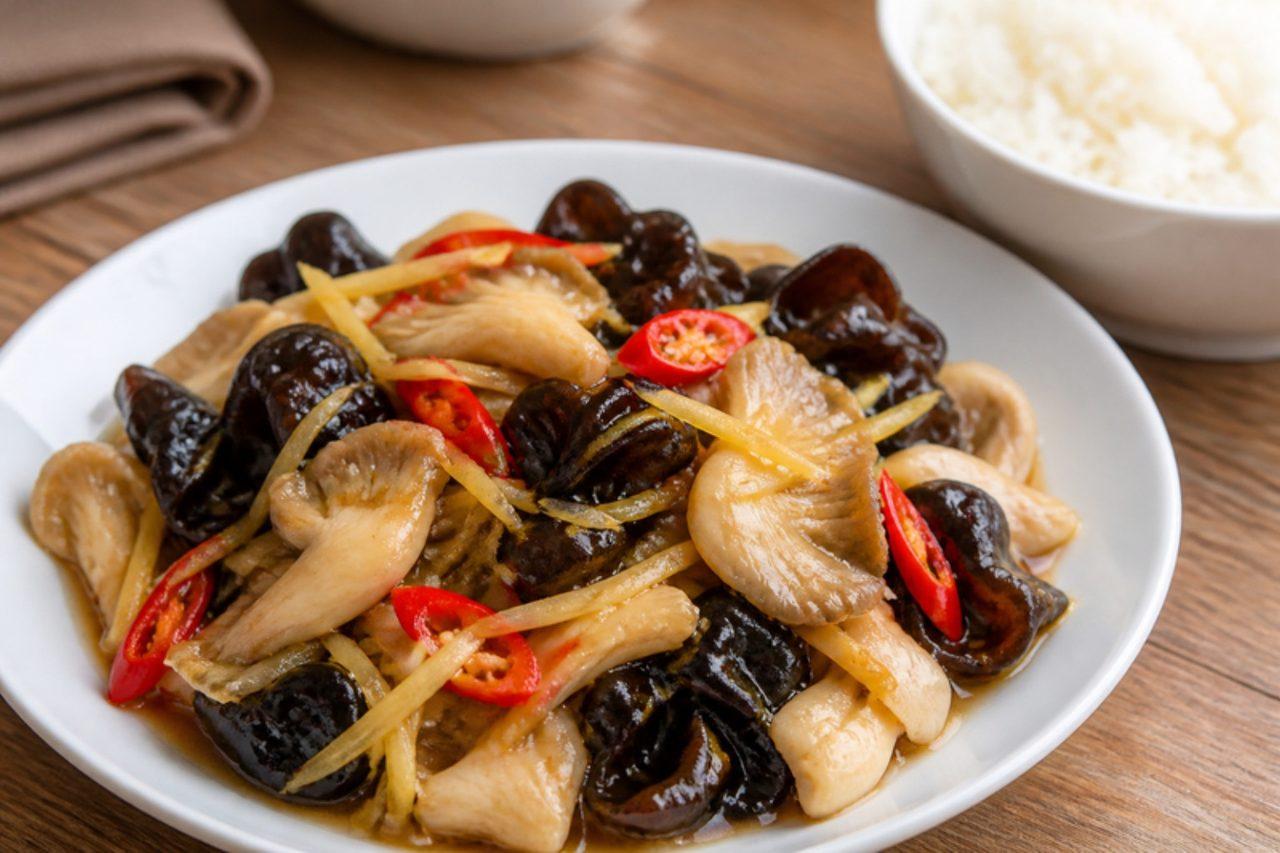
Pad khing jay (ginger mushroom stir-fry)

Ginger does the work garlic usually would in this festival favourite from the jay kitchens of Phuket and Bangkok's Yaowarat, where it is ladled over rice from steel trays under yellow flags. Crunchy wood ear and soft oyster mushrooms soak up a glossy sauce of fermented soybean paste and soy, and fine matchsticks of young ginger give heat and fragrance. No garlic, onion or spring onion go in, as jay rules forbid them. Chef's tip: old, fibrous ginger is the mistake here; choose plump young ginger with thin, pinkish skin so you can eat it by the forkful.

by KrazyBadal 0 views

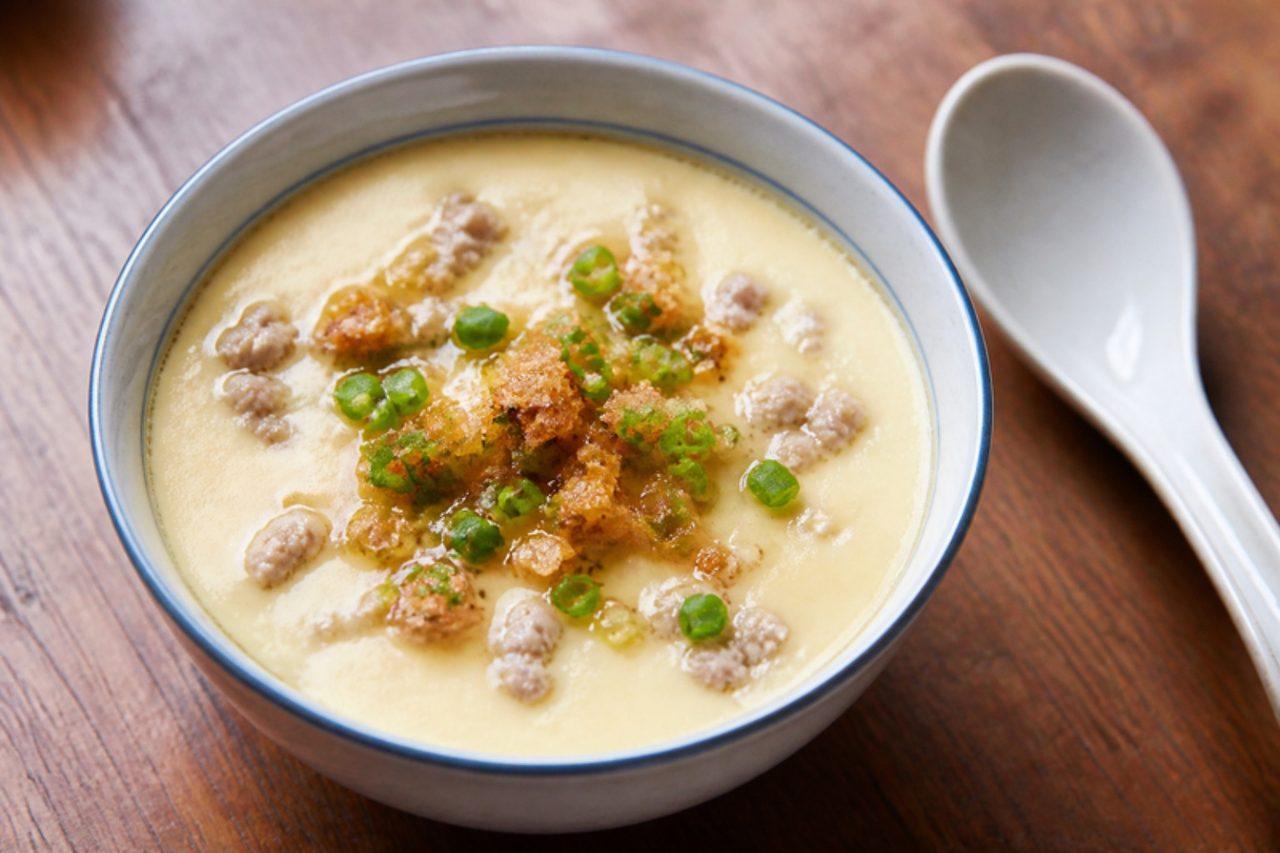
Khai toon (Thai steamed egg with pork)

Thai parents across the country make khai toon when a child is off their food or someone is unwell: eggs beaten with stock, a little minced pork and spring onion, steamed in a bowl until just set and wobbling. It goes on the table with rice and a stir-fry for supper and costs almost nothing. This version uses pork mince; for a vegetarian bowl, use chopped shiitake instead and season with salt or light soy sauce. It contains egg and fish sauce. Chef's tip: steam over a gentle simmer, not a rolling boil; high heat pocks the custard with holes and turns it spongy.

20 minThaiSidesGluten free
by KrazyBadal 0 views

Showing 24 of 630 recipes

Show more recipes

Page 1 of 27