Skip to content
WhatToEat.Today

All recipes

183

Vegetarian, or something you can't eat? Set your diet once and we'll hide recipes that don't fit.

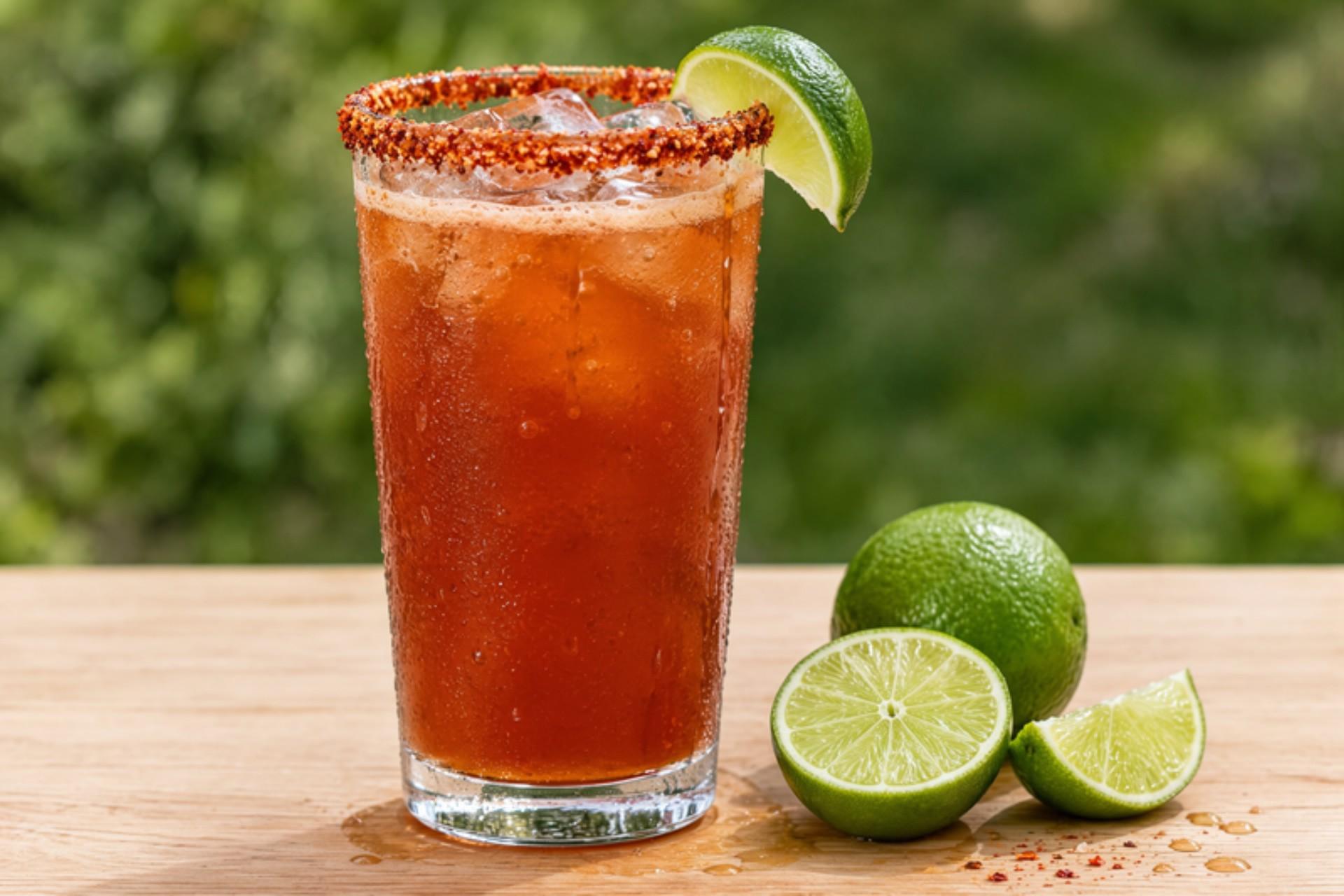
MicheladaSpiced lime beer cocktail

The michelada is the weekend drink of Mexico, poured at beach bars in Mazatlán, cantinas in Mexico City and backyard carne asadas on Sunday afternoons, and it is a drink for adults only. A light Mexican-style lager is mixed with plenty of lime, a dash of hot sauce, a little soy sauce and Worcestershire sauce, over ice in a glass rimmed with chilli salt, so it is sour, salty, savoury and very refreshing. Most Worcestershire sauce contains anchovies, so buy a vegetarian Worcestershire sauce. For an alcohol-free version, use alcohol-free lager or sparkling water with a little tomato juice; it tastes almost the same. The common mistake is adding the beer too fast: it foams up over the seasoning and the glass overflows. Tilt the glass and pour slowly. Drink responsibly. Chef's tip: chill the glass in the freezer for 15 minutes; the rim sets crisply and the drink stays cold to the last sip.

by KrazyBadal 0 views

Chiles toreadosBlistered jalapeños with lime

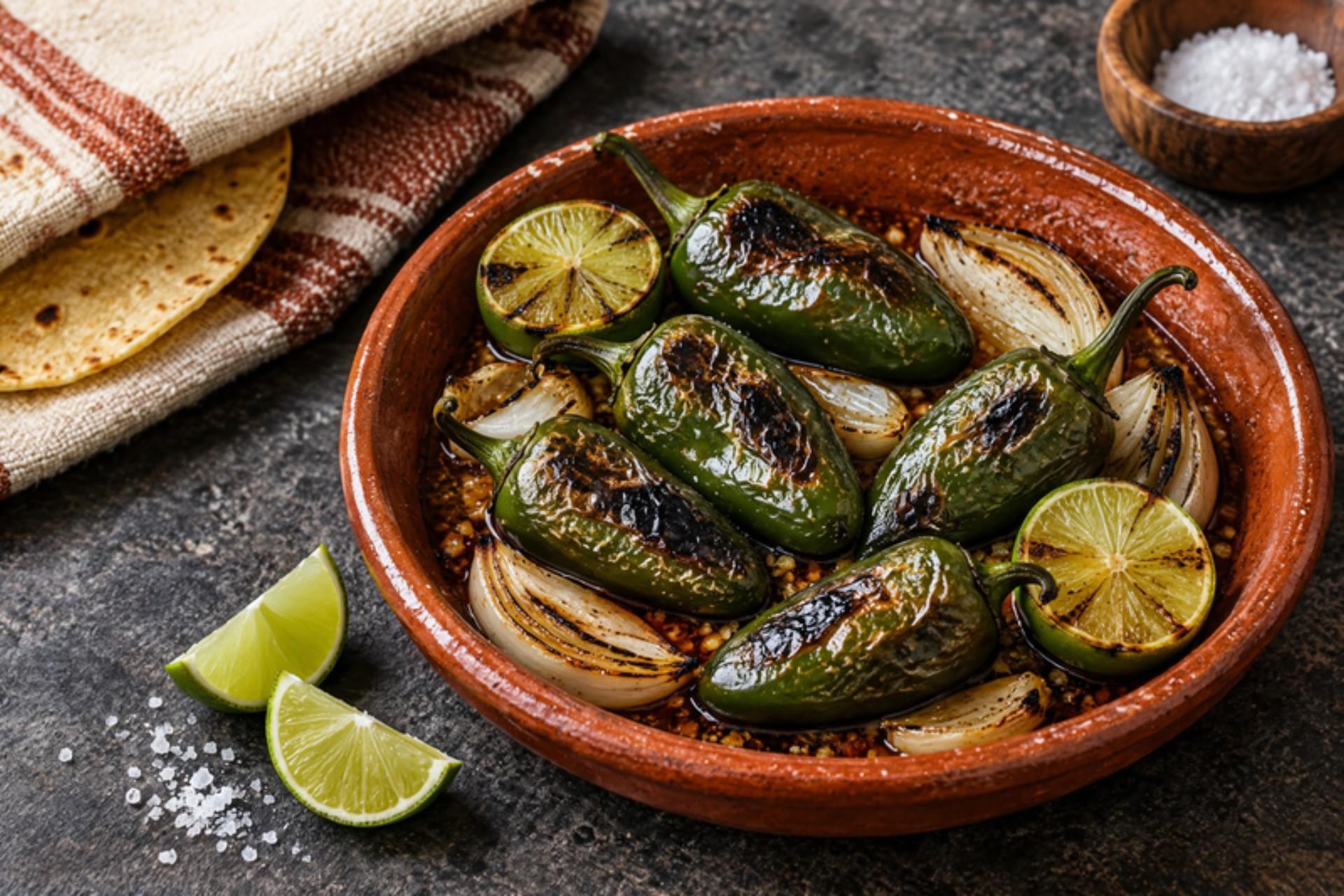
At taquerías in Mexico City and the carne asada stands of the north, a small dish of chiles toreados sits next to the tacos: whole jalapeños 'fought' in a hot pan until blistered and slumped, tossed with sweet charred onion, lime juice and a splash of soy sauce or seasoning sauce, a habit borrowed from Mexico's Chinese-Mexican cooks. Bite one between mouthfuls of taco or grilled steak. The common mistake is moving the chillies too much: they need to sit still on the heat to blister, or they steam and go grey. They are ready when the skins are blackened in patches and the chillies feel soft when squeezed. Soy sauce contains wheat; use tamari for a gluten-free version. Chef's tip: prick each chilli once with a knife tip before cooking so it doesn't burst and spit hot oil at you.

by KrazyBadal 0 views

Fresas con cremaStrawberries and cream

Fresas con crema is sold in plastic cups at juice stands, markets and park carts all over Mexico, especially in Irapuato, Guanajuato, the country's strawberry capital, and kids beg for it on hot afternoons and after school. Ripe strawberries are folded through a cold, silky cream sweetened with condensed milk and vanilla, so the juice bleeds pink into the cream. The usual mistake is mixing it too early: after an hour the berries weep and the cream turns thin and watery. Mix it up to 20 minutes before eating. Use the sweetest, reddest berries you can find; pale ones taste sour however much sugar you add. Chef's tip: chill the bowl and both creams for 30 minutes first, then whisk only briefly; cold cream thickens slightly on its own and clings to the fruit.

by KrazyBadal 0 views

ArracheraMarinated grilled skirt steak

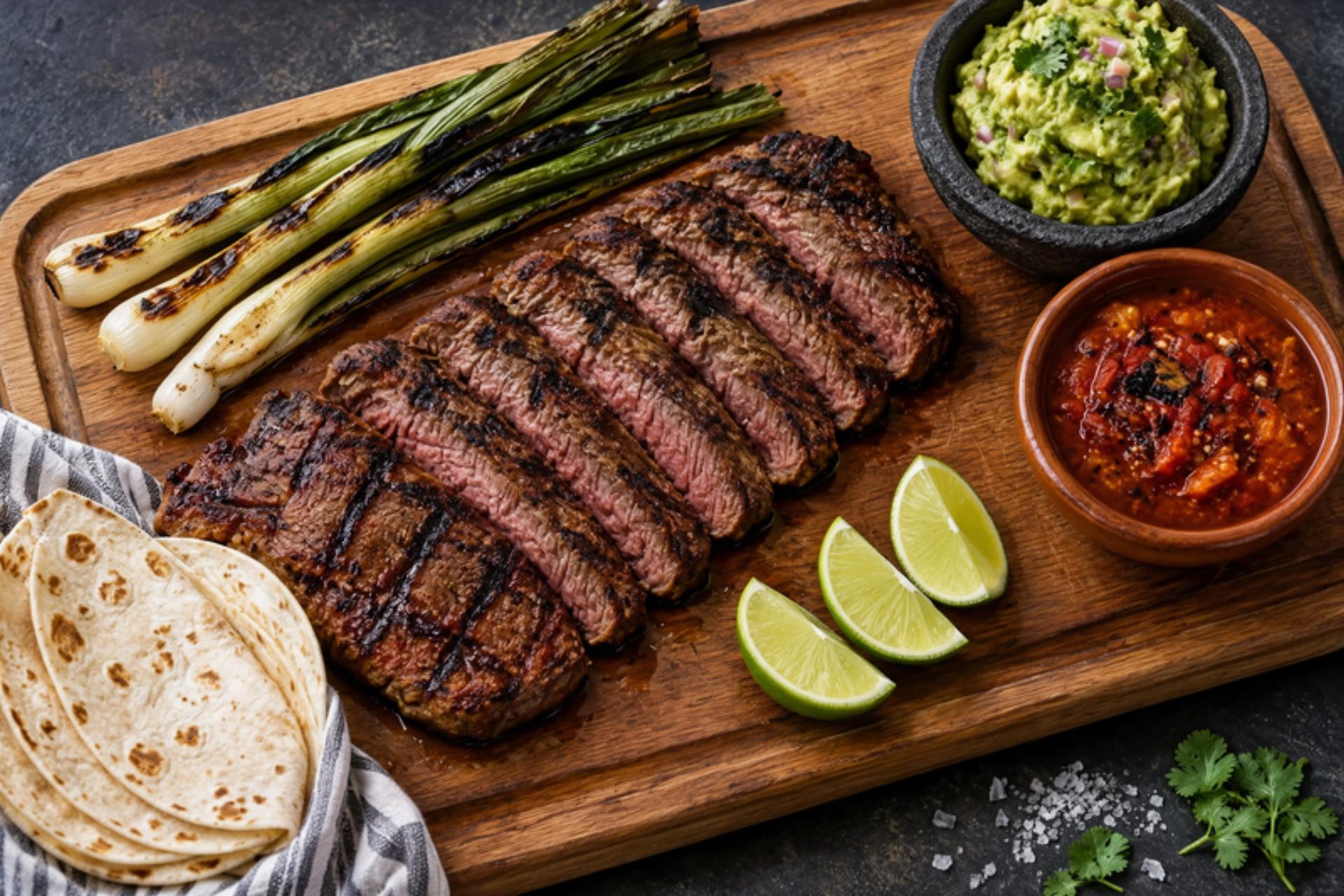
Arrachera is the star of the Sunday carne asada in Monterrey and across Nuevo León, where families gather round the grill in the backyard and eat it straight off the board in warm flour or corn tortillas with grilled onions, guacamole and salsa. Skirt steak is a thin, loose-grained cut full of flavour, and a marinade of orange, lime, garlic, soy and Worcestershire sauce seasons and tenderises it. Always marinate it in the fridge. The common mistake is slicing with the grain: the meat turns stringy and chewy. Cut it across the grain into thin strips. Cook it fast and hot to medium-rare or medium (57–63 °C in the centre) and rest it for 5 minutes. Chef's tip: dry the steak well with kitchen paper before it hits the grill; a wet steak steams instead of charring.

by KrazyBadal 0 views

Tostadas de atúnTuna tostadas

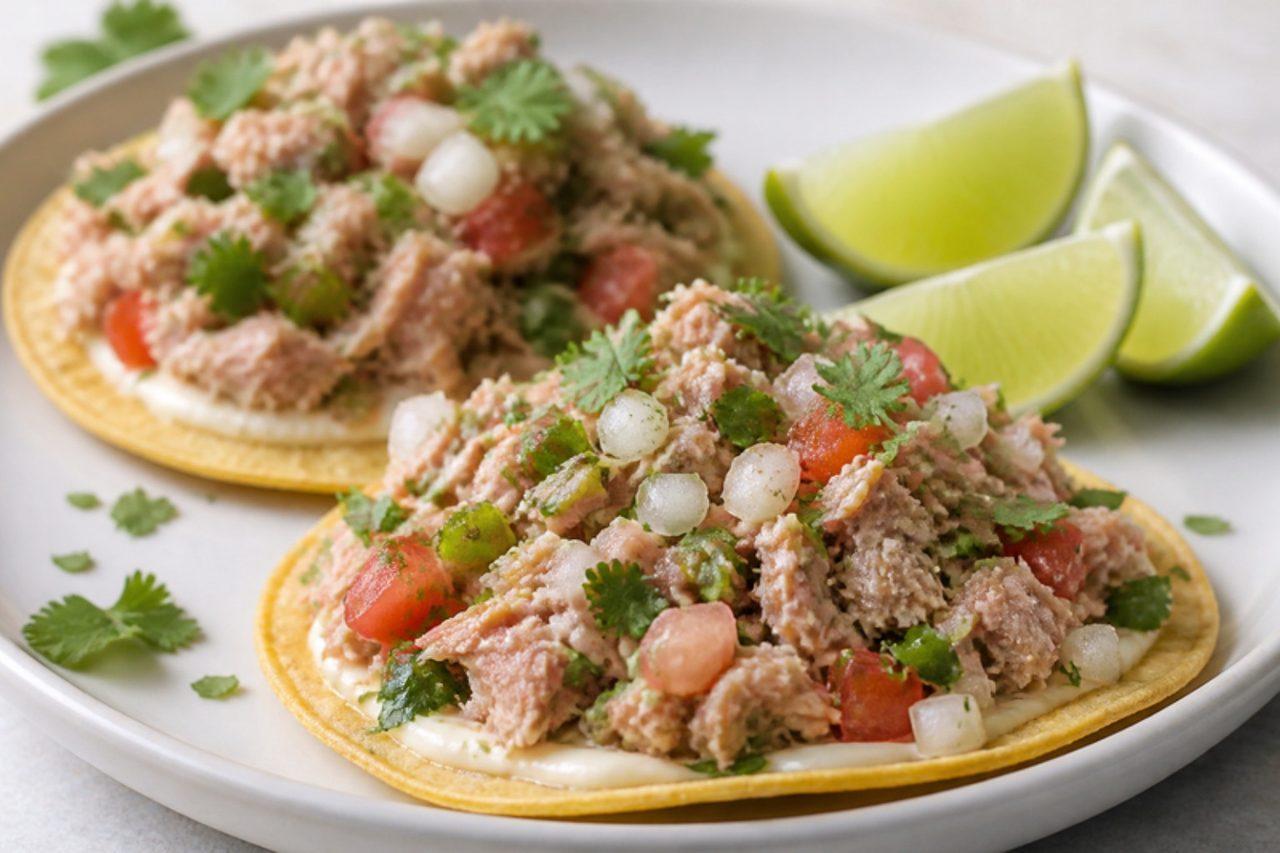
Tostadas de atún are a Lent favourite all over Mexico and an everyday late supper when the cupboard is nearly empty: shop-bought crisp tostadas spread with a little mayonnaise and heaped with canned tuna mixed with onion, tomato, chilli and lime. Nothing is cooked, so it is on the table in ten minutes. The common mistake is piling on watery tomato, which turns the tostada soggy before you can eat it. Chef's tip: squeeze the tuna really dry and add the lime and salt only at the last moment so the mix stays crisp and bright.

by KrazyBadal 0 views

Revuelto de zapallitosCourgettes scrambled with egg and cheese

Revuelto de zapallitos is a weeknight dinner in Buenos Aires homes and all over Argentina in summer, when the little round courgettes called zapallitos are cheap: diced courgette and onion cooked down in oil, scrambled with eggs and finished with grated cheese. It is eaten with bread or as a side to a salad. Grated hard cheese like reggianito or Parmesan is usually made with animal rennet, so use a vegetarian hard cheese for a vegetarian dinner. The common mistake is adding the eggs before the courgettes have given up their water, which turns the scramble wet and grey. Chef's tip: salt the courgettes as they go in, so they release their juice early and it cooks away.

by KrazyBadal 0 views

Tostado de jamón y quesoPressed ham and cheese sandwich

The tostado is what Buenos Aires orders in a café at merienda or as a light late dinner, and what Uruguayan kids get made at home: thin crustless pan de miga layered with cooked pork ham and mild cheese, buttered outside and pressed until crisp and oozing. The common mistake is too much filling; this sandwich is meant to be thin, so the cheese melts before the bread burns. Chef's tip: if you have no sandwich press, weigh it down in the pan with a second heavy pan so it toasts flat and even.

by KrazyBadal 0 views

Taco placeroTacos with chicharrón and nopal salad

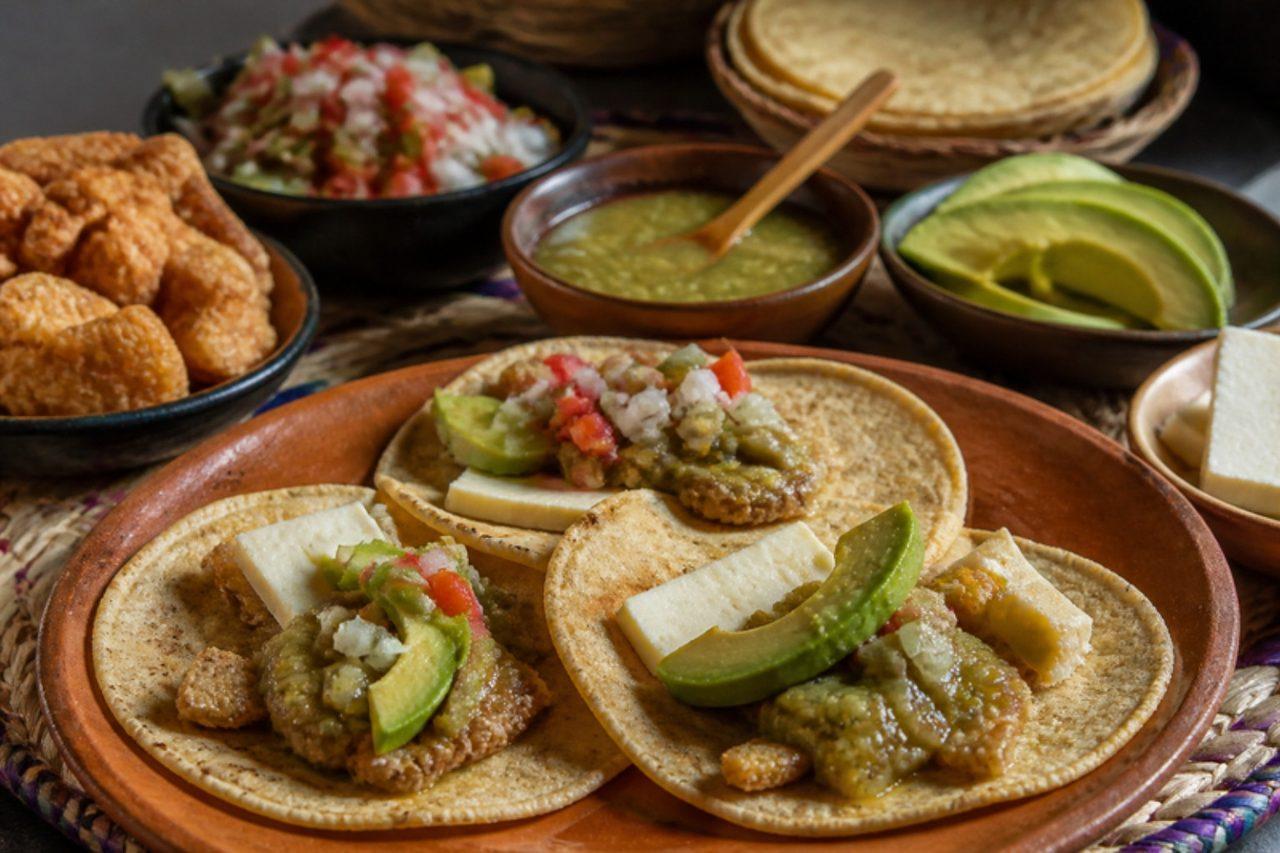
Taco placero is what Mexico City market workers and families put together for a quick supper or a lazy weekend lunch: no cooking, just warm tortillas and a spread of market foods, everyone filling their own. Typical fillings are chicharrón (crisp fried pork skin), fresh panela cheese, avocado, a quick nopal salad and salsa. Chicharrón is pork, so leave it out or swap in fried pumpkin seeds for a meat-free version. The common mistake is serving cold, stiff tortillas, which crack around the fillings. Chef's tip: buy ready-cooked nopales in a jar, rinse them well to get rid of the slime, and dress them with lime and onion so they taste freshly made.

by KrazyBadal 0 views

Raspados (Mexican shaved ice with fruit syrups)

In Guadalajara and the towns of Sinaloa, raspados are sold from carts and little shops from noon until late on hot days: a paper cup of finely shaved ice soaked in bright homemade syrups like tamarind, mango, strawberry and deep-red hibiscus, sometimes with fresh fruit and a squeeze of lime. They are the cheapest way to cool down, and children and adults line up alike. They are naturally egg-free and plant-based: there is nothing to set or bind, just fruit and sugar cooked into syrups thick enough to cling to the ice. The hibiscus is tart and floral, the mango sweet and thick, and the two side by side make a striking cup. Make the syrups and cool them quickly over iced water. Chef's tip: shave the ice as fine as you can and pour the syrup slowly; the common mistake is using coarse crushed ice, which lets the syrup run straight to the bottom.

by KrazyBadal 0 views

Pescado empapeladoFish baked in paper parcel

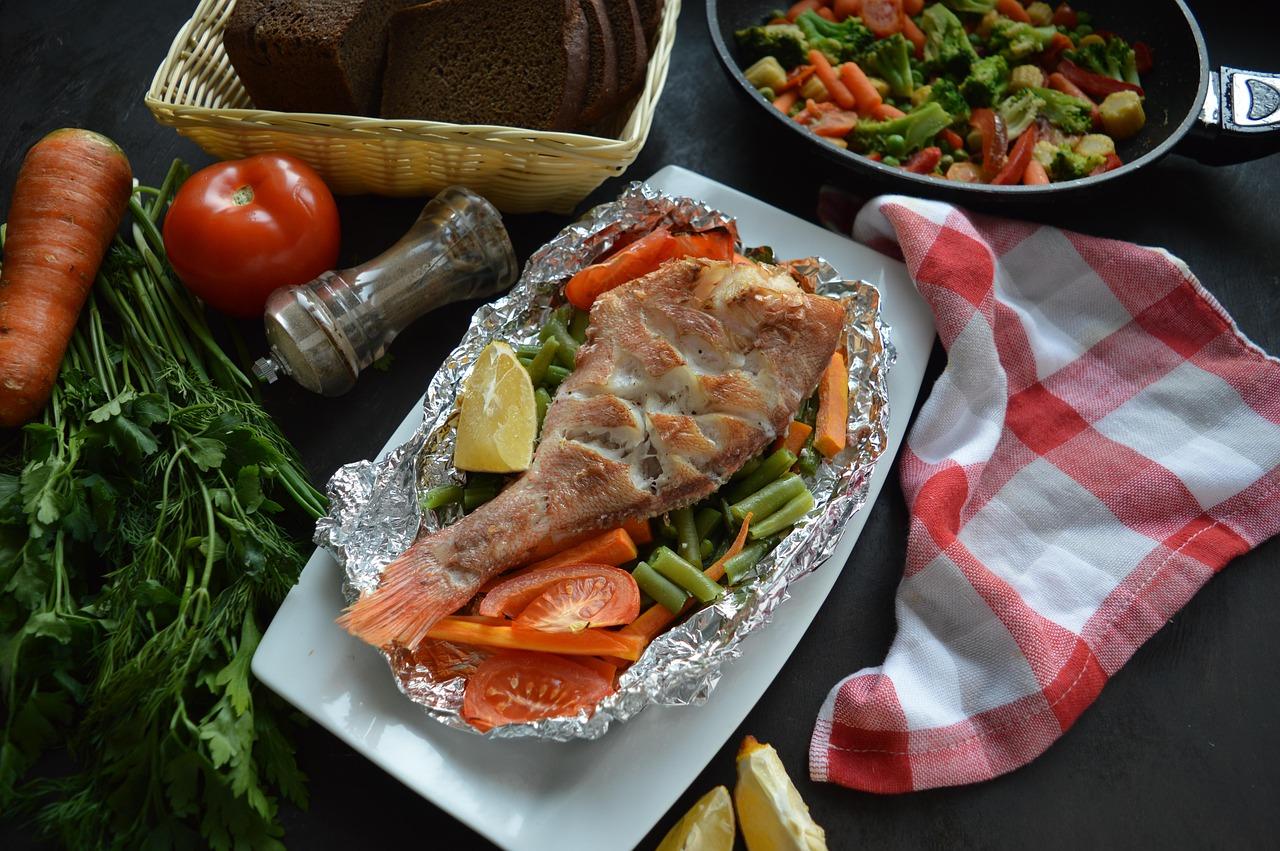
Along the Gulf coast of Veracruz, pescado empapelado is a weekday lunch and a Lenten Friday favourite: a fillet of snapper or other white fish is sealed in paper or foil with tomato, onion, peppers, olives, capers and herbs, then baked so it steams in its own juices. Each person opens their own fragrant parcel at the table. A portion gives about 32 g of protein, from the fish, for around 250 kcal. The common mistake is a loose parcel: if the edges aren't crimped tightly the steam escapes and the fish bakes dry, so fold and pinch the edges all the way round. The fish is done when it is opaque and flakes easily at the thickest point (63 °C). Chef's tip: slice the vegetables thinly and lay them under the fish as well as on top; they cook in the same 15 minutes and keep the fillet off the hot paper.

by KrazyBadal 0 views

Quelites guisadosSautéed wild greens

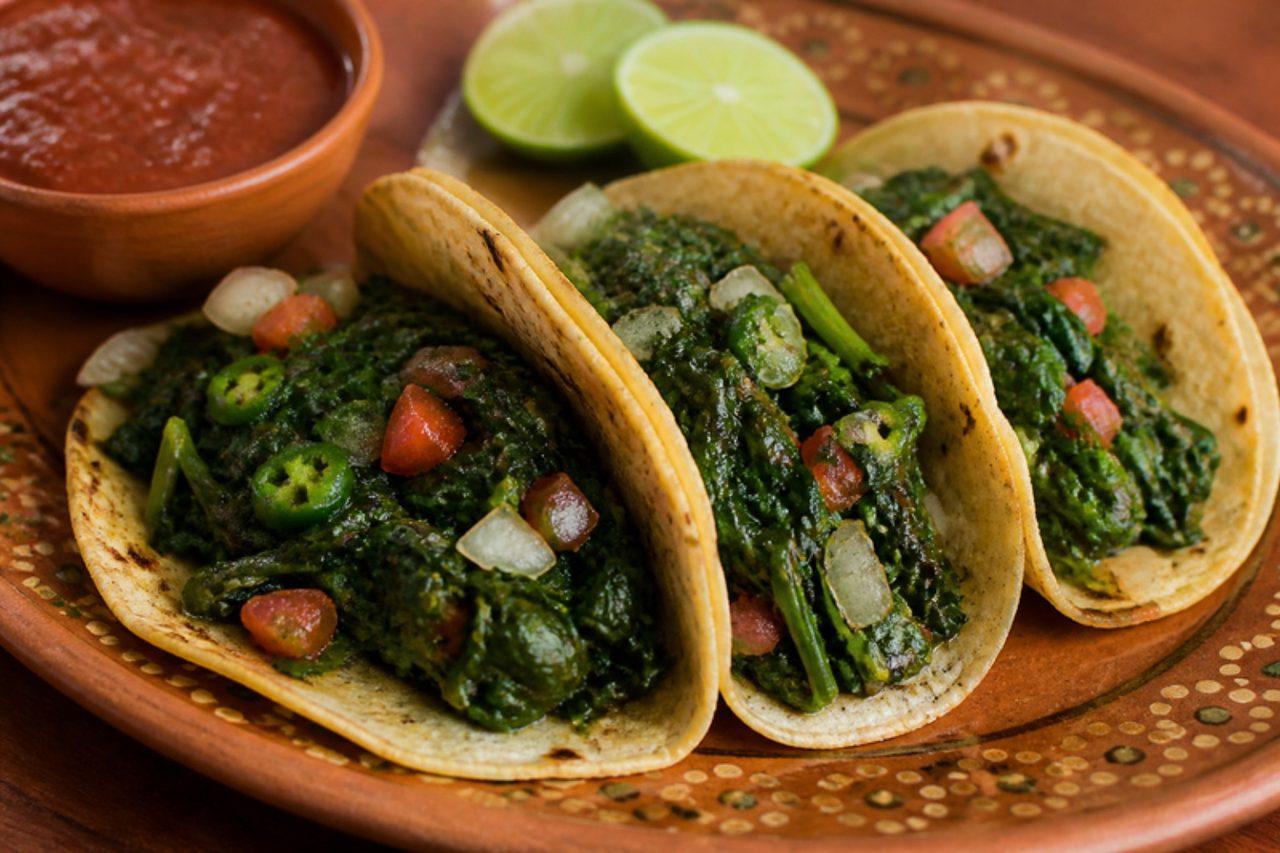
Quelites is the Nahuatl-rooted word for the edible wild greens of central Mexico, such as quintoniles (amaranth), verdolagas (purslane) and huauzontle, and in the markets of Mexico City, Puebla and Tlaxcala they are sold by the bunch in the rainy season and cooked this way for everyday lunches. The greens are blanched, then sautéed with onion, garlic, tomato and serrano chilli until soft and savoury, and piled into hot corn tortillas with salsa and, if you like, crumbled fresh cheese. Without cheese it is vegan, with about 6 g of protein per portion including two tortillas. The common mistake is leaving the greens wet: they steam and turn watery instead of frying. Spinach, chard or amaranth leaves work if you can't find quelites. Chef's tip: cut the serrano in half lengthways and fry it with the onion; it flavours the oil gently and you can lift it out if it's too hot.

by KrazyBadal 0 views

Salpicón de aveCold chicken salad

Salpicón de ave is the cold supper of Argentine summers, made in Buenos Aires flats and on estancias alike when it is too hot to cook much, and a favourite way to use the chicken from a puchero or Sunday roast. Shredded chicken is mixed with diced pepper, tomato, spring onion, sweetcorn and boiled egg, bound with mayonnaise sharpened with lemon and mustard, and served chilled with crusty bread or on lettuce. The common mistake is dressing it while the chicken is still hot, which melts the mayonnaise into an oily puddle; let everything cool first. Chef's tip: dress the chicken with the lemon juice and a pinch of salt before the mayonnaise goes in, so the meat itself is seasoned, not just its coating.

by KrazyBadal 0 views

Tortitas de calabacita (courgette and cheese fritters)

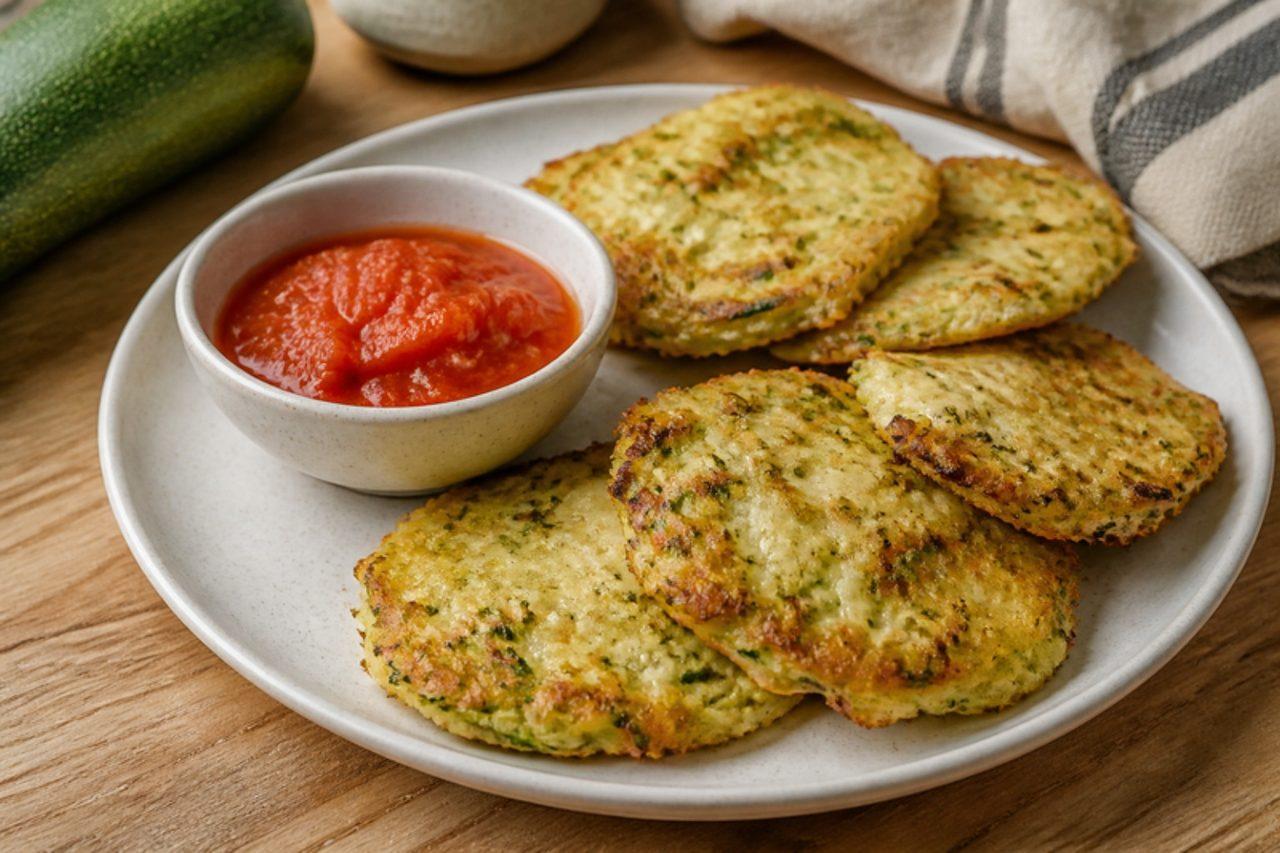
Tortitas de calabacita are a Lenten and everyday favourite in Mexican homes from Puebla to Jalisco: grated courgette, crumbled cheese and egg fried into soft little cakes, then served with a warm, thin tomato salsa spooned over, plus rice and beans. They make a meatless Friday dinner that children happily eat. The mistake is crowding the pan, which drops the oil temperature and leaves the fritters greasy and pale; fry in batches. The fresh cheeses often used are made with animal rennet, so choose a vegetarian queso fresco or a vegetarian mild Cheddar. Chef's tip: let the batter rest 2 minutes after adding the flour so it thickens and holds together in the pan.

by KrazyBadal 0 views

Caldo de queso sonorense (Sonoran cheese soup)

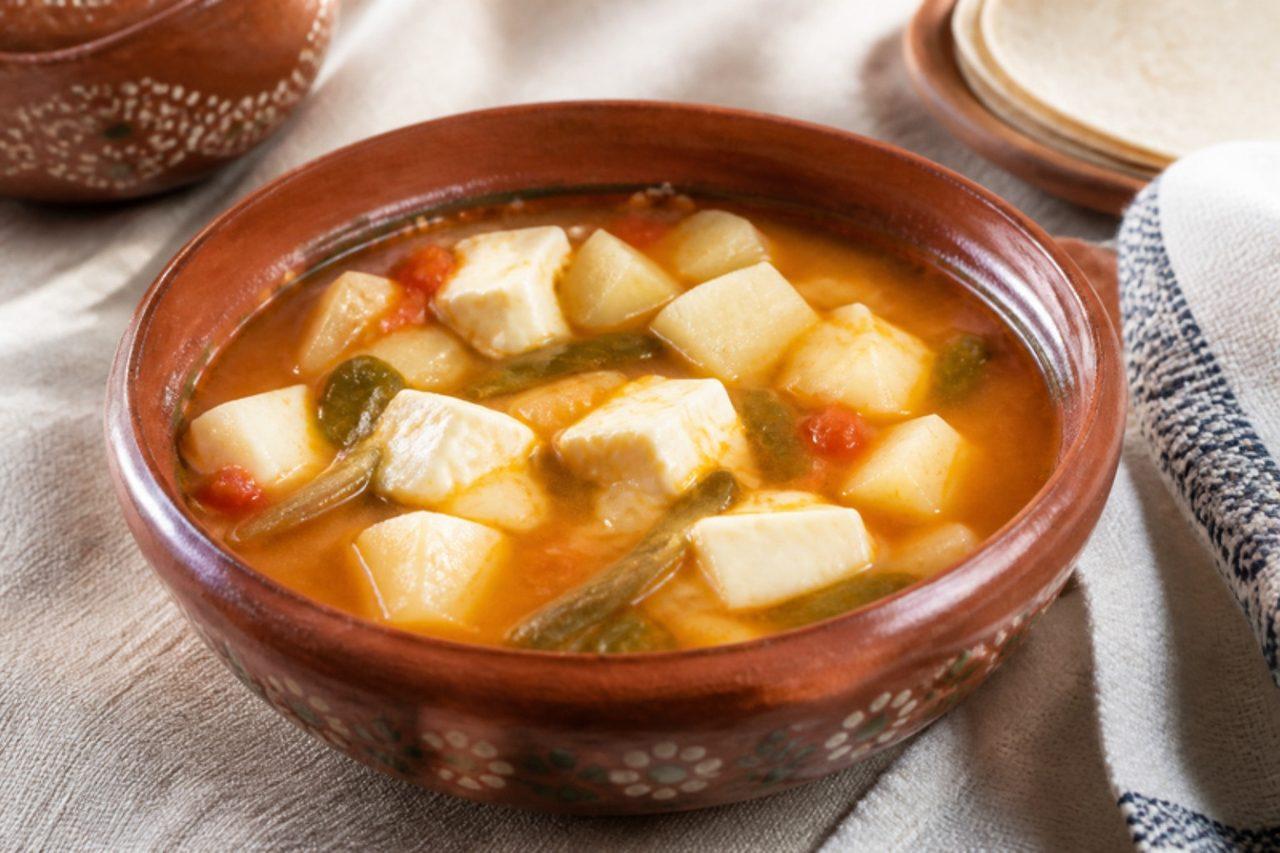
In Hermosillo and across Sonora, caldo de queso is the soup cooked on cool desert evenings: a light tomato broth with potato and strips of roasted green Anaheim chile, poured over cubes of fresh cheese that soften into chewy, milky pieces in the bowl. It is eaten with flour tortillas, Sonora's own, and a squeeze of lime. The common mistake is boiling the cheese in the pot, where it melts into strings and sticks to the bottom; add it at the end, off the boil. Queso fresco and Oaxaca cheese are often made with animal rennet, so look for a vegetarian queso fresco, or use paneer, which keeps its shape the same way. Chef's tip: blister the chiles in a dry pan until black, then sweat them in a bowl under a plate for 5 minutes and the skins slip off.

by KrazyBadal 0 views

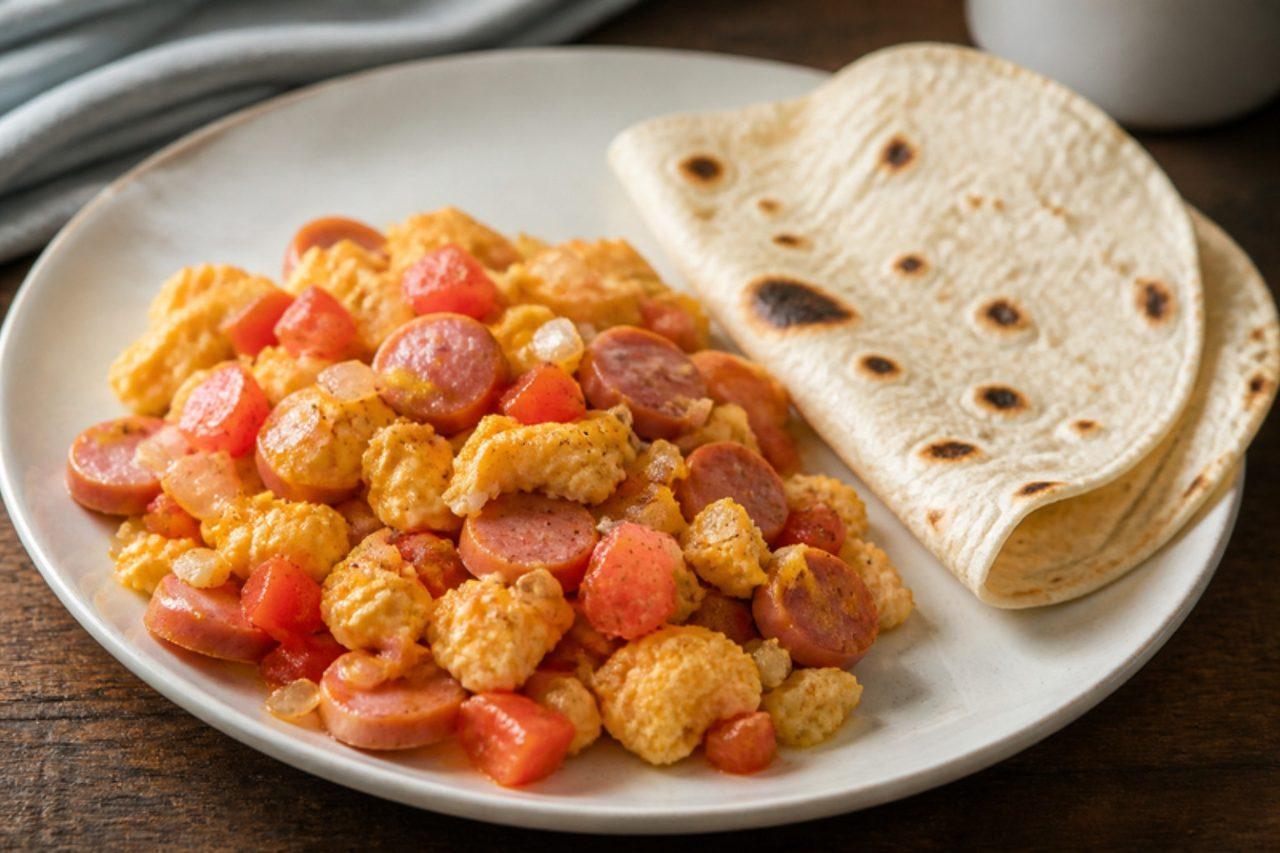
Huevos con salchichaScrambled eggs with sausage

All over Mexico, from Monterrey kitchens to Mexico City fondas, huevos con salchicha is what a parent makes when breakfast or a late supper has to be on the table in a quarter of an hour. Coins of frankfurter are browned until their edges curl, then soft eggs are folded through with a little tomato, onion and green chile, and the whole pan is scooped up with warm corn tortillas and a spoon of refried beans. Most supermarket frankfurters are pork or a pork and beef mix, so check the packet if you need a pork-free version; chicken or turkey frankfurters work just as well. The usual mistake is adding the eggs to a wet pan: cook the tomato down first, or the eggs turn watery and grey. Chef's tip: take the pan off the heat while the eggs still look a little glossy; they finish setting on the way to the plate.

by KrazyBadal 0 views

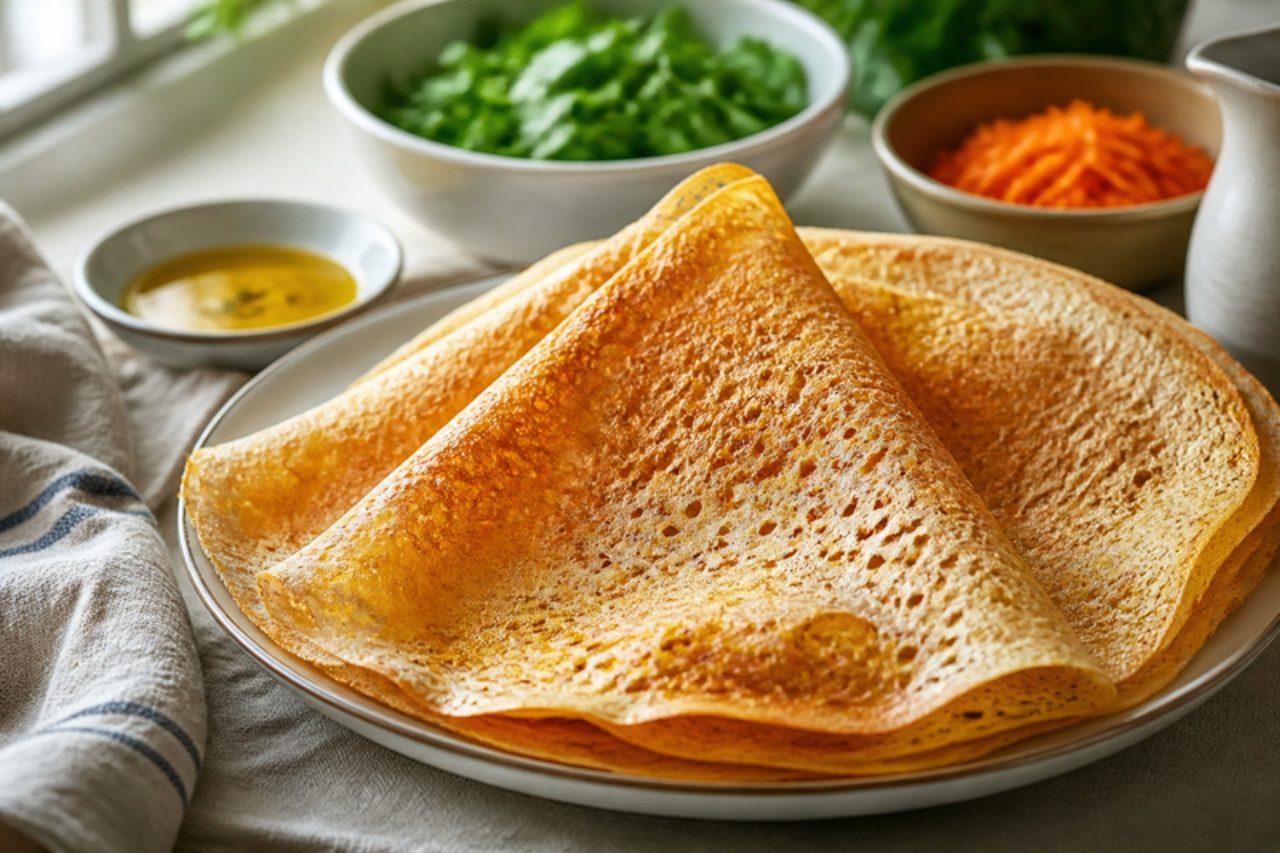
Khubz ragagPaper-thin batter flatbread

Khubz ragag is the tissue-thin bread of the UAE, traditionally spread by hand over a hot domed iron griddle by Emirati women at morning markets and cooked in seconds until crisp. At home it is breakfast drizzled with date syrup, or with eggs and cheese cooked on top, and in Ramadan it is torn into thareed stew. This plain version is egg-free and dairy-free, cooked in a non-stick frying pan. The common mistake is a dough that is too stiff: it should be loose and sticky so it can be smeared paper-thin. Toppings like egg or cheese can be added at the end if you are not keeping it vegan. Chef's tip: wipe the pan with a damp, folded cloth between breads to cool the surface slightly, so the next one spreads without tearing.

by KrazyBadal 0 views

Fideos con mantecaButtered noodles with cheese

Ask anyone from Buenos Aires to Córdoba what they ate when they came home late or felt poorly as a child, and the answer is often fideos con manteca: short pasta tossed with butter and a snowfall of grated queso rallado. It is the plainest dish in the Argentine home kitchen and the one people cook for themselves on a tired weeknight. The mistake that ruins it is draining the pasta bone-dry and adding cold cheese to a hot empty pan, which leaves greasy strands and clumps; a splash of cooking water makes a light, creamy coating instead. Argentine reggianito and Parmesan are made with animal rennet, so use a vegetarian hard cheese if needed. Chef's tip: grate the cheese very finely, like dust, so it melts on contact.

by KrazyBadal 0 views

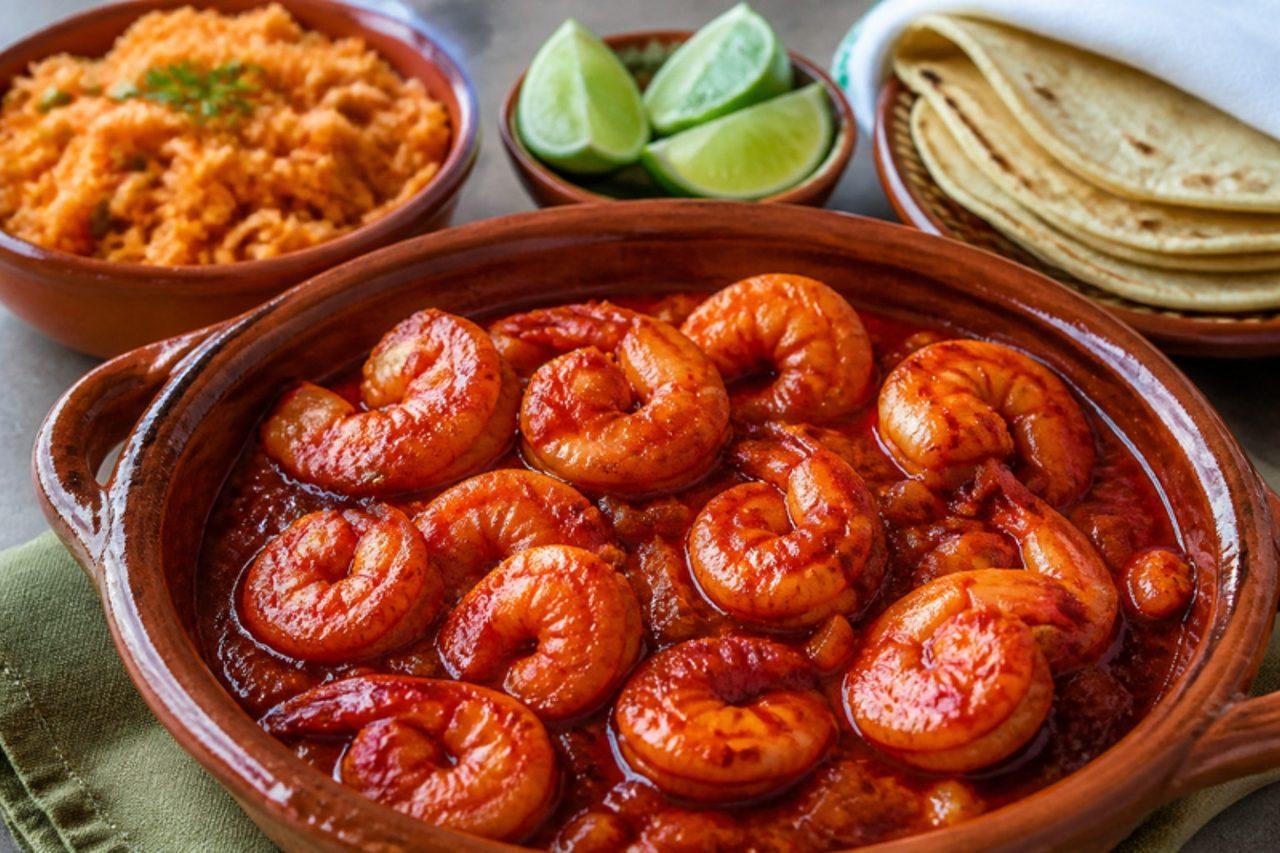
Camarones a la diablaPrawns in fiery chile sauce

Camarones a la diabla, 'devil's prawns', come from the seafood shacks of Mexico's Pacific coast, from Mazatlán down to Acapulco, where they are eaten at lunch with cold drinks, white rice and lime. The sauce is a quick blend of toasted guajillo and chile de árbol with tomato and garlic, fried until it darkens and clings, and the prawns go in only for the last few minutes. It is properly hot; use fewer árbol chiles for a milder pan. The common mistake is burning the dried chiles when toasting them: a few seconds a side is enough, and blackened chiles make the whole sauce bitter. Chef's tip: fry the blended sauce in the oil until it turns a shade darker and thick enough to leave a trail; that is where the deep, rounded flavour comes from.

by KrazyBadal 0 views

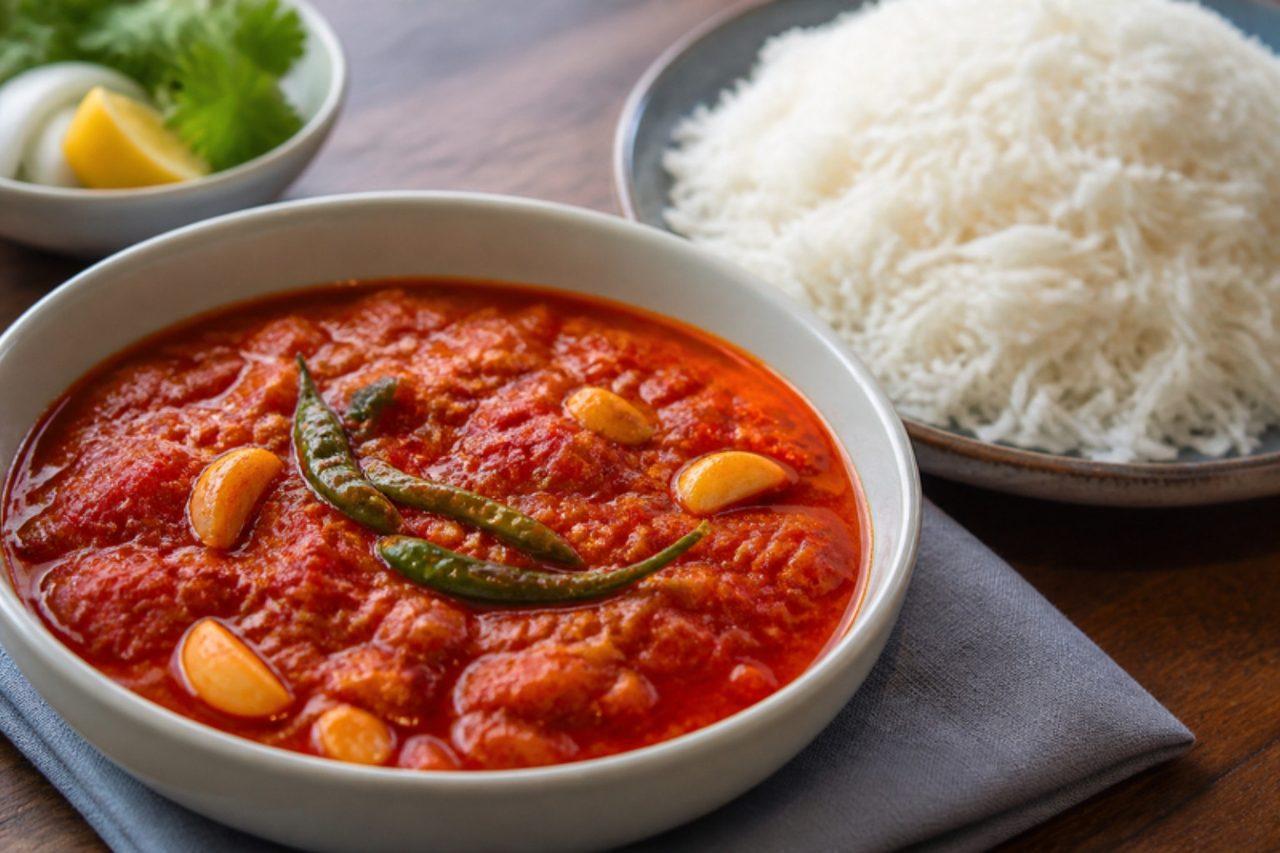
DaqoosSpiced tomato sauce

Daqoos is the bright red sauce that sits on every table in Kuwait and eastern Saudi Arabia when machboos or kabsa is served, a quick blend of tomato, garlic, chilli and warm spices that cuts through rich rice. Families spoon it over plain rice for a simple supper too, and it keeps for days in the fridge. The mistake that spoils it is browning the garlic, which turns the whole pot bitter; it should only sizzle until fragrant before the tomatoes go in. Chef's tip: finish with lemon juice off the heat, which keeps the sauce fresh and sharp rather than stewed.

by KrazyBadal 0 views

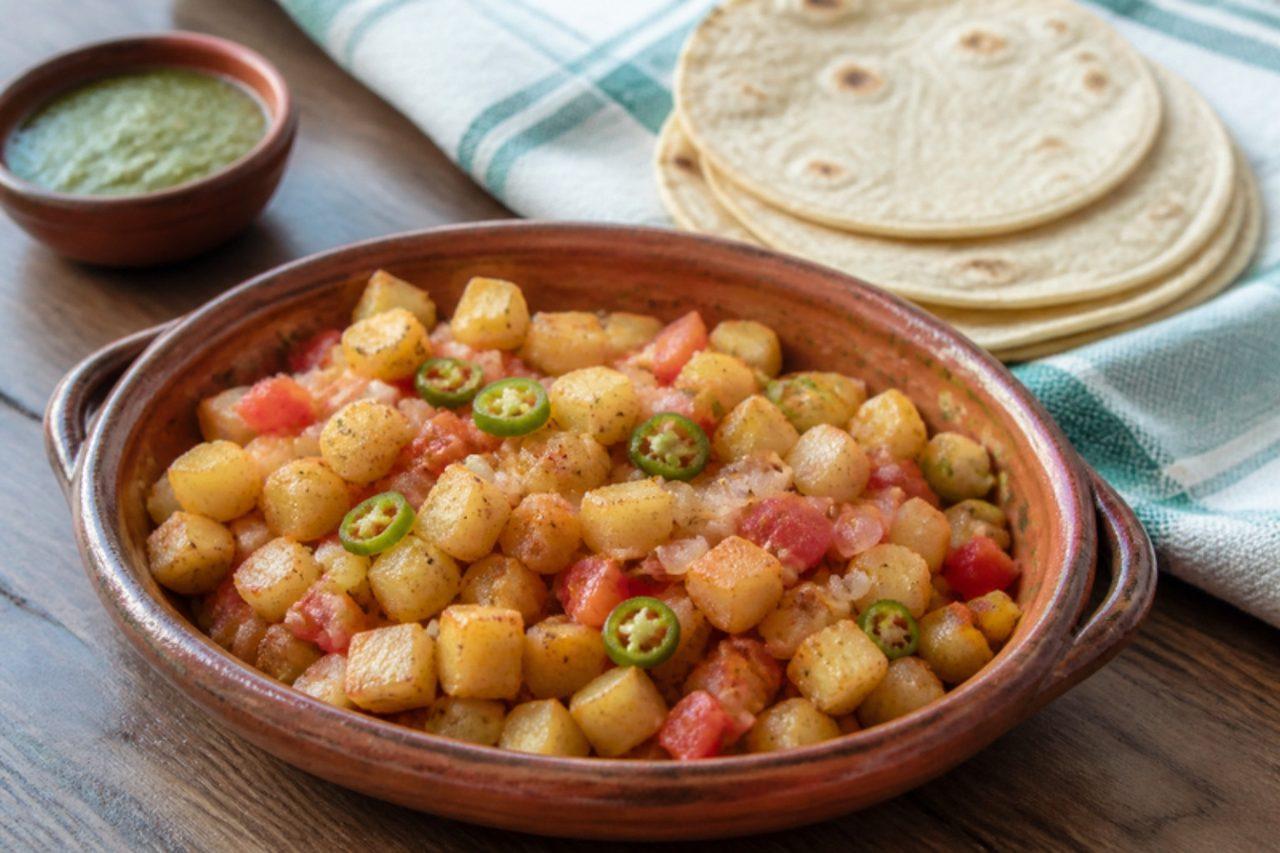
Papas a la mexicanaPotatoes with tomato and chile

Papas a la mexicana carry the colours of the flag, red tomato, white onion and green chile, and they are cooked in kitchens all over Mexico as a taco filling, a breakfast side or a cheap supper with beans and tortillas. The potatoes are fried until golden at the edges, then folded with a quick sofrito so they soak up the fresh, spicy juices. The usual mistake is adding the tomato before the potatoes are cooked through, which leaves them hard in the middle and stewing rather than frying. Chef's tip: parboil the diced potatoes for 4 minutes first; they fry to a crisp edge in half the time.

by KrazyBadal 0 views

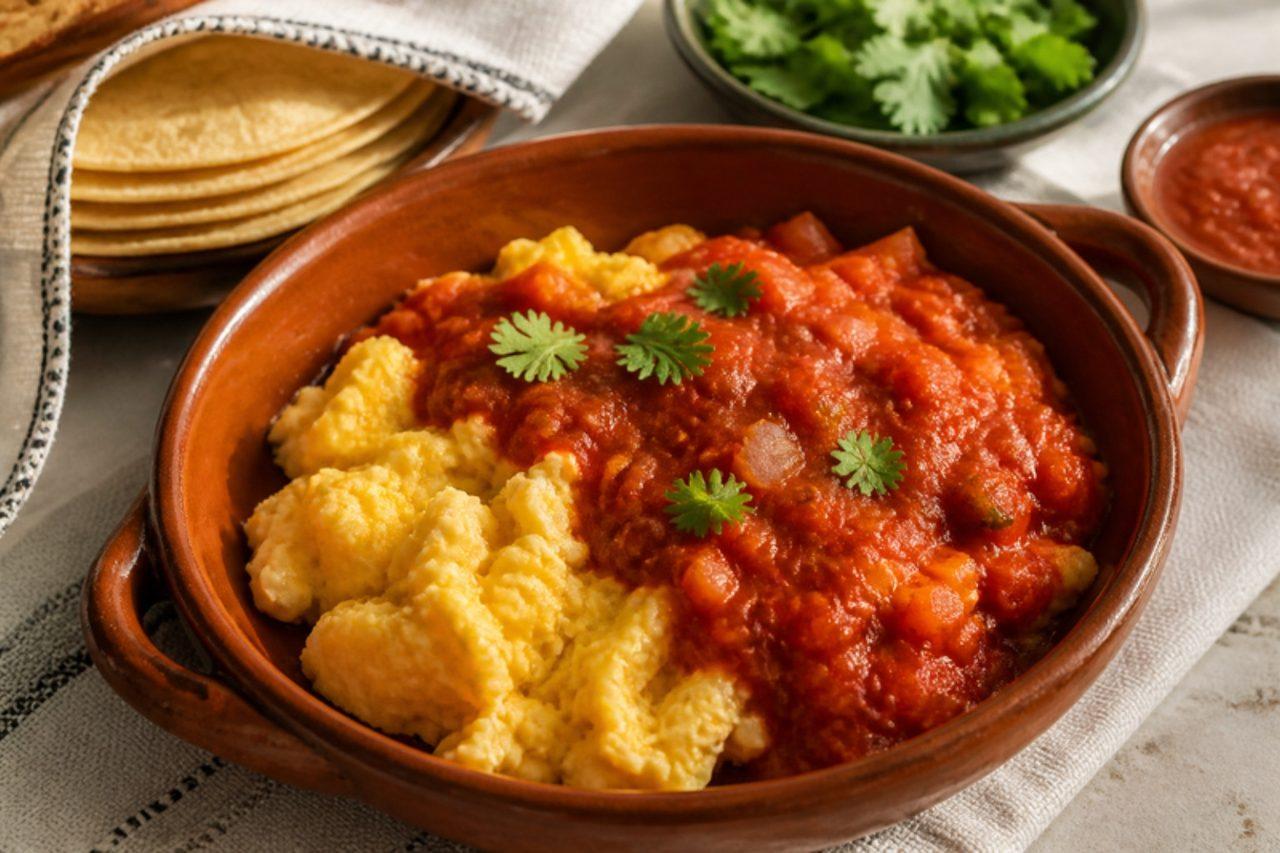
Huevos al albañil (bricklayer's eggs)

Huevos al albañil, 'bricklayer's eggs', come from the fondas and food stalls of central Mexico that feed builders a filling breakfast before the sun gets hot: scrambled eggs cooked gently and then bathed in a spicy salsa of charred tomato and serrano chile. They are eaten with warm corn tortillas and refried beans, and they make an equally good quick dinner. The mistake is cooking the eggs fully before they meet the salsa; they keep cooking in it and end up dry and rubbery. Chef's tip: char the tomatoes and chiles until properly blackened in spots, which gives the salsa its smoky depth.

by KrazyBadal 0 views

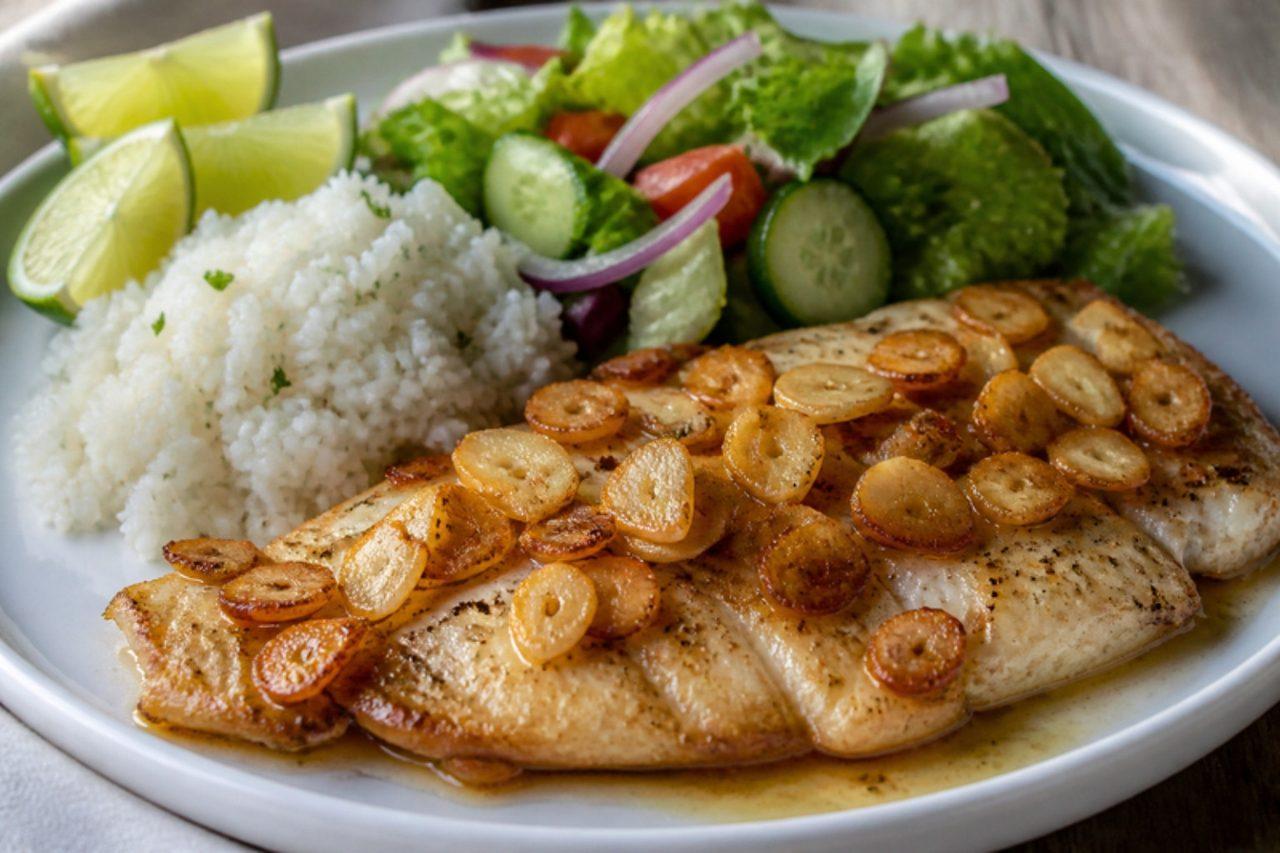
Pescado al mojo de ajoGarlic butter fried fish

Along the Gulf coast, from the port of Veracruz to the beach restaurants of Boca del Río, pescado al mojo de ajo is the everyday fish order: firm white fillets fried and spooned over with a butter-and-oil sauce full of slowly golden garlic, a squeeze of lime and a little chile. It is served at lunchtime with white rice, a green salad and warm tortillas to mop the plate. The mistake that ruins it is rushing the garlic over a high heat: it should turn pale gold slowly, because burnt garlic is bitter and cannot be saved. Chef's tip: cook the garlic first and keep it aside, then fry the fish in the same flavoured fat, so the slices stay sweet and crisp instead of scorching while the fish cooks.

by KrazyBadal 0 views

Rice atole for babies (atole de arroz)

Atole is the warm, thick drink Mexicans have sipped since before the conquest, and in many homes the first version a baby tastes is atole de arroz, ground rice cooked with a stick of true cinnamon. For grown-ups it is sweetened with piloncillo and drunk at breakfast or on cold evenings around Día de Muertos; for babies the sugar stays out and it is thickened enough to eat from a spoon. It contains milk; there is no egg, gluten, nuts, soya, sesame or fish. Chef's tip: grind the rice yourself in a spice grinder; shop-bought rice flour works, but freshly ground rice tastes sweeter.

by KrazyBadal 0 views

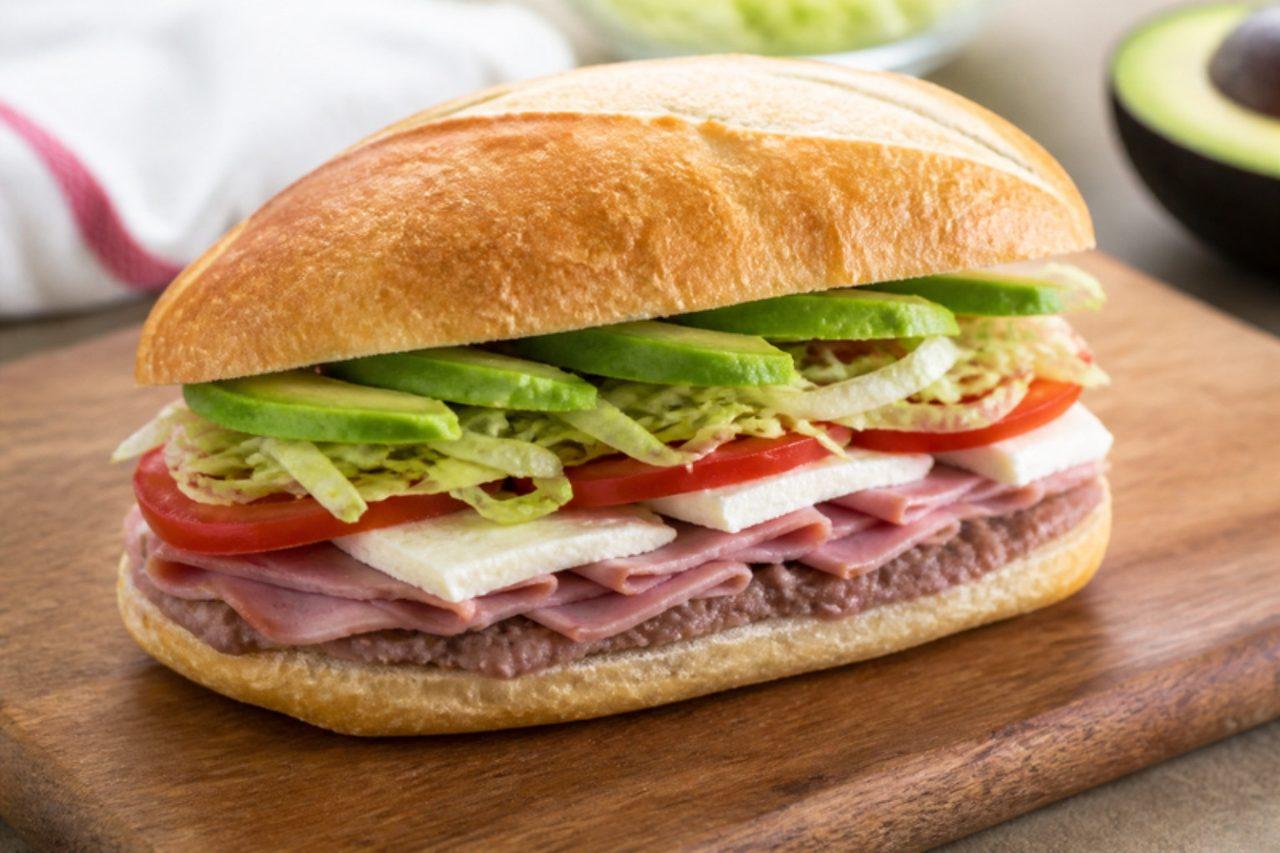
Torta de jamón (Mexican ham sandwich)

The torta de jamón is the classic recreo (school break) sandwich across Mexico, sold at school gates and made at home before the morning rush: a crusty bolillo roll, toasted on the griddle, spread with refried beans, then layered with ham, fresh cheese, avocado and tomato. Grown-ups add pickled jalapeños. It contains gluten (wheat), milk and egg (mayonnaise). Chef's tip: spread the beans right to the edges of the bottom half; they act as a barrier so tomato juice doesn't soak the bread.

by KrazyBadal 0 views

Showing 24 of 183 recipes

Show more recipes

Page 1 of 8