Skip to content
Recipes

All recipes

Vegetarian, or something you can't eat? Set your diet once and we'll hide recipes that don't fit.

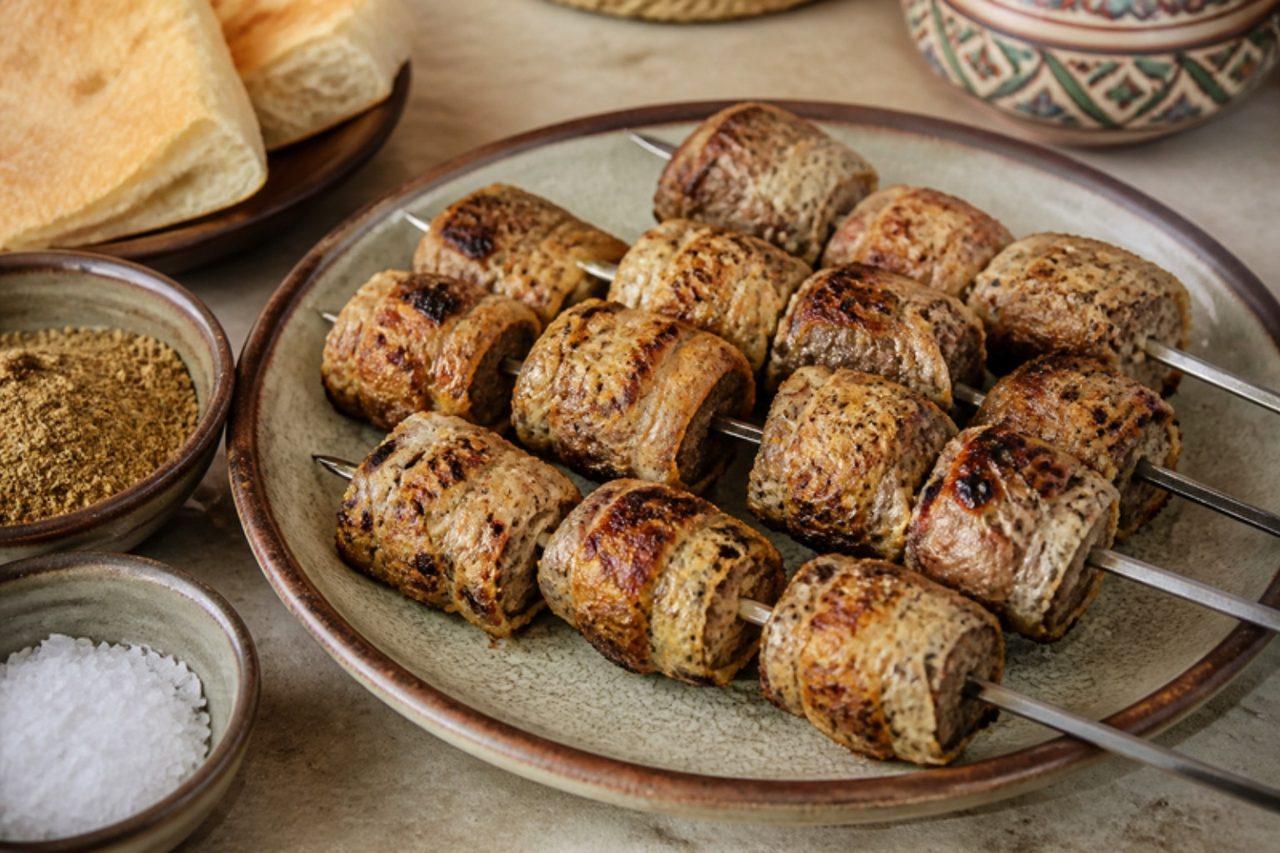
KourdassGrilled lamb liver bundles

After the sacrifice of Eid al-Adha, Moroccan families use every part of the lamb, and kourdass is one of the dishes made in the days that follow: pieces of tripe and liver rubbed with cumin and paprika, wrapped in caul fat and traditionally hung up to air-dry before grilling. This home version skips the drying, which is hard to do safely in a modern kitchen, and grills the bundles fresh over charcoal or under a grill until the fat crisps and the liver is cooked through. Buy cleaned, pre-cooked tripe and caul fat from a halal butcher. Chef's tip: wrap the bundles tightly so the caul fat bastes them as it melts.

by KrazyBadal 0 views

Chipa so'oCheese bread with spiced beef

In Paraguay, families bake chipa in the clay tatakua ovens on Holy Wednesday so there is food for Thursday and Good Friday, when cooking stops. Chipa so'o ('chipa with meat') is a cassava-starch and cheese bread wrapped around a little filling of minced beef cooked with onion and egg, then baked until crisp outside and chewy within. It is naturally gluten free. Chef's tip: knead the dough until it no longer cracks at the edges when pressed; dry dough splits around the filling.

by KrazyBadal 0 views

Pajagua mascadaBeef and cassava patties

Pajagua mascada is a Paraguayan street-food classic that appears on every table for the San Juan festival on 24 June, when bonfires burn and the night is full of games and traditional food. Minced beef is mixed with mashed cassava, onion, garlic and a little egg and flour, shaped into flat patties and fried until crisp. The name comes from Guaraní and refers to the 'chewing' of old Paraguayan cooks, who made it from leftover meat. Chef's tip: dry the boiled cassava well and remove its woody core, which keeps the patties light and crunchy.

by KrazyBadal 0 views

KalanehWild leek stuffed flatbread

In Kurdistan and Kermanshah, Newroz arrives with the first spring greens on the hillsides, and families gather wild leeks to fold into kalaneh, thin griddle breads cooked over a fire or a hot pan and soaked in melted butter. The dough is plain and soft, rolled very thin around a pile of chopped leek or chives with a little salt and pepper, so the greens steam inside as the bread blisters. Eat it hot, torn into strips, with yogurt and tea at a Newroz picnic. The common mistake is wet greens, which turn the dough soggy and make it tear; dry them well after washing. Chef's tip: brush the butter on the moment the bread leaves the pan so it soaks right in.

by KrazyBadal 0 views

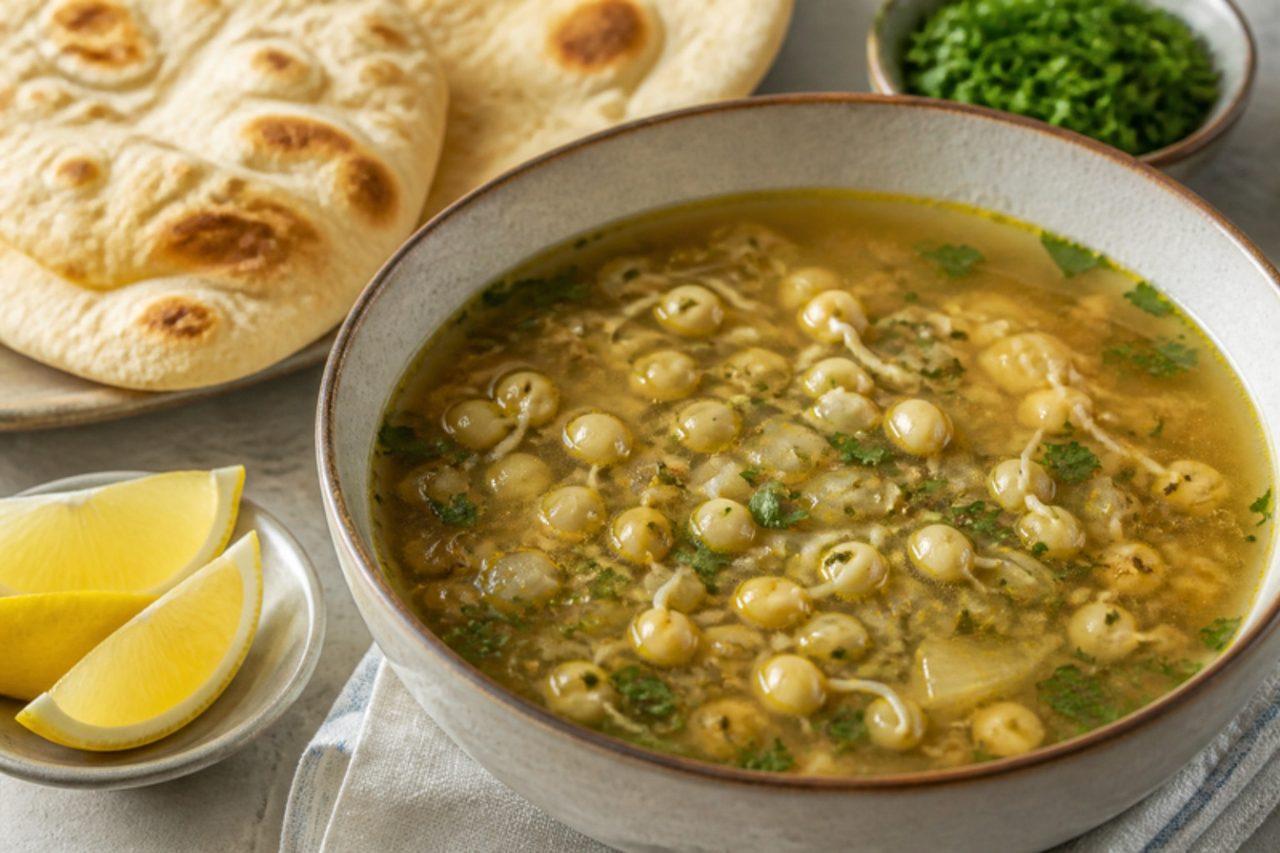
Shorbet ful nabetSprouted broad bean soup

Copts in Egypt keep long, strict fasts with no animal products: more than 200 days a year, including 55 days before Easter. Ful nabet, sprouted dried broad beans, is a fasting staple, and its soup is a clear, savoury broth fragrant with garlic, cumin and lemon, with the tender sprouted beans in it. It is said to be good for colds and is popular in winter. It is vegan, gluten free and high in protein; the sprouting takes 3 days, so plan ahead. Chef's tip: use small whole (skin-on) dried broad beans, as split ones won't sprout.

by KrazyBadal 0 views

Lengua a la vinagretaBeef tongue with vinaigrette

Argentina's Nochebuena is a hot summer night, so the table is full of cold dishes, and lengua a la vinagreta is one of the classics: beef tongue simmered until tender, peeled, sliced and covered with a sharp vinaigrette of parsley, garlic, red pepper, onion and chopped hard-boiled egg. It is made a day ahead and served chilled with vitel toné and Russian salad. Chef's tip: peel the tongue while it is still hot, as the skin comes away easily then and clings once it cools.

by KrazyBadal 0 views

OsterpinzeEaster anise brioche

Osterpinze is the Easter bread of Styria, Carinthia and the area around Trieste, a soft, golden brioche dome with three deep cuts on top for the Holy Trinity, so that it opens into a crown as it bakes. The dough is rich with egg yolks and butter and flavoured with anise and lemon; old recipes add a splash of white wine, left out here. It is blessed in the Easter basket on Holy Saturday and eaten on Easter morning with ham, horseradish and eggs, or with butter and jam. Chef's tip: make the three cuts with scissors just before baking, deep enough to reach halfway down, so the crown opens wide.

by KrazyBadal 0 views

AllerheiligenstriezelBraided sweet loaf

In Bavaria and Austria, godparents give their godchildren an Allerheiligenstriezel on All Saints' Day, 1 November: a large braided loaf of sweet yeast dough, brushed with egg and scattered with almonds or pearl sugar. The braid is said to recall the old custom of cutting a plait of hair in mourning, and the size of the loaf once showed how generous the godparent was. It is lightly sweet, with lemon and vanilla, and is eaten sliced with butter or jam. Some recipes add rum-soaked raisins; these are soaked in warm water instead. Chef's tip: braid four strands for an impressive, high loaf.

by KrazyBadal 0 views

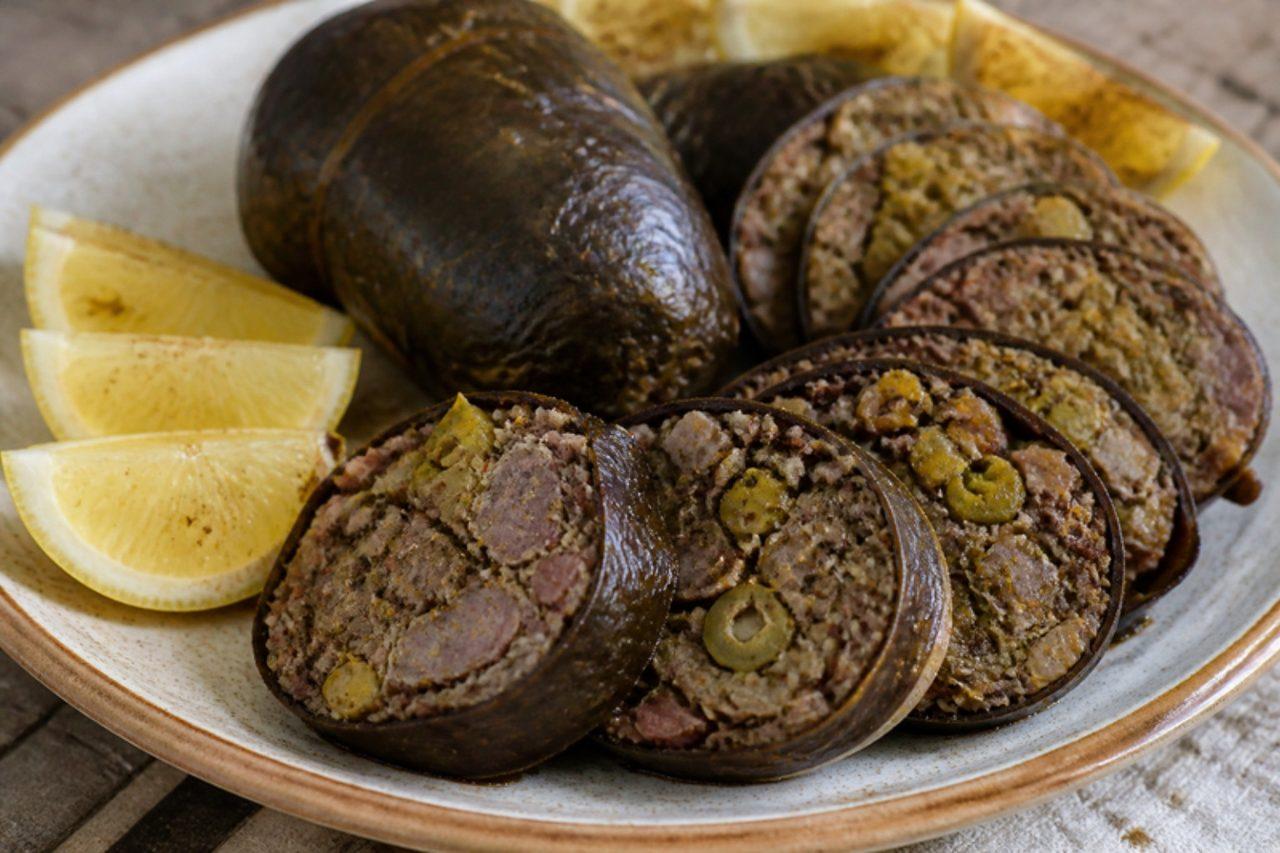
TihaneStuffed lamb spleen

Tihane, or tehal, is an old Eid al-Adha speciality from Moroccan towns such as Fez and Marrakech, made on the days after the sacrifice when the offal is shared out. The lamb's spleen is cut open into a pocket and stuffed with chopped liver and heart, a little fat, green olives, preserved lemon, garlic and cumin, then sewn shut, poached and roasted until browned. It is sliced thin and eaten warm or cold with bread. Ask a halal butcher for the spleen and offal. Chef's tip: prick the spleen with a fine needle before poaching so it doesn't burst in the pot.

130 minMoroccanMeatGluten free
by KrazyBadal 0 views

KaguyjyWhite corn pudding

On the night of 23–24 June, Paraguayans celebrate San Juan with bonfires, games like walking over hot coals and the 'paso de fuego', and a table of traditional foods, and kaguyjy (also mazamorra) is one of them. It is a soft, creamy pudding of cracked white corn (locro) simmered slowly in water and then milk with sugar or honey, sometimes with orange peel. It is eaten warm or cold. It is gluten free. Chef's tip: soak the corn overnight and cook it until each kernel is tender before adding the milk, or it never turns creamy.

by KrazyBadal 0 views

Dowina (Kurdish yogurt soup)

Dowina, called ash-e doogh in Persian, is warming spring food in Kurdish homes around Newroz, when yogurt is plentiful and the first herbs are cut from the garden. Rice and chickpeas simmer in a tangy, lightly thickened yogurt broth, finished with fresh dill, coriander and a sizzle of dried mint in oil. It is eaten warm, never boiling hot, with flatbread. The common mistake is to heat the yogurt too fast without stirring, which makes it split into grainy curds. Chef's tip: whisk an egg yolk and a spoonful of rice flour into the yogurt before it goes on the heat; it holds the soup smooth all the way to the simmer.

by KrazyBadal 0 views

Turrón de maníPeanut nougat

On an Argentine Christmas Eve, after midnight toasts, the 'mesa dulce' appears with pan dulce, garrapiñadas and turrón de maní: a chewy white nougat of honey, sugar, whipped egg white and roasted peanuts, often set between two sheets of rice paper. Families make it in the days before Nochebuena. The egg white is cooked by the hot syrup. It is gluten free if you use gluten-free wafer paper or none. Chef's tip: work fast once the syrup is in, as the nougat stiffens as it cools and gets hard to spread.

by KrazyBadal 0 views

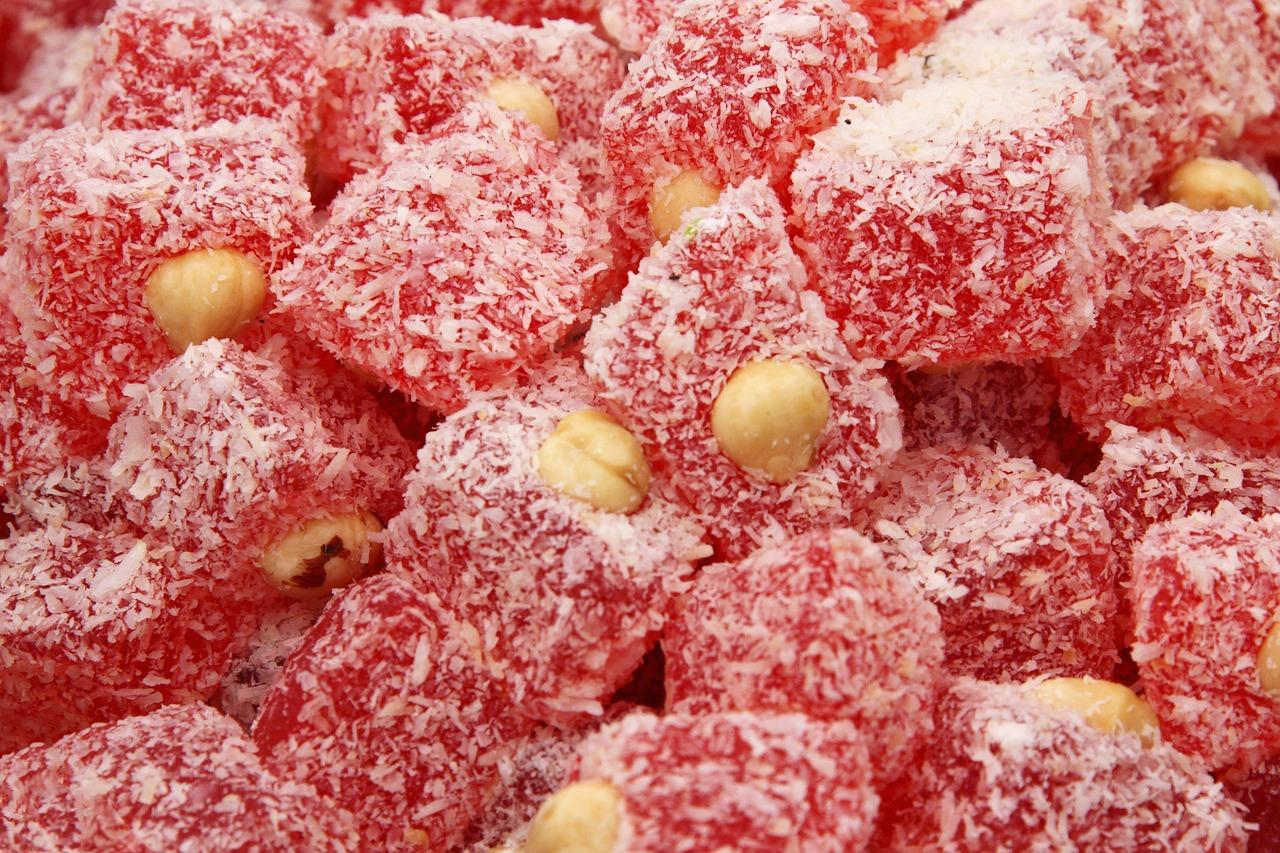
Malban (Egyptian rose and nut jelly sweets)

Malban is the Egyptian cousin of Turkish delight, sold by weight in Cairo sweet shops all year but piled highest for Ramadan nights and the Mawlid sweets of the Prophet's birthday. A syrup of sugar and lemon is cooked with cornflour for the best part of an hour into a thick, clear jelly, scented with rose water and a little mastic and studded with pistachios or hazelnuts. Cut into cubes and rolled in icing sugar, it is soft, springy and chewy, sweet and floral. Serve it with mint tea or Turkish-style coffee. It is naturally egg-free: cornflour, cooked slowly in the syrup, sets it into a firm jelly, with no other setting agent. Chef's tip: whisk the cornflour mixture into the syrup in a thin stream and keep stirring. The common mistake is stopping too early, which gives a soft jelly that weeps and won't hold a cube.

by KrazyBadal 0 views

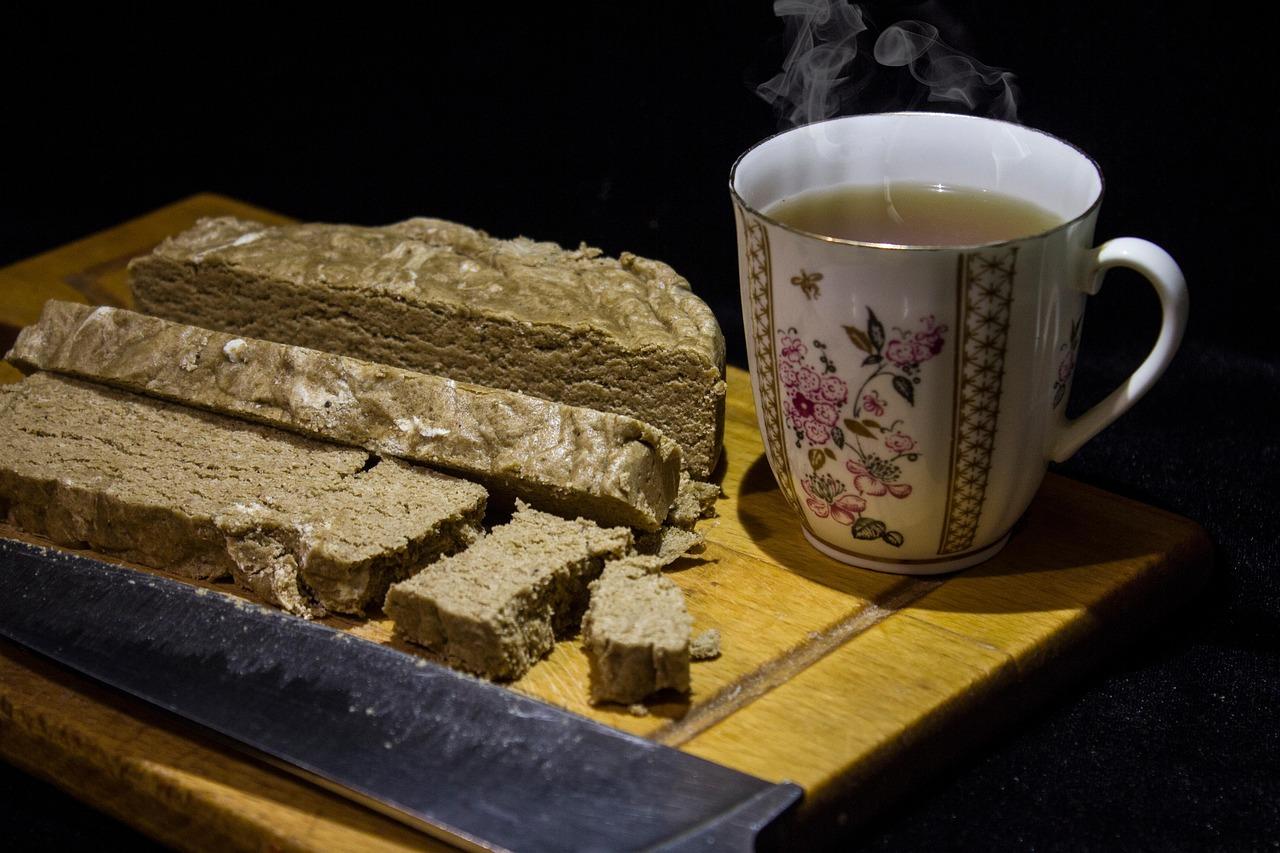
Halawa tahiniya (Egyptian tahini halva)

In Egypt halawa tahiniya is a breakfast and suhoor food more than a dessert: it is eaten in Ramadan before dawn, on Coptic fasting days when animal foods are avoided, and spread in warm aish baladi bread at any time of year. Tahini is mixed with sugar syrup at the firm-ball stage, and the syrup crystallises through the sesame paste to give the halva its fibrous, crumbly strands. It tastes nutty, sweet and toasty, and pairs well with sweet tea. Factory halva often uses soapwort root, whose foam whips the syrup and gives longer strands; this home version offers it as an option, and never uses egg white. It is naturally egg-free: the hot syrup, crystallising as it is folded into the tahini, is what sets it. Chef's tip: stir only until the mixture turns matte and starts to look stringy. The common mistake is over-mixing, which makes the oil separate and the halva greasy.

by KrazyBadal 0 views

Tmar mehchi (Moroccan almond-stuffed dates)

Tmar mehchi is the stuffed date of Fez and Marrakech, piled high on silver trays at weddings, engagements and Eid, and offered to guests with mint tea. Soft dates are filled with a homemade almond paste perfumed with orange-blossom water, often tinted pale green or pink to match the celebration, then scored with a knife so the filling shows. They are soft, rich and caramel-sweet, with a floral, nutty middle. The paste here is mixed from ground almonds and icing sugar, so there is no shop marzipan, which can contain egg white. It is naturally egg-free: the dates' sticky flesh and a few spoonfuls of orange-blossom water bind the almond filling. Chef's tip: add the orange-blossom water a little at a time and stop when the paste is firm like play dough. The common mistake is a wet paste, which oozes out and makes the dates slippery.

by KrazyBadal 0 views

Quinotos en almíbar (Argentine kumquats in syrup)

In Buenos Aires and the river provinces of the Litoral, kumquat trees ripen in the middle of winter, between June and August, and the fruit goes straight into jars of syrup. Grandmothers' pantries held quinotos for the whole year, brought out for birthdays and long Sunday lunches. Each little fruit turns glossy orange and translucent, with a soft, bittersweet skin and a sharp, juicy centre. Spoon them over vanilla ice cream, serve them with a slice of fresh cheese in the style of postre vigilante, or eat them straight from the jar. Many bar menus offer them steeped in spirits; this version keeps only the syrup. Naturally egg-free, the quinotos rely on sugar syrup to preserve them, while pectin from the peel gives the syrup a light, jammy body. Chef's tip: blanch the fruit three times from cold water; the common mistake is skipping this, which leaves the skins tough and bitter.

by KrazyBadal 0 views

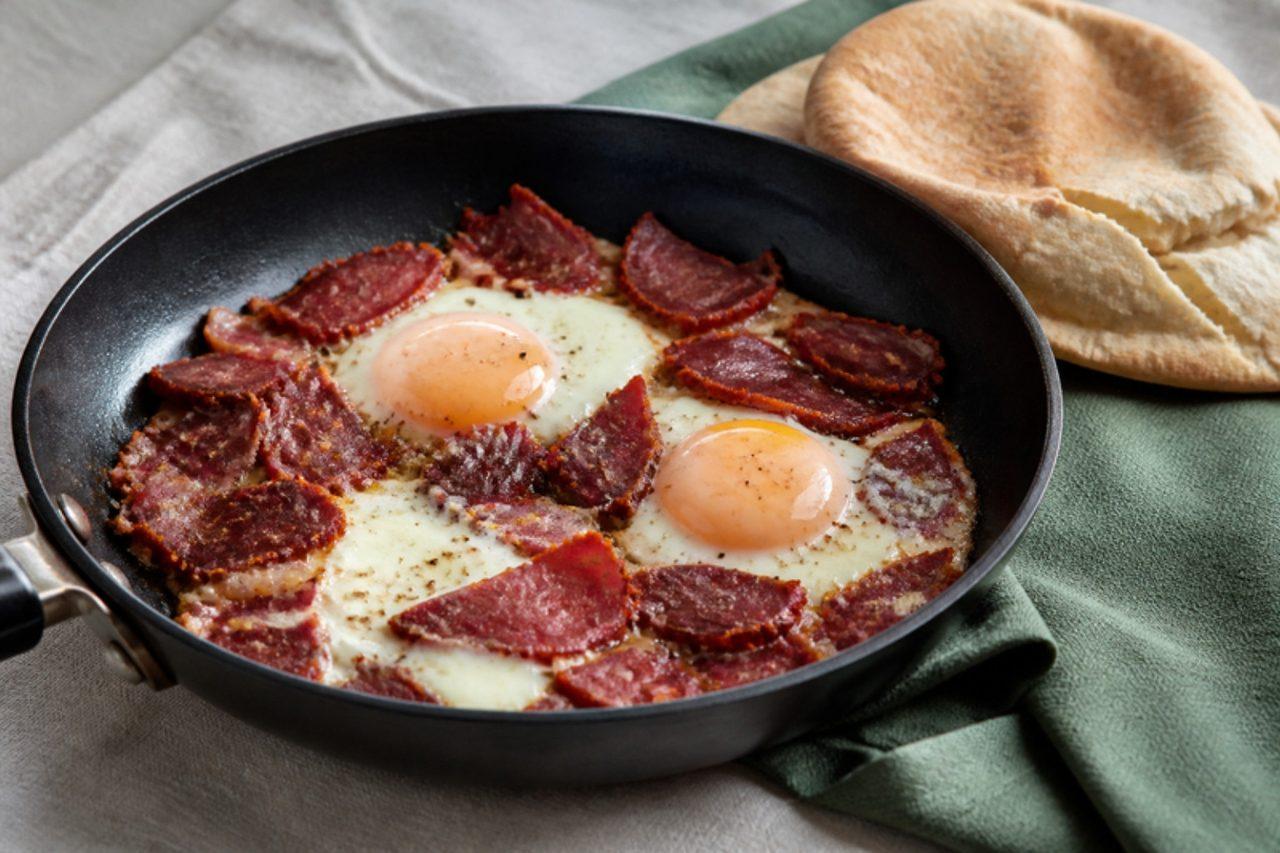
Eggs with bastermaFried eggs with cured beef

Beid bil basterma is a Cairo breakfast and late-night supper, made in homes and served at the old ful-and-falafel cafés downtown, always brought to the table in the small pan it was cooked in with baladi bread for scooping. Basterma is air-dried beef cured under a thick coat of fenugreek, garlic, cumin and paprika; a few thin slices are warmed in ghee until they curl and release their spice, then eggs are cracked over the top. The common mistake is frying the basterma too hot or too long: it is already cured and only needs warming, and it turns hard and bitter if it crisps. Chef's tip: leave some of the spiced crust on the slices; it melts into the ghee and seasons the eggs. For pregnant people, young children, older or vulnerable people, cook the yolks until firm.

by KrazyBadal 0 views

Helado de dulce de leche (Buenos Aires dulce de leche ice cream)

Dulce de leche is the flavour Buenos Aires heladerías are judged by, and on a summer night the queues at neighbourhood ice-cream shops stretch out onto the pavement well after dinner. Locals order it plain, with a ripple of extra dulce de leche (dulce de leche granizado adds chocolate flakes), often by the kilo to take home. It is dense, chewy and deeply caramel. This home version is egg-free with no custard: a little cornflour cooked into the milk thickens it the way yolks would, and the dulce de leche itself is milk and sugar cooked down, its sugar and milk solids keeping crystals tiny so it stays smooth and scoopable. Churn it, or still-freeze and stir it every 45 minutes. Chef's tip: chill the extra dulce de leche before rippling it in; the common mistake is folding in a warm one, which melts into the ice cream instead of leaving ribbons.

by KrazyBadal 0 views

Moroccan bachkoutouOrange and sesame dunking biscuits

Moroccan grandmothers bake bachkoutou by the trayful and keep them in big tins for the afternoon glass of sweet mint tea, and neighbourhood ovens in Fes and Casablanca bake them for families who bring their dough. These are dry, crunchy little biscuits, not rich at all, made with eggs, sugar and oil rather than butter, with orange zest and a coating of toasted sesame; they are meant to be dunked until they soften slightly. Shapes vary from town to town: fingers, rings and rope twists are all common, and some cooks add aniseed. Too much flour is the easy mistake: the dough should stay soft and slightly sticky, or the biscuits bake heavy and hard rather than crisp and light. Chef's tip: once they are cold, put them back in a warm, switched-off oven for 20 minutes; that extra drying is what makes them keep their snap for weeks.

by KrazyBadal 0 views

Torta de ricotaLemon ricotta tart

Italian families brought ricotta tarts to Buenos Aires and Rosario, and torta de ricota is now as Argentinian as mate: every panadería has one in the window, with a lattice of sweet, crumbly masa frola over a pale, lemon-scented ricotta filling. It is cut into wedges for the merienda, the late-afternoon snack, or for a birthday where nobody wants a heavy cake. The texture is light and slightly grainy rather than silky, and the pastry tastes of butter and vanilla. Wet ricotta is the biggest risk, giving a weeping, soggy tart. Chef's tip: drain the ricotta overnight in the fridge in a sieve lined with a cloth, and add a few raisins only if they have been soaked, or they draw moisture from the filling.

by KrazyBadal 0 views

Salpicón de aveCold chicken salad

Salpicón de ave is the cold supper of Argentine summers, made in Buenos Aires flats and on estancias alike when it is too hot to cook much, and a favourite way to use the chicken from a puchero or Sunday roast. Shredded chicken is mixed with diced pepper, tomato, spring onion, sweetcorn and boiled egg, bound with mayonnaise sharpened with lemon and mustard, and served chilled with crusty bread or on lettuce. The common mistake is dressing it while the chicken is still hot, which melts the mayonnaise into an oily puddle; let everything cool first. Chef's tip: dress the chicken with the lemon juice and a pinch of salt before the mayonnaise goes in, so the meat itself is seasoned, not just its coating.

by KrazyBadal 0 views

Fideos con mantecaButtered noodles with cheese

Ask anyone from Buenos Aires to Córdoba what they ate when they came home late or felt poorly as a child, and the answer is often fideos con manteca: short pasta tossed with butter and a snowfall of grated queso rallado. It is the plainest dish in the Argentine home kitchen and the one people cook for themselves on a tired weeknight. The mistake that ruins it is draining the pasta bone-dry and adding cold cheese to a hot empty pan, which leaves greasy strands and clumps; a splash of cooking water makes a light, creamy coating instead. Argentine reggianito and Parmesan are made with animal rennet, so use a vegetarian hard cheese if needed. Chef's tip: grate the cheese very finely, like dust, so it melts on contact.

by KrazyBadal 0 views

Tarta de coco y dulce de lecheCoconut and dulce de leche tart

Ask Argentinians for their favourite tart at a family birthday and this one often wins: a crisp shortcrust spread thickly with dulce de leche, then covered with a coconut, sugar and egg topping that bakes into a golden, chewy crust. Bakeries from Córdoba to Mar del Plata sell it by the slice for the merienda with mate or a café con leche. It is very sweet, so the slices are thin, and it is a good keeper for a few days. Ordinary spreading dulce de leche is the mistake: it runs and bubbles out at the edges. Use the thicker pastry-style kind, sold in Argentina as 'repostero'. Chef's tip: chill the case with the dulce de leche spread on it for 15 minutes before adding the coconut, so the two layers stay distinct.

by KrazyBadal 0 views

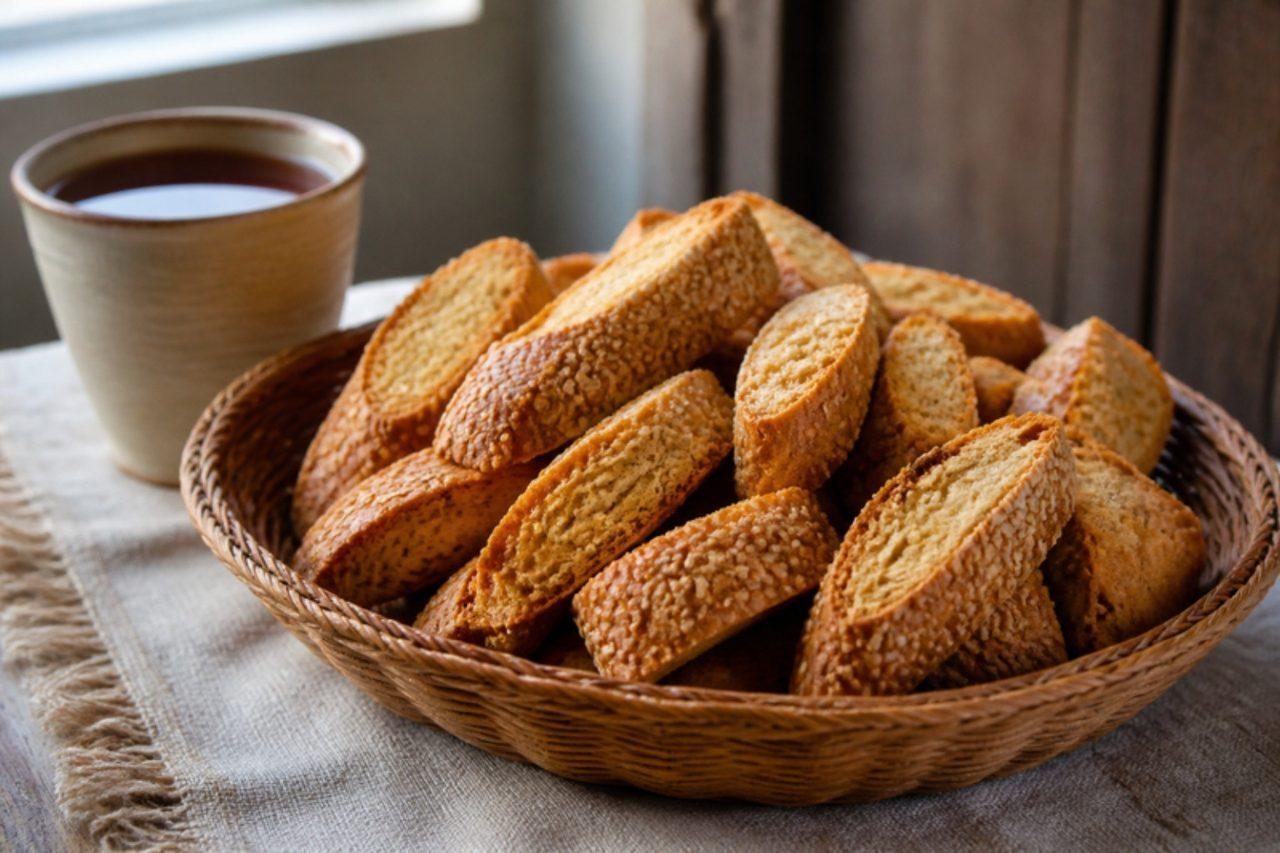
Egyptian fayeshSweet sesame rusks

Fayesh belongs to the Sa'id, Upper Egypt, where village women bake it in big batches in mud-brick ovens so the family has something crunchy for breakfast tea for weeks, and travellers from Luxor and Aswan carry bags of it north as a gift. A lightly sweet, aniseed-scented bread is baked, sliced, then dried slowly into hard, golden rusks crusted with sesame. They are dunked in black tea with plenty of sugar or in hot milk, and they never go stale. The common error is drying them too fast at a high heat: the outside browns while the middle stays soft, and that softness turns mouldy in the tin. Chef's tip: slice the loaves the next morning, not while warm; a rested loaf cuts into clean, even slices that dry at the same rate.

by KrazyBadal 0 views

Showing 24 of 435 recipes

Show more recipes

Page 1 of 19