Skip to content
Recipes

All recipes

Vegetarian, or something you can't eat? Set your diet once and we'll hide recipes that don't fit.

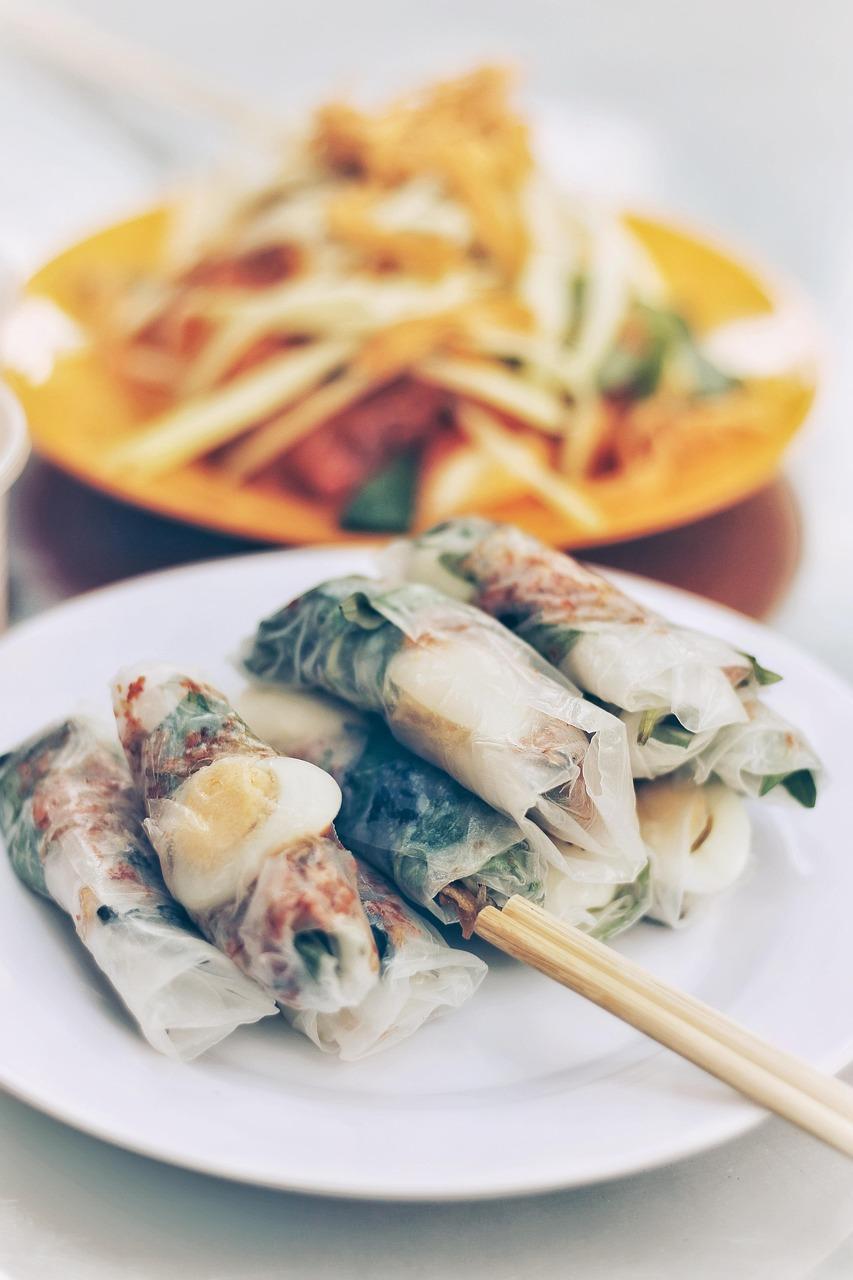
Bánh hỏi with lemongrass tofuRice vermicelli with lemongrass tofu

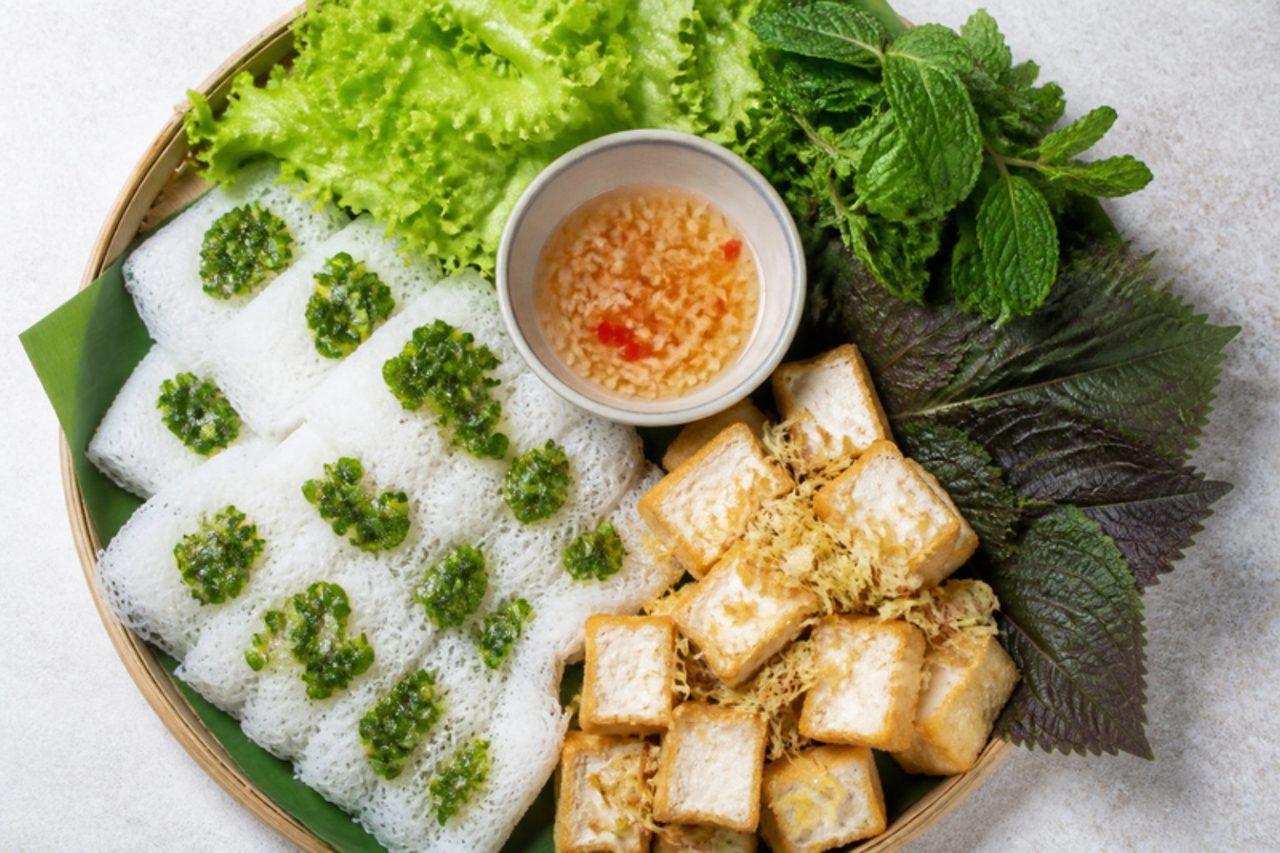
In Quy Nhơn and across Bình Định, breakfast stalls sell bánh hỏi by the tray: mats of hair-fine rice vermicelli brushed with scallion oil and eaten rolled in lettuce with roast pork, grilled meat or, at temple stalls, tofu. Making the woven mats from scratch needs a press, so cooks everywhere now buy dried bánh hỏi sheets or very fine vermicelli and steam them into mats, which is what this version does. The lemongrass tofu and a soy-lime dipping sauce keep the whole plate vegan; the usual partner is nước mắm chấm with grilled pork. Chef's tip: steam the vermicelli rather than boiling it; boiled strands go soft and clump, and the mats will not hold together.

by KrazyBadal 0 views
Chè khúc bạch (almond milk jelly with lychees)

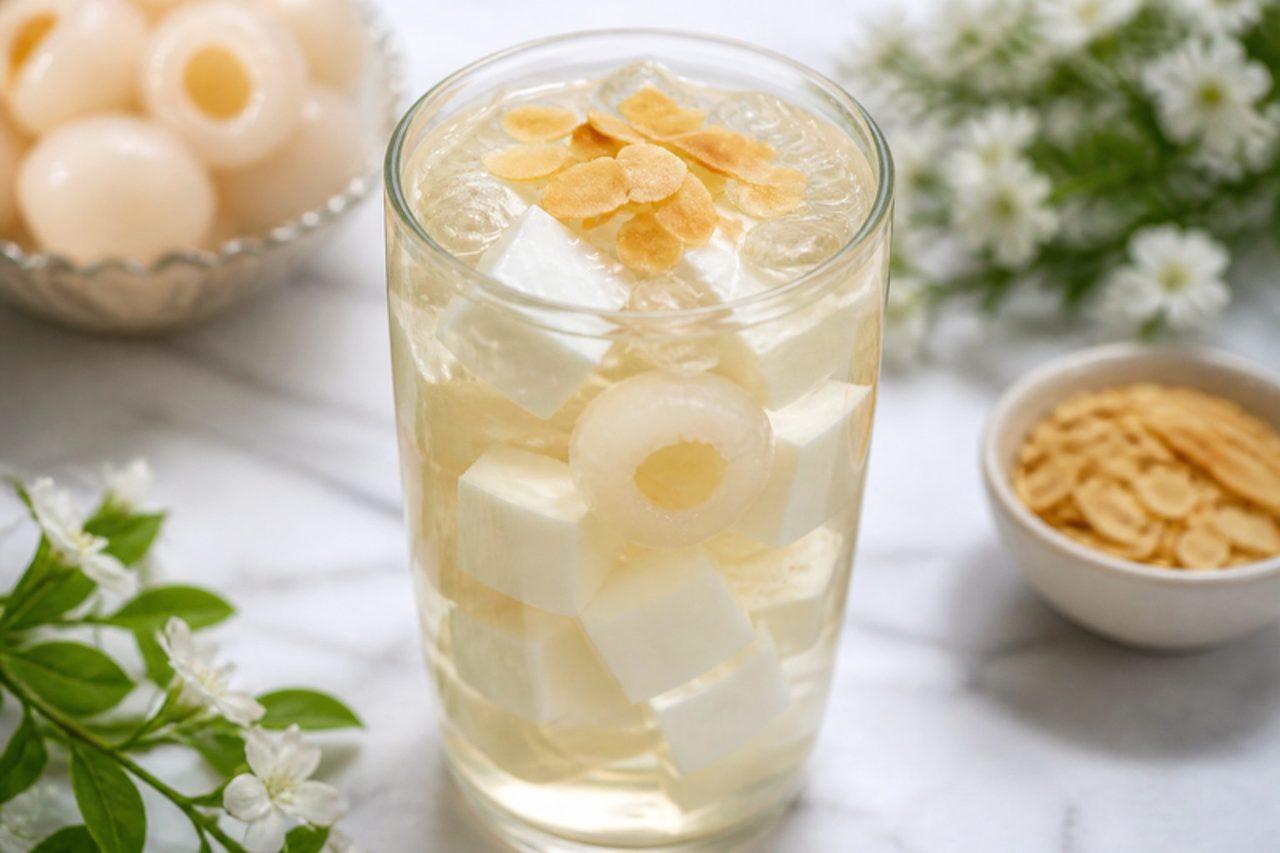
Saigon's café-dessert shops made chè khúc bạch a craze in the 2010s, and it is still a cooling order on hot afternoons around Bến Thành. Soft, creamy cubes of almond-scented milk jelly float with lychees in a light lychee syrup, topped with crunchy toasted almonds, all over crushed ice. Gelatin is often used; this version sets with agar so it is vegetarian, and it holds firm even in tropical heat. Chef's tip: boil the agar for a full 2 minutes before adding the milk; agar that is only warmed won't set, which is the usual reason the jelly stays runny.

by KrazyBadal 0 views

Bắp xào (stir-fried corn)

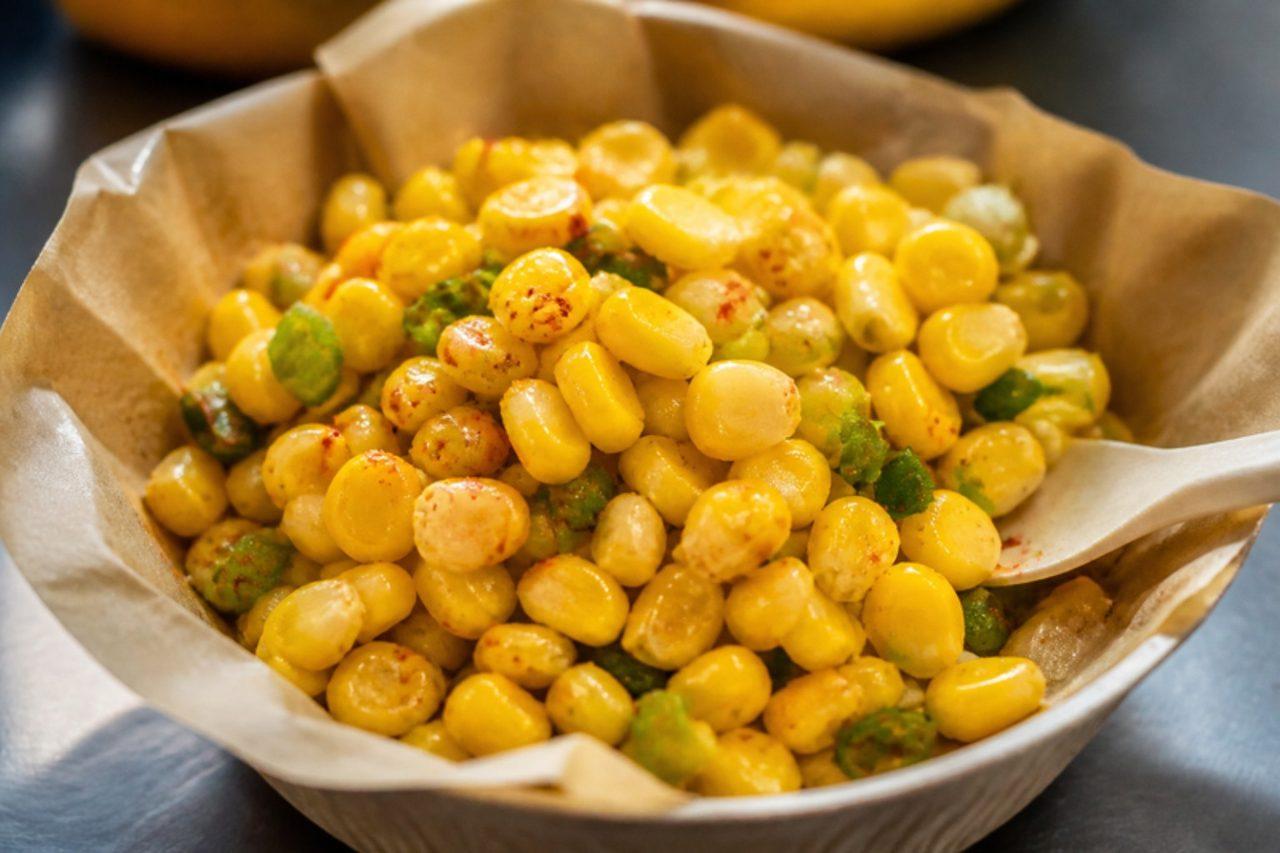
Outside Saigon schools in the late afternoon, vendors toss corn kernels in a huge, sizzling pan and scoop them into paper cups for children on their way home. The kernels glisten with butter and green scallion oil and taste sweet, salty and faintly smoky. The street version often adds tiny dried shrimp; this one leaves them out so it is vegetarian, and a pinch of chilli flakes is there for grown-ups. Chef's tip: get the pan very hot and spread the corn out; crowding it steams the kernels instead of giving them toasty, caramelised spots.

by KrazyBadal 0 views
Bánh ít lá gaiRamie leaf sticky rice cakes

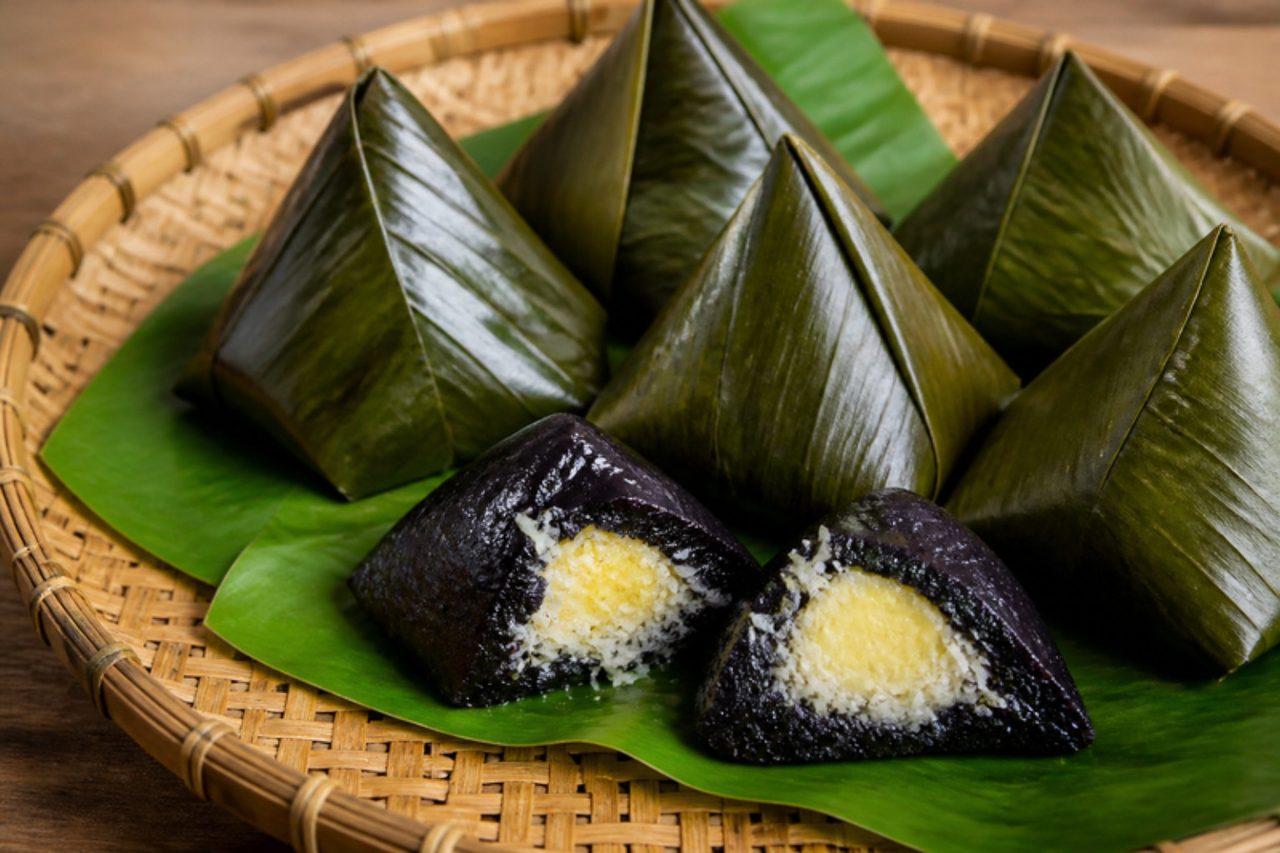
Bình Định and Quảng Ngãi families steam trays of these near-black pyramids for weddings, death anniversaries and the Tết altar, and visitors leave with a string of them as a gift. The colour comes from ramie leaves (lá gai), boiled and pounded into glutinous rice flour with sugar; the dough is chewy and faintly grassy, around a sweet filling of mung bean and grated coconut. Outside Vietnam, look for dried ramie leaf powder or frozen ramie paste in Vietnamese grocers. Chef's tip: oil the banana leaves well and do not under-steam; the dough looks set long before the centre is cooked, and a pale grey core means it needs another 10 minutes.

by KrazyBadal 0 views
Gỏi ngó sen chay (lotus stem salad)

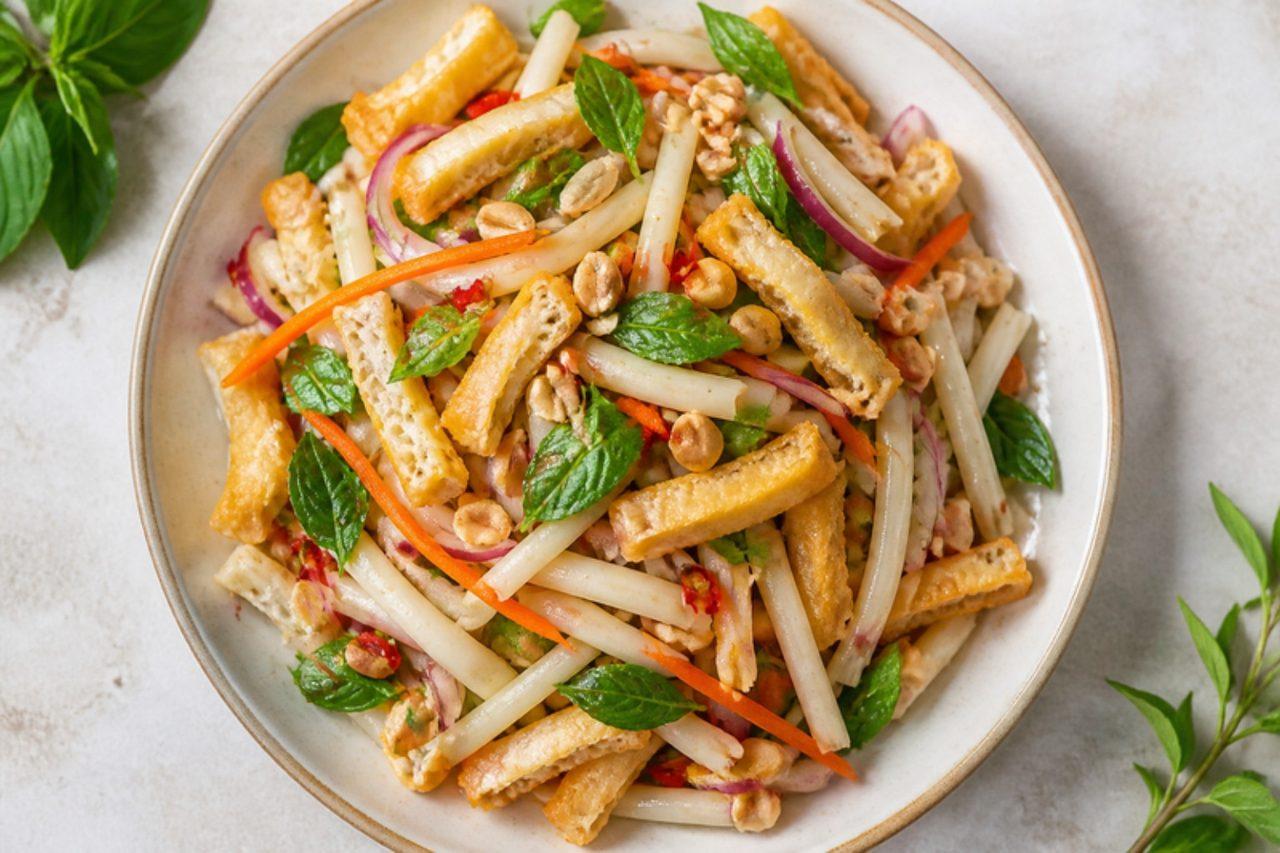
Wedding banquets and đám giỗ (death-anniversary) feasts across the south open with a platter of gỏi ngó sen, usually heaped with prawns and boiled pork belly. In vegetarian households and temple kitchens the shellfish and pork give way to strips of fried tofu, and the fish-sauce dressing becomes lime, sugar and soy. The pickled lotus stems are what matter: pale, crisp and juicy, like a mild bamboo shoot. Pile it onto prawn-free rice crackers or eat it beside rice. Chef's tip: rinse and squeeze the jarred lotus stems well; skipping this leaves the salad tasting of brine instead of lime.

by KrazyBadal 0 views
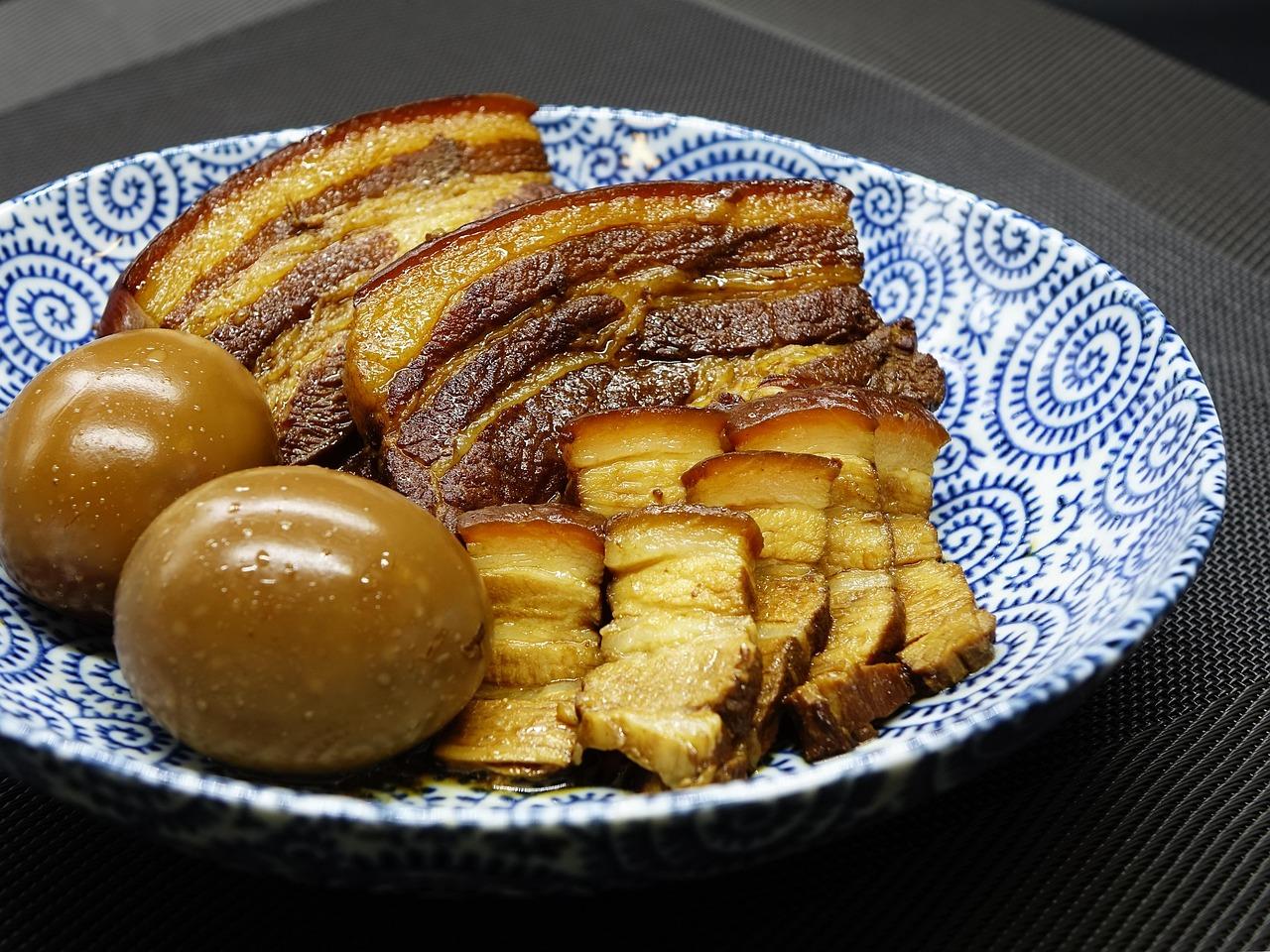
Thịt kho trứng (caramelised pork belly and eggs)

In southern Vietnam the New Year does not feel like Tết without a big pot of thịt kho trứng on the stove: chunks of pork belly and peeled boiled eggs simmered slowly in coconut water, fish sauce and a dark caramel until the fat is jelly-soft and the eggs are stained mahogany. Families cook it a day or two ahead and reheat it throughout the holiday, when its flavour only deepens. It is eaten with plain rice, pickled dưa món or củ kiệu, and bitter melon soup. For a vegetarian table, firm tofu and eggs can be braised in the same way with soy sauce. Chef's tip: blanch the pork first and keep the simmer lazy; a hard boil makes cloudy, greasy sauce and dry, tough meat.

by KrazyBadal 0 views
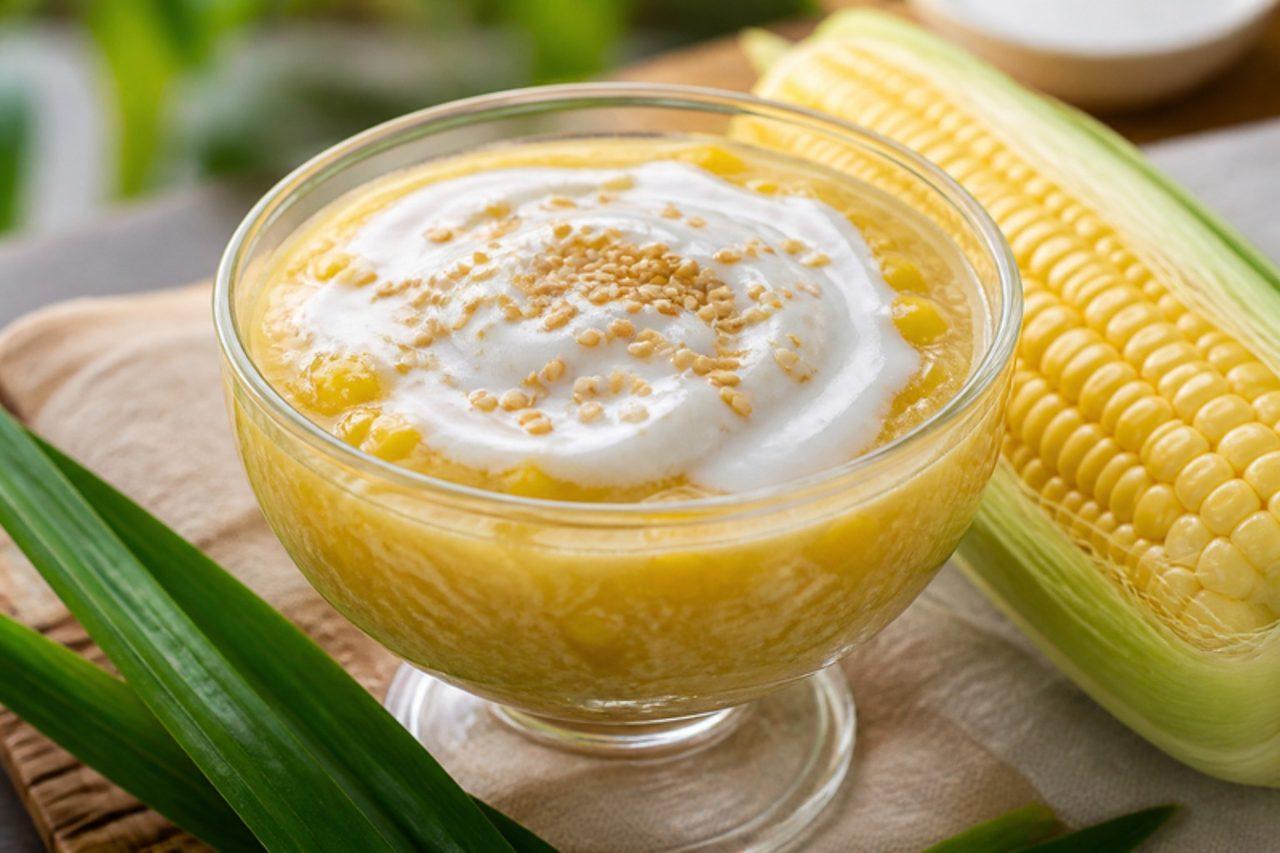
Chè bắp (sweet corn pudding)

Hội An's riverside villages grow a sticky, sweet local corn, and chè bắp has been sold in its old town for generations; in Saigon it is a summer evening favourite at street stalls. Fresh kernels are cooked with a little glutinous rice until thick and spoonable, sweetened, and topped with a ribbon of salty coconut cream. The cobs simmer in the water first to give the pudding a deep corn flavour. Chef's tip: add the sugar only after the rice is soft; sugar added early stops glutinous rice from swelling and leaves hard grains.

by KrazyBadal 0 views
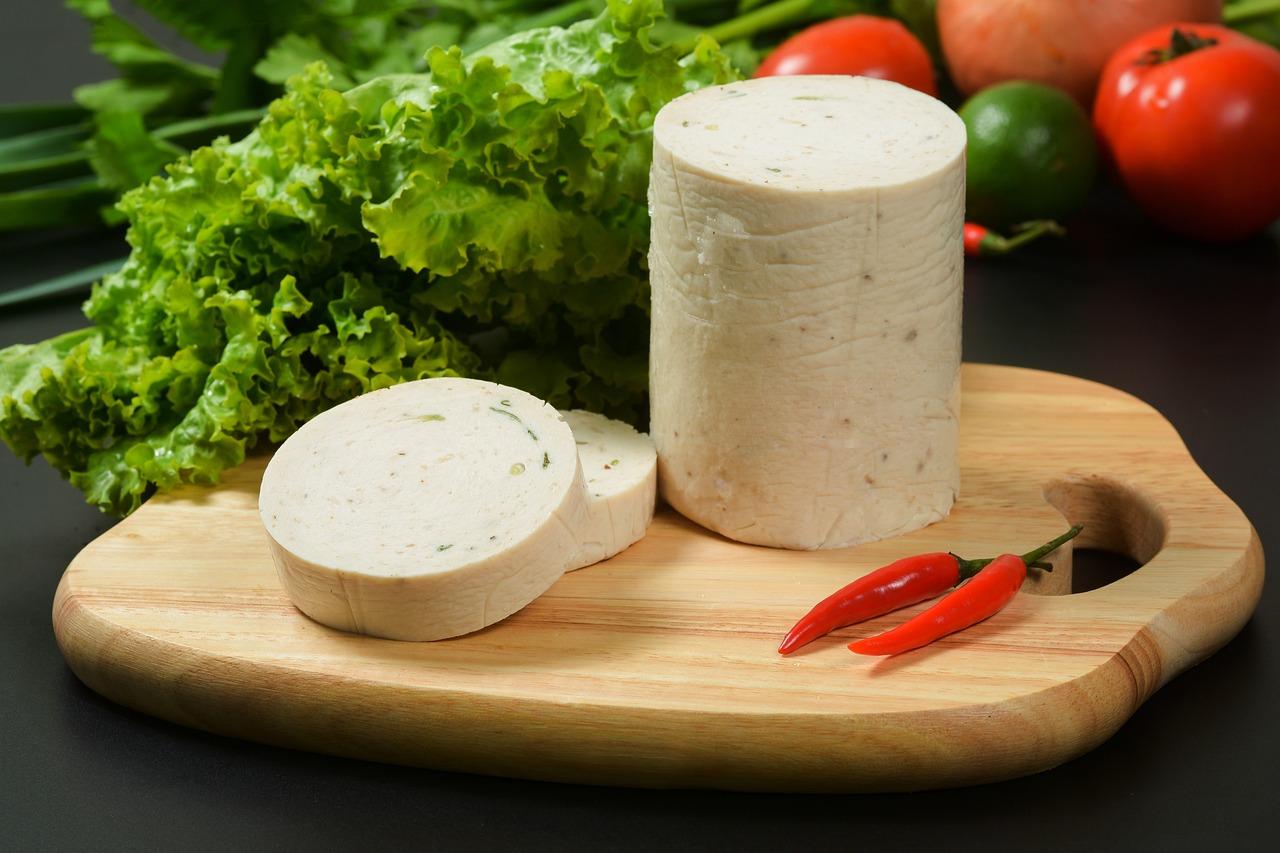
Giò lụa (Vietnamese pork roll)

Ước Lễ village near Hanoi is famous for giò lụa, and no northern Tết tray is complete without a pale, springy pork roll cut into wedges beside sticky rice and pickled onions. Lean pork is pounded or blended ice-cold with fish sauce into a smooth, elastic paste, wrapped tightly in banana leaves and boiled until set. Slices are silky, bouncy and delicately peppery; they go into bánh mì, bánh cuốn and noodle soups all year. This home version uses a food processor. Chef's tip: keep the pork paste near freezing as you blend; if it warms up it turns grainy and crumbly instead of smooth and bouncy.

by KrazyBadal 0 views
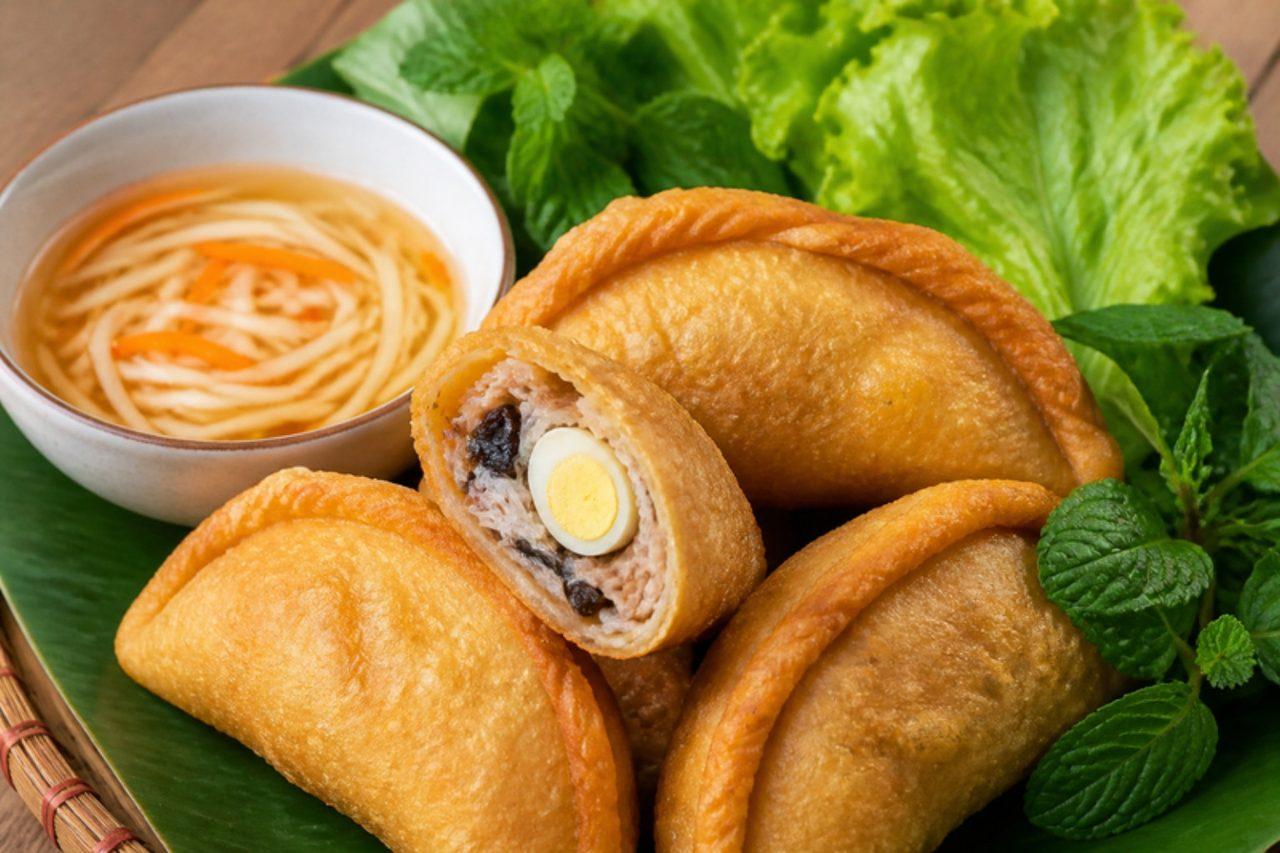
Bánh gối (pillow pastries)Fried pork pastries

Along Lý Quốc Sư street in Hanoi's Old Quarter, bánh gối come out of the fryer puffed and blistered, piled on trays beside spring rolls, and are eaten with a sweet-sour dip full of pickled green papaya and carrot. Each 'pillow' is a thin wheat pastry folded around minced pork, mung bean vermicelli, wood ear mushroom and half a quail egg. They are an afternoon snack in the cold months, eaten while the pastry is still shatteringly crisp. Chef's tip: seal the edges with a little water and press out the air; trapped air makes the pastries burst open in the oil.

by KrazyBadal 0 views
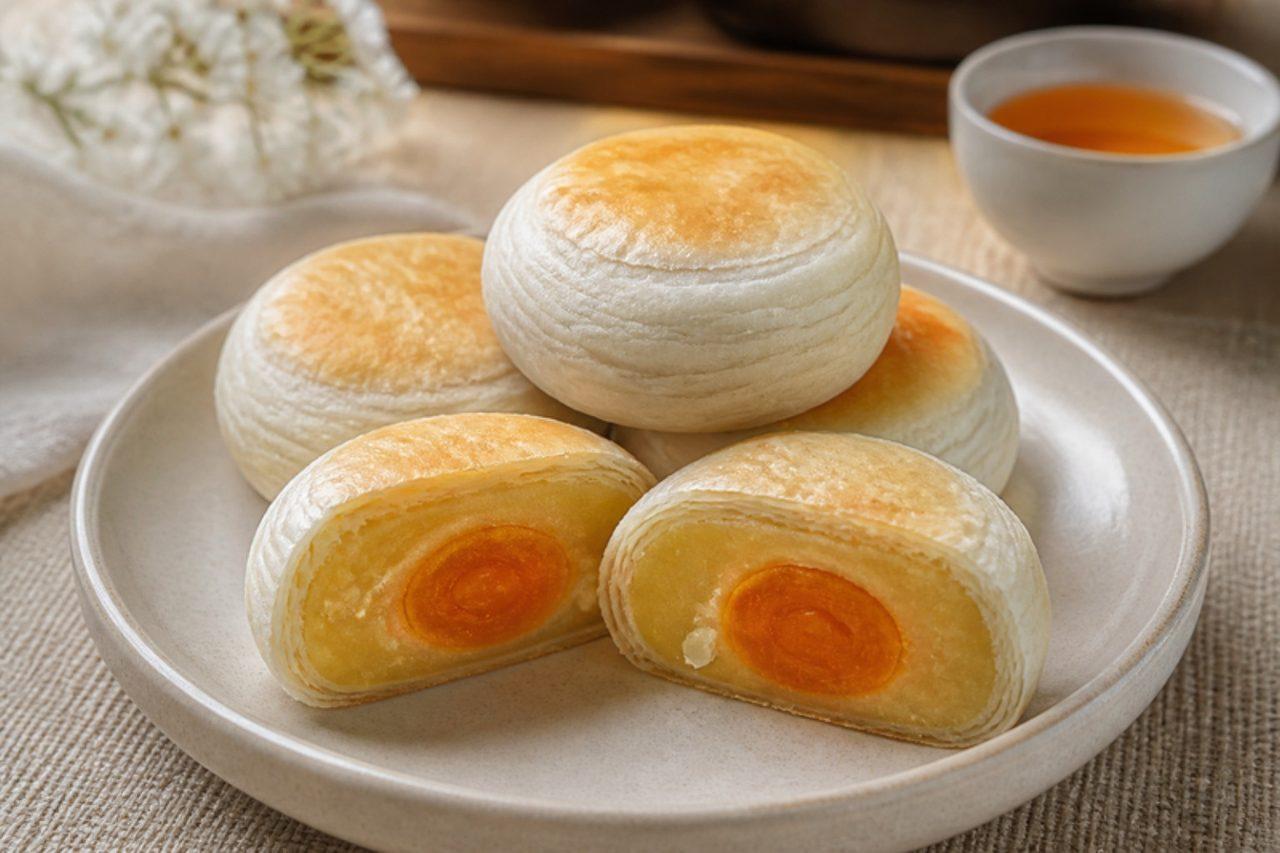
Bánh pía with durian and salted egg yolkDurian and egg yolk pastries

Sóc Trăng in the Mekong Delta is lined with shops stacking boxes of bánh pía for travellers to carry home, a legacy of the province's Teochew Chinese bakers. The pastry flakes into fine, papery layers around a dense mung bean paste perfumed with durian and hiding a whole salted egg yolk; they are eaten with hot tea at any time of day and given at Mid-Autumn. This home version uses vegetable shortening in place of the lard many bakeries use, which keeps it vegetarian. Chef's tip: keep the water dough and the oil dough at the same softness; if one is firmer, the layers tear when you roll and the pastry bakes up bready instead of flaky.

by KrazyBadal 0 views

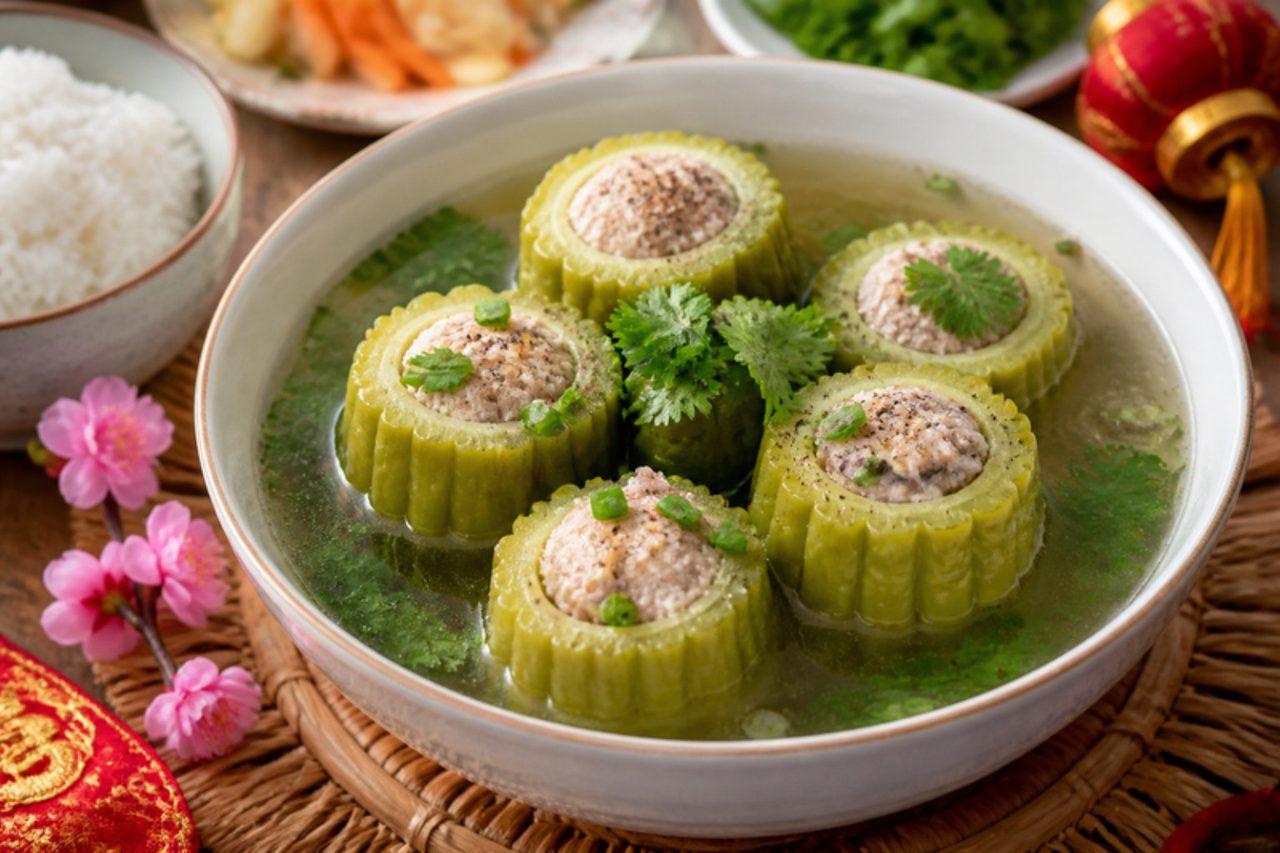
Canh khổ qua nhồi thịt (stuffed bitter melon soup)

Southern families serve this soup on the first days of Tết because khổ qua sounds like 'the hardship has passed'. Short lengths of bitter melon are hollowed out, packed with seasoned minced pork, wood ear mushroom and mung bean vermicelli, and simmered until the green skins turn soft and the pork is juicy. The broth is clear and gently bitter, a welcome counterpoint to sweet braised dishes. A vegetarian stuffing of crumbled tofu and mushrooms works the same way. Chef's tip: scrape out all the white pith along with the seeds and blanch the melon briefly; leaving the pith in is what makes the soup aggressively bitter.

by KrazyBadal 0 views

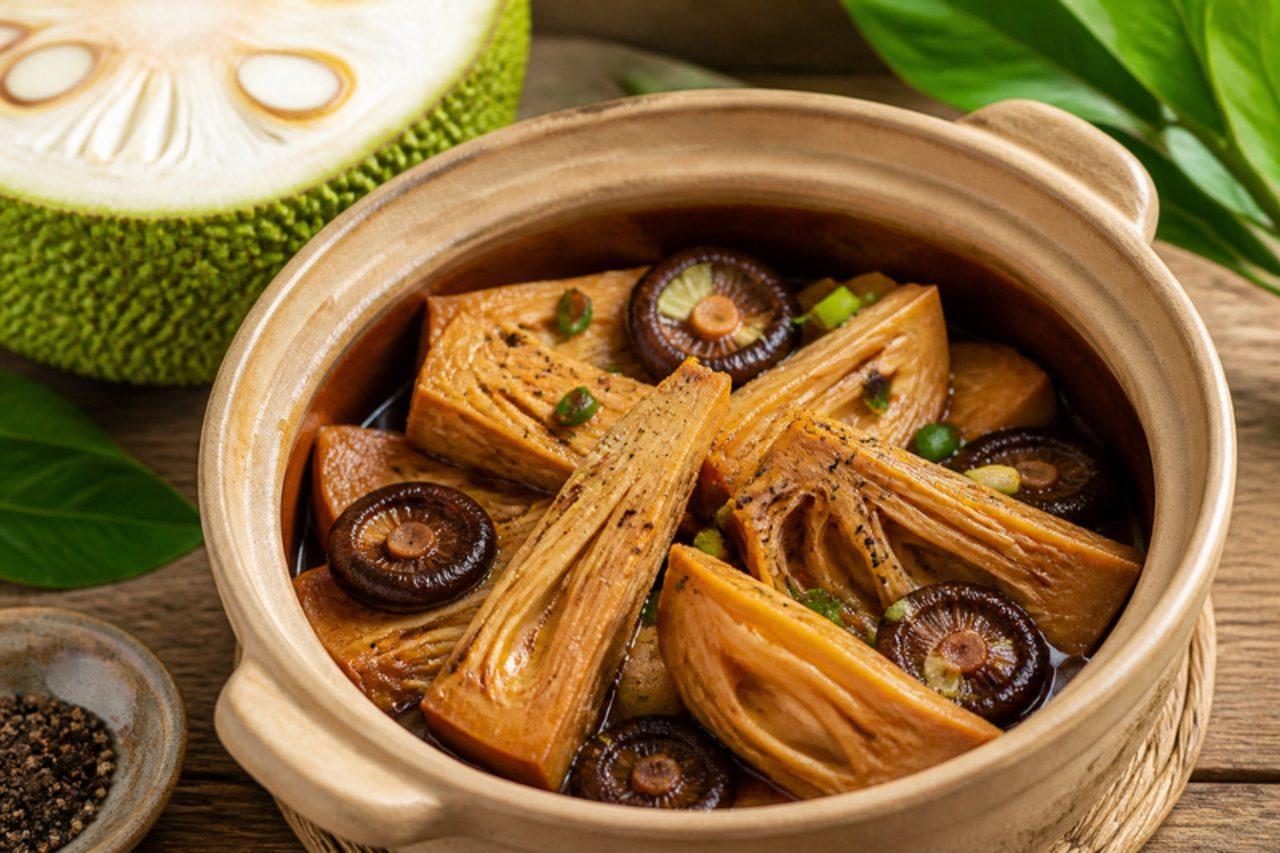
Mít non kho (braised young jackfruit)

In Quảng Nam and Huế, where jackfruit trees shade nearly every garden, cooks pick the fruit while it is still green and hard and braise it like pork. The flesh soaks up a dark caramel and coconut-water sauce and turns tender and stringy, with a mild, savoury, almost meaty chew. Pagoda kitchens serve it during the Vu Lan month and on fasting days, alongside rice and a plate of boiled greens. Ordinary homes often add pork belly or fish sauce; this temple-style pot keeps it plant-based. Chef's tip: oil your hands and knife before cutting fresh jackfruit, or use tinned young jackfruit in brine; the sap is sticky like glue and is the usual reason people give up.

by KrazyBadal 0 views

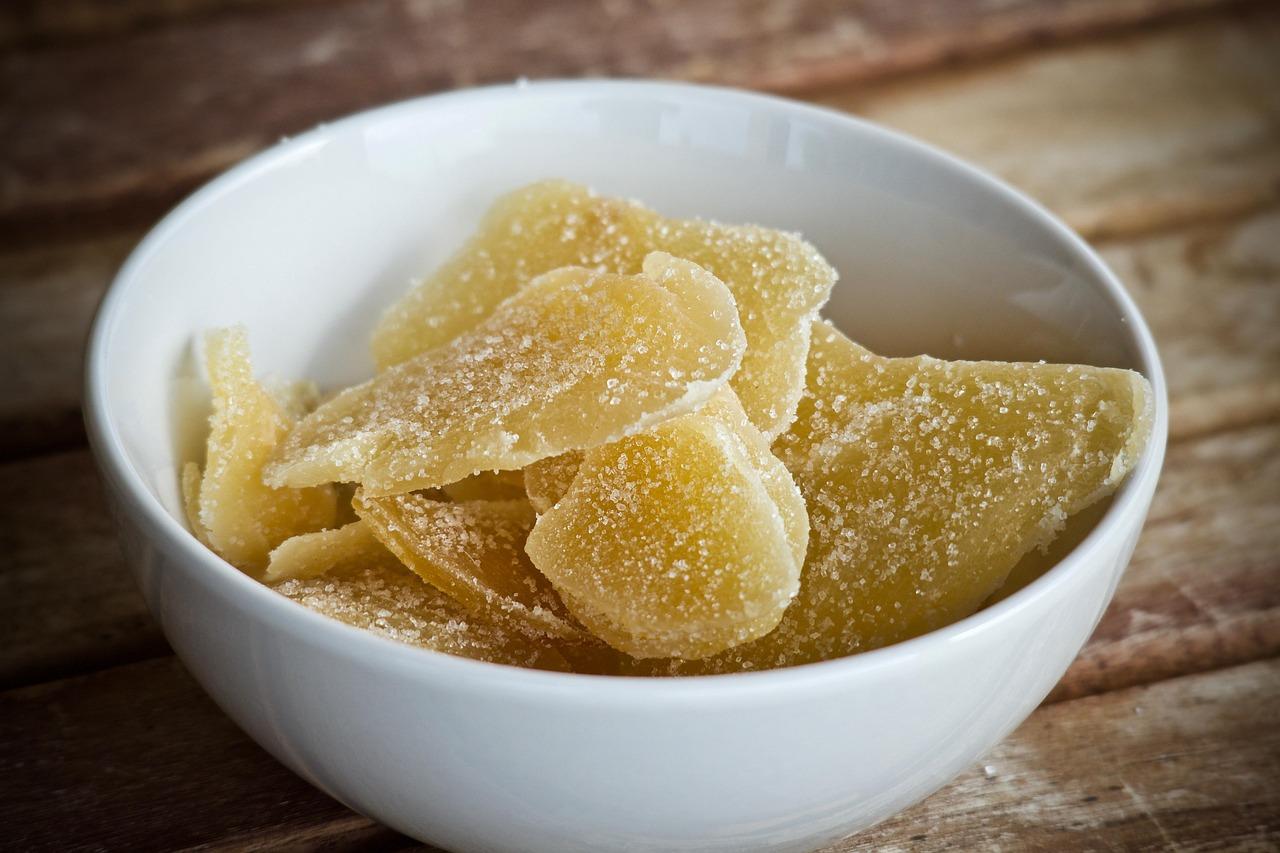
Mứt gừng (candied ginger)

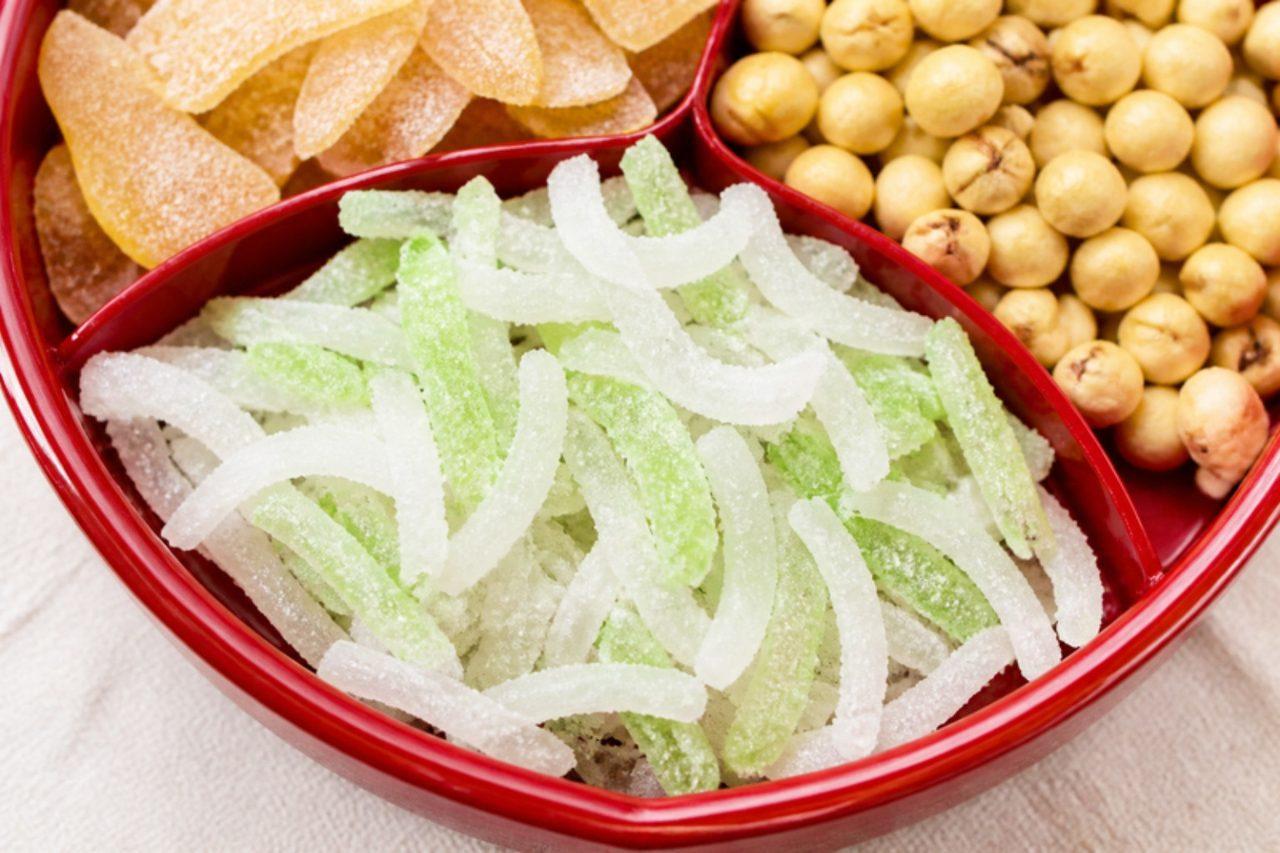
Hanoi grandmothers hand out mứt gừng in the cold, damp days of Tết as much for warmth as for sweetness: each slice is sugary at first, then hot and spicy. The northern style uses plump young ginger, soaked to tame its fire, then candied until each slice is bright yellow and frosted white. It sits on the New Year tray with candied coconut, lotus seeds and roasted watermelon seeds, and goes with a pot of green tea. Chef's tip: choose young, smooth-skinned ginger and slice it thinly across the grain; old fibrous ginger stays stringy and painfully hot.

by KrazyBadal 0 views

Xôi gấc (red gấc sticky rice)

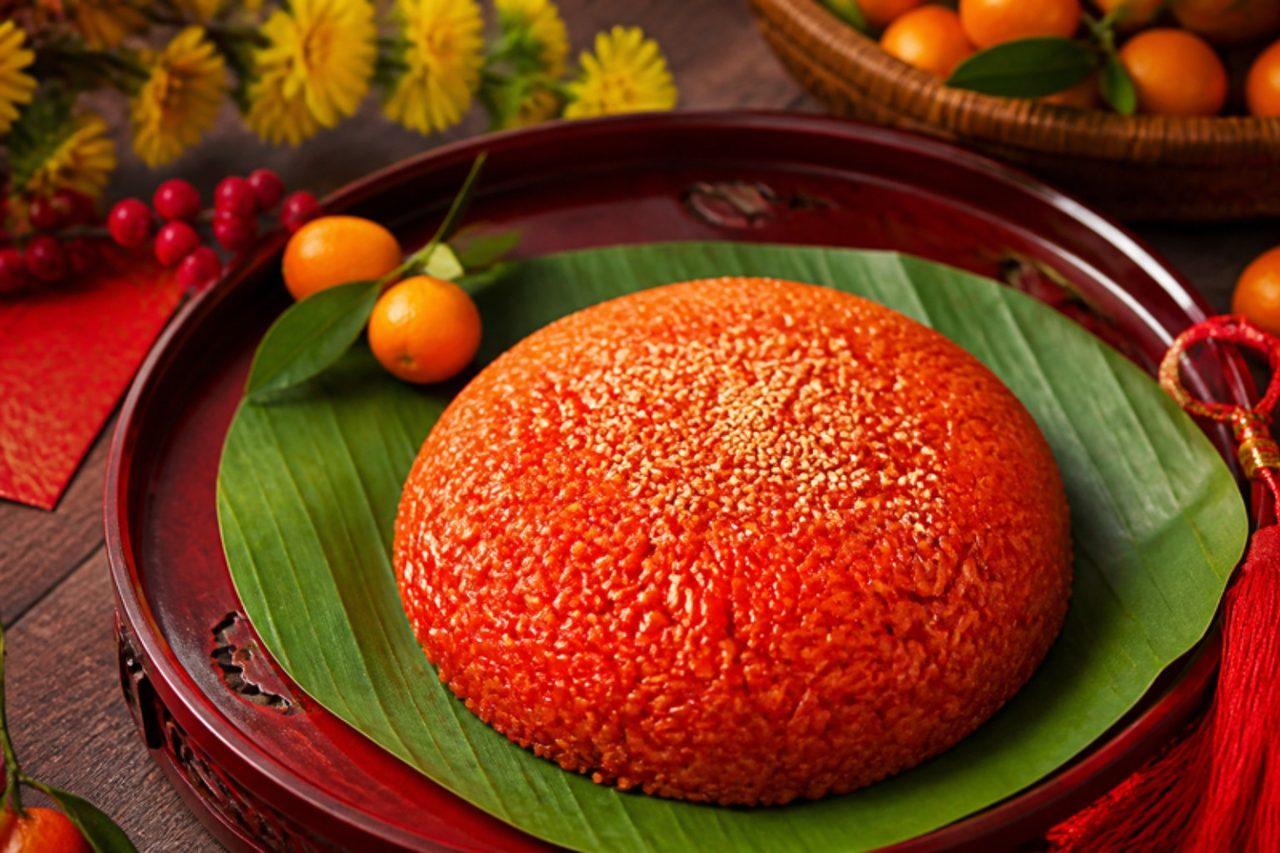
On the first morning of Tết, and again at weddings and ancestor offerings, northern families set a dome of brilliant red xôi gấc on the altar: red for luck, sticky for a family that holds together. The colour comes from the arils of the spiky gấc fruit, which also gives a faint, melon-like sweetness, and coconut milk makes the grains rich and shiny. Frozen gấc pulp from Asian grocers works perfectly. Serve it warm, pressed into moulds, with a little sugar and toasted sesame, or beside giò lụa. Chef's tip: soak the rice for at least 6 hours; unsoaked glutinous rice stays chalky in the middle however long you steam it.

by KrazyBadal 0 views

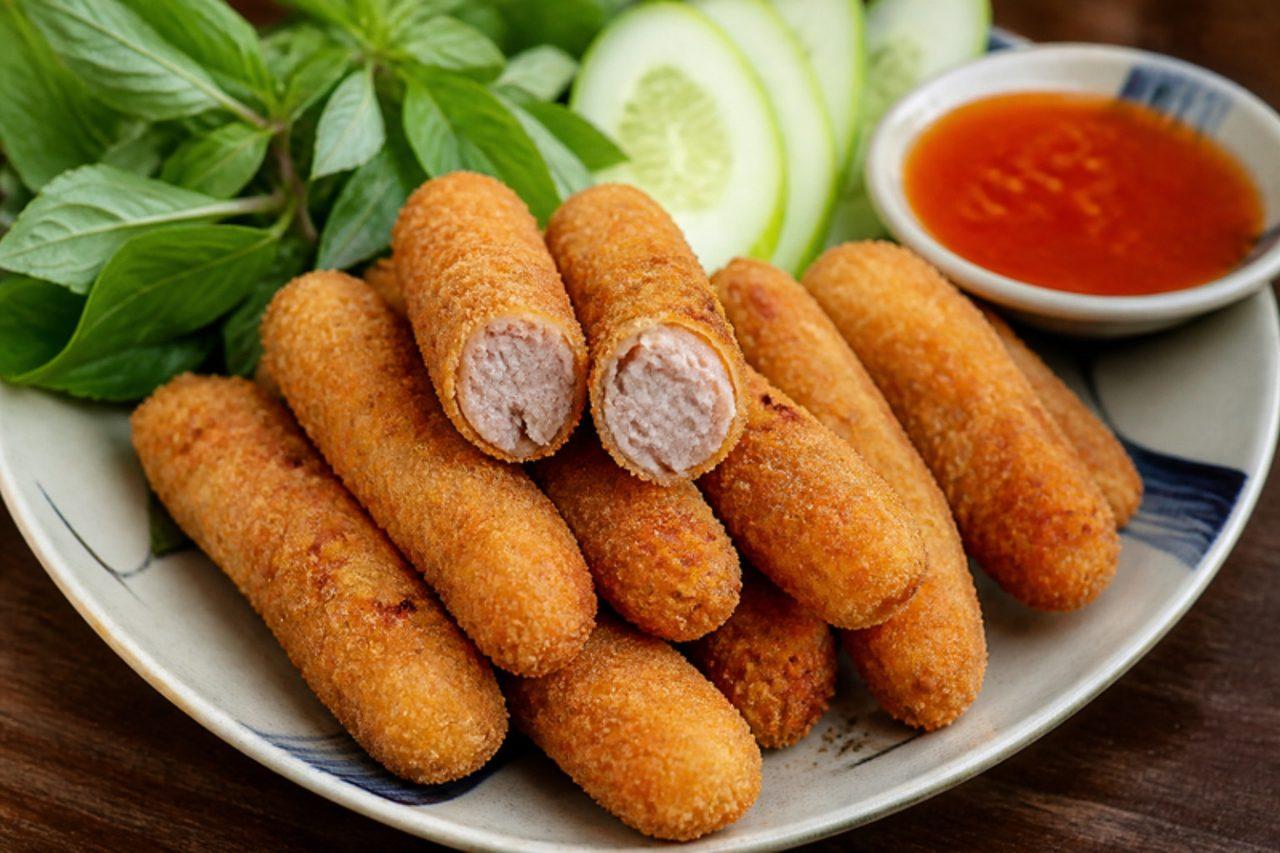
Nem chua rán, cooked fresh-pork versionCrumbed fried pork sticks

On Hanoi's Tạ Hiện and Hàng Buồm streets, plates of crumbed fried pork sticks with chilli sauce are a classic evening snack with friends. The original nem chua is raw pork paste left to ferment for days before it is crumbed and fried; because raw fermented pork is a food-safety risk at home, this recipe uses only fresh minced pork, gets its tang from a little lime and pickled garlic, and poaches the sticks through to 71 °C before they ever reach the oil. You get the same sour, garlicky, crunchy-outside, bouncy-inside bite. Chef's tip: chill the poached sticks before crumbing; warm, damp sticks shed their coating in the fryer.

by KrazyBadal 0 views

Chè bưởi (pomelo pith pudding)

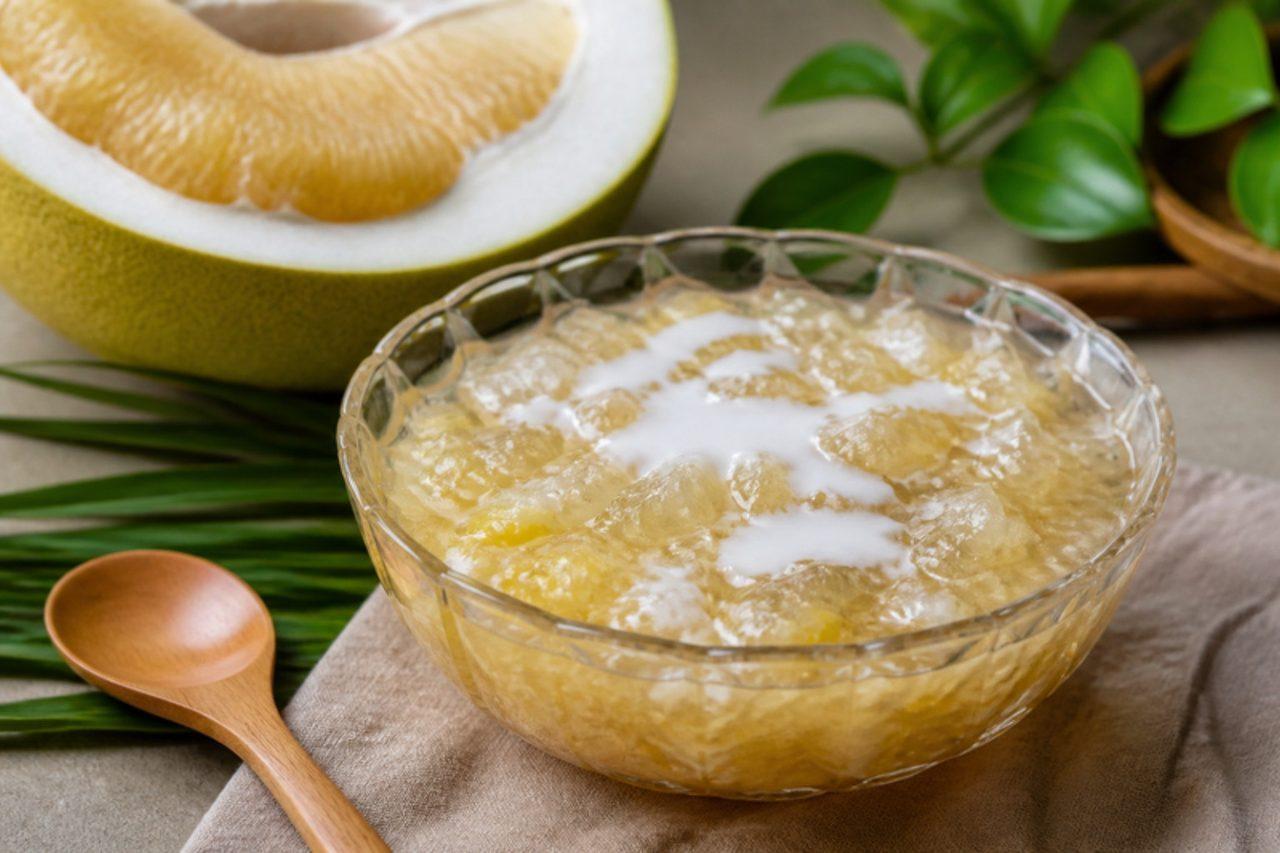
Cần Thơ and Vĩnh Long, deep in the Mekong Delta's pomelo country, turn the thick white pith of the fruit into this thrifty, much-loved sweet soup. After salting and rinsing away its bitterness, the pith is coated in tapioca starch and cooked into clear, crunchy-chewy nuggets, served with soft split mung beans and a swirl of coconut milk. Sold at Saigon chè stalls, it is eaten cold or warm. Chef's tip: wash and squeeze the salted pith in several changes of water until it tastes neutral; one rinse leaves the whole pot bitter.

by KrazyBadal 0 views

Bánh tráng trộn (rice paper salad)

Saigon students invented this snack in the 2000s, and it is now sold from plastic tubs outside schools and in Đà Lạt's night market: strips of rice paper tossed by hand in a bag with sour green mango, quail eggs, dried shrimp, shredded beef jerky, herbs and a fiery satay chilli oil. Chewy, crunchy, sour and hot all at once, it is eaten standing up with chopsticks straight from the bag. Chef's tip: dress it only just before eating; left to sit, the rice paper turns gummy and clumps together.

by KrazyBadal 0 views

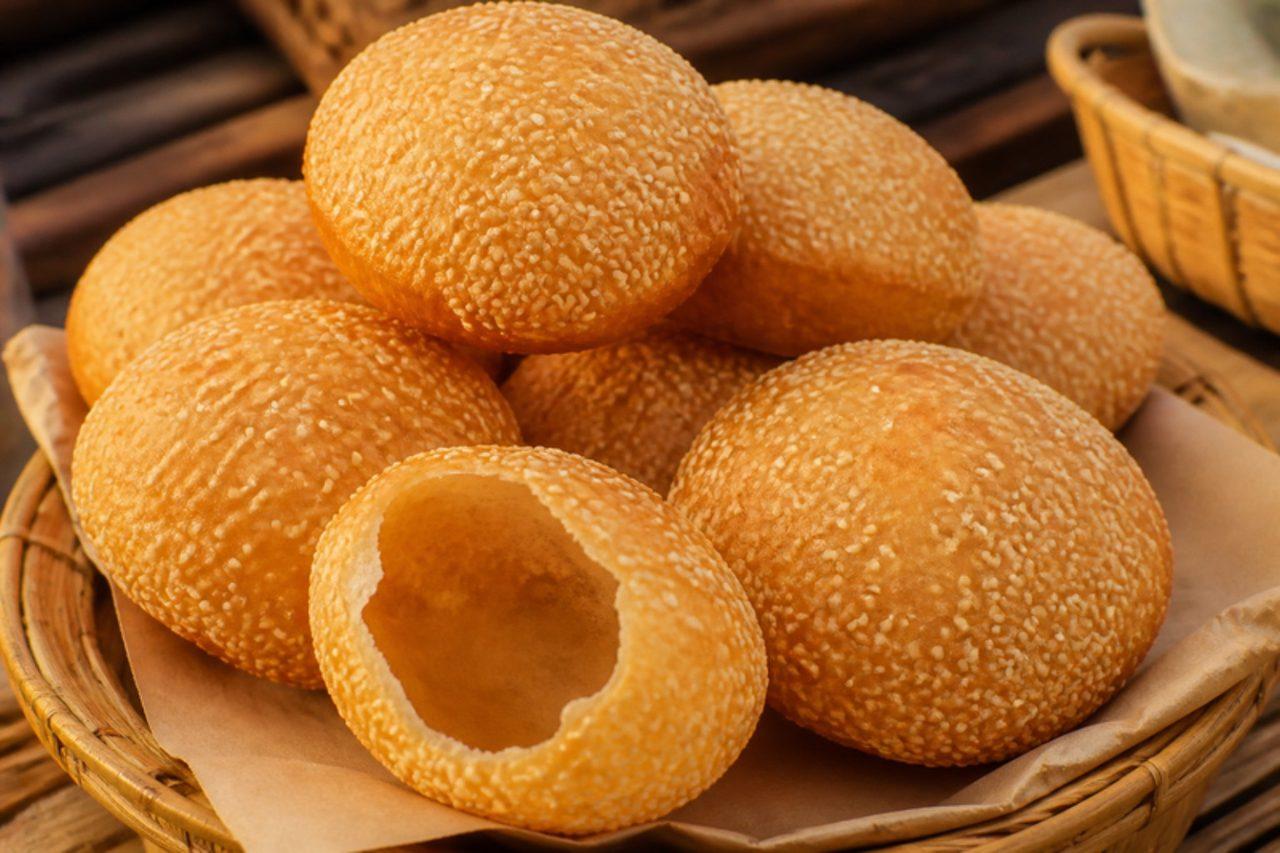
Bánh tiêuSesame doughnuts

In Saigon and the Mekong towns, bánh tiêu are fried in big woks at the edge of the morning market and sold warm in paper bags, often torn open and filled with a stick of quẩy or eaten alongside soy milk. A soft, lightly sweet dough is rolled thin, coated with sesame and dropped into hot oil, where it balloons into a hollow, chewy round with a crackly seeded shell. The dough uses no egg or butter, so the doughnuts are vegan. Chef's tip: roll the rounds evenly thin and keep the oil hot; thick spots or a cool pan give you flat, oily discs that never puff.

by KrazyBadal 0 views

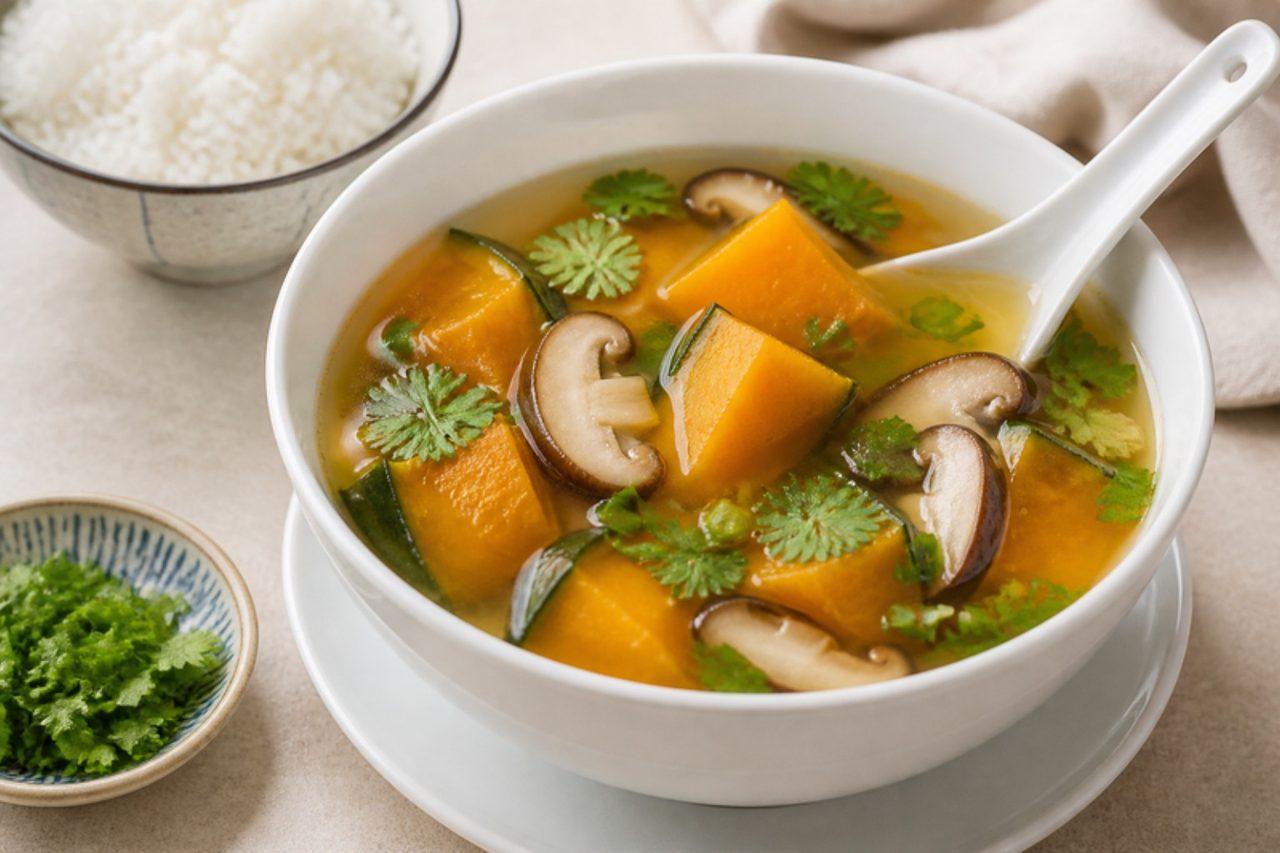
Canh bí đỏ chay (clear pumpkin soup)

Every Vietnamese family meal has a canh, a light soup to sip between mouthfuls of rice, and in autumn in the north the pot is often full of orange pumpkin. Unlike a blended Western pumpkin soup this one stays clear and brothy, with soft, sweet chunks you break with a spoon. Most kitchens add minced pork or dried prawns; this vegetarian version gets its depth from shiitake and a little soy. It is a good soup for children and for anyone recovering from a cold. Chef's tip: cut the pumpkin into even 3 cm chunks and stop cooking as soon as they are tender; overcooked pumpkin falls apart and turns the broth cloudy and porridge-like.

by KrazyBadal 0 views

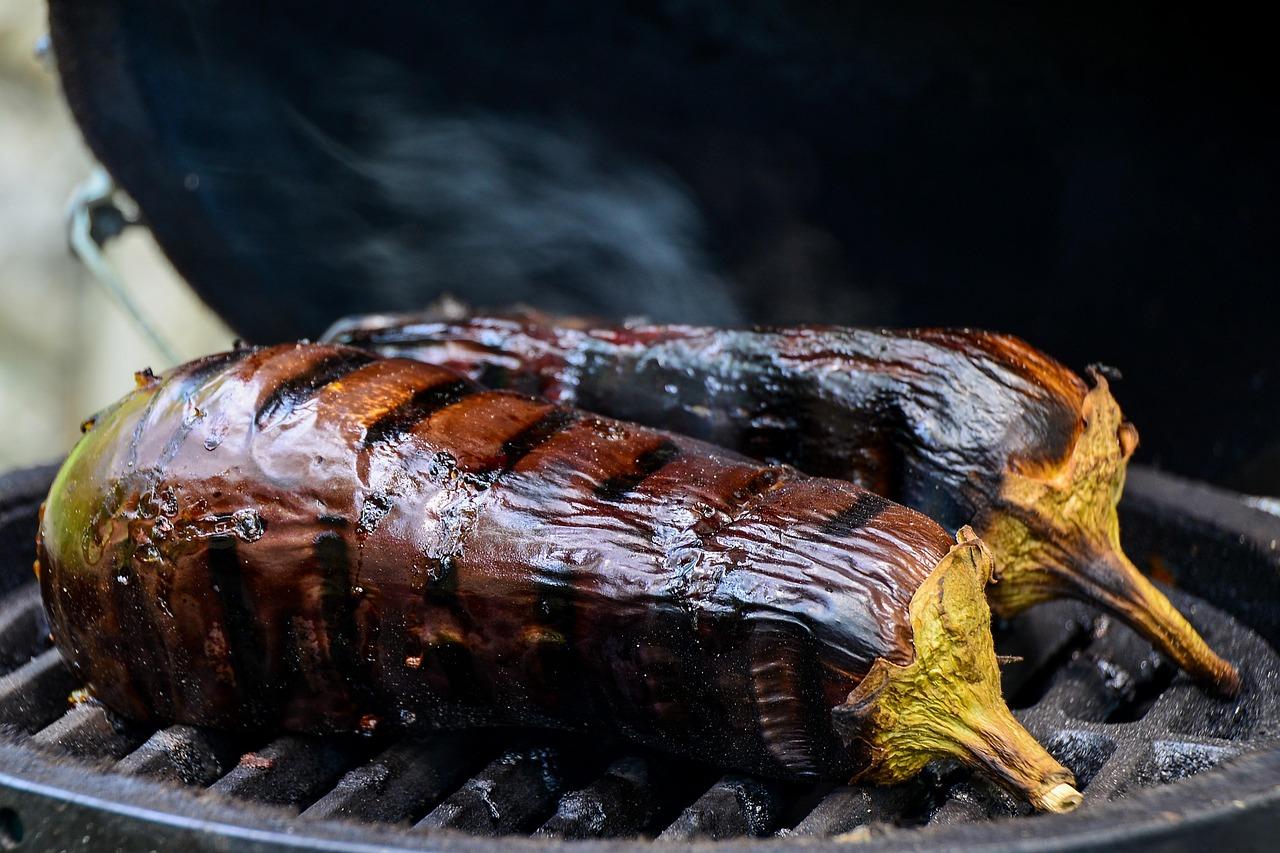
Cà tím nướng mỡ hành (grilled aubergine with scallion oil)Grilled aubergine with spring onion oil

Saigon's nhậu (drinking-snack) joints grill long purple aubergines over charcoal until they collapse, peel them by hand and drown them in hot scallion oil and nước chấm. At home in the south it turns up beside caramelised dishes and rice on weeknights. This vegan version swaps fish sauce for a tamari dressing; the smoky, silky flesh and the green onion oil still carry the dish. Chef's tip: grill the aubergines until the skin is blackened all over and the whole thing slumps; undercooked aubergine is spongy and won't peel.

by KrazyBadal 0 views

Mứt dừa (candied coconut ribbons)

Bến Tre, the coconut province of the Mekong Delta, supplies most of the country's mứt dừa, but plenty of families still make a batch at home for the lacquered khay mứt, the tray of sweets put out for New Year visitors with green tea. The ribbons are chewy-soft in the middle and dry and sugary outside, white or dyed pale green with pandan, pink with dragon fruit or orange with gấc. Chef's tip: keep stirring gently over a low heat as the syrup thickens; high heat browns the coconut and the ribbons break if you stir roughly.

by KrazyBadal 0 views

Bánh đúc with fermented soybean dipRice flour cake with soybean dip

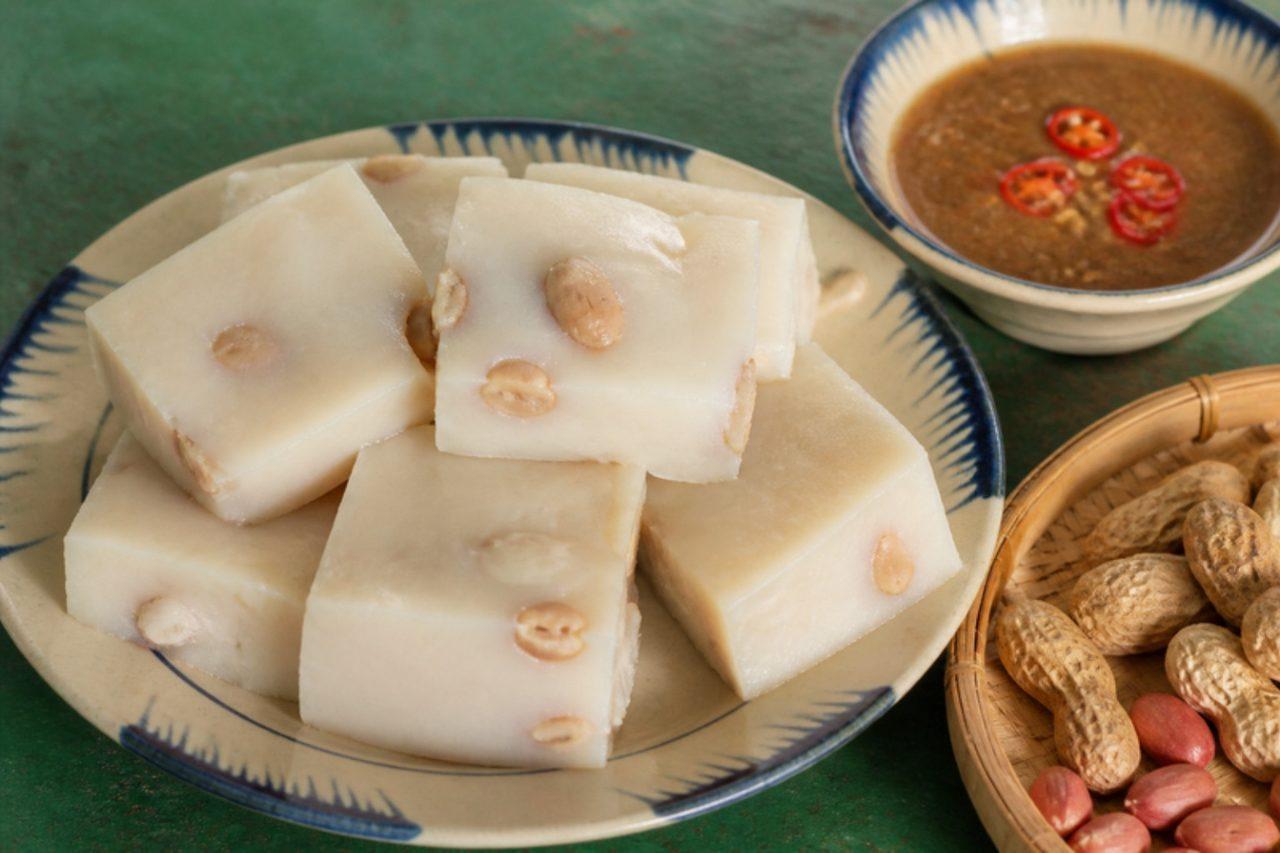
In the villages around Hanoi, women sell squares of pale, wobbly bánh đúc from shoulder baskets in the late afternoon, cut to order and eaten as a filling snack before dinner. The cake is nothing more than rice flour and water cooked to a thick, glossy paste and left to set, studded with boiled peanuts, so the flavour comes from what you dip it in. Northern stalls serve it with tương, a salty-sweet fermented soybean sauce, which keeps it fully vegan; in the city you will also find it warm under a minced pork and wood ear sauce. Chef's tip: stir without stopping once the batter starts to thicken; walk away for even a minute and it scorches on the base and turns lumpy.

by KrazyBadal 0 views

Dưa món chay (Tết pickled vegetables)

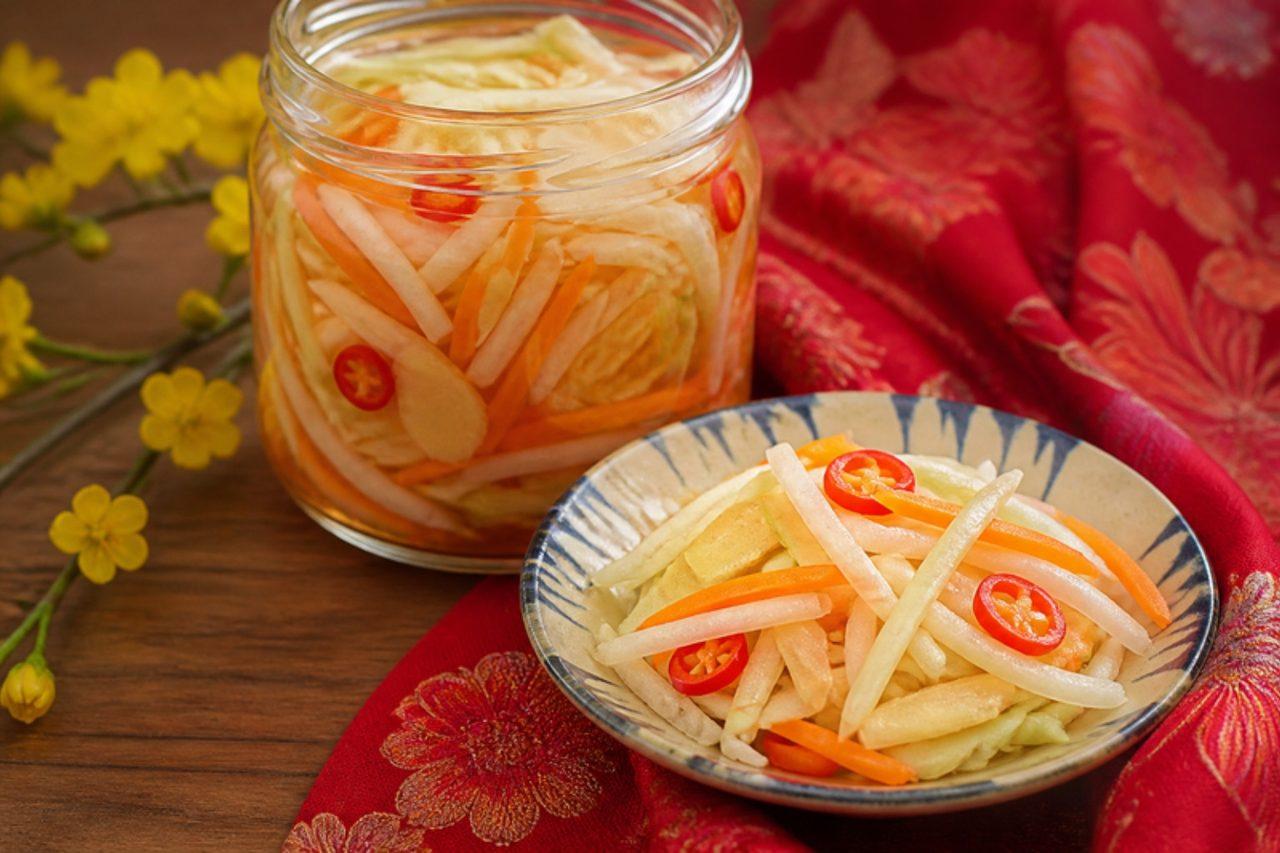
In the Mekong Delta, the week before Tết means trays of papaya, daikon and carrot strips drying in the sun on every balcony, to be packed into jars for dưa món. The drying makes the vegetables wonderfully crunchy and lets them drink up a sweet, salty brine. Families eat a little alongside thịt kho trứng and bánh tét to cut the richness over the holiday. The classic brine uses fish sauce; this one uses tamari, which keeps it vegan and gives a deep amber colour. Chef's tip: dry the strips until they bend like leather; damp vegetables go soft and cloudy in the jar.

by KrazyBadal 0 views

Nấm kho tiêu (peppered braised mushrooms)

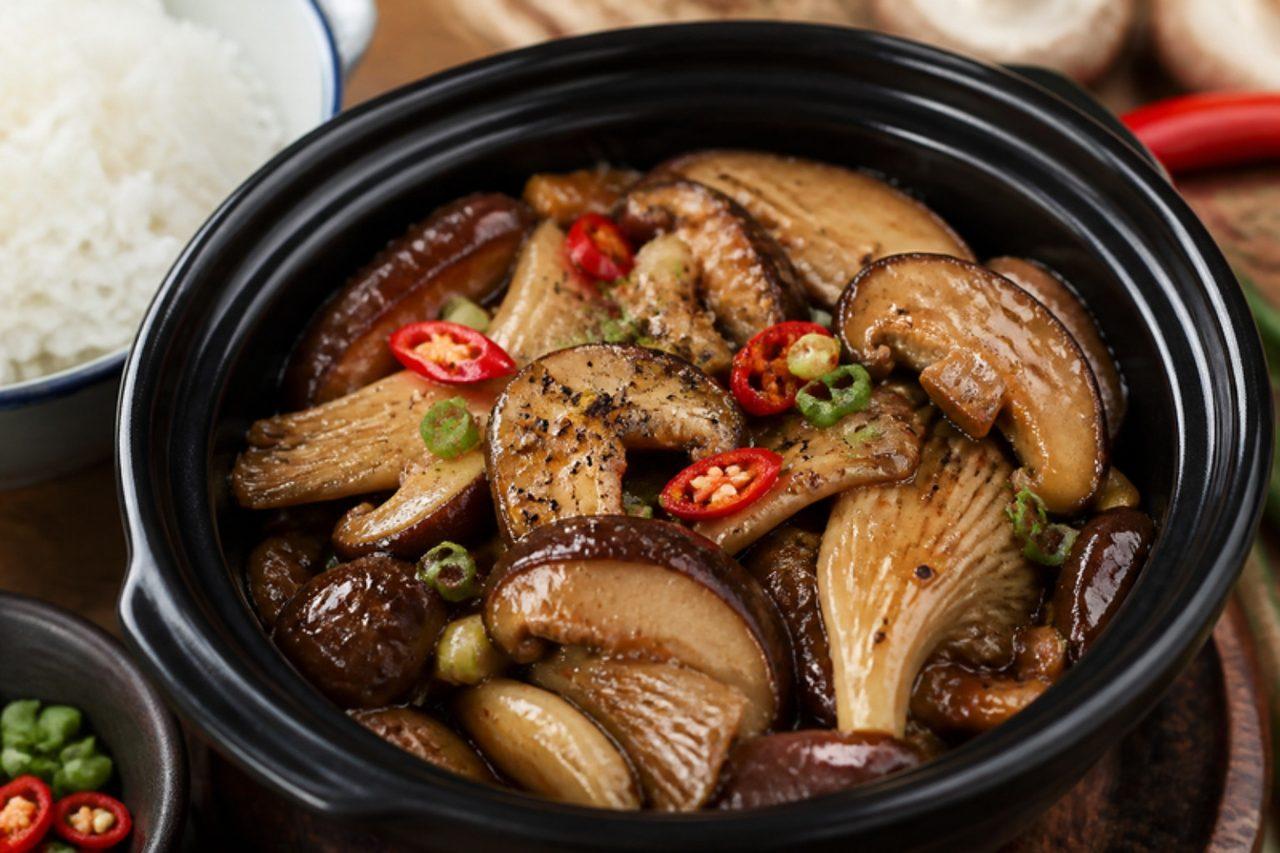
Phú Quốc and the pepper farms of the south give this little clay-pot dish its backbone: so much freshly cracked black pepper that it warms the back of the throat. Mushrooms are braised in a thin caramel until their edges darken and the sauce clings in sticky, salty drops, and nothing else gets in the way: no tofu, no coconut water, just mushroom, caramel and pepper. Families eat it on chay days with plain rice and boiled greens to dip in the leftover sauce. Chef's tip: crack the peppercorns coarsely just before cooking; ready-ground pepper turns dusty and bitter and is the commonest mistake.

by KrazyBadal 0 views

Showing 24 of 498 recipes

Show more recipes

Page 1 of 21