Skip to content
Recipes

All recipes

Vegetarian, or something you can't eat? Set your diet once and we'll hide recipes that don't fit.

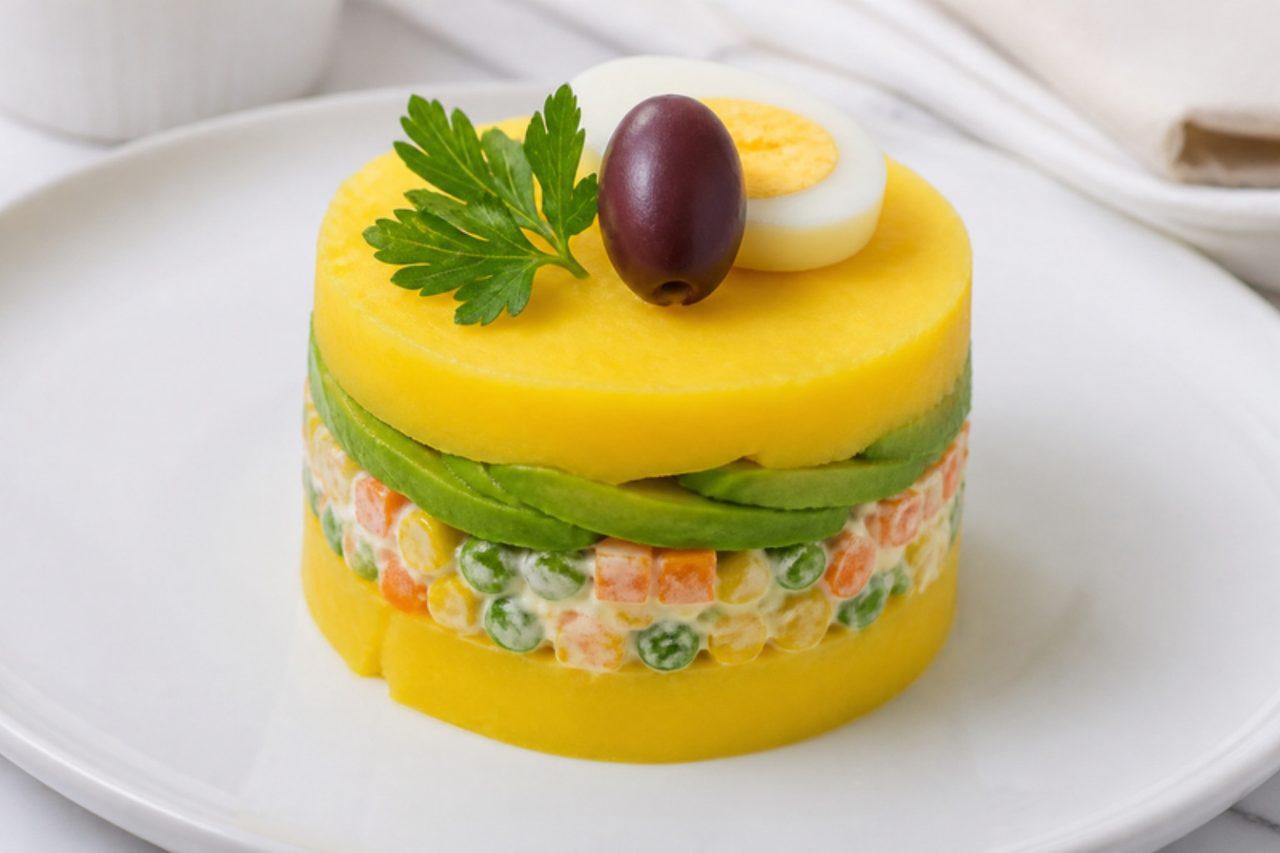
Causa limeñaLayered potato terrine

Causa limeña is Lima's cold potato terrine: yellow potatoes mashed with lime, oil and ají amarillo, pressed into layers and filled. In Lima it is a lunchtime starter sold in every menú and at every family party, often with tuna or chicken; this vegetarian causa is filled with ripe avocado and a creamy salad of corn, peas and carrot. The potato should be smooth, sunny yellow, tangy and gently hot, and the whole thing is served cold in neat slices. Make it in the morning for dinner, or the day before for a party. Chef's tip: mash the potatoes while warm but add the lime only once they have cooled; lime on hot potato turns the mash grey and gluey.

by KrazyBadal 0 views

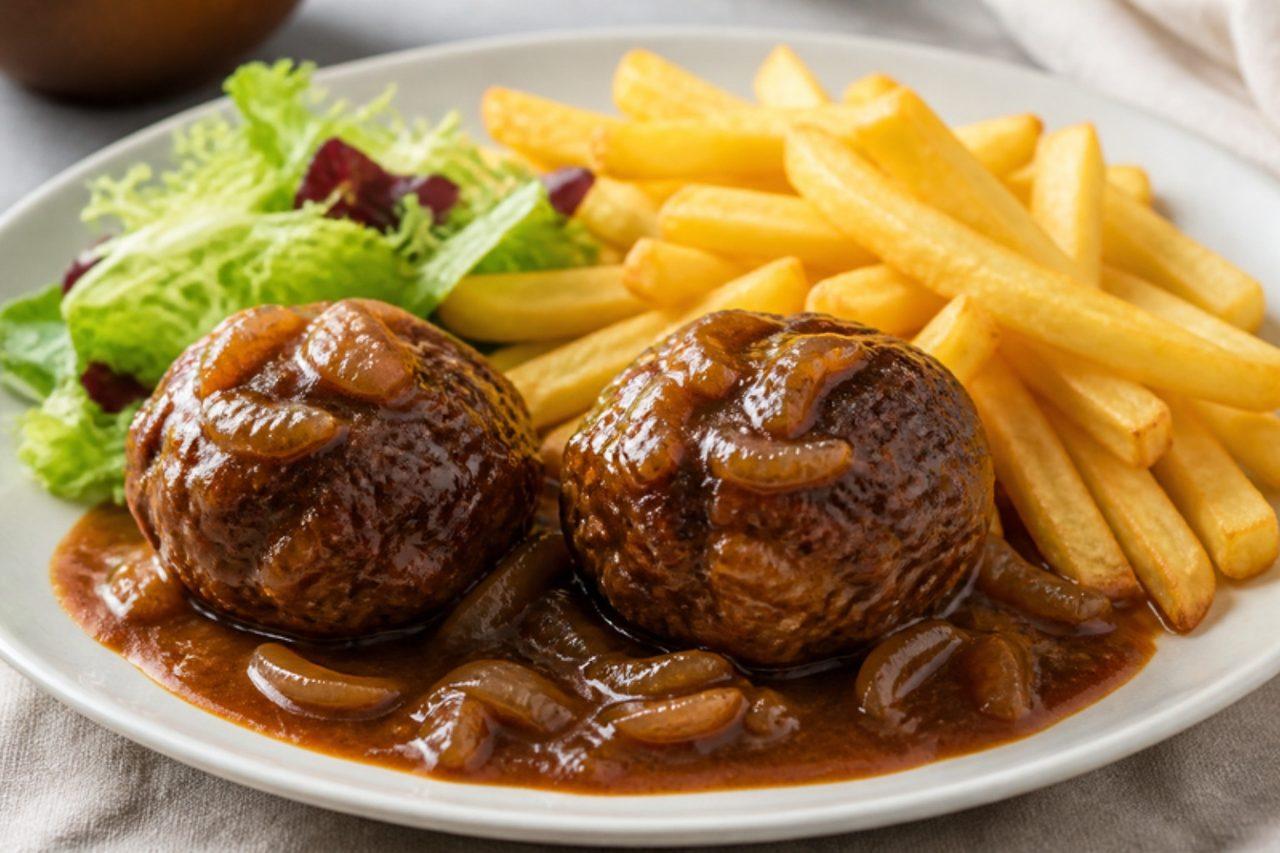
Boulets liégeoisMeatballs in sweet-sour fruit sauce

Liège is famous for its boulets: big, tennis-ball-sized meatballs served in a dark, sticky sauce made with sirop de Liège, the region's thick apple-and-pear syrup, with onions and a little vinegar. They are a brasserie staple across Wallonia, eaten with a mountain of chips and a side of salad, and families make them for Sunday lunch. The mix is half pork, half beef, so this is a pork dish. Rushing the onions is the step most people get wrong: they need a good 20 minutes to turn sweet before the sauce comes together. Chef's tip: if you cannot find sirop de Liège, use 3 tablespoons of apple butter or date syrup with 1 tablespoon of black treacle for the same dark, fruity tang.

by KrazyBadal 0 views

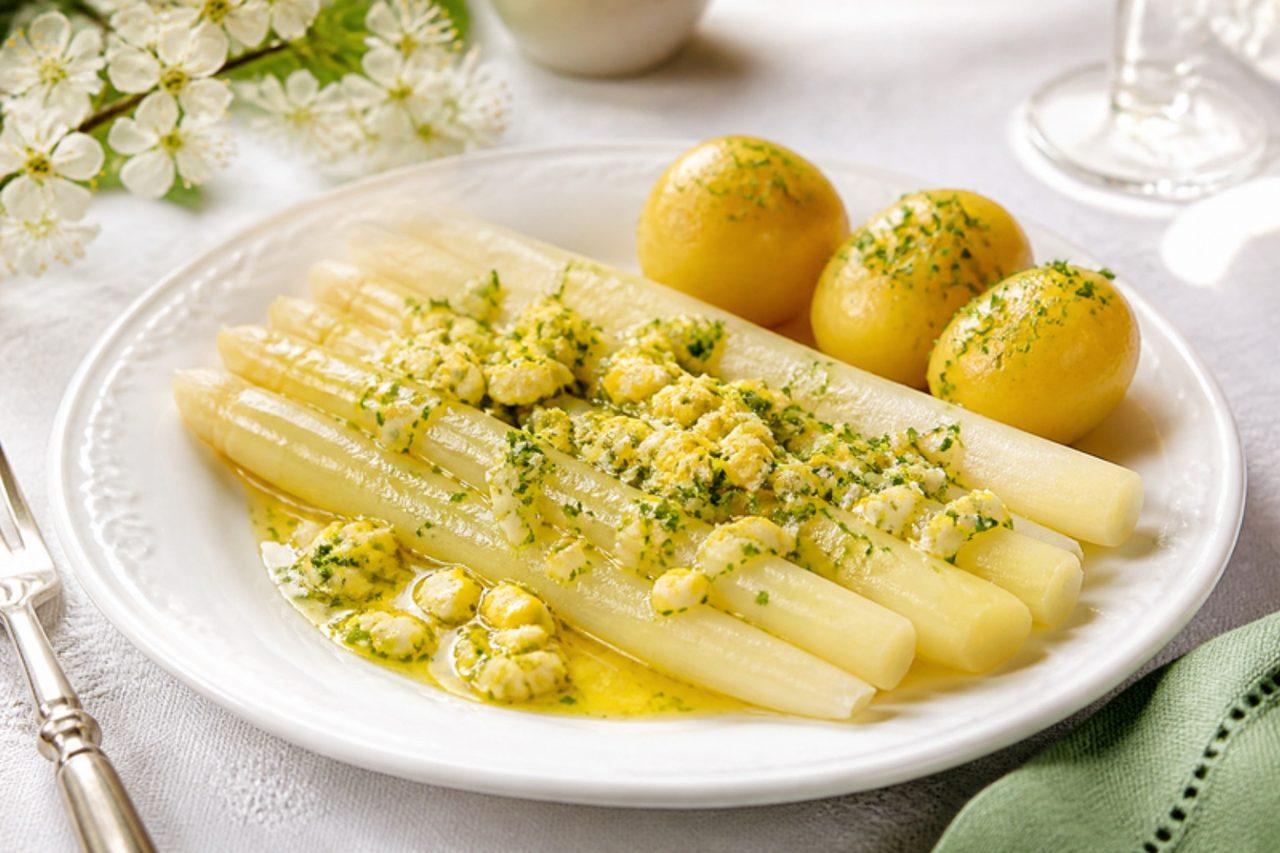
Asperges à la flamandeWhite asparagus with egg and butter

In May and June, white asparagus from Mechelen and the sandy fields around Limburg arrive in Belgian markets, and asperges à la flamande (asperges op Vlaamse wijze) is the way to eat them. The pale spears are peeled and cooked until tender, then covered with a warm sauce of melted butter, chopped hard-boiled egg, parsley and nutmeg that is half sauce and half garnish. It is served as a starter in Flemish restaurants all through the short asparagus season, sometimes with a slice of ham alongside; here it stays meat-free. Chef's tip: peel the spears from just below the tip all the way down with a swivel peeler; white asparagus has a thick, bitter skin, and missing even a strip leaves woody threads.

by KrazyBadal 0 views

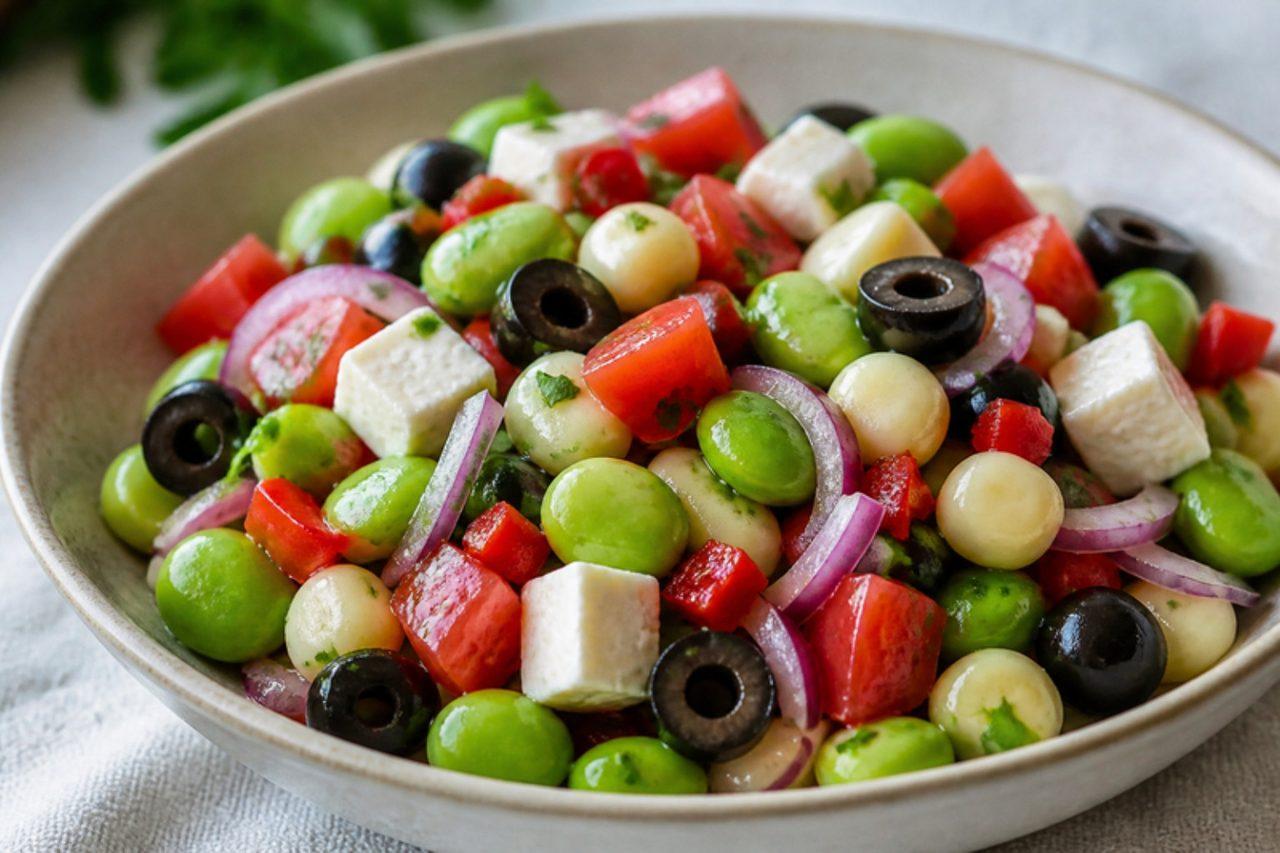
SolteritoBroad bean, corn and cheese salad

Solterito, the 'little bachelor', is a cold salad from Arequipa in southern Peru, so called because it was simple enough for a single man to make. Broad beans, sweet corn, fresh cheese, tomato and red onion are tossed with black olives, parsley and a little rocoto chilli in an oil and vinegar dressing. It is eaten with the spicy dishes of Arequipa's picanterías, or on its own as a light lunch. Rocoto is a fat, fiery red chilli; a red pepper with a little habanero gives a similar crunch and heat. Use queso fresco made with vegetarian rennet. Chef's tip: peel the broad beans after blanching; the pale skins are tough and the bright green beans inside make the salad sweet and tender.

by KrazyBadal 0 views

Locro argentinoCorn, bean and meat stew

Locro comes from the Andean northwest, from Salta, Jujuy and Tucumán, and today the whole country eats it on 25 May and 9 July, the two national holidays, when it simmers in huge pots at clubs and church halls. Dried white corn, white beans and squash cook down with beef, pork belly and chorizo into a stew so thick a spoon stands up in it. This is a pork dish. It is topped with quiquirimichi, a red oil of paprika, chilli and spring onion. The classic mistake is not soaking the corn and beans overnight; without it they never soften. Chef's tip: stir often in the last hour, scraping the bottom, as the squash breaks down and the locro catches easily.

by KrazyBadal 0 views

Asado uruguayoGrilled beef short ribs and chorizo

Sunday in Uruguay means asado: in Montevideo backyards and the cattle towns of the interior, beef ribs (asado de tira), chorizo and morcilla cook slowly over the embers of a wood fire, with only coarse salt, while the family waits. The parrillero rakes coals under the grill and keeps the heat low and even. This recipe includes pork chorizo. The mistake is cooking over flames; the fire should burn down to embers you can hold your hand above for 6–8 seconds. Chef's tip: salt the meat only when it goes on the grill, with coarse salt, never fine.

by KrazyBadal 0 views

So'o yosopyGround beef and rice soup

So'o yosopy, "pounded meat" in Guaraní, is a soup Paraguayans make for anyone who is tired or recovering, and on cold days in Asunción's winter: beef is ground very finely and stirred into cold water so it breaks into soft, delicate threads, then simmered with onion, tomato, pepper and a little rice and oregano. The texture is smooth and the broth light. The mistake is adding the beef to boiling water, which makes it clump into meatballs; mix it into cold water first and stir as it heats. Chef's tip: ask the butcher to mince lean beef twice, or pulse it very fine in a food processor.

by KrazyBadal 0 views

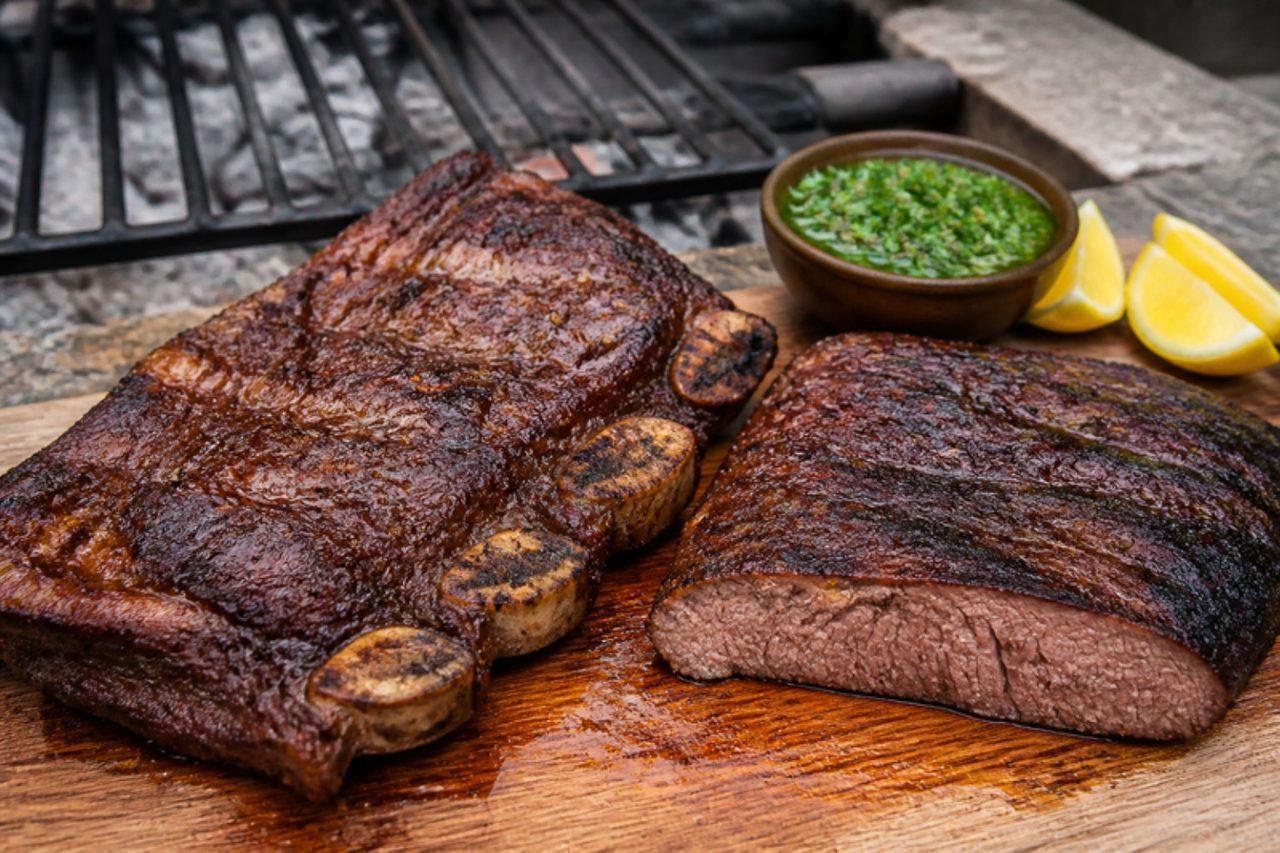
Asado argentinoGrilled beef short ribs

For Argentines the Sunday asado is less a recipe than a ritual: someone (the asador) lights the fire mid-morning in a backyard in Buenos Aires or a ranch in the Pampas, and lunch happens hours later. Beef is cooked low and slow over glowing embers, seasoned with nothing but coarse salt, and carved at the grill to be eaten with bread, salad and a bowl of chimichurri. This home version uses two favourite cuts: tira de asado (thin cross-cut short ribs) and vacío (flank). The classic mistake is grilling over flames; wait until the coals are covered in white ash, and spread them so the heat is gentle. Chef's tip: hold your hand 15 cm above the grill; if you can keep it there for 8–10 seconds, the heat is right for asado.

by KrazyBadal 0 views

Arroz con pollo peruanoCoriander rice with chicken

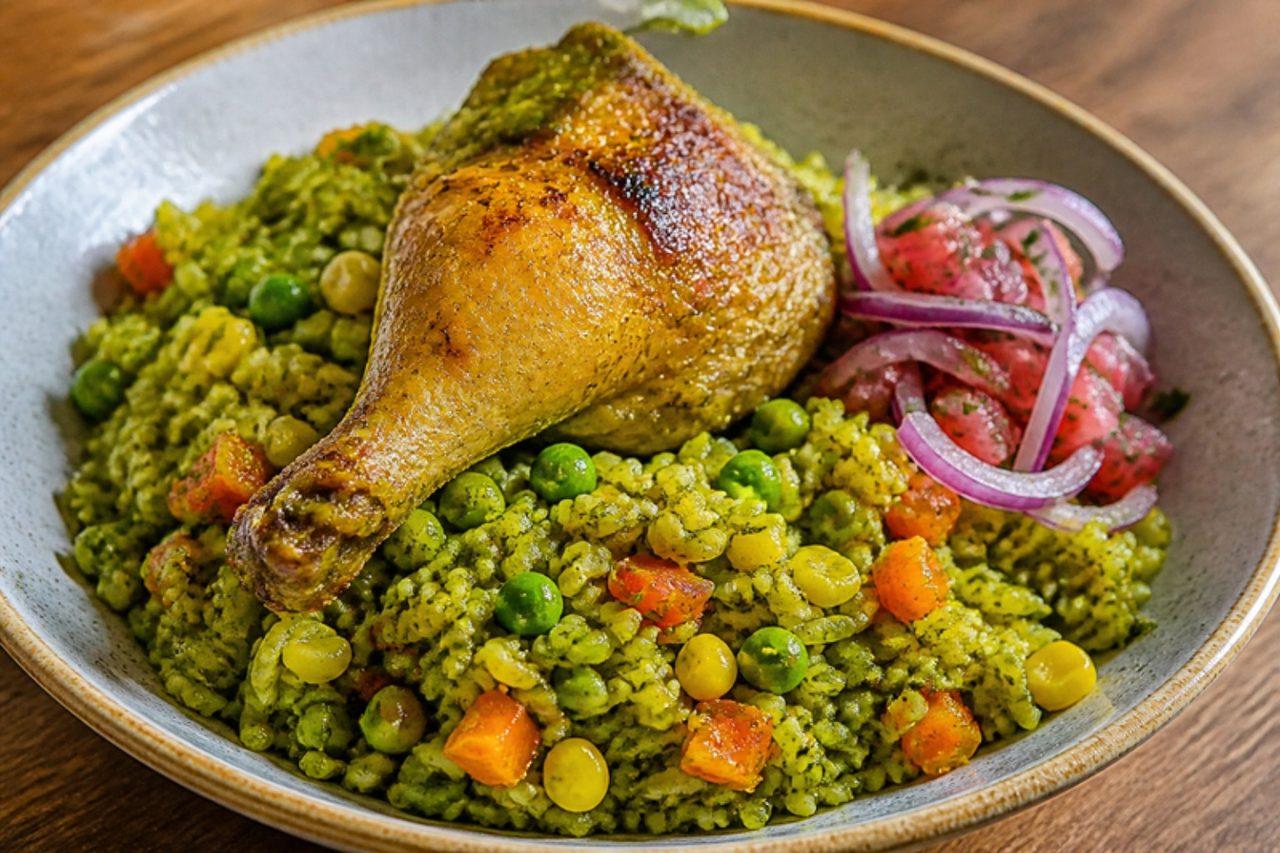
Across Spanish-speaking America arroz con pollo means yellow rice, but in Lima it comes out deep green, thanks to a big bunch of coriander blended into the cooking liquid. Mothers make it for Sunday lunch and for birthday parties, and street stalls ladle it out with salsa criolla, the sharp onion-and-lime relish that cuts through the rice. Chicken pieces are browned first, then the rice cooks in the same pot so it takes on all their flavour. Chef's tip: blend the coriander with cold stock right before it goes in, so it stays bright green rather than turning khaki.

by KrazyBadal 0 views

Arroz chaufaPeruvian fried rice

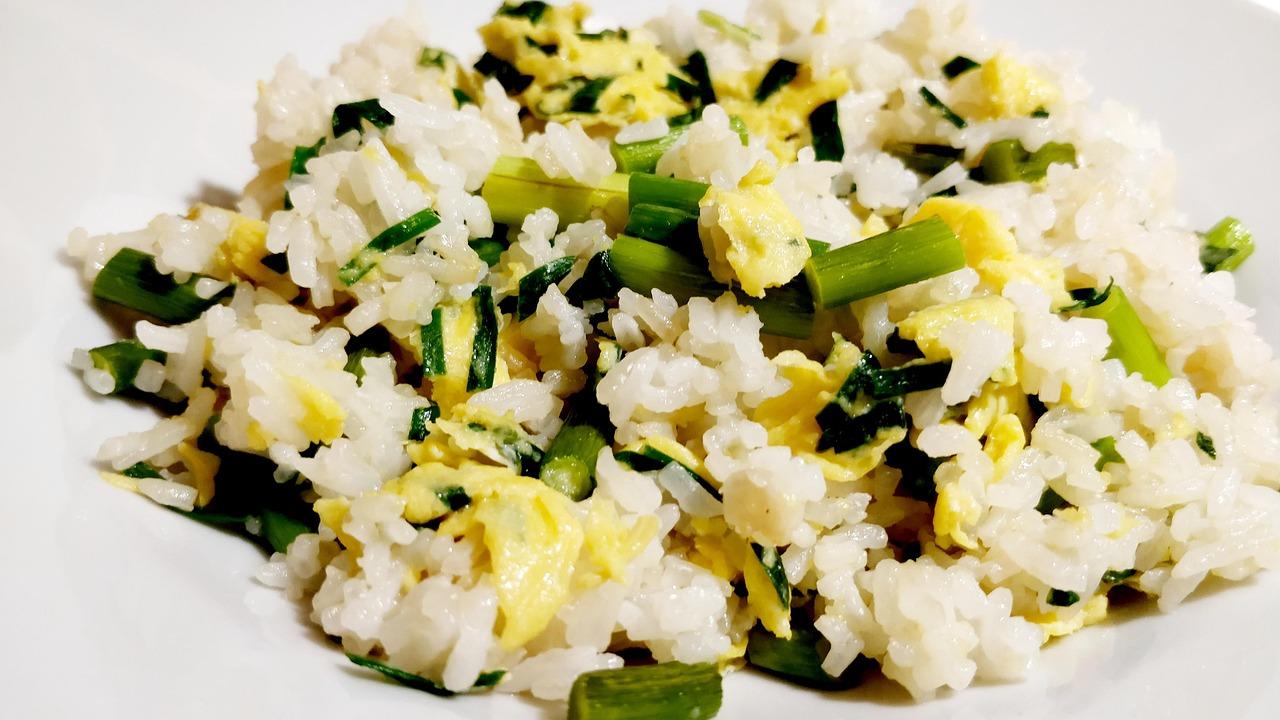
Arroz chaufa is the fried rice of Lima's chifas, the Chinese-Peruvian restaurants found on almost every street corner in Peru. It is close to Cantonese fried rice but has its own accent: plenty of spring onion and ginger, a dark soy colour, a thin omelette cut into strips and a whisper of sesame oil, all tossed in a smoking wok. This egg and vegetable version is a quick dinner on its own, or the side for a saltado. Chef's tip: use rice cooked the day before and broken up with your fingers; fresh rice is too wet and goes mushy and sticky in the wok.

by KrazyBadal 0 views

Sopa de quinuaQuinoa and vegetable soup

Sopa de quinua is everyday food in the Andes, from Puno on Lake Titicaca to Cusco and Huancayo, where quinoa has been grown for thousands of years. Quinoa, potato, carrot and corn simmer in a light broth seasoned with garlic, cumin, oregano and a little ají amarillo, and the potato breaks down slightly to give body. It is light yet filling, the soup families eat at midday to warm up in cold mountain air. In Peru it is finished with huacatay, the black mint of the Andes; a mix of mint and coriander stands in well. Chef's tip: rinse the quinoa in a sieve under running water, rubbing it, until the water stops foaming; the natural saponin coating tastes bitter and soapy.

by KrazyBadal 0 views

ProvoletaGrilled provolone with oregano

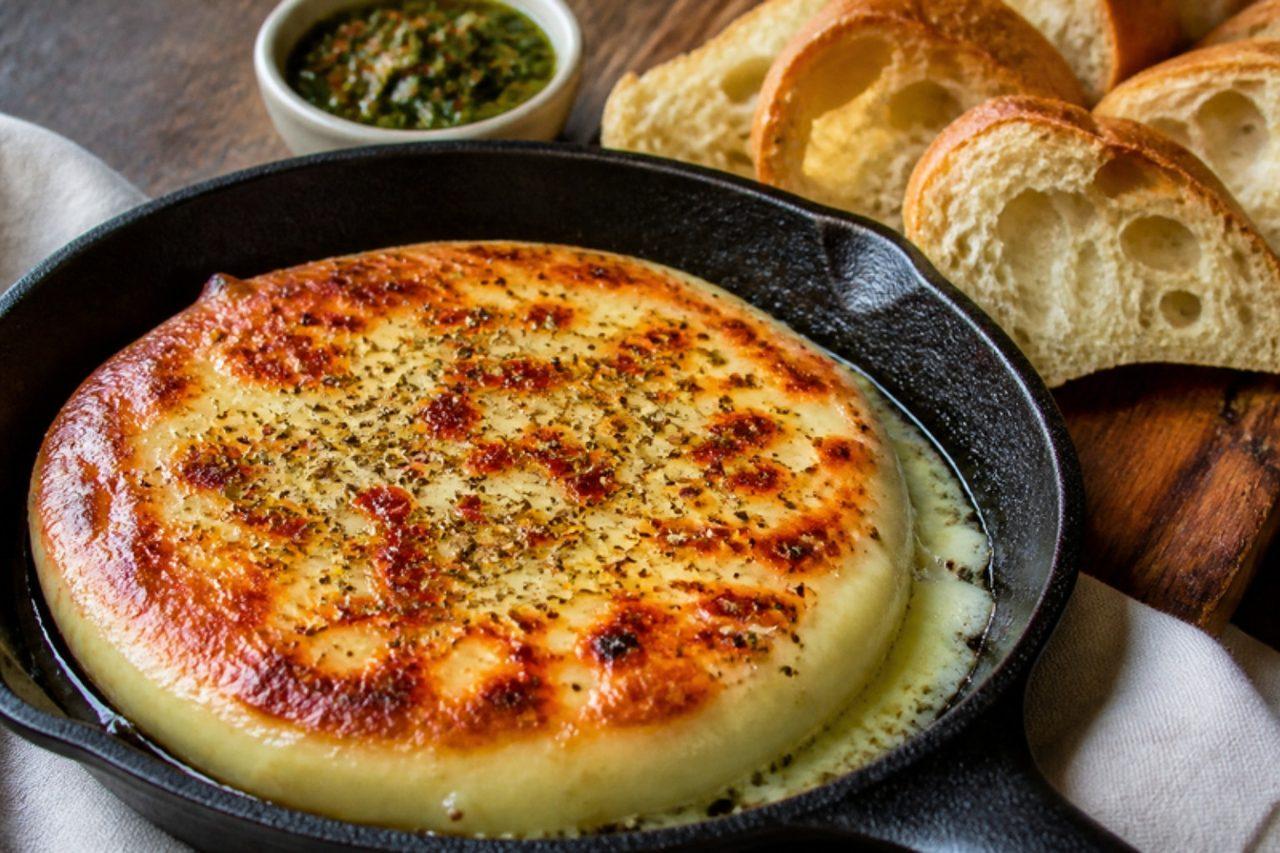
Provoleta is the first thing off the grill at an Argentine asado: a thick round of provolone-style cheese, invented by Italian immigrants in Buenos Aires, cooked in a small iron pan or straight on the grate until the outside forms a golden crust and the inside turns molten. It comes to the table bubbling, sprinkled with oregano and chilli flakes and drizzled with chimichurri, to scoop up with crusty bread. Many provolones use animal rennet, so check the label and choose one made with vegetarian rennet. Chef's tip: chill the cheese well before cooking; cold cheese forms a crust before the middle melts and runs.

by KrazyBadal 0 views

Torta fritaFried dough discs

In Uruguay, a grey rainy afternoon has one answer: torta frita and mate. These thin discs of dough, pierced with a hole in the middle, are fried until puffed and golden and either sprinkled with sugar or eaten plain, still hot, between sips passed around the circle. In Montevideo you'll smell them from street stalls on wet days; at home they're made with butter or beef fat, here with butter. Chef's tip: the hole in the middle isn't decoration; it lets the centre cook through at the same speed as the edges.

by KrazyBadal 0 views

Tarte au rizRice pudding tart

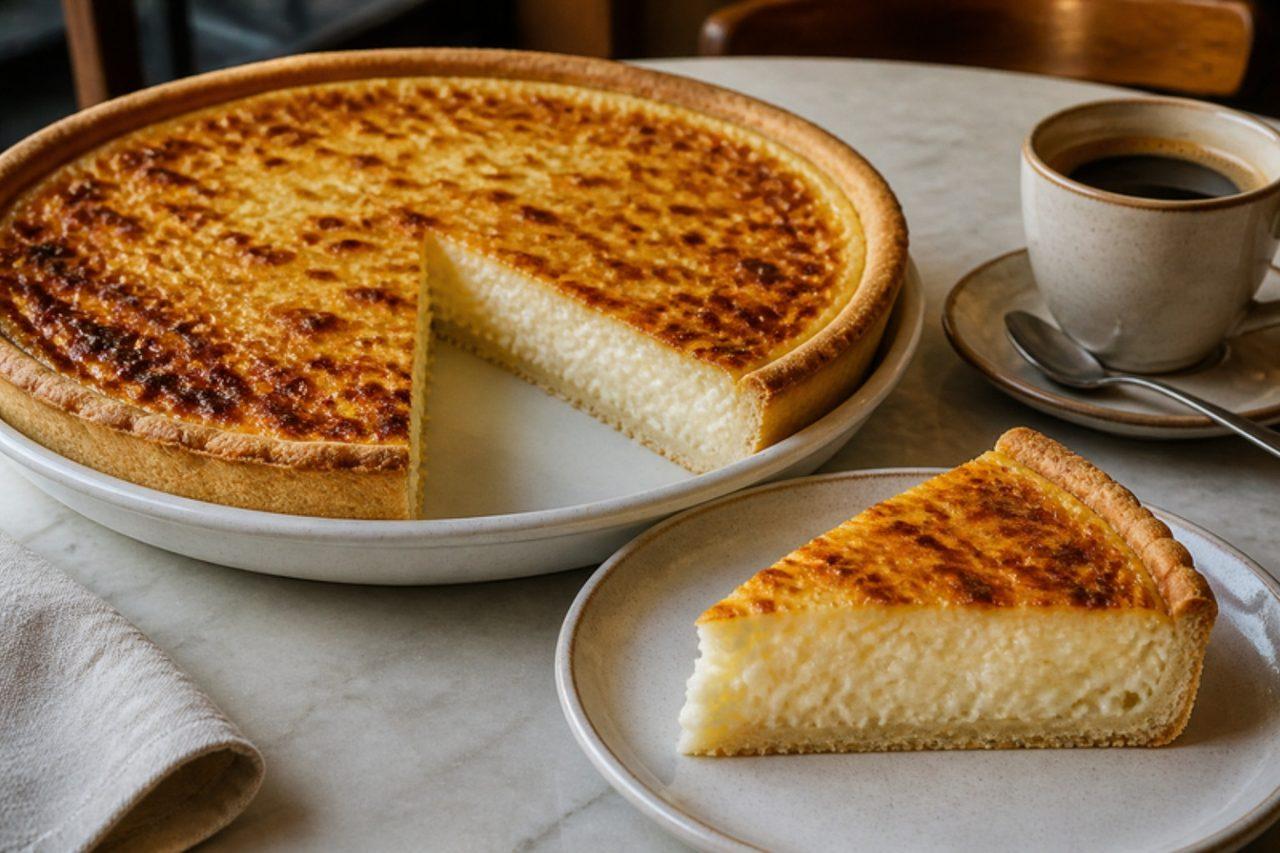
In the province of Liège, and above all in the town of Verviers, no village fair (ducasse) or family celebration happens without tarte au riz, called rijsttaart in Flanders. A thin, soft yeast-dough crust holds a thick layer of rice cooked slowly in milk with vanilla and sugar, enriched with egg yolks and baked until the top is speckled brown. People buy whole tarts from the bakery for a birthday and eat them cold with coffee. Chef's tip: cook the rice until a spoon drawn through it leaves a clear path that closes slowly; a runny filling never sets in the oven, and the crust turns soggy.

by KrazyBadal 0 views

MateYerba mate tea

Mate is less a drink than a ritual in Argentina, Uruguay and Paraguay: a gourd (also called a mate) packed with yerba mate leaves, a metal straw called a bombilla, and a thermos of hot water passed around friends, family and coworkers, from the parks of Buenos Aires to long bus rides across Patagonia. One person, the cebador, pours and drinks first, then refills and passes it on. It's grassy, bitter and gently stimulating; sweet versions add sugar. Chef's tip: never use boiling water; at about 75–80 °C the yerba stays fresh for many rounds instead of 'burning' and turning bitter.

by KrazyBadal 0 views

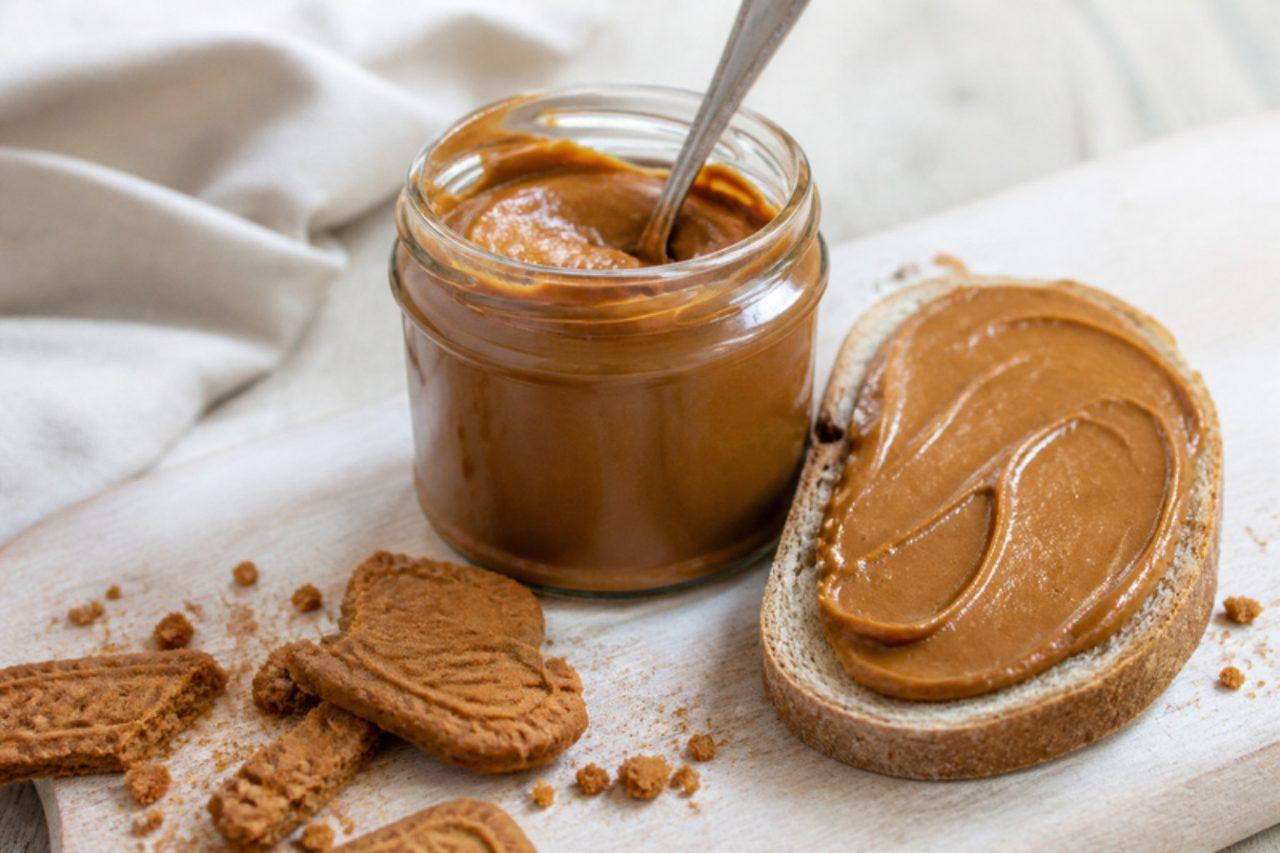
Speculoos spreadSpiced biscuit spread

Speculoospasta, a sweet spread made from crushed spiced caramel biscuits, is a Flemish invention of the 2000s: a home cook took the idea to a Belgian TV contest for inventors, and within a few years it sat next to chocolate spread on breakfast tables across Belgium and the Netherlands. Belgians spread it thickly on bread or toast, stir it into yoghurt, or warm it to pour over ice cream. Homemade, it tastes more of cinnamon and caramel and less of sugar than shop jars. Chef's tip: blitz the biscuits to a powder as fine as flour before adding liquid; any grit left now stays gritty in the jar.

by KrazyBadal 0 views

Anticuchos de corazónBeef heart skewers

As night falls in Lima, anticucheras set up charcoal grills on street corners and fan the smoke towards passers-by; the October processions of the Señor de los Milagros are lined with them. The skewers are traditionally beef heart, a lean, firm and surprisingly mild meat, soaked in a dark-red marinade of ají panca, vinegar, cumin and garlic. They come with a boiled potato, a piece of choclo (large-kernel corn) and a spicy green ají sauce. If you can't get heart, sirloin steak works well. Chef's tip: baste the skewers with the leftover marinade and oil using a few coriander stalks tied together as a brush, the way the street cooks do.

by KrazyBadal 0 views

MbejúCassava starch cheese cake

Mbejú (say 'mbeh-JOO') is a Guaraní breakfast and merienda: cassava starch rubbed with butter, cheese and a little milk into damp crumbs, then pressed into a hot pan where it fuses into a thick, chewy, crisp-edged cake. It's eaten in the countryside with cocido (sweet toasted yerba tea with milk) on cool mornings, cut into wedges. It's naturally gluten free and very quick. Chef's tip: the mix should look like damp sand, not a dough; if you can squeeze a handful and it just holds, it's right.

by KrazyBadal 0 views

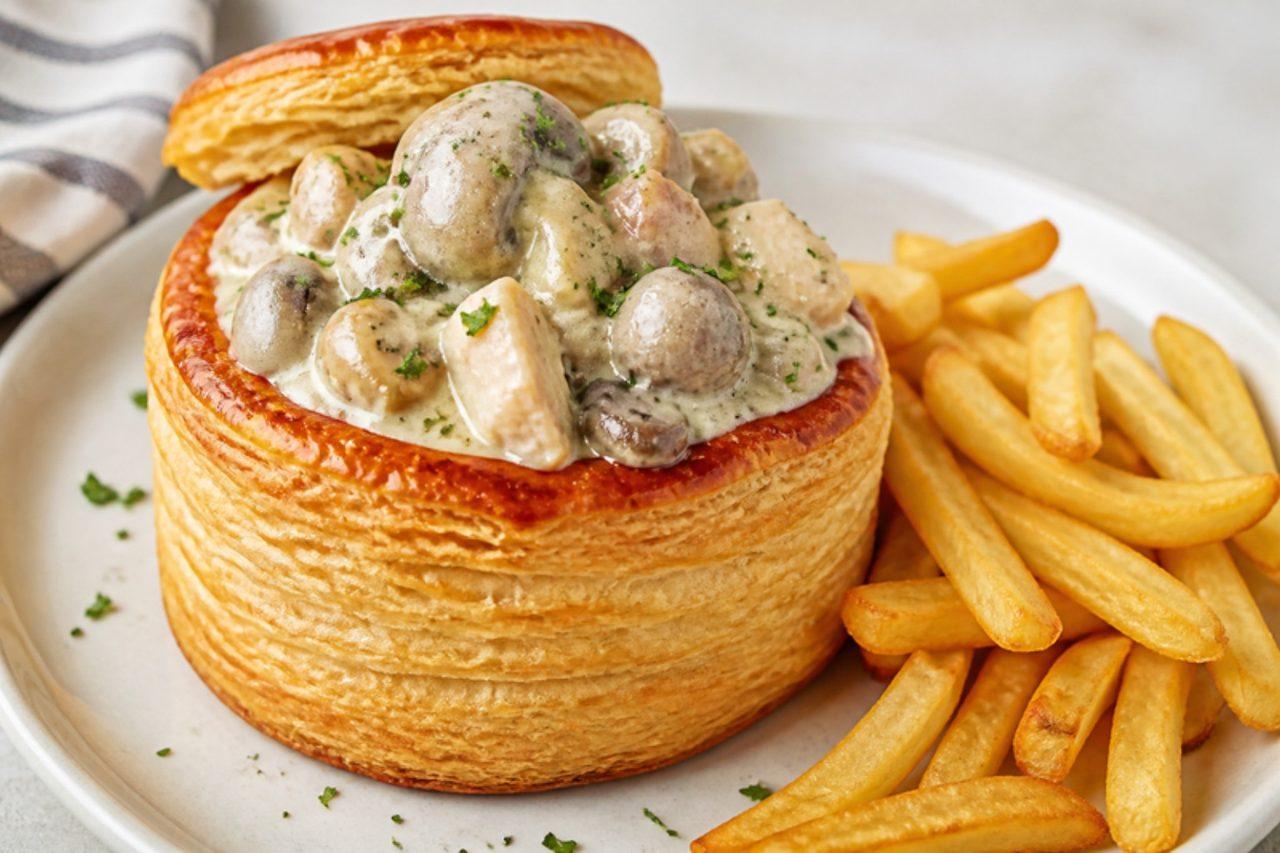
Vol-au-ventChicken and mushroom pastry cases

In Belgium a vol-au-vent is not a party nibble but a full plate: a big puff-pastry case filled with creamy chicken ragout, button mushrooms and tiny meatballs, served with chips in Brussels brasseries and for family celebrations and Sunday lunches all over the country. The little meatballs are made with pork mince, so this dish contains pork. The sauce is built on the poaching stock from the chicken, which gives it far more flavour than milk. A mistake many cooks make is filling the pastry too early, so the base turns soggy; fill the cases just before they go to the table. Chef's tip: poach the meatballs in the same stock as the chicken; they take just 5 minutes and season the broth further.

by KrazyBadal 0 views

Vegetarian vori voriCornmeal dumpling and vegetable soup

Vori vori is the soup Paraguayan grandmothers make on cold June and July evenings: a golden broth full of bori, small balls of cornmeal and cheese that swell soft as they simmer. The name is a Guaraní take on the Spanish 'bolita' (little ball). It's usually made with hen; this version gets its colour and body from pumpkin, carrot and a sofrito with saffron or turmeric. Chef's tip: shape the balls no bigger than a hazelnut; they double in size and larger ones stay raw inside.

by KrazyBadal 0 views

Lebanese date cake

A soft, moist cake made without eggs: self-raising flour and brown sugar are rubbed with butter, then mixed with milk and sour cream and studded with chopped dates, raisins and pistachios, with a warm hint of nutmeg and vanilla. Lovely with tea or served warm with cream.

by KrazyBadal 0 views

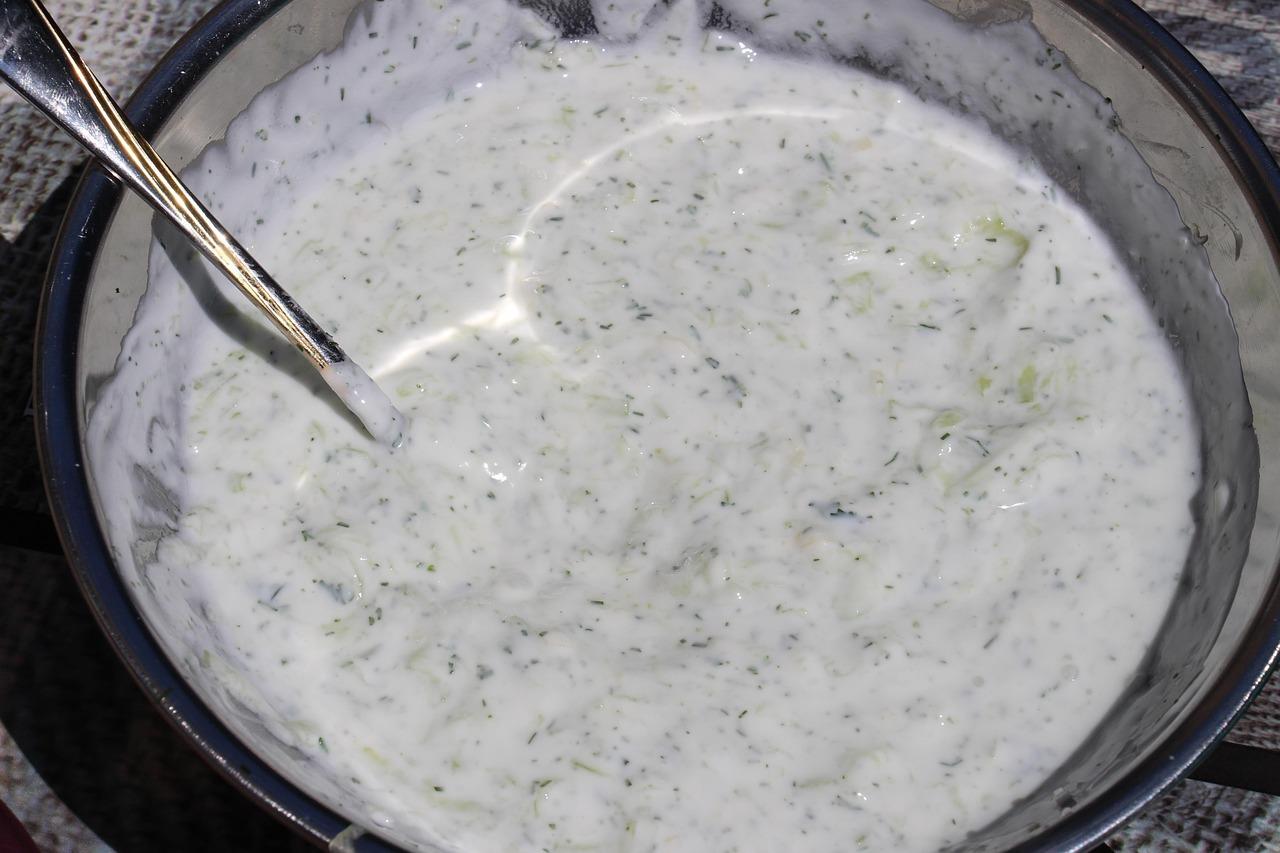
CacıkCucumber yogurt dip

Cacık is the Turkish version of tzatziki: thick yogurt mixed with cucumber, onion, plenty of parsley, garlic and green chilli, seasoned with salt, white pepper and a pinch of sugar and finished with fresh mint. Cool and refreshing, ready in minutes. Serve with warm pitta bread, curries and rice dishes.

by KrazyBadal 0 views

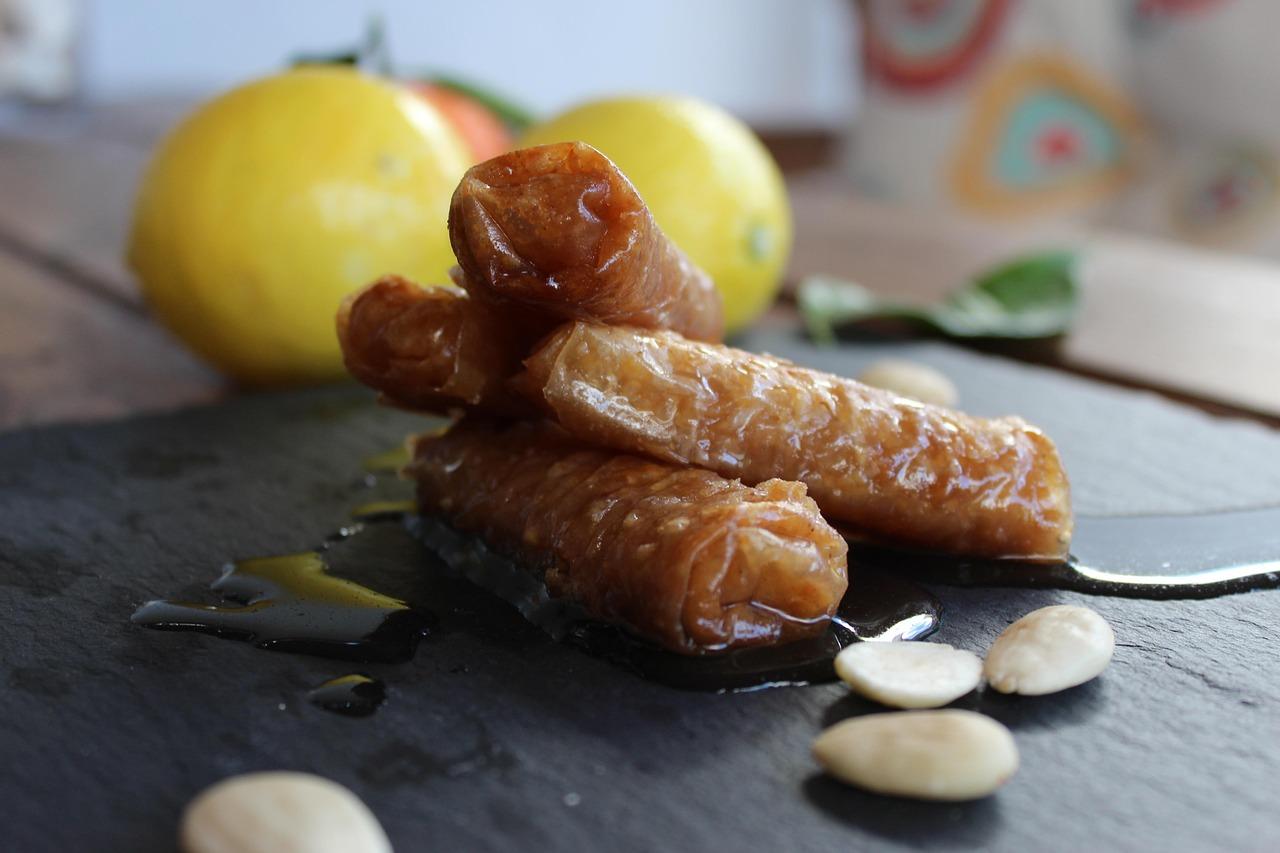
Arabian cigarsWalnut and almond fillo rolls

Thin, crackly rolls of buttered fillo pastry wrapped around a filling of walnuts, almonds, sugar, cinnamon and clove, baked until light golden and then bathed in a warm syrup scented with lemon rind, cinnamon and cloves. Like little baklava fingers, sweet and nutty. Serve with coffee or mint tea; they keep well for a few days.

by KrazyBadal 0 views

Arabian date pinwheels

Crumbly, buttery biscuit dough is rolled out, spread with a soft date filling flavoured with cinnamon and lemon, rolled into logs, sliced and baked into pretty pinwheels. They make a big batch of 50 and keep well in an airtight tin. Serve with tea, or with ice cream as a dessert.

by KrazyBadal 0 views

Showing 24 of 377 recipes

Show more recipes

Page 15 of 16