Skip to content
Recipes

All recipes

Vegetarian, or something you can't eat? Set your diet once and we'll hide recipes that don't fit.

Orange salad with cinnamon

After a heavy tagine or couscous, Moroccan families in the orange-growing Souss valley and around Marrakech often skip pastries and bring out a plate of sliced oranges instead, splashed with orange blossom water and dusted with cinnamon. It is the simplest dessert there is, but when the oranges are cold and juicy it tastes like a perfume of spice and flowers. Scatter over toasted almonds or chopped dates to make it more filling. Chef's tip: cut off every bit of white pith; even a thin ring of it makes the slices bitter.

by KrazyBadal 0 views

Chickpea & sweet potato tagine

Sweet potato is not old Moroccan tradition, but today it is sold in every souk from Agadir to Meknes and turns up in modern home tagines alongside the classic chickpeas, dried apricots and ras el hanout. This version leans on the sweet-and-spiced style of Fez and Marrakech cooking: the sweet potato melts slightly into the sauce, the chickpeas keep their bite and a handful of apricots adds little pockets of tang. It is filling enough for a weekend lunch with couscous or bread, and it reheats beautifully the next day. Chef's tip: bloom the ras el hanout in the oil for 30 seconds before the liquid goes in; raw spice blends taste dusty, cooked ones taste round.

by KrazyBadal 0 views

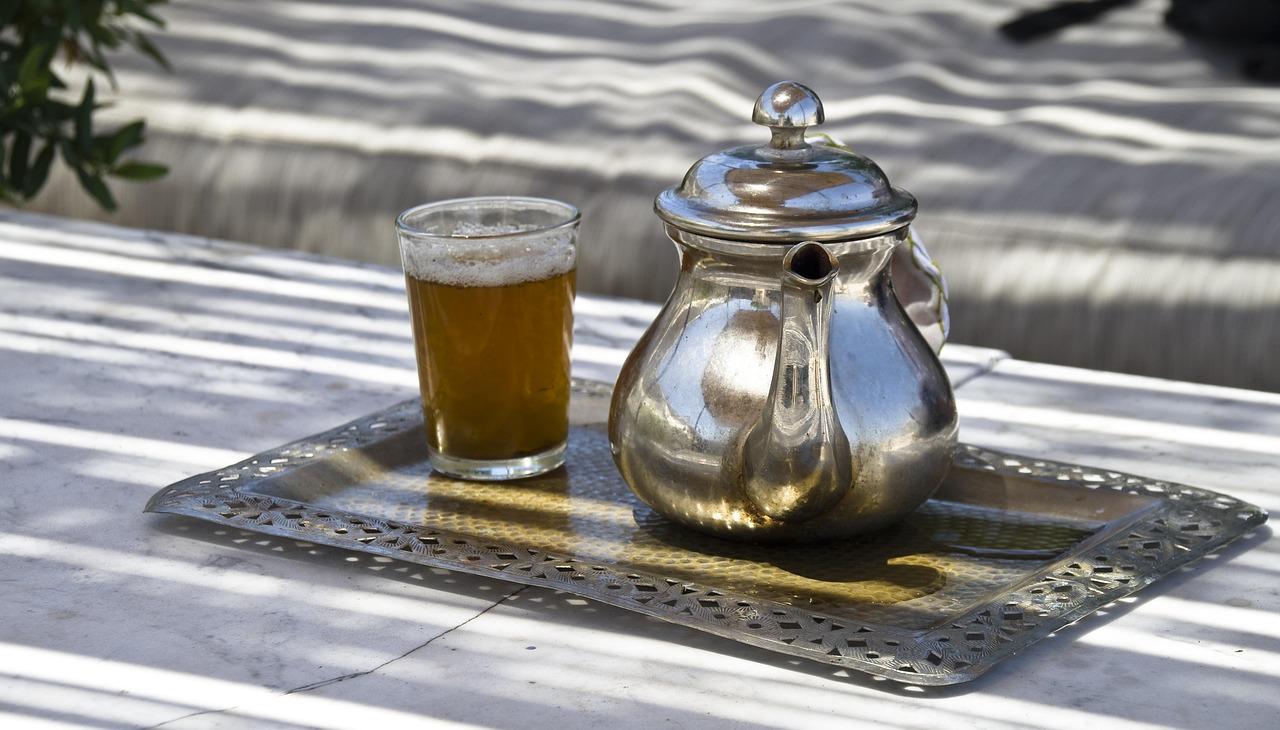
Moroccan mint tea (atay)Green tea with mint

Atay is Morocco's gesture of welcome, poured for guests in homes from Tangier to the Sahara, in shops while you bargain and after every meal. Chinese gunpowder green tea is rinsed, brewed with a big bunch of fresh spearmint and sweetened in the pot, then poured from high above the glasses so it froths. The host often pours a glass and returns it to the pot several times to mix the sugar through. The result is sweet, fresh and pleasantly bitter. Chef's tip: rinse the tea leaves with a splash of boiling water and throw that water away first; it removes the dust and the harshest bitterness.

by KrazyBadal 0 views

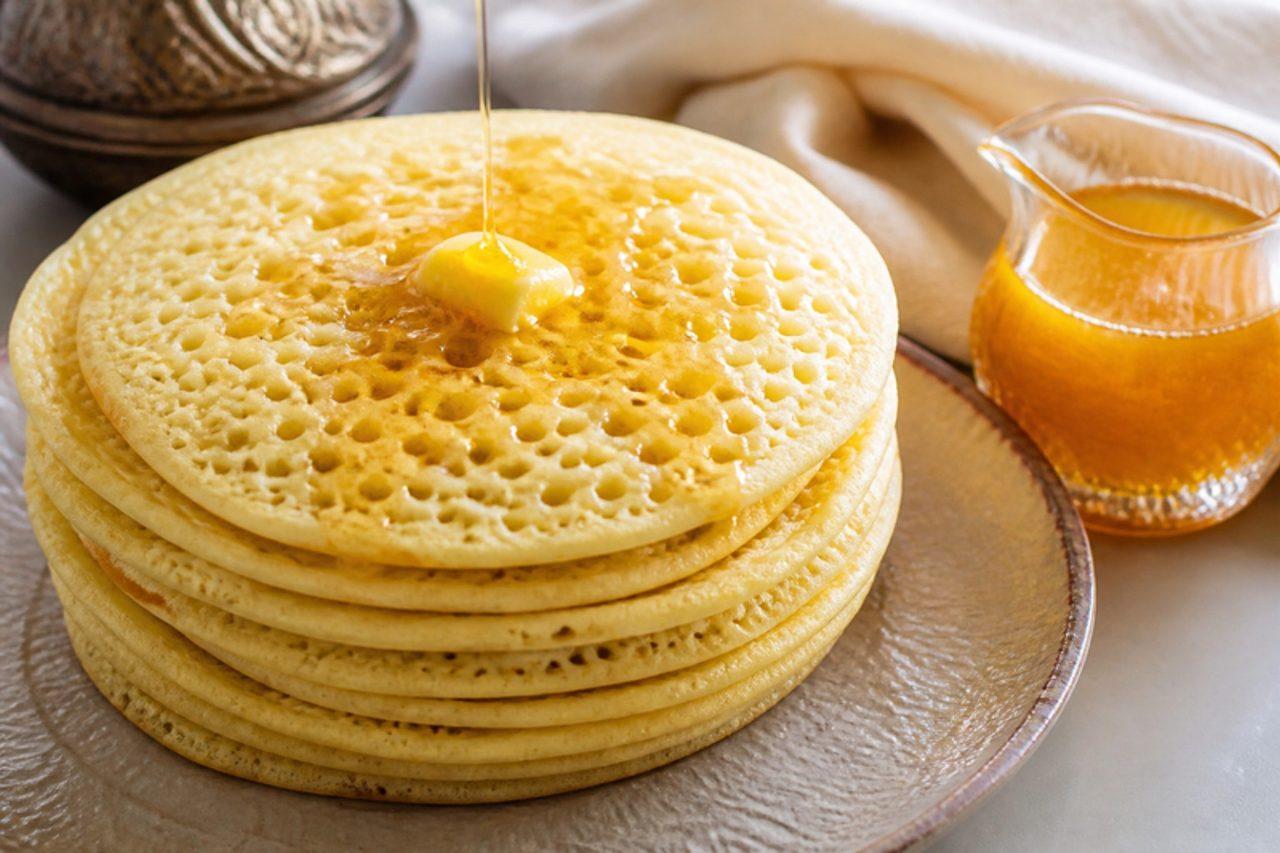
BaghrirThousand-hole semolina pancakes

Baghrir are the spongy, lacy pancakes that Moroccan families make for breakfast on weekends and at Ramadan, when they are piled high at the iftar table. A smooth semolina batter is blended until thin, rested so the yeast and baking powder can work, then cooked on one side only: as it heats, hundreds of tiny holes open across the surface. The holes soak up the warm butter and honey poured over before serving. Chef's tip: the batter must be as thin as single cream; too thick and the holes won't break through to the top.

by KrazyBadal 0 views

Vegetable tagine (khodra)Steamed vegetable tagine

Across Morocco, from village kitchens in the Atlas to family tables in Marrakech, a tagine of khodra (vegetables) is the everyday midweek pot, cooked on a low flame while bread bakes and set in the middle of the table for everyone to scoop up with khobz. The vegetables are stacked like a tent over a bed of onion and tomato, so they steam in their own juices rather than boil; the sauce left at the bottom is short, golden with saffron and turmeric and sharpened with preserved lemon and green olives. Serve it straight from the pot with warm bread and a bowl of carrot or tomato salad on the side. Chef's tip: lay the hardest vegetables (carrots, potatoes) closest to the heat at the bottom and the soft courgettes on top, or the courgettes collapse before the carrots are tender.

by KrazyBadal 0 views

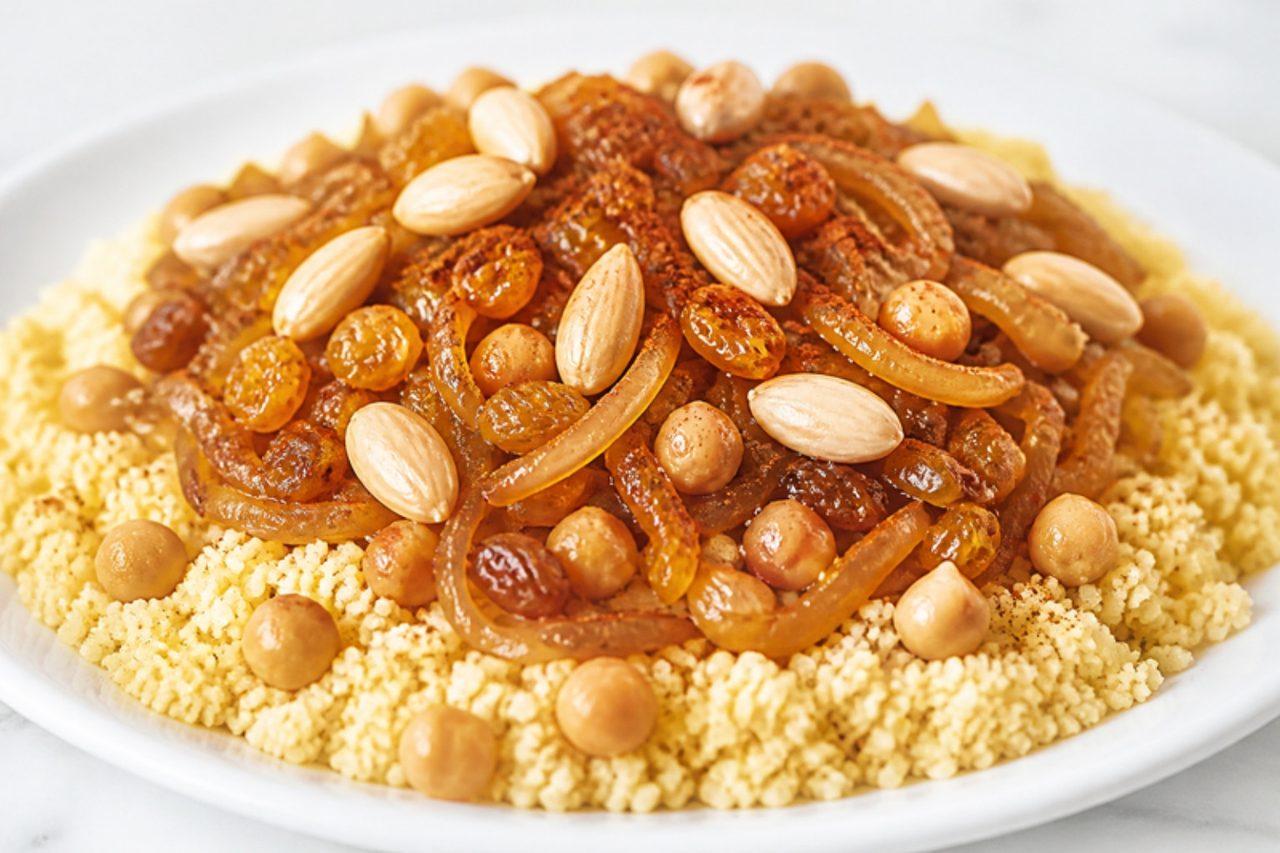
Couscous tfayaCouscous with caramelised onions

Tfaya is the sweet onion topping that turns a plain couscous into a celebration dish; in Fez and Rabat it is made for weddings, naming ceremonies and Eid, and families in Tétouan add it to Friday couscous too. Onions are cooked slowly with raisins, cinnamon, honey and a little saffron until they collapse into a sticky, mahogany jam, then piled over the couscous with chickpeas and fried almonds. Traditionally it crowns couscous with meat; here the chickpeas and almonds carry the dish, making it a sweet-savoury vegetarian main for a feast. Chef's tip: soak the raisins first, or they draw liquid from the onions and the tfaya catches before it caramelises.

by KrazyBadal 0 views

Asado uruguayoGrilled beef short ribs and chorizo

Sunday in Uruguay means asado: in Montevideo backyards and the cattle towns of the interior, beef ribs (asado de tira), chorizo and morcilla cook slowly over the embers of a wood fire, with only coarse salt, while the family waits. The parrillero rakes coals under the grill and keeps the heat low and even. This recipe includes pork chorizo. The mistake is cooking over flames; the fire should burn down to embers you can hold your hand above for 6–8 seconds. Chef's tip: salt the meat only when it goes on the grill, with coarse salt, never fine.

by KrazyBadal 0 views

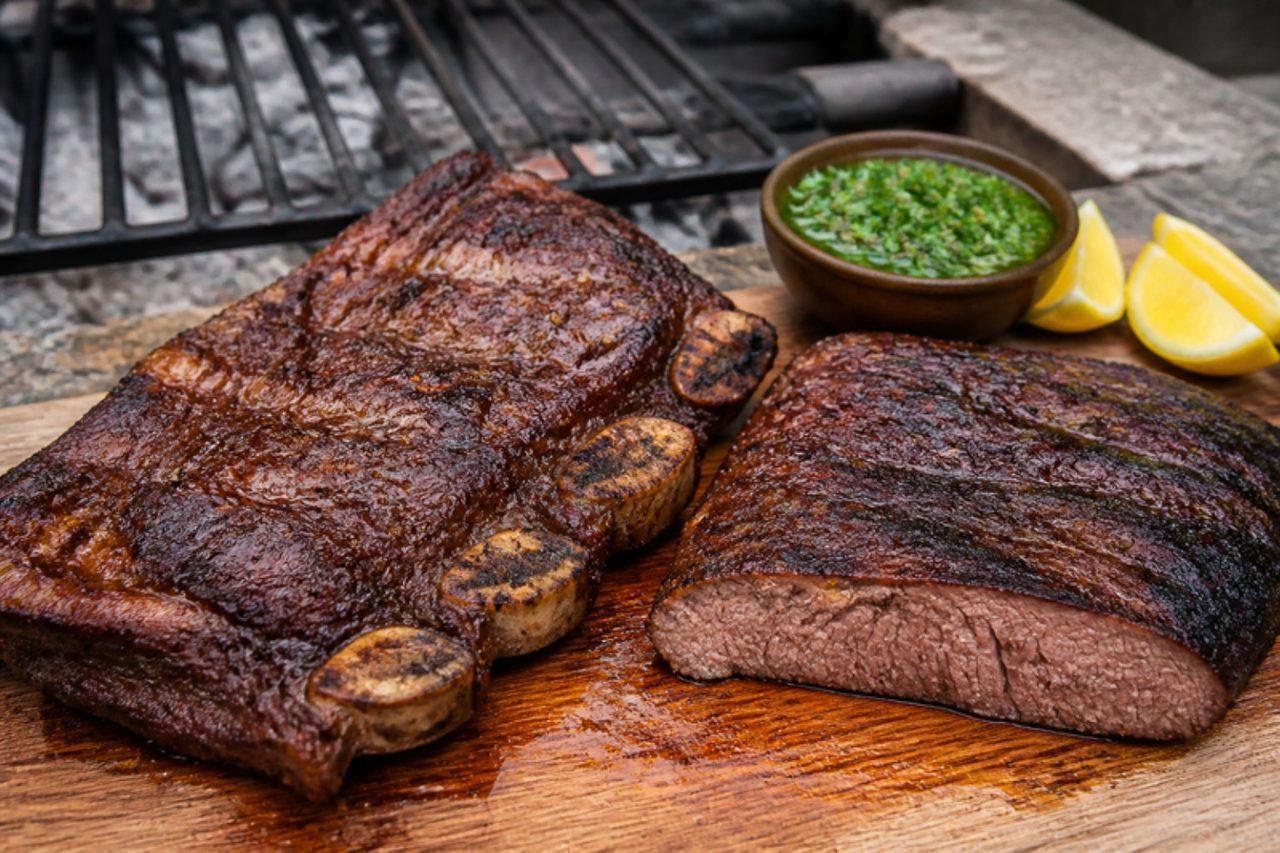
Asado argentinoGrilled beef short ribs

For Argentines the Sunday asado is less a recipe than a ritual: someone (the asador) lights the fire mid-morning in a backyard in Buenos Aires or a ranch in the Pampas, and lunch happens hours later. Beef is cooked low and slow over glowing embers, seasoned with nothing but coarse salt, and carved at the grill to be eaten with bread, salad and a bowl of chimichurri. This home version uses two favourite cuts: tira de asado (thin cross-cut short ribs) and vacío (flank). The classic mistake is grilling over flames; wait until the coals are covered in white ash, and spread them so the heat is gentle. Chef's tip: hold your hand 15 cm above the grill; if you can keep it there for 8–10 seconds, the heat is right for asado.

by KrazyBadal 0 views

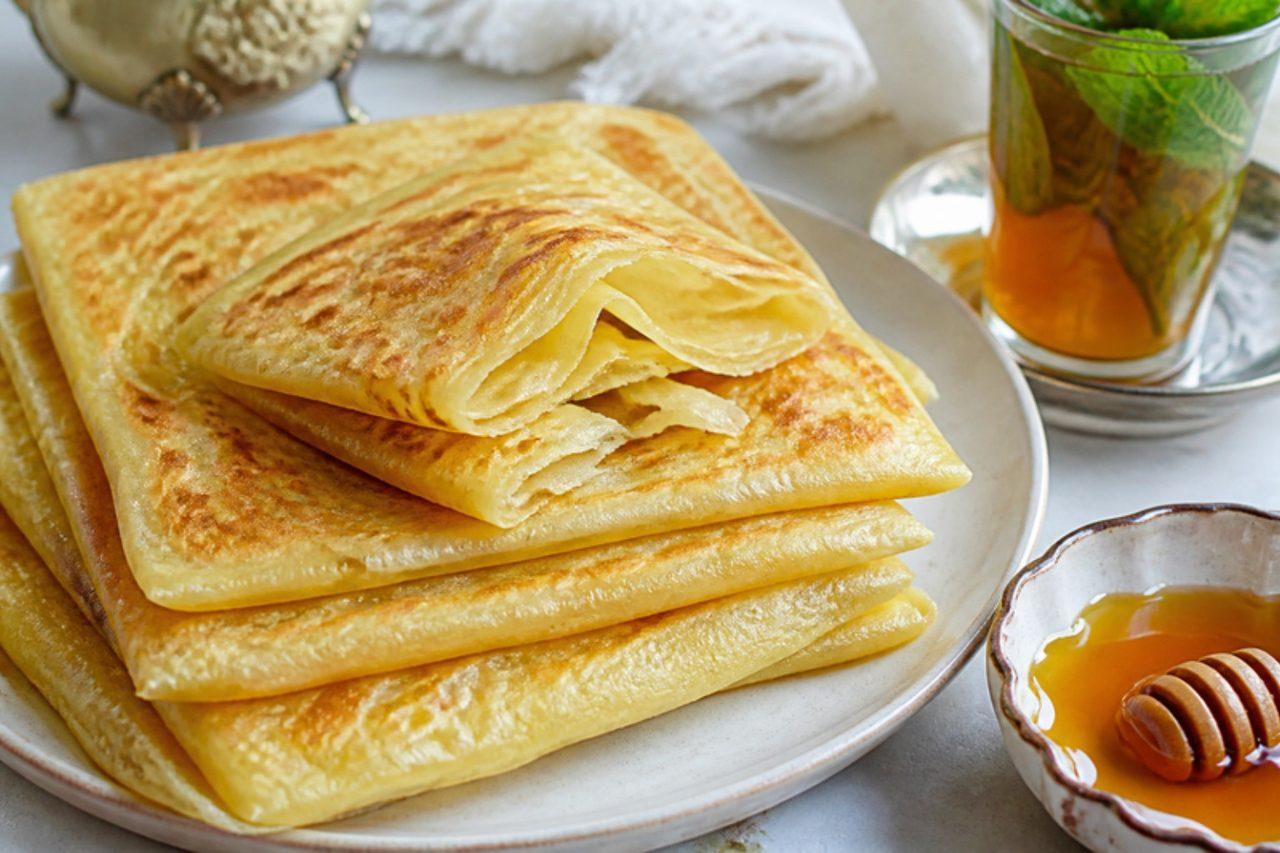
MsemenFlaky square pancakes

Msemen are the square, layered flatbreads sold hot from griddles in every Moroccan medina at breakfast time and again for afternoon tea, when they are drizzled with honey or dipped in olive oil. The dough is stretched paper-thin on an oiled surface, sprinkled with fine semolina, folded into a square and cooked until crisp outside and flaky in the middle. This version uses oil throughout so it is vegan; many homes use butter or smen. Chef's tip: oil your hands and work surface generously; the dough should be stretched, not rolled, and it tears if it sticks.

by KrazyBadal 0 views

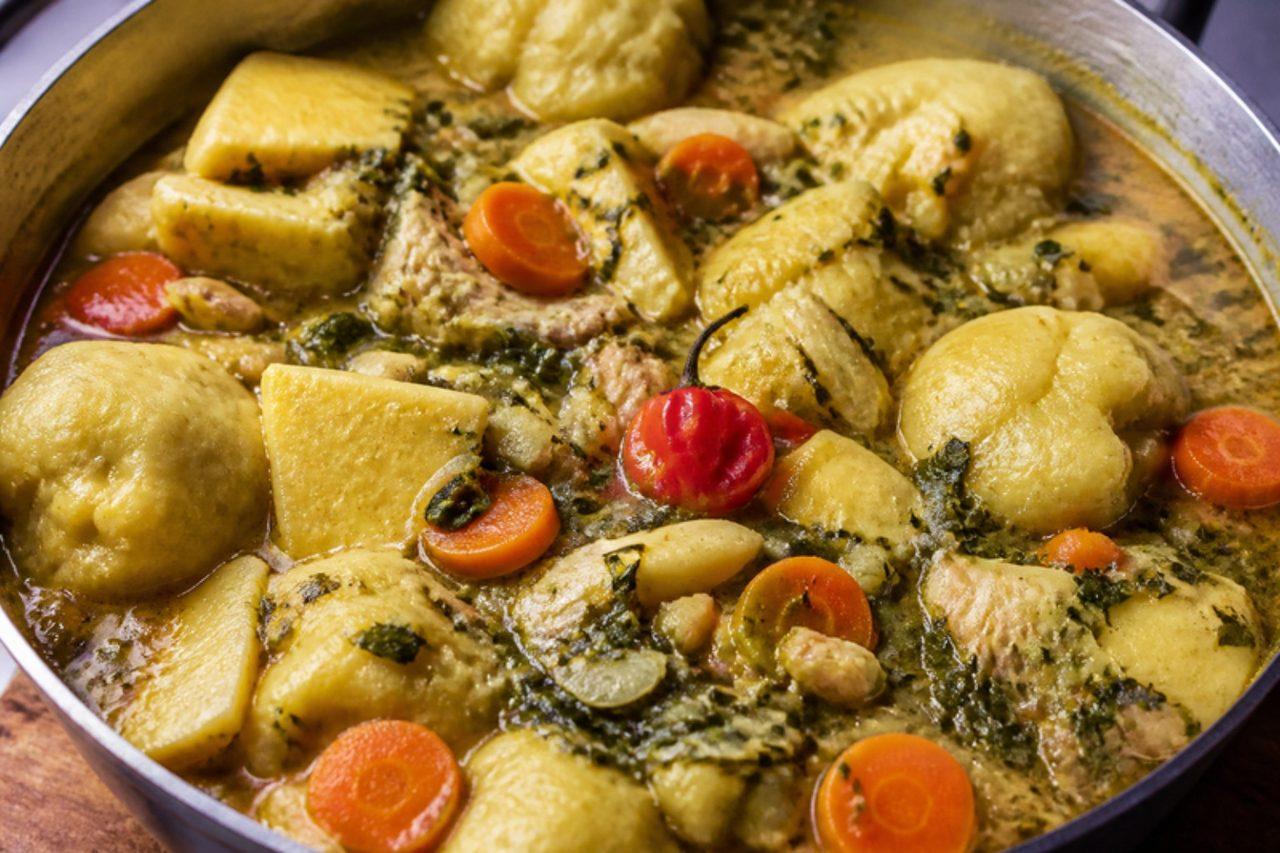
Oil downBreadfruit and salt fish one-pot

Oil down is what Grenadians cook on the beach, at village fêtes and on Sunday afternoons, often in a big iron pot over a wood fire with everyone waiting around it. Breadfruit, salt fish and soft flour dumplings are layered with callaloo and turmeric (called 'saffron' on the island), then steamed in coconut milk until the milk is drunk up and only a golden oil coats the pot, which gives the dish its name. Many cooks add salted pig tail or chicken; this version keeps to salt fish. The mistake to avoid is stirring, which breaks the layers into mush; shake the pot instead. Chef's tip: put the Scotch bonnet in whole and lift it out at the end, so it scents the pot without burning everyone's mouth.

by KrazyBadal 0 views

Dulce de lecheMilk caramel

Dulce de leche is Argentina's national sweet, spread on toast at breakfast, sandwiched in alfajores, rolled into panqueques and spooned onto flan. Argentine families traditionally make it by slowly cooking milk and sugar with a vanilla pod and a pinch of bicarbonate of soda, which helps it turn deep brown, until it becomes a thick, glossy caramel cream. It takes about three hours of gentle cooking and regular stirring. Chef's tip: use a wide, heavy pan and keep the heat low; the wider the surface, the faster the milk reduces, and the less it catches on the bottom.

by KrazyBadal 0 views

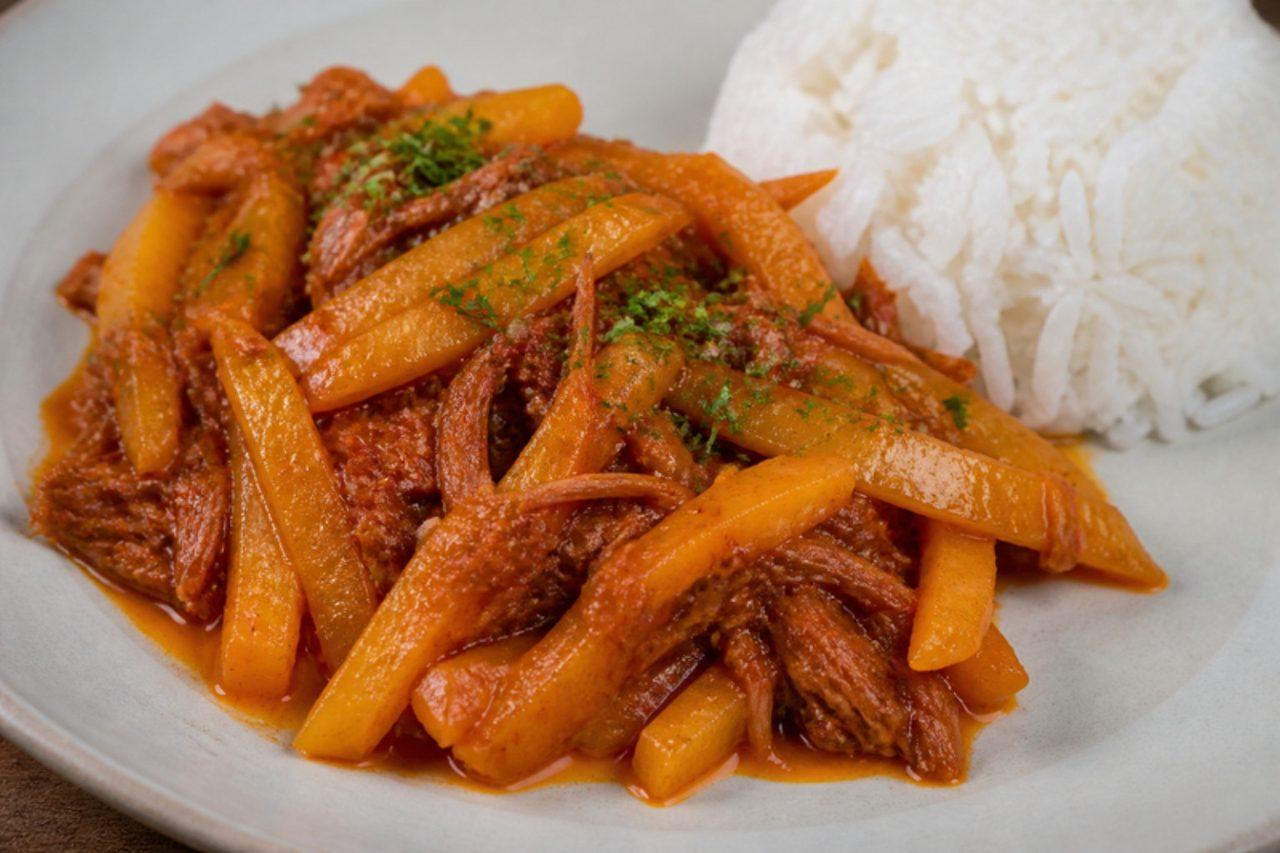
Olluquito con charquiOlluco and dried beef stew

Olluco is a glossy yellow-and-pink tuber grown high in the Andes, crunchy when raw and silky when cooked, and in Lima's market eateries it is cut into fine matchsticks and stewed with charqui, sun-dried meat that was the travel food of Inca messengers. The dish is gently spiced with ají panca and finished with fresh parsley, and it is always served with white rice. Latin shops sell olluco in jars; if you can't find it, firm new potatoes or courgette give a similar texture, and beef brisket stands in well for charqui. Chef's tip: cut the olluco and rinse it well; the slippery sap washes off and the stew won't turn slimy.

by KrazyBadal 0 views

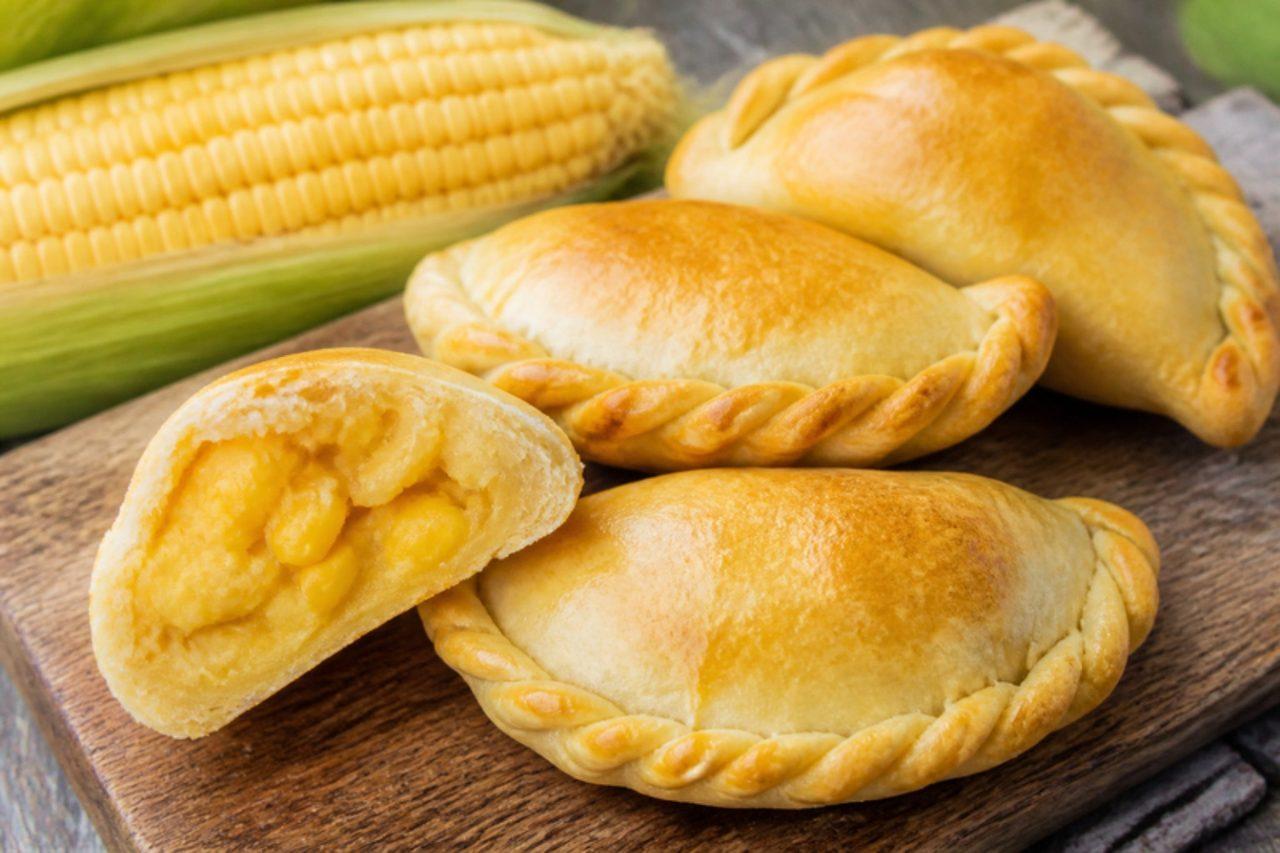
Empanadas de humitaCreamy corn empanadas

Empanadas de humita are the vegetarian favourite at every Argentine empanada shop, from Tucumán, which claims the best empanadas in the country, to the delivery menus of Buenos Aires. The filling is sweetcorn and onion cooked with red pepper, nutmeg and a little white sauce until creamy, then folded into wheat pastry discs and closed with the twisted edge (repulgue) that tells you what's inside. Unlike the husk-wrapped humita en chala, these are baked and golden. Chef's tip: chill the filling until firm before filling; warm filling melts the pastry and the empanadas open in the oven.

by KrazyBadal 0 views

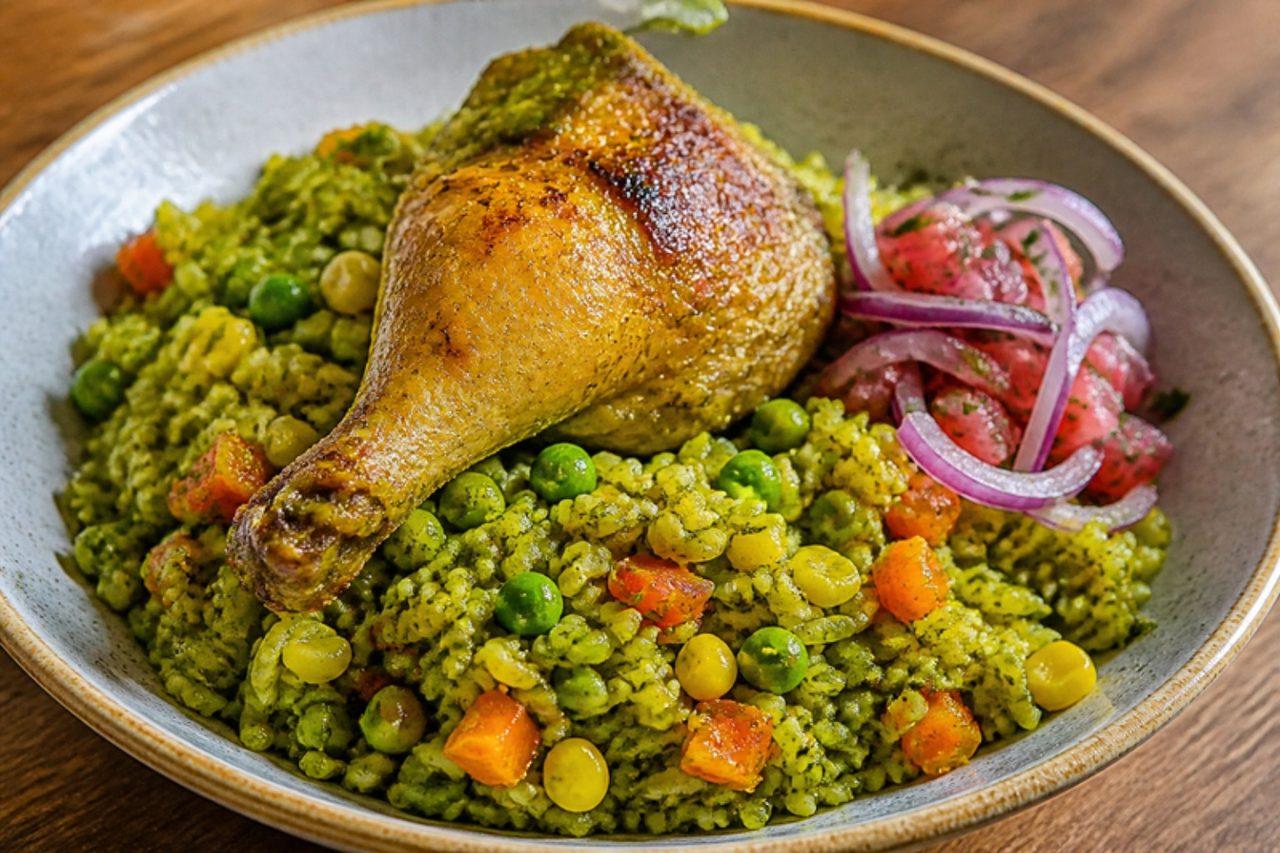
Arroz con pollo peruanoCoriander rice with chicken

Across Spanish-speaking America arroz con pollo means yellow rice, but in Lima it comes out deep green, thanks to a big bunch of coriander blended into the cooking liquid. Mothers make it for Sunday lunch and for birthday parties, and street stalls ladle it out with salsa criolla, the sharp onion-and-lime relish that cuts through the rice. Chicken pieces are browned first, then the rice cooks in the same pot so it takes on all their flavour. Chef's tip: blend the coriander with cold stock right before it goes in, so it stays bright green rather than turning khaki.

by KrazyBadal 0 views

Pachamanca a la ollaPot-steamed meats with potatoes

In the highlands around Huancayo and Ayacucho, families mark harvests and saints' days by burying marinated meats, potatoes, sweet potatoes, broad beans and humitas under hot stones and earth for a pachamanca, an 'earth pot'. City cooks get close to it with a heavy pot: the same green marinade of huacatay (black mint), chincho, ají and garlic, layered with meats and roots and steamed in their own juices under banana or corn leaves. Chef's tip: layer the hardest things lowest, potatoes on the bottom and chicken nearest the lid, just as the stones are packed in the field.

135 minPeruvianMeatGluten free
by KrazyBadal 0 views

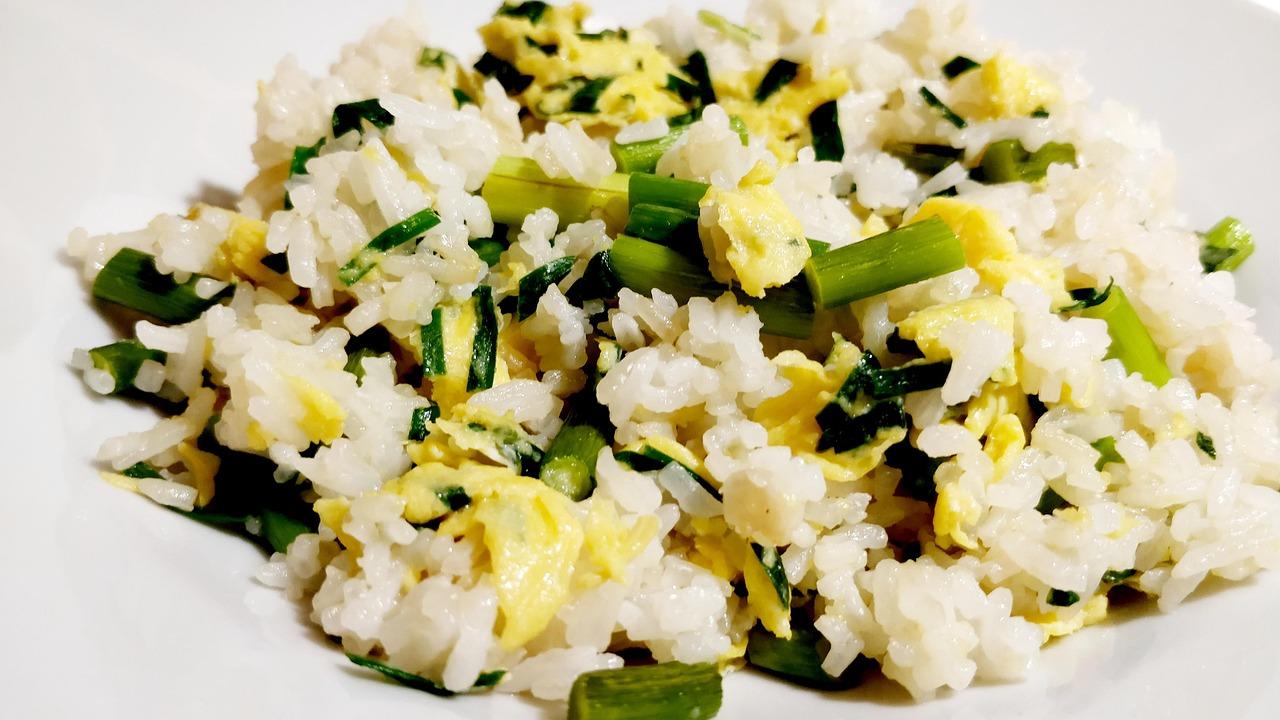
Arroz chaufaPeruvian fried rice

Arroz chaufa is the fried rice of Lima's chifas, the Chinese-Peruvian restaurants found on almost every street corner in Peru. It is close to Cantonese fried rice but has its own accent: plenty of spring onion and ginger, a dark soy colour, a thin omelette cut into strips and a whisper of sesame oil, all tossed in a smoking wok. This egg and vegetable version is a quick dinner on its own, or the side for a saltado. Chef's tip: use rice cooked the day before and broken up with your fingers; fresh rice is too wet and goes mushy and sticky in the wok.

by KrazyBadal 0 views

Suspiro limeñaCaramel custard with port meringue

Suspiro a la limeña, 'the sigh of a Lima woman', is the city's grand dessert from colonial times, said to have been named by the poet José Gálvez for its sweetness. A thick manjar blanco, milk slowly cooked down to a silky caramel cream and enriched with egg yolks, is topped with a cloud of glossy Italian meringue flavoured with port and dusted with cinnamon. It is very sweet and very rich, so serve it in small glasses. Make it in the morning for the evening. Chef's tip: the manjar is ready when a spoon dragged across the bottom of the pan leaves a clear path for a moment; undercooked, it stays runny and the meringue sinks into it.

by KrazyBadal 0 views

Empanadas salteñasBaked beef empanadas

In Salta, in Argentina's far northwest, empanadas are small, sealed with a tight twisted edge (the repulgue) and so juicy that locals eat them leaning forward with their feet apart. The filling is hand-cut beef with potato, spring onion, cumin and paprika, plus chopped hard-boiled egg; they are eaten at Sunday gatherings, at peñas with folk music and on any public holiday. The mistake that ruins them is filling them while the beef is still warm: the fat melts the pastry. Chill the filling until it is firm. Chef's tip: add a few spoonfuls of the cooking juices to the cold filling; they set to a jelly in the fridge and melt in the oven, which is where the famous juiciness comes from.

by KrazyBadal 0 views

TacachoMashed roasted green plantain balls

Tacacho is the breakfast of the Peruvian Amazon, from Tarapoto to Iquitos: green plantains roasted over coals, mashed with fat and salt and shaped into balls. There it comes with cecina (smoked pork) and is mashed with lard and crackling; this vegan tacacho uses good oil and a pinch of smoked paprika for the same savoury, smoky depth. The balls are dense, chewy and starchy, crisp at the edges where the plantain charred, and they are eaten hot with a fiery chilli sauce or alongside stews. Use plantains that are fully green and firm. Chef's tip: mash the plantains while they are still very hot; as green plantain cools its starch sets and it won't bind into a smooth ball.

by KrazyBadal 1 views

Rocoto rellenoStuffed rocoto peppers

Rocoto relleno is the pride of Arequipa's picanterías: fiery rocoto peppers stuffed with a sweet-savoury filling, topped with cheese and baked over sliced potato in an egg and milk custard. The traditional filling is minced beef; this vegetarian version uses mushrooms and lentils fried with ají panca, cumin, peanuts, raisins, olives and boiled egg, which gives the same rich, spiced, slightly sweet bite. The peppers are first blanched several times in fresh water with sugar and vinegar to tame their heat, which is the real skill of the dish. If you can't find rocotos, use small red bell peppers and add a little habanero to the filling. Chef's tip: taste a sliver of rocoto after the second blanching; stop when it is hot but pleasant, and blanch once more if it still burns.

by KrazyBadal 0 views

Panqueques con dulce de lecheCrêpes with dulce de leche

In Argentina and Uruguay, panqueques are not fluffy American pancakes but thin crêpes, and the classic way to eat them is rolled around dulce de leche, often as the dessert at a neighbourhood parrilla or on a rainy Sunday afternoon at home. Some restaurants sprinkle them with sugar and caramelise the top with a hot iron; at home a dusting of sugar is enough. Chef's tip: rest the batter for 20 minutes so the flour relaxes and the crêpes come out thin and tender rather than rubbery.

by KrazyBadal 0 views

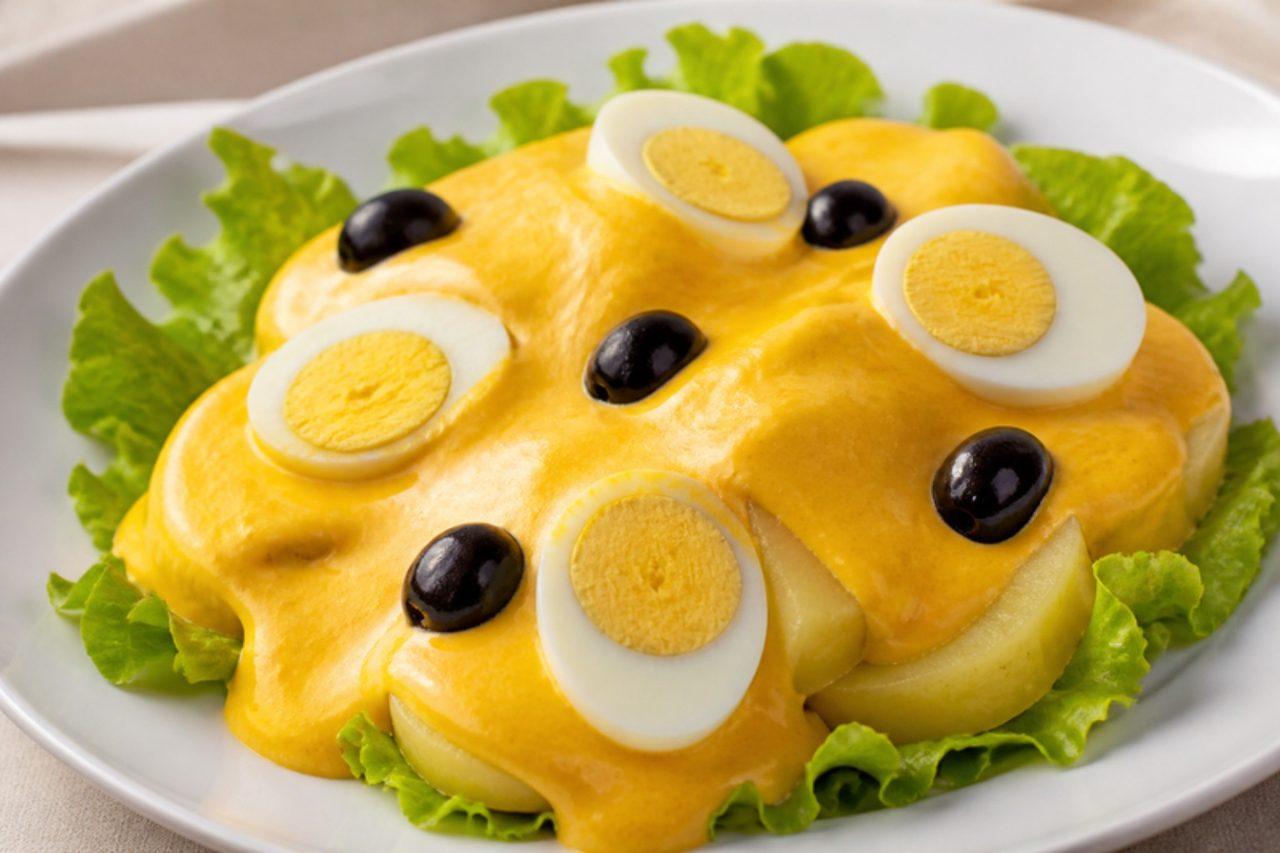
Papa a la huancaínaPotatoes in spicy cheese sauce

Papa a la huancaína is named after Huancayo in Peru's central Andes, but it is eaten everywhere, from Lima's set-lunch counters to Sunday family tables. Thick slices of cold boiled potato are blanketed in huancaína sauce, a silky, mildly hot sauce of ají amarillo, fresh cheese and evaporated milk, then finished with boiled egg and black olives. It is served cold as a starter, and the sauce is also the favourite dip for boiled corn and fried yuca. Use a queso fresco made with vegetarian rennet if you want it fully vegetarian (or a mild feta rinsed of salt). Chef's tip: fry the chillies, onion and garlic before blending; this takes off their raw edge and gives the sauce its rounded, sweet heat.

by KrazyBadal 0 views

Tacu tacuPan-fried beans and rice cake

Tacu tacu was born in the Afro-Peruvian kitchens of Lima, as a thrifty way to turn yesterday's beans and rice into something new; today it appears on the menus of smart criollo restaurants too. Mashed canario beans and rice are fried with garlic, onion and ají amarillo, then shaped in the pan into a long, crisp-edged cake, soft inside and golden outside. It is a hearty lunch for two with a sharp salsa criolla of onion and lime, and often a fried ripe plantain on the side. Canario beans are pale yellow and creamy; pinto or cannellini beans work well. Chef's tip: use cold, day-old rice and beans; warm, freshly cooked ones are too soft to hold their shape and the tacu tacu falls apart.

by KrazyBadal 0 views

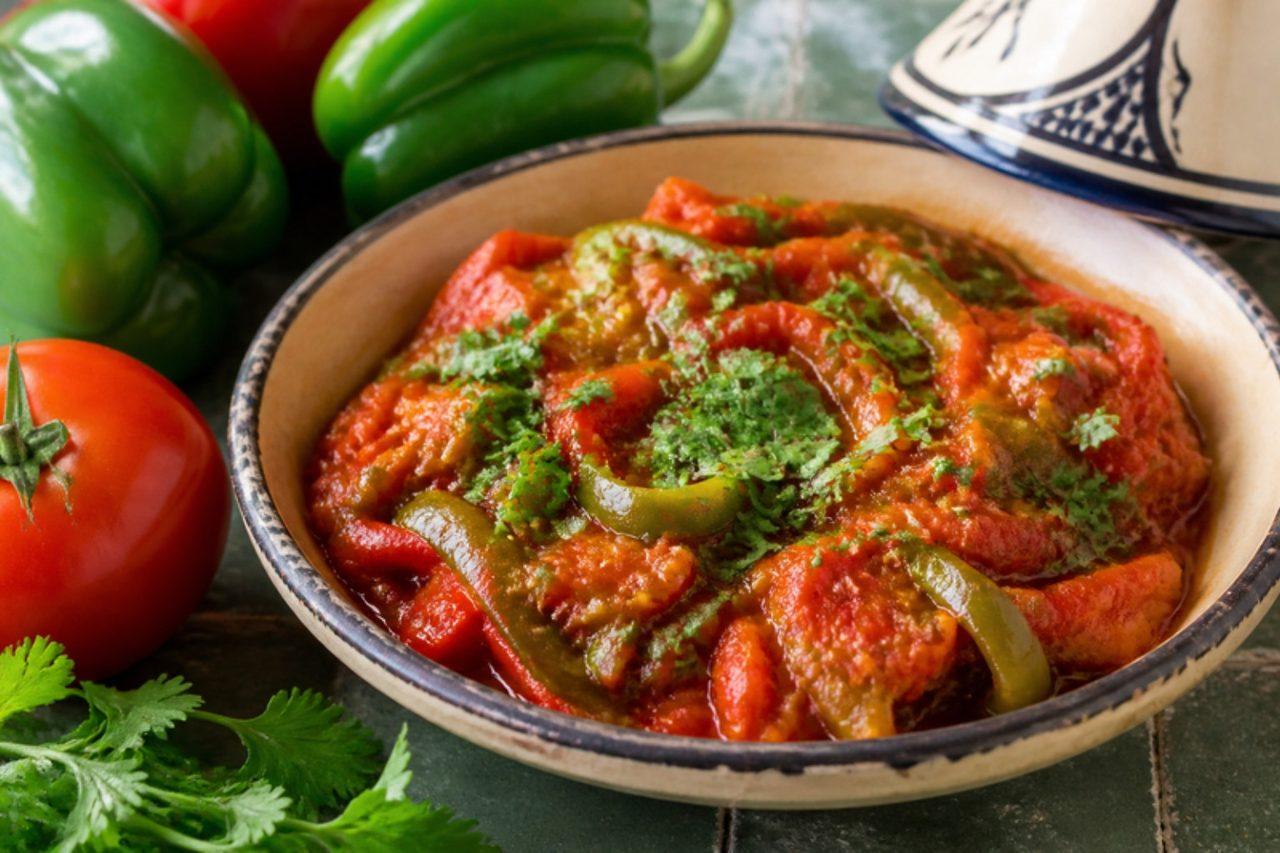
TaktoukaRoasted pepper and tomato salad

Taktouka is the pepper partner to zaalouk, served side by side on the salad plates of Moroccan homes and cafés, especially around Casablanca and the north. Grilled green peppers are peeled and cooked down with tomato, garlic and cumin until soft and jammy, then eaten lukewarm with bread or as a side to tagines and grilled vegetables. It is cheap, quick and keeps for three days in the fridge. Chef's tip: use the thin-skinned, slightly bitter green peppers if you can find them; they give a more authentic flavour than sweet bell peppers.

by KrazyBadal 0 views

Showing 24 of 450 recipes

Show more recipes

Page 17 of 19