Skip to content
Recipes

All recipes

Vegetarian, or something you can't eat? Set your diet once and we'll hide recipes that don't fit.

Fliegenpilz-Eier (toadstool eggs)

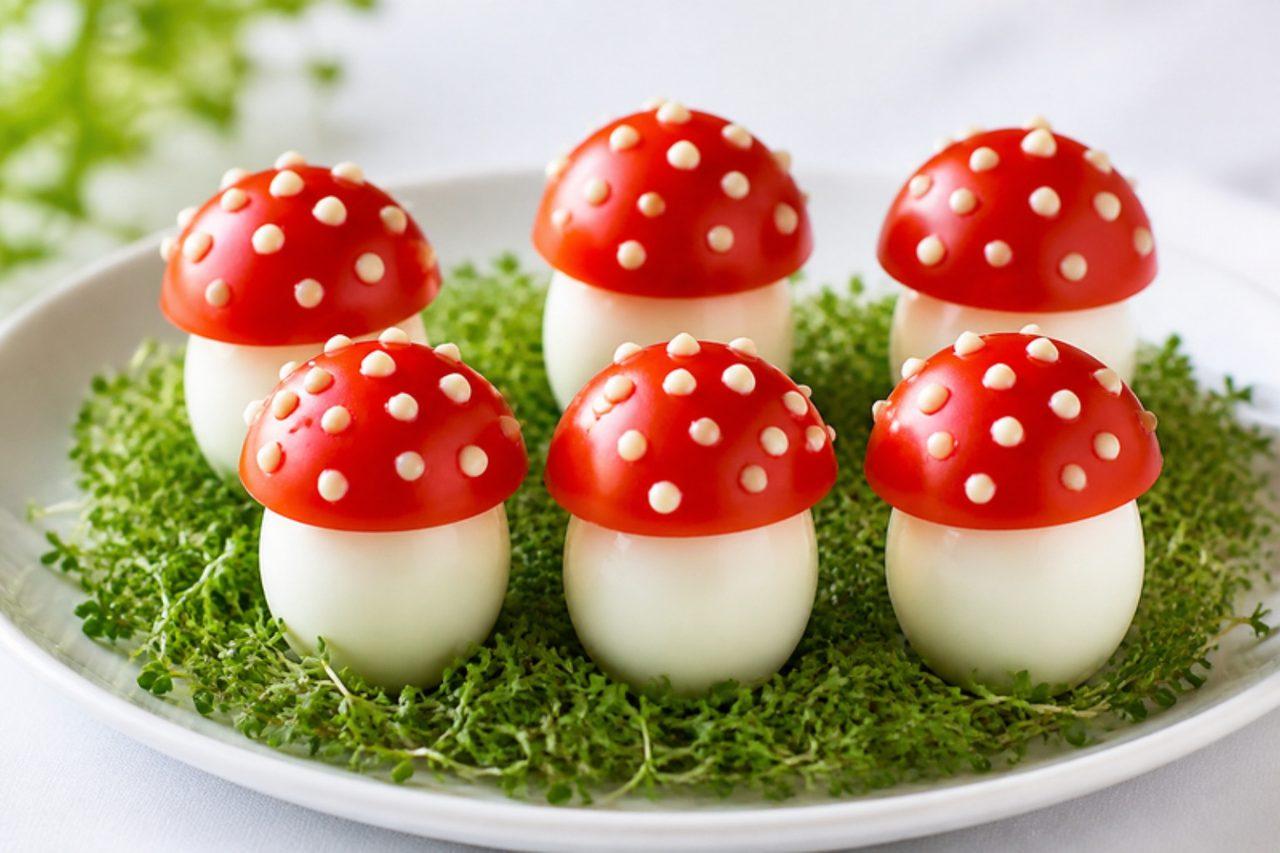
German children's birthday parties and Easter tables often feature a little forest of Fliegenpilz-Eier: hard-boiled eggs standing on cress, each wearing a red tomato cap dotted with mayonnaise like a fly agaric toadstool. Children love making them as much as eating them. They are meant for school-age children: for younger ones, cut the eggs and tomatoes into small pieces rather than serving them whole. Contains egg (also in the mayonnaise); free of gluten and milk. Chef's tip: slice a thin piece off the bottom of each egg so it stands steady.

by KrazyBadal 0 views

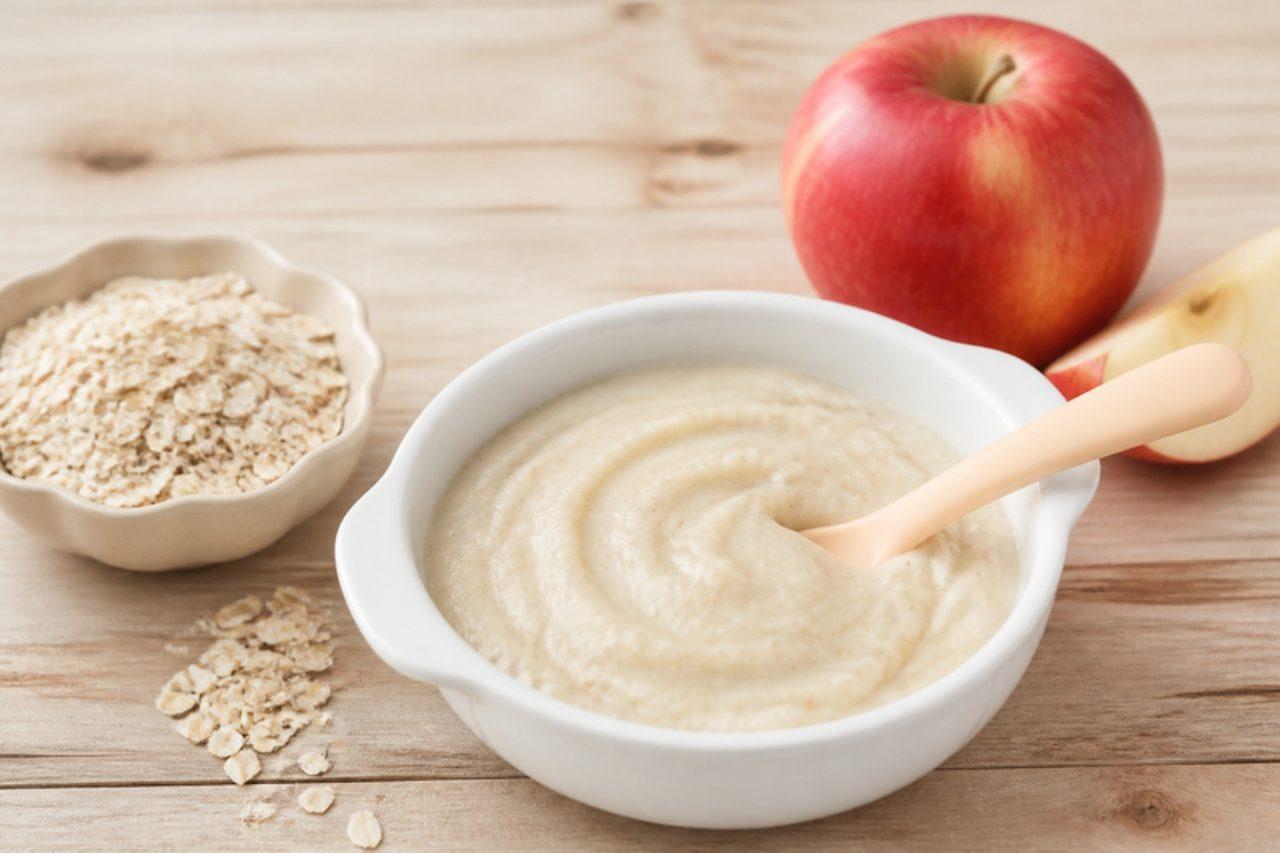
Fruit and cereal mash (Obst-Getreide-Brei)

German weaning follows a well-known plan: a vegetable lunch first, then a milk and cereal evening meal, and finally an afternoon Obst-Getreide-Brei, a dairy-free mash of cooked cereal flakes and fruit, usually from around seven months. Fine oat or millet flakes are simmered in water, then stirred into stewed apple or pear with a spoon of rapeseed oil, which German paediatric advice recommends for healthy fats. It is fruity, smooth and naturally sweet. It contains gluten if made with oats (use millet flakes for gluten free); there is no milk, egg, nuts, soya, sesame or fish. Chef's tip: stew the fruit in a little water rather than using juice, which adds sugar.

by KrazyBadal 0 views

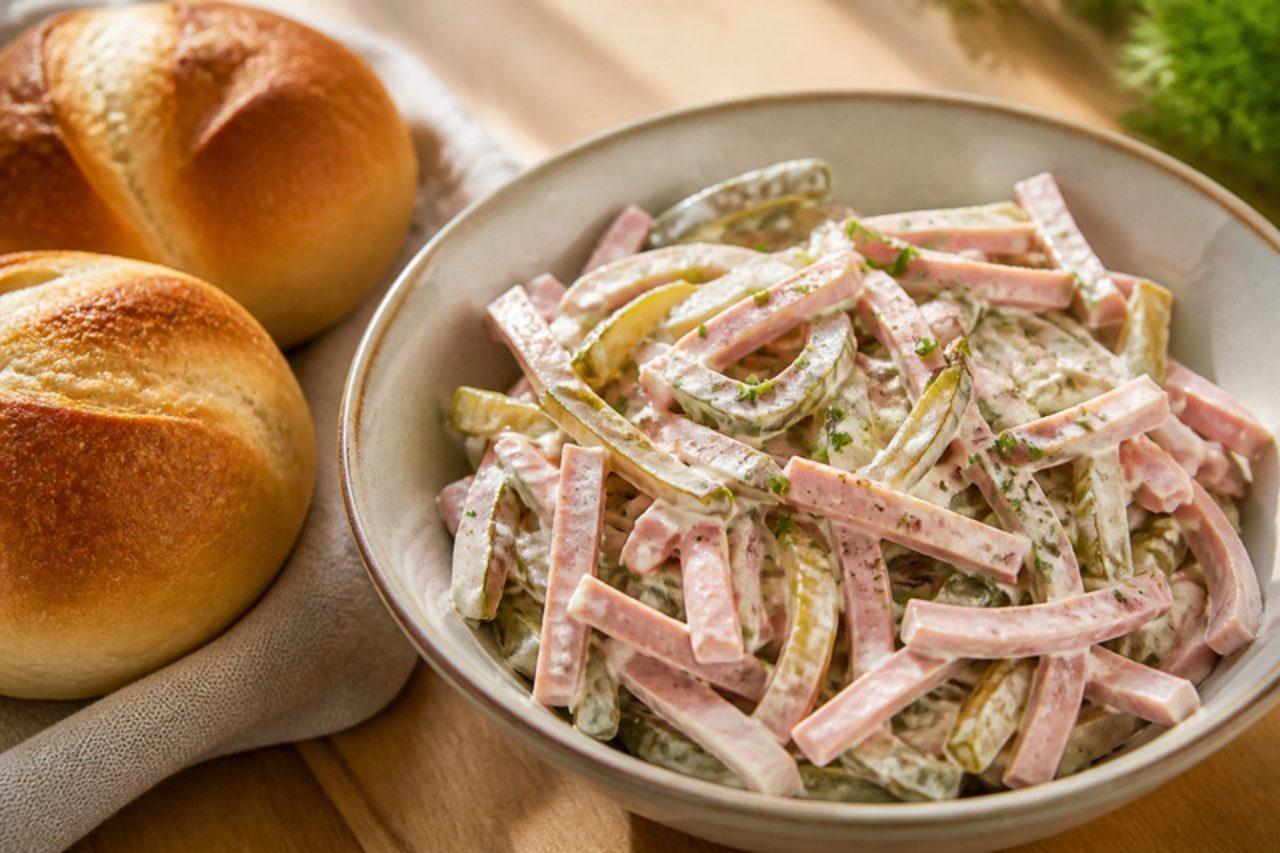
FleischsalatSausage salad

Every German butcher sells Fleischsalat in tubs, and it is spread thickly on bread rolls for Abendbrot or a workday second breakfast from Cologne to Leipzig. It is made from Lyoner or Fleischwurst, a mild cooked pork sausage, cut into fine strips and folded into mayonnaise with gherkins and a little of their brine. Making it at home lets you use less mayonnaise and add yoghurt for freshness. A common mistake is cutting the sausage into thick chunks, which makes it heavy; thin matchsticks are what you want. Chef's tip: chill it for an hour before serving so the gherkin brine flavours the sausage.

by KrazyBadal 0 views

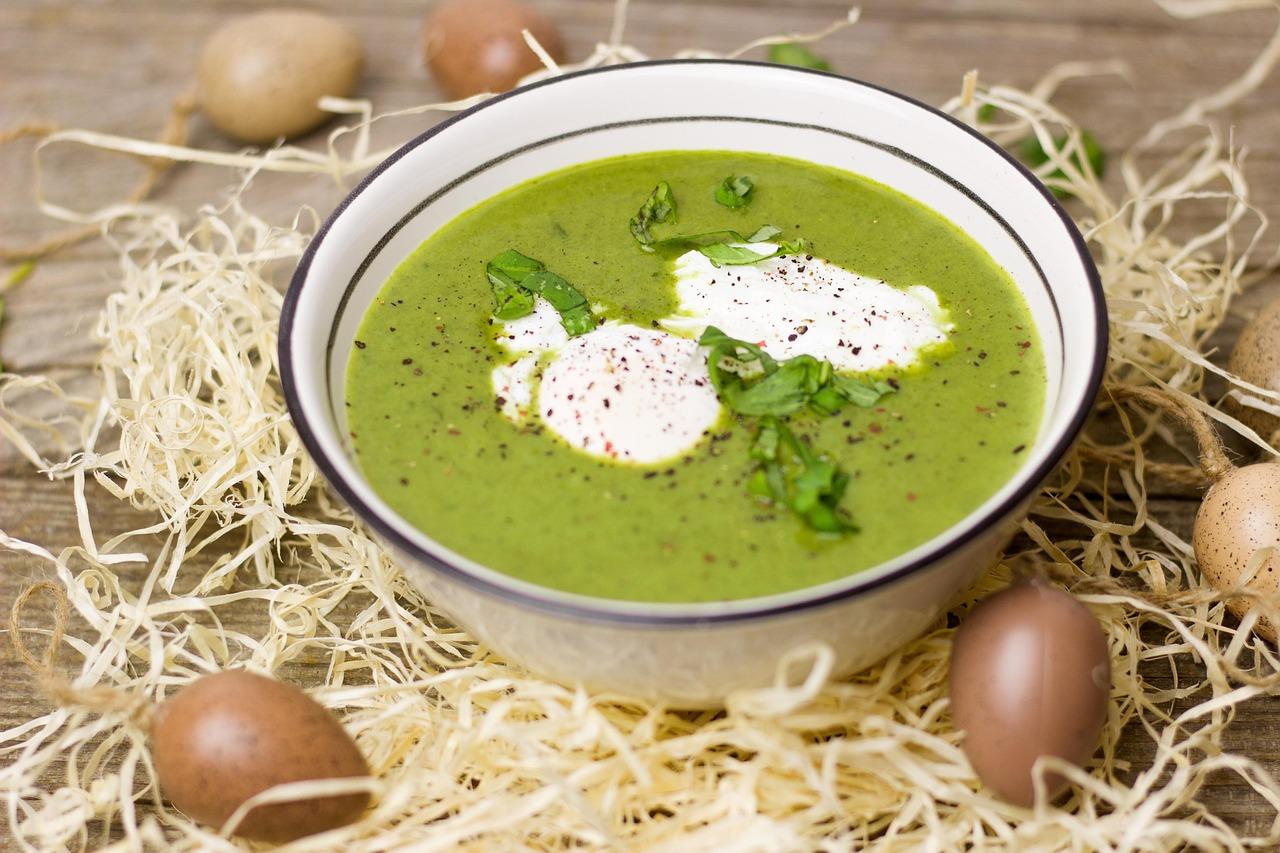
BärlauchsuppeWild garlic soup

In March and April the beech woods of the Bavarian foothills, the Vienna Woods and the Swabian Jura carpet themselves with wild garlic, and inns from Munich to Graz put this bright green soup on their spring menus. A simple potato and onion base is blended with a big handful of raw leaves at the last moment, so the colour stays vivid and the garlic flavour fresh. Serve it with croutons or a swirl of sour cream. Foragers must be sure of their leaves, since wild garlic can be confused with poisonous lily of the valley; buy from a reliable source or a market. Cooking the leaves too long is the mistake that turns the soup khaki. Chef's tip: blend the leaves in off the heat and serve straight away.

by KrazyBadal 0 views

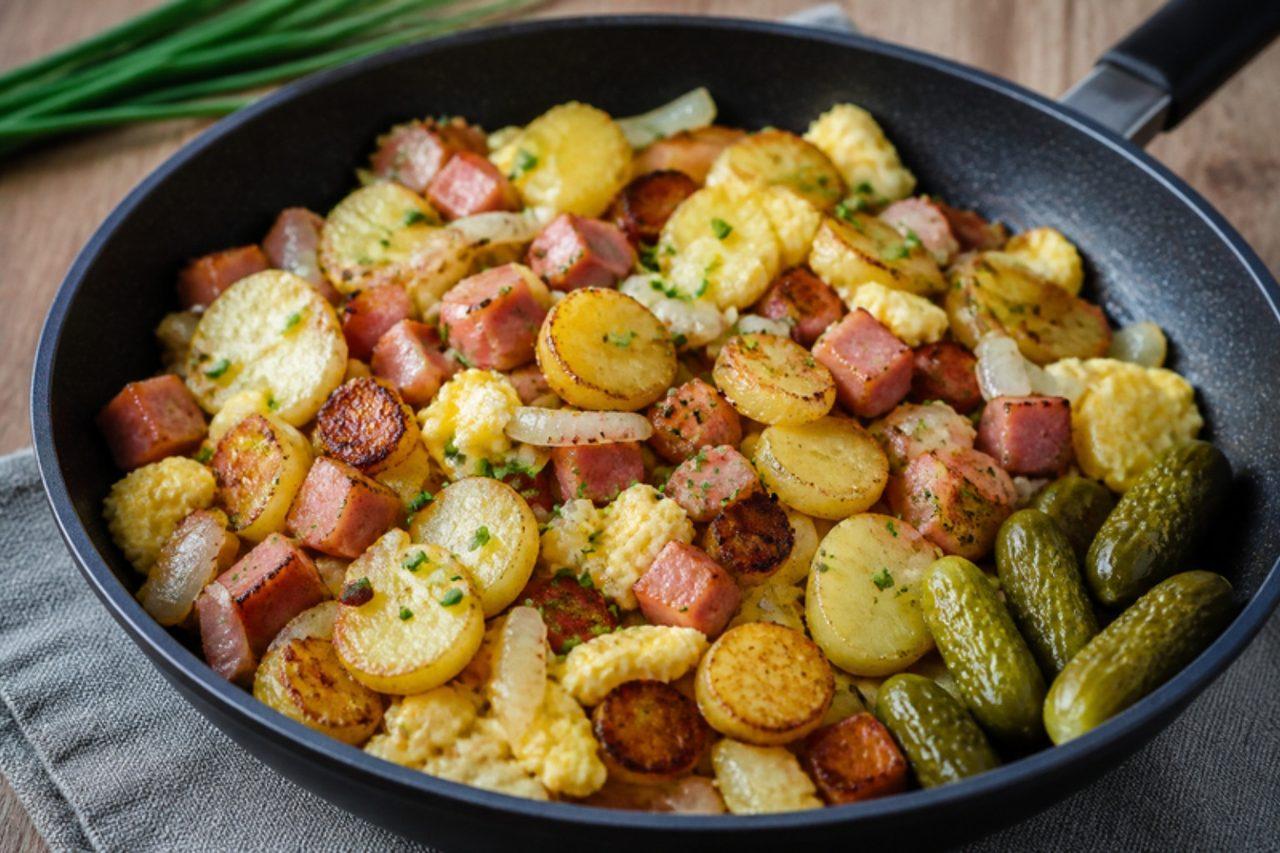
BauernfrühstückFried potatoes with ham and egg

Despite its name, the 'farmer's breakfast' is mostly eaten at lunch or supper in Hamburg pubs, Hanover canteens and farm kitchens across Lower Saxony and Schleswig-Holstein. Leftover boiled potatoes are fried until crisp with onions and diced cooked ham (pork), then eggs are poured over and set gently into a golden, folded omelette, served with gherkins and a tomato salad. Leave out the ham and add peppers or mushrooms for a vegetarian version. The usual mistake is adding the eggs before the potatoes are properly crisp. Chef's tip: use potatoes boiled the day before and chilled; they hold their shape and brown far better.

by KrazyBadal 0 views

BrennsuppeBrowned flour soup

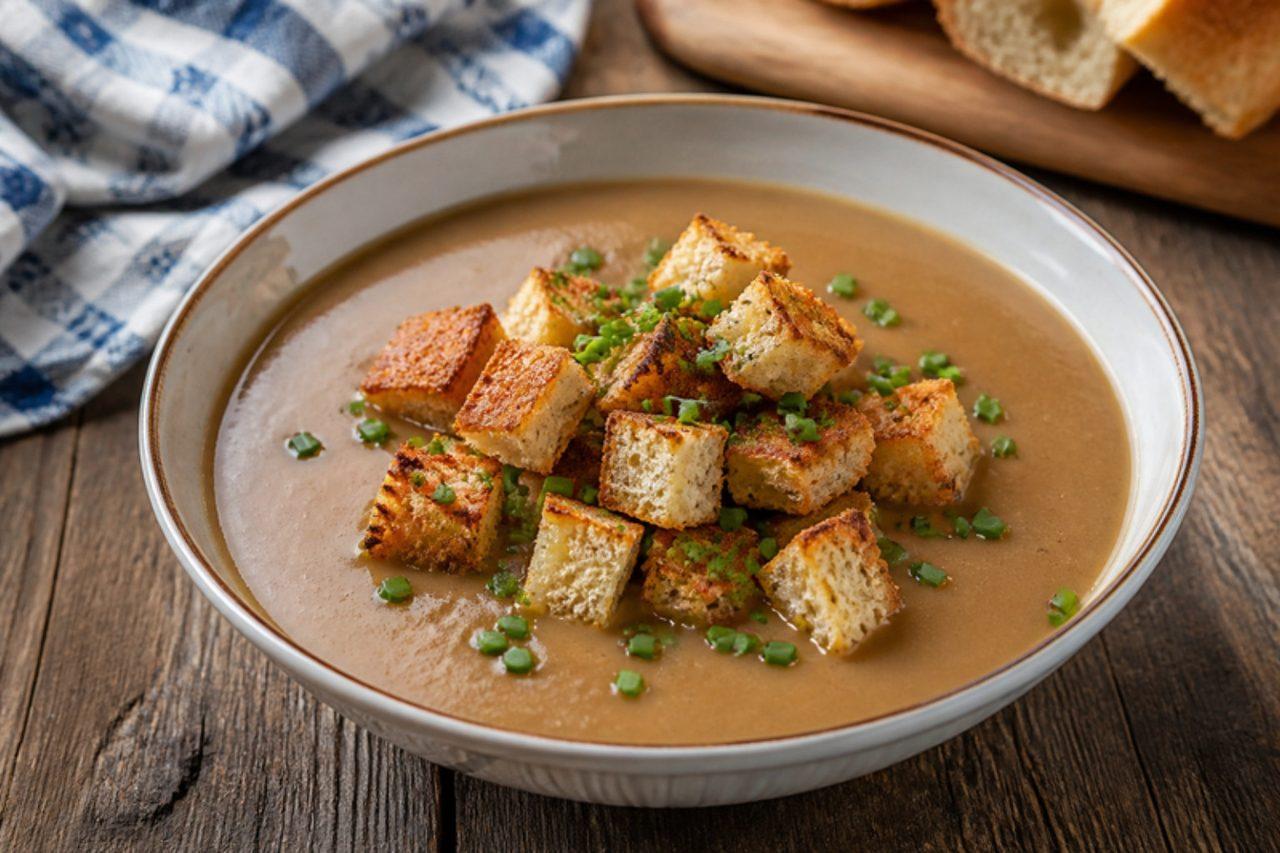
Farmhouse kitchens in Upper Bavaria and the Swabian Allgäu once started the day with Brennsuppe, a soup built from almost nothing: flour browned slowly in butter until it smells of hazelnuts, then whisked into water or stock with caraway and onion. Grandmothers still make it on cold evenings or for anyone feeling poorly, with cubes of stale bread toasted in the pan and a heap of chives on top. It tastes far richer than its ingredients suggest. The usual mistake is rushing the roux on a high heat, so it scorches and turns bitter instead of nutty. Chef's tip: whisk the stock in a little at a time while it is cold or lukewarm, and the soup stays perfectly smooth.

by KrazyBadal 0 views

KäsesalatCheese salad

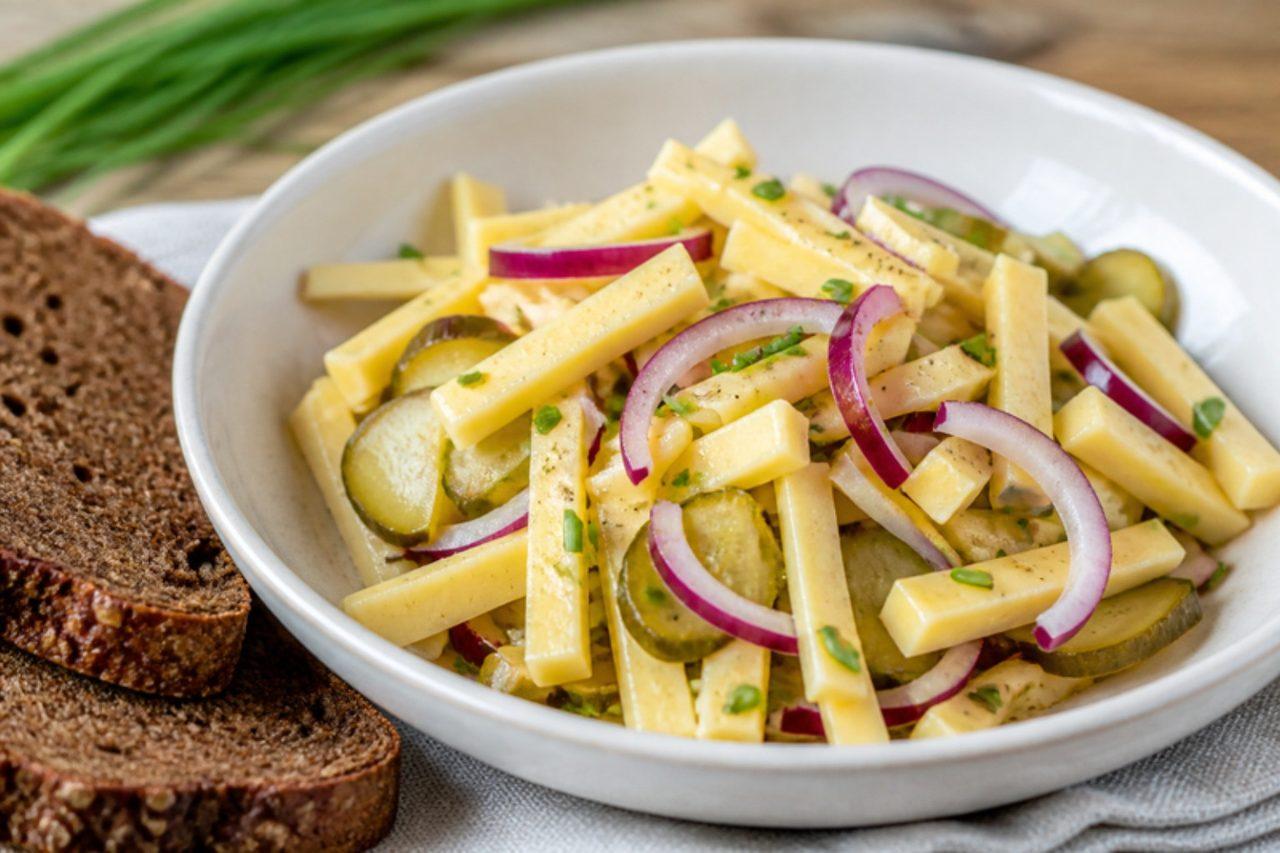
In Bavarian beer gardens and Swabian Vesper stubes, Käsesalat is the cheese lover's answer to sausage salad: matchsticks of Emmental tossed with red onion, gherkins and a sharp vinegar dressing, eaten with a crusty roll or a Breze. It turns up on Saturday evenings at home too, made in ten minutes from what is in the fridge. The cheese soaks up the dressing and goes tender and tangy, while the onion and gherkins keep it crunchy. Traditional Emmental is made with animal rennet, so choose a vegetarian Emmental-style cheese if that matters to you. A common mistake is serving it straight away; the flavours need a short rest. Chef's tip: cut the cheese into thin strips rather than cubes, so the dressing coats every piece.

by KrazyBadal 0 views

ApfelschorleApple juice spritzer

At any German beer garden, from Munich's Chinese Tower to the cider taverns of Frankfurt, the drink for children, drivers and anyone on a hot afternoon is Apfelschorle: cloudy apple juice topped up with sparkling mineral water. Germans drink it at family lunches, after sport and at school summer parties, and it is far less sweet than juice alone. The usual mix is half and half, but many people go lighter on the juice. The common mistake is pouring the water first, which knocks out the bubbles. Chef's tip: use naturally cloudy apple juice and very cold, strongly sparkling water, and pour the water in slowly down the side of the glass.

by KrazyBadal 0 views

Strammer MaxHam and fried egg on bread

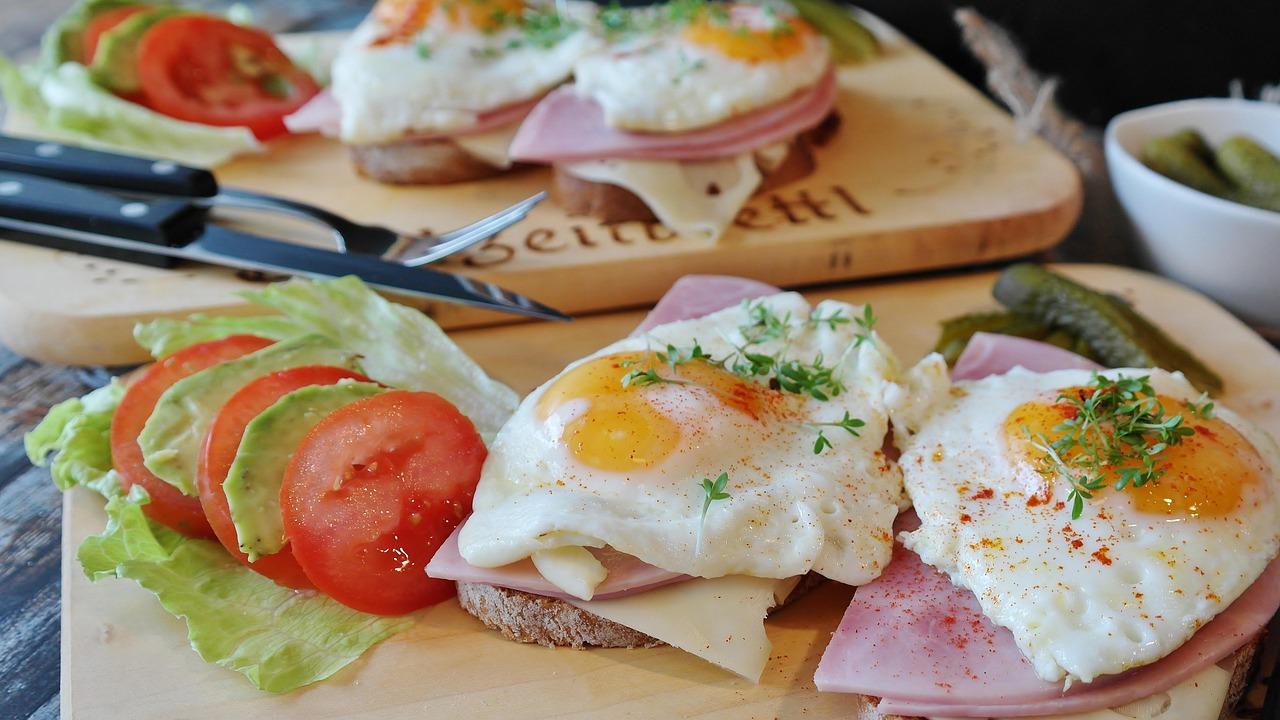
Strammer Max is the Kneipe snack of Saxony and Berlin: a slice of buttered bread, cooked ham and a fried egg with a runny yolk, served with a gherkin at pubs in Leipzig and Dresden and made at home as a fast weeknight supper. The ham is pork. Hot egg on cold ham and soft butter is the whole point, so cook the egg last. For a vegetarian version, swap the ham for thick slices of tomato. A common mistake is frying the egg too hot until the edges go hard and brown. Chef's tip: toast the bread lightly in the same pan first, so it holds the yolk without going soggy.

by KrazyBadal 0 views

Bayerischer WurstsalatBavarian sausage salad

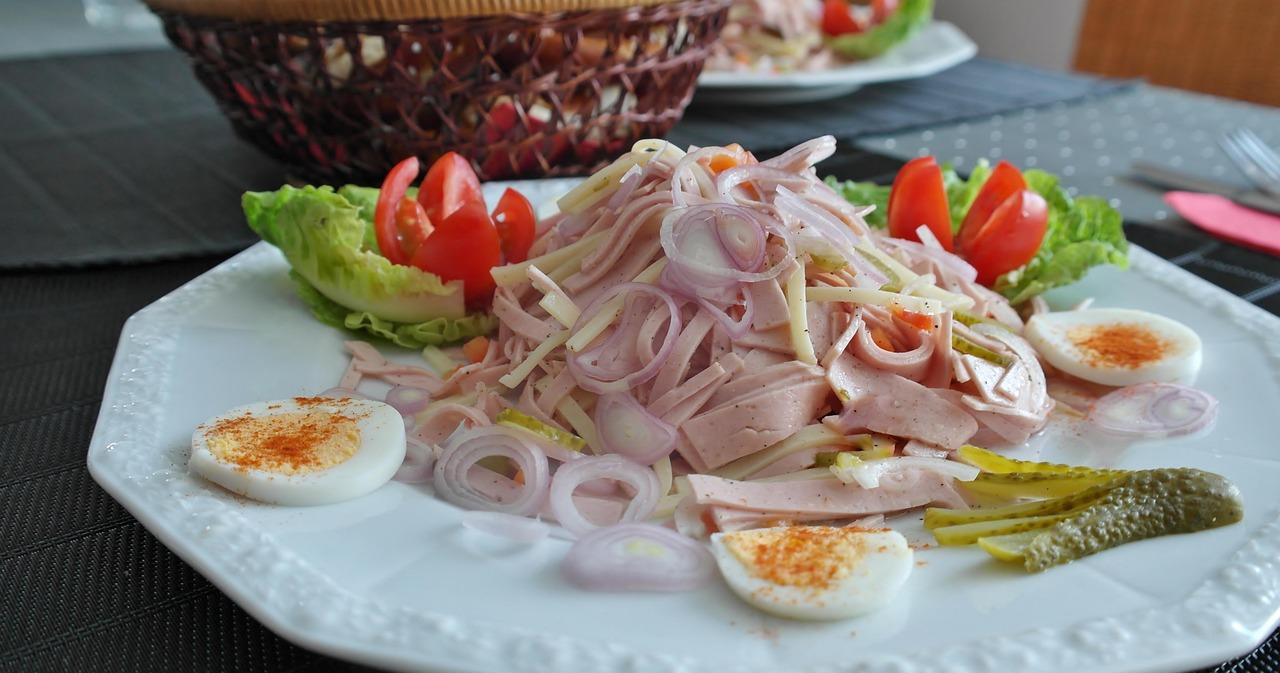
Bavarian Wurstsalat is the Brotzeit plate of the beer garden: thin strips of Regensburger or Lyoner, mild cooked pork sausages, tossed with onion rings and gherkins in a sharp, slightly sweet vinegar dressing, and eaten with a pretzel in the shade of chestnut trees. At home it is a fast summer supper on a warm evening. Swabians add cheese and call it Schweizer Wurstsalat. A common mistake is drowning it in oil; the dressing should be mostly vinegar and gherkin brine. Chef's tip: leave the dressed salad for 30 minutes in the fridge so the onion softens and the sausage picks up the vinegar.

by KrazyBadal 0 views

KräuterquarkHerb quark

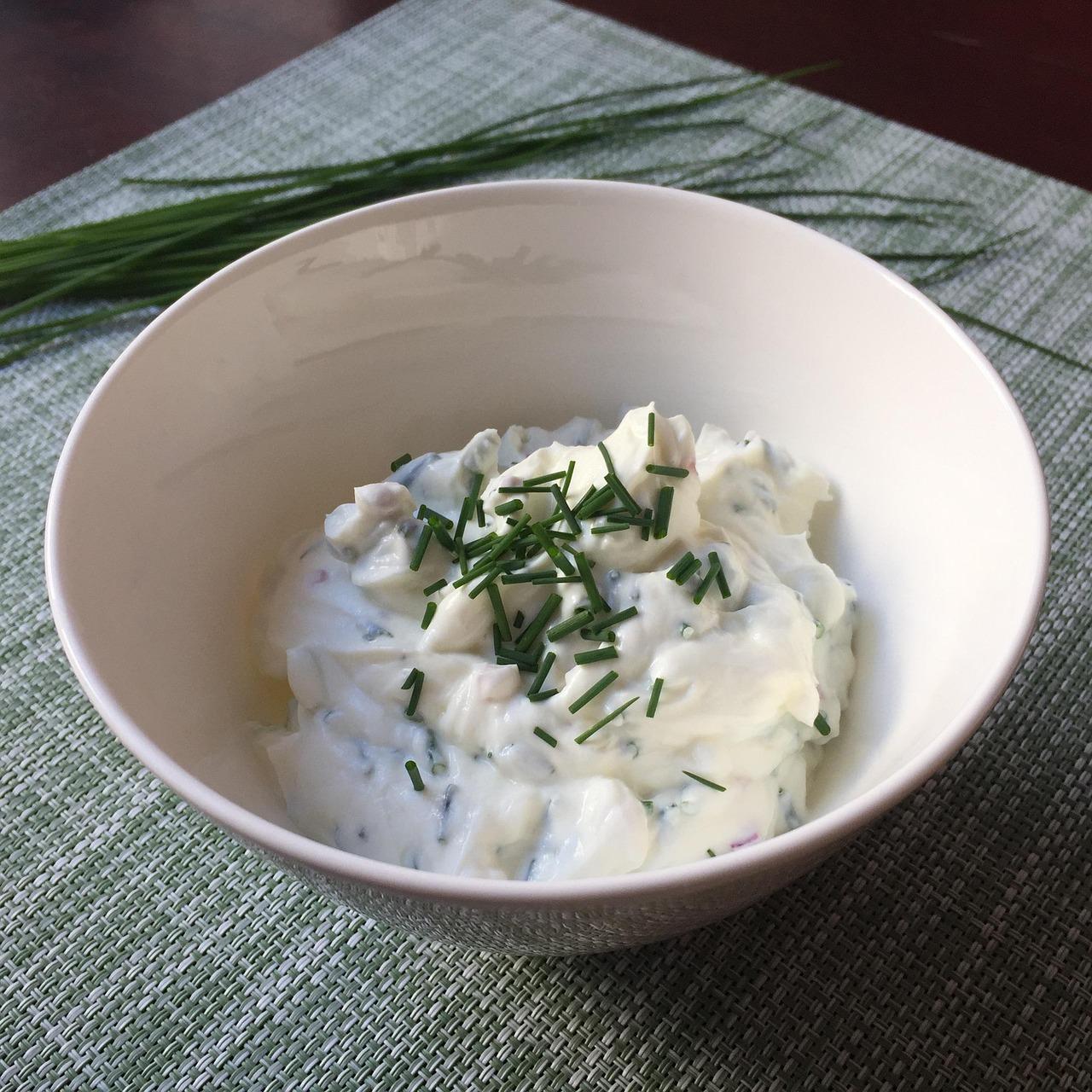
On summer evenings across Germany, from Hamburg allotments to Swabian farmhouse kitchens, a bowl of herb quark sits in the middle of the Abendbrot table with rye bread, radishes and boiled new potatoes. Fresh low-fat quark is loosened with a little milk and linseed or sunflower oil, then packed with chopped chives, parsley and dill and a hint of garlic, so it tastes cool, tangy and green. It also goes on jacket potatoes at the fair and next to grilled vegetables at a barbecue. The usual mistake is chopping the herbs ahead and letting them sit, which turns them dark and bruised. Chef's tip: let the finished quark rest in the fridge for 20 minutes so the garlic mellows and the herbs flavour the whole bowl.

by KrazyBadal 0 views

SpargelsalatWarm asparagus salad

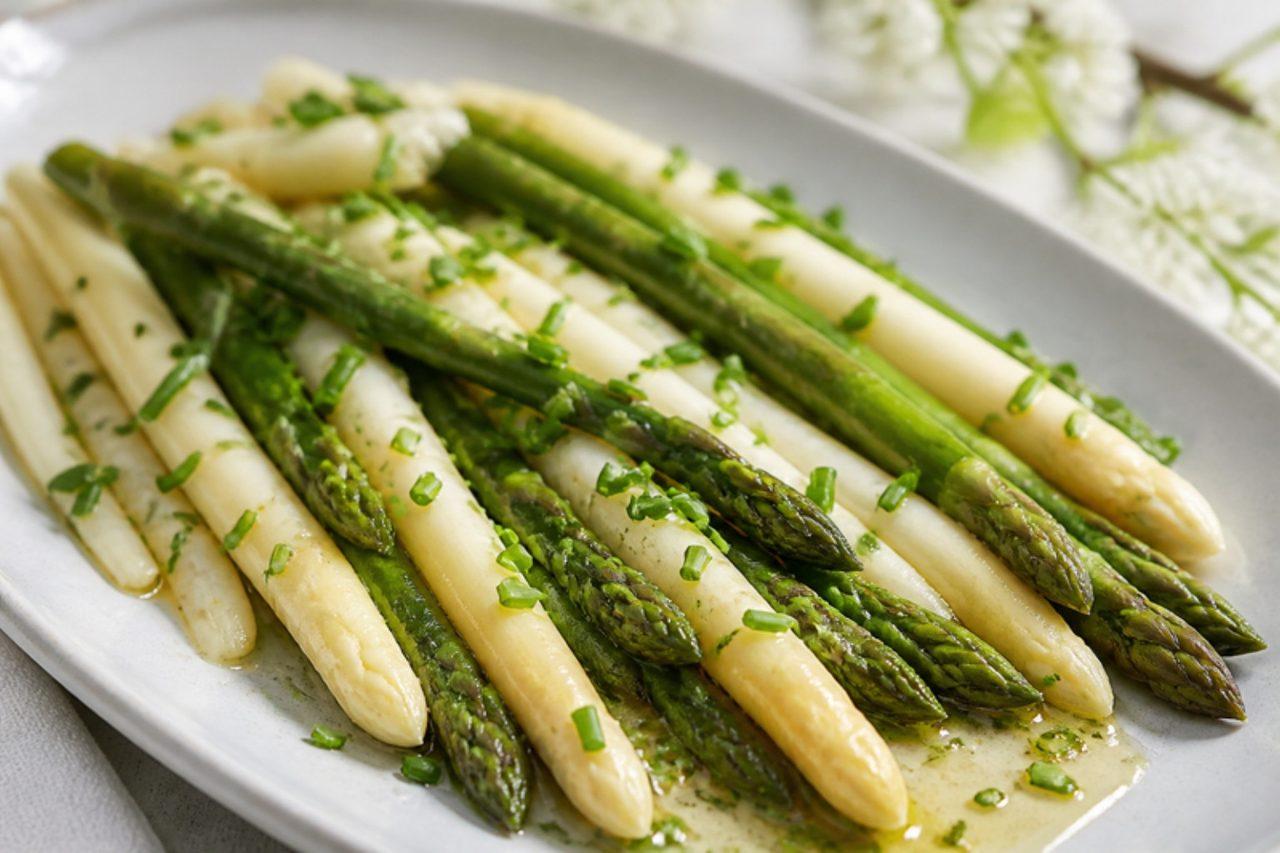
Asparagus farms along the Baden Spargelstraße and in the Lüneburg Heath sell their spears straight from roadside huts in May, and this lukewarm salad is how many households there eat the first bundle. White and green spears are cooked just tender, cut into lengths and dressed while warm in a sharp vinaigrette of white wine vinegar, mustard, shallot and plenty of chives, so they soak up the flavour. It goes with new potatoes, or as a light lunch with bread. A frequent mistake is overcooking white asparagus until it is limp and stringy. Chef's tip: dress the spears while still warm and leave them for 15 minutes; cold asparagus barely absorbs the dressing.

by KrazyBadal 0 views

EiersalatEgg salad

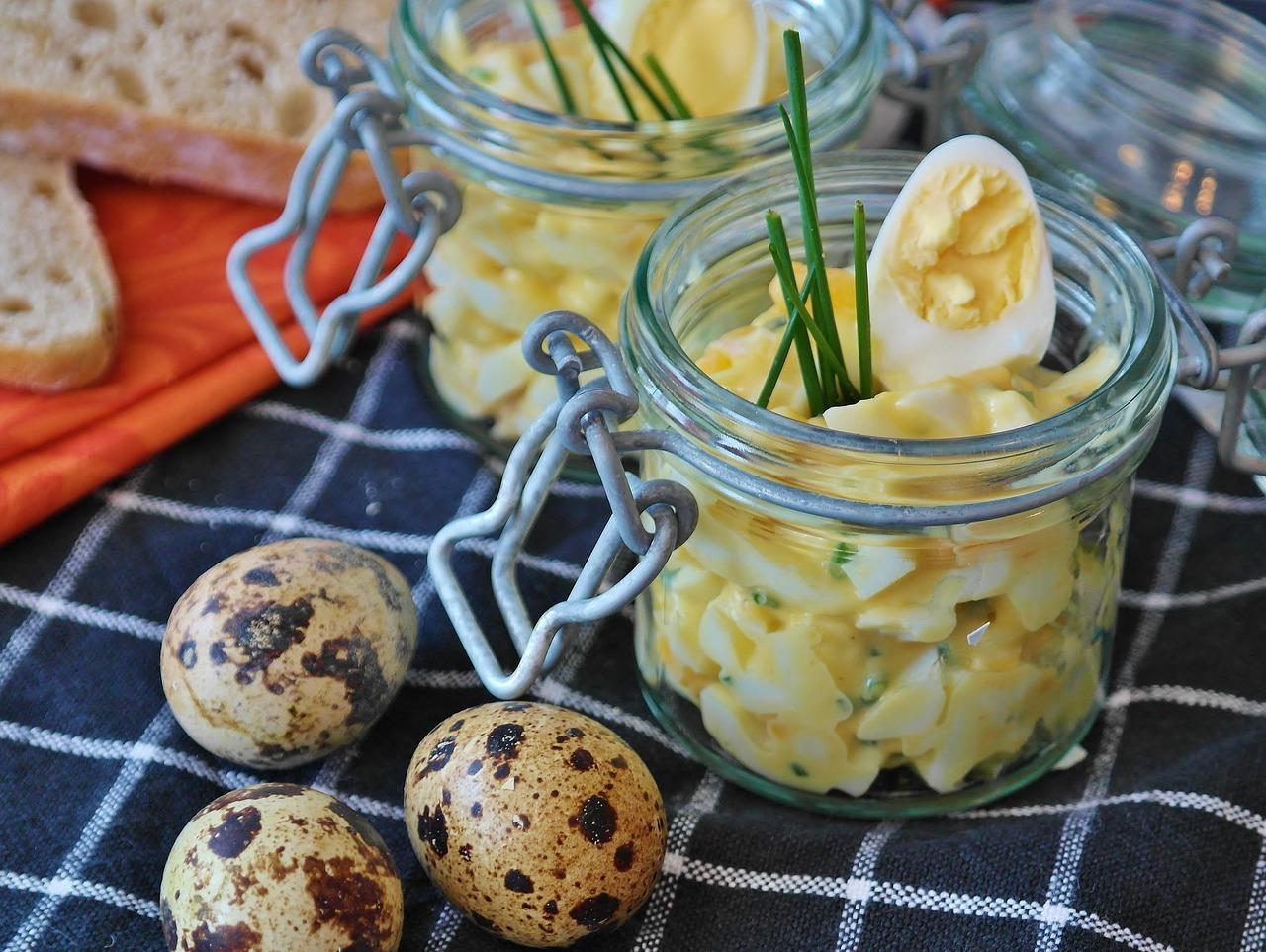
Every German bakery counter and many Sunday breakfast tables have a bowl of Eiersalat, spread thickly on halved Brötchen or rye bread at Abendbrot. This home version keeps it light: chopped hard-boiled eggs bound with a little mayonnaise and yoghurt, sharpened with mustard and gherkin and finished with lots of chives. It is also the usual way to use up dyed Easter eggs in the week after Easter. The classic mistake is overcooking the eggs, which leaves grey-green rims and a sulphur smell. Chef's tip: chop the eggs with a fork or an egg slicer, not a blender, so the salad keeps soft little pieces of white and yolk.

by KrazyBadal 0 views

SchnittlauchbrotChive bread

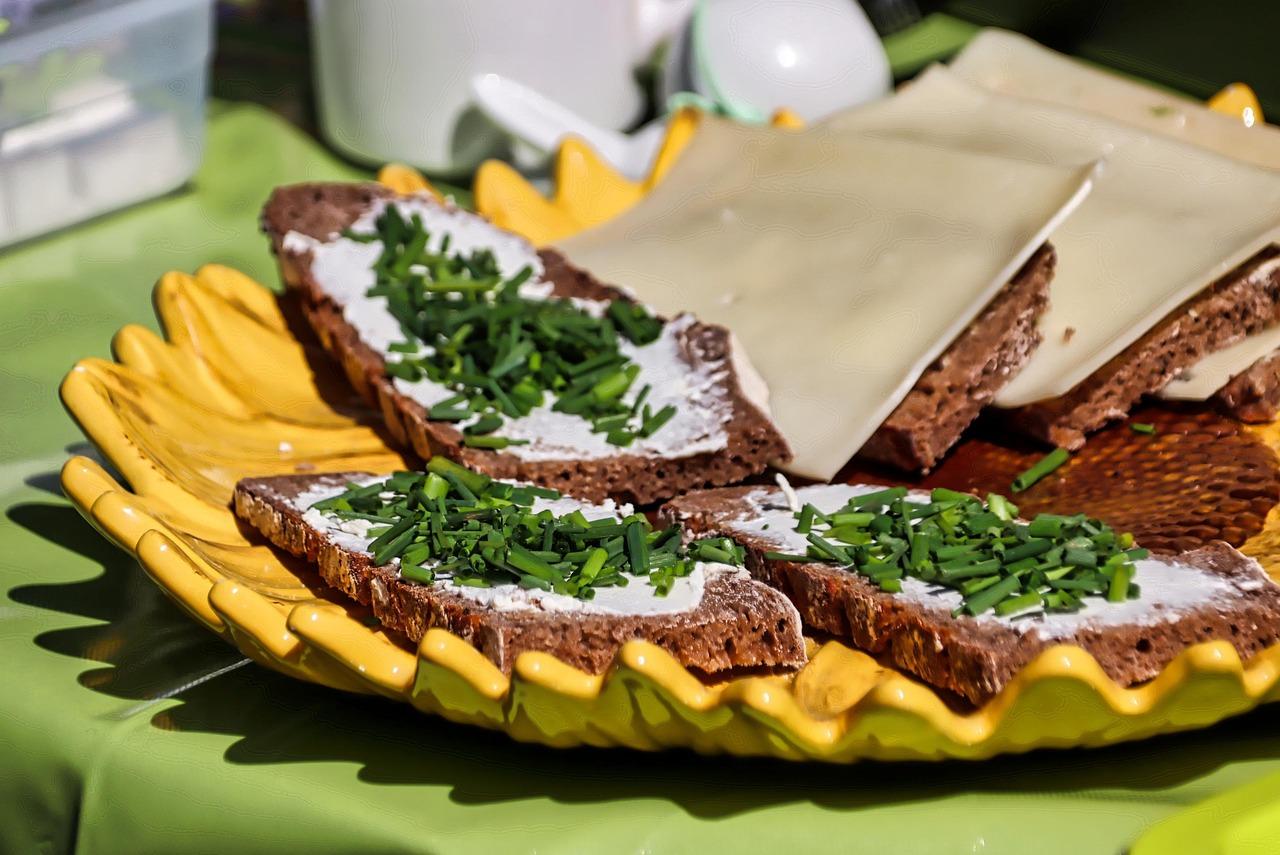
Order a Schnittlauchbrot in a Munich beer garden and you get the simplest Brotzeit there is: a thick slice of sourdough rye, buttered right to the edges and buried under so many chopped chives that the bread disappears. A pinch of coarse salt on top is all it needs. Bavarians eat it with a radish or two in the afternoon, and at home it is a classic Abendbrot when the chives in the garden are growing fast in May and June. The mistake is using fridge-cold butter, which tears the bread and will not hold the chives. Chef's tip: press the bread butter-side down into a plate of chives instead of sprinkling, and every bit gets covered.

by KrazyBadal 0 views

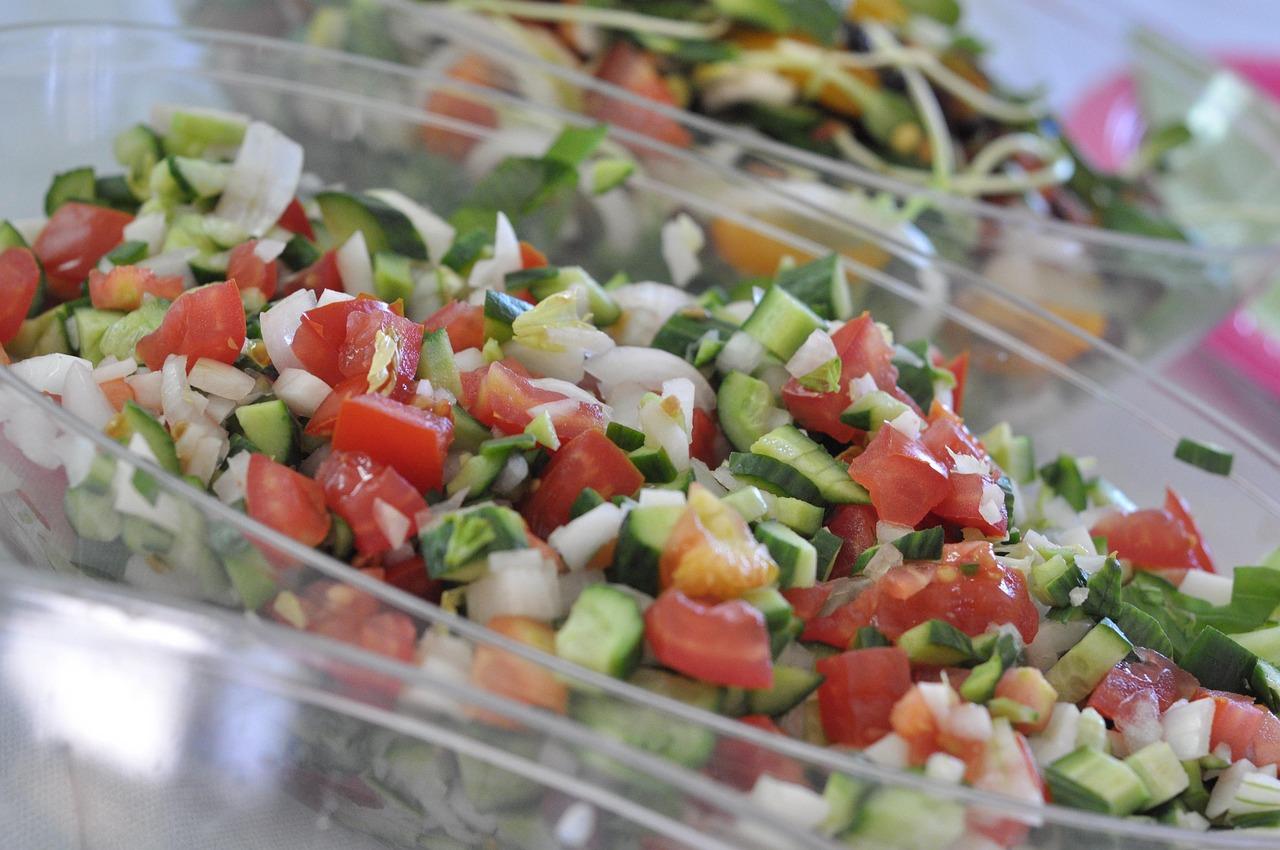
Shlada beldia (Moroccan tomato and cucumber salad)

Shlada beldia, "country salad", sits next to the bread on almost every Moroccan table, from Marrakech grill stalls to a Tuesday family lunch in Oujda. Tomato, cucumber, onion and green pepper are diced as small as lentils, then dressed with lemon, olive oil, parsley and a pinch of cumin, so it eats like a fresh relish with grilled meat, tagines or eggs. The common mistake is dressing it too early: the tomatoes weep and it turns to soup, so salt it just before serving. Chef's tip: dice everything to the same tiny size; that's what makes it taste Moroccan rather than like a chopped salad.

by KrazyBadal 0 views

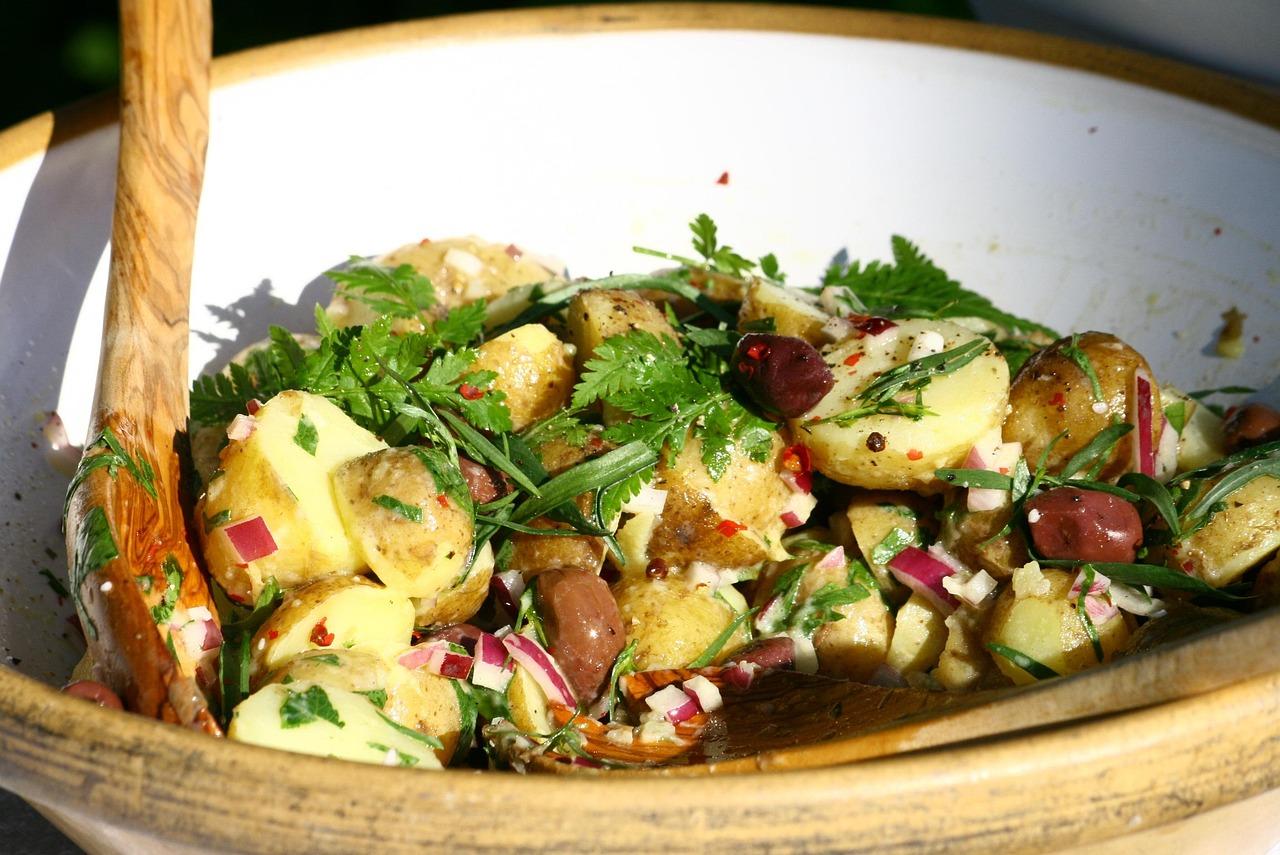
Shlada batata (Moroccan cumin potato salad)

Shlada batata is one of the cooked salads that line up on a Moroccan table before Friday couscous, in Rabat as much as in the Rif: boiled potato chunks dressed while warm with olive oil, lemon, cumin, paprika, garlic and plenty of parsley, with no mayonnaise at all. It's eaten at room temperature with bread, or with grilled sardines. Dressing cold potatoes is the common mistake; they don't absorb the flavours, so toss them while they're still steaming. Chef's tip: a few slivers of preserved lemon peel make it unmistakably Moroccan.

by KrazyBadal 0 views

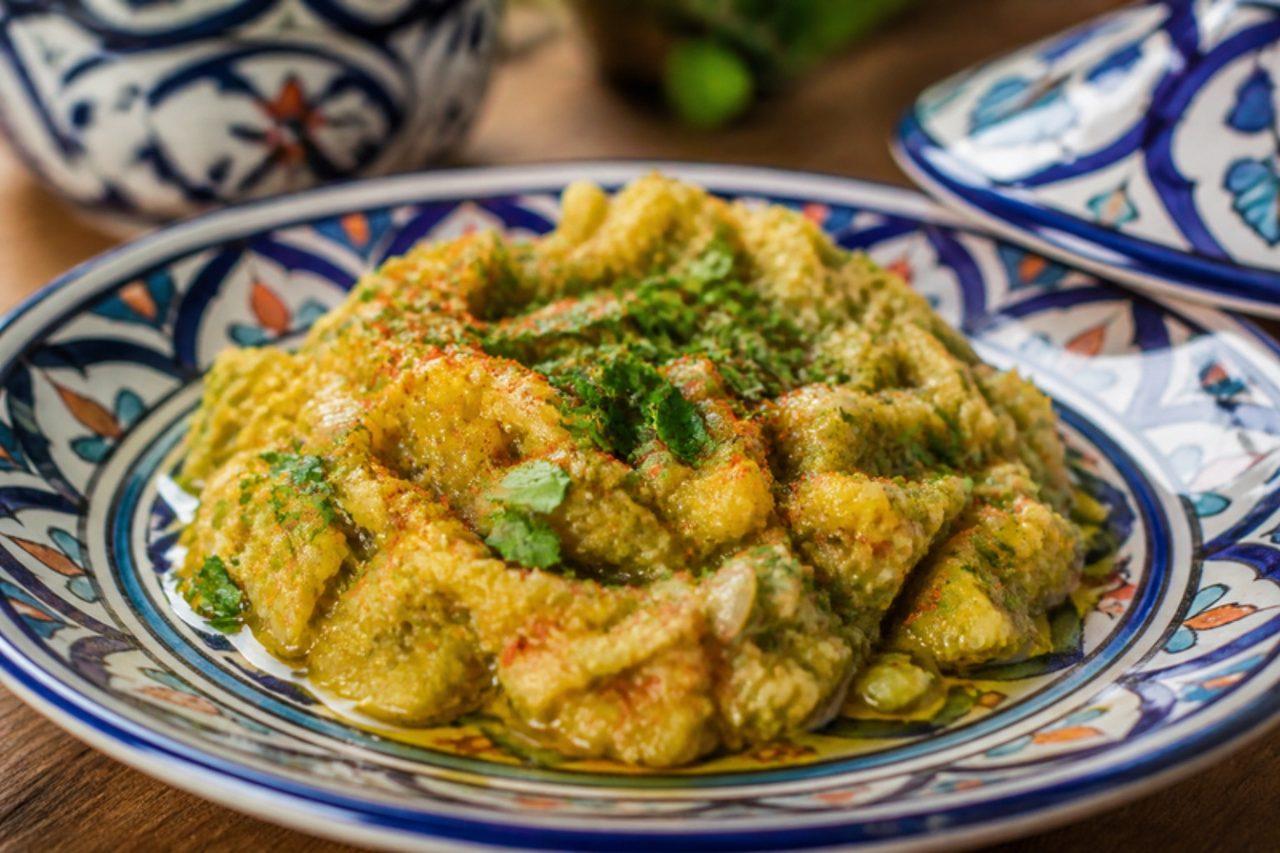
Shlada gar'a (cooked courgette salad with cumin)

In Meknes and Casablanca the pale courgettes of early summer are cooked down into this soft, spiced salad, one of several little dishes set out with bread before the main course. The courgettes are steamed with garlic, then crushed lightly with olive oil, cumin, paprika and lemon until spoonable but still chunky. Serve it cool with bread or alongside grilled fish. Watery courgettes are the usual problem; cook off all the liquid before seasoning. Chef's tip: add a handful of chopped coriander only at the end so it stays bright.

by KrazyBadal 0 views

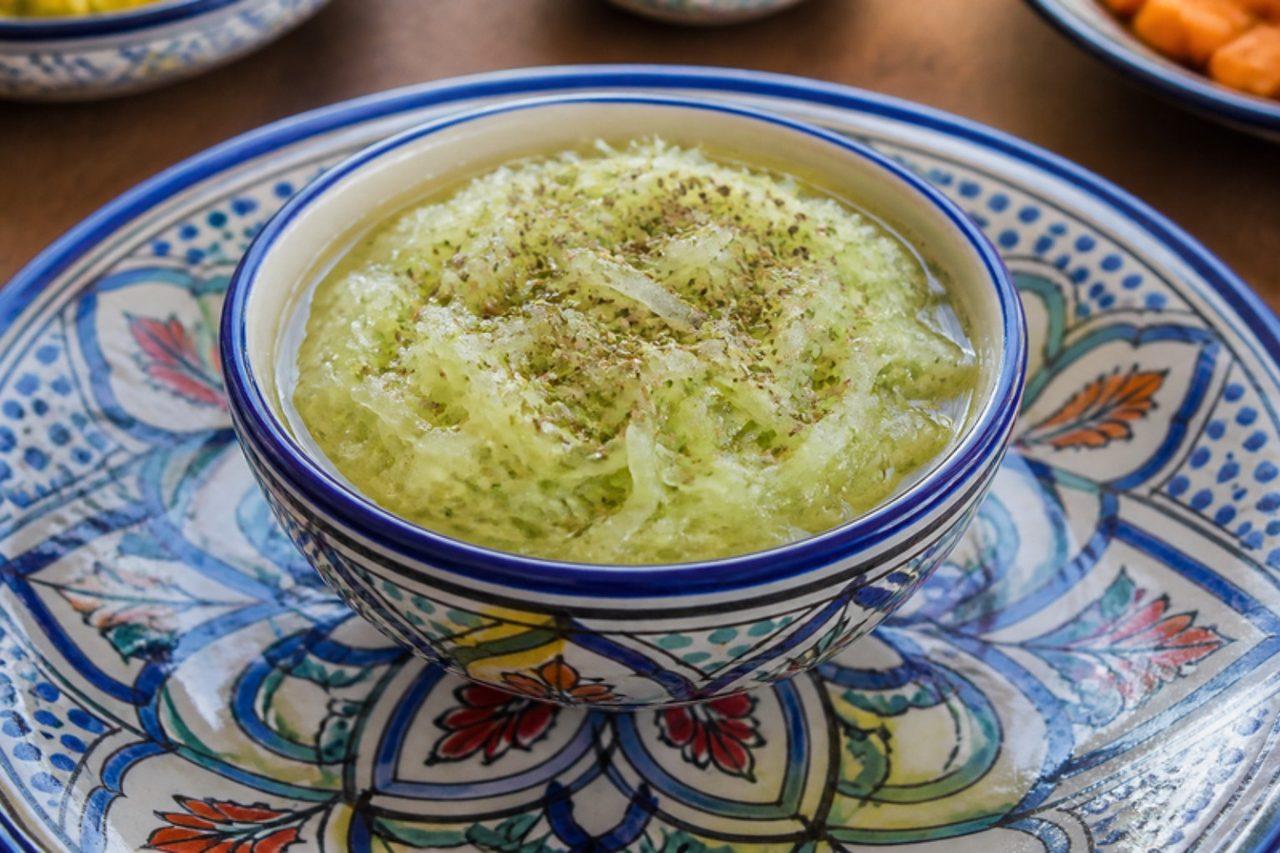
Shlada khiar (grated cucumber salad with oregano)

In the heat of a Fes or Marrakech summer, this ice-cold grated cucumber salad is served in bowls with spoons, half salad, half drink, alongside rich tagines or a plate of fried fish. Cucumber is grated and loosened with water, vinegar and a little sugar, then perfumed with crushed dried oregano or zaatar. Grating ahead and leaving it to sit in salt is the usual slip; the cucumber goes limp and bitter. Chef's tip: rub the oregano between your palms over the bowl to wake its oils.

by KrazyBadal 0 views

ButterbrotRye bread with cheese and vegetables

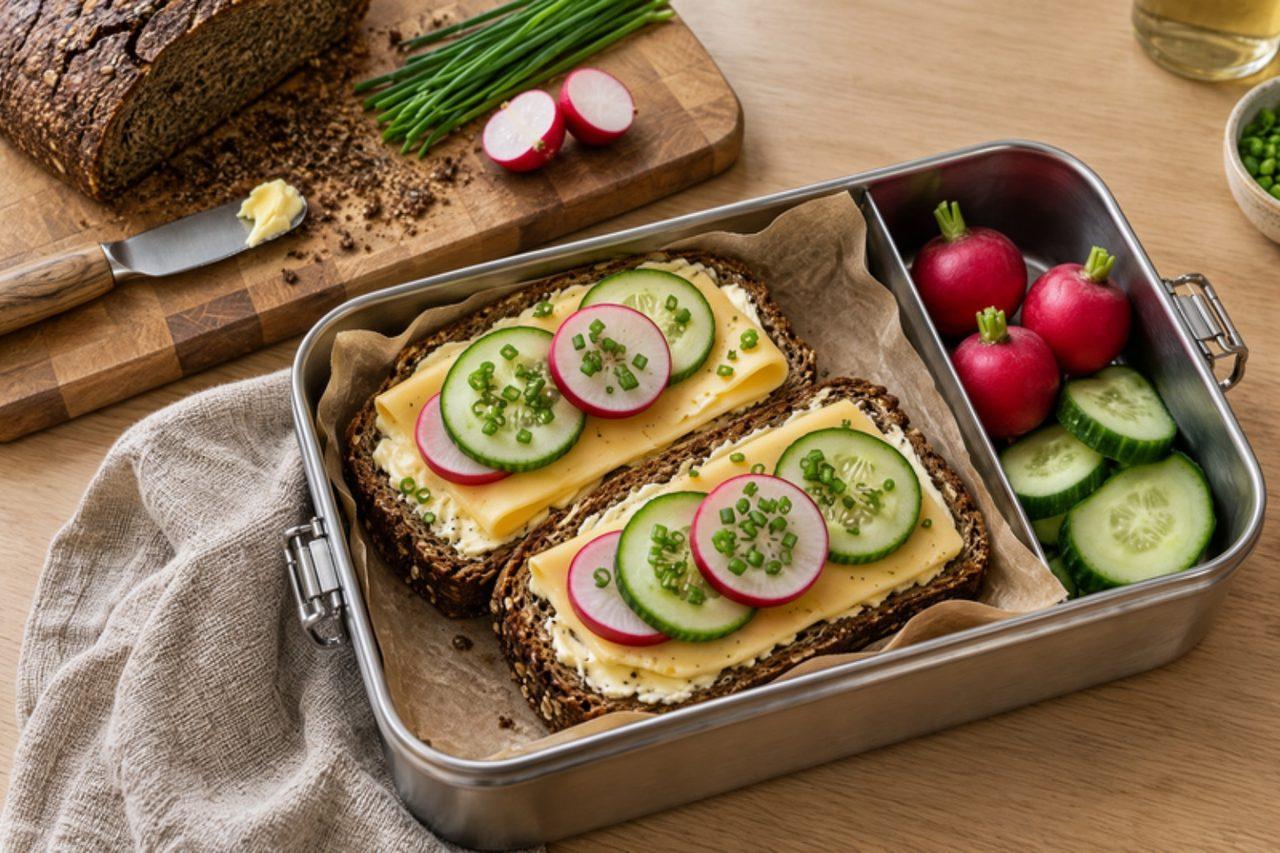
Every German schoolchild knows the Pausenbrot: two slices of rye or mixed-grain bread spread with good butter, closed around a slice of cheese, wrapped in paper and eaten in the mid-morning break, with a few cucumber or apple slices on the side. Adults take the same Butterbrot to work. The common mistake is spreading cold, hard butter, which tears the bread and leaves bare patches that let any wet filling soak in. Many Gouda-style cheeses use animal rennet, so choose one marked vegetarian. Chef's tip: butter right to the crust on both slices; the butter is a waterproof layer that keeps the bread fresh until lunchtime.

by KrazyBadal 0 views

Chilcano de piscoPisco and ginger ale highball

When Lima's grey winter finally lifts and summer reaches the beaches south of the city, the chilcano takes over from the pisco sour: lighter, longer and made for an afternoon. Peru even gives it a Semana del Chilcano each January, and it is poured at weekend lunches with chifa or fried fish. This is a highball for adults only: pisco poured over a tall glass of ice with fresh lime and ginger ale, finished with a few drops of bitters. It should taste crisp and fizzy, with the ginger and lime lifting the floral grape notes of the pisco rather than hiding them. The common mistake is using too little ice and warm ginger ale, which gives a sweet, diluted drink that goes flat in minutes. Fill the glass to the top with ice and keep the ginger ale in the fridge until the last second. It is ready when the glass is frosty, the bubbles race up the sides and the bitters drift through the top as a pink haze. Light it may be, but drink responsibly. Chef's tip: try a fruit-infused pisco, made by steeping passion fruit or mandarin peel in the bottle for a few days; Limeños love a chilcano de maracuyá.

by KrazyBadal 0 views

Mate de muñaAndean mint tea

Muña is the minty shrub that grows wild on the slopes around Cusco, Puno and the Sacred Valley, and highland cooks reach for it after a heavy meal of chicharrón or when visitors are struggling with the altitude. Market herb sellers sell it in fresh bunches, and hotels and homes leave it in a flask for anyone coming in from the cold evenings. Steeped simply in hot water, it smells somewhere between spearmint, oregano and pennyroyal, with a cooling, slightly peppery taste and a pale green-gold colour. It is traditionally drunk to settle the stomach. The usual mistake is boiling the leaves hard for a long time, which turns the tea brown and bitter. Pour water just off the boil over the sprigs, cover, and let it steep. It is ready when the cup is pale gold and the aroma rises as soon as you lift the lid. Outside Peru, look for dried muña in Latin shops; failing that, use mostly spearmint with a little fresh oregano. Muña is strong: avoid large amounts in pregnancy, and check with a doctor if you take regular medication. Chef's tip: cover the cup while it steeps so the scented oils stay in the tea.

by KrazyBadal 0 views

Pisco sour

Lima drinks its pisco sour as the aperitif before a long ceviche lunch, and celebrates it every year on the first Saturday of February; the recipe took shape in the city's bars in the 1920s. It is for adults only and stronger than its pillowy look suggests. Underneath a thick white foam you get sharp Peruvian lime, a clean sweetness and the floral, grapey warmth of quebranta pisco, with the bitters adding a spicy smell to every sip. The texture should be silky, almost creamy, never thin. The classic mistake is squeezing the limes too hard or too early: the oil from the pith turns the drink bitter within half an hour. Halve the limes, press each half gently by hand just before mixing and stop when the juice slows. The egg white is raw, so use pasteurised egg white for anyone pregnant, for babies, older people or anyone unwell, or swap in 30 ml aquafaba. It is ready when the foam stands about 1 cm high and is firm enough to hold the drops of bitters on its surface. Sip one slowly and drink responsibly. Chef's tip: shake once without ice first to whip the egg white, then again with ice; the foam will be twice as thick.

by KrazyBadal 0 views

Jugo surtidoMixed fruit juice

Step up to any juguería in Lima's Mercado de Surquillo or a barrio market at breakfast time and order a surtido: the juicer drops papaya, banana, pineapple and freshly squeezed orange into a tall blender, sometimes a slice of cooked beetroot for colour or a splash of milk, and pours you a big glass with the rest left in the jug for your 'yapa', the free refill. It is thick but still pourable, sweet from ripe fruit with a sharp orange edge, the kind of drink that stands in for breakfast before a long day. The common mistake is adding lots of ice and water, which makes it thin and frothy rather than velvety. Use cold fruit and freshly squeezed orange juice as the liquid. It is ready when it coats the glass and no lumps of banana are left. This version is fruit only; stalls also make it with milk if you prefer. Drink it straight away: papaya and banana go brown and bitter within half an hour. Chef's tip: use very ripe papaya with orange flesh; under-ripe papaya tastes of nothing and gives a faintly bitter aftertaste.

by KrazyBadal 0 views

Jugo de macaWarm maca drink

Before dawn at markets in Huancayo, Cusco and Lima, juice ladies ladle hot jugo de maca from big pots for workers on their way in: maca root, a turnip relative grown above 4,000 metres in the Junín highlands, simmered with milk, cinnamon and cloves and sweetened with honey or sugar. It tastes malty and toasty, a bit like butterscotch. The common mistake is stirring the powder straight into hot milk, which leaves gritty lumps; whisk it into a little cold milk first. Maca is not usually advised in pregnancy, so ask your doctor first if you are pregnant. Chef's tip: use gelatinised (cooked) maca powder if you can find it; it dissolves smoothly and is gentler on the stomach.

by KrazyBadal 0 views

Showing 24 of 142 recipes

Show more recipes

Page 1 of 6