Skip to content
Recipes

All recipes

Vegetarian, or something you can't eat? Set your diet once and we'll hide recipes that don't fit.

Halawa tahiniya (Egyptian tahini halva)

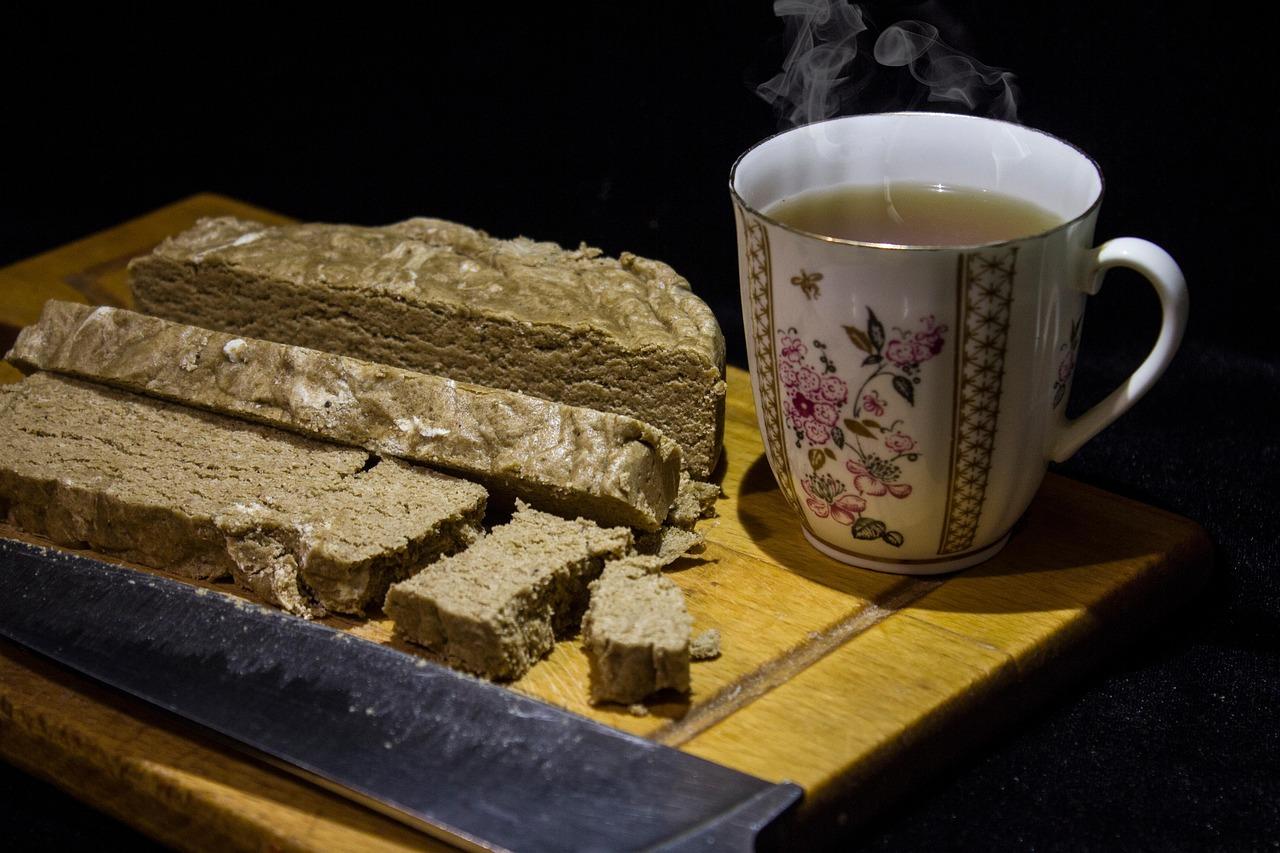
In Egypt halawa tahiniya is a breakfast and suhoor food more than a dessert: it is eaten in Ramadan before dawn, on Coptic fasting days when animal foods are avoided, and spread in warm aish baladi bread at any time of year. Tahini is mixed with sugar syrup at the firm-ball stage, and the syrup crystallises through the sesame paste to give the halva its fibrous, crumbly strands. It tastes nutty, sweet and toasty, and pairs well with sweet tea. Factory halva often uses soapwort root, whose foam whips the syrup and gives longer strands; this home version offers it as an option, and never uses egg white. It is naturally egg-free: the hot syrup, crystallising as it is folded into the tahini, is what sets it. Chef's tip: stir only until the mixture turns matte and starts to look stringy. The common mistake is over-mixing, which makes the oil separate and the halva greasy.

by KrazyBadal 0 views

Malban (Egyptian rose and nut jelly sweets)

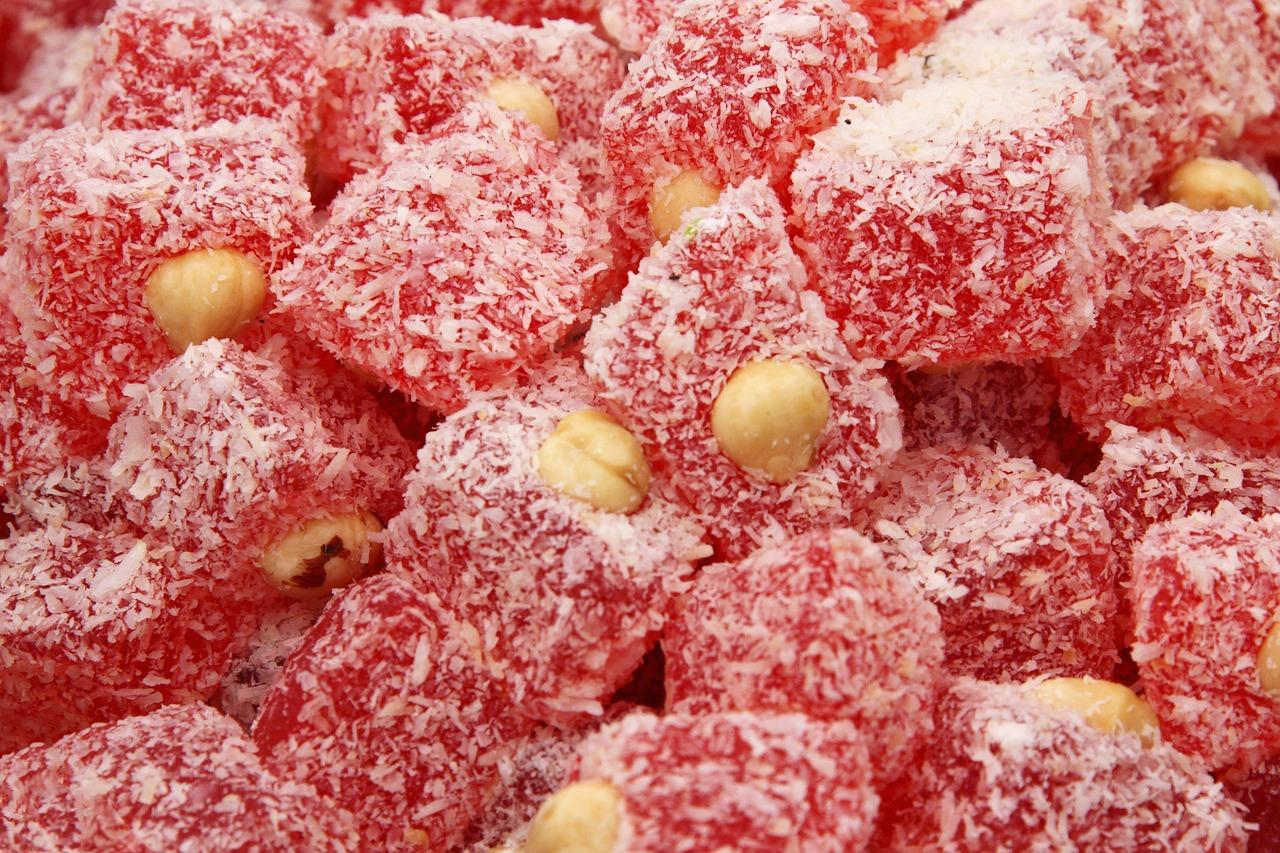
Malban is the Egyptian cousin of Turkish delight, sold by weight in Cairo sweet shops all year but piled highest for Ramadan nights and the Mawlid sweets of the Prophet's birthday. A syrup of sugar and lemon is cooked with cornflour for the best part of an hour into a thick, clear jelly, scented with rose water and a little mastic and studded with pistachios or hazelnuts. Cut into cubes and rolled in icing sugar, it is soft, springy and chewy, sweet and floral. Serve it with mint tea or Turkish-style coffee. It is naturally egg-free: cornflour, cooked slowly in the syrup, sets it into a firm jelly, with no other setting agent. Chef's tip: whisk the cornflour mixture into the syrup in a thin stream and keep stirring. The common mistake is stopping too early, which gives a soft jelly that weeps and won't hold a cube.

by KrazyBadal 0 views

Eggs with bastermaFried eggs with cured beef

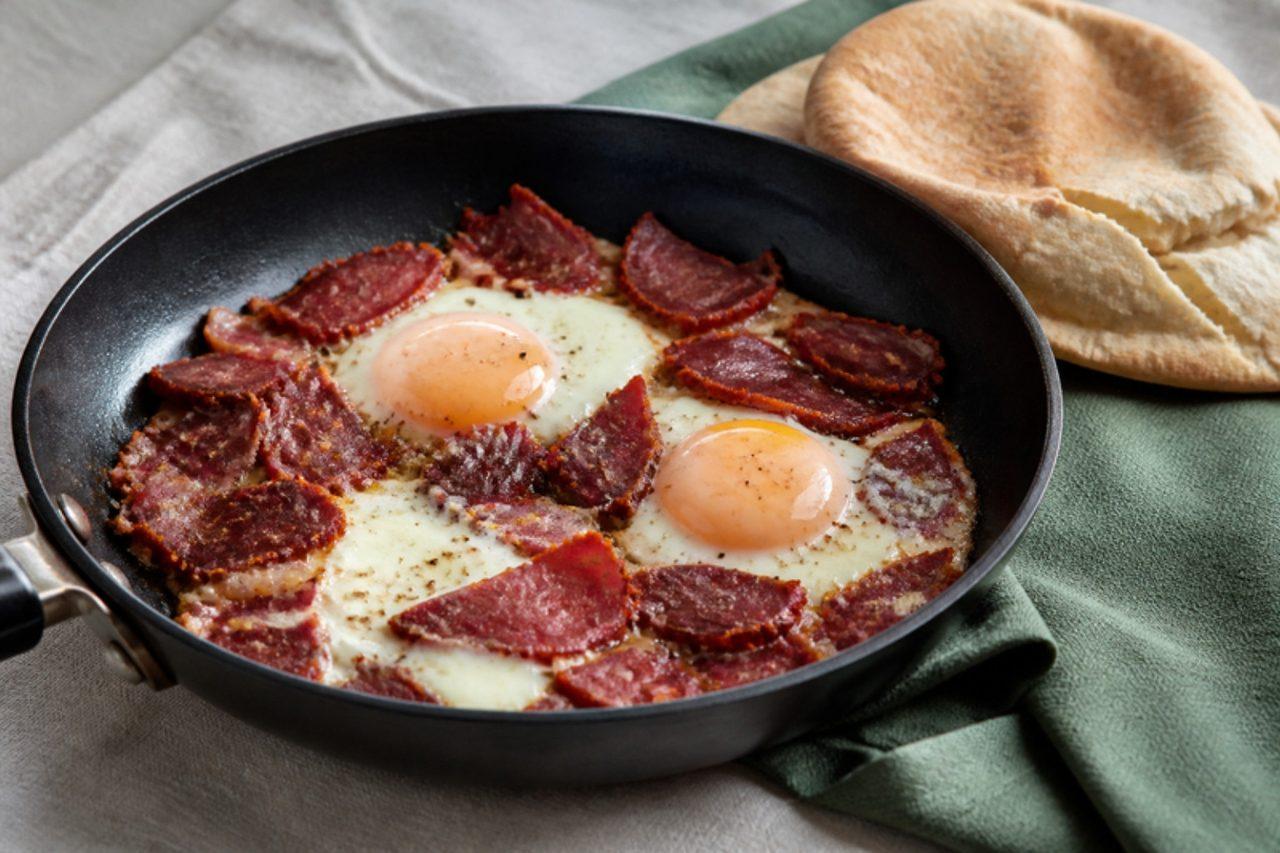
Beid bil basterma is a Cairo breakfast and late-night supper, made in homes and served at the old ful-and-falafel cafés downtown, always brought to the table in the small pan it was cooked in with baladi bread for scooping. Basterma is air-dried beef cured under a thick coat of fenugreek, garlic, cumin and paprika; a few thin slices are warmed in ghee until they curl and release their spice, then eggs are cracked over the top. The common mistake is frying the basterma too hot or too long: it is already cured and only needs warming, and it turns hard and bitter if it crisps. Chef's tip: leave some of the spiced crust on the slices; it melts into the ghee and seasons the eggs. For pregnant people, young children, older or vulnerable people, cook the yolks until firm.

by KrazyBadal 0 views

Algerian mkhabezIced almond and lemon diamonds

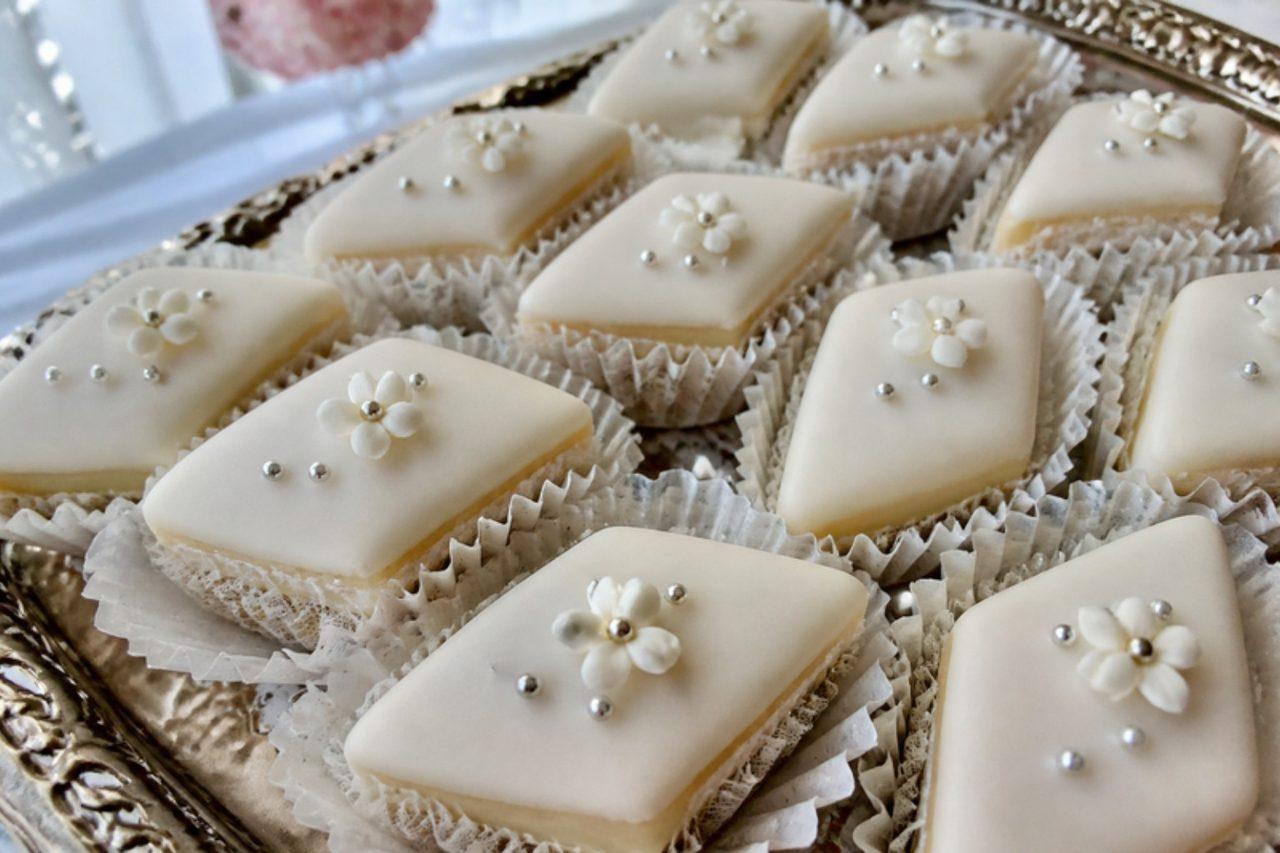
No Algerian wedding tray, and few Eid tables in Algiers or Constantine, is complete without mkhabez: soft, chewy diamonds of ground almond and lemon zest under a smooth white icing, each topped with a sugar flower or a silver ball and set in its own paper case. Making them is a social affair, with sisters and aunts icing and decorating hundreds the week before a celebration. The almond base is flourless and dairy free, sweet and lemony, and the icing sets to a thin shell; serve them with mint tea or strong coffee. Overbaking is the mistake to avoid: the diamonds should come out pale and soft, or they go dry and crumbly under the icing. Chef's tip: ice them when completely cold, and get the icing so thick it only just flows; runny icing slides off the sides and never sets glossy.

by KrazyBadal 0 views

Tcharek el arianeAlmond crescents with orange blossom

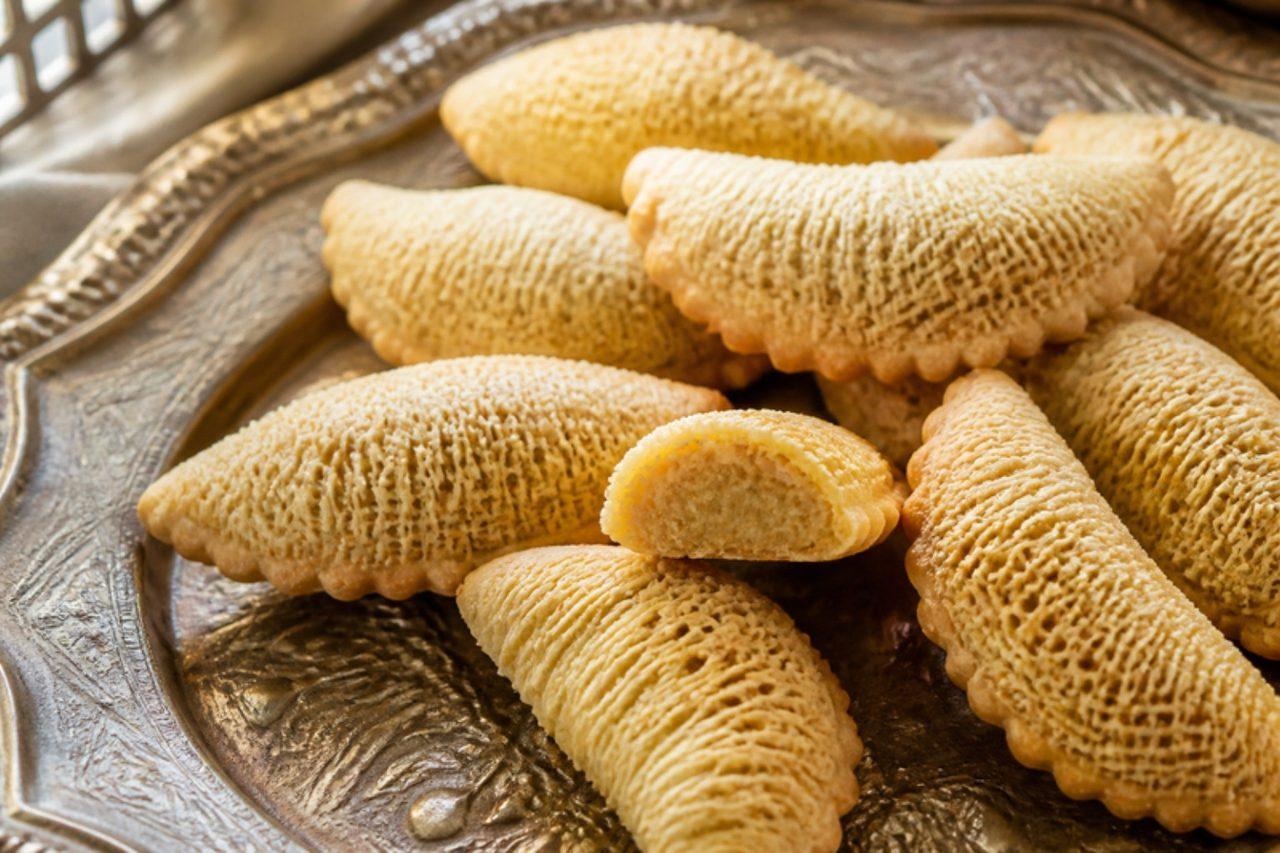
On the last nights of Ramadan, kitchens across Algiers and Constantine fill up with trays of tcharek el ariane, the 'naked' tcharek: crescents of thin, buttery dough wrapped around almond paste with cinnamon and orange-blossom water. Unlike their sugar-coated cousins they are left bare, so the fine dough with its pinched, lace-like pattern shows. Families give them to neighbours on Eid morning and set them out at weddings with mint tea and coffee. The dough is traditionally made with smen (aged butter); plain melted butter works well. Overbaking is the common slip, because they turn hard and dry; they should stay pale with only golden tips. Chef's tip: keep the dough under a damp cloth while you shape, as it dries in minutes and then cracks along the curve.

by KrazyBadal 0 views

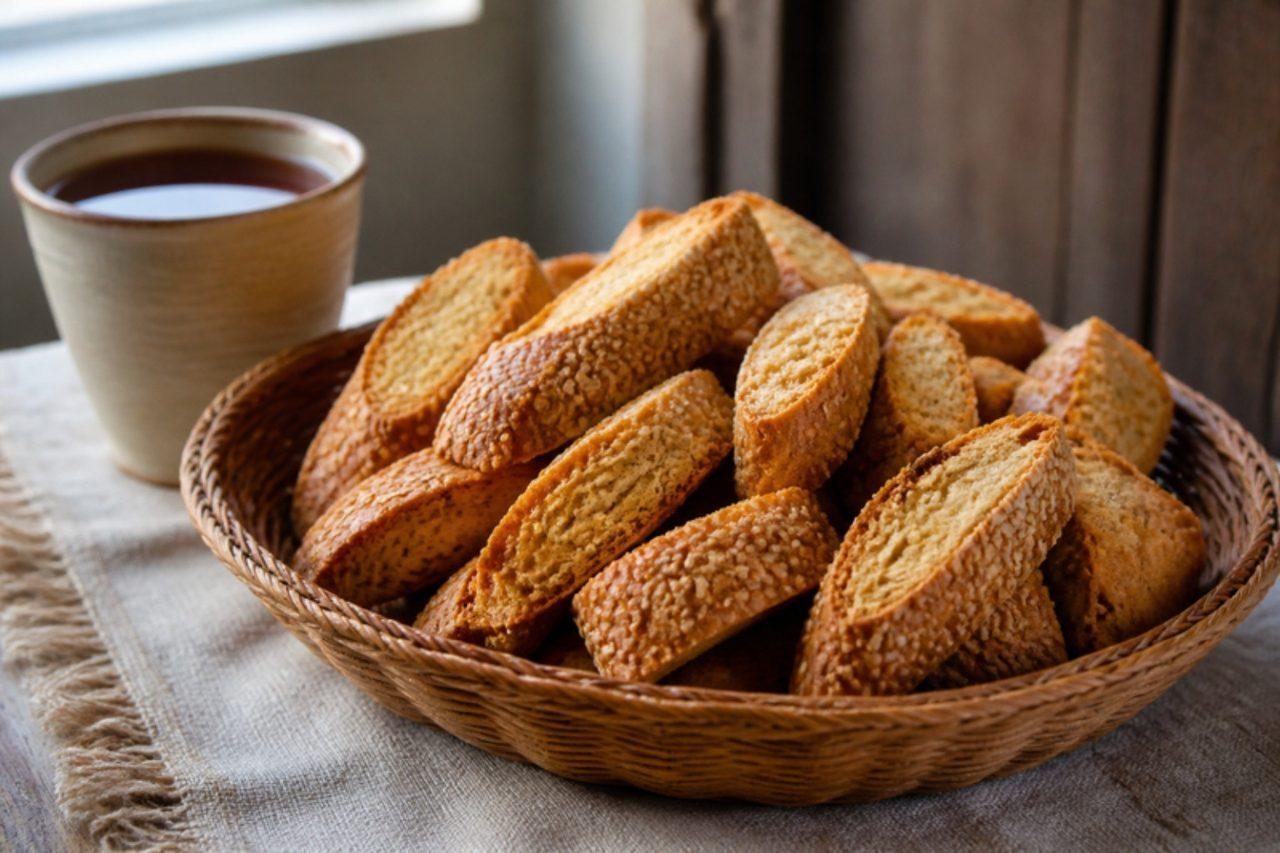
Egyptian fayeshSweet sesame rusks

Fayesh belongs to the Sa'id, Upper Egypt, where village women bake it in big batches in mud-brick ovens so the family has something crunchy for breakfast tea for weeks, and travellers from Luxor and Aswan carry bags of it north as a gift. A lightly sweet, aniseed-scented bread is baked, sliced, then dried slowly into hard, golden rusks crusted with sesame. They are dunked in black tea with plenty of sugar or in hot milk, and they never go stale. The common error is drying them too fast at a high heat: the outside browns while the middle stays soft, and that softness turns mouldy in the tin. Chef's tip: slice the loaves the next morning, not while warm; a rested loaf cuts into clean, even slices that dry at the same rate.

by KrazyBadal 0 views

TopfengolatschenSweet quark puff pastry squares

A Topfengolatsche is what Viennese office workers grab from the bakery on the way in, and what grandparents order with a Melange in a coffee house on a Sunday afternoon. The corners of a puff pastry square are folded over a lemony, vanilla-scented filling of Topfen (Austrian quark) with plump raisins, and the top gets a thin white glaze. It is flaky, light and not too sweet. Raisins are sometimes soaked in rum; warm water or orange juice works just as well, and the recipe below is alcohol-free. Wet quark is the classic problem, because it turns the filling runny and it leaks out in the oven. Chef's tip: hang the quark in a sieve lined with a clean cloth for an hour, or squeeze it, until it is as thick as soft cream cheese.

by KrazyBadal 0 views

Kärntner ReindlingCinnamon raisin yeast cake

Carinthia's Easter loaf takes its name from the Reindl, the round, deep pan it is baked in, and in southern Austria no Easter basket goes to church without one. Inside the golden yeast crust is a spiral of butter, cinnamon sugar and plump raisins, so every slice shows a dark swirl. Locals eat it two ways: sweet with coffee on Easter morning, or alongside the savoury Easter platter with horseradish. Many bakers soak the raisins in rum overnight; warm water or tea works just as well and keeps it alcohol-free. A dry, crumbly Reindling usually means too much flour went in during kneading, so keep the dough soft and only lightly floured. Chef's tip: butter the pan well and dust it with sugar, which caramelises into a thin crunchy shell.

by KrazyBadal 0 views

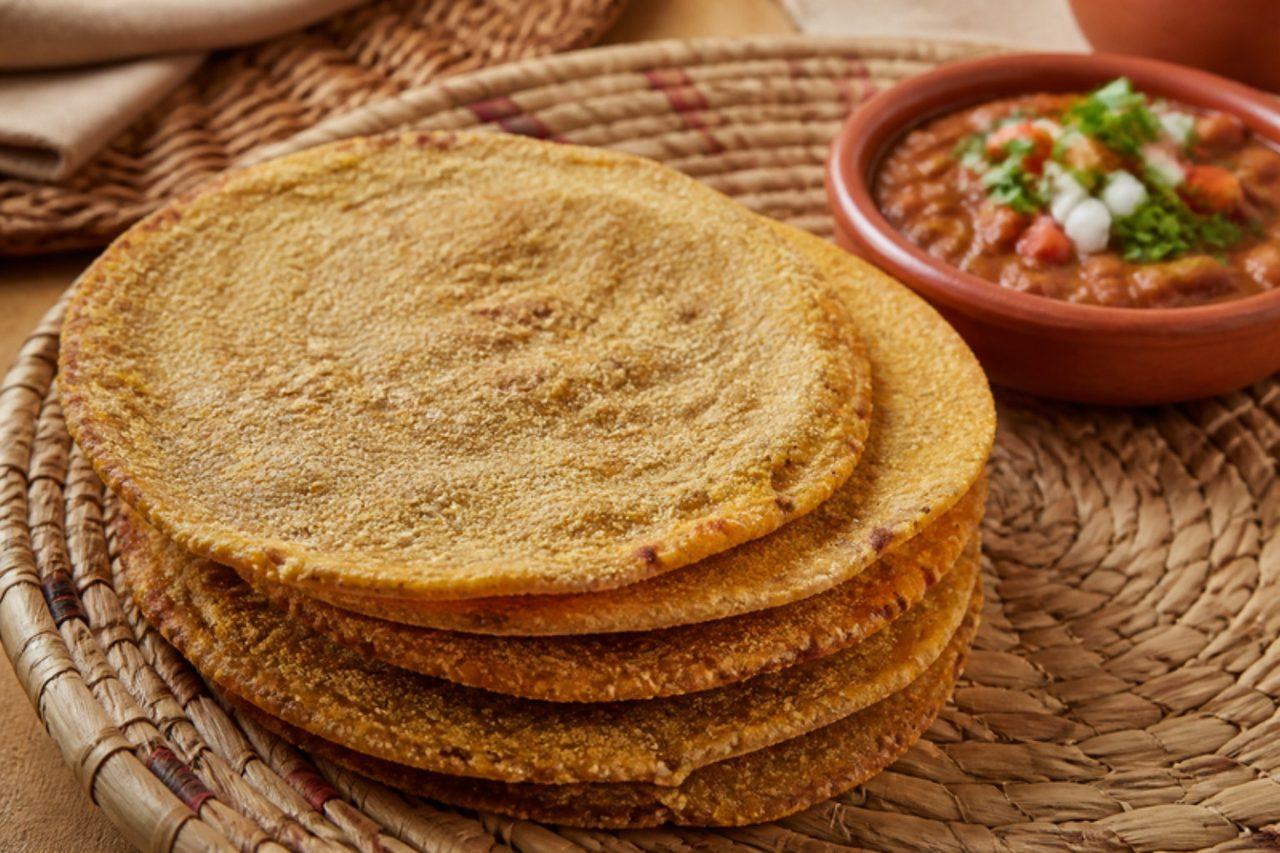
Aish merahrahCorn and fenugreek flatbread

Village women in Sohag, Qena and the countryside around Luxor still bake aish merahrah in mud-brick ovens, a whole week's supply at a time. Made mostly from maize flour with ground fenugreek seeds, it is thin, rough-textured and crisp at the edges, with a gently bitter, maple-like fenugreek aroma and a faint sourness from fermentation. Fresh, it is folded around ful medames, salty mish cheese or a dab of molokhia; dried, it keeps for weeks and is crumbled into soups and stews. A little wholemeal wheat flour holds the dough together, so it is not gluten free. Maize has almost no stretch, and trying to roll it like wheat dough is the classic mistake: it cracks and tears, so pat it out with wet hands instead. Chef's tip: toast the fenugreek seeds in a dry pan for a minute before grinding; it softens their bitterness and deepens the nutty flavour.

by KrazyBadal 0 views

ErdäpfelstrudelSavoury potato strudel

Austrians, especially in the Mühlviertel of Upper Austria and the Waldviertel, make savoury strudels as often as sweet ones, and Erdäpfelstrudel is a farmhouse favourite for a meatless Friday or a cold evening. Thin pastry wraps a filling of potatoes, fried onion, sour cream, marjoram and parsley, baked until crisp and golden and sliced with a green salad or a dill and sour-cream dip. Bought filo makes it easy at home. The mistake to avoid is a wet filling, which turns the pastry soggy underneath. Chef's tip: cool the filling completely before rolling; warm filling makes the layers stick and tear.

by KrazyBadal 0 views

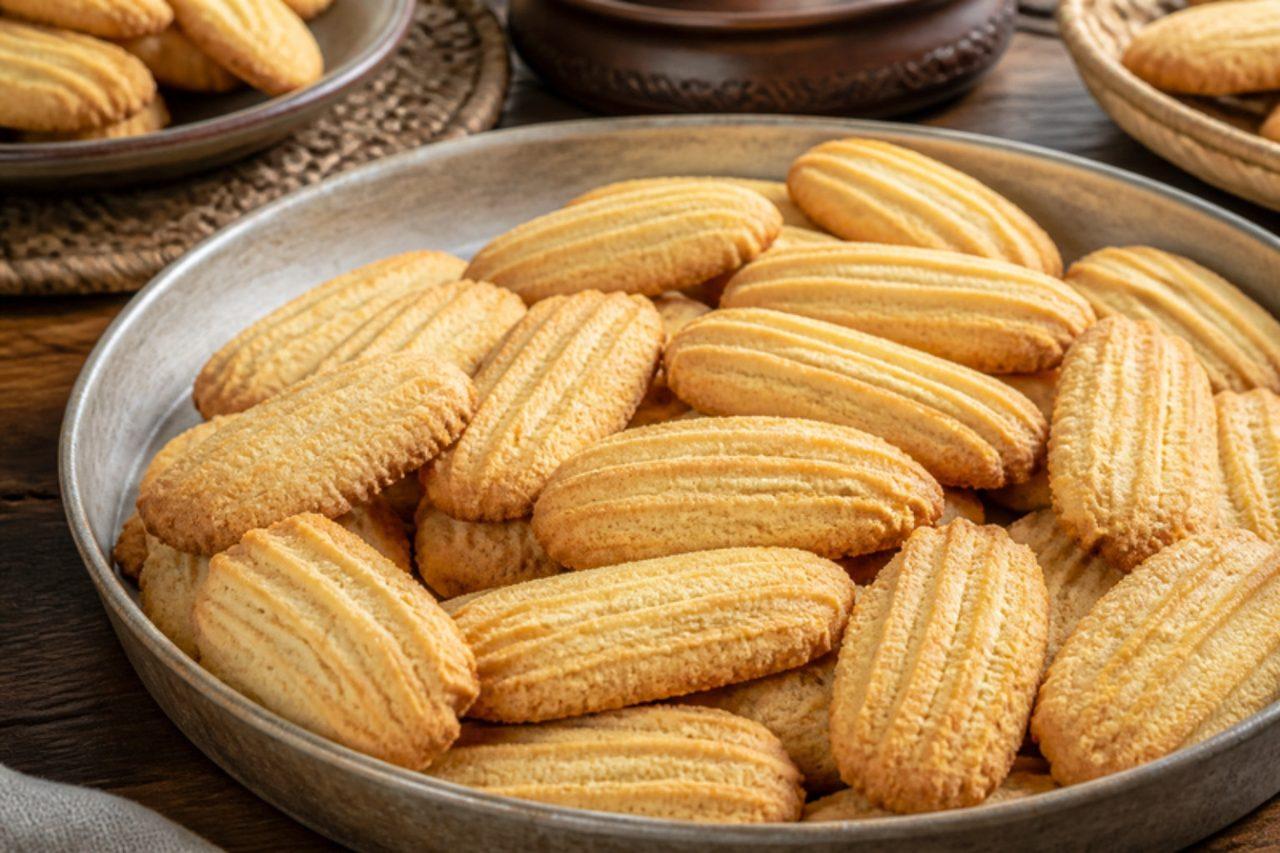
Biskoweet (Egyptian Eid vanilla biscuits)

In the last nights of Ramadan, Egyptian families bake kahk, ghorayeba and biskoweet together, sending trays to the neighbourhood bakery in Shubra or Imbaba if the home oven is too small. Biskoweet is the crisp, lightly sweet one: a vanilla and milk dough pushed through a biscuit press or a meat-mincer attachment into ridged ribbons, glazed with egg and baked golden, perfect for dunking in Eid-morning tea. The common mistake is baking them too pale; they should snap, not bend, so take them to a full honey colour. Chef's tip: a pinch of mahlab in the dough gives the subtle almond-cherry scent of the bakery biscuits. Contains milk, egg and wheat.

by KrazyBadal 0 views

Fakhfakhina (Alexandrian fruit salad with ice cream)

Fakhfakhina belongs to Alexandria's summer corniche, where juice shops like the famous ones near Mahatet el Raml build tall glasses of chopped mango, banana, guava, strawberries and apple, soaked in mango juice and crowned with scoops of ice cream, nuts and honey. It's an after-beach treat, eaten with a long spoon. The mistake is cutting the fruit hours ahead: banana and apple brown and the juice turns flat, so chop just before serving. Chef's tip: use thick mango nectar rather than thin juice; it clings to the fruit like a sauce. Contains milk and tree nuts; check the ice cream label for gelatine and egg.

by KrazyBadal 0 views

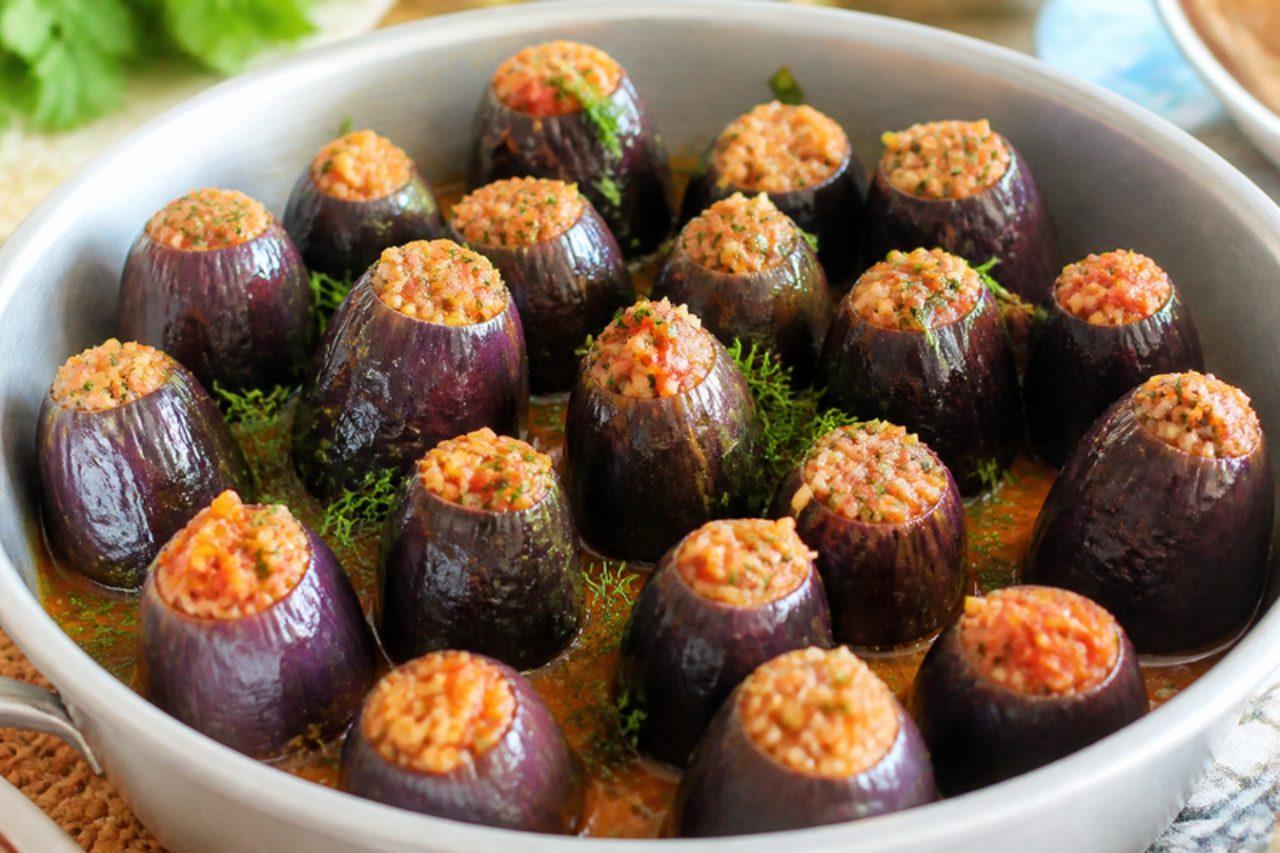
Mahshi betingan (stuffed baby aubergines)

Small purple-black aubergines the length of a finger pile up on handcarts in Cairo's Sayeda Zeinab market in summer, and most of them end up as mahshi betingan on the family lunch table. Each one is hollowed out with a corer, filled with tomato rice heavy with dill, and simmered until the skin is glossy and the flesh almost melts into the rice. Eat them with yogurt, a crunchy cucumber salad and pickled turnips. People often scoop too much flesh and pierce the skin, so the filling leaks; leave a wall about 5 mm thick. Chef's tip: soak the hollowed aubergines in salted water for 10 minutes; they stay purple and drink up less oil.

by KrazyBadal 0 views

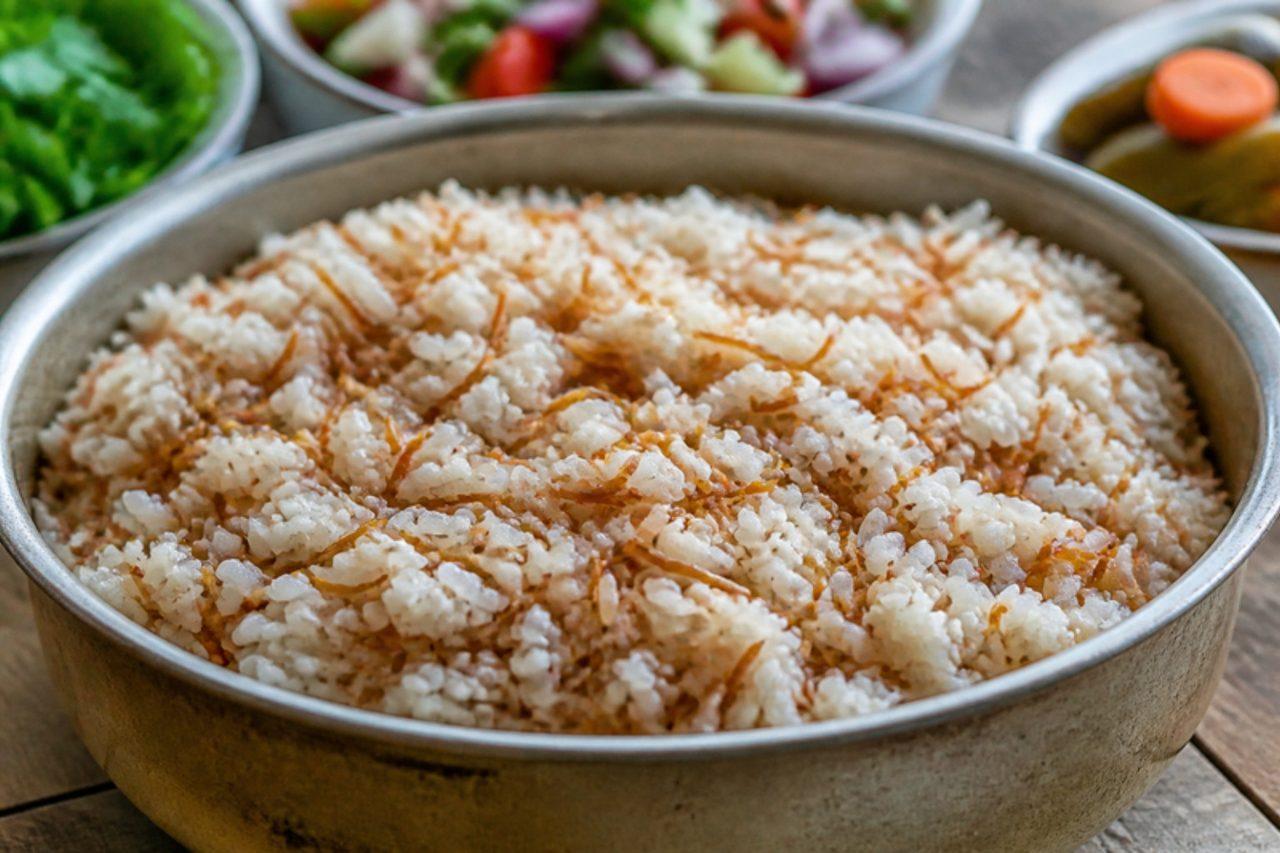
Roz bel shaareya (Egyptian vermicelli rice)

Not a single Egyptian stew is served without roz bel shaareya: short-grain rice cooked with vermicelli that has been toasted in butter or samna until it's the colour of a walnut shell. It's on the table every day in homes from Aswan to Alexandria, soft and slightly sticky, with nutty brown flecks through it. Serve it under fasolia, bamia or molokhia. Most people under-toast the vermicelli out of fear of burning it; pale shaareya tastes of nothing. Chef's tip: let the cooked rice sit covered with a clean tea towel under the lid for 10 minutes; it dries the grains and keeps them separate.

by KrazyBadal 0 views

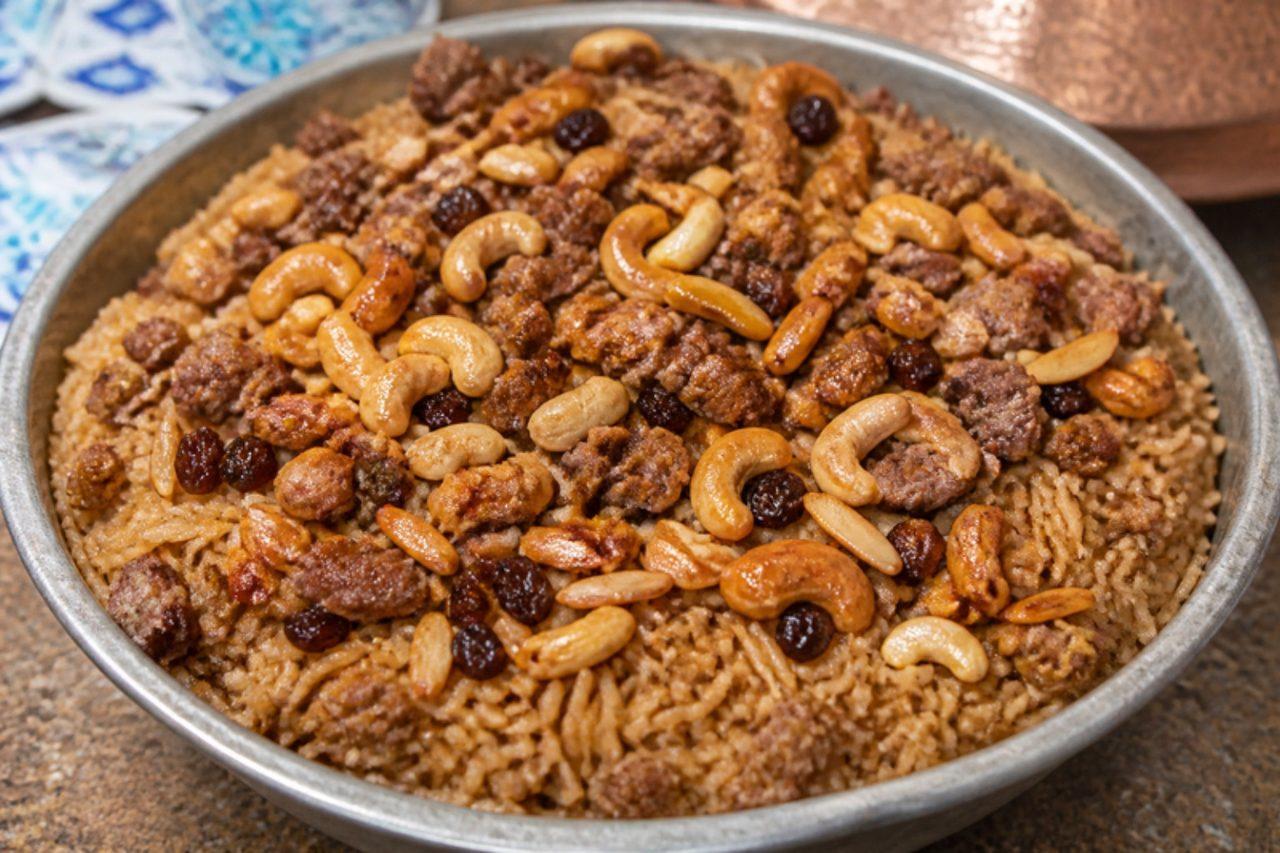
Roz bel khalta (Eid rice with nuts and minced beef)

On the first morning of Eid al-Adha, Egyptian families serve roz bel khalta next to the fattah and the roast, a rice so rich it's practically a main course. The khalta, or "mix", is minced beef fried with spices, then golden almonds, pine nuts and raisins fried separately and scattered over at the end. Some Cairo cooks add chopped chicken livers; they're optional here. Serve with yogurt and a salad. The usual slip is adding the nuts to the rice while cooking, so they go soft; fry them at the last minute and keep them crunchy. Chef's tip: cook the rice in the stock from boiling your Eid meat if you have it — that is where the depth comes from. Contains tree nuts.

by KrazyBadal 0 views

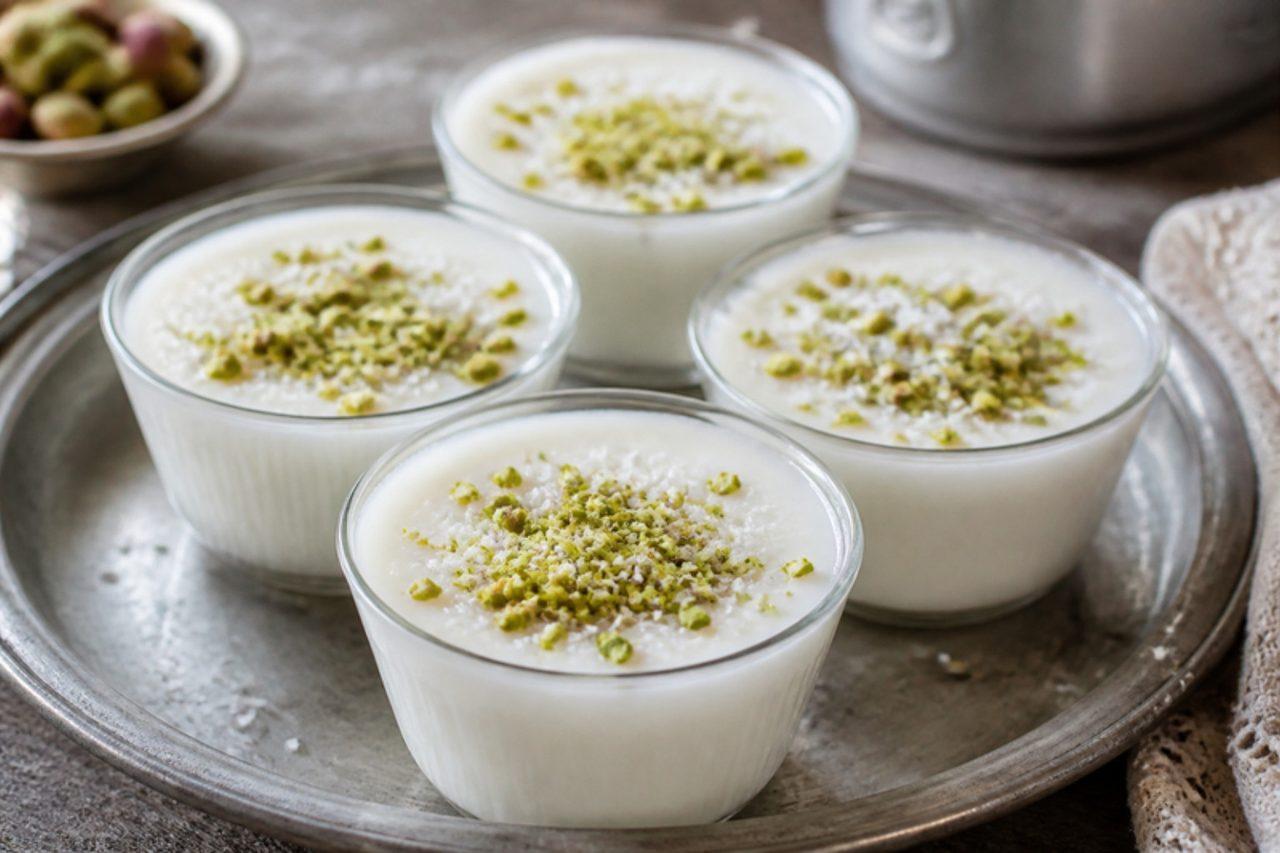
Mahalabeya (Egyptian milk pudding)

Every corner sweet shop in Cairo has trays of mahalabeya cooling in the window, and at home it is the dessert made in ten minutes when guests ring to say they're coming. Milk is thickened with cornflour into a trembling, silky pudding, scented with rose or orange-blossom water and topped with chopped pistachios or coconut. Serve chilled in small glasses. Lumps are the usual complaint: mix the cornflour into cold milk first, never into hot. Chef's tip: stir in the rose water only after the pan comes off the heat; boiling kills its perfume. Contains milk and nuts (pistachio topping).

by KrazyBadal 0 views

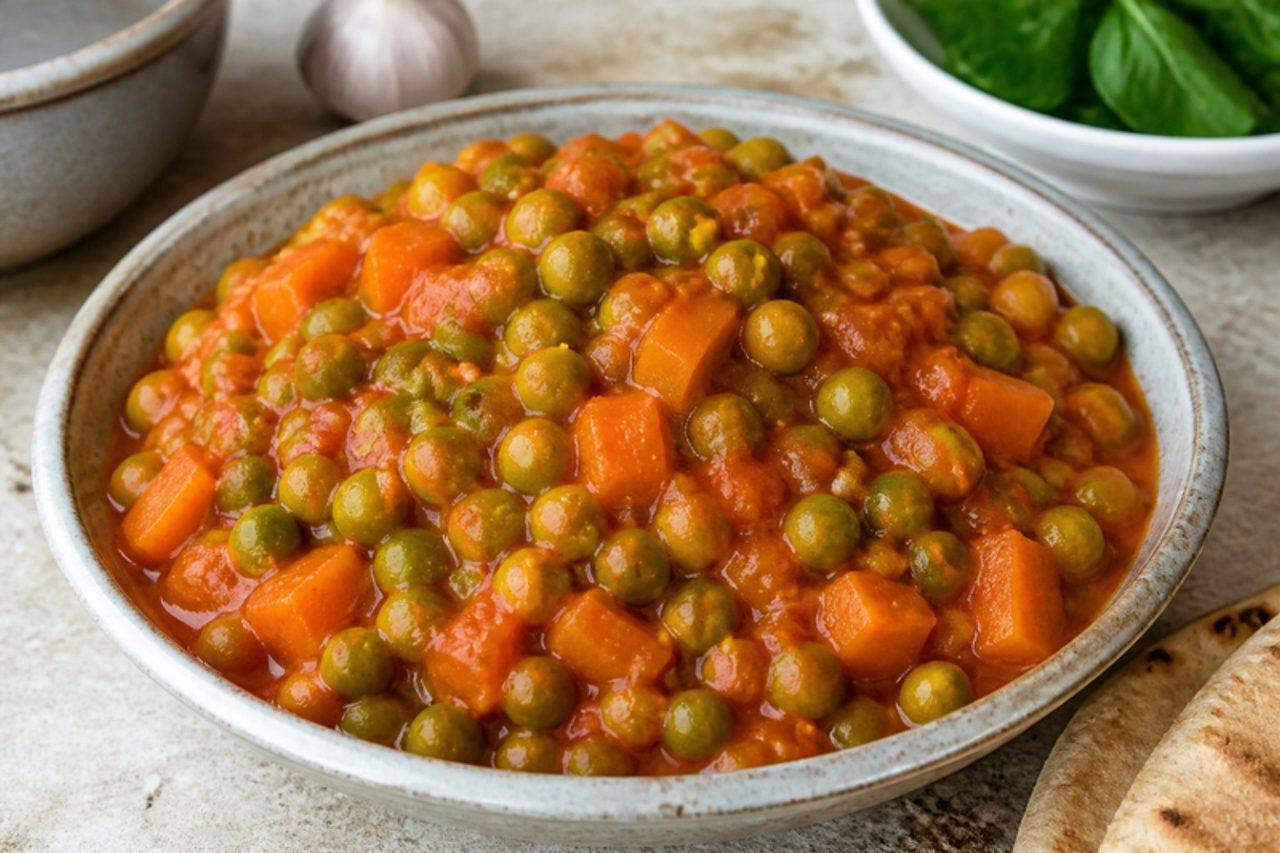
Bisella bel gazar (peas and carrots in tomato sauce)

Ask almost any Egyptian what was on the table on a school night and bisella bel gazar will come up: sweet peas and carrot cubes stewed in tomato sauce, ladled over vermicelli rice in homes from Shubra to Mansoura. This is the meat-free version, with a little cumin and a garlic-coriander finish so it tastes complete on its own. Children love it, and it reheats well for lunch boxes. Most people add the peas too early, so they turn khaki; frozen peas need only the last 8 minutes. Chef's tip: fry the tomato paste in the oil for a full minute before adding liquid; it loses its tinny taste and the sauce turns brick red.

by KrazyBadal 0 views

Kuskusi bel sukkar (Egyptian sweet couscous)

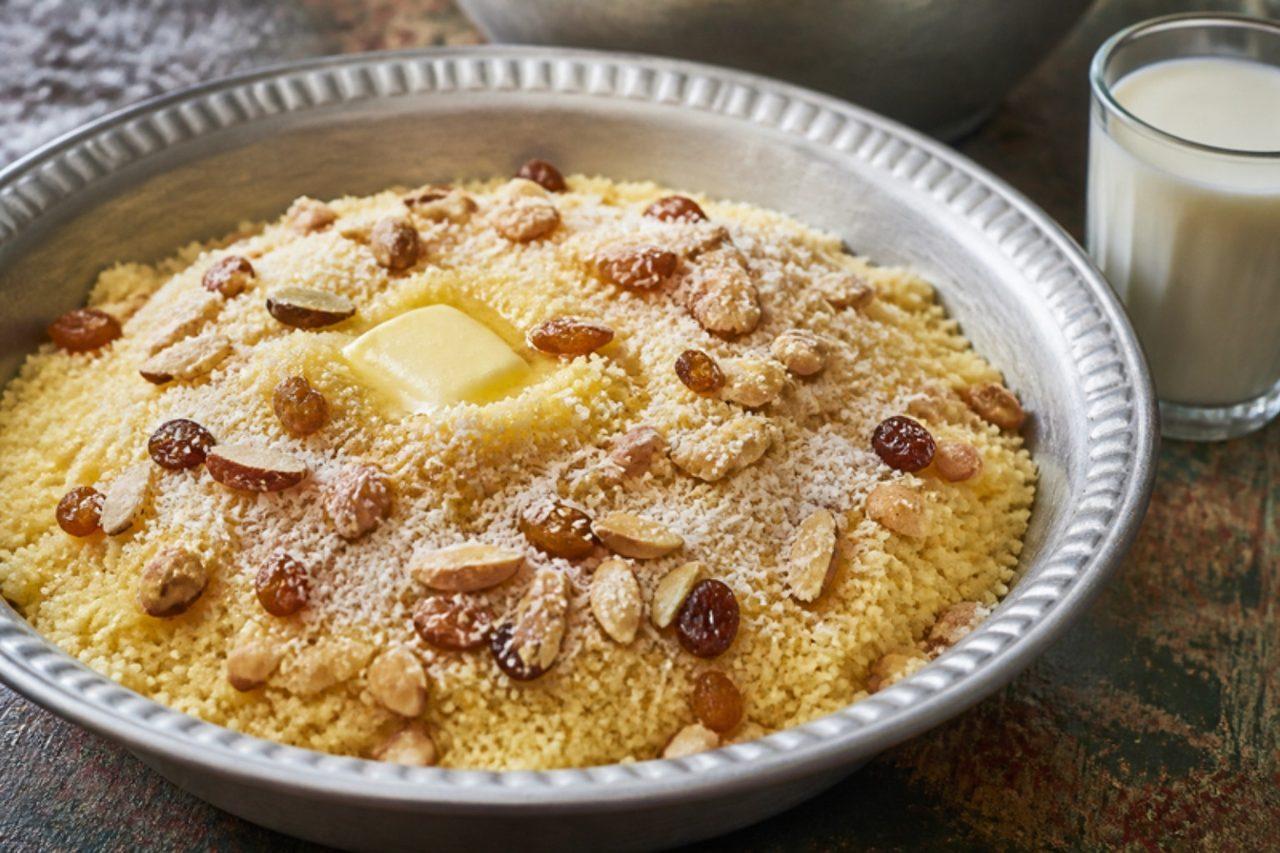
Egyptians eat couscous sweet, not savoury: in Cairo and the Delta, street-side sweet shops sell kuskusi by the bowl in the evening, steamed with samna, heaped with powdered sugar, nuts and raisins, and sometimes covered with hot milk. At home it's a winter supper or a Friday breakfast treat. Pouring boiling water straight over instant couscous and leaving it gives a gluey lump; steaming it in two short rounds and rubbing in the butter keeps every grain separate. Chef's tip: warm the milk with a cinnamon stick and pour it over just before eating, so the couscous stays fluffy on top. Contains wheat, milk and tree nuts.

by KrazyBadal 0 views

Mahshi basal (stuffed onion rolls)

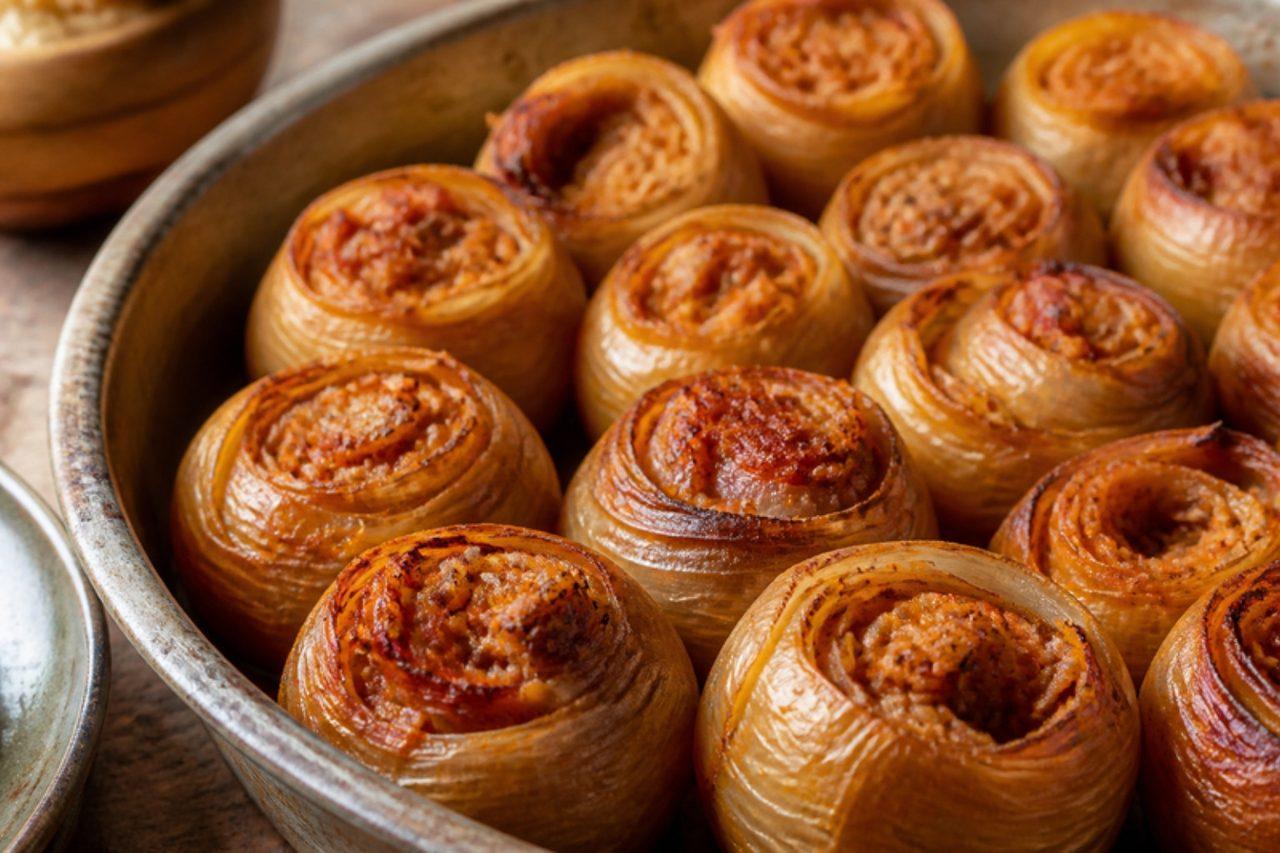
Mahshi basal is the one the aunties argue over at big family gatherings in Cairo and the Delta: it takes patience, and the rolls that catch and caramelise at the bottom of the pot are the prize. Onion layers are softened, wrapped round tomato rice with cumin and a little pomegranate molasses, then cooked slowly until they turn sweet, sticky and deep golden. Serve as part of a mixed mahshi spread or on its own with yogurt. The common mistake is boiling the onions too long so the layers tear; pull them off as soon as they bend. Chef's tip: leave the pot alone for the last 15 minutes so the bottom layer can brown — that sticky edge is the point.

by KrazyBadal 0 views

Kosa bel salsa (courgettes in tomato sauce)

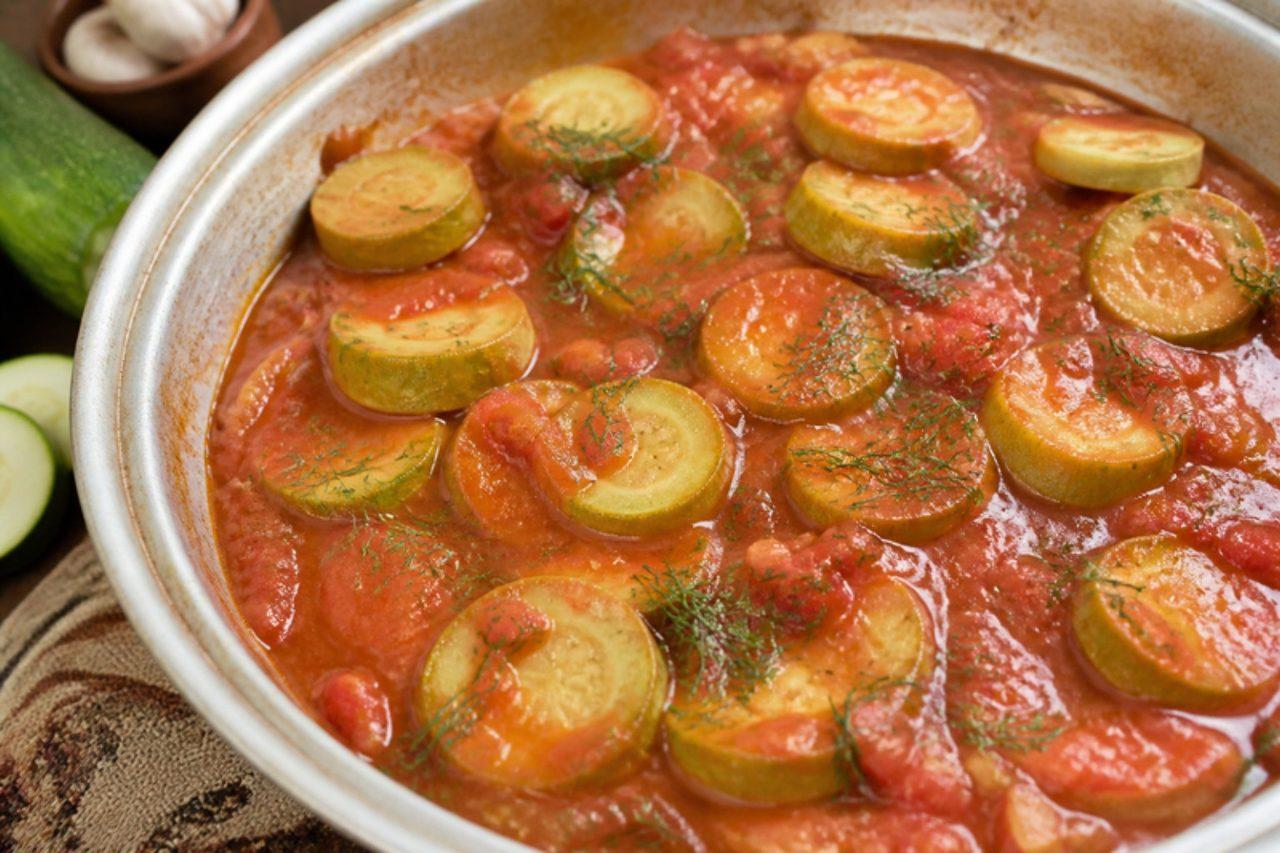
The pale green Egyptian kosa is shorter and sweeter than a supermarket courgette, and in summer Delta towns like Tanta cook it in tomato sauce several times a week. This vegan version keeps the rounds just soft enough to hold together, in a light sauce with garlic and a handful of dill. It is light enough for a hot evening, eaten with rice or torn baladi bread. The classic mistake is stirring too hard so the courgettes collapse into mush; shake the pan instead. Chef's tip: if you can find pale Middle Eastern courgettes, use them; they hold their shape better and taste nuttier.

by KrazyBadal 0 views

Fasolia khadra (green bean stew)

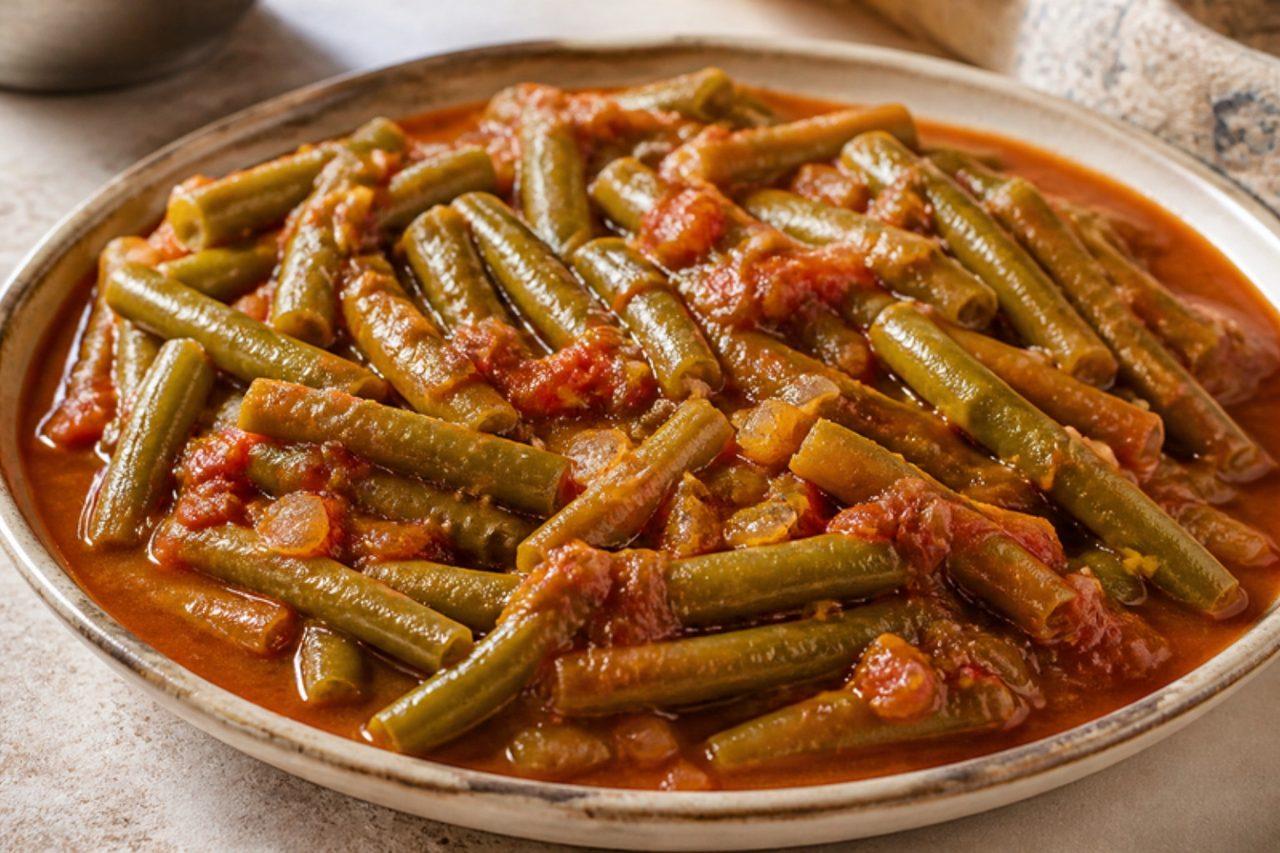
Fasolia khadra is the Thursday stew in many Alexandrian homes, cooked in the morning and left to sit until lunch so the beans drink up the tomato. Egyptians like their green beans properly soft, not crisp, with a sauce that's sweet from slow-cooked onion and sharp from garlic; this vegan version adds a pinch of cinnamon for depth. Serve it over roz bel shaareya with pickles and bread. People often cook it on high heat to save time, and the sauce turns thin and sharp; a low simmer gives it body. Chef's tip: cut the beans on a slant into 3 cm pieces; they hold more sauce.

by KrazyBadal 0 views

Sabanekh (Egyptian spinach stew)

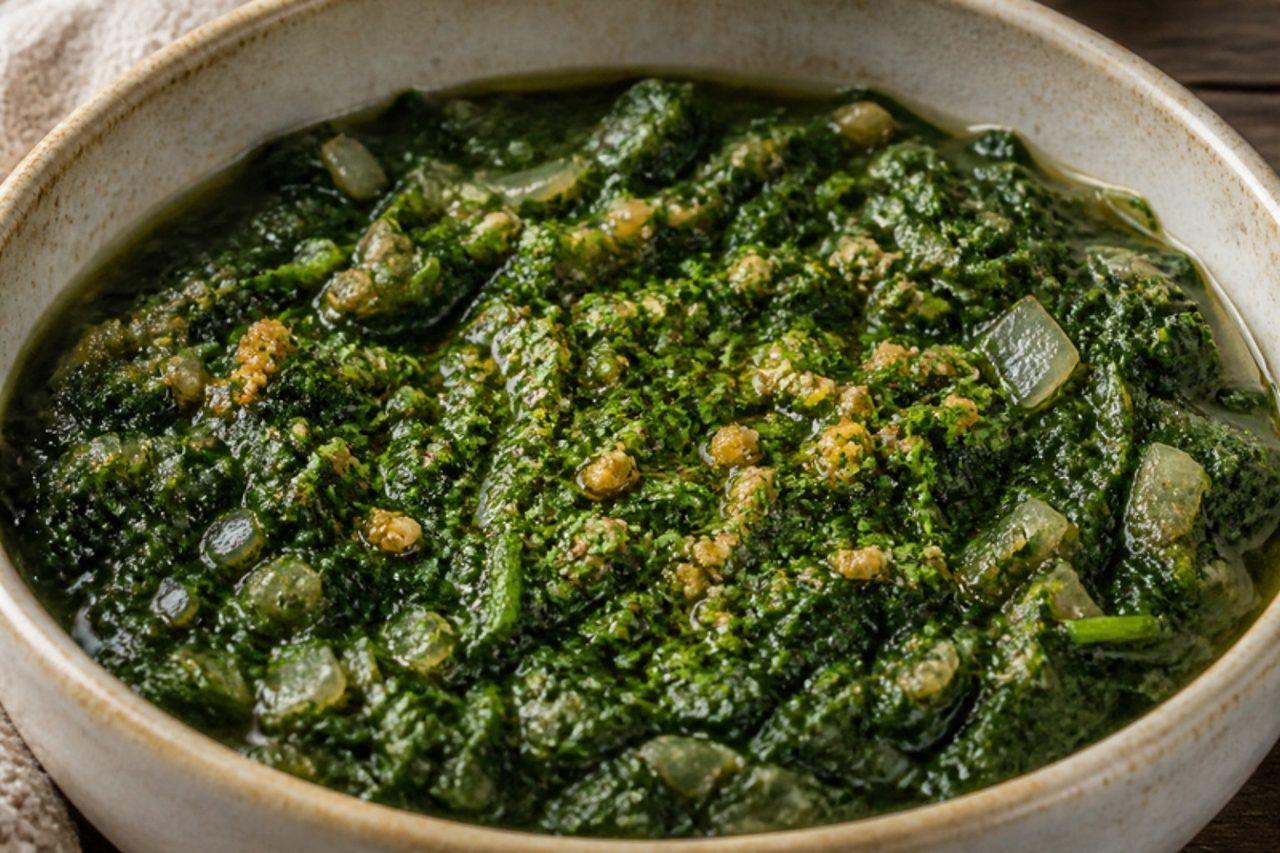
When the winter spinach comes in, Egyptian cooks from Giza to the Delta stew it down with onion and finish it with ta'leya, the sizzling fry of garlic and ground coriander that defines so much home cooking. The result is soft, dark green and savoury, a little like a looser saag, and it's eaten with vermicelli rice and a squeeze of lemon. This vegan version adds a handful of chickpeas for body. The mistake to avoid is skipping the squeeze-out: wet spinach makes a watery stew. Chef's tip: the ta'leya should sizzle loudly as it hits the pot — Egyptian cooks call it the "shahka", the gasp, and it carries the aroma through the dish.

by KrazyBadal 0 views

Shorbet ads (Egyptian lentil soup)

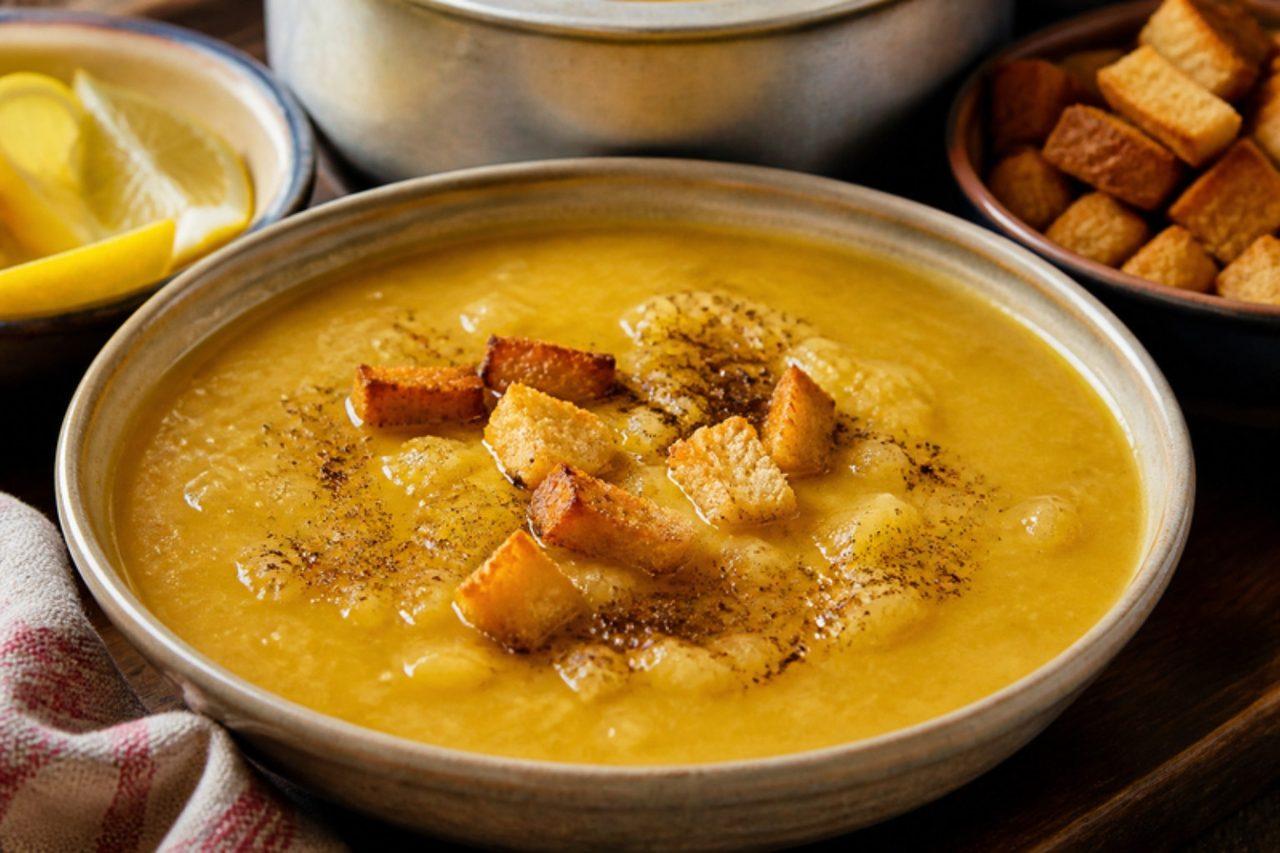
Cairo cafés ladle shorbet ads all winter long, and at home it is the soup that opens the iftar meal in Ramadan, served smooth and golden with lemon wedges and crisp bread. Split yellow lentils are cooked with carrot, onion, tomato and cumin, then blended until velvety, with no cream at all. Serve it with lemon to squeeze and toasted pitta (leave the bread out for gluten free). The common mistake is under-cooking the lentils so the soup turns grainy; they should fall apart before you blend. Chef's tip: finish each bowl with a few drops of cumin-fried oil; it smells like an Egyptian kitchen in January.

by KrazyBadal 0 views

Fasolia beida (white beans in tomato sauce)

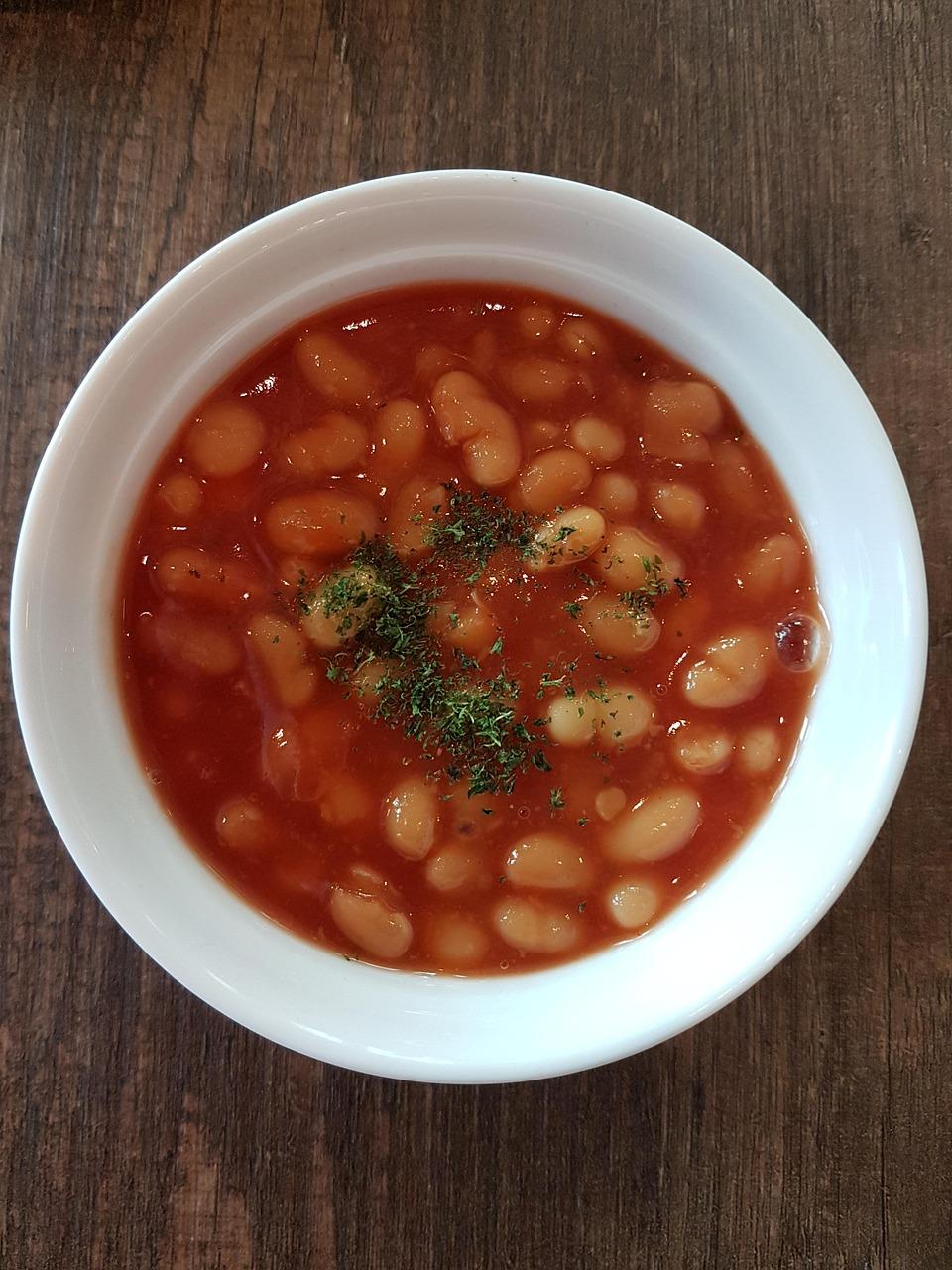
Fasolia beida keeps Egyptian families going through the short Cairo winter: dried white beans, soaked overnight and stewed thick with tomato and onion, eaten on rice with crunchy turnip pickles and green chillies on the side. It's cheap, filling and better the next day, which is why many cooks make a double pot. Beans cooked in salted tomato from the start can stay hard forever, so they get boiled tender in plain water first. Chef's tip: mash a ladleful of the beans against the side of the pot near the end; it thickens the sauce naturally.

by KrazyBadal 0 views

Showing 24 of 222 recipes

Show more recipes

Page 1 of 10