Skip to content
Recipes

All recipes

Vegetarian, or something you can't eat? Set your diet once and we'll hide recipes that don't fit.

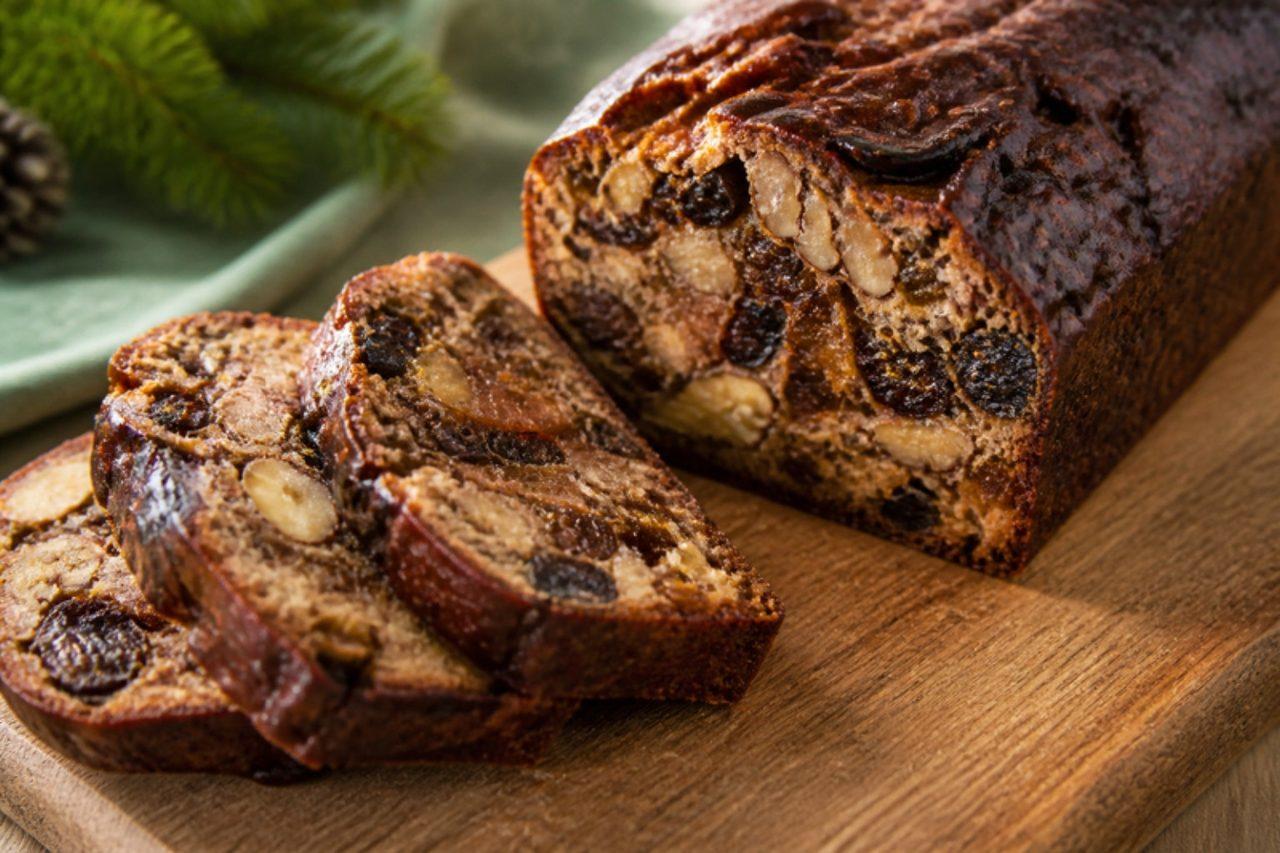
BeraweckaDried fruit and nut Christmas loaf

In Alsace, berawecka (the name means 'pear loaf') is baked in early December and sliced thinly through Advent, often handed to neighbours and godchildren. It is mostly fruit: dried pears, figs, prunes, raisins and walnuts held together with just enough bread dough, spiced with cinnamon, star anise and clove. Alsatian families soak the fruit in kirsch; this version uses strong black tea, which keeps the loaf moist and alcohol-free, and you can add 3 tbsp kirsch to the soak for adults if you like. It is vegan, keeps for weeks wrapped in foil, and is lovely buttered with a cup of tea. Chef's tip: cut the pears and figs the same size as the raisins, so every slice holds a mosaic of fruit instead of big lumps that tear the loaf.

100 minFrenchBakingVegan
by KrazyBadal 0 views

Coussin de Lyon (green almond-paste cushions with chocolate ganache)

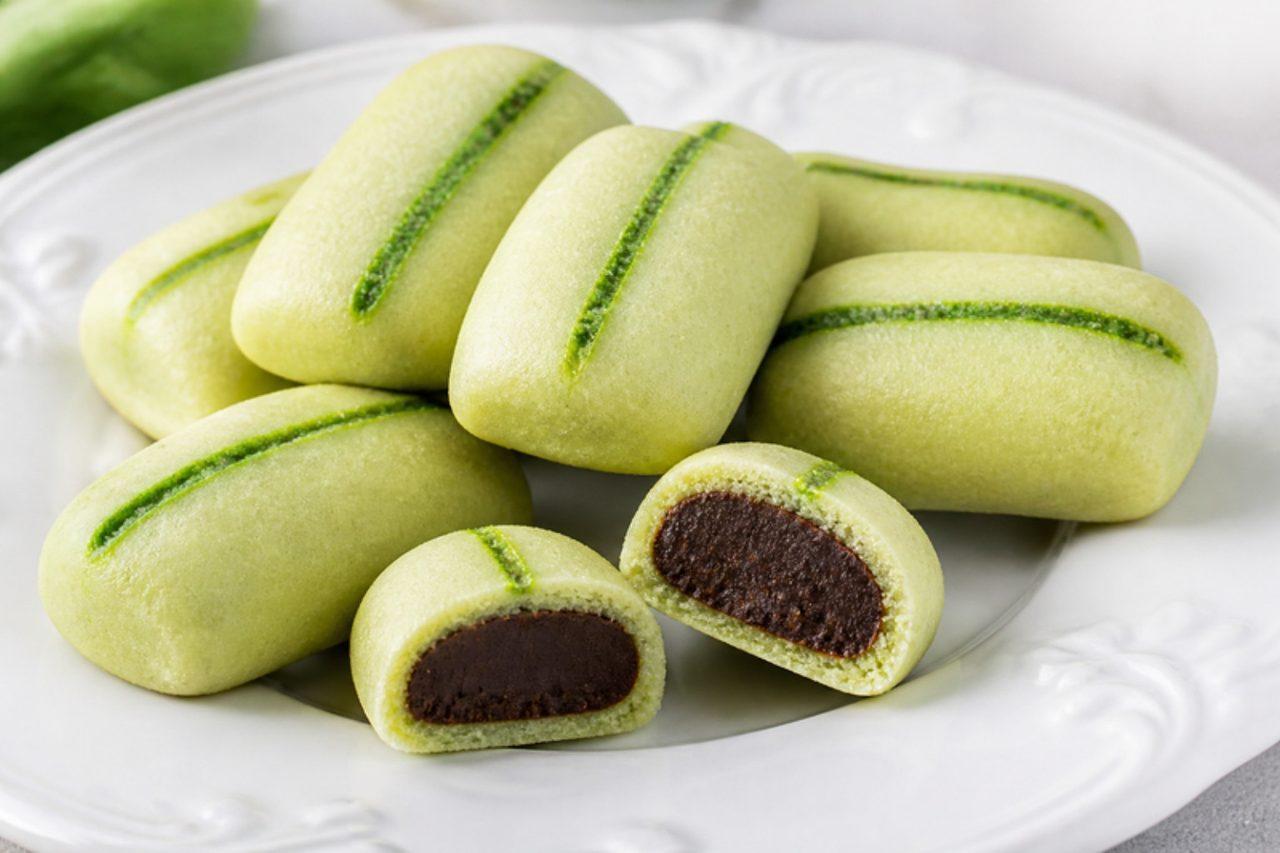
Lyon's sweet emblem recalls the city's plague vow of 1643, when the aldermen carried a candle and gold coins on a silk cushion to the chapel of Fourvière. Chocolatiers turned that cushion into a confection in the 1960s and it is now the gift Lyonnais bring at Christmas and New Year, or for a host on a Sunday visit. A soft, almond-sweet shell of pale green paste, marked with a darker green stripe, hides a melting dark chocolate ganache scented with orange. Serve two or three with coffee after dinner. The classic ganache is laced with orange liqueur; here fresh orange juice and zest give the flavour without alcohol. Shop marzipan is not always egg-free, so this almond paste is bound with sugar syrup cooked to the soft-ball stage, which coats the ground almonds and sets them firm as it cools. Chef's tip: chill the ganache until it holds a line before shaping; the common mistake is using it soft, so it squeezes out of the seams.

by KrazyBadal 0 views

Turrón de maníPeanut nougat

On an Argentine Christmas Eve, after midnight toasts, the 'mesa dulce' appears with pan dulce, garrapiñadas and turrón de maní: a chewy white nougat of honey, sugar, whipped egg white and roasted peanuts, often set between two sheets of rice paper. Families make it in the days before Nochebuena. The egg white is cooked by the hot syrup. It is gluten free if you use gluten-free wafer paper or none. Chef's tip: work fast once the syrup is in, as the nougat stiffens as it cools and gets hard to spread.

by KrazyBadal 0 views

Pâte de coingsQuince paste

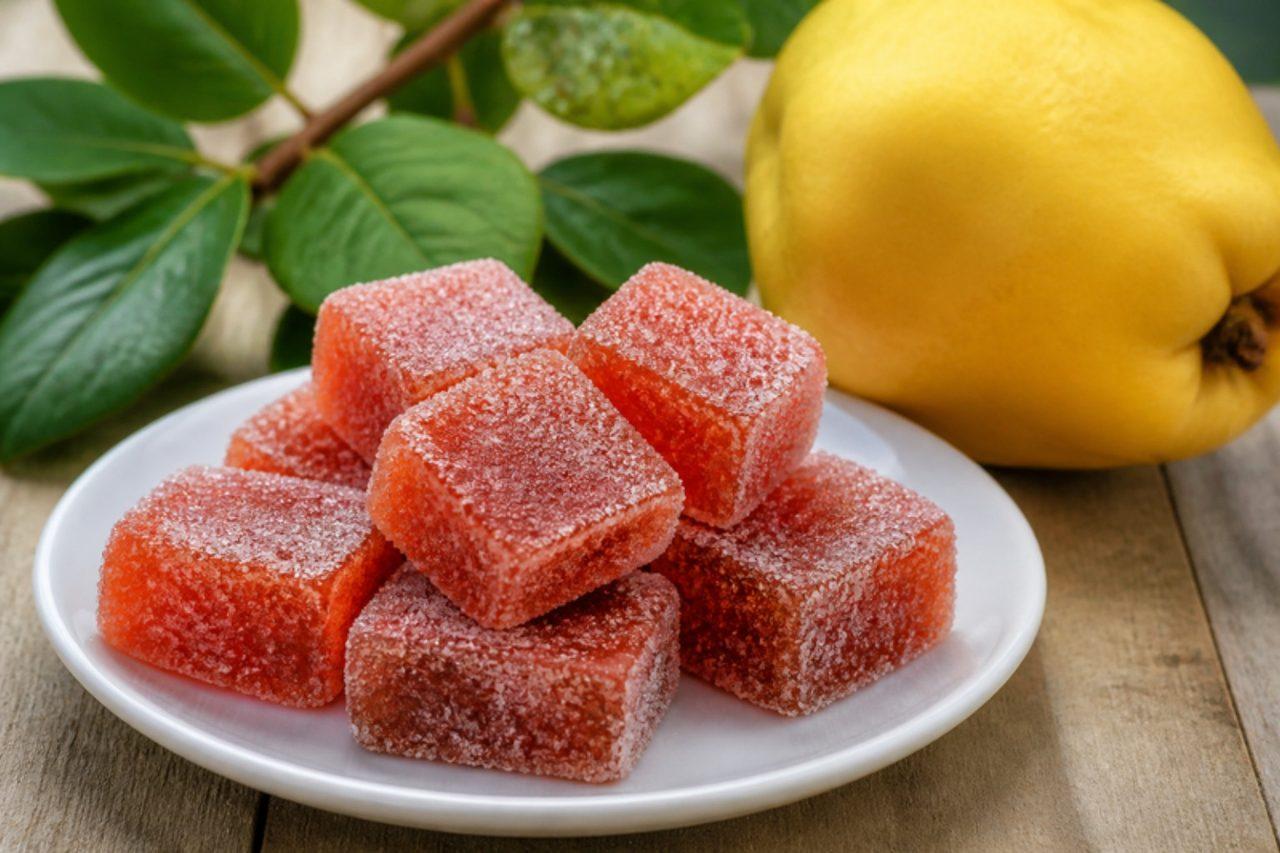
On Christmas Eve in Provence the gros souper ends with the treize desserts, thirteen small sweets set out together and left on the table until 27 December. Pâte de coings, a firm, glowing amber quince paste cut into squares and rolled in sugar, is nearly always among them, beside nougat, dried fruit and fougasse. It is simply quince pulp and sugar cooked down slowly until it pulls away from the pan, so it is vegan and gluten free, and it keeps for months. Serve it in small cubes, or with a sharp cheese. Chef's tip: cook the quinces whole with their skins and cores, which hold most of the natural pectin, and only sieve them afterwards.

by KrazyBadal 0 views

Orangettes (candied orange peel in dark chocolate)

All over France, from Paris chocolatiers to village pâtisseries, orangettes arrive in the shop windows as the days shorten and are a fixture of the Christmas and New Year sweet table. Long strips of orange peel are candied until tender and translucent, then dipped in dark chocolate: chewy and bittersweet inside, with a clean snap of chocolate and a long citrus finish. Serve them with an espresso after dinner, tie them up in a box as a gift, or offer them with a cheese course. They are naturally egg-free: the sugar syrup preserves the peel and stops it going tough, and the tempered chocolate sets into a firm, glossy shell with no other help. For a vegan batch, use a dark chocolate made without milk. Chef's tip: dry the candied peel well before dipping; the common mistake is dipping wet peel, which makes the chocolate seize and turn dull.

by KrazyBadal 0 views

Puhul dosi (Sri Lankan candied ash pumpkin)

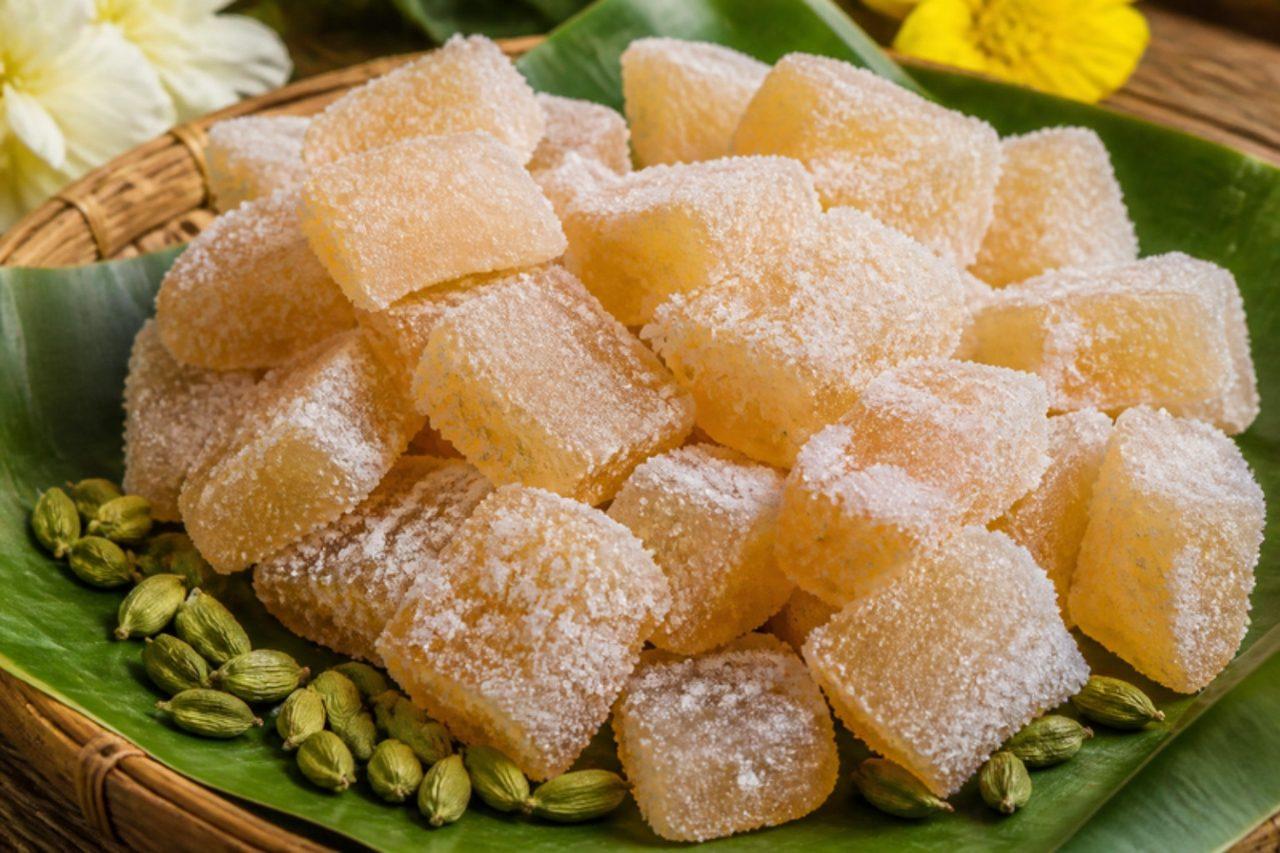
Puhul dosi is one of the sweets that crowd the Sri Lankan Avurudu table in April, when Sinhala and Tamil households mark the New Year with kokis, kavum and trays of homemade confectionery for visiting neighbours. Cubes of ash pumpkin, the pale winter melon with a waxy skin, are soaked overnight in lime water, then simmered in a cardamom and clove syrup until the syrup turns back to sugar and frosts each piece. The result is a thin, crunchy shell around a translucent, juicy middle that tastes faintly of spice. Serve a few pieces with plain tea or as part of a sweet platter. It is naturally egg-free: the calcium in the lime water firms the outer layer of the pumpkin so it keeps its shape, and crystallised sugar does the rest of the setting. Chef's tip: rinse the cubes in at least four changes of water after the soak; the common mistake is rushing this, which leaves a chalky, bitter aftertaste.

by KrazyBadal 0 views

Pruneaux d'Agen fourrés (stuffed Agen prunes)

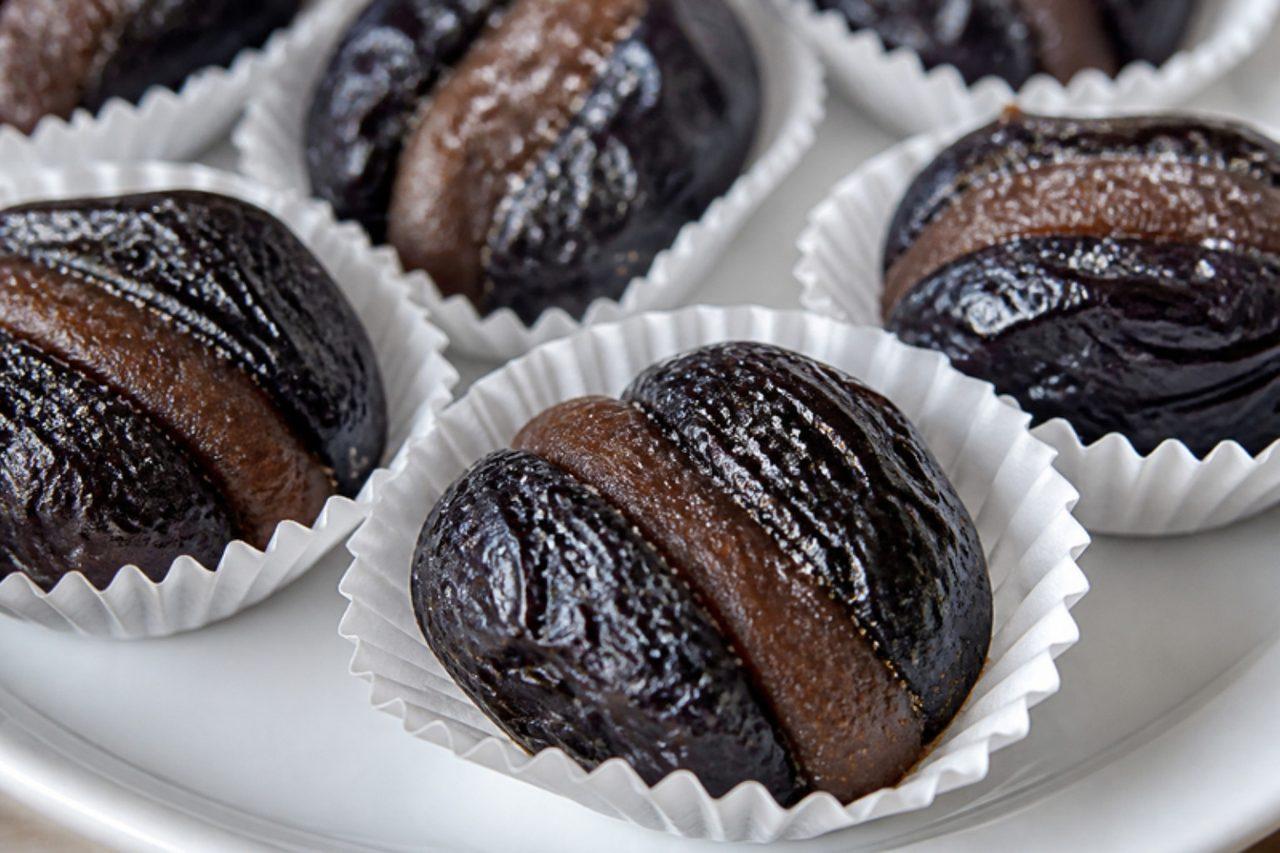
Agen, on the Garonne in south-west France, has dried its plums into prunes for centuries, and its confectioners stuff the best ones with a paste of more prunes and almonds. Boxes of pruneaux fourrés are a Christmas present across the south-west and a speciality of the town's prune festival at the end of August. Each one is glossy and plump, with a soft, sticky skin and a dense, mellow filling that tastes of fruit, almond and a little orange. Serve them with coffee or tea, or as part of a cheese plate. The filling is a kind of almond paste, held together by the sticky prune purée and sugar, so it is egg-free like the rest of the sweet; some versions add a little brandy, and orange juice takes its place here. Chef's tip: if the prunes are dry, steam them for 5 minutes first; the common mistake is forcing filling into stiff prunes, which split.

by KrazyBadal 0 views

Berlingots de Carpentras (striped Provençal hard candies)

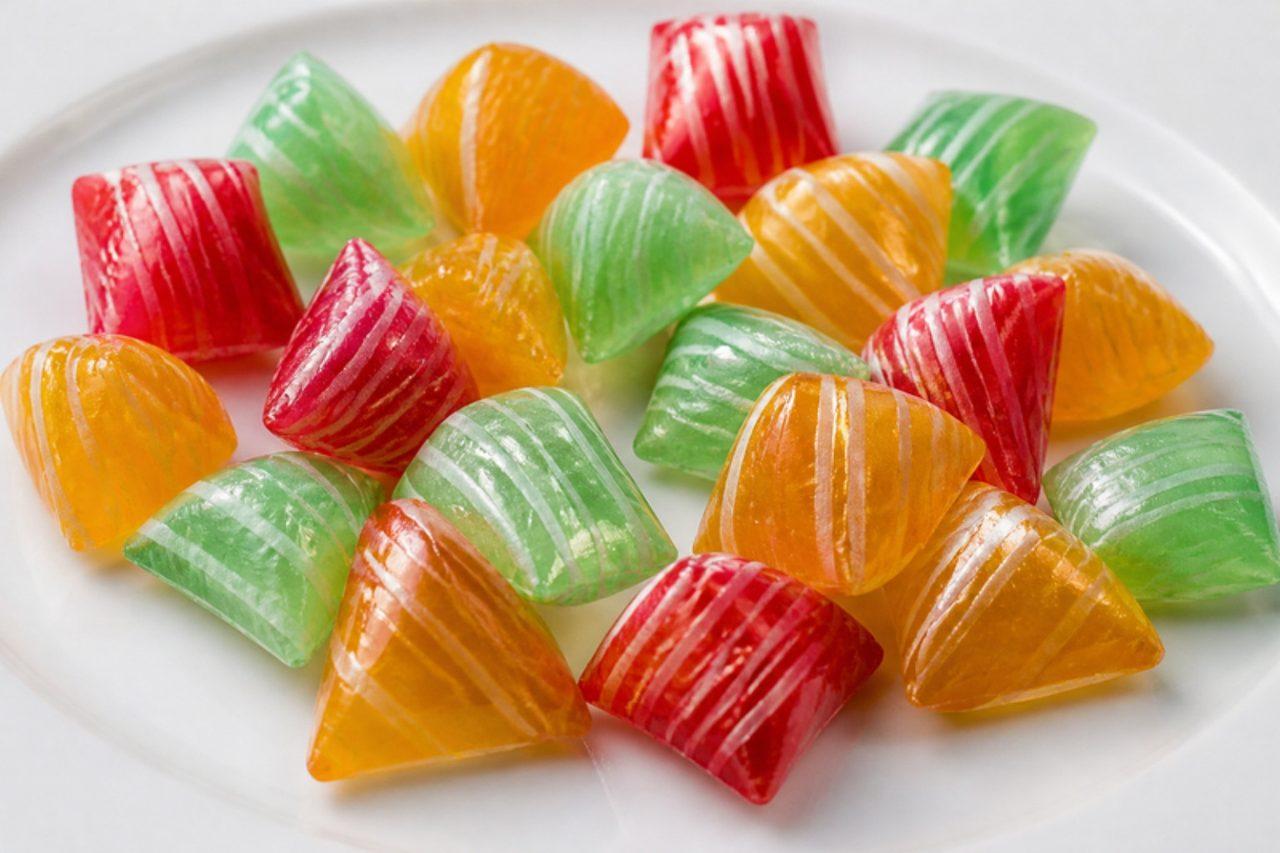
Carpentras, the market town below Mont Ventoux, has made berlingots since the nineteenth century, using the fruit syrups left over from its candied-fruit trade. The little four-sided pyramids are clear and glassy with fine white stripes, and they are sold year round at the Friday market and in paper cones for the Christmas sweet table. They crunch cleanly and dissolve slowly, here with a cool mint flavour; a fruit syrup can take its place. Offer them after a meal with coffee or herbal tea. Hard candy is naturally egg-free: the sugar, cooked to the hard-crack stage, sets glass-hard by itself, and glucose syrup keeps it clear instead of grainy. You will need heatproof gloves, oiled scissors and a warm place to keep the sugar soft while you shape it. Chef's tip: make these on a dry day; the common mistake is cooking sugar in a steamy kitchen, which leaves the berlingots sticky within hours.

by KrazyBadal 0 views

Tmar mehchi (Moroccan almond-stuffed dates)

Tmar mehchi is the stuffed date of Fez and Marrakech, piled high on silver trays at weddings, engagements and Eid, and offered to guests with mint tea. Soft dates are filled with a homemade almond paste perfumed with orange-blossom water, often tinted pale green or pink to match the celebration, then scored with a knife so the filling shows. They are soft, rich and caramel-sweet, with a floral, nutty middle. The paste here is mixed from ground almonds and icing sugar, so there is no shop marzipan, which can contain egg white. It is naturally egg-free: the dates' sticky flesh and a few spoonfuls of orange-blossom water bind the almond filling. Chef's tip: add the orange-blossom water a little at a time and stop when the paste is firm like play dough. The common mistake is a wet paste, which oozes out and makes the dates slippery.

by KrazyBadal 0 views

Morue en raïtoSalt cod in tomato sauce

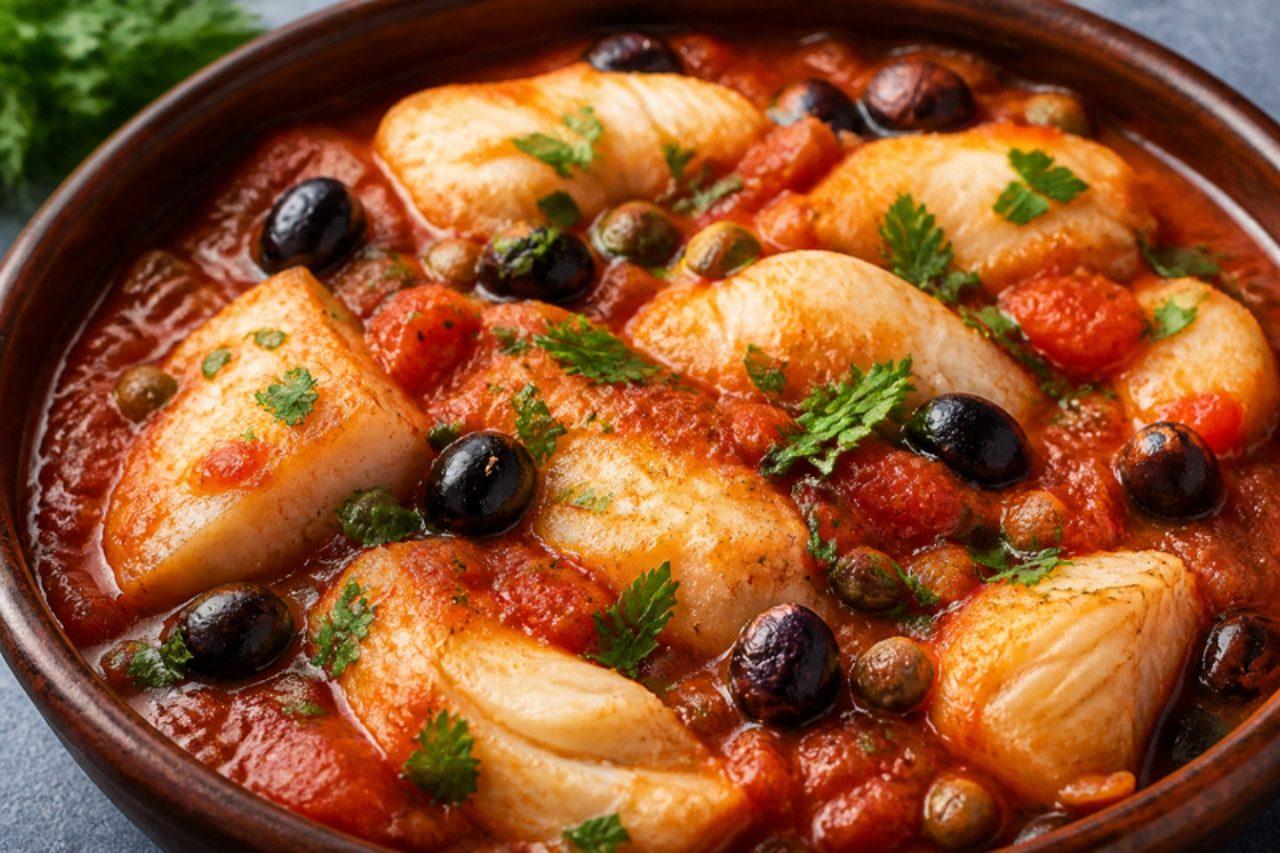
In Provence the gros souper on Christmas Eve is a lean but festive meal eaten before midnight Mass, with seven meatless dishes for the seven sorrows of Mary, and salt cod en raïto is often the centrepiece. Pieces of soaked cod are fried, then simmered in raïto, a dark sauce of tomato, onion, garlic, black olives and capers that is traditionally cooked with red wine. Here the wine is optional: use vegetable stock with a spoon of red wine vinegar for an alcohol-free sauce. Serve with boiled potatoes or crusty bread. Chef's tip: soak the salt cod in the fridge for 36 hours, changing the water often, and taste a flake before cooking; it should be pleasantly seasoned, not salty.

90 minFrenchFish
by KrazyBadal 0 views

Pâte de fruits (Auvergne apricot fruit jellies)

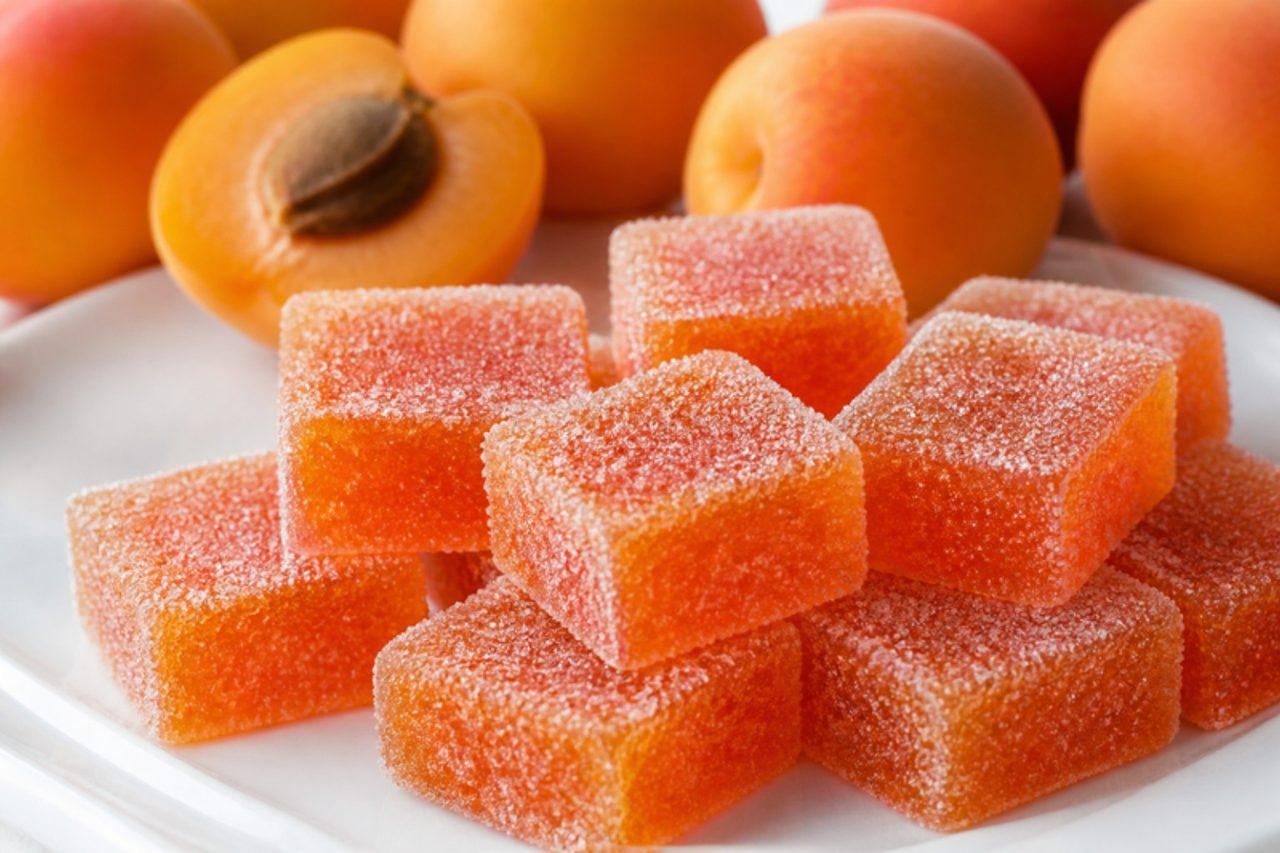
Clermont-Ferrand, the capital of the Auvergne, built a name for pâtes de fruits in the nineteenth century using apricots from the Limagne plain, and the jewel-bright squares remain a favourite in Christmas boxes and with coffee at the end of a meal. Good pâte de fruits tastes more of fruit than of sugar: dense, tender and clean-cutting, with a sparkle of sugar crust and a sharp edge of acid. Serve them on a plate of petits fours, or pack them as a gift. They are naturally egg-free: pectin, the fruit's own setting agent, does all the work once the purée is boiled with sugar to 106°C and the acid is added. Use yellow pectin for pâte de fruits if you can find it; it sets slowly enough to pour. Chef's tip: stir in the citric acid only off the heat, right before pouring; the common mistake is adding it early, so the jelly sets in the pan.

by KrazyBadal 0 views

Quinotos en almíbar (Argentine kumquats in syrup)

In Buenos Aires and the river provinces of the Litoral, kumquat trees ripen in the middle of winter, between June and August, and the fruit goes straight into jars of syrup. Grandmothers' pantries held quinotos for the whole year, brought out for birthdays and long Sunday lunches. Each little fruit turns glossy orange and translucent, with a soft, bittersweet skin and a sharp, juicy centre. Spoon them over vanilla ice cream, serve them with a slice of fresh cheese in the style of postre vigilante, or eat them straight from the jar. Many bar menus offer them steeped in spirits; this version keeps only the syrup. Naturally egg-free, the quinotos rely on sugar syrup to preserve them, while pectin from the peel gives the syrup a light, jammy body. Chef's tip: blanch the fruit three times from cold water; the common mistake is skipping this, which leaves the skins tough and bitter.

by KrazyBadal 0 views

Cotignac d'Orléans (clear quince jelly)

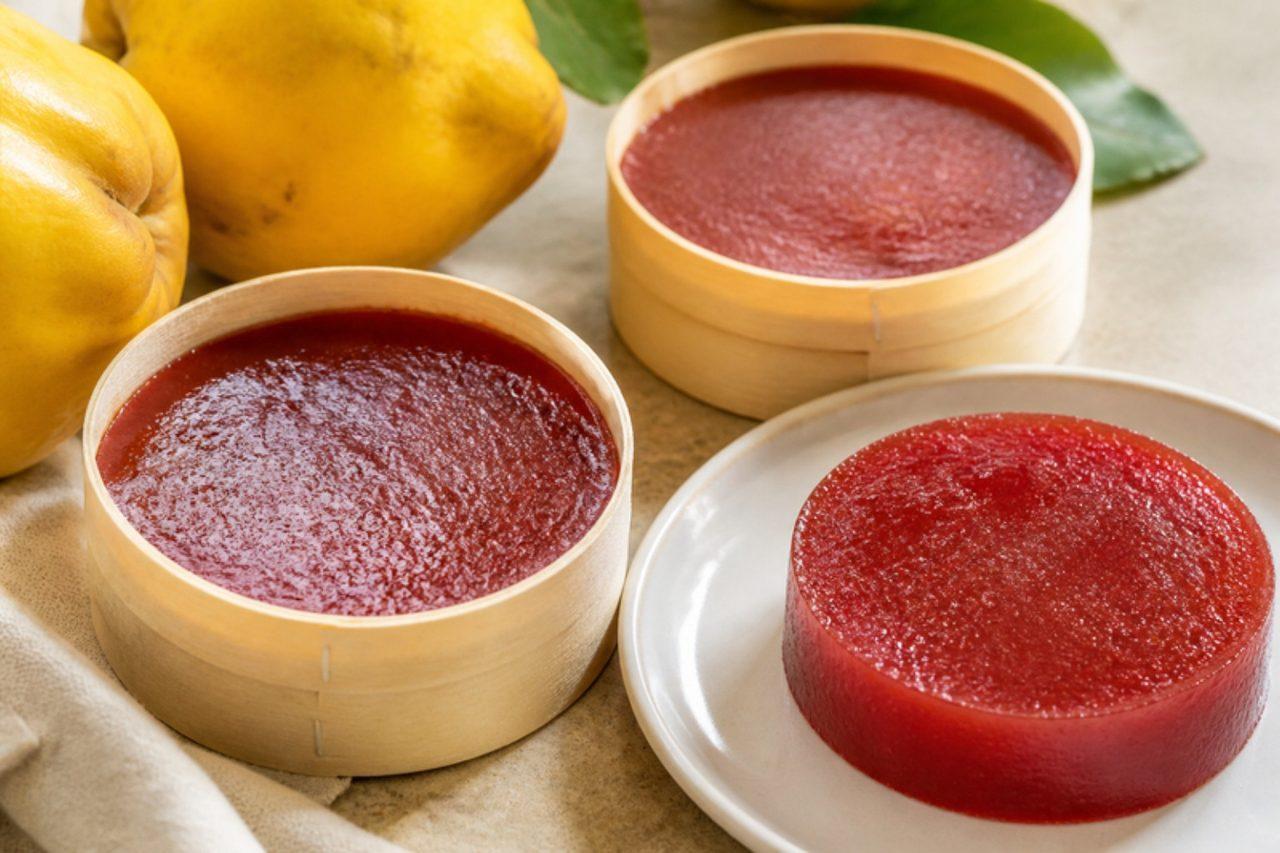
Orléans has made cotignac since the Middle Ages and offered it to visiting kings, and the town still sells it in small round wooden boxes, to be eaten by scraping the jelly out with the edge of the lid. It is a winter sweet, made when the autumn quinces come in and given at Christmas and New Year. The jelly is clear and ruby-red, firm enough to cut but tender on the tongue, with a scented, slightly tart quince flavour. Serve it after dinner with coffee, or with a mild cheese. Nothing but fruit and sugar sets it, so it is naturally egg-free: quinces are among the richest fruits in pectin, and boiling their juice with sugar to the setting point is all it takes. Small ramekins or silicone moulds lined with baking paper stand in for the wooden boxes. Chef's tip: let the cooked quince drip through the cloth without pressing; the common mistake is squeezing it, which clouds the jelly.

by KrazyBadal 0 views

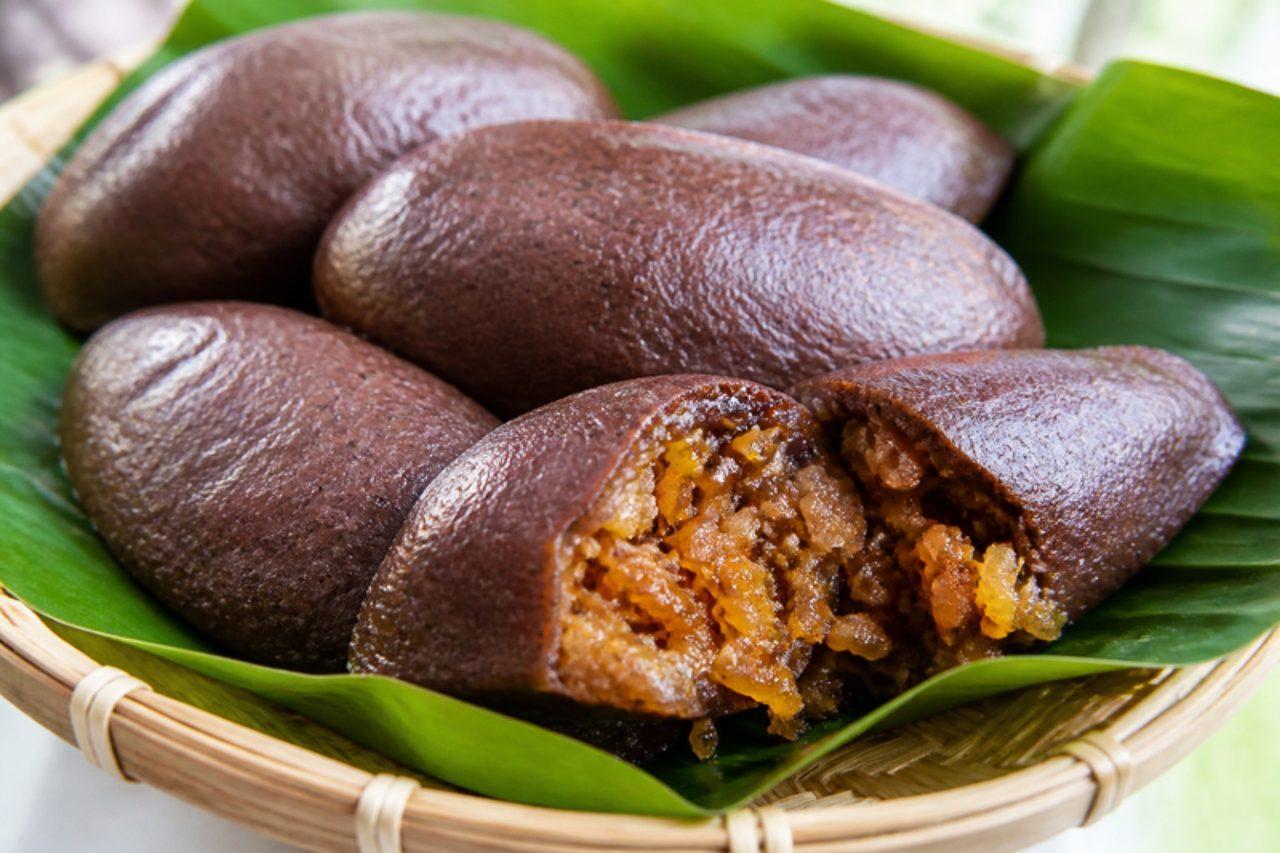
Halape (හලපේ, finger-millet and jaggery parcels steamed in leaves)Finger millet and jaggery leaf parcels

In village homes in the south and the hill country, halape is an afternoon snack and a temple-day treat, steamed in the large, heart-shaped leaves of the kenda tree, which leave a faint grassy perfume. The dough is kurakkan, finger-millet flour, which is brick-brown, slightly bitter and very filling; it wraps a sweet layer of grated coconut and dark kithul jaggery. Once steamed, the parcels are dense, moist and fudgy, a little like a rustic steamed pudding, and they are best warm with a cup of plain tea. Nothing here was ever made with egg: steaming sets the millet starch and the jaggery melts into the coconut and holds it together. Banana leaves work well if you cannot find kenda. Chef's tip: the common mistake is spreading the dough too thick; keep it about 5 mm so the middle steams through before the outside turns hard.

by KrazyBadal 0 views

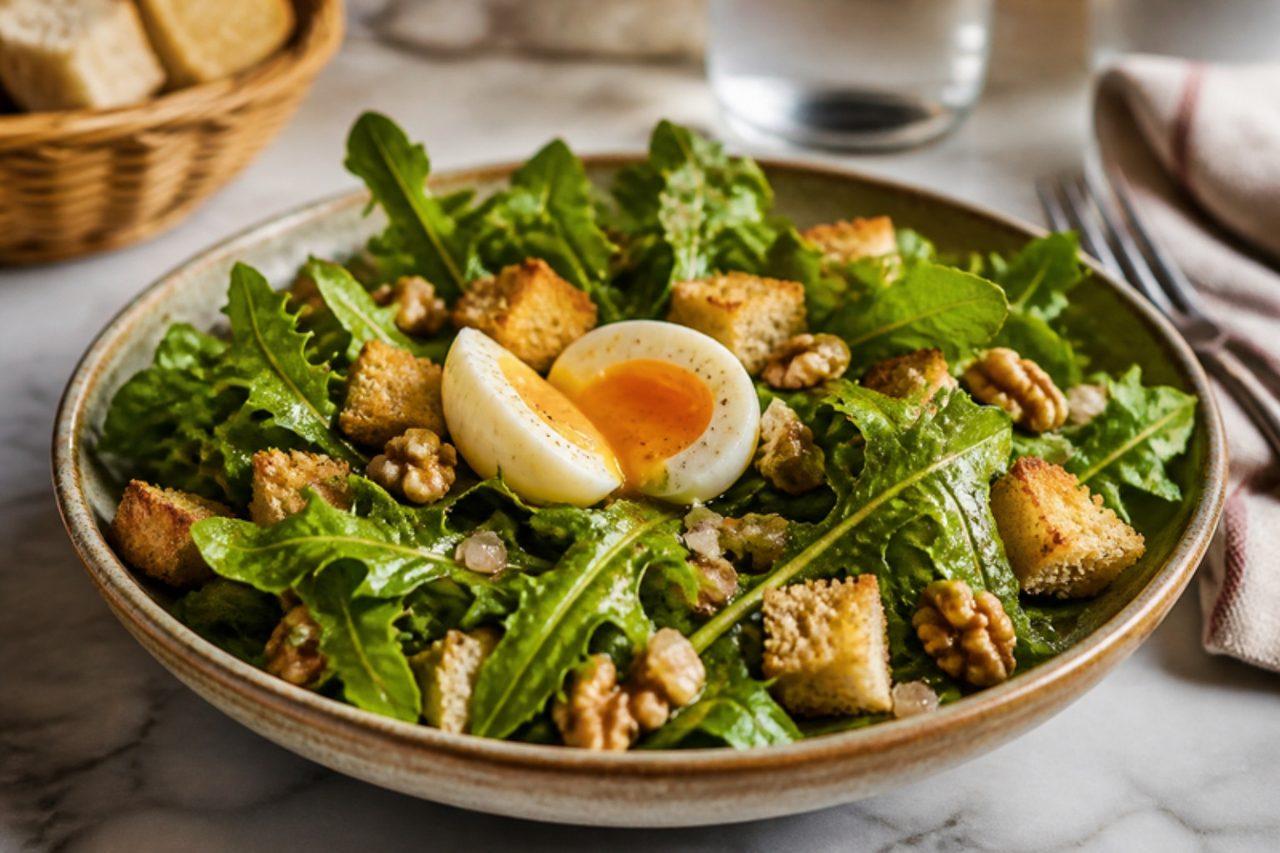
Salade de pissenlitsDandelion salad with warm vinaigrette

In Lorraine and around Lyon, the first tender dandelion leaves of March and April are gathered from meadows (or bought in bunches at the market) for a salad that marks the end of winter. The leaves are pleasantly bitter, and a hot vinaigrette poured over them wilts them slightly, with soft eggs to make it a light supper. The traditional version has crisp lardons; this vegetarian version uses toasted walnuts and a little of their oil for the same richness. A plate gives about 15 g of protein from the eggs and walnuts, so it is not a high-protein dish. The yolks stay runny, so use pasteurised eggs for anyone pregnant, very young, older or vulnerable, or boil the eggs for 10 minutes instead. The mistake to avoid is using big, old leaves from flowering plants; they are tough and harshly bitter. Chef's tip: soak the leaves in cold water for 30 minutes before drying them; it crisps them and tames some of the bitterness.

by KrazyBadal 0 views

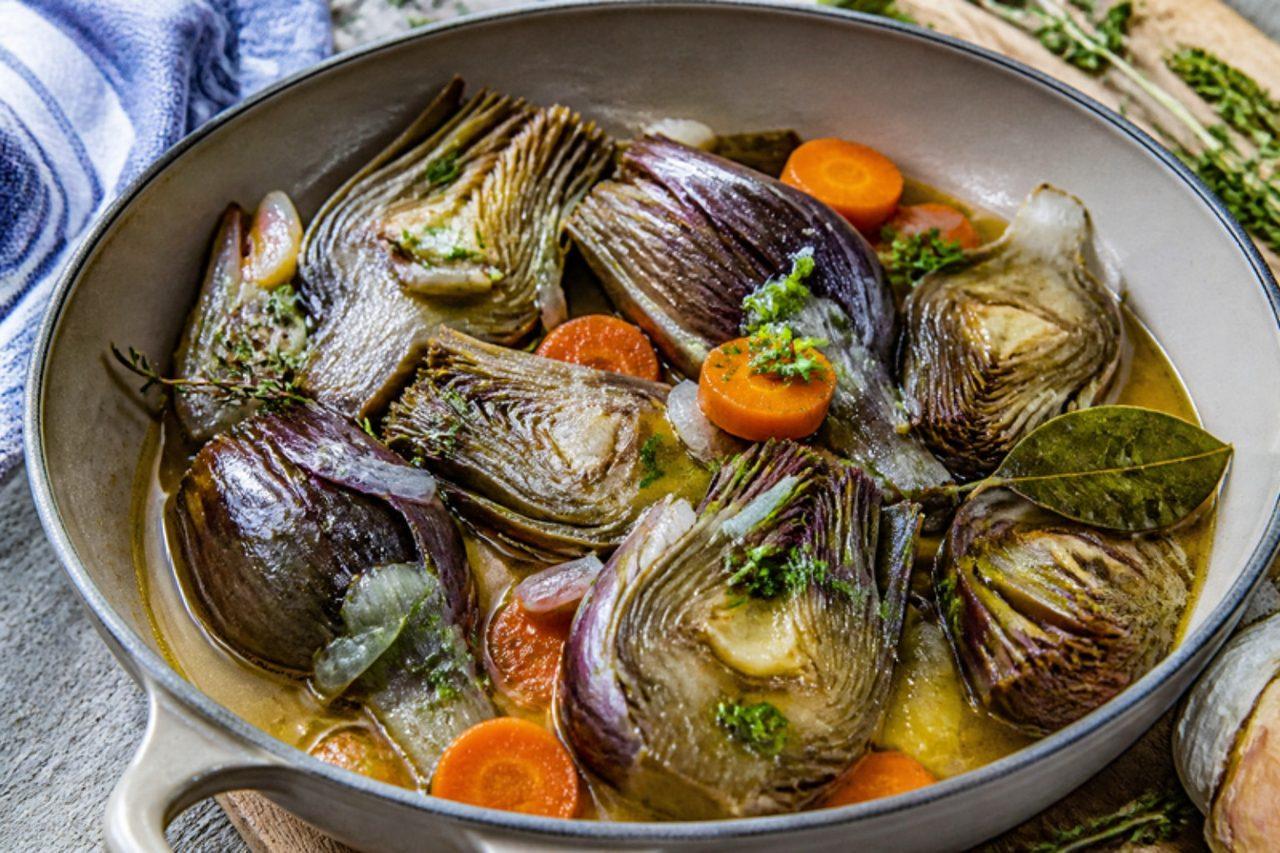
Artichauts à la barigouleBraised artichokes

In Provence, artichauts à la barigoule is cooked in spring when the small violet artichokes come into the markets of Aix, Avignon and Marseille, and it is served warm as a starter or as a light main with bread. The trimmed artichokes are braised in olive oil with carrot, onion, garlic and herbs until tender in a fragrant, slightly tart liquor. The traditional braise uses white wine; this version is alcohol-free, using vegetable stock sharpened with white wine vinegar and lemon. It is vegan, with about 5 g of protein per portion, from the artichokes. The common mistake is trimming too timidly: any dark green leaf left on stays tough and stringy, so keep going until only the pale, tender leaves remain. Chef's tip: rub each artichoke with lemon as you trim and drop it straight into lemon water, or it will go brown within minutes.

by KrazyBadal 0 views

Chilcano de pescadoClear fish broth

In the fishermen's terminals of Chorrillos and Callao, chilcano is what you drink on a Sunday morning after a long night: a clear, gingery broth made from the heads and bones left over from cleaning fish for ceviche, with chunks of fish, red onion, chilli and a squeeze of lime in the bowl. It is light and warming, around 160 kcal a bowl, and still gives about 24 g of protein from the fish fillet and the broth. The common mistake is squeezing the lime into the pot while it boils, which turns it bitter; add it to each bowl at the table. Don't boil the bones for more than 30 minutes either, or the broth turns cloudy and harsh. Chef's tip: ask the fishmonger for heads and frames from mild white fish like sea bass or cod, and leave out oily fish such as mackerel, which makes the broth strong and fishy.

by KrazyBadal 0 views

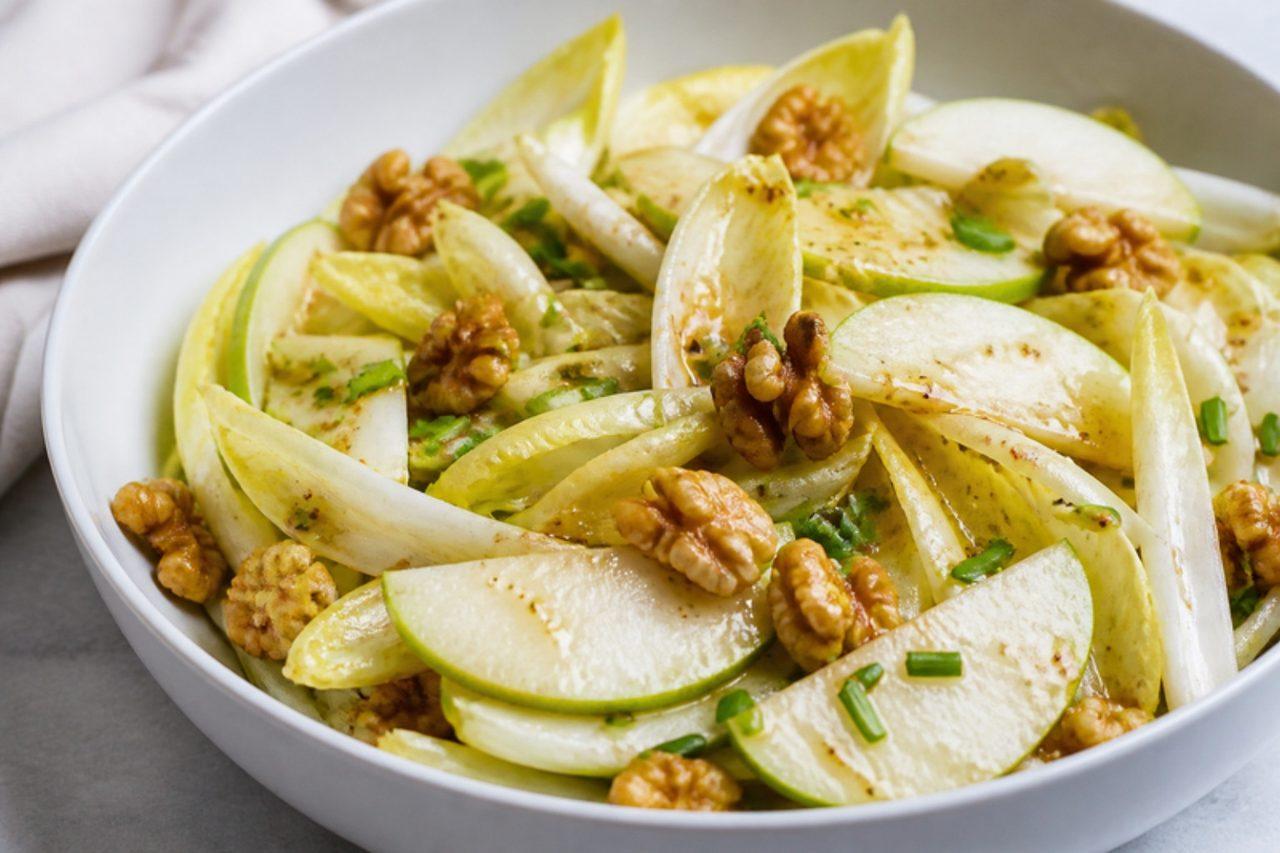
Salade d'endives aux noixChicory, walnut and apple salad

Across Picardy and the Nord, and over the border in Belgium, Belgian endive (chicory) is the winter salad, and this one appears after the main course at Sunday lunch or as a light supper from November to March. The pale, crisp leaves are cut into rings and tossed with sweet apple, toasted walnuts and a sharp mustard vinaigrette, so you get bitter, sweet and nutty in every mouthful. Many bistros add Roquefort; this version is vegan, and if you add cheese, note that Roquefort is made with animal rennet. A portion gives about 4 g of protein from the walnuts, so it is a side or starter. The most common mistake is slicing the endive too early: it browns at the cut edges, so dress it within 10 minutes of cutting. Chef's tip: cut out the small cone of core at the base of each endive; it holds most of the bitterness.

by KrazyBadal 0 views

Potage cultivateurFarmer's vegetable soup

Potage cultivateur is the farmhouse soup of France, made in kitchens from Normandy to the Auvergne on cold evenings and eaten as a light supper with bread. The vegetables are cut into small, thin squares (the 'paysanne' cut), sweated slowly in butter, then simmered in water, so the broth stays clear and every spoonful has carrot, turnip, leek and potato. The old versions add bacon; this one is vegetarian. It is light, with about 4 g of protein per bowl; add a handful of white beans or serve with cheese on toast for more (choose a vegetarian cheese if you avoid animal rennet). The most common mistake is browning the vegetables: they should sweat gently until soft and shiny, never coloured. Chef's tip: cut every vegetable the same size, about 1 cm square and 3 mm thick, so they all cook in the same time.

by KrazyBadal 0 views

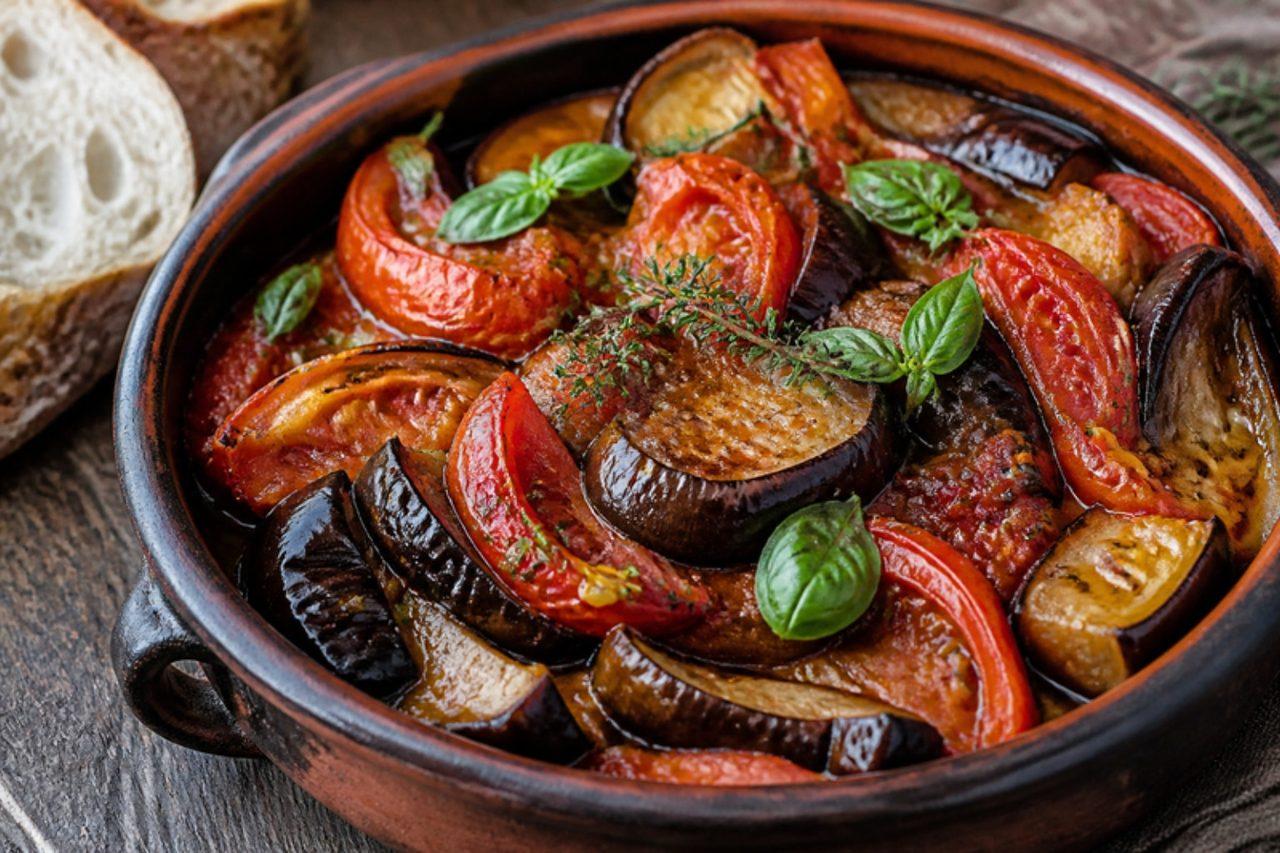
BohémienneAubergine and tomato stew

Bohémienne is the older, simpler cousin of ratatouille, cooked in Avignon and the Vaucluse villages at the end of summer when aubergines and tomatoes are cheap and ripe. Just those two vegetables, with onion, garlic and plenty of olive oil, are stewed slowly until they melt into a soft, jammy confit that is eaten warm with bread, cold on toast, or beside an omelette. It is vegan and light, with about 3 g of protein per portion. The common mistake is hurrying it over a high heat: the aubergine catches before it softens, so keep the heat low and stir gently. Chef's tip: salt the aubergine cubes for 20 minutes and pat them dry; they then take up less oil and keep a silky texture.

by KrazyBadal 0 views

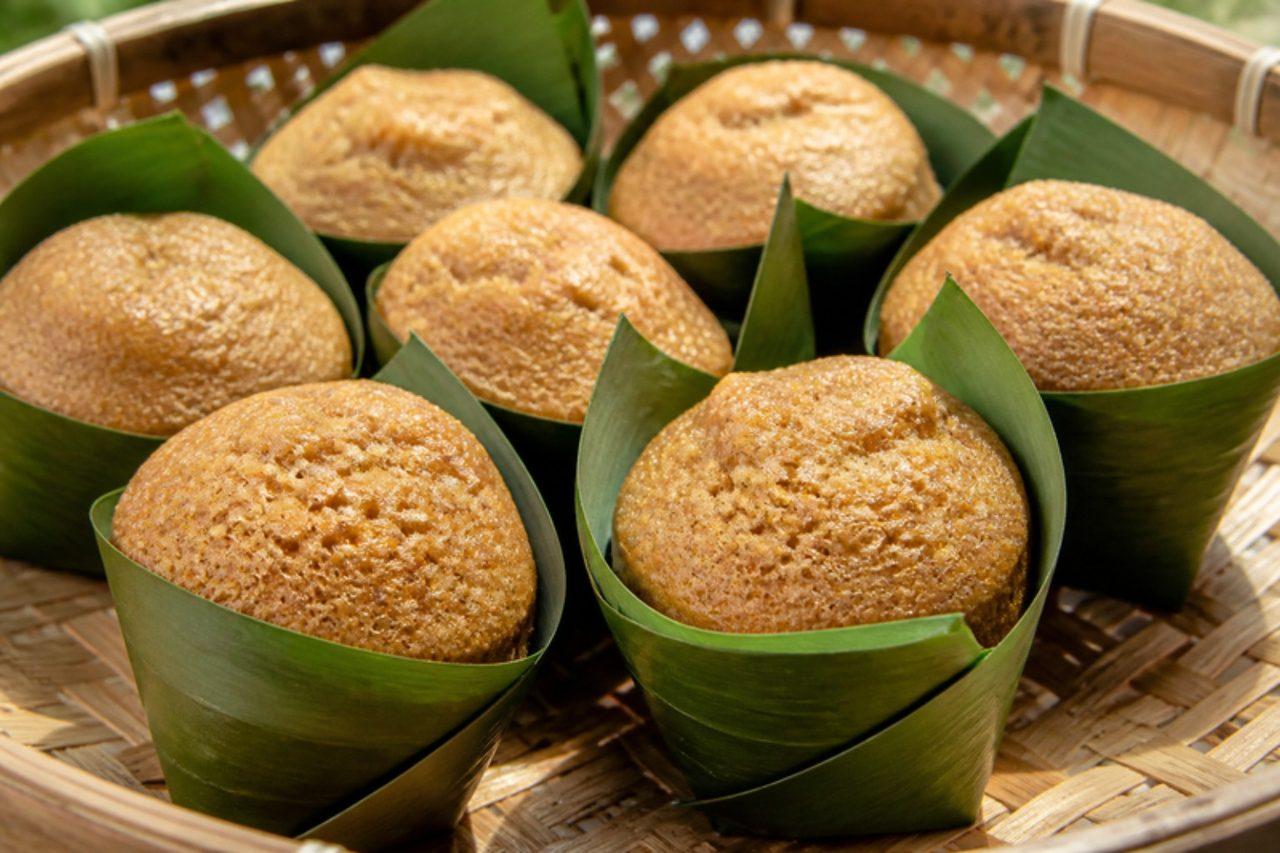
Wandu appa (වංඩු ආප්ප, fermented rice cakes steamed in leaf cones)Steamed rice treacle cakes

Wandu appa are sold in morning markets and at roadside kades all over the island, and they are one of the sweets that appear on the table for Avurudu. A batter of rice flour, coconut milk and kithul treacle is left to ferment for a few hours, then poured into small cones of kenda or jak leaf and steamed. They puff into tender, spongy domes with a gentle sourness, a caramel note from the treacle and the leafy aroma of their wrappers. Eat them warm for breakfast or with afternoon tea. They are naturally egg-free: yeast does the lifting that whisked eggs would do in a sponge, and the rice starch sets the bubbles in place as it steams. Banana-leaf cones or small paper-lined cups work too. Chef's tip: the common mistake is filling the cones to the brim; fill them two-thirds full so they rise into a dome instead of spilling over.

by KrazyBadal 0 views

Aguadito de polloCoriander chicken rice soup

Aguadito is the soup Lima serves in the small hours: at the end of a wedding, after New Year's Eve and at weekend family lunches, it is ladled out thick and steaming to revive everyone. Rice simmers in chicken broth coloured deep green with blended coriander and warmed with yellow ají amarillo, along with peas, carrot, pepper, sweetcorn and potato. A portion gives about 24 g of protein, from the chicken with a little from the rice and peas, for around 480 kcal. The common mistake is adding the coriander purée too early: cooked for long it turns khaki and loses its fresh taste, so stir it in for the last 10 minutes. The chicken must reach 74 °C at the bone. Chef's tip: blend a handful of spinach with the coriander; it keeps the colour vivid green without changing the flavour.

by KrazyBadal 0 views

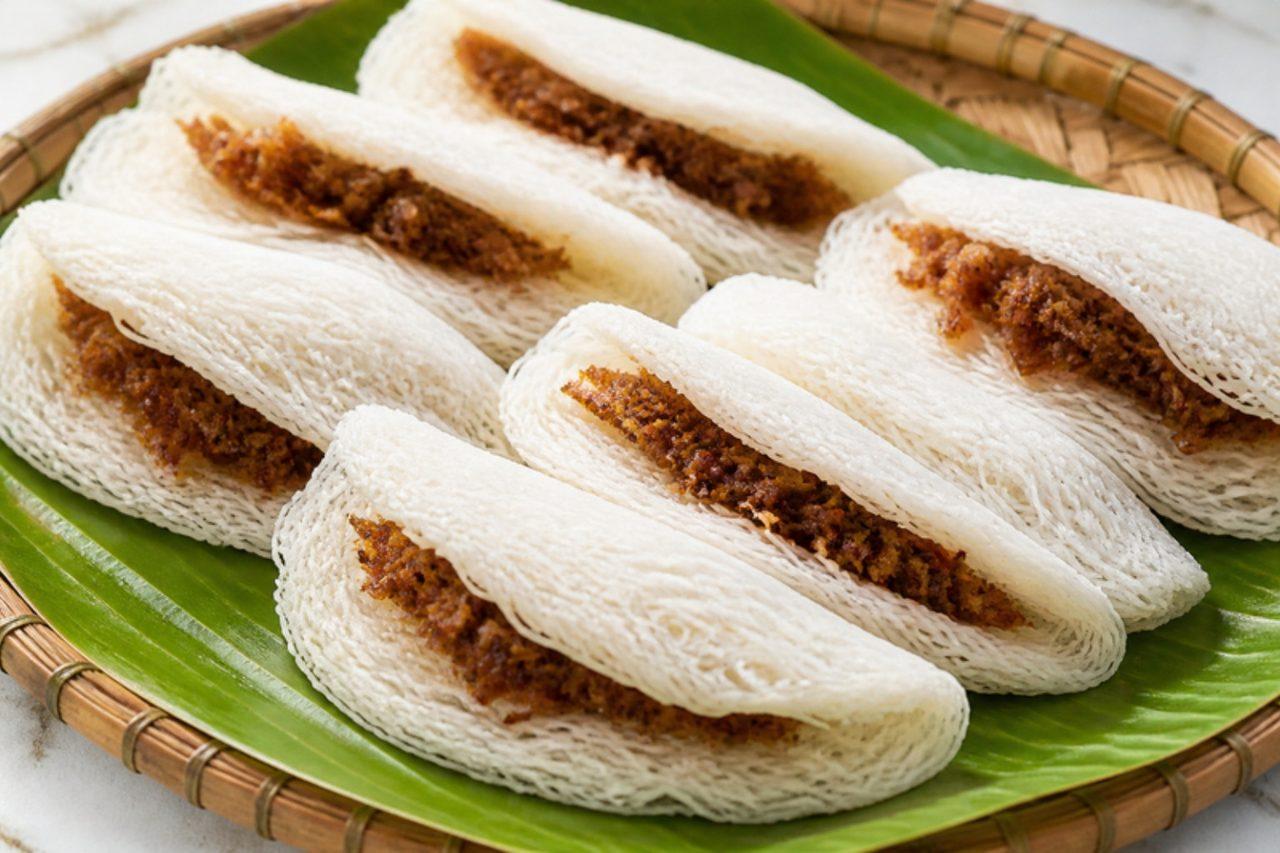
Lavariya (ලැවරියා, string-hopper parcels with coconut treacle filling)

Lavariya turns up on the Sinhala and Tamil New Year table in mid-April, when households across Sri Lanka lay out a spread of sweets after the auspicious hour. It starts as string-hopper dough: roasted rice flour scalded with boiling water and pressed through a mould into fine noodles. Here the noodles are piped in a coil, filled with pani pol, grated coconut cooked down in kithul treacle with cardamom, then folded into a half-moon and steamed. The result is soft, lacy and springy outside, with a sticky, smoky-sweet centre. Serve warm with plain tea or as part of an Avurudu platter with kokis and kavum. It is naturally egg-free: the boiling water cooks and swells the rice starch so the dough holds its shape, and the thick treacle binds the coconut. Chef's tip: the common mistake is using warm rather than boiling water; the dough then crumbles in the press, so pour it straight off the boil and mix with a spoon until cool enough to knead.

by KrazyBadal 0 views

ParihuelaSpicy seafood soup

Parihuela is the big weekend seafood soup of Callao and the Peruvian coast, eaten at long Sunday lunches in cevicherías and praised as a cure for tiredness and late nights. A deep red broth of ají panca, ají amarillo, tomato and fish stock is loaded with chunks of fish, prawns, squid and mussels. A portion gives about 30 g of protein, from the fish and shellfish, for roughly 300 kcal. Some cooks add chicha de jora or beer; this version has none. The common mistake is adding all the seafood at once: squid and prawns turn rubbery while the fish cooks, so they go in last. Before cooking, discard any mussels that stay open when tapped, and after cooking discard any that stay shut. Chef's tip: fry the chilli pastes in the oil until they darken and smell sweet; that toasted ají is what gives parihuela its depth.

by KrazyBadal 0 views

Showing 24 of 857 recipes

Show more recipes

Page 1 of 36