Skip to content
Recipes

All recipes

Vegetarian, or something you can't eat? Set your diet once and we'll hide recipes that don't fit.

SomunDimpled flatbread

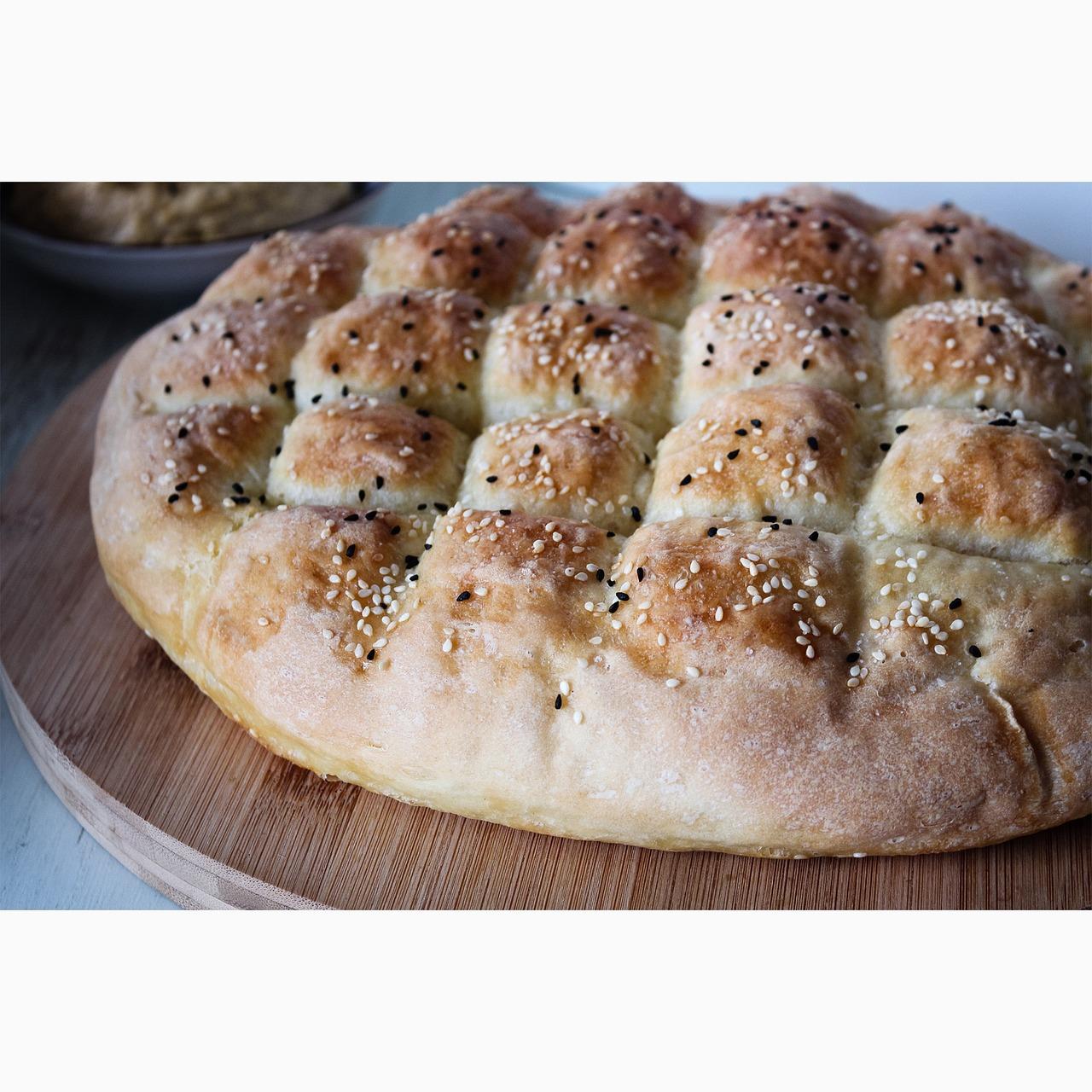
During Ramadan in Sarajevo, queues form outside the Baščaršija bakeries in the last hour before iftar, everyone waiting for somun still warm from the oven. It is a round, pale flatbread about three fingers thick, with a crust so thin it barely crackles and a soft, airy middle, and a criss-cross grid pressed into the top. All year it is split and stuffed with ćevapi and onions at the grill houses; for a meat-free plate, fill it with kajmak, roasted peppers and ajvar or grilled vegetables. Somun should stay pale: leave it in the oven until it is brown and the crust turns hard, which is the commonest mistake. Chef's tip: wrap the loaves in a clean tea towel the moment they come out; the trapped steam softens the crust to that typical pillowy finish.


by KrazyBadal 0 views

Kärntner ReindlingCinnamon raisin yeast cake

Carinthia's Easter loaf takes its name from the Reindl, the round, deep pan it is baked in, and in southern Austria no Easter basket goes to church without one. Inside the golden yeast crust is a spiral of butter, cinnamon sugar and plump raisins, so every slice shows a dark swirl. Locals eat it two ways: sweet with coffee on Easter morning, or alongside the savoury Easter platter with horseradish. Many bakers soak the raisins in rum overnight; warm water or tea works just as well and keeps it alcohol-free. A dry, crumbly Reindling usually means too much flour went in during kneading, so keep the dough soft and only lightly floured. Chef's tip: butter the pan well and dust it with sugar, which caramelises into a thin crunchy shell.

by KrazyBadal 0 views

ErdäpfelstrudelSavoury potato strudel

Austrians, especially in the Mühlviertel of Upper Austria and the Waldviertel, make savoury strudels as often as sweet ones, and Erdäpfelstrudel is a farmhouse favourite for a meatless Friday or a cold evening. Thin pastry wraps a filling of potatoes, fried onion, sour cream, marjoram and parsley, baked until crisp and golden and sliced with a green salad or a dill and sour-cream dip. Bought filo makes it easy at home. The mistake to avoid is a wet filling, which turns the pastry soggy underneath. Chef's tip: cool the filling completely before rolling; warm filling makes the layers stick and tear.

by KrazyBadal 0 views

CorvichePlantain and peanut fish fritters

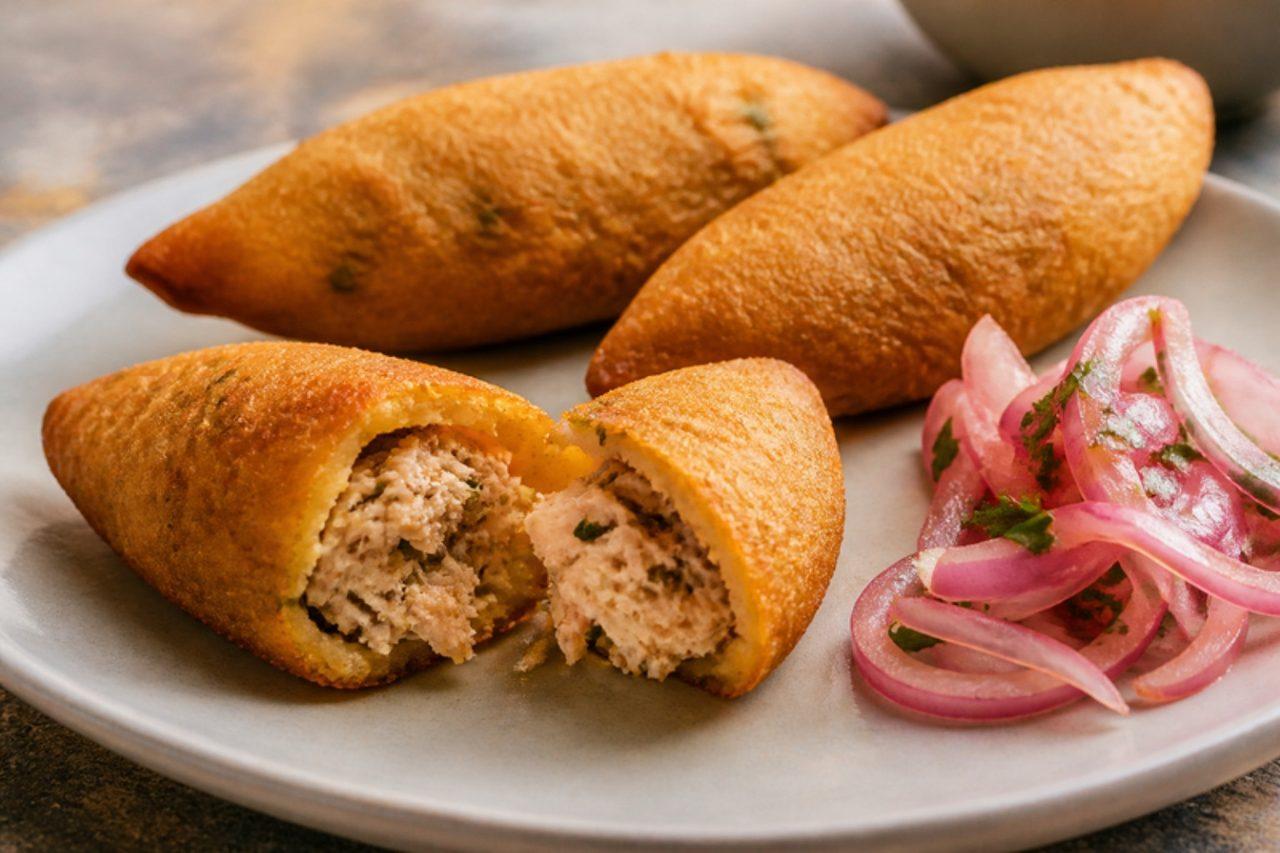
Along the Manabí coast and in Guayaquil's afternoon snack stalls, corviches are torpedo-shaped fritters with a crisp, peanut-rich green-plantain crust and a filling of fish cooked with onion, pepper and cumin. They are eaten hot with pickled red onion and a dash of chilli, often for breakfast or as an afternoon bite. Peanuts are a major allergen. The usual mistake is making the plantain shell too thick, which leaves raw starchy dough inside; keep it about 1 cm and fry at a steady 170 °C. Chef's tip: grate the plantain on the finest holes of a box grater; a fine grate makes a smooth dough that seals without cracks.

by KrazyBadal 0 views

Chanka de polloChicken soup with broad beans

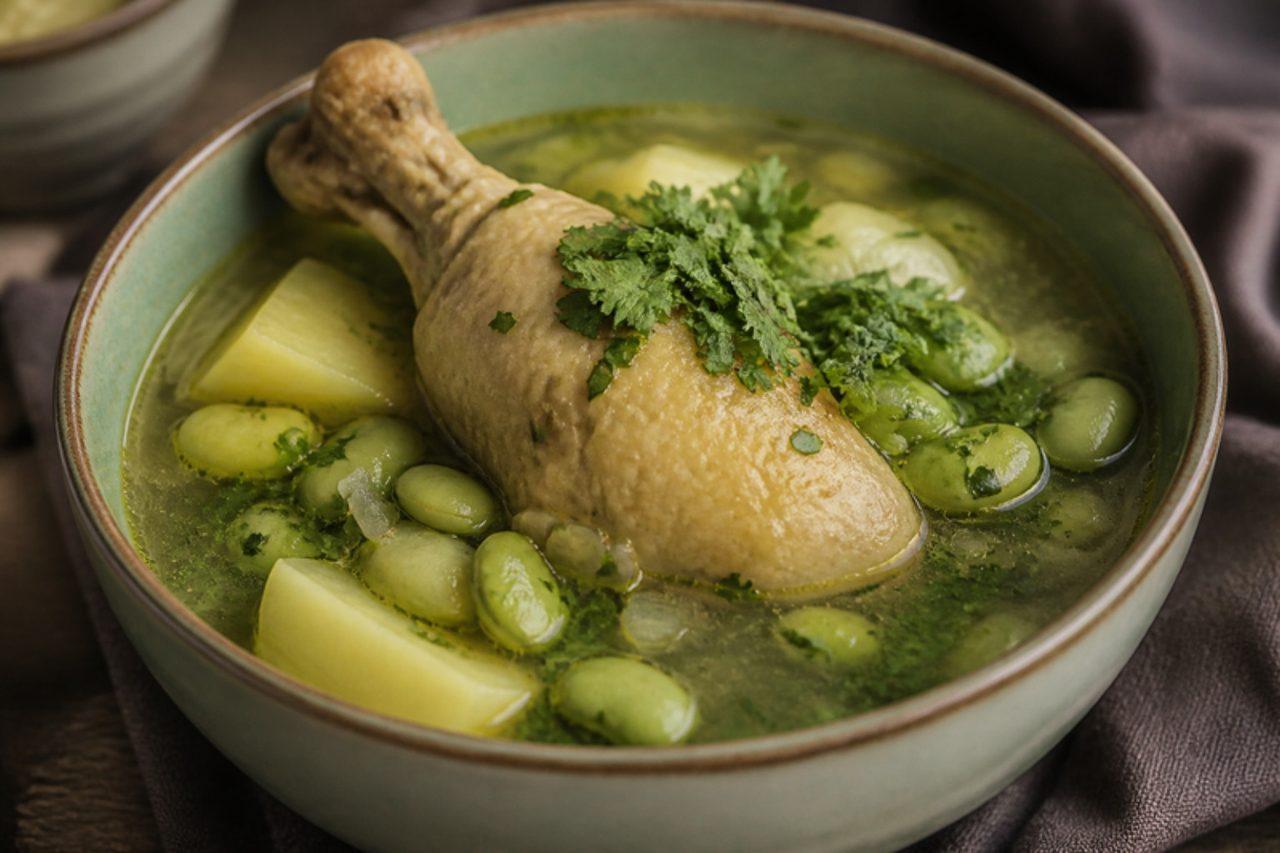
Every Cochabamba market has a corner where chanka de pollo bubbles in huge pots: a clear, herby chicken broth full of broad beans, potatoes and spring onion, with a whole joint of chicken in each bowl and chuño or a boiled potato on the side. It is fresh and grassy rather than rich, sharpened with a little locoto. Many people let it boil hard, which clouds the broth. Chef's tip: add the herbs and spring onion right at the end so they stay bright green.

by KrazyBadal 0 views

Colada moradaPurple corn and berry drink

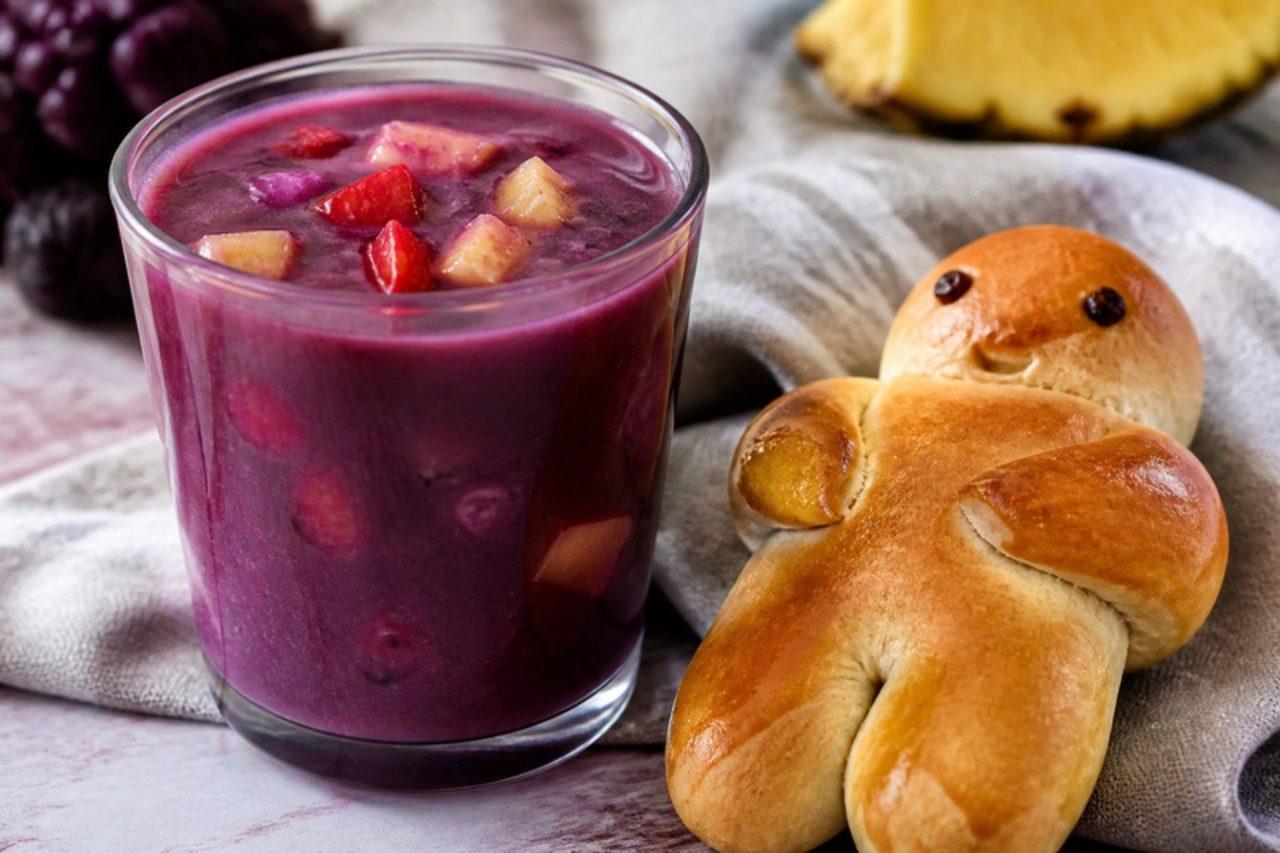
Every year in the days before 2 November, the Día de los Difuntos, Quito's kitchens and bakeries fill with the smell of colada morada: a warm, spoon-thick drink of purple corn flour cooked with blackberries, blueberries, pineapple and a bundle of fragrant herbs and spices. It is deep violet, sweet-tart and full of chopped fruit, and it is always served with guaguas de pan, the bread babies, often shared with family at the cemetery. The most common mistake is stirring the corn flour straight into hot liquid, which makes lumps: whisk it into cold water first. Chef's tip: lemon verbena and lemongrass give the authentic perfume; if you can find naranjilla or a few orange leaves, add them to the spice pot too.

100 minAndeanDrinksVeganGluten free
by KrazyBadal 0 views

Arroz con queso cruceñoCreamy baked cheese rice

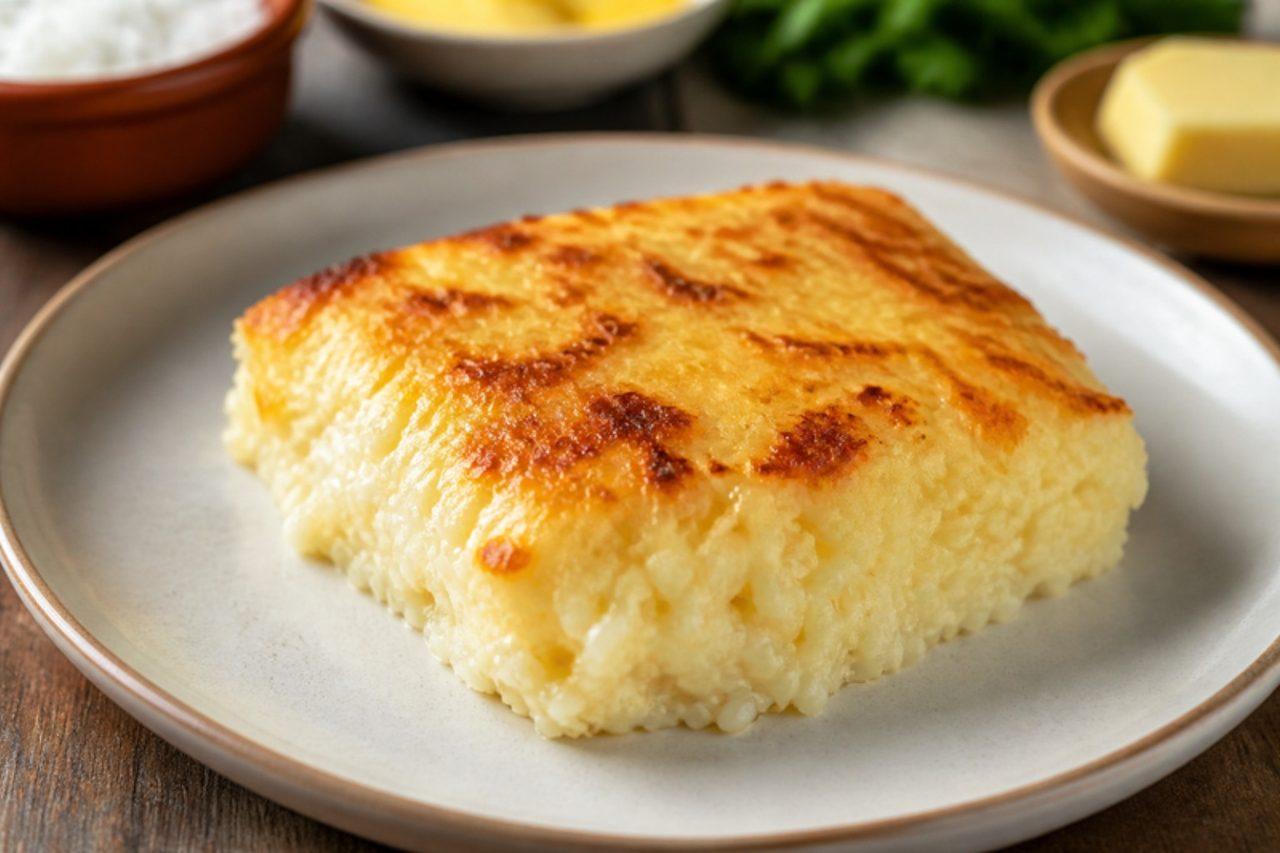
Lunch tables in Santa Cruz and Beni regularly carry a dish of arroz con queso next to the grilled meat: rice cooked soft and stirred with milk, butter and plenty of crumbled lowland cheese, then baked until the top turns golden. Cruceño cooks serve it with fried plantain and a tomato salad. Local cheese is usually made with animal rennet, so use a vegetarian mild Cheddar or a feta-style cheese if you need one. The most common mistake is draining the rice; it needs its starch to turn creamy. Chef's tip: hold back a third of the cheese and scatter it on top just before baking, so you get a melted core and a browned crust.

by KrazyBadal 0 views

Sauce gomboOkra and fish sauce

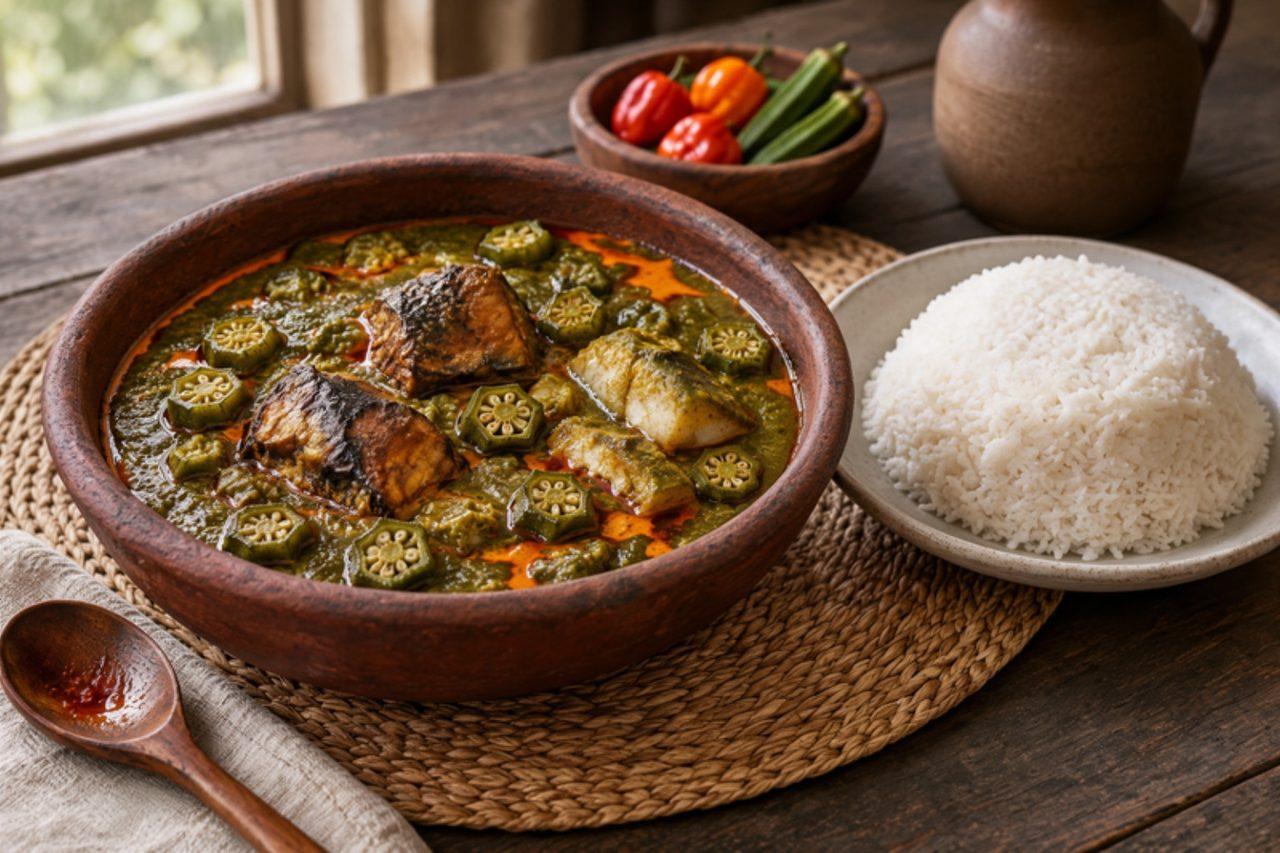
Sauce gombo is one of the everyday sauces of Côte d'Ivoire, simmered in Abidjan compounds and village kitchens for lunch and eaten with foutou, rice or attiéké. Sliced okra cooks down with tomato, onion, chilli and a little red palm oil until it turns pleasantly silky and draws together, and smoked fish gives it a deep savoury flavour, with fresh fish added at the end. High in fibre and protein and suitable as part of a balanced diet; serve with a modest portion of brown rice or attiéké. About 290 kcal and 12 g carbohydrate per portion. The usual mistake is stirring hard and often, which makes the okra stringy; stir gently. Chef's tip: pick small, bright okra pods that snap cleanly, as large pods are woody.

by KrazyBadal 0 views

Chuño

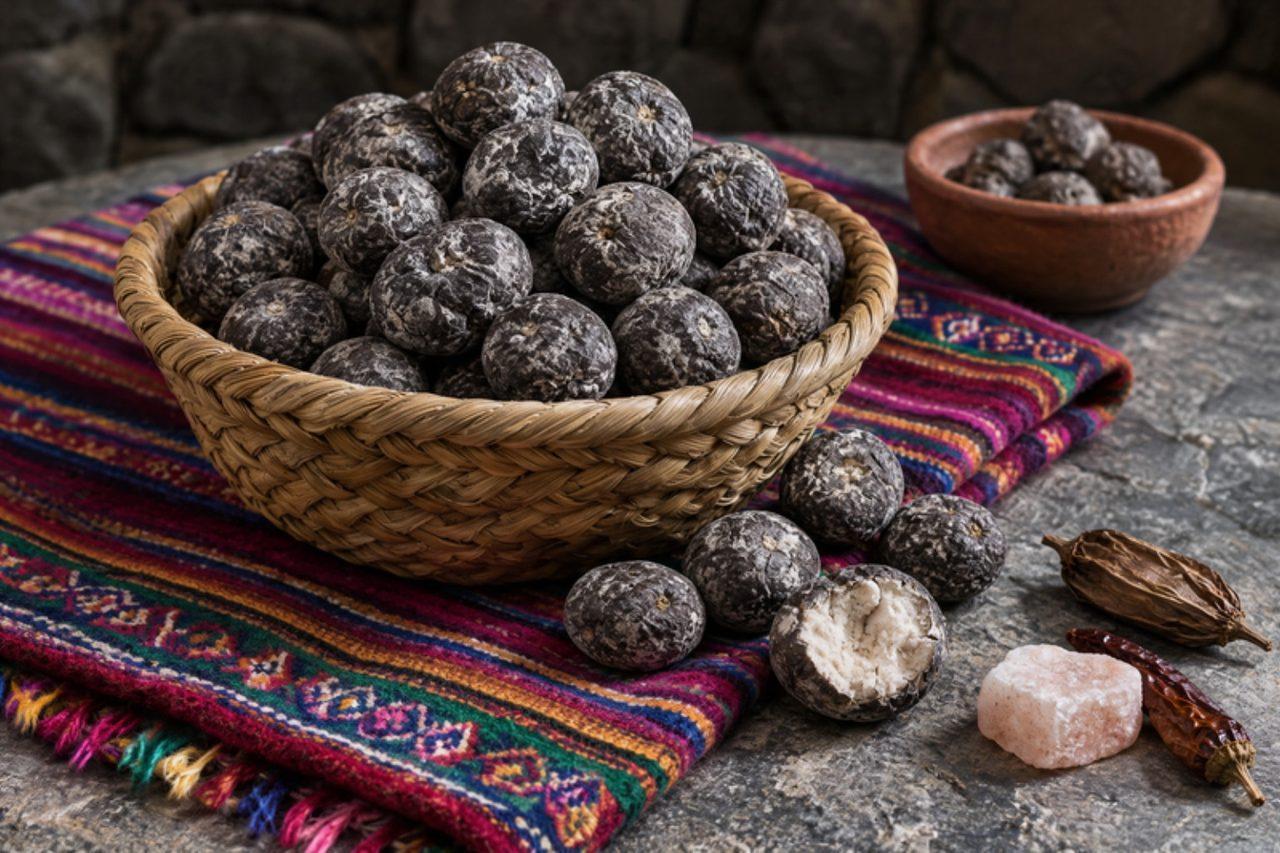
On the Altiplano around Lake Titicaca, in June and July when the nights drop to -10 °C and the days are bright and dry, Aymara and Quechua families spread small, bitter potatoes on the grass to make chuño, a technique far older than the Inca. The potatoes freeze at night and thaw in the sun for several days, then are trodden barefoot to squeeze out the water and rub off the skins, and dried for a couple of weeks more. The result is light, wrinkled, grey-black chuño negro that keeps for years; soaked in running stream water instead, the same potatoes become white tunta. Rehydrated and boiled, chuño is firm, slightly chewy and spongy, with an earthy, faintly mineral, almost fermented taste; it goes into chairo soup, into chuño phuti, or beside grilled meat with spicy llajwa. Skipping the long soak is the big mistake: it stays bitter and gritty, so soak it for at least 12 hours, changing the water. Dried chuño is ready when it is rock hard, very light and rattles in a bag. Chef's tip: without Andean frosts, a freezer and a low oven make a fair version; the method is below.

by KrazyBadal 0 views

Ají de tomate de árbolTamarillo chilli sauce

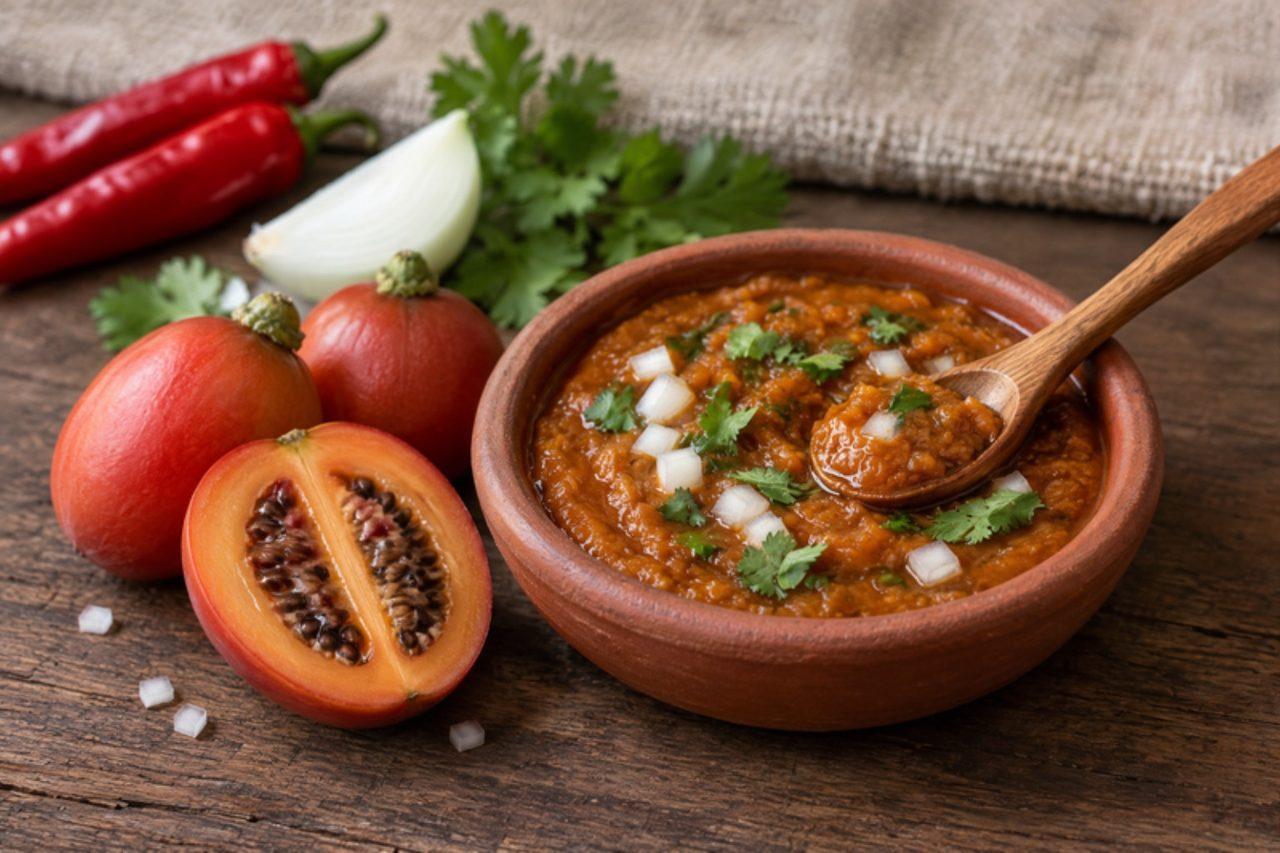
No Ecuadorian table in the Sierra, from Quito to Cuenca, is complete without a small bowl of ají, and the tamarillo version is the household favourite. Tomate de árbol, the egg-shaped, wine-red tree tomato, is blanched and peeled, blended with fresh hot chilli, salt and a little water, then finished with finely chopped onion and fresh coriander. It is spooned over locro de papa, llapingachos, empanadas de viento, hornado and fritada at the long Sunday family lunch, and onto everything at the street stalls of the Saturday markets. The flavour is tangy, fruity and slightly bitter-sweet, more sour than a tomato salsa, with a fresh bite of onion and a clean chilli heat. The common mistake is blending the tamarillos with their skins on, which makes the sauce bitter; blanch them until the skins split and slip off. It is ready when it is bright orange-red, loose and juicy, and the onion is still crisp. Abroad, tamarillos turn up in larger supermarkets; ripe plum tomatoes with the pulp of a passion fruit are the best stand-in. Chef's tip: rinse the chopped onion in salted water first, which tames its sharpness, as Ecuadorians do.

by KrazyBadal 0 views

KajganaScrambled eggs with peppers

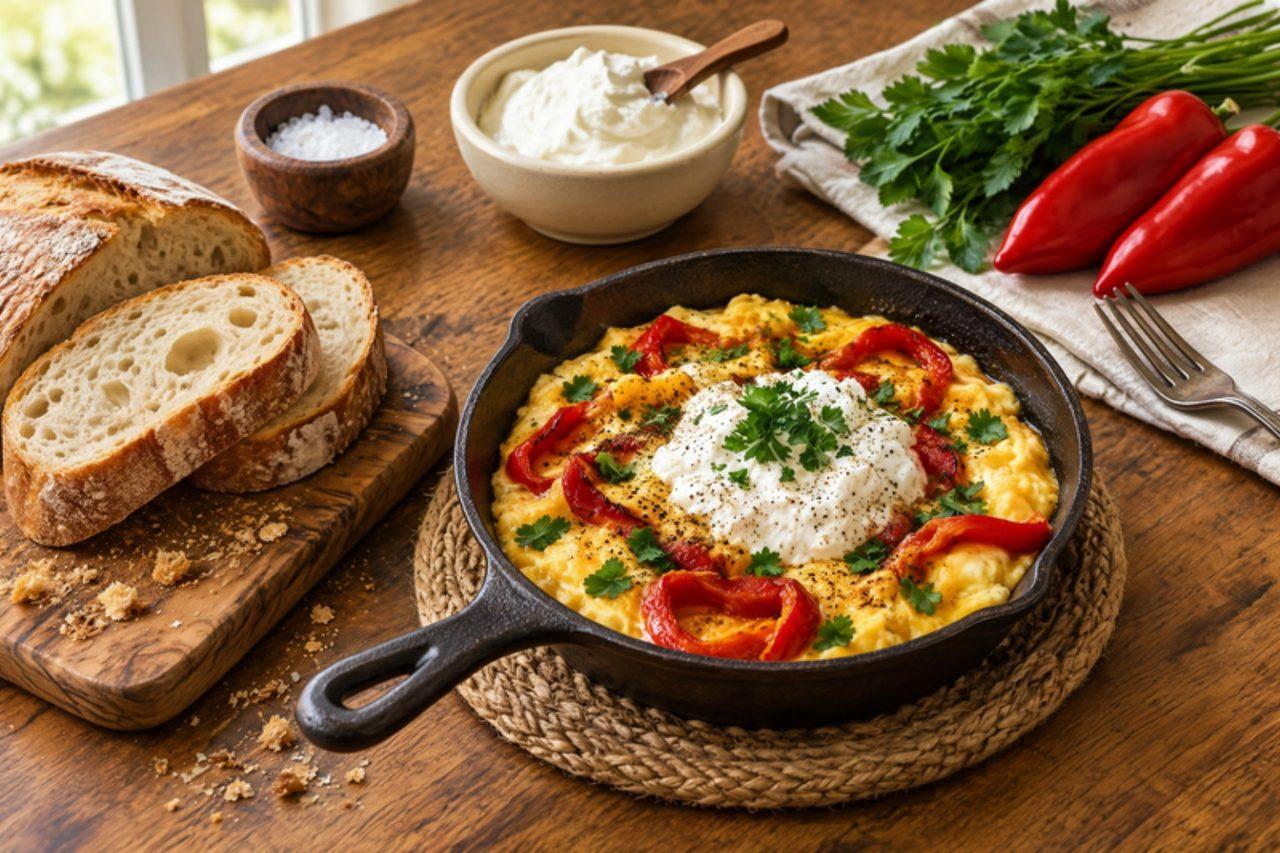
Kajgana is the everyday breakfast of Serbia and Montenegro, cooked in every home and kafana: eggs scrambled softly in a little fat, often with sweet peppers or onion, and finished with a spoon of kajmak, the rich clotted cream of the Balkans, or crumbled white cheese. It is eaten straight from the pan with warm bread. The mistake is high heat: the eggs seize into dry, rubbery lumps; a medium-low flame and constant gentle stirring give soft, creamy curds. Chef's tip: take the pan off the heat while the eggs still look slightly underdone, because they keep cooking in the hot pan for another minute.

by KrazyBadal 0 views

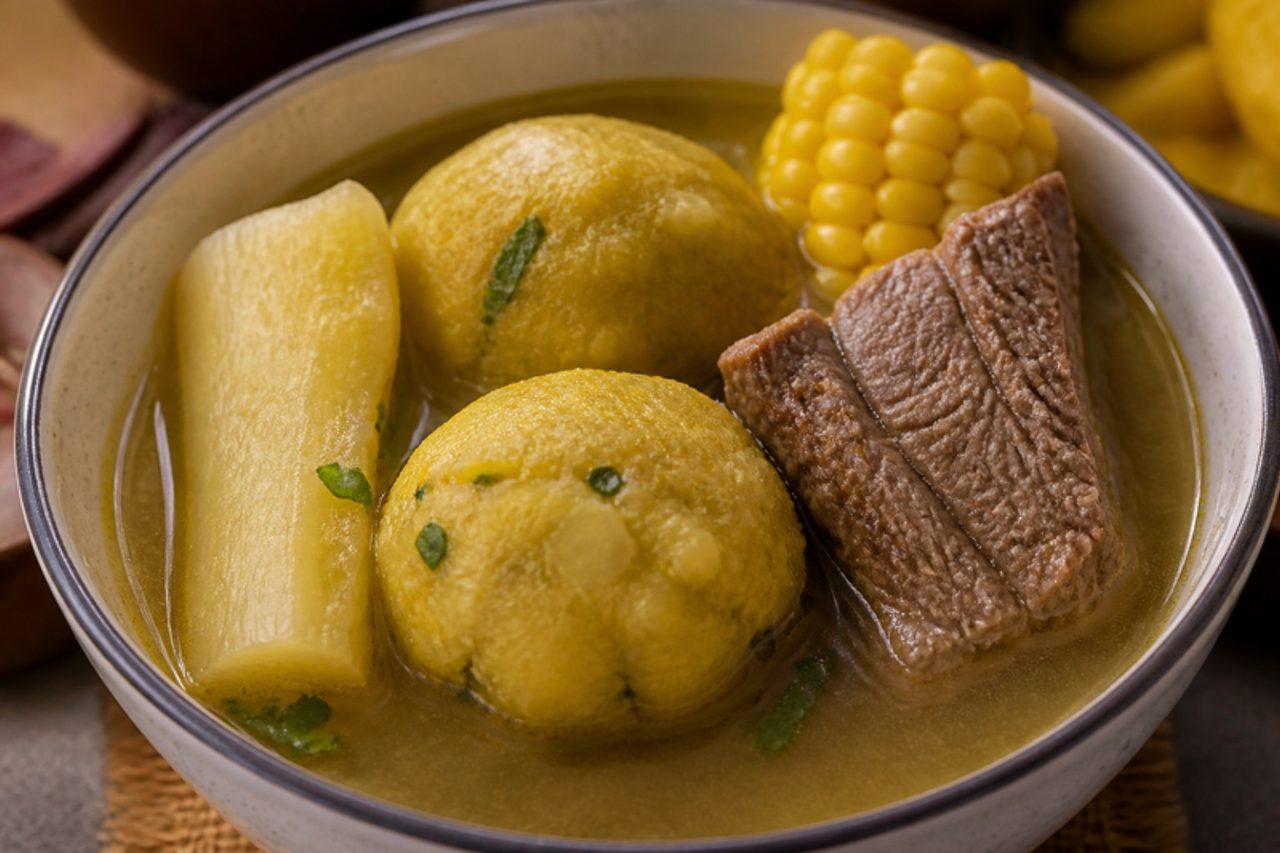
Caldo de bolas de verdeBeef broth with plantain dumplings

Caldo de bolas is the big Sunday soup of Guayaquil and the Guayas coast: a clear beef broth with corn and cassava in which float fist-sized dumplings of green plantain, each stuffed with a savoury filling of beef mince, egg, peas and peanuts. It takes time, so families make it for gatherings and serve it with lime, chilli and rice. Peanuts are an allergen and optional here. The usual mistake is a plantain dough that is too dry, which cracks and falls apart in the broth; it should feel like soft play dough. Cook the mince filling until no pink remains. Chef's tip: mix boiled and raw grated plantain; the raw starch is the glue that holds the bolas together.

160 minAndeanSoupsGluten free
by KrazyBadal 0 views

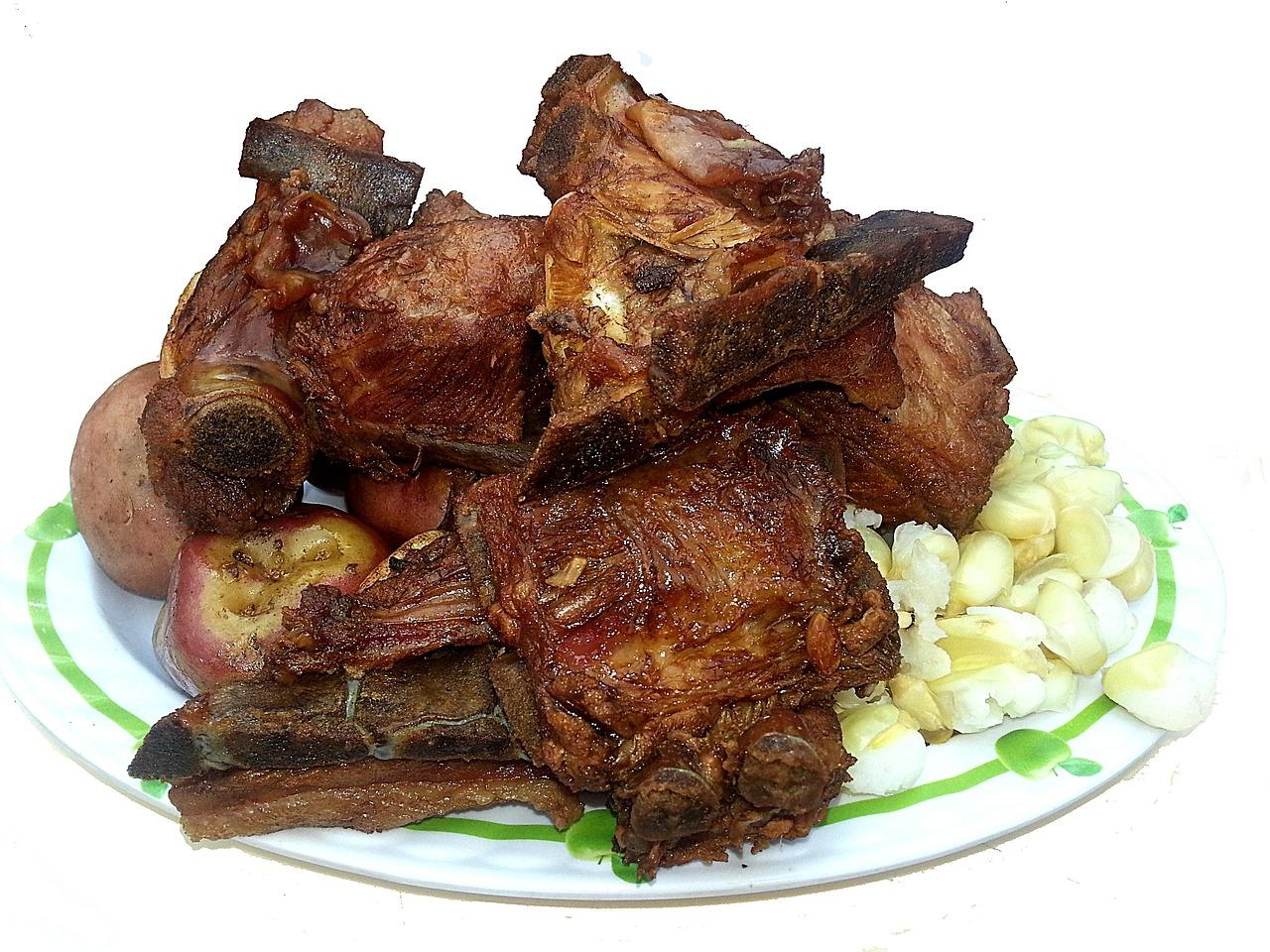
Chicharrón cochabambinoPork fried in chicha

Cochabamba's Sunday chicharrón is pork, cooked the slow way: big chunks of pork rib and shoulder simmered in chicha, the valley's fermented corn drink, with garlic and cumin until the liquid evaporates and the meat fries golden in its own fat. It is eaten with mote (big white corn), boiled potatoes and llajwa. Chicha contains alcohol, and some remains after cooking, so this dish is for adults; for an alcohol-free version use unsweetened apple juice with a splash of cider vinegar. The common mistake is rushing the last stage over a high heat, which burns the outside before the inside is tender. Chef's tip: once the liquid has gone, turn the pieces only every few minutes so a real crust can form.

150 minAndeanMeatGluten free
by KrazyBadal 0 views

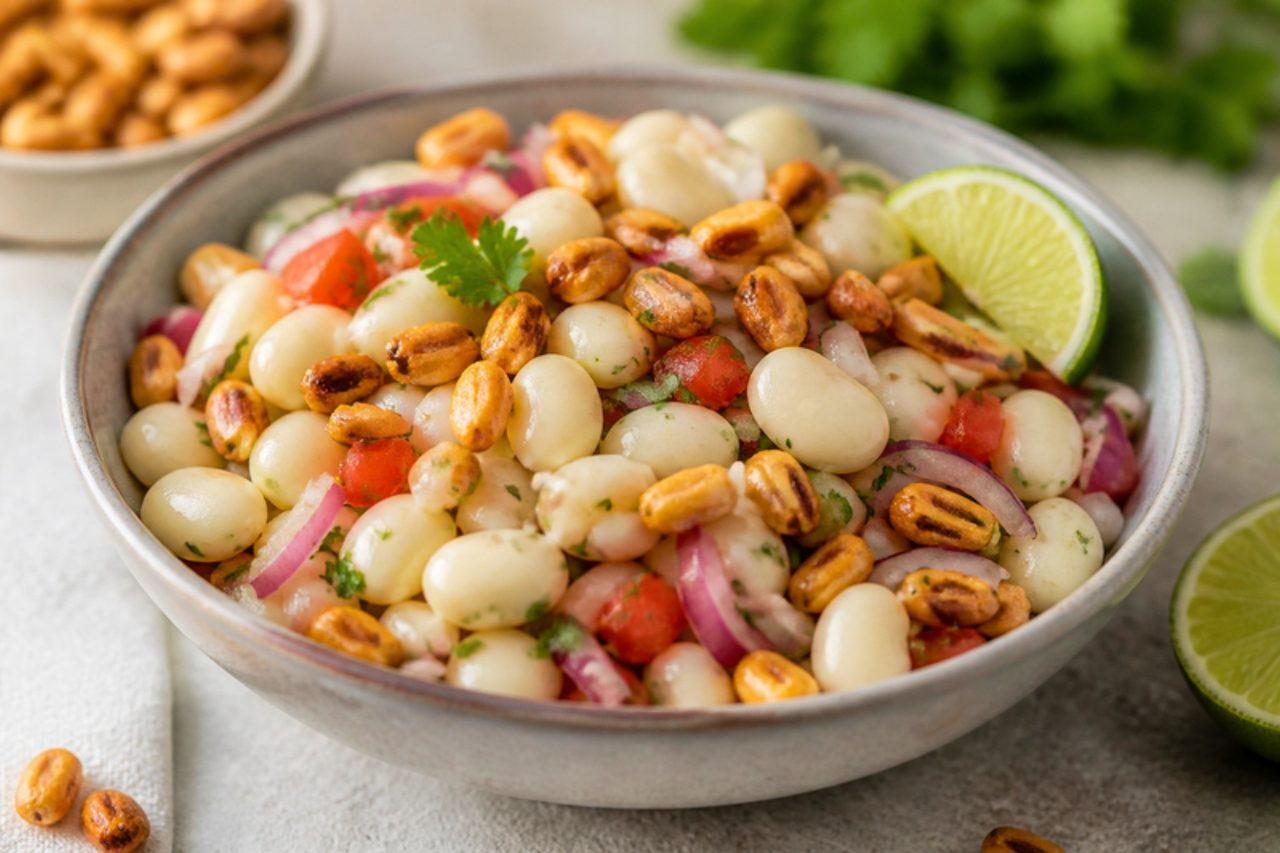
Chochos con tostadoLupin bean and toasted corn salad

On street corners in Quito and Latacunga vendors pile paper cups with chochos, the pale Andean lupin beans, tossed with lime-soaked red onion and tomato and showered with crunchy toasted corn. It is a cheap, filling mid-morning snack, sour and salty with a nutty crunch, and it doubles as a light lunch with a fried plantain on the side. Buy chochos ready debittered, sold cooked in jars or vacuum packs: raw lupins are bitter and contain toxic alkaloids until they have been soaked and boiled for several days, so never use dried ones without that long treatment. Lupin is also a declared allergen and can affect people with peanut allergy. The common mistake is skipping the rinse, which leaves the beans tasting of brine. Chef's tip: salt the onion with the lime juice 10 minutes ahead so it softens and turns pink.

by KrazyBadal 0 views

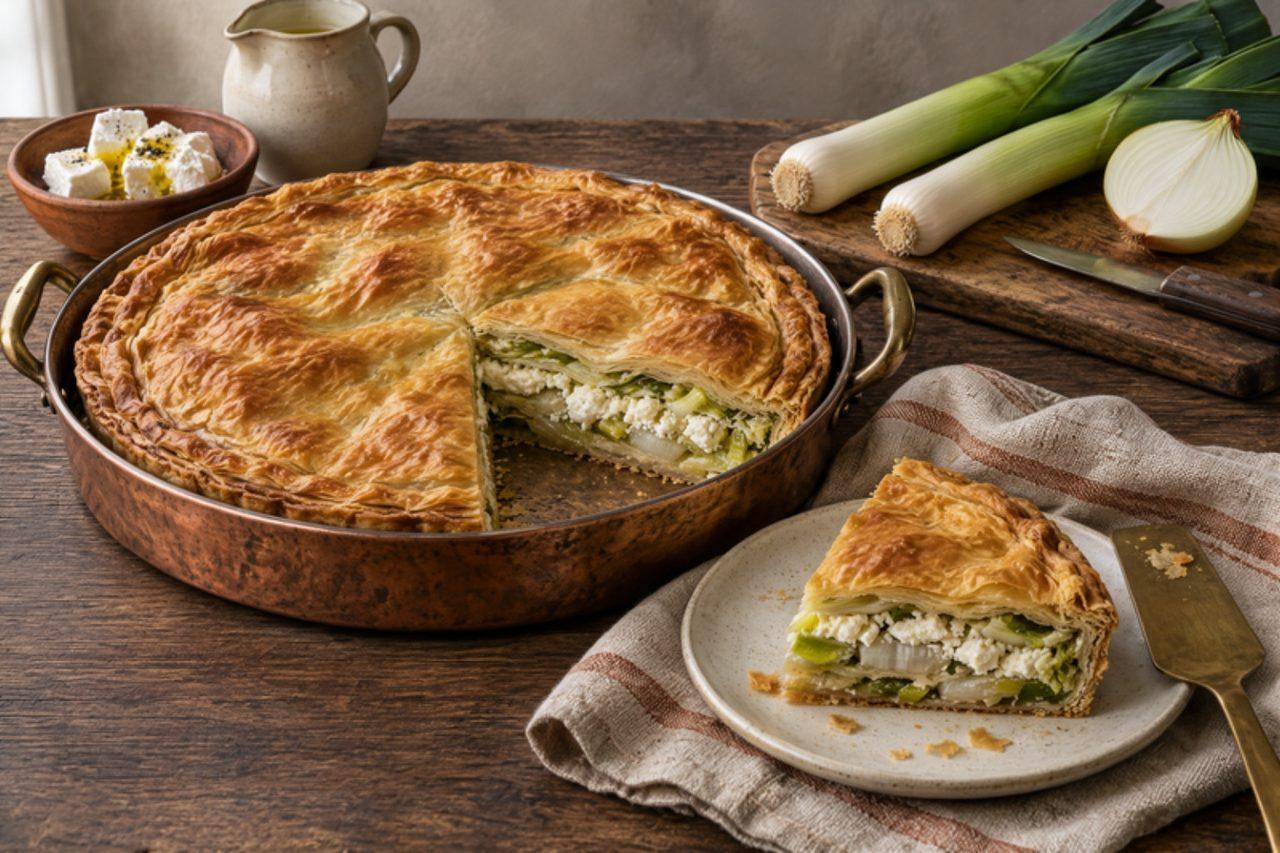
LakrorLeek and cheese pie

Lakror comes from the south of Albania, around Korçë, where it was baked in a round copper tray under a saç, a domed iron lid heaped with embers, and eaten for breakfast or carried to the fields. Thin rounds of homemade dough are layered with oil, then filled with leeks, onions and cheese, giving a pie that is crisp at the top and soft inside. At home, a very hot oven stands in for the saç. The common mistake is rolling the dough too thick: each round should be thin enough to see your hand through, or the layers stay doughy. Chef's tip: rest the dough balls for 30 minutes after kneading; relaxed dough rolls out thin without shrinking back.

100 minBalkanBaking
by KrazyBadal 0 views

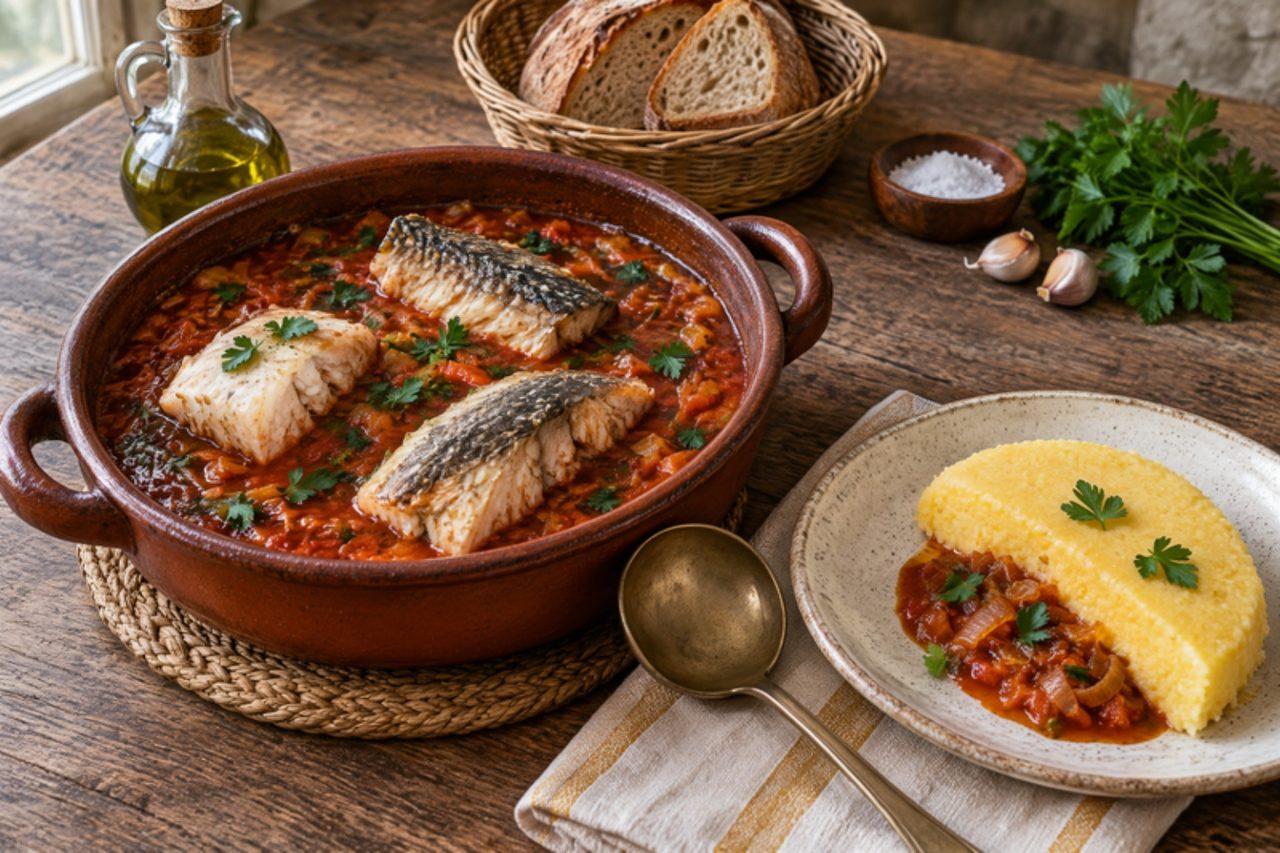
BrudetFisherman's fish stew

Brudet (or brodetto) is the fisherman's stew of the Dalmatian coast and islands, cooked in Split, Hvar and Korčula with whatever the morning's catch brings, and eaten for Friday lunch and summer suppers. Thick fish steaks on the bone stew slowly in olive oil with onion, garlic, tomato and a dash of wine vinegar, and the pot is shaken, never stirred. It is high in protein and suitable as part of a balanced diet; polenta is the classic partner, but grilled courgettes, chard or a small portion of soft polenta keep the carbohydrate down. About 330 kcal and 10 g carbohydrate per portion. The usual mistake is stirring with a spoon, which breaks the fish into shreds. Chef's tip: use at least three kinds of fish, mixing firm and softer ones, for a deeper broth.

60 minBalkanFishGluten free
by KrazyBadal 0 views

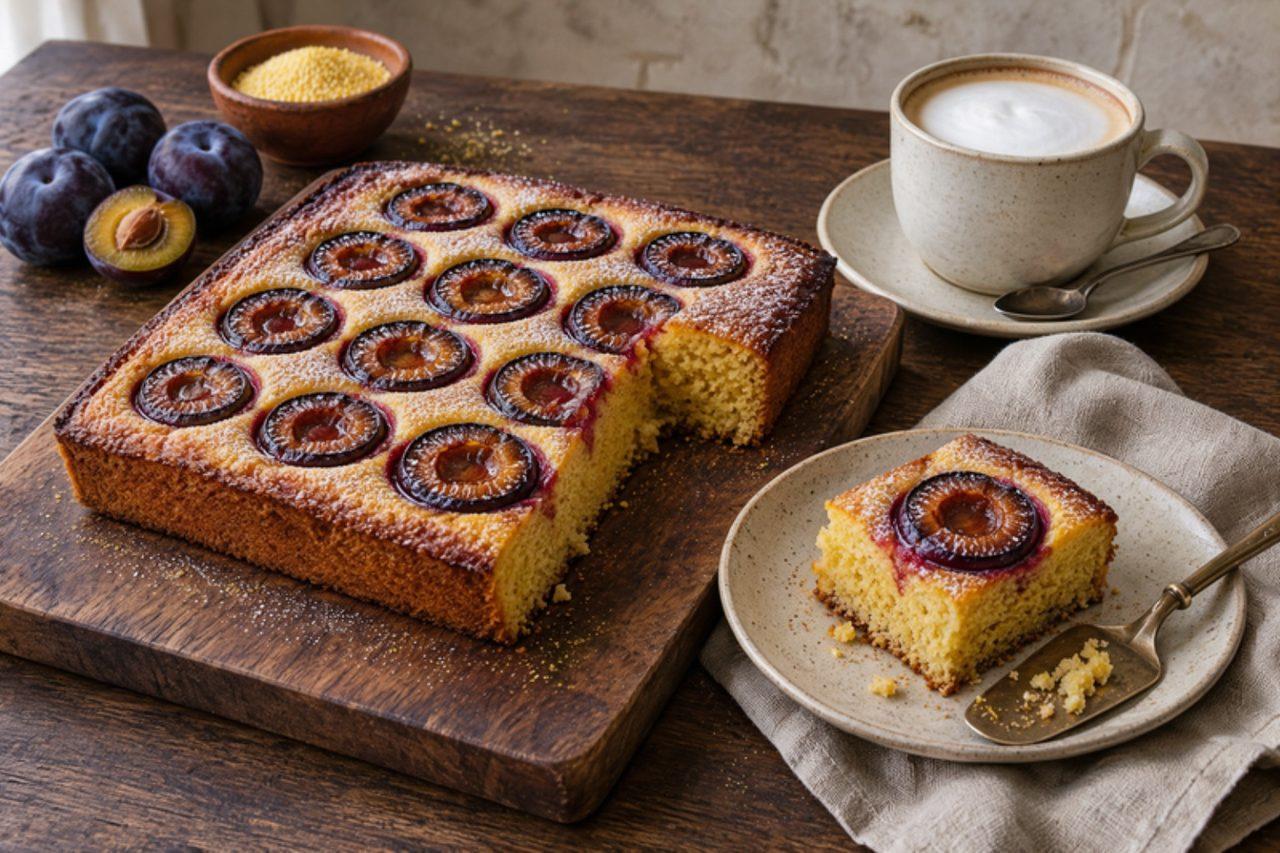
ZlevankaBaked cornmeal and buttermilk cake

Zlevanka, from the Slovenian for 'poured', is a farmhouse batter cake from the Prekmurje and Štajerska regions, poured into a tin and baked for breakfast, then cut into squares and eaten with a big cup of milky white coffee. This sweet version is made with cornmeal and buttermilk, which give it a soft, moist, slightly crumbly crumb with a golden crust; some families add fruit on top. The common mistake is overmixing the batter once the flour goes in, which makes it tough; stir only until combined. Chef's tip: soak the cornmeal in the buttermilk for 15 minutes before mixing, so it softens and the cake isn't gritty.

by KrazyBadal 0 views

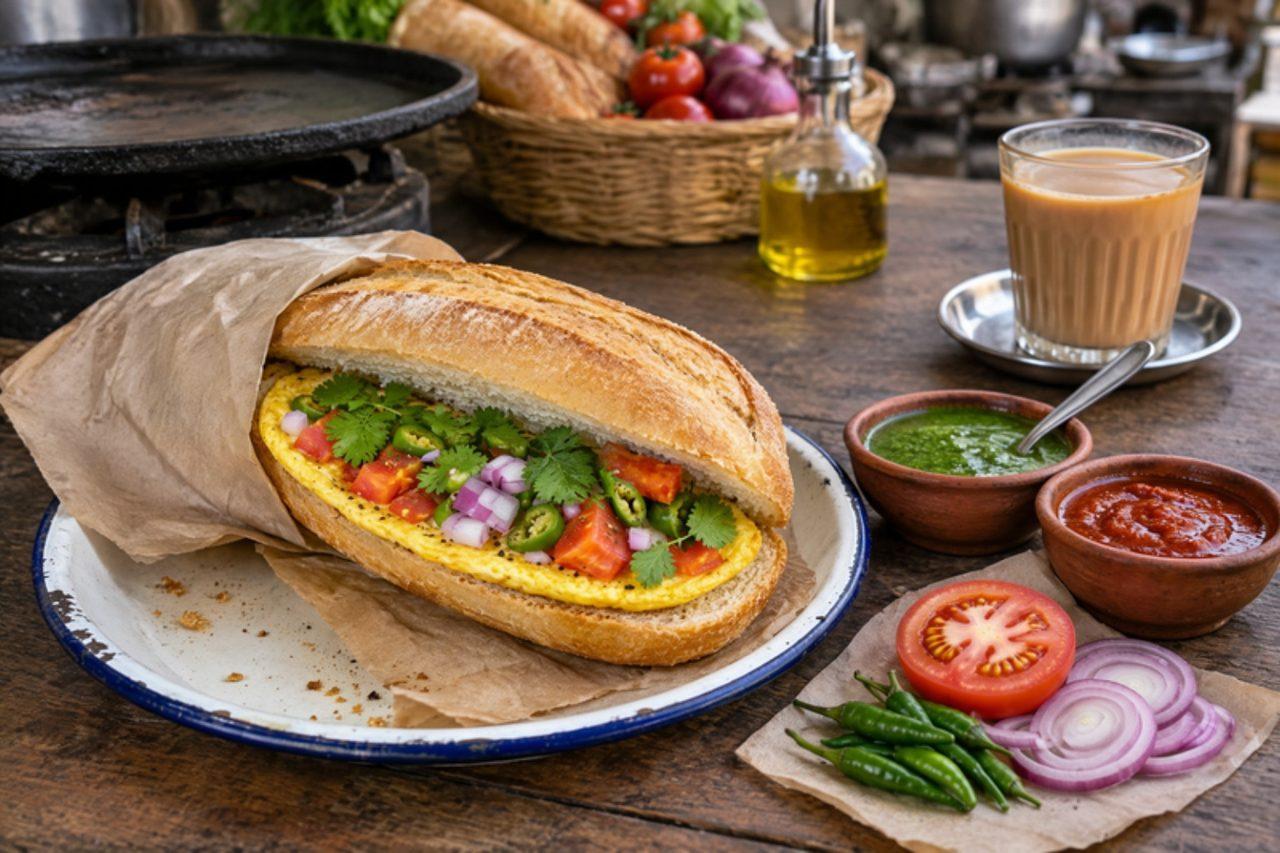
Pain-omeletteBaguette with onion omelette

At dawn in Abidjan, kiosks on every street corner from Cocody to Treichville fry eggs to order and stuff them into a split baguette for workers and schoolchildren: the pain-omelette. The omelette is loaded with onion, tomato and fresh chilli, sometimes with a smear of mayonnaise or a spoon of spaghetti tucked in, and eaten wrapped in paper on the way to work. The common mistake is a thick, dry omelette; keep it thin and still soft so it folds neatly into the bread. Stock cubes often contain meat, so use a vegetable one. Cook the egg fully set for pregnant people, young children, older or vulnerable people. Chef's tip: warm the split baguette on the same pan for 30 seconds while the omelette sets, so it's crisp and soaks up the oniony juices.

by KrazyBadal 0 views

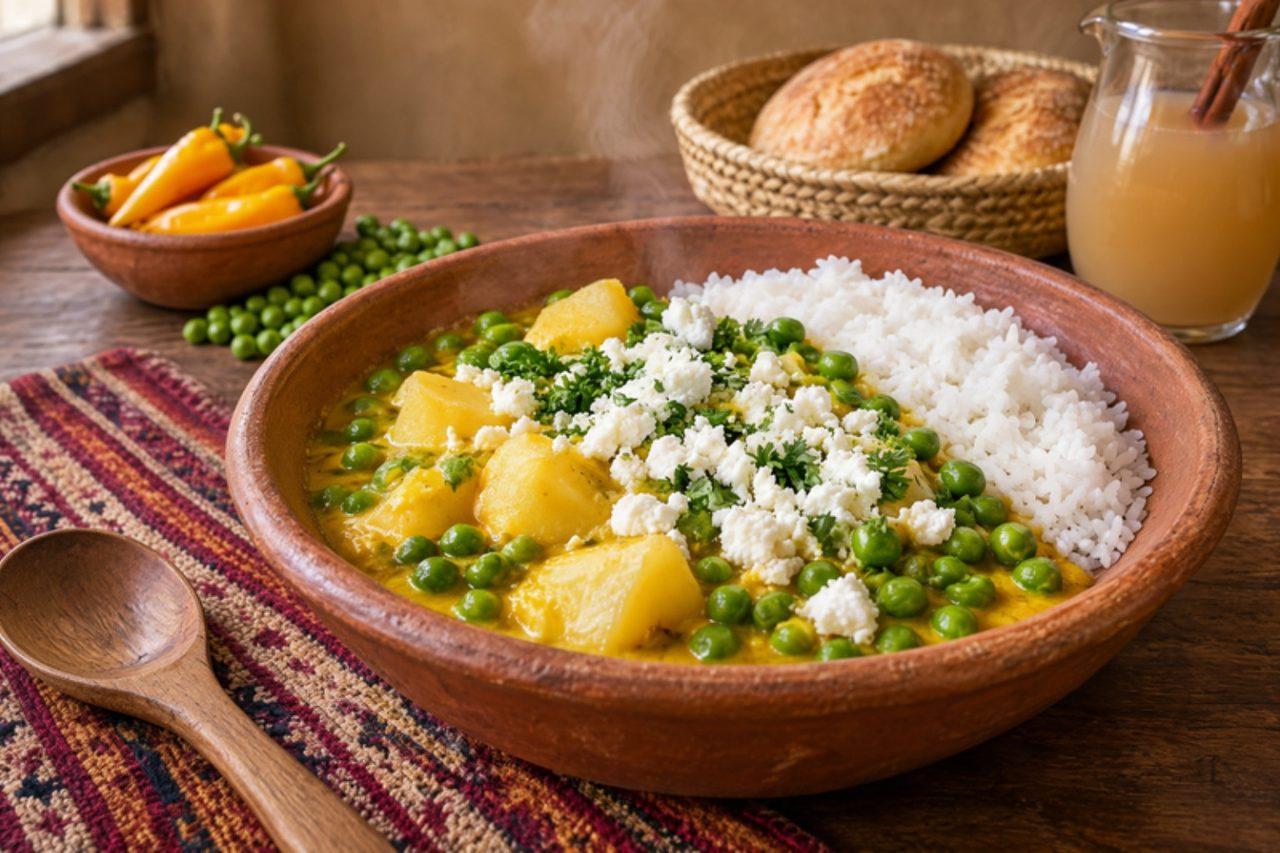
Ají de arvejasPeas and potatoes in chilli sauce

Ají de arvejas is a homely Bolivian stew from La Paz and Cochabamba, cooked for weekday lunch or on Fridays and in Lent, when many families eat no meat. Green peas and potatoes simmer in a golden sauce of onion, tomato and ají amarillo (yellow chilli), and cubes of fresh white cheese are stirred in at the end so they soften without melting away. It is served with plain white rice and sometimes a boiled egg. Bolivian queso fresco is often made with animal rennet; for vegetarians, use a paneer or a fresh cheese labelled vegetarian. The usual mistake is boiling the cheese, which turns it rubbery. Chef's tip: cook the ají paste with the onion until it darkens slightly, which takes the raw edge off the chilli.

by KrazyBadal 0 views

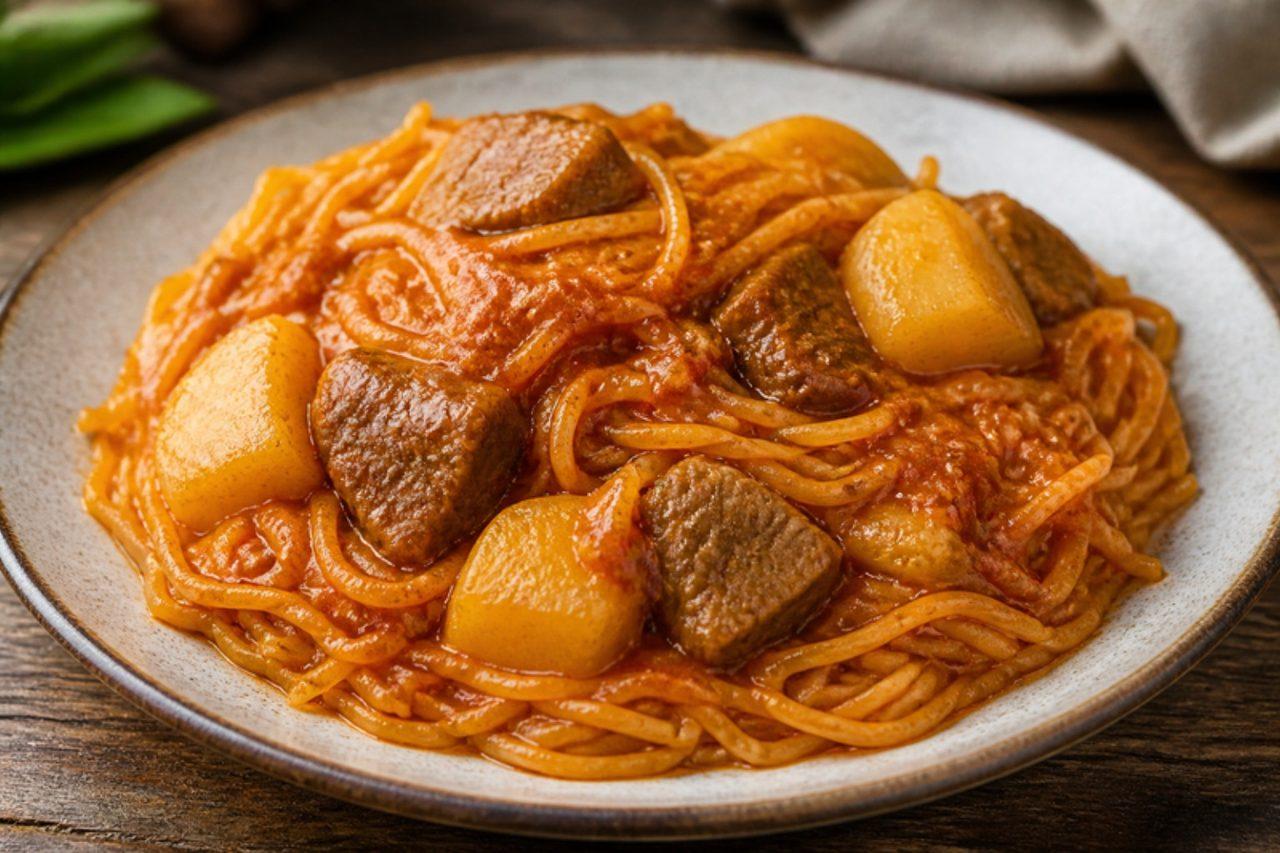
Ají de fideosNoodles in red chilli with beef

Ají de fideos fills the market comedores of La Paz at lunchtime: spaghetti snapped into short pieces and simmered in a brick-red sauce of dried chilli, onion and tomato with chunks of beef and potato, all eaten with a spoon. It is warming, a little smoky and properly hot, perfect at 3,600 metres. The trap is adding the pasta too early, which leaves it bloated and the sauce gluey. Chef's tip: toast the broken spaghetti in a little oil until golden before it goes into the pot; it keeps its shape and adds a nutty flavour.

by KrazyBadal 0 views

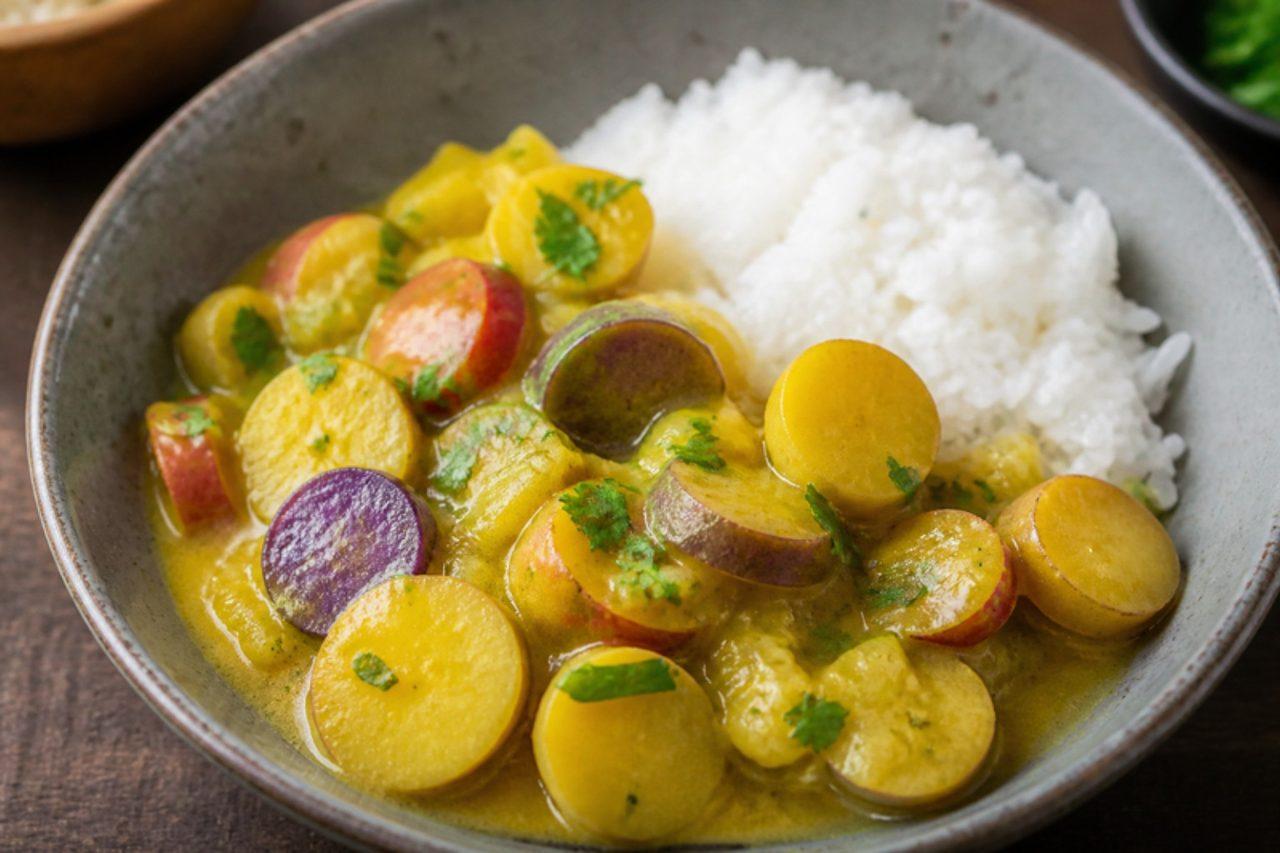
Ají de papalisaUlluco in yellow chilli

Papalisa, the glossy pink-and-yellow tuber called ulluco in Peru, has a crisp, slightly slippery bite that holds up beautifully in this ají from the La Paz highlands. The tubers are cut into fine sticks and stewed with onion, tomato and yellow chilli until tender, then served with white rice and a boiled potato. Highland cooks often add shredded dried beef; this vegan version keeps all the flavour with extra onion and cumin. Look for papalisa fresh or in jars in Latin American shops; waxy new potatoes cut the same way are a fair stand-in. The mistake most people make is skipping the soaking and rinsing, which leaves the sauce gummy. Chef's tip: cut the papalisa into matchsticks as thin as you can, so they soak up the chilli sauce like noodles.

by KrazyBadal 0 views

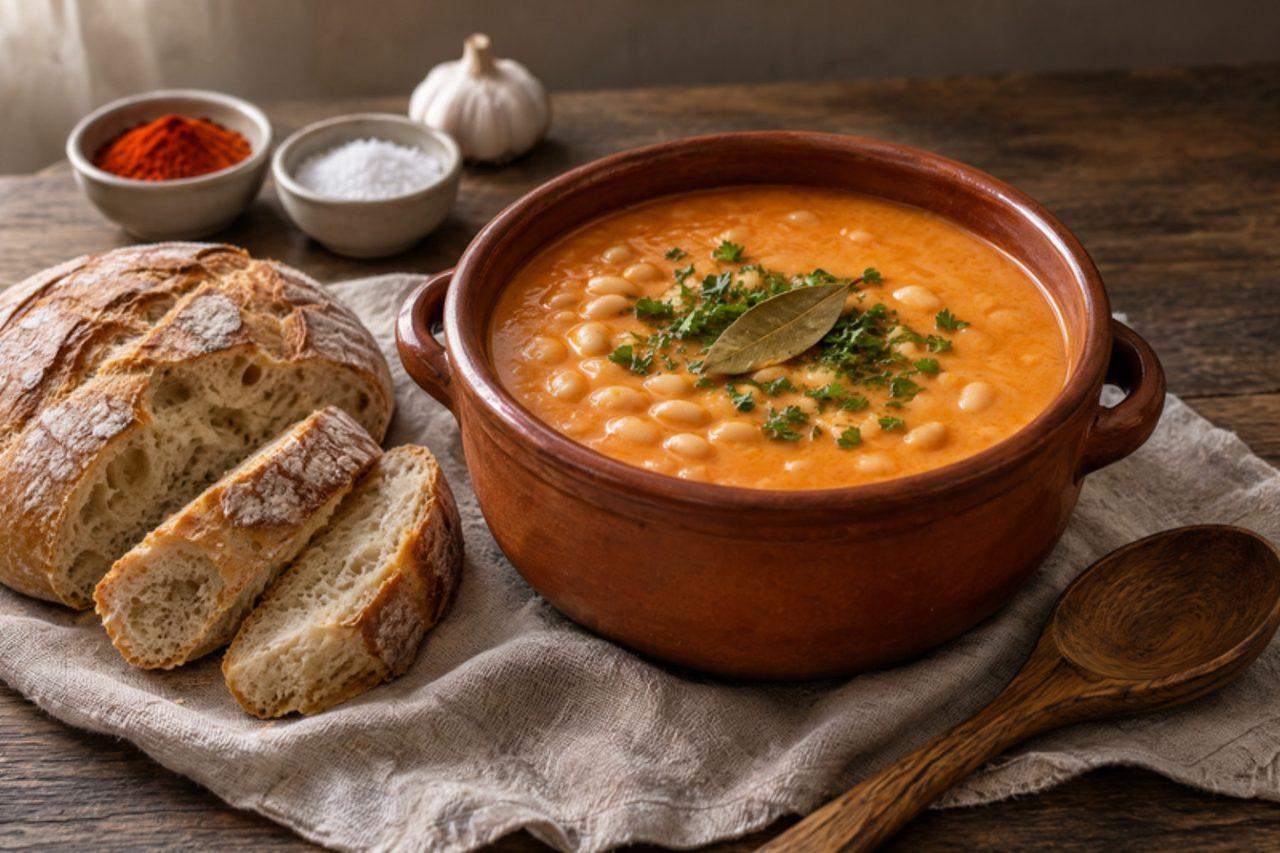
PasuljWhite bean soup

Pasulj is the beloved bean soup of Serbia, served in Belgrade's old taverns and in army and school canteens, and especially on Thursdays and cold weekends. Usually it is cooked with smoked pork ribs or bacon; this vegetarian version gets its smoky depth from smoked paprika instead, and it is the version cooked on Orthodox fasting days. White beans simmer slowly with onion, carrot, bay and paprika until creamy and thick enough to stand a spoon in. Eat it with bread and pickled peppers. Suitable as part of a balanced diet. About 310 kcal and 40 g carbohydrate per portion. The usual mistake is thickening with too much flour roux; mashing some beans gives the same body and keeps it gluten free. Pressure cooker option: 25 minutes at pressure. Chef's tip: change the water after the first boil, as Serbian cooks do, for a softer, gentler soup.

130 minBalkanSoupsVeganGluten free
by KrazyBadal 1 views

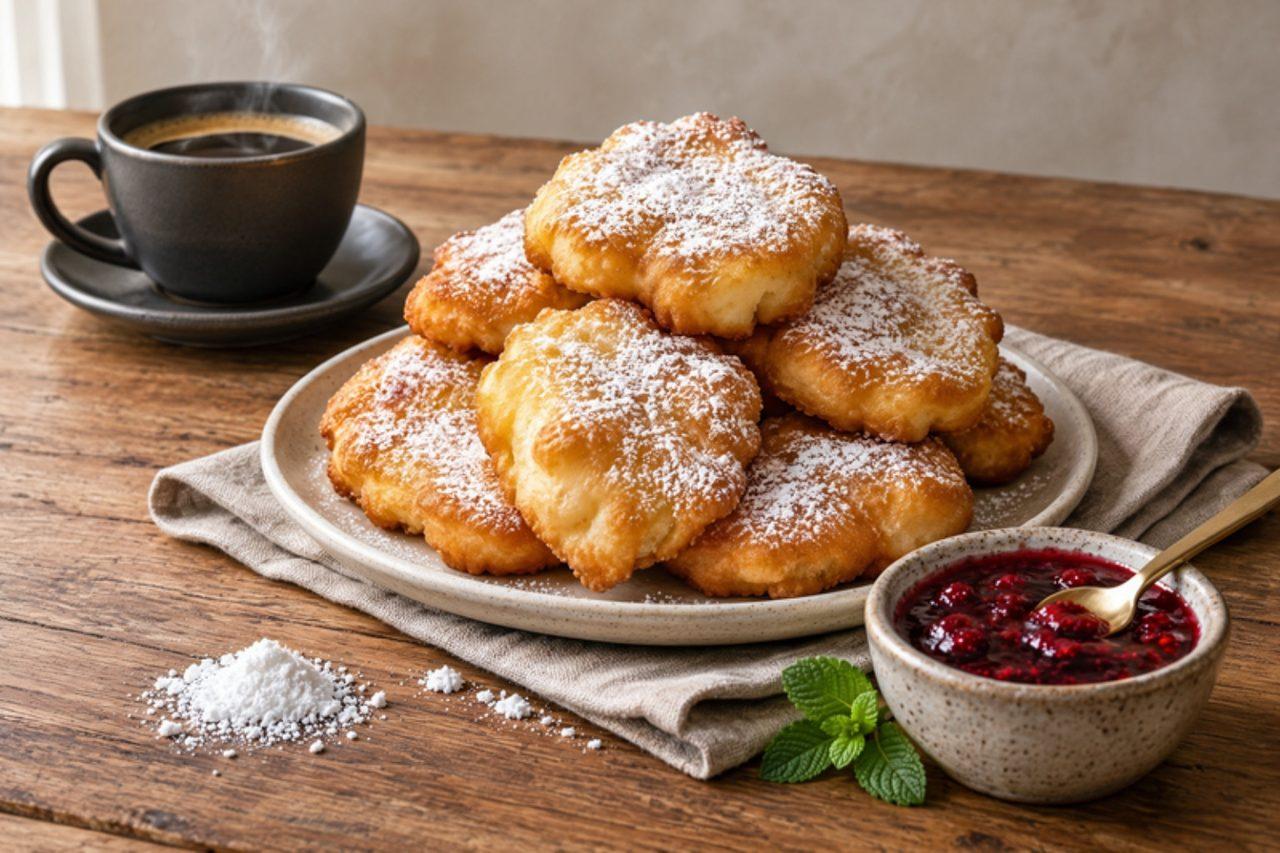
PetullaFried dough fritters

In Albania and Kosovo, petulla are fried on weekend mornings and for family celebrations: a very soft, wet yeast dough is pulled into rough rounds with oiled hands and dropped into hot oil, where it puffs into golden, airy fritters. They are eaten hot with feta-style cheese, jam, honey or a dusting of sugar, alongside tea or coffee. The common mistake is adding flour until the dough is firm and easy to handle; it should be almost too wet to hold, which is what makes petulla light and hollow. Chef's tip: keep a bowl of oil beside the pan and dip your fingers in it before each fritter, so the sticky dough slides off your hand and stretches thin.

by KrazyBadal 0 views

Sauce pistacheMelon seed stew with smoked fish

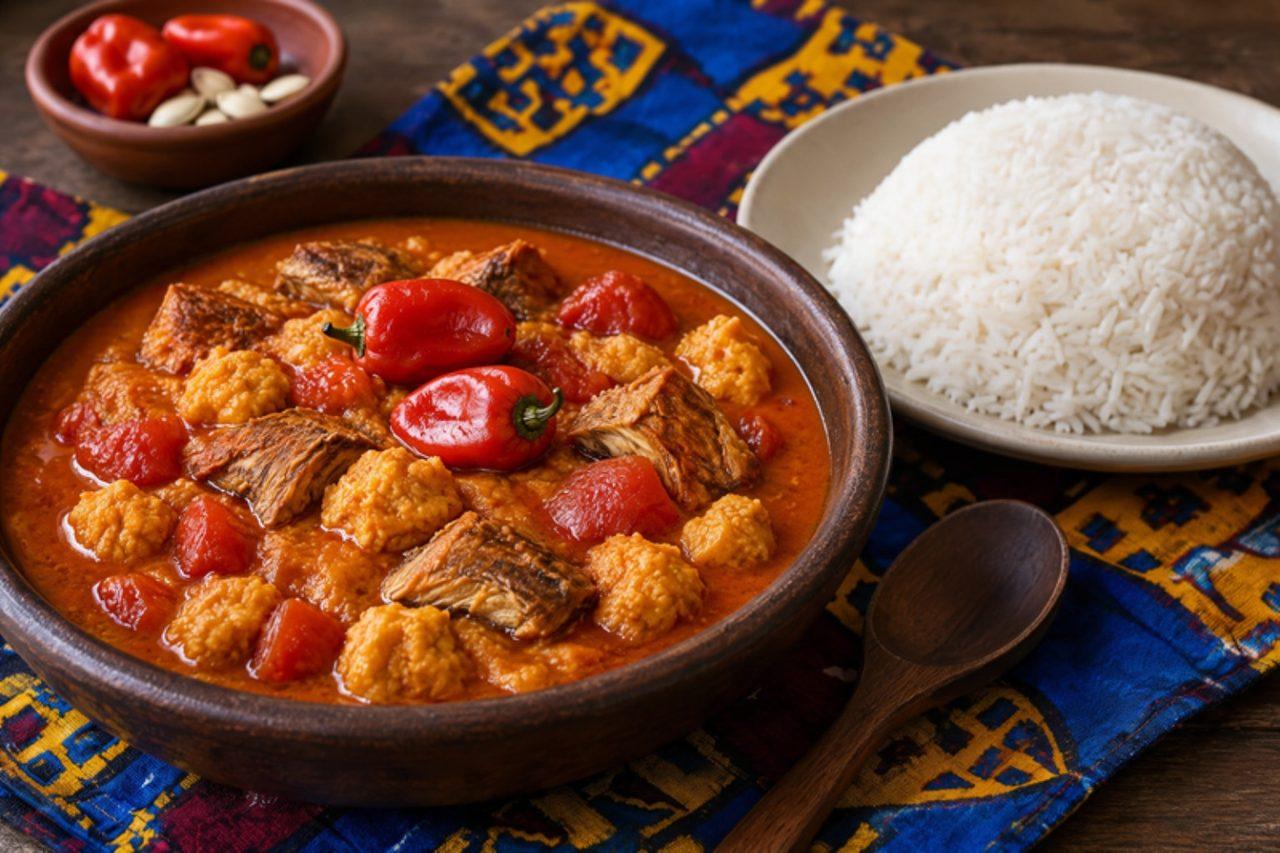
In Côte d'Ivoire, 'pistache' means the creamy white seeds of a wild melon (the same family as West African egusi), and sauce pistache is a beloved stew of the Baoulé and Abidjan home kitchens, served for Sunday lunch with foutou, rice or attiéké. The ground seeds are mixed with water into a paste, then simmered with smoked fish, beef or chicken, tomato and chilli until they set into soft, savoury curds in a rich orange sauce. The usual mistake is stirring as soon as the seed paste goes in, which breaks it into grainy specks; leave it alone for 10 minutes so it can form lumps. Fish is done when it flakes easily. Chef's tip: toast the seed flour very lightly in a dry pan before mixing, for a nuttier, deeper sauce.

by KrazyBadal 0 views

Showing 24 of 237 recipes

Show more recipes

Page 1 of 10