Skip to content
Recipes

All recipes

Vegetarian, or something you can't eat? Set your diet once and we'll hide recipes that don't fit.

Guinean tamarind juice

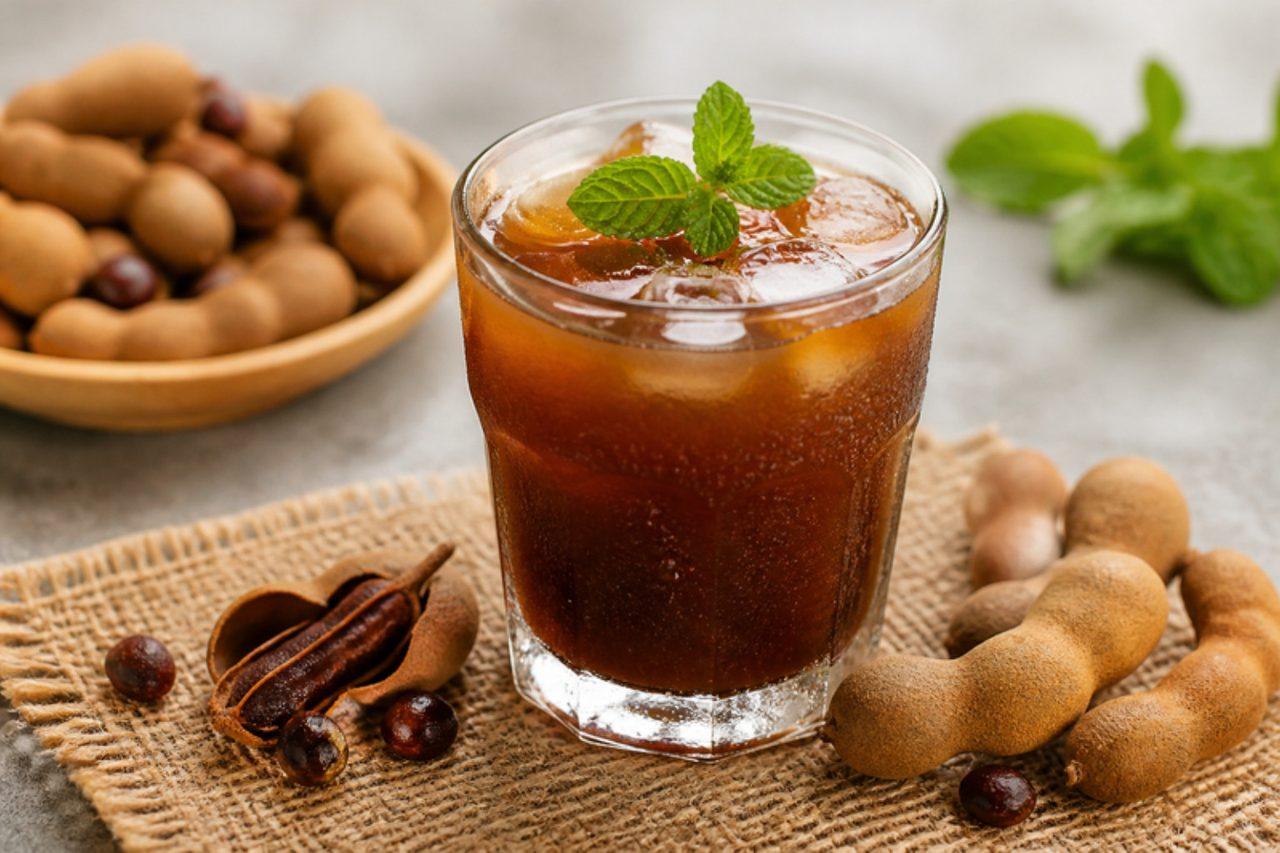
Tomi is the name for tamarind in Guinea, and in Conakry its juice is poured from plastic bottles kept on ice at markets, bus stops and family celebrations alongside bissap and ginger juice. The sticky brown pulp is soaked in hot water, kneaded and strained into a drink that is brown-gold, fruity and pleasantly sour, sweetened with sugar and lifted with a little ginger and vanilla. It is especially welcome at sunset during Ramadan. Chef's tip: soak the pulp in hot, not boiling, water and knead it well; boiling the tamarind is a common mistake that pulls out bitterness from the seeds and skins.

by KrazyBadal 0 views

Zoom-koom

Zoom-koom means flour water in Mooré, and in Ouagadougou it is the drink that breaks the fast at iftar during Ramadan and cools people down in the scorching weeks before the rains. Millet gives it body and a soft cereal sweetness, while fresh ginger brings heat and tamarind a sour edge; some sellers add lime or mint. It is cloudy, thick and refreshing, served very cold in small bags or glasses. Raw flour is not safe to drink as it is, so this version toasts the millet first, which also deepens its flavour. Chill for at least an hour before serving. Chef's tip: stir the jug every time you pour, as the millet settles quickly to the bottom.

by KrazyBadal 0 views

Superkanja (Gambian okra stew)

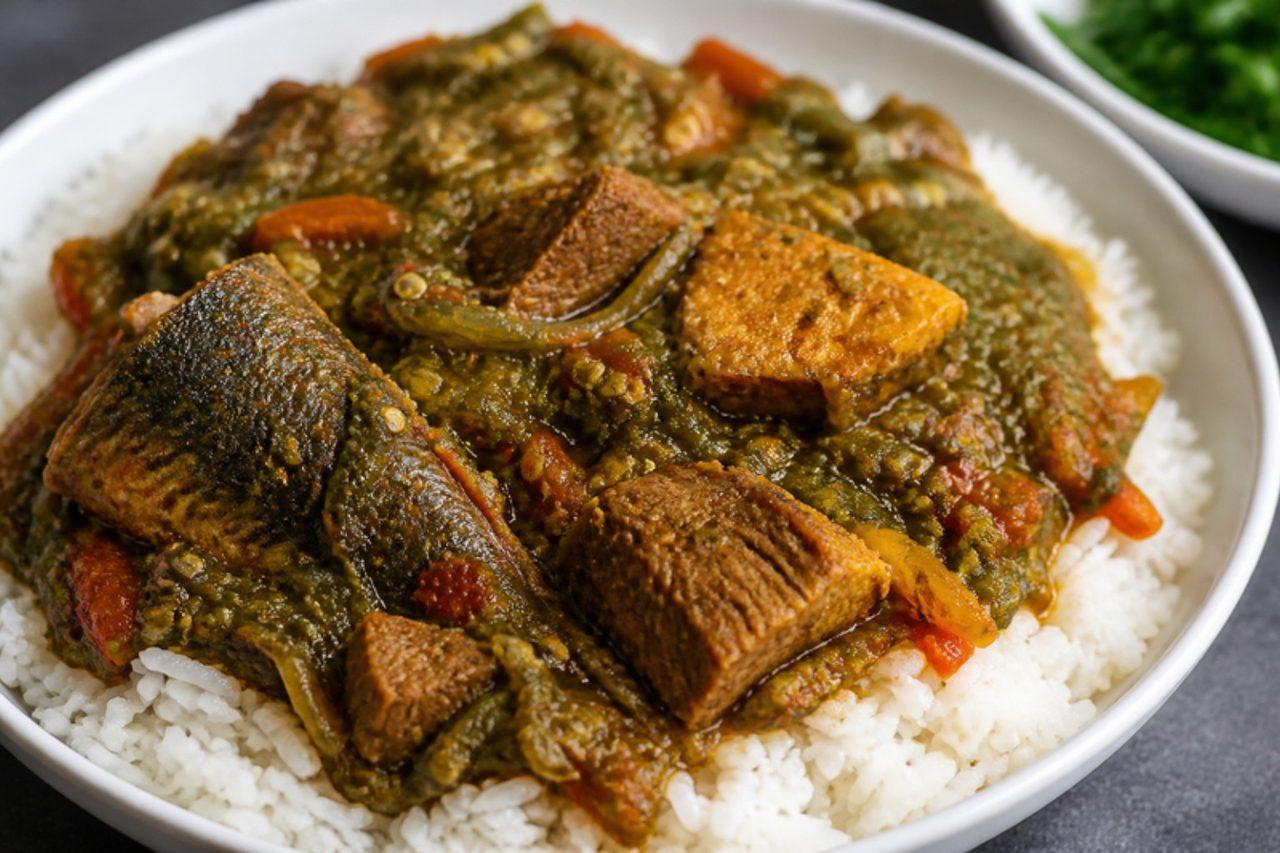
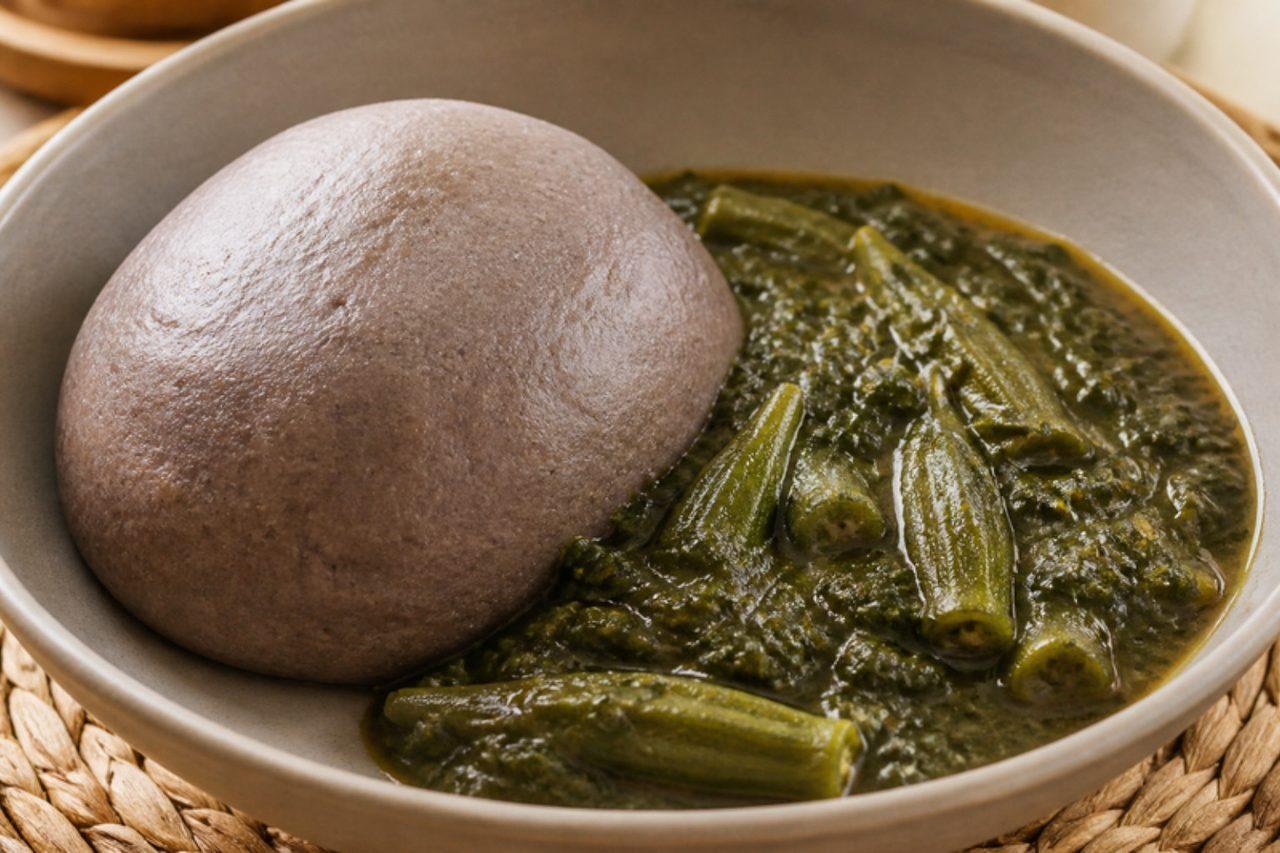
Superkanja is one of The Gambia's best-loved stews, cooked in compounds from Banjul to the river villages and always served with plain white rice. Okra is simmered and beaten into a thick, glossy stew with red palm oil, beef, fish and nététou, the pungent fermented locust beans that give West African cooking its deep savoury base. Smoked or dried fish adds smokiness, Scotch bonnets bring the heat, and the whole thing is slippery, rich and earthy. If you cannot find nététou, iru or dawadawa from African shops do the same job. Chef's tip: beat the okra vigorously with a wooden spoon for the last few minutes of cooking; that beating is what turns it into the smooth, cohesive kanja rather than a loose soup.

by KrazyBadal 0 views

Tapalapa (Gambian crusty bread)

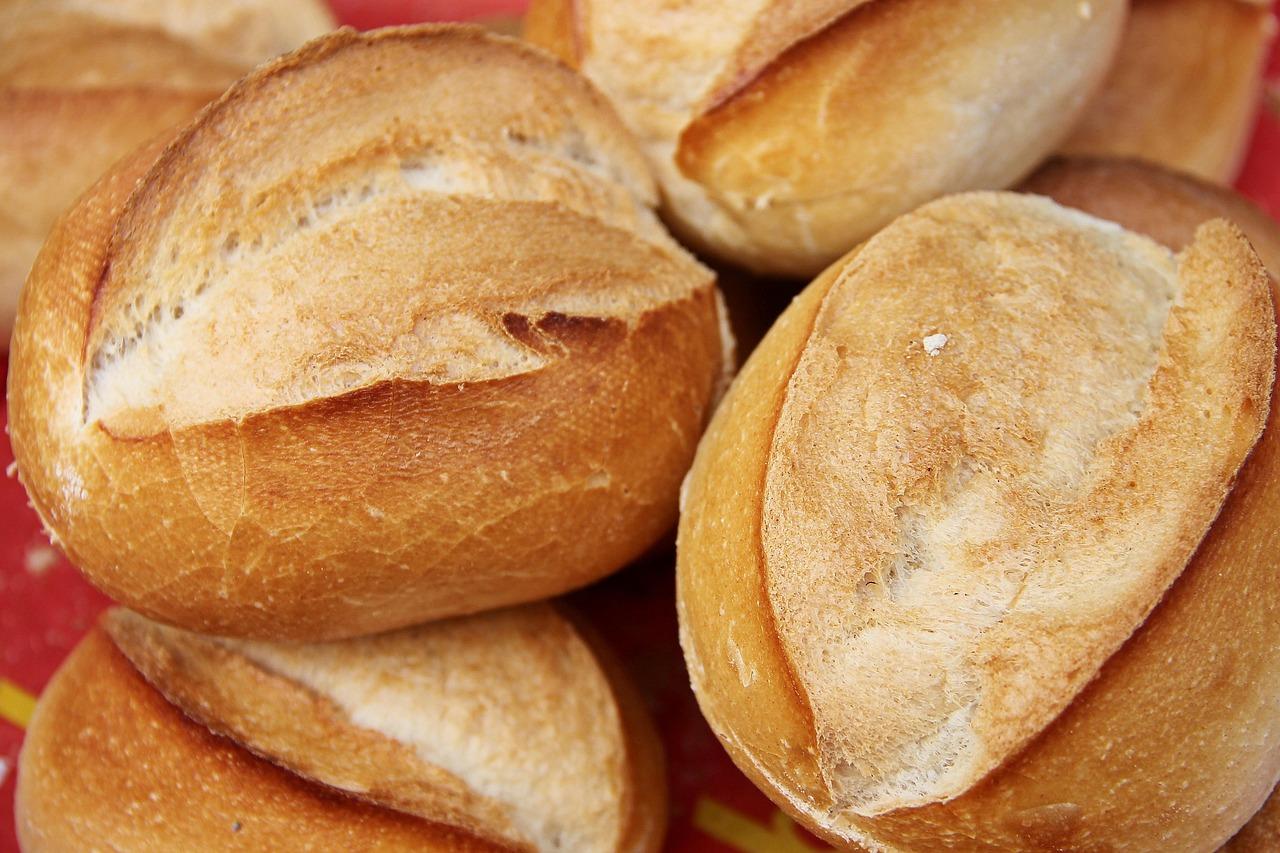
Early each morning, small bakeries around Serekunda and Brikama pull trays of tapalapa from wood-fired ovens, and the short, rustic loaves are on every breakfast stall by sunrise. Denser and chewier than a French baguette, tapalapa has a thick, crackling crust and a slightly tight crumb that holds up to fillings: black-eyed beans in sauce, an omelette, or a smear of chocolate spread. A very hot oven, a baking stone and a tray of steam get you close at home. Allow about two and a half hours of rising. Chef's tip: let the shaped loaves rise only until puffy, not doubled; over-proving is the common mistake, and the loaves flatten and lose the chewy bite.

by KrazyBadal 0 views

Amiwo

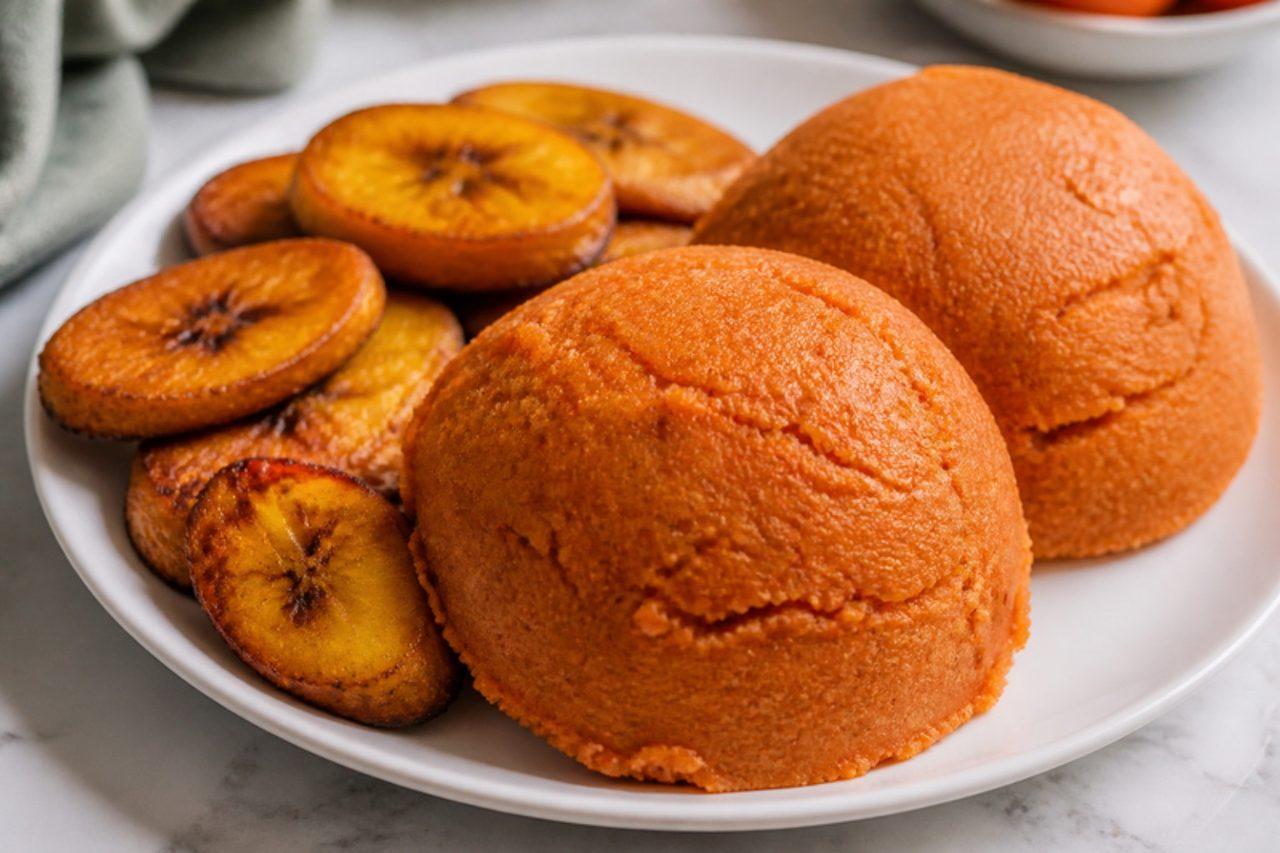
Fon cooks in southern Benin make amiwo for weddings, christenings and big Sunday tables, and you will find it at celebrations across the border in Lomé too. Maize meal is cooked straight into a well-fried tomato, onion and pepper base until it becomes a thick, brick-red paste that is savoury, slightly sweet and full of tomato. Most often it arrives with fried chicken; this meat-free version uses vegetable stock and comes with fried ripe plantain and an extra spoonful of tomato sauce. Chef's tip: hold back a ladle of the tomato base before adding the cornmeal and spoon it over each portion to serve.

by KrazyBadal 0 views

Babenda

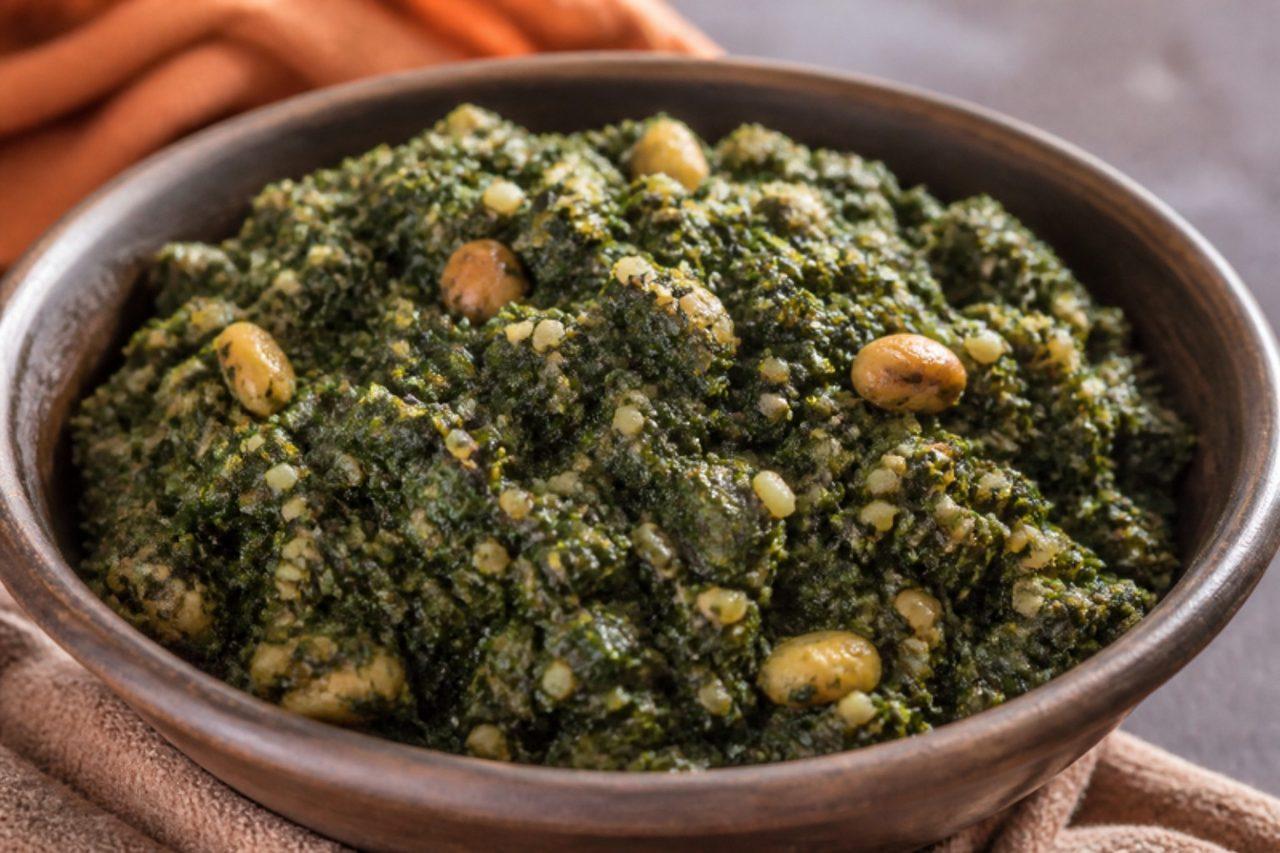
Mossi home cooks on the plateau around Ouagadougou make babenda from whatever leaves the season offers, chopping them and cooking them down with broken rice or millet until soft and porridge-like, then enriching the pot with roasted groundnuts and a spoonful of soumbala. That fermented néré seed paste is the soul of Burkina Faso's kitchens, adding a deep, savoury, slightly funky note, much as a stock would. Sour bissap leaves keep it lively and the peanuts make it creamy and filling. Dried fish often goes in; this version is meat-free and eaten warm from the bowl. Chef's tip: fry the soumbala briefly in hot oil with the onion; it mellows the strong smell and spreads the flavour through the pot.

by KrazyBadal 0 views

Escavèche

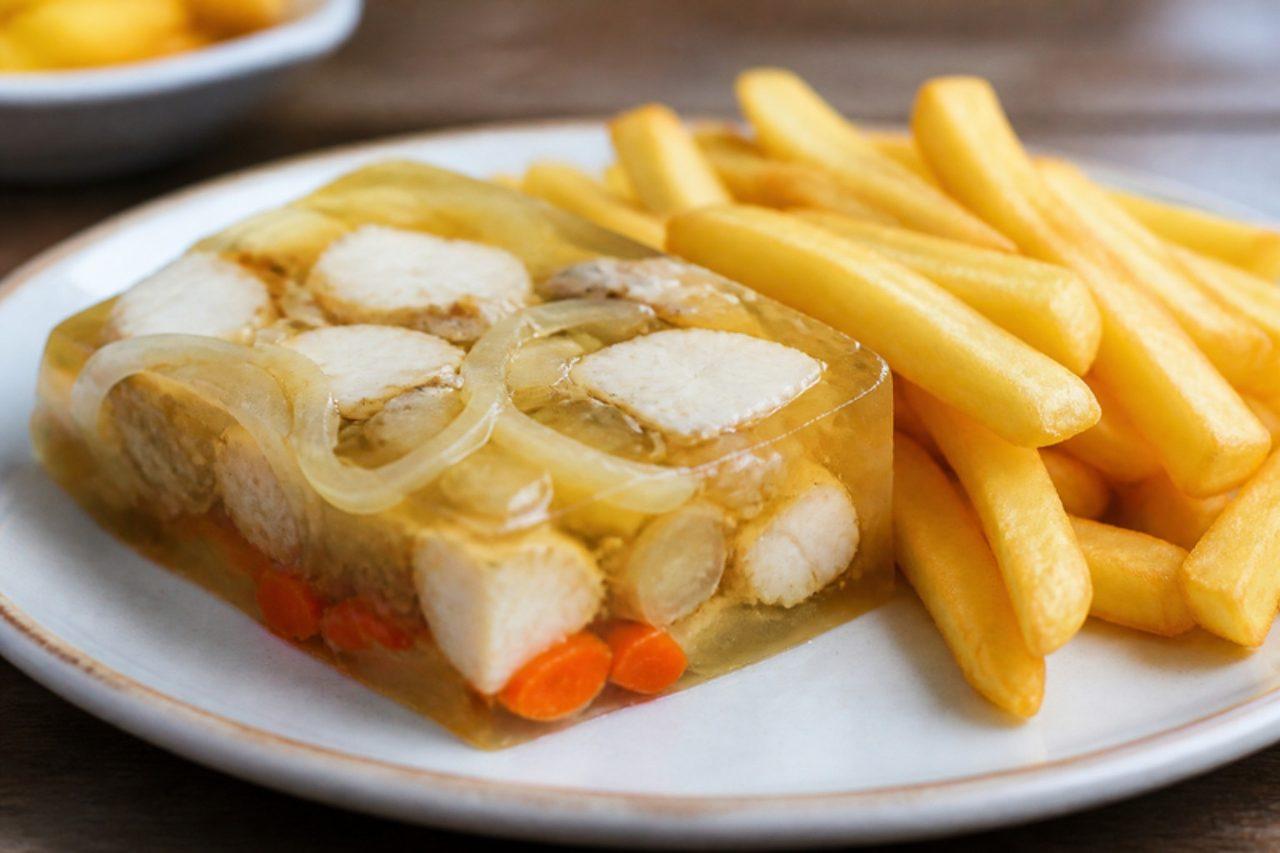
Escavèche is a speciality of the Chimay and Couvin area in southern Wallonia, a legacy of Spanish rule in the 16th century: fish fillets, traditionally eel or pike, fried and then covered with a hot marinade of vinegar, onion, thyme and bay that sets into a clear, tangy jelly as it cools. It is eaten cold, sliced, with crisp fries, in the brasseries of the Botte du Hainaut. A common mistake is not cooking the fish through before it goes into the marinade; cold marinade does not cook it. Chef's tip: let it set for at least 12 hours in the fridge; the vinegar mellows and the jelly firms. The fish should be opaque and flaking before marinating.

by KrazyBadal 0 views

Akpan

Street sellers in Cotonou and Porto-Novo keep akpan in cool boxes, ladled into cups or tied plastic bags as a mid-afternoon pick-me-up. The base is fermented maize starch cooked into a thick pap, then left to sour further until it tastes like a mild, slightly yeasty yoghurt; cold milk and sugar loosen it into a creamy drink you can sip or eat with a spoon. It is refreshing, tangy and filling, and many people treat it as a light meal on hot days. Budget a day for the second souring, though the hands-on time is under half an hour, and always use pasteurised milk and keep the finished drink in the fridge. Don't let the fermented base sit at room temperature for longer than stated; past that it sours too far. Chef's tip: sieve the slurry before cooking; any maize husk left in makes the drink gritty.

by KrazyBadal 0 views

Djouka (fonio with peanut sauce)

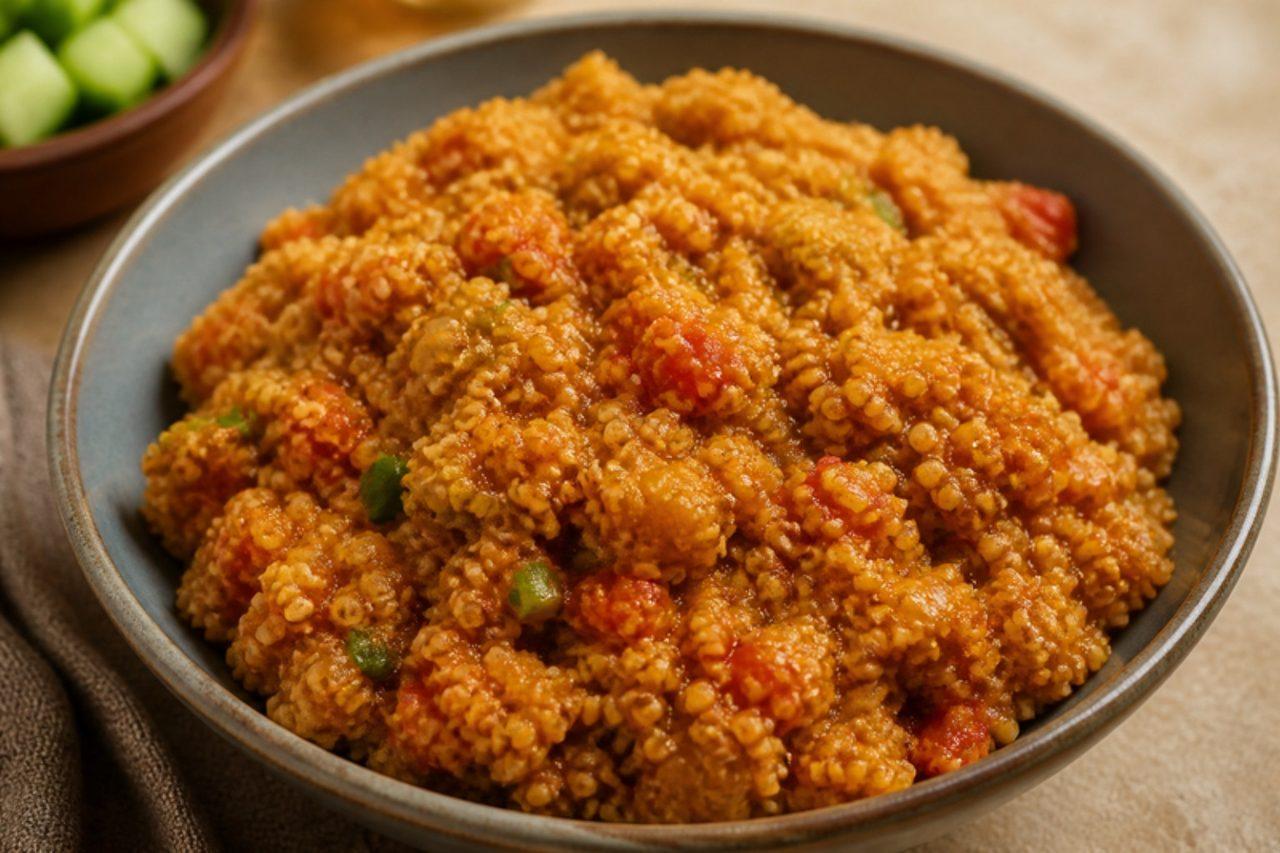
Fonio, the tiny ancient grain of the Sahel, cooks in minutes, and Fula (Peul) families in Mali turn it into djouka by steaming it fluffy and folding it into a thick, savoury peanut sauce with onion, tomato and chilli. Meat is often added for guests and festivals; this is the meat-free home version, rich enough to stand alone as a main dish. The grains stay light and separate, coated in a sauce that is nutty, gently sweet from slow-cooked onion and warm with pepper. Serve it with a fresh tomato and onion salad or a bowl of sour milk on the side if you are not keeping it vegan. The usual mistake is cooking fonio in too much water; it turns to paste. Steam it or use a small amount of water. Chef's tip: rinse fonio in several changes of water and let the grit settle each time, because unwashed fonio often carries fine sand.

by KrazyBadal 0 views

Nyambeh nyebbeh (cassava and beans in palm oil)

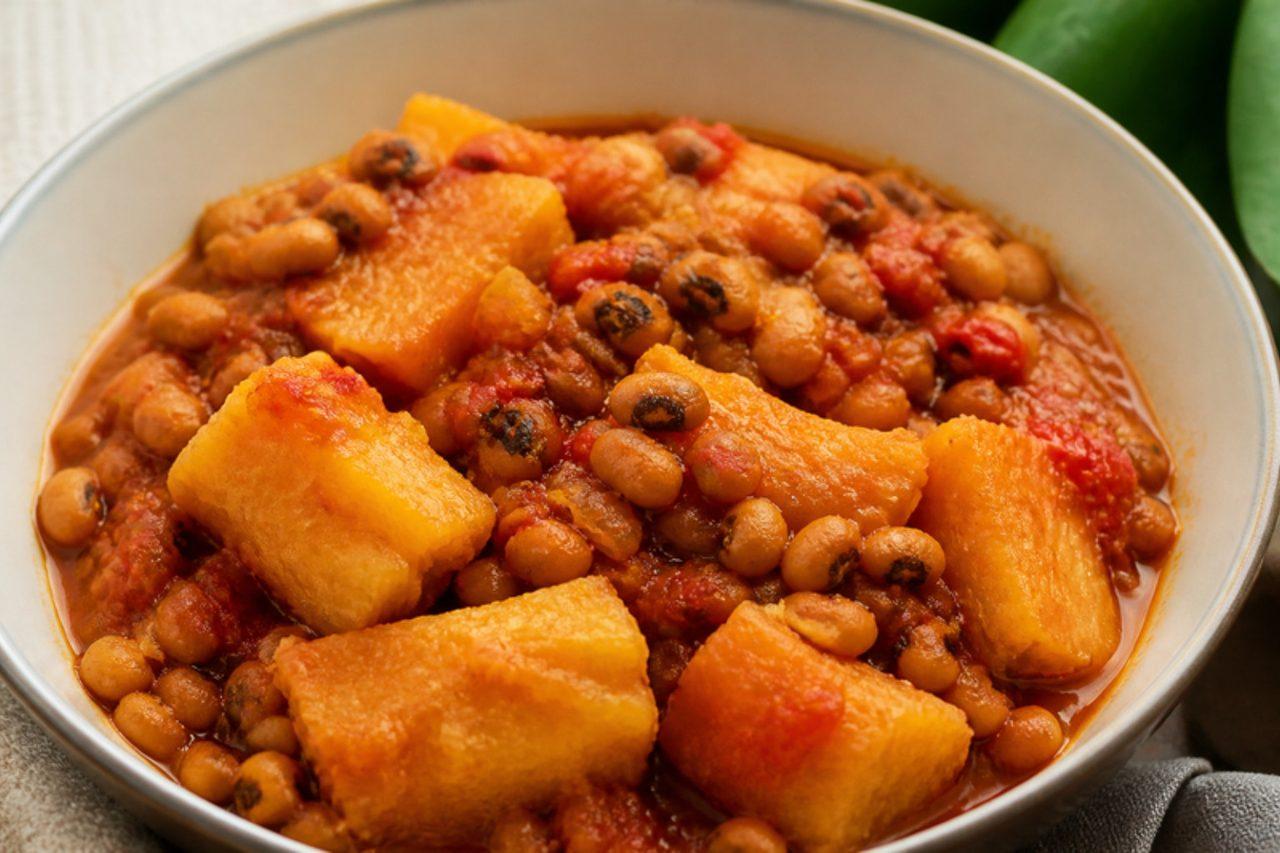
Bright with red palm oil, nyambeh nyebbeh, cassava (nyambeh) and beans (nyebbeh), is a favourite Gambian lunch from Banjul compounds to roadside food stalls. Chunks of cassava and black-eyed beans are boiled until tender, then dressed with a hot sauce of red palm oil, onion and Scotch bonnet. Cassava gives starchy, slightly sweet bites, the beans turn creamy, and the palm oil adds its earthy, peppery depth. Dried fish is often crumbled in; this is the meat-free version. Chef's tip: always cook cassava fully and pull out the woody core string, since undercooked or raw cassava is unsafe to eat; it is ready when a knife slides through with no resistance.

by KrazyBadal 0 views

Benni cake

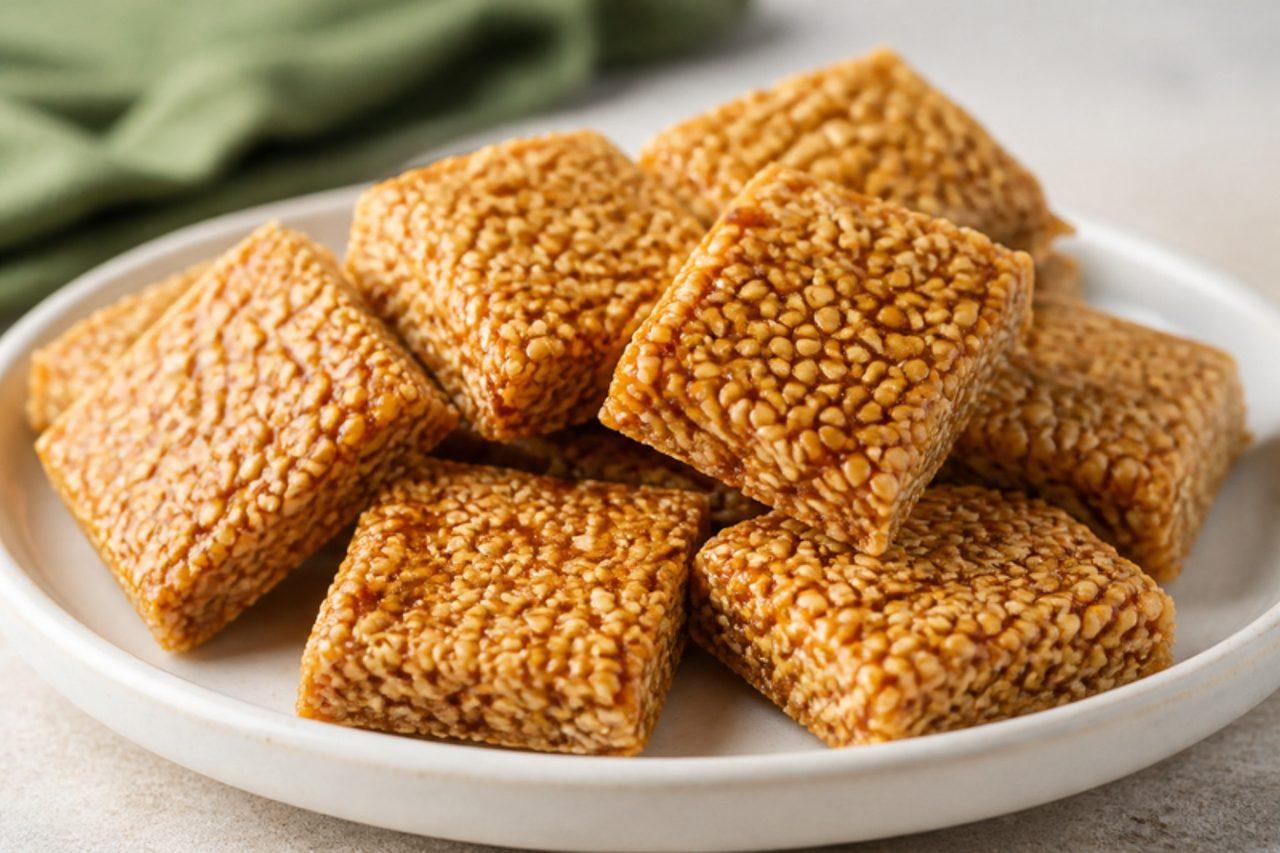
Benni is the Krio word for sesame, and benni cake is the crunchy sweet sold by hawkers on Freetown's streets and laid out on Christmas and party tables. Toasted seeds are stirred into hot golden caramel, pressed thin and cut into squares that snap cleanly and taste nutty, toasty and not too sweet. With only two main ingredients it comes together in twenty minutes, but caramel waits for nobody, so have everything ready before you start. Keep the pieces in an airtight jar, or humidity will make them sticky. Chef's tip: score the slab while it is still warm and pliable; once fully cold it shatters unevenly.

by KrazyBadal 0 views

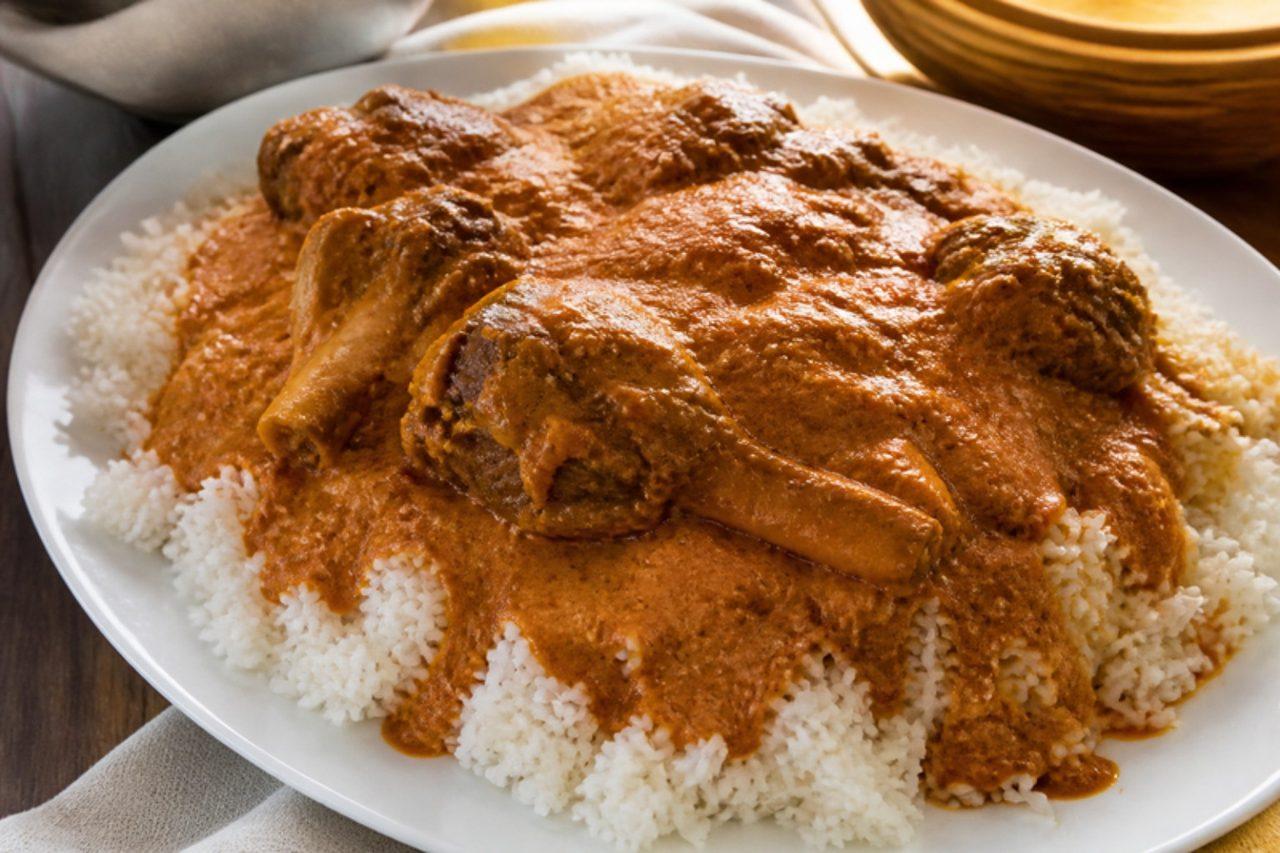
Lafidi (Guinean rice with lamb and peanut sauce)

High in the green hills of the Fouta Djallon in Guinea, Fula (Peul) families prepare lafidi for feast days and for guests: a mound of white rice topped with tender lamb and a generous peanut sauce, served on a shared platter. Some households make it with a leaf sauce of cassava or sweet potato leaves instead; this version uses the peanut sauce, which is smooth, nutty and lightly tangy from tomato, with a steady warmth of chilli. The lamb is simmered slowly in the sauce, so it is soft enough to pull apart with your fingers. Chef's tip: simmer the peanut sauce uncovered and stir it from the bottom often; peanut sauces catch and burn easily, and a scorched taste runs through the whole pot.

100 minAfricanMeatGluten free
by KrazyBadal 0 views

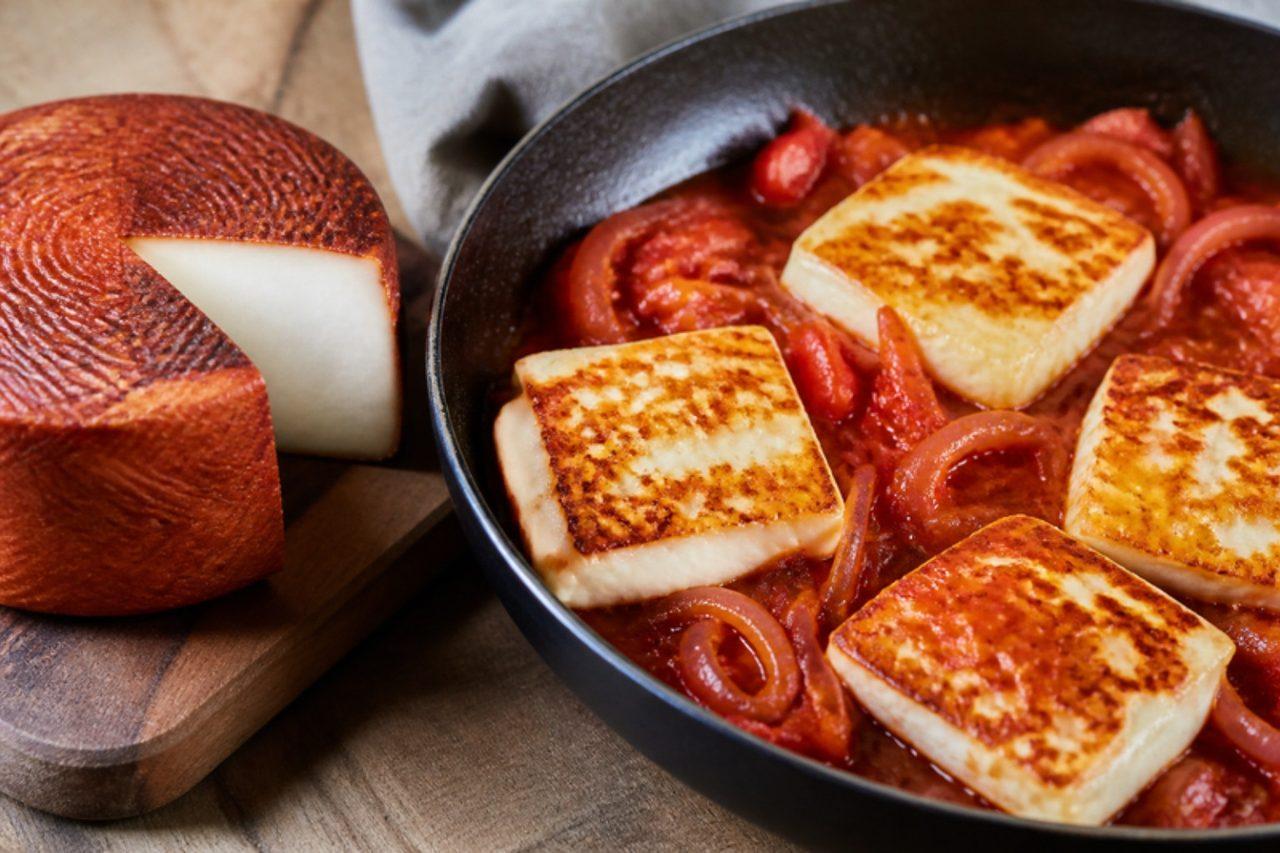
Wagasi in tomato sauce

In the Borgou and Alibori country of northern Benin, Fulani women carry wagasi to market in basins: small, springy rounds of fresh cheese, often with a red rind coloured by sorghum leaves. Sliced, fried golden and simmered in tomato and pepper sauce, it is sold across Benin and eaten with rice, akassa or bread. Herders traditionally set the milk with sap from the Calotropis shrub; that sap is toxic, so never use it at home. This version sets pasteurised whole milk with vegetarian rennet, giving the same mild, squeaky, slightly chewy cheese; bought wagasi, or paneer as a vegetarian stand-in, lets you skip straight to the frying. Chef's tip: let the slices sit undisturbed in the hot oil until a crust forms; moved too soon, fresh cheese sticks and tears.

by KrazyBadal 0 views

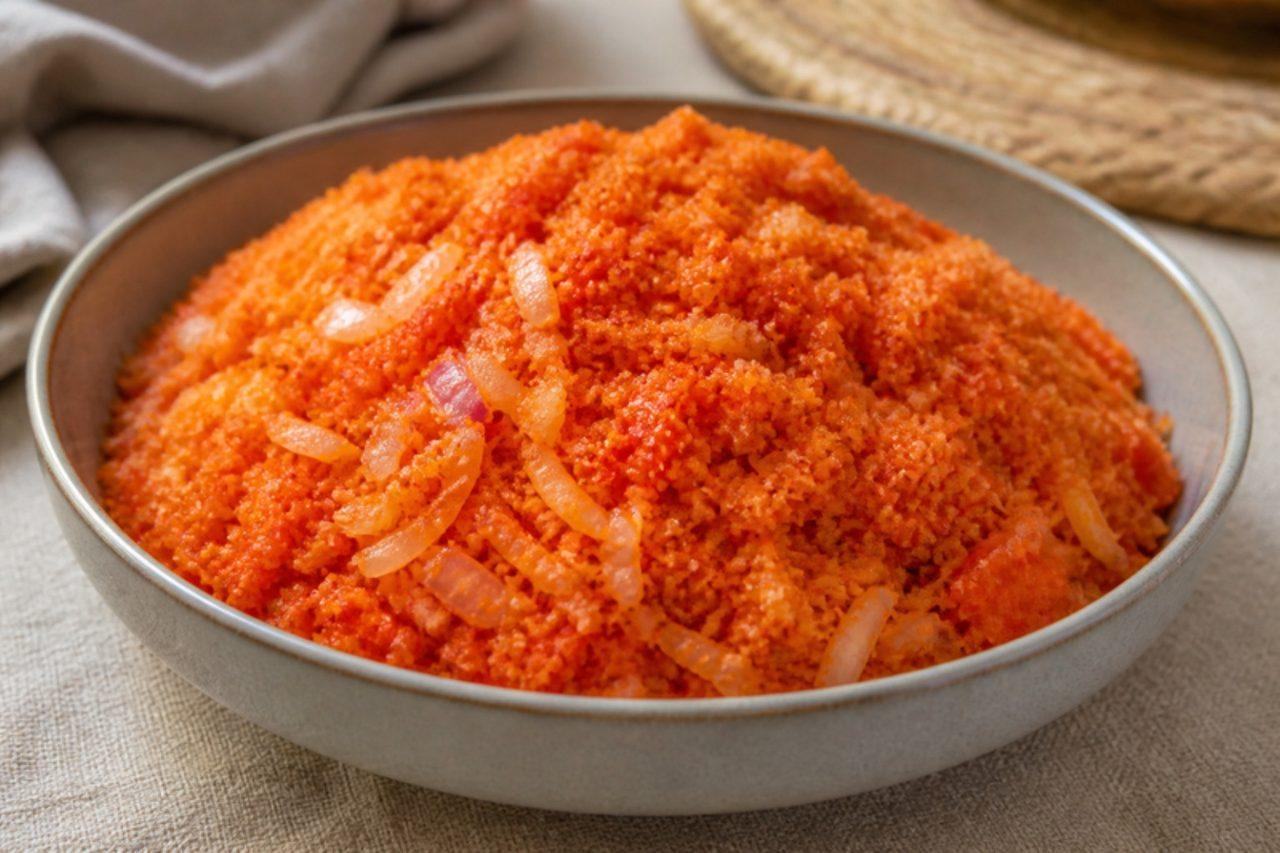
Pinon

On a busy weeknight in Cotonou or Porto-Novo, pinon (also spelled piron) is the answer: gari, the toasted cassava granules every Beninese kitchen keeps on hand, stirred into a hot tomato and onion sauce until it swells into a soft, fluffy, orange mound. Ready in about twenty minutes, it is savoury and tangy from the fermented cassava, with a kick of pepper. People eat it with fried fish or grilled chicken; this meat-free plate pairs it with a pot of beans in red oil or fried plantain. Chef's tip: lower the heat before adding the gari and sprinkle it in gradually, stirring all the time, so every grain absorbs the sauce evenly.

by KrazyBadal 0 views

Kletskoppen

Kletskoppen are the lacy, crackly biscuits of Bruges, sold in the old city's bakeries and served with coffee in the cafés around the Markt: brown sugar, butter and chopped almonds with very little flour (this version uses none), baked until they spread into thin, see-through, toffee-flavoured lace. A common mistake is putting them too close on the tray; they spread enormously and join up. Chef's tip: let them cool for a minute on the tray before lifting, and drape them over a rolling pin while still warm if you want curved tuiles.

by KrazyBadal 0 views

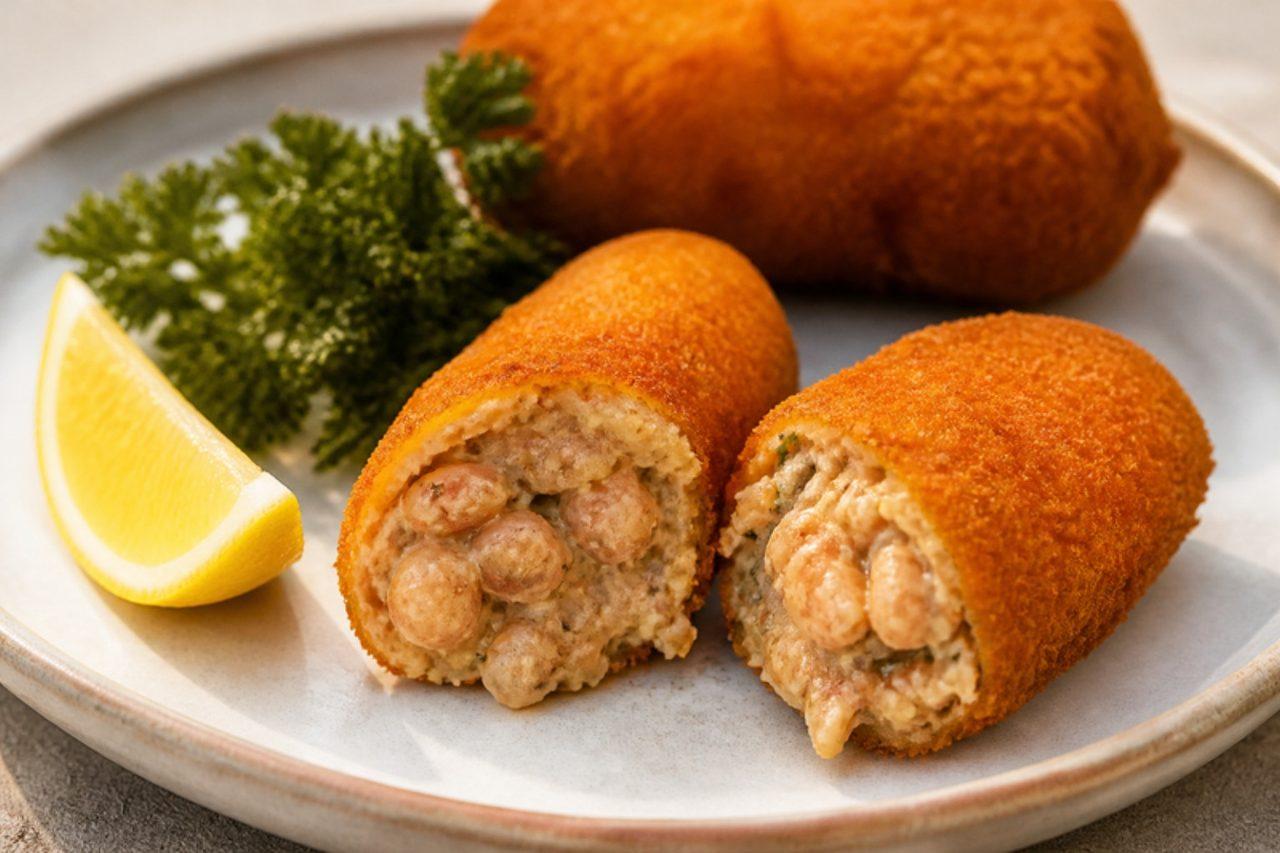
Garnaalkroketten

Along the Flemish coast, from De Panne to Knokke, the North Sea grey shrimp is king, and garnaalkroketten are the dish every seaside restaurant is judged by: a molten, creamy shrimp-flavoured béchamel packed with little brown shrimps, set firm, crumbed and fried until golden, served with fried parsley and lemon. In Oostduinkerke, shrimp fishers on horseback still drag their nets through the shallows. A common mistake is a béchamel that isn't thick enough, so the croquettes burst in the oil. Chef's tip: make a strong shrimp stock from the shells, if you have them, for the béchamel, and chill the mix overnight so it is firm to shape. The shrimp are already cooked; fry until golden and hot through.

by KrazyBadal 0 views

Sweet potato pone

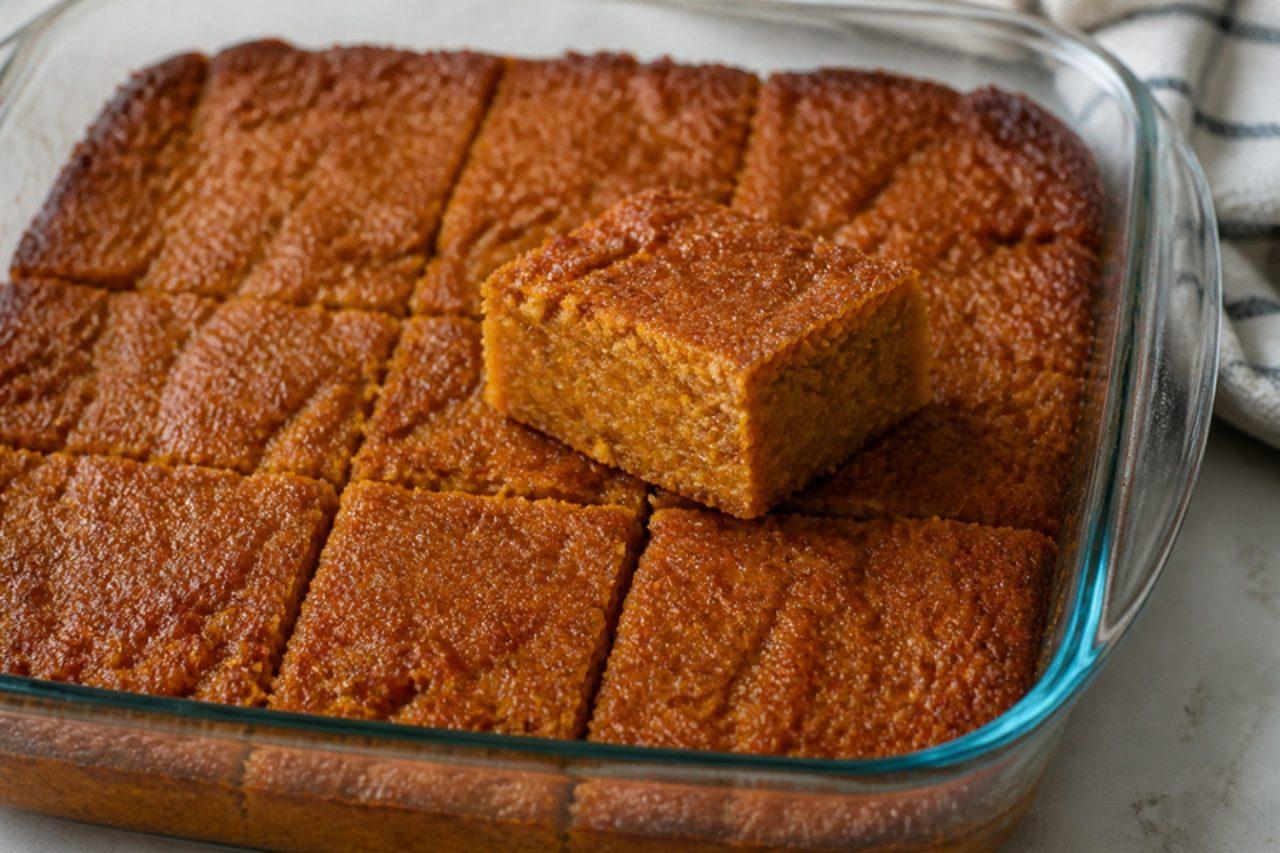
Potato pone came to Liberia with the settlers who arrived from the American South in the nineteenth century, and it is still baked in Monrovia and along the coast for holidays, church gatherings and Sunday dinner. Raw sweet potato is grated finely, mixed with sugar, butter, eggs, milk and plenty of ginger and nutmeg, then baked slowly until it sets into a dense, sliceable pudding with dark, chewy, caramelised edges. It is sweet, spicy and moist, lovely warm or cold the next day. Chef's tip: bake until the edges pull away and turn almost toffee-dark; those crisp corners are the part everyone fights over.

by KrazyBadal 0 views

Monyo

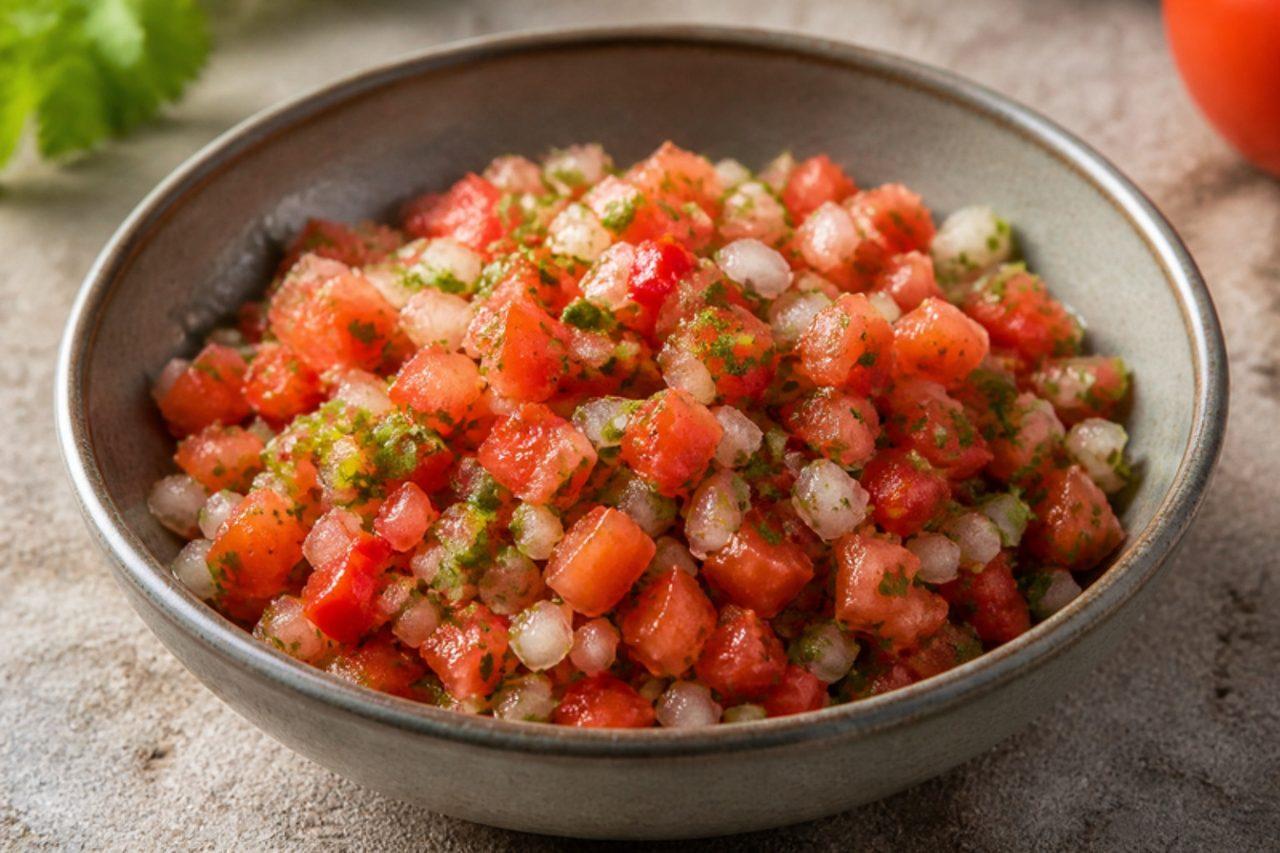
Grilled fish stalls along the beach road in Lomé and the lagoon in Cotonou always set down a bowl of monyo, a raw relish of finely diced tomato, onion and hot pepper sharpened with vinegar. It is bright, crunchy and fiery, cutting through anything fried or grilled: fish, chicken, yam chips, ablo or akassa. No cooking is involved, so it takes ten minutes and is best eaten soon after mixing, while the vegetables are still crisp. Chef's tip: dice everything very small and evenly, about the size of a lentil, so every spoonful carries tomato, onion and chilli together.

by KrazyBadal 0 views

Chura gerte (Gambian rice and peanut porridge)

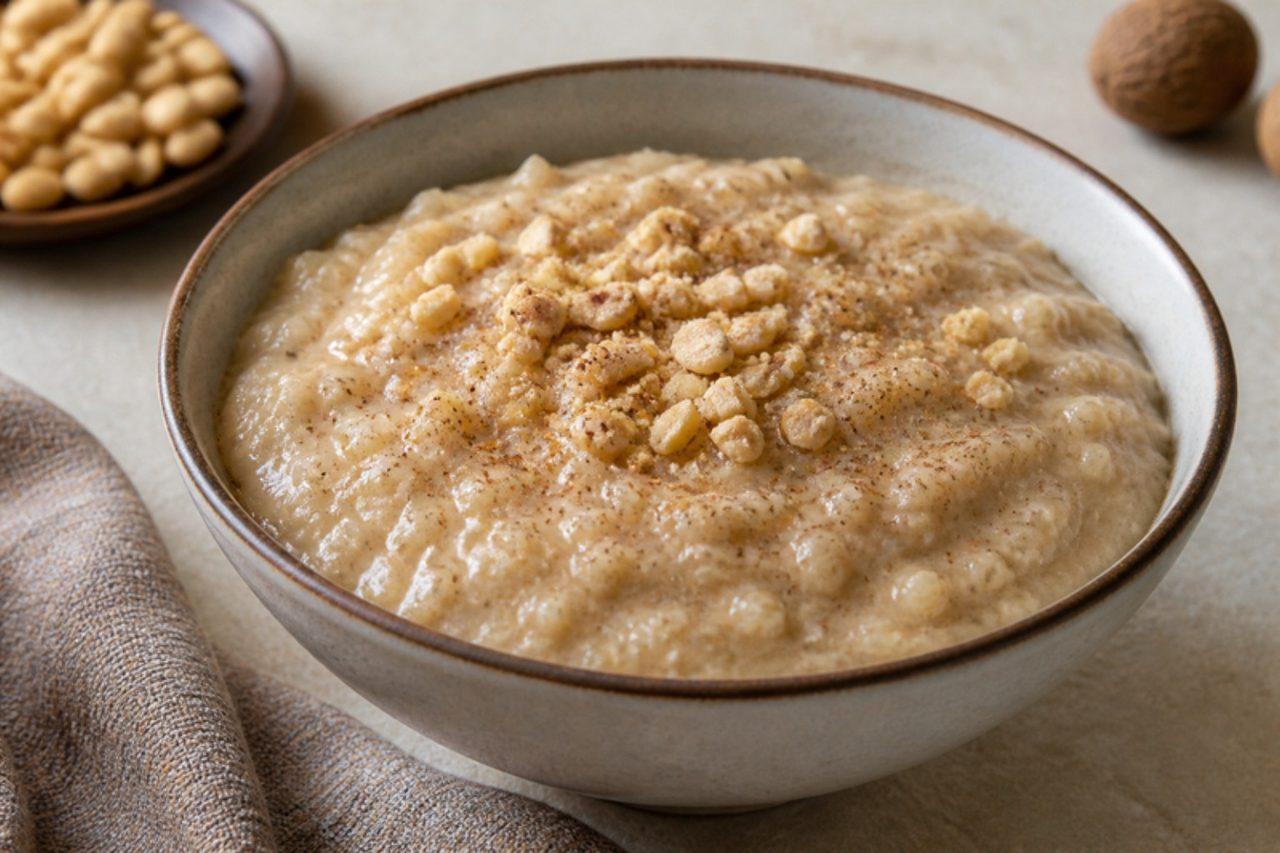
Groundnuts are The Gambia's great crop, and chura gerte, rice porridge cooked with ground roasted peanuts, is how many families in Banjul and Serekunda start the day. Broken rice is simmered until soft and creamy, then the peanut paste goes in with sugar, a pinch of salt and sometimes vanilla or nutmeg. It is thick, comforting and nutty, a bowl that keeps children going until lunch. Some households pour sour milk over the top; leave it out, as here, and the porridge is vegan. Avoid adding the peanut paste in one lump; whisk it in loosened with hot liquid or it clumps. Chef's tip: stir the peanut paste into the rice only once the grains are completely soft, because rice cooked in peanut from the start catches on the base and stays chalky.

by KrazyBadal 0 views

Malian tô (millet swallow)

Across Mali, from Bamako courtyards to villages along the Niger, the evening meal very often means tô: a firm, smooth paste of millet or sorghum flour, beaten in a pot over the fire until it holds its shape. It is the plain, filling partner to slippery sauces of okra or baobab leaf (lalo), torn off with the right hand and dipped. Tô has a mild, slightly sour grain taste and a texture like firm polenta. A little tamarind water or lime helps it set and keeps it from tasting flat. Chef's tip: add the flour to the porridge in several small batches and beat hard after each one; dumping it all in at once is the classic mistake, and it leaves dry lumps that never smooth out.

by KrazyBadal 0 views

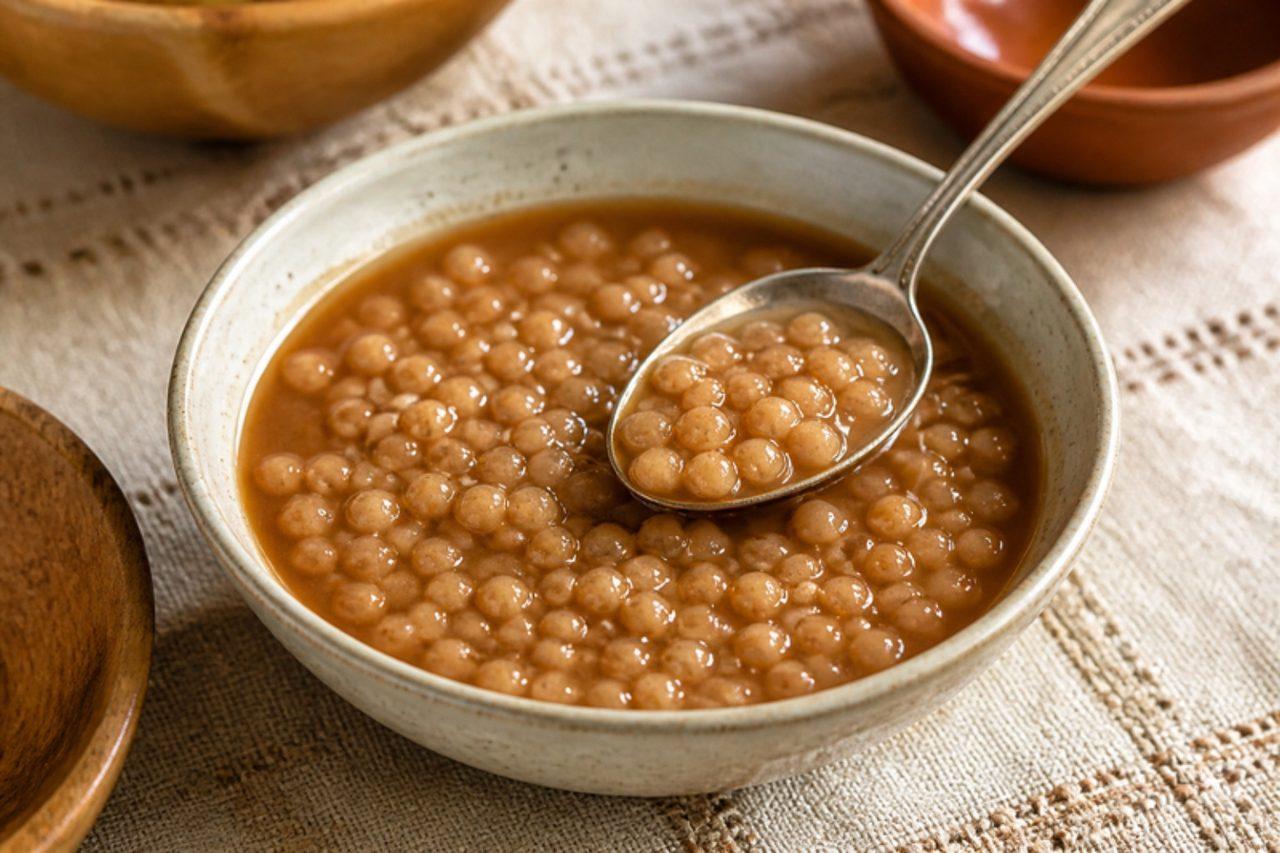
Moni (millet dumpling porridge with tamarind)

Bamako mornings, and especially Ramadan mornings before dawn, often start with a bowl of moni: tiny balls of millet flour rolled by hand and cooked in water until they turn plump and chewy in a smooth porridge. Tamarind gives it a clear sourness, sugar balances it, and some cooks add a squeeze of lemon or a little fresh ginger. It is thinner than tô and meant to be drunk from the bowl or eaten with a spoon. This version is vegan; some families stir in milk or soured milk at the table. Don't drop the dumplings into water that isn't boiling, or they dissolve into the porridge. Chef's tip: roll the balls small, no bigger than a chickpea, and let them dry on the tray for ten minutes before cooking so they hold together instead of dissolving.

by KrazyBadal 0 views

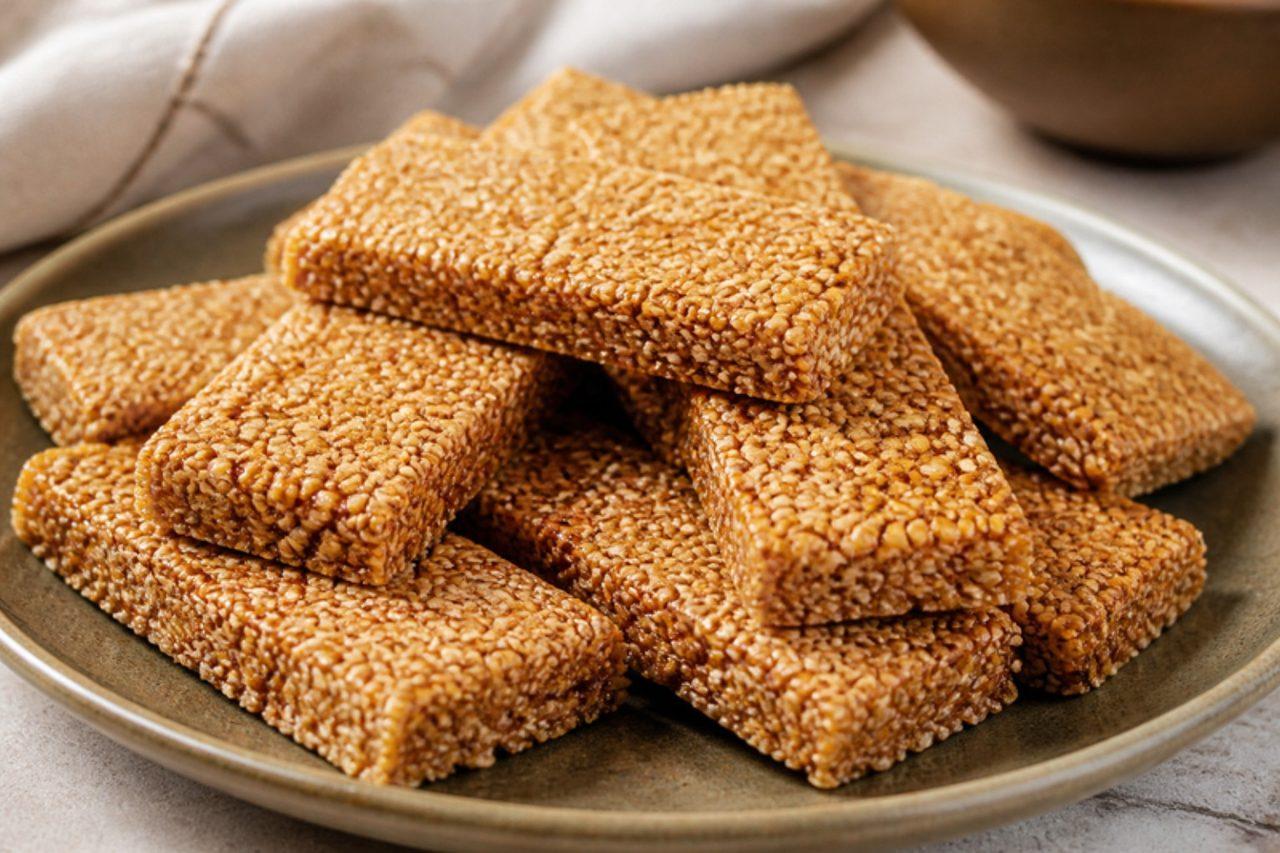
Meni-meniyong (Malian sesame honey sticks)

Toasted sesame seeds bound with hot honey and a knob of butter, then pulled into sticks before they harden: meni-meniyong is a little Malian sweet sold at markets and made at home for guests and festive days. The sticks are crisp at the edges, chewy in the middle, and taste deeply of toasted seeds and dark honey. They need only three ingredients but reward careful heat. Children love them, and they keep well in a tin. Chef's tip: cook the honey until a drop in cold water forms a firm ball; pulling it off too early is the usual mistake, and the sticks stay soft and sticky instead of setting.

by KrazyBadal 0 views

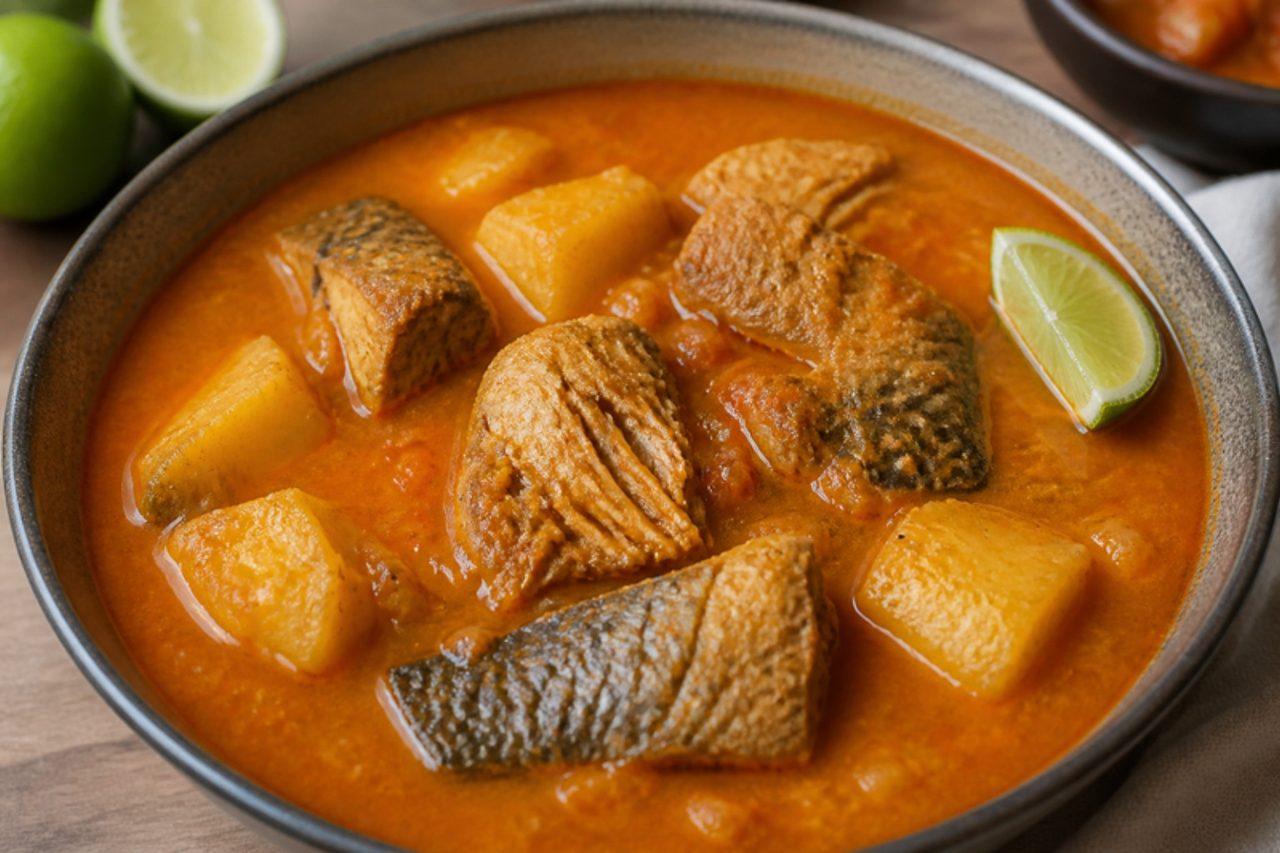
Ebbeh (Gambian cassava and fish soup)

Bowls of ebbeh are a favourite late-afternoon snack and supper at Gambian markets and beach stalls, sold steaming from big pots. Cassava is boiled until it breaks down and thickens the broth, then fish, red palm oil, onion and plenty of chilli go in, and the soup is finished with a sharp squeeze of lime. It is thick and starchy, hot, sour and savoury all at once, with soft chunks of cassava and flaky fish. Some cooks add crab or a little smoked fish; this version uses fresh fish with smoked fish for depth. Avoid stirring hard once the fish goes in, or it breaks into shreds. Chef's tip: cook the cassava until some of it collapses before adding the fish, because the cassava itself is the thickener; undercooked cassava gives a thin soup and is unsafe to eat.

by KrazyBadal 0 views

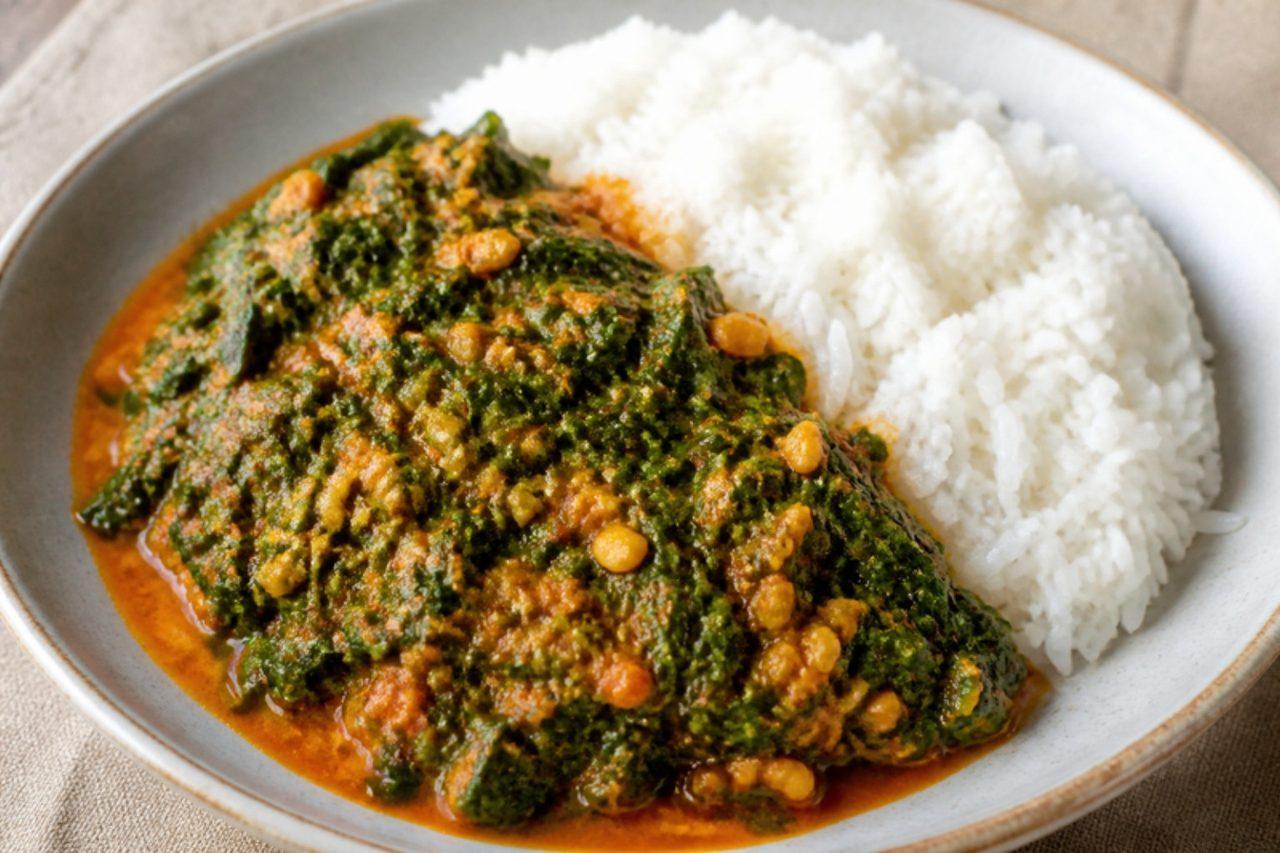
Potato leaf stew with groundnut

Freetown's Sunday pots and the cookshops of Lumley and Kissy turn out potato leaf almost as often as cassava leaf: tender sweet potato greens shredded finely, then simmered in red palm oil with onion and Scotch bonnet until the oil floats to the top. It is usually rich with fish or beef; this meat-free pot leans on a good spoonful of groundnut paste instead, which makes the sauce creamy and nutty and gives it real body. Spoon it over a mound of white rice, the way it is eaten all over Sierra Leone. Chef's tip: wait until the palm oil gathers in a red layer on the surface before you take the pot off the heat; that is the sign the stew is properly cooked.

by KrazyBadal 0 views

Showing 24 of 249 recipes

Show more recipes

Page 1 of 11