Skip to content
WhatToEat.Today

All recipes

757

Vegetarian, or something you can't eat? Set your diet once and we'll hide recipes that don't fit.

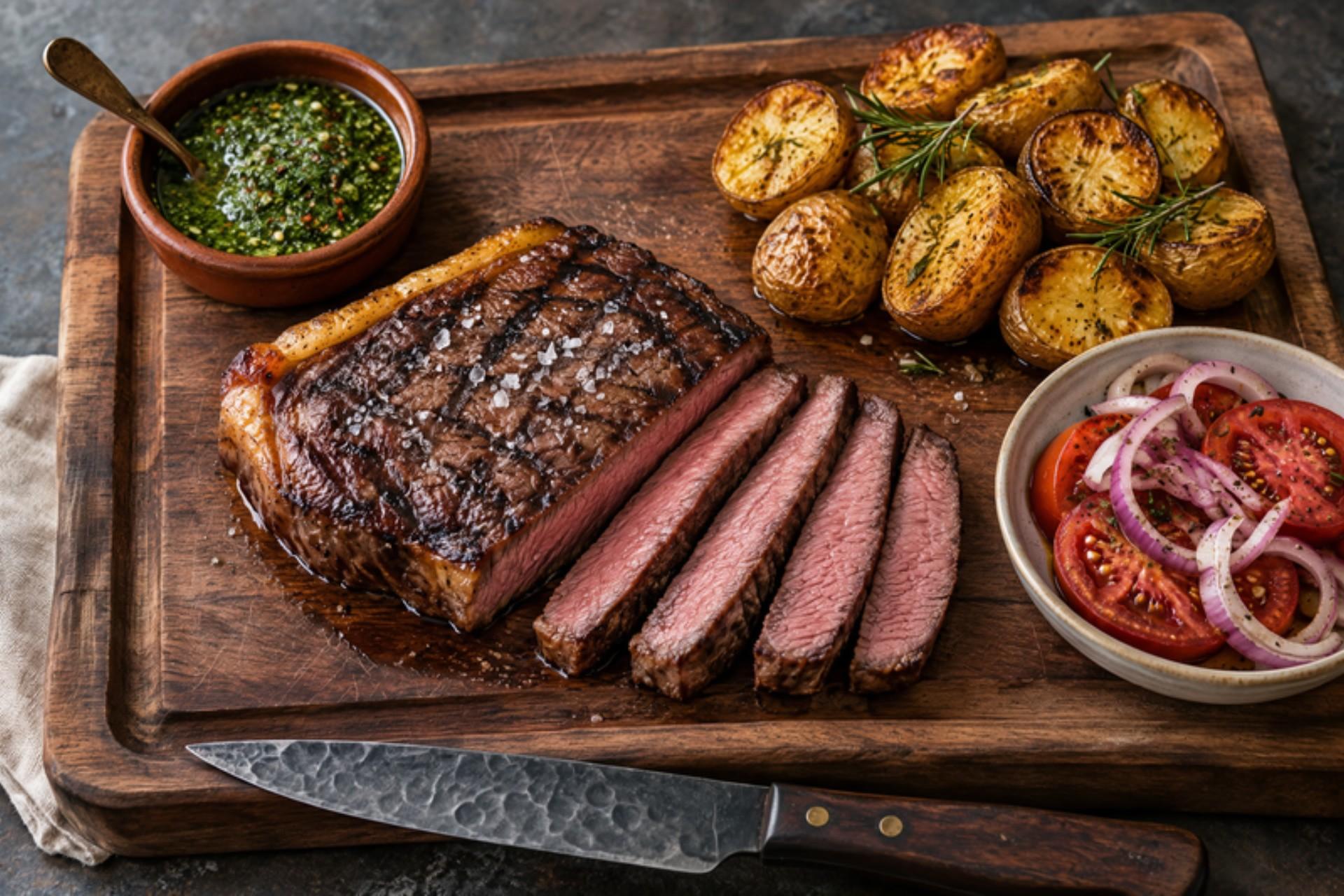
Bife de chorizoGrilled sirloin steak with chimichurri

Bife de chorizo, despite the name, has nothing to do with sausage: it is the thick sirloin (strip loin) steak that every parrilla in Buenos Aires grills, from the steakhouses of Palermo to the roadside grills of the pampas, and it is the Saturday-night order for anyone who wants beef and nothing else. It is cut at least 3 cm thick, seasoned only with coarse salt and grilled over hot embers, then served with chimichurri and a simple tomato and onion salad. The common mistake is cooking it straight from the fridge and turning it constantly; it greys outside and stays raw in the middle. Bring it to room temperature for 30 minutes and turn it only once. Chef's tip: salt the steak with coarse salt only just before it goes on the grill, and cut into it only after a 5-minute rest.

by KrazyBadal 0 views

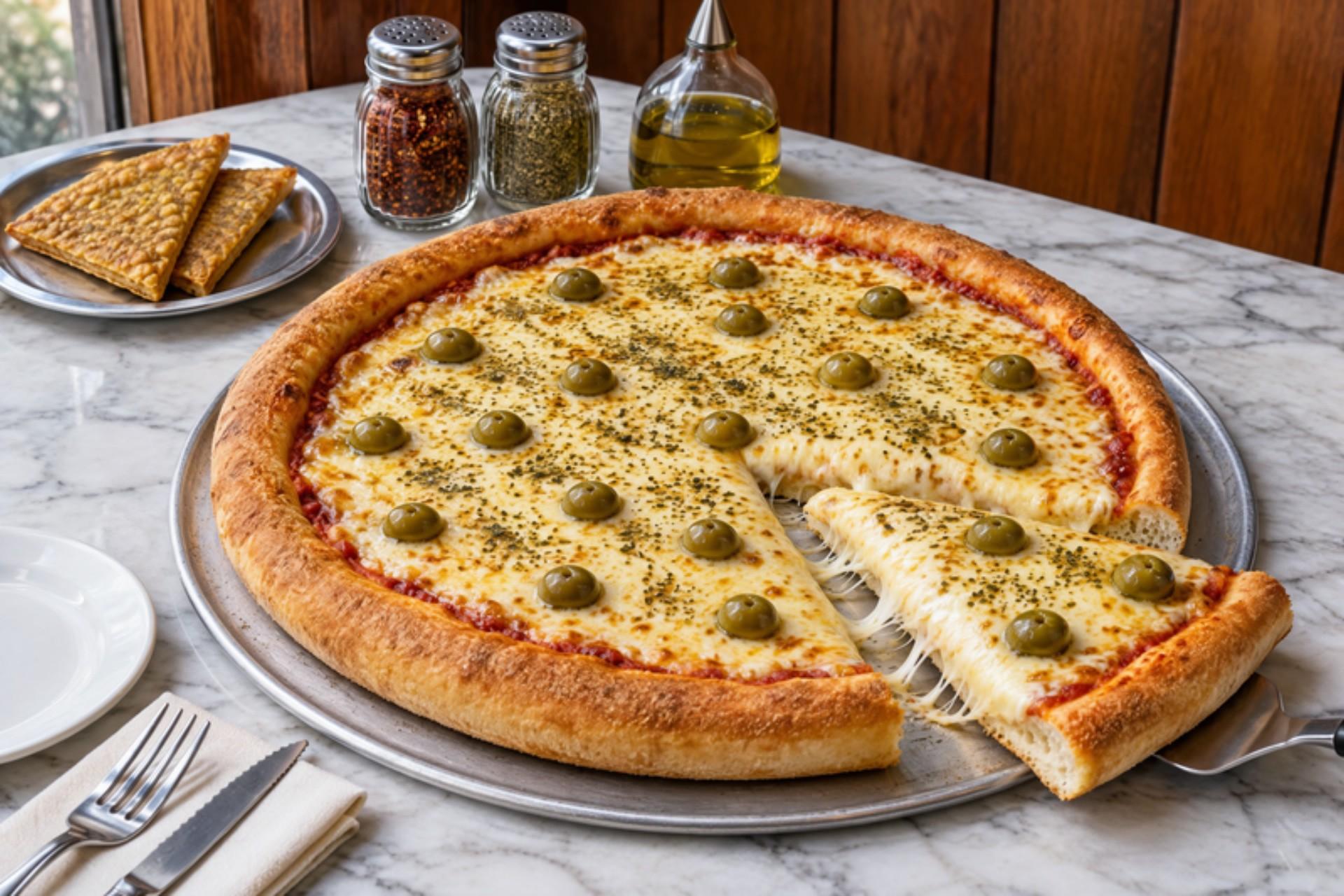
Pizza de muzzarellaThick-crust mozzarella pizza

The pizza de muzzarella, or simply muzza, is the pride of Buenos Aires' old pizzerías along Avenida Corrientes, eaten standing at the counter after the theatre, often with a slice of fainá on top. Unlike a Neapolitan pizza it has a thick, soft, bready base baked in a round metal pan, a thin smear of oregano tomato sauce and a deep layer of mozzarella that bubbles and browns, finished with green olives. The common mistake is using fresh mozzarella balls: they release water and the pizza swims. Use firm, low-moisture mozzarella grated or sliced thick. Many mozzarellas use animal rennet; choose a vegetarian one if you prefer. Chef's tip: give the dough a second rise in the oiled pan, so the base bakes airy inside and fried-crisp underneath.

by KrazyBadal 0 views

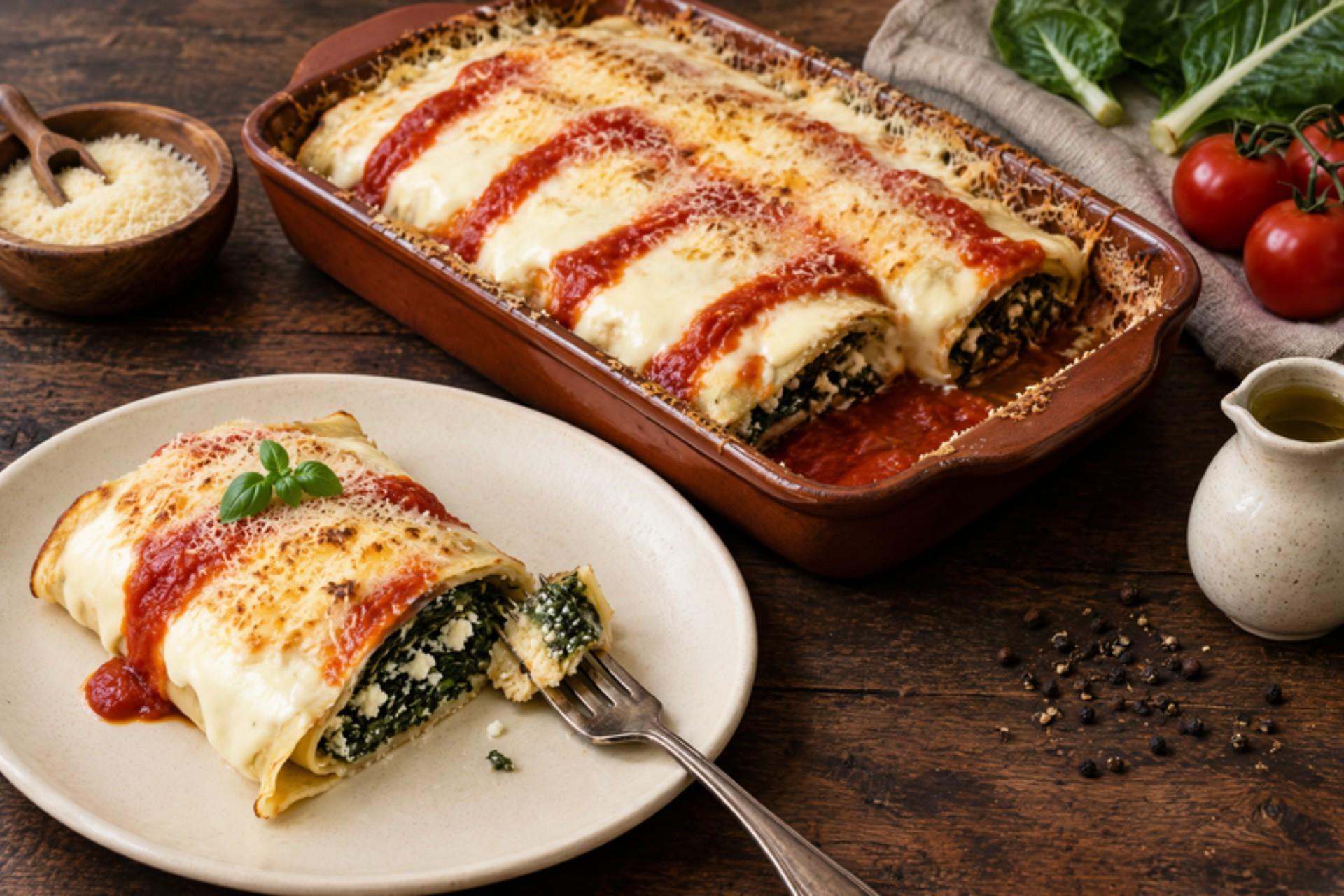
Canelones de verduraSpinach and ricotta crêpe cannelloni

In Argentina, Sunday lunch at the nonna's house in Rosario or Buenos Aires often means canelones, a legacy of Italian immigrants made the Río de la Plata way: thin crêpes instead of pasta tubes, rolled around chard and ricotta, then baked under tomato sauce and béchamel. They are often served on the 29th of the month or for Christmas too. The common mistake is thick crêpes: they turn stodgy. The batter should be as thin as single cream and the pancakes almost see-through. Hard cheeses are usually made with animal rennet; use a vegetarian hard cheese if you prefer. Chef's tip: roll the canelones and chill them for an hour before saucing; they hold their shape better in the oven.

by KrazyBadal 0 views

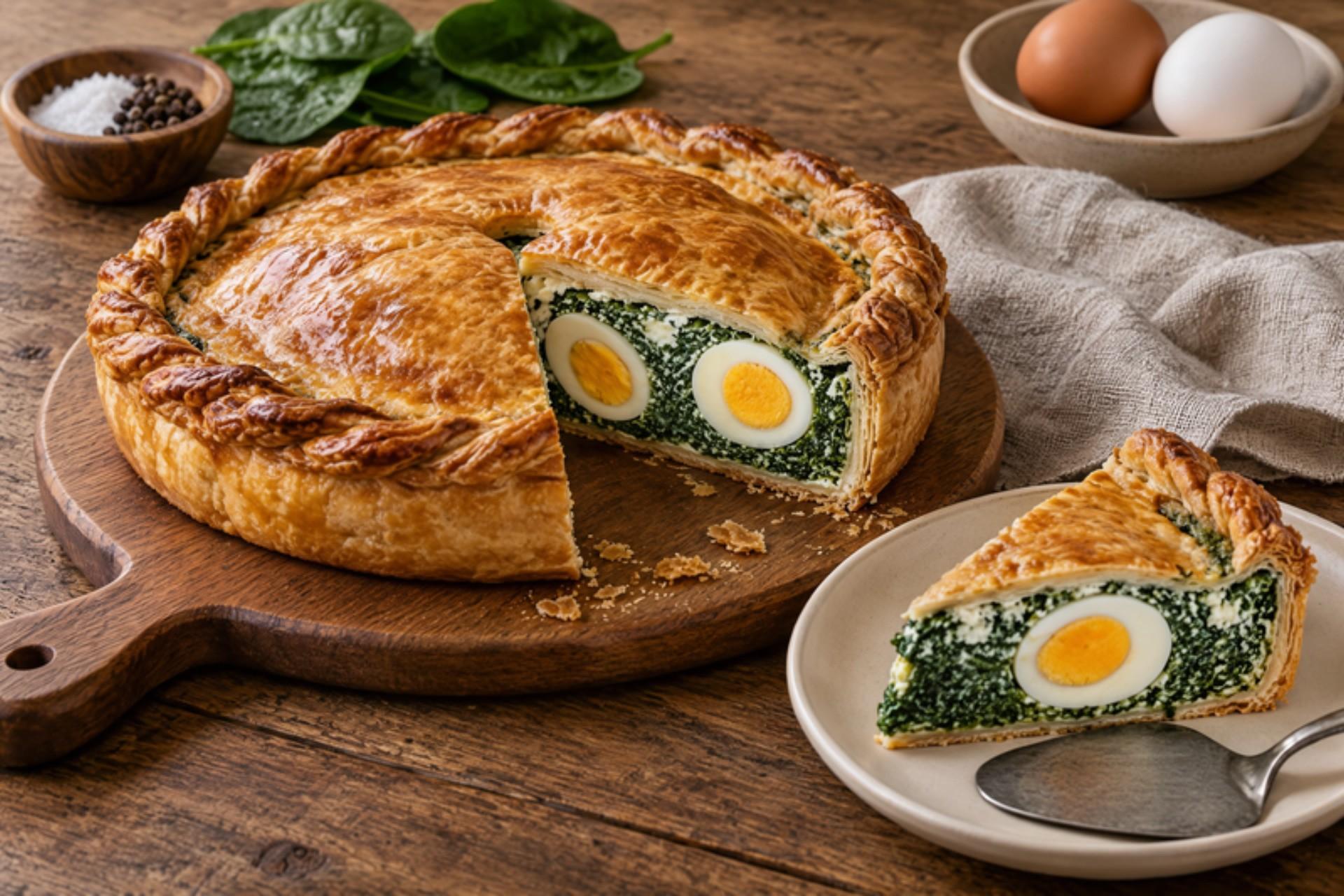
Tarta pascualinaSpinach and egg pie

Tarta pascualina came to Buenos Aires and Montevideo with Ligurian immigrants, and it is still baked for Easter (Pascua, hence the name), though most porteños now buy or make it any weekday for a light supper with a tomato salad. A crisp, olive-oil crust holds chard or spinach bound with ricotta and cheese, with whole eggs baked into hollows so every slice shows a ring of yolk. The usual mistake is not squeezing the greens: the filling floods and the base goes soggy. Wring them in a clean tea towel until no more water drips. Hard cheeses such as Parmesan are usually made with animal rennet; use a vegetarian hard cheese if you prefer. Chef's tip: bake the tart on the lowest shelf on a hot baking sheet so the bottom crust browns as well as the top.

by KrazyBadal 0 views

Tostado de jamón y quesoPressed ham and cheese sandwich

The tostado is what Buenos Aires orders in a café at merienda or as a light late dinner, and what Uruguayan kids get made at home: thin crustless pan de miga layered with cooked pork ham and mild cheese, buttered outside and pressed until crisp and oozing. The common mistake is too much filling; this sandwich is meant to be thin, so the cheese melts before the bread burns. Chef's tip: if you have no sandwich press, weigh it down in the pan with a second heavy pan so it toasts flat and even.

by KrazyBadal 0 views

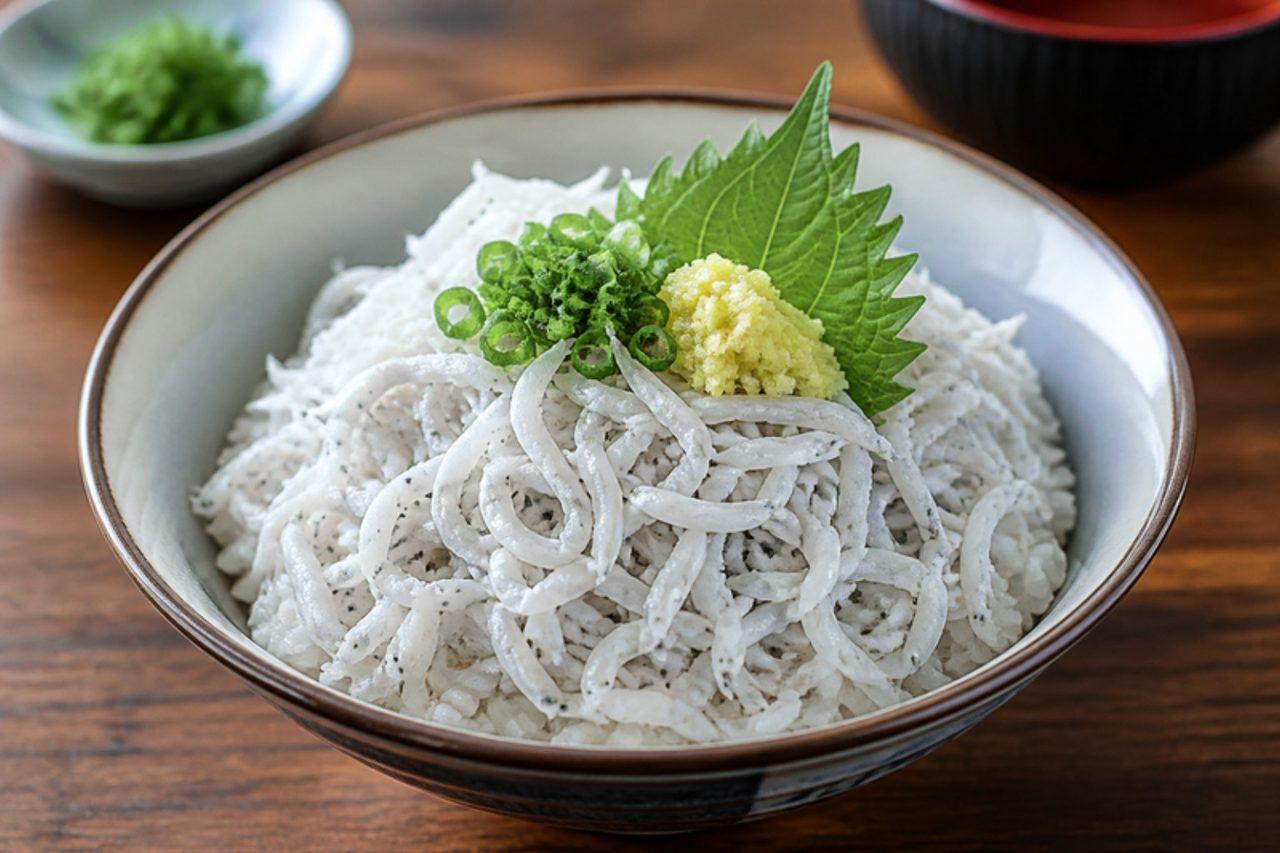
Shirasu donRice bowl with whitebait

Shirasu don comes from the Shonan coast around Enoshima and Kamakura, where the fishing boats bring in tiny whitebait from spring to autumn and cafés serve them boiled and piled over rice for lunch. At home it makes a five-minute supper: the little fish are soft, salty and sweet like the sea, lifted by spring onion, ginger and fresh shiso. Buy kamaage or kama-age shirasu, the ready-boiled kind sold chilled in Japanese shops; keep it in the fridge and use it by the date on the pack. Don't use raw (nama) shirasu at home. The common mistake is pouring soy all over; the fish are already salted, so a few drops are enough. Chef's tip: lay the shirasu on the rice in a loose heap rather than pressing it flat, so it stays fluffy and moist.

by KrazyBadal 0 views

Revuelto de zapallitosCourgettes scrambled with egg and cheese

Revuelto de zapallitos is a weeknight dinner in Buenos Aires homes and all over Argentina in summer, when the little round courgettes called zapallitos are cheap: diced courgette and onion cooked down in oil, scrambled with eggs and finished with grated cheese. It is eaten with bread or as a side to a salad. Grated hard cheese like reggianito or Parmesan is usually made with animal rennet, so use a vegetarian hard cheese for a vegetarian dinner. The common mistake is adding the eggs before the courgettes have given up their water, which turns the scramble wet and grey. Chef's tip: salt the courgettes as they go in, so they release their juice early and it cooks away.

by KrazyBadal 0 views

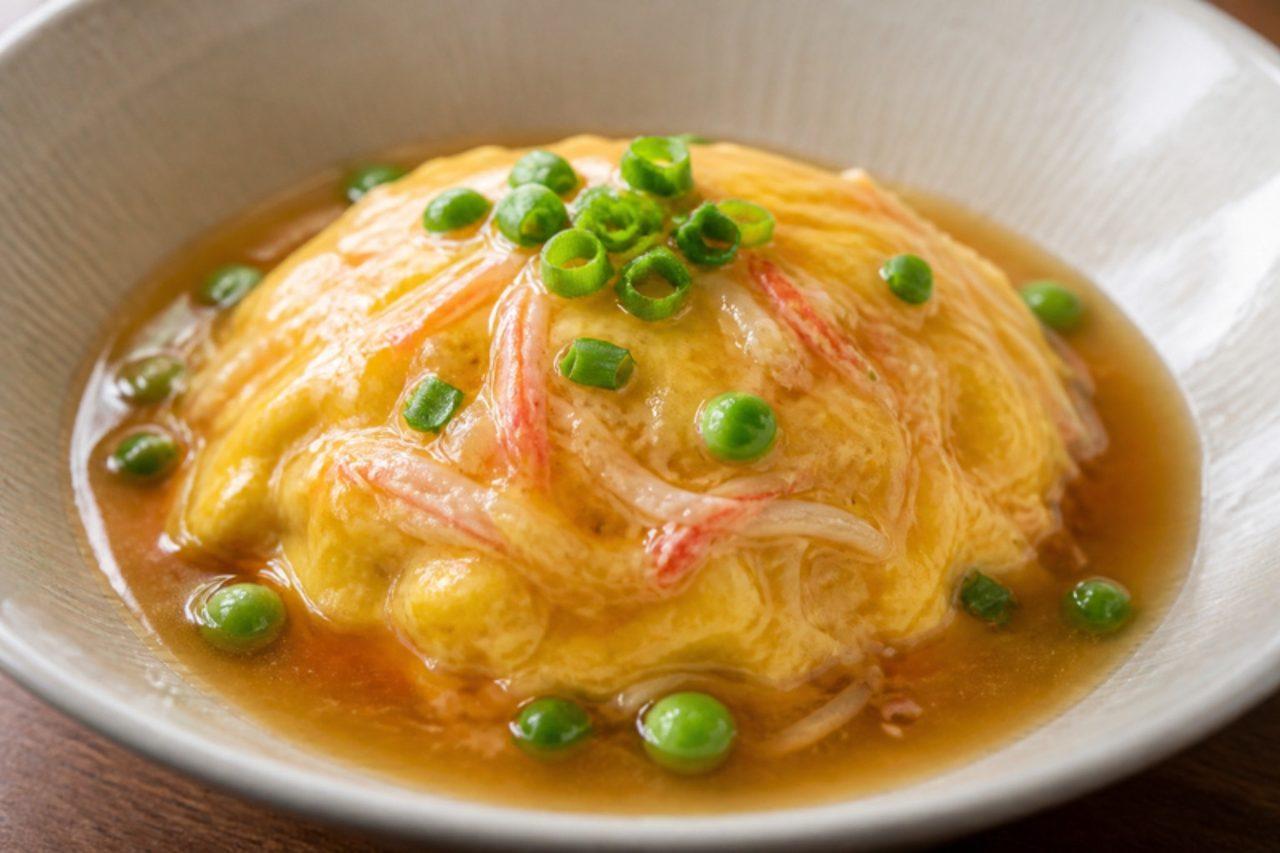
TenshinhanCrab omelette on rice

Tenshinhan, sometimes called tenshindon, is a Japanese invention served in the small Chinese-style chuka restaurants of Tokyo and Osaka, ordered at lunch and for a cheap, filling dinner. A fluffy omelette studded with crab and spring onion is slid over a mound of rice, then the whole plate is coated in a shiny amber sauce that is both sweet and a little sharp. It works well with tinned crab or crab sticks (which are made from fish and often contain wheat). The common mistake is tipping the cornflour slurry into the sauce without stirring, which makes lumps; pour it in a thin stream while stirring constantly. Chef's tip: add the vinegar only after the sauce has thickened, so its brightness isn't boiled away.

by KrazyBadal 0 views

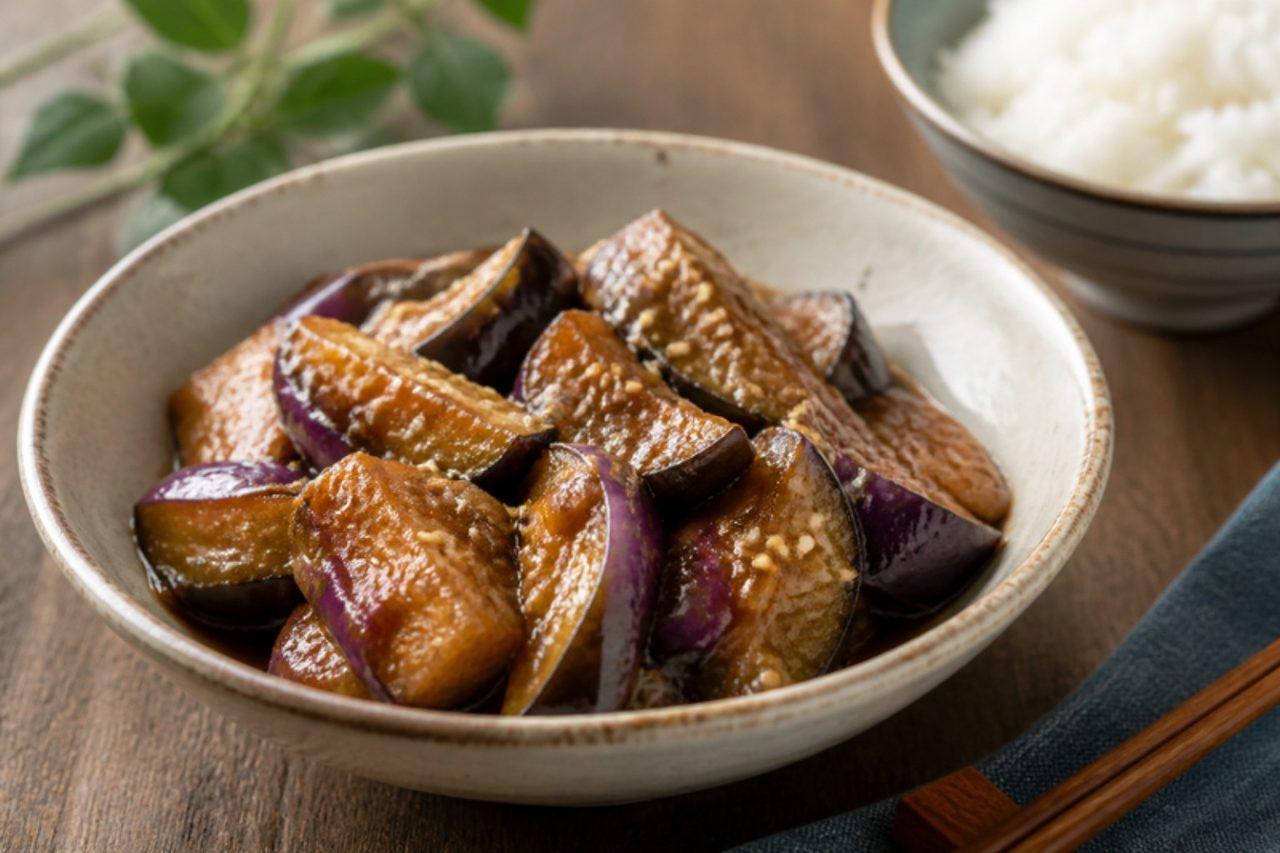
Nasu no miso itameMiso-glazed aubergine

Nasu no miso itame is a summer weeknight favourite across Japan, when aubergines are cheap and glossy: chunks are fried until creamy, then glazed in a sticky sauce of miso, soy, sugar and mirin and spooned over hot rice. Mirin contains a little alcohol, which mostly cooks off as the sauce bubbles; for an alcohol-free version use 1 tbsp water with an extra ½ tsp sugar. The common mistake is adding all the oil at once: aubergine drinks it, so start with a little, cover briefly to steam the pieces soft, then finish with more. Chef's tip: mix the sauce before you start, because miso burns within seconds once it hits the hot pan.

by KrazyBadal 0 views

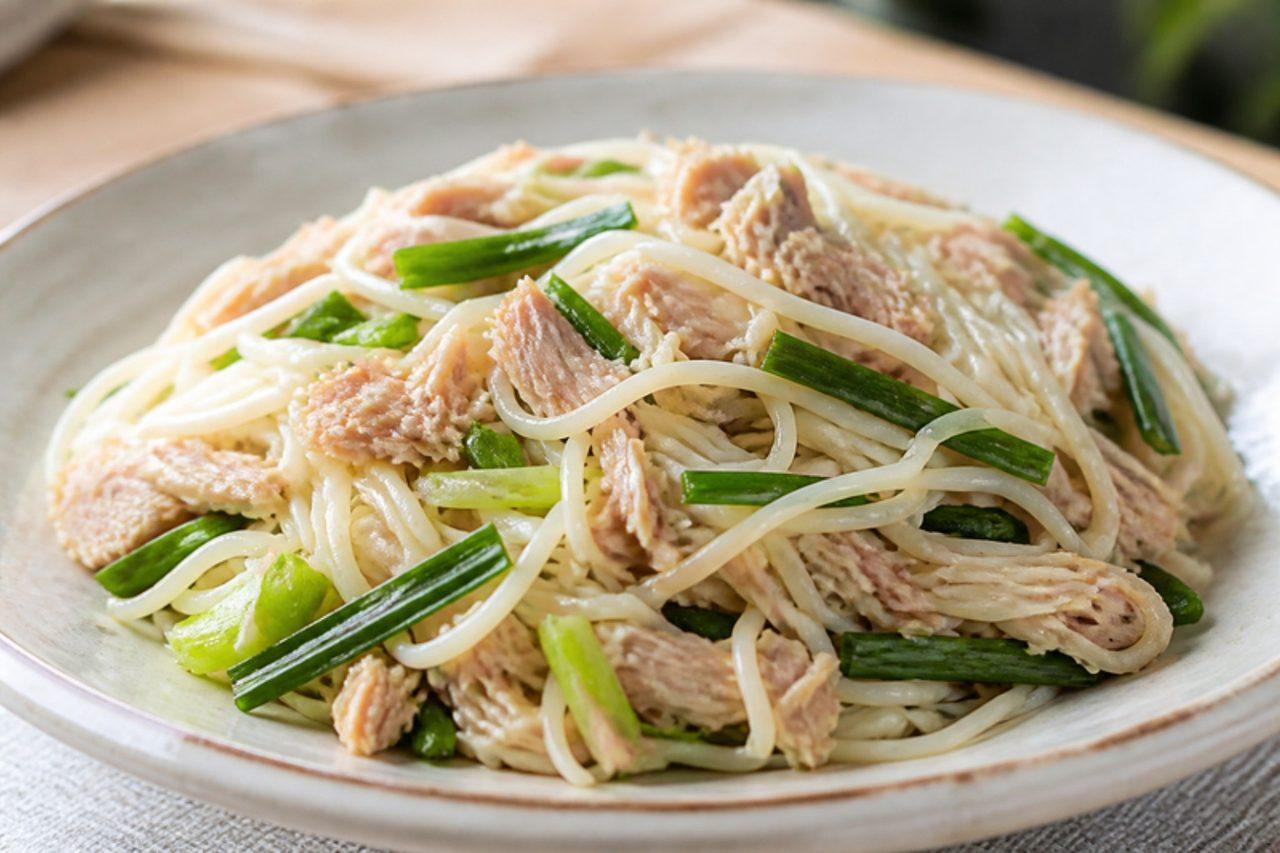
Somen chanpuruStir-fried noodles with tuna

In Okinawa, somen chanpuru (also called somen tashiya) is what a grandmother throws together when the family turns up hungry: thin somen noodles boiled for a minute, then tossed in a hot pan with tinned tuna, spring onion and a little dashi. It's a lunch or easy dinner, salty, slippery and comforting. Many Okinawan cooks use tinned pork luncheon meat instead of tuna, so check which you're being served if you avoid pork; this version uses tuna. The common mistake is not rinsing and draining the somen well, which leaves the noodles clumped into one sticky lump in the pan. Chef's tip: toss the drained noodles with a teaspoon of oil before they meet the pan, and they'll stay separate.

by KrazyBadal 0 views

Kake sobaBuckwheat noodles in hot broth

Kake soba is the bare, honest bowl served at the stand-up noodle counters inside Tokyo railway stations, slurped in a few minutes by commuters on the way home and made at home on cold nights when nobody wants to cook. Grey-brown buckwheat noodles sit in a dark, savoury broth of bonito dashi, soy sauce and mirin, with a heap of sliced spring onion on top. The broth uses mirin, a sweet rice wine; it simmers briefly so most of the alcohol cooks off, and for an alcohol-free bowl use 2 tsp sugar instead. The usual mistake is skipping the cold rinse: unrinsed soba is coated in starch, turns gummy and clouds the broth. Chef's tip: pour a ladle of the hot noodle water into each bowl while the soba cooks, then tip it out, so the warm bowls keep the broth steaming to the last mouthful.

by KrazyBadal 0 views

Neko manmaRice with bonito flakes and soy

Neko manma means 'cat's rice', a joking name for the bowl that people all over Japan make late at night or on the evening the fridge is empty: steaming rice, a handful of dried bonito flakes (katsuobushi) and a little soy sauce, stirred together. The flakes wilt and curl in the heat and give the rice a smoky, savoury flavour; some homes splash over the last of the miso soup instead. The mistake is drowning it in soy, which turns the flakes soggy and the rice salty; a teaspoon is plenty. Chef's tip: crumble the bonito between your fingers over the rice so the finer flakes melt into every grain.

by KrazyBadal 0 views

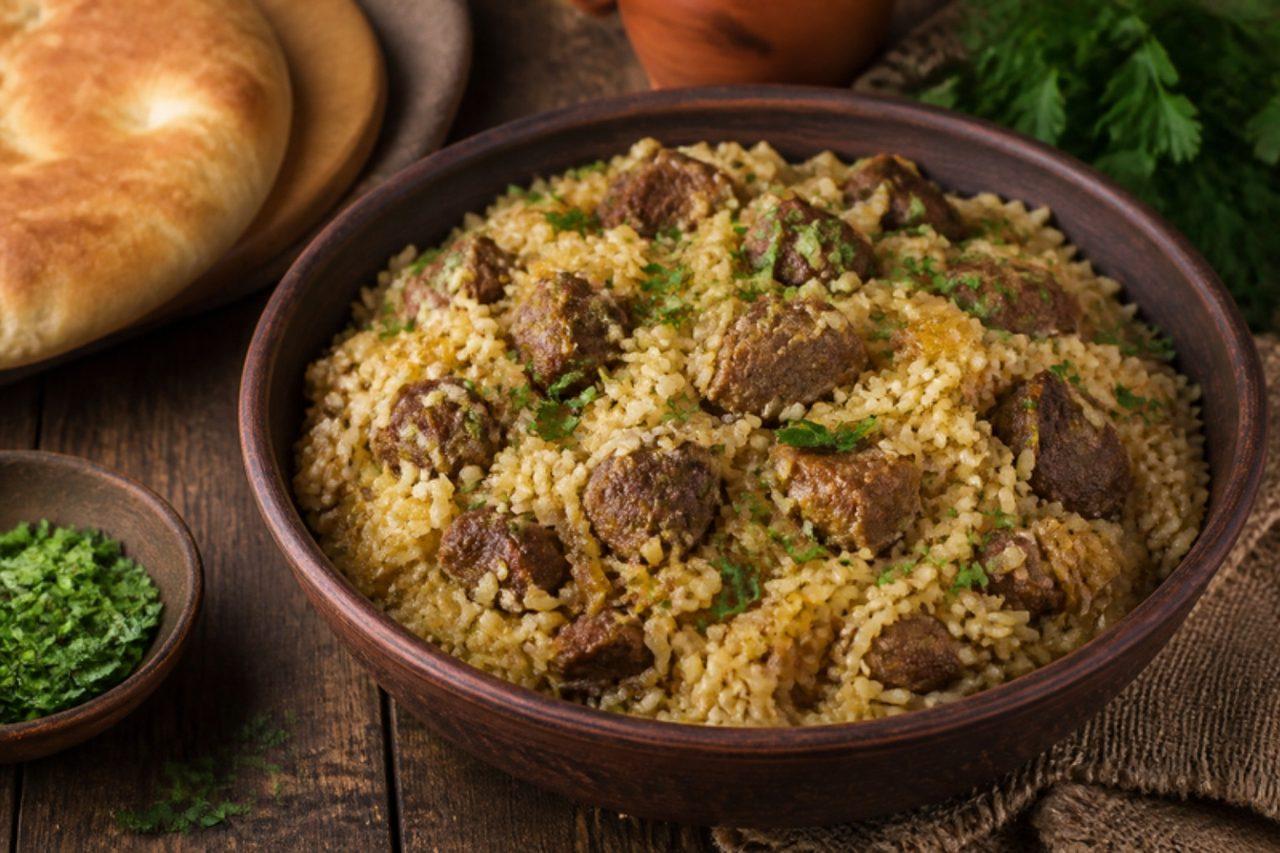
ShilaplaviRice with lamb and spices

In Racha and Imereti, in western Georgia, shilaplavi is the dish of the kelekhi, the memorial feast held after a funeral and on remembrance days, when long tables are laid for family and neighbours. Lamb is simmered until tender and its broth used to cook rice with plenty of onion, coriander seed and blue fenugreek, so the grains turn soft and a little sticky, closer to a thick pilaf than a dry one. It is eaten quietly with bread, herbs and pickles. Chef's tip: use short-grain rice and don't rinse it too much; shilaplavi should be soft and clinging, not fluffy.

by KrazyBadal 0 views

Dowina (Kurdish yogurt soup)

Dowina, called ash-e doogh in Persian, is warming spring food in Kurdish homes around Newroz, when yogurt is plentiful and the first herbs are cut from the garden. Rice and chickpeas simmer in a tangy, lightly thickened yogurt broth, finished with fresh dill, coriander and a sizzle of dried mint in oil. It is eaten warm, never boiling hot, with flatbread. The common mistake is to heat the yogurt too fast without stirring, which makes it split into grainy curds. Chef's tip: whisk an egg yolk and a spoonful of rice flour into the yogurt before it goes on the heat; it holds the soup smooth all the way to the simmer.

by KrazyBadal 0 views

AllerheiligenstriezelBraided sweet loaf

In Bavaria and Austria, godparents give their godchildren an Allerheiligenstriezel on All Saints' Day, 1 November: a large braided loaf of sweet yeast dough, brushed with egg and scattered with almonds or pearl sugar. The braid is said to recall the old custom of cutting a plait of hair in mourning, and the size of the loaf once showed how generous the godparent was. It is lightly sweet, with lemon and vanilla, and is eaten sliced with butter or jam. Some recipes add rum-soaked raisins; these are soaked in warm water instead. Chef's tip: braid four strands for an impressive, high loaf.

by KrazyBadal 0 views

Pajagua mascadaBeef and cassava patties

Pajagua mascada is a Paraguayan street-food classic that appears on every table for the San Juan festival on 24 June, when bonfires burn and the night is full of games and traditional food. Minced beef is mixed with mashed cassava, onion, garlic and a little egg and flour, shaped into flat patties and fried until crisp. The name comes from Guaraní and refers to the 'chewing' of old Paraguayan cooks, who made it from leftover meat. Chef's tip: dry the boiled cassava well and remove its woody core, which keeps the patties light and crunchy.

by KrazyBadal 0 views

Chipa so'oCheese bread with spiced beef

In Paraguay, families bake chipa in the clay tatakua ovens on Holy Wednesday so there is food for Thursday and Good Friday, when cooking stops. Chipa so'o ('chipa with meat') is a cassava-starch and cheese bread wrapped around a little filling of minced beef cooked with onion and egg, then baked until crisp outside and chewy within. It is naturally gluten free. Chef's tip: knead the dough until it no longer cracks at the edges when pressed; dry dough splits around the filling.

by KrazyBadal 0 views

Lengua a la vinagretaBeef tongue with vinaigrette

Argentina's Nochebuena is a hot summer night, so the table is full of cold dishes, and lengua a la vinagreta is one of the classics: beef tongue simmered until tender, peeled, sliced and covered with a sharp vinaigrette of parsley, garlic, red pepper, onion and chopped hard-boiled egg. It is made a day ahead and served chilled with vitel toné and Russian salad. Chef's tip: peel the tongue while it is still hot, as the skin comes away easily then and clings once it cools.

by KrazyBadal 0 views

OsterpinzeEaster anise brioche

Osterpinze is the Easter bread of Styria, Carinthia and the area around Trieste, a soft, golden brioche dome with three deep cuts on top for the Holy Trinity, so that it opens into a crown as it bakes. The dough is rich with egg yolks and butter and flavoured with anise and lemon; old recipes add a splash of white wine, left out here. It is blessed in the Easter basket on Holy Saturday and eaten on Easter morning with ham, horseradish and eggs, or with butter and jam. Chef's tip: make the three cuts with scissors just before baking, deep enough to reach halfway down, so the crown opens wide.

by KrazyBadal 0 views

KalanehWild leek stuffed flatbread

In Kurdistan and Kermanshah, Newroz arrives with the first spring greens on the hillsides, and families gather wild leeks to fold into kalaneh, thin griddle breads cooked over a fire or a hot pan and soaked in melted butter. The dough is plain and soft, rolled very thin around a pile of chopped leek or chives with a little salt and pepper, so the greens steam inside as the bread blisters. Eat it hot, torn into strips, with yogurt and tea at a Newroz picnic. The common mistake is wet greens, which turn the dough soggy and make it tear; dry them well after washing. Chef's tip: brush the butter on the moment the bread leaves the pan so it soaks right in.

by KrazyBadal 0 views

KaguyjyWhite corn pudding

On the night of 23–24 June, Paraguayans celebrate San Juan with bonfires, games like walking over hot coals and the 'paso de fuego', and a table of traditional foods, and kaguyjy (also mazamorra) is one of them. It is a soft, creamy pudding of cracked white corn (locro) simmered slowly in water and then milk with sugar or honey, sometimes with orange peel. It is eaten warm or cold. It is gluten free. Chef's tip: soak the corn overnight and cook it until each kernel is tender before adding the milk, or it never turns creamy.

by KrazyBadal 0 views

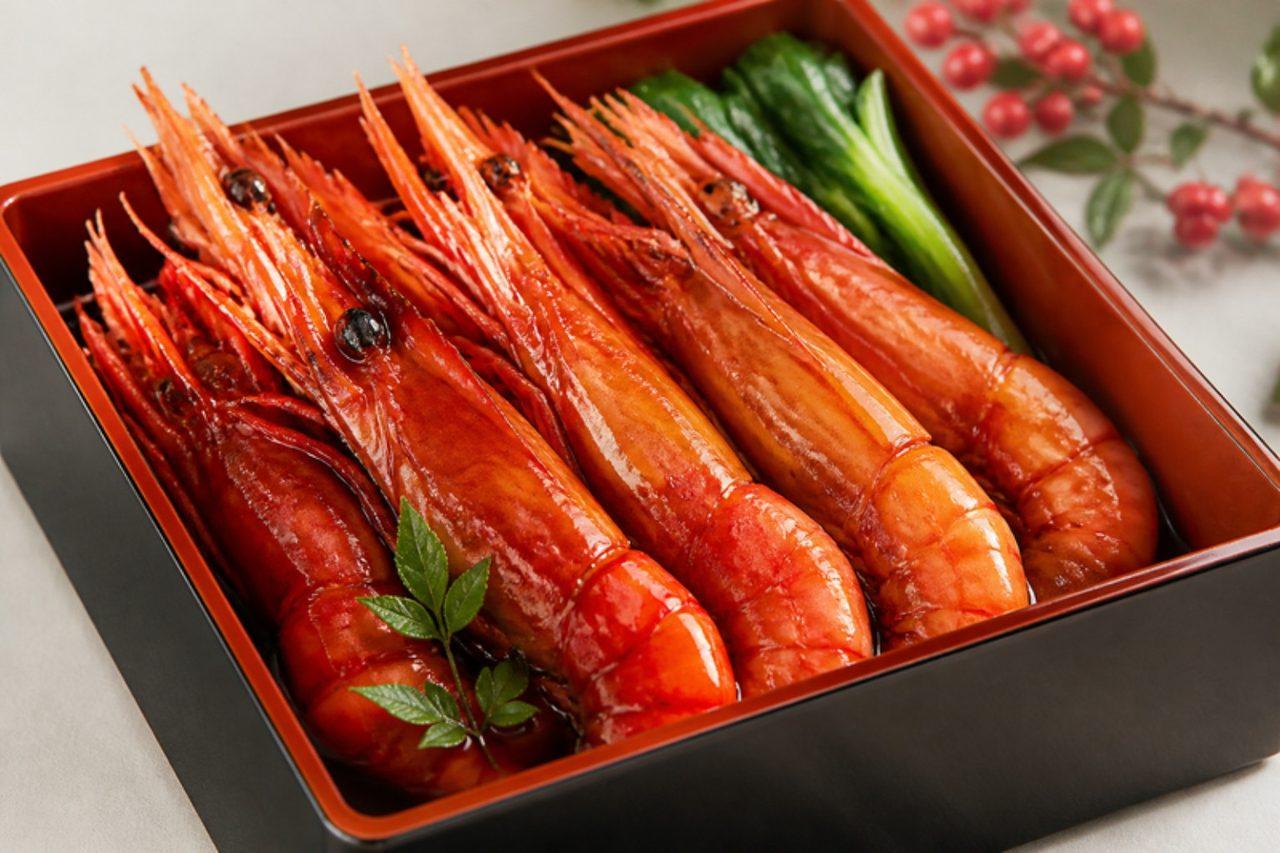
Ebi no umani (simmered prawns)

Bright red prawns curled like a bent back sit in every Shōgatsu osechi box in Japan as a wish to live until your back is bent with age, and their red is the colour of celebration. Simmered briefly in dashi, soy and sugar, they stay plump and juicy, and cooling in the liquid gives them a sweet-savoury flavour right through to the shell. The liquid includes sake and mirin, both rice wines; for no alcohol, replace the sake with extra dashi and the mirin with 3 tbsp water plus 1 tbsp sugar. Use frozen head-on prawns, thawed in the fridge. Serve cold or at room temperature in the osechi box, or warm with rice. Chef's tip: lift the prawns out as soon as they turn pink, reduce the liquid, then return them; this keeps them tender.

by KrazyBadal 0 views

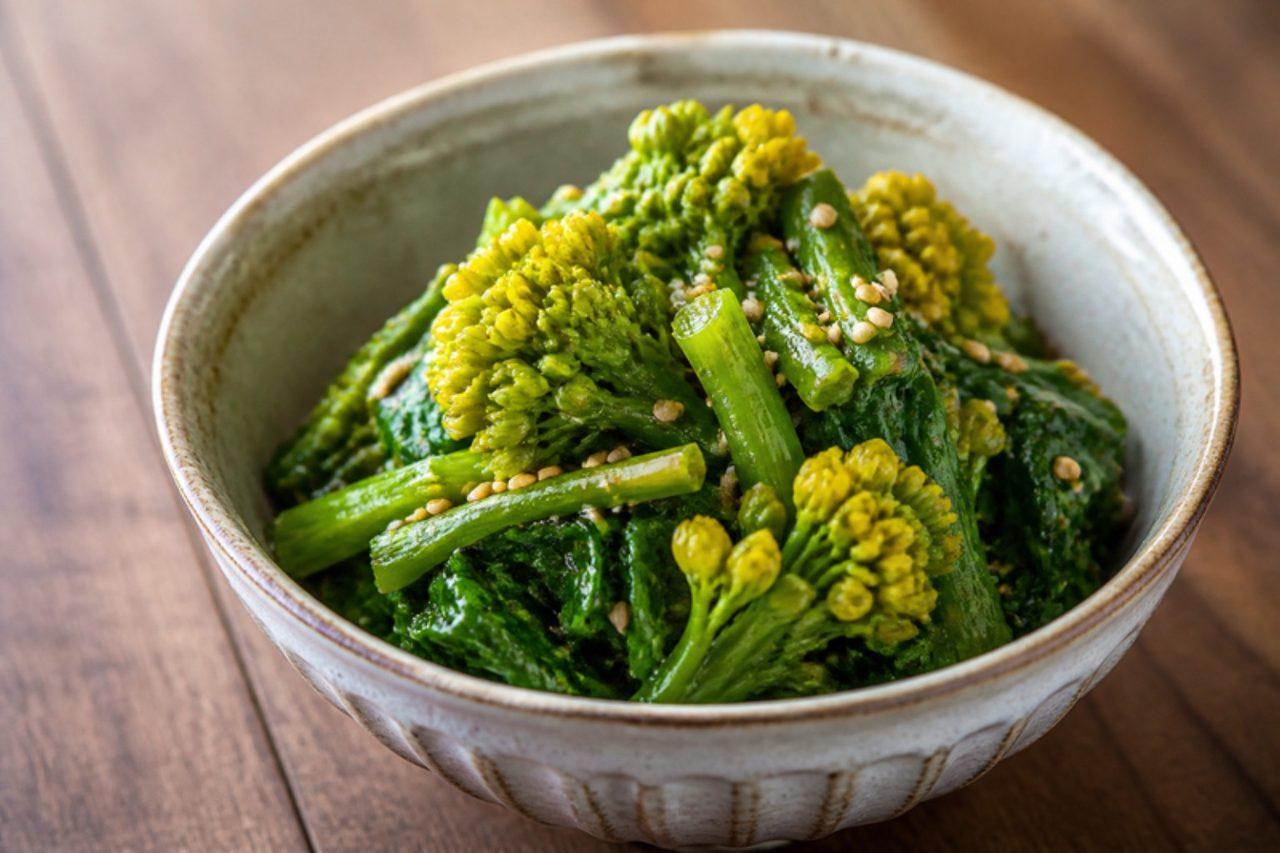
Nanohana karashi-ae (rapeseed blossoms with mustard)

Nanohana, the budding shoots of the rapeseed plant, arrive in Japanese shops at the end of winter, and their little yellow-green flower heads are a sign that spring has come. That makes them a natural side dish for Hinamatsuri on 3 March, next to chirashizushi and clam soup. The greens are blanched just until tender, then dressed with Japanese karashi mustard loosened with soy sauce and kombu dashi: pleasantly bitter, nose-tinglingly hot and very fresh. Outside Japan, tenderstem broccoli or cime di rapa works almost as well. Chef's tip: dress the greens at the last minute, because the soy starts to dull the green colour within half an hour.

by KrazyBadal 0 views

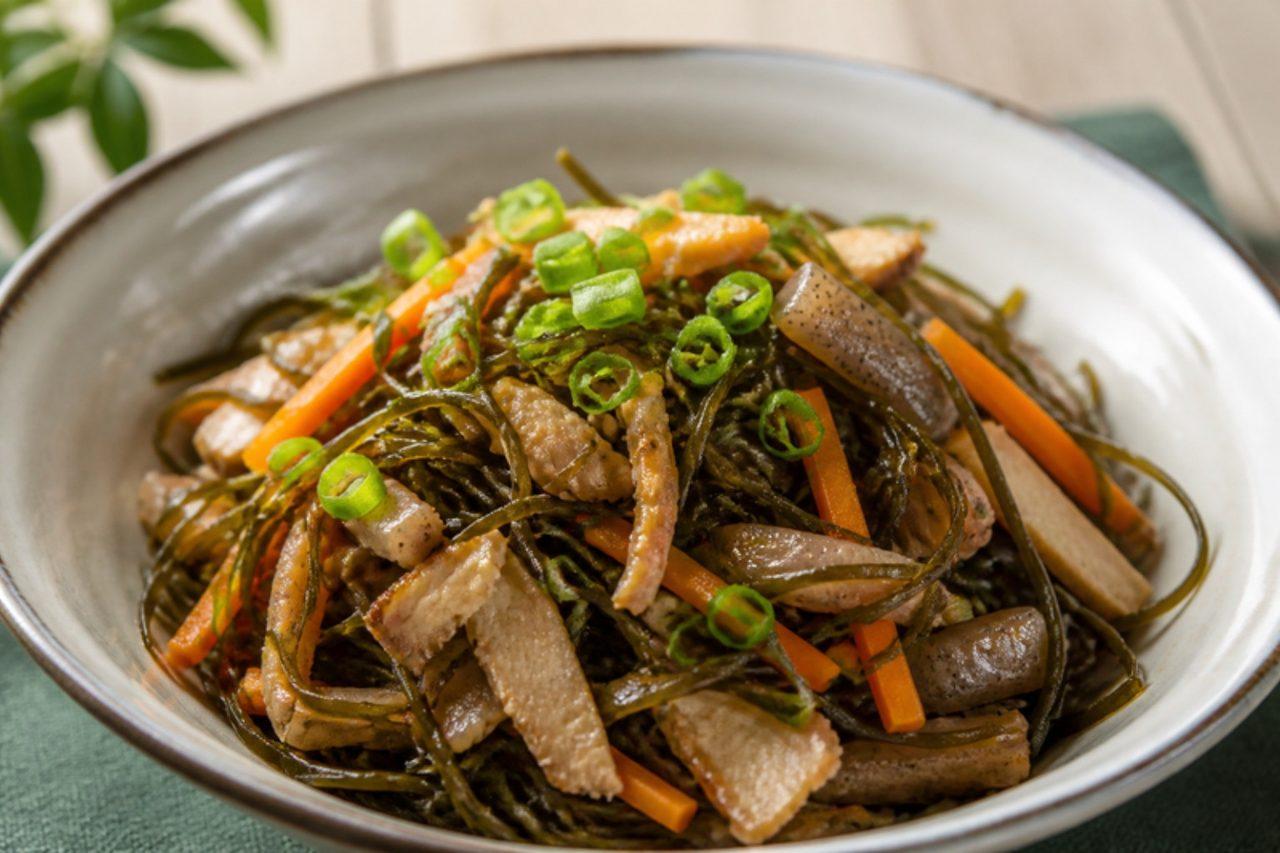
Kubu irichi (Okinawan kombu stir-fry)

In Okinawa, kubu irichi is cooked for Obon (here called Shōmō or Ukui), when families welcome the spirits of their ancestors home with offerings, and it reappears at every big family gathering. Kombu, 'kubu' in the island dialect, sounds like 'yorokobu', to rejoice, and Okinawa has loved it for centuries thanks to the old kelp trade from Hokkaido. Strips of pork belly are stir-fried until their fat runs, then the kelp, konnyaku and carrot simmer in pork-scented stock until the liquid is absorbed, giving a soft, savoury, gently sweet tangle full of the sea. Serve with rice, as part of an Obon spread or a bentō. Chef's tip: keep some of the kombu soaking water; it is the stock that gives the dish its depth.

by KrazyBadal 0 views

Showing 24 of 757 recipes

Show more recipes

Page 1 of 32