Skip to content
Recipes

All recipes

Vegetarian, or something you can't eat? Set your diet once and we'll hide recipes that don't fit.

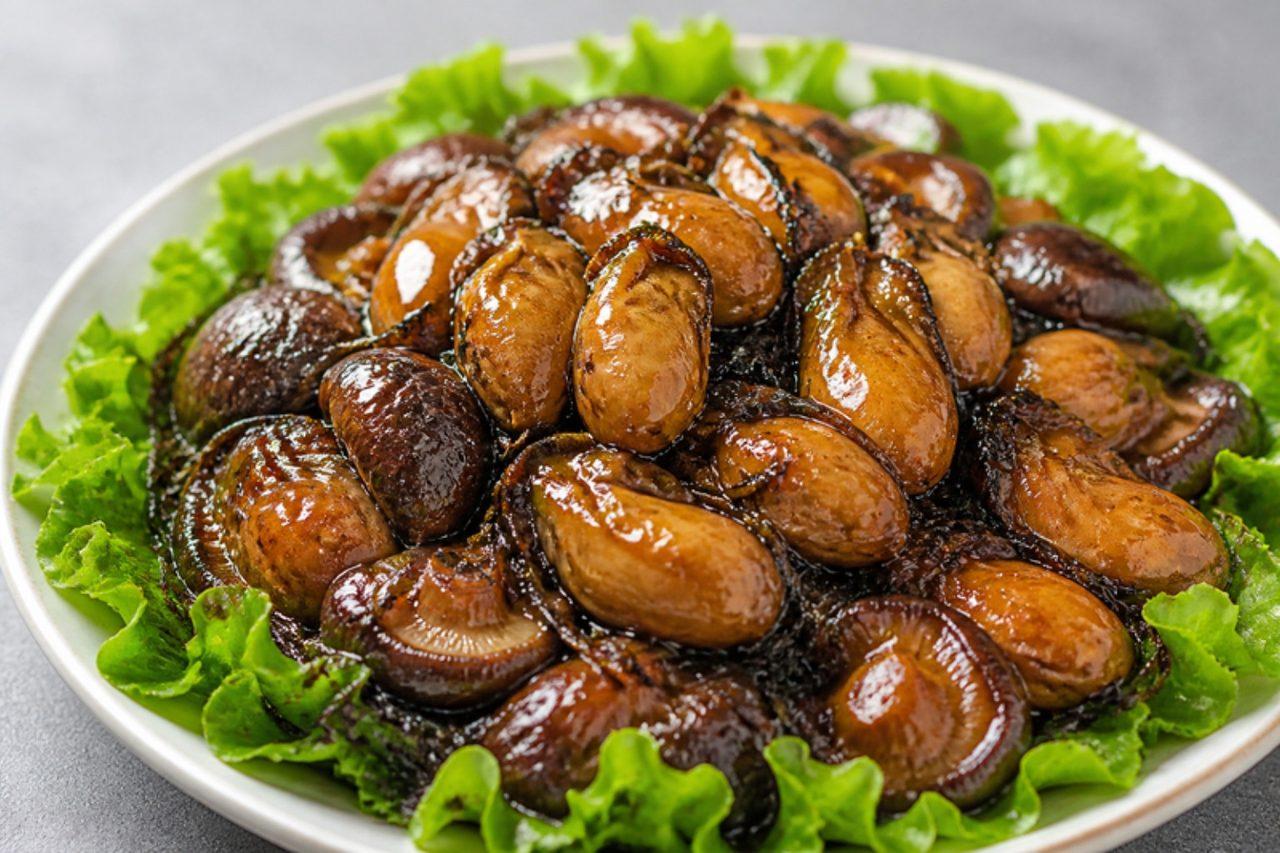
Ho si fat choy (dried oysters with black moss)

Ho si fat choy is the Cantonese Lunar New Year dish that every shopkeeper in Hong Kong wants on the table: ho si (dried oysters) sounds like 'good business' and fat choy (black moss) sounds like 'get rich'. Wild fa cai is now banned from harvest in China because gathering it damaged the grasslands, so this recipe uses the widely sold 'vegetarian black moss' substitute, which looks the same; you can also leave it out and the dish is still delicious. The dried oysters are soaked and slowly braised with shiitake until plump, chewy and deeply savoury, in a glossy oyster-sauce gravy. Serve it piled on blanched lettuce with steamed rice. Chef's tip: rinse the soaked oysters under running water, rubbing each one, to wash out any grit hiding in the folds.

by KrazyBadal 0 views

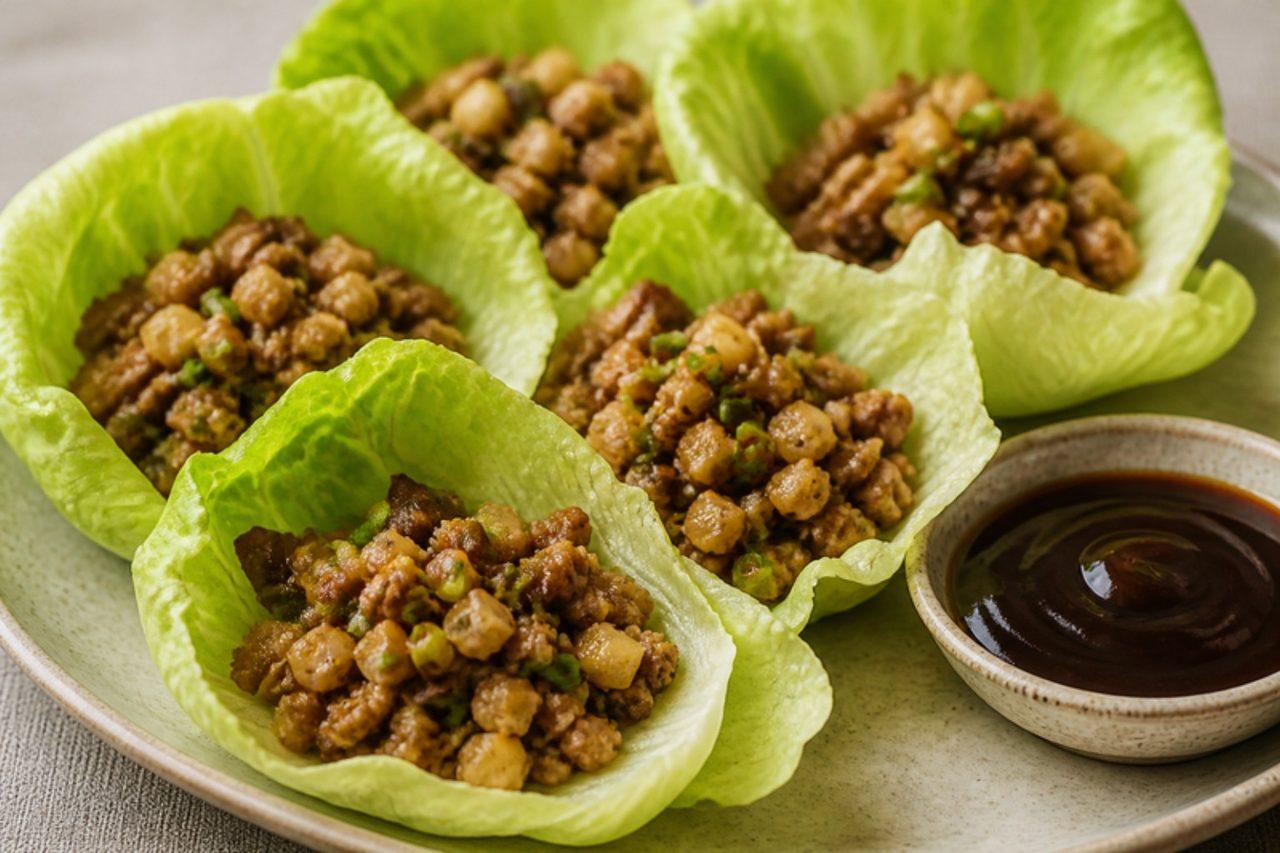
Sang choi bao (minced pork lettuce cups)

At Lunar New Year in Hong Kong, lettuce (saang choi) is on the table because its name sounds like 'growing wealth', and sang choi bao wraps that wish around a hot, savoury filling. Minced pork is stir-fried quickly with water chestnut, shiitake and a little oyster sauce, then spooned into cold, crisp iceberg cups so every bite is juicy, crunchy and fresh at once. It is fast enough to make while the bigger dishes braise, and it works as a starter or alongside rice and poon choi. Chef's tip: get the wok really hot and spread the mince out flat; crowded, cool mince stews in its juices instead of browning.

by KrazyBadal 0 views

Tmar mehchi (Moroccan almond-stuffed dates)

Tmar mehchi is the stuffed date of Fez and Marrakech, piled high on silver trays at weddings, engagements and Eid, and offered to guests with mint tea. Soft dates are filled with a homemade almond paste perfumed with orange-blossom water, often tinted pale green or pink to match the celebration, then scored with a knife so the filling shows. They are soft, rich and caramel-sweet, with a floral, nutty middle. The paste here is mixed from ground almonds and icing sugar, so there is no shop marzipan, which can contain egg white. It is naturally egg-free: the dates' sticky flesh and a few spoonfuls of orange-blossom water bind the almond filling. Chef's tip: add the orange-blossom water a little at a time and stop when the paste is firm like play dough. The common mistake is a wet paste, which oozes out and makes the dates slippery.

by KrazyBadal 0 views

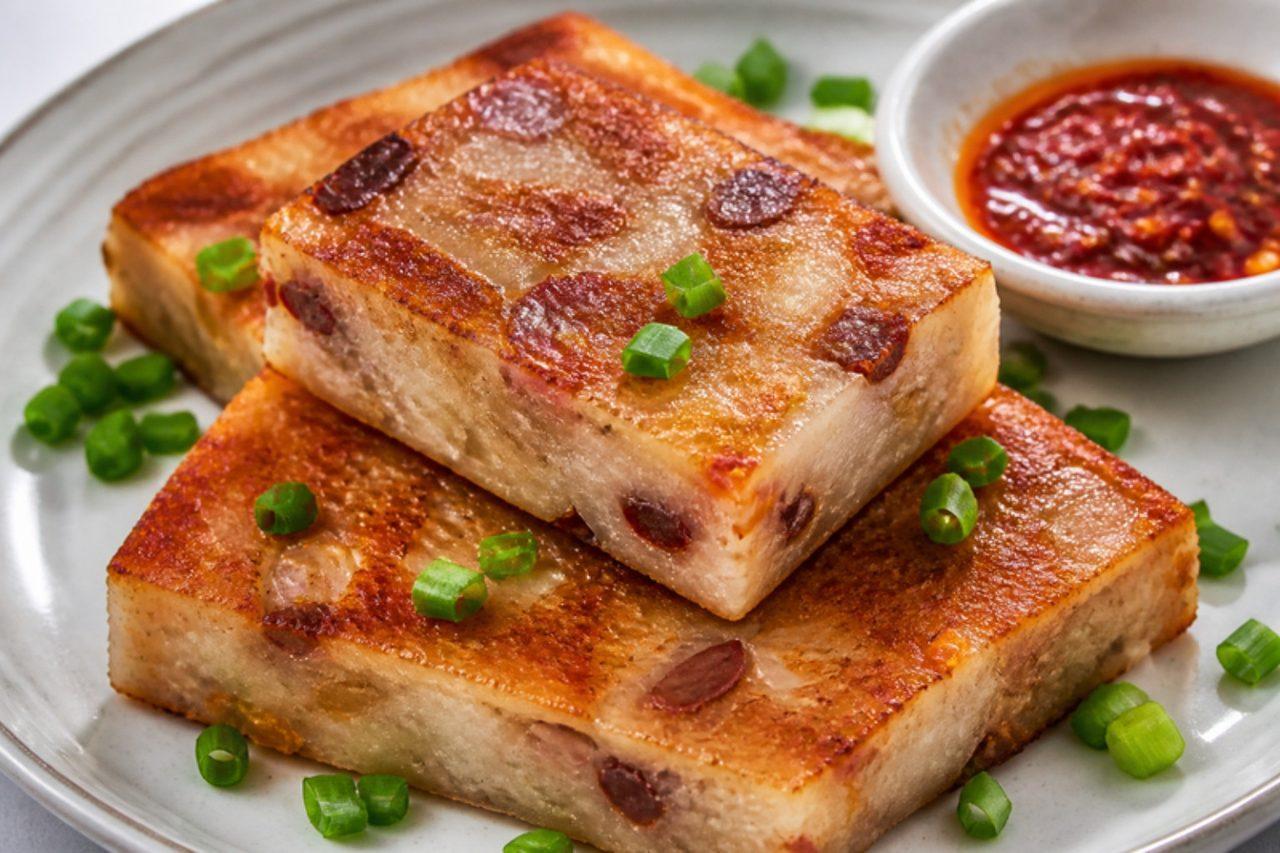
Wu tau go (taro cake)

Wu tau go is one of the 'gou' cakes that Hong Kong and Guangdong families steam before Lunar New Year, because gou sounds like 'tall' and promises a year that rises higher. This one is studded with chunks of taro, diced Chinese sausage (lap cheong, a sweet cured pork sausage usually made with rose wine or Shaoxing wine) and dried shrimp, set with rice flour and fragrant with five-spice. For an alcohol-free cake, choose a lap cheong labelled alcohol-free, or use the smoked tofu from the vegetarian variation. Cold, it slices cleanly; pan-fried, it gets a crisp golden crust over a soft, starchy, savoury middle with nubbly bits of taro. Serve slices hot with chilli sauce or oyster sauce, alongside turnip cake at New Year dim sum. Chef's tip: cook the batter on the hob until it is as thick as mashed potato before steaming; a runny batter lets the taro sink and leaves a pasty layer at the bottom.

by KrazyBadal 0 views

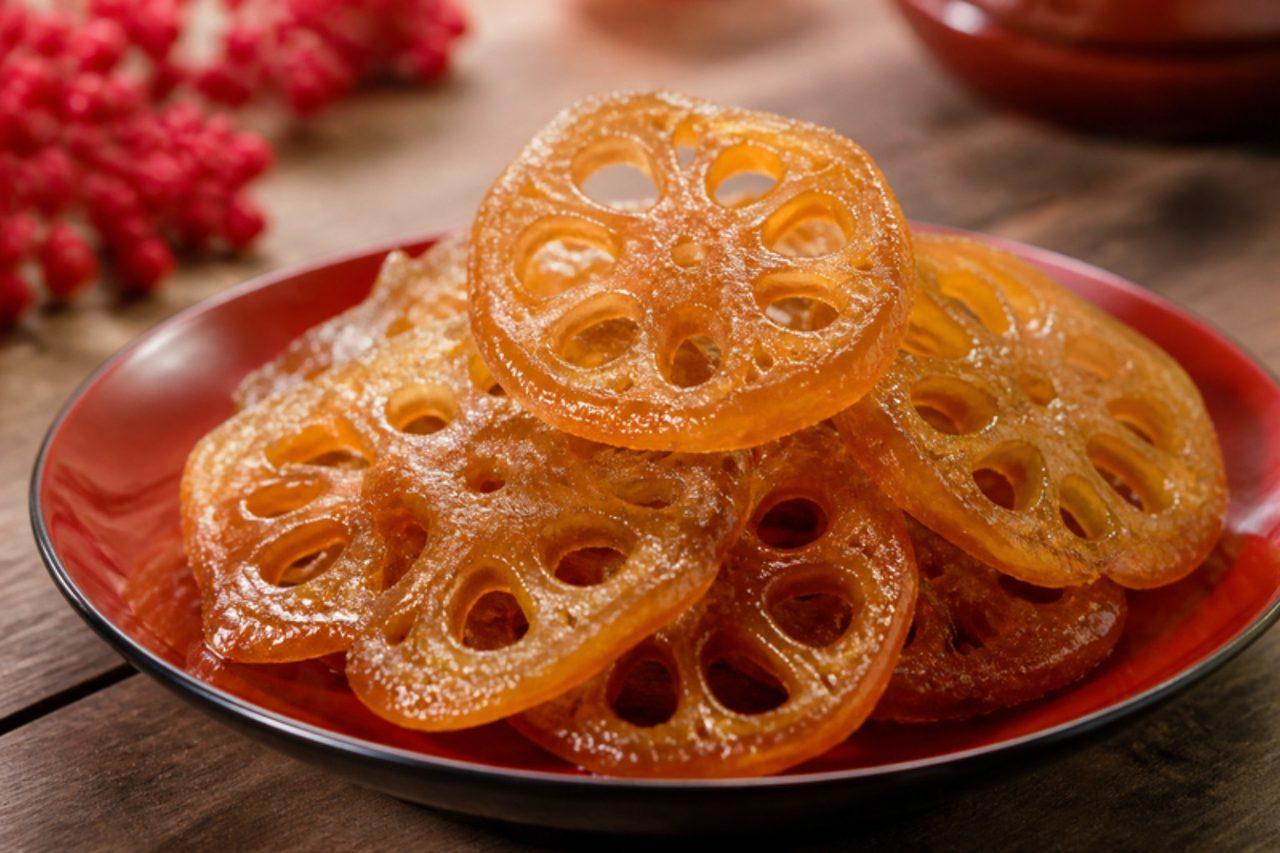
Candied lotus root (tong lin ngau)

Open the octagonal tray of togetherness in a Hong Kong or Guangdong home at Lunar New Year and you will usually find pale, sugar-frosted rounds of candied lotus root. The lotus is prized because its root grows in linked sections and its name, lin, sounds like the word for 'continuous', so the slices carry a wish for abundance that keeps coming back year after year. Simmered slowly in syrup and then dried, they turn translucent and chewy at the centre with a fine crust of sugar and a faint, earthy sweetness, and the lacy pattern of holes stays on show. Set them out with candied lotus seeds, melon seeds and a pot of jasmine or pu-erh tea for visitors. Chef's tip: blanch the slices with a pinch of salt and a splash of vinegar first; it stops them going grey and keeps them crisp-edged instead of mushy.

by KrazyBadal 0 views

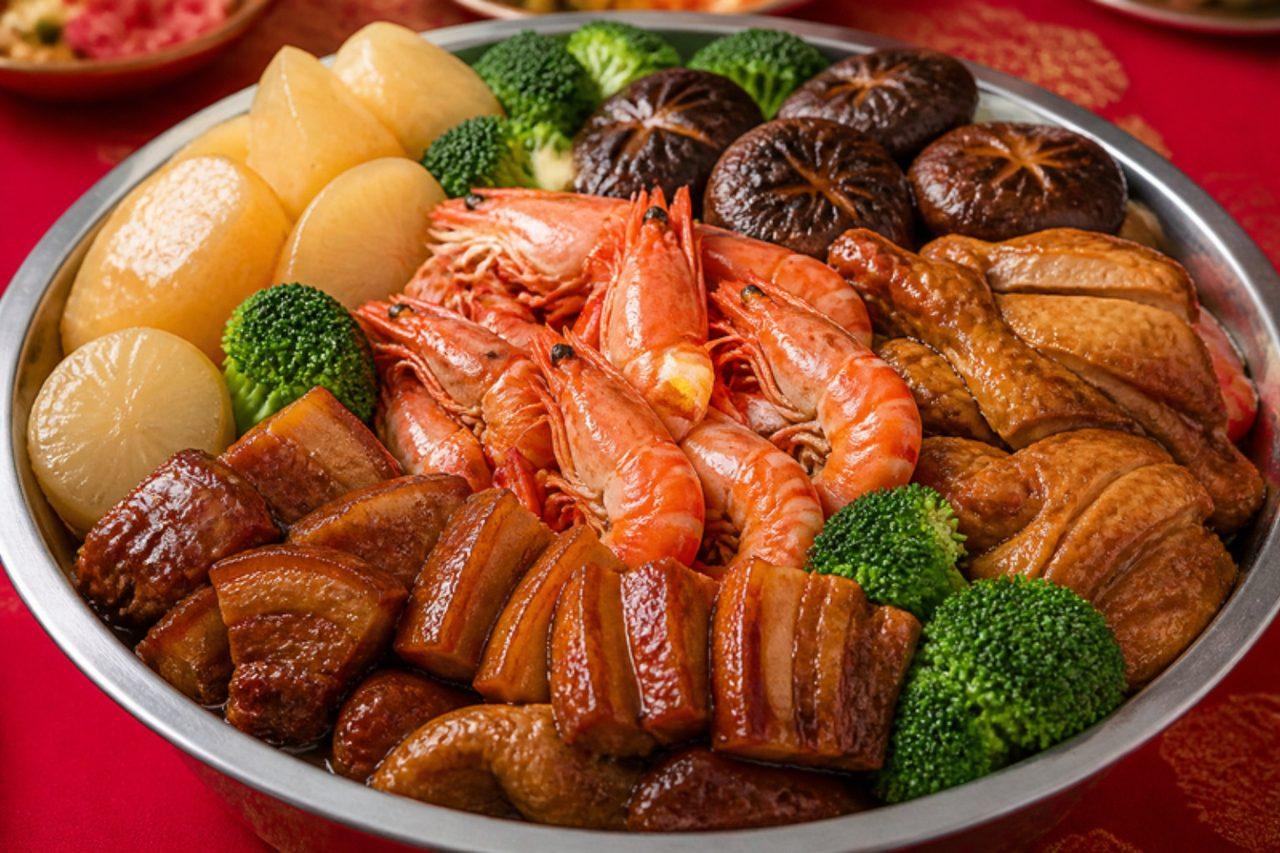
Poon choi (basin feast)Layered braised meat and seafood basin

Poon choi comes from the walled villages of Hong Kong's New Territories, where the whole clan eats from one great basin at Lunar New Year and other village celebrations; sharing a single pot stands for unity, and the layers piled to the brim for plenty. Each layer is cooked on its own and stacked so the sauces trickle downwards: soft braised pork belly and soy chicken near the top, prawns and mushrooms in the middle, and radish, tofu skin and cabbage at the bottom soaking up everything. The home version here leaves out shark fin, uses canned abalone only if you want it, and is made for 8 in a large flameproof casserole. Bring the whole basin to the table bubbling and serve with steamed rice. Chef's tip: pack the absorbent vegetables at the bottom and the showy pieces at the top; the radish should finish as the tastiest thing in the pot.

by KrazyBadal 0 views

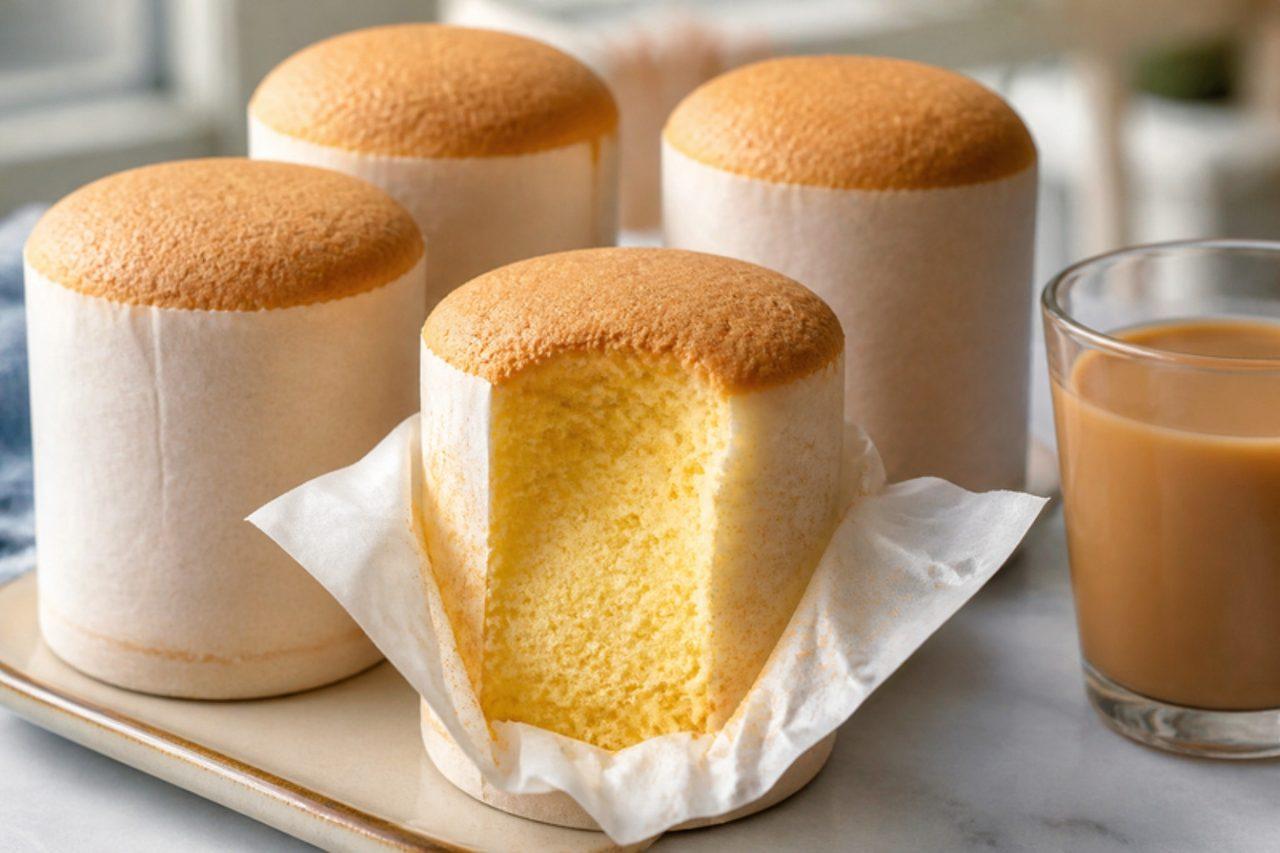
Hong Kong paper-wrapped sponge cake

Hong Kong bakery windows line up these tall, golden cylinders, each in its own band of greaseproof paper, and they sell out early as a breakfast with a glass of milk tea or an after-school snack. Known in Cantonese as zhi bao dan gao, they are close to a chiffon cake: oil and milk keep the crumb soft and moist, and whisked egg whites make it light and bouncy. You peel the paper off as you eat, and the thin outer crust is the best bit. Greasing the paper is a frequent mistake; the batter needs a dry surface to grip and climb, otherwise the sponges slump. Chef's tip: stand the paper cups in a deep muffin tin or ramekins so they keep their shape, and fill them only three-quarters full.

by KrazyBadal 0 views

TopfengolatschenSweet quark puff pastry squares

A Topfengolatsche is what Viennese office workers grab from the bakery on the way in, and what grandparents order with a Melange in a coffee house on a Sunday afternoon. The corners of a puff pastry square are folded over a lemony, vanilla-scented filling of Topfen (Austrian quark) with plump raisins, and the top gets a thin white glaze. It is flaky, light and not too sweet. Raisins are sometimes soaked in rum; warm water or orange juice works just as well, and the recipe below is alcohol-free. Wet quark is the classic problem, because it turns the filling runny and it leaks out in the oven. Chef's tip: hang the quark in a sieve lined with a clean cloth for an hour, or squeeze it, until it is as thick as soft cream cheese.

by KrazyBadal 0 views

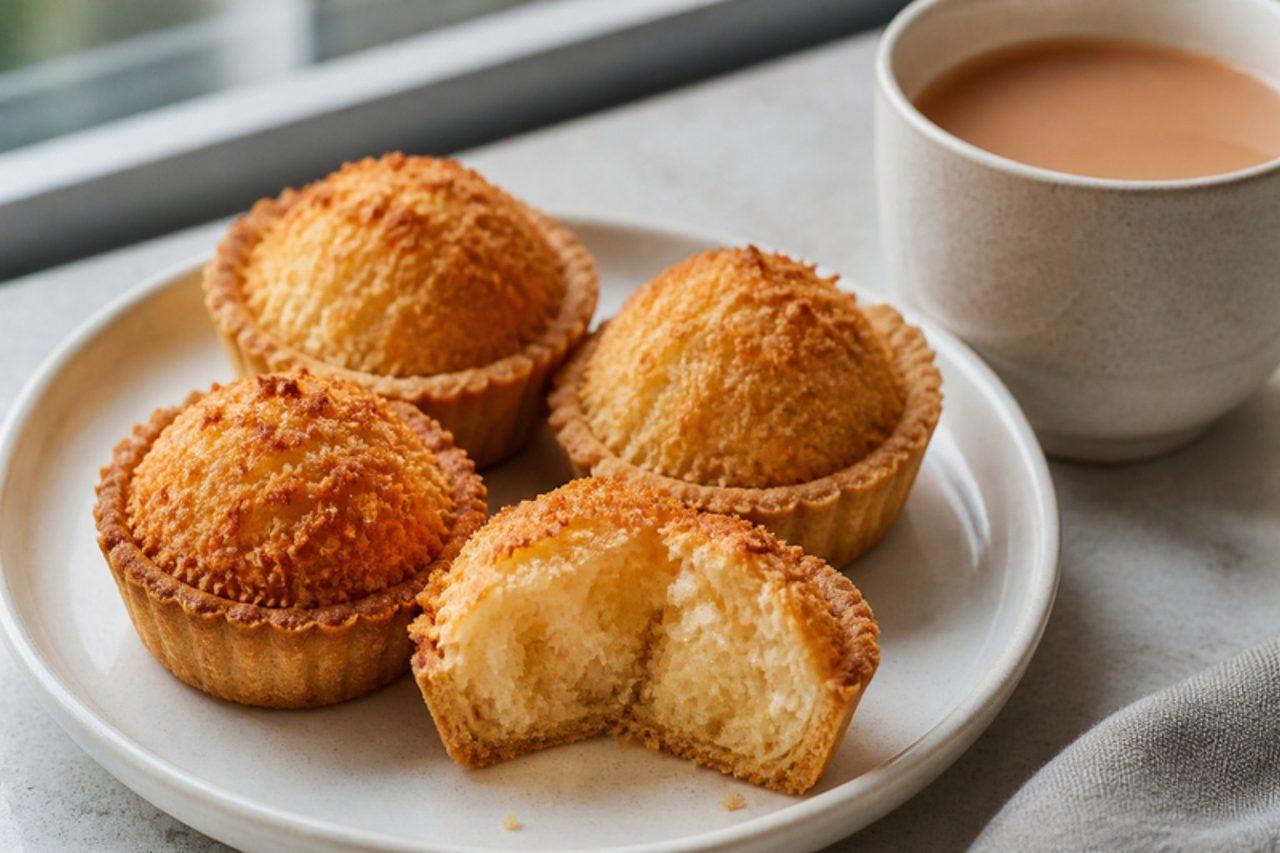
Hong Kong coconut tarts

Next to the wobbling egg tarts in any Hong Kong bakery window sit their sturdier siblings, coconut tarts (yē tāt), with a domed, golden-brown filling of sweetened shredded coconut. Office workers grab one with a milk tea at cha chaan teng tea time around three o'clock, and children love the chewy, macaroon-like centre inside a crumbly, cookie-like butter crust. The filling is just coconut, sugar, egg, butter and a little evaporated milk, with a pinch of baking powder that lifts it into a dome. Overfilling the cases is the usual slip: the coconut rises and spills down the sides, so stop at the rim. Chef's tip: let the filling stand for 15 minutes while you line the tins; the coconut softens and soaks up the liquid, so the tops bake moist instead of scorching.

by KrazyBadal 0 views

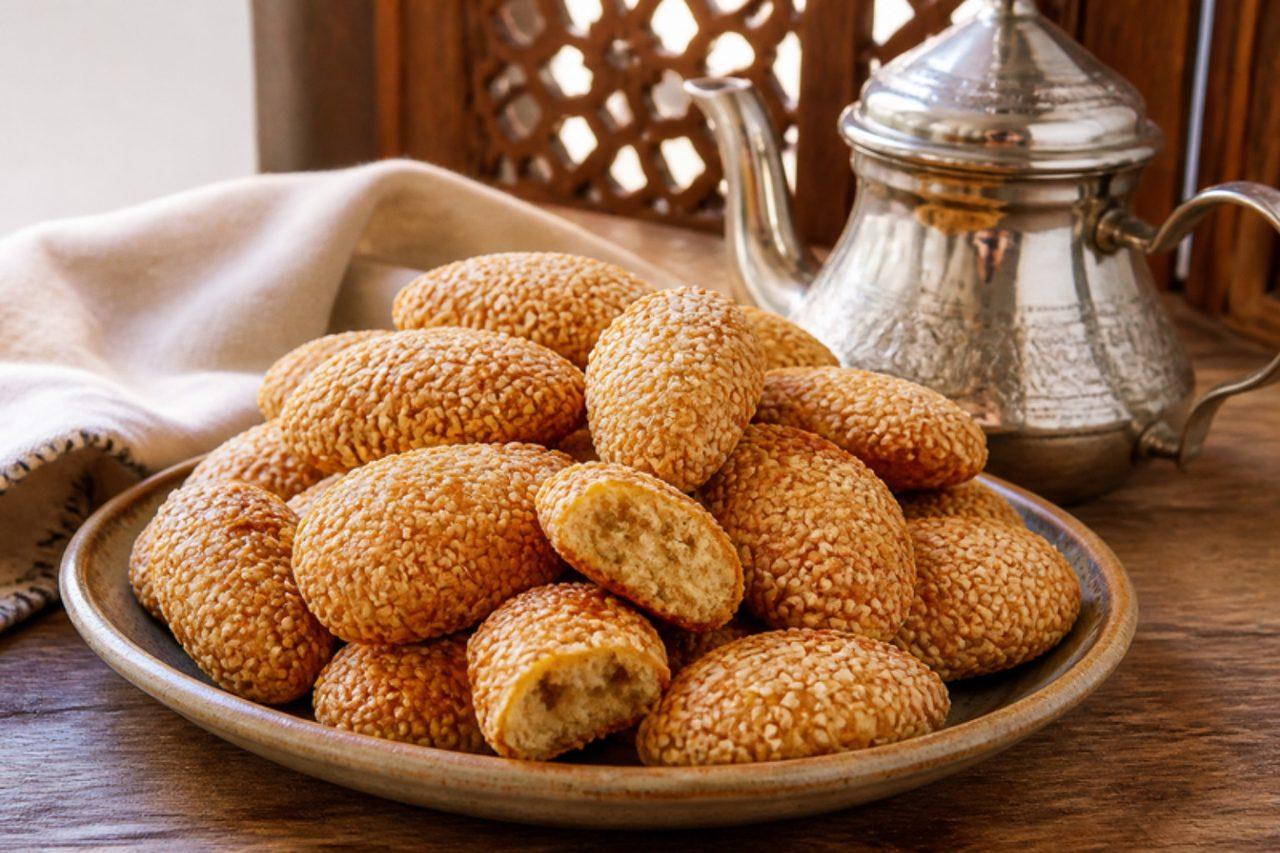
Moroccan bachkoutouOrange and sesame dunking biscuits

Moroccan grandmothers bake bachkoutou by the trayful and keep them in big tins for the afternoon glass of sweet mint tea, and neighbourhood ovens in Fes and Casablanca bake them for families who bring their dough. These are dry, crunchy little biscuits, not rich at all, made with eggs, sugar and oil rather than butter, with orange zest and a coating of toasted sesame; they are meant to be dunked until they soften slightly. Shapes vary from town to town: fingers, rings and rope twists are all common, and some cooks add aniseed. Too much flour is the easy mistake: the dough should stay soft and slightly sticky, or the biscuits bake heavy and hard rather than crisp and light. Chef's tip: once they are cold, put them back in a warm, switched-off oven for 20 minutes; that extra drying is what makes them keep their snap for weeks.

by KrazyBadal 0 views

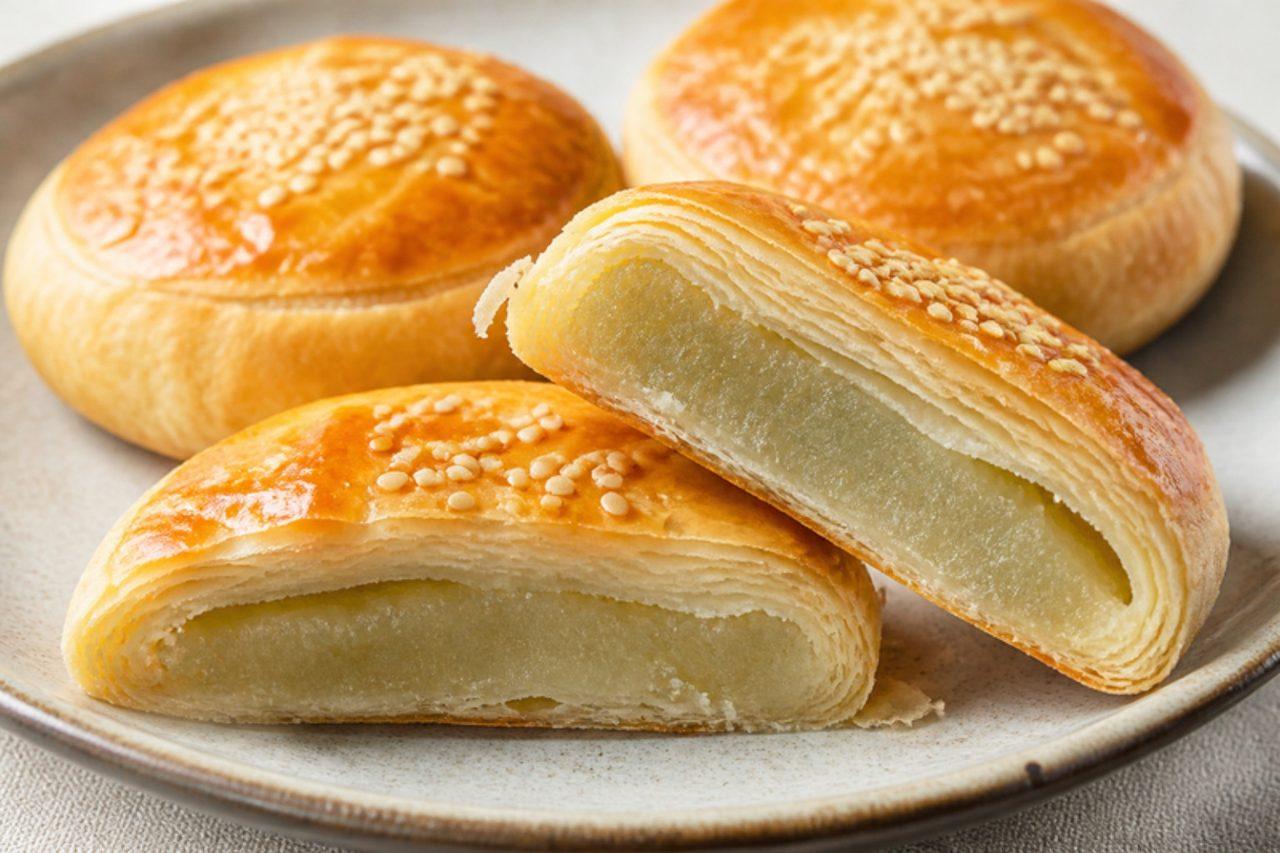
Wife cakeWinter melon flaky pastry

Wife cakes (lou po beng) are one of the gifts people carry home from Yuen Long in Hong Kong's New Territories, and every Cantonese bakery from Guangzhou to London's Chinatown sells them by the box. The thin, shattering pastry hides a soft, chewy filling of candied winter melon set with glutinous rice flour, with toasted sesame and ground almonds for a nutty sweetness. Serve them with a pot of oolong or pu'er. Traditionally the pastry is made with lard; this version uses vegetable shortening, which flakes just as well, so the cakes are vegetarian and dairy free. Rolling too hard is the mistake that ruins them: the layers tear and the pastry bakes up dense. Chef's tip: cook the filling until it pulls away from the pan in a single mass and chill it, because a soft, wet filling bursts through the thin pastry in the oven.

by KrazyBadal 0 views

Kärntner ReindlingCinnamon raisin yeast cake

Carinthia's Easter loaf takes its name from the Reindl, the round, deep pan it is baked in, and in southern Austria no Easter basket goes to church without one. Inside the golden yeast crust is a spiral of butter, cinnamon sugar and plump raisins, so every slice shows a dark swirl. Locals eat it two ways: sweet with coffee on Easter morning, or alongside the savoury Easter platter with horseradish. Many bakers soak the raisins in rum overnight; warm water or tea works just as well and keeps it alcohol-free. A dry, crumbly Reindling usually means too much flour went in during kneading, so keep the dough soft and only lightly floured. Chef's tip: butter the pan well and dust it with sugar, which caramelises into a thin crunchy shell.

by KrazyBadal 0 views

ErdäpfelstrudelSavoury potato strudel

Austrians, especially in the Mühlviertel of Upper Austria and the Waldviertel, make savoury strudels as often as sweet ones, and Erdäpfelstrudel is a farmhouse favourite for a meatless Friday or a cold evening. Thin pastry wraps a filling of potatoes, fried onion, sour cream, marjoram and parsley, baked until crisp and golden and sliced with a green salad or a dill and sour-cream dip. Bought filo makes it easy at home. The mistake to avoid is a wet filling, which turns the pastry soggy underneath. Chef's tip: cool the filling completely before rolling; warm filling makes the layers stick and tear.

by KrazyBadal 0 views

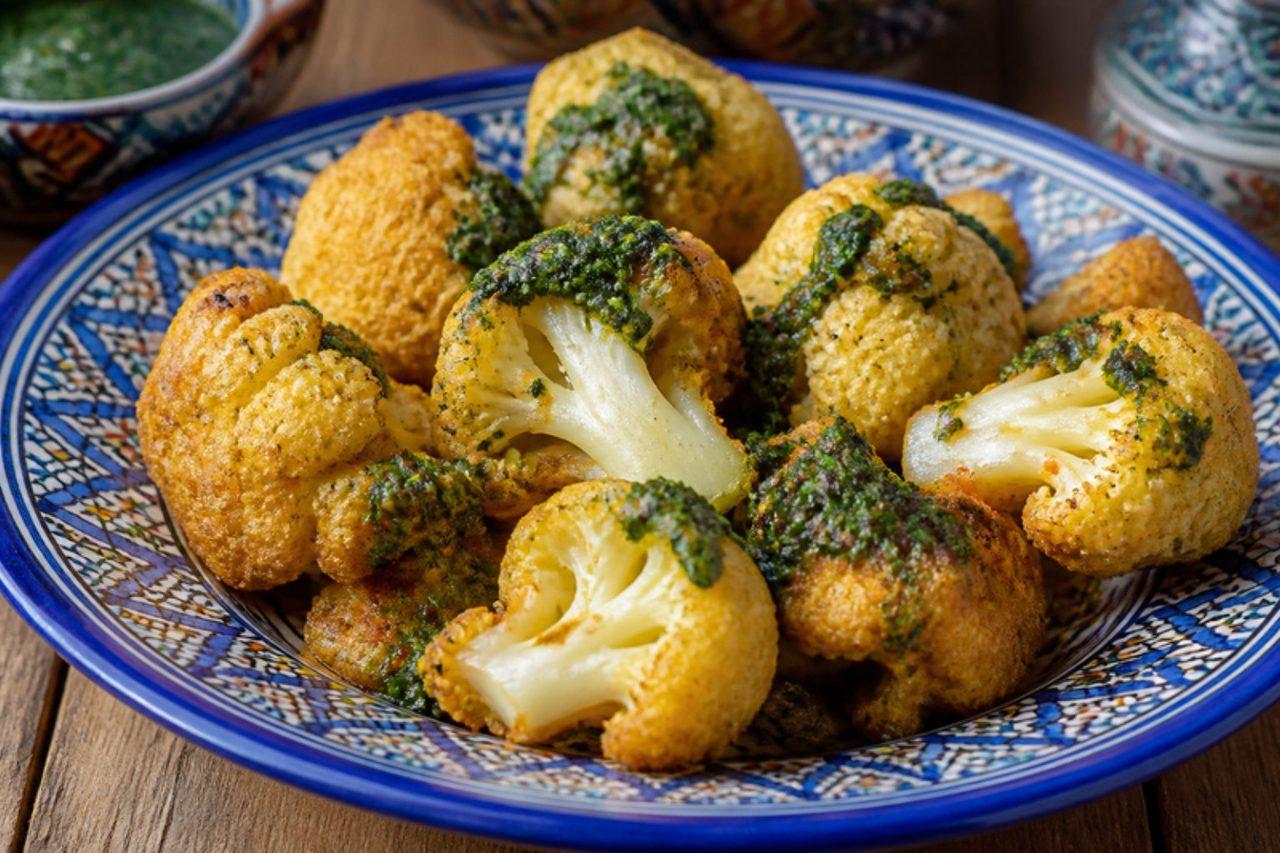
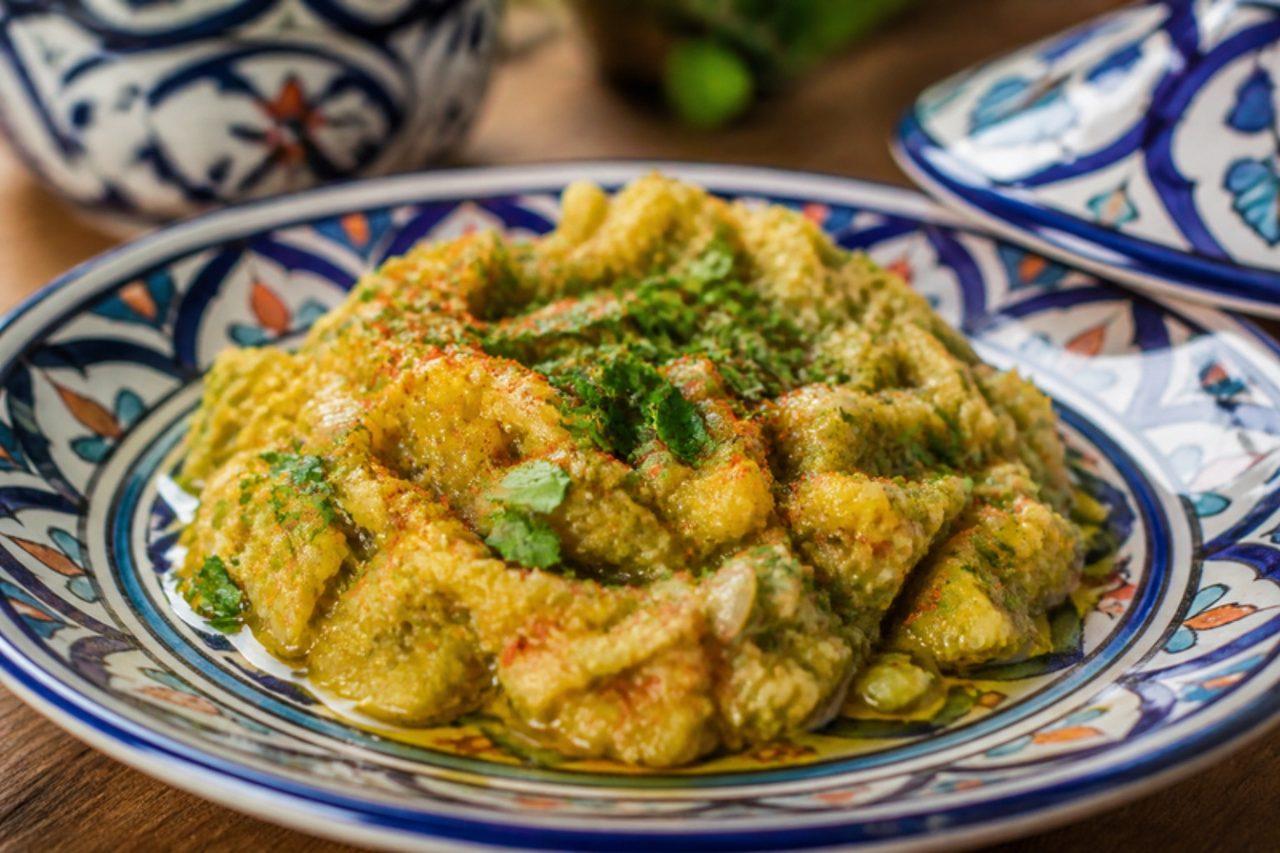
Moroccan fried cauliflower in cumin batter

Casablanca home cooks fry cauliflower this way for Ramadan tables and family lunches alike: parboiled florets dipped in an egg batter heavy with cumin, paprika and parsley, then fried until puffed and golden. They're eaten hot with a squeeze of lemon or a spoon of chermoula, as a side to a tagine or on their own with bread. The common mistake is frying wet cauliflower; the batter slides off and spits, so dry the florets well after boiling. Chef's tip: keep the florets bite-sized and with a bit of stalk, so you can dip them by hand. Contains egg and wheat.

by KrazyBadal 0 views

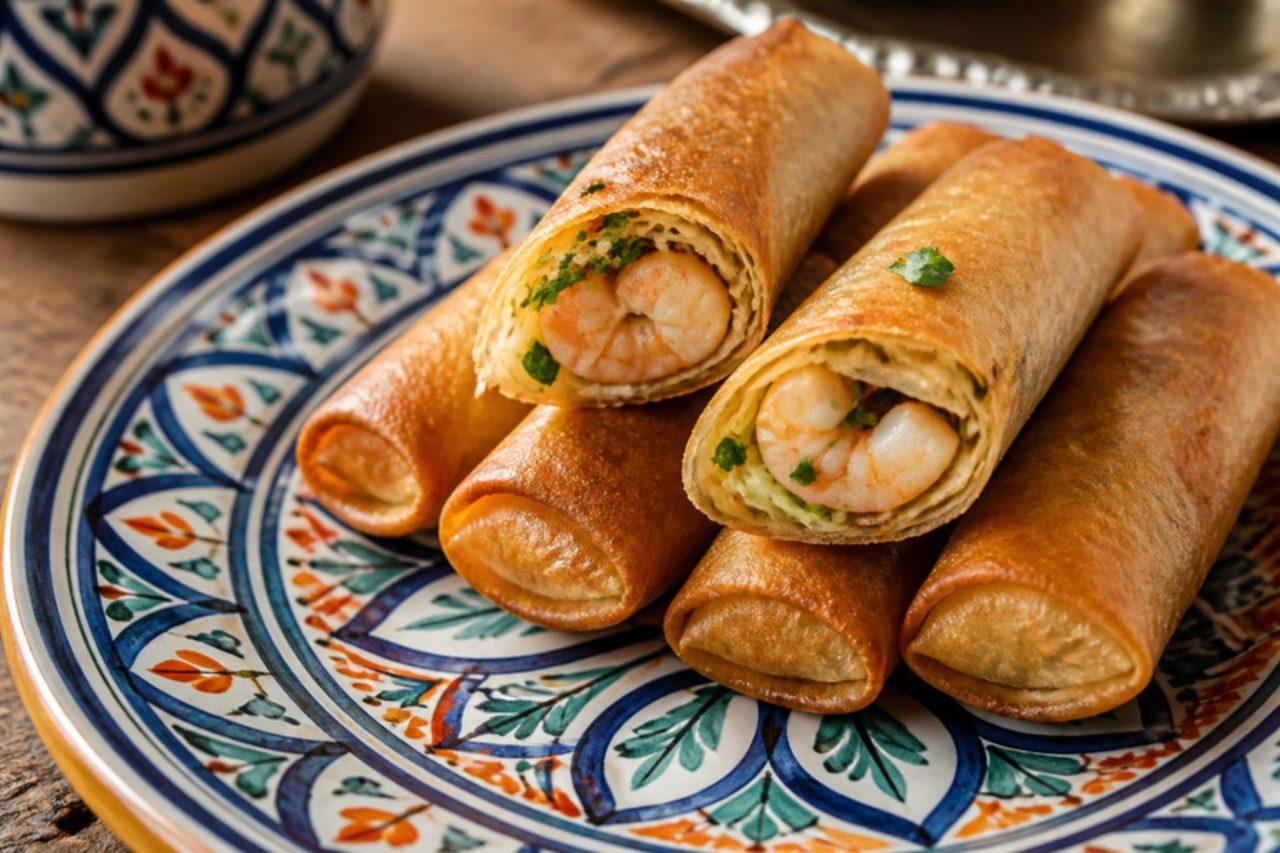
Shrimp and vermicelli briouats

In coastal cities like Agadir and El Jadida, the festive version of briouats is filled with prawns and rice vermicelli tossed in chermoula — a filling borrowed from seafood pastilla, but in a size you can eat in two bites. They come out at weddings, Eid lunches and Ramadan iftars, hot and crackling, with lemon. The usual mistake is a wet filling: cooked prawns and soaked noodles release water, so drain everything well and dry-fry the mix for a minute. Chef's tip: snip the soaked vermicelli into short lengths with scissors so the rolls fill evenly. Contains shellfish, wheat and egg.

by KrazyBadal 0 views

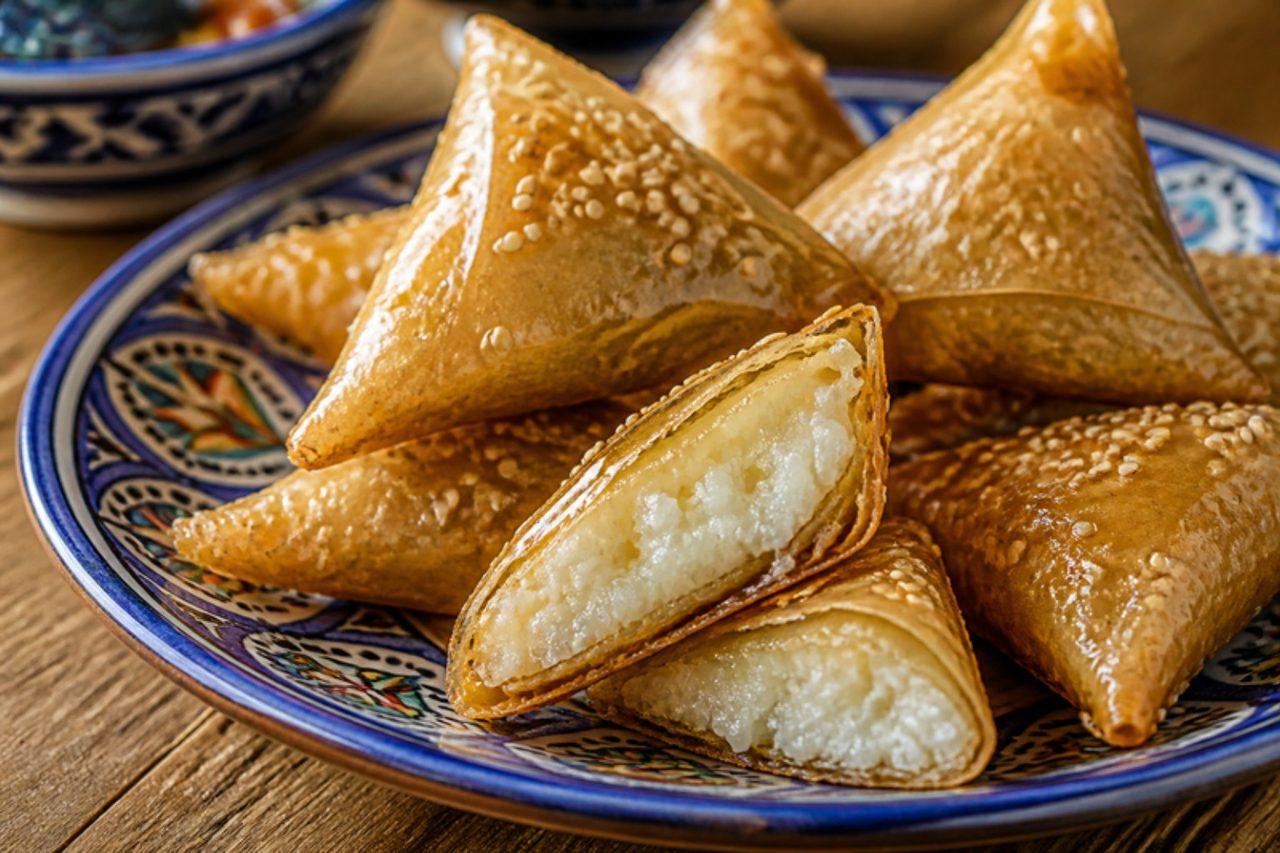
Sweet rice briouats with honey

The old Fassi households and pastry shops of Fes and Rabat make rice briouats for Ramadan and weddings: short-grain rice cooked thick in milk with orange-blossom water, wrapped in warqa, fried and plunged into warm honey. They're crisp outside, creamy within, and served with mint tea. Runny rice pudding makes the pastry burst in the oil, so cook it until a spoon can stand in it, then chill it firm. Chef's tip: warm the honey with a splash of orange-blossom water, and dip the briouats while both are hot so the honey soaks in rather than sitting on top. Contains milk, wheat and almonds.

by KrazyBadal 0 views

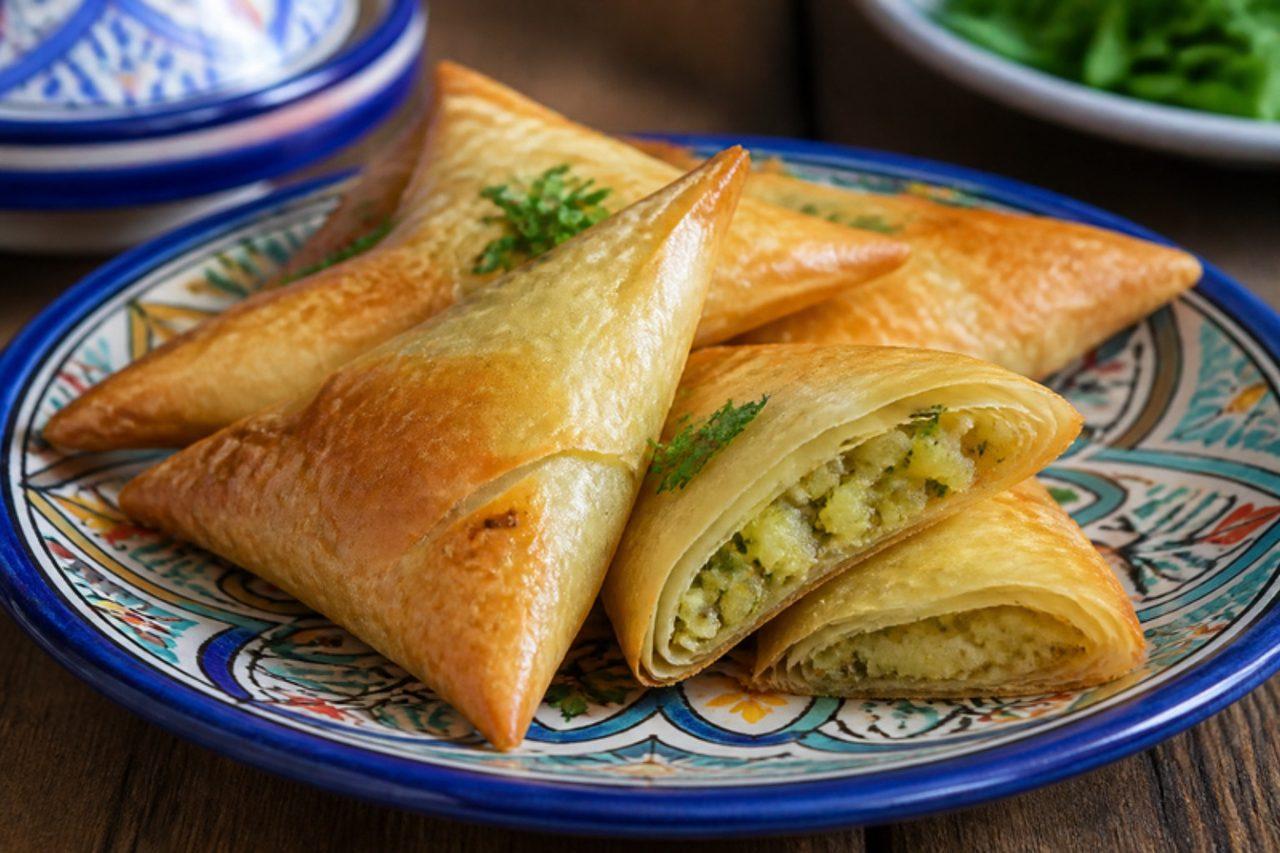
Potato briouats (briwat batata)

During Ramadan, the iftar tables of Casablanca and Marrakech are crowded with little fried pastries, and potato briouats are the budget-friendly favourite. A mash of potato, parsley, coriander, cumin and a little grated cheese is folded into warqa or filo triangles and fried until crackling. Serve them hot with harira or mint tea. The common mistake is a wet, warm filling, which makes the pastry soggy and tear; let the mash cool completely. Chef's tip: seal each triangle with a dab of egg yolk or flour paste; they won't open in the oil. Check cheese labels: some is made with animal rennet. Contains wheat, egg and milk.

by KrazyBadal 0 views

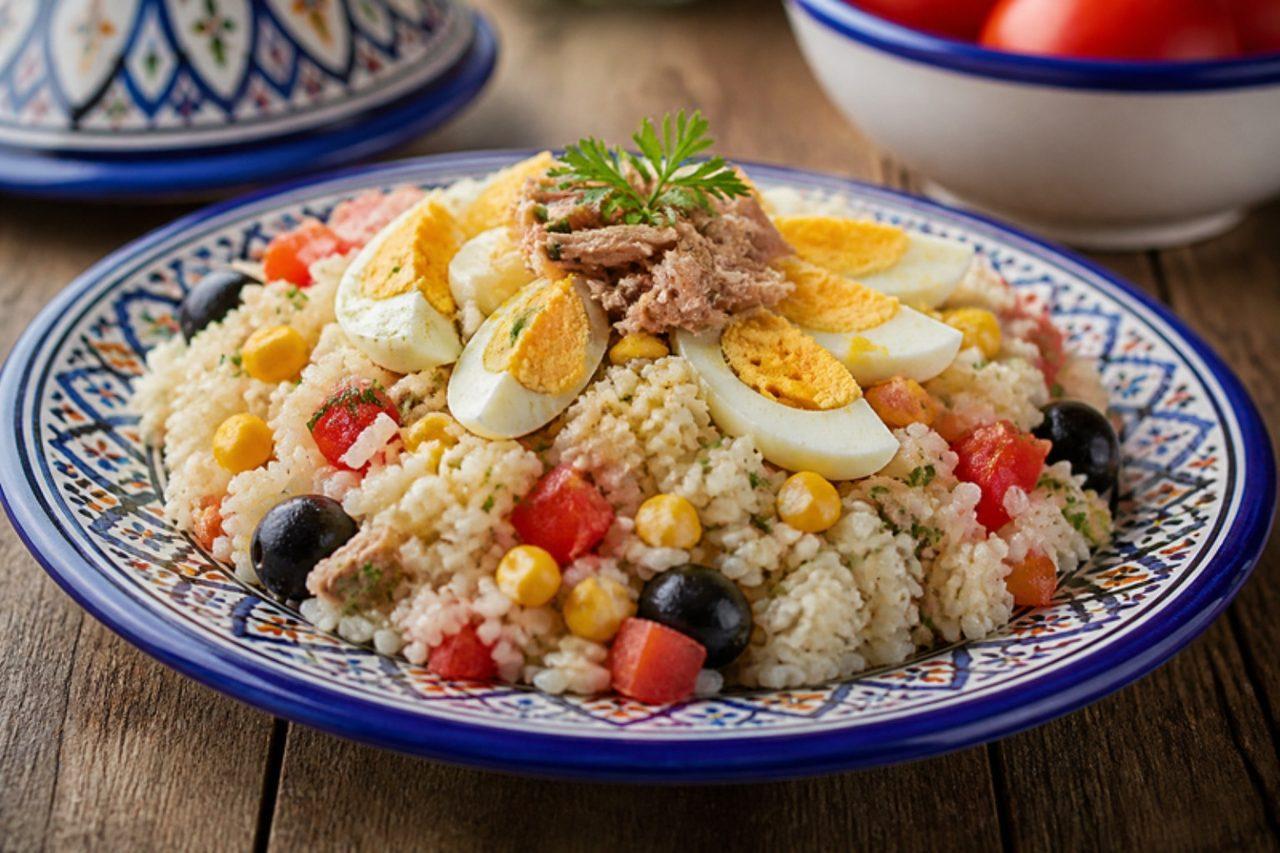
Moroccan party rice salad (shlada rouz)

Moroccan weddings, birthday parties and summer picnics in Rabat and Casablanca nearly always have a big platter of shlada rouz, the rice salad decorated in stripes and rings like a mosaic: tomato, sweetcorn, green olives, beetroot, boiled egg and flaked tuna on a bed of lemon-dressed rice. It's eaten cold as a starter. Rice cooked too soft turns to paste once dressed, so drain it while it still has a slight bite. Chef's tip: dress the rice while it's still a little warm; it soaks up the vinaigrette much better.

by KrazyBadal 0 views

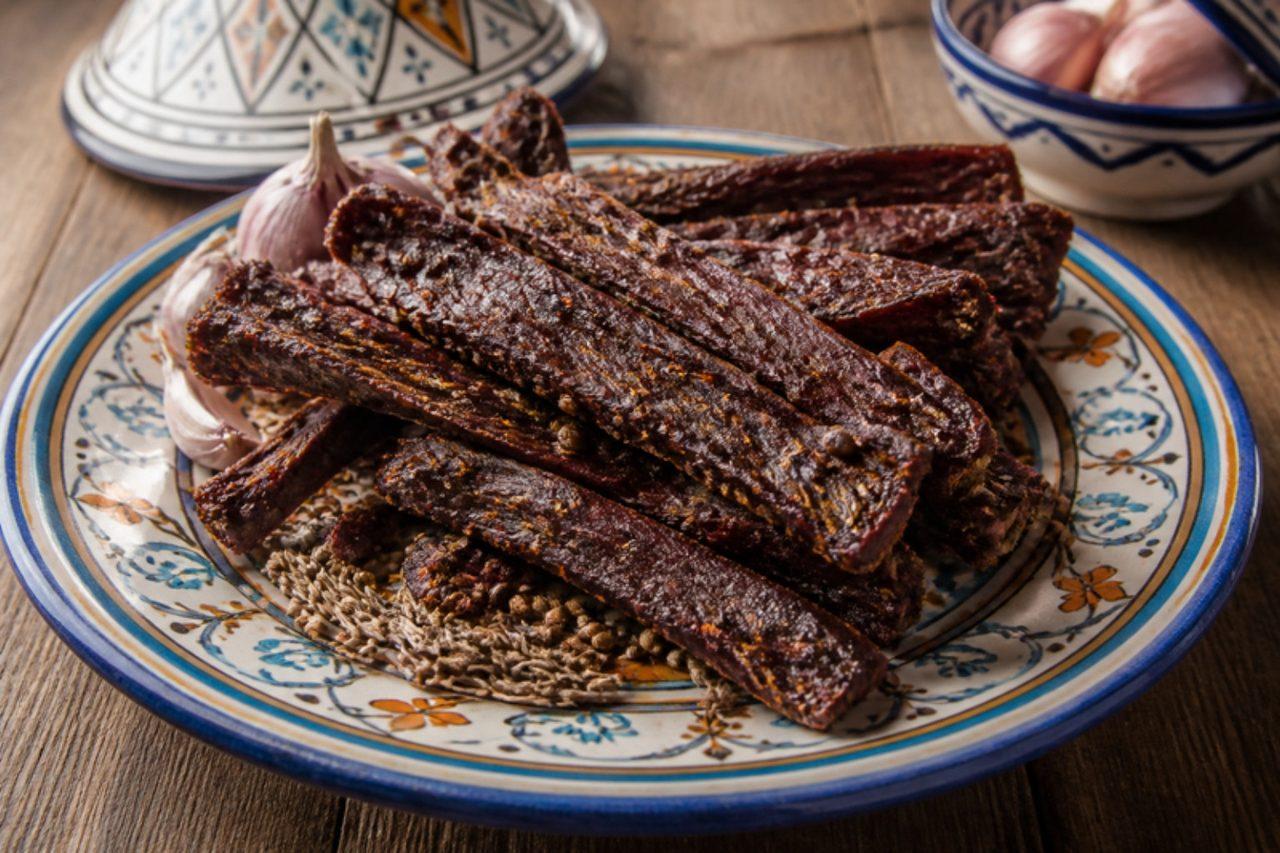
Gueddid (spiced dried lamb, safe oven method)

After Eid al-Adha, families across Morocco traditionally cut part of the sacrificed lamb into strips, rub it with salt, garlic, cumin and coriander and hang it on rooftop lines in the sun for days; the gueddid is then kept for Ashura couscous, lentil stews and eggs. Sun-drying meat at home is not safe without strict control, so this version cures the strips in the fridge, then dries them in a low oven until the meat is cooked through to at least 71 °C and leathery-dry, with the same deep, salty, cumin flavour. The common mistake is cutting thick strips: anything over 1 cm stays moist in the centre. Chef's tip: semi-freeze the meat for an hour first so you can slice it thinly and evenly. Not for anyone on a low-salt diet.

by KrazyBadal 0 views

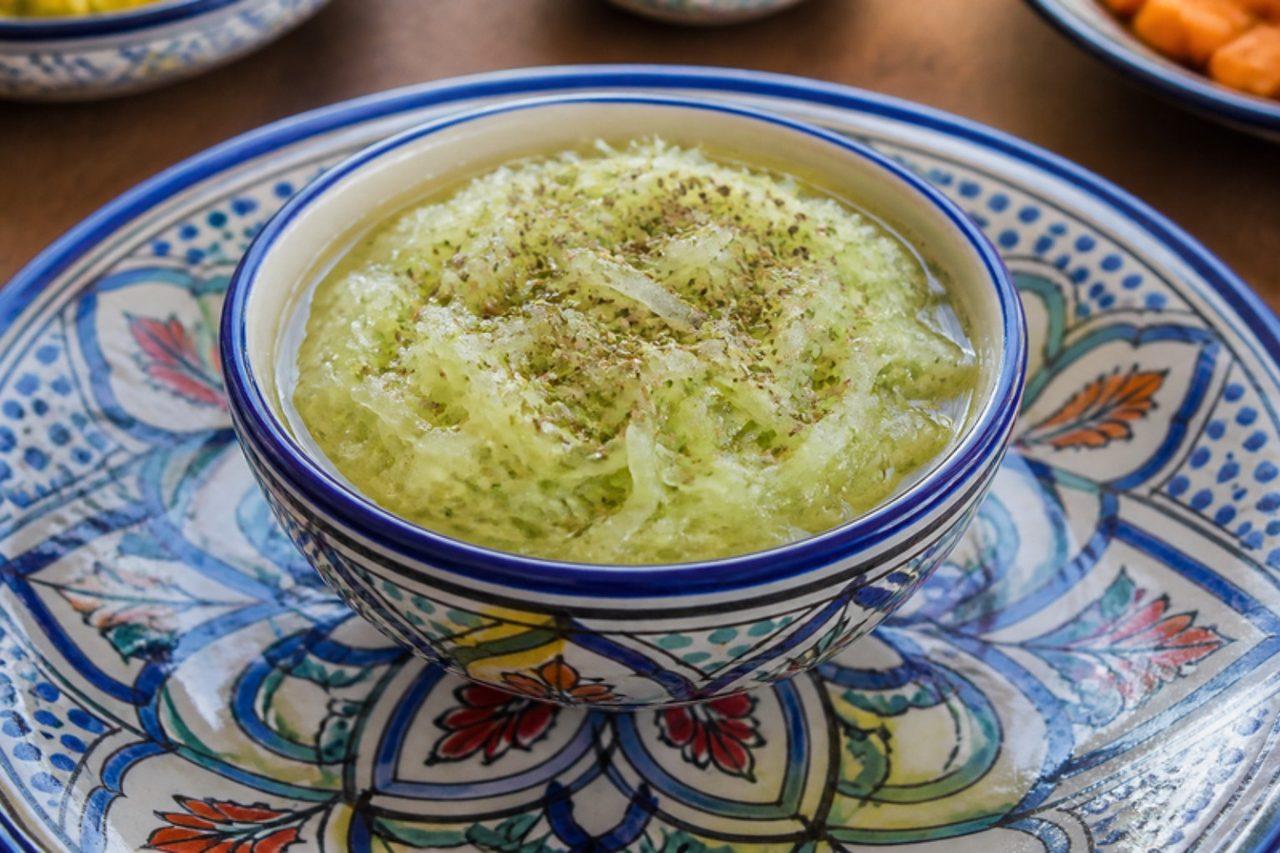
Shlada khiar (grated cucumber salad with oregano)

In the heat of a Fes or Marrakech summer, this ice-cold grated cucumber salad is served in bowls with spoons, half salad, half drink, alongside rich tagines or a plate of fried fish. Cucumber is grated and loosened with water, vinegar and a little sugar, then perfumed with crushed dried oregano or zaatar. Grating ahead and leaving it to sit in salt is the usual slip; the cucumber goes limp and bitter. Chef's tip: rub the oregano between your palms over the bowl to wake its oils.

by KrazyBadal 0 views

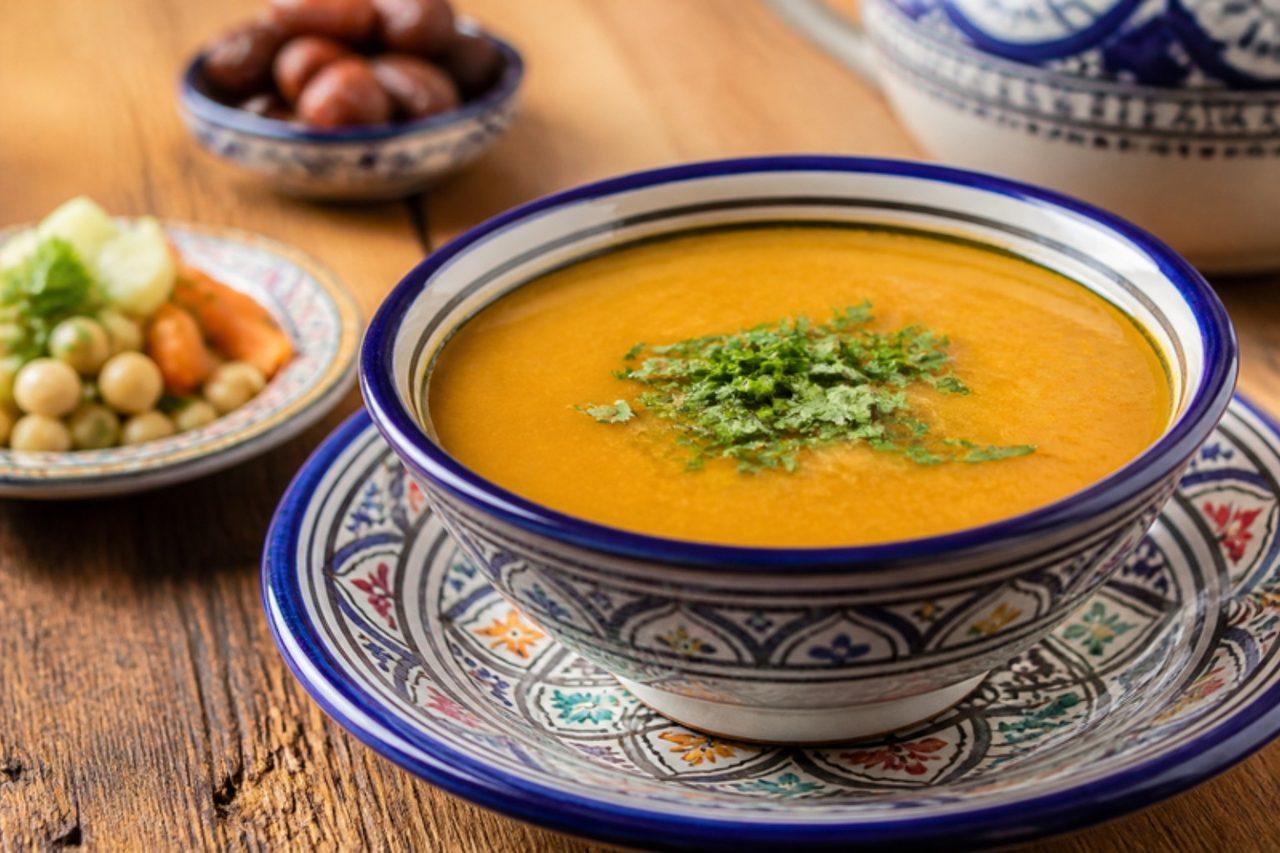
Chorba khodra (light Moroccan vegetable soup)

Chorba khodra is the everyday soup of Moroccan homes from Tangier to Agadir, served for supper on cold evenings and to anyone feeling unwell. Carrots, courgettes, potato, turnip and celery simmer with onion, tomato, coriander, parsley, ginger and a little turmeric, then get blended into a smooth, light orange soup thickened with a spoon of fine vermicelli or semolina. Serve with bread and a lemon wedge. Most people boil it too long so the herbs turn dull; add the fresh herbs in the last 10 minutes. Chef's tip: a teaspoon of smen or olive oil stirred in right before serving gives it the roundness of the restaurant version. Contains wheat (vermicelli).

by KrazyBadal 0 views

Shlada gar'a (cooked courgette salad with cumin)

In Meknes and Casablanca the pale courgettes of early summer are cooked down into this soft, spiced salad, one of several little dishes set out with bread before the main course. The courgettes are steamed with garlic, then crushed lightly with olive oil, cumin, paprika and lemon until spoonable but still chunky. Serve it cool with bread or alongside grilled fish. Watery courgettes are the usual problem; cook off all the liquid before seasoning. Chef's tip: add a handful of chopped coriander only at the end so it stays bright.

by KrazyBadal 0 views

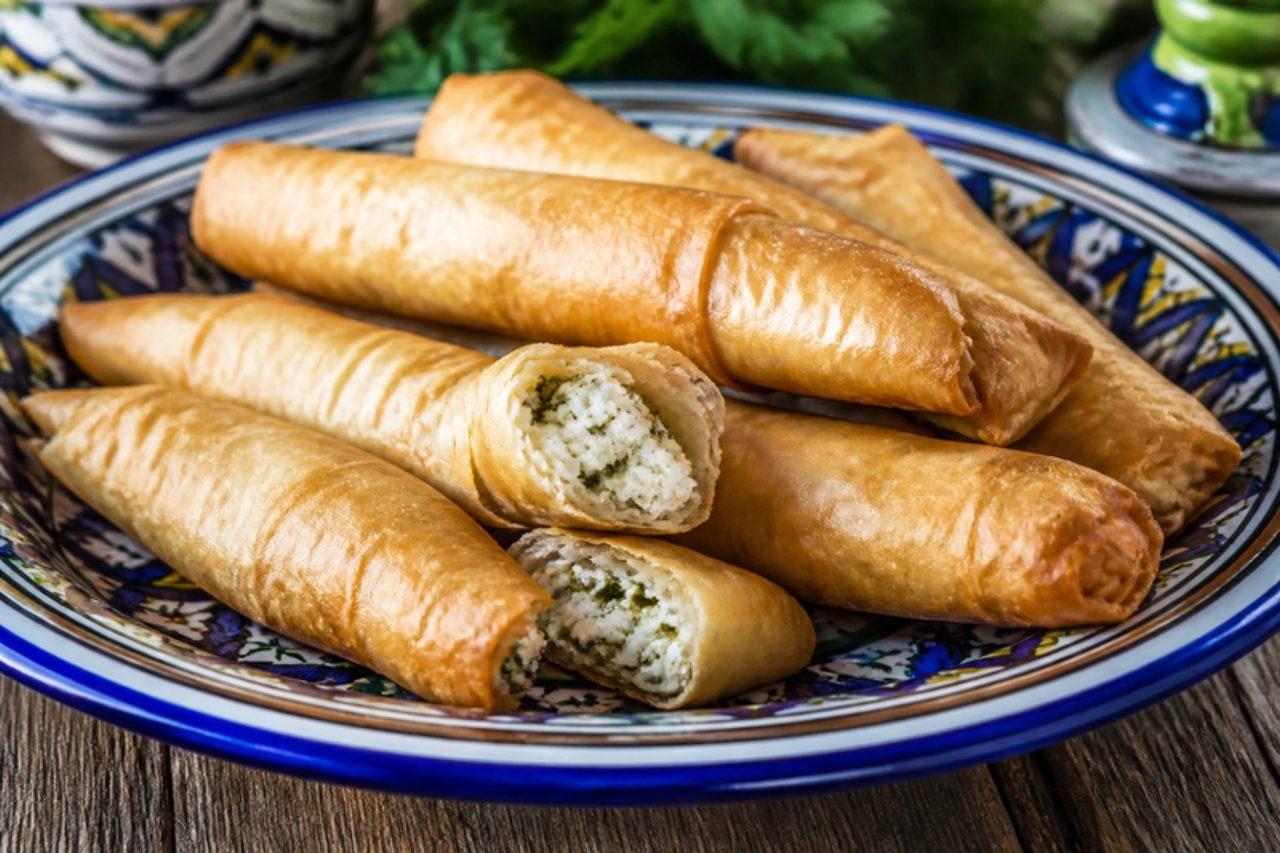
Cheese briouats (briwat bel fromage)

Cheese briouats are the cigars that disappear first from Ramadan tables in Rabat and Tangier: fresh, salty cheese mixed with egg, parsley and a pinch of chilli, rolled tight in warqa and fried until the pastry shatters. They're served hot, at iftar or with mint tea for afternoon guests. Overfilled cigars burst and leak cheese into the oil; a level tablespoon each is enough. Chef's tip: a little grated hard cheese in the mix stops the fresh cheese from going watery. Traditional fresh cheese like jben is made with animal rennet; choose a vegetarian one if needed. Contains milk, egg and wheat.

by KrazyBadal 0 views

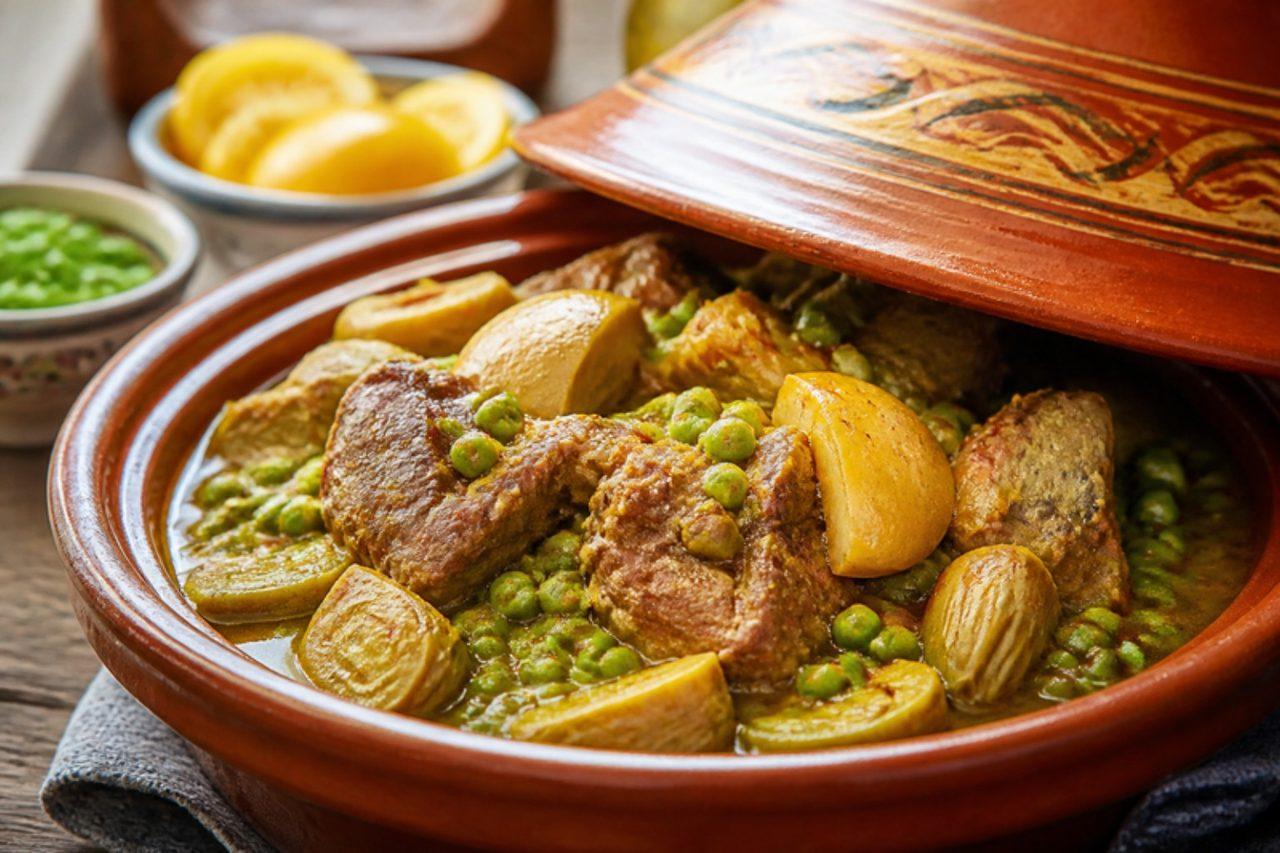
Tagine qoq w jelbana (lamb with artichokes and peas)

In Fes and Meknes, spring is announced by the first wild artichokes and fresh peas, and families cook them in this pale, saffron-gold lamb tagine for the Friday lunch. The lamb simmers with onion, ginger, saffron and olive oil until tender, then artichoke hearts and peas go in so they stay green, and preserved lemon adds a salty brightness. Eat it straight from the pot with khobz. The common mistake is adding the vegetables with the meat, so they go grey and mushy; they need only the last 20 minutes. Chef's tip: rub cut artichokes with lemon and keep them in lemon water, or they blacken within minutes.

130 minMoroccanMeatGluten free
by KrazyBadal 0 views

Showing 24 of 392 recipes

Show more recipes

Page 1 of 17