Skip to content
Recipes

All recipes

Vegetarian, or something you can't eat? Set your diet once and we'll hide recipes that don't fit.

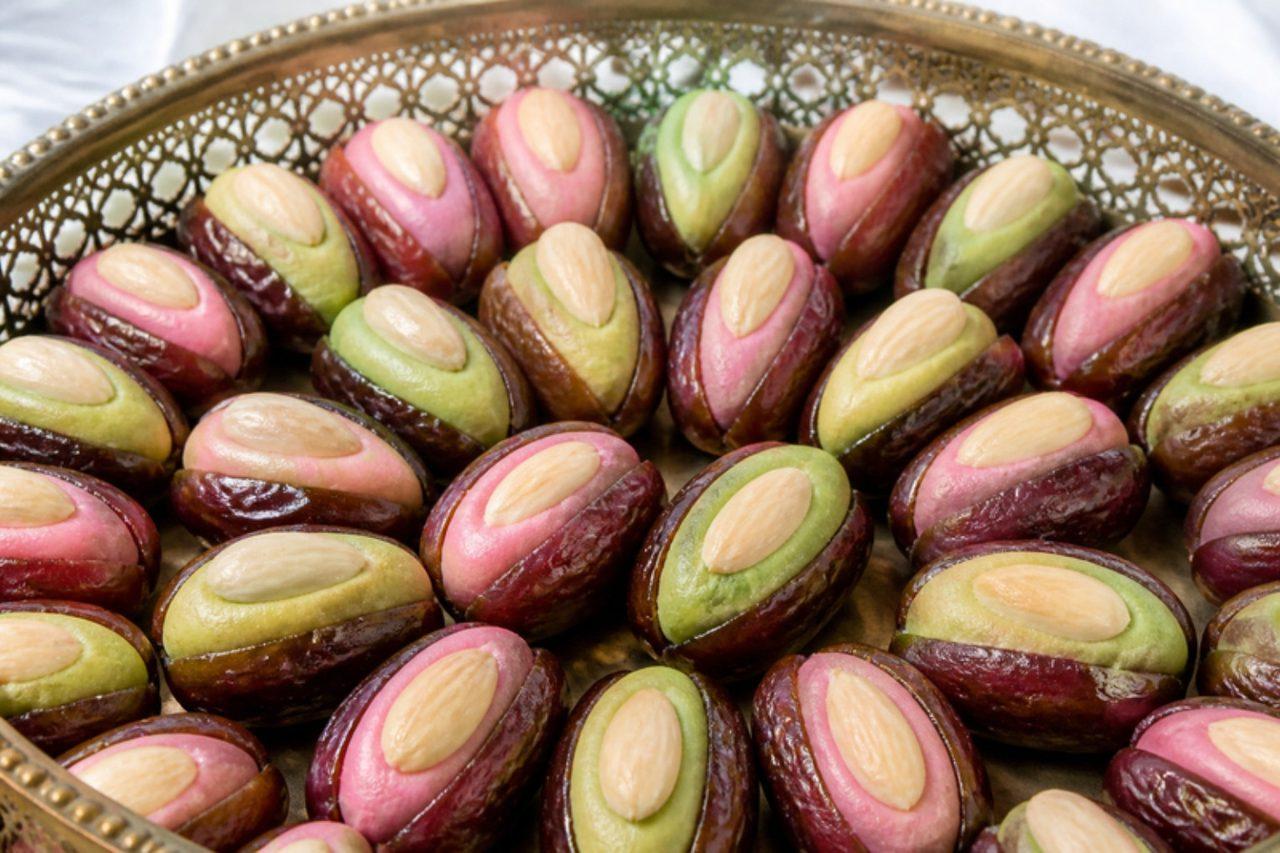
Tmar mehchi (Moroccan almond-stuffed dates)

Tmar mehchi is the stuffed date of Fez and Marrakech, piled high on silver trays at weddings, engagements and Eid, and offered to guests with mint tea. Soft dates are filled with a homemade almond paste perfumed with orange-blossom water, often tinted pale green or pink to match the celebration, then scored with a knife so the filling shows. They are soft, rich and caramel-sweet, with a floral, nutty middle. The paste here is mixed from ground almonds and icing sugar, so there is no shop marzipan, which can contain egg white. It is naturally egg-free: the dates' sticky flesh and a few spoonfuls of orange-blossom water bind the almond filling. Chef's tip: add the orange-blossom water a little at a time and stop when the paste is firm like play dough. The common mistake is a wet paste, which oozes out and makes the dates slippery.

by KrazyBadal 0 views

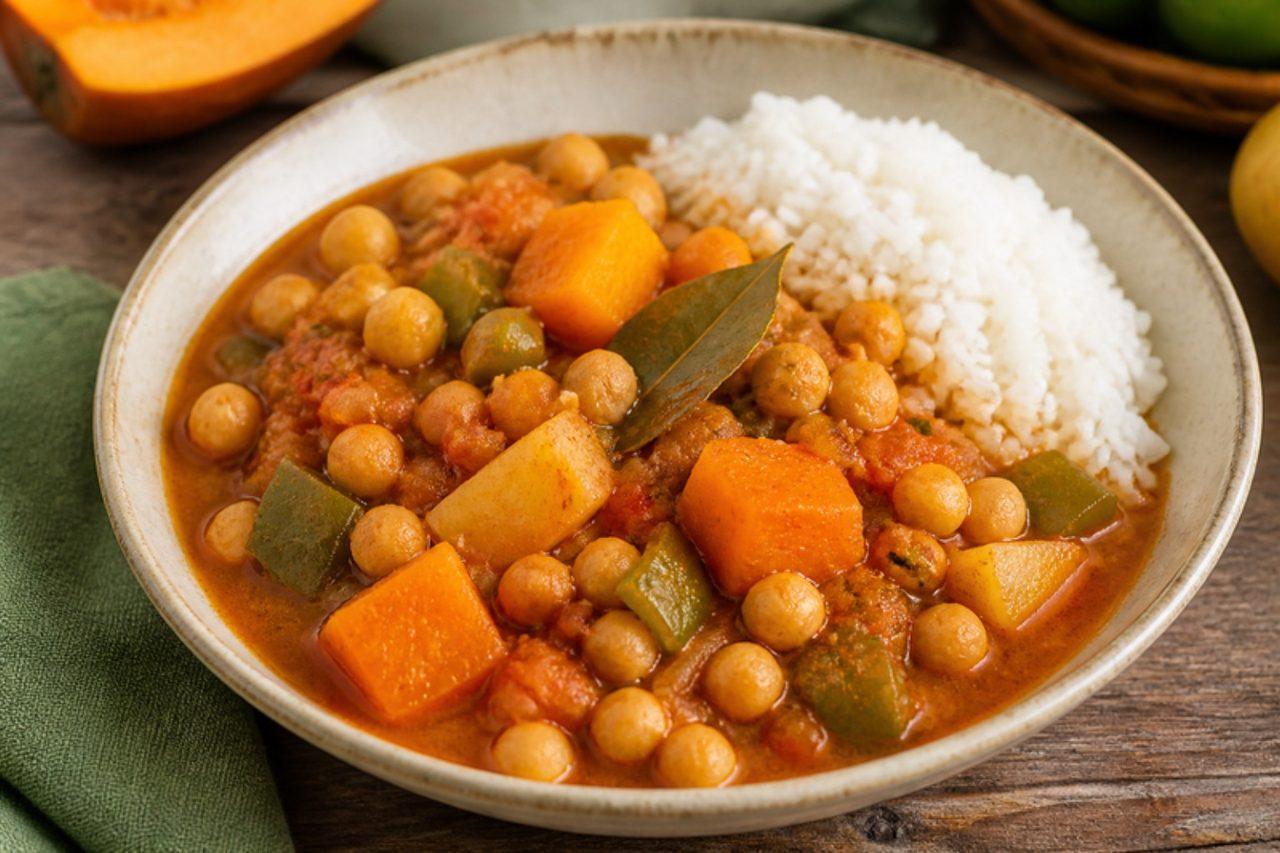
Cuban potaje de garbanzos (vegetarian)Chickpea and pumpkin stew

In Havana and across Cuba, a pot of potaje de garbanzos simmers on the stove for the main meal of the day, and is ladled over white rice with a few slices of fried ripe plantain on the side. Chickpeas cook until creamy with chunks of calabaza (West Indian pumpkin) and potato, then a sofrito of onion, green pepper, garlic and tomato turns the broth thick and orange. Most Cuban cooks add chorizo; this is the vegetarian version, with smoked paprika giving the smoky warmth instead, and it is fully vegan. A bowl gives about 21 g of protein from the chickpeas. Soak the chickpeas for 12 hours first; that time is not counted below. The most common mistake is adding the pumpkin at the start: it dissolves completely, so add it once the chickpeas are nearly tender. Chef's tip: let the potaje rest for half an hour before serving; it thickens and tastes even better the next day.

120 minCubanCurriesVeganGluten free
by KrazyBadal 0 views

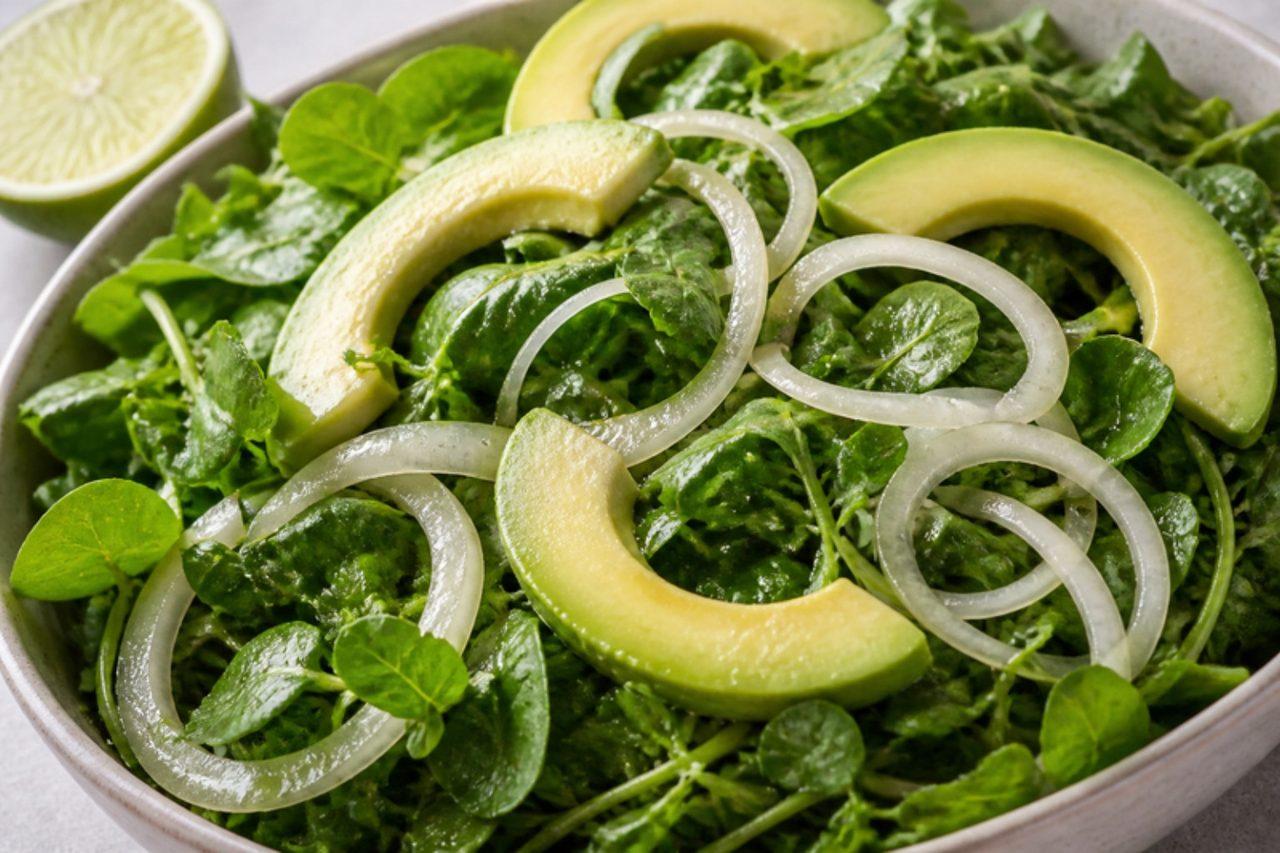
Ensalada de berroWatercress salad

In Cuban homes from Havana to Santiago, a plate of peppery watercress with thin rings of onion and a squeeze of lime sits beside the rice, beans and fried plantain at almost every weekday lunch. The dressing is simply lime or sour orange, olive oil and salt, so the cress stays crisp and bright and cuts through richer dishes. It is very light, with about 2 g of protein a portion, so it is purely a side; pair it with black beans and rice for a full meal. The most common mistake is dressing it in advance: watercress wilts in minutes once salted. Chef's tip: keep the thick lower stems out and use only the tender tops and leaves; the salad will be crisp, not stringy.

by KrazyBadal 0 views

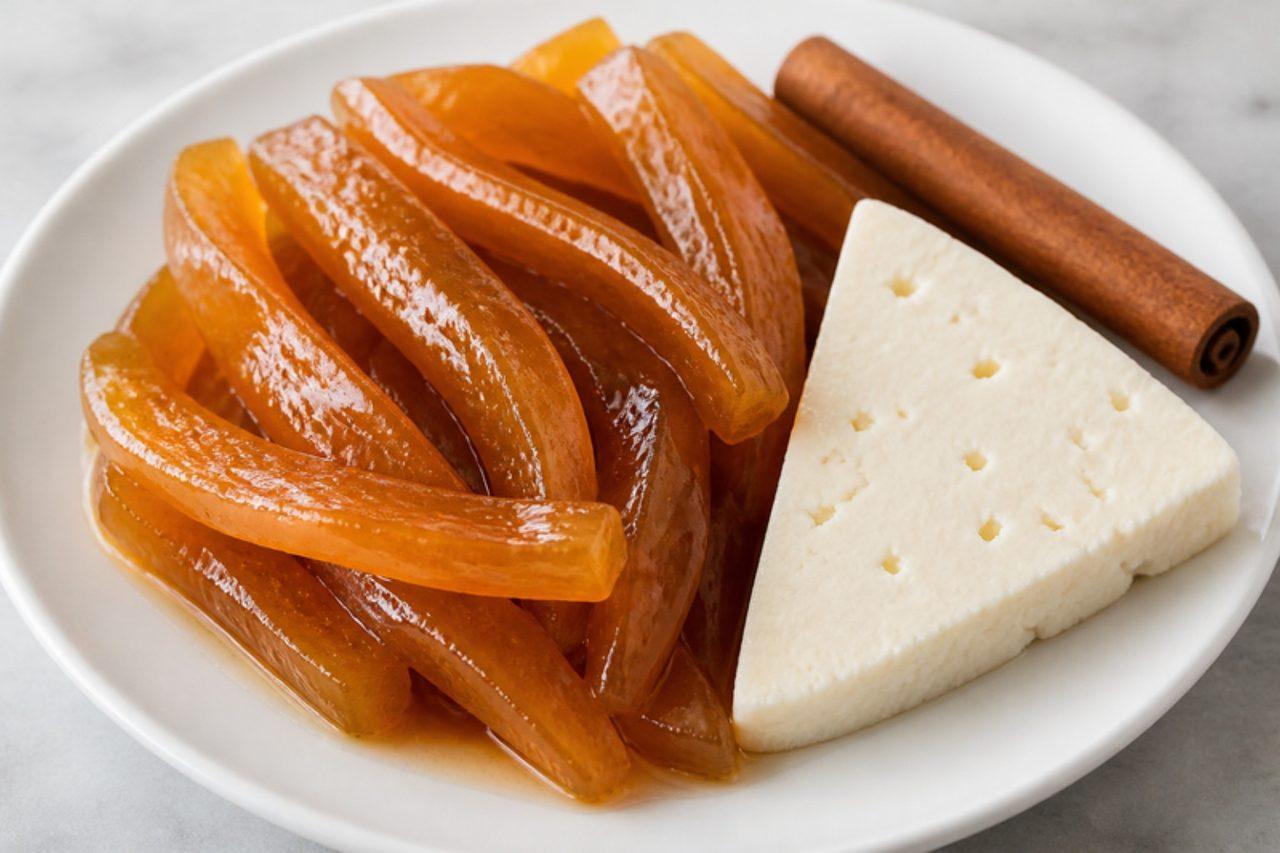
Dulce de fruta bomba (Cuban green papaya in syrup)

In Cuba, papaya is called fruta bomba, and its green, unripe fruit is cooked into this old-fashioned dulce, a fixture of home cooking all over the island and often made in big batches to keep. Strips of firm green papaya are simmered slowly in a cinnamon and lime-peel syrup until they turn translucent and chewy, with a candied, honeyed flavour. The Cuban way to eat it is with a slice of salty, crumbly white cheese, which balances the sweetness; a cup of strong coffee goes alongside. The dulce is egg-free by tradition, with nothing to bind: the papaya candies in the sugar syrup, and a short soak in water with a little bicarbonate of soda helps the strips stay firm. Chef's tip: rinse the strips well after the soak and simmer them gently; the common mistake is boiling the syrup fast, which hardens the outside of the papaya before the syrup can soak in.

by KrazyBadal 0 views

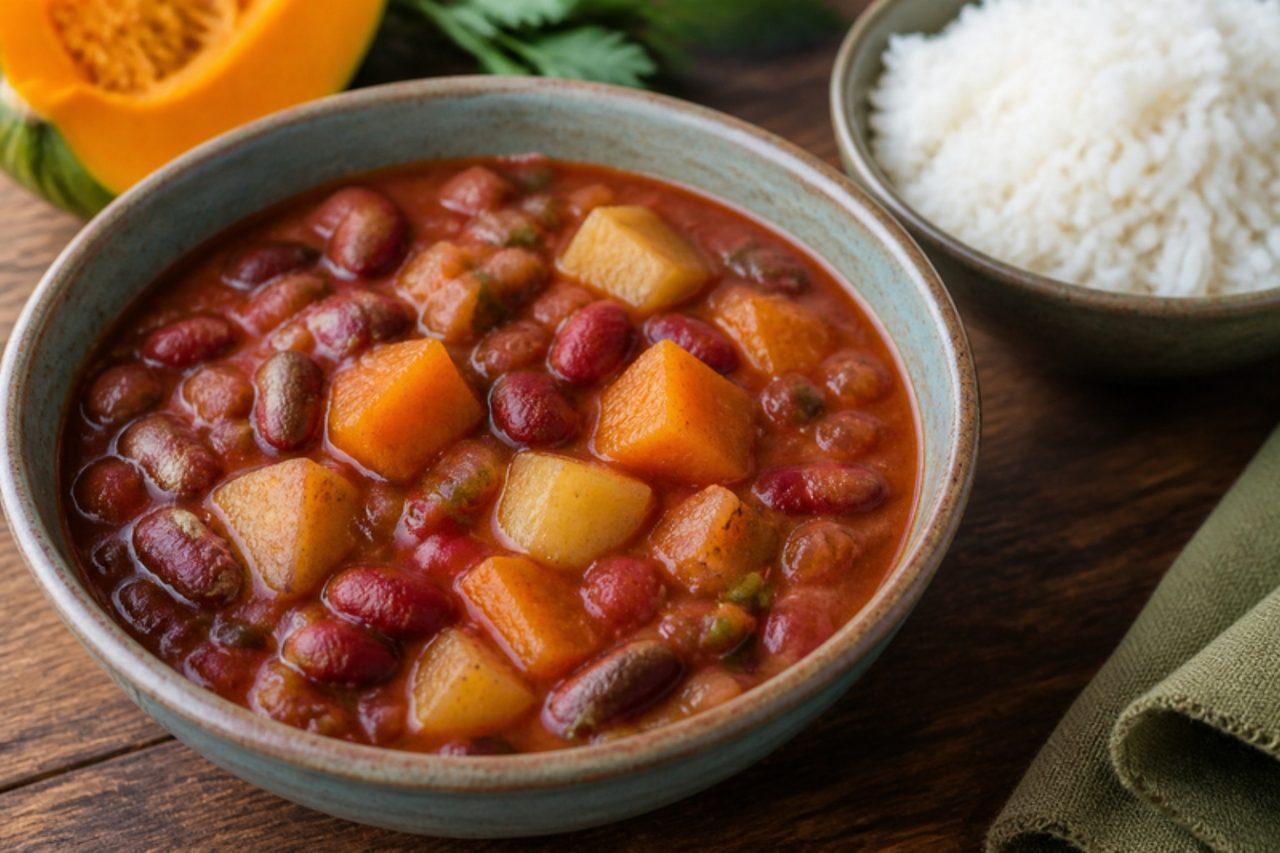
Cuban red bean potaje (vegetarian)Red bean and pumpkin stew

Potaje de frijoles colorados is everyday Cuban home cooking, eaten in Havana, Camagüey and Santiago alike as the midday meal over white rice, often with a simple avocado salad. Red kidney beans cook until soft and are thickened with calabaza and potato, then flavoured with a sofrito of onion, pepper, garlic, cumin and oregano. It is usually made with pork or chorizo; this is the vegetarian and vegan version, with smoked paprika and a spoonful of vinegar-pickled pepper brine giving the same savoury depth. A bowl gives about 25 g of protein from the beans. Soak the beans for 12 hours first (not counted below), and boil them hard for 10 minutes before simmering, as raw kidney beans contain a toxin. The most common mistake is salting at the start, which keeps the skins tough. Chef's tip: a teaspoon of sugar in the sofrito is a Cuban touch that rounds out the tomato and beans.

135 minCubanCurriesVeganGluten free
by KrazyBadal 0 views

CapuchinosYolk sponge cones in spiced syrup

Named for the pointed hoods of Capuchin friars, these little cones of yolk sponge sit in neat rows in Havana dulcerías, glistening with syrup and sold by the half dozen for birthdays and Sunday visits. They're baked in small cone moulds, then dropped into warm syrup scented with lime peel, cinnamon and star anise until heavy and soaked through, so they are moist, eggy and very sweet. The syrup is often spiked with rum or anise liqueur; this one stays alcohol-free. A syrup boiled too thick won't soak in and leaves a sticky crust, so keep it at a light, pourable stage. No cone moulds? Bake them in a mini muffin tin; they just won't have the hood shape. Chef's tip: soak the sponges while they're still warm and the syrup is warm too; both at the same temperature, the syrup goes right to the centre.

by KrazyBadal 0 views

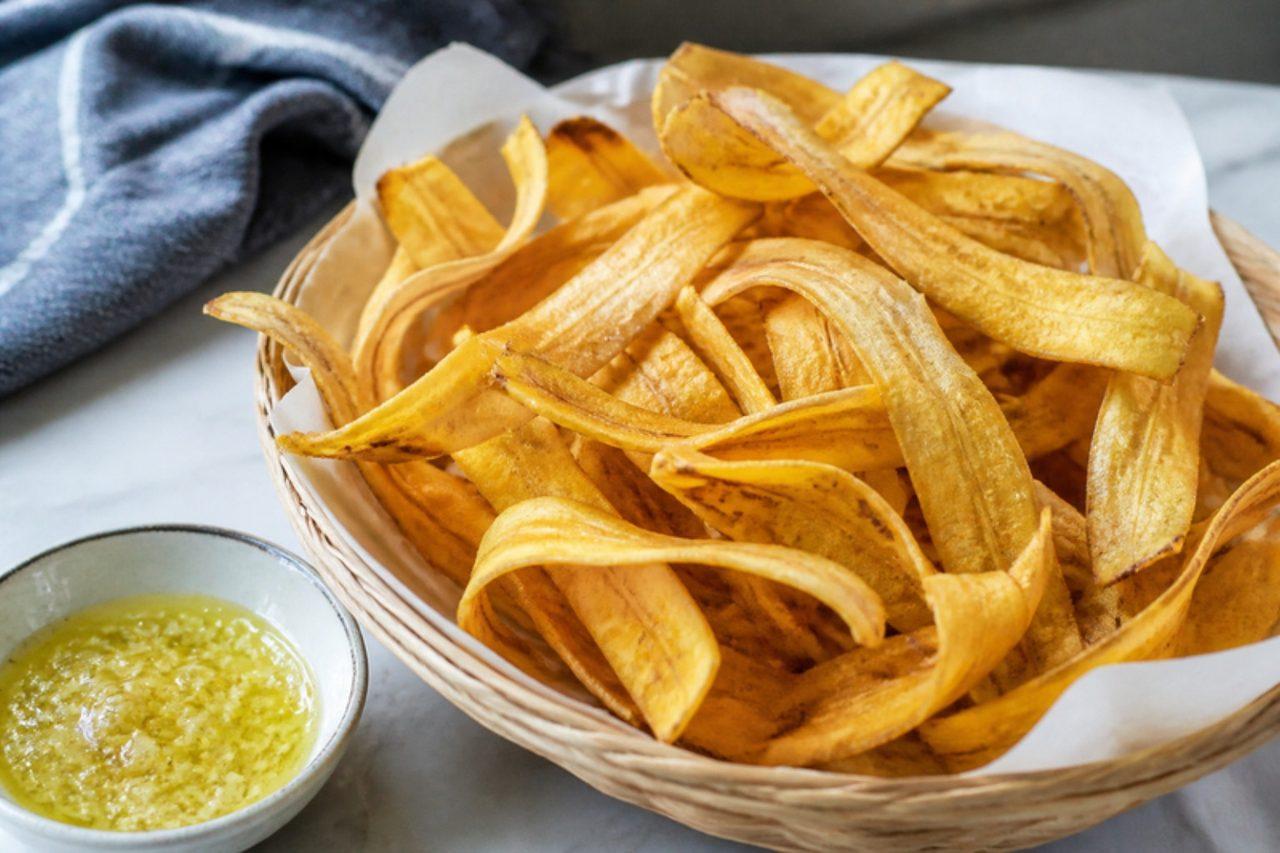
MariquitasGreen plantain chips

Mariquitas are the thin, glassy green-plantain chips that come in paper cones at Cuban cafeterías in Havana and Miami, always with a little bowl of garlicky mojo for dunking. They are a party and weekend snack, but with a mandoline they are ready in twenty minutes on any evening. The most common mistake is using plantains that have started to ripen: yellow ones are sweet and soft and burn before they crisp, so buy them hard and fully green. Take care with the mandoline and use its guard, and never leave hot oil unattended. Chef's tip: cut long, paper-thin slices lengthwise and drop them into the oil one at a time so they don't stick together.

by KrazyBadal 0 views

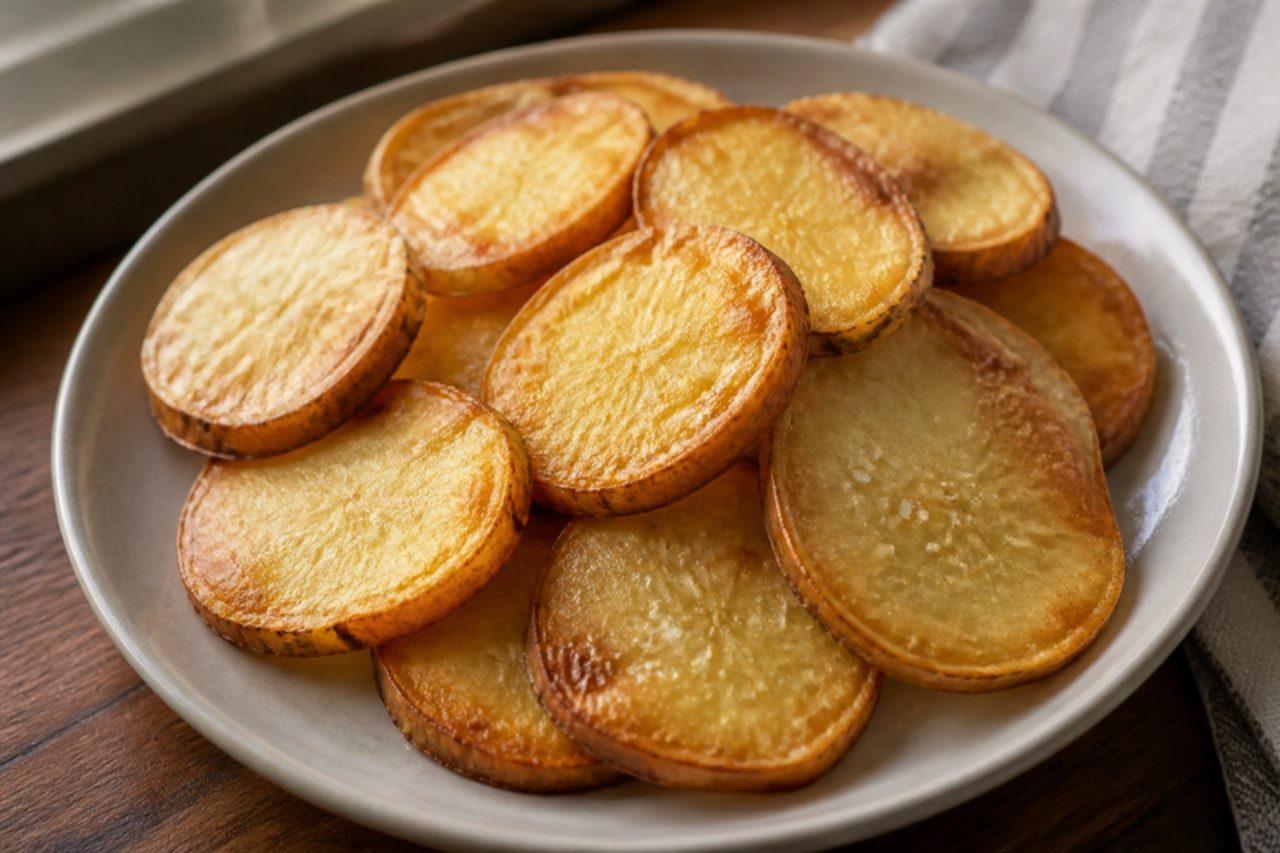
Boniato fritoFried white sweet potato

Boniato, the pale, chestnut-sweet sweet potato of the Caribbean, is fried in rounds all over Cuba as an everyday side for picadillo, eggs or rice and black beans, and in Miami's Little Havana it turns up next to most lunch plates. The slices come out golden and lightly crisp outside, fluffy and floury inside. The common mistake is oil that is too hot with slices that are too thick: the outside burns while the middle stays hard, so keep the slices 5 mm and the heat steady. Ordinary orange sweet potato works too, though it is sweeter and browns faster. Chef's tip: drop the cut slices into cold water as you go, as boniato darkens quickly, then dry them very well before frying.

20 minCubanSidesVeganGluten free
by KrazyBadal 0 views

TopfengolatschenSweet quark puff pastry squares

A Topfengolatsche is what Viennese office workers grab from the bakery on the way in, and what grandparents order with a Melange in a coffee house on a Sunday afternoon. The corners of a puff pastry square are folded over a lemony, vanilla-scented filling of Topfen (Austrian quark) with plump raisins, and the top gets a thin white glaze. It is flaky, light and not too sweet. Raisins are sometimes soaked in rum; warm water or orange juice works just as well, and the recipe below is alcohol-free. Wet quark is the classic problem, because it turns the filling runny and it leaks out in the oven. Chef's tip: hang the quark in a sieve lined with a clean cloth for an hour, or squeeze it, until it is as thick as soft cream cheese.

by KrazyBadal 0 views

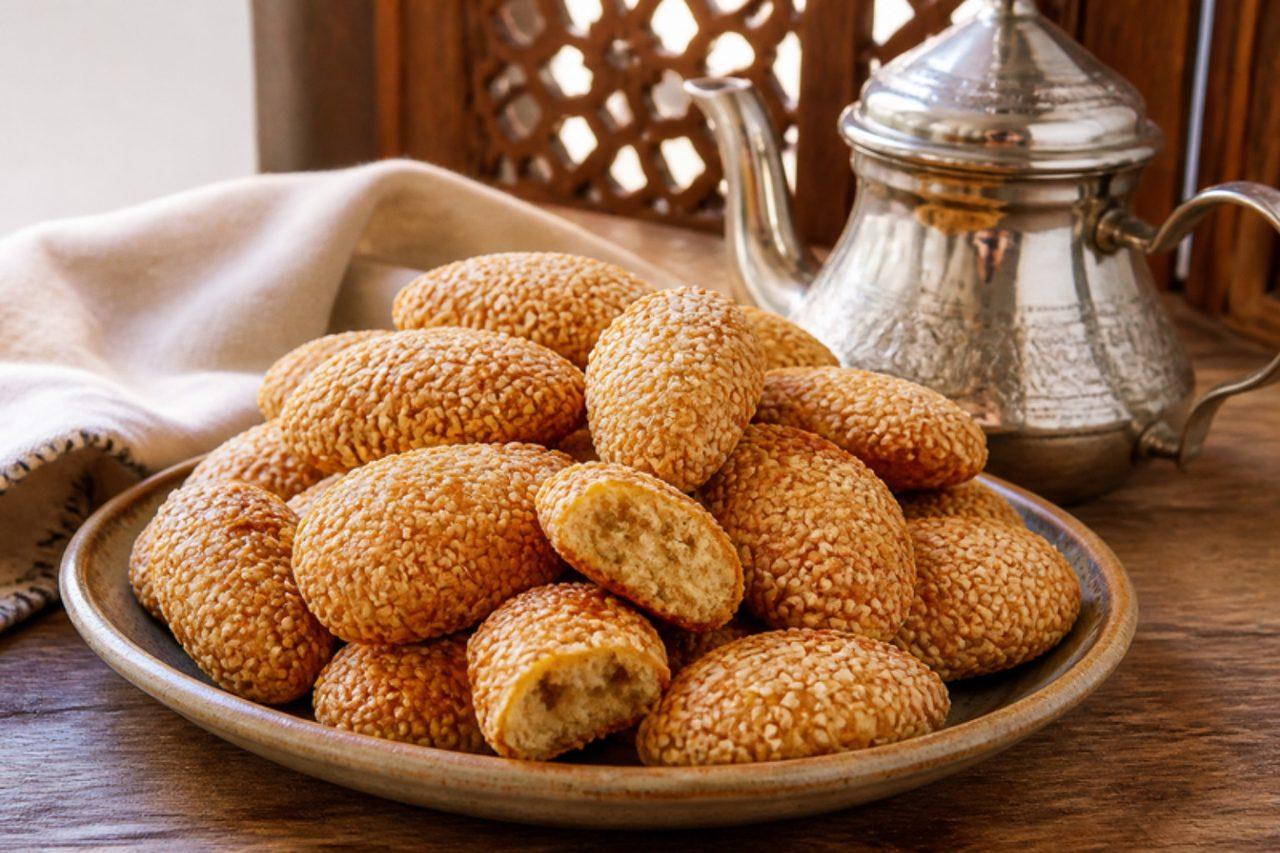
Moroccan bachkoutouOrange and sesame dunking biscuits

Moroccan grandmothers bake bachkoutou by the trayful and keep them in big tins for the afternoon glass of sweet mint tea, and neighbourhood ovens in Fes and Casablanca bake them for families who bring their dough. These are dry, crunchy little biscuits, not rich at all, made with eggs, sugar and oil rather than butter, with orange zest and a coating of toasted sesame; they are meant to be dunked until they soften slightly. Shapes vary from town to town: fingers, rings and rope twists are all common, and some cooks add aniseed. Too much flour is the easy mistake: the dough should stay soft and slightly sticky, or the biscuits bake heavy and hard rather than crisp and light. Chef's tip: once they are cold, put them back in a warm, switched-off oven for 20 minutes; that extra drying is what makes them keep their snap for weeks.

by KrazyBadal 0 views

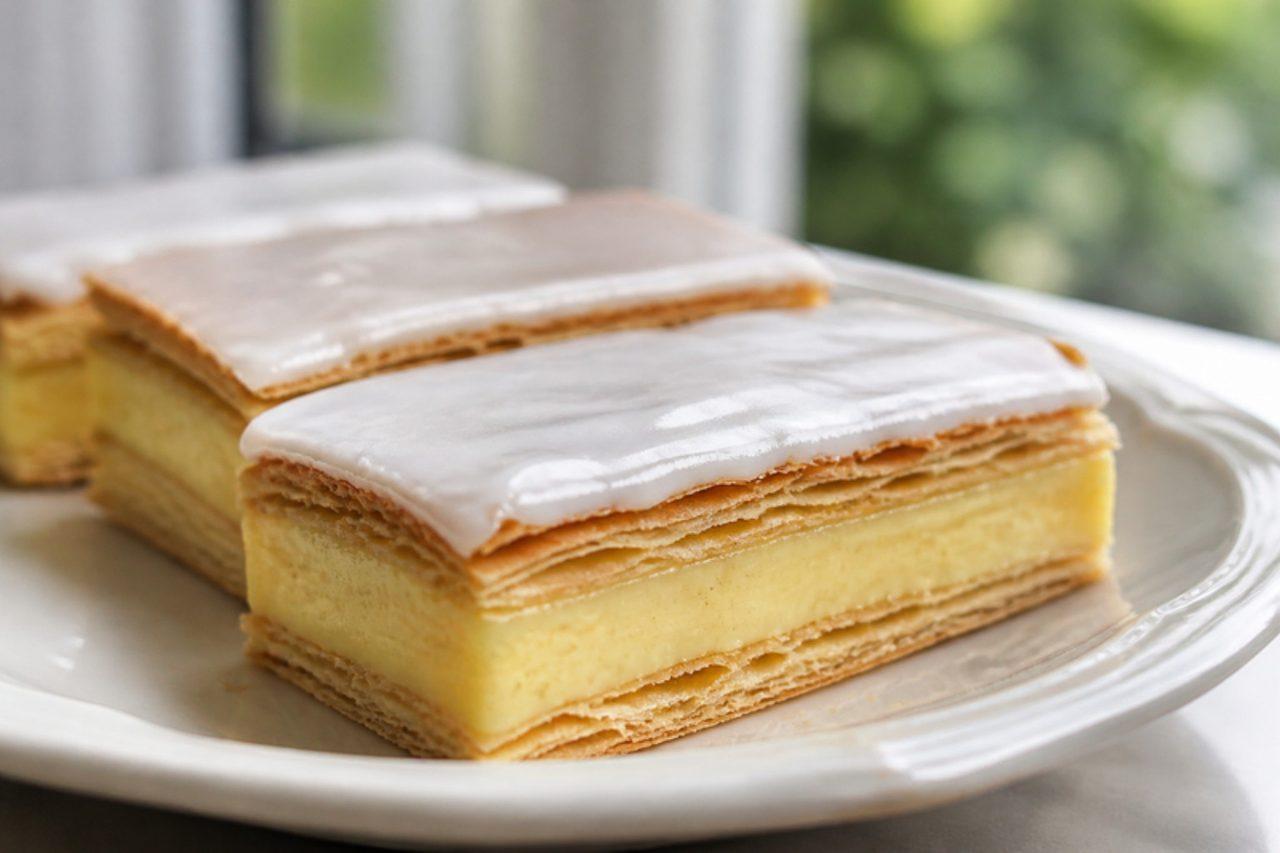
SeñoritasCustard slices in puff pastry

Señoritas are a fixture of Cuban bakeries in Havana and Santiago, and of the Cuban-run ventanitas in Miami: two sheets of crisp, flattened puff pastry sandwiching a thick vanilla-and-lemon custard, with a shiny white sugar glaze on top. They are Cuba's cousin of the mille-feuille, eaten mid-morning or after lunch with a tiny cup of sweet café cubano, and they are always in the box for a birthday or a baptism. Adding the custard while it is still warm is where it goes wrong: the pastry goes limp within an hour. Chef's tip: bake the pastry under a second baking tray so it stays flat, thin and evenly crisp, which makes clean cutting far easier.

by KrazyBadal 0 views

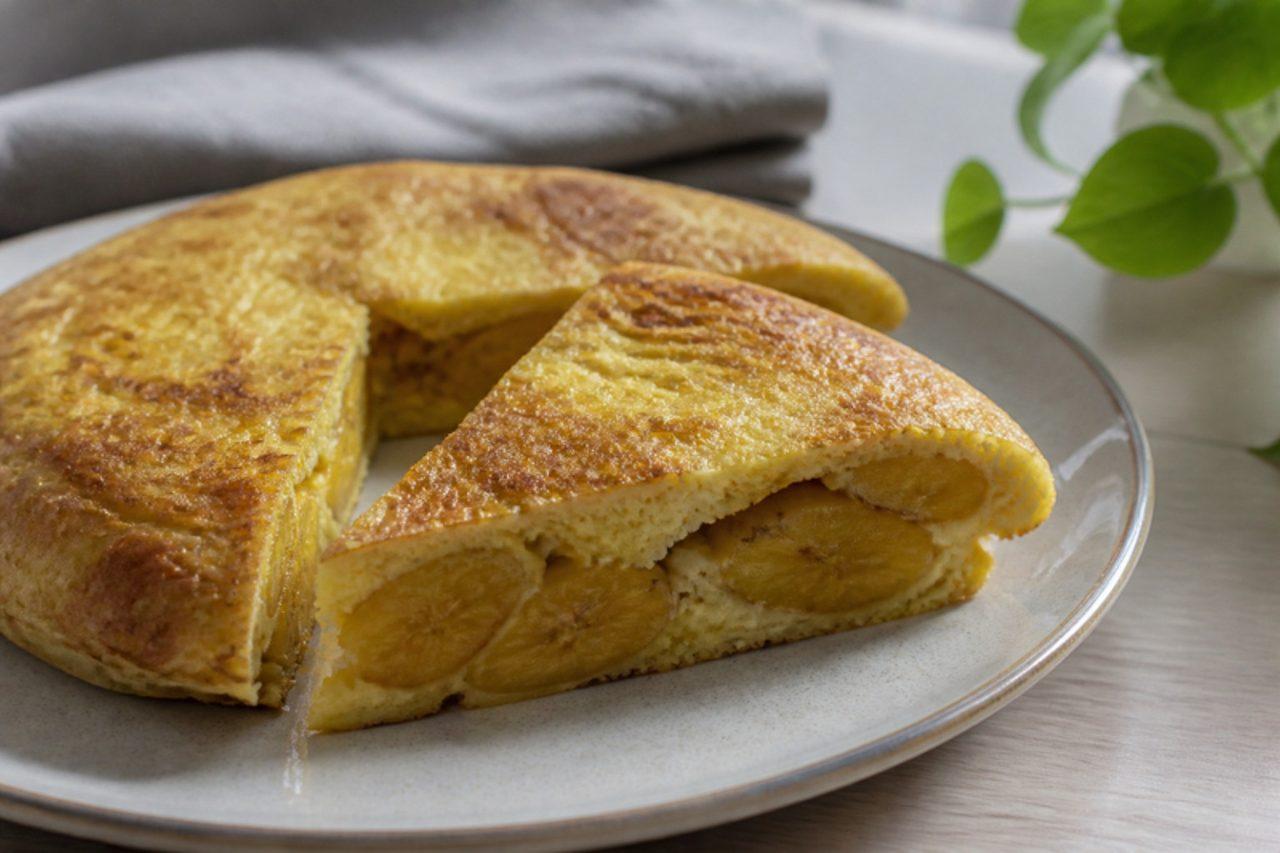
Tortilla de plátanoRipe plantain omelette

In Havana and across the Cuban countryside, tortilla de plátano is a home supper made from what is in the kitchen: slices of very ripe plantain fried until caramelised, then set in a thick, golden omelette. The sweet fruit against salty egg is the whole point, and it is served with white rice and black beans or a simple tomato salad. The mistake people make is using a plantain that is still yellow and firm; it stays starchy and dry, so wait until the skin is mostly black and the fruit gives when pressed. Chef's tip: flip the tortilla by sliding it onto a plate, covering with the pan and turning both over together, which keeps it whole.

by KrazyBadal 0 views

Kärntner ReindlingCinnamon raisin yeast cake

Carinthia's Easter loaf takes its name from the Reindl, the round, deep pan it is baked in, and in southern Austria no Easter basket goes to church without one. Inside the golden yeast crust is a spiral of butter, cinnamon sugar and plump raisins, so every slice shows a dark swirl. Locals eat it two ways: sweet with coffee on Easter morning, or alongside the savoury Easter platter with horseradish. Many bakers soak the raisins in rum overnight; warm water or tea works just as well and keeps it alcohol-free. A dry, crumbly Reindling usually means too much flour went in during kneading, so keep the dough soft and only lightly floured. Chef's tip: butter the pan well and dust it with sugar, which caramelises into a thin crunchy shell.

by KrazyBadal 0 views

ErdäpfelstrudelSavoury potato strudel

Austrians, especially in the Mühlviertel of Upper Austria and the Waldviertel, make savoury strudels as often as sweet ones, and Erdäpfelstrudel is a farmhouse favourite for a meatless Friday or a cold evening. Thin pastry wraps a filling of potatoes, fried onion, sour cream, marjoram and parsley, baked until crisp and golden and sliced with a green salad or a dill and sour-cream dip. Bought filo makes it easy at home. The mistake to avoid is a wet filling, which turns the pastry soggy underneath. Chef's tip: cool the filling completely before rolling; warm filling makes the layers stick and tear.

by KrazyBadal 0 views

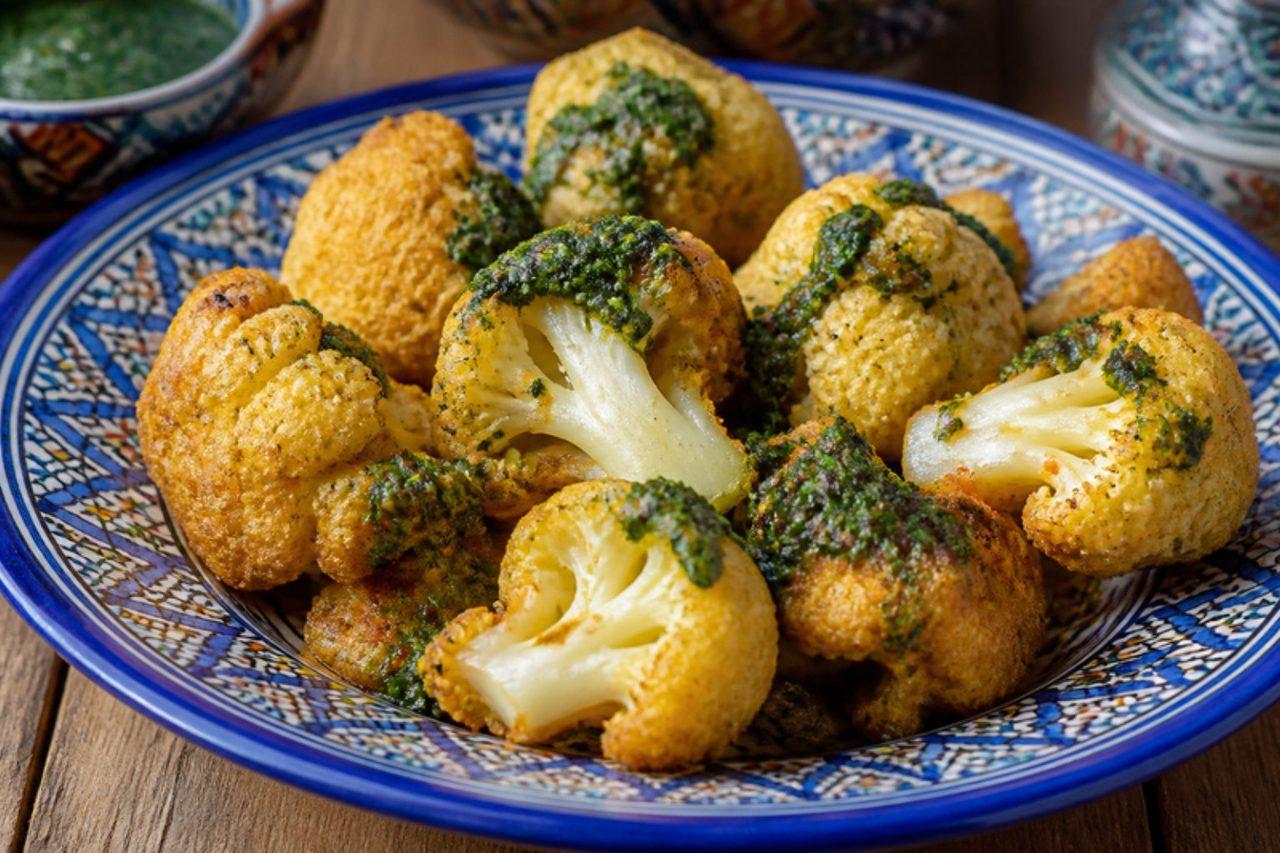
Moroccan fried cauliflower in cumin batter

Casablanca home cooks fry cauliflower this way for Ramadan tables and family lunches alike: parboiled florets dipped in an egg batter heavy with cumin, paprika and parsley, then fried until puffed and golden. They're eaten hot with a squeeze of lemon or a spoon of chermoula, as a side to a tagine or on their own with bread. The common mistake is frying wet cauliflower; the batter slides off and spits, so dry the florets well after boiling. Chef's tip: keep the florets bite-sized and with a bit of stalk, so you can dip them by hand. Contains egg and wheat.

by KrazyBadal 0 views

Sweet rice briouats with honey

The old Fassi households and pastry shops of Fes and Rabat make rice briouats for Ramadan and weddings: short-grain rice cooked thick in milk with orange-blossom water, wrapped in warqa, fried and plunged into warm honey. They're crisp outside, creamy within, and served with mint tea. Runny rice pudding makes the pastry burst in the oil, so cook it until a spoon can stand in it, then chill it firm. Chef's tip: warm the honey with a splash of orange-blossom water, and dip the briouats while both are hot so the honey soaks in rather than sitting on top. Contains milk, wheat and almonds.

by KrazyBadal 0 views

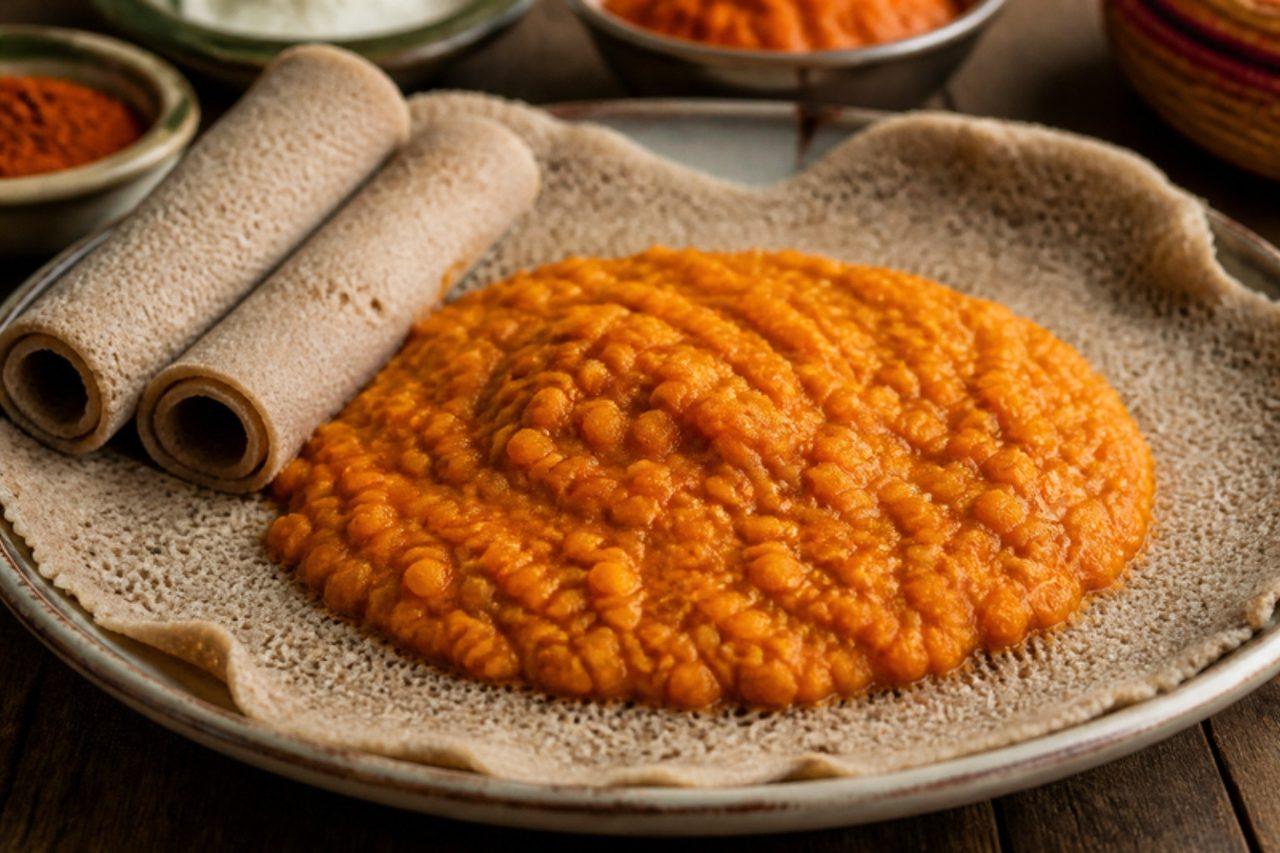
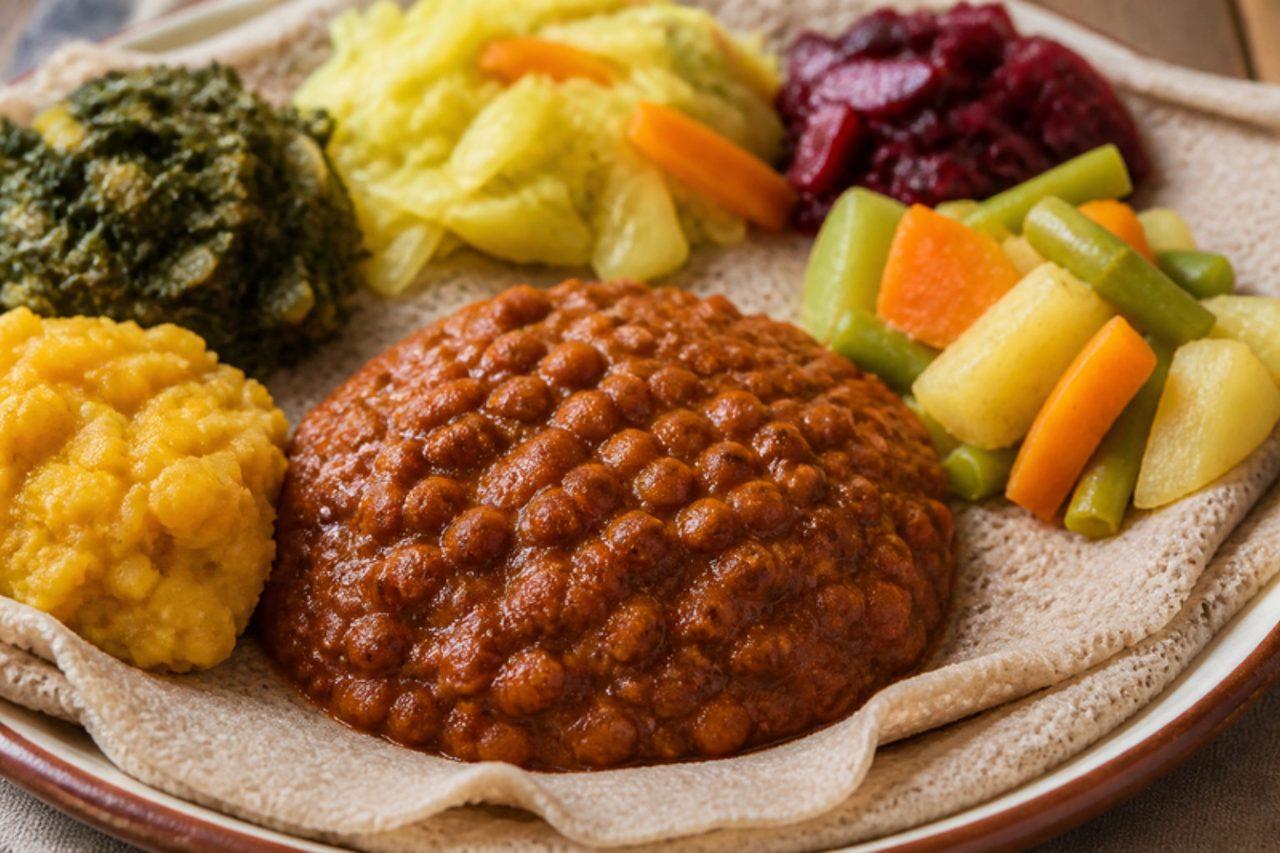
Kik watSpiced split pea stew

On Wednesdays, Fridays and the long Lenten fast, Orthodox households from Addis Ababa to Bahir Dar fill the beyaynetu platter with kik wat, the fiery red sibling of the mild yellow kik alicha. Yellow split peas are cooked into a thick sauce built on a mountain of slowly dry-cooked red onions, garlic, ginger and plenty of berbere, so it is earthy, smoky-hot and spoonable on a sheet of injera. The mistake is frying the onions in oil from the start: Ethiopian cooks sweat them in a dry pot until they collapse and turn jammy, and only then add oil and spice, which gives the sauce its body. Chef's tip: bloom the berbere in the oil for a full two minutes with a splash of water so it turns brick-red and loses its raw, dusty edge.

by KrazyBadal 0 views

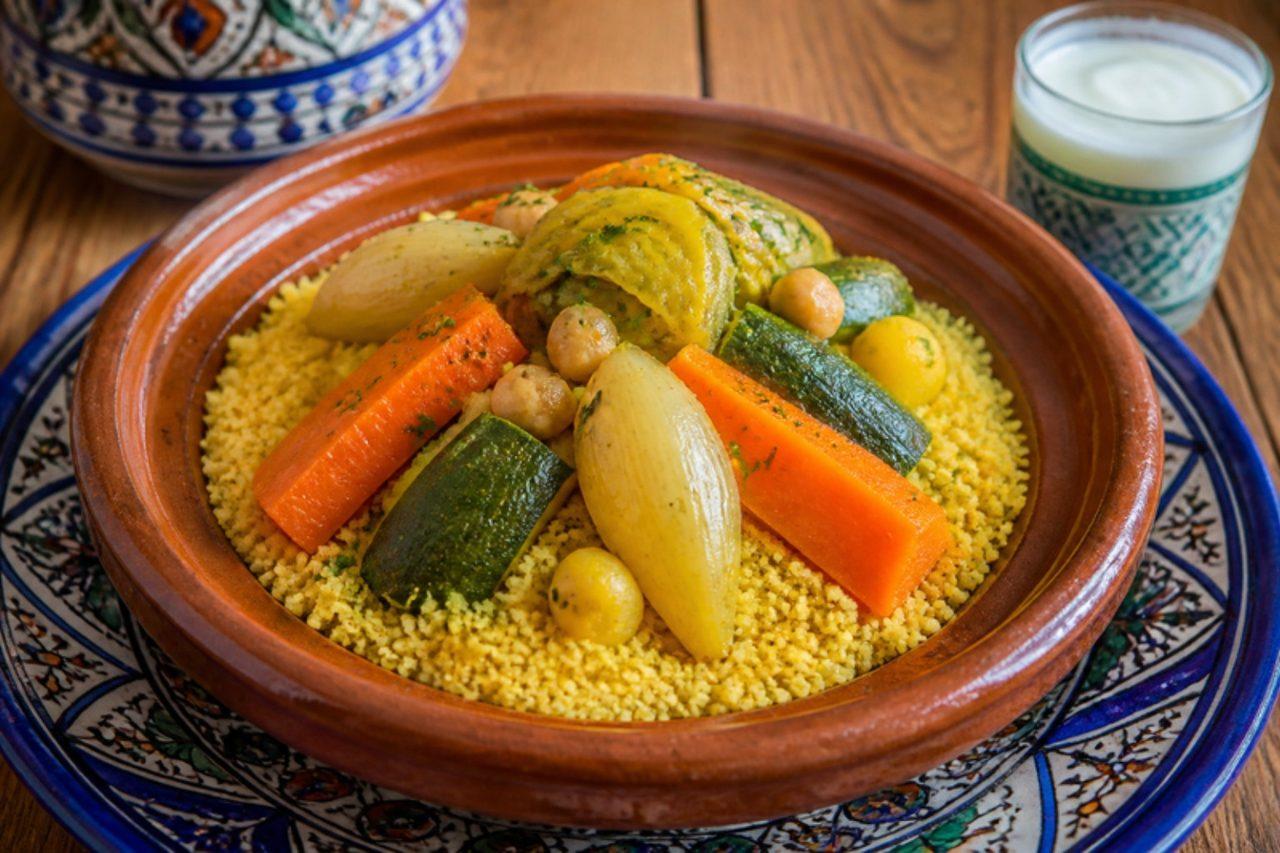
Berber corn couscous with vegetables

In the Souss valley and the villages of the Middle Atlas, couscous is often made not from wheat but from cracked dried maize, which gives a sunny yellow, slightly nutty grain. It's steamed three times over a pot of turnips, carrots, courgettes and pumpkin, buttered with smen or plain butter, and eaten on Fridays with a glass of cold lben (buttermilk). Corn grits absorb more water than wheat and won't swell in one go, so the usual mistake is skipping the third steaming and serving it gritty. Chef's tip: oil your palms before rubbing the grains between steamings; the maize stays separate and never clumps. Naturally gluten free if you check your maize grits are made in a gluten-free mill.

by KrazyBadal 0 views

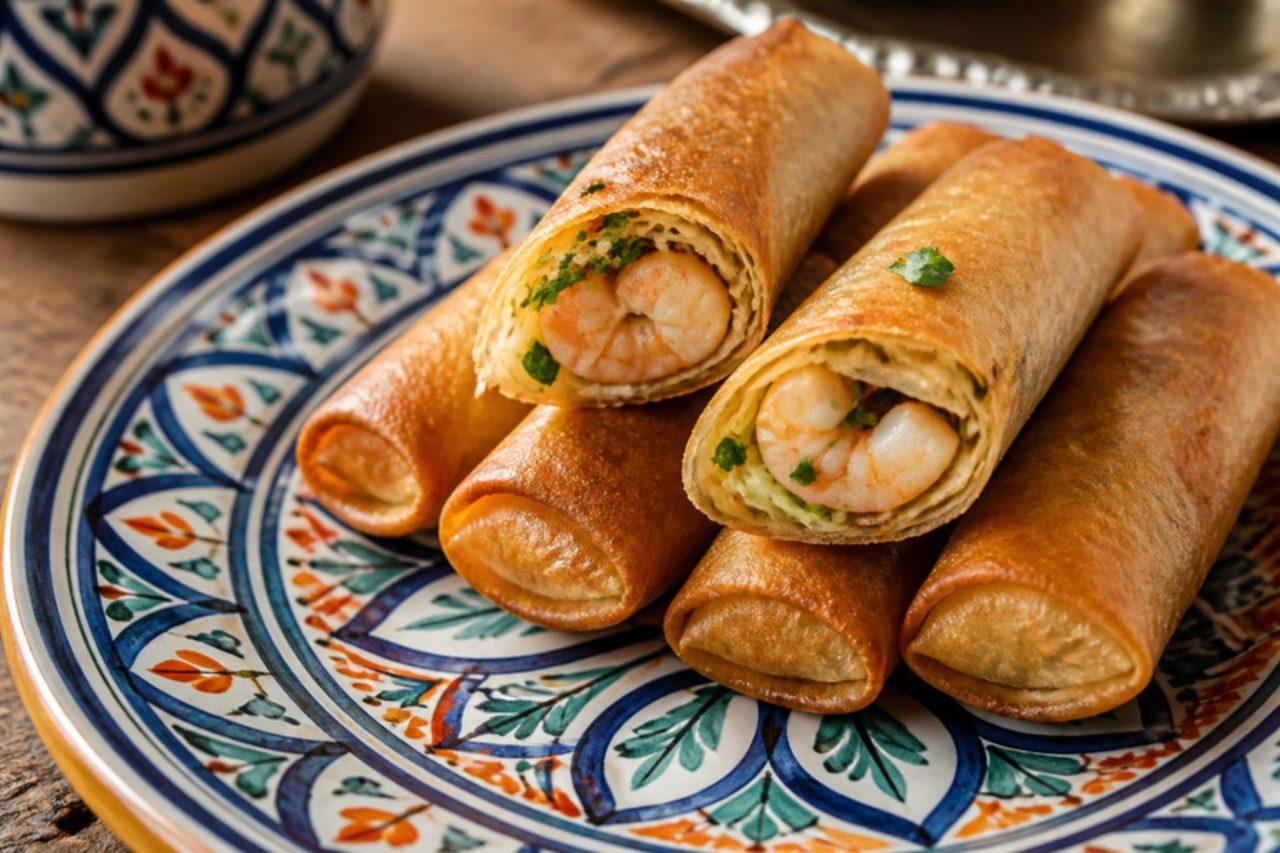
Shrimp and vermicelli briouats

In coastal cities like Agadir and El Jadida, the festive version of briouats is filled with prawns and rice vermicelli tossed in chermoula — a filling borrowed from seafood pastilla, but in a size you can eat in two bites. They come out at weddings, Eid lunches and Ramadan iftars, hot and crackling, with lemon. The usual mistake is a wet filling: cooked prawns and soaked noodles release water, so drain everything well and dry-fry the mix for a minute. Chef's tip: snip the soaked vermicelli into short lengths with scissors so the rolls fill evenly. Contains shellfish, wheat and egg.

by KrazyBadal 0 views

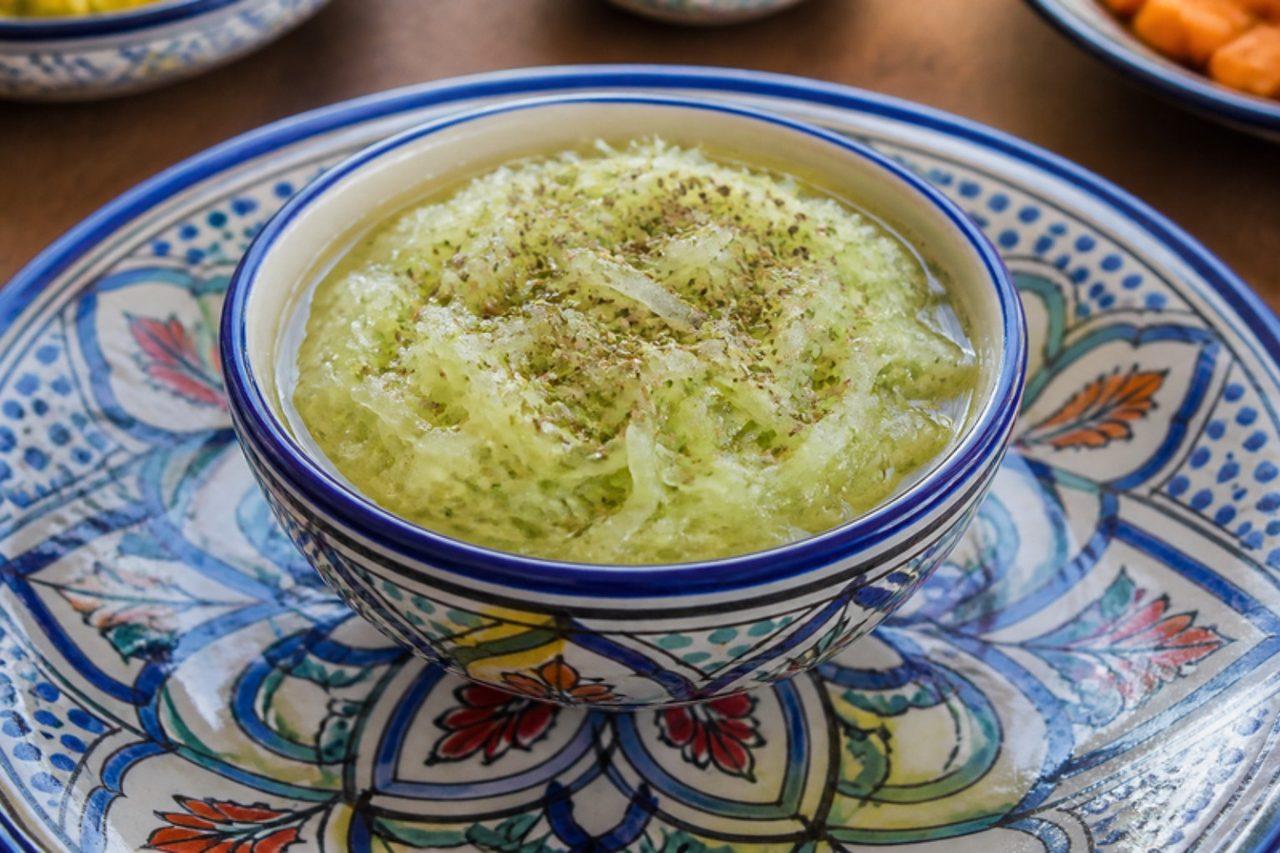
Shlada khiar (grated cucumber salad with oregano)

In the heat of a Fes or Marrakech summer, this ice-cold grated cucumber salad is served in bowls with spoons, half salad, half drink, alongside rich tagines or a plate of fried fish. Cucumber is grated and loosened with water, vinegar and a little sugar, then perfumed with crushed dried oregano or zaatar. Grating ahead and leaving it to sit in salt is the usual slip; the cucumber goes limp and bitter. Chef's tip: rub the oregano between your palms over the bowl to wake its oils.

by KrazyBadal 0 views

Ye-difin misir watSpicy brown lentil stew

The everyday misir wat of Addis Ababa's fasting houses is made with split red lentils, but in Tigray and Amhara homes many cooks prefer difin misir, whole brown or green lentils that keep their shape and give a thicker, nubbly stew with a deep, peppery berbere sauce. It is hearty, earthy and properly spicy, the backbone of a Lenten lunch with injera, cabbage and a cold salad. The mistake is adding the lentils to the sauce raw: whole lentils take far longer than the onions can stand, so cook them separately until tender first. Chef's tip: finish with a teaspoon of mitmita or a pinch of ground cardamom (korerima) just before serving for a fragrant top note.

by KrazyBadal 0 views

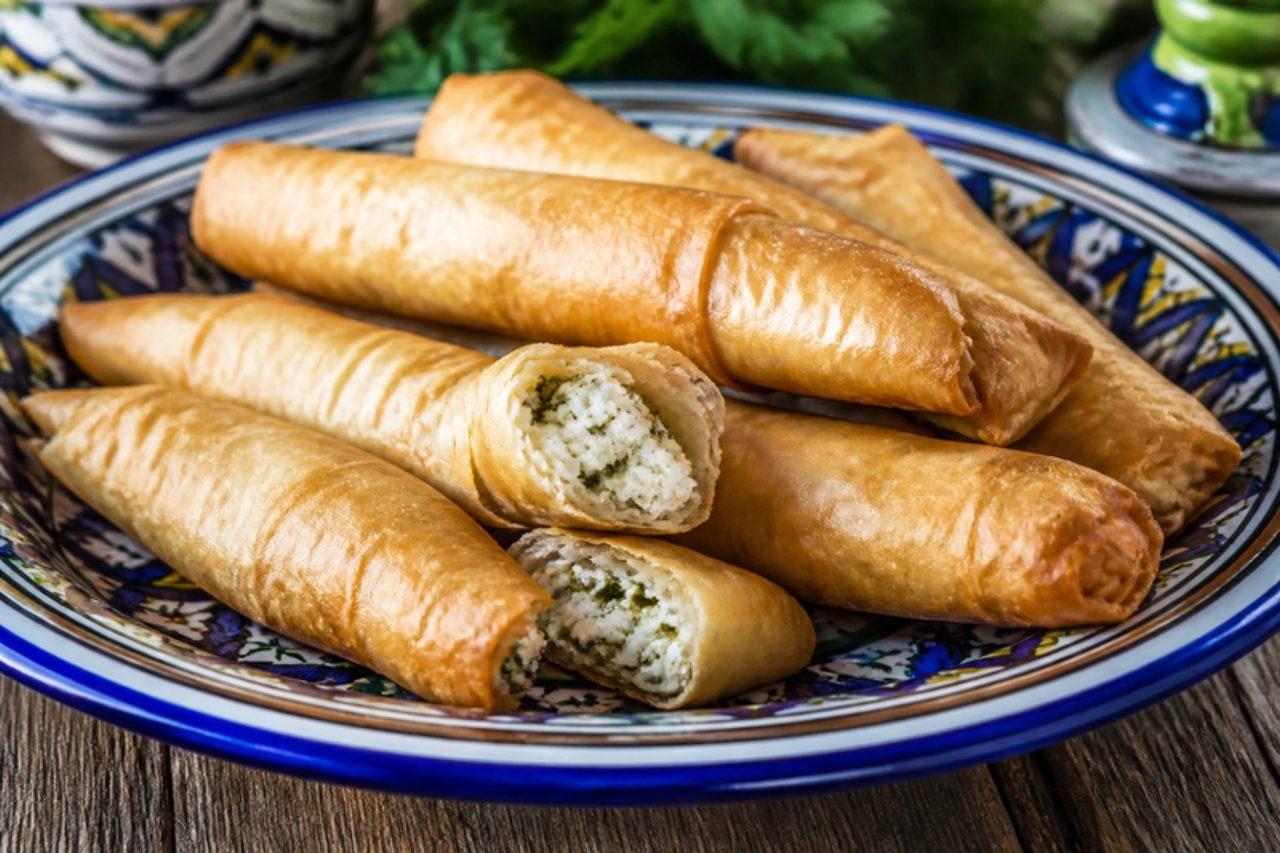
Cheese briouats (briwat bel fromage)

Cheese briouats are the cigars that disappear first from Ramadan tables in Rabat and Tangier: fresh, salty cheese mixed with egg, parsley and a pinch of chilli, rolled tight in warqa and fried until the pastry shatters. They're served hot, at iftar or with mint tea for afternoon guests. Overfilled cigars burst and leak cheese into the oil; a level tablespoon each is enough. Chef's tip: a little grated hard cheese in the mix stops the fresh cheese from going watery. Traditional fresh cheese like jben is made with animal rennet; choose a vegetarian one if needed. Contains milk, egg and wheat.

by KrazyBadal 0 views

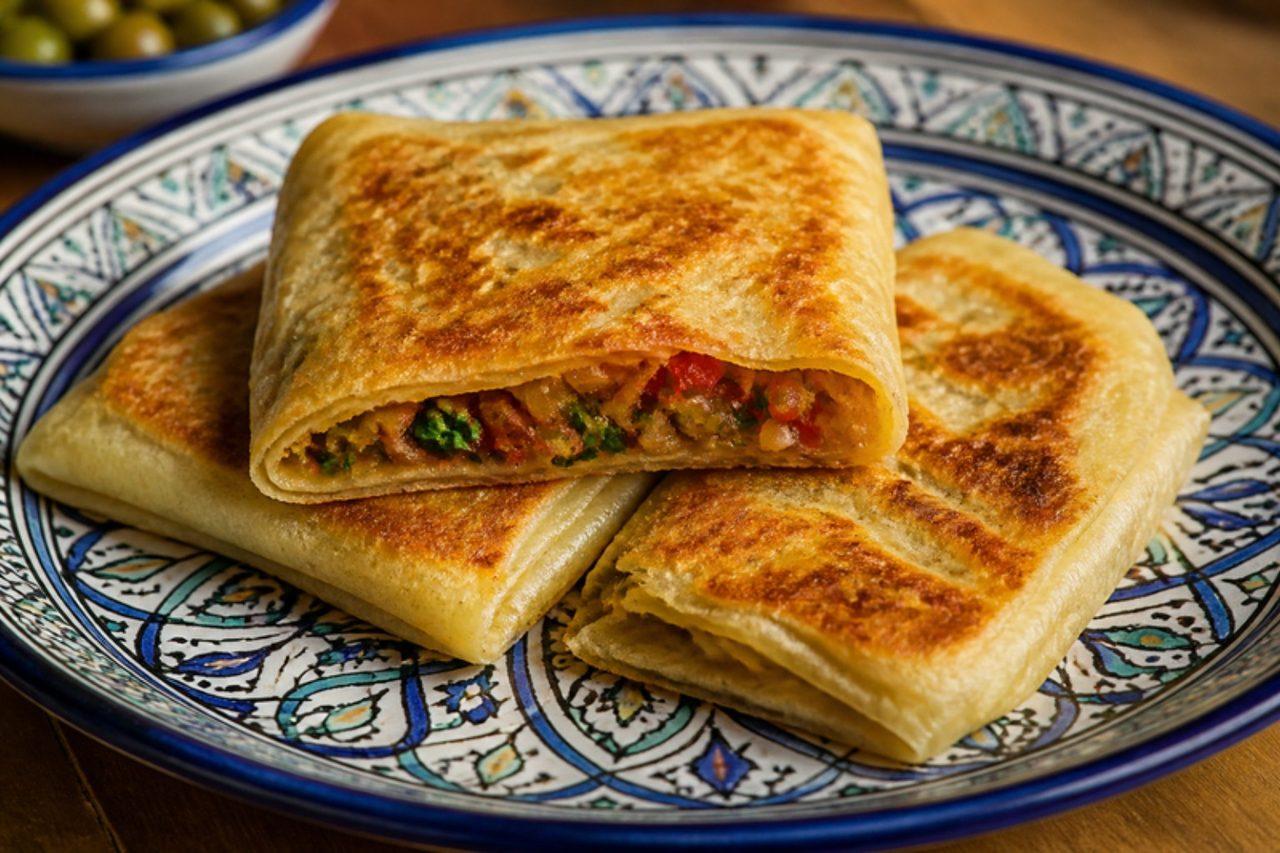
Msemen m'amer (stuffed square msemen)

Morning cafés in Fes and Casablanca sell msemen m'amer straight off the griddle: the familiar square laminated pancake, but folded around a spicy filling of onion, tomato, parsley, cumin and paprika, so every bite has a juicy, savoury layer. It's eaten for breakfast or at teatime with mint tea, and in Ramadan it's on every iftar table. Wet filling is the enemy — fry it until dry or it steams the dough from inside and tears it. Chef's tip: oil your hands and the worktop rather than flouring them; that oil is what makes the layers. Contains wheat.

by KrazyBadal 0 views

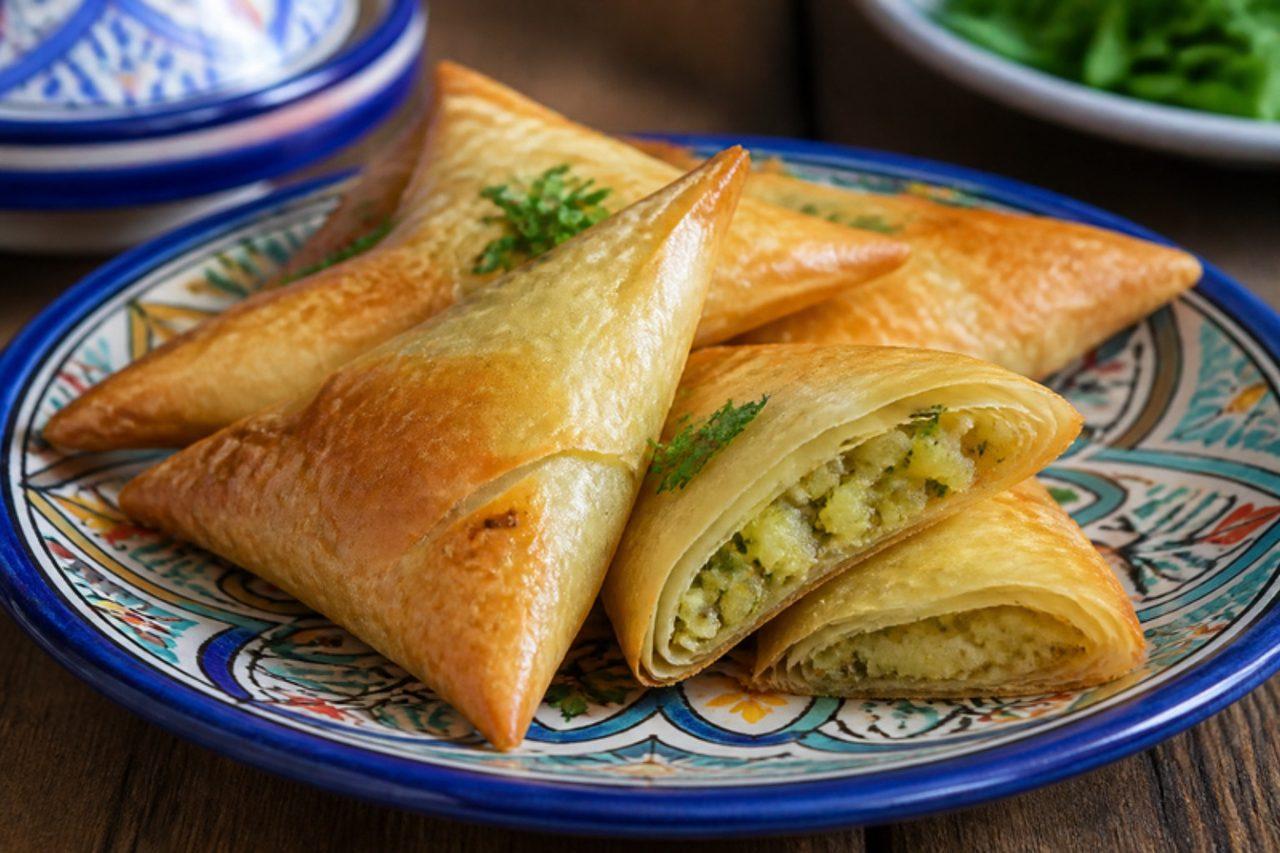
Potato briouats (briwat batata)

During Ramadan, the iftar tables of Casablanca and Marrakech are crowded with little fried pastries, and potato briouats are the budget-friendly favourite. A mash of potato, parsley, coriander, cumin and a little grated cheese is folded into warqa or filo triangles and fried until crackling. Serve them hot with harira or mint tea. The common mistake is a wet, warm filling, which makes the pastry soggy and tear; let the mash cool completely. Chef's tip: seal each triangle with a dab of egg yolk or flour paste; they won't open in the oil. Check cheese labels: some is made with animal rennet. Contains wheat, egg and milk.

by KrazyBadal 0 views

Showing 24 of 343 recipes

Show more recipes

Page 1 of 15