Skip to content
Recipes

All recipes

Vegetarian, or something you can't eat? Set your diet once and we'll hide recipes that don't fit.

Serundeng

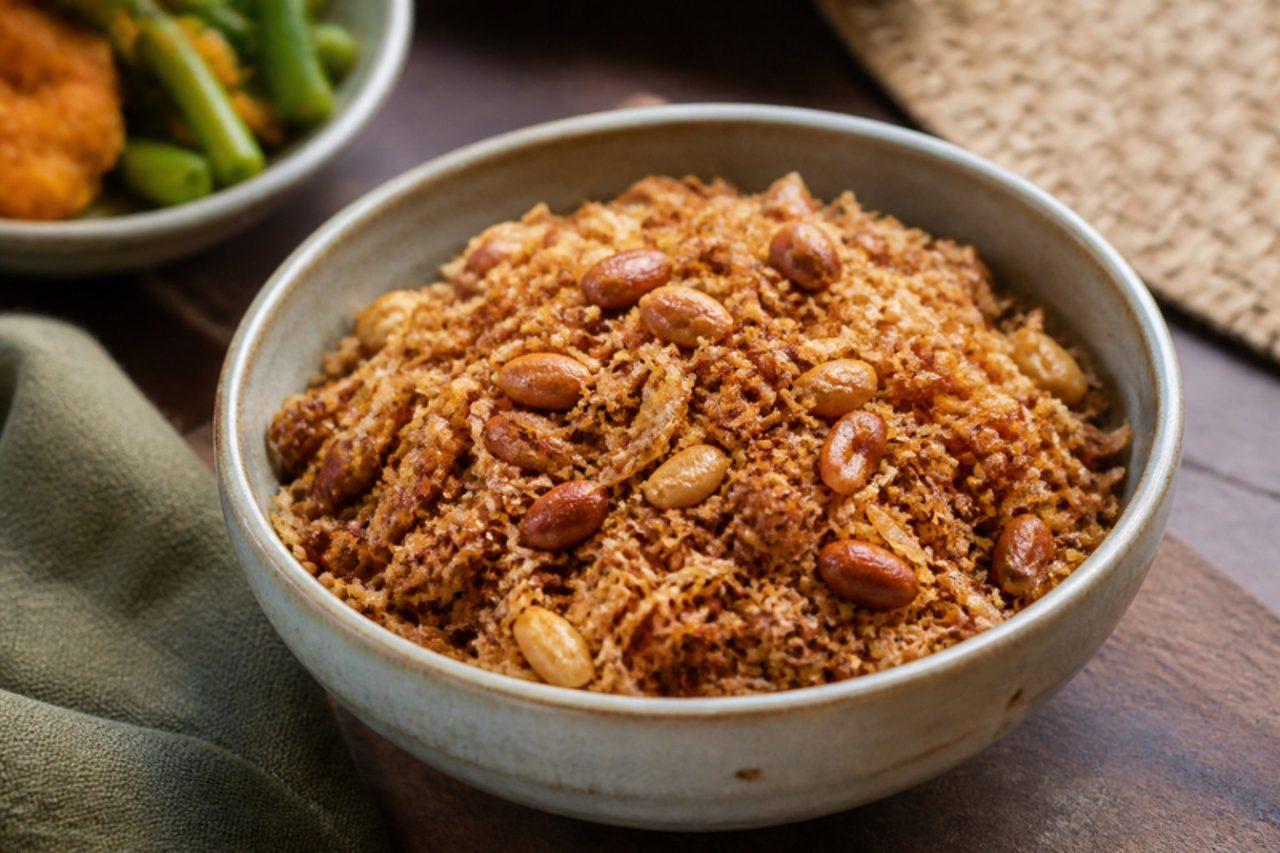
Serundeng is the crunchy, sweet-savoury sprinkle that comes in a little tub with every Indonesian takeaway in the Netherlands: grated coconut slowly toasted with a spice paste of shallot, garlic, coriander and cumin, palm sugar and tamarind until golden and dry, then mixed with fried peanuts. It is scattered over rice. Most versions use shrimp paste; this one is vegan. A common mistake is toasting over high heat, which burns the coconut in seconds. Chef's tip: keep stirring over a low heat for the full 20 minutes; the coconut turns golden slowly and evenly and stays crunchy for weeks.

by KrazyBadal 0 views

Babi pangang

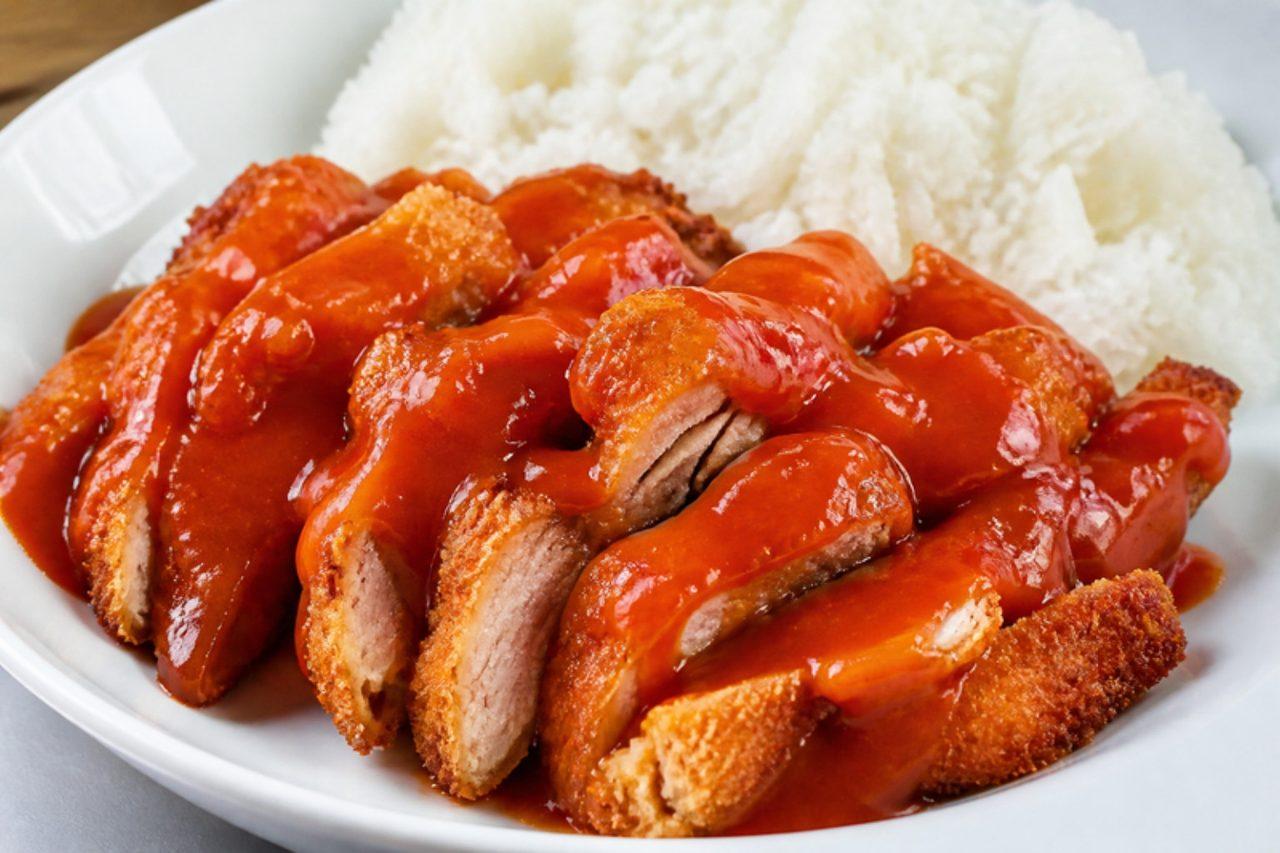
Babi pangang is one of the most ordered dishes in the 'Chinees-Indisch' restaurants found in every Dutch town: crisp-skinned roast pork belly, sliced and smothered in a bright red, sweet-sour sauce with tomato, ginger and pickled vegetables, served with rice or nasi goreng. This is a pork dish. A common mistake is pouring the sauce over too early, which turns the crackling soft. Chef's tip: dry the skin overnight in the fridge and roast it hot at the end, then pour the sauce around, not over, the pork at the table. Whole pork joints are safe at 63 °C plus a rest; belly is best cooked longer, until tender.

105 minDutchMeat
by KrazyBadal 0 views

Nasi rames

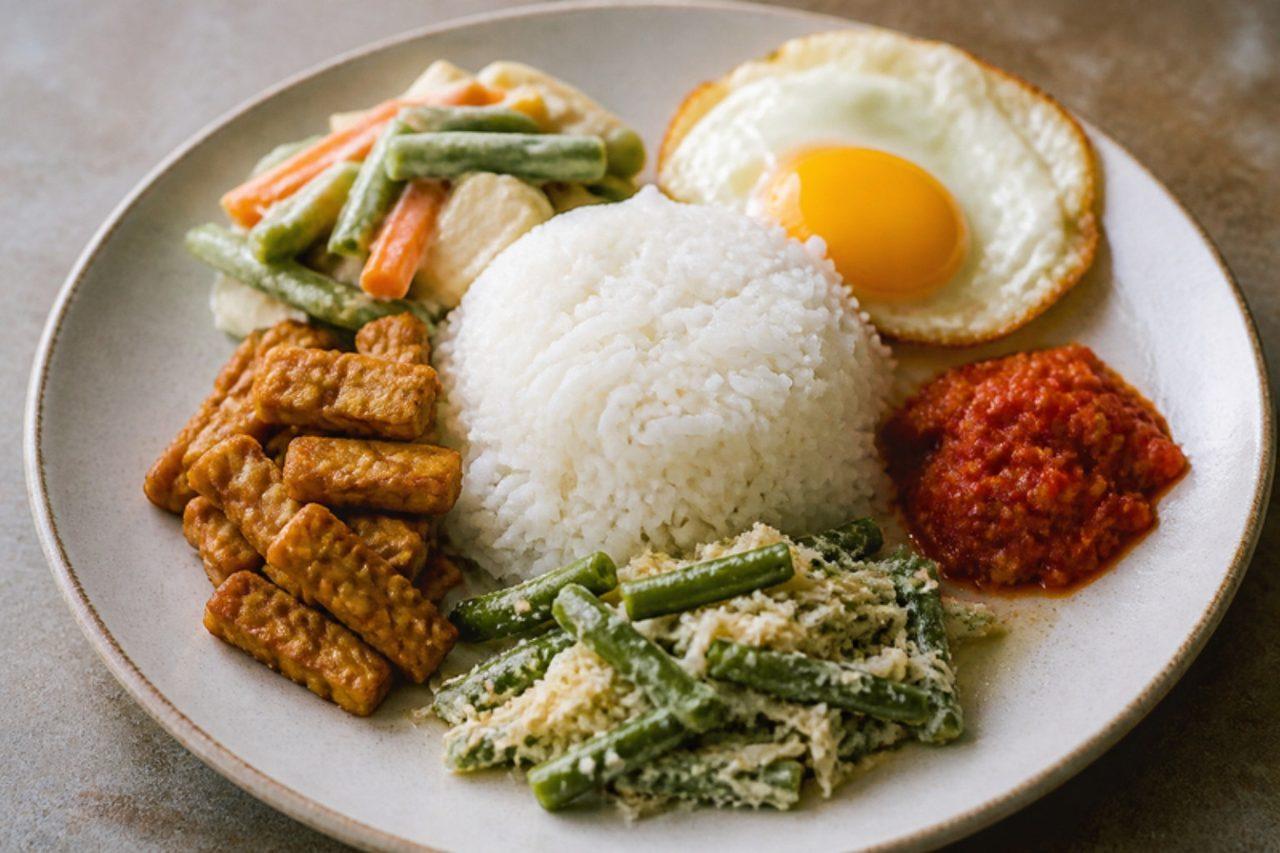
Nasi rames is a whole Indonesian rijsttafel on one plate, and it is a fixture of Indonesian takeaways (toko) in The Hague and Amsterdam, a legacy of the Indo-Dutch families who came to the Netherlands after 1945: a mound of rice surrounded by small portions of several dishes, such as sweet soy tempeh, vegetables in coconut, a boiled egg in sambal, serundeng and prawn crackers. This version is vegetarian. A common mistake is serving everything at the same temperature from one pan; the point is many small contrasting dishes. Chef's tip: make the serundeng and atjar a day ahead and the plate comes together in 40 minutes. Prawn crackers contain shellfish, so use cassava crackers for a vegetarian plate.

by KrazyBadal 0 views

Groninger mosterdsoep

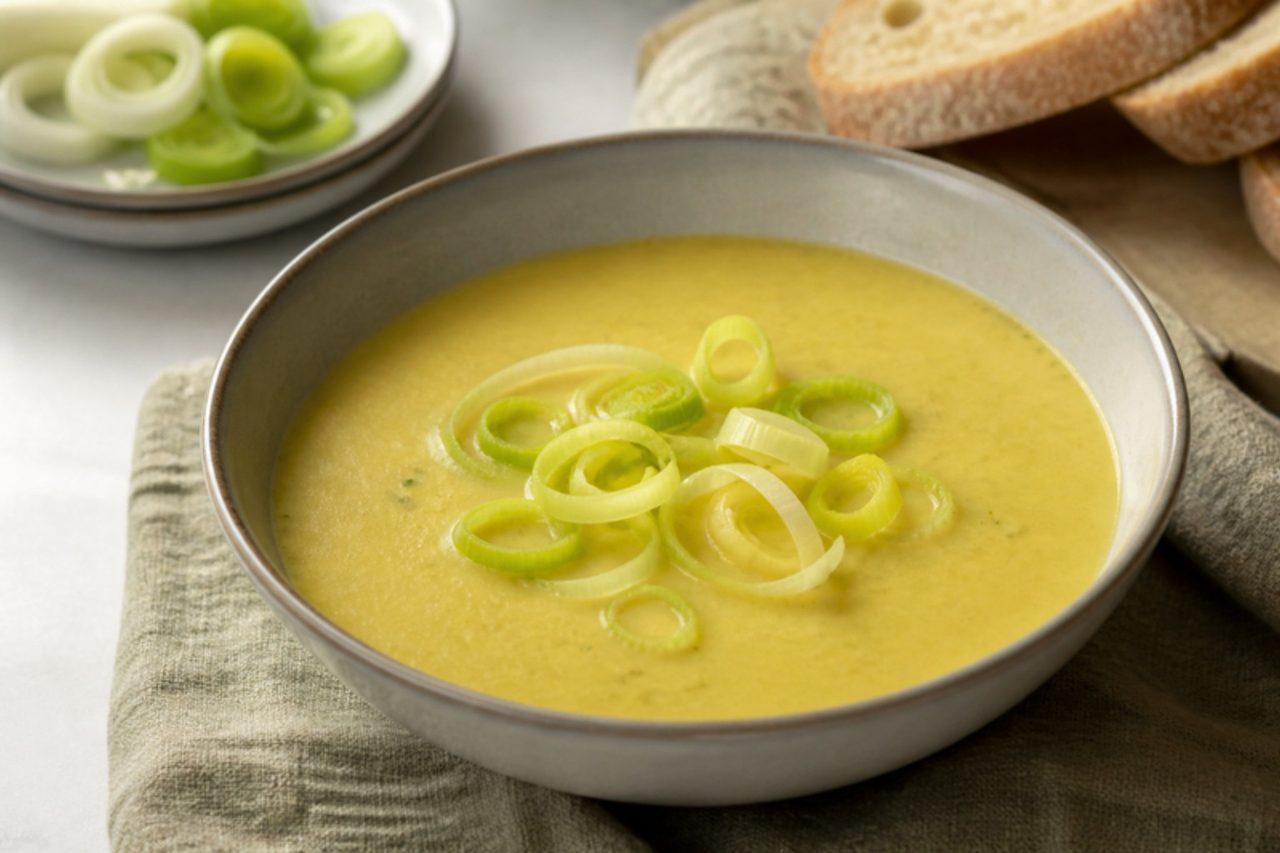
Groningen in the far north of the Netherlands has been making mustard since the Middle Ages, and its creamy mustard soup is served in every café in the city: a velvety roux soup with leek, stock and cream, sharpened with a generous amount of coarse Groninger mustard. Most cafés top it with crisp bacon bits; this vegetarian version uses toasted croutons and chives. A common mistake is boiling the soup after the mustard goes in, which makes it bitter and grainy. Chef's tip: whisk the mustard in off the heat at the end, so it keeps its tang.

30 minDutchSoups
by KrazyBadal 0 views

Atjar tjampoer

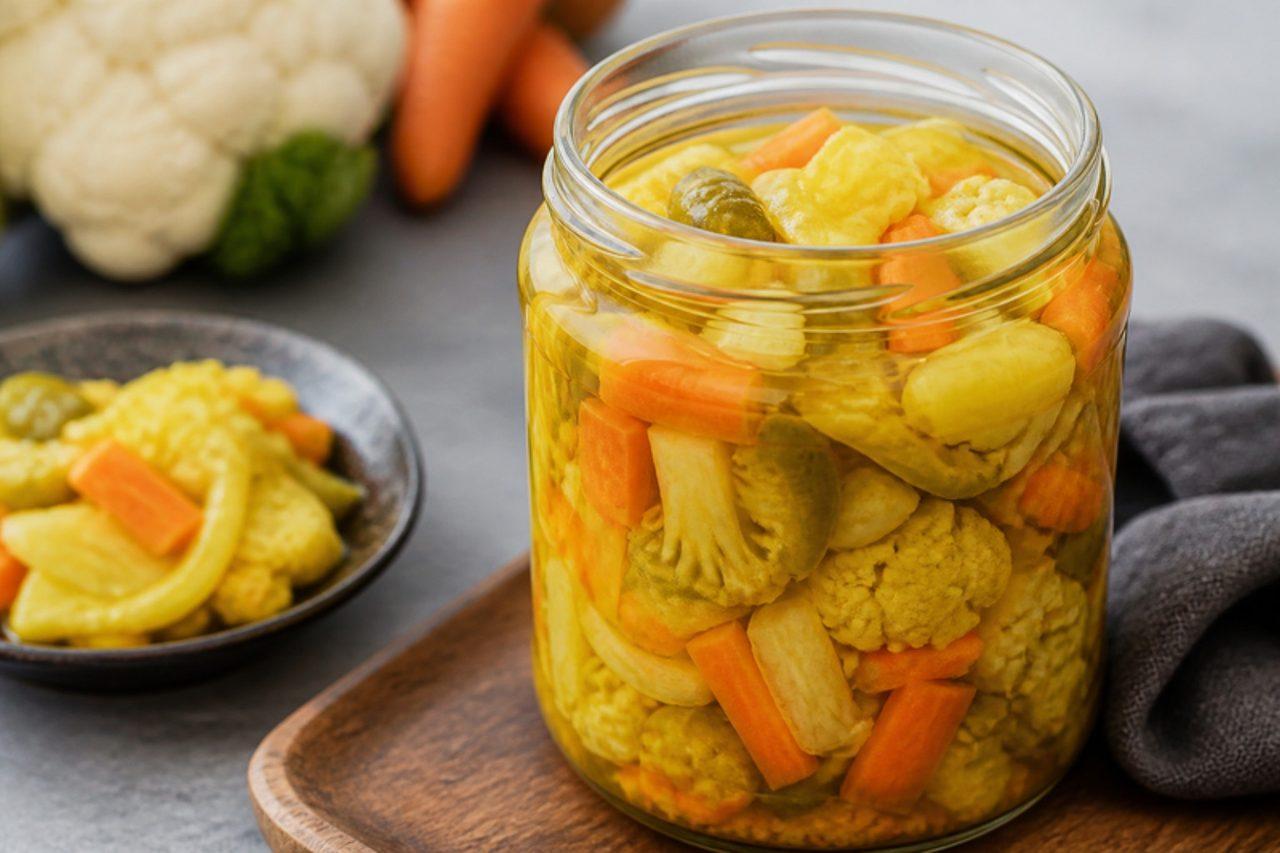
Atjar tjampoer is the bright yellow pickle in every Dutch-Indonesian toko and on every rijsttafel: crisp cucumber, carrot, cabbage, cauliflower and shallot pickled in a sweet-sour vinegar brine coloured with turmeric, with a little chilli and ginger. It cuts through rich satay and rendang. A common mistake is cooking the vegetables, which makes them soft; they should only be blanched or simply covered with hot brine. Chef's tip: salt the cucumber first and squeeze it, so it stays crunchy for days.

by KrazyBadal 0 views

Hollandse nieuwe haring

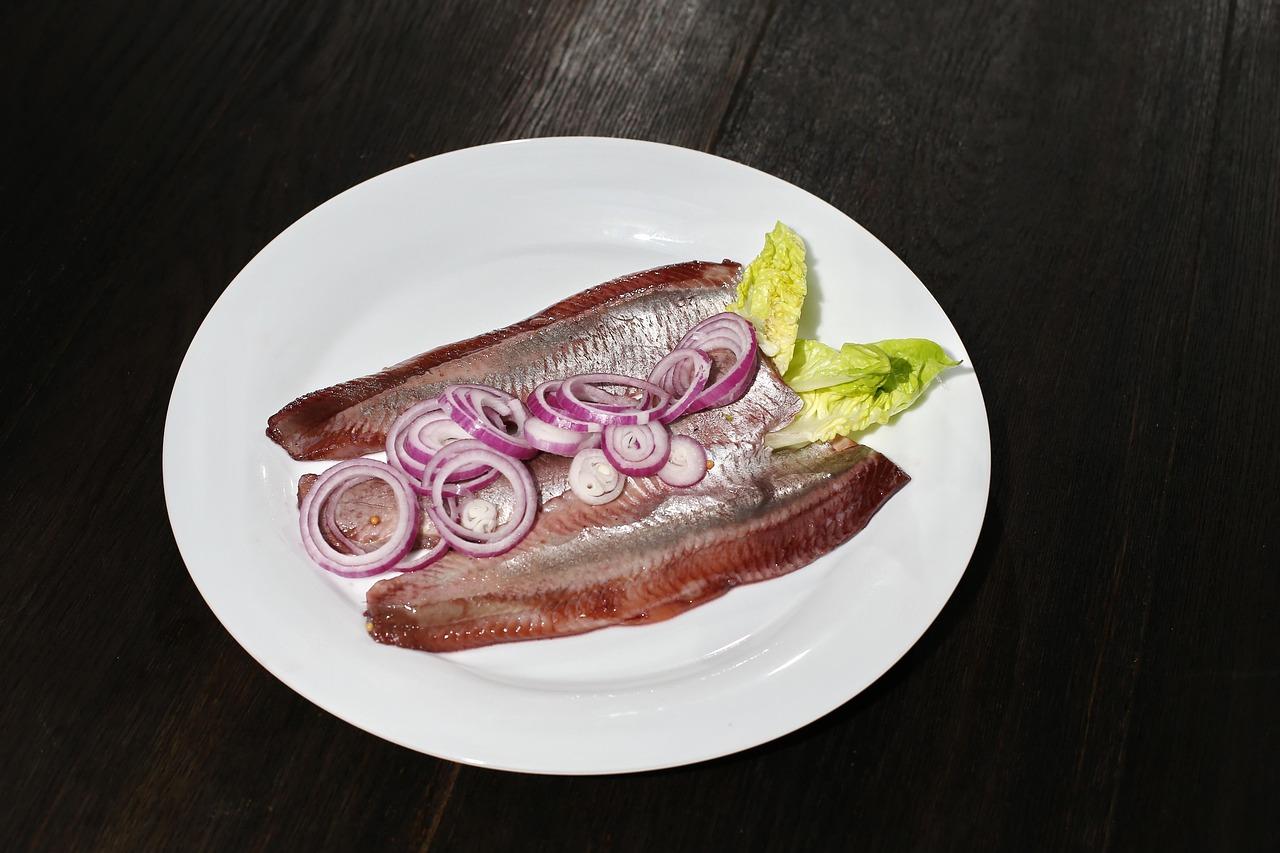
Every June, the first barrel of Hollandse nieuwe, the new season's young herring, is auctioned in Scheveningen and the herring stalls of Amsterdam, Rotterdam and The Hague fly their flags: the fish is mild, fatty and lightly salted, sold cleaned with the tail on and eaten raw, either lowered head-back into the mouth by the tail or cut into pieces on a paper tray with chopped raw onion and gherkin. Dutch law requires the herring to be frozen first, which kills parasites; buy it ready-cleaned from a fishmonger. It is not cooked, so it is not for pregnant women, young children or anyone with a weakened immune system. A common mistake is keeping it at room temperature; serve it ice-cold. Chef's tip: eat it within a few hours of buying, on a cold plate, for the clean, sweet taste.

10 minDutchFishGluten free
by KrazyBadal 0 views

Kibbeling

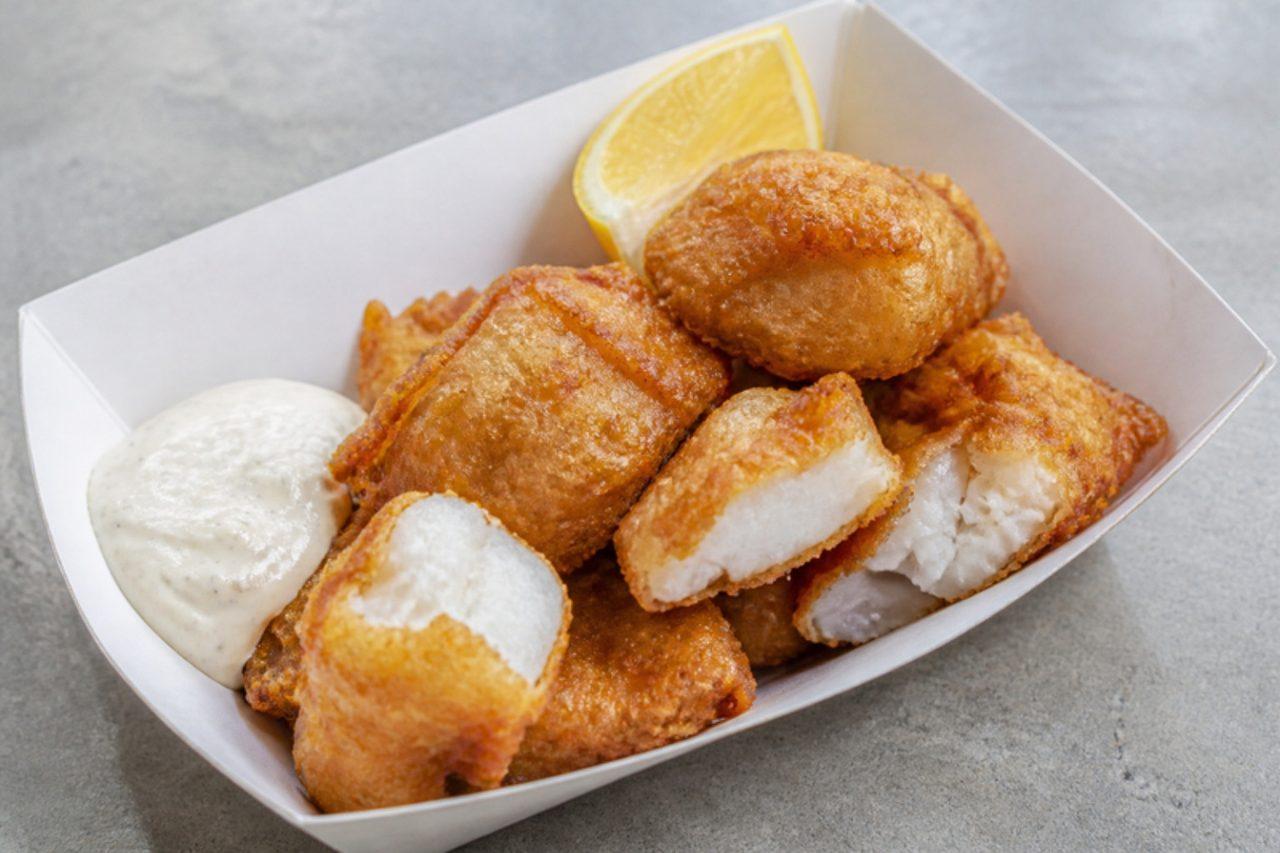
Kibbeling is the fish snack of Dutch markets and harbours, sold in paper trays from fish vans at Saturday markets from Volendam to Rotterdam: bite-sized chunks of cod or pollock coated in a spiced batter and fried until crisp, with a pot of garlic sauce or remoulade. It began as a way to use the cheeks of cod. A common mistake is a thick batter, which turns bready and greasy. Chef's tip: season the batter well with a little curry powder and paprika, the market-van secret, and fry at 180 °C until golden; the fish is done when opaque and flaking.

25 minDutchFish
by KrazyBadal 0 views
Andijviestamppot

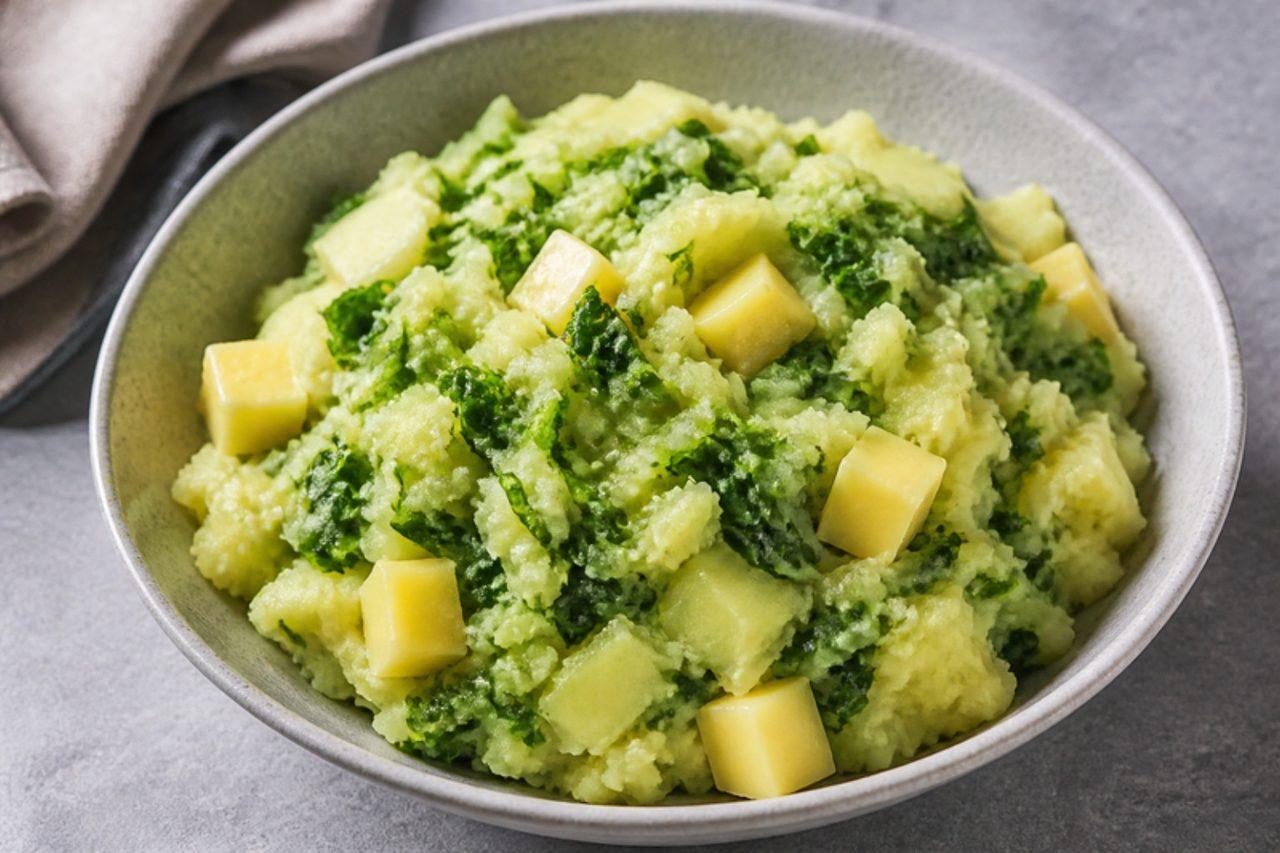
Stamppot, mashed potato stirred with vegetables, is the Dutch winter dinner, and the endive version is a little lighter: raw, finely shredded curly endive is stirred into piping-hot mash, so it wilts slightly but keeps a fresh, bitter crunch, then cubes of aged Gouda are folded in and start to melt. Dutch families eat it with gravy and a smoked sausage; this vegetarian version uses a pool of brown butter. Aged Gouda is usually made with animal rennet, so choose a vegetarian aged Gouda-style cheese. A common mistake is cooking the endive, which turns it soggy and grey. Chef's tip: stir the endive in off the heat at the very last moment.

by KrazyBadal 0 views
Uitsmijter

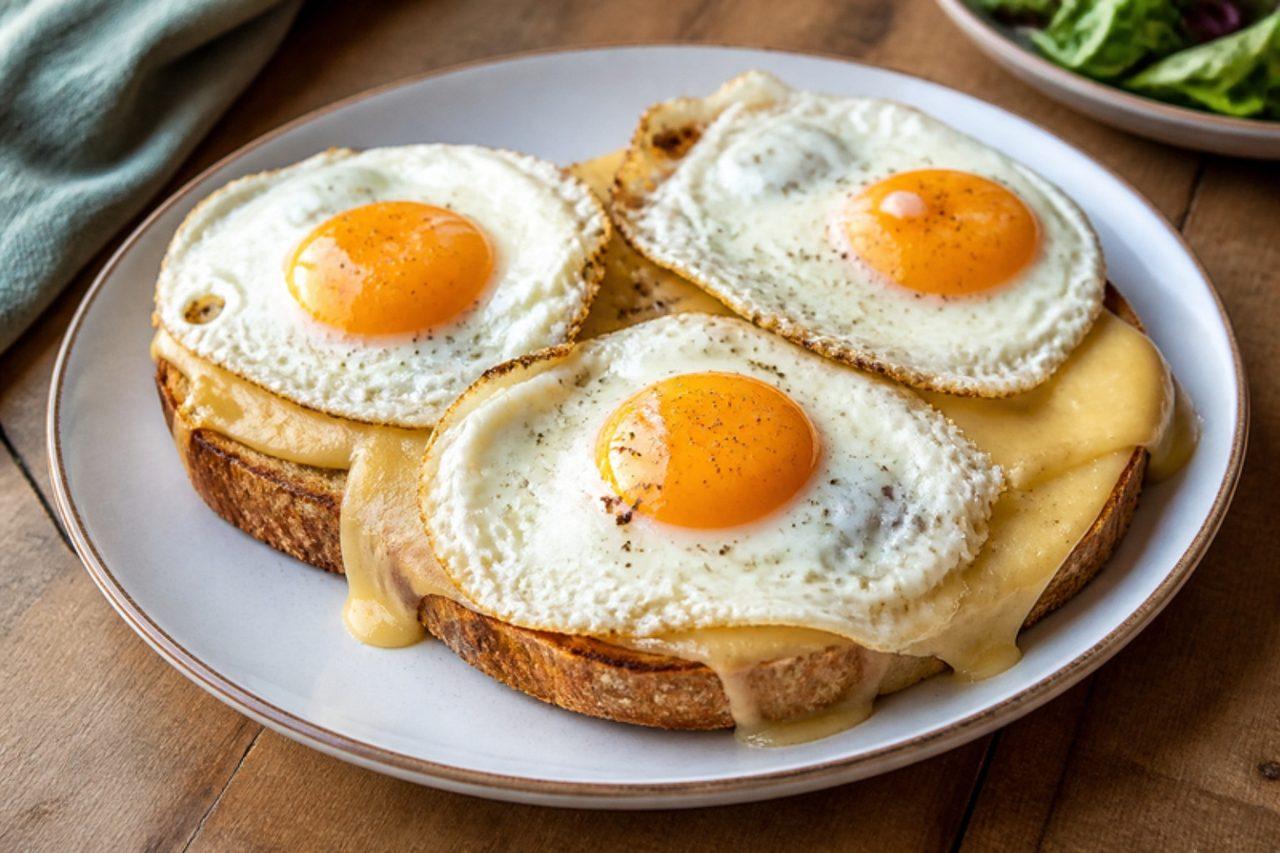
In Amsterdam's brown cafés and lunchrooms, the uitsmijter is the classic lunch: two or three slices of buttered bread topped with cheese and three fried eggs, sunny side up, with a little pickle and a sprig of cress. The name means 'bouncer', perhaps because it was the last plate served before closing time. Ham is the usual extra; this version keeps it vegetarian with Gouda and tomato. Gouda is usually made with animal rennet, so choose a vegetarian Gouda-style cheese. A common mistake is frying the eggs on high heat, which makes the whites rubbery and brown. Chef's tip: fry the three eggs together in one pan over a medium-low heat with a lid, so the whites set while the yolks stay runny.

by KrazyBadal 0 views
Limburgse vlaai

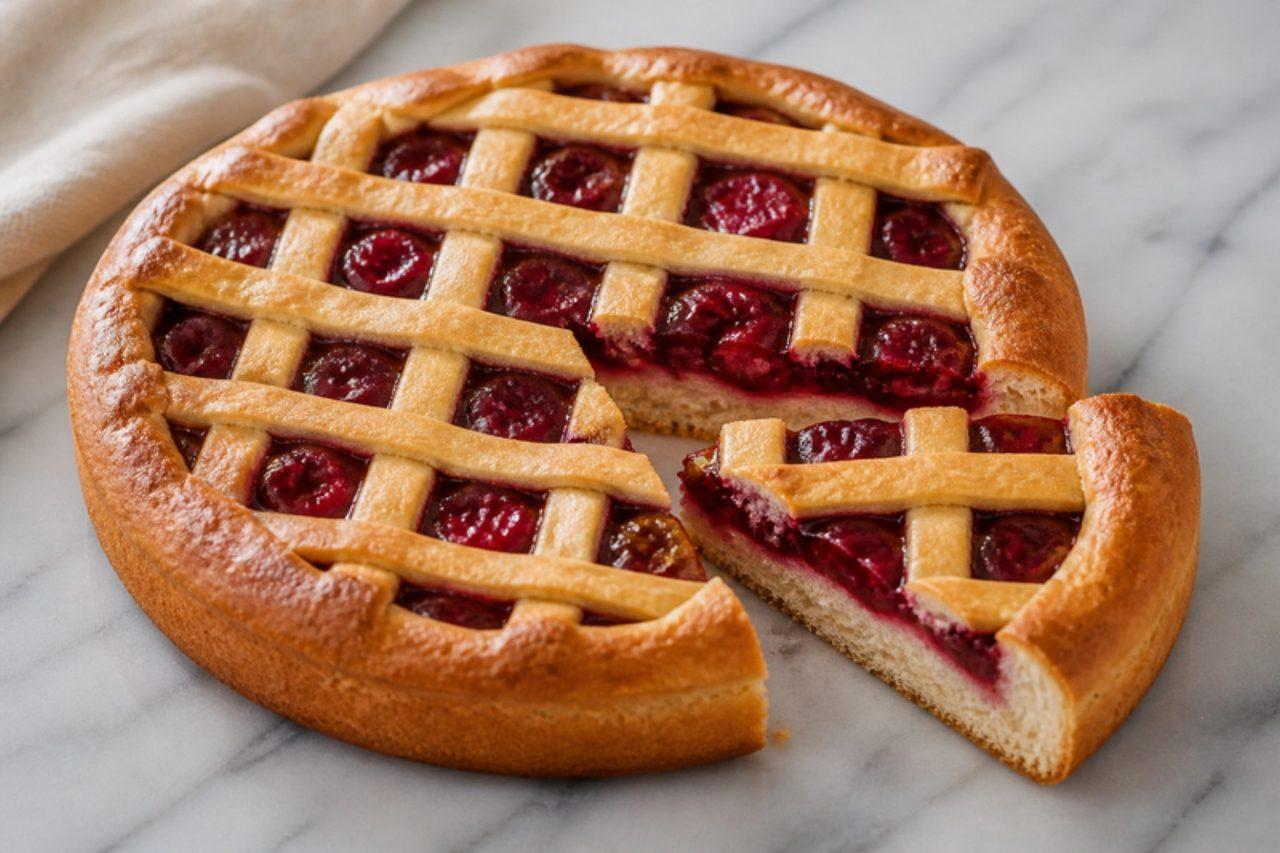
Vlaai is the pride of Limburg, the southern province around Maastricht: a thin yeasted pastry base filled with fruit, often sour cherries, apricots or plums, or with a creamy rice custard (rijstevlaai), topped with a lattice and baked. Every birthday, funeral and Sunday visit in Limburg has vlaai on the table, and bakeries sell them whole in boxes. A common mistake is a runny filling, which soaks the base. Chef's tip: thicken the cherry juice with cornflour and cook it until glossy before it goes in, so the base stays crisp.

by KrazyBadal 0 views
Daging smoor

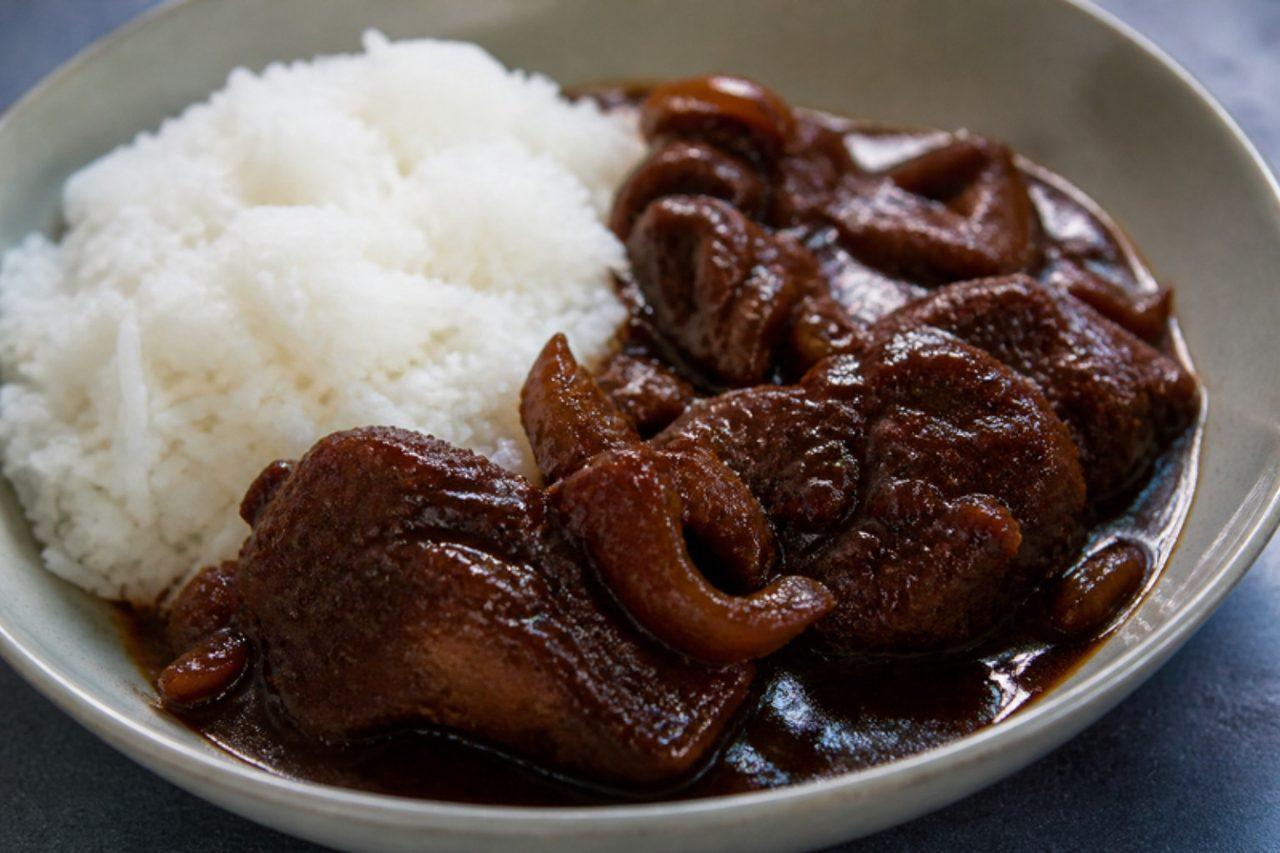
Daging smoor, from the Dutch 'smoren', to braise, is the Indo-Dutch version of Indonesian semur: beef braised for hours in kecap manis sweet soy sauce with onion, garlic, nutmeg, clove and a little tomato, until tender and coated in a dark, glossy, sweet-savoury sauce. It is a Sunday and rijsttafel dish in Indo-Dutch families in The Hague and is served with rice and atjar. A common mistake is a hard boil, which makes the meat tough and the sauce too salty as it reduces. Chef's tip: add the nutmeg at the start and a pinch more at the end, so its warmth runs through and the fresh aroma comes through on top.

170 minDutchCurries
by KrazyBadal 0 views

Bossche bol

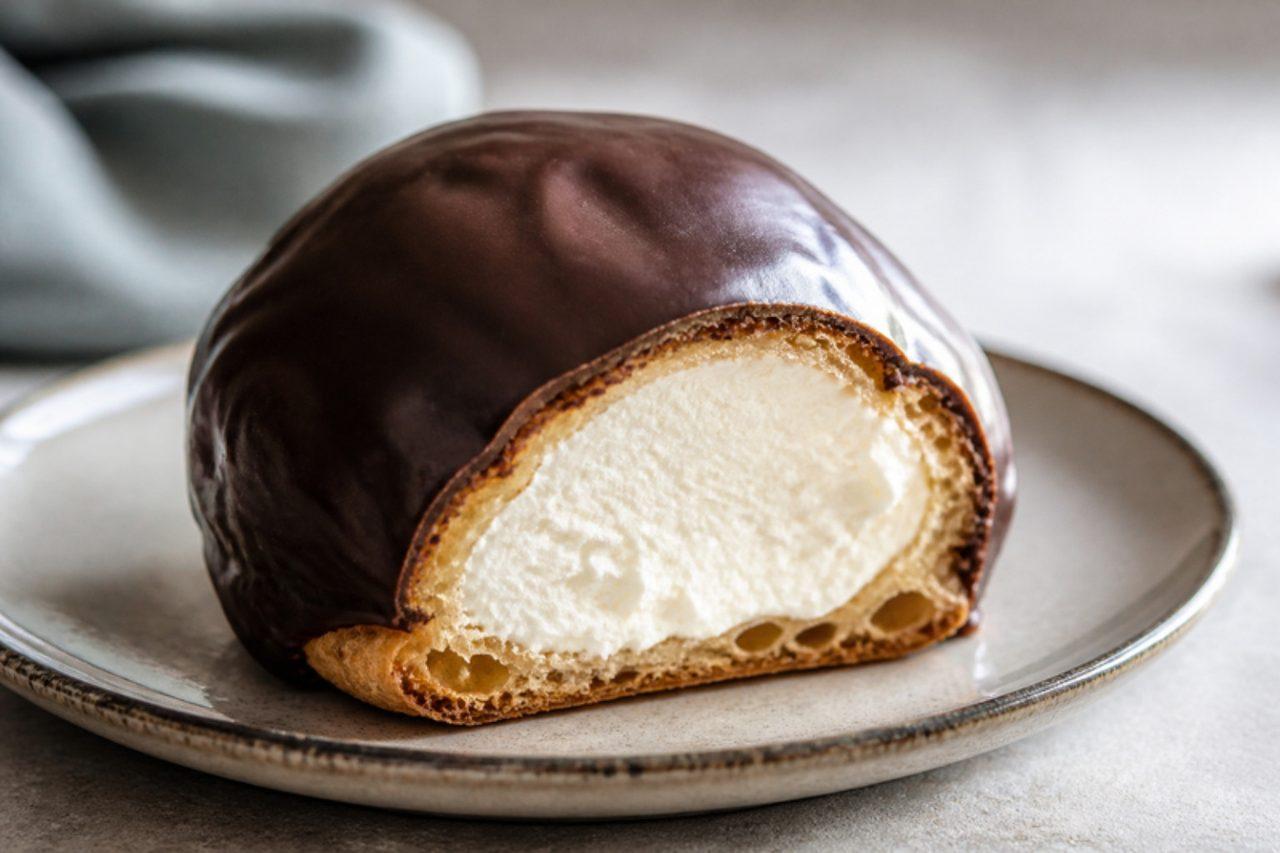
The Bossche bol is the famous pastry of 's-Hertogenbosch (Den Bosch) in North Brabant: a choux bun the size of a tennis ball, filled to bursting with lightly sweetened whipped cream and dipped in glossy dark chocolate. Bakeries like Jan de Groot sell them by the thousand, and you eat it with your hands, leaning over the plate. A common mistake is taking the choux out too early, which makes it collapse. Chef's tip: bake until deep golden, then pierce the base and return to the switched-off oven for 10 minutes to dry out.

by KrazyBadal 0 views
Sambal goreng boontjes

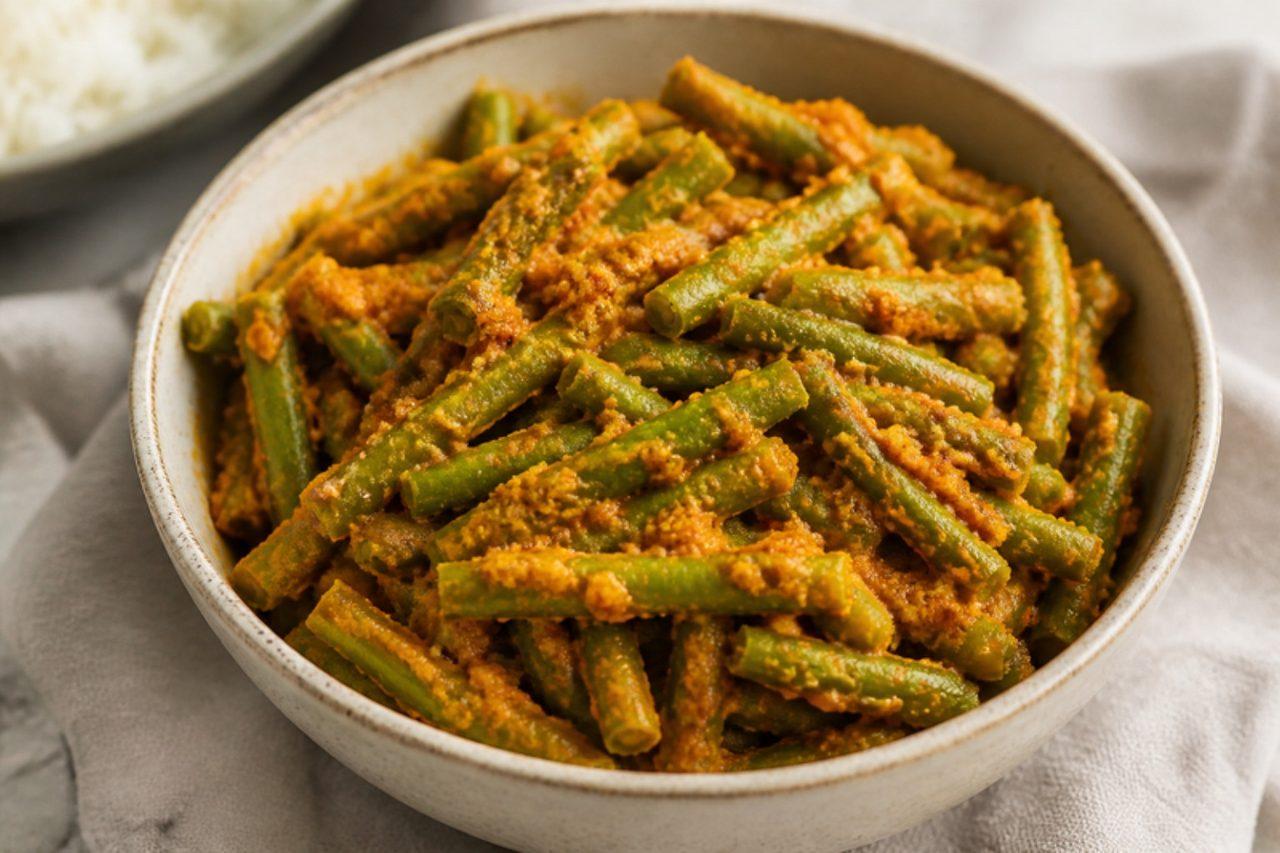
Sambal goreng boontjes is one of the most loved dishes in Dutch-Indonesian homes and toko takeaways: green beans fried in a spice paste of shallot, garlic, chilli and galangal, then simmered in coconut milk with lime leaves until just tender and coated in a rich, spicy, slightly sweet sauce. It is a regular part of a rijsttafel. Traditional versions include shrimp paste (trassi); this one is vegan. A common mistake is overcooking the beans until khaki. Chef's tip: fry the spice paste until the oil separates and it smells sweet, which takes the raw edge off the chilli and garlic.

by KrazyBadal 0 views
Hangop

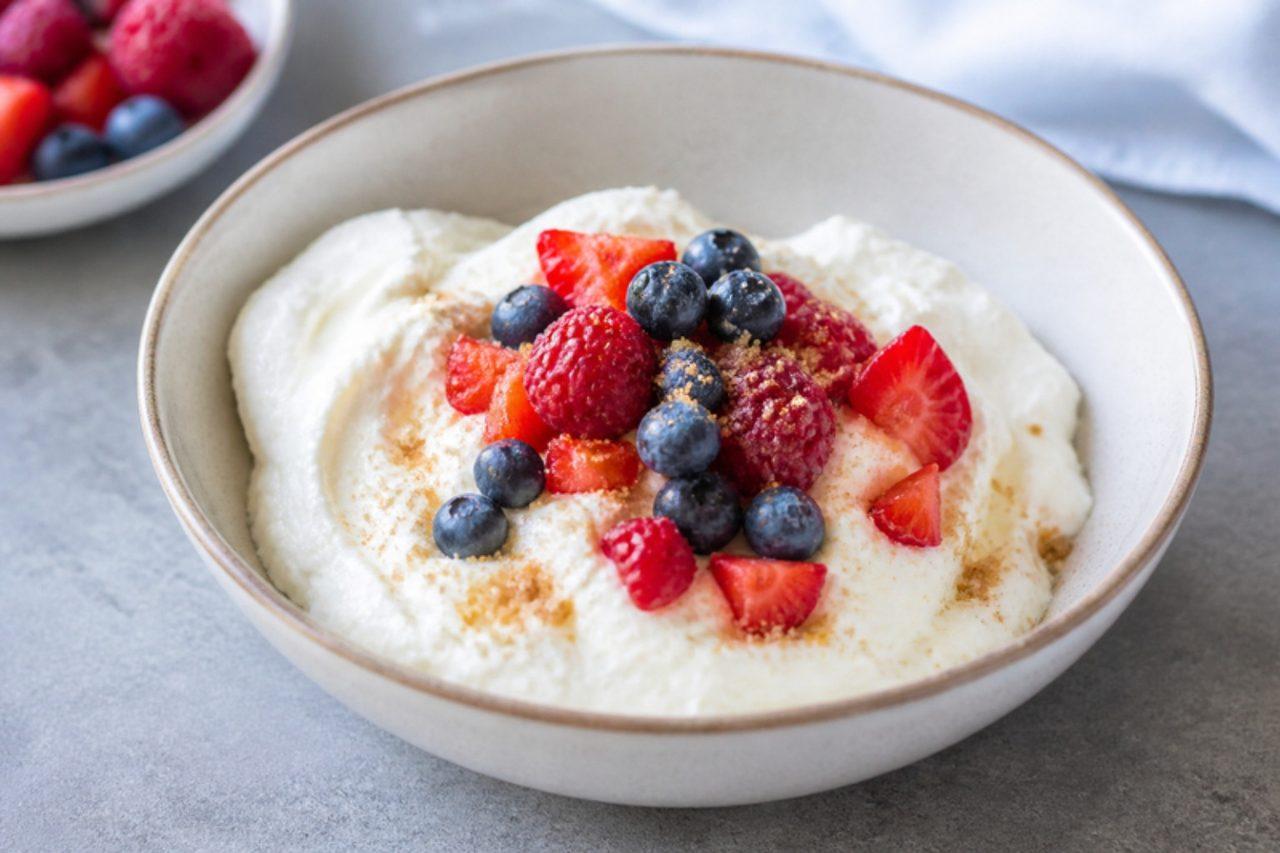
Hangop means 'hang up', and that is the method: buttermilk poured into a cloth, hung up over a bowl overnight until it thickens into something like a tangy, creamy fresh cheese. It was a summer dessert on Dutch farms, eaten with rusk crumbs, brown sugar and fresh fruit, and is having a revival in Amsterdam restaurants. A common mistake is straining it at room temperature, which lets it turn too sour. Chef's tip: strain it in the fridge, and use a clean tea towel rather than cheesecloth; the finer weave keeps more of the creamy curd.

by KrazyBadal 0 views
Huzarensalade

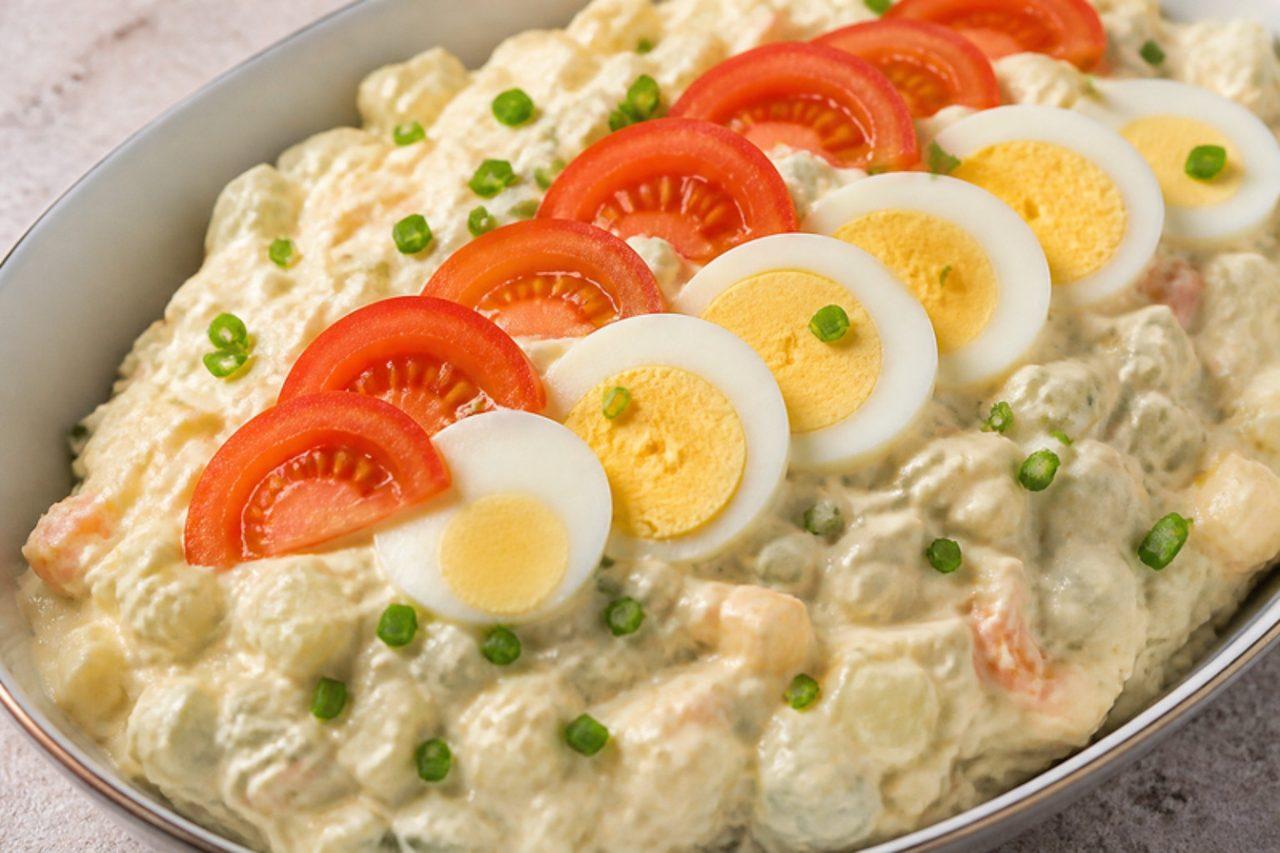
Huzarensalade, 'hussars' salad', is the potato salad of Dutch birthdays and New Year's Day: diced potato, pickled gherkins, pickled onions, apple and boiled egg bound in mayonnaise, shaped into a mound and decorated with lettuce, tomato, egg and cucumber. It is normally made with cubes of cooked beef; this vegetarian version adds peas and a little extra egg. A common mistake is mixing warm potatoes with mayonnaise, which turns it greasy and loose. Chef's tip: let the potatoes cool completely and add a splash of pickle vinegar first, so they soak up flavour before the mayonnaise goes in.

by KrazyBadal 0 views
Groninger koek

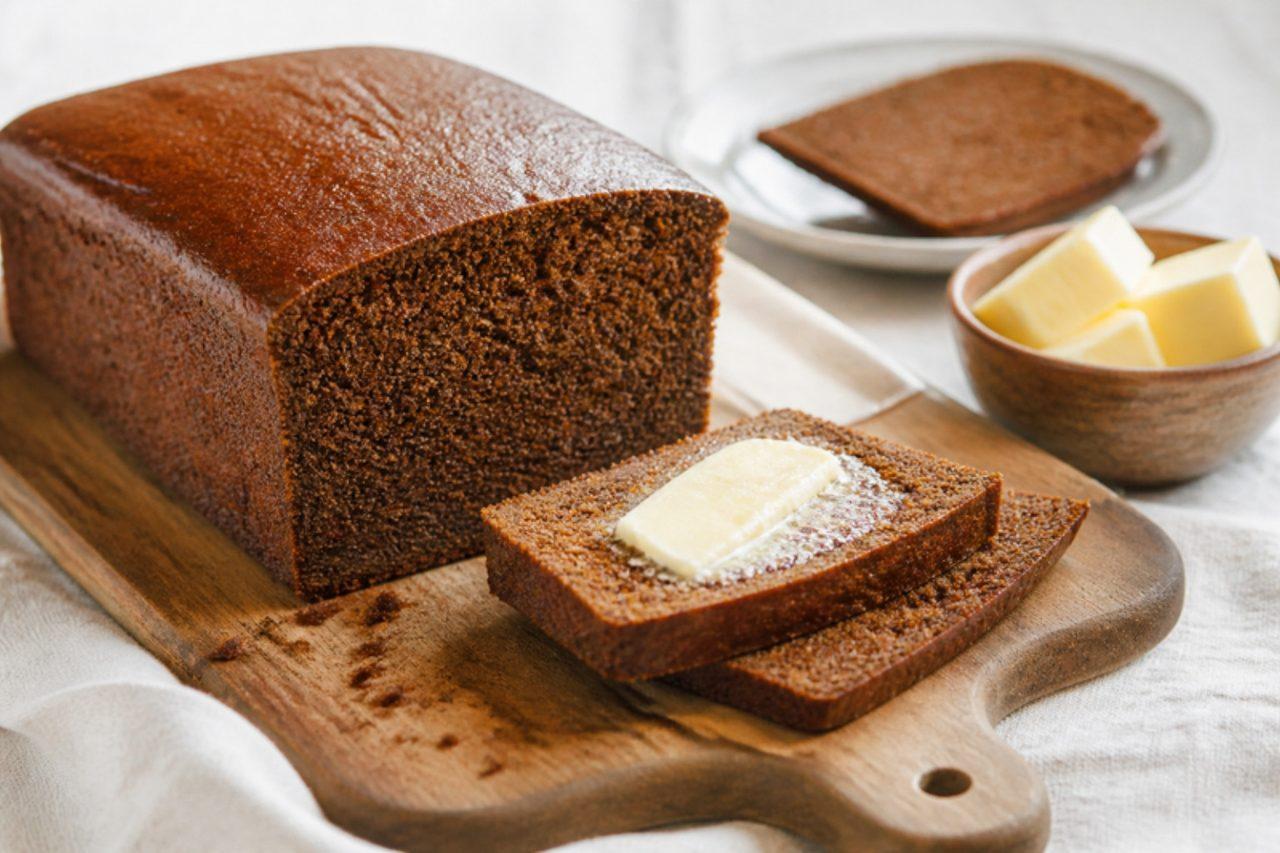
Groninger koek is the dark, chewy spiced rye cake of Groningen, made since the 17th century and sliced thickly and spread with butter for breakfast or coffee time; the 'oudewijvenkoek' version contains aniseed, and others are studded with candied ginger or peel. This recipe is egg- and dairy-free, using syrup for its sweetness and moistness. A common mistake is slicing it on the day of baking; it is sticky and crumbly until it has rested. Chef's tip: wrap the cooled cake tightly and leave it for two days; it becomes moist, dense and sliceable.

by KrazyBadal 0 views
Vla

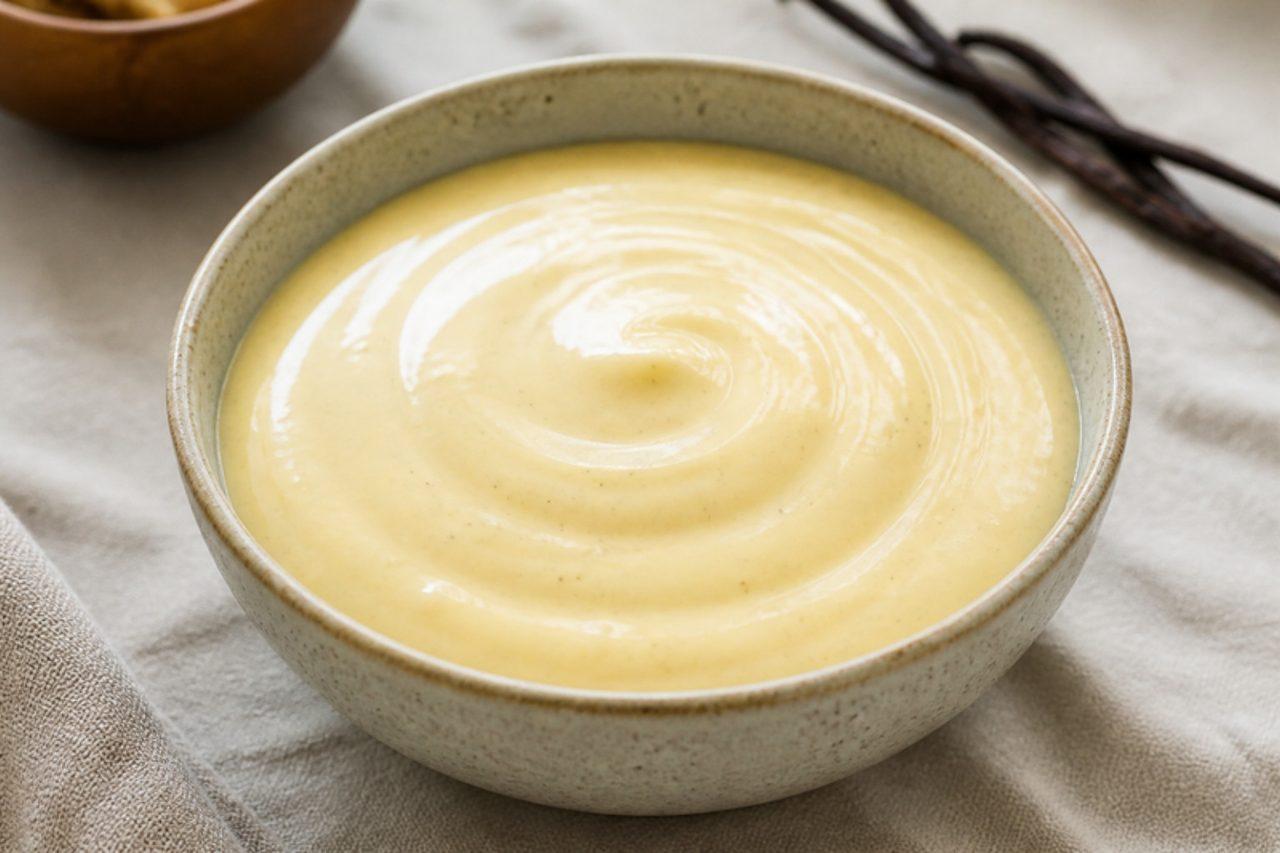
Vla is the pourable custard that Dutch children eat by the bowlful after dinner, bought in cartons in every supermarket in vanilla, chocolate and caramel, and often swirled together into 'dubbelvla'. Homemade, it is just milk, egg yolks, sugar, vanilla and a little cornflour, cooked until it coats a spoon, then chilled. It should be thinner than English custard, pouring slowly like double cream. A common mistake is boiling it after the yolks go in, which curdles them. Chef's tip: stir a spoon of cocoa into half and swirl the two together for dubbelvla.

by KrazyBadal 0 views

Pisang goreng

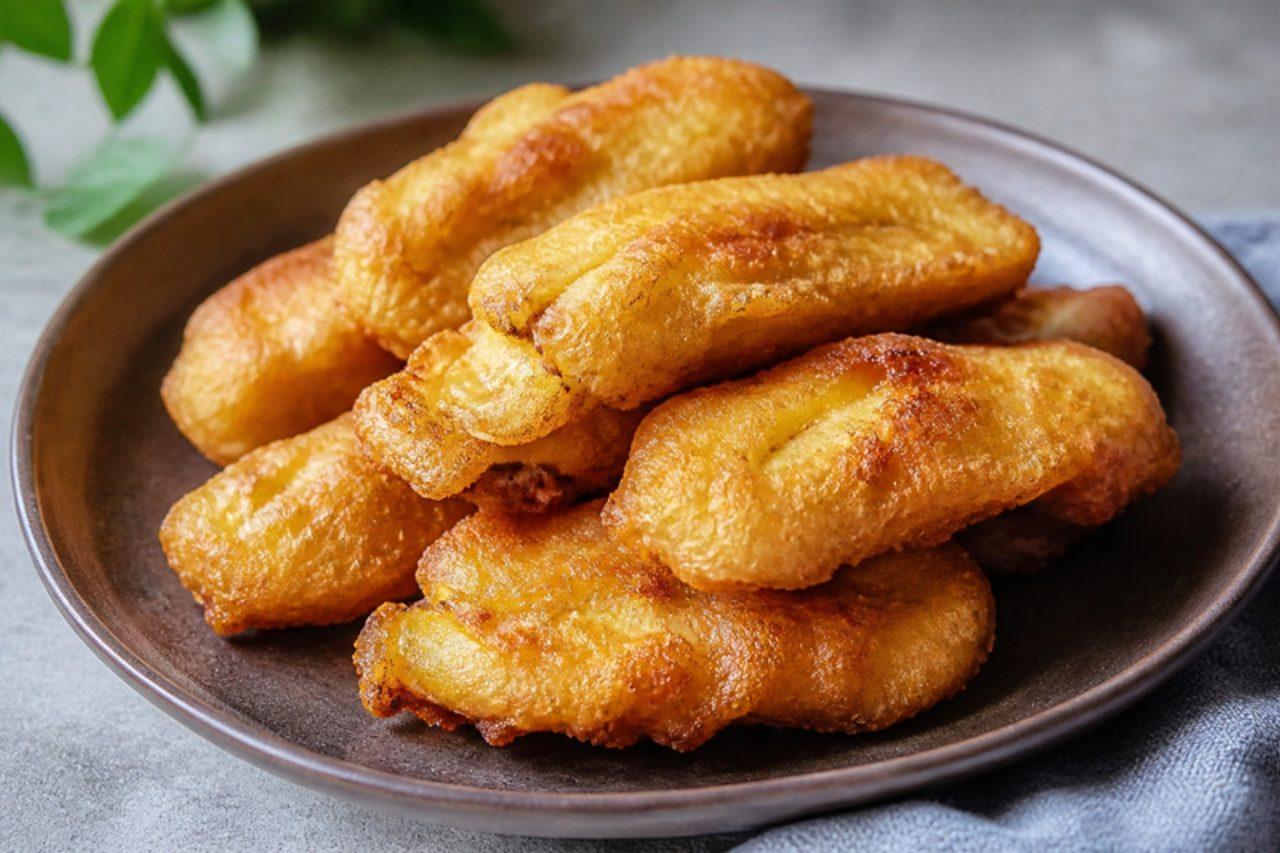
Pisang goreng, fried banana, is the sweet that Dutch toko takeaways and Indonesian festivals like the Tong Tong Fair in The Hague serve hot from the fryer: slices of ripe but firm banana in a light, crisp rice-flour batter, eaten plain or with a dusting of sugar, a drizzle of palm-sugar syrup or a scoop of ice cream. A common mistake is using overripe bananas, which go mushy and leak into the oil. Chef's tip: mix rice flour with a little plain flour and use ice-cold sparkling water, which gives a thin, crackly batter.

by KrazyBadal 0 views

Tompouce

The tompouce is the most Dutch of pastries: two thin, crisp layers of puff pastry with a thick yellow custard between them and a glossy pink icing on top, which turns orange on King's Day. It is sold in every bakery and supermarket, and eating one neatly is famously impossible. A common mistake is letting the pastry puff too much, which makes it hard to cut. Chef's tip: bake the pastry under a second tray to keep it flat and crisp, and set the custard firmly with enough cornflour so it holds when sliced.

by KrazyBadal 0 views

Fries suikerbrood

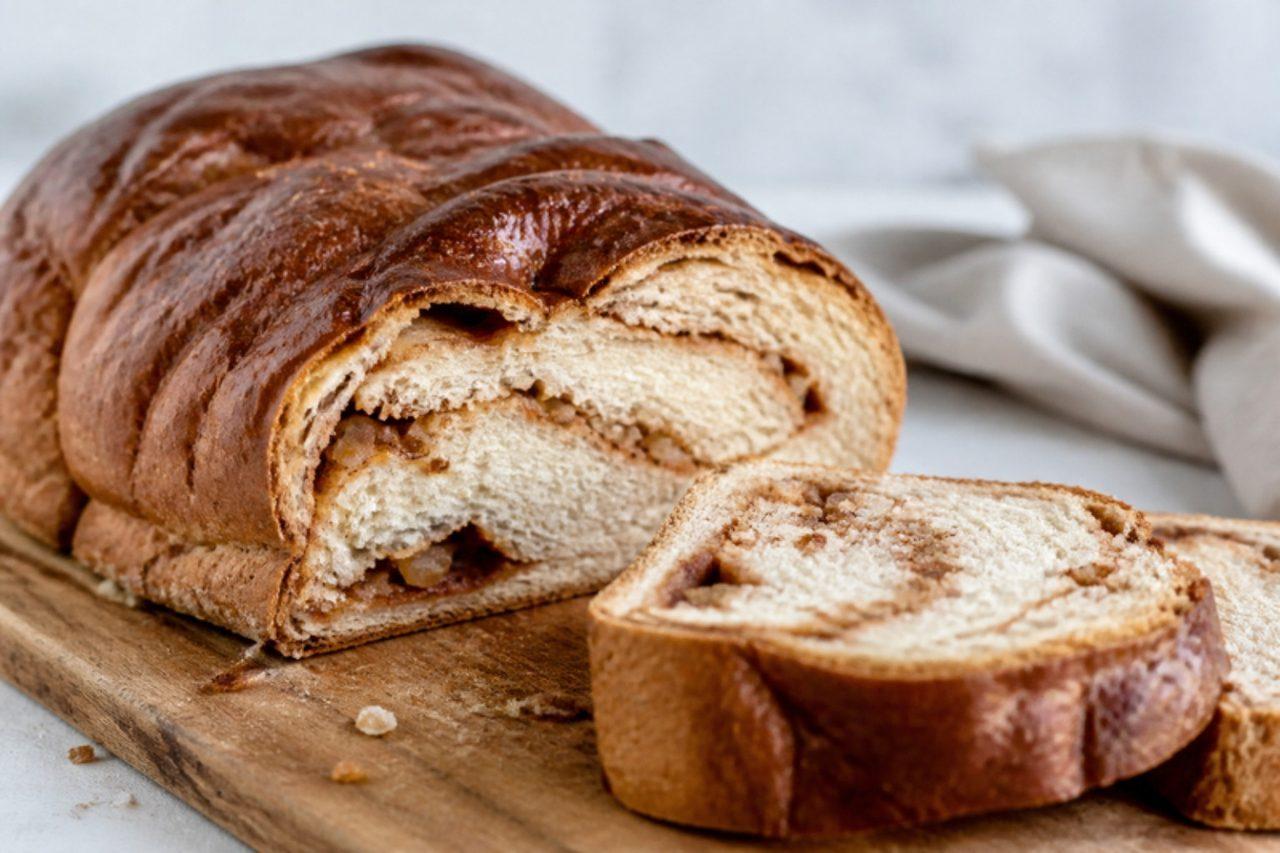
Fries suikerbrood, sûkerbôle in Frisian, is the bread Frisian families bring when a baby is born: a soft white loaf filled with large sugar nibs and cinnamon, so that as it bakes the sugar melts into sticky, crunchy pockets. Leeuwarden bakeries sell it every day, sliced and buttered with coffee. A common mistake is using fine sugar, which dissolves completely; it must be the big pearl sugar nibs. Chef's tip: knead in the sugar only at the end and gently, and bake the loaf in a tin so the melting sugar caramelises against the sides.

by KrazyBadal 0 views

Zeeuwse bolus

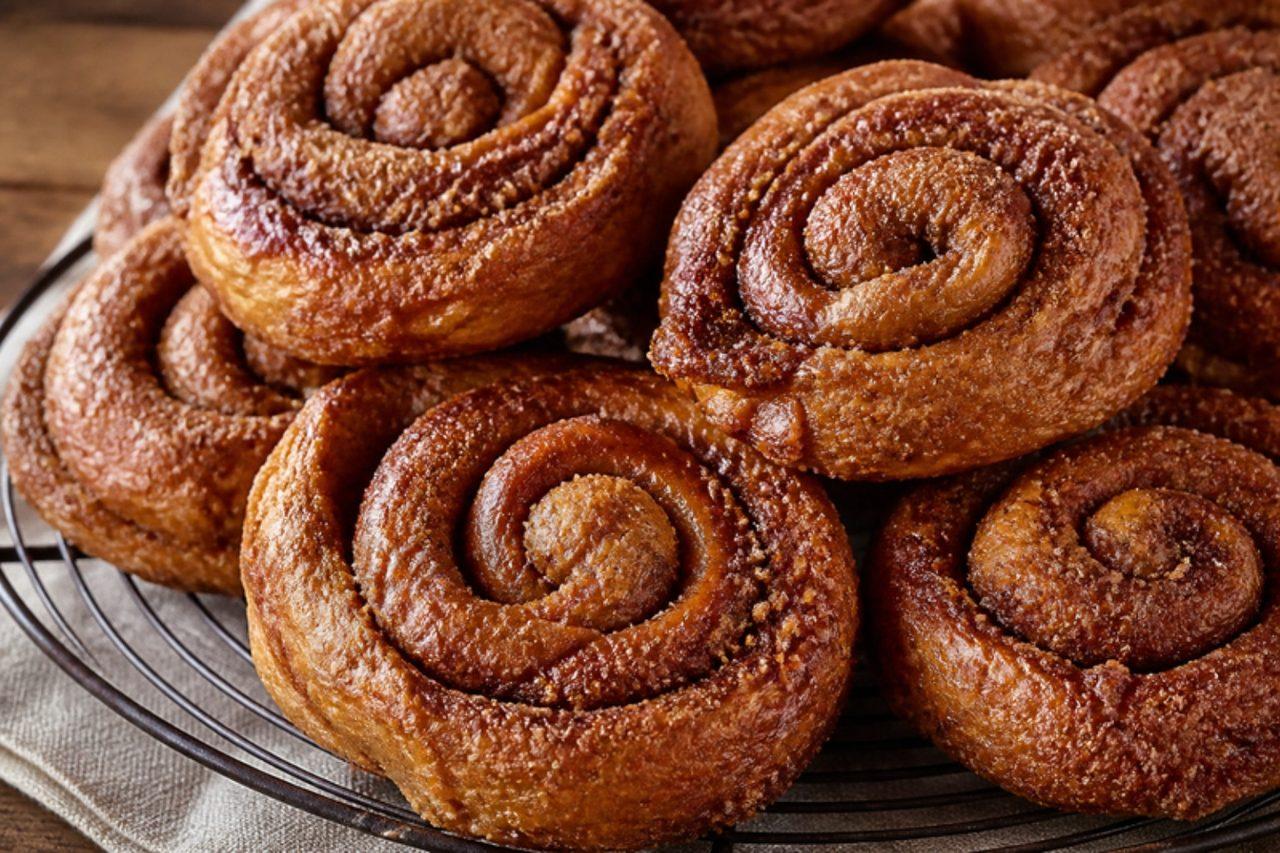
Zeeuwse bolussen are the sticky spiral buns of Zeeland, the delta province in the south-west, brought there, it is said, by Portuguese Jewish bakers in the 17th century: a soft yeast dough rolled in dark brown sugar and cinnamon, twisted into a coil and baked until the sugar caramelises into a sticky, dark crust. Middelburg bakeries sell them with butter. A common mistake is rolling them in too little sugar; they need a thick coat for the caramel. Chef's tip: twist the sugared rope tightly before coiling it, so the sugar is trapped in the folds.

by KrazyBadal 0 views

Fryske dúmkes

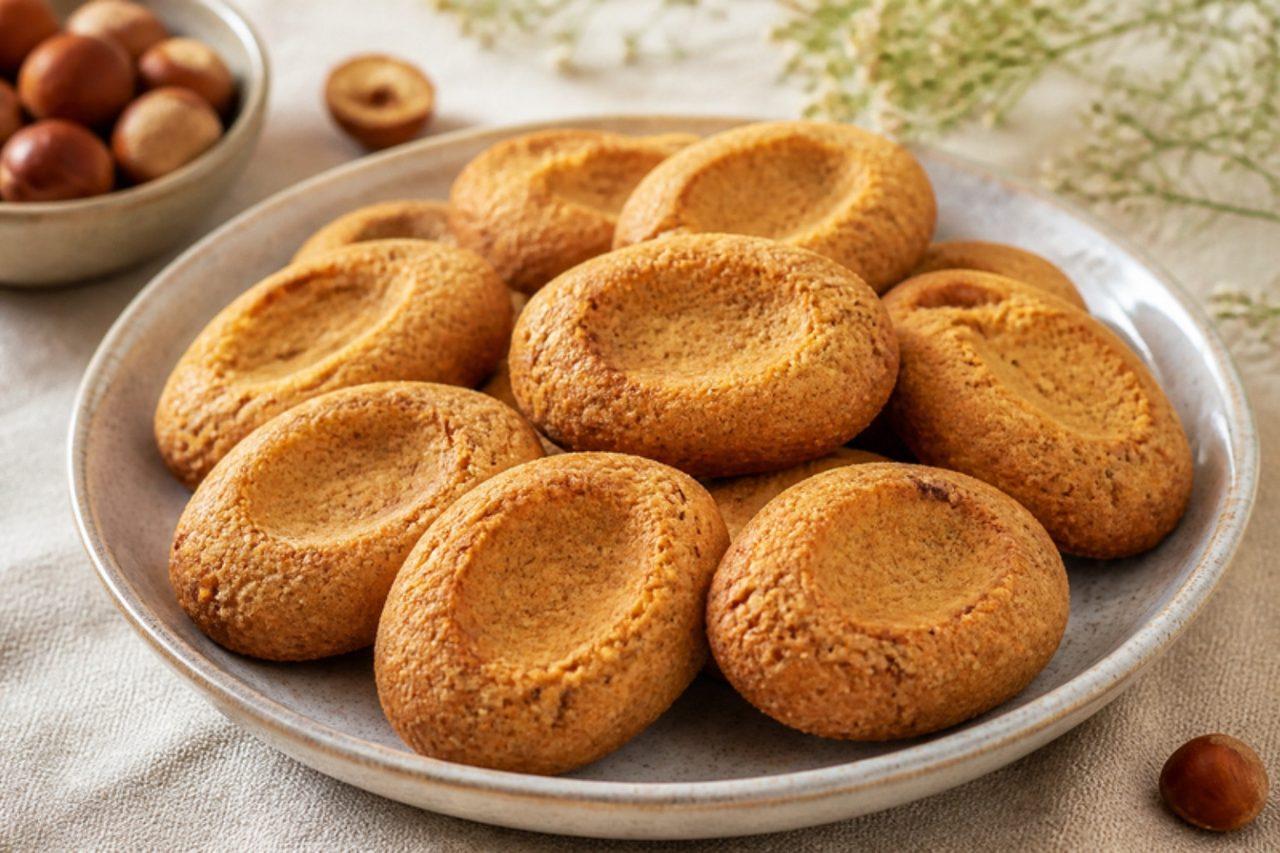
Dúmkes, 'little thumbs', are crisp, spiced biscuits from Friesland, shaped by pressing the dough with a thumb or rolling it into a log and slicing; their flavour comes from aniseed and toasted hazelnuts, and they are dunked in coffee at Frisian kitchen tables. A common mistake is baking them pale, which leaves them soft; they should be golden and snap when broken. Chef's tip: lightly crush the aniseed before mixing, so its sweet liquorice flavour runs through every bite.

by KrazyBadal 0 views

Limburgs zuurvlees

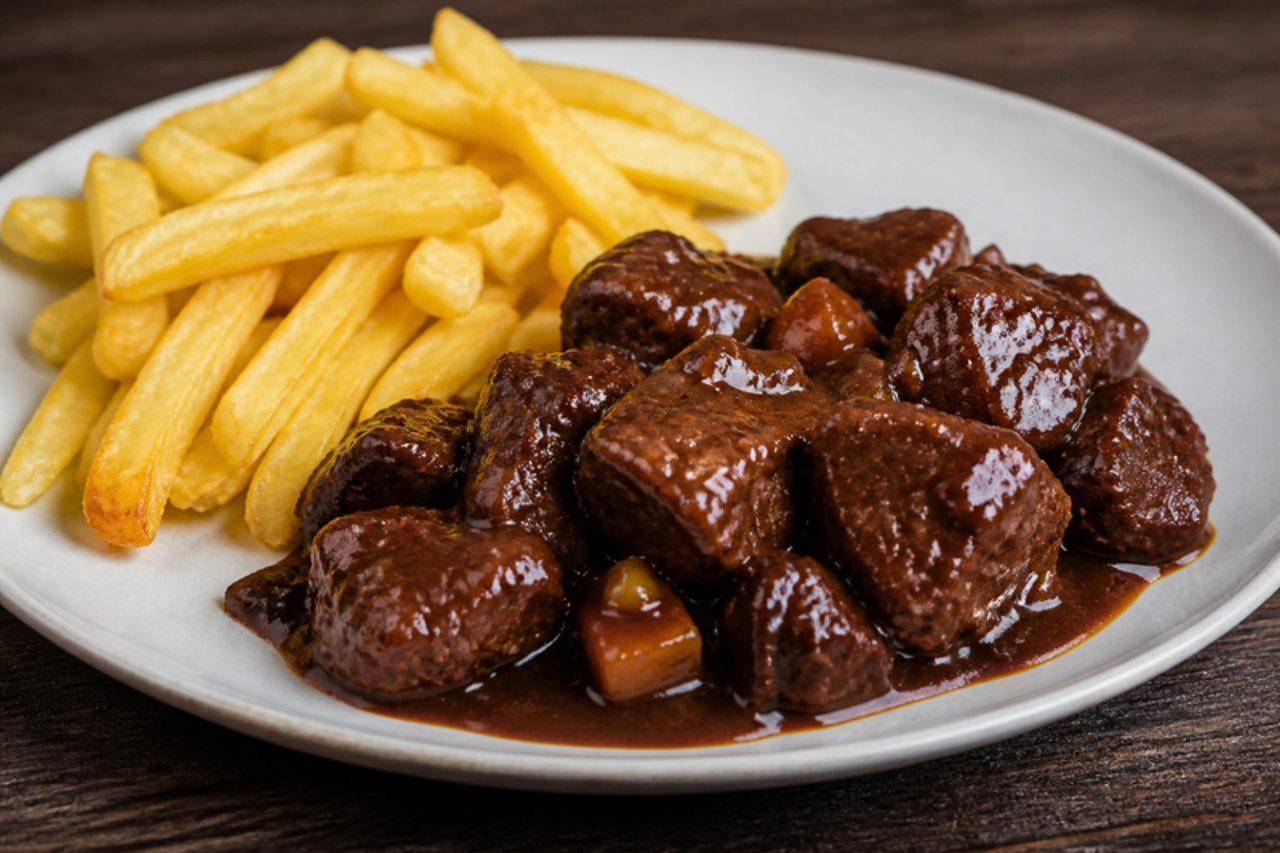
Zoervleisj, sour meat, is the signature dish of Limburg in the south of the Netherlands, eaten with fries and apple sauce in every café in Maastricht and Heerlen: beef marinated overnight in vinegar with bay and cloves, then braised slowly with onions and thickened with Limburg apple-pear syrup (stroop) and slices of spiced gingerbread until dark, glossy and sweet-sour. Traditionally horse meat was used; beef is the usual choice today. A common mistake is skipping the marinade, which leaves the meat bland. Chef's tip: marinate in the fridge for at least 12 hours and use the marinade in the braise.

200 minDutchCurries
by KrazyBadal 0 views

Frikandel speciaal

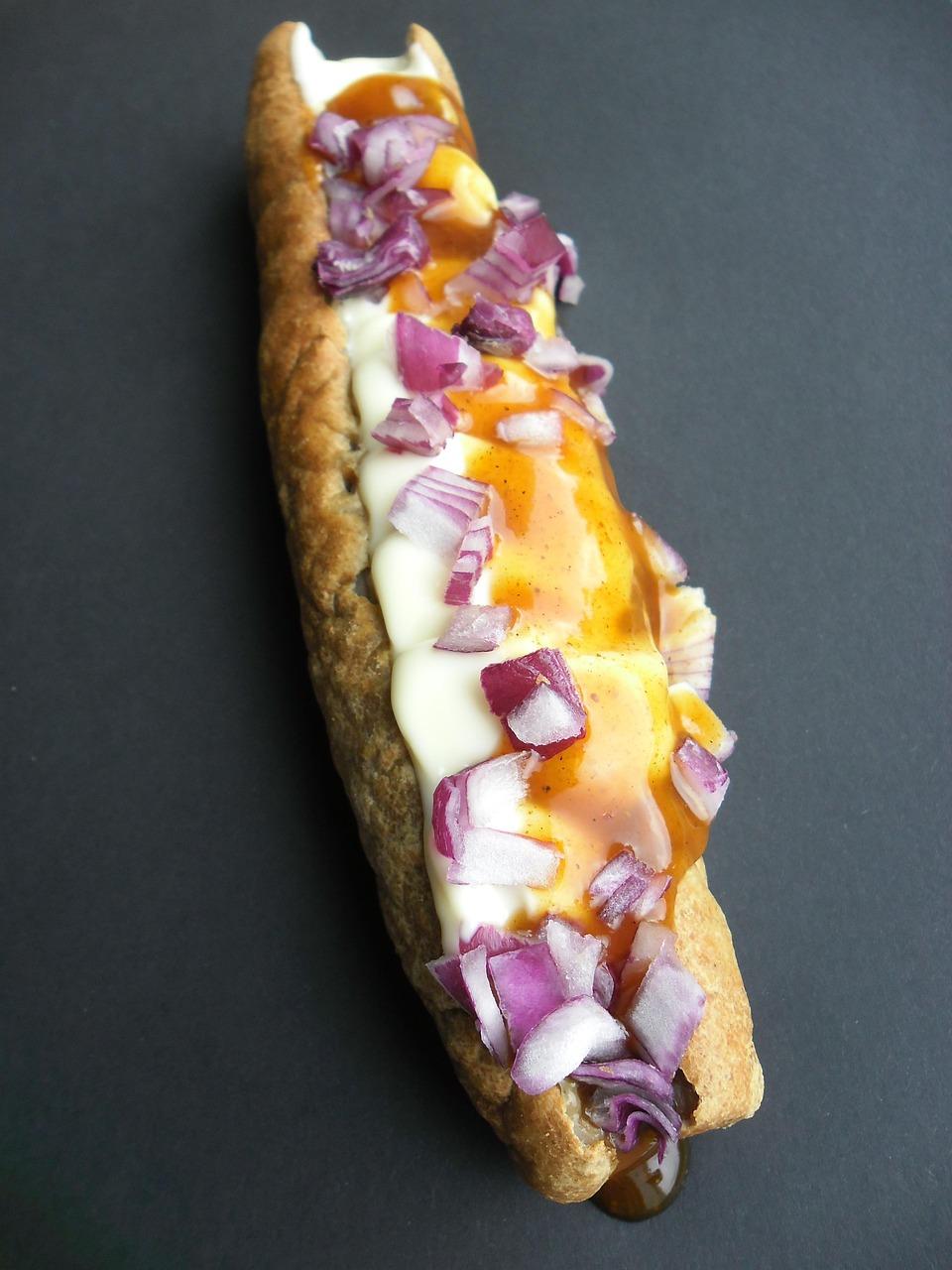
The frikandel is the snack-bar sausage of the Netherlands, fried from frozen in every cafetaria and eaten at football matches and after a night out: a long, skinless sausage of finely minced meat, and 'speciaal' means split open and topped with mayonnaise, curry ketchup and raw chopped onion. Factory frikandellen use a mix of meats; this homemade version uses beef and pork mince, so it contains pork. A common mistake is skipping the poaching step, so the sausages break up in the fryer. Chef's tip: roll them in cling film and poach first, then chill; they hold their shape and fry crisp in minutes. Minced meat must reach 71 °C.

by KrazyBadal 0 views

Showing 24 of 118 recipes

Show more recipes

Page 1 of 5