Skip to content
Recipes

All recipes

Vegetarian, or something you can't eat? Set your diet once and we'll hide recipes that don't fit.

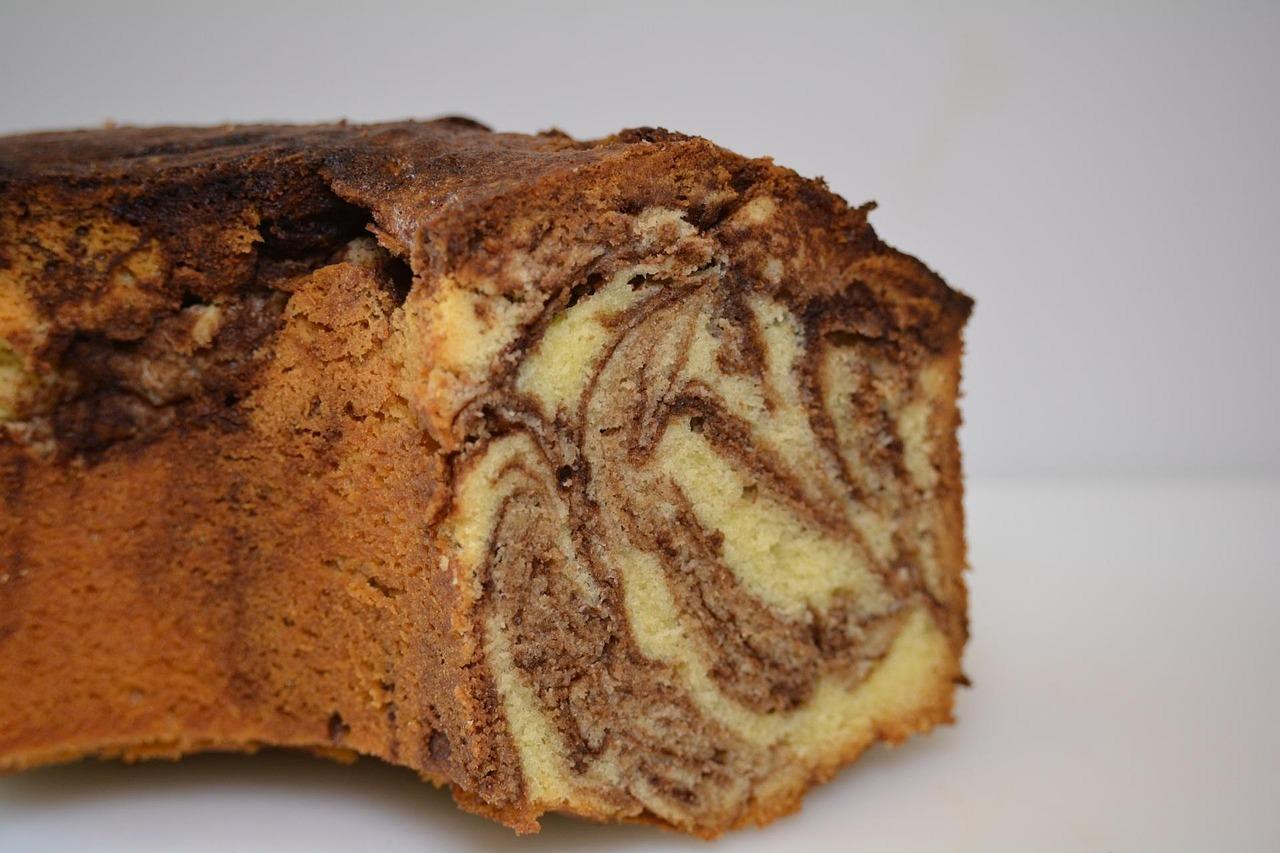
MarmorkuchenMarble cake

Marmorkuchen is the cake German children grow up with: a tall, buttery ring of vanilla sponge swirled with chocolate, baked for birthdays and kindergarten parties and kept under a glass dome for afternoon coffee all week. It needs nothing but a dusting of icing sugar, though many families pour over a thin chocolate glaze. A common mistake is over-stirring the two batters together, which turns the cake a muddy brown instead of showing clear marbling. Chef's tip: layer the batters in the tin, then pull a fork through just once in a spiral; less is more.

by KrazyBadal 0 views
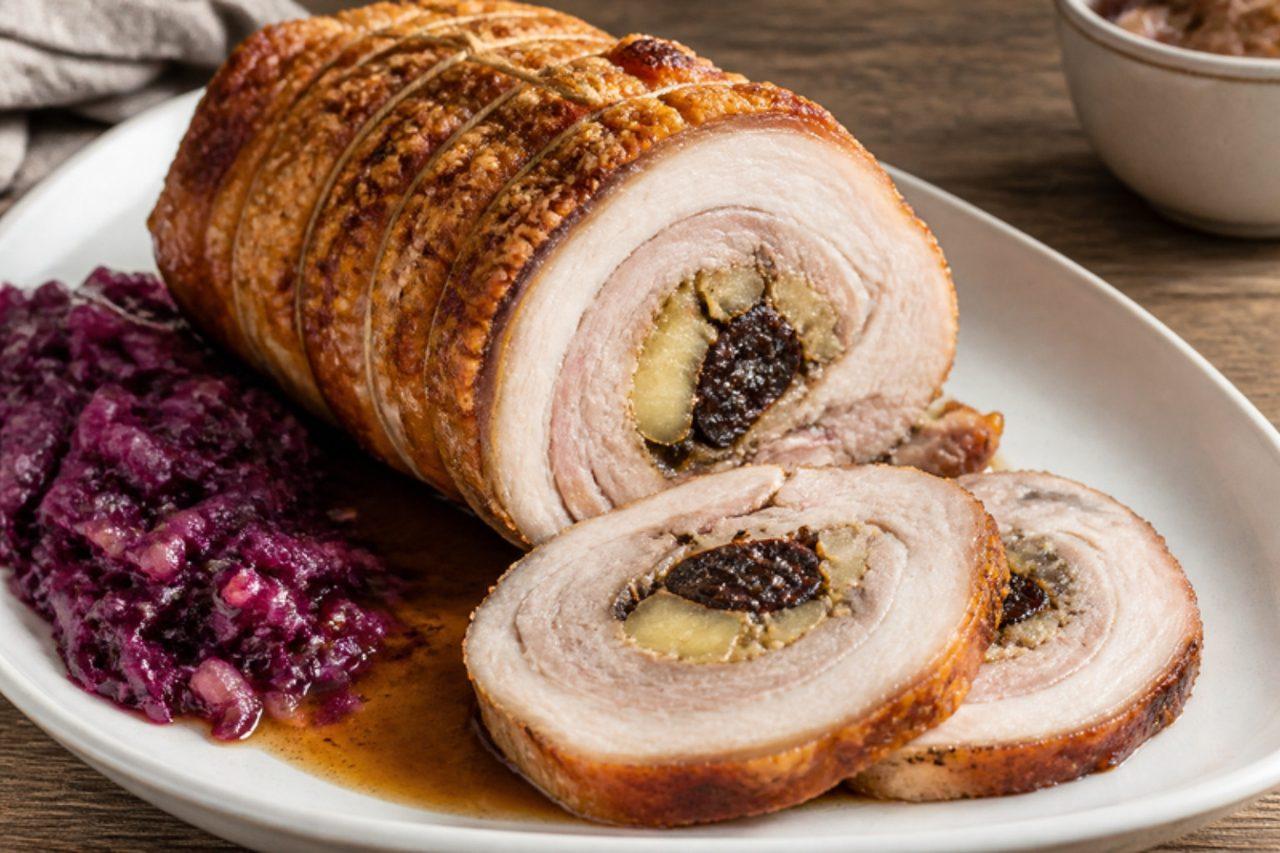
Mecklenburger RippenbratenApple and prune stuffed pork belly

Mecklenburger Rippenbraten is the Christmas and Sunday roast of Mecklenburg on the Baltic coast, a flat piece of pork belly spread with apple and prunes, rolled, tied and roasted until the skin crackles. The fruit melts into the meat and turns the pan juices into a sweet, dark gravy, served with red cabbage and boiled potatoes. The prunes are sometimes soaked in rum; here they are soaked in apple juice, so the dish is alcohol-free. Chef's tip: dry the scored skin uncovered in the fridge overnight; dry skin is what puffs into crackling.

180 minGermanMeatGluten free
by KrazyBadal 0 views
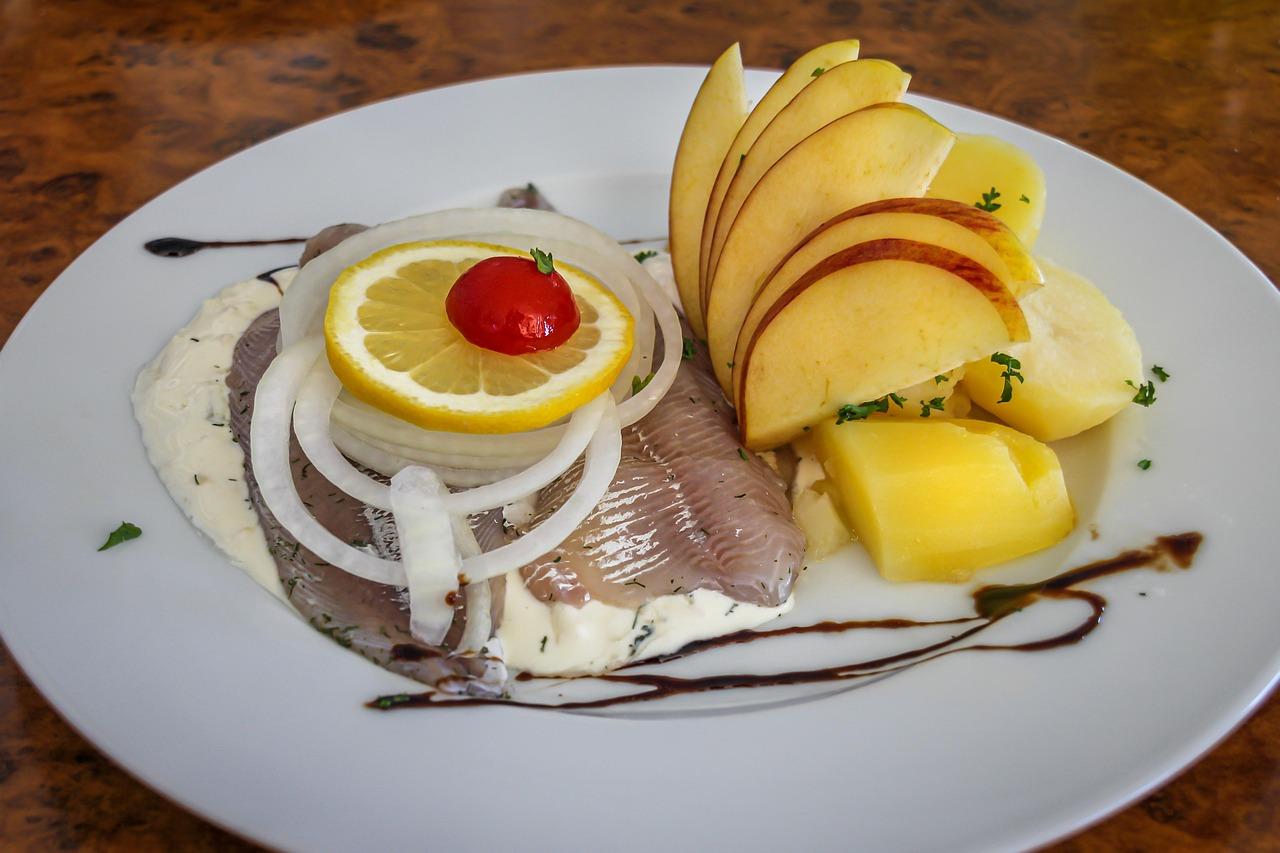
Matjes HausfrauenartHerring in apple cream sauce

Matjes nach Hausfrauenart, 'housewife's matjes', is the early-summer plate of northern Germany, eaten when the new season's young herring arrives in June, from Glückstadt on the Elbe to the cafés of Emden. Mild, buttery matjes fillets are covered in a cool sauce of sour cream and yoghurt with crisp apple, onion and gherkin, and served with hot boiled new potatoes in their skins and sometimes green beans. Matjes is cured raw herring, so buy commercially prepared, previously frozen fillets from the chilled counter and keep them cold; it is not for pregnant women, young children or anyone with a weakened immune system. Chef's tip: make the sauce first and let it chill for 20 minutes so the apple and onion flavour it before the fish goes in.

30 minGermanFishGluten free
by KrazyBadal 0 views
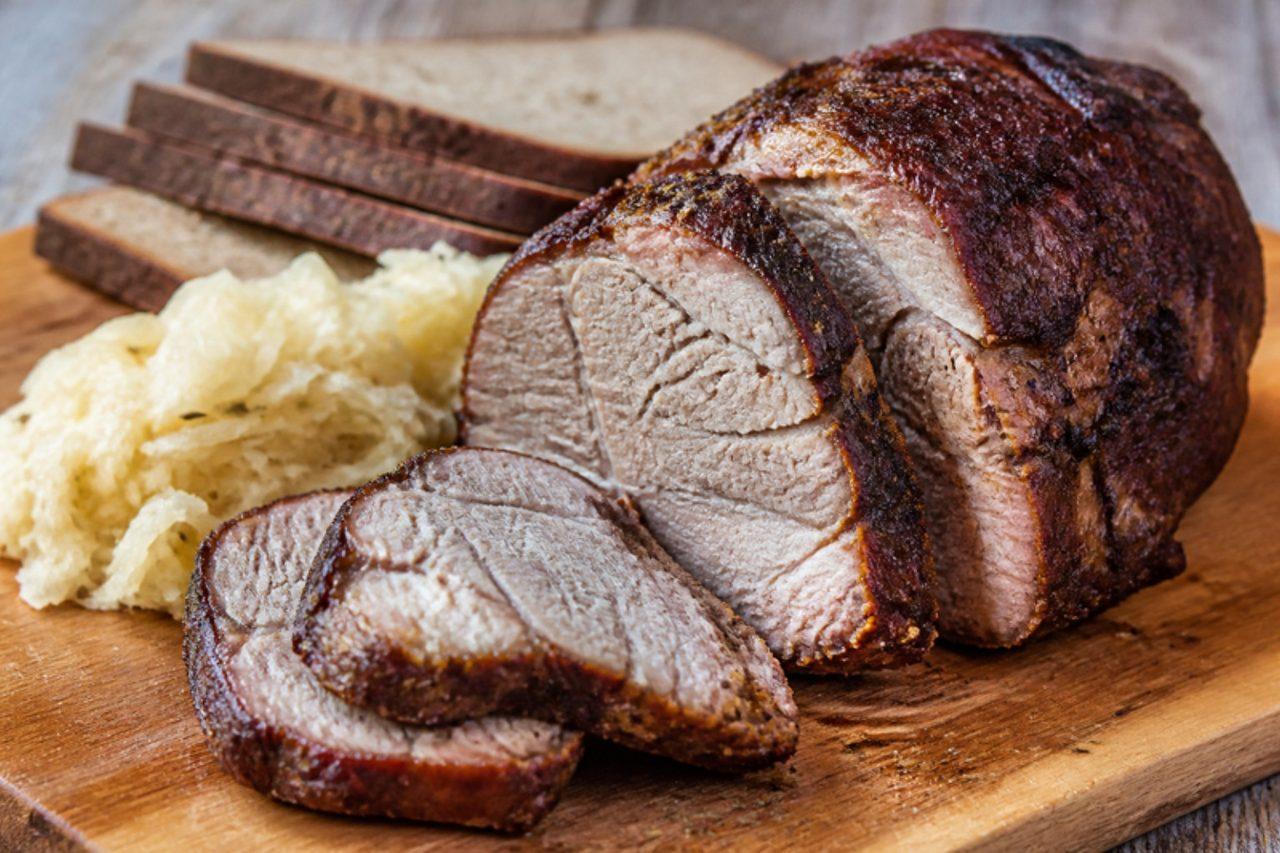
MutzbratenMarjoram roast pork shoulder

Mutzbraten is the fairground roast of eastern Thuringia, from Schmölln and the Altenburg area, where big chunks of pork shoulder are rubbed with salt, pepper and lots of marjoram, threaded on skewers and hung in an iron cage over a birch-wood fire. It is sold sliced with sauerkraut and a slice of rye bread at markets and village festivals. At home a lidded kettle barbecue with birch or other mild wood chips gives a close result; an oven version is in the steps. Chef's tip: marinate overnight, as the marjoram needs time to work its way into the meat.

170 minGermanMeatGluten free
by KrazyBadal 0 views
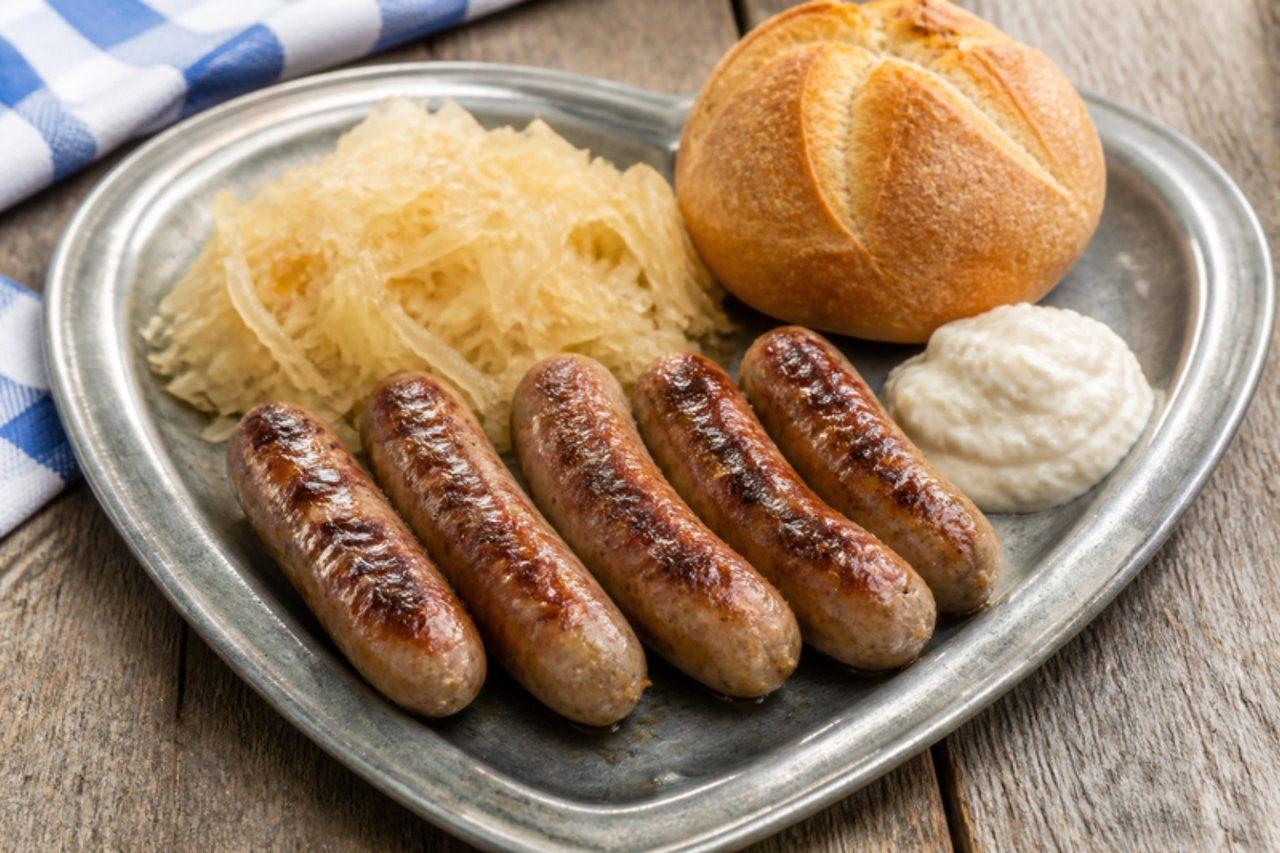
Nürnberger RostbratwürsteSmall marjoram pork sausages

Nuremberg's little pork sausages are barely longer than a finger, grilled over beechwood in the old town's sausage kitchens and sold three at a time in a crusty roll, 'Drei im Weggla', at the Christmas market and all year round. They are delicate, coarse-ground and fragrant with marjoram, mace and lemon zest, and at a sit-down meal six or twelve come on a pewter plate with sauerkraut and horseradish. Making them at home needs a mincer with a sausage nozzle and narrow sheep casings, and is a satisfying weekend project. Vegetarians can buy small vegetarian bratwursts and grill them with the same sides. Chef's tip: keep the meat and mincer ice-cold; warm fat smears and the sausages turn crumbly.

75 minGermanMeat
by KrazyBadal 0 views

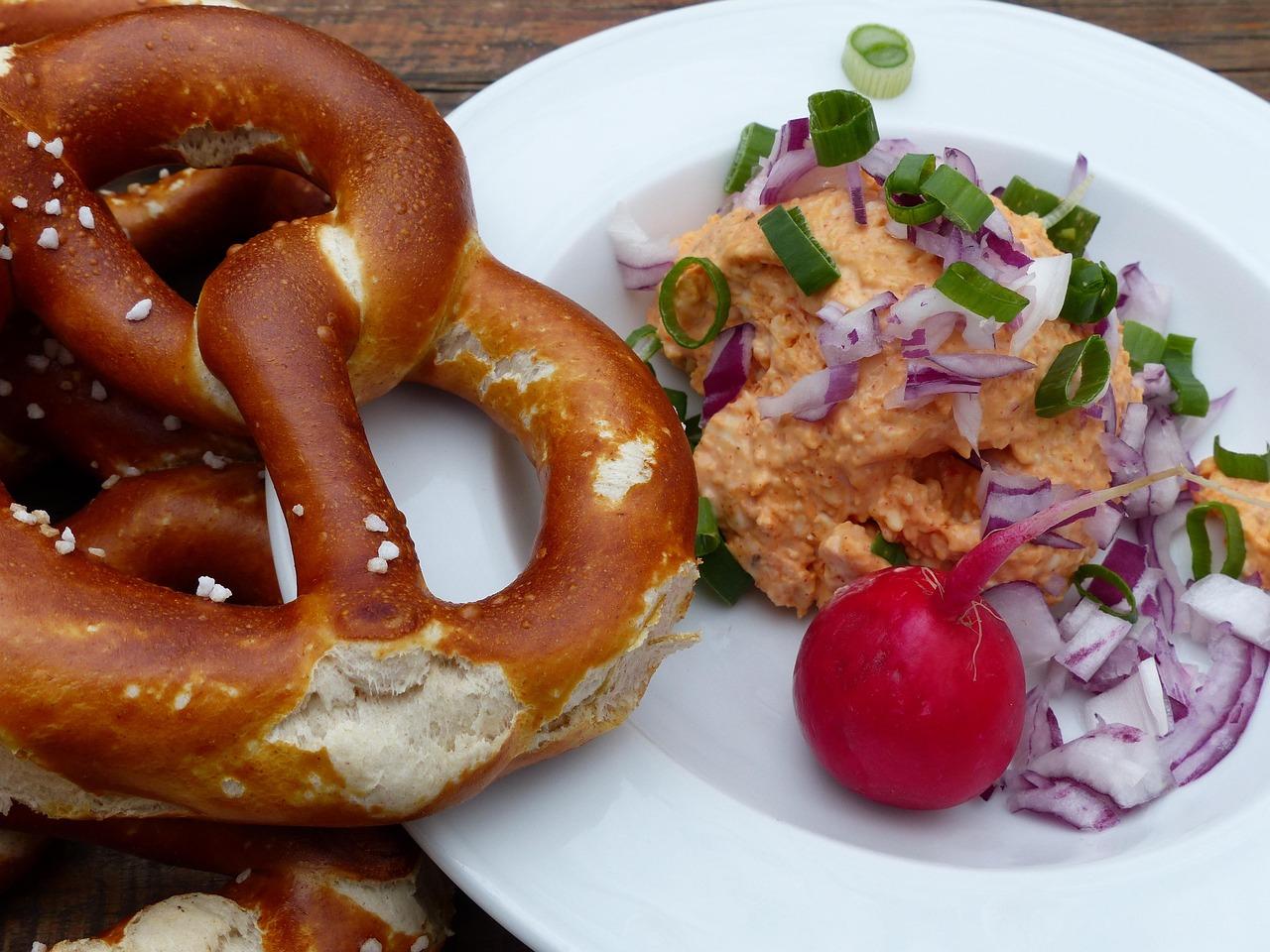
ObatzdaBeer-garden cheese spread

Obatzda is what a Munich beer garden puts beside a giant soft pretzel: overripe Camembert mashed with soft butter, sweet paprika, caraway and raw onion until it turns a creamy, rusty orange. It is a thrifty spread that grew up in Bavarian taverns as a way to use cheese that had gone a little too far, and it is still eaten in the afternoon sun with radishes and dark bread. Camembert is usually made with animal rennet, so pick one labelled vegetarian if that matters to you. A common mistake is blitzing it in a processor, which makes it gluey; mash with a fork so a few soft lumps stay. Chef's tip: make it an hour ahead and chill it, then let it stand 15 minutes before serving, so the paprika flavour blooms and it spreads easily.

by KrazyBadal 0 views

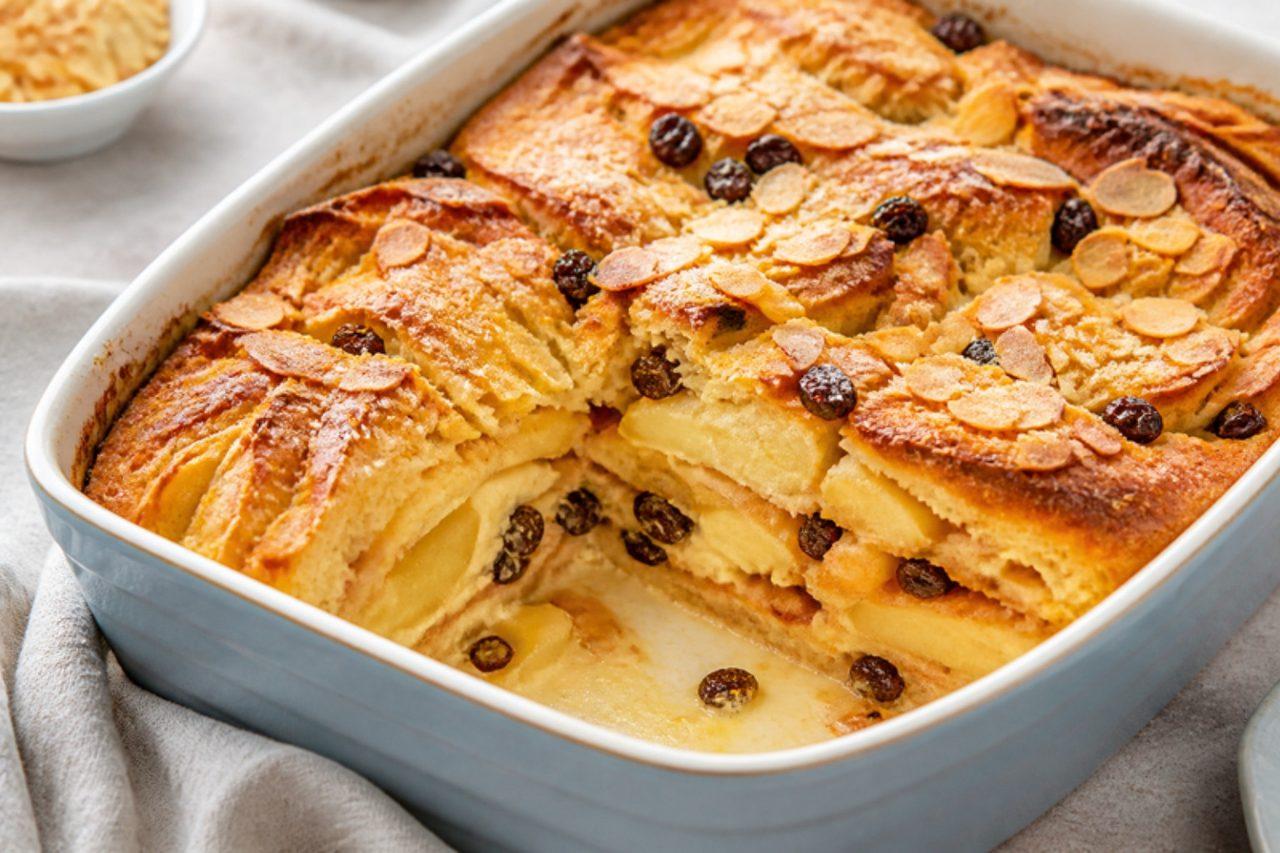
OfenschlupferBaked bread pudding with apples

Ofenschlupfer, literally 'oven-crawler', is how Swabian farmhouse kitchens used up stale rolls on a Friday: slices of bread layered with apples, raisins and a little cinnamon in a deep dish, soaked in vanilla egg milk and baked until puffed and golden. Some families pour in a splash of rum; this version doesn't. It was once eaten as a sweet main course after a bowl of soup and is still served warm with vanilla sauce in Stuttgart cafés. A common mistake is baking it straight after pouring in the custard, which leaves dry patches on top; let it soak for 20 minutes. Chef's tip: dot the top with butter and a spoon of sugar for a crackly, caramelised crust.

by KrazyBadal 0 views

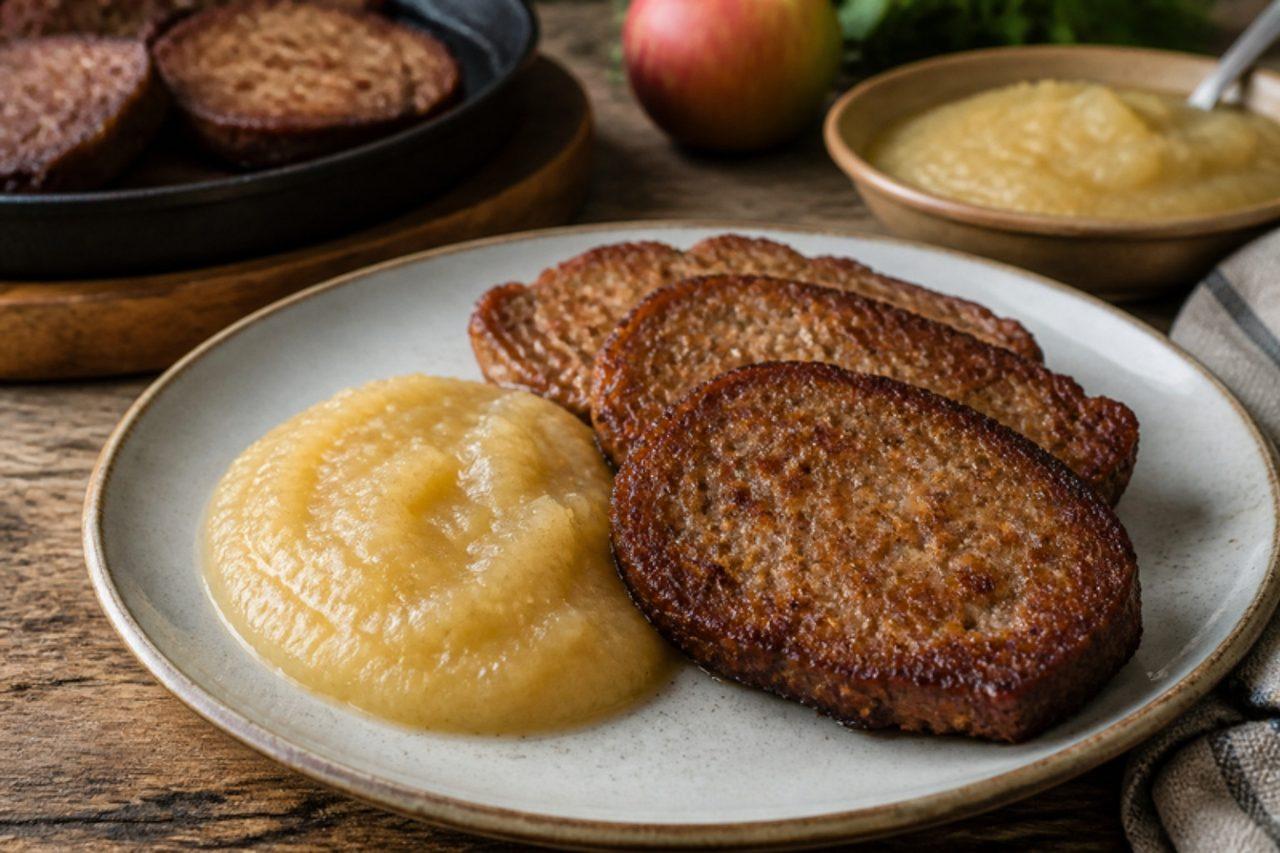
PanhasBuckwheat and pork loaf

Panhas comes from the slaughter days of Westphalia and the Lower Rhine, when the pork broth left in the kettle was thickened with buckwheat flour and the scraps of meat and sausage so nothing went to waste. It sets into a firm loaf that keeps for days in the fridge; thick slices are fried until crisp and eaten for breakfast or supper with apple sauce, fried potatoes or rye bread. This version uses pork belly and coarse liver sausage. Chef's tip: fry the slices in a hot pan and leave them alone for the first 4 minutes, so a crust forms before you turn them.

90 minGermanMeat
by KrazyBadal 0 views

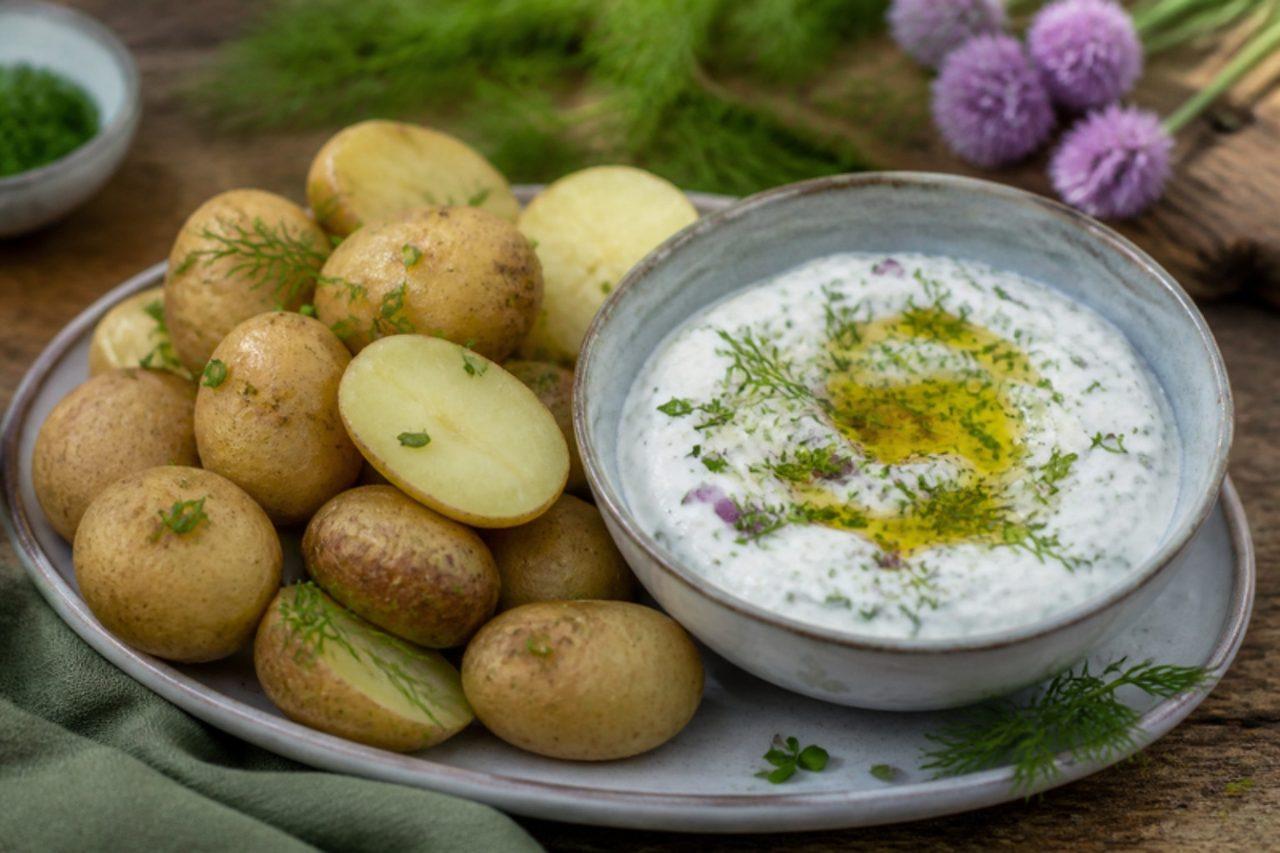
Pellkartoffeln mit Quark und LeinölJacket potatoes with herb quark

Ask anyone from the Spreewald, the river-and-forest country south-east of Berlin, for the taste of home and many will name this: small potatoes boiled in their skins, a bowl of cold herb quark and a thread of golden, nutty linseed oil poured over the top. It is a weekday supper in Brandenburg and Berlin, cheap, quick and surprisingly filling, often with a Spreewald gherkin on the side. Fresh linseed oil tastes of hay and walnuts; old oil turns bitter and fishy, so buy a small bottle and keep it in the fridge. A common mistake is peeling the potatoes before boiling; cooking them in their skins keeps them firm and flavourful. Chef's tip: beat a splash of milk or sparkling water into the quark, which makes it light and creamy instead of stodgy.

by KrazyBadal 0 views

PfeffernüsseHoney spice biscuits

Pfeffernüsse are small domed biscuits baked in German homes through Advent, especially in the north and in Saxony, and sold in bags at Christmas markets everywhere. They are made with honey and a warm spice mix, and in old recipes the 'pepper' in the name meant exotic spices in general, though a pinch of real black pepper adds a lovely bite. A thin white glaze sets crisp over a chewy centre. The mistake many people make is eating them straight away; they are hard at first and need a few days in a tin with a slice of apple to soften. Chef's tip: warm the honey only until runny, never boiling, or the biscuits turn tough.

by KrazyBadal 0 views

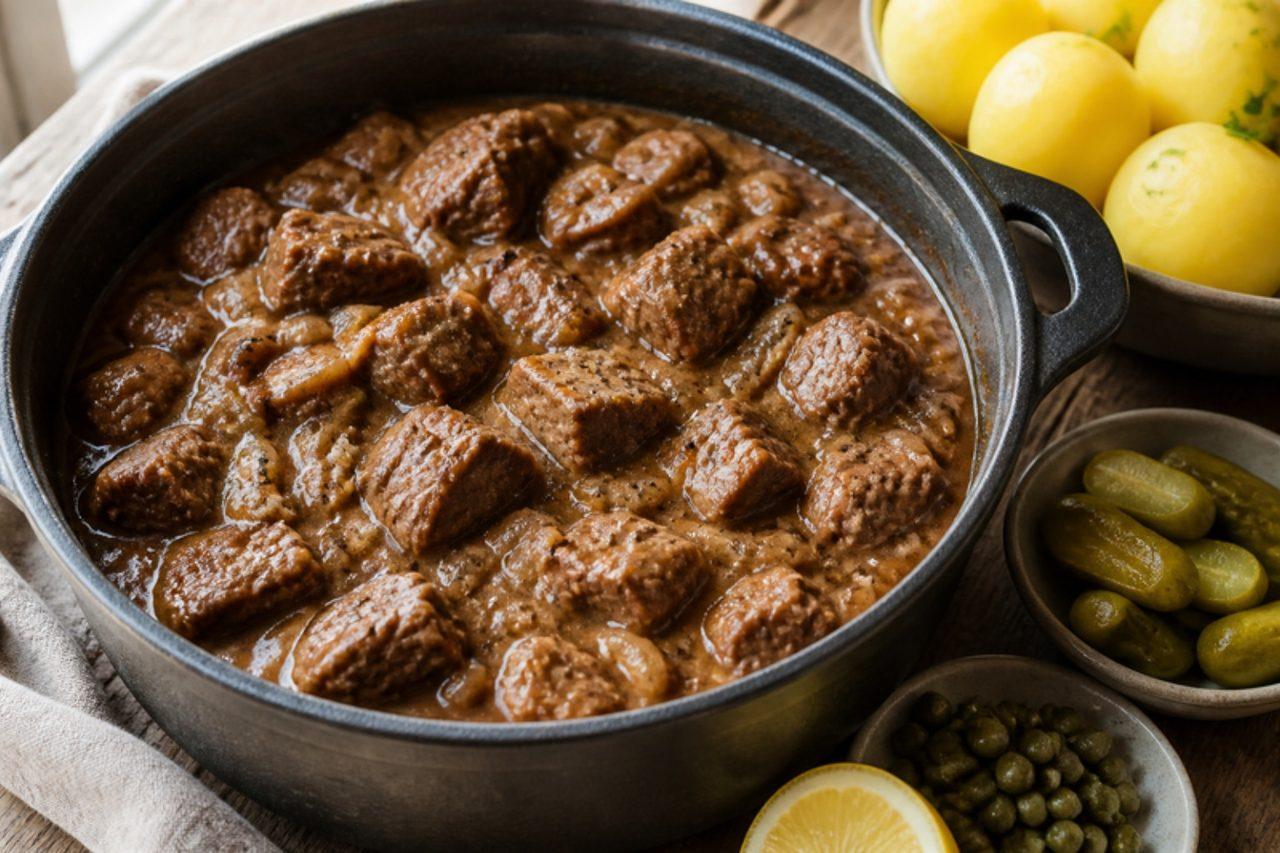
PfefferpotthastPeppery beef and onion stew

Pfefferpotthast is one of the oldest dishes of Westphalia, written about in Dortmund as far back as the 14th century and still cooked in the Münsterland and the Ruhr for big family meals. Beef is stewed with almost as much onion as meat, plenty of black pepper, cloves and bay, then thickened with breadcrumbs and sharpened with lemon and capers. Pickled gherkins and boiled potatoes go alongside. Chef's tip: grind the pepper coarsely and add half at the start and half at the end, so you get both deep warmth and a fresh bite.

by KrazyBadal 0 views

PfitzaufEgg-batter puffs with apple sauce

Pfitzauf is a Swabian Sunday-afternoon treat: a thin egg and milk batter poured into a heavy clay or tin mould with deep cups, which rises in the oven like a soufflé and 'pfitzt auf', pops up, far above the rim. Grandmothers on the Swabian Alb served it hot with apple sauce or vanilla sauce, sometimes with stewed cherries. A muffin tin or popover tin works too. The classic mistake is opening the oven during baking: the puffs collapse and never come back. Chef's tip: get the buttered tin really hot in the oven before pouring in the batter; the shock of heat is what makes them climb.

by KrazyBadal 0 views

PickertFried yeasted potato loaf with raisins

Pickert is the bread of Lippe and the Teutoburg Forest in eastern Westphalia, made where wheat was scarce and potatoes plentiful: grated raw potato, flour, eggs and yeast baked into a dense, moist loaf, studded with raisins. Locals slice it the next day and fry the slices in butter until crisp, then eat them for breakfast or supper with plum butter, sugar beet syrup, jam or, for meat eaters, liver sausage. This vegetarian version serves it with jam and syrup. A common mistake is not squeezing the potatoes, which leaves the loaf soggy in the middle. Chef's tip: bake it a day ahead; cold Pickert slices cleanly and fries far better than warm.

by KrazyBadal 0 views

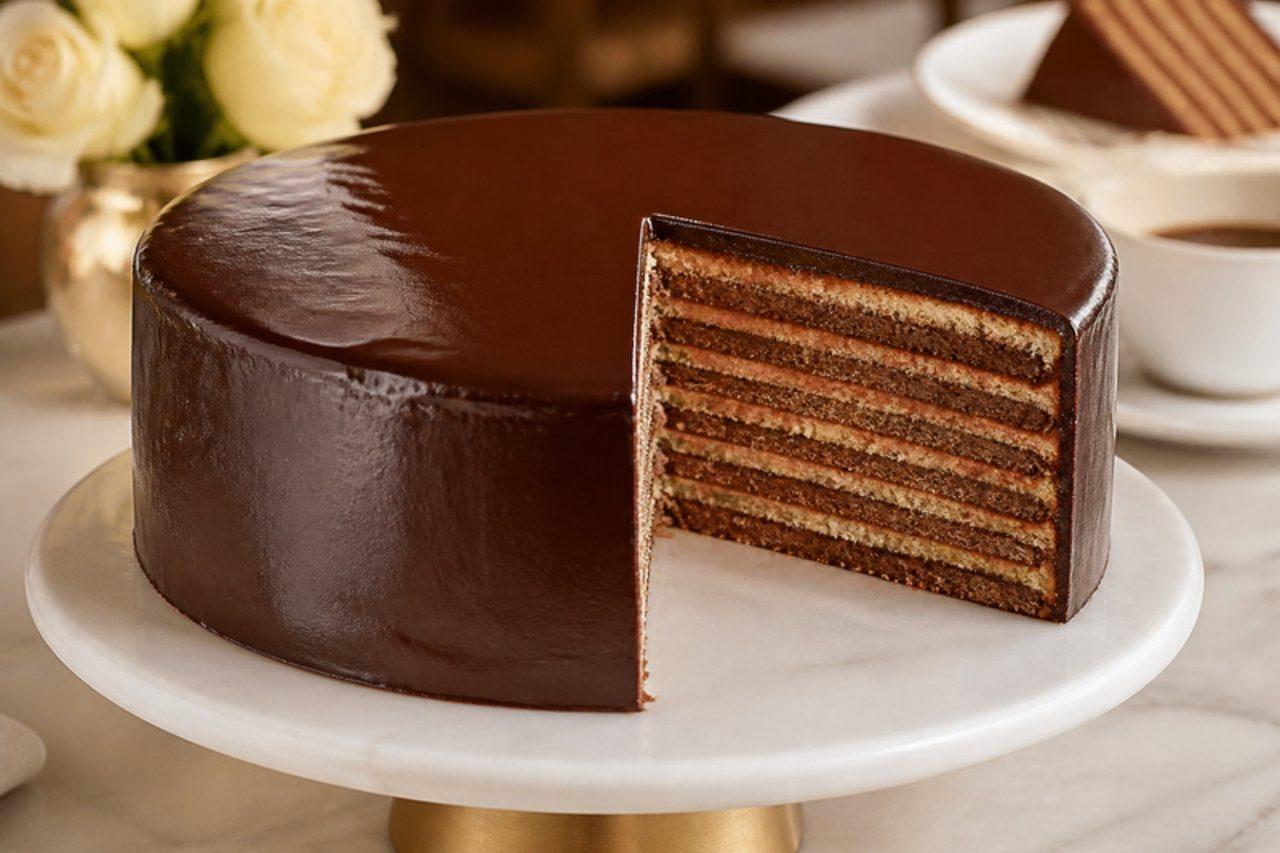
PrinzregententorteSeven-layer chocolate buttercream torte

Prinzregententorte was created in Munich for Prince Regent Luitpold, who ruled Bavaria from 1886, and it is still the cake Munich cafés and families bring out for name days and big birthdays. Seven very thin sponge layers, one for each of the old Bavarian districts, are stacked with chocolate buttercream, brushed with apricot jam and sealed under a shiny dark chocolate glaze. The slices show neat stripes and taste rich but not heavy. A common mistake is baking the sponge as one thick cake and slicing it; it is far easier and neater to spread each layer thinly on a tin base and bake it for a few minutes. Chef's tip: trace a 26 cm circle on seven sheets of baking paper before you start, then bake two layers at once on separate trays.

150 minGermanBaking
by KrazyBadal 0 views

QuarkkeulchenPotato and quark pancakes

Quarkkeulchen are the sweet little pancakes of Saxony, the kind a Dresden or Leipzig grandmother makes on a Saturday afternoon from yesterday's boiled potatoes: mashed potato, quark, egg, a little flour and sugar, lemon zest and raisins, shaped into small thick discs and fried in butter until golden. They are crisp outside, soft and slightly tangy inside, and come dusted with cinnamon sugar beside a bowl of apple sauce. A common mistake is using freshly boiled warm potatoes, which make a sticky dough; use cold ones from the day before. Chef's tip: soak the raisins in hot water for 10 minutes so they plump up and don't burn in the pan.

by KrazyBadal 0 views

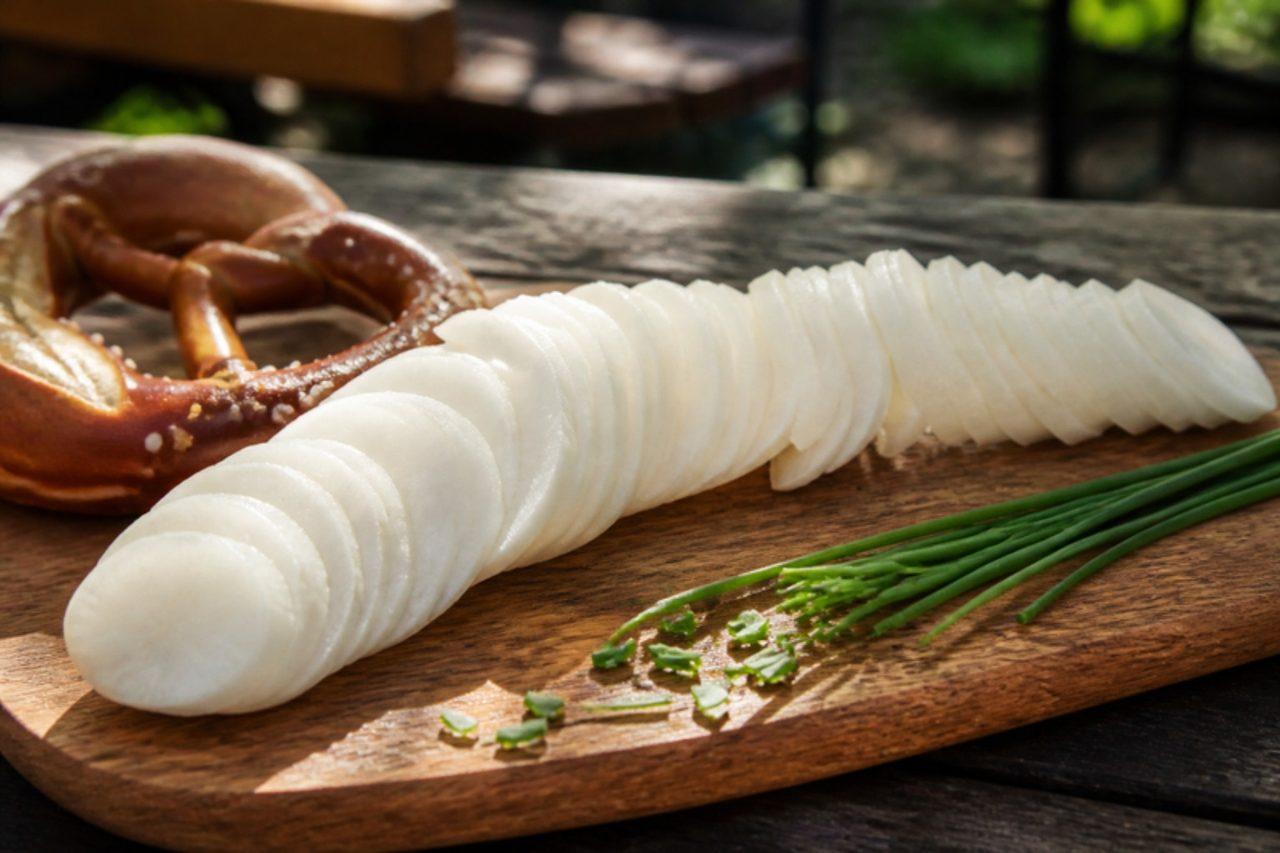
RadiSalted spiral-cut radish

In Bavaria a Radi is a single big white radish, cut into one long spiral or paper-thin slices and salted until it 'weeps', then eaten with your fingers in the beer garden between bites of pretzel. Stalls at Munich's Viktualienmarkt sell the long white roots from spring to autumn, and old regulars carry a special spiral cutter. It is crisp, peppery and cooling, the opposite of everything rich on the table. A common mistake is eating it straight away: the salt needs ten minutes to draw out the bitter juice and soften the bite. Chef's tip: pick a heavy, firm radish with a smooth skin; a light one is often woody and hollow inside.

by KrazyBadal 0 views

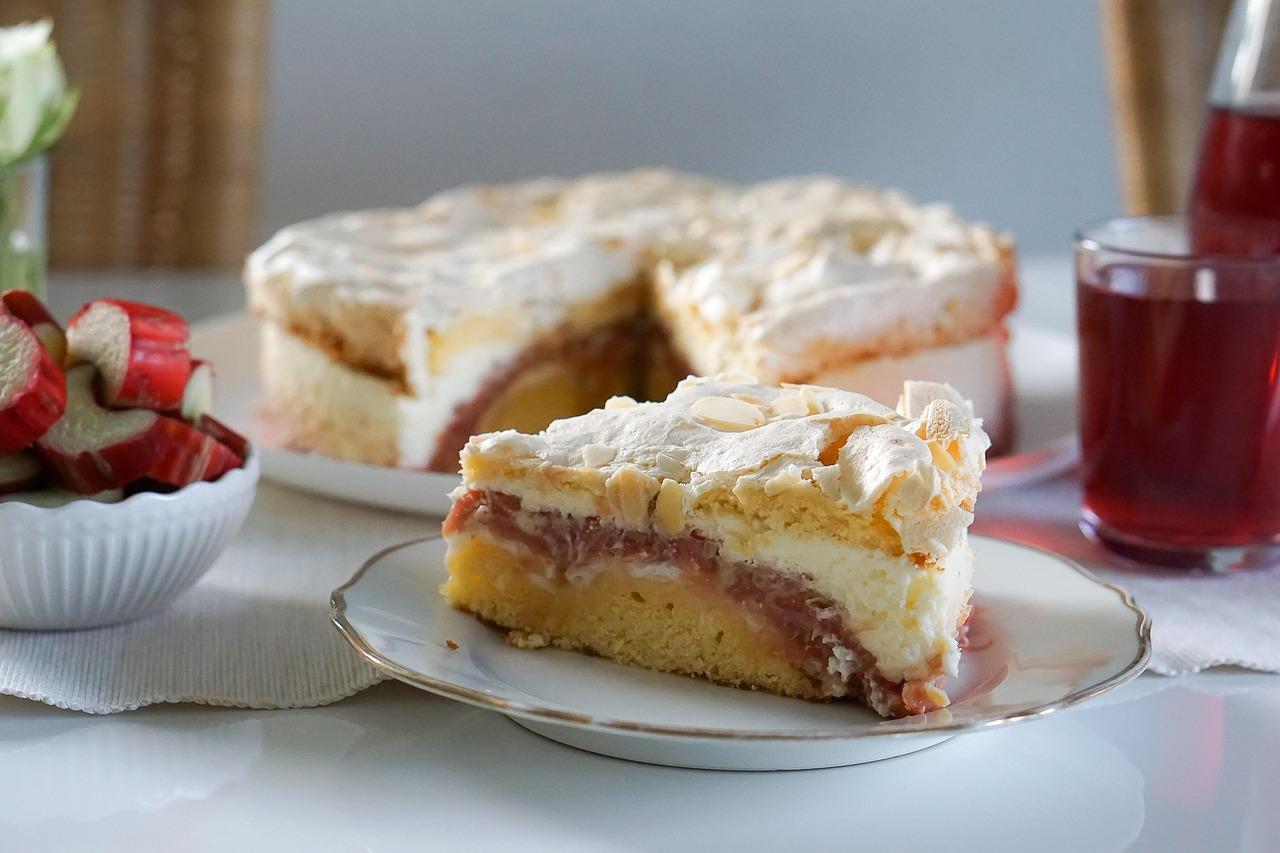
Rhabarberkuchen mit BaiserRhubarb meringue cake

From late April until the traditional end of the season on St John's Day in June, German bakeries and garden tables everywhere have rhubarb cake, and the most loved version is crowned with meringue. A buttery sponge is covered with sour pink rhubarb, baked, then piled with a cloud of sweet meringue and returned to the oven until golden and crisp outside, marshmallow-soft within. The sweet topping balances the sharp fruit perfectly. A common mistake is not draining the rhubarb, so its juice pools under the sponge and the base stays wet. Chef's tip: toss the cut rhubarb with a little sugar an hour ahead, then drain it well; it softens slightly and stops weeping into the cake.

120 minGermanBaking
by KrazyBadal 0 views

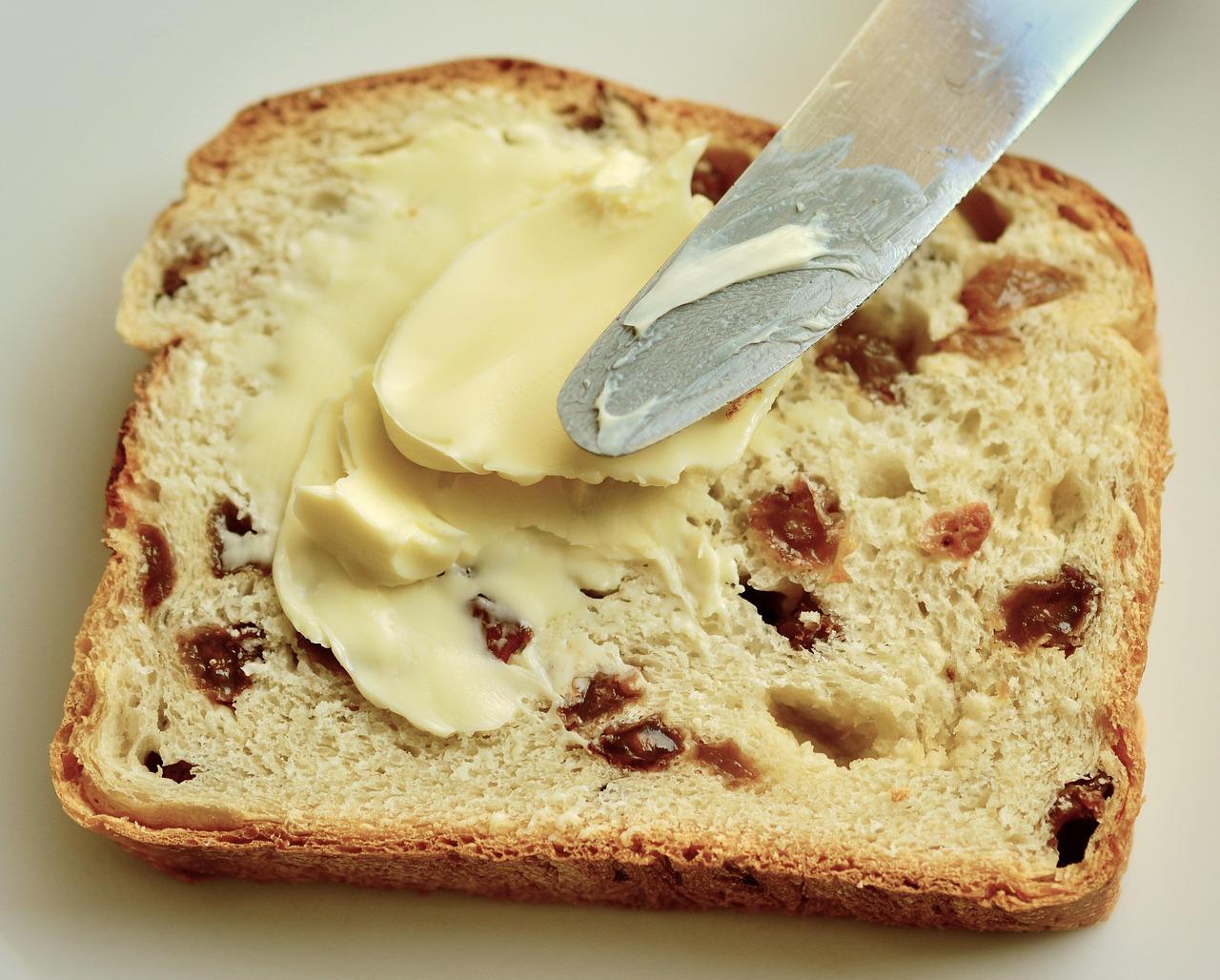
RosinenstutenRaisin milk loaf

Rosinenstuten is the soft, slightly sweet raisin loaf that Westphalian and Rhineland families buy for Sunday breakfast and for christenings, where a giant one was once the traditional gift. It is baked in a long tin, sliced thick and spread with good butter, sometimes with a layer of cheese on top, which sounds odd and works beautifully. The crumb is fine and fluffy and the crust soft and shiny. A common mistake is adding dry raisins straight to the dough; they burn on the crust and steal moisture. Chef's tip: soak the raisins in hot water for 15 minutes, pat them dry and knead them in only at the very end, gently, so the dough stays light.

190 minGermanBaking
by KrazyBadal 0 views

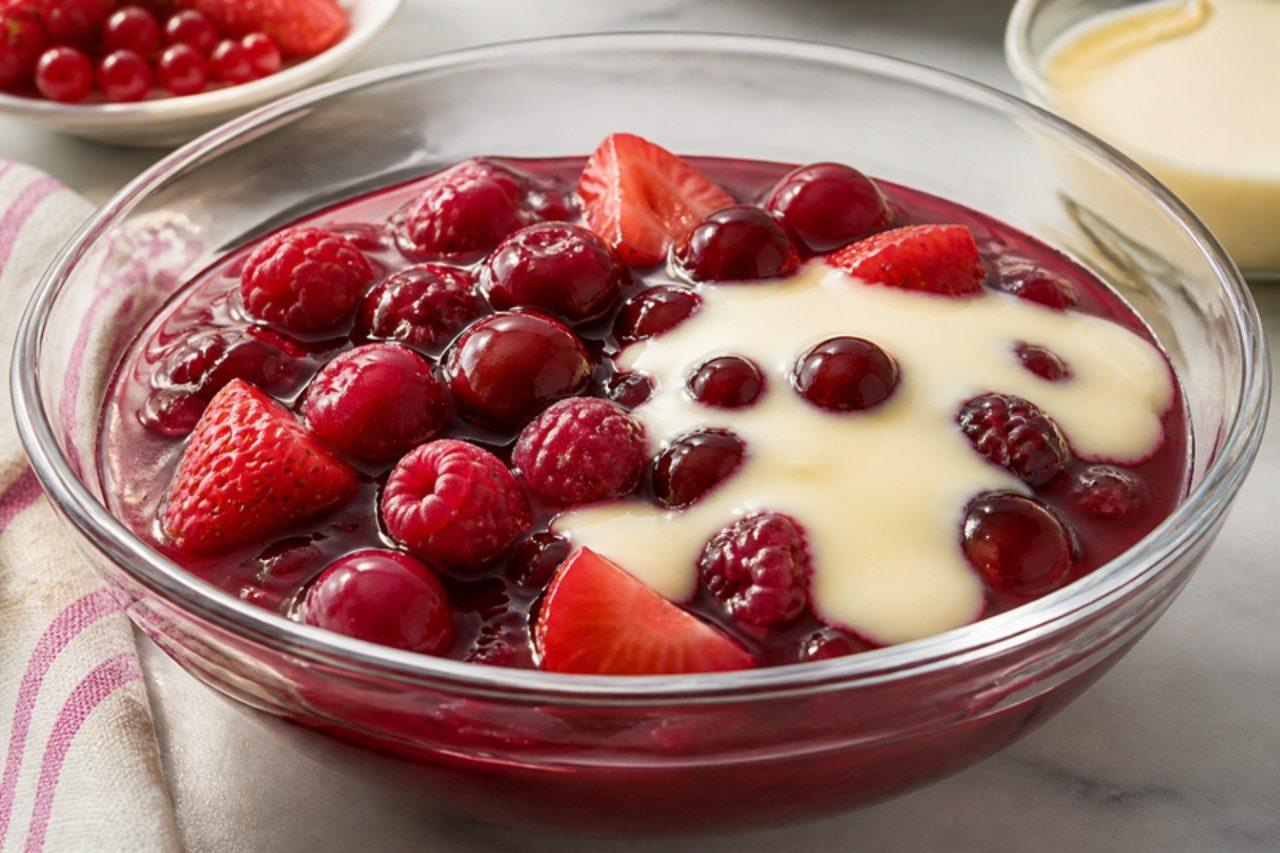
Rote GrützeRed berry pudding

Rote Grütze is the summer dessert of Hamburg, Schleswig-Holstein and Lower Saxony, made when the gardens are full of redcurrants, raspberries and sour cherries. The fruit is cooked briefly, thickened with a little cornflour and chilled until it sets to a glossy, spoonable jelly, tart and deep red, with whole berries still in it. Northerners pour cold vanilla sauce or plain cream over it; with a plant-based vanilla sauce it is fully vegan. A common mistake is boiling all the berries: add the soft raspberries last, off the heat, so they keep their shape. Chef's tip: frozen mixed berries work beautifully out of season, and their juice gives an even deeper colour.

by KrazyBadal 0 views

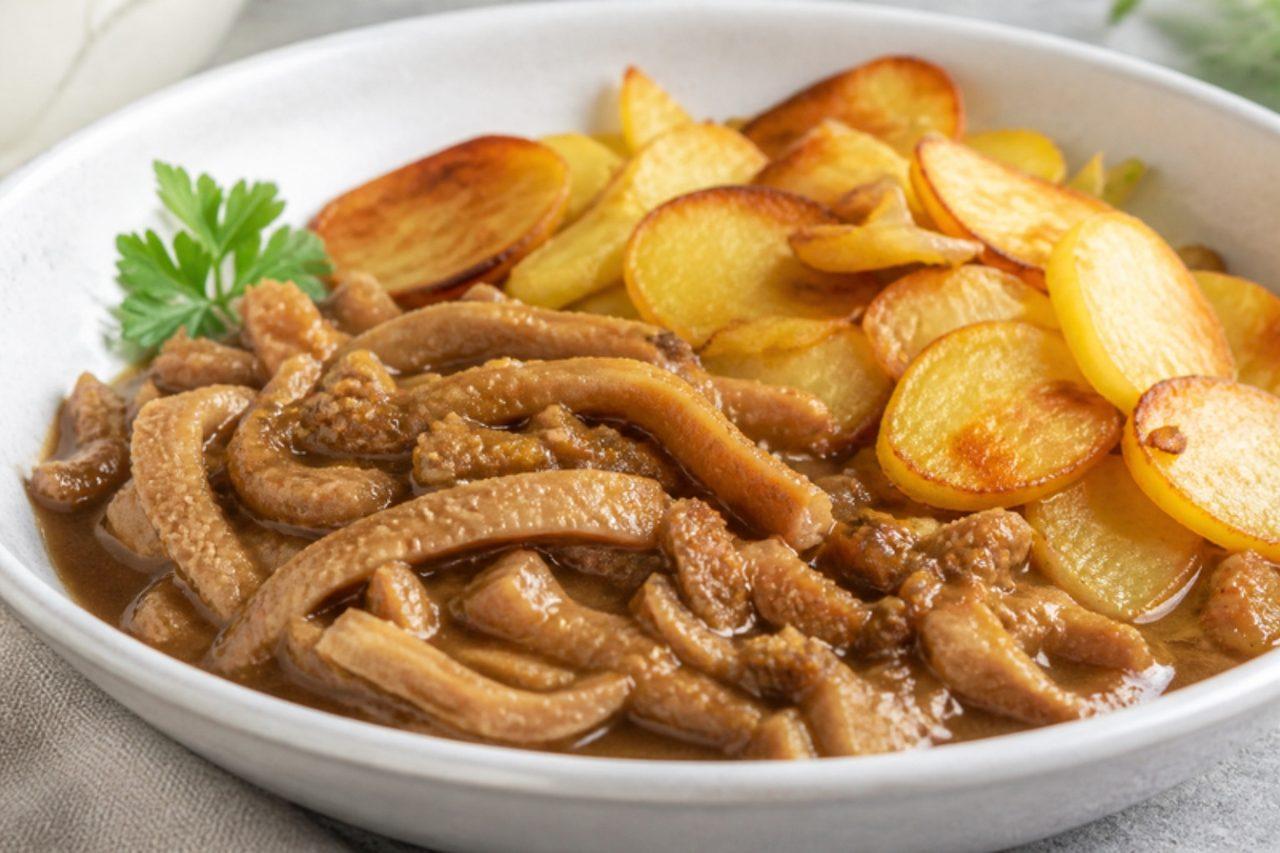
Saure KuttelnTripe in tangy vinegar sauce

Saure Kutteln is old-fashioned Swabian comfort food, still served at Stuttgart's Wasen fairs, in country inns around Reutlingen and Tübingen and by butchers who make it every Thursday. Thin strips of beef tripe are simmered in a dark roux sauce sharpened with vinegar, bay and juniper, and eaten with crisp fried potatoes. Buy tripe that the butcher has already cleaned and blanched. Some cooks add red wine; this version uses only vinegar and stock. Chef's tip: brown the roux slowly until it smells of toasted nuts, because it gives the sauce its colour and depth.

120 minGermanMeat
by KrazyBadal 0 views

Asado uruguayoGrilled beef short ribs and chorizo

Sunday in Uruguay means asado: in Montevideo backyards and the cattle towns of the interior, beef ribs (asado de tira), chorizo and morcilla cook slowly over the embers of a wood fire, with only coarse salt, while the family waits. The parrillero rakes coals under the grill and keeps the heat low and even. This recipe includes pork chorizo. The mistake is cooking over flames; the fire should burn down to embers you can hold your hand above for 6–8 seconds. Chef's tip: salt the meat only when it goes on the grill, with coarse salt, never fine.

by KrazyBadal 0 views

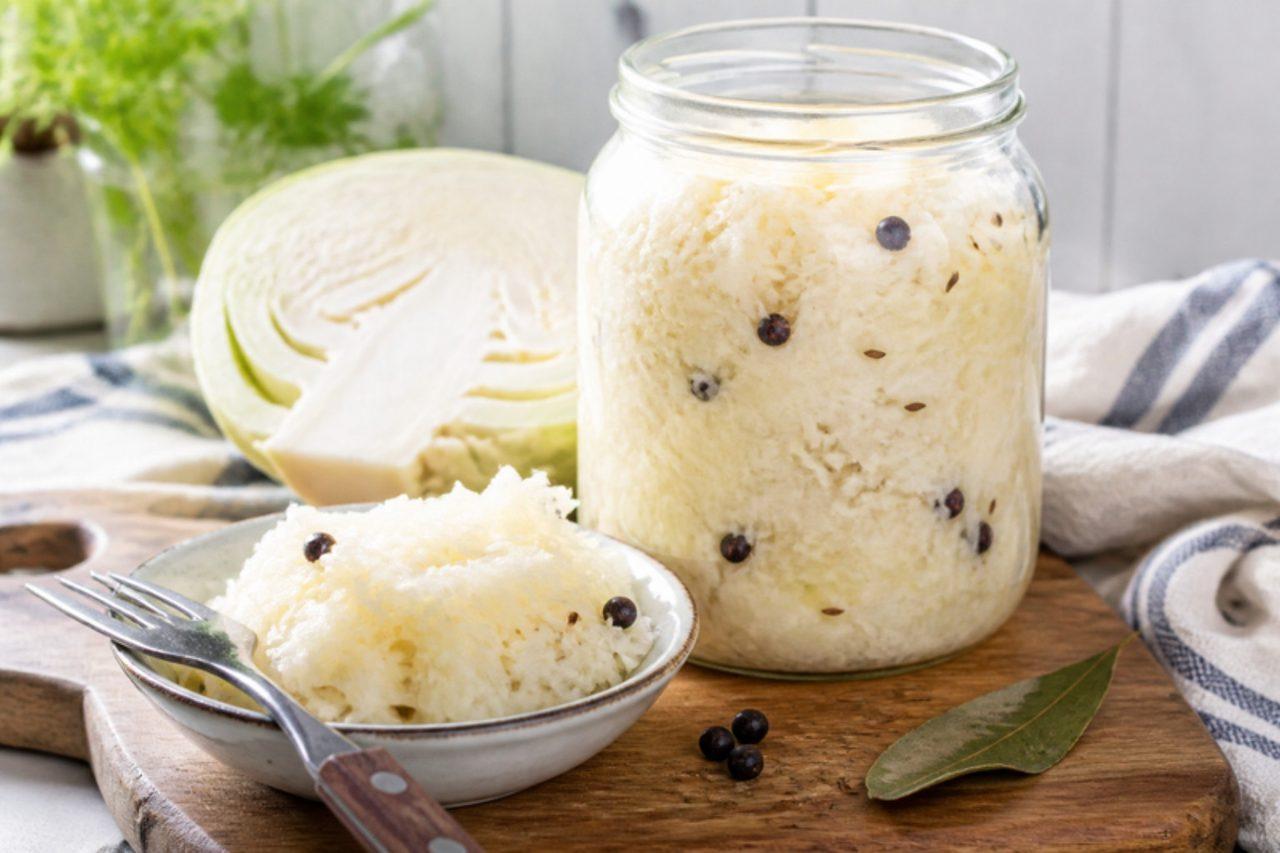
Sauerkraut

Sauerkraut is how German households have kept cabbage through the winter for centuries, and autumn is still when families in Baden, Franconia and Alsace shred the new white cabbage into stoneware crocks. It's nothing but cabbage and salt: the salt pulls out the juice and natural lactic acid bacteria do the rest, turning it sour, crunchy and full of flavour in a few weeks. Raw homemade sauerkraut tastes far fresher than the jar and is a lovely side for Kartoffelpuffer or potato mash; for a warm side, simmer it with onion and a grated apple. Chef's tip: weigh the cabbage and use exactly 2% of its weight in salt; too little and it goes soft and mouldy, too much and it won't ferment.

by KrazyBadal 0 views

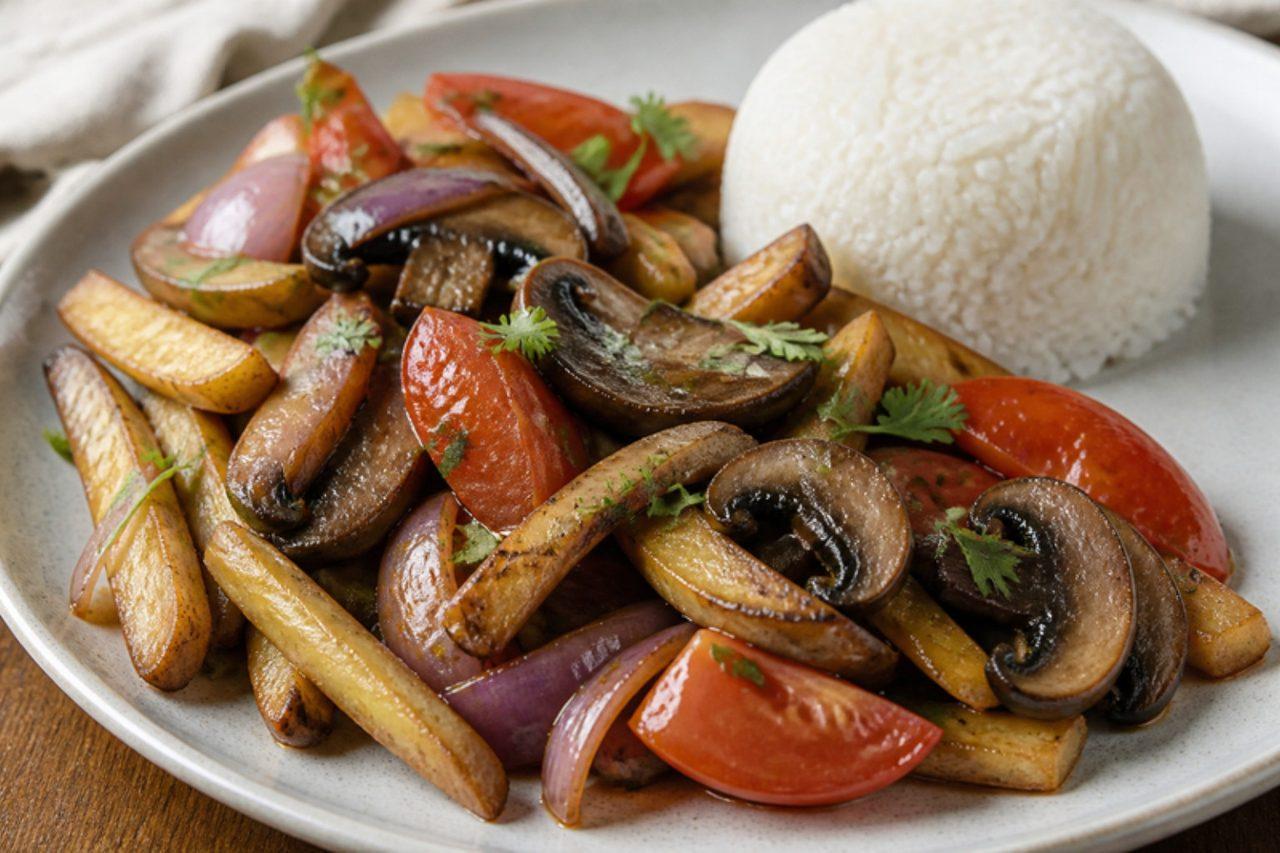
Vegetable saltadoWok-fried vegetables

Saltado comes from Lima's chifa tradition, the cooking of Chinese-Peruvian families who brought the wok to Peru in the nineteenth century. The famous version is lomo saltado with beef; this saltado de verduras uses meaty mushrooms in its place. Thick wedges of red onion and tomato are tossed over a fierce flame with garlic, ají amarillo, soy sauce and a splash of vinegar until just wilted, so the vegetables keep their shape and the pan juices turn smoky and savoury. It is always served with both chips and white rice, which soak up those juices. Chef's tip: cook in two batches if your pan is small; a crowded wok steams the vegetables instead of searing them, and the tomatoes collapse into soup.

by KrazyBadal 0 views

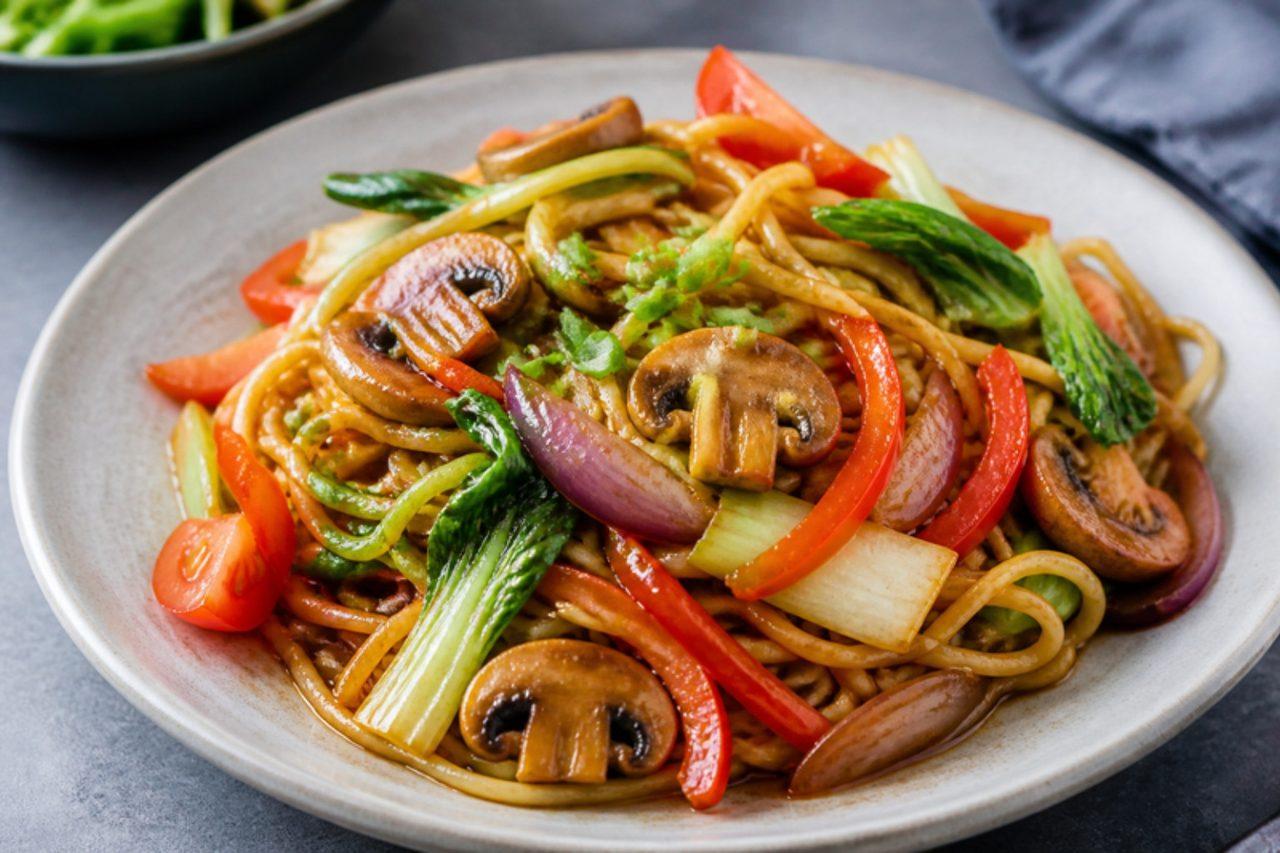
Tallarín saltadoStir-fried noodles with vegetables

Tallarín saltado is the noodle cousin of lomo saltado, a chifa favourite from Lima where Chinese wok technique meets Peruvian ingredients. Spaghetti-style wheat noodles are tossed over a fierce heat with mushrooms, pak choi, red onion, tomato, ginger and ají amarillo, then glossed with soy sauce and a splash of vinegar. The noodles soak up the smoky, tangy sauce while the vegetables stay crisp. Peruvians use plain spaghetti from the shop on the corner, and so can you. Chef's tip: cook the noodles a minute short of the packet time and rinse them in cold water; they finish cooking in the wok and won't turn soft or clump.

by KrazyBadal 0 views

Showing 24 of 437 recipes

Show more recipes

Page 15 of 19