Skip to content
Recipes

All recipes

Vegetarian, or something you can't eat? Set your diet once and we'll hide recipes that don't fit.

HühnerfrikasseeChicken fricassee

From Kiel to Konstanz, Hühnerfrikassee is the comforting weekday dish children in Germany ask for, a fixture of school canteens in the old East and of family kitchens everywhere else. Chicken is poached gently with soup vegetables, then the broth becomes a pale, creamy sauce with mushrooms, peas and pieces of asparagus, sharpened with lemon and capers if you like. It is always served over plain rice. The common mistake is boiling the chicken hard, which makes it dry and stringy. Chef's tip: finish the sauce with a little lemon juice off the heat; without it the frikassee tastes flat and heavy.

by KrazyBadal 0 views
GefilldeStuffed potato dumplings

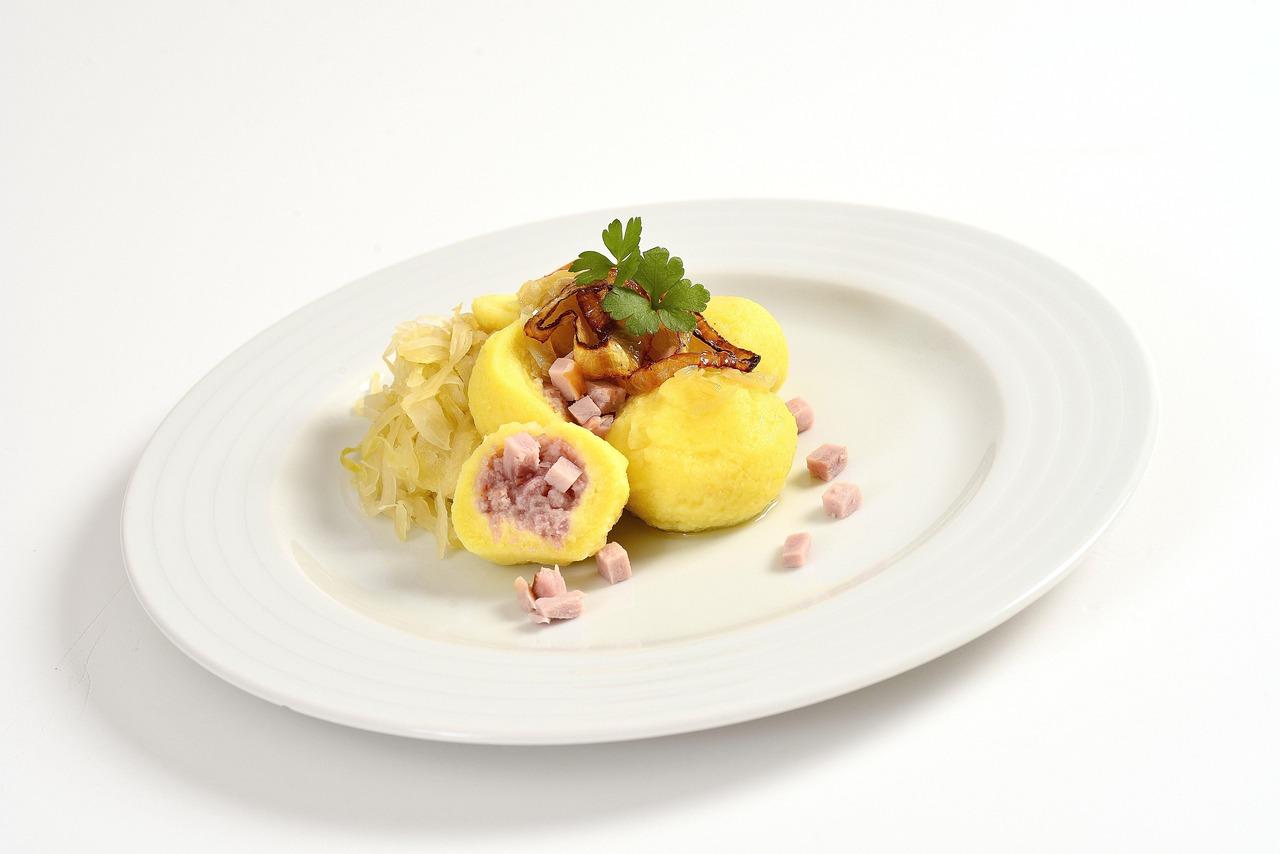
Gefillde are the Saarland's festive Sunday dumplings, especially loved in the Bliesgau and around Homburg: a dough of raw and cooked potato wrapped around a filling of pork liver sausage and minced pork and beef, poached gently, then served with a creamy bacon sauce (Speckrahmsoße) and sauerkraut. They are rich and filling, a dish for cold weekends and family gatherings. The most common mistake is a filling that is too wet, which bursts through the dough while poaching. Chef's tip: chill the filling balls for 20 minutes before wrapping so they are firm and easy to seal.

120 minGermanMeat
by KrazyBadal 0 views
ErdbeerkuchenStrawberry flan

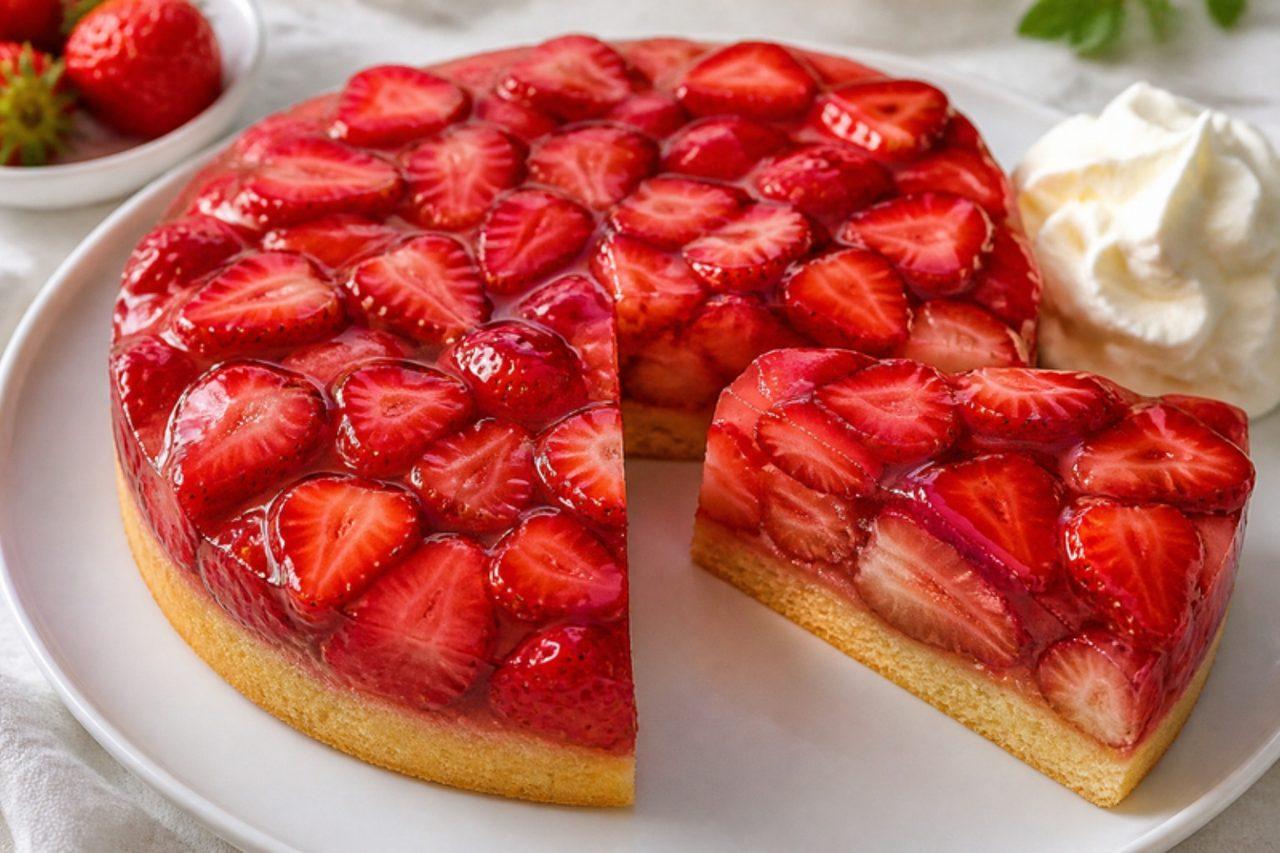
When strawberry stands pop up on every country road in June, bakeries from the Rhineland to Saxony fill their windows with Erdbeerkuchen, and families bake one for Sunday afternoon Kaffee und Kuchen. A light sponge is baked in a fluted flan tin with a raised rim, spread with a thin layer of custard or jam, covered with halved strawberries and set under a clear red glaze, then served with whipped cream. The mistake most people make is filling the base while it is still warm, which makes it soggy. Chef's tip: brush the cooled base with a little melted white chocolate or jam first; it seals the sponge against the fruit juice.

by KrazyBadal 0 views
ApfelschorleApple juice spritzer

At any German beer garden, from Munich's Chinese Tower to the cider taverns of Frankfurt, the drink for children, drivers and anyone on a hot afternoon is Apfelschorle: cloudy apple juice topped up with sparkling mineral water. Germans drink it at family lunches, after sport and at school summer parties, and it is far less sweet than juice alone. The usual mix is half and half, but many people go lighter on the juice. The common mistake is pouring the water first, which knocks out the bubbles. Chef's tip: use naturally cloudy apple juice and very cold, strongly sparkling water, and pour the water in slowly down the side of the glass.

by KrazyBadal 0 views
StielmusTurnip greens mash

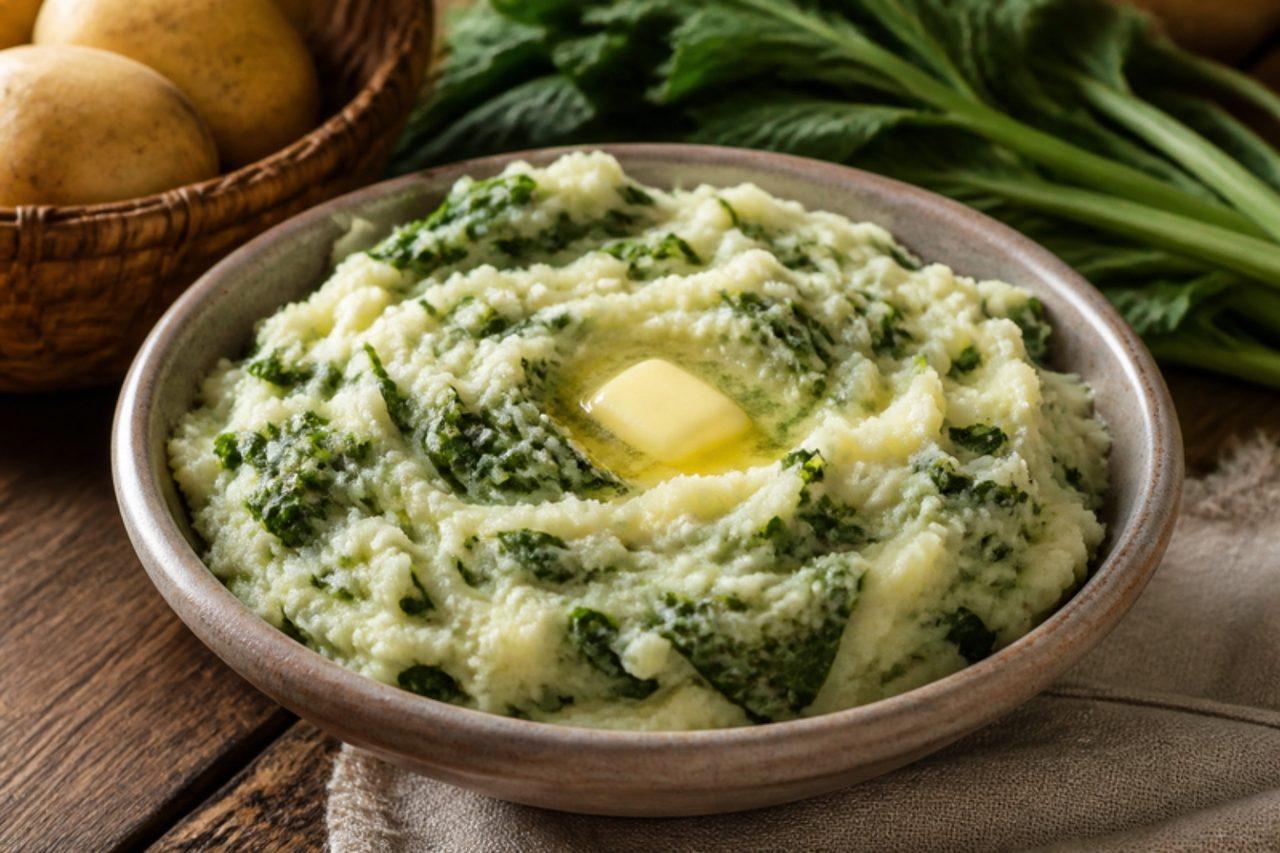
Stielmus, also called Rübstiel, is the young stalks and leaves of turnips, sold in bunches at markets in Cologne, Düsseldorf and the Münsterland only in spring and early autumn. Rhinelanders chop them and cook them with potatoes, then mash everything together with butter and nutmeg into a green, slightly peppery mash. It is traditionally eaten with bacon or sausage, but works as a vegetarian main with a fried egg. A common mistake is chopping the stalks too coarsely, which leaves stringy pieces. Chef's tip: if you cannot find Stielmus, a mix of turnip tops and chard gives a similar mild bitterness.

by KrazyBadal 0 views

SpargelcremesuppeCream of asparagus soup

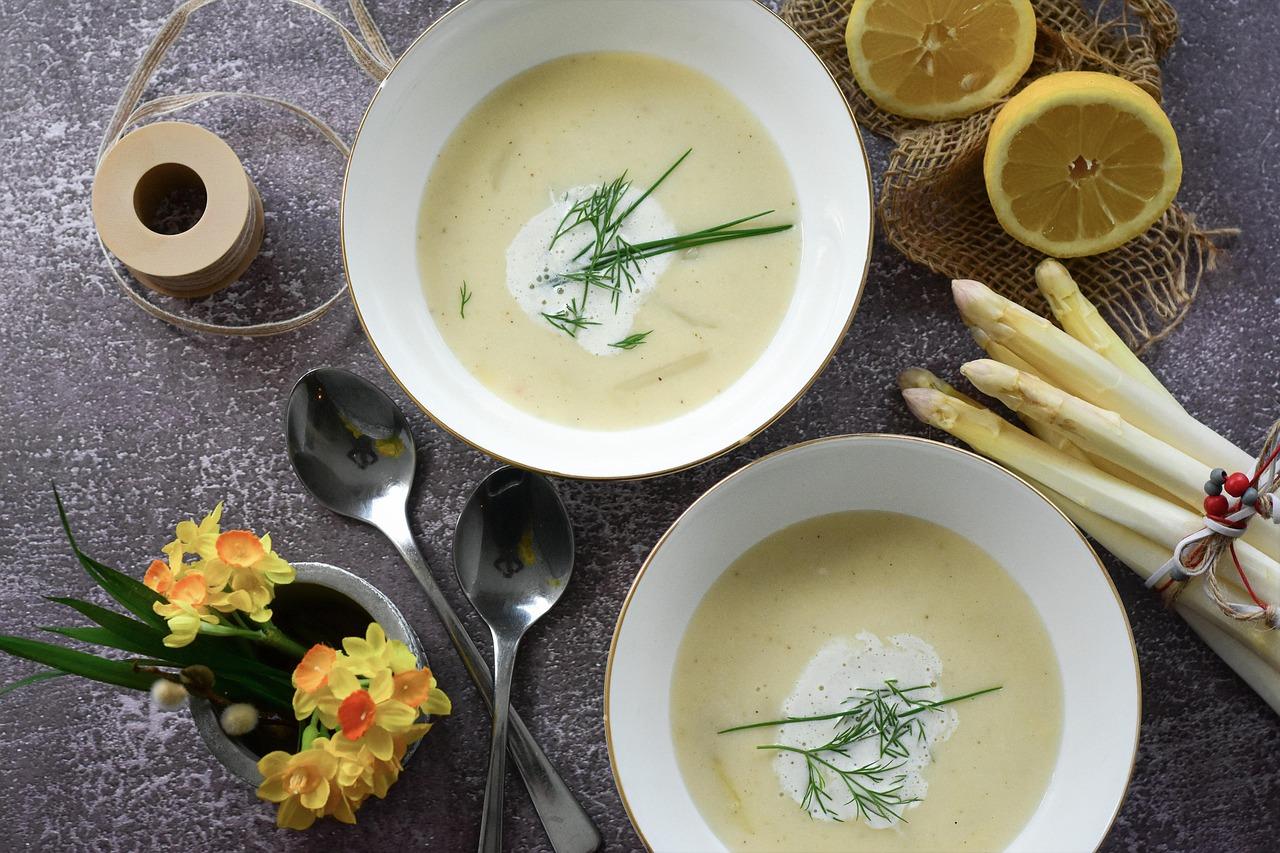
During Spargelzeit, from April to 24 June, kitchens around Schwetzingen, Beelitz and Schrobenhausen fill with white asparagus, and nothing is wasted. The peelings and woody ends are simmered into a light stock, which becomes this velvety cream soup with a few tender tips floating on top, served as a starter before the big asparagus platter or as lunch on its own. Its flavour is delicate, slightly sweet and nutty. Using a strong stock cube is the mistake to avoid; it drowns the asparagus. Chef's tip: a pinch of sugar and a squeeze of lemon in the stock balance the faint bitterness of the peel.

by KrazyBadal 0 views
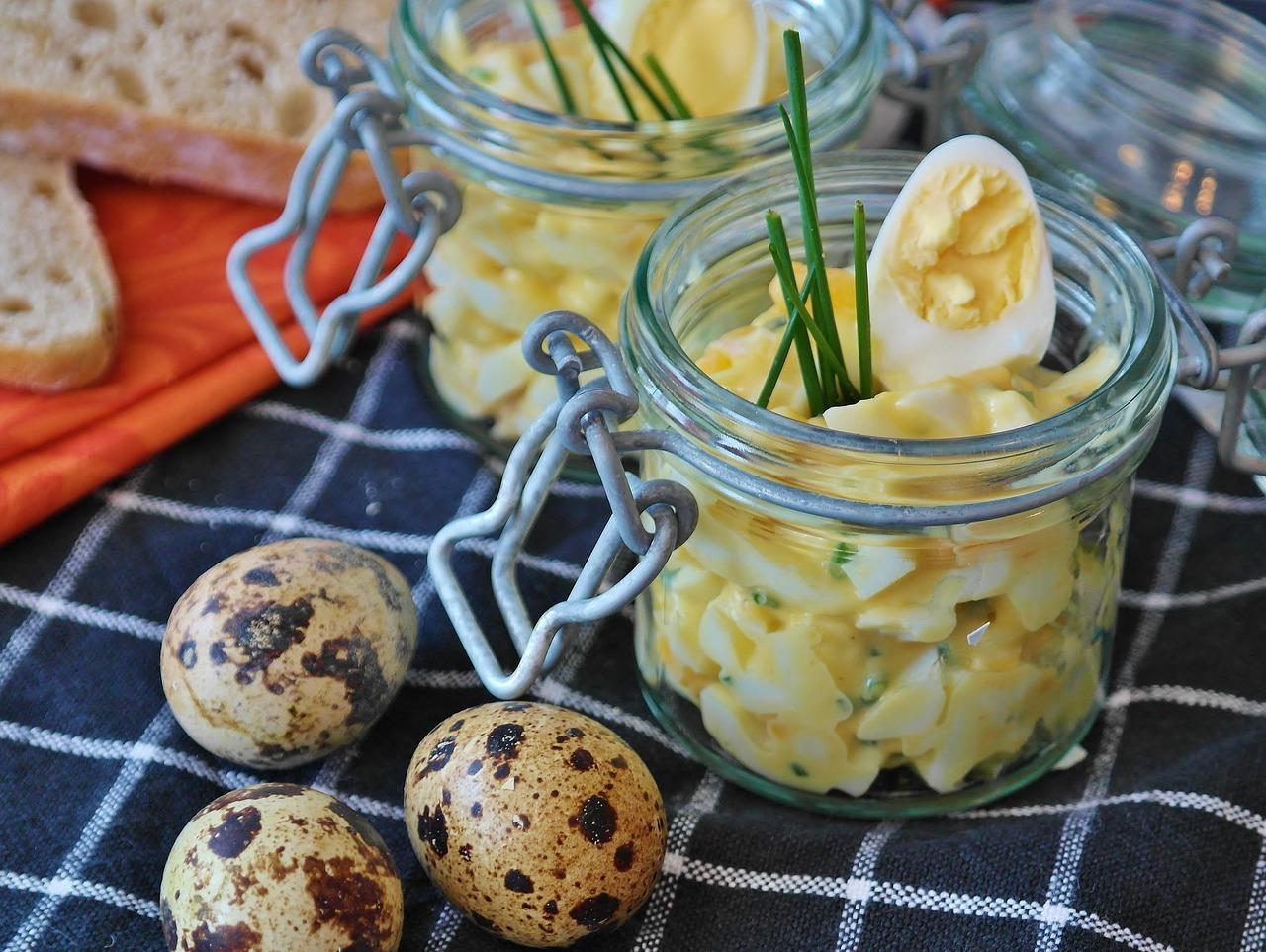
EiersalatEgg salad

Every German bakery counter and many Sunday breakfast tables have a bowl of Eiersalat, spread thickly on halved Brötchen or rye bread at Abendbrot. This home version keeps it light: chopped hard-boiled eggs bound with a little mayonnaise and yoghurt, sharpened with mustard and gherkin and finished with lots of chives. It is also the usual way to use up dyed Easter eggs in the week after Easter. The classic mistake is overcooking the eggs, which leaves grey-green rims and a sulphur smell. Chef's tip: chop the eggs with a fork or an egg slicer, not a blender, so the salad keeps soft little pieces of white and yolk.

by KrazyBadal 0 views
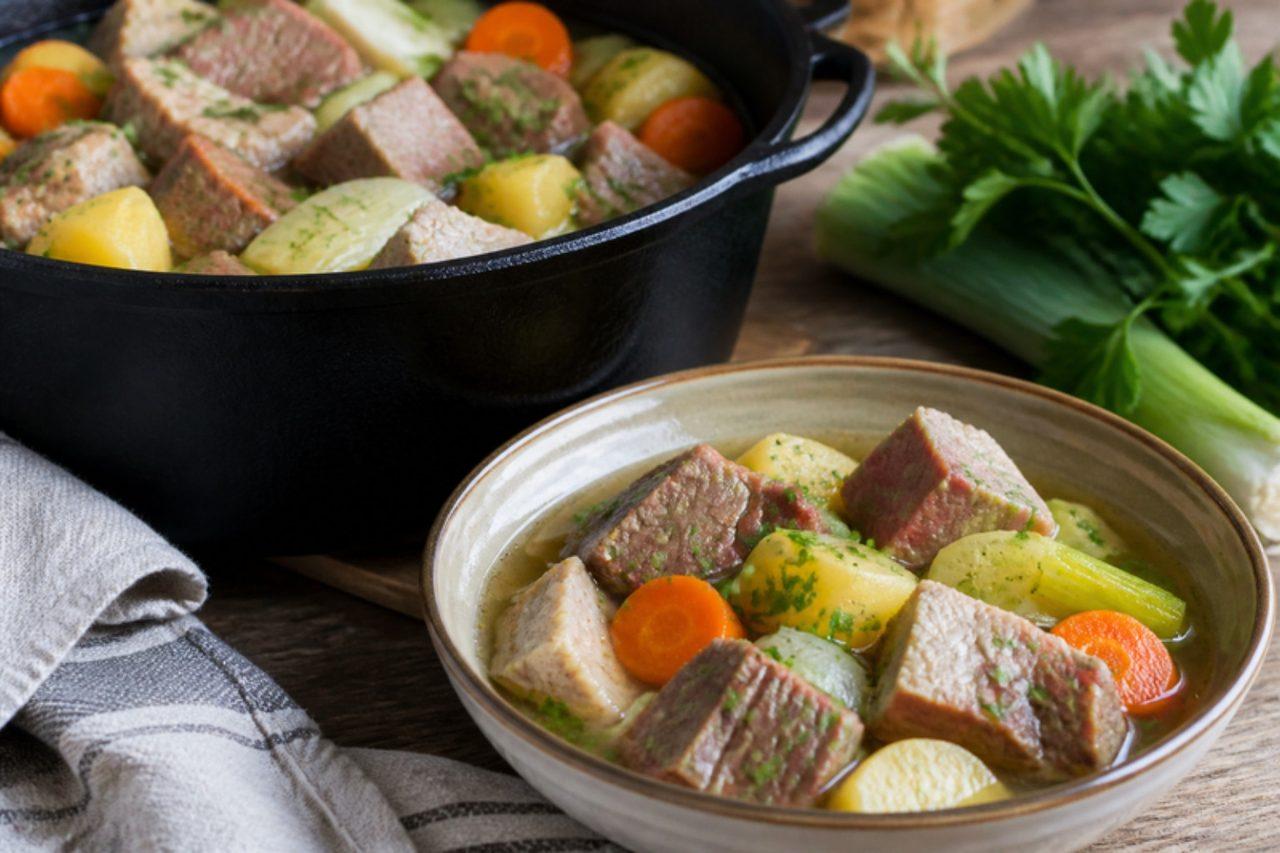
PichelsteinerBeef, pork and vegetable stew

Every summer the town of Regen in the Bavarian Forest holds a Pichelsteiner festival in honour of this layered stew, said to have been first cooked on the Büchelstein hill in the 1800s. Cubes of beef and pork shoulder are stacked in a heavy pot with potatoes, carrots, celeriac, leek and cabbage, a little marrow-bone fat or butter goes between the layers, and the whole thing cooks gently without stirring. Each spoonful mixes tender meat with soft vegetables in a clear, peppery broth. Stirring early is the classic mistake: the potatoes turn to mush. Chef's tip: brown the meat well first and the broth turns a rich amber instead of pale grey.

130 minGermanSoupsGluten free
by KrazyBadal 0 views
KartoffelkrokettenPotato croquettes

Kartoffelkroketten belong to the German Sunday roast as surely as red cabbage, alongside Rinderrouladen in the Ruhr or venison in the Harz at Christmas. Dry mashed potato is bound with egg yolk, nutmeg and a little butter, rolled into small cylinders, breaded and fried until crunchy outside and fluffy within. Homemade ones taste far better than the frozen kind and can be shaped a day ahead. The usual mistake is a wet mash, which makes croquettes burst in the oil. Chef's tip: steam-dry the boiled potatoes in the hot pan for two minutes and press them through a ricer, never a blender, which turns them gluey.

by KrazyBadal 0 views

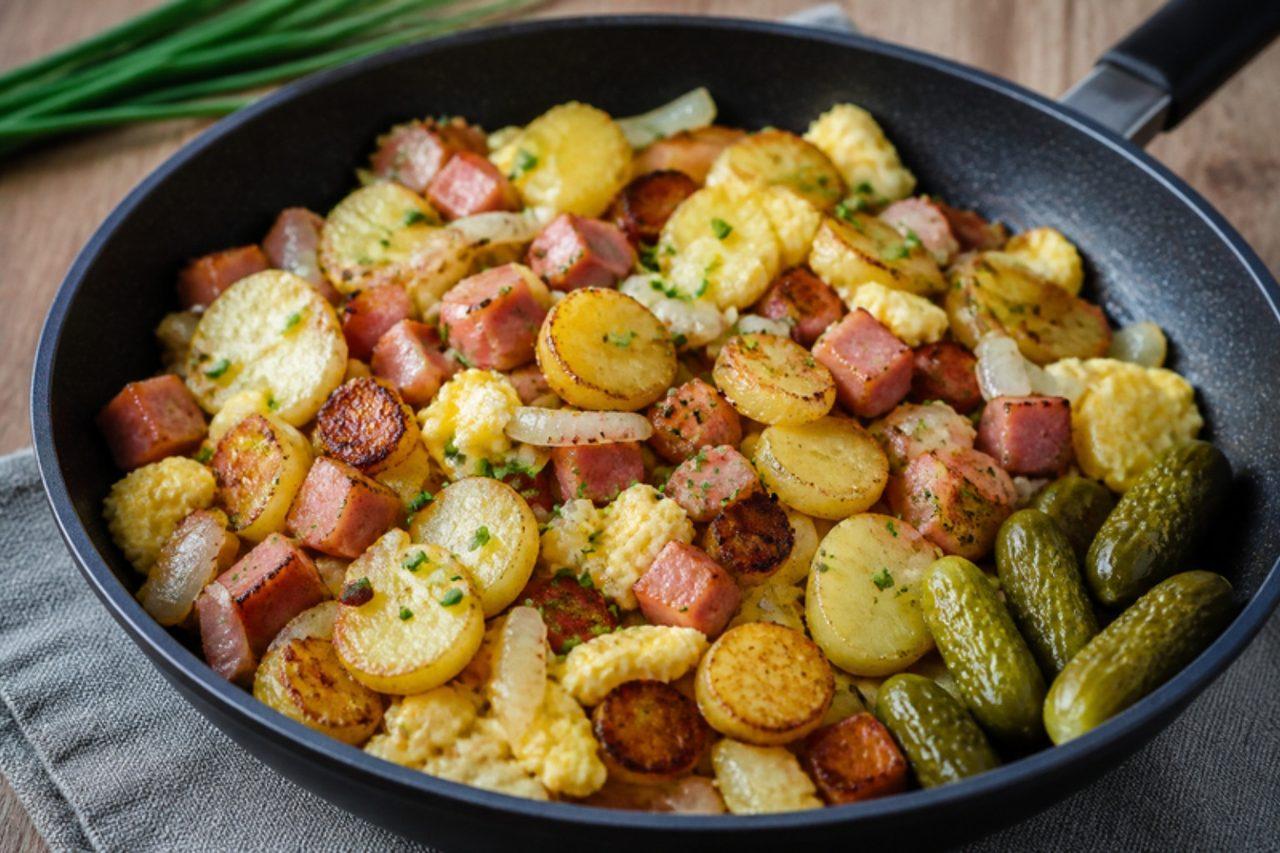
BauernfrühstückFried potatoes with ham and egg

Despite its name, the 'farmer's breakfast' is mostly eaten at lunch or supper in Hamburg pubs, Hanover canteens and farm kitchens across Lower Saxony and Schleswig-Holstein. Leftover boiled potatoes are fried until crisp with onions and diced cooked ham (pork), then eggs are poured over and set gently into a golden, folded omelette, served with gherkins and a tomato salad. Leave out the ham and add peppers or mushrooms for a vegetarian version. The usual mistake is adding the eggs before the potatoes are properly crisp. Chef's tip: use potatoes boiled the day before and chilled; they hold their shape and brown far better.

by KrazyBadal 0 views

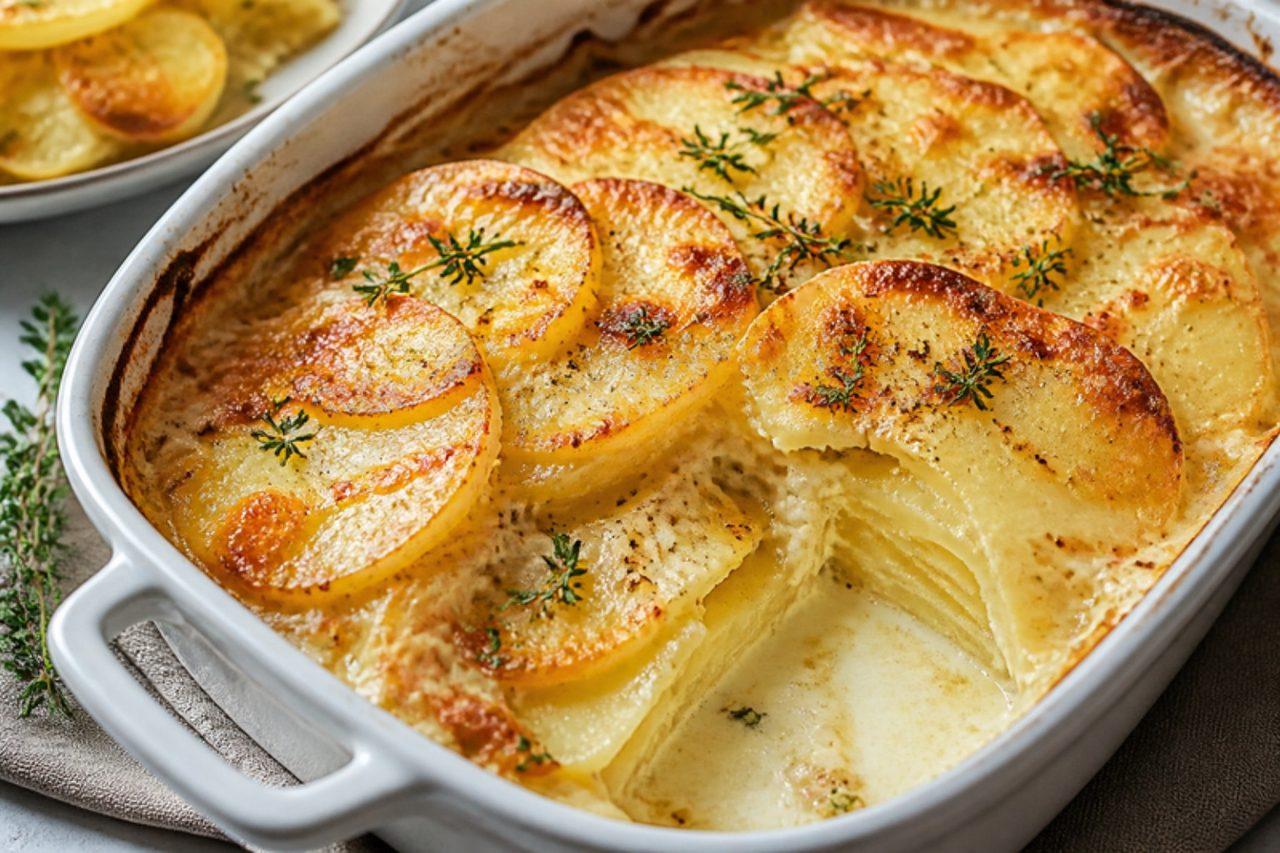
KartoffelauflaufPotato bake

Kartoffelauflauf is the bake German parents turn to on busy weekdays, from Hanover flats to farmhouses in the Allgäu: thin slices of potato layered in a dish, covered with a custard of eggs, milk and cream and topped with cheese, then baked until golden and set. It is often a complete meal with a green salad, though some add leeks or ham between the layers. The common mistake is cutting the potatoes too thick, so they are still hard when the top is brown. Chef's tip: use a mandoline or slice about 3 mm thick. Hard cheeses such as Emmental are traditionally made with animal rennet, so pick a vegetarian cheese.

by KrazyBadal 0 views

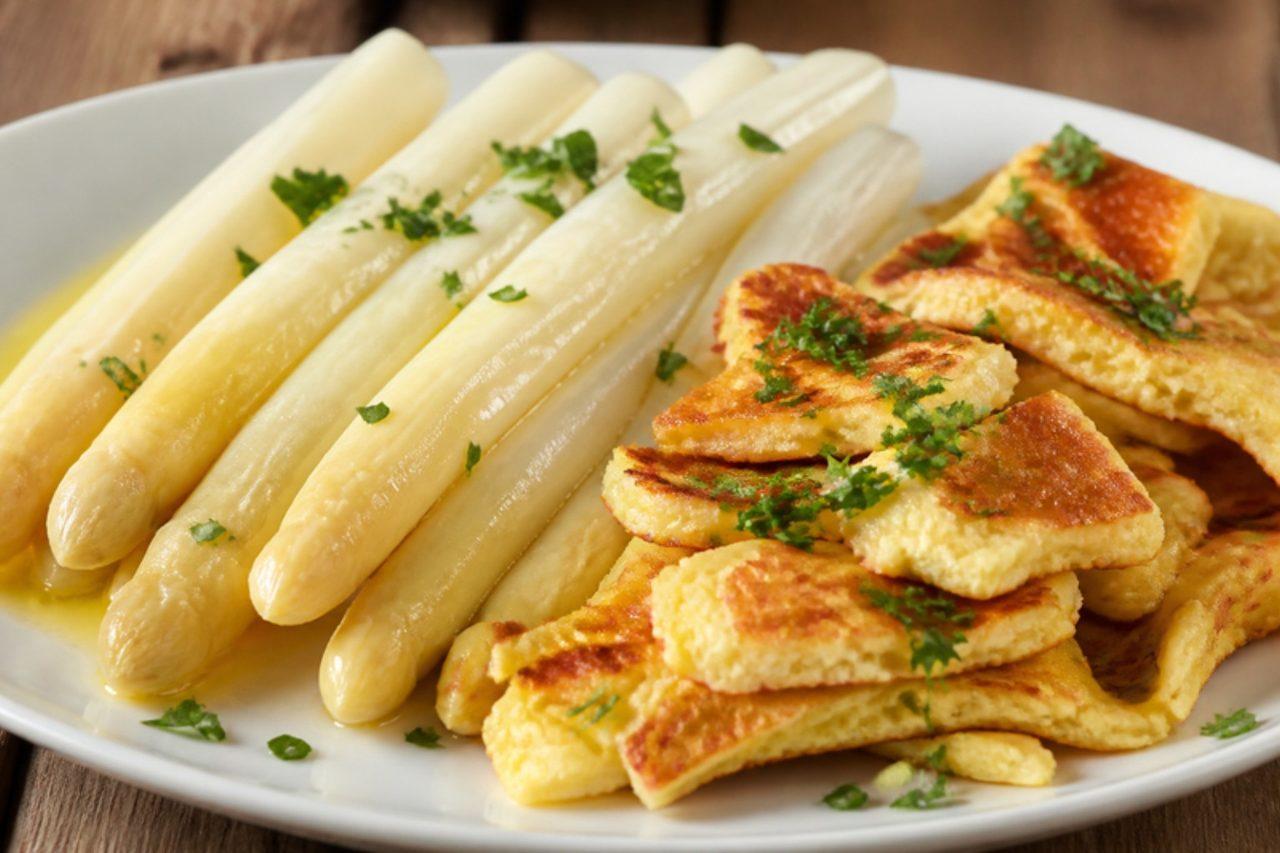
Spargel mit KratzeteAsparagus with torn pancake

In the asparagus villages near Bruchsal and Schwetzingen in Baden, Kratzete is what goes on the plate beside the spears: a thick egg pancake that is torn ('scratched') into ragged pieces in the pan with two forks and fried in butter until crisp at the edges and soft inside. Melted butter or hollandaise goes over everything, and in spring inns serve it as a full vegetarian main. Many families add raw ham on the side, but it is complete without. Keeping the batter thin is the mistake; it needs to be thick enough to coat a spoon, or the pieces fall apart. Chef's tip: let the batter rest for 20 minutes so the flour swells and the Kratzete turns out fluffy.

by KrazyBadal 0 views

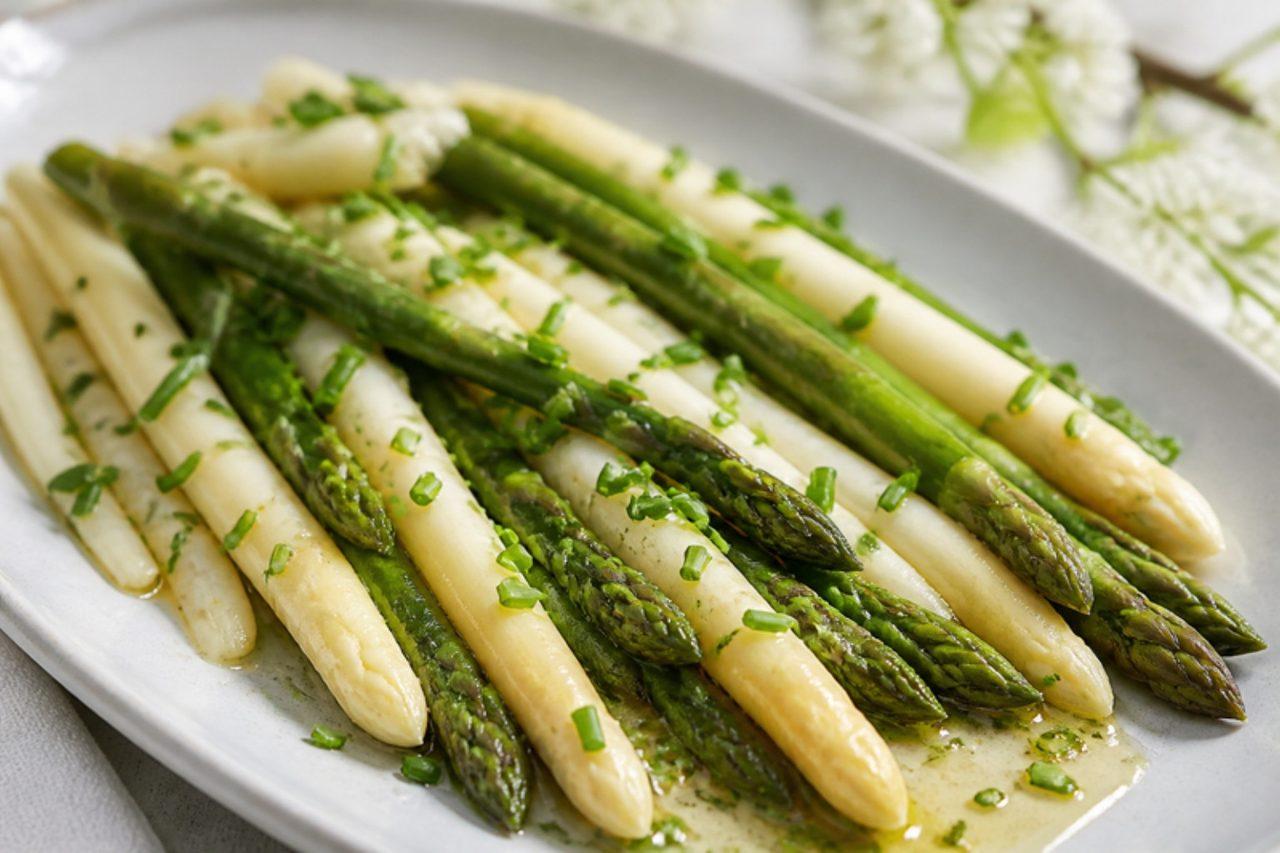
SpargelsalatWarm asparagus salad

Asparagus farms along the Baden Spargelstraße and in the Lüneburg Heath sell their spears straight from roadside huts in May, and this lukewarm salad is how many households there eat the first bundle. White and green spears are cooked just tender, cut into lengths and dressed while warm in a sharp vinaigrette of white wine vinegar, mustard, shallot and plenty of chives, so they soak up the flavour. It goes with new potatoes, or as a light lunch with bread. A frequent mistake is overcooking white asparagus until it is limp and stringy. Chef's tip: dress the spears while still warm and leave them for 15 minutes; cold asparagus barely absorbs the dressing.

by KrazyBadal 0 views

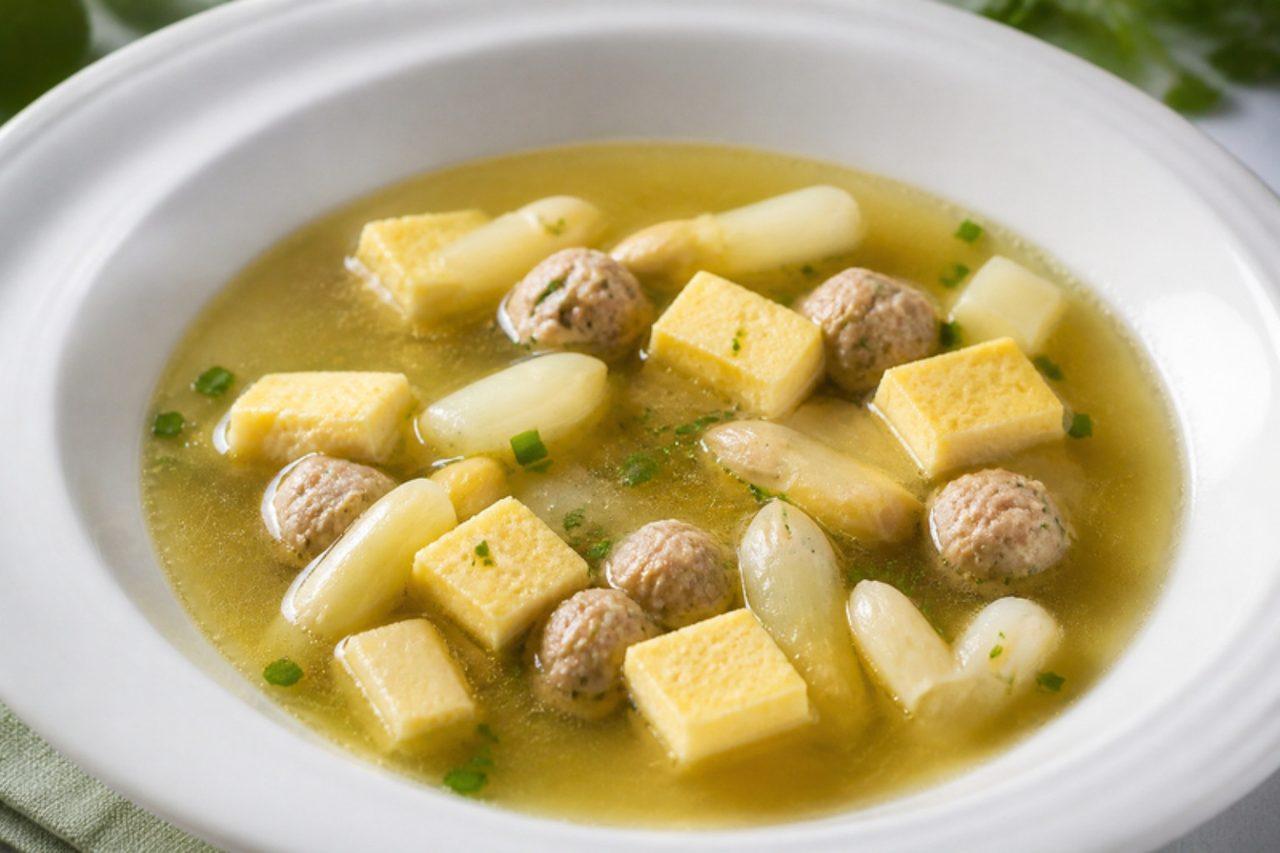
HochzeitssuppeWedding soup with meatballs

At weddings in Lower Saxony and Westphalia the meal begins with this soup, often served at village inns around Hanover and Münster long before the roast arrives. A clear beef broth carries three garnishes: tiny meatballs of beef and pork, cubes of Eierstich (a steamed egg custard) and pieces of asparagus or peas, so every spoonful has something different. It can be prepared in stages a day ahead, which is why it suits a crowd. A common mistake is boiling the meatballs hard, which clouds the broth. Chef's tip: poach the meatballs separately in salted water, then add them to the clear broth just before serving.

180 minGermanSoups
by KrazyBadal 0 views

ParadiesäpfelCandy apples

Paradiesäpfel shine from the sugar stalls at German fairs and Christmas markets, from the Cannstatter Wasen to the Hamburg Dom: small tart apples on wooden sticks, dipped in a glassy red sugar glaze that cracks when you bite it. Children often get them on the way home from the rides in autumn. The glaze is just sugar, water and a drop of vinegar boiled to the hard-crack stage, so a sugar thermometer helps. The most common mistake is using wet or waxed apples, which makes the glaze slide off. Chef's tip: scrub the apples in hot water and dry them completely first, then dip quickly and twist so the excess drips back into the pan.

by KrazyBadal 0 views

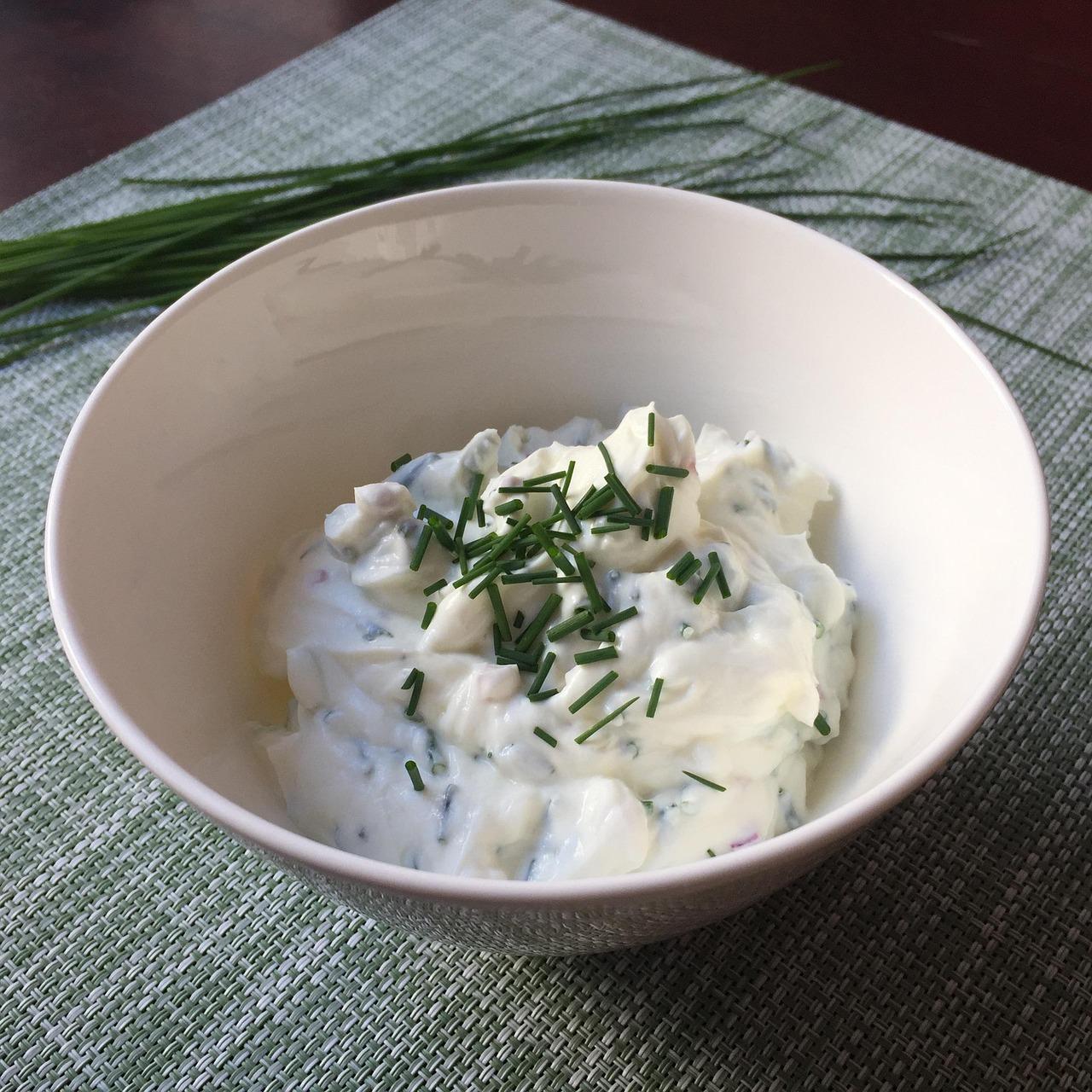
KräuterquarkHerb quark

On summer evenings across Germany, from Hamburg allotments to Swabian farmhouse kitchens, a bowl of herb quark sits in the middle of the Abendbrot table with rye bread, radishes and boiled new potatoes. Fresh low-fat quark is loosened with a little milk and linseed or sunflower oil, then packed with chopped chives, parsley and dill and a hint of garlic, so it tastes cool, tangy and green. It also goes on jacket potatoes at the fair and next to grilled vegetables at a barbecue. The usual mistake is chopping the herbs ahead and letting them sit, which turns them dark and bruised. Chef's tip: let the finished quark rest in the fridge for 20 minutes so the garlic mellows and the herbs flavour the whole bowl.

by KrazyBadal 0 views

SchnittlauchbrotChive bread

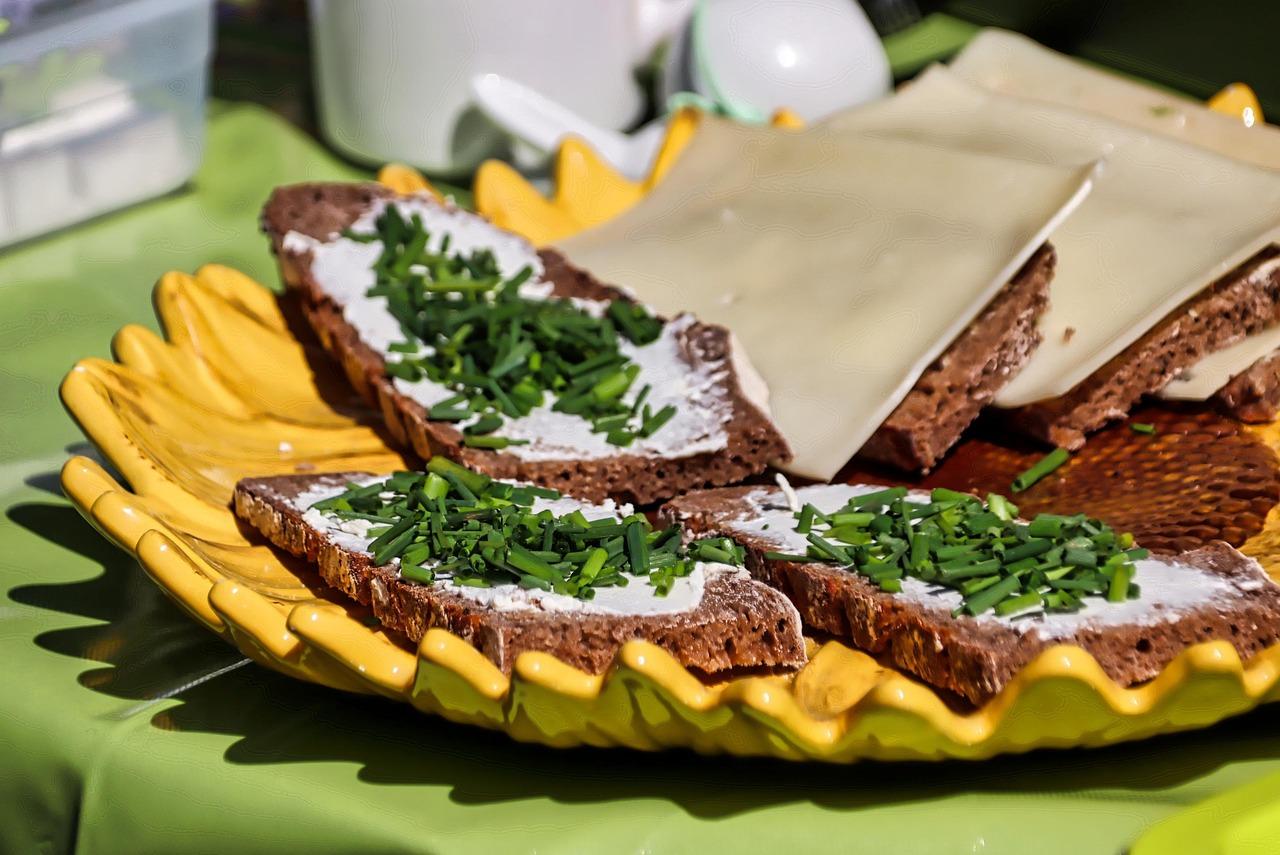
Order a Schnittlauchbrot in a Munich beer garden and you get the simplest Brotzeit there is: a thick slice of sourdough rye, buttered right to the edges and buried under so many chopped chives that the bread disappears. A pinch of coarse salt on top is all it needs. Bavarians eat it with a radish or two in the afternoon, and at home it is a classic Abendbrot when the chives in the garden are growing fast in May and June. The mistake is using fridge-cold butter, which tears the bread and will not hold the chives. Chef's tip: press the bread butter-side down into a plate of chives instead of sprinkling, and every bit gets covered.

by KrazyBadal 0 views

GrünkernsuppeGreen spelt soup

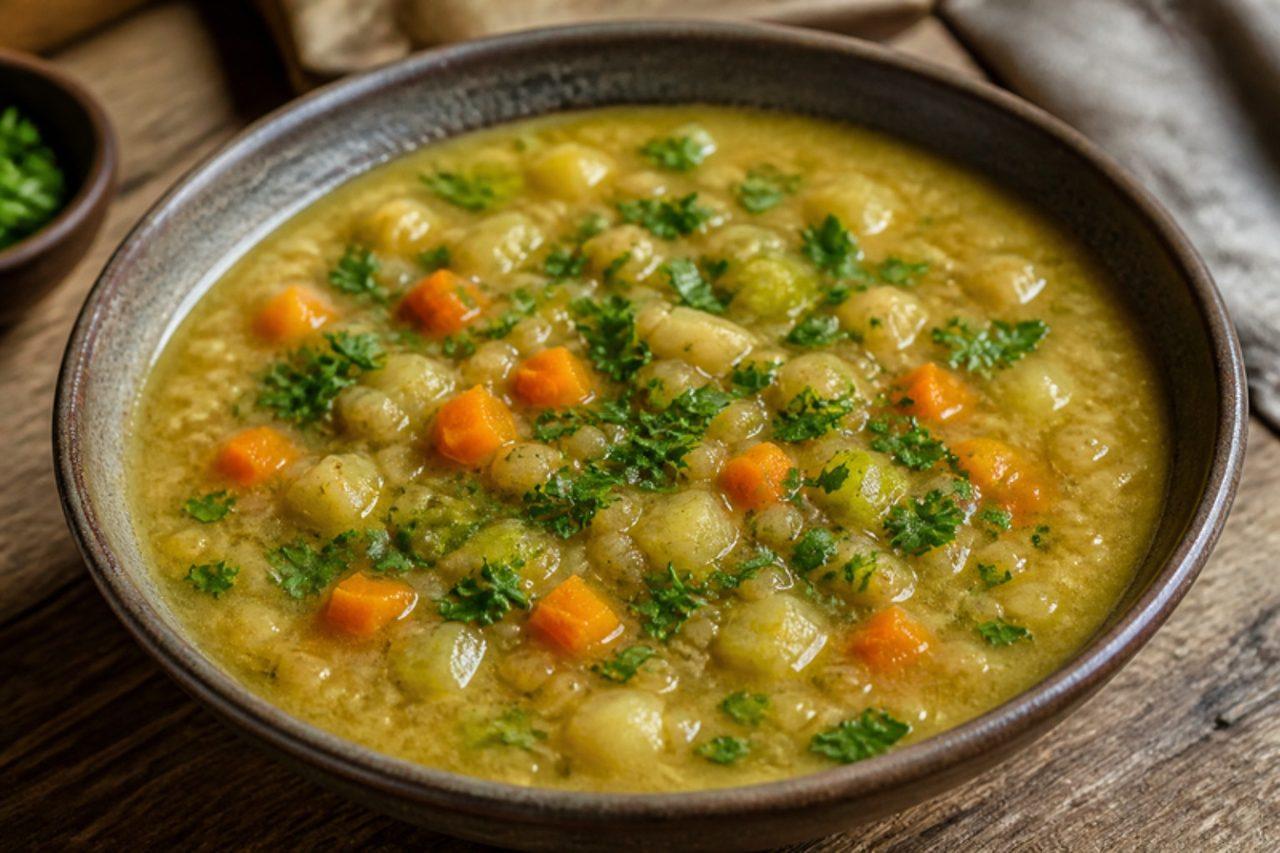
Grünkern is spelt harvested half-ripe and dried over beech smoke, a trick farmers in the Bauland and Odenwald of northern Baden and Lower Franconia used when wet summers threatened the crop. Around Boxberg and Walldürn the cracked grains still go into a thick, nutty soup for autumn and winter weekday lunches, often followed by something sweet. The grains simmer with leek, carrot and celeriac until they burst and thicken the broth, and a spoon of cream and plenty of parsley go in at the end. Chef's tip: toast the cracked Grünkern in the butter until it smells like smoky popcorn before adding any liquid; skipping this leaves the soup flat and grey.

by KrazyBadal 0 views

FleischsalatSausage salad

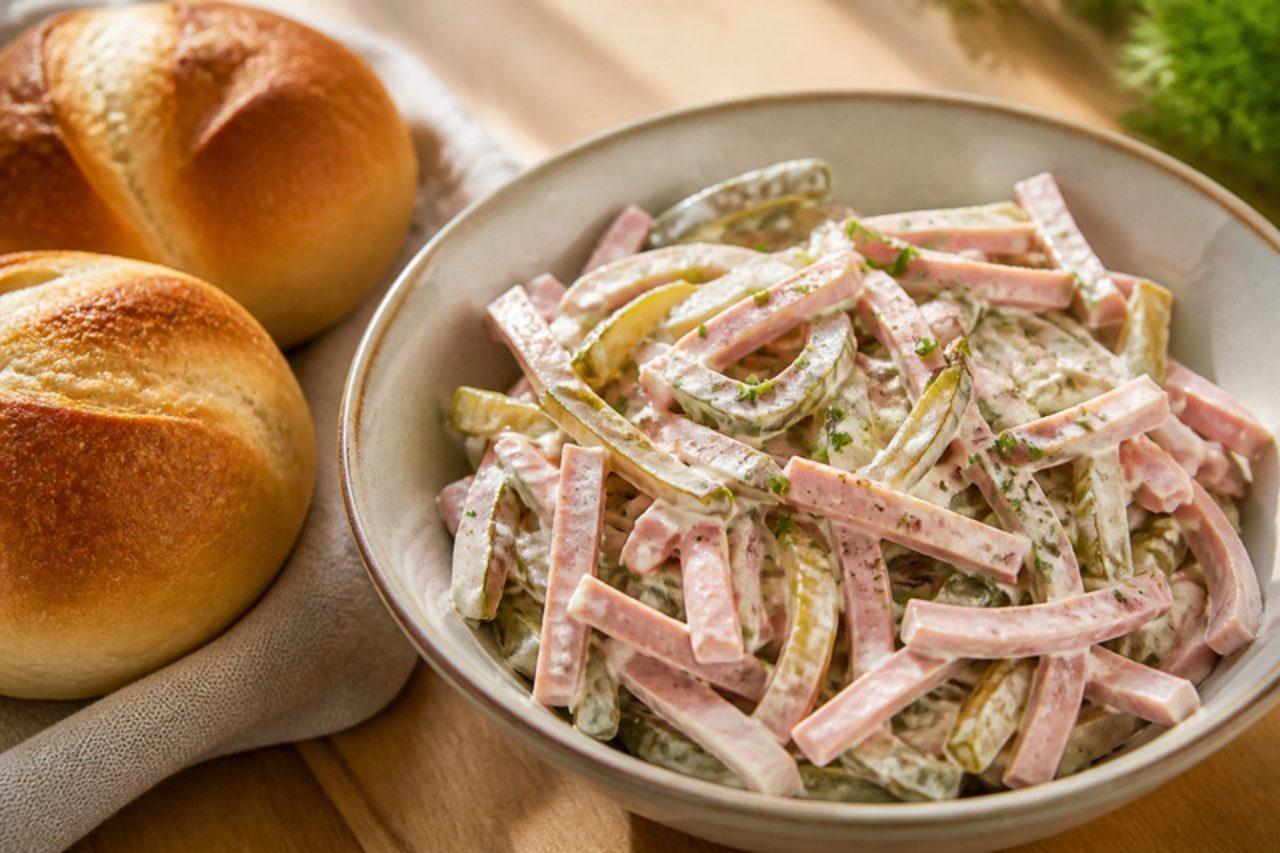
Every German butcher sells Fleischsalat in tubs, and it is spread thickly on bread rolls for Abendbrot or a workday second breakfast from Cologne to Leipzig. It is made from Lyoner or Fleischwurst, a mild cooked pork sausage, cut into fine strips and folded into mayonnaise with gherkins and a little of their brine. Making it at home lets you use less mayonnaise and add yoghurt for freshness. A common mistake is cutting the sausage into thick chunks, which makes it heavy; thin matchsticks are what you want. Chef's tip: chill it for an hour before serving so the gherkin brine flavours the sausage.

by KrazyBadal 0 views

Folienkartoffel mit KräuterquarkBaked potato with herb quark

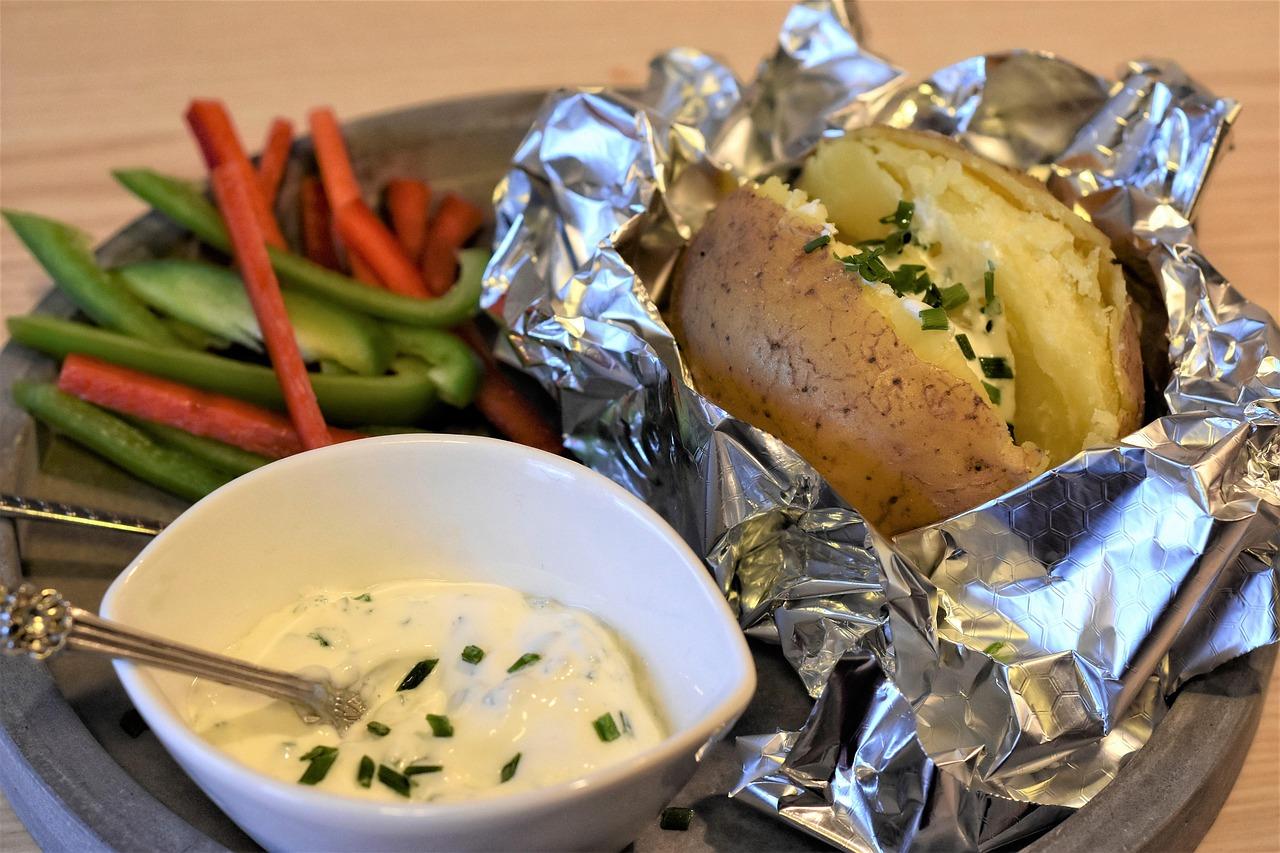
Wrapped in foil and split open, Folienkartoffel is what queues form for at Christmas markets, village fairs and summer barbecues across Germany, and it is just as easy at home in the oven or in the embers of a grill. A large floury potato bakes until fluffy, then gets a big spoon of cold Kräuterquark with chives, parsley and garlic, sometimes with sweetcorn or grated cheese too. The contrast of hot potato and cool, tangy quark is the whole point. A common mistake is choosing waxy potatoes, which stay dense. Chef's tip: prick the potatoes and rub them with oil and coarse salt before wrapping, so the skin turns tender and seasoned.

by KrazyBadal 0 views

BrennsuppeBrowned flour soup

Farmhouse kitchens in Upper Bavaria and the Swabian Allgäu once started the day with Brennsuppe, a soup built from almost nothing: flour browned slowly in butter until it smells of hazelnuts, then whisked into water or stock with caraway and onion. Grandmothers still make it on cold evenings or for anyone feeling poorly, with cubes of stale bread toasted in the pan and a heap of chives on top. It tastes far richer than its ingredients suggest. The usual mistake is rushing the roux on a high heat, so it scorches and turns bitter instead of nutty. Chef's tip: whisk the stock in a little at a time while it is cold or lukewarm, and the soup stays perfectly smooth.

by KrazyBadal 0 views

DibbelabbesPotato and leek hash

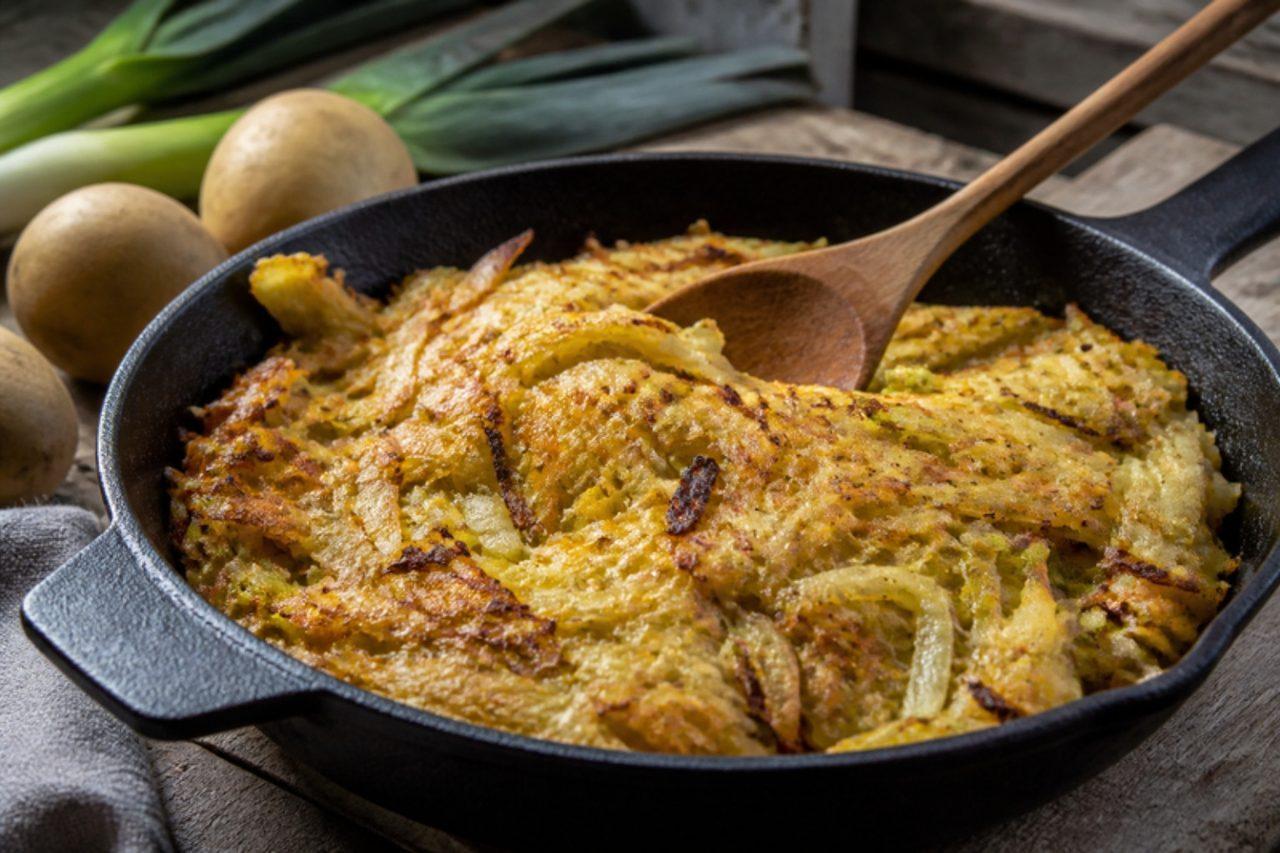
Dibbelabbes takes its name from the Saarland words for a pot (Dibbe) and to lick out (abbes), because the crisp crust stuck to the cast-iron pan is the best part. Families around Saarlouis and Merzig make it on cold evenings: raw grated potatoes, leek and onion cooked slowly in a heavy pan and turned now and then until golden chunks form all through. Traditionally smoked bacon or Dörrfleisch goes in; this version keeps it vegetarian with a little smoked paprika. Apple sauce and a green salad go alongside. Stirring too often is the mistake; the crust needs time to form. Chef's tip: cook it in the oven in a cast-iron casserole for an even, deep crust with less work.

by KrazyBadal 0 views

SteckrübeneintopfSwede stew

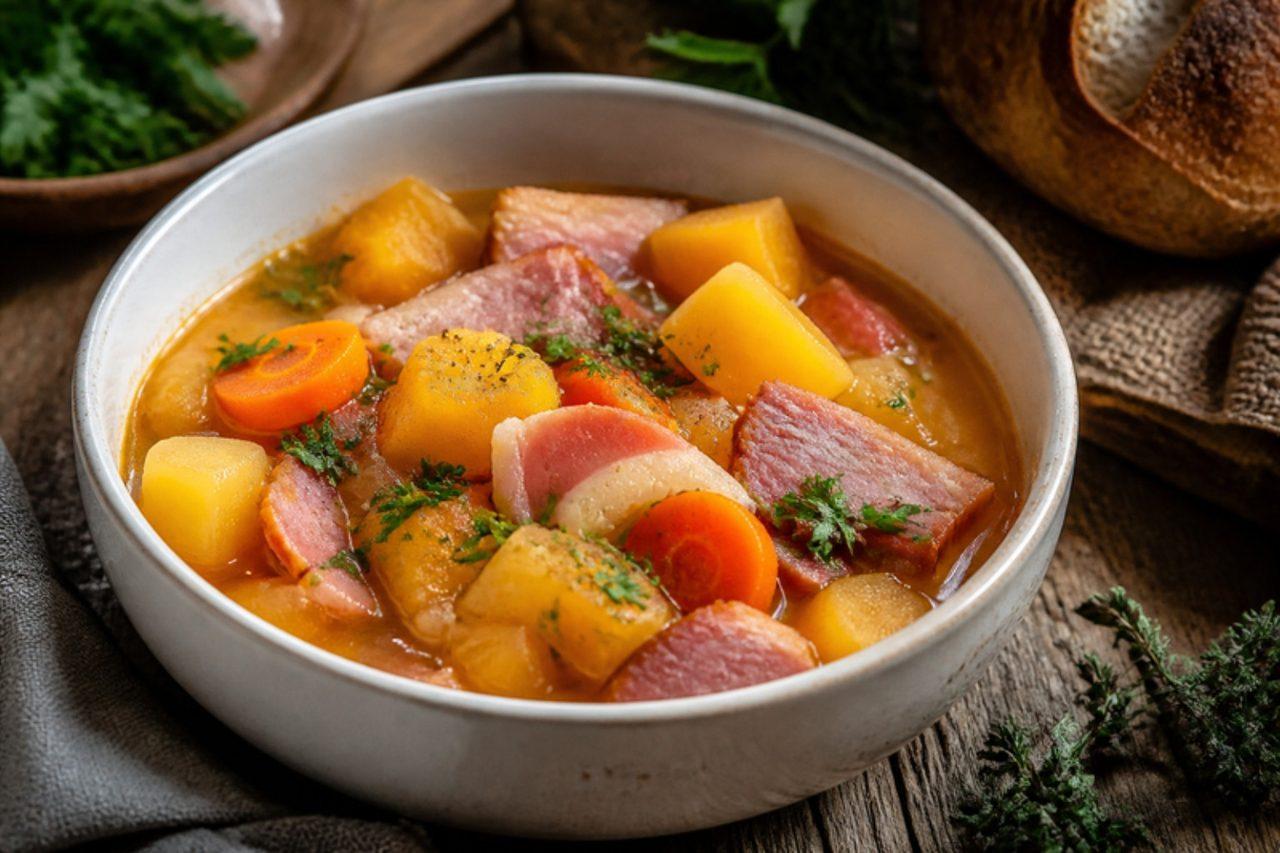
Swede carries hard memories in northern Germany, where it fed families through the 'turnip winter' of 1916–17, yet in Mecklenburg, Holstein and along the Elbe it is loved again as a sweet, golden winter stew. Chunks of swede, potato and carrot cook down in broth with smoked pork shoulder (Kasseler) until some of the vegetables collapse and thicken the pot, and it is ladled out on frosty days with mustard and dark bread. Expect a mellow, earthy sweetness. The usual mistake is cutting the swede too large; it takes longer than potato, so keep the cubes small. Chef's tip: mash a few ladles of vegetables against the side of the pot at the end for a thick, creamy stew without any flour.

by KrazyBadal 0 views

KochkäseCooked cheese spread

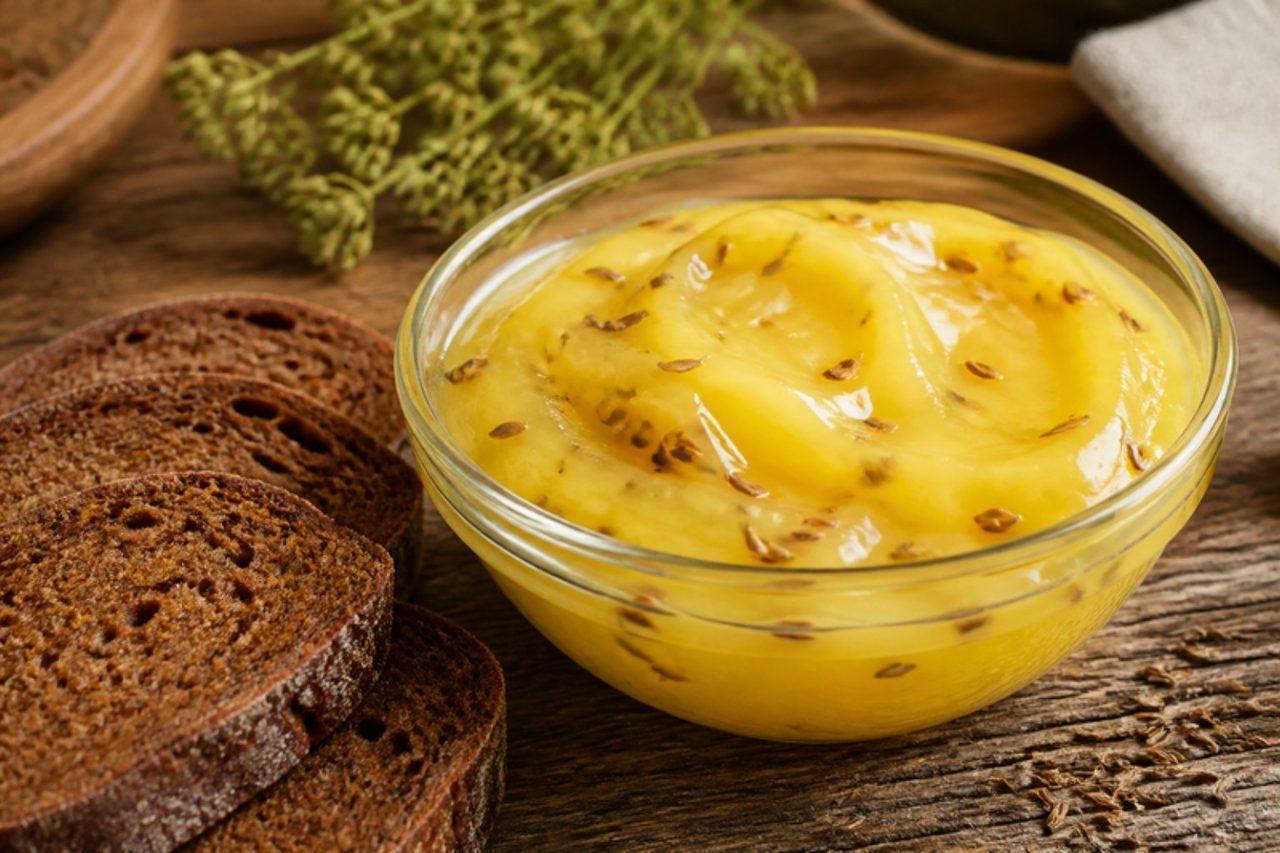
In Hesse, the Odenwald and Franconia, Kochkäse is the spreadable cooked cheese that farm kitchens made from leftover sour-milk curd. Dry quark is left to ripen for a day or two until it turns slightly yellow and smells tangy, then melted with butter, bicarbonate and caraway into a glossy, stretchy spread. It is eaten on rye bread for Abendbrot, often with onion and vinegar on top, and in Hessian pubs alongside cider. Most quark is set without animal rennet, but check the label if that matters. The common mistake is heating it too fast, which makes it grainy instead of smooth. Chef's tip: keep stirring over a low heat until no white flecks remain, then pour it into a jar while it is still runny.

by KrazyBadal 0 views

Showing 24 of 423 recipes

Show more recipes

Page 1 of 18