Skip to content
Recipes

All recipes

Vegetarian, or something you can't eat? Set your diet once and we'll hide recipes that don't fit.

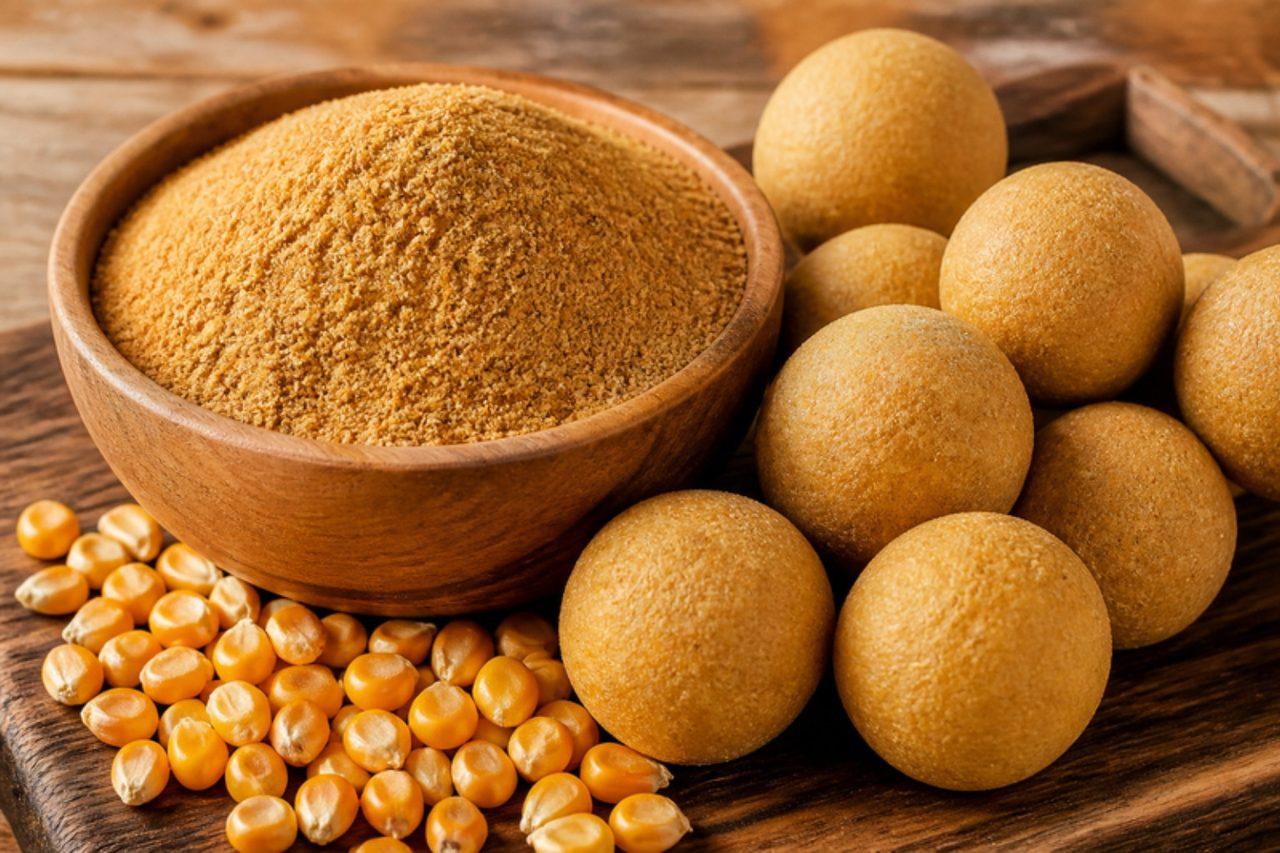
Asham (Jamaican parched-corn sweet)

Asham is one of rural Jamaica's oldest treats, a sweet carried over from West African parched-grain foods and still made in country districts of St Elizabeth, Clarendon and St Ann. Children ate it after school from a twist of paper, and it reappears at heritage fairs around Emancipation Day and Independence in early August. Dried corn is parched until toasty and golden, ground to a fine, sandy powder and mixed with dark sugar: nutty, faintly smoky and melting slowly on the tongue. Eat it by the pinch, press it into little balls, or stir a spoonful into warm milk or water as a drink. It is naturally egg-free; the powder needs no binder at all, and for balls a sprinkle of water and the sticky brown sugar hold it together. Chef's tip: eat the loose powder in small pinches and don't breathe in as you eat it; it is famous for making people cough. In the pot, keep the corn moving, as scorching is the common mistake and turns it bitter.

by KrazyBadal 0 views

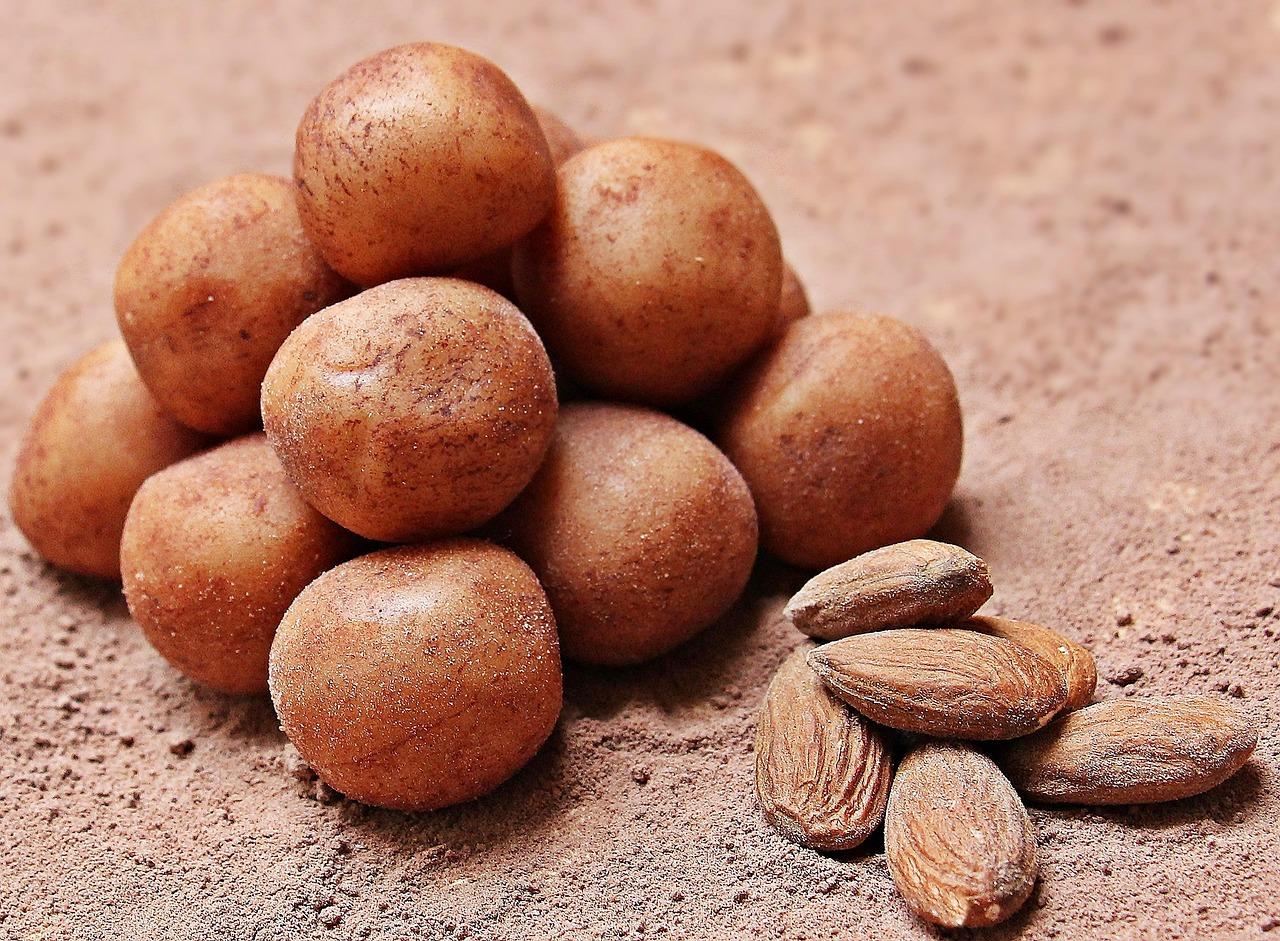
Marzipankartoffeln (German marzipan potatoes)

In Germany the run-up to Christmas is when these appear, piled in paper bags at the markets and in bowls on the Advent table; Lübeck, the city most famous for marzipan, makes them by the tonne. They are simply small balls of marzipan dusted in cocoa until they look like freshly dug new potatoes, sometimes with a few pricked 'eyes'. The inside is soft, sweet and fragrant with almond and a hint of rosewater; the cocoa coat is bitter and dry, which keeps the sweetness in check. Serve them with coffee, tuck them into a cookie tin or wrap them as small gifts. Shop marzipan sometimes contains egg white, so this one is made from scratch: a sugar syrup cooked to the soft-ball stage binds the ground almonds into a smooth, pliable paste, doing the job egg white does in some commercial pastes, and the result is naturally egg-free. Chef's tip: the common mistake is kneading the warm paste too long, which squeezes oil out of the almonds and makes it greasy; knead only until it comes together, then let it cool.

by KrazyBadal 0 views

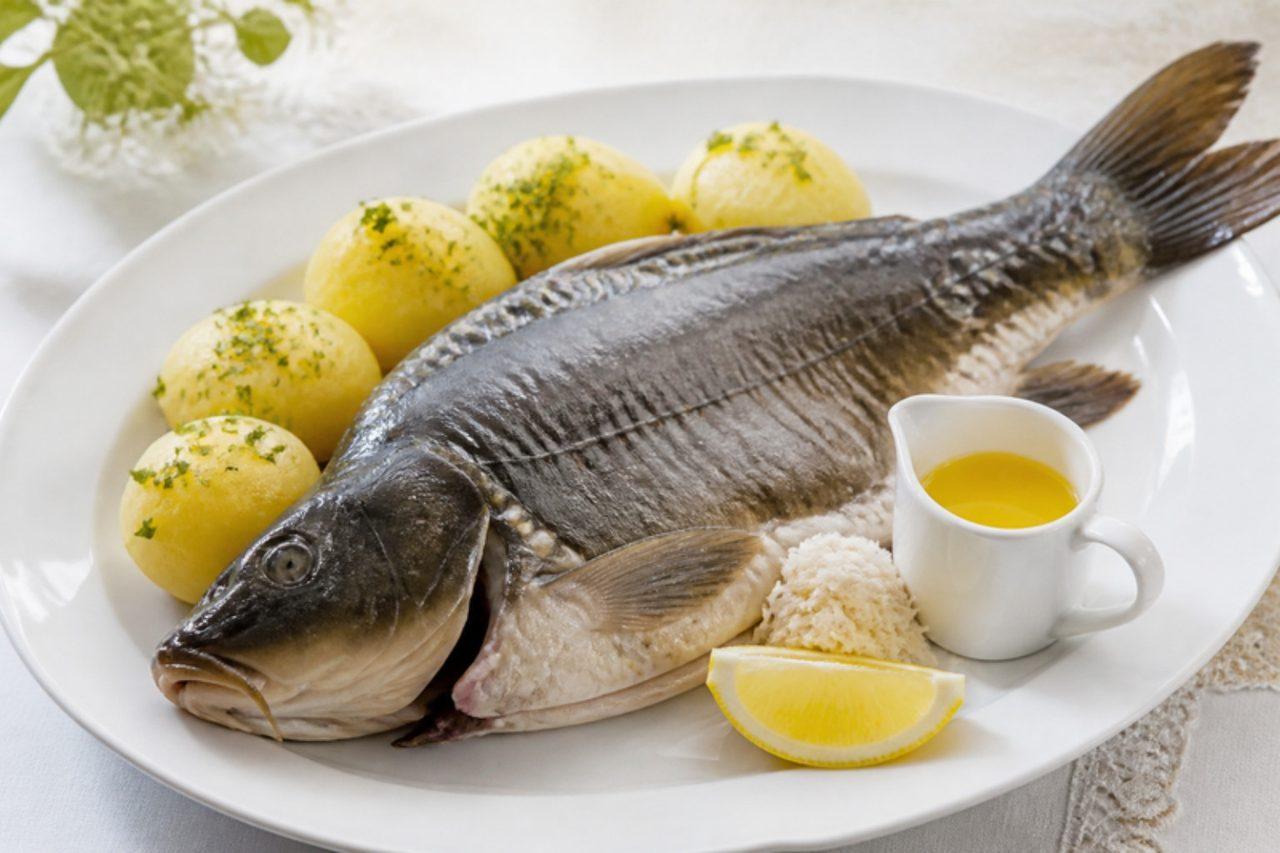
Karpfen blauCarp poached in vinegar stock

In Franconia and Bavaria, Christmas Eve supper is often carp, and the old way is 'blau': the fish is poached in a sharp vinegar stock that turns its natural skin slime a striking slate blue. It is served with melted butter, freshly grated horseradish and boiled potatoes, and many families keep a carp scale in their wallet for good luck in the year ahead. Buy carp already killed and gutted by the fishmonger, and ask for it unscaled and handled as little as possible, or the blue colour won't appear. Chef's tip: never rinse or wipe the carp skin, because the slime is what turns blue.

60 minGermanFishGluten free
by KrazyBadal 0 views

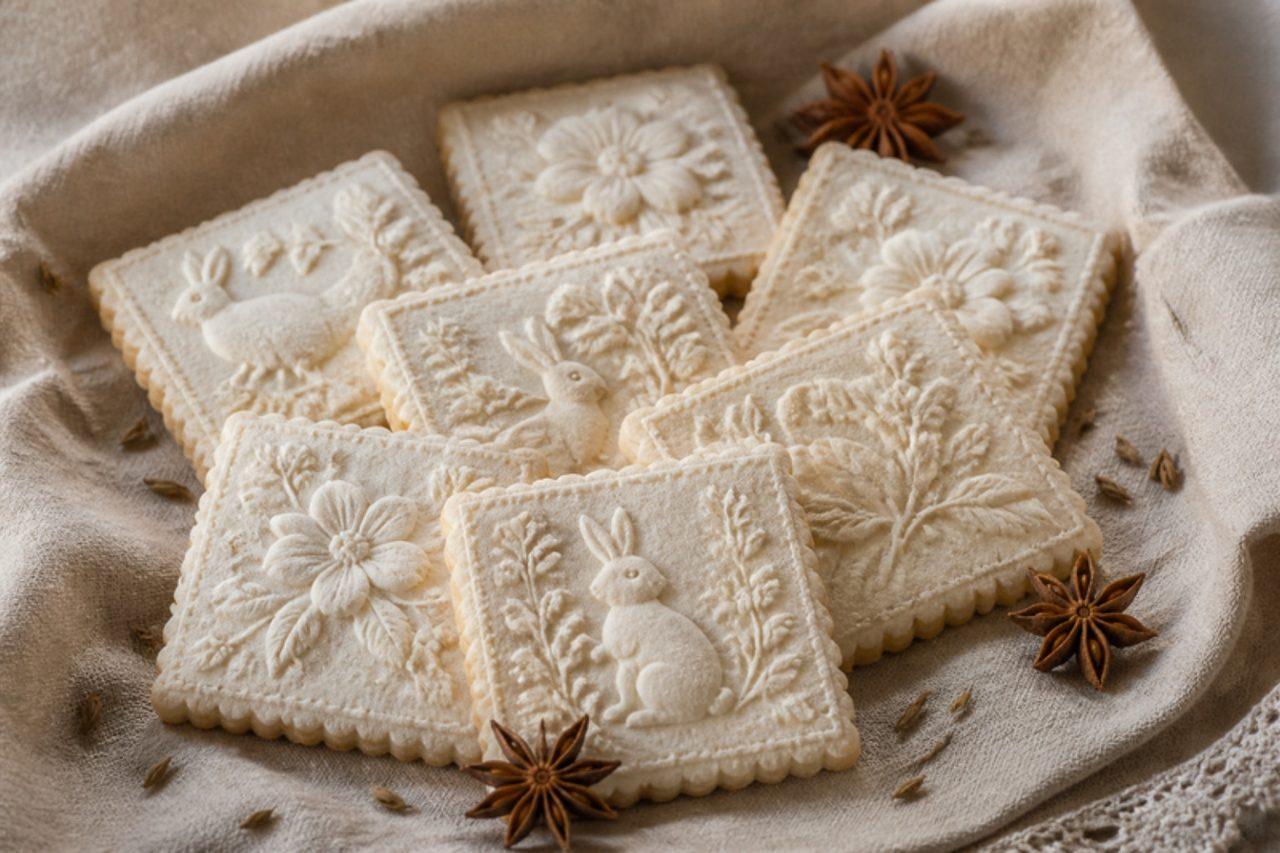
SpringerleAnise biscuits

Springerle are among the oldest Christmas biscuits of Swabia and Baden in south-west Germany, made in Advent with carved wooden moulds and boards handed down in families, which print scenes of angels, animals and flowers onto the dough. The dough is only eggs, sugar and flour with aniseed underneath. The pressed biscuits are left to dry overnight, so that in the oven the picture stays sharp on top while a little 'foot' rises underneath. They are hard when fresh and soften in a tin after a week. Chef's tip: dust the mould with flour and tap out the excess every time, or the dough sticks and the picture blurs.

by KrazyBadal 0 views

Quinotos en almíbar (Argentine kumquats in syrup)

In Buenos Aires and the river provinces of the Litoral, kumquat trees ripen in the middle of winter, between June and August, and the fruit goes straight into jars of syrup. Grandmothers' pantries held quinotos for the whole year, brought out for birthdays and long Sunday lunches. Each little fruit turns glossy orange and translucent, with a soft, bittersweet skin and a sharp, juicy centre. Spoon them over vanilla ice cream, serve them with a slice of fresh cheese in the style of postre vigilante, or eat them straight from the jar. Many bar menus offer them steeped in spirits; this version keeps only the syrup. Naturally egg-free, the quinotos rely on sugar syrup to preserve them, while pectin from the peel gives the syrup a light, jammy body. Chef's tip: blanch the fruit three times from cold water; the common mistake is skipping this, which leaves the skins tough and bitter.

by KrazyBadal 0 views

Turrón de maníPeanut nougat

On an Argentine Christmas Eve, after midnight toasts, the 'mesa dulce' appears with pan dulce, garrapiñadas and turrón de maní: a chewy white nougat of honey, sugar, whipped egg white and roasted peanuts, often set between two sheets of rice paper. Families make it in the days before Nochebuena. The egg white is cooked by the hot syrup. It is gluten free if you use gluten-free wafer paper or none. Chef's tip: work fast once the syrup is in, as the nougat stiffens as it cools and gets hard to spread.

by KrazyBadal 0 views

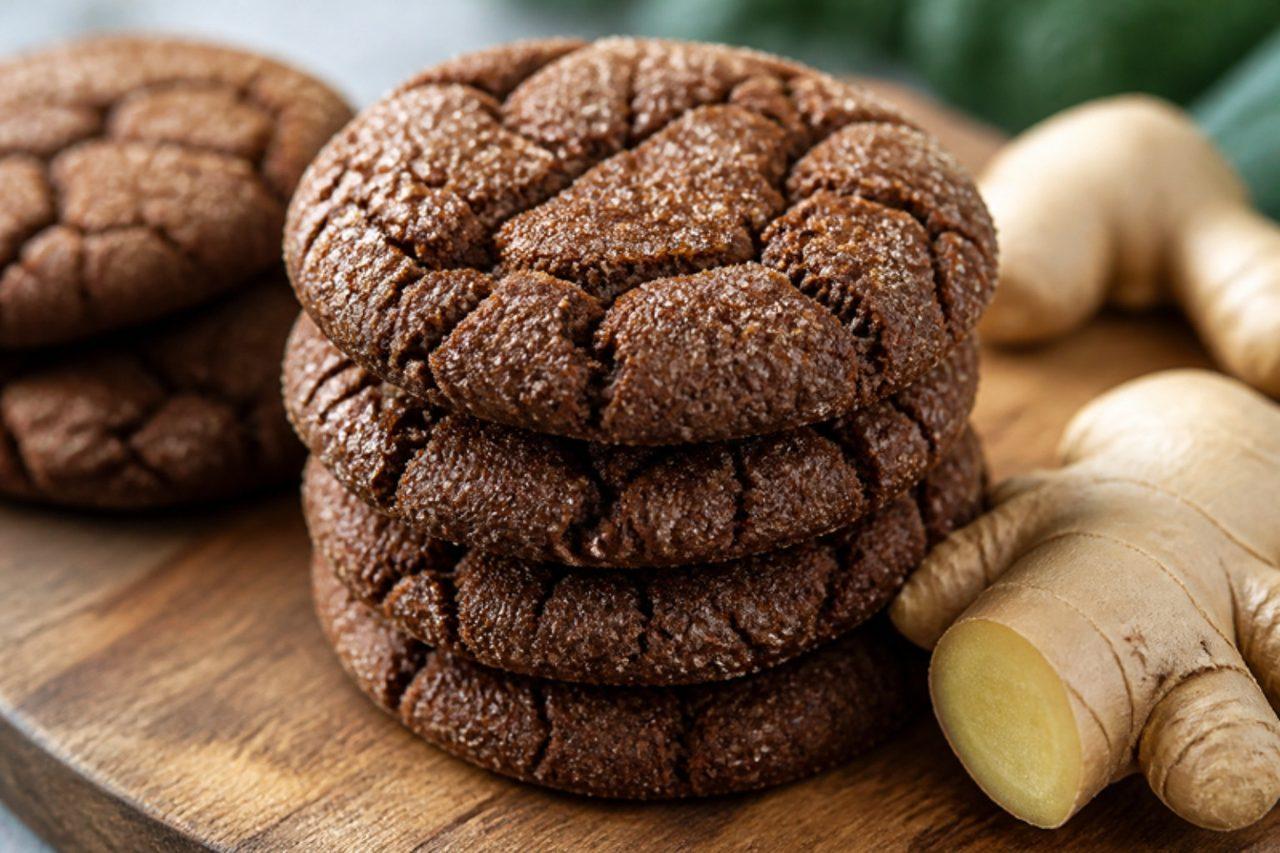
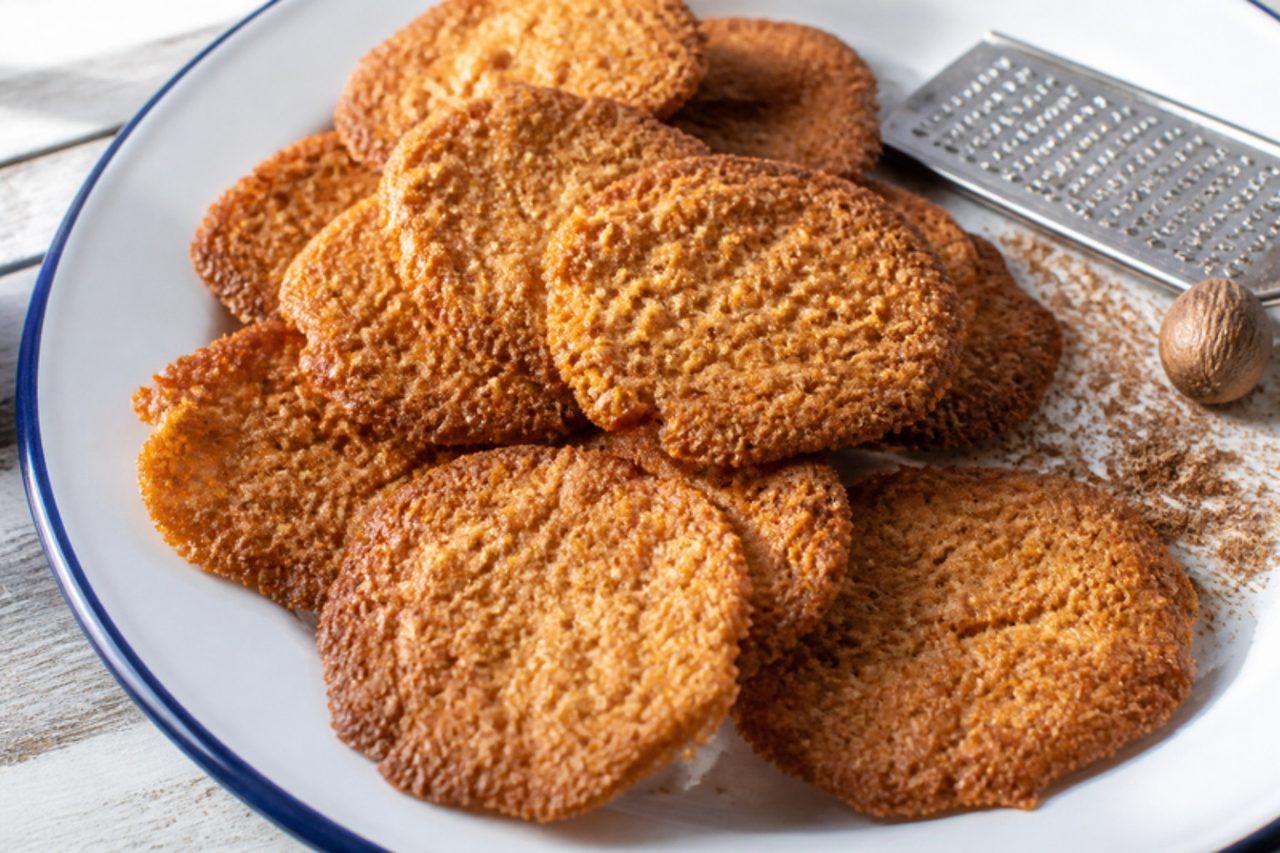
Stagga back (Jamaican molasses ginger cookies)

Stagga back are the dark, chewy cookies that sat in glass jars on the counters of Jamaican country shops, sold singly to schoolchildren on the way home and to anyone wanting something sweet with a cold drink in the heat of the afternoon. They are made with plenty of molasses, brown sugar and both dried and fresh ginger, with a little nutmeg and allspice, so they taste deep, almost smoky, and warm at the back of the throat. The texture should bend before it snaps: firm edges, soft and toffee-like in the middle. Eat them with a cup of mint or ginger tea, or a glass of cold coconut water. They are naturally egg-free: the thick molasses and the oil bind the flour on their own, and bicarbonate of soda reacting with the acidic molasses gives them their lift and crackled tops. This version uses oil instead of butter, so it is vegan. Chef's tip: take them out while the centres still look a little underdone; the common mistake is baking until they feel firm in the oven, and then they cool into rock-hard discs.

by KrazyBadal 0 views

Jackass corn (Jamaican hard coconut biscuits)

Jackass corn is one of the hard little biscuits of old Jamaica, sold in paper bags at roadside stalls and corner shops and packed for long journeys because it keeps for weeks. The name is usually explained as a joke about how much chewing it takes. It is made from plenty of grated coconut, brown sugar, flour and a good grating of nutmeg, rolled out very thin and baked until crisp right through, so every bite cracks and then turns sweet and nutty with toasted coconut. Have it with hot cocoa tea, mint tea or a glass of cold sorrel juice, or break it over ice cream. There has never been egg in it: coconut oil and water hold the dough together, and the coconut's own fat and the melted sugar set it hard as it bakes and cools. Chef's tip: roll it as thin as you dare, about 3 mm; the common mistake is leaving it thick, which gives a biscuit that is soft in the middle and goes stale instead of staying crunchy.

by KrazyBadal 0 views

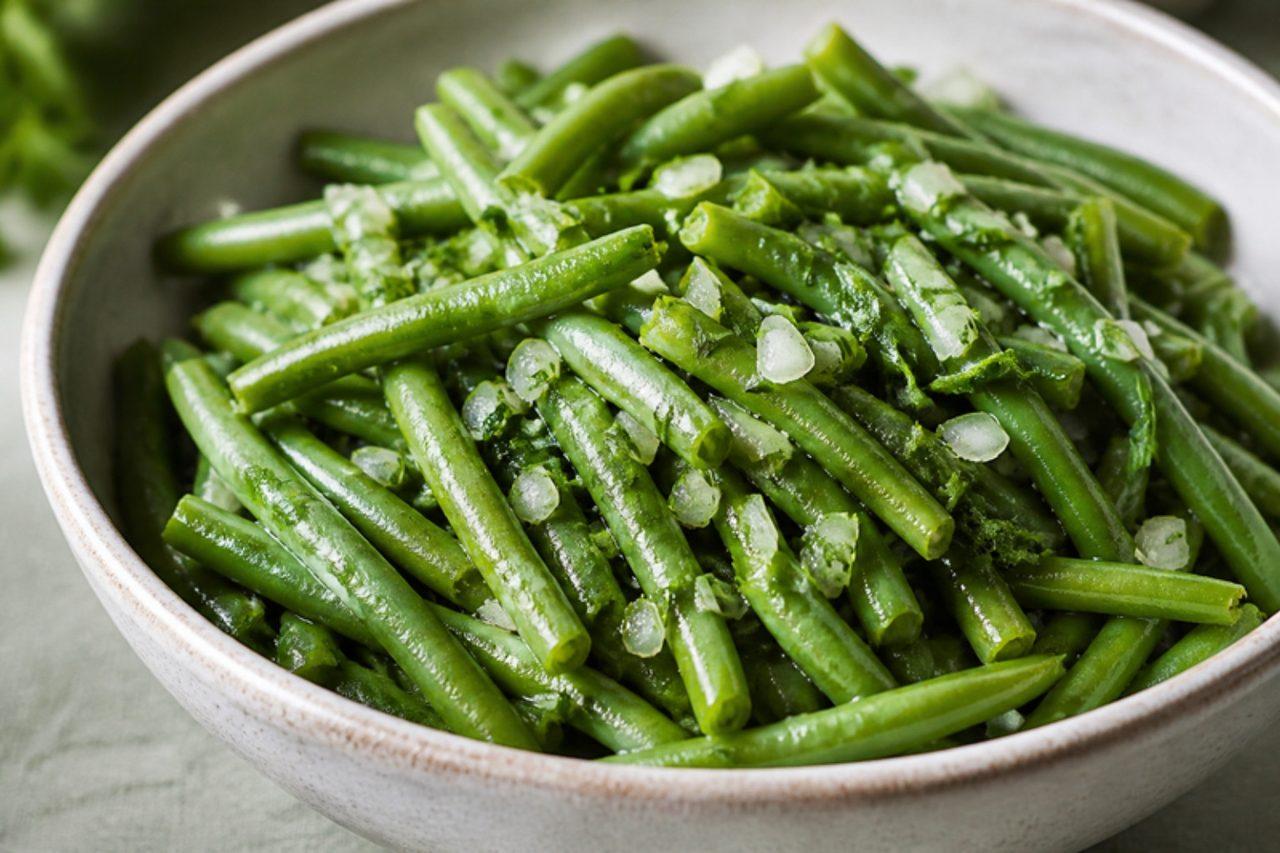
Grüner BohnensalatGreen bean salad

In German kitchens from Swabia to Westphalia, green bean salad comes out in high summer when beans are cheap and plentiful, as a side to fried eggs, potato salad or grilled food, and it travels well to picnics. The beans are cooked until just tender, then dressed warm with vinegar, oil, onion and Bohnenkraut (summer savory), the peppery herb Germans always pair with beans. Many cooks add bacon; this version is vegan. A portion gives about 3 g of protein, so it is a side; add a handful of white beans to make it more filling. The most common mistake is undercooking the beans so they squeak: German bean salad is meant to be tender, not crisp, so cook until a bean bends without snapping. Chef's tip: dress the beans while they are still warm and let them sit for 30 minutes; they absorb the vinegar and taste far better than freshly dressed.

by KrazyBadal 0 views

Helado de dulce de leche (Buenos Aires dulce de leche ice cream)

Dulce de leche is the flavour Buenos Aires heladerías are judged by, and on a summer night the queues at neighbourhood ice-cream shops stretch out onto the pavement well after dinner. Locals order it plain, with a ripple of extra dulce de leche (dulce de leche granizado adds chocolate flakes), often by the kilo to take home. It is dense, chewy and deeply caramel. This home version is egg-free with no custard: a little cornflour cooked into the milk thickens it the way yolks would, and the dulce de leche itself is milk and sugar cooked down, its sugar and milk solids keeping crystals tiny so it stays smooth and scoopable. Churn it, or still-freeze and stir it every 45 minutes. Chef's tip: chill the extra dulce de leche before rippling it in; the common mistake is folding in a warm one, which melts into the ice cream instead of leaving ribbons.

by KrazyBadal 0 views

Aguadito de polloCoriander chicken rice soup

Aguadito is the soup Lima serves in the small hours: at the end of a wedding, after New Year's Eve and at weekend family lunches, it is ladled out thick and steaming to revive everyone. Rice simmers in chicken broth coloured deep green with blended coriander and warmed with yellow ají amarillo, along with peas, carrot, pepper, sweetcorn and potato. A portion gives about 24 g of protein, from the chicken with a little from the rice and peas, for around 480 kcal. The common mistake is adding the coriander purée too early: cooked for long it turns khaki and loses its fresh taste, so stir it in for the last 10 minutes. The chicken must reach 74 °C at the bone. Chef's tip: blend a handful of spinach with the coriander; it keeps the colour vivid green without changing the flavour.

by KrazyBadal 0 views

Chilcano de pescadoClear fish broth

In the fishermen's terminals of Chorrillos and Callao, chilcano is what you drink on a Sunday morning after a long night: a clear, gingery broth made from the heads and bones left over from cleaning fish for ceviche, with chunks of fish, red onion, chilli and a squeeze of lime in the bowl. It is light and warming, around 160 kcal a bowl, and still gives about 24 g of protein from the fish fillet and the broth. The common mistake is squeezing the lime into the pot while it boils, which turns it bitter; add it to each bowl at the table. Don't boil the bones for more than 30 minutes either, or the broth turns cloudy and harsh. Chef's tip: ask the fishmonger for heads and frames from mild white fish like sea bass or cod, and leave out oily fish such as mackerel, which makes the broth strong and fishy.

by KrazyBadal 0 views

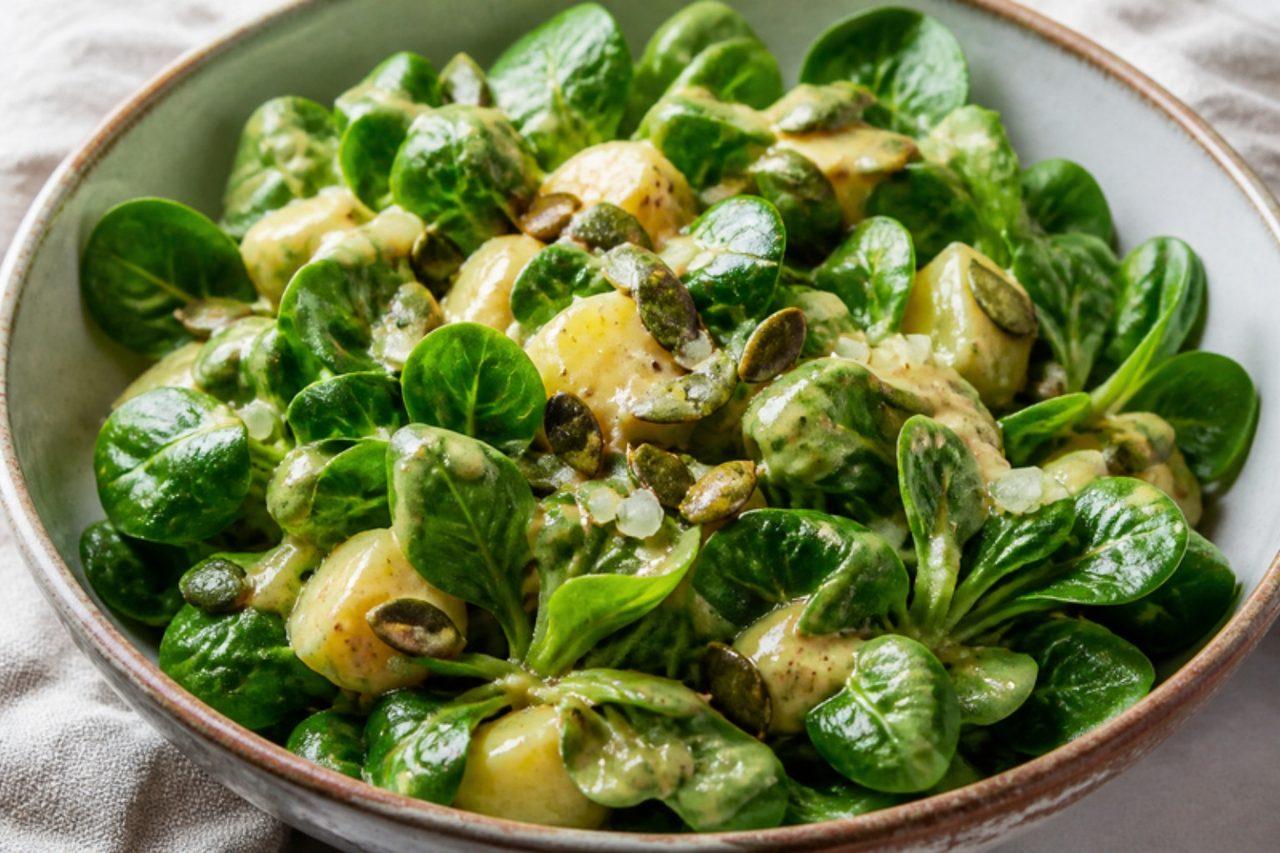
Feldsalat mit warmem KartoffeldressingLamb's lettuce with warm potato dressing

In Baden-Württemberg and Bavaria, Feldsalat (lamb's lettuce, also called Ackersalat or Nüsslisalat) is the winter salad, eaten from October to March as a starter or beside Spätzle and egg dishes. The small, tender rosettes are dressed in a warm, creamy Swabian dressing made from a boiled potato mashed with stock, mustard, vinegar and oil, which coats the leaves without weighing them down. Traditional versions use meat stock and bacon; this one uses vegetable stock and crisp fried onions, so it is vegan. It gives about 3 g of protein a portion, so it is a side; add toasted pumpkin seeds for more. The most common mistake is not washing the leaves well: grit hides deep inside the rosettes, so wash in two or three changes of water. Chef's tip: dress the leaves only at the table; the warm dressing wilts them within minutes.

by KrazyBadal 0 views

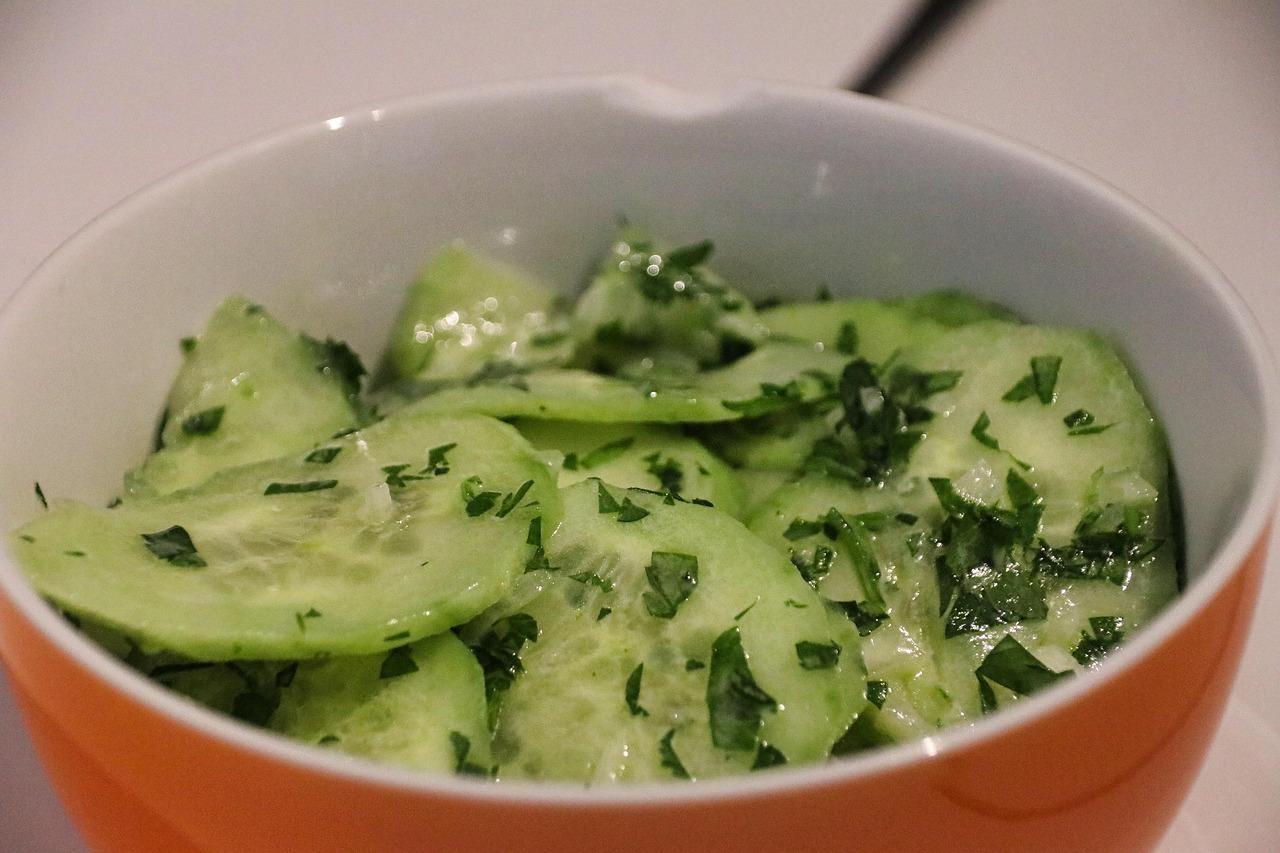
GurkensalatCucumber and dill salad

Gurkensalat is on German tables from Bavaria to Berlin all summer, served alongside potato pancakes, egg dishes or the Sunday roast, and it is just as common at a garden barbecue. Cucumber is sliced almost paper-thin, salted briefly, then dressed with a little vinegar, sugar, onion and lots of fresh dill, so it is cool, sharp and soft-crunchy. Some households stir in soured cream; this vinaigrette version is vegan. It is very light, with about 1 g of protein a portion, so it is purely a side. The most common mistake is skipping the salting: unsalted slices weep water into the bowl and dilute the dressing within minutes. Chef's tip: squeeze the salted slices gently in your hands before dressing; they bend like ribbons and take up the dill dressing much better.

by KrazyBadal 0 views

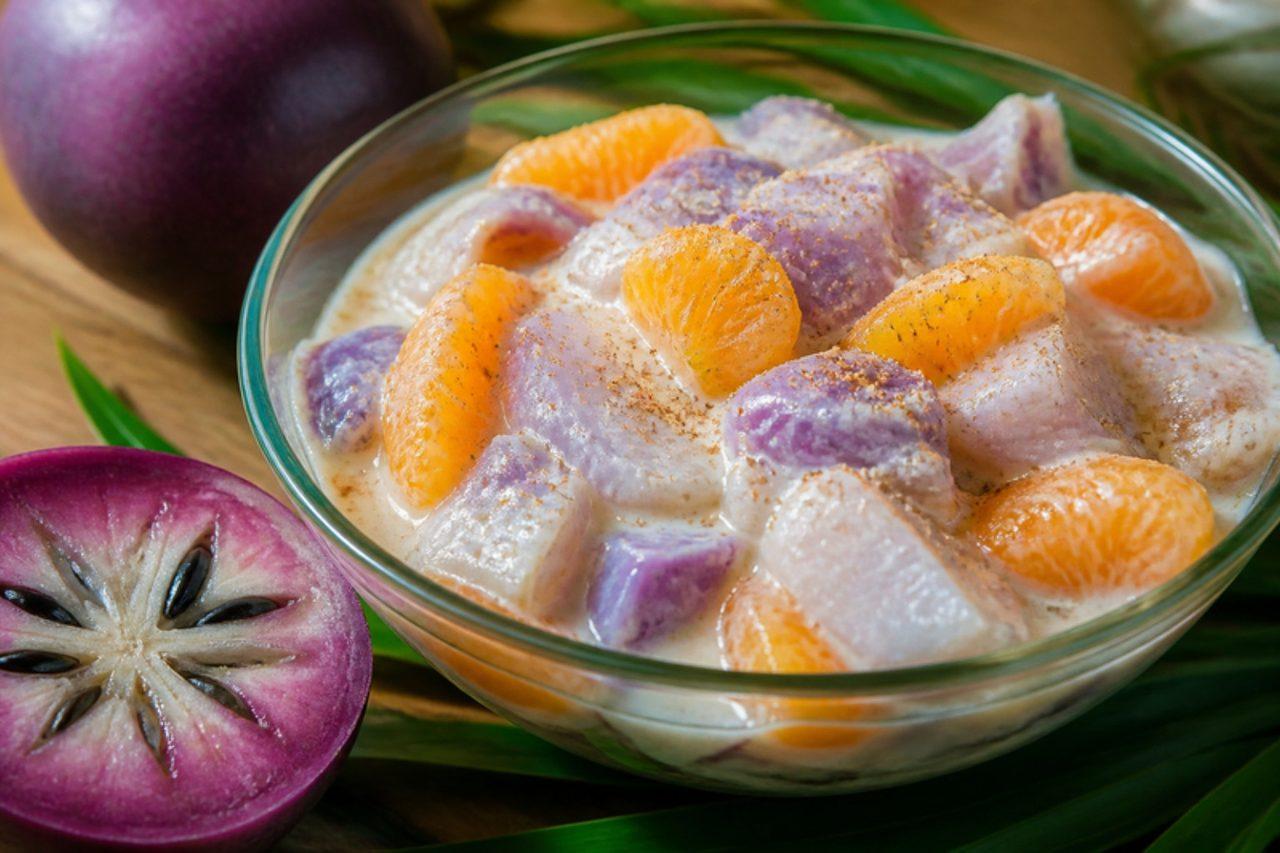
Matrimony (Jamaican star apple and orange with condensed milk)Star apple and orange dessert

Jamaica's star apples ripen in winter, so matrimony, the 'marriage' of star apple and orange, is a Christmas dessert, eaten cold after the big meal on Christmas Day. The purple star apples are scooped from their skins, their sweet, milky, jelly-like pulp mixed with juicy orange segments and dressed with condensed milk and freshly grated nutmeg. It is cool, sweet and fragrant, soft and a little jelly-like from the fruit. Serve it straight from the bowl or in glasses, as the last sweet thing of the Christmas meal. It is naturally egg-free and uncooked: condensed milk gives it body and binds the fruit into a creamy dessert, and nothing needs setting. Chef's tip: scrape the pulp only, never the skin; the common mistake is digging too close to the purple rind, whose sticky latex is bitter and gums up the spoon.

by KrazyBadal 0 views

ParihuelaSpicy seafood soup

Parihuela is the big weekend seafood soup of Callao and the Peruvian coast, eaten at long Sunday lunches in cevicherías and praised as a cure for tiredness and late nights. A deep red broth of ají panca, ají amarillo, tomato and fish stock is loaded with chunks of fish, prawns, squid and mussels. A portion gives about 30 g of protein, from the fish and shellfish, for roughly 300 kcal. Some cooks add chicha de jora or beer; this version has none. The common mistake is adding all the seafood at once: squid and prawns turn rubbery while the fish cooks, so they go in last. Before cooking, discard any mussels that stay open when tapped, and after cooking discard any that stay shut. Chef's tip: fry the chilli pastes in the oil until they darken and smell sweet; that toasted ají is what gives parihuela its depth.

by KrazyBadal 0 views

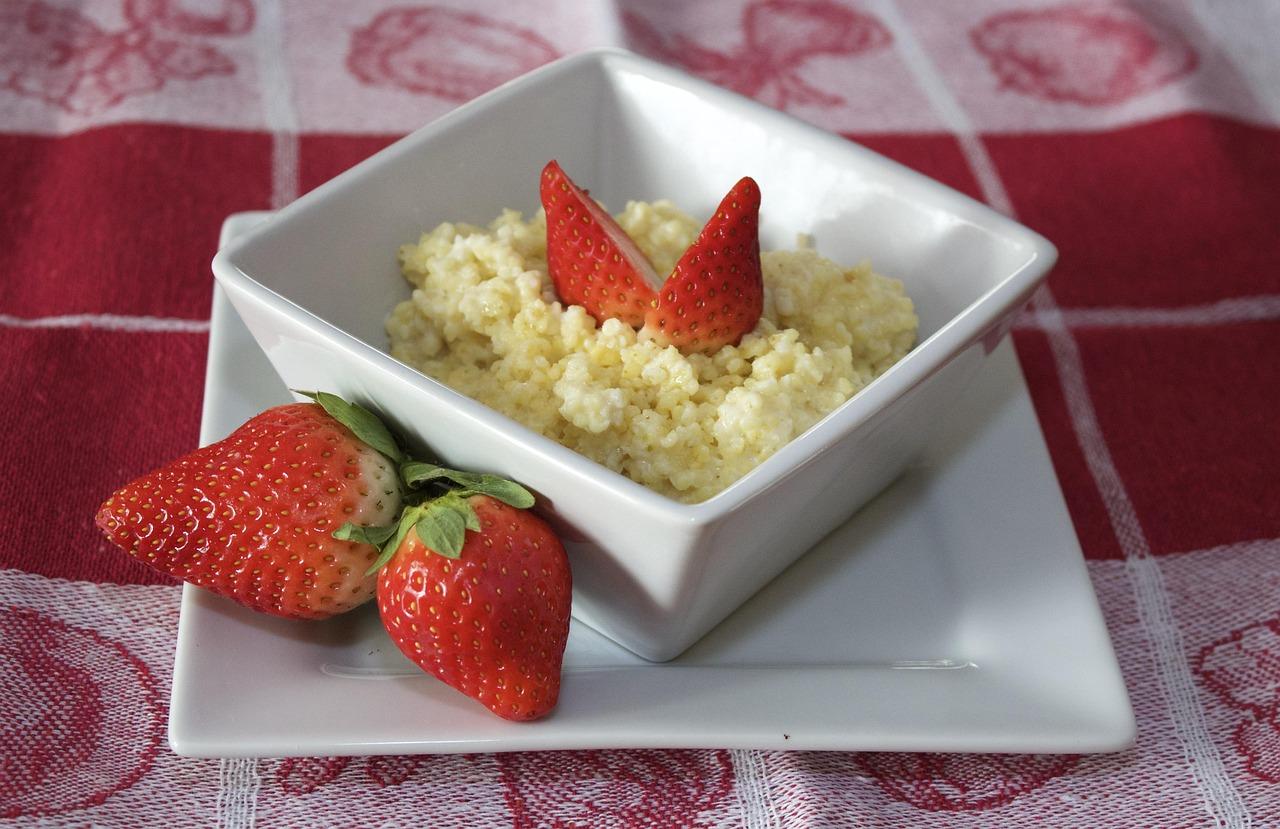
HirsebreiMillet porridge

Hirsebrei is one of the oldest dishes in German cooking, the millet porridge of fairy tales, and it is still made in homes across the country as a warm breakfast or a sweet supper for children on cold evenings. Golden millet is rinsed, then simmered in milk until creamy and soft, and served with stewed apple, berries and a dusting of cinnamon. A bowl gives about 12 g of protein from the milk and millet; stir in a spoon of quark or top with chopped almonds if you want more. The usual mistake is skipping the rinse: unrinsed millet tastes bitter and soapy, so rinse it in hot water until the water runs clear. Chef's tip: toast the rinsed millet in the dry pan for a minute before adding milk; it brings out a lovely nutty flavour.

by KrazyBadal 0 views

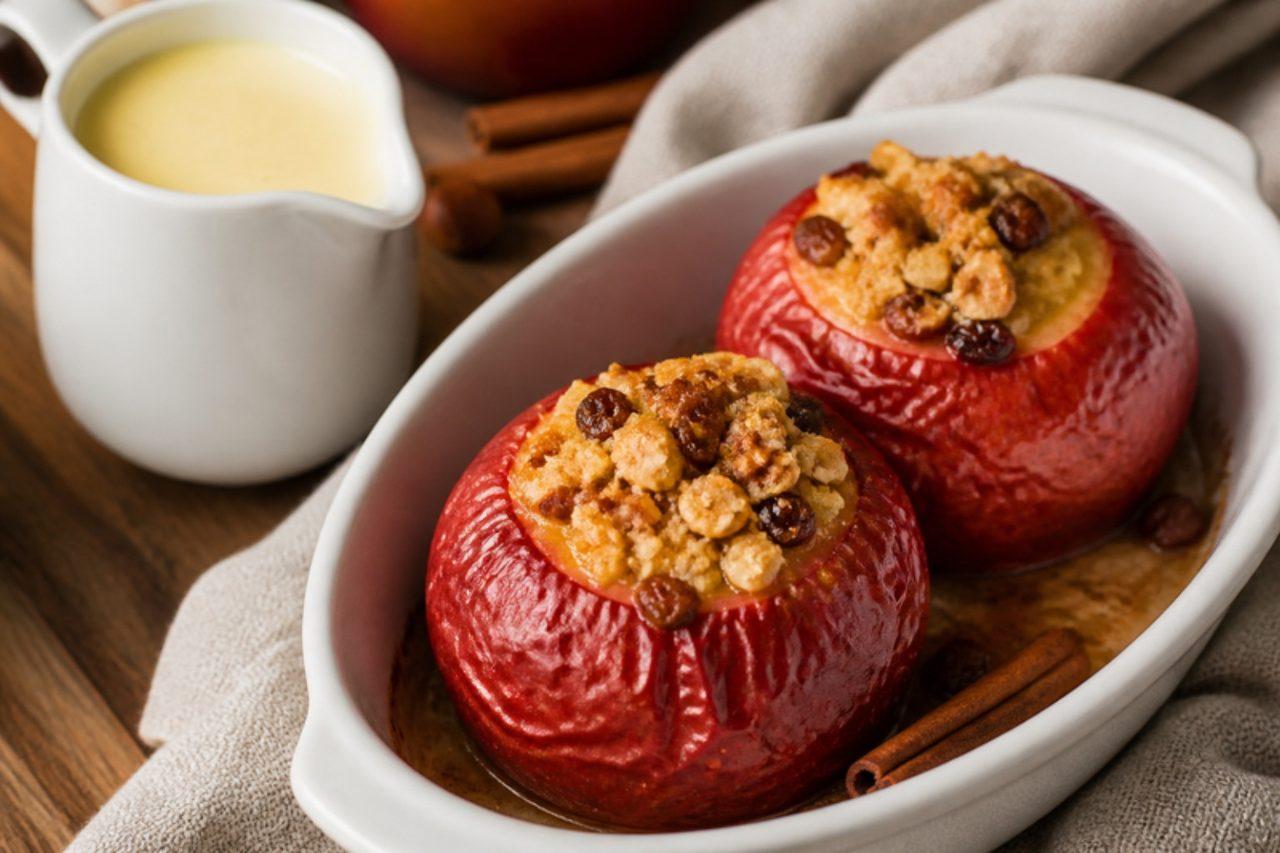
Bratapfel (German baked apples with almond paste)

Across Germany, Bratäpfel are the smell of Advent: on cold December afternoons and evenings tart apples go into the oven filled with marzipan, raisins and nuts, and come out puffed, split and bubbling. The skin wrinkles, the flesh turns to a soft, sweet-sour purée and the almond filling melts into the juices. Serve them hot in their dish with the pan juices spooned over, and a plant-based vanilla sauce or a spoon of cold cream if you are not keeping them vegan. Shop marzipan sometimes contains egg white, so here you make a quick egg-free almond paste from ground almonds, icing sugar and a few drops of water, which holds the filling together just as well. The raisins are soaked in apple juice instead of rum. Chef's tip: choose a firm, sharp baking apple and score a ring around its middle; the common mistake is using a sweet eating apple without scoring, which bursts and collapses before the core is tender.

by KrazyBadal 0 views

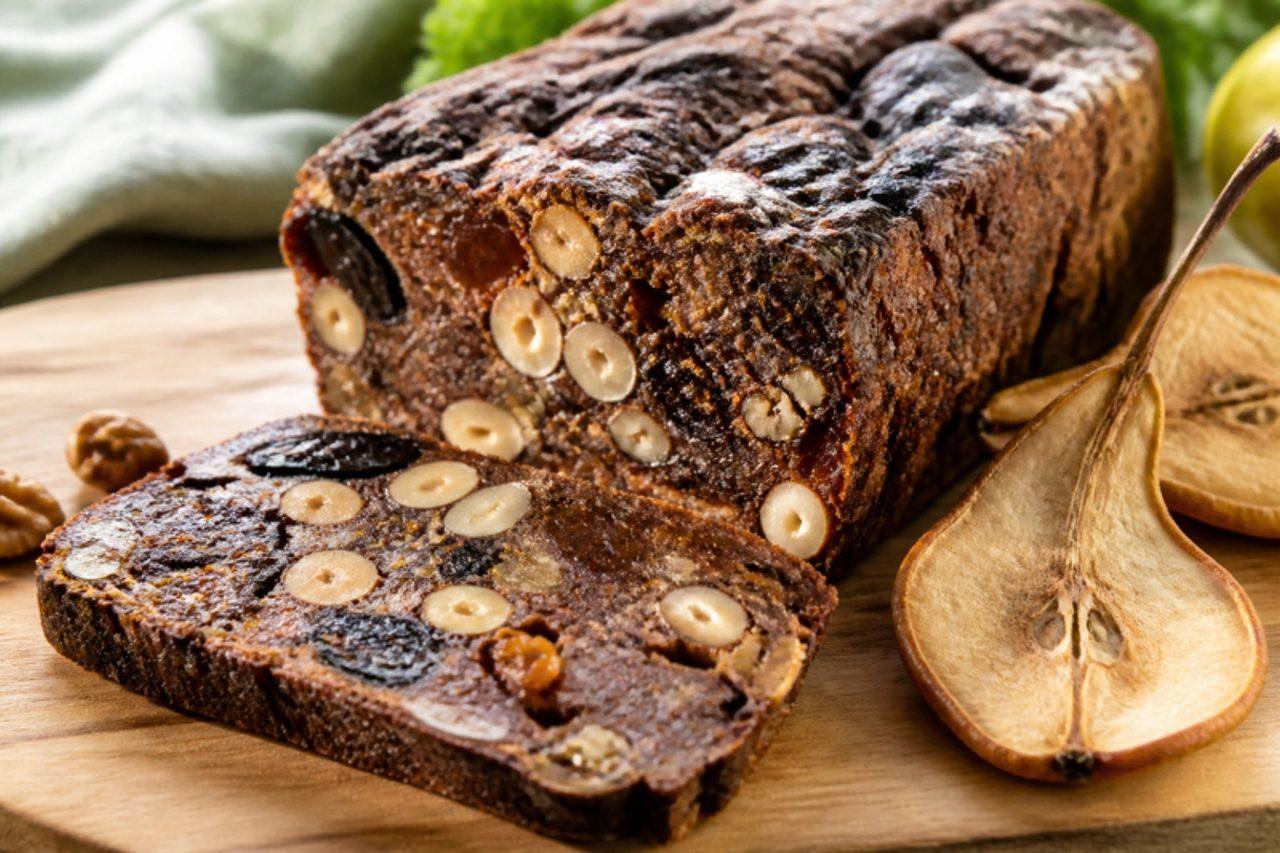
Hutzelbrot (Swabian dried-pear Christmas loaf)

In Swabia and Franconia, Hutzelbrot is baked in early December and sliced through Advent and Christmas, traditionally on St Thomas's Day, 21 December. Hutzeln are dried pears, and they are the heart of the loaf: soaked overnight and simmered, then mixed with figs, prunes, raisins, hazelnuts, walnuts and candied peel, bound with only enough spiced yeast dough to hold everything together. The result is dark, moist and dense, closer to fruit than to bread, fragrant with cinnamon, aniseed and cloves. Slice it thin and eat it plain, spread with butter or a nut butter, with coffee or a hot fruit tea. The loaf is naturally egg-free: the yeast dough, made with the sweet pear soaking water, is the glue, and the sticky fruit holds it moist for weeks. Chef's tip: wrap the cooled loaves tightly and leave them for 3–4 days before slicing; the common mistake is cutting it on day one, when it crumbles and the flavours have not settled.

900 minGermanBakingVegan
by KrazyBadal 0 views

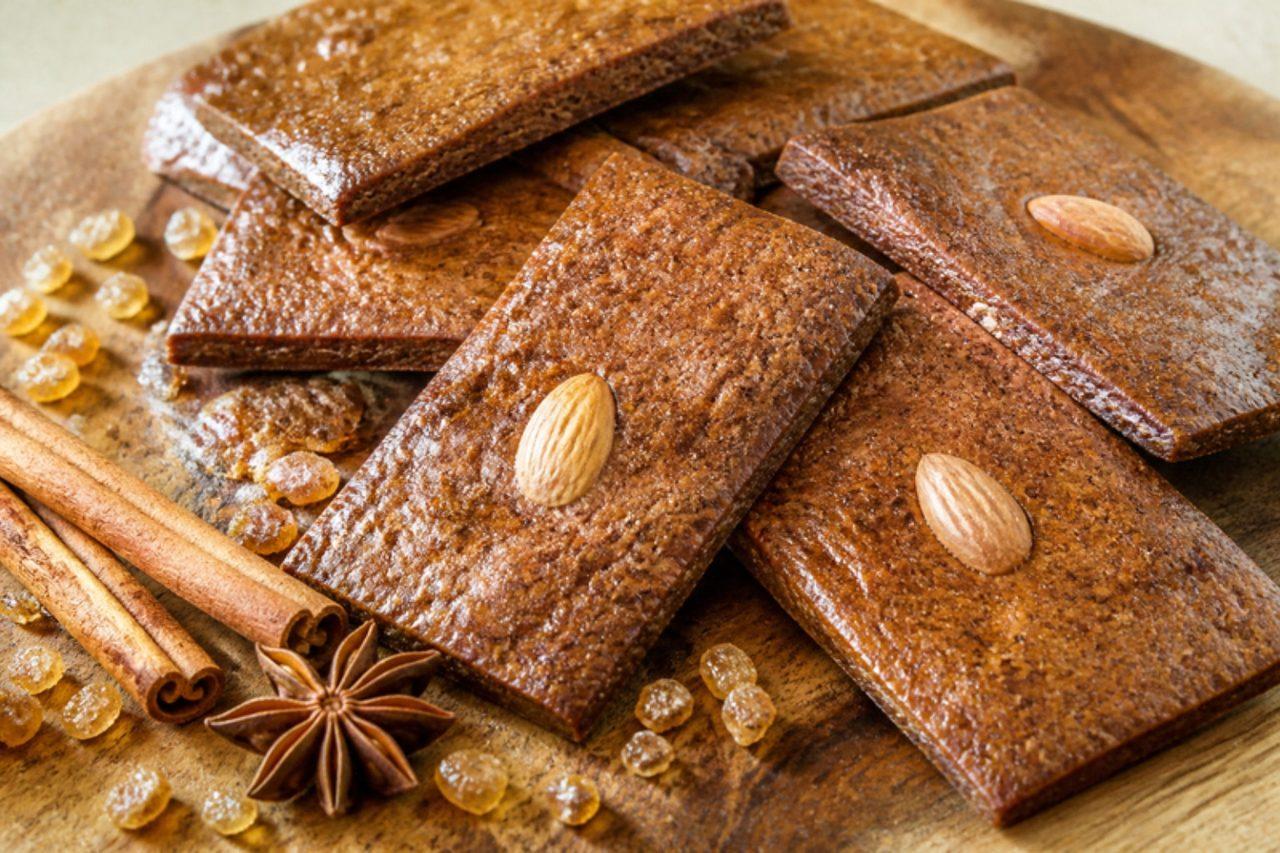
Aachener Printen (Aachen spiced gingerbread slabs)

The bakeries of Aachen have made Printen for centuries, and from late autumn through Christmas the city's shop windows fill with these narrow brown slabs. Unlike soft German Lebkuchen they are firm and snappy, sweetened with dark sugar-beet syrup and studded with little crunchy bits of rock sugar, and they carry a big blend of spices: cinnamon, aniseed, coriander, cloves, cardamom and allspice. The dough rests overnight to develop flavour, then is raised with potash, which gives the dense, crisp texture. Dunk them in coffee or tea, or serve with baked apples. Printen never contained egg: the thick beet syrup is both sweetener and binder, gluing the flour into a stiff dough that sets hard in the oven. Chef's tip: let the syrup cool to lukewarm before mixing in the flour; the common mistake is adding it hot, which starts cooking the flour and gives a tough, rubbery dough.

1465 minGermanBakingVegan
by KrazyBadal 0 views

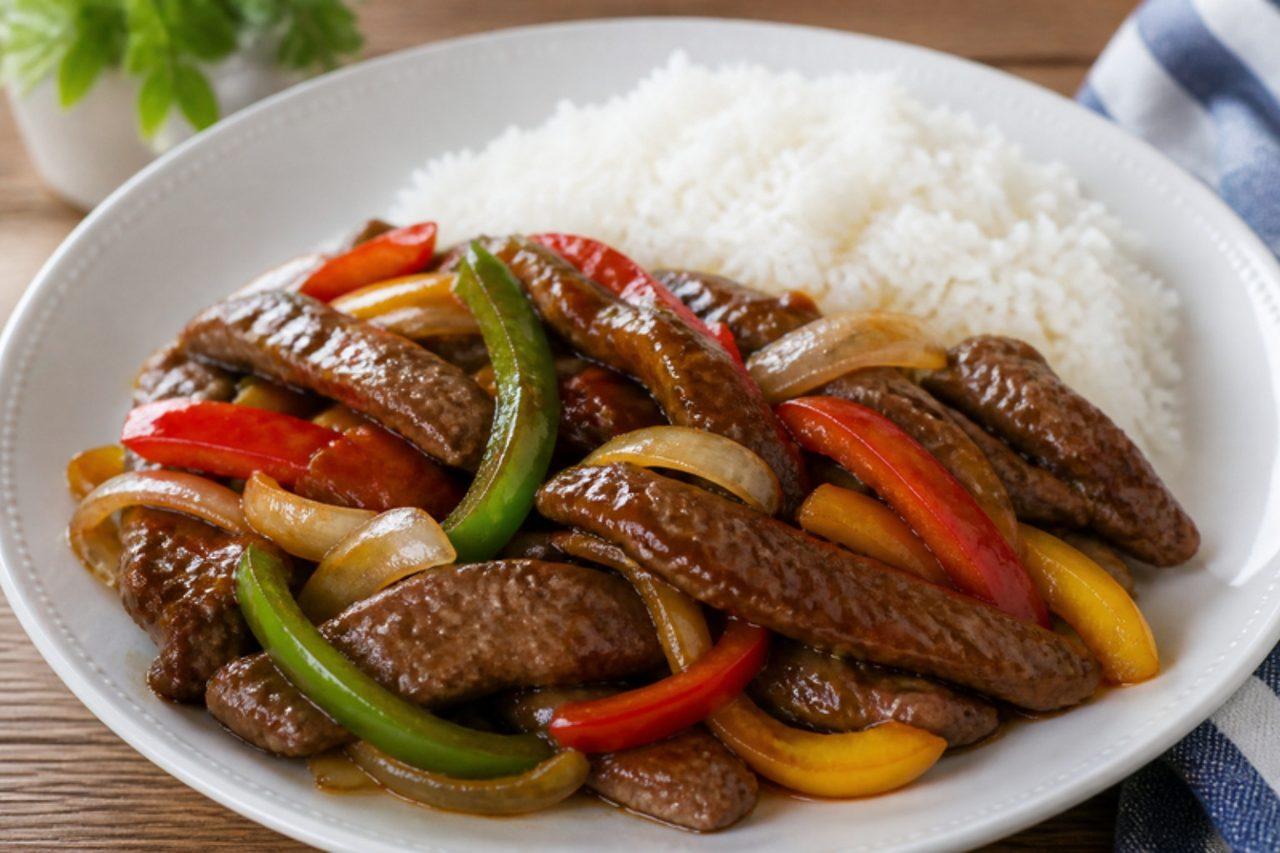
Jamaican pepper steak

Pepper steak came to Jamaica with the Hakka Chinese families who opened groceries and restaurants in Kingston, and it is now a takeaway favourite and a fast weeknight dinner across the island, eaten over white rice or rice and peas. Thin strips of beef are seared hard, then tossed with bell peppers and onion in a glossy soy, ginger and garlic sauce, with a little Scotch bonnet for warmth. The common mistake is crowding the pan, which steams the beef grey and tough; sear it in two batches over a high heat. Chef's tip: slice the beef across the grain while it is very cold or half-frozen; you'll get thin, even strips that stay tender.

by KrazyBadal 0 views

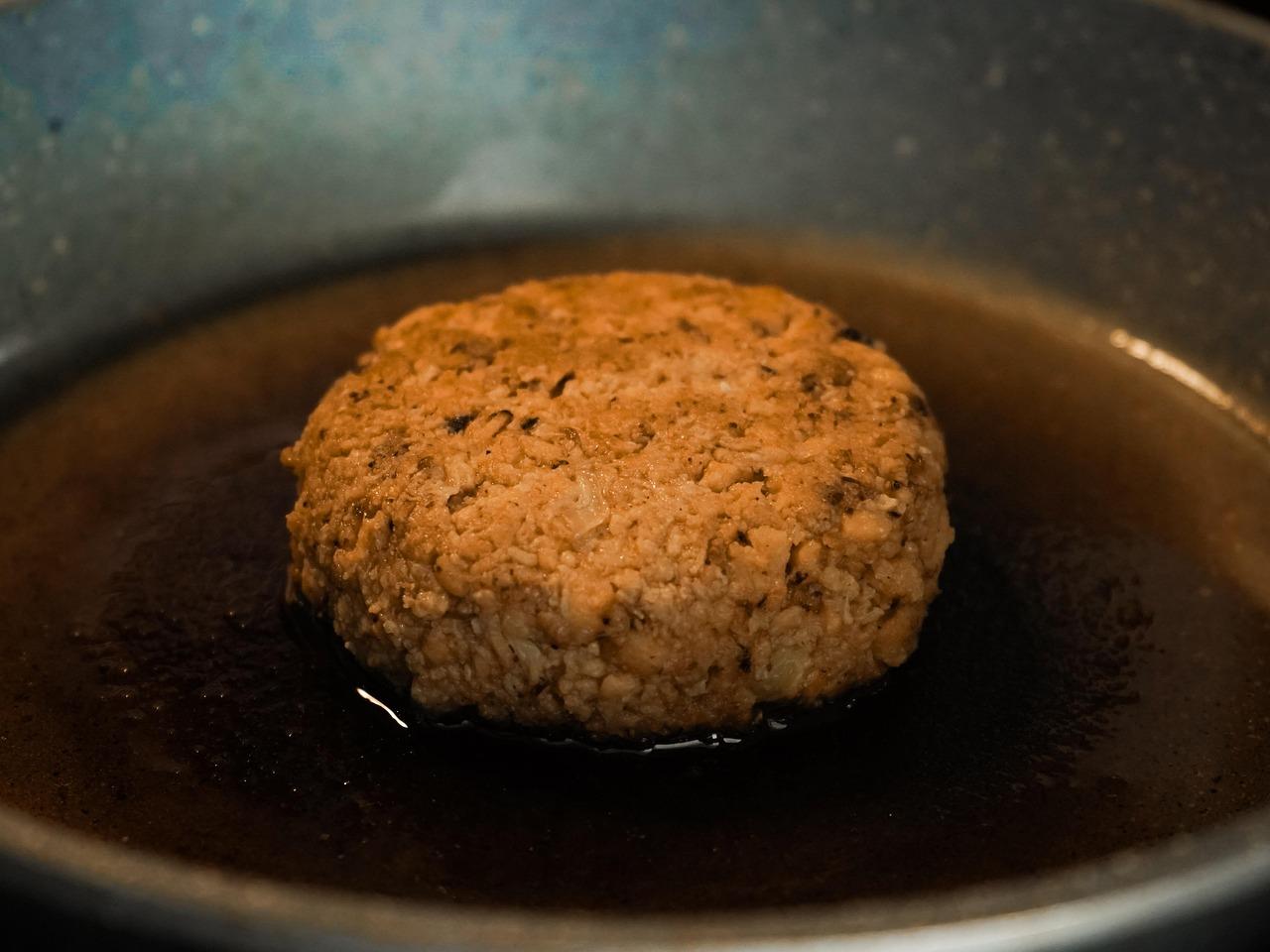
GrünkernbratlingeGreen spelt patties

Grünkern is spelt picked while still green and dried over beech smoke, a speciality of the Bauland and Odenwald in northern Baden. Simmered and shaped into Bratlinge, it became the vegetarian patty of German wholefood kitchens and school canteens, eaten for a weekday lunch with potato salad or a crisp green salad. They are nutty and slightly smoky, crisp outside and soft within. With the herb quark, one portion of three patties gives about 23 g of protein, from the spelt, eggs, mountain cheese and quark. Hard mountain cheese is often made with animal rennet, so choose one labelled vegetarian if that matters to you. The usual mistake is frying the mixture while it is still warm and loose; it must cool and firm up first, or the patties fall apart in the pan. Chef's tip: use coarsely cracked green spelt rather than whole grains; it soaks up the stock evenly and binds without any extra flour.

by KrazyBadal 0 views

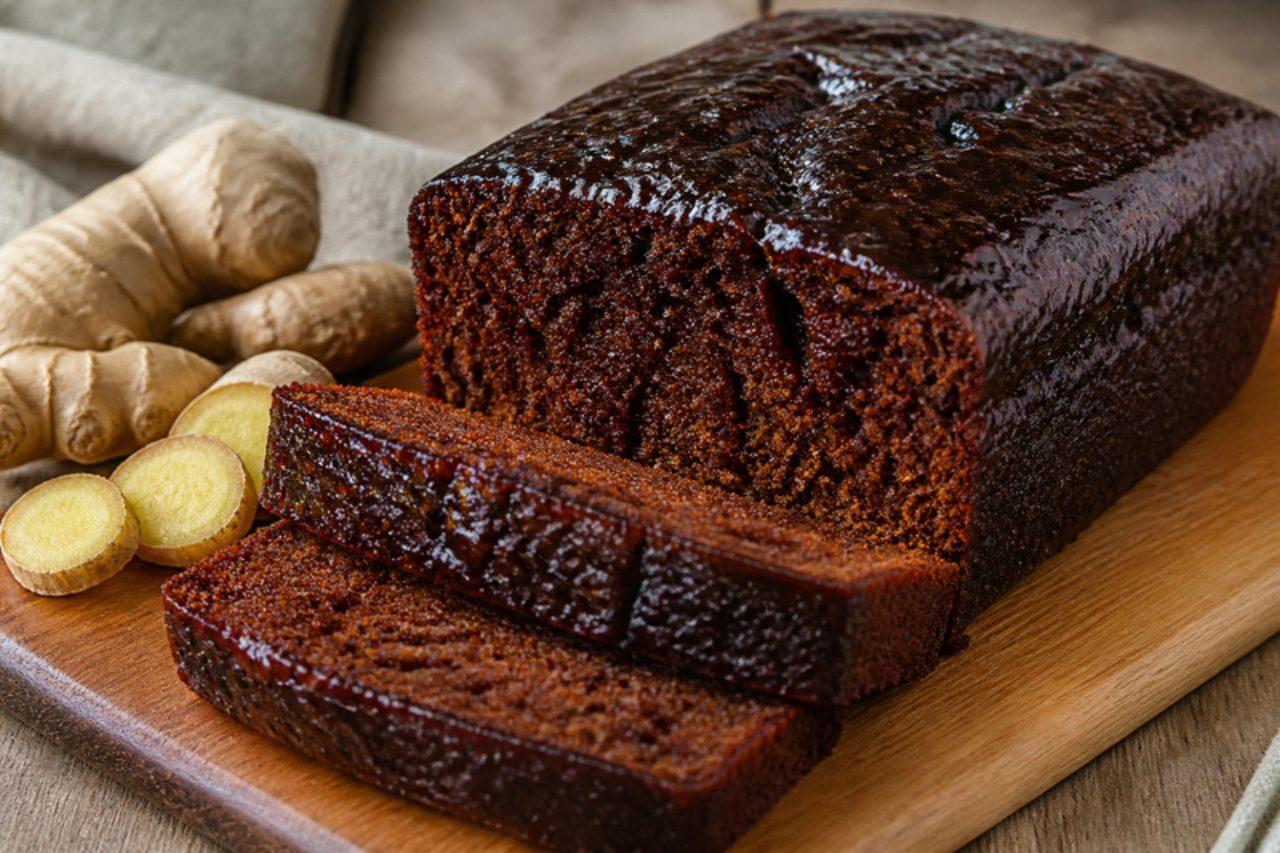
Jamaican ginger cake

Jamaica grows some of the world's most pungent ginger in the hills of Clarendon and St Mary, and island ginger cake shows it off: a dark, sticky loaf made with molasses, a big knob of freshly grated root, and allspice (pimento), another Jamaican crop. Corner shops sell it in wrapped slabs for school lunches and road trips, and at home it comes out with afternoon tea or a cup of hot cocoa. The heat is real but warm, not harsh. Overbaking is the easy mistake: a few minutes too long and it loses its stickiness, so take it out once a skewer comes out clean even if the top still feels slightly tacky. Chef's tip: wrap the cooled cake and leave it a day before slicing; the top turns properly sticky and the ginger mellows.

by KrazyBadal 0 views

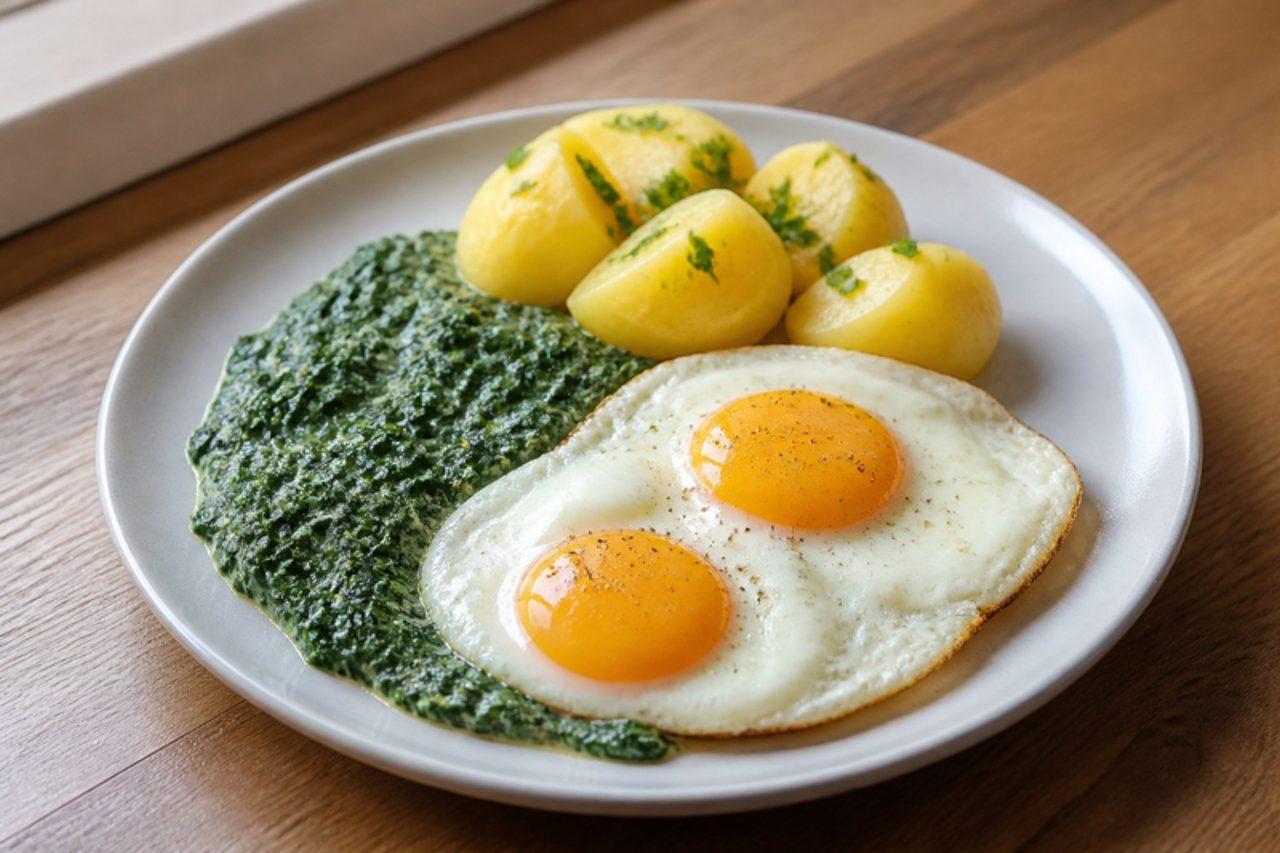
Spinat mit Spiegelei und KartoffelnCreamed spinach with fried egg

Spinat mit Spiegelei und Kartoffeln is the Thursday-night supper many Germans remember from childhood, and still a school-canteen favourite: soft creamed spinach, a sunny fried egg and boiled potatoes, with the yolk running into the green sauce. It is gentle, filling and cheap, and on Maundy Thursday (Gründonnerstag) many families eat it as their green meal. For pregnant people, young children, older or vulnerable people, fry the eggs until the yolks are firm. The most common mistake is adding raw spinach to the sauce without squeezing it, which floods it with water; wilt and squeeze it first. Chef's tip: start the potatoes in cold salted water so they cook evenly through to the centre.

by KrazyBadal 0 views

Showing 24 of 605 recipes

Show more recipes

Page 1 of 26