Skip to content
Recipes

All recipes

Vegetarian, or something you can't eat? Set your diet once and we'll hide recipes that don't fit.

GurkensalatCucumber and dill salad

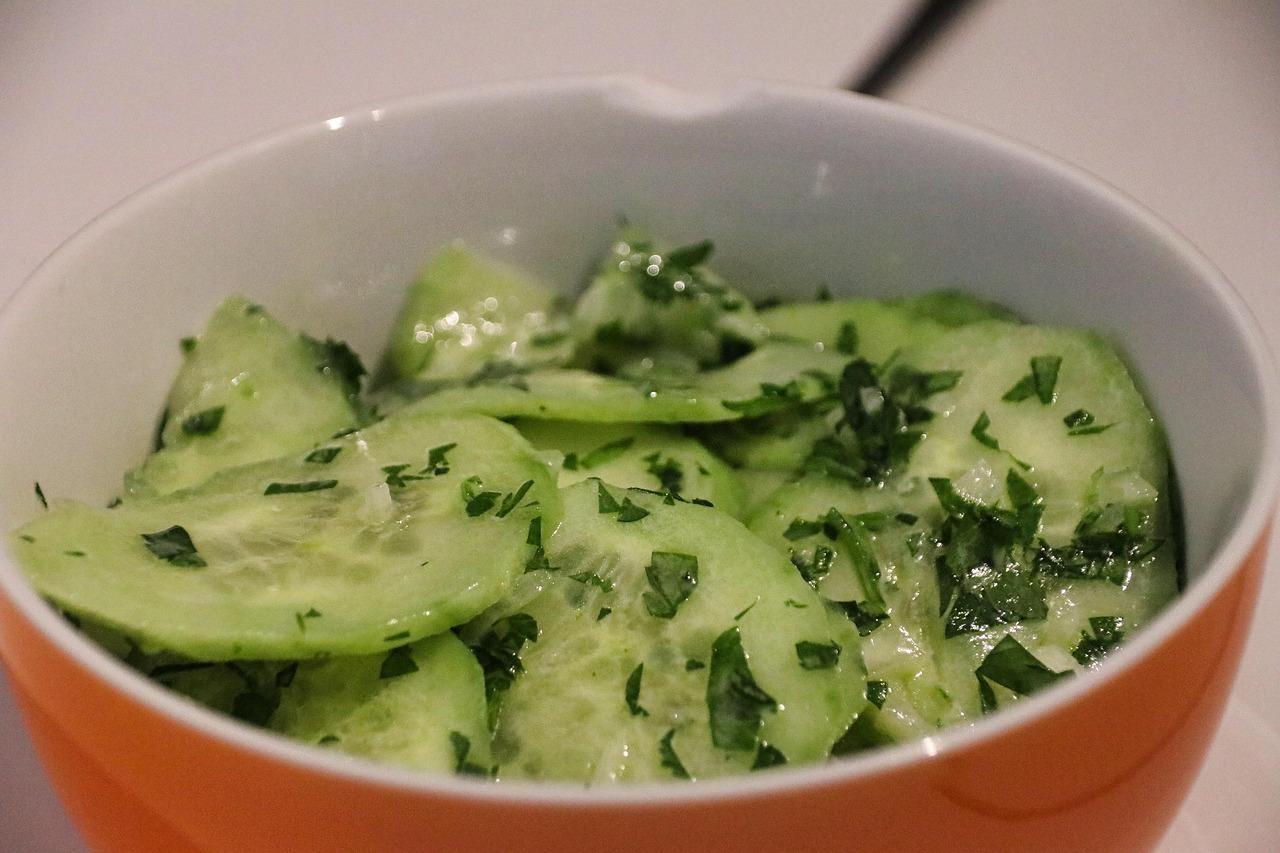
Gurkensalat is on German tables from Bavaria to Berlin all summer, served alongside potato pancakes, egg dishes or the Sunday roast, and it is just as common at a garden barbecue. Cucumber is sliced almost paper-thin, salted briefly, then dressed with a little vinegar, sugar, onion and lots of fresh dill, so it is cool, sharp and soft-crunchy. Some households stir in soured cream; this vinaigrette version is vegan. It is very light, with about 1 g of protein a portion, so it is purely a side. The most common mistake is skipping the salting: unsalted slices weep water into the bowl and dilute the dressing within minutes. Chef's tip: squeeze the salted slices gently in your hands before dressing; they bend like ribbons and take up the dill dressing much better.

by KrazyBadal 0 views

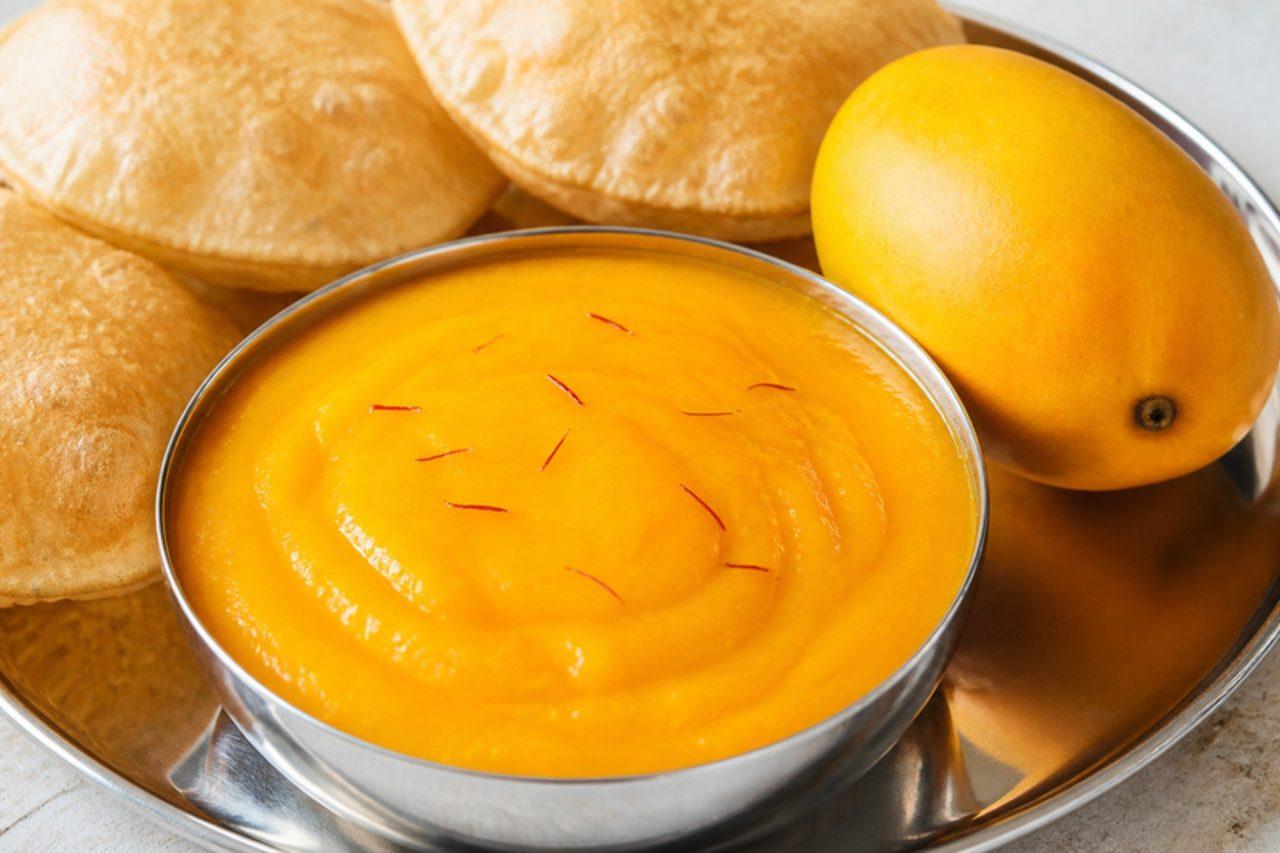
Aamras (spiced mango pulp)

When Kesar mangoes reach Ahmedabad and Alphonsos reach Pune in April and May, aamras appears at almost every summer lunch in Gujarat and Maharashtra. It's simply ripe mango pulp, thick and silky, with a pinch of dry ginger to help digestion, a little cardamom and sometimes a spoon of sugar if the fruit isn't sweet enough. It's eaten as part of the meal rather than after it, scooped up with hot puris, alongside a potato sabzi and dal; in Maharashtra it's also served at Akshaya Tritiya and Gudi Padwa. Spoon it out chilled in bowls, or offer it to children by itself. It is naturally egg-free and vegan: the mango's own thick pulp gives all the body, so nothing needs to bind or set it. Chef's tip: use only soft, fragrant, fully ripe mangoes and press the pulp through a sieve if they are fibrous; under-ripe fruit is the common mistake that makes aamras sour and thin.

by KrazyBadal 0 views

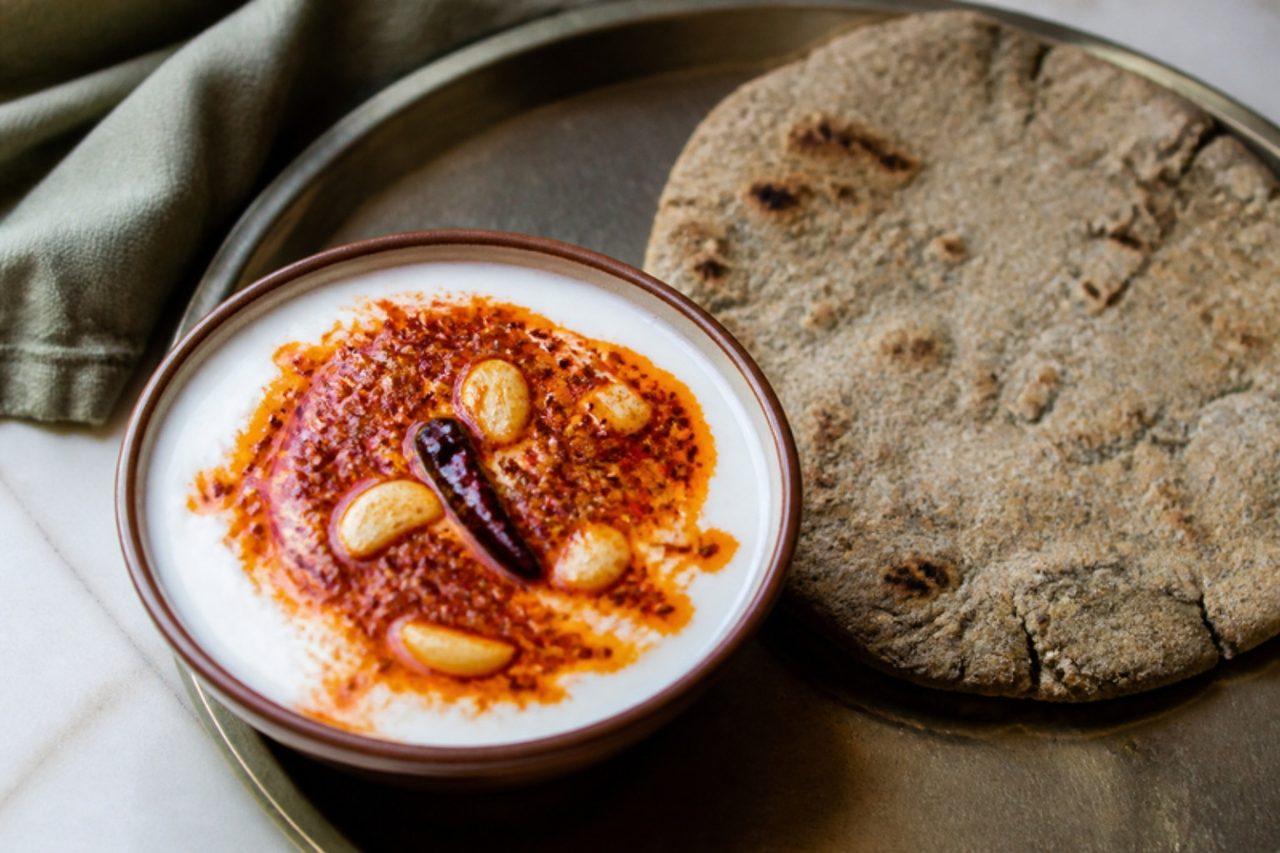
Dahi tikhariYogurt with garlic chilli tempering

Dahi tikhari is a fiery side from the farmhouses and highway dhabas of Kathiawad in Gujarat, where it is scooped up with thick bajra rotla, raw onion and jaggery at supper. Thick yogurt is seasoned with salt, then hot oil with crushed garlic, red chilli and cumin is poured over so it sizzles and streaks the bowl red. It takes ten minutes and cools down a spicy meal while adding its own heat. The common mistake is letting the garlic go dark brown, which makes the whole bowl bitter. Chef's tip: hang the yogurt in a sieve for a few minutes while you prepare the tempering; thicker yogurt holds the oil in pools instead of splitting.

by KrazyBadal 0 views

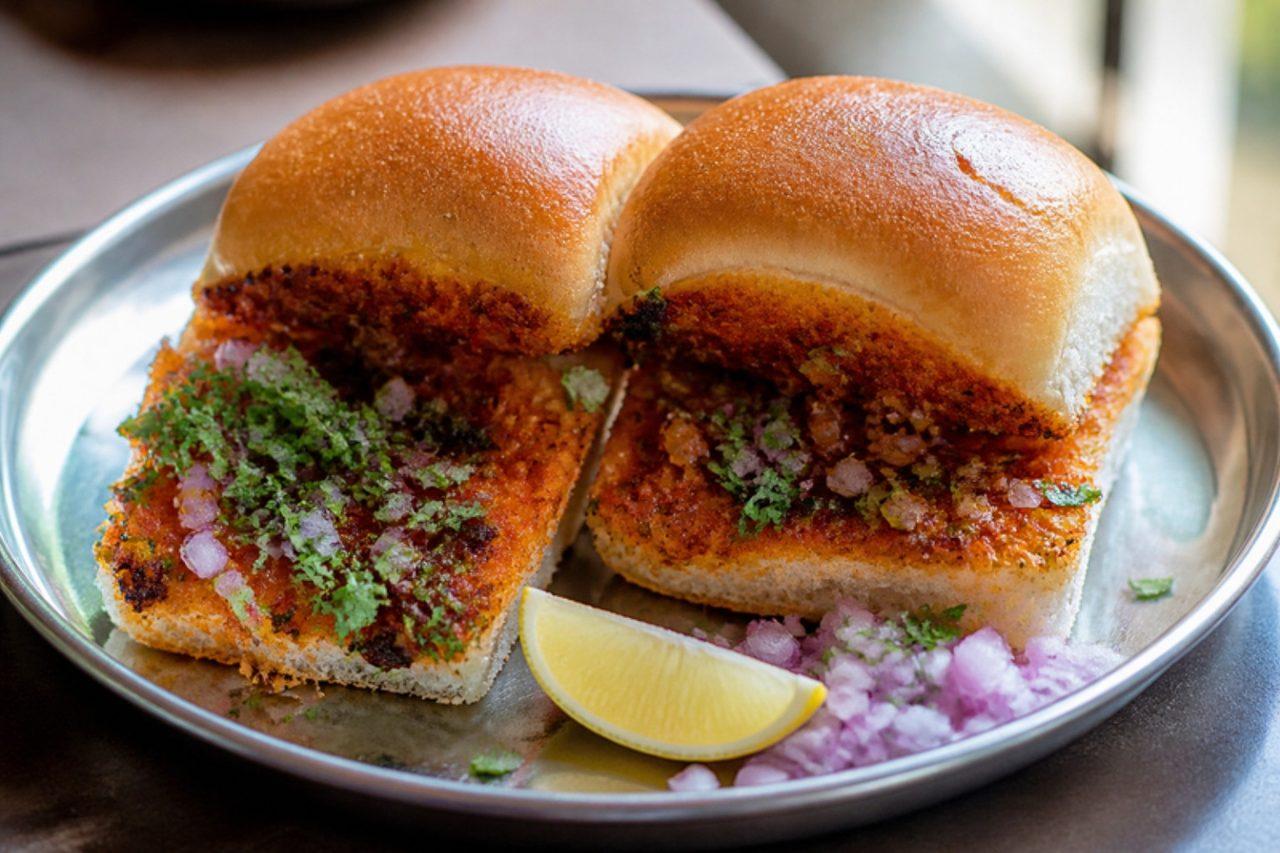
Masala pavSpiced buttered bread buns

Masala pav comes from the pav bhaji stalls of Mumbai, where cooks use the last of the spicy bhaji base to fry split buns on the tawa as a quick evening snack. Here the masala is made fresh: onion, pepper and tomato cooked down in butter with chilli, garlic and pav bhaji masala, then the buns are pressed into it until they soak it up and turn crisp at the edges. It is a fast tea-time snack and a children's favourite with a glass of buttermilk. The usual mistake is putting the buns into a wet, half-cooked masala, which makes them soggy instead of toasty. Chef's tip: cook the masala until it is jammy and clings to the spoon before you add the pav.

by KrazyBadal 0 views

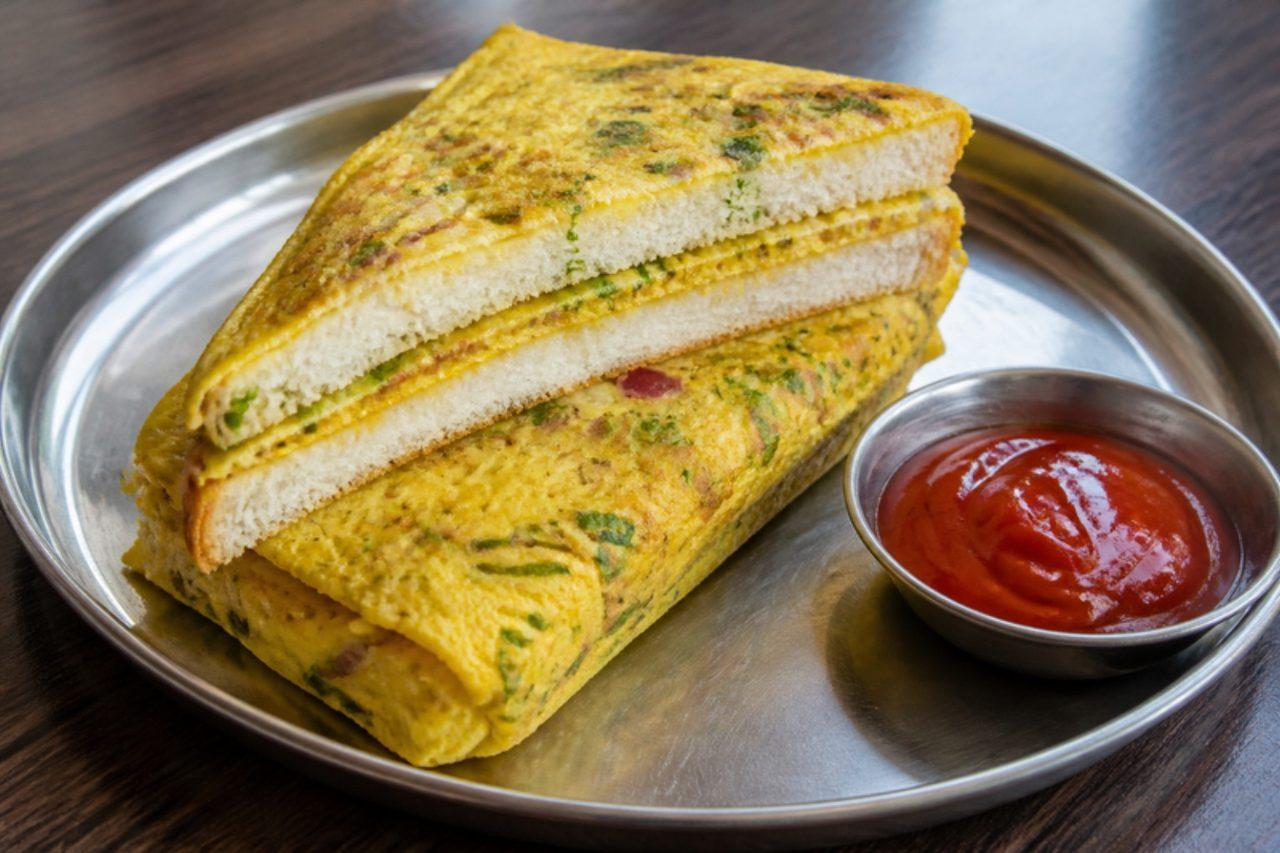
Bread omeletteOmelette sandwich

Every busy corner of Mumbai, and of most Indian cities, has an anda-pav cart where the bread omelette is made to order for breakfast, a college snack or a late-night bite. The trick is that the bread goes into the pan while the egg is still wet, so the egg glues itself onto the slices; the whole thing is then folded into a crisp-edged sandwich with ketchup and green chutney. Children love it, and it is on the plate in ten minutes. The common mistake is pouring the egg and waiting before adding the bread: by then the top has set and nothing sticks. Chef's tip: dip both slices in the raw egg first, then lay them on the omelette, so they soak up a little egg and crisp up like French toast.

by KrazyBadal 0 views

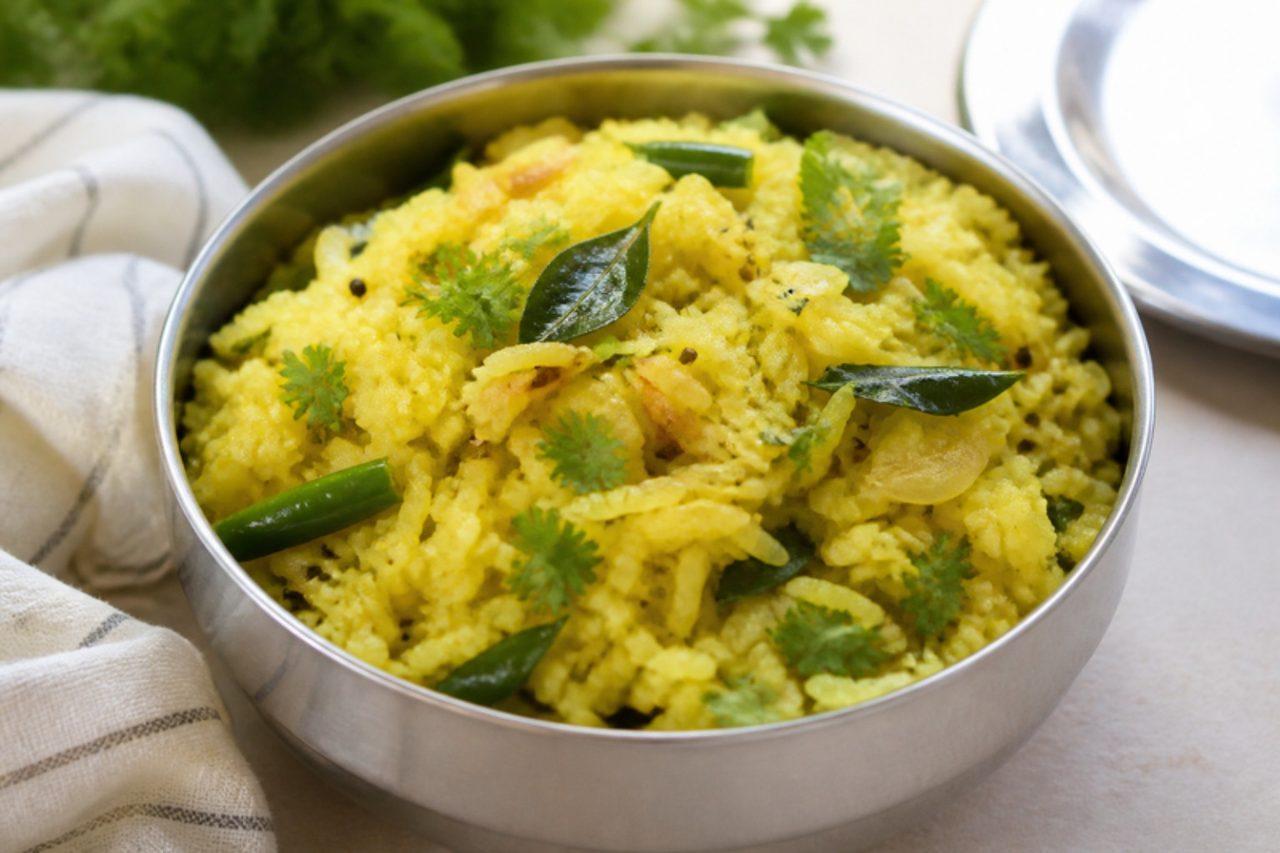
Vagharela bhaatTempered leftover rice

Vagharela bhaat is how Gujarati cooks rescue yesterday's rice: a quick vaghar (tempering) of mustard and cumin seeds, curry leaves, onion and green chilli, then the rice tossed through with turmeric and a squeeze of lemon. It is a one-pan lunch or late dinner, eaten with plain yogurt, a pickle or a bowl of kadhi. The common mistake is using freshly cooked, warm rice, which breaks and goes sticky; cold, fridge-firm rice keeps every grain separate. Food safety: cool leftover rice quickly, keep it in the fridge and use it within a day, and reheat it until piping hot all the way through. Chef's tip: crumble the cold rice with your fingers before it goes in the pan, so you never have to mash clumps in the pan.

by KrazyBadal 0 views

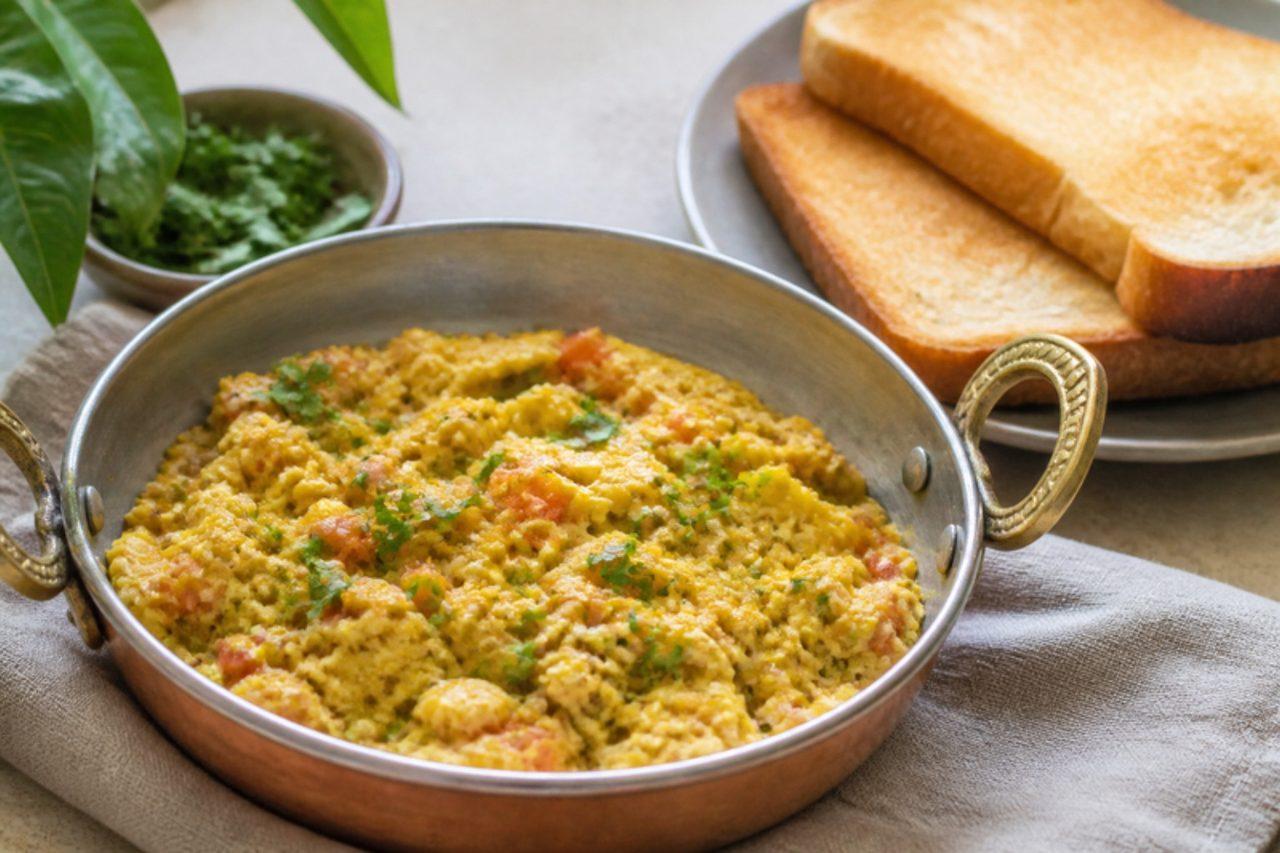
AkuriSpiced scrambled eggs

Akuri is the Parsi community's breakfast scramble, served in Mumbai's old Irani cafés and Parsi homes on Sunday mornings with soft pav or buttered toast. It is softer and wetter than an ordinary scramble, cooked slowly so the eggs stay creamy and barely set, with sweet fried onion, tomato, ginger, green chilli and plenty of coriander. A spoonful of milk keeps it silky. The common mistake is cooking it over high heat: the eggs seize into hard, rubbery curds and the masala catches. Chef's tip: take the pan off the heat while the eggs still look slightly underdone, because they keep cooking on the plate.

by KrazyBadal 0 views

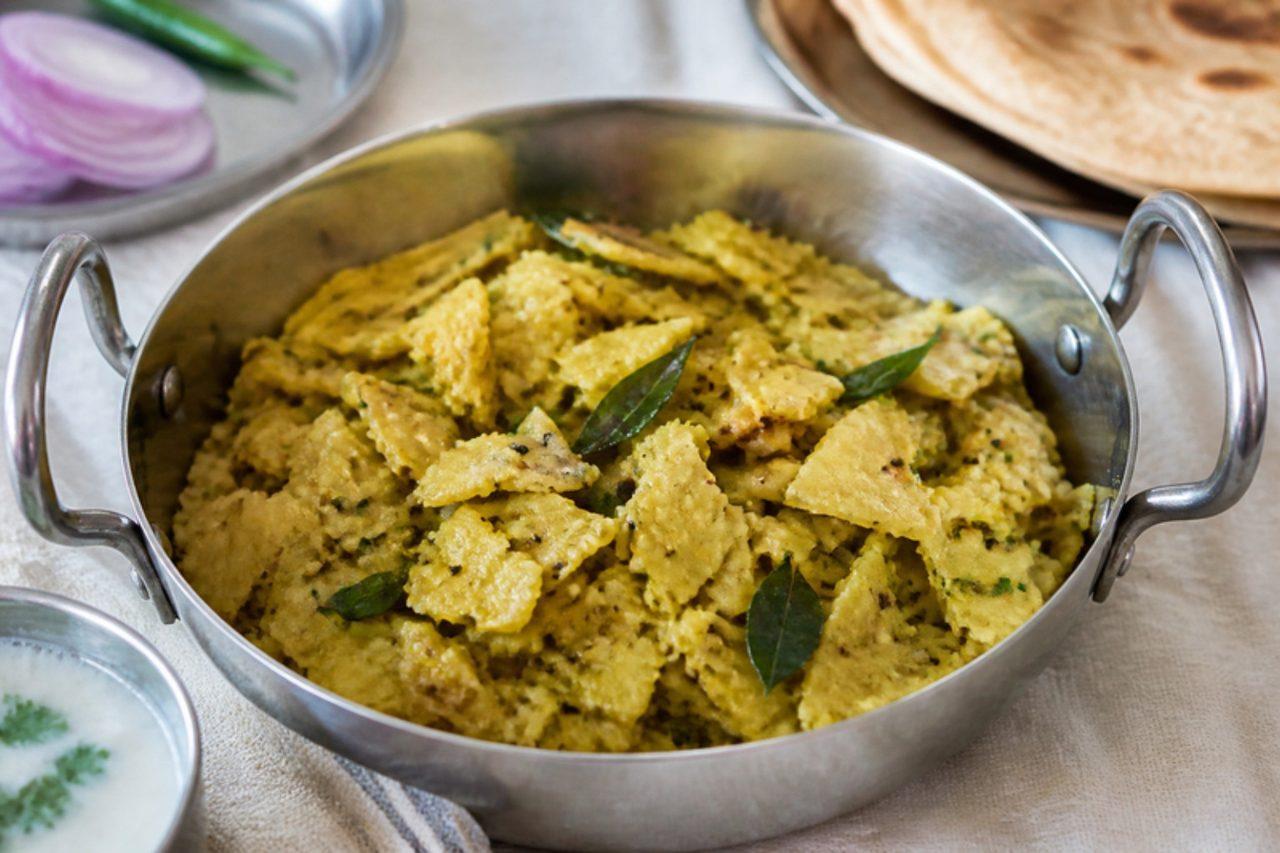
Vaghareli rotliStir-fried leftover flatbread

In Gujarati homes the last night's rotlis never go to waste: torn into pieces and tossed in a mustard-seed tempering with tangy yogurt, a little jaggery and green chilli, they become vaghareli rotli, a sweet-sour-hot breakfast or light supper on the table in fifteen minutes. The pieces soak up the seasoning and turn soft in the middle with a few crisp edges. Serve it with a cup of masala chai. The usual mistake is adding too much yogurt water, which turns the rotli into paste. Chef's tip: use rotlis that are a day old and slightly dry; fresh ones go gluey.

by KrazyBadal 0 views

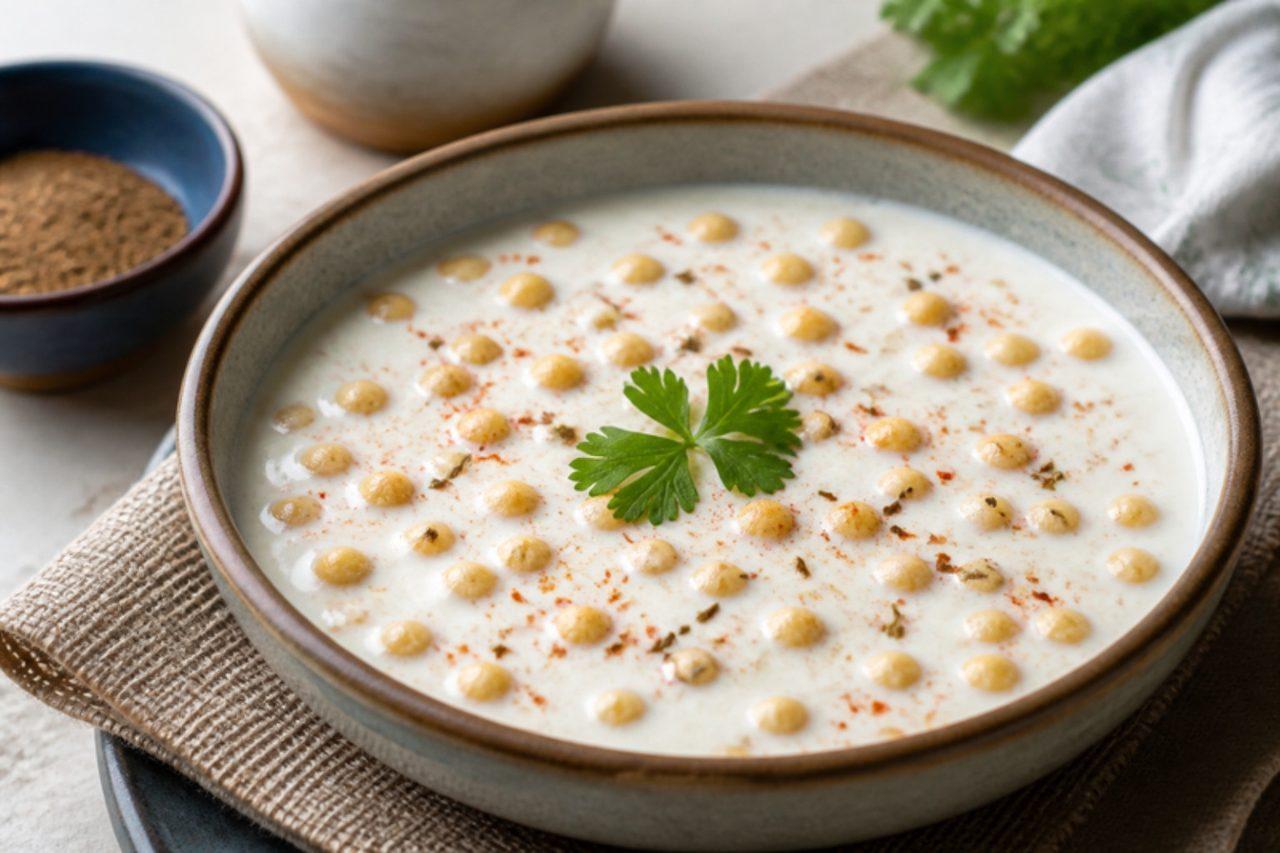
Boondi raitaYogurt with gram flour pearls

Across North India, from Delhi dhabas to Rajasthani wedding buffets, boondi raita is the cooling bowl that turns a plain weeknight dal and rice or a spicy pulao into a proper meal. Tiny fried gram-flour pearls (boondi) are softened briefly and folded into whisked yogurt seasoned with roasted cumin, black salt and red chilli, so each spoonful is creamy with soft little pops. Ready-made salted boondi is sold in Indian shops; check the packet says it is made only with gram flour if you need it gluten free. The common mistake is leaving the boondi to soak too long, which turns it to mush. Chef's tip: soak the boondi in warm water for just 2 minutes and squeeze it gently; this rinses off excess oil and salt and keeps the raita light.

by KrazyBadal 0 views

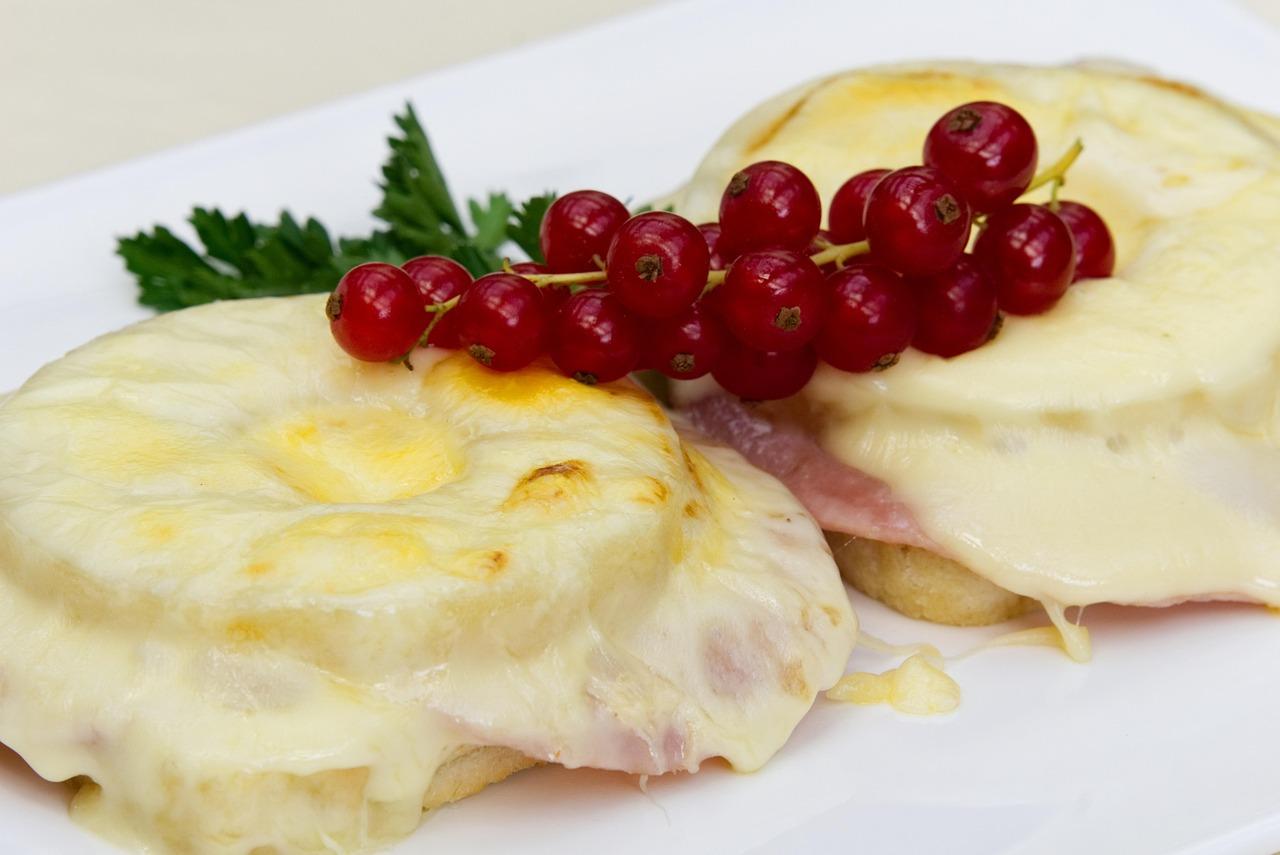
Toast HawaiiHam, pineapple and cheese toast

Toast Hawaii arrived in West German kitchens in the 1950s and never left: a slice of buttered toast layered with cooked ham (pork), a ring of pineapple and a slice of cheese, baked until the cheese melts down over the sides. It is still a nostalgic Saturday supper or party snack from Hamburg to Munich, often crowned with a cocktail cherry in the pineapple's hole. The mistake that ruins it is using pineapple straight from the tin, whose juice soaks the bread; drain the rings well and pat them dry. Chef's tip: toast the bread lightly before topping it, so the base stays crisp under the juicy layers.

by KrazyBadal 0 views

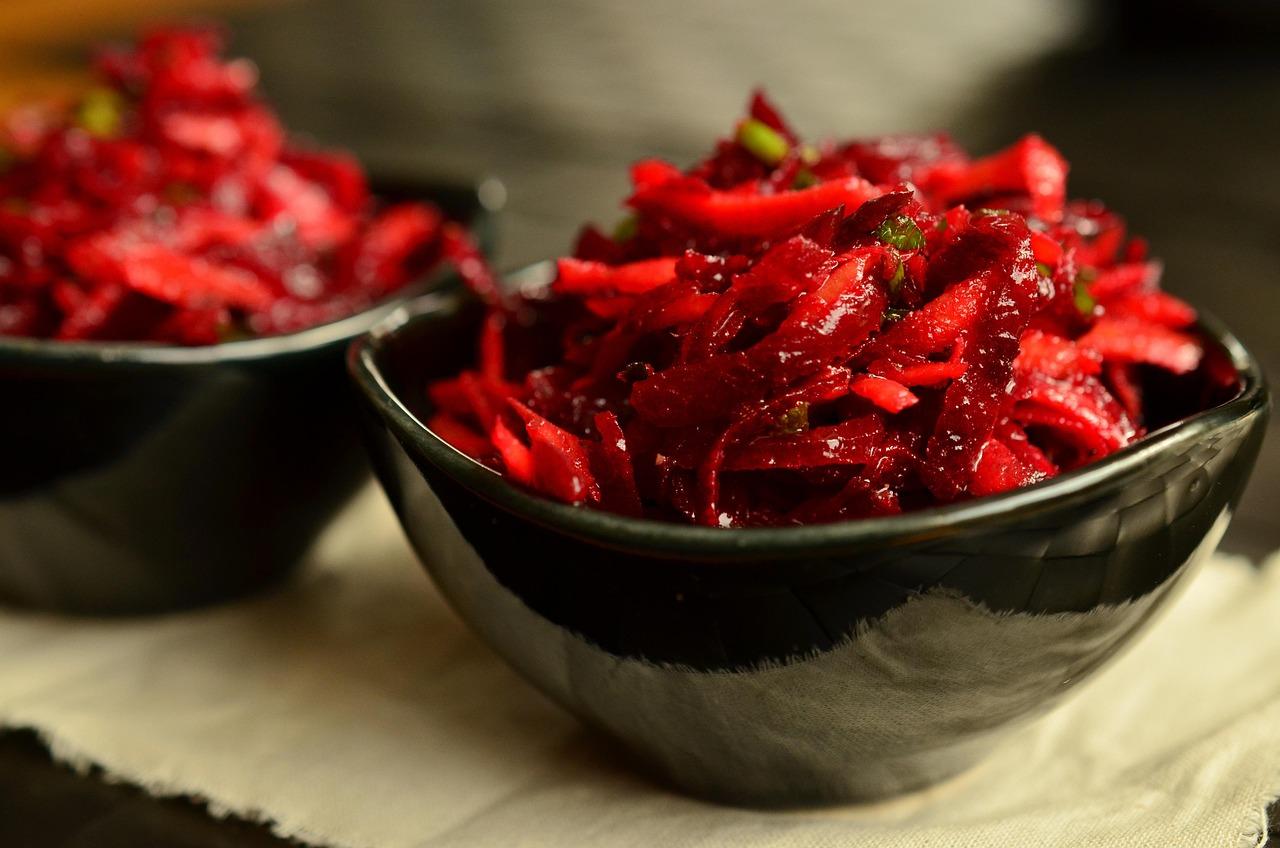
Rote-Bete-SalatBeetroot salad

Rote-Bete-Salat is on the table in German homes through autumn and winter, beside potato pancakes, fried eggs or simply bread and butter. Cooked beetroot is cut into slices or batons and dressed with onion, vinegar, oil and a little caraway or grated horseradish, so it is sweet, earthy and sharp at once. It is vegan, gluten free and keeps for days in the fridge. The most common mistake is serving it straight after dressing: give it at least 10 minutes, or better an hour, so the beetroot soaks up the flavour. Chef's tip: wear gloves or rub your hands with lemon juice afterwards, as beetroot stains everything it touches.

by KrazyBadal 0 views

Masala omeletteSpiced chilli omelette

From hostel kitchens in Pune to the egg carts outside Chennai railway stations, the masala omelette is what India makes when breakfast, a late supper or a tiffin filling has to be ready in minutes. Eggs are beaten with raw onion, tomato, green chilli, coriander and a pinch of turmeric, then spread thin on a hot tawa so the edges crisp and the middle stays soft and juicy. Eat it folded with buttered toast, rolled in a chapati, or beside dal and rice. The usual mistake is chopping the onion and tomato too coarsely: big pieces stop the egg setting round them and the omelette tears when you flip it. Chef's tip: salt the eggs only at the last second before they hit the pan, because salted tomato weeps water into the batter and the omelette turns spongy.

by KrazyBadal 0 views

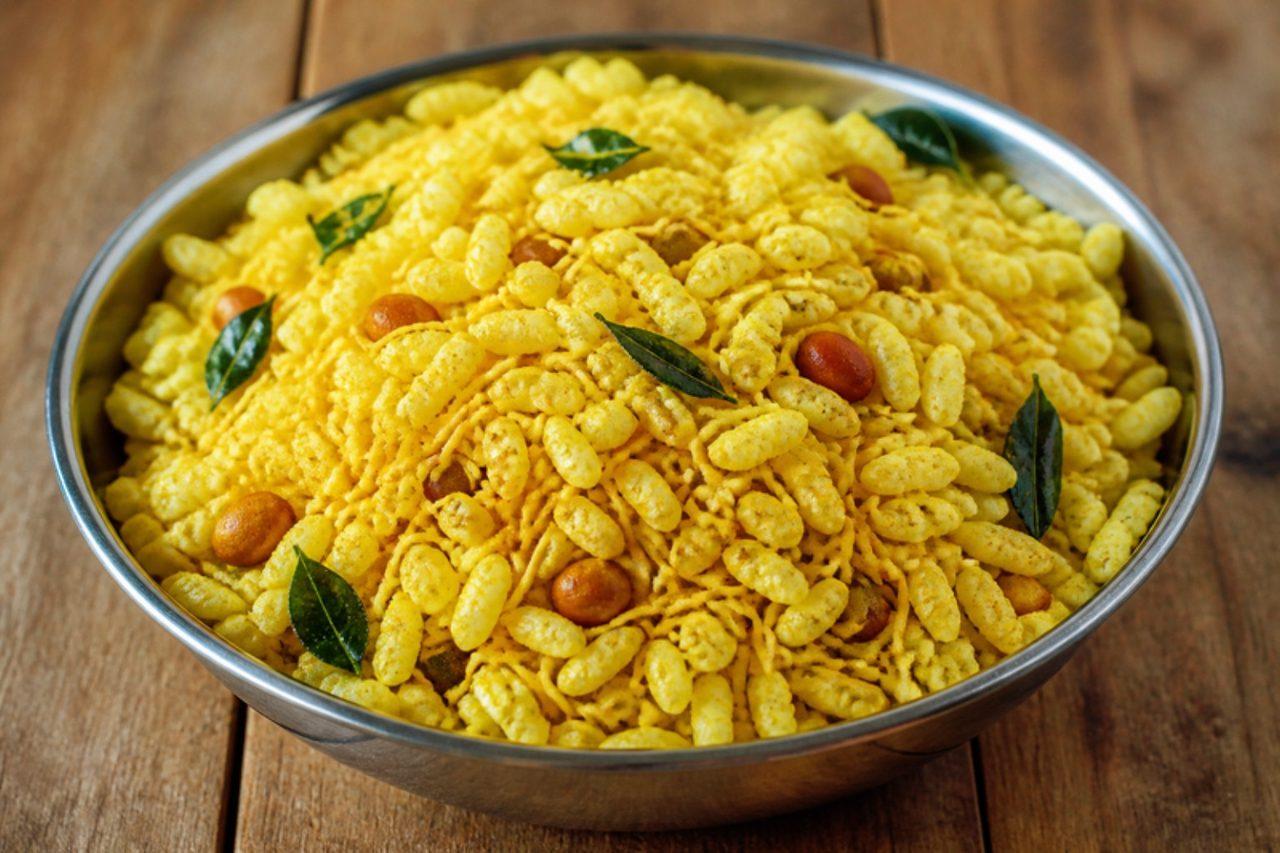
Sev mamraPuffed rice snack mix

In Gujarati homes from Ahmedabad to Surat, a big steel tin of sev mamra is always ready for children coming home from school, unexpected guests and train journeys. Puffed rice is tossed in a little hot oil with turmeric, curry leaves and peanuts until crisp, then mixed with fine gram-flour sev for a savoury, mildly tangy crunch. A pinch of sugar is traditional; it is optional here. It contains peanuts. Whole peanuts are a choking risk for under-5s, so leave them out or crush them for little ones. Chef's tip: warm the puffed rice in the pan for a few minutes first; even slightly stale mamra turns crisp again.

by KrazyBadal 0 views

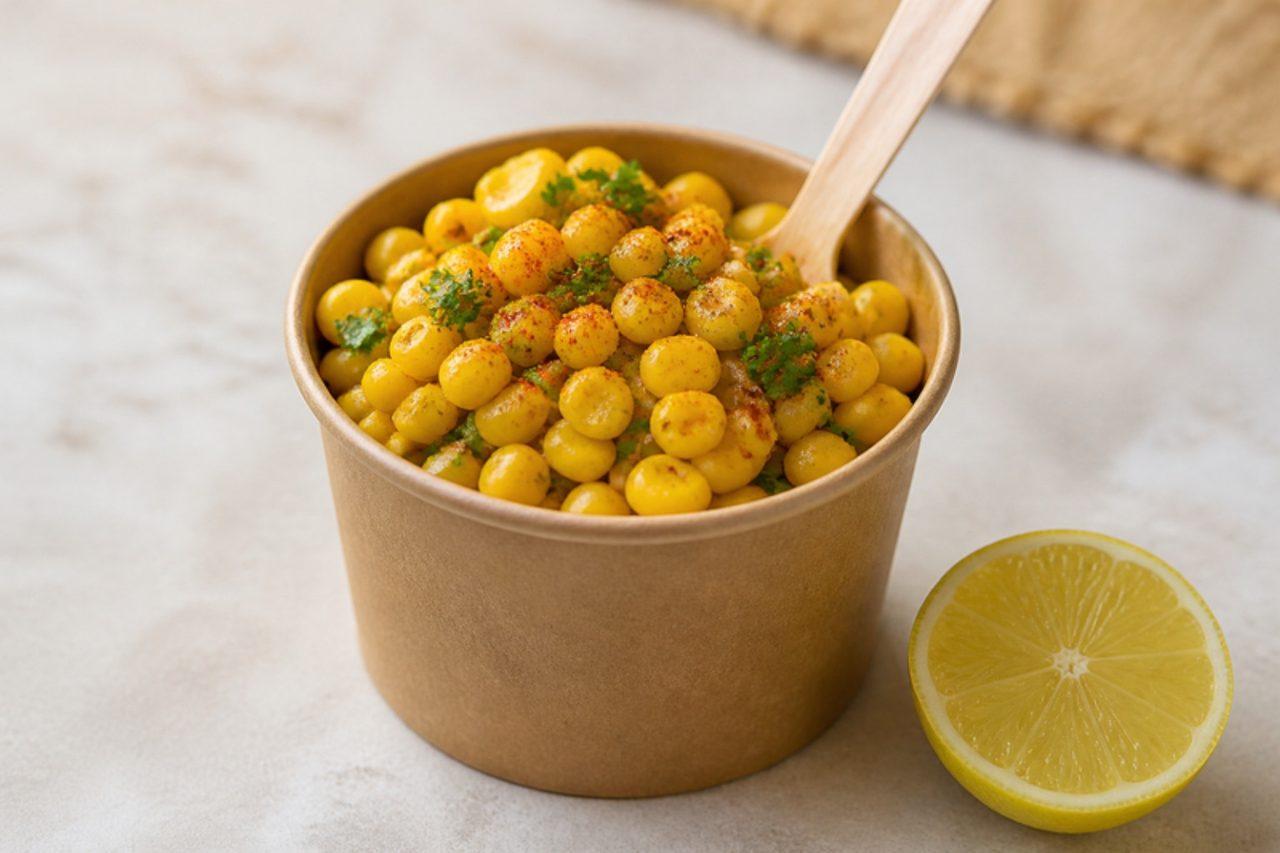
Masala corn cup

In Mumbai and other Indian cities, cups of hot masala corn are sold at beaches, cinema halls and outside tuition classes, and children grab them after school as an easy, savoury snack. Steamed sweetcorn kernels are tossed with butter, a squeeze of lemon and tangy chaat masala, with a little chilli for older children. It is quick and naturally sweet. It contains milk (butter). Chef's tip: add the lemon only at the very end, off the heat, so it stays bright and doesn't make the butter split.

by KrazyBadal 0 views

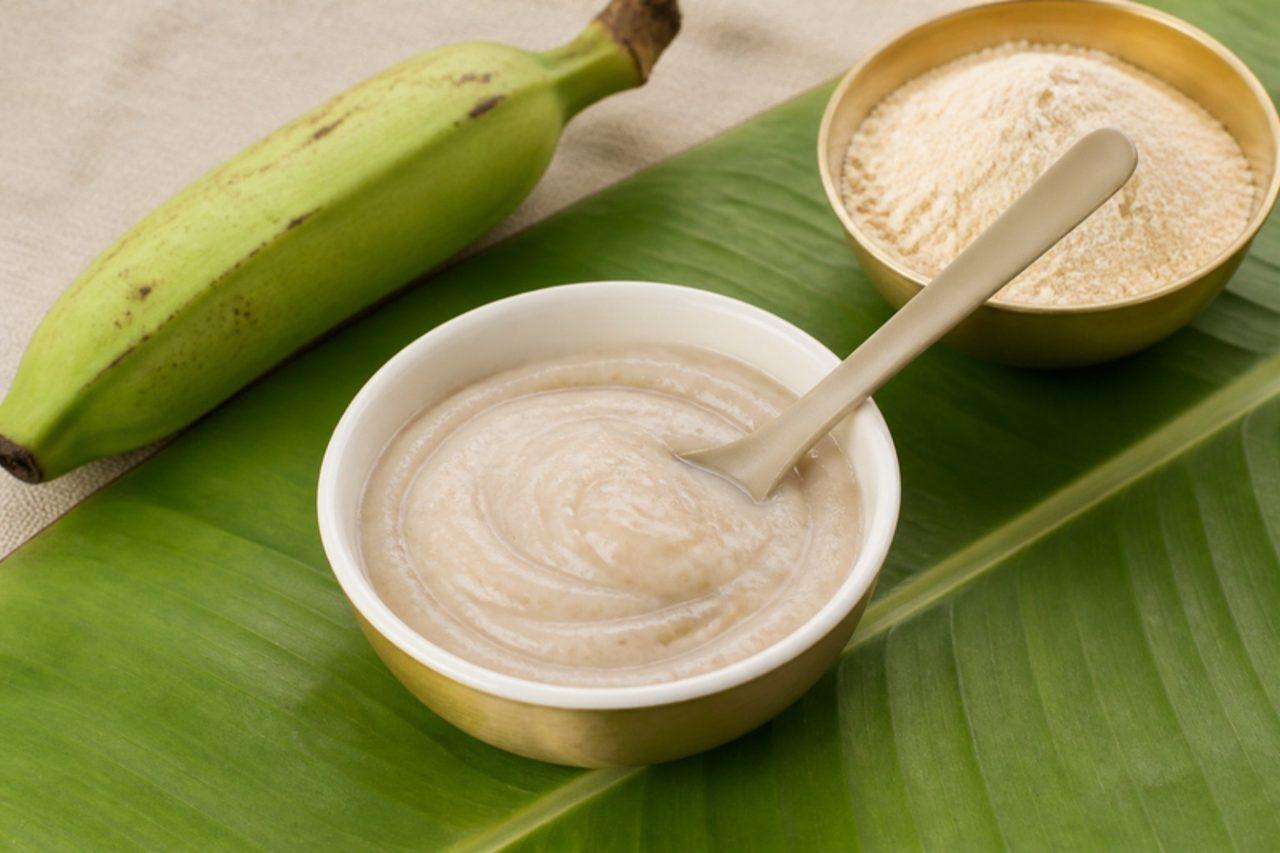
Nendran banana powder kurukku (ethakka podi kurukku)

In Kerala, families dry slices of raw nendran banana in the sun, grind them to a cream-coloured flour and cook it into kurukku, a smooth, thick porridge that has been a baby's first food in the state for generations. It is usually given mid-morning, and grandmothers often keep a jar of home-made ethakka podi for each new grandchild. It tastes gently sweet and slightly earthy. It contains none of the common allergens (milk, egg, gluten, peanut, tree nuts, soya, sesame, fish). Chef's tip: to make the powder at home, peel raw nendran bananas, slice them thinly, dry them in a low oven or the sun until brittle, then grind and sieve.

by KrazyBadal 0 views

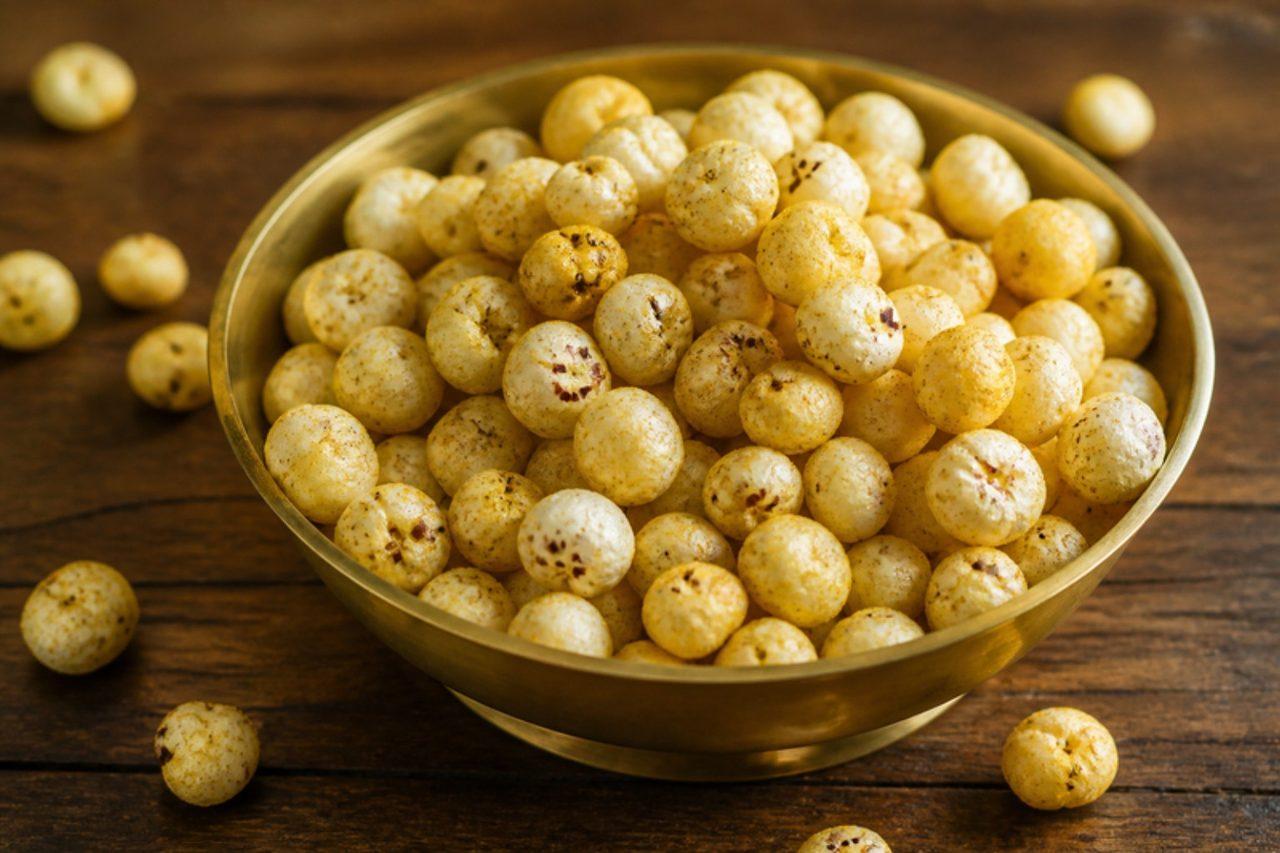
Roasted makhana (crunchy fox nuts)

Across North India, a jar of roasted makhana sits on the kitchen shelf for after-school munching, Navratri fasting days and evening cricket on television. The puffed lotus seeds turn from soft to crisp and light in a few minutes of slow roasting in ghee, like a nutty, savoury popcorn. Rock salt and pepper keep it suitable for fasting; turmeric or chaat masala are everyday variations. It contains milk (ghee). Whole makhana are a choking risk for under-5s, so crush them for little ones. Chef's tip: test one before you season: it should snap with a clean crunch, not bend.

by KrazyBadal 0 views

ApfelschorleApple juice spritzer

At any German beer garden, from Munich's Chinese Tower to the cider taverns of Frankfurt, the drink for children, drivers and anyone on a hot afternoon is Apfelschorle: cloudy apple juice topped up with sparkling mineral water. Germans drink it at family lunches, after sport and at school summer parties, and it is far less sweet than juice alone. The usual mix is half and half, but many people go lighter on the juice. The common mistake is pouring the water first, which knocks out the bubbles. Chef's tip: use naturally cloudy apple juice and very cold, strongly sparkling water, and pour the water in slowly down the side of the glass.

by KrazyBadal 0 views

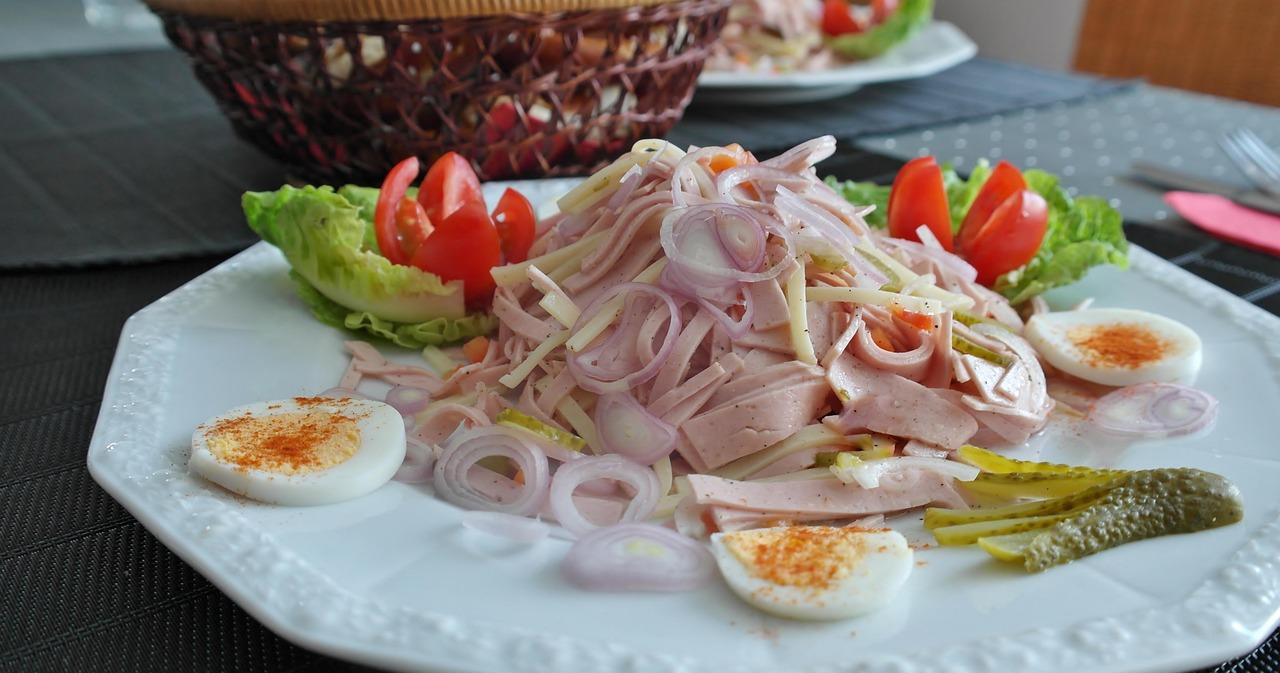
Bayerischer WurstsalatBavarian sausage salad

Bavarian Wurstsalat is the Brotzeit plate of the beer garden: thin strips of Regensburger or Lyoner, mild cooked pork sausages, tossed with onion rings and gherkins in a sharp, slightly sweet vinegar dressing, and eaten with a pretzel in the shade of chestnut trees. At home it is a fast summer supper on a warm evening. Swabians add cheese and call it Schweizer Wurstsalat. A common mistake is drowning it in oil; the dressing should be mostly vinegar and gherkin brine. Chef's tip: leave the dressed salad for 30 minutes in the fridge so the onion softens and the sausage picks up the vinegar.

by KrazyBadal 0 views

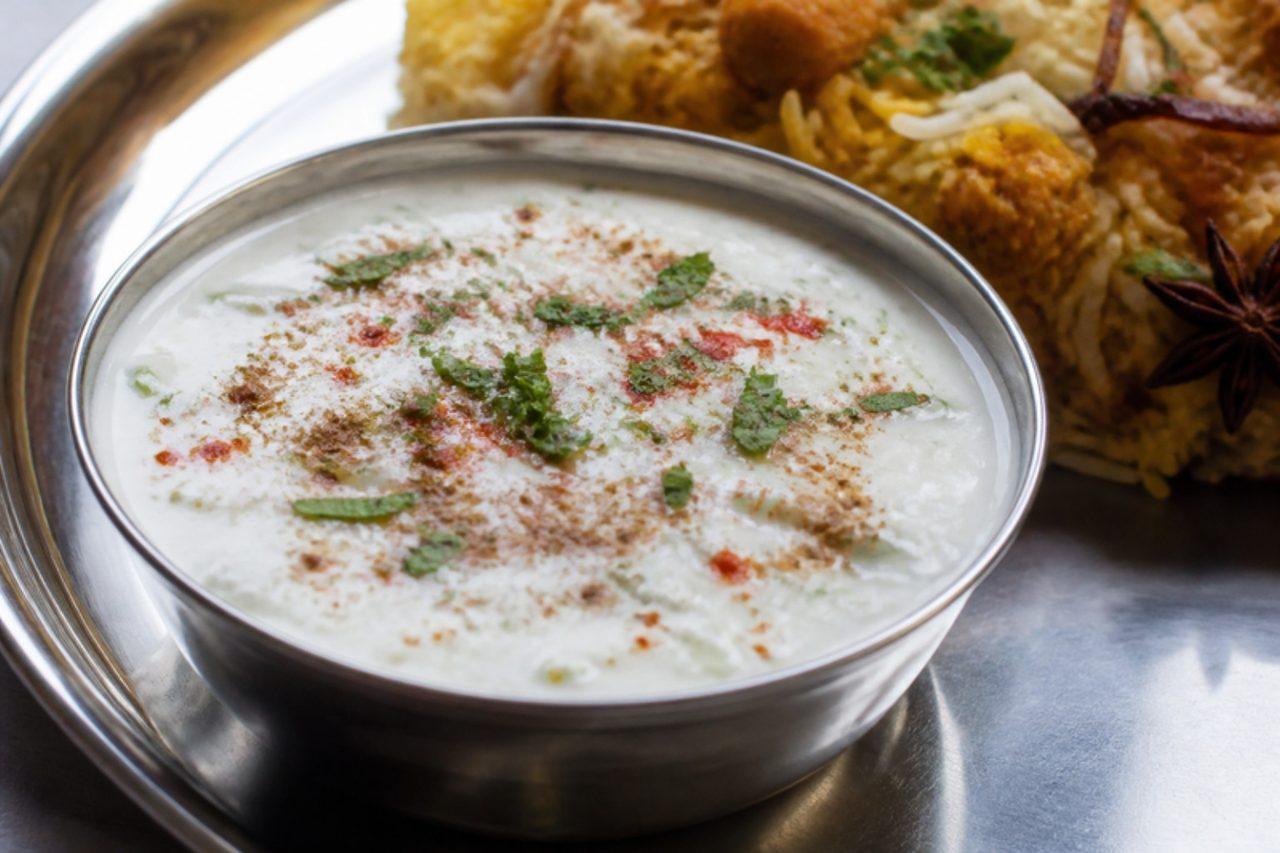
Kheera raitaCucumber yogurt dip

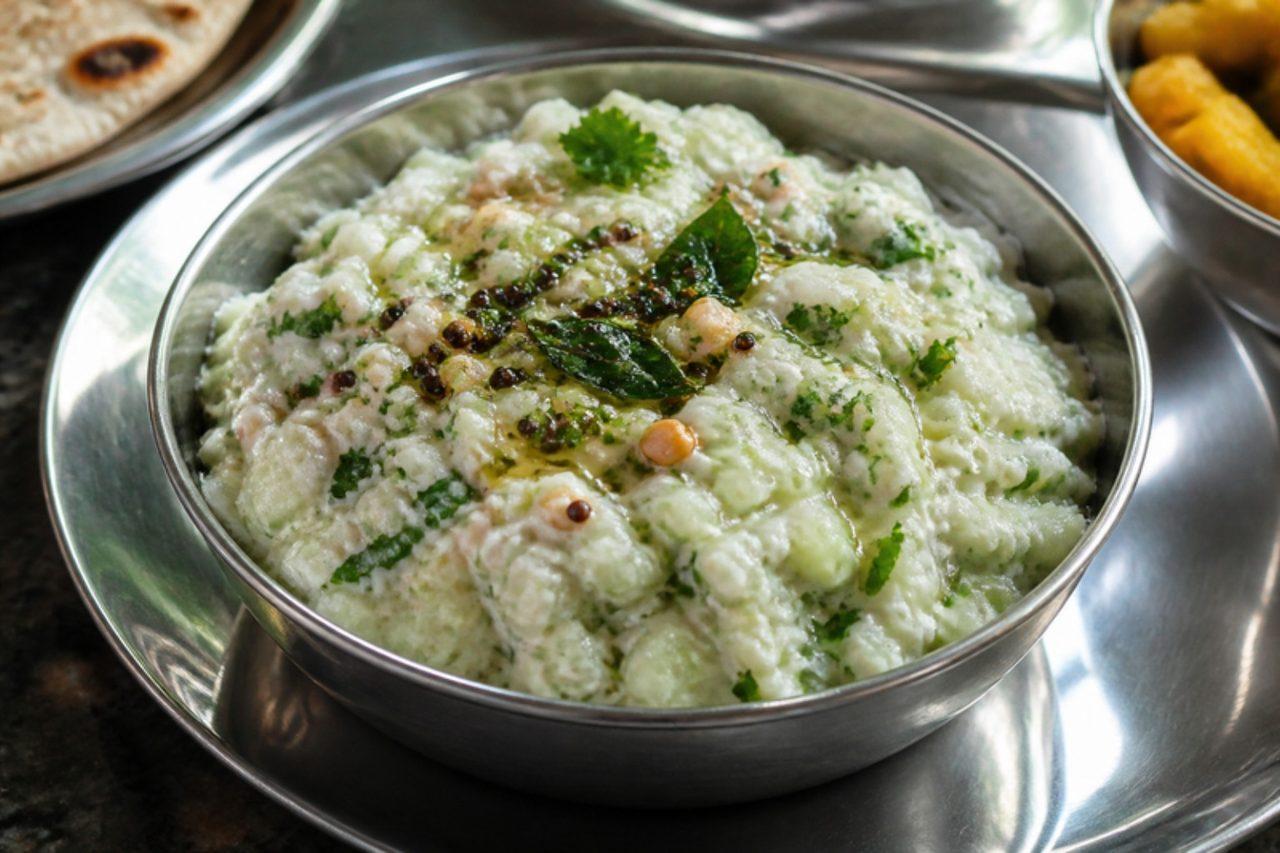
From Lucknow dinner tables to the biryani counters of Old Delhi, a bowl of cucumber raita is the cooling answer to anything spicy, and in summer it is eaten on its own with a paratha. Grated cucumber is folded into smooth, whisked yogurt with freshly roasted cumin, mint and a pinch of black salt. A portion is about 70 kcal. The common mistake is using yogurt straight from the pot without whisking, which gives a lumpy raita; whisk it smooth first and thin it with a spoon of cold water if needed. Chef's tip: roast whole cumin seeds in a dry pan and crush them yourself just before serving; the smoky smell is what makes a raita sing.

by KrazyBadal 0 views

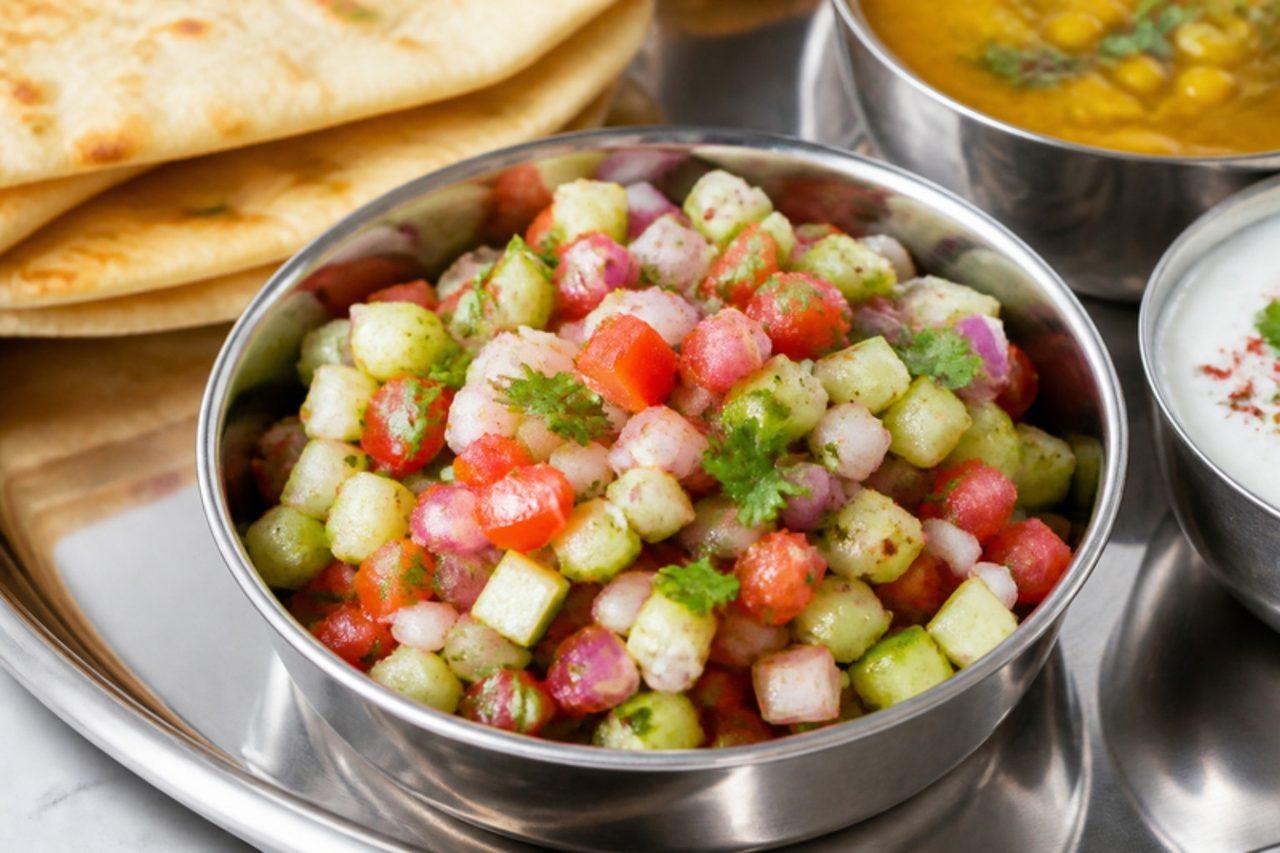
KachumberCucumber tomato onion salad

No North Indian or Gujarati thali is complete without a little heap of kachumber, the chopped salad that cuts through rich dal makhani, biryani or chhole in homes and dhabas from Delhi to Ahmedabad. Cucumber, tomato and onion are diced small and dressed only with lemon juice, salt, chilli and roasted cumin, so it stays crisp and sharp. A portion is about 40 kcal. The most common mistake is salting it too early; salt draws the water out of the cucumber and tomato and leaves a soggy puddle, so dress it just before serving. Chef's tip: soak the chopped onion in iced water for 5 minutes and drain; it loses its harsh bite and stays crunchy.

by KrazyBadal 0 views

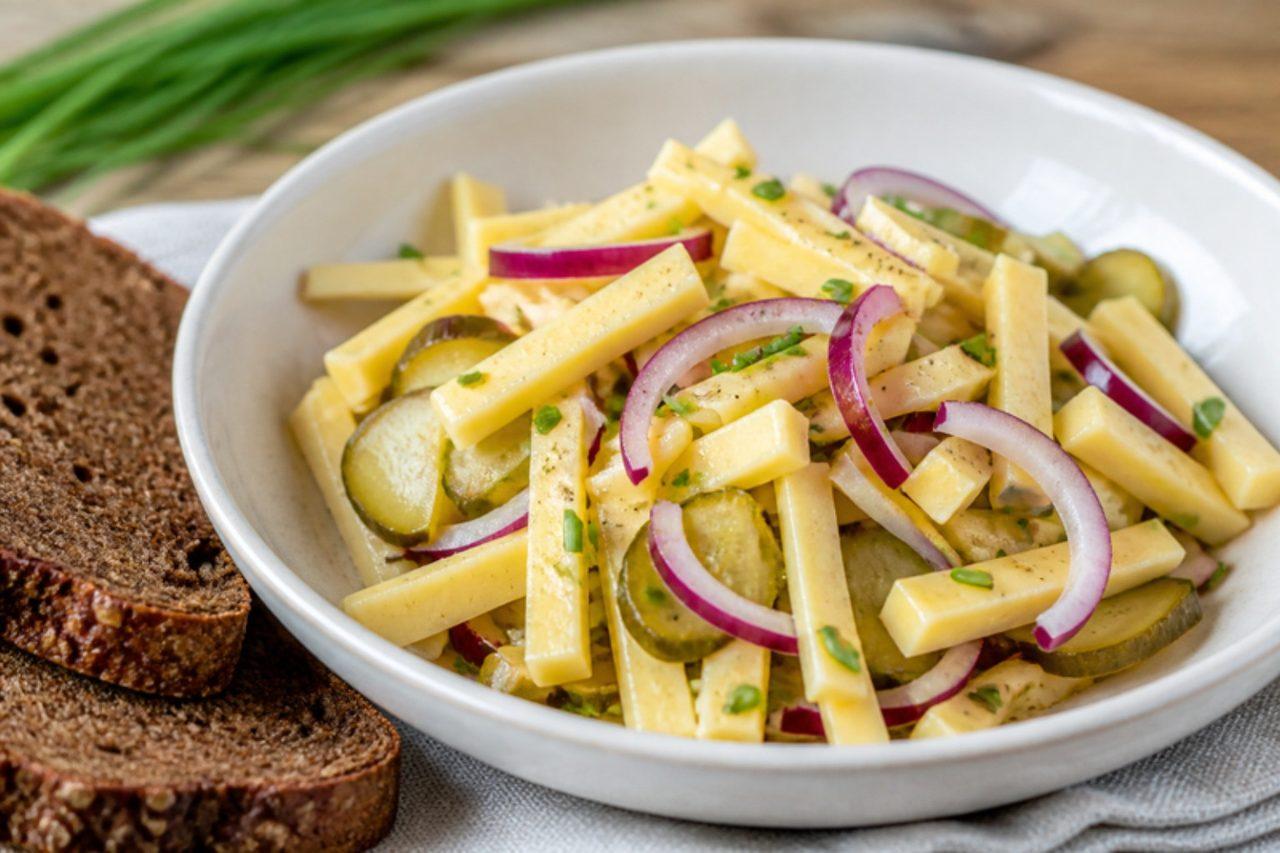
KäsesalatCheese salad

In Bavarian beer gardens and Swabian Vesper stubes, Käsesalat is the cheese lover's answer to sausage salad: matchsticks of Emmental tossed with red onion, gherkins and a sharp vinegar dressing, eaten with a crusty roll or a Breze. It turns up on Saturday evenings at home too, made in ten minutes from what is in the fridge. The cheese soaks up the dressing and goes tender and tangy, while the onion and gherkins keep it crunchy. Traditional Emmental is made with animal rennet, so choose a vegetarian Emmental-style cheese if that matters to you. A common mistake is serving it straight away; the flavours need a short rest. Chef's tip: cut the cheese into thin strips rather than cubes, so the dressing coats every piece.

by KrazyBadal 0 views

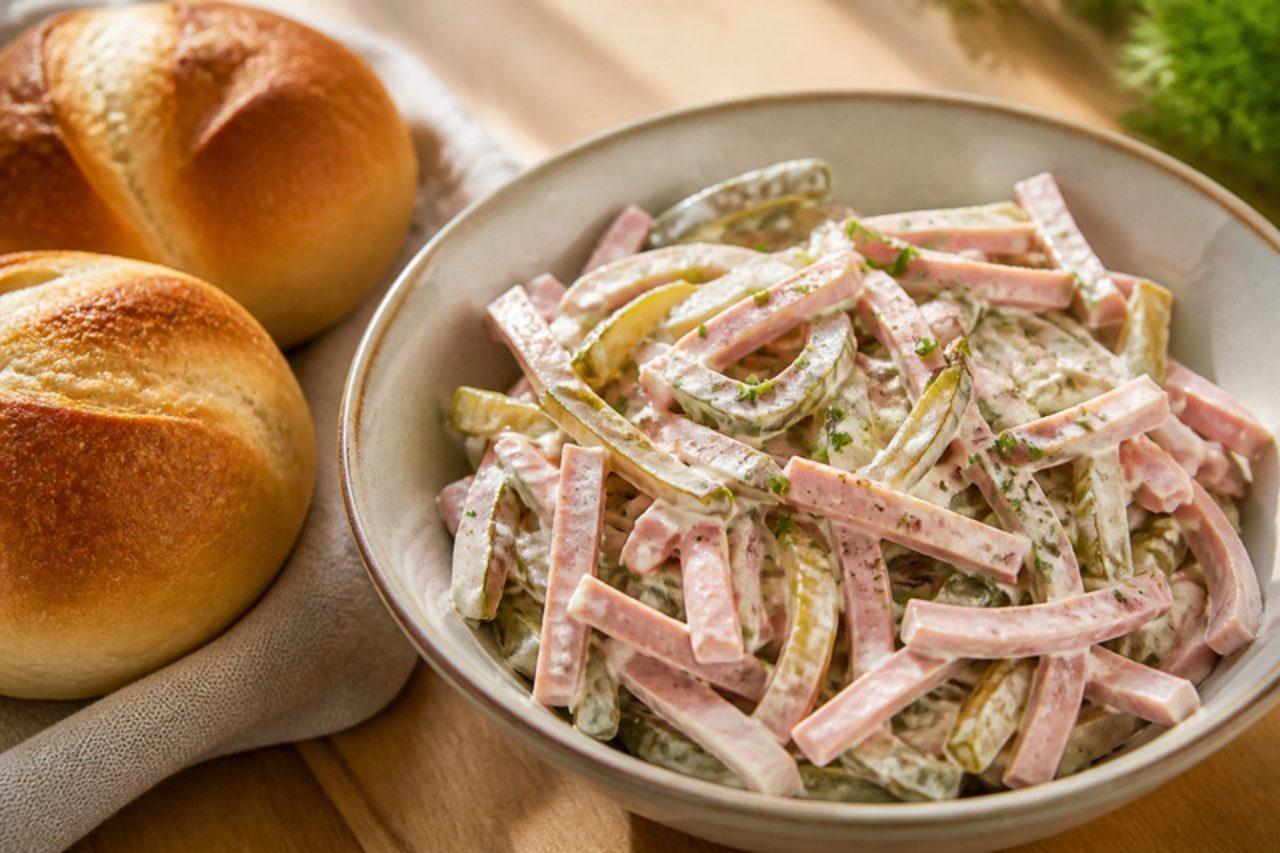
FleischsalatSausage salad

Every German butcher sells Fleischsalat in tubs, and it is spread thickly on bread rolls for Abendbrot or a workday second breakfast from Cologne to Leipzig. It is made from Lyoner or Fleischwurst, a mild cooked pork sausage, cut into fine strips and folded into mayonnaise with gherkins and a little of their brine. Making it at home lets you use less mayonnaise and add yoghurt for freshness. A common mistake is cutting the sausage into thick chunks, which makes it heavy; thin matchsticks are what you want. Chef's tip: chill it for an hour before serving so the gherkin brine flavours the sausage.

by KrazyBadal 0 views

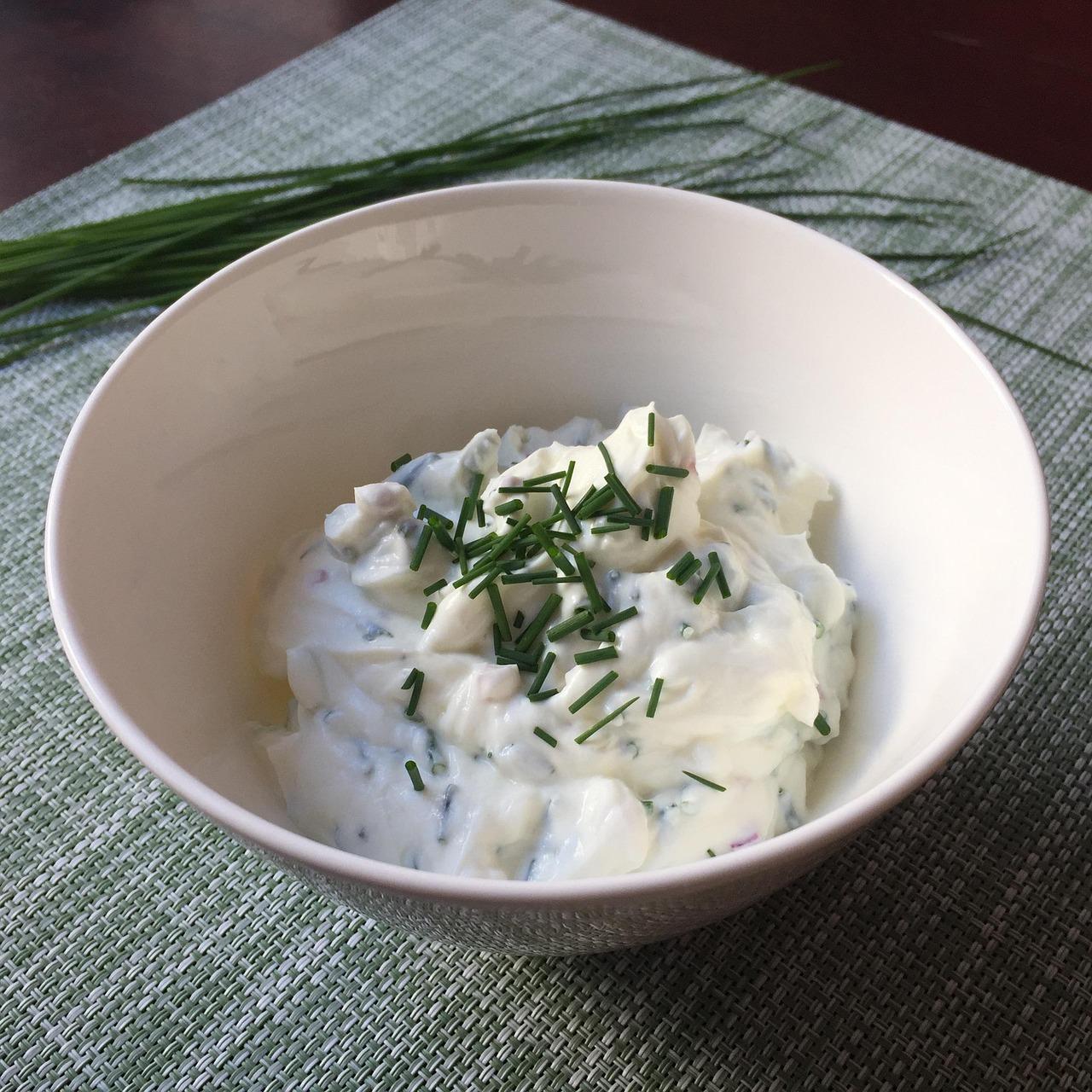
KräuterquarkHerb quark

On summer evenings across Germany, from Hamburg allotments to Swabian farmhouse kitchens, a bowl of herb quark sits in the middle of the Abendbrot table with rye bread, radishes and boiled new potatoes. Fresh low-fat quark is loosened with a little milk and linseed or sunflower oil, then packed with chopped chives, parsley and dill and a hint of garlic, so it tastes cool, tangy and green. It also goes on jacket potatoes at the fair and next to grilled vegetables at a barbecue. The usual mistake is chopping the herbs ahead and letting them sit, which turns them dark and bruised. Chef's tip: let the finished quark rest in the fridge for 20 minutes so the garlic mellows and the herbs flavour the whole bowl.

by KrazyBadal 0 views

Kakdi koshimbirCucumber peanut salad

Koshimbir is the cool, crunchy salad that sits on the left side of a Marathi thali in Pune and Nashik, eaten at lunch with varan-bhaat and served at every festival meal. This one is grated or finely chopped cucumber mixed with crushed roasted peanuts, green chilli and a little yogurt, then finished with a fizz of mustard seeds and asafoetida in hot oil. A portion is about 110 kcal. The common mistake is not squeezing the cucumber, which makes the salad watery within minutes; press out the juice (and drink it). Chef's tip: add the crushed peanuts at the last moment so they stay crunchy, and use a pinch of sugar only if your yogurt is very sour.

by KrazyBadal 0 views

Showing 24 of 145 recipes

Show more recipes

Page 1 of 7