Skip to content
Recipes

All recipes

Vegetarian, or something you can't eat? Set your diet once and we'll hide recipes that don't fit.

CroquignolesTwisted nutmeg doughnuts

Croquignoles are old-fashioned Quebec doughnuts, cut into strips, slit and twisted into knots, then fried and rolled in sugar. Grandmothers made them by the dozen for the réveillon, the feast after midnight Mass on Christmas Eve, and for New Year's Day visits. They are dense and cakey rather than yeasty, scented with nutmeg. Chef's tip: keep the dough soft and well chilled, so it is easy to roll and the croquignoles stay tender; extra flour makes them tough.

by KrazyBadal 0 views

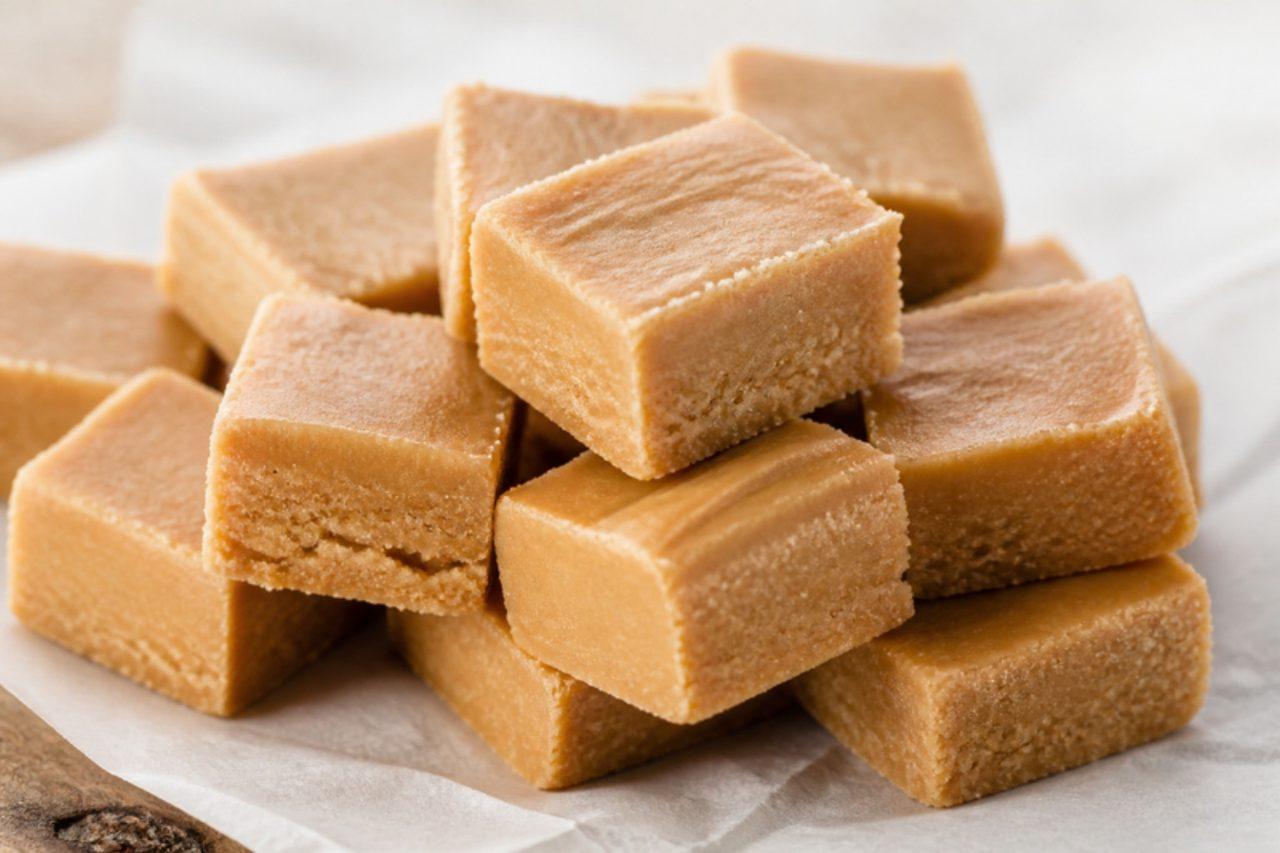
Sucre à la crèmeBrown sugar fudge

In Quebec, sucre à la crème is the sweet that comes out at Christmas: a soft, melting brown-sugar fudge made from brown sugar, cream and butter, cut into squares and shared at the réveillon after midnight Mass and through the Fêtes. Every grandmother's recipe differs a little; this one is the classic stovetop method, gluten free and ready in under an hour. Chef's tip: beat the cooled mixture until it loses its gloss and starts to thicken, then pour it at once; that beating is what makes it creamy rather than toffee-like.

by KrazyBadal 0 views

TopfengolatschenSweet quark puff pastry squares

A Topfengolatsche is what Viennese office workers grab from the bakery on the way in, and what grandparents order with a Melange in a coffee house on a Sunday afternoon. The corners of a puff pastry square are folded over a lemony, vanilla-scented filling of Topfen (Austrian quark) with plump raisins, and the top gets a thin white glaze. It is flaky, light and not too sweet. Raisins are sometimes soaked in rum; warm water or orange juice works just as well, and the recipe below is alcohol-free. Wet quark is the classic problem, because it turns the filling runny and it leaks out in the oven. Chef's tip: hang the quark in a sieve lined with a clean cloth for an hour, or squeeze it, until it is as thick as soft cream cheese.

by KrazyBadal 0 views

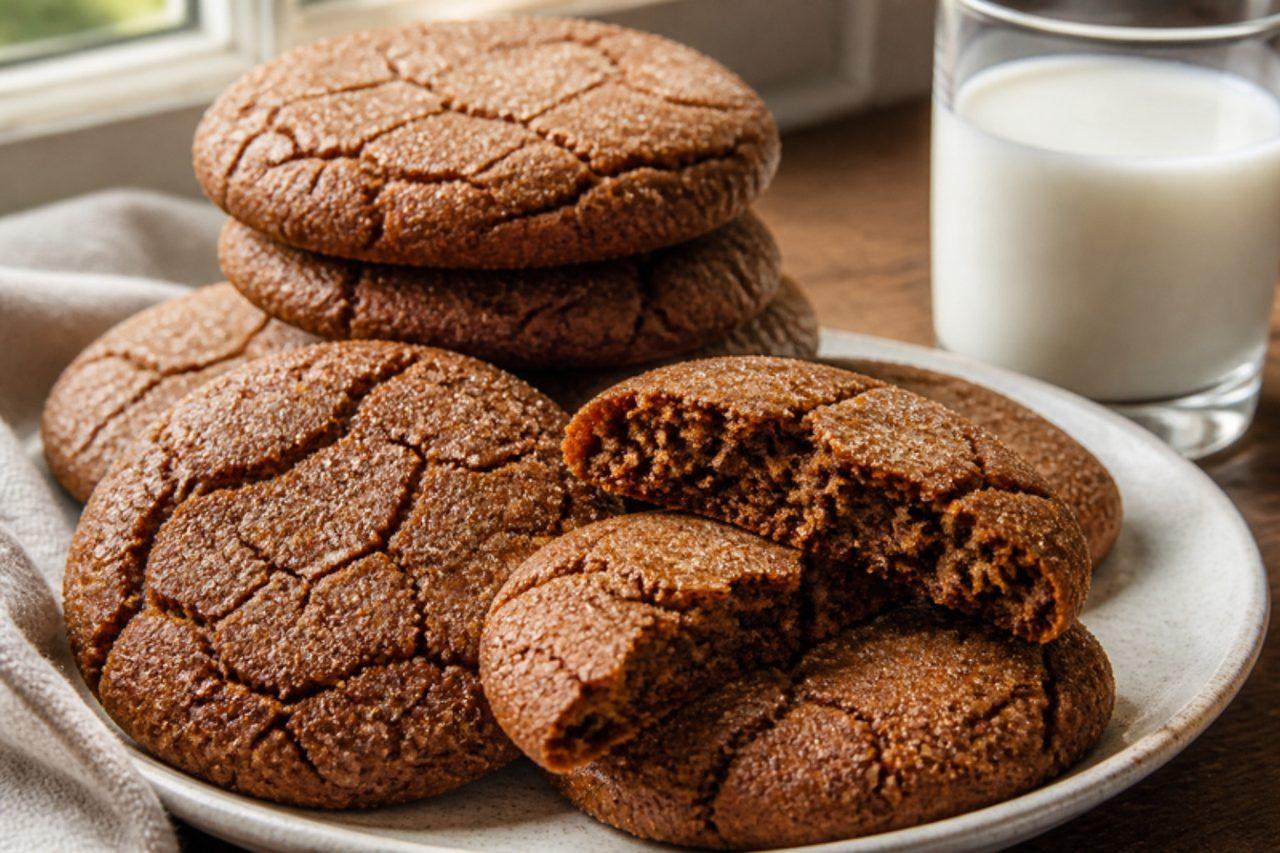
Galettes à la mélasseSoft molasses cookies

Quebec grandmothers bake galettes à la mélasse by the batch for lunchboxes and the cookie jar, and they turn up at sugar-shack weekends and church sales from Gaspé to Gatineau. Unlike crisp gingersnaps, they are big, soft and cakey, almost like little gingerbread cakes, dark with molasses and warm with ginger, cinnamon and clove. Kids eat them with a tall glass of cold milk; adults like them with tea. The dough is soft, so you drop it from a spoon rather than rolling it. Chef's tip: take them out when the centres still look slightly underdone; overbaking by even two minutes is what turns them dry and hard, while slightly underbaked ones stay soft for days.

by KrazyBadal 0 views

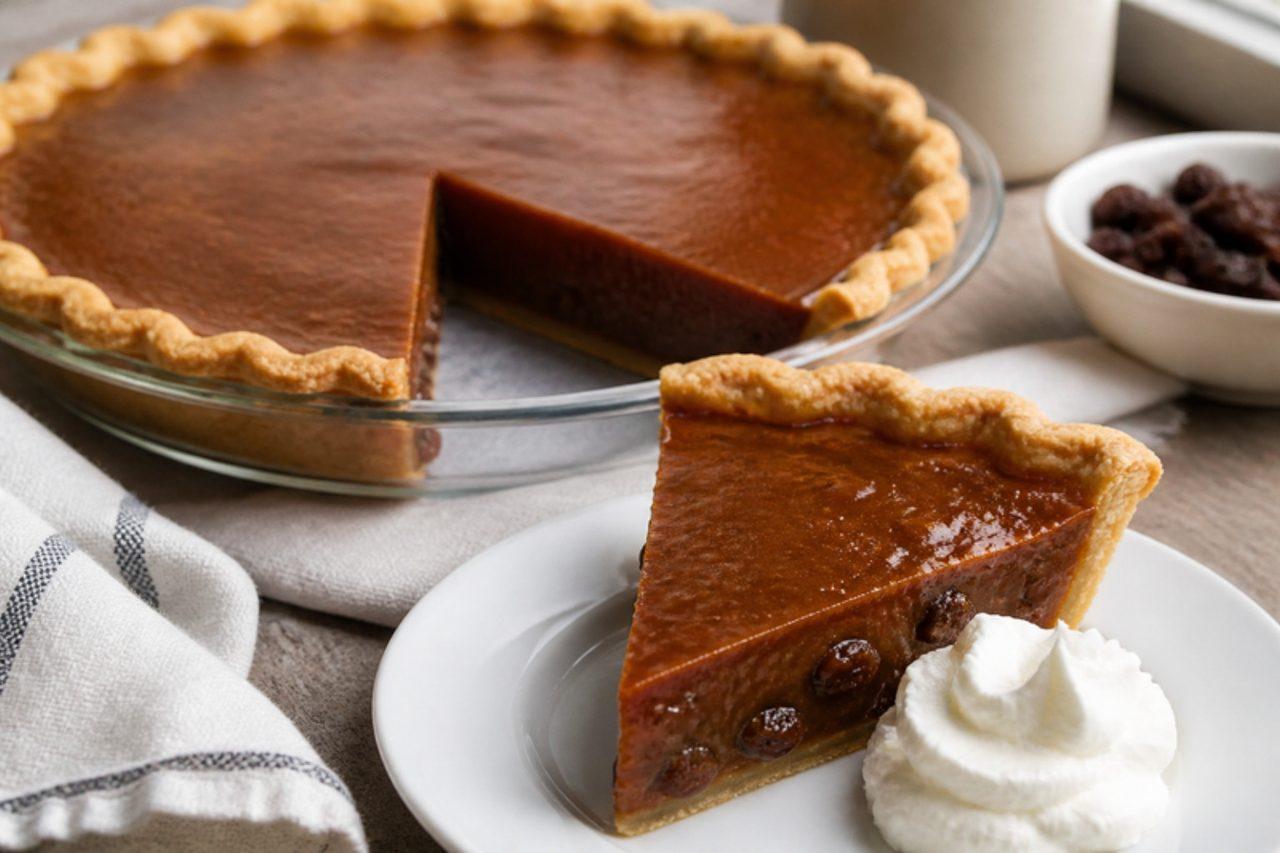
Tarte à la ferloucheMolasses and raisin pie

Ferlouche is an old Quebec farmhouse pie, the kind served at the Christmas réveillon, at sugar-shack lunches in spring and at church suppers in the Beauce. Molasses, brown sugar and water are cooked into a dark, glossy custard thickened with cornstarch and full of raisins, then poured into a crisp crust. It needs no eggs at all, and tastes of caramel, toffee and a little spice. The crust is traditionally made with lard, but this version uses butter and vegetable shortening, so it is vegetarian. Stopping the cooking as soon as the filling thickens is a frequent mistake: the cornstarch needs a proper boil or the pie never sets and tastes floury. Chef's tip: let the cooked filling boil for a full 2 minutes, stirring, until it turns from cloudy to translucent.

by KrazyBadal 0 views

Bumbleberry pie

There is no such thing as a bumbleberry: the name is a joke from the diners and farm stands of the Maritimes and Ontario, where a pie is baked from whatever berries are in season plus a little apple and rhubarb. The result is a tall, jammy, double-crust pie that is sweet and sharp at the same time, with a flaky golden lid. Canadians eat it in summer cottage season and at Thanksgiving with vanilla ice cream or a slice of aged cheddar. Cutting it while warm is the classic error, because the juices run all over the plate. Chef's tip: bake until the juice bubbles thickly through the vents, not just at the edges; that is the sign the cornstarch has cooked and the filling will set.

by KrazyBadal 0 views

Kärntner ReindlingCinnamon raisin yeast cake

Carinthia's Easter loaf takes its name from the Reindl, the round, deep pan it is baked in, and in southern Austria no Easter basket goes to church without one. Inside the golden yeast crust is a spiral of butter, cinnamon sugar and plump raisins, so every slice shows a dark swirl. Locals eat it two ways: sweet with coffee on Easter morning, or alongside the savoury Easter platter with horseradish. Many bakers soak the raisins in rum overnight; warm water or tea works just as well and keeps it alcohol-free. A dry, crumbly Reindling usually means too much flour went in during kneading, so keep the dough soft and only lightly floured. Chef's tip: butter the pan well and dust it with sugar, which caramelises into a thin crunchy shell.

by KrazyBadal 0 views

ErdäpfelstrudelSavoury potato strudel

Austrians, especially in the Mühlviertel of Upper Austria and the Waldviertel, make savoury strudels as often as sweet ones, and Erdäpfelstrudel is a farmhouse favourite for a meatless Friday or a cold evening. Thin pastry wraps a filling of potatoes, fried onion, sour cream, marjoram and parsley, baked until crisp and golden and sliced with a green salad or a dill and sour-cream dip. Bought filo makes it easy at home. The mistake to avoid is a wet filling, which turns the pastry soggy underneath. Chef's tip: cool the filling completely before rolling; warm filling makes the layers stick and tear.

by KrazyBadal 0 views

Cocido quemadoBurnt sugar mate drink

Cocido is how Paraguay starts the day: in Asunción, in the villages of Guairá and Itapúa, and in school kitchens, a pot of burnt yerba is brewed and poured into cups with chipa, the cheesy cassava bread, or with a hard galleta. The old way is to drop a glowing piece of charcoal into a pot with yerba and sugar and stir until the sugar burns. On a home stove you caramelise them together in a dry pan instead, which is safer and gives the same smoky, toffee-like taste. The drink is clear amber-brown, with roasted, slightly bitter mate notes over burnt-sugar sweetness; with milk added it becomes cocido con leche, creamy and coffee-coloured. Yerba mate contains caffeine, so treat it like a cup of coffee. The common mistake is letting the sugar go black: it turns acrid and bitter. Pull it off the heat when the caramel is deep amber and the yerba smells toasted, not burnt. It is ready when the liquid is a clear dark amber and tastes of toffee and smoke. Chef's tip: the water will spit fiercely when it hits the hot caramel, so pour it in from the side, at arm's length.


by KrazyBadal 0 views

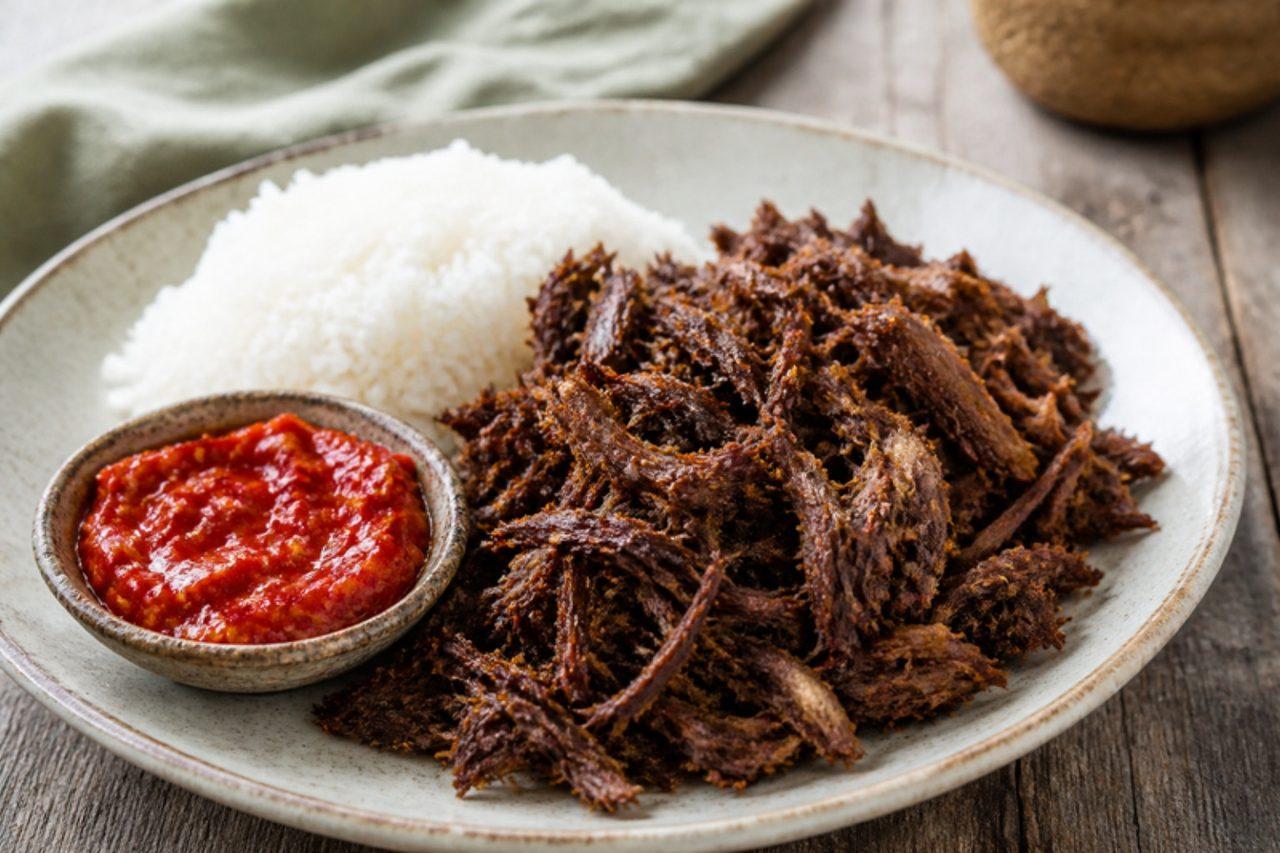
VarangaCrisp shredded beef

Varanga belongs to the big occasions of the Merina Highlands: family reunions, famadihana gatherings and long lunches outside Antananarivo, where a mound of it sits beside rice and a bowl of greens. Beef, traditionally zebu, is simmered with garlic, ginger and onion until it can be pulled apart with two forks, then the strands are fried in the fat and juices left in the pot until crisp and mahogany at the edges but still tender inside. The flavour is deeply beefy and salty-sweet, a little like the best bits stuck to a roasting tin. Cooks in a hurry shred the meat before it is truly tender, and the strands then fry up tough and stringy instead of crisp. Chef's tip: choose a cut with some fat and connective tissue, like chuck or brisket; lean steak gives dry, hard varanga.

150 minMalagasyMeatGluten free
by KrazyBadal 0 views

Buñuelos de algasSea lettuce fritters

On the beaches of Rocha, from La Paloma to Punta del Diablo, vendors walk the sand with baskets of hot buñuelos de algas: puffy, salty fritters speckled green with sea lettuce, eaten with a squeeze of lemon. Use dried sea lettuce or mixed seaweed flakes from a shop, or fresh sea lettuce only from a seller who harvests clean water; never pick it from a harbour or near drains. The usual mistake is frying in oil that isn't hot enough, so the fritters soak it up and turn greasy. Chef's tip: rest the batter for 15 minutes so the seaweed softens and the fritters puff more.

by KrazyBadal 0 views

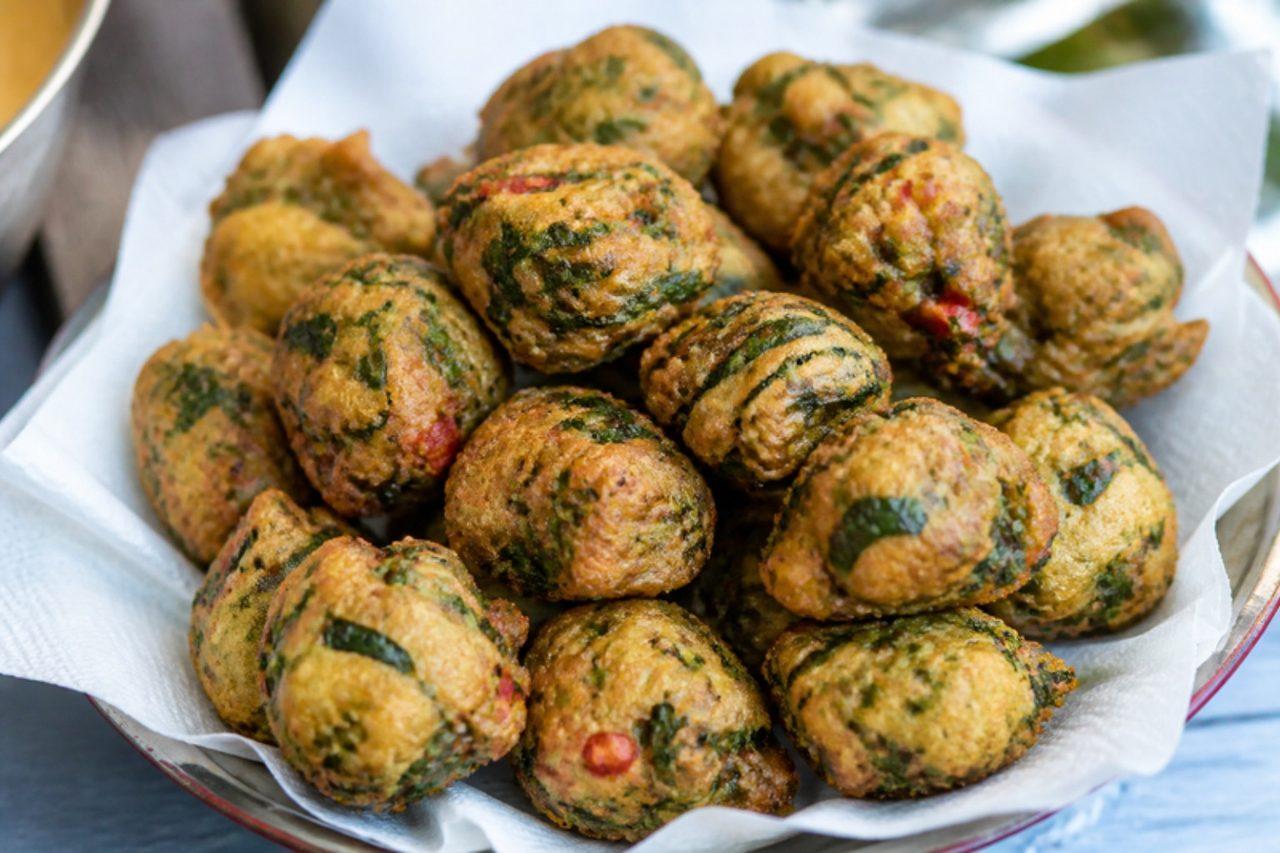
Mofo ananaGreens fritters

Stalls along Analakely market in central Antananarivo stack mofo anana in paper cones from mid-morning, and they rarely last past lunch. Each fritter is mostly leaves held together with a thin, savoury batter, so the outside fries lacy and crisp while the inside stays soft and grassy, with a lift from spring onion, garlic and chilli. Eat them hot as a snack with a cup of ginger tea, or set a plate of them beside a bowl of broth and some sakay for dipping. The usual mistake is a batter that is too thick: it should only just bind the greens, otherwise you end up with a heavy, doughy pancake. Chef's tip: squeeze the chopped leaves in a clean tea towel before mixing; wet greens spit in the oil and make the fritters soggy.

by KrazyBadal 0 views

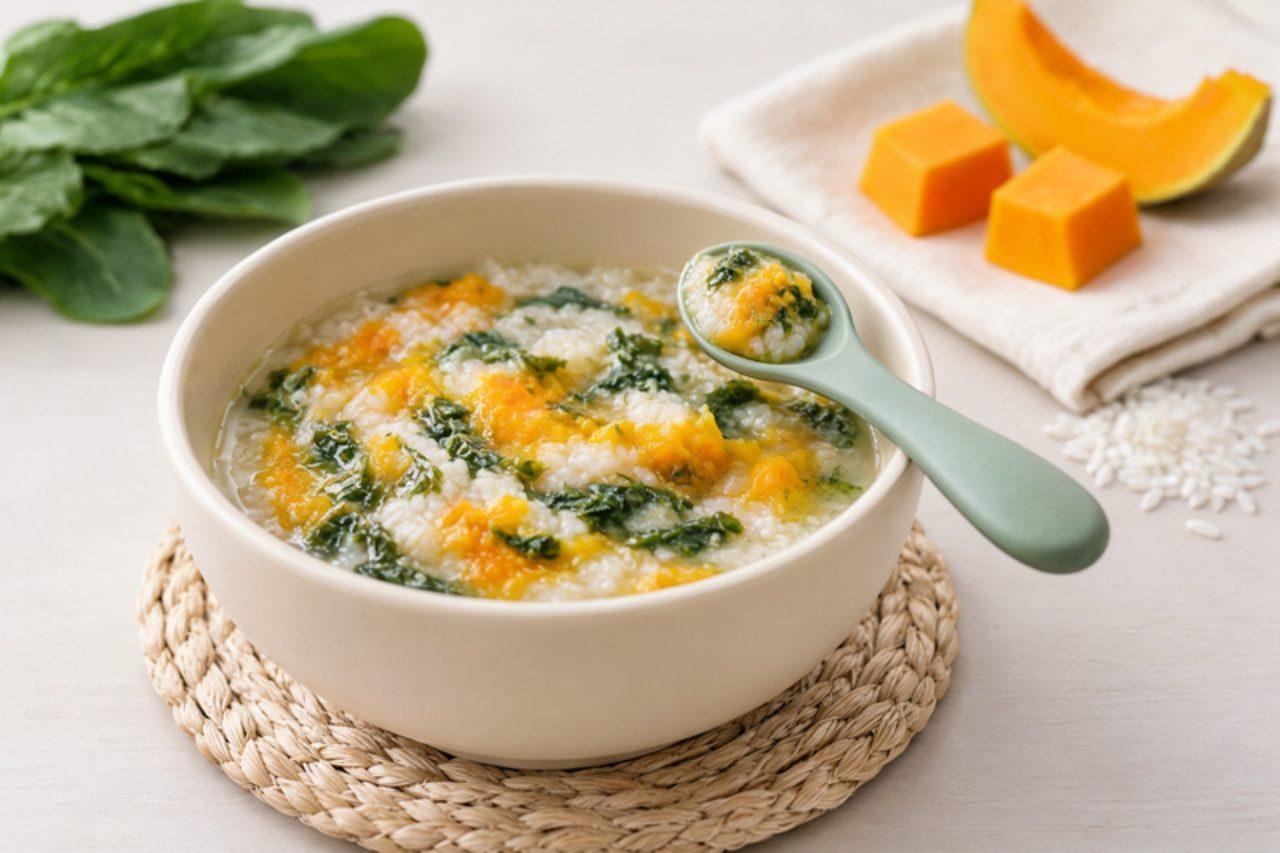
Vary sosoa for babiesSoft rice with greens for babies

Vary sosoa, rice cooked with lots of water until soft and soupy, is the classic Malagasy breakfast, eaten in Antananarivo and the highland villages before the day's work starts, and the food given to the sick and the very young. For babies from about nine months it is cooked with diced pumpkin and finished with a handful of mild greens, then mashed. It is gentle, sweet and creamy. Skip brède mafane (paracress), the tingling green used for grown-ups' romazava, as it numbs the mouth; spinach or sweet potato leaves are kinder. It is free of the major allergens: no milk, egg, gluten, nuts, soya, sesame or fish. Chef's tip: use a short, starchy rice such as vary gasy or any broken rice; it releases more starch and makes the creamiest sosoa.

by KrazyBadal 0 views

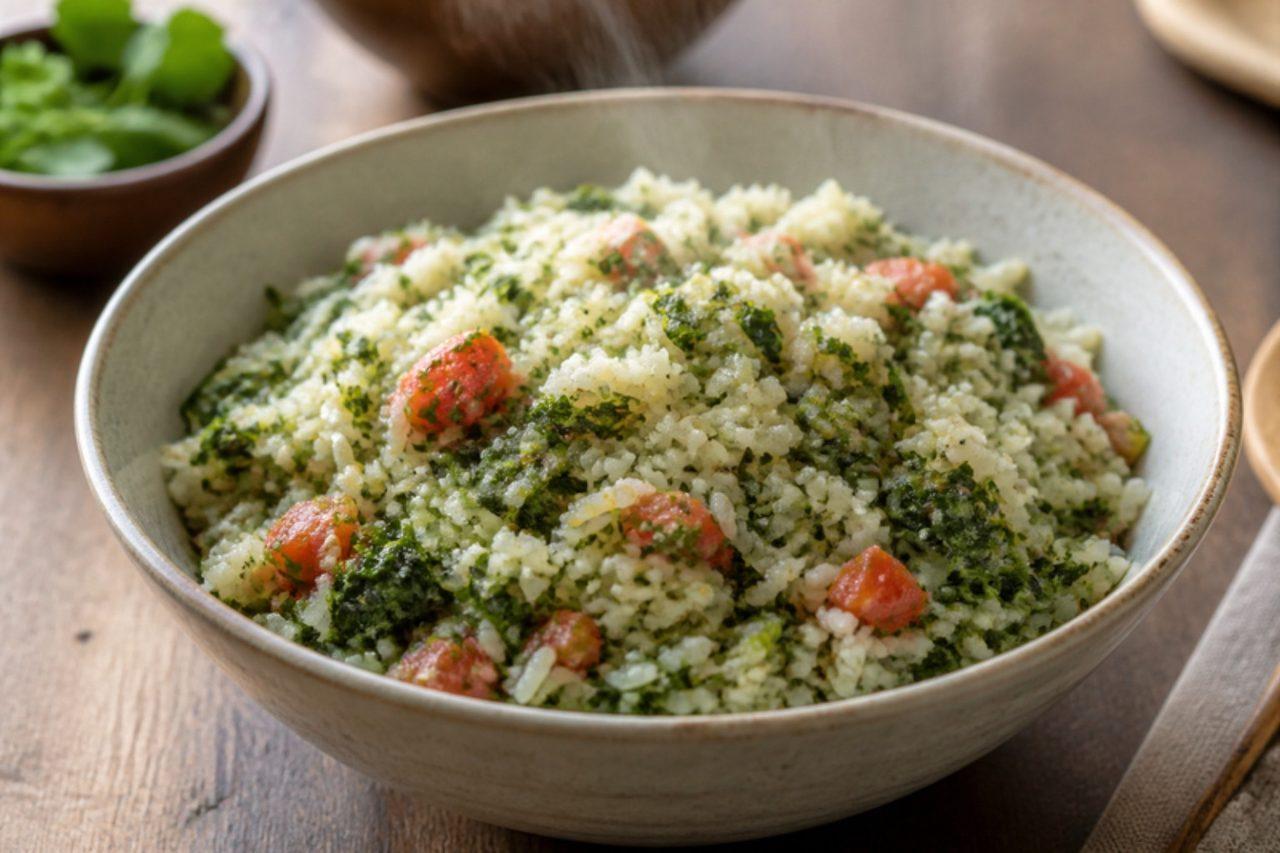
Vary amin'ananaRice with greens

Before the sun clears the hills of Antananarivo, steam is already rising from pots of vary amin'anana at the hotely, the little roadside cafés where office workers and taxi-brousse drivers stop for breakfast. Rice simmers with a heap of chopped greens, a little tomato and fresh ginger until the grains swell and soften into something between a pilaf and a loose porridge, green-flecked and gently savoury. Locals spoon sakay or a sharp lasary relish on top, and anyone with more appetite adds a few beans on the side. The greens matter most: brèdes mafana (paracress) give a faint tingle, but watercress, spinach or mustard greens from the shop all work well. Chef's tip: add the tender leaves only for the last 8 minutes; boiled from the start, they turn grey-brown and bitter, which is the commonest way this simple dish goes wrong.

by KrazyBadal 0 views

KoserevaCandied bitter orange peel

Kosereva is a Paraguayan home preserve from the days when nothing was wasted: thick strips of bitter-orange peel soaked and boiled to soften their bite, then cooked slowly in dark cane molasses until glossy and nearly black. In the countryside it is eaten after lunch with a slice of fresh cheese or simply on its own. Bitter oranges (Seville oranges) are in season in winter. The most common mistake is not changing the boiling water enough, which leaves the peel unpleasantly bitter. Chef's tip: taste a sliver of peel after the third boil; it should be gently bitter like marmalade, not harsh.

by KrazyBadal 0 views

LampreadoCassava starch cheese fritters

Paraguayan grandmothers fry lampreado on Sunday evenings to eat with a mug of cocido, the toasted yerba mate drink: small pan-fried cakes of cassava starch, egg, milk and grated cheese with a little onion, crisp at the edges and stretchy inside. Some families also make it with leftover meat, but this version is all cheese. Queso Paraguay is set with animal rennet; a vegetarian Parmesan-style cheese plus mozzarella works well. The trap is a batter that is too thick, which gives heavy, gluey cakes. Chef's tip: the batter should drop slowly off a spoon like thick pancake batter; add milk a spoonful at a time until it does.

by KrazyBadal 0 views

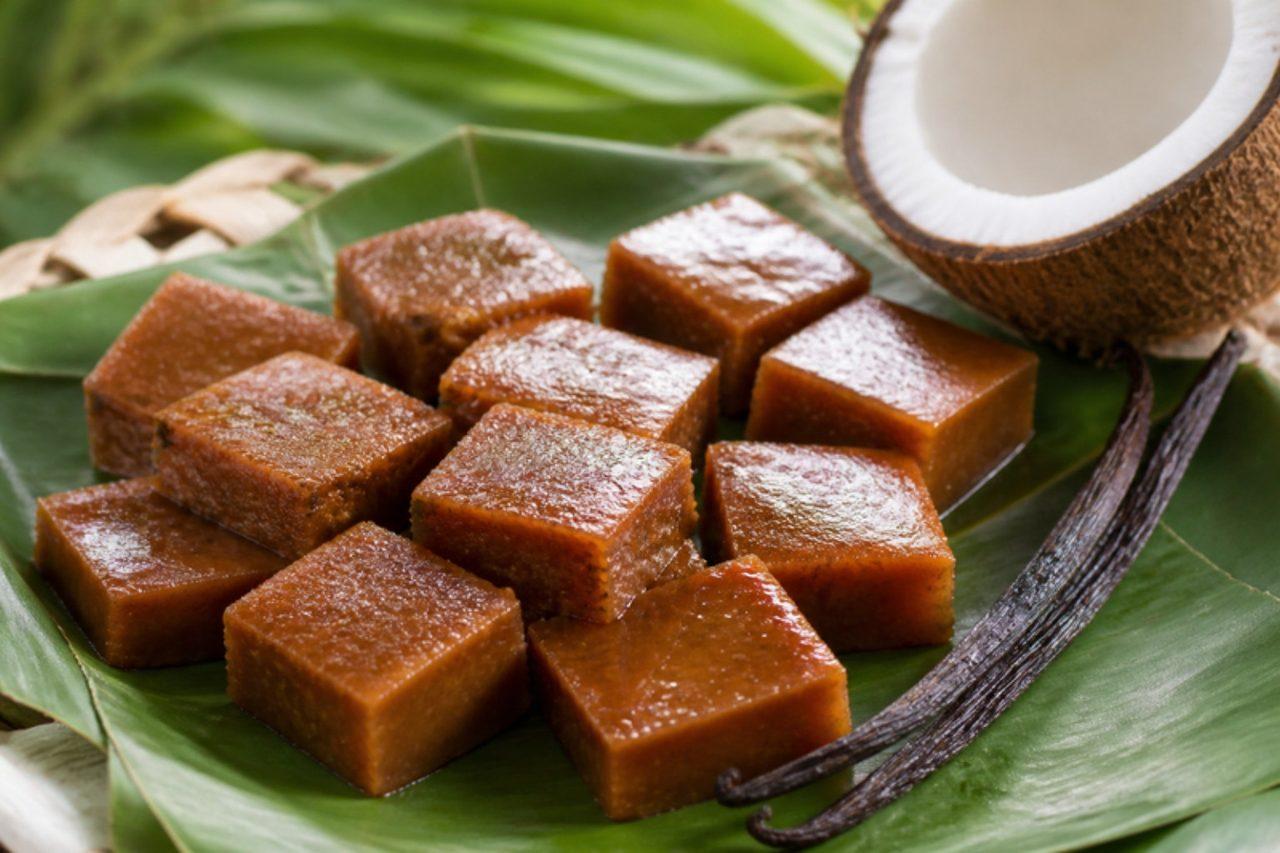
GodrogodroCoconut rice flour sweet

Along the northern coast around Antsiranana, and down to Mahajanga, godrogodro is a festival and family-celebration sweet, cut into diamonds and passed round at weddings, circumcision ceremonies and the New Year. Coconut milk, rice flour and dark sugar are stirred for the best part of an hour until the mixture thickens, darkens and pulls away from the pan, then it sets into a dense, sliceable fudge-like block, fragrant with vanilla and cardamom. It is rich, so small squares with a cup of tea are plenty. Stopping too early is the mistake to avoid: undercooked godrogodro stays sticky and pale and will not hold a clean edge. Chef's tip: use a heavy, non-stick pan and a flat wooden spatula that scrapes the whole base, and keep stirring as it thickens, as the bottom scorches easily.

by KrazyBadal 0 views

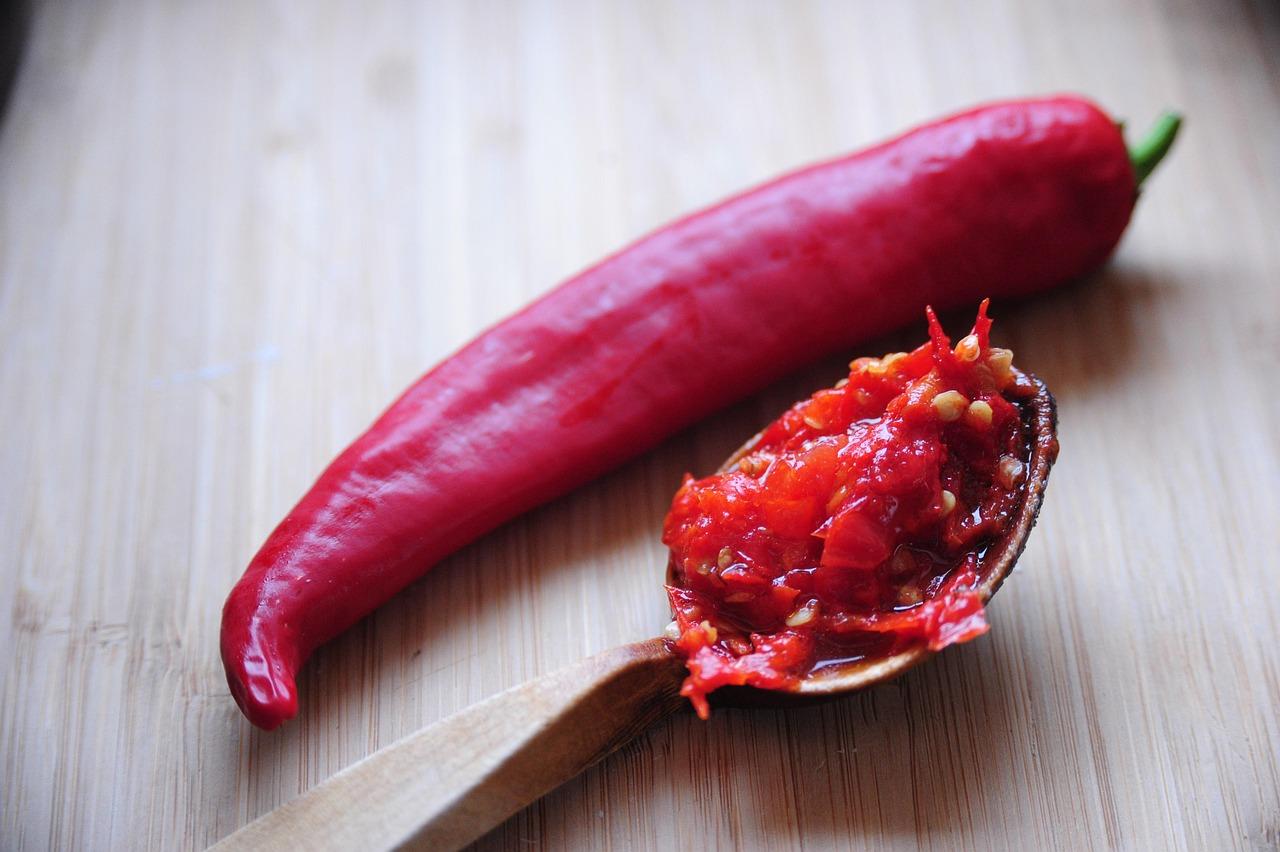
SakayChilli and ginger paste

No table in Madagascar is fully set without a saucer of sakay, from a Fianarantsoa family lunch to a coastal fish shack in Mahajanga. Fresh red chillies are pounded with ginger, garlic and salt, then loosened with hot oil, so the paste is bright, sharp and searingly hot, with a warm ginger finish rather than the sourness of a vinegar sauce. A dab is stirred into broth, smeared over rice or eaten with grilled zebu skewers; a little goes a long way. Wear gloves when you chop the chillies, and wash the board straight away: rubbing your eyes after handling them is the classic beginner's mistake. Chef's tip: pour the oil in while it is hot but not smoking, which cooks the raw edge off the garlic and helps the paste keep for a week in the fridge.

by KrazyBadal 0 views

Mandi'o chyryryFried cassava with onion and egg

Mandi'o chyryry means 'fried cassava' in Guaraní, and it is what rural Paraguayan families make from yesterday's boiled mandi'o: chunks crushed and fried in a big pan with onion until crisp in places, then scrambled with eggs. It comes out for breakfast with cocido or for a quick supper, and costs next to nothing. Use sweet cassava, the kind sold in supermarkets. The mistake is stirring constantly, which turns it to mush; let the cassava sit and brown. Chef's tip: the best chyryry starts with cold, day-old boiled cassava, which fries crisper than freshly boiled.

by KrazyBadal 0 views

Mofo menakelyRice flour doughnuts

Ring-shaped and no wider than a teacup, mofo menakely are fried in wide pans of oil at dawn on the street corners of Antananarivo and Antsirabe, then sold by the bagful to people heading for the bus. Rice flour gives them a crisp, slightly sandy shell and a chewy, faintly sour crumb from the slow rise, and they are only lightly sweet, which is why the Highlands dunk them in sugary coffee. Wheat flour helps the dough hold its shape; a few cooks go all rice and shape with wet hands. Expect the batter-like dough to feel too soft at first: adding more flour to make it handleable is a mistake that leaves them dense. Chef's tip: shape each ring straight into the hot oil from a wet palm, poking the hole with a wet finger, rather than trying to roll the dough on a board.

by KrazyBadal 0 views

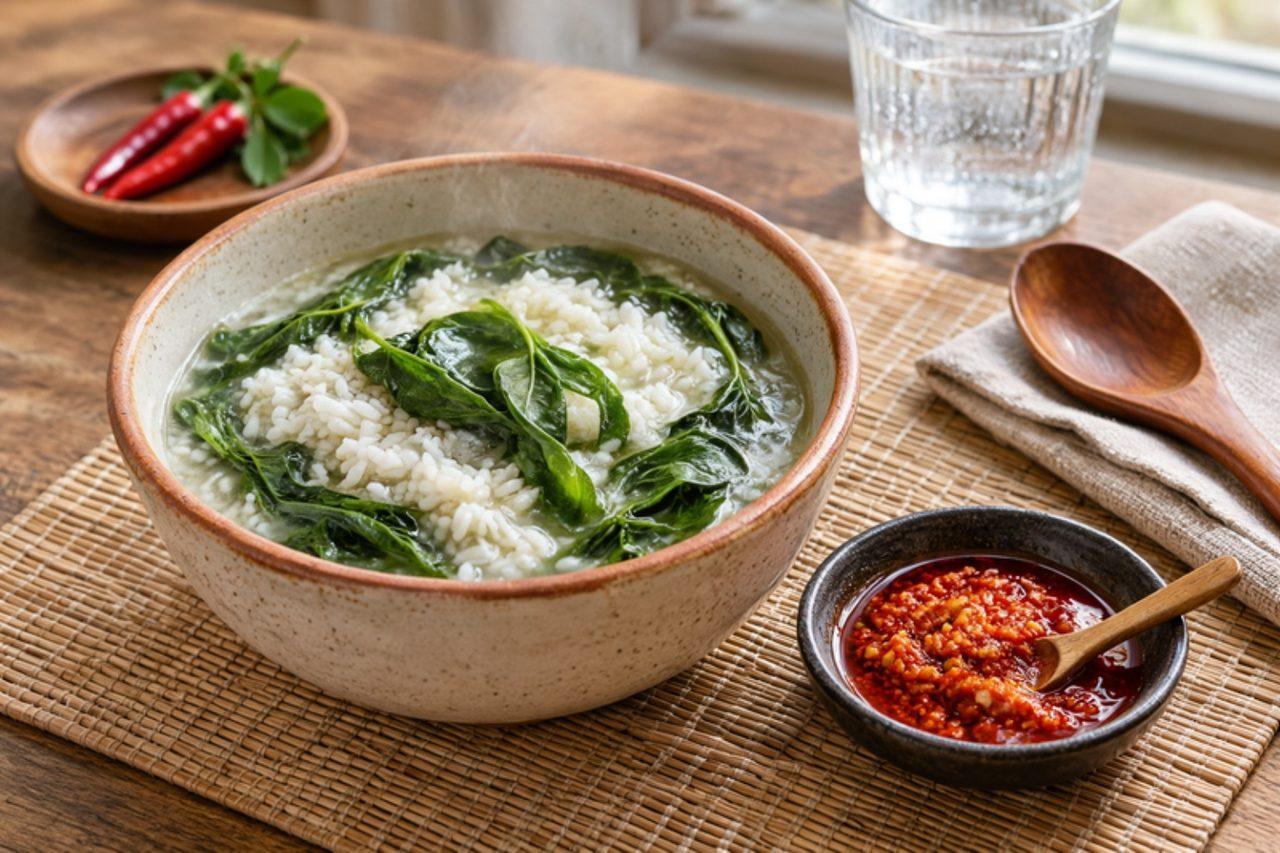
Vary sosoaRice soup with greens

In Antananarivo and across the highlands, the day starts with a bowl of vary sosoa: rice cooked with plenty of water until the grains are soft and loose in their milky cooking liquid, wetter than plain rice but not as smooth as congee. Stalls serve it with kitoza (dried meat), eggs or a spoon of fiery sakay; this vegan version tops it with garlicky greens and homemade sakay chilli paste. The common mistake is stirring it like risotto, which makes it gluey; stir only now and then. Chef's tip: make the sakay the day before; the ginger and chilli mellow overnight in the oil.

by KrazyBadal 0 views

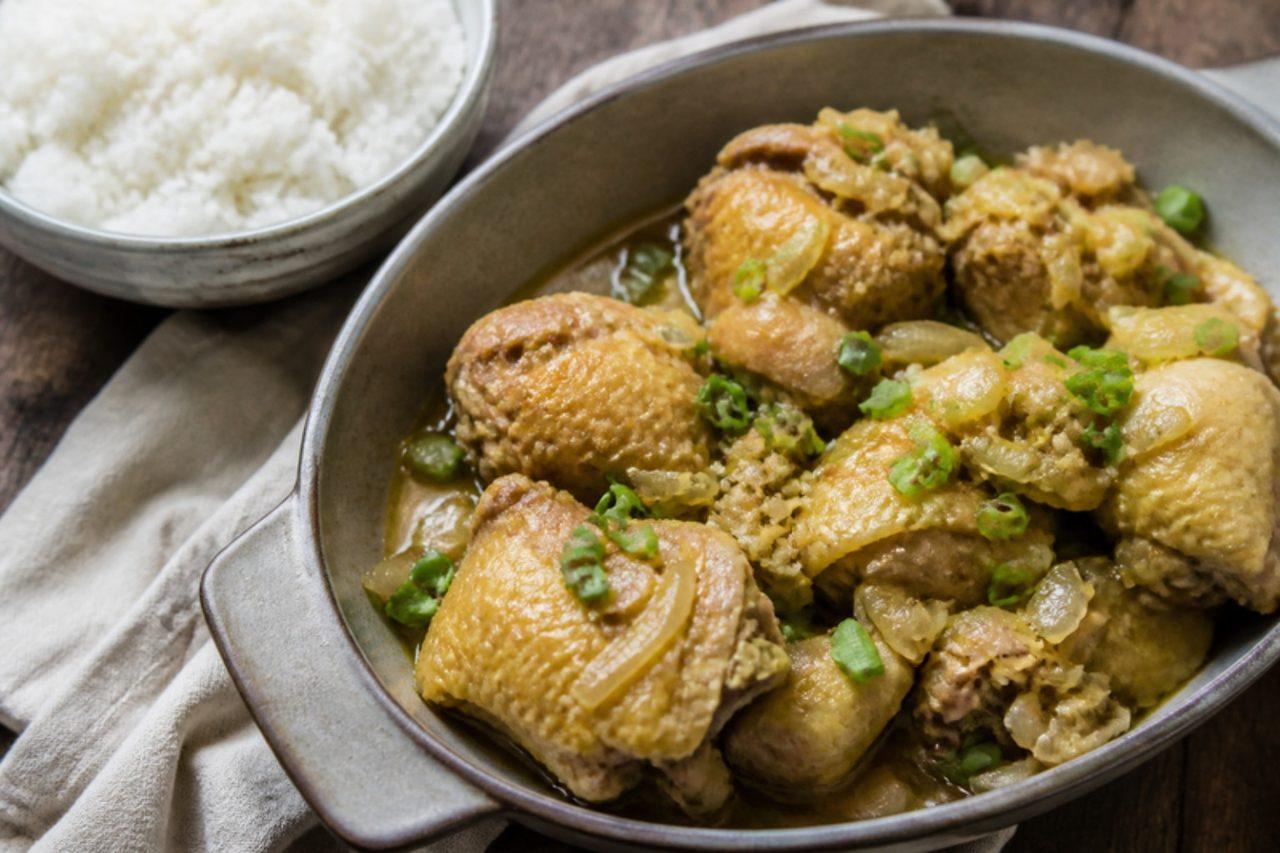
Akoho sy sakamalaoGinger and garlic chicken

Sakamalao means ginger, and Malagasy cooks are generous with it: this everyday braise from family kitchens across the island uses a whole fist of the root, along with a full head of garlic and soft onions. Bone-in chicken is browned, then simmered gently in its own juices until the meat slides off the bone and the sauce turns golden, sticky and warming, with ginger heat that lingers rather than burns. Serve it with a big plate of rice, a dish of romazava greens or lasary, and sakay for anyone who wants more fire. Many people rush the onions; give them time to turn soft and golden, because they become the body of the sauce. Chef's tip: pound the ginger and garlic together into a coarse paste rather than slicing them, so they melt into the sauce and coat every piece of chicken.

by KrazyBadal 0 views

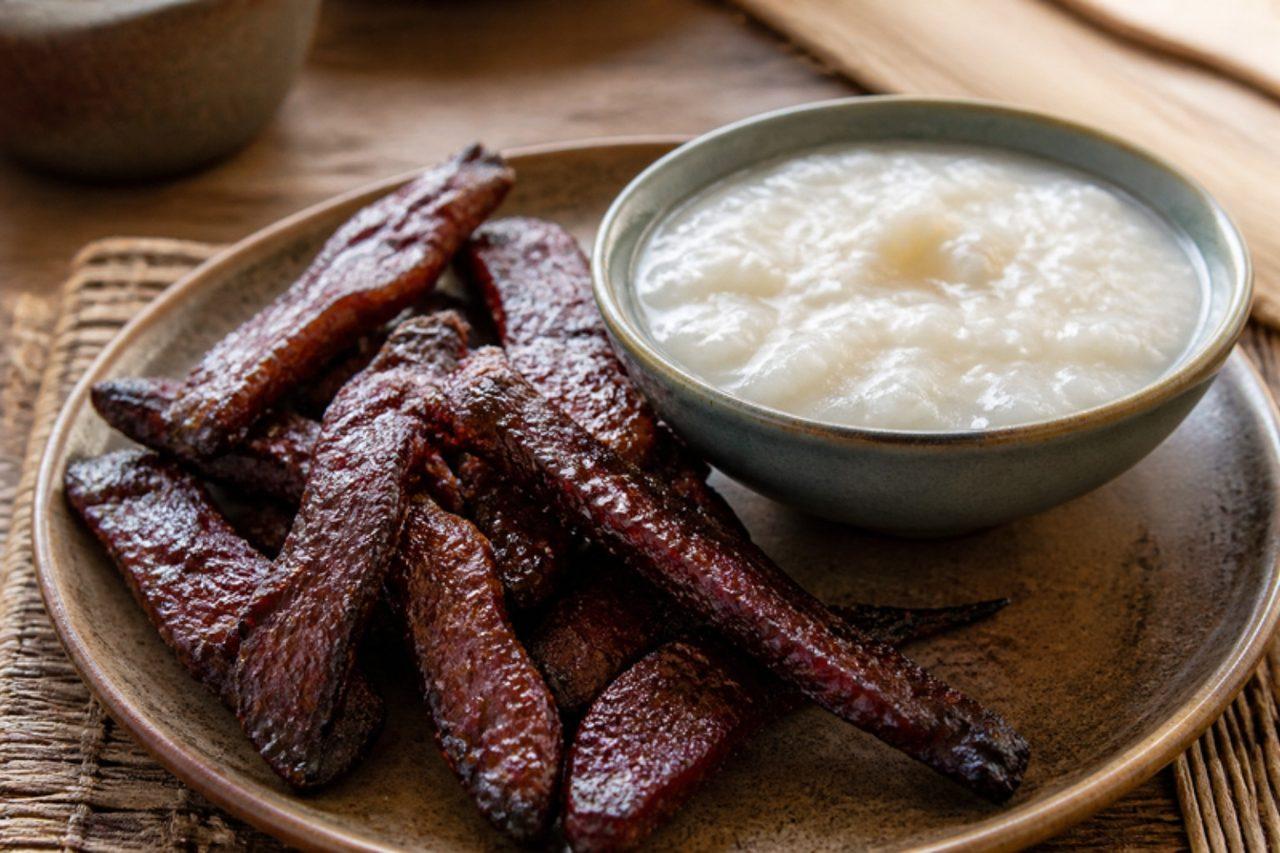
KitozaSmoked dried beef strips

Butchers in the Highland markets of Antananarivo and Ambositra hang long, dark strips of kitoza above smoky fires, and households grill a few pieces each morning to eat with a bowl of soft rice. The meat is lean, cut with the grain, seasoned with salt, garlic, ginger and pepper, then dried until it is chewy and concentrated; a quick grill before serving gives it a smoky, salty crust. This home version uses beef in place of zebu and, for safety, cooks the strips to 71 °C in the oven before drying them slowly at a low heat. It is not for pregnant women, young children or anyone with a weakened immune system. The common mistake is cutting the strips too thick, which leaves them leathery outside and damp inside. Chef's tip: half-freeze the beef for an hour so you can slice it in even 5 mm strips.

175 minMalagasyMeatGluten free
by KrazyBadal 0 views

LasopyBlended vegetable soup

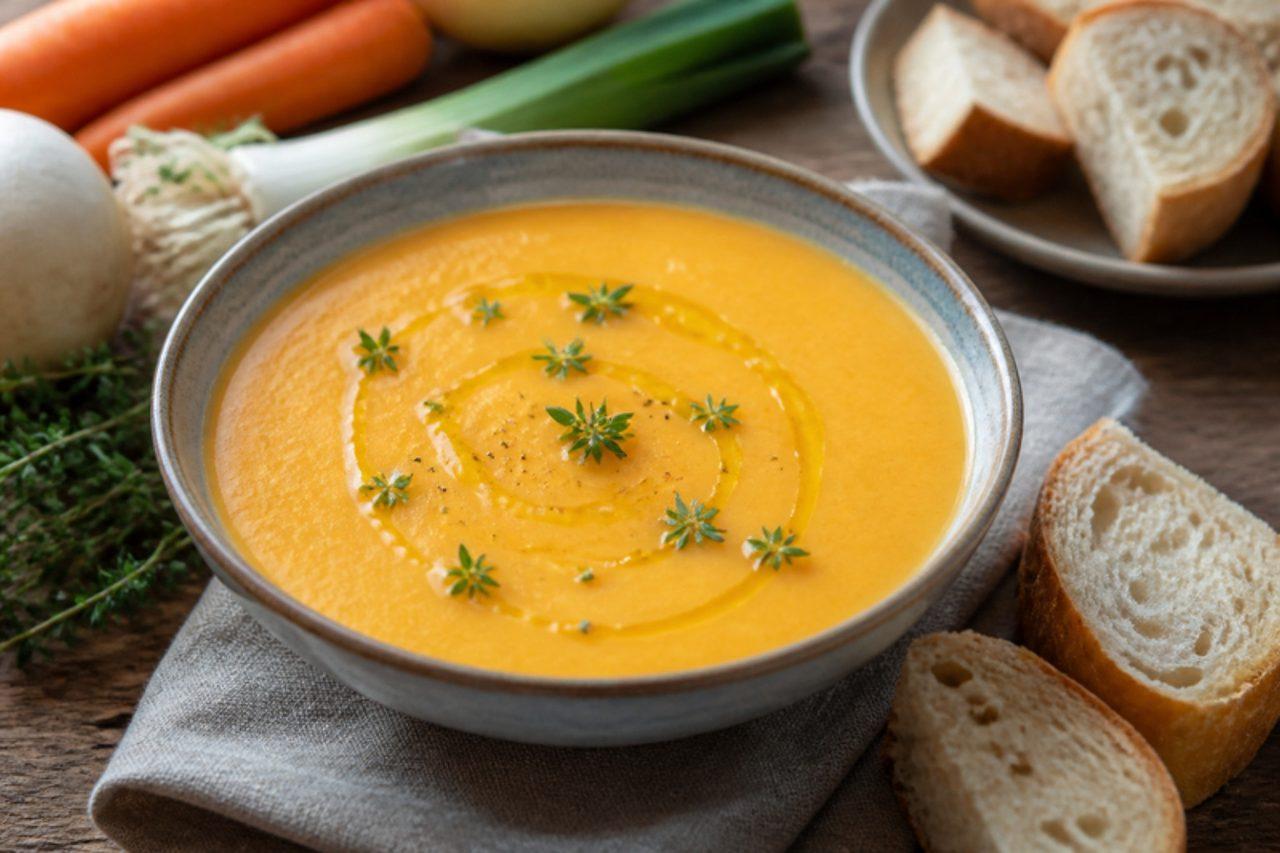
Highland evenings in Antananarivo can turn surprisingly cold, and that is when lasopy comes out, a smooth, pale-orange soup of carrot, leek, potato, turnip and green beans blended until velvety. Market cooks and grandmothers usually simmer it with beef bones; this version keeps it fully vegetarian, with the vegetables browned lightly first and a bay leaf and thyme for depth, so the water turns into a sweet, savoury broth on its own. It is often eaten with a handful of thin vermicelli cooked in it, or simply with bread, and a dab of sakay stirred in at the table. Leave the vegetables in big chunks: chopping them tiny makes them boil to mush before the flavour comes out. Chef's tip: hold back a ladle of cooking liquid and blend the rest, then thin to taste, because once lasopy is too watery there is no fixing it.

by KrazyBadal 0 views

Showing 24 of 181 recipes

Show more recipes

Page 1 of 8