Skip to content
Recipes

All recipes

Vegetarian, or something you can't eat? Set your diet once and we'll hide recipes that don't fit.

TihaneStuffed lamb spleen

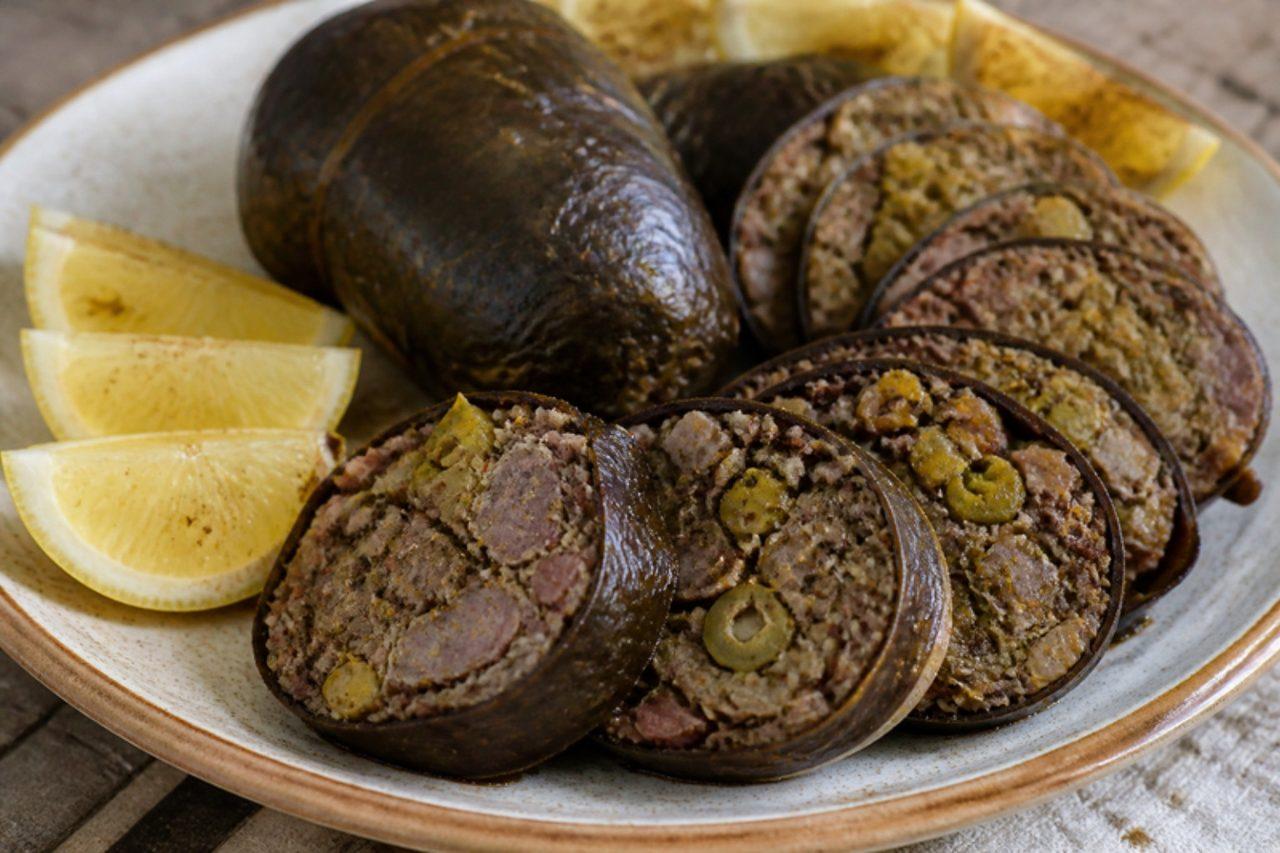
Tihane, or tehal, is an old Eid al-Adha speciality from Moroccan towns such as Fez and Marrakech, made on the days after the sacrifice when the offal is shared out. The lamb's spleen is cut open into a pocket and stuffed with chopped liver and heart, a little fat, green olives, preserved lemon, garlic and cumin, then sewn shut, poached and roasted until browned. It is sliced thin and eaten warm or cold with bread. Ask a halal butcher for the spleen and offal. Chef's tip: prick the spleen with a fine needle before poaching so it doesn't burst in the pot.

130 minMoroccanMeatGluten free
by KrazyBadal 0 views

Es timun suriIced cucumber melon drink

Timun suri, a large cucumber-melon, appears in Indonesian markets only during Ramadan, piled high at roadside stalls for families to buy before iftar. Scraped into strands and floated in iced syrup with basil seeds and lime, it makes es timun suri, one of the most refreshing ways to break the fast. It tastes gently sweet, melony and cool. Cantaloupe or galia melon is a good stand-in outside Indonesia. Chef's tip: soak the basil seeds fully before adding them, as dry seeds clump into hard lumps in cold syrup.

by KrazyBadal 0 views

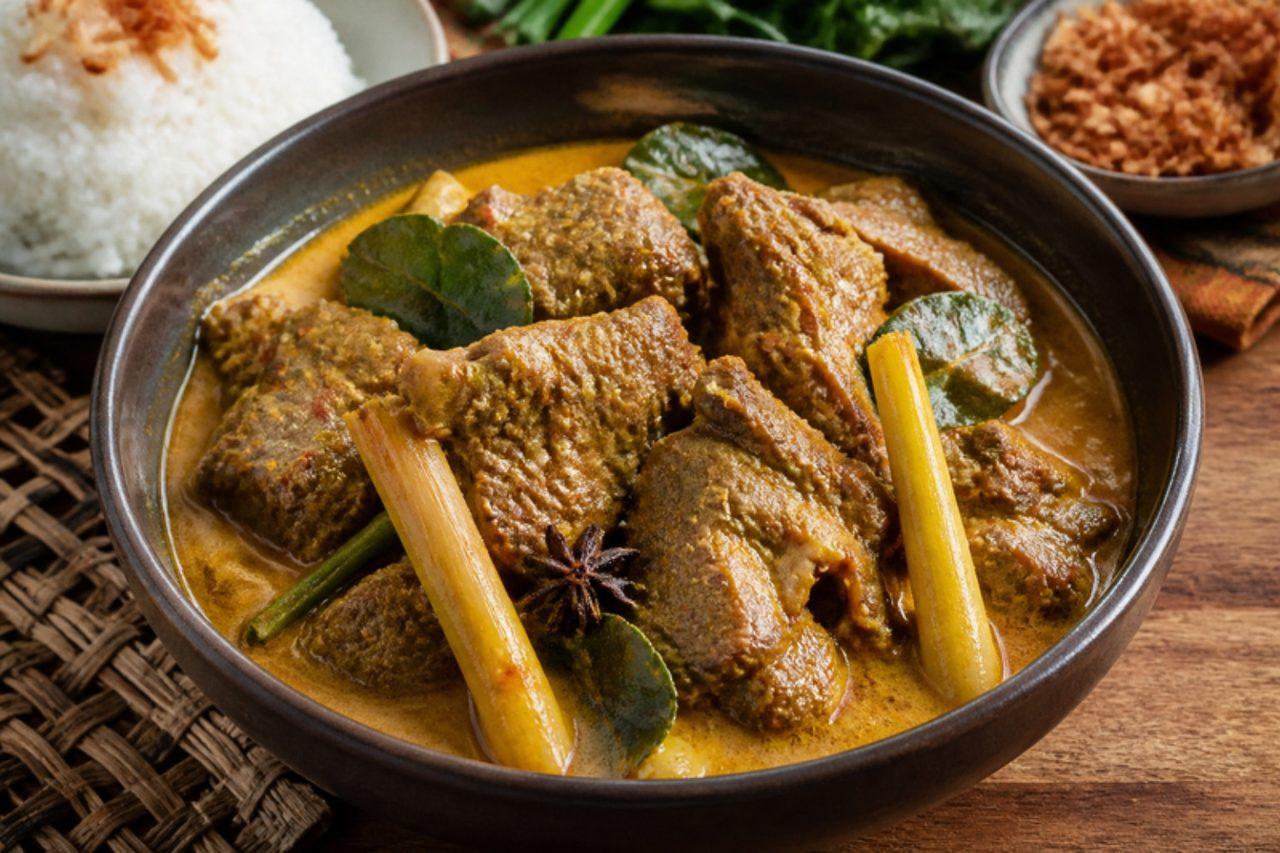
Gulai kambingGoat in yellow coconut curry

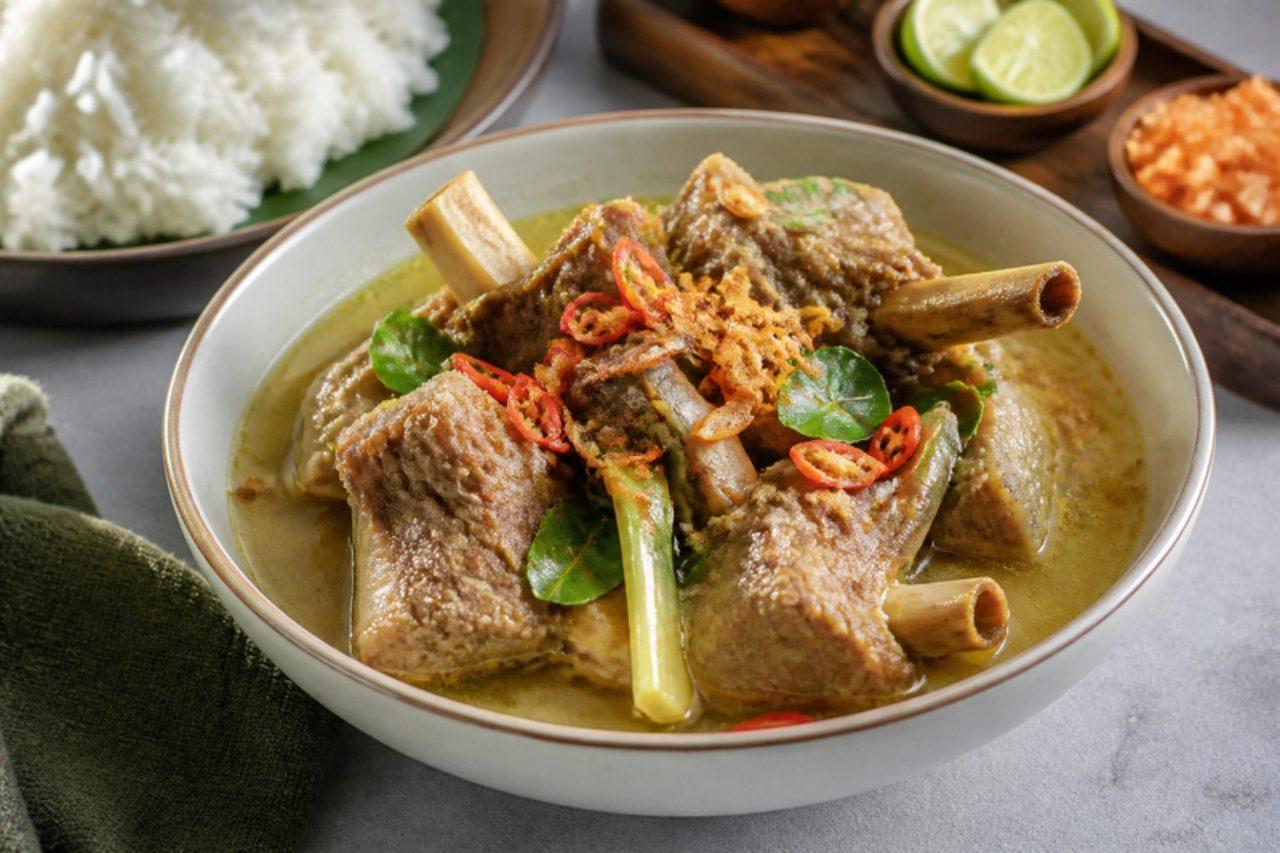
When the sacrifice of Idul Adha is shared out in Sumatran and Javanese neighbourhoods, many kitchens turn their portion of goat into gulai kambing: chunks of meat simmered slowly in a golden coconut gravy perfumed with turmeric, lemongrass, kaffir lime and whole spices. The sauce is rich, fragrant and only gently hot, and it is eaten with plain rice, sambal and fried shallots, often by families who rarely eat goat the rest of the year. Chef's tip: blanch the goat first and throw that water away, which removes the strong smell and gives a cleaner gravy.

by KrazyBadal 0 views

KaguyjyWhite corn pudding

On the night of 23–24 June, Paraguayans celebrate San Juan with bonfires, games like walking over hot coals and the 'paso de fuego', and a table of traditional foods, and kaguyjy (also mazamorra) is one of them. It is a soft, creamy pudding of cracked white corn (locro) simmered slowly in water and then milk with sugar or honey, sometimes with orange peel. It is eaten warm or cold. It is gluten free. Chef's tip: soak the corn overnight and cook it until each kernel is tender before adding the milk, or it never turns creamy.

by KrazyBadal 0 views

AllerheiligenstriezelBraided sweet loaf

In Bavaria and Austria, godparents give their godchildren an Allerheiligenstriezel on All Saints' Day, 1 November: a large braided loaf of sweet yeast dough, brushed with egg and scattered with almonds or pearl sugar. The braid is said to recall the old custom of cutting a plait of hair in mourning, and the size of the loaf once showed how generous the godparent was. It is lightly sweet, with lemon and vanilla, and is eaten sliced with butter or jam. Some recipes add rum-soaked raisins; these are soaked in warm water instead. Chef's tip: braid four strands for an impressive, high loaf.

by KrazyBadal 0 views

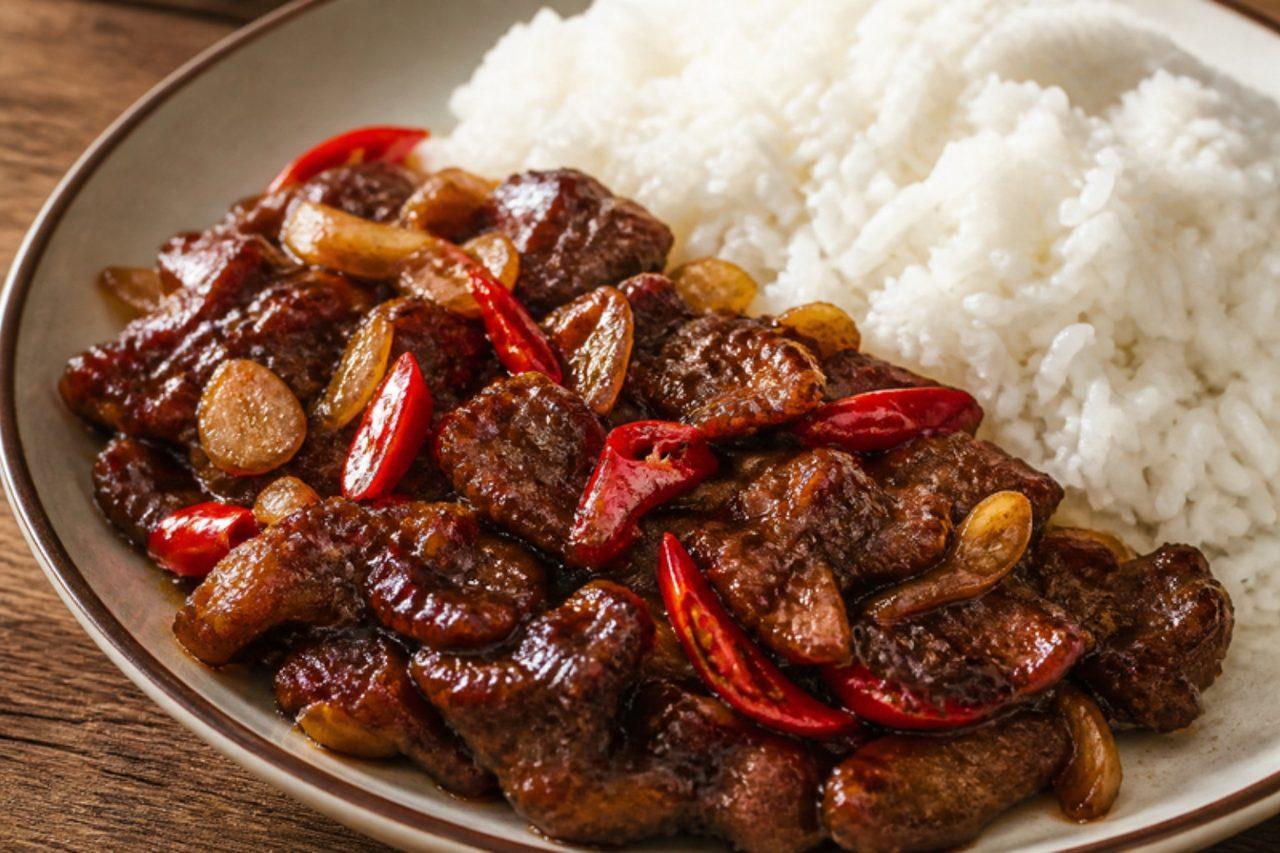
KrengsenganGoat stir-fried with sweet soy

Krengsengan is how many East Javanese households in Surabaya and Malang cook their share of Idul Adha goat or beef: thin slices stir-fried with shallots, garlic and chilli, then cooked down with sweet soy and a little petis (dark shrimp paste) until sticky and glossy. It is sweet, savoury and fiery, best with hot rice and cucumber. Petis is optional for anyone who prefers not to use shrimp. Chef's tip: slice the meat thinly across the grain, which keeps it tender in a quick cook.

by KrazyBadal 0 views

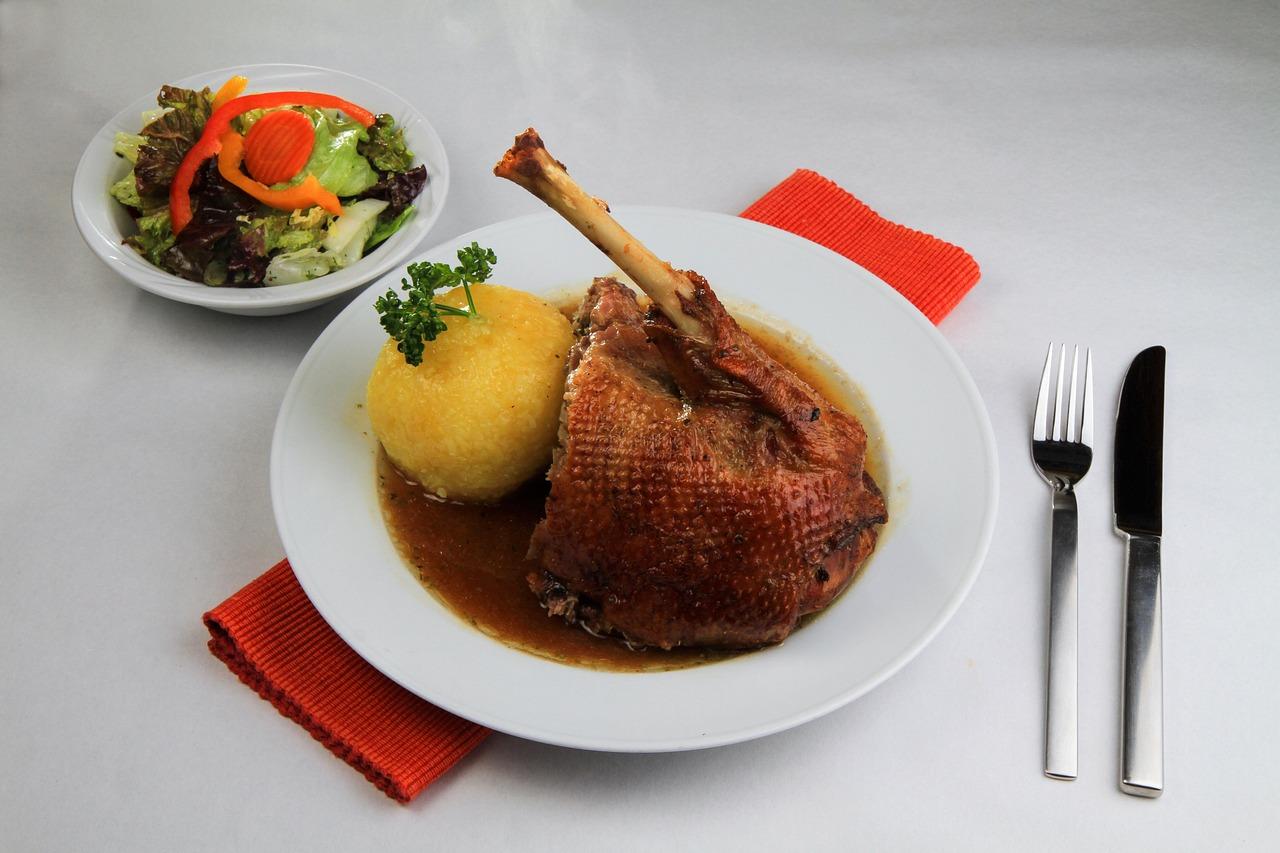
MartinsgansRoast goose with red cabbage

On 11 November, St Martin's Day, children in Germany and Austria walk in lantern processions, and families and restaurants serve the Martinsgans: a goose roasted slowly with apples, onion and mugwort or marjoram until the skin is crisp and the meat tender, with red cabbage, potato dumplings and a rich gravy. Legend says the geese's cackling gave away St Martin when he hid to avoid being made bishop. Goose gives off a lot of fat; save it for roast potatoes. Chef's tip: prick the skin all over (not the meat) and roast on a rack so the fat drains and the skin crisps.

270 minGermanMeat
by KrazyBadal 0 views

Pajagua mascadaBeef and cassava patties

Pajagua mascada is a Paraguayan street-food classic that appears on every table for the San Juan festival on 24 June, when bonfires burn and the night is full of games and traditional food. Minced beef is mixed with mashed cassava, onion, garlic and a little egg and flour, shaped into flat patties and fried until crisp. The name comes from Guaraní and refers to the 'chewing' of old Paraguayan cooks, who made it from leftover meat. Chef's tip: dry the boiled cassava well and remove its woody core, which keeps the patties light and crunchy.

by KrazyBadal 0 views

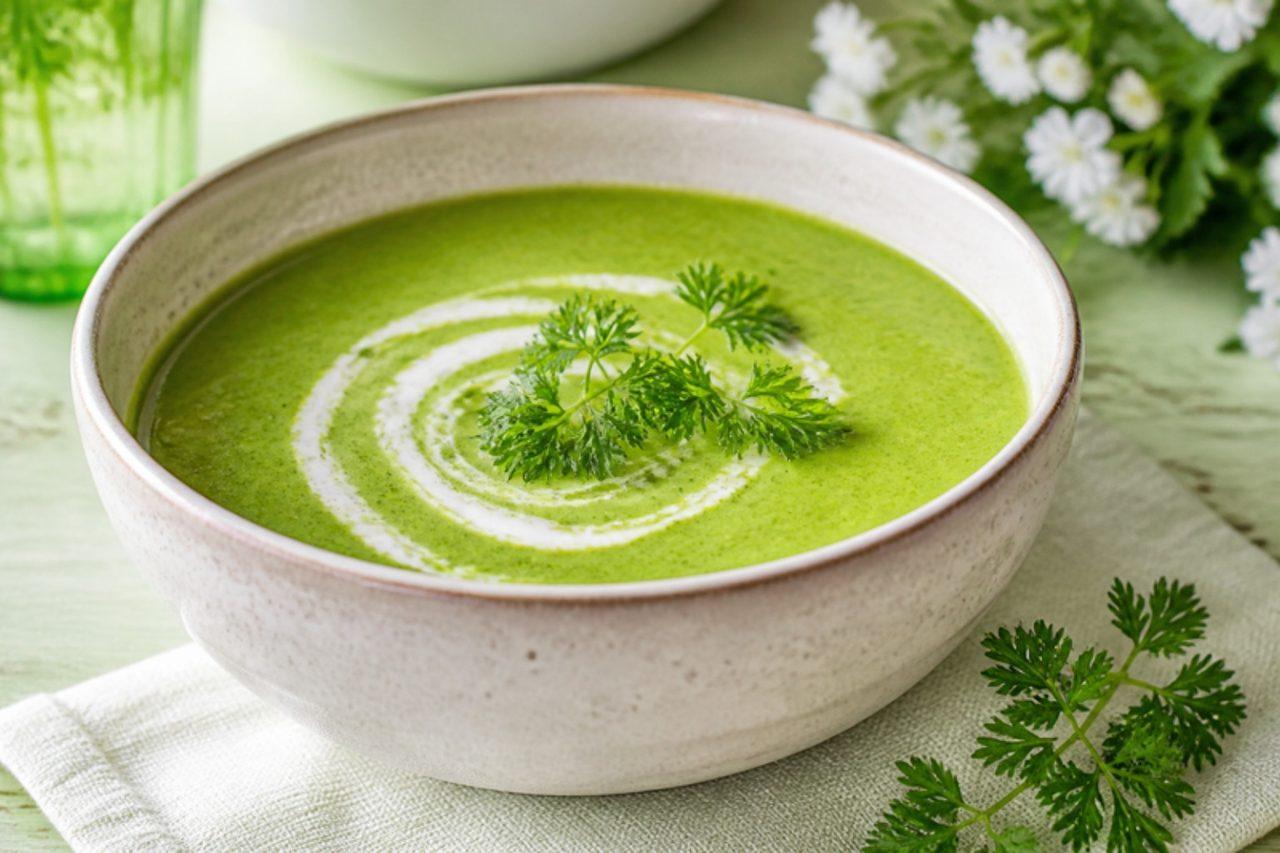
KerbelsuppeChervil soup

In Germany, Maundy Thursday is called Gründonnerstag, 'green Thursday', and many families eat something green that day for health in the coming year: spinach with eggs, herb soup or this creamy chervil soup. Chervil is one of the first herbs of spring, with a delicate taste of aniseed and parsley, and the soup is simply potato, shallot and vegetable stock blended with a big bunch of fresh chervil and finished with cream. It is ready in half an hour and gluten free. Chef's tip: add the chervil only at the very end and blend straight away, because heat quickly dulls its colour and flavour.

by KrazyBadal 0 views

Sate buntelMinced goat skewers

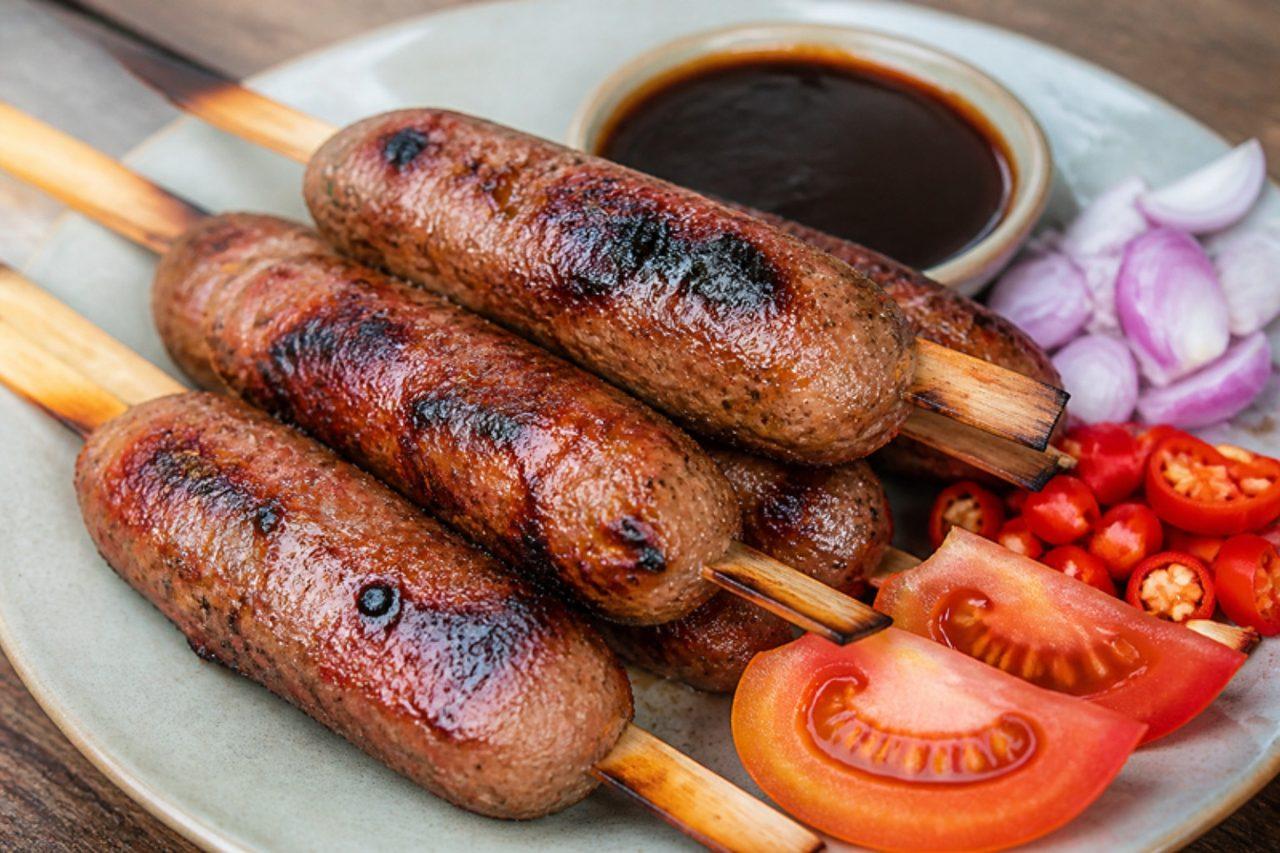
Sate buntel is the grand satay of Solo, Central Java: minced goat seasoned with garlic, shallot and pepper, wrapped in a thin lace of caul fat around a flat skewer and grilled until crisp outside and juicy inside. At Idul Adha, when families have plenty of goat from the sacrifice, sate buntel is the special-occasion dish, served with sweet soy, raw shallots, chilli and cabbage. Chef's tip: chill the wrapped skewers for 30 minutes before grilling so the caul fat holds tight and doesn't slip off.

by KrazyBadal 0 views

Kue bawangFried shallot ribbons

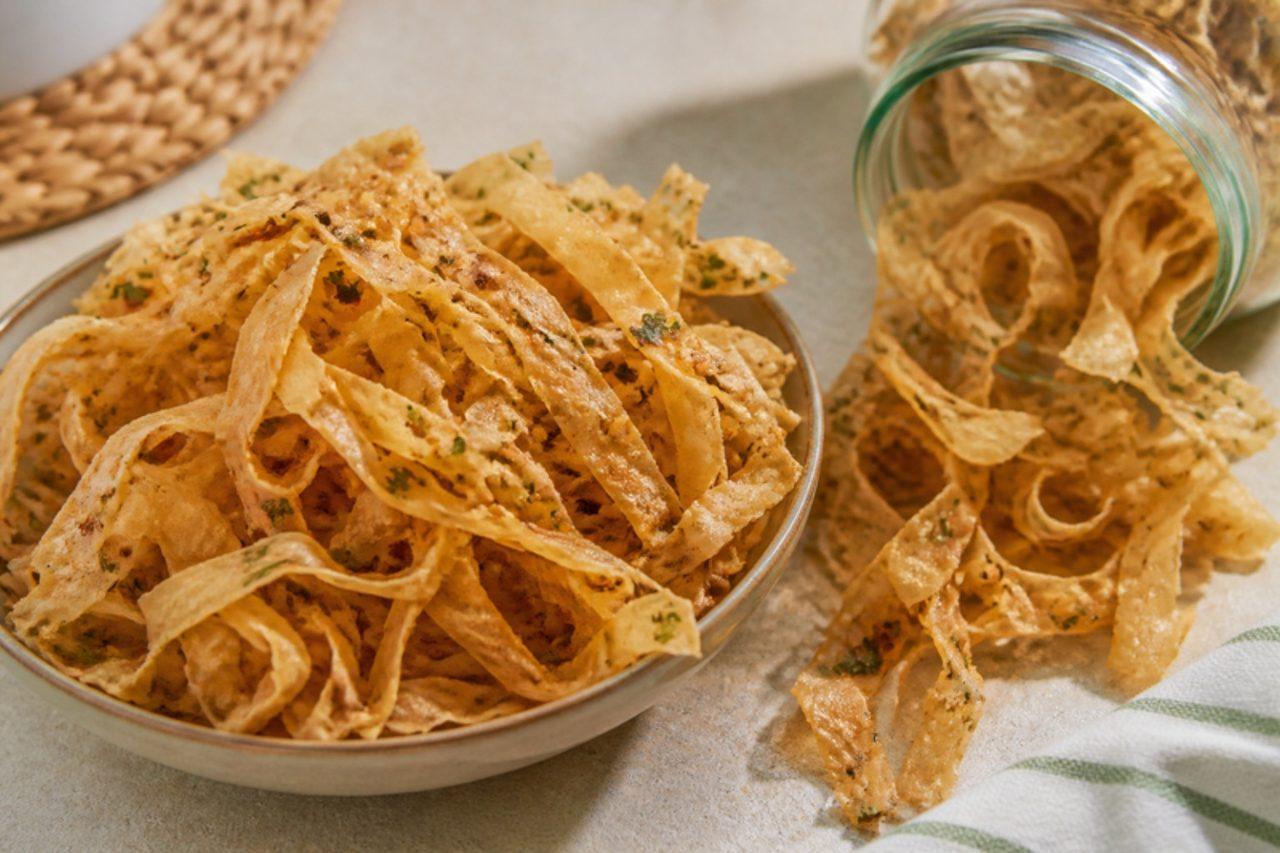
Kue bawang, 'onion cookies', are the salty partner to all the sweet things on an Indonesian Lebaran table. Thin ribbons of dough scented with shallot, garlic and chopped celery leaf are fried until they crackle, and families nibble them from jars while visiting each other during the Eid holidays. They are crisp, savoury and very moreish with sweet tea. Chef's tip: roll the dough so thin you can almost see the worktop through it; thick ribbons stay hard rather than shattering.

by KrazyBadal 0 views

Manisan kolang-kalingSugar palm fruit in pandan syrup

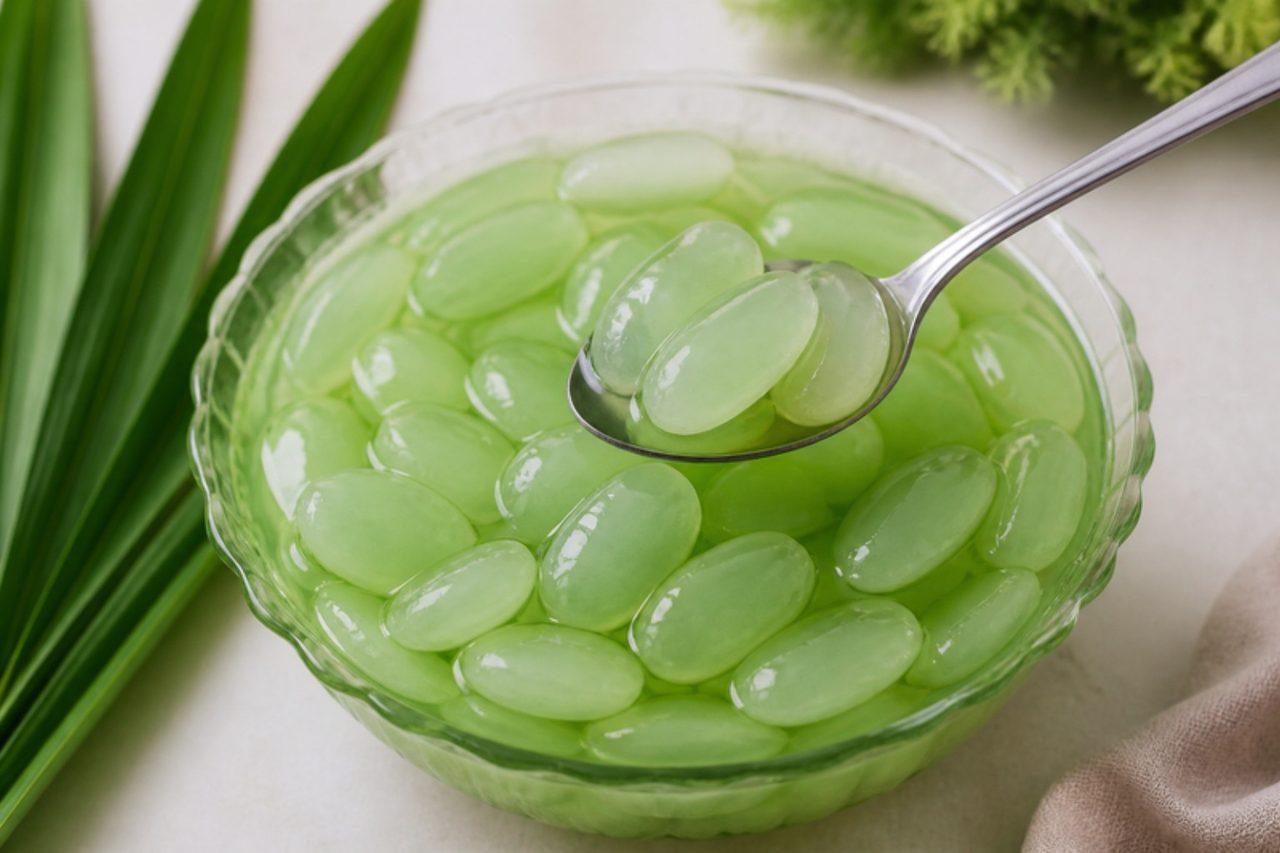
Kolang-kaling are the chewy, translucent seeds of the sugar palm, and in Indonesia they are a sure sign of Ramadan, piled in buckets at markets and simmered in syrup to go into iftar drinks, kolak and es buah. They have a soft, jelly-like bite and soak up whatever colour and flavour they are cooked in: green for pandan, red for rose syrup. Chef's tip: simmer them slowly and leave them in the syrup overnight; rushing gives pale fruit with a watery middle.

by KrazyBadal 0 views

KalanehWild leek stuffed flatbread

In Kurdistan and Kermanshah, Newroz arrives with the first spring greens on the hillsides, and families gather wild leeks to fold into kalaneh, thin griddle breads cooked over a fire or a hot pan and soaked in melted butter. The dough is plain and soft, rolled very thin around a pile of chopped leek or chives with a little salt and pepper, so the greens steam inside as the bread blisters. Eat it hot, torn into strips, with yogurt and tea at a Newroz picnic. The common mistake is wet greens, which turn the dough soggy and make it tear; dry them well after washing. Chef's tip: brush the butter on the moment the bread leaves the pan so it soaks right in.

by KrazyBadal 0 views

Australian rissoles

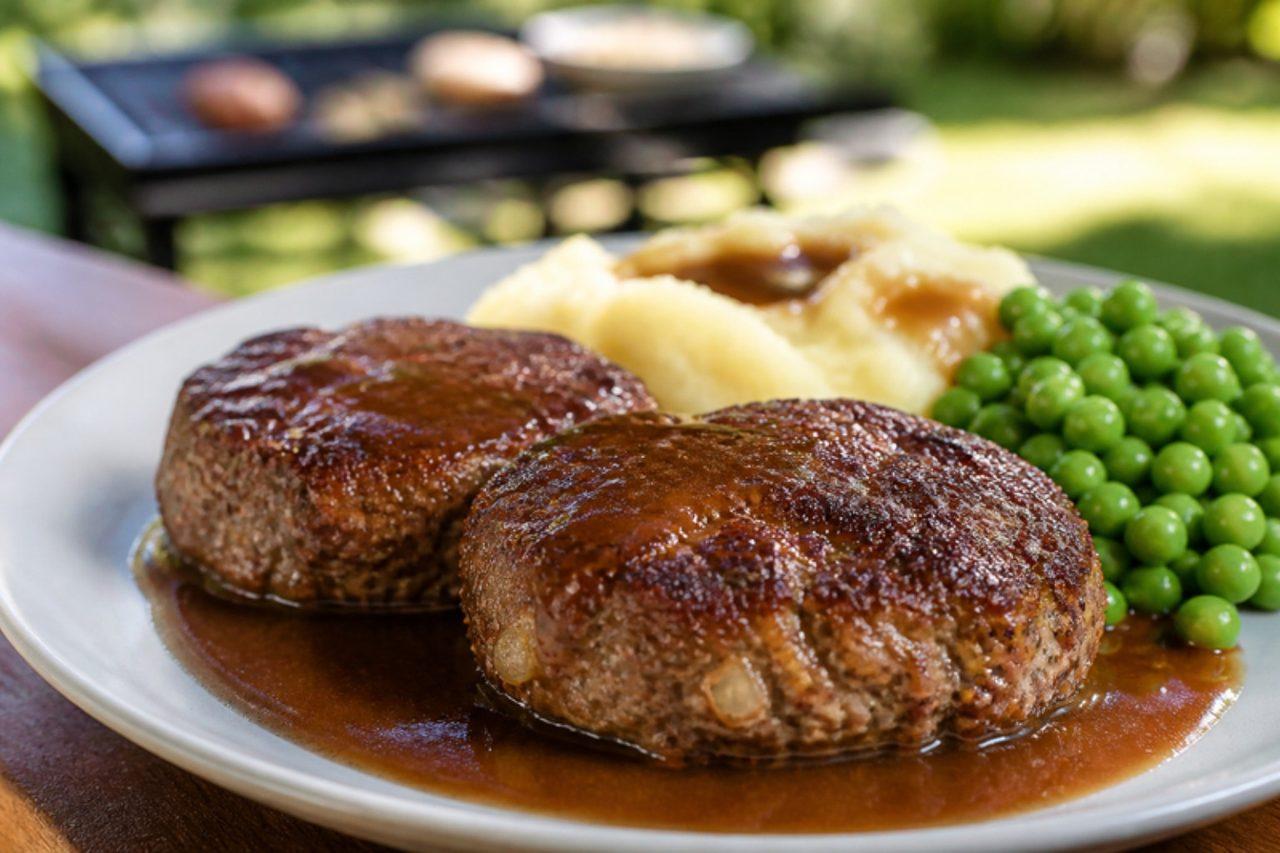
On Australia Day, 26 January, backyards fill with the smell of the barbie, and rissoles are as much a part of it as sausages: thick, homely patties of beef mince, grated onion, breadcrumbs and a splash of sauce, fried or grilled until browned. They are served with gravy and mash in winter, or in a bread roll with tomato sauce and salad on a summer afternoon. Some families now mark the day as a quieter long weekend, but the rissoles stay. Chef's tip: squeeze the grated onion dry, or the patties go soft and break on the grill.

by KrazyBadal 0 views

OsterpinzeEaster anise brioche

Osterpinze is the Easter bread of Styria, Carinthia and the area around Trieste, a soft, golden brioche dome with three deep cuts on top for the Holy Trinity, so that it opens into a crown as it bakes. The dough is rich with egg yolks and butter and flavoured with anise and lemon; old recipes add a splash of white wine, left out here. It is blessed in the Easter basket on Holy Saturday and eaten on Easter morning with ham, horseradish and eggs, or with butter and jam. Chef's tip: make the three cuts with scissors just before baking, deep enough to reach halfway down, so the crown opens wide.

by KrazyBadal 0 views

OsterlammEaster lamb sponge cake

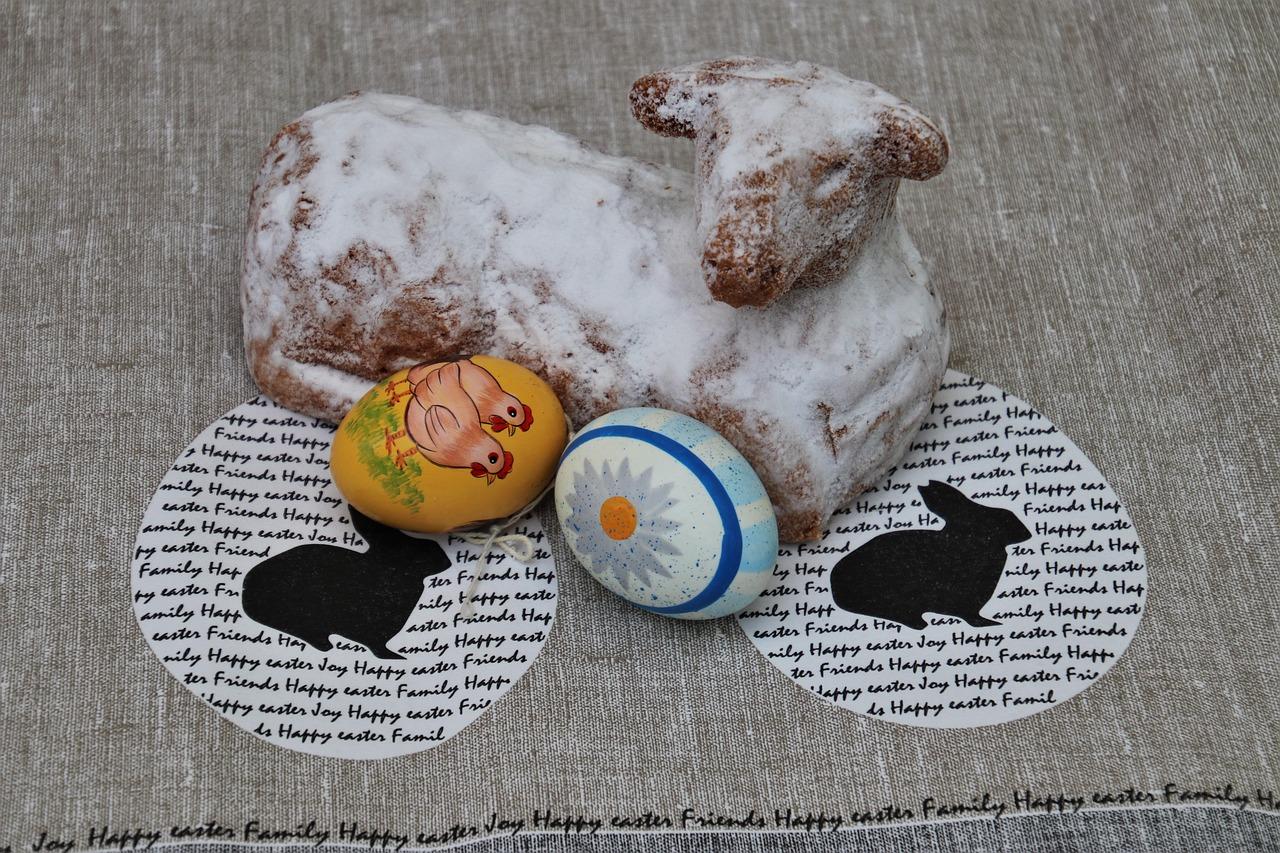
In Germany and Austria an Osterlamm, a light sponge baked in a two-piece lamb-shaped mould, stands on the Easter breakfast table, dusted with icing sugar with a ribbon and bell around its neck and sometimes a little flag. In Catholic regions it is taken to church on Holy Saturday to be blessed with the Easter basket. The cake is a buttery, lemony sponge, firm enough to keep its shape. You need a lamb cake mould, sold in kitchen shops before Easter. Chef's tip: grease the mould with soft butter and dust it with breadcrumbs or flour into every crevice, or the lamb's head stays in the tin.

by KrazyBadal 0 views

LepetSticky rice and peanut logs

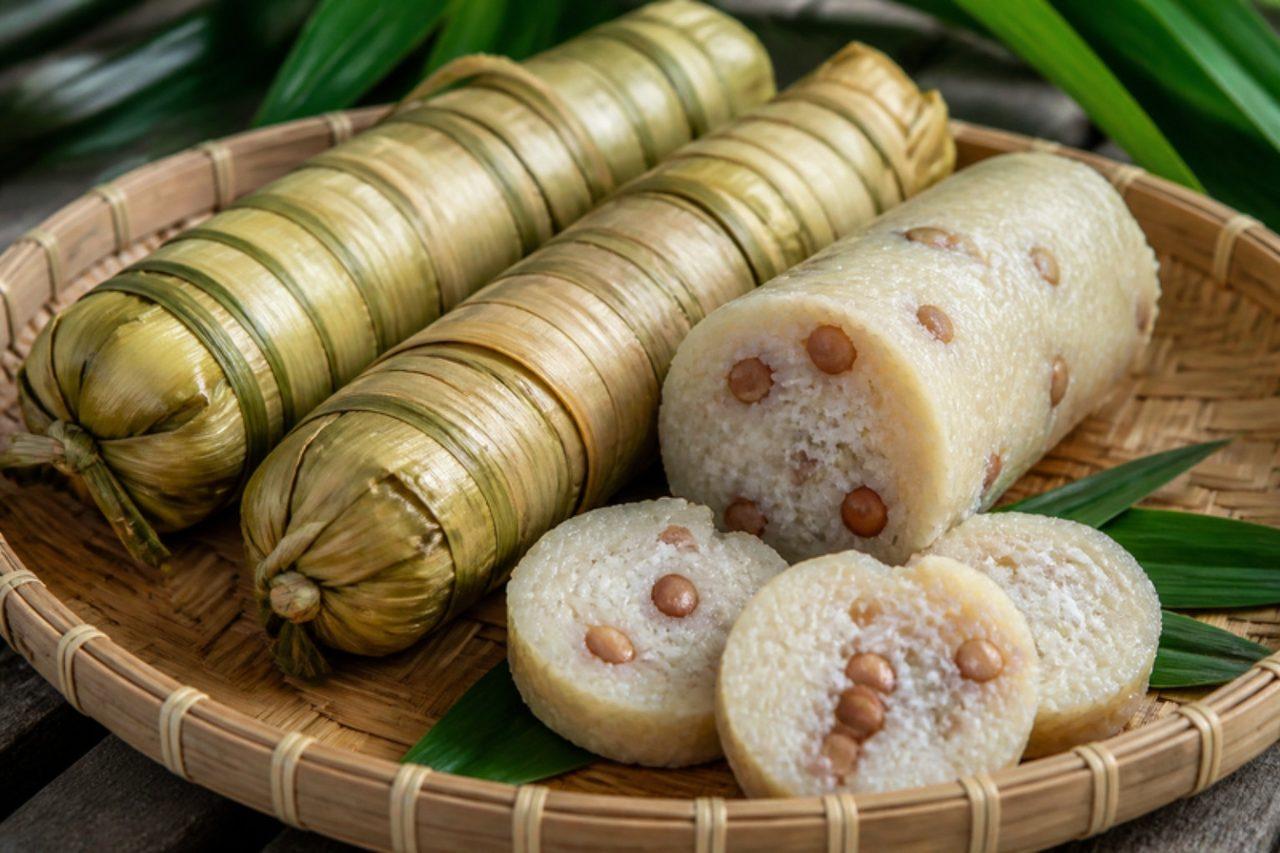
Lepet is the companion of ketupat on a Javanese Lebaran morning: glutinous rice and peanuts mixed with grated coconut, rolled in spiralled young coconut leaves and boiled for hours into dense, savoury logs. In Javanese tradition the sticky rice is a reminder to forgive and hold together after Ramadan, so it is shared with neighbours and family. It tastes nutty, salty and rich and is eaten with opor or simply on its own. Banana leaves and string work well where coconut leaves are hard to find. Chef's tip: roll each log loosely, about three-quarters full, so the swelling rice turns soft rather than hard and chalky.

by KrazyBadal 0 views

TengklengGoat rib and bone soup

Tengkleng was born in Solo, Central Java, as a way of using every part of the goat, and it comes into its own at Idul Adha, when the ribs and bones from the sacrifice go into a big pot of thin, turmeric-yellow broth. Diners pick the bones up by hand and suck out the meat and marrow, then spoon the light, aromatic soup over rice. It is less rich than gulai, warmer and sharper with ginger and pepper. Chef's tip: simmer gently with the lid ajar; a fierce boil clouds the broth and toughens the meat on the bones.

by KrazyBadal 0 views

Tongseng kambingGoat in curry broth with cabbage

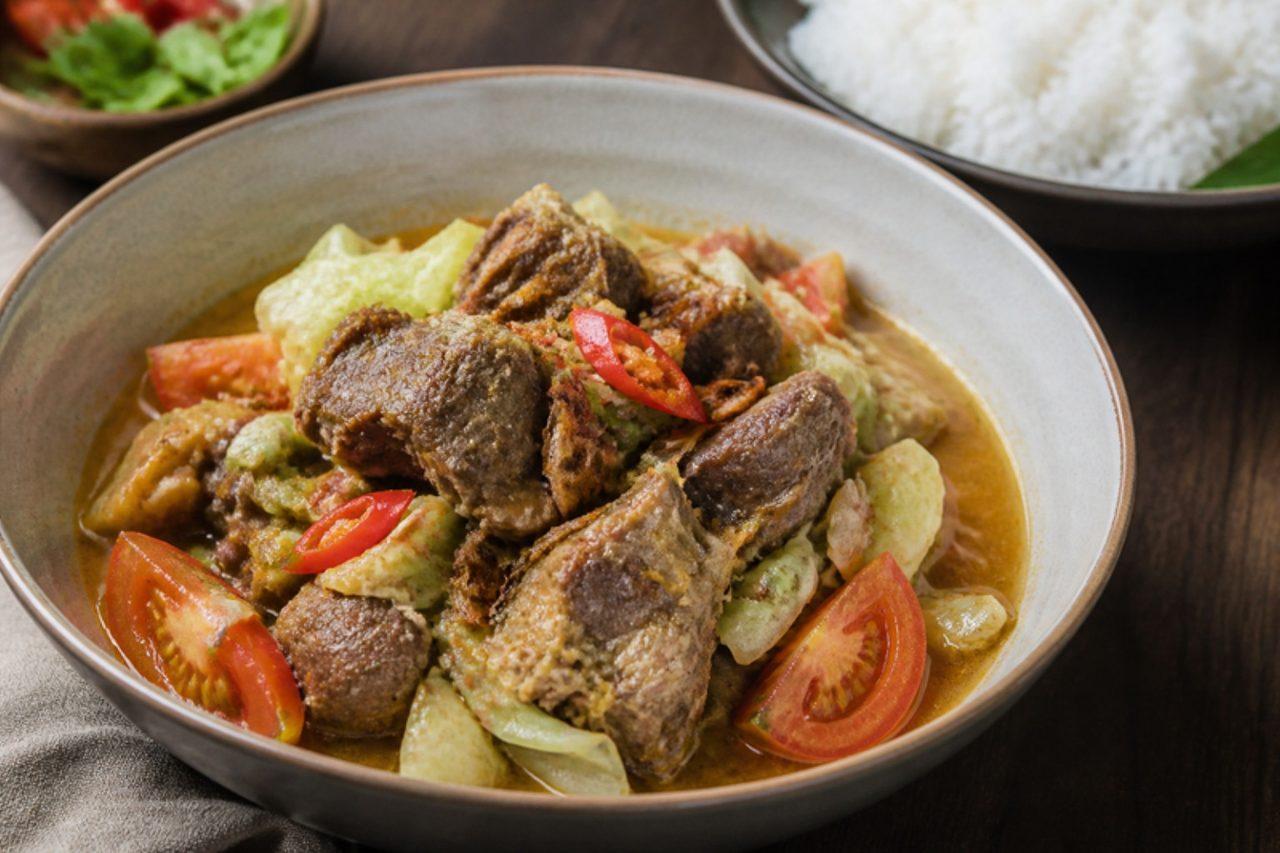
After the Idul Adha sacrifice in Solo, Central Java, the neighbourhood warung and home kitchens turn bite-sized goat into tongseng: meat quickly stir-cooked in a thin, spiced coconut curry with cabbage, tomato and a generous pour of sweet soy sauce. The result is sweet, peppery and a little hot, served with rice and eaten the same day the meat is shared out. Chef's tip: add the cabbage at the very end so it stays crisp-tender and bright.

by KrazyBadal 0 views

Kue satuMung bean flour sweets

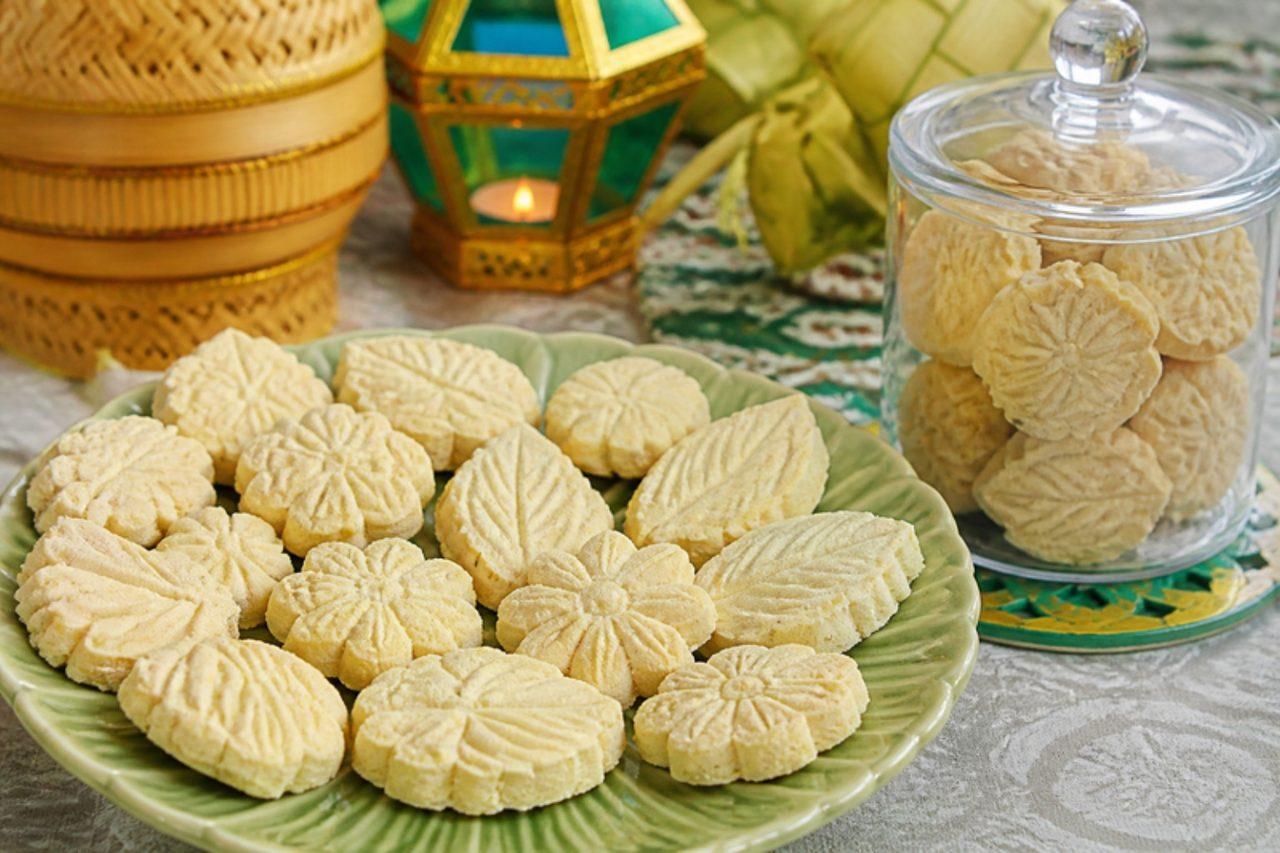
Kue satu are the little pale sweets that fill glass jars on Javanese and Sumatran tables when families open their doors for Lebaran visits at the end of Ramadan. Mung-bean flour is dry-toasted until it smells nutty, mixed with icing sugar and a whisper of pandan, then pressed into carved wooden moulds of flowers and leaves and left to dry until crumbly. They melt on the tongue with a sweet, beany, vanilla-like flavour and are offered with tea to every guest. Chef's tip: toast the flour until it is a shade darker and smells like popcorn, because raw-tasting flour is the most common reason kue satu taste flat.

by KrazyBadal 0 views

Sopa teólogaTurkey broth with bread and cheese

Sopa teóloga ('the theologian's soup') goes back to colonial convents in Lima and Arequipa, where it was cooked for feast days, and it is still served at Holy Week and family celebrations. A rich turkey (or chicken) broth is thickened with soaked bread, milk and fresh cheese, with yellow potatoes and shreds of turkey, and finished with a little ají amarillo and chopped huacatay or parsley. It is thick, comforting and filling. Chef's tip: blend part of the soaked bread with broth before adding it, which gives the soup its creamy body without lumps.

by KrazyBadal 0 views

Kuah beulangongGoat and young jackfruit curry

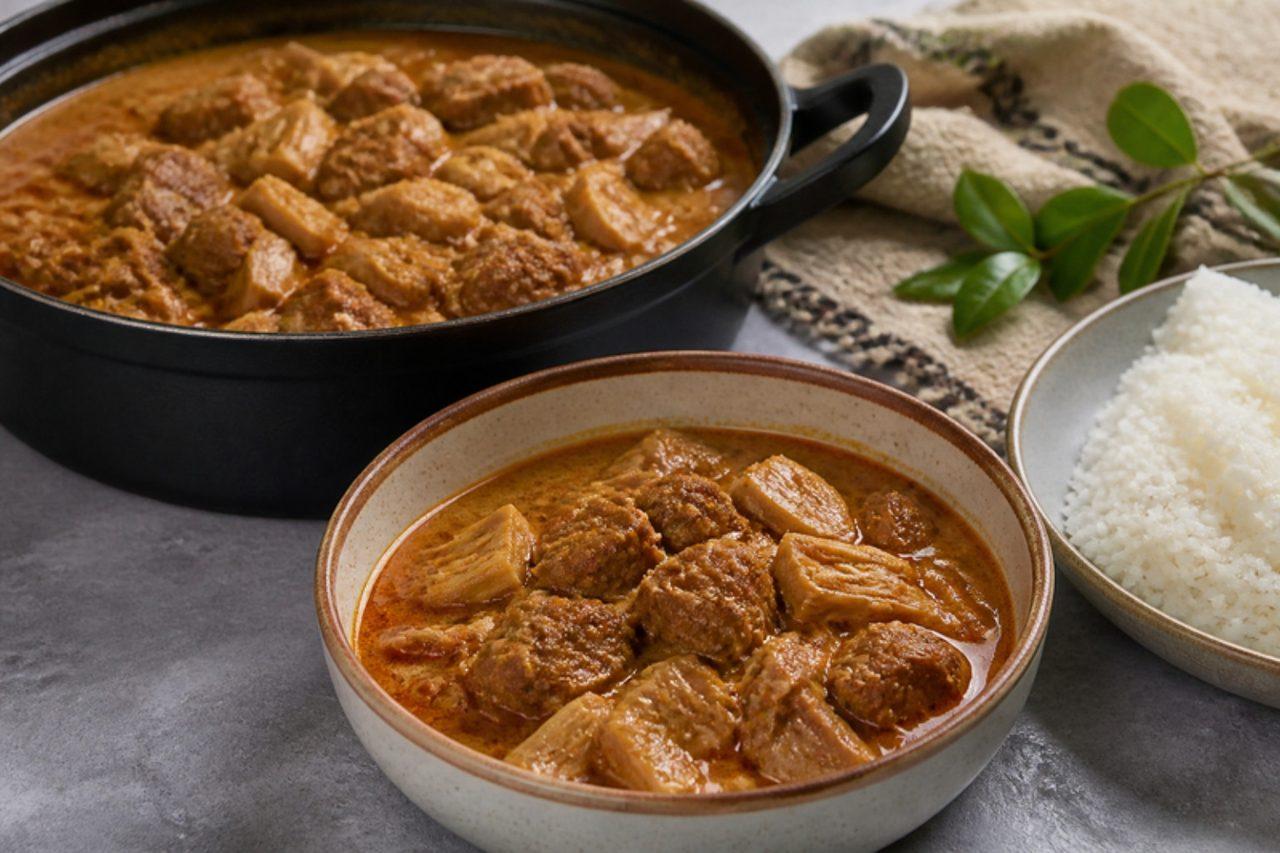
In Aceh, the days of Meugang before Ramadan and Idul Adha are marked by men cooking kuah beulangong in huge cauldrons (beulangong) in the village square, so that every household, rich or poor, eats meat at the feast. Goat or beef is cooked with young jackfruit in a dark, nutty curry thickened with roasted coconut paste (u neulheu) and plenty of chilli and spice. This version scales the cauldron down to a family pot. Chef's tip: roast the coconut slowly until it is the colour of dark chocolate, because the deep toasted flavour is what makes this curry Acehnese.

by KrazyBadal 0 views

Chipa so'oCheese bread with spiced beef

In Paraguay, families bake chipa in the clay tatakua ovens on Holy Wednesday so there is food for Thursday and Good Friday, when cooking stops. Chipa so'o ('chipa with meat') is a cassava-starch and cheese bread wrapped around a little filling of minced beef cooked with onion and egg, then baked until crisp outside and chewy within. It is naturally gluten free. Chef's tip: knead the dough until it no longer cracks at the edges when pressed; dry dough splits around the filling.

by KrazyBadal 0 views

Emping melinjoMelinjo nut crackers

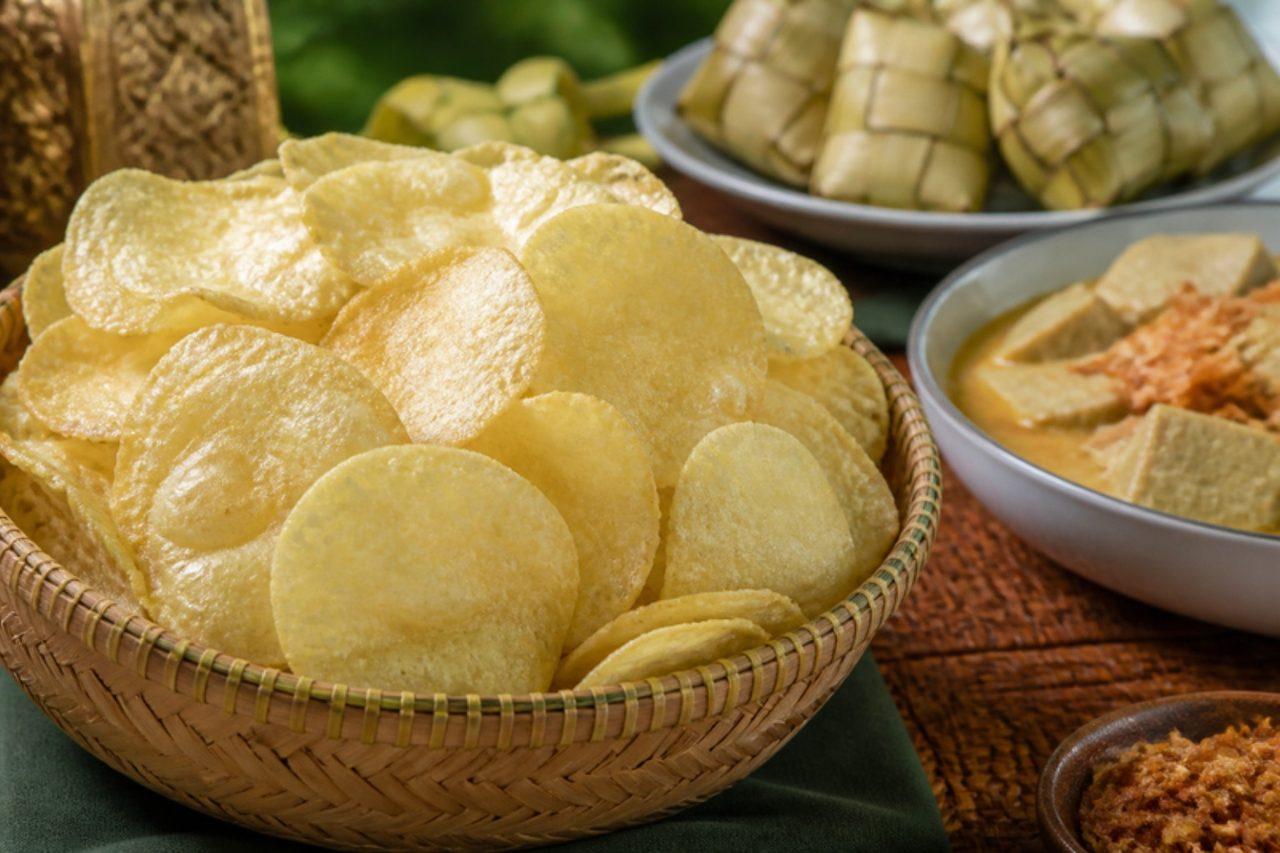
Emping are pale, crisp crackers from Banten and Java, made by cracking melinjo nuts, flattening them with a hammer and drying them; at Lebaran a bowl of fried emping sits beside the opor ayam and ketupat. They taste lightly bitter and nutty, and a sweet-spicy coating is popular for the snack jars. Most cooks buy dried raw emping and fry them at home, which is what this recipe does, with the hand-pressing method for anyone who finds fresh nuts. Chef's tip: fry only a handful at a time and lift them out the moment they puff; emping go from perfect to burnt in seconds.

by KrazyBadal 0 views

Showing 24 of 774 recipes

Show more recipes

Page 1 of 33