Skip to content
Recipes

All recipes

Vegetarian, or something you can't eat? Set your diet once and we'll hide recipes that don't fit.

Tagine qoq w jelbana (lamb with artichokes and peas)

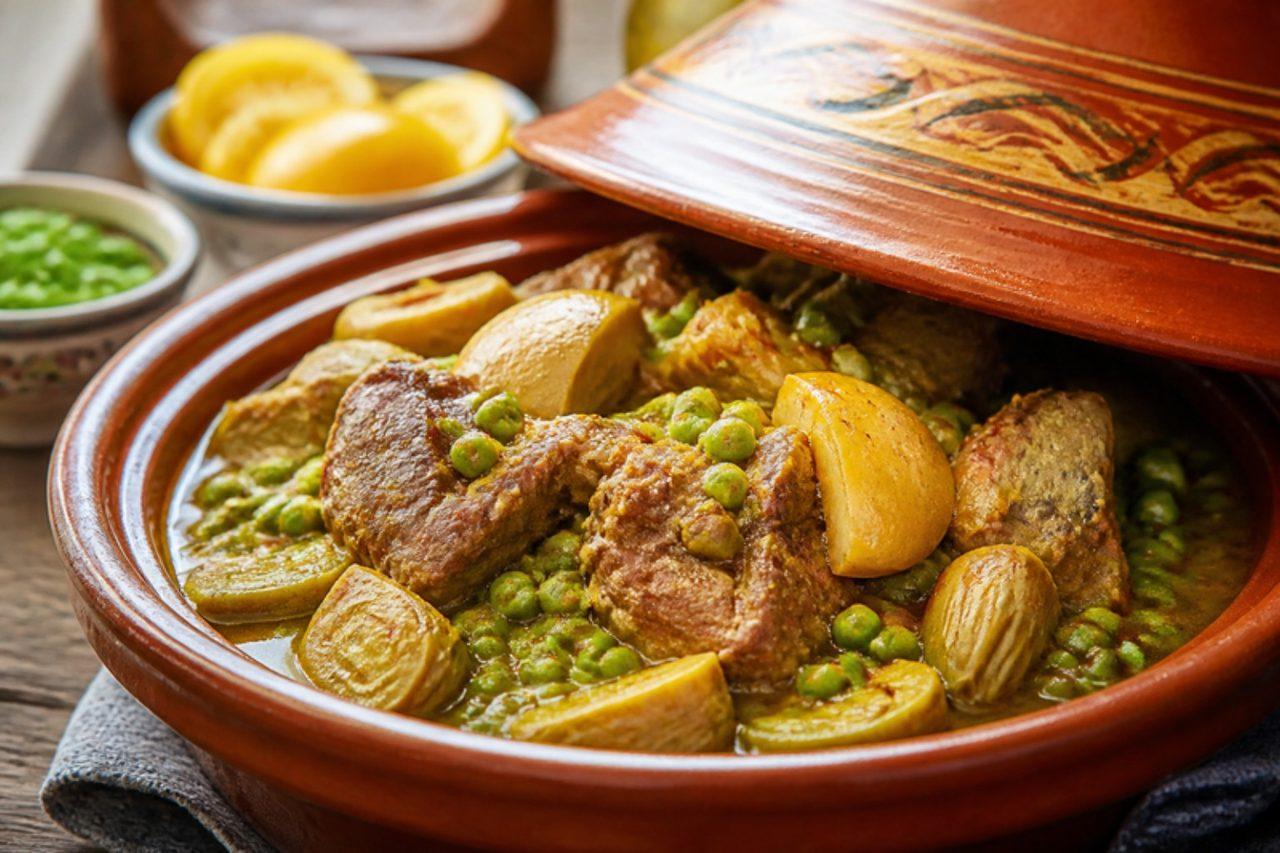
In Fes and Meknes, spring is announced by the first wild artichokes and fresh peas, and families cook them in this pale, saffron-gold lamb tagine for the Friday lunch. The lamb simmers with onion, ginger, saffron and olive oil until tender, then artichoke hearts and peas go in so they stay green, and preserved lemon adds a salty brightness. Eat it straight from the pot with khobz. The common mistake is adding the vegetables with the meat, so they go grey and mushy; they need only the last 20 minutes. Chef's tip: rub cut artichokes with lemon and keep them in lemon water, or they blacken within minutes.

130 minMoroccanMeatGluten free
by KrazyBadal 0 views
Berber corn couscous with vegetables

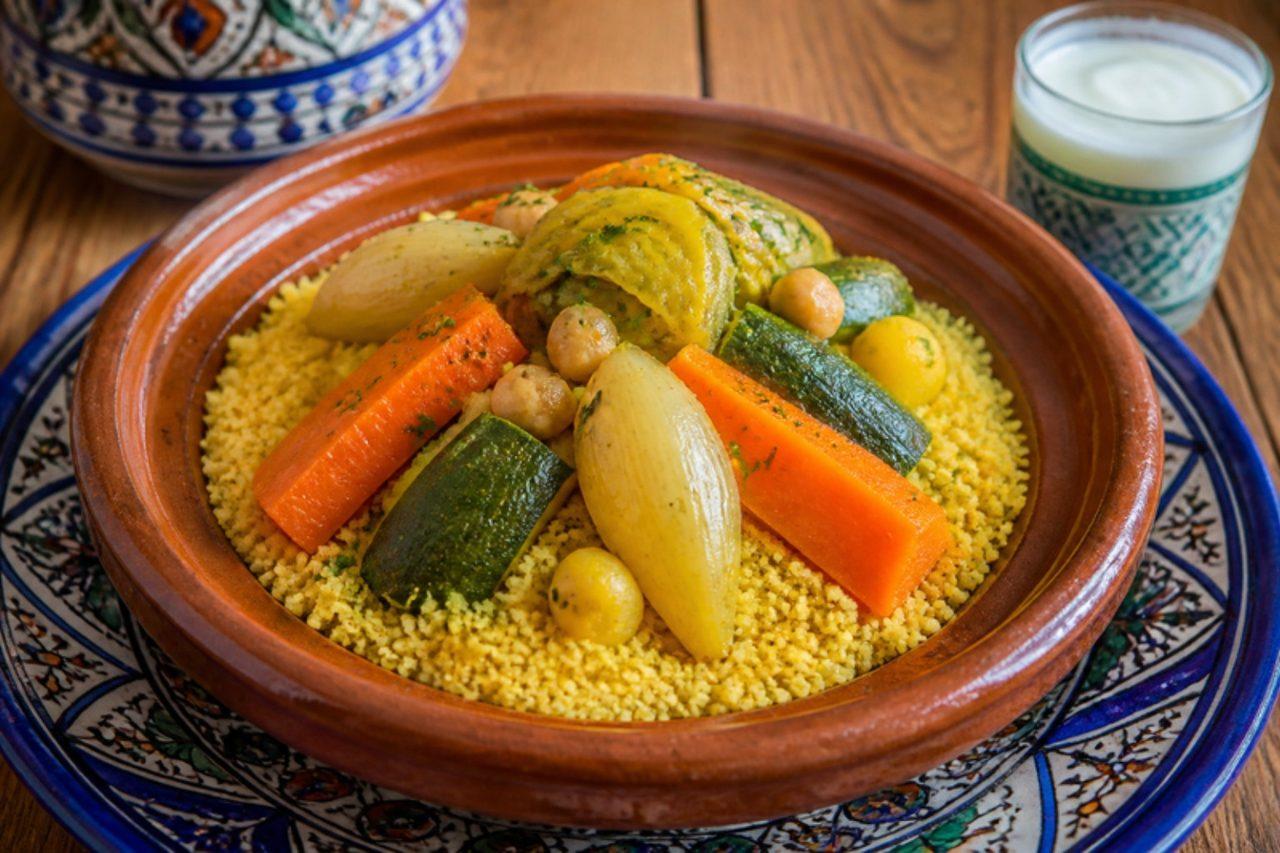
In the Souss valley and the villages of the Middle Atlas, couscous is often made not from wheat but from cracked dried maize, which gives a sunny yellow, slightly nutty grain. It's steamed three times over a pot of turnips, carrots, courgettes and pumpkin, buttered with smen or plain butter, and eaten on Fridays with a glass of cold lben (buttermilk). Corn grits absorb more water than wheat and won't swell in one go, so the usual mistake is skipping the third steaming and serving it gritty. Chef's tip: oil your palms before rubbing the grains between steamings; the maize stays separate and never clumps. Naturally gluten free if you check your maize grits are made in a gluten-free mill.

by KrazyBadal 0 views
Shlada khiar (grated cucumber salad with oregano)

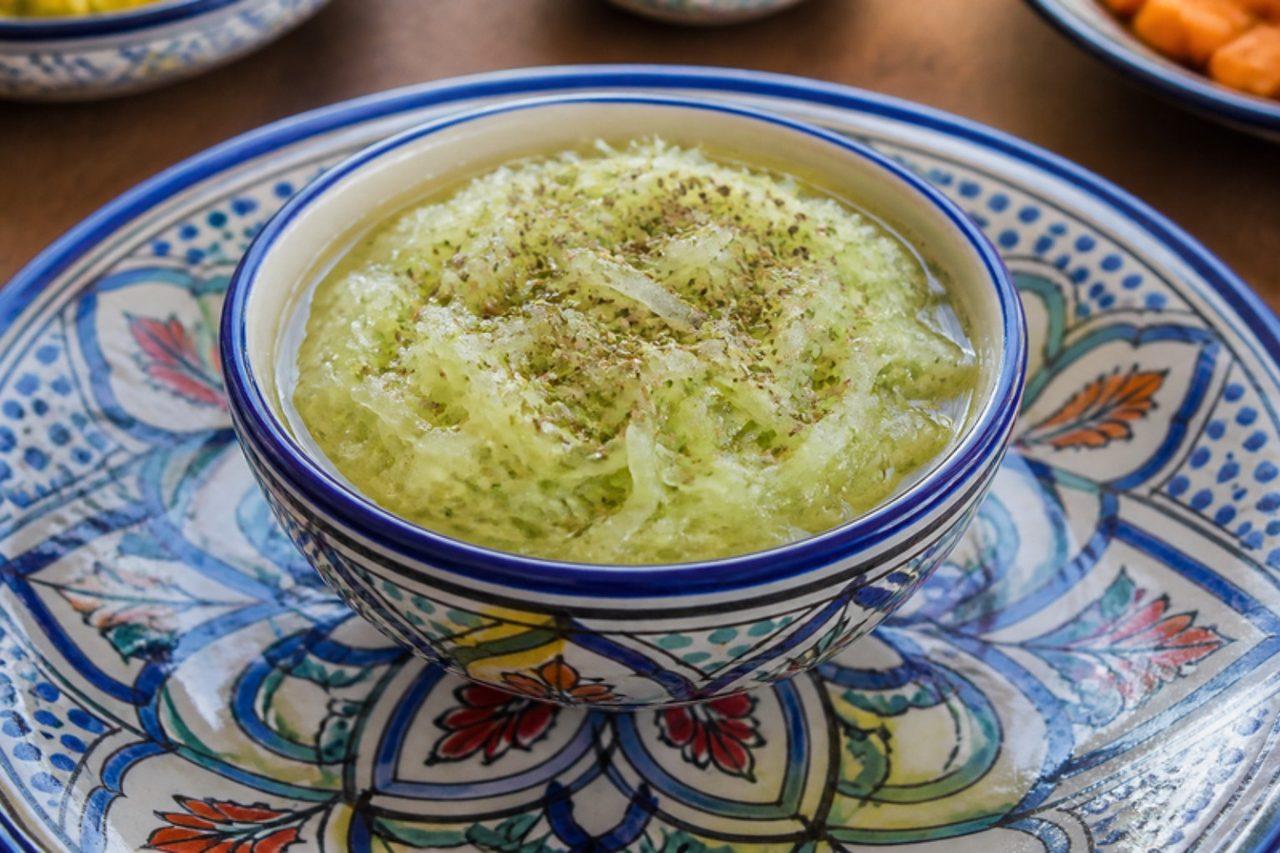
In the heat of a Fes or Marrakech summer, this ice-cold grated cucumber salad is served in bowls with spoons, half salad, half drink, alongside rich tagines or a plate of fried fish. Cucumber is grated and loosened with water, vinegar and a little sugar, then perfumed with crushed dried oregano or zaatar. Grating ahead and leaving it to sit in salt is the usual slip; the cucumber goes limp and bitter. Chef's tip: rub the oregano between your palms over the bowl to wake its oils.

by KrazyBadal 0 views
Shlada beldia (Moroccan tomato and cucumber salad)

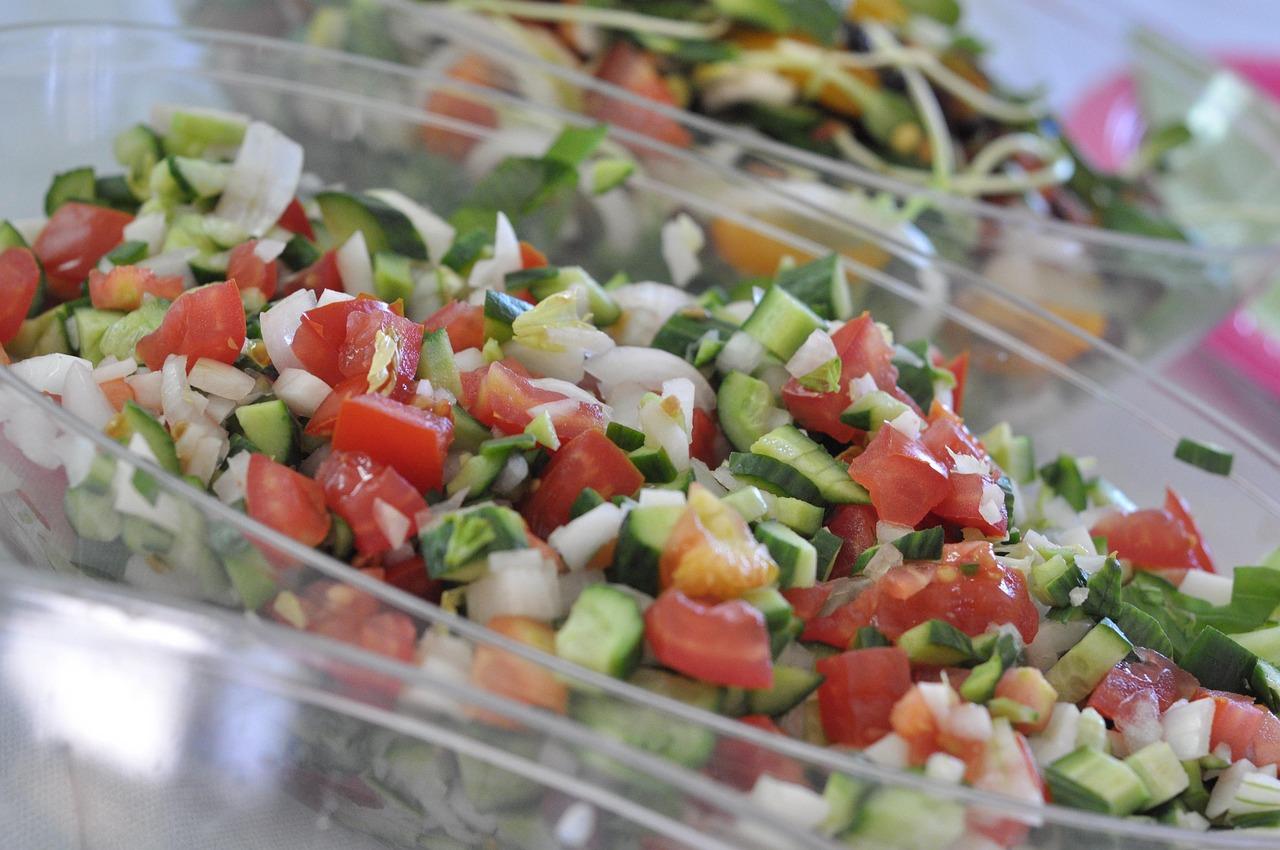
Shlada beldia, "country salad", sits next to the bread on almost every Moroccan table, from Marrakech grill stalls to a Tuesday family lunch in Oujda. Tomato, cucumber, onion and green pepper are diced as small as lentils, then dressed with lemon, olive oil, parsley and a pinch of cumin, so it eats like a fresh relish with grilled meat, tagines or eggs. The common mistake is dressing it too early: the tomatoes weep and it turns to soup, so salt it just before serving. Chef's tip: dice everything to the same tiny size; that's what makes it taste Moroccan rather than like a chopped salad.

by KrazyBadal 0 views
Chorba khodra (light Moroccan vegetable soup)

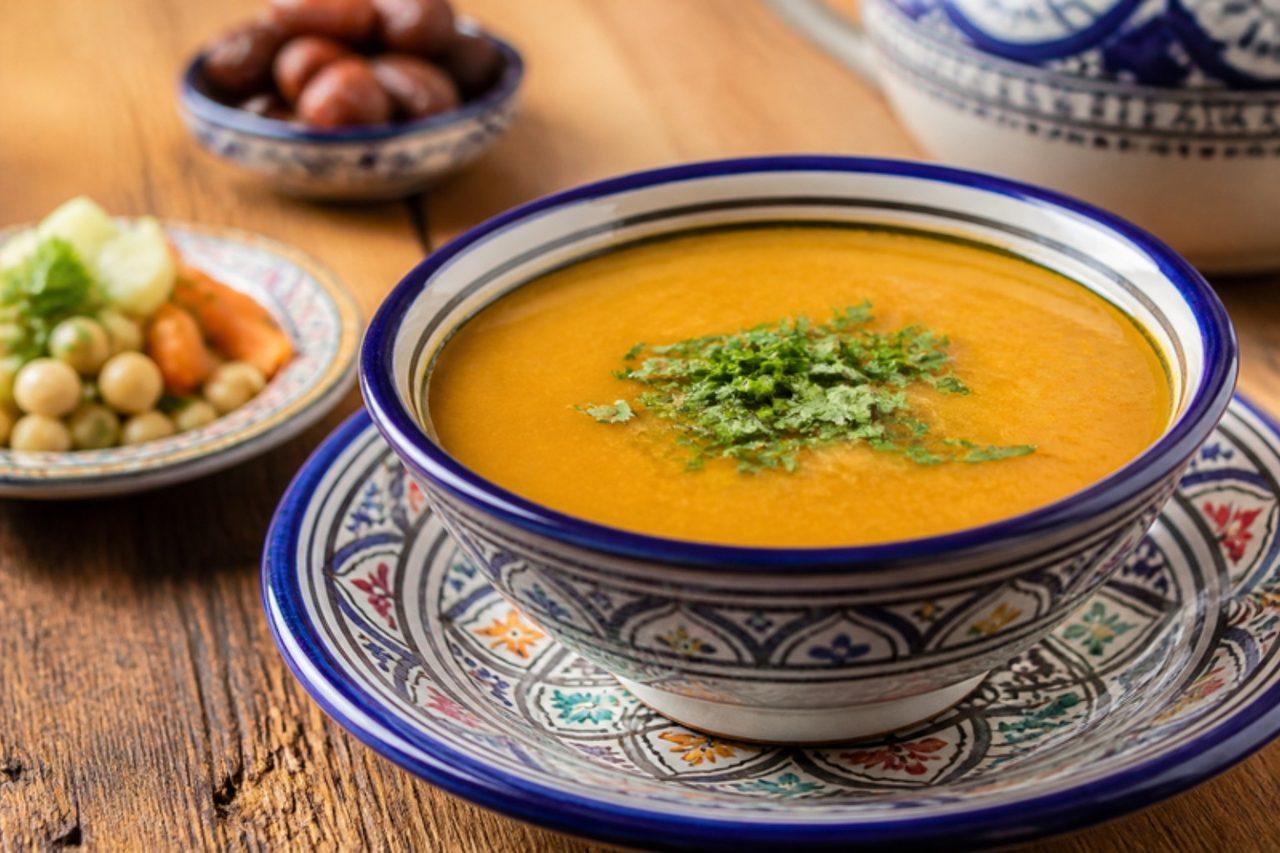
Chorba khodra is the everyday soup of Moroccan homes from Tangier to Agadir, served for supper on cold evenings and to anyone feeling unwell. Carrots, courgettes, potato, turnip and celery simmer with onion, tomato, coriander, parsley, ginger and a little turmeric, then get blended into a smooth, light orange soup thickened with a spoon of fine vermicelli or semolina. Serve with bread and a lemon wedge. Most people boil it too long so the herbs turn dull; add the fresh herbs in the last 10 minutes. Chef's tip: a teaspoon of smen or olive oil stirred in right before serving gives it the roundness of the restaurant version. Contains wheat (vermicelli).

by KrazyBadal 0 views

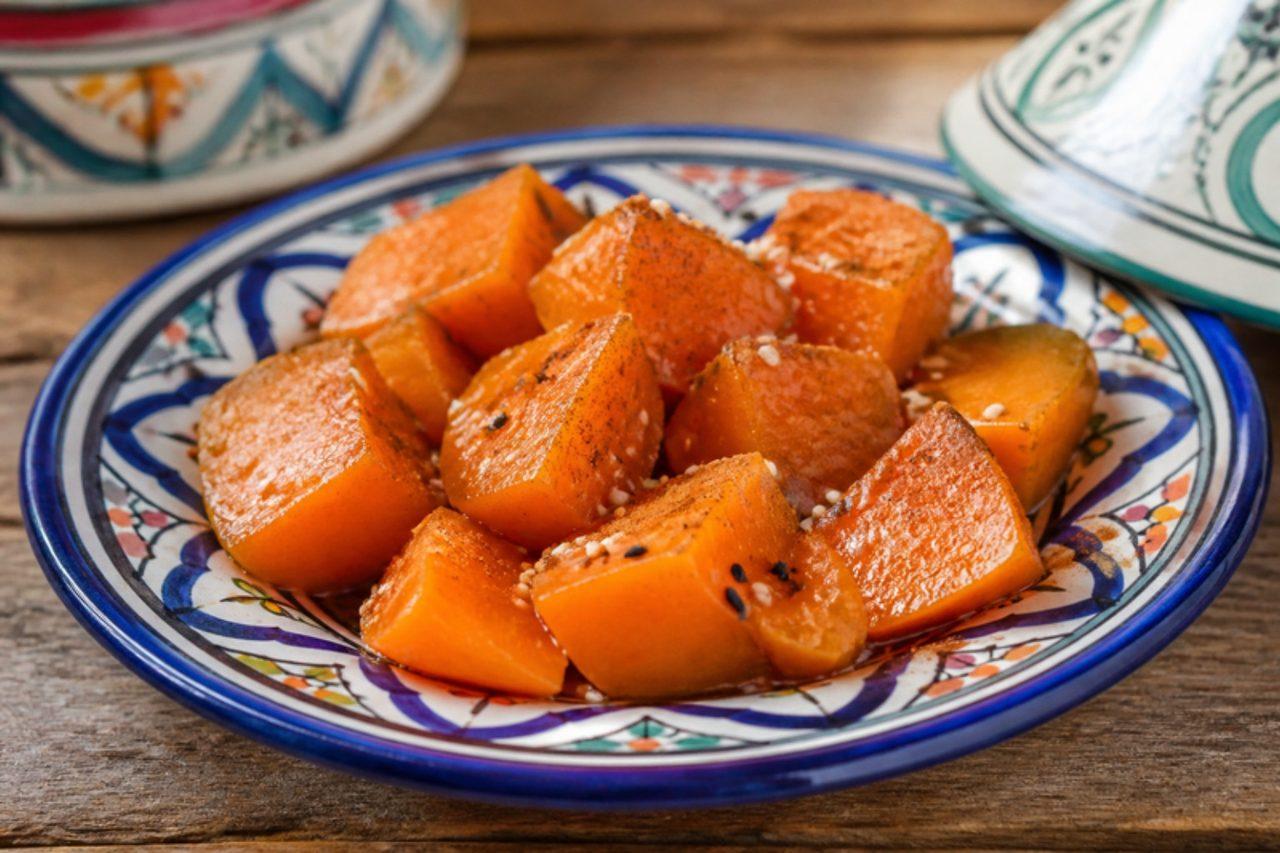
Moroccan sweet pumpkin salad

In Fes and Meknes no Friday couscous lunch starts without a ring of little cooked salads, and the sweet red pumpkin one is the children's favourite. Chunks of pumpkin are softened with a little oil, then cooked down with honey, cinnamon and a pinch of ginger until they collapse into a glossy, jammy mash with a few chunks left. Serve it at room temperature with bread, alongside sharper salads like zaalouk or carrots with cumin. Cooks often add too much water and end up with soup; the pumpkin gives off its own juice, so start almost dry. Chef's tip: scatter toasted sesame seeds over just before serving for crunch against the sweetness.

by KrazyBadal 0 views

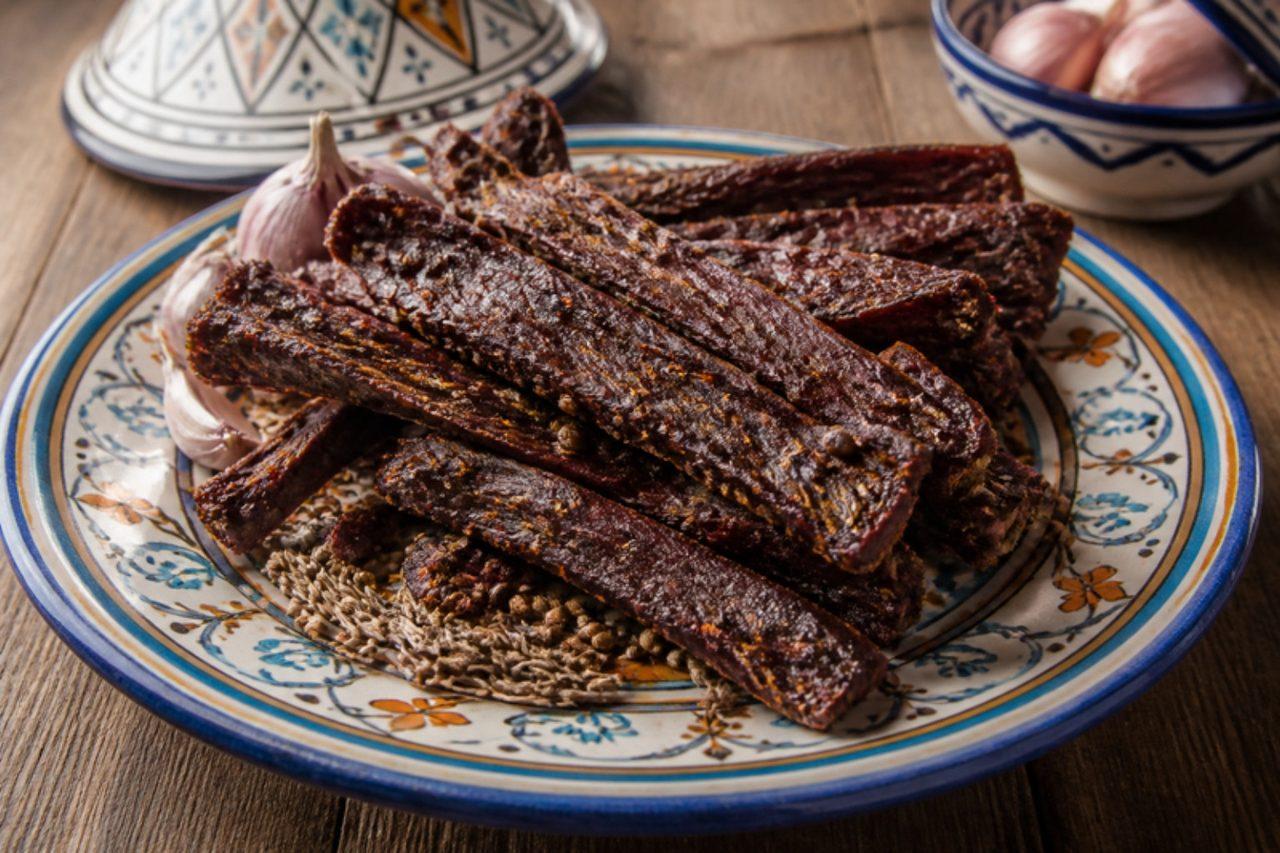
Gueddid (spiced dried lamb, safe oven method)

After Eid al-Adha, families across Morocco traditionally cut part of the sacrificed lamb into strips, rub it with salt, garlic, cumin and coriander and hang it on rooftop lines in the sun for days; the gueddid is then kept for Ashura couscous, lentil stews and eggs. Sun-drying meat at home is not safe without strict control, so this version cures the strips in the fridge, then dries them in a low oven until the meat is cooked through to at least 71 °C and leathery-dry, with the same deep, salty, cumin flavour. The common mistake is cutting thick strips: anything over 1 cm stays moist in the centre. Chef's tip: semi-freeze the meat for an hour first so you can slice it thinly and evenly. Not for anyone on a low-salt diet.

by KrazyBadal 0 views

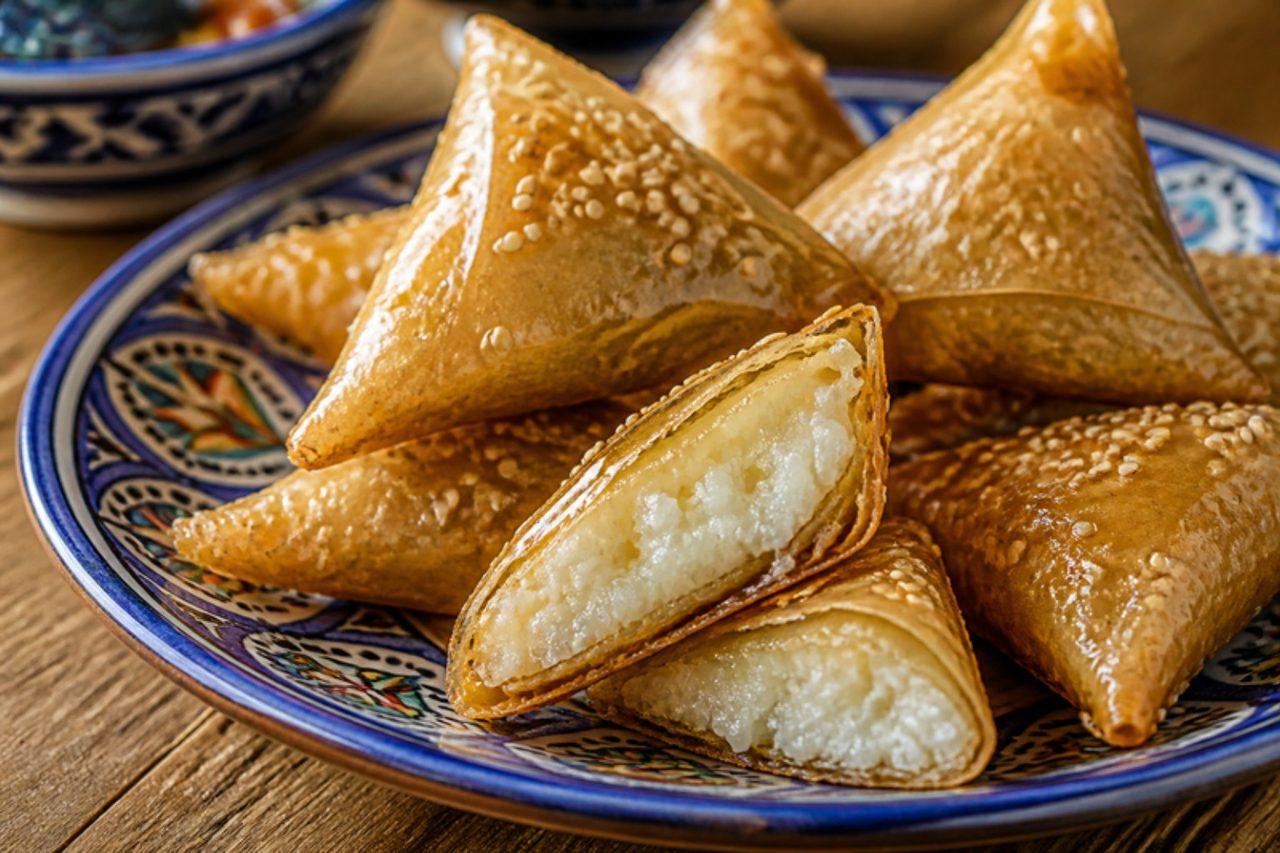
Sweet rice briouats with honey

The old Fassi households and pastry shops of Fes and Rabat make rice briouats for Ramadan and weddings: short-grain rice cooked thick in milk with orange-blossom water, wrapped in warqa, fried and plunged into warm honey. They're crisp outside, creamy within, and served with mint tea. Runny rice pudding makes the pastry burst in the oil, so cook it until a spoon can stand in it, then chill it firm. Chef's tip: warm the honey with a splash of orange-blossom water, and dip the briouats while both are hot so the honey soaks in rather than sitting on top. Contains milk, wheat and almonds.

by KrazyBadal 0 views

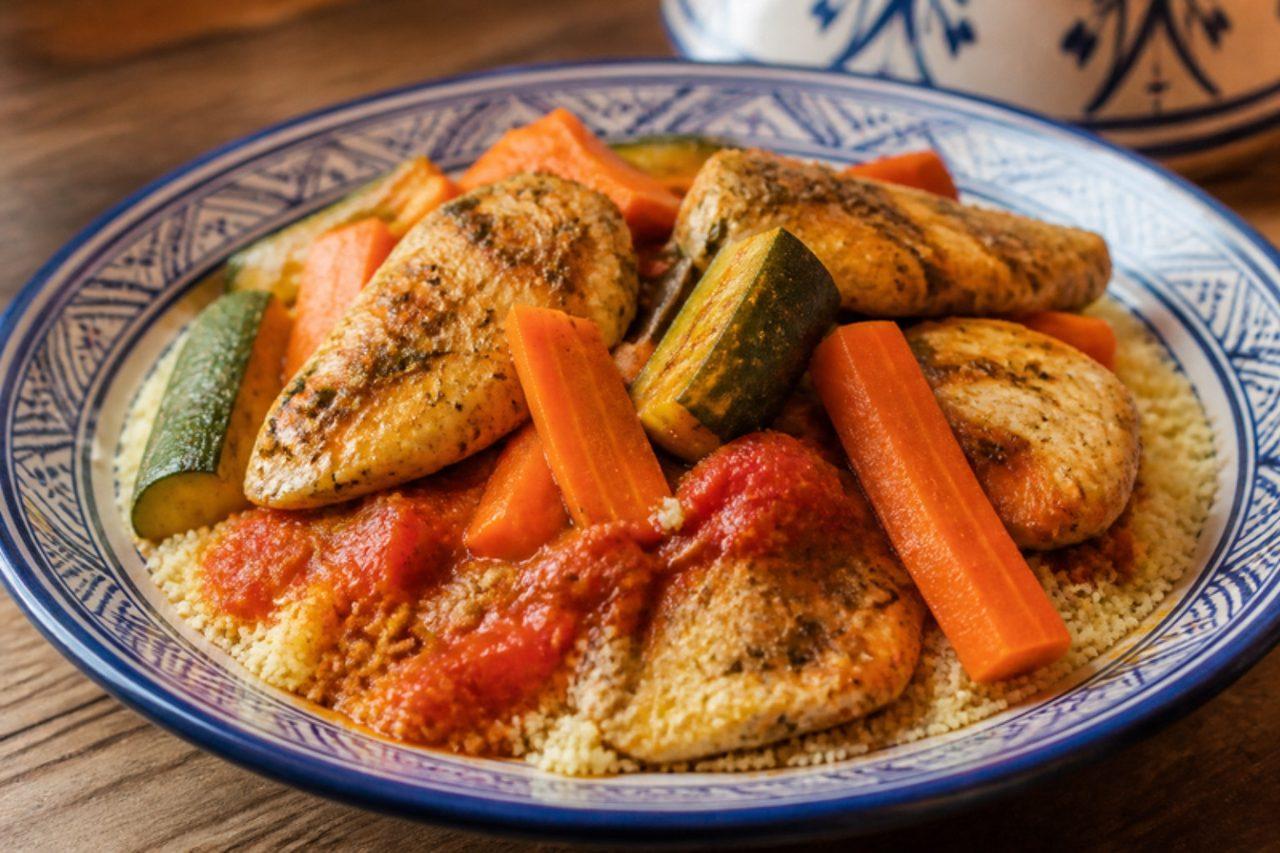
Moroccan fish couscous (seksu bel hout)

Along the Atlantic coast in Safi and Essaouira, the Friday couscous is often made with the morning's catch rather than lamb. Firm white fish steaks are marinated in chermoula, then gently poached on top of a tomato and vegetable broth while the couscous steams above it, so everything takes on the scent of cumin, paprika and coriander. Serve the fish and vegetables over the grain with plenty of broth. The usual mistake is adding the fish at the start; it falls apart and goes dry. It needs only the last 10–12 minutes. Chef's tip: lay a few lemon slices under the fish in the pot; they keep it from sticking and lift the broth.

by KrazyBadal 0 views

Moroccan quince preserve (mrabba sfarjal)

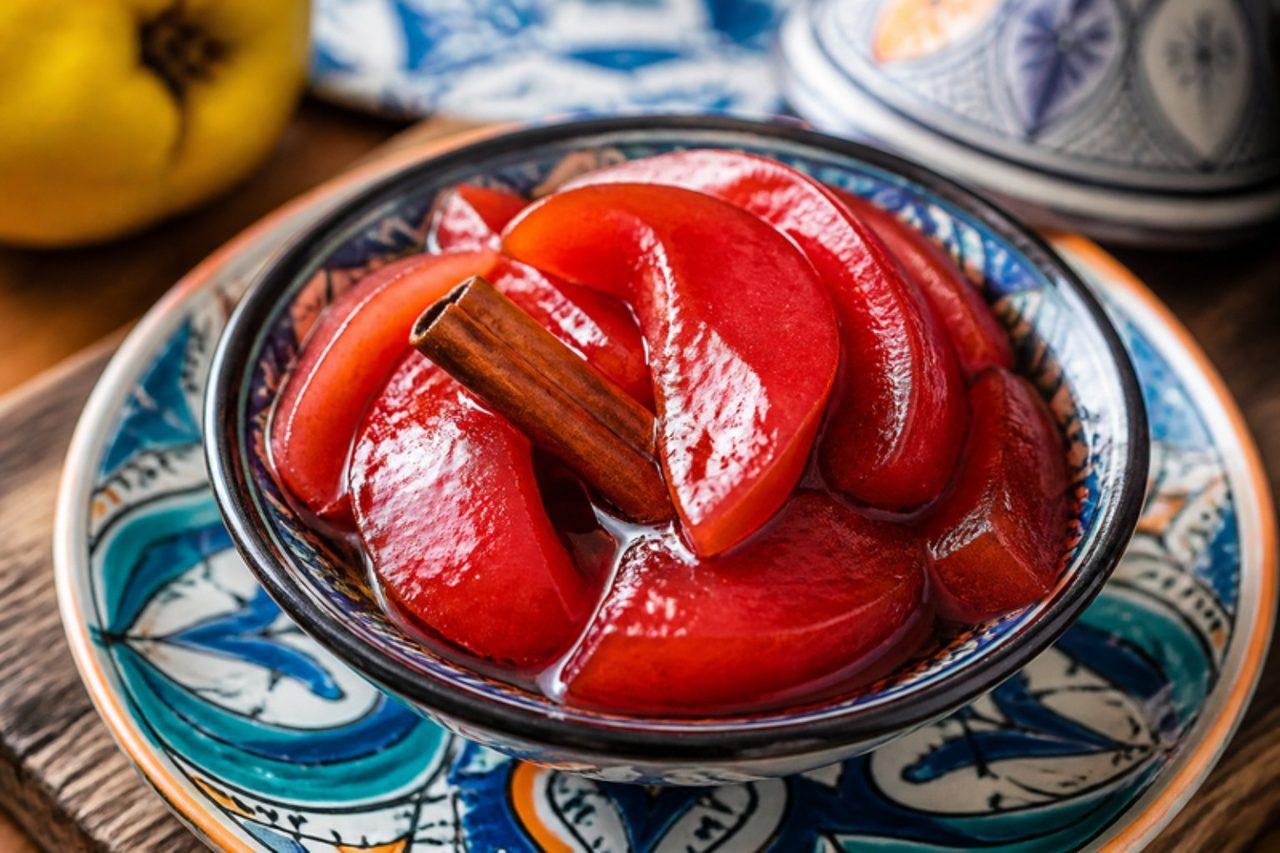
When quinces fill the market stalls of Fes and Meknes in October, households cook them down into this deep red preserve for winter breakfasts with msemen, baghrir and fresh cheese. The pale fruit turns ruby only with long, gentle cooking, the slices staying whole in a thick, cinnamon-scented syrup. Spread it on bread or serve a spoon next to soft cheese. Impatient cooks boil it hard and get a pale, sticky jam; the colour needs slow simmering. Chef's tip: tie the quince cores and peel in muslin and cook them with the fruit — they hold the pectin that sets the syrup. Store in sterilised jars.

by KrazyBadal 0 views

Msemen m'amer (stuffed square msemen)

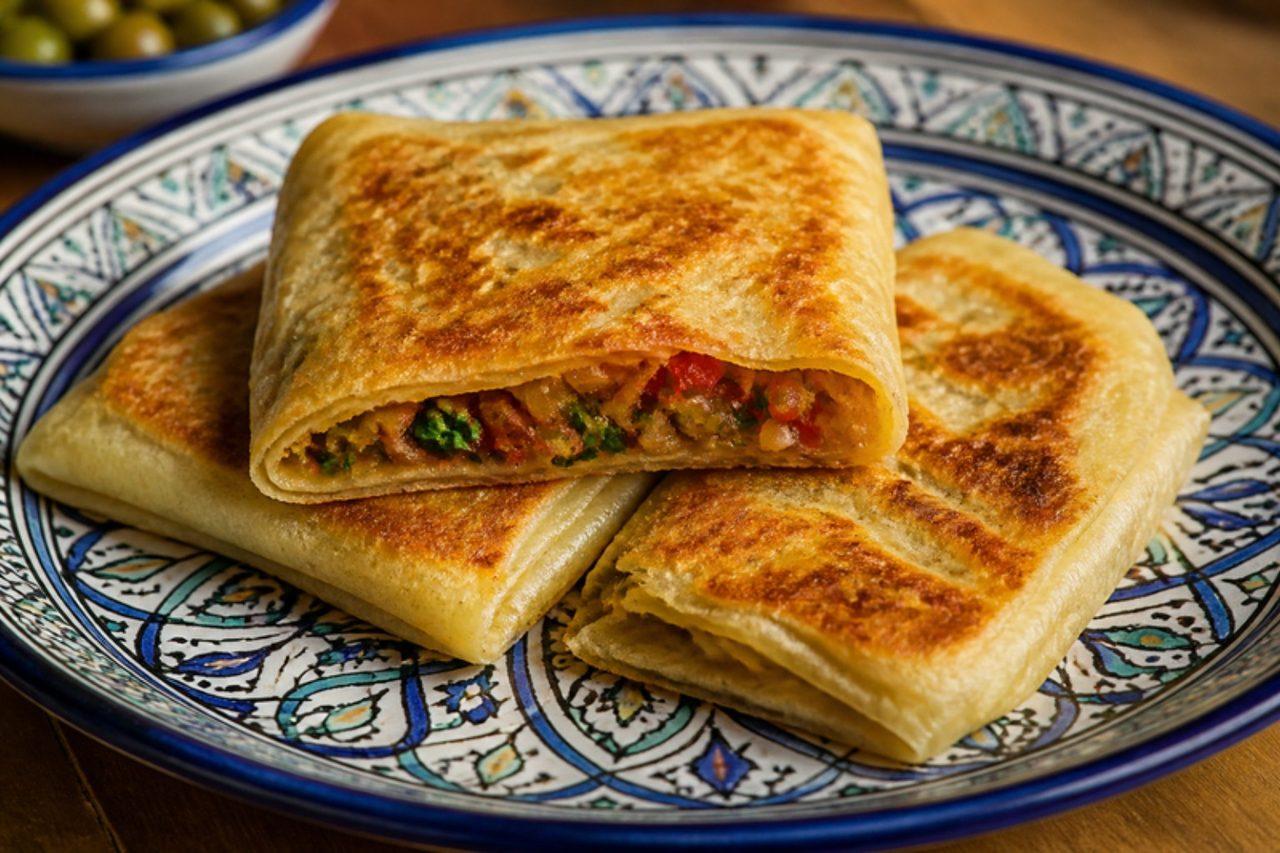
Morning cafés in Fes and Casablanca sell msemen m'amer straight off the griddle: the familiar square laminated pancake, but folded around a spicy filling of onion, tomato, parsley, cumin and paprika, so every bite has a juicy, savoury layer. It's eaten for breakfast or at teatime with mint tea, and in Ramadan it's on every iftar table. Wet filling is the enemy — fry it until dry or it steams the dough from inside and tears it. Chef's tip: oil your hands and the worktop rather than flouring them; that oil is what makes the layers. Contains wheat.

by KrazyBadal 0 views

Shlada gar'a (cooked courgette salad with cumin)

In Meknes and Casablanca the pale courgettes of early summer are cooked down into this soft, spiced salad, one of several little dishes set out with bread before the main course. The courgettes are steamed with garlic, then crushed lightly with olive oil, cumin, paprika and lemon until spoonable but still chunky. Serve it cool with bread or alongside grilled fish. Watery courgettes are the usual problem; cook off all the liquid before seasoning. Chef's tip: add a handful of chopped coriander only at the end so it stays bright.

by KrazyBadal 0 views

Cheese briouats (briwat bel fromage)

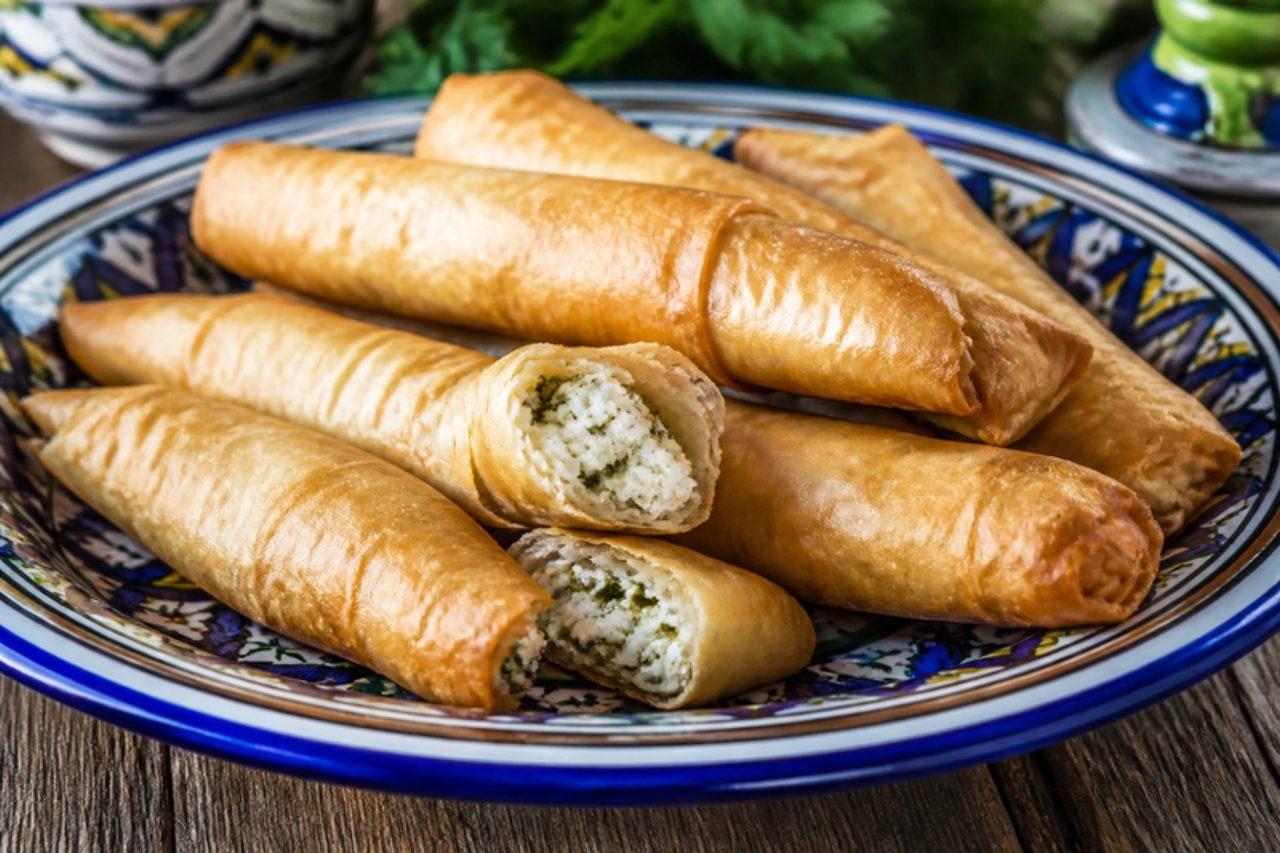
Cheese briouats are the cigars that disappear first from Ramadan tables in Rabat and Tangier: fresh, salty cheese mixed with egg, parsley and a pinch of chilli, rolled tight in warqa and fried until the pastry shatters. They're served hot, at iftar or with mint tea for afternoon guests. Overfilled cigars burst and leak cheese into the oil; a level tablespoon each is enough. Chef's tip: a little grated hard cheese in the mix stops the fresh cheese from going watery. Traditional fresh cheese like jben is made with animal rennet; choose a vegetarian one if needed. Contains milk, egg and wheat.

by KrazyBadal 0 views

Kefta briouats (spiced beef triangles)

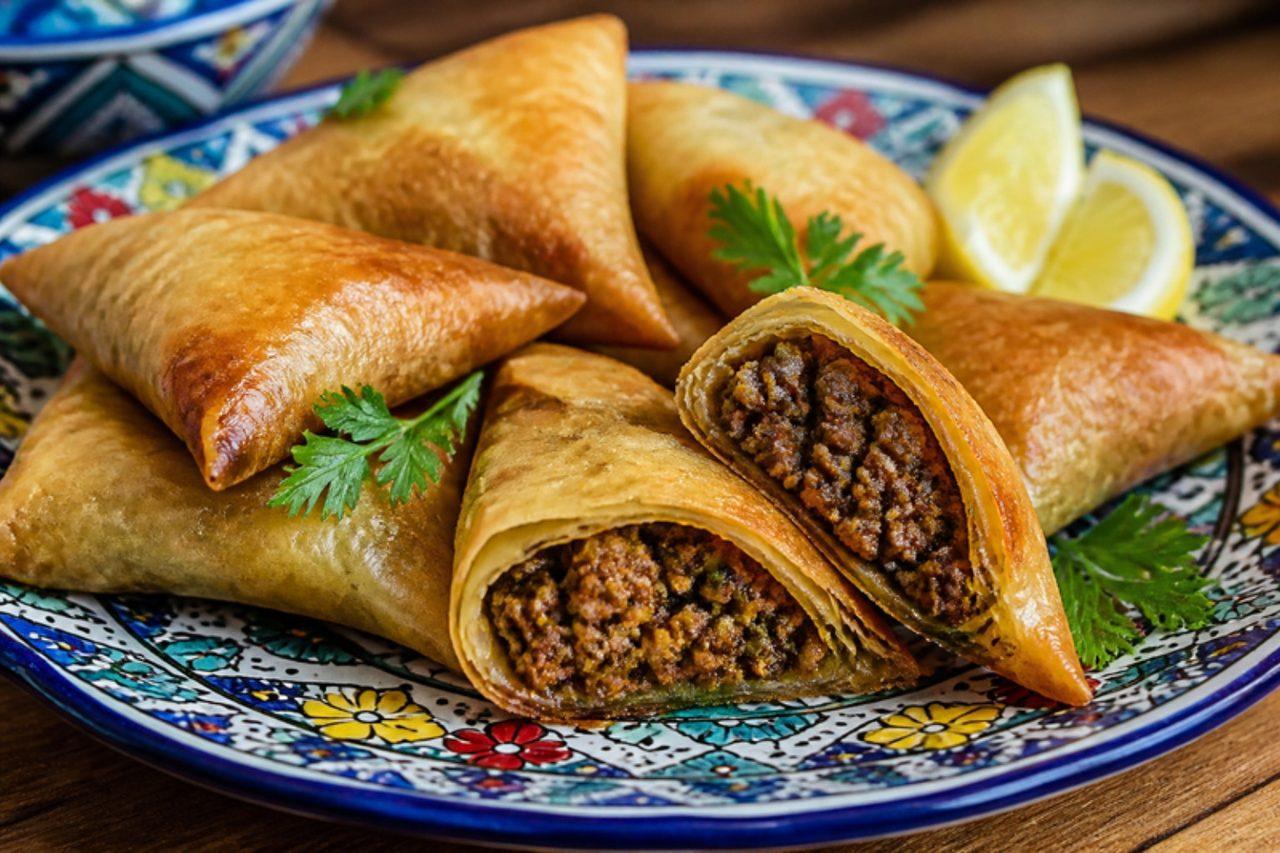
Kefta briouats are the savoury star of Moroccan party trays, from Tetouan weddings to Ramadan iftars in Casablanca: minced beef cooked with onion, cumin, paprika and cinnamon, bound with a little egg and folded into crisp warqa triangles. Serve them hot with a wedge of lemon and mint tea. People often fill the pastry with raw kefta and rely on frying to cook it; the meat won't get hot enough in a minute in the oil, so cook the filling fully first. Chef's tip: a beaten egg stirred into the hot meat right at the end sets into a binder and stops the filling crumbling. Contains wheat and egg.

by KrazyBadal 0 views

Moroccan party rice salad (shlada rouz)

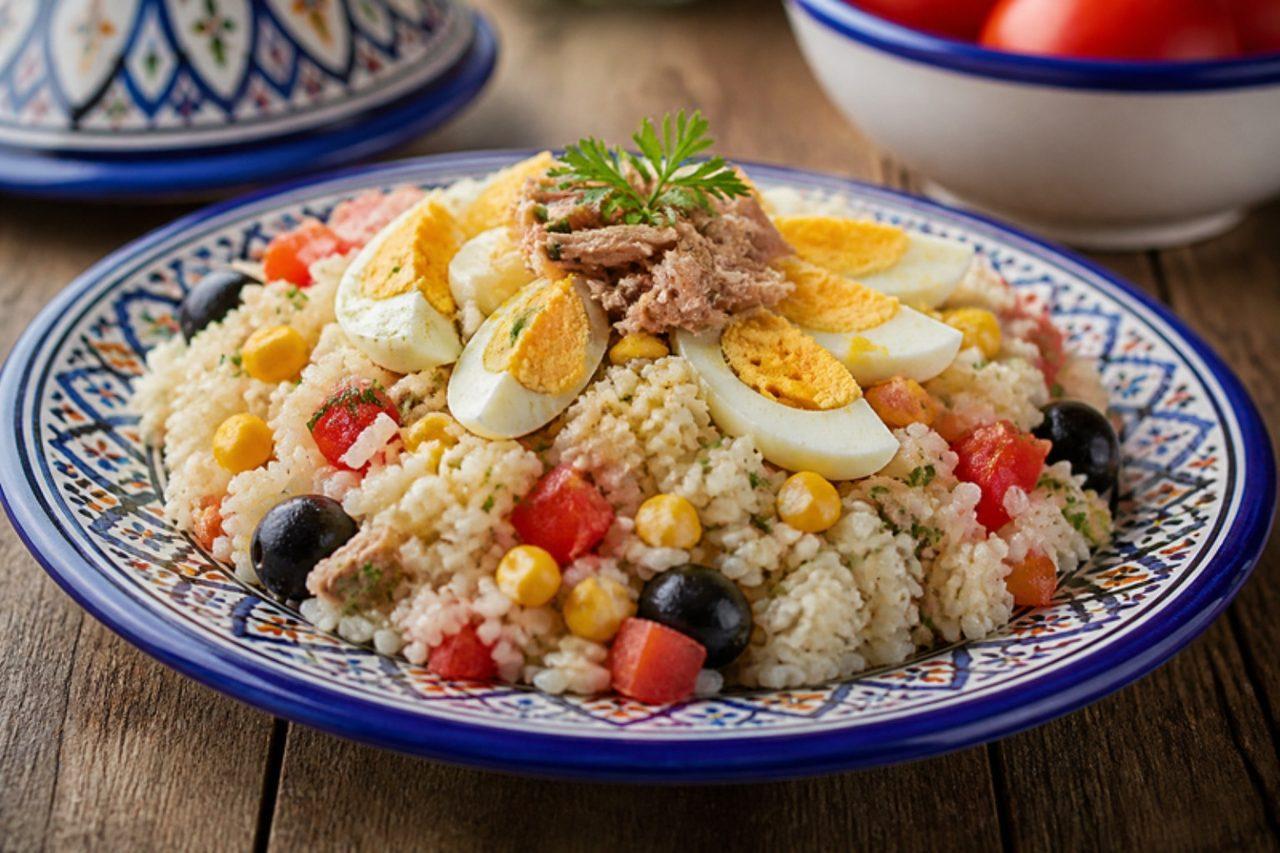
Moroccan weddings, birthday parties and summer picnics in Rabat and Casablanca nearly always have a big platter of shlada rouz, the rice salad decorated in stripes and rings like a mosaic: tomato, sweetcorn, green olives, beetroot, boiled egg and flaked tuna on a bed of lemon-dressed rice. It's eaten cold as a starter. Rice cooked too soft turns to paste once dressed, so drain it while it still has a slight bite. Chef's tip: dress the rice while it's still a little warm; it soaks up the vinaigrette much better.

by KrazyBadal 0 views

Potato briouats (briwat batata)

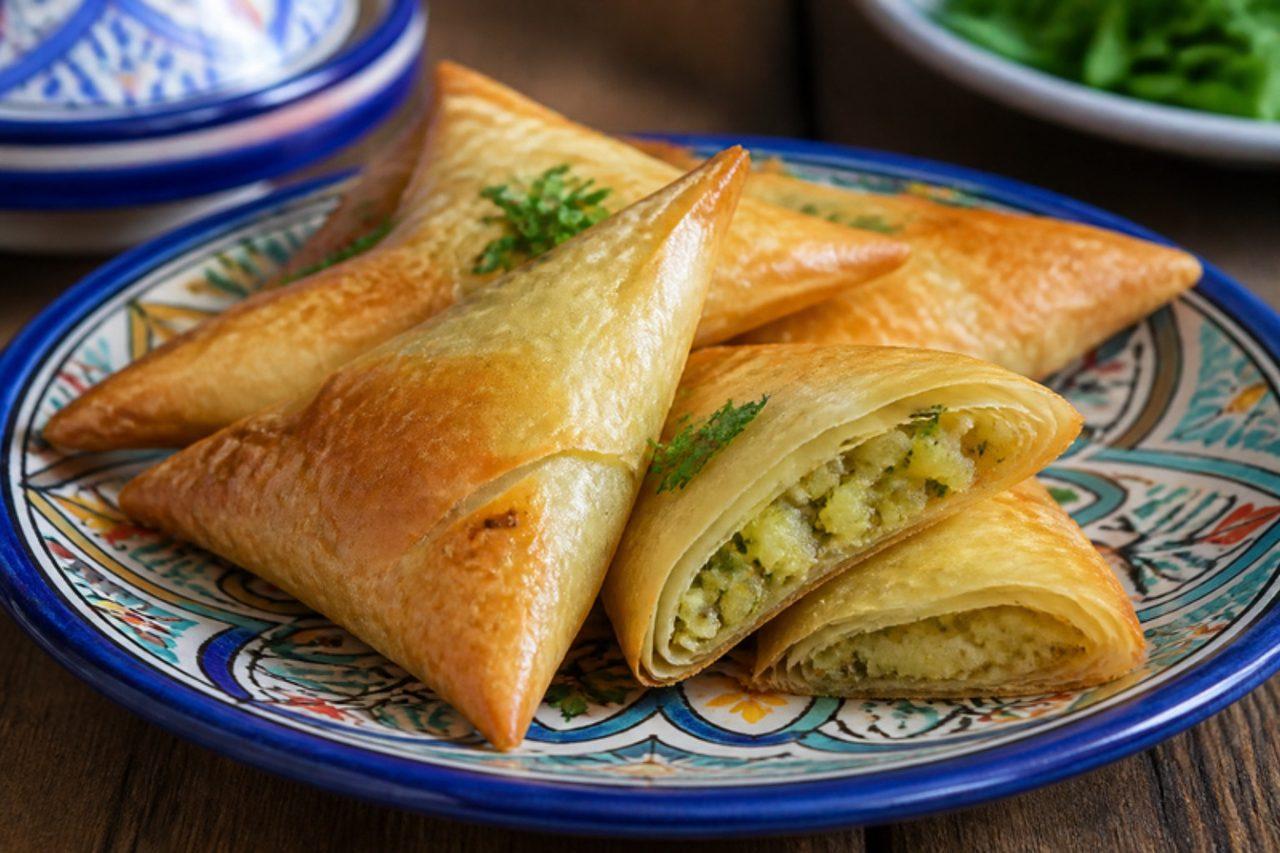
During Ramadan, the iftar tables of Casablanca and Marrakech are crowded with little fried pastries, and potato briouats are the budget-friendly favourite. A mash of potato, parsley, coriander, cumin and a little grated cheese is folded into warqa or filo triangles and fried until crackling. Serve them hot with harira or mint tea. The common mistake is a wet, warm filling, which makes the pastry soggy and tear; let the mash cool completely. Chef's tip: seal each triangle with a dab of egg yolk or flour paste; they won't open in the oil. Check cheese labels: some is made with animal rennet. Contains wheat, egg and milk.

by KrazyBadal 0 views

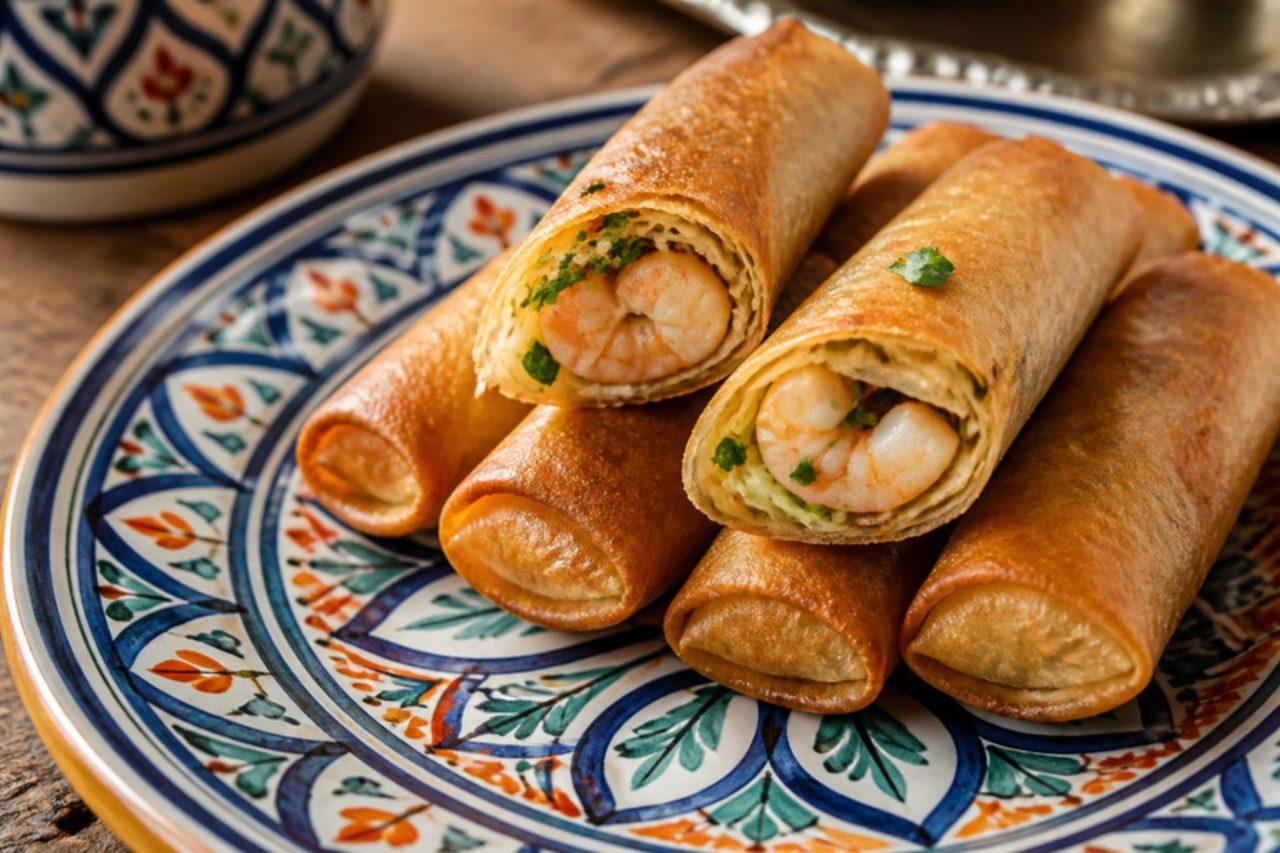
Shrimp and vermicelli briouats

In coastal cities like Agadir and El Jadida, the festive version of briouats is filled with prawns and rice vermicelli tossed in chermoula — a filling borrowed from seafood pastilla, but in a size you can eat in two bites. They come out at weddings, Eid lunches and Ramadan iftars, hot and crackling, with lemon. The usual mistake is a wet filling: cooked prawns and soaked noodles release water, so drain everything well and dry-fry the mix for a minute. Chef's tip: snip the soaked vermicelli into short lengths with scissors so the rolls fill evenly. Contains shellfish, wheat and egg.

by KrazyBadal 0 views

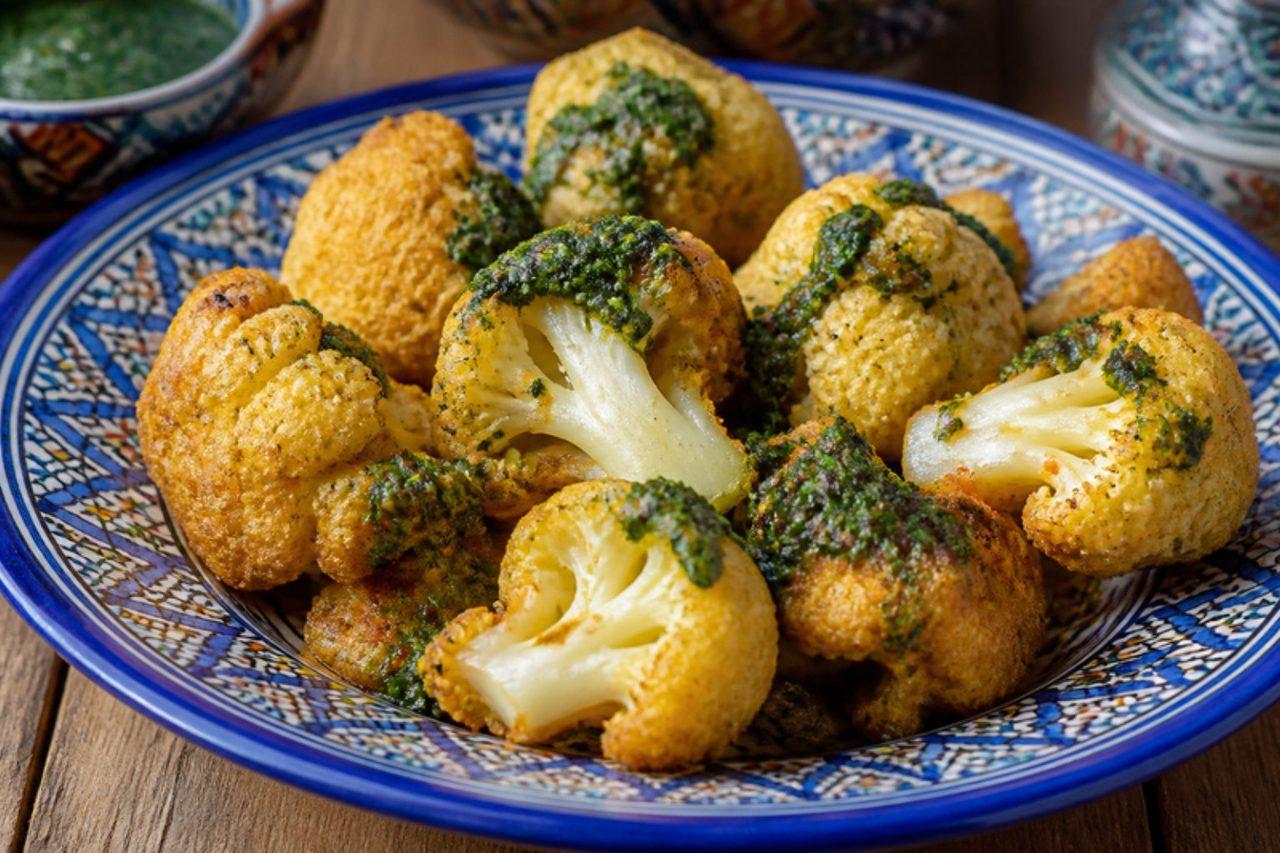
Moroccan fried cauliflower in cumin batter

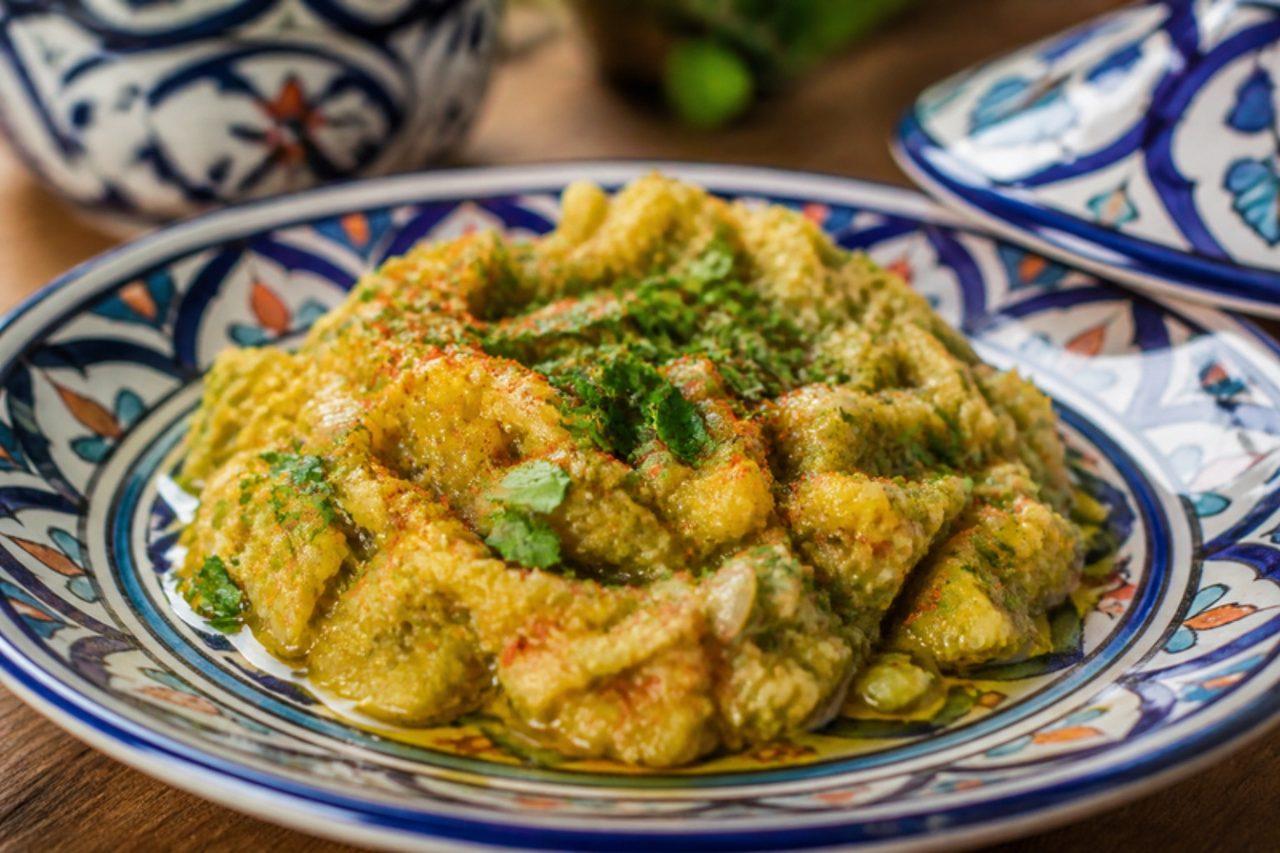
Casablanca home cooks fry cauliflower this way for Ramadan tables and family lunches alike: parboiled florets dipped in an egg batter heavy with cumin, paprika and parsley, then fried until puffed and golden. They're eaten hot with a squeeze of lemon or a spoon of chermoula, as a side to a tagine or on their own with bread. The common mistake is frying wet cauliflower; the batter slides off and spits, so dry the florets well after boiling. Chef's tip: keep the florets bite-sized and with a bit of stalk, so you can dip them by hand. Contains egg and wheat.

by KrazyBadal 0 views

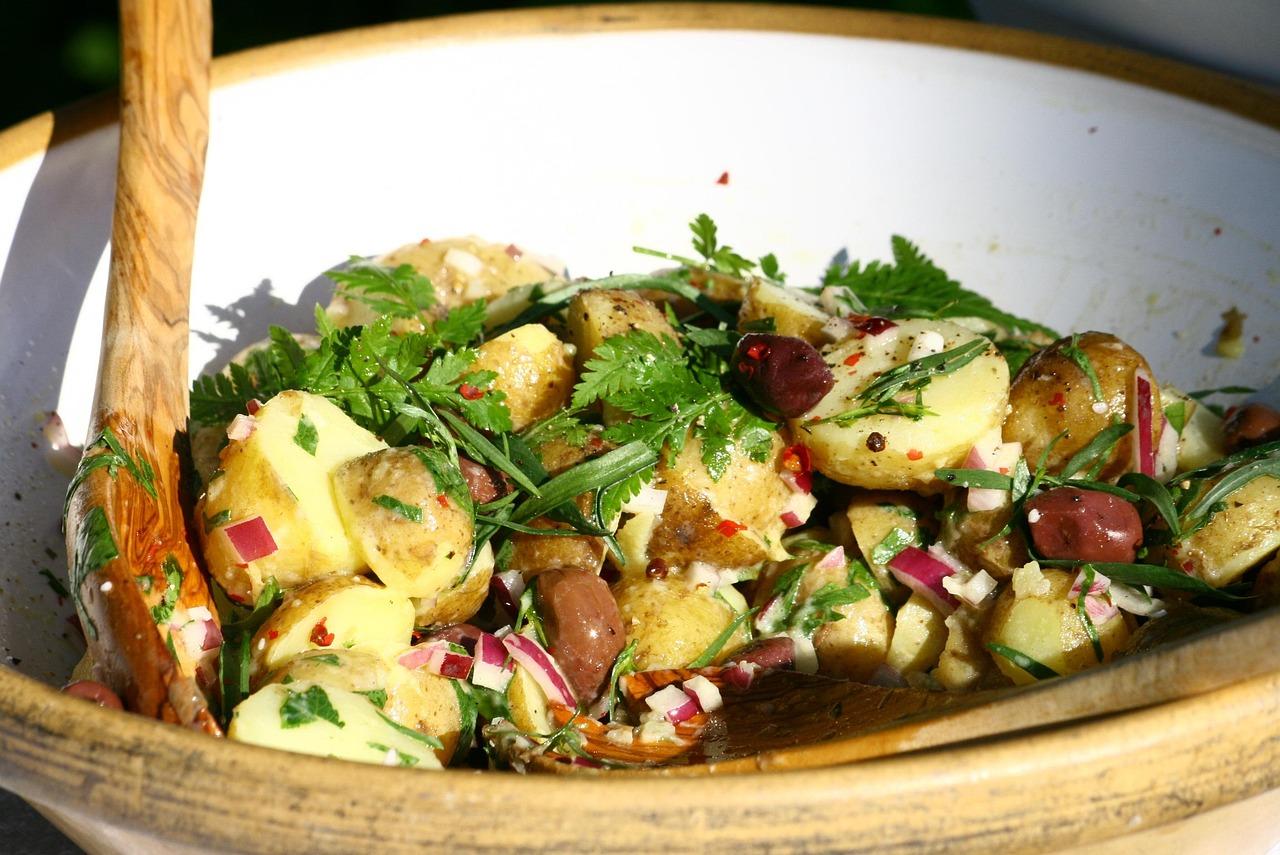
Shlada batata (Moroccan cumin potato salad)

Shlada batata is one of the cooked salads that line up on a Moroccan table before Friday couscous, in Rabat as much as in the Rif: boiled potato chunks dressed while warm with olive oil, lemon, cumin, paprika, garlic and plenty of parsley, with no mayonnaise at all. It's eaten at room temperature with bread, or with grilled sardines. Dressing cold potatoes is the common mistake; they don't absorb the flavours, so toss them while they're still steaming. Chef's tip: a few slivers of preserved lemon peel make it unmistakably Moroccan.

by KrazyBadal 0 views

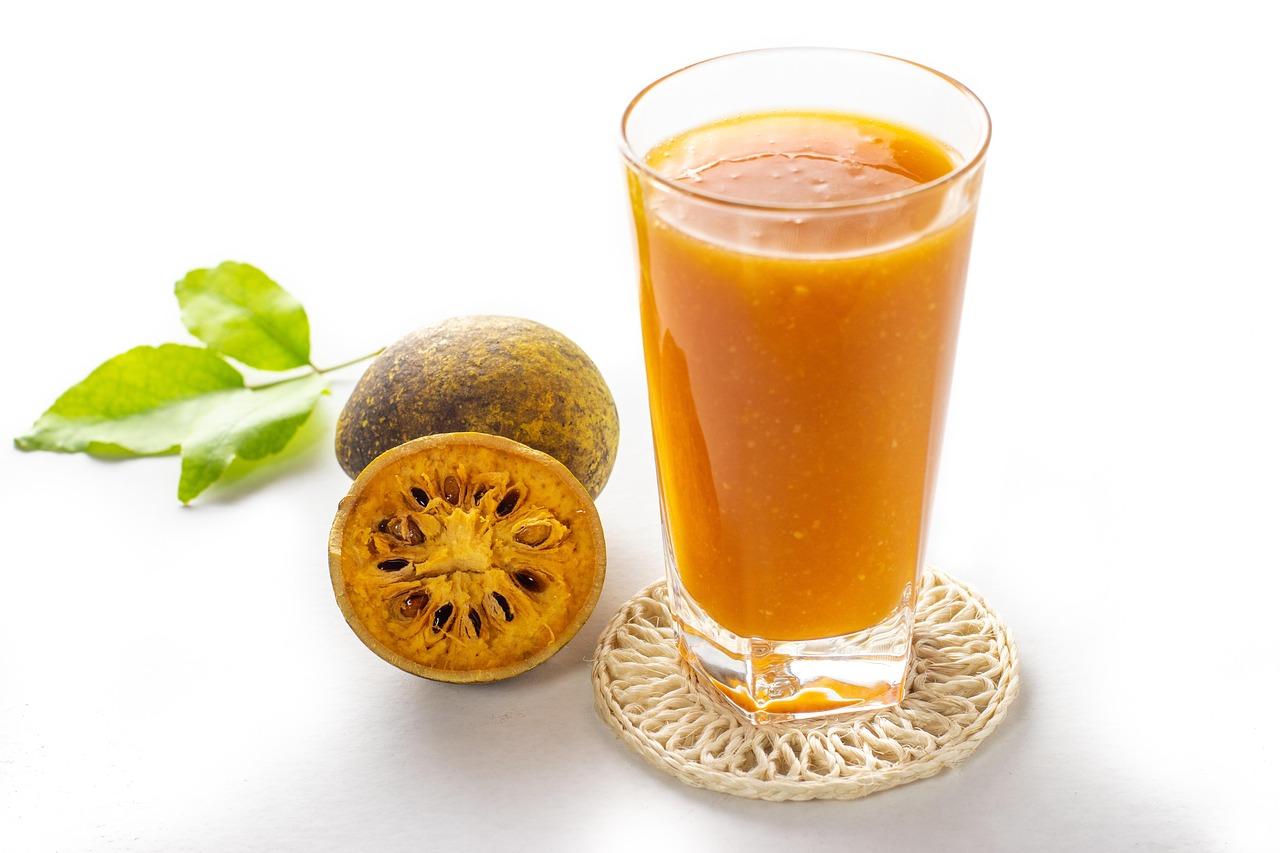
Bel sharbatWood apple drink

Bael trees grow beside temples across Uttar Pradesh and Bihar, and in May the hard golden fruits are cracked open on the doorstep with a pestle. The orange pulp smells of tamarind, marmalade and rose, and mashed into water it makes a thick, pulpy sharbat that people in Patna, Prayagraj and Gorakhpur drink mid-morning to keep the heat at bay; it is also famously kind to the stomach. Rickshaw stalls sell it from big steel pots. Ripe fruit is essential: it should sound hollow when tapped and smell sweet. The common mistake is blending the pulp in a mixer, which crushes the seeds and sticky fibres and makes the drink bitter and gluey; soak it and mash by hand instead. Chef's tip: let the pulp soak a full 15 minutes before mashing, and it practically falls off the fibres.

by KrazyBadal 0 views

Kokum sharbatKokum cordial

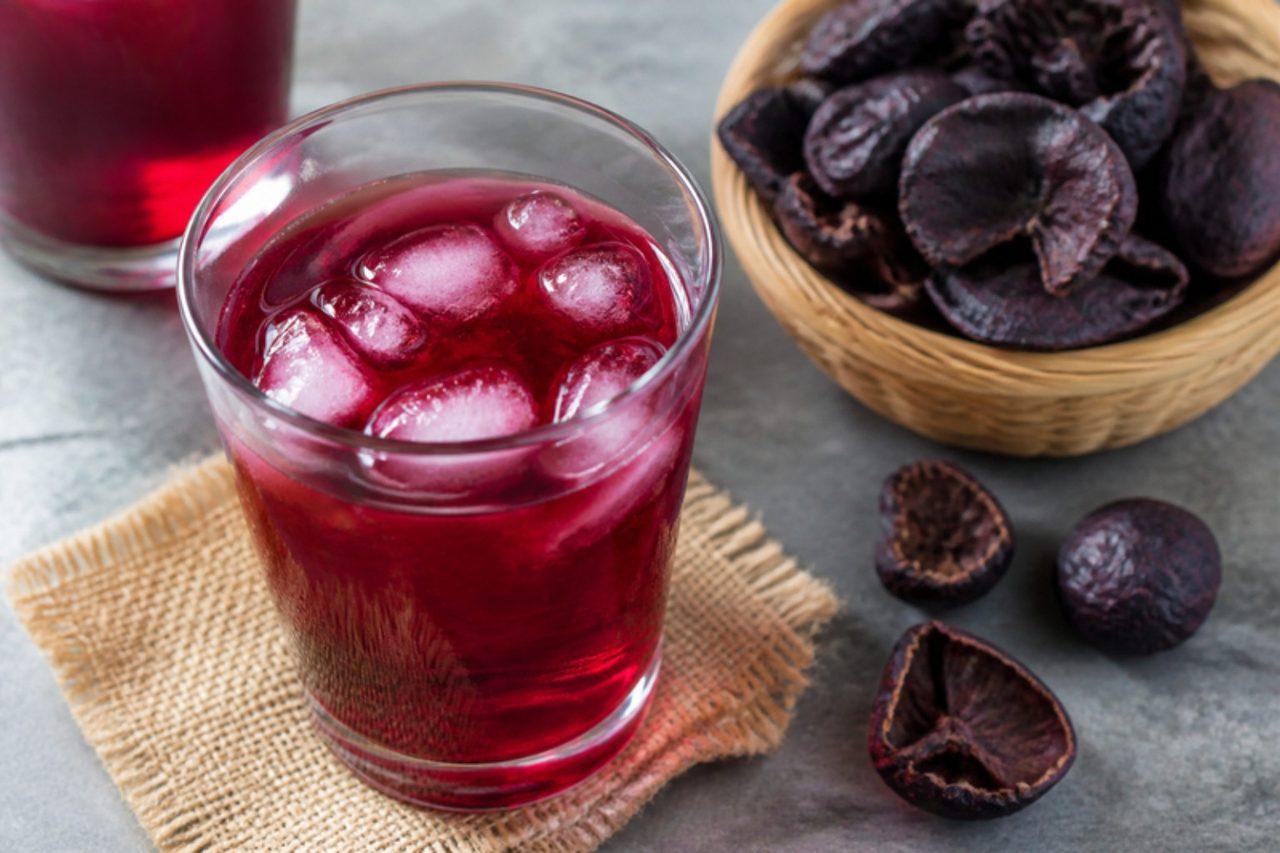
Along the Konkan coast, from Ratnagiri down to Goa, the purple kokum fruit is split and dried in the sun every summer, and the leathery rinds go into curries, sol kadhi and this sharbat. Unlike sol kadhi, there is no coconut milk here: just a clear, deep-red syrup that is fruity, tart and faintly salty, diluted with cold water and drunk after a fish lunch or on a hot afternoon to cool the stomach. Families in Malvan and Sawantwadi still make the concentrate by layering fresh fruit with sugar in jars; this quicker version uses the dried rinds you can buy anywhere. The common mistake is boiling the kokum hard for a long time, which makes the syrup taste stewed and murky; simmer gently just until the colour floods out. Chef's tip: a pinch of roasted cumin and black salt in the glass turns a simple sweet drink into the proper coastal version.

by KrazyBadal 0 views

Mango kulfiMango ice cream

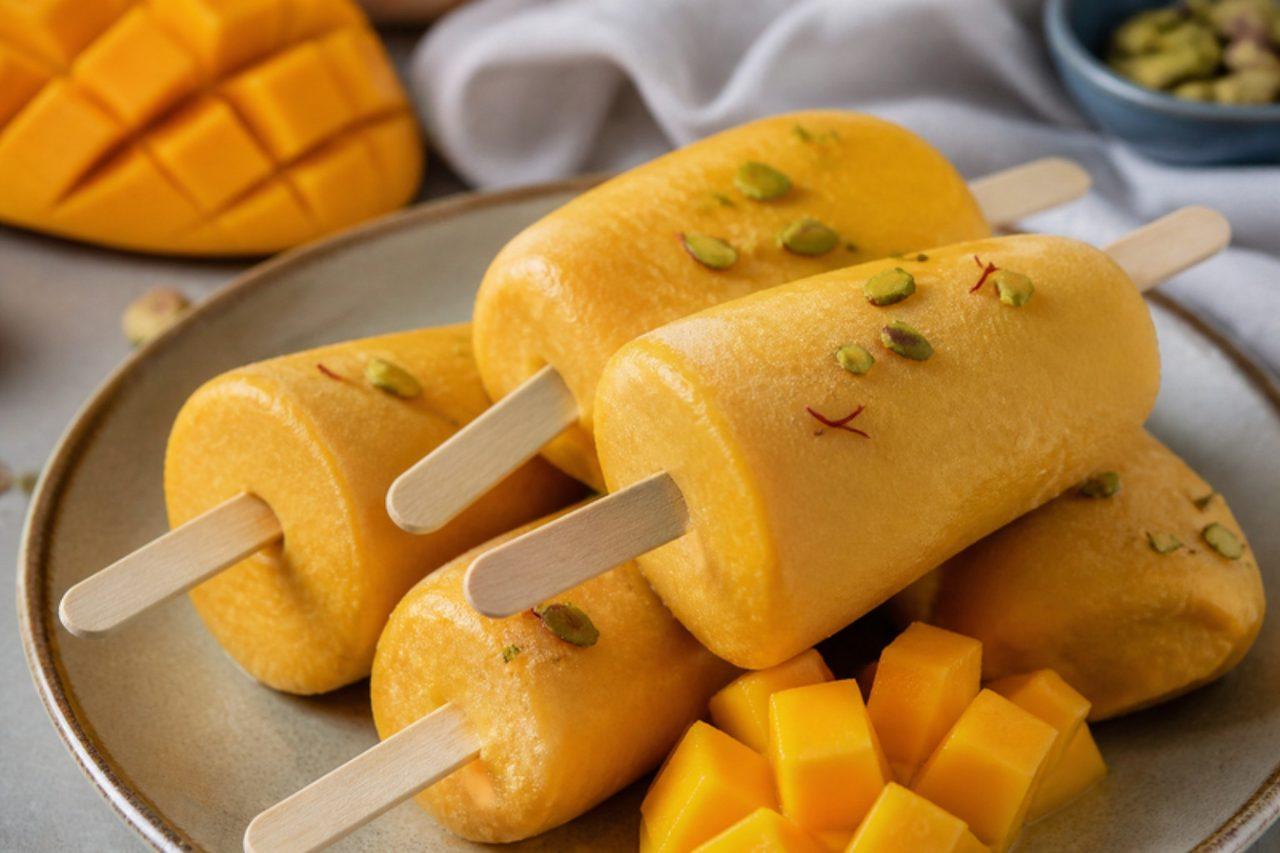
Kulfiwalas in Delhi's Chandni Chowk and Mumbai's Chowpatty freeze their mango kulfi in tall aluminium cones packed in ice and salt, and come May every family wants their own. It is not ice cream: milk is boiled down slowly until it is a third of its volume, rich and faintly caramel, then cooled and mixed with thick mango pulp, so it freezes dense and chewy rather than fluffy. Serve it unmoulded on a stick, or sliced into rounds on a plate, after a summer lunch or at a birthday. The common mistake is stirring the mango into hot milk; the acid can curdle it and heat dulls the fruit, so wait until the rabri is completely cool. Chef's tip: Kesar from Gujarat or Alphonso from Ratnagiri give the colour and perfume; if you use tinned pulp, cut the sugar by half because it is already sweetened.

by KrazyBadal 0 views

Rabodi ki sabziDried maize wafers in yogurt curry

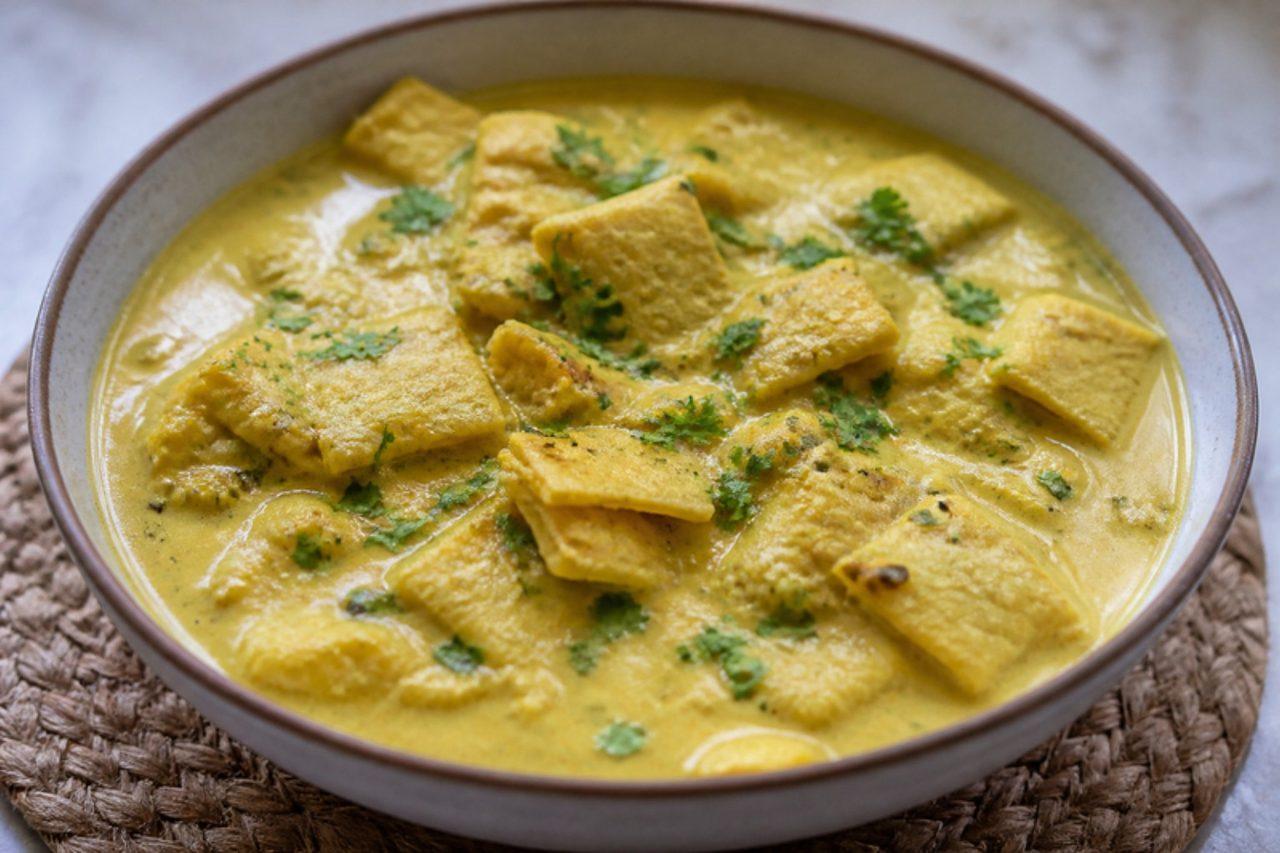
In the Thar desert towns of Barmer, Jodhpur and Bikaner, green vegetables were scarce for much of the year, so women boiled maize flour with sour buttermilk in summer, spread it in thin rounds on cloth and dried it in the sun. Those rabodi keep for months and become this curry: fried until puffed, then simmered in a spiced yogurt gravy until soft and chewy. It is tangy, savoury and comforting, eaten with bajra roti or rice, and because it has no onion, garlic or fresh ginger, it suits a Jain or Marwari festive thali. A common mistake is letting the dahi gravy boil before it has been stirred to a boil with besan; it curdles. Whisk besan into the dahi and stir constantly until it comes to a boil. Chef's tip: fry the rabodi only until they puff and turn a shade darker; burnt rabodi taste bitter and stay hard in the gravy.

by KrazyBadal 0 views

Malvani masalaKonkan spice blend

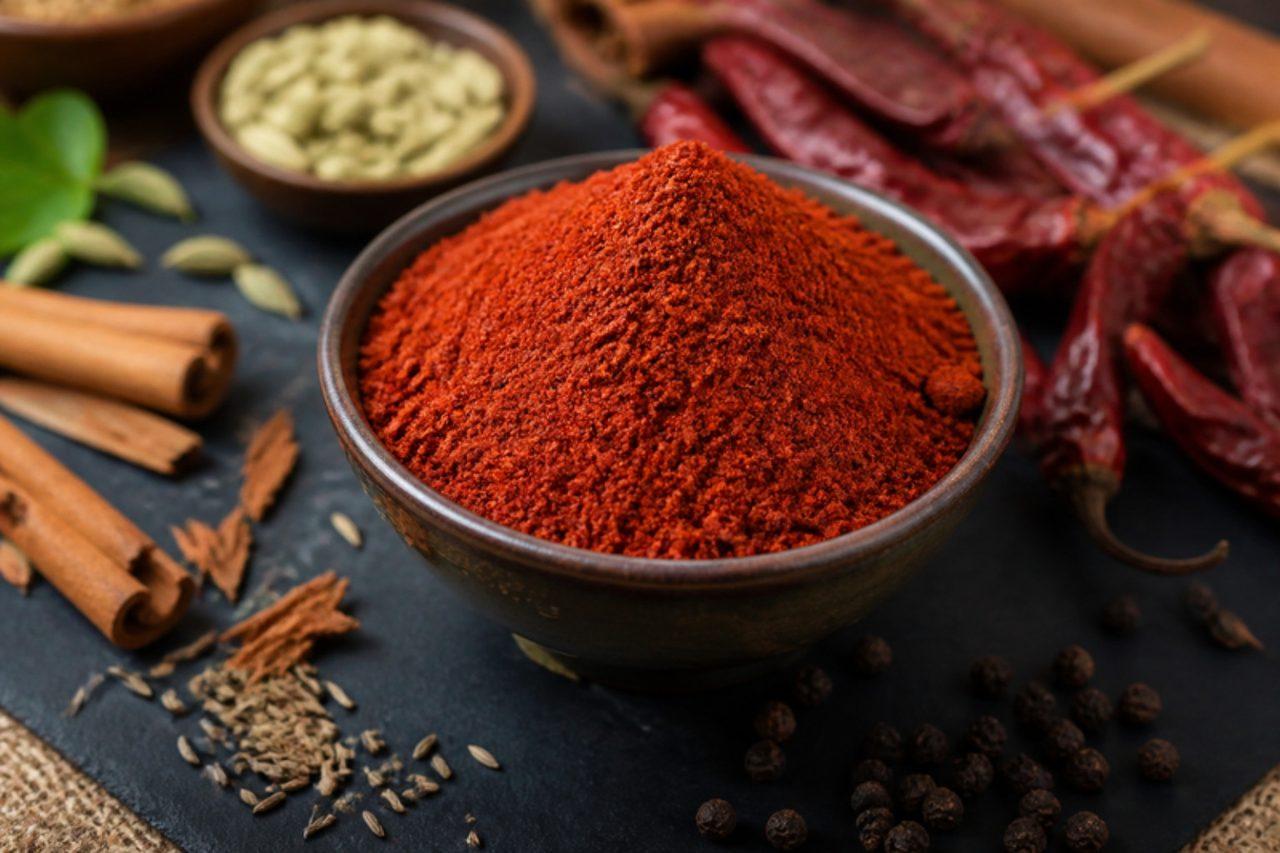
Head down the coast to Malvan, Vengurla or Devgad and every family has its own masala tin, ground in summer when the chillies are crisp and dry. Malvani masala is hotter and more aromatic than goda masala and uses no coconut: it is mostly Bedgi chillies (for a deep red colour and moderate heat) with a handful of fiery Sankeshwari, roasted with coriander and about fifteen whole spices including fennel, star anise, mace, nutmeg and stone flower. Fried in oil with coconut and onion, it becomes the base of kombdi vade (chicken curry with puris), bangda and surmai curries, prawn sukka, and vegetarian dishes like kala vatana usal and Malvani batata bhaji. The blend itself is vegan. Common mistake: leaving the stalks on the chillies; they grind into hard, woody bits and dull the colour. Chef's tip: dry the chillies in the sun or in a barely warm pan first, then roast them separately on low until they crackle, so they grind to a fine, bright powder.

by KrazyBadal 0 views

Showing 24 of 1,624 recipes

Show more recipes

Page 1 of 68