Skip to content
Recipes

All recipes

Vegetarian, or something you can't eat? Set your diet once and we'll hide recipes that don't fit.

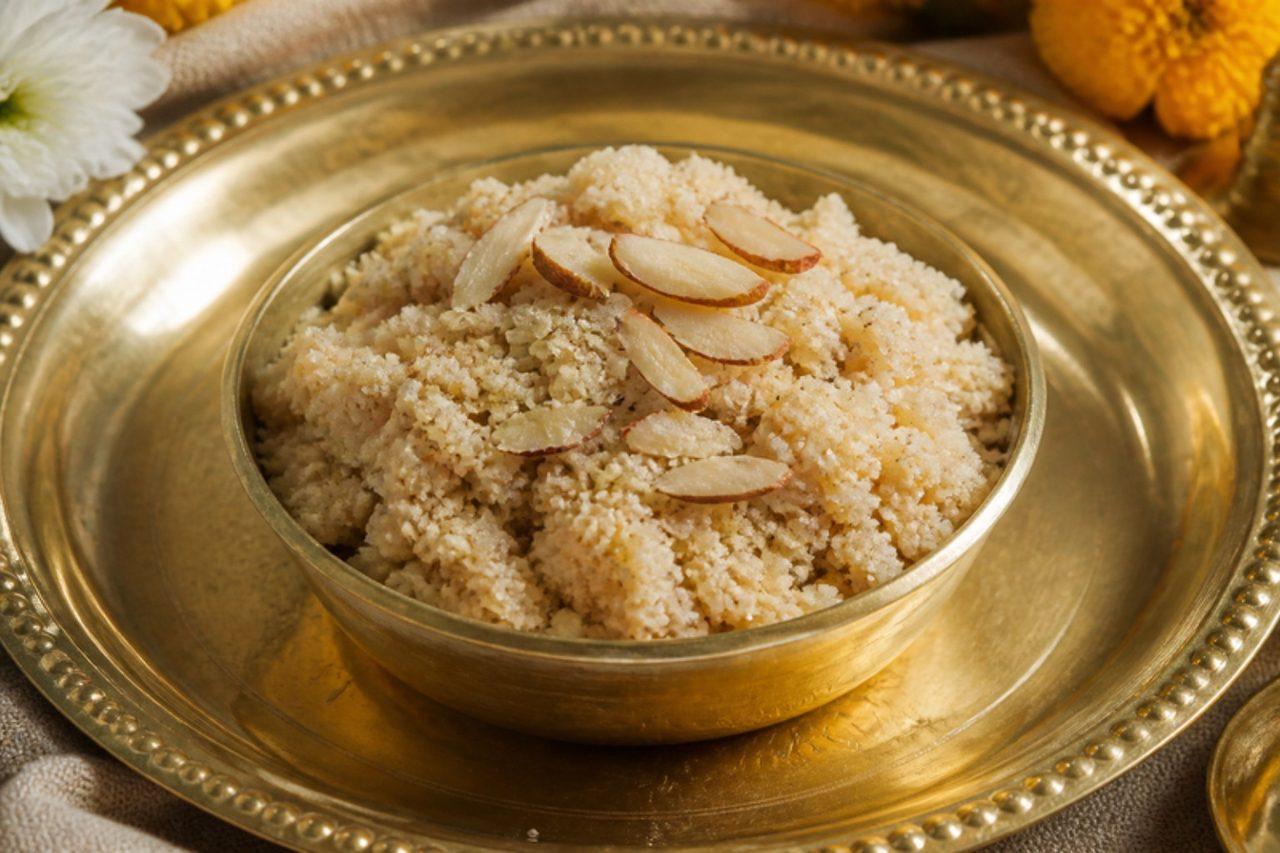
SunthavadaDry ginger, coconut and sugar mix

At exactly noon on Ram Navami, when Maharashtrian temples and homes rock a decorated cradle to mark Rama's birth, each person is handed a spoonful of sunthavada: dry ginger powder, toasted dry coconut, poppy seeds and sugar pounded together into a fragrant, warming powder. The same mix is given at Janmashtami midnight. It is sweet, nutty and gently fiery from the ginger. Common mistake: burning the coconut; it should be toasted on a low heat only until it turns pale gold and smells sweet, then cooled before grinding so it does not turn oily. Chef's tip: grind in short pulses; long grinding releases the coconut oil and the powder clumps.

by KrazyBadal 0 views
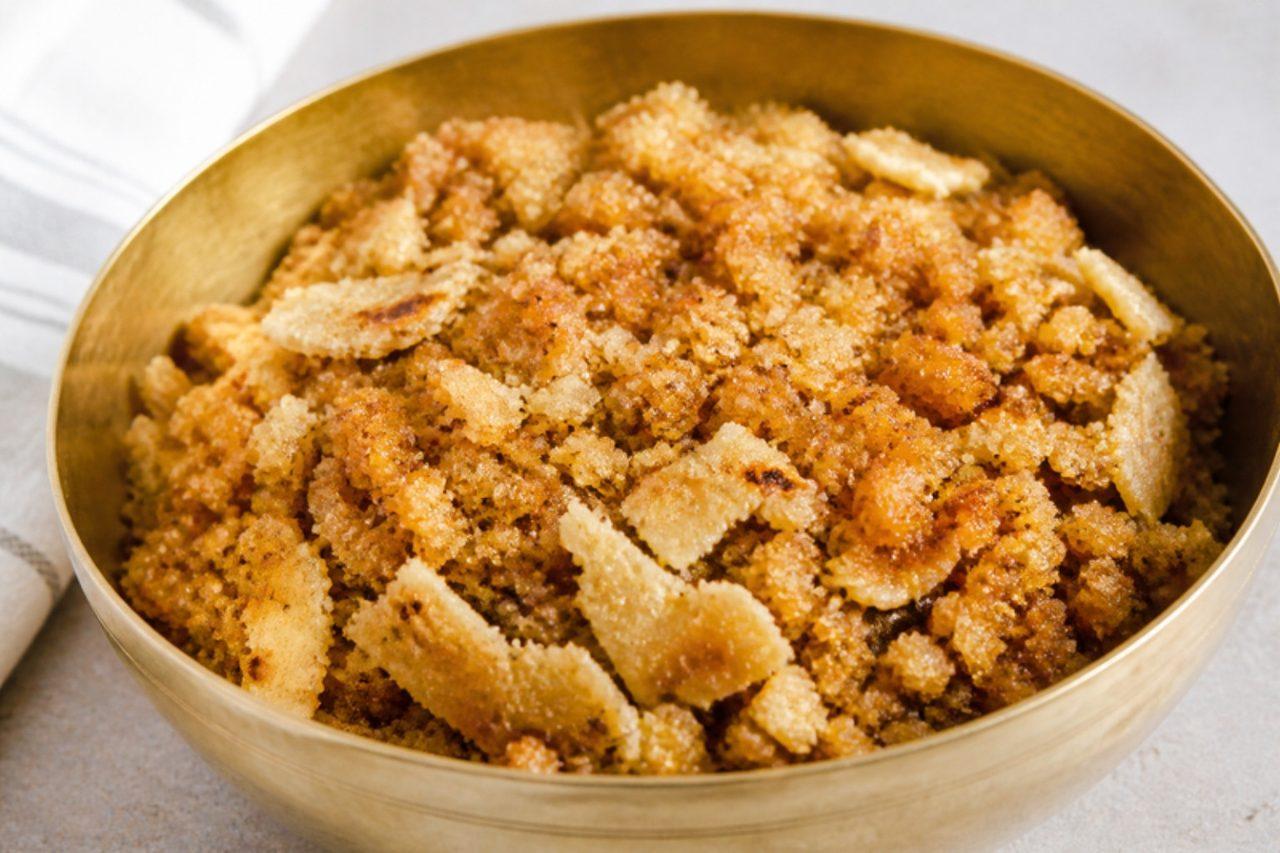
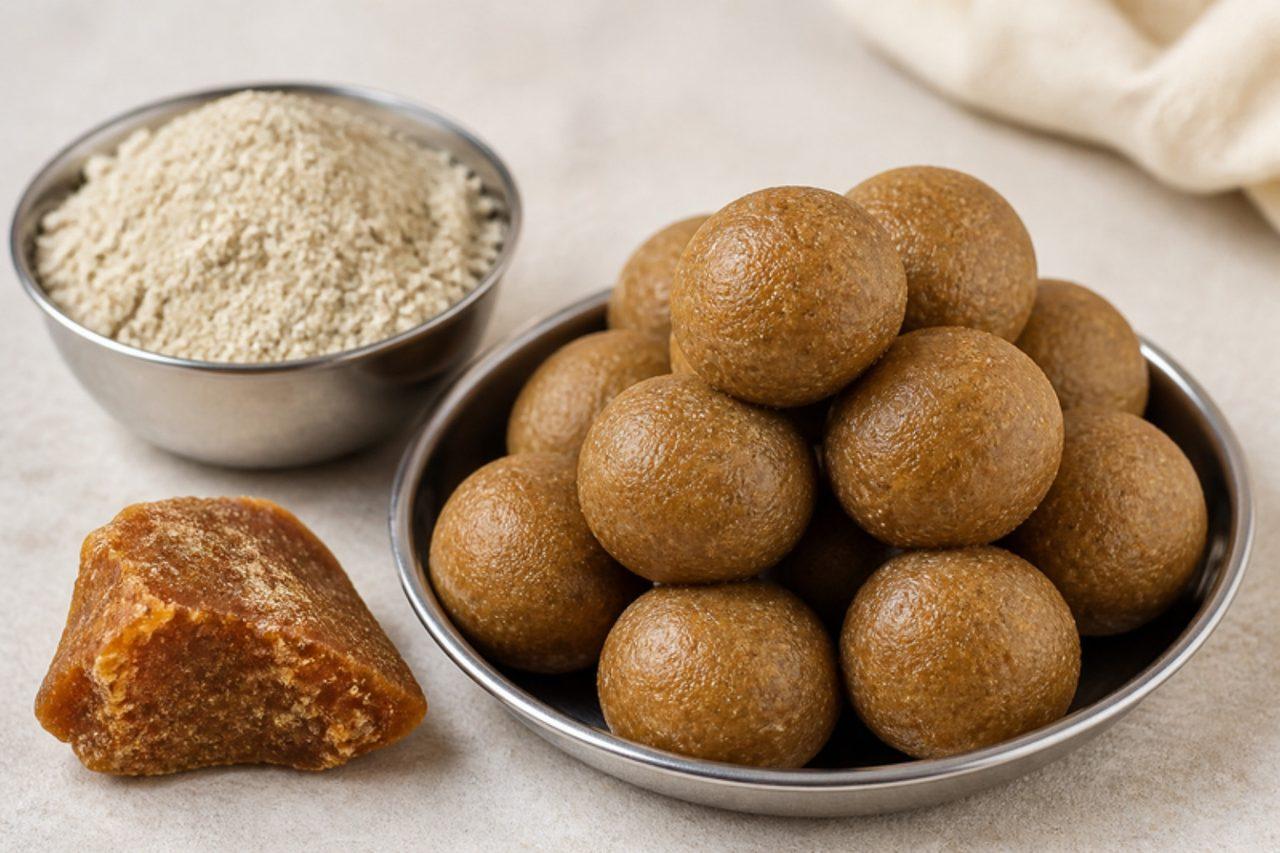
KulerBajra ghee jaggery balls

On Nag Pancham, Gujarati women draw a snake in kumkum on the wall or visit a nag temple and offer kuler with milk and cotton: a raw sweet of fine bajra flour rubbed with ghee and jaggery, rolled into soft balls. Since the day is a cold-food day in many homes, nothing is cooked; the bajra simply soaks up the ghee. It is soft, earthy, sweet and slightly sandy. Common mistake: using coarse or stale bajra flour, which tastes bitter and gritty; use fresh, finely ground flour, and the mix is ready when a handful holds together when squeezed. If you prefer, you can lightly roast the flour first, though that is not the traditional way. Chef's tip: grate the jaggery very finely, or melt it with the ghee and cool slightly, so it blends evenly.

by KrazyBadal 0 views
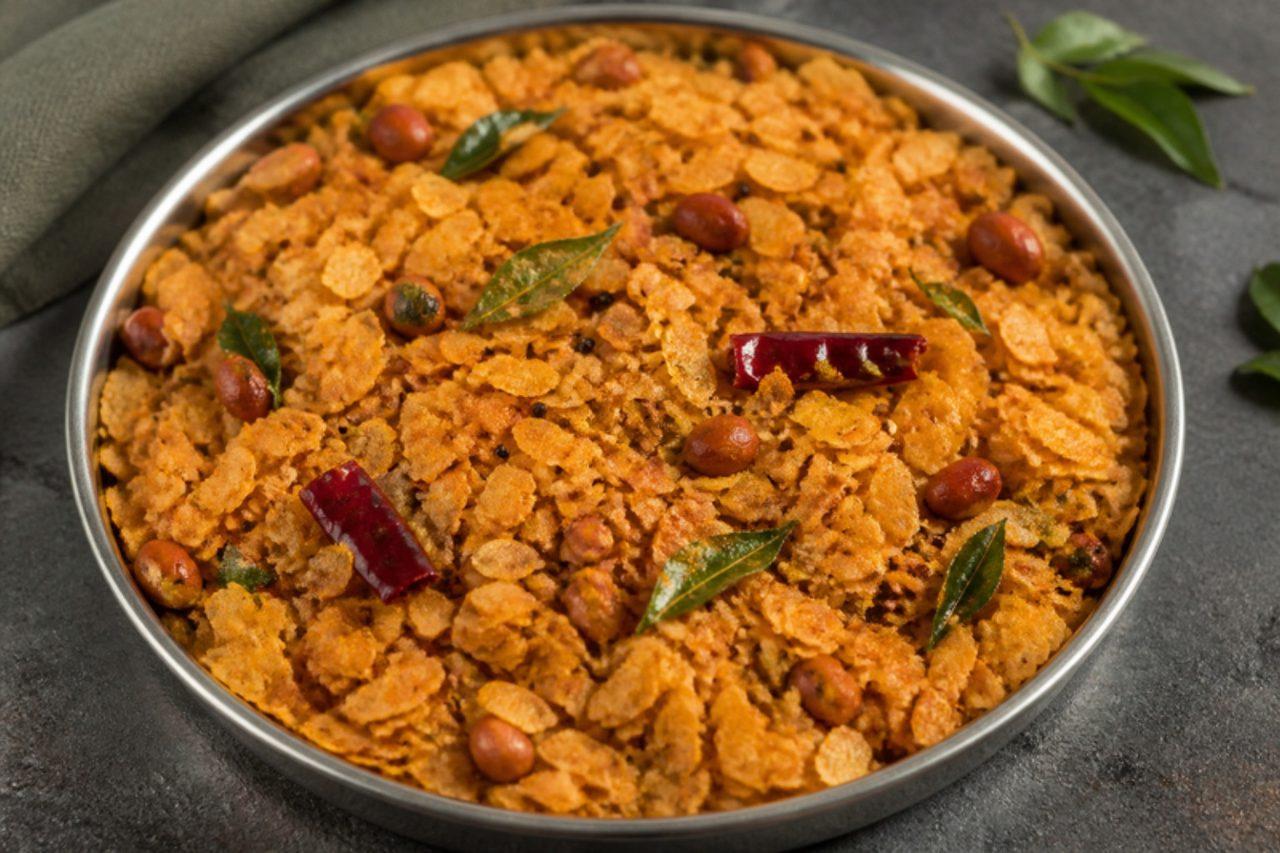
Puli avalTamarind flattened rice

Puli aval is the quick cousin of tamarind rice from Tamil Nadu, cooked in Kumbakonam and Tirunelveli homes as an evening tiffin or a light supper when there's no rice left in the pot. Thick flattened rice is soaked in tamarind water, then tossed into a crackling tempering of mustard seeds, dals, red chilli and peanuts. It tastes tangy, a little sweet and nutty, with soft flakes and crunchy bits. The common mistake is drowning the aval in tamarind water so it turns to porridge; it only needs to be moistened, not soaked. Chef's tip: let the tempered aval sit, covered and off the heat, for 2 minutes before serving so the flakes soften evenly and drink in the tamarind.

by KrazyBadal 0 views
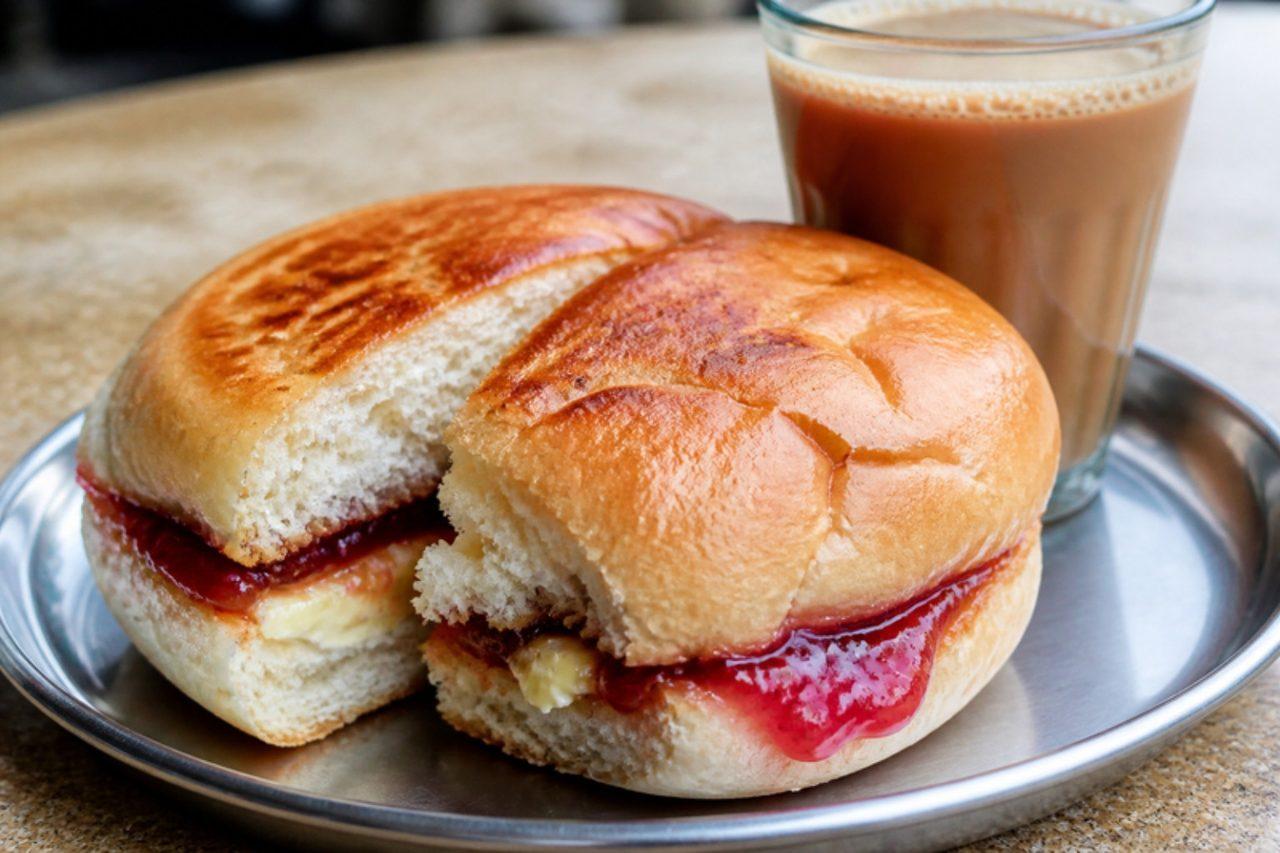
Bun butter jamGriddled bun with butter and jam

Bun butter jam is the most-ordered thing at a Tamil Nadu tea kadai after the tea itself: a soft, sweet bun split, griddled in butter until crisp at the edges, then spread with more butter and red fruit jam, eaten mid-morning or after school with a glass of milky tea. It is buttery, crunchy outside and pillowy inside, with sweet jam soaking into the crumb. The mistake is toasting on high heat; the sugary bun scorches before the butter has a chance to crisp it. Keep the tawa on medium-low. Chef's tip: press the bun down gently with a flat spatula as it toasts, the way the tea-shop masters do, for a wider, crunchier golden face.

by KrazyBadal 0 views
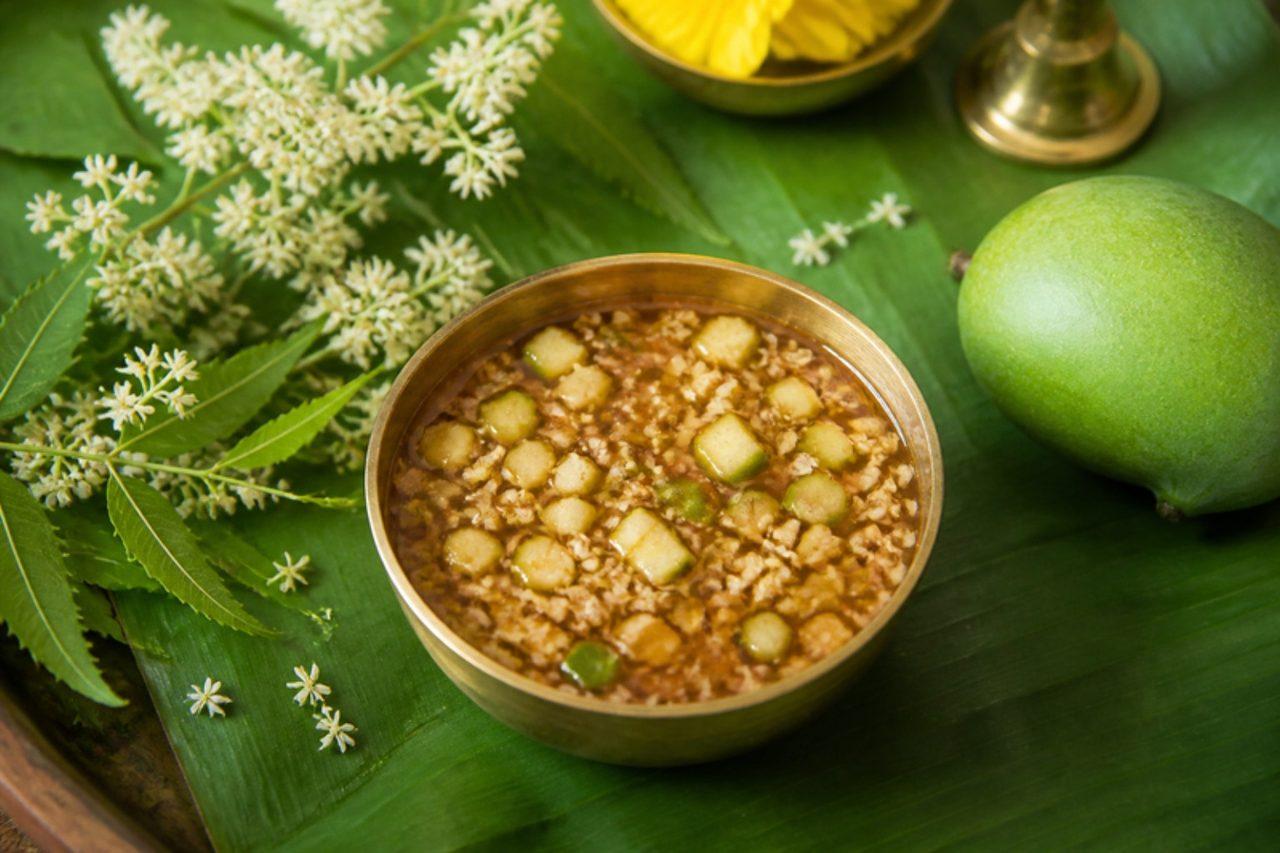
Ugadi pachadiSix-taste new year relish

On Ugadi morning in Andhra Pradesh, Telangana and Karnataka, the first thing anyone eats after the oil bath and prayers is a spoonful of this pachadi, handed round in a small steel cup. Each ingredient stands for a feeling the coming year will bring: jaggery for joy, bitter neem flowers for sorrow, sour tamarind for disgust, raw mango for surprise, pepper for anger and salt for fear, so tasting them together is a quiet promise to accept whatever comes. In Maharashtra, Gudi Padwa begins with a close cousin, tender neem leaves ground with jaggery, cumin and tamarind. The finished pachadi is thin, sweet first, then sharp and faintly bitter. The common mistake is a heavy hand with neem: half a spoon too much and bitterness drowns every other taste. Stir until the jaggery has dissolved completely and no grains crunch against the spoon. Chef's tip: make it on the morning itself, as the cut mango softens and the neem turns muddy if it sits overnight.

by KrazyBadal 0 views
ChhatuaRoasted gram flour with curd

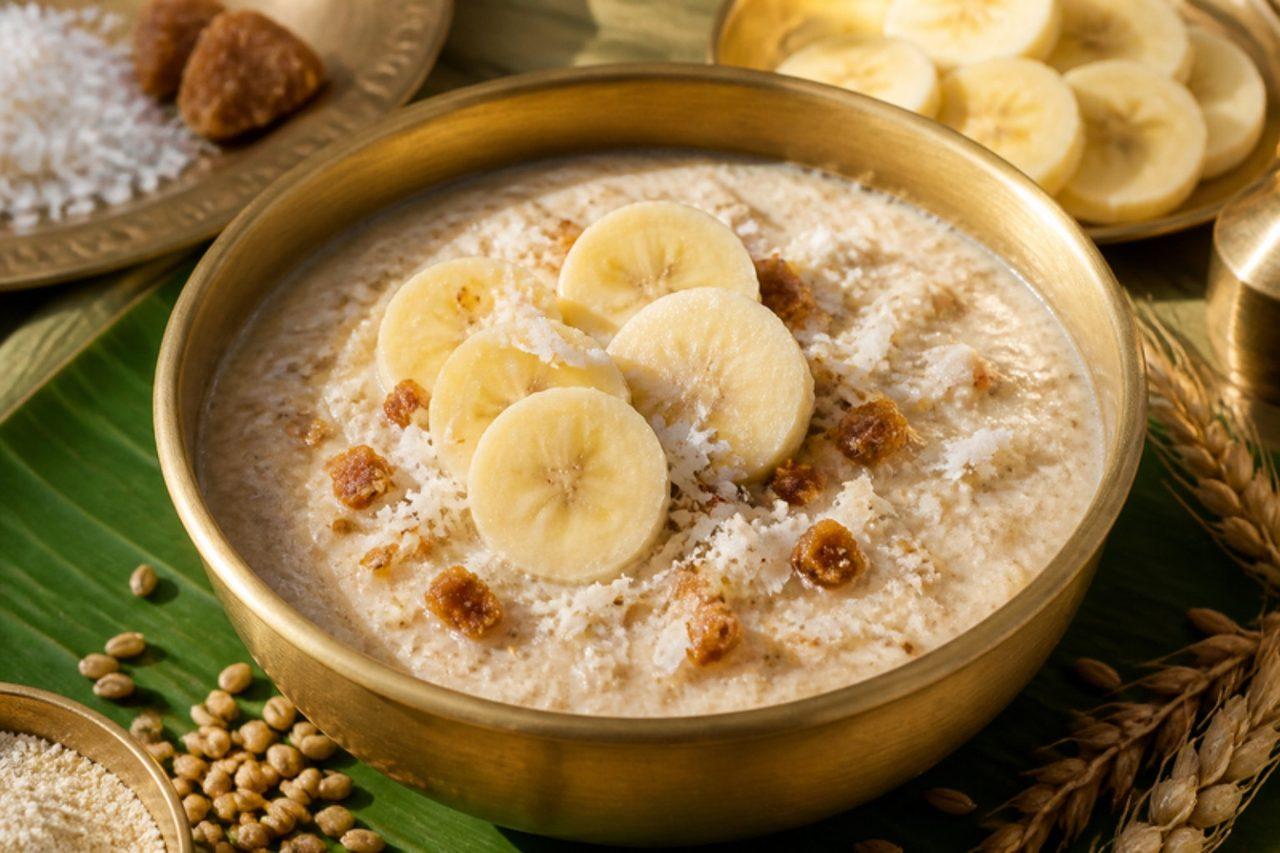
Pana Sankranti, in mid-April, is Odisha's new year and its own version of Baisakhi, and the day is kept with two cooling things: a jug of pana, the sweet bel-fruit drink, and a bowl of chhatua. The chhatua is a mix of roasted flours, usually chana, barley and rice, stirred with curd, ripe banana, jaggery and fresh coconut into a soft, sustaining mash that needs no cooking on a hot day. It is mild, sweet and nutty, and many families offer it first at the household shrine. Common mistake: making it watery; add the curd a little at a time and stop when it is like thick porridge that just holds a spoon. Chef's tip: roast your own flours in a dry pan until they smell of toast; ready-made sattu works, but freshly roasted flour has a far deeper flavour.

by KrazyBadal 0 views
Muttai dosaiEgg dosa

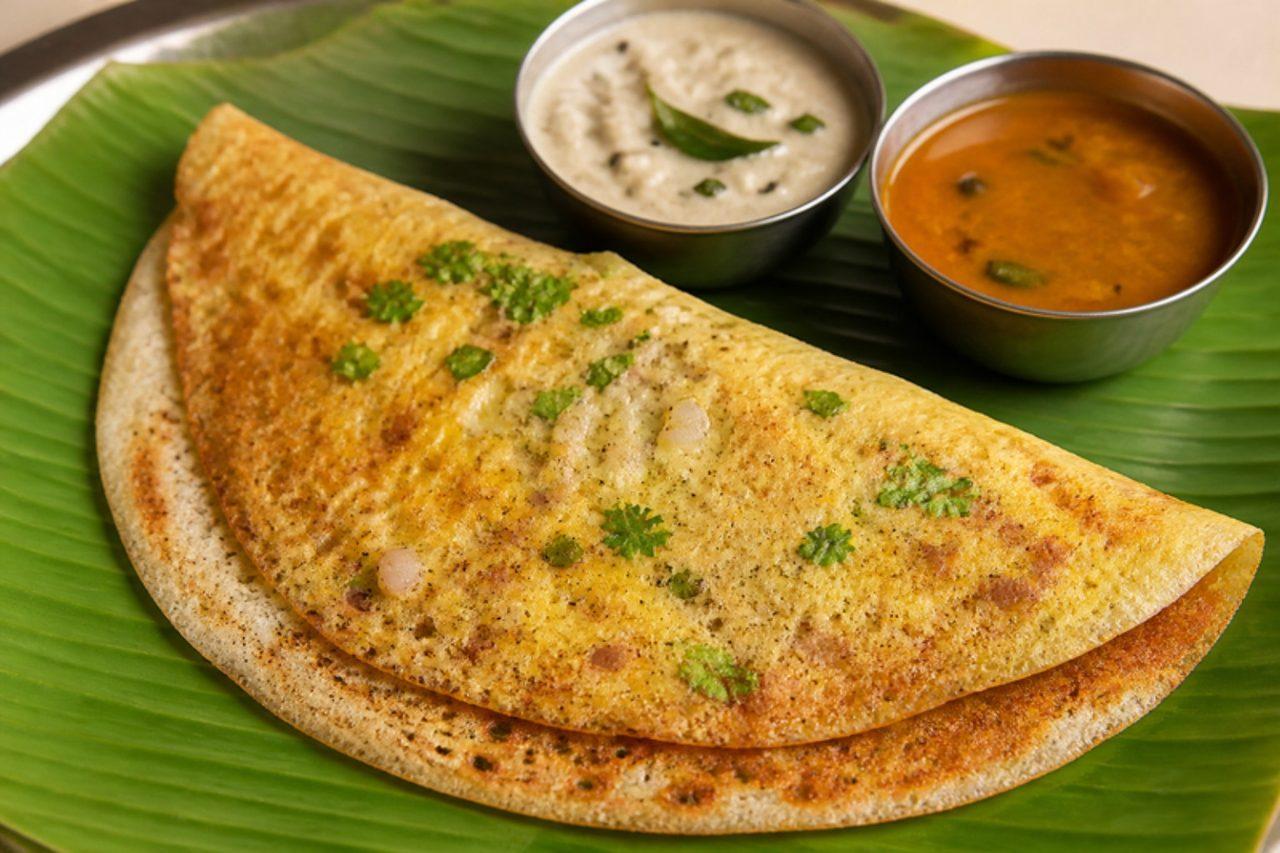
In Madurai and Chennai, muttai dosai is what the night-time tiffin stalls and home cooks turn out when the dosa batter is already in the fridge and dinner has to happen fast. A ladle of batter goes on the tawa, an egg is cracked over it and spread out, and black pepper, onion and chilli are scattered on top so they set into the crêpe. It is filling, savoury and a little peppery; eat it with coconut chutney, a spoon of sambar or a ladle of vegetable kurma. The usual mistake is cracking the egg on too late, once the batter is dry, so it slides about instead of sticking. Chef's tip: spread the egg the moment the batter turns from glossy to matt, and press the onion in with the back of the spoon so it doesn't fall off when you flip.

by KrazyBadal 0 views
Rajkoti lili chutneyGreen chilli and peanut chutney

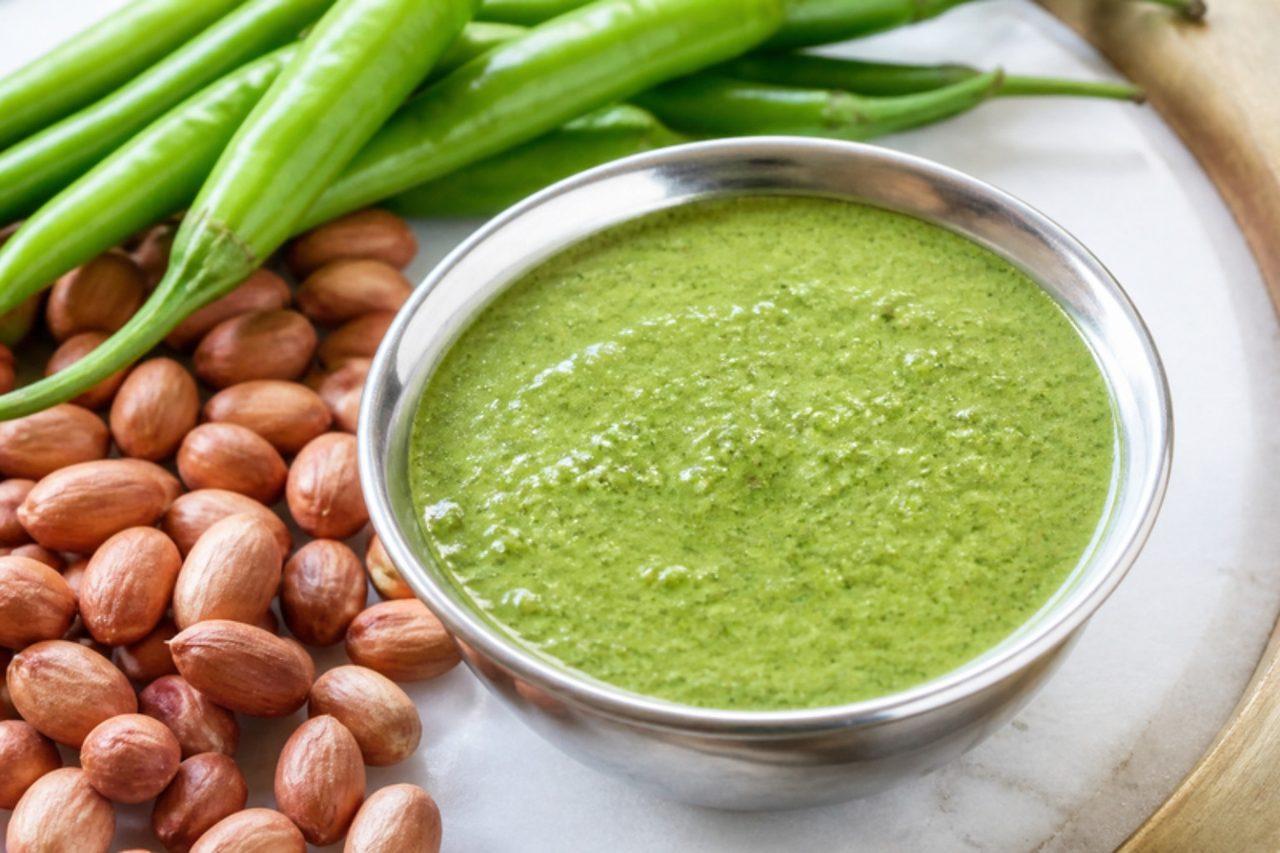
Rajkot is known across Gujarat for its green chutney, sold in little pouches by farsan shops and carried home by every visitor: a hot, smooth paste of green chillies and roasted peanuts with lemon, sugar and a pinch of turmeric, and no coriander at all, which is why it keeps a week in the fridge without turning dark. It is spread in sandwiches, spooned over khichiya papad and served with gathiya, dhokla and bhajiya. The common mistake is adding too much water, which dilutes the heat and makes it spoil faster. Chef's tip: grind it in short bursts so the blender doesn't heat the peanuts and turn the chutney oily.

by KrazyBadal 0 views

Dahi churaFlattened rice with curd and jaggery

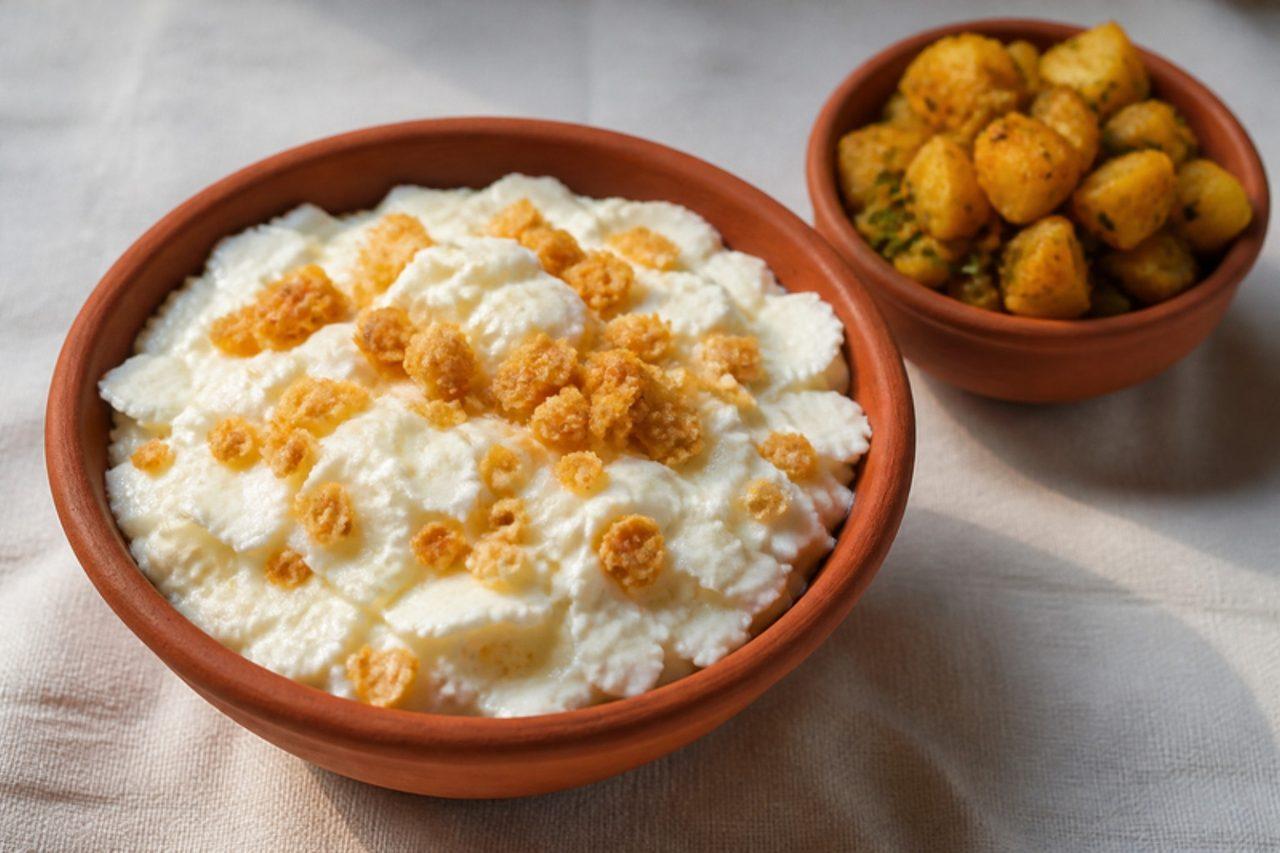
Dahi chura belongs to Bihar and eastern Uttar Pradesh: it is the traditional Makar Sankranti breakfast, but on summer nights in Patna and Gaya it is also the supper that needs no stove at all. Thick chura (flattened rice) is rinsed, mixed with creamy set curd and sweetened with jaggery, then eaten with a spicy potato sabzi or a pinch of pickle alongside. It is cool, mildly sweet and gently chewy. The usual mistake is soaking the chura in water, which leaves it soggy and dilutes the curd. Chef's tip: rinse the chura and let it drain for two minutes so the flakes swell from the water clinging to them, then add the curd.

by KrazyBadal 0 views
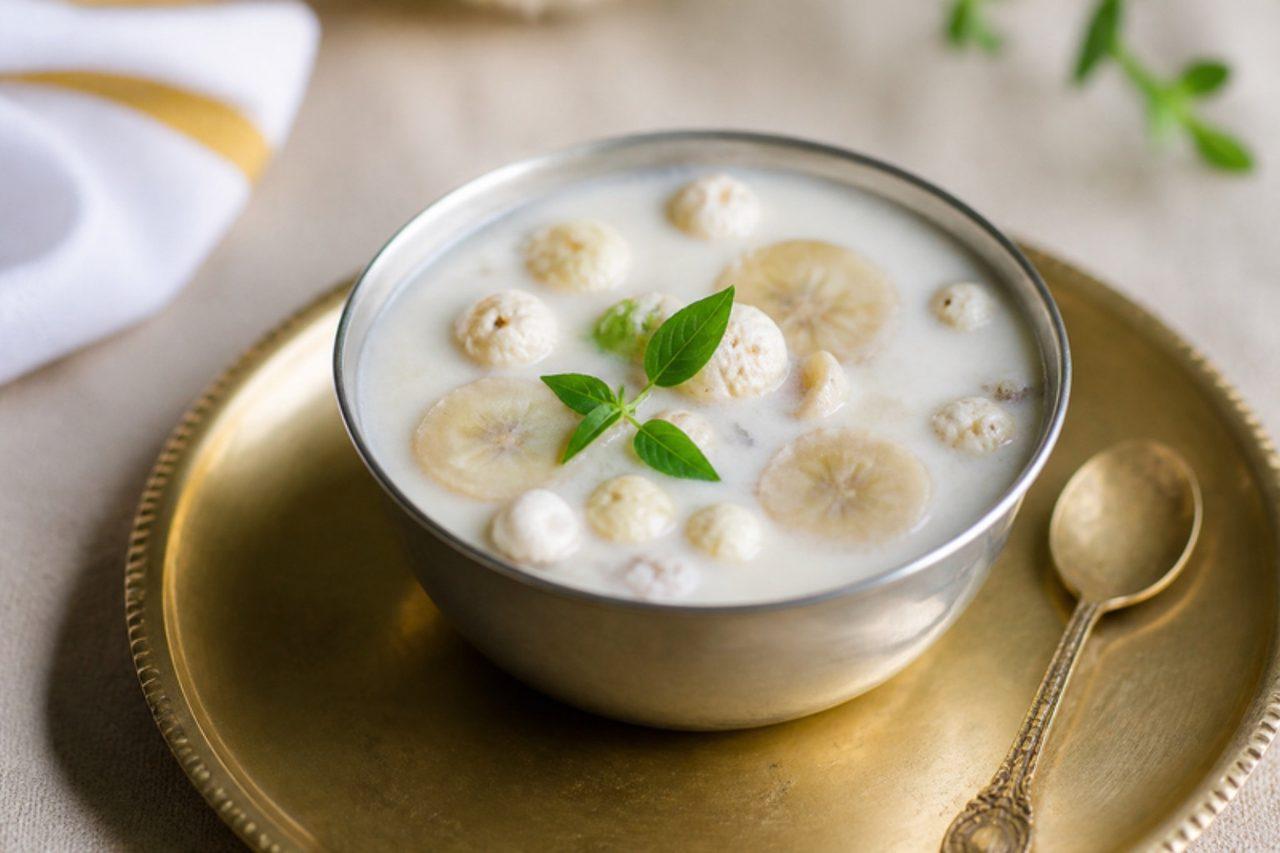
PanchamritMilk, curd, ghee and honey offering

Panchamrit, the 'five nectars', is poured over the image of baby Krishna at the midnight abhishek on Janmashtami and then given out to everyone in the room in a spoonful cupped in the palm. It is made across India for pujas, from Gujarat to Bengal, with five fixed parts: milk, curd, ghee, honey and sugar, plus tulsi leaves and sometimes a few makhana or chopped banana in the north. It tastes sweet, creamy and a little tangy. Common mistake: using hot milk or sour curd, which makes it split and thin; everything should be cool and the curd fresh, and it is ready when it is smooth and pourable like thin custard. Many families treat it as fasting food for the day, but traditions differ on honey and cooked milk, so follow your own household. Chef's tip: stir the honey into a little of the milk first so it loosens before it goes into the cold curd, otherwise it sets in sticky lumps.

by KrazyBadal 0 views

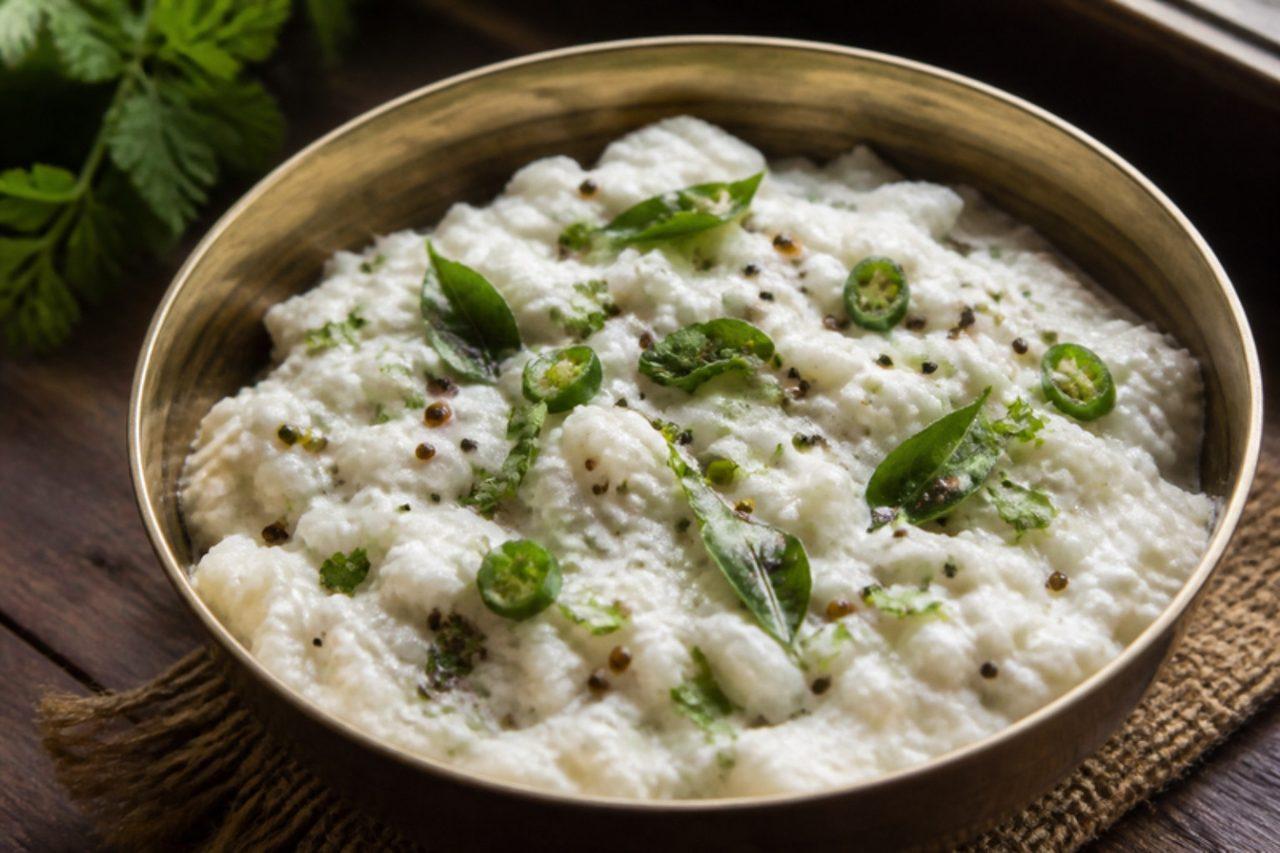
Mosaru avalakkiCurd flattened rice

On hot evenings in Mysuru and Bengaluru, mosaru avalakki is the cooling no-fuss dinner: thin poha folded into thick curd loosened with a little milk, sharpened with ginger and green chilli and finished with a sizzling mustard and curry leaf tempering. It is soft, tangy and refreshing, and often comes with pomegranate seeds or grated cucumber. The common mistake is mixing it too early; thin poha keeps soaking up curd and turns into a stiff paste if it sits. Chef's tip: stir in the milk last, just before serving, so the curd stays creamy and the poha keeps a little bite.

by KrazyBadal 0 views

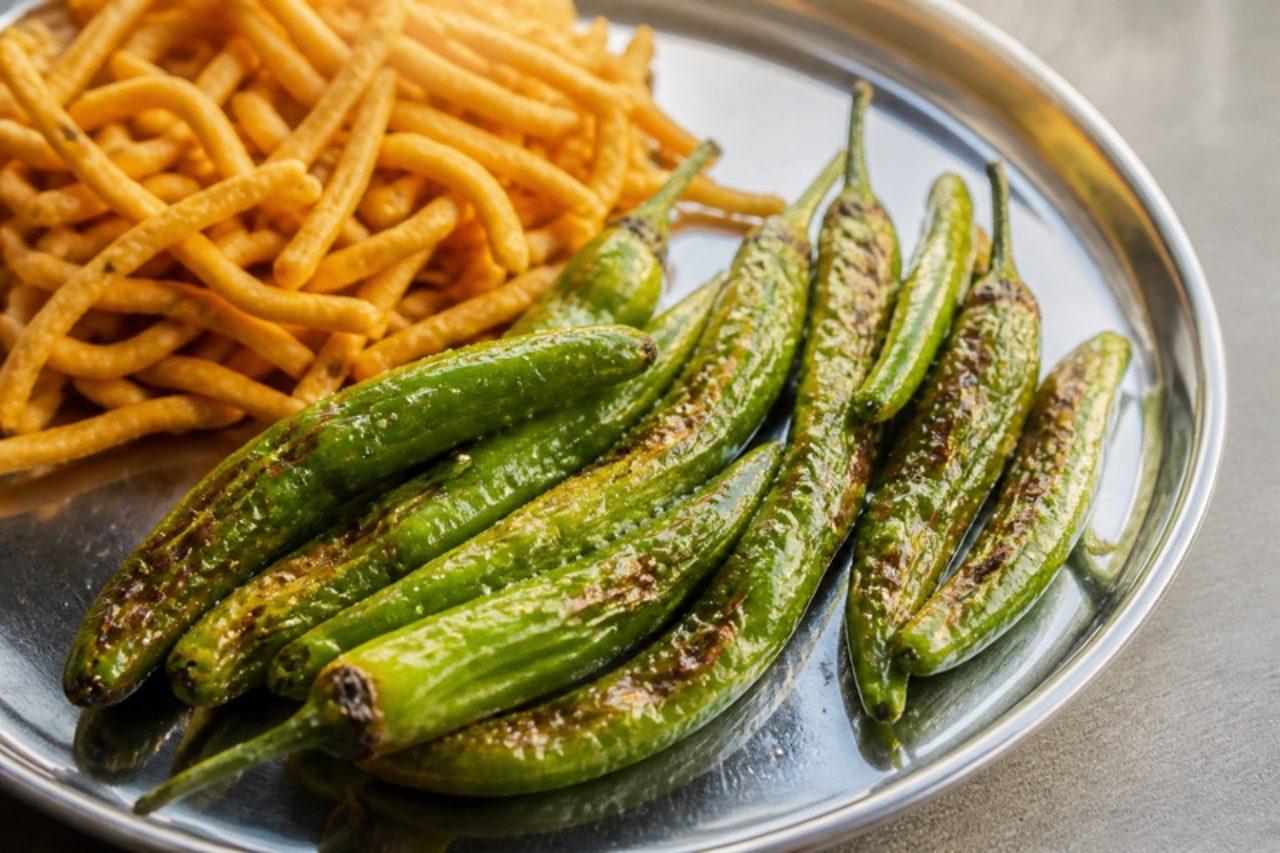
Talela marchaFried green chillies

Every plate of gathiya, dalvada or bhajiya sold in Gujarat comes with a little heap of talela marcha, green chillies dropped into the farsan seller's kadai for a few seconds until they blister and turn olive green, then shaken with salt and a squeeze of lemon. Bitten between mouthfuls of farsan they give a fresh, smoky hit of heat. Use thick, fairly mild chillies if you can find them. The common mistake is frying wet chillies: water on the skin makes the oil spit violently. Chef's tip: slit them lengthways first so steam escapes and they don't burst in the oil.

by KrazyBadal 0 views

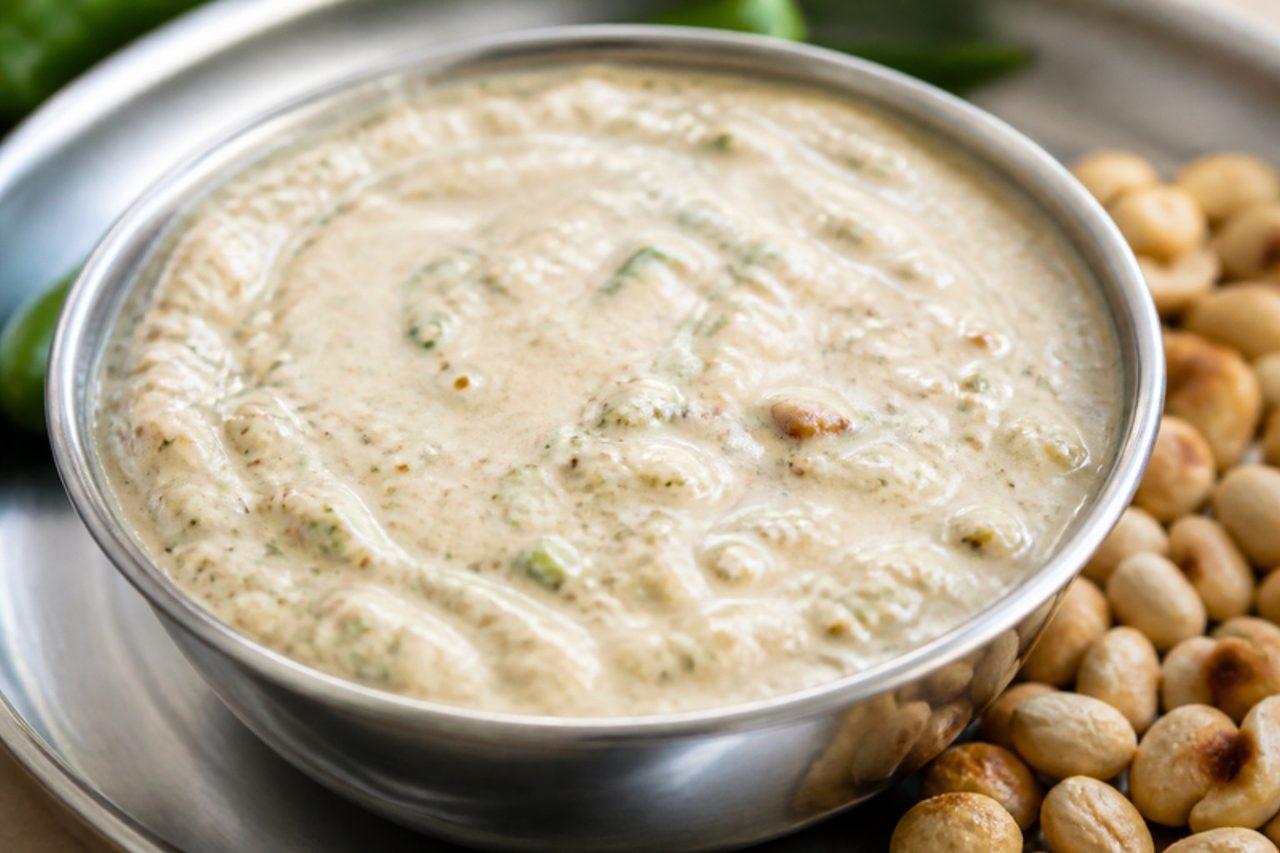
Sing ni chutneyPeanut yogurt chutney

On ekadashi, Shivratri and Navratri fasts, Gujarati homes serve farari pattice, sabudana vada and sweet potato chips with this thick, creamy peanut chutney, and it is just as good the rest of the year with thepla. Roasted peanuts are ground with green chilli, cumin and lemon, then loosened with yogurt into a nutty, tangy dip with a slow chilli warmth. For fasting it is seasoned with rock salt, and it has no onion, garlic or grain. The common mistake is grinding the peanuts with the yogurt from the start; they never break down properly. Chef's tip: grind the peanuts dry first, then add the yogurt and pulse just to mix.

by KrazyBadal 0 views

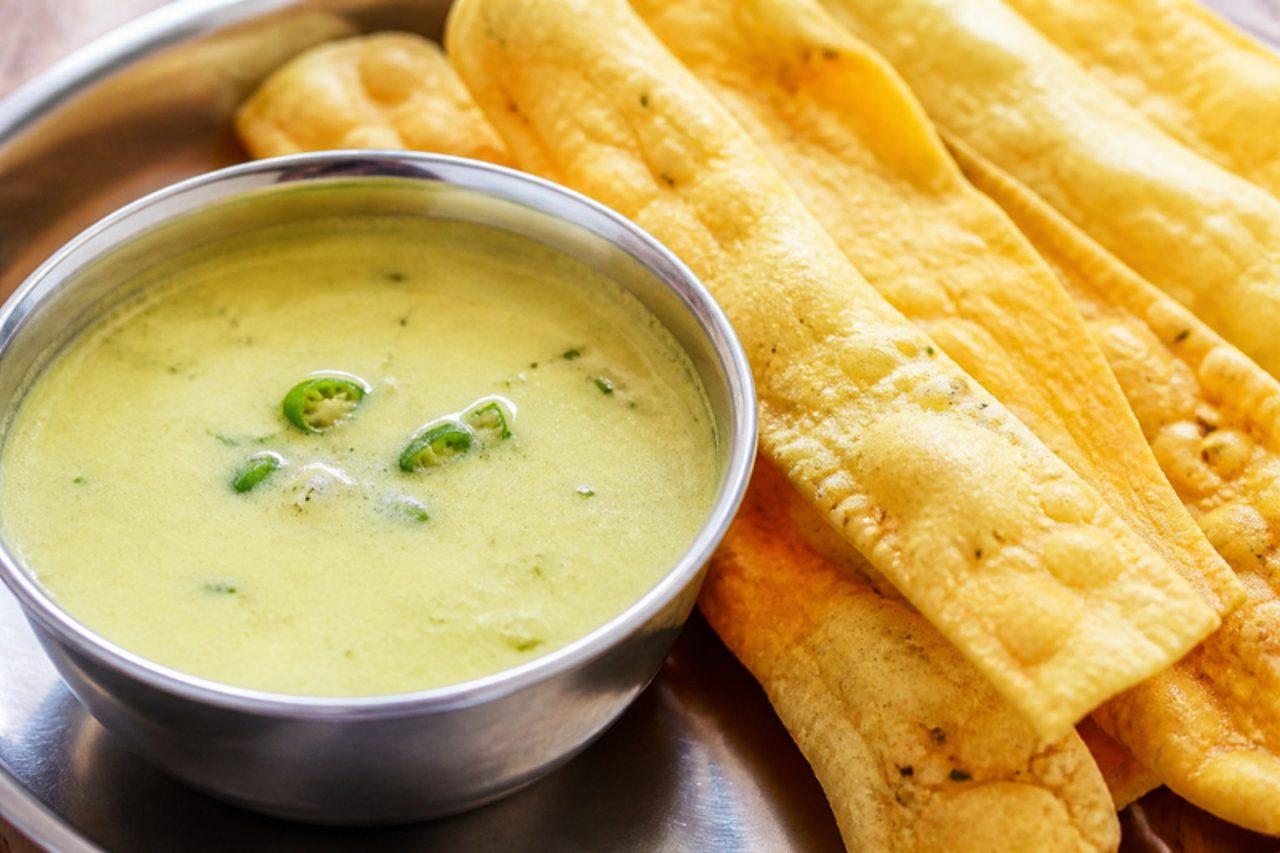
Kadhi chutneyGram flour buttermilk dip

Order fafda-jalebi on a Sunday morning in Ahmedabad or Rajkot and alongside it comes a small bowl of pale yellow kadhi chutney, a thin, sweet-sour dip of gram flour and buttermilk simmered with green chilli and ginger. It is runnier than a kadhi you would eat with rice, so the crisp farsan can be dunked and dragged through it. The flavour is gentle, a little tangy and a little sweet, which balances salty, peppery snacks. The common mistake is letting it boil hard right after adding the buttermilk, which makes it grainy and split. Chef's tip: it thickens as it cools; loosen it with a splash of water to a pouring, single-cream consistency before serving.

by KrazyBadal 0 views

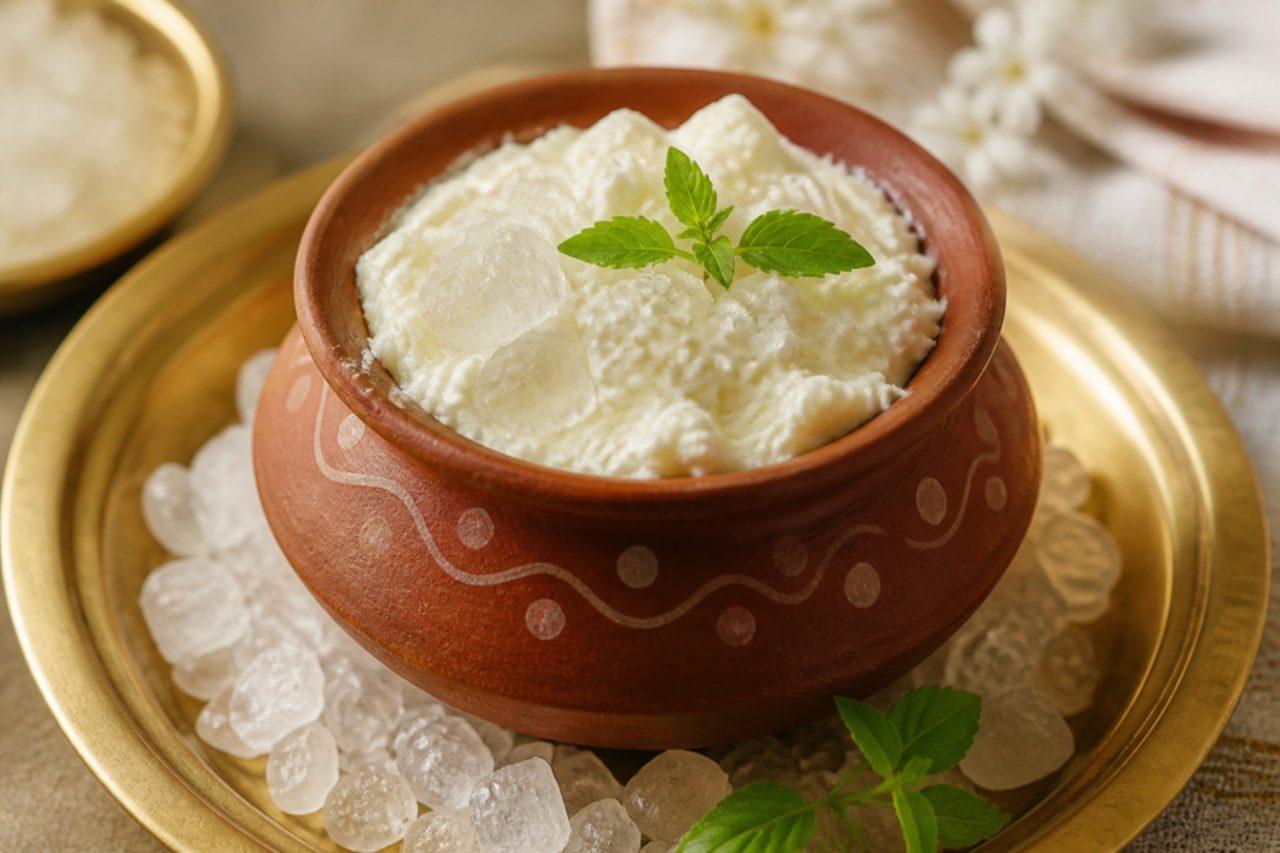
Makhan mishriFresh butter with rock sugar

Stories from Mathura and Vrindavan tell of the child Krishna stealing butter from the pots of the cowherd women, so at midnight on Janmashtami the first offering in the temples and at home is a bowl of fresh white butter mixed with mishri, the rock-sugar crystals. The butter is churned from cream at home, so it is soft, cool and lightly tangy, and the sugar crunches against it. It is eaten as prasad in tiny spoonfuls, often with a tulsi leaf on top. Common mistake: churning warm cream, which turns greasy instead of breaking; the cream must be fridge-cold, and the butter is ready when yellow-white clumps separate cleanly from thin buttermilk. Chef's tip: rinse the butter in iced water two or three times and press it with a spoon; washing out the buttermilk keeps it fresh for a day.

by KrazyBadal 0 views

ChooriCrumbled roti with ghee and sugar

In Punjabi villages choori is what a grandmother makes when a child comes home hungry before dinner: a warm roti or leftover paratha crumbled by hand into ghee and shakkar until it turns into soft, sweet, buttery crumbs. It is eaten with a glass of tea or milk in the late afternoon, and in many homes a bowl is set aside as an offering on Sankranti and at the gurdwara. The common mistake is using cold, leathery rotis straight from the box: the ghee won't soak in and the sugar stays gritty. Warm them on the tawa first until they are soft and just crisp at the edges. Chef's tip: a pinch of crushed fennel and some chopped almonds turn it into a little treat for guests.

by KrazyBadal 0 views

Semiya upmaSavoury vermicelli

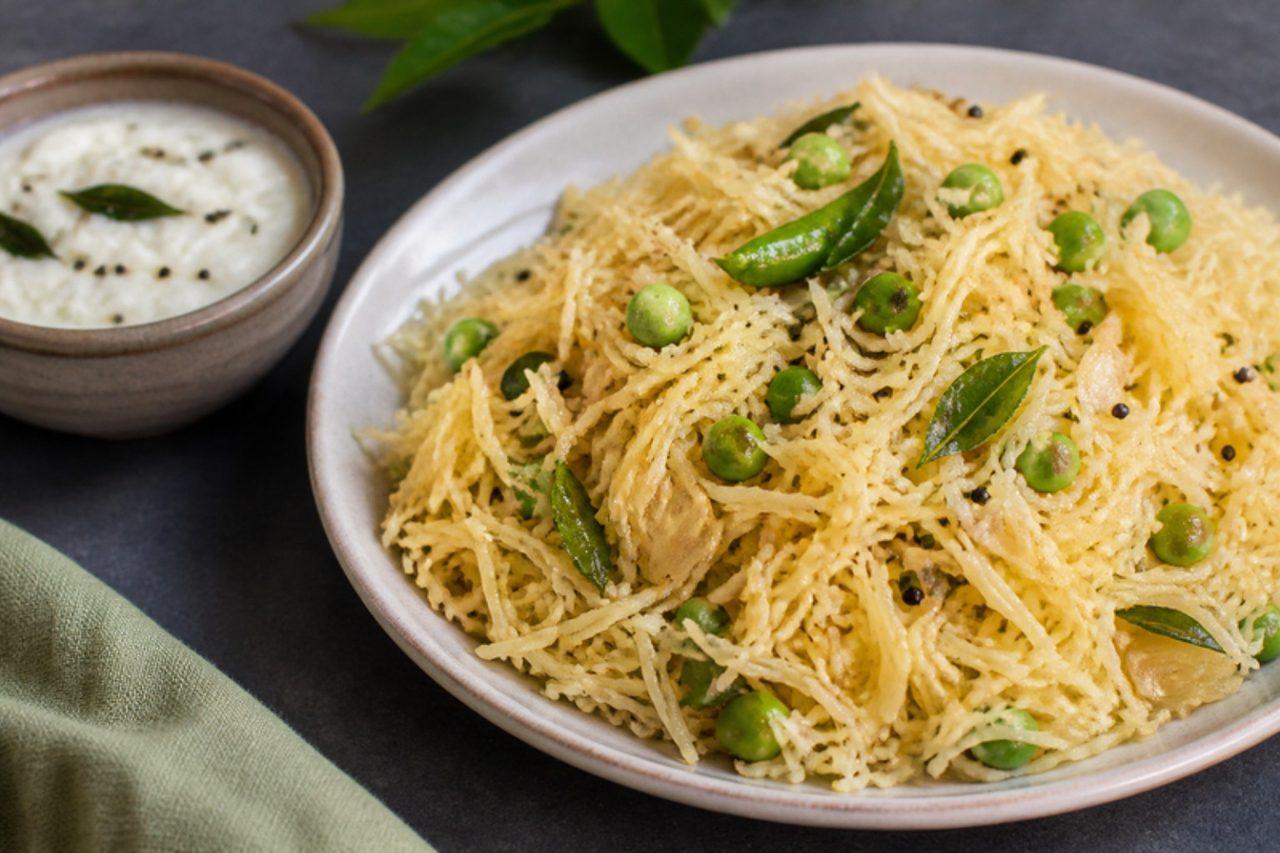
Semiya upma is a fixture of Tamil home cooking, from Coimbatore to Chennai, made for breakfast, for school tiffin boxes and very often for a light dinner when nobody wants a heavy meal. Ready-roasted wheat vermicelli is cooked in a tempering of mustard seeds, dal, curry leaves, onion and green chilli with a handful of peas until each strand is soft and separate. It is mild and savoury with a squeeze of lemon, and children love it. The common mistake is adding too much water, which turns the vermicelli into a sticky lump. Chef's tip: once the water is absorbed, take the pan off the heat and leave it covered for 2 minutes; the strands finish cooking in the steam and stay separate.

by KrazyBadal 0 views

HolanRoasted green chickpeas

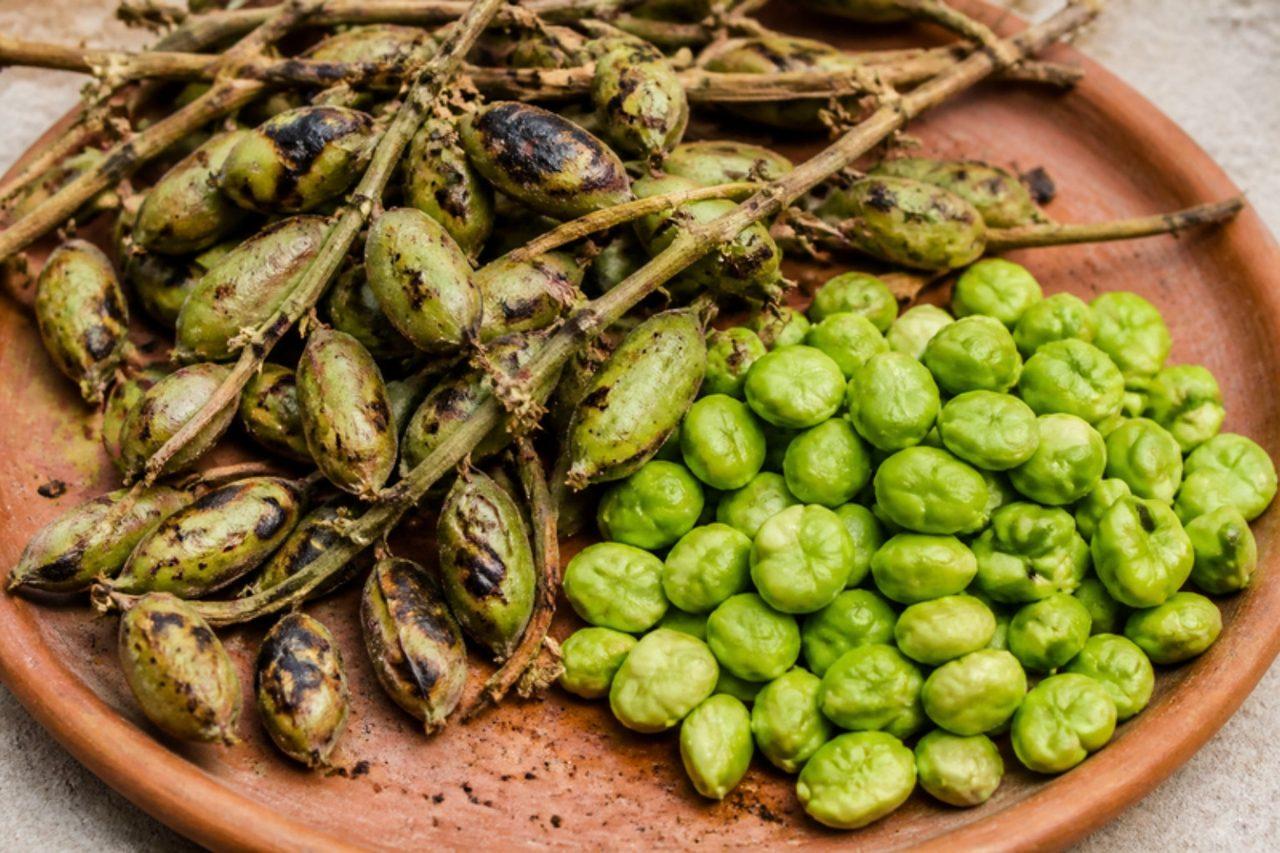
In late winter, around the time of Holi, village children in rural Punjab pull up bunches of green chickpea plants from the edge of the field and throw them onto a small fire of dry stalks. Once the pods blacken they rake them out and shell them hot, blowing on their fingers, and the bright green peas inside taste smoky, sweet and nutty. At home you can do the same in a heavy iron kadai. The mistake is leaving them on until the pods are fully burnt; by then the peas inside are dry and hard. Stop when the pods are blistered black in patches and the peas are just tender. Chef's tip: a pinch of salt and chilli with a squeeze of lemon on the shelled peas turns them into a quick chaat.

by KrazyBadal 0 views

SulaimaniSpiced lemon black tea

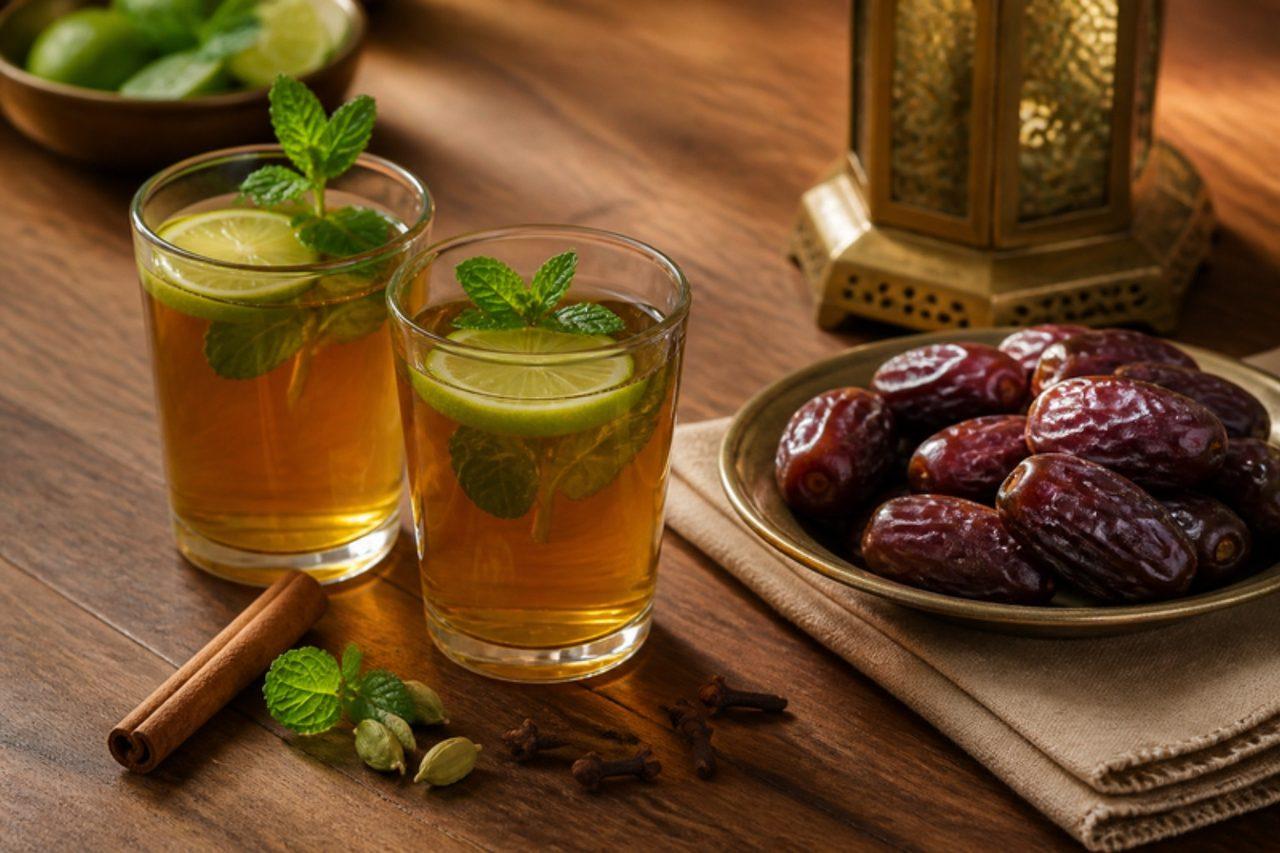
In Kozhikode, sulaimani is the clear amber tea poured after a heavy biryani, and in Ramadan it is the glass that follows the dates at iftar. A little loose black tea is brewed with cardamom, clove and cinnamon, then sweetened and sharpened with fresh lime so it is light, warming and gently fragrant. Chef's tip: steep the tea for only two minutes; sulaimani should be bright and clear, never strong and bitter.

by KrazyBadal 0 views

Aamras (spiced mango pulp)

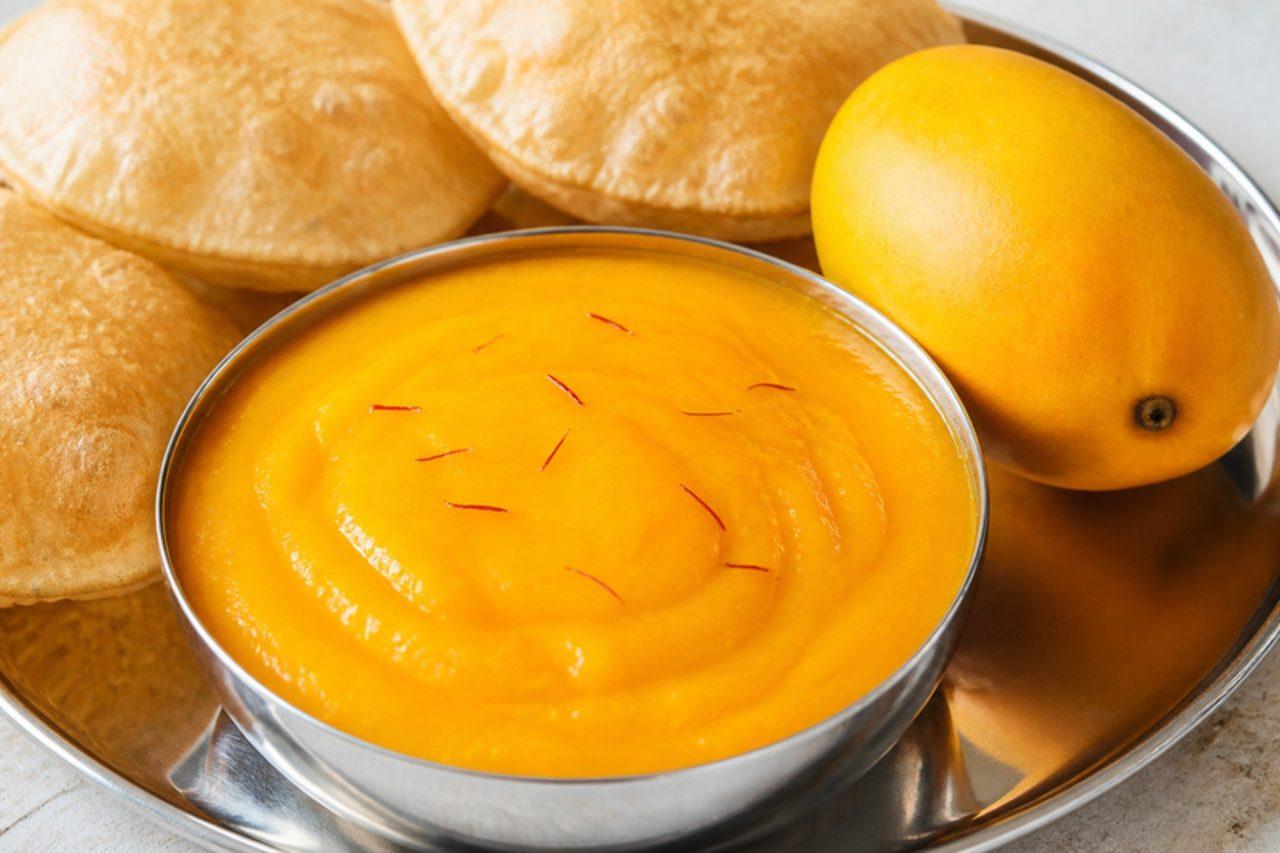
When Kesar mangoes reach Ahmedabad and Alphonsos reach Pune in April and May, aamras appears at almost every summer lunch in Gujarat and Maharashtra. It's simply ripe mango pulp, thick and silky, with a pinch of dry ginger to help digestion, a little cardamom and sometimes a spoon of sugar if the fruit isn't sweet enough. It's eaten as part of the meal rather than after it, scooped up with hot puris, alongside a potato sabzi and dal; in Maharashtra it's also served at Akshaya Tritiya and Gudi Padwa. Spoon it out chilled in bowls, or offer it to children by itself. It is naturally egg-free and vegan: the mango's own thick pulp gives all the body, so nothing needs to bind or set it. Chef's tip: use only soft, fragrant, fully ripe mangoes and press the pulp through a sieve if they are fibrous; under-ripe fruit is the common mistake that makes aamras sour and thin.

by KrazyBadal 0 views

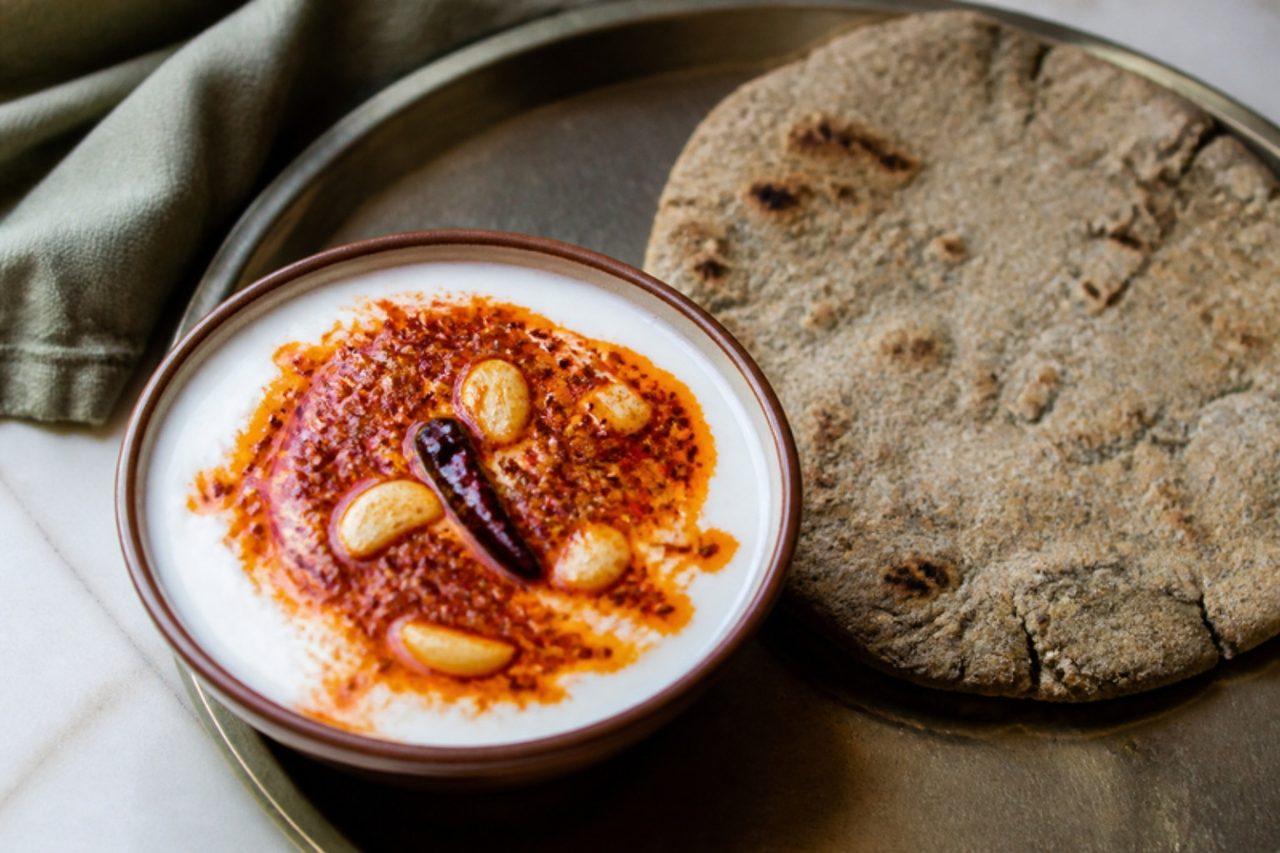
Dahi tikhariYogurt with garlic chilli tempering

Dahi tikhari is a fiery side from the farmhouses and highway dhabas of Kathiawad in Gujarat, where it is scooped up with thick bajra rotla, raw onion and jaggery at supper. Thick yogurt is seasoned with salt, then hot oil with crushed garlic, red chilli and cumin is poured over so it sizzles and streaks the bowl red. It takes ten minutes and cools down a spicy meal while adding its own heat. The common mistake is letting the garlic go dark brown, which makes the whole bowl bitter. Chef's tip: hang the yogurt in a sieve for a few minutes while you prepare the tempering; thicker yogurt holds the oil in pools instead of splitting.

by KrazyBadal 0 views

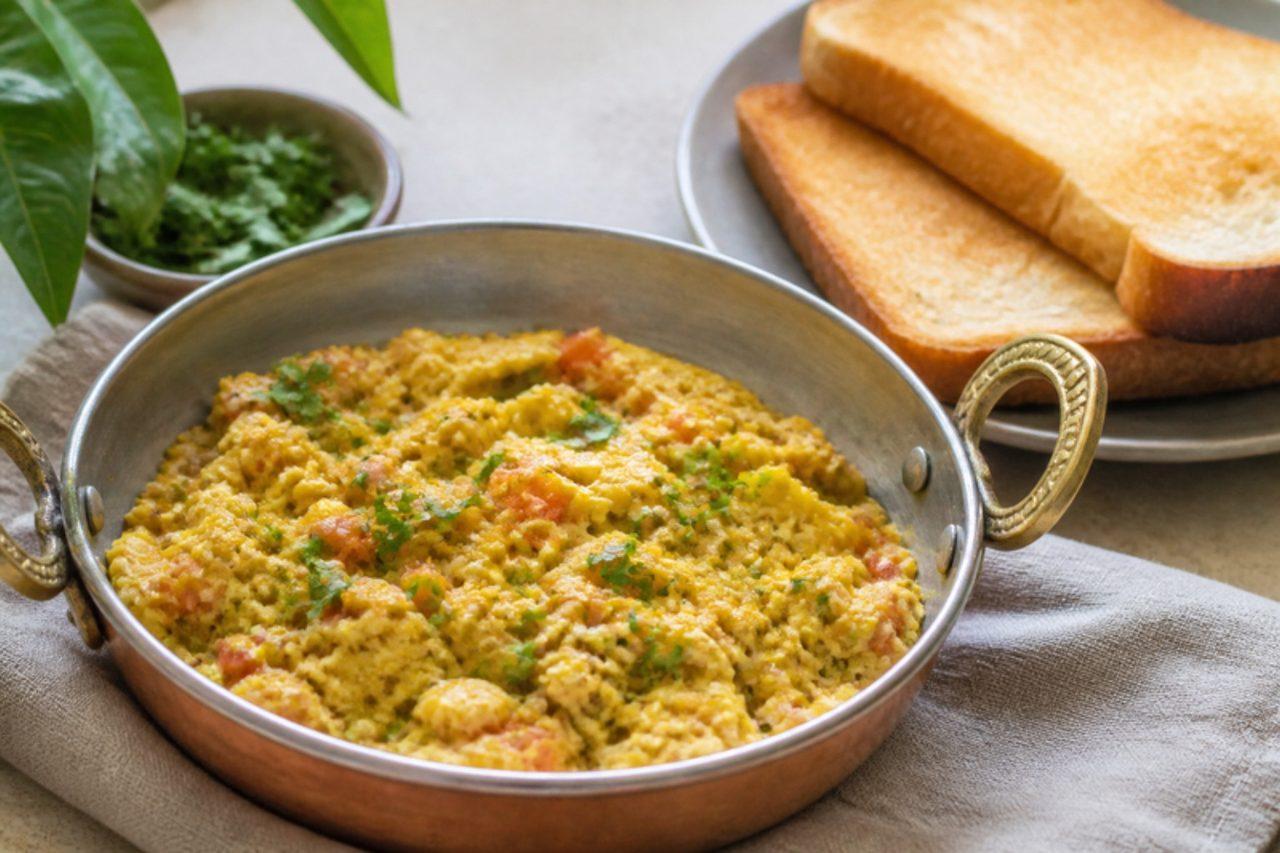
AkuriSpiced scrambled eggs

Akuri is the Parsi community's breakfast scramble, served in Mumbai's old Irani cafés and Parsi homes on Sunday mornings with soft pav or buttered toast. It is softer and wetter than an ordinary scramble, cooked slowly so the eggs stay creamy and barely set, with sweet fried onion, tomato, ginger, green chilli and plenty of coriander. A spoonful of milk keeps it silky. The common mistake is cooking it over high heat: the eggs seize into hard, rubbery curds and the masala catches. Chef's tip: take the pan off the heat while the eggs still look slightly underdone, because they keep cooking on the plate.

by KrazyBadal 0 views

Masala omeletteSpiced chilli omelette

From hostel kitchens in Pune to the egg carts outside Chennai railway stations, the masala omelette is what India makes when breakfast, a late supper or a tiffin filling has to be ready in minutes. Eggs are beaten with raw onion, tomato, green chilli, coriander and a pinch of turmeric, then spread thin on a hot tawa so the edges crisp and the middle stays soft and juicy. Eat it folded with buttered toast, rolled in a chapati, or beside dal and rice. The usual mistake is chopping the onion and tomato too coarsely: big pieces stop the egg setting round them and the omelette tears when you flip it. Chef's tip: salt the eggs only at the last second before they hit the pan, because salted tomato weeps water into the batter and the omelette turns spongy.

by KrazyBadal 0 views

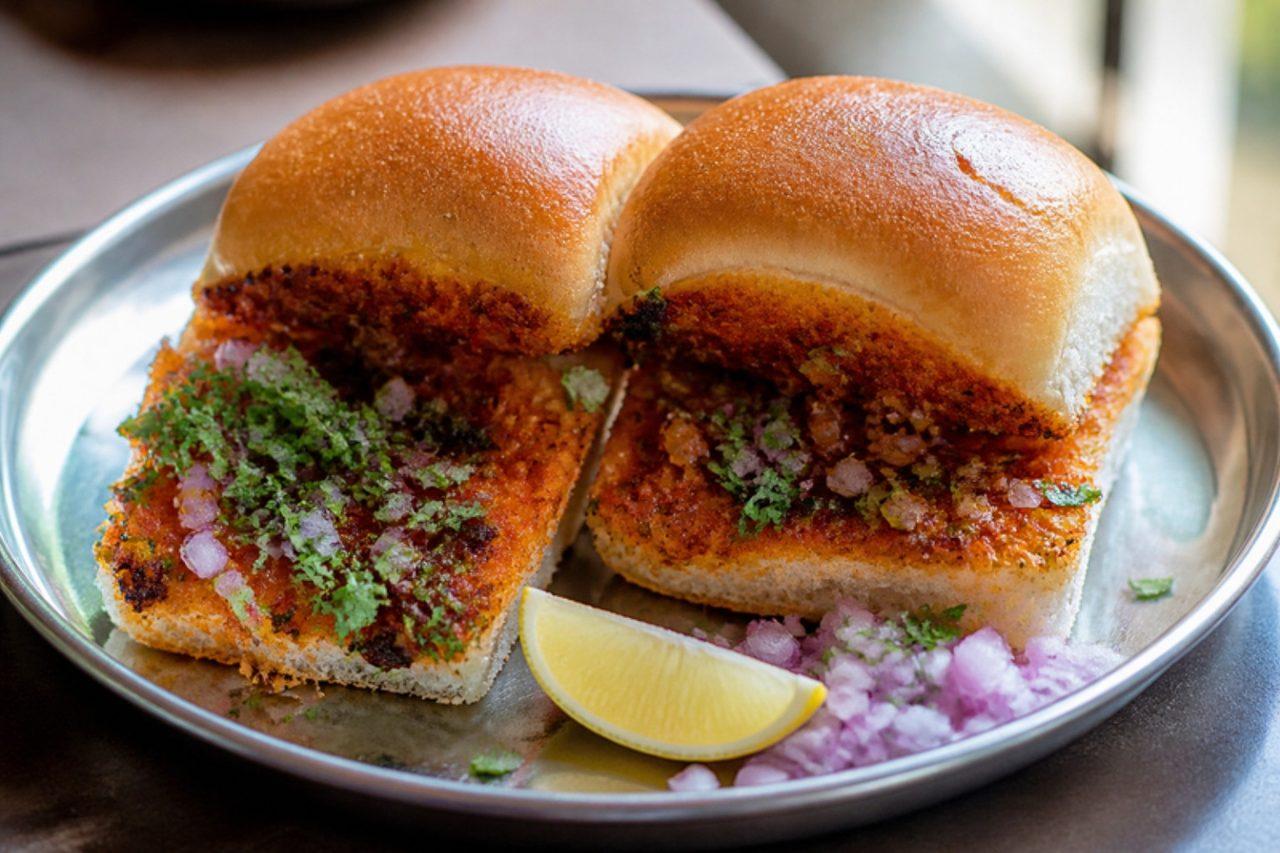
Masala pavSpiced buttered bread buns

Masala pav comes from the pav bhaji stalls of Mumbai, where cooks use the last of the spicy bhaji base to fry split buns on the tawa as a quick evening snack. Here the masala is made fresh: onion, pepper and tomato cooked down in butter with chilli, garlic and pav bhaji masala, then the buns are pressed into it until they soak it up and turn crisp at the edges. It is a fast tea-time snack and a children's favourite with a glass of buttermilk. The usual mistake is putting the buns into a wet, half-cooked masala, which makes them soggy instead of toasty. Chef's tip: cook the masala until it is jammy and clings to the spoon before you add the pav.

by KrazyBadal 0 views

Showing 24 of 161 recipes

Show more recipes

Page 1 of 7