Skip to content
Recipes

All recipes

Vegetarian, or something you can't eat? Set your diet once and we'll hide recipes that don't fit.

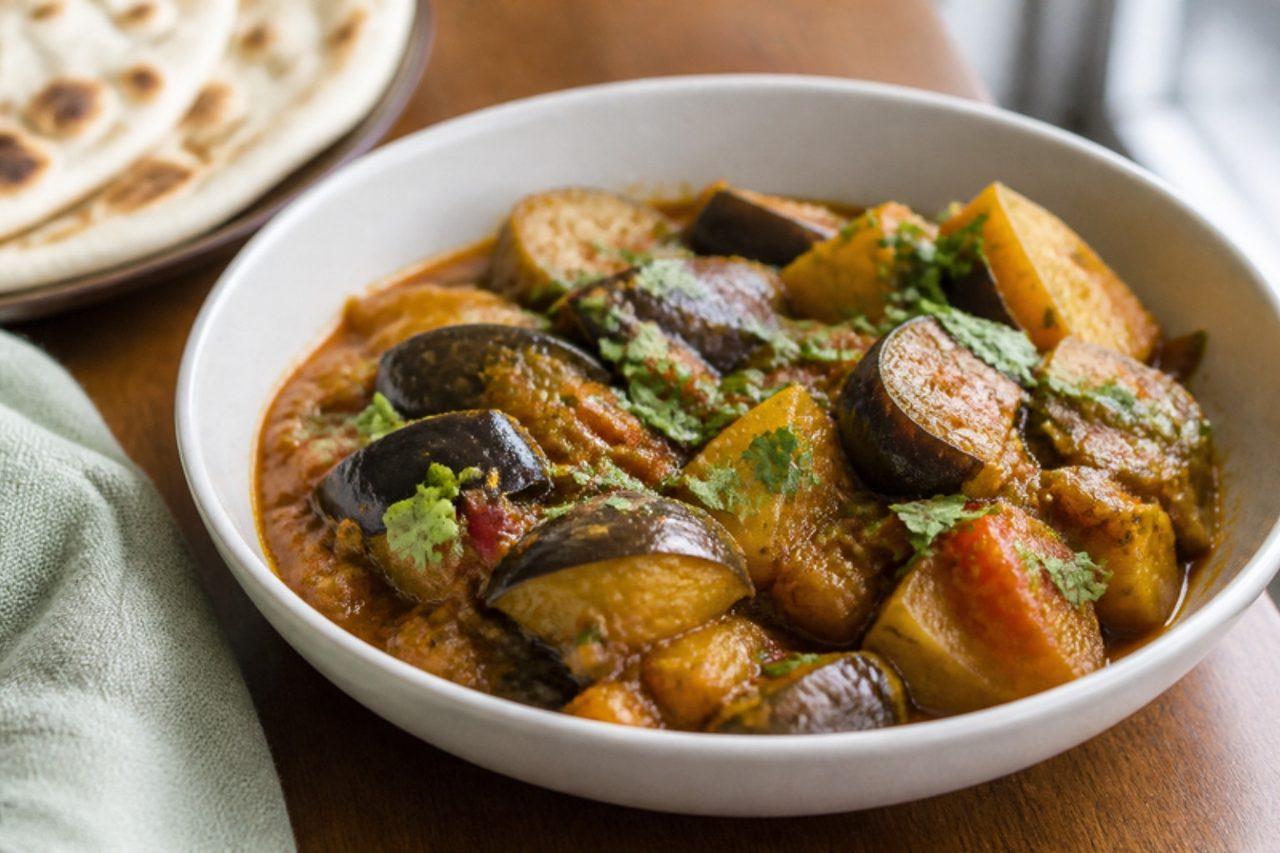
Aloo bainganPotato and aubergine

From Multan to Hyderabad in Sindh, aloo baingan is the humble pairing that makes a summer glut of aubergines go a long way: potatoes give body, aubergine melts into a jammy, smoky-sweet tomato masala. It is eaten with chapati at dinner, often next to a bowl of daal and some sliced onion. The most common mistake is stirring hard once the aubergine softens, which mashes everything into a grey purée; fold it gently and let the pan do the work. Chef's tip: give the aubergine a few minutes on its own in the hot oil before the masala goes in, so its edges catch and brown.

by KrazyBadal 0 views

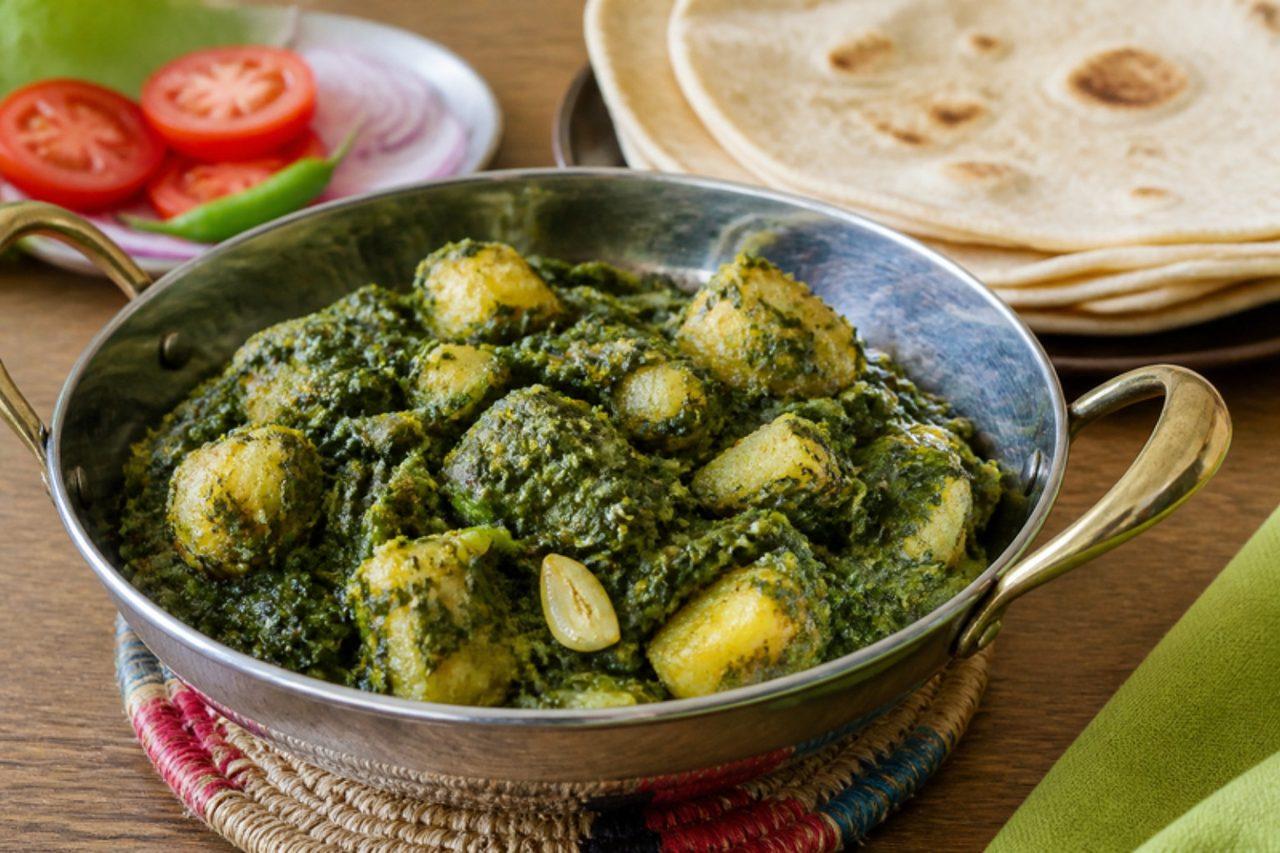
Aloo palakPotato and spinach

In Lahore and the villages of Pakistani Punjab, aloo palak is the dish that turns up on a weekday when the spinach at the sabzi stall looks good and nobody has time for a long curry. Small cubes of potato cook in a garlicky cumin masala, then a mountain of chopped spinach wilts down over them into a soft, dark green coat. Eat it with hot chapati or plain rice and a spoon of yogurt on the side. The usual mistake is cutting the potatoes too big: they are still hard when the spinach is done, and by the time they soften the greens have gone grey. Chef's tip: keep the lid off once the spinach goes in, so the water cooks away and the leaves stay bright.

by KrazyBadal 0 views

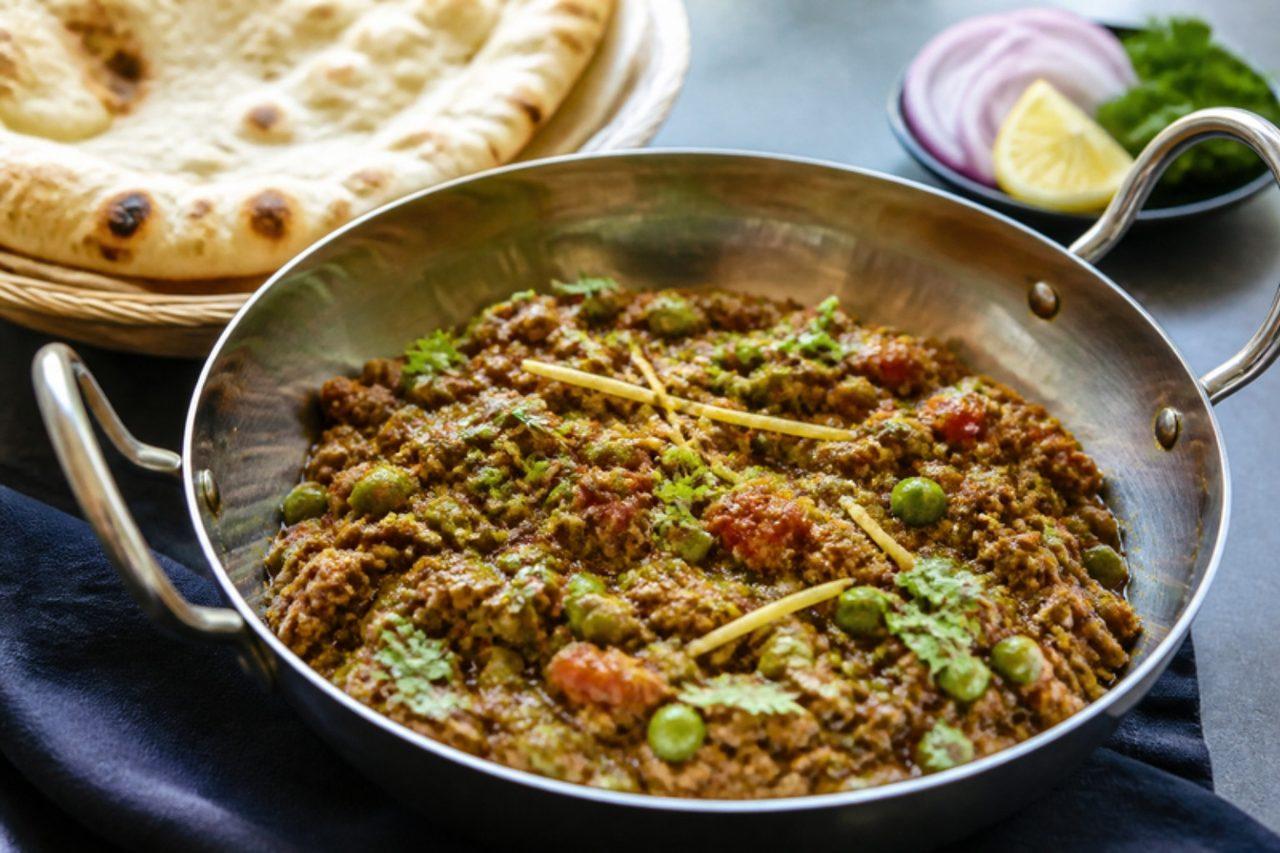
Qeema matarMinced meat and pea curry

In Lahore and across Pakistani Punjab, qeema matar is the mince dish that appears on a Tuesday when nobody has time for a slow salan: minced mutton or beef browned hard, cooked down with tomato, ginger and garlic, then studded with sweet green peas. It is dry enough to scoop with a hot roti or paratha, with a little sliced onion and lemon on the side. The usual mistake is adding the tomatoes before the mince has lost its raw, wet look, which leaves it boiled and grey instead of rich and brown. Chef's tip: break the mince up with the back of a spoon while it fries, so it cooks into fine crumbs rather than lumps.

by KrazyBadal 0 views

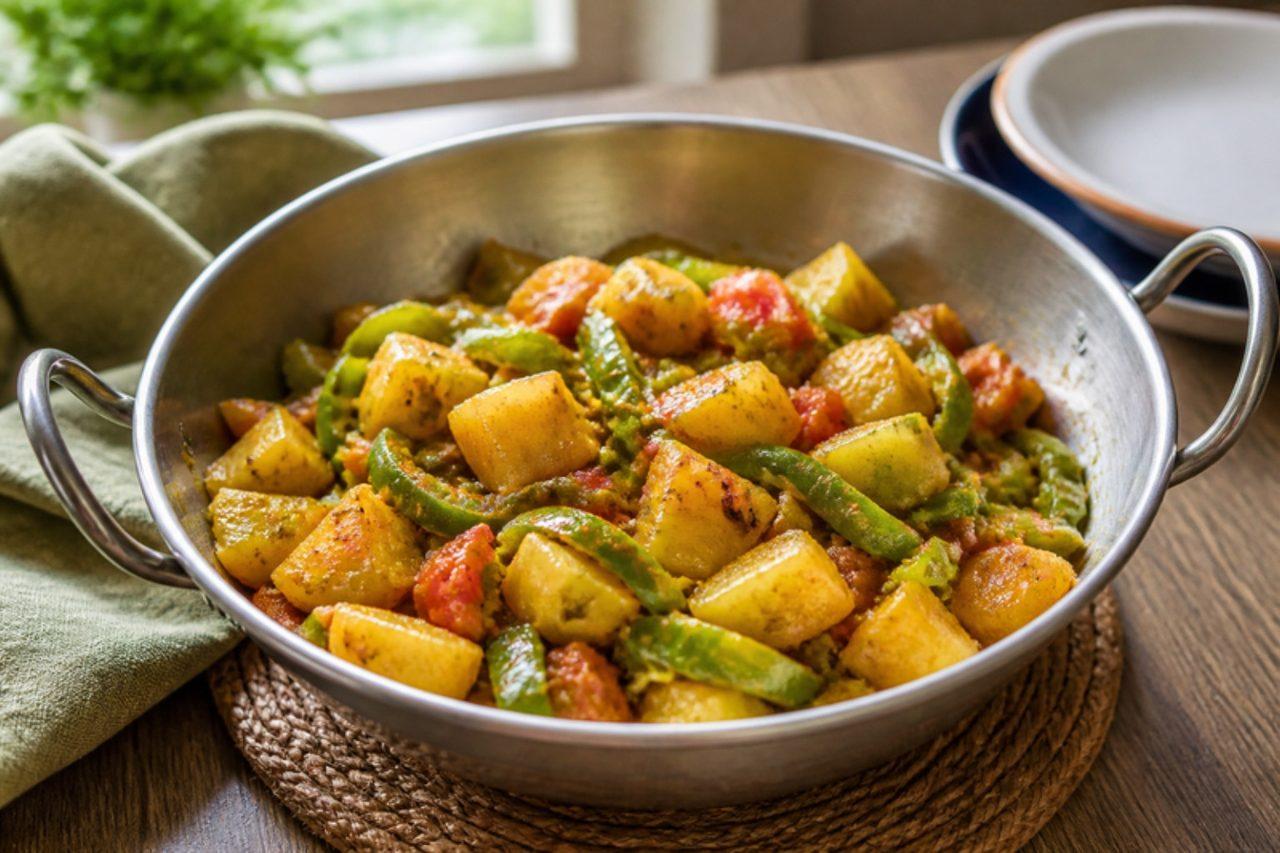
Shimla mirch alooPepper and potato stir-fry

Shimla mirch aloo is everyday Punjabi home cooking from both sides of the border, the sabzi that fills a lunchbox paratha or sits next to dal on a weeknight in Rawalpindi. Potato cubes go soft and golden first, then strips of green pepper are tossed in just long enough to soften while keeping a little bite, all held together by a dry tomato-chilli masala. The classic mistake is adding the peppers with the potatoes: they collapse, turn khaki and lose their fresh, slightly bitter flavour. Chef's tip: a pinch of amchur at the end lifts the whole pan without adding any extra liquid.

by KrazyBadal 0 views

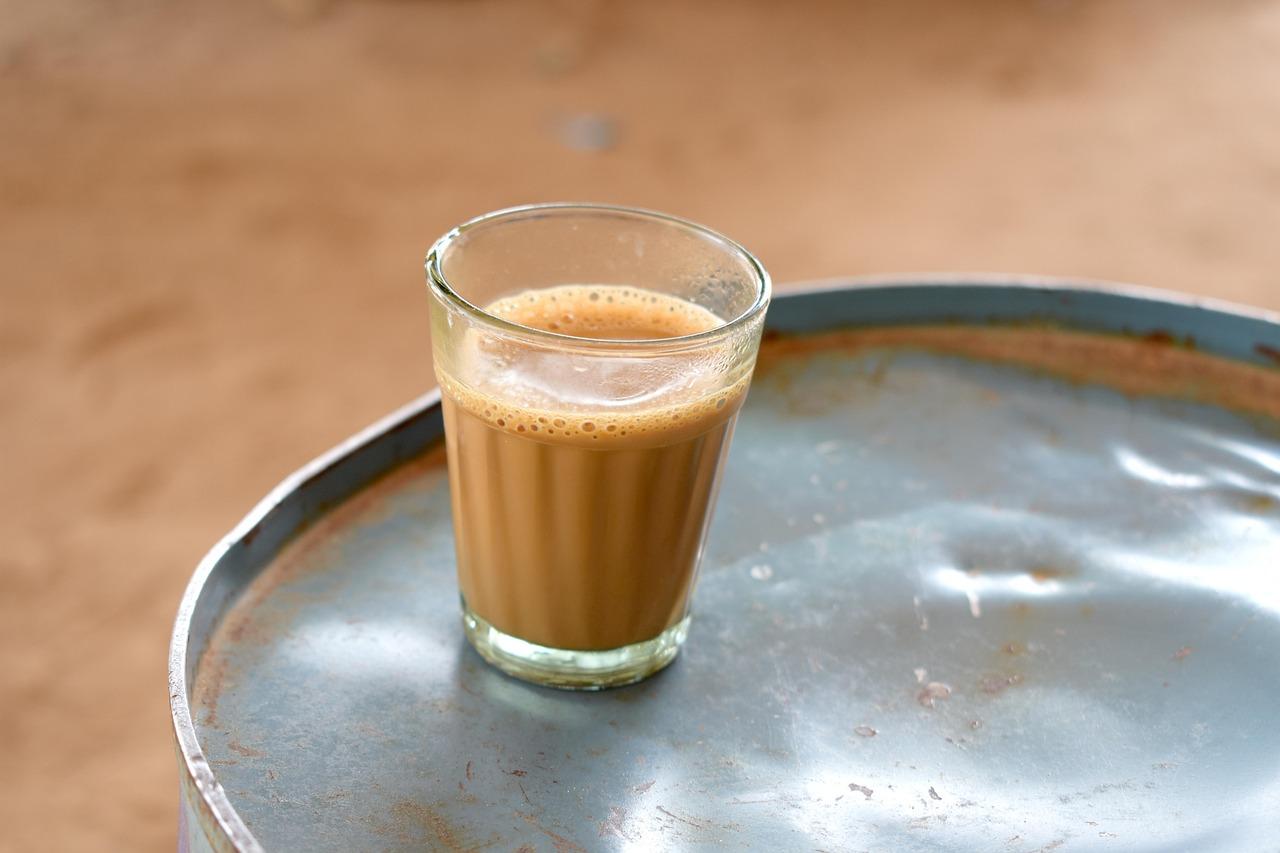
Doodh pattiStrong milk tea

Doodh patti is poured from a dented pan at every truck stop, university canteen and street-corner dhaba in Pakistan, from Karachi's Saddar to the Murree road, and it is drunk at all hours: before work, after cricket, at midnight with a paratha. The tea is made without any water at all, boiling loose black tea and sugar in milk until it turns a deep caramel colour and tastes rich, malty and strong. The mistake is simmering too gently and pulling it off too soon, giving a weak, milky drink; it needs a proper rolling boil, more than once. Contains milk. Chef's tip: lift the pan off the heat each time the tea froths to the top and return it, three times; each rise deepens the colour and flavour.

by KrazyBadal 0 views

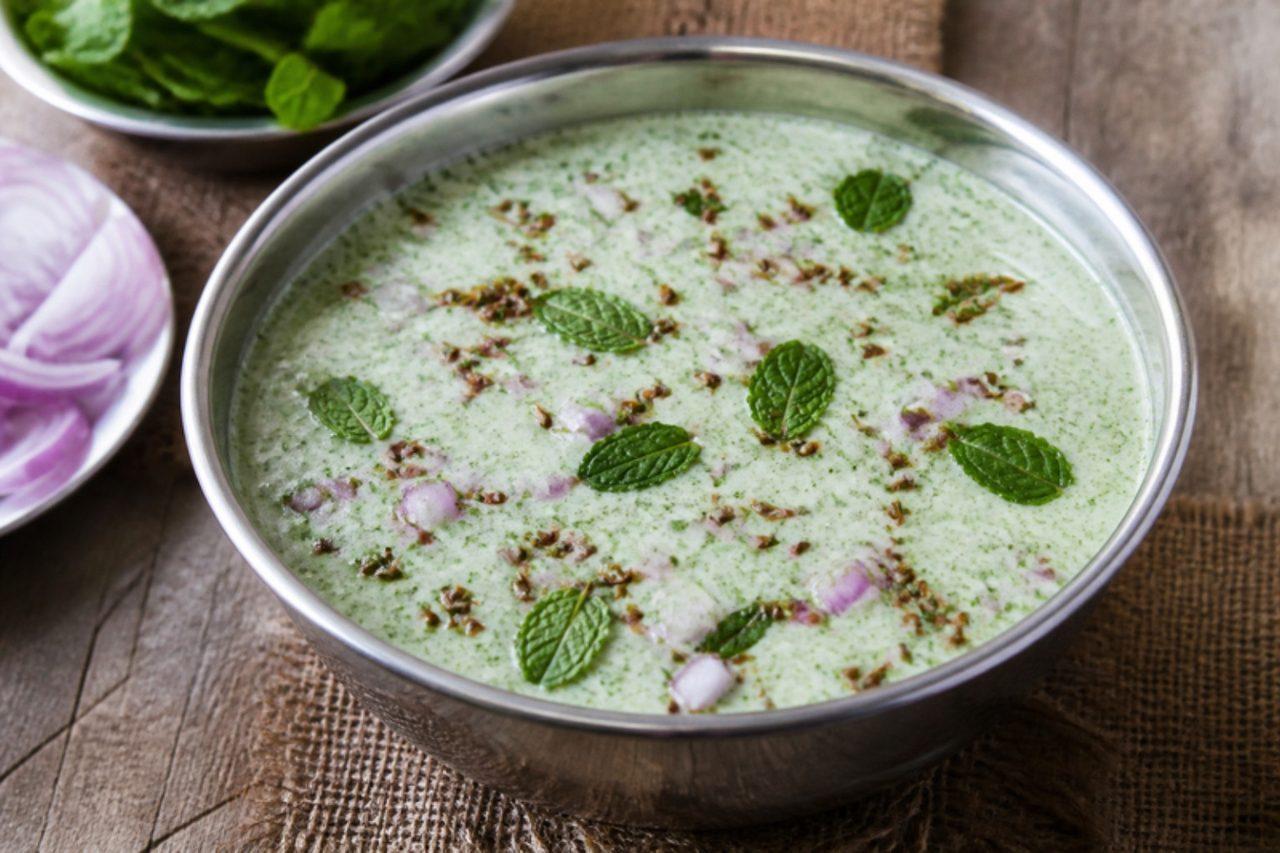
Podina raitaMint yogurt dip

Order a platter of tikka at a Burns Road or Gawalmandi grill and a steel bowl of pale green podina raita lands beside it without asking; it is the cooling counterweight to smoke and chilli, and at home it goes with biryani, pulao and kebab rolls too. Mint, a handful of coriander, one green chilli and freshly toasted cumin are whisked into thick yogurt until it is pourable but still clings to a piece of naan. The usual slip is blitzing the herbs in a blender with the yogurt, which thins it to a watery green drink; pound or chop the herbs separately and fold them in. Contains milk. Chef's tip: dry-roast the cumin seeds yourself and crush them at the last minute: the smoky, toasty smell is what makes a grill-house raita taste like one.

by KrazyBadal 0 views

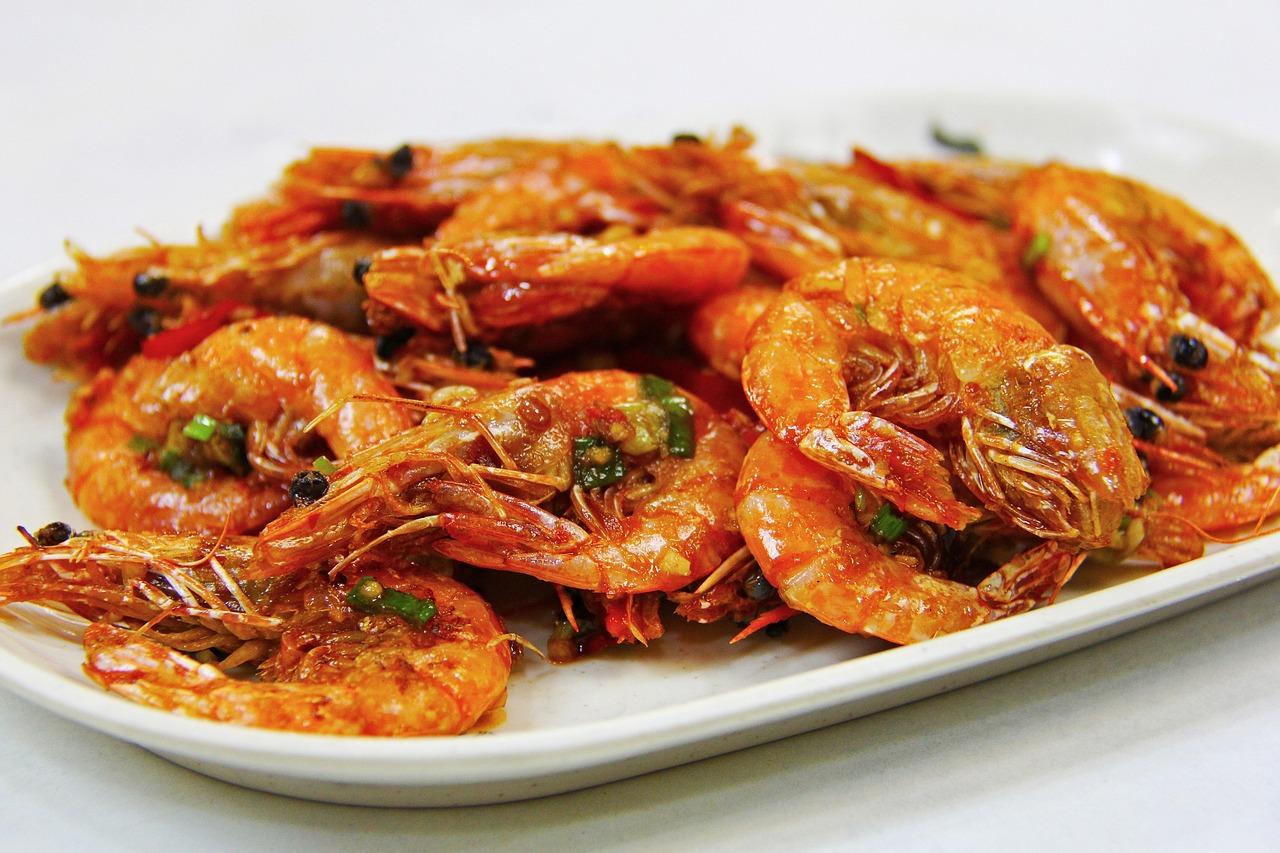
Prawn karahi

Karachi's fishing harbour supplies the city's seafood restaurants on Sea View and in Clifton, and prawn karahi is the quick, fiery dish people order there for a Saturday dinner by the sea: prawns tossed through a tomato, garlic and green chilli masala in a blazing wok, eaten with naan or plain rice. The tomato breaks down into a thick, tangy coating that clings to each prawn, sharpened with lemon and coriander. Prawns that are rubbery and tight are the usual let-down; they need only 3–4 minutes once the sauce is ready, so add them last. Contains shellfish. Chef's tip: fry the prawn shells in the oil first for 2 minutes, then lift them out: the oil takes on a rich, sweet prawn flavour.

by KrazyBadal 0 views

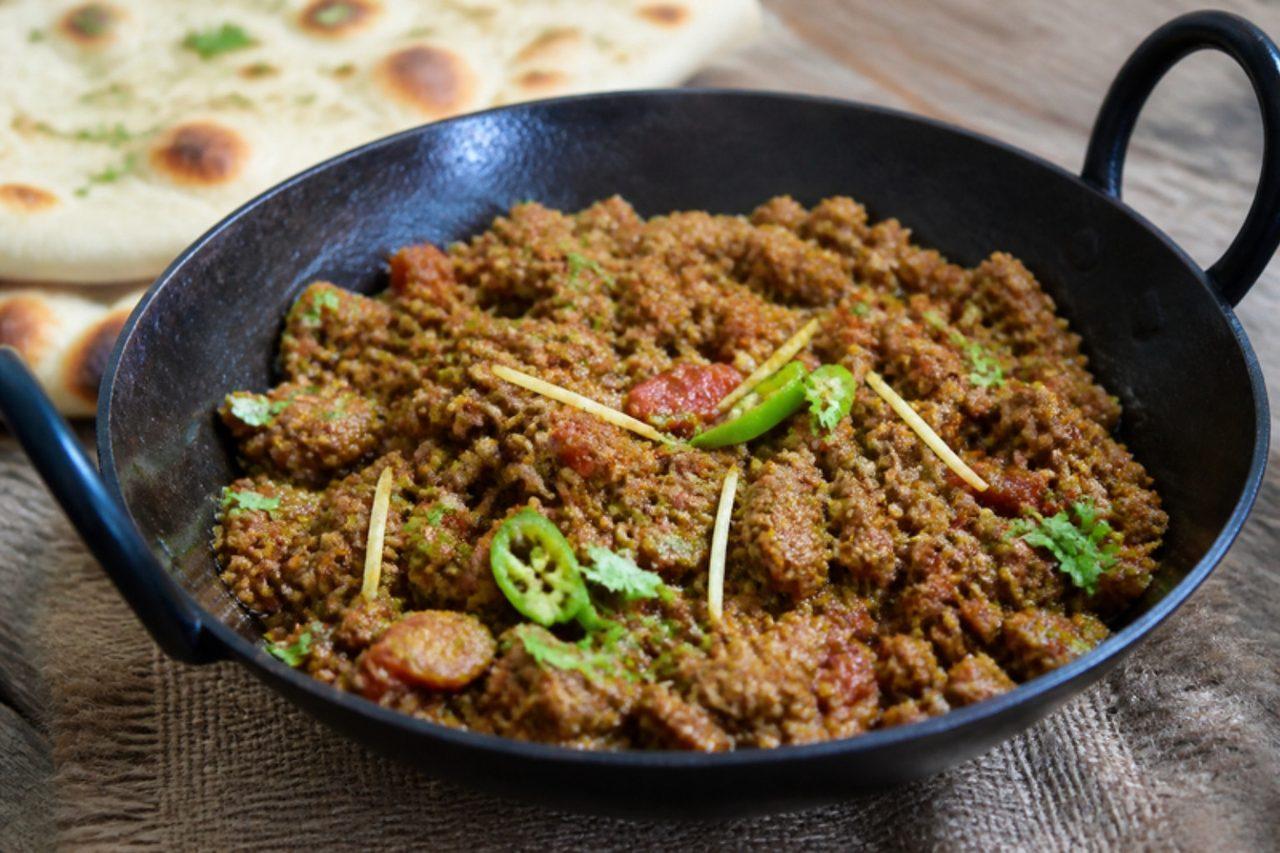
Karahi qeemaMinced meat karahi

Karahi qeema is what home cooks across Punjab make when guests arrive unannounced, and what roadside karahi shops in Rawalpindi and Lahore fry to order for a quick lunch: beef or mutton mince stir-fried hard in an iron wok with tomato, ginger and green chilli until dry and glossy. It is scooped up with roti or stuffed into a paratha the next morning. The usual mistake is crowding the cold mince into a lukewarm pan, which stews it; get the oil smoking hot and break the meat up quickly so it fries. Chef's tip: finish with a handful of julienned ginger and a squeeze of lemon off the heat, for a fresh bite against the rich meat.

by KrazyBadal 0 views

Martín FierroCheese with quince paste

Ask for dessert in a Montevideo bodegón or a country parador and you may be offered a Martín Fierro: a thick slice of fresh, mild cheese laid with an equal slice of dense quince or sweet-potato paste, named after the gaucho of the epic poem. It's salty against sweet, soft against firm, and takes two minutes to assemble. Uruguayan fresh cheese is usually made with animal rennet, so choose one with vegetarian rennet if that matters to you. The mistake is serving it fridge-cold, which dulls both flavours. Chef's tip: cut the cheese and paste to exactly the same thickness, about 1 cm, so every bite has both.

by KrazyBadal 0 views

Wiener MelangeCoffee with milk and foam

In Vienna you never simply order 'a coffee'; you order by name, and the Melange is the one most Viennese ask for. It arrives in a large cup on a small silver tray with a glass of water and often a tiny chocolate, and you may sit over it for an hour with the newspapers at Café Prückel or Hawelka, mid-morning or after lunch. Traditionally it is a mild, longer espresso (a Verlängerter) with roughly equal hot milk and a soft cap of milk foam; it is gentler than a cappuccino and the foam is looser and creamier. Expect a round, nutty, slightly sweet cup with little bitterness. The common mistake is overheating the milk: once it passes about 70 °C it smells cooked and loses its sweetness and the foam turns big-bubbled and dry. Stop when the jug is too hot to hold for more than a second or two. It is ready when the foam sits in a smooth, glossy dome about a finger thick and the coffee shows as a brown ring at the edge. One cup has about the caffeine of a single espresso. Chef's tip: always serve the glass of water alongside, as Vienna does; it is drunk first to clear the palate.

by KrazyBadal 0 views

EinspännerBlack coffee with whipped cream

The Einspänner is named after the one-horse carriages of old Vienna: coachmen waiting outside in winter supposedly liked their coffee under a lid of cream that kept it hot and stopped it slopping. Today it is served in a handled glass at classic coffee houses, a strong black mocha (a double espresso or Großer Brauner without milk) topped with a thick layer of cold, lightly sweetened whipped cream and a pinch of icing sugar. You do not stir it: you sip the hot, bitter coffee through the cold, sweet cream, so each mouthful is two temperatures and two textures. It is an afternoon or late-morning coffee, often with a slice of Sachertorte. The common mistake is runny cream that sinks and turns the drink into a milky latte; whip it until it just holds a peak and spoon it on gently so it floats. It is ready when the cream stands at least 2 cm above the coffee and slowly sinks at the edges. It is strong: a double shot of caffeine in one glass. Chef's tip: pour the coffee in first and wait ten seconds before adding the cream, so the crema settles and helps support the cap.

by KrazyBadal 0 views

TereréIced yerba mate

In Asunción the hottest part of the day stops for tereré: a horn or cup packed with yerba mate, topped up again and again with ice water infused with crushed herbs, and passed round the group through a metal straw. It was recognised by UNESCO as part of Paraguay's cultural heritage, and the herbs (yuyos) change with the season and the drinker's mood. Yerba mate contains caffeine, so it isn't one for small children. The common mistake is pouring water straight into loose yerba, which then clogs the straw; tilt the yerba to one side first. Chef's tip: for tereré ruso, swap the water for cold orange or grapefruit juice.

by KrazyBadal 0 views

Cocido quemadoBurnt sugar mate drink

Cocido is how Paraguay starts the day: in Asunción, in the villages of Guairá and Itapúa, and in school kitchens, a pot of burnt yerba is brewed and poured into cups with chipa, the cheesy cassava bread, or with a hard galleta. The old way is to drop a glowing piece of charcoal into a pot with yerba and sugar and stir until the sugar burns. On a home stove you caramelise them together in a dry pan instead, which is safer and gives the same smoky, toffee-like taste. The drink is clear amber-brown, with roasted, slightly bitter mate notes over burnt-sugar sweetness; with milk added it becomes cocido con leche, creamy and coffee-coloured. Yerba mate contains caffeine, so treat it like a cup of coffee. The common mistake is letting the sugar go black: it turns acrid and bitter. Pull it off the heat when the caramel is deep amber and the yerba smells toasted, not burnt. It is ready when the liquid is a clear dark amber and tastes of toffee and smoke. Chef's tip: the water will spit fiercely when it hits the hot caramel, so pour it in from the side, at arm's length.

by KrazyBadal 0 views

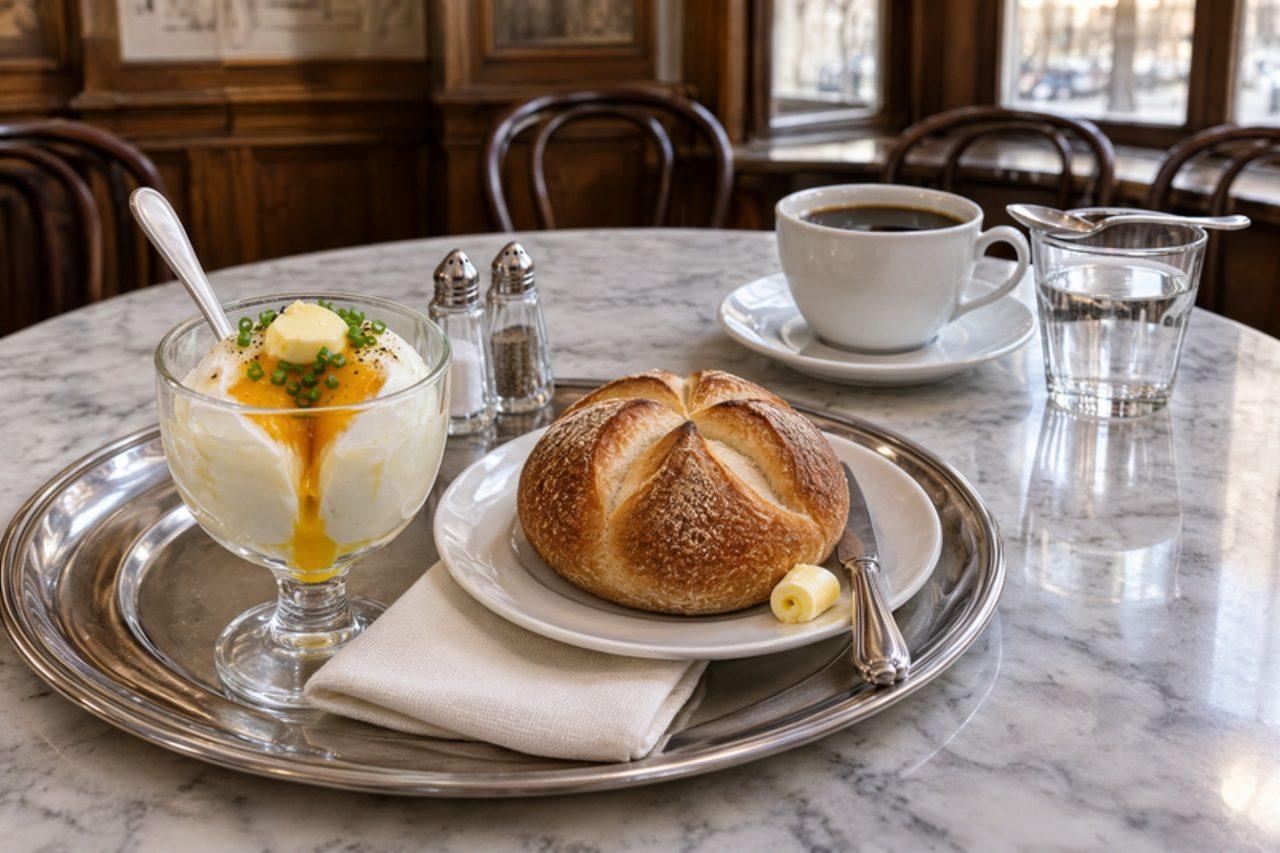
Ei im GlasSoft-boiled eggs in a glass

In the old coffee houses of Vienna, the breakfast menu still lists Ei im Glas: two very soft-boiled eggs, scooped warm from their shells into a small glass, with a knob of butter, chives, salt and pepper. You stir it into a golden, custardy mess and eat it with a crisp Semmel roll (gluten-free bread if you need it) and a Melange coffee. The mistake almost everyone makes is boiling the eggs a minute too long, so the yolk sets and the dish turns into plain egg salad. Chef's tip: warm the glass with hot water while the eggs cook, so the butter melts on contact and the eggs stay hot to the last spoonful.

by KrazyBadal 0 views

VerhackertsSmoked bacon and garlic spread

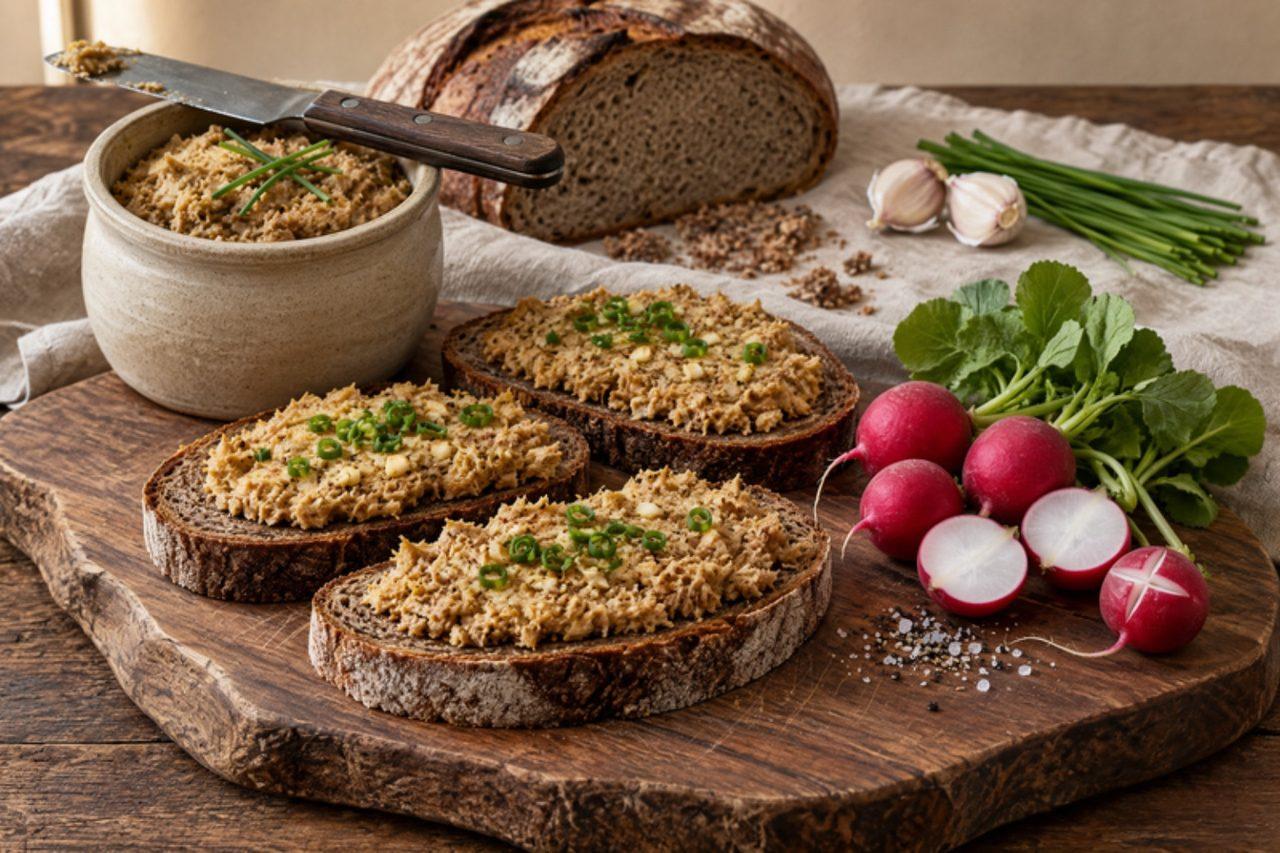
In Styria, in the wine taverns (Buschenschanken) of the south and on farmhouse breakfast tables, verhackerts is spread thickly on dark rye bread with the morning coffee or at the mid-morning Jause: smoked pork bacon and back fat chopped so finely it becomes a paste, seasoned with garlic, salt and pepper. Traditionally it is made from raw cured, cold-smoked Styrian Speck and eaten without cooking; that raw version is not for pregnant women, young children or anyone with a weakened immune system. This safer home version cooks the minced bacon gently until the meat is cooked through (71 °C) before it is chilled into a spread. Serve on rye bread, or gluten-free bread if needed. The common mistake is browning the bacon; it should only render and turn opaque, or the spread goes crumbly instead of smooth. Chef's tip: mince it while the bacon is fridge-cold, almost frozen, so the fat stays in clean little pieces rather than smearing.

by KrazyBadal 0 views

LampreadoCassava starch cheese fritters

Paraguayan grandmothers fry lampreado on Sunday evenings to eat with a mug of cocido, the toasted yerba mate drink: small pan-fried cakes of cassava starch, egg, milk and grated cheese with a little onion, crisp at the edges and stretchy inside. Some families also make it with leftover meat, but this version is all cheese. Queso Paraguay is set with animal rennet; a vegetarian Parmesan-style cheese plus mozzarella works well. The trap is a batter that is too thick, which gives heavy, gluey cakes. Chef's tip: the batter should drop slowly off a spoon like thick pancake batter; add milk a spoonful at a time until it does.

by KrazyBadal 0 views

Cheeni parathaSugar paratha

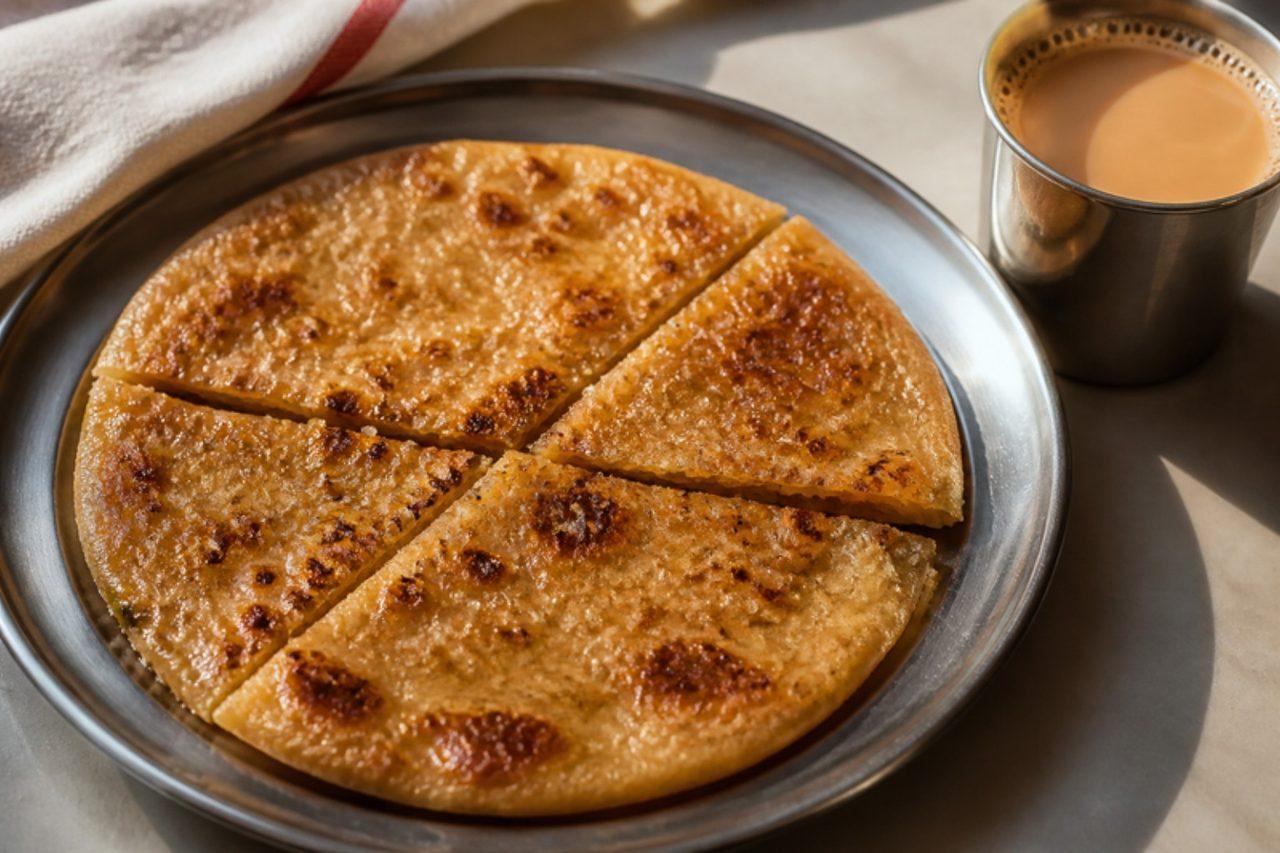
Every Punjabi grandmother has a version of this, usually made from the last ball of dough after the family's parathas are done: sugar sprinkled over ghee, folded inside and rolled out, then cooked until the sugar melts into sticky, caramelised seams. In villages around Sargodha and Faisalabad it is the treat a child gets dunked into a mug of sweet milky tea before school, and in winter it is sometimes made with jaggery instead. The outside should be crisp and blistered, the inside layered and chewy with pockets of melted sugar. The trap is too hot a tawa: the sugar bursts through and burns before the dough has cooked. Chef's tip: seal the edges well when you fold, keep the heat medium, and wipe the tawa between parathas so any escaped sugar does not scorch the next one.

by KrazyBadal 0 views

Bakra Eid kalejiStir-fried goat liver

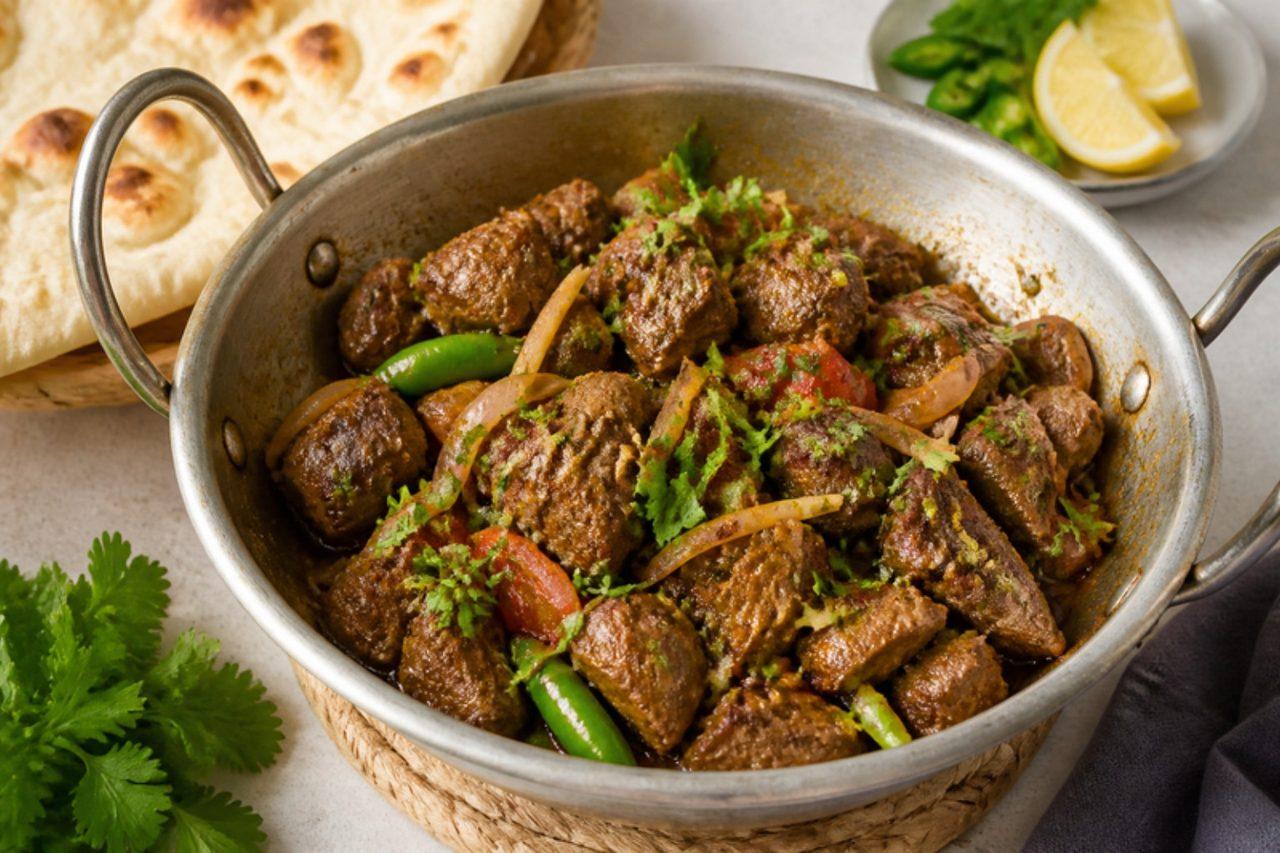
The first thing cooked in countless Pakistani homes on the morning of Eid-ul-Adha, just after the sacrifice, is kaleji: the goat's liver, still very fresh, sliced and stir-fried in a karahi with onion, tomato, ginger and green chilli, then eaten at once with hot paratha or naan while the rest of the meat is being divided. The dish is quick and fierce, tender in the middle, sharp with chilli and lemon. Outside Eid, butchers in every city sell goat or lamb liver for the same breakfast. Overcooking makes liver rubbery, but undercooking is not safe, so cut it into even pieces and cook until it reaches 71 °C with no pink left; it will still be tender. Chef's tip: add the salt only at the very end, as salting liver early draws out moisture and toughens it.

by KrazyBadal 0 views

KhaginaSpiced scrambled eggs

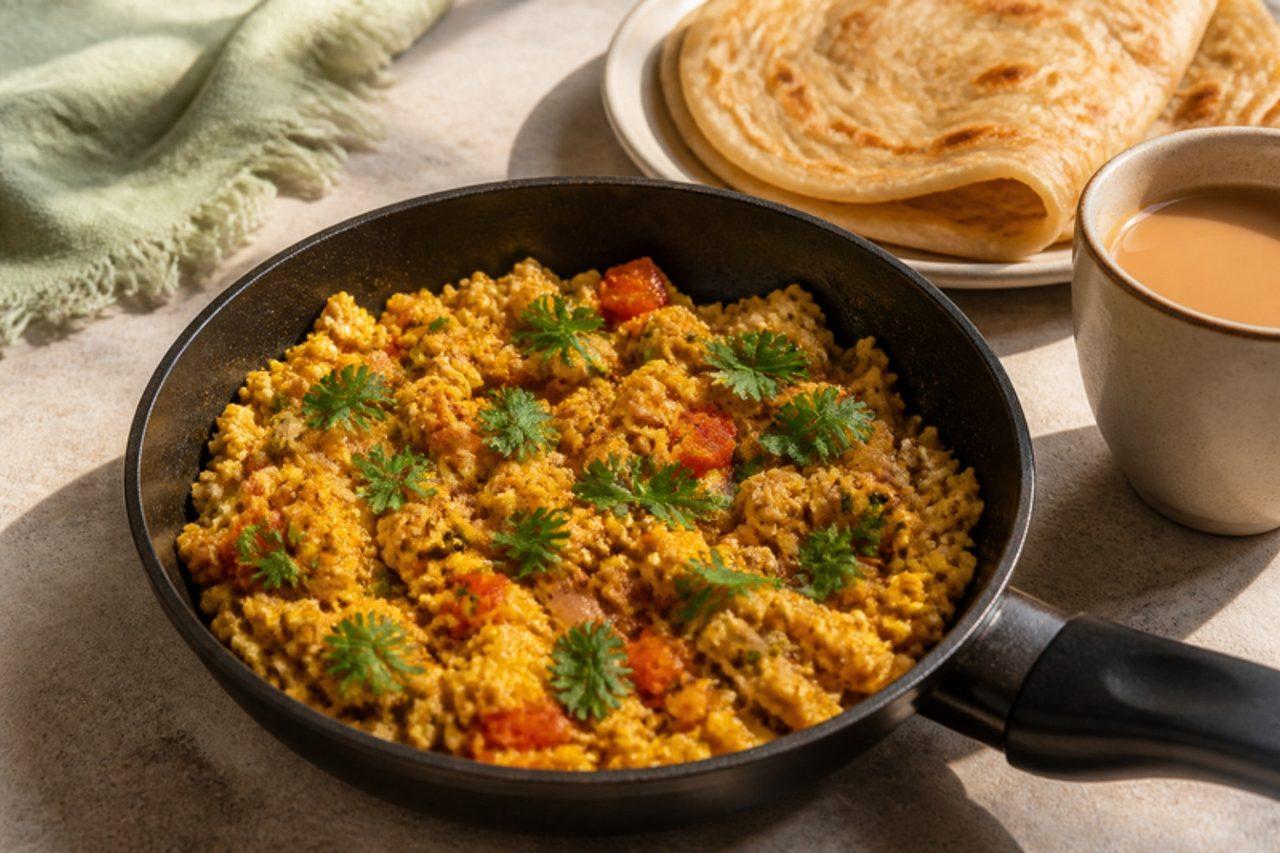
Ask almost any Pakistani what their mother made on a school morning and khagina comes up: eggs beaten with salt and turmeric and stirred into onion, tomato and green chilli softened in oil, served in a heap beside a hot paratha with a cup of doodh patti. It comes from the old Mughal and Hyderabadi kitchens that reached Karachi after Partition, and it differs from a plain scramble in being cooked a little longer, so it sets into soft, moist clumps coloured by the masala rather than staying creamy. It is everyday food in Karachi, Lahore and Peshawar alike, also eaten for a quick supper with chapati. The usual mistake is adding the eggs before the tomato has cooked down, which leaves the dish watery and the eggs rubbery. Chef's tip: take the pan off the heat while the eggs still look slightly glossy but no liquid egg remains, because they keep cooking on the plate.

by KrazyBadal 0 views

Anda parathaEgg-stuffed paratha

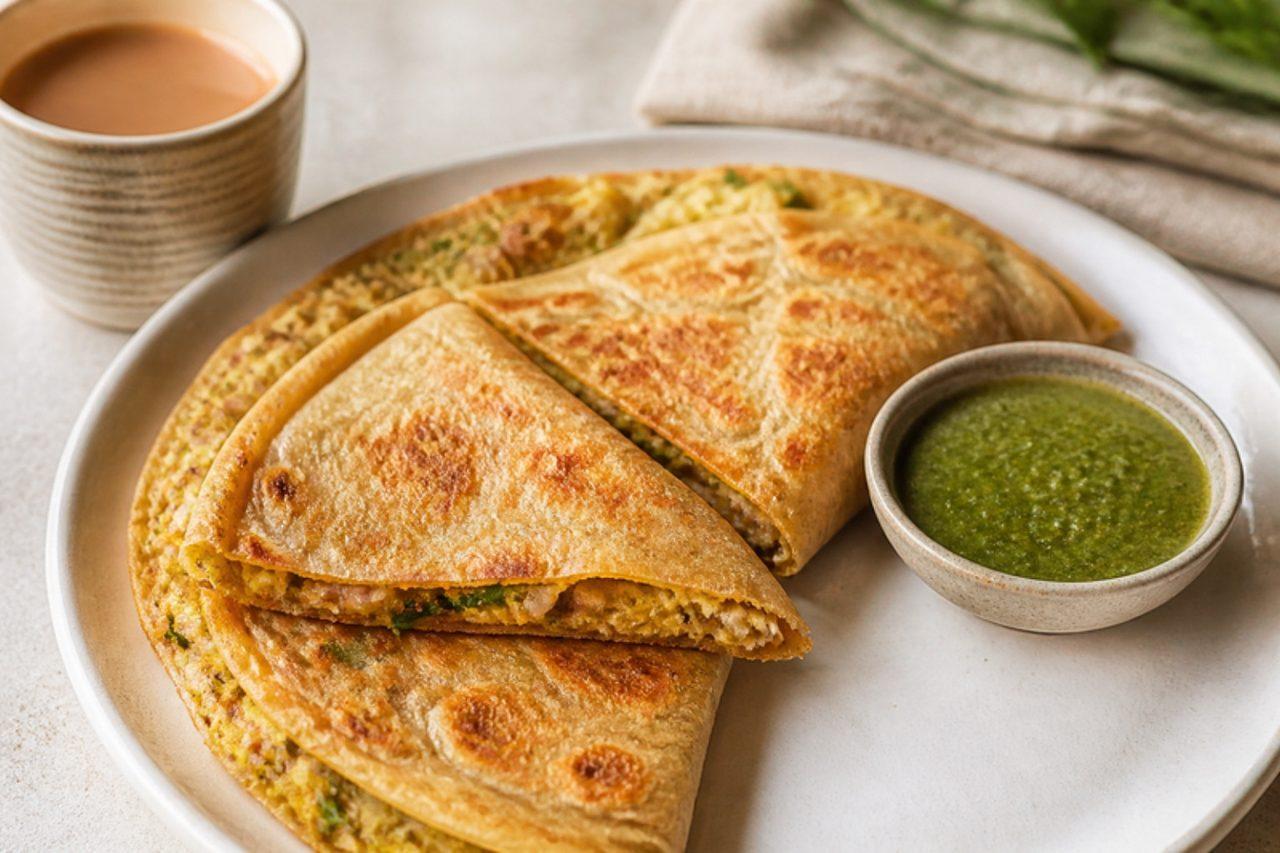
At the dhabas along the GT Road and the breakfast stalls of Rawalpindi's Saddar, the paratha-wala cracks an egg straight into a bowl with onion and chilli, half-cooks a paratha, pours the egg over and flips the whole thing onto the tawa so the egg fries into the bread. The result is one golden, layered disc that is crisp at the edges, soft where the egg meets the dough, and peppery with green chilli. Truck drivers, students and office workers eat it folded in half with chai, ketchup or green chutney, and it is a common packed lunch for school because it needs no curry. The problem most people run into is pouring the egg onto a raw paratha, which tears, or onto a fully cooked one, which will not let the egg stick. Chef's tip: cook the first side only until brown spots appear, then add the egg to the cooked side and flip so the egg sets against the hot iron.

by KrazyBadal 0 views

Khajoor shakeDate and almond milkshake

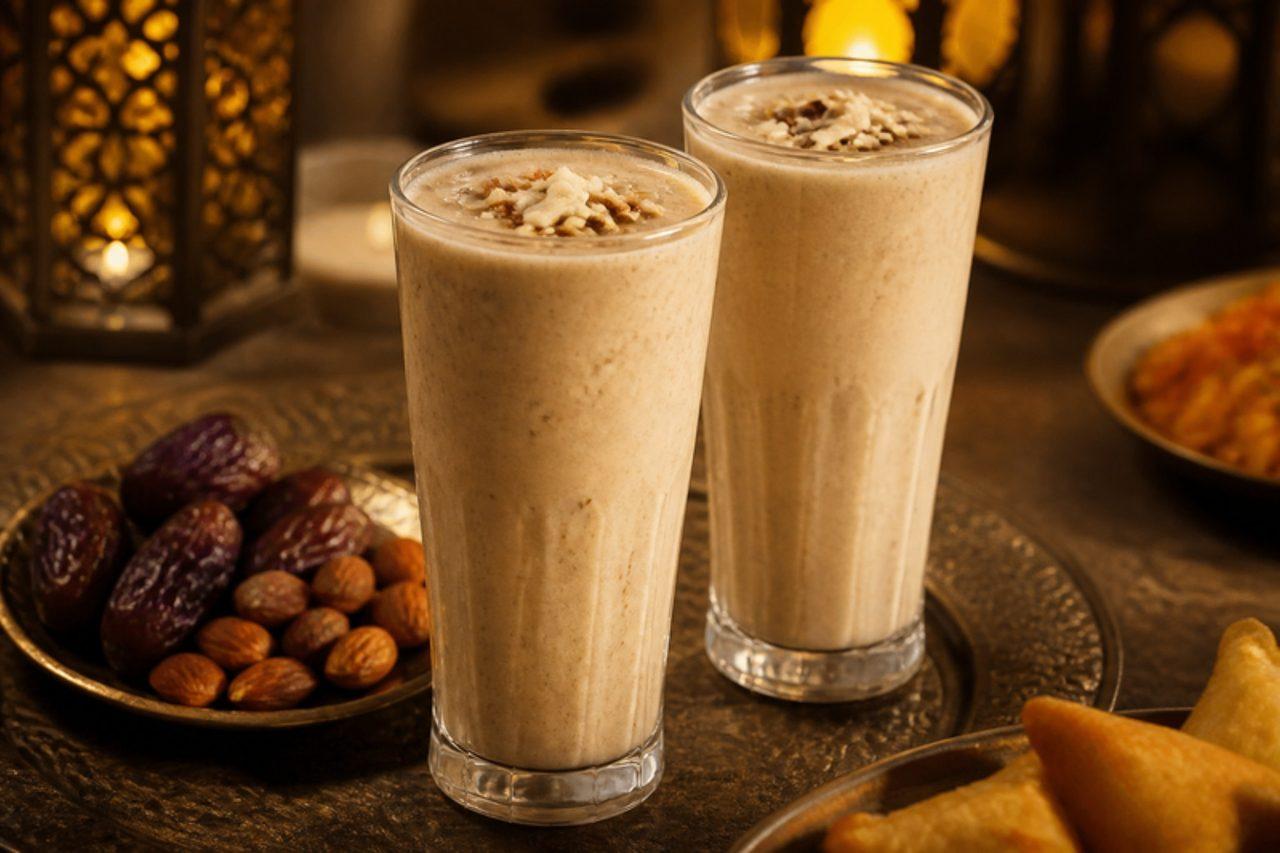
Dates are the first thing on the table when the azan sounds for iftar in Pakistan, and in many homes in Karachi and Islamabad the dates go straight into the blender with cold milk and a handful of soaked almonds, making a thick, caramel-sweet shake that restores energy quickly after a long summer fast. Soft, moist dates such as the Aseel from Khairpur in Sindh give the smoothest result, and the drink needs no added sugar at all. It is also a popular breakfast for children and a quick snack after school. The typical mistake is blending dry, hard dates straight from the packet, which leaves chewy fragments and a gritty shake. Chef's tip: soak the stoned dates and almonds in a little warm milk for 10 minutes first, and blend them to a smooth paste before adding the rest of the cold milk.

by KrazyBadal 0 views

Kachumar saladTomato, onion and cucumber salad

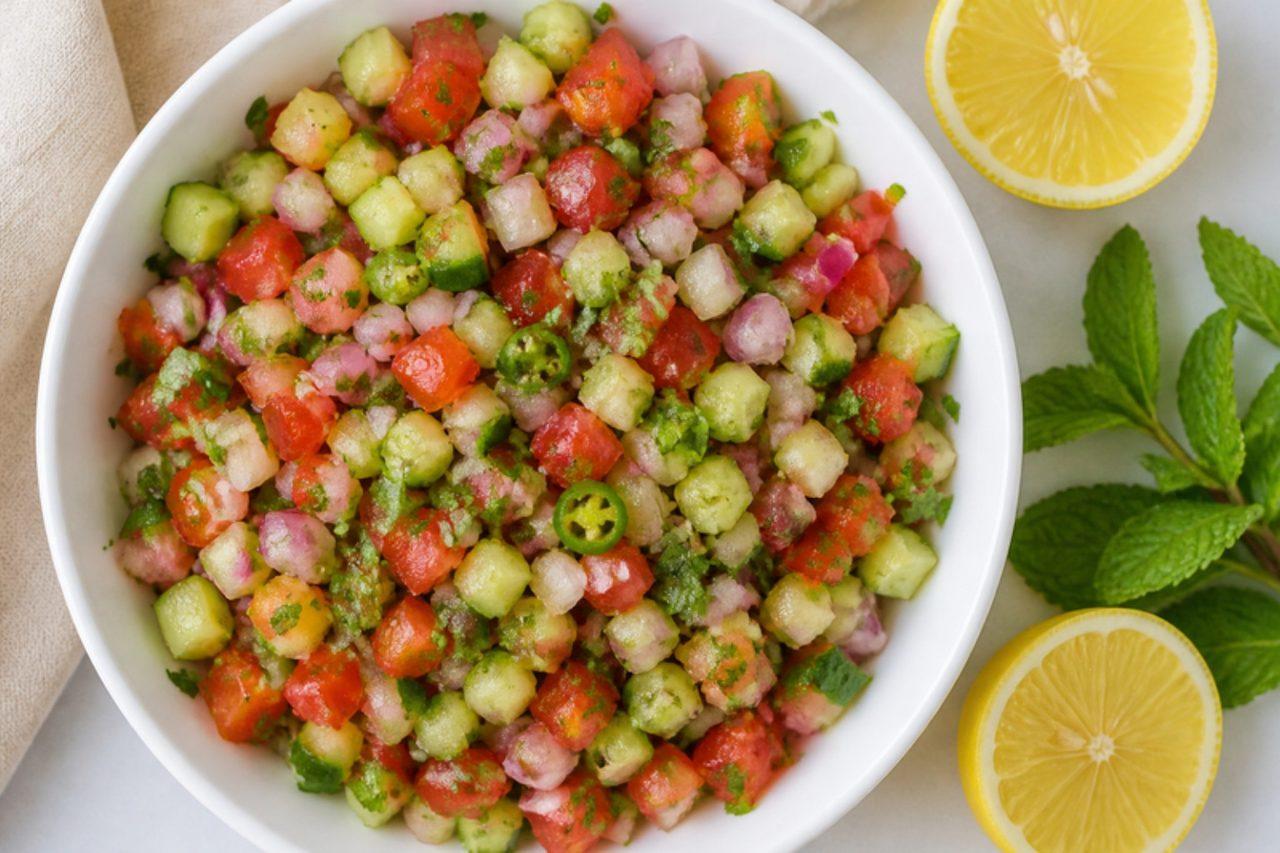
No Pakistani dastarkhwan feels complete without a little bowl of kachumar, whether it sits beside a biryani at a Karachi wedding, a karahi at a highway truck stop or plain dal at home on a Tuesday. It is nothing more than tomato, onion and cucumber cut into very small, even dice, dressed at the last moment with lemon, salt, green chilli and coriander, yet the crunch and sharpness are what make rich food feel lighter. Some families add a pinch of roasted cumin or a few mint leaves; in Punjab it is often spooned straight onto the side of the plate rather than served apart. Dressing it too early is the main trap, because the salt pulls water from the tomatoes and leaves a soggy puddle. Chef's tip: seed the tomatoes and cucumber before dicing so the salad stays crisp for the whole meal.

by KrazyBadal 0 views

Kachi lassiMilk and water lassi

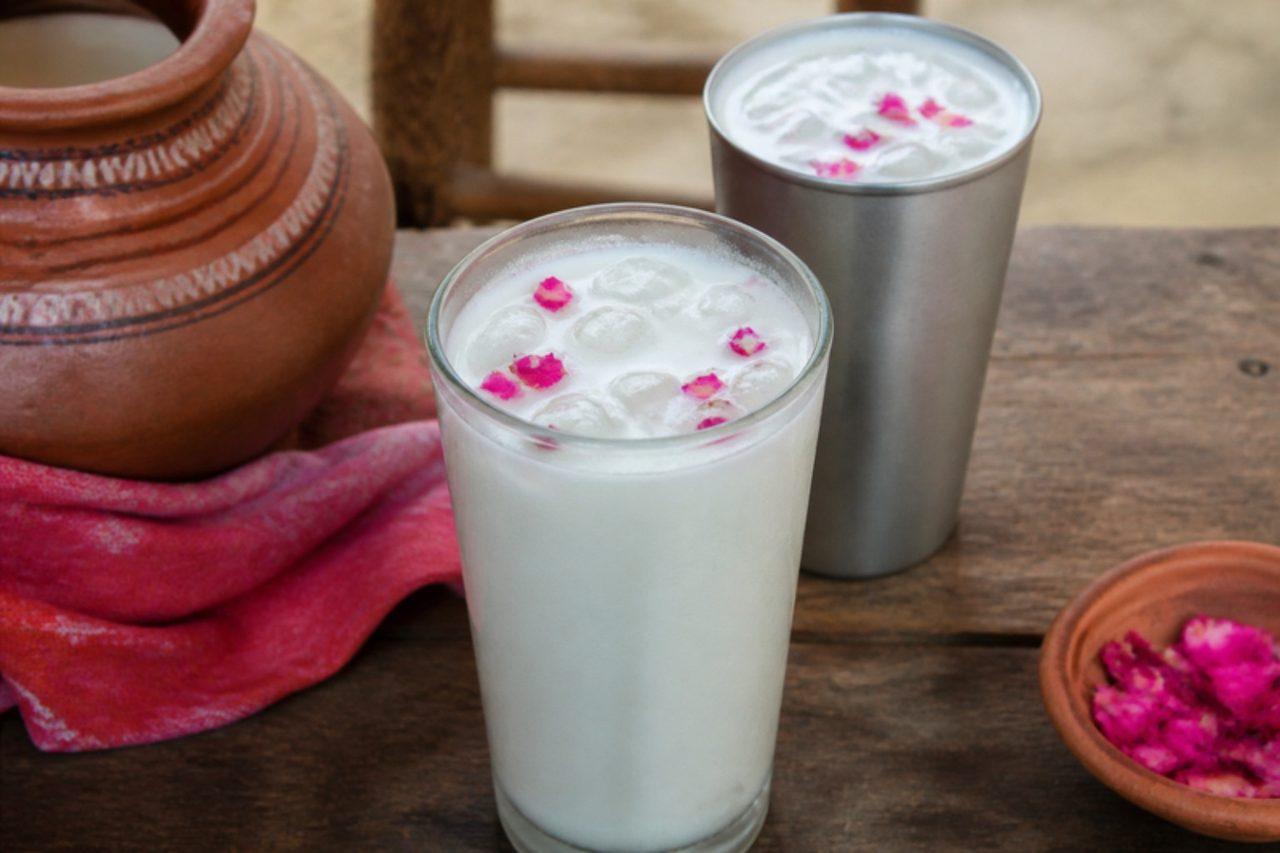
Harvest time in the Punjab is thirsty work: when the wheat is being cut in the April heat, a steel jug of kachi lassi is carried out to the workers: fresh milk thinned with cold water, stirred with sugar and poured over chunks of ice. Unlike yogurt lassi there is no tang, just a light, clean, milky sweetness that quenches thirst better than plain water, and in many villages it is the drink offered to any guest who arrives on a hot afternoon. Some people add a pinch of salt instead of sugar, or a few drops of rose water. The traditional kind uses raw milk straight from the buffalo; use pasteurised milk instead to be safe. The usual mistake is making it with too little water, which turns it heavy instead of refreshing. Chef's tip: whisk it hard or shake it in a jar so it turns frothy, which makes it feel even cooler.

by KrazyBadal 0 views

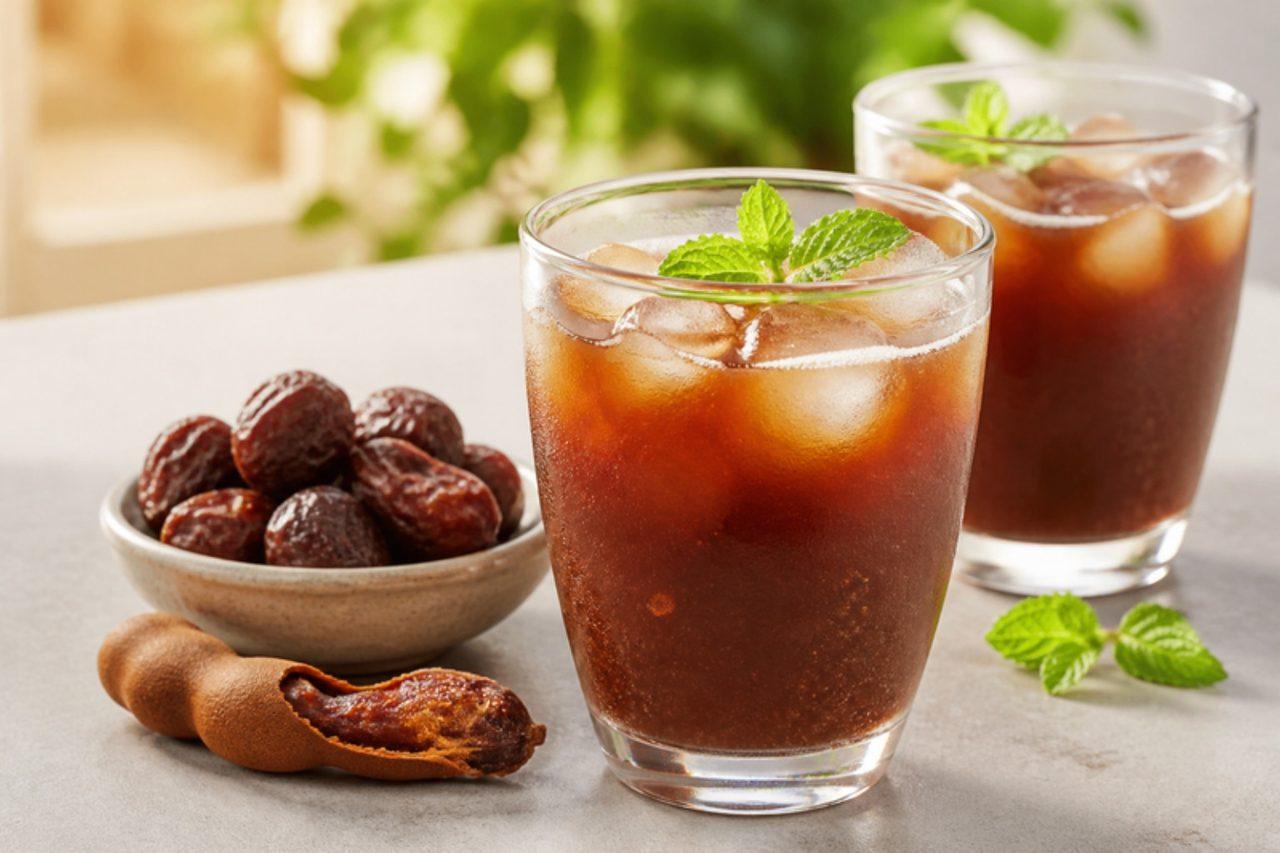
Imli aloo bukhara sharbatTamarind and plum cooler

Pakistani grandmothers prescribe this deep brown drink for heatstroke, an upset stomach and the sluggish days of Ramadan fasting in June, and it is sold in tall glasses at sehri and iftar stalls in Karachi, Hyderabad and Lahore. Tamarind and dried aloo bukhara plums are soaked, simmered, mashed and strained into a concentrate, which is then sweetened, seasoned with black salt and roasted cumin and served poured over ice. The flavour is fruity, tart and slightly smoky from the plums, with the savoury lift of the salt. The concentrate keeps for a week in the fridge, so a big batch lasts through a heatwave. The usual problem is skipping the straining step and serving it thick with fibres and seeds, which makes it more like a chutney than a drink. Chef's tip: let the plums soak in the hot liquid for an hour after simmering, so they give up all their sourness and colour before you strain them.

by KrazyBadal 0 views

Showing 24 of 54 recipes

Show more recipes

Page 1 of 3