Skip to content
Recipes

All recipes

Vegetarian, or something you can't eat? Set your diet once and we'll hide recipes that don't fit.

OsterpinzeEaster anise brioche

Osterpinze is the Easter bread of Styria, Carinthia and the area around Trieste, a soft, golden brioche dome with three deep cuts on top for the Holy Trinity, so that it opens into a crown as it bakes. The dough is rich with egg yolks and butter and flavoured with anise and lemon; old recipes add a splash of white wine, left out here. It is blessed in the Easter basket on Holy Saturday and eaten on Easter morning with ham, horseradish and eggs, or with butter and jam. Chef's tip: make the three cuts with scissors just before baking, deep enough to reach halfway down, so the crown opens wide.

by KrazyBadal 0 views

KalanehWild leek stuffed flatbread

In Kurdistan and Kermanshah, Newroz arrives with the first spring greens on the hillsides, and families gather wild leeks to fold into kalaneh, thin griddle breads cooked over a fire or a hot pan and soaked in melted butter. The dough is plain and soft, rolled very thin around a pile of chopped leek or chives with a little salt and pepper, so the greens steam inside as the bread blisters. Eat it hot, torn into strips, with yogurt and tea at a Newroz picnic. The common mistake is wet greens, which turn the dough soggy and make it tear; dry them well after washing. Chef's tip: brush the butter on the moment the bread leaves the pan so it soaks right in.

by KrazyBadal 0 views

KaguyjyWhite corn pudding

On the night of 23–24 June, Paraguayans celebrate San Juan with bonfires, games like walking over hot coals and the 'paso de fuego', and a table of traditional foods, and kaguyjy (also mazamorra) is one of them. It is a soft, creamy pudding of cracked white corn (locro) simmered slowly in water and then milk with sugar or honey, sometimes with orange peel. It is eaten warm or cold. It is gluten free. Chef's tip: soak the corn overnight and cook it until each kernel is tender before adding the milk, or it never turns creamy.

by KrazyBadal 0 views

AllerheiligenstriezelBraided sweet loaf

In Bavaria and Austria, godparents give their godchildren an Allerheiligenstriezel on All Saints' Day, 1 November: a large braided loaf of sweet yeast dough, brushed with egg and scattered with almonds or pearl sugar. The braid is said to recall the old custom of cutting a plait of hair in mourning, and the size of the loaf once showed how generous the godparent was. It is lightly sweet, with lemon and vanilla, and is eaten sliced with butter or jam. Some recipes add rum-soaked raisins; these are soaked in warm water instead. Chef's tip: braid four strands for an impressive, high loaf.

by KrazyBadal 0 views

Boudin blanc aux pommesWhite sausage with apple compote

In Liège and across Wallonia, Christmas Eve supper often begins with boudin blanc: pale, delicate sausages of finely minced pork and milk, sometimes with a little chicken, gently fried in butter until golden and served with warm, chunky apple compote and bread. Butchers make piles of them in December. Buy them fresh from a good butcher, or poached and ready to fry. Chef's tip: prick nothing and cook gently; boudin blanc is fragile, and a hot pan splits the skins.

by KrazyBadal 0 views

Chipa so'oCheese bread with spiced beef

In Paraguay, families bake chipa in the clay tatakua ovens on Holy Wednesday so there is food for Thursday and Good Friday, when cooking stops. Chipa so'o ('chipa with meat') is a cassava-starch and cheese bread wrapped around a little filling of minced beef cooked with onion and egg, then baked until crisp outside and chewy within. It is naturally gluten free. Chef's tip: knead the dough until it no longer cracks at the edges when pressed; dry dough splits around the filling.

by KrazyBadal 0 views

Pajagua mascadaBeef and cassava patties

Pajagua mascada is a Paraguayan street-food classic that appears on every table for the San Juan festival on 24 June, when bonfires burn and the night is full of games and traditional food. Minced beef is mixed with mashed cassava, onion, garlic and a little egg and flour, shaped into flat patties and fried until crisp. The name comes from Guaraní and refers to the 'chewing' of old Paraguayan cooks, who made it from leftover meat. Chef's tip: dry the boiled cassava well and remove its woody core, which keeps the patties light and crunchy.

by KrazyBadal 0 views

Sopa teólogaTurkey broth with bread and cheese

Sopa teóloga ('the theologian's soup') goes back to colonial convents in Lima and Arequipa, where it was cooked for feast days, and it is still served at Holy Week and family celebrations. A rich turkey (or chicken) broth is thickened with soaked bread, milk and fresh cheese, with yellow potatoes and shreds of turkey, and finished with a little ají amarillo and chopped huacatay or parsley. It is thick, comforting and filling. Chef's tip: blend part of the soaked bread with broth before adding it, which gives the soup its creamy body without lumps.

by KrazyBadal 0 views

Dowina (Kurdish yogurt soup)

Dowina, called ash-e doogh in Persian, is warming spring food in Kurdish homes around Newroz, when yogurt is plentiful and the first herbs are cut from the garden. Rice and chickpeas simmer in a tangy, lightly thickened yogurt broth, finished with fresh dill, coriander and a sizzle of dried mint in oil. It is eaten warm, never boiling hot, with flatbread. The common mistake is to heat the yogurt too fast without stirring, which makes it split into grainy curds. Chef's tip: whisk an egg yolk and a spoonful of rice flour into the yogurt before it goes on the heat; it holds the soup smooth all the way to the simmer.

by KrazyBadal 0 views

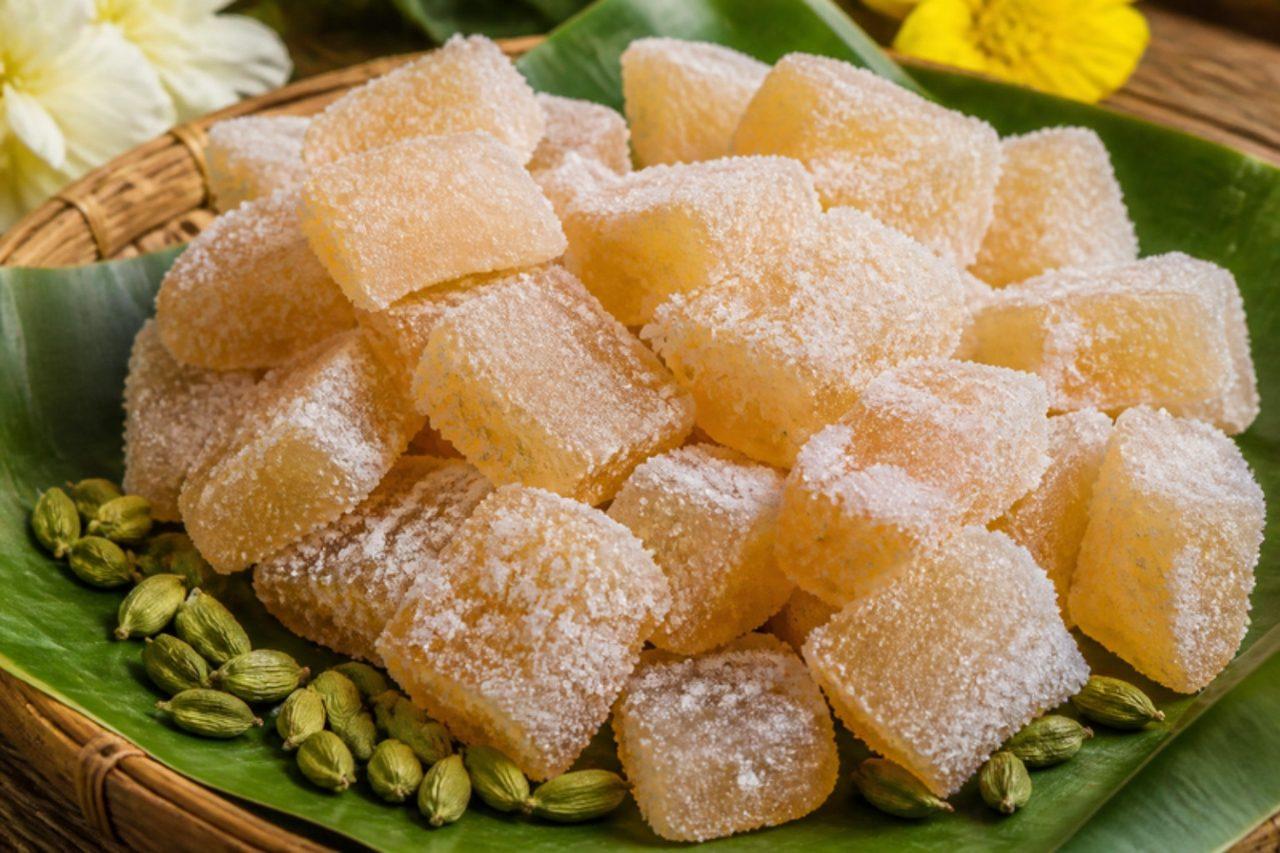
Puhul dosi (Sri Lankan candied ash pumpkin)

Puhul dosi is one of the sweets that crowd the Sri Lankan Avurudu table in April, when Sinhala and Tamil households mark the New Year with kokis, kavum and trays of homemade confectionery for visiting neighbours. Cubes of ash pumpkin, the pale winter melon with a waxy skin, are soaked overnight in lime water, then simmered in a cardamom and clove syrup until the syrup turns back to sugar and frosts each piece. The result is a thin, crunchy shell around a translucent, juicy middle that tastes faintly of spice. Serve a few pieces with plain tea or as part of a sweet platter. It is naturally egg-free: the calcium in the lime water firms the outer layer of the pumpkin so it keeps its shape, and crystallised sugar does the rest of the setting. Chef's tip: rinse the cubes in at least four changes of water after the soak; the common mistake is rushing this, which leaves a chalky, bitter aftertaste.

by KrazyBadal 0 views

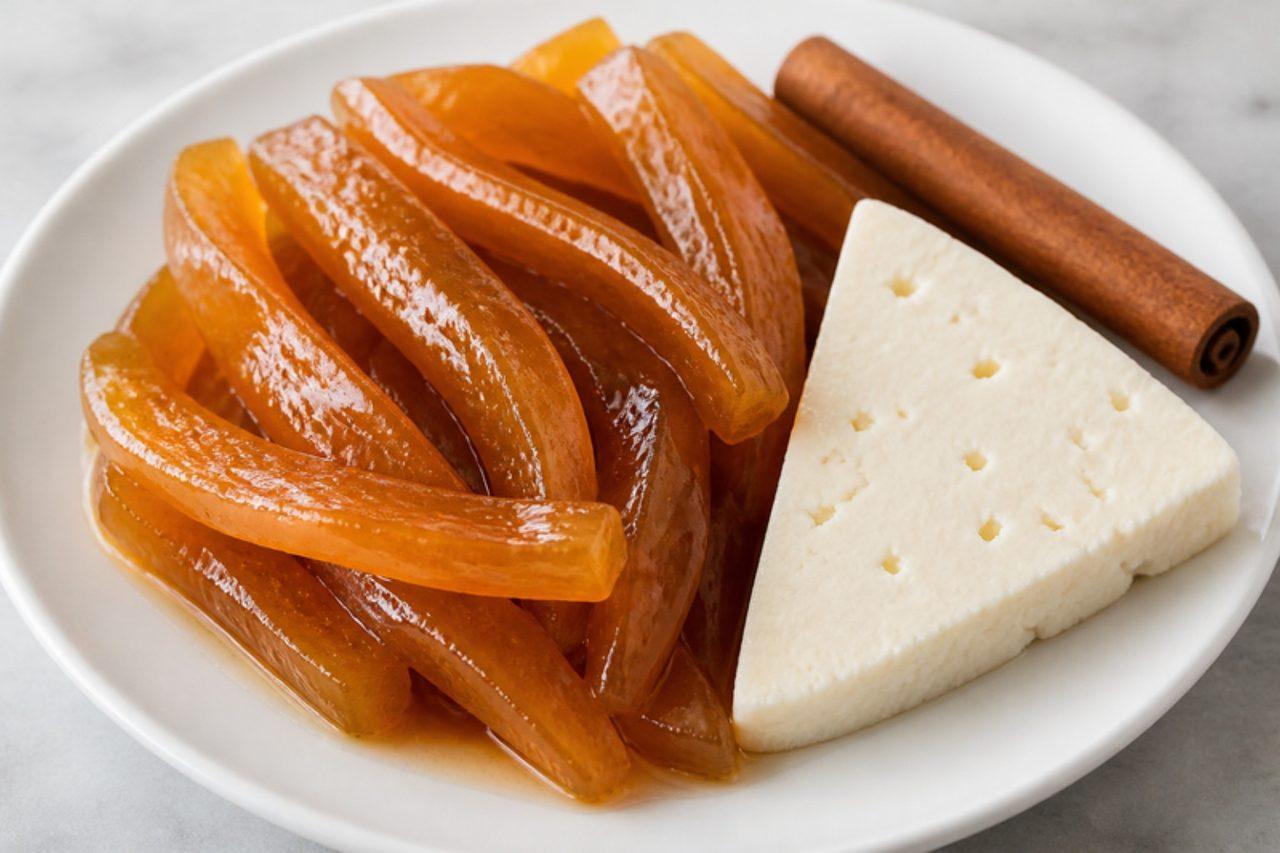
Dulce de fruta bomba (Cuban green papaya in syrup)

In Cuba, papaya is called fruta bomba, and its green, unripe fruit is cooked into this old-fashioned dulce, a fixture of home cooking all over the island and often made in big batches to keep. Strips of firm green papaya are simmered slowly in a cinnamon and lime-peel syrup until they turn translucent and chewy, with a candied, honeyed flavour. The Cuban way to eat it is with a slice of salty, crumbly white cheese, which balances the sweetness; a cup of strong coffee goes alongside. The dulce is egg-free by tradition, with nothing to bind: the papaya candies in the sugar syrup, and a short soak in water with a little bicarbonate of soda helps the strips stay firm. Chef's tip: rinse the strips well after the soak and simmer them gently; the common mistake is boiling the syrup fast, which hardens the outside of the papaya before the syrup can soak in.

by KrazyBadal 0 views

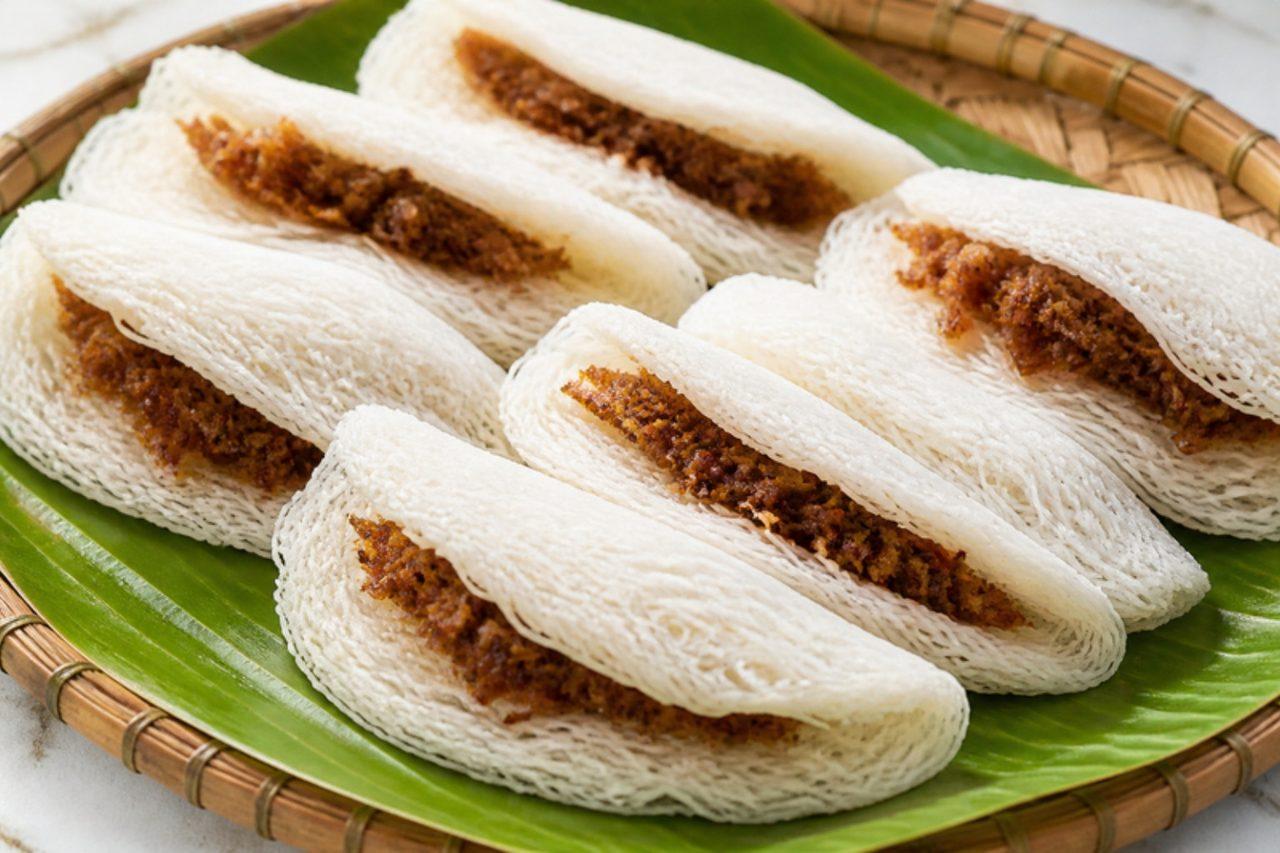
Lavariya (ලැවරියා, string-hopper parcels with coconut treacle filling)

Lavariya turns up on the Sinhala and Tamil New Year table in mid-April, when households across Sri Lanka lay out a spread of sweets after the auspicious hour. It starts as string-hopper dough: roasted rice flour scalded with boiling water and pressed through a mould into fine noodles. Here the noodles are piped in a coil, filled with pani pol, grated coconut cooked down in kithul treacle with cardamom, then folded into a half-moon and steamed. The result is soft, lacy and springy outside, with a sticky, smoky-sweet centre. Serve warm with plain tea or as part of an Avurudu platter with kokis and kavum. It is naturally egg-free: the boiling water cooks and swells the rice starch so the dough holds its shape, and the thick treacle binds the coconut. Chef's tip: the common mistake is using warm rather than boiling water; the dough then crumbles in the press, so pour it straight off the boil and mix with a spoon until cool enough to knead.

by KrazyBadal 0 views

Aguadito de polloCoriander chicken rice soup

Aguadito is the soup Lima serves in the small hours: at the end of a wedding, after New Year's Eve and at weekend family lunches, it is ladled out thick and steaming to revive everyone. Rice simmers in chicken broth coloured deep green with blended coriander and warmed with yellow ají amarillo, along with peas, carrot, pepper, sweetcorn and potato. A portion gives about 24 g of protein, from the chicken with a little from the rice and peas, for around 480 kcal. The common mistake is adding the coriander purée too early: cooked for long it turns khaki and loses its fresh taste, so stir it in for the last 10 minutes. The chicken must reach 74 °C at the bone. Chef's tip: blend a handful of spinach with the coriander; it keeps the colour vivid green without changing the flavour.

by KrazyBadal 0 views

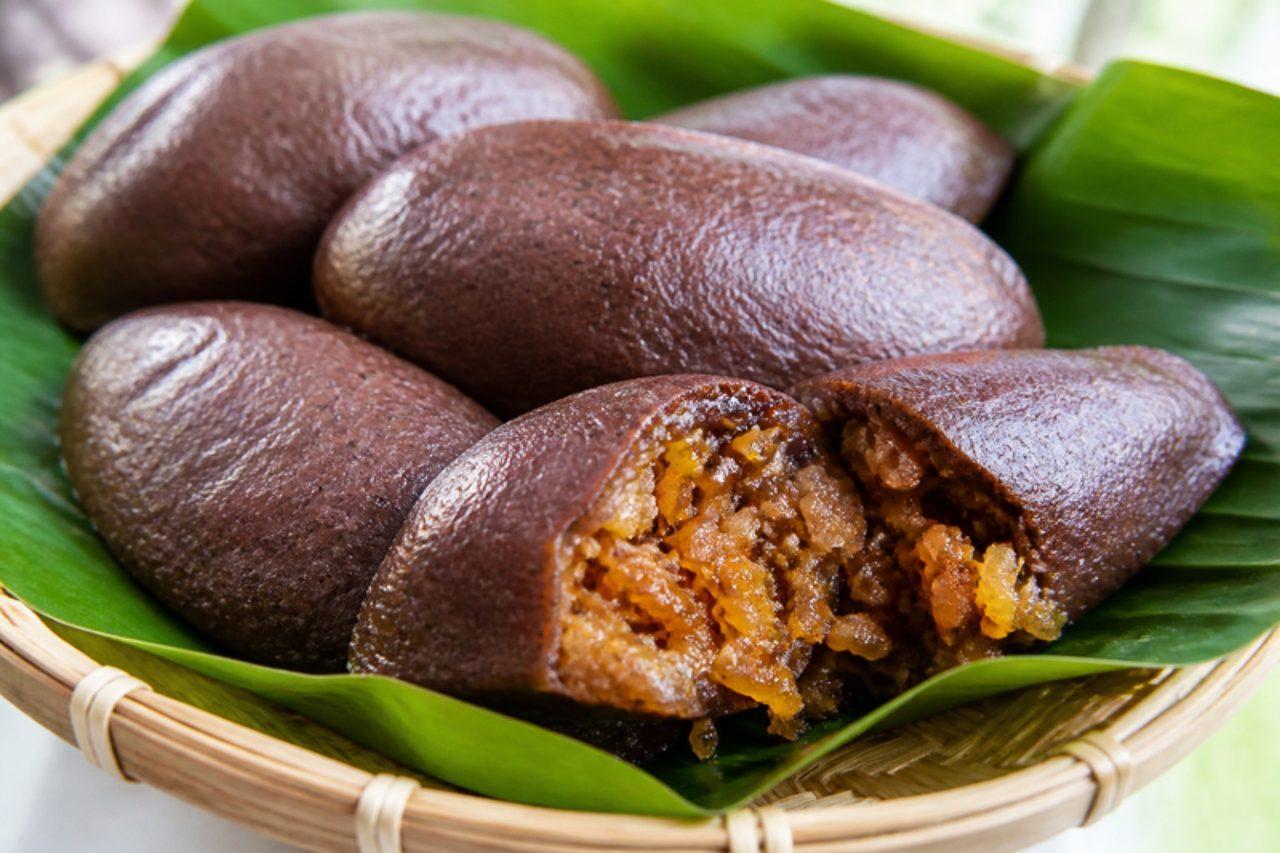
Halape (හලපේ, finger-millet and jaggery parcels steamed in leaves)Finger millet and jaggery leaf parcels

In village homes in the south and the hill country, halape is an afternoon snack and a temple-day treat, steamed in the large, heart-shaped leaves of the kenda tree, which leave a faint grassy perfume. The dough is kurakkan, finger-millet flour, which is brick-brown, slightly bitter and very filling; it wraps a sweet layer of grated coconut and dark kithul jaggery. Once steamed, the parcels are dense, moist and fudgy, a little like a rustic steamed pudding, and they are best warm with a cup of plain tea. Nothing here was ever made with egg: steaming sets the millet starch and the jaggery melts into the coconut and holds it together. Banana leaves work well if you cannot find kenda. Chef's tip: the common mistake is spreading the dough too thick; keep it about 5 mm so the middle steams through before the outside turns hard.

by KrazyBadal 0 views

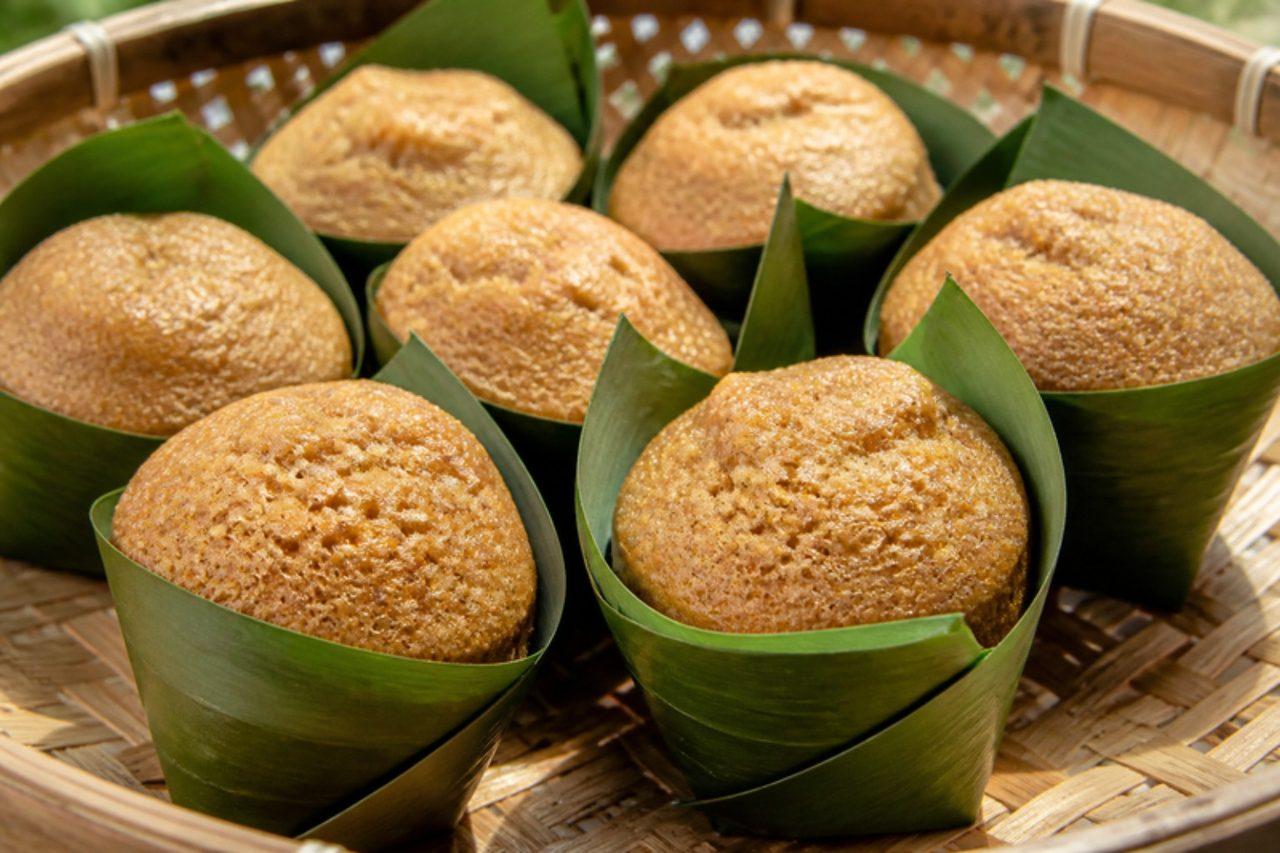
Wandu appa (වංඩු ආප්ප, fermented rice cakes steamed in leaf cones)Steamed rice treacle cakes

Wandu appa are sold in morning markets and at roadside kades all over the island, and they are one of the sweets that appear on the table for Avurudu. A batter of rice flour, coconut milk and kithul treacle is left to ferment for a few hours, then poured into small cones of kenda or jak leaf and steamed. They puff into tender, spongy domes with a gentle sourness, a caramel note from the treacle and the leafy aroma of their wrappers. Eat them warm for breakfast or with afternoon tea. They are naturally egg-free: yeast does the lifting that whisked eggs would do in a sponge, and the rice starch sets the bubbles in place as it steams. Banana-leaf cones or small paper-lined cups work too. Chef's tip: the common mistake is filling the cones to the brim; fill them two-thirds full so they rise into a dome instead of spilling over.

by KrazyBadal 0 views

ParihuelaSpicy seafood soup

Parihuela is the big weekend seafood soup of Callao and the Peruvian coast, eaten at long Sunday lunches in cevicherías and praised as a cure for tiredness and late nights. A deep red broth of ají panca, ají amarillo, tomato and fish stock is loaded with chunks of fish, prawns, squid and mussels. A portion gives about 30 g of protein, from the fish and shellfish, for roughly 300 kcal. Some cooks add chicha de jora or beer; this version has none. The common mistake is adding all the seafood at once: squid and prawns turn rubbery while the fish cooks, so they go in last. Before cooking, discard any mussels that stay open when tapped, and after cooking discard any that stay shut. Chef's tip: fry the chilli pastes in the oil until they darken and smell sweet; that toasted ají is what gives parihuela its depth.

by KrazyBadal 0 views

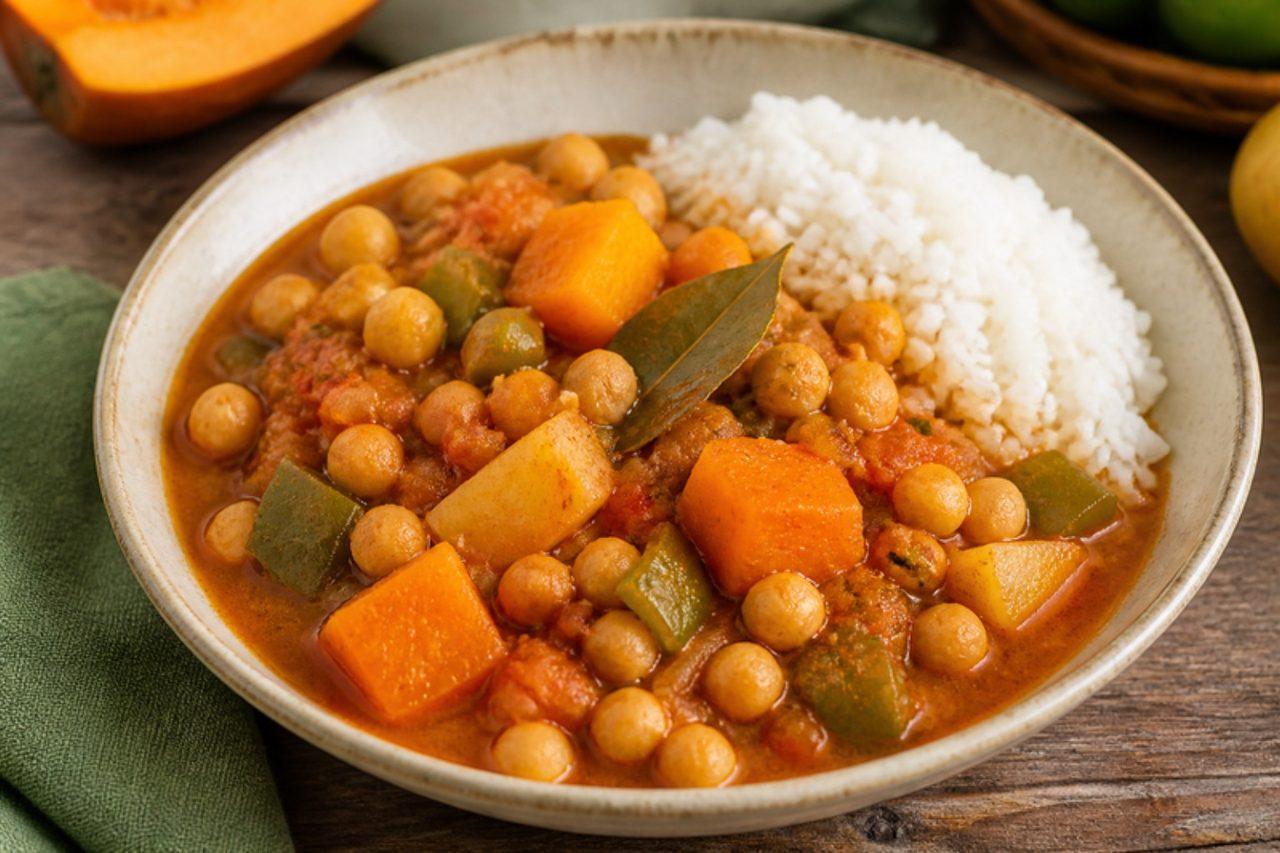
Cuban potaje de garbanzos (vegetarian)Chickpea and pumpkin stew

In Havana and across Cuba, a pot of potaje de garbanzos simmers on the stove for the main meal of the day, and is ladled over white rice with a few slices of fried ripe plantain on the side. Chickpeas cook until creamy with chunks of calabaza (West Indian pumpkin) and potato, then a sofrito of onion, green pepper, garlic and tomato turns the broth thick and orange. Most Cuban cooks add chorizo; this is the vegetarian version, with smoked paprika giving the smoky warmth instead, and it is fully vegan. A bowl gives about 21 g of protein from the chickpeas. Soak the chickpeas for 12 hours first; that time is not counted below. The most common mistake is adding the pumpkin at the start: it dissolves completely, so add it once the chickpeas are nearly tender. Chef's tip: let the potaje rest for half an hour before serving; it thickens and tastes even better the next day.

120 minCubanCurriesVeganGluten free
by KrazyBadal 0 views

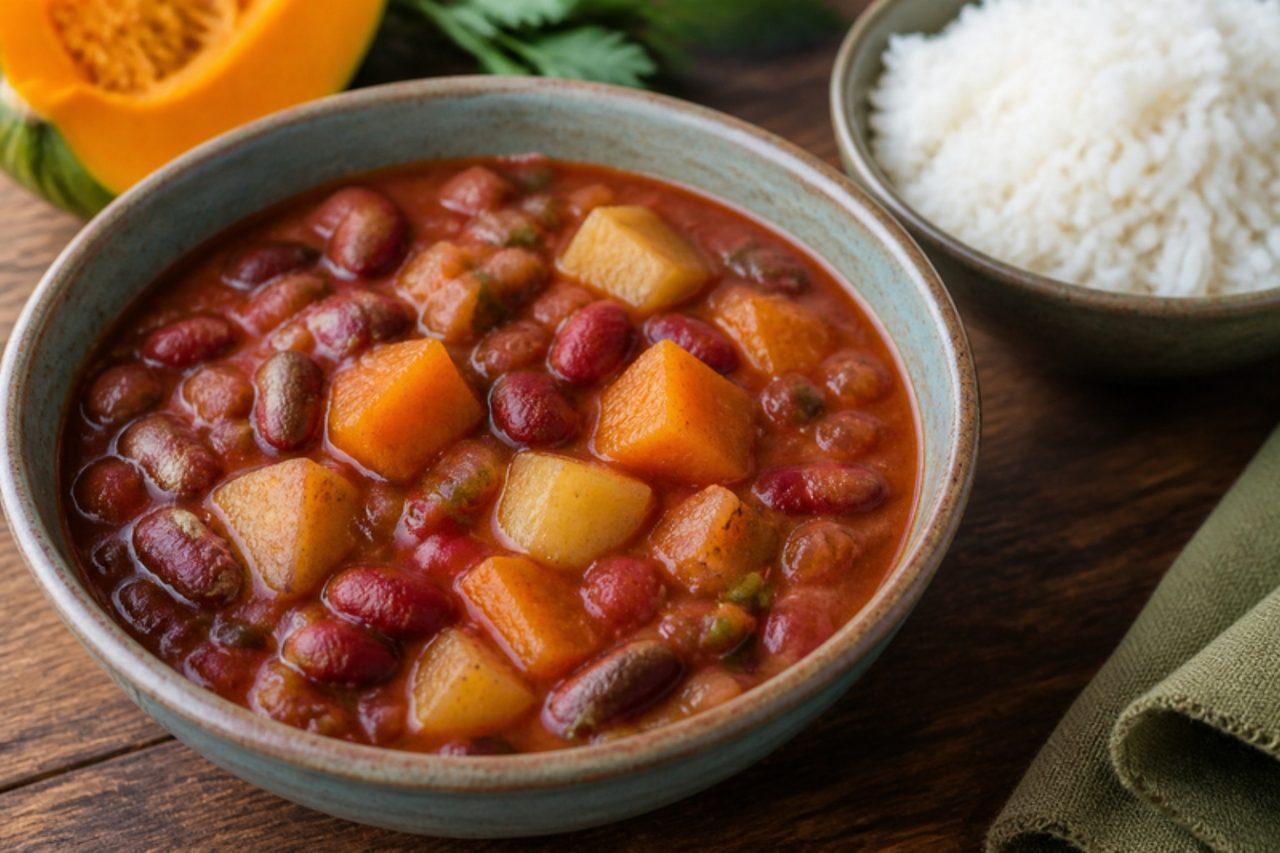
Cuban red bean potaje (vegetarian)Red bean and pumpkin stew

Potaje de frijoles colorados is everyday Cuban home cooking, eaten in Havana, Camagüey and Santiago alike as the midday meal over white rice, often with a simple avocado salad. Red kidney beans cook until soft and are thickened with calabaza and potato, then flavoured with a sofrito of onion, pepper, garlic, cumin and oregano. It is usually made with pork or chorizo; this is the vegetarian and vegan version, with smoked paprika and a spoonful of vinegar-pickled pepper brine giving the same savoury depth. A bowl gives about 25 g of protein from the beans. Soak the beans for 12 hours first (not counted below), and boil them hard for 10 minutes before simmering, as raw kidney beans contain a toxin. The most common mistake is salting at the start, which keeps the skins tough. Chef's tip: a teaspoon of sugar in the sofrito is a Cuban touch that rounds out the tomato and beans.

135 minCubanCurriesVeganGluten free
by KrazyBadal 0 views

Chilcano de pescadoClear fish broth

In the fishermen's terminals of Chorrillos and Callao, chilcano is what you drink on a Sunday morning after a long night: a clear, gingery broth made from the heads and bones left over from cleaning fish for ceviche, with chunks of fish, red onion, chilli and a squeeze of lime in the bowl. It is light and warming, around 160 kcal a bowl, and still gives about 24 g of protein from the fish fillet and the broth. The common mistake is squeezing the lime into the pot while it boils, which turns it bitter; add it to each bowl at the table. Don't boil the bones for more than 30 minutes either, or the broth turns cloudy and harsh. Chef's tip: ask the fishmonger for heads and frames from mild white fish like sea bass or cod, and leave out oily fish such as mackerel, which makes the broth strong and fishy.

by KrazyBadal 0 views

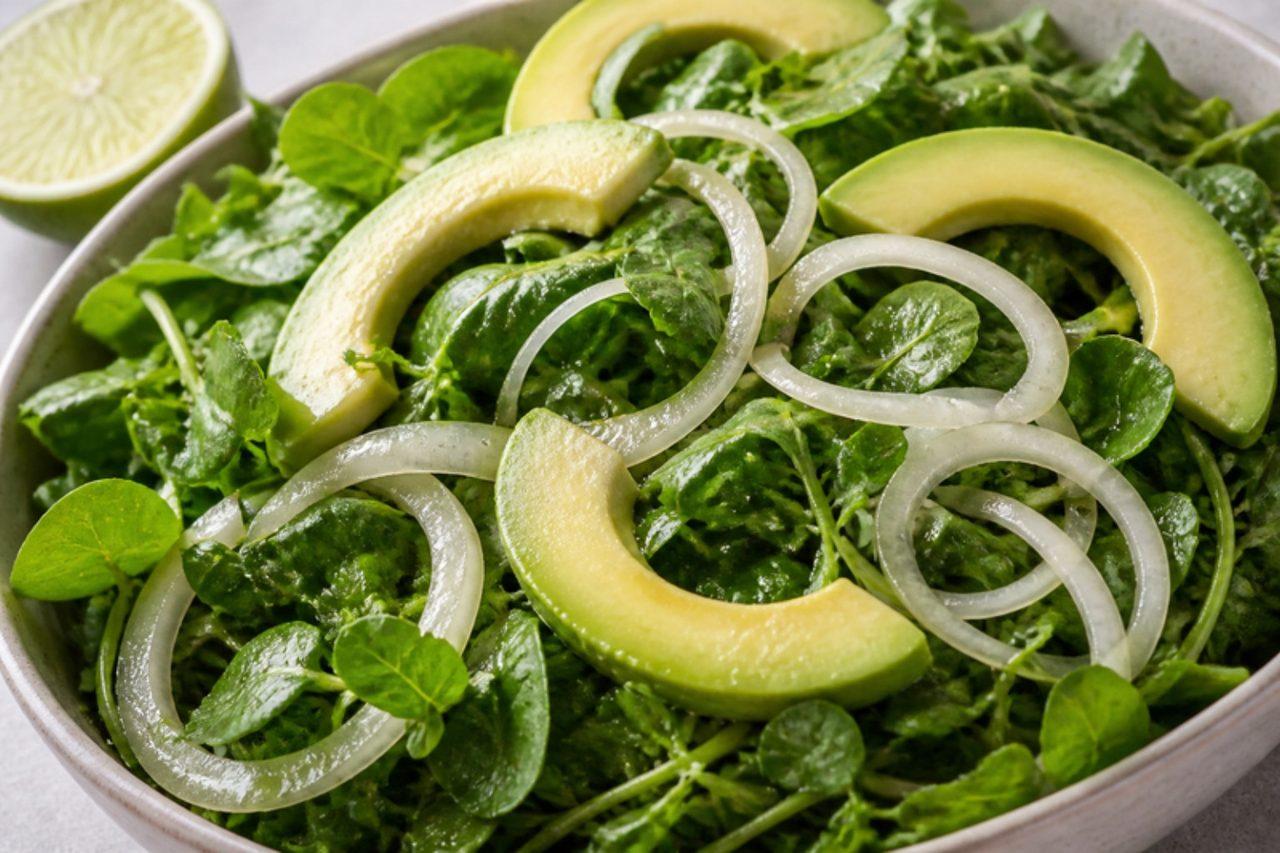
Ensalada de berroWatercress salad

In Cuban homes from Havana to Santiago, a plate of peppery watercress with thin rings of onion and a squeeze of lime sits beside the rice, beans and fried plantain at almost every weekday lunch. The dressing is simply lime or sour orange, olive oil and salt, so the cress stays crisp and bright and cuts through richer dishes. It is very light, with about 2 g of protein a portion, so it is purely a side; pair it with black beans and rice for a full meal. The most common mistake is dressing it in advance: watercress wilts in minutes once salted. Chef's tip: keep the thick lower stems out and use only the tender tops and leaves; the salad will be crisp, not stringy.

by KrazyBadal 0 views

Kola kandaHerbal rice and coconut porridge

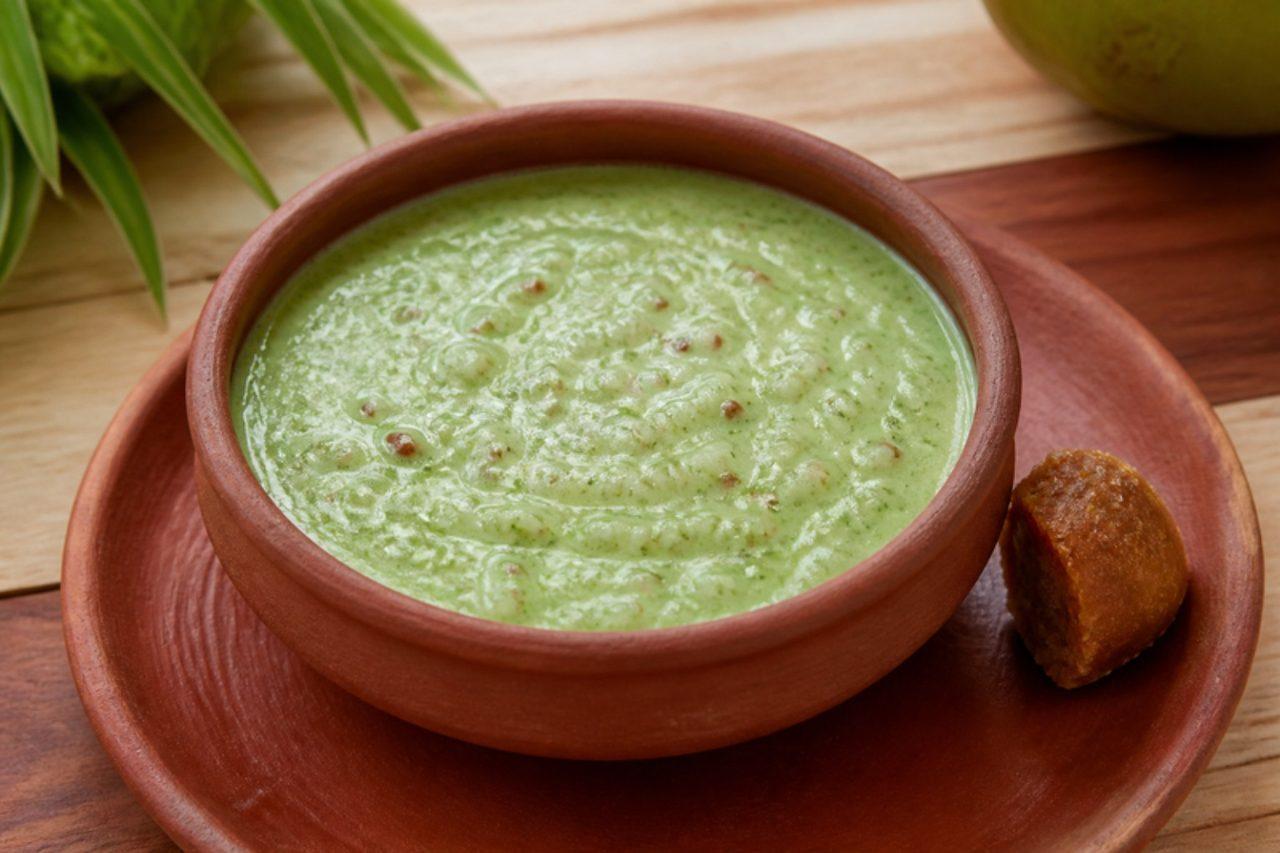
Kola kanda is a Sri Lankan breakfast porridge, sold in small cups at roadside stalls and morning markets in Colombo and drunk warm before work. Red rice is cooked soft with garlic, then blended greens, traditionally gotu kola, and coconut milk turn it a vivid green with a fresh, slightly grassy flavour. It is served with a piece of jaggery to nibble between sips. The mistake to avoid is boiling it after the greens go in, which turns the colour olive and the taste stewed. Chef's tip: crack the red rice in a spice grinder first; the broken grains cook in about 20 minutes and give the classic loose, creamy texture.

by KrazyBadal 0 views

Belgian frangipane tartlets

Look in the glass counter of a Flemish bakery and between the rice tarts and cream puffs sit rows of frangipanetaartjes: small shortcrust cases with a hidden layer of apricot jam, filled with almond frangipane and glazed with a thin, crackly white icing. Belgians pick them up on Saturday mornings or for a birthday at the office and eat them with coffee. They are buttery, nutty and moist, with a sharp fruity note from the jam. Too much jam is the mistake to watch: it bubbles up through the frangipane and glues the tartlets to the tin. Chef's tip: brush the warm tartlets with hot apricot jam first and let it set before the icing goes on; the jam seals the surface so the glaze stays white and shiny.

by KrazyBadal 0 views

CapuchinosYolk sponge cones in spiced syrup

Named for the pointed hoods of Capuchin friars, these little cones of yolk sponge sit in neat rows in Havana dulcerías, glistening with syrup and sold by the half dozen for birthdays and Sunday visits. They're baked in small cone moulds, then dropped into warm syrup scented with lime peel, cinnamon and star anise until heavy and soaked through, so they are moist, eggy and very sweet. The syrup is often spiked with rum or anise liqueur; this one stays alcohol-free. A syrup boiled too thick won't soak in and leaves a sticky crust, so keep it at a light, pourable stage. No cone moulds? Bake them in a mini muffin tin; they just won't have the hood shape. Chef's tip: soak the sponges while they're still warm and the syrup is warm too; both at the same temperature, the syrup goes right to the centre.

by KrazyBadal 0 views

Sri Lankan ribbon cake

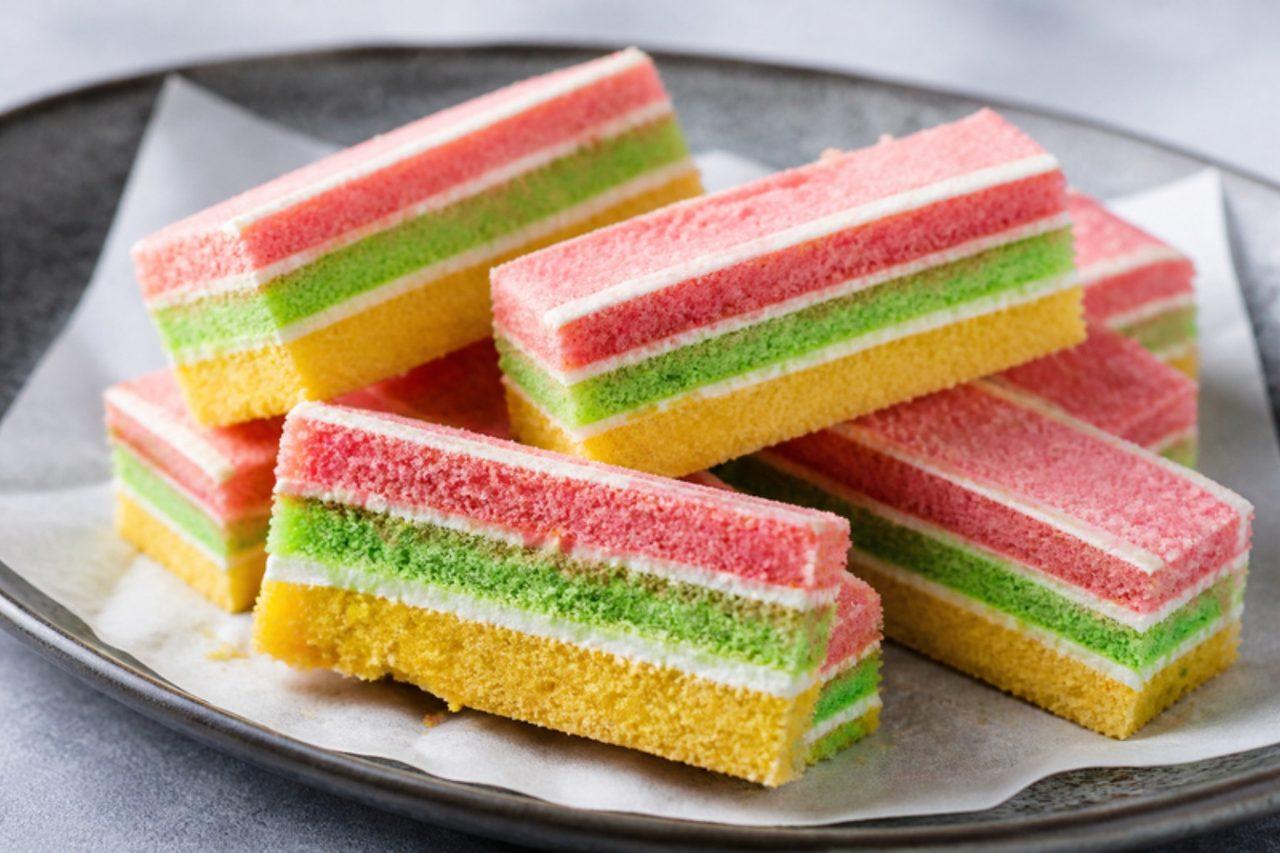
Pink, green and yellow stripes of butter cake, held together with thin lines of vanilla buttercream: a slice of ribbon cake is the picture of a Colombo bakery counter and of Sri Lankan birthday parties, where it is cut into fingers and wrapped in greaseproof paper for guests. It's also in Christmas cake boxes and on wedding tea tables. The cake itself is a classic butter cake, soft and sweet, with a little vanilla; the colours are what make it. Overbaking the thin layers is the common slip; the edges brown and the colours turn dull, so check them early. Chef's tip: trim a thin slice off every edge after layering; the bright, clean stripes only show once the browned crust is gone.

by KrazyBadal 0 views

Showing 24 of 415 recipes

Show more recipes

Page 1 of 18