Skip to content
Recipes

All recipes

Vegetarian, or something you can't eat? Set your diet once and we'll hide recipes that don't fit.

LampreadoCassava starch cheese fritters

Paraguayan grandmothers fry lampreado on Sunday evenings to eat with a mug of cocido, the toasted yerba mate drink: small pan-fried cakes of cassava starch, egg, milk and grated cheese with a little onion, crisp at the edges and stretchy inside. Some families also make it with leftover meat, but this version is all cheese. Queso Paraguay is set with animal rennet; a vegetarian Parmesan-style cheese plus mozzarella works well. The trap is a batter that is too thick, which gives heavy, gluey cakes. Chef's tip: the batter should drop slowly off a spoon like thick pancake batter; add milk a spoonful at a time until it does.

by KrazyBadal 0 views

Cocido quemadoBurnt sugar mate drink

Cocido is how Paraguay starts the day: in Asunción, in the villages of Guairá and Itapúa, and in school kitchens, a pot of burnt yerba is brewed and poured into cups with chipa, the cheesy cassava bread, or with a hard galleta. The old way is to drop a glowing piece of charcoal into a pot with yerba and sugar and stir until the sugar burns. On a home stove you caramelise them together in a dry pan instead, which is safer and gives the same smoky, toffee-like taste. The drink is clear amber-brown, with roasted, slightly bitter mate notes over burnt-sugar sweetness; with milk added it becomes cocido con leche, creamy and coffee-coloured. Yerba mate contains caffeine, so treat it like a cup of coffee. The common mistake is letting the sugar go black: it turns acrid and bitter. Pull it off the heat when the caramel is deep amber and the yerba smells toasted, not burnt. It is ready when the liquid is a clear dark amber and tastes of toffee and smoke. Chef's tip: the water will spit fiercely when it hits the hot caramel, so pour it in from the side, at arm's length.

by KrazyBadal 0 views

TereréIced yerba mate

In Asunción the hottest part of the day stops for tereré: a horn or cup packed with yerba mate, topped up again and again with ice water infused with crushed herbs, and passed round the group through a metal straw. It was recognised by UNESCO as part of Paraguay's cultural heritage, and the herbs (yuyos) change with the season and the drinker's mood. Yerba mate contains caffeine, so it isn't one for small children. The common mistake is pouring water straight into loose yerba, which then clogs the straw; tilt the yerba to one side first. Chef's tip: for tereré ruso, swap the water for cold orange or grapefruit juice.

by KrazyBadal 0 views

Martín FierroCheese with quince paste

Ask for dessert in a Montevideo bodegón or a country parador and you may be offered a Martín Fierro: a thick slice of fresh, mild cheese laid with an equal slice of dense quince or sweet-potato paste, named after the gaucho of the epic poem. It's salty against sweet, soft against firm, and takes two minutes to assemble. Uruguayan fresh cheese is usually made with animal rennet, so choose one with vegetarian rennet if that matters to you. The mistake is serving it fridge-cold, which dulls both flavours. Chef's tip: cut the cheese and paste to exactly the same thickness, about 1 cm, so every bite has both.

by KrazyBadal 0 views

BusecaTripe and white bean stew

Buseca arrived in Montevideo with Italian immigrants from Lombardy and became a classic winter dish of Uruguayan bodegones and family kitchens, eaten on cold June and July days. Honeycomb tripe is simmered until tender, then stewed with white beans, pork chorizo, bacon, peppers, tomato and paprika into a thick, warming stew served with crusty bread. Buy tripe that is already cleaned and blanched (dressed). The usual mistake is undercooking the tripe: it needs a full 2 hours, until it's soft enough to cut with a spoon. Slow-cooker option: after step 4, cook on low for 8 hours. Chef's tip: a little grated lemon zest and parsley stirred in at the end lifts the rich, gelatinous sauce.

by KrazyBadal 0 views

Chakhchoukha (torn flatbread in lamb sauce)

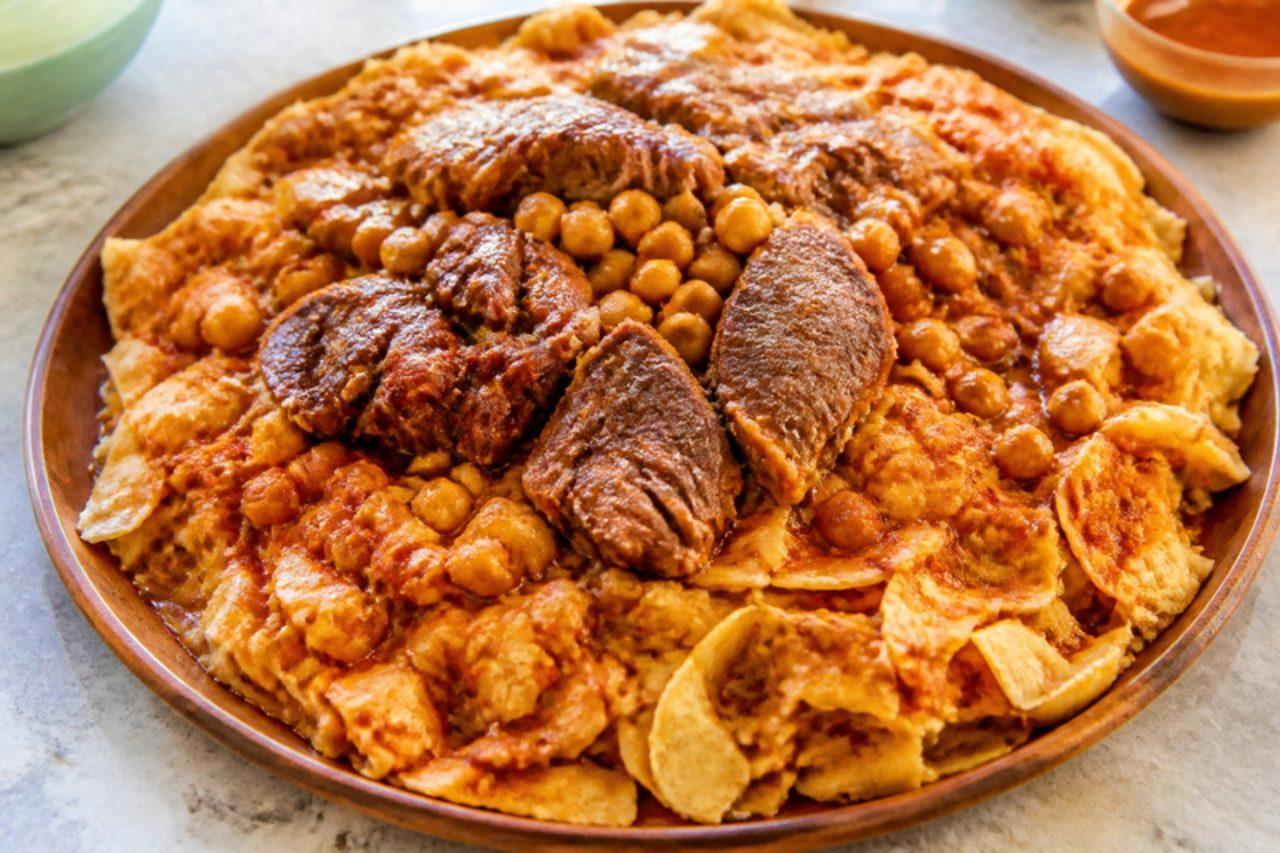
Biskra claims chakhchoukha as its own, though Constantine and the whole east cook it for weddings, Eid and the arrival of guests: sheets of thin rougag are torn into small pieces, softened with steam and soaked in a fiery red sauce of lamb, tomato, chickpeas and whole green chillies, then served from one big wooden or clay dish. The bread turns soft and silky, almost like pasta, and soaks up the peppery, deeply savoury sauce. Use homemade rougag or the dried sheets sold in Algerian shops. Chef's tip: moisten the bread with sauce a ladle at a time and toss between additions; pouring it all over at once is the usual mistake, and the bread turns to paste.

120 minAlgerianMeatSpicy
by KrazyBadal 0 views

Chbah essafra (almond fritters in lamb sauce)

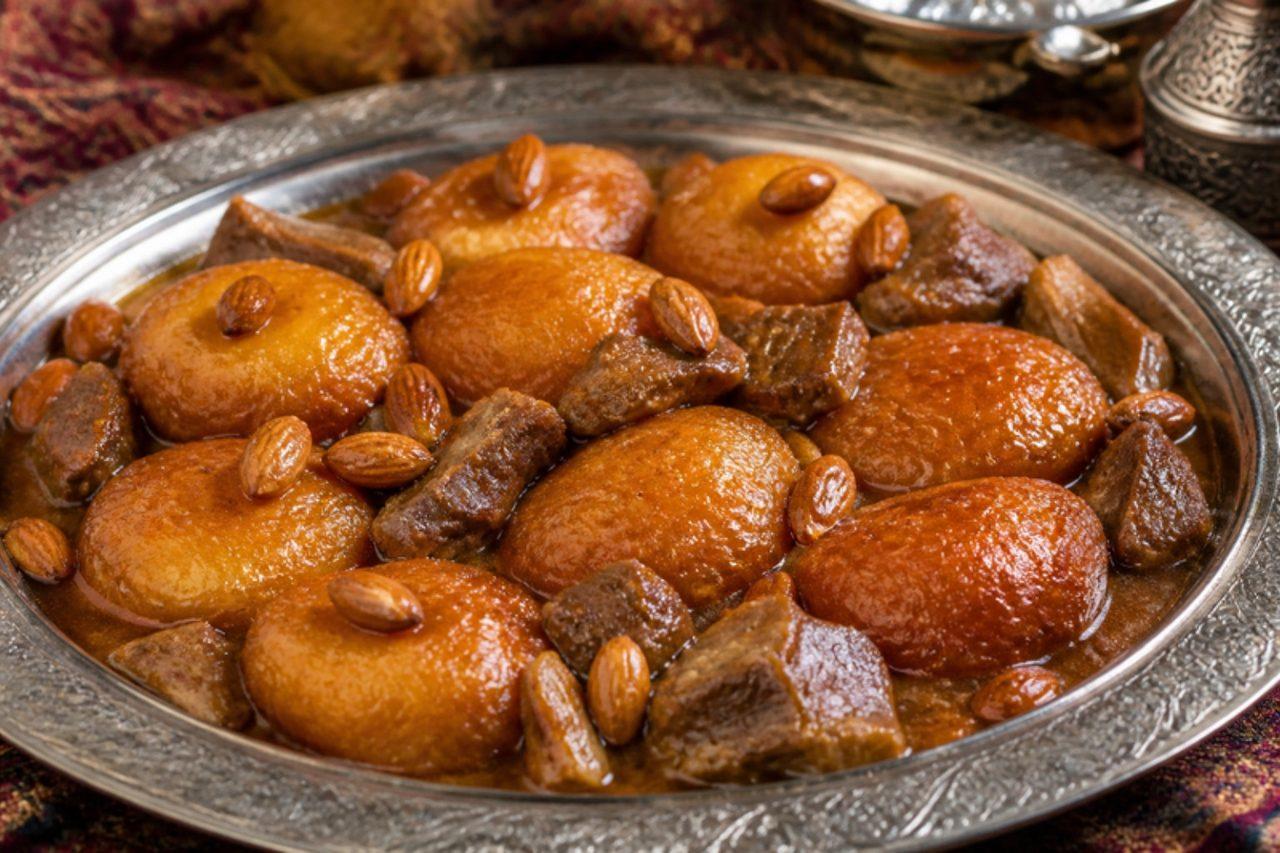
Cooks in Algiers bring out chbah essafra for weddings and grand family dinners, where it is served as the sweet main course: diamonds of almond paste scented with lemon and cinnamon are dipped in egg, fried golden and laid around tender lamb in a pale, buttery sauce sweetened with sugar and orange-blossom water. The contrast of savoury meat and soft, sweet almond is the point, and the dish is rich, so small portions with bread are usual. Chicken can replace the lamb, with a shorter cooking time. Chef's tip: warm the fritters in the sauce only at the table; dropping them into bubbling sauce is a common mistake, and they fall apart.

130 minAlgerianMeat
by KrazyBadal 0 views

Nafaqo (Somali potato-wrapped eggs)

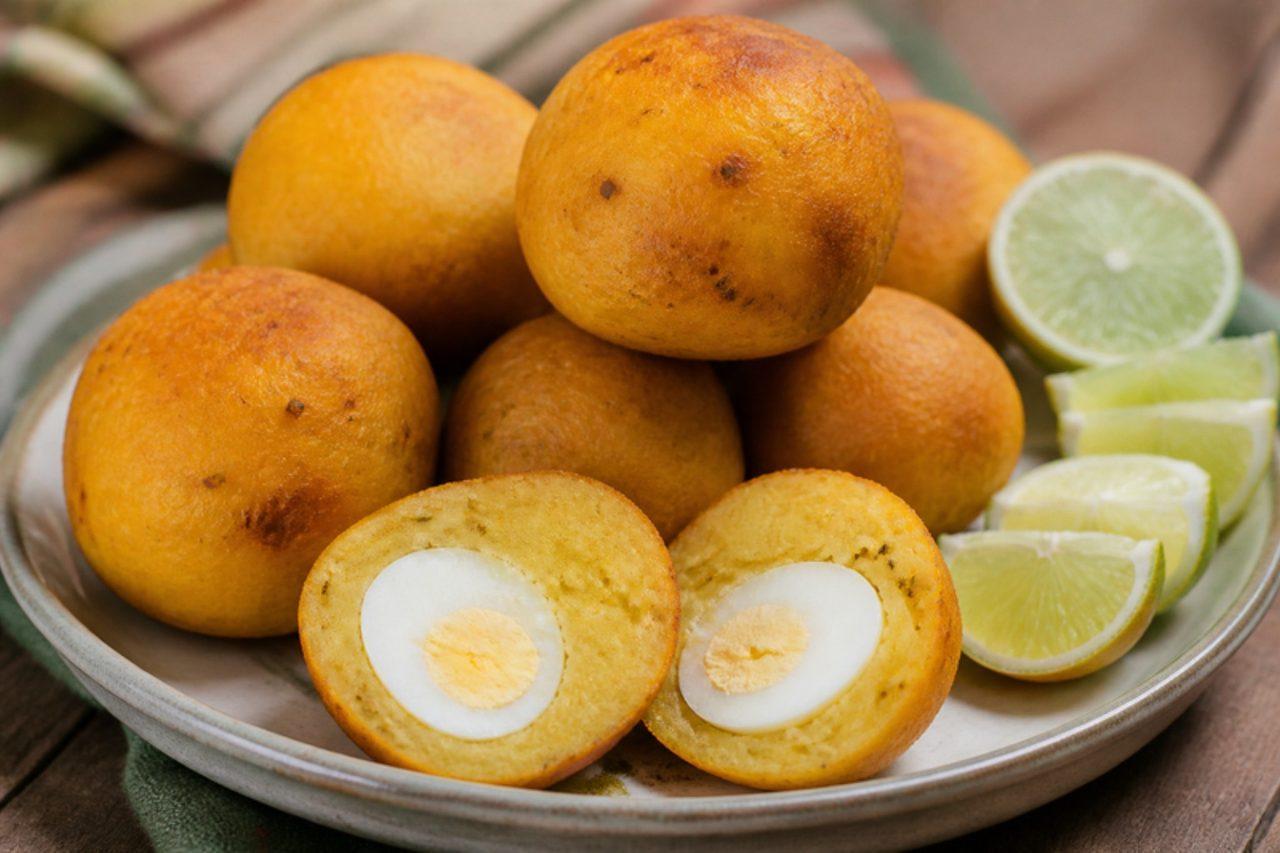
Sold warm from street stalls and cafés around Mogadishu, especially in the late afternoon and at iftar in Ramadan, nafaqo is a fried snack with a surprise inside: a whole boiled egg wrapped in mashed potato seasoned with onion, coriander and xawaash. A light chickpea-flour batter gives it a crisp golden shell, and it is cut in half to show the yolk and eaten with a squeeze of lime and hot green chilli sauce. Kids love it, and it travels well in a lunchbox. A common mistake is using wet, freshly boiled mash, which slides off the egg and splits in the oil; steam-dry the potatoes and let the mash cool before shaping. Chef's tip: roll the peeled eggs in a little chickpea flour before wrapping them, so the potato grips the slippery white.

by KrazyBadal 0 views

Tlitli (Algerian rice-shaped pasta with chicken)

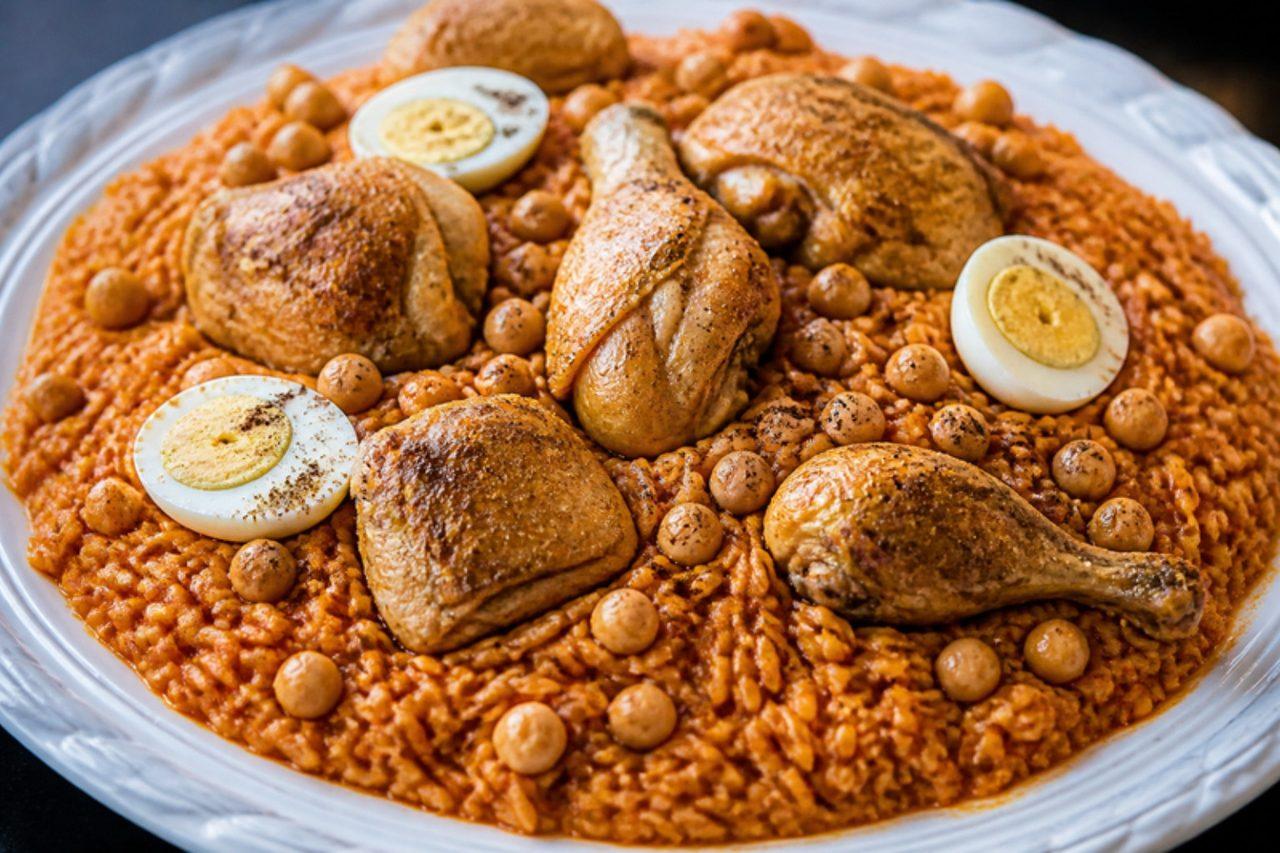
Tlitli is a tiny pasta shaped like grains of rice, once rolled by hand and now sold dried, and in Algiers and Constantine it is cooked for family feasts such as Ennayer, the Amazigh New Year, or the return of a pilgrim. The pasta soaks up a red sauce of chicken, onion, tomato, paprika, cinnamon and chickpeas, and is piled on a platter with the chicken and halved boiled eggs on top. Expect a cosy, gently spiced dish, a bit like a red risotto, with soft pasta and tender chicken. Orzo is a good stand-in if you cannot find tlitli. Chef's tip: toast the pasta in oil before adding sauce; untoasted tlitli tends to clump and turn mushy, a common mistake.

by KrazyBadal 0 views

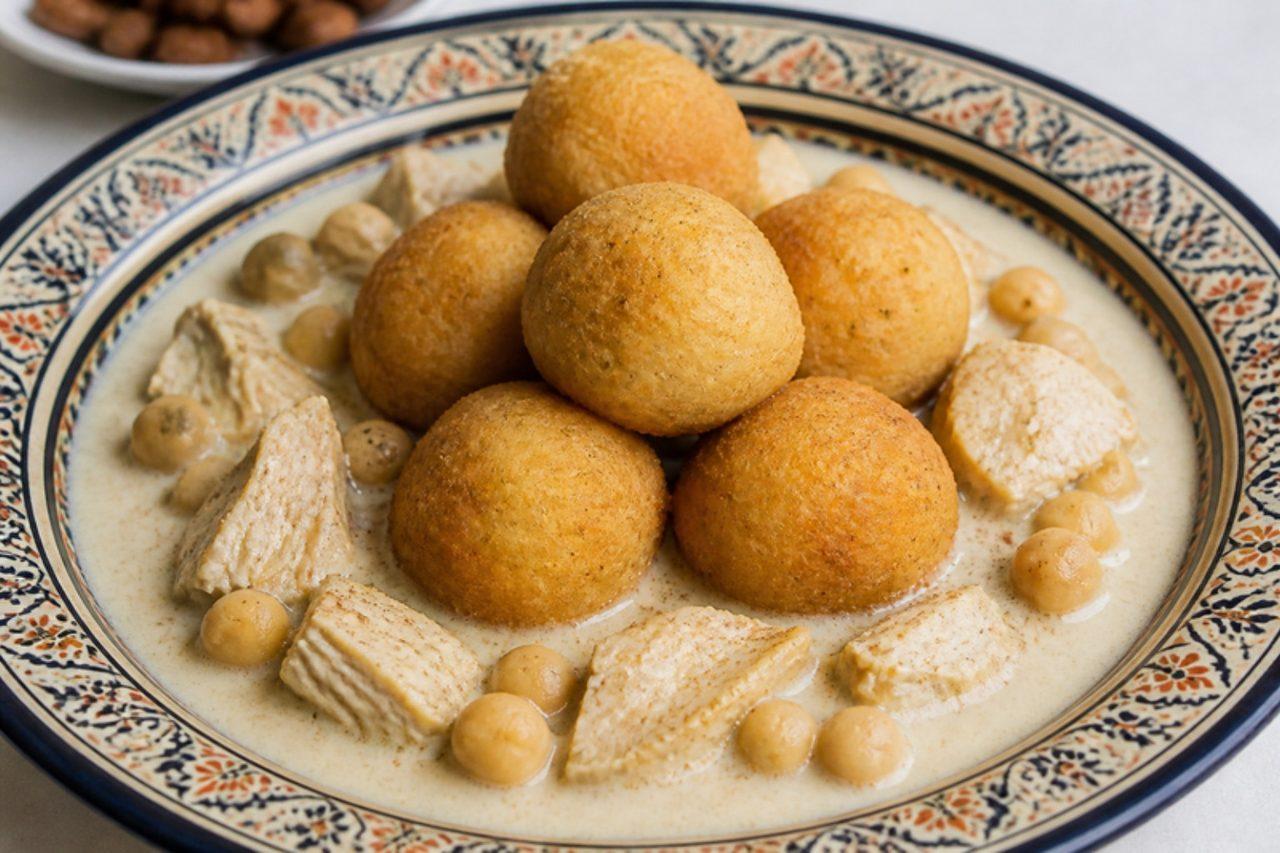
Sfiria (cheese croquettes in chicken sauce)

Sfiria belongs to the old bourgeois cooking of Algiers, served on Ramadan evenings and at family celebrations: little croquettes of soaked bread, grated cheese and egg, scented with cinnamon, are fried golden and then laid in a pale chicken and chickpea sauce flavoured with cinnamon and white pepper. The croquettes are light and spongy, soaking up just enough sauce to be juicy, and the dish tastes delicate and faintly sweet. Day-old white bread without crusts gives the best texture. Chef's tip: add the croquettes to the sauce only at the last minute; leaving them to simmer is the common mistake, and they swell, go soggy and fall apart.

by KrazyBadal 0 views

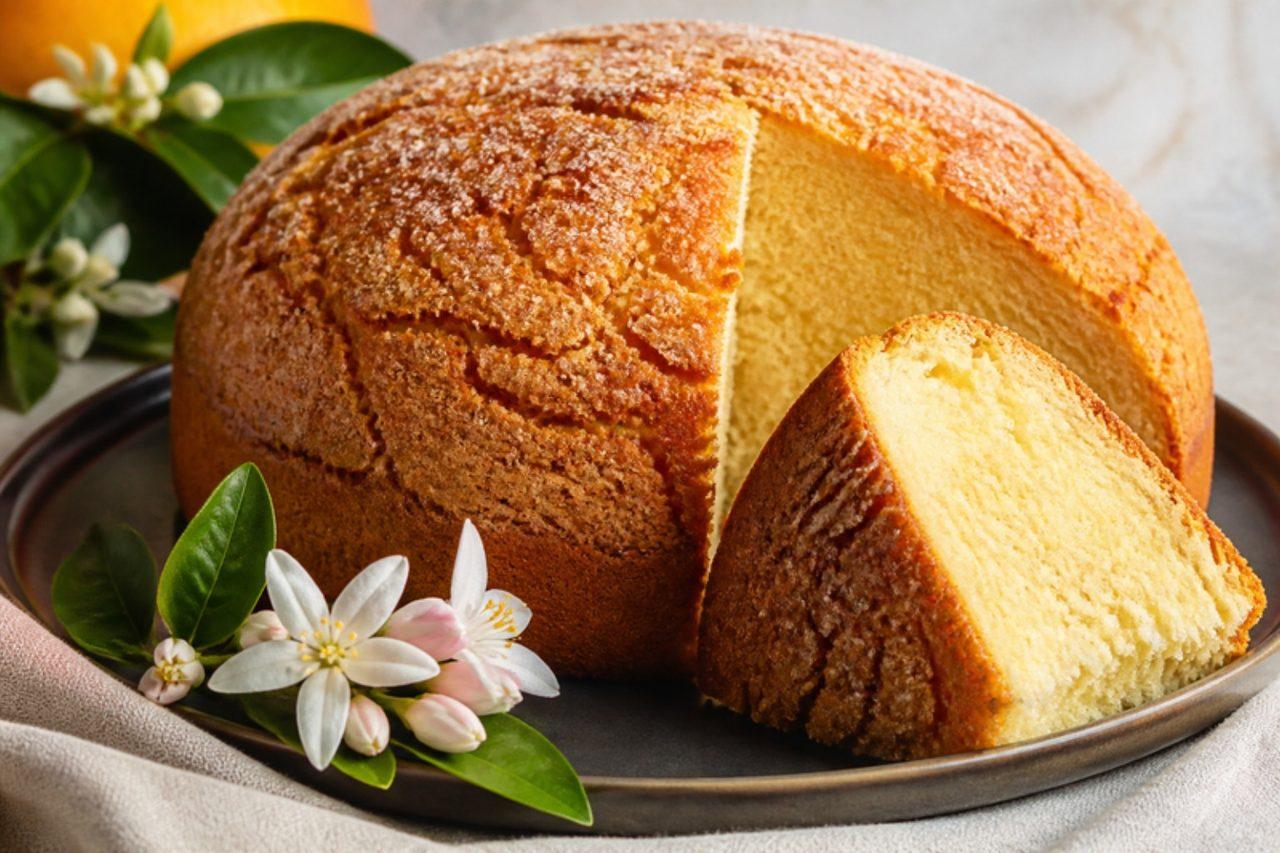
MounaOrange-flower brioche

Oran's mouna came over with Spanish settlers as the Easter mona, and it is still baked for spring outings, recalling the Easter Monday picnics once held at the Santa Cruz chapel above the city. It is a tall, light, golden brioche with a crackly sugar crust, softly flavoured with orange-flower water and lemon zest rather than butter-heavy, and it tears into long, feathery strands. Eat it with coffee or hot chocolate, plain or with jam. The dough is slow and sticky, so give it time. Chef's tip: let the dough rise slowly overnight in the fridge after the first knead; it becomes easier to shape and the flavour deepens.

by KrazyBadal 1 views

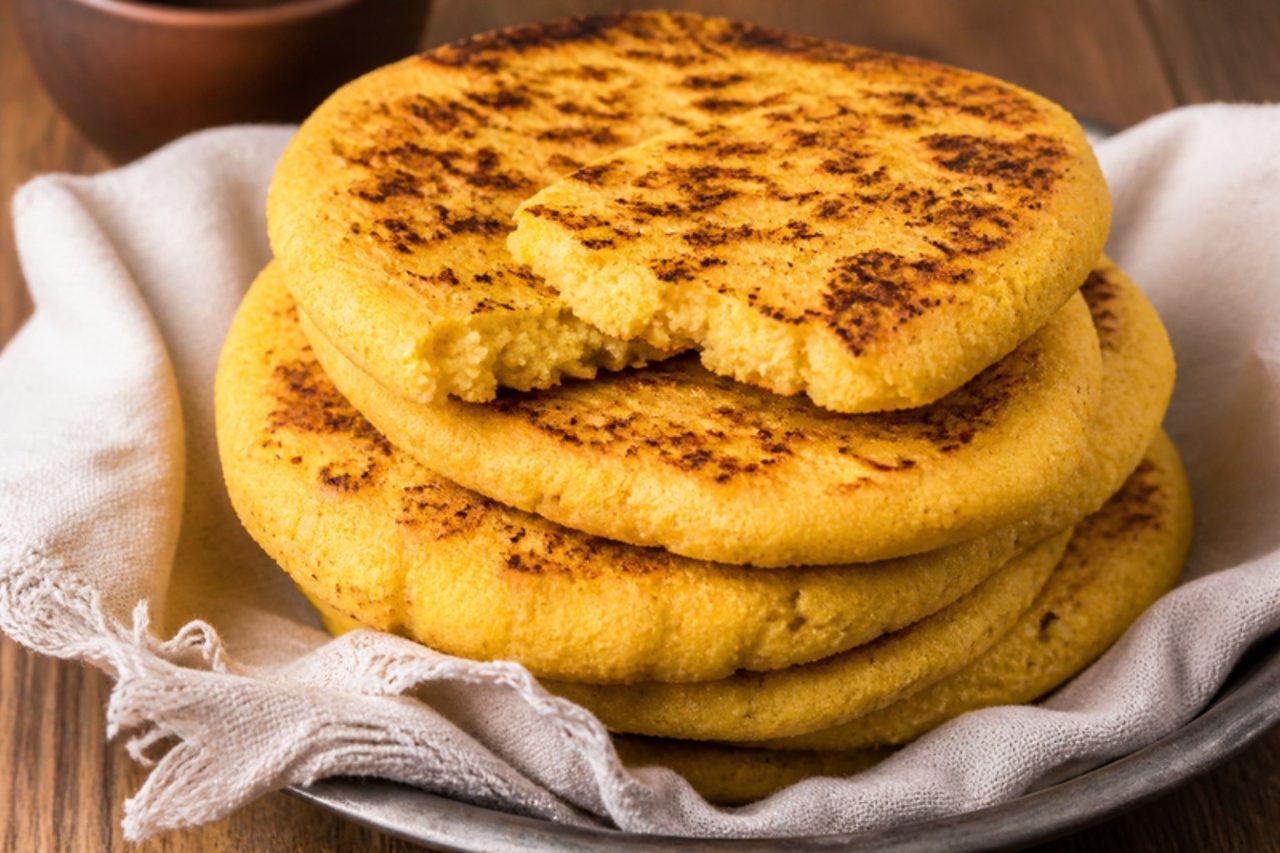
Muufo (Somali maize flatbread)

Along the southern Somali coast and in the farming areas of the Shabelle valley, muufo is baked by pressing rounds of maize dough against the hot inner wall of a clay oven, where they puff and char in minutes. The bread is thick, a little sweet from the corn and slightly tangy, and its dimpled surface is perfect for soaking up digir, maraq or a drizzle of sesame oil and sugar at breakfast. At home a heavy pan and a very hot grill do a good job. Most cooks mix maize flour with some wheat flour so the dough holds together; this version uses yeast and oil, so it is vegan. The usual mistake is an oven or pan that is not hot enough, which gives a pale, dense bread; let the pan heat for a full 5 minutes. Chef's tip: wet your hands when shaping, as the sticky dough is far easier to pat out.

by KrazyBadal 0 views

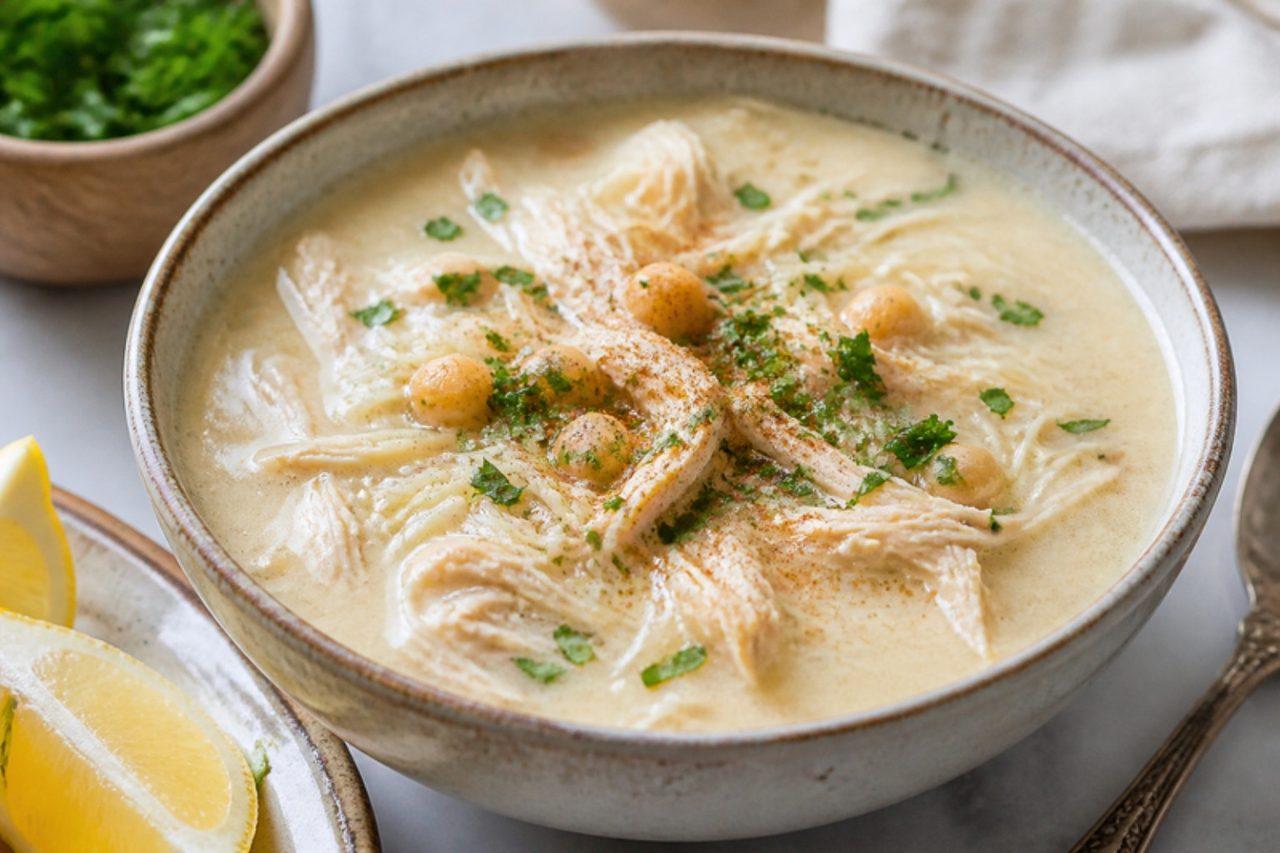
Chorba beida (Algerian white chicken soup)

Unlike the red chorba of the rest of the country, the 'white' chorba of Algiers has no tomato at all: chicken, onion and a cinnamon stick are cooked gently in butter, simmered with chickpeas and fine vermicelli, then thickened at the end with egg yolks and lemon. It is a classic of Ramadan tables in the capital, and is also cooked for guests at weddings and family gatherings. The soup is silky and pale gold, mild and comforting, with a soft lemony tang. Serve it with bread and a squeeze of extra lemon. Chef's tip: once the egg yolks are in, never let the soup boil; boiling is the common mistake that curdles it into scrambled threads.

by KrazyBadal 0 views

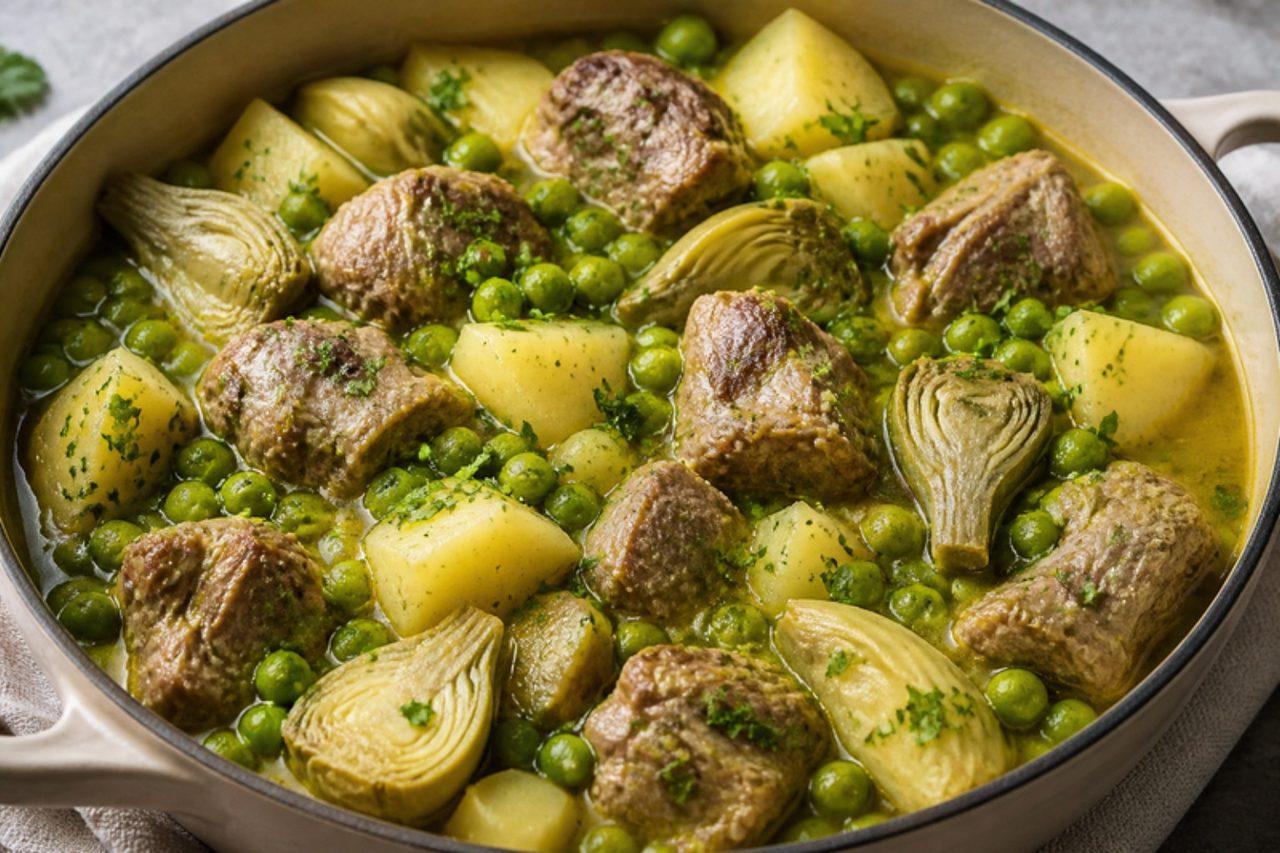
Djelbana (Algerian lamb and pea stew)

Spring markets in Algiers fill with sacks of fresh peas and violet artichokes, and that is the moment for djelbana, a light, pale stew of lamb, peas, artichoke hearts and potatoes cooked with onion, garlic and a little turmeric, finished with fresh coriander. Families serve it at lunch with plenty of bread to soak up the sauce; on meat-free days it is made the same way without the lamb. It tastes fresh, sweet and gently peppery rather than heavily spiced. Frozen peas and artichoke hearts are fine out of season. Chef's tip: add the peas only for the last 10 minutes; peas put in with the meat are the usual mistake and turn grey and mushy.

by KrazyBadal 0 views

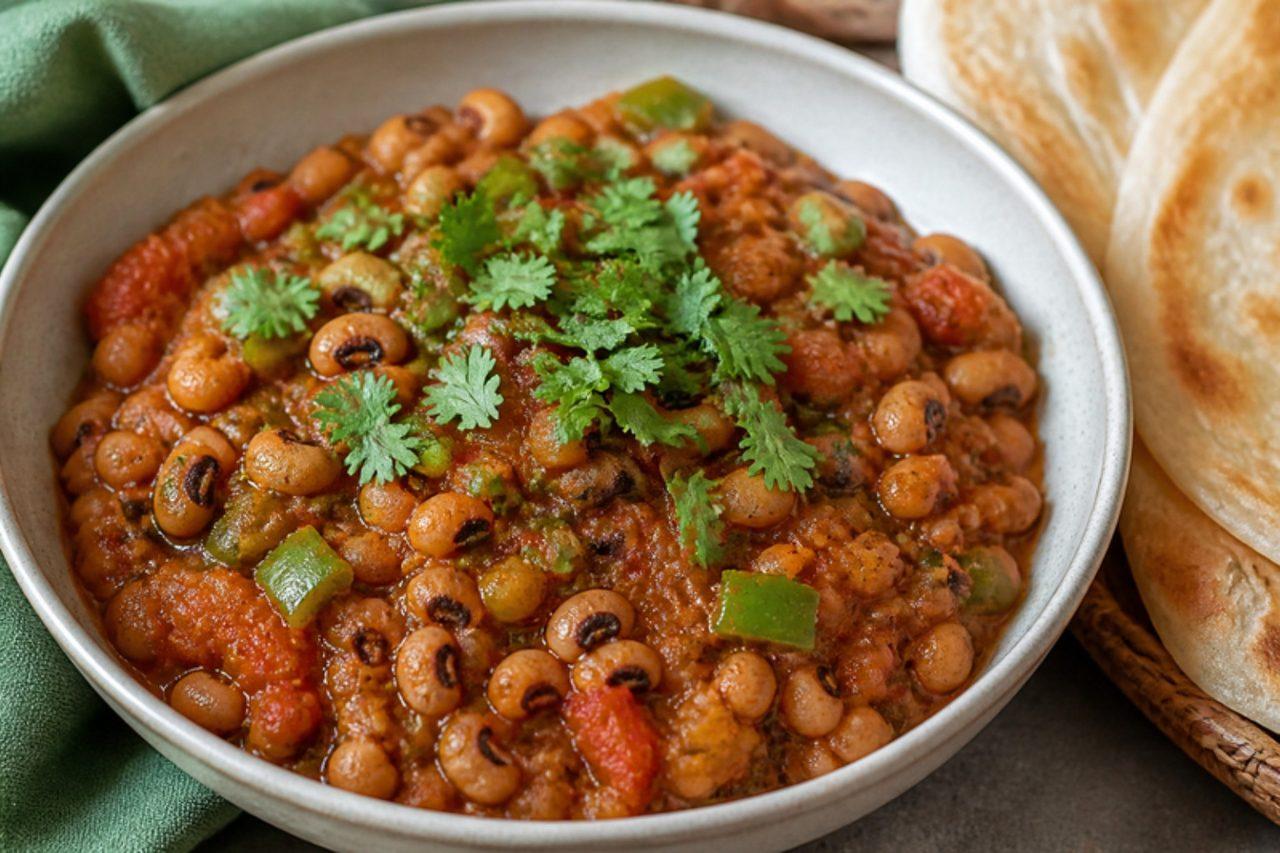
Digir (Somali spiced black-eyed peas)

Mornings at Mogadishu tea shops often start with a bowl of digir, black-eyed peas cooked down with onion, tomato, garlic and a warm hit of xawaash until the sauce clings to every pea. It is scooped up with canjeero, muufo or a piece of soft bread and washed down with spiced shaah, and it keeps people full well past noon. The finished dish is thick rather than soupy, earthy and gently spiced, with a little green chilli for anyone who wants it. Tomatoes added before the onions have softened are the usual misstep: the sauce stays sharp and watery, so cook the onions properly first. Avoid boiling the peas at a gallop; they burst and go mushy. Simmer them gently. Chef's tip: save a cup of the bean cooking water; a splash of it at the end loosens the stew and makes it glossy without diluting the flavour.

by KrazyBadal 0 views

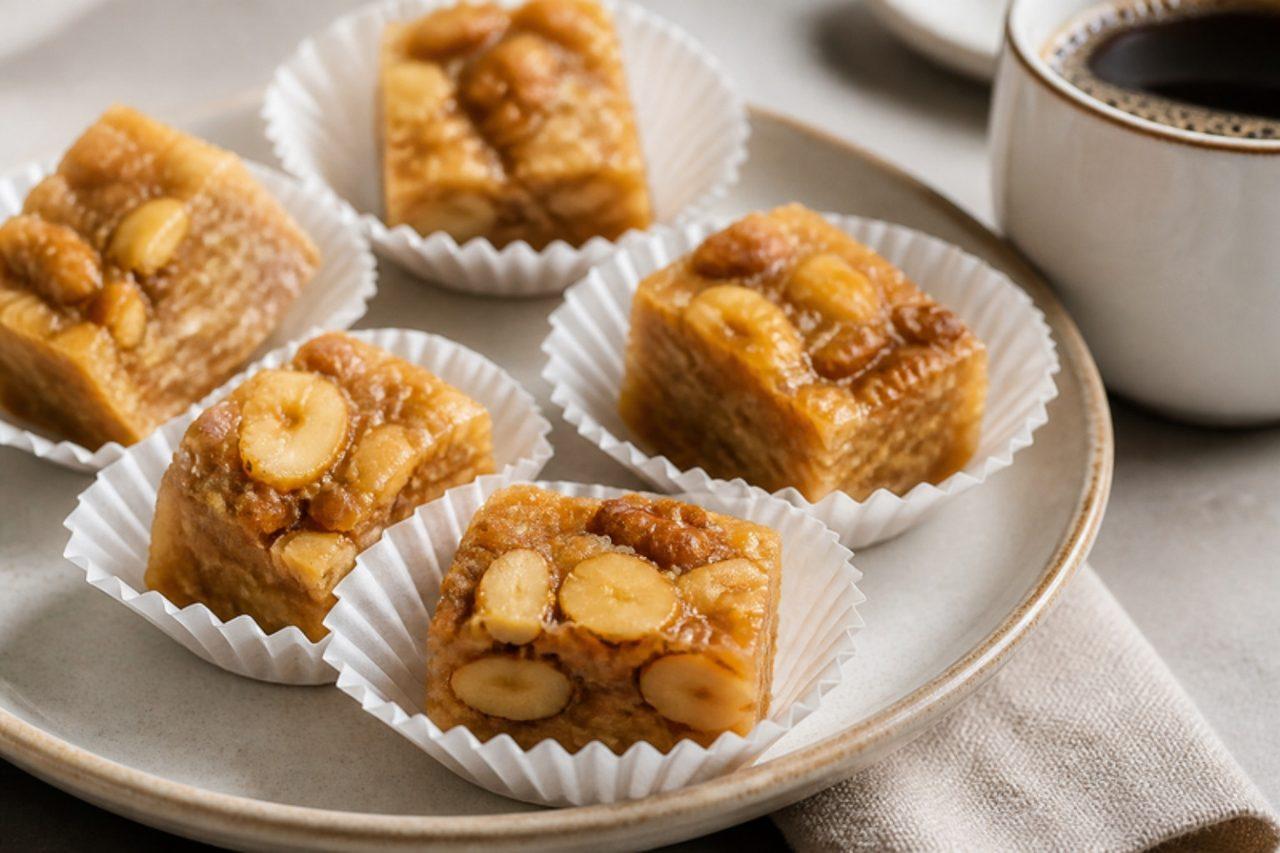
Djouzia (walnut and honey nougat)

Shops in old Constantine wrap djouzia in twists of paper and sell it by weight, a soft, pale caramel-coloured nougat of honey, whipped egg white and plenty of walnuts. It is chewier and darker than white Provençal nougat, with a deep honey flavour and the slight bitterness of walnut skins. Djouzia is a gift sweet, carried to weddings and offered with coffee to visitors, and keeps for weeks. A sugar thermometer makes it reliable. Chef's tip: cook the honey syrup to 125 °C; syrup that is pulled off too early is the most common mistake, and the nougat stays sticky and will not set enough to cut.

by KrazyBadal 0 views

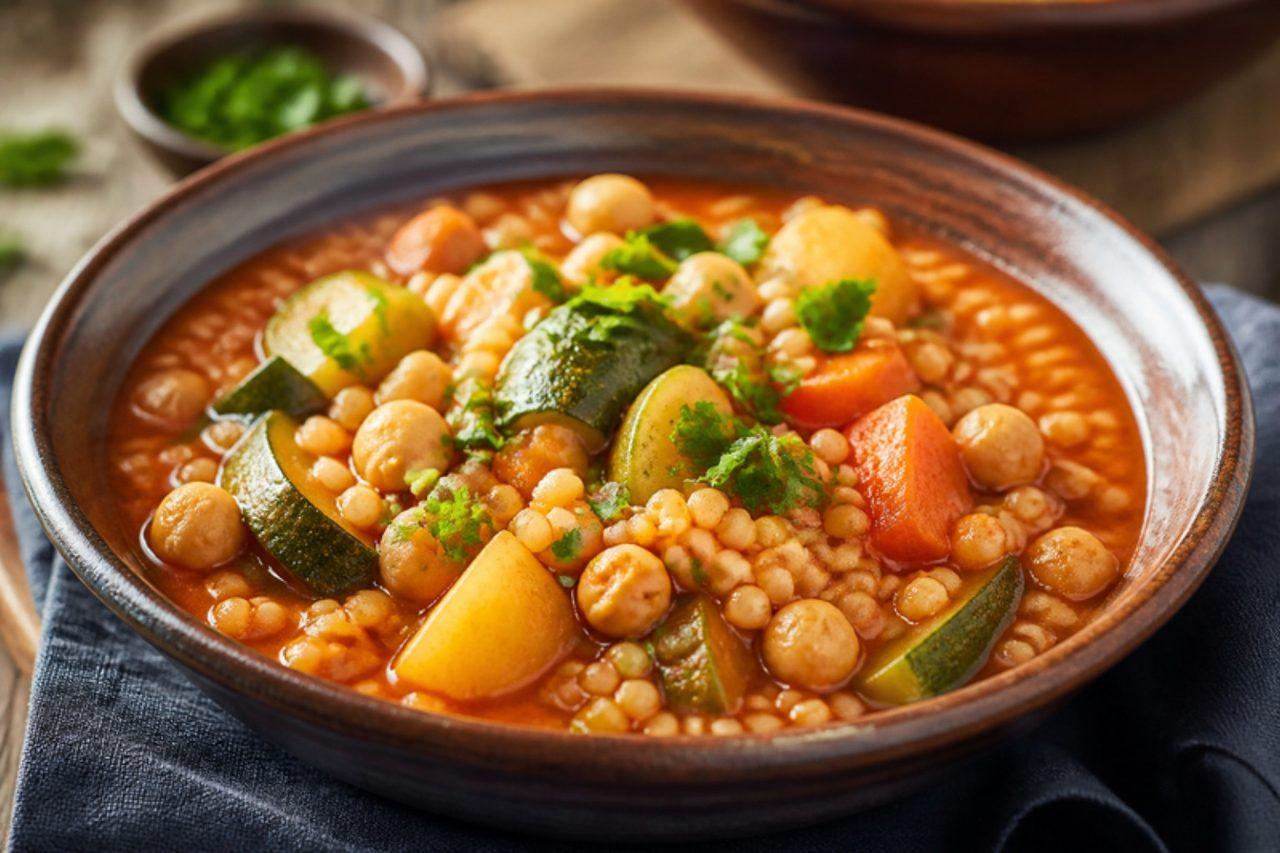
BerkoukesLarge couscous pearls in vegetable broth

Berkoukes, the big chewy couscous pearls rolled by hand in Tlemcen and the west of Algeria, is cold-weather food and a classic dish for the end of winter or a family supper. Cooked directly in a thick, tomato-red broth with courgette, carrot, potato, turnip, peas and chickpeas, it becomes a spoonable, comforting stew, fragrant with garlic, paprika, dried mint and fresh coriander. Many families make it with meat or khlii; this is the vegetable version cooked at home on ordinary days. Bought berkoukes, maftoul or giant couscous are fine. Chef's tip: steam or toast the berkoukes before simmering it; the pearls hold their shape and don't turn to porridge.

by KrazyBadal 0 views

MatlouhSemolina flatbread

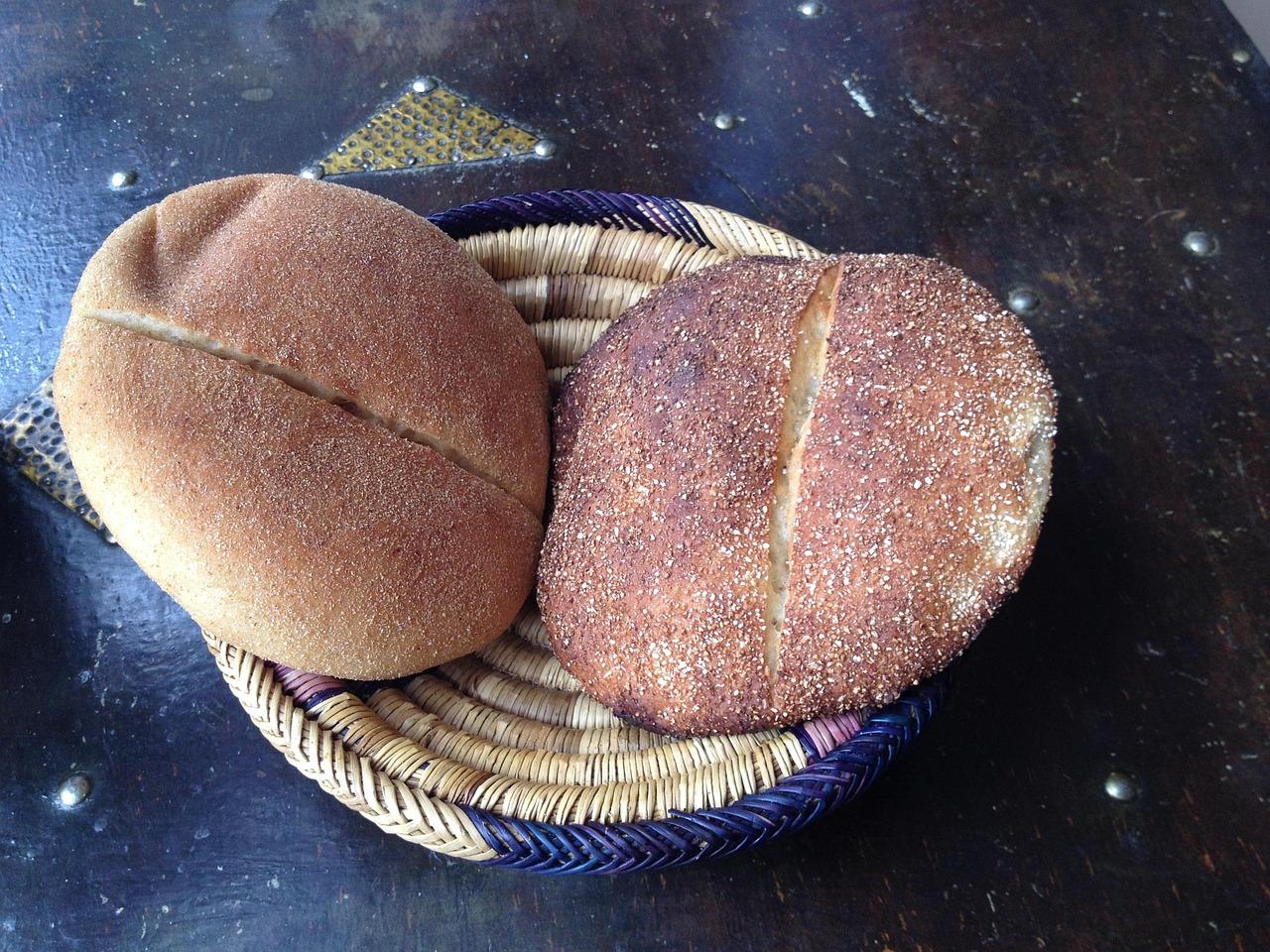
In Algiers and all over Algeria, homemade matlouh is the bread of choice for Ramadan iftar and for dipping into chorba or chakchouka. The dough is made with fine semolina and yeast, almost as wet as a batter, left to rise until airy, then shaped into thick rounds and cooked on a clay tajine or a heavy frying pan rather than in an oven. The result is soft and springy inside, with a thin, freckled, golden crust and the sweet, nutty taste of semolina. Eat it warm, torn by hand. Chef's tip: keep your hands wet with water, not floured, when shaping the sticky dough; flour makes the crust dry and floury.

by KrazyBadal 0 views

Baasto (Somali spaghetti with spiced beef sauce)

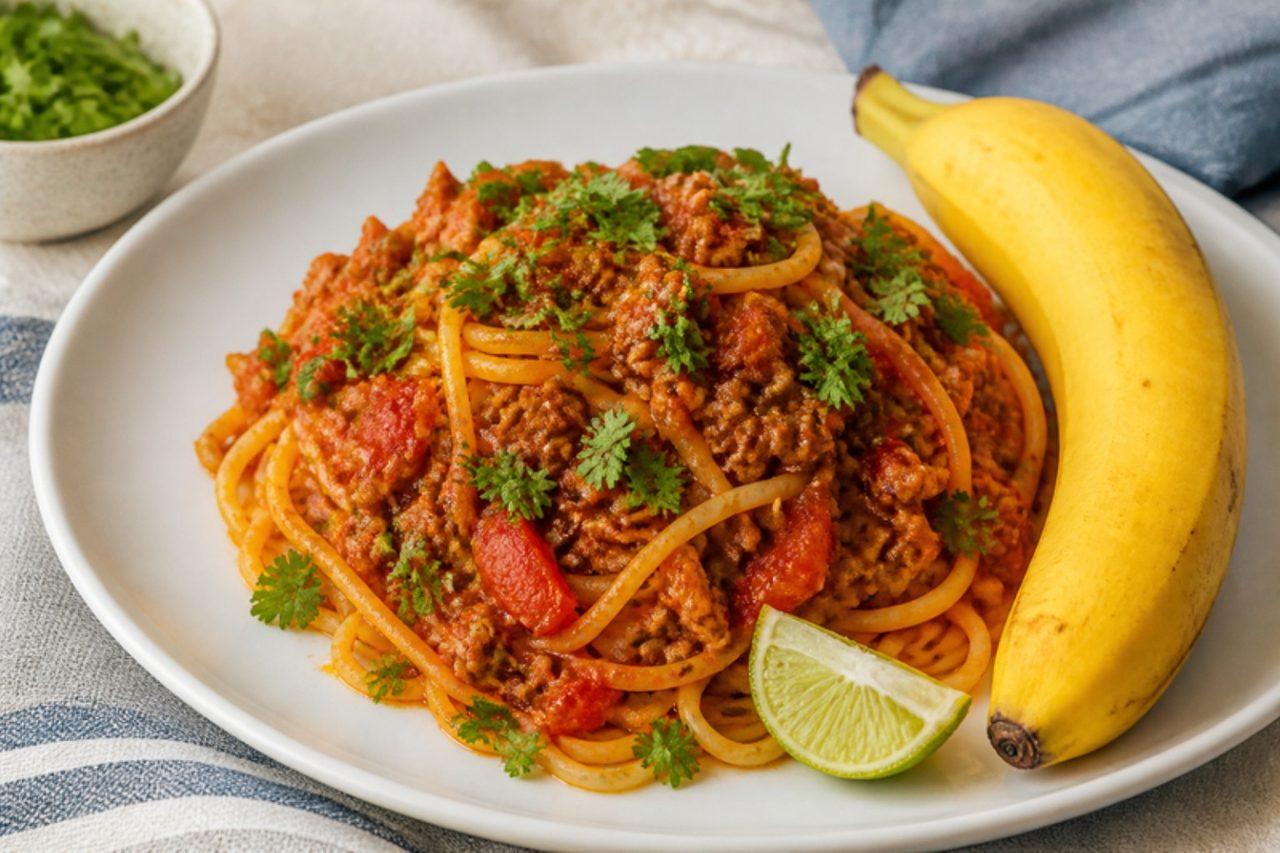
Pasta arrived in Mogadishu during the Italian colonial period and was firmly adopted, so that today baasto with suugo is a standard Friday lunch and a staple of the city's restaurants. The sauce is a long-cooked mix of minced beef, onion, peppers and tomato seasoned with xawaash, garlic and a little chilli, closer to a spiced Somali stew than to an Italian ragù. A ripe banana is served alongside and eaten in alternate bites, cooling and sweet against the spice; a green chilli sauce and a squeeze of lime finish the plate. Overcooking the spaghetti is the usual error, because it carries on softening in the hot sauce; drain it a minute before the packet time. For a meat-free version simply leave out the beef and add a tin of chickpeas. Chef's tip: let the beef brown properly before the tomato goes in; that colour gives the sauce its depth.

by KrazyBadal 0 views

Kac kac (Somali fried dough cubes in cardamom sugar)

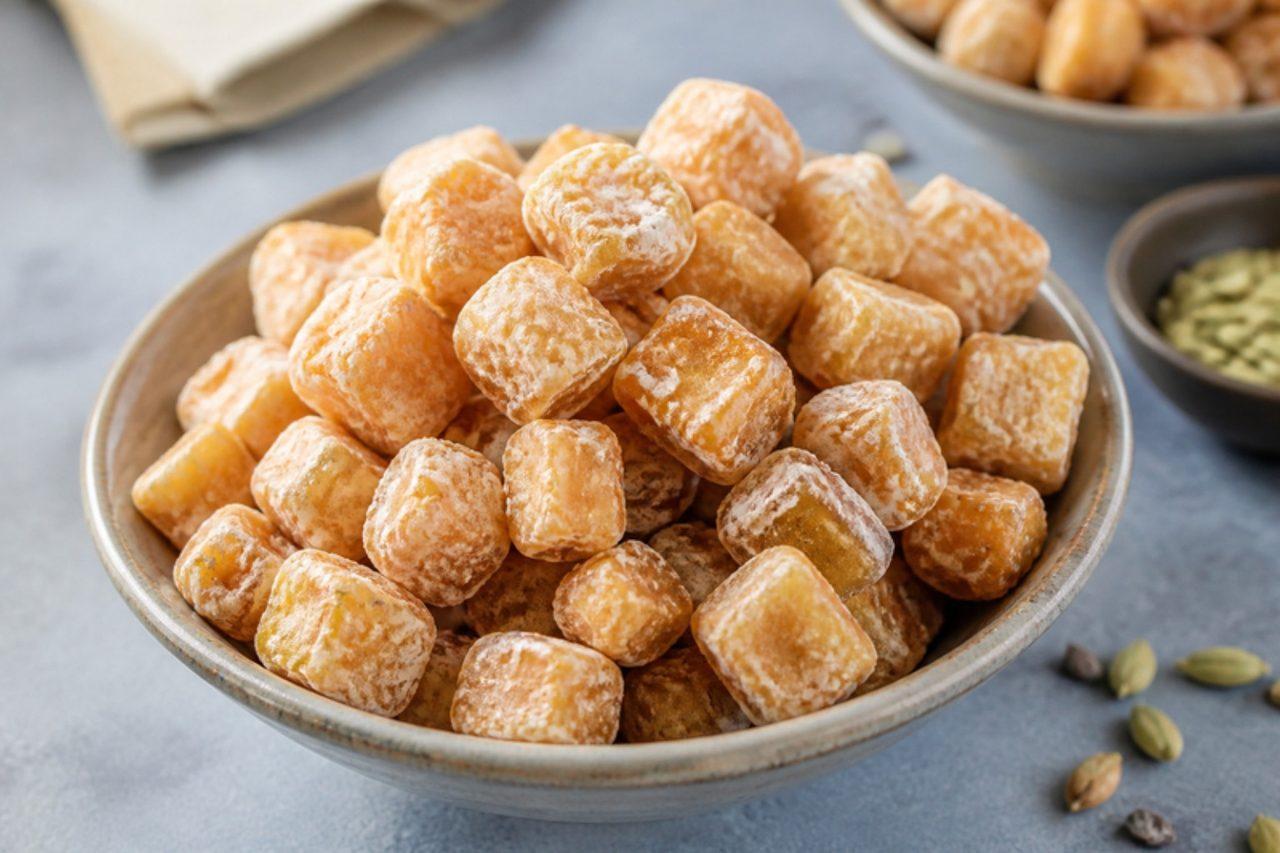
Jars of kac kac sit on the table at Somali weddings, Eid gatherings and afternoon tea across the country and in the diaspora, ready to be handed round by the fistful. The dough is enriched with egg and butter, cut into small cubes, fried until hard and golden, then tossed in hot cardamom syrup that dries to a frosty white crust. Each piece cracks loudly when bitten, which is how it got its name. Undercooking the syrup is the usual problem: it stays sticky instead of turning to a dry, sugary coat, so boil it until it forms a thread and keep stirring the cubes as it cools. Chef's tip: cut the cubes no bigger than 1.5 cm; small pieces fry right through and stay crunchy for weeks in an airtight jar.

by KrazyBadal 0 views

Tamina (roasted semolina with honey)

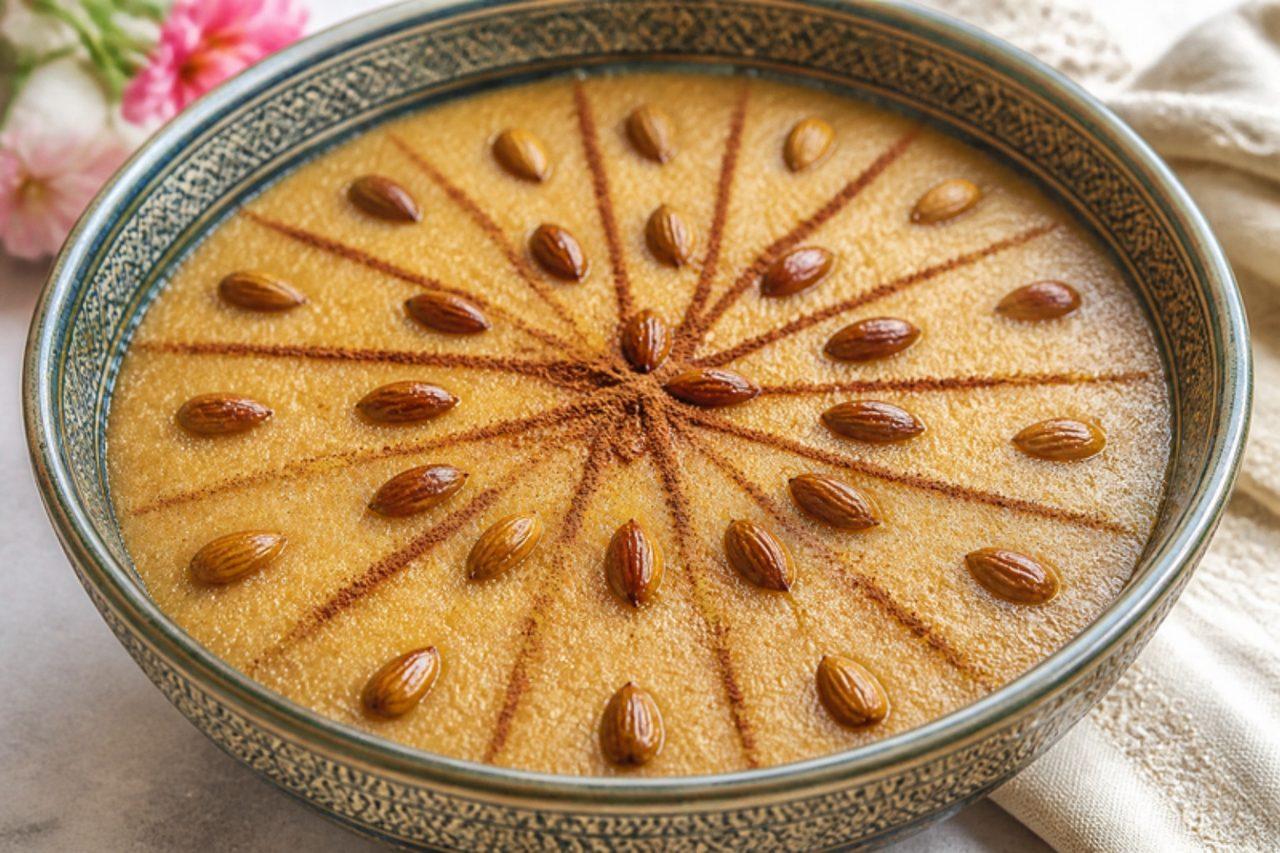
Word of a birth in an Algiers household brings a steady flow of visitors, and each is offered a small dish of tamina with coffee: semolina roasted in a dry pan until it smells like toasted hazelnuts, then bound with melted butter and honey and dusted with cinnamon. It is soft, crumbly and sweet, a little like a spoonable halva, and is said to give strength to the new mother. Tamina is also made for Mawlid and served with tea, with the cinnamon often sifted over in a lattice pattern. Chef's tip: toast the semolina slowly over a medium-low heat and stir without stopping; burnt dark specks make the whole batch bitter and cannot be picked out.

by KrazyBadal 0 views

Mbesses (Kabyle semolina cake)

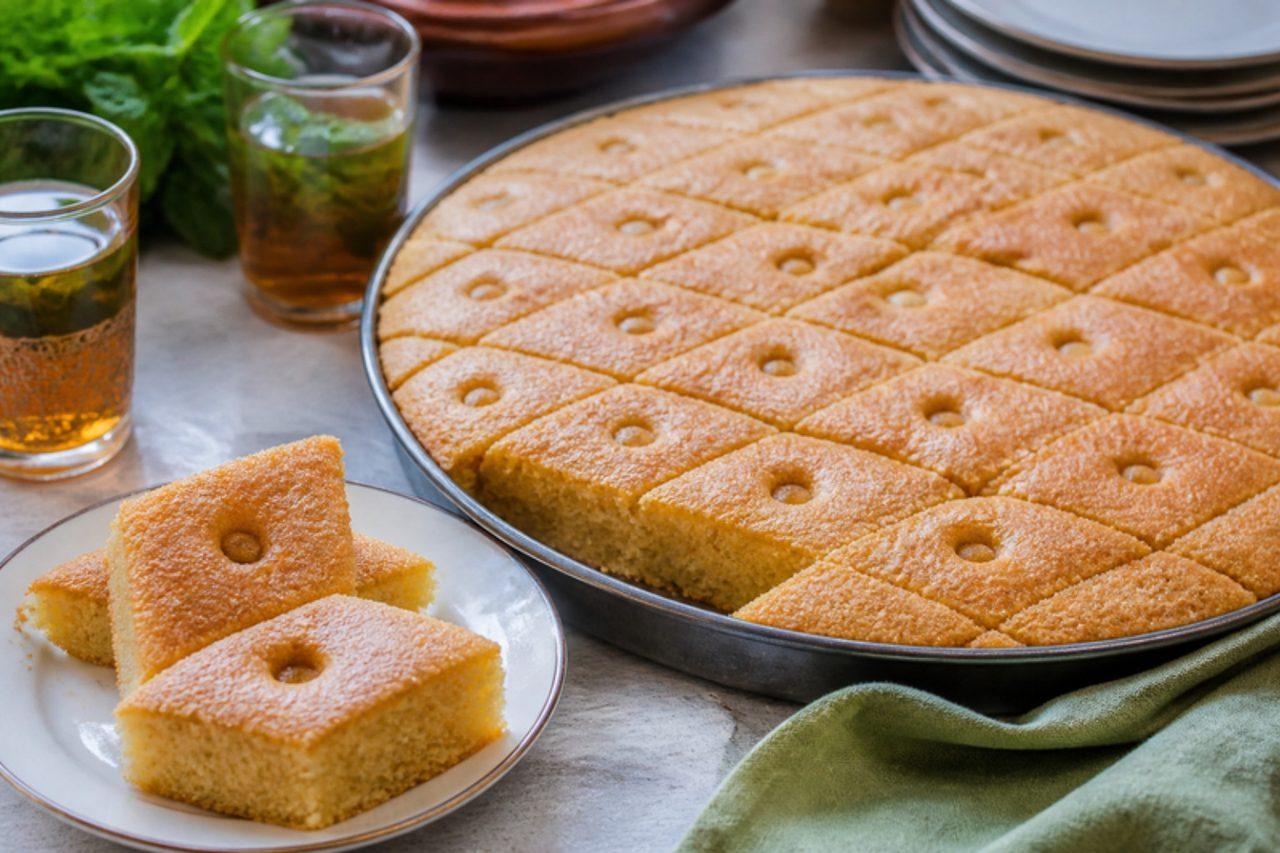
Somewhere between shortbread and cornbread, mbesses is the plain cake of Kabyle kitchens, a shallow tray of semolina rich with melted butter, lightly sweetened and baked until golden on top. The texture is sandy and tender, breaking into crumbs that taste of toasted grain and butter, with a hint of orange blossom. It is cut into diamonds and served with milky coffee in the afternoon, or offered to guests who drop by during Ramadan evenings. Some households scatter sesame or nigella seeds over the top before baking. Chef's tip: spread the mixture into the tray with a light hand; pressing it down hard is the most common mistake and gives a dense, heavy cake.

by KrazyBadal 0 views

Bradj (date-filled semolina diamonds)

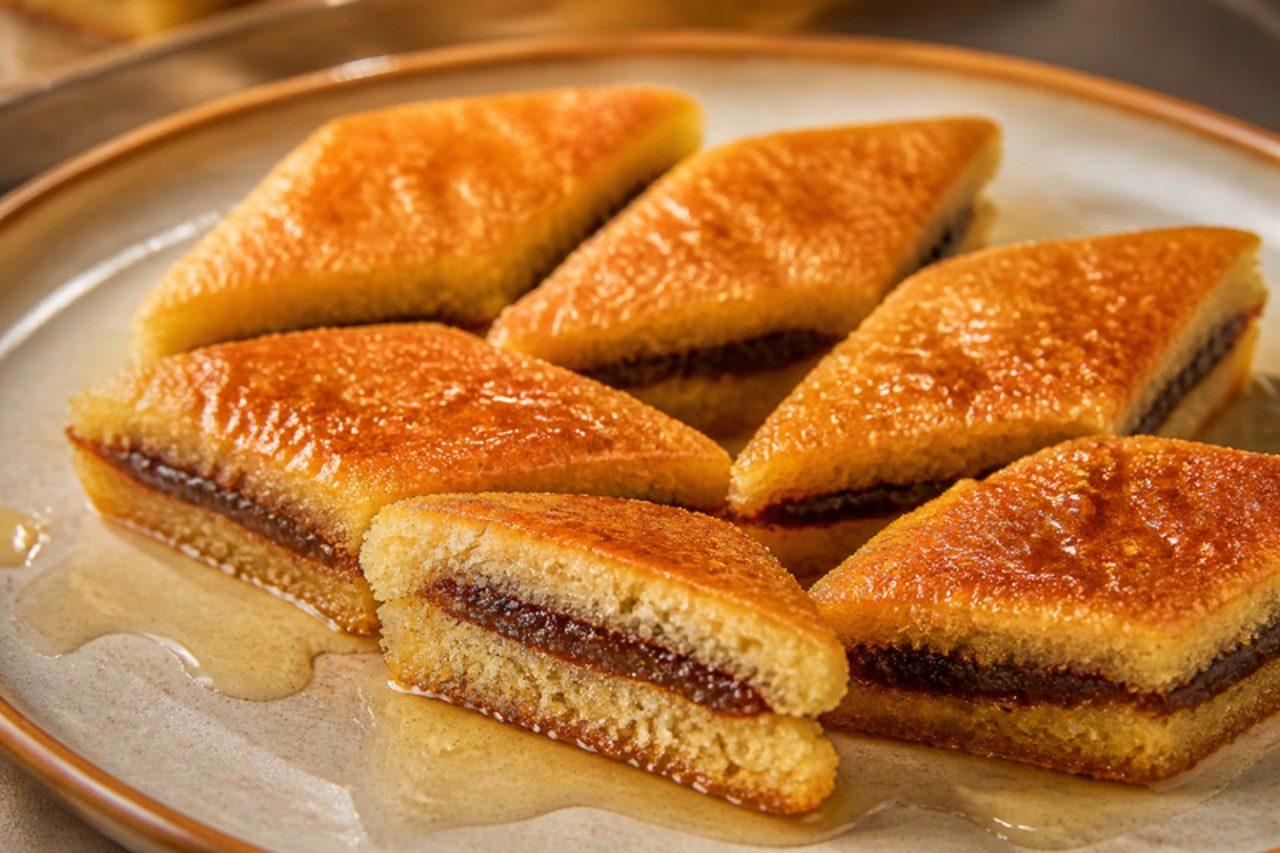
When the first warm days arrive, families in Constantine and across eastern Algeria mark the spring festival with picnics, boiled eggs and plates of bradj: diamonds of buttery semolina sandwiching a layer of spiced date paste, cooked slowly on a griddle rather than baked. The outside turns golden and crumbly, the date layer stays soft and sticky, and orange-blossom water perfumes the whole thing. Bradj is served warm with a drizzle of honey or a cold glass of buttermilk, and is just as good the next day with coffee. Chef's tip: press the dough together rather than kneading it; worked like bread dough, semolina turns tough, and bradj should break with a crumble.

by KrazyBadal 0 views

Kalluun duban (Somali grilled whole fish)

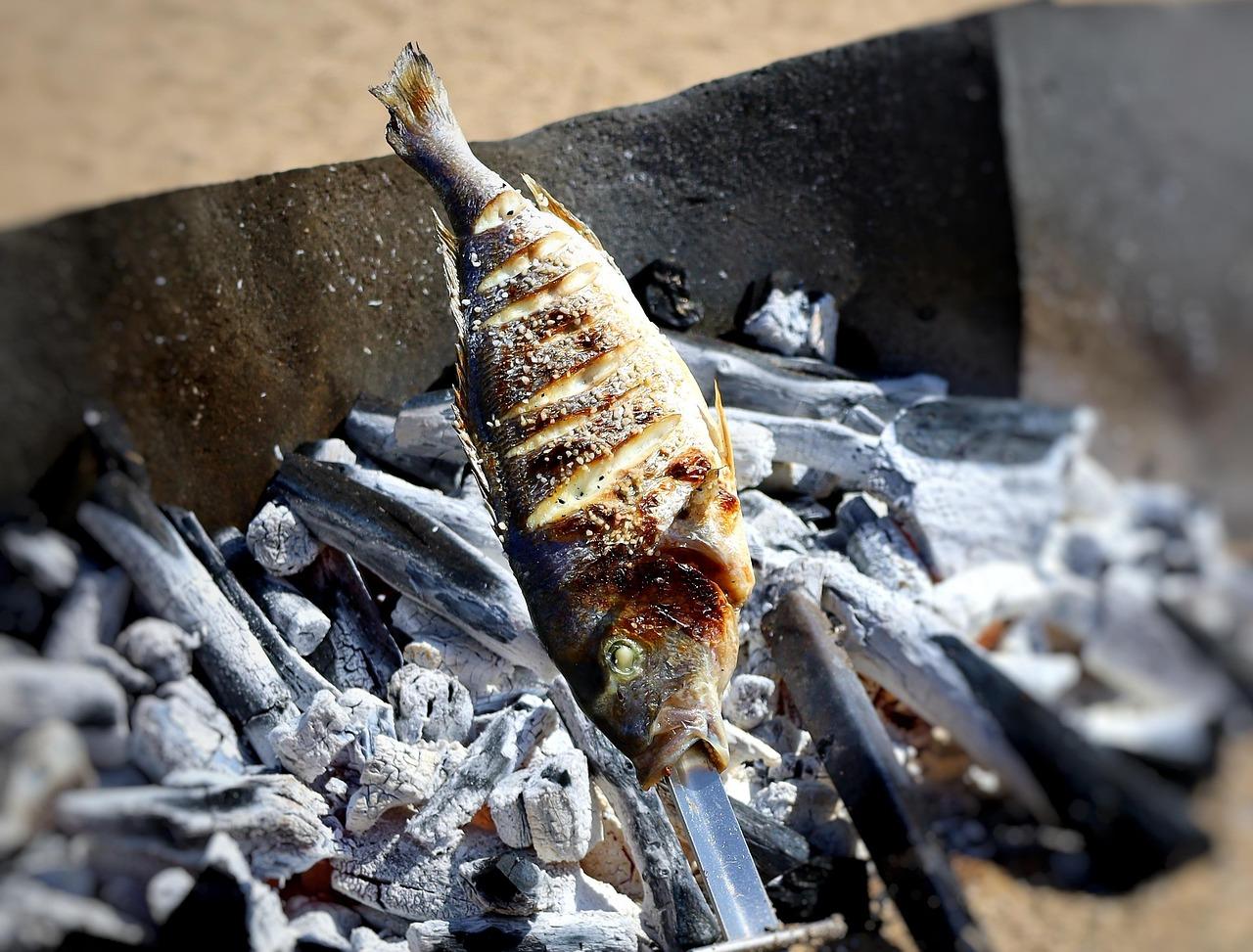
Seafront restaurants on Mogadishu's Lido beach are famous for kalluun duban, whole fish rubbed with a paste of garlic, lime, chilli and xawaash and grilled over charcoal until the skin blisters. Diners pick a fresh catch, often snapper, grouper or kingfish, and it comes to the table on a platter of spiced rice with lime, salad, banana and fiery basbaas. The flesh should be moist and smoky, tangy with lime. Marinating fish for hours in lime juice is a mistake: the acid starts to 'cook' it and the flesh turns mushy, so 20–30 minutes in the fridge is plenty. Chef's tip: slash the fish deeply down to the bone on both sides, so the marinade gets in and the thick part cooks as fast as the tail.

40 minSomaliFishGluten free
by KrazyBadal 0 views

Showing 24 of 154 recipes

Show more recipes

Page 2 of 7