Skip to content
Recipes

All recipes

Vegetarian, or something you can't eat? Set your diet once and we'll hide recipes that don't fit.

Bánh mì ốp la (Vietnamese fried eggs with baguette)

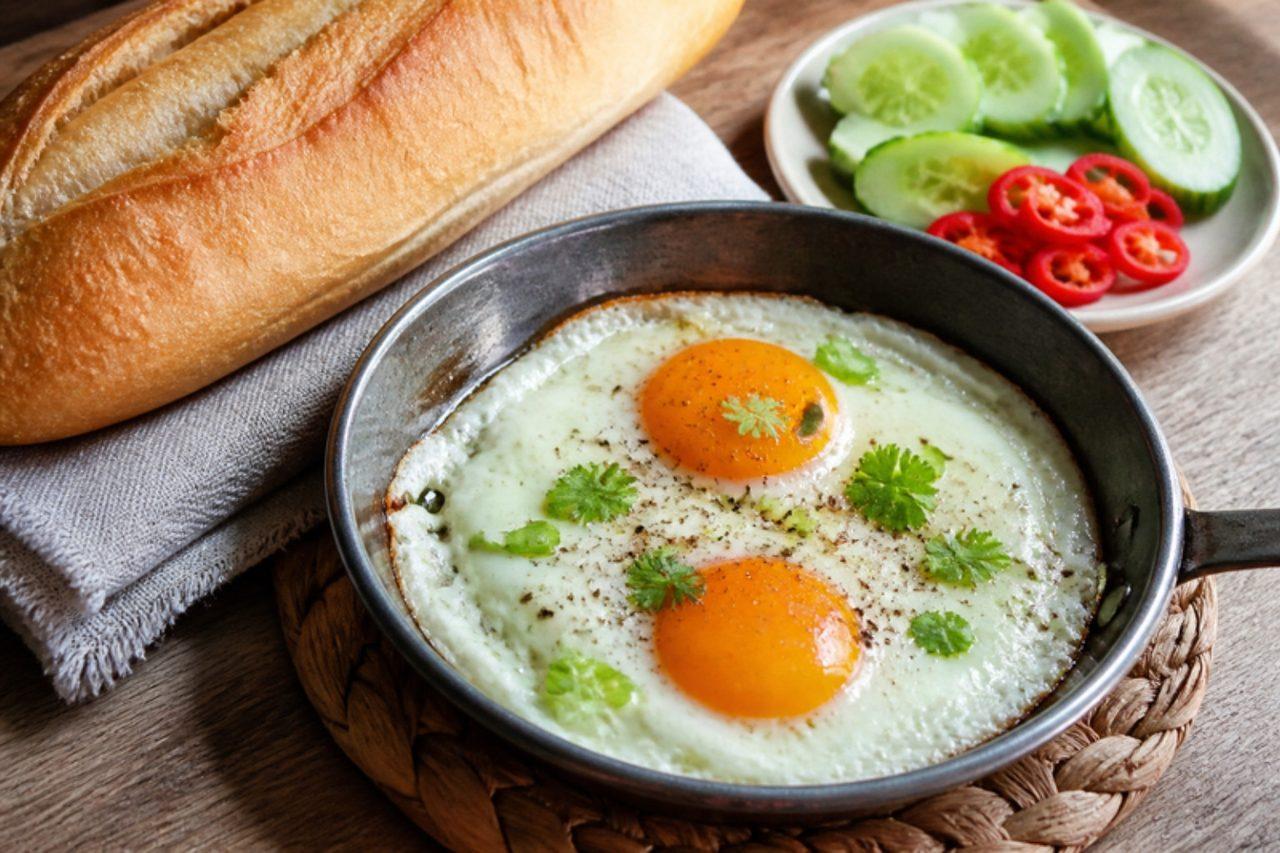
All over Saigon and Hanoi, street stalls serve bánh mì ốp la for breakfast: two or three eggs fried in a little iron pan, brought to the table sizzling, with a split baguette for scooping and a splash of dark seasoning sauce on top. The whites go lacy and crisp at the edges while the yolks stay soft, and the cucumber and chilli on the side keep it fresh. The usual mistake is frying the eggs on a fierce heat until the bottoms burn before the whites on top have set; a medium heat and a lid fix that. For pregnant people, young children, older or vulnerable people, cook the yolks until fully set. Chef's tip: warm the baguette in a hot oven for 3 minutes first so the crust shatters the way it does at the stall.

by KrazyBadal 0 views

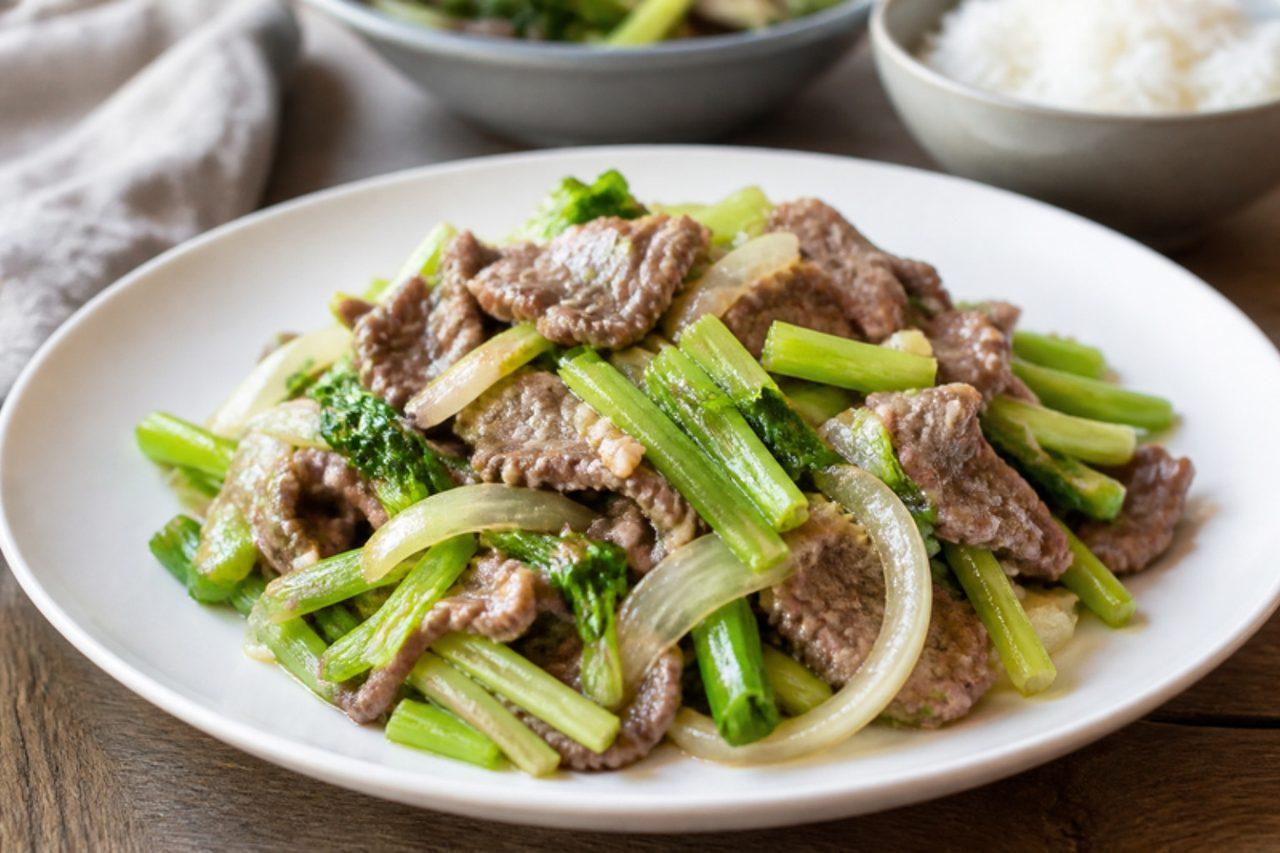
Bò xào cần tây (beef and celery stir-fry)

Bò xào cần tây is a weeknight stir-fry found on family tables all over Vietnam: thin slices of beef, seasoned with fish sauce and pepper, flashed in a hot wok with crunchy celery, onion and plenty of garlic, then eaten with rice. The usual mistake is cooking the beef and celery together from the start, so the beef stews while the celery softens; sear the beef first, take it out, and add it back at the end. Chef's tip: slice the beef across the grain and as thin as you can, so it is tender after only a minute in the pan.

by KrazyBadal 0 views

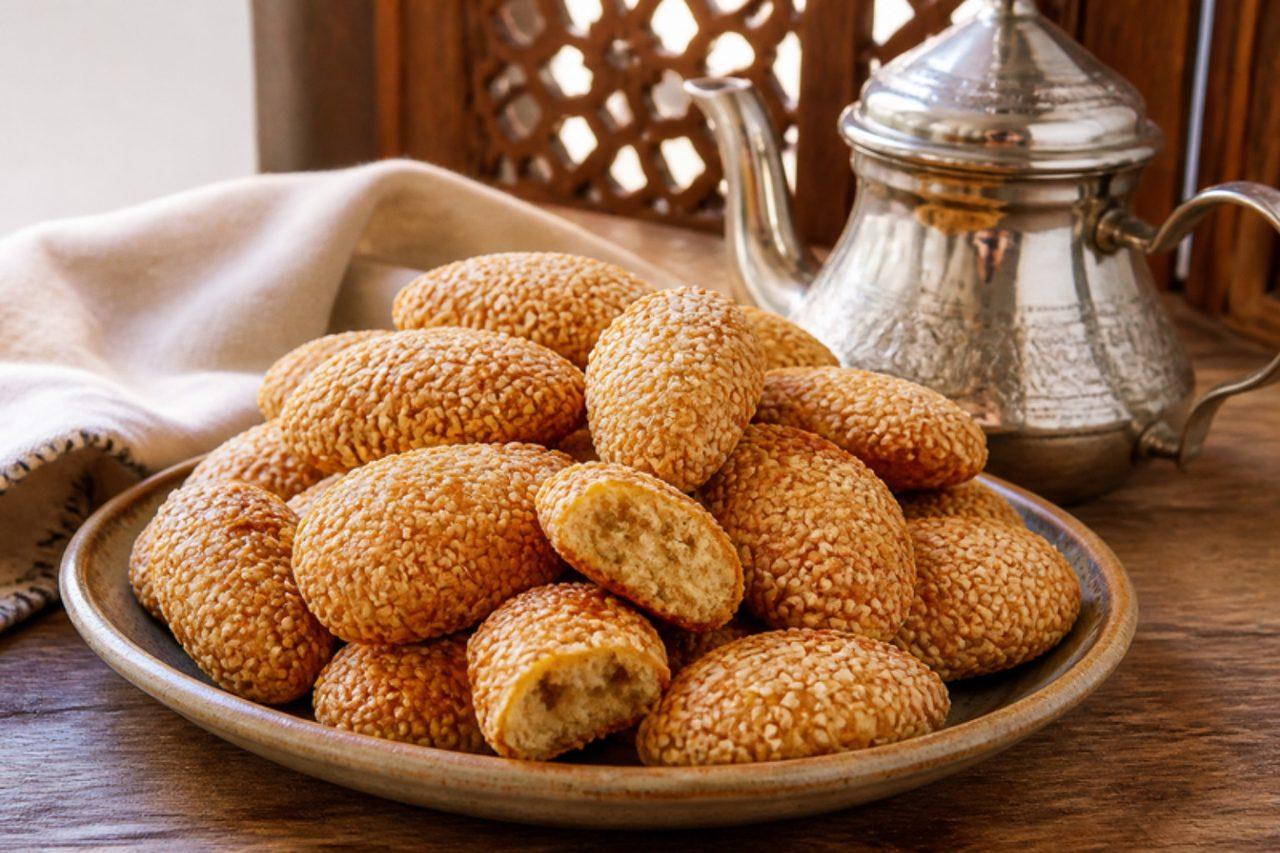
Moroccan bachkoutouOrange and sesame dunking biscuits

Moroccan grandmothers bake bachkoutou by the trayful and keep them in big tins for the afternoon glass of sweet mint tea, and neighbourhood ovens in Fes and Casablanca bake them for families who bring their dough. These are dry, crunchy little biscuits, not rich at all, made with eggs, sugar and oil rather than butter, with orange zest and a coating of toasted sesame; they are meant to be dunked until they soften slightly. Shapes vary from town to town: fingers, rings and rope twists are all common, and some cooks add aniseed. Too much flour is the easy mistake: the dough should stay soft and slightly sticky, or the biscuits bake heavy and hard rather than crisp and light. Chef's tip: once they are cold, put them back in a warm, switched-off oven for 20 minutes; that extra drying is what makes them keep their snap for weeks.

by KrazyBadal 0 views

Torta de ricotaLemon ricotta tart

Italian families brought ricotta tarts to Buenos Aires and Rosario, and torta de ricota is now as Argentinian as mate: every panadería has one in the window, with a lattice of sweet, crumbly masa frola over a pale, lemon-scented ricotta filling. It is cut into wedges for the merienda, the late-afternoon snack, or for a birthday where nobody wants a heavy cake. The texture is light and slightly grainy rather than silky, and the pastry tastes of butter and vanilla. Wet ricotta is the biggest risk, giving a weeping, soggy tart. Chef's tip: drain the ricotta overnight in the fridge in a sieve lined with a cloth, and add a few raisins only if they have been soaked, or they draw moisture from the filling.

by KrazyBadal 0 views

TopfengolatschenSweet quark puff pastry squares

A Topfengolatsche is what Viennese office workers grab from the bakery on the way in, and what grandparents order with a Melange in a coffee house on a Sunday afternoon. The corners of a puff pastry square are folded over a lemony, vanilla-scented filling of Topfen (Austrian quark) with plump raisins, and the top gets a thin white glaze. It is flaky, light and not too sweet. Raisins are sometimes soaked in rum; warm water or orange juice works just as well, and the recipe below is alcohol-free. Wet quark is the classic problem, because it turns the filling runny and it leaks out in the oven. Chef's tip: hang the quark in a sieve lined with a clean cloth for an hour, or squeeze it, until it is as thick as soft cream cheese.

by KrazyBadal 0 views

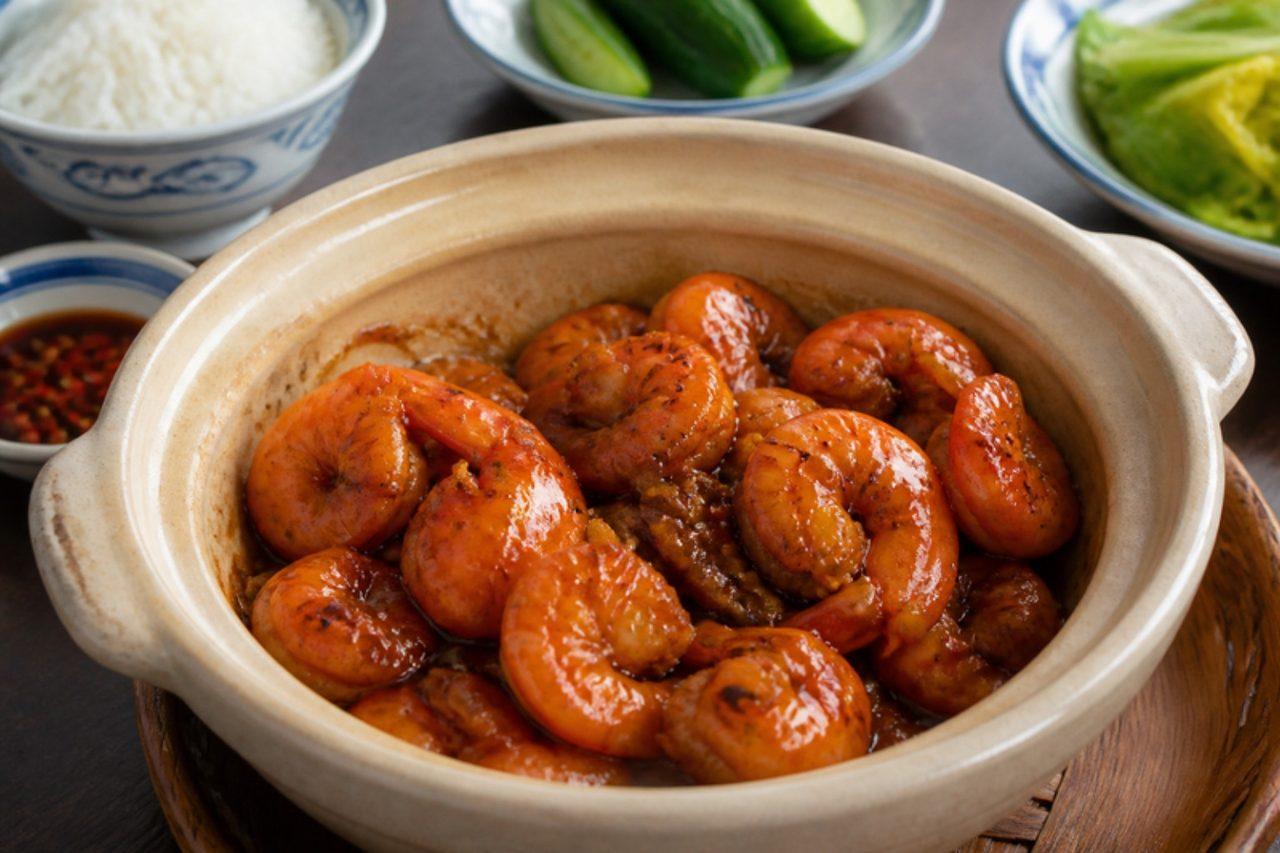
Tôm rim (caramelised prawns)

Tôm rim is a homely dish cooked in kitchens from Hanoi to the Mekong Delta and eaten at the family rice tray with boiled greens and a clear soup: prawns simmered down in fish sauce, sugar and shallot until the liquid turns to a sticky, salty-sweet glaze. The mistake is walking away in the last few minutes, when the sauce goes from glaze to burnt very quickly. Chef's tip: leave the shells on if your prawns are small, as many Vietnamese cooks do; they turn crisp and caramelised and add flavour.

by KrazyBadal 0 views

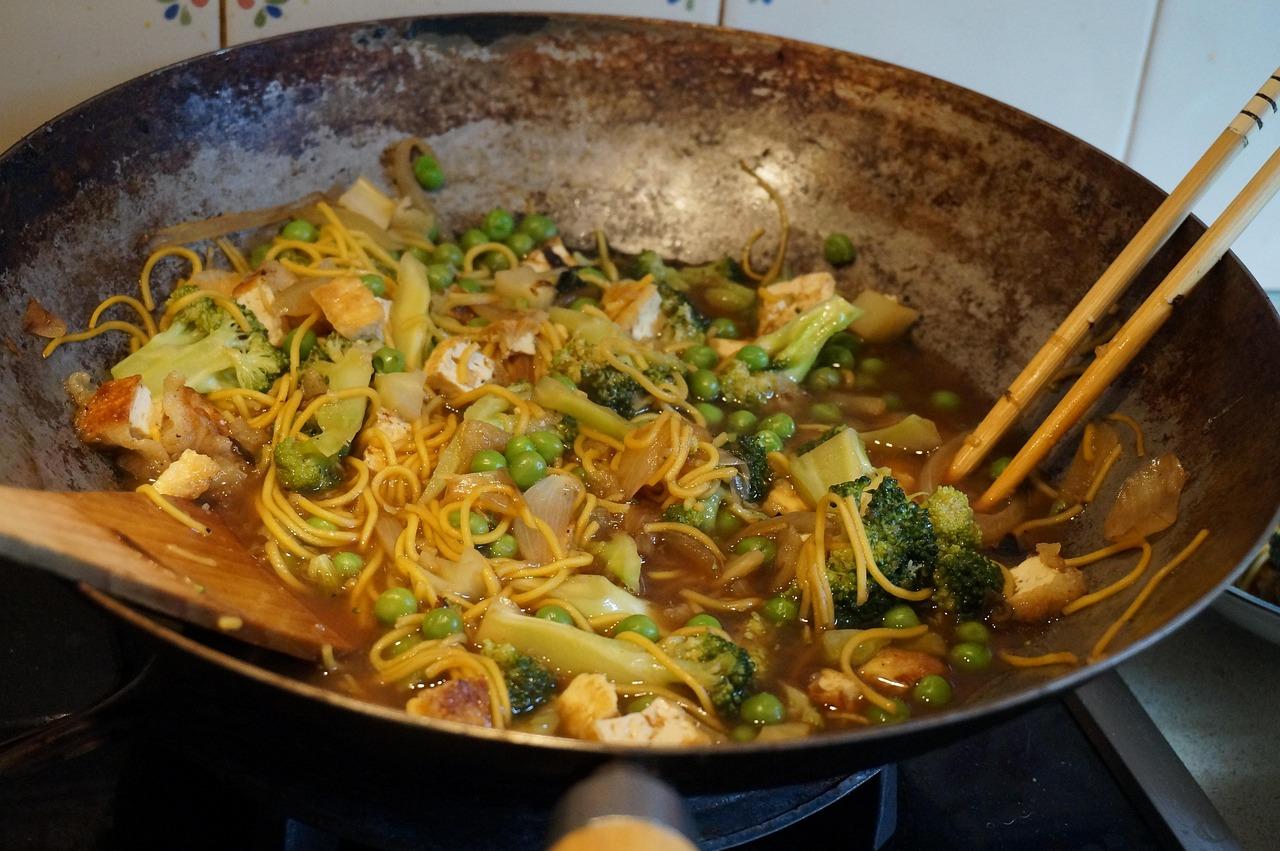
Mì xào rau (Vietnamese stir-fried noodles with vegetables)

Mì xào rau is what Hanoi and Saigon households cook when there is a packet of egg noodles in the cupboard and a few greens in the fridge: a fast, smoky plate for a weeknight dinner or a late lunch. The noodles turn slightly crisp at the edges, the cabbage stays sweet and crunchy, and a light soy glaze holds it all together. The most common mistake is dumping everything into a lukewarm pan at once, which steams the vegetables and leaves the noodles soggy and clumped. Serve it with a dish of sliced chilli in soy sauce and a fried egg if you want more protein. Chef's tip: loosen the cooked noodles with a teaspoon of oil while they drain, so they hit the wok as separate strands instead of a block.

by KrazyBadal 0 views

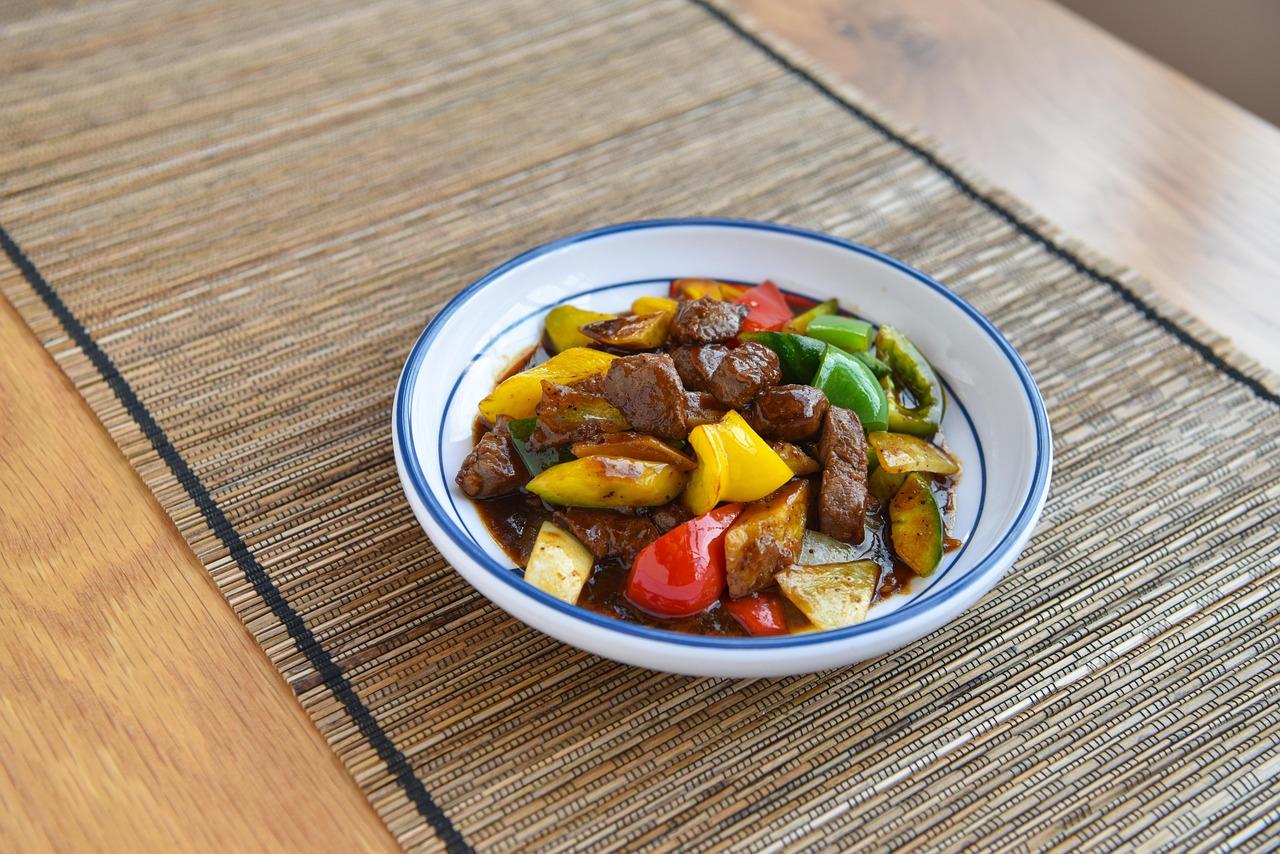
Bò lúc lắc (Vietnamese shaking beef)

Bò lúc lắc, shaking beef, is a Saigon dish from the French-influenced south, ordered at family dinners and celebrations: cubes of tender steak seared in a smoking pan and shaken with garlic and onion, then tipped over peppery watercress and tomato with a lime, salt and pepper dip. The mistake almost everyone makes is crowding the pan, which boils the meat grey instead of searing it; cook in two batches. Chef's tip: let the cubes sit untouched for a full minute before the first shake to build a dark crust.

by KrazyBadal 0 views

Tarta de coco y dulce de lecheCoconut and dulce de leche tart

Ask Argentinians for their favourite tart at a family birthday and this one often wins: a crisp shortcrust spread thickly with dulce de leche, then covered with a coconut, sugar and egg topping that bakes into a golden, chewy crust. Bakeries from Córdoba to Mar del Plata sell it by the slice for the merienda with mate or a café con leche. It is very sweet, so the slices are thin, and it is a good keeper for a few days. Ordinary spreading dulce de leche is the mistake: it runs and bubbles out at the edges. Use the thicker pastry-style kind, sold in Argentina as 'repostero'. Chef's tip: chill the case with the dulce de leche spread on it for 15 minutes before adding the coconut, so the two layers stay distinct.

by KrazyBadal 0 views

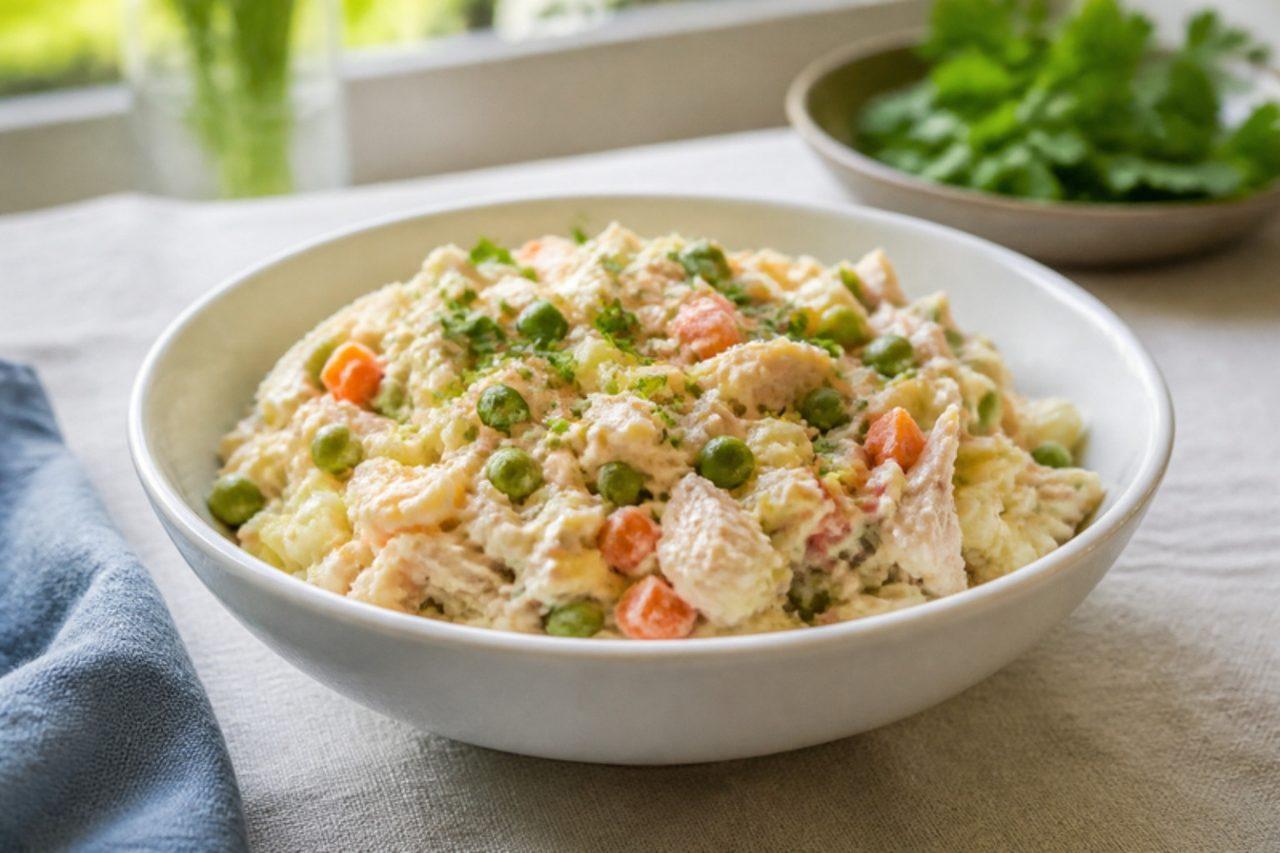
Salpicón de aveCold chicken salad

Salpicón de ave is the cold supper of Argentine summers, made in Buenos Aires flats and on estancias alike when it is too hot to cook much, and a favourite way to use the chicken from a puchero or Sunday roast. Shredded chicken is mixed with diced pepper, tomato, spring onion, sweetcorn and boiled egg, bound with mayonnaise sharpened with lemon and mustard, and served chilled with crusty bread or on lettuce. The common mistake is dressing it while the chicken is still hot, which melts the mayonnaise into an oily puddle; let everything cool first. Chef's tip: dress the chicken with the lemon juice and a pinch of salt before the mayonnaise goes in, so the meat itself is seasoned, not just its coating.

by KrazyBadal 0 views

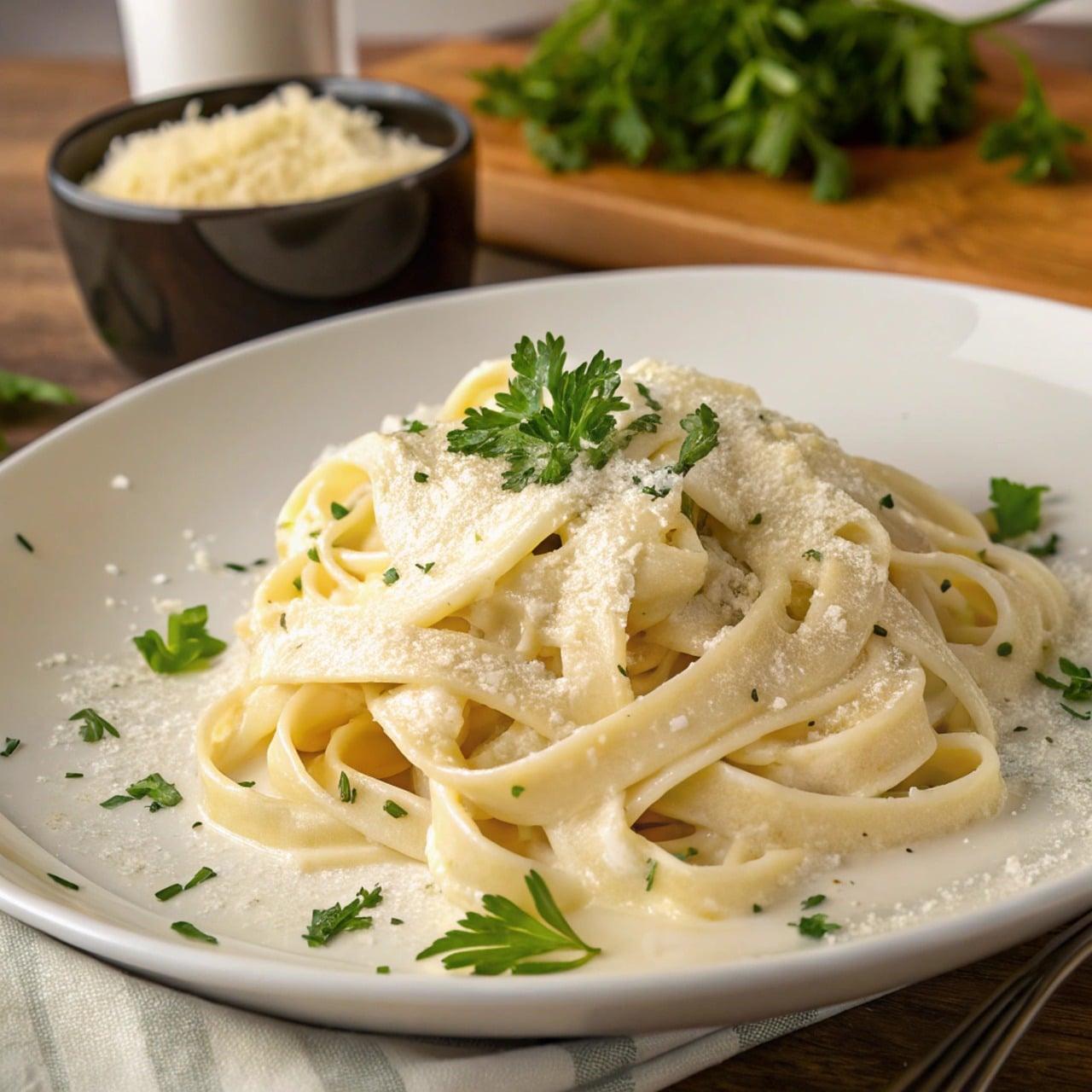
Fideos con mantecaButtered noodles with cheese

Ask anyone from Buenos Aires to Córdoba what they ate when they came home late or felt poorly as a child, and the answer is often fideos con manteca: short pasta tossed with butter and a snowfall of grated queso rallado. It is the plainest dish in the Argentine home kitchen and the one people cook for themselves on a tired weeknight. The mistake that ruins it is draining the pasta bone-dry and adding cold cheese to a hot empty pan, which leaves greasy strands and clumps; a splash of cooking water makes a light, creamy coating instead. Argentine reggianito and Parmesan are made with animal rennet, so use a vegetarian hard cheese if needed. Chef's tip: grate the cheese very finely, like dust, so it melts on contact.

by KrazyBadal 0 views

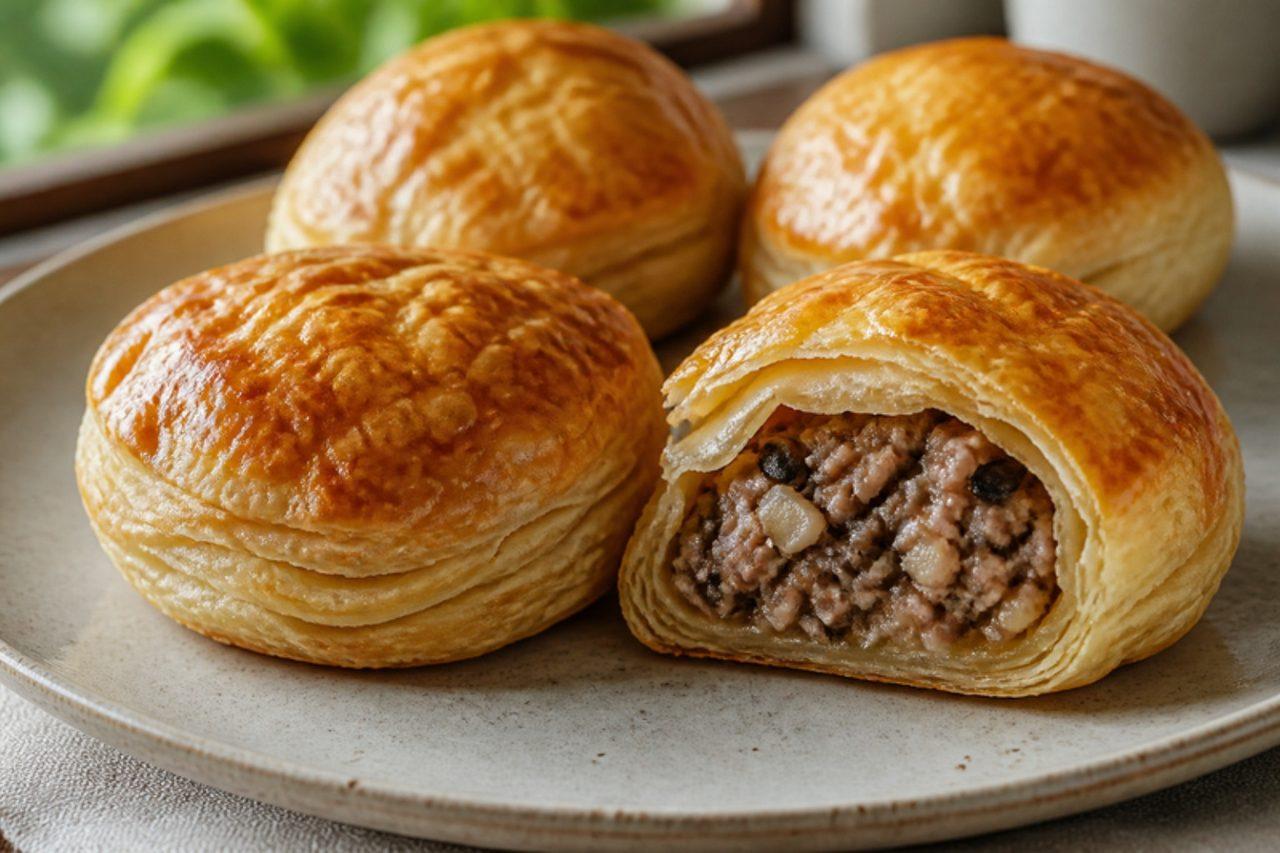
Bánh patê sôPork puff pastries

Bánh patê sô (from the French pâté chaud) are what Hanoi and Saigon bakeries pull out of the oven at dawn: round, flaky puff pastries with a juicy filling of seasoned pork mince, shallot, garlic, wood ear mushroom and plenty of black pepper. People eat them warm on the way to work with a glass of iced coffee, and boxes of them go to the family at Tết. The pastry shatters, the pork inside is savoury, slightly sweet and peppery. For a vegetarian version, swap the pork for crumbled firm tofu and chopped shiitake, seasoned with soy sauce instead of fish sauce. Warm pastry is the common mistake: it won't rise into layers, so keep the circles cold until they go in. Chef's tip: shape the filling into flattened balls a little smaller than you think, leaving a clear 1.5 cm rim to seal.

by KrazyBadal 0 views

Kärntner ReindlingCinnamon raisin yeast cake

Carinthia's Easter loaf takes its name from the Reindl, the round, deep pan it is baked in, and in southern Austria no Easter basket goes to church without one. Inside the golden yeast crust is a spiral of butter, cinnamon sugar and plump raisins, so every slice shows a dark swirl. Locals eat it two ways: sweet with coffee on Easter morning, or alongside the savoury Easter platter with horseradish. Many bakers soak the raisins in rum overnight; warm water or tea works just as well and keeps it alcohol-free. A dry, crumbly Reindling usually means too much flour went in during kneading, so keep the dough soft and only lightly floured. Chef's tip: butter the pan well and dust it with sugar, which caramelises into a thin crunchy shell.

by KrazyBadal 0 views

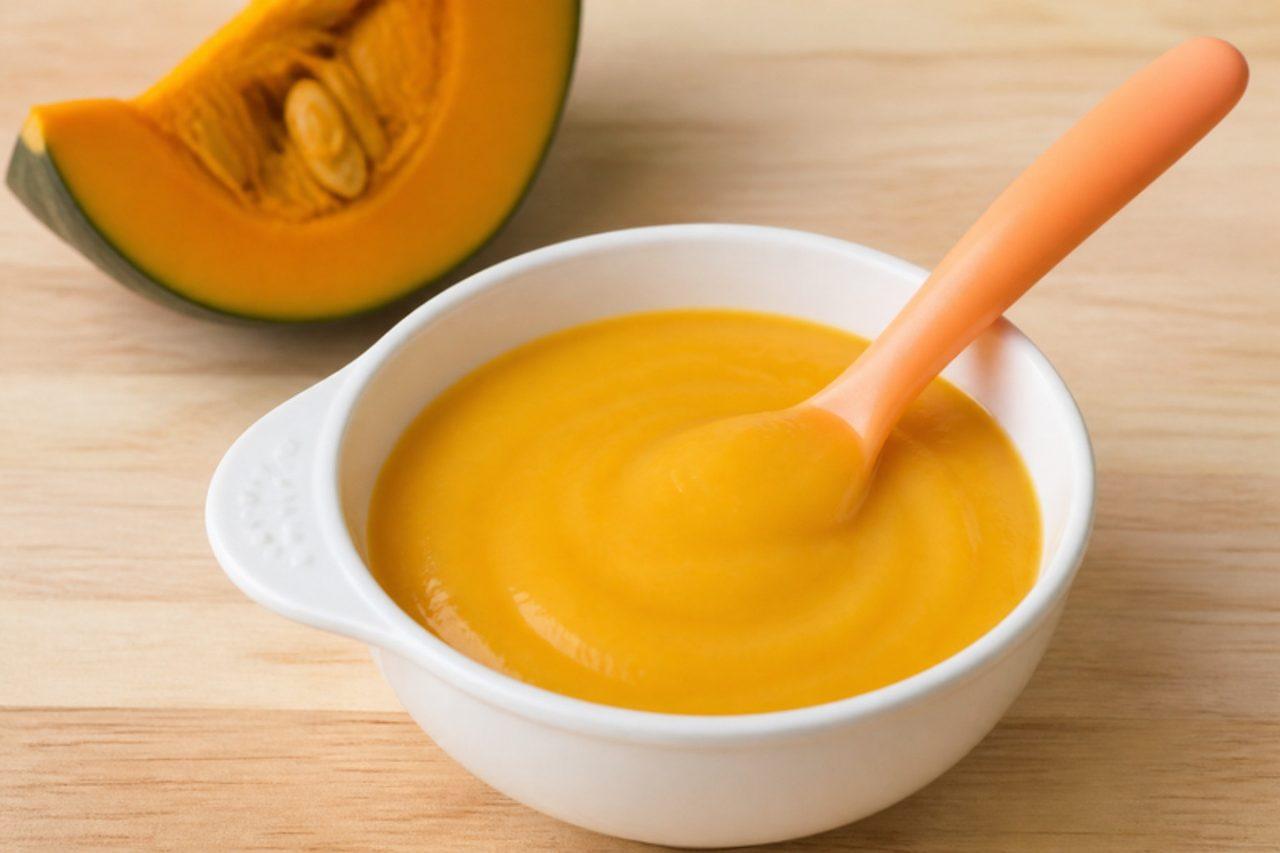
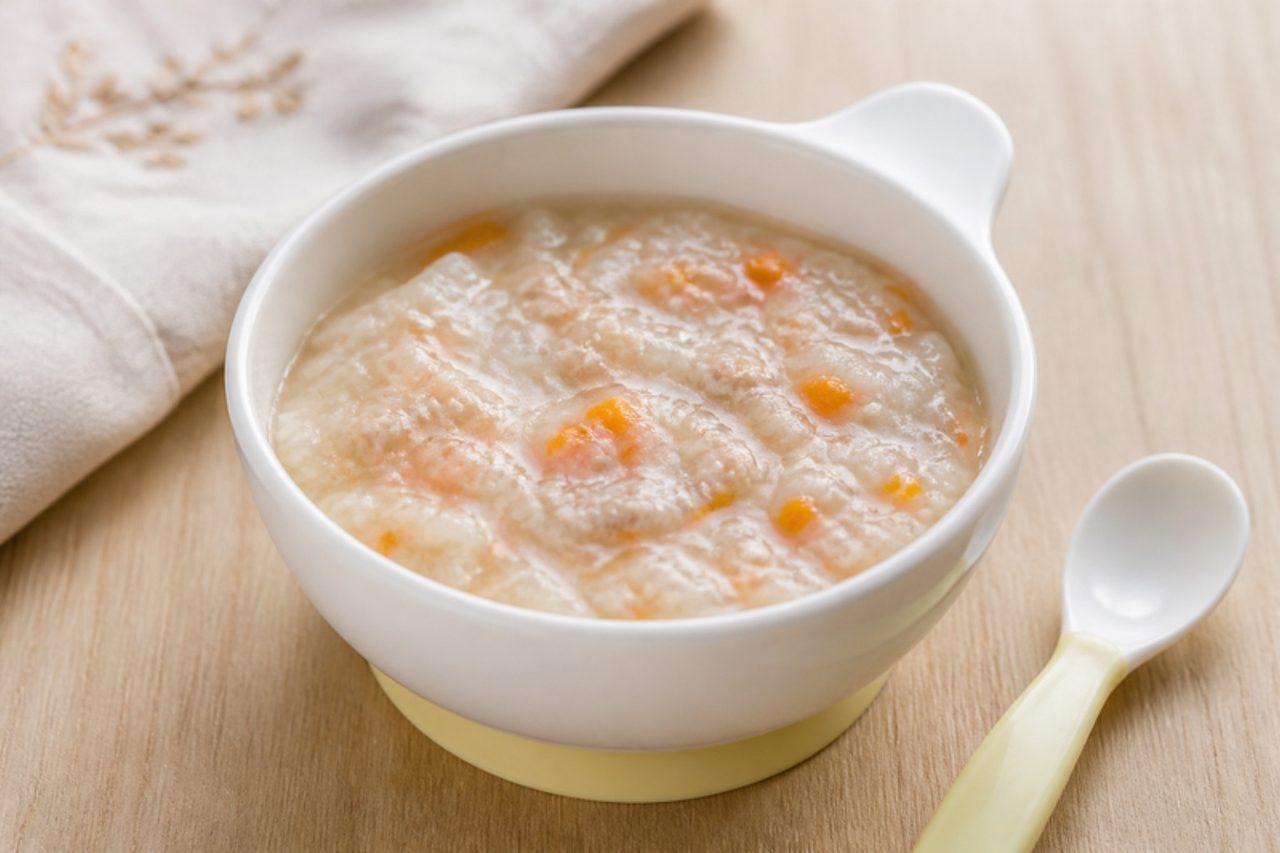
Pumpkin congee for babies (cháo bí đỏ)

Vietnamese grandmothers often make a baby's early bowls of cháo with bí đỏ, the dense orange pumpkin sold in every market from Hà Nội to Cần Thơ. The rice is lightly toasted before simmering, a Vietnamese habit that gives the congee a faint nutty smell, and the pumpkin melts into it, turning it bright gold and naturally sweet. It is a weekday lunch for babies from six months, made without the fish sauce the rest of the family would add. No common allergens are in it (milk, egg, gluten, peanut, tree nuts, soya, sesame, fish). Chef's tip: choose a dry, dense pumpkin such as kabocha; watery squash makes a thin, bland congee.

by KrazyBadal 0 views

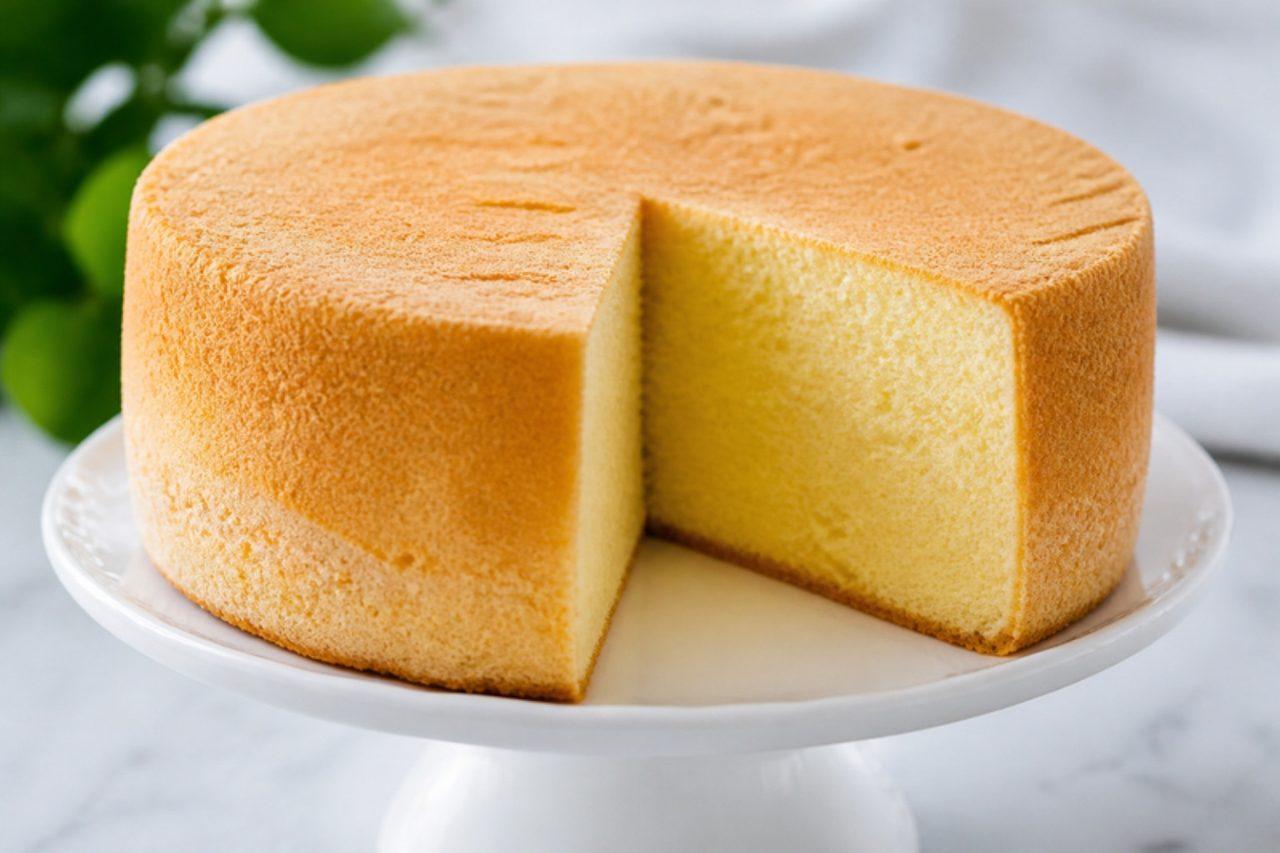
Bánh bông lan (Vietnamese sponge cake)

Bánh bông lan is the soft, golden sponge sold in every Vietnamese bakery, eaten with coffee or as an after-school snack, and it is also the cake under the cream and fruit at most children's birthdays from Hanoi to Saigon. Made with oil instead of butter, it stays moist and springy for days and is free of milk. It contains egg and gluten. Chef's tip: whisk the whites in a spotlessly clean bowl; a trace of yolk or grease stops them rising.

by KrazyBadal 0 views

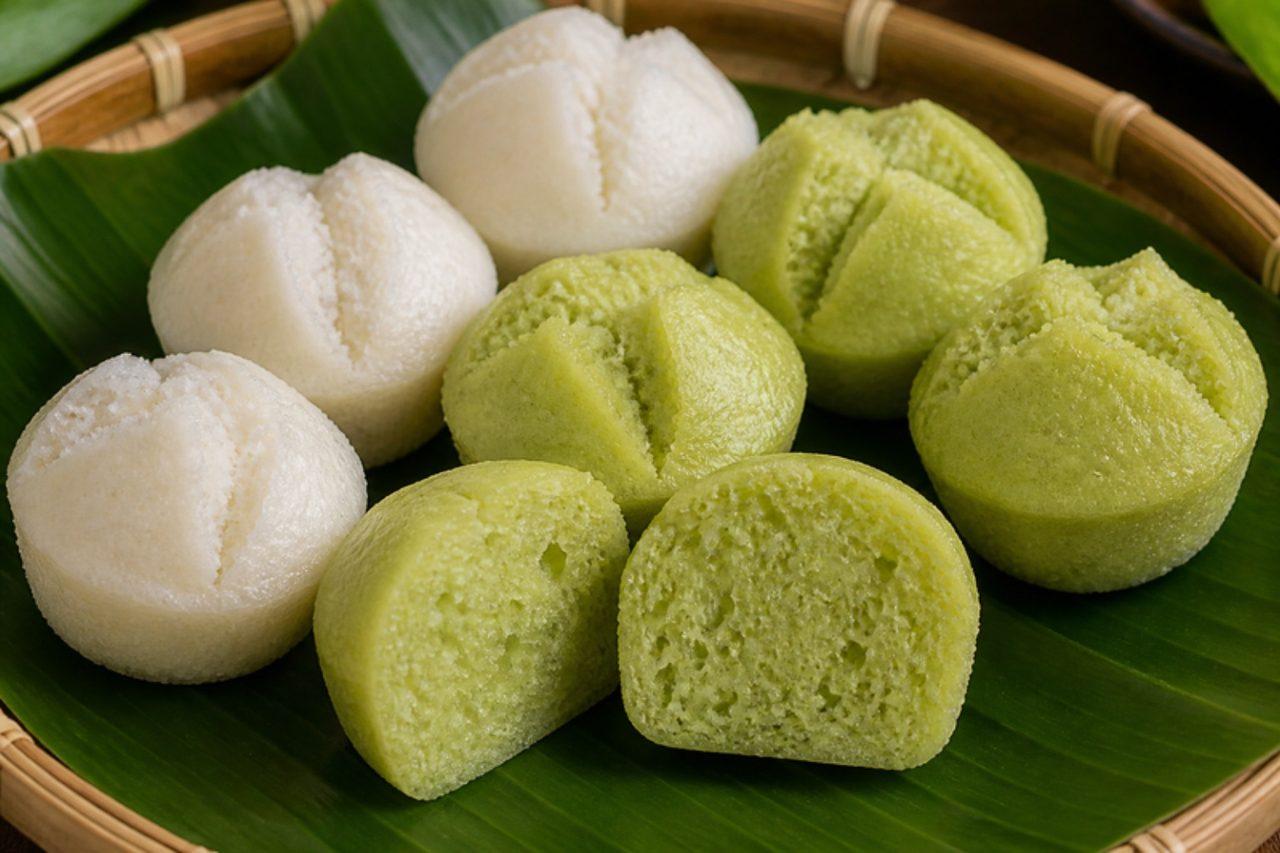
Bánh bò hấp (steamed honeycomb rice cake)

Bánh bò hấp are the soft, puffed rice cakes sold from glass-fronted carts in southern Vietnam, and children in the Mekong Delta pick them up in white, pink or pandan green on the way home from school. The yeasted rice-flour batter is steamed in small cups, so each cake splits open on top like a flower and is chewy and bouncy inside, with a gentle coconut flavour. The sugar here is a little lower than in market versions. None of the common allergens are in it. Chef's tip: steam over fierce, rolling boiling water; a gentle simmer gives flat, dense cakes that don't open.

by KrazyBadal 0 views

BizcochueloPlain whisked sponge cake

Nearly every Argentine birthday torta starts life as a bizcochuelo: a tall, plain sponge of eggs, sugar, flour and cornflour, with no butter and no baking powder, lifted only by long whisking. Grandmothers bake it on Sunday to split into three and fill with dulce de leche and whipped cream, or eat it plain in the afternoon with mate. The crumb is fine, dry-ish and airy, made to soak up syrup. Opening the oven in the first 20 minutes is the classic way to flatten it, so leave the door shut. Chef's tip: whisk until the mixture reaches 'punto letra', thick enough that a ribbon drawn on the surface holds its shape for a few seconds; that takes a good 8–10 minutes with an electric mixer, and warm eggs get there faster.

by KrazyBadal 0 views

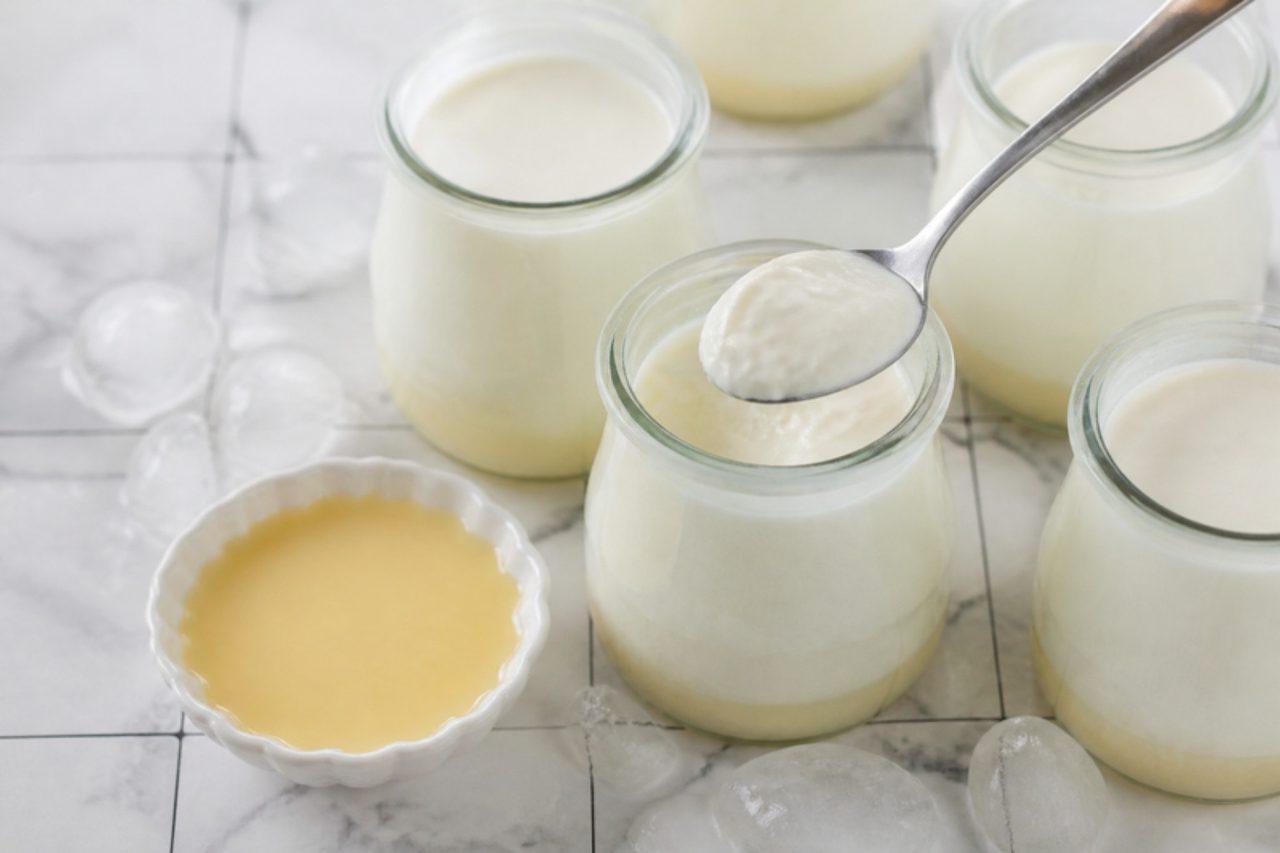
Sữa chua (Vietnamese set yogurt)

In Vietnamese homes, sữa chua is made in a row of small jars and kept in the fridge or freezer, and children in Hanoi and Saigon eat it after school straight from the cup, sometimes frozen hard like ice cream. The condensed milk gives it a mild caramel sweetness and a smooth, firm set that is less sharp than plain yogurt. It is sweetened, so this version uses less condensed milk than the street-stall kind. It contains milk. Chef's tip: keep the milk at blood heat, about 43 °C; hotter kills the yogurt culture and cooler sets slowly and sour.

by KrazyBadal 0 views

Cháo thịt bằm cà rốt (pork and carrot congee)

Cháo thịt bằm, rice congee with minced pork, is the dish Vietnamese grandmothers cook when a baby starts on 'real' food, and carrot is the most common vegetable added, for colour and sweetness. For babies from about nine months it is cooked thick and mashed to soft lumps, without the fish sauce and pepper the rest of the family would stir in. It contains none of the common allergens (milk, egg, gluten, peanut, tree nuts, soya, sesame, fish). Chef's tip: toast the dry rice in the pan for a minute before adding water; Vietnamese cooks swear it gives a fragrant, creamier congee.

by KrazyBadal 0 views

ErdäpfelstrudelSavoury potato strudel

Austrians, especially in the Mühlviertel of Upper Austria and the Waldviertel, make savoury strudels as often as sweet ones, and Erdäpfelstrudel is a farmhouse favourite for a meatless Friday or a cold evening. Thin pastry wraps a filling of potatoes, fried onion, sour cream, marjoram and parsley, baked until crisp and golden and sliced with a green salad or a dill and sour-cream dip. Bought filo makes it easy at home. The mistake to avoid is a wet filling, which turns the pastry soggy underneath. Chef's tip: cool the filling completely before rolling; warm filling makes the layers stick and tear.

by KrazyBadal 0 views

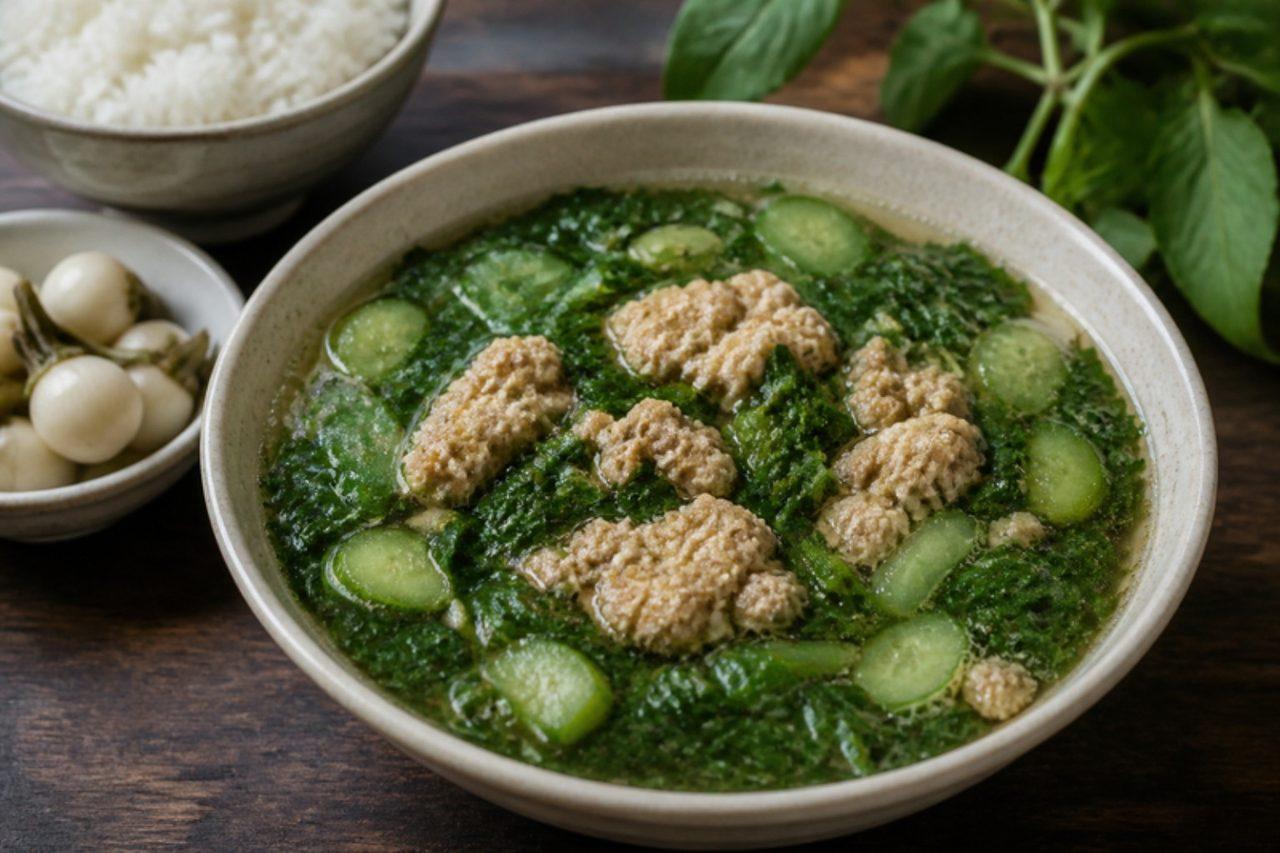
Canh cua rau đayCrab and jute leaf soup

Through the sticky Hanoi summer, the cheapest and most loved soup is canh cua: tiny rice-field crabs pounded and strained so the sweet crab 'curds' float to the top of a broth of slippery jute leaves (rau đay) and luffa, eaten with rice and crunchy pickled aubergines. Away from the paddies, fresh crab meat gives the same soft curds; if you buy live crabs, cook only lively ones and discard any that are dead. Chef's tip: stir the broth only until it comes to a simmer, then leave it; keep stirring and the crab curds break into a cloudy mush.

by KrazyBadal 0 views

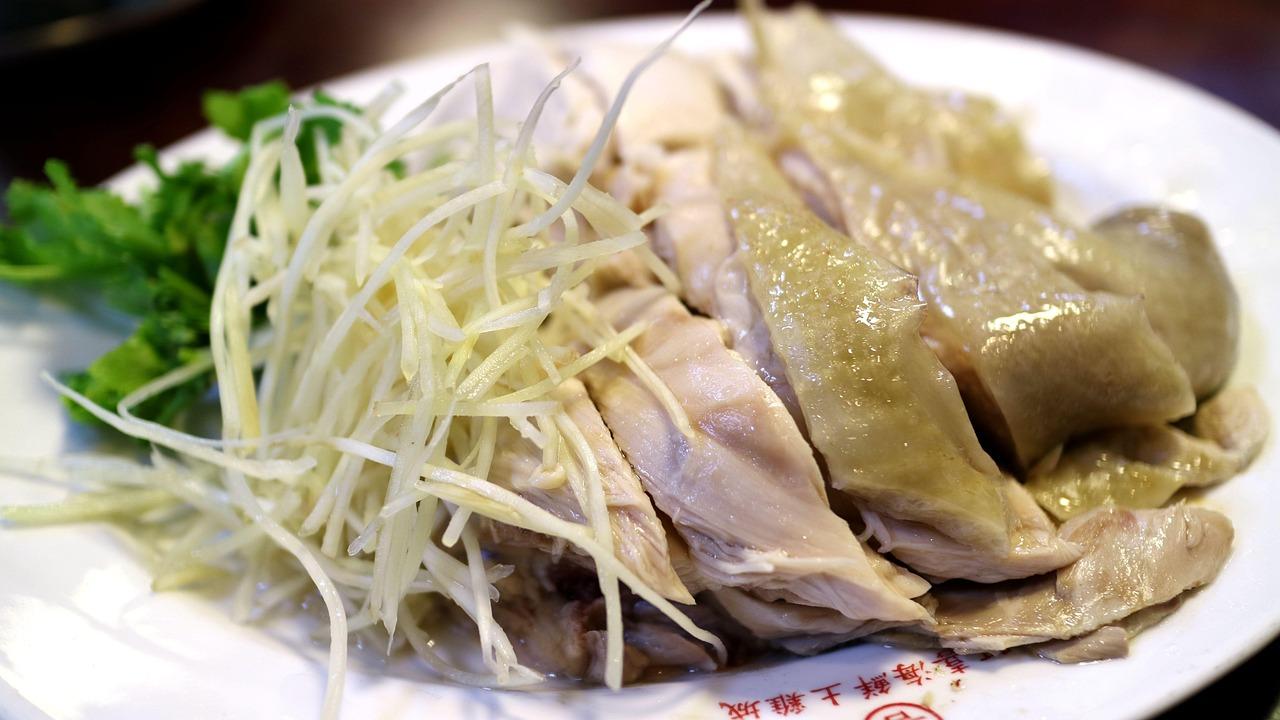
Gà luộc lá chanhPoached chicken with lime leaves

No northern Vietnamese ancestor altar at Tết or on a death anniversary is complete without a whole golden poached chicken, and once it comes down from the altar it is chopped and eaten with hair-thin shreds of lime leaf and a dip of salt, pepper and lime. The skin is taut and yellow, the meat juicy, and the broth goes on to make miến or cháo. Buy a chicken without its head and feet. Chef's tip: plunge the bird into iced water as soon as it is cooked; skip the ice bath and the skin wrinkles, loosens and loses its shine.

by KrazyBadal 0 views

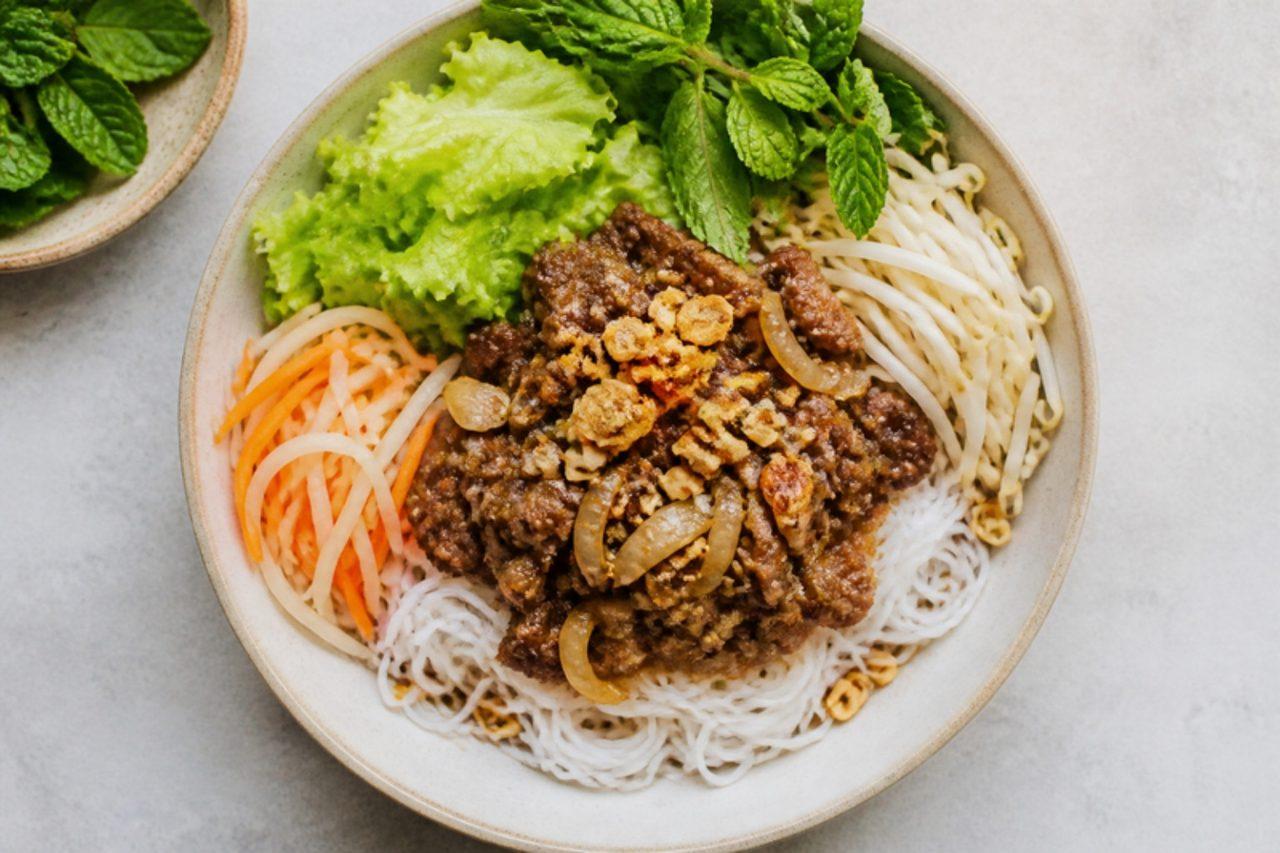
Bún bò Nam BộLemongrass beef noodle bowl

Despite the name, which means 'southern beef noodles', this dish belongs to Hanoi, where a stall on Hàng Điếu made it famous: a deep bowl of cool rice vermicelli, herbs and bean sprouts, topped with beef stir-fried hot with lemongrass, then peanuts, fried shallots and a few spoonfuls of sweet fish-sauce dressing, all tossed together at the table. It is a lunch dish, eaten fast and in summer. Chef's tip: cook the beef in small batches in a very hot pan; crowd it and the slices stew grey in their juices instead of searing.

by KrazyBadal 0 views

Gỏi đu đủ khô bòGreen papaya salad with beef jerky

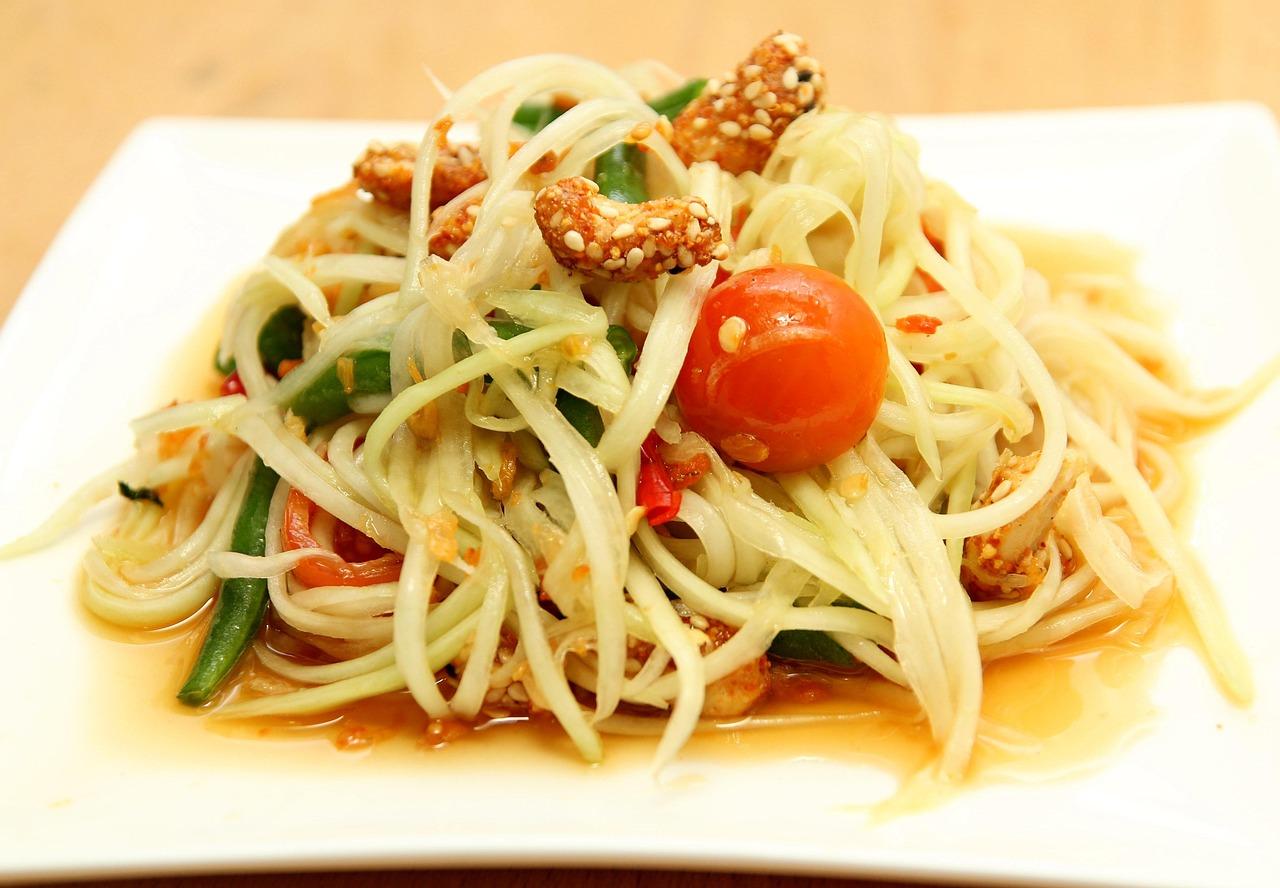
Outside Saigon's schools and in the alleys off Hồ Con Rùa, carts piled with shredded green papaya sell gỏi đu đủ khô bò by the plate as an after-school or after-work snack. The papaya is crisp and cool, tossed with strips of sweet-spicy beef jerky, Thai basil and rau răm, then drowned in a thin, sweet fish-sauce dressing and finished with peanuts and a squirt of chilli sauce. It is lighter and sweeter than Thai som tam and never pounded. Chef's tip: soak the shredded papaya in iced salted water and dry it well; skip this and the salad is limp and the dressing tastes watery.

by KrazyBadal 0 views

Showing 24 of 453 recipes

Show more recipes

Page 1 of 19