Skip to content
Recipes

All recipes

Vegetarian, or something you can't eat? Set your diet once and we'll hide recipes that don't fit.

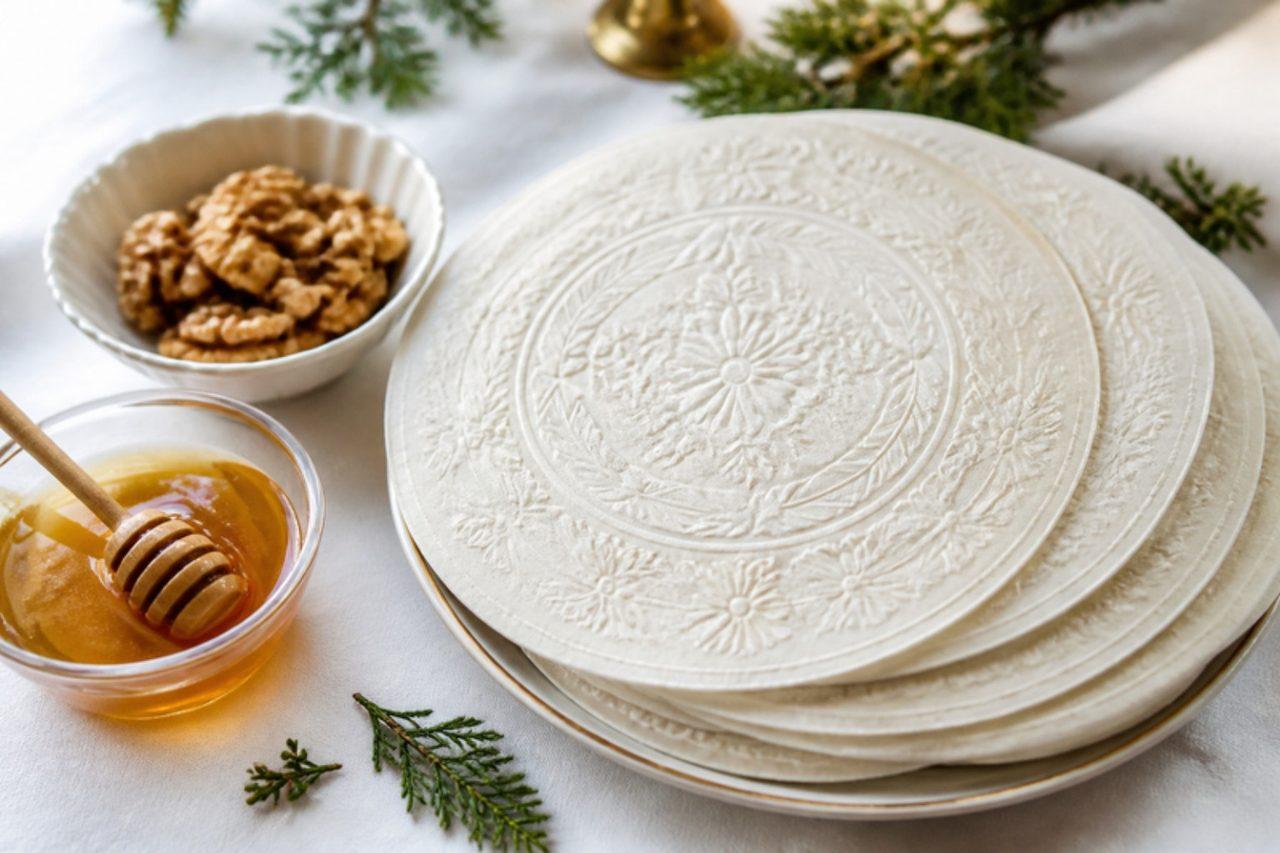
OblátkyChristmas wafers with honey

In Slovakia the Christmas Eve supper (Štedrá večera) opens with oblátky: large, paper-thin wafers stamped with a nativity pattern. The head of the household marks each person's forehead with a cross of honey, and everyone eats a wafer spread with honey, often with a sliver of garlic for health, before the cabbage soup. Families buy them from the church or bake them on a patterned wafer iron; this recipe also gives a pan method for thin, crisp wafers. Chef's tip: the batter must be thin like single cream, as a thicker batter gives a soft pancake instead of a wafer.

by KrazyBadal 0 views

Včelí úlkyNo-bake beehive biscuits

Včelí úlky ('little beehives') are a classic of the Czech Christmas cookie plate (cukroví), which families build up through Advent with a dozen or more kinds. They need no oven: crushed biscuits, ground walnuts, cocoa and butter are pressed into beehive moulds, filled with a smooth egg-yolk cream and sealed with a disc of biscuit. Traditionally a little rum is added to the dough; this version uses milk, and adults may add 1 tbsp rum. The cream is cooked to 71 °C so the yolks are safe, though anyone pregnant or vulnerable may prefer pasteurised yolks. Chef's tip: chill the filled hives before unmoulding, or they collapse.

by KrazyBadal 0 views

TopfengolatschenSweet quark puff pastry squares

A Topfengolatsche is what Viennese office workers grab from the bakery on the way in, and what grandparents order with a Melange in a coffee house on a Sunday afternoon. The corners of a puff pastry square are folded over a lemony, vanilla-scented filling of Topfen (Austrian quark) with plump raisins, and the top gets a thin white glaze. It is flaky, light and not too sweet. Raisins are sometimes soaked in rum; warm water or orange juice works just as well, and the recipe below is alcohol-free. Wet quark is the classic problem, because it turns the filling runny and it leaks out in the oven. Chef's tip: hang the quark in a sieve lined with a clean cloth for an hour, or squeeze it, until it is as thick as soft cream cheese.

by KrazyBadal 0 views

RohlíkSalt and caraway breakfast roll

Ask a Czech or Slovak what they ate for breakfast as a child and the answer is usually a rohlík: a long, slim roll rolled up from a triangle of dough, sold for a few crowns at every bakery and supermarket from Prague to Bratislava. It has a thin, crisp golden crust scattered with coarse salt and caraway, and a soft, tight spiral inside. People eat it with butter and jam, with a spread such as egg or bean pomazánka, with a cup of white coffee, or simply dunked in a mug of cocoa. This version uses sunflower oil, so it is vegan. Rolling the triangles loosely is the usual mistake; the spiral opens in the oven and the roll splits. Chef's tip: stretch each triangle gently by its point as you roll it up, which keeps the coil tight and gives the long, even shape.

by KrazyBadal 0 views

Buchtičky se šodó (tiny buns in vanilla custard)

Ask anyone who went to school in Czechia or Slovakia about the canteen, and buchtičky se šodó comes up with a smile: a bowl of tiny, soft, buttery yeast buns baked close together and pulled apart, sitting in warm vanilla custard. Families make it at home as a sweet main course or afternoon treat, especially in winter. The custard here is lightly sweetened. It contains gluten, milk and egg. Chef's tip: brush the buns with melted butter before they go into the tin, so they pull apart cleanly after baking.

by KrazyBadal 0 views

Kärntner ReindlingCinnamon raisin yeast cake

Carinthia's Easter loaf takes its name from the Reindl, the round, deep pan it is baked in, and in southern Austria no Easter basket goes to church without one. Inside the golden yeast crust is a spiral of butter, cinnamon sugar and plump raisins, so every slice shows a dark swirl. Locals eat it two ways: sweet with coffee on Easter morning, or alongside the savoury Easter platter with horseradish. Many bakers soak the raisins in rum overnight; warm water or tea works just as well and keeps it alcohol-free. A dry, crumbly Reindling usually means too much flour went in during kneading, so keep the dough soft and only lightly floured. Chef's tip: butter the pan well and dust it with sugar, which caramelises into a thin crunchy shell.

by KrazyBadal 0 views

ErdäpfelstrudelSavoury potato strudel

Austrians, especially in the Mühlviertel of Upper Austria and the Waldviertel, make savoury strudels as often as sweet ones, and Erdäpfelstrudel is a farmhouse favourite for a meatless Friday or a cold evening. Thin pastry wraps a filling of potatoes, fried onion, sour cream, marjoram and parsley, baked until crisp and golden and sliced with a green salad or a dill and sour-cream dip. Bought filo makes it easy at home. The mistake to avoid is a wet filling, which turns the pastry soggy underneath. Chef's tip: cool the filling completely before rolling; warm filling makes the layers stick and tear.

by KrazyBadal 0 views

Dabo firfirBread in berbere sauce

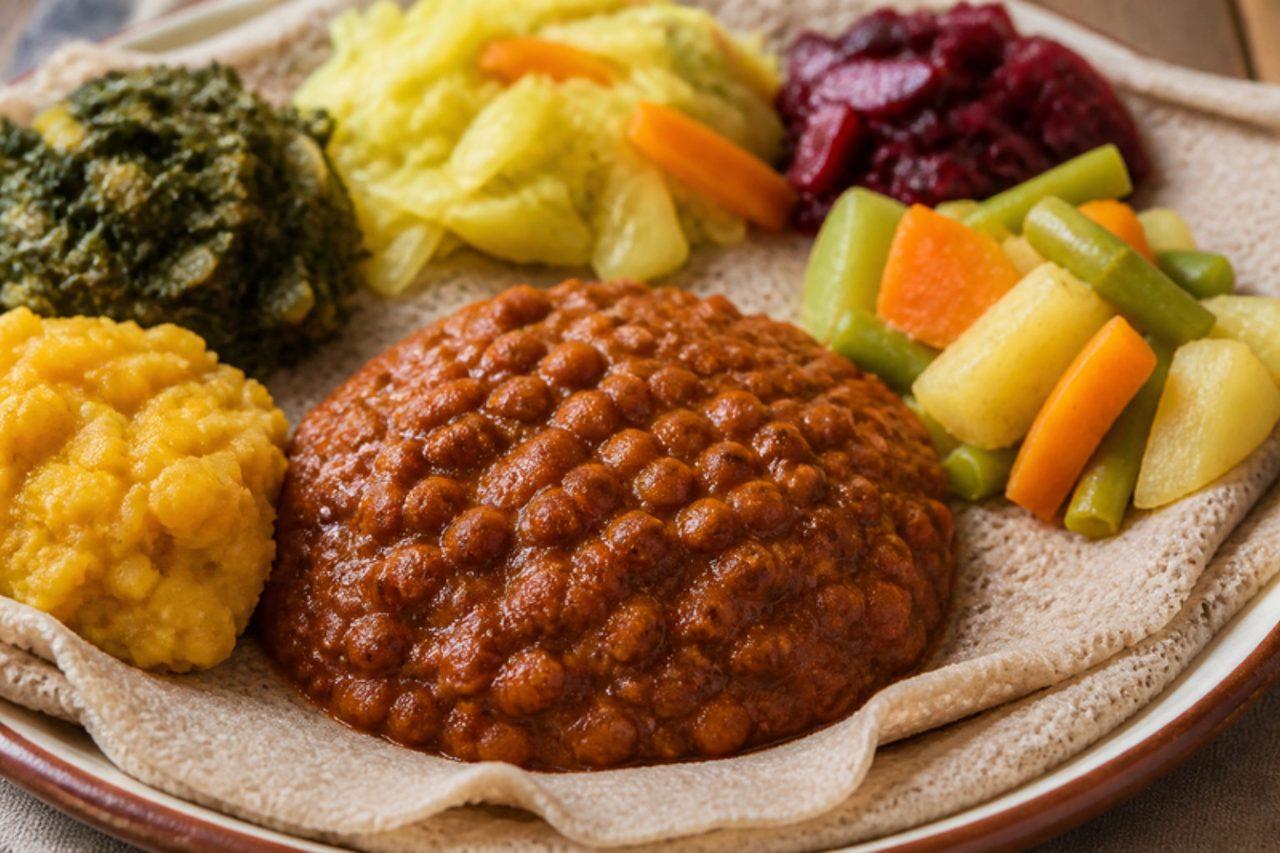
Injera firfir is the famous one, but Addis Ababa cafés and Bole apartment kitchens make dabo firfir when there is yesterday's bread to use up: torn chunks of soft white dabo stirred into a quick sauce of red onion, tomato and berbere enriched with niter kibbeh, the spiced clarified butter. It is a hot, spicy, buttery breakfast, eaten with a spoon and a glass of sweet spiced tea, and children love the softer, less spicy version. On fasting days swap the butter for oil to make it vegan. Contains wheat and dairy. The mistake is drowning the bread so it turns to paste; toss it through the sauce off the heat so the edges stay a little chewy. Chef's tip: toast the torn bread in a dry pan for three minutes first; it drinks up the sauce without falling apart.

by KrazyBadal 0 views

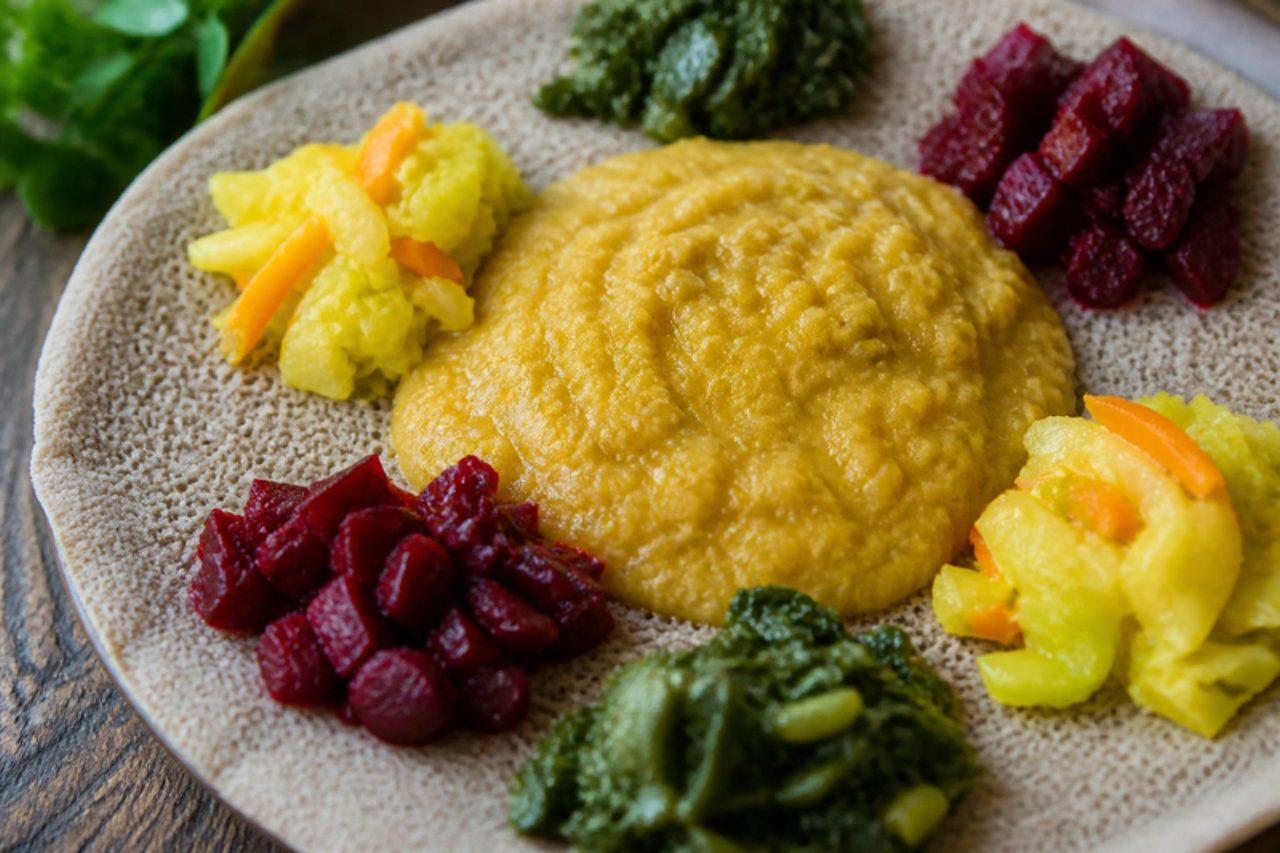
Ye-difin misir watSpicy brown lentil stew

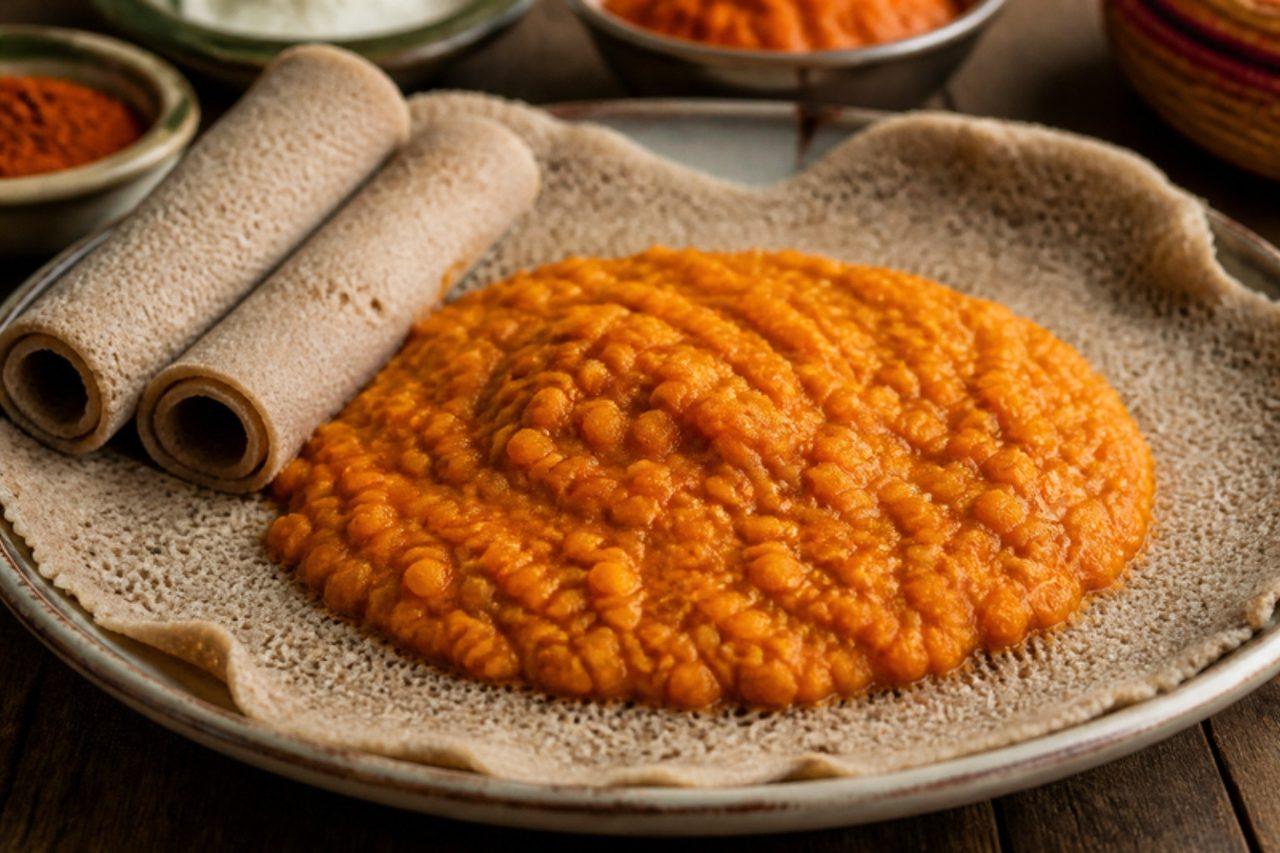
The everyday misir wat of Addis Ababa's fasting houses is made with split red lentils, but in Tigray and Amhara homes many cooks prefer difin misir, whole brown or green lentils that keep their shape and give a thicker, nubbly stew with a deep, peppery berbere sauce. It is hearty, earthy and properly spicy, the backbone of a Lenten lunch with injera, cabbage and a cold salad. The mistake is adding the lentils to the sauce raw: whole lentils take far longer than the onions can stand, so cook them separately until tender first. Chef's tip: finish with a teaspoon of mitmita or a pinch of ground cardamom (korerima) just before serving for a fragrant top note.

by KrazyBadal 0 views

SiljoFermented broad bean paste

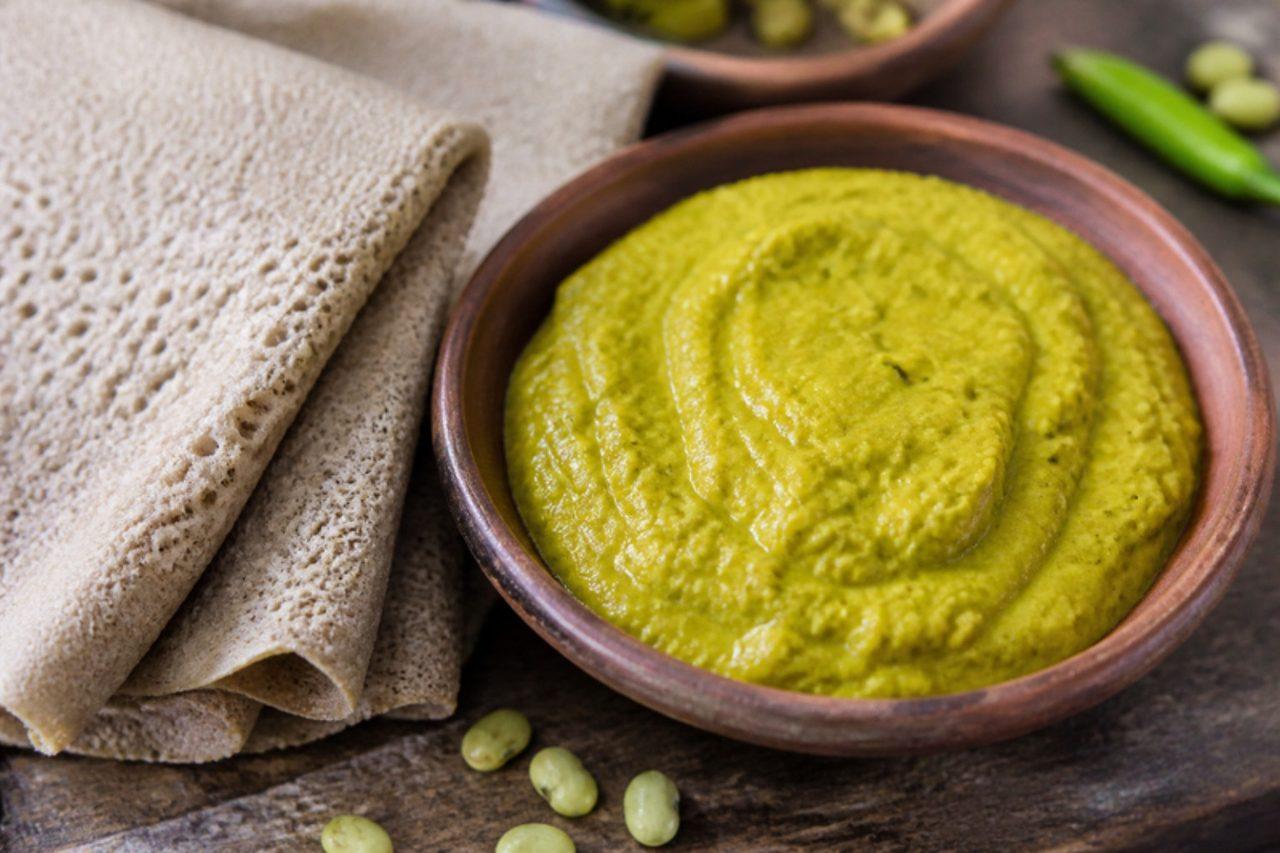
Siljo is a condiment of the Orthodox fasts, made in Gondar and Gojjam and across Amhara especially for Lent and the Hudade season: a thin paste of broad-bean flour cooked with water, mixed with mustard, garlic and ginger and left to ferment until sharp and pungent, then eaten in small amounts with injera and fasting stews to wake them up. It tastes like a cross between hot mustard and sour yogurt. The usual mistake is adding the mustard while the paste is hot, which kills its heat; cool the paste completely first. Ferment in a very clean, covered jar, then keep it in the fridge, and throw it away if you see any mould or it smells rotten rather than pleasantly sour. Not gluten free if your bean flour is milled with wheat. Chef's tip: grind the mustard seeds yourself and soak them in a little cold water for ten minutes; freshly wetted mustard gives siljo its nose-tingling kick.

by KrazyBadal 0 views

Kik watSpiced split pea stew

On Wednesdays, Fridays and the long Lenten fast, Orthodox households from Addis Ababa to Bahir Dar fill the beyaynetu platter with kik wat, the fiery red sibling of the mild yellow kik alicha. Yellow split peas are cooked into a thick sauce built on a mountain of slowly dry-cooked red onions, garlic, ginger and plenty of berbere, so it is earthy, smoky-hot and spoonable on a sheet of injera. The mistake is frying the onions in oil from the start: Ethiopian cooks sweat them in a dry pot until they collapse and turn jammy, and only then add oil and spice, which gives the sauce its body. Chef's tip: bloom the berbere in the oil for a full two minutes with a splash of water so it turns brick-red and loses its raw, dusty edge.

by KrazyBadal 0 views

Ethiopian vegetable rice

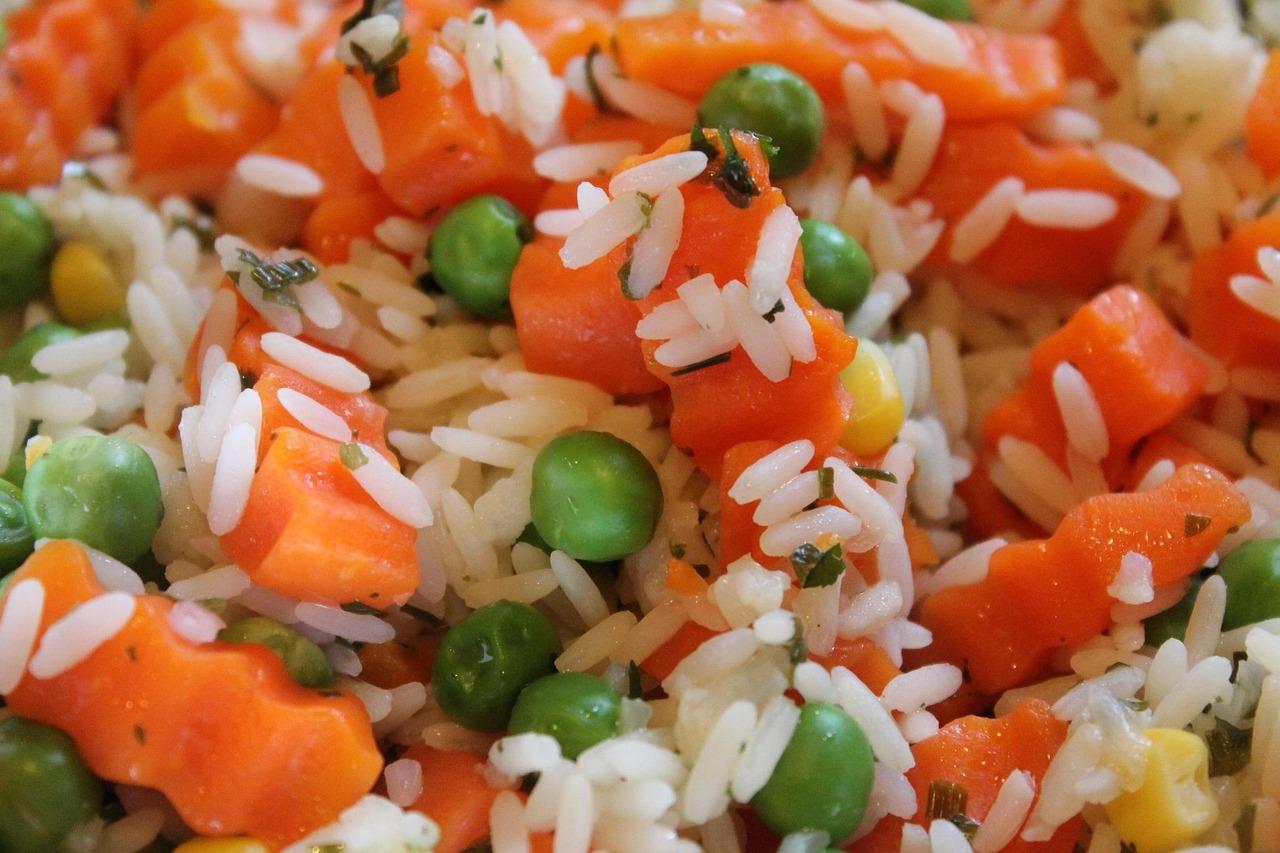
Rice is a newcomer in a country of injera, but in Addis Ababa it has become a school-lunch and café staple, often served next to a mild alicha or a fasting combination: long-grain rice fried in oil with onion and garlic, coloured with turmeric and cooked with carrot and peas. It is fluffy, mild and golden, which is why children ask for it. The mistake is skipping the rinse: unwashed rice turns sticky and clumps in the pot. Chef's tip: fry the rinsed, drained rice in the oil for two minutes until the grains turn opaque; they stay separate when cooked.

by KrazyBadal 0 views

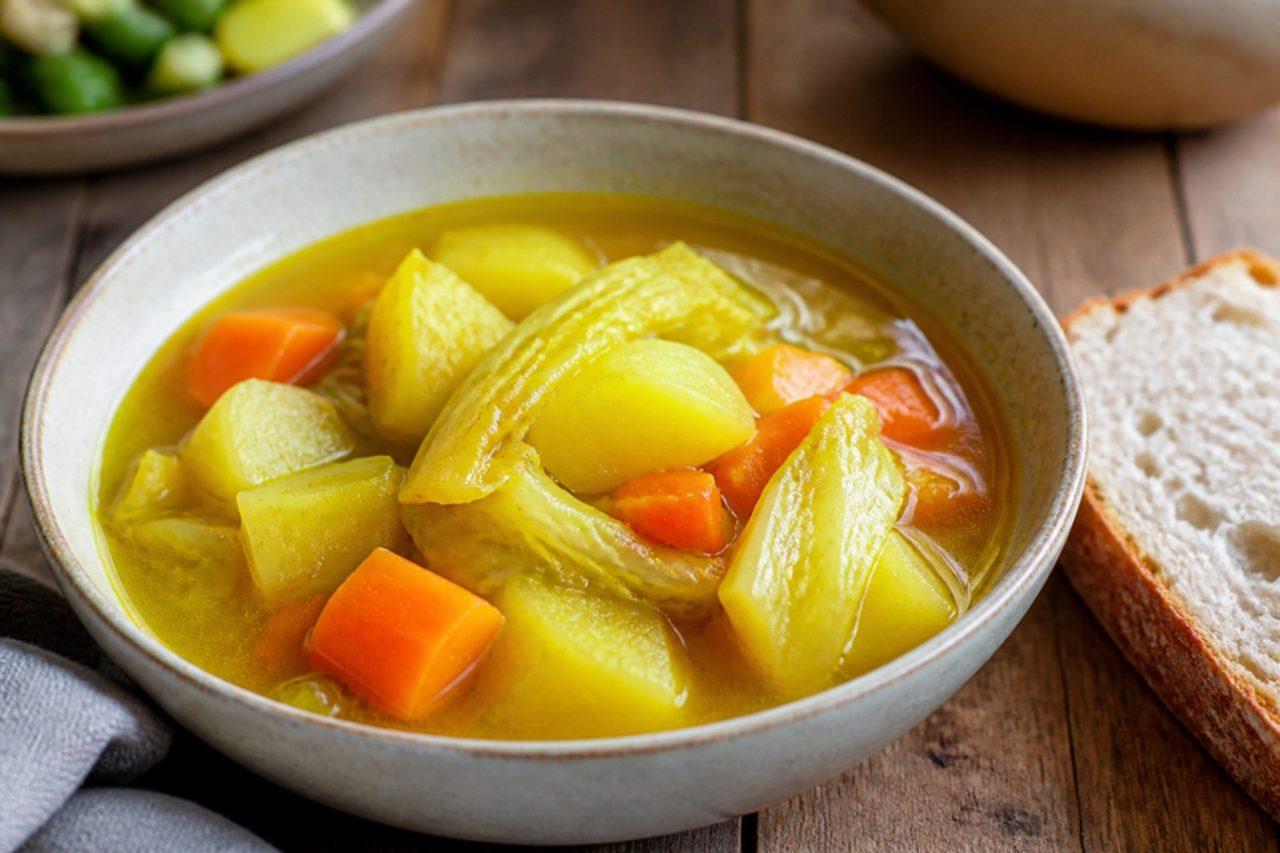
Ethiopian vegetable soup

Every café and school canteen in Addis Ababa has a pot of ye-atakilt shorba on the go: a light, golden soup of potato, carrot and cabbage cooked with onion, garlic, a little ginger and turmeric, eaten with a bread roll for lunch or given to children who don't want berbere. Families make it on fasting days and when someone is feeling poorly. It is mild, soothing and slightly sweet. The mistake is adding the cabbage with the potatoes, which makes it sulphurous and grey; it needs only the last ten minutes. Chef's tip: blend one ladle of the cooked potato and carrot and stir it back in; the soup thickens to café-style body without any flour.

by KrazyBadal 0 views

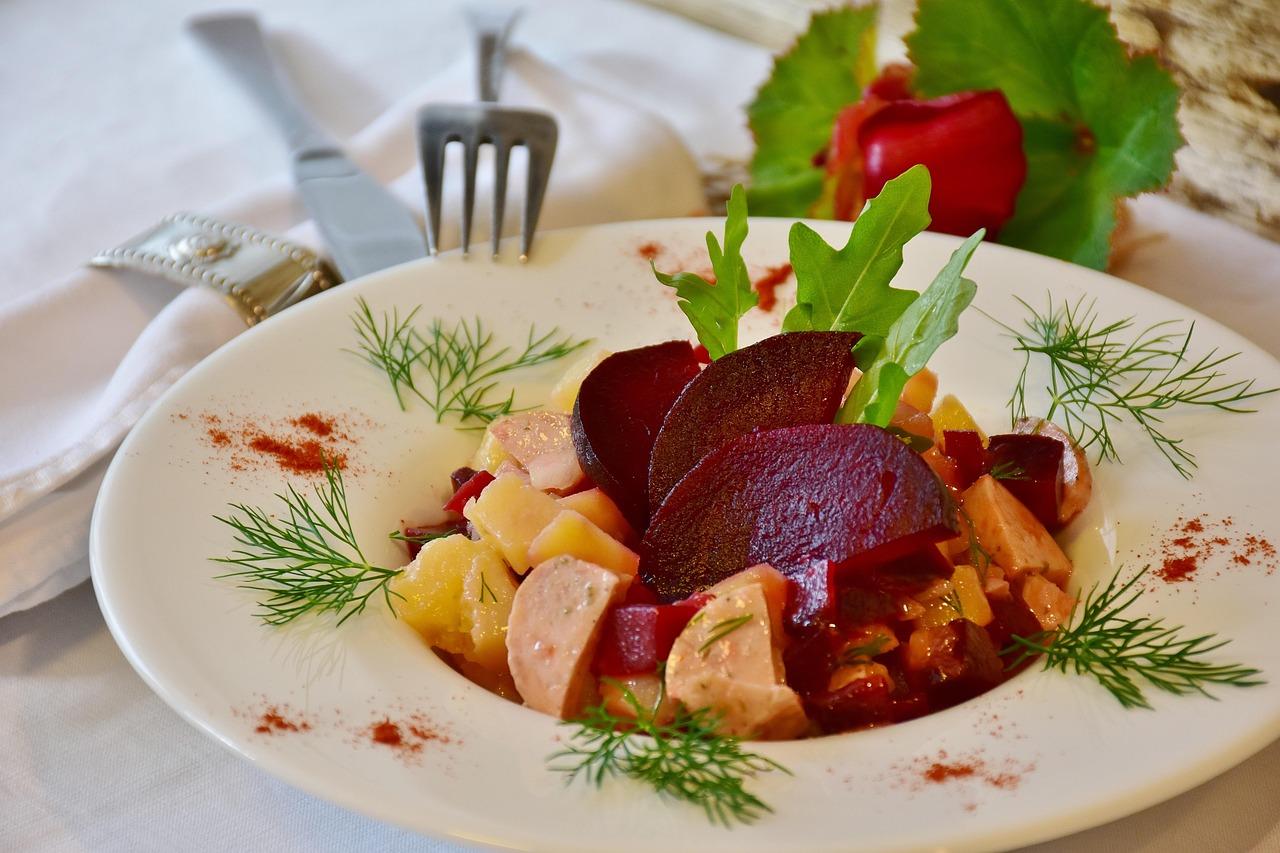
Ye-qey sir selataBeetroot and potato salad

Fasting-day platters at Addis Ababa restaurants and church feasts often carry a bright magenta heap of this cold salad beside the hot wats: boiled beetroot, potato and carrot tossed with lemon juice, thin red onion, green chilli and a little oil. It is sharp, sweet and cooling, a palate-cleanser between spoonfuls of berbere-red lentils. It differs from key sir alicha, the warm beetroot stew, in that everything is boiled whole, cooled and dressed raw. The usual slip is dressing the vegetables while hot, which turns the potatoes pink and mushy; let them cool first. Chef's tip: dress the onion and chilli in the lemon juice and salt ten minutes ahead so they soften and lose their sharp bite.

by KrazyBadal 0 views

Misir alichaMild red lentil stew

Not everyone at the table in Gondar or Addis wants berbere, so the fasting platter almost always has a gentle yellow wat beside the red one: misir alicha, split red lentils cooked down with dry-sweated onion, garlic, ginger and turmeric until creamy. It is soft, warming and easy on children and anyone who finds misir wat too hot. The common mistake is letting the lentils cook to a thin soup; simmer uncovered at the end until it mounds on a spoon and sits on injera without running. Chef's tip: a sliced green chilli and a pinch of ground ajwain (netch azmud) stirred in at the end lift it without adding much heat.

by KrazyBadal 0 views

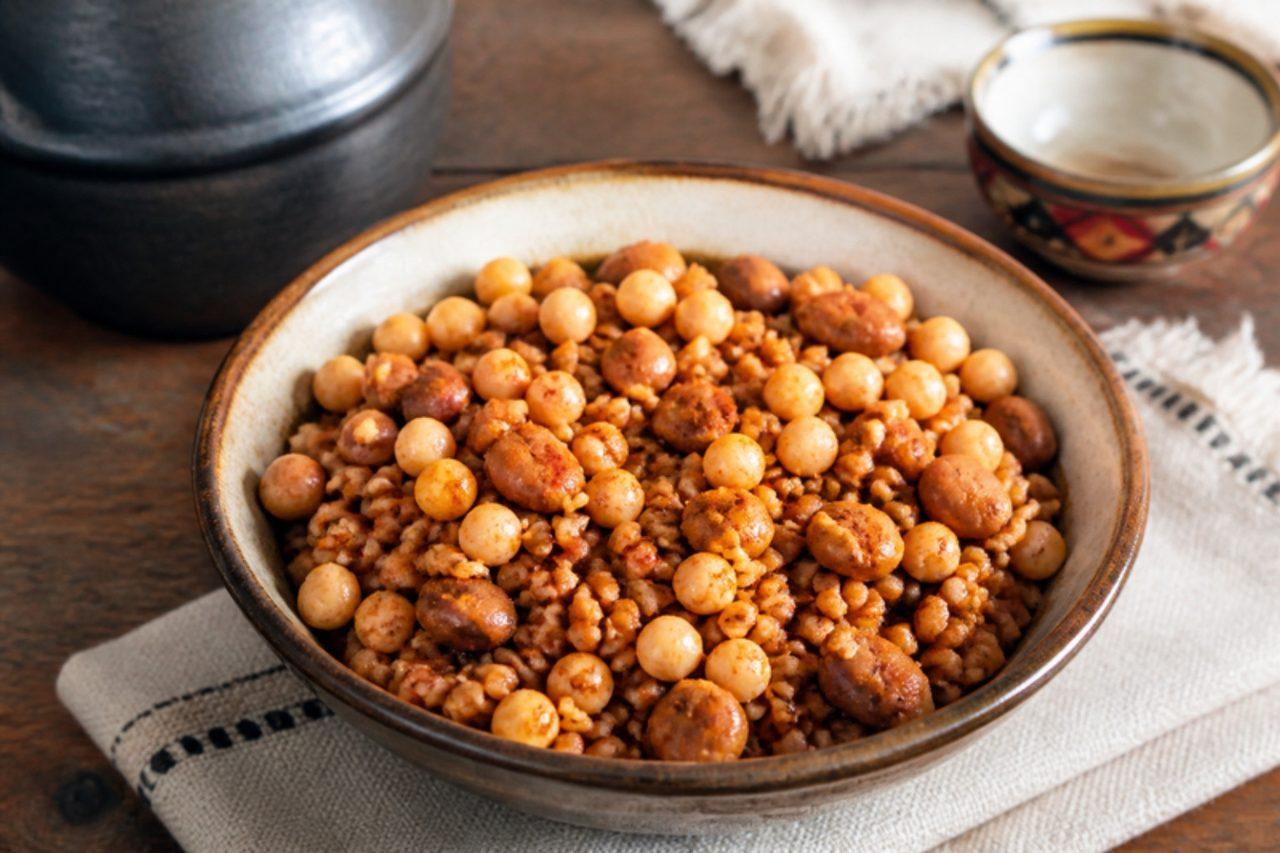
NifroBoiled wheat and chickpeas

When a baby cuts a first tooth, Ethiopian families celebrate with tirs mastecha, and the dish at the centre is nifro: a big pot of whole wheat berries, chickpeas and fava beans boiled with salt and handed round warm in cupped hands or small bowls. It also turns up at funerals, saints' day gatherings and long coffee ceremonies in Gondar and Addis, chewy, nutty and plain in the best way. The common mistake is boiling everything together from dry, so the wheat bursts while the fava stay hard; soak them all overnight and add the wheat later. Fava beans are unsafe for anyone with G6PD deficiency (favism), so leave them out if in doubt. Not gluten free. Chef's tip: once drained, toss the warm nifro in a dry pan for two minutes; it dries the surface and makes the salt and a pinch of berbere cling.

by KrazyBadal 0 views

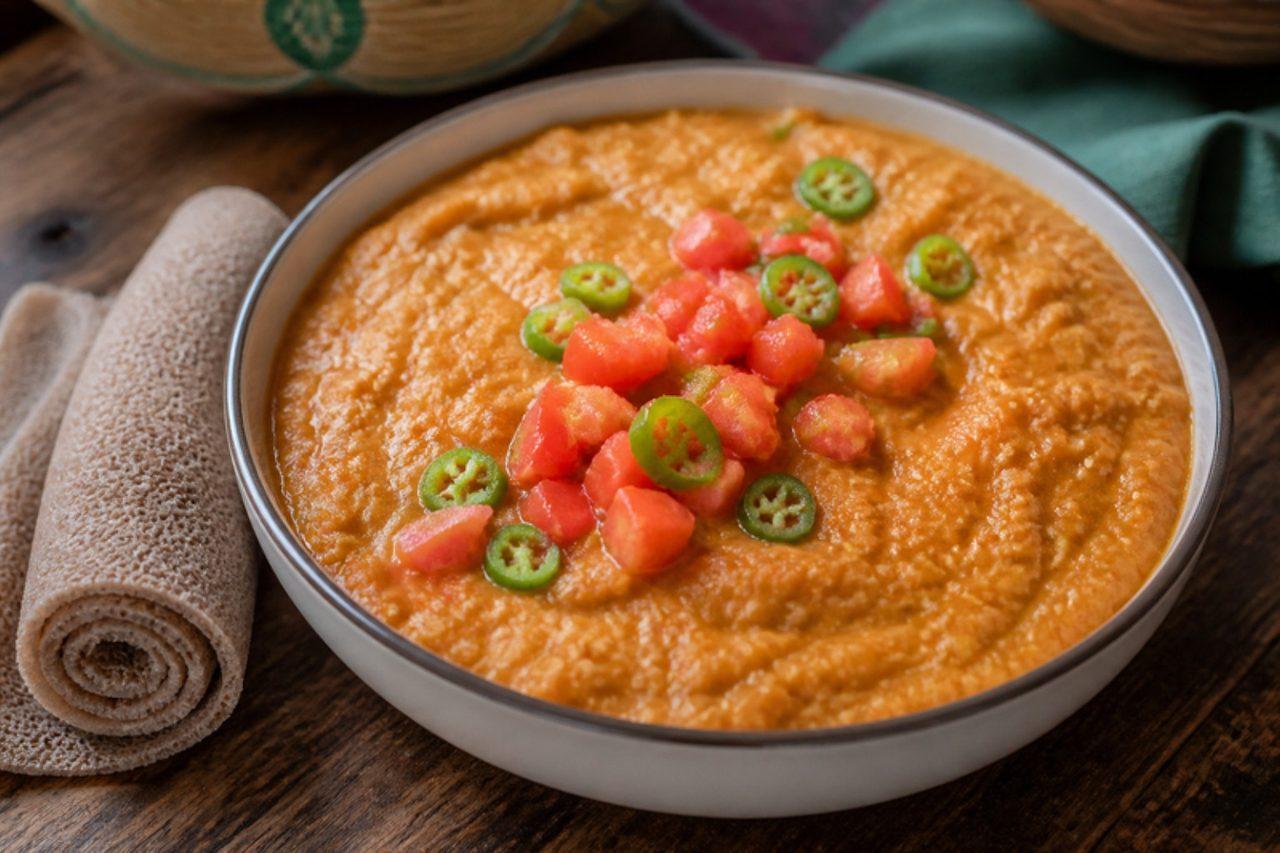
Shiro fitfitInjera in chickpea stew

When last night's shiro and injera are both in the kitchen, Addis Ababa families turn them into shiro fitfit for breakfast: a quick, garlicky shiro sauce is made thin and loose, then torn injera is folded in to soak it up, and the bowl is topped with chopped tomato and green chilli. It is soft, savoury and spicy, eaten with a spoon or a fresh piece of injera on fasting mornings. Many injera contain some wheat, so it isn't gluten free unless the injera is pure teff. The mistake is making the shiro too thick, which coats the injera rather than soaking in; keep it like single cream. Chef's tip: use day-old injera; fresh injera turns to mush, while slightly dry pieces soak up the sauce and keep a bit of chew.

by KrazyBadal 0 views

Ka'i ladrilloPeanut molasses bricks

Ka'i ladrillo — 'monkey brick' in Guaraní — is the sweet sold by vendors on Asunción buses and at country fiestas: roasted peanuts bound in boiled cane molasses and set in brick-shaped blocks, crunchy and dark with a slightly smoky toffee taste. It contains peanuts, so keep it away from anyone with a peanut allergy. The common mistake is taking the syrup off too soon, so the bricks stay sticky and never set. Chef's tip: test the syrup by dropping a little into cold water; it is ready when it sets into a brittle thread that snaps.

by KrazyBadal 0 views

Capeletis a la CarusoStuffed pasta in cream sauce

Capeletis a la Caruso were created in a Montevideo restaurant in the 1950s and named after the great tenor, and they are still a Sunday lunch favourite in Uruguayan homes: little stuffed pasta hats in a rich sauce of cream, cooked ham (pork), mushrooms and onion, finished with grated cheese. Buy good fresh capeletis or tortellini; the sauce is what you make. The usual mistake is boiling the cream sauce hard, which makes it oily and grainy. Chef's tip: cook the mushrooms in a dry hot pan first until they squeak and brown, before any butter goes in, for a deeper taste.

by KrazyBadal 0 views

Bajan rum punch

Every Barbadian knows the rhyme: one of sour, two of sweet, three of strong, four of weak. It is how rum punch is mixed for Sunday lunch, at beach limes, at the Friday night fish fry in Oistins and through the Crop Over festival in July and August. The punch is for adults only and it is strong, so pour it over plenty of ice and drink responsibly. Made right, it tastes bright and tangy from lime, rounded by brown-sugar syrup, warm with golden Barbados rum and finished by aromatic bitters and the woody smell of fresh nutmeg on top. The usual mistake is reading 'weak' as fruit juice or adding extra rum: the four of weak is water (and melting ice), and swapping in sweet juices makes the punch cloying. Make the syrup properly, measure by volume and taste before you add the last of the water. It is ready when the sweet and sour are in balance, nothing catches your throat and the jug is beaded with cold. It also keeps 2 days in the fridge, so it can be made ahead. Chef's tip: grate the nutmeg over each glass at the table; ready-ground nutmeg has lost the smell that makes Bajan punch what it is.

by KrazyBadal 0 views

LampreadoCassava starch cheese fritters

Paraguayan grandmothers fry lampreado on Sunday evenings to eat with a mug of cocido, the toasted yerba mate drink: small pan-fried cakes of cassava starch, egg, milk and grated cheese with a little onion, crisp at the edges and stretchy inside. Some families also make it with leftover meat, but this version is all cheese. Queso Paraguay is set with animal rennet; a vegetarian Parmesan-style cheese plus mozzarella works well. The trap is a batter that is too thick, which gives heavy, gluey cakes. Chef's tip: the batter should drop slowly off a spoon like thick pancake batter; add milk a spoonful at a time until it does.

by KrazyBadal 0 views

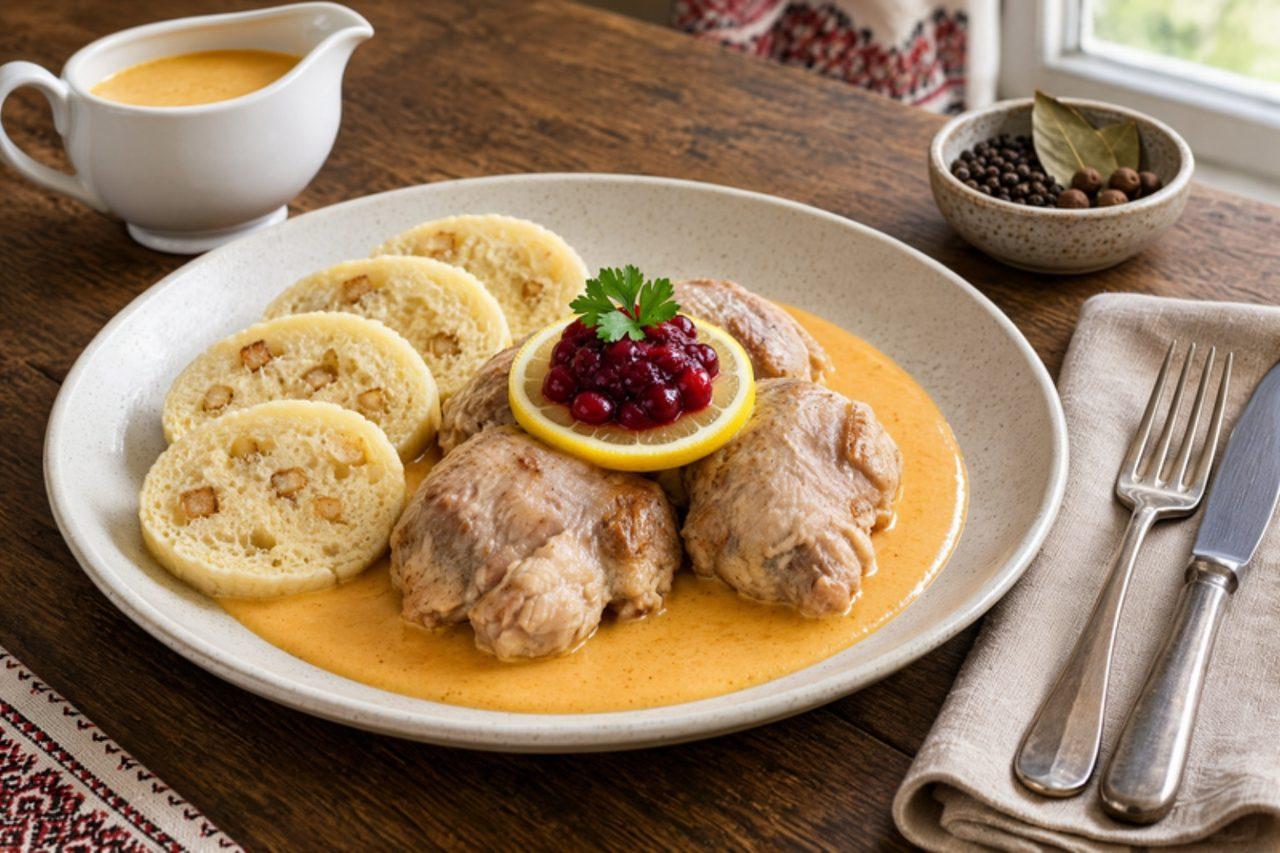
Králík na smetaněRabbit in cream sauce

Králík na smetaně is a Sunday lunch in the Czech countryside, especially in Moravia and South Bohemia, where many families once kept rabbits in the yard. Rabbit pieces are braised with carrot, celeriac, parsley root and onion, then the vegetables are blended into a velvety cream sauce brightened with lemon and a pinch of sugar, much like the famous svíčková. It is served with sliced bread dumplings (houskové knedlíky) and a spoon of cranberry sauce. The usual mistake is boiling the sauce after the cream goes in, which can split it; keep it at a bare simmer. Rabbit is lean, so cook it gently and check that the meat comes easily off the bone. Chef's tip: blend the vegetables until completely smooth and pass them through a sieve for the silky sauce Czech cooks are proud of.

120 minCzechMeat
by KrazyBadal 0 views

HemenexHam and eggs

Hemenex, the Czech spelling of "ham and eggs", has been a breakfast in Prague cafés and pub kitchens since the First Republic and is still a weekend favourite at home: slices of cooked pork ham warmed in butter, eggs cracked right over them and fried until the whites set, then everything slid out together and eaten with bread and pickled gherkin. The common mistake is frying the ham until crisp; it should just warm and brown a little at the edges. Cook the yolks fully set for pregnant people, young children, older or vulnerable people. Serve with rye bread, or gluten-free bread if needed. Chef's tip: lay the ham in overlapping slices so it forms a "plate" under the eggs and the whites can't stick to the pan.

by KrazyBadal 0 views

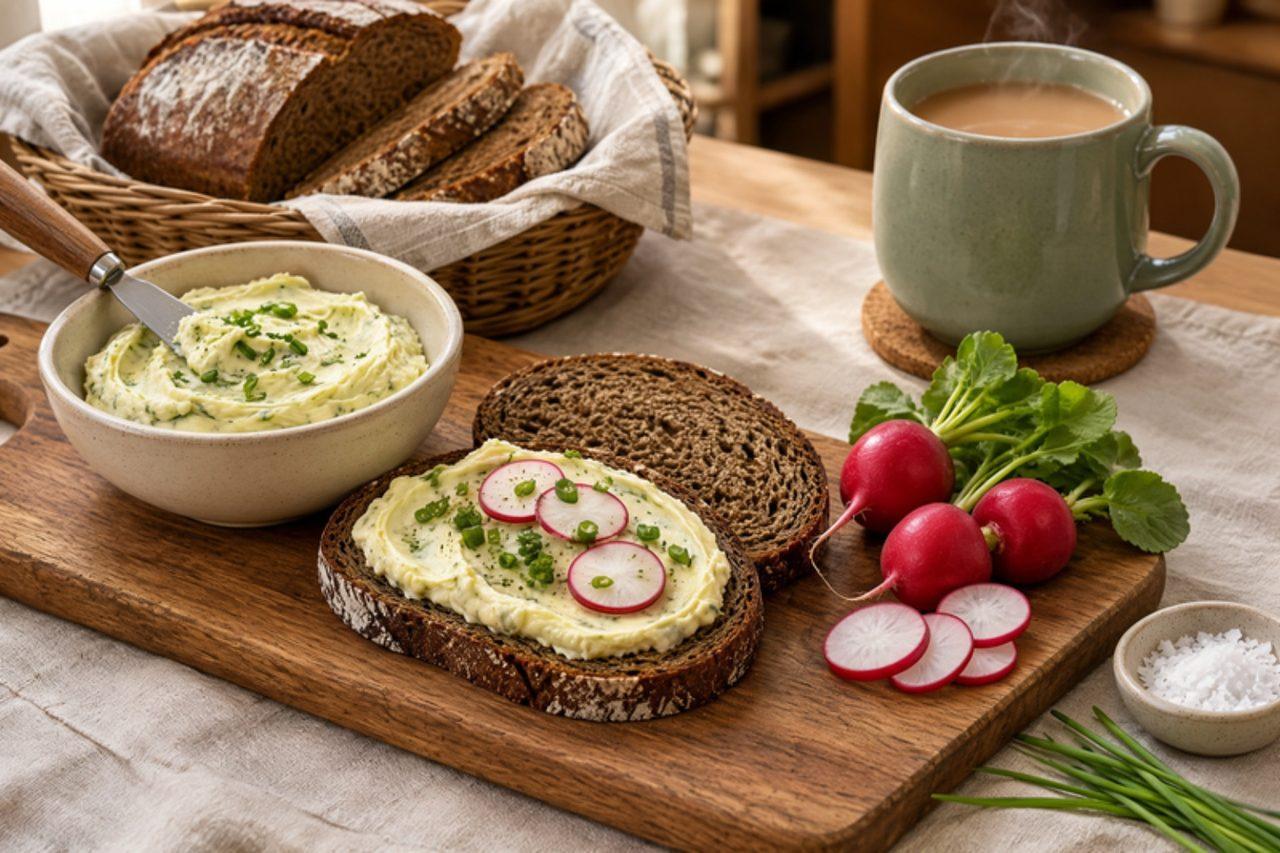
Pomazánkové másloChive butter spread

Pomazánkové máslo is a Czech fridge staple, a soft, mild dairy spread that is lighter than butter and is spread thickly on fresh rye bread for breakfast and school snacks, usually topped with chives or sliced radish. Shops sell it ready-made, but at home it is easily made by beating butter with soft quark and a splash of milk. The common mistake is using butter straight from the fridge, which leaves greasy lumps; it must be soft enough to whip. Chef's tip: beat for a full 3 minutes, until pale and fluffy, and the spread stays soft even when chilled.

by KrazyBadal 0 views

Showing 24 of 255 recipes

Show more recipes

Page 1 of 11