Skip to content
Recipes

All recipes

Vegetarian, or something you can't eat? Set your diet once and we'll hide recipes that don't fit.

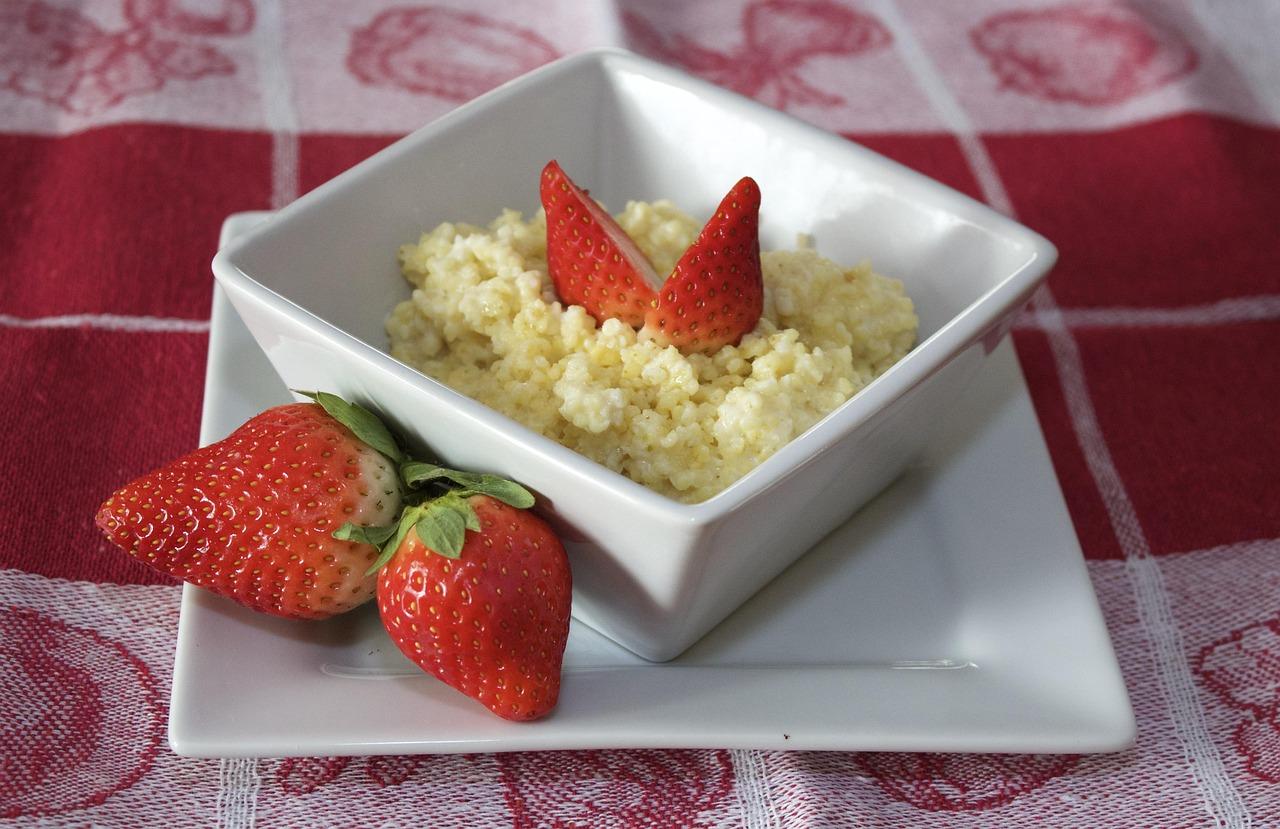
HirsebreiMillet porridge

Hirsebrei is one of the oldest dishes in German cooking, the millet porridge of fairy tales, and it is still made in homes across the country as a warm breakfast or a sweet supper for children on cold evenings. Golden millet is rinsed, then simmered in milk until creamy and soft, and served with stewed apple, berries and a dusting of cinnamon. A bowl gives about 12 g of protein from the milk and millet; stir in a spoon of quark or top with chopped almonds if you want more. The usual mistake is skipping the rinse: unrinsed millet tastes bitter and soapy, so rinse it in hot water until the water runs clear. Chef's tip: toast the rinsed millet in the dry pan for a minute before adding milk; it brings out a lovely nutty flavour.

by KrazyBadal 0 views

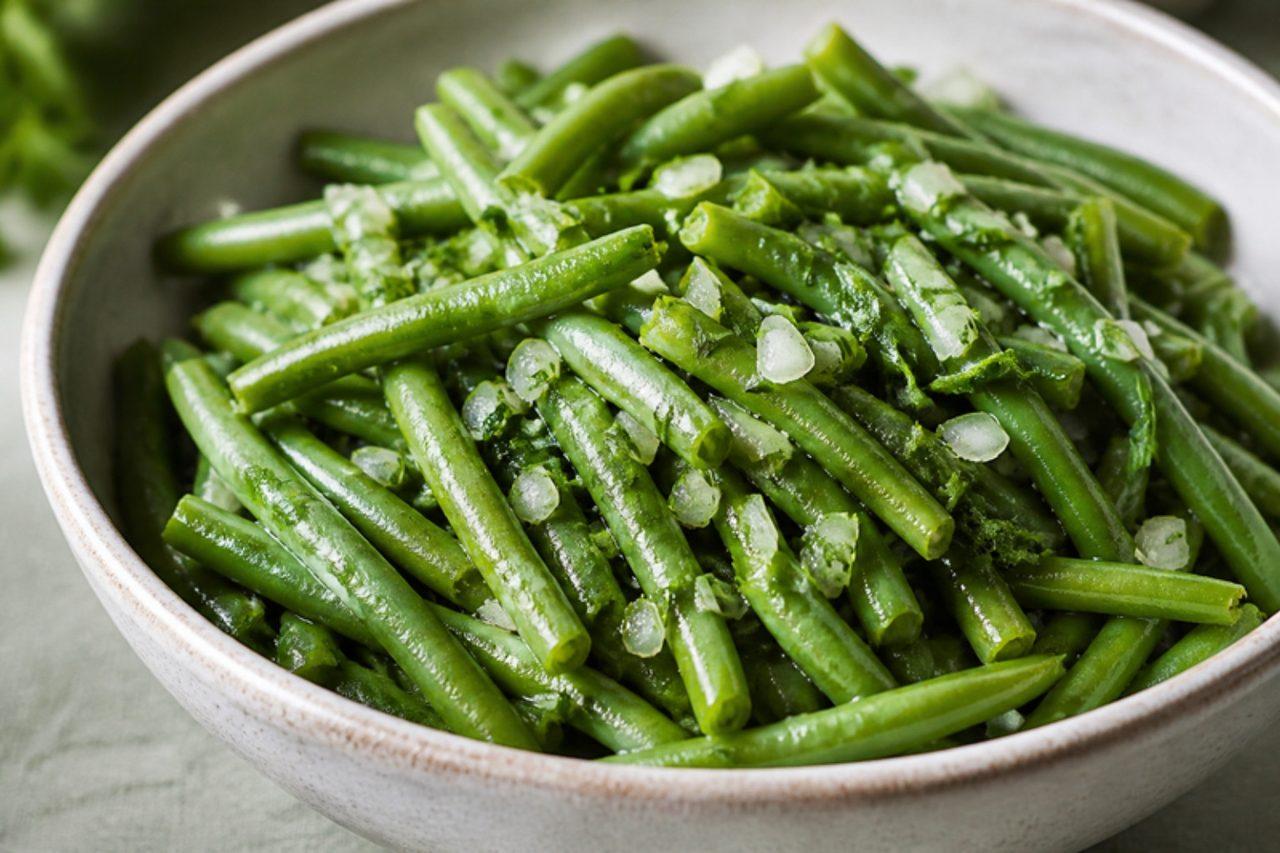
Grüner BohnensalatGreen bean salad

In German kitchens from Swabia to Westphalia, green bean salad comes out in high summer when beans are cheap and plentiful, as a side to fried eggs, potato salad or grilled food, and it travels well to picnics. The beans are cooked until just tender, then dressed warm with vinegar, oil, onion and Bohnenkraut (summer savory), the peppery herb Germans always pair with beans. Many cooks add bacon; this version is vegan. A portion gives about 3 g of protein, so it is a side; add a handful of white beans to make it more filling. The most common mistake is undercooking the beans so they squeak: German bean salad is meant to be tender, not crisp, so cook until a bean bends without snapping. Chef's tip: dress the beans while they are still warm and let them sit for 30 minutes; they absorb the vinegar and taste far better than freshly dressed.

by KrazyBadal 0 views

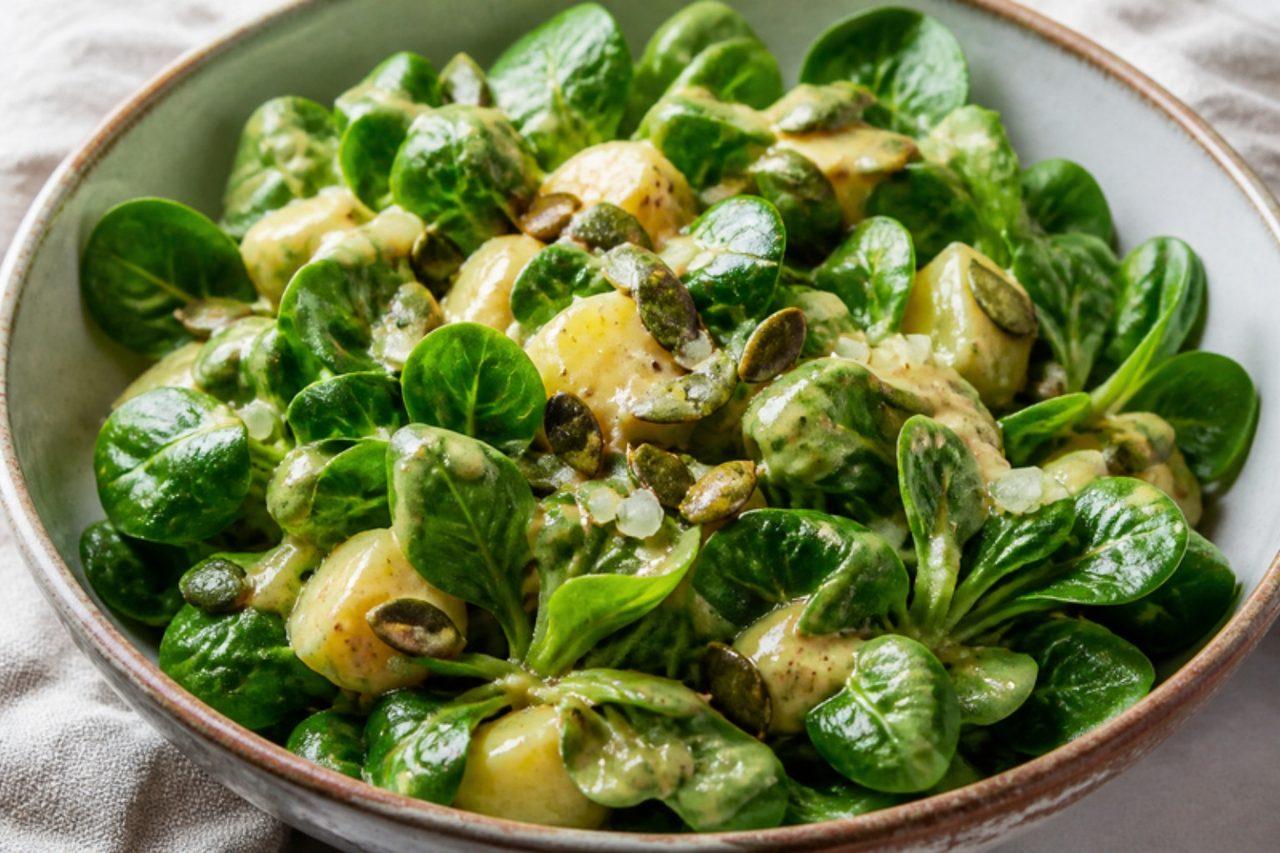
Feldsalat mit warmem KartoffeldressingLamb's lettuce with warm potato dressing

In Baden-Württemberg and Bavaria, Feldsalat (lamb's lettuce, also called Ackersalat or Nüsslisalat) is the winter salad, eaten from October to March as a starter or beside Spätzle and egg dishes. The small, tender rosettes are dressed in a warm, creamy Swabian dressing made from a boiled potato mashed with stock, mustard, vinegar and oil, which coats the leaves without weighing them down. Traditional versions use meat stock and bacon; this one uses vegetable stock and crisp fried onions, so it is vegan. It gives about 3 g of protein a portion, so it is a side; add toasted pumpkin seeds for more. The most common mistake is not washing the leaves well: grit hides deep inside the rosettes, so wash in two or three changes of water. Chef's tip: dress the leaves only at the table; the warm dressing wilts them within minutes.

by KrazyBadal 0 views

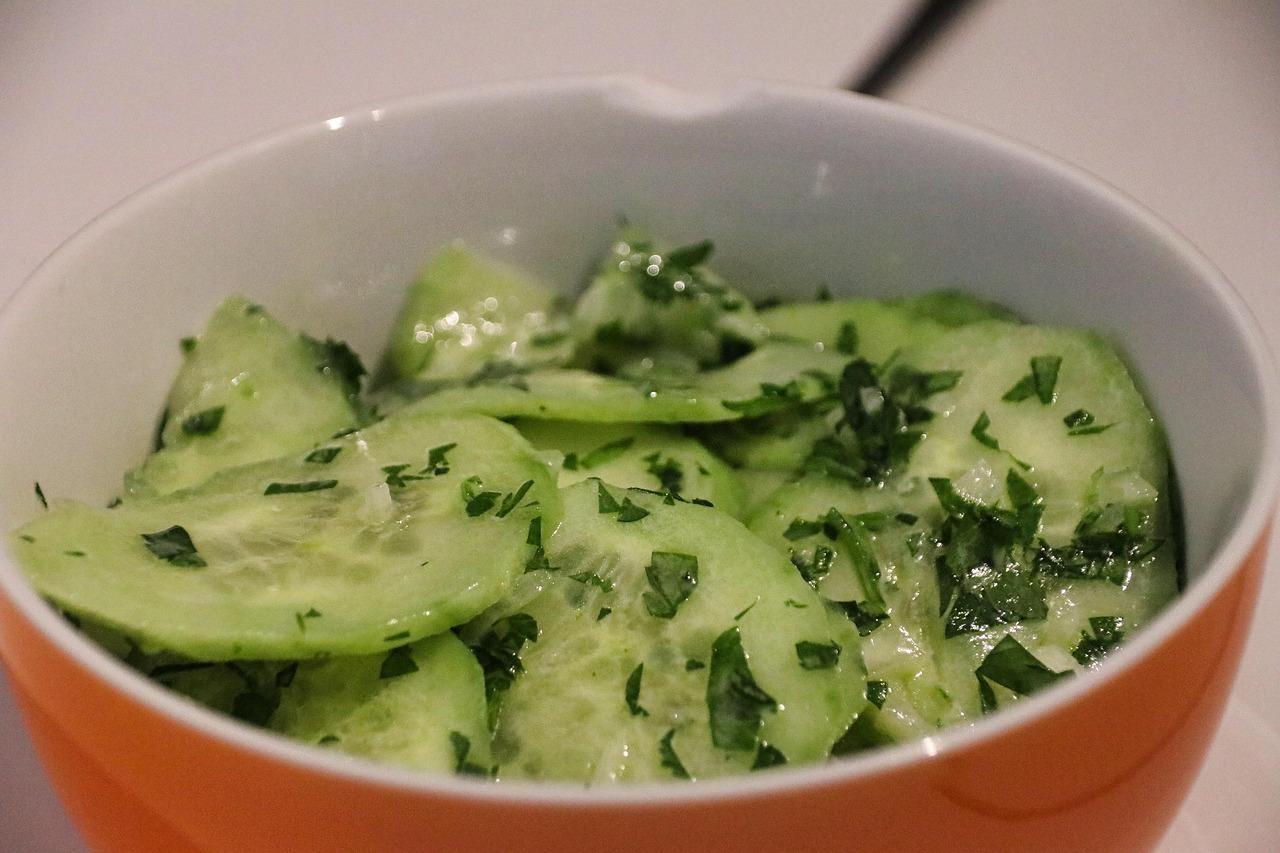
GurkensalatCucumber and dill salad

Gurkensalat is on German tables from Bavaria to Berlin all summer, served alongside potato pancakes, egg dishes or the Sunday roast, and it is just as common at a garden barbecue. Cucumber is sliced almost paper-thin, salted briefly, then dressed with a little vinegar, sugar, onion and lots of fresh dill, so it is cool, sharp and soft-crunchy. Some households stir in soured cream; this vinaigrette version is vegan. It is very light, with about 1 g of protein a portion, so it is purely a side. The most common mistake is skipping the salting: unsalted slices weep water into the bowl and dilute the dressing within minutes. Chef's tip: squeeze the salted slices gently in your hands before dressing; they bend like ribbons and take up the dill dressing much better.

by KrazyBadal 0 views

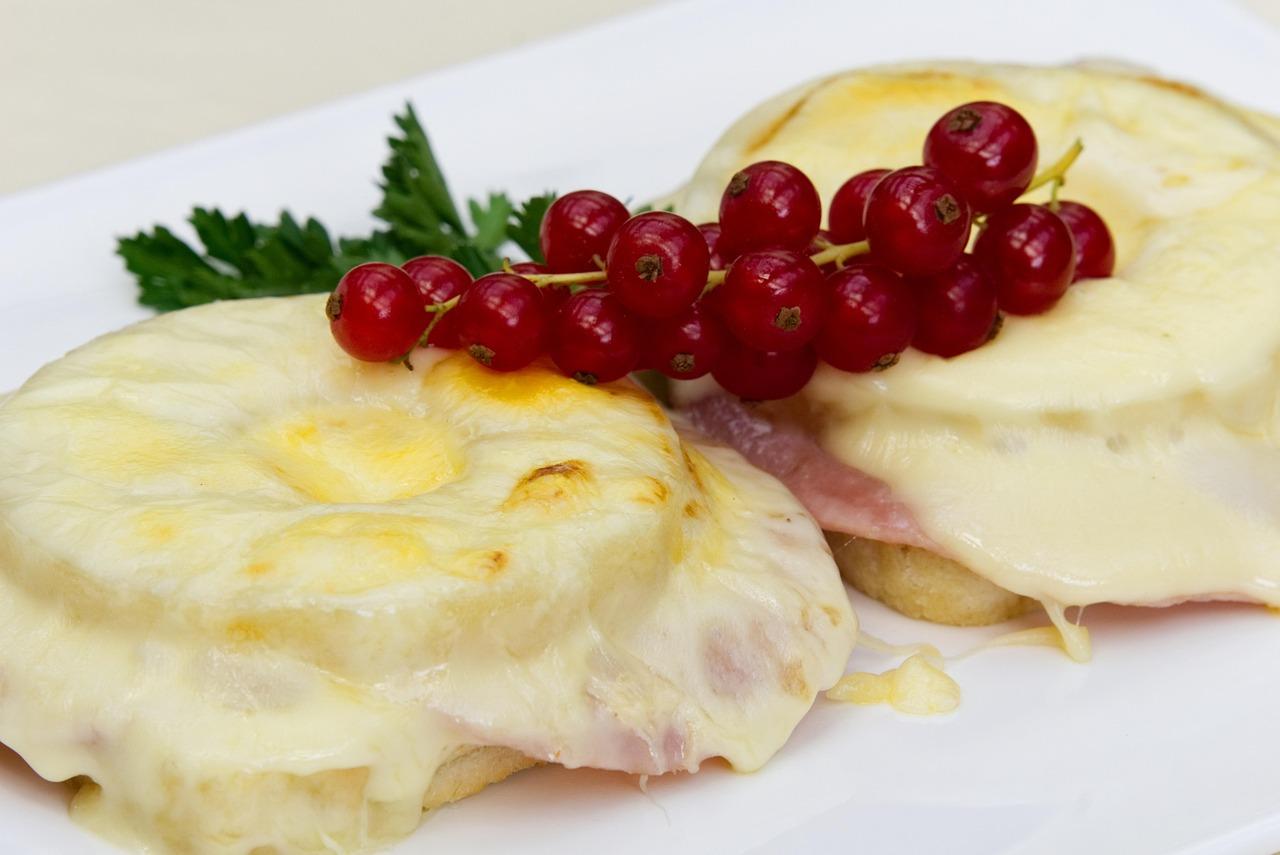
Toast HawaiiHam, pineapple and cheese toast

Toast Hawaii arrived in West German kitchens in the 1950s and never left: a slice of buttered toast layered with cooked ham (pork), a ring of pineapple and a slice of cheese, baked until the cheese melts down over the sides. It is still a nostalgic Saturday supper or party snack from Hamburg to Munich, often crowned with a cocktail cherry in the pineapple's hole. The mistake that ruins it is using pineapple straight from the tin, whose juice soaks the bread; drain the rings well and pat them dry. Chef's tip: toast the bread lightly before topping it, so the base stays crisp under the juicy layers.

by KrazyBadal 0 views

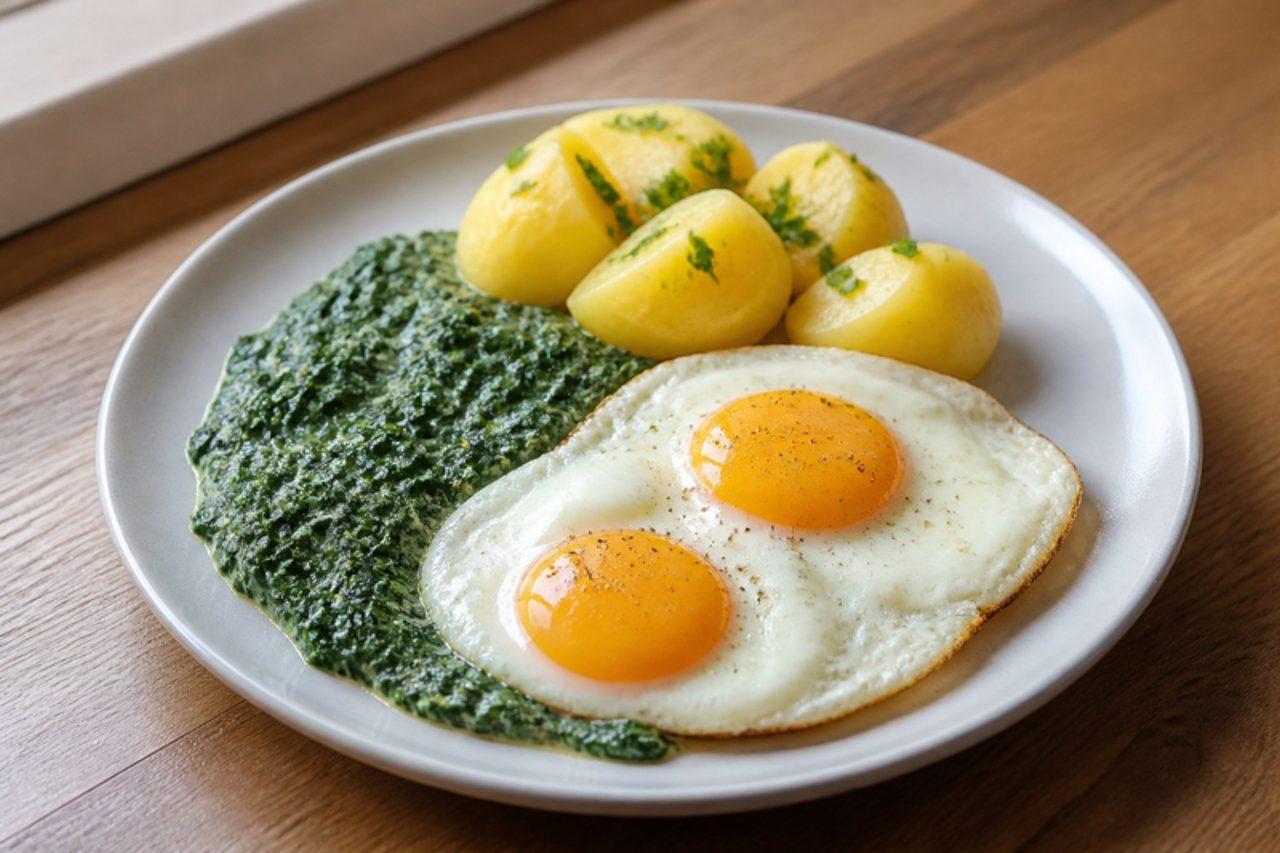
Spinat mit Spiegelei und KartoffelnCreamed spinach with fried egg

Spinat mit Spiegelei und Kartoffeln is the Thursday-night supper many Germans remember from childhood, and still a school-canteen favourite: soft creamed spinach, a sunny fried egg and boiled potatoes, with the yolk running into the green sauce. It is gentle, filling and cheap, and on Maundy Thursday (Gründonnerstag) many families eat it as their green meal. For pregnant people, young children, older or vulnerable people, fry the eggs until the yolks are firm. The most common mistake is adding raw spinach to the sauce without squeezing it, which floods it with water; wilt and squeeze it first. Chef's tip: start the potatoes in cold salted water so they cook evenly through to the centre.

by KrazyBadal 0 views

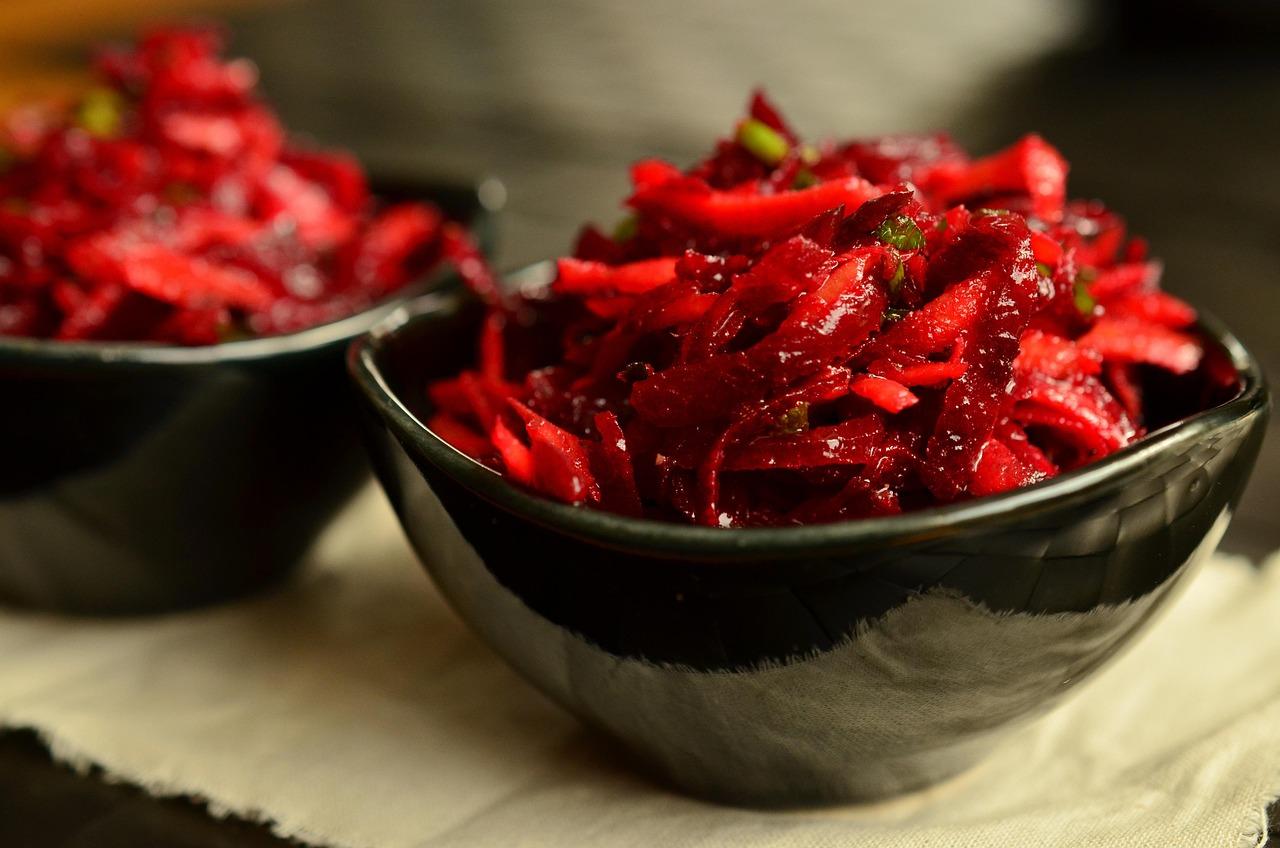
Rote-Bete-SalatBeetroot salad

Rote-Bete-Salat is on the table in German homes through autumn and winter, beside potato pancakes, fried eggs or simply bread and butter. Cooked beetroot is cut into slices or batons and dressed with onion, vinegar, oil and a little caraway or grated horseradish, so it is sweet, earthy and sharp at once. It is vegan, gluten free and keeps for days in the fridge. The most common mistake is serving it straight after dressing: give it at least 10 minutes, or better an hour, so the beetroot soaks up the flavour. Chef's tip: wear gloves or rub your hands with lemon juice afterwards, as beetroot stains everything it touches.

by KrazyBadal 0 views

Pejerrey arrebozadoBattered fish fillets with onion salsa

Pejerrey arrebozado is a Lima classic from the cevicherías and home kitchens of the coast, eaten at lunch on a plate with white rice, a heap of sharp salsa criolla and sometimes boiled potato. The pejerrey, a small silverside, is opened into butterflied fillets, dipped in a light egg-and-flour batter and fried golden. Outside Peru, use small fillets of whiting, sole, haddock or tilapia. The batter here uses sparkling water, not beer, so it is alcohol free. The common mistake is frying in oil that isn't hot enough: the batter drinks the oil and turns greasy, so test with a drop of batter first. Chef's tip: make the salsa criolla first and let the onion sit in lime for ten minutes; it softens its bite and turns a pretty pink.

by KrazyBadal 0 views

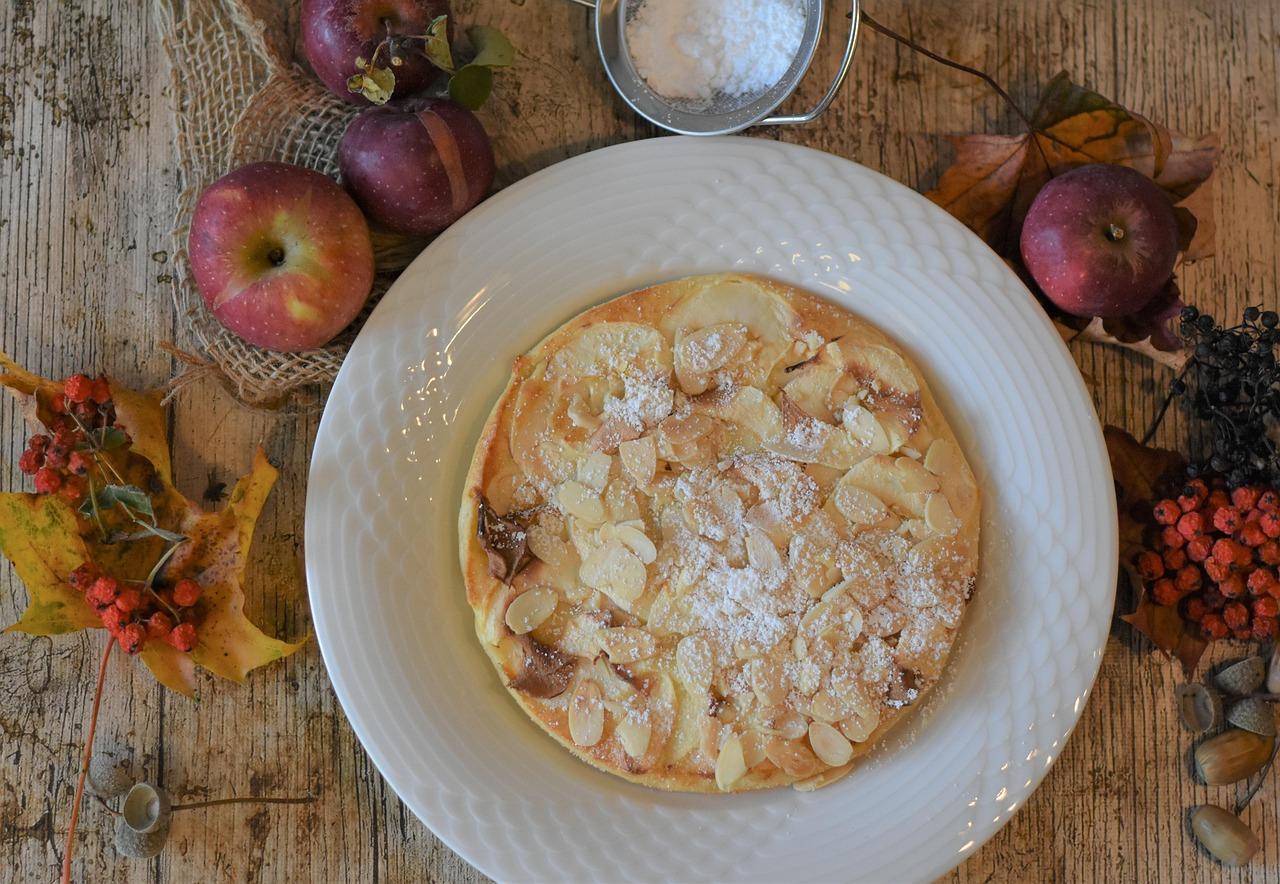
EierpfannkuchenEgg pancakes

Eierpfannkuchen are the thick, eggy pancakes German families fry for a quick Friday-night supper or a weekend lunch, thicker than a French crêpe but thinner than an American pancake. Children eat them rolled up with apple sauce, jam or sugar and cinnamon; grown-ups often fill them with mushrooms or cheese instead. The batter needs no resting, so they are on the table in 20 minutes. The most common mistake is a pan that is not hot enough, so the pancakes soak up fat and turn pale and greasy; wait until a drop of batter sizzles at once. Chef's tip: beat the egg whites separately and fold them in at the end if you want them especially light and fluffy.

by KrazyBadal 0 views

Chicharrón de pescadoCrisp fried fish chunks

Up and down the Peruvian coast, from Chorrillos in Lima to the beaches of Piura, chicharrón de pescado is the crunchy plate ordered alongside ceviche at a long seafood lunch: bite-size chunks of firm white fish marinated briefly in garlic and lime, dusted in flour and fried, then served with fried cassava, salsa criolla and tartar or rocoto sauce. Using frozen peeled cassava keeps it to half an hour. The common mistake is leaving the fish in the lime too long: after about ten minutes the acid starts to 'cook' the outside and the coating slips off. Chef's tip: toss the floured pieces in a sieve to shake off every bit of loose flour; a thin coat fries crisp, a thick one turns pasty.

by KrazyBadal 0 views

Tallarines rojosSpaghetti in red sauce with chicken

Tallarines rojos is the Sunday-lunch and weeknight pasta of homes all over Peru, from Lima to Arequipa: spaghetti in a sweet, deep-red sauce of blended tomato, onion and garlic with a little ají panca and oregano, often with pieces of chicken cooked right in it. Children love it, and it is served with a sprinkle of grated cheese and sometimes a spoon of huancaína on the side. The usual mistake is cooking the sauce too briefly, so it tastes of raw onion; let the blended tomato fry until it darkens and the oil shows at the edges. Chef's tip: a bay leaf and a spoon of ají panca paste give the sauce its Peruvian character; paprika will do if you can't find the paste.

by KrazyBadal 0 views

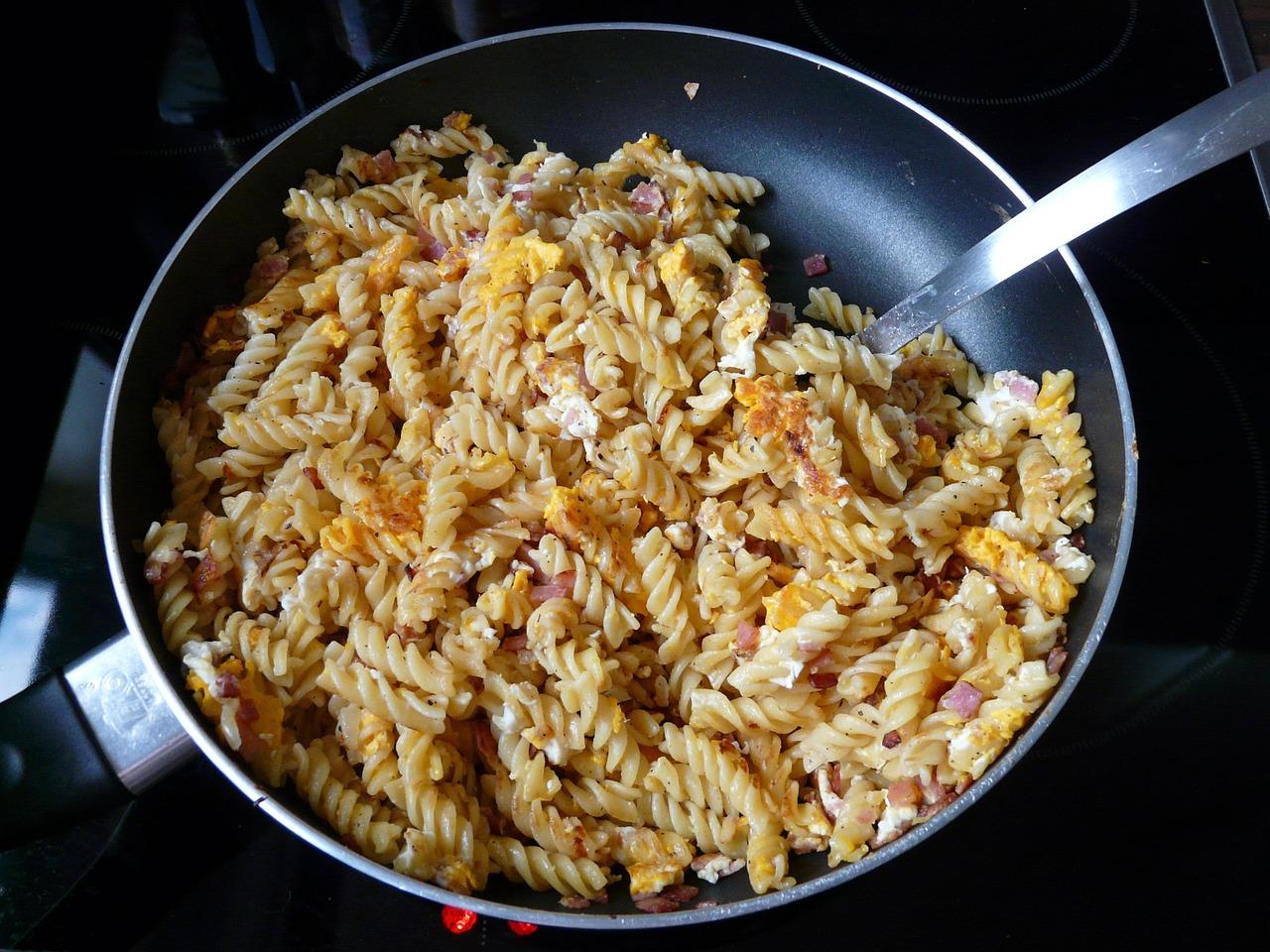
SchinkennudelnPan-fried noodles with ham and egg

Schinkennudeln is the frying-pan supper of Bavaria and Austria: yesterday's cooked noodles fried in butter with onion and diced cooked ham (pork) until crisp in places, then bound with beaten egg and finished with chives. It is not the same as the oven-baked Austrian Schinkenfleckerl; this one is made on the hob in 20 minutes, and children everywhere love it with a green salad or a spoon of ketchup. The common mistake is stirring the noodles constantly, which stops them browning, so leave them alone long enough to crisp. Keep leftover pasta in the fridge and use it within 2 days. Chef's tip: let the eggs set only until just creamy before you take the pan off the heat; they keep cooking on the plate.

by KrazyBadal 0 views

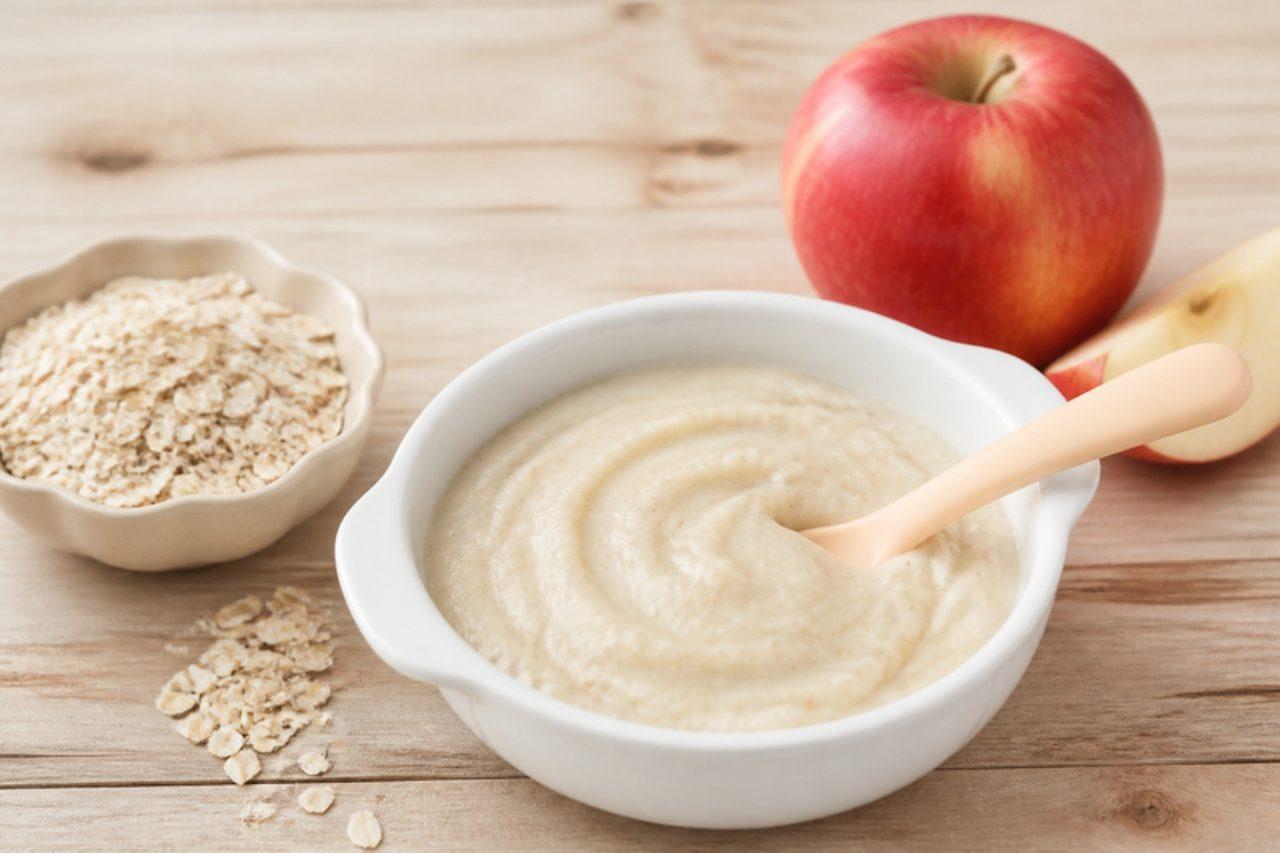
Fruit and cereal mash (Obst-Getreide-Brei)

German weaning follows a well-known plan: a vegetable lunch first, then a milk and cereal evening meal, and finally an afternoon Obst-Getreide-Brei, a dairy-free mash of cooked cereal flakes and fruit, usually from around seven months. Fine oat or millet flakes are simmered in water, then stirred into stewed apple or pear with a spoon of rapeseed oil, which German paediatric advice recommends for healthy fats. It is fruity, smooth and naturally sweet. It contains gluten if made with oats (use millet flakes for gluten free); there is no milk, egg, nuts, soya, sesame or fish. Chef's tip: stew the fruit in a little water rather than using juice, which adds sugar.

by KrazyBadal 0 views

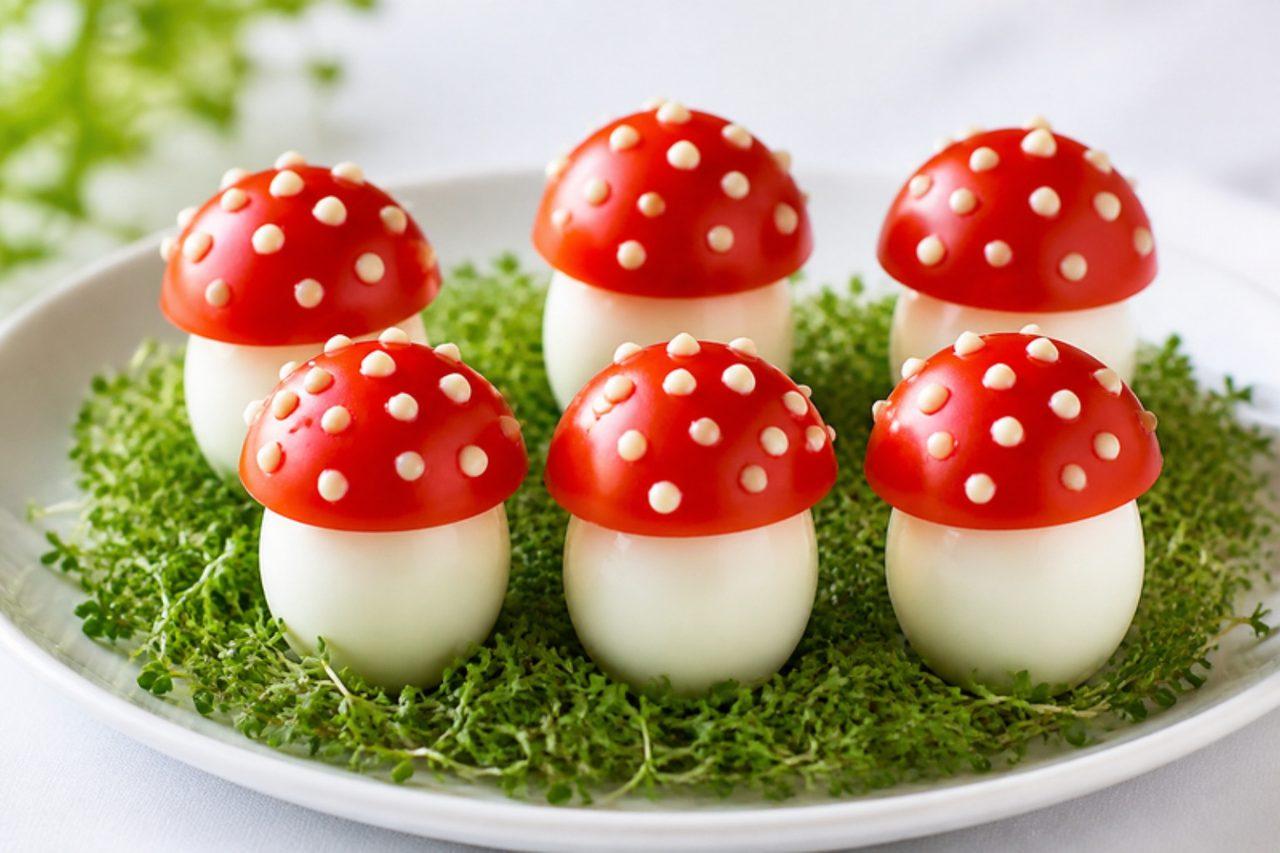
Fliegenpilz-Eier (toadstool eggs)

German children's birthday parties and Easter tables often feature a little forest of Fliegenpilz-Eier: hard-boiled eggs standing on cress, each wearing a red tomato cap dotted with mayonnaise like a fly agaric toadstool. Children love making them as much as eating them. They are meant for school-age children: for younger ones, cut the eggs and tomatoes into small pieces rather than serving them whole. Contains egg (also in the mayonnaise); free of gluten and milk. Chef's tip: slice a thin piece off the bottom of each egg so it stands steady.

by KrazyBadal 0 views

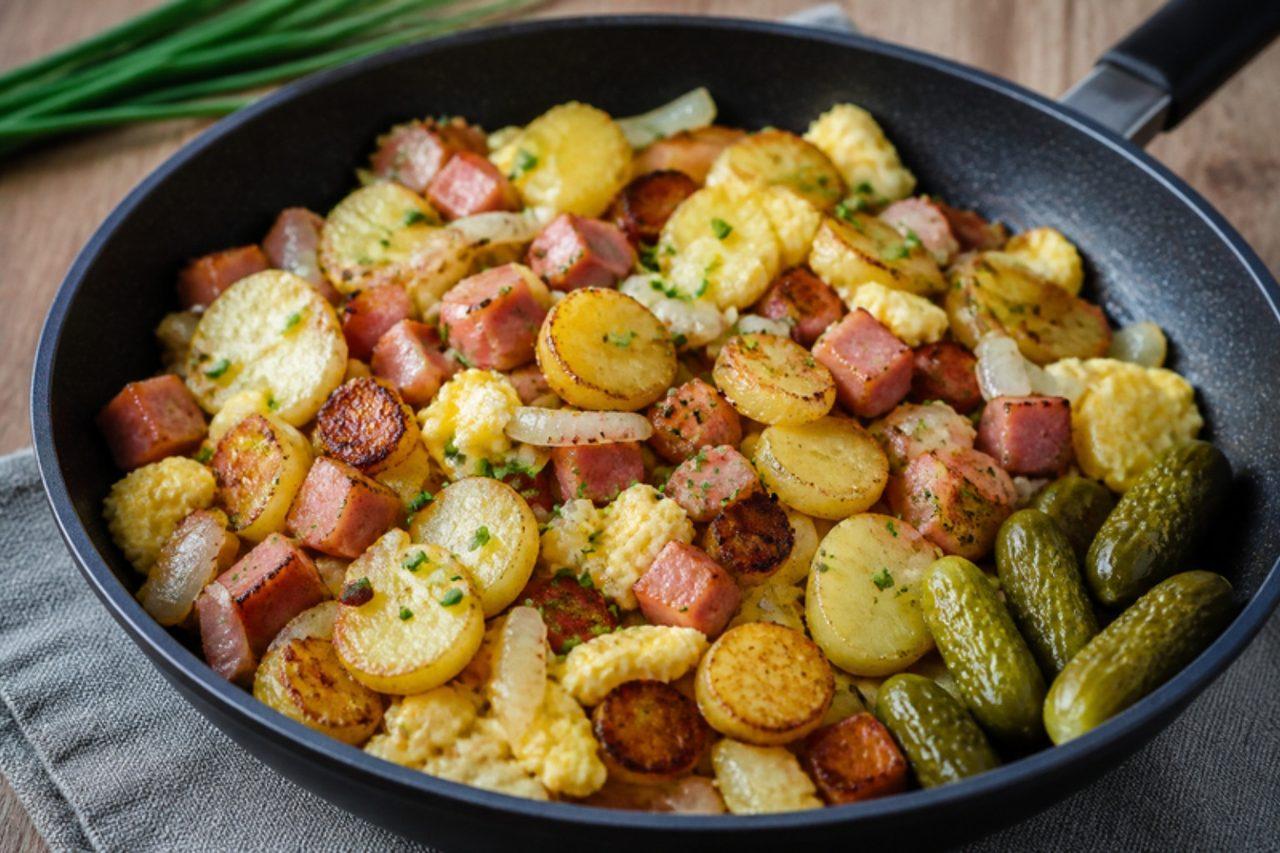
BauernfrühstückFried potatoes with ham and egg

Despite its name, the 'farmer's breakfast' is mostly eaten at lunch or supper in Hamburg pubs, Hanover canteens and farm kitchens across Lower Saxony and Schleswig-Holstein. Leftover boiled potatoes are fried until crisp with onions and diced cooked ham (pork), then eggs are poured over and set gently into a golden, folded omelette, served with gherkins and a tomato salad. Leave out the ham and add peppers or mushrooms for a vegetarian version. The usual mistake is adding the eggs before the potatoes are properly crisp. Chef's tip: use potatoes boiled the day before and chilled; they hold their shape and brown far better.

by KrazyBadal 0 views

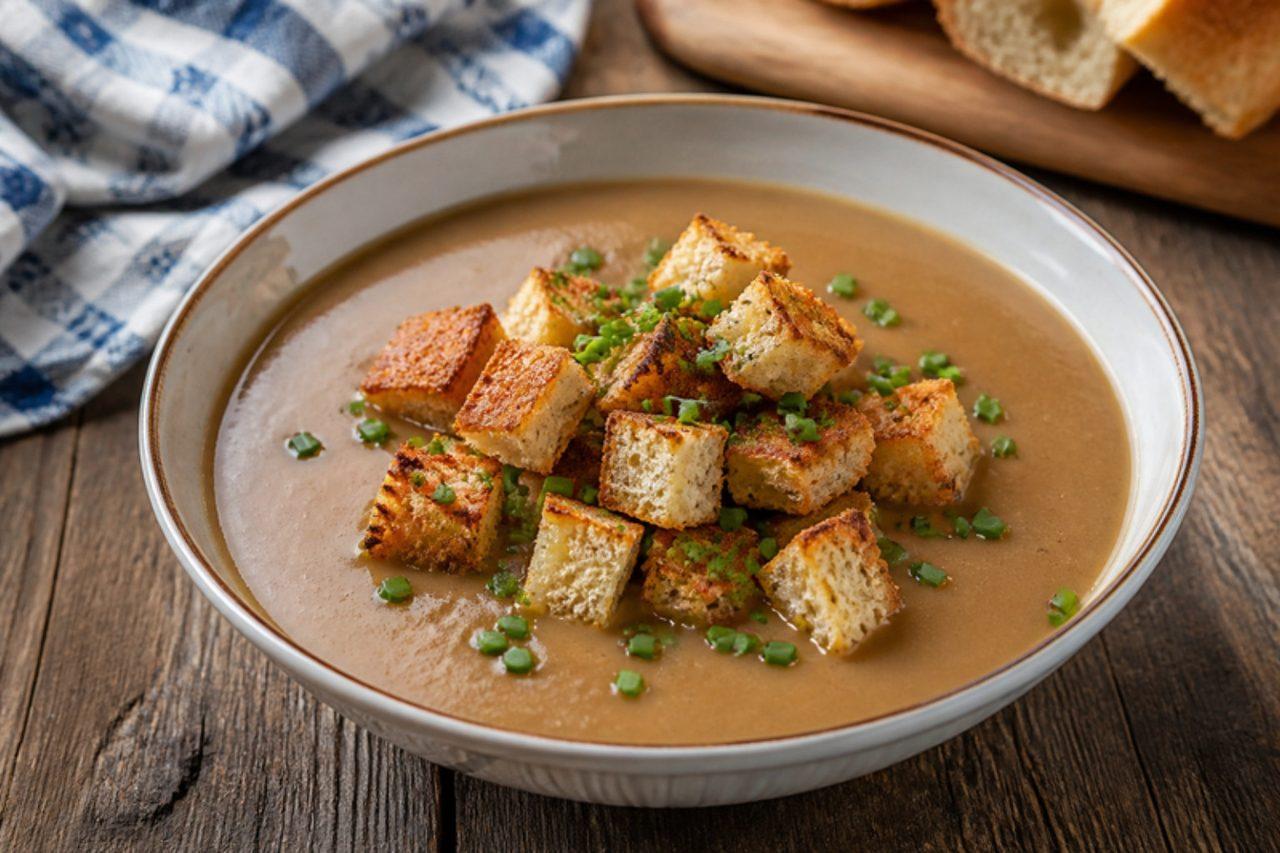
BrennsuppeBrowned flour soup

Farmhouse kitchens in Upper Bavaria and the Swabian Allgäu once started the day with Brennsuppe, a soup built from almost nothing: flour browned slowly in butter until it smells of hazelnuts, then whisked into water or stock with caraway and onion. Grandmothers still make it on cold evenings or for anyone feeling poorly, with cubes of stale bread toasted in the pan and a heap of chives on top. It tastes far richer than its ingredients suggest. The usual mistake is rushing the roux on a high heat, so it scorches and turns bitter instead of nutty. Chef's tip: whisk the stock in a little at a time while it is cold or lukewarm, and the soup stays perfectly smooth.

by KrazyBadal 0 views

ApfelschorleApple juice spritzer

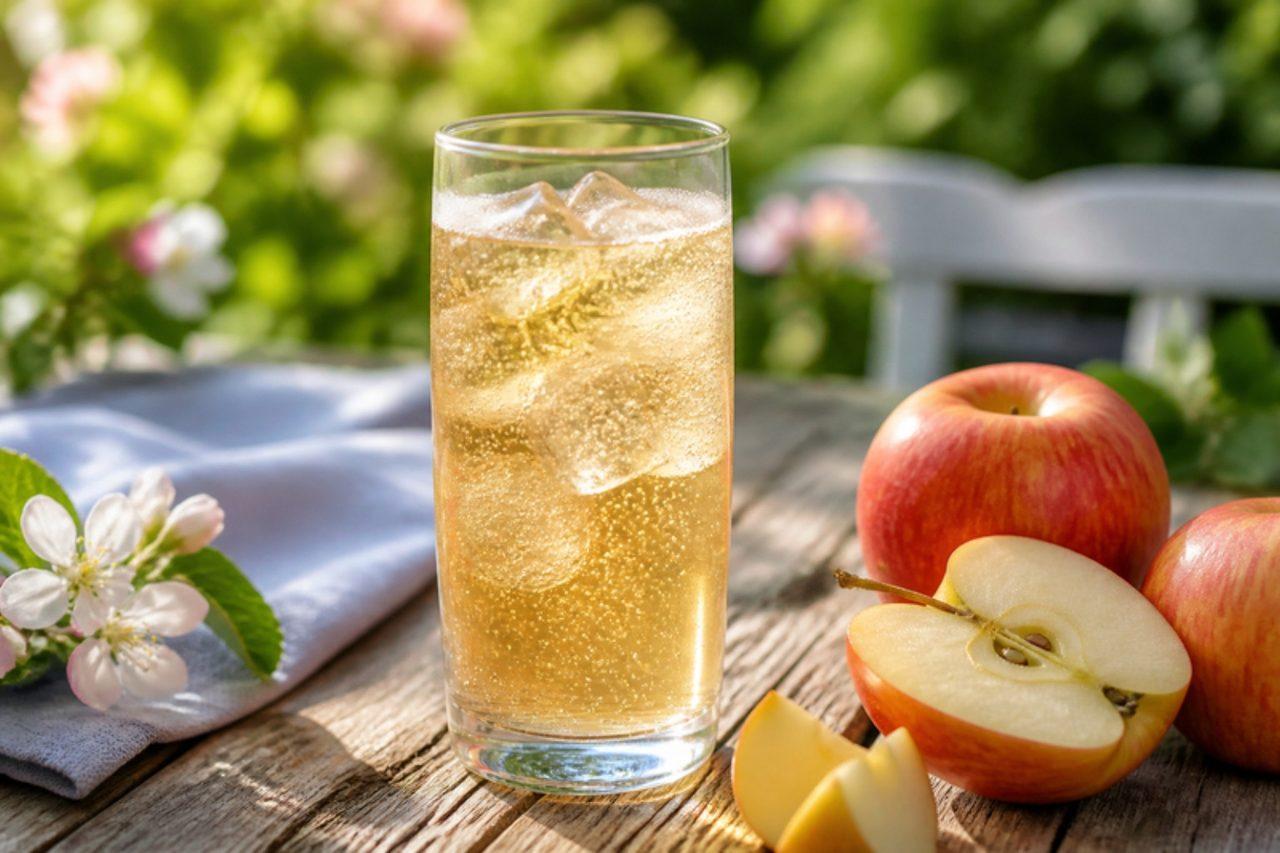
At any German beer garden, from Munich's Chinese Tower to the cider taverns of Frankfurt, the drink for children, drivers and anyone on a hot afternoon is Apfelschorle: cloudy apple juice topped up with sparkling mineral water. Germans drink it at family lunches, after sport and at school summer parties, and it is far less sweet than juice alone. The usual mix is half and half, but many people go lighter on the juice. The common mistake is pouring the water first, which knocks out the bubbles. Chef's tip: use naturally cloudy apple juice and very cold, strongly sparkling water, and pour the water in slowly down the side of the glass.

by KrazyBadal 0 views

EiersalatEgg salad

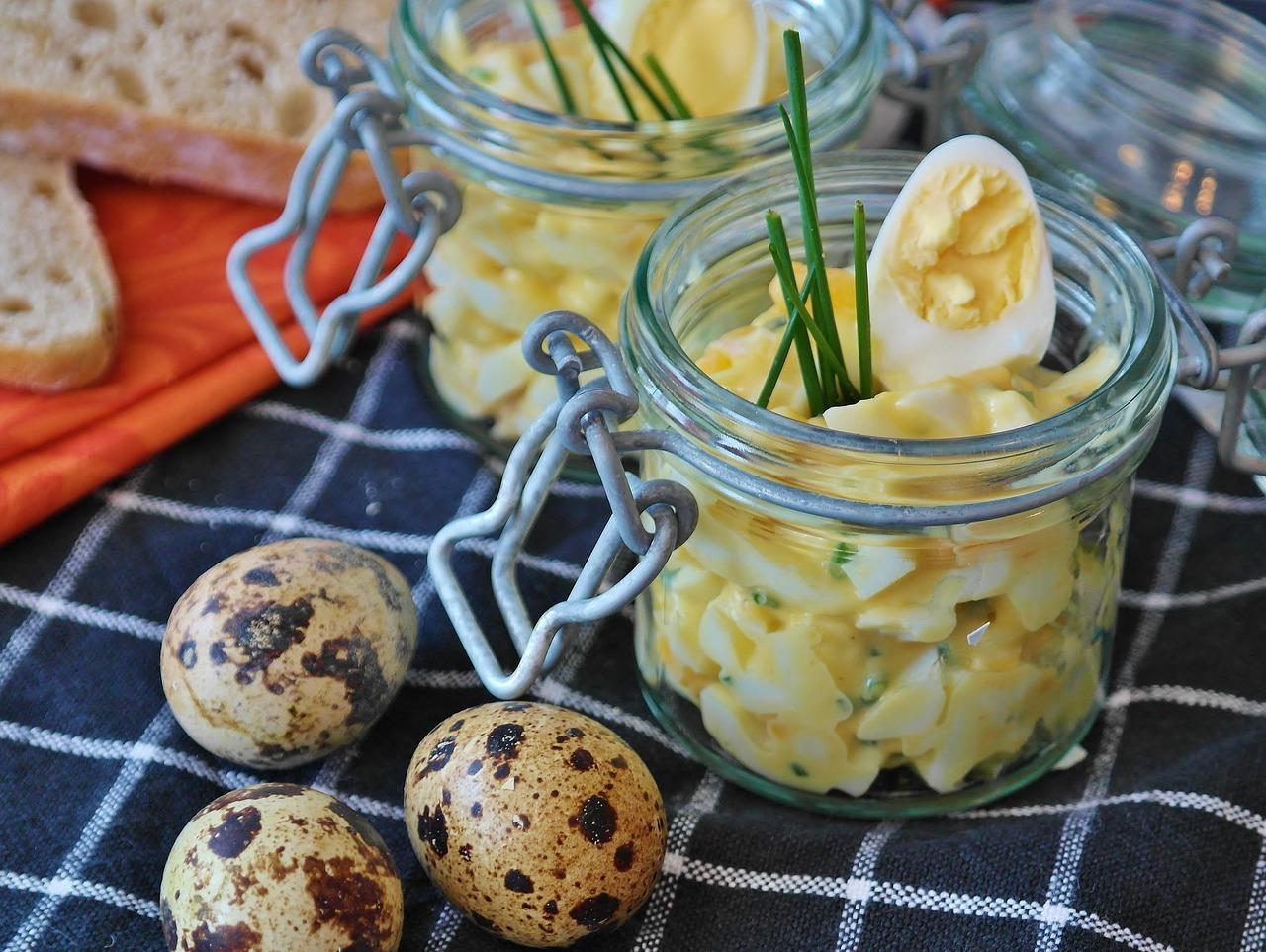
Every German bakery counter and many Sunday breakfast tables have a bowl of Eiersalat, spread thickly on halved Brötchen or rye bread at Abendbrot. This home version keeps it light: chopped hard-boiled eggs bound with a little mayonnaise and yoghurt, sharpened with mustard and gherkin and finished with lots of chives. It is also the usual way to use up dyed Easter eggs in the week after Easter. The classic mistake is overcooking the eggs, which leaves grey-green rims and a sulphur smell. Chef's tip: chop the eggs with a fork or an egg slicer, not a blender, so the salad keeps soft little pieces of white and yolk.

by KrazyBadal 0 views

SchnittlauchbrotChive bread

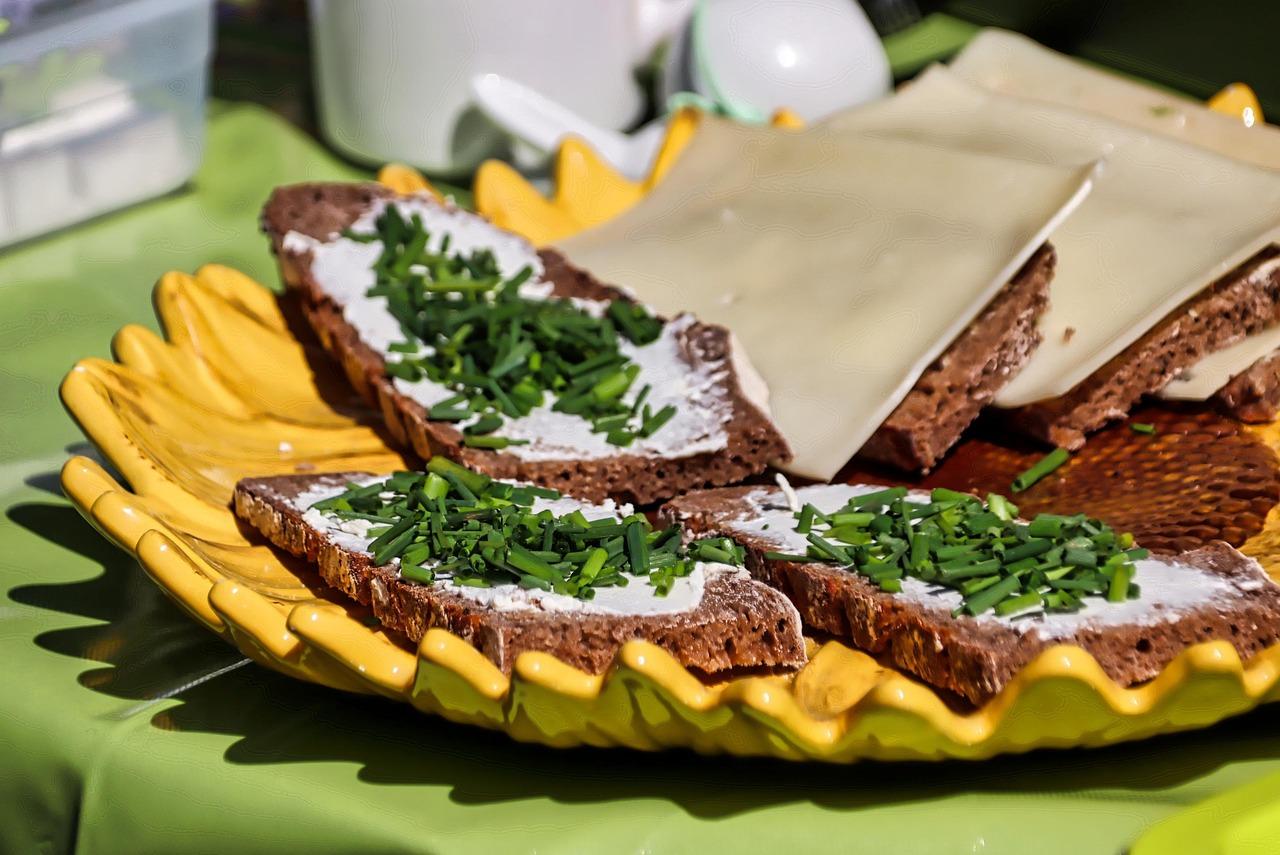
Order a Schnittlauchbrot in a Munich beer garden and you get the simplest Brotzeit there is: a thick slice of sourdough rye, buttered right to the edges and buried under so many chopped chives that the bread disappears. A pinch of coarse salt on top is all it needs. Bavarians eat it with a radish or two in the afternoon, and at home it is a classic Abendbrot when the chives in the garden are growing fast in May and June. The mistake is using fridge-cold butter, which tears the bread and will not hold the chives. Chef's tip: press the bread butter-side down into a plate of chives instead of sprinkling, and every bit gets covered.

by KrazyBadal 0 views

BärlauchsuppeWild garlic soup

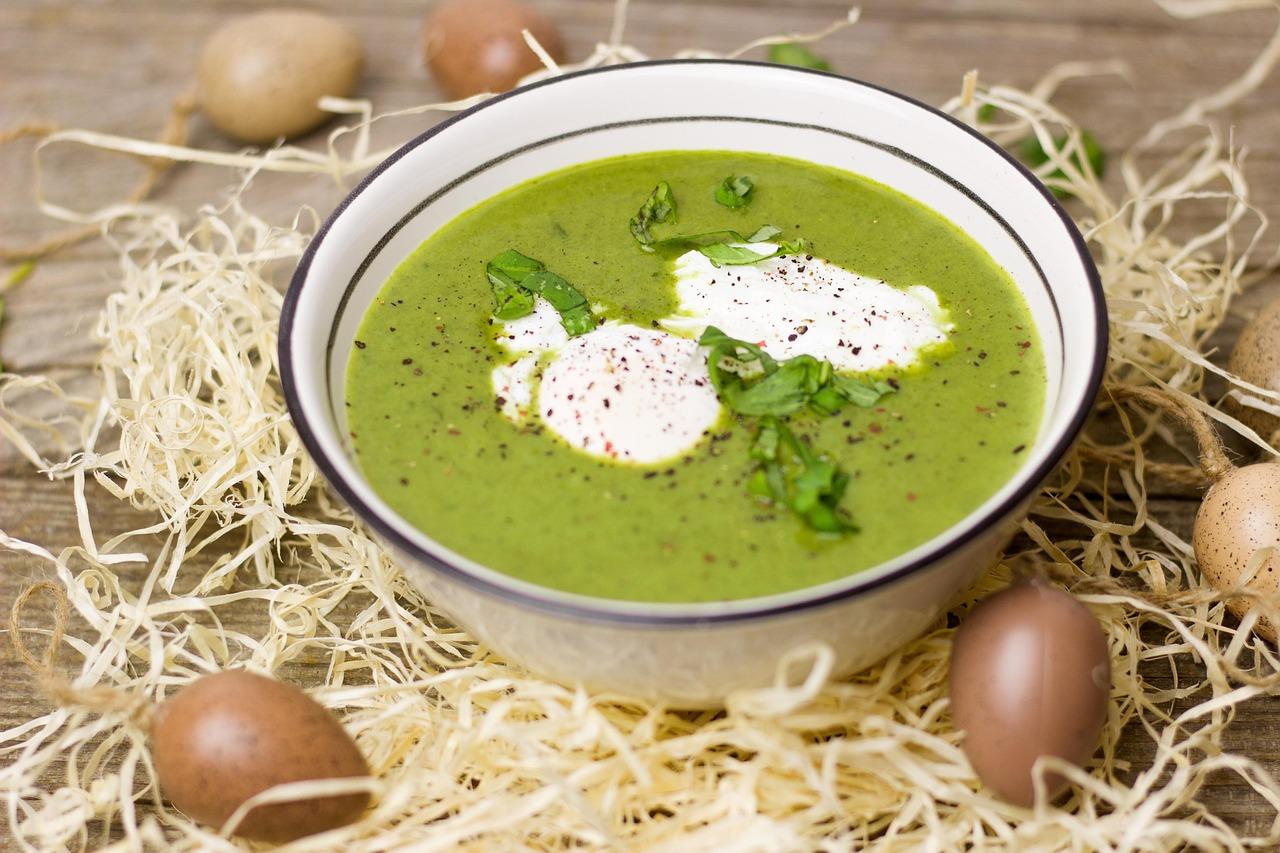
In March and April the beech woods of the Bavarian foothills, the Vienna Woods and the Swabian Jura carpet themselves with wild garlic, and inns from Munich to Graz put this bright green soup on their spring menus. A simple potato and onion base is blended with a big handful of raw leaves at the last moment, so the colour stays vivid and the garlic flavour fresh. Serve it with croutons or a swirl of sour cream. Foragers must be sure of their leaves, since wild garlic can be confused with poisonous lily of the valley; buy from a reliable source or a market. Cooking the leaves too long is the mistake that turns the soup khaki. Chef's tip: blend the leaves in off the heat and serve straight away.

by KrazyBadal 0 views

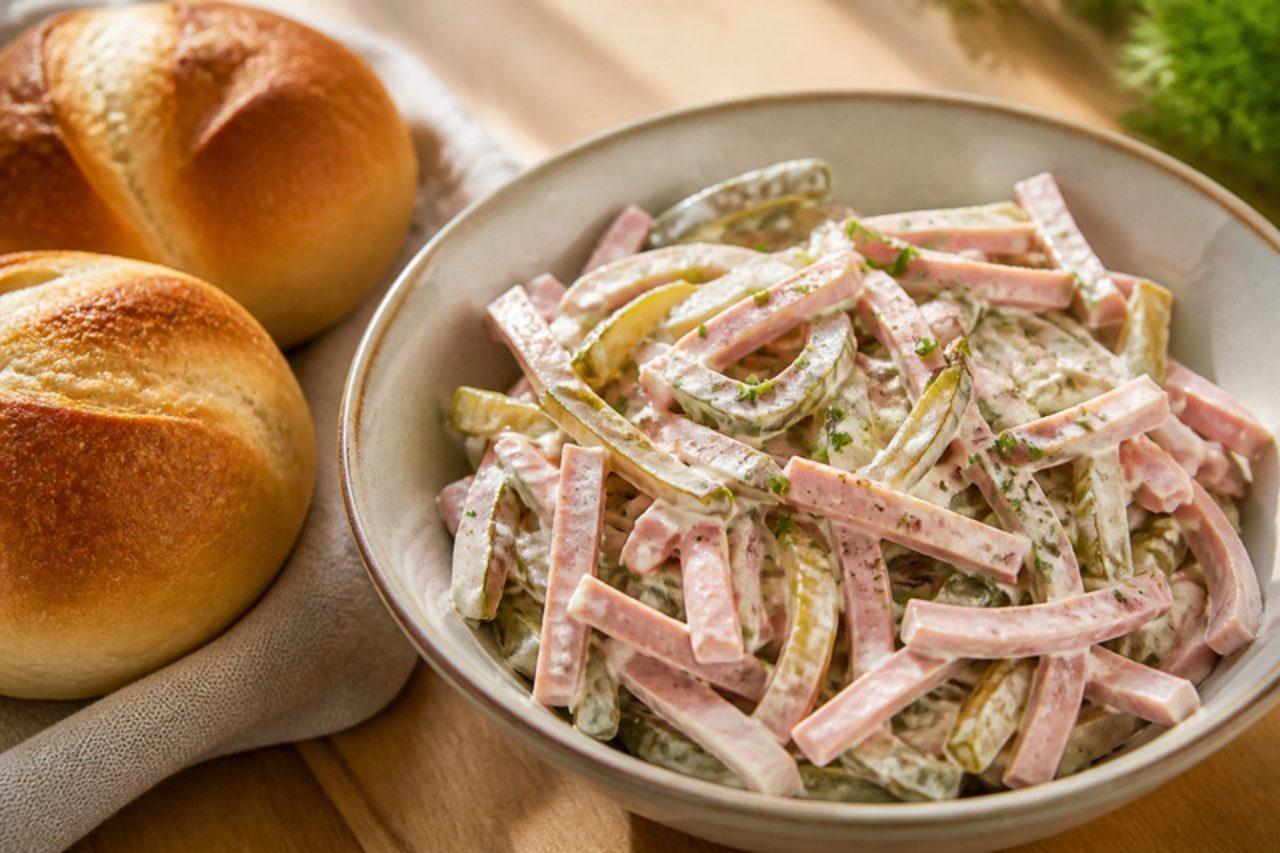
FleischsalatSausage salad

Every German butcher sells Fleischsalat in tubs, and it is spread thickly on bread rolls for Abendbrot or a workday second breakfast from Cologne to Leipzig. It is made from Lyoner or Fleischwurst, a mild cooked pork sausage, cut into fine strips and folded into mayonnaise with gherkins and a little of their brine. Making it at home lets you use less mayonnaise and add yoghurt for freshness. A common mistake is cutting the sausage into thick chunks, which makes it heavy; thin matchsticks are what you want. Chef's tip: chill it for an hour before serving so the gherkin brine flavours the sausage.

by KrazyBadal 0 views

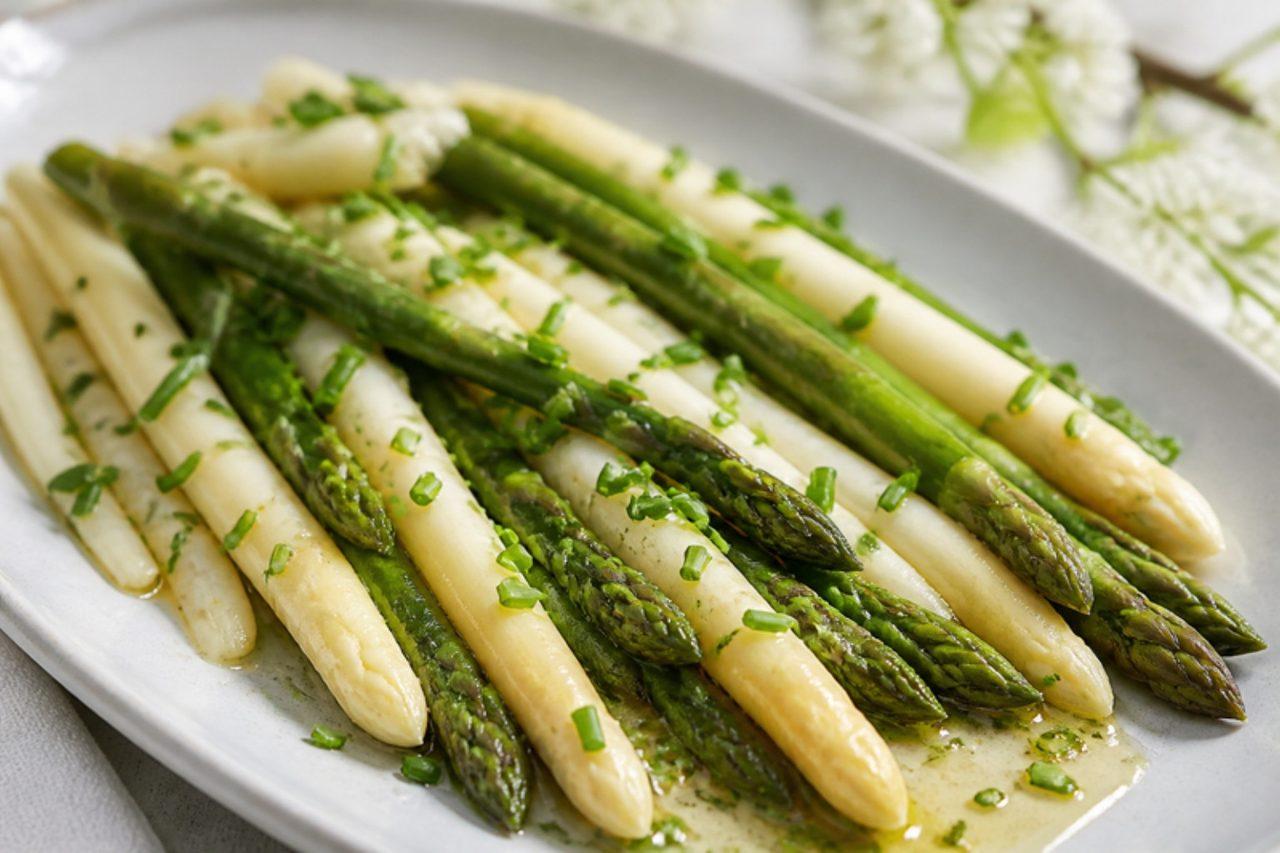
SpargelsalatWarm asparagus salad

Asparagus farms along the Baden Spargelstraße and in the Lüneburg Heath sell their spears straight from roadside huts in May, and this lukewarm salad is how many households there eat the first bundle. White and green spears are cooked just tender, cut into lengths and dressed while warm in a sharp vinaigrette of white wine vinegar, mustard, shallot and plenty of chives, so they soak up the flavour. It goes with new potatoes, or as a light lunch with bread. A frequent mistake is overcooking white asparagus until it is limp and stringy. Chef's tip: dress the spears while still warm and leave them for 15 minutes; cold asparagus barely absorbs the dressing.

by KrazyBadal 0 views

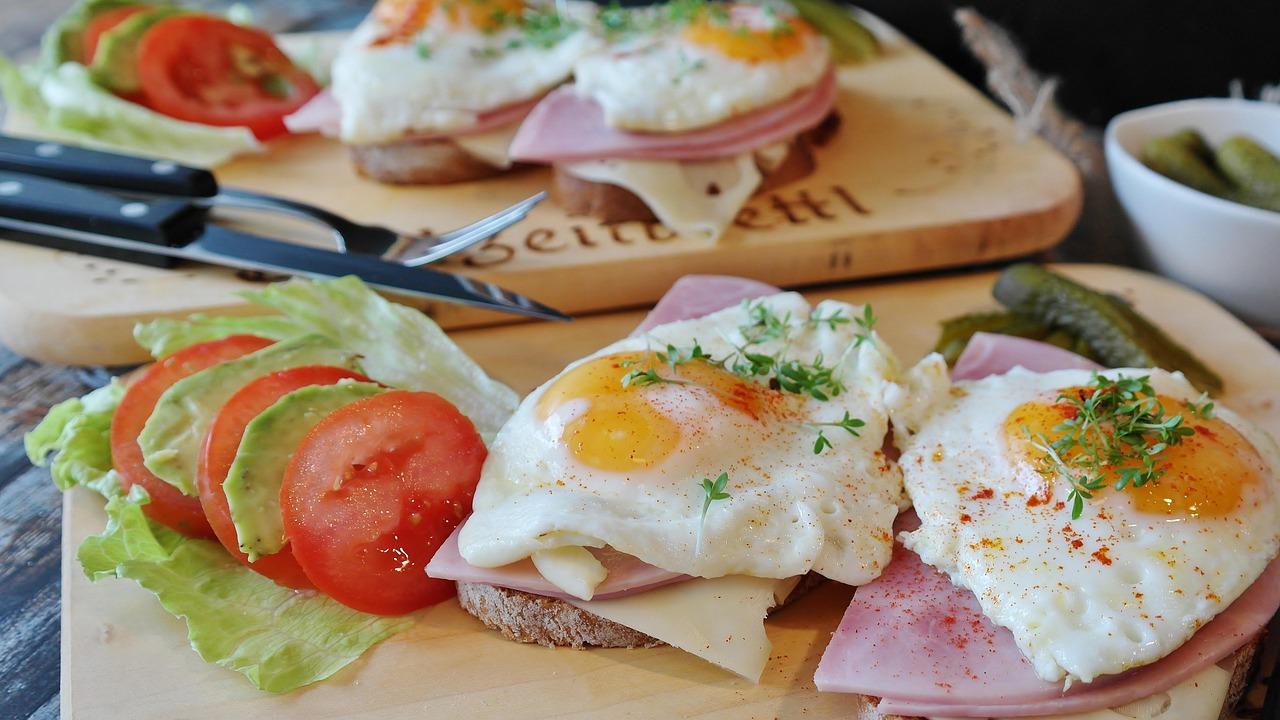
Strammer MaxHam and fried egg on bread

Strammer Max is the Kneipe snack of Saxony and Berlin: a slice of buttered bread, cooked ham and a fried egg with a runny yolk, served with a gherkin at pubs in Leipzig and Dresden and made at home as a fast weeknight supper. The ham is pork. Hot egg on cold ham and soft butter is the whole point, so cook the egg last. For a vegetarian version, swap the ham for thick slices of tomato. A common mistake is frying the egg too hot until the edges go hard and brown. Chef's tip: toast the bread lightly in the same pan first, so it holds the yolk without going soggy.

by KrazyBadal 0 views

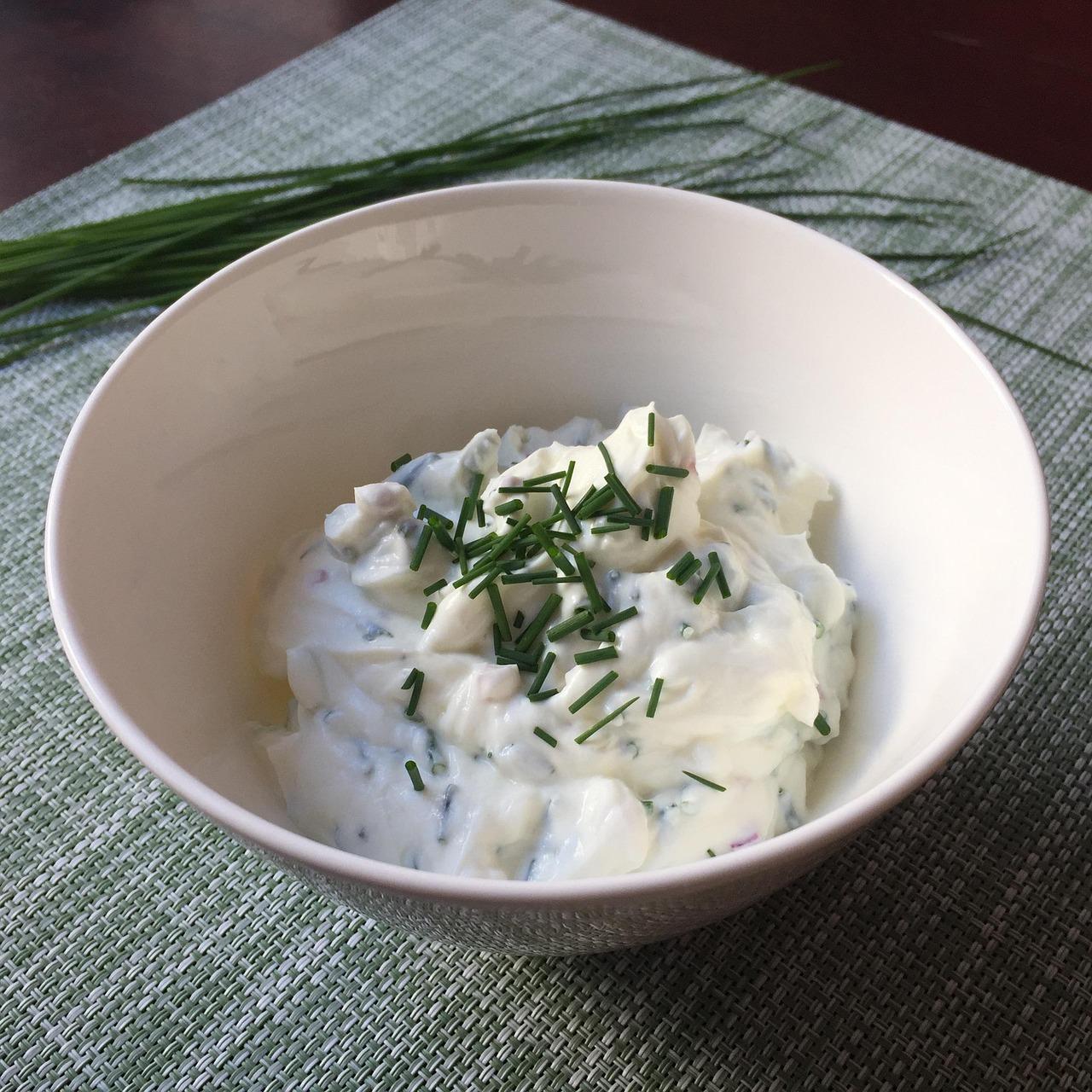
KräuterquarkHerb quark

On summer evenings across Germany, from Hamburg allotments to Swabian farmhouse kitchens, a bowl of herb quark sits in the middle of the Abendbrot table with rye bread, radishes and boiled new potatoes. Fresh low-fat quark is loosened with a little milk and linseed or sunflower oil, then packed with chopped chives, parsley and dill and a hint of garlic, so it tastes cool, tangy and green. It also goes on jacket potatoes at the fair and next to grilled vegetables at a barbecue. The usual mistake is chopping the herbs ahead and letting them sit, which turns them dark and bruised. Chef's tip: let the finished quark rest in the fridge for 20 minutes so the garlic mellows and the herbs flavour the whole bowl.

by KrazyBadal 0 views

Showing 24 of 93 recipes

Show more recipes

Page 1 of 4