Skip to content
Recipes

All recipes

Vegetarian, or something you can't eat? Set your diet once and we'll hide recipes that don't fit.

Fideos con mantecaButtered noodles with cheese

Ask anyone from Buenos Aires to Córdoba what they ate when they came home late or felt poorly as a child, and the answer is often fideos con manteca: short pasta tossed with butter and a snowfall of grated queso rallado. It is the plainest dish in the Argentine home kitchen and the one people cook for themselves on a tired weeknight. The mistake that ruins it is draining the pasta bone-dry and adding cold cheese to a hot empty pan, which leaves greasy strands and clumps; a splash of cooking water makes a light, creamy coating instead. Argentine reggianito and Parmesan are made with animal rennet, so use a vegetarian hard cheese if needed. Chef's tip: grate the cheese very finely, like dust, so it melts on contact.

by KrazyBadal 0 views

TopfengolatschenSweet quark puff pastry squares

A Topfengolatsche is what Viennese office workers grab from the bakery on the way in, and what grandparents order with a Melange in a coffee house on a Sunday afternoon. The corners of a puff pastry square are folded over a lemony, vanilla-scented filling of Topfen (Austrian quark) with plump raisins, and the top gets a thin white glaze. It is flaky, light and not too sweet. Raisins are sometimes soaked in rum; warm water or orange juice works just as well, and the recipe below is alcohol-free. Wet quark is the classic problem, because it turns the filling runny and it leaks out in the oven. Chef's tip: hang the quark in a sieve lined with a clean cloth for an hour, or squeeze it, until it is as thick as soft cream cheese.

by KrazyBadal 0 views

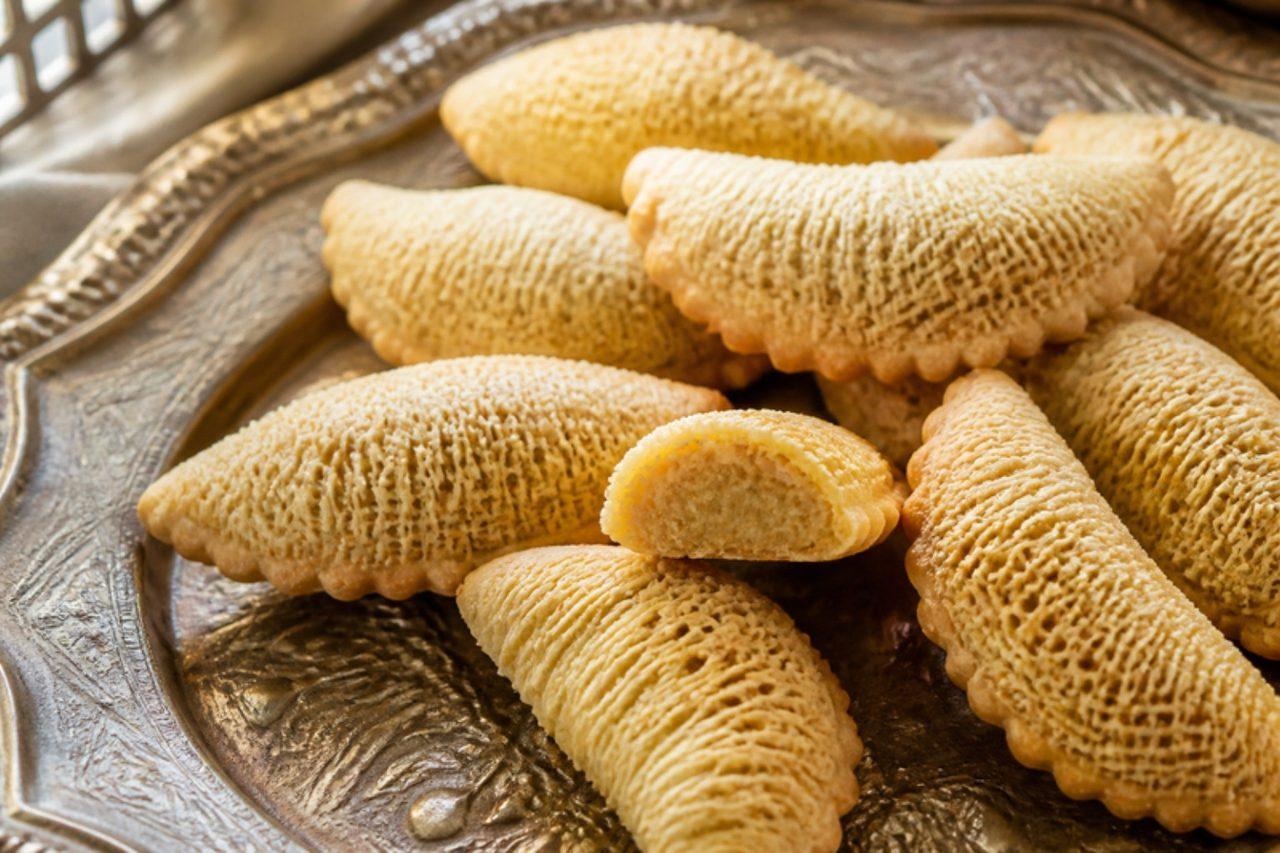
Tcharek el arianeAlmond crescents with orange blossom

On the last nights of Ramadan, kitchens across Algiers and Constantine fill up with trays of tcharek el ariane, the 'naked' tcharek: crescents of thin, buttery dough wrapped around almond paste with cinnamon and orange-blossom water. Unlike their sugar-coated cousins they are left bare, so the fine dough with its pinched, lace-like pattern shows. Families give them to neighbours on Eid morning and set them out at weddings with mint tea and coffee. The dough is traditionally made with smen (aged butter); plain melted butter works well. Overbaking is the common slip, because they turn hard and dry; they should stay pale with only golden tips. Chef's tip: keep the dough under a damp cloth while you shape, as it dries in minutes and then cracks along the curve.

by KrazyBadal 0 views

Torta de ricotaLemon ricotta tart

Italian families brought ricotta tarts to Buenos Aires and Rosario, and torta de ricota is now as Argentinian as mate: every panadería has one in the window, with a lattice of sweet, crumbly masa frola over a pale, lemon-scented ricotta filling. It is cut into wedges for the merienda, the late-afternoon snack, or for a birthday where nobody wants a heavy cake. The texture is light and slightly grainy rather than silky, and the pastry tastes of butter and vanilla. Wet ricotta is the biggest risk, giving a weeping, soggy tart. Chef's tip: drain the ricotta overnight in the fridge in a sieve lined with a cloth, and add a few raisins only if they have been soaked, or they draw moisture from the filling.

by KrazyBadal 0 views

Salpicón de aveCold chicken salad

Salpicón de ave is the cold supper of Argentine summers, made in Buenos Aires flats and on estancias alike when it is too hot to cook much, and a favourite way to use the chicken from a puchero or Sunday roast. Shredded chicken is mixed with diced pepper, tomato, spring onion, sweetcorn and boiled egg, bound with mayonnaise sharpened with lemon and mustard, and served chilled with crusty bread or on lettuce. The common mistake is dressing it while the chicken is still hot, which melts the mayonnaise into an oily puddle; let everything cool first. Chef's tip: dress the chicken with the lemon juice and a pinch of salt before the mayonnaise goes in, so the meat itself is seasoned, not just its coating.

by KrazyBadal 0 views

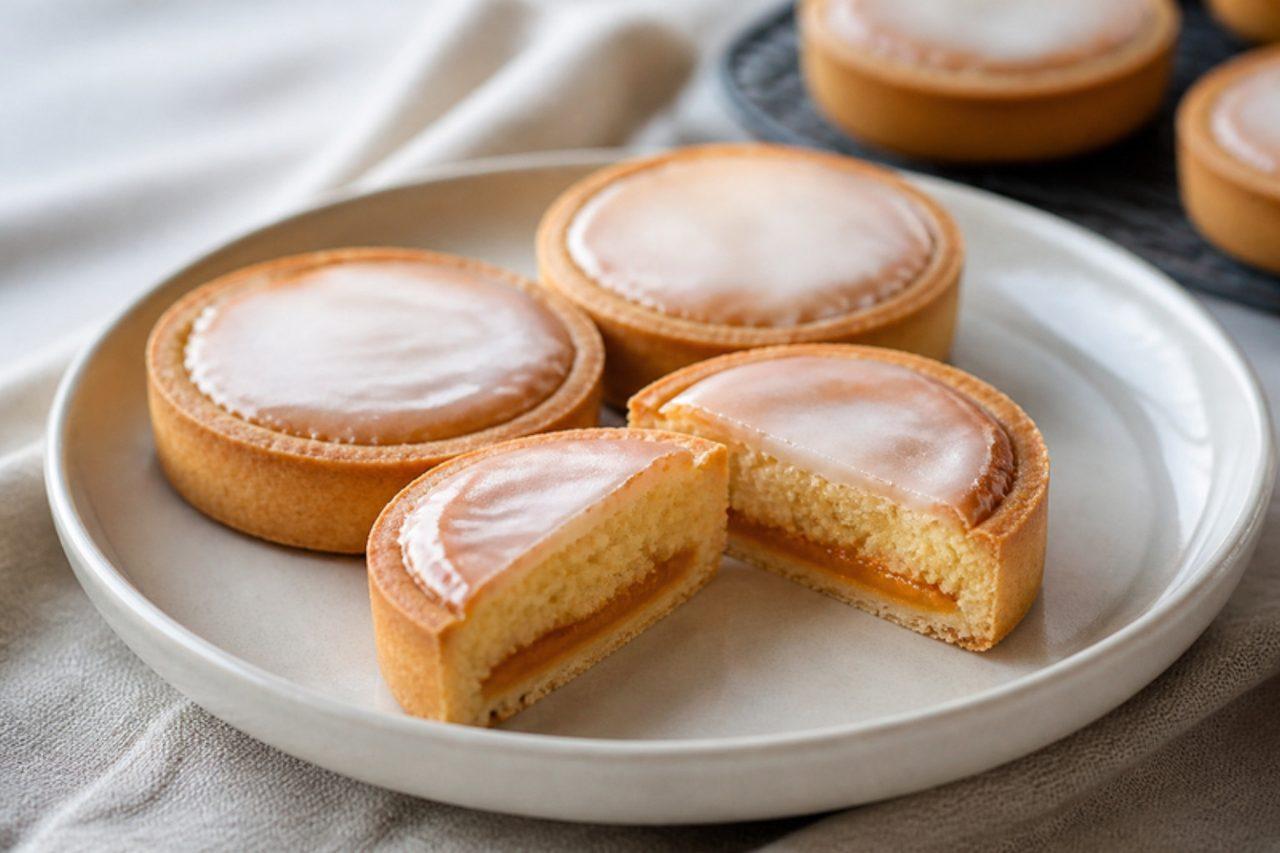
Belgian frangipane tartlets

Look in the glass counter of a Flemish bakery and between the rice tarts and cream puffs sit rows of frangipanetaartjes: small shortcrust cases with a hidden layer of apricot jam, filled with almond frangipane and glazed with a thin, crackly white icing. Belgians pick them up on Saturday mornings or for a birthday at the office and eat them with coffee. They are buttery, nutty and moist, with a sharp fruity note from the jam. Too much jam is the mistake to watch: it bubbles up through the frangipane and glues the tartlets to the tin. Chef's tip: brush the warm tartlets with hot apricot jam first and let it set before the icing goes on; the jam seals the surface so the glaze stays white and shiny.

by KrazyBadal 0 views

GurundiCrunchy coconut biscuit bars

Walk past a school gate or a motor park in Kano, Kaduna or Jos and you will hear hawkers calling out gurundi, the hard coconut biscuit bars sold in little plastic bags. They are toasty, sweet and very crunchy, packed with coconut and a hint of nutmeg, and children buy them with pocket money to eat on the walk home. At home they go into lunch boxes or out with a cup of tea or a cold bottle of zobo. Fresh grated coconut is traditional; desiccated coconut makes it simple anywhere. Chef's tip: once the bars are golden, turn off the oven and leave them inside with the door ajar for 15 minutes to dry right through; taking them out too soon is the usual mistake, and they go soft by the next day.

by KrazyBadal 0 views

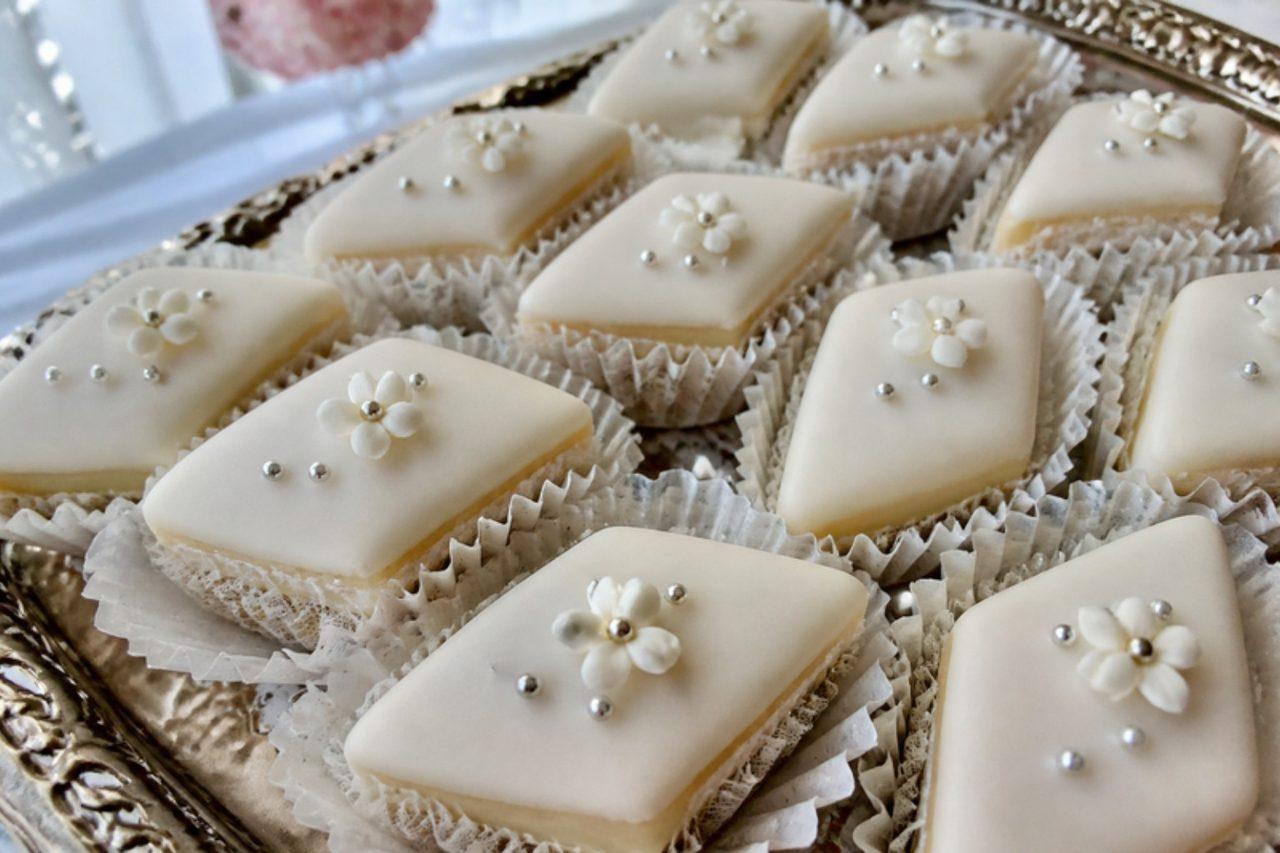
Algerian mkhabezIced almond and lemon diamonds

No Algerian wedding tray, and few Eid tables in Algiers or Constantine, is complete without mkhabez: soft, chewy diamonds of ground almond and lemon zest under a smooth white icing, each topped with a sugar flower or a silver ball and set in its own paper case. Making them is a social affair, with sisters and aunts icing and decorating hundreds the week before a celebration. The almond base is flourless and dairy free, sweet and lemony, and the icing sets to a thin shell; serve them with mint tea or strong coffee. Overbaking is the mistake to avoid: the diamonds should come out pale and soft, or they go dry and crumbly under the icing. Chef's tip: ice them when completely cold, and get the icing so thick it only just flows; runny icing slides off the sides and never sets glossy.

by KrazyBadal 0 views

Tarta de coco y dulce de lecheCoconut and dulce de leche tart

Ask Argentinians for their favourite tart at a family birthday and this one often wins: a crisp shortcrust spread thickly with dulce de leche, then covered with a coconut, sugar and egg topping that bakes into a golden, chewy crust. Bakeries from Córdoba to Mar del Plata sell it by the slice for the merienda with mate or a café con leche. It is very sweet, so the slices are thin, and it is a good keeper for a few days. Ordinary spreading dulce de leche is the mistake: it runs and bubbles out at the edges. Use the thicker pastry-style kind, sold in Argentina as 'repostero'. Chef's tip: chill the case with the dulce de leche spread on it for 15 minutes before adding the coconut, so the two layers stay distinct.

by KrazyBadal 0 views

BizcochueloPlain whisked sponge cake

Nearly every Argentine birthday torta starts life as a bizcochuelo: a tall, plain sponge of eggs, sugar, flour and cornflour, with no butter and no baking powder, lifted only by long whisking. Grandmothers bake it on Sunday to split into three and fill with dulce de leche and whipped cream, or eat it plain in the afternoon with mate. The crumb is fine, dry-ish and airy, made to soak up syrup. Opening the oven in the first 20 minutes is the classic way to flatten it, so leave the door shut. Chef's tip: whisk until the mixture reaches 'punto letra', thick enough that a ribbon drawn on the surface holds its shape for a few seconds; that takes a good 8–10 minutes with an electric mixer, and warm eggs get there faster.

by KrazyBadal 0 views

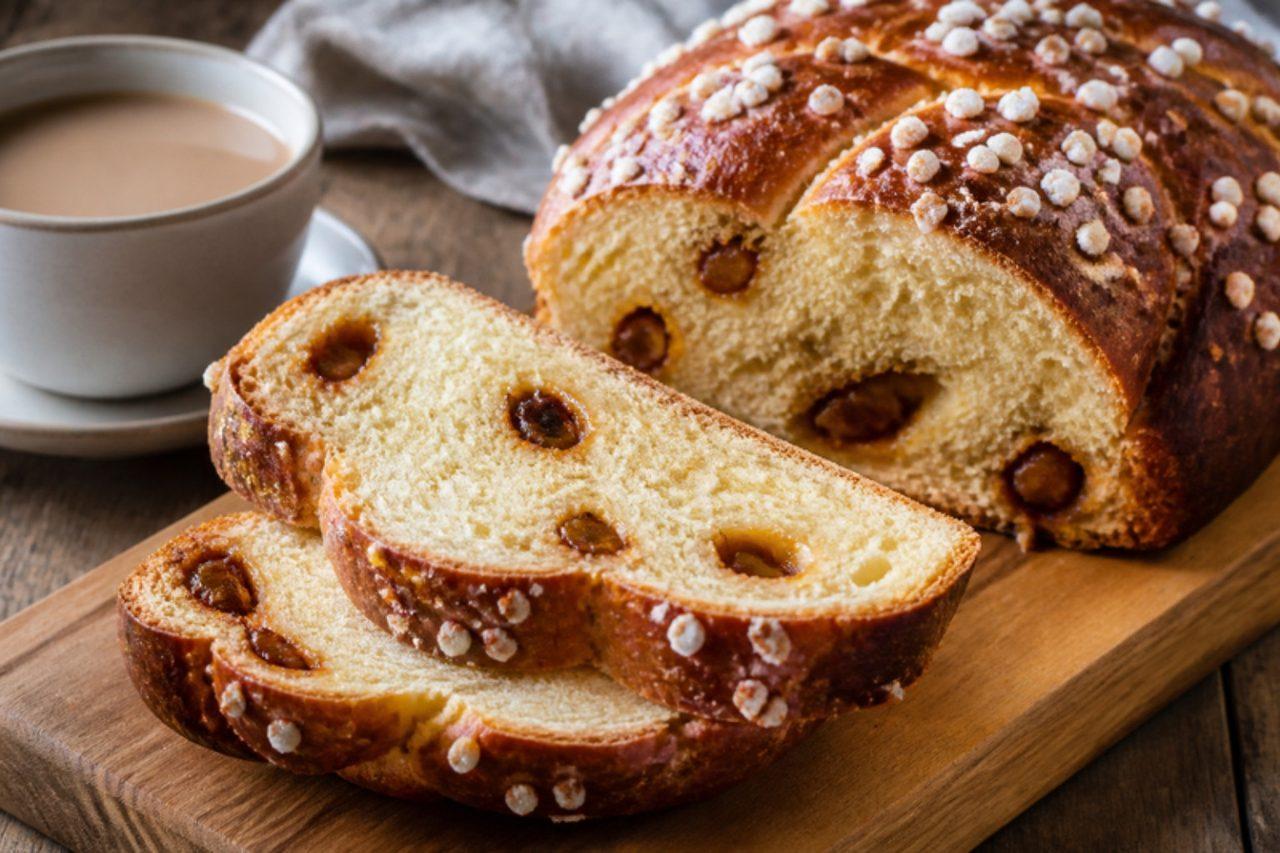
CraquelinBrioche with sugar cube pockets

Sugar cubes, of all things, are the secret of the Belgian craquelin. Bakers in Ghent, Bruges and Brussels wrap broken cubes inside rich brioche, and as the loaf bakes they melt into little wells of syrup that set crunchy, while pearl sugar crackles on the crust (hence the name). It is a Sunday breakfast and weekend bakery loaf, sliced thick and eaten plain or with butter and a bowl of café au lait; Flemish bakers sometimes add orange zest. Leaving sugar pieces exposed on the outside, especially the base, is the usual pitfall: they caramelise, burn and glue the loaf to the tin. Chef's tip: chill the kneaded brioche for at least an hour before you fold in the sugar, so the butter firms and the dough is easy to wrap around the cubes.

by KrazyBadal 0 views

Nigerian fruit cake

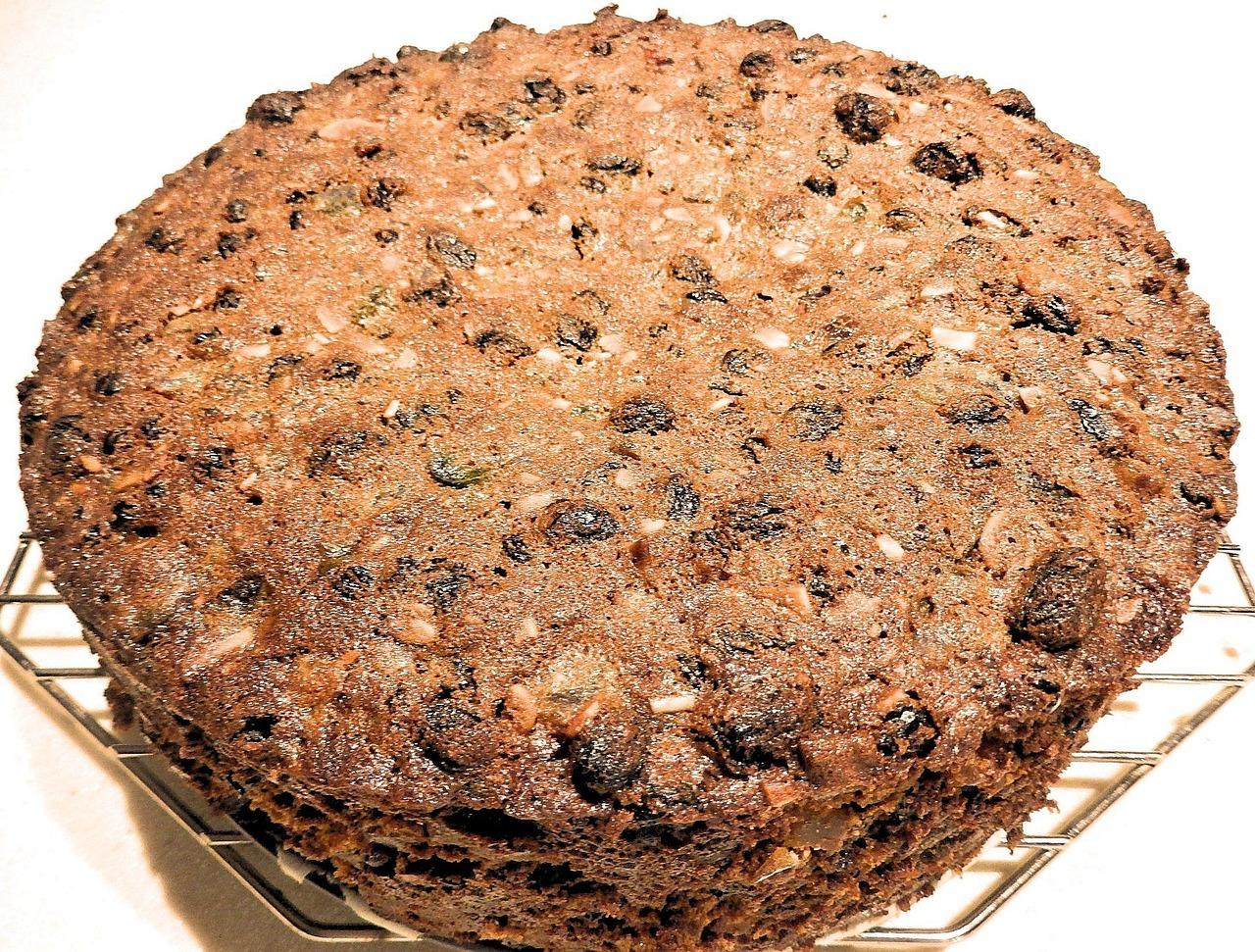
No Lagos wedding or Christmas table feels complete without a dark, heavy fruit cake, often stacked in tiers and covered in icing, with slices wrapped in napkins for guests to take home. The crumb is dense and moist, coloured almost black with browning (burnt-sugar caramel), and packed with raisins, currants and cherries warmed by nutmeg and mixed spice. Many families soak the fruit for weeks in brandy, stout or red wine; this version plumps it in orange juice instead, with a spirit given only as an option. Serve thin slices with tea, or ice it for a celebration. Bake it hot and fast and you get the classic failure: a cracked, burnt crust over a raw, sunken middle, so keep the oven low. Chef's tip: wrap a double band of brown paper around the outside of the tin and tie it with string; it slows the edges so the middle catches up.

by KrazyBadal 0 views

Kärntner ReindlingCinnamon raisin yeast cake

Carinthia's Easter loaf takes its name from the Reindl, the round, deep pan it is baked in, and in southern Austria no Easter basket goes to church without one. Inside the golden yeast crust is a spiral of butter, cinnamon sugar and plump raisins, so every slice shows a dark swirl. Locals eat it two ways: sweet with coffee on Easter morning, or alongside the savoury Easter platter with horseradish. Many bakers soak the raisins in rum overnight; warm water or tea works just as well and keeps it alcohol-free. A dry, crumbly Reindling usually means too much flour went in during kneading, so keep the dough soft and only lightly floured. Chef's tip: butter the pan well and dust it with sugar, which caramelises into a thin crunchy shell.

by KrazyBadal 0 views

ErdäpfelstrudelSavoury potato strudel

Austrians, especially in the Mühlviertel of Upper Austria and the Waldviertel, make savoury strudels as often as sweet ones, and Erdäpfelstrudel is a farmhouse favourite for a meatless Friday or a cold evening. Thin pastry wraps a filling of potatoes, fried onion, sour cream, marjoram and parsley, baked until crisp and golden and sliced with a green salad or a dill and sour-cream dip. Bought filo makes it easy at home. The mistake to avoid is a wet filling, which turns the pastry soggy underneath. Chef's tip: cool the filling completely before rolling; warm filling makes the layers stick and tear.

by KrazyBadal 0 views

Kunun tsamiya

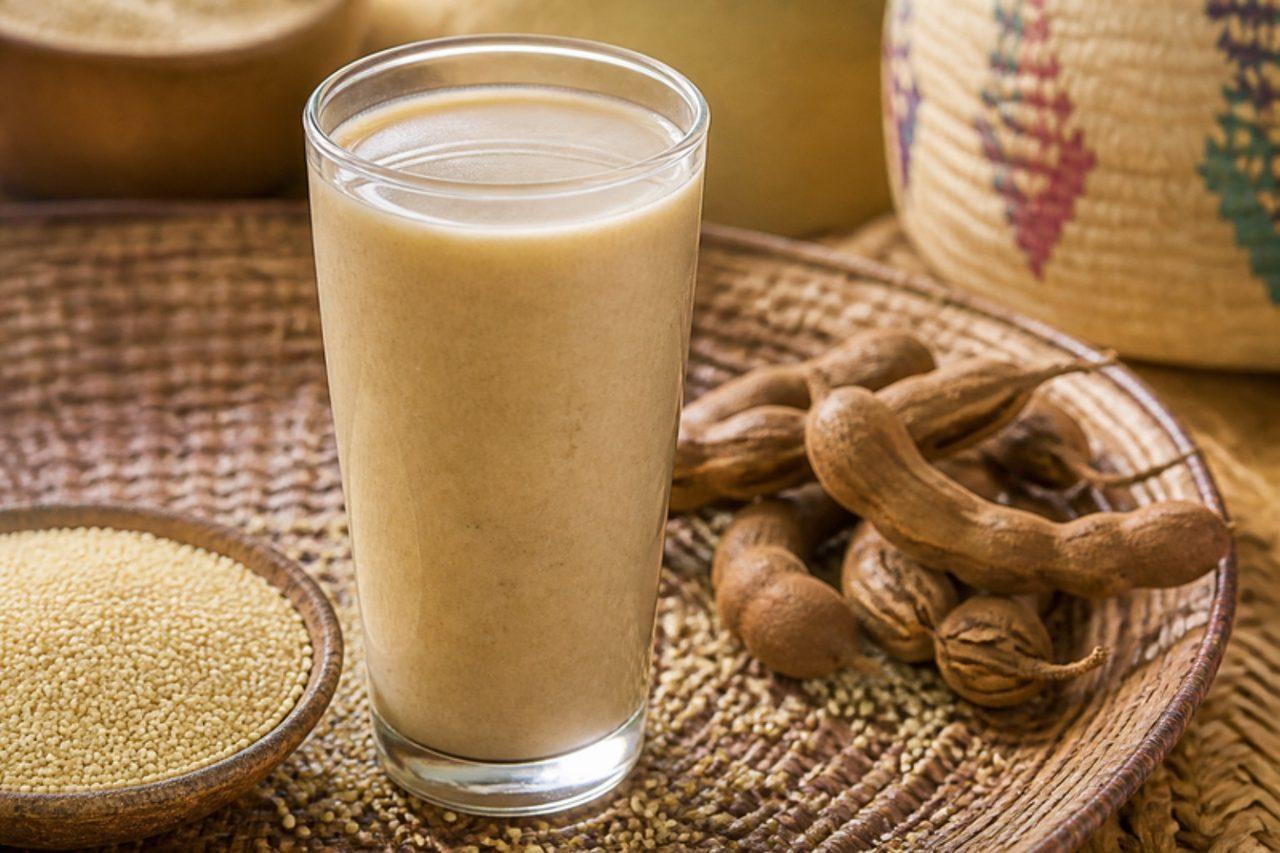
When the Ramadan fast breaks in Kano and Katsina, gourds of warm kunun tsamiya appear on mats beside dates and kosai: a thin, pourable millet porridge-drink, tart from tamarind (tsamiya), warmed with ginger and cloves and sweetened to taste. It is soothing, slightly sour and very filling, and Hausa mothers also give it at breakfast in the cold harmattan months. The mistake is pouring the millet paste into water that isn't boiling, which leaves it raw-tasting and lumpy; it must go into a rolling boil while you stir. Chef's tip: stop when it just coats the back of a spoon; kunun keeps thickening as it cools and should stay drinkable.

by KrazyBadal 0 views

Yamarita

Small-chops trays at Lagos weddings and naming ceremonies always carry a few golden batons of yamarita beside the puff-puff and samosas, and home cooks make it on Saturday mornings from the end of a tuber of white puna yam. The yam is boiled just tender, coated in seasoned flour and a beaten egg spiked with scotch bonnet and onion, then fried so the outside puffs into a thin, savoury crust over a fluffy, starchy centre. Serve it hot with a dip of fried pepper sauce or ketchup for children. Contains egg and wheat. The mistake to avoid is boiling the yam soft: overcooked sticks break in the batter and soak up oil, so stop when a knife slides in with a little resistance. Chef's tip: let the boiled sticks steam dry on a rack for five minutes before flouring; a dry surface is what makes the egg cling.

by KrazyBadal 0 views

Jollof spaghetti

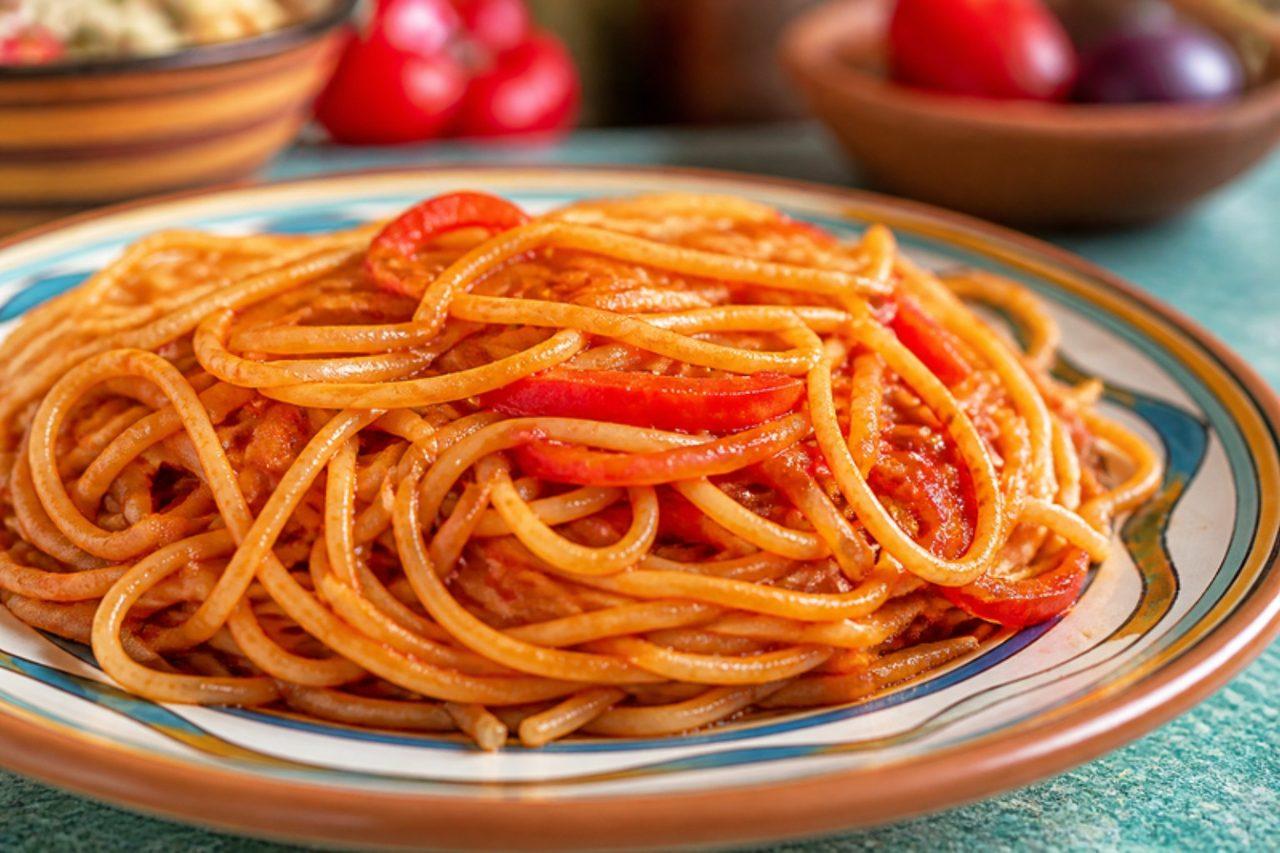
In student hostels in Nsukka and Ife and in busy family kitchens across Nigeria, jollof spaghetti is what happens when there is no time for rice: broken spaghetti simmered straight in a fried tomato and pepper base with thyme and curry, so every strand turns orange and soaks up the flavour. It is a weekday lunch, a school-holiday favourite and a Saturday breakfast. This version is vegan and only mildly hot for children; add more scotch bonnet for adults. The usual slip is boiling and draining the pasta first, which leaves it bland with sauce sliding off; cook it in the sauce itself. Chef's tip: let the pan sit on the heat for the last two minutes without stirring so a thin smoky layer catches at the bottom, the party-jollof taste.

by KrazyBadal 0 views

Baba dudu

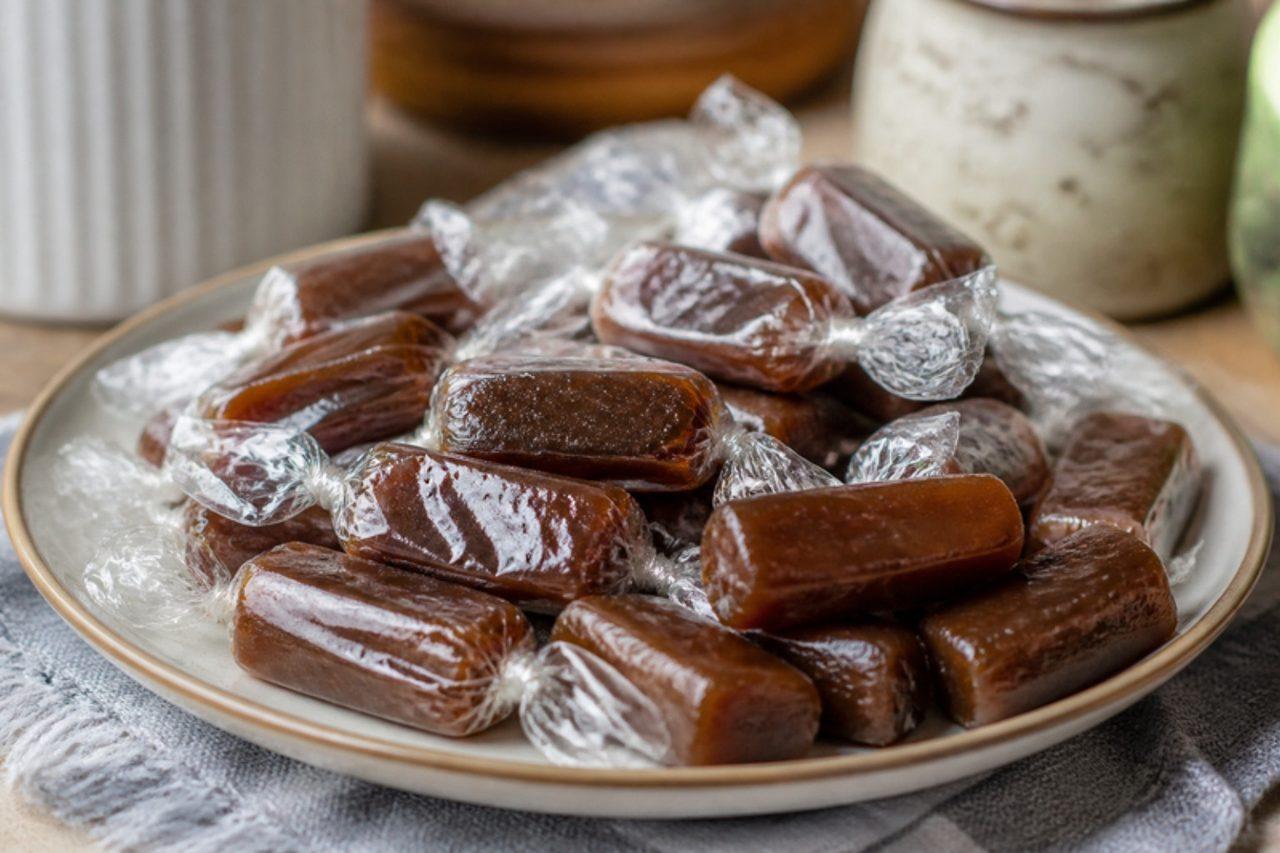
Yoruba children of the 70s and 80s remember baba dudu, "the black one", bought for a coin from sweet sellers outside school gates in Ibadan and Abeokuta: sugar and butter cooked until almost black, then pulled and cut into small chewy pieces that taste of toffee and burnt caramel. It is easy to make at home, but hot sugar burns badly, so keep children away from the stove. The candy is a choking risk for small children and isn't suitable for under-1s. The mistake is taking it off the heat too early: pale caramel stays soft and sticky, so wait until it is the colour of strong tea and a drop sets firm in cold water. Chef's tip: oil your scissors and cut the strip while it is warm and pliable; once cold it shatters.

by KrazyBadal 0 views

Nigerian custard

In homes across Nigeria, from Kaduna to Benin City, custard is a breakfast drink-porridge as much as a pudding: custard powder is mixed to a paste, then set in seconds with a kettle of boiling water and finished with evaporated milk and sugar. Bowls of it are eaten hot with akara or moi moi, the sweet custard against the peppery bean cakes. The mistake is using water that has gone off the boil; it must be furiously boiling or the custard stays thin and floury. Custard powder is mostly cornflour, but check the label if you need it gluten-free. Chef's tip: stir the boiling water in with one hand while you pour with the other, in a steady stream, and the custard sets glossy and lump-free.

by KrazyBadal 0 views

Nigerian doughnuts

Long before chain doughnut shops reached Abuja, Nigerian bakeries and roadside hawkers in Onitsha, Enugu and Lagos sold these plump, unfilled rings and rounds, wrapped in paper and still warm, and mothers fried them by the trayful for birthday parties. The dough is enriched with milk, egg and butter and scented with nutmeg, so the crumb is soft and bready rather than cakey, and each one is rolled in sugar while hot. Contains wheat, milk and egg. A common mistake is frying in oil that is too hot: the outside goes dark brown while the centre stays doughy, so keep it at 170 °C and test the first one. Chef's tip: after cutting, let the rounds rise a second time on floured baking paper, then lift each one on its square of paper into the oil so it keeps its puffy shape.

by KrazyBadal 0 views

Donkwa

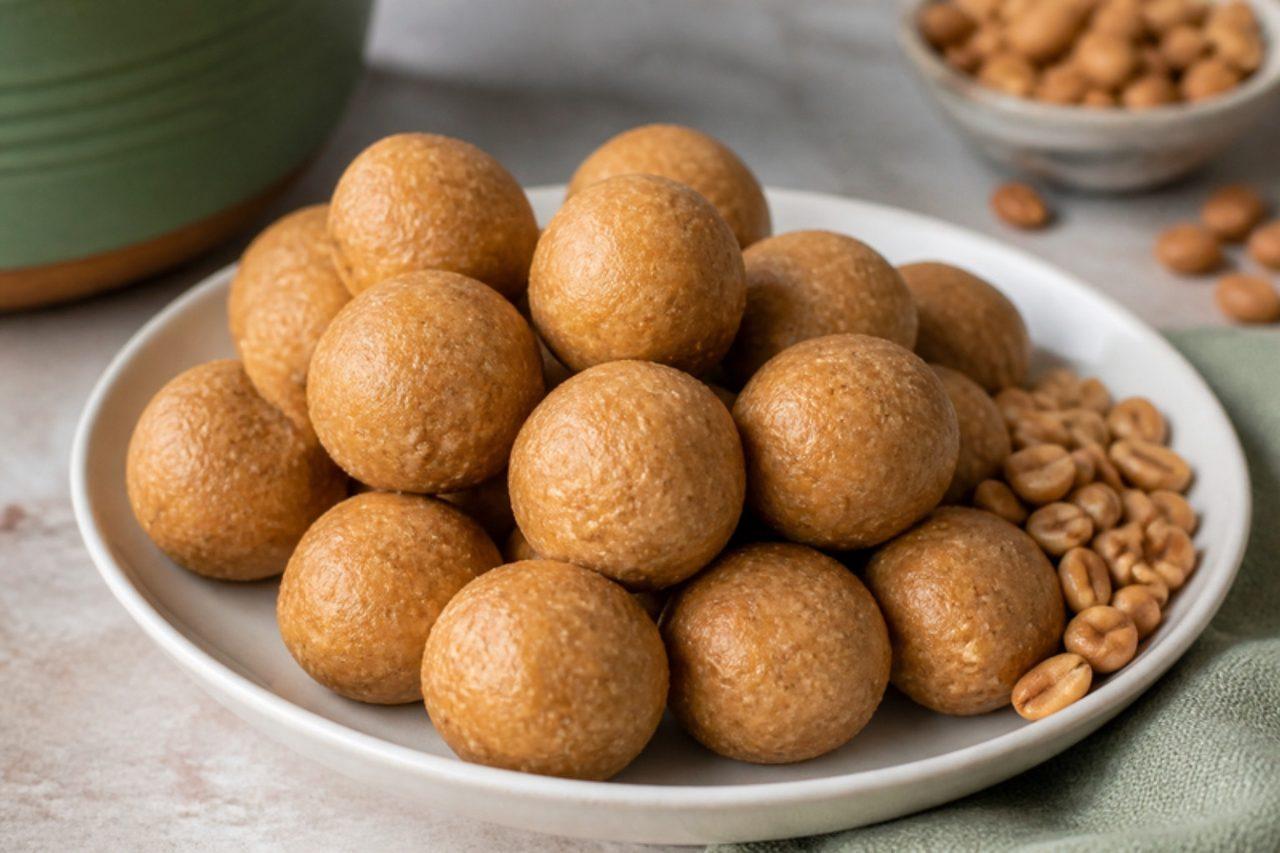
Children in Kano and Sokoto buy donkwa from trays at the market gate, and in Yoruba towns it is sold as a sweet-hot snack on the walk home from school: firm little balls of toasted corn flour pounded with roasted groundnuts, sugar and a pinch of dried pepper, bound by the nuts' own oil. They are crumbly, nutty and gently spicy. Contains peanut. The common mistake is under-toasting the corn: raw corn flour tastes chalky and floury, so keep stirring until it is pale biscuit-coloured and smells like popcorn. Chef's tip: if the mixture won't hold, add the oil drop by drop and squeeze each ball hard in your fist before rolling it smooth.

by KrazyBadal 0 views

Nigerian peppered chicken

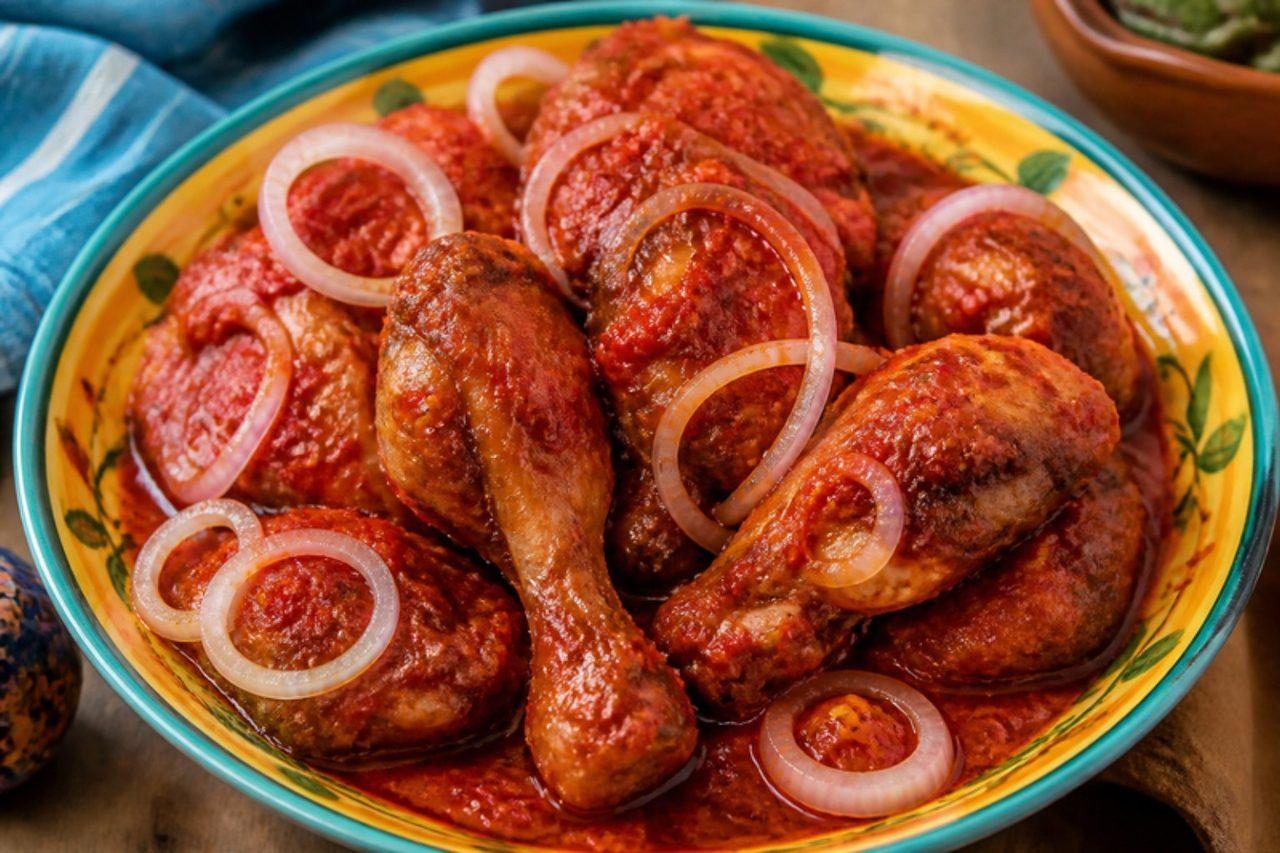
No Nigerian party is complete without a tray of peppered chicken, or peppered turkey at Christmas, passed round at weddings in Port Harcourt and Lagos and sold in packs at Sunday small-chops stalls. The pieces are first boiled in an onion, thyme and curry stock, then fried until the skin crackles, and finally tossed in a glossy, fiery sauce of blended scotch bonnet, red pepper and onion. Expect heat, a little sweetness and plenty of onion. The usual mistake is skipping the boil and frying raw chicken: the outside burns before the bone is cooked. Boil first, fry hot, and check the thickest piece reaches 74 °C. Turkey wings or drumsticks work the same way with 15 minutes more boiling. Chef's tip: keep the stock from the boil and splash a ladleful into the pepper sauce; it carries the seasoning into every crevice.

by KrazyBadal 0 views

Nigerian coconut rice

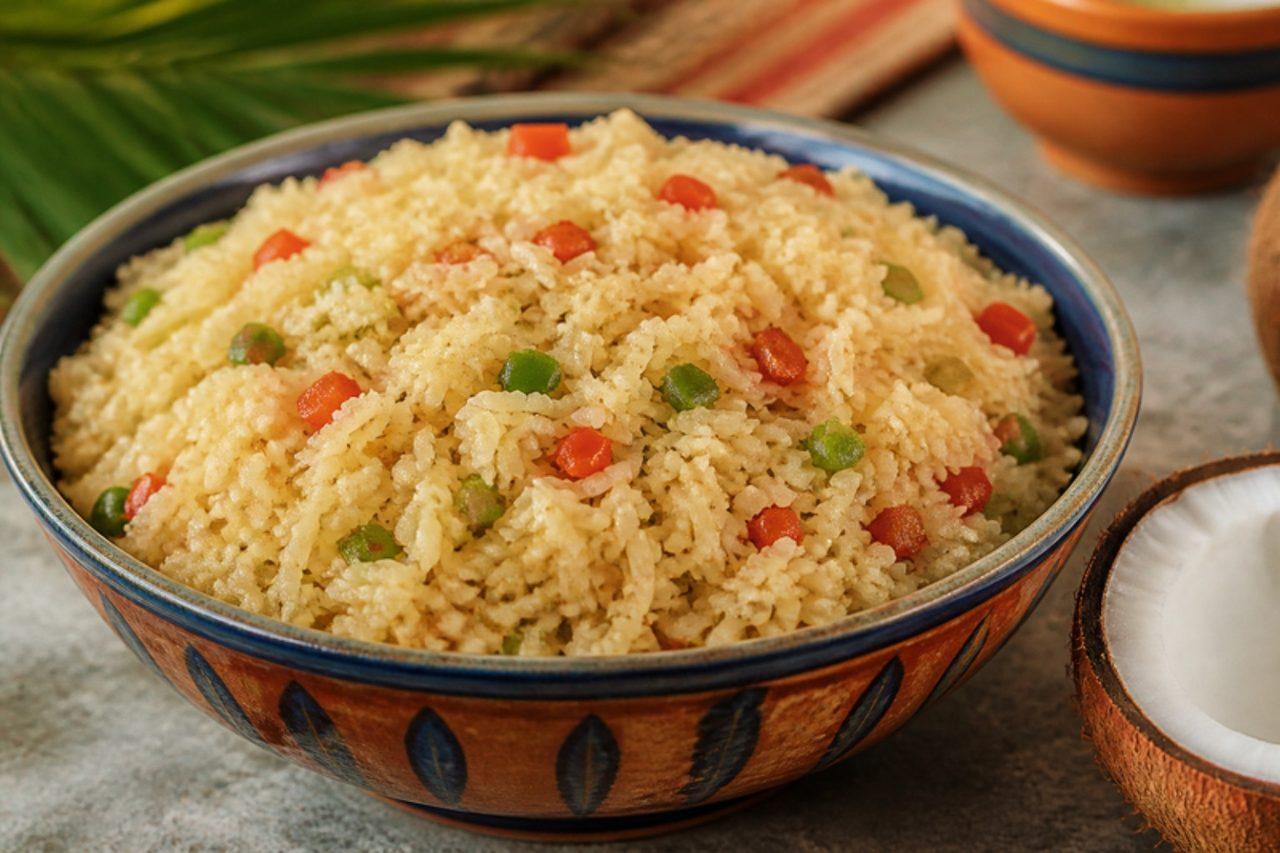
On Sundays in Lagos and at parties along the coast, coconut rice is the gentler cousin of jollof: long-grain rice cooked in fresh coconut milk with a blended pepper base, thyme, curry and a spoonful of ground crayfish, so it comes out creamy-orange, fragrant and lightly smoky-savoury. Serve it with fried plantain, peppered chicken or a fish stew. Crayfish is dried shellfish, so avoid it with a shellfish allergy. The mistake to avoid is adding all the coconut milk and water at the start and stirring often: the starch breaks and the rice turns porridgey. Wash the rice well, measure the liquid, cover tightly and leave it alone. Chef's tip: if you can, grate one fresh coconut and squeeze it with warm water twice; the first thick milk goes in at the end for a richer finish.

by KrazyBadal 0 views

Sweet potato pottage

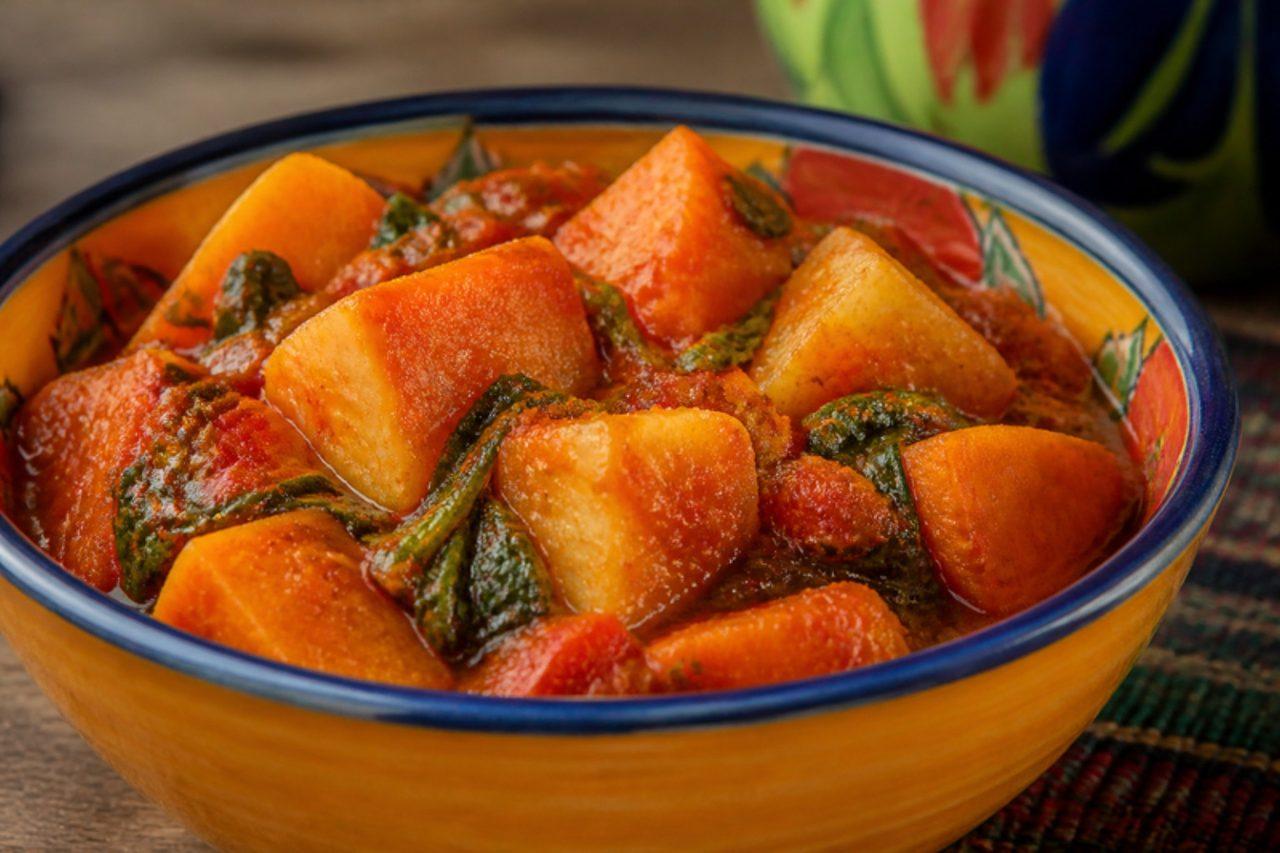
Yam pottage (asaro) is the famous one, but in homes from Ogun to Benue the same one-pot method is used for sweet potatoes when they are cheap in the market. Chunks of white or orange sweet potato are simmered in red palm oil with onion and blended pepper until some pieces collapse into a thick, glossy sauce and others hold their shape, then a handful of greens goes in at the end. It is a filling breakfast or light lunch, sweet, peppery and soft. Vegan as written; many cooks add crayfish. The common mistake is stirring hard from the start, which turns everything to mush; leave it alone until the last few minutes. Chef's tip: mix a white-fleshed and an orange sweet potato; the white one gives body and the orange one sweetness and colour.

by KrazyBadal 0 views

Showing 24 of 392 recipes

Show more recipes

Page 1 of 17