Skip to content
WhatToEat.Today

All recipes

451

Vegetarian, or something you can't eat? Set your diet once and we'll hide recipes that don't fit.

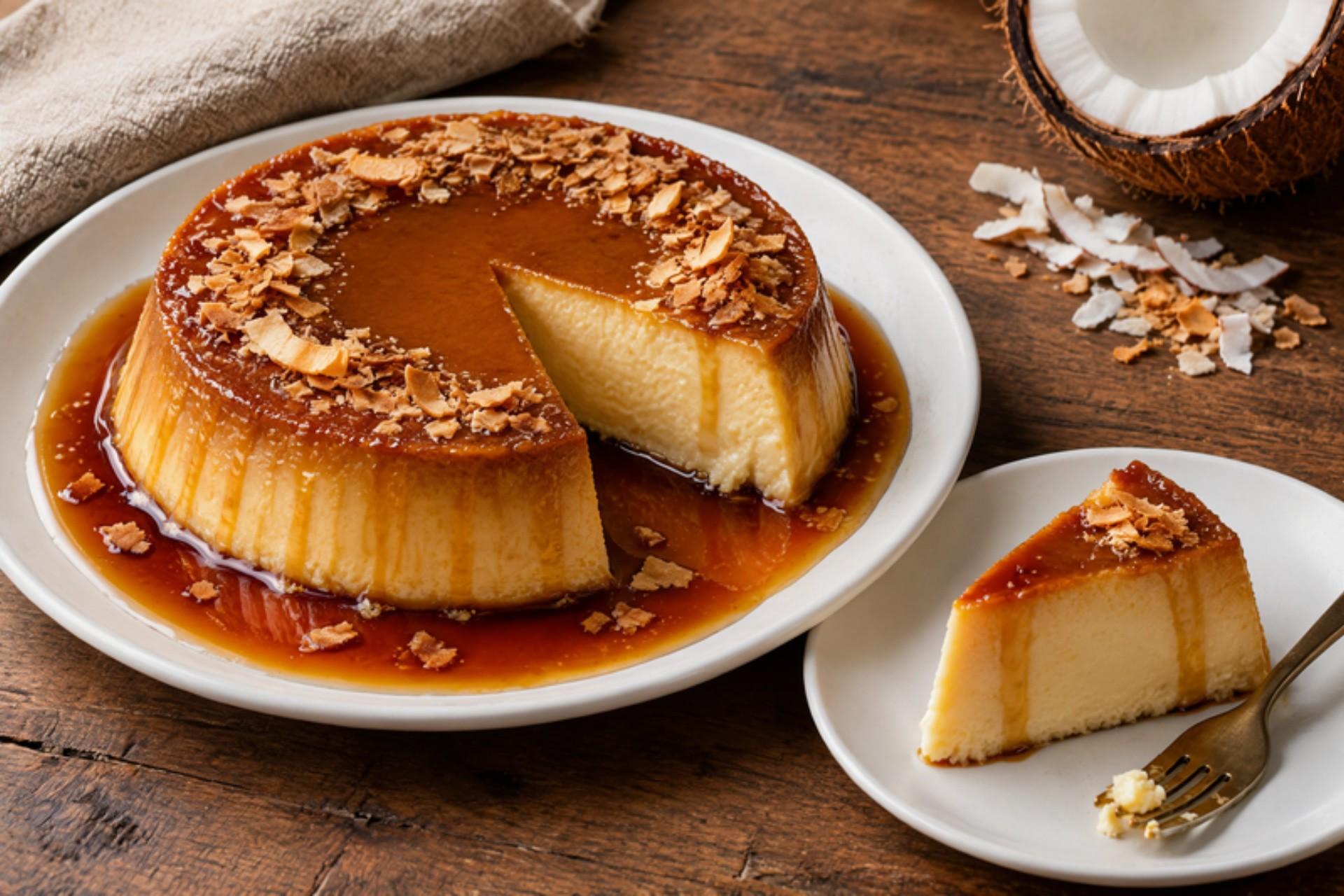
Flan de cocoCoconut caramel custard

In Puerto Rico flan de coco is the dessert of Nochebuena, Three Kings' Day and every family birthday from San Juan to Ponce, usually sharing the table with tembleque and arroz con dulce. Eggs, coconut milk, condensed and evaporated milk and grated coconut are baked over a dark caramel in a water bath, then turned out so the caramel runs down the sides and the coconut settles into a chewy top layer. It contains milk and egg. The usual mistake is a hot oven without a water bath, which leaves the flan full of holes and weeping; bake it low and slow in hot water. It is done when the edges are set and the centre wobbles like jelly when nudged. Chef's tip: chill it overnight before turning it out; a warm flan cracks and sticks.

by KrazyBadal 0 views

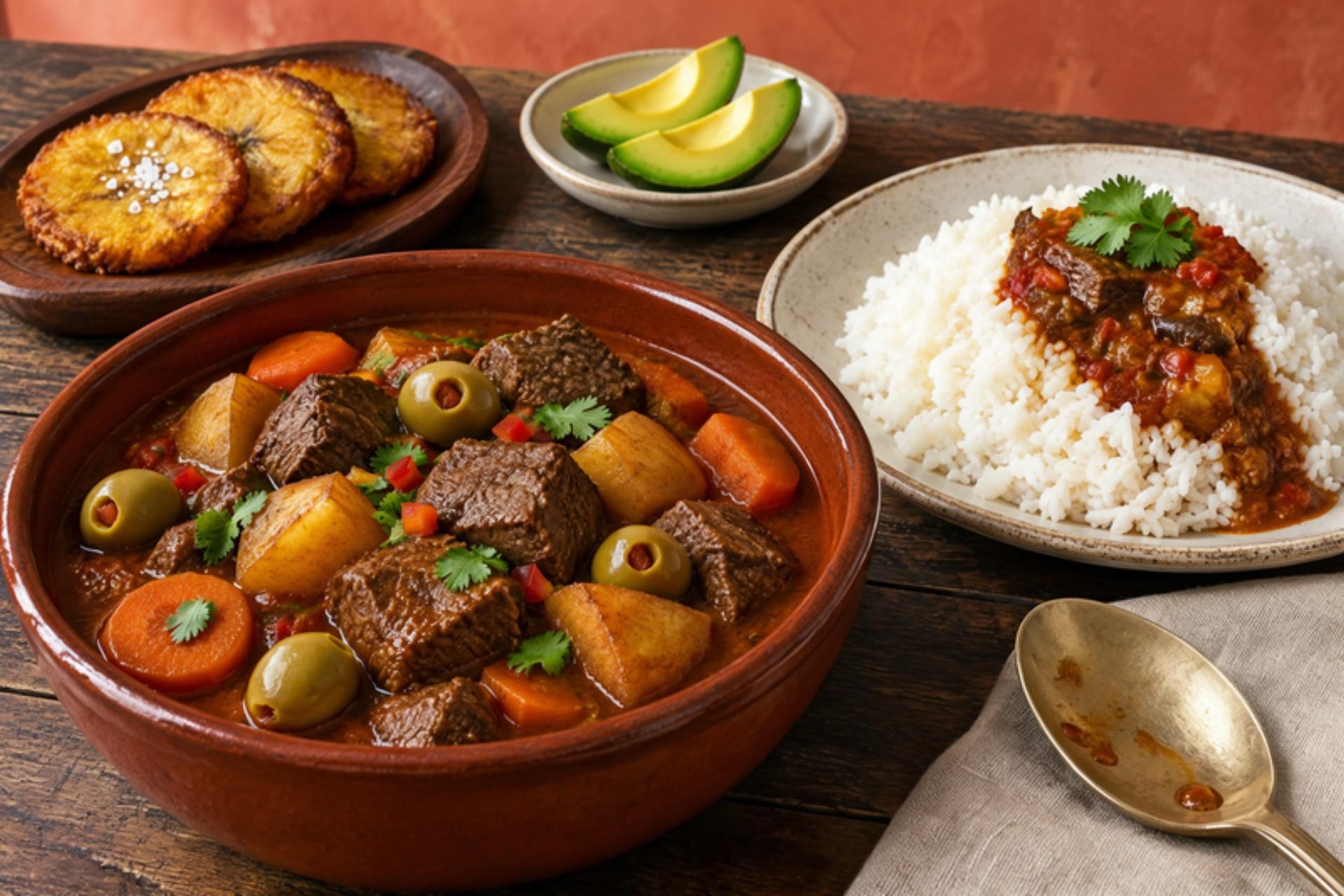
Carne guisada puertorriqueñaBeef stew with sofrito

Carne guisada is the Puerto Rican stew that simmers on Sunday stoves from Bayamón to the Bronx, served over white rice with habichuelas and a few tostones. Chunks of beef are browned, then braised in sofrito, tomato sauce and a little achiote with potatoes, carrots and briny alcaparrado until the meat falls apart and the sauce turns thick and glossy. The usual mistake is crowding the pan when browning, which steams the beef grey and loses the deep flavour; brown it in batches. It is done when a piece of beef breaks apart easily with a spoon. Chef's tip: make your own sofrito by blending onion, green pepper, garlic, culantro and coriander; a big batch freezes in ice-cube trays for months.

by KrazyBadal 0 views

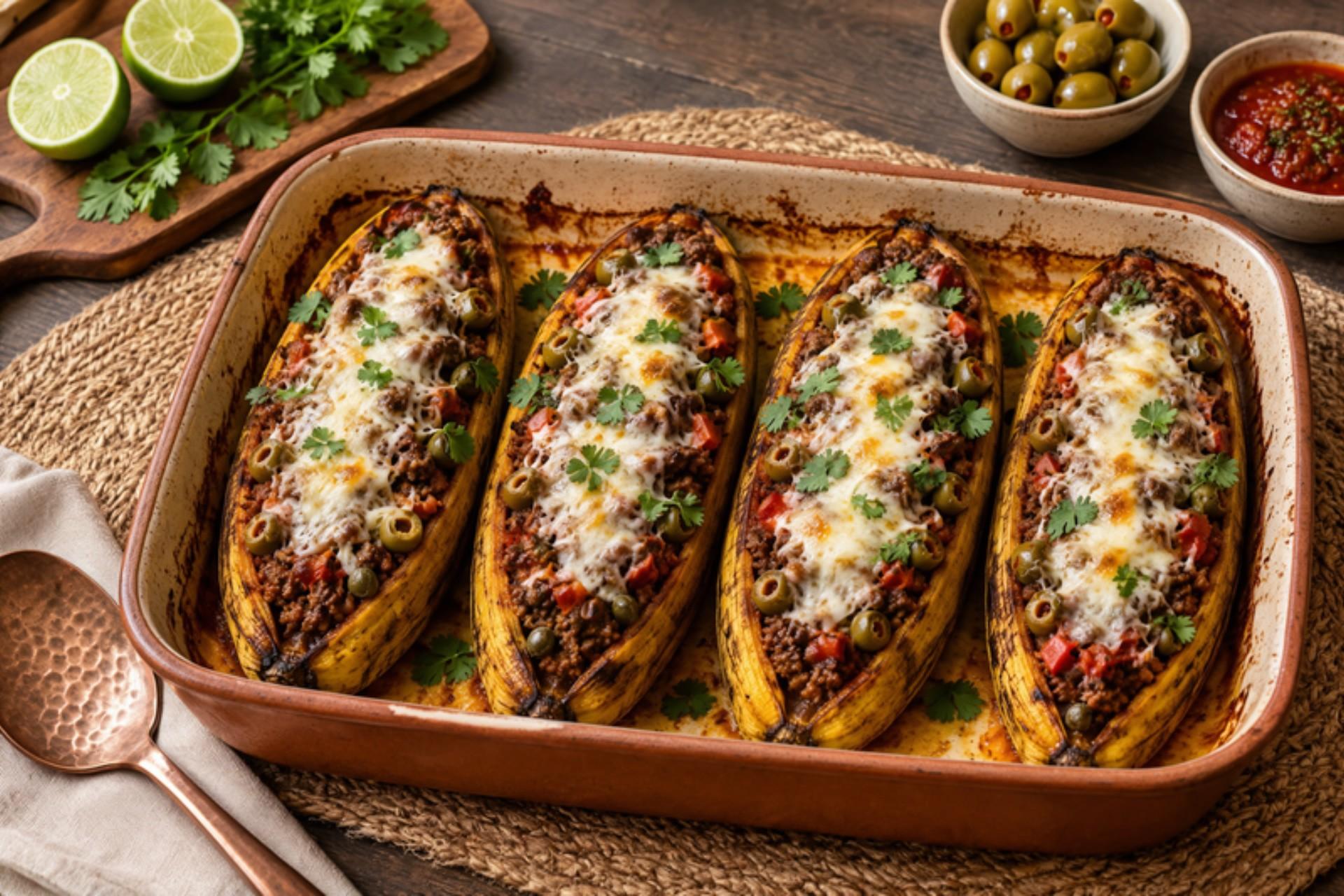
CanoasPlantain boats with beef

Canoas, or canoas de plátano maduro, are a Puerto Rican family dinner and party dish from Arecibo to Caguas: whole ripe plantains are baked until soft, slit along the top like a canoe and stuffed with savoury picadillo, then topped with cheese and baked again. Sweet plantain and salty, olive-studded beef is the whole point. The common mistake is using plantains that are too green, which never turn sweet or soft; choose them yellow with plenty of black. The beef must reach 71 °C, and the canoas are ready when the cheese bubbles. Use a cheese made without animal rennet if you avoid it. Chef's tip: brush the plantain skins with oil before the first bake, so they stay supple and don't split.

by KrazyBadal 0 views

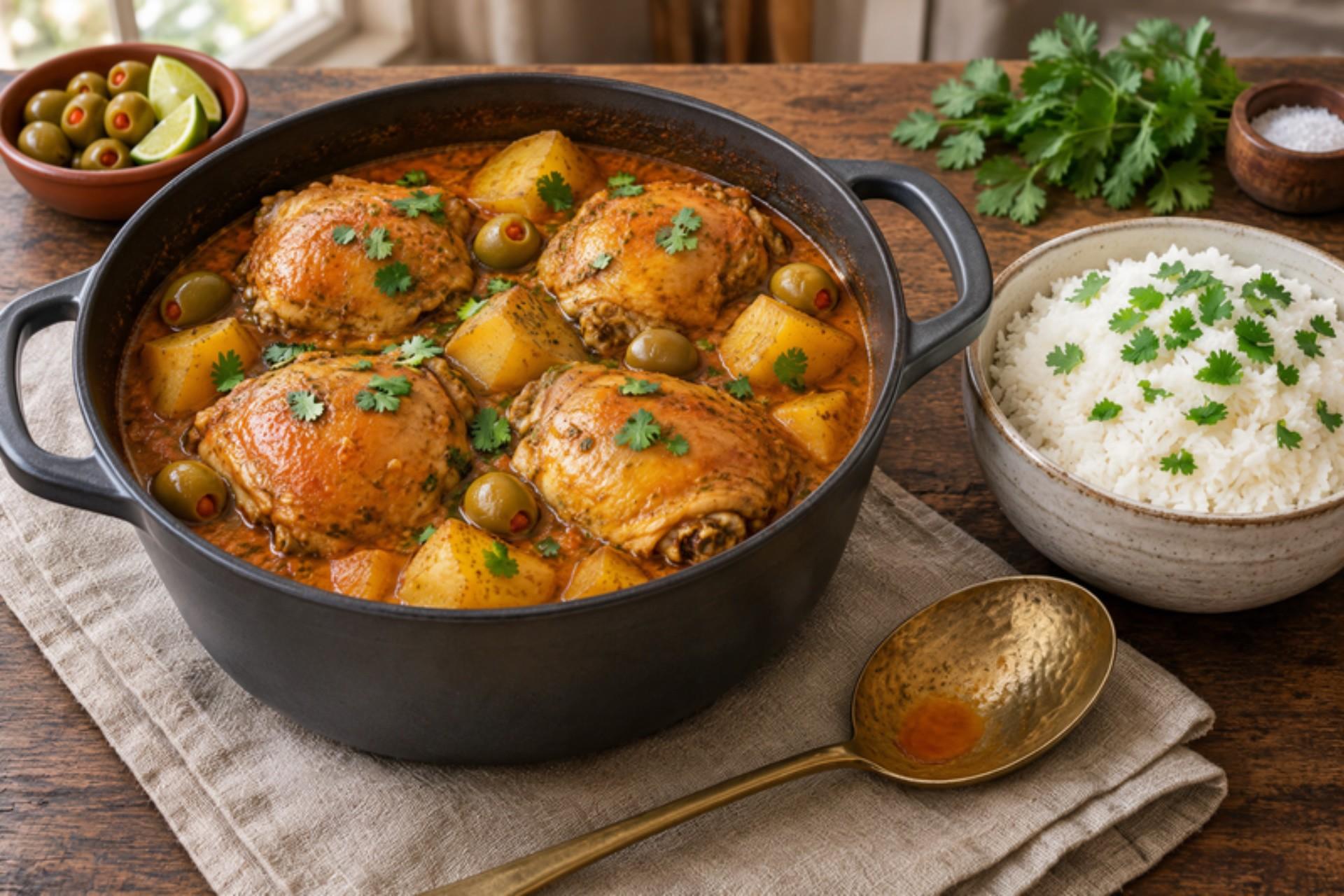
Pollo guisado puertorriqueñoBraised chicken with sofrito

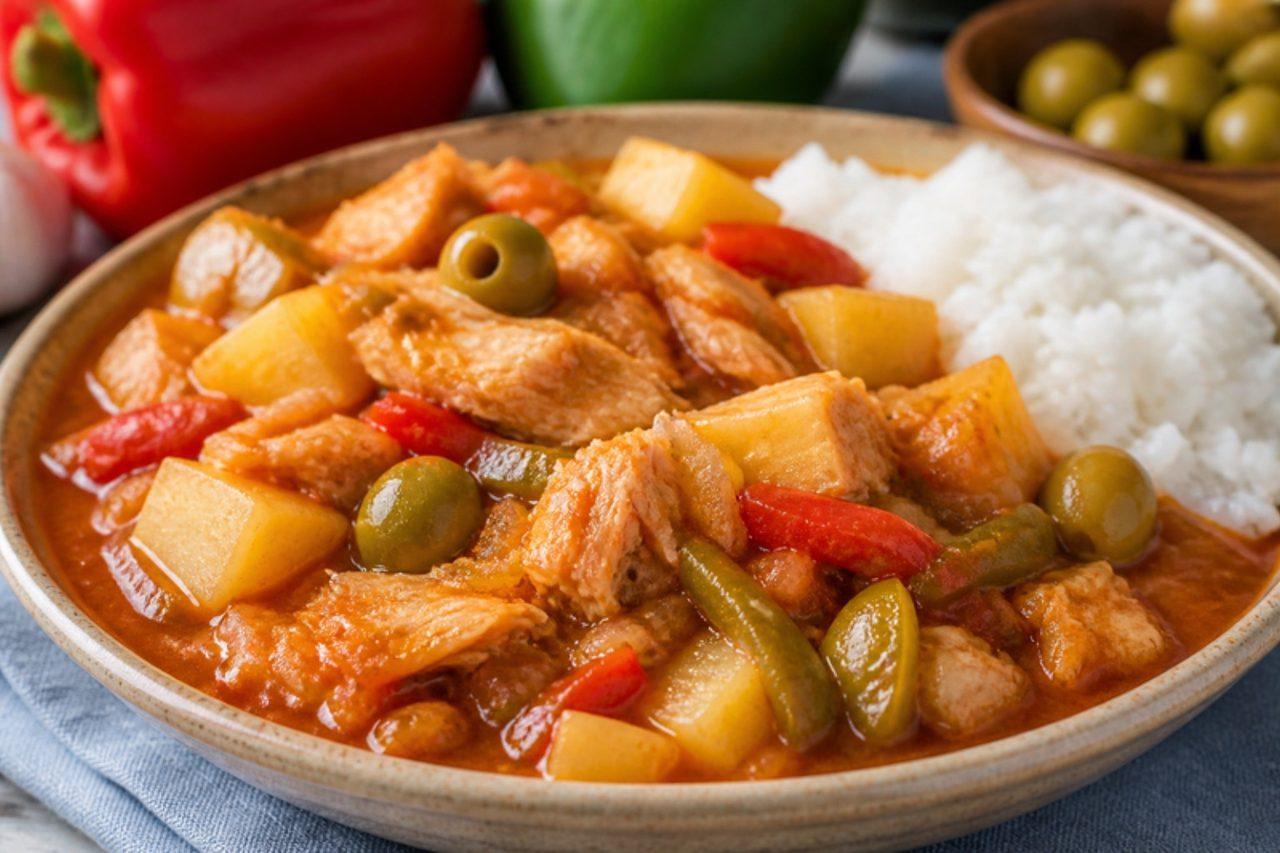
Pollo guisado is everyday comfort in Puerto Rican homes, the weeknight pot from Mayagüez to Orlando that turns a few chicken thighs into a rich, saucy stew for rice and beans. The chicken is seasoned with adobo-style garlic and oregano, browned, then braised in sofrito and tomato with potatoes, peppers and olives until the sauce is thick and orange from achiote. The common mistake is using skinless breast, which dries out and turns stringy in a long braise; bone-in thighs and drumsticks stay juicy. It is done when the thickest piece reaches 74 °C and the meat starts to pull away from the bone. Chef's tip: leave the browned skin on for flavour and spoon off the extra fat before serving.

by KrazyBadal 0 views

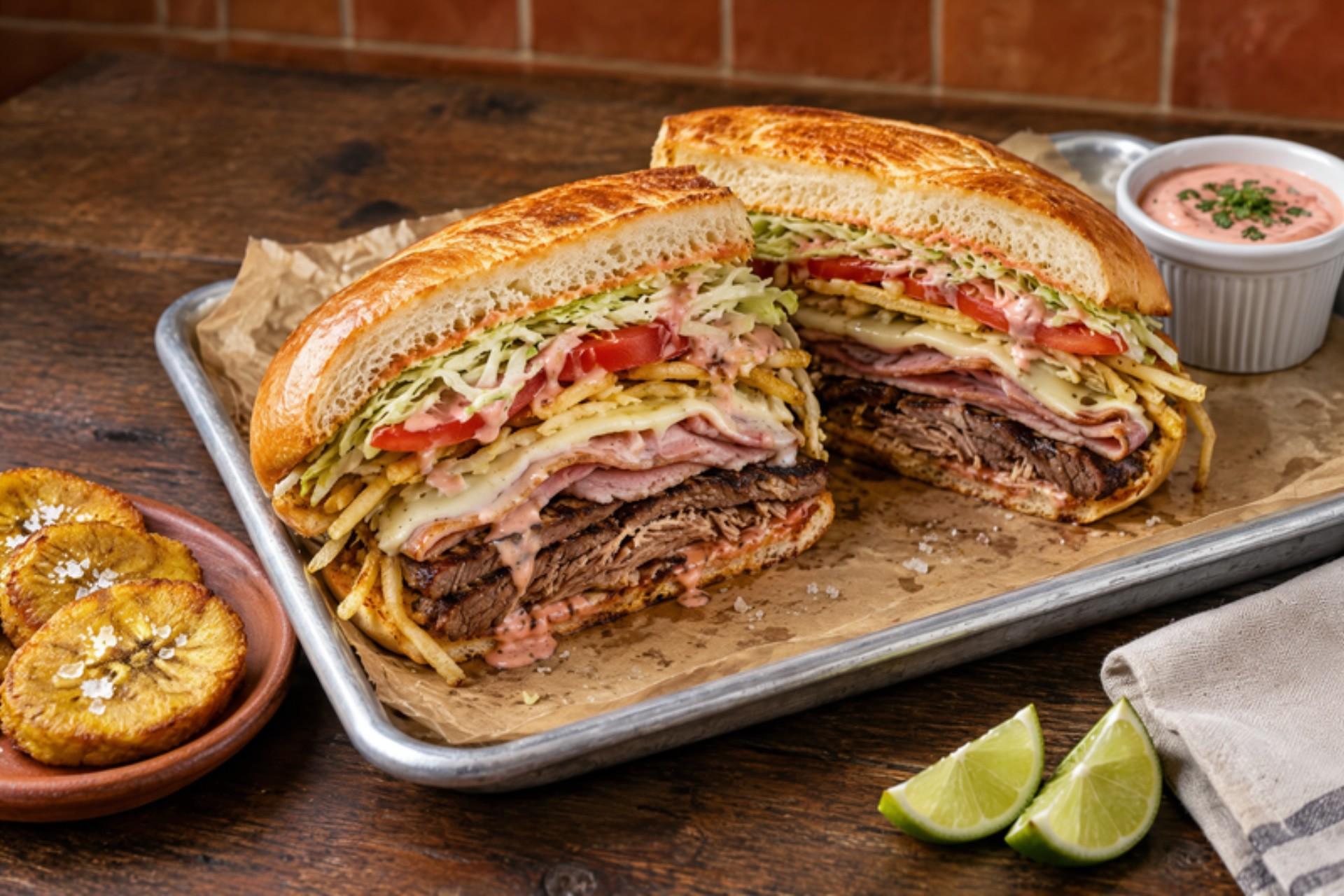
TripletaThree-meat sandwich

The tripleta is the late-night star of Puerto Rico's food trucks and roadside chinchorros, especially around Piñones and the San Juan nightlife. A soft, long pan sobao roll is stuffed with three meats: thin marinated beef steak, chicken and ham, with melted cheese, shredded cabbage, tomato, crunchy potato sticks and a ketchup-mayo pink sauce. This version contains pork (ham). It contains wheat, milk and egg. The usual mistake is piling cold meats in, which leaves the sandwich lukewarm and the cheese unmelted; griddle the meats and ham hot and close the roll on the griddle. The chicken is done at 74 °C. Chef's tip: press the closed sandwich on the griddle under a heavy pan for a minute, so the outside crisps and everything melds.

by KrazyBadal 0 views

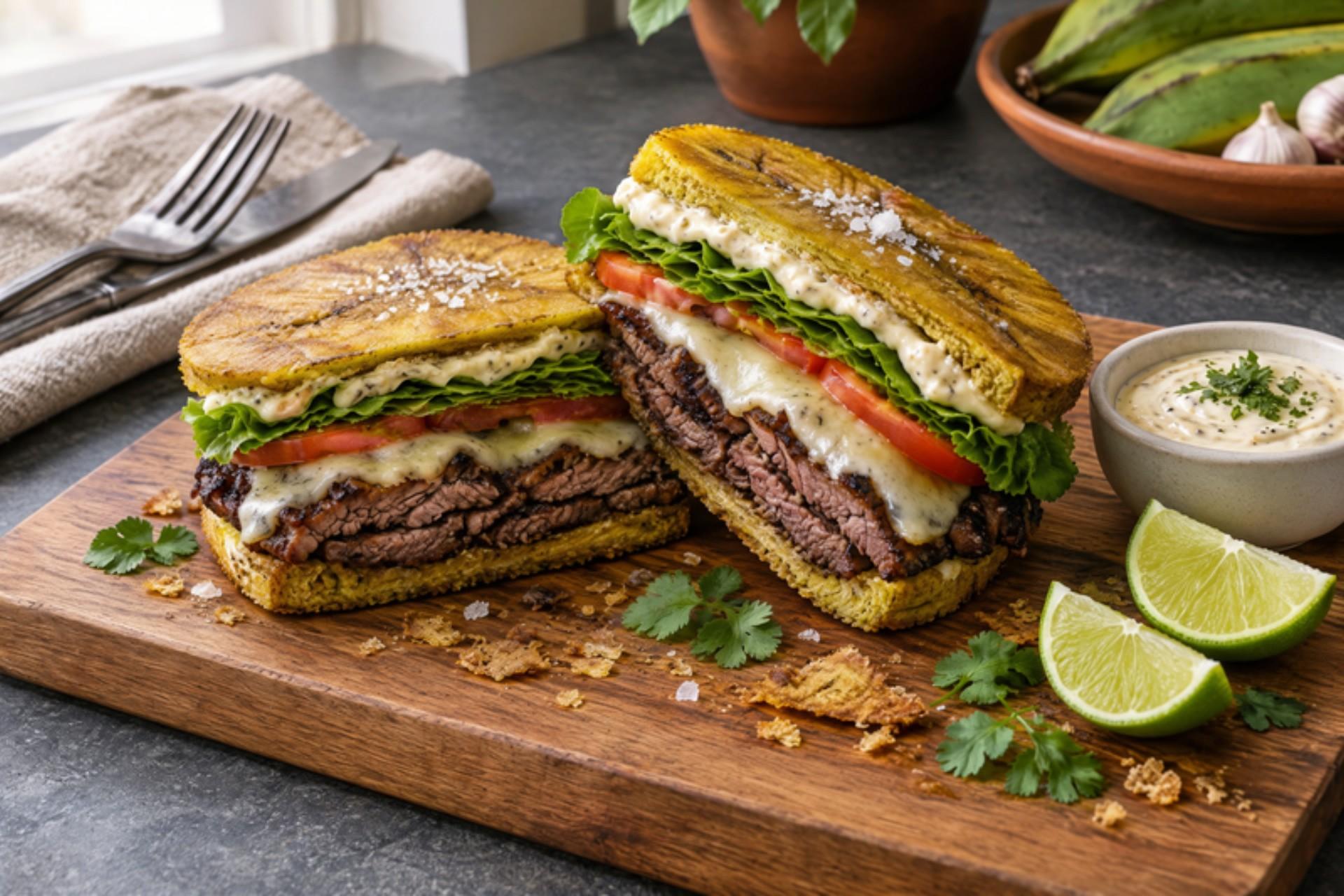
JibaritoPlantain steak sandwich

The jibarito was created in the 1990s at a Puerto Rican restaurant in Chicago's Humboldt Park and is now on menus across the city and back on the island. Instead of bread, two flattened, twice-fried green plantains hold thin garlicky steak, melted cheese, lettuce, tomato and garlic mayonnaise. It contains egg (mayonnaise) and milk. The mistake is using ripe yellow plantains, which are sweet and too soft to hold the filling; you need hard green ones. The plantain is ready when golden and crisp on the outside but still pliable, and the steak needs only a minute a side. Choose a cheese made without animal rennet if you avoid it. Chef's tip: flatten the plantain halves between a folded freezer bag with a heavy pan, so they spread wide and don't stick.

by KrazyBadal 0 views

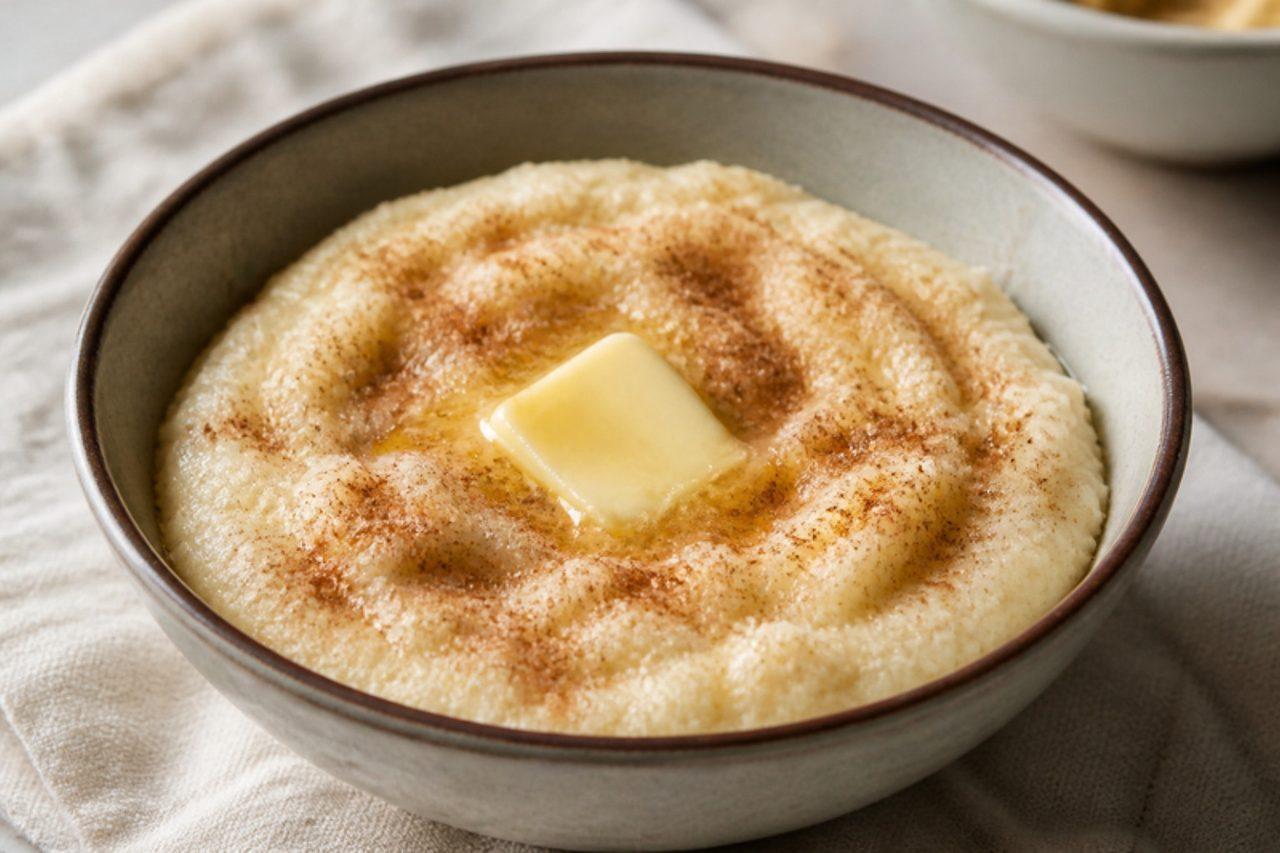
GrießbreiSemolina porridge

Grießbrei is the soft, sweet semolina pudding that German and Austrian families from Bavaria to Vienna eat warm as a light supper on cold evenings, especially when children are tired or someone is under the weather. Semolina is rained into hot milk and stirred until thick and velvety, then topped with cinnamon sugar, a knob of butter or stewed fruit. The classic mistake is tipping the semolina in all at once, which makes lumps that never smooth out. Chef's tip: take it off the heat while it still looks a little runny, because it keeps thickening on the plate.

by KrazyBadal 0 views

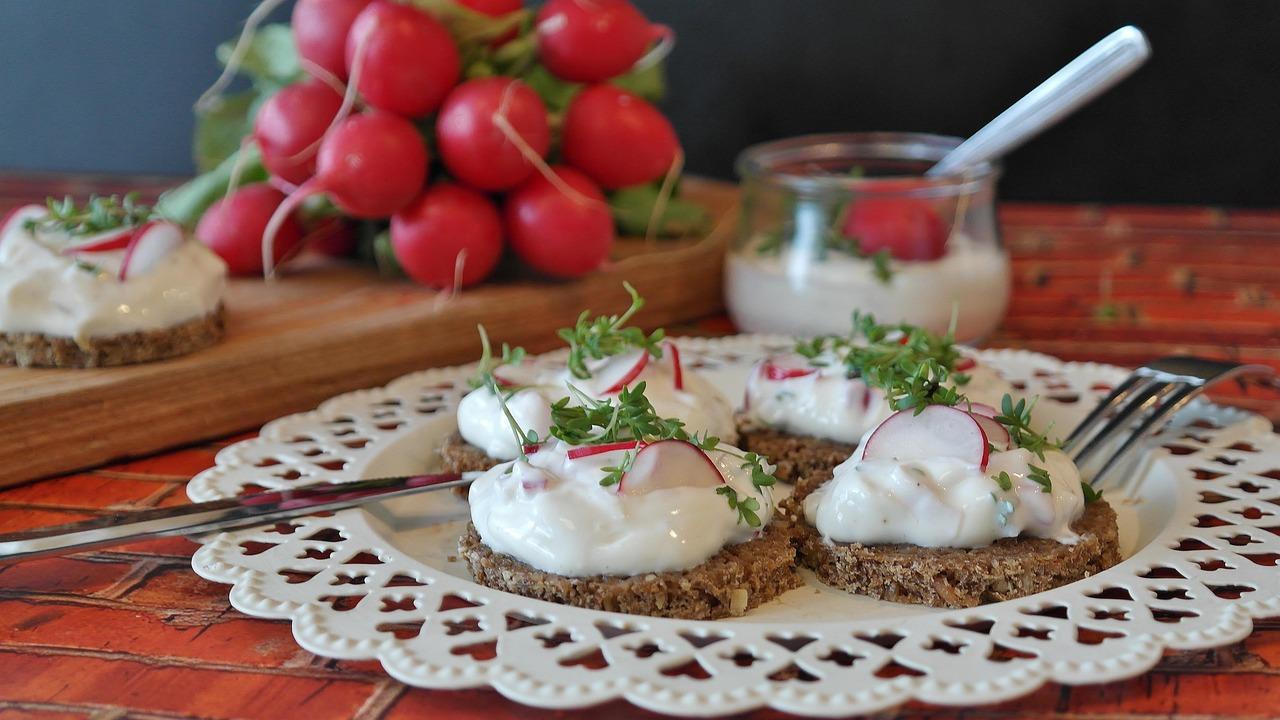
Platte kaas met radijsjesQuark and radish on brown bread

In Flanders the evening meal is often a boterham, a plate of open bread slices, and one of the most loved toppings in Ghent and Antwerp is platte kaas: fresh, soft quark seasoned with chives, salt and pepper, spread thickly on brown bread and covered with crunchy radish slices. It is cool, light and ready in five minutes, a good supper after a big lunch. Some quark and fresh cheeses are set with a little animal rennet, so check the label for a vegetarian one. The common mistake is using thin, low-fat quark straight from the tub, which is watery and slides off the bread; stir it well and drain off any liquid first. Chef's tip: slice the radishes paper-thin and salt them only at the moment you serve, so they stay crisp.

by KrazyBadal 0 views

NonnenfürzleSugared choux puffs

Nonnenfürzle, the cheeky 'nuns' puffs', are a Swabian Fasnet treat, fried in kitchens from Rottweil to Stuttgart in the days before Lent when butter, eggs and fat had to be used up. A choux-style dough is cooked in the pan, beaten with eggs and dropped by the spoonful into hot fat, where the little balls puff up and turn themselves over. Dusted with cinnamon sugar, they are crisp outside and hollow and custardy inside. The common mistake is adding the eggs while the dough is still hot, which scrambles them and stops the puffs rising. Chef's tip: dip the spoon in the hot oil before each scoop so the dough slides off cleanly.

by KrazyBadal 0 views

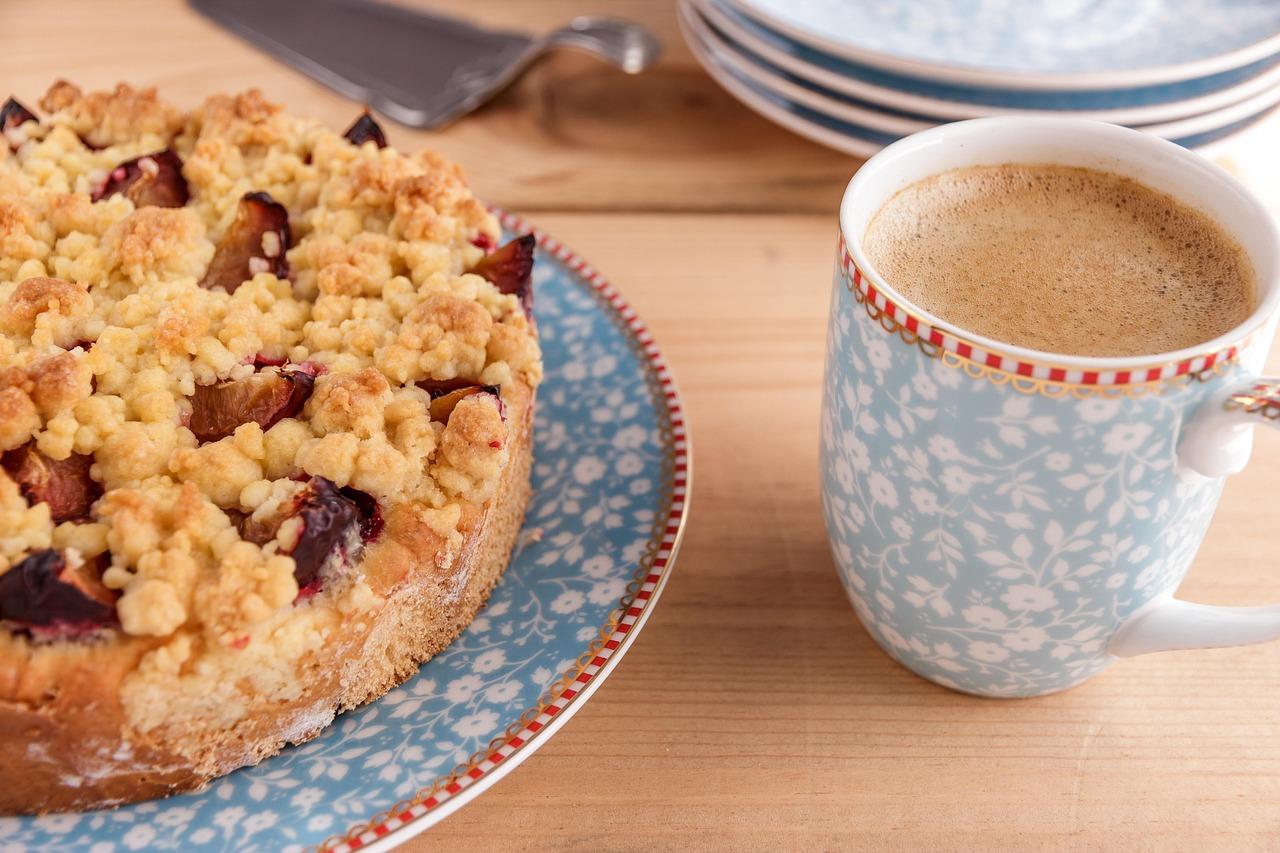
KirmeskuchenPlum streusel yeast cake

When the Kirmes, the yearly fair for a village church's patron saint, comes to the Rhineland and Hesse, families bake enormous trays of Kirmeskuchen to share with the relatives who come home for the fun-fair, the dancing and the procession. This version is the most loved: a soft, buttery yeast dough covered edge to edge with tightly packed plum halves and a thick, crumbly streusel. Cut it into squares and serve it with whipped cream and coffee in the afternoon. Chef's tip: stand the plum halves upright, cut side up and overlapping like roof tiles, so the juice stays in the fruit instead of soaking the dough.

by KrazyBadal 0 views

SkābputraSoured barley porridge drink

Skābputra, 'sour porridge', is one of the oldest Latvian foods, and at Jāņi, Midsummer on 23–24 June, it is served cold alongside caraway cheese, pīrāgi and wreaths of flowers. Pearl barley is cooked soft, then soured with buttermilk or kefir for a day or two until it is tangy and fresh-tasting, and it is thinned with milk into a thick, cooling drink sipped or eaten with a spoon on hot summer days. This home version uses bought live buttermilk to start the souring safely. Chef's tip: use clean jars and utensils, and taste it each day; once it is pleasantly sour, chill it so it stops souring.

by KrazyBadal 0 views

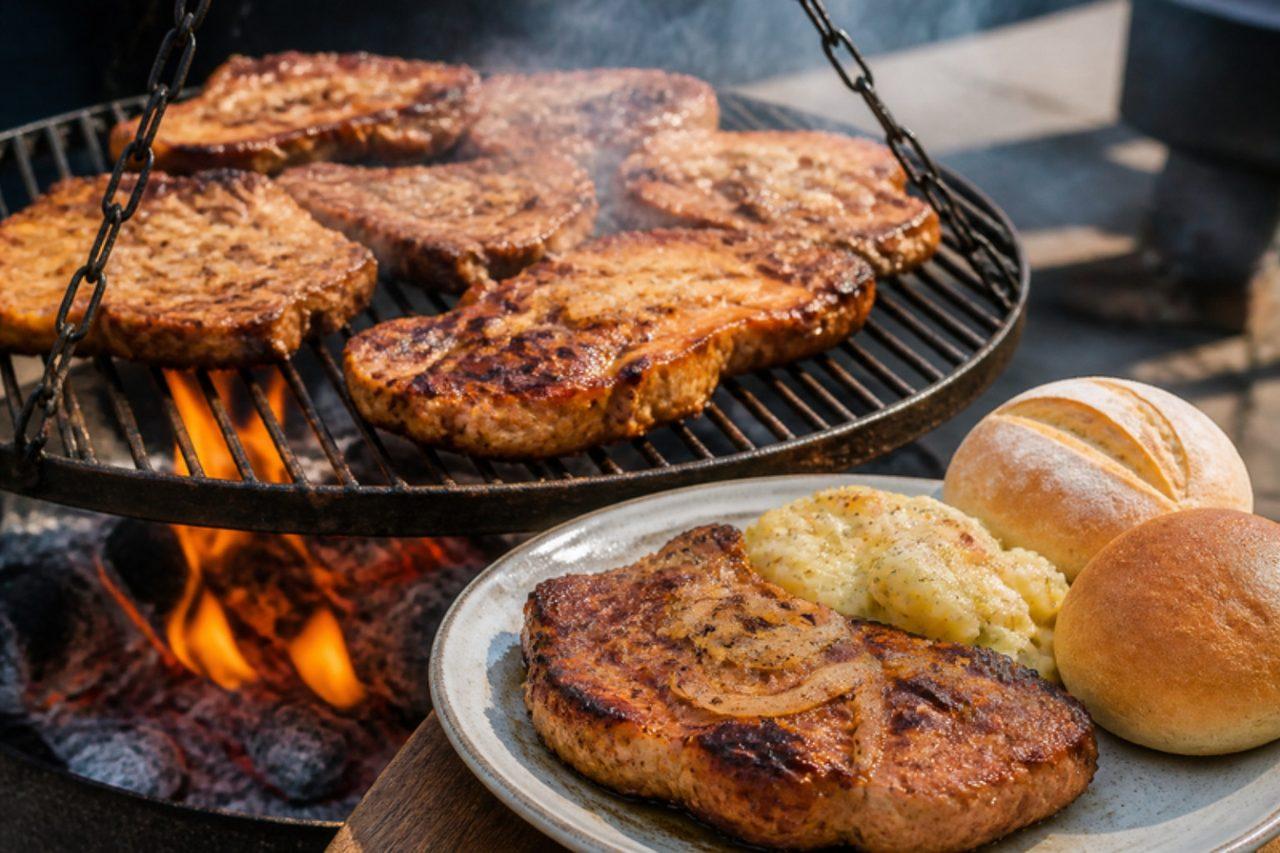
SchwenkbratenMarinated grilled pork neck steaks

Schwenkbraten is the pride of the Saarland, where every village fair, football club party and summer Kirmes has a Schwenker: a round grill hung from a tripod and swung gently over a beech-wood fire. The meat is pork neck steaks marinated overnight with heaps of onion, garlic, marjoram and paprika, and they come off juicy, smoky and slightly charred. Locals often add beer to the marinade, but this recipe leaves it out, so no alcohol is involved. Serve with bread rolls, potato salad and mustard. Chef's tip: pork neck has fine marbling, so it stays moist; do not swap it for lean pork loin, which dries out on the grill.

35 minGermanMeatGluten free
by KrazyBadal 0 views

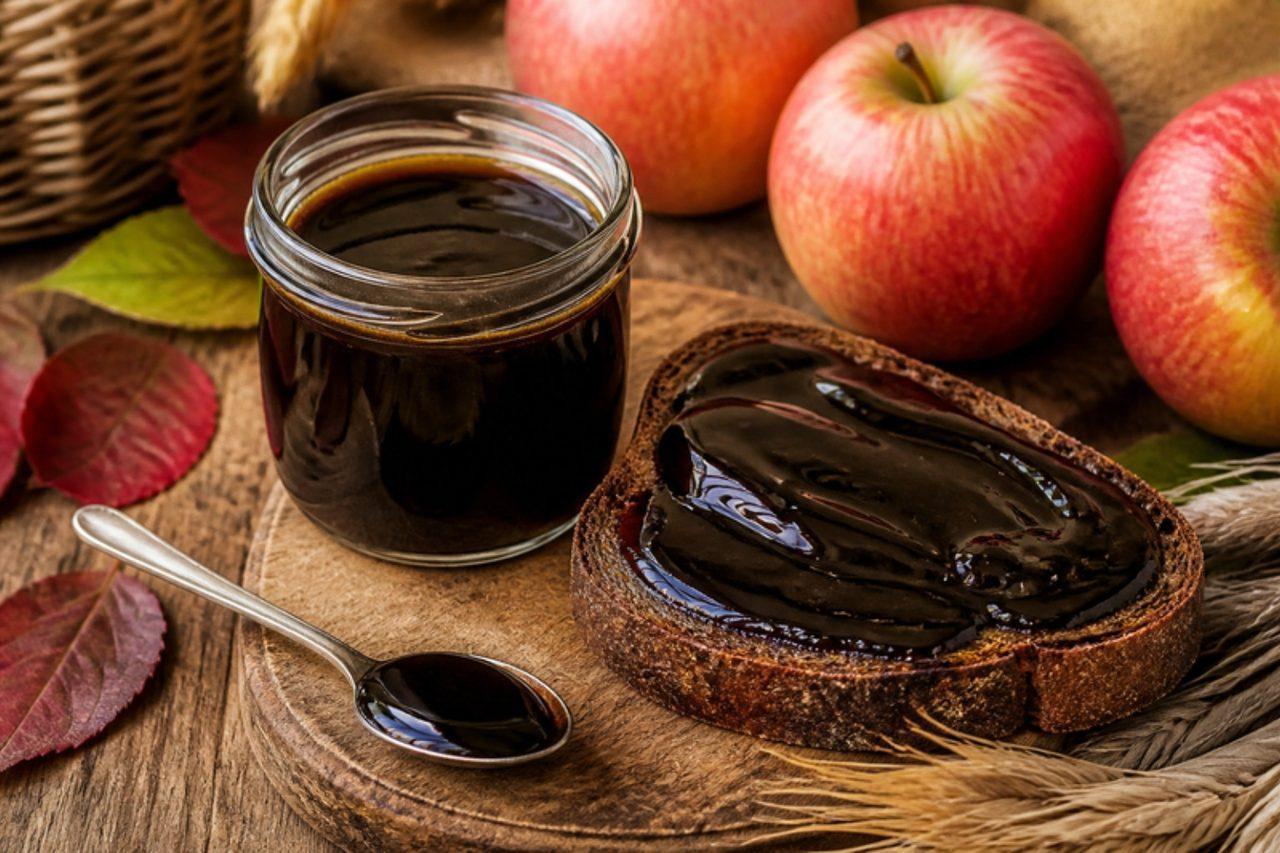
ApfelkrautApple syrup

In the Rhineland, apples from the autumn harvest are pressed and boiled for hours in copper cauldrons into Apfelkraut, a dark, glossy, sweet-sour syrup that is spread on Schwarzbrot with butter and quark, and that families bring to the Erntedank harvest thanksgiving in October. It needs no added sugar at all: the apples' own sugar and pectin concentrate until the juice is as thick as treacle and tastes like baked apple and caramel. Eat it on rye bread, with potato pancakes (Reibekuchen) or in a sauce for Sauerbraten. Chef's tip: use a mix of sweet and tart apples; the tart ones give the tang and the pectin that makes it set.

by KrazyBadal 0 views

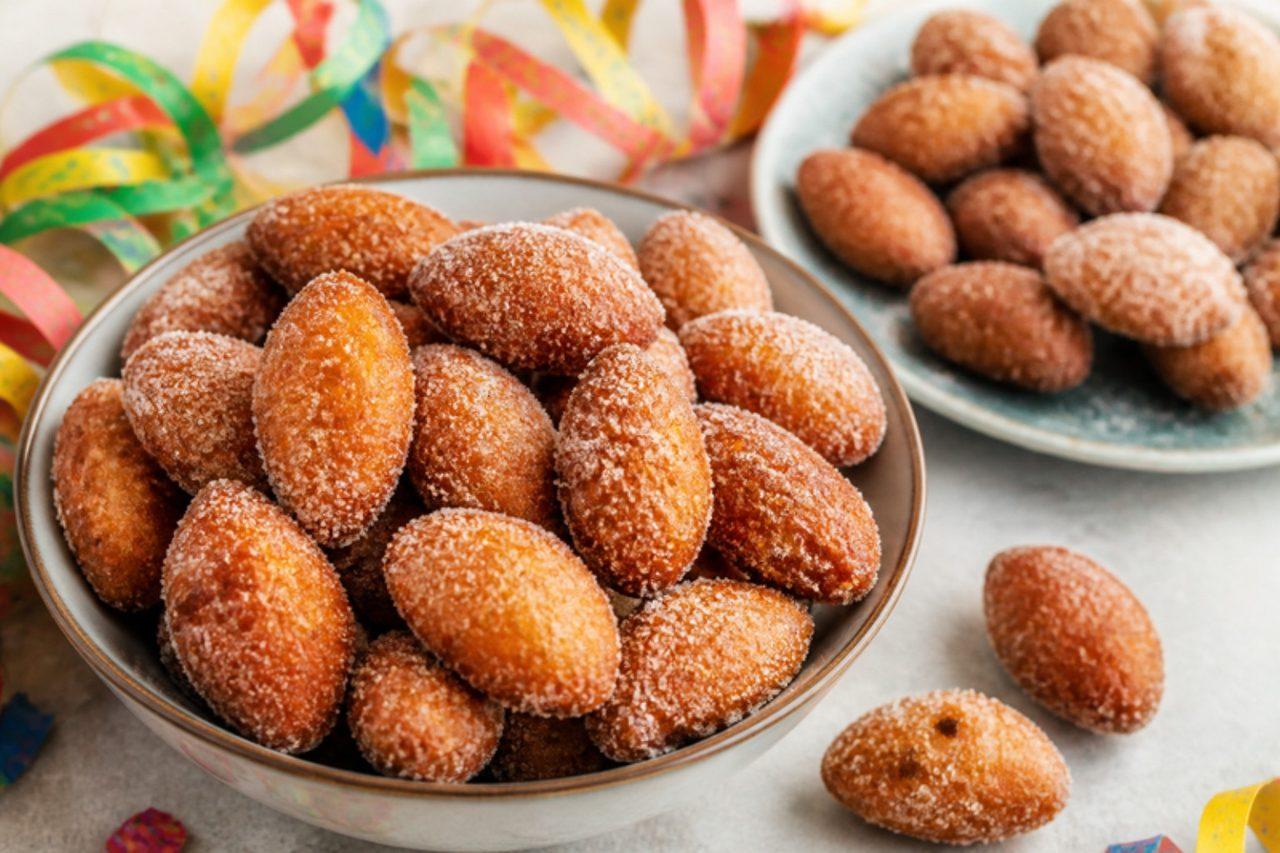
MutzenmandelnQuark fritters in sugar

In Cologne and the rest of the Rhineland, bakeries pile their counters with Mutzenmandeln from Weiberfastnacht to Shrove Tuesday, and families fry them at home for carnival parties. A quick, soft dough of quark, egg, sugar and flour is rolled out, cut with a small almond-shaped cutter and fried until puffed and golden, then tossed in sugar while still warm. The common mistake is oil that is too hot, which leaves them raw and doughy in the middle. Chef's tip: a few drops of bitter almond extract or a little lemon zest gives them the classic bakery flavour.

by KrazyBadal 0 views

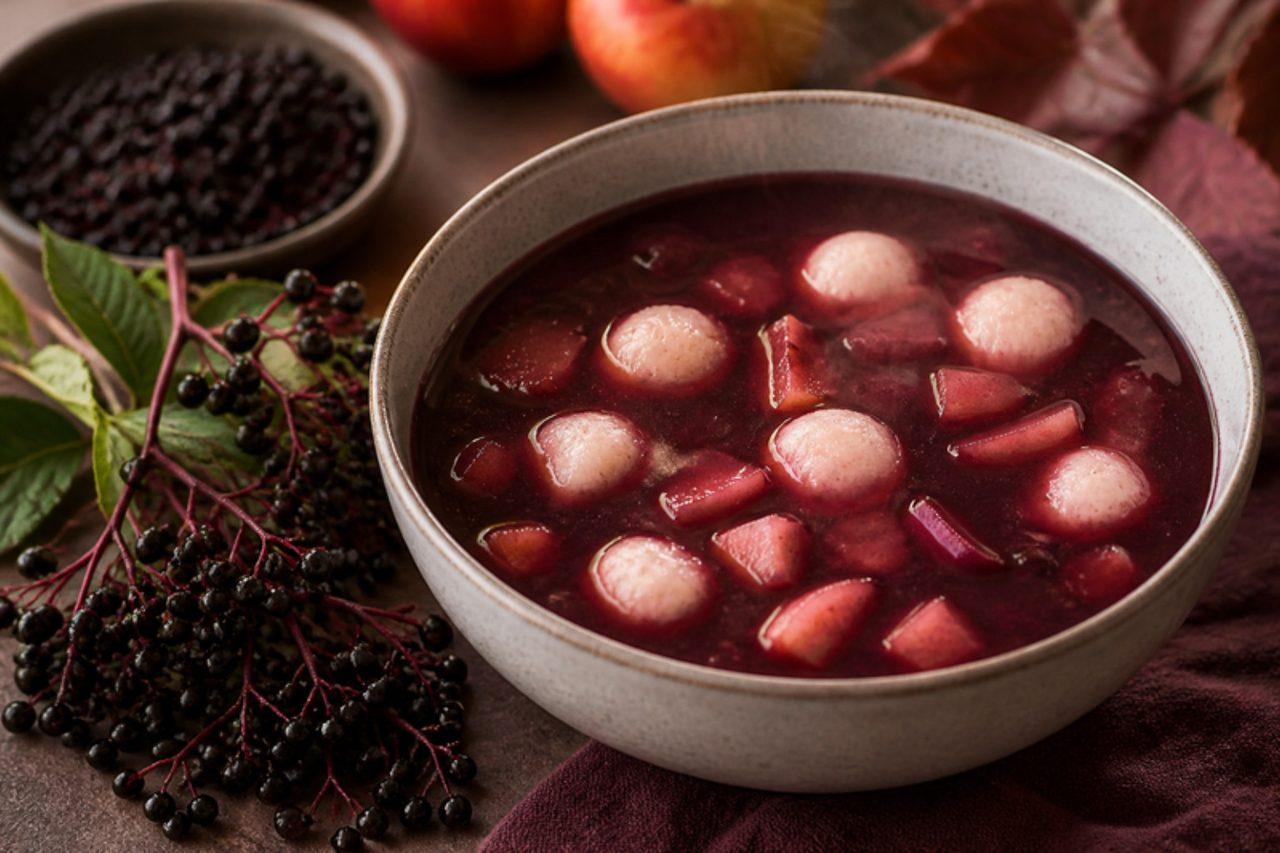
FliederbeersuppeElderberry soup with dumplings

In northern Germany, from Hamburg to Schleswig-Holstein, the elder bushes hang heavy with black berries in late summer, and a bowl of hot Fliederbeersuppe is a harvest-time comfort around Erntedank, said to keep colds away for the winter. The dark purple soup is sweet and tart, with pieces of apple and little fluffy semolina dumplings (Grießklößchen) floating on top. It is eaten as a first course or a light supper, hot in autumn and sometimes cold in summer. Important: elderberries must be fully ripe, stripped from every stem and always cooked, as raw berries, stems and leaves can make you sick. Chef's tip: strip the berries with a fork straight into a bowl; it is quick and leaves the green stems behind.

by KrazyBadal 0 views

HeringssalatPickled herring and beetroot salad

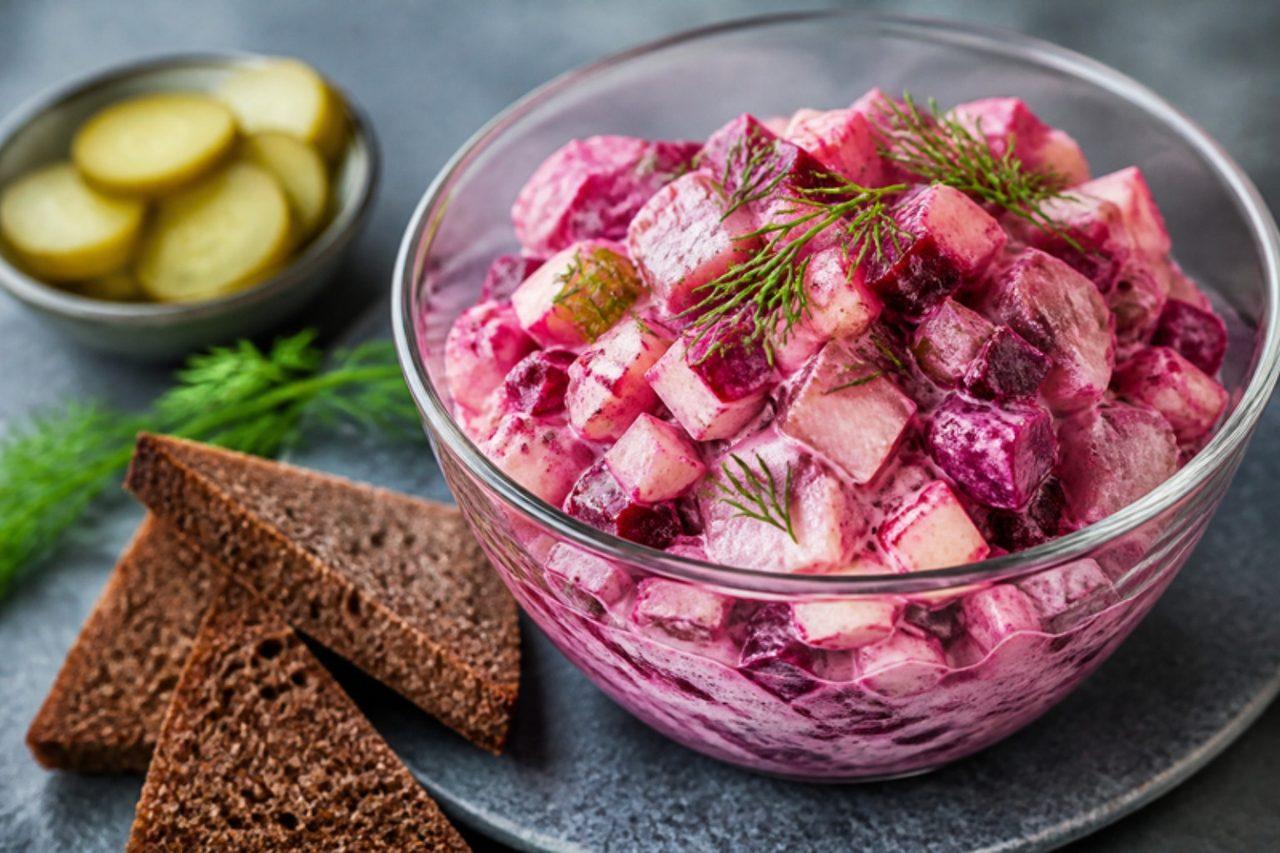
When the carnival ends in the Rhineland and northern Germany, Ash Wednesday brings the Heringsessen, a herring meal shared in pubs and homes to mark the start of the Lenten fast. This rosy salad mixes diced pickled herring with beetroot, apple, gherkin and boiled potato in a creamy yogurt-mayonnaise dressing, and is served with rye bread. Use pickled herring bought ready-made in jars from the chiller, which has been commercially cured, and keep the salad in the fridge. Pickled and cured fish is not cooked, so it is not for pregnant women, young children or anyone with a weakened immune system; for a safer version use hot-smoked mackerel or cooked fish. The common mistake is dressing the salad while the potatoes are hot, which turns it mushy. Chef's tip: make it the day before; the flavours deepen overnight.

by KrazyBadal 0 views

OsterpinzeEaster anise brioche

Osterpinze is the Easter bread of Styria, Carinthia and the area around Trieste, a soft, golden brioche dome with three deep cuts on top for the Holy Trinity, so that it opens into a crown as it bakes. The dough is rich with egg yolks and butter and flavoured with anise and lemon; old recipes add a splash of white wine, left out here. It is blessed in the Easter basket on Holy Saturday and eaten on Easter morning with ham, horseradish and eggs, or with butter and jam. Chef's tip: make the three cuts with scissors just before baking, deep enough to reach halfway down, so the crown opens wide.

by KrazyBadal 0 views

KalanehWild leek stuffed flatbread

In Kurdistan and Kermanshah, Newroz arrives with the first spring greens on the hillsides, and families gather wild leeks to fold into kalaneh, thin griddle breads cooked over a fire or a hot pan and soaked in melted butter. The dough is plain and soft, rolled very thin around a pile of chopped leek or chives with a little salt and pepper, so the greens steam inside as the bread blisters. Eat it hot, torn into strips, with yogurt and tea at a Newroz picnic. The common mistake is wet greens, which turn the dough soggy and make it tear; dry them well after washing. Chef's tip: brush the butter on the moment the bread leaves the pan so it soaks right in.

by KrazyBadal 0 views

QuittengeleeQuince jelly

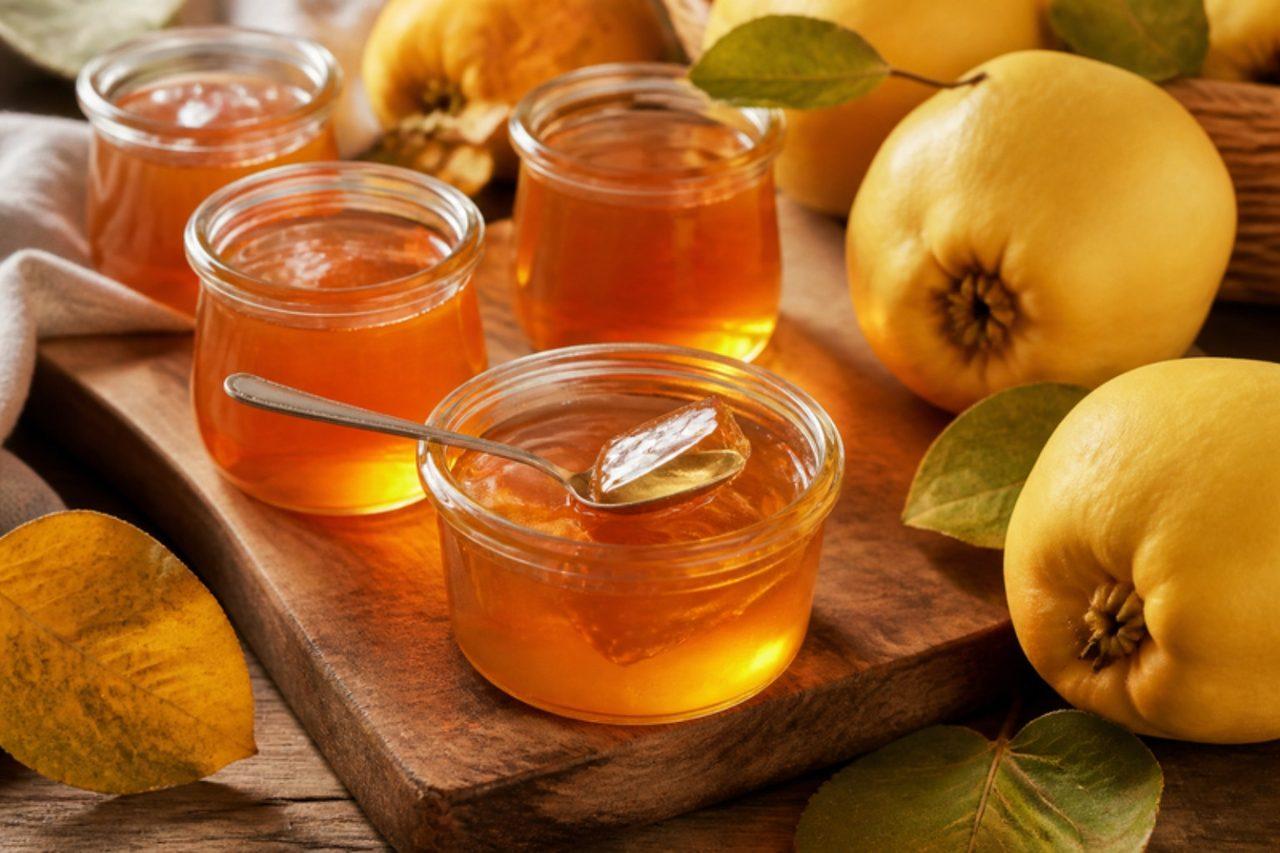
Quinces are too hard and sour to eat raw, so in Germany they are turned into Quittengelee, one of the jewel-coloured jars set out with the pumpkins and sheaves of wheat for Erntedank, the October harvest thanksgiving. The fruit is simmered whole in pieces, the juice drips through a cloth overnight, and then it is boiled with sugar until it sets into a clear jelly the colour of rosé, with a perfume like pear, honey and roses. Eat it on bread rolls, with cheese, or melted as a glaze for apple tart. Chef's tip: quince skin and cores are full of natural pectin, so cook them in with the flesh rather than peeling.

by KrazyBadal 0 views

Chipa so'oCheese bread with spiced beef

In Paraguay, families bake chipa in the clay tatakua ovens on Holy Wednesday so there is food for Thursday and Good Friday, when cooking stops. Chipa so'o ('chipa with meat') is a cassava-starch and cheese bread wrapped around a little filling of minced beef cooked with onion and egg, then baked until crisp outside and chewy within. It is naturally gluten free. Chef's tip: knead the dough until it no longer cracks at the edges when pressed; dry dough splits around the filling.

by KrazyBadal 0 views

AllerheiligenstriezelBraided sweet loaf

In Bavaria and Austria, godparents give their godchildren an Allerheiligenstriezel on All Saints' Day, 1 November: a large braided loaf of sweet yeast dough, brushed with egg and scattered with almonds or pearl sugar. The braid is said to recall the old custom of cutting a plait of hair in mourning, and the size of the loaf once showed how generous the godparent was. It is lightly sweet, with lemon and vanilla, and is eaten sliced with butter or jam. Some recipes add rum-soaked raisins; these are soaked in warm water instead. Chef's tip: braid four strands for an impressive, high loaf.

by KrazyBadal 0 views

MartinsgansRoast goose with red cabbage

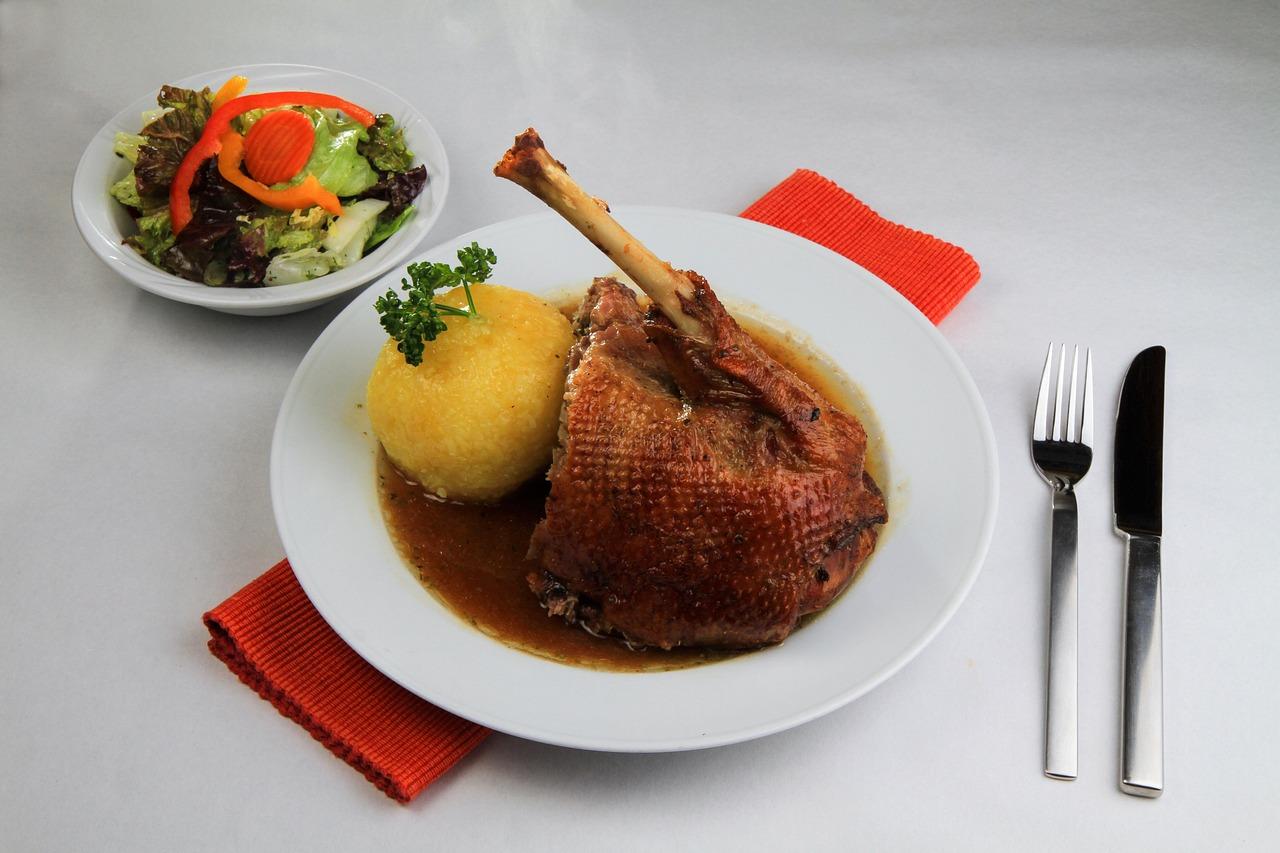
On 11 November, St Martin's Day, children in Germany and Austria walk in lantern processions, and families and restaurants serve the Martinsgans: a goose roasted slowly with apples, onion and mugwort or marjoram until the skin is crisp and the meat tender, with red cabbage, potato dumplings and a rich gravy. Legend says the geese's cackling gave away St Martin when he hid to avoid being made bishop. Goose gives off a lot of fat; save it for roast potatoes. Chef's tip: prick the skin all over (not the meat) and roast on a rack so the fat drains and the skin crisps.

270 minGermanMeat
by KrazyBadal 0 views

Boudin blanc aux pommesWhite sausage with apple compote

In Liège and across Wallonia, Christmas Eve supper often begins with boudin blanc: pale, delicate sausages of finely minced pork and milk, sometimes with a little chicken, gently fried in butter until golden and served with warm, chunky apple compote and bread. Butchers make piles of them in December. Buy them fresh from a good butcher, or poached and ready to fry. Chef's tip: prick nothing and cook gently; boudin blanc is fragile, and a hot pan splits the skins.

by KrazyBadal 0 views

Bacalao guisadoStewed salt cod

In Puerto Rico, bacalao guisado is the dish of Lent and above all Good Friday, when meat is not eaten. Soaked salt cod is stewed with sofrito, tomato sauce, potatoes, olives, capers and peppers until thick and fragrant, and served with white rice, boiled root vegetables (viandas) or avocado. It is homely, salty-sweet and very comforting. Chef's tip: soak the cod in the fridge for a day and a half and taste it before seasoning; most of the salt in the stew comes from the fish.

by KrazyBadal 0 views

Showing 24 of 451 recipes

Show more recipes

Page 1 of 19