Skip to content
Recipes

All recipes

Vegetarian, or something you can't eat? Set your diet once and we'll hide recipes that don't fit.

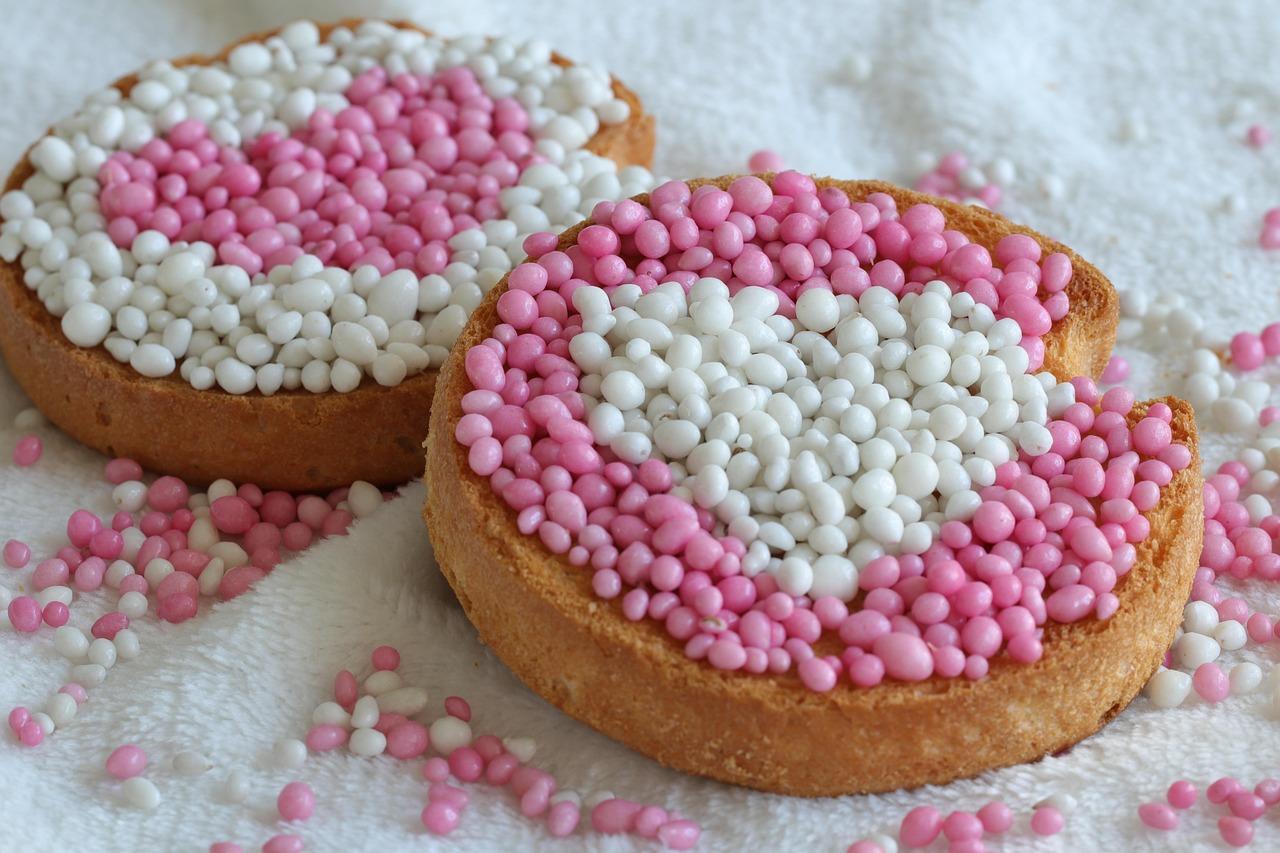
Beschuit met muisjesRusks with aniseed sprinkles

When a baby is born in the Netherlands, visitors are greeted with beschuit met muisjes: round, crisp rusks spread with butter and covered in sugared aniseed sprinkles, pink for a girl, blue for a boy, or the older white-and-pink or white-and-blue mix. Brothers, sisters and school friends love handing them round, and the sprinkles are also a favourite on bread at breakfast. Aniseed was once thought to help new mothers. It contains gluten and milk. Chef's tip: butter the rusks generously right to the edge, or the sprinkles roll off; that is why the Dutch say to 'press, not scatter'.

by KrazyBadal 0 views

BoterkoekButter cake

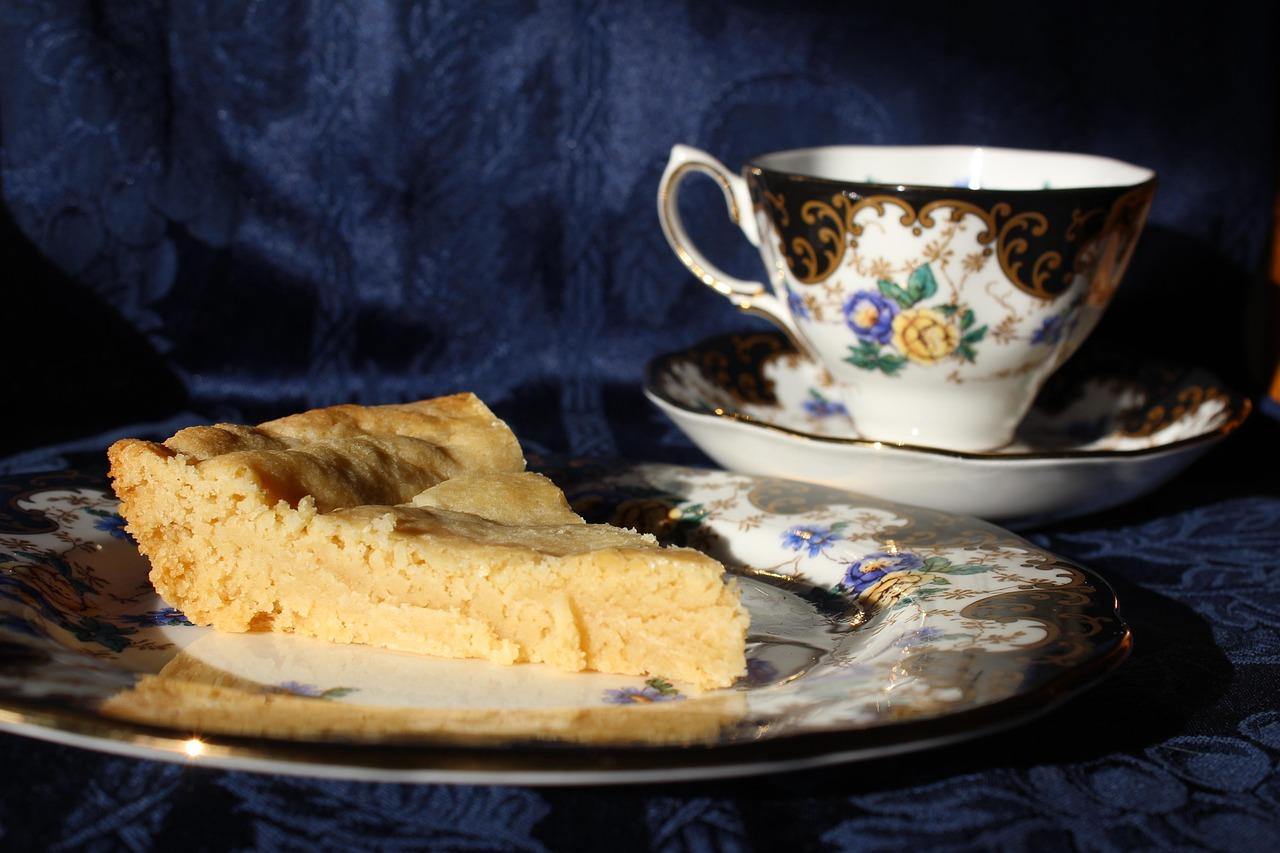
Boterkoek sits on the counter of almost every Dutch bakker, from Amsterdam to small towns in Brabant: a round, flat butter cake, scored in a criss-cross on top, glossy with glaze, dense and fudgy in the middle and crisp at the edges. It is cut into small wedges, because it is rich, and eaten with a cup of coffee at elf uur, the eleven o'clock break, or offered to visitors. The dough itself has no egg; only the top is brushed with beaten egg for shine (milk works too, though the colour is paler). Overbaking is the classic mistake: it should come out golden but still soft in the centre, so it sets fudgy, not dry. Chef's tip: use salted butter, or add the pinch of salt; it is what stops boterkoek tasting merely sweet.

by KrazyBadal 0 views

CraquelinBrioche with sugar cube pockets

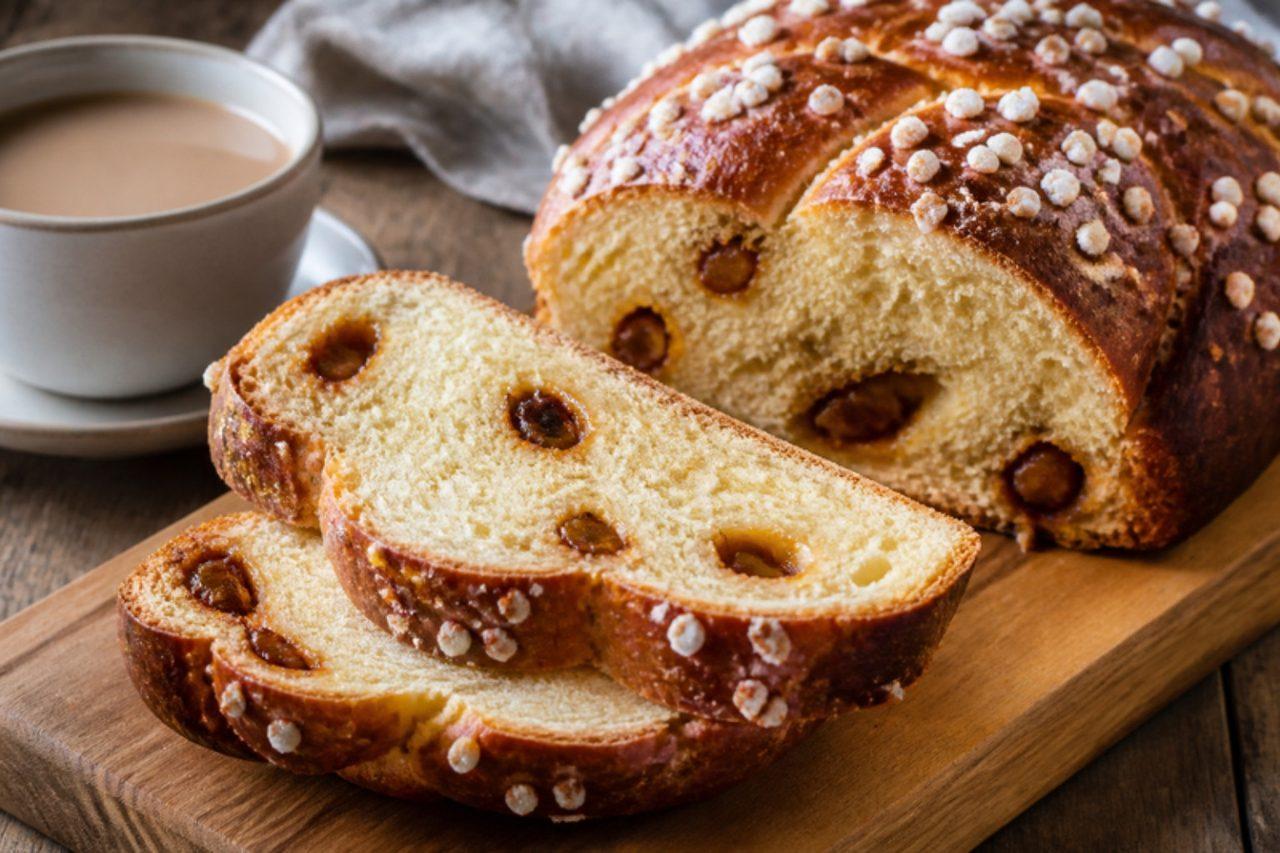
Sugar cubes, of all things, are the secret of the Belgian craquelin. Bakers in Ghent, Bruges and Brussels wrap broken cubes inside rich brioche, and as the loaf bakes they melt into little wells of syrup that set crunchy, while pearl sugar crackles on the crust (hence the name). It is a Sunday breakfast and weekend bakery loaf, sliced thick and eaten plain or with butter and a bowl of café au lait; Flemish bakers sometimes add orange zest. Leaving sugar pieces exposed on the outside, especially the base, is the usual pitfall: they caramelise, burn and glue the loaf to the tin. Chef's tip: chill the kneaded brioche for at least an hour before you fold in the sugar, so the butter firms and the dough is easy to wrap around the cubes.

by KrazyBadal 0 views

Kisiel (Polish fruit jelly drink)

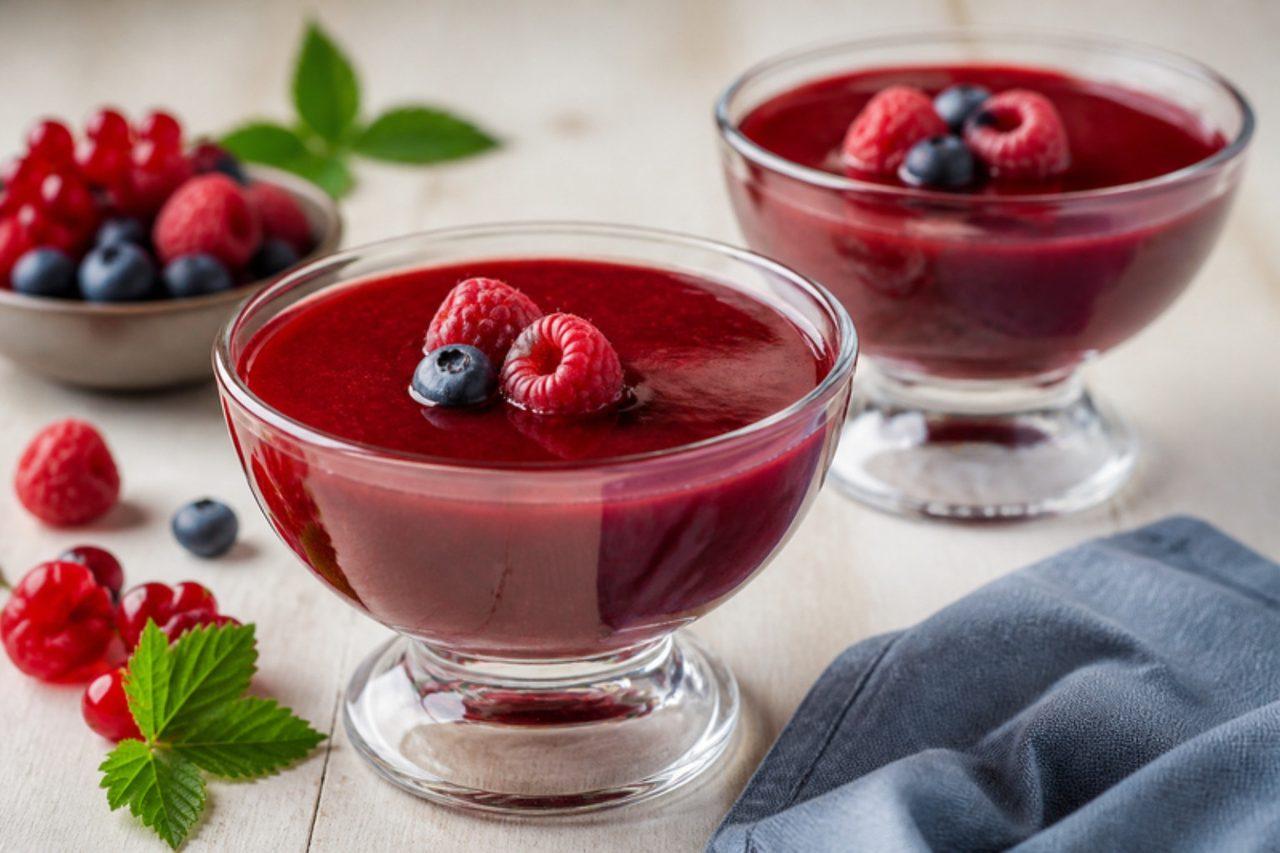
Kisiel is a Polish childhood staple served in school canteens and at home after school, warm in winter and chilled in summer, somewhere between a thick drink and a soft jelly. Home-made versions use fruit or juice thickened with potato starch, without the bright colours of packet mixes. This one uses mixed berries and only a little sugar. None of the common allergens are in it. Chef's tip: always mix the starch with cold water first and pour it into the boiling fruit while stirring; added dry, it forms lumps that never dissolve.

by KrazyBadal 0 views

JagodziankiBlueberry crumble buns

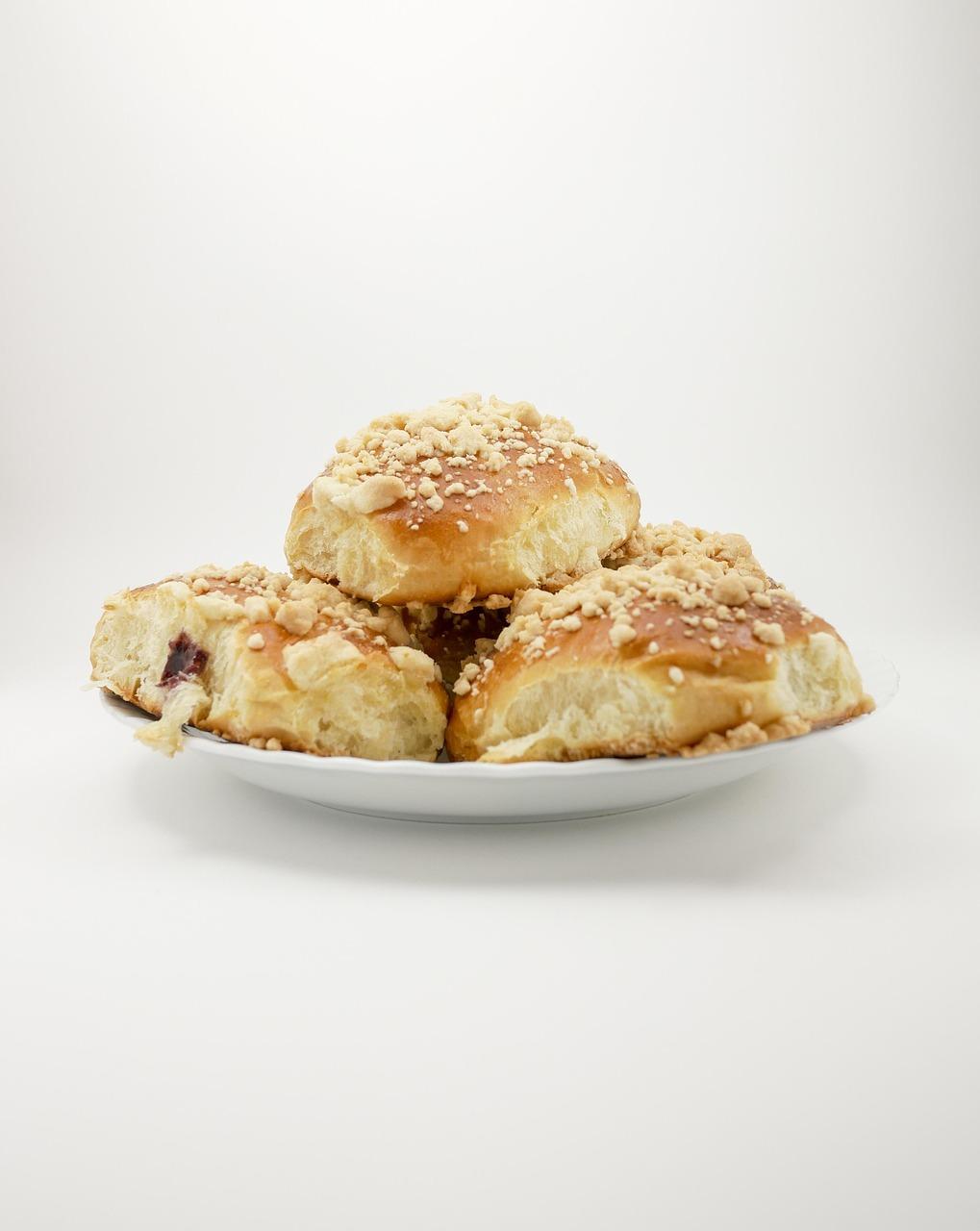
When the forest blueberries (jagody) arrive in July, Polish bakeries start selling jagodzianki by the trayful, and queues form for them warm. Each oval bun is soft, buttery yeast dough wrapped around a juicy pocket of blueberries, topped with a crunchy butter crumble and sometimes a drizzle of icing. They are a summer treat for the beach, the train or an afternoon with coffee, and children eat them by the bagful, staining their fingers purple. Berries tossed in sugar alone burst through the seams; the potato starch thickens the juice so it stays inside. Chef's tip: pinch the seams very firmly and set the buns seam side down, then press the crumble on with your palm so it sticks to the egg wash.

145 minPolishBaking
by KrazyBadal 0 views

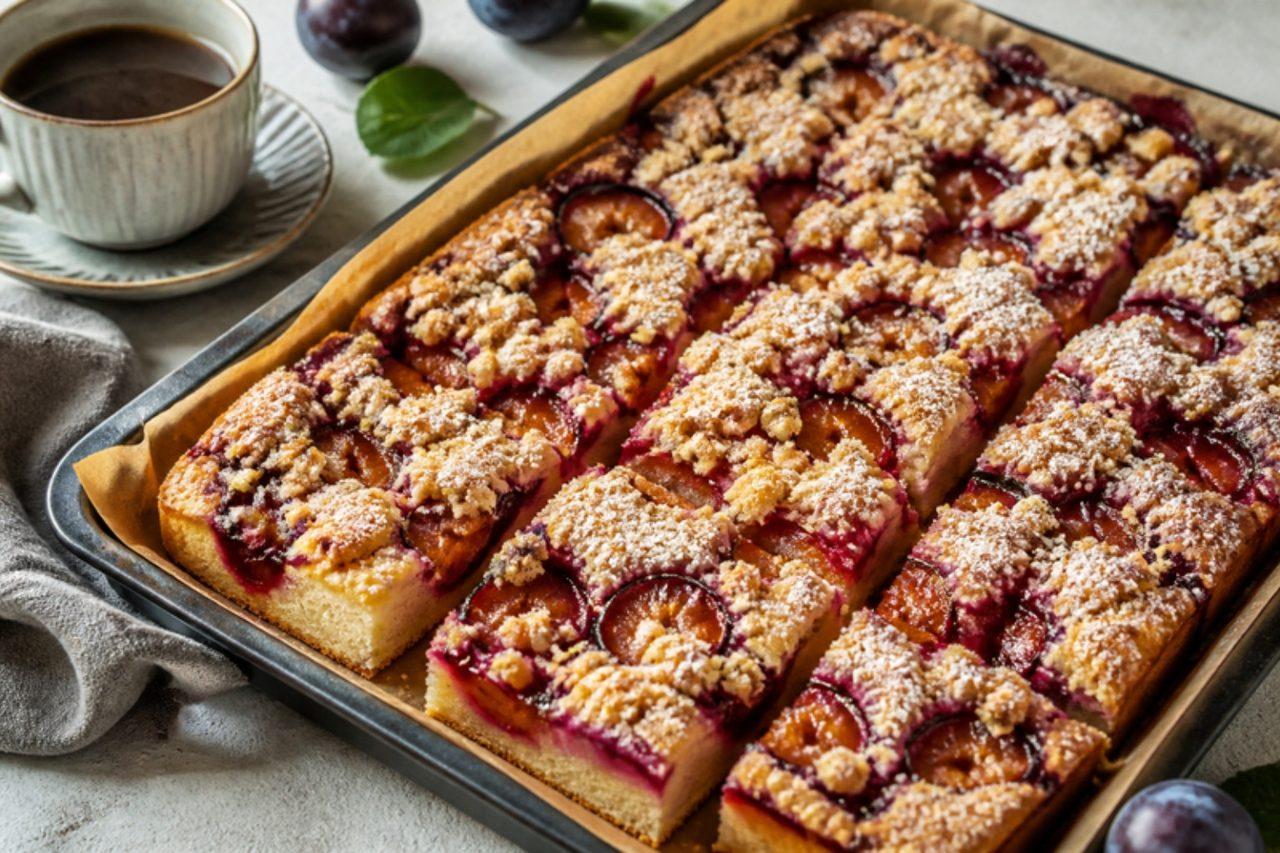
Placek ze śliwkamiPlum and crumble yeast cake

When the węgierki plums ripen in late August, Polish grandmothers from Kraków to Gdańsk bake placek ze śliwkami on the big oven tray and cut it into squares for Sunday coffee or for the neighbours. Under a buttery kruszonka crumble the plums melt into jammy, sharp pools on a soft, slightly sweet yeast dough. It is best on the day, still faintly warm, with a mug of coffee or a dollop of whipped cream. Laying the plums skin side down is the classic mistake: the juice floods the dough and leaves it raw, so set them cut side up and close together. Chef's tip: toss the plum halves with a spoonful of semolina or breadcrumbs before arranging; it soaks up the juice and keeps the base light.

150 minPolishBaking
by KrazyBadal 0 views

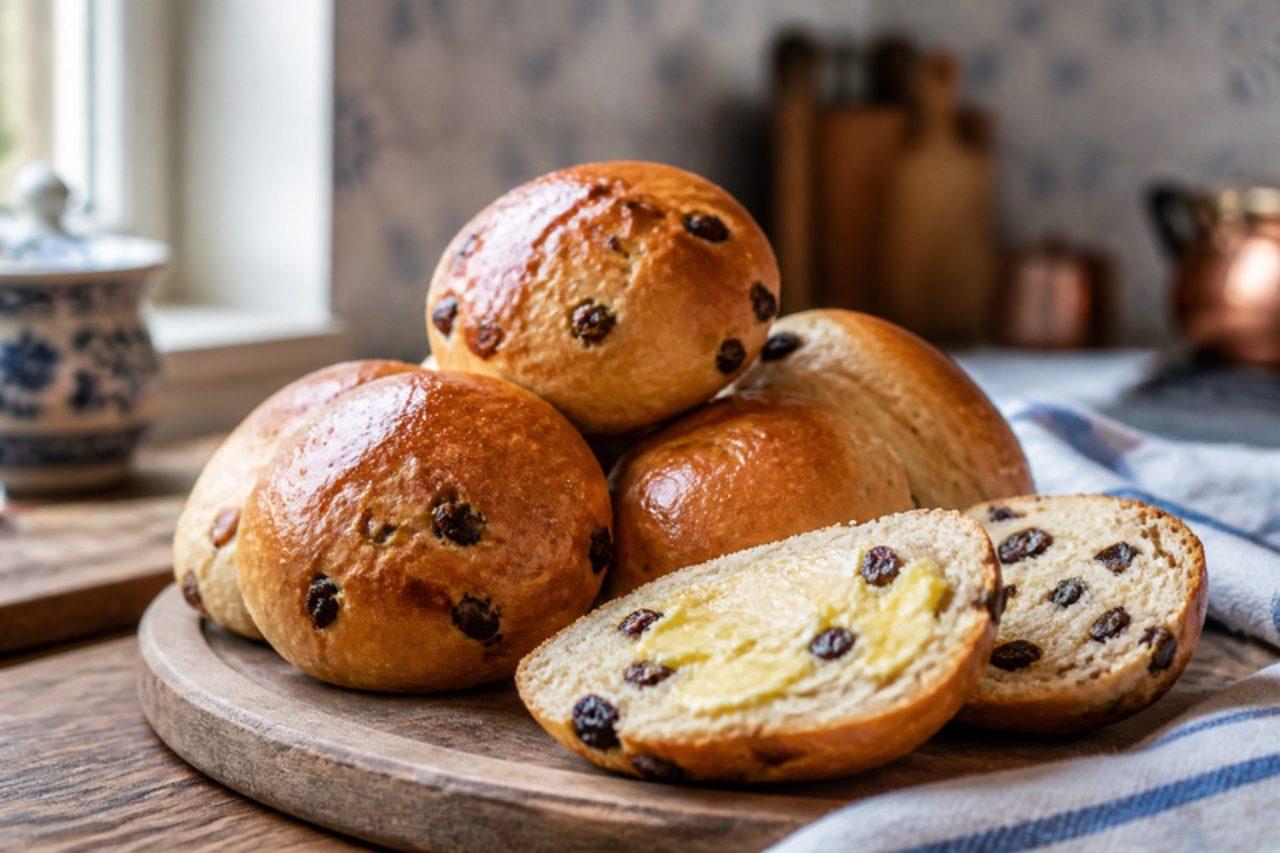
Krentenbollen (Dutch currant buns)

In the Netherlands a krentenbol, buttered and sometimes topped with a slice of Gouda, is packed in schoolbags for the morning break and eaten with milk after school. The buns are soft, slightly sweet and so full of currants and raisins that there is barely room for the bread. This version adds little sugar, letting the dried fruit sweeten it. It contains gluten and milk. Chef's tip: soak the dried fruit in hot water before kneading it in; dry fruit pulls moisture from the dough and burns on the surface.

by KrazyBadal 0 views

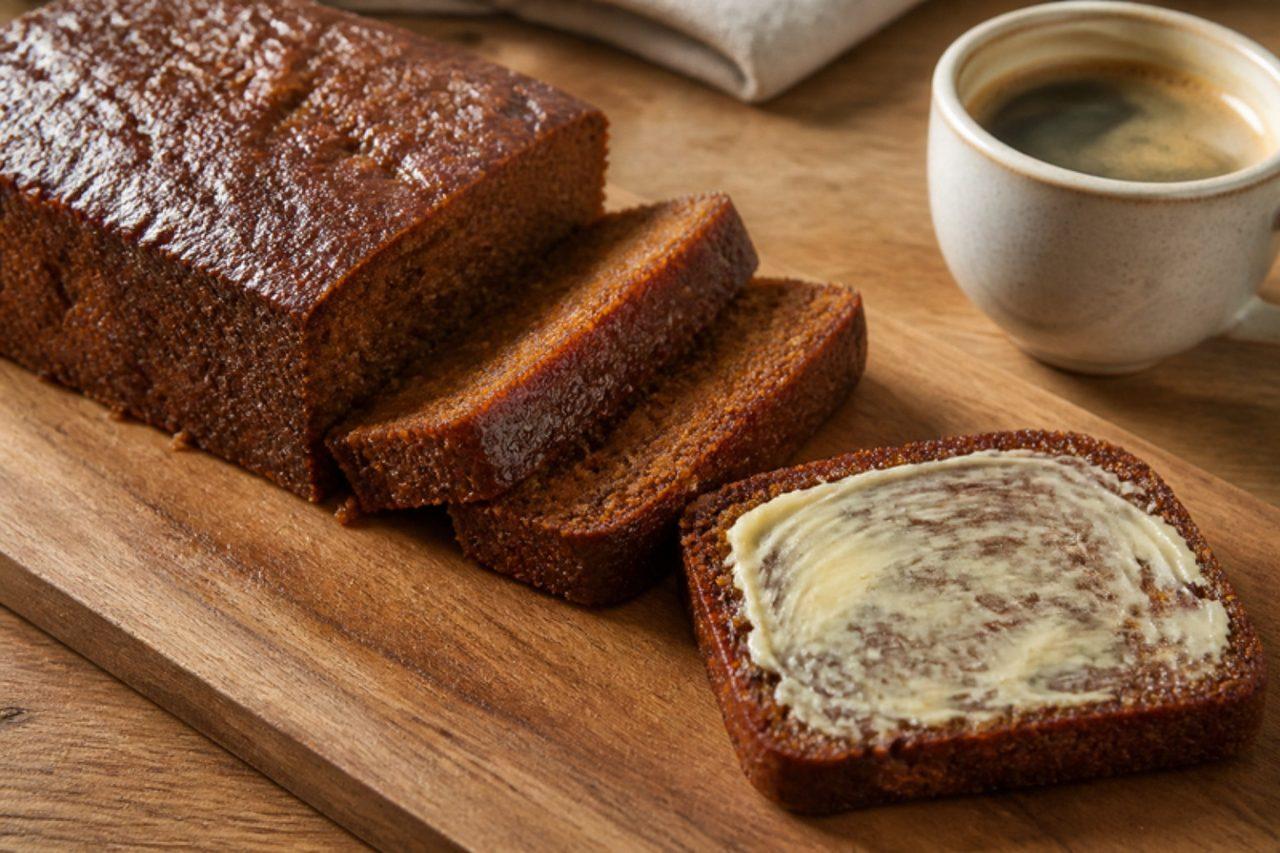
OntbijtkoekSpiced rye breakfast cake

Ontbijtkoek means 'breakfast cake', and in Friesland and Groningen, where the best-loved versions come from, a thick slice spread with butter is still a normal start to the day or a mid-morning snack with coffee. The loaf is dark, sticky and springy, made with rye flour and syrup and scented with the Dutch spice mix koekkruiden: cinnamon, cloves, ginger, nutmeg and cardamom. It contains no egg and no butter in the batter, and it gets better after a day or two wrapped up. Baking it too hot is the usual mistake; the outside goes bitter before the middle sets, so bake it low and slow. Chef's tip: wrap the loaf in cling film while it is still slightly warm and leave it overnight; it softens into the classic tacky, chewy crust.

by KrazyBadal 0 views

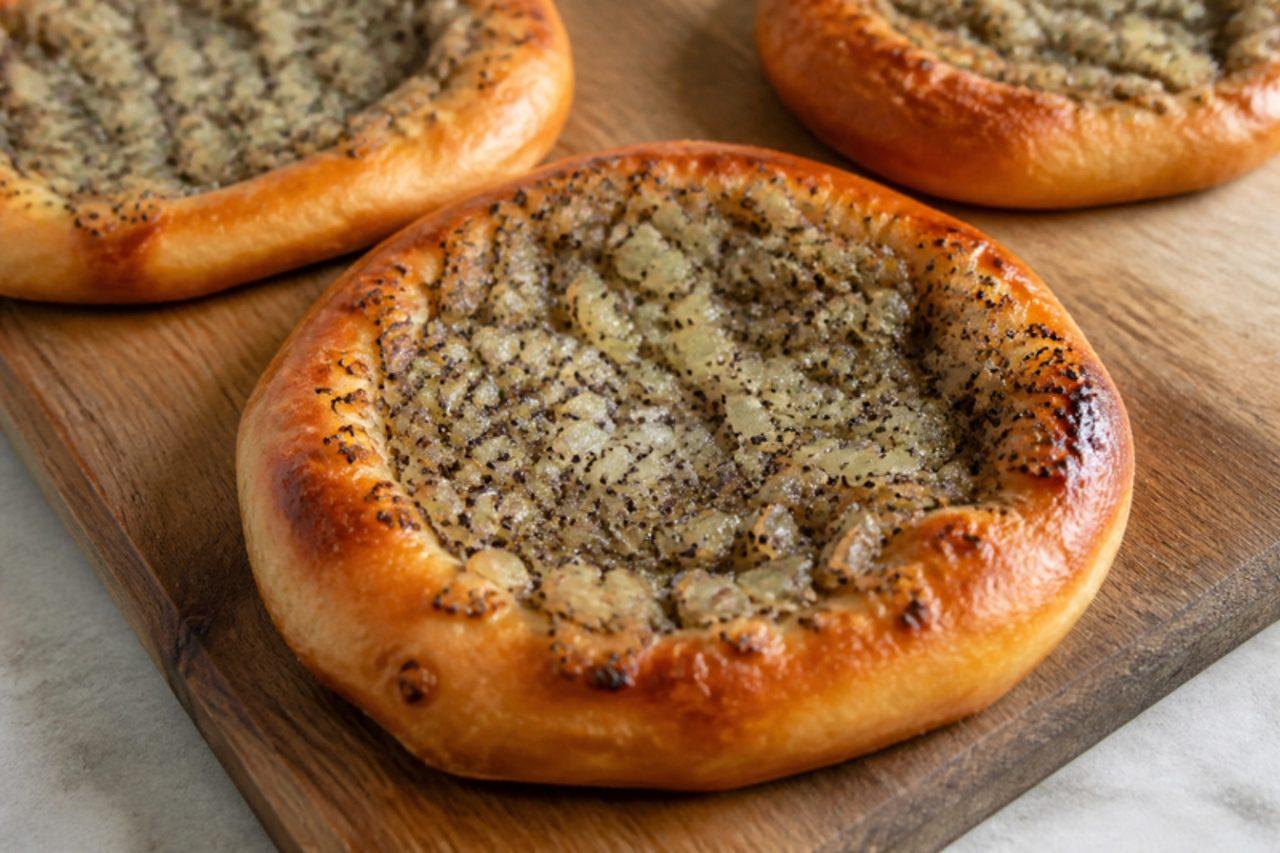
Cebularz lubelskiOnion and poppy seed flatbread

Lublin's bakers have topped flat rounds of yeast dough with onion and poppy seed since at least the nineteenth century, when the city's Jewish bakeries sold them as "cebulnik"; today cebularz lubelski is a protected regional speciality and a street snack sold warm from bakery windows across eastern Poland. The base is a soft, slightly sweet enriched dough, the centre thin and the rim puffed, and the onion bakes until tender, sweet and just catching at the edges. Eat one warm on its own, with a glass of kefir, or alongside a bowl of soup. Wet onion is the downfall here: salt it, wait, then squeeze out the juice, or the middle turns soggy. Chef's tip: press the centres really thin with your fingertips just before topping; if they puff back up, the onion slides off.

by KrazyBadal 0 views

Kärntner ReindlingCinnamon raisin yeast cake

Carinthia's Easter loaf takes its name from the Reindl, the round, deep pan it is baked in, and in southern Austria no Easter basket goes to church without one. Inside the golden yeast crust is a spiral of butter, cinnamon sugar and plump raisins, so every slice shows a dark swirl. Locals eat it two ways: sweet with coffee on Easter morning, or alongside the savoury Easter platter with horseradish. Many bakers soak the raisins in rum overnight; warm water or tea works just as well and keeps it alcohol-free. A dry, crumbly Reindling usually means too much flour went in during kneading, so keep the dough soft and only lightly floured. Chef's tip: butter the pan well and dust it with sugar, which caramelises into a thin crunchy shell.

by KrazyBadal 0 views

Tosti ham-kaas (Dutch ham and cheese toastie)

In the Netherlands the tosti is what children ask for after school, at the swimming-pool café and at Saturday lunch: two thin slices of white bread with ham and young Gouda, pressed in a tosti iron until crisp and golden and the cheese oozes at the edges, then dunked in ketchup. It is ready in ten minutes. It contains gluten (wheat) and milk. Chef's tip: butter the outside of the bread, not the inside, so it browns evenly and doesn't stick.

by KrazyBadal 0 views

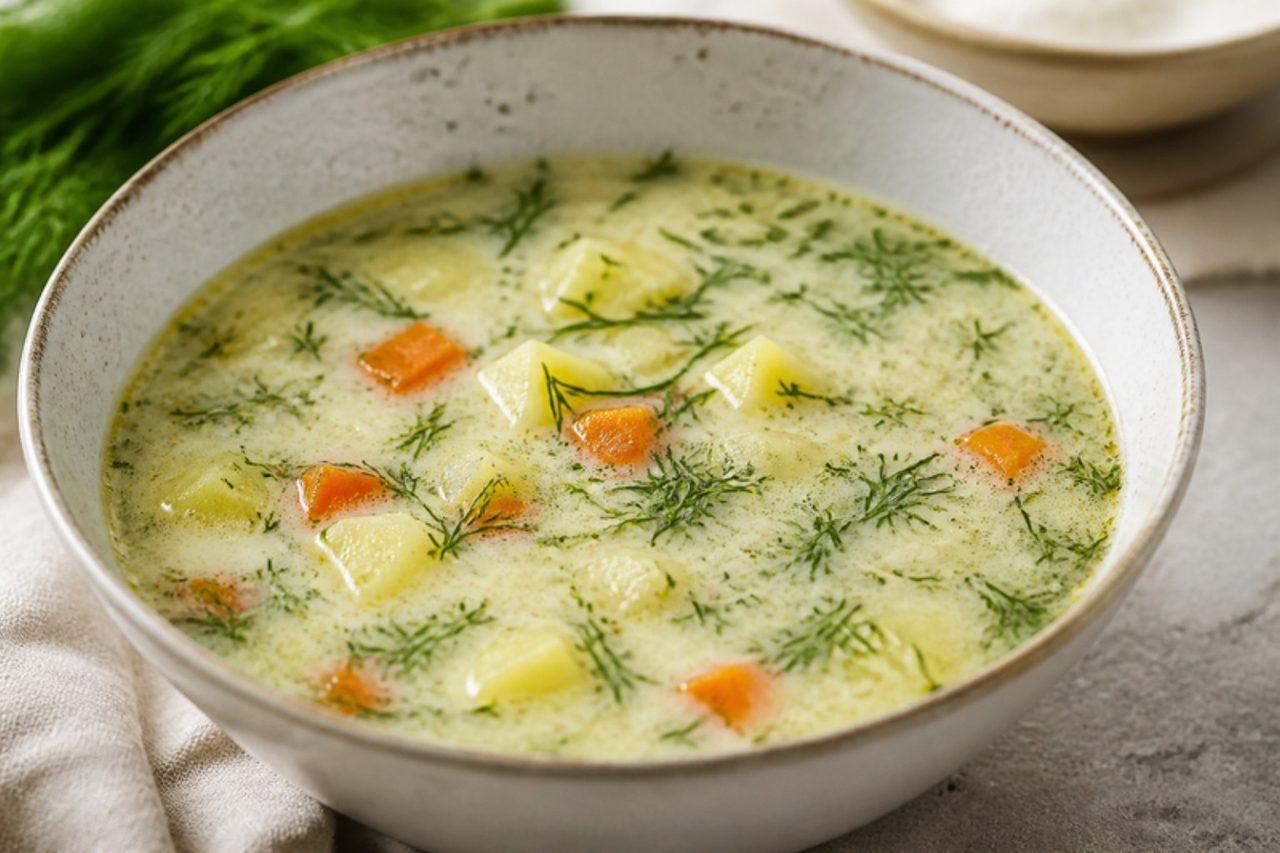
Zupa koperkowaDill and potato soup

In early summer, when bunches of dill tied with string pile up at Kraków's Stary Kleparz market, Polish cooks make zupa koperkowa: a light broth of potato, carrot and parsley root that gets almost a whole bunch of chopped dill at the end. It is a weekday lunch soup, often with a hard-boiled egg or a spoon of soured cream, and it tastes clean and green. A common mistake is cooking the dill with the vegetables, which turns it dull and grassy. Chef's tip: stir half the dill stalks in during simmering for depth, then add all the feathery leaves only once the pot is off the heat.

by KrazyBadal 0 views

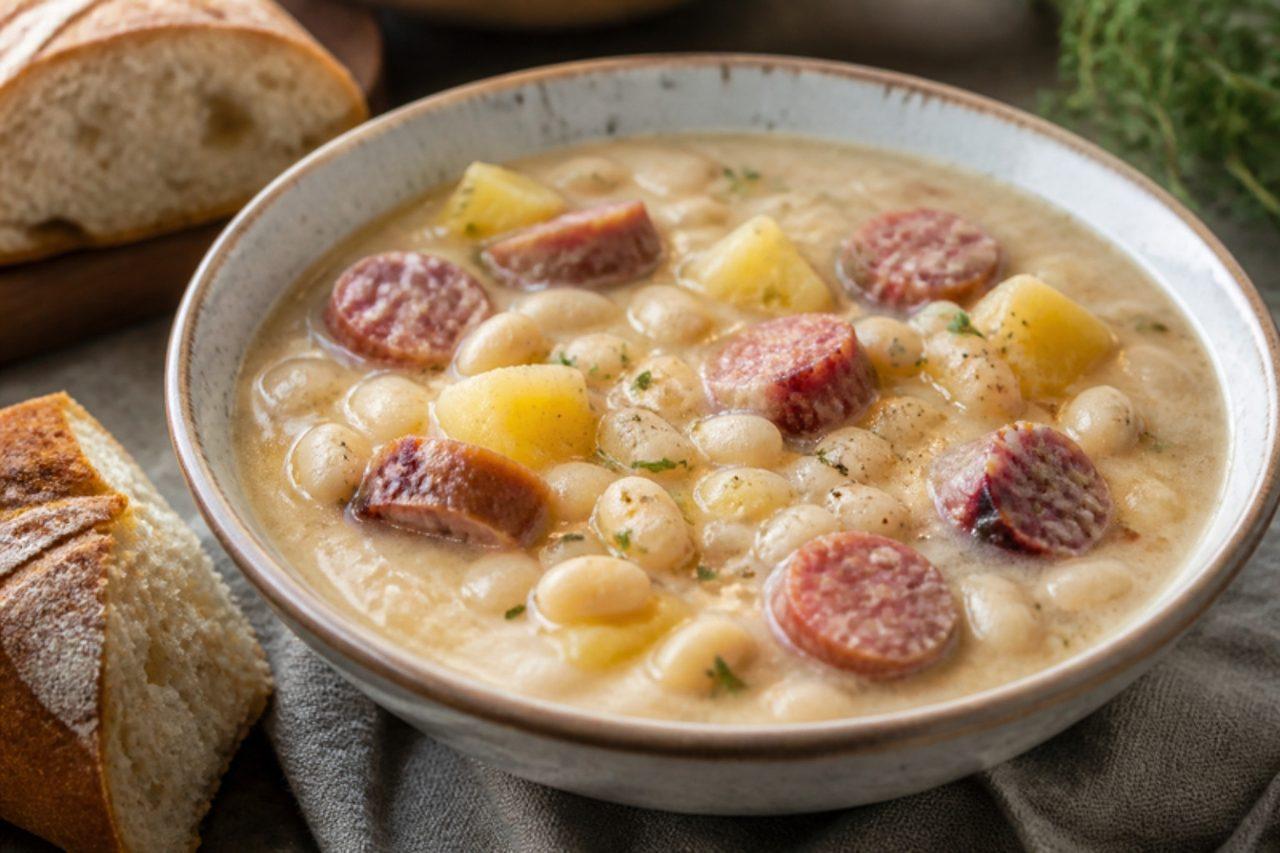
FasolówkaWhite bean soup

Fasolówka warms up Podhale farmhouses and Lublin kitchens through the cold months: dried white beans cooked until creamy with smoked pork ribs or smoked bacon, potatoes, carrot and a big pinch of marjoram. It is a meal in a bowl for a winter Saturday, served with rye bread. For a vegetarian pot, leave out the pork, use vegetable stock and add 1 tsp smoked paprika and a little more oil. A common mistake is salting the beans at the start, which keeps the skins tough. Chef's tip: mash a ladle of the cooked beans against the side of the pot; it thickens the soup naturally without flour.

120 minPolishSoupsGluten free
by KrazyBadal 0 views

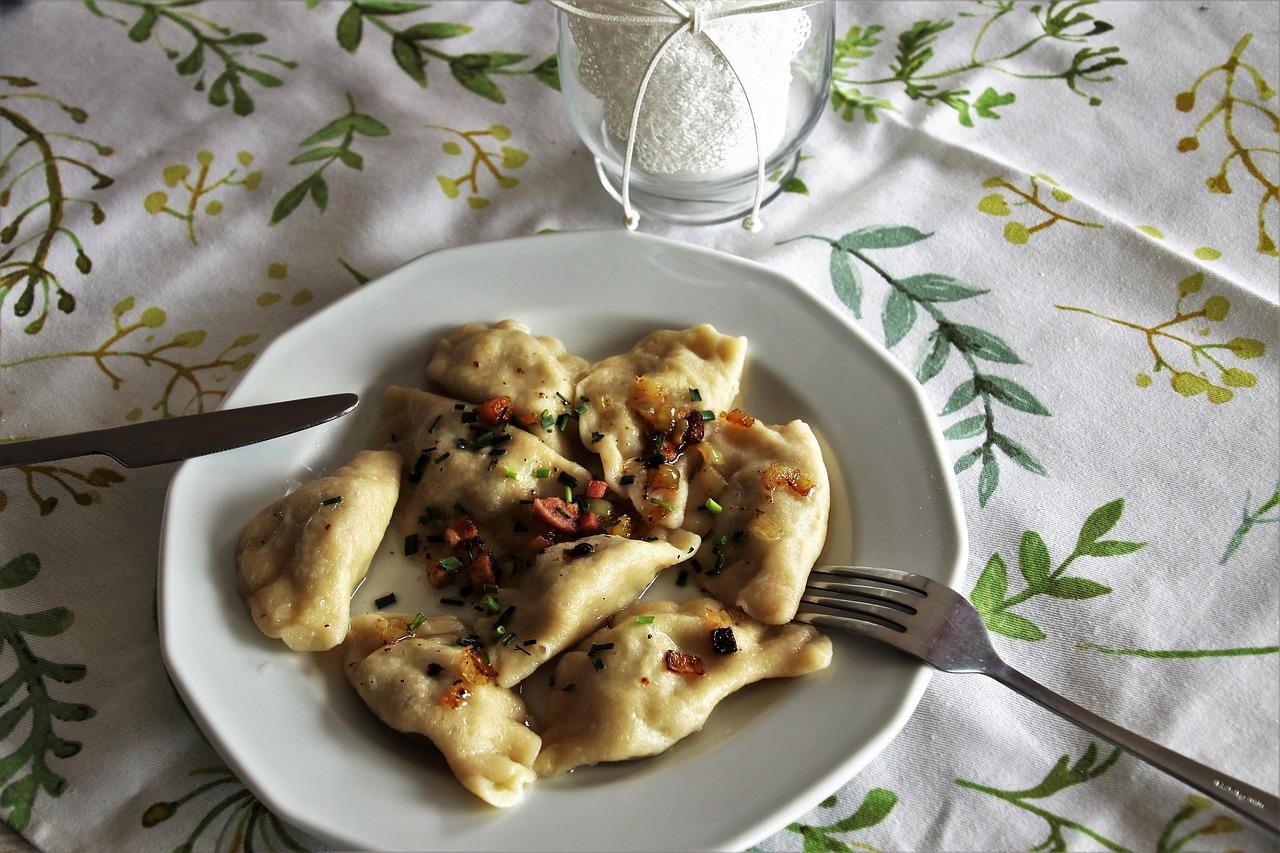
Pierogi z mięsemMeat dumplings

Pierogi z mięsem are the thrifty heart of Polish cooking: the meat left from Sunday rosół or a pot roast is minced with fried onion and folded into soft dough. In Lublin and Podlasie families make a hundred at once for Christmas week or a name day and freeze the rest, and milk bars serve them topped with onion fried in butter or crisp skwarki. This version uses pork shoulder and beef, cooked first, then minced. A common mistake is a dry, crumbly filling; moisten it with a few spoons of broth so it holds together. Chef's tip: pinch the edges twice, once to seal and once to crimp, and the pierogi won't burst in the pot.

150 minPolishMeat
by KrazyBadal 0 views

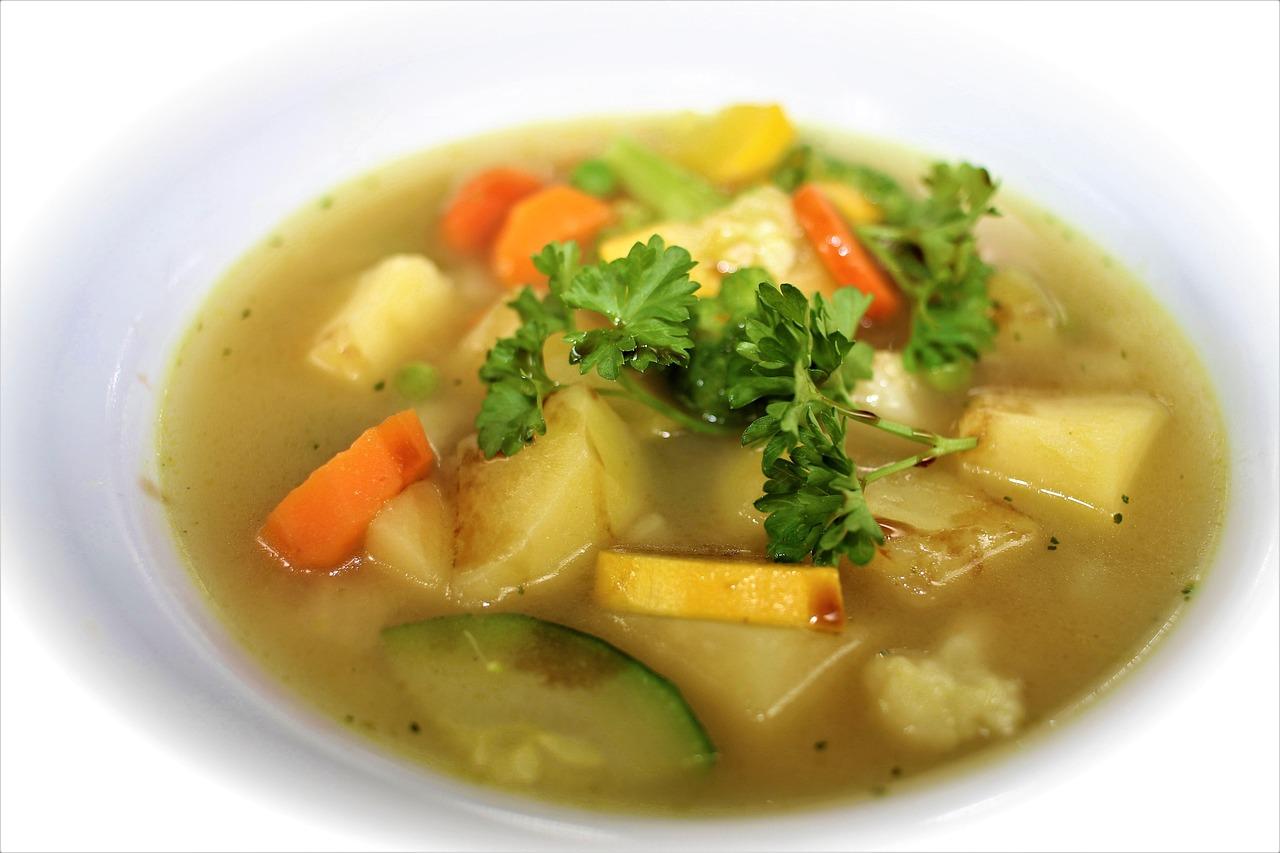
Zupa jarzynowaMixed vegetable soup

Zupa jarzynowa is what a Polish kitchen makes when the vegetable drawer needs clearing: carrots, parsley root, celeriac, potatoes, cauliflower, green beans and peas, all diced small and simmered in one pot. From Białystok to Szczecin it is the Monday soup, the canteen soup and the soup for anyone off their food, and it is eaten with bread and a swirl of soured cream. A common mistake is putting everything in at once, so the beans and peas turn khaki and soft. Chef's tip: add the vegetables in stages, roots first, green things last, and every spoonful has a bit of bite.

by KrazyBadal 0 views

Zupa nicVanilla milk with meringue

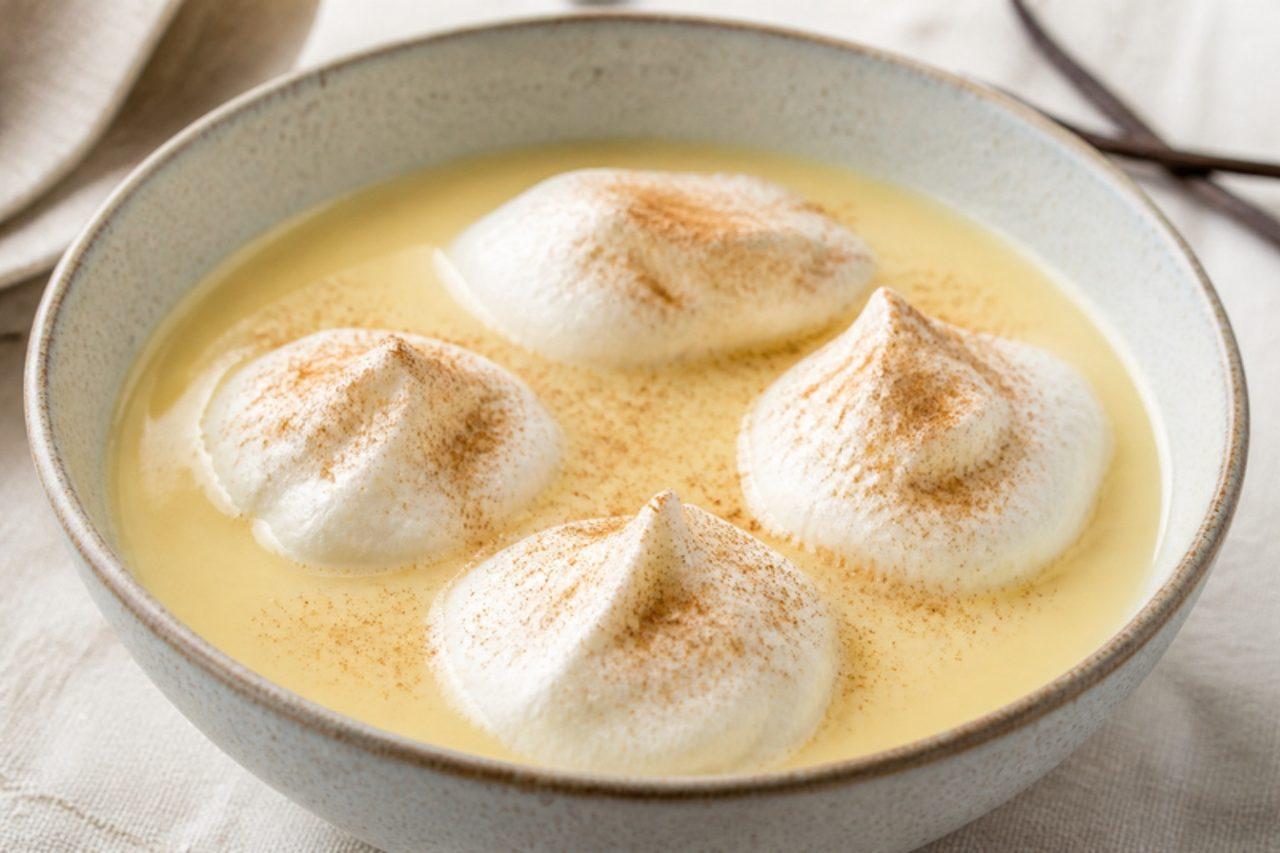
Zupa nic means 'nothing soup', and Polish grandmothers in Silesia and Greater Poland made it from almost nothing: milk, eggs, sugar and vanilla. Spoonfuls of whipped egg white are poached in the milk like little clouds, then the milk is thickened with the yolks into a thin custard and poured round them. It is eaten warm on a winter evening or chilled in summer, and children love it. A common mistake is boiling the custard after the yolks go in, which scrambles them. Chef's tip: poach the clouds for only a minute on each side; any longer and they puff up, then shrink and turn rubbery.

by KrazyBadal 0 views

VlammetjesSpicy mini spring rolls

Vlammetjes, little flames, are the fiery mini spring rolls of the Dutch borrel, served by the dozen in bars from Amsterdam to Groningen with a bowl of sweet chilli sauce. The filling is beef mince cooked with onion, garlic, sambal and sweet soy until dry and spicy, then rolled tightly in spring roll pastry and fried until blistered and crisp. Make the heat to your own taste. A common mistake is rolling a wet filling, which splits the wrappers and spits in the oil. Chef's tip: cook the mince until the pan is dry and it starts to crackle, then cool it completely before rolling.

by KrazyBadal 0 views

Zupa owocowaFruit soup with pasta

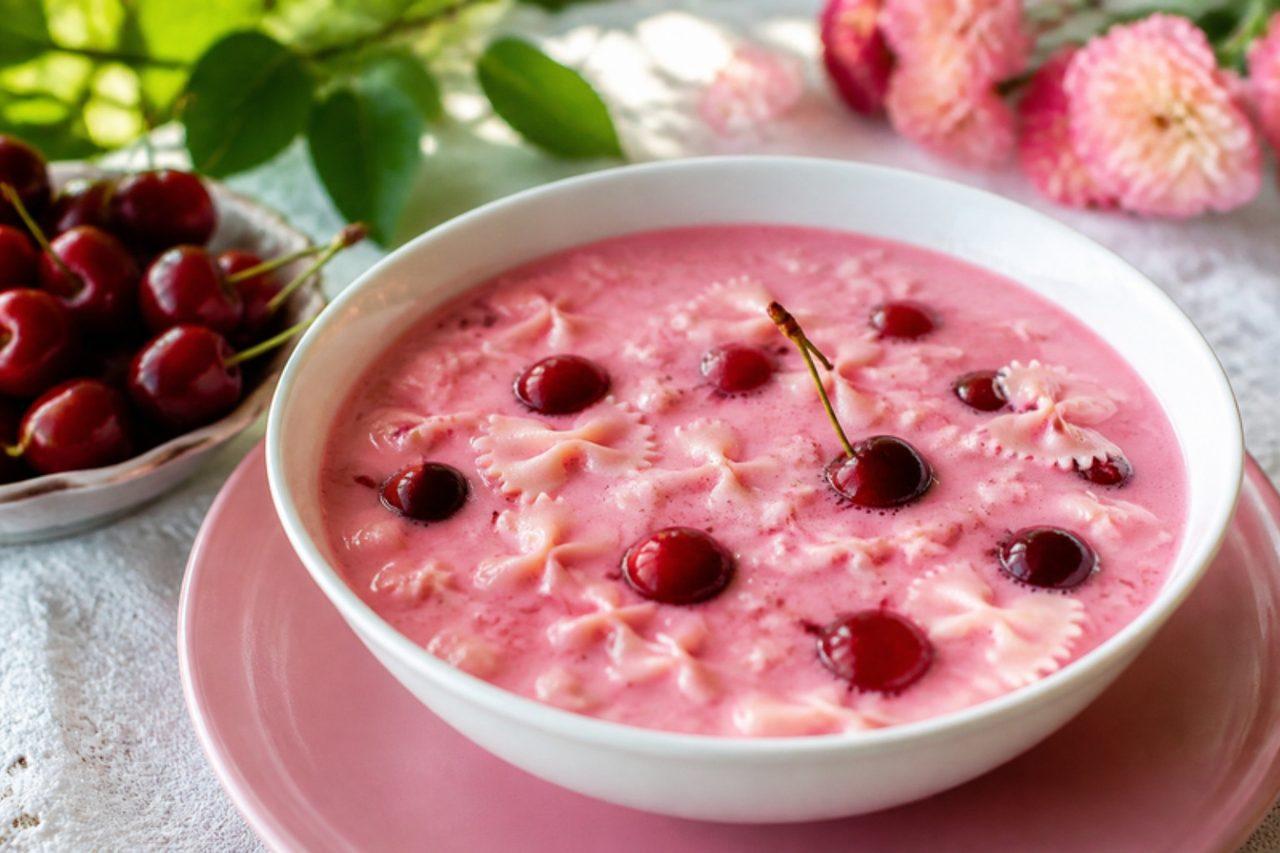
On a hot July afternoon in a Mazurian village or a Warsaw allotment, a pot of zupa owocowa sits cooling on the windowsill: sour cherries or strawberries simmered with sugar, lightly thickened, and served cold over little pasta shells or bow ties. Polish children often get it as the first course of a summer lunch, and it tastes like a drinkable fruit compote. A common mistake is thickening it too much, so it sets into jelly in the fridge; it should stay pourable. Chef's tip: stir a spoon of soured cream into each bowl, not the pot, so the colour stays bright.

by KrazyBadal 0 views

Pulpety w sosie koperkowymMeatballs in dill sauce

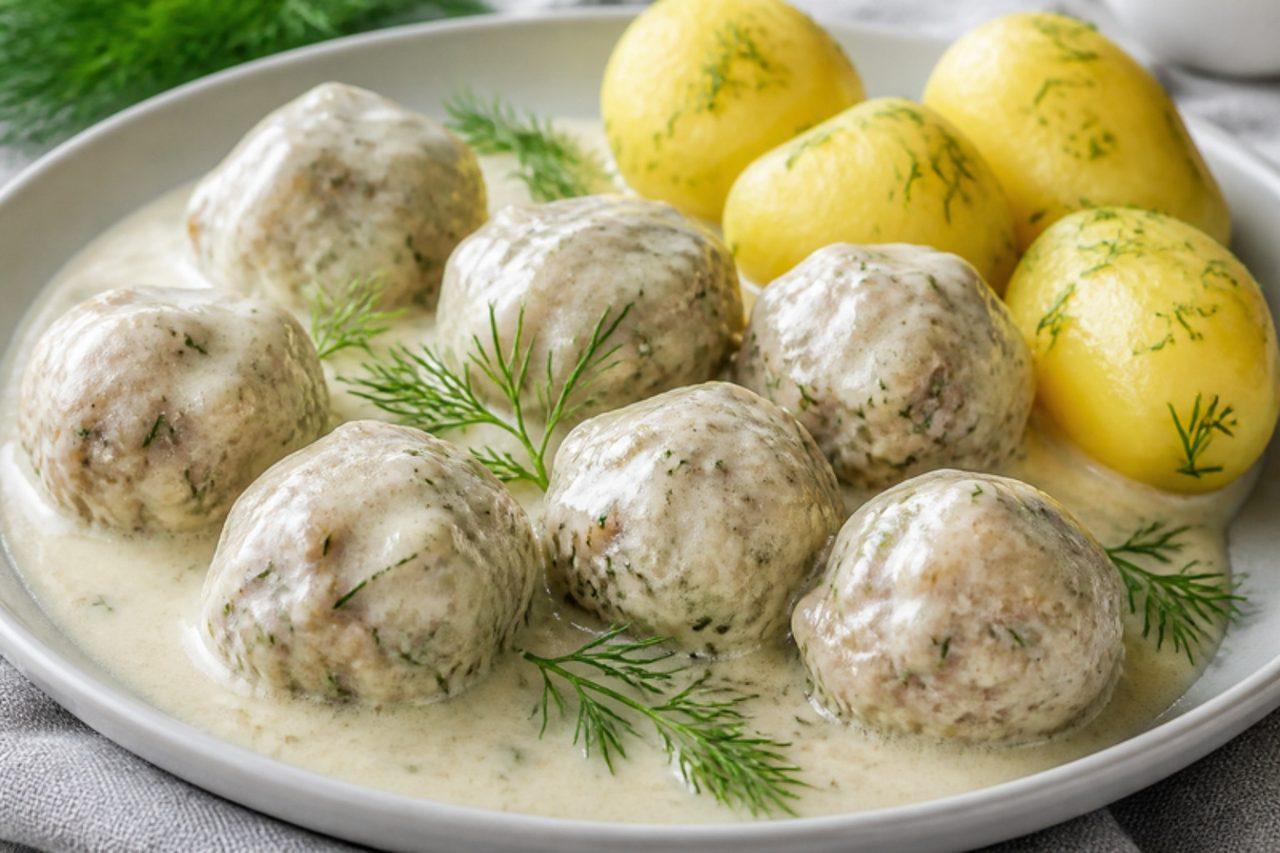
Soft, poached and bathed in pale green dill sauce, pulpety are the meatballs Polish mothers in Toruń and Bydgoszcz give small children and anyone feeling poorly, and milk bars serve them on ordinary weekdays with boiled potatoes and grated beetroot. They are made from minced pork (or a pork and veal mix) bound with soaked roll and egg and simmered in broth, which then becomes the sauce. A common mistake is boiling them hard, which makes them tough and splits them; the water should barely tremble. Chef's tip: add the dill right at the end, off the heat, so it stays bright and fresh.

50 minPolishMeat
by KrazyBadal 0 views

BudyńMilk pudding

Budyń is the pudding every Polish grandmother can make without a recipe, a soft spoonable milk custard thickened with potato starch or cornflour and set in glasses. Milk bars in Gdynia and Katowice sell it warm in winter and chilled in summer, often with a spoon of raspberry or cherry syrup on top, and children eat it after school. A common mistake is pouring the starch into hot milk without whisking it first in cold milk, which gives lumps. Chef's tip: once it bubbles, keep whisking for one more full minute; undercooked budyń tastes floury and goes thin as it cools.

by KrazyBadal 0 views

Krokiety z kapustą i grzybamiCabbage and mushroom croquettes

In Kraków's milk bars krokiety are ordered with a mug of hot clear barszcz to dip them in, and at Christmas Eve tables across Lesser Poland the same rolls sit beside the beetroot soup. Thin pancakes are wrapped around a filling of chopped sauerkraut, fried onion and dried and fresh mushrooms, then dipped in egg and breadcrumbs and fried until crunchy. If you use wild mushrooms, buy from a reliable source only. A common mistake is leaving the sauerkraut wet, which steams the rolls from inside and makes the crumb soggy. Chef's tip: make the pancakes a little thicker than for sweet naleśniki and fold the ends in firmly so no filling leaks into the oil.

by KrazyBadal 0 views

Zupa mlecznaMilk soup with noodles

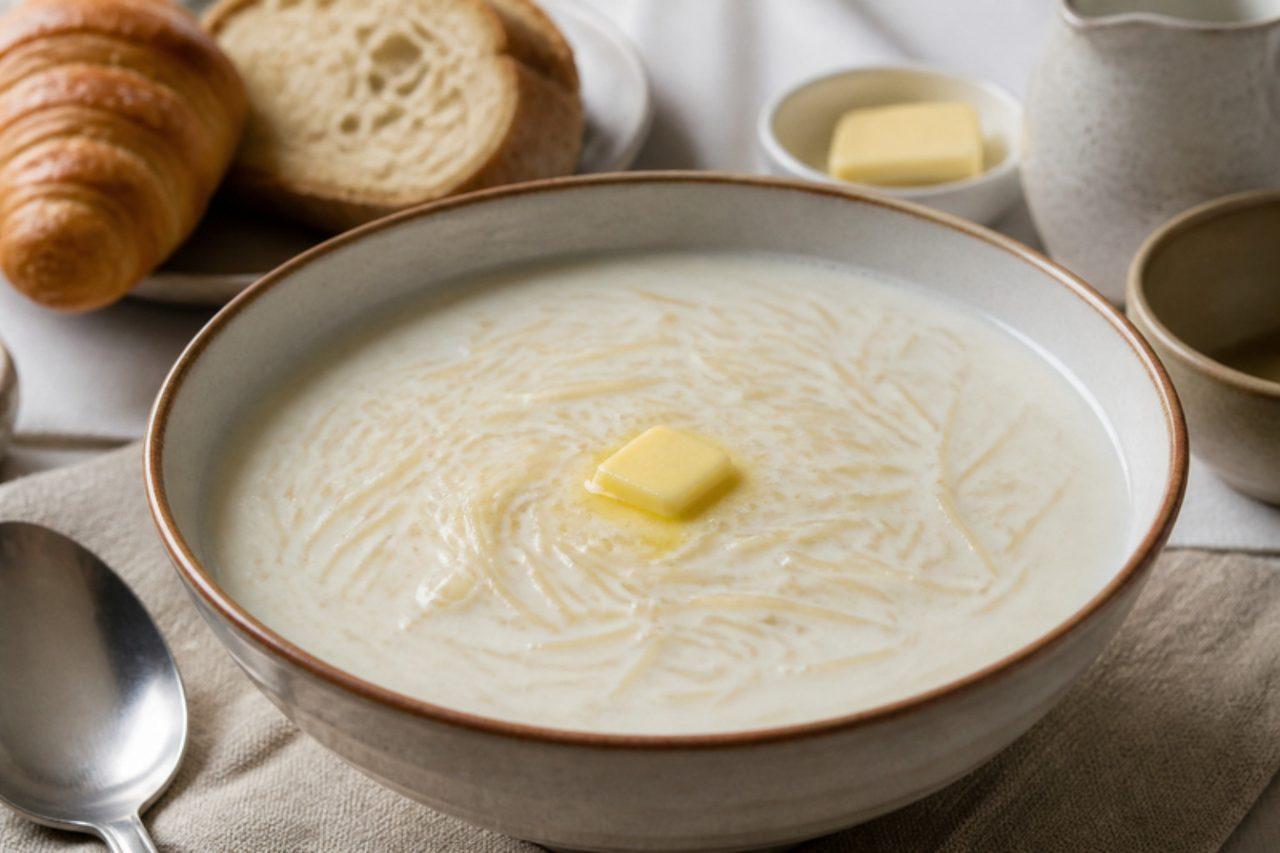
Ask anyone who grew up in Poland about zupa mleczna and you will hear about winter mornings before school, or about the steaming bowls ladled out at breakfast in Warsaw milk bars long before cafés served porridge. It is simply warm milk with small noodles or rice, sweetened lightly and sometimes finished with a knob of butter or cinnamon. Kids like it with lane kluski, egg drops poured straight into the milk. A common mistake is boiling the noodles in the milk over a high heat, so it catches and tastes scorched; cook them in water first. Chef's tip: warm the milk with a strip of lemon peel and a pinch of salt, which makes it taste rounder without adding more sugar.

by KrazyBadal 0 views

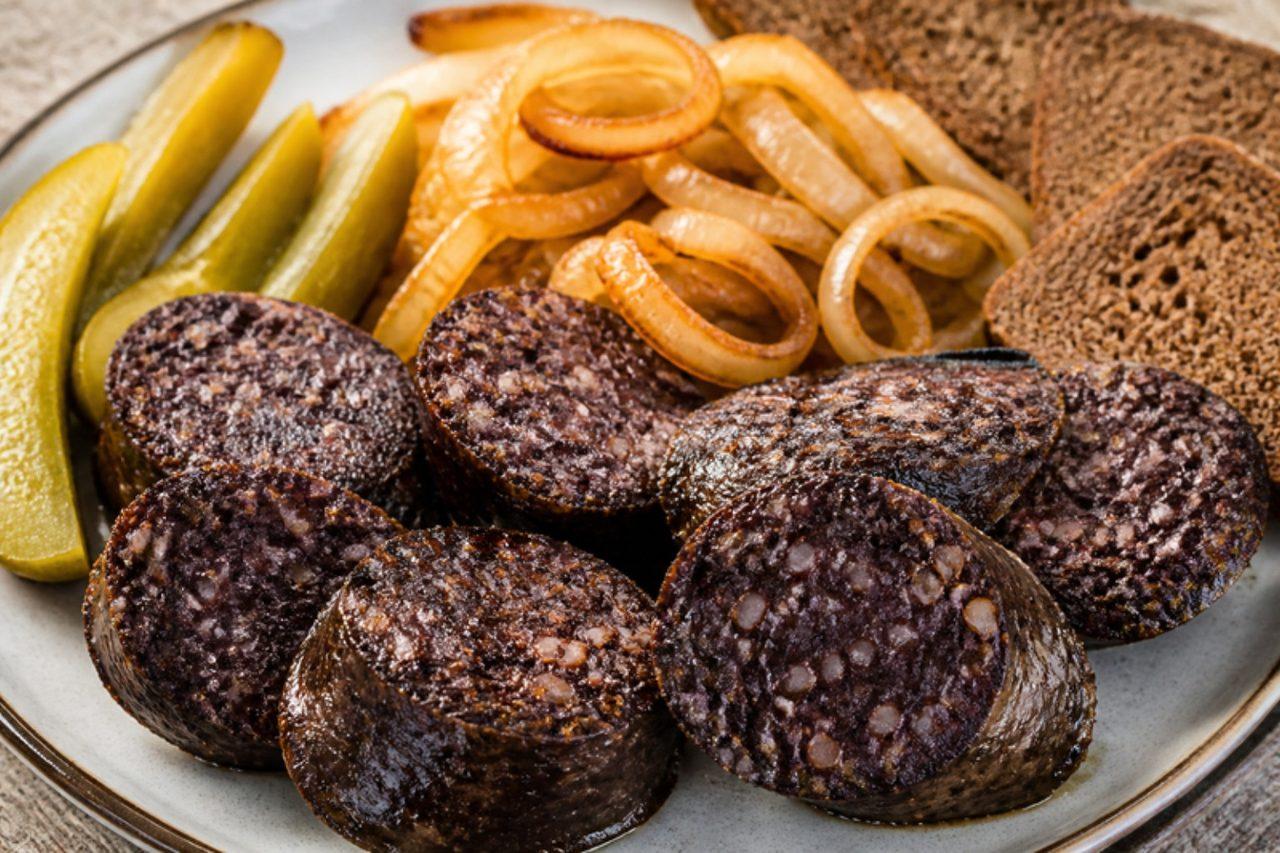
Kaszanka z cebuląFried buckwheat blood sausage

Kaszanka is Polish black pudding, a pork sausage of buckwheat groats, pork blood, liver and fat seasoned with marjoram, and fried with onions it is the classic grill-night, pub and milk-bar snack from Podkarpacie to Warsaw. It comes ready-cooked from the butcher, so all you do is fry it until the outside crisps and the inside turns soft and spoonable. Serve with rye bread, mustard and sour dill pickles. A common mistake is frying it in its skin over a high heat, which bursts the casing and burns the outside before the middle is hot. Chef's tip: slice it thickly, fry gently, and don't stir; turn each slice once so it keeps a crust.

20 minPolishMeat
by KrazyBadal 0 views

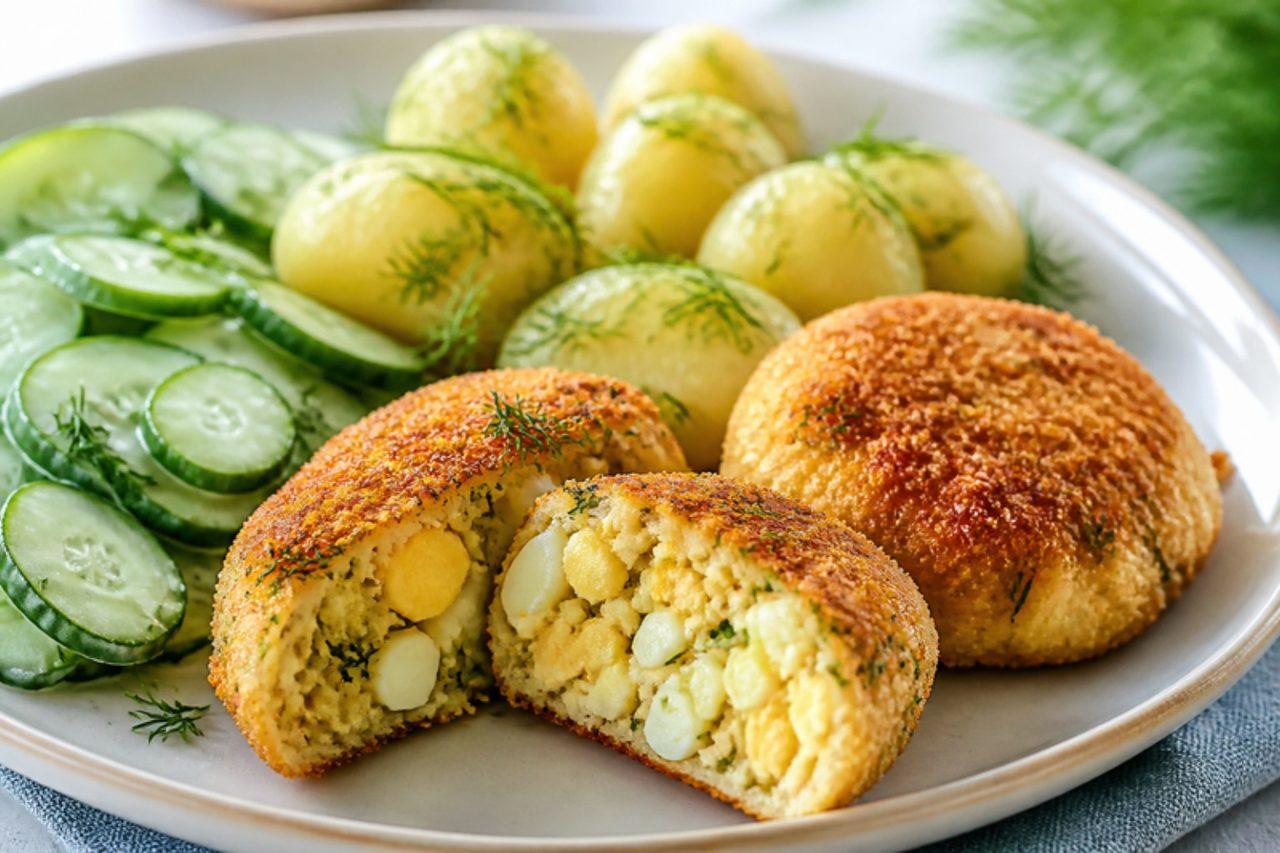
Kotlet jajecznyBreaded egg cutlets

Kotlet jajeczny was born of thrift, a meat-free Friday cutlet that milk bars in Warsaw and Poznań could make from eggs, stale bread and dill, and it is still a Lent and weekday favourite at home. Chopped hard-boiled eggs are bound with soaked bread roll, raw egg and lots of dill, shaped into patties, breaded and fried until crisp outside and soft inside. They go on the plate with boiled potatoes, a spoon of soured cream and mizeria, the cucumber salad. A common mistake is a mixture that is too wet; squeeze the soaked roll hard so the cutlets hold together in the pan. Chef's tip: chill the shaped cutlets for 15 minutes before breading and they won't crack when you turn them.

by KrazyBadal 0 views

Showing 24 of 282 recipes

Show more recipes

Page 1 of 12