Skip to content
Recipes

All recipes

Vegetarian, or something you can't eat? Set your diet once and we'll hide recipes that don't fit.

Dowina (Kurdish yogurt soup)

Dowina, called ash-e doogh in Persian, is warming spring food in Kurdish homes around Newroz, when yogurt is plentiful and the first herbs are cut from the garden. Rice and chickpeas simmer in a tangy, lightly thickened yogurt broth, finished with fresh dill, coriander and a sizzle of dried mint in oil. It is eaten warm, never boiling hot, with flatbread. The common mistake is to heat the yogurt too fast without stirring, which makes it split into grainy curds. Chef's tip: whisk an egg yolk and a spoonful of rice flour into the yogurt before it goes on the heat; it holds the soup smooth all the way to the simmer.

by KrazyBadal 0 views


Boudin blanc aux pommesWhite sausage with apple compote

In Liège and across Wallonia, Christmas Eve supper often begins with boudin blanc: pale, delicate sausages of finely minced pork and milk, sometimes with a little chicken, gently fried in butter until golden and served with warm, chunky apple compote and bread. Butchers make piles of them in December. Buy them fresh from a good butcher, or poached and ready to fry. Chef's tip: prick nothing and cook gently; boudin blanc is fragile, and a hot pan splits the skins.

by KrazyBadal 0 views

Biała kiełbasa z cebuląWhite sausage baked with onions

Biała kiełbasa is a fresh, unsmoked white sausage of pork seasoned with garlic and marjoram, and on Easter Sunday morning in Poland it is the star of the breakfast after the blessed basket (święconka) is shared. It is also the sausage that goes into żurek, the sour rye soup. Buy it raw from a Polish butcher, then poach it gently and bake it with onions until golden. Serve with horseradish, mustard, rye bread and Easter eggs. Chef's tip: never boil it, as the casing bursts; keep the water just below a simmer.

60 minPolishMeatGluten free
by KrazyBadal 0 views

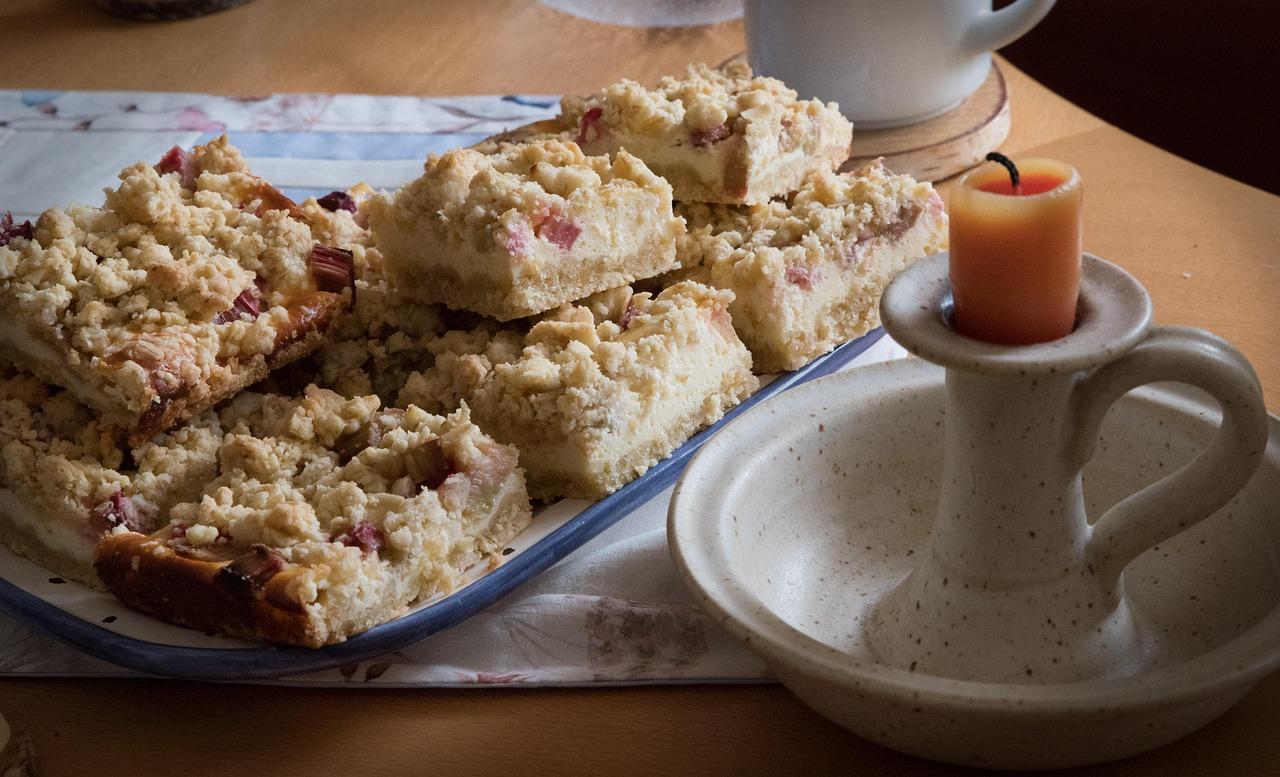
RabarbrikookRhubarb crumble cake

By Jaanipäev, Estonian Midsummer on 24 June, the rhubarb in every country garden is tall and red, and Estonians take rhubarb cake to the Jaaniõhtu bonfire evening along with grilled sausages, cheese and the beer for the grown-ups. Rabarbrikook is a simple, soft butter cake packed with sharp rhubarb under a thick, sweet crumble that soaks up the juices. Serve it warm with vanilla sauce or cold in squares. Chef's tip: toss the rhubarb in a spoonful of sugar and flour first; the flour thickens the juice so the cake below does not go soggy.

by KrazyBadal 0 views

Pajagua mascadaBeef and cassava patties

Pajagua mascada is a Paraguayan street-food classic that appears on every table for the San Juan festival on 24 June, when bonfires burn and the night is full of games and traditional food. Minced beef is mixed with mashed cassava, onion, garlic and a little egg and flour, shaped into flat patties and fried until crisp. The name comes from Guaraní and refers to the 'chewing' of old Paraguayan cooks, who made it from leftover meat. Chef's tip: dry the boiled cassava well and remove its woody core, which keeps the patties light and crunchy.

by KrazyBadal 0 views

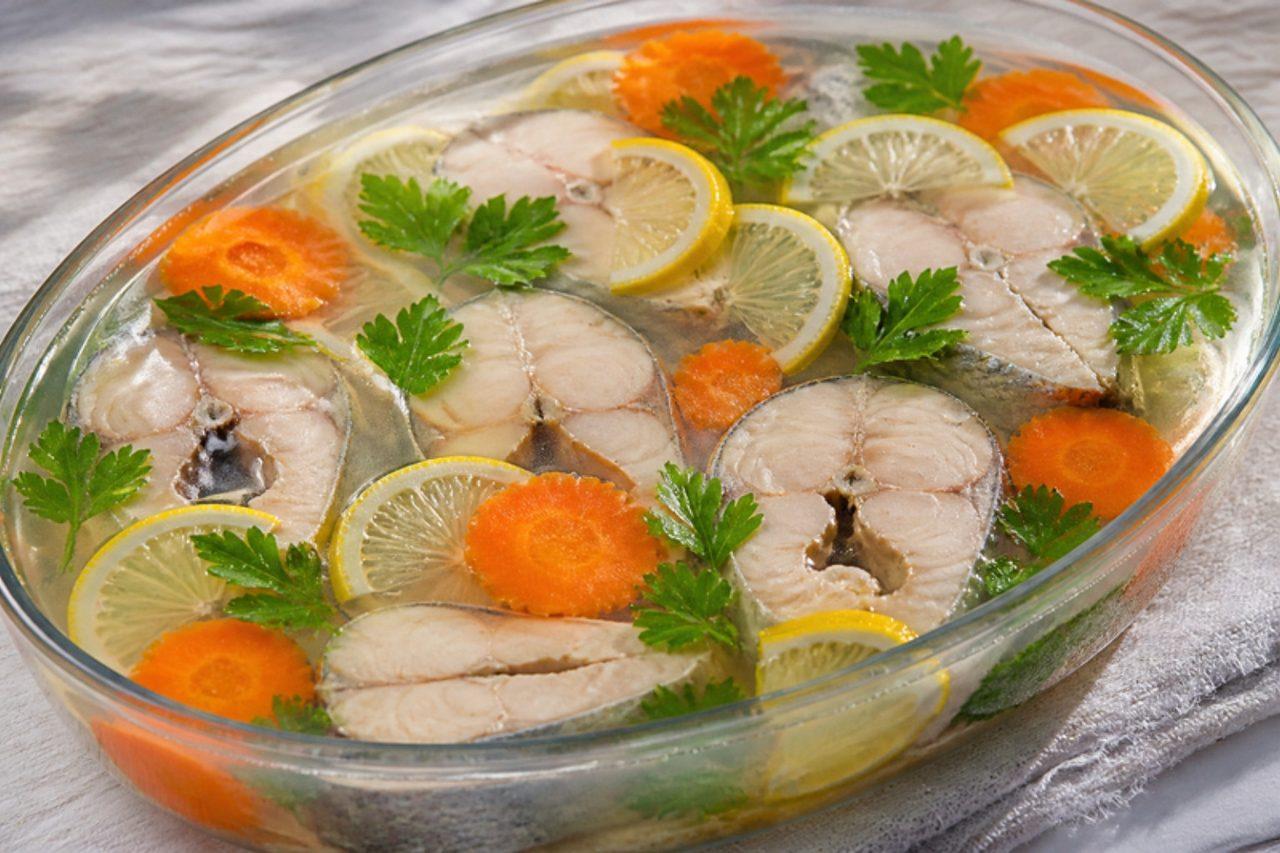
Karp w galarecieCarp in aspic

Carp in aspic is one of the cold dishes of the Polish Wigilia. Carp steaks are poached gently in a stock of root vegetables and the fish's own bones, then laid in a dish with carrot slices, lemon and parsley and covered in the clarified stock, which sets into a clear, shimmering jelly overnight. Serve it chilled with lemon and horseradish. A little powdered gelatine helps the aspic set reliably at home. Chef's tip: simmer the fish bones and vegetables slowly and never boil the stock hard; boiling makes it cloudy.

120 minPolishFishGluten free
by KrazyBadal 0 views

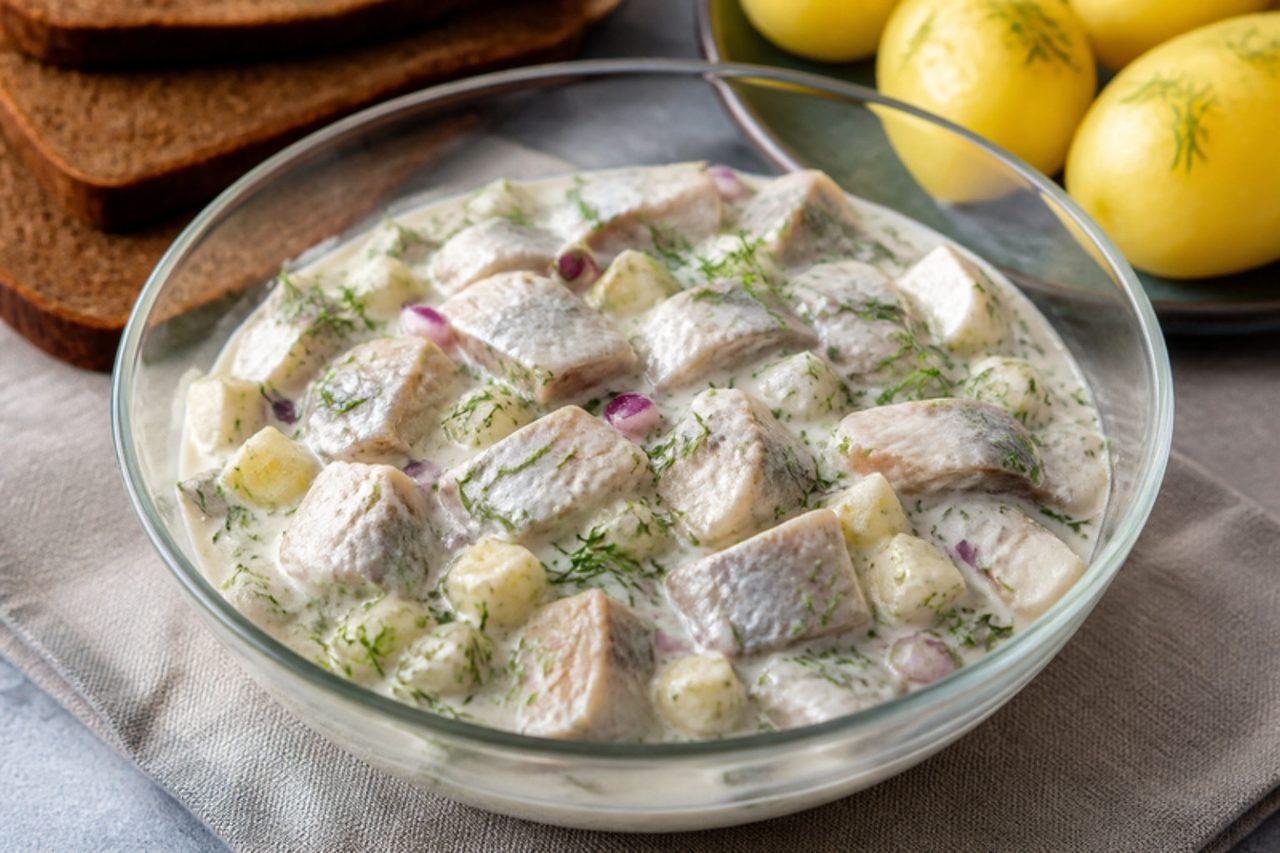
Śledzie w śmietanieHerring in soured cream

Herring is a must at the Polish Wigilia, the meatless Christmas Eve supper, and śledzie w śmietanie, salted herring fillets in soured cream with crisp apple, onion and dill, is the favourite way to serve it, with boiled potatoes or rye bread. The herring is cured, not cooked: use good-quality salted or matjes fillets from a shop, which have been frozen to kill parasites, and keep the dish chilled. Cured fish is not for pregnant women, young children or anyone with a weakened immune system; for them, make the safer version in the last step with hot-smoked mackerel or herring fillets baked until opaque. Chef's tip: dress the herring a few hours ahead so the cream picks up the flavour.

20 minPolishFishGluten free
by KrazyBadal 0 views

Sopa teólogaTurkey broth with bread and cheese

Sopa teóloga ('the theologian's soup') goes back to colonial convents in Lima and Arequipa, where it was cooked for feast days, and it is still served at Holy Week and family celebrations. A rich turkey (or chicken) broth is thickened with soaked bread, milk and fresh cheese, with yellow potatoes and shreds of turkey, and finished with a little ají amarillo and chopped huacatay or parsley. It is thick, comforting and filling. Chef's tip: blend part of the soaked bread with broth before adding it, which gives the soup its creamy body without lumps.

by KrazyBadal 0 views

SkābputraSoured barley porridge drink

Skābputra, 'sour porridge', is one of the oldest Latvian foods, and at Jāņi, Midsummer on 23–24 June, it is served cold alongside caraway cheese, pīrāgi and wreaths of flowers. Pearl barley is cooked soft, then soured with buttermilk or kefir for a day or two until it is tangy and fresh-tasting, and it is thinned with milk into a thick, cooling drink sipped or eaten with a spoon on hot summer days. This home version uses bought live buttermilk to start the souring safely. Chef's tip: use clean jars and utensils, and taste it each day; once it is pleasantly sour, chill it so it stops souring.

by KrazyBadal 0 views

OsterpinzeEaster anise brioche

Osterpinze is the Easter bread of Styria, Carinthia and the area around Trieste, a soft, golden brioche dome with three deep cuts on top for the Holy Trinity, so that it opens into a crown as it bakes. The dough is rich with egg yolks and butter and flavoured with anise and lemon; old recipes add a splash of white wine, left out here. It is blessed in the Easter basket on Holy Saturday and eaten on Easter morning with ham, horseradish and eggs, or with butter and jam. Chef's tip: make the three cuts with scissors just before baking, deep enough to reach halfway down, so the crown opens wide.

by KrazyBadal 0 views

OponkiQuark ring doughnuts

On Tłusty Czwartek, Fat Thursday, Poles queue at bakeries for pączki, but at home many families make oponki instead: little ring doughnuts from a quick twaróg (curd cheese) dough with no yeast and no waiting. They fry in minutes into light, tender 'tyres' that are rolled in sugar or glazed and eaten warm by the plateful. The common mistake is kneading the dough too much, which makes them tough; mix only until it holds together. Chef's tip: press the twaróg through a sieve first, or blend it, so the dough is smooth and the rings puff evenly.

by KrazyBadal 0 views

KaguyjyWhite corn pudding

On the night of 23–24 June, Paraguayans celebrate San Juan with bonfires, games like walking over hot coals and the 'paso de fuego', and a table of traditional foods, and kaguyjy (also mazamorra) is one of them. It is a soft, creamy pudding of cracked white corn (locro) simmered slowly in water and then milk with sugar or honey, sometimes with orange peel. It is eaten warm or cold. It is gluten free. Chef's tip: soak the corn overnight and cook it until each kernel is tender before adding the milk, or it never turns creamy.

by KrazyBadal 0 views

KalanehWild leek stuffed flatbread

In Kurdistan and Kermanshah, Newroz arrives with the first spring greens on the hillsides, and families gather wild leeks to fold into kalaneh, thin griddle breads cooked over a fire or a hot pan and soaked in melted butter. The dough is plain and soft, rolled very thin around a pile of chopped leek or chives with a little salt and pepper, so the greens steam inside as the bread blisters. Eat it hot, torn into strips, with yogurt and tea at a Newroz picnic. The common mistake is wet greens, which turn the dough soggy and make it tear; dry them well after washing. Chef's tip: brush the butter on the moment the bread leaves the pan so it soaks right in.

by KrazyBadal 0 views

Chipa so'oCheese bread with spiced beef

In Paraguay, families bake chipa in the clay tatakua ovens on Holy Wednesday so there is food for Thursday and Good Friday, when cooking stops. Chipa so'o ('chipa with meat') is a cassava-starch and cheese bread wrapped around a little filling of minced beef cooked with onion and egg, then baked until crisp outside and chewy within. It is naturally gluten free. Chef's tip: knead the dough until it no longer cracks at the edges when pressed; dry dough splits around the filling.

by KrazyBadal 0 views

AllerheiligenstriezelBraided sweet loaf

In Bavaria and Austria, godparents give their godchildren an Allerheiligenstriezel on All Saints' Day, 1 November: a large braided loaf of sweet yeast dough, brushed with egg and scattered with almonds or pearl sugar. The braid is said to recall the old custom of cutting a plait of hair in mourning, and the size of the loaf once showed how generous the godparent was. It is lightly sweet, with lemon and vanilla, and is eaten sliced with butter or jam. Some recipes add rum-soaked raisins; these are soaked in warm water instead. Chef's tip: braid four strands for an impressive, high loaf.

by KrazyBadal 0 views

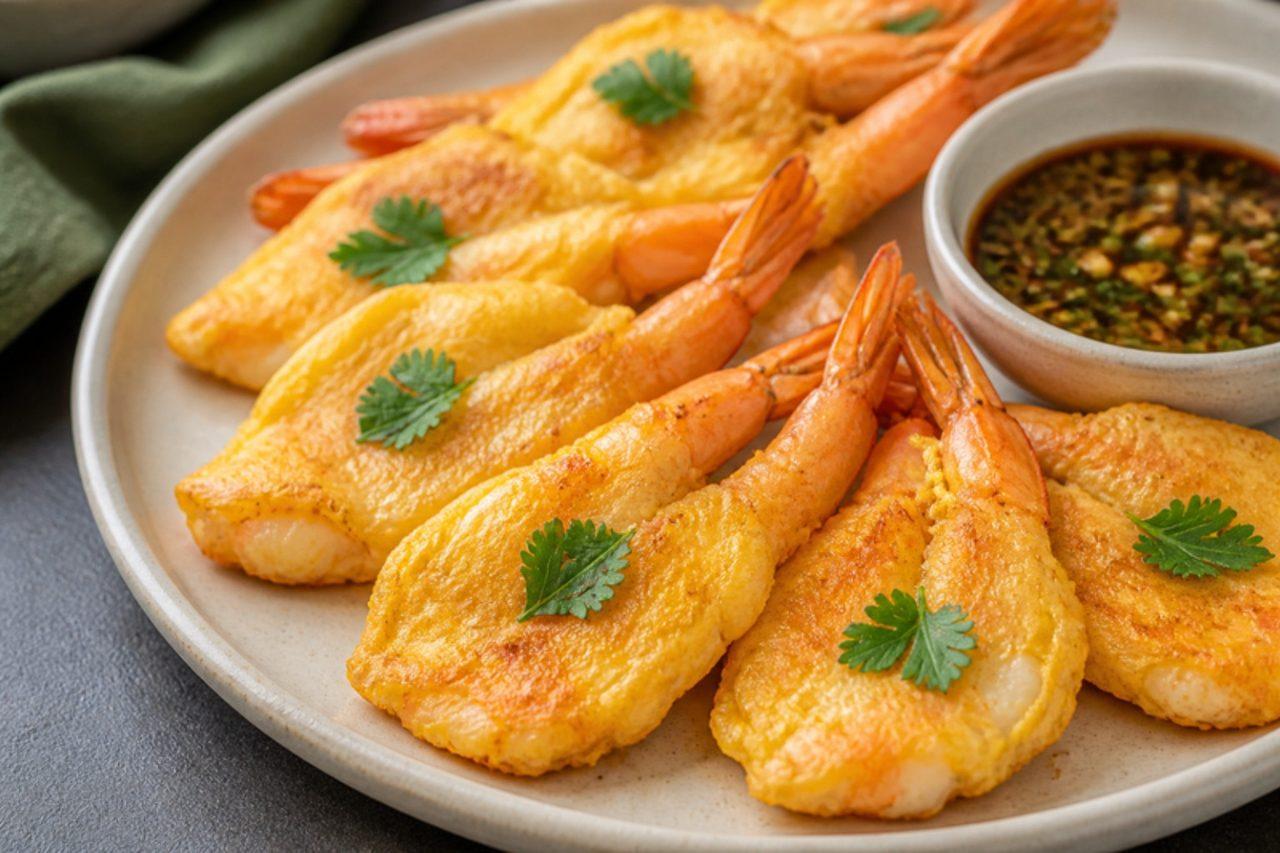
Saeu jeon (shrimp pancakes)Prawn pancakes

Saeu jeon are a celebratory addition to the jeon platter for Seollal and Chuseok in homes all over Korea; prawns, with their bent backs, have long stood for a wish to live until you are old and stooped. Butterflied and pressed flat, each prawn turns into a neat golden fan with a pink tail, sweet and tender inside a soft egg coat. Children love them, and they disappear faster than anything else on the table. Serve with a soy-vinegar dip, japchae and rice. Chef's tip: make a few shallow cuts across the inner belly before flattening; it stops the prawns curling up in the pan.

25 minKoreanFish
by KrazyBadal 0 views

MoczkaGingerbread in dried fruit compote

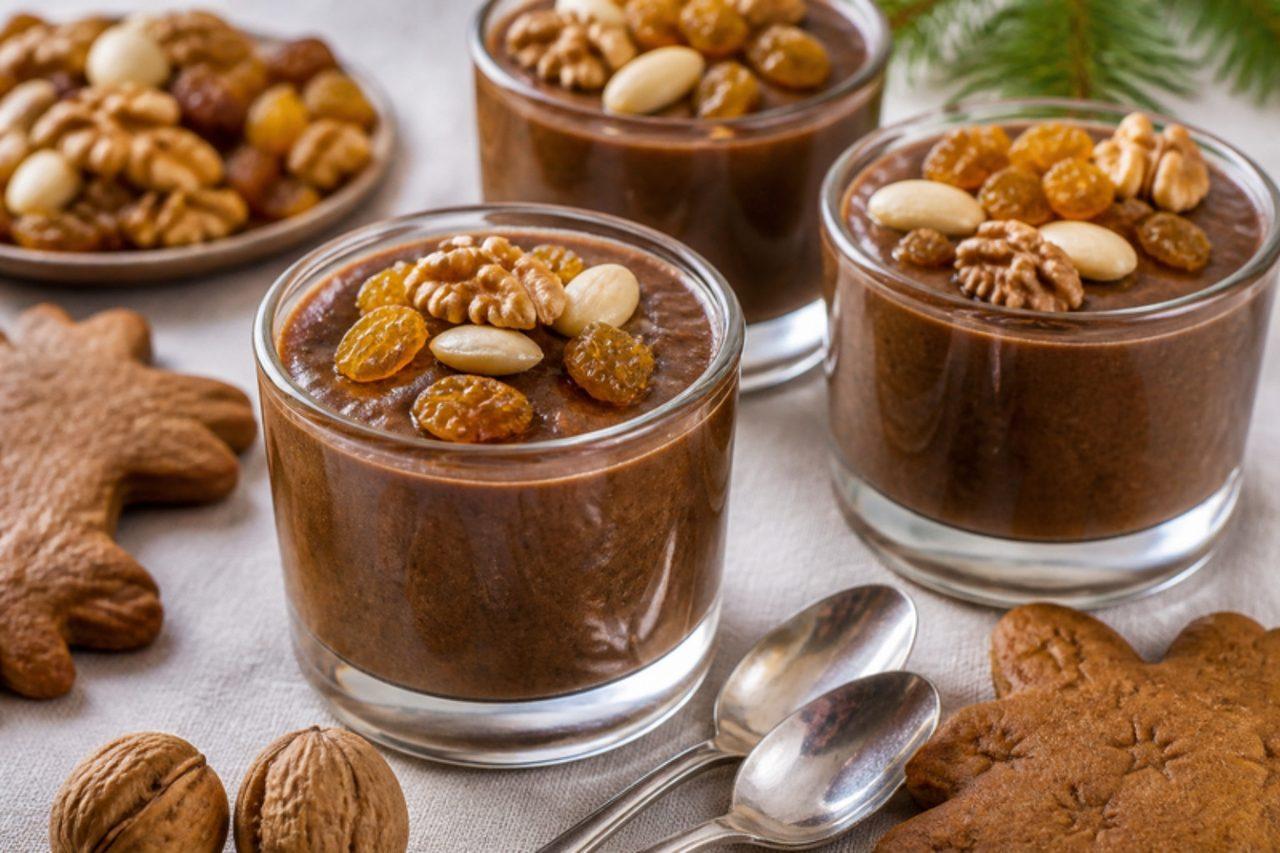
Moczka is the Christmas Eve dessert of Upper Silesia in southern Poland, a thick, dark, spiced mixture of honey gingerbread dissolved in dried-fruit compote, then loaded with almonds, walnuts, raisins, figs and prunes. Each family has its own version; many add dark beer to the base, which this one leaves out, but adults may stir 100 ml dark beer into the compote while it simmers. It is eaten cold from small bowls and keeps for several days. Chef's tip: use dry, slightly stale gingerbread, which dissolves into a smooth sauce, while fresh cake turns to lumps.

by KrazyBadal 0 views

Uszka z grzybamiMushroom dumplings

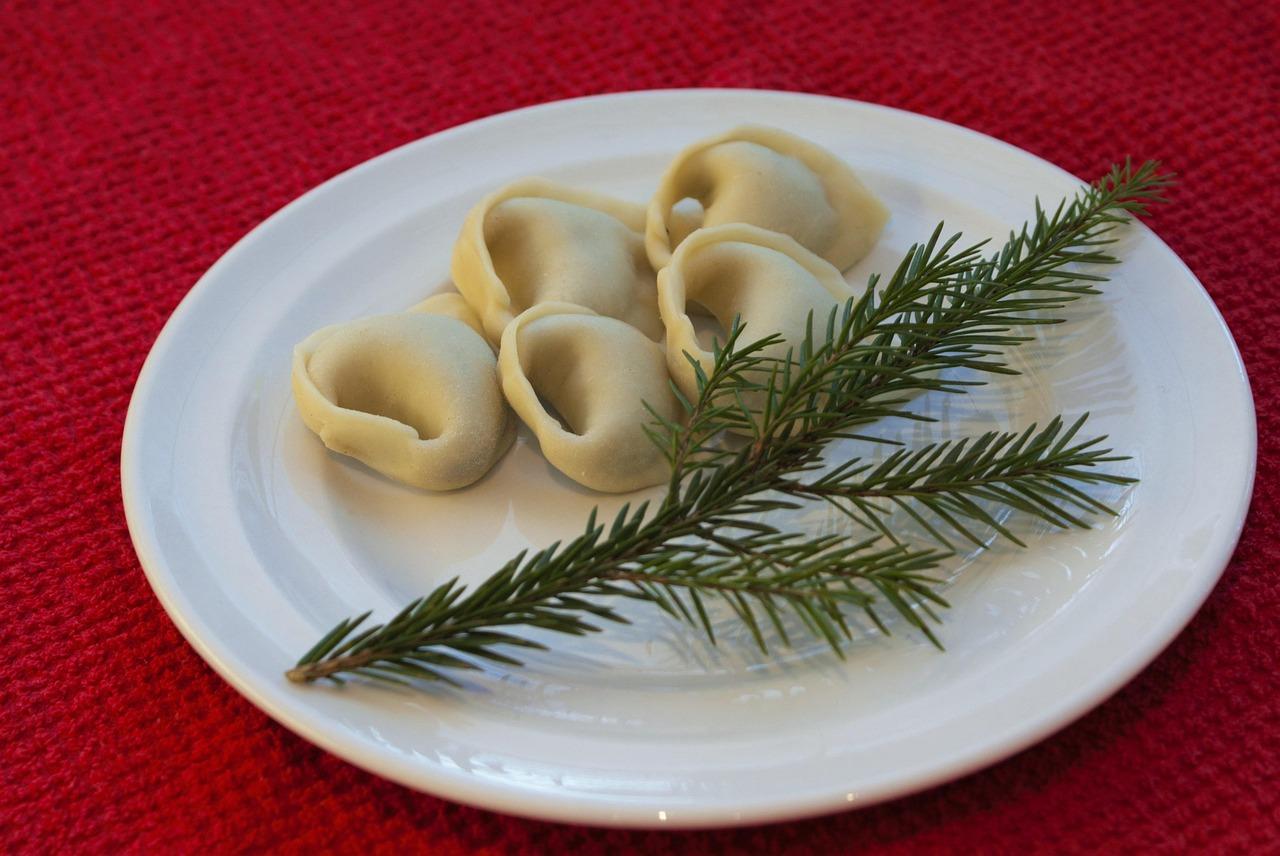
Wigilia, the Polish Christmas Eve supper, starts when the first star appears and is traditionally meatless, and its first course is clear red barszcz with uszka floating in it. These are tiny dumplings folded into 'little ears' and filled with dried forest mushrooms (usually ceps) and fried onion. They are fiddly, so families make them together in the days before and freeze them. Serve 6–8 in each bowl of hot beetroot broth. Chef's tip: save the mushroom soaking water and add it to the barszcz, as it carries much of the forest flavour.

by KrazyBadal 0 views

Kkaennip jeon (stuffed perilla leaf pancakes)

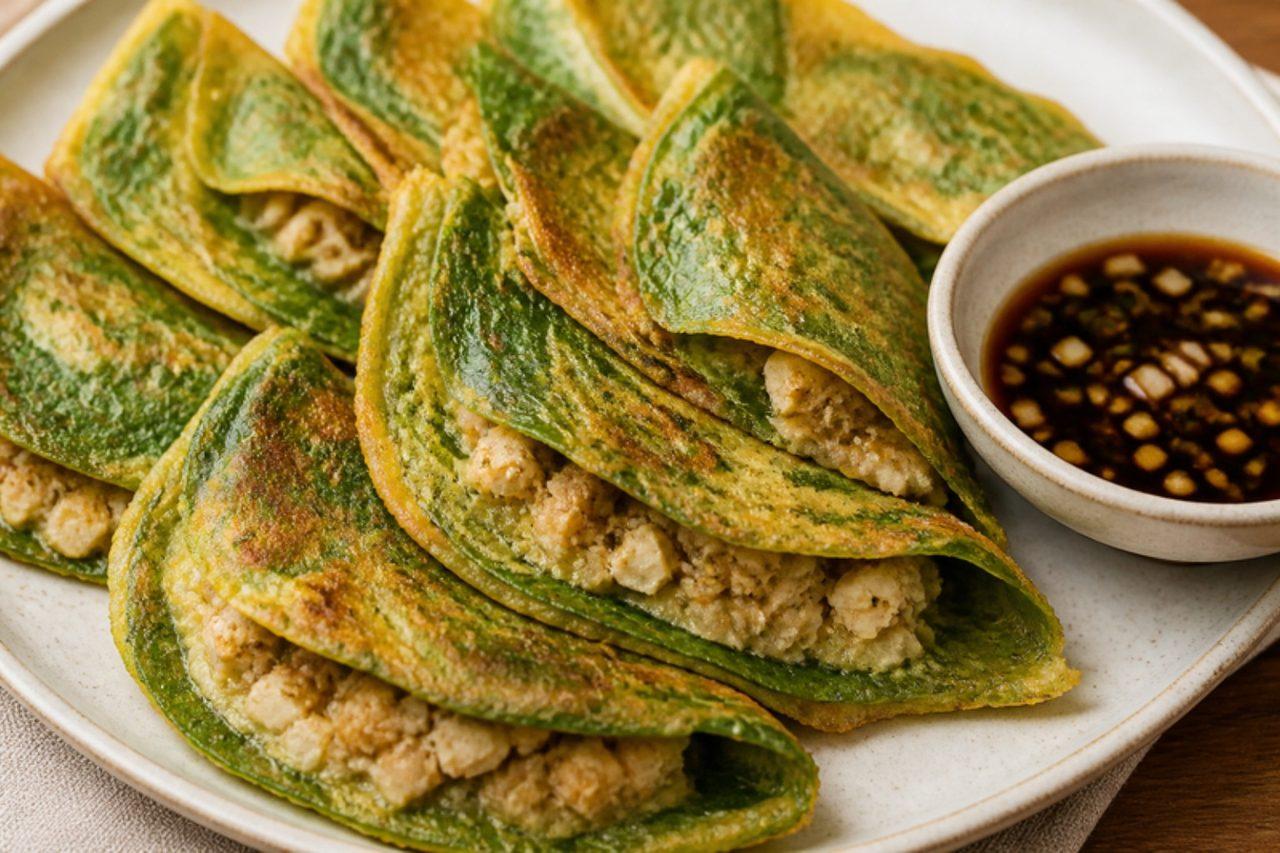
For Chuseok and Seollal, Korean kitchens turn out tray after tray of jeon for the ancestral table, and kkaennip jeon are a fragrant favourite: whole perilla leaves are folded like a half-moon around minced pork, tofu and vegetables, then fried in egg. Perilla tastes of mint, anise and basil all at once, and its scent cuts through the richness of the holiday spread. Each little parcel is soft and juicy inside, with a thin, golden shell. Serve them with a soy-vinegar dip, rice and soup, or tuck them into a lunchbox the day after. Chef's tip: lay the leaves shiny side down so the matt, rougher side holds the flour and filling.

by KrazyBadal 0 views

Pyogo jeon (stuffed shiitake pancakes)

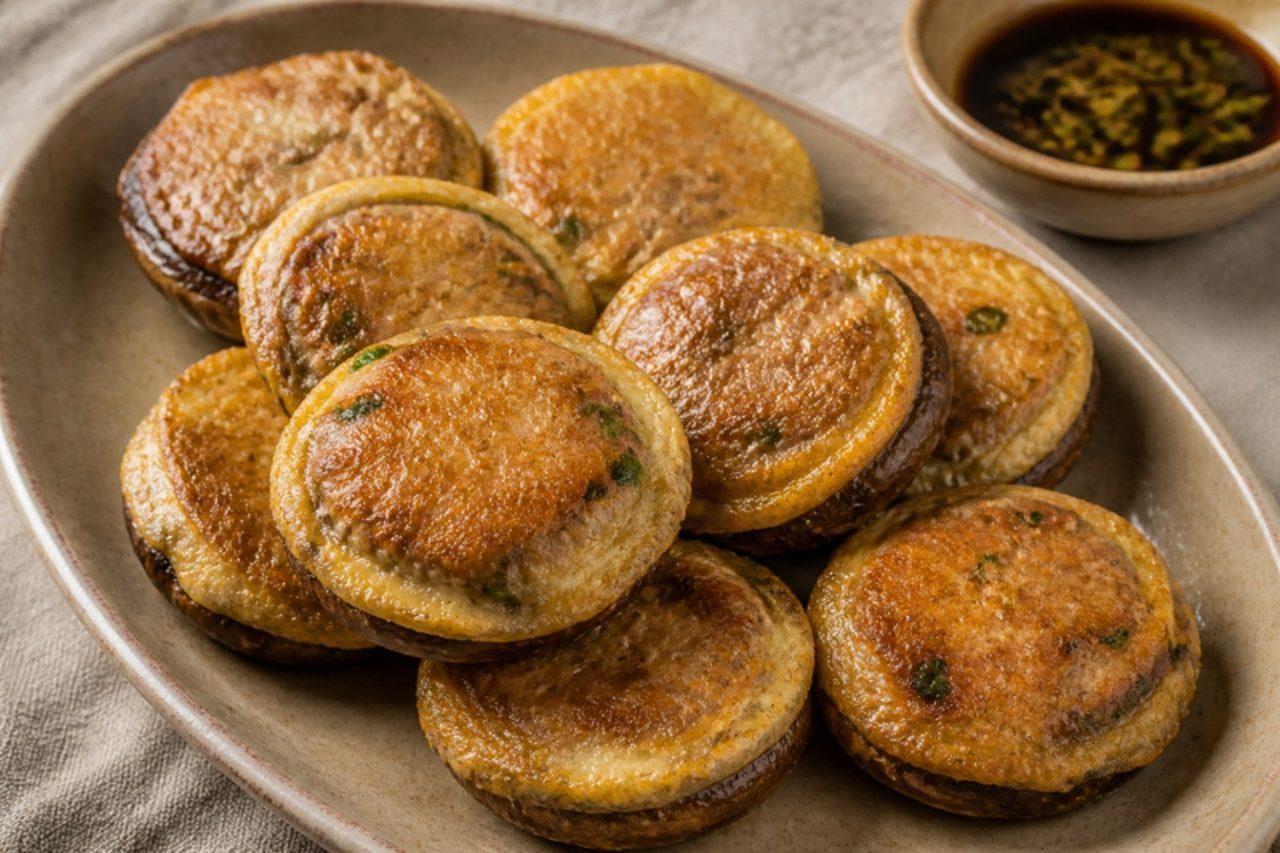
No Seollal or Chuseok table in Korea is complete without a platter of jeon, and pyogo jeon are among the prettiest: shiitake caps packed with a filling of minced pork and tofu, then fried in a thin egg coat so the dark mushroom edge frames a golden centre. Mushrooms were prized offerings on the ancestral (charye) table, and stuffed jeon show the care put into the holiday meal. They are juicy and savoury, with the shiitake giving an earthy, meaty bite. Serve warm or at room temperature with a soy and vinegar dip, alongside other jeon and a bowl of tteokguk; the last step gives an all-tofu vegetarian filling. Chef's tip: dust the gills with flour before stuffing; it acts as glue and stops the filling popping out in the pan.

by KrazyBadal 0 views

Gochu jeon (stuffed chilli pancakes)

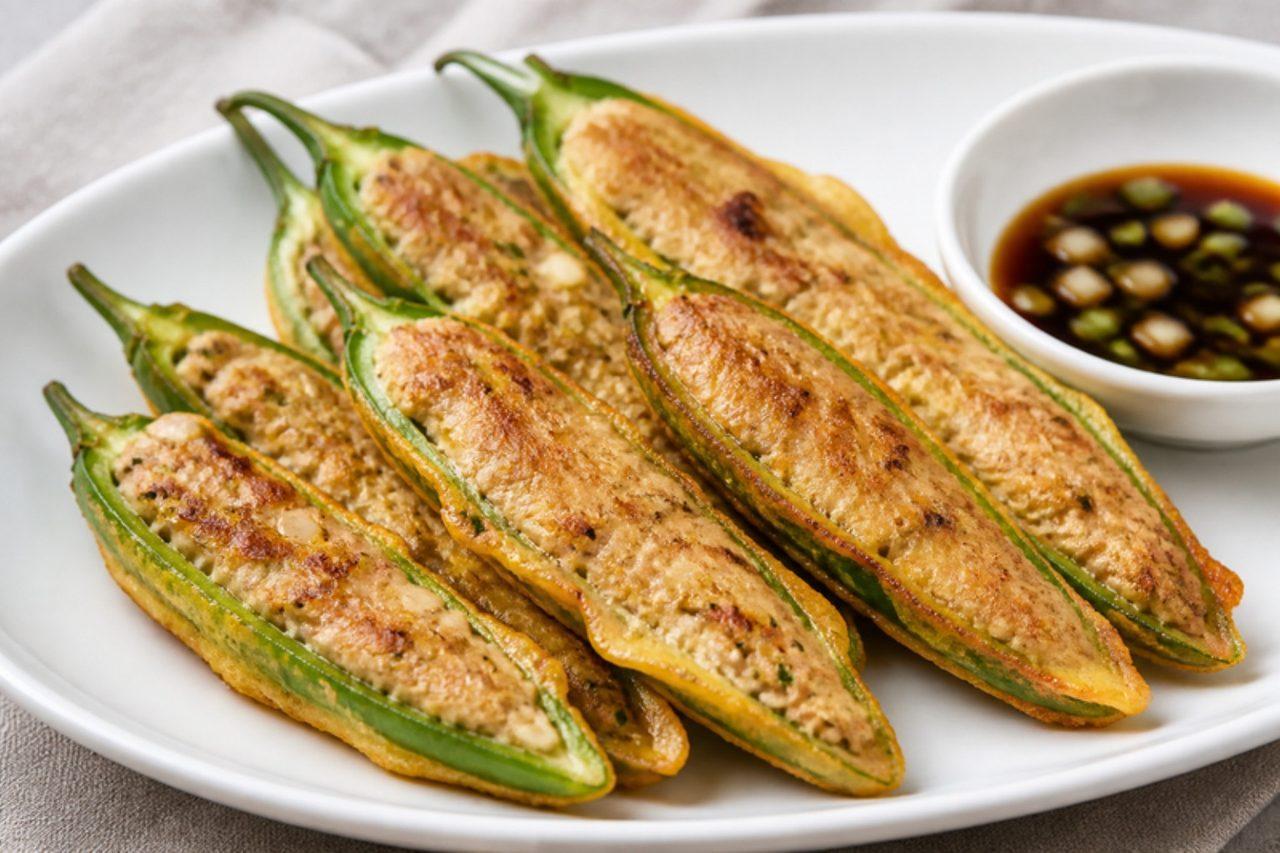
Gochu jeon bring a flash of green to the jeon platter that Korean families fry together, often for hours, before Seollal and Chuseok, when jeon are laid out for the ancestors and then shared by everyone. Long, mild green chillies are split and filled with a pork and tofu stuffing, so each boat is half crisp, sweet-grassy pepper and half juicy, savoury filling, with only a little warmth. They hold well, which is why they are made ahead for the holiday. Serve with a vinegar and soy dip, steamed rice and kimchi. Chef's tip: choose straight, mild chillies (Korean green chillies, Anaheim or long Turkish peppers); curly hot ones are hard to fill and too fierce for a platter.

by KrazyBadal 0 views

Khailmag (cream and raisin sweet)

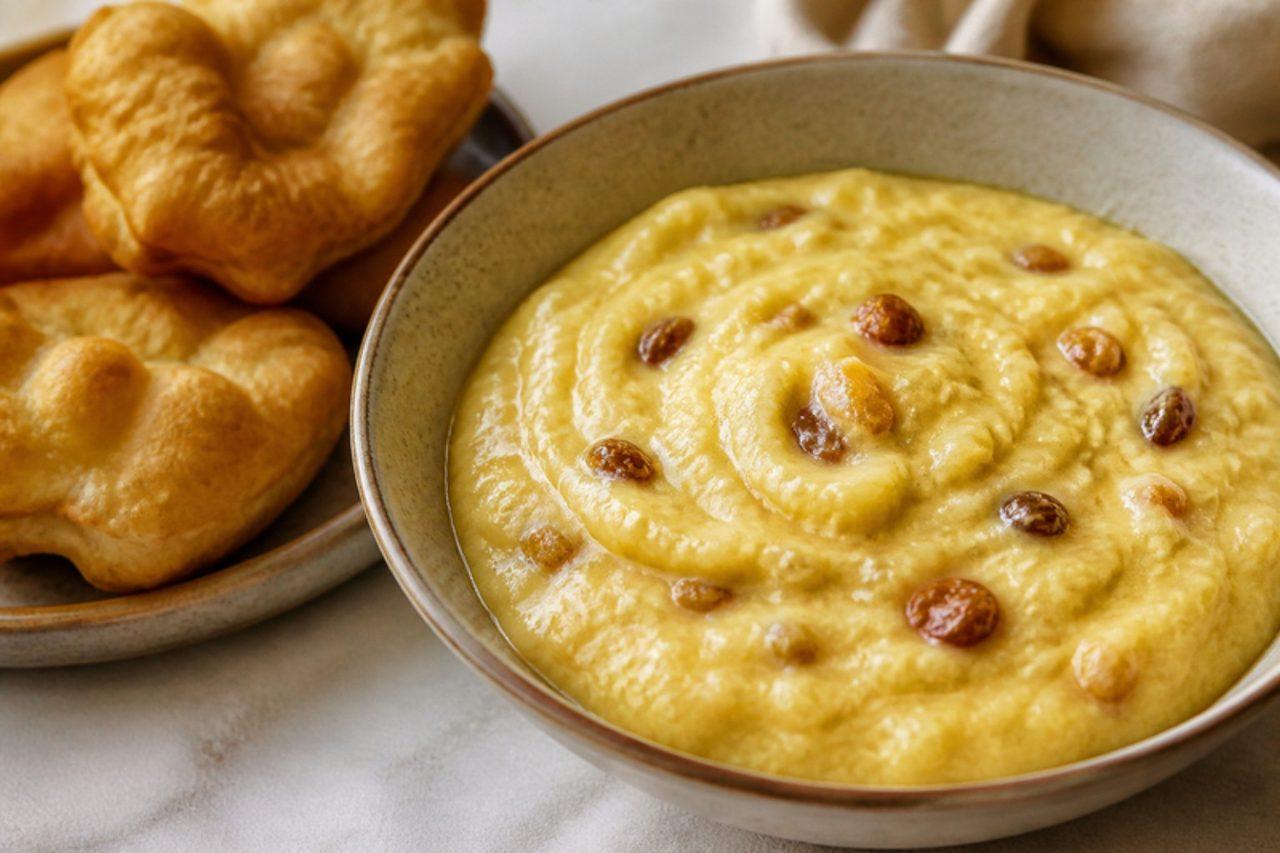
Tsagaan Sar, the Mongolian Lunar New Year, means 'White Month', and white dairy foods stand for purity, plenty and a clean start to the year, so homes across the country set out cream, curds and sweets beside the steaming buuz. Khailmag is one of the most luxurious: clotted cream (or Mongolian öröm, the thick skin skimmed from boiled milk) is cooked with butter-toasted flour, sugar and raisins until it turns into a golden, fudgy porridge. It is very rich, so serve small spoonfuls with salty milk tea, or alongside ul boov biscuits and boortsog. There is no alcohol in it. Chef's tip: toast the flour slowly until it smells nutty; that toasting gives khailmag its caramel flavour.

by KrazyBadal 0 views

Omija hwachae (five-flavour berry punch)

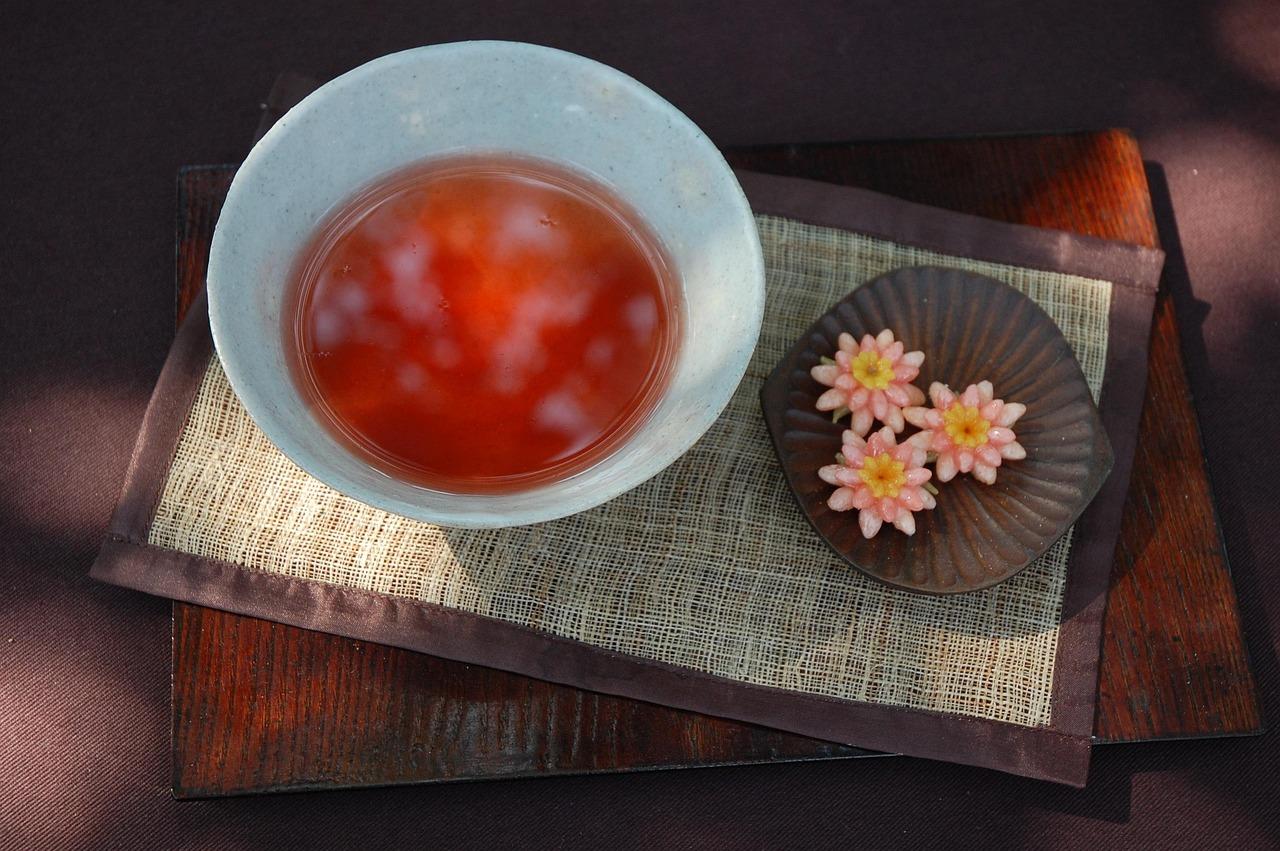
Across Korea, Dano marks the start of the hot season, and a bowl of hwachae is the old way to cool down. Omija means 'five flavours': the dried schisandra berries are sour, sweet, salty, bitter and pungent at once, and steeping them gives a ruby-pink drink that is tart and bright, said to refresh the body against summer fatigue. Honey is the traditional sweetener; sugar syrup keeps this version vegan and entirely alcohol-free. Float thin pear flowers and a few pine nuts on top and serve it beside tteok or yakgwa. Chef's tip: steep the berries in cold water only, because hot water pulls out their bitterness and the colour turns murky.

by KrazyBadal 0 views

Surichwi-tteok (Dano wheel rice cakes)

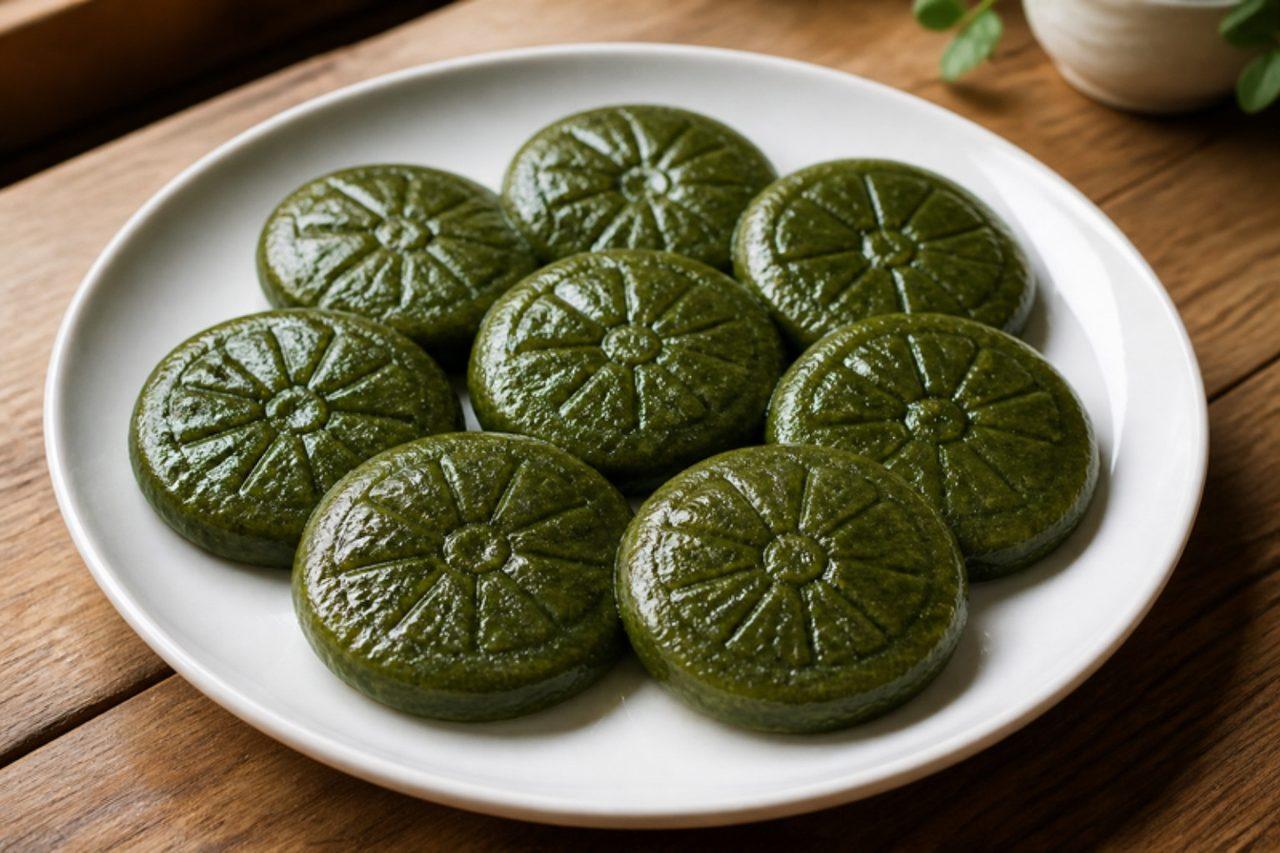
Dano, on the fifth day of the fifth lunar month, was once called surit-nal, and the green surichwi-tteok of Gangwon and the rest of Korea carries that name: the cakes are pounded with surichwi (Korean mountain aster) and pressed with a cartwheel stamp, since 'suri' was read as 'wheel', a wish for the year to roll on smoothly and for good health as summer heat sets in. The leaves give a grassy, faintly bitter scent and a deep green fleck, and the steamed rice is pounded until it turns chewy and bouncy. If you can't find surichwi, mugwort (ssuk) powder or dried mugwort works well; the flavour is a little more herbal and the cakes are just as traditional in spirit. Serve at room temperature with cold omija hwachae or barley tea. Chef's tip: pound the rice while it is still steaming hot; once it cools it tightens and will never go smooth.

by KrazyBadal 0 views

Showing 24 of 628 recipes

Show more recipes

Page 1 of 27