Skip to content
Recipes

All recipes

Vegetarian, or something you can't eat? Set your diet once and we'll hide recipes that don't fit.

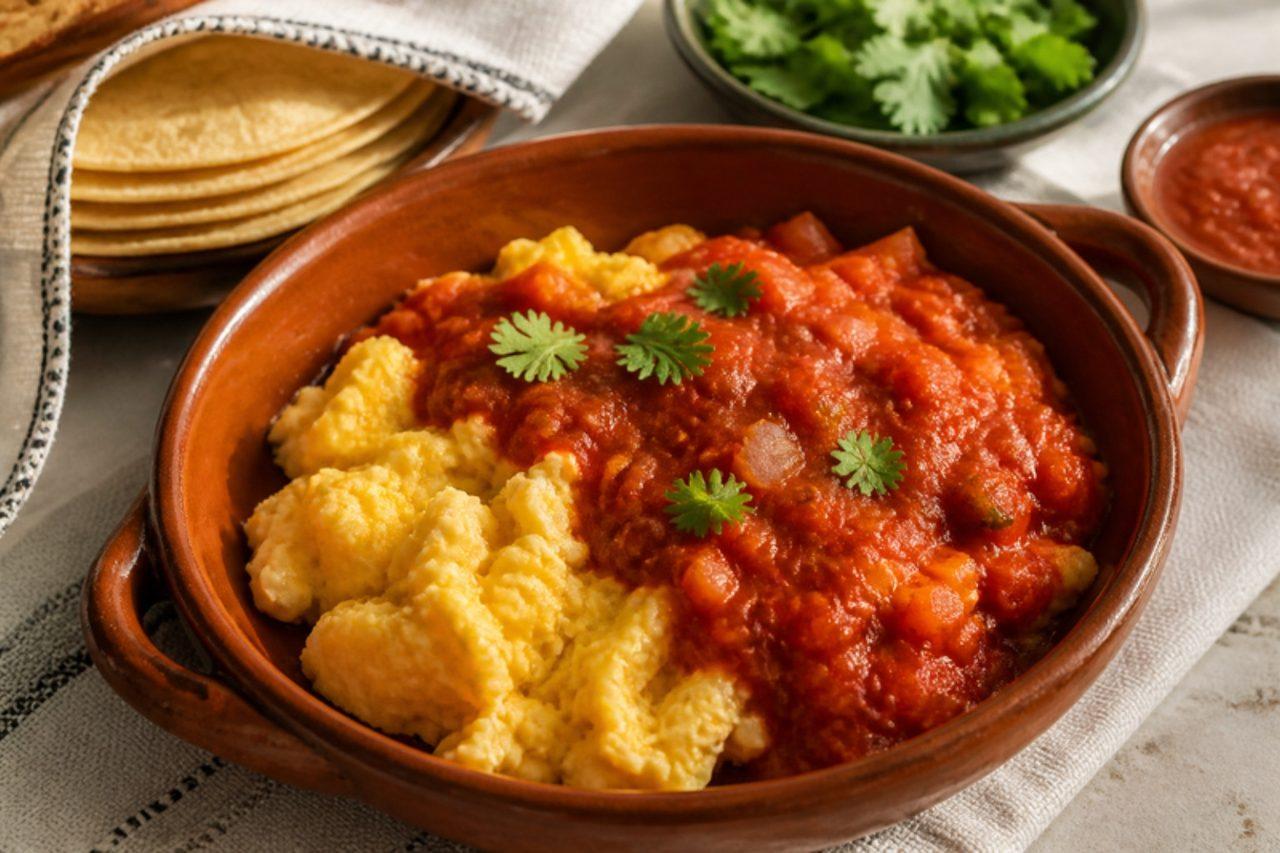
Huevos al albañil (bricklayer's eggs)

Huevos al albañil, 'bricklayer's eggs', come from the fondas and food stalls of central Mexico that feed builders a filling breakfast before the sun gets hot: scrambled eggs cooked gently and then bathed in a spicy salsa of charred tomato and serrano chile. They are eaten with warm corn tortillas and refried beans, and they make an equally good quick dinner. The mistake is cooking the eggs fully before they meet the salsa; they keep cooking in it and end up dry and rubbery. Chef's tip: char the tomatoes and chiles until properly blackened in spots, which gives the salsa its smoky depth.

by KrazyBadal 0 views

Tallarines rojosSpaghetti in red sauce with chicken

Tallarines rojos is the Sunday-lunch and weeknight pasta of homes all over Peru, from Lima to Arequipa: spaghetti in a sweet, deep-red sauce of blended tomato, onion and garlic with a little ají panca and oregano, often with pieces of chicken cooked right in it. Children love it, and it is served with a sprinkle of grated cheese and sometimes a spoon of huancaína on the side. The usual mistake is cooking the sauce too briefly, so it tastes of raw onion; let the blended tomato fry until it darkens and the oil shows at the edges. Chef's tip: a bay leaf and a spoon of ají panca paste give the sauce its Peruvian character; paprika will do if you can't find the paste.

by KrazyBadal 0 views

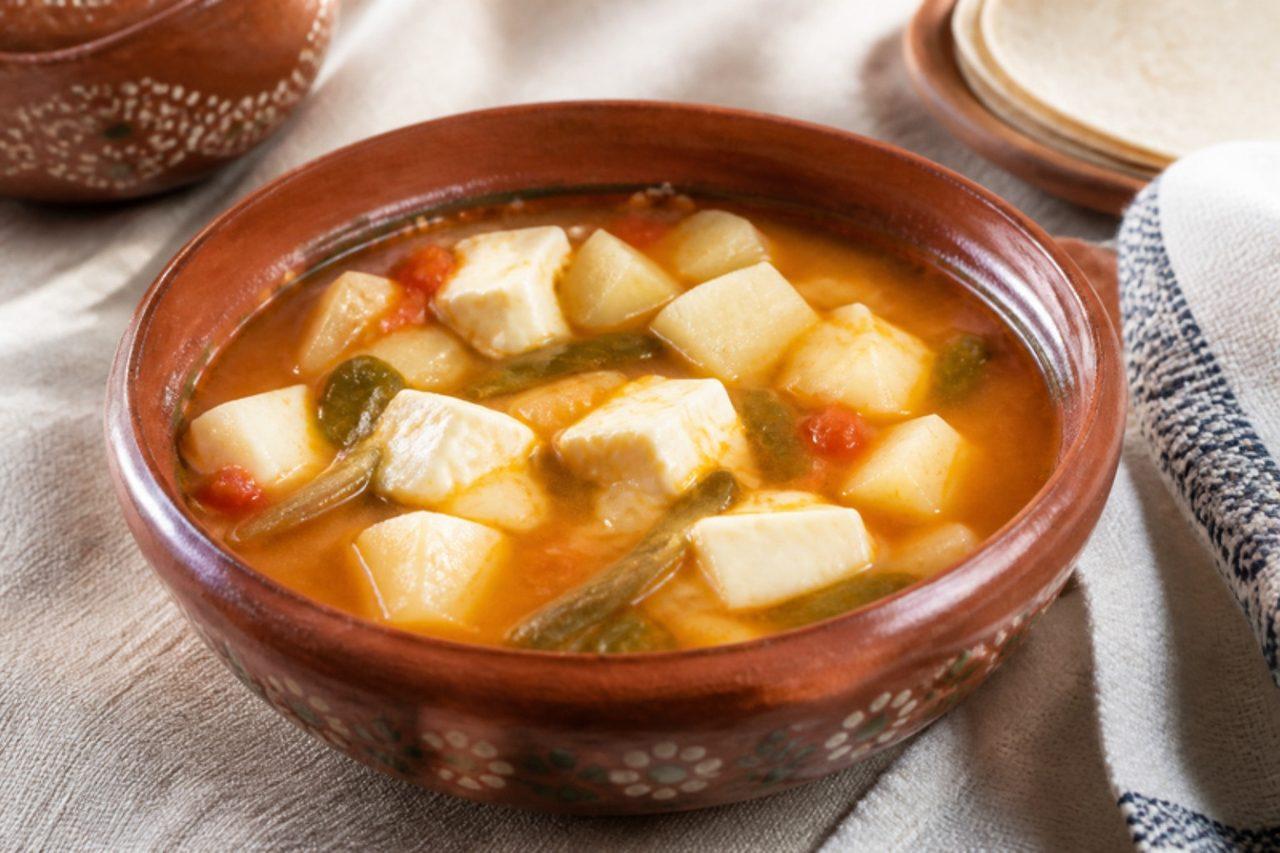
Caldo de queso sonorense (Sonoran cheese soup)

In Hermosillo and across Sonora, caldo de queso is the soup cooked on cool desert evenings: a light tomato broth with potato and strips of roasted green Anaheim chile, poured over cubes of fresh cheese that soften into chewy, milky pieces in the bowl. It is eaten with flour tortillas, Sonora's own, and a squeeze of lime. The common mistake is boiling the cheese in the pot, where it melts into strings and sticks to the bottom; add it at the end, off the boil. Queso fresco and Oaxaca cheese are often made with animal rennet, so look for a vegetarian queso fresco, or use paneer, which keeps its shape the same way. Chef's tip: blister the chiles in a dry pan until black, then sweat them in a bowl under a plate for 5 minutes and the skins slip off.

by KrazyBadal 0 views

Pejerrey arrebozadoBattered fish fillets with onion salsa

Pejerrey arrebozado is a Lima classic from the cevicherías and home kitchens of the coast, eaten at lunch on a plate with white rice, a heap of sharp salsa criolla and sometimes boiled potato. The pejerrey, a small silverside, is opened into butterflied fillets, dipped in a light egg-and-flour batter and fried golden. Outside Peru, use small fillets of whiting, sole, haddock or tilapia. The batter here uses sparkling water, not beer, so it is alcohol free. The common mistake is frying in oil that isn't hot enough: the batter drinks the oil and turns greasy, so test with a drop of batter first. Chef's tip: make the salsa criolla first and let the onion sit in lime for ten minutes; it softens its bite and turns a pretty pink.

by KrazyBadal 0 views

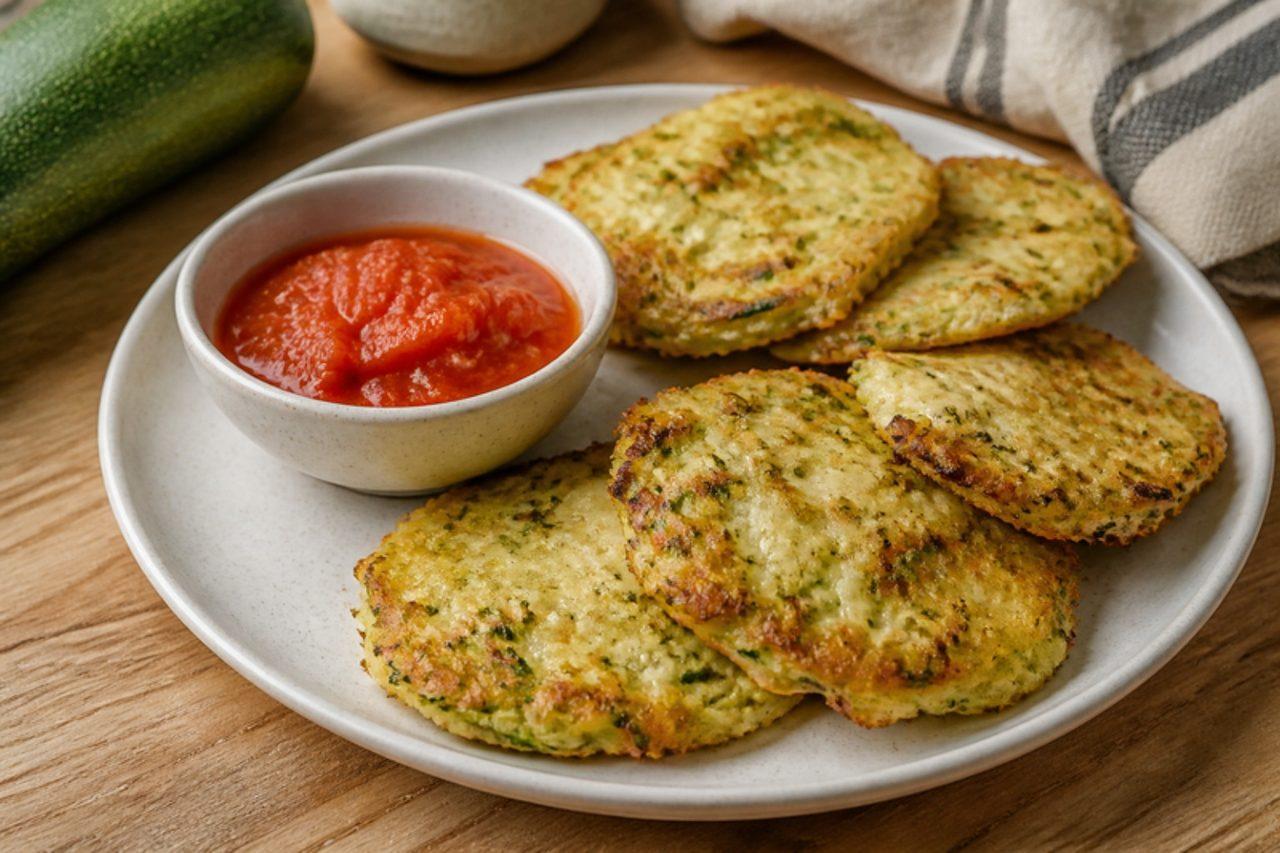
Tortitas de calabacita (courgette and cheese fritters)

Tortitas de calabacita are a Lenten and everyday favourite in Mexican homes from Puebla to Jalisco: grated courgette, crumbled cheese and egg fried into soft little cakes, then served with a warm, thin tomato salsa spooned over, plus rice and beans. They make a meatless Friday dinner that children happily eat. The mistake is crowding the pan, which drops the oil temperature and leaves the fritters greasy and pale; fry in batches. The fresh cheeses often used are made with animal rennet, so choose a vegetarian queso fresco or a vegetarian mild Cheddar. Chef's tip: let the batter rest 2 minutes after adding the flour so it thickens and holds together in the pan.

by KrazyBadal 0 views

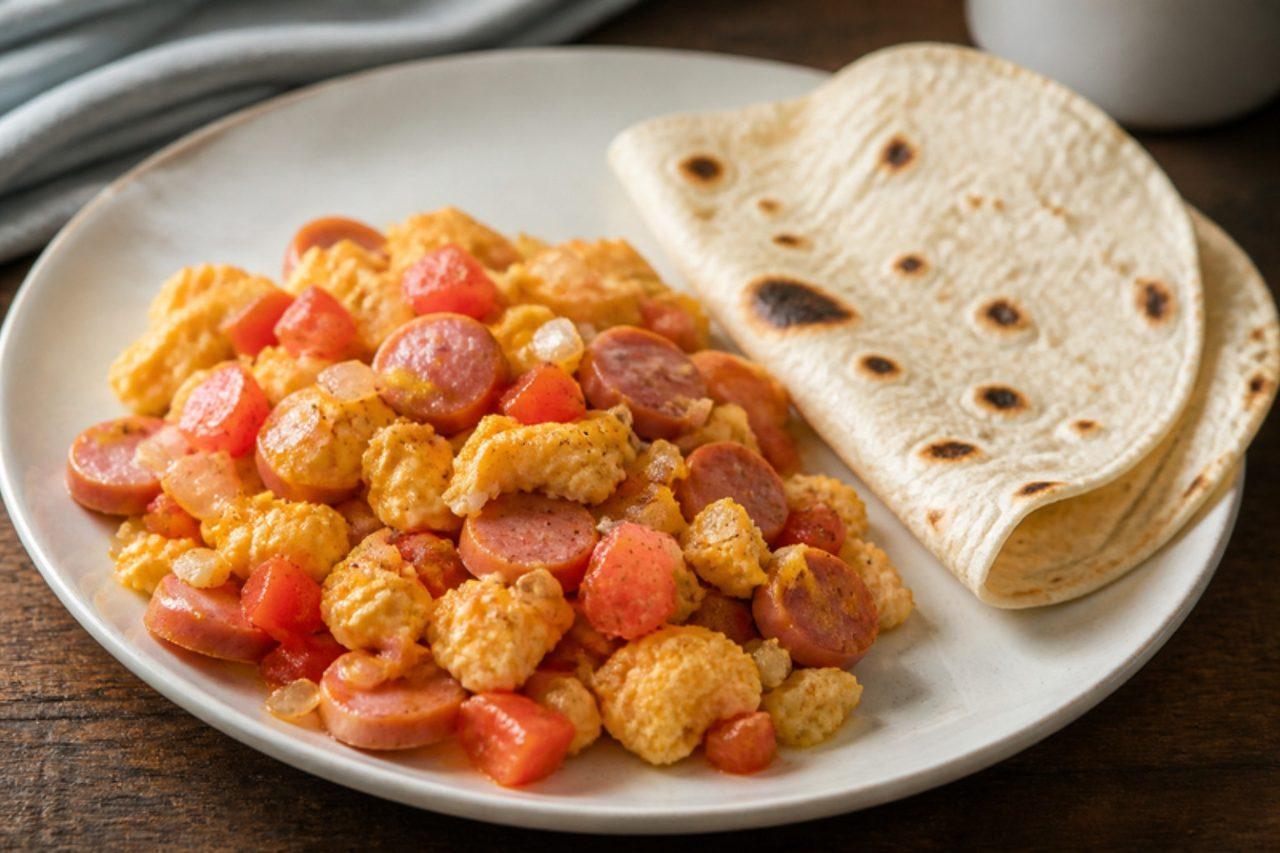
Huevos con salchichaScrambled eggs with sausage

All over Mexico, from Monterrey kitchens to Mexico City fondas, huevos con salchicha is what a parent makes when breakfast or a late supper has to be on the table in a quarter of an hour. Coins of frankfurter are browned until their edges curl, then soft eggs are folded through with a little tomato, onion and green chile, and the whole pan is scooped up with warm corn tortillas and a spoon of refried beans. Most supermarket frankfurters are pork or a pork and beef mix, so check the packet if you need a pork-free version; chicken or turkey frankfurters work just as well. The usual mistake is adding the eggs to a wet pan: cook the tomato down first, or the eggs turn watery and grey. Chef's tip: take the pan off the heat while the eggs still look a little glossy; they finish setting on the way to the plate.

by KrazyBadal 0 views

Chicharrón de pescadoCrisp fried fish chunks

Up and down the Peruvian coast, from Chorrillos in Lima to the beaches of Piura, chicharrón de pescado is the crunchy plate ordered alongside ceviche at a long seafood lunch: bite-size chunks of firm white fish marinated briefly in garlic and lime, dusted in flour and fried, then served with fried cassava, salsa criolla and tartar or rocoto sauce. Using frozen peeled cassava keeps it to half an hour. The common mistake is leaving the fish in the lime too long: after about ten minutes the acid starts to 'cook' the outside and the coating slips off. Chef's tip: toss the floured pieces in a sieve to shake off every bit of loose flour; a thin coat fries crisp, a thick one turns pasty.

by KrazyBadal 0 views

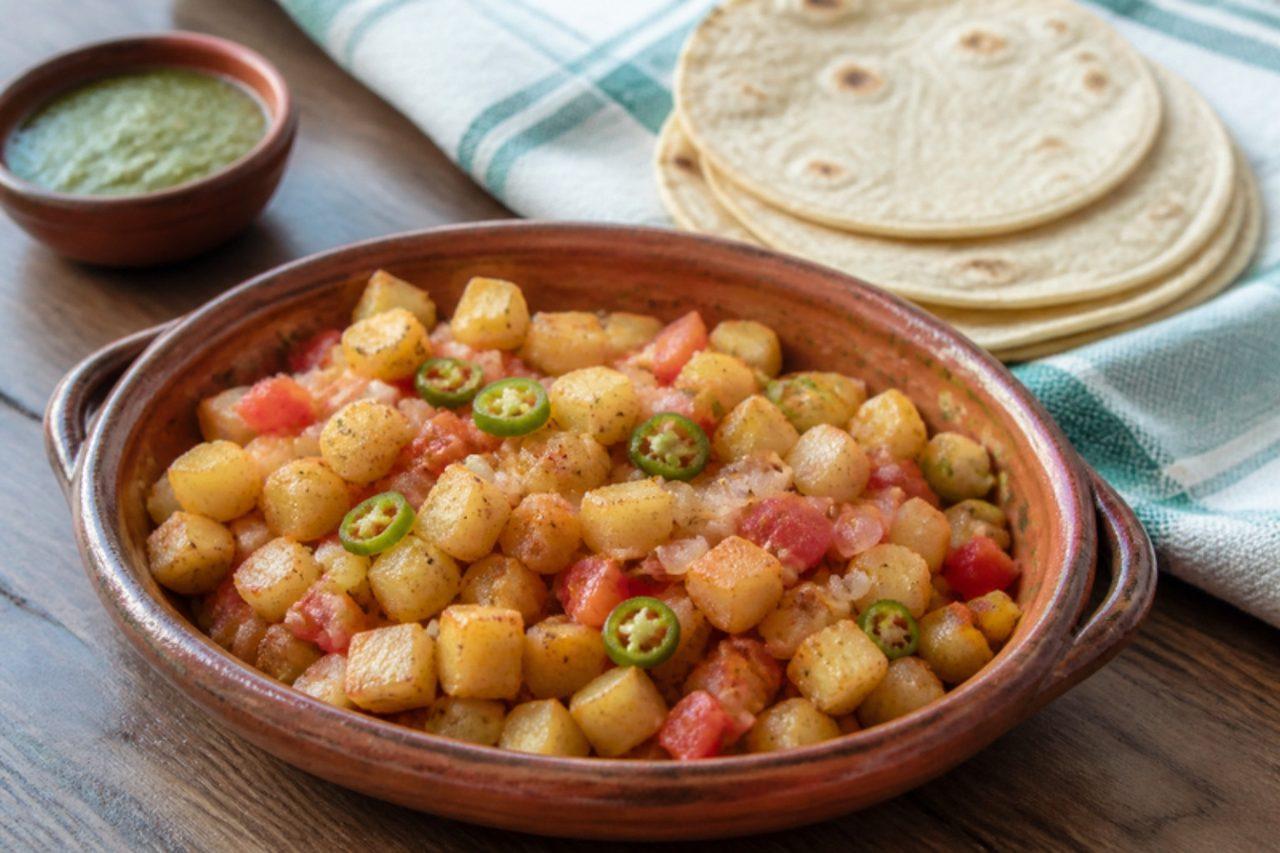
Papas a la mexicanaPotatoes with tomato and chile

Papas a la mexicana carry the colours of the flag, red tomato, white onion and green chile, and they are cooked in kitchens all over Mexico as a taco filling, a breakfast side or a cheap supper with beans and tortillas. The potatoes are fried until golden at the edges, then folded with a quick sofrito so they soak up the fresh, spicy juices. The usual mistake is adding the tomato before the potatoes are cooked through, which leaves them hard in the middle and stewing rather than frying. Chef's tip: parboil the diced potatoes for 4 minutes first; they fry to a crisp edge in half the time.

by KrazyBadal 0 views

Pescado al mojo de ajoGarlic butter fried fish

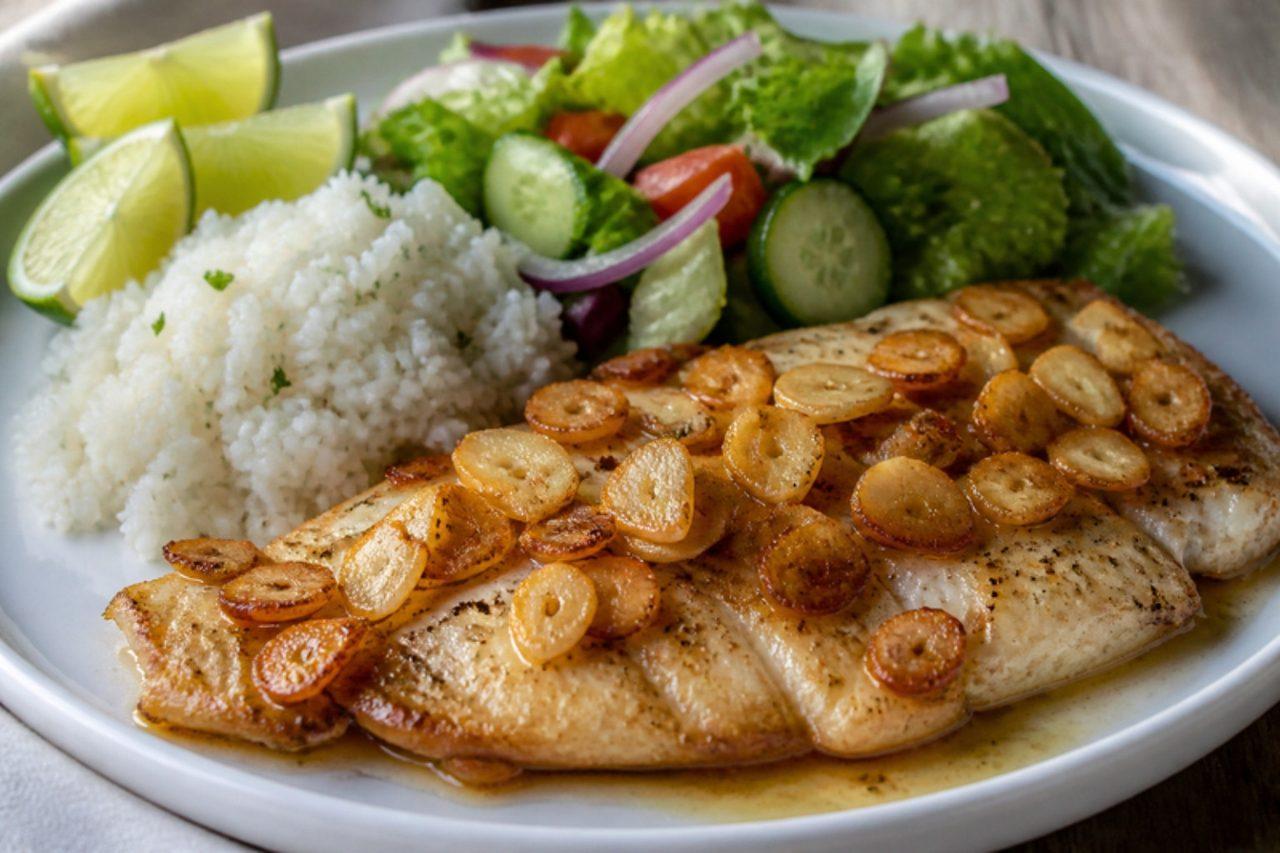
Along the Gulf coast, from the port of Veracruz to the beach restaurants of Boca del Río, pescado al mojo de ajo is the everyday fish order: firm white fillets fried and spooned over with a butter-and-oil sauce full of slowly golden garlic, a squeeze of lime and a little chile. It is served at lunchtime with white rice, a green salad and warm tortillas to mop the plate. The mistake that ruins it is rushing the garlic over a high heat: it should turn pale gold slowly, because burnt garlic is bitter and cannot be saved. Chef's tip: cook the garlic first and keep it aside, then fry the fish in the same flavoured fat, so the slices stay sweet and crisp instead of scorching while the fish cooks.

by KrazyBadal 0 views

Camarones a la diablaPrawns in fiery chile sauce

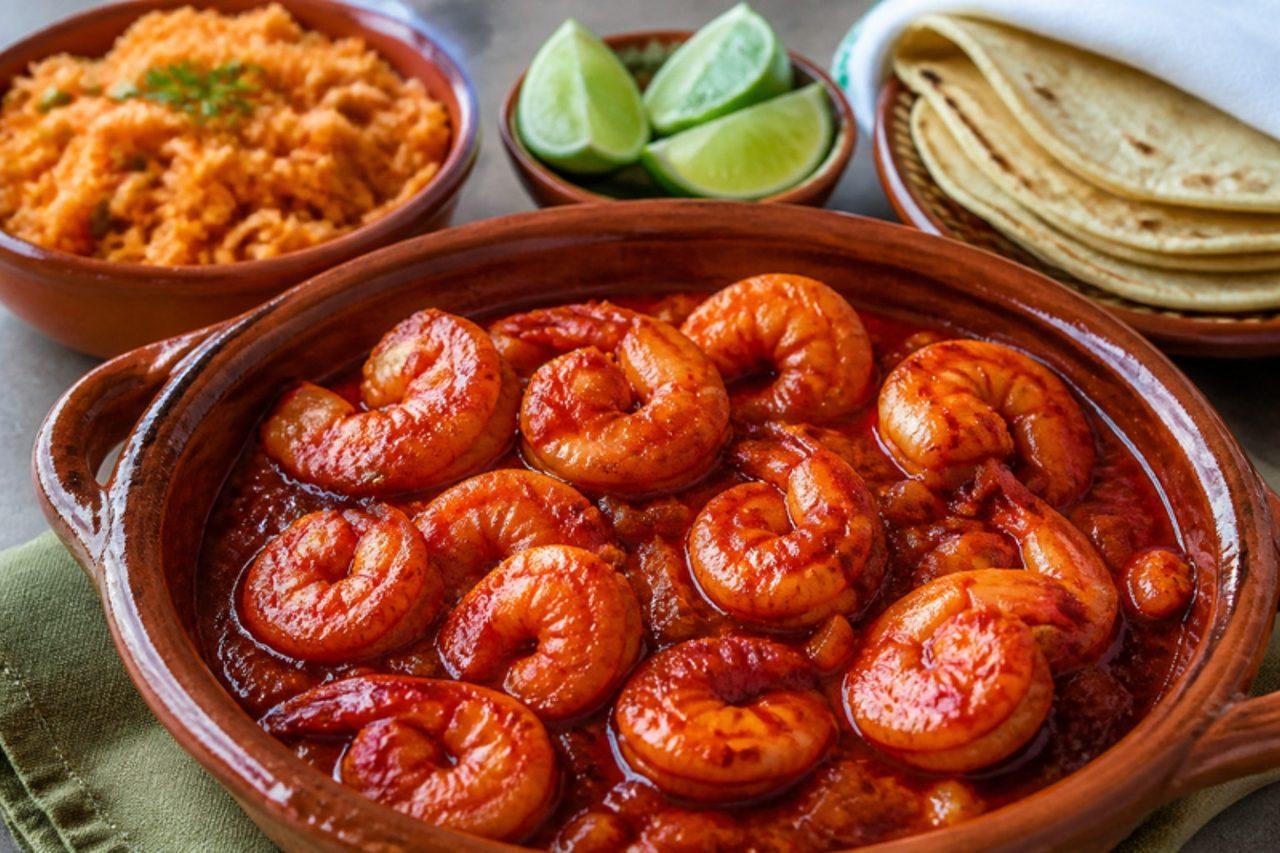
Camarones a la diabla, 'devil's prawns', come from the seafood shacks of Mexico's Pacific coast, from Mazatlán down to Acapulco, where they are eaten at lunch with cold drinks, white rice and lime. The sauce is a quick blend of toasted guajillo and chile de árbol with tomato and garlic, fried until it darkens and clings, and the prawns go in only for the last few minutes. It is properly hot; use fewer árbol chiles for a milder pan. The common mistake is burning the dried chiles when toasting them: a few seconds a side is enough, and blackened chiles make the whole sauce bitter. Chef's tip: fry the blended sauce in the oil until it turns a shade darker and thick enough to leave a trail; that is where the deep, rounded flavour comes from.

by KrazyBadal 0 views

Torta de jamón (Mexican ham sandwich)

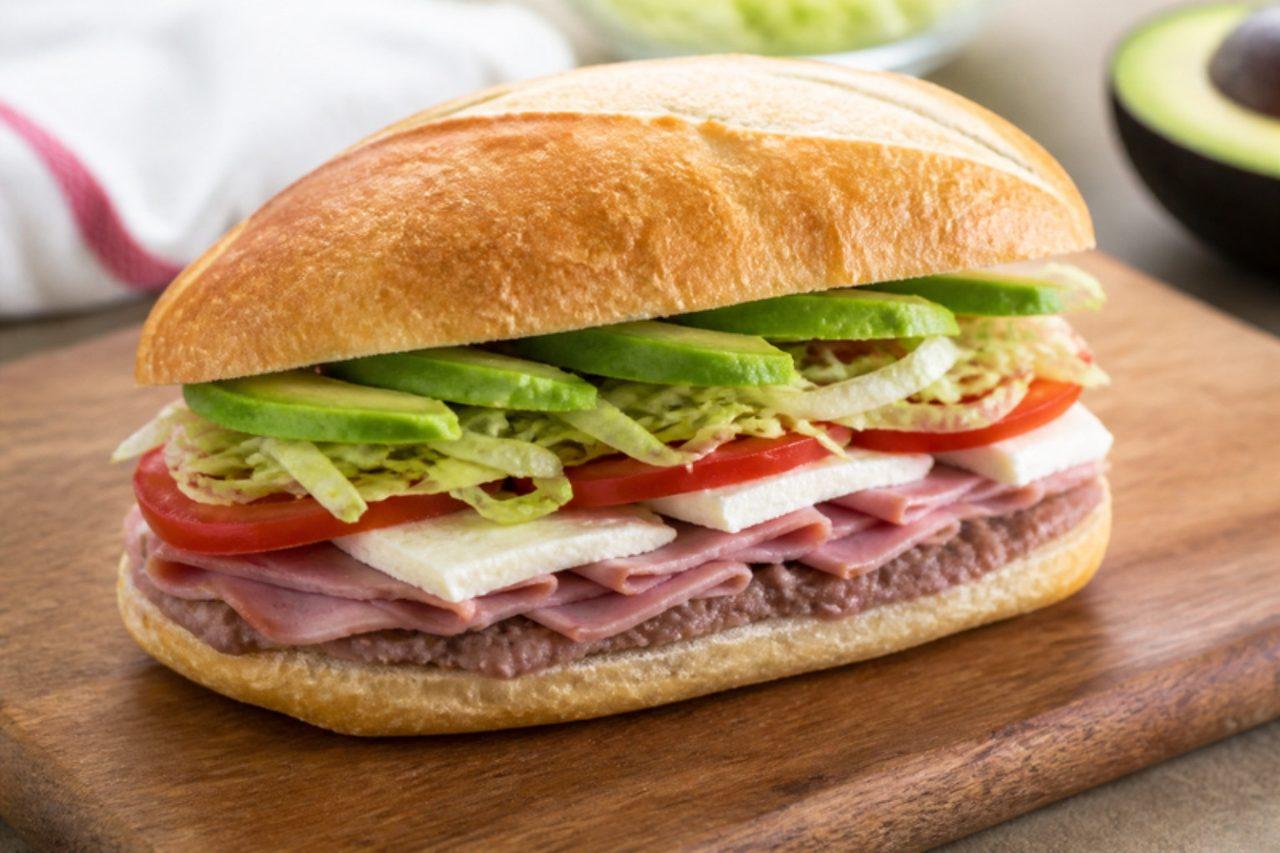
The torta de jamón is the classic recreo (school break) sandwich across Mexico, sold at school gates and made at home before the morning rush: a crusty bolillo roll, toasted on the griddle, spread with refried beans, then layered with ham, fresh cheese, avocado and tomato. Grown-ups add pickled jalapeños. It contains gluten (wheat), milk and egg (mayonnaise). Chef's tip: spread the beans right to the edges of the bottom half; they act as a barrier so tomato juice doesn't soak the bread.

by KrazyBadal 0 views

Rice atole for babies (atole de arroz)

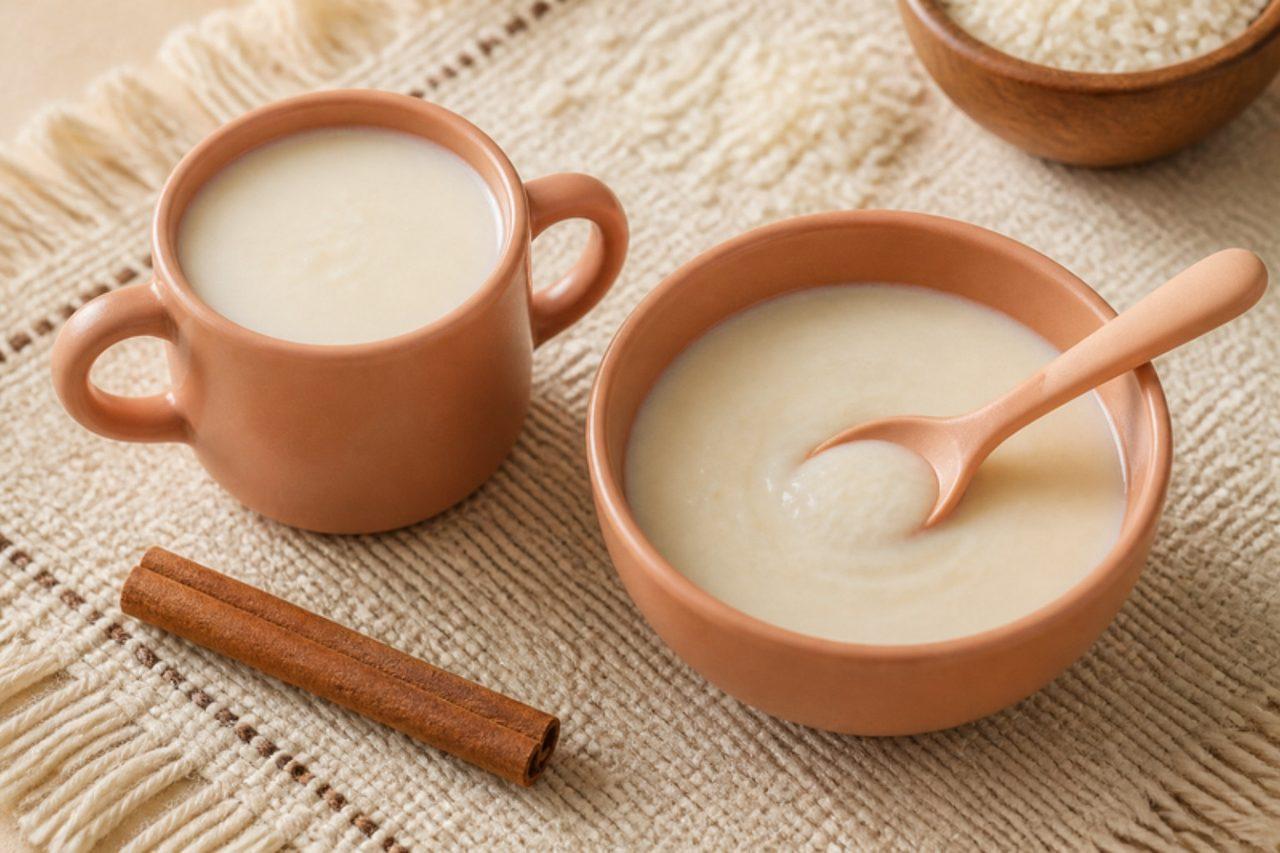
Atole is the warm, thick drink Mexicans have sipped since before the conquest, and in many homes the first version a baby tastes is atole de arroz, ground rice cooked with a stick of true cinnamon. For grown-ups it is sweetened with piloncillo and drunk at breakfast or on cold evenings around Día de Muertos; for babies the sugar stays out and it is thickened enough to eat from a spoon. It contains milk; there is no egg, gluten, nuts, soya, sesame or fish. Chef's tip: grind the rice yourself in a spice grinder; shop-bought rice flour works, but freshly ground rice tastes sweeter.

by KrazyBadal 0 views

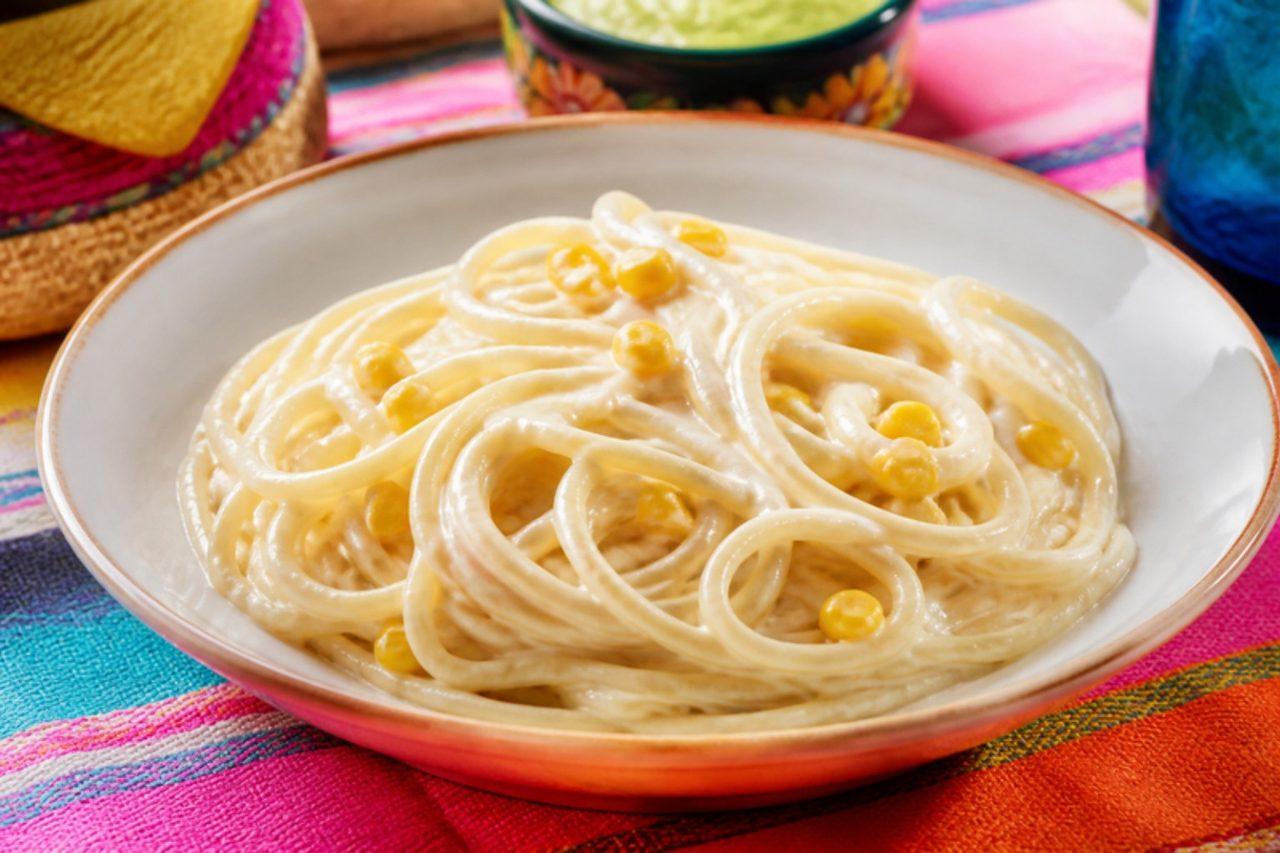
Espagueti blanco (creamy white spaghetti)

At Mexican children's birthday parties and family gatherings, a big tray of espagueti blanco usually sits next to the chicken and the salads: soft spaghetti in a mild, silky sauce of cream, cream cheese and butter, sometimes with a little onion and garlic blended in. Some families add diced ham; this version keeps it vegetarian with sweetcorn. It contains milk and gluten. Chef's tip: blend the sauce while it is warm so it is perfectly smooth, then toss it with the pasta off the heat so it stays creamy.

by KrazyBadal 0 views

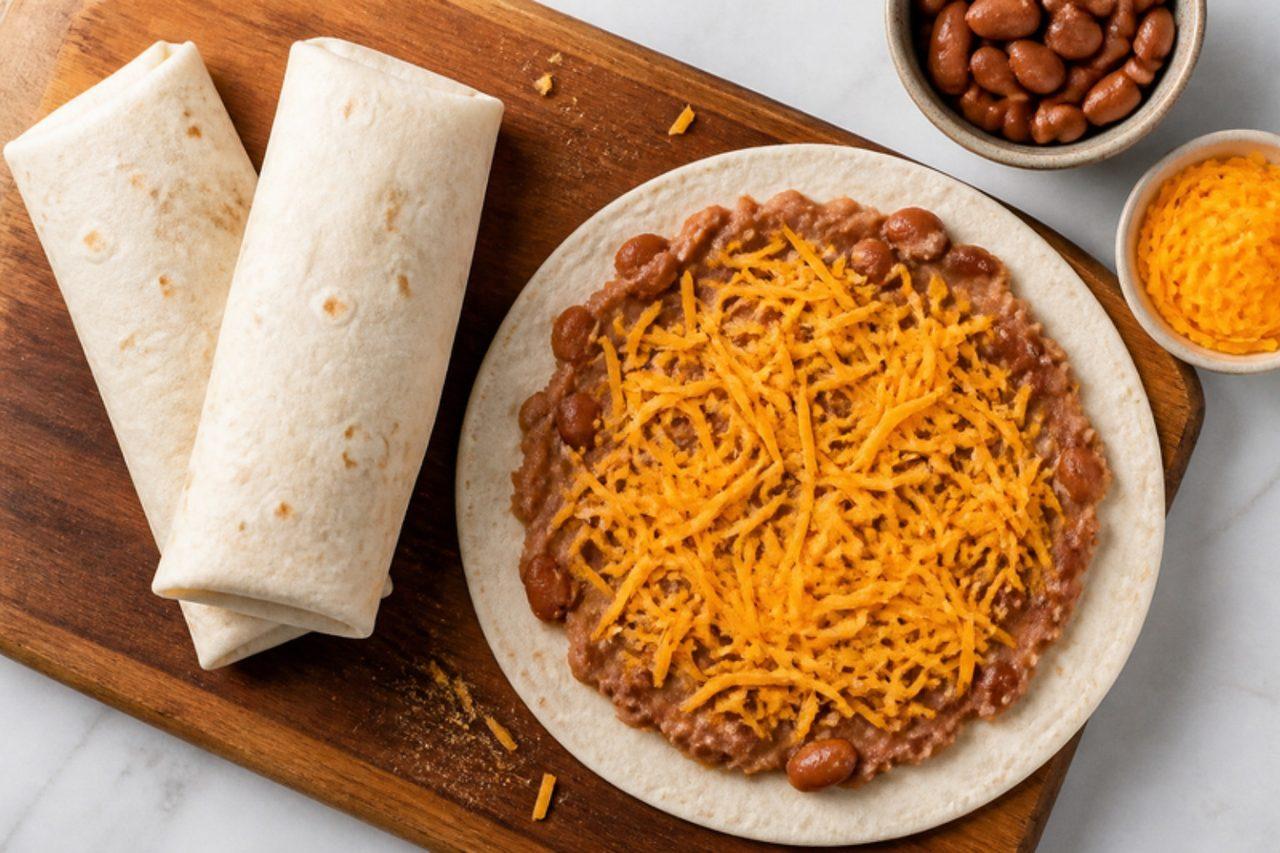
Bean and cheese burrito

In Sonora and the rest of northern Mexico, where wheat tortillas are an everyday bread, a burrito of refried beans and cheese is one of the simplest things to wrap in foil for a child's school lunch or an after-school snack. The beans are fried with a little onion and cumin until thick and creamy, then rolled up with cheese and toasted so it melts. It contains milk and gluten (wheat tortillas). Chef's tip: warm the tortillas before filling them; cold ones crack when you roll them.

by KrazyBadal 0 views

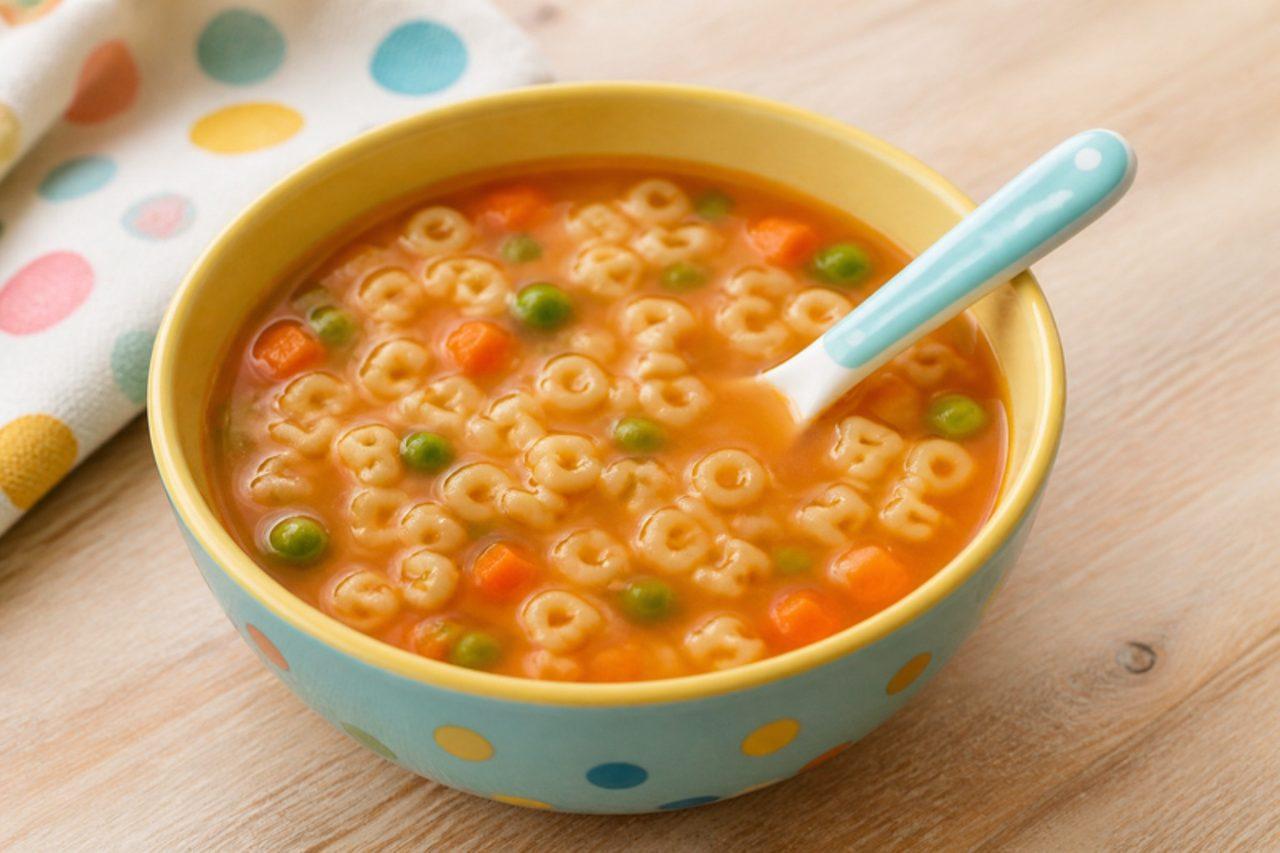
Sopa de letras (Mexican alphabet soup)

Sopa de letras is the soup almost every Mexican child grows up on, served as the 'sopa aguada' course at the midday meal: tiny letter-shaped pasta, toasted golden in oil, then simmered in a broth of blended tomato, onion and garlic with soft diced carrot. For toddlers it is made with a no-salt vegetable stock, so the sweetness of the tomato comes through. It contains gluten (wheat); it has no milk, egg, nuts, soya, sesame or fish. Chef's tip: toast the pasta until it smells nutty and turns light gold; that is where the flavour comes from.

by KrazyBadal 0 views

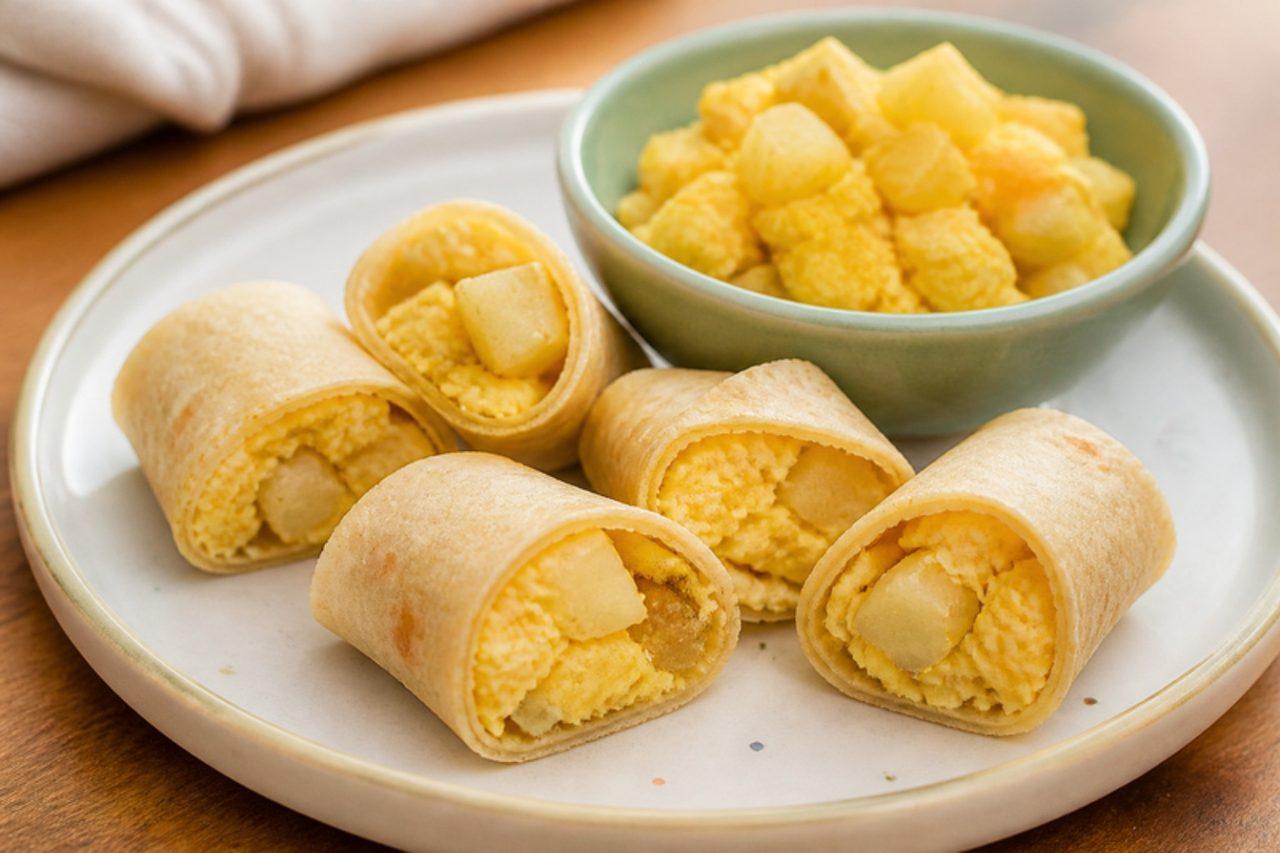
Huevo con papa toddler tacos

Huevo con papa is a breakfast and supper standby in kitchens all over Mexico: small cubes of potato fried until tender, then scrambled with egg and rolled into warm tortillas. Mild, soft and easy to hold, it is a favourite for toddlers from a year old, and the grown-ups add salsa to their own. It contains egg; made with 100% corn tortillas it has no gluten, and it has no milk, nuts, soya, sesame or fish. Chef's tip: cut the potato into small 1 cm cubes and cover the pan for the first few minutes, so it steams tender before it browns.

by KrazyBadal 0 views

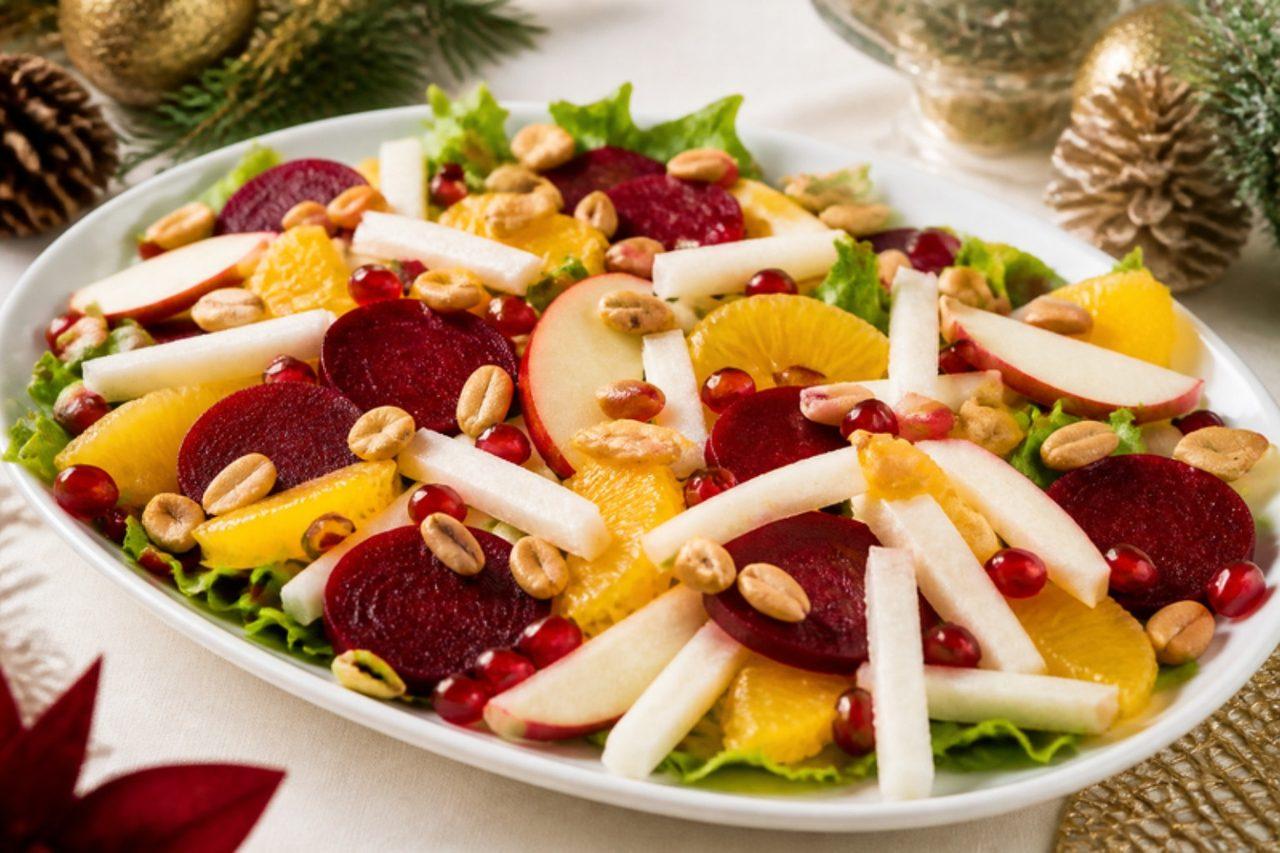
Ensalada de NochebuenaBeetroot and fruit salad

Late on 24 December, families in Mexico City and the central states gather for the cena de Nochebuena, and on the table, next to the romeritos and bacalao, sits this jewel-bright salad. Beetroot stains the crisp jícama pink, sweet oranges and apple balance its earthiness, and roasted peanuts and pomegranate seeds scatter over the top with a little lettuce underneath. It is fresh relief among rich Christmas dishes and children love the colour. Chef's tip: dress the beetroot separately and add it at the last minute, unless you want everything magenta.

by KrazyBadal 0 views

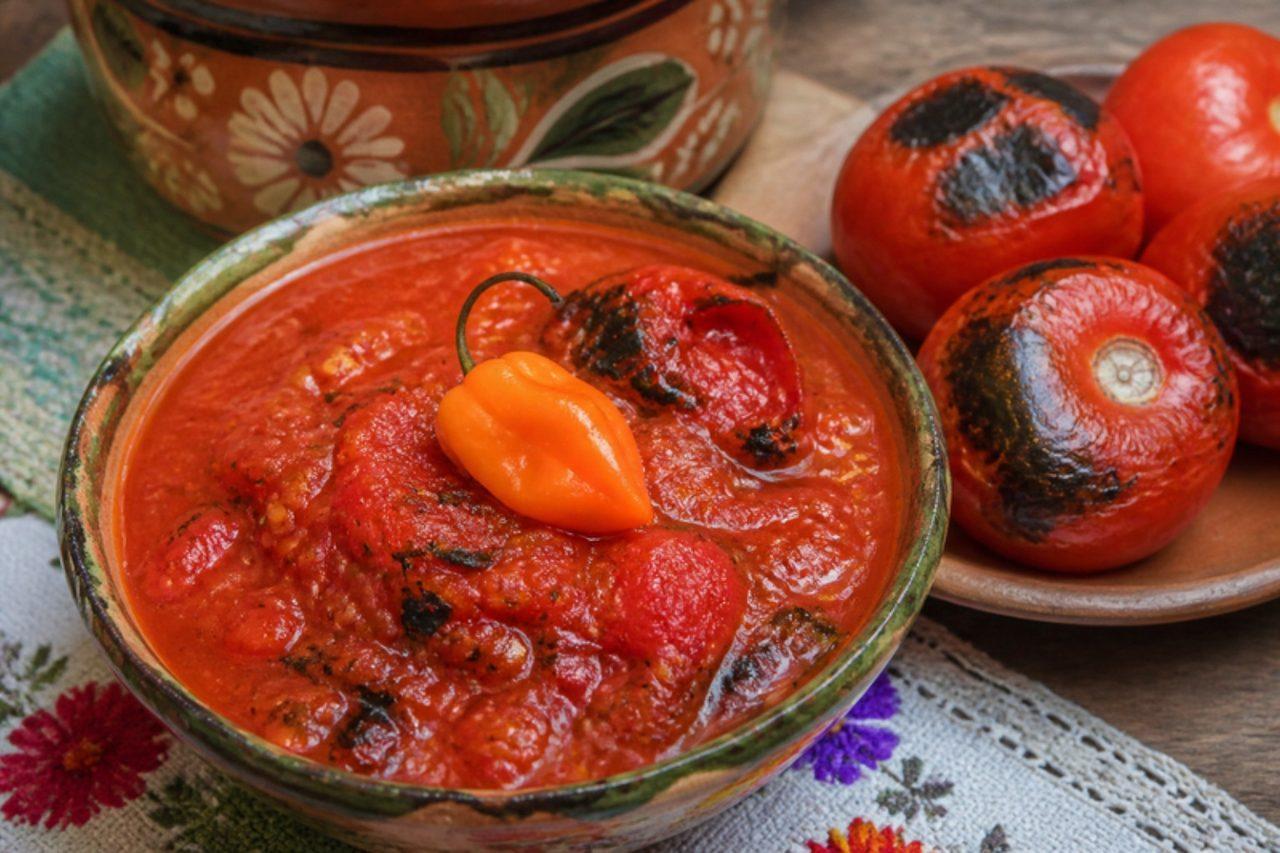
ChiltomateRoasted tomato habanero sauce

Chiltomate is the everyday red sauce of the Yucatán Peninsula, ladled over papadzules, huevos motuleños, panuchos and grilled pork in Mérida's cocinas económicas. Tomatoes are charred on the comal, blended and simmered with onion, while a whole roasted habanero floats in the pan to scent it with fruity heat. It is mild unless you split the chile. Chef's tip: for real heat, slit the habanero before simmering; for a family table, leave it whole and lift it out.

by KrazyBadal 0 views

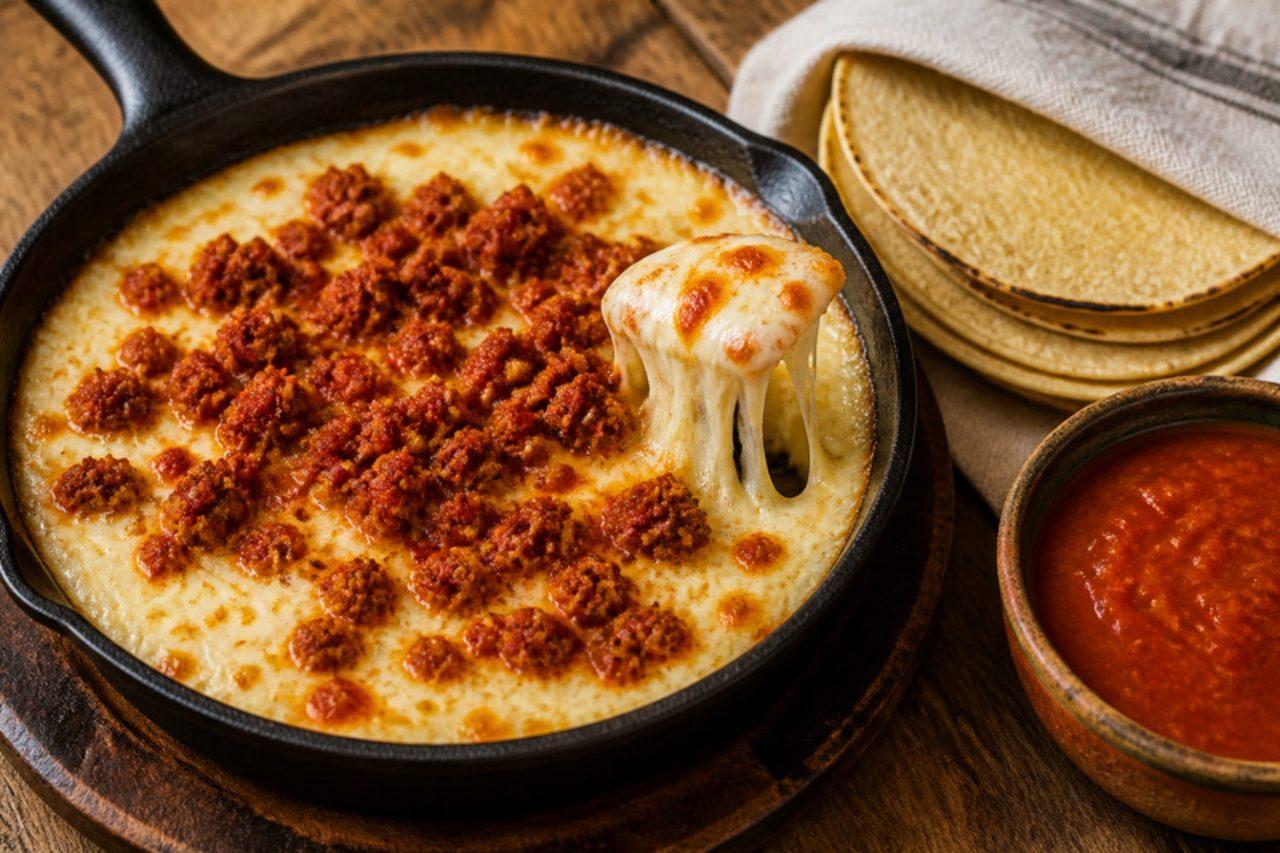
Queso fundido con chorizoMelted cheese with chorizo

In the steak houses of Monterrey and Chihuahua, queso fundido arrives in a sizzling clay or iron dish before the grilled meat, and everyone scoops it into warm tortillas. This version is topped with fried Mexican chorizo, which is fresh pork sausage spiced with chile and vinegar. It's rich and stringy, best shared at the start of a meal. For a vegetarian version, swap the chorizo for sautéed mushrooms and roasted poblano strips, and use vegetarian cheeses. Chef's tip: warm the dish in the oven first so the cheese starts melting the moment it goes in.

by KrazyBadal 0 views

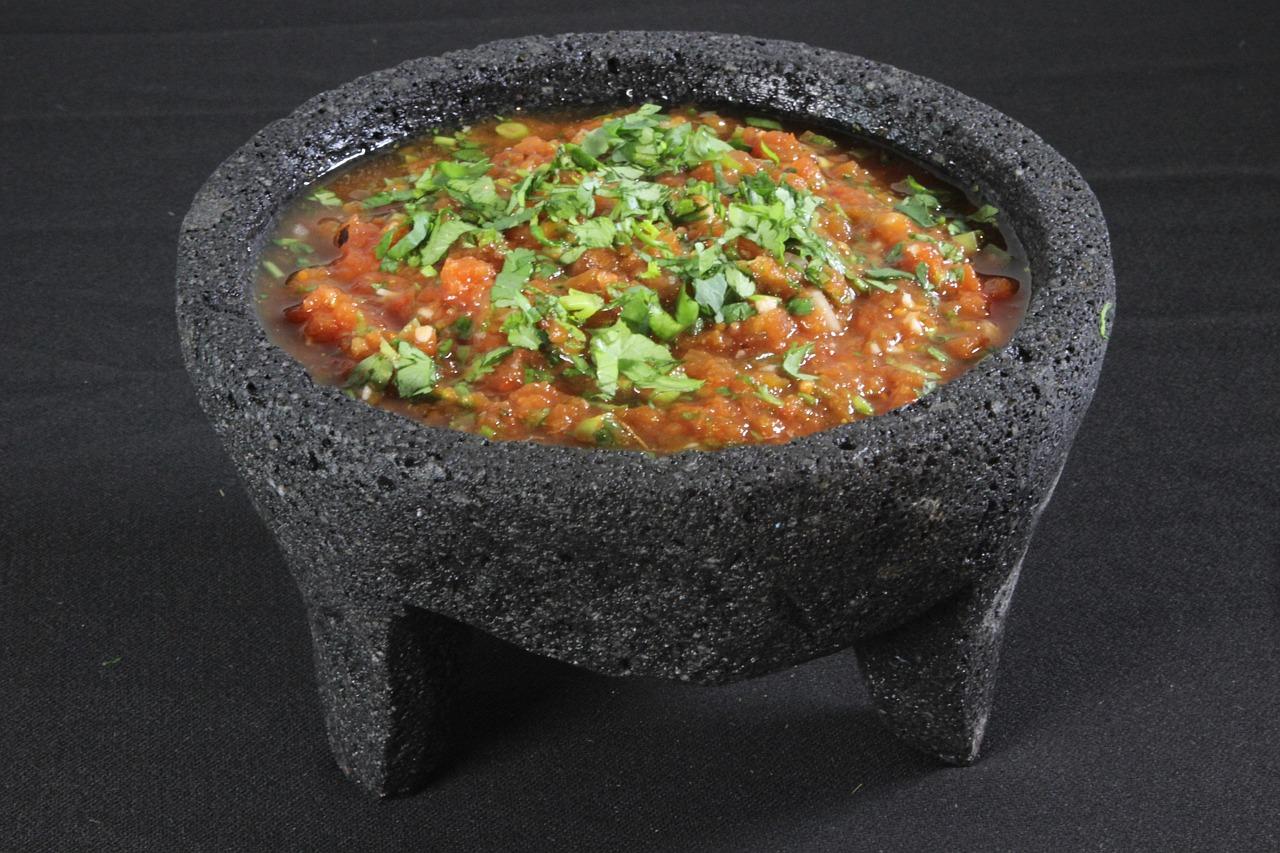
Salsa de molcajeteCharred tomato chile salsa

Market cooks in Puebla, Tlaxcala and the State of Mexico still blister tomatoes, garlic and chiles on a dry comal and grind them in the same volcanic-stone mortar that gives this salsa its name. The result is chunky, smoky and slightly sweet from the charred tomato skins, and it is served warm or at room temperature with grilled meat, quesadillas and barbacoa. A blender works, but the molcajete gives a rougher, juicier texture. Chef's tip: grind the garlic, chile and salt first, then the tomatoes, so the hard bits break down properly.

by KrazyBadal 0 views

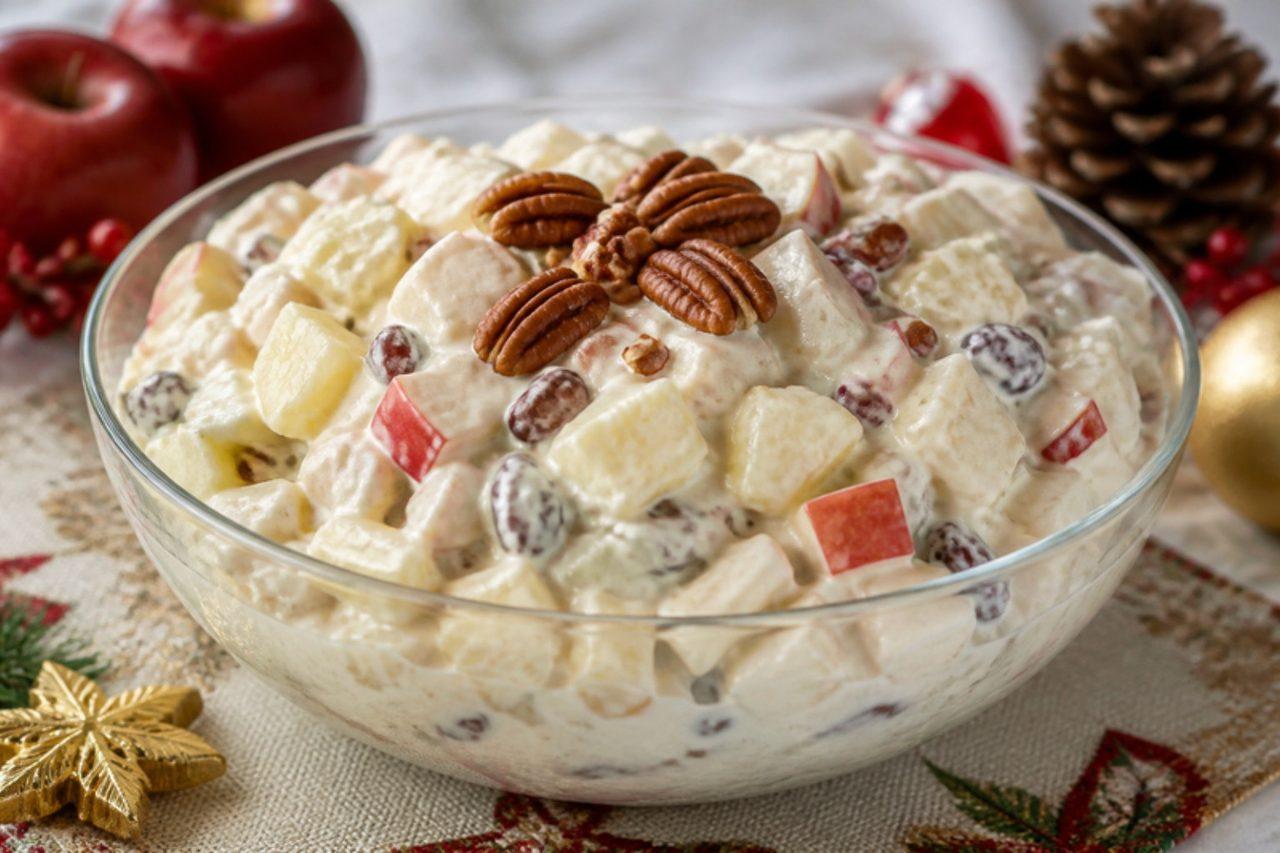
Ensalada de manzana navideñaCreamy apple salad

In homes from Monterrey to Guadalajara, a big bowl of creamy apple salad is chilling in the fridge on Christmas Eve, ready to sit alongside roast pork or turkey, and the kids usually go back for seconds as dessert. Crisp diced apple, juicy pineapple, celery for crunch, raisins and toasted pecans are folded into a sweet dressing of cream, condensed milk and a little soured cream. Many versions add marshmallows, but most contain gelatine, so they are left out here. Chef's tip: chill it for an hour before serving; the dressing thickens and the flavours marry.

by KrazyBadal 0 views

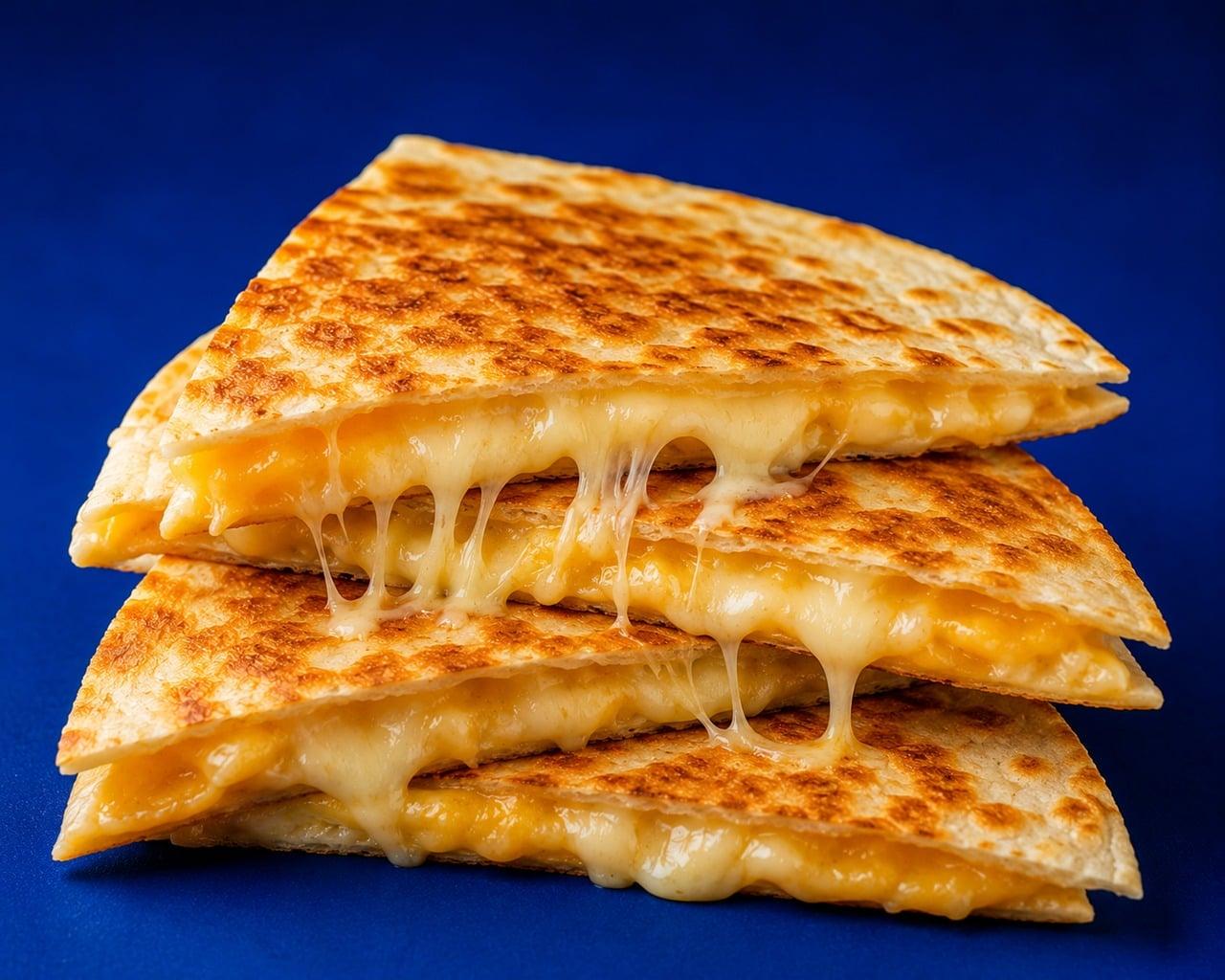
SincronizadasHam and cheese tortilla sandwiches

Found on cafeteria menus and in school lunchboxes from Monterrey to Mérida, sincronizadas are two flour tortillas 'synchronised' around cooked ham (pork) and melting cheese, then toasted on the griddle until the cheese runs. Cut into wedges and served with guacamole or salsa, they're a ten-minute supper that children love. Chef's tip: keep the heat at medium, so the cheese melts before the tortillas scorch.

by KrazyBadal 0 views

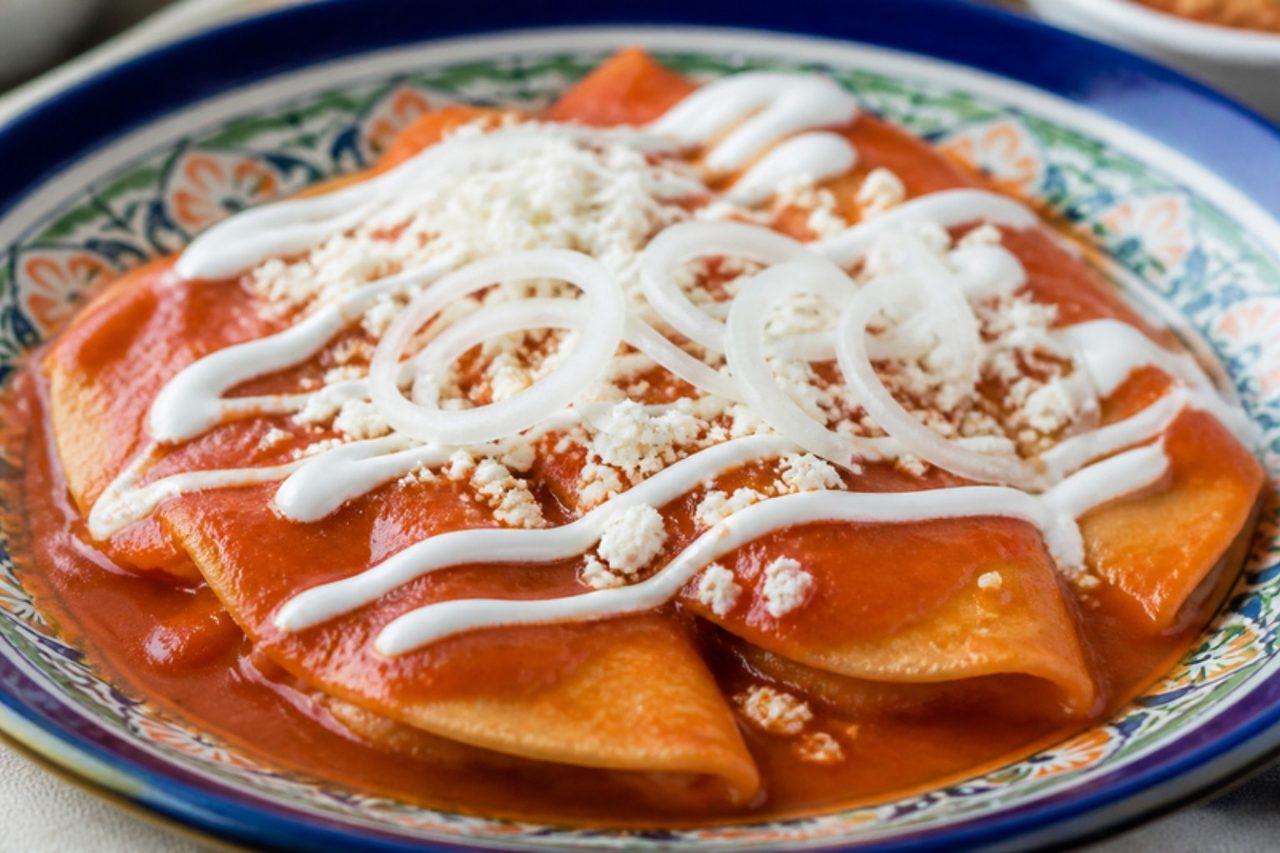
EntomatadasEnchiladas in tomato sauce

Entomatadas are what many families in central and northern Mexico make on a weekday evening, from Querétaro to Chihuahua: corn tortillas warmed in oil, bathed in a mild, garlicky tomato sauce and folded around fresh cheese. Without dried chiles they are gentle enough for children, and they are often served with refried beans and a fried egg on the side. Check the cheese label: many fresh Mexican cheeses use animal rennet, and a vegetarian queso fresco or ricotta salata works just as well here. Chef's tip: warm each tortilla in a little oil before it meets the sauce, so it bends without tearing.

by KrazyBadal 0 views

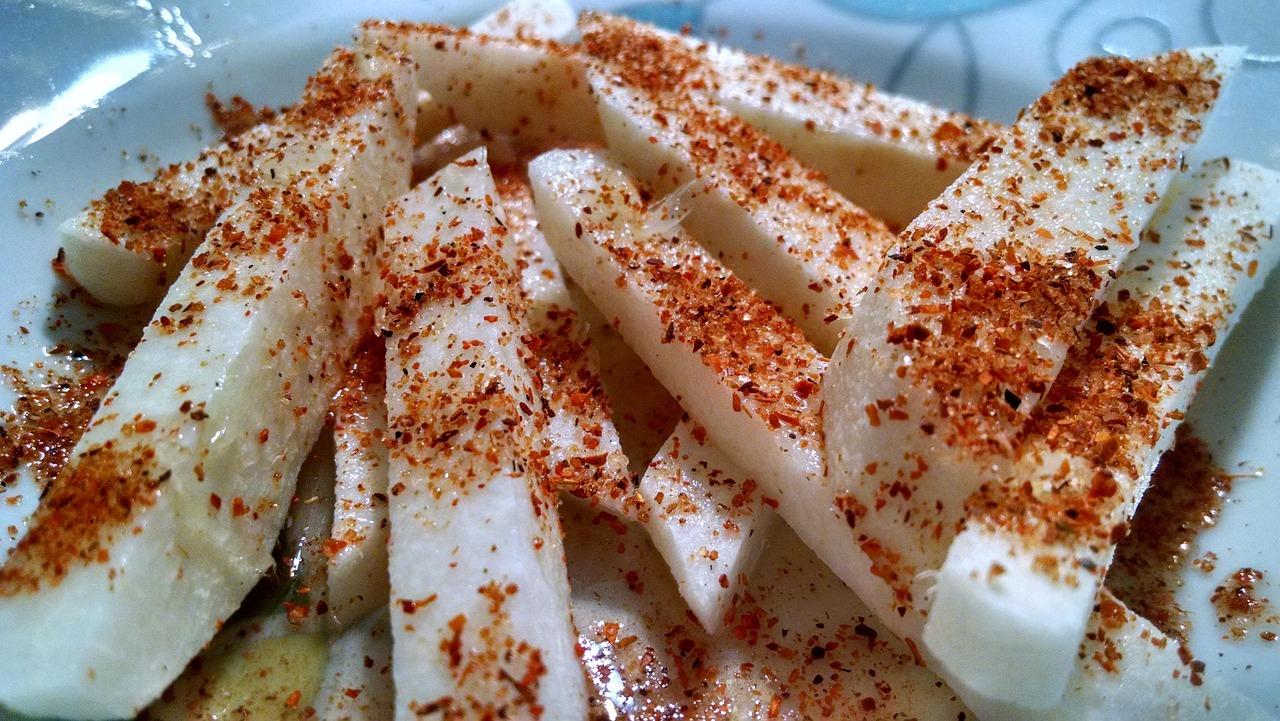
Jícama con chile y limónJícama with chile and lime

Few snacks are as simple or as refreshing as this one, sold in bags from street carts and made at home all over Mexico as an after-school or pre-lunch nibble. Jícama tastes like a cross between apple and water chestnut: crisp, juicy and barely sweet. Lime, salt and chile powder are all it needs. Chef's tip: a short soak in iced water makes the sticks extra crisp.

by KrazyBadal 0 views

Showing 24 of 154 recipes

Show more recipes

Page 1 of 7