Skip to content
Recipes

All recipes

Vegetarian, or something you can't eat? Set your diet once and we'll hide recipes that don't fit.

Berner Platte

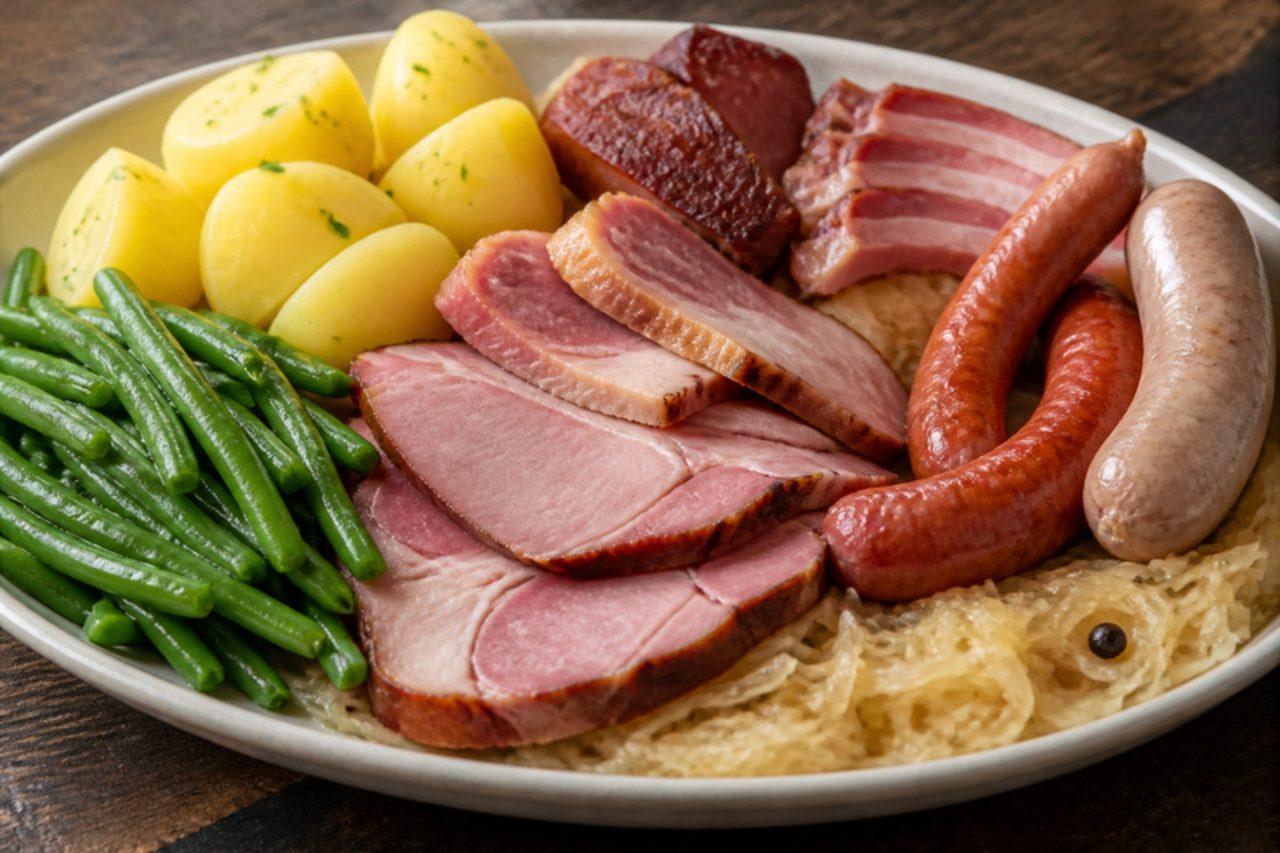
The Berner Platte is Bern's great feast platter, said to celebrate the victory over the French at Neuenegg in 1798, and it is still served in the old taverns under the arcades of Bern's old town, especially in autumn and winter: a heap of smoked pork belly, smoked pork shoulder, tongue, beef, Bernese sausages and marrow bones, laid over sauerkraut, dried green beans and boiled potatoes. This dish contains pork. A common mistake is boiling everything together for the same time; the sausages split and the beef is still tough. Chef's tip: cook each meat for its own time in the same pot, adding the sausages only for the last 20 minutes at a gentle simmer. Whole pork cuts must reach 63 °C and sausages 71 °C.

180 minSwissMeatGluten free
by KrazyBadal 0 views

Jan in de zak

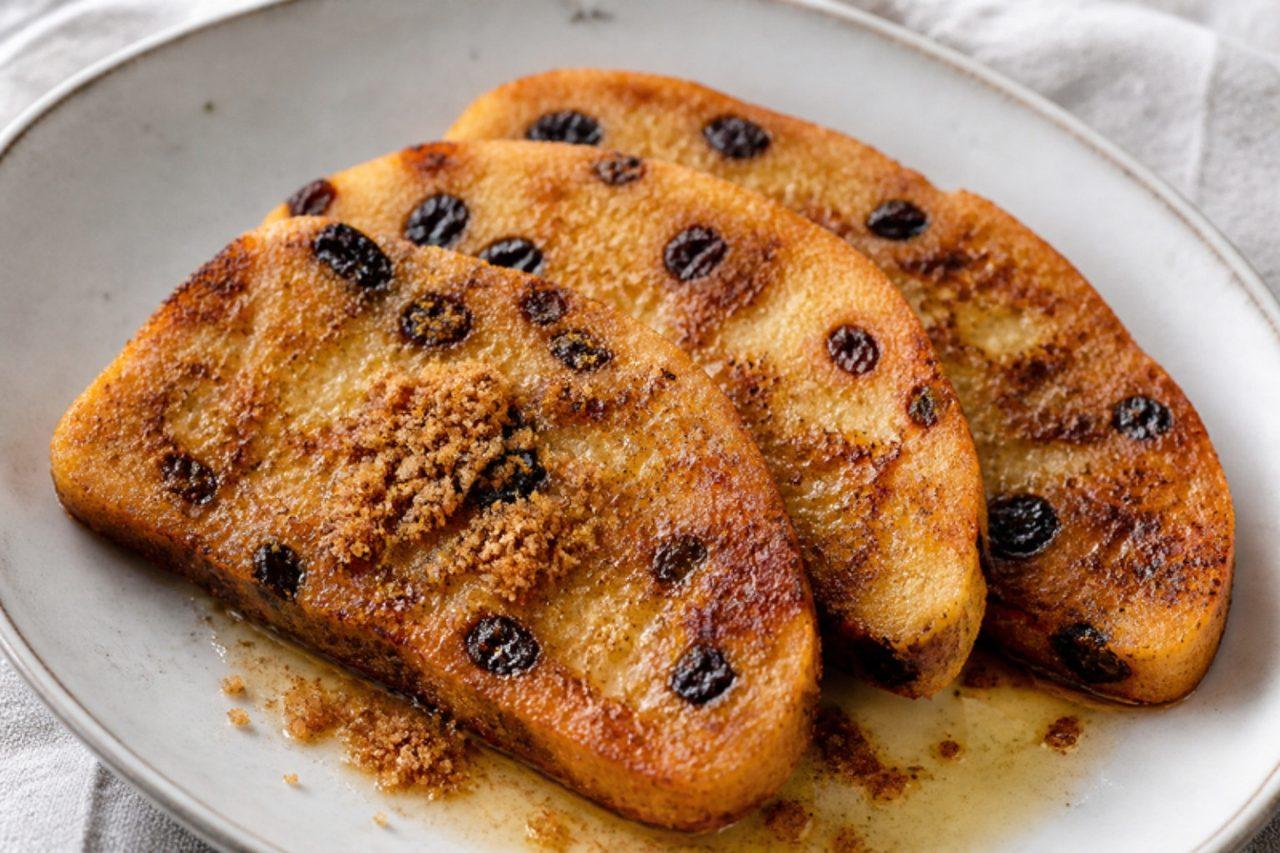
Jan in de zak, 'John in the bag', is the old Flemish farmhouse pudding cooked for Shrove Tuesday and winter Sundays in West and East Flanders: a soft yeasted dough with raisins and currants tied up in a floured cloth and boiled for hours, then sliced and fried in butter and eaten with brown sugar or treacle. It is the Flemish cousin of Dutch 'Jan in de zak'. A common mistake is tying the cloth tightly, which leaves no room for the pudding to swell and makes it dense. Chef's tip: tie the cloth loosely, leaving room for the dough to double, and keep the water at a steady simmer.

by KrazyBadal 0 views

Risotto al Merlot

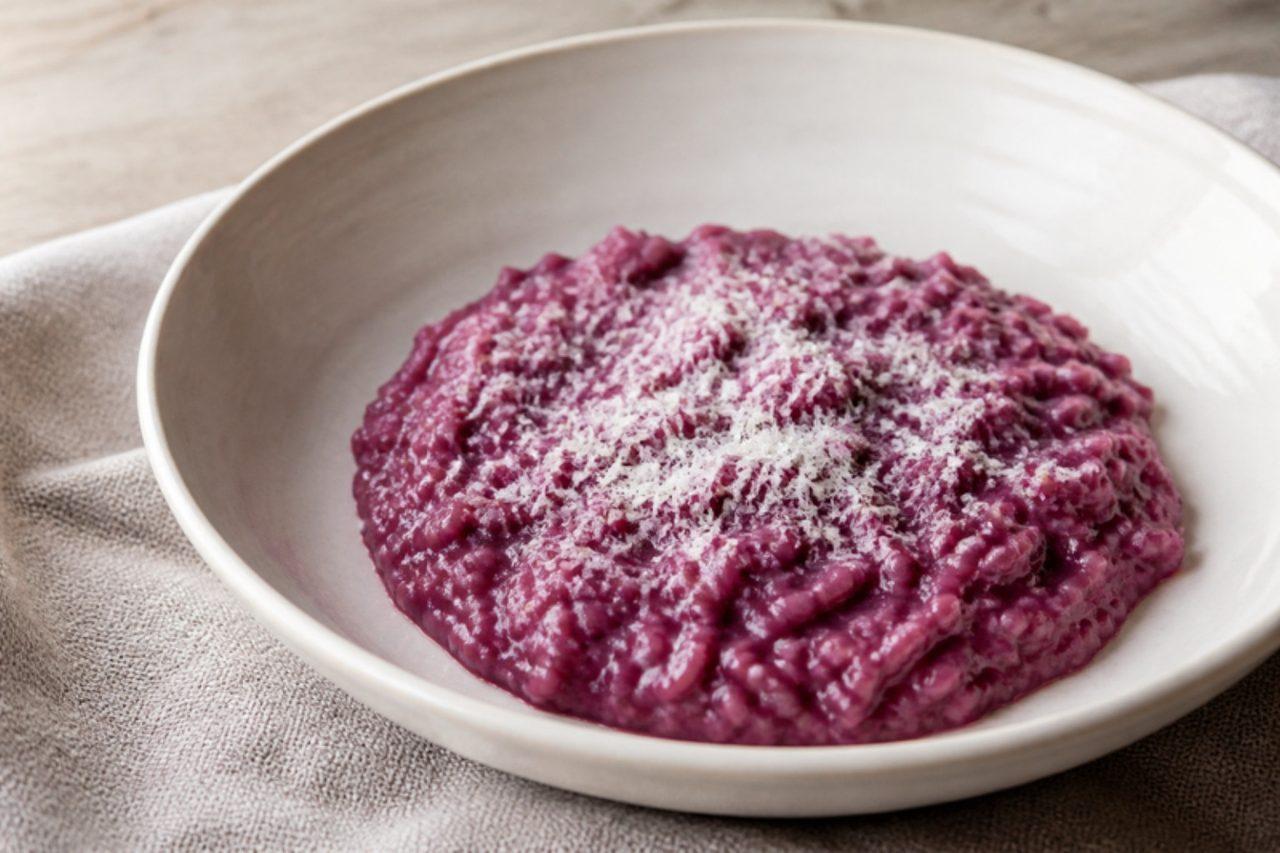
In Ticino, Merlot is the region's grape, and in the stone-walled grottos of the valleys above Lugano and Bellinzona risotto al Merlot is cooked in big pans: risotto rice toasted with onion, cooked with a good glass of red Ticino Merlot and stock until purple-red and creamy, then finished with butter and Parmesan, often served beside a luganighe sausage. This recipe is cooked with red wine; for an alcohol-free version, use the swap in the ingredient note. Parmesan is made with animal rennet, so use a vegetarian hard cheese, and vegetable stock. A common mistake is adding all the stock at once, which gives boiled rice, not risotto. Chef's tip: add the wine first and let it be absorbed, then the stock a ladle at a time.

by KrazyBadal 0 views

Bündner Birnbrot

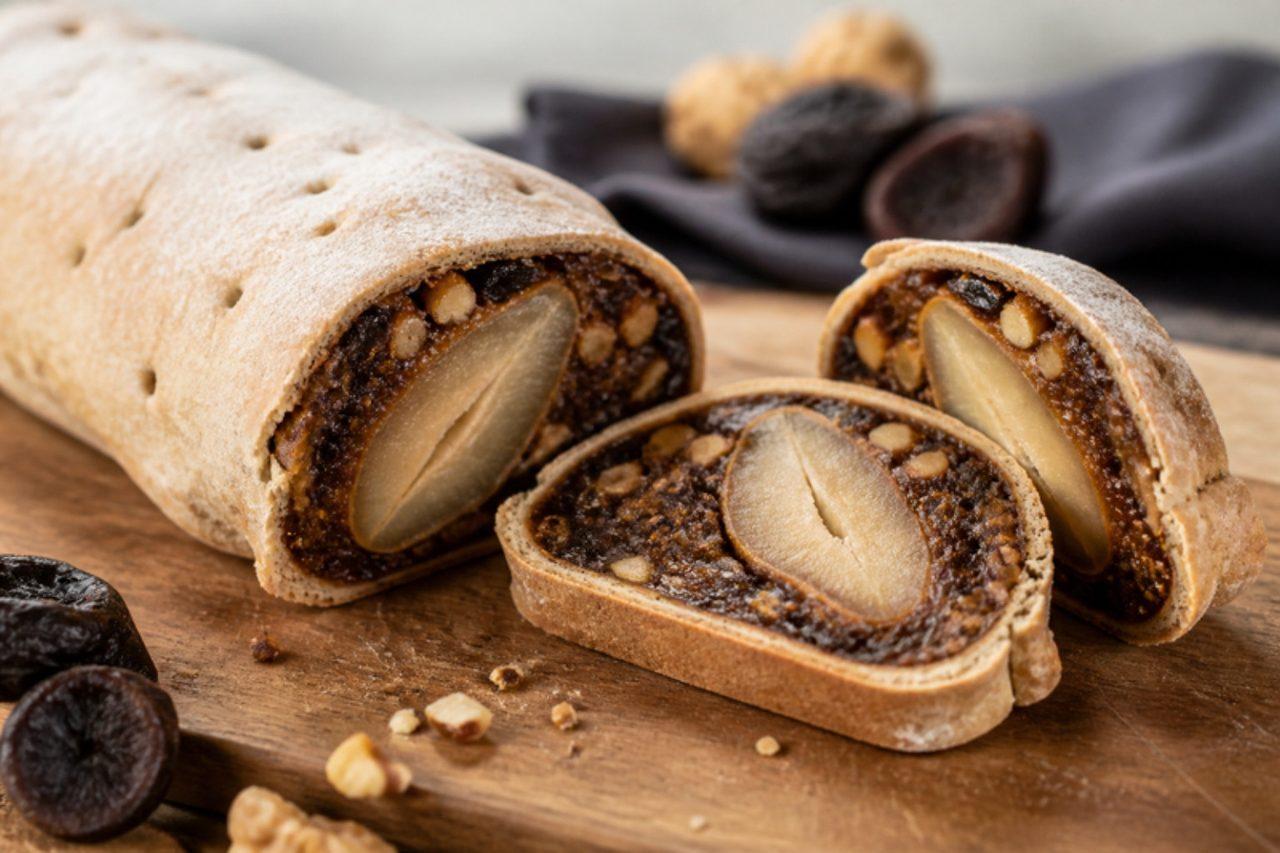
Birnbrot is the Christmas loaf of Graubünden, baked in Chur and the mountain villages in December: a dark, dense filling of dried pears, figs, raisins, walnuts, candied peel and warm spices is wrapped in a thin layer of plain bread dough and baked until the crust is golden. It keeps for weeks and is sliced thin with butter (or without, for a vegan loaf). Many families soak the fruit in pear brandy; this version uses pear juice. A common mistake is a thick bread wrapping, which dries out; the crust should be thin. Chef's tip: soak the dried fruit overnight so it is plump and the filling holds together.

120 minSwissBakingVegan
by KrazyBadal 0 views

Cougnou

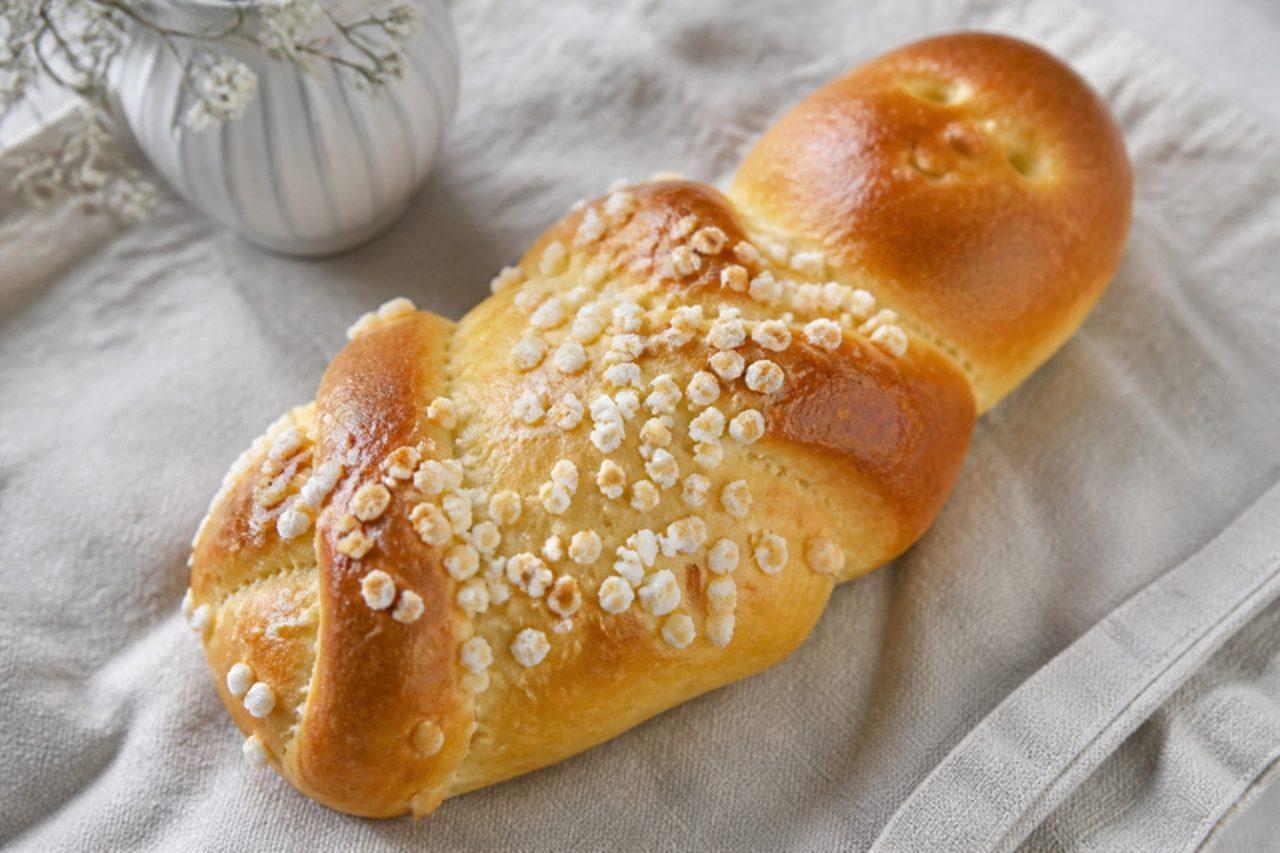
Cougnou, also called cougnolle or bommetje, is the Christmas bread of Wallonia, given to children on Christmas morning: a soft brioche shaped like the infant Jesus in swaddling clothes, with a little clay or sugar medallion pressed into the middle, eaten with hot chocolate. Bakeries in Namur and Charleroi make them from early December. A common mistake is shaping them too small, which dries them in the oven. Chef's tip: make three balls, one large for the body and two small for the head and feet, pressed together tightly so they bake as one.

by KrazyBadal 0 views

Papet vaudois

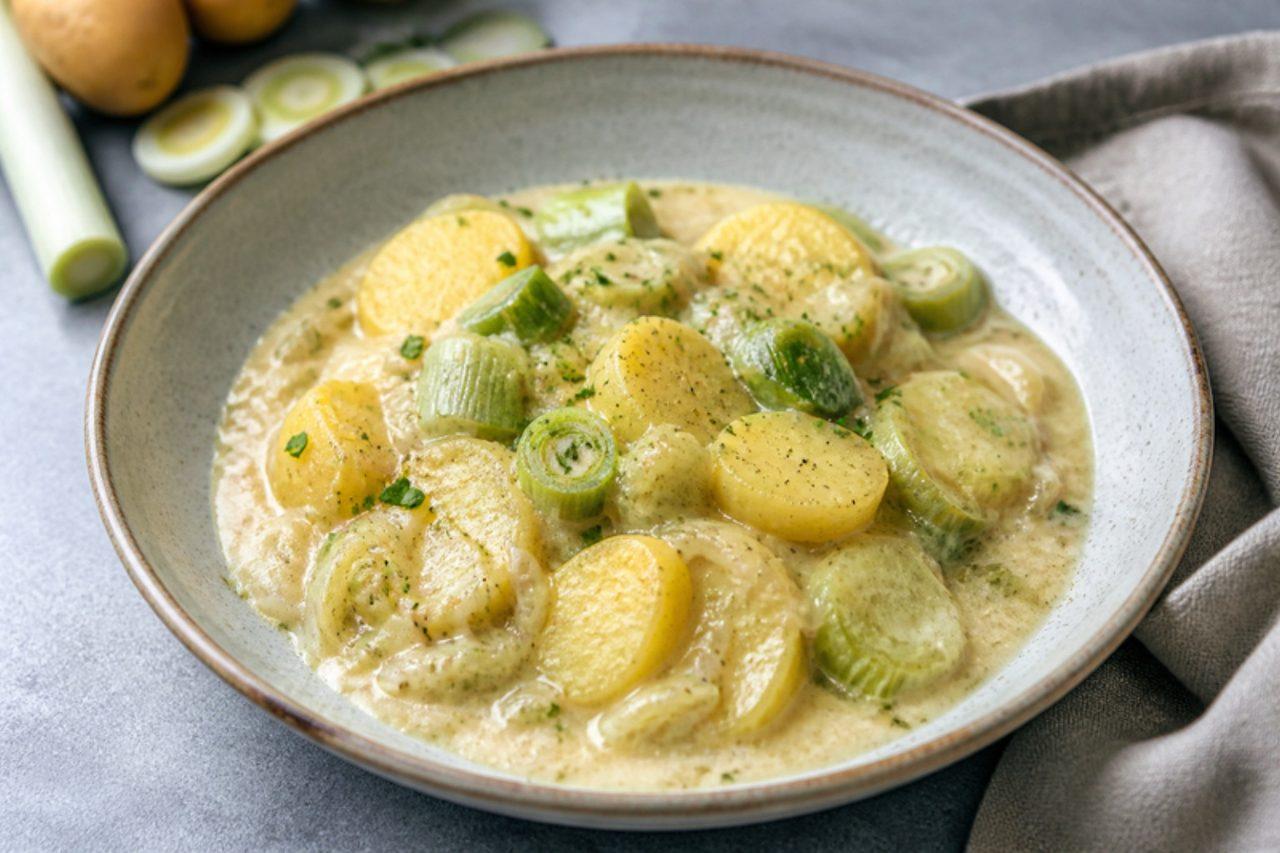
Papet vaudois is the winter dish of the canton of Vaud, on the shores of Lake Geneva, so loved that the canton's flag colours, green and white, are said to match the leeks: thick slices of leek and diced potato simmered slowly in a little stock and cream until soft and melting, a 'papet' (mush) that is not quite a stew and not quite a purée. In Vaud it is served with the smoked saucisson vaudois or saucisse aux choux; this vegetarian version is finished with a spoon of strong mustard and crisp fried shallots. White wine is often added; this recipe uses stock with a little vinegar instead. A common mistake is stirring too much, which turns it to glue. Chef's tip: cook it slowly with a lid and stir only gently, so some potato breaks down and some stays in pieces.

by KrazyBadal 0 views

Escavèche

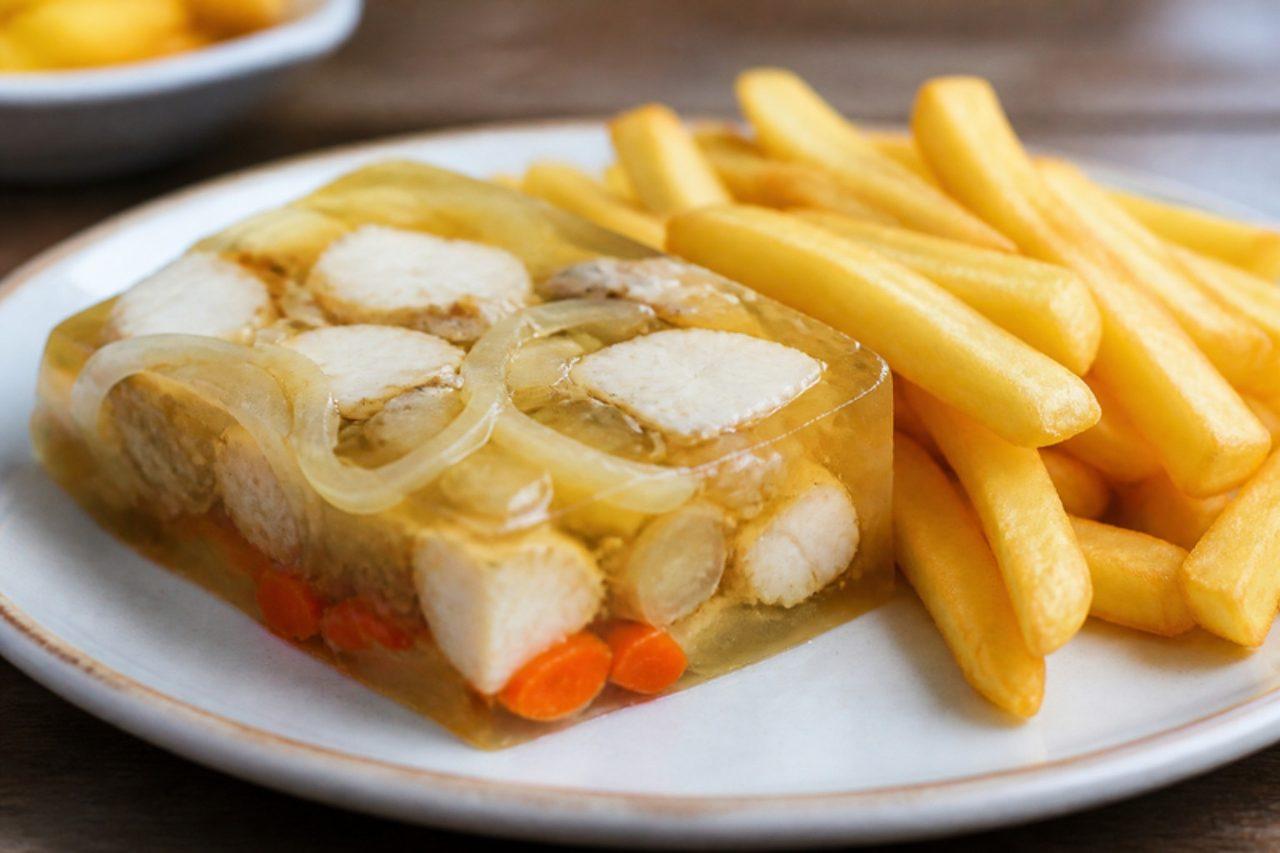
Escavèche is a speciality of the Chimay and Couvin area in southern Wallonia, a legacy of Spanish rule in the 16th century: fish fillets, traditionally eel or pike, fried and then covered with a hot marinade of vinegar, onion, thyme and bay that sets into a clear, tangy jelly as it cools. It is eaten cold, sliced, with crisp fries, in the brasseries of the Botte du Hainaut. A common mistake is not cooking the fish through before it goes into the marinade; cold marinade does not cook it. Chef's tip: let it set for at least 12 hours in the fridge; the vinegar mellows and the jelly firms. The fish should be opaque and flaking before marinating.

by KrazyBadal 0 views

Bündnerfleisch

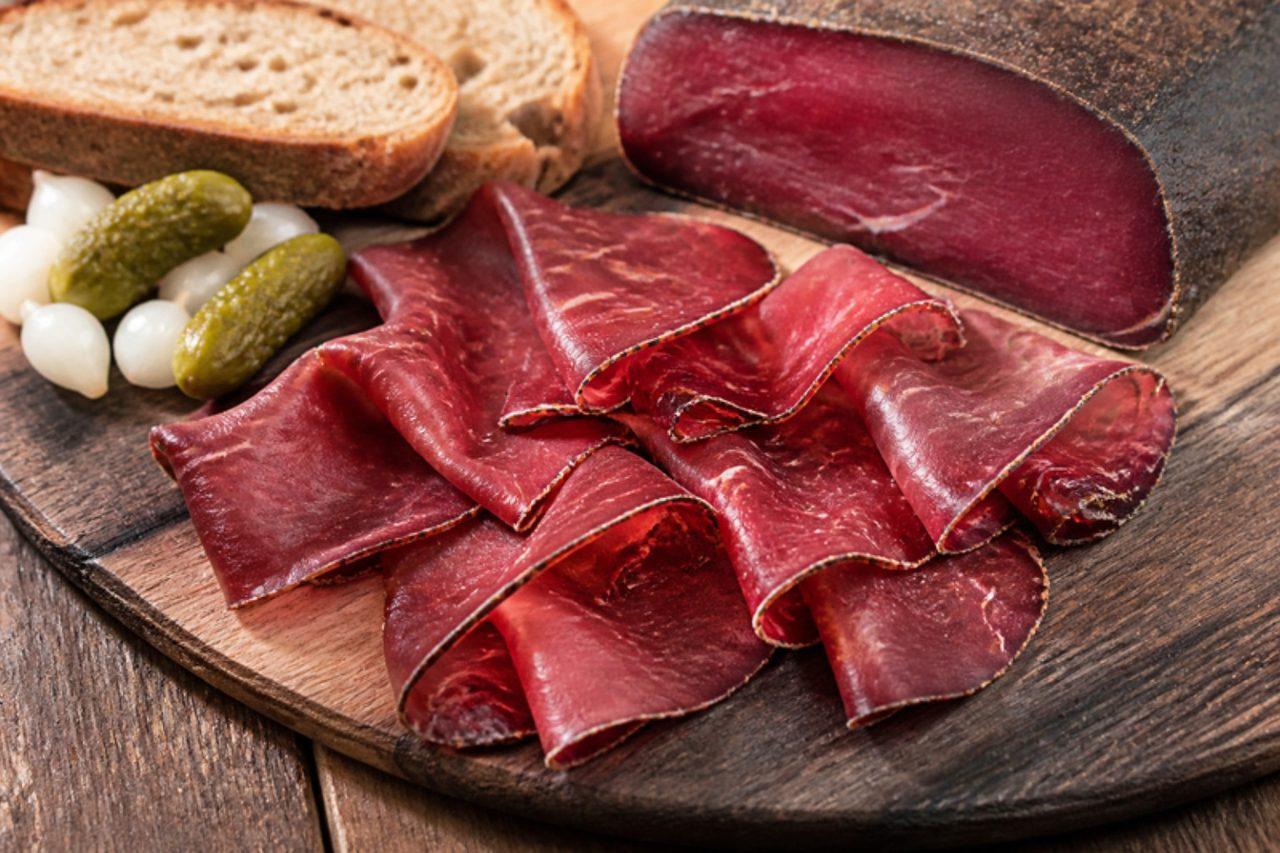
Bündnerfleisch is the lean beef of Graubünden, salted with mountain herbs, pressed into its square shape and air-dried for months in the cold, dry mountain air around Davos and the Engadine, until it is deep red, tender and intensely savoury. It is sliced paper-thin and served on a wooden board with rye bread, butter, gherkins and pickled onions, often with a glass of something on a mountain terrace. It needs the mountain climate and is bought ready-made, not made at home. As a raw cured meat, it is not for pregnant women, young children or anyone with a weakened immune system. A common mistake is slicing it thick, which makes it chewy. Chef's tip: slice it as thin as paper and leave it for 10 minutes at room temperature before serving, so the flavour opens up.

15 minSwissMeat
by KrazyBadal 0 views

Meringues double crème

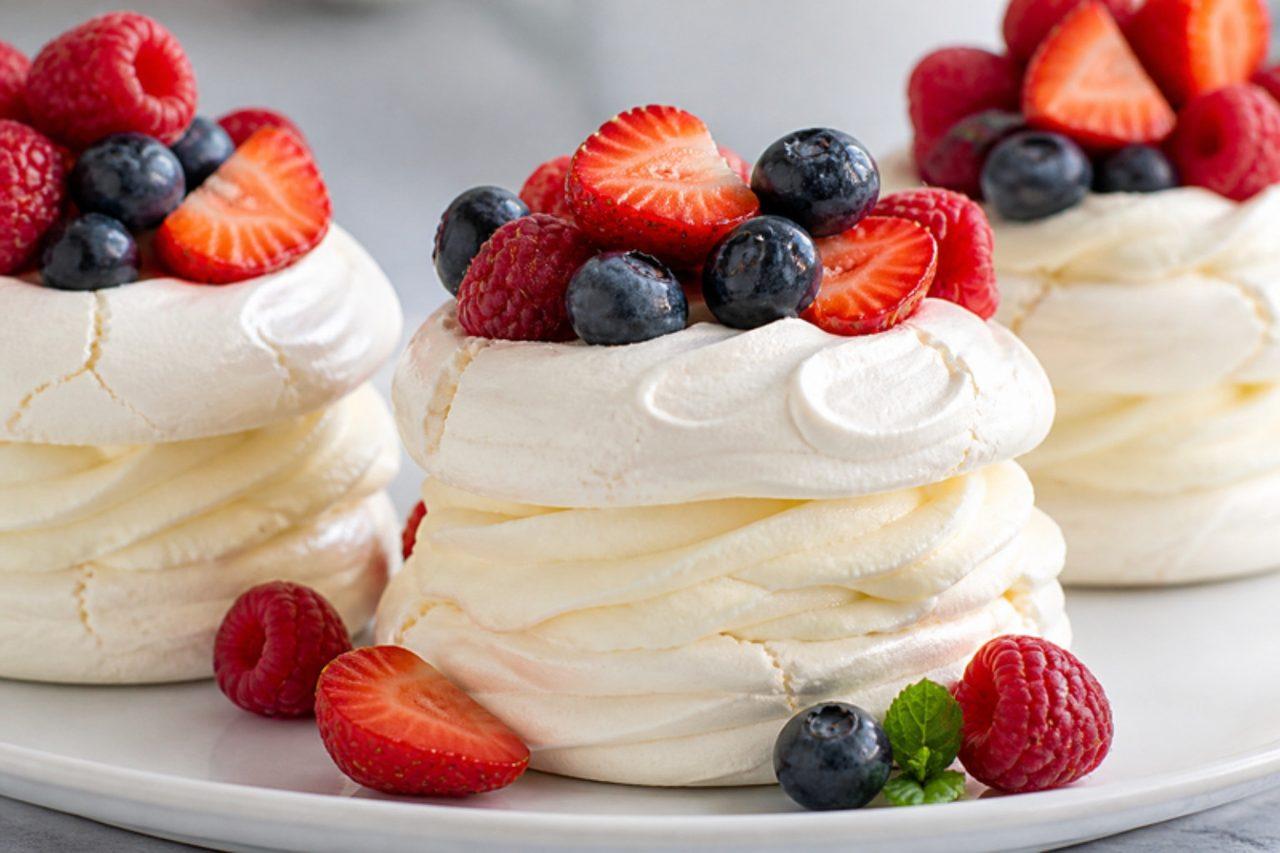
In the cheese town of Gruyères, every restaurant on the cobbled main street serves the same dessert: big, crisp, pale meringues, said to have been invented by a Swiss pastry cook in the Bernese Oberland, with a bowl of the region's famously thick crème double de la Gruyère, so rich it almost holds a spoon upright, and fresh berries. The cream is the star. Outside Switzerland, use the thickest double or clotted cream you can find. A common mistake is baking the meringues too hot, which browns them and leaves the inside sticky. Chef's tip: bake low and leave them to dry in the switched-off oven overnight, so they are crisp all the way through.

by KrazyBadal 0 views

Aargauer Rüeblitorte

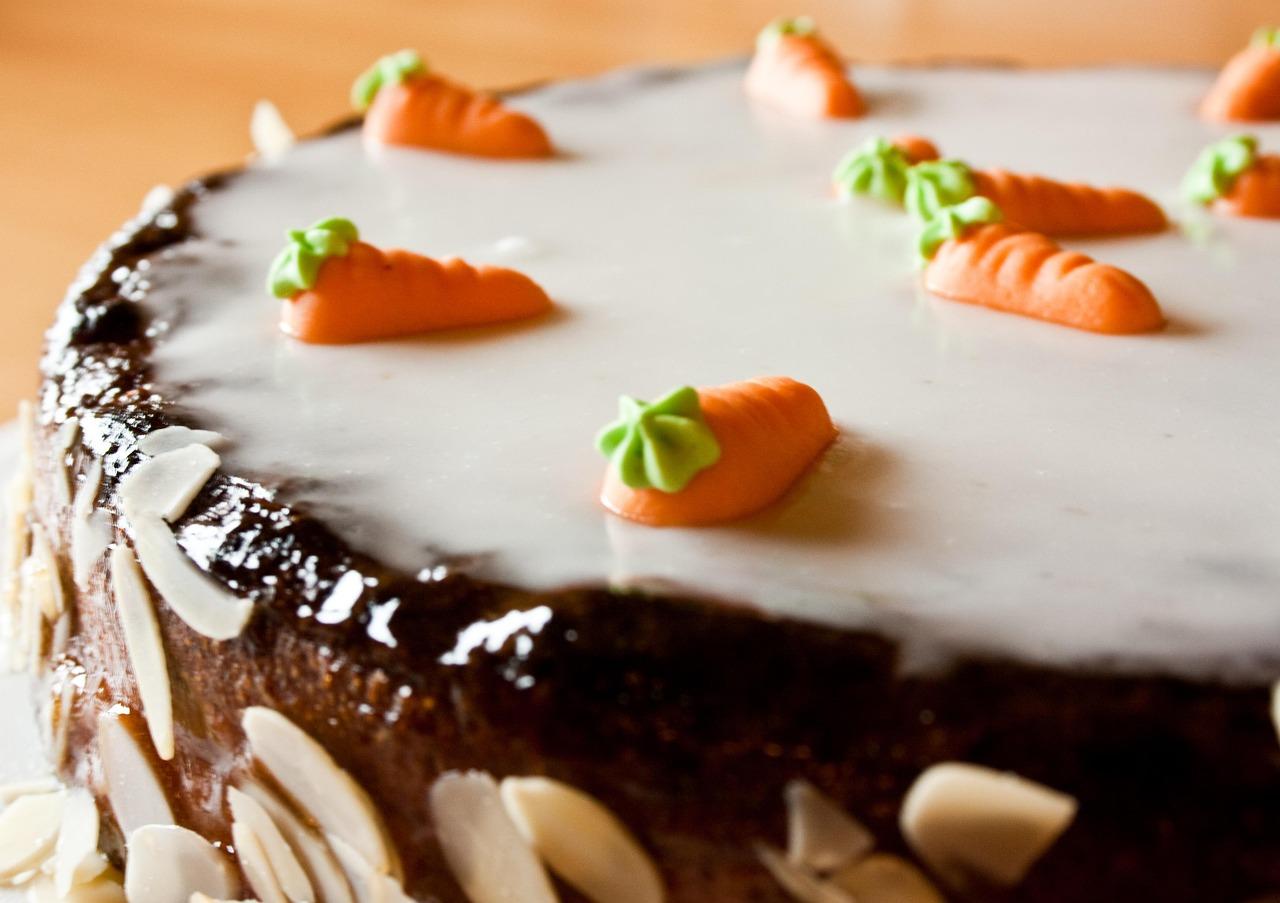
Rüeblitorte is the carrot cake of the canton of Aargau, between Zurich and Basel, where carrots grow well in the flat farmland: a moist, flourless cake of grated carrot and ground almonds lifted with whisked egg whites, glazed with a thin lemon or kirsch icing and decorated with little marzipan carrots. It is the traditional Swiss birthday cake for children and appears at Easter. A common mistake is skipping the separate whisking of the whites, which makes it heavy. Chef's tip: grate the carrots finely and squeeze out a little juice, so the cake is moist but not soggy. This version uses lemon icing.

by KrazyBadal 0 views

Cervelat

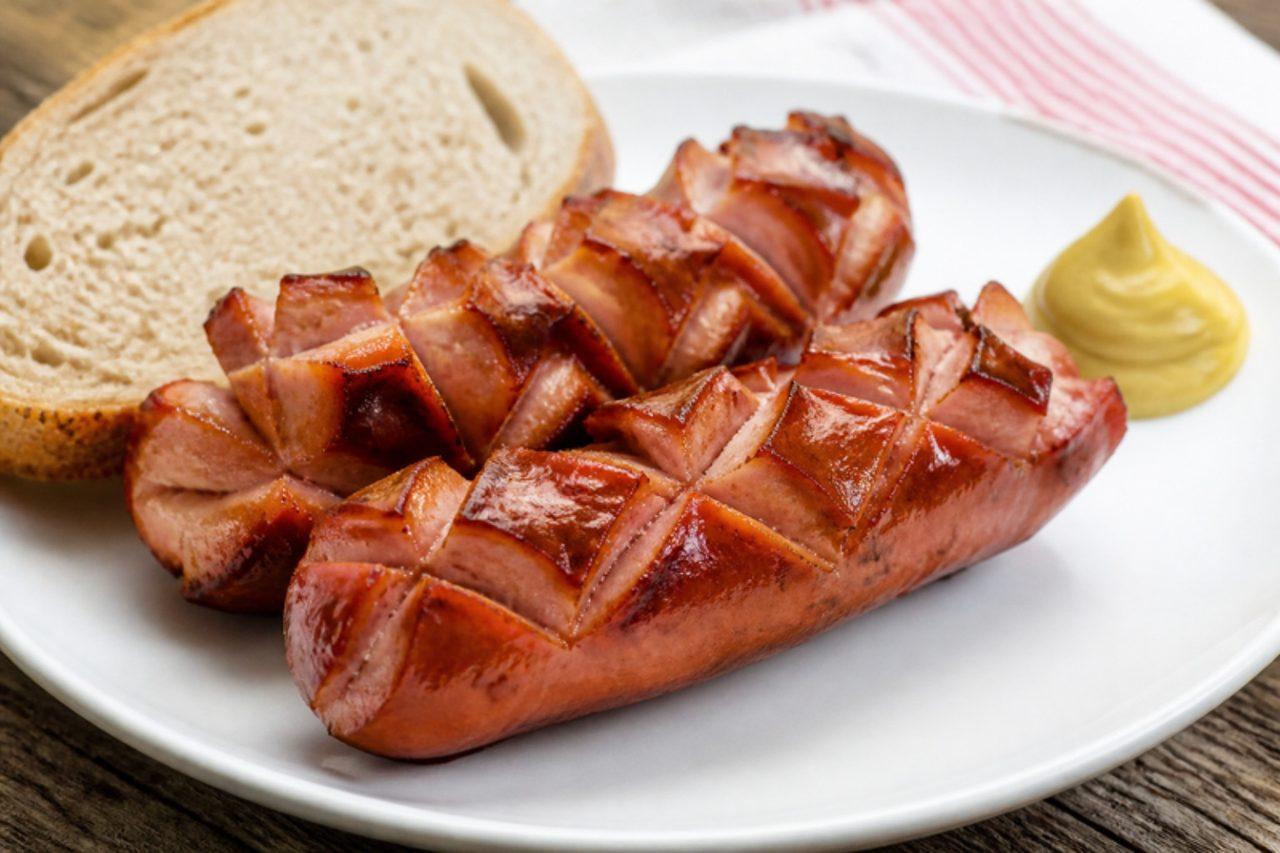
The cervelat, a short, fat, smoked sausage of beef and pork, is called Switzerland's national sausage, and it is what every Swiss child grills on a stick over a campfire on 1 August, National Day, on school trips and on mountain hikes: the ends are cut into a cross so they curl open like a flower as they cook, and it is eaten with bread and mustard. This sausage contains pork. Cervelat is bought ready-cooked and smoked; grilling heats it through and crisps it. A common mistake is grilling over flames, which burns the skin black before the inside is hot. Chef's tip: grill over glowing embers and turn often until the scored ends open out; heat until piping hot, 71 °C.

15 minSwissMeat
by KrazyBadal 0 views

Filets de perche

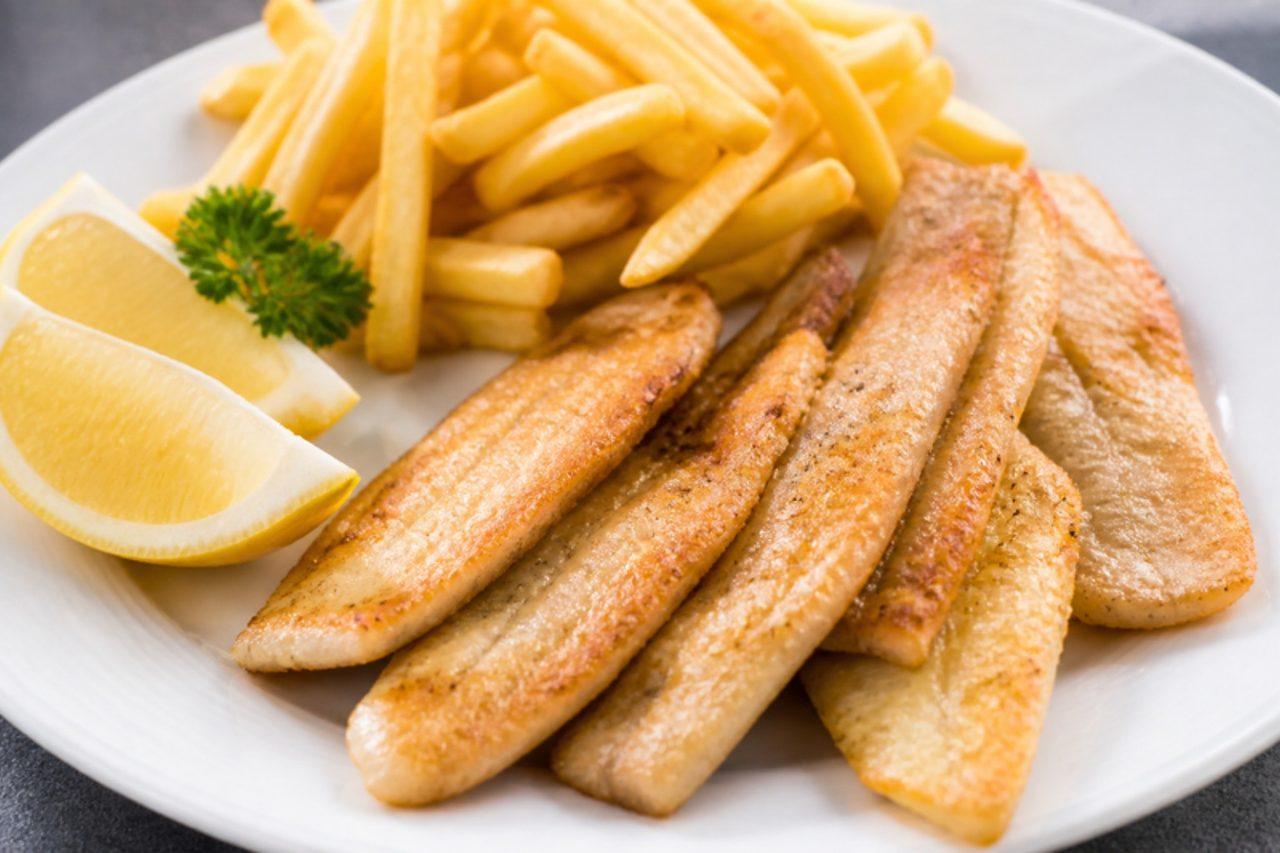
Filets de perche are the signature dish of the lakeside restaurants around Lake Geneva, from Geneva to Lausanne and Montreux: small, delicate perch fillets dusted with flour, fried quickly in butter until golden, and served with lemon, tartare sauce, a pile of fries and a green salad on a summer terrace. Lake perch is scarce today; ask for responsibly sourced perch or use small fillets of pike-perch or another delicate white fish. A common mistake is crowding the pan, which steams the thin fillets. Chef's tip: fry in batches in foaming butter for just a minute or so a side; the fish is done when opaque and it flakes.

25 minSwissFish
by KrazyBadal 0 views

Bündner Gerstensuppe

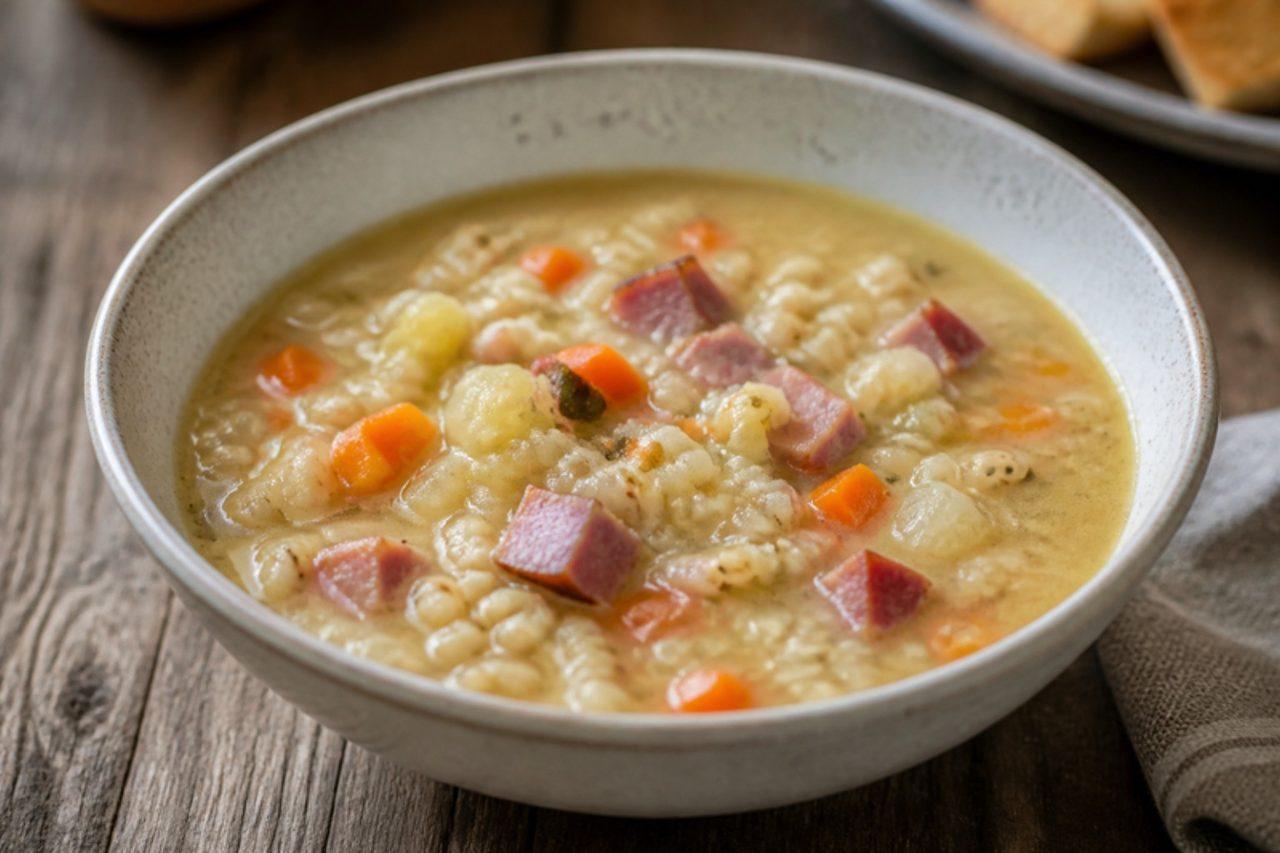
Bündner Gerstensuppe is the soup of every mountain hut and ski restaurant in Graubünden, from Davos to Arosa: pearl barley simmered slowly with leek, carrot, celeriac and cabbage and a piece of smoked pork or air-dried beef until thick and creamy, finished with a splash of cream and chives. This version uses smoked pork shoulder (Rippli), so it contains pork. A common mistake is skipping the soak, so the barley takes far longer and the vegetables turn to mush. Chef's tip: soak the barley overnight and cook the smoked meat in the soup from the start; it seasons the broth. Smoked pork should be heated through to 71 °C.

120 minSwissSoups
by KrazyBadal 0 views

Grittibänz

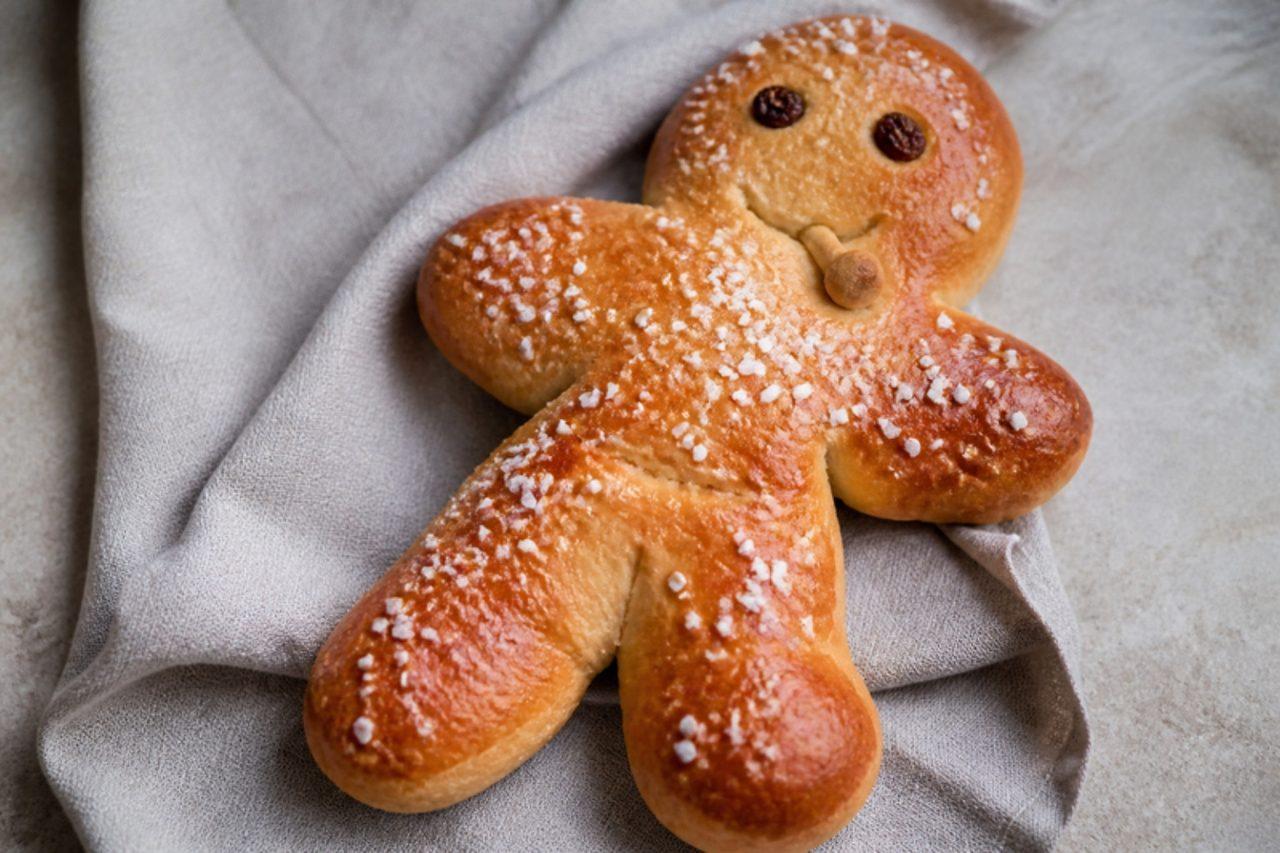
On 6 December, Samichlaus Day, bakeries across German-speaking Switzerland fill their windows with Grittibänz: little men of soft, sweet Zopf-style dough with raisin eyes and buttons, sometimes a pipe or a scarf, given to children with mandarins, nuts and gingerbread. Families shape them together at home, and every one comes out different. A common mistake is making the arms and legs too thin; they burn before the body bakes. Chef's tip: make the figures chunky and snip the arms and legs with scissors rather than rolling them separately, so the shape holds as it rises.

by KrazyBadal 0 views

Brunsli

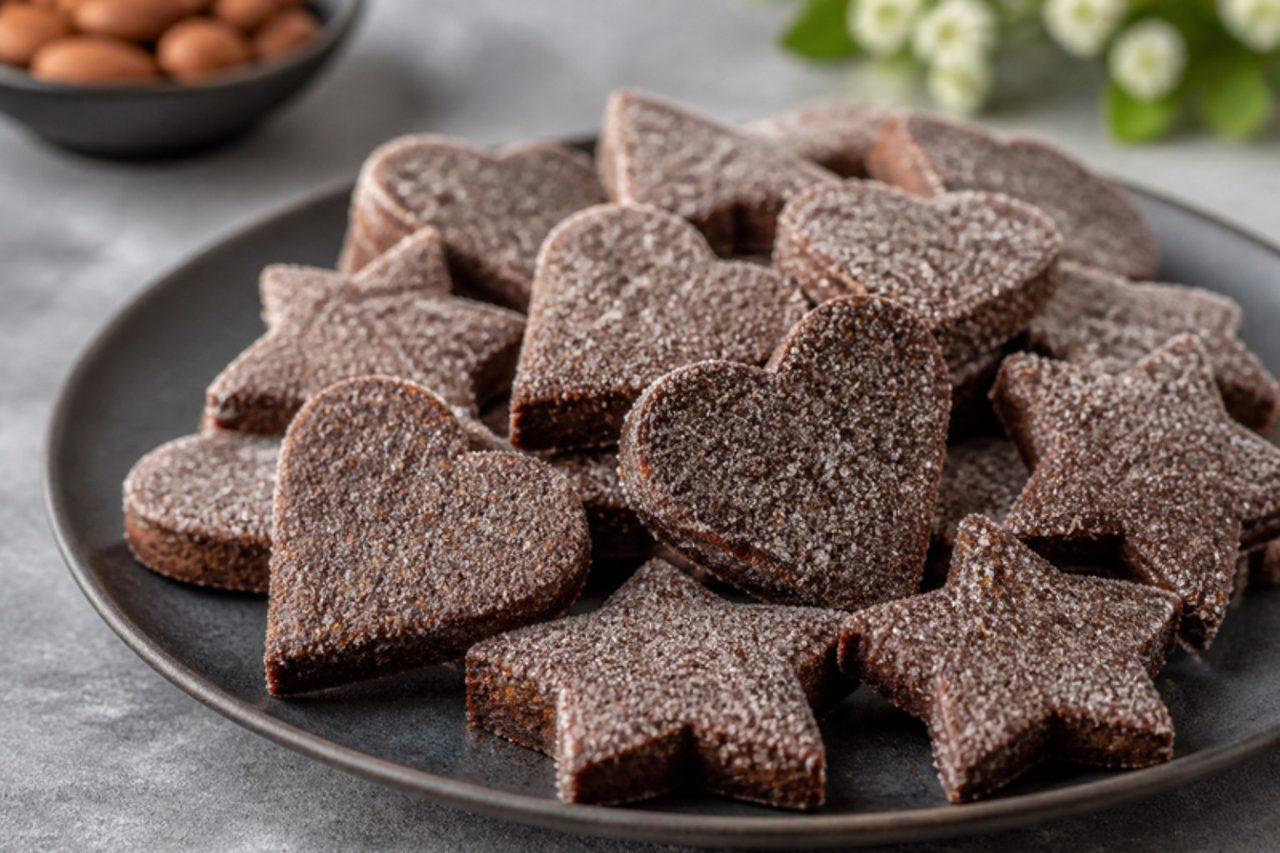
Brunsli are the dark, chewy Christmas biscuits of Basel, one of the 'Basler Weihnachtsguetzli' along with Läckerli and Zimtsterne: ground almonds, sugar, dark chocolate, cinnamon and cloves bound with egg white, rolled out on sugar and cut into hearts, stars and clovers, then dried overnight and baked briefly so they stay soft inside. They are flourless. A common mistake is baking them too long, which turns them hard. Chef's tip: leave the cut shapes to dry overnight at room temperature; they form a thin crust and keep their sharp shape in the oven. Use a dairy-free chocolate to keep them dairy-free.

by KrazyBadal 0 views

Garnaalkroketten

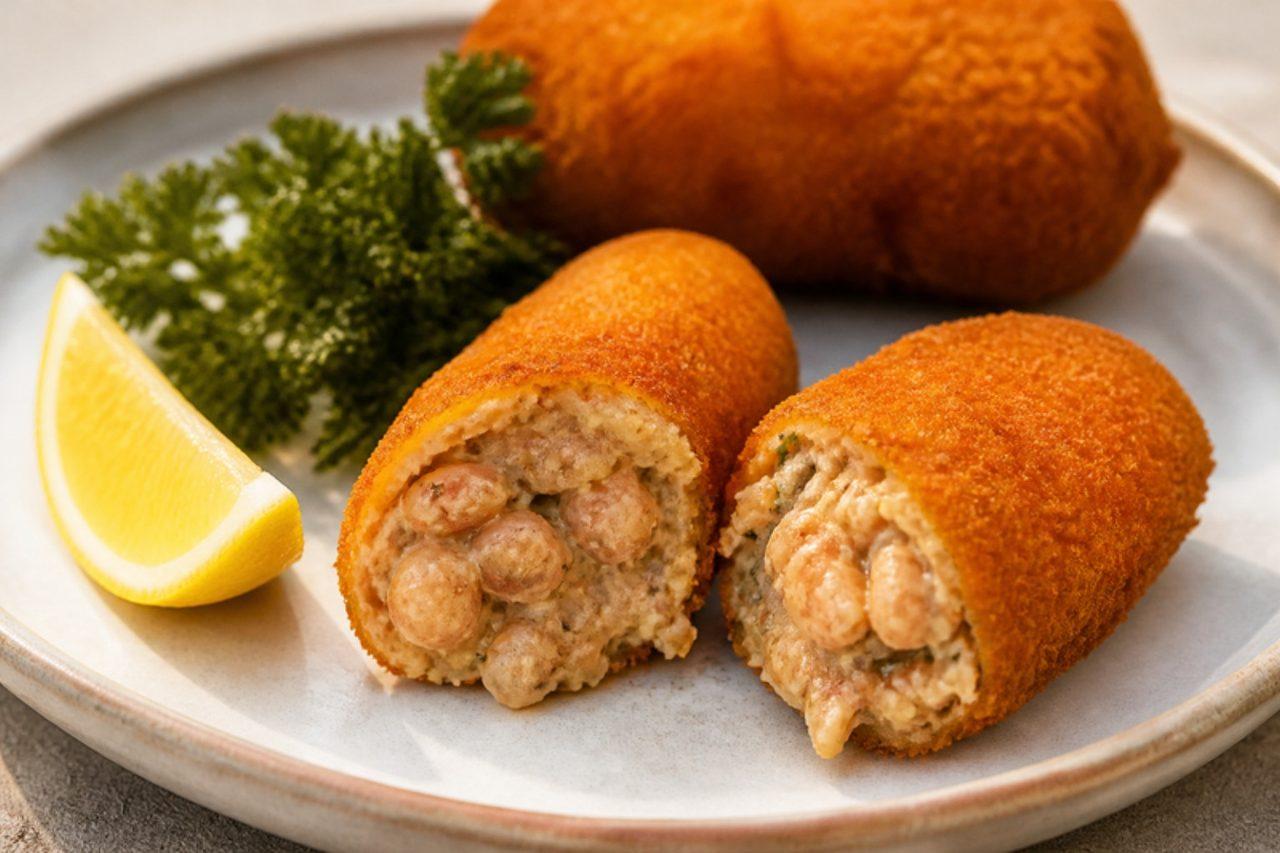
Along the Flemish coast, from De Panne to Knokke, the North Sea grey shrimp is king, and garnaalkroketten are the dish every seaside restaurant is judged by: a molten, creamy shrimp-flavoured béchamel packed with little brown shrimps, set firm, crumbed and fried until golden, served with fried parsley and lemon. In Oostduinkerke, shrimp fishers on horseback still drag their nets through the shallows. A common mistake is a béchamel that isn't thick enough, so the croquettes burst in the oil. Chef's tip: make a strong shrimp stock from the shells, if you have them, for the béchamel, and chill the mix overnight so it is firm to shape. The shrimp are already cooked; fry until golden and hot through.

by KrazyBadal 0 views

Torta di pane

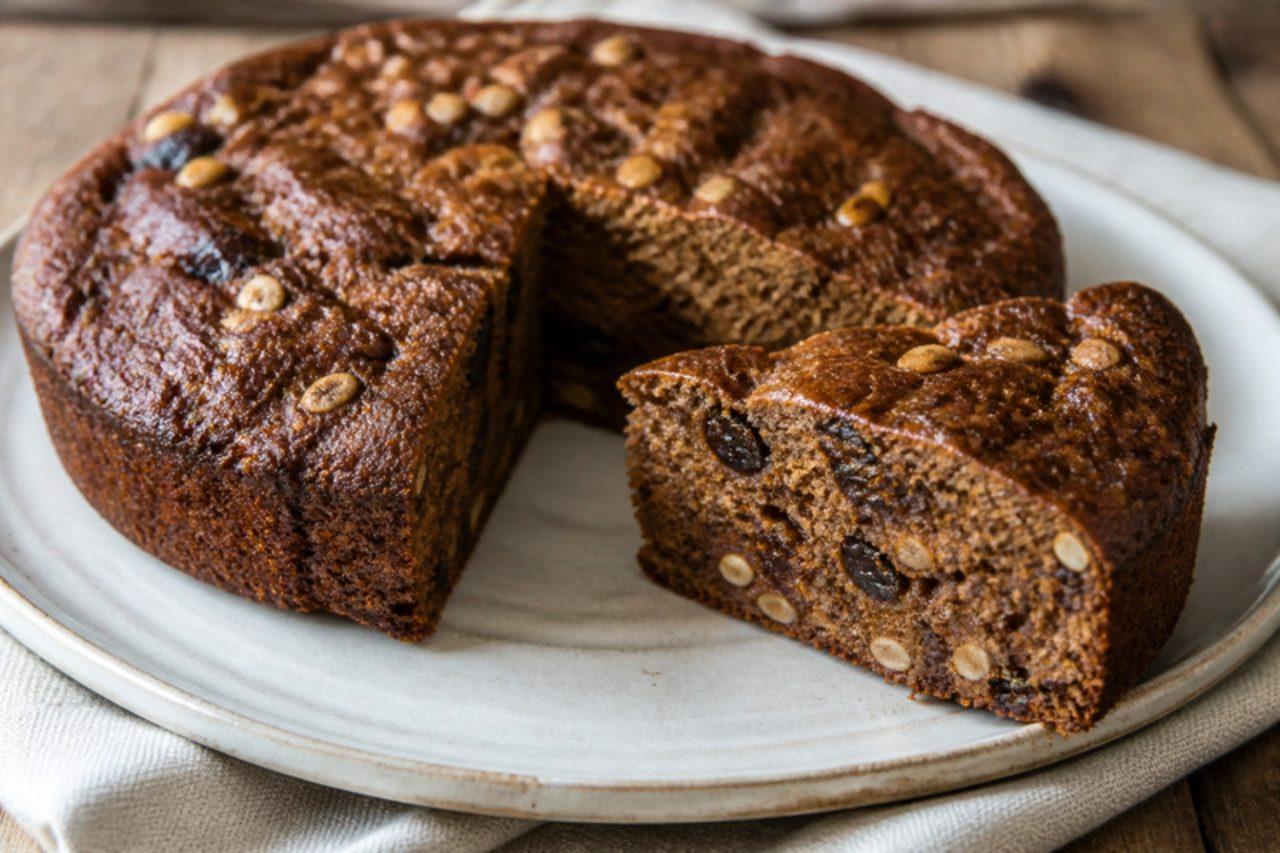
Torta di pane is the thrifty cake of Ticino, Switzerland's Italian-speaking south, made in every family and sold in bakeries in Lugano and Locarno: stale bread soaked overnight in milk, then mixed with cocoa, eggs, sugar, raisins, pine nuts, candied peel and lemon zest and baked into a dense, moist cake with a crisp top. Each family's recipe differs, and some add amaretti or a splash of grappa (this one has none). A common mistake is not soaking the bread long enough, which leaves dry lumps. Chef's tip: soak overnight and mash well, then let the cake cool completely before slicing; it firms up.

by KrazyBadal 0 views

Croûte au fromage

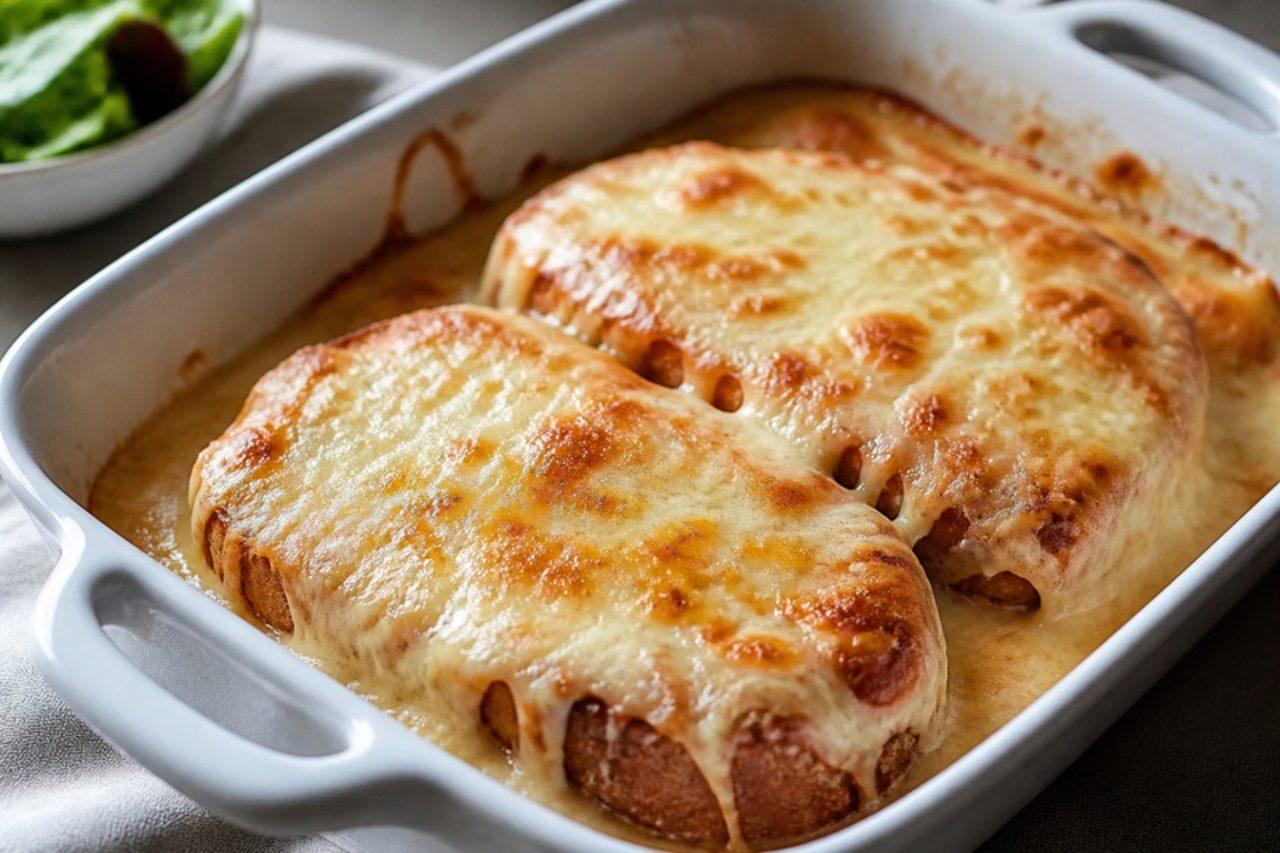
Croûte au fromage is the après-ski supper of Valais and Vaud, served in mountain restaurants from Verbier to Zermatt in sizzling dishes: thick slices of stale bread sprinkled with white wine, rubbed with garlic, heaped with grated Gruyère and baked until bubbling, often with a fried egg on top. This recipe uses white wine, as it traditionally does; for an alcohol-free version, use the swap in the ingredient note. Gruyère is made with animal rennet, so choose a vegetarian Swiss-style cheese. A common mistake is soaking the bread with too much wine, which makes it soggy. Chef's tip: toast the bread first, then sprinkle, so it stays crisp underneath and soft on top.

by KrazyBadal 0 views

Pizokel

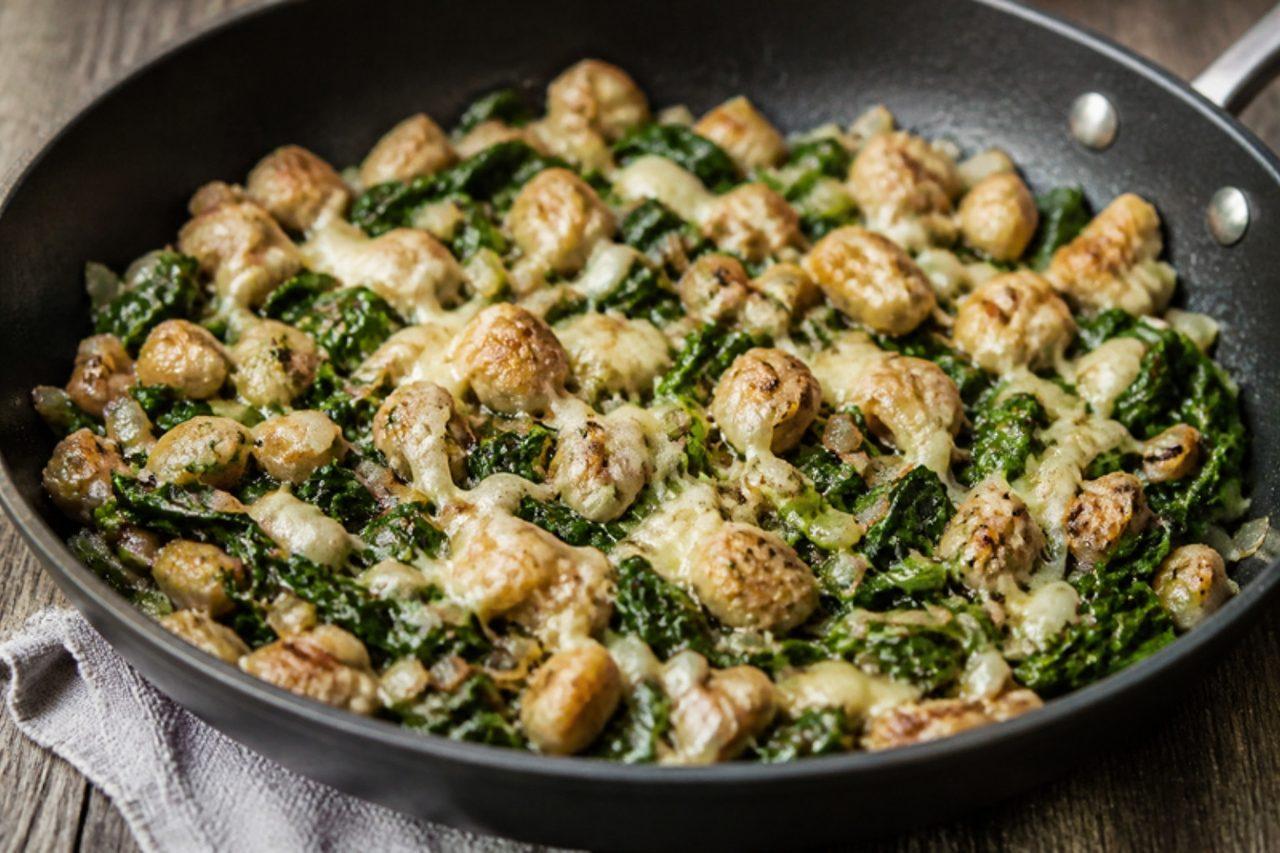
Pizokel, or bizochels in Romansh, are the hand-scraped dumplings of Graubünden, the mountainous canton in the south-east around Chur and the Engadine: a soft dough of buckwheat and wheat flour, egg and milk is scraped off a wooden board into boiling water, then the little dumplings are fried in butter with Swiss chard or cabbage and onion and layered with grated mountain cheese. Mountain cheeses are usually made with animal rennet, so choose a vegetarian one. A common mistake is a stiff dough, which makes heavy pizokel. Chef's tip: the dough should be soft and sticky like spätzle batter; wet the knife each time you scrape.

by KrazyBadal 0 views

Kletskoppen

Kletskoppen are the lacy, crackly biscuits of Bruges, sold in the old city's bakeries and served with coffee in the cafés around the Markt: brown sugar, butter and chopped almonds with very little flour (this version uses none), baked until they spread into thin, see-through, toffee-flavoured lace. A common mistake is putting them too close on the tray; they spread enormously and join up. Chef's tip: let them cool for a minute on the tray before lifting, and drape them over a rolling pin while still warm if you want curved tuiles.

by KrazyBadal 0 views

Maluns

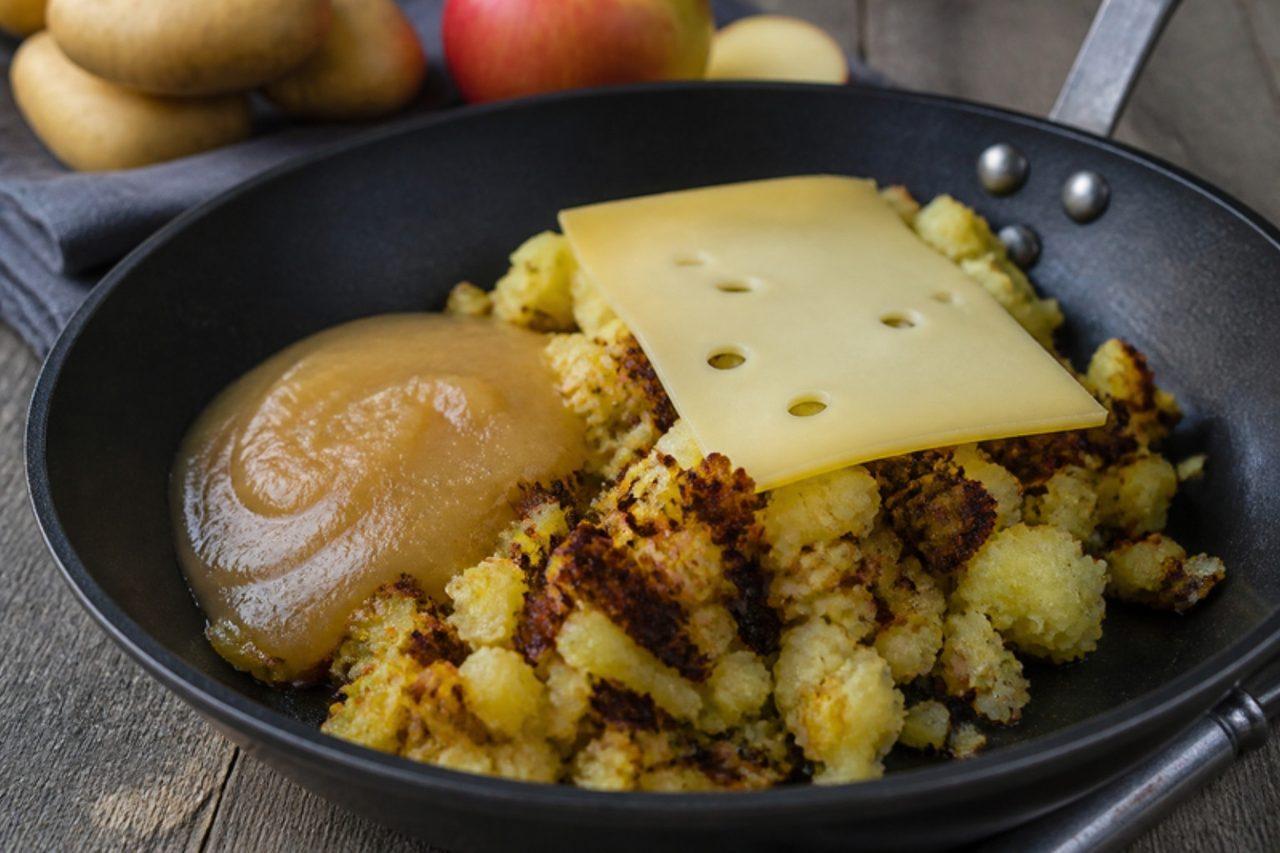
Maluns is the peasant dish of the Prättigau and Surselva valleys of Graubünden: potatoes boiled the day before, grated, mixed with flour and roasted slowly in plenty of butter, turning constantly with a spatula, until they break down into golden, crisp little crumbs. It is eaten with apple sauce, a slice of Alpine cheese and a cup of milky coffee. A common mistake is using freshly boiled potatoes, which turn sticky; they must be cold and a day old. Chef's tip: keep turning and scraping for the full 40 minutes; patience is what makes maluns crisp. Alpine cheese is usually made with animal rennet; choose a vegetarian one.

60 minSwissSides
by KrazyBadal 0 views

Plain in pigna

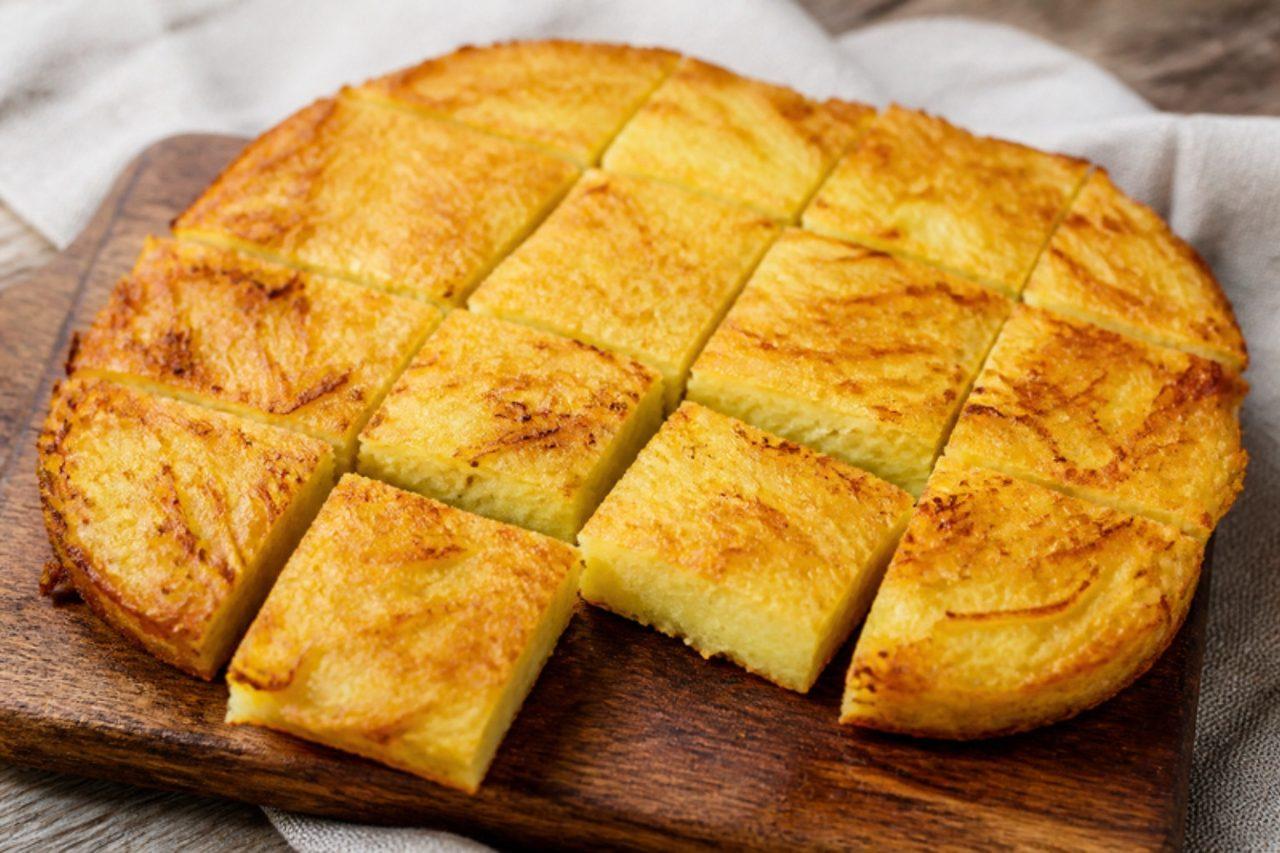
Plain in pigna, Romansh for 'full in the oven', is the old dish of the Engadine valley around St Moritz: raw grated potato mixed with milk and butter, baked slowly in a buttered dish in the tiled oven (pigna) until it forms a thick, crisp-edged cake. It is usually studded with bacon or salsiz sausage; this vegetarian version adds mountain cheese and onion, and is served with apple sauce or salad. A common mistake is leaving the grated potato to stand, which turns it grey and watery. Chef's tip: grate the potatoes straight into the milk and bake at once. Mountain cheese is usually made with animal rennet, so choose a vegetarian one.

by KrazyBadal 0 views

Luzerner Chügelipastete

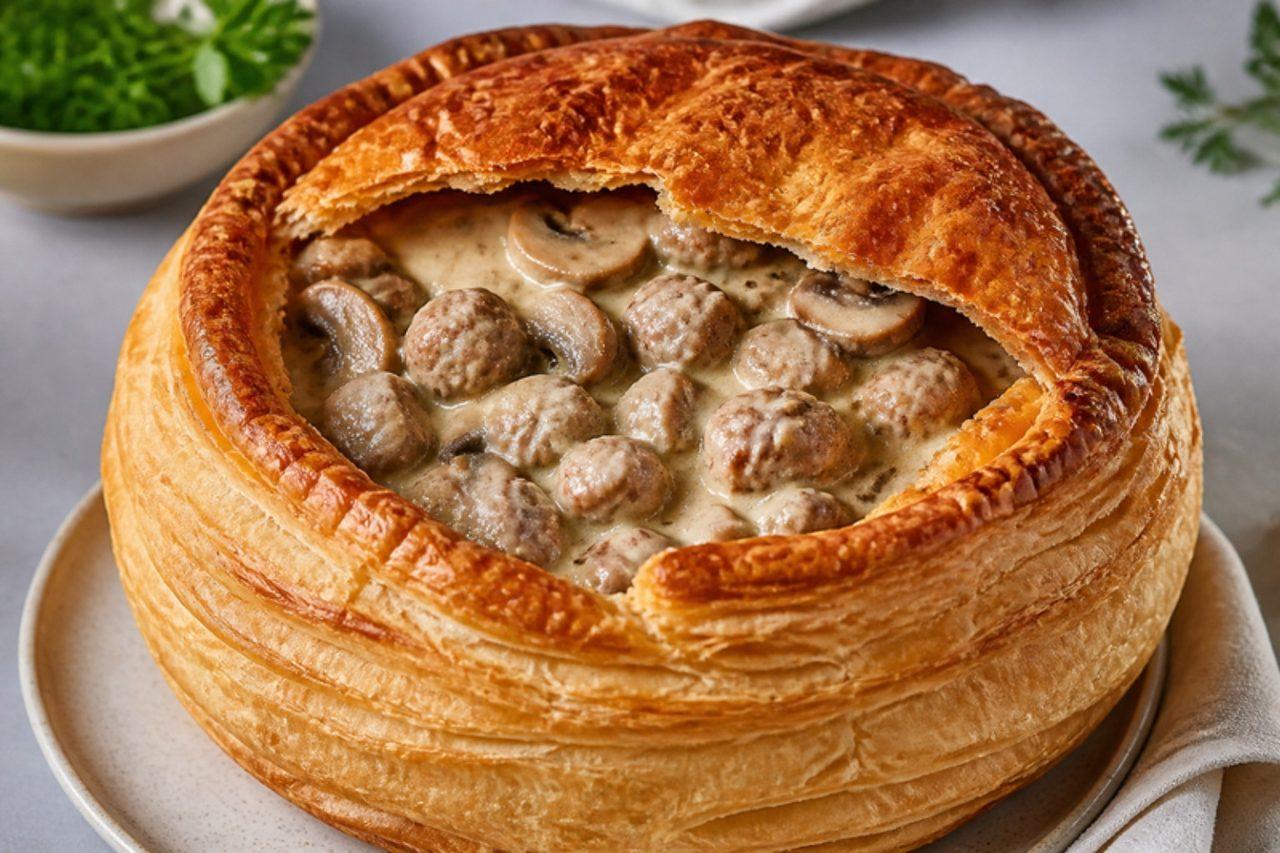
Chügelipastete is the Sunday and Christmas dish of Lucerne, a showpiece brought to the table whole: a big, tall puff pastry shell, like a giant vol-au-vent, filled with little veal meatballs (chügeli), sweetbreads or diced veal and mushrooms in a creamy white sauce, sometimes with raisins. Lucerne bakeries sell the shells ready-made. A common mistake is filling the pastry too early, which makes it soggy. Chef's tip: fill the warm shell at the very last moment and serve the extra sauce on the side. Veal meatballs must reach 71 °C.

120 minSwissMeat
by KrazyBadal 0 views

Mitraillette

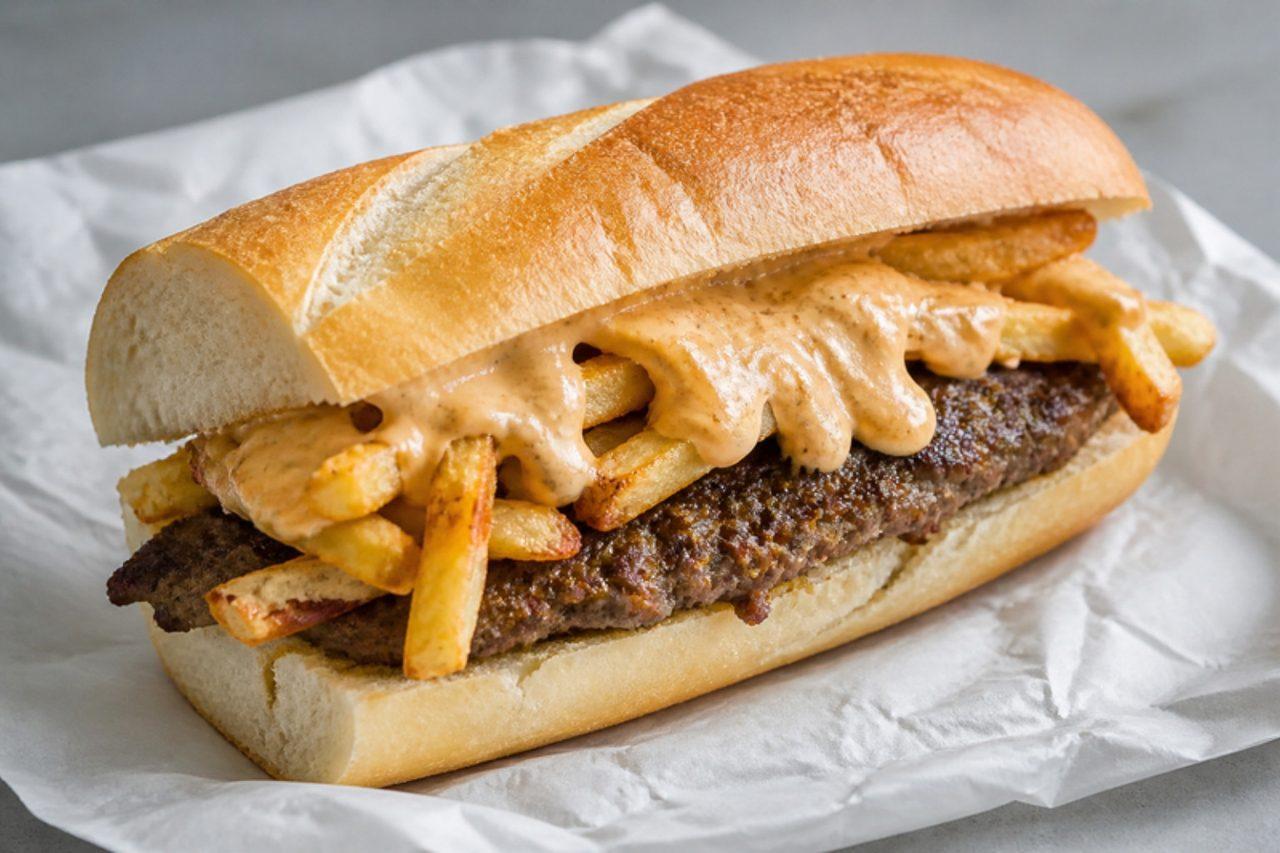
The mitraillette, 'submachine gun', is the overloaded sandwich of Brussels friteries, eaten after football or a night out: half a baguette split and stuffed with a hot meat patty or sausage, a heap of double-fried Belgian fries, lettuce and tomato, and a generous squeeze of sauce, usually andalouse, samurai or mayonnaise. It is messy and huge. This version uses a homemade beef burger. A common mistake is fries that are not crisp, which go soggy in the bread. Chef's tip: fry the chips twice, first at 160 °C until soft, then at 180 °C until golden, the Belgian way. Beef burgers must reach 71 °C in the middle.

by KrazyBadal 0 views

Showing 24 of 219 recipes

Show more recipes

Page 1 of 10