Skip to content
Recipes

All recipes

Vegetarian, or something you can't eat? Set your diet once and we'll hide recipes that don't fit.

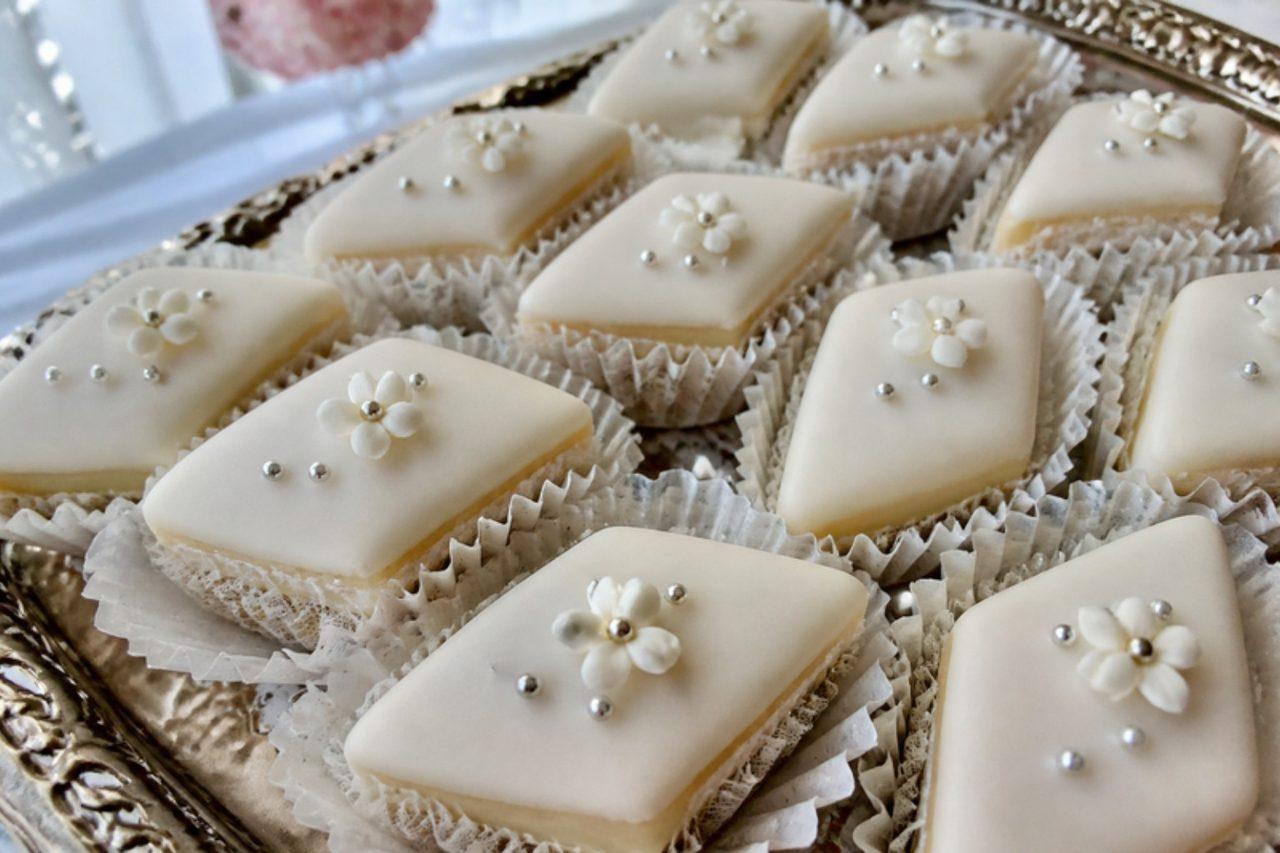
Algerian mkhabezIced almond and lemon diamonds

No Algerian wedding tray, and few Eid tables in Algiers or Constantine, is complete without mkhabez: soft, chewy diamonds of ground almond and lemon zest under a smooth white icing, each topped with a sugar flower or a silver ball and set in its own paper case. Making them is a social affair, with sisters and aunts icing and decorating hundreds the week before a celebration. The almond base is flourless and dairy free, sweet and lemony, and the icing sets to a thin shell; serve them with mint tea or strong coffee. Overbaking is the mistake to avoid: the diamonds should come out pale and soft, or they go dry and crumbly under the icing. Chef's tip: ice them when completely cold, and get the icing so thick it only just flows; runny icing slides off the sides and never sets glossy.

by KrazyBadal 0 views

Moroccan bachkoutouOrange and sesame dunking biscuits

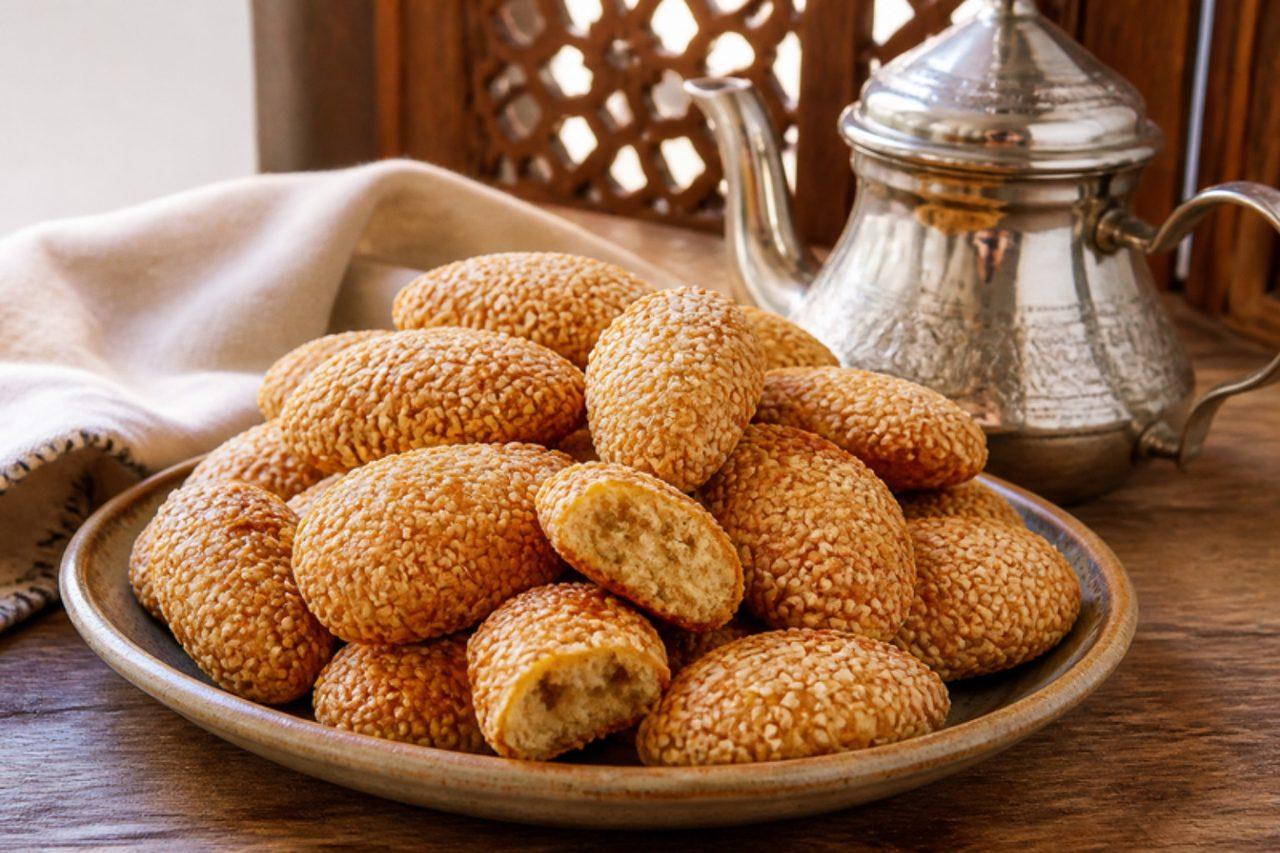
Moroccan grandmothers bake bachkoutou by the trayful and keep them in big tins for the afternoon glass of sweet mint tea, and neighbourhood ovens in Fes and Casablanca bake them for families who bring their dough. These are dry, crunchy little biscuits, not rich at all, made with eggs, sugar and oil rather than butter, with orange zest and a coating of toasted sesame; they are meant to be dunked until they soften slightly. Shapes vary from town to town: fingers, rings and rope twists are all common, and some cooks add aniseed. Too much flour is the easy mistake: the dough should stay soft and slightly sticky, or the biscuits bake heavy and hard rather than crisp and light. Chef's tip: once they are cold, put them back in a warm, switched-off oven for 20 minutes; that extra drying is what makes them keep their snap for weeks.

by KrazyBadal 0 views

Tcharek el arianeAlmond crescents with orange blossom

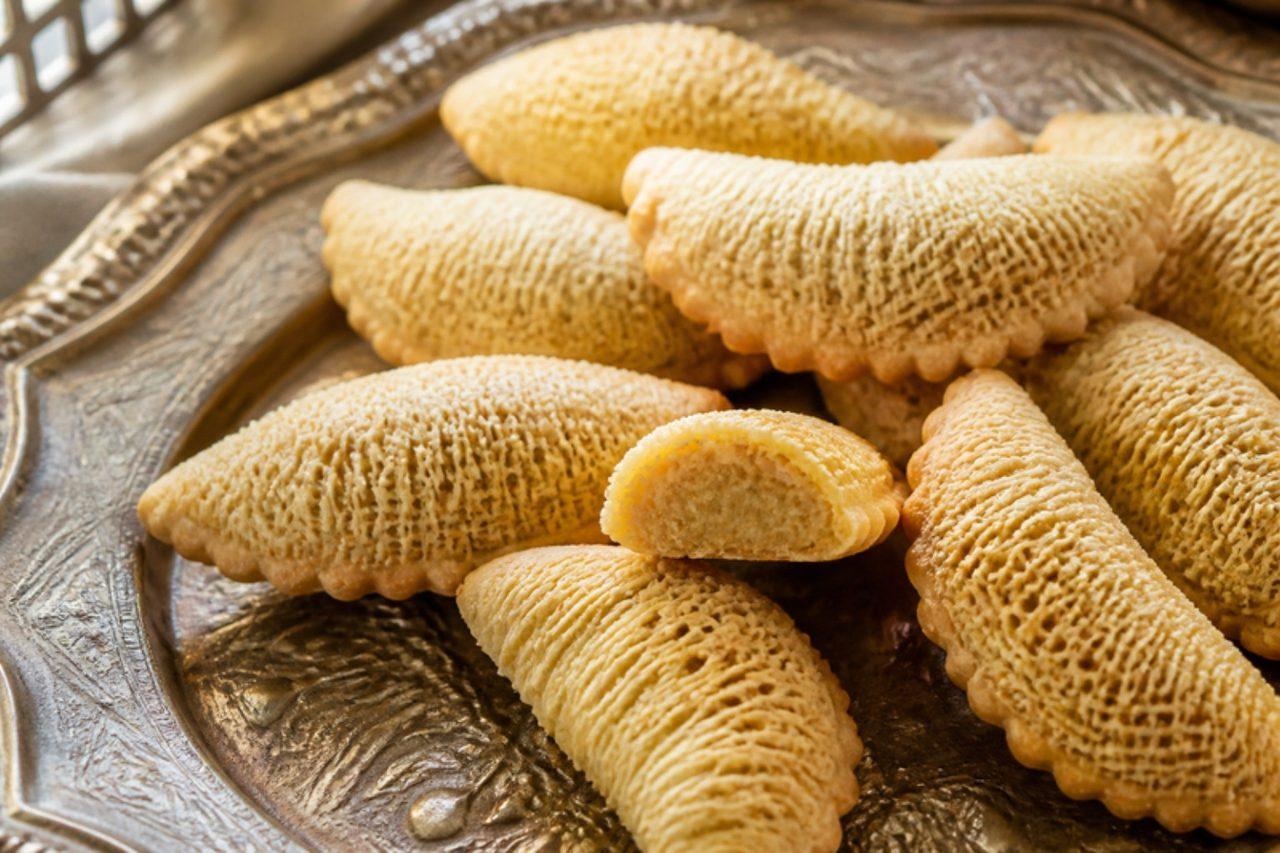
On the last nights of Ramadan, kitchens across Algiers and Constantine fill up with trays of tcharek el ariane, the 'naked' tcharek: crescents of thin, buttery dough wrapped around almond paste with cinnamon and orange-blossom water. Unlike their sugar-coated cousins they are left bare, so the fine dough with its pinched, lace-like pattern shows. Families give them to neighbours on Eid morning and set them out at weddings with mint tea and coffee. The dough is traditionally made with smen (aged butter); plain melted butter works well. Overbaking is the common slip, because they turn hard and dry; they should stay pale with only golden tips. Chef's tip: keep the dough under a damp cloth while you shape, as it dries in minutes and then cracks along the curve.

by KrazyBadal 0 views

BanketstaafAlmond paste puff pastry log

From mid-November, when Sinterklaas arrives by boat, Dutch bakers fill their windows with banketstaven: long logs of buttery puff pastry with a thick seam of soft almond paste inside. They carry on through Christmas, and in many families a banketletter, the same pastry shaped into the first letter of a child's name, is part of the 5 December presents. Sliced thick, it is flaky outside and moist, sweet and marzipan-like inside; serve it with coffee or hot chocolate. Leaving a weak seam is the mistake that lets the almond filling burst out in the oven. Chef's tip: make the almond paste a day ahead and rest it in the fridge: the almonds absorb the egg and it bakes up softer and more fragrant.

by KrazyBadal 0 views

Beschuit met muisjesRusks with aniseed sprinkles

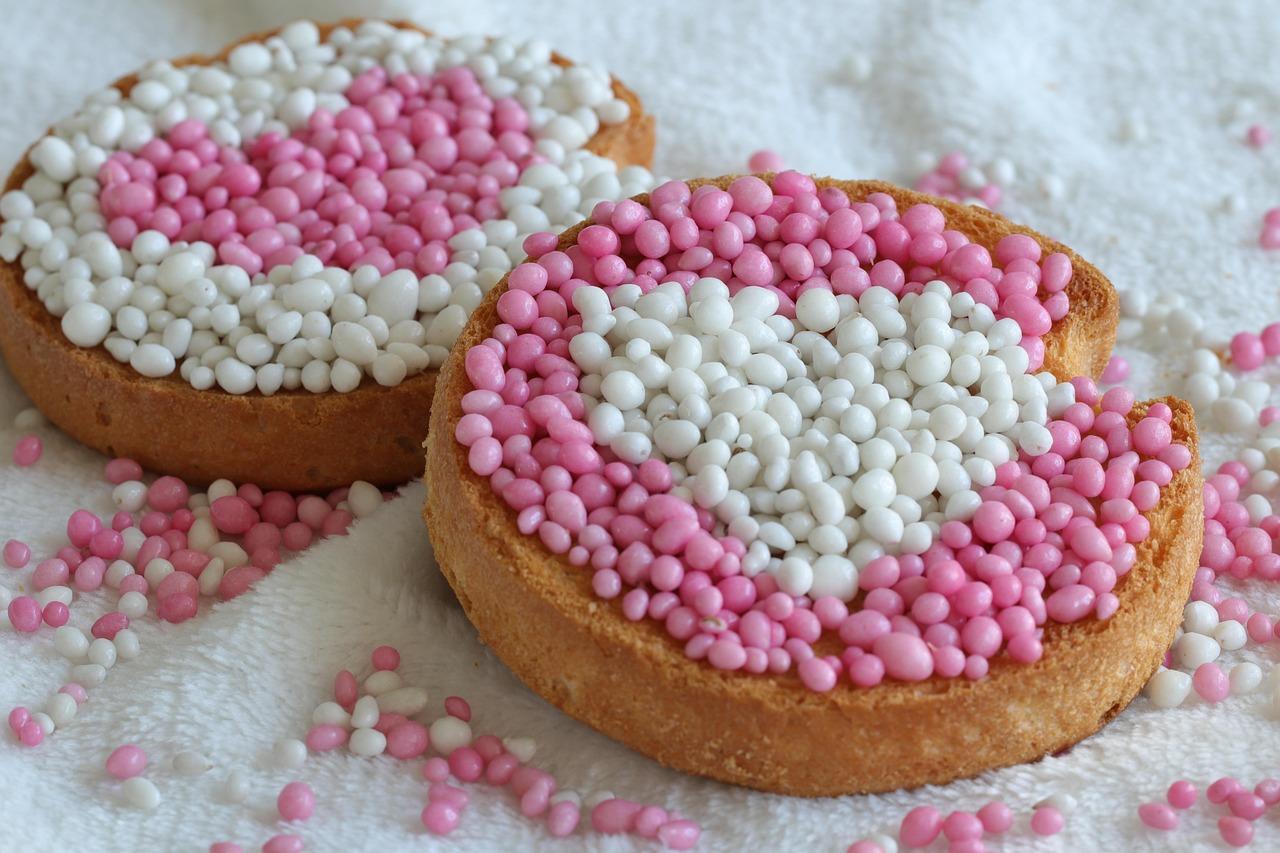
When a baby is born in the Netherlands, visitors are greeted with beschuit met muisjes: round, crisp rusks spread with butter and covered in sugared aniseed sprinkles, pink for a girl, blue for a boy, or the older white-and-pink or white-and-blue mix. Brothers, sisters and school friends love handing them round, and the sprinkles are also a favourite on bread at breakfast. Aniseed was once thought to help new mothers. It contains gluten and milk. Chef's tip: butter the rusks generously right to the edge, or the sprinkles roll off; that is why the Dutch say to 'press, not scatter'.

by KrazyBadal 0 views

Tosti ham-kaas (Dutch ham and cheese toastie)

In the Netherlands the tosti is what children ask for after school, at the swimming-pool café and at Saturday lunch: two thin slices of white bread with ham and young Gouda, pressed in a tosti iron until crisp and golden and the cheese oozes at the edges, then dunked in ketchup. It is ready in ten minutes. It contains gluten (wheat) and milk. Chef's tip: butter the outside of the bread, not the inside, so it browns evenly and doesn't stick.

by KrazyBadal 0 views

OntbijtkoekSpiced rye breakfast cake

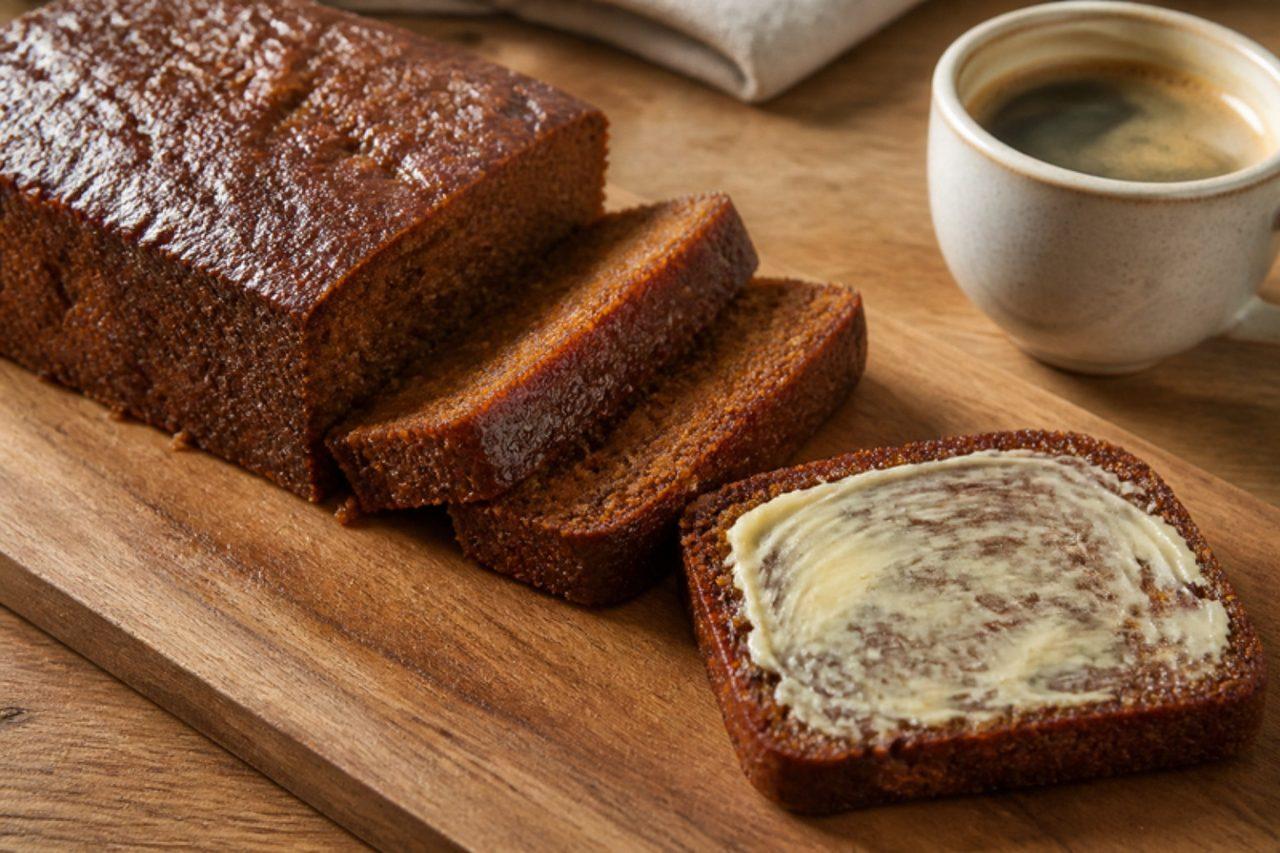
Ontbijtkoek means 'breakfast cake', and in Friesland and Groningen, where the best-loved versions come from, a thick slice spread with butter is still a normal start to the day or a mid-morning snack with coffee. The loaf is dark, sticky and springy, made with rye flour and syrup and scented with the Dutch spice mix koekkruiden: cinnamon, cloves, ginger, nutmeg and cardamom. It contains no egg and no butter in the batter, and it gets better after a day or two wrapped up. Baking it too hot is the usual mistake; the outside goes bitter before the middle sets, so bake it low and slow. Chef's tip: wrap the loaf in cling film while it is still slightly warm and leave it overnight; it softens into the classic tacky, chewy crust.

by KrazyBadal 0 views

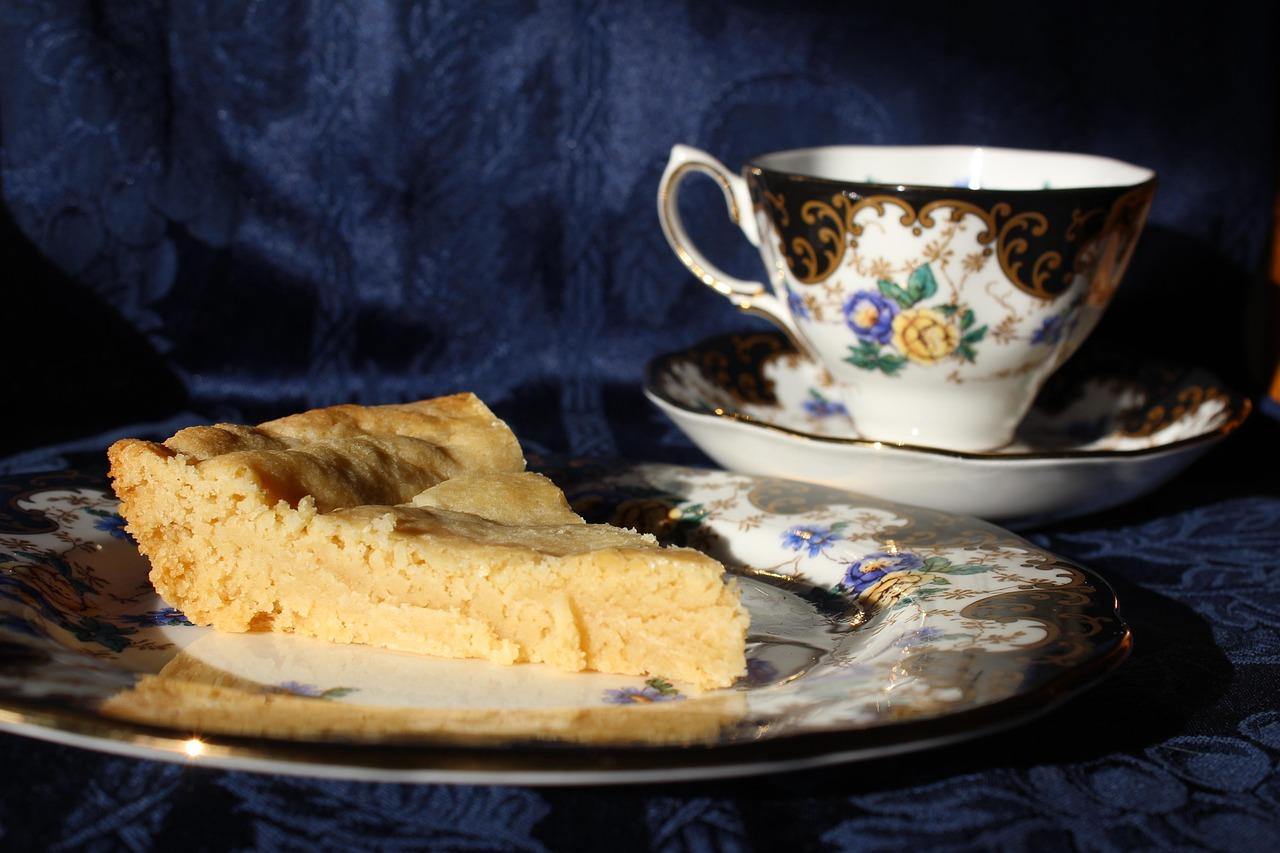
BoterkoekButter cake

Boterkoek sits on the counter of almost every Dutch bakker, from Amsterdam to small towns in Brabant: a round, flat butter cake, scored in a criss-cross on top, glossy with glaze, dense and fudgy in the middle and crisp at the edges. It is cut into small wedges, because it is rich, and eaten with a cup of coffee at elf uur, the eleven o'clock break, or offered to visitors. The dough itself has no egg; only the top is brushed with beaten egg for shine (milk works too, though the colour is paler). Overbaking is the classic mistake: it should come out golden but still soft in the centre, so it sets fudgy, not dry. Chef's tip: use salted butter, or add the pinch of salt; it is what stops boterkoek tasting merely sweet.

by KrazyBadal 0 views

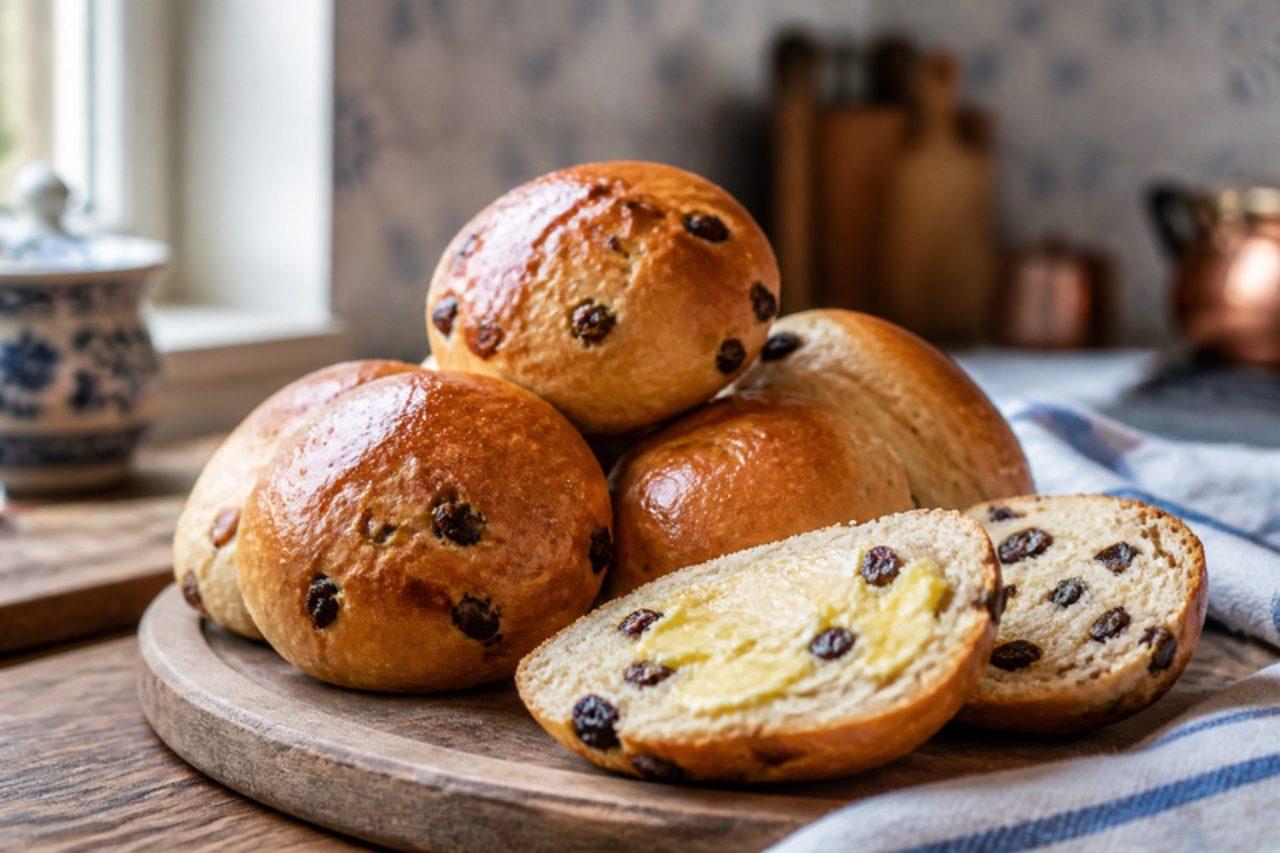
Krentenbollen (Dutch currant buns)

In the Netherlands a krentenbol, buttered and sometimes topped with a slice of Gouda, is packed in schoolbags for the morning break and eaten with milk after school. The buns are soft, slightly sweet and so full of currants and raisins that there is barely room for the bread. This version adds little sugar, letting the dried fruit sweeten it. It contains gluten and milk. Chef's tip: soak the dried fruit in hot water before kneading it in; dry fruit pulls moisture from the dough and burns on the surface.

by KrazyBadal 0 views

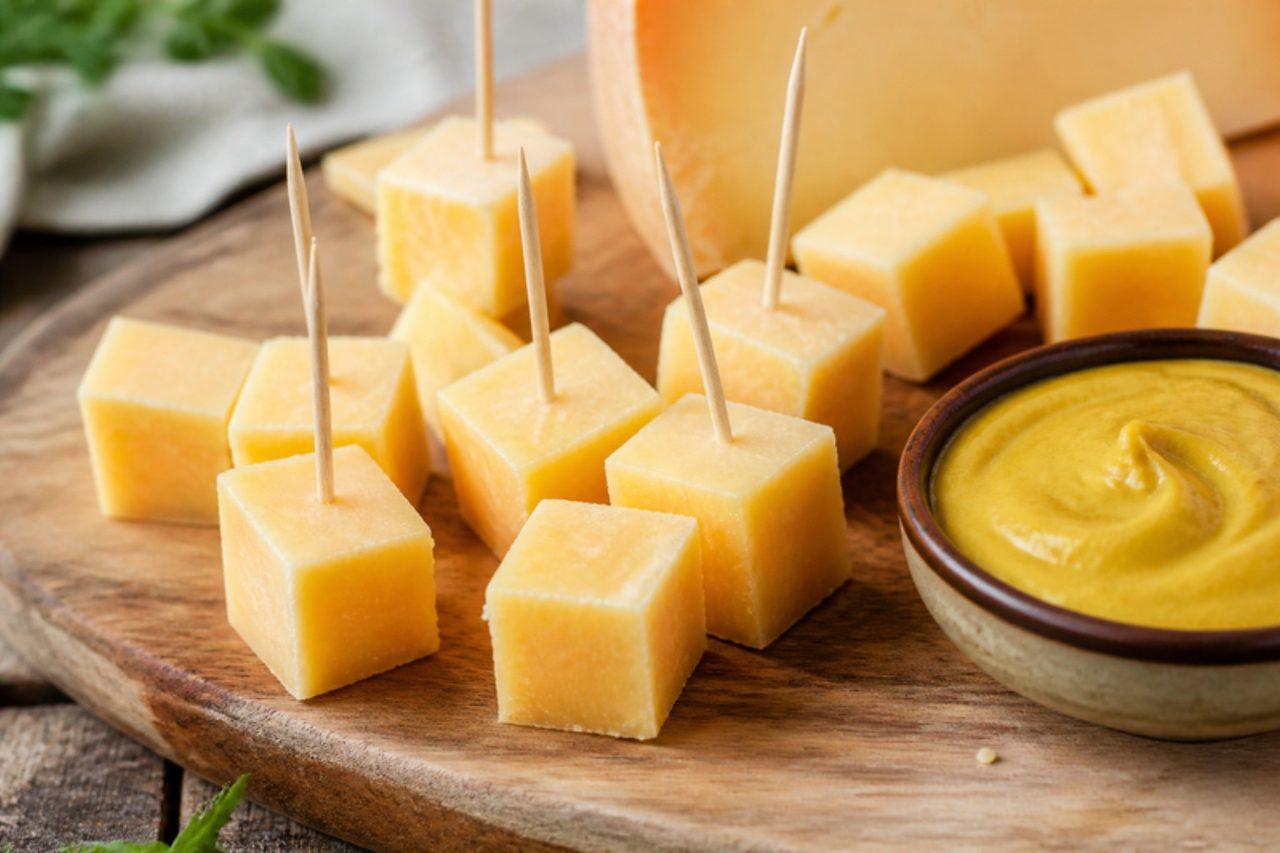
Kaasblokjes met mosterdCheese cubes with mustard

Friday afternoon in a Dutch brown café, or a birthday circle in a living room in Utrecht, means a borrel, and the first thing on the table is a plate of cheese cubes on cocktail sticks. Belegen or oude Gouda, aged until it is firm and nutty with little salt crystals, is cut into neat cubes and served with a pot of coarse mustard and a shake of celery salt. Traditional Gouda is made with animal rennet, so pick a vegetarian aged Gouda-style cheese if needed. A common mistake is serving the cheese fridge-cold, which hides its flavour. Chef's tip: cut it half an hour before guests arrive and let it come to room temperature, covered.

by KrazyBadal 0 views

VlammetjesSpicy mini spring rolls

Vlammetjes, little flames, are the fiery mini spring rolls of the Dutch borrel, served by the dozen in bars from Amsterdam to Groningen with a bowl of sweet chilli sauce. The filling is beef mince cooked with onion, garlic, sambal and sweet soy until dry and spicy, then rolled tightly in spring roll pastry and fried until blistered and crisp. Make the heat to your own taste. A common mistake is rolling a wet filling, which splits the wrappers and spits in the oil. Chef's tip: cook the mince until the pan is dry and it starts to crackle, then cool it completely before rolling.

by KrazyBadal 0 views

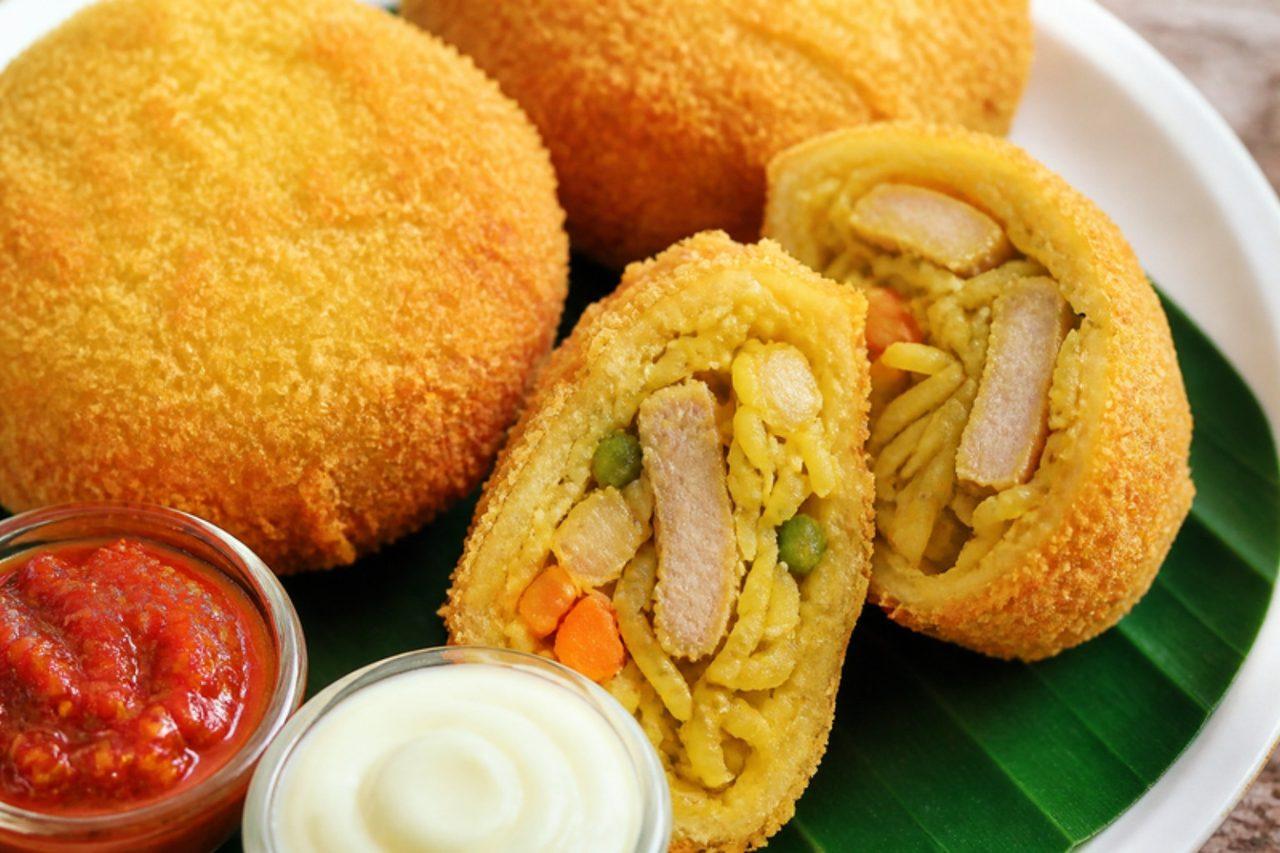
BamischijfFried noodle disc

The bamischijf is pure Dutch snack-bar culture: Indonesian-style bami goreng, fried noodles with pork, leek and celery, set firm with a little ragout, cut into discs, breaded and deep-fried. It came out of the Indo-Dutch kitchen into the cafetarias of Rotterdam and The Hague, and it is eaten at borrels with sweet chilli or peanut sauce. Here the pork mince is cooked to 71 °C before it goes in. For a vegetarian version, leave out the pork and add more cabbage, carrot and mushrooms. A common mistake is skipping the chilling, which makes the discs fall apart in the oil. Chef's tip: press the noodle mix hard into the tin with a second tin on top before chilling.

by KrazyBadal 0 views

BorrelnootjesCoated peanuts

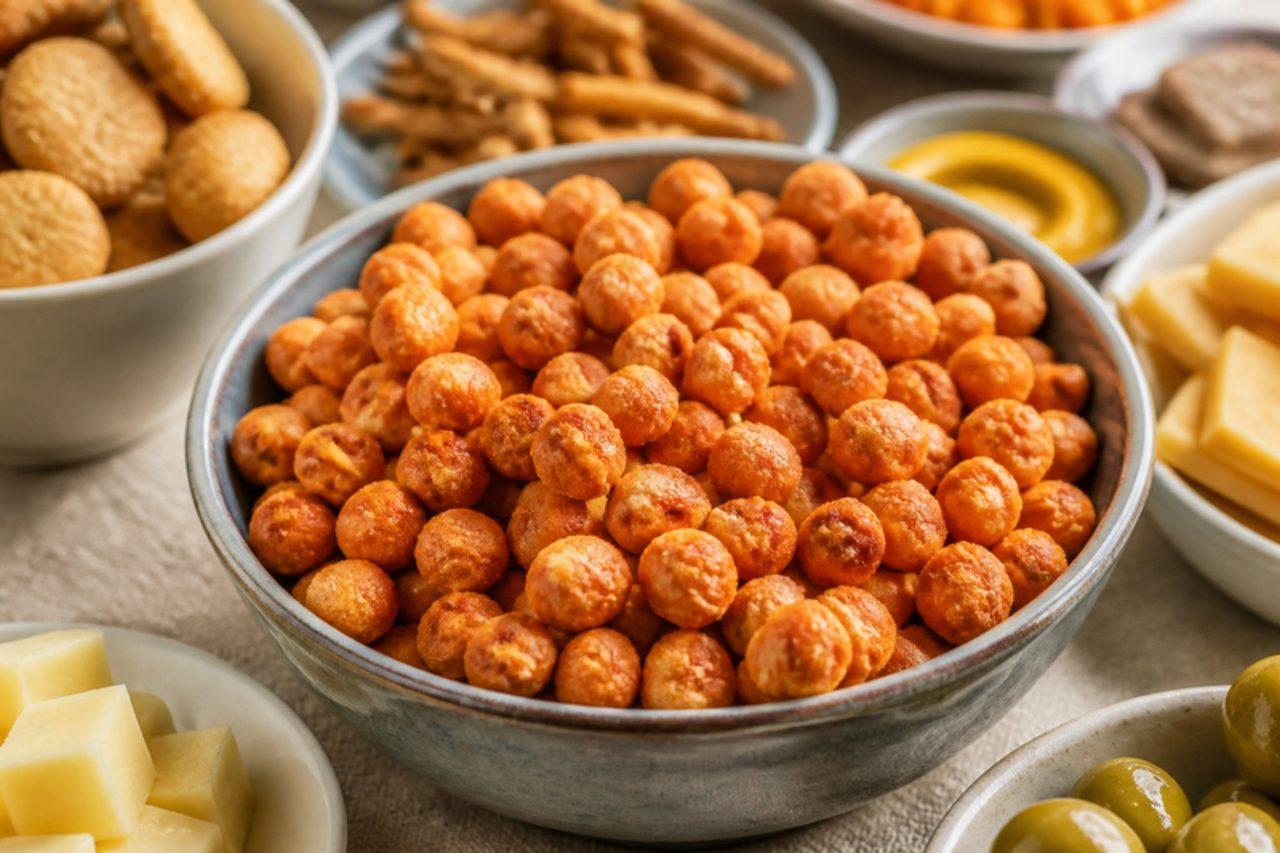
Borrelnootjes, peanuts in a crunchy seasoned shell, are the bowl you find on every Dutch bar counter and next to the cheese at home borrels, and they come from the Indo-Dutch kitchen, where they were spiced with garlic and coriander. Most people buy them in bags, but home-made ones are lighter and far less salty. Raw peanuts are dusted in seasoned flour and starch, splashed with water and coated in several thin layers, then baked until they crack. Never serve them to anyone with a peanut allergy, and keep whole nuts away from small children. The usual mistake is adding too much water at once, which makes the nuts clump. Chef's tip: build the coating in three thin layers, shaking the bowl hard each time.

by KrazyBadal 0 views

KaasstengelsCheese pastry twists

Kaasstengels come out of ovens all over the Netherlands for birthday parties, New Year's Eve and the Friday borrel, piled in glasses so guests can grab one with a drink. Strips of puff pastry are brushed with egg, coated in grated aged cheese and twisted, then baked until crisp, flaky and golden. They are one of the easiest party snacks there is, made with ready-rolled pastry. Most aged cheese is made with animal rennet, so choose a vegetarian one if needed. The common mistake is underbaking, which leaves them pale and soft in the middle. Chef's tip: chill the twisted strips for 10 minutes before baking so they keep their spiral.

by KrazyBadal 0 views

RookworstSmoked pork sausage

Rookworst, the horseshoe-shaped smoked pork sausage of the Netherlands, is sliced into thick warm coins for borrel boards in winter and served on cocktail sticks at Friday drinks and football nights, always with a pot of strong yellow mustard. It is also the sausage laid on top of stamppot. Rookworst is sold ready-cooked, so it only needs heating through gently. The common mistake is boiling it, which splits the skin and lets the juices escape. Chef's tip: warm it in water that is just steaming, then serve it within minutes so the slices stay juicy.

22 minDutchMeatGluten free
by KrazyBadal 0 views

OssenworstSpiced beef sausage

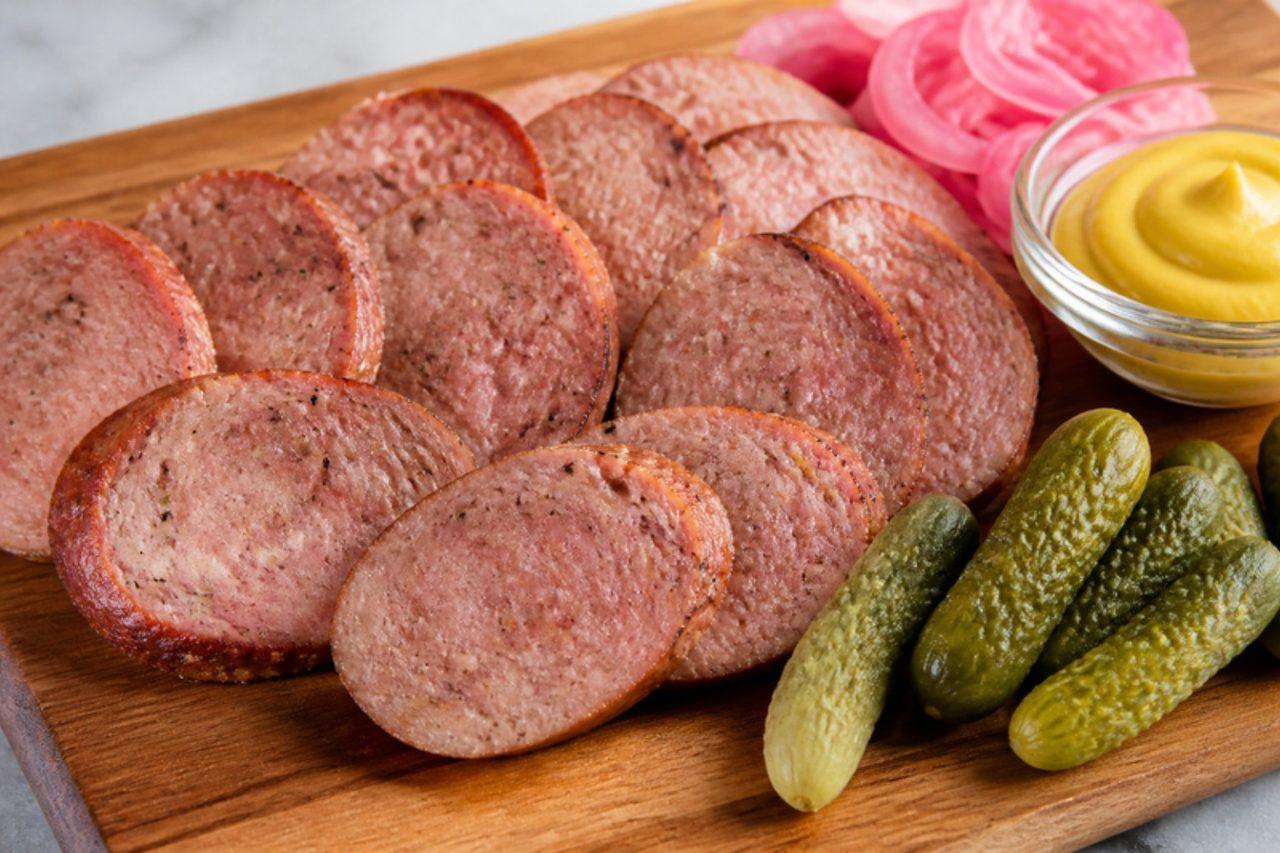
Ossenworst is Amsterdam's own borrel sausage, made since the seventeenth century from lean beef spiced with cloves, nutmeg, mace and white pepper, and sliced thin at cafés in the Jordaan with mustard, pickled onions and gherkins. The traditional sausage is raw and lightly cured, so it is best bought from a specialist Amsterdam butcher, and like all raw meat it is not for pregnant women, young children or anyone with a weakened immune system. This home version keeps the same spicing but is gently poached until the centre reaches 71 °C, then chilled and sliced, which makes it safe for everyone. A common mistake is boiling it hard, which makes it dry and crumbly. Chef's tip: keep the water at about 80 °C, never bubbling, and check the core with a thermometer.

80 minDutchMeatGluten free
by KrazyBadal 0 views

EierbalFried egg in curry ragout

The eierbal is a snack-bar legend from the Dutch provinces of Gelderland and Overijssel, found in the wall of hot snacks at many cafetarias and at borrels: half a hard-boiled egg wrapped in a thick curry ragout, breaded and fried into a golden ball the size of a fist. This vegetarian version makes the ragout with vegetable stock and milk. It is rich, so one per person with mustard is plenty. The classic mistake is wrapping eggs in ragout that is still warm; it must be chilled firm or it will not hold. Chef's tip: bread the balls twice, egg and crumbs then egg and crumbs again, so they do not split in the oil.

by KrazyBadal 0 views

Sweet rice briouats with honey

The old Fassi households and pastry shops of Fes and Rabat make rice briouats for Ramadan and weddings: short-grain rice cooked thick in milk with orange-blossom water, wrapped in warqa, fried and plunged into warm honey. They're crisp outside, creamy within, and served with mint tea. Runny rice pudding makes the pastry burst in the oil, so cook it until a spoon can stand in it, then chill it firm. Chef's tip: warm the honey with a splash of orange-blossom water, and dip the briouats while both are hot so the honey soaks in rather than sitting on top. Contains milk, wheat and almonds.

by KrazyBadal 0 views

Moroccan fried cauliflower in cumin batter

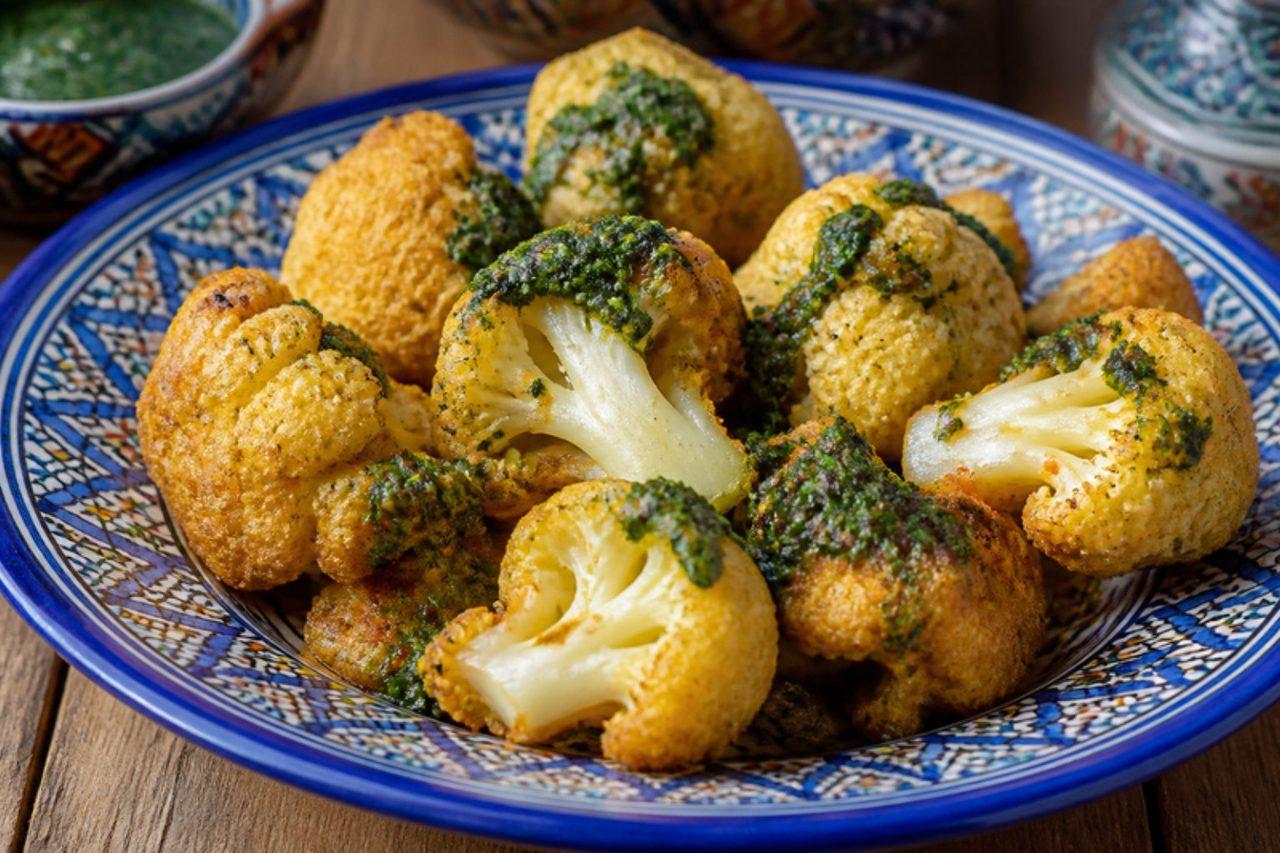
Casablanca home cooks fry cauliflower this way for Ramadan tables and family lunches alike: parboiled florets dipped in an egg batter heavy with cumin, paprika and parsley, then fried until puffed and golden. They're eaten hot with a squeeze of lemon or a spoon of chermoula, as a side to a tagine or on their own with bread. The common mistake is frying wet cauliflower; the batter slides off and spits, so dry the florets well after boiling. Chef's tip: keep the florets bite-sized and with a bit of stalk, so you can dip them by hand. Contains egg and wheat.

by KrazyBadal 0 views

Shlada khiar (grated cucumber salad with oregano)

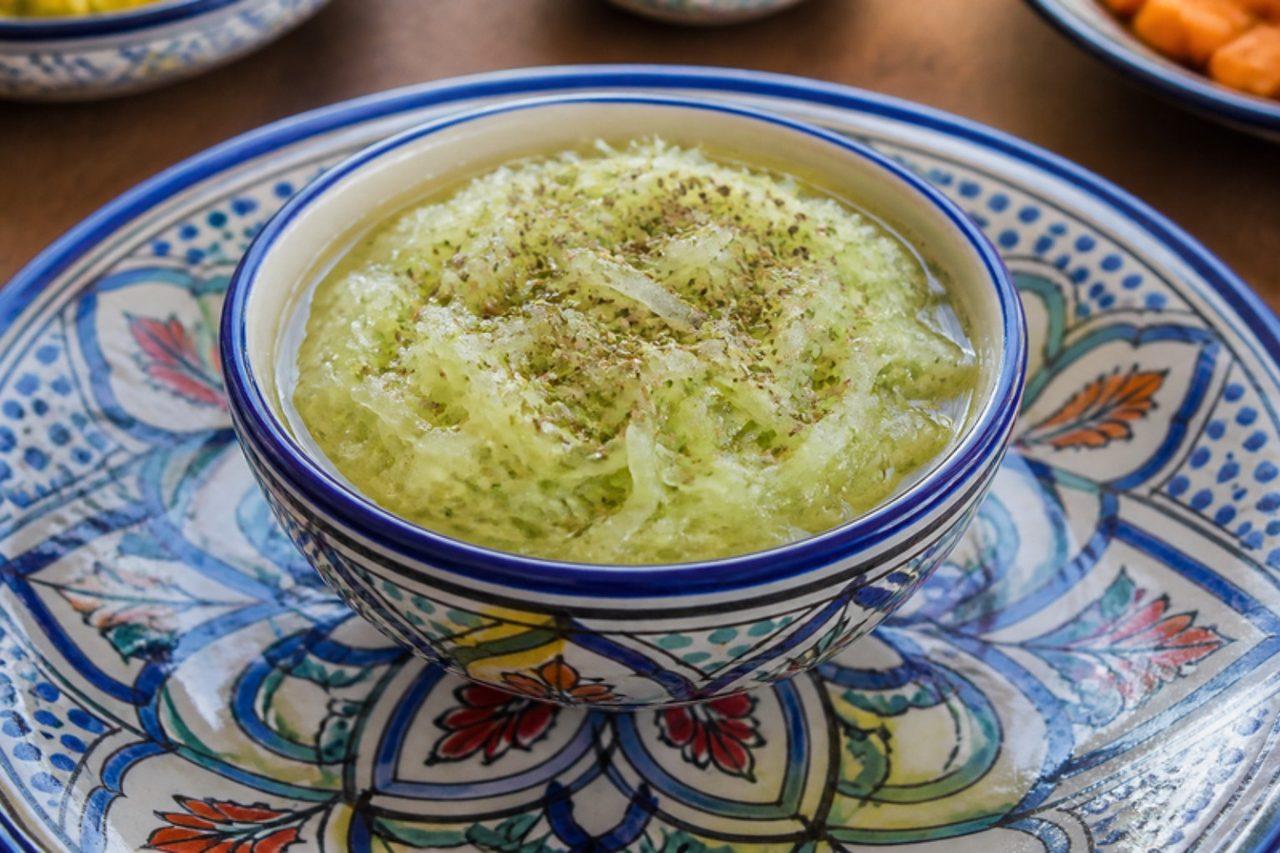
In the heat of a Fes or Marrakech summer, this ice-cold grated cucumber salad is served in bowls with spoons, half salad, half drink, alongside rich tagines or a plate of fried fish. Cucumber is grated and loosened with water, vinegar and a little sugar, then perfumed with crushed dried oregano or zaatar. Grating ahead and leaving it to sit in salt is the usual slip; the cucumber goes limp and bitter. Chef's tip: rub the oregano between your palms over the bowl to wake its oils.

by KrazyBadal 0 views

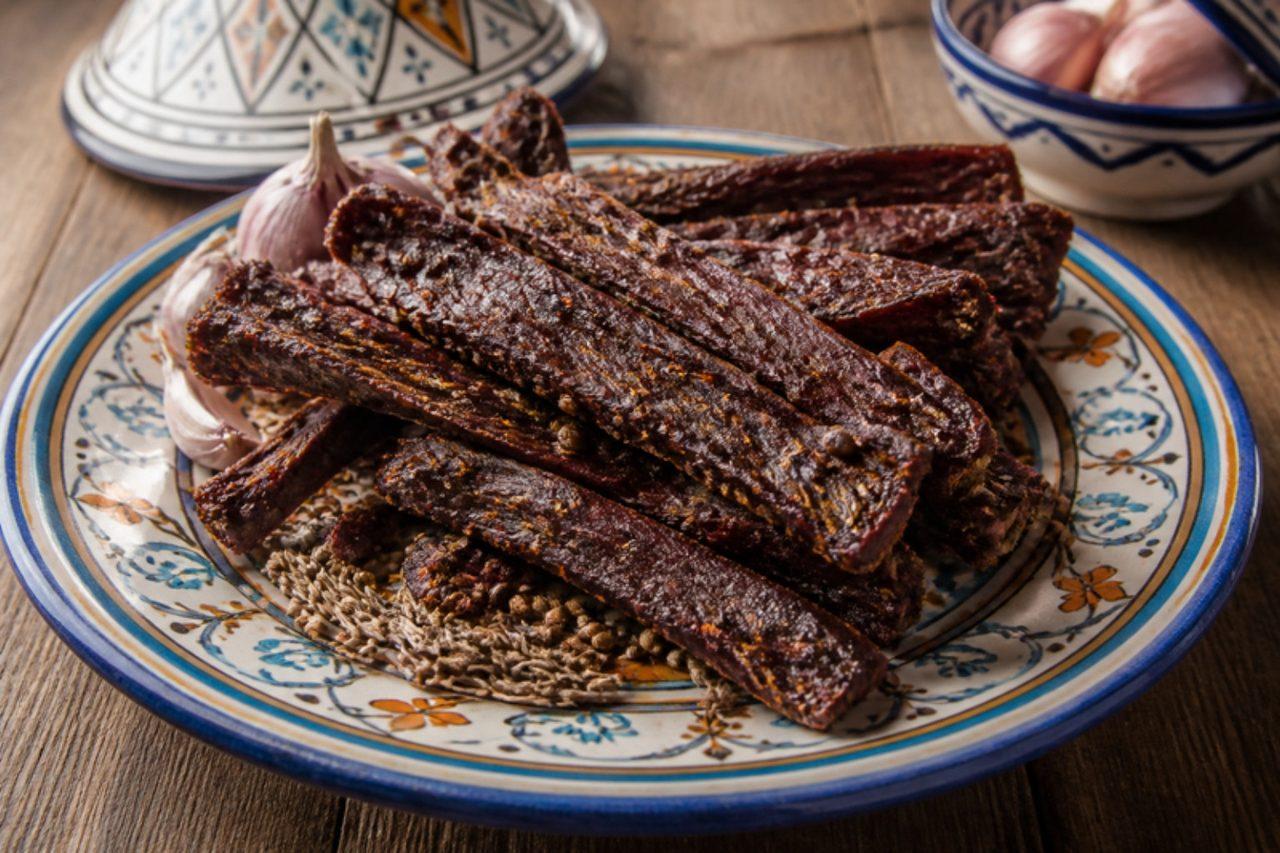
Gueddid (spiced dried lamb, safe oven method)

After Eid al-Adha, families across Morocco traditionally cut part of the sacrificed lamb into strips, rub it with salt, garlic, cumin and coriander and hang it on rooftop lines in the sun for days; the gueddid is then kept for Ashura couscous, lentil stews and eggs. Sun-drying meat at home is not safe without strict control, so this version cures the strips in the fridge, then dries them in a low oven until the meat is cooked through to at least 71 °C and leathery-dry, with the same deep, salty, cumin flavour. The common mistake is cutting thick strips: anything over 1 cm stays moist in the centre. Chef's tip: semi-freeze the meat for an hour first so you can slice it thinly and evenly. Not for anyone on a low-salt diet.

by KrazyBadal 0 views

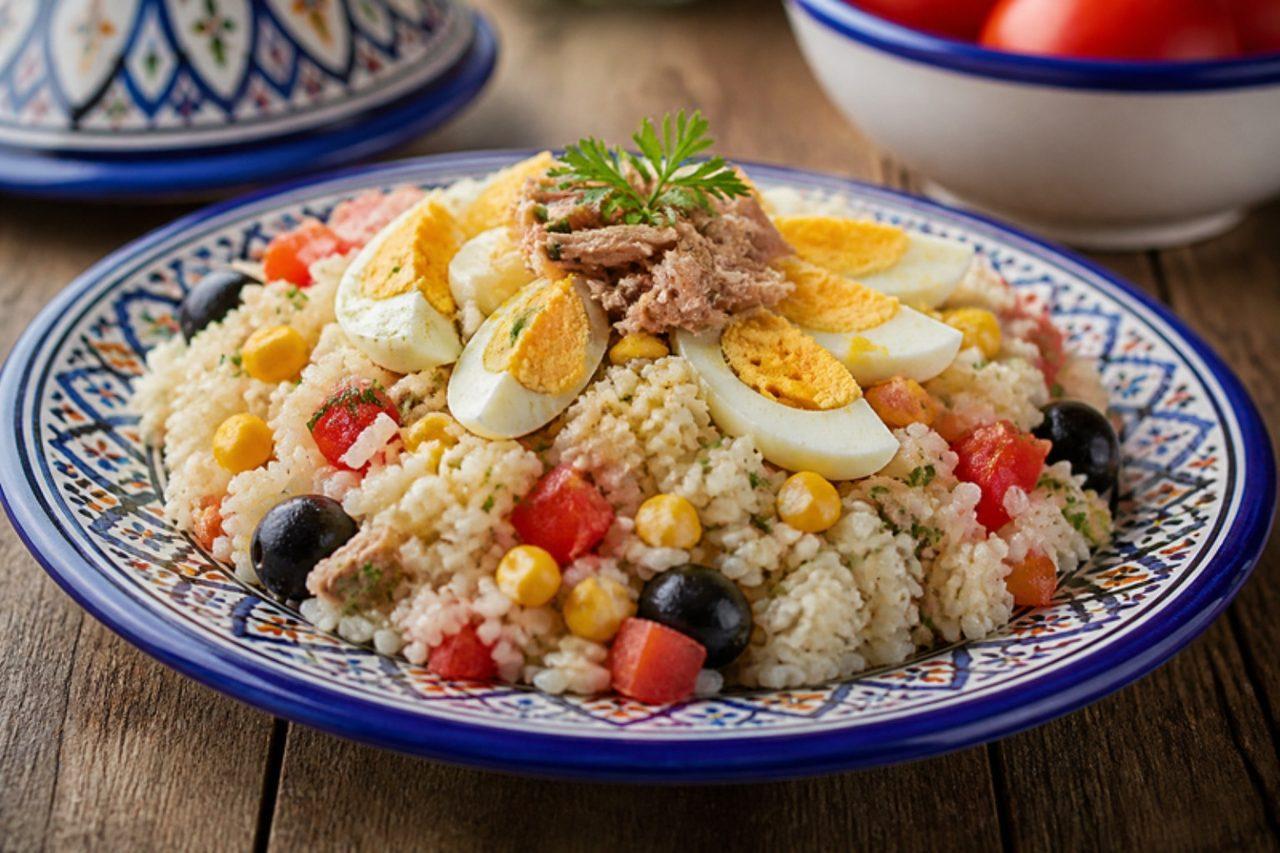
Moroccan party rice salad (shlada rouz)

Moroccan weddings, birthday parties and summer picnics in Rabat and Casablanca nearly always have a big platter of shlada rouz, the rice salad decorated in stripes and rings like a mosaic: tomato, sweetcorn, green olives, beetroot, boiled egg and flaked tuna on a bed of lemon-dressed rice. It's eaten cold as a starter. Rice cooked too soft turns to paste once dressed, so drain it while it still has a slight bite. Chef's tip: dress the rice while it's still a little warm; it soaks up the vinaigrette much better.

by KrazyBadal 0 views

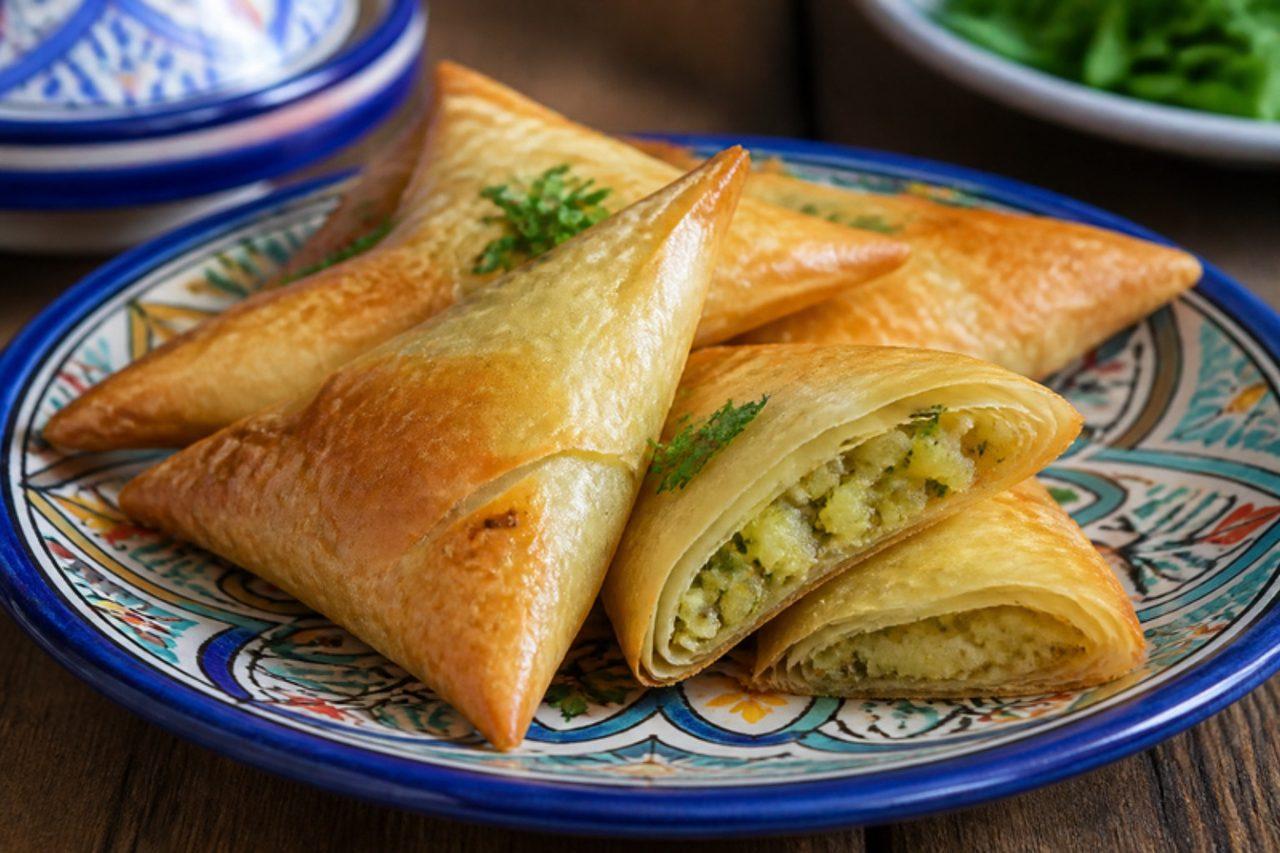
Potato briouats (briwat batata)

During Ramadan, the iftar tables of Casablanca and Marrakech are crowded with little fried pastries, and potato briouats are the budget-friendly favourite. A mash of potato, parsley, coriander, cumin and a little grated cheese is folded into warqa or filo triangles and fried until crackling. Serve them hot with harira or mint tea. The common mistake is a wet, warm filling, which makes the pastry soggy and tear; let the mash cool completely. Chef's tip: seal each triangle with a dab of egg yolk or flour paste; they won't open in the oil. Check cheese labels: some is made with animal rennet. Contains wheat, egg and milk.

by KrazyBadal 0 views

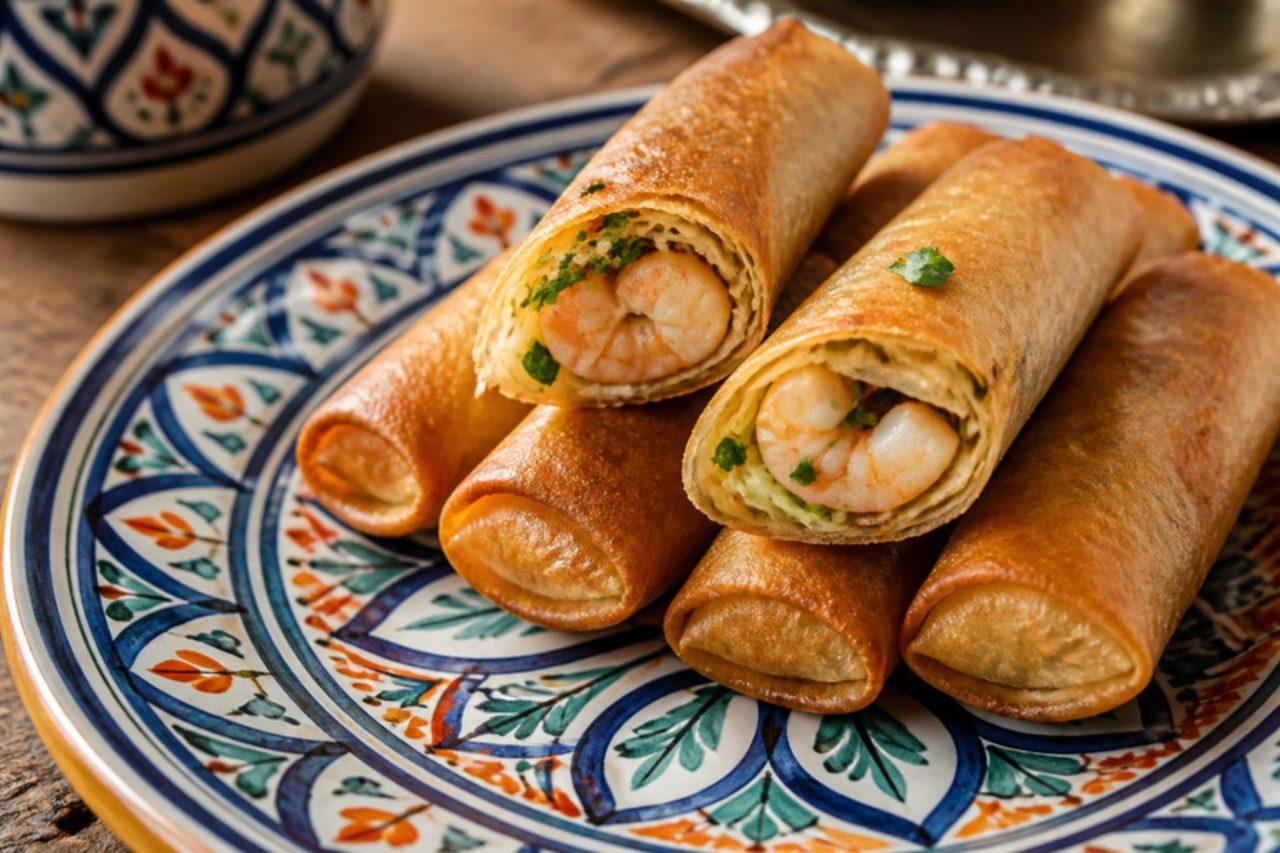
Shrimp and vermicelli briouats

In coastal cities like Agadir and El Jadida, the festive version of briouats is filled with prawns and rice vermicelli tossed in chermoula — a filling borrowed from seafood pastilla, but in a size you can eat in two bites. They come out at weddings, Eid lunches and Ramadan iftars, hot and crackling, with lemon. The usual mistake is a wet filling: cooked prawns and soaked noodles release water, so drain everything well and dry-fry the mix for a minute. Chef's tip: snip the soaked vermicelli into short lengths with scissors so the rolls fill evenly. Contains shellfish, wheat and egg.

by KrazyBadal 0 views

Showing 24 of 395 recipes

Show more recipes

Page 1 of 17