Skip to content
Recipes

All recipes

Vegetarian, or something you can't eat? Set your diet once and we'll hide recipes that don't fit.

Tortilla de acelgaSwiss chard omelette

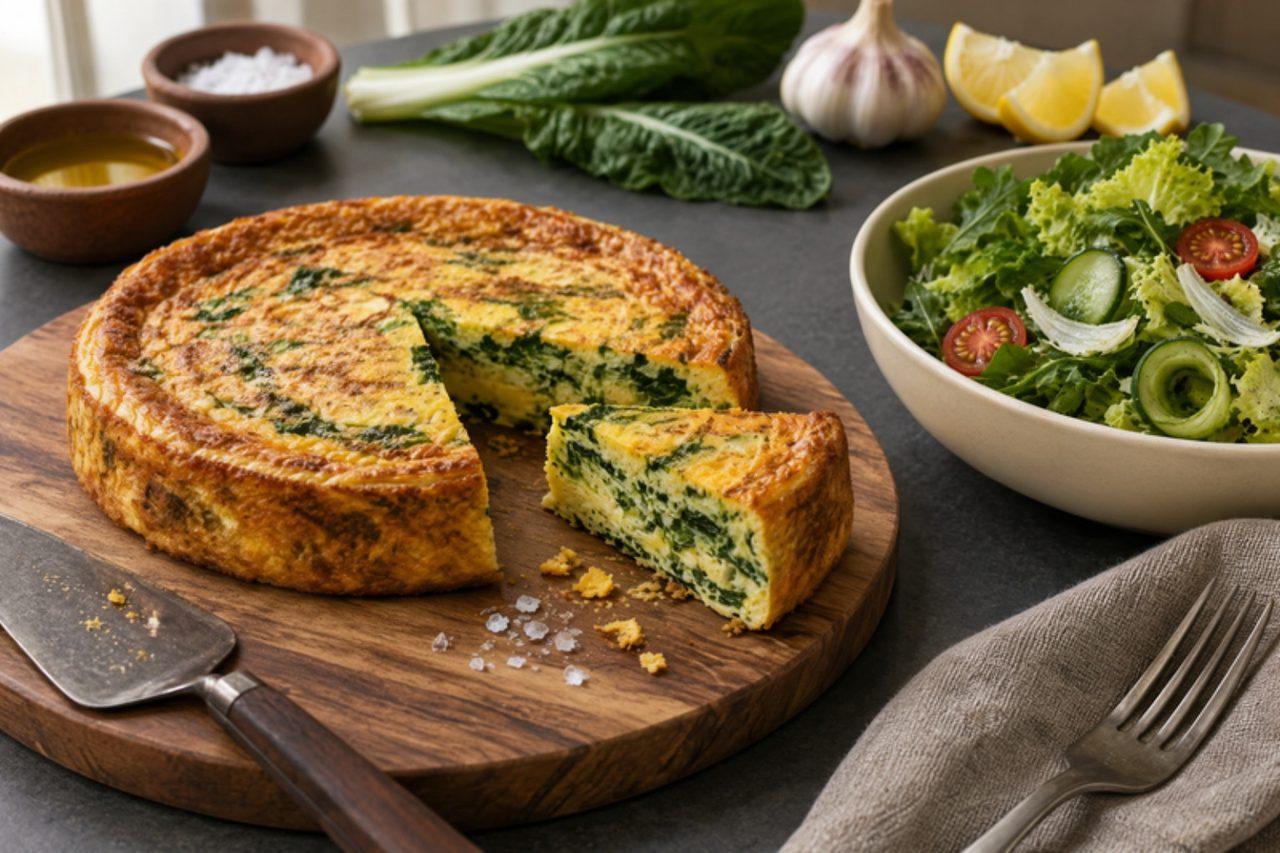
In Montevideo and Buenos Aires, tortilla de acelga is a homely supper or picnic dish, cut into wedges for a weekday dinner or packed for a Sunday at the beach, hot or cold. Plenty of chard is cooked down with onion and garlic, then bound with eggs into a thick, green, juicy omelette that is flipped in the pan like a Spanish tortilla. Serve it with a tomato salad. Suitable as part of a balanced diet. About 190 kcal and 7 g carbohydrate per portion. The usual mistake is leaving the chard wet: squeeze it well, or the tortilla weeps and won't set. If you're cooking for anyone pregnant, a young child or anyone with a weakened immune system, cook it until fully set in the middle. Chef's tip: cook it on a low heat with a lid on for the first side; it sets through without burning the base.

by KrazyBadal 0 views

Capeletis a la CarusoStuffed pasta in cream sauce

Capeletis a la Caruso were created in a Montevideo restaurant in the 1950s and named after the great tenor, and they are still a Sunday lunch favourite in Uruguayan homes: little stuffed pasta hats in a rich sauce of cream, cooked ham (pork), mushrooms and onion, finished with grated cheese. Buy good fresh capeletis or tortellini; the sauce is what you make. The usual mistake is boiling the cream sauce hard, which makes it oily and grainy. Chef's tip: cook the mushrooms in a dry hot pan first until they squeak and brown, before any butter goes in, for a deeper taste.

by KrazyBadal 0 views

Buñuelos de algasSea lettuce fritters

On the beaches of Rocha, from La Paloma to Punta del Diablo, vendors walk the sand with baskets of hot buñuelos de algas: puffy, salty fritters speckled green with sea lettuce, eaten with a squeeze of lemon. Use dried sea lettuce or mixed seaweed flakes from a shop, or fresh sea lettuce only from a seller who harvests clean water; never pick it from a harbour or near drains. The usual mistake is frying in oil that isn't hot enough, so the fritters soak it up and turn greasy. Chef's tip: rest the batter for 15 minutes so the seaweed softens and the fritters puff more.

by KrazyBadal 0 views

TereréIced yerba mate

In Asunción the hottest part of the day stops for tereré: a horn or cup packed with yerba mate, topped up again and again with ice water infused with crushed herbs, and passed round the group through a metal straw. It was recognised by UNESCO as part of Paraguay's cultural heritage, and the herbs (yuyos) change with the season and the drinker's mood. Yerba mate contains caffeine, so it isn't one for small children. The common mistake is pouring water straight into loose yerba, which then clogs the straw; tilt the yerba to one side first. Chef's tip: for tereré ruso, swap the water for cold orange or grapefruit juice.

by KrazyBadal 0 views

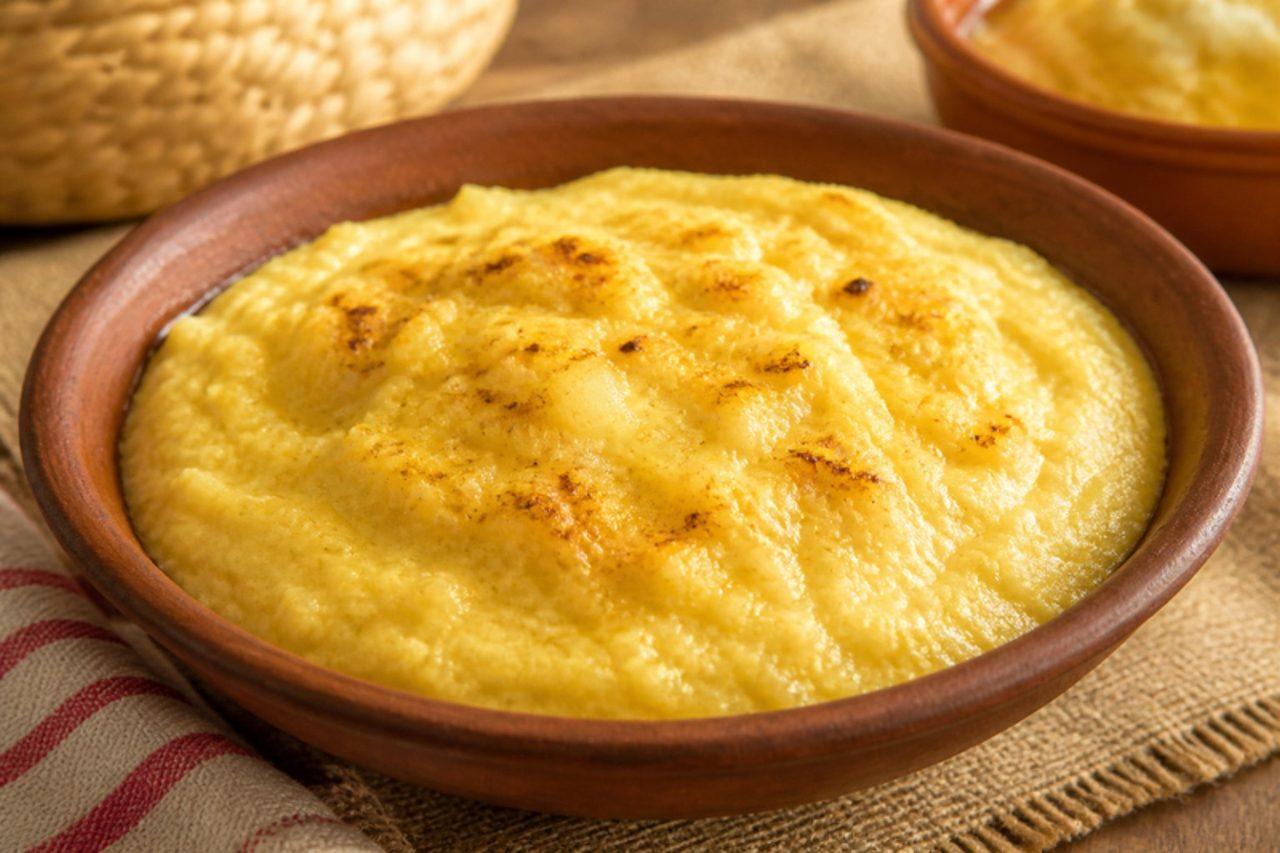
MbaipyCheesy polenta

Mbaipy (say 'mbai-PU') is Guaraní country cooking at its plainest: coarse corn flour stirred into milk and onion fried in oil until it thickens into a soft, spoonable porridge, finished with cubes of fresh cheese that melt into strings. In the Paraguayan countryside it is a cheap winter supper; cooks often stir in shredded chicken to make mbaipy so'o, but this is the meat-free version eaten on fasting days and in plenty of homes. Queso Paraguay is made with animal rennet, so use a vegetarian mozzarella or fresh cheese if you need to. The usual mistake is tipping the corn flour in all at once, which makes lumps that never cook out. Chef's tip: let it sit, covered, off the heat for five minutes before serving; it firms up slightly and the corn swells fully.

by KrazyBadal 0 views

LampreadoCassava starch cheese fritters

Paraguayan grandmothers fry lampreado on Sunday evenings to eat with a mug of cocido, the toasted yerba mate drink: small pan-fried cakes of cassava starch, egg, milk and grated cheese with a little onion, crisp at the edges and stretchy inside. Some families also make it with leftover meat, but this version is all cheese. Queso Paraguay is set with animal rennet; a vegetarian Parmesan-style cheese plus mozzarella works well. The trap is a batter that is too thick, which gives heavy, gluey cakes. Chef's tip: the batter should drop slowly off a spoon like thick pancake batter; add milk a spoonful at a time until it does.

by KrazyBadal 0 views

Ka'i ladrilloPeanut molasses bricks

Ka'i ladrillo — 'monkey brick' in Guaraní — is the sweet sold by vendors on Asunción buses and at country fiestas: roasted peanuts bound in boiled cane molasses and set in brick-shaped blocks, crunchy and dark with a slightly smoky toffee taste. It contains peanuts, so keep it away from anyone with a peanut allergy. The common mistake is taking the syrup off too soon, so the bricks stay sticky and never set. Chef's tip: test the syrup by dropping a little into cold water; it is ready when it sets into a brittle thread that snaps.

by KrazyBadal 0 views

Mandi'o chyryryFried cassava with onion and egg

Mandi'o chyryry means 'fried cassava' in Guaraní, and it is what rural Paraguayan families make from yesterday's boiled mandi'o: chunks crushed and fried in a big pan with onion until crisp in places, then scrambled with eggs. It comes out for breakfast with cocido or for a quick supper, and costs next to nothing. Use sweet cassava, the kind sold in supermarkets. The mistake is stirring constantly, which turns it to mush; let the cassava sit and brown. Chef's tip: the best chyryry starts with cold, day-old boiled cassava, which fries crisper than freshly boiled.

by KrazyBadal 0 views

Martín FierroCheese with quince paste

Ask for dessert in a Montevideo bodegón or a country parador and you may be offered a Martín Fierro: a thick slice of fresh, mild cheese laid with an equal slice of dense quince or sweet-potato paste, named after the gaucho of the epic poem. It's salty against sweet, soft against firm, and takes two minutes to assemble. Uruguayan fresh cheese is usually made with animal rennet, so choose one with vegetarian rennet if that matters to you. The mistake is serving it fridge-cold, which dulls both flavours. Chef's tip: cut the cheese and paste to exactly the same thickness, about 1 cm, so every bite has both.

by KrazyBadal 0 views

Pira caldoCreamy fish soup with cheese

Along the Paraguay River from Asunción to Concepción, pira caldo is the fishermen's soup, said to restore strength after a long night: chunks of firm river fish poached in a broth of onion, peppers and tomato fried in fat, then made creamy with milk and melted fresh cheese. Surubí or other catfish is traditional; any firm white fish such as hake or pollock works. The mistake most people make is boiling the soup after the milk and cheese go in, which splits it. Chef's tip: fry the vegetables until they are very soft and sweet before adding the water; that is where the flavour comes from.

by KrazyBadal 0 views

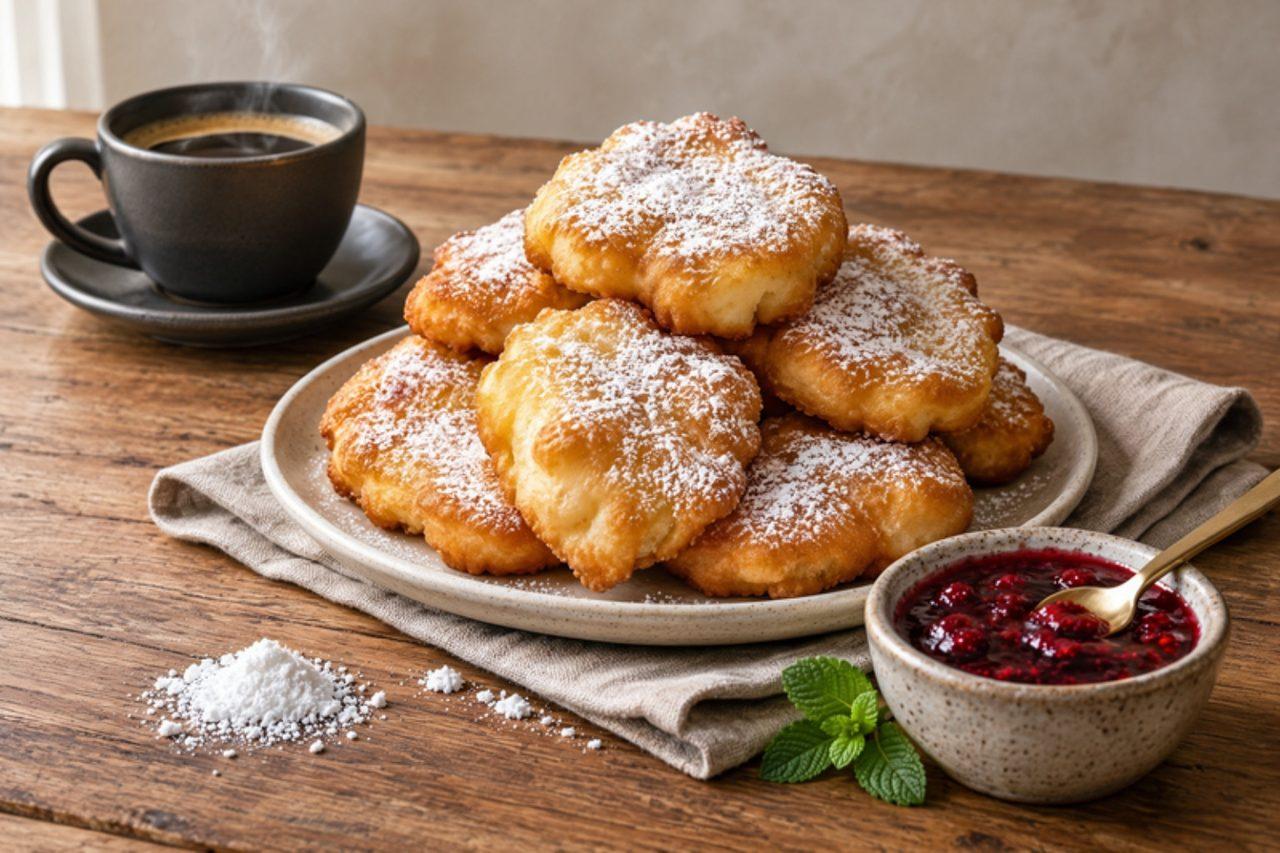
PetullaFried dough fritters

In Albania and Kosovo, petulla are fried on weekend mornings and for family celebrations: a very soft, wet yeast dough is pulled into rough rounds with oiled hands and dropped into hot oil, where it puffs into golden, airy fritters. They are eaten hot with feta-style cheese, jam, honey or a dusting of sugar, alongside tea or coffee. The common mistake is adding flour until the dough is firm and easy to handle; it should be almost too wet to hold, which is what makes petulla light and hollow. Chef's tip: keep a bowl of oil beside the pan and dip your fingers in it before each fritter, so the sticky dough slides off your hand and stretches thin.

by KrazyBadal 0 views

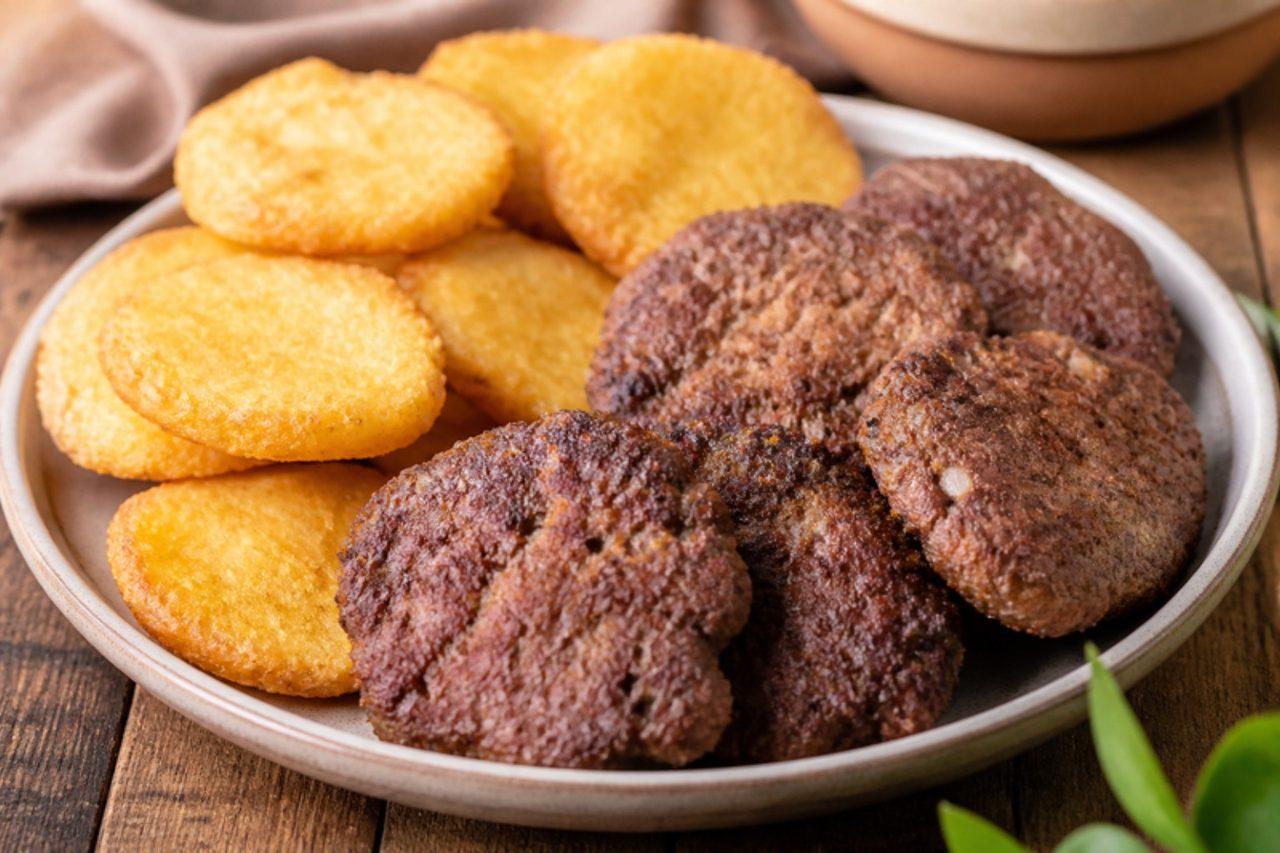
Payaguá mascadaCassava and beef patties

Payaguá mascada is an Asunción family supper and a favourite for using up boiled cassava: mashed mandioca kneaded with minced beef, onion and garlic, shaped into flat cakes and fried until crusty, then eaten with a tomato salad or with mandioca on the side. Use sweet cassava. A common mistake is using watery, freshly boiled cassava, which makes patties that fall apart in the pan. Chef's tip: let the boiled cassava steam dry in the colander for ten minutes before mashing.

by KrazyBadal 0 views

Cocido quemadoBurnt sugar mate drink

Cocido is how Paraguay starts the day: in Asunción, in the villages of Guairá and Itapúa, and in school kitchens, a pot of burnt yerba is brewed and poured into cups with chipa, the cheesy cassava bread, or with a hard galleta. The old way is to drop a glowing piece of charcoal into a pot with yerba and sugar and stir until the sugar burns. On a home stove you caramelise them together in a dry pan instead, which is safer and gives the same smoky, toffee-like taste. The drink is clear amber-brown, with roasted, slightly bitter mate notes over burnt-sugar sweetness; with milk added it becomes cocido con leche, creamy and coffee-coloured. Yerba mate contains caffeine, so treat it like a cup of coffee. The common mistake is letting the sugar go black: it turns acrid and bitter. Pull it off the heat when the caramel is deep amber and the yerba smells toasted, not burnt. It is ready when the liquid is a clear dark amber and tastes of toffee and smoke. Chef's tip: the water will spit fiercely when it hits the hot caramel, so pour it in from the side, at arm's length.

by KrazyBadal 0 views

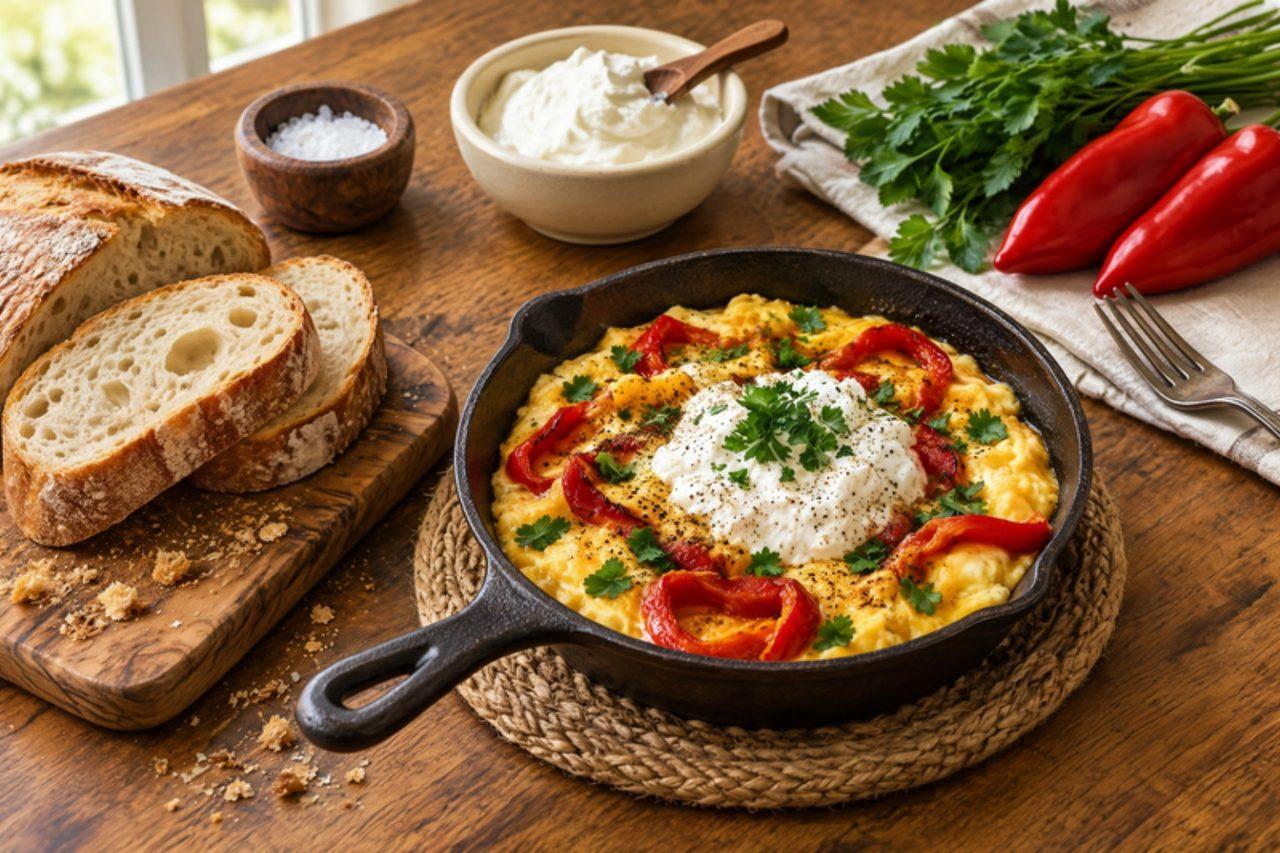
KajganaScrambled eggs with peppers

Kajgana is the everyday breakfast of Serbia and Montenegro, cooked in every home and kafana: eggs scrambled softly in a little fat, often with sweet peppers or onion, and finished with a spoon of kajmak, the rich clotted cream of the Balkans, or crumbled white cheese. It is eaten straight from the pan with warm bread. The mistake is high heat: the eggs seize into dry, rubbery lumps; a medium-low flame and constant gentle stirring give soft, creamy curds. Chef's tip: take the pan off the heat while the eggs still look slightly underdone, because they keep cooking in the hot pan for another minute.

by KrazyBadal 0 views

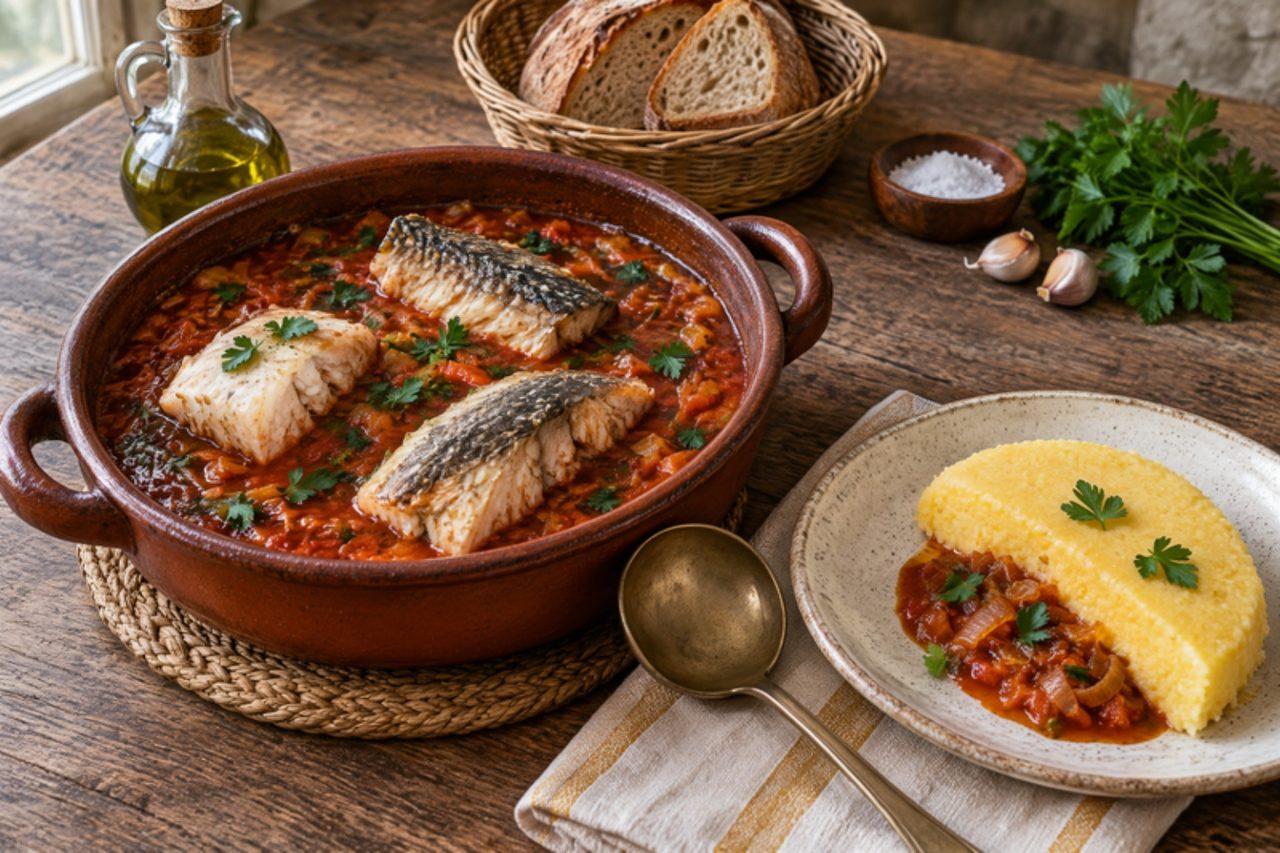
BrudetFisherman's fish stew

Brudet (or brodetto) is the fisherman's stew of the Dalmatian coast and islands, cooked in Split, Hvar and Korčula with whatever the morning's catch brings, and eaten for Friday lunch and summer suppers. Thick fish steaks on the bone stew slowly in olive oil with onion, garlic, tomato and a dash of wine vinegar, and the pot is shaken, never stirred. It is high in protein and suitable as part of a balanced diet; polenta is the classic partner, but grilled courgettes, chard or a small portion of soft polenta keep the carbohydrate down. About 330 kcal and 10 g carbohydrate per portion. The usual mistake is stirring with a spoon, which breaks the fish into shreds. Chef's tip: use at least three kinds of fish, mixing firm and softer ones, for a deeper broth.

60 minBalkanFishGluten free
by KrazyBadal 0 views

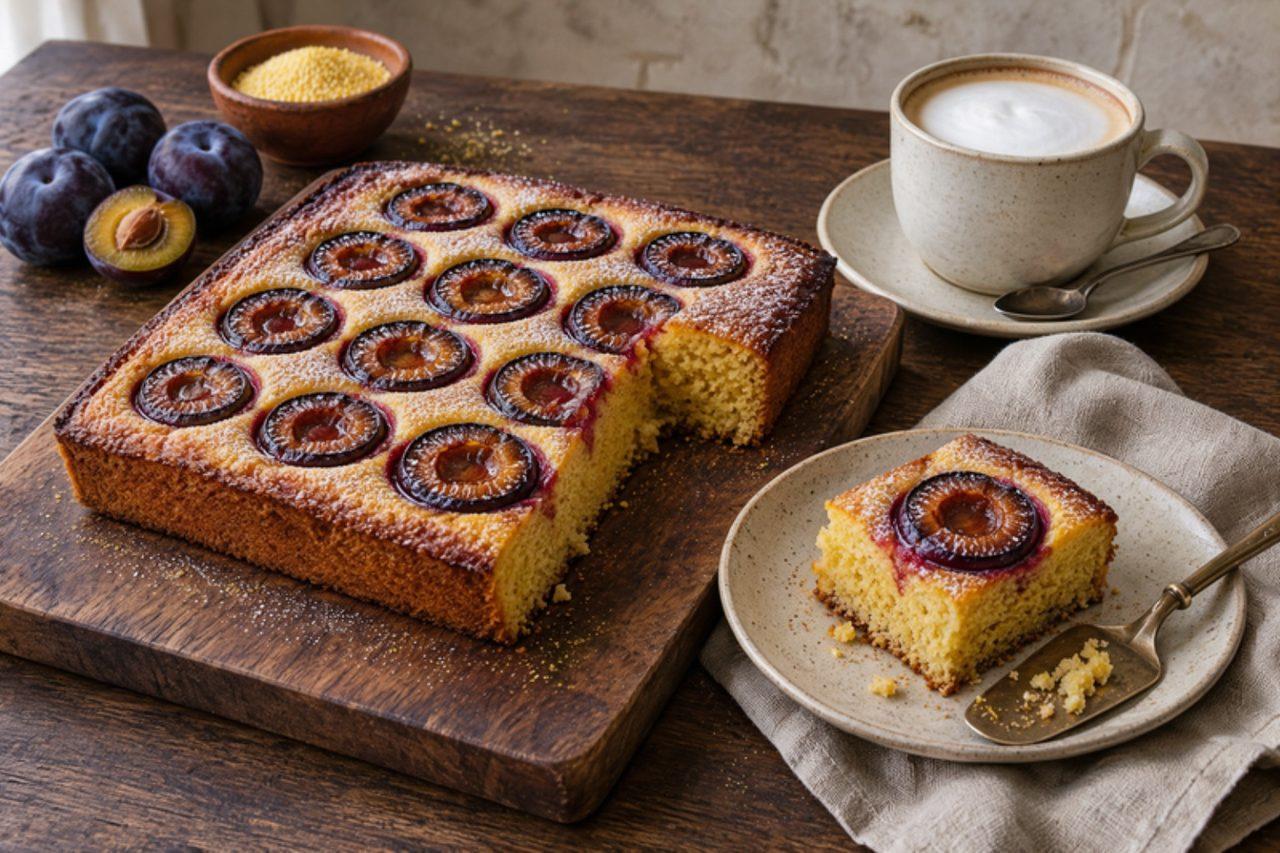
ZlevankaBaked cornmeal and buttermilk cake

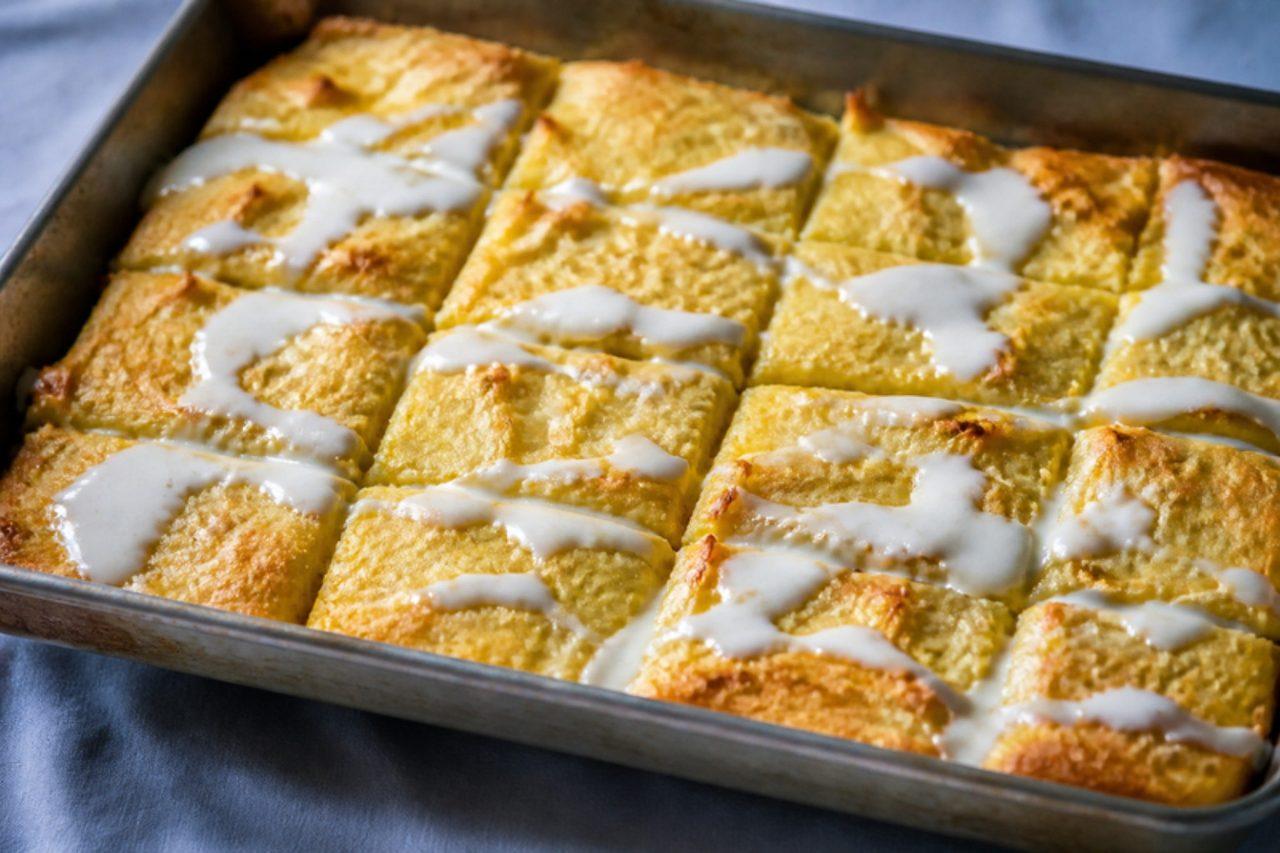
Zlevanka, from the Slovenian for 'poured', is a farmhouse batter cake from the Prekmurje and Štajerska regions, poured into a tin and baked for breakfast, then cut into squares and eaten with a big cup of milky white coffee. This sweet version is made with cornmeal and buttermilk, which give it a soft, moist, slightly crumbly crumb with a golden crust; some families add fruit on top. The common mistake is overmixing the batter once the flour goes in, which makes it tough; stir only until combined. Chef's tip: soak the cornmeal in the buttermilk for 15 minutes before mixing, so it softens and the cake isn't gritty.

by KrazyBadal 0 views

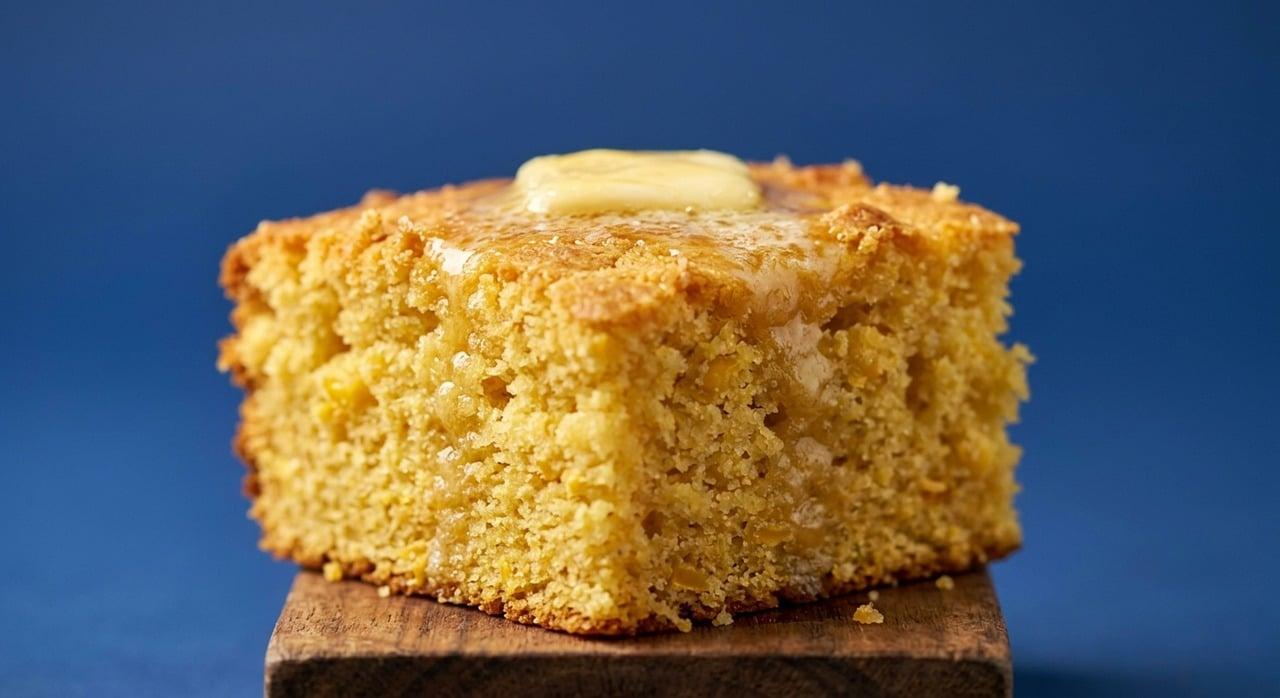
ProjaSerbian cornbread with cheese

Golden squares of proja sit on breakfast tables all over Serbia, from Šumadija farmhouses to Belgrade flats, next to a bowl of plain yogurt or a spoon of kajmak. This is the rich, cheesy kind: fine cornmeal is stirred with eggs, yogurt, oil and a fizz of sparkling water, then baked until the crust crackles and the inside stays moist and slightly crumbly, with salty pockets of white cheese. White brined cheese is usually made with animal rennet, so pick one labelled vegetarian if that matters to you. The usual slip is using coarse polenta, which bakes up gritty; look for finely ground yellow cornmeal. Chef's tip: heat the oiled tin in the oven before the batter goes in, so the base and edges start crisping the moment they hit the metal.

by KrazyBadal 0 views

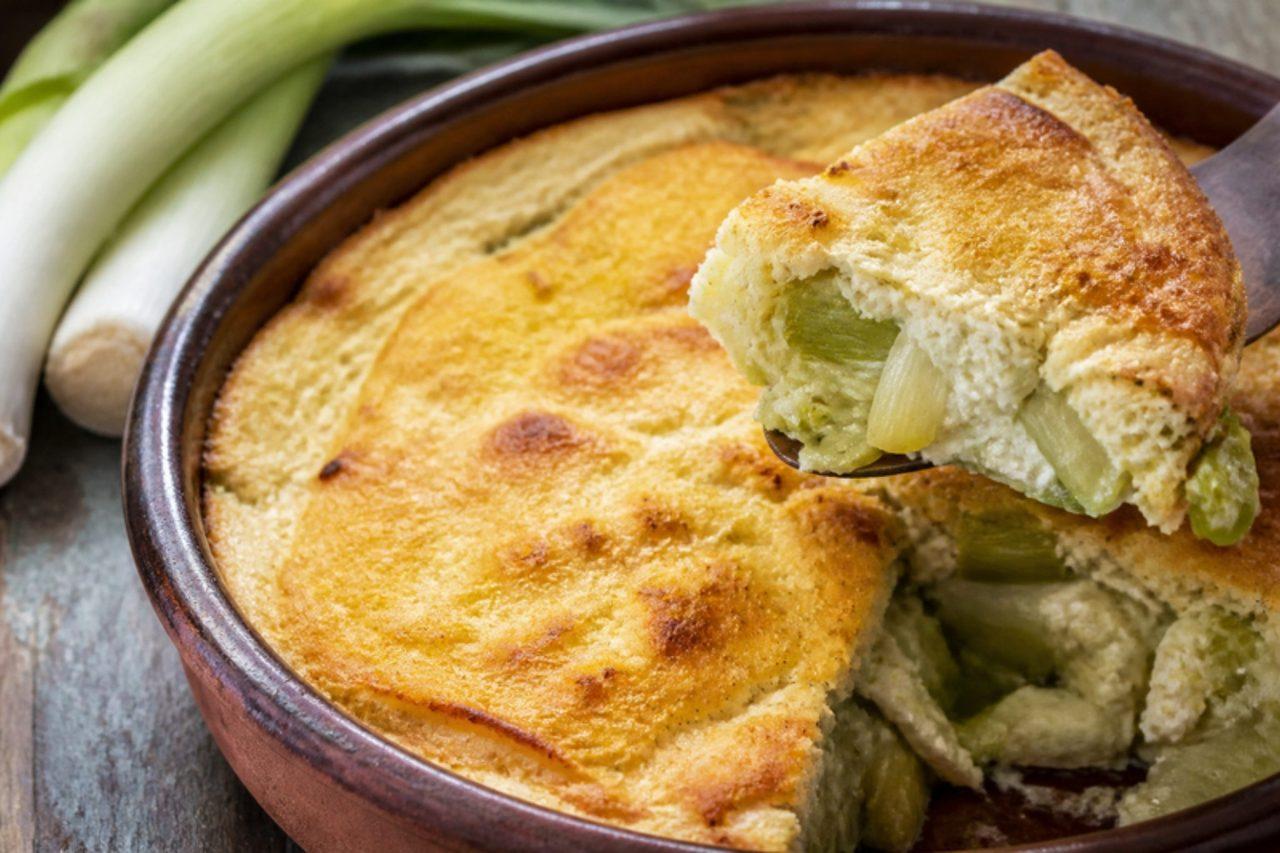
Presh në tavëBaked leeks with yogurt

Leeks are the backbone of winter cooking in central Albania, and presh në tavë, leeks in the baking dish, is how families in Tirana and Elbasan turn a big bundle into a meal. The leeks are sweated slowly in butter, bound with a little cornmeal, milk and tangy yogurt, then baked under crumbled white cheese until bubbling and freckled brown. It is soft, creamy and sharp at once; serve it hot with a green salad and pickled peppers, or as a side to beans. Most white cheese and feta use animal rennet, so pick a vegetarian feta-style cheese if that matters to you. Rushing the leeks is where this goes wrong: fried hot and fast they stay raw-tasting and stringy, while 15 gentle minutes makes them silky and sweet. Chef's tip: let the dish stand for 10 minutes before cutting, so the cornmeal sets and it slices cleanly.

by KrazyBadal 0 views

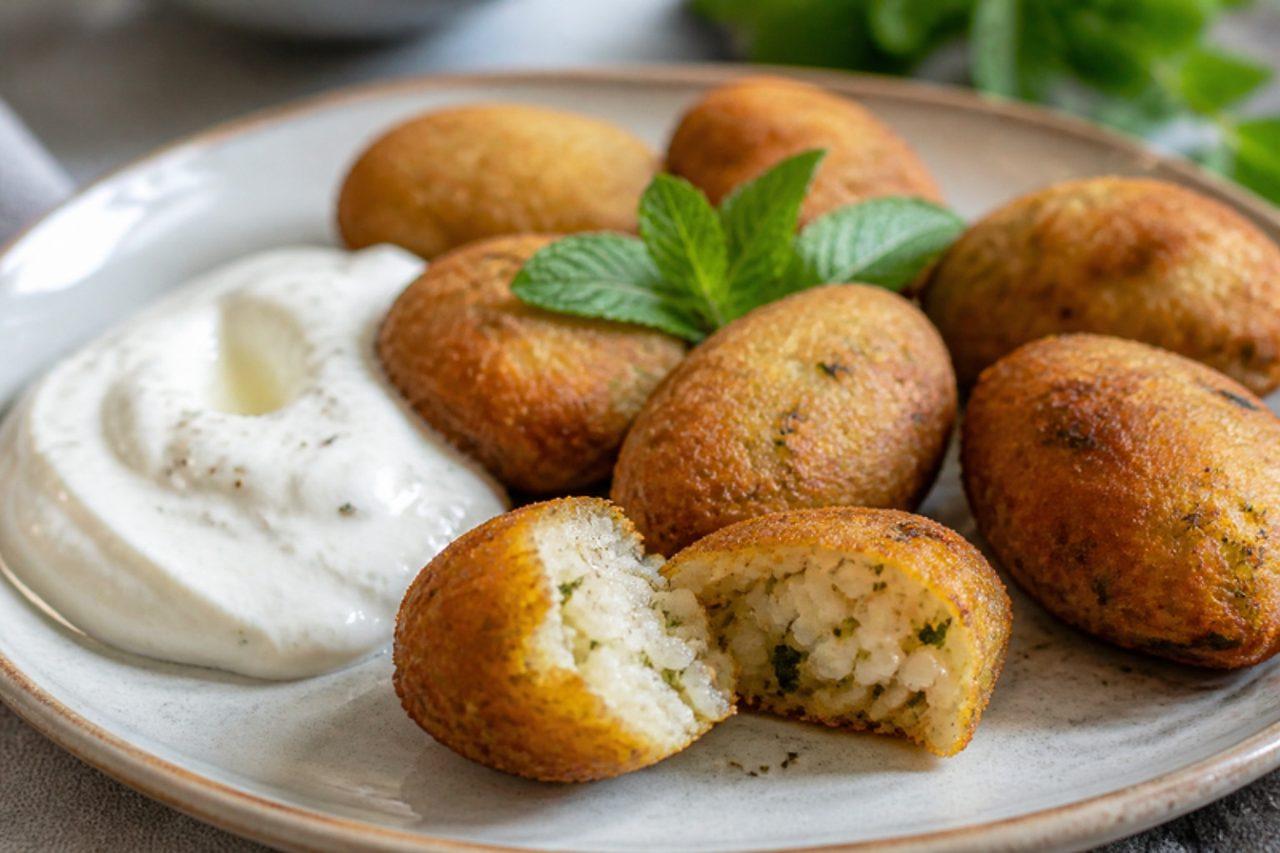
QifqiRice balls with egg and mint

Walk the steep cobbled lanes of Gjirokastër, the stone city of southern Albania, and you may catch the smell of qifqi frying: small egg-bound rice balls flavoured with dried mint and plenty of black pepper, traditionally cooked in a heavy pan with round hollows called a qifqilore. Golden and crisp outside, soft and slightly sticky inside, they appear as a meze with yogurt and pickles, or as a light supper with a tomato and cucumber salad. A frying pan works perfectly well at home. Rice cooked too wet is the classic error, because sloppy grains never hold a shape; cook it until every drop of water is absorbed and let it cool before mixing. Chef's tip: wet your hands and squeeze each ball firmly, like a snowball, before flattening it slightly; a loosely packed ball splits as soon as it hits the oil.

by KrazyBadal 0 views

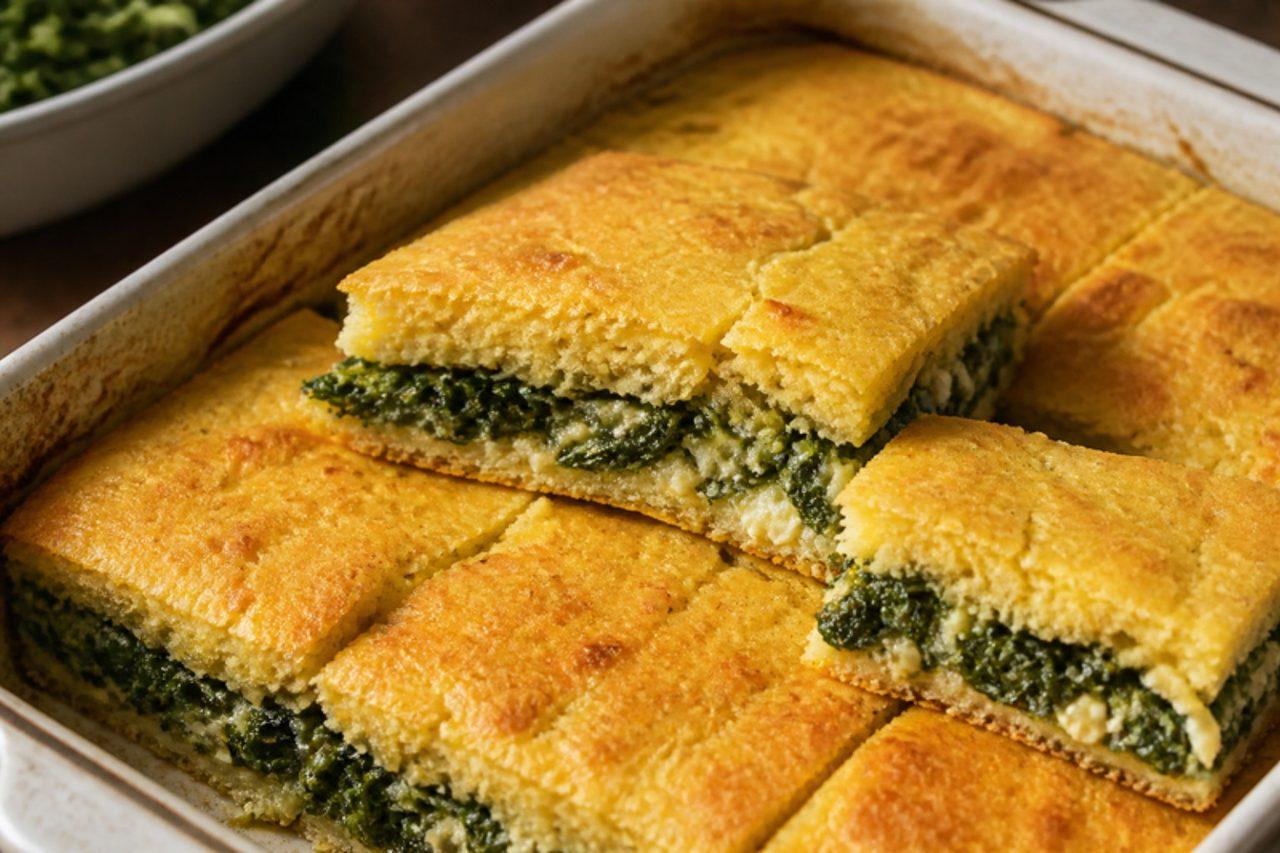
PispiliCornbread with spinach and cheese

When the spring greens come up in southern Albania, around Korçë and down towards Gjirokastër, households bake pispili in a round tray: a coarse cornmeal batter spread over a thick bed of spinach, leeks, dill and crumbled white cheese, then baked until the top is cracked and golden. Neither bread nor quite a pie, it is cut into diamonds and eaten warm or at room temperature, often with a bowl of yogurt, olives and spring onions for a simple lunch. Albanian white cheese and most feta are made with animal rennet, so check the label or use a vegetarian feta-style cheese. The usual slip is leaving the greens wet: squeeze them hard, or the bottom layer steams into a soggy paste under the cornmeal. Chef's tip: drag a fork across the batter before it goes in the oven and drizzle oil into the grooves; that gives the rough, crackly crust pispili is loved for.

by KrazyBadal 0 views

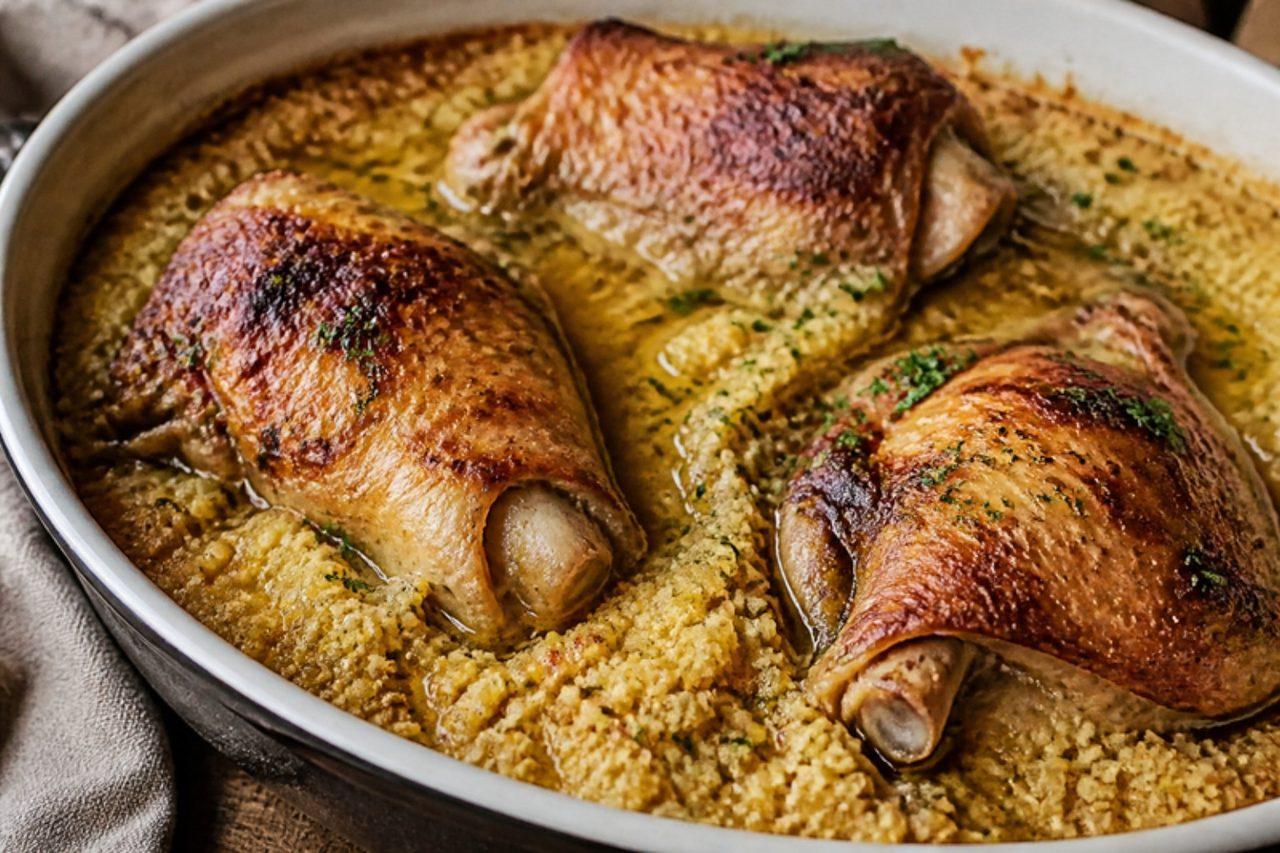
PërsheshCornbread in chicken broth

Weddings and big family gatherings in Kosovo often start with a tray of përshesh: crumbled cornbread soaked in rich chicken broth and baked until it sets into a soft, savoury, spoonable bake with a golden crust, topped with pieces of the poached chicken. It is homely and filling, eaten with pickled peppers and a cucumber salad. A common mistake is using a sweet, wheat-heavy cornbread: it falls apart and tastes like cake. Make a plain, coarse bread with cornmeal only. Chef's tip: bake the cornbread the day before; stale crumbs soak up the broth more evenly.

by KrazyBadal 0 views

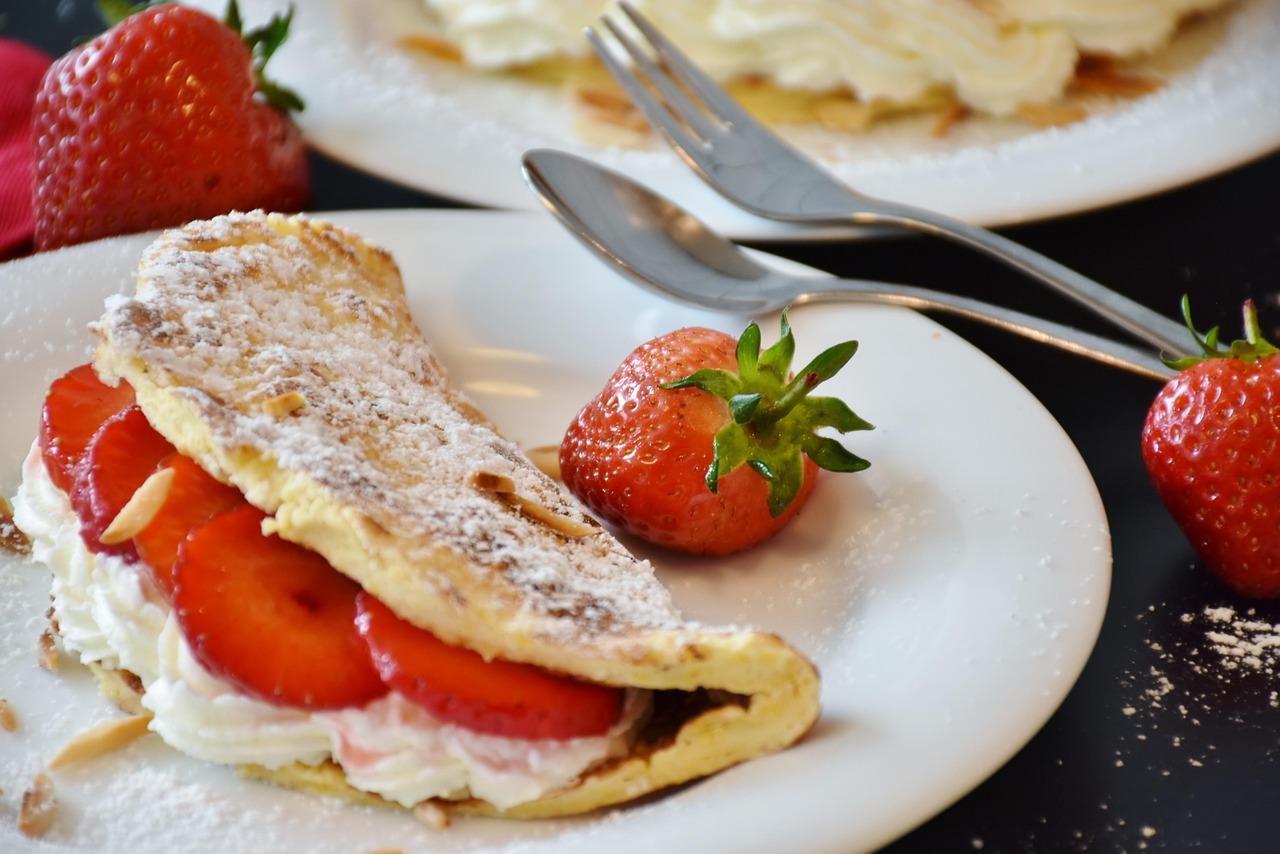
Pohorska omletaFluffy omelette with cranberry jam

Up on the Pohorje range above Maribor in north-eastern Slovenia, mountain lodges and ski huts serve this to cold, hungry walkers and skiers: a thick, soufflé-light sweet omelette folded around tart cranberry jam and served with a cloud of whipped cream. The inside is airy and custardy, the base golden, and the sharp berries cut through the richness of the cream. Lingonberry jam is the closest match to the wild berries of the area if you can find it. The common mistake is too much heat; the base burns before the foam has set, so keep the flame low and let the grill finish the top. Make it for a lazy weekend pudding or a sweet brunch for two. Chef's tip: fold the omelette while it is hot, but put the cream on the plate, never inside, or it melts into a puddle.

by KrazyBadal 0 views

RaštanStewed collard greens

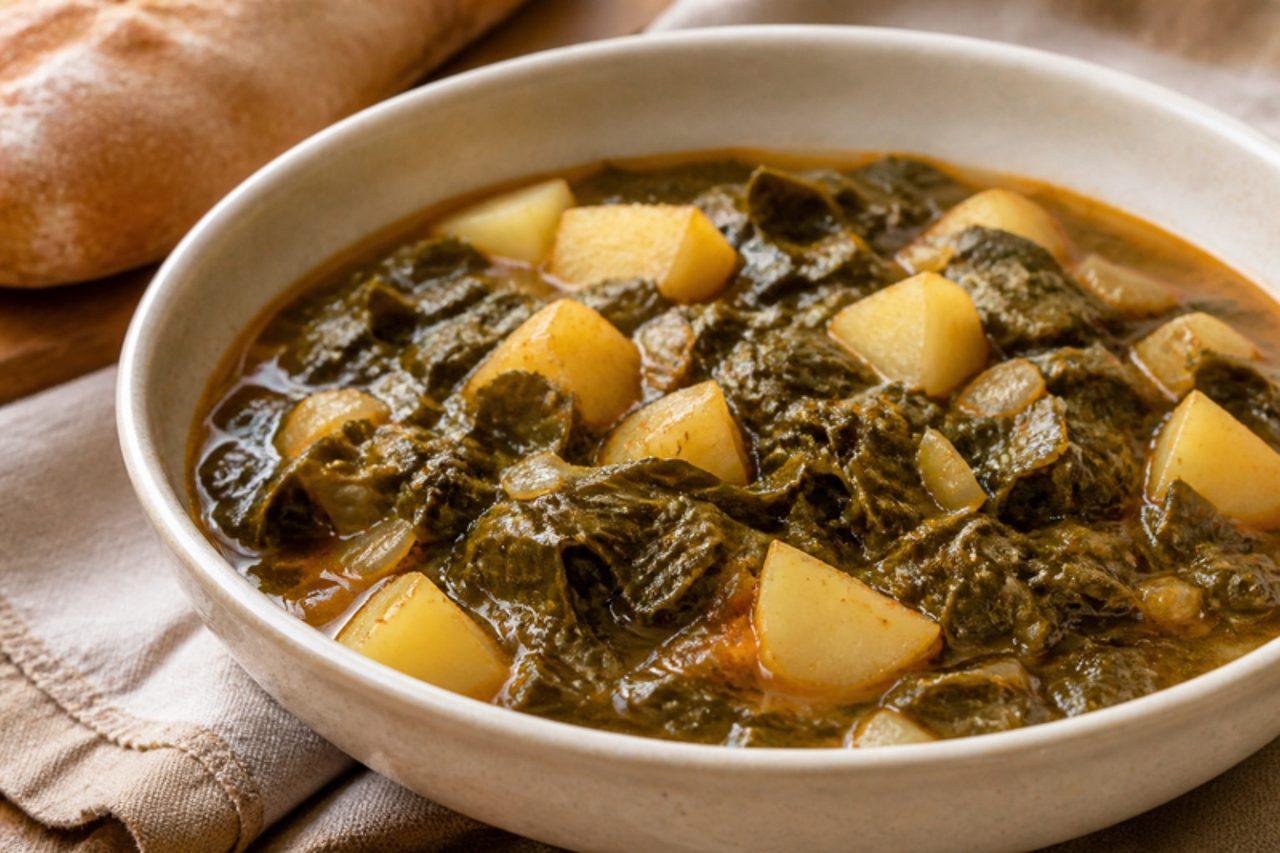
Almost every village garden from Nikšić to the Bay of Kotor in Montenegro has a row of raštan, a tall, loose-leaved collard that survives the winter frosts, and through the cold months it goes into the pot with potatoes and, traditionally, a piece of smoked pork neck or dried mutton. This meat-free version keeps that hearth-smoke depth with smoked paprika bloomed in garlicky olive oil, so the stew is fully vegan. Cooked long, the leaves turn silky and dark while the potatoes slump into the broth and thicken it into something between a soup and a stew. Eat it hot from deep plates with cornbread and a pickled pepper on the side. Where most people go wrong is taking the pot off while the leaves still squeak against the teeth; raštan needs a good 40 minutes to lose its bitterness. Chef's tip: stir the paprika into the warm oil off the heat, never into a scorching pan, or it turns bitter in seconds.

by KrazyBadal 0 views

KljukušaBaked grated potato batter

Ask anyone from Bihać or Cazin in north-western Bosnia about kljukuša and they will describe a big tray of it coming out of the oven on a weekday, golden and blistered, then soaked in garlic yogurt at the table. Grated raw potato is stirred into a loose flour batter and baked in a thin layer, giving a crisp, browned top and a soft, slightly chewy middle, a bit like a potato pancake from the oven. The cold, garlicky yogurt against the hot potato is the whole point, with a green salad or pickles on the side. The usual slip is spreading it too thick, which leaves a gummy, undercooked centre; keep the layer to about 1.5 cm. Chef's tip: get the oiled tray smoking hot in the oven first, so the bottom crisps as soon as the batter hits it.

by KrazyBadal 0 views

Showing 24 of 148 recipes

Show more recipes

Page 1 of 7