Skip to content
Recipes

All recipes

Vegetarian, or something you can't eat? Set your diet once and we'll hide recipes that don't fit.

Chipa so'oCheese bread with spiced beef

In Paraguay, families bake chipa in the clay tatakua ovens on Holy Wednesday so there is food for Thursday and Good Friday, when cooking stops. Chipa so'o ('chipa with meat') is a cassava-starch and cheese bread wrapped around a little filling of minced beef cooked with onion and egg, then baked until crisp outside and chewy within. It is naturally gluten free. Chef's tip: knead the dough until it no longer cracks at the edges when pressed; dry dough splits around the filling.

by KrazyBadal 0 views

PincaEaster sweet bread

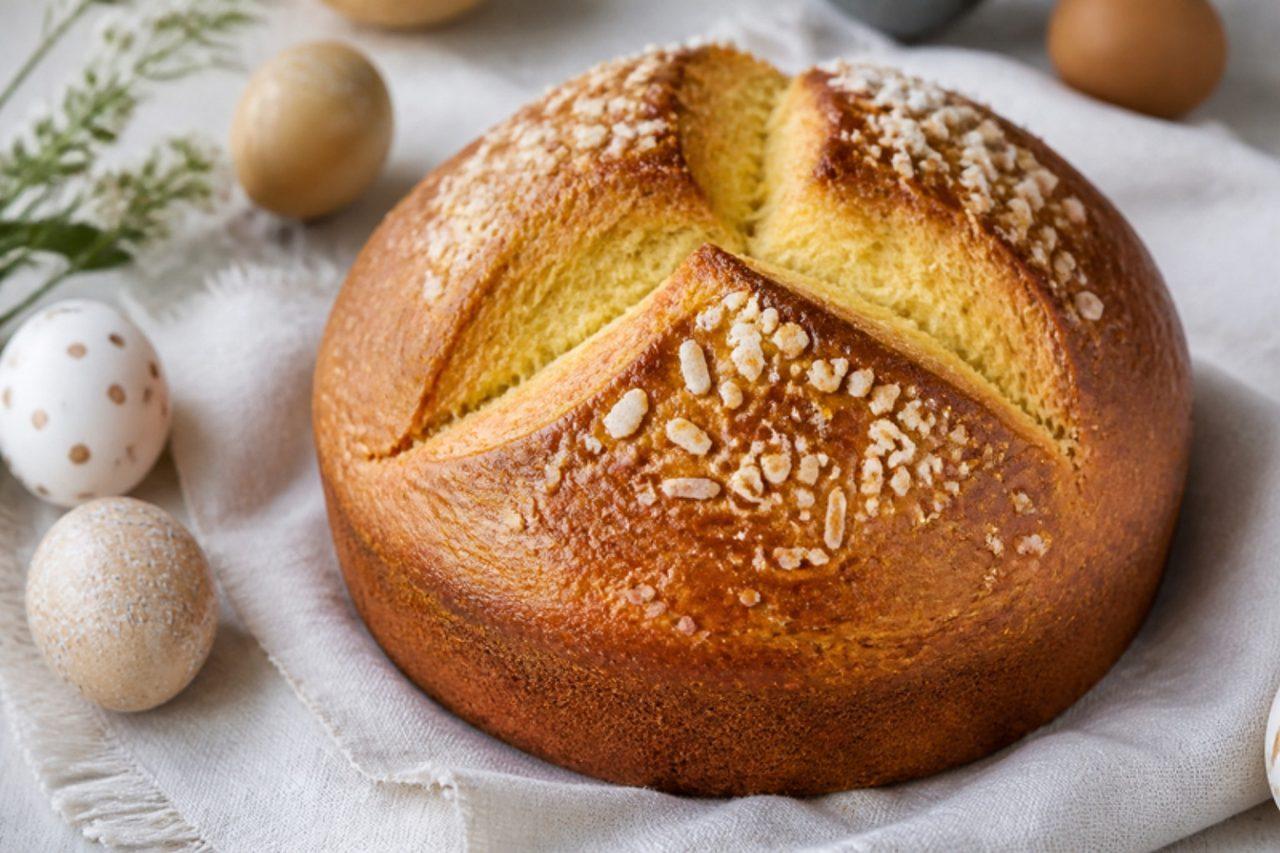
Pinca (or sirnica in Dubrovnik) is the Easter bread of Dalmatia and Istria in Croatia. It is a tall, golden round of rich yeast dough with egg yolks, butter, lemon and orange zest and vanilla, cut with three slashes on top before baking so it opens into a three-pointed cross. It is blessed at church on Holy Saturday with the Easter eggs and ham, and eaten at Easter breakfast. Old recipes add a spoon of rum or prošek wine; this one doesn't. Chef's tip: let the dough rise slowly, even overnight in the fridge, as pinca gets its tender, fragrant crumb from a long rise.

by KrazyBadal 0 views

Dowina (Kurdish yogurt soup)

Dowina, called ash-e doogh in Persian, is warming spring food in Kurdish homes around Newroz, when yogurt is plentiful and the first herbs are cut from the garden. Rice and chickpeas simmer in a tangy, lightly thickened yogurt broth, finished with fresh dill, coriander and a sizzle of dried mint in oil. It is eaten warm, never boiling hot, with flatbread. The common mistake is to heat the yogurt too fast without stirring, which makes it split into grainy curds. Chef's tip: whisk an egg yolk and a spoonful of rice flour into the yogurt before it goes on the heat; it holds the soup smooth all the way to the simmer.

by KrazyBadal 0 views

Bakalar na bijeloSalt cod with potatoes and garlic

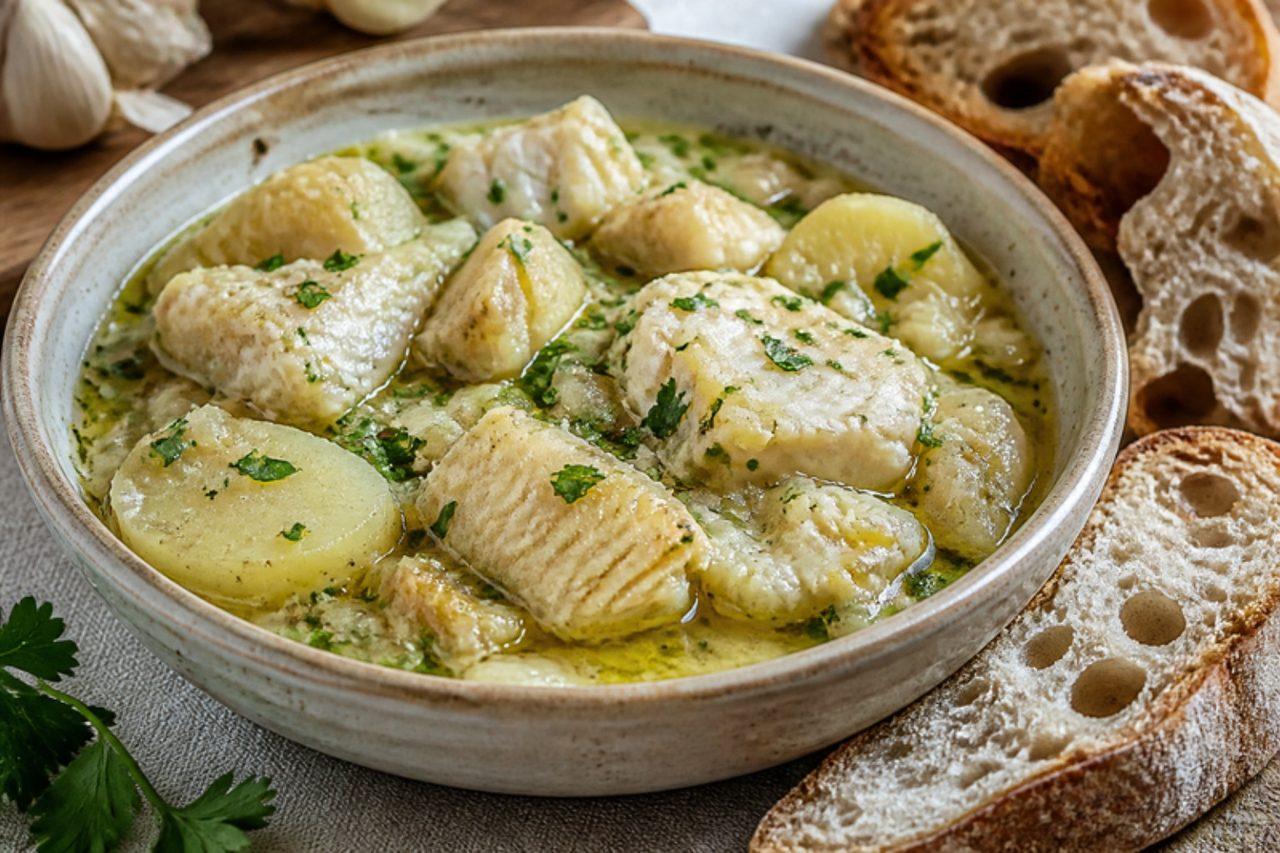
On Badnjak, Christmas Eve, Croatian families in Dalmatia keep the meal meatless, and bakalar na bijelo ('white salt cod') is the dish that says Christmas. Salt cod is soaked for days, then cooked with potatoes, a lot of garlic, parsley and good olive oil and shaken in the pot until it turns into a creamy, almost spreadable mix. It is served warm with bread and a glass of wine for the adults. Chef's tip: shake the pot rather than stirring it, so the fish breaks into flakes and emulsifies with the oil and potato.

90 minBalkanFishGluten free
by KrazyBadal 0 views

RužiceWalnut pastry roses in syrup

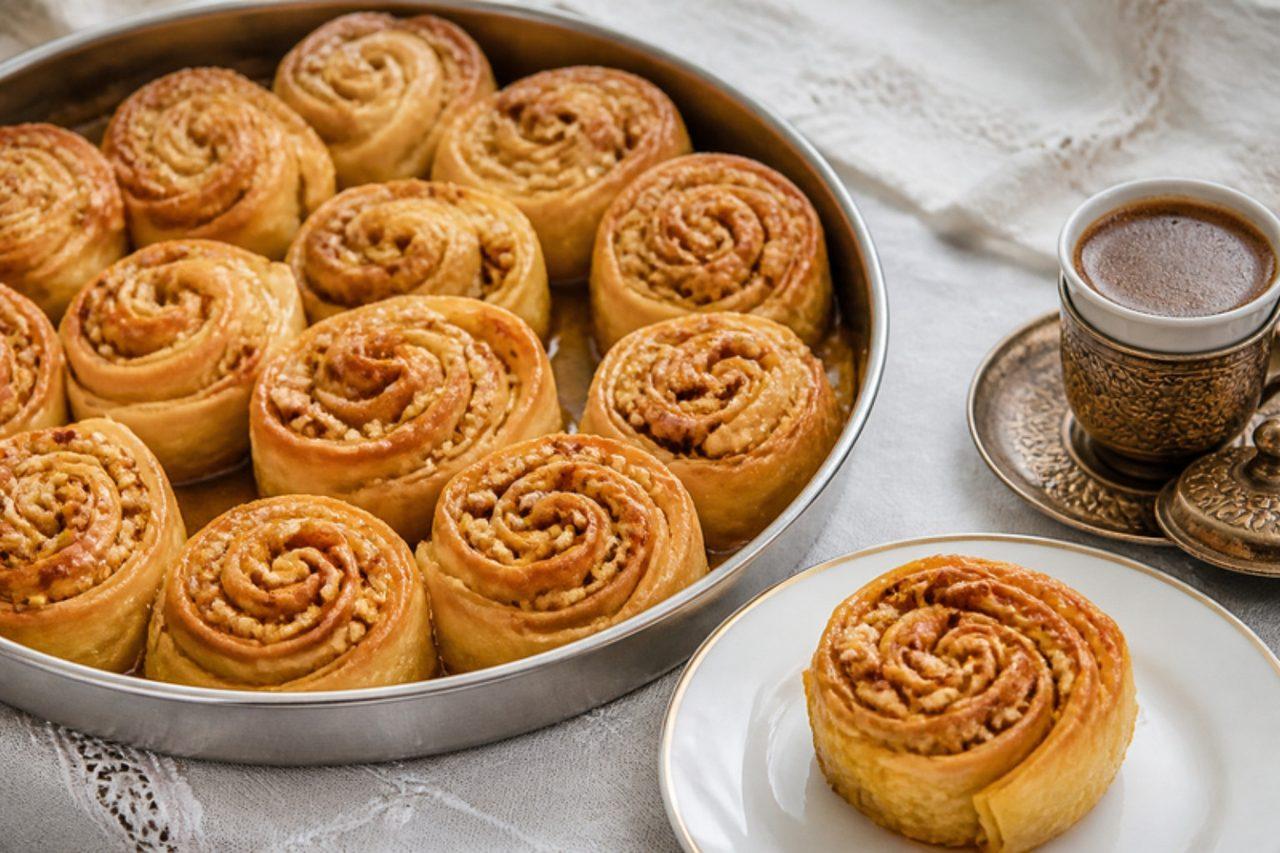
Ružice, meaning 'little roses', are baked for Bajram in Bosnia and Herzegovina, the Eid holidays when trays of syrup-soaked sweets are set out for every guest. Thin sheets of pastry are brushed with butter, scattered with walnuts and rolled up, then sliced so each piece opens like a rose in the oven. The baked roses drink up a cold lemon syrup and turn sticky, crisp on top and soft underneath. Chef's tip: pour cold syrup over hot pastry (or hot over cold), never both the same temperature, or the roses go soggy.

by KrazyBadal 0 views

KaguyjyWhite corn pudding

On the night of 23–24 June, Paraguayans celebrate San Juan with bonfires, games like walking over hot coals and the 'paso de fuego', and a table of traditional foods, and kaguyjy (also mazamorra) is one of them. It is a soft, creamy pudding of cracked white corn (locro) simmered slowly in water and then milk with sugar or honey, sometimes with orange peel. It is eaten warm or cold. It is gluten free. Chef's tip: soak the corn overnight and cook it until each kernel is tender before adding the milk, or it never turns creamy.

by KrazyBadal 0 views

PečenicaRoast pork

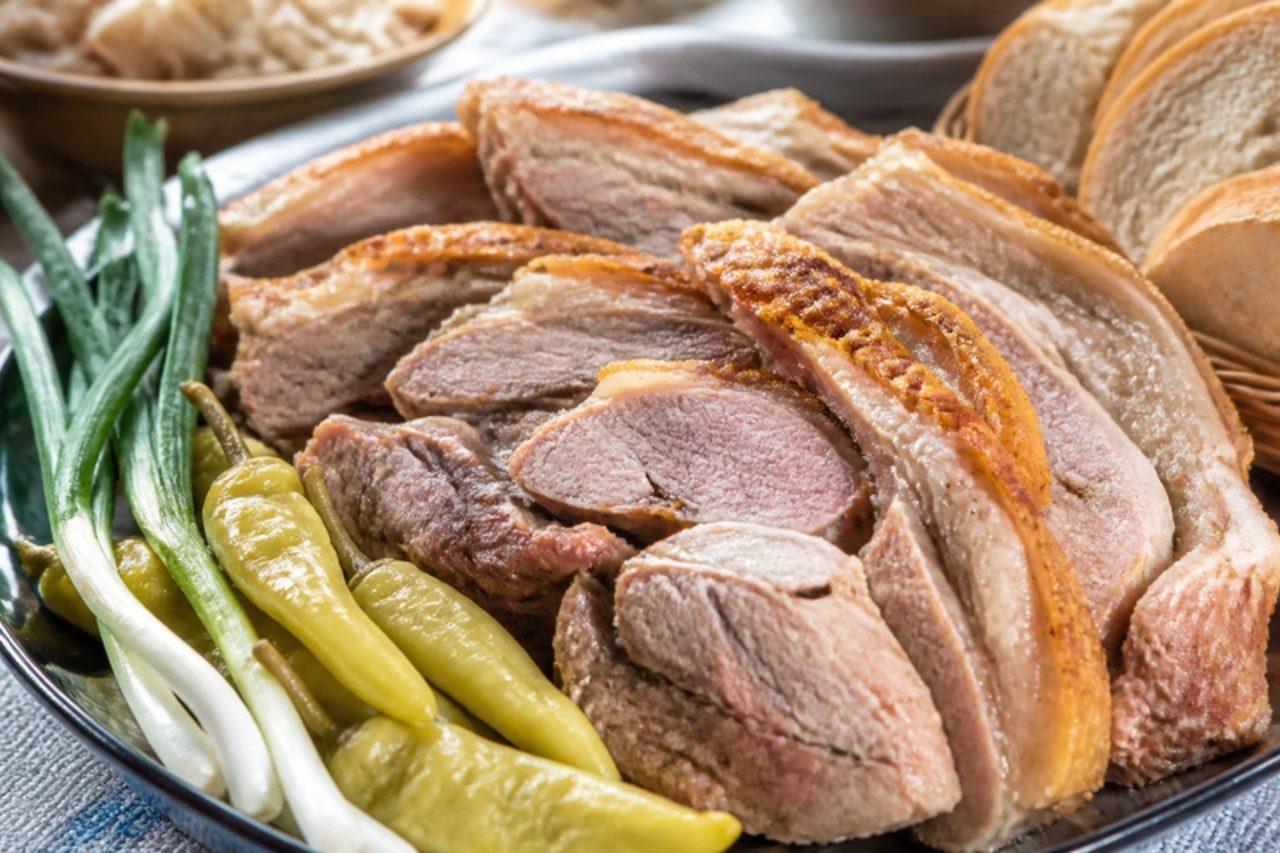
Pečenica is the Christmas Day roast of Serbia and Montenegro: traditionally a whole young pig turned on a spit in the yard from early morning, so that it is ready when the family returns from church and greets each other with 'Hristos se rodi'. This home recipe follows our site's approach of using carved portions rather than a whole animal: bone-in pork shoulder pieces with the skin on are rubbed with salt and slow-roasted until the meat is tender and the skin crackles like the spit-roast. Serve with česnica bread, pickled vegetables and roasted potatoes. Chef's tip: baste the skin with beer, or with cold water for an alcohol-free version, near the end; it helps the crackling blister.

290 minBalkanMeatGluten free
by KrazyBadal 0 views

Slavski kolačDecorated ceremonial bread

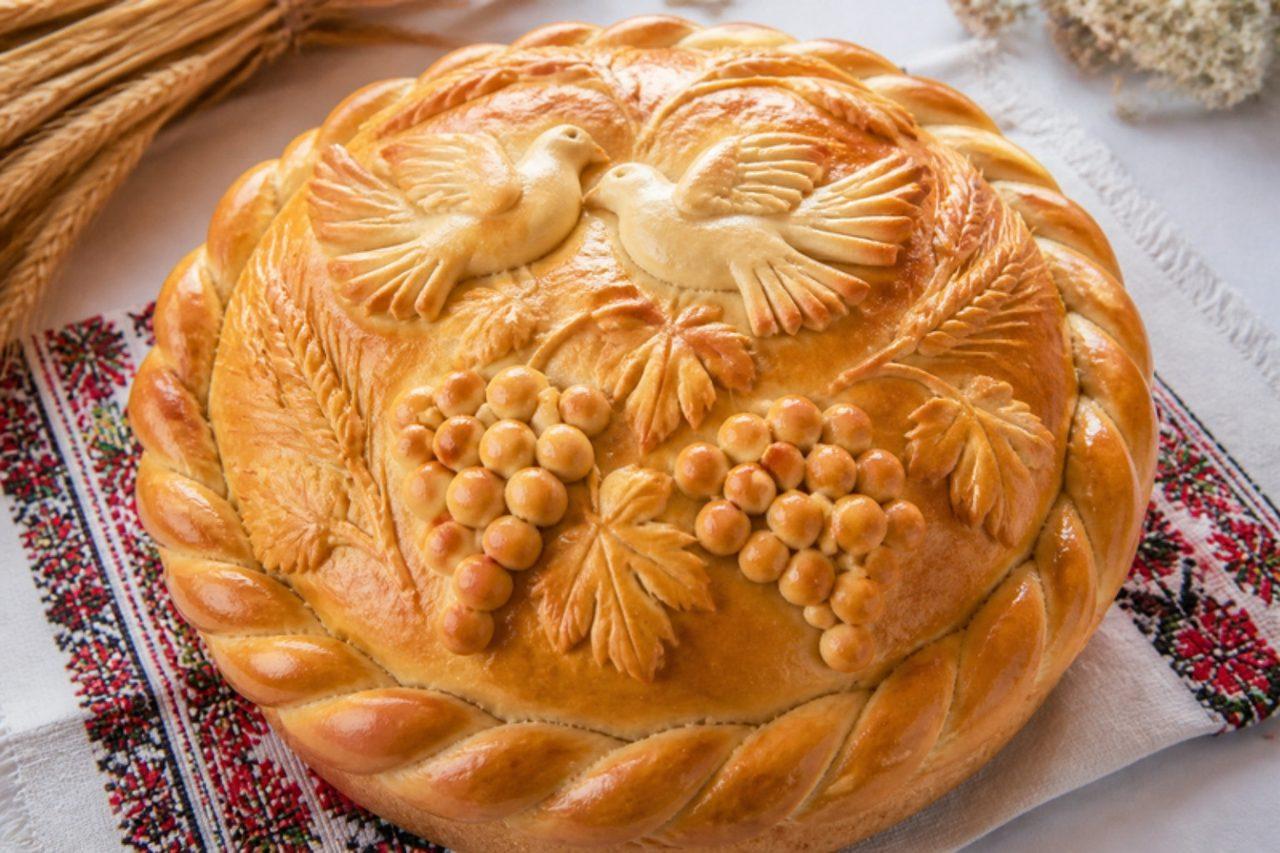
The slava is a uniquely Serbian Orthodox custom: each family honours its own patron saint on that saint's feast day, passed from father to son, with a lit candle, boiled wheat (žito) and the slavski kolač, a round, decorated bread. The priest blesses it; the family turns it, cuts a cross into its base, pours a little wine into the cuts, and breaks it together. It is decorated with dough crosses, the seal 'IC XC NI KA', doves, wheat ears and grapes. It is a plain, vegan bread. Chef's tip: keep the decorations' dough a little stiffer than the loaf, so they hold their shape.

110 minBalkanBakingVegan
by KrazyBadal 0 views

KalanehWild leek stuffed flatbread

In Kurdistan and Kermanshah, Newroz arrives with the first spring greens on the hillsides, and families gather wild leeks to fold into kalaneh, thin griddle breads cooked over a fire or a hot pan and soaked in melted butter. The dough is plain and soft, rolled very thin around a pile of chopped leek or chives with a little salt and pepper, so the greens steam inside as the bread blisters. Eat it hot, torn into strips, with yogurt and tea at a Newroz picnic. The common mistake is wet greens, which turn the dough soggy and make it tear; dry them well after washing. Chef's tip: brush the butter on the moment the bread leaves the pan so it soaks right in.

by KrazyBadal 0 views

Pajagua mascadaBeef and cassava patties

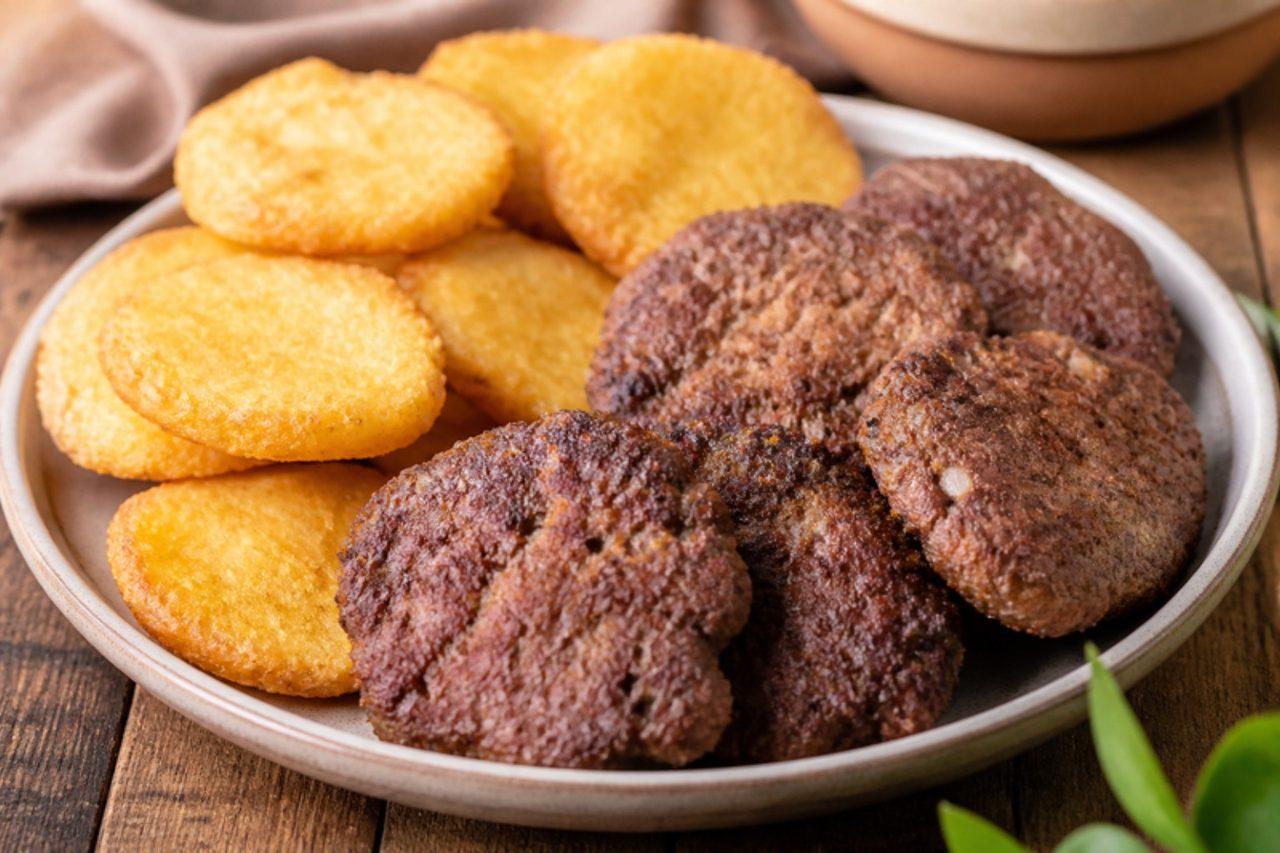
Pajagua mascada is a Paraguayan street-food classic that appears on every table for the San Juan festival on 24 June, when bonfires burn and the night is full of games and traditional food. Minced beef is mixed with mashed cassava, onion, garlic and a little egg and flour, shaped into flat patties and fried until crisp. The name comes from Guaraní and refers to the 'chewing' of old Paraguayan cooks, who made it from leftover meat. Chef's tip: dry the boiled cassava well and remove its woody core, which keeps the patties light and crunchy.

by KrazyBadal 0 views

Lenja pitaGrated apple pie

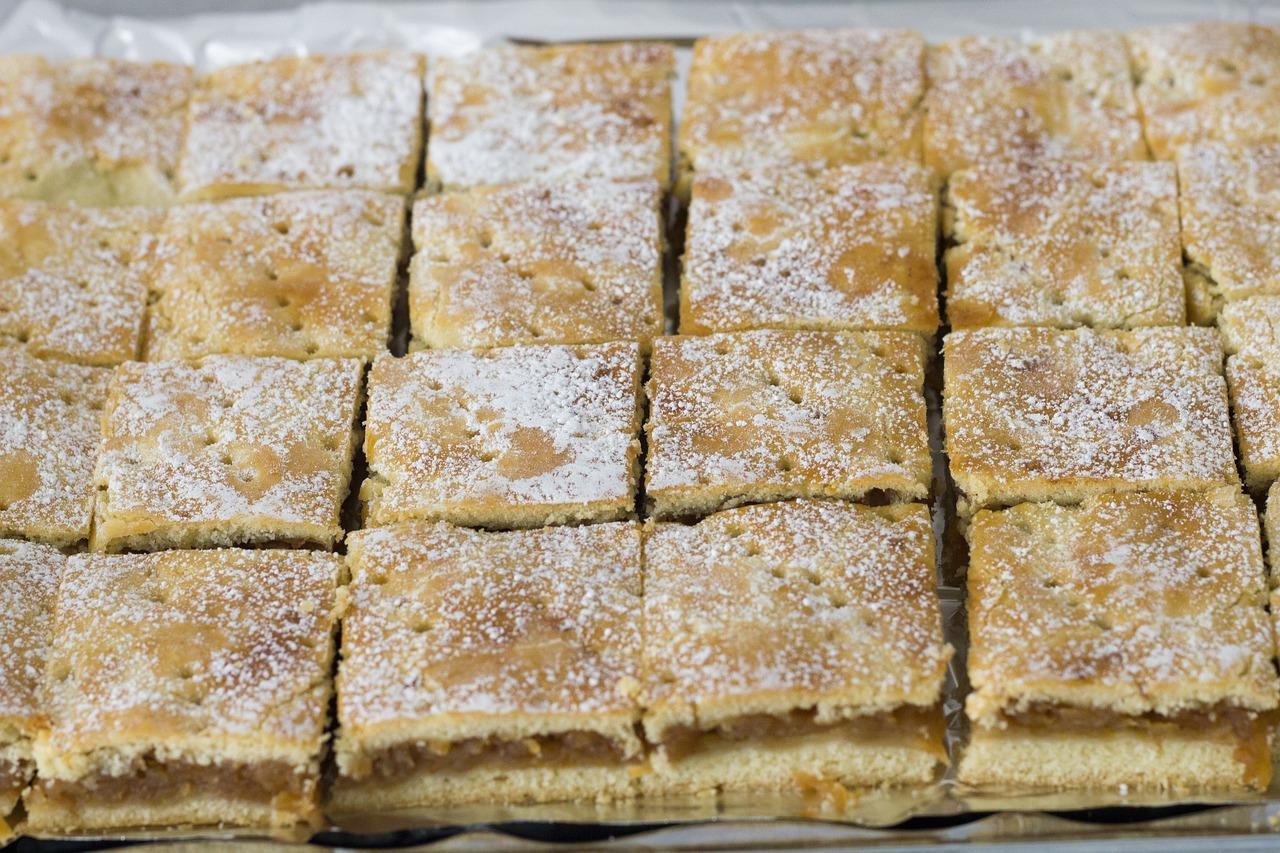
The name means 'lazy pie', and that is the point: unlike the paper-thin pies of Serbia and Bosnia, lenja pita needs no stretching of filo, just two sheets of soft short pastry and a thick layer of grated apple with cinnamon. Home cooks in Belgrade and Sarajevo make a tray of it on autumn weekends, for name days and slava visits, and cut it into squares dusted with icing sugar to serve with Turkish-style coffee. The pastry is tender and crumbly, the apple soft, sweet and sharp. Putting the grated apple straight onto the pastry is the error to avoid: it floods the base, so squeeze it and cook it down first. Chef's tip: mix sour and sweet apples and leave the skins on a few of them for more flavour.

by KrazyBadal 0 views

SomunDimpled flatbread

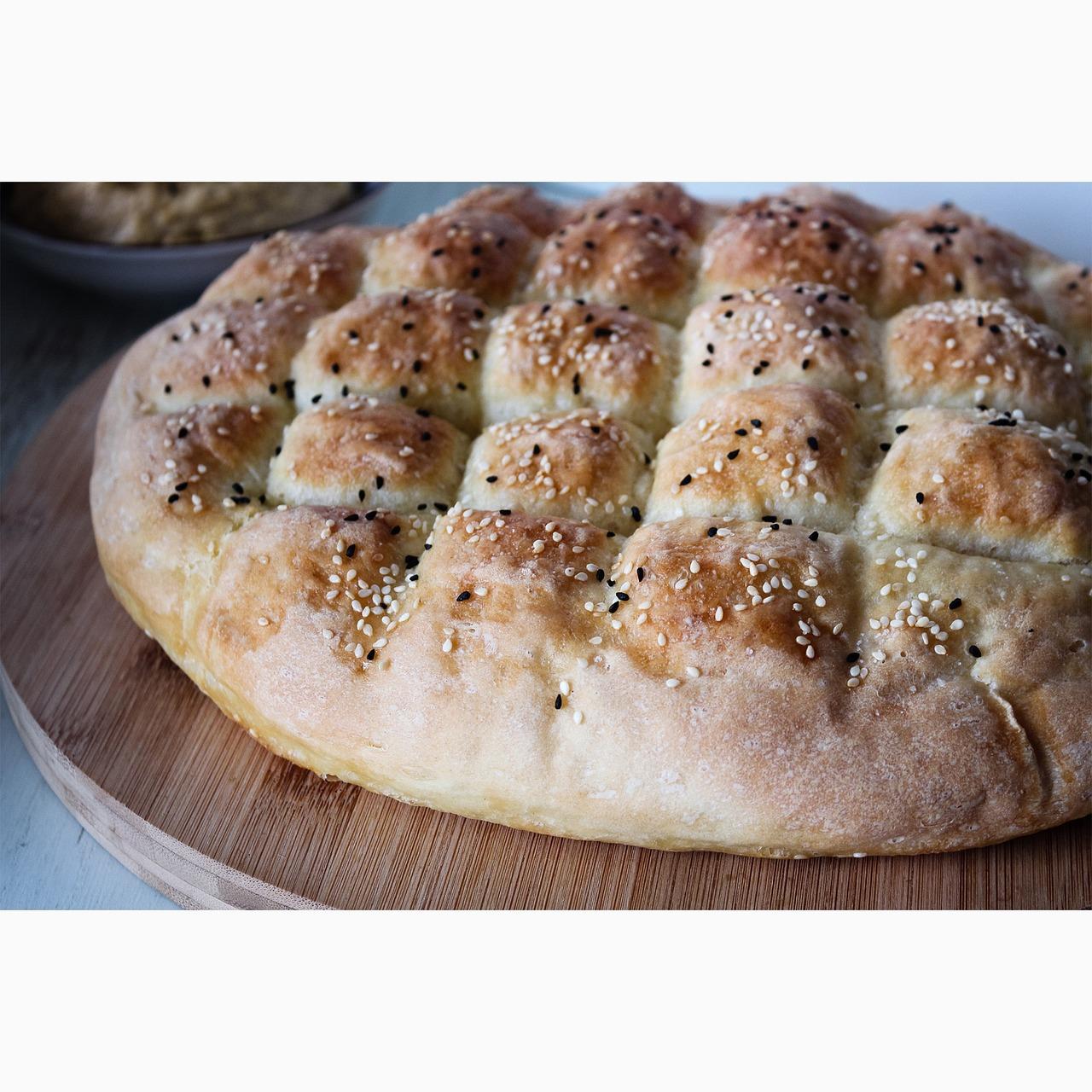
During Ramadan in Sarajevo, queues form outside the Baščaršija bakeries in the last hour before iftar, everyone waiting for somun still warm from the oven. It is a round, pale flatbread about three fingers thick, with a crust so thin it barely crackles and a soft, airy middle, and a criss-cross grid pressed into the top. All year it is split and stuffed with ćevapi and onions at the grill houses; for a meat-free plate, fill it with kajmak, roasted peppers and ajvar or grilled vegetables. Somun should stay pale: leave it in the oven until it is brown and the crust turns hard, which is the commonest mistake. Chef's tip: wrap the loaves in a clean tea towel the moment they come out; the trapped steam softens the crust to that typical pillowy finish.

by KrazyBadal 0 views

Capeletis a la CarusoStuffed pasta in cream sauce

Capeletis a la Caruso were created in a Montevideo restaurant in the 1950s and named after the great tenor, and they are still a Sunday lunch favourite in Uruguayan homes: little stuffed pasta hats in a rich sauce of cream, cooked ham (pork), mushrooms and onion, finished with grated cheese. Buy good fresh capeletis or tortellini; the sauce is what you make. The usual mistake is boiling the cream sauce hard, which makes it oily and grainy. Chef's tip: cook the mushrooms in a dry hot pan first until they squeak and brown, before any butter goes in, for a deeper taste.

by KrazyBadal 0 views

Mandi'o chyryryFried cassava with onion and egg

Mandi'o chyryry means 'fried cassava' in Guaraní, and it is what rural Paraguayan families make from yesterday's boiled mandi'o: chunks crushed and fried in a big pan with onion until crisp in places, then scrambled with eggs. It comes out for breakfast with cocido or for a quick supper, and costs next to nothing. Use sweet cassava, the kind sold in supermarkets. The mistake is stirring constantly, which turns it to mush; let the cassava sit and brown. Chef's tip: the best chyryry starts with cold, day-old boiled cassava, which fries crisper than freshly boiled.

by KrazyBadal 0 views

LampreadoCassava starch cheese fritters

Paraguayan grandmothers fry lampreado on Sunday evenings to eat with a mug of cocido, the toasted yerba mate drink: small pan-fried cakes of cassava starch, egg, milk and grated cheese with a little onion, crisp at the edges and stretchy inside. Some families also make it with leftover meat, but this version is all cheese. Queso Paraguay is set with animal rennet; a vegetarian Parmesan-style cheese plus mozzarella works well. The trap is a batter that is too thick, which gives heavy, gluey cakes. Chef's tip: the batter should drop slowly off a spoon like thick pancake batter; add milk a spoonful at a time until it does.

by KrazyBadal 0 views

Cocido quemadoBurnt sugar mate drink

Cocido is how Paraguay starts the day: in Asunción, in the villages of Guairá and Itapúa, and in school kitchens, a pot of burnt yerba is brewed and poured into cups with chipa, the cheesy cassava bread, or with a hard galleta. The old way is to drop a glowing piece of charcoal into a pot with yerba and sugar and stir until the sugar burns. On a home stove you caramelise them together in a dry pan instead, which is safer and gives the same smoky, toffee-like taste. The drink is clear amber-brown, with roasted, slightly bitter mate notes over burnt-sugar sweetness; with milk added it becomes cocido con leche, creamy and coffee-coloured. Yerba mate contains caffeine, so treat it like a cup of coffee. The common mistake is letting the sugar go black: it turns acrid and bitter. Pull it off the heat when the caramel is deep amber and the yerba smells toasted, not burnt. It is ready when the liquid is a clear dark amber and tastes of toffee and smoke. Chef's tip: the water will spit fiercely when it hits the hot caramel, so pour it in from the side, at arm's length.

by KrazyBadal 0 views

Pira caldoCreamy fish soup with cheese

Along the Paraguay River from Asunción to Concepción, pira caldo is the fishermen's soup, said to restore strength after a long night: chunks of firm river fish poached in a broth of onion, peppers and tomato fried in fat, then made creamy with milk and melted fresh cheese. Surubí or other catfish is traditional; any firm white fish such as hake or pollock works. The mistake most people make is boiling the soup after the milk and cheese go in, which splits it. Chef's tip: fry the vegetables until they are very soft and sweet before adding the water; that is where the flavour comes from.

by KrazyBadal 0 views

MbaipyCheesy polenta

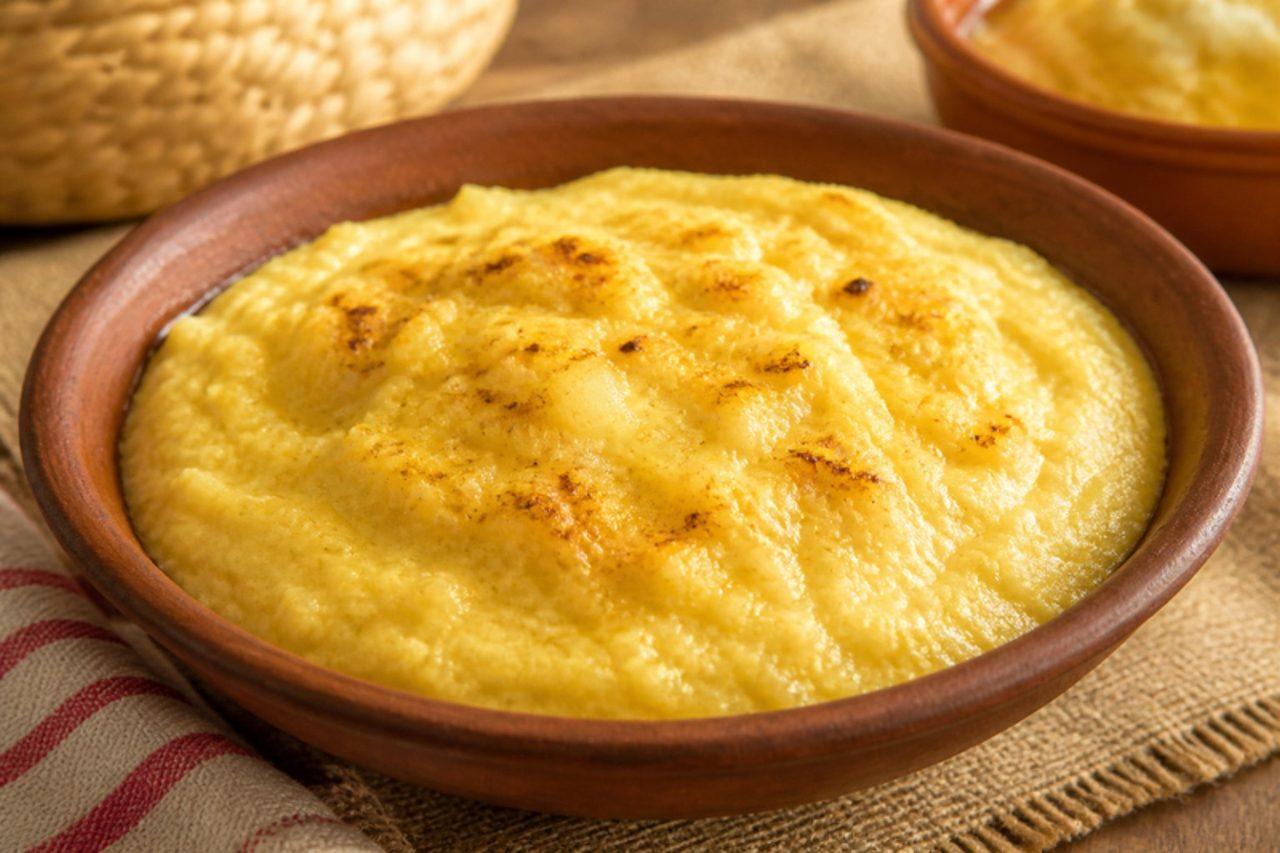
Mbaipy (say 'mbai-PU') is Guaraní country cooking at its plainest: coarse corn flour stirred into milk and onion fried in oil until it thickens into a soft, spoonable porridge, finished with cubes of fresh cheese that melt into strings. In the Paraguayan countryside it is a cheap winter supper; cooks often stir in shredded chicken to make mbaipy so'o, but this is the meat-free version eaten on fasting days and in plenty of homes. Queso Paraguay is made with animal rennet, so use a vegetarian mozzarella or fresh cheese if you need to. The usual mistake is tipping the corn flour in all at once, which makes lumps that never cook out. Chef's tip: let it sit, covered, off the heat for five minutes before serving; it firms up slightly and the corn swells fully.

by KrazyBadal 0 views

Buñuelos de algasSea lettuce fritters

On the beaches of Rocha, from La Paloma to Punta del Diablo, vendors walk the sand with baskets of hot buñuelos de algas: puffy, salty fritters speckled green with sea lettuce, eaten with a squeeze of lemon. Use dried sea lettuce or mixed seaweed flakes from a shop, or fresh sea lettuce only from a seller who harvests clean water; never pick it from a harbour or near drains. The usual mistake is frying in oil that isn't hot enough, so the fritters soak it up and turn greasy. Chef's tip: rest the batter for 15 minutes so the seaweed softens and the fritters puff more.

by KrazyBadal 0 views

Postre MassiniCustard sponge with burnt sugar top

Montevideo's birthday cake of choice since the early twentieth century, the Massini is two thin layers of sponge sandwiching a thick filling of whipped cream folded with egg-yolk custard, crowned with a thin glassy crust of torched yolk and sugar. Bakeries across Uruguay sell it on Sundays. Traditional versions sometimes add a sweet fortified wine to the custard; this one is alcohol-free. The custard is cooked to a safe 71 °C. The common mistake is assembling with warm custard, which melts the cream into a puddle. Chef's tip: if you don't have a blowtorch, put the sugared top under a very hot grill for a minute and watch it closely.

by KrazyBadal 0 views

Morcilla dulceSweet blood sausage with walnuts

No Uruguayan parrilla is complete without morcilla dulce: a soft pork blood sausage sweetened with sugar and scented with orange peel, studded with walnuts and raisins, grilled until the skin crisps and served first, as part of the achuras, while the beef is still cooking. It is pork throughout: pork blood, pork back fat and natural pork casings. Making it at home is a project. Buy fresh pork blood with an anticoagulant added from a butcher who supplies it for sausage making, keep it chilled below 4 °C and use it within a day. The common mistake is poaching at a rolling boil, which bursts the casings. Chef's tip: keep the water at 80–85 °C, just shivering, and prick a sausage after 25 minutes: it is done when brown, not red, juice comes out.

by KrazyBadal 0 views

TereréIced yerba mate

In Asunción the hottest part of the day stops for tereré: a horn or cup packed with yerba mate, topped up again and again with ice water infused with crushed herbs, and passed round the group through a metal straw. It was recognised by UNESCO as part of Paraguay's cultural heritage, and the herbs (yuyos) change with the season and the drinker's mood. Yerba mate contains caffeine, so it isn't one for small children. The common mistake is pouring water straight into loose yerba, which then clogs the straw; tilt the yerba to one side first. Chef's tip: for tereré ruso, swap the water for cold orange or grapefruit juice.

by KrazyBadal 0 views

KoserevaCandied bitter orange peel

Kosereva is a Paraguayan home preserve from the days when nothing was wasted: thick strips of bitter-orange peel soaked and boiled to soften their bite, then cooked slowly in dark cane molasses until glossy and nearly black. In the countryside it is eaten after lunch with a slice of fresh cheese or simply on its own. Bitter oranges (Seville oranges) are in season in winter. The most common mistake is not changing the boiling water enough, which leaves the peel unpleasantly bitter. Chef's tip: taste a sliver of peel after the third boil; it should be gently bitter like marmalade, not harsh.

by KrazyBadal 0 views

Payaguá mascadaCassava and beef patties

Payaguá mascada is an Asunción family supper and a favourite for using up boiled cassava: mashed mandioca kneaded with minced beef, onion and garlic, shaped into flat cakes and fried until crusty, then eaten with a tomato salad or with mandioca on the side. Use sweet cassava. A common mistake is using watery, freshly boiled cassava, which makes patties that fall apart in the pan. Chef's tip: let the boiled cassava steam dry in the colander for ten minutes before mashing.

by KrazyBadal 0 views

KajganaScrambled eggs with peppers

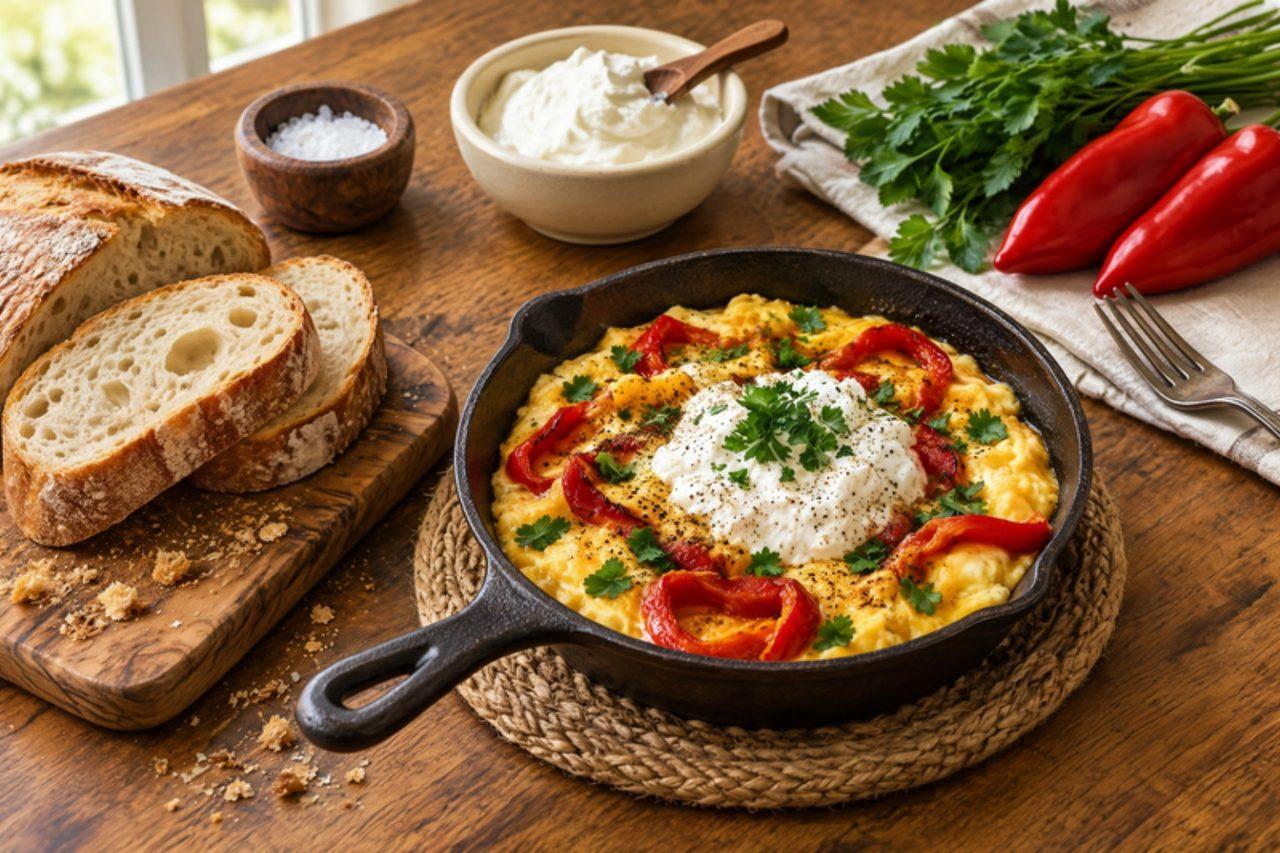
Kajgana is the everyday breakfast of Serbia and Montenegro, cooked in every home and kafana: eggs scrambled softly in a little fat, often with sweet peppers or onion, and finished with a spoon of kajmak, the rich clotted cream of the Balkans, or crumbled white cheese. It is eaten straight from the pan with warm bread. The mistake is high heat: the eggs seize into dry, rubbery lumps; a medium-low flame and constant gentle stirring give soft, creamy curds. Chef's tip: take the pan off the heat while the eggs still look slightly underdone, because they keep cooking in the hot pan for another minute.

by KrazyBadal 0 views

LakrorLeek and cheese pie

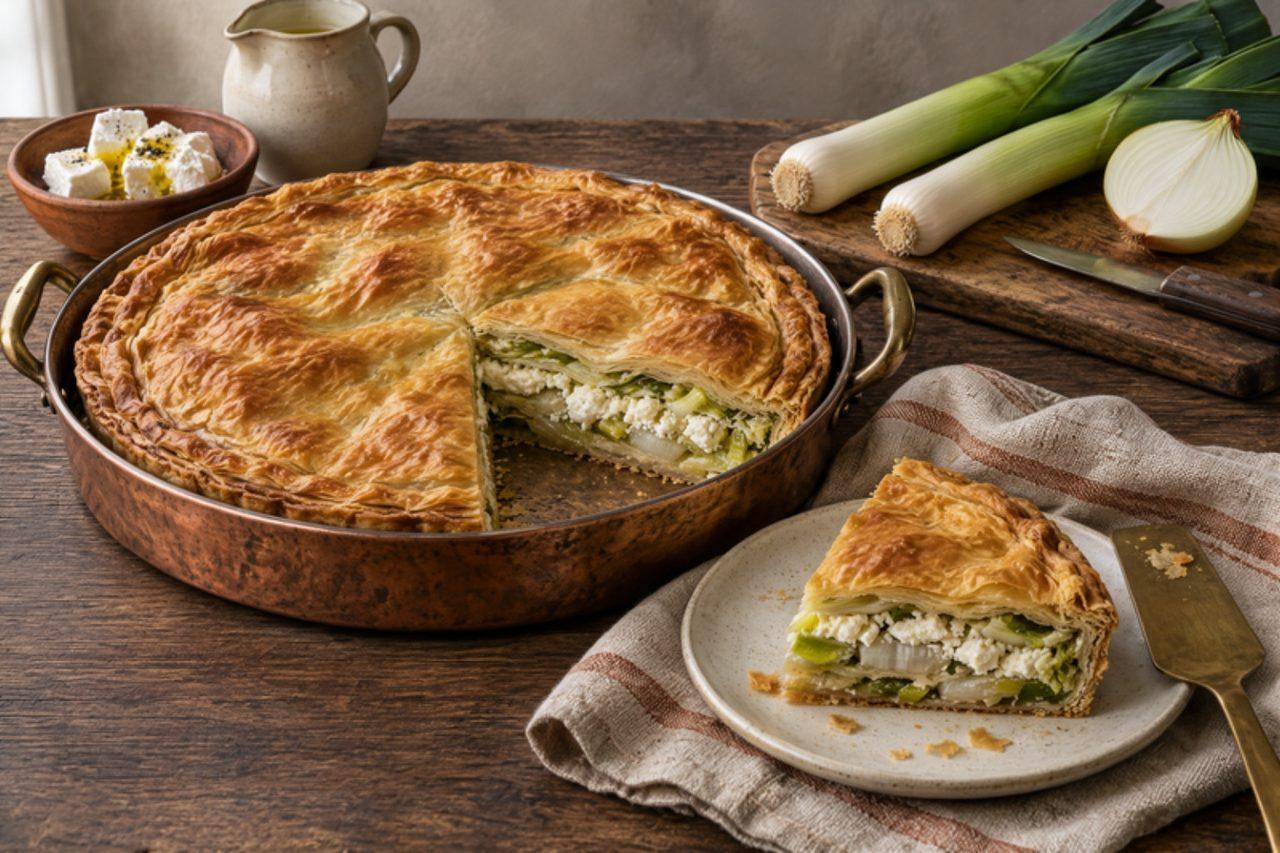
Lakror comes from the south of Albania, around Korçë, where it was baked in a round copper tray under a saç, a domed iron lid heaped with embers, and eaten for breakfast or carried to the fields. Thin rounds of homemade dough are layered with oil, then filled with leeks, onions and cheese, giving a pie that is crisp at the top and soft inside. At home, a very hot oven stands in for the saç. The common mistake is rolling the dough too thick: each round should be thin enough to see your hand through, or the layers stay doughy. Chef's tip: rest the dough balls for 30 minutes after kneading; relaxed dough rolls out thin without shrinking back.

100 minBalkanBaking
by KrazyBadal 0 views

BusecaTripe and white bean stew

Buseca arrived in Montevideo with Italian immigrants from Lombardy and became a classic winter dish of Uruguayan bodegones and family kitchens, eaten on cold June and July days. Honeycomb tripe is simmered until tender, then stewed with white beans, pork chorizo, bacon, peppers, tomato and paprika into a thick, warming stew served with crusty bread. Buy tripe that is already cleaned and blanched (dressed). The usual mistake is undercooking the tripe: it needs a full 2 hours, until it's soft enough to cut with a spoon. Slow-cooker option: after step 4, cook on low for 8 hours. Chef's tip: a little grated lemon zest and parsley stirred in at the end lifts the rich, gelatinous sauce.

by KrazyBadal 0 views

Martín FierroCheese with quince paste

Ask for dessert in a Montevideo bodegón or a country parador and you may be offered a Martín Fierro: a thick slice of fresh, mild cheese laid with an equal slice of dense quince or sweet-potato paste, named after the gaucho of the epic poem. It's salty against sweet, soft against firm, and takes two minutes to assemble. Uruguayan fresh cheese is usually made with animal rennet, so choose one with vegetarian rennet if that matters to you. The mistake is serving it fridge-cold, which dulls both flavours. Chef's tip: cut the cheese and paste to exactly the same thickness, about 1 cm, so every bite has both.

by KrazyBadal 0 views

Tortilla de acelgaSwiss chard omelette

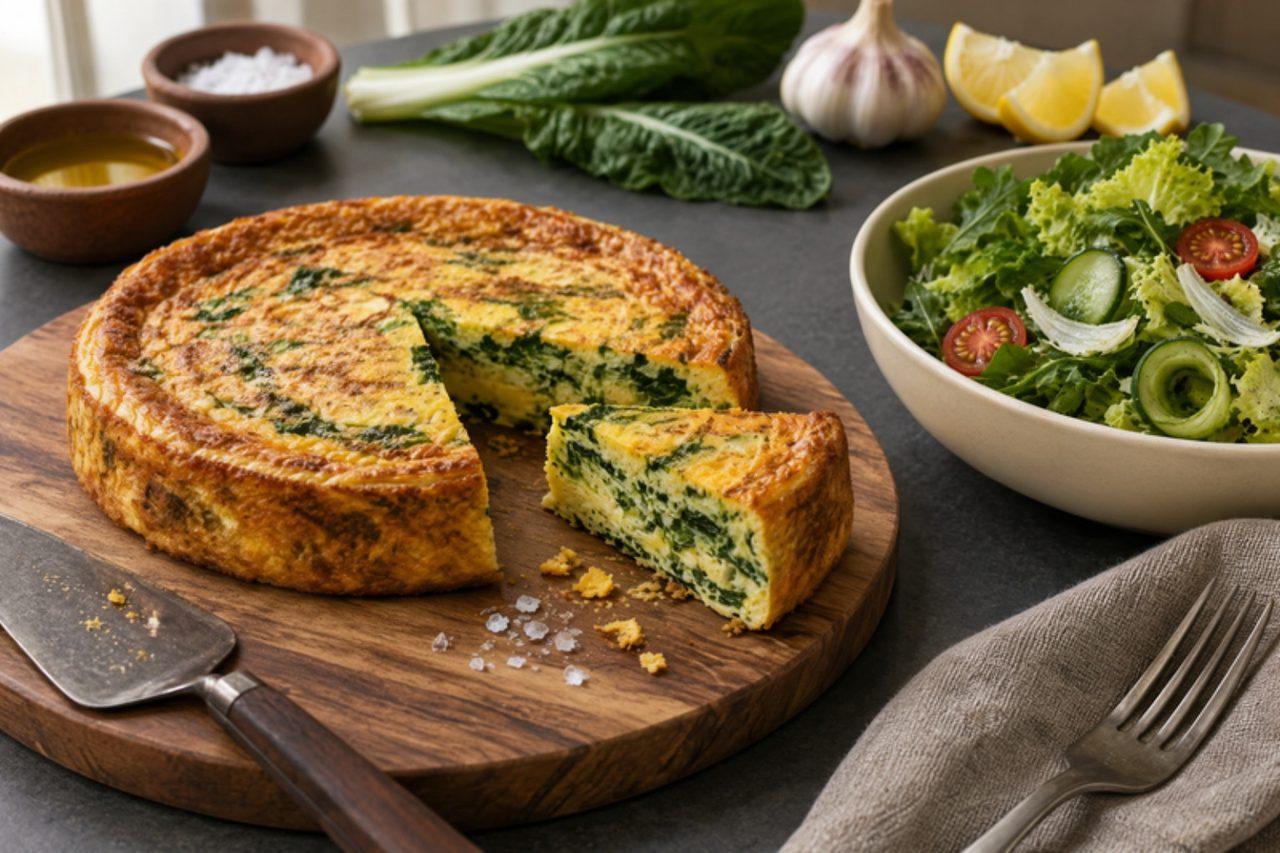
In Montevideo and Buenos Aires, tortilla de acelga is a homely supper or picnic dish, cut into wedges for a weekday dinner or packed for a Sunday at the beach, hot or cold. Plenty of chard is cooked down with onion and garlic, then bound with eggs into a thick, green, juicy omelette that is flipped in the pan like a Spanish tortilla. Serve it with a tomato salad. Suitable as part of a balanced diet. About 190 kcal and 7 g carbohydrate per portion. The usual mistake is leaving the chard wet: squeeze it well, or the tortilla weeps and won't set. If you're cooking for anyone pregnant, a young child or anyone with a weakened immune system, cook it until fully set in the middle. Chef's tip: cook it on a low heat with a lid on for the first side; it sets through without burning the base.

by KrazyBadal 0 views

Ka'i ladrilloPeanut molasses bricks

Ka'i ladrillo — 'monkey brick' in Guaraní — is the sweet sold by vendors on Asunción buses and at country fiestas: roasted peanuts bound in boiled cane molasses and set in brick-shaped blocks, crunchy and dark with a slightly smoky toffee taste. It contains peanuts, so keep it away from anyone with a peanut allergy. The common mistake is taking the syrup off too soon, so the bricks stay sticky and never set. Chef's tip: test the syrup by dropping a little into cold water; it is ready when it sets into a brittle thread that snaps.

by KrazyBadal 0 views

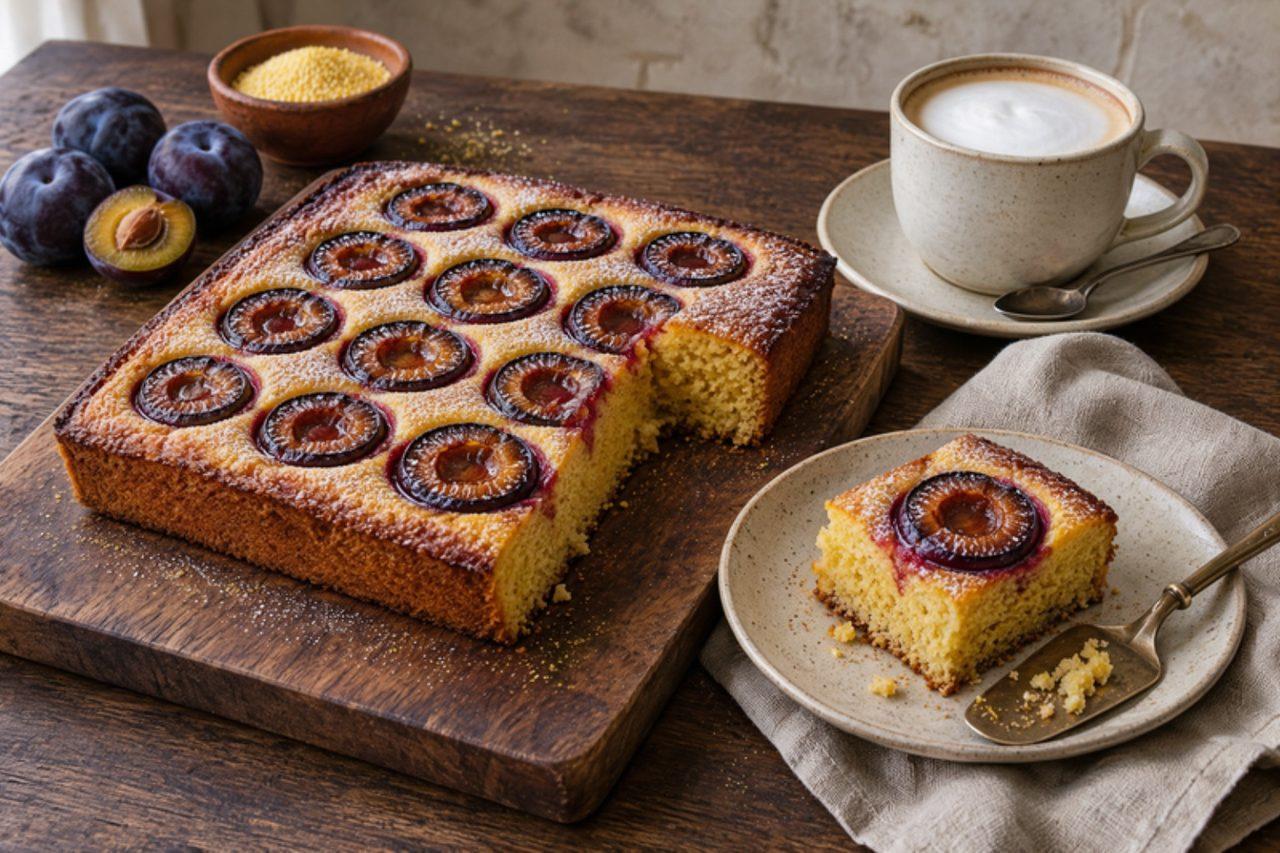
ZlevankaBaked cornmeal and buttermilk cake

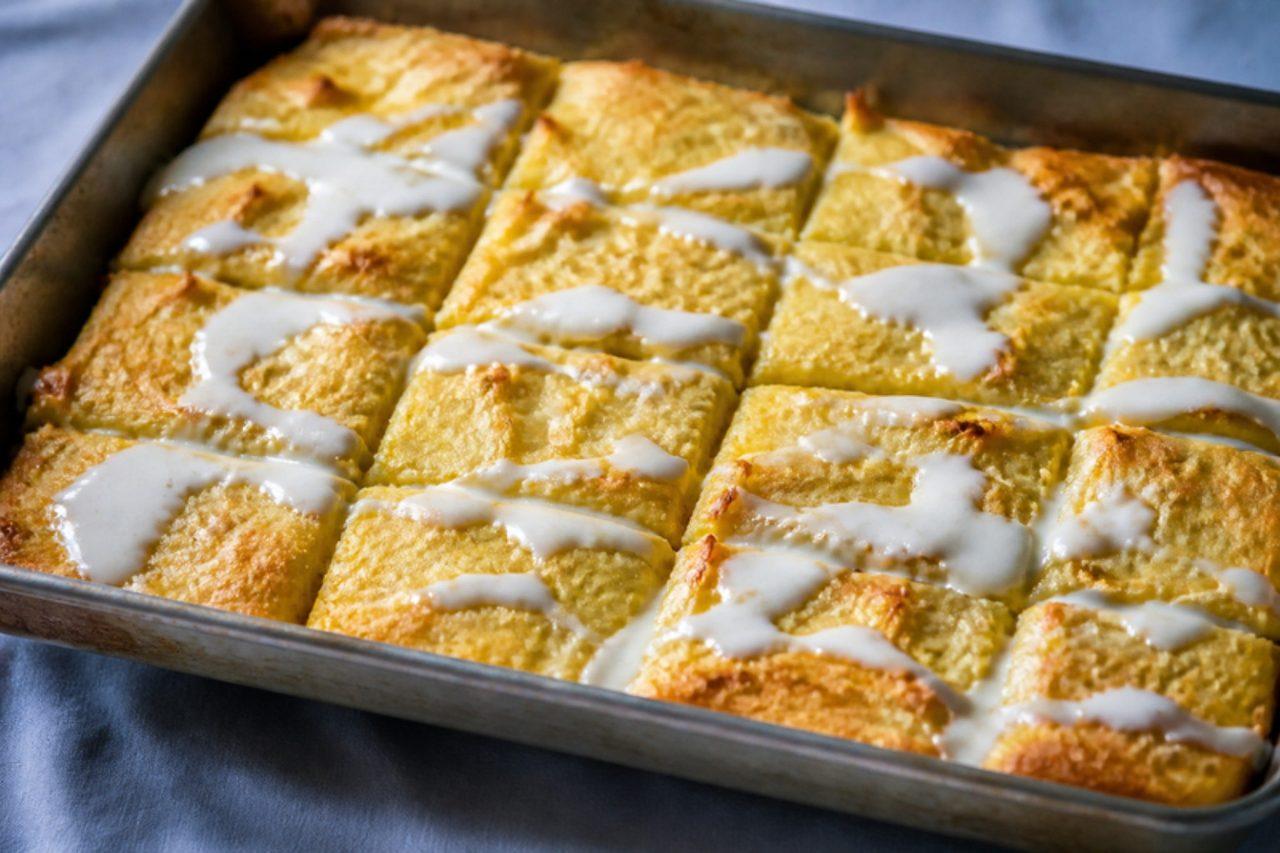
Zlevanka, from the Slovenian for 'poured', is a farmhouse batter cake from the Prekmurje and Štajerska regions, poured into a tin and baked for breakfast, then cut into squares and eaten with a big cup of milky white coffee. This sweet version is made with cornmeal and buttermilk, which give it a soft, moist, slightly crumbly crumb with a golden crust; some families add fruit on top. The common mistake is overmixing the batter once the flour goes in, which makes it tough; stir only until combined. Chef's tip: soak the cornmeal in the buttermilk for 15 minutes before mixing, so it softens and the cake isn't gritty.

by KrazyBadal 0 views

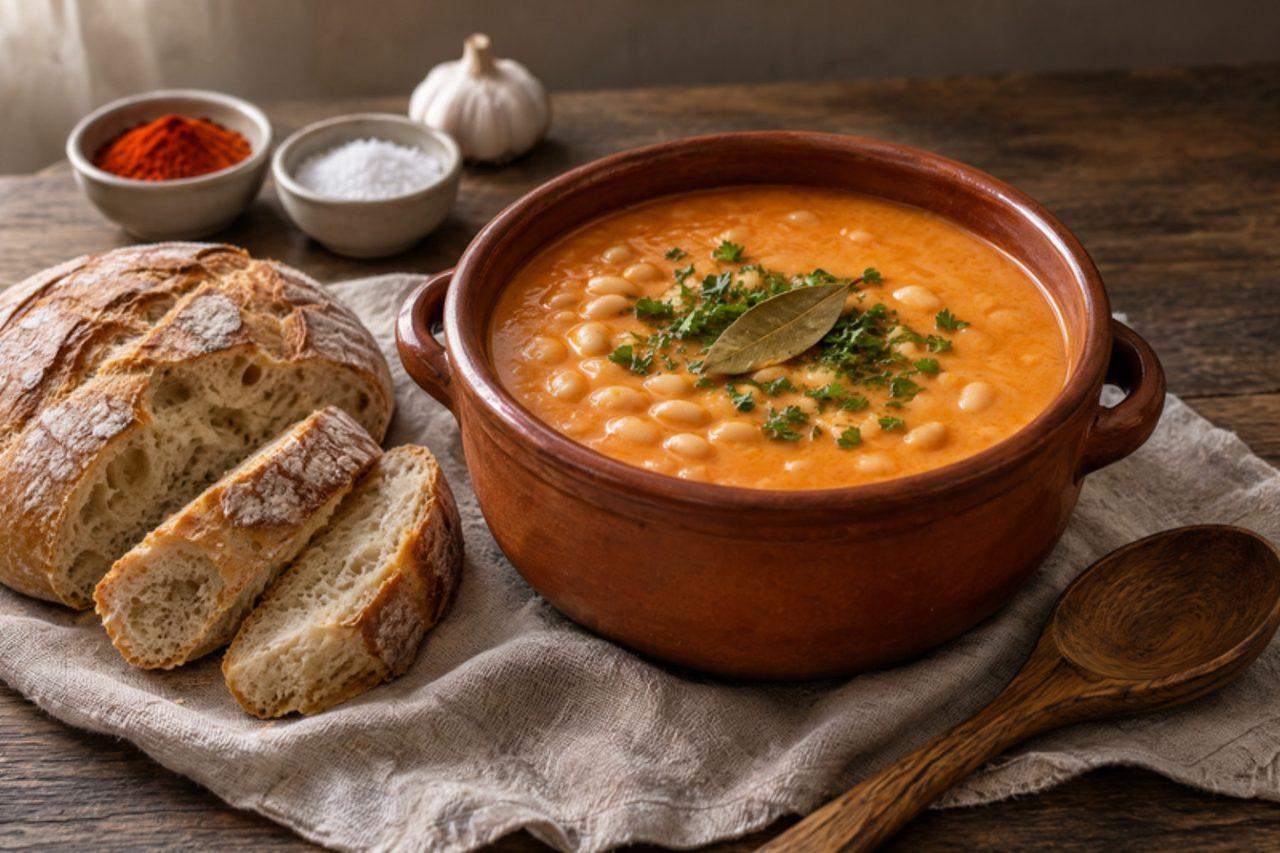
PasuljWhite bean soup

Pasulj is the beloved bean soup of Serbia, served in Belgrade's old taverns and in army and school canteens, and especially on Thursdays and cold weekends. Usually it is cooked with smoked pork ribs or bacon; this vegetarian version gets its smoky depth from smoked paprika instead, and it is the version cooked on Orthodox fasting days. White beans simmer slowly with onion, carrot, bay and paprika until creamy and thick enough to stand a spoon in. Eat it with bread and pickled peppers. Suitable as part of a balanced diet. About 310 kcal and 40 g carbohydrate per portion. The usual mistake is thickening with too much flour roux; mashing some beans gives the same body and keeps it gluten free. Pressure cooker option: 25 minutes at pressure. Chef's tip: change the water after the first boil, as Serbian cooks do, for a softer, gentler soup.

130 minBalkanSoupsVeganGluten free
by KrazyBadal 1 views

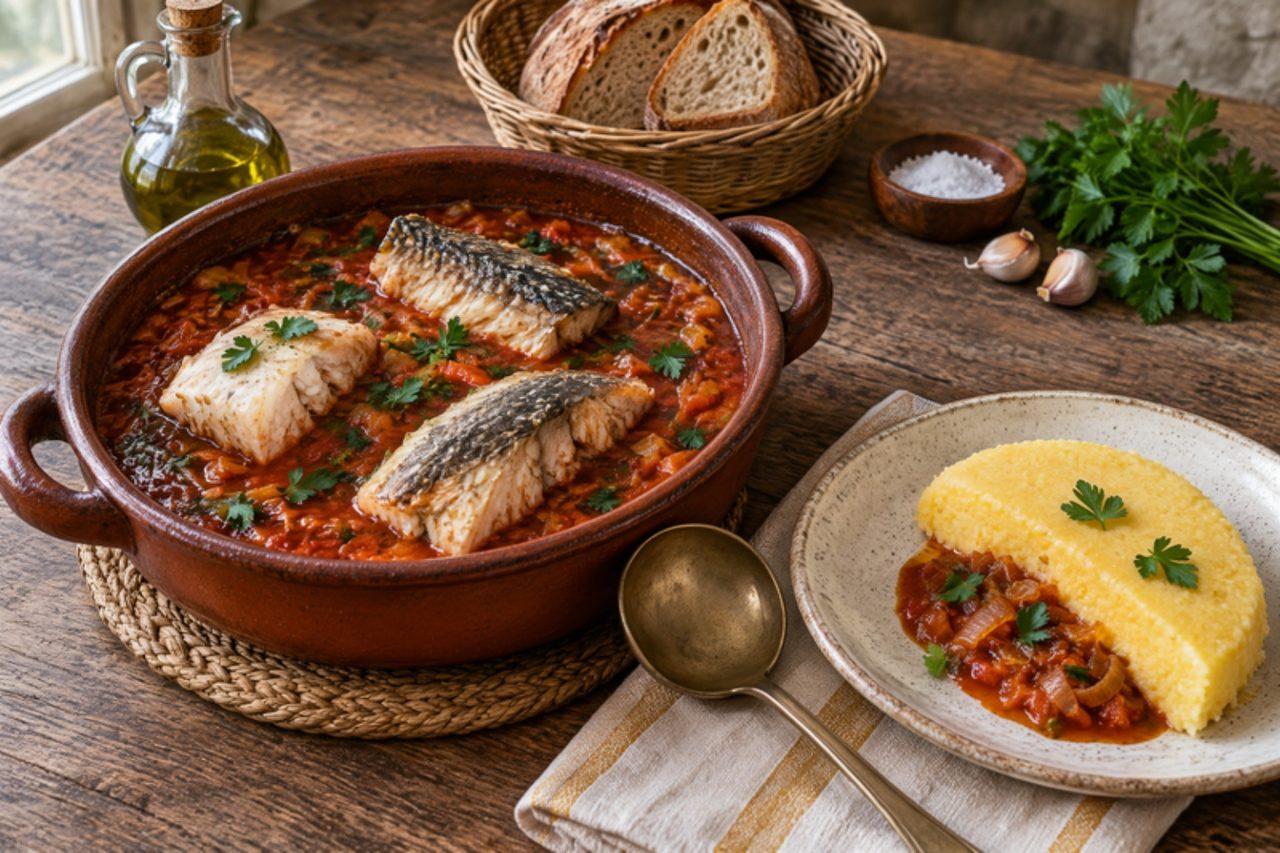
BrudetFisherman's fish stew

Brudet (or brodetto) is the fisherman's stew of the Dalmatian coast and islands, cooked in Split, Hvar and Korčula with whatever the morning's catch brings, and eaten for Friday lunch and summer suppers. Thick fish steaks on the bone stew slowly in olive oil with onion, garlic, tomato and a dash of wine vinegar, and the pot is shaken, never stirred. It is high in protein and suitable as part of a balanced diet; polenta is the classic partner, but grilled courgettes, chard or a small portion of soft polenta keep the carbohydrate down. About 330 kcal and 10 g carbohydrate per portion. The usual mistake is stirring with a spoon, which breaks the fish into shreds. Chef's tip: use at least three kinds of fish, mixing firm and softer ones, for a deeper broth.

60 minBalkanFishGluten free
by KrazyBadal 0 views

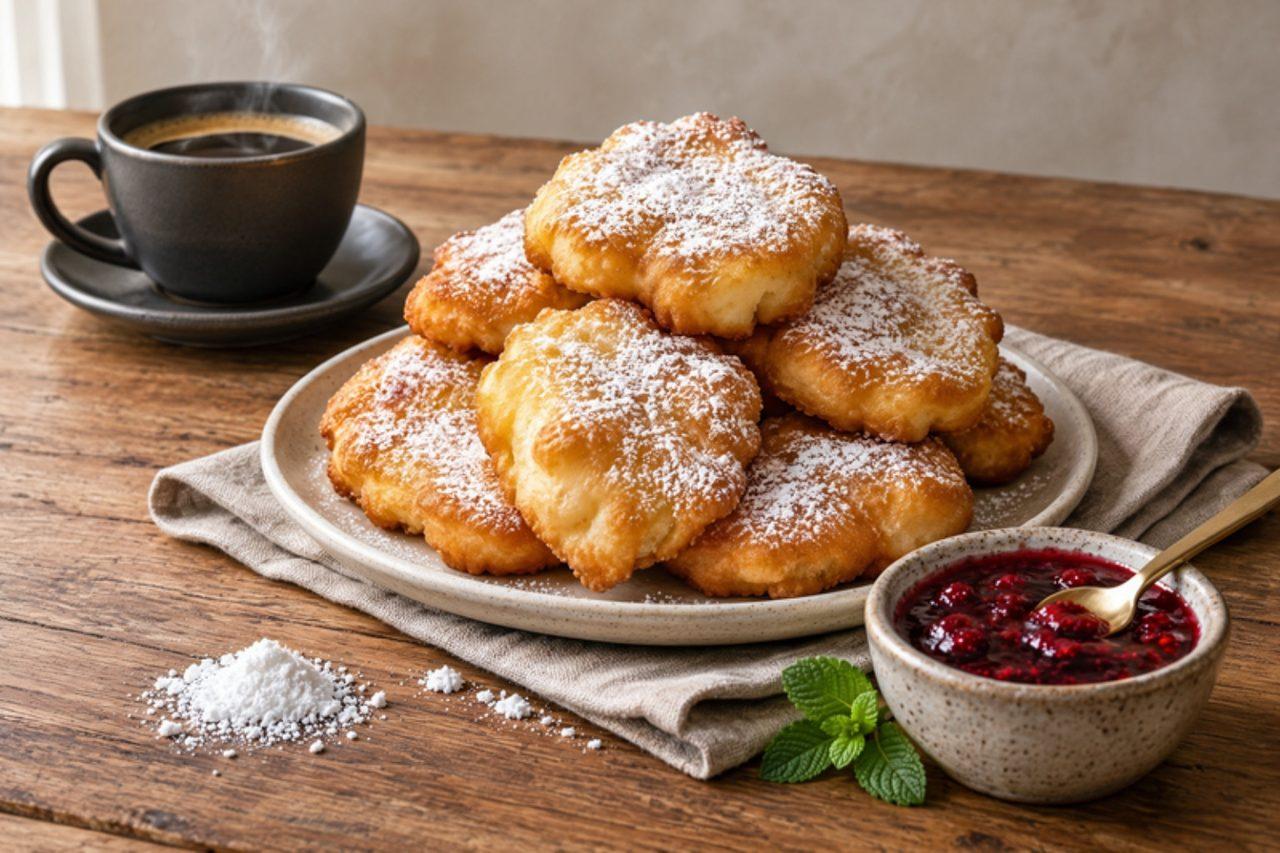
PetullaFried dough fritters

In Albania and Kosovo, petulla are fried on weekend mornings and for family celebrations: a very soft, wet yeast dough is pulled into rough rounds with oiled hands and dropped into hot oil, where it puffs into golden, airy fritters. They are eaten hot with feta-style cheese, jam, honey or a dusting of sugar, alongside tea or coffee. The common mistake is adding flour until the dough is firm and easy to handle; it should be almost too wet to hold, which is what makes petulla light and hollow. Chef's tip: keep a bowl of oil beside the pan and dip your fingers in it before each fritter, so the sticky dough slides off your hand and stretches thin.

by KrazyBadal 0 views

PaprenjaciHoney, walnut and pepper biscuits

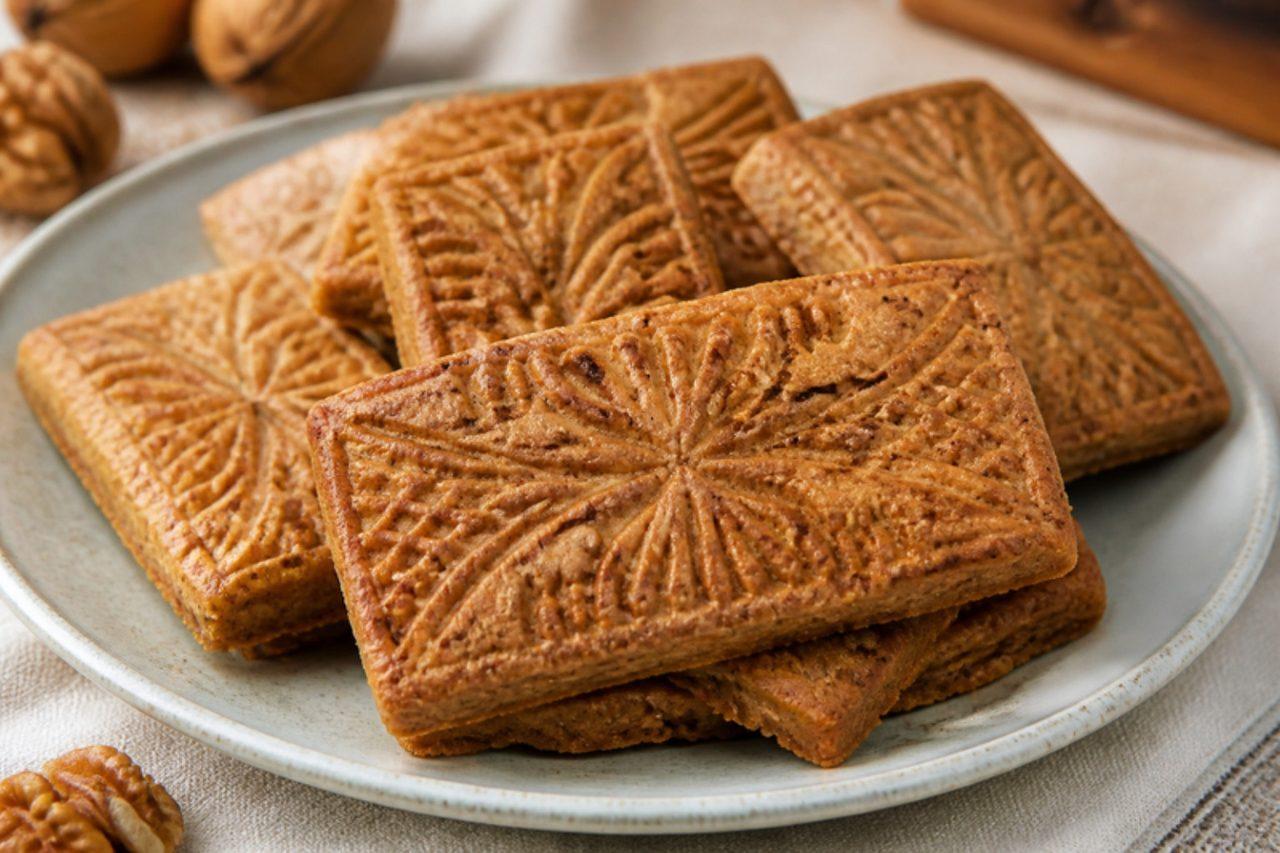
Paprenjaci have been baked in Zagreb and the villages of northern Croatia for centuries, and today they are on the list of Croatian heritage foods, sold at Christmas fairs and as gifts in pretty tins. The dough is sweetened with honey and spiced with cinnamon, cloves and a surprising amount of black pepper, then pressed into carved wooden moulds so each biscuit carries a flower, bird or heart. They are firm at first, with a slow peppery heat behind the honey, and soften after a few days. Serve them with tea, mulled apple juice or coffee. The usual slip is forgetting to flour the mould, so the dough sticks and the pattern tears; dust it every time. Chef's tip: grind the pepper as finely as you can, almost to a powder, so you get warmth in every bite rather than hard specks.

by KrazyBadal 0 views

PastrmajlijaFlatbread with salted pork and egg

Štip in eastern North Macedonia holds a whole festival for pastrmajlija, a long boat-shaped flatbread baked in a wood oven and loaded with little cubes of salted pork, finished with a cracked egg and sometimes a hot pepper. Traditionally the meat is pastrma, dried salted pork or mutton; this home version salts diced pork shoulder in the fridge for a few hours and then bakes it on the dough until fully cooked, so it is safe and juicy. Eat it hot from the oven, torn by hand, with pickled peppers and a glass of cold yogurt drink. A common mistake is rolling the dough too thin; it needs a soft, chewy base to hold the meat juices. Chef's tip: bake on a pizza stone or upturned heavy tray, as hot as your oven goes.

150 minBalkanMeat
by KrazyBadal 0 views

Njeguški ražanjPork rolls with ham and cheese

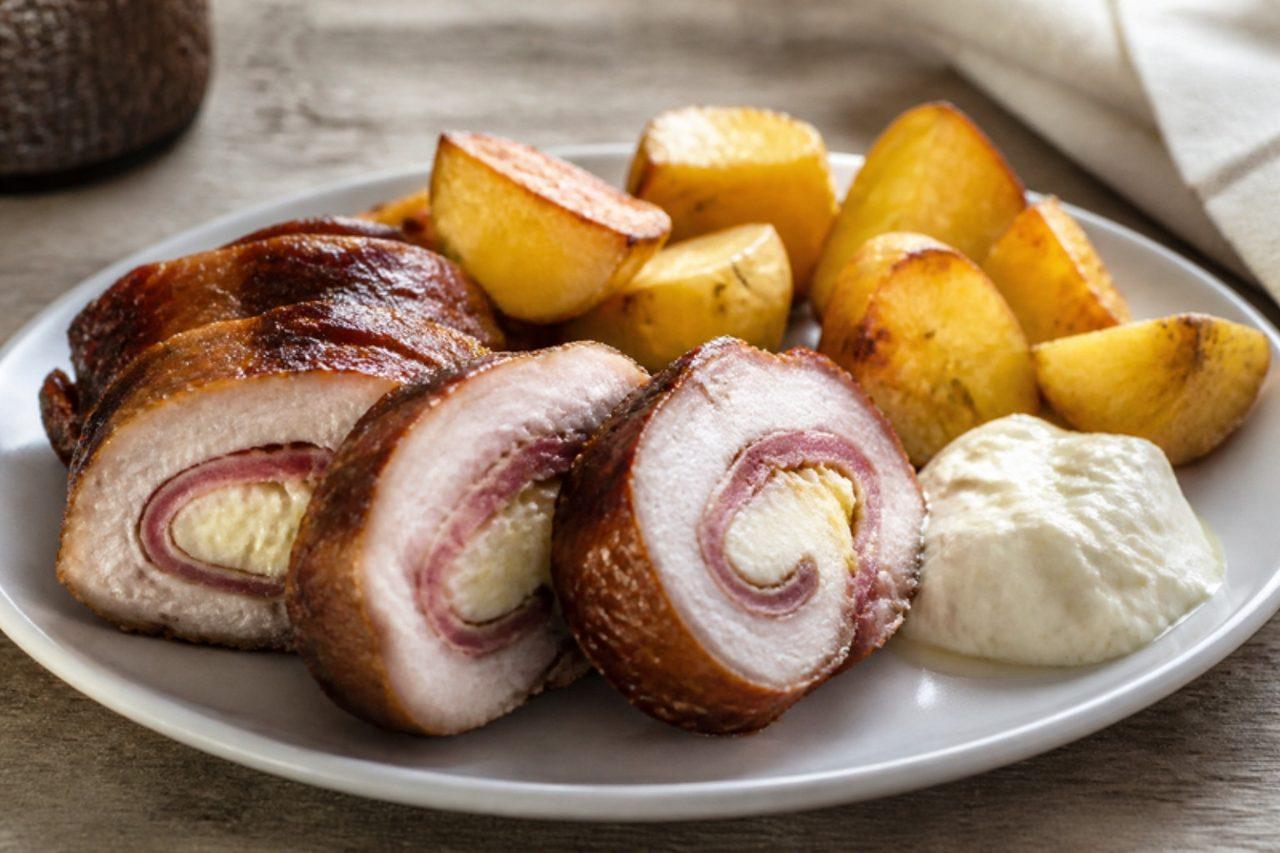
Njeguši, the stone village high above the Bay of Kotor in Montenegro, is famous for two things: its air-dried pršut ham and its sheep's cheese. This dish wraps both inside thin pork escalopes, which are rolled tight, threaded onto skewers and roasted, traditionally on a spit, until the outside is browned and the cheese melts into the ham. It is pork through and through, and once the rolls are cooked right through the cured ham inside is cooked too. Serve with roast potatoes and a little kajmak or sour cream. A common mistake is pounding the pork too thin, so it tears; aim for 5 mm. Chef's tip: marinate the pork overnight in the fridge with garlic and oil; the meat stays juicy around the salty filling.

90 minBalkanMeatGluten free
by KrazyBadal 0 views

Ohridska pastrmkaBaked trout with garlic and parsley

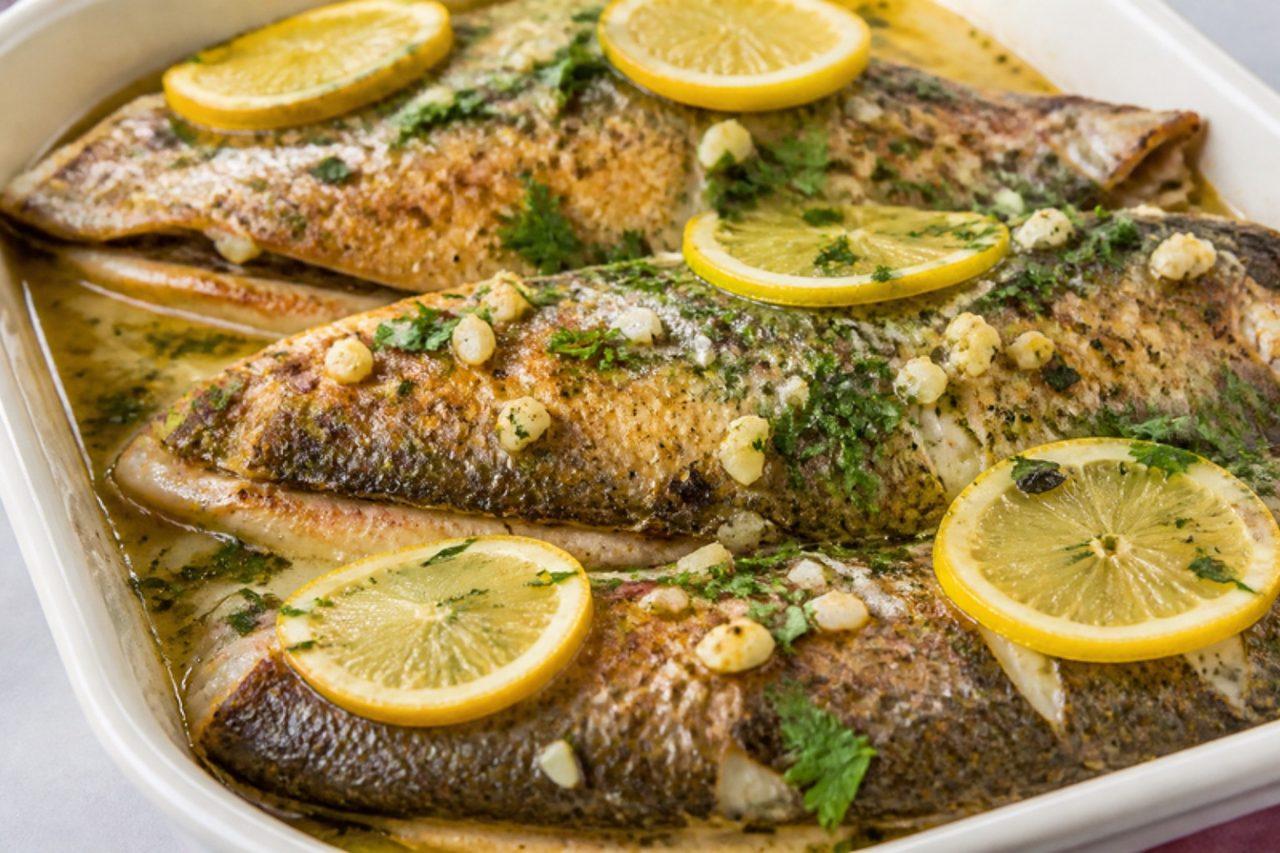
Lakeside restaurants in Ohrid, North Macedonia, are known for trout cooked simply with garlic, parsley and good oil, eaten on a terrace above the water. The famous Ohrid trout itself is now protected and should not be bought, so use farmed rainbow or brown trout fillets: the flesh comes out pink, tender and juicy, with a crisp garlicky crust of breadcrumb-free herbs. Serve with boiled potatoes dressed with oil and a tomato salad. A common mistake is overbaking: trout fillets are thin and go dry in minutes. Chef's tip: mix the garlic and parsley with the oil and a pinch of salt half an hour ahead so the garlic mellows.

25 minBalkanFishGluten free
by KrazyBadal 0 views

PërsheshCornbread in chicken broth

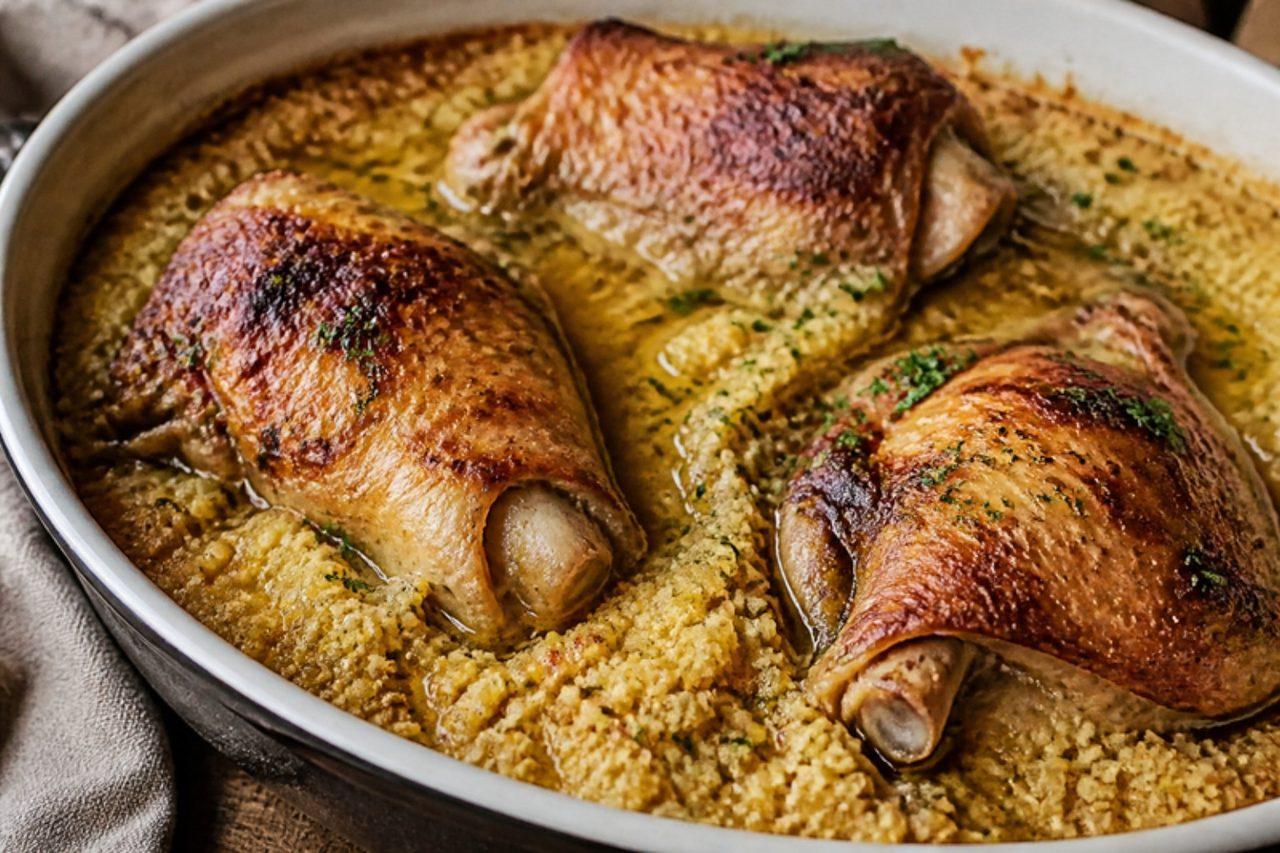
Weddings and big family gatherings in Kosovo often start with a tray of përshesh: crumbled cornbread soaked in rich chicken broth and baked until it sets into a soft, savoury, spoonable bake with a golden crust, topped with pieces of the poached chicken. It is homely and filling, eaten with pickled peppers and a cucumber salad. A common mistake is using a sweet, wheat-heavy cornbread: it falls apart and tastes like cake. Make a plain, coarse bread with cornmeal only. Chef's tip: bake the cornbread the day before; stale crumbs soak up the broth more evenly.

by KrazyBadal 0 views

KulenPaprika and garlic pork sausage

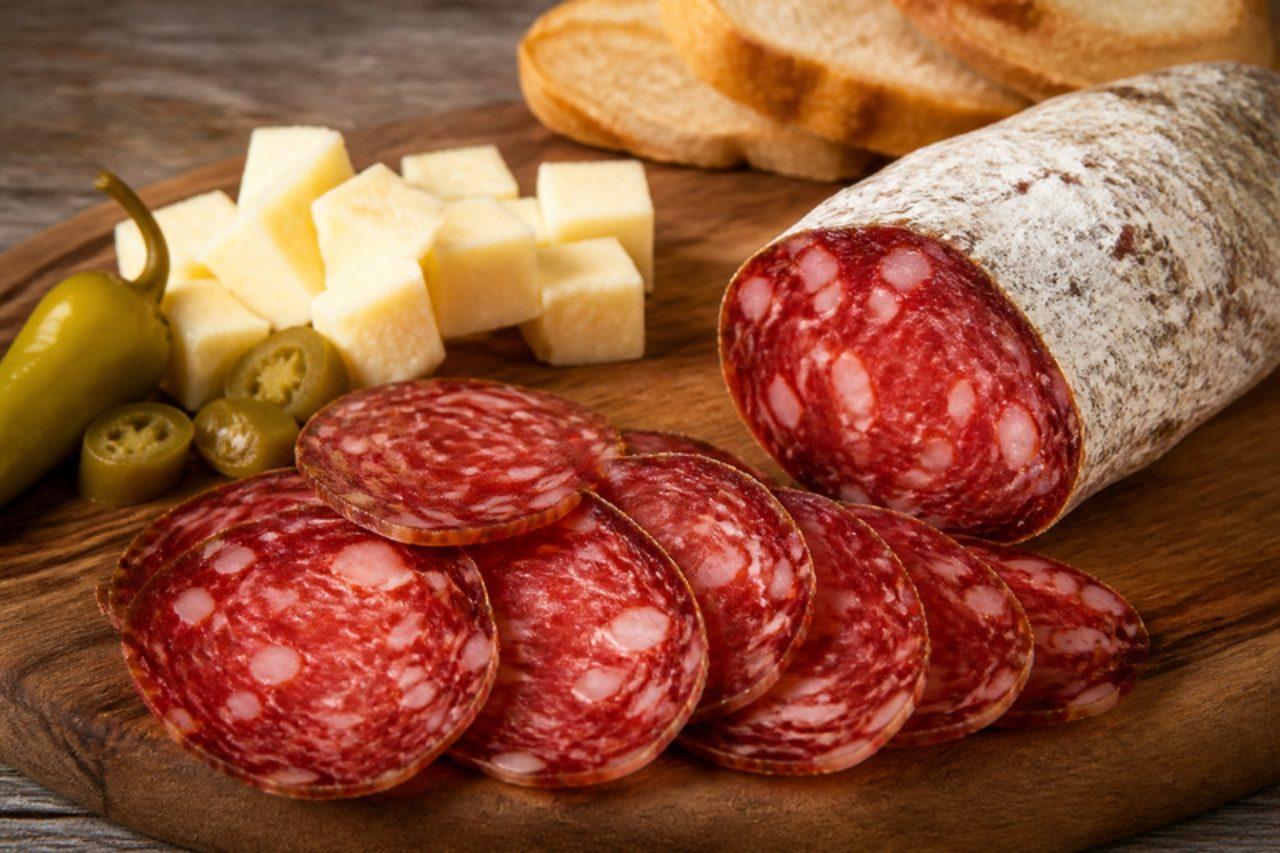
In Slavonia, eastern Croatia, kulen is the prize of the winter pig slaughter: lean pork, plenty of hot paprika and garlic packed into a thick casing and then smoked and air-dried for months until firm and brick-red. Long home dry-curing needs controlled rooms and curing salts, so this recipe makes a safer fresh kulen-spiced pork sausage, rested overnight in the fridge and cooked through to 71 °C. If you want the real cured kulen, buy it sliced from a good deli; it is eaten uncooked, so it is not for pregnant women, young children or anyone with a weakened immune system. Serve the fresh sausages hot with bread, pickled peppers and sour cream or ajvar. A common mistake is letting the meat get warm while mixing, which makes it crumbly. Chef's tip: chill the mince and the bowl until icy before you start.

1485 minBalkanMeatGluten freeSpicy
by KrazyBadal 0 views

Leskovačka mućkalicaCharred pork stew with peppers

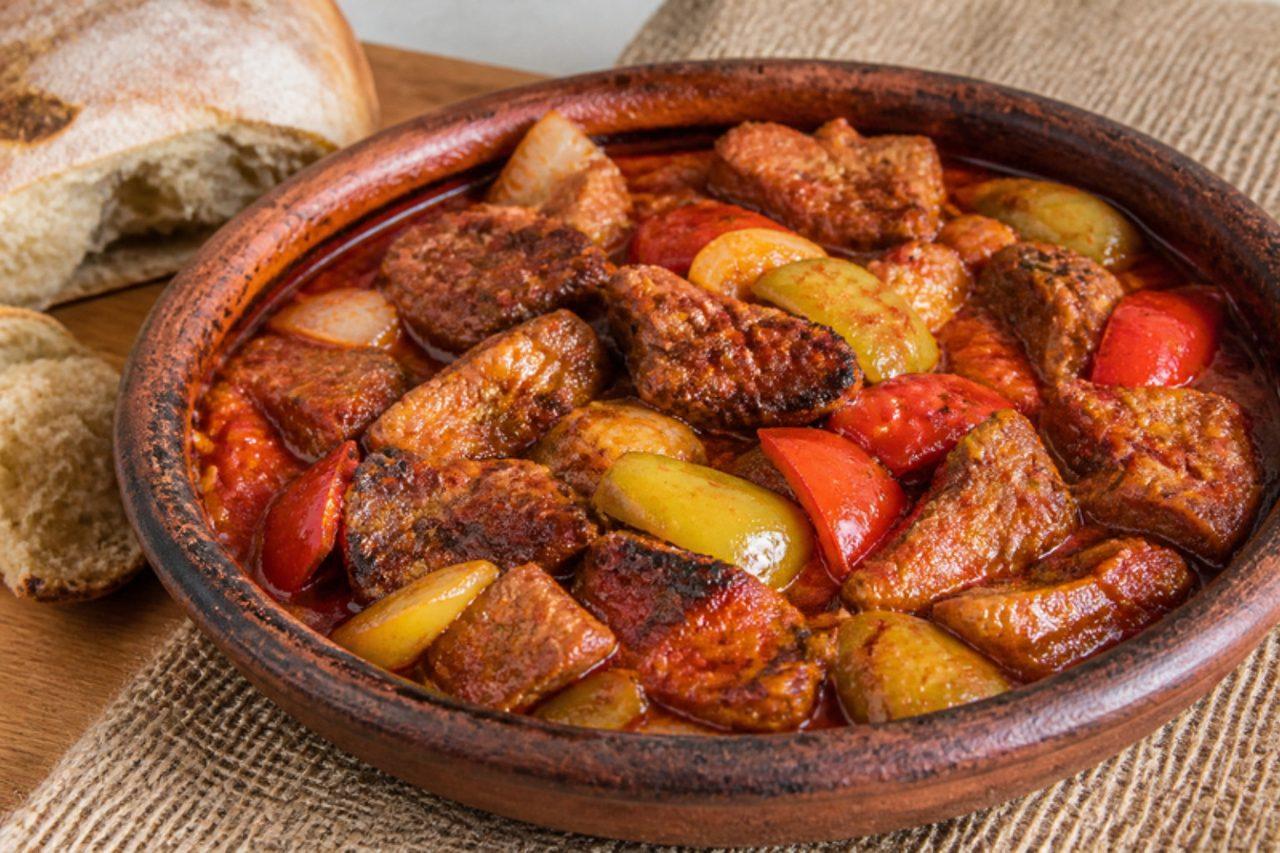
Leskovac, in southern Serbia, is the country's grill capital, and its late-summer barbecue festival fills the main street with smoke; mućkalica is what the grill cooks make with meat that has spent time over the coals. Chunks of pork neck or shoulder are charred, then stewed with roasted peppers, onion, tomato and hot paprika until the sauce turns thick, glossy and fiery. This home version marinates the pork in the fridge and sears it on a griddle pan for that charred note. Serve straight from the pot with flatbread and a cucumber salad. The name comes from shaking the pan, and constant stirring is the usual mistake; swirl the pot instead so the pepper strips keep their shape. Chef's tip: char the peppers until black and blistered, then steam them in a covered bowl for 10 minutes and the skins slip off in seconds.

80 minBalkanMeatGluten freeSpicy
by KrazyBadal 0 views

Kranjska klobasaSmoked pork sausage

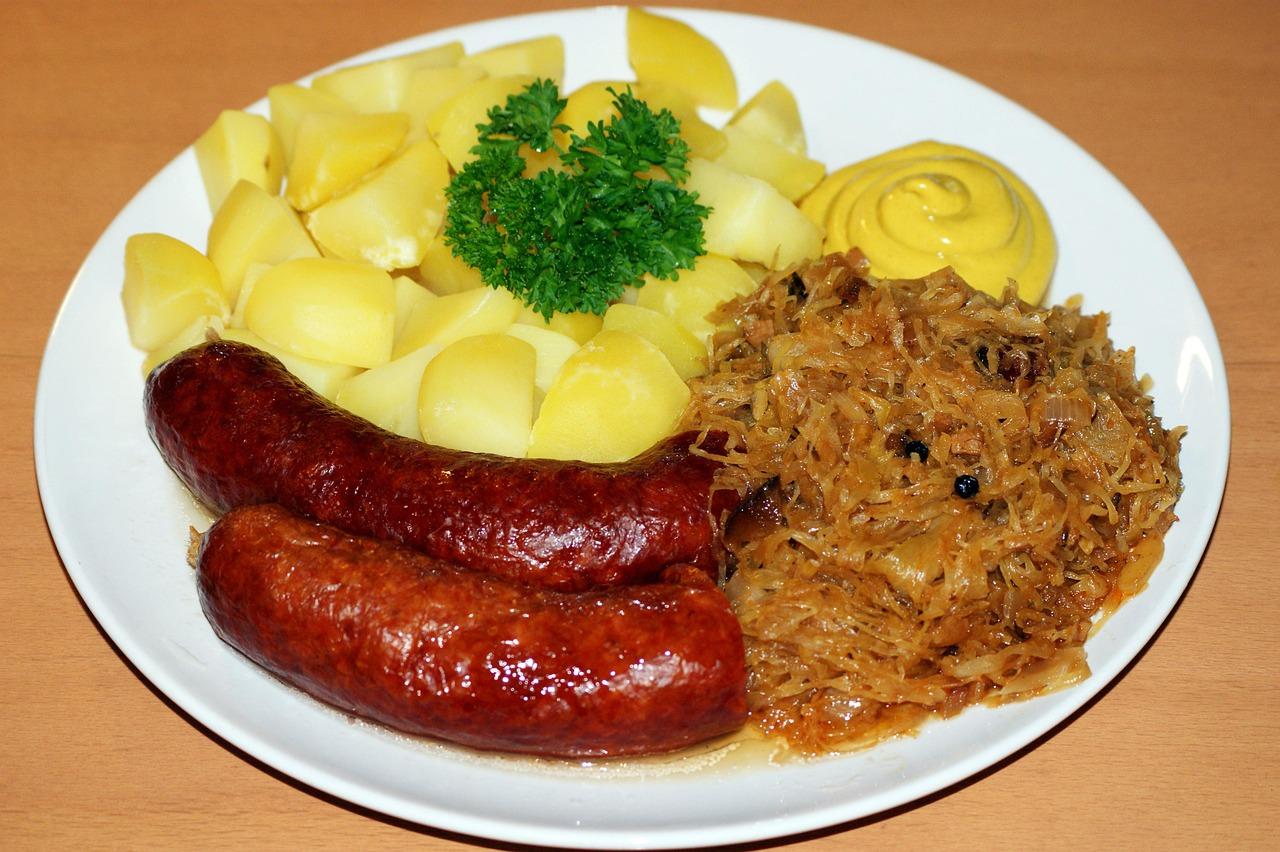
Slovenians eat Carniolan sausage everywhere, from the stalls of Ljubljana's market to mountain huts and the ski slopes: a coarse, garlicky pork sausage, smoked until bronze, then heated in water and served with mustard, freshly grated horseradish and bread. Made with pork shoulder and back fat chopped rather than finely minced, it snaps when you bite it and spills juice. The official sausage uses curing salt for its pink colour; this home version leaves it out, so the inside is pale, and it is hot-smoked until fully cooked, so it is safe to eat. A common mistake is boiling the sausages to reheat them; they split and dry out, so keep the water just below a simmer. Chef's tip: cut the meat and fat by hand into small dice for some of the mix, it gives the classic chunky bite.

240 minBalkanMeatGluten free
by KrazyBadal 0 views

KljukušaBaked grated potato batter

Ask anyone from Bihać or Cazin in north-western Bosnia about kljukuša and they will describe a big tray of it coming out of the oven on a weekday, golden and blistered, then soaked in garlic yogurt at the table. Grated raw potato is stirred into a loose flour batter and baked in a thin layer, giving a crisp, browned top and a soft, slightly chewy middle, a bit like a potato pancake from the oven. The cold, garlicky yogurt against the hot potato is the whole point, with a green salad or pickles on the side. The usual slip is spreading it too thick, which leaves a gummy, undercooked centre; keep the layer to about 1.5 cm. Chef's tip: get the oiled tray smoking hot in the oven first, so the bottom crisps as soon as the batter hits it.

by KrazyBadal 0 views

Komplet lepinjaFlatbread with kajmak and egg

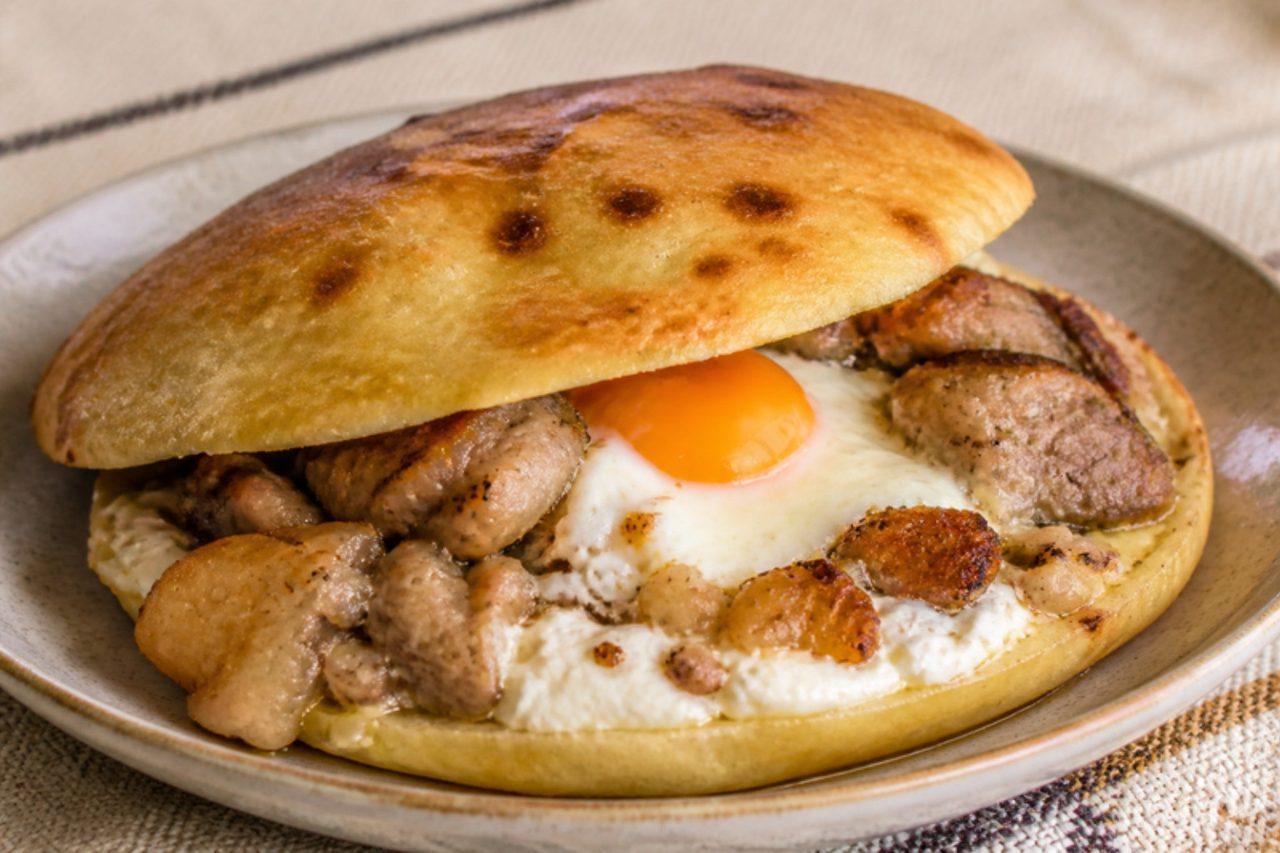
Roadside inns in the hills around Užice and Zlatibor in western Serbia serve this as a breakfast for people with a long day ahead: a round flatbread hollowed out and filled with kajmak and an egg, baked, then soaked with pretop, the hot fat and juices left from roasting pork or lamb. It is rich, salty and messy, eaten with your hands with a yogurt drink and pickled peppers. At home, save the drippings from a Sunday pork roast, keep them in the fridge and reheat until bubbling. The usual slip is cutting the lid too thin, which leaves no room for the egg and it spills over the side. Bake until the white is fully set; for anyone pregnant, very young, elderly or unwell, bake on until the yolk is firm too. Chef's tip: put the lid back on for the last two minutes so it toasts, then dunk it straight into the hot drippings.

by KrazyBadal 0 views

KrompirušaPotato filo pie

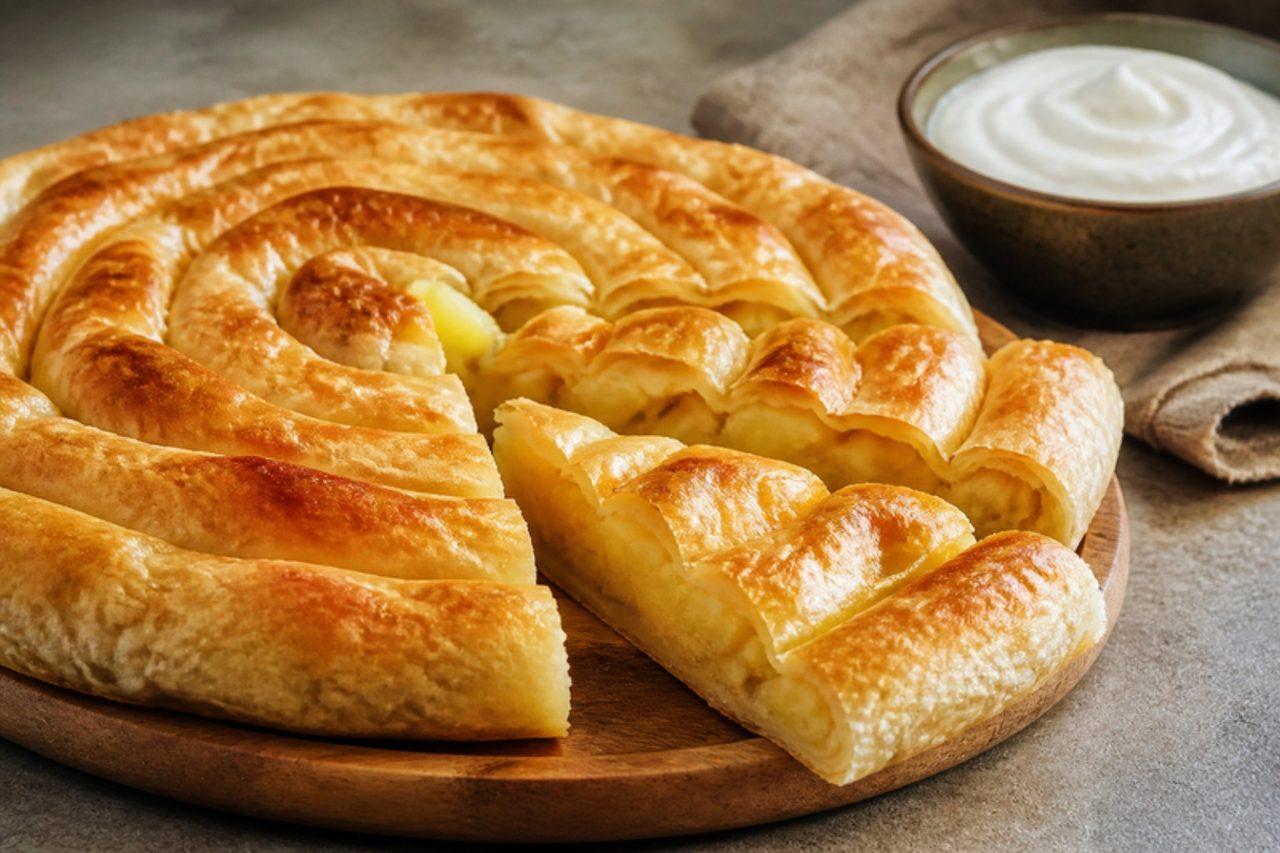
In Bosnia only the meat pie is called burek; the potato version is krompiruša, and Sarajevo's buregdžinice bake it in great round copper trays, coiled like a snail. Thin pastry is wrapped around raw diced potato and onion seasoned with pepper, rolled into long ropes and coiled into the tin, then baked until the outside shatters and the potato inside turns soft and peppery. It is entirely plant-based when made with oil and shop-bought filo, which usually contains only flour, water and oil. Eat it hot with a glass of cold plain yogurt, or soya yogurt to keep it vegan. Where most people go wrong is cutting the potatoes too early, so they turn grey and watery; prepare them just before rolling. Chef's tip: when it comes out of the oven, sprinkle with a little hot water and cover with a clean tea towel for 10 minutes, which softens the top layers just as Bosnian bakers do.

by KrazyBadal 0 views

MatevžCrushed beans and potatoes

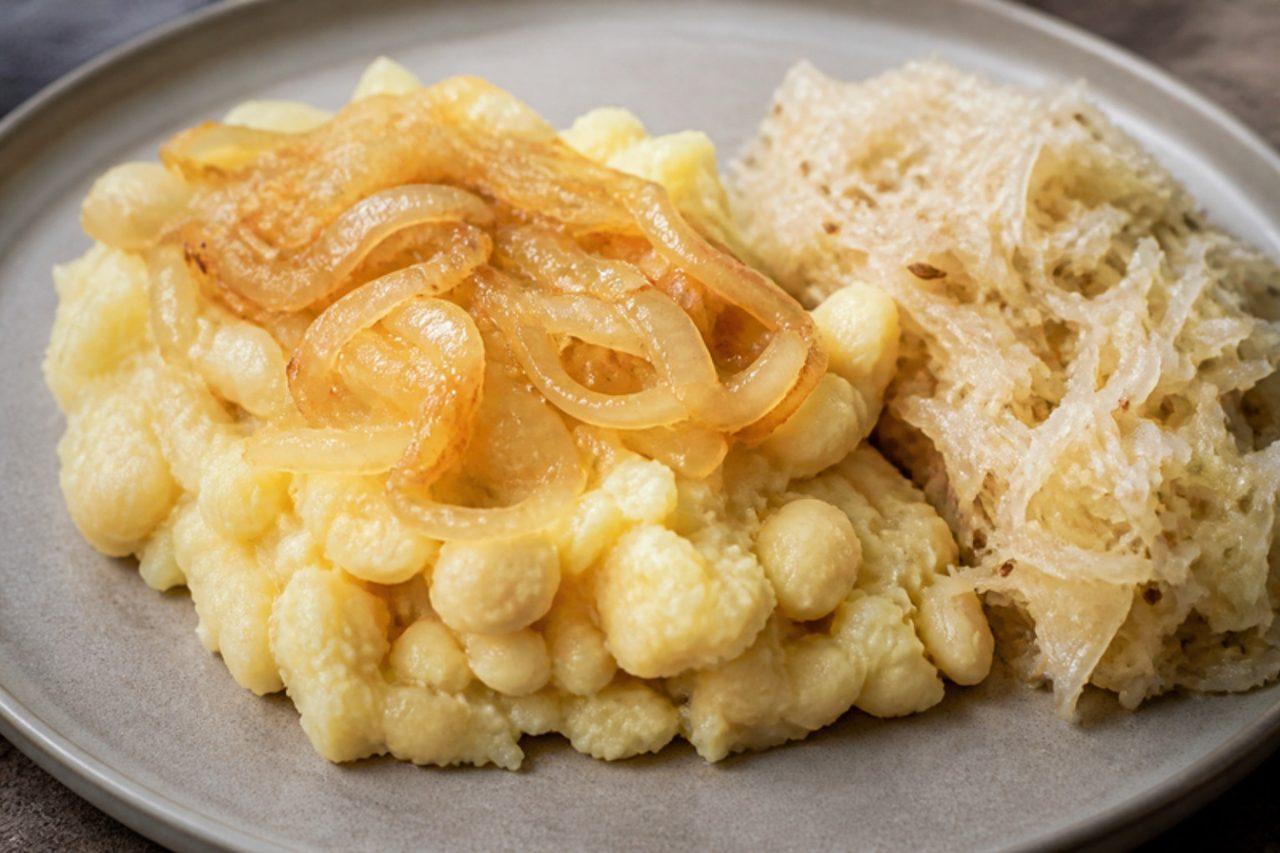
The karst country of Notranjska, south-west of Ljubljana, with its vanishing lakes and stone villages, has a soft spot for matevž: borlotti beans and potatoes crushed together into a coarse, speckled mash, slicked with oil and crowned with fried onion. It is the classic partner for sauerkraut or sour turnip and, on the farm, for a smoked pork sausage; here it stays vegan with olive oil and comes with a caraway sauerkraut. Expect something creamy, earthy and sweet from the onions, cut by the sharp cabbage. Tinned beans keep it to an hour; for dried, soak 250 g overnight and simmer for an hour first. Blitzing it smooth is the usual slip; matevž should be roughly crushed with a masher, bean skins and all. Chef's tip: save a mugful of the cooking water, because matevž firms up as it stands and a splash brings it back.

by KrazyBadal 0 views

ManeštraBean, corn and potato soup

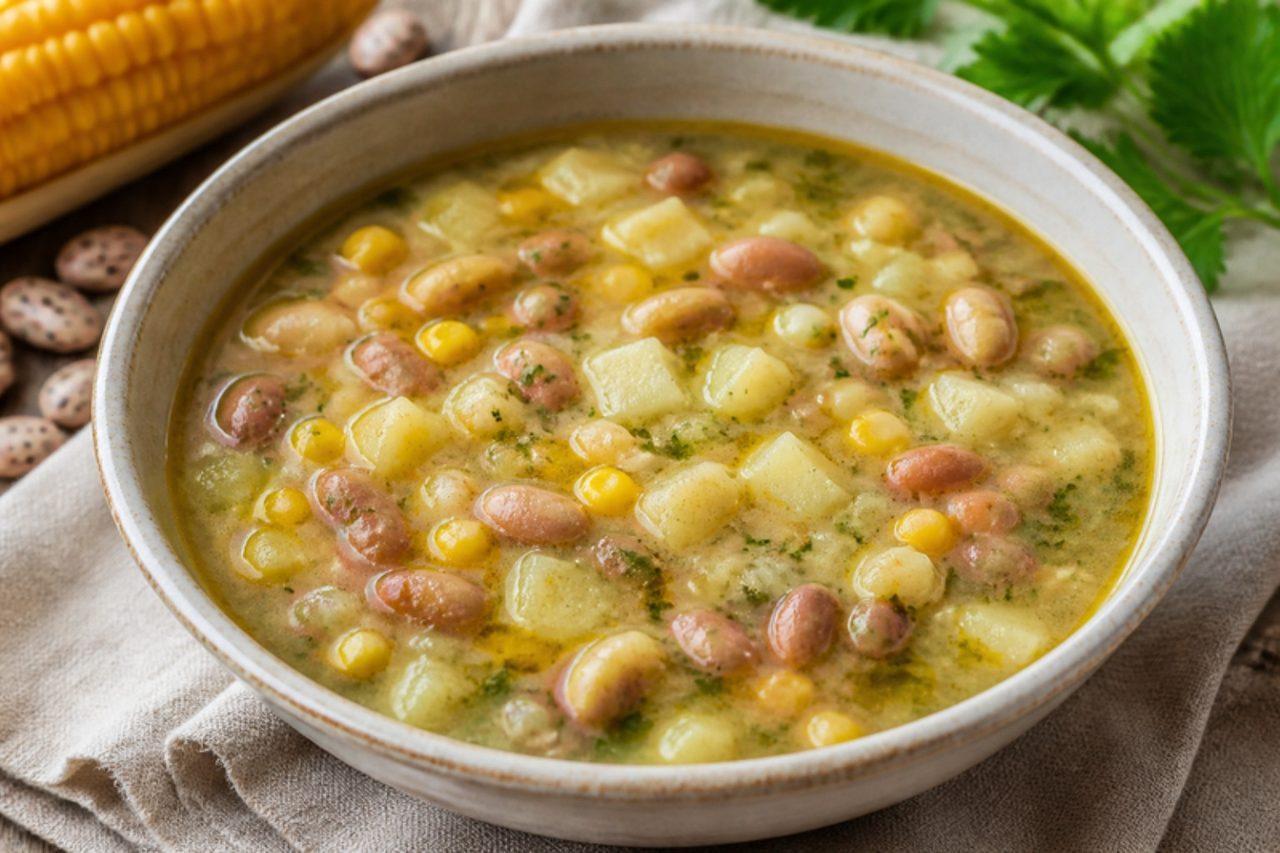
Farm kitchens across Istria, in north-west Croatia, keep a pot of maneštra on the stove through the cold months, a soup so thick a spoon nearly stands in it. Beans, sweetcorn and potatoes are its heart; in the villages it is usually cooked with smoked pork ribs or bacon, but this version is meat-free, with smoked paprika and a garlicky parsley and olive oil paste (an olive oil twist on the traditional pešt) to give it depth. Expect a sweet, earthy, creamy soup with soft corn kernels and herby green flecks; eat it with crusty bread and a drizzle of Istrian olive oil. The beans must soak overnight before you begin. A common mistake is serving it thin and brothy, so mash some of the potato against the side of the pot near the end. Chef's tip: maneštra is better the next day; loosen it with a little hot water when you reheat.

120 minBalkanSoupsVegan
by KrazyBadal 0 views

Idrijski žlikrofiPotato and chive dumplings

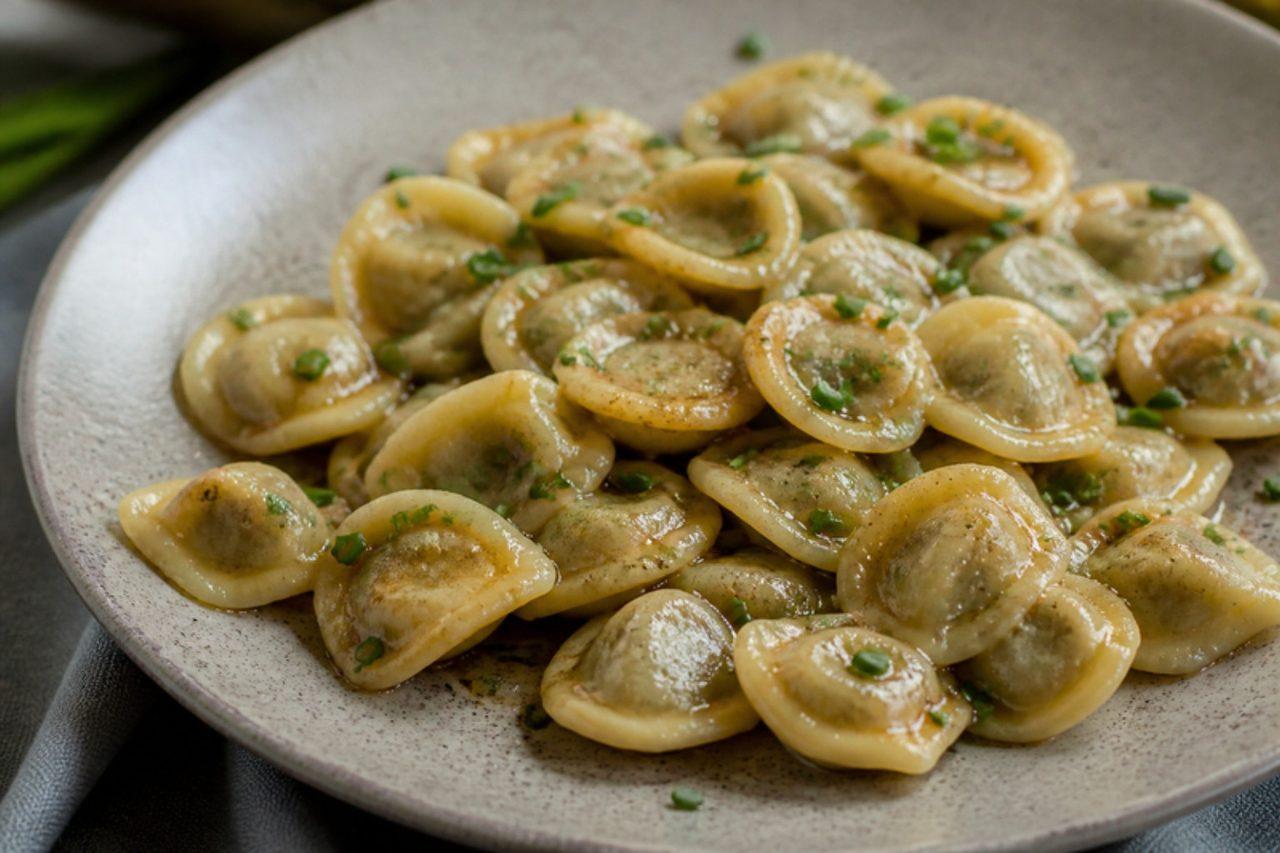
Mercury miners in Idrija, the hill town in western Slovenia, lived on these: thumbnail-sized pasta parcels pinched into a little hat shape with a dimple in the middle and filled with potato, onion, chives and marjoram. They carry EU protected status, and in Idrija they come either with melted butter and crumbs or with bakalca, a slow-cooked lamb sauce; the traditional filling often has a spoon of pork fat or cracklings too. This vegetarian version uses butter throughout. Shaping 150 or so of them is a job for two people and a good chat. A wet filling is the usual downfall: boil the potatoes in their skins and mash them dry, or the dough tears when you pinch it shut. If you add the optional grated hard cheese, choose a vegetarian one, as parmesan-style cheeses use animal rennet. Chef's tip: dry the shaped žlikrofi on a floured cloth for 20 minutes before cooking so they hold their shape.

by KrazyBadal 0 views

Showing 48 of 278 recipes
Show more recipes

Page 2 of 12