Skip to content
Recipes

All recipes

Vegetarian, or something you can't eat? Set your diet once and we'll hide recipes that don't fit.

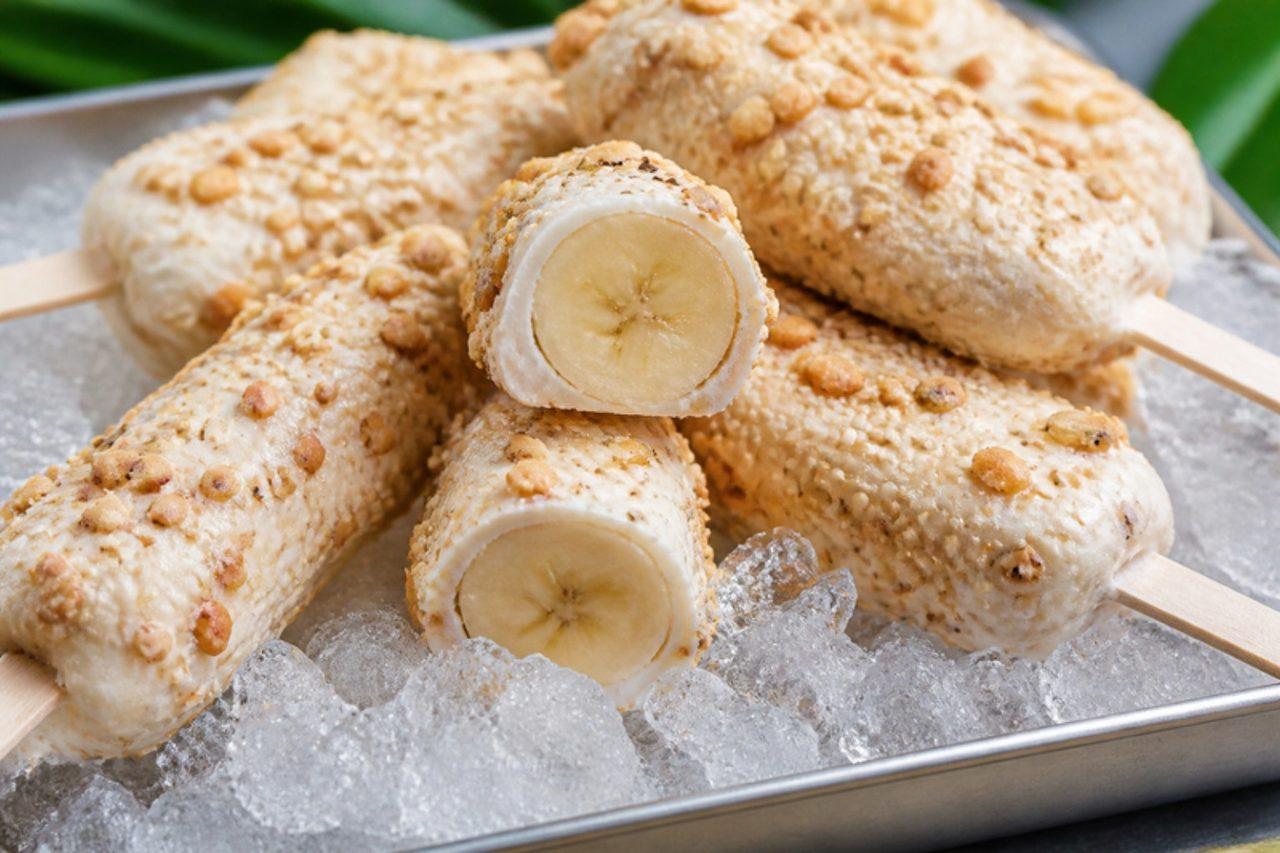
Kem chuối (Vietnamese frozen coconut banana)

Kem chuối is the frozen treat of Saigon's alleys and the Mekong towns, sold from home freezers and school gates through the long hot season. Small, very ripe bananas are pressed flat, coated in thick sweet coconut cream, rolled in roasted peanuts and frozen on a stick; you can also wrap them and slice them into coins. The banana freezes dense and chewy rather than icy, and the coconut coating stays soft and rich. It is naturally egg-free and dairy-free: the coconut cream is cooked with a spoonful of tapioca starch, which thickens it so it clings and holds a thin layer around the fruit, and the banana's own sugar keeps the middle from freezing rock-hard. Kids love making these. Chef's tip: use bananas with plenty of brown freckles; the common mistake is using firm yellow ones, which freeze bland and starchy.

by KrazyBadal 0 views

Bánh cốm (Hanoi green rice-flake cake with mung bean filling)

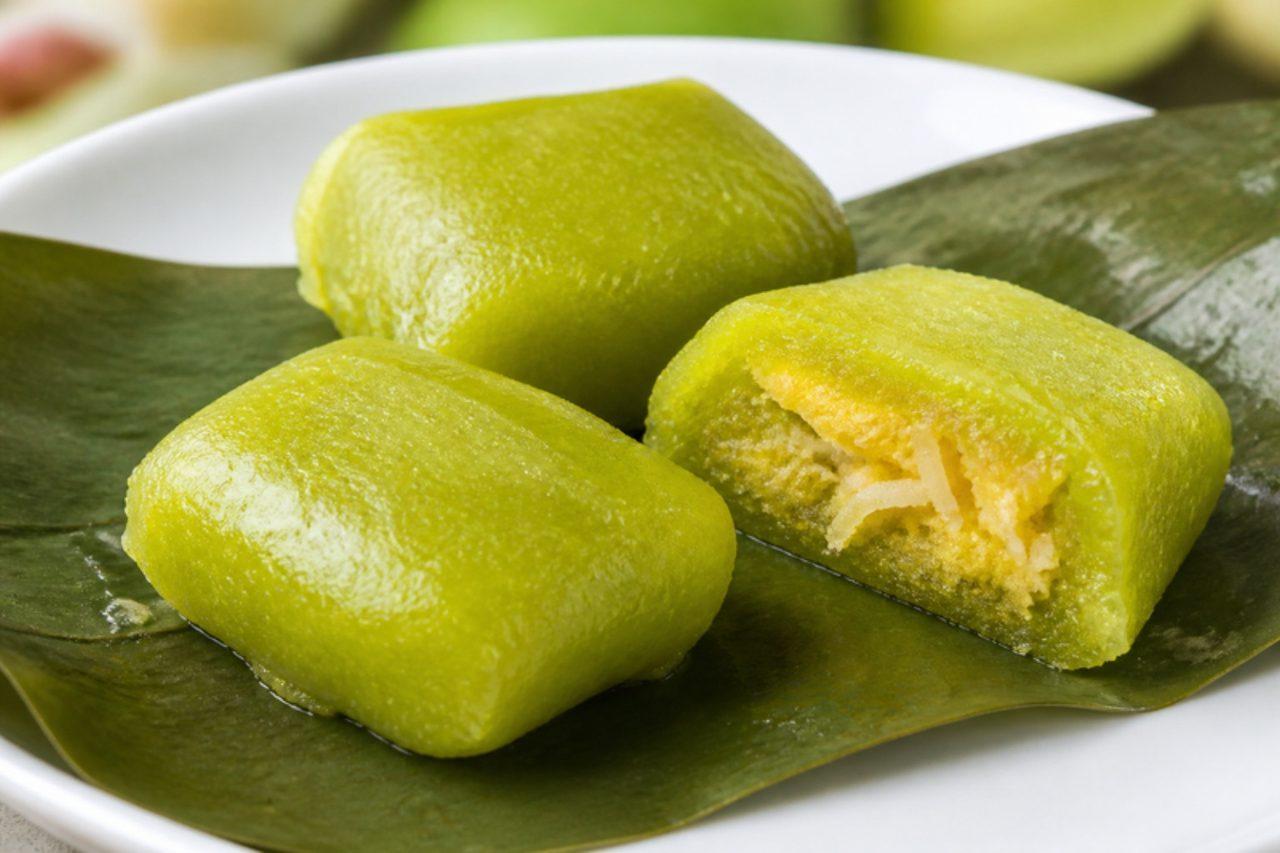
When the new crop of young glutinous rice comes in, in early autumn, Hanoi smells of cốm: green, flattened rice flakes from the village of Vòng. The shops on Hàng Than street press them into bánh cốm, square cakes that are still carried as betrothal gifts in their paper wrappers. The outside is soft, chewy and jade green, tasting faintly of grass and pandan; the inside is a mellow paste of mung bean and coconut. Serve them at room temperature with green or lotus tea. Bánh cốm is naturally egg-free: a hot sugar syrup and a spoonful of tapioca starch turn the rice flakes into a sticky mass that binds itself, and the mung bean paste is bound by its own starch. Use frozen or dried cốm from an Asian grocer; soak dried flakes briefly first. Chef's tip: the common mistake is cooking the cốm too hard; stop as soon as it pulls together into a sticky ball, or the cakes go rubbery when cool.

by KrazyBadal 0 views

Caldo xóchitlChicken, rice and chickpea broth

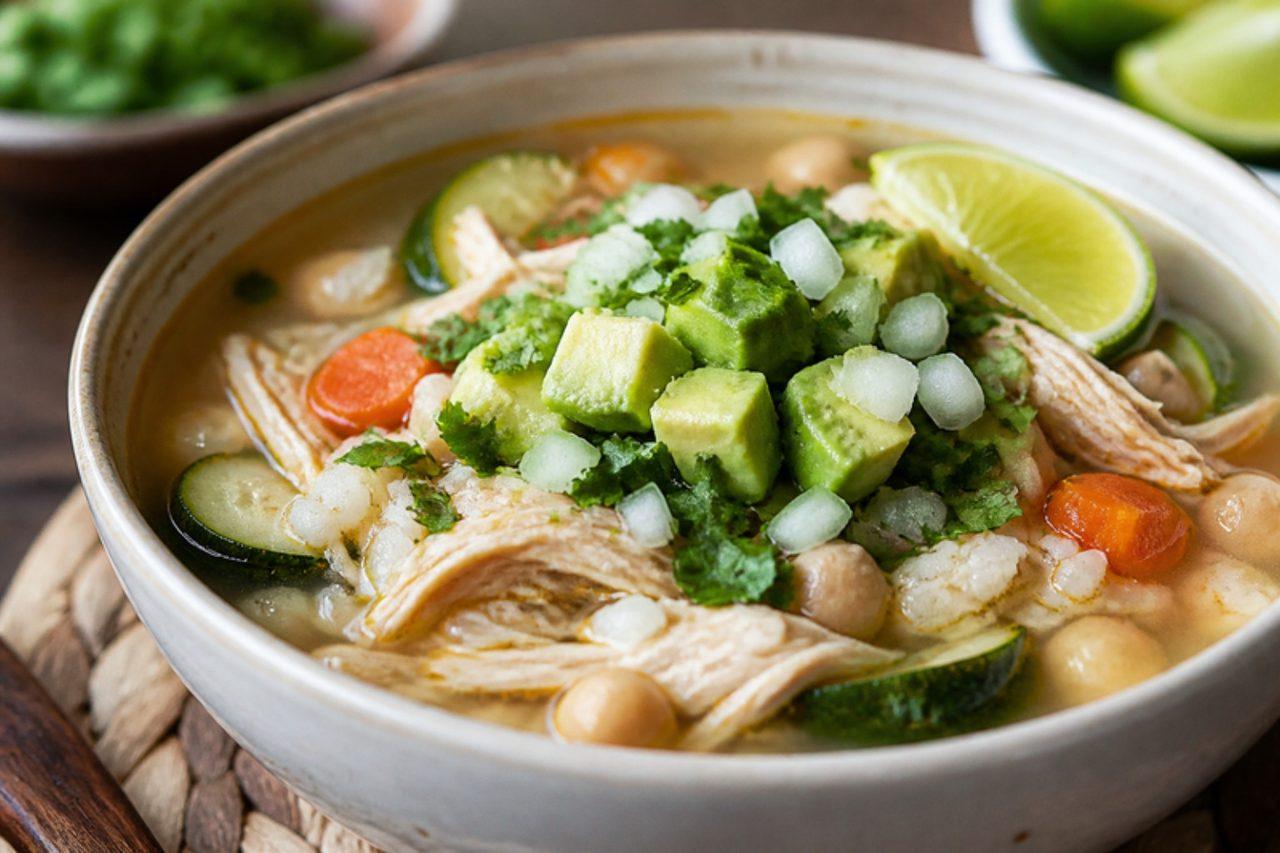
Caldo xóchitl, named after the Nahuatl word for flower, is the restorative chicken soup of Mexico City's fondas and markets, eaten at lunch on cool days, after a late night or when someone is unwell. A clear broth with chicken, rice, chickpeas, courgette and carrot is served with a spread of chopped onion, coriander, serrano chilli, avocado and lime so everyone builds their own bowl. A portion gives about 24 g of protein, from the chicken and chickpeas, for around 360 kcal. The common mistake is boiling it hard, which clouds the broth and toughens the chicken; keep it at a lazy simmer and skim the foam. The chicken must reach 74 °C in the thickest part and the meat should pull easily from the bone. Chef's tip: cook the rice in the broth only for the last 18 minutes and serve straight away; left to sit, it drinks up the broth and turns soft.

by KrazyBadal 0 views

Kem xôi (Hanoi coconut ice cream on sticky rice)

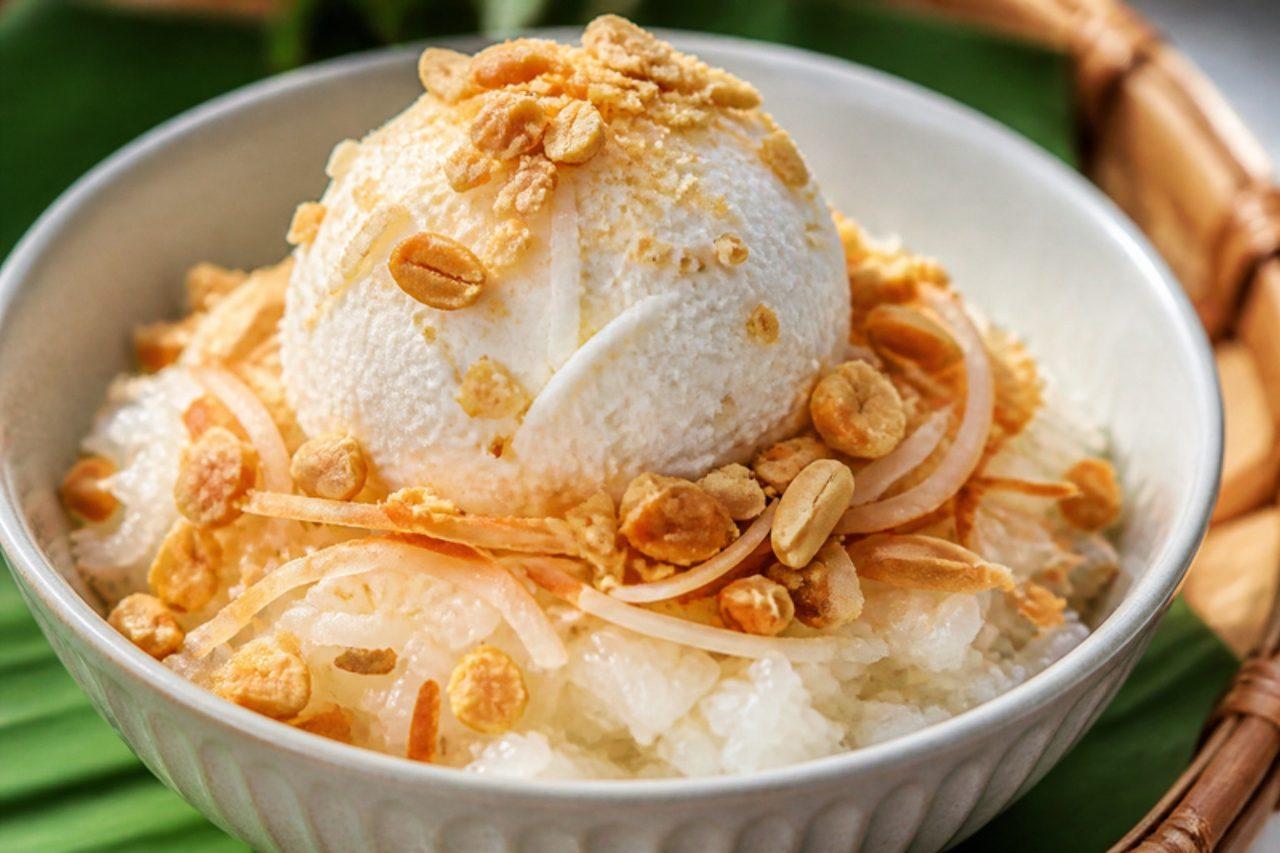
In the Old Quarter of Hanoi, kem xôi shops on Hàng Bài and around Hoàn Kiếm lake serve it from late morning to late at night through the hot season: a bed of warm, salty sticky rice, a scoop of coconut ice cream melting into it, then crisp toasted coconut and crushed peanuts. The contrast of warm and cold, chewy and creamy, is the whole point. This is a no-churn ice cream with no eggs and no custard. Sweetened condensed milk is the base: its sugar and milk solids lower the freezing point and keep crystals tiny, while whipped cream folded through traps air so it freezes soft without stirring, and coconut milk gives the flavour. Make the ice cream the day before and steam the rice just before serving. Chef's tip: whip the cream only to soft peaks; the common mistake is overwhipping it until stiff, which turns grainy and buttery once it freezes.

by KrazyBadal 0 views

Bánh phu thê (Đình Bảng 'husband and wife' cakes)Mung bean tapioca cakes

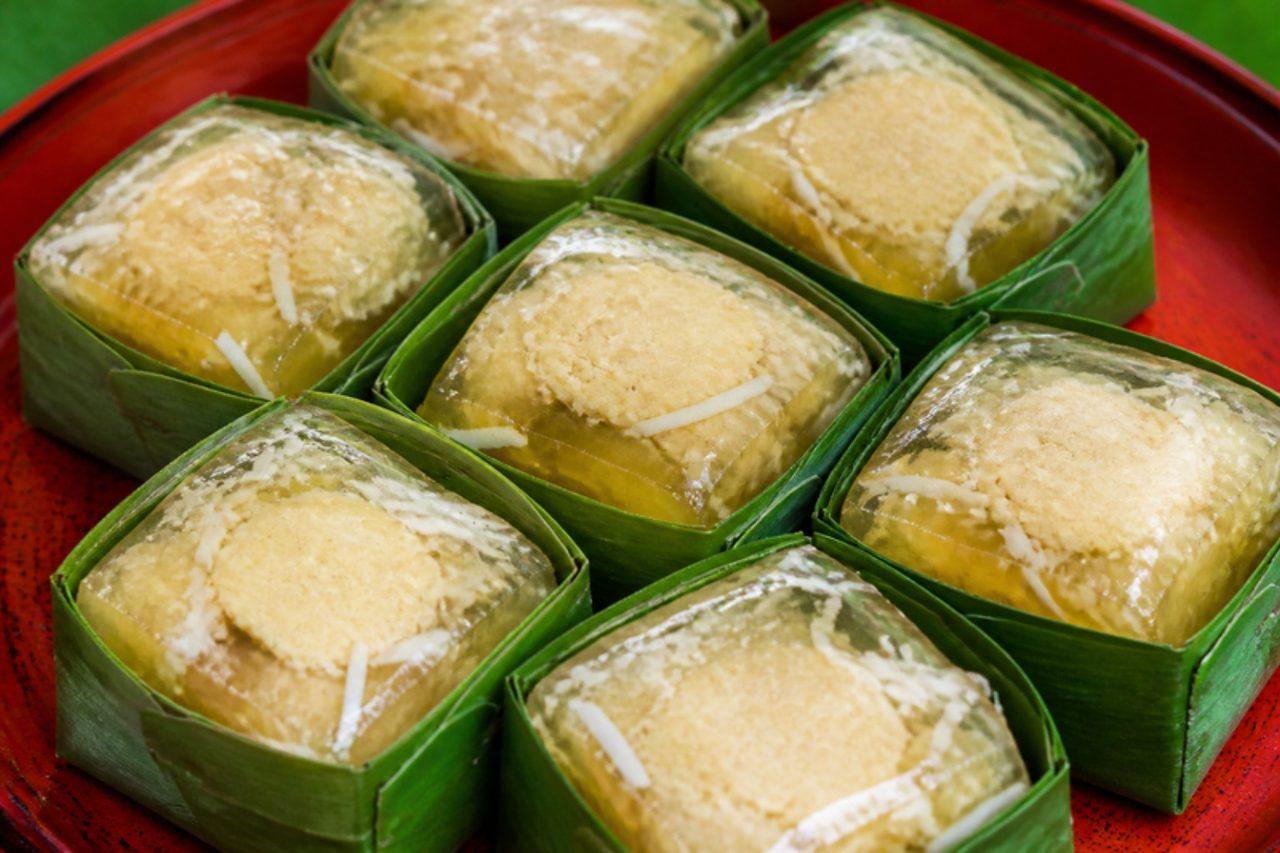
Bánh phu thê, also called bánh xu xê, comes from Đình Bảng in Bắc Ninh, and it is still part of the gifts a groom's family brings to a Vietnamese wedding, with its paired leaf boxes standing for husband and wife. The dough is tapioca starch cooked with sugar and fresh coconut shreds and tinted golden with gardenia seeds; it steams clear and chewy, almost like amber jelly, around a soft ball of mung bean paste, and the top is scattered with toasted sesame. Eat them the day they are made, with green tea. The cake is naturally egg-free: tapioca starch thickens and turns elastic when heated, so it wraps and holds the filling on its own. Small ramekins lined with banana leaf can stand in for folded leaf boxes. Chef's tip: the common mistake is not part-cooking the dough; stir it on the hob until half of it turns clear, or it runs out of the boxes in the steamer.

by KrazyBadal 0 views

Quelites guisadosSautéed wild greens

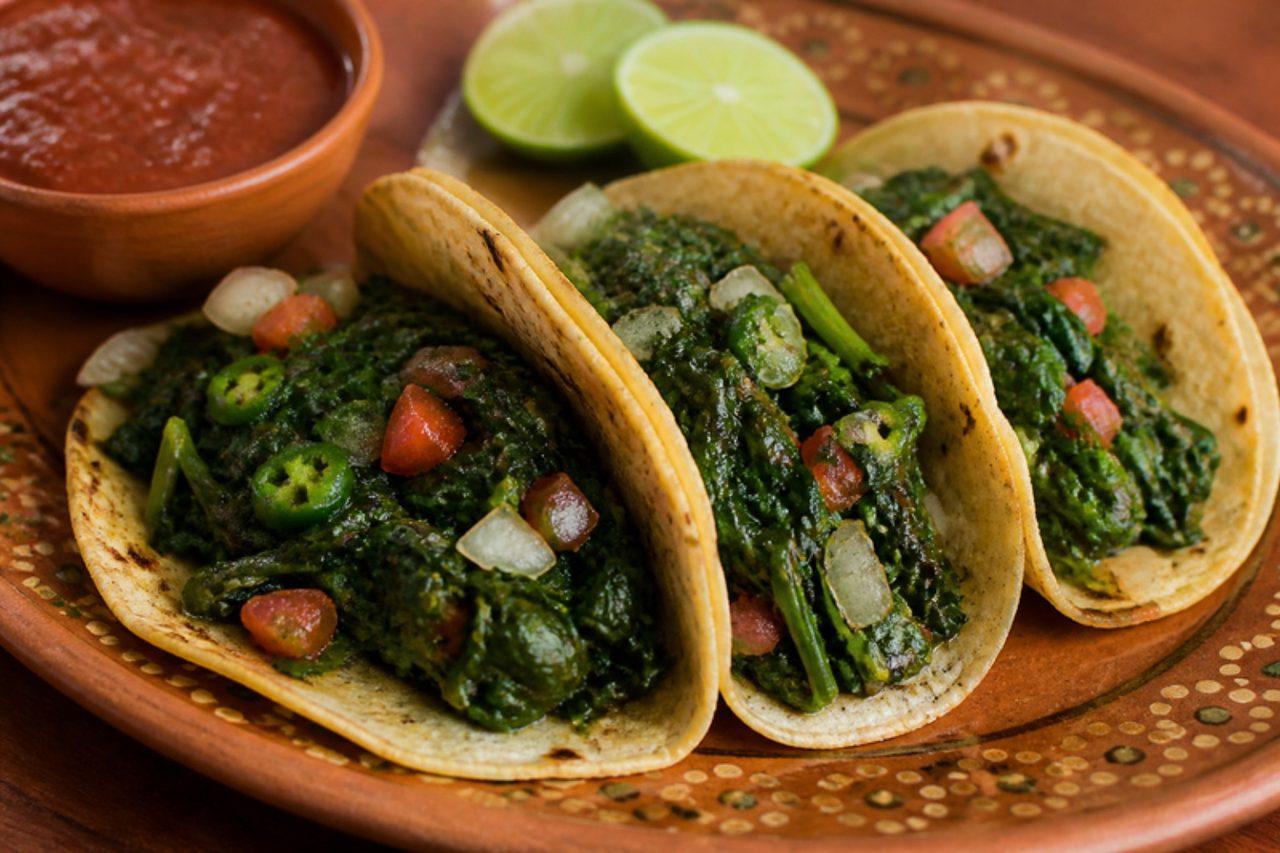
Quelites is the Nahuatl-rooted word for the edible wild greens of central Mexico, such as quintoniles (amaranth), verdolagas (purslane) and huauzontle, and in the markets of Mexico City, Puebla and Tlaxcala they are sold by the bunch in the rainy season and cooked this way for everyday lunches. The greens are blanched, then sautéed with onion, garlic, tomato and serrano chilli until soft and savoury, and piled into hot corn tortillas with salsa and, if you like, crumbled fresh cheese. Without cheese it is vegan, with about 6 g of protein per portion including two tortillas. The common mistake is leaving the greens wet: they steam and turn watery instead of frying. Spinach, chard or amaranth leaves work if you can't find quelites. Chef's tip: cut the serrano in half lengthways and fry it with the onion; it flavours the oil gently and you can lift it out if it's too hot.

by KrazyBadal 0 views

Pescado empapeladoFish baked in paper parcel

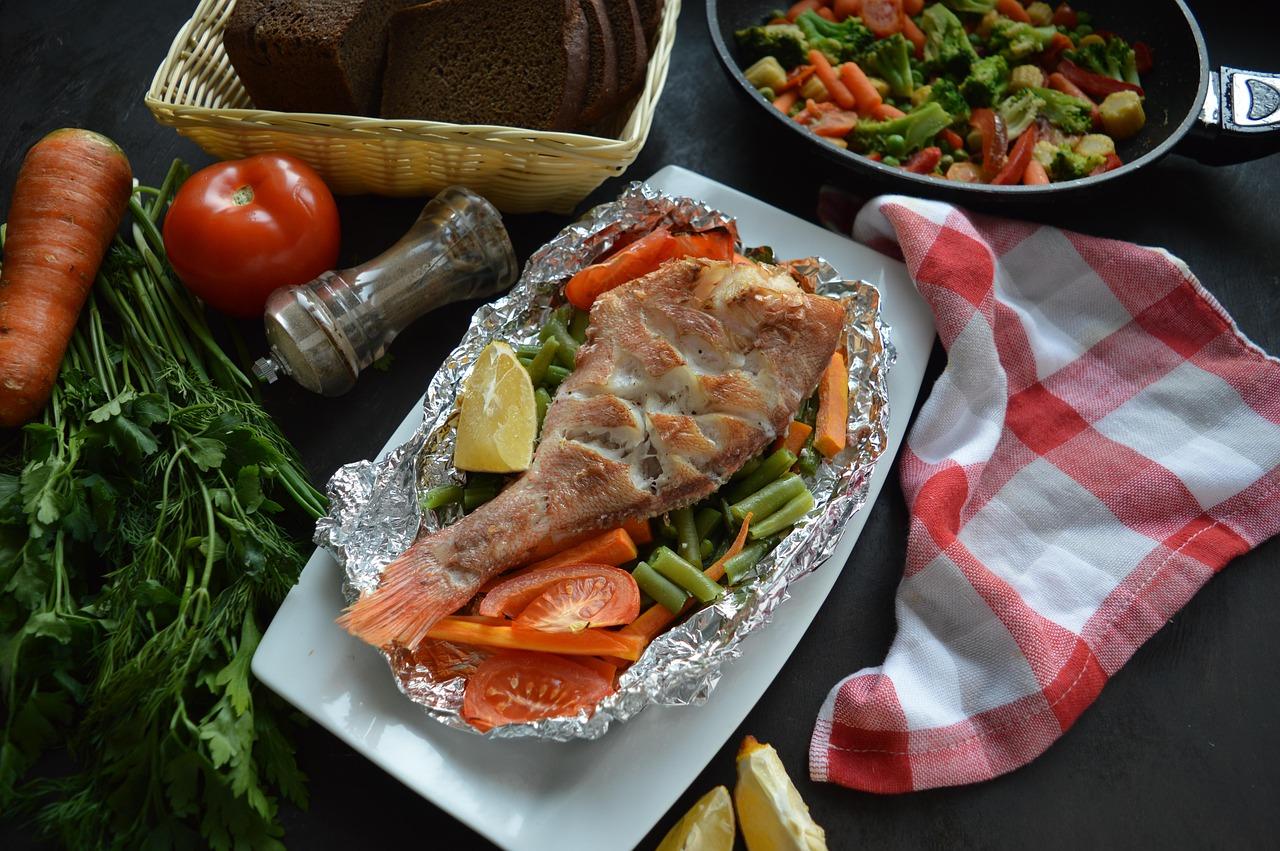
Along the Gulf coast of Veracruz, pescado empapelado is a weekday lunch and a Lenten Friday favourite: a fillet of snapper or other white fish is sealed in paper or foil with tomato, onion, peppers, olives, capers and herbs, then baked so it steams in its own juices. Each person opens their own fragrant parcel at the table. A portion gives about 32 g of protein, from the fish, for around 250 kcal. The common mistake is a loose parcel: if the edges aren't crimped tightly the steam escapes and the fish bakes dry, so fold and pinch the edges all the way round. The fish is done when it is opaque and flakes easily at the thickest point (63 °C). Chef's tip: slice the vegetables thinly and lay them under the fish as well as on top; they cook in the same 15 minutes and keep the fillet off the hot paper.

by KrazyBadal 0 views

Hoa quả dầm (Hanoi fruit cup with yoghurt and condensed milk)

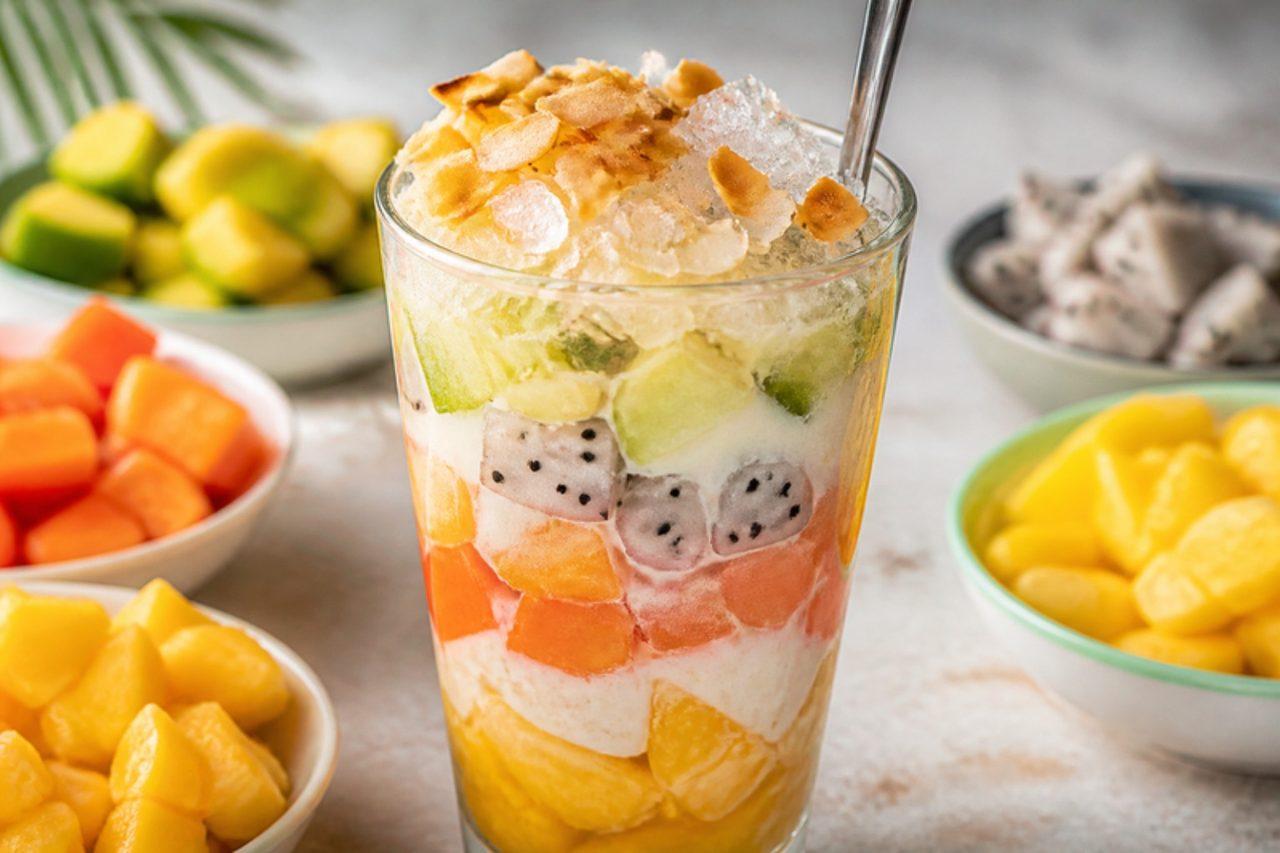
On sticky summer afternoons, Hanoi's young people pack the little stools along streets near Hoàn Kiếm Lake for hoa quả dầm, a cup of diced fruit buried in crushed ice, plain yoghurt and condensed milk. The fruit follows the season, usually mango, papaya, jackfruit, dragon fruit and avocado, and the whole thing is stirred together before eating, so it turns cold, creamy, tangy and sweet at once. Serve it immediately, with a long spoon and toasted coconut on top if you like. No cooking and no egg here: condensed milk and yoghurt dress and bind the fruit, and the crushed ice chills it, so there is nothing to set. Chef's tip: dice everything to the same small size, about 1.5 cm, so each spoonful gets a mix; the common mistake is adding the ice too early, which melts and floods the cup before it reaches the table.

by KrazyBadal 0 views

Chilcano de pescadoClear fish broth

In the fishermen's terminals of Chorrillos and Callao, chilcano is what you drink on a Sunday morning after a long night: a clear, gingery broth made from the heads and bones left over from cleaning fish for ceviche, with chunks of fish, red onion, chilli and a squeeze of lime in the bowl. It is light and warming, around 160 kcal a bowl, and still gives about 24 g of protein from the fish fillet and the broth. The common mistake is squeezing the lime into the pot while it boils, which turns it bitter; add it to each bowl at the table. Don't boil the bones for more than 30 minutes either, or the broth turns cloudy and harsh. Chef's tip: ask the fishmonger for heads and frames from mild white fish like sea bass or cod, and leave out oily fish such as mackerel, which makes the broth strong and fishy.

by KrazyBadal 0 views

Aguadito de polloCoriander chicken rice soup

Aguadito is the soup Lima serves in the small hours: at the end of a wedding, after New Year's Eve and at weekend family lunches, it is ladled out thick and steaming to revive everyone. Rice simmers in chicken broth coloured deep green with blended coriander and warmed with yellow ají amarillo, along with peas, carrot, pepper, sweetcorn and potato. A portion gives about 24 g of protein, from the chicken with a little from the rice and peas, for around 480 kcal. The common mistake is adding the coriander purée too early: cooked for long it turns khaki and loses its fresh taste, so stir it in for the last 10 minutes. The chicken must reach 74 °C at the bone. Chef's tip: blend a handful of spinach with the coriander; it keeps the colour vivid green without changing the flavour.

by KrazyBadal 0 views

ParihuelaSpicy seafood soup

Parihuela is the big weekend seafood soup of Callao and the Peruvian coast, eaten at long Sunday lunches in cevicherías and praised as a cure for tiredness and late nights. A deep red broth of ají panca, ají amarillo, tomato and fish stock is loaded with chunks of fish, prawns, squid and mussels. A portion gives about 30 g of protein, from the fish and shellfish, for roughly 300 kcal. Some cooks add chicha de jora or beer; this version has none. The common mistake is adding all the seafood at once: squid and prawns turn rubbery while the fish cooks, so they go in last. Before cooking, discard any mussels that stay open when tapped, and after cooking discard any that stay shut. Chef's tip: fry the chilli pastes in the oil until they darken and smell sweet; that toasted ají is what gives parihuela its depth.

by KrazyBadal 0 views

Cá hấp gừngGinger steamed whole fish

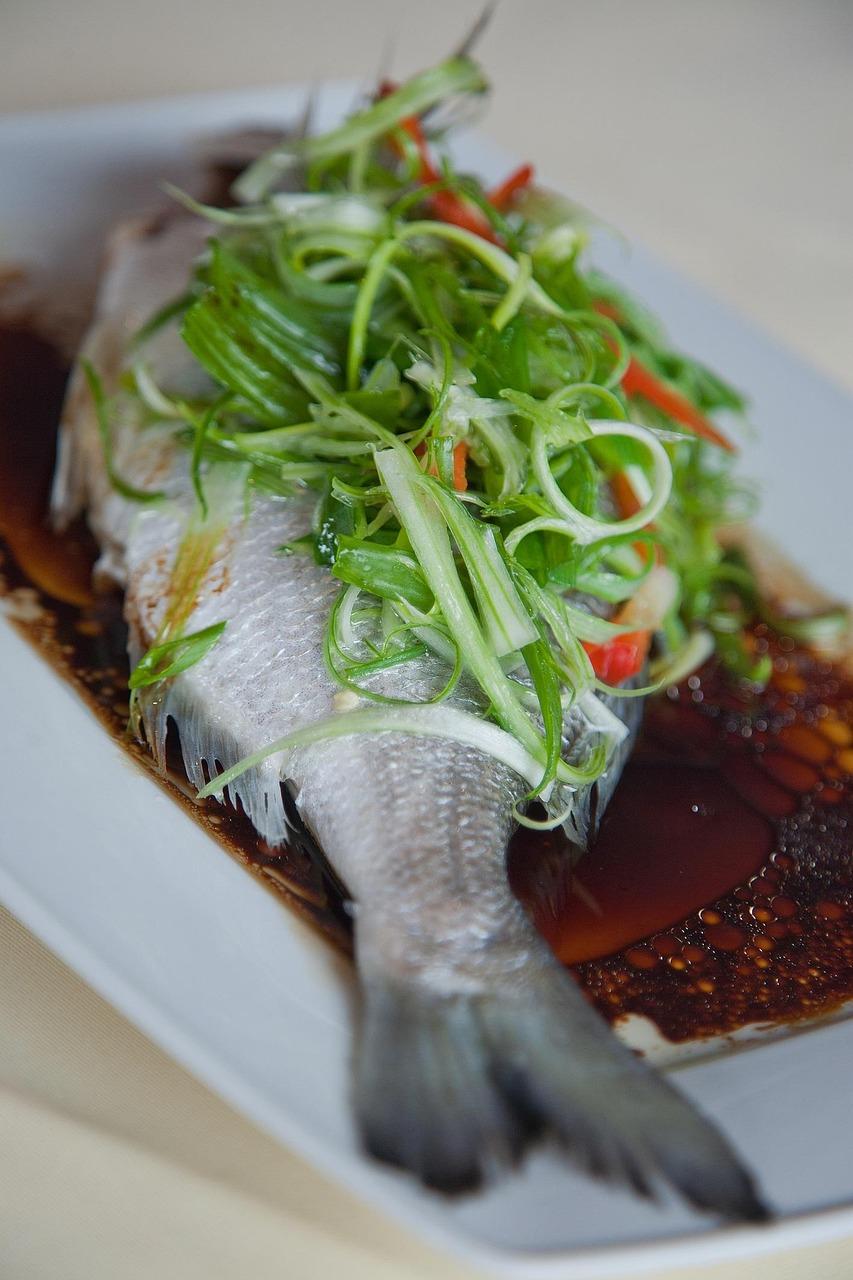
Cá hấp gừng is a family dish across Vietnam, from Hanoi to the Mekong Delta, put in the middle of the table for a weekend lunch or a Tết dinner and shared with rice and greens. A whole fish is steamed over ginger, then heaped with ginger and spring onion shreds and dressed with sizzling oil and a light soy and fish sauce. The flesh comes out silky and delicate. A portion has about 25 g of protein from the fish. The common mistake is oversteaming: thin parts go dry and woolly. Take it off as soon as the flesh at the thickest point pulls cleanly from the bone. Chef's tip: score the fish to the bone on both sides so it cooks evenly and the sauce gets in.

by KrazyBadal 0 views

Raspados (Mexican shaved ice with fruit syrups)

In Guadalajara and the towns of Sinaloa, raspados are sold from carts and little shops from noon until late on hot days: a paper cup of finely shaved ice soaked in bright homemade syrups like tamarind, mango, strawberry and deep-red hibiscus, sometimes with fresh fruit and a squeeze of lime. They are the cheapest way to cool down, and children and adults line up alike. They are naturally egg-free and plant-based: there is nothing to set or bind, just fruit and sugar cooked into syrups thick enough to cling to the ice. The hibiscus is tart and floral, the mango sweet and thick, and the two side by side make a striking cup. Make the syrups and cool them quickly over iced water. Chef's tip: shave the ice as fine as you can and pour the syrup slowly; the common mistake is using coarse crushed ice, which lets the syrup run straight to the bottom.

by KrazyBadal 0 views

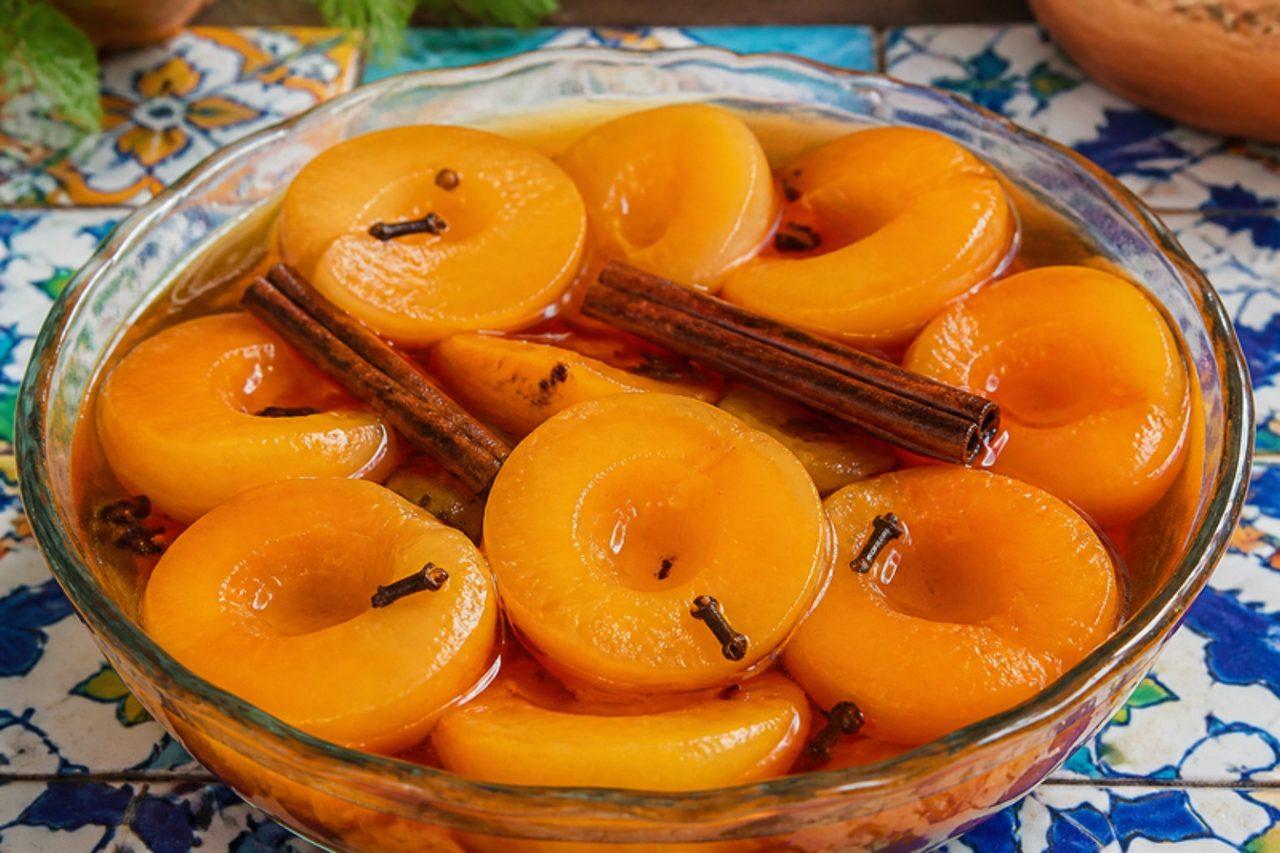
Duraznos en almíbar (Mexican peaches in piloncillo syrup)

Across Mexico, from the orchards of Zacatecas and Puebla to every abuela's pantry, duraznos en almíbar are how the summer peach crop is kept, and a bowl of them chilled from the fridge is a classic Sunday dessert. Peeled peach halves are poached in a syrup of piloncillo, the cone-shaped raw cane sugar, with cinnamon and cloves, so they turn tender and glossy and soak up a warm, molasses-like sweetness. Serve them cold in their syrup, on their own, or with a spoon of crema or thick yoghurt. Nothing needs setting and no egg is involved: the fruit simply poaches in the sugar syrup, which thickens lightly as it cools. Chef's tip: choose ripe but firm peaches and poach them gently; the common mistake is boiling the syrup hard, which turns the halves ragged and stringy.

by KrazyBadal 0 views

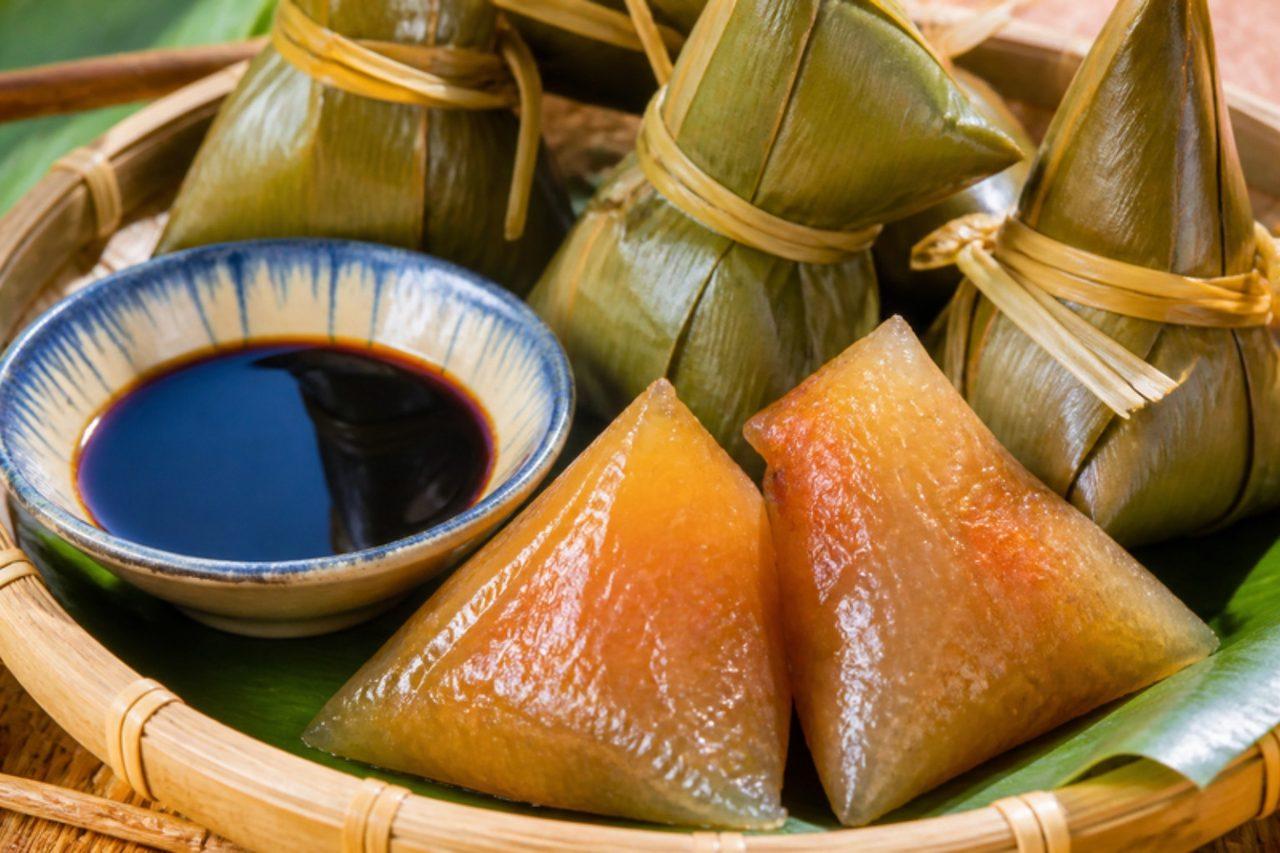
Bánh tro (bánh gio, amber glutinous rice cakes in leaves)Lye water glutinous rice cakes

On Tết Đoan Ngọ, the fifth day of the fifth lunar month, families in northern and central Vietnam eat bánh tro first thing in the morning, believing it cools the body as summer heat arrives. Glutinous rice is soaked in alkaline water, which was once made by steeping plant ash, then wrapped in leaves and boiled for hours. It turns amber, translucent and jelly-soft with a clean, faintly mineral flavour, and is eaten cold, dipped in sugarcane molasses or palm-sugar syrup. Bánh tro is naturally egg-free: the alkali softens the rice grains so their own starch melts together into a firm, sliceable cake. We use food-grade lye water (an alkaline solution of potassium carbonate and sodium bicarbonate sold in Asian shops for noodles and mooncakes). Handle it with care: wear gloves, keep it away from children, never use drain cleaner or caustic soda, and always dilute it as written. Chef's tip: the common mistake is skipping the rinse; wash the soaked rice twice so the cakes taste clean, not soapy.

by KrazyBadal 0 views

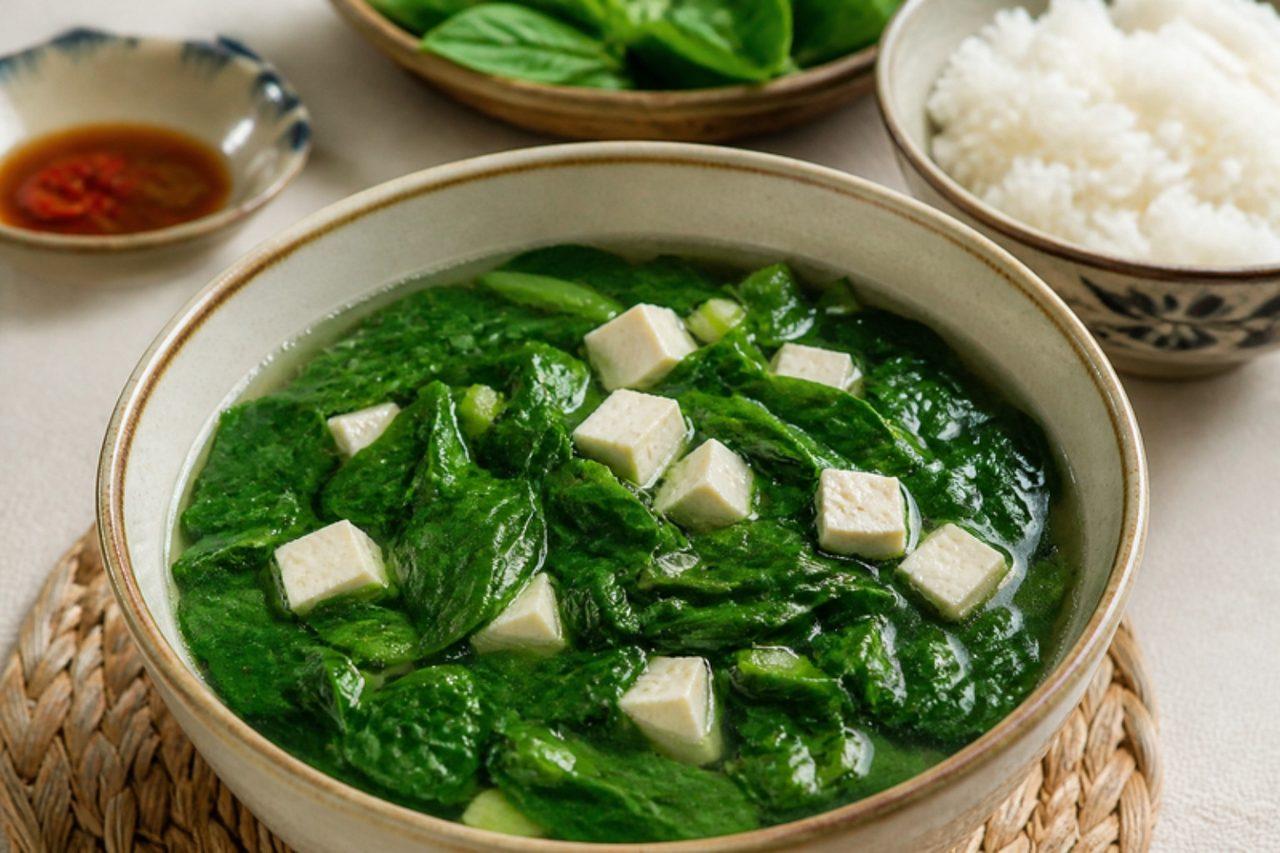
Canh rau ngot with tofuKatuk leaf and tofu soup

Canh rau ngot is one of the plainest and most loved soups on a Vietnamese family table, served at dinner in Hanoi and the Mekong Delta alike, in a shared bowl beside rice, a braised dish and a dipping sauce. The leaves of the katuk shrub are bruised and simmered briefly until soft and sweet. It is usually made with minced pork or dried shrimp; this vegetarian version uses cubes of tofu and a little fried shallot for savouriness. Each bowl has about 110 kcal and roughly 10 g of protein, from the tofu, so it is a light side soup. Katuk can be found frozen in Asian shops; young spinach is the nearest stand-in. The common mistake is overcooking the leaves, which turn khaki and slimy. Chef's tip: rub the leaves between your palms before cooking; bruising them lets them release their sweetness in just a few minutes.

by KrazyBadal 0 views

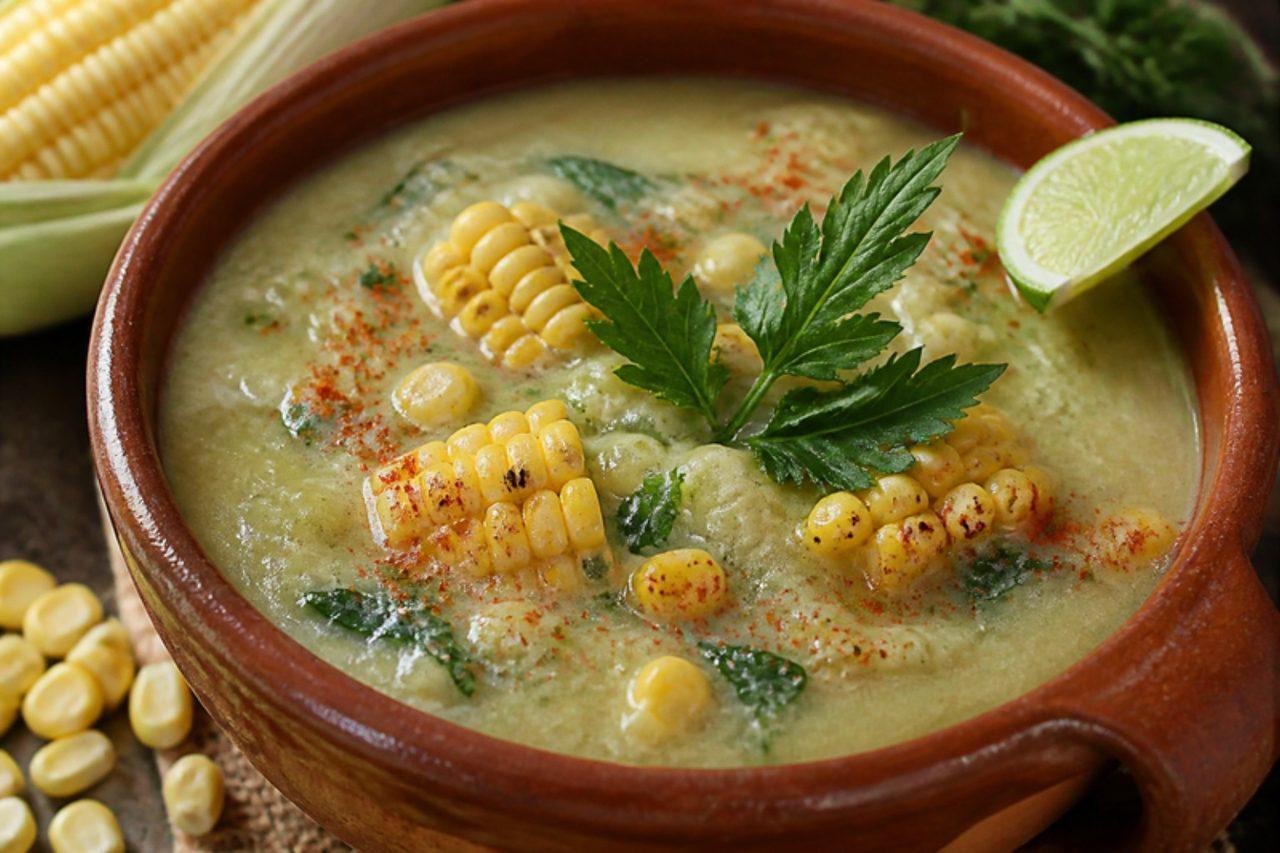
ChileatoleCorn and green chilli soup

Chileatole is a thick, savoury atole made in Puebla and Tlaxcala during the rainy-season corn harvest from July to September, sold steaming from big pots at markets in the evening and made at home when fresh corn is everywhere. Fresh corn kernels and pieces of cob simmer in a broth thickened with masa harina and tinted green with blended chilli and epazote. It is comforting and corny, with a gentle heat, and about 6 g of protein per bowl from the corn and masa. The most common mistake is adding the masa dry, which makes lumps: always dissolve it in cold water first. Chef's tip: simmer the stripped cobs in the water before you start, for a sweeter, deeper corn broth.

by KrazyBadal 0 views

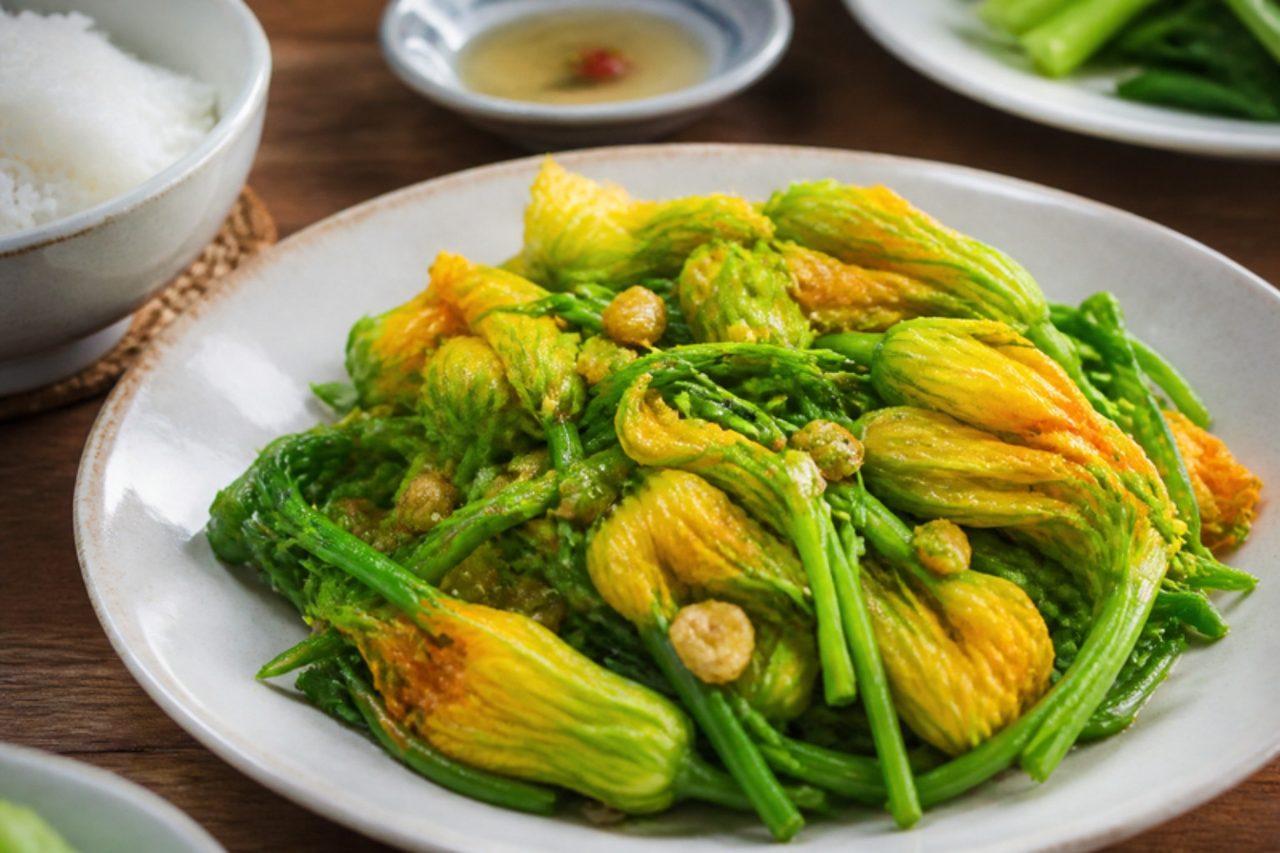
Bông bí xào tỏiGarlic stir-fried pumpkin flowers

From the Mekong Delta to the market gardens outside Hanoi, pumpkin vines are picked for their flowers and tender shoots, and bông bí xào tỏi is the everyday way to cook them: a few minutes in a hot wok with lots of garlic, served beside rice and a bowl of soup at family dinners. The flowers are soft and sweet and the shoots slightly crunchy. Some cooks add a splash of fish sauce; this version is seasoned with salt and a little soy, so it is vegan. It is a light side with about 3 g of protein per portion. The common mistake is leaving the stamens and the stringy skin on the shoots: both make the dish bitter and tough. Courgette flowers work well instead. Chef's tip: put the shoots in first and the flowers only for the last 30 seconds, so the delicate petals don't collapse into mush.

by KrazyBadal 0 views

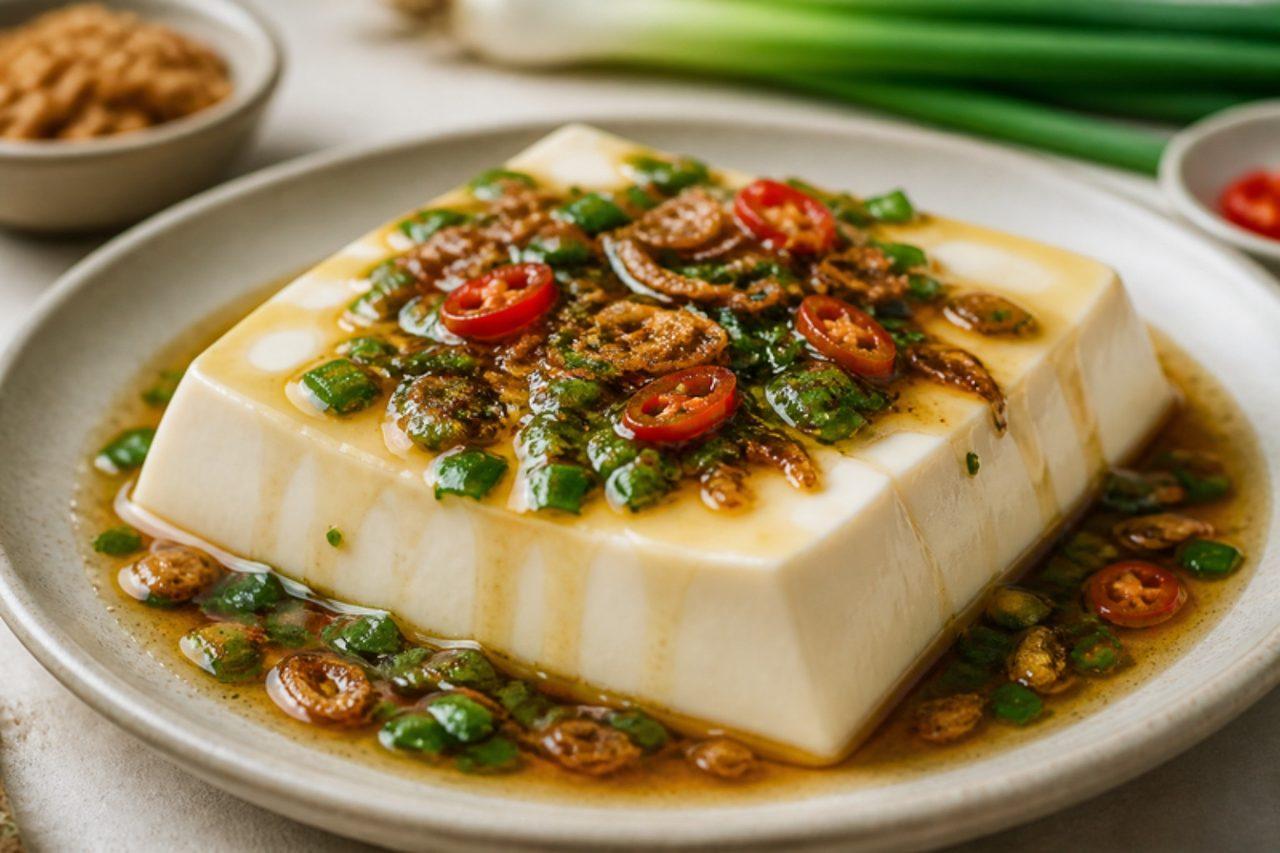
Dau hu non hapSteamed silken tofu

Steamed silken tofu is a fast, gentle dish cooked in homes from Hanoi to Saigon, especially on vegetarian days at the start and middle of the lunar month, when many families eat chay. A whole block of silken tofu is steamed until wobbling and hot, then topped with sizzling spring onion oil, a light soy dressing, chilli and crisp fried shallots. It is soft and savoury, and goes with rice and a stir-fried green. Each portion has about 150 kcal and roughly 10 g of protein, from the silken tofu, so it is a light dish rather than a high-protein one. The common mistake is turning the block out roughly so it cracks; slide it gently onto the plate. Chef's tip: pour off the water that gathers on the plate after steaming, or it thins the sauce.

by KrazyBadal 0 views

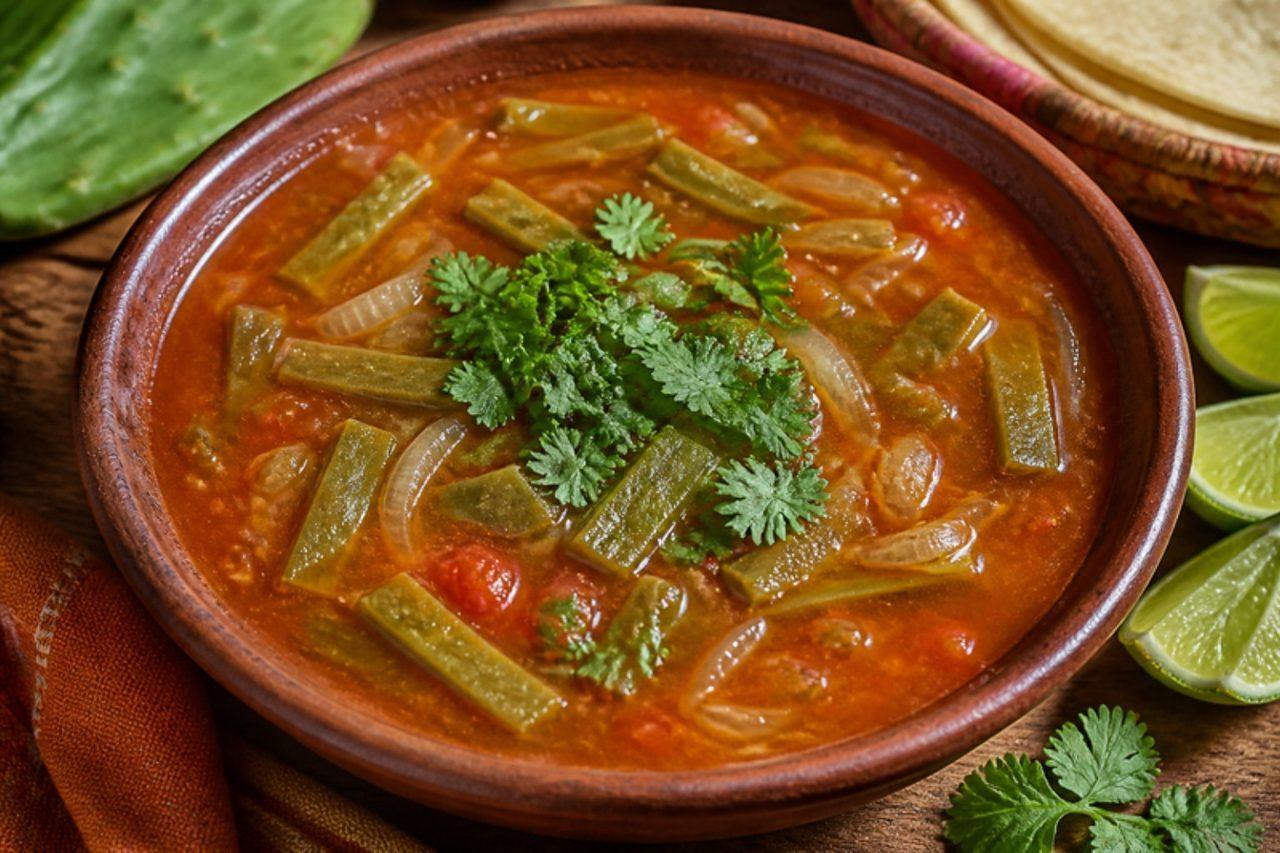
Sopa de nopalesCactus paddle soup

In Mexico City, Puebla and the towns of central Mexico, sopa de nopales is cooked at home during Lent and on any warm day when tender cactus paddles are cheap in the market. Diced nopales simmer in a light tomato and chilli broth with onion and coriander, giving a soup that is tangy, fresh and a little green-tasting, like green beans crossed with okra. It is very light, with about 3 g of protein per bowl; add a can of pinto beans or crumble fresh cheese on top for more. The most common mistake is putting raw nopales straight into the soup, which turns it slimy: boil them separately first and rinse them. Chef's tip: add a few tomatillo husks or a pinch of bicarbonate to the boiling water for the nopales; it helps set the slime so it rinses away.

by KrazyBadal 0 views

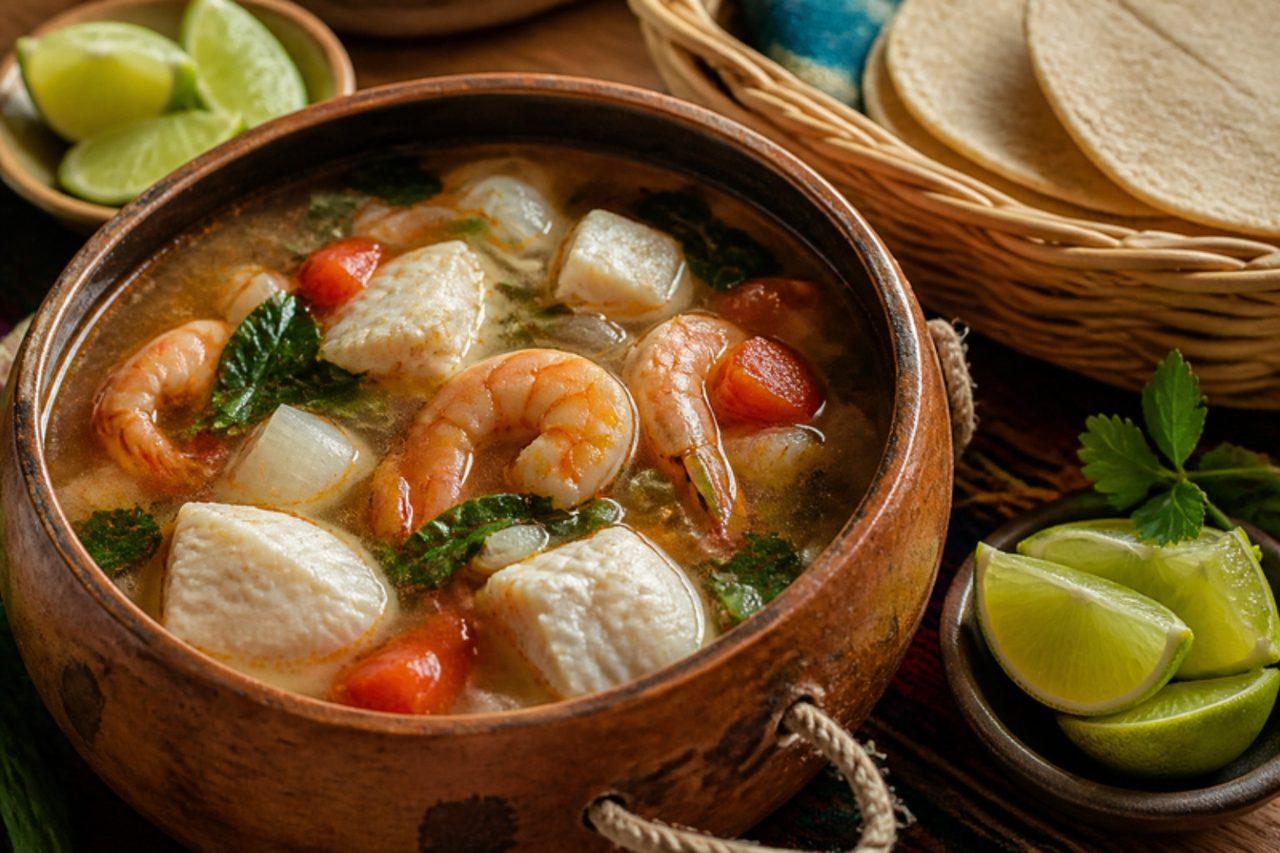
Caldo de piedraFish and tomato stone soup

Caldo de piedra comes from San Felipe Usila in the Chinantla of northern Oaxaca, where Chinantec men cook it by the river: fish, tomato, chilli and epazote go into a gourd bowl of water and red-hot river stones are dropped in to bring it to a fierce boil in seconds. It is eaten as a celebration and every year at a festival in the village. Heating stones at home is dangerous (wet or porous stones can crack or burst), so this version brings a heavy pot to a hard boil first and cooks the fish just as briefly. A portion gives about 38 g of protein, from the fish and prawns, for roughly 260 kcal. The common mistake is letting the fish boil on: it is done in 3–4 minutes, when it turns opaque and flakes, and after that it falls apart. Chef's tip: blend the tomato, onion and chilli raw; the broth tastes fresh and sharp, closer to the riverside original than a cooked sauce.

by KrazyBadal 0 views

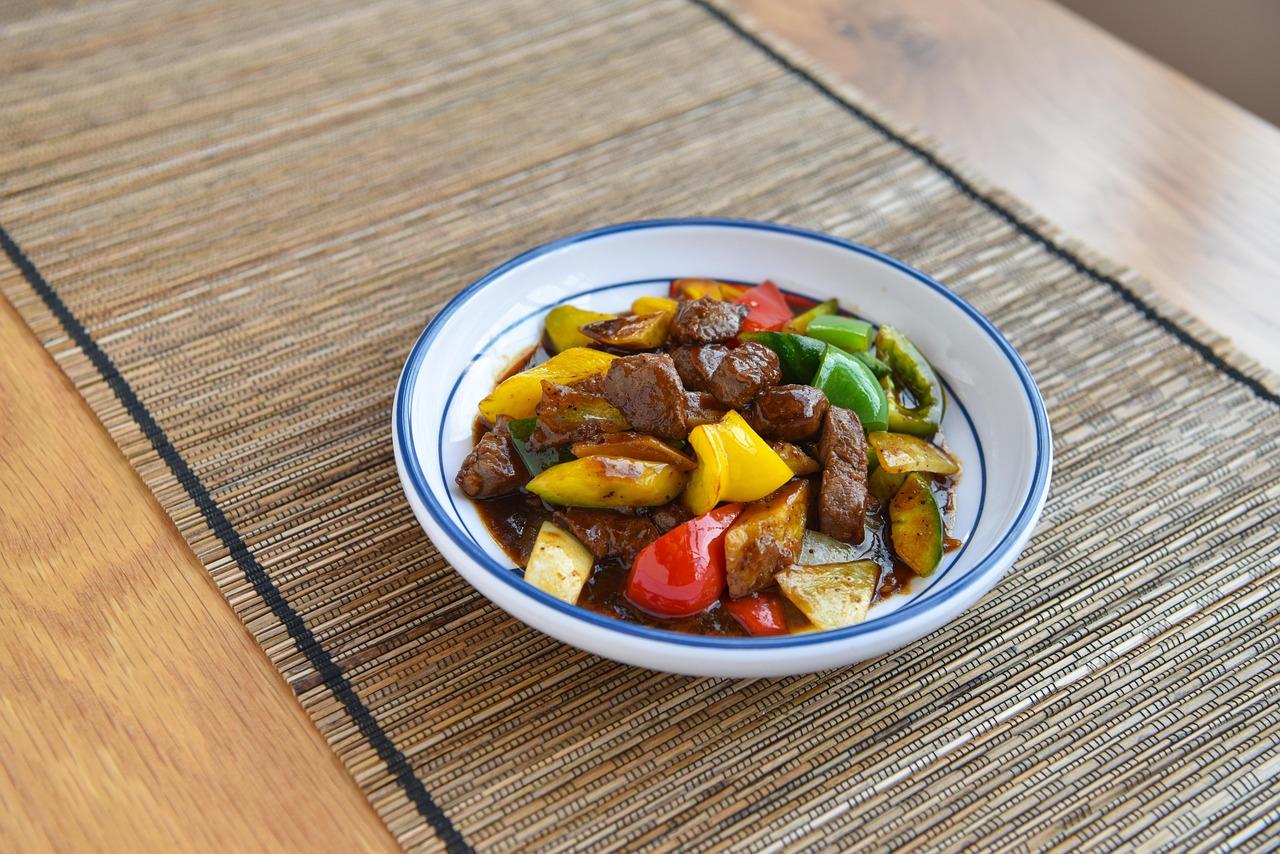
Bò lúc lắc (Vietnamese shaking beef)

Bò lúc lắc, shaking beef, is a Saigon dish from the French-influenced south, ordered at family dinners and celebrations: cubes of tender steak seared in a smoking pan and shaken with garlic and onion, then tipped over peppery watercress and tomato with a lime, salt and pepper dip. The mistake almost everyone makes is crowding the pan, which boils the meat grey instead of searing it; cook in two batches. Chef's tip: let the cubes sit untouched for a full minute before the first shake to build a dark crust.

by KrazyBadal 0 views

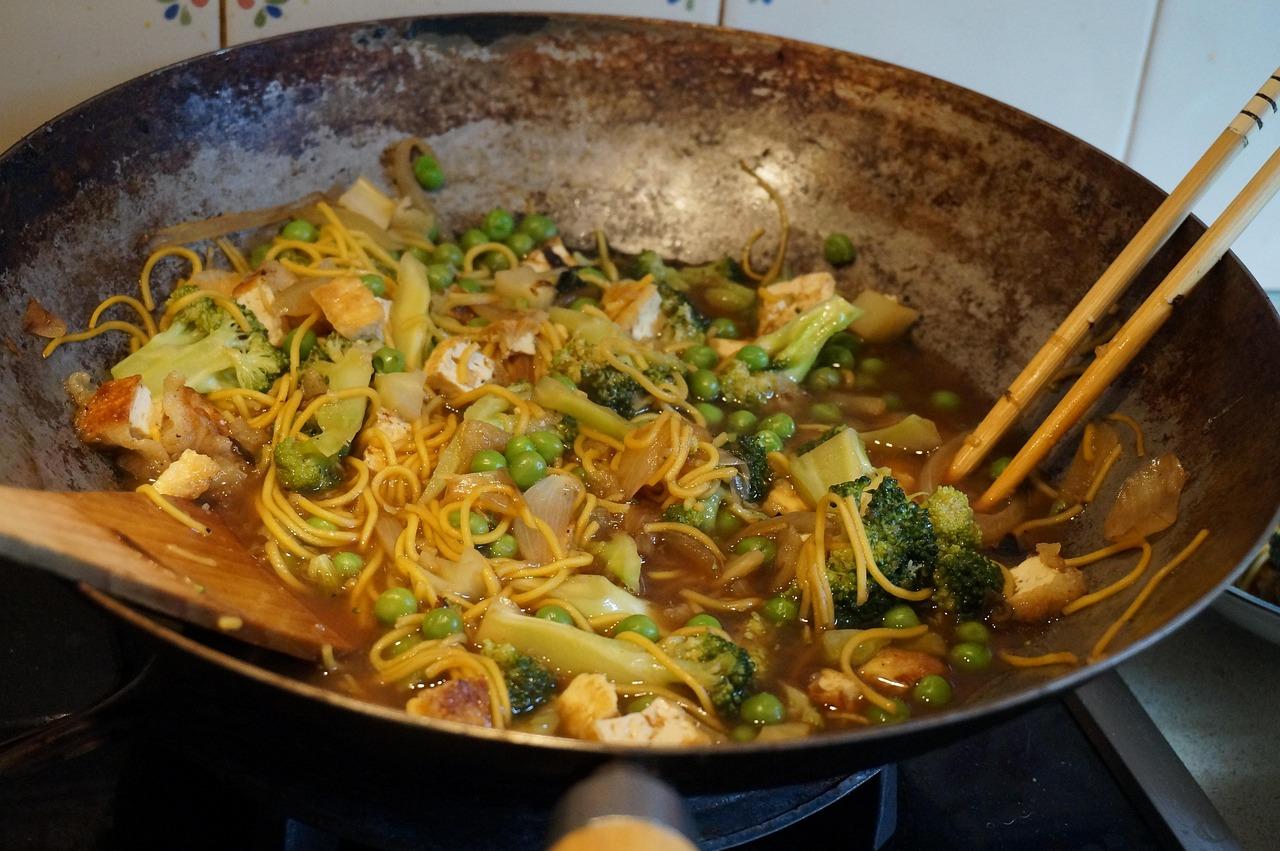
Mì xào rau (Vietnamese stir-fried noodles with vegetables)

Mì xào rau is what Hanoi and Saigon households cook when there is a packet of egg noodles in the cupboard and a few greens in the fridge: a fast, smoky plate for a weeknight dinner or a late lunch. The noodles turn slightly crisp at the edges, the cabbage stays sweet and crunchy, and a light soy glaze holds it all together. The most common mistake is dumping everything into a lukewarm pan at once, which steams the vegetables and leaves the noodles soggy and clumped. Serve it with a dish of sliced chilli in soy sauce and a fried egg if you want more protein. Chef's tip: loosen the cooked noodles with a teaspoon of oil while they drain, so they hit the wok as separate strands instead of a block.

by KrazyBadal 0 views

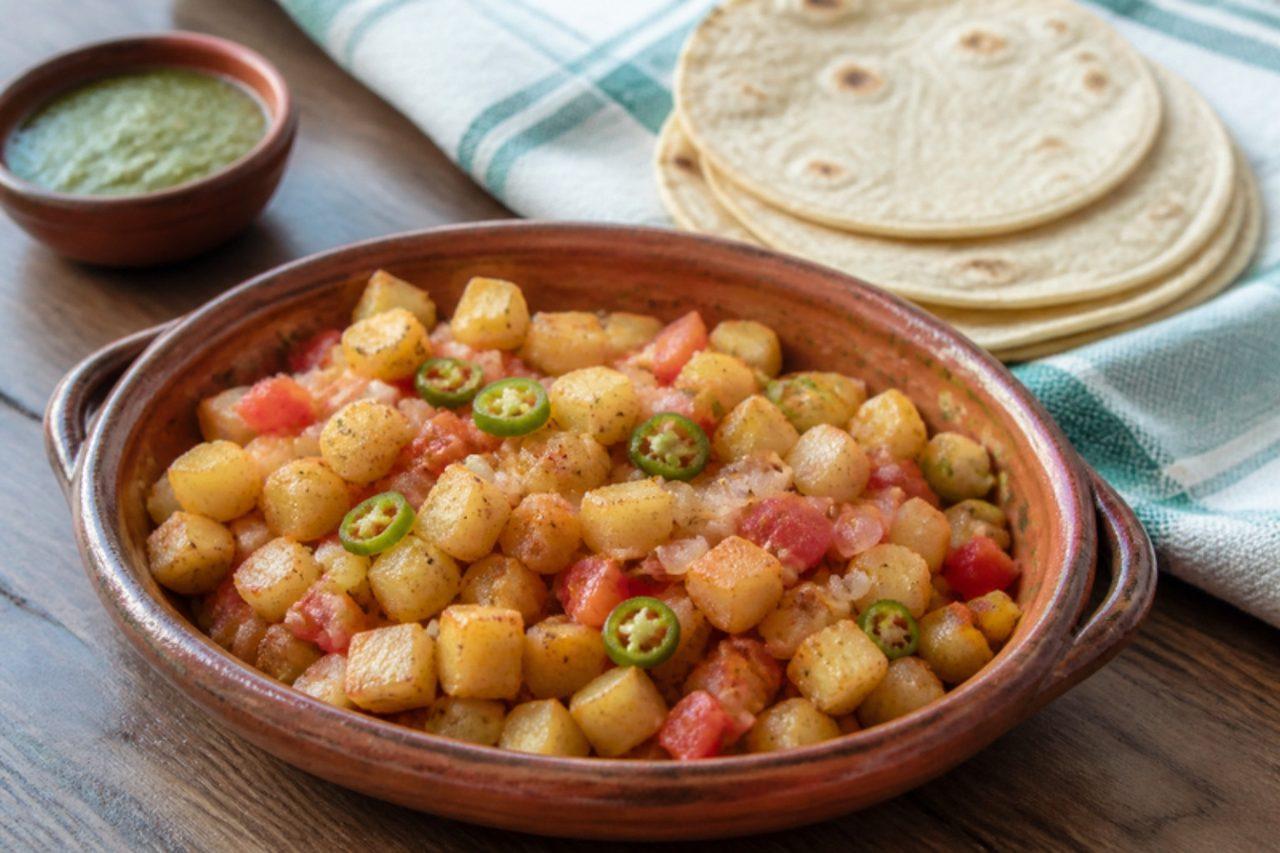
Papas a la mexicanaPotatoes with tomato and chile

Papas a la mexicana carry the colours of the flag, red tomato, white onion and green chile, and they are cooked in kitchens all over Mexico as a taco filling, a breakfast side or a cheap supper with beans and tortillas. The potatoes are fried until golden at the edges, then folded with a quick sofrito so they soak up the fresh, spicy juices. The usual mistake is adding the tomato before the potatoes are cooked through, which leaves them hard in the middle and stewing rather than frying. Chef's tip: parboil the diced potatoes for 4 minutes first; they fry to a crisp edge in half the time.

by KrazyBadal 0 views

Showing 24 of 745 recipes

Show more recipes

Page 1 of 32