Skip to content
Recipes

All recipes

Vegetarian, or something you can't eat? Set your diet once and we'll hide recipes that don't fit.

LampreadoCassava starch cheese fritters

Paraguayan grandmothers fry lampreado on Sunday evenings to eat with a mug of cocido, the toasted yerba mate drink: small pan-fried cakes of cassava starch, egg, milk and grated cheese with a little onion, crisp at the edges and stretchy inside. Some families also make it with leftover meat, but this version is all cheese. Queso Paraguay is set with animal rennet; a vegetarian Parmesan-style cheese plus mozzarella works well. The trap is a batter that is too thick, which gives heavy, gluey cakes. Chef's tip: the batter should drop slowly off a spoon like thick pancake batter; add milk a spoonful at a time until it does.

by KrazyBadal 0 views

TereréIced yerba mate

In Asunción the hottest part of the day stops for tereré: a horn or cup packed with yerba mate, topped up again and again with ice water infused with crushed herbs, and passed round the group through a metal straw. It was recognised by UNESCO as part of Paraguay's cultural heritage, and the herbs (yuyos) change with the season and the drinker's mood. Yerba mate contains caffeine, so it isn't one for small children. The common mistake is pouring water straight into loose yerba, which then clogs the straw; tilt the yerba to one side first. Chef's tip: for tereré ruso, swap the water for cold orange or grapefruit juice.

by KrazyBadal 0 views

Martín FierroCheese with quince paste

Ask for dessert in a Montevideo bodegón or a country parador and you may be offered a Martín Fierro: a thick slice of fresh, mild cheese laid with an equal slice of dense quince or sweet-potato paste, named after the gaucho of the epic poem. It's salty against sweet, soft against firm, and takes two minutes to assemble. Uruguayan fresh cheese is usually made with animal rennet, so choose one with vegetarian rennet if that matters to you. The mistake is serving it fridge-cold, which dulls both flavours. Chef's tip: cut the cheese and paste to exactly the same thickness, about 1 cm, so every bite has both.

by KrazyBadal 0 views

Cocido quemadoBurnt sugar mate drink

Cocido is how Paraguay starts the day: in Asunción, in the villages of Guairá and Itapúa, and in school kitchens, a pot of burnt yerba is brewed and poured into cups with chipa, the cheesy cassava bread, or with a hard galleta. The old way is to drop a glowing piece of charcoal into a pot with yerba and sugar and stir until the sugar burns. On a home stove you caramelise them together in a dry pan instead, which is safer and gives the same smoky, toffee-like taste. The drink is clear amber-brown, with roasted, slightly bitter mate notes over burnt-sugar sweetness; with milk added it becomes cocido con leche, creamy and coffee-coloured. Yerba mate contains caffeine, so treat it like a cup of coffee. The common mistake is letting the sugar go black: it turns acrid and bitter. Pull it off the heat when the caramel is deep amber and the yerba smells toasted, not burnt. It is ready when the liquid is a clear dark amber and tastes of toffee and smoke. Chef's tip: the water will spit fiercely when it hits the hot caramel, so pour it in from the side, at arm's length.

by KrazyBadal 0 views

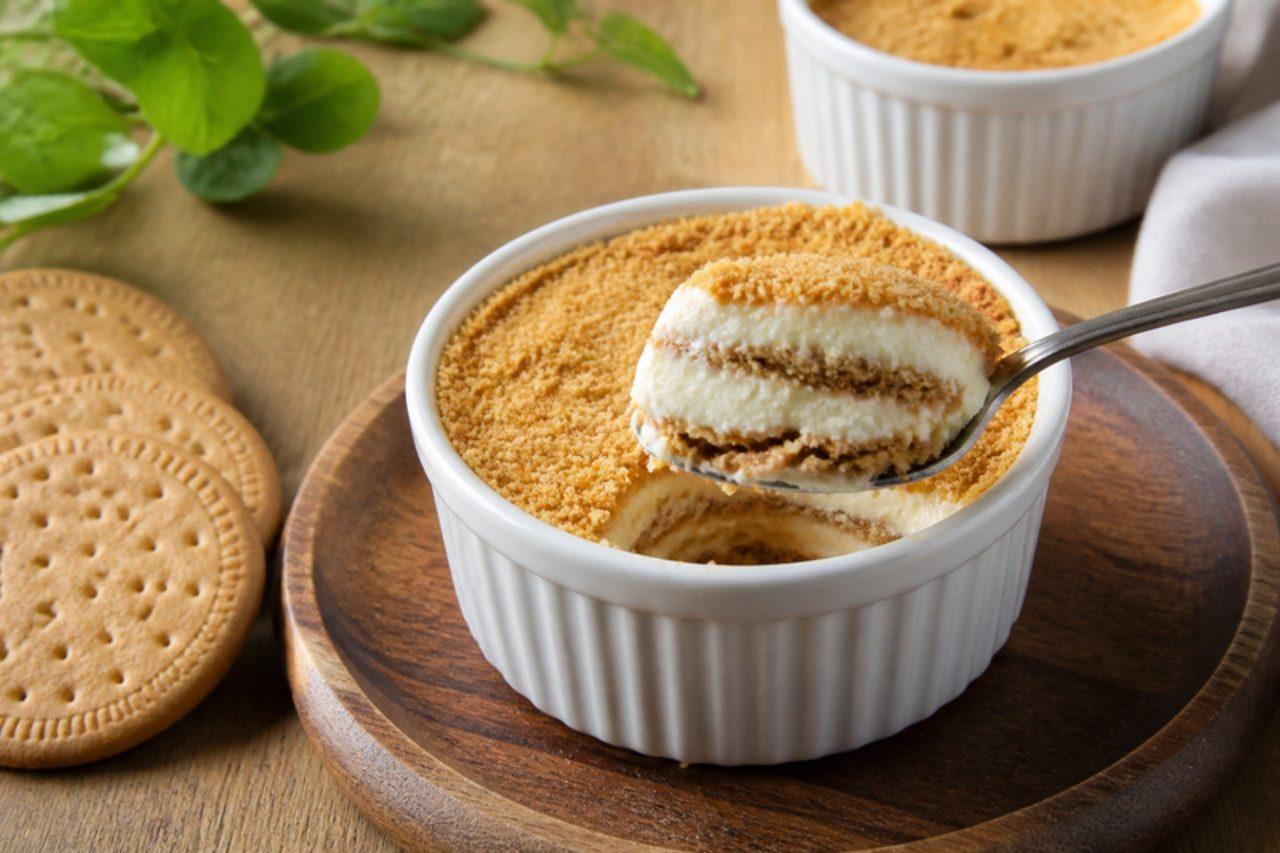
SerraduraCream and biscuit crumb pudding

Portuguese for 'sawdust', serradura is the cool, creamy dessert you'll find in every Macanese restaurant and café from Taipa to the Senado Square backstreets, ordered to round off a long Macanese lunch. Alternating layers of sweetened whipped cream and powder-fine tea biscuit crumbs set softly in the fridge, so each spoonful is light, milky and caramel-sweet, with a gentle crumbly texture. It is usually served in small glasses, sometimes semi-frozen like an ice cream cake. Coarse crumbs are where it goes wrong; they stay crunchy and gritty instead of melting into the cream, so grind the biscuits as fine as sand. Chef's tip: whip the cream and condensed milk together only to firm peaks and stop there, or it turns grainy and buttery.

by KrazyBadal 0 views

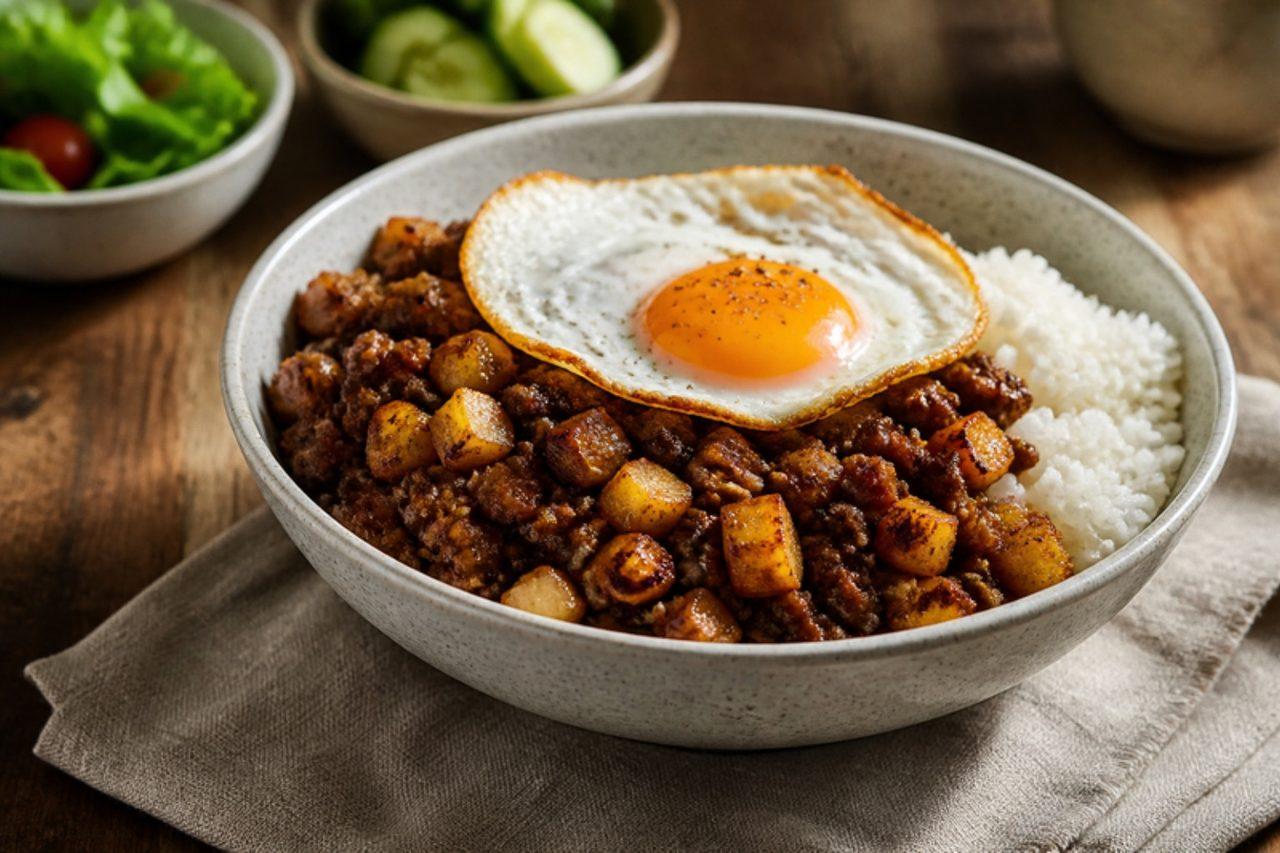
Minchi (Macanese minced meat with potatoes)

If one dish says home to Macanese families, the descendants of Portuguese and Chinese Macau, it is minchi: a quick hash of minced beef and pork seasoned with soy sauce, Worcestershire sauce and a touch of sugar, mixed with crisp little cubes of fried potato and crowned with a runny fried egg. It appears on weeknight tables, at Macanese restaurants near Rua do Cunha, and at gatherings of the Macanese community abroad, always with plain white rice. Savoury, slightly sweet and full of crunch, it tastes like the meeting of a Portuguese kitchen and a Cantonese wok. A common error is stirring the potatoes into the meat too early, which makes them soft and floury; fry them separately until crisp and fold them in at the end. Chef's tip: let the mince sit undisturbed for a minute in the hot pan before stirring, so it browns instead of stewing.

by KrazyBadal 0 views

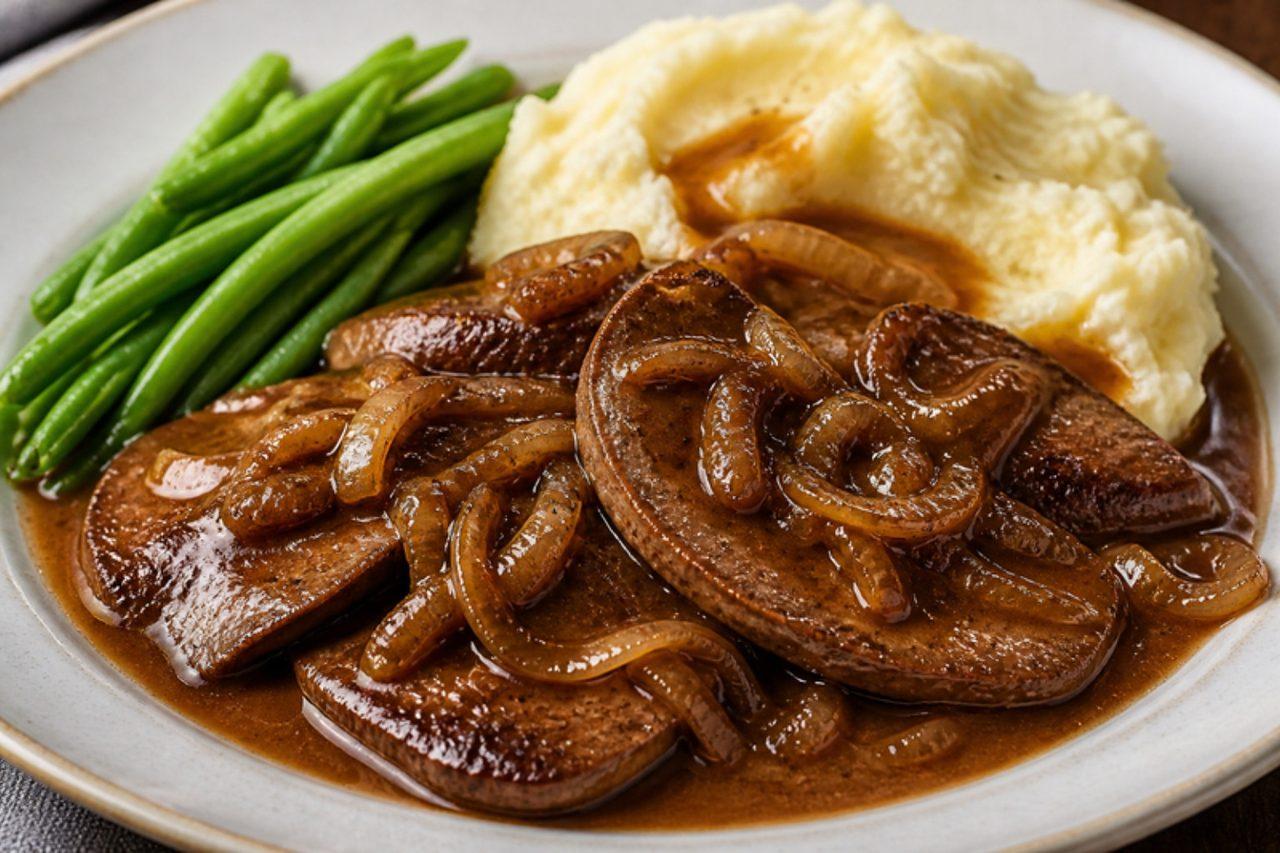
Liver and onions

Liver and onions is a café and works-canteen classic across the North and the Midlands, cheap, quick and full of iron, eaten with mash and a dollop of gravy. Thin slices of calf's or lamb's liver are fried briefly in butter after the onions have turned slow and sweet. Chef's tip: soak the liver in milk for 30 minutes if you find its flavour strong; it softens the taste.

by KrazyBadal 0 views

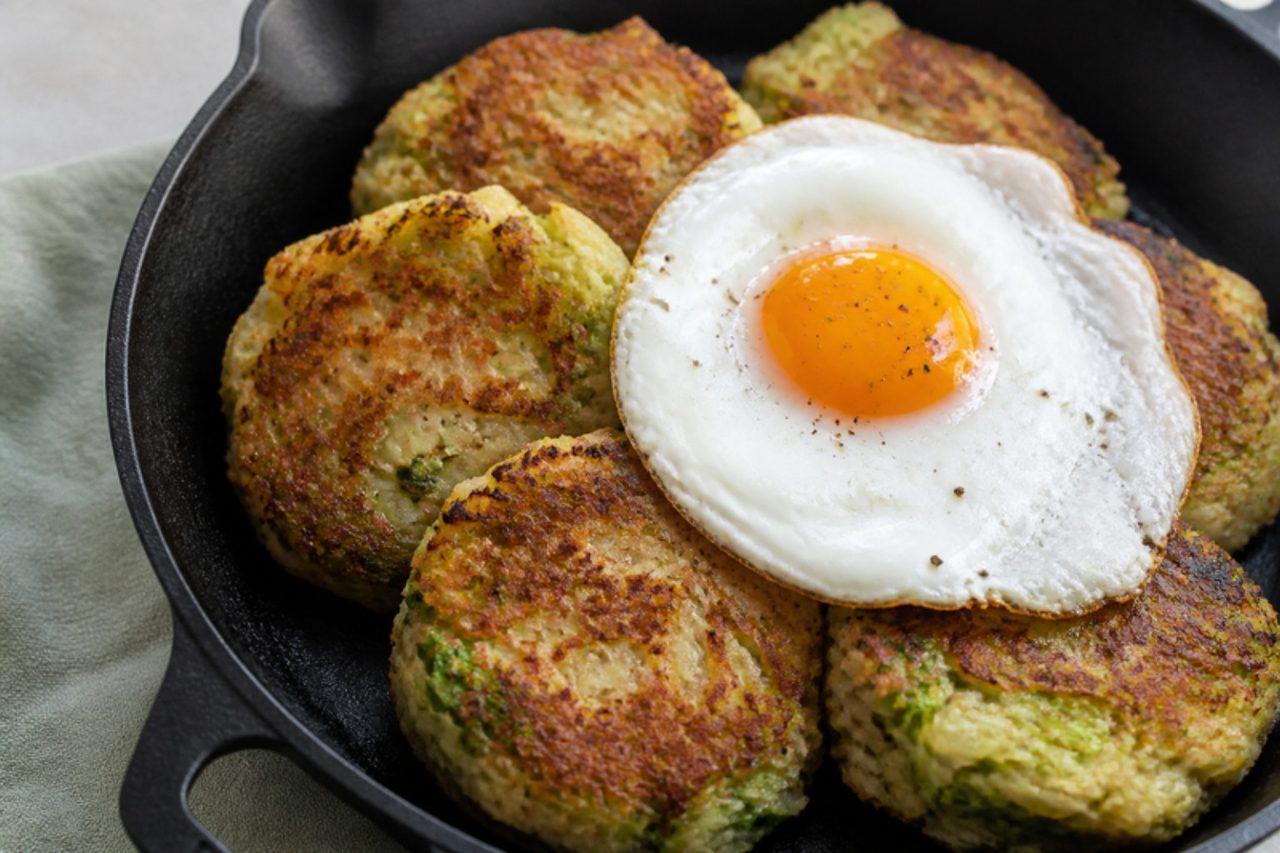
Bubble and squeak

Bubble and squeak is what English households, especially in London, make on Boxing Day and Monday mornings from the Sunday roast's leftover potatoes and greens. It's named for the noise it makes in the pan. The mash and cabbage or sprouts are fried until a deep brown crust forms, then turned and crisped again. Serve with a fried egg and brown sauce. Chef's tip: press it flat and leave it alone in the pan; the crust only forms if you don't keep stirring.

by KrazyBadal 0 views

Singin' hinnies

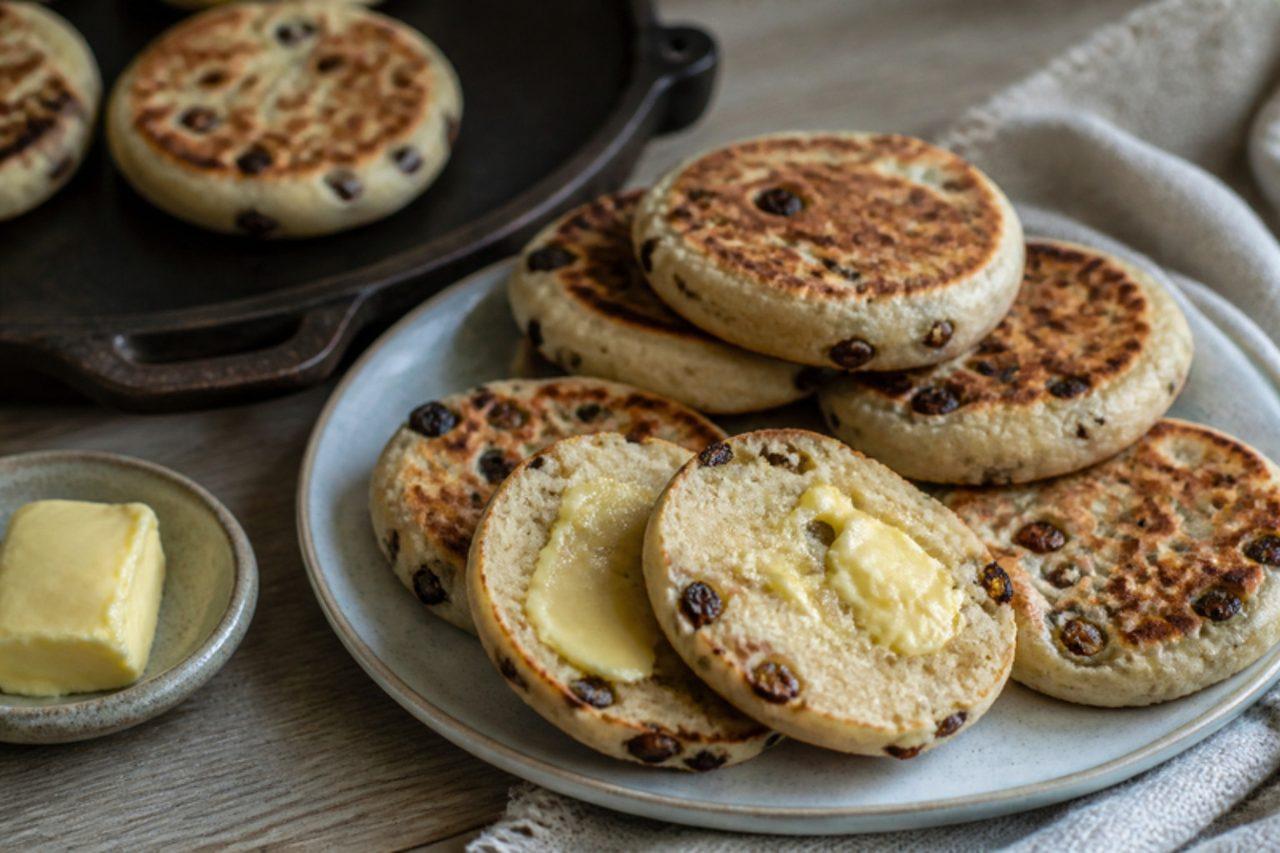
Singin' hinnies are the girdle cakes of Northumberland and Tyneside, named for the singing hiss of the butter as they cook ('hinny' is a Geordie word of affection, like 'honey'). Mothers made them for children coming home from school, cooked on a heavy griddle and eaten hot, split and buttered. They are scone dough studded with currants and cooked in the pan instead of the oven. Chef's tip: keep the heat medium-low so they cook through before the outside darkens.

by KrazyBadal 0 views

Devon cream tea scones

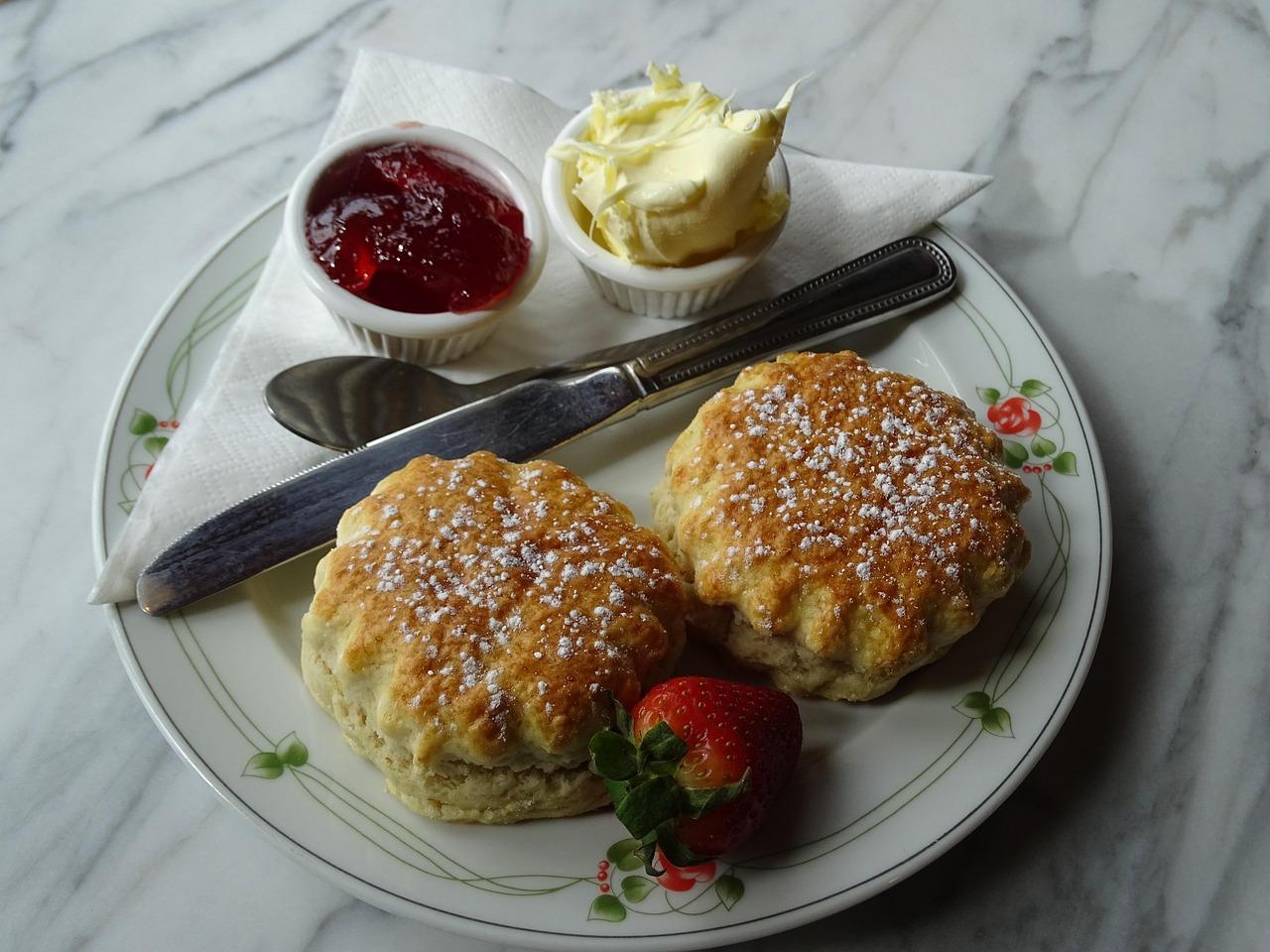
A cream tea is the West Country's afternoon treat: warm scones, clotted cream and strawberry jam with a pot of tea, served in tea gardens across Devon and Cornwall. In Devon the cream goes on first and the jam on top; in Cornwall it's the other way round, and the argument never ends. These scones are plain and light so the cream and jam shine. Chef's tip: cut straight down with the cutter and don't twist it, or the scones rise lopsided.

by KrazyBadal 0 views

Welsh rarebit

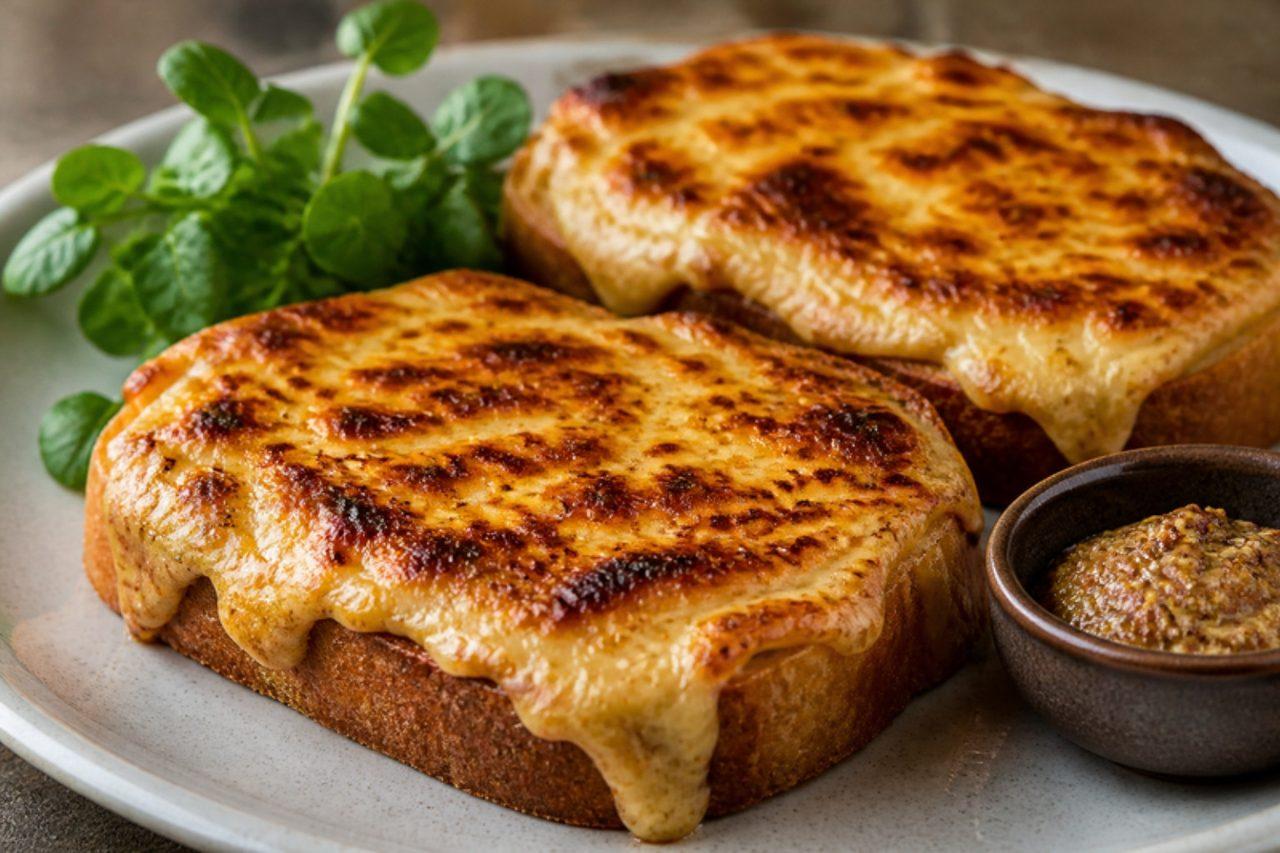
Welsh rarebit, caws pobi in Welsh, is far more than cheese on toast: a thick sauce of strong cheese, mustard, Worcestershire-style sauce and ale is spread on toast and grilled until bubbling and blistered. It has been a tavern supper in Wales and across Britain for three hundred years. The ale contains alcohol, so use milk for an alcohol-free version. Many traditional cheddars use animal rennet, and Worcestershire sauce usually contains anchovy, so choose a vegetarian cheese and a vegetarian brown sauce. Chef's tip: take the sauce off the heat as soon as the cheese melts; boiling makes it stringy and oily.

by KrazyBadal 0 views

Morecambe Bay potted shrimps

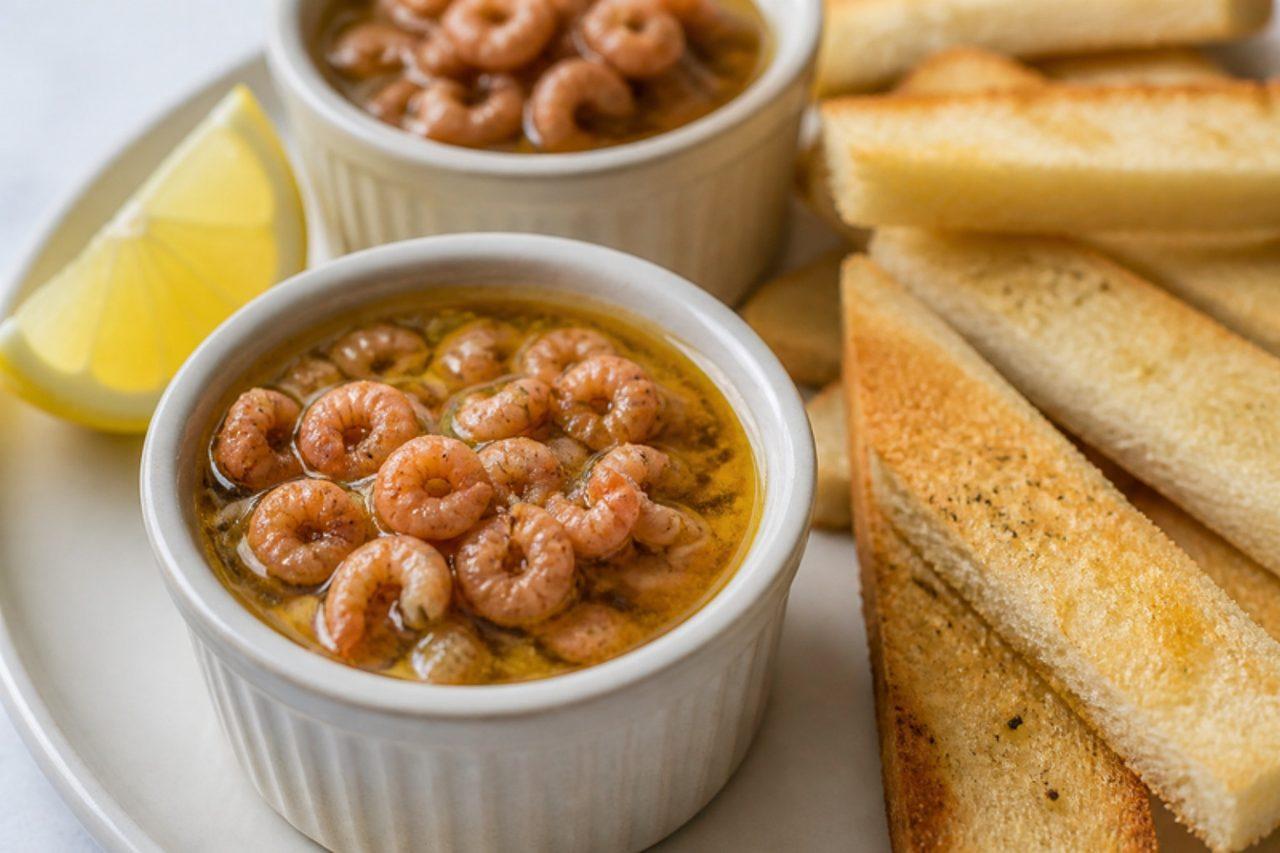
On the wide sands of Morecambe Bay in Lancashire, tiny brown shrimps have been caught by tractor and horse-drawn nets for centuries, boiled on the boats and picked by hand. Potted in butter flavoured with mace, nutmeg and cayenne, they are a classic English starter, served with hot toast so the butter melts. Buy shrimps ready cooked and peeled. Chef's tip: warm the shrimps in the butter only briefly; boiling them makes them tough and rubbery.

by KrazyBadal 0 views

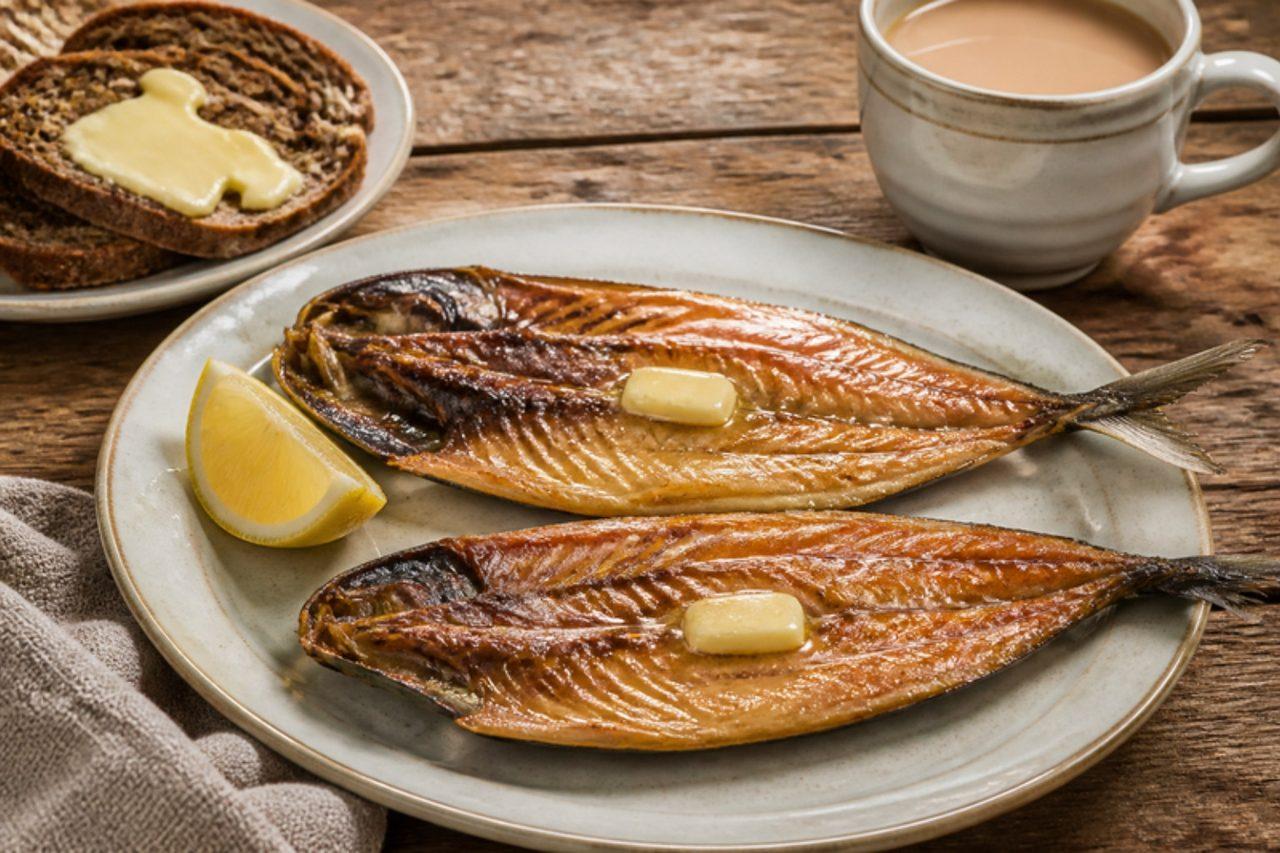
Grilled kippers

In the tiny harbour village of Craster on the Northumberland coast, herring have been split and oak-smoked in the same smokehouse for over a century, and kippers are the classic English breakfast fish in seaside hotels and on dining cars. A kipper is cold-smoked but not cooked, so it must be heated through; grilled with butter it turns rich, salty and smoky. Serve with brown bread and butter, a poached egg or a squeeze of lemon. Chef's tip: grill them skin-side up first so the skin crisps and the flesh stays juicy.

by KrazyBadal 0 views

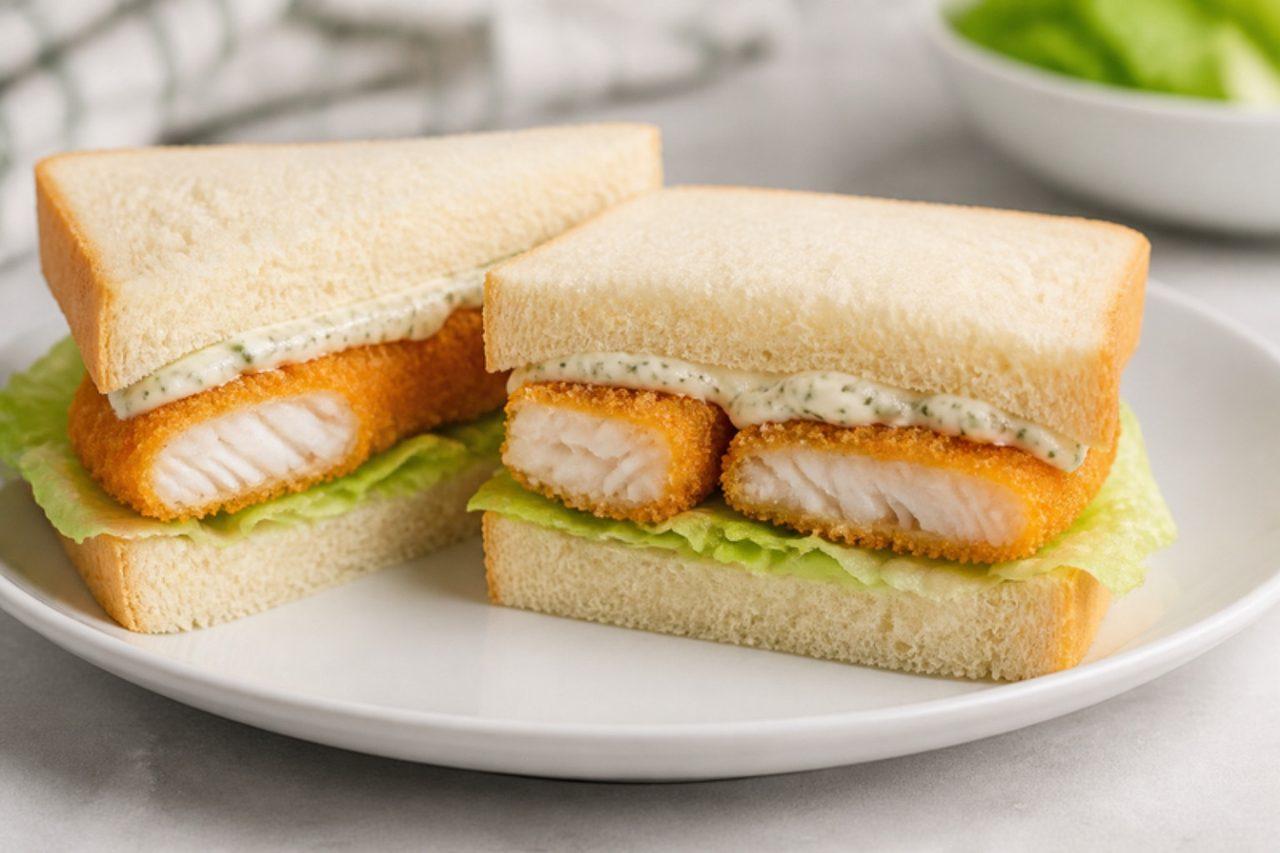
Fish finger sandwich

The fish finger sandwich is a beach-café and pub-lunch classic around the English coast from Whitstable to Brighton, and the ultimate home comfort food for anyone who grew up in Britain. Here the fingers are made from fresh cod in crunchy crumbs, piled into buttered white bread with tartare sauce and crisp lettuce. Chef's tip: cut the fish into even fingers so they all cook in the same time.

by KrazyBadal 0 views

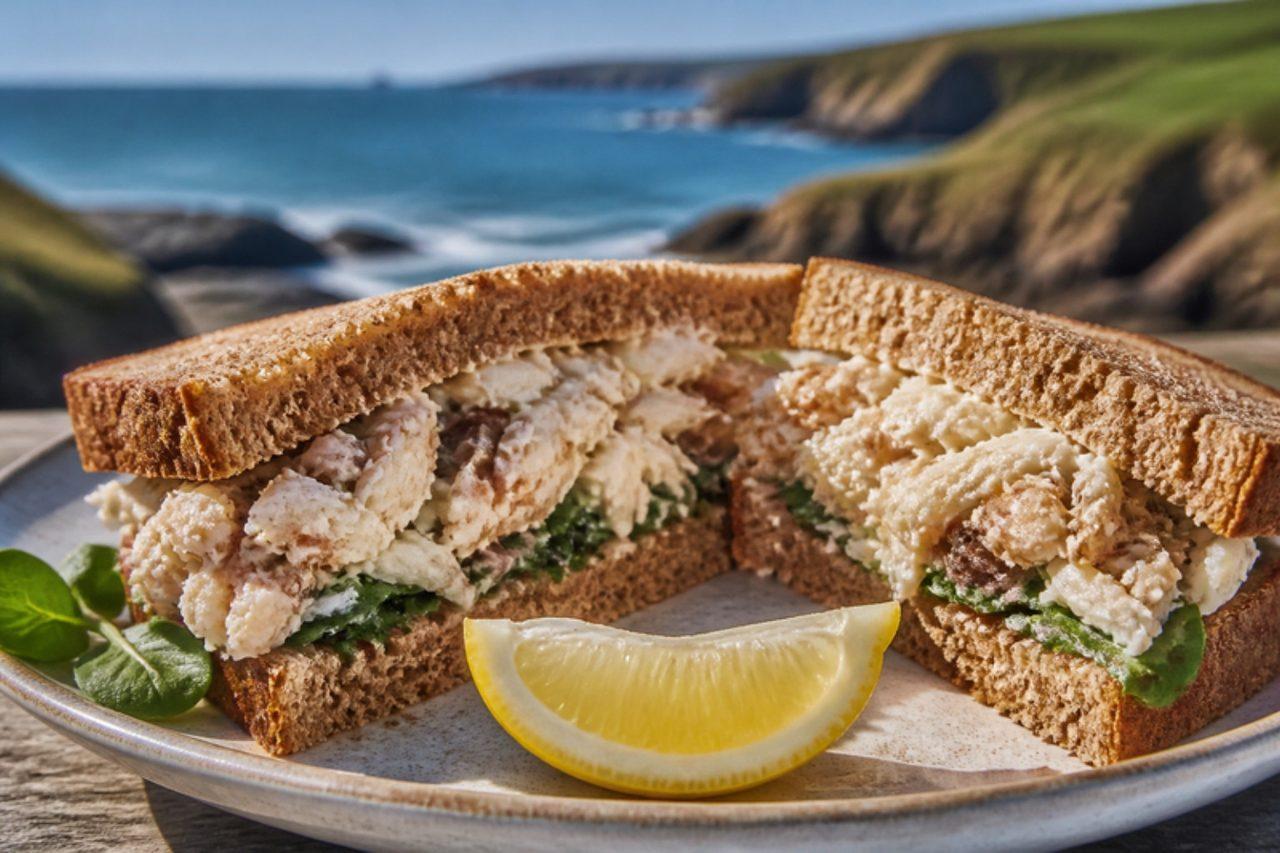
Cornish crab sandwich

In Newlyn, Padstow and St Ives, harbourside kiosks sell crab sandwiches made with the morning's catch: sweet white claw meat and rich brown body meat on buttered brown bread with a little lemony mayonnaise. It is a summer lunch for eating on the harbour wall. Buy fresh, cooked and picked crab from a fishmonger, keep it in the fridge and use it the same day. Chef's tip: keep the white and brown meat separate and use both; the brown meat gives the flavour.

by KrazyBadal 0 views

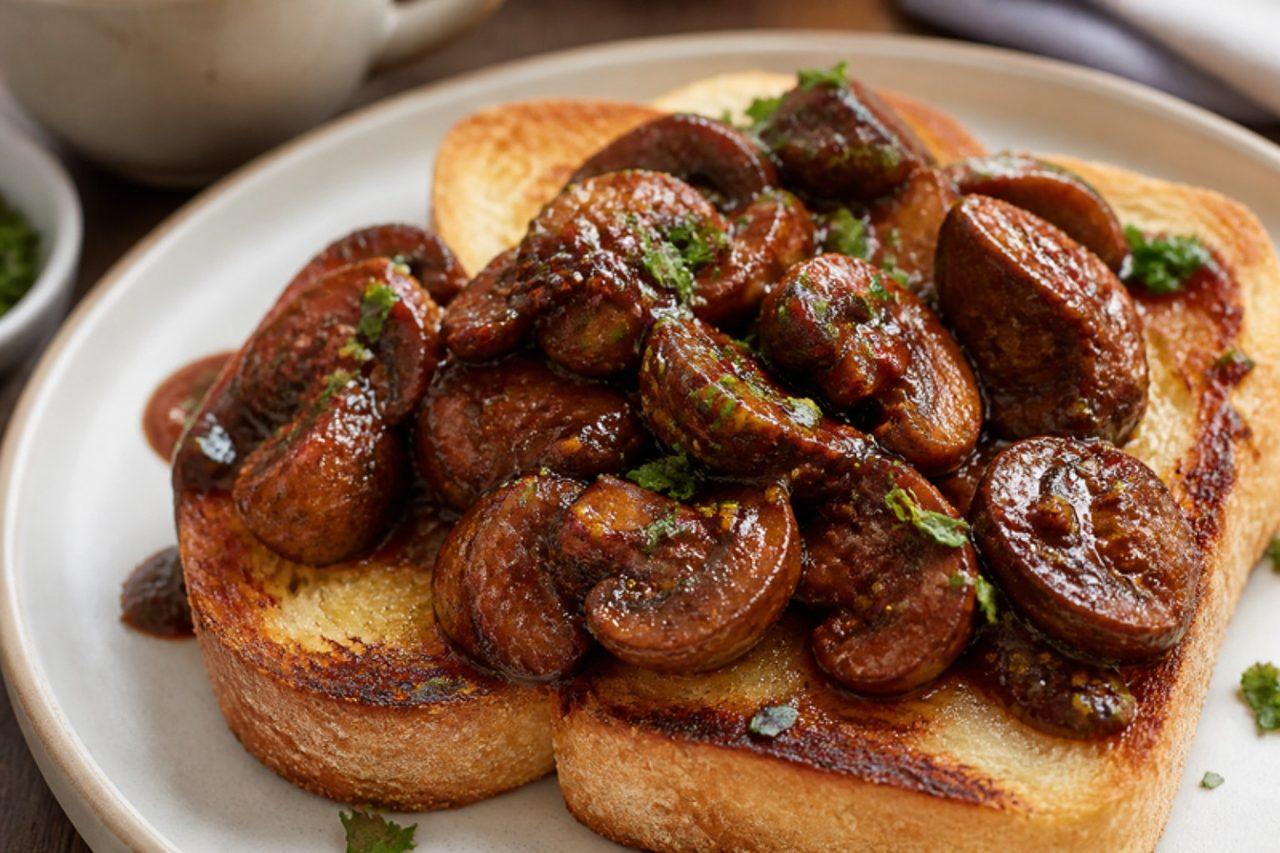
Devilled kidneys

Devilled kidneys were a Victorian gentlemen's club breakfast in London and on country house sideboards, and they have come back on the menus of British chop houses as a brunch dish. Lamb's kidneys are dusted with flour, mustard powder and cayenne, fried quickly and finished in a peppery sauce, then piled on hot buttered toast. Chef's tip: snip out the white core from each kidney; it is tough and has a strong taste.

by KrazyBadal 0 views

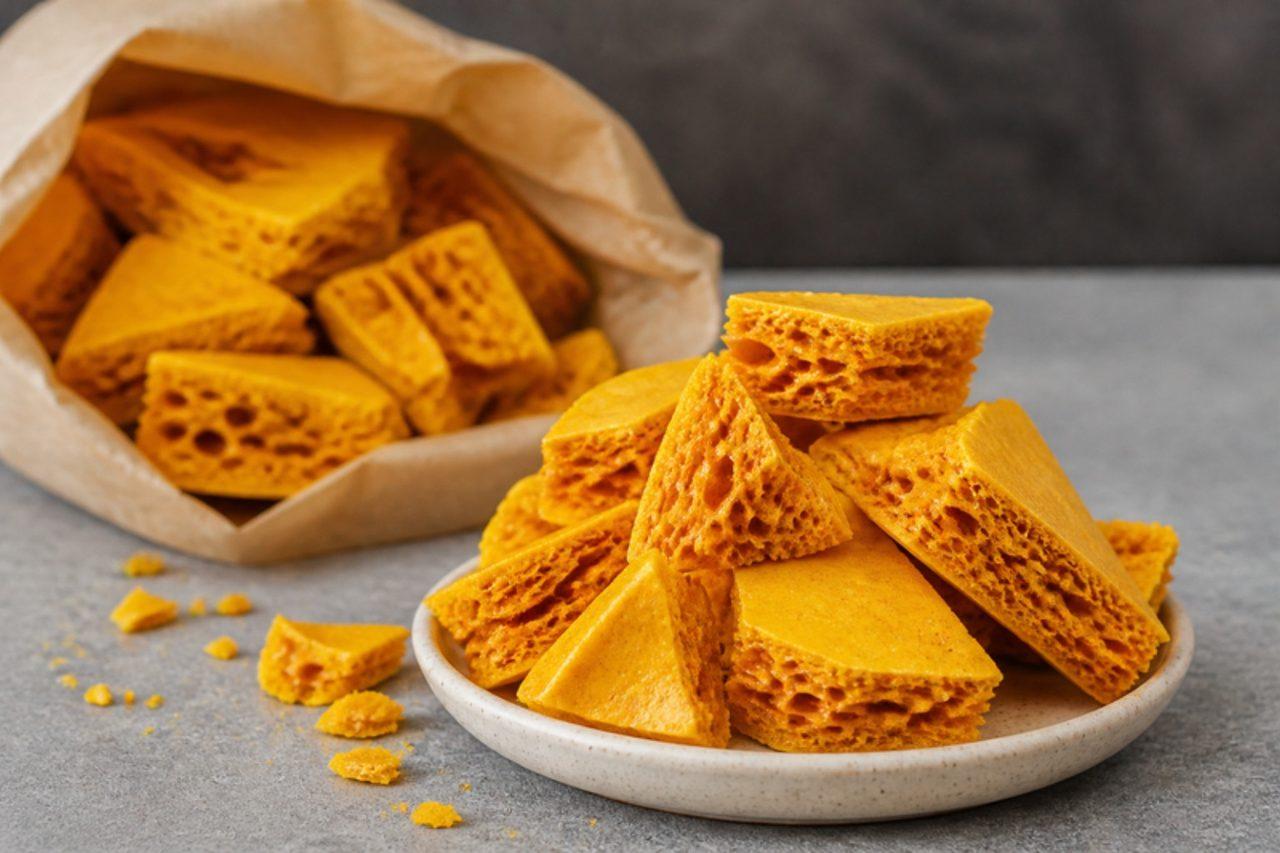
Ballycastle yellowmanHoneycomb toffee

Yellowman is the bright yellow, brittle honeycomb toffee hacked from great slabs at the Ould Lammas Fair in Ballycastle, County Antrim, at the end of every August, often eaten with dulse. Golden syrup, sugar and butter are boiled to the hard-crack stage and then foamed with bicarbonate of soda into a crunchy, airy toffee. Chef's tip: have the tin and the soda ready before you start; once it reaches temperature you have seconds.

by KrazyBadal 0 views

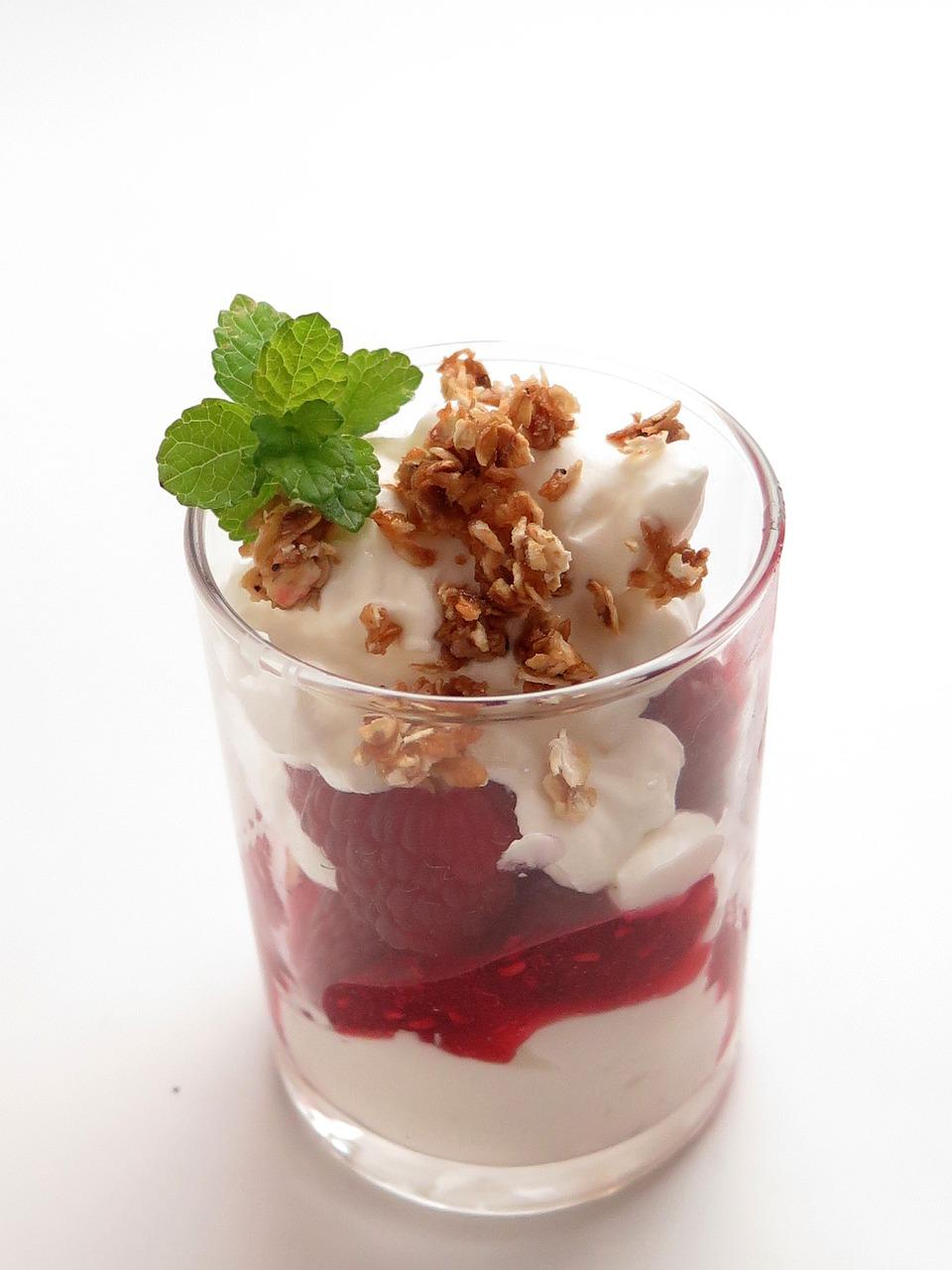
CranachanOat, raspberry and whisky cream dessert

Cranachan began as a harvest-home dessert in the Highlands, made when the raspberries ripened in June and July, and it is now served on Burns Night and at Scottish weddings. Layers of whipped cream sweetened with heather honey, toasted pinhead or rolled oats and fresh raspberries make it crunchy, rich and sharp all at once. The traditional splash of Scotch whisky contains alcohol; for an alcohol-free version use a few drops of vanilla and a squeeze of orange juice instead. Chef's tip: toast the oats until they smell nutty and look golden; raw oats taste floury.

by KrazyBadal 0 views

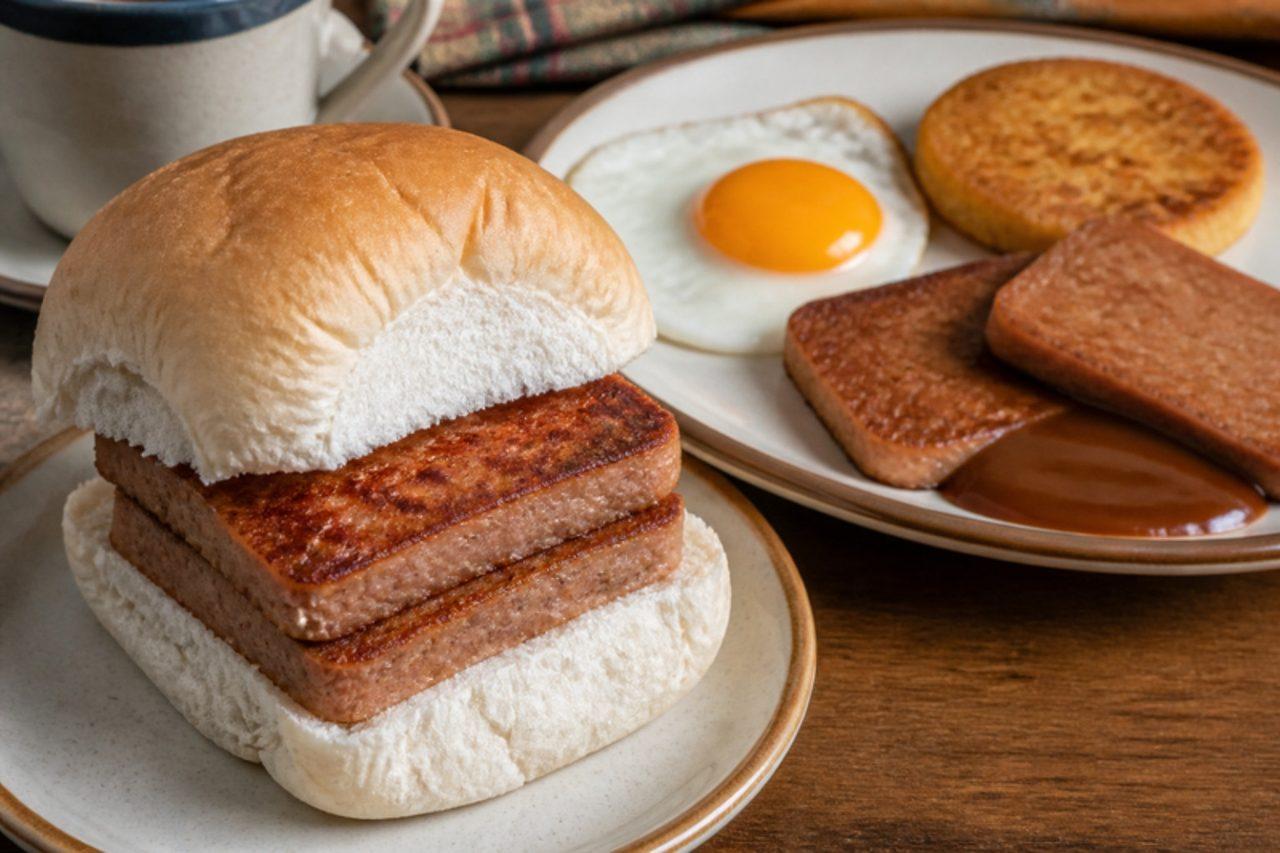
Lorne sausageSquare beef and pork sausage

Lorne sausage, better known in Scotland simply as square sausage or slice, is a skinless loaf of seasoned beef and pork mince that is cut into squares and fried for the full Scottish breakfast, or slapped in a morning roll with brown sauce. It is easy to make at home and freezes well. Chef's tip: freeze the shaped block for an hour before slicing; it cuts into neat, thin squares.

by KrazyBadal 0 views

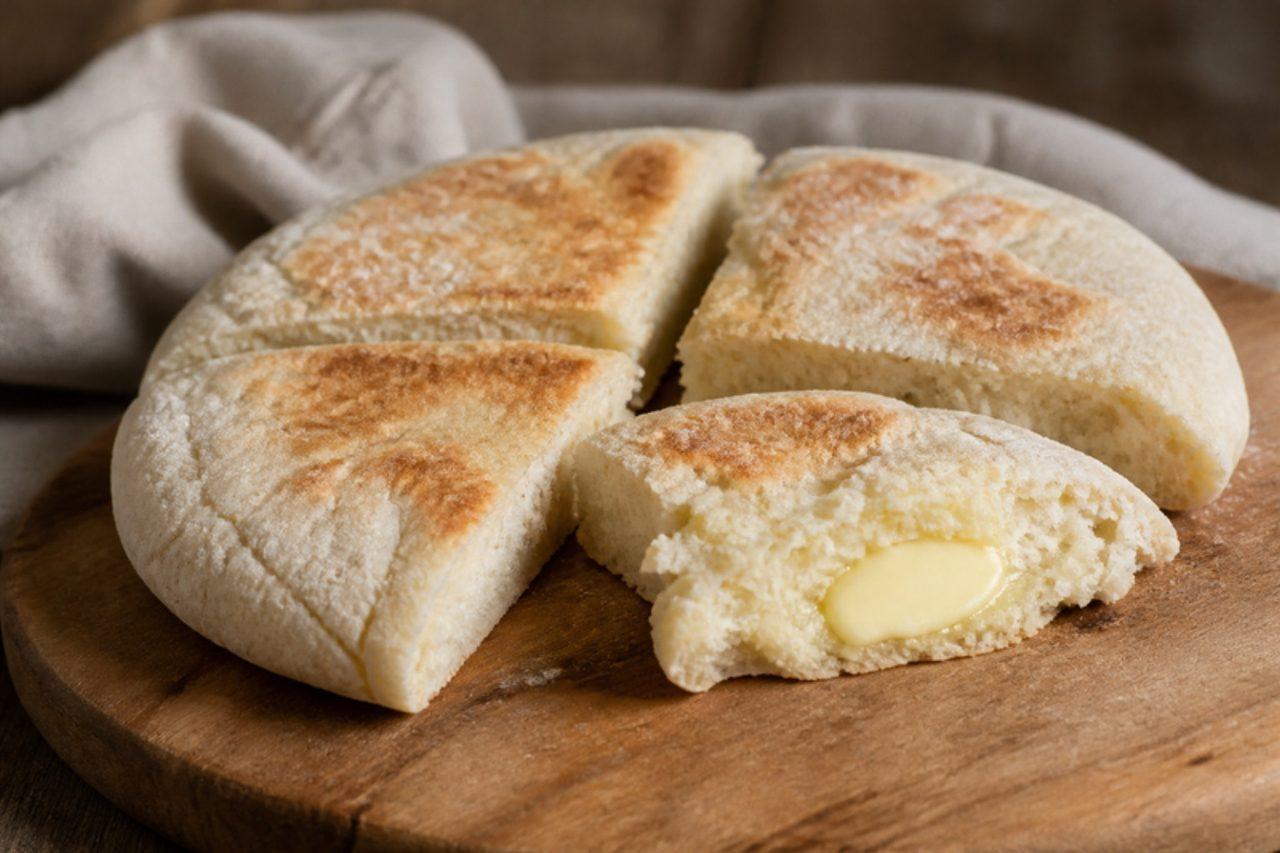
Soda farlsGriddled soda bread

Soda farls are the griddle bread of Northern Ireland, cooked on a flat pan rather than baked, and split and fried in the Ulster fry or eaten warm with butter and jam. Plain flour, bicarbonate of soda and buttermilk make a quick, light dough that is shaped into a round and cut into four farls. Chef's tip: get the griddle hot before the dough is mixed; the soda starts working as soon as the buttermilk goes in.

by KrazyBadal 0 views

Ulster potato farlsGriddled potato bread

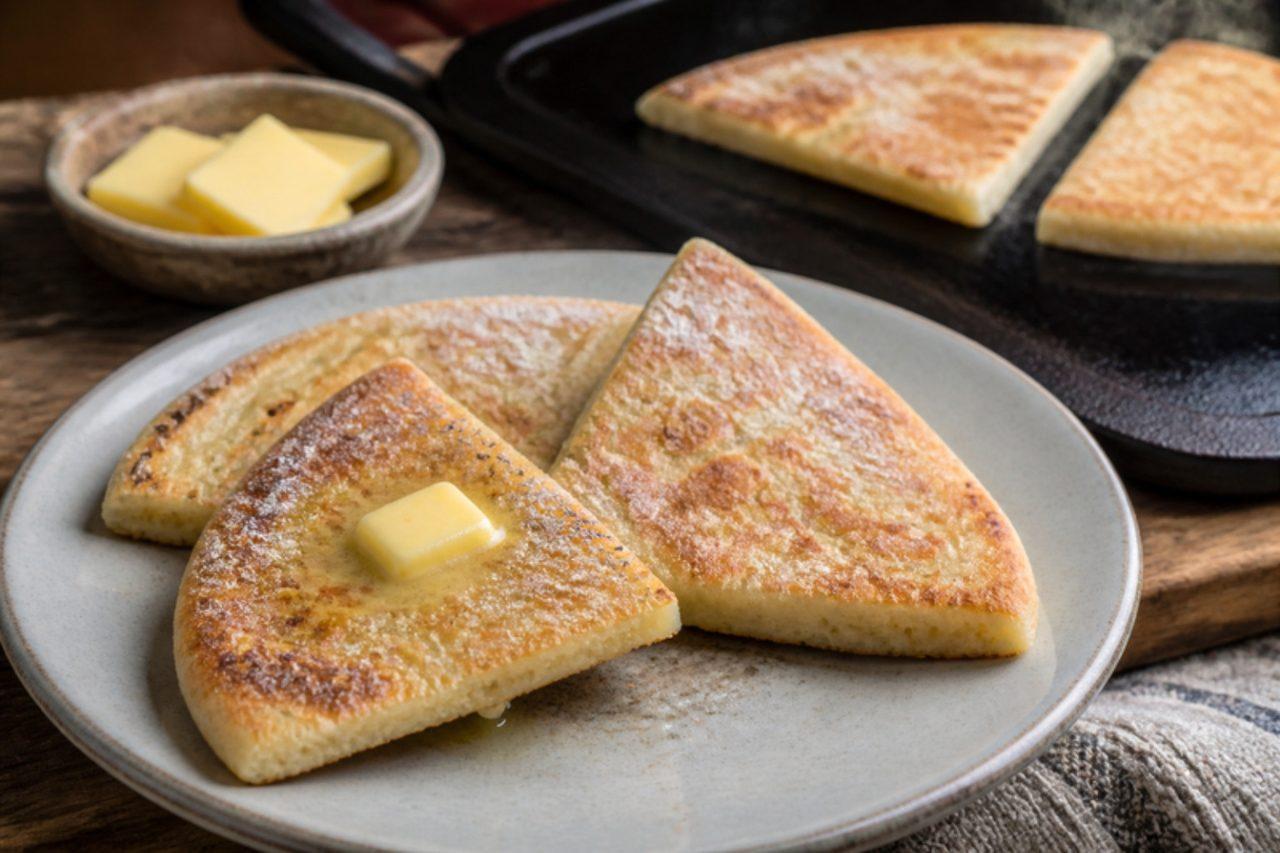
Potato bread, often just called fadge or tattie bread, is the soft, flat quarter-round that sits beside soda bread in every Ulster fry from Belfast to Derry. Warm mashed potato is worked with a little flour and butter, rolled into a round, cut into four farls and cooked on a dry griddle. It is thinner than a Scottish tattie scone and is always fried golden before serving. Chef's tip: use only enough flour to stop it sticking; the more potato, the better the farl.

by KrazyBadal 0 views

Eton mess

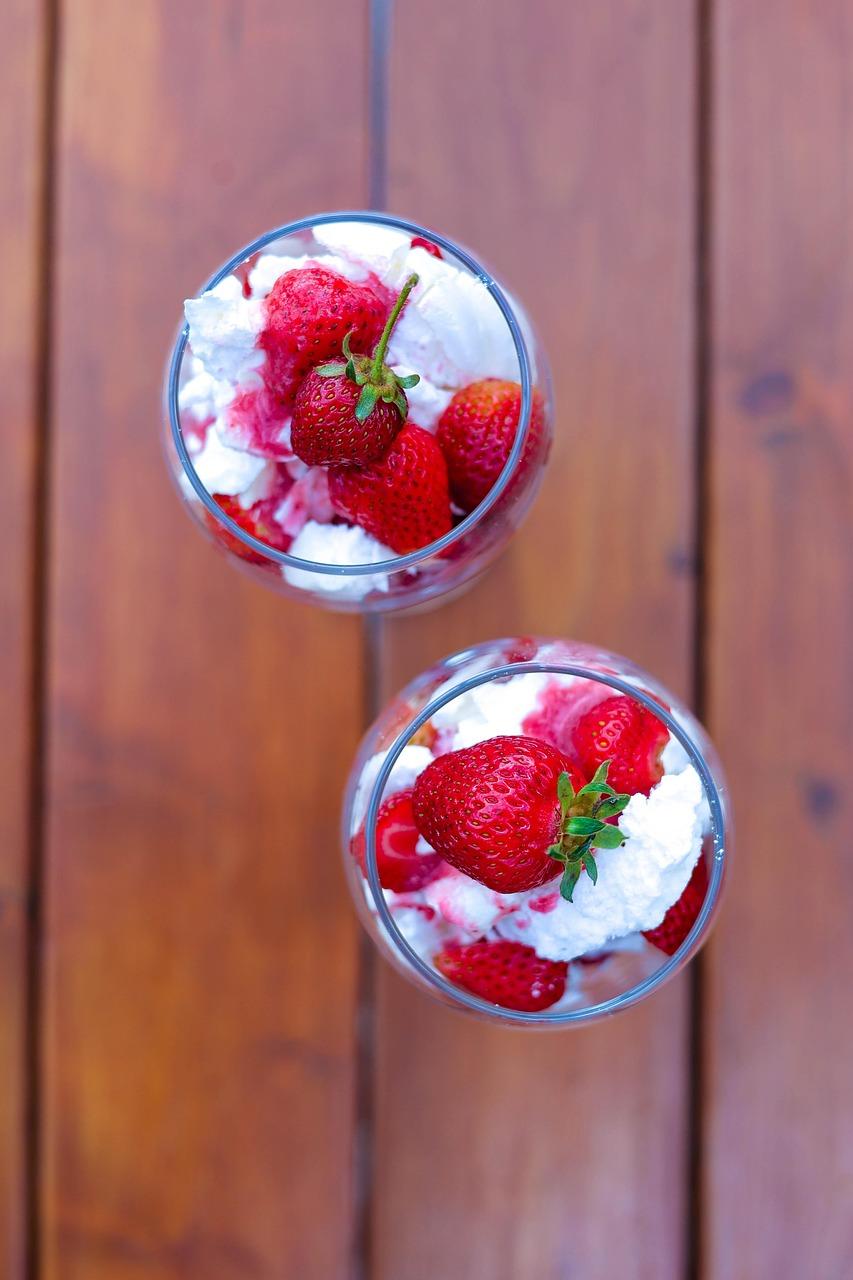
Eton mess is served at Eton College's cricket match against Harrow each June, and it has become the English summer pudding for picnics and garden parties when strawberries are at their best. Crushed meringue, whipped cream and macerated strawberries are folded together at the last moment, so you get crunch, cream and juice in every spoonful. Chef's tip: fold it together just before serving; if it sits, the meringue dissolves into the cream.

by KrazyBadal 0 views

Summer pudding

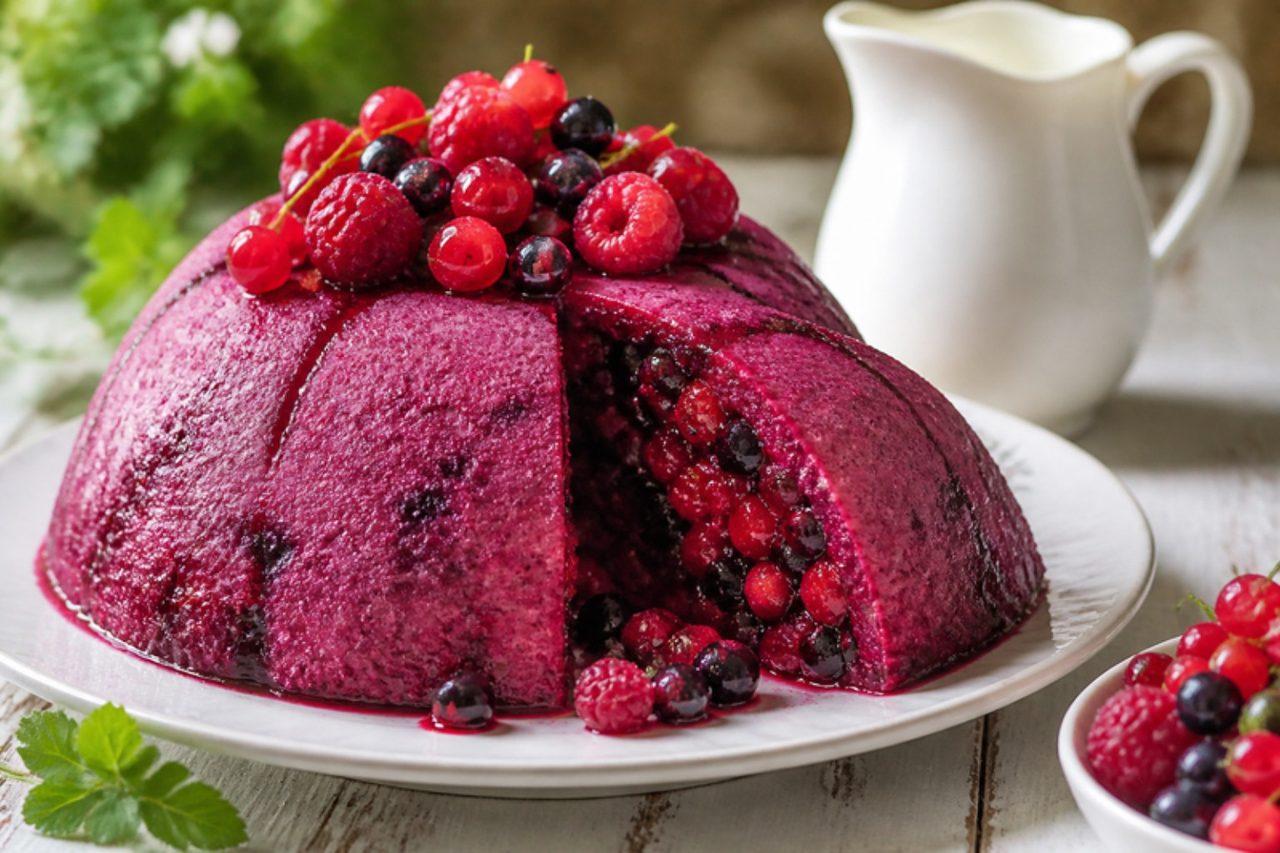
Summer pudding is the high-summer pudding of English country gardens, made when redcurrants, raspberries and blackcurrants ripen together in July. Slices of day-old white bread line a basin and soak up the juices of lightly cooked berries overnight, turning a deep crimson and setting into a dome. Serve with cream (or a plant cream for a vegan pudding). Chef's tip: keep back a few spoonfuls of juice to paint over any white patches after turning it out.

by KrazyBadal 0 views

Torta fritaFried dough discs

In Uruguay, a grey rainy afternoon has one answer: torta frita and mate. These thin discs of dough, pierced with a hole in the middle, are fried until puffed and golden and either sprinkled with sugar or eaten plain, still hot, between sips passed around the circle. In Montevideo you'll smell them from street stalls on wet days; at home they're made with butter or beef fat, here with butter. Chef's tip: the hole in the middle isn't decoration; it lets the centre cook through at the same speed as the edges.

by KrazyBadal 0 views

Showing 24 of 36 recipes

Show more recipes

Page 1 of 2