Skip to content
Recipes

All recipes

Vegetarian, or something you can't eat? Set your diet once and we'll hide recipes that don't fit.

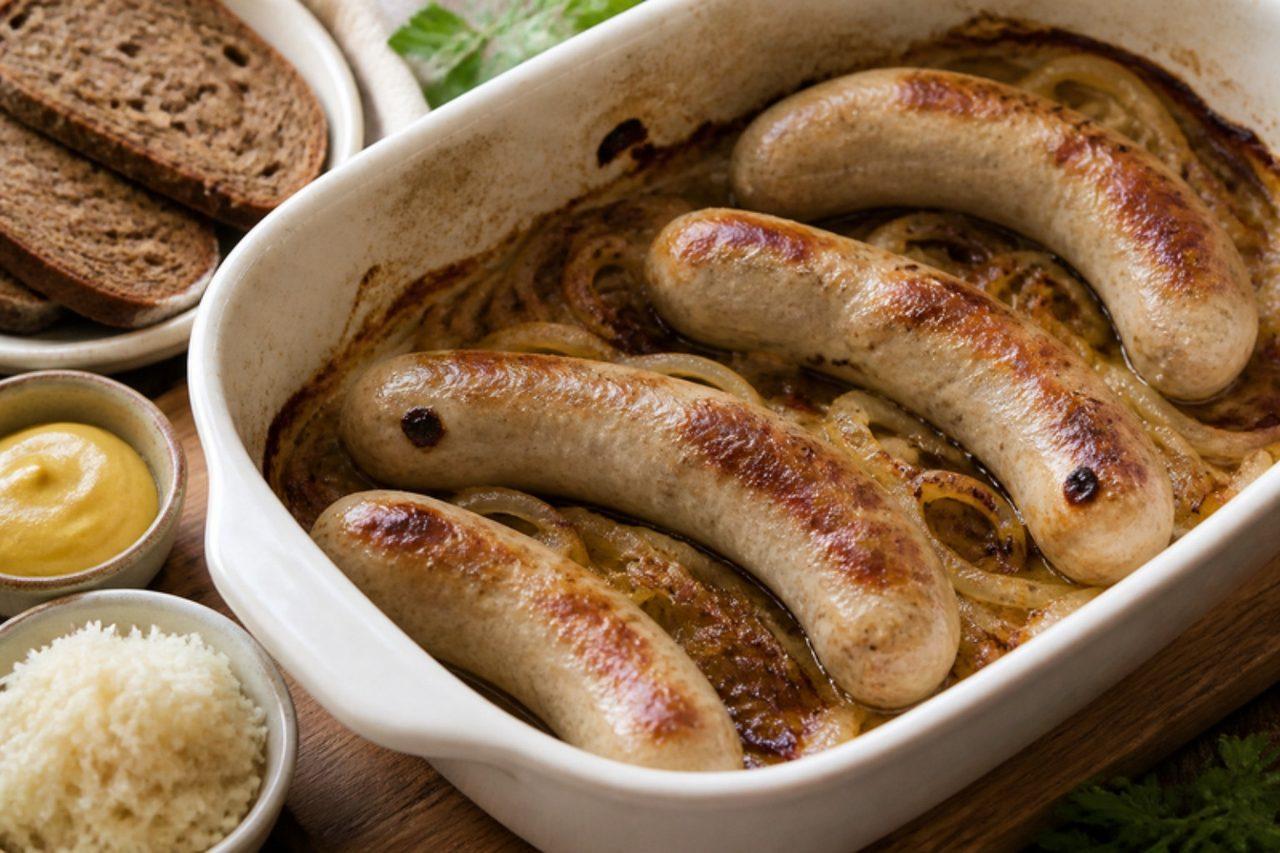
Biała kiełbasa z cebuląWhite sausage baked with onions

Biała kiełbasa is a fresh, unsmoked white sausage of pork seasoned with garlic and marjoram, and on Easter Sunday morning in Poland it is the star of the breakfast after the blessed basket (święconka) is shared. It is also the sausage that goes into żurek, the sour rye soup. Buy it raw from a Polish butcher, then poach it gently and bake it with onions until golden. Serve with horseradish, mustard, rye bread and Easter eggs. Chef's tip: never boil it, as the casing bursts; keep the water just below a simmer.

60 minPolishMeatGluten free
by KrazyBadal 0 views

Pajagua mascadaBeef and cassava patties

Pajagua mascada is a Paraguayan street-food classic that appears on every table for the San Juan festival on 24 June, when bonfires burn and the night is full of games and traditional food. Minced beef is mixed with mashed cassava, onion, garlic and a little egg and flour, shaped into flat patties and fried until crisp. The name comes from Guaraní and refers to the 'chewing' of old Paraguayan cooks, who made it from leftover meat. Chef's tip: dry the boiled cassava well and remove its woody core, which keeps the patties light and crunchy.

by KrazyBadal 0 views

OponkiQuark ring doughnuts

On Tłusty Czwartek, Fat Thursday, Poles queue at bakeries for pączki, but at home many families make oponki instead: little ring doughnuts from a quick twaróg (curd cheese) dough with no yeast and no waiting. They fry in minutes into light, tender 'tyres' that are rolled in sugar or glazed and eaten warm by the plateful. The common mistake is kneading the dough too much, which makes them tough; mix only until it holds together. Chef's tip: press the twaróg through a sieve first, or blend it, so the dough is smooth and the rings puff evenly.

by KrazyBadal 0 views

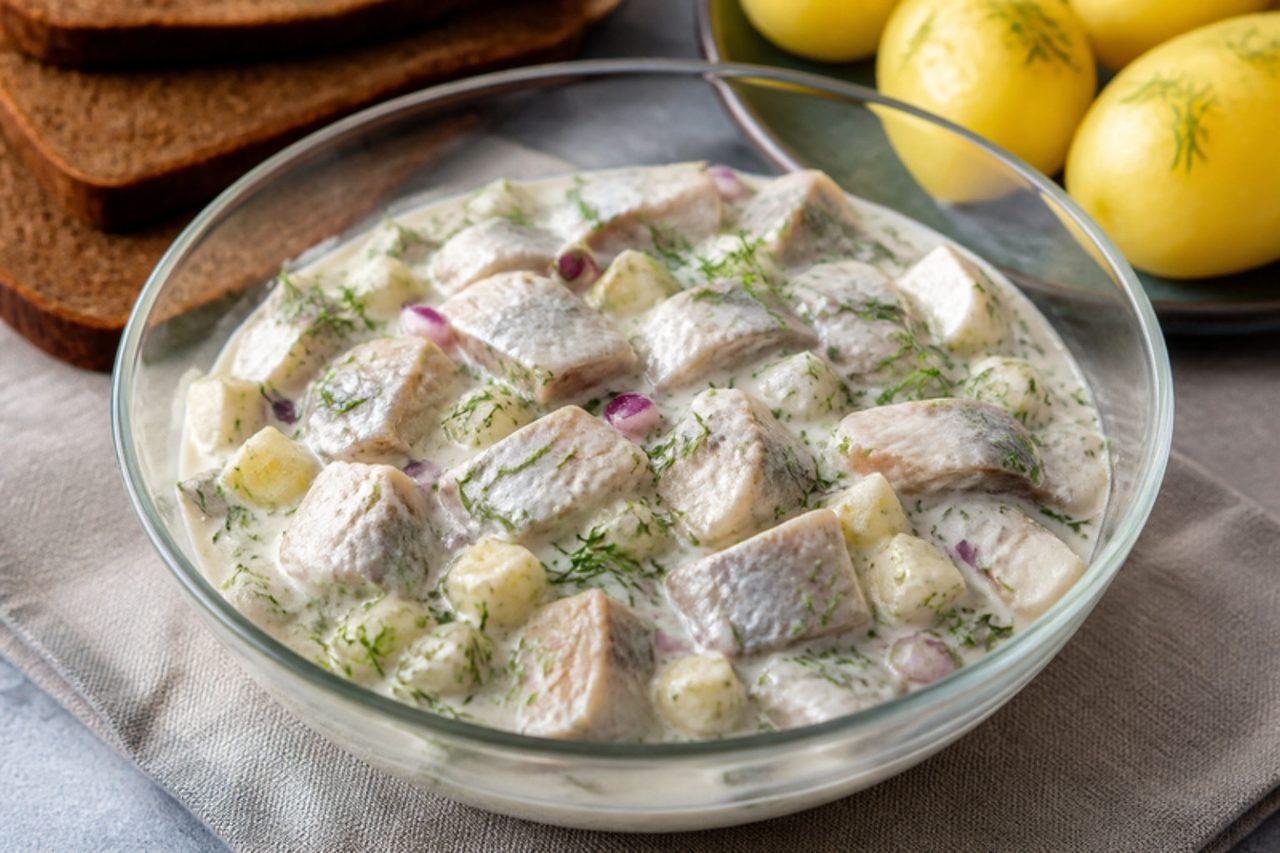
Śledzie w śmietanieHerring in soured cream

Herring is a must at the Polish Wigilia, the meatless Christmas Eve supper, and śledzie w śmietanie, salted herring fillets in soured cream with crisp apple, onion and dill, is the favourite way to serve it, with boiled potatoes or rye bread. The herring is cured, not cooked: use good-quality salted or matjes fillets from a shop, which have been frozen to kill parasites, and keep the dish chilled. Cured fish is not for pregnant women, young children or anyone with a weakened immune system; for them, make the safer version in the last step with hot-smoked mackerel or herring fillets baked until opaque. Chef's tip: dress the herring a few hours ahead so the cream picks up the flavour.

20 minPolishFishGluten free
by KrazyBadal 0 views

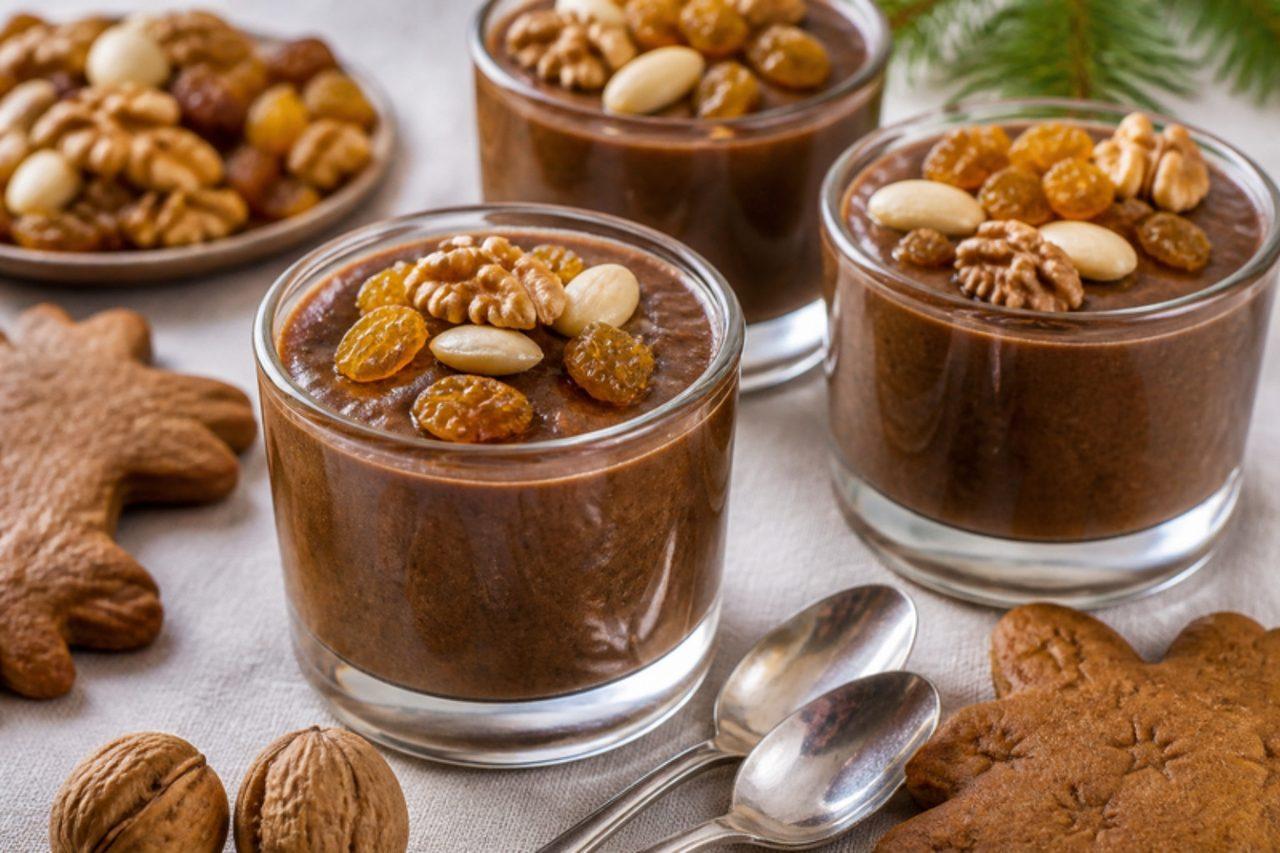
MoczkaGingerbread in dried fruit compote

Moczka is the Christmas Eve dessert of Upper Silesia in southern Poland, a thick, dark, spiced mixture of honey gingerbread dissolved in dried-fruit compote, then loaded with almonds, walnuts, raisins, figs and prunes. Each family has its own version; many add dark beer to the base, which this one leaves out, but adults may stir 100 ml dark beer into the compote while it simmers. It is eaten cold from small bowls and keeps for several days. Chef's tip: use dry, slightly stale gingerbread, which dissolves into a smooth sauce, while fresh cake turns to lumps.

by KrazyBadal 0 views

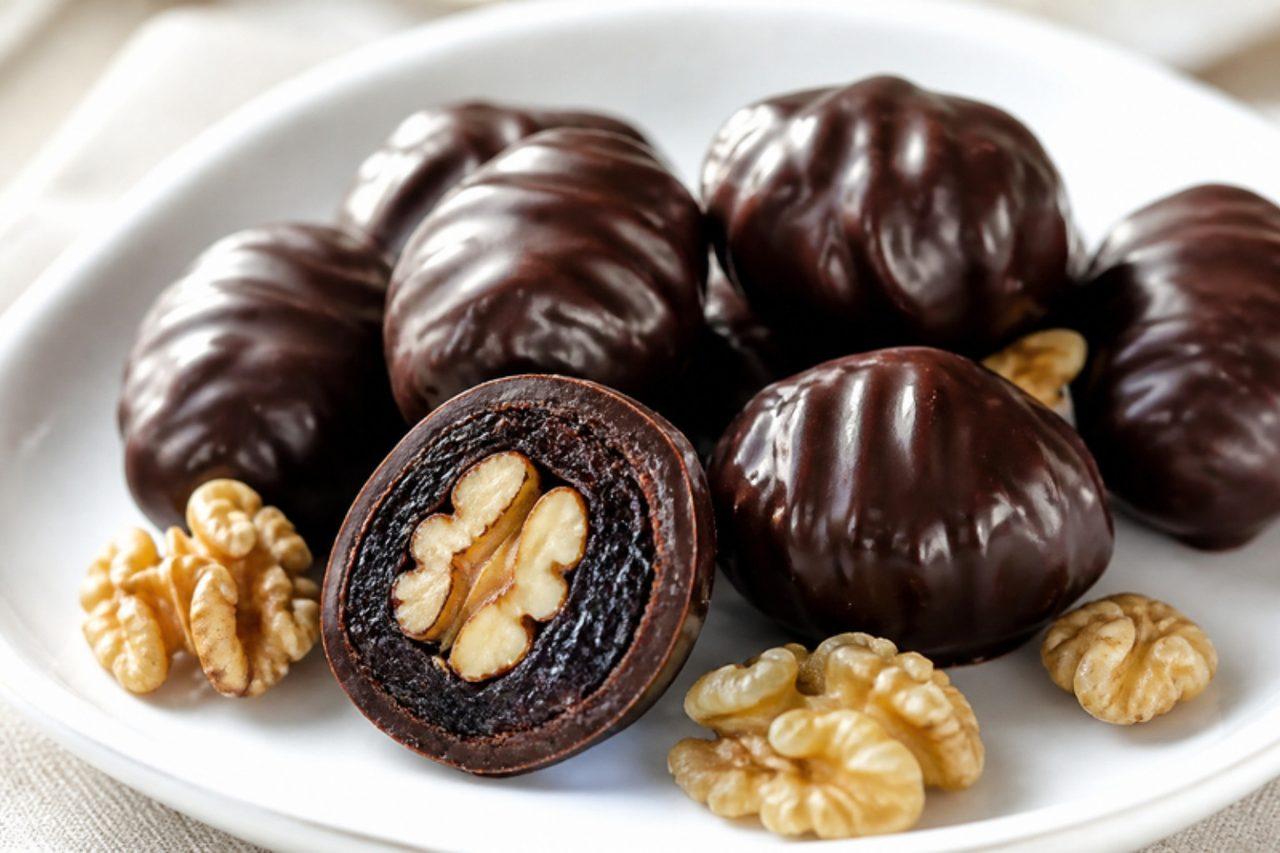
Śliwki w czekoladzie (chocolate-coated prunes with walnuts)

Boxes of chocolate prunes are a classic Polish gift: brought to grandmothers at Christmas, set out on the Wigilia table among the twelve dishes, and passed round on name days. Plump smoked or soft prunes from the south of the country are best. Each one hides a walnut half, so you get chewy, slightly tart fruit, a crunchy bitter nut and a snap of dark chocolate in one bite. Serve them with coffee or tea after a big meal. Nothing here ever needed egg: the prune itself holds the nut, and chocolate sets around it as it cools. Older recipes soak the prunes in spirits; here they are alcohol-free, plumped in warm orange juice instead, which also brightens the flavour. Use a dark chocolate made without milk and the sweets are vegan. Chef's tip: dry the soaked prunes very well before dipping; the common mistake is leaving them damp, and even a few drops of juice will make melted chocolate seize and turn grainy.

by KrazyBadal 0 views

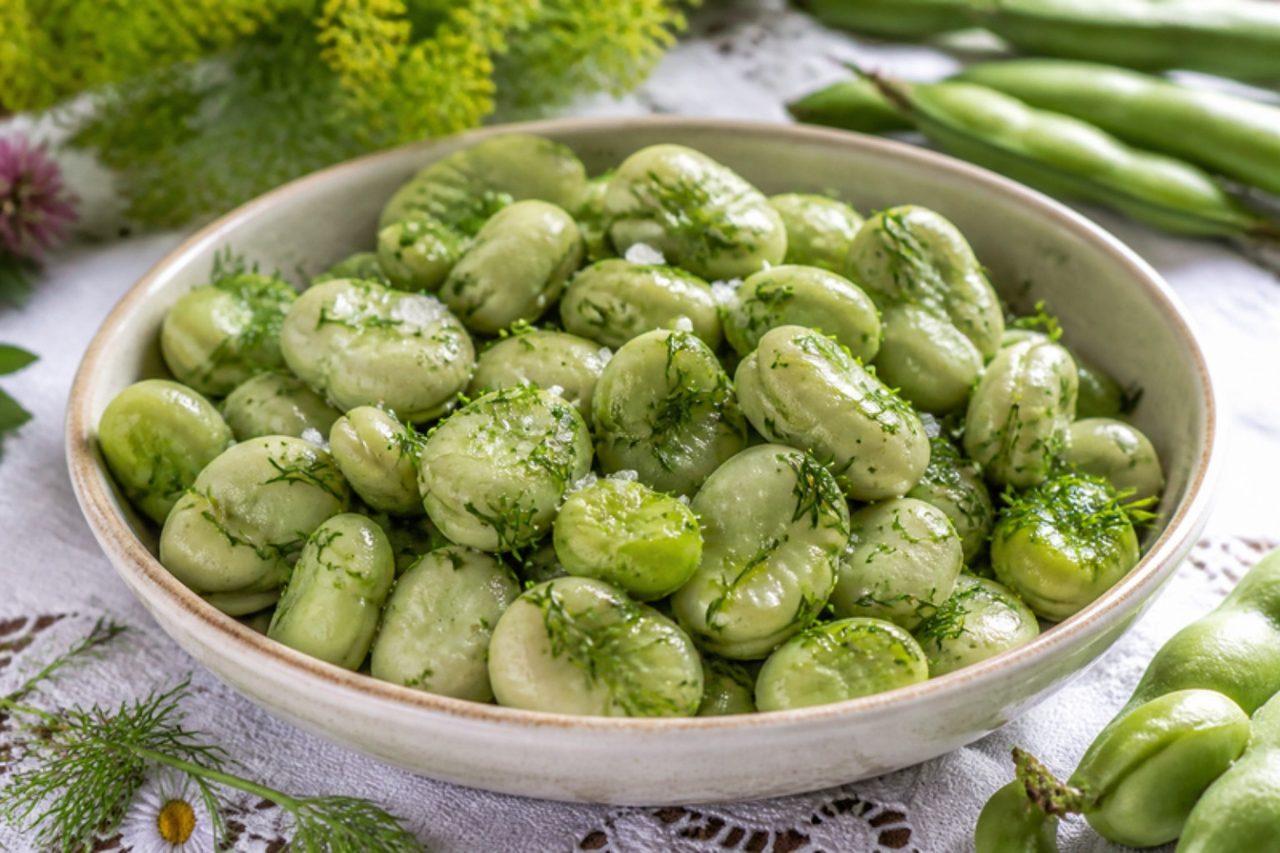
Bób z koperkiemBroad beans with butter and dill

All over Poland, from Kraków's market stalls to allotments outside Warsaw, the short broad bean season in June and July means bowls of bób z koperkiem: young beans boiled in their pale skins, tossed with melted butter, dill and salt, and eaten with your fingers on summer evenings. You squeeze each bean out of its skin with your teeth, or eat the skin too if the beans are very young. A generous bowl of 300 g beans gives about 22 g of protein, all from the broad beans. The most common mistake is overcooking: the skins burst and the beans turn grey and floury. Chef's tip: add a pinch of sugar to the cooking water along with the salt, as Polish cooks do; it keeps the beans sweet and bright.

by KrazyBadal 0 views

Łamańce z makiem (wafers in sweet poppy-seed milk)

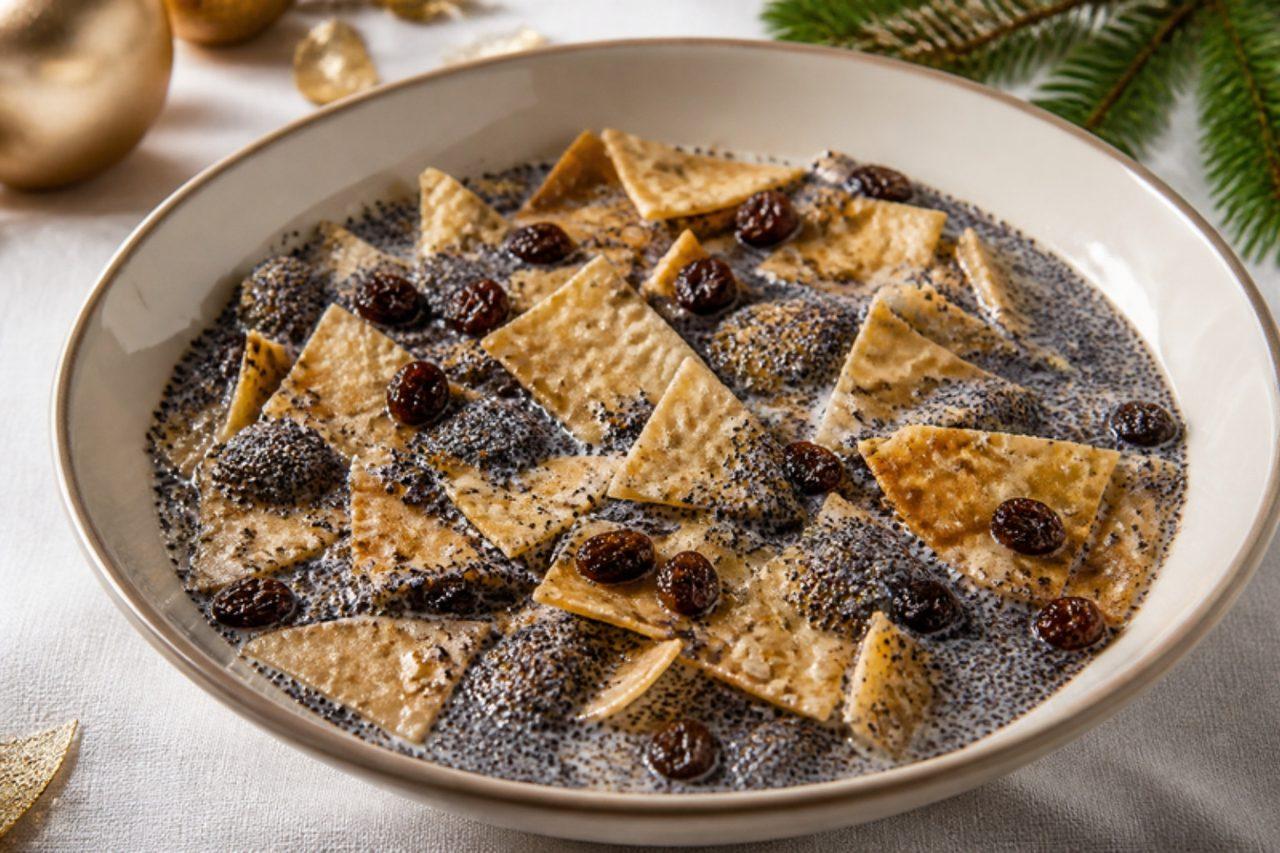
In Podlasie and across eastern Poland, Christmas Eve supper, Wigilia, is meatless, and among the twelve dishes on the table is a bowl of łamańce: thin, crisp wafers broken into milk that has been turned grey-blue with ground poppy seed and sweetened with honey. Poppy seed stands for plenty in the coming year. The wafers soften at the edges but stay crunchy in the middle, and the milk tastes nutty and gently sweet. Serve it at room temperature or slightly warm, at the end of the meal. Bakery łamańce are not always egg-free; these are, a simple dough of flour, water and oil with a pinch of baking powder that bakes crisp without any binding. Chef's tip: roll the dough paper-thin, almost see-through; the common mistake is leaving it thick, which bakes into hard crackers that never soak up the poppy milk.

by KrazyBadal 0 views

Chilcano de pescadoClear fish broth

In the fishermen's terminals of Chorrillos and Callao, chilcano is what you drink on a Sunday morning after a long night: a clear, gingery broth made from the heads and bones left over from cleaning fish for ceviche, with chunks of fish, red onion, chilli and a squeeze of lime in the bowl. It is light and warming, around 160 kcal a bowl, and still gives about 24 g of protein from the fish fillet and the broth. The common mistake is squeezing the lime into the pot while it boils, which turns it bitter; add it to each bowl at the table. Don't boil the bones for more than 30 minutes either, or the broth turns cloudy and harsh. Chef's tip: ask the fishmonger for heads and frames from mild white fish like sea bass or cod, and leave out oily fish such as mackerel, which makes the broth strong and fishy.

by KrazyBadal 0 views

Gzik (Poznań quark with radish and chives)

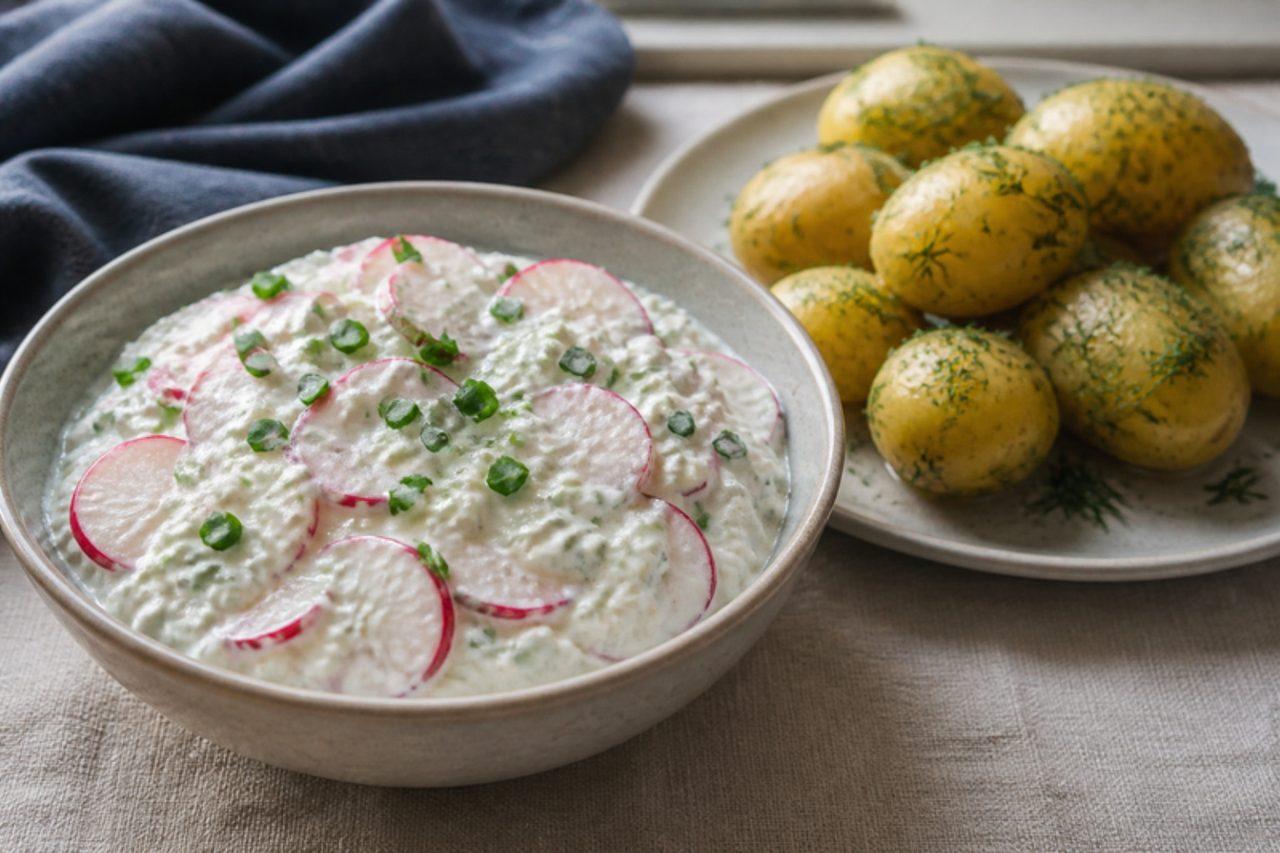
Gzik is a Poznań favourite, so much a part of Greater Poland that the region's potato-and-quark supper, pyry z gzikiem, has its own festival. Soft white quark is beaten with sour cream, then mixed with chopped radish, onion and chives into a cool, tangy, crunchy spread that is spooned over hot boiled potatoes in their skins, or onto rye bread for breakfast. The most common mistake is using dry, crumbly quark without loosening it, which gives a pasty gzik; it should be smooth and just spoonable. Quark and sour cream are made without rennet, so this is a good vegetarian choice. Chef's tip: salt the chopped radish and onion only at the last minute, so they stay crisp instead of weeping into the cheese.

by KrazyBadal 0 views

Młode ziemniaki z koperkiem (new potatoes with dill)

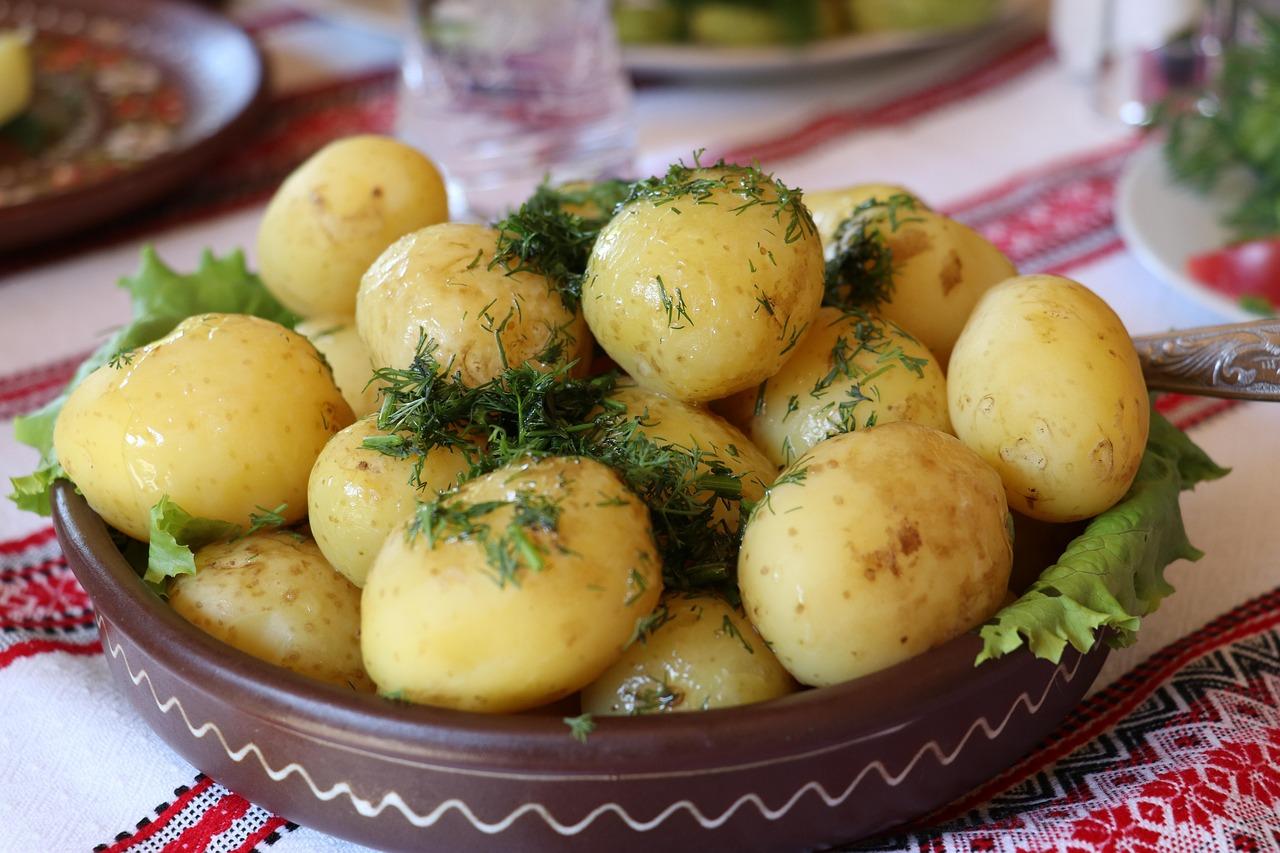
In June, when the first new potatoes reach Polish markets, many families make a whole supper of them: thin-skinned potatoes boiled, tossed in melted butter and a fistful of chopped dill, with a glass or bowl of cold kefir or buttermilk alongside. It is simple, early-summer country food, and it also sits next to fried eggs or cucumber salad. The common mistake is peeling them or boiling them hard; new potatoes should be scrubbed only and simmered gently, or they split and go watery. Chef's tip: add the dill only once the potatoes are off the heat, so it stays bright green and fresh-tasting.

by KrazyBadal 0 views

Placki z cukinii (Polish courgette fritters)

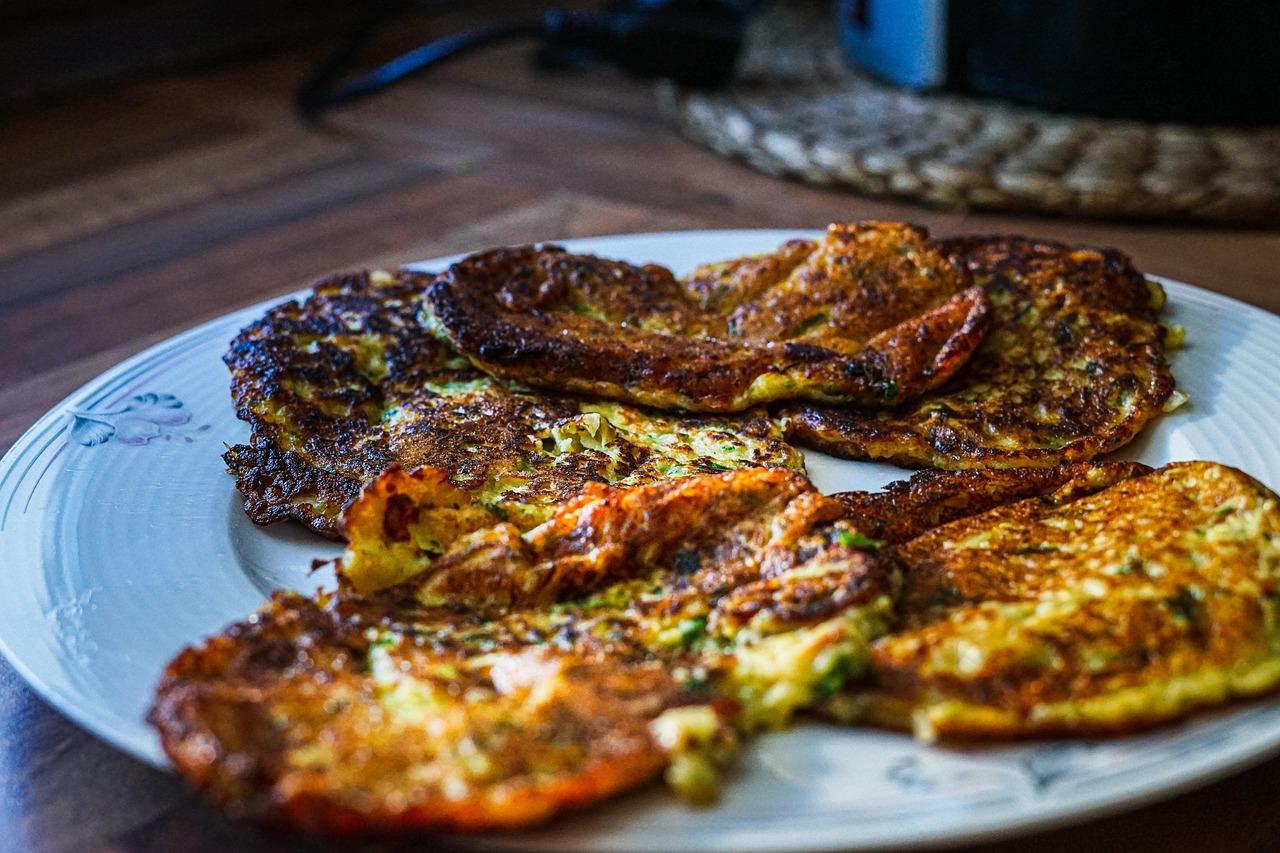
Every Polish allotment produces more courgettes in August than anyone can eat, and placki z cukinii is how the glut becomes a weeknight dinner: grated courgette bound with egg, a little flour and plenty of dill, fried into golden, soft-centred fritters. They are eaten hot with a spoon of sour cream or a garlicky yogurt dip, and leftovers go into lunchboxes the next day. The mistake that ruins them is skipping the squeeze: courgette is mostly water, and unwrung it makes a loose batter that spits in the pan and fries up soggy. Chef's tip: salt the grated courgette and leave it for 10 minutes while you get everything else ready, then wring it hard in a clean tea towel.

by KrazyBadal 0 views

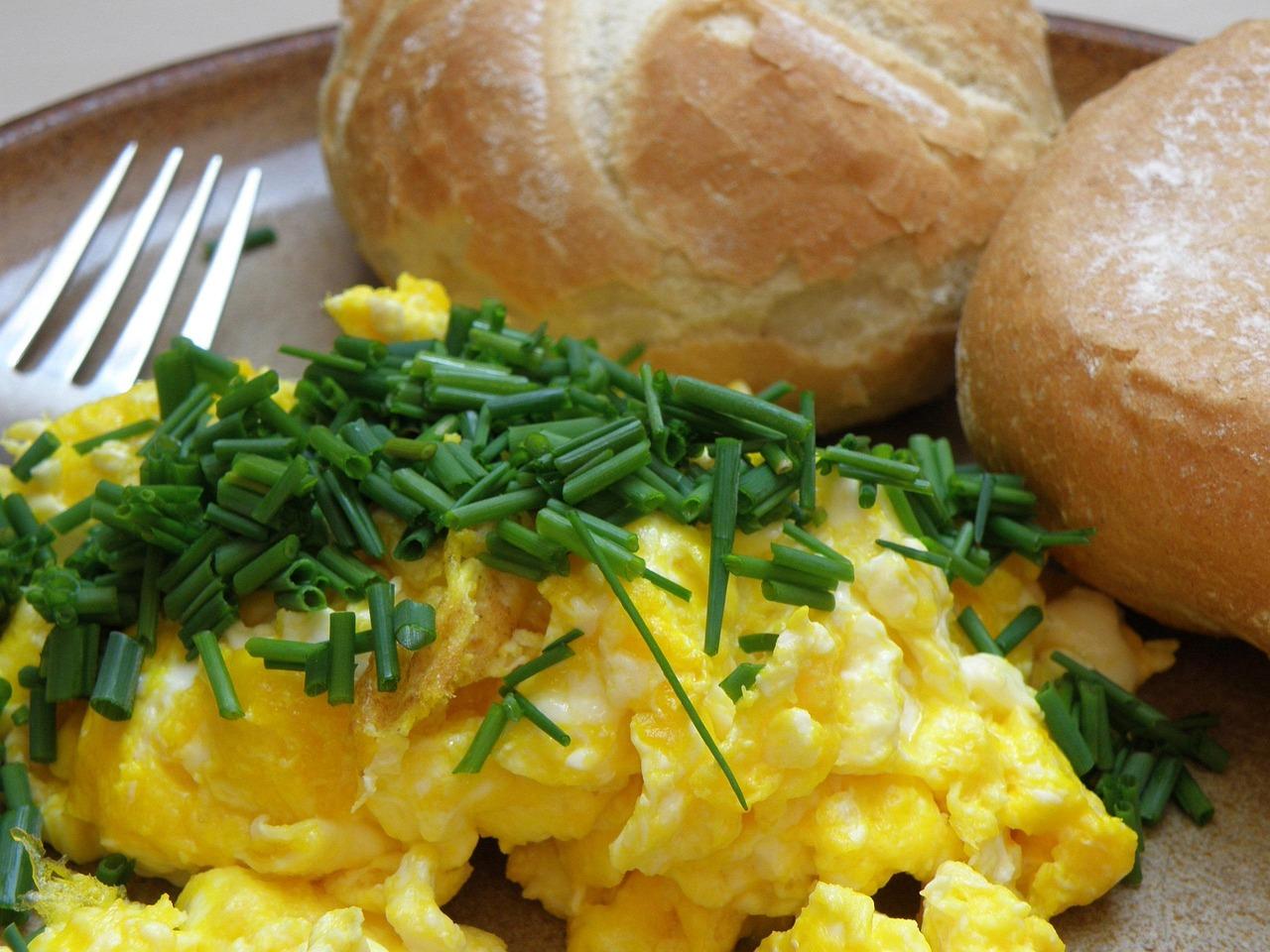
Jajecznica (Polish scrambled eggs)

Jajecznica is what a Polish household cooks when there are ten minutes and a box of eggs: soft, large curds stirred slowly in plenty of butter, sometimes with a little onion softened first and always with a shower of chives. It turns up at weekend breakfasts with bread and sliced tomato, and just as often as a light supper after work. The usual mistake is a pan that is too hot, which turns the eggs rubbery and weepy before they have had a chance to go creamy. If you are cooking for anyone pregnant, very young, older or otherwise vulnerable, cook the curds until no liquid egg remains. Chef's tip: take the pan off the heat while the eggs still look slightly underdone; they finish setting on the way to the plate.

by KrazyBadal 0 views

Pejerrey arrebozadoBattered fish fillets with onion salsa

Pejerrey arrebozado is a Lima classic from the cevicherías and home kitchens of the coast, eaten at lunch on a plate with white rice, a heap of sharp salsa criolla and sometimes boiled potato. The pejerrey, a small silverside, is opened into butterflied fillets, dipped in a light egg-and-flour batter and fried golden. Outside Peru, use small fillets of whiting, sole, haddock or tilapia. The batter here uses sparkling water, not beer, so it is alcohol free. The common mistake is frying in oil that isn't hot enough: the batter drinks the oil and turns greasy, so test with a drop of batter first. Chef's tip: make the salsa criolla first and let the onion sit in lime for ten minutes; it softens its bite and turns a pretty pink.

by KrazyBadal 0 views

Chicharrón de pescadoCrisp fried fish chunks

Up and down the Peruvian coast, from Chorrillos in Lima to the beaches of Piura, chicharrón de pescado is the crunchy plate ordered alongside ceviche at a long seafood lunch: bite-size chunks of firm white fish marinated briefly in garlic and lime, dusted in flour and fried, then served with fried cassava, salsa criolla and tartar or rocoto sauce. Using frozen peeled cassava keeps it to half an hour. The common mistake is leaving the fish in the lime too long: after about ten minutes the acid starts to 'cook' the outside and the coating slips off. Chef's tip: toss the floured pieces in a sieve to shake off every bit of loose flour; a thin coat fries crisp, a thick one turns pasty.

by KrazyBadal 0 views

Tallarines rojosSpaghetti in red sauce with chicken

Tallarines rojos is the Sunday-lunch and weeknight pasta of homes all over Peru, from Lima to Arequipa: spaghetti in a sweet, deep-red sauce of blended tomato, onion and garlic with a little ají panca and oregano, often with pieces of chicken cooked right in it. Children love it, and it is served with a sprinkle of grated cheese and sometimes a spoon of huancaína on the side. The usual mistake is cooking the sauce too briefly, so it tastes of raw onion; let the blended tomato fry until it darkens and the oil shows at the edges. Chef's tip: a bay leaf and a spoon of ají panca paste give the sauce its Peruvian character; paprika will do if you can't find the paste.

by KrazyBadal 0 views

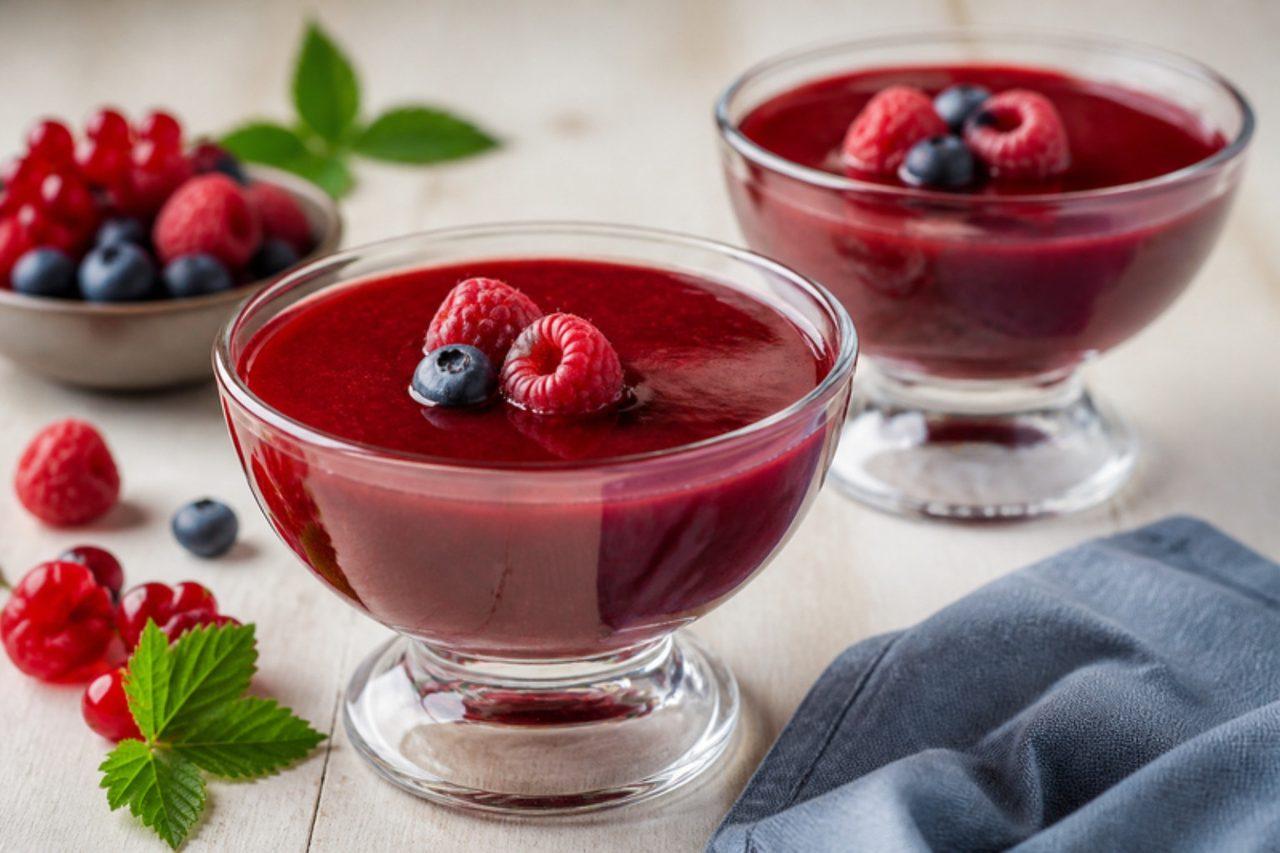
Kisiel (Polish fruit jelly drink)

Kisiel is a Polish childhood staple served in school canteens and at home after school, warm in winter and chilled in summer, somewhere between a thick drink and a soft jelly. Home-made versions use fruit or juice thickened with potato starch, without the bright colours of packet mixes. This one uses mixed berries and only a little sugar. None of the common allergens are in it. Chef's tip: always mix the starch with cold water first and pour it into the boiling fruit while stirring; added dry, it forms lumps that never dissolve.

by KrazyBadal 0 views

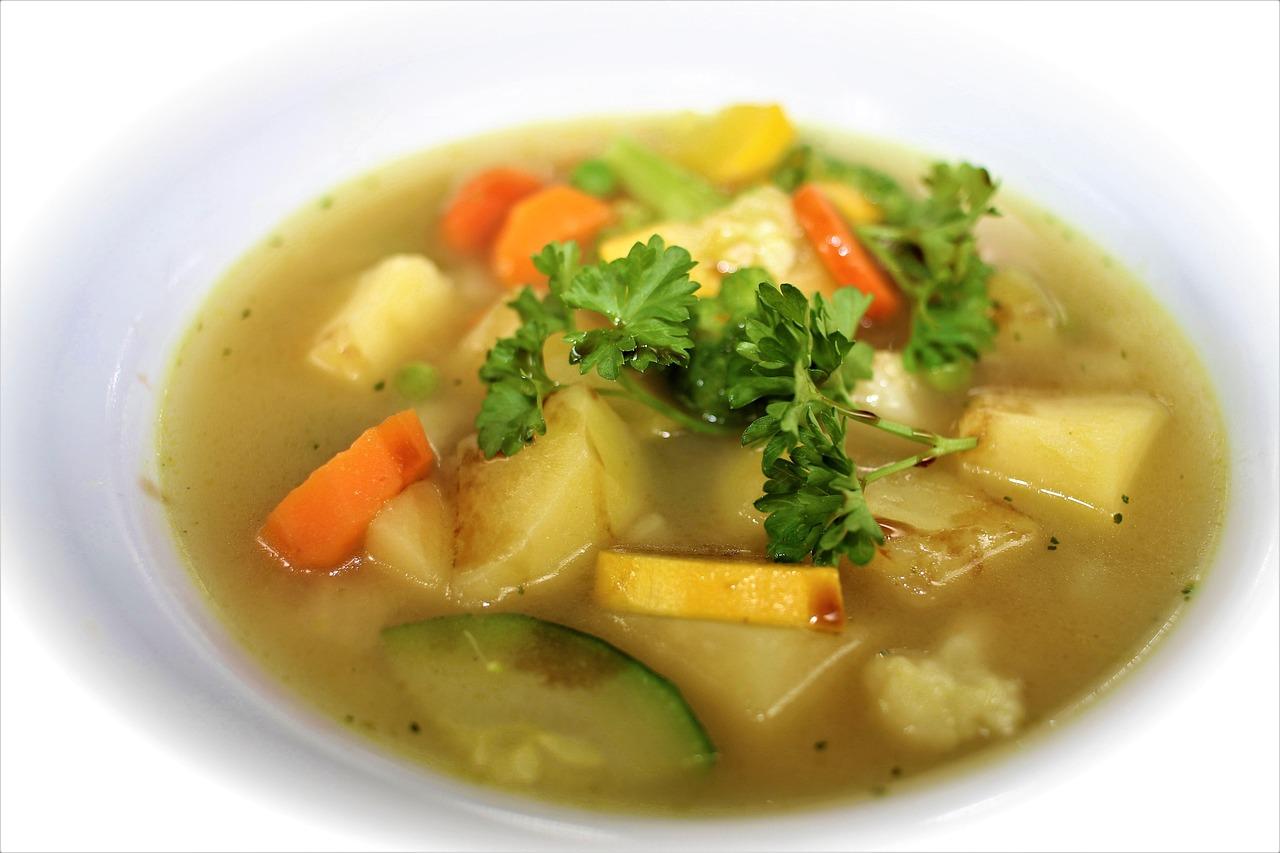
Zupa jarzynowaMixed vegetable soup

Zupa jarzynowa is what a Polish kitchen makes when the vegetable drawer needs clearing: carrots, parsley root, celeriac, potatoes, cauliflower, green beans and peas, all diced small and simmered in one pot. From Białystok to Szczecin it is the Monday soup, the canteen soup and the soup for anyone off their food, and it is eaten with bread and a swirl of soured cream. A common mistake is putting everything in at once, so the beans and peas turn khaki and soft. Chef's tip: add the vegetables in stages, roots first, green things last, and every spoonful has a bit of bite.

by KrazyBadal 0 views

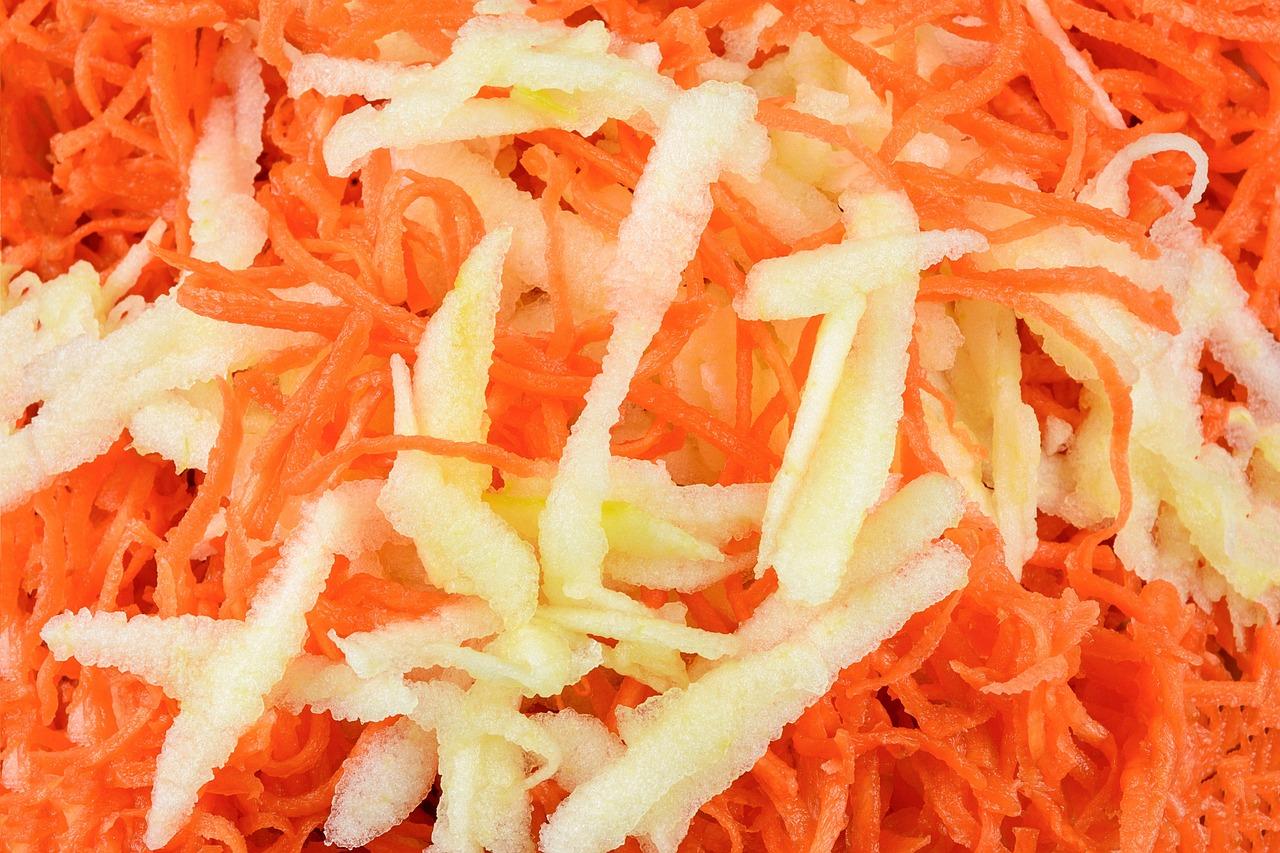
Surówka z marchewkiCarrot and apple salad

That little mound of orange on the side of every milk-bar plate in Łódź or Wrocław is surówka z marchewki, raw carrot and apple grated together and sharpened with lemon. Polish families make it beside Sunday chops, Friday fish and plain potatoes all year round, because carrots and apples keep through the winter. It takes ten minutes and is crisp, sweet and tart. A common mistake is grating the apple long before serving, so it browns and the salad turns watery. Chef's tip: grate the carrots on the fine side of the grater and the apple on the coarse side, so the apple stays juicy and the carrot soaks up the dressing.

by KrazyBadal 0 views

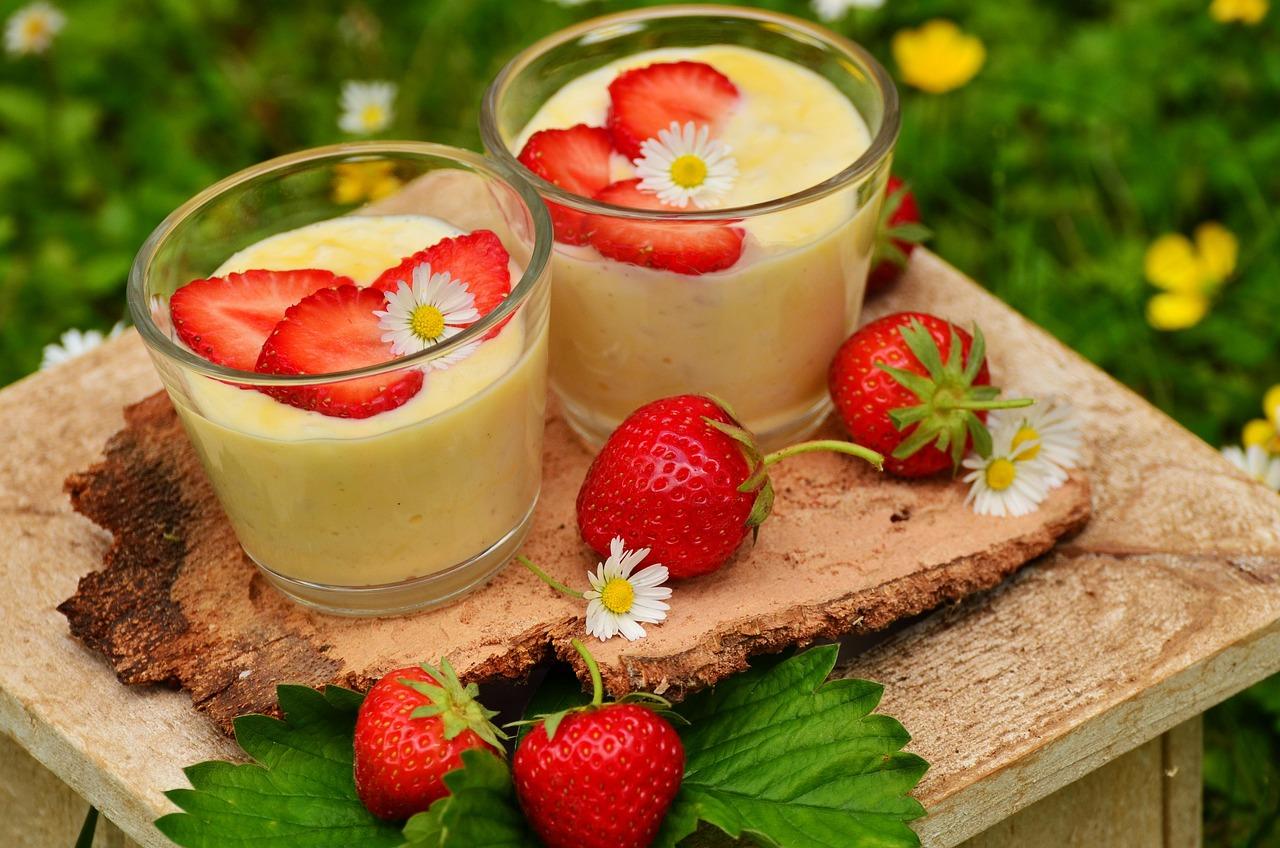
BudyńMilk pudding

Budyń is the pudding every Polish grandmother can make without a recipe, a soft spoonable milk custard thickened with potato starch or cornflour and set in glasses. Milk bars in Gdynia and Katowice sell it warm in winter and chilled in summer, often with a spoon of raspberry or cherry syrup on top, and children eat it after school. A common mistake is pouring the starch into hot milk without whisking it first in cold milk, which gives lumps. Chef's tip: once it bubbles, keep whisking for one more full minute; undercooked budyń tastes floury and goes thin as it cools.

by KrazyBadal 0 views

Naleśniki z seremSweet cheese crêpes

Order naleśniki z serem at a bar mleczny on Warsaw's Nowy Świat and they arrive two to a plate, folded into tight parcels, browned in butter and finished with a spoon of soured cream and a dusting of sugar. Students, pensioners and office workers have eaten them this way since the 1950s, and at home they are a Friday supper or an after-school treat. The filling is twaróg, Polish curd cheese, beaten with egg yolk, sugar and vanilla, so it stays soft and a little tangy inside the thin pancake. A common mistake is a thick, rubbery batter: it should pour like single cream and coat the pan in one thin swirl. Chef's tip: rest the batter for 20 minutes so the flour softens and the first pancake doesn't tear.

by KrazyBadal 0 views

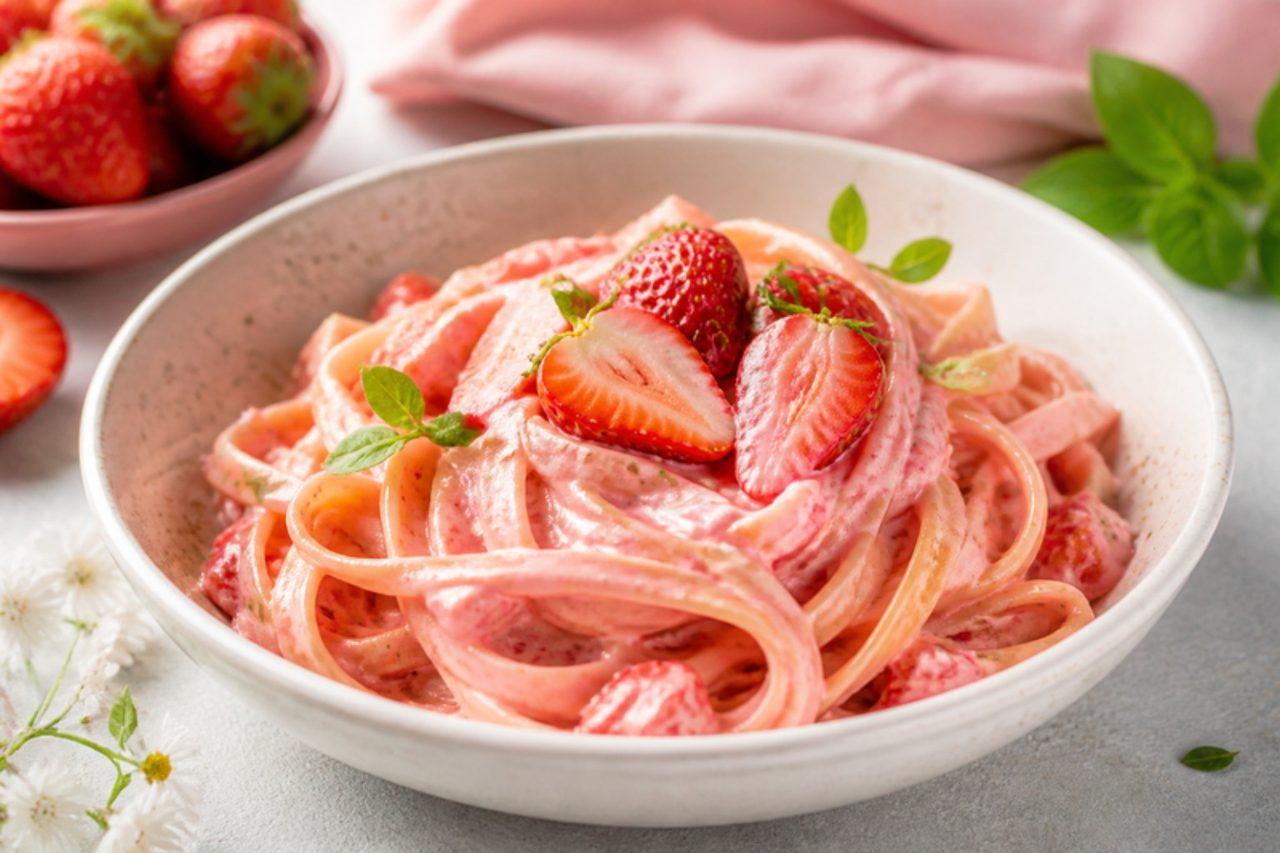
Makaron z truskawkamiPasta with strawberries

When the first Kashubian and Mazovian strawberries flood the stalls in June, Polish children get makaron z truskawkami for lunch: warm pasta tossed with crushed sweetened strawberries and cream. Milk bars in Kraków and Łódź put it on the summer board too, and it surprises visitors who expect pasta to be savoury. The berries are mashed with sugar until they turn into a loose pink sauce, then folded through hot ribbon pasta or bow ties with soured cream or yoghurt. A common mistake is crushing the strawberries too far ahead, so they turn dull and syrupy; mash them while the pasta cooks. Chef's tip: let the drained pasta cool for a minute before adding the cream, so it coats the pasta instead of splitting into thin streaks.

by KrazyBadal 0 views

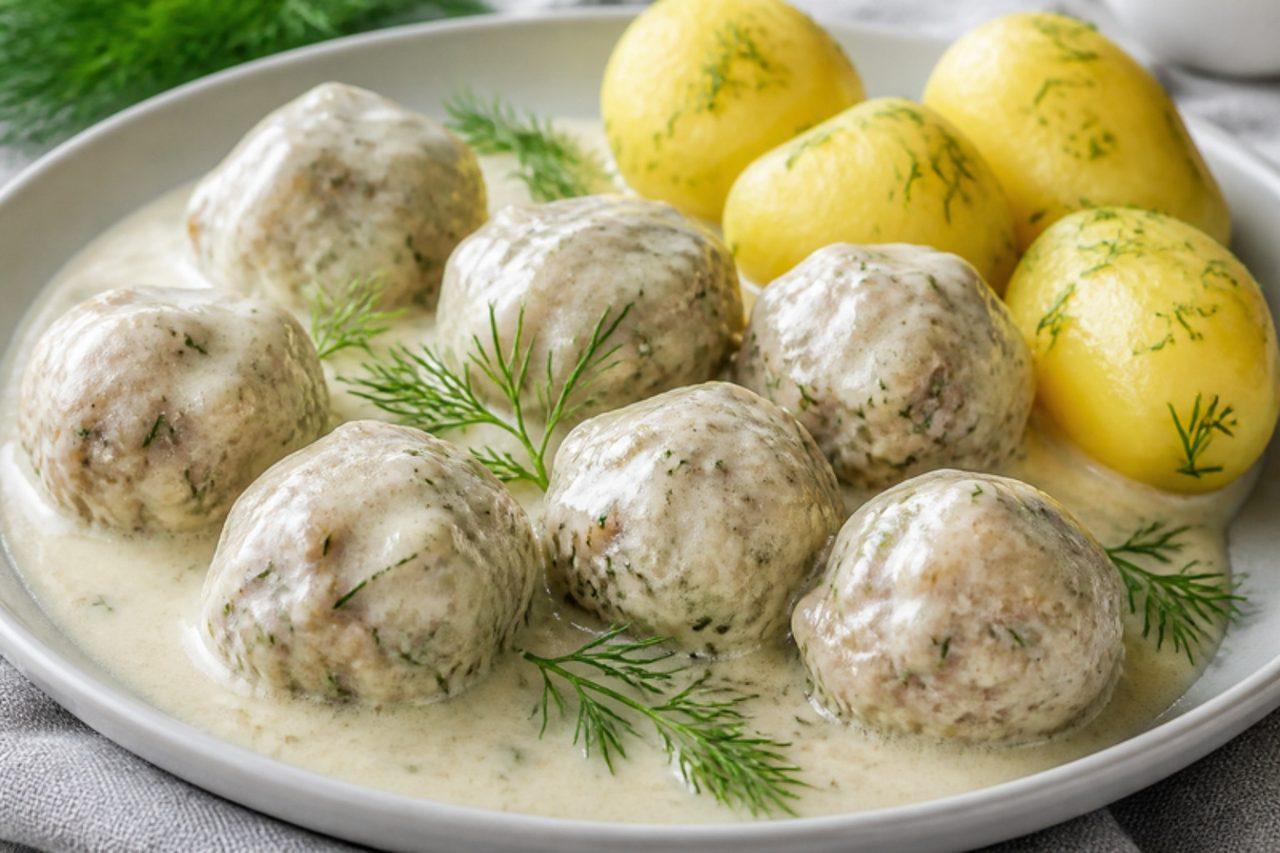
Pulpety w sosie koperkowymMeatballs in dill sauce

Soft, poached and bathed in pale green dill sauce, pulpety are the meatballs Polish mothers in Toruń and Bydgoszcz give small children and anyone feeling poorly, and milk bars serve them on ordinary weekdays with boiled potatoes and grated beetroot. They are made from minced pork (or a pork and veal mix) bound with soaked roll and egg and simmered in broth, which then becomes the sauce. A common mistake is boiling them hard, which makes them tough and splits them; the water should barely tremble. Chef's tip: add the dill right at the end, off the heat, so it stays bright and fresh.

50 minPolishMeat
by KrazyBadal 0 views

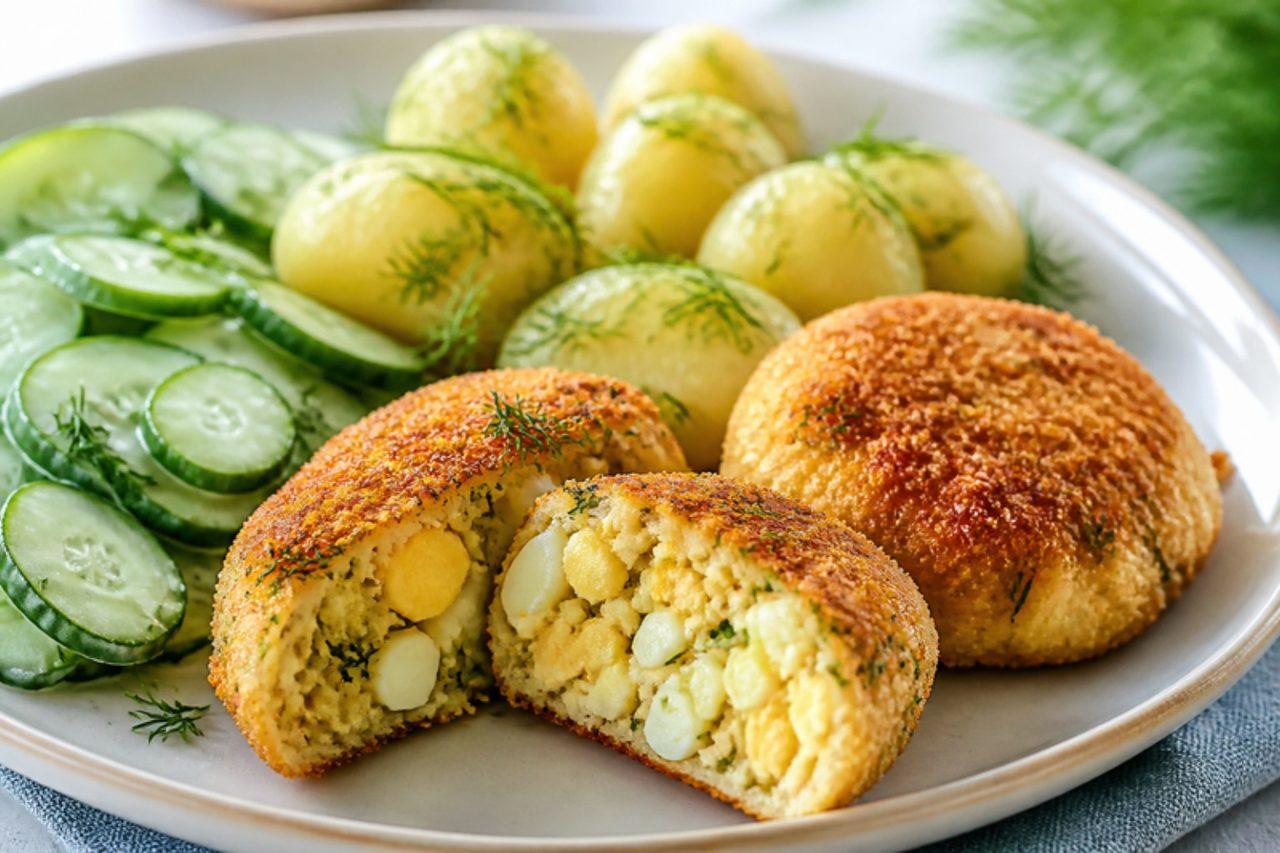
Kotlet jajecznyBreaded egg cutlets

Kotlet jajeczny was born of thrift, a meat-free Friday cutlet that milk bars in Warsaw and Poznań could make from eggs, stale bread and dill, and it is still a Lent and weekday favourite at home. Chopped hard-boiled eggs are bound with soaked bread roll, raw egg and lots of dill, shaped into patties, breaded and fried until crisp outside and soft inside. They go on the plate with boiled potatoes, a spoon of soured cream and mizeria, the cucumber salad. A common mistake is a mixture that is too wet; squeeze the soaked roll hard so the cutlets hold together in the pan. Chef's tip: chill the shaped cutlets for 15 minutes before breading and they won't crack when you turn them.

by KrazyBadal 0 views

Showing 24 of 280 recipes

Show more recipes

Page 1 of 12