Skip to content
Recipes

All recipes

Vegetarian, or something you can't eat? Set your diet once and we'll hide recipes that don't fit.

Chilcano de pescadoClear fish broth

In the fishermen's terminals of Chorrillos and Callao, chilcano is what you drink on a Sunday morning after a long night: a clear, gingery broth made from the heads and bones left over from cleaning fish for ceviche, with chunks of fish, red onion, chilli and a squeeze of lime in the bowl. It is light and warming, around 160 kcal a bowl, and still gives about 24 g of protein from the fish fillet and the broth. The common mistake is squeezing the lime into the pot while it boils, which turns it bitter; add it to each bowl at the table. Don't boil the bones for more than 30 minutes either, or the broth turns cloudy and harsh. Chef's tip: ask the fishmonger for heads and frames from mild white fish like sea bass or cod, and leave out oily fish such as mackerel, which makes the broth strong and fishy.

by KrazyBadal 0 views

ParihuelaSpicy seafood soup

Parihuela is the big weekend seafood soup of Callao and the Peruvian coast, eaten at long Sunday lunches in cevicherías and praised as a cure for tiredness and late nights. A deep red broth of ají panca, ají amarillo, tomato and fish stock is loaded with chunks of fish, prawns, squid and mussels. A portion gives about 30 g of protein, from the fish and shellfish, for roughly 300 kcal. Some cooks add chicha de jora or beer; this version has none. The common mistake is adding all the seafood at once: squid and prawns turn rubbery while the fish cooks, so they go in last. Before cooking, discard any mussels that stay open when tapped, and after cooking discard any that stay shut. Chef's tip: fry the chilli pastes in the oil until they darken and smell sweet; that toasted ají is what gives parihuela its depth.

by KrazyBadal 0 views

Aguadito de polloCoriander chicken rice soup

Aguadito is the soup Lima serves in the small hours: at the end of a wedding, after New Year's Eve and at weekend family lunches, it is ladled out thick and steaming to revive everyone. Rice simmers in chicken broth coloured deep green with blended coriander and warmed with yellow ají amarillo, along with peas, carrot, pepper, sweetcorn and potato. A portion gives about 24 g of protein, from the chicken with a little from the rice and peas, for around 480 kcal. The common mistake is adding the coriander purée too early: cooked for long it turns khaki and loses its fresh taste, so stir it in for the last 10 minutes. The chicken must reach 74 °C at the bone. Chef's tip: blend a handful of spinach with the coriander; it keeps the colour vivid green without changing the flavour.

by KrazyBadal 0 views

Pejerrey arrebozadoBattered fish fillets with onion salsa

Pejerrey arrebozado is a Lima classic from the cevicherías and home kitchens of the coast, eaten at lunch on a plate with white rice, a heap of sharp salsa criolla and sometimes boiled potato. The pejerrey, a small silverside, is opened into butterflied fillets, dipped in a light egg-and-flour batter and fried golden. Outside Peru, use small fillets of whiting, sole, haddock or tilapia. The batter here uses sparkling water, not beer, so it is alcohol free. The common mistake is frying in oil that isn't hot enough: the batter drinks the oil and turns greasy, so test with a drop of batter first. Chef's tip: make the salsa criolla first and let the onion sit in lime for ten minutes; it softens its bite and turns a pretty pink.

by KrazyBadal 0 views

Chicharrón de pescadoCrisp fried fish chunks

Up and down the Peruvian coast, from Chorrillos in Lima to the beaches of Piura, chicharrón de pescado is the crunchy plate ordered alongside ceviche at a long seafood lunch: bite-size chunks of firm white fish marinated briefly in garlic and lime, dusted in flour and fried, then served with fried cassava, salsa criolla and tartar or rocoto sauce. Using frozen peeled cassava keeps it to half an hour. The common mistake is leaving the fish in the lime too long: after about ten minutes the acid starts to 'cook' the outside and the coating slips off. Chef's tip: toss the floured pieces in a sieve to shake off every bit of loose flour; a thin coat fries crisp, a thick one turns pasty.

by KrazyBadal 0 views

TopfengolatschenSweet quark puff pastry squares

A Topfengolatsche is what Viennese office workers grab from the bakery on the way in, and what grandparents order with a Melange in a coffee house on a Sunday afternoon. The corners of a puff pastry square are folded over a lemony, vanilla-scented filling of Topfen (Austrian quark) with plump raisins, and the top gets a thin white glaze. It is flaky, light and not too sweet. Raisins are sometimes soaked in rum; warm water or orange juice works just as well, and the recipe below is alcohol-free. Wet quark is the classic problem, because it turns the filling runny and it leaks out in the oven. Chef's tip: hang the quark in a sieve lined with a clean cloth for an hour, or squeeze it, until it is as thick as soft cream cheese.

by KrazyBadal 0 views

Tallarines rojosSpaghetti in red sauce with chicken

Tallarines rojos is the Sunday-lunch and weeknight pasta of homes all over Peru, from Lima to Arequipa: spaghetti in a sweet, deep-red sauce of blended tomato, onion and garlic with a little ají panca and oregano, often with pieces of chicken cooked right in it. Children love it, and it is served with a sprinkle of grated cheese and sometimes a spoon of huancaína on the side. The usual mistake is cooking the sauce too briefly, so it tastes of raw onion; let the blended tomato fry until it darkens and the oil shows at the edges. Chef's tip: a bay leaf and a spoon of ají panca paste give the sauce its Peruvian character; paprika will do if you can't find the paste.

by KrazyBadal 0 views

Pan chutaAniseed round bread

The small town of Oropesa, half an hour from Cusco, calls itself Peru's bread capital, and its wood-fired bakeries are famous for chuta: big, flat, round loaves as wide as a dinner plate, glossy on top, with a faint sweetness and the warmth of aniseed. Travellers on the road to Puno and Bolivia stop to buy them by the bagful, and families bring them home for All Saints' Day and for sharing with hot coca tea or coffee, fresh cheese and butter. The bakeries traditionally use lard; this version uses vegetable shortening and butter, so it is vegetarian. The make-or-break moment is the proof: chuta is large and flat, and if it goes in under-risen it bakes dense and splits at the rim. Chef's tip: toast the aniseed for a minute in a dry pan and crush it lightly before adding, for a rounder, sweeter perfume.

by KrazyBadal 0 views

ChaplasHollow puffed Andean bread

Walk through Ayacucho's central market at seven in the morning and you will see women selling stacks of chaplas from cloth-lined baskets, still warm from the wood-fired ovens of the Andes. These round wheat breads puff up like pita in the fierce heat, leaving a hollow pocket inside a thin, soft, lightly floury crust. In Ayacucho and Huancavelica they are eaten with sweet coffee or hot emoliente for breakfast, or split and filled with queso fresco, avocado or a spoonful of rocoto sauce. Highland bakers traditionally work in a little lard; vegetable shortening gives the same tenderness and keeps the bread vegan. A cool baking tray is the reason chaplas stay flat, so preheat it thoroughly. Chef's tip: let the rolled rounds rest before baking and flip them upside down onto the tray, so the smooth, dry side meets the heat first and the pocket opens evenly.

by KrazyBadal 0 views

RohlíkSalt and caraway breakfast roll

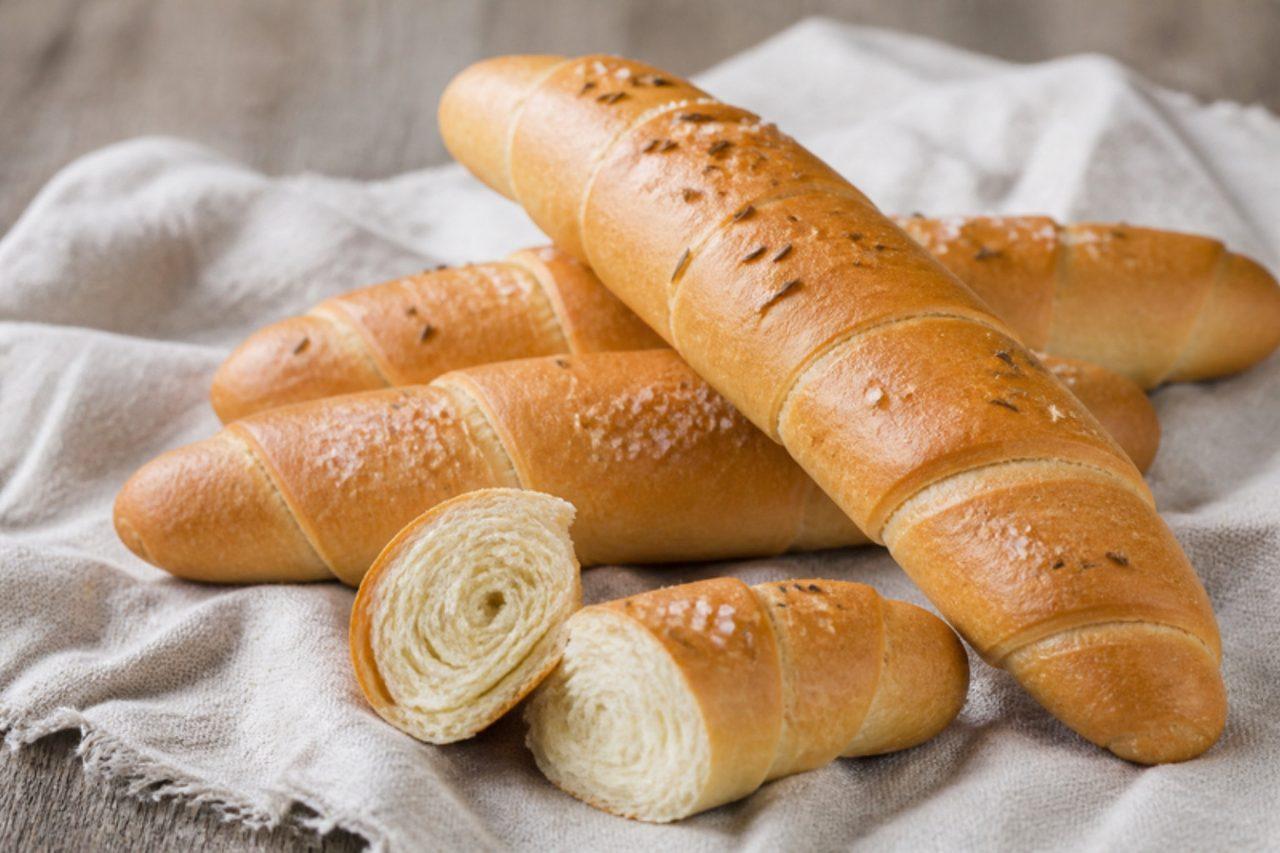
Ask a Czech or Slovak what they ate for breakfast as a child and the answer is usually a rohlík: a long, slim roll rolled up from a triangle of dough, sold for a few crowns at every bakery and supermarket from Prague to Bratislava. It has a thin, crisp golden crust scattered with coarse salt and caraway, and a soft, tight spiral inside. People eat it with butter and jam, with a spread such as egg or bean pomazánka, with a cup of white coffee, or simply dunked in a mug of cocoa. This version uses sunflower oil, so it is vegan. Rolling the triangles loosely is the usual mistake; the spiral opens in the oven and the roll splits. Chef's tip: stretch each triangle gently by its point as you roll it up, which keeps the coil tight and gives the long, even shape.

by KrazyBadal 0 views

Buchtičky se šodó (tiny buns in vanilla custard)

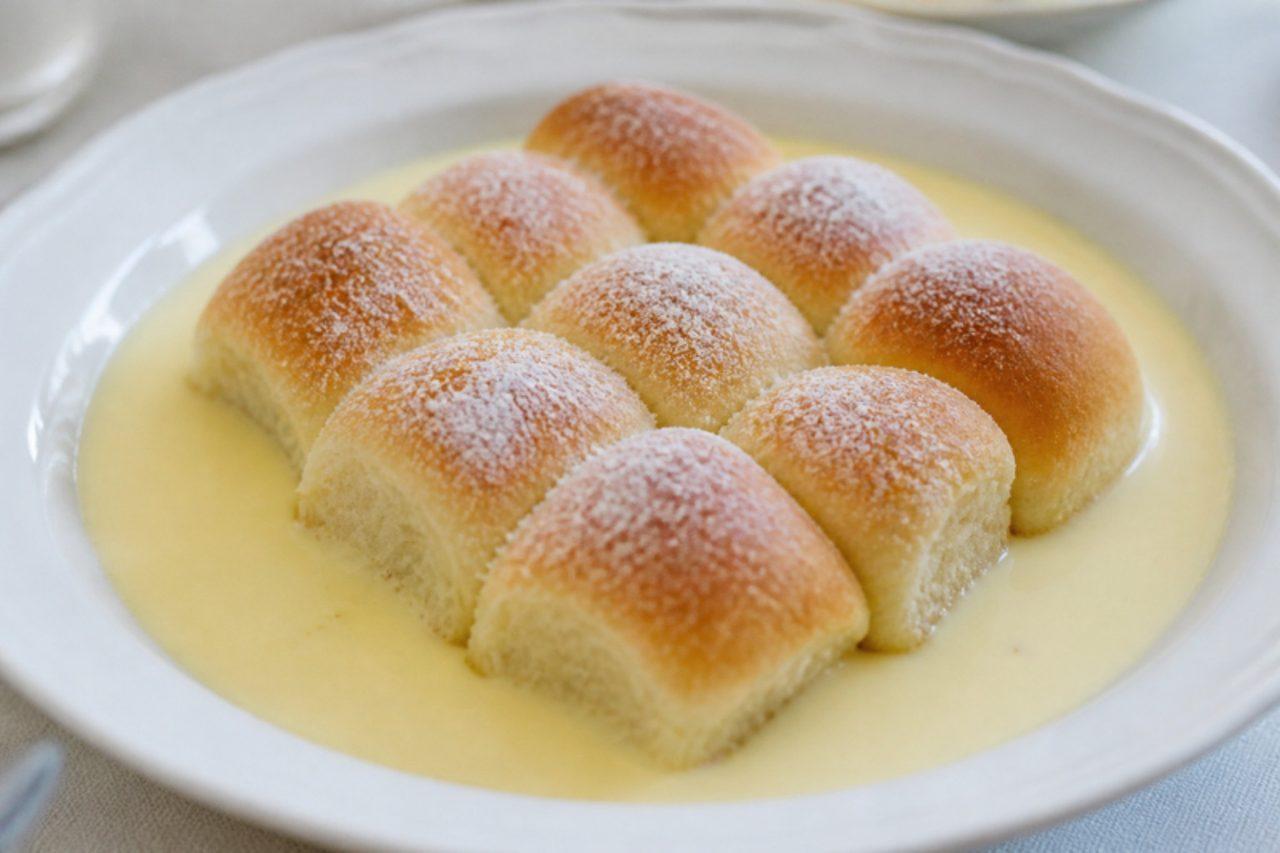
Ask anyone who went to school in Czechia or Slovakia about the canteen, and buchtičky se šodó comes up with a smile: a bowl of tiny, soft, buttery yeast buns baked close together and pulled apart, sitting in warm vanilla custard. Families make it at home as a sweet main course or afternoon treat, especially in winter. The custard here is lightly sweetened. It contains gluten, milk and egg. Chef's tip: brush the buns with melted butter before they go into the tin, so they pull apart cleanly after baking.

by KrazyBadal 0 views

Kärntner ReindlingCinnamon raisin yeast cake

Carinthia's Easter loaf takes its name from the Reindl, the round, deep pan it is baked in, and in southern Austria no Easter basket goes to church without one. Inside the golden yeast crust is a spiral of butter, cinnamon sugar and plump raisins, so every slice shows a dark swirl. Locals eat it two ways: sweet with coffee on Easter morning, or alongside the savoury Easter platter with horseradish. Many bakers soak the raisins in rum overnight; warm water or tea works just as well and keeps it alcohol-free. A dry, crumbly Reindling usually means too much flour went in during kneading, so keep the dough soft and only lightly floured. Chef's tip: butter the pan well and dust it with sugar, which caramelises into a thin crunchy shell.

by KrazyBadal 0 views

ErdäpfelstrudelSavoury potato strudel

Austrians, especially in the Mühlviertel of Upper Austria and the Waldviertel, make savoury strudels as often as sweet ones, and Erdäpfelstrudel is a farmhouse favourite for a meatless Friday or a cold evening. Thin pastry wraps a filling of potatoes, fried onion, sour cream, marjoram and parsley, baked until crisp and golden and sliced with a green salad or a dill and sour-cream dip. Bought filo makes it easy at home. The mistake to avoid is a wet filling, which turns the pastry soggy underneath. Chef's tip: cool the filling completely before rolling; warm filling makes the layers stick and tear.

by KrazyBadal 0 views

Cremolada (Lima passion fruit slush)

From January to March, when Lima's coast swelters, queues form at the cremolada counters of Barranco and along the Jirón de la Unión downtown for cups of this thick fruit ice. It sits between a granita and a sorbet: frozen fruit pulp scraped again and again until it is slushy and spoonable, with real bits of fruit through it. Passion fruit (maracuyá) gives a sharp, bright flavour; creamy lúcuma, with its maple and sweet potato taste, is the other favourite. Chef's tip: use a shallow metal tray; it freezes faster and evenly, so you get fine crystals rather than chunks.

by KrazyBadal 0 views

Ají amarillo pasteYellow chilli paste

In Lima's markets ají amarillo is sold fresh all year, and most Peruvian cooks keep a tub of this paste in the fridge the way others keep tomato purée: it is the golden base of causa limeña, ají de gallina, papa a la huancaína, chupe and the sauce for tiraditos. The chillies are seeded, de-veined and blanched in three changes of water, which tames the heat and the raw grassiness, then peeled and blended with oil into a thick, silky, saffron-orange paste. It tastes fruity and sunny, almost like apricot and passion fruit, with a rounded, medium heat. Abroad, buy whole frozen ají amarillo from Latin grocers; dried ají mirasol, soaked, gives a darker, earthier paste. Common mistake: skipping the peeling; the thin skins leave papery flecks and a bitter edge. It is ready when it is completely smooth and holds a soft peak like thick hummus. This is a low-acid paste: keep it in the fridge for a week or freeze it, never on the shelf. Chef's tip: freeze it in an ice-cube tray; one cube is about a tablespoon, just right for a pot of ají de gallina.

by KrazyBadal 0 views

Králík na smetaněRabbit in cream sauce

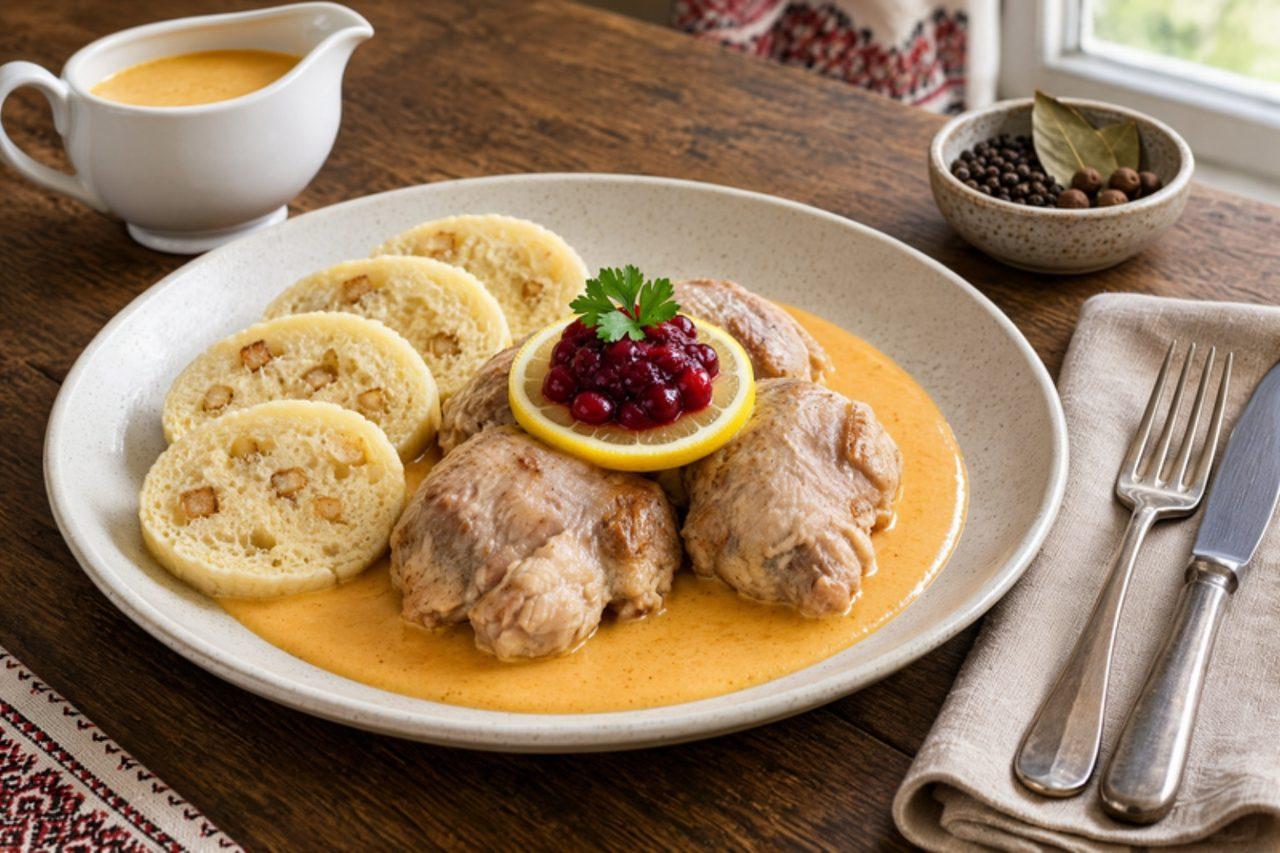
Králík na smetaně is a Sunday lunch in the Czech countryside, especially in Moravia and South Bohemia, where many families once kept rabbits in the yard. Rabbit pieces are braised with carrot, celeriac, parsley root and onion, then the vegetables are blended into a velvety cream sauce brightened with lemon and a pinch of sugar, much like the famous svíčková. It is served with sliced bread dumplings (houskové knedlíky) and a spoon of cranberry sauce. The usual mistake is boiling the sauce after the cream goes in, which can split it; keep it at a bare simmer. Rabbit is lean, so cook it gently and check that the meat comes easily off the bone. Chef's tip: blend the vegetables until completely smooth and pass them through a sieve for the silky sauce Czech cooks are proud of.

120 minCzechMeat
by KrazyBadal 0 views

Ka'i ladrilloPeanut molasses bricks

Ka'i ladrillo — 'monkey brick' in Guaraní — is the sweet sold by vendors on Asunción buses and at country fiestas: roasted peanuts bound in boiled cane molasses and set in brick-shaped blocks, crunchy and dark with a slightly smoky toffee taste. It contains peanuts, so keep it away from anyone with a peanut allergy. The common mistake is taking the syrup off too soon, so the bricks stay sticky and never set. Chef's tip: test the syrup by dropping a little into cold water; it is ready when it sets into a brittle thread that snaps.

by KrazyBadal 0 views

Pisco sour

Lima drinks its pisco sour as the aperitif before a long ceviche lunch, and celebrates it every year on the first Saturday of February; the recipe took shape in the city's bars in the 1920s. It is for adults only and stronger than its pillowy look suggests. Underneath a thick white foam you get sharp Peruvian lime, a clean sweetness and the floral, grapey warmth of quebranta pisco, with the bitters adding a spicy smell to every sip. The texture should be silky, almost creamy, never thin. The classic mistake is squeezing the limes too hard or too early: the oil from the pith turns the drink bitter within half an hour. Halve the limes, press each half gently by hand just before mixing and stop when the juice slows. The egg white is raw, so use pasteurised egg white for anyone pregnant, for babies, older people or anyone unwell, or swap in 30 ml aquafaba. It is ready when the foam stands about 1 cm high and is firm enough to hold the drops of bitters on its surface. Sip one slowly and drink responsibly. Chef's tip: shake once without ice first to whip the egg white, then again with ice; the foam will be twice as thick.

by KrazyBadal 0 views

Buñuelos de algasSea lettuce fritters

On the beaches of Rocha, from La Paloma to Punta del Diablo, vendors walk the sand with baskets of hot buñuelos de algas: puffy, salty fritters speckled green with sea lettuce, eaten with a squeeze of lemon. Use dried sea lettuce or mixed seaweed flakes from a shop, or fresh sea lettuce only from a seller who harvests clean water; never pick it from a harbour or near drains. The usual mistake is frying in oil that isn't hot enough, so the fritters soak it up and turn greasy. Chef's tip: rest the batter for 15 minutes so the seaweed softens and the fritters puff more.

by KrazyBadal 0 views

LampreadoCassava starch cheese fritters

Paraguayan grandmothers fry lampreado on Sunday evenings to eat with a mug of cocido, the toasted yerba mate drink: small pan-fried cakes of cassava starch, egg, milk and grated cheese with a little onion, crisp at the edges and stretchy inside. Some families also make it with leftover meat, but this version is all cheese. Queso Paraguay is set with animal rennet; a vegetarian Parmesan-style cheese plus mozzarella works well. The trap is a batter that is too thick, which gives heavy, gluey cakes. Chef's tip: the batter should drop slowly off a spoon like thick pancake batter; add milk a spoonful at a time until it does.

by KrazyBadal 0 views

Mandi'o chyryryFried cassava with onion and egg

Mandi'o chyryry means 'fried cassava' in Guaraní, and it is what rural Paraguayan families make from yesterday's boiled mandi'o: chunks crushed and fried in a big pan with onion until crisp in places, then scrambled with eggs. It comes out for breakfast with cocido or for a quick supper, and costs next to nothing. Use sweet cassava, the kind sold in supermarkets. The mistake is stirring constantly, which turns it to mush; let the cassava sit and brown. Chef's tip: the best chyryry starts with cold, day-old boiled cassava, which fries crisper than freshly boiled.

by KrazyBadal 0 views

Capeletis a la CarusoStuffed pasta in cream sauce

Capeletis a la Caruso were created in a Montevideo restaurant in the 1950s and named after the great tenor, and they are still a Sunday lunch favourite in Uruguayan homes: little stuffed pasta hats in a rich sauce of cream, cooked ham (pork), mushrooms and onion, finished with grated cheese. Buy good fresh capeletis or tortellini; the sauce is what you make. The usual mistake is boiling the cream sauce hard, which makes it oily and grainy. Chef's tip: cook the mushrooms in a dry hot pan first until they squeak and brown, before any butter goes in, for a deeper taste.

by KrazyBadal 0 views

BusecaTripe and white bean stew

Buseca arrived in Montevideo with Italian immigrants from Lombardy and became a classic winter dish of Uruguayan bodegones and family kitchens, eaten on cold June and July days. Honeycomb tripe is simmered until tender, then stewed with white beans, pork chorizo, bacon, peppers, tomato and paprika into a thick, warming stew served with crusty bread. Buy tripe that is already cleaned and blanched (dressed). The usual mistake is undercooking the tripe: it needs a full 2 hours, until it's soft enough to cut with a spoon. Slow-cooker option: after step 4, cook on low for 8 hours. Chef's tip: a little grated lemon zest and parsley stirred in at the end lifts the rich, gelatinous sauce.

by KrazyBadal 0 views

Caldo de gallinaHen broth with noodles

In Lima's markets and the all-night caldo stalls of districts like La Victoria, a bowl of caldo de gallina is the dawn breakfast for market porters, taxi drivers and anyone coming home late: a deep, golden broth from a slow-simmered hen (a boiling fowl) with ginger and spring onion, ladled over thick noodles and yellow potato, with a boiled egg, lime and ají chilli on the side. The common mistake is boiling the broth hard, which clouds it and toughens the meat; keep it to a lazy simmer. The chicken must reach 74 °C, though after this long simmer it will be well past that. Chef's tip: cook the noodles separately, then put them in the bowls; cooked in the pot they drink the broth and turn it starchy.

by KrazyBadal 0 views

Showing 24 of 433 recipes

Show more recipes

Page 1 of 19