Skip to content
Recipes

All recipes

Vegetarian, or something you can't eat? Set your diet once and we'll hide recipes that don't fit.

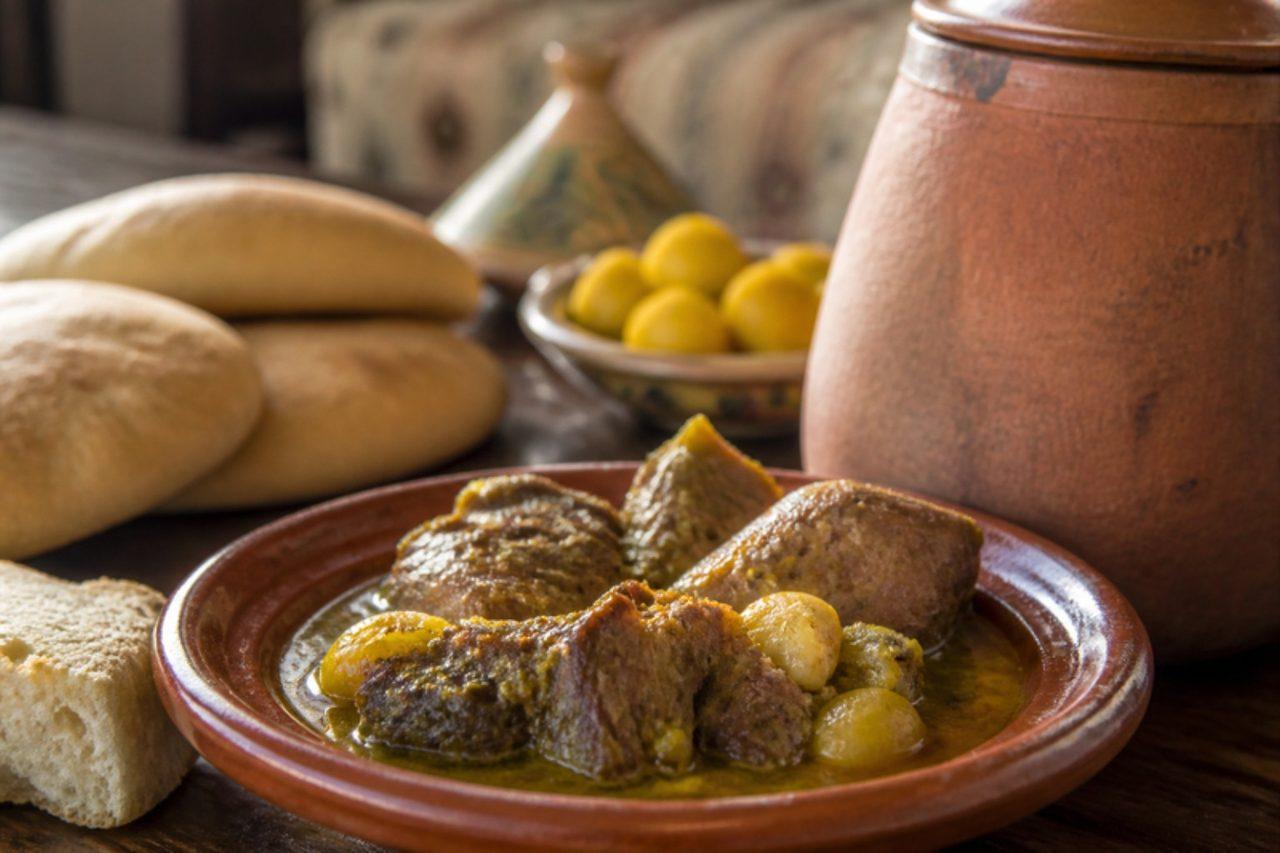
Tagine bil khorchefLamb tagine with cardoons

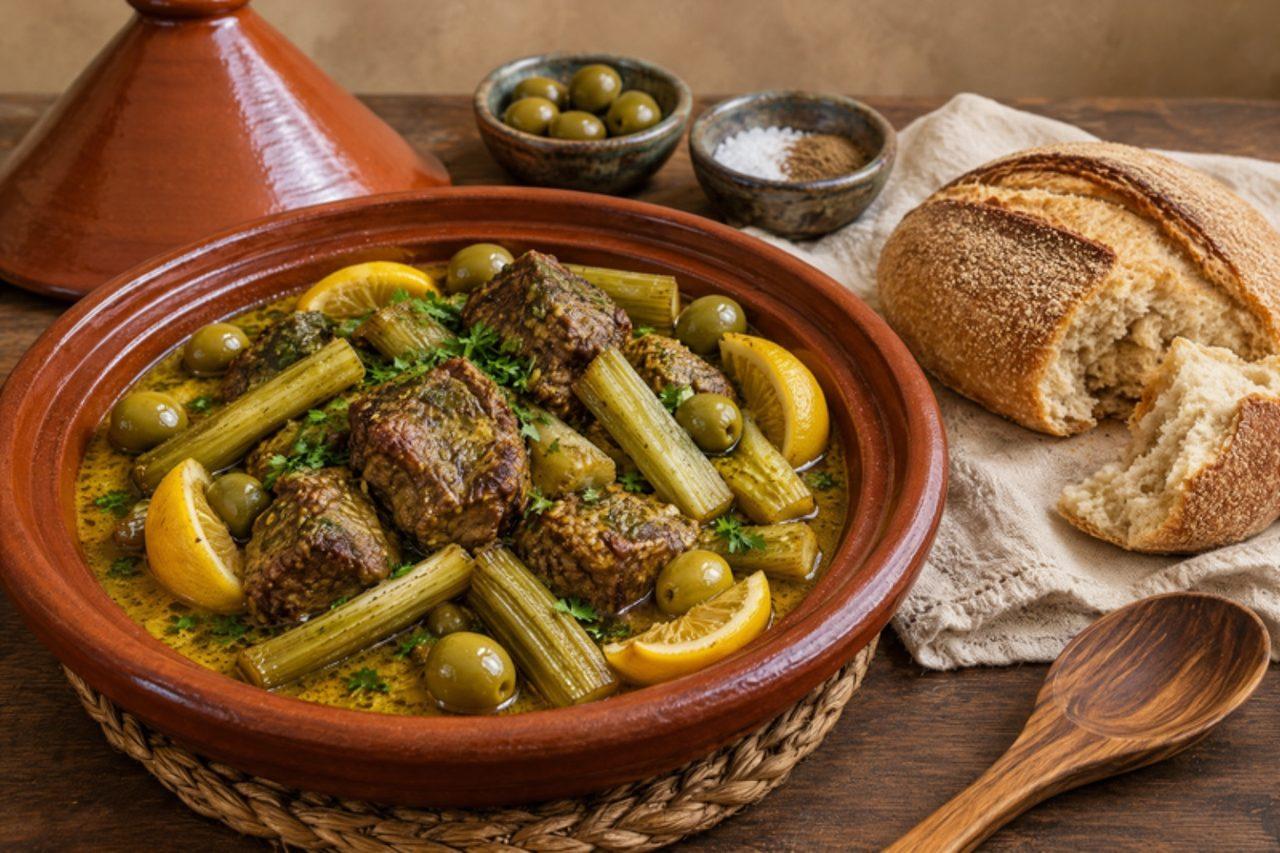
In late winter and spring, when wild cardoons (khorchef) appear in the markets of Fez, Meknes and Rabat, Moroccan families cook them into this lamb tagine for a family lunch, eaten with bread to mop up the sauce. Lamb shoulder is simmered slowly with onion, ginger, saffron and turmeric until tender, then the peeled cardoon stalks are added and finished with preserved lemon and green olives, giving a tangy, faintly bitter, artichoke-like sauce. The usual mistake is not peeling and soaking the cardoons properly: the stringy outside must come off and the stalks must sit in lemon water, or they go brown and taste harsh. Artichoke hearts are a good stand-in. Chef's tip: reduce the sauce uncovered at the end until it is thick and oily, the sign of a well-made tagine.

155 minMoroccanMeatGluten free
by KrazyBadal 0 views

Cocido quemadoBurnt sugar mate drink

Cocido is how Paraguay starts the day: in Asunción, in the villages of Guairá and Itapúa, and in school kitchens, a pot of burnt yerba is brewed and poured into cups with chipa, the cheesy cassava bread, or with a hard galleta. The old way is to drop a glowing piece of charcoal into a pot with yerba and sugar and stir until the sugar burns. On a home stove you caramelise them together in a dry pan instead, which is safer and gives the same smoky, toffee-like taste. The drink is clear amber-brown, with roasted, slightly bitter mate notes over burnt-sugar sweetness; with milk added it becomes cocido con leche, creamy and coffee-coloured. Yerba mate contains caffeine, so treat it like a cup of coffee. The common mistake is letting the sugar go black: it turns acrid and bitter. Pull it off the heat when the caramel is deep amber and the yerba smells toasted, not burnt. It is ready when the liquid is a clear dark amber and tastes of toffee and smoke. Chef's tip: the water will spit fiercely when it hits the hot caramel, so pour it in from the side, at arm's length.

by KrazyBadal 0 views

Martín FierroCheese with quince paste

Ask for dessert in a Montevideo bodegón or a country parador and you may be offered a Martín Fierro: a thick slice of fresh, mild cheese laid with an equal slice of dense quince or sweet-potato paste, named after the gaucho of the epic poem. It's salty against sweet, soft against firm, and takes two minutes to assemble. Uruguayan fresh cheese is usually made with animal rennet, so choose one with vegetarian rennet if that matters to you. The mistake is serving it fridge-cold, which dulls both flavours. Chef's tip: cut the cheese and paste to exactly the same thickness, about 1 cm, so every bite has both.

by KrazyBadal 0 views

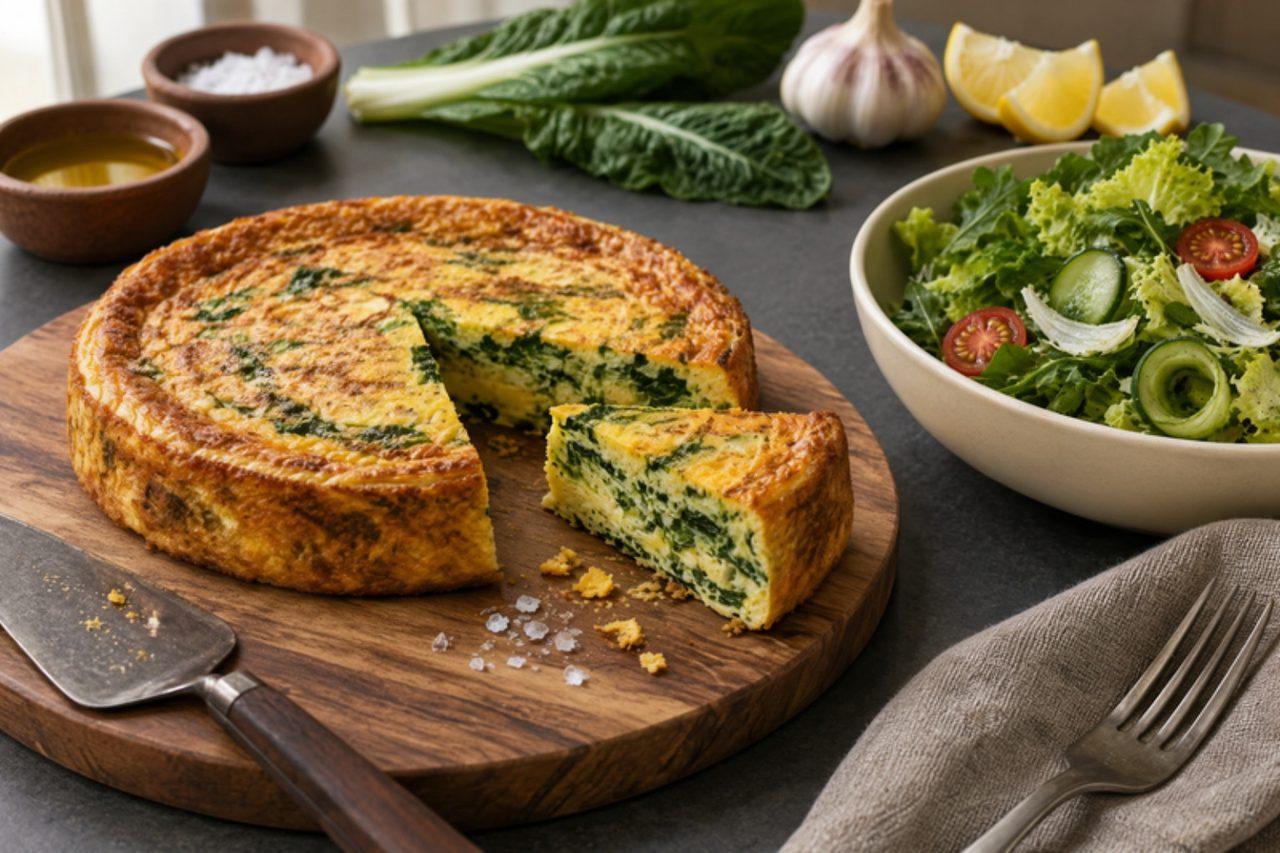
Tortilla de acelgaSwiss chard omelette

In Montevideo and Buenos Aires, tortilla de acelga is a homely supper or picnic dish, cut into wedges for a weekday dinner or packed for a Sunday at the beach, hot or cold. Plenty of chard is cooked down with onion and garlic, then bound with eggs into a thick, green, juicy omelette that is flipped in the pan like a Spanish tortilla. Serve it with a tomato salad. Suitable as part of a balanced diet. About 190 kcal and 7 g carbohydrate per portion. The usual mistake is leaving the chard wet: squeeze it well, or the tortilla weeps and won't set. If you're cooking for anyone pregnant, a young child or anyone with a weakened immune system, cook it until fully set in the middle. Chef's tip: cook it on a low heat with a lid on for the first side; it sets through without burning the base.

by KrazyBadal 0 views

Pira caldoCreamy fish soup with cheese

Along the Paraguay River from Asunción to Concepción, pira caldo is the fishermen's soup, said to restore strength after a long night: chunks of firm river fish poached in a broth of onion, peppers and tomato fried in fat, then made creamy with milk and melted fresh cheese. Surubí or other catfish is traditional; any firm white fish such as hake or pollock works. The mistake most people make is boiling the soup after the milk and cheese go in, which splits it. Chef's tip: fry the vegetables until they are very soft and sweet before adding the water; that is where the flavour comes from.

by KrazyBadal 0 views

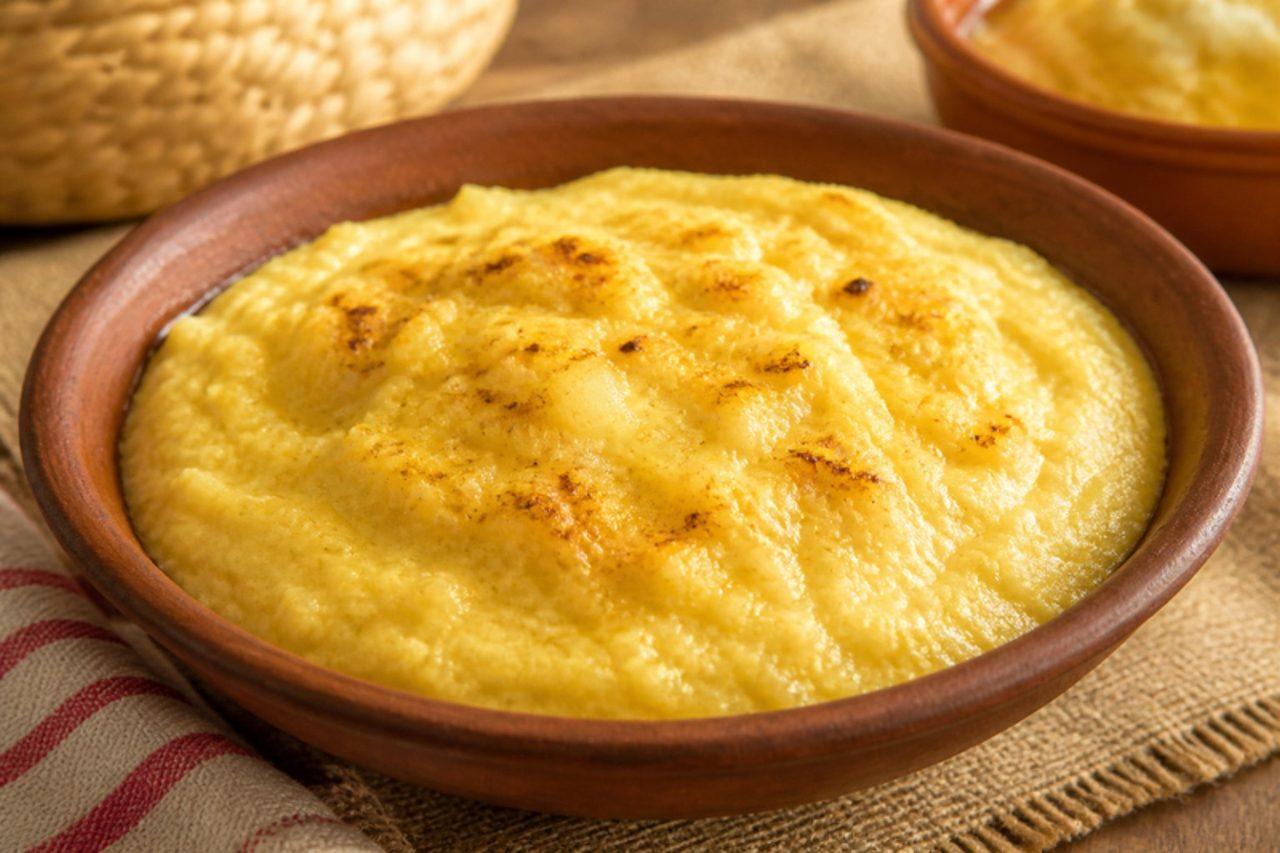
MbaipyCheesy polenta

Mbaipy (say 'mbai-PU') is Guaraní country cooking at its plainest: coarse corn flour stirred into milk and onion fried in oil until it thickens into a soft, spoonable porridge, finished with cubes of fresh cheese that melt into strings. In the Paraguayan countryside it is a cheap winter supper; cooks often stir in shredded chicken to make mbaipy so'o, but this is the meat-free version eaten on fasting days and in plenty of homes. Queso Paraguay is made with animal rennet, so use a vegetarian mozzarella or fresh cheese if you need to. The usual mistake is tipping the corn flour in all at once, which makes lumps that never cook out. Chef's tip: let it sit, covered, off the heat for five minutes before serving; it firms up slightly and the corn swells fully.

by KrazyBadal 0 views

BusecaTripe and white bean stew

Buseca arrived in Montevideo with Italian immigrants from Lombardy and became a classic winter dish of Uruguayan bodegones and family kitchens, eaten on cold June and July days. Honeycomb tripe is simmered until tender, then stewed with white beans, pork chorizo, bacon, peppers, tomato and paprika into a thick, warming stew served with crusty bread. Buy tripe that is already cleaned and blanched (dressed). The usual mistake is undercooking the tripe: it needs a full 2 hours, until it's soft enough to cut with a spoon. Slow-cooker option: after step 4, cook on low for 8 hours. Chef's tip: a little grated lemon zest and parsley stirred in at the end lifts the rich, gelatinous sauce.

by KrazyBadal 0 views

KoserevaCandied bitter orange peel

Kosereva is a Paraguayan home preserve from the days when nothing was wasted: thick strips of bitter-orange peel soaked and boiled to soften their bite, then cooked slowly in dark cane molasses until glossy and nearly black. In the countryside it is eaten after lunch with a slice of fresh cheese or simply on its own. Bitter oranges (Seville oranges) are in season in winter. The most common mistake is not changing the boiling water enough, which leaves the peel unpleasantly bitter. Chef's tip: taste a sliver of peel after the third boil; it should be gently bitter like marmalade, not harsh.

by KrazyBadal 0 views

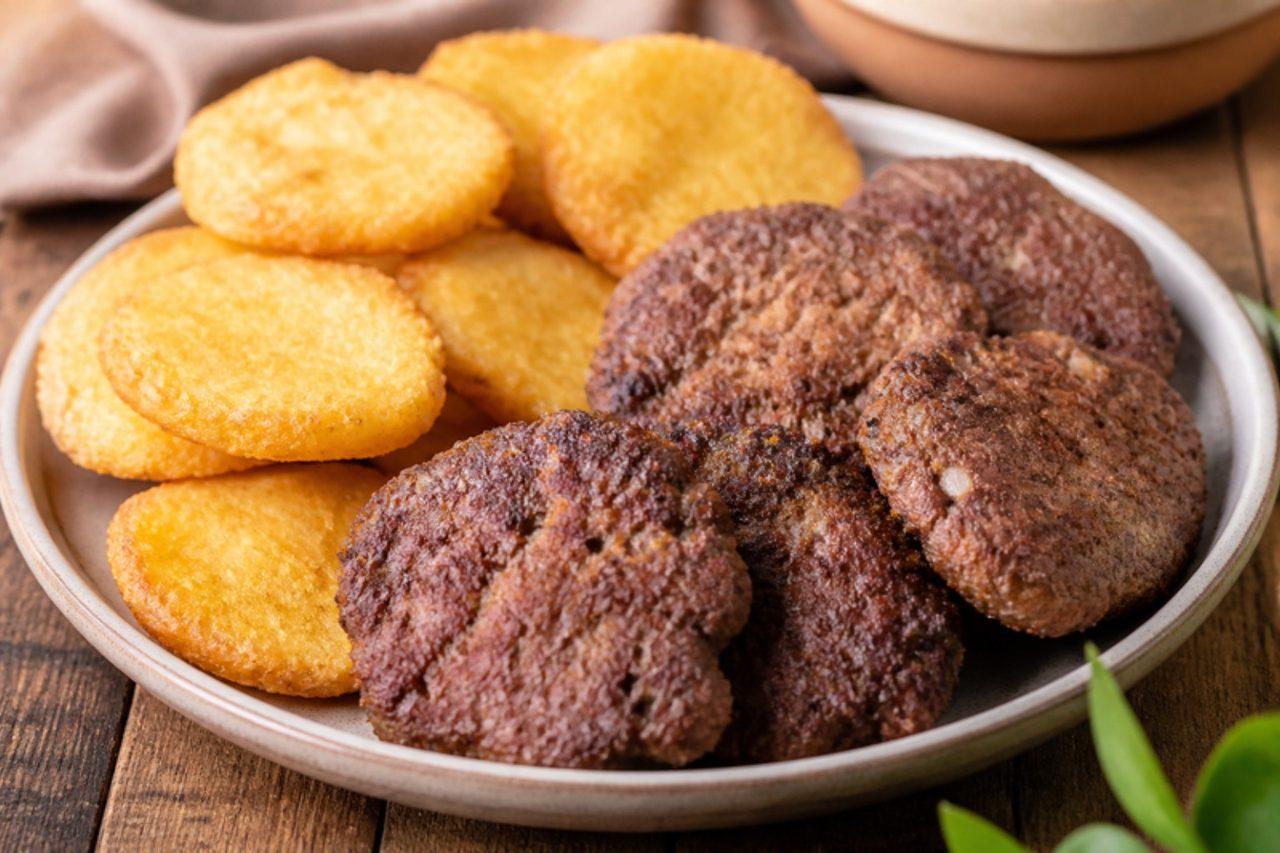
Payaguá mascadaCassava and beef patties

Payaguá mascada is an Asunción family supper and a favourite for using up boiled cassava: mashed mandioca kneaded with minced beef, onion and garlic, shaped into flat cakes and fried until crusty, then eaten with a tomato salad or with mandioca on the side. Use sweet cassava. A common mistake is using watery, freshly boiled cassava, which makes patties that fall apart in the pan. Chef's tip: let the boiled cassava steam dry in the colander for ten minutes before mashing.

by KrazyBadal 0 views

TereréIced yerba mate

In Asunción the hottest part of the day stops for tereré: a horn or cup packed with yerba mate, topped up again and again with ice water infused with crushed herbs, and passed round the group through a metal straw. It was recognised by UNESCO as part of Paraguay's cultural heritage, and the herbs (yuyos) change with the season and the drinker's mood. Yerba mate contains caffeine, so it isn't one for small children. The common mistake is pouring water straight into loose yerba, which then clogs the straw; tilt the yerba to one side first. Chef's tip: for tereré ruso, swap the water for cold orange or grapefruit juice.

by KrazyBadal 0 views

Capeletis a la CarusoStuffed pasta in cream sauce

Capeletis a la Caruso were created in a Montevideo restaurant in the 1950s and named after the great tenor, and they are still a Sunday lunch favourite in Uruguayan homes: little stuffed pasta hats in a rich sauce of cream, cooked ham (pork), mushrooms and onion, finished with grated cheese. Buy good fresh capeletis or tortellini; the sauce is what you make. The usual mistake is boiling the cream sauce hard, which makes it oily and grainy. Chef's tip: cook the mushrooms in a dry hot pan first until they squeak and brown, before any butter goes in, for a deeper taste.

by KrazyBadal 0 views

Postre MassiniCustard sponge with burnt sugar top

Montevideo's birthday cake of choice since the early twentieth century, the Massini is two thin layers of sponge sandwiching a thick filling of whipped cream folded with egg-yolk custard, crowned with a thin glassy crust of torched yolk and sugar. Bakeries across Uruguay sell it on Sundays. Traditional versions sometimes add a sweet fortified wine to the custard; this one is alcohol-free. The custard is cooked to a safe 71 °C. The common mistake is assembling with warm custard, which melts the cream into a puddle. Chef's tip: if you don't have a blowtorch, put the sugared top under a very hot grill for a minute and watch it closely.

by KrazyBadal 0 views

Ka'i ladrilloPeanut molasses bricks

Ka'i ladrillo — 'monkey brick' in Guaraní — is the sweet sold by vendors on Asunción buses and at country fiestas: roasted peanuts bound in boiled cane molasses and set in brick-shaped blocks, crunchy and dark with a slightly smoky toffee taste. It contains peanuts, so keep it away from anyone with a peanut allergy. The common mistake is taking the syrup off too soon, so the bricks stay sticky and never set. Chef's tip: test the syrup by dropping a little into cold water; it is ready when it sets into a brittle thread that snaps.

by KrazyBadal 0 views

Morcilla dulceSweet blood sausage with walnuts

No Uruguayan parrilla is complete without morcilla dulce: a soft pork blood sausage sweetened with sugar and scented with orange peel, studded with walnuts and raisins, grilled until the skin crisps and served first, as part of the achuras, while the beef is still cooking. It is pork throughout: pork blood, pork back fat and natural pork casings. Making it at home is a project. Buy fresh pork blood with an anticoagulant added from a butcher who supplies it for sausage making, keep it chilled below 4 °C and use it within a day. The common mistake is poaching at a rolling boil, which bursts the casings. Chef's tip: keep the water at 80–85 °C, just shivering, and prick a sausage after 25 minutes: it is done when brown, not red, juice comes out.

by KrazyBadal 0 views

LampreadoCassava starch cheese fritters

Paraguayan grandmothers fry lampreado on Sunday evenings to eat with a mug of cocido, the toasted yerba mate drink: small pan-fried cakes of cassava starch, egg, milk and grated cheese with a little onion, crisp at the edges and stretchy inside. Some families also make it with leftover meat, but this version is all cheese. Queso Paraguay is set with animal rennet; a vegetarian Parmesan-style cheese plus mozzarella works well. The trap is a batter that is too thick, which gives heavy, gluey cakes. Chef's tip: the batter should drop slowly off a spoon like thick pancake batter; add milk a spoonful at a time until it does.

by KrazyBadal 0 views

Mandi'o chyryryFried cassava with onion and egg

Mandi'o chyryry means 'fried cassava' in Guaraní, and it is what rural Paraguayan families make from yesterday's boiled mandi'o: chunks crushed and fried in a big pan with onion until crisp in places, then scrambled with eggs. It comes out for breakfast with cocido or for a quick supper, and costs next to nothing. Use sweet cassava, the kind sold in supermarkets. The mistake is stirring constantly, which turns it to mush; let the cassava sit and brown. Chef's tip: the best chyryry starts with cold, day-old boiled cassava, which fries crisper than freshly boiled.

by KrazyBadal 0 views

Buñuelos de algasSea lettuce fritters

On the beaches of Rocha, from La Paloma to Punta del Diablo, vendors walk the sand with baskets of hot buñuelos de algas: puffy, salty fritters speckled green with sea lettuce, eaten with a squeeze of lemon. Use dried sea lettuce or mixed seaweed flakes from a shop, or fresh sea lettuce only from a seller who harvests clean water; never pick it from a harbour or near drains. The usual mistake is frying in oil that isn't hot enough, so the fritters soak it up and turn greasy. Chef's tip: rest the batter for 15 minutes so the seaweed softens and the fritters puff more.

by KrazyBadal 0 views

Tanjia marrakchiaSlow-cooked beef with preserved lemon

Marrakech men's dish par excellence, tanjia is packed into a tall clay urn on a Friday morning, sealed with paper and string, and carried to the furnace man of the local hammam, who buries it in the warm ashes all day. Nothing is browned and almost no water goes in: the beef shin collapses in its own juices with preserved lemon, a whole head of garlic, cumin, saffron and smen into soft, sticky strands with a sharp, salty, lemony sauce. It comes to the table in the evening with bread and nothing else. At home, a lidded casserole in a low oven gives the same result. Chef's tip: wrap the lid of the pot in foil before closing it; a tight seal keeps in the steam that braises the meat without adding water.

375 minMoroccanMeatGluten free
by KrazyBadal 0 views

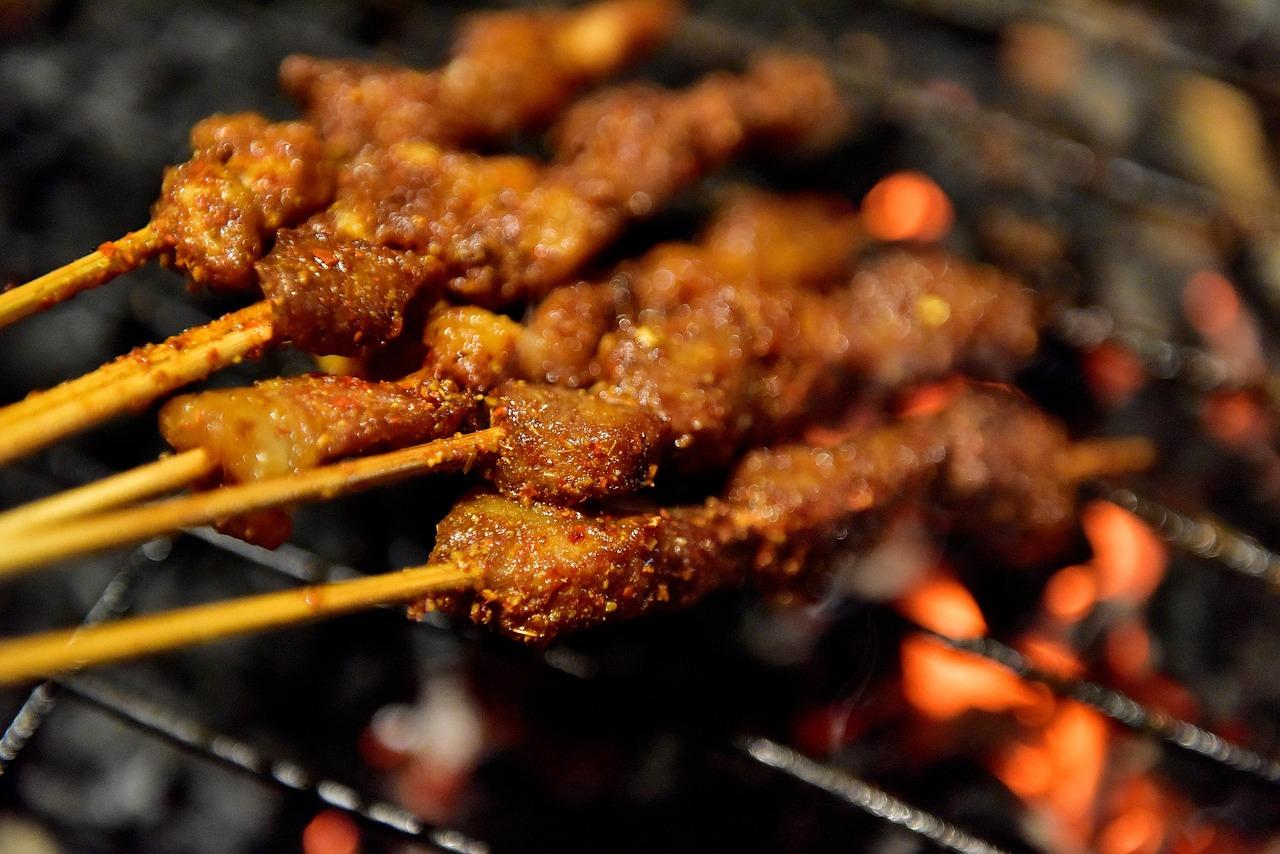
QodbanGrilled lamb skewers

Smoke rising off long braziers marks the qodban sellers of Marrakech, who thread lamb cubes with little pieces of fat so the meat bastes itself over the coals. Cumin, paprika, grated onion and parsley go on before grilling; more cumin and salt go on after. The result is charred and juicy, fragrant rather than fiery, and eaten straight off the skewer, wrapped in khobz with a little harissa and tomato. Leg or shoulder of lamb both work. Chef's tip: alternate every two pieces of lean meat with one small piece of fat; it melts as the skewer turns and keeps the lean pieces moist.

by KrazyBadal 0 views

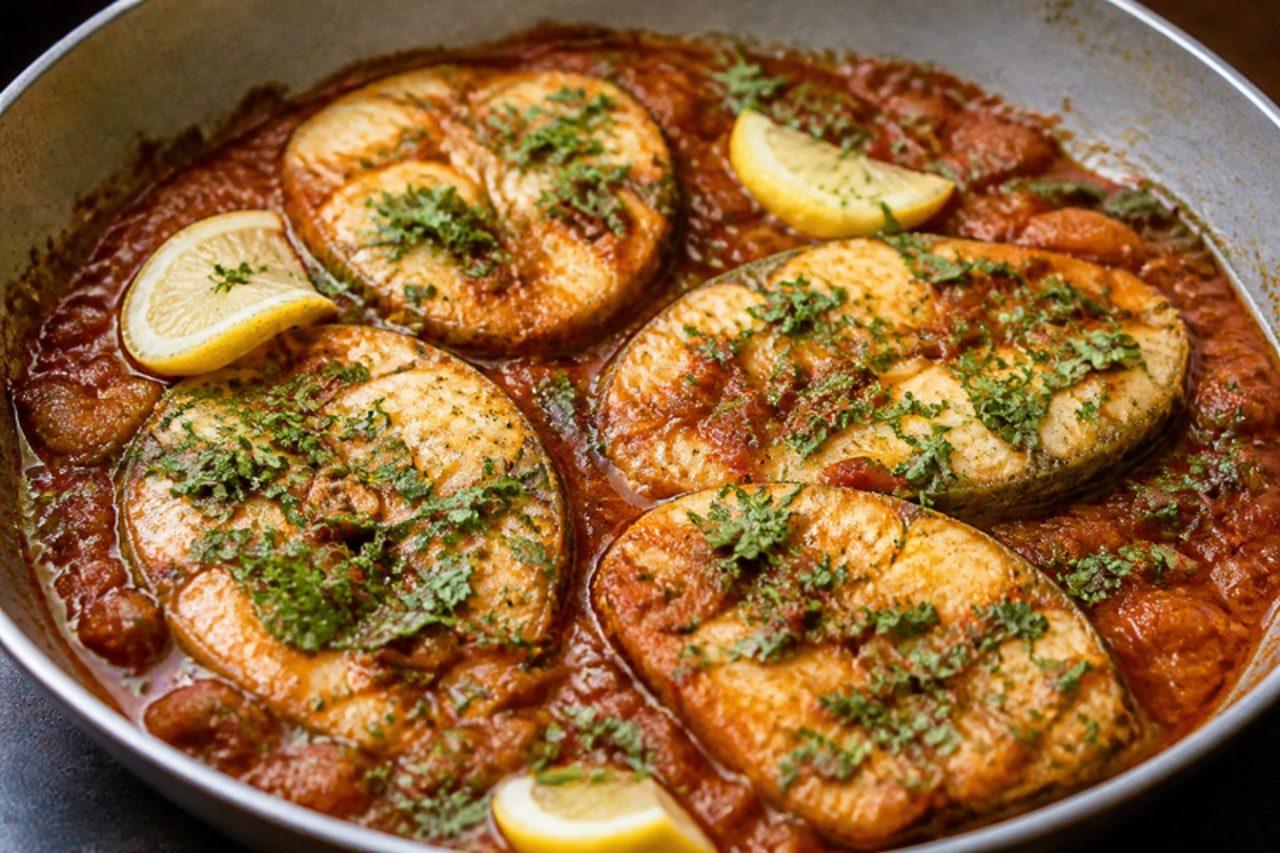
ChraimeFish in spicy garlic paprika sauce

Friday night in Moroccan and Libyan Jewish homes, from Casablanca to Tripoli and now Paris and Tel Aviv, often begins with a plate of chraime before the main course. Thick fish steaks simmer in a brick-red sauce built from a frightening amount of garlic, sweet and hot paprika, chilli, caraway and cumin, loosened with oil and a squeeze of lemon. It is spicy, garlicky and very savoury, and the oily sauce begs to be mopped up with challah or other good bread. It is also eaten cold the next day. Chef's tip: cook the spices in the oil over a low heat until they smell toasty but not dark; burnt paprika tastes acrid and you cannot rescue it.

by KrazyBadal 1 views

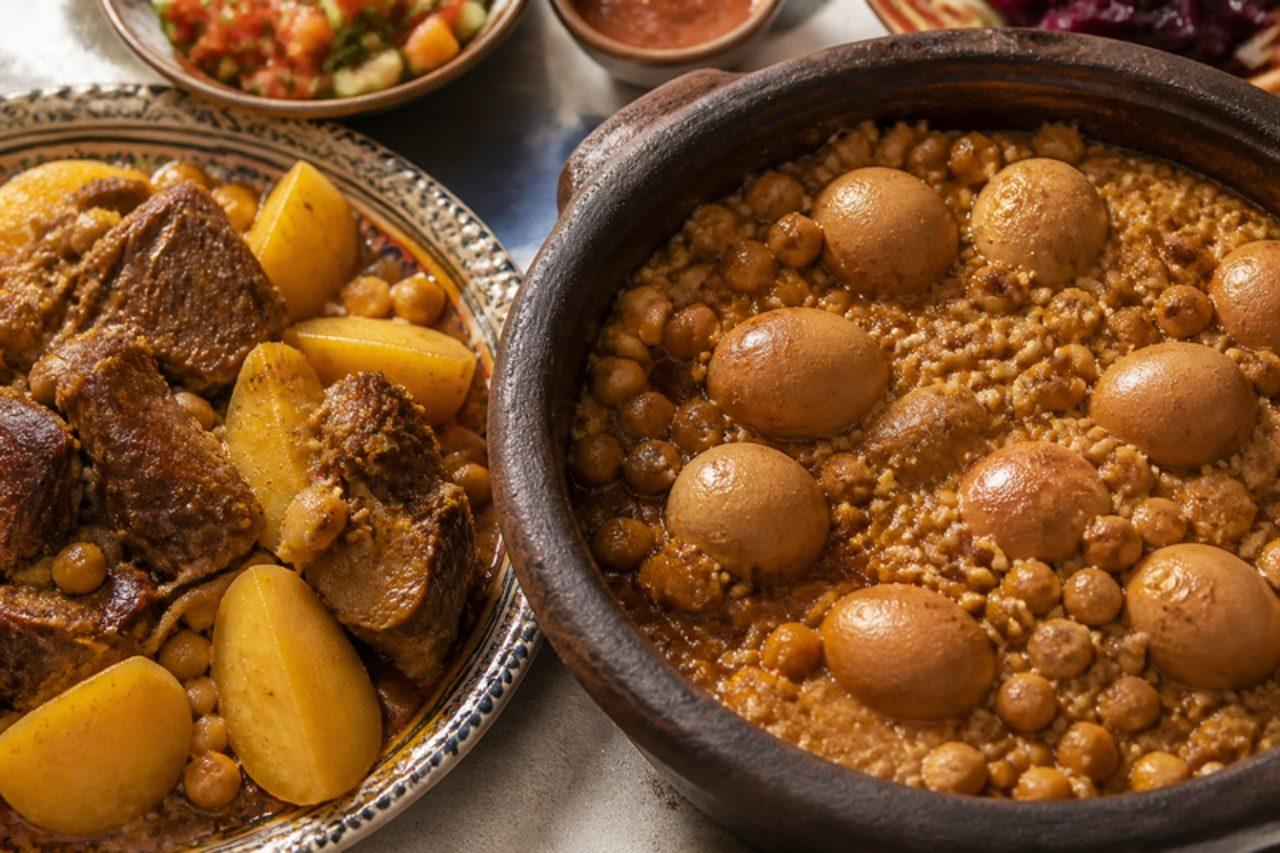
DafinaSlow-cooked Shabbat beef and chickpea stew

Dafina, meaning buried or covered, is what Moroccan Jewish families from Casablanca to Meknes set to cook before sundown on Friday, so a hot lunch is waiting after synagogue on Saturday without lighting a fire on the Sabbath. Beef, a marrow bone, chickpeas, potatoes, sweet potatoes and dates go into one big pot with whole eggs in their shells and a cloth bag of wheat berries, all seasoned with paprika, turmeric, cinnamon and a little honey. Overnight the eggs turn creamy and brown, the wheat becomes sticky, and the broth is sweet-savoury and deep. There is no pork in it, and kosher cooks use kosher beef. Chef's tip: wrap the wheat berries loosely in a cloth bag or a roasting bag with holes; packed too tight, the grain cannot swell and stays hard.

760 minMoroccanMeat
by KrazyBadal 0 views

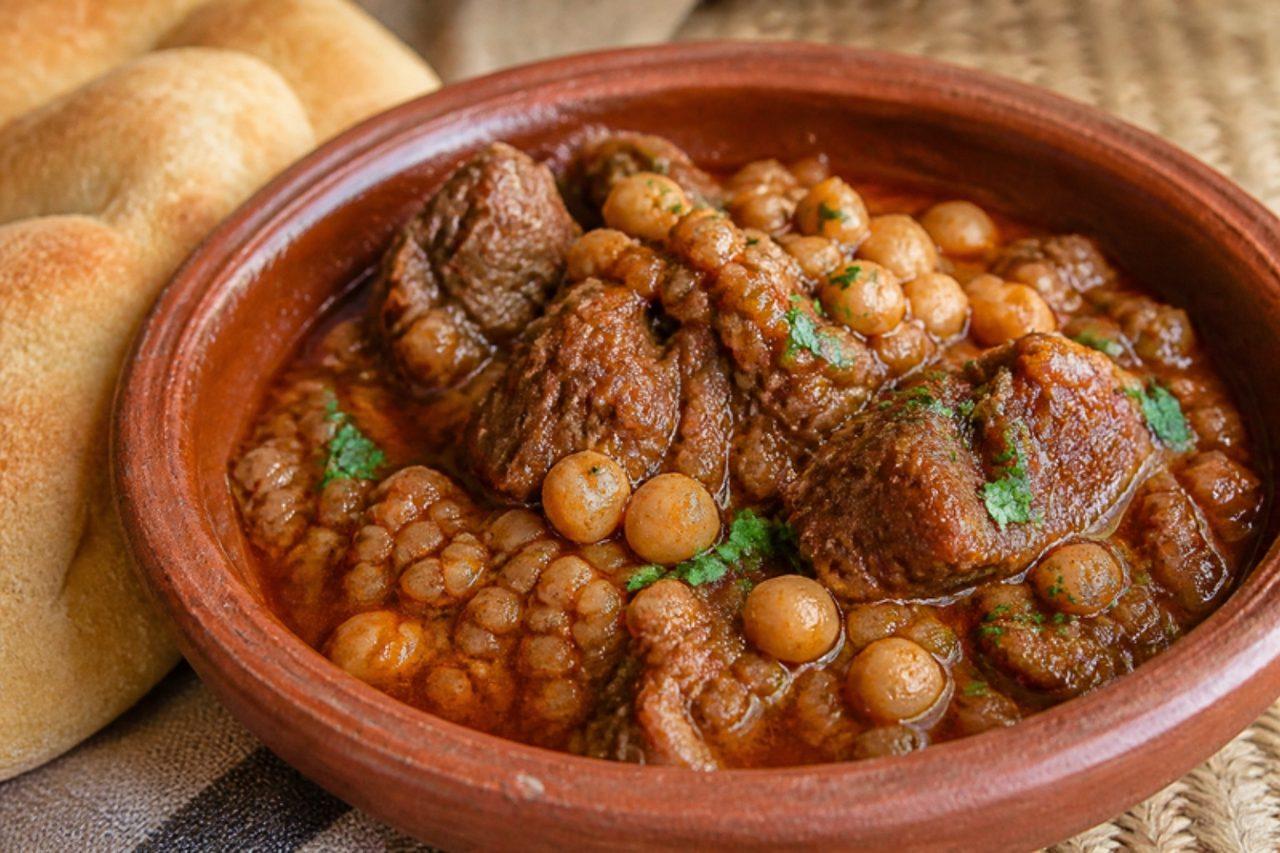
HergmaLamb trotters with chickpeas

Sticky with gelatine and warmed by cumin and ginger, hergma is the winter comfort food of Rabat's working kitchens and the dish families make from the trotters after Eid al-Adha. The feet cook for hours with chickpeas, whole wheat berries, garlic and a warm mix of paprika, cumin and ginger, until the gelatine melts into a sauce so sticky it glues your fingers together. Some cooks add raisins for a sweet edge. Eat it hot with bread, picking the tender meat and soft cartilage from the bones. A butcher who sells halal or Mediterranean cuts will clean, singe and split the trotters for you; ask for that. Chef's tip: blanch the trotters and throw away the first water; it carries off the scum and gives a clean-tasting sauce.

260 minMoroccanMeat
by KrazyBadal 0 views

MrouziaLamb with honey and raisins

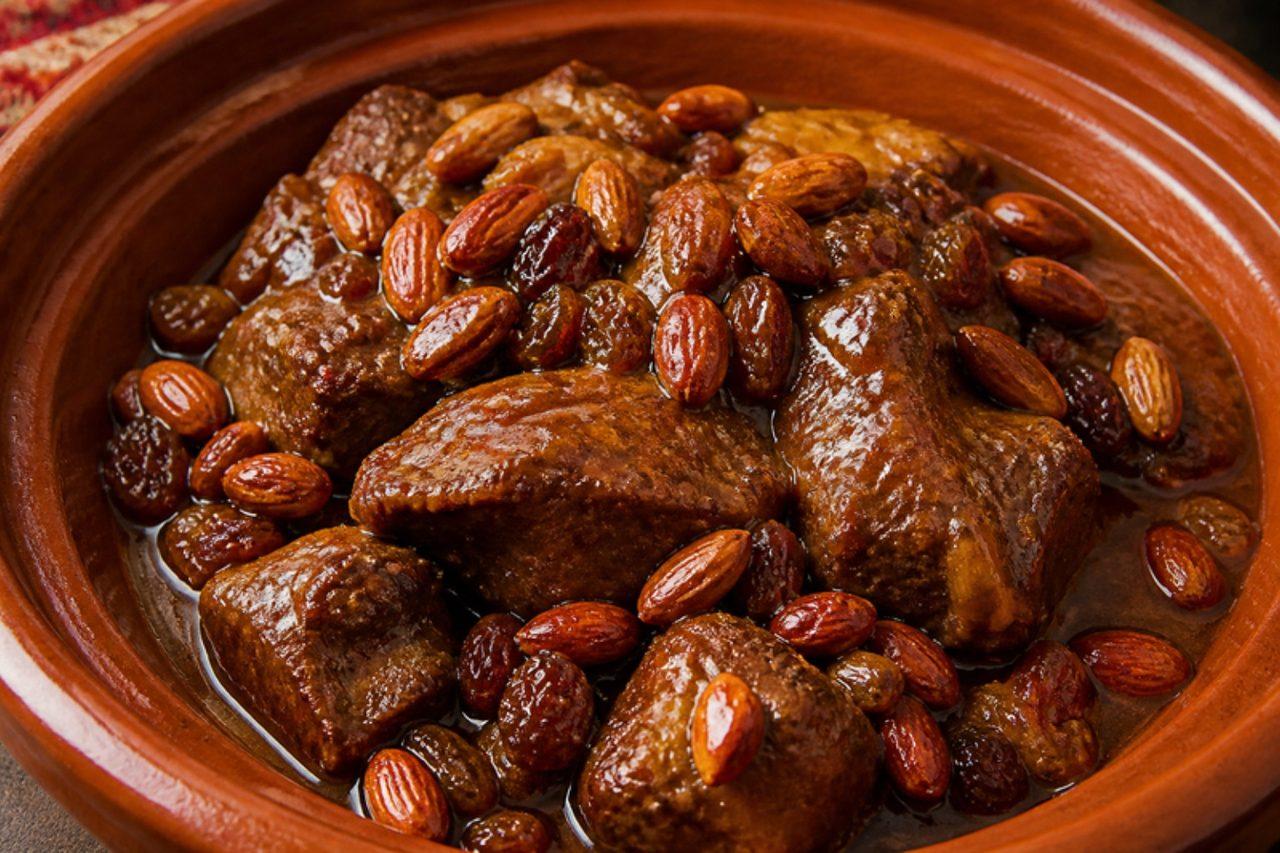
Families make a big pot of mrouzia in the days after Eid al-Adha, partly as a treat and partly as a way to keep meat: cooked down with honey, smen and spices until almost confit-like, it keeps for days, and in the past for weeks. The lamb is very tender and dark, coated in a thick, sweet-spiced sauce heavy with ras el hanout, cinnamon and saffron, with plump raisins and fried almonds on top. Serve small portions with bread and a sharp salad to balance the richness. The usual mistake is adding the honey too early, so it catches and turns bitter before the lamb is tender. Chef's tip: add the honey only once the meat is tender; added early, it scorches on the base during the long cook.

150 minMoroccanMeatGluten free
by KrazyBadal 0 views

Djaj mhammerSaffron butter roast chicken

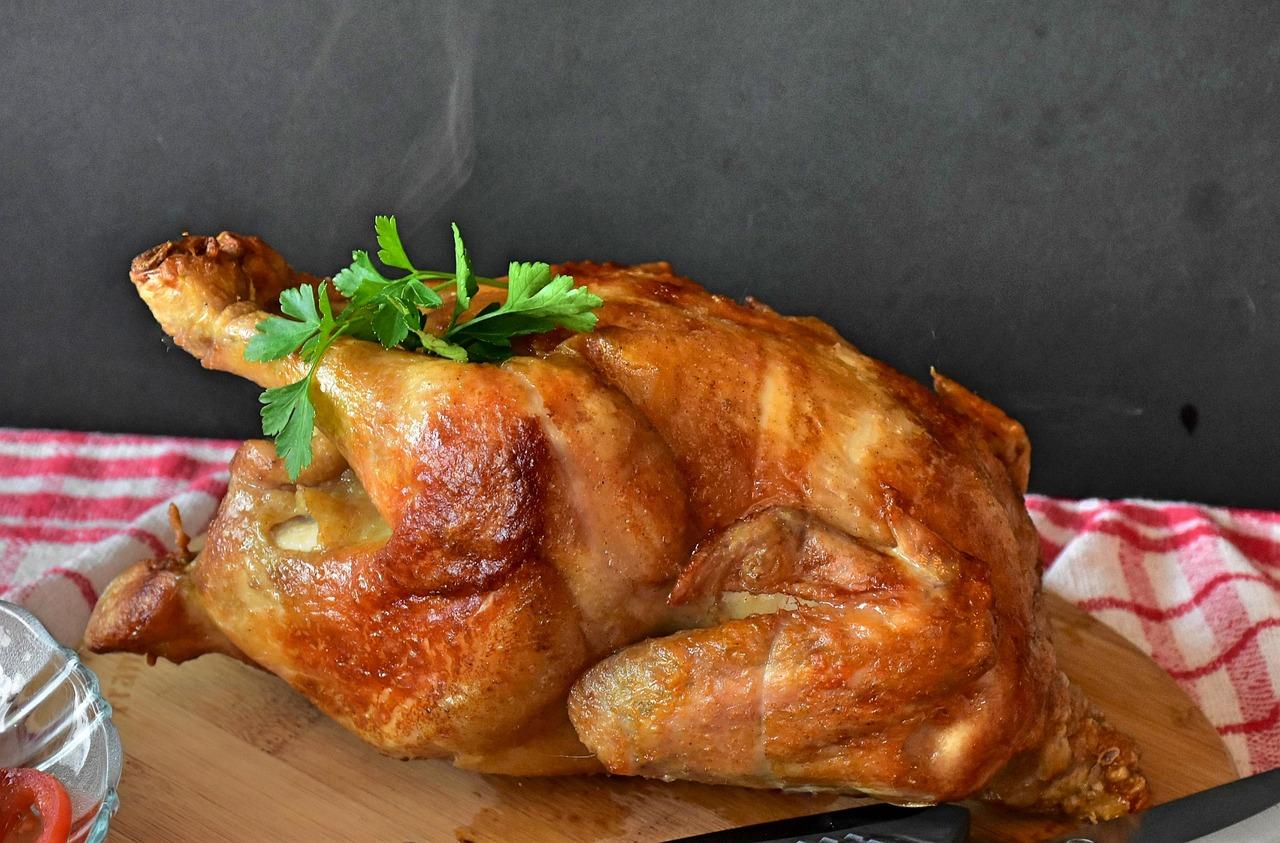
Mhammer means reddened or browned, and that final colour is what sets this Rabat and Fez favourite apart from a tagine. The bird is first poached in a little water with butter, garlic, saffron, cumin and paprika, so the meat soaks up the spices and stays juicy, then it goes into a hot oven to crisp and turn burnished while the cooking liquid reduces into a rich, buttery sauce. Moroccan families serve it at weddings and on Eid with olives, preserved lemon, fried or roasted potatoes and bread. Chef's tip: keep the poaching liquid at a gentle shiver, not a boil; boiling tightens the meat and the skin splits before it ever browns.

by KrazyBadal 0 views

Showing 24 of 289 recipes

Show more recipes

Page 1 of 13