Skip to content
Recipes

All recipes

Vegetarian, or something you can't eat? Set your diet once and we'll hide recipes that don't fit.

ChaplasHollow puffed Andean bread

Walk through Ayacucho's central market at seven in the morning and you will see women selling stacks of chaplas from cloth-lined baskets, still warm from the wood-fired ovens of the Andes. These round wheat breads puff up like pita in the fierce heat, leaving a hollow pocket inside a thin, soft, lightly floury crust. In Ayacucho and Huancavelica they are eaten with sweet coffee or hot emoliente for breakfast, or split and filled with queso fresco, avocado or a spoonful of rocoto sauce. Highland bakers traditionally work in a little lard; vegetable shortening gives the same tenderness and keeps the bread vegan. A cool baking tray is the reason chaplas stay flat, so preheat it thoroughly. Chef's tip: let the rolled rounds rest before baking and flip them upside down onto the tray, so the smooth, dry side meets the heat first and the pocket opens evenly.

by KrazyBadal 0 views

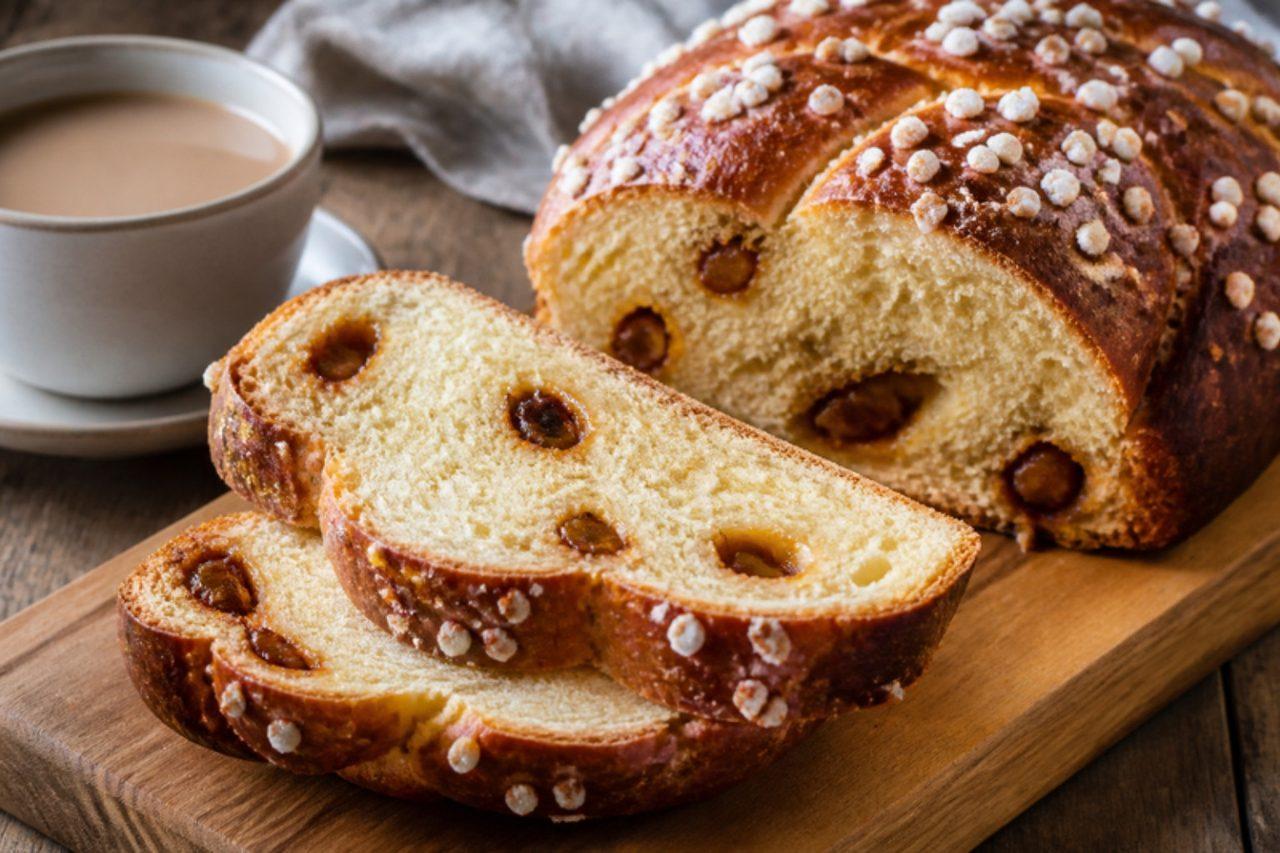
Kärntner ReindlingCinnamon raisin yeast cake

Carinthia's Easter loaf takes its name from the Reindl, the round, deep pan it is baked in, and in southern Austria no Easter basket goes to church without one. Inside the golden yeast crust is a spiral of butter, cinnamon sugar and plump raisins, so every slice shows a dark swirl. Locals eat it two ways: sweet with coffee on Easter morning, or alongside the savoury Easter platter with horseradish. Many bakers soak the raisins in rum overnight; warm water or tea works just as well and keeps it alcohol-free. A dry, crumbly Reindling usually means too much flour went in during kneading, so keep the dough soft and only lightly floured. Chef's tip: butter the pan well and dust it with sugar, which caramelises into a thin crunchy shell.

by KrazyBadal 0 views

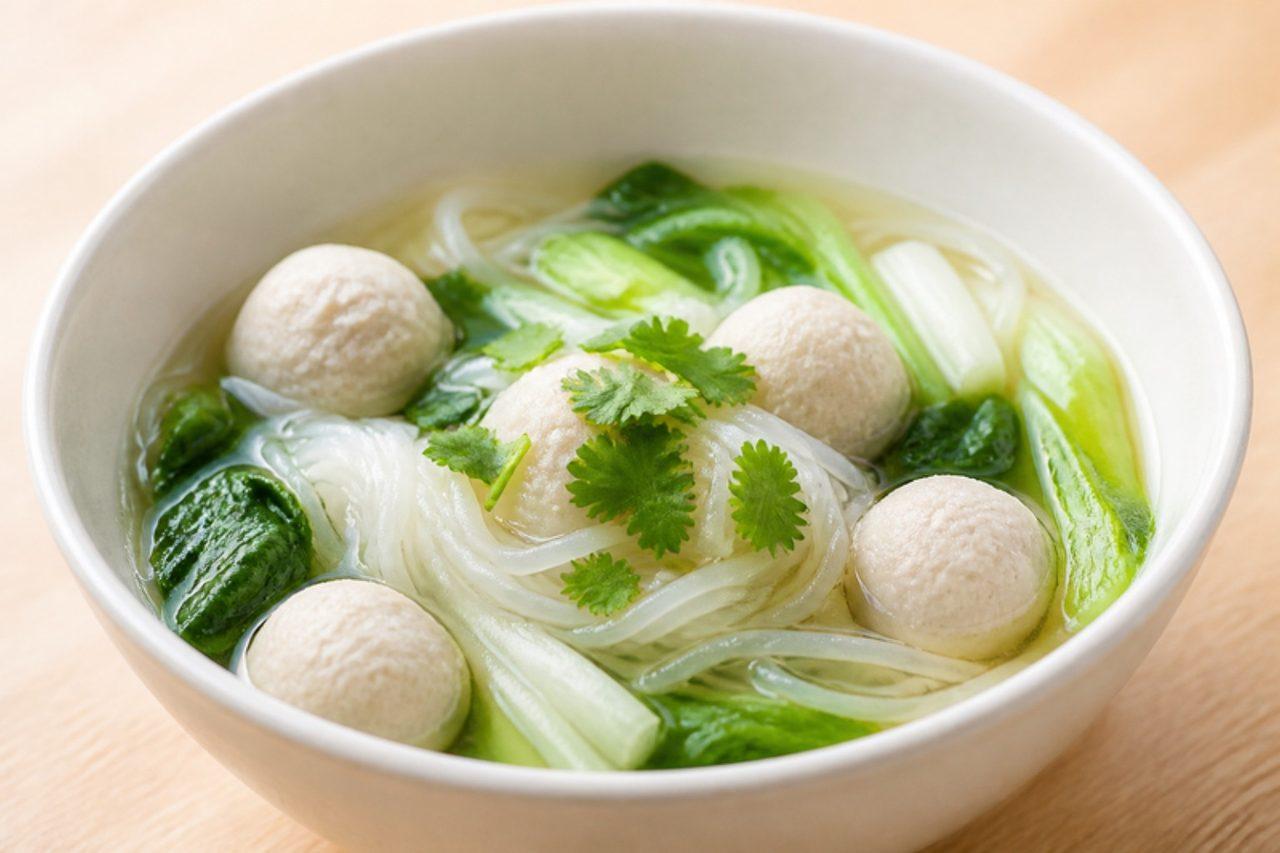
Kuay teow nam sai (clear rice noodle soup for toddlers)

Kuay teow nam sai, clear noodle soup, is ordered for Thai children at noodle shops everywhere because it comes without chilli, sugar or vinegar: thin rice noodles in a light broth with minced pork and blanched greens. At home it is easy to make it even gentler, with no-salt stock fragrant with garlic and coriander root, so that toddlers can have it from a year old and adults season their bowls at the table. It contains none of the common allergens (milk, egg, gluten, peanut, tree nuts, soya, sesame, fish) unless the family adds fish sauce. Chef's tip: soak the noodles in warm water rather than boiling them, then dip in the broth just before serving, so they stay silky.

by KrazyBadal 0 views

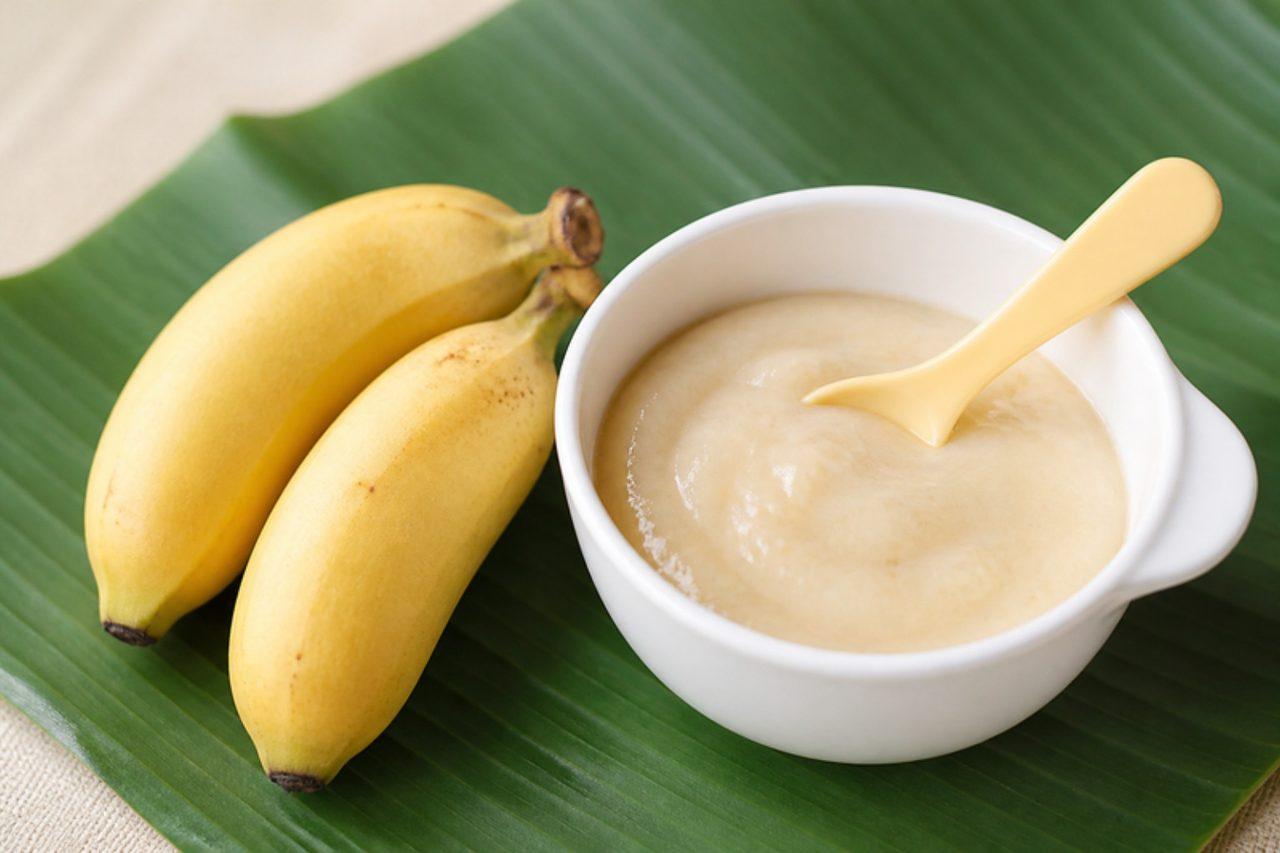
Mashed nam wa banana (kluay nam wa bod)

Ask a Thai grandmother about first foods and she will talk about kluay nam wa, the short, plump banana that grows in nearly every garden in Thailand. Ripe ones are steamed, which softens the slightly astringent edge, then scraped and mashed for a baby's first taste, often in the afternoon. It is sweet, creamy and needs nothing added. There are no common allergens (milk, egg, gluten, peanut, tree nuts, soya, sesame, fish). If you can't find nam wa, use a small, very ripe ordinary banana. Chef's tip: steam the banana in its skin; it keeps the flesh moist and stops it browning.

by KrazyBadal 0 views

Pan chutaAniseed round bread

The small town of Oropesa, half an hour from Cusco, calls itself Peru's bread capital, and its wood-fired bakeries are famous for chuta: big, flat, round loaves as wide as a dinner plate, glossy on top, with a faint sweetness and the warmth of aniseed. Travellers on the road to Puno and Bolivia stop to buy them by the bagful, and families bring them home for All Saints' Day and for sharing with hot coca tea or coffee, fresh cheese and butter. The bakeries traditionally use lard; this version uses vegetable shortening and butter, so it is vegetarian. The make-or-break moment is the proof: chuta is large and flat, and if it goes in under-risen it bakes dense and splits at the rim. Chef's tip: toast the aniseed for a minute in a dry pan and crush it lightly before adding, for a rounder, sweeter perfume.

by KrazyBadal 0 views

CraquelinBrioche with sugar cube pockets

Sugar cubes, of all things, are the secret of the Belgian craquelin. Bakers in Ghent, Bruges and Brussels wrap broken cubes inside rich brioche, and as the loaf bakes they melt into little wells of syrup that set crunchy, while pearl sugar crackles on the crust (hence the name). It is a Sunday breakfast and weekend bakery loaf, sliced thick and eaten plain or with butter and a bowl of café au lait; Flemish bakers sometimes add orange zest. Leaving sugar pieces exposed on the outside, especially the base, is the usual pitfall: they caramelise, burn and glue the loaf to the tin. Chef's tip: chill the kneaded brioche for at least an hour before you fold in the sugar, so the butter firms and the dough is easy to wrap around the cubes.

by KrazyBadal 0 views

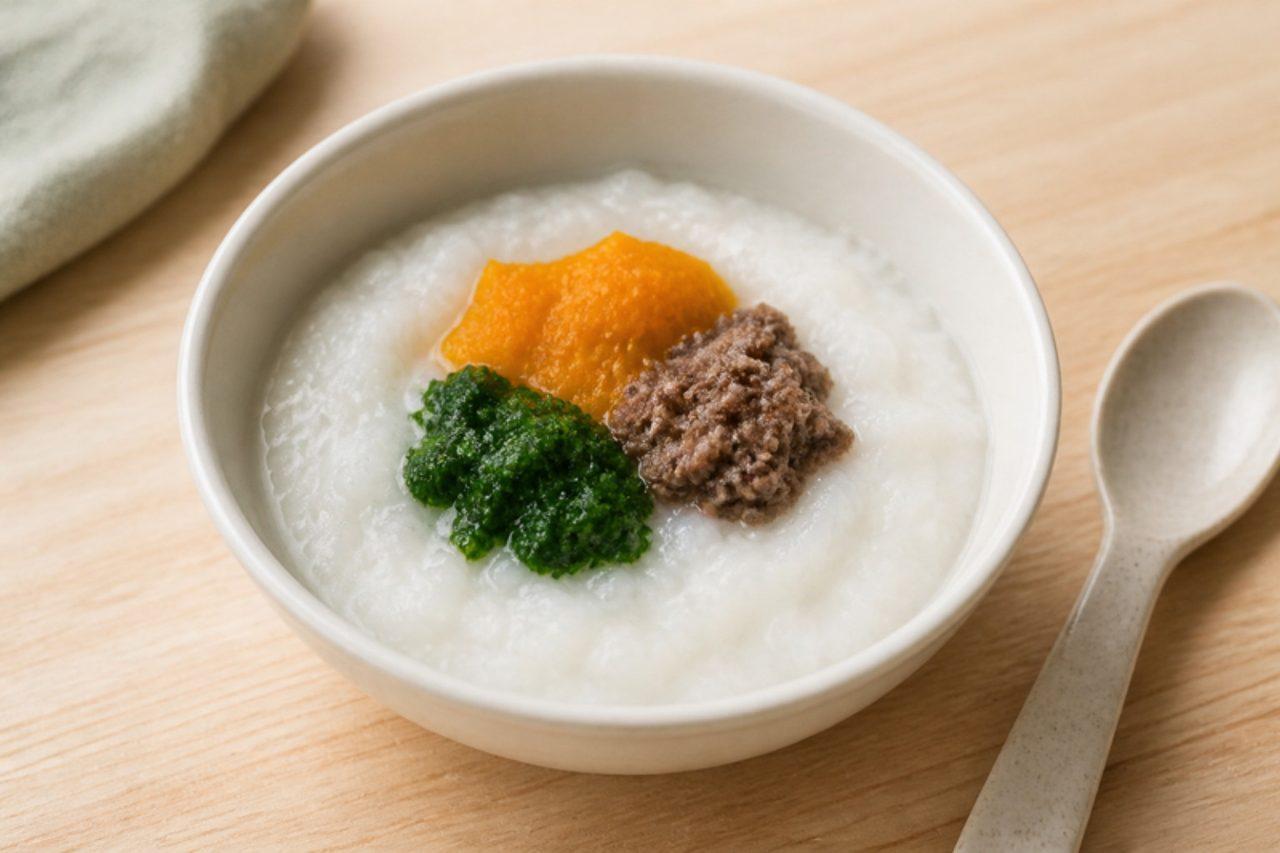
Khao bod tap gai (mashed rice with chicken liver)

Khao bod, mashed soft rice, is how Thai babies start eating with the family, and steamed chicken liver is a favourite addition because it is so rich in iron. Here it is mashed with sweet pumpkin and a few morning glory or spinach leaves, so the flavour is mellow rather than strong. Liver is very high in vitamin A, so keep it to a small portion about once a week. It contains none of the common allergens (milk, egg, gluten, peanut, tree nuts, soya, sesame, fish). Chef's tip: trim every white sinew from the livers, and the mash will be silky rather than stringy.

by KrazyBadal 0 views

Khanom khai (Thai egg cakes)

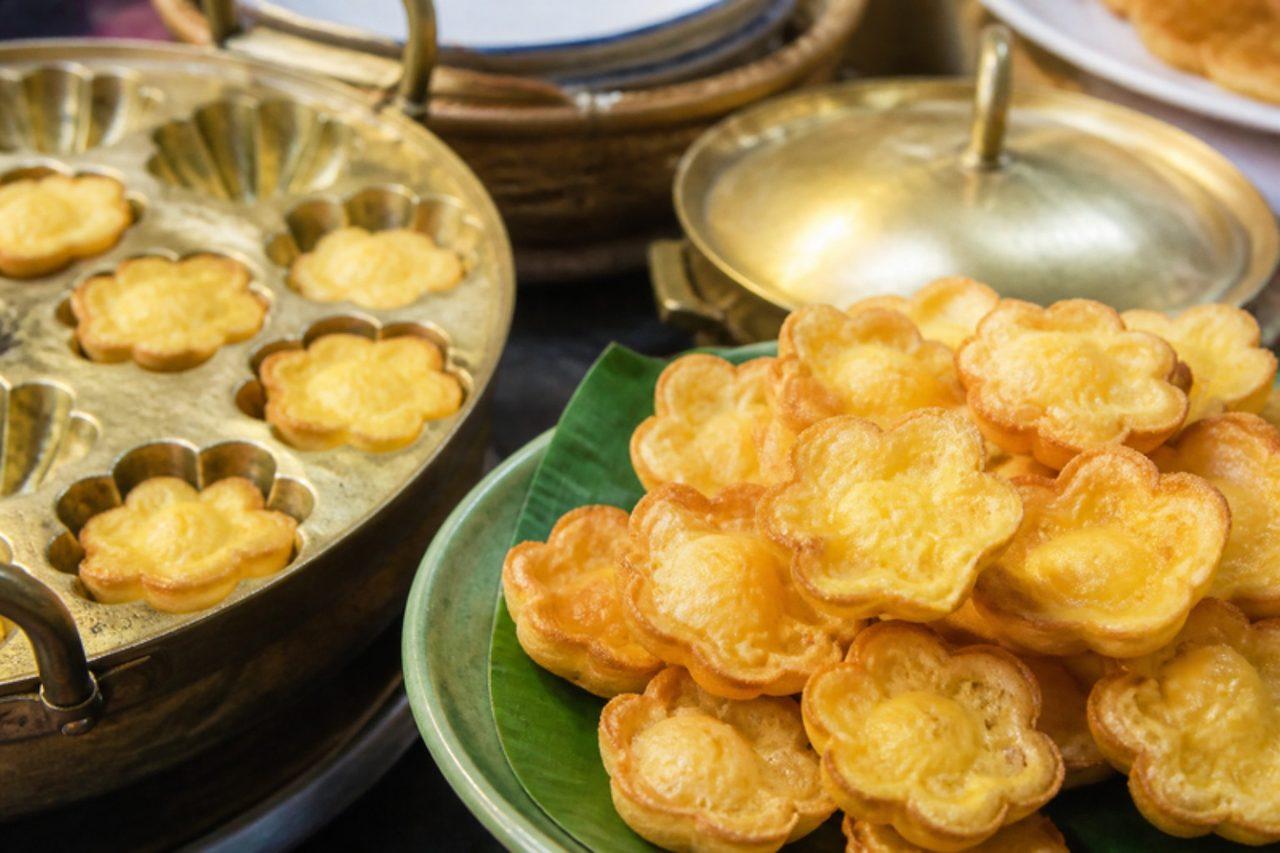
Khanom khai are the tiny golden sponge cakes that Thai market vendors bake in heavy brass moulds, filling the air with a sweet, eggy smell, and Bangkok children buy a paper bag of them after school. They are light and spongy inside with crisp, caramelised edges, and taste of egg and vanilla. They're made with oil rather than butter. They contain egg and gluten. Without a traditional mould, a mini-muffin or madeleine tin works well. Chef's tip: beat the eggs and sugar until really thick and pale; all the lift comes from that air.

30 minThaiBaking
by KrazyBadal 0 views

ErdäpfelstrudelSavoury potato strudel

Austrians, especially in the Mühlviertel of Upper Austria and the Waldviertel, make savoury strudels as often as sweet ones, and Erdäpfelstrudel is a farmhouse favourite for a meatless Friday or a cold evening. Thin pastry wraps a filling of potatoes, fried onion, sour cream, marjoram and parsley, baked until crisp and golden and sliced with a green salad or a dill and sour-cream dip. Bought filo makes it easy at home. The mistake to avoid is a wet filling, which turns the pastry soggy underneath. Chef's tip: cool the filling completely before rolling; warm filling makes the layers stick and tear.

by KrazyBadal 0 views

Pla neung manao (steamed fish in lime and chilli)Steamed fish with lime and chilli

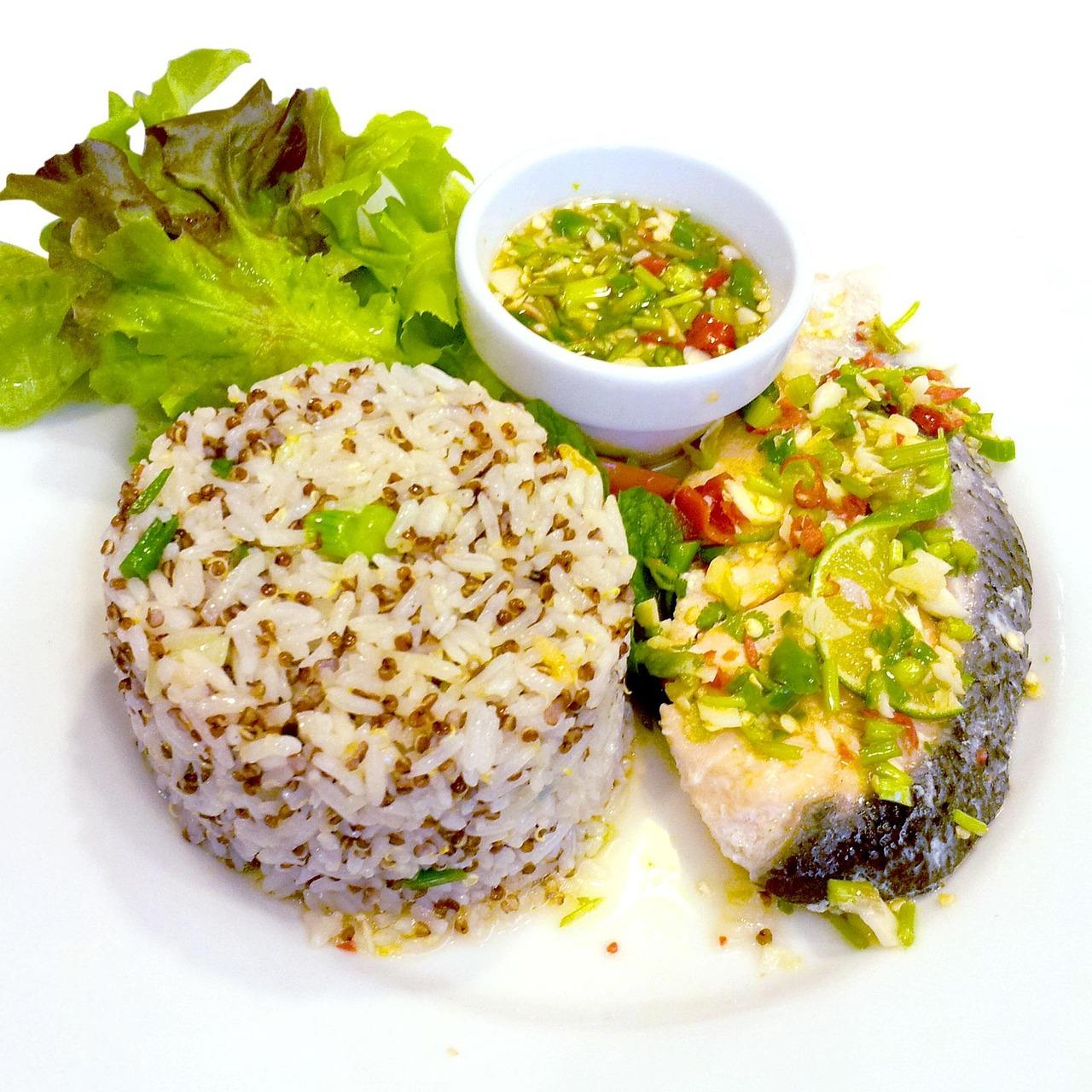
Restaurants all over Bangkok bring this dish to the table in a fish-shaped steamer with a flame underneath, the fish swimming in a broth of garlic, chilli, lime and fish sauce that keeps bubbling as you eat. Sea bass (pla kapong) is the usual choice. It is clean, sour and very garlicky, ideal for a light dinner with rice and a plate of greens. A whole fish is traditional; two thick fillets work just as well and steam faster. Chef's tip: pour the sauce over at the end, not before steaming; lime cooked for 15 minutes loses its freshness and turns bitter.

35 minThaiFishGluten freeSpicy
by KrazyBadal 0 views

Khanom tokyoPandan custard pancake rolls

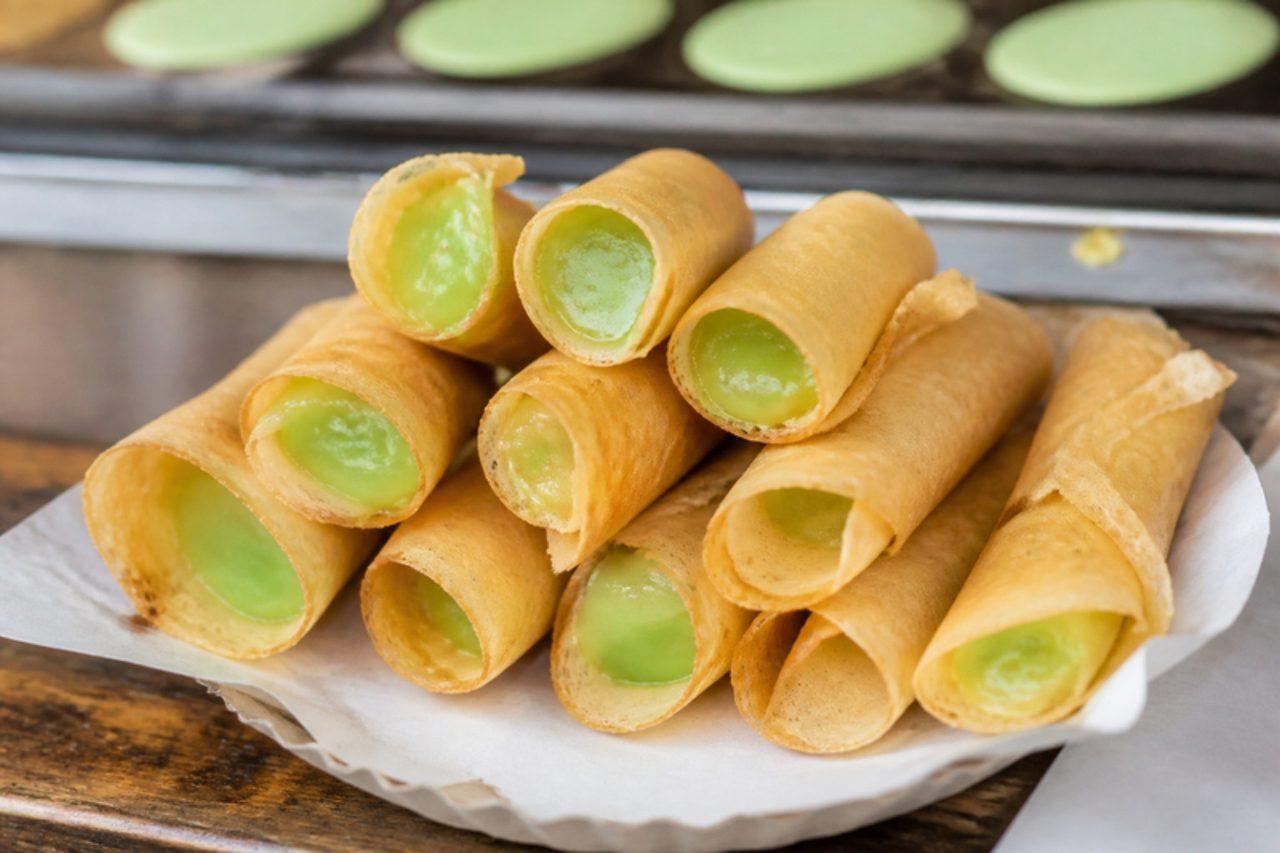
Outside Bangkok schools at home time, a vendor with a hot griddle on a cart pours small pancakes and rolls each one around a stripe of sweet custard, while children queue with coins. They are soft, eggy and barely sweet outside, oozing cream inside, and a savoury cousin wraps a sausage. Despite the name, the snack is Thai, said to be inspired by a Tokyo-themed department store of the 1960s. This version fills them with pandan custard. Chef's tip: the mistake is a griddle that is too hot; the pancakes should set pale with only light freckles, or they crack when rolled.

by KrazyBadal 0 views

Nam takrai (lemongrass drink)

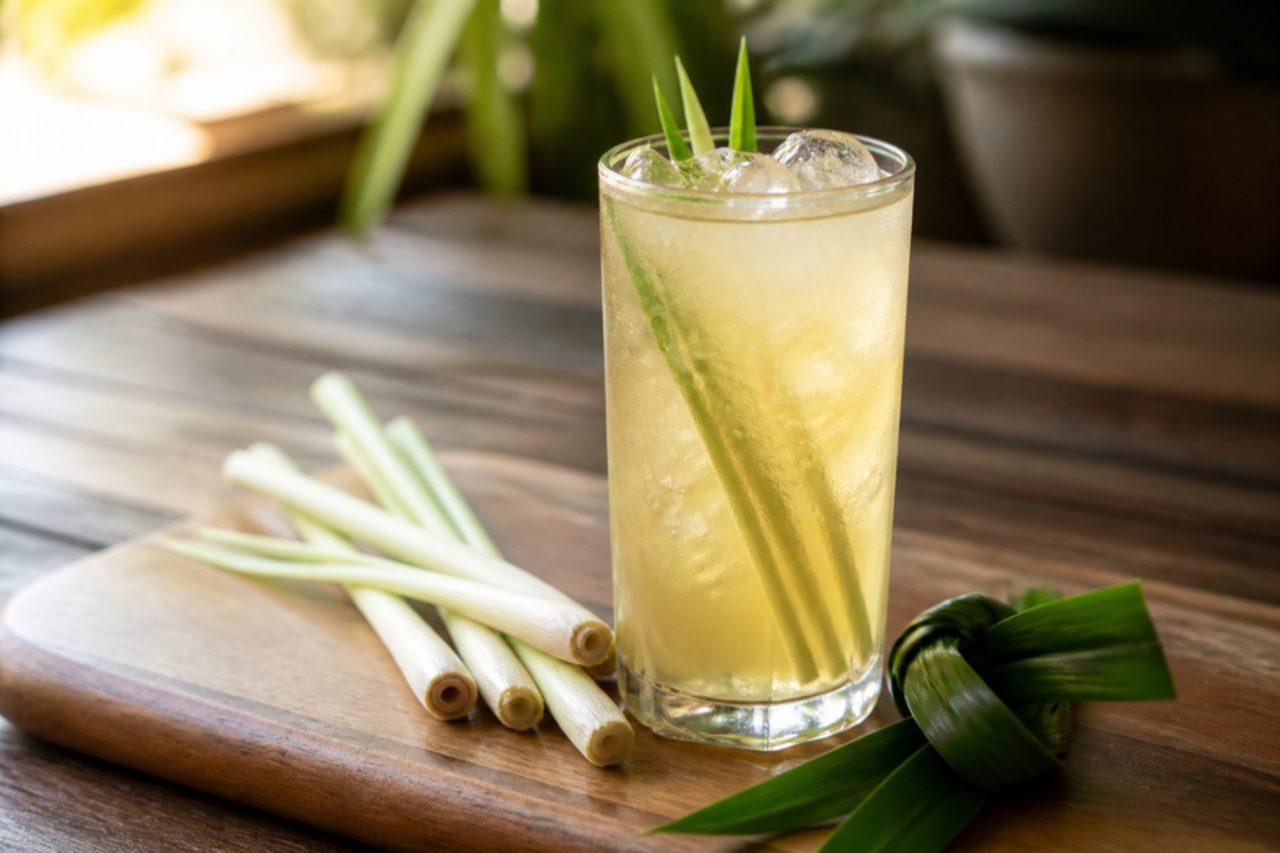
Thai spa receptions and roadside rice shops both pour this from big glass jars, and in Chiang Mai and Bangkok homes a pot is often simmering on hot afternoons. Bruised lemongrass gives a clean, lemony, slightly grassy taste and pandan a soft vanilla note; lightly sweetened, it is refreshing over ice and soothing warm on a rainy-season evening. Chef's tip: the usual mistake is chopping the lemongrass fine and boiling it hard, which makes it bitter; bash the stalks and simmer gently.

20 minThaiDrinksVeganGluten free
by KrazyBadal 0 views

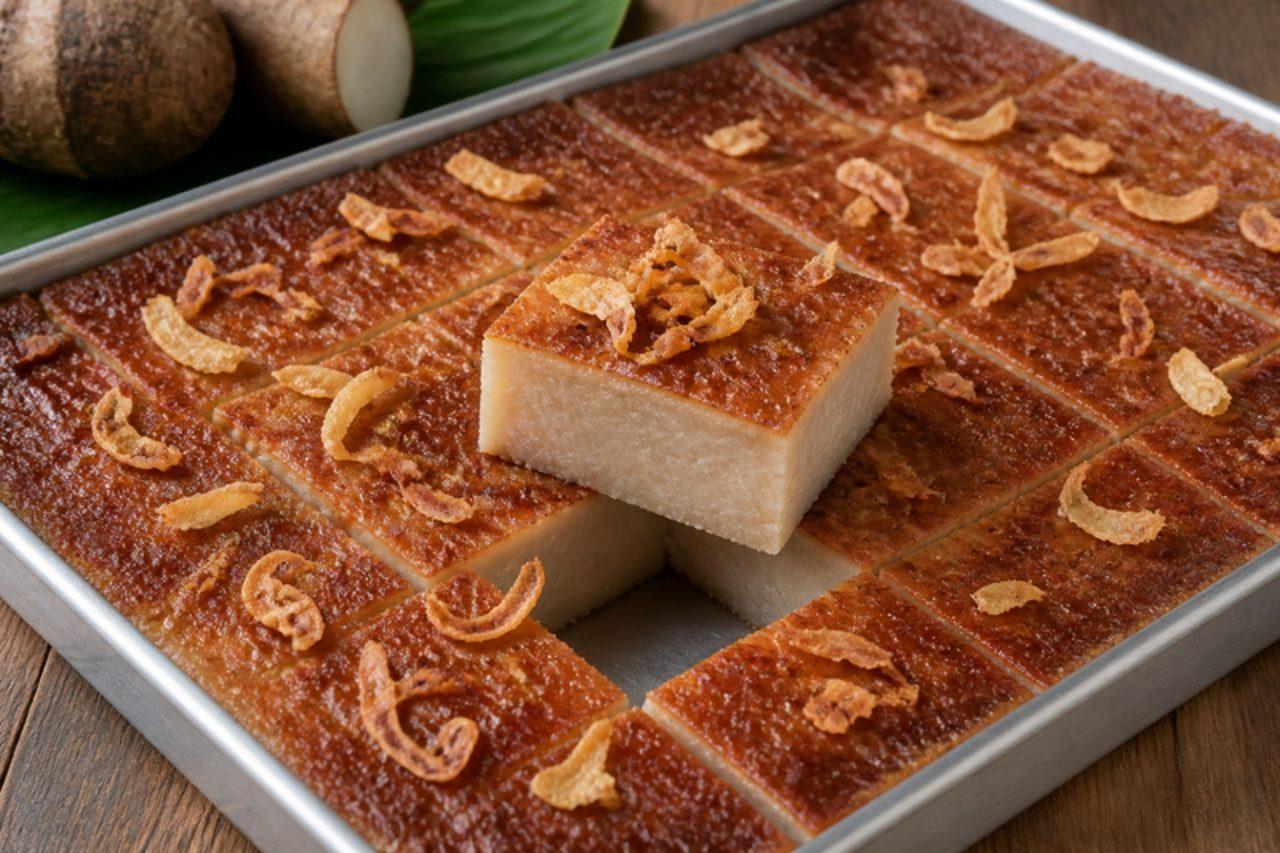
Khanom mo kaeng (Thai coconut custard cake)

Drive south from Bangkok and every roadside shop in Phetchaburi sells this dense custard in foil trays, because the province's sugar palms give it the palm sugar that defines it. Duck eggs, coconut cream and mashed taro bake into a firm, fudgy slab with a browned top, then a scattering of crisp fried shallots adds a savoury, sweet-onion crunch. Cut it in squares for an afternoon snack. Chef's tip: the common mistake is baking it too hot, which makes it puff and crack; bake low until just set, then brown the top under the grill.

by KrazyBadal 0 views

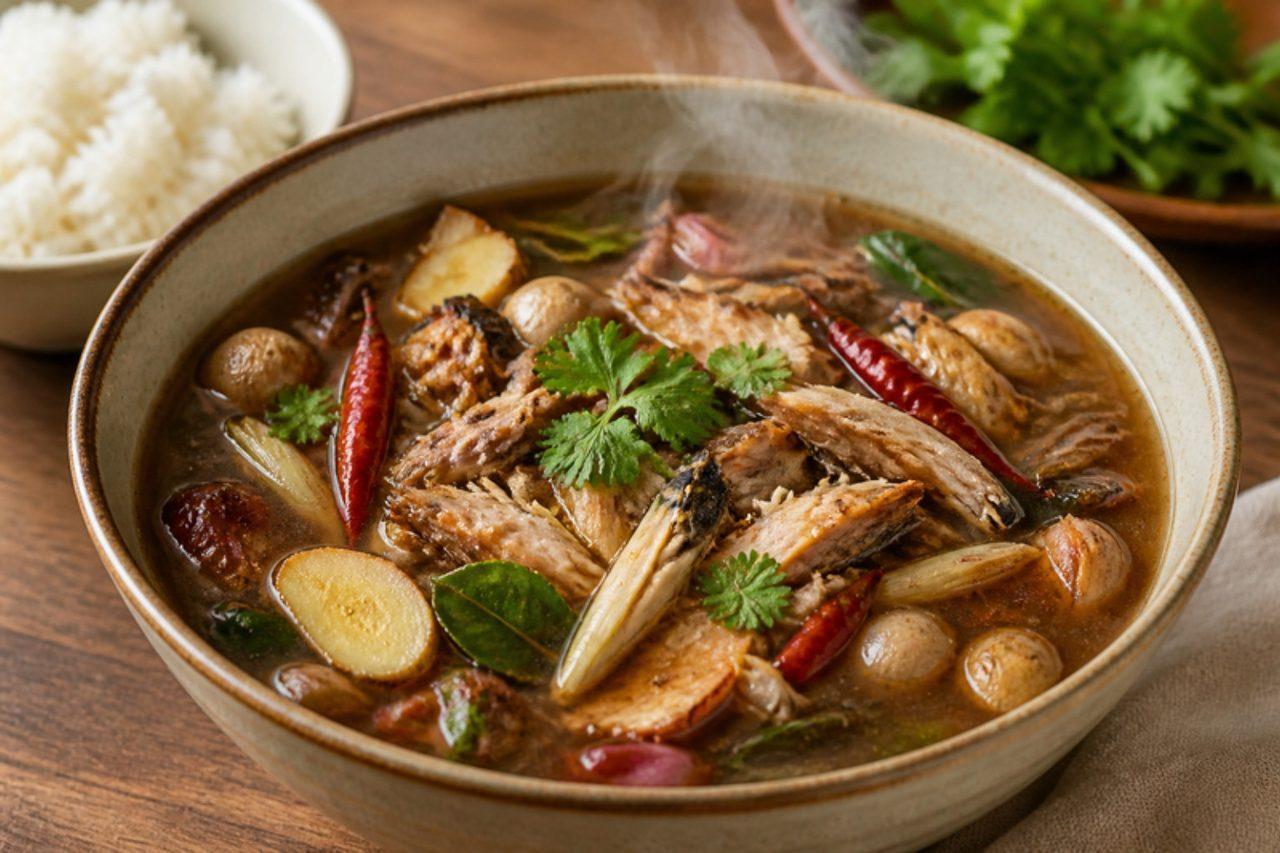
Tom klong (smoky sour dried-fish soup)

Tom klong is the older, rustic cousin of tom yum, cooked in central Thai homes along the rivers of Suphan Buri and Ang Thong, where fish was dried and smoked to keep through the rains. Shallots, garlic and dried chillies are charred first, then simmered with tamarind, lemongrass and galangal, and smoked dried fish turns the clear broth deep and savoury. It is sour, smoky and hot, eaten with rice and a plain omelette. Look for dried smoked fish (pla krob or pla salid) in Asian grocers, or use smoked mackerel. Chef's tip: grill the aromatics until blackened in patches; pale, raw shallots give a thin soup without the smoke that defines it.

35 minThaiSoupsGluten freeSpicy
by KrazyBadal 0 views

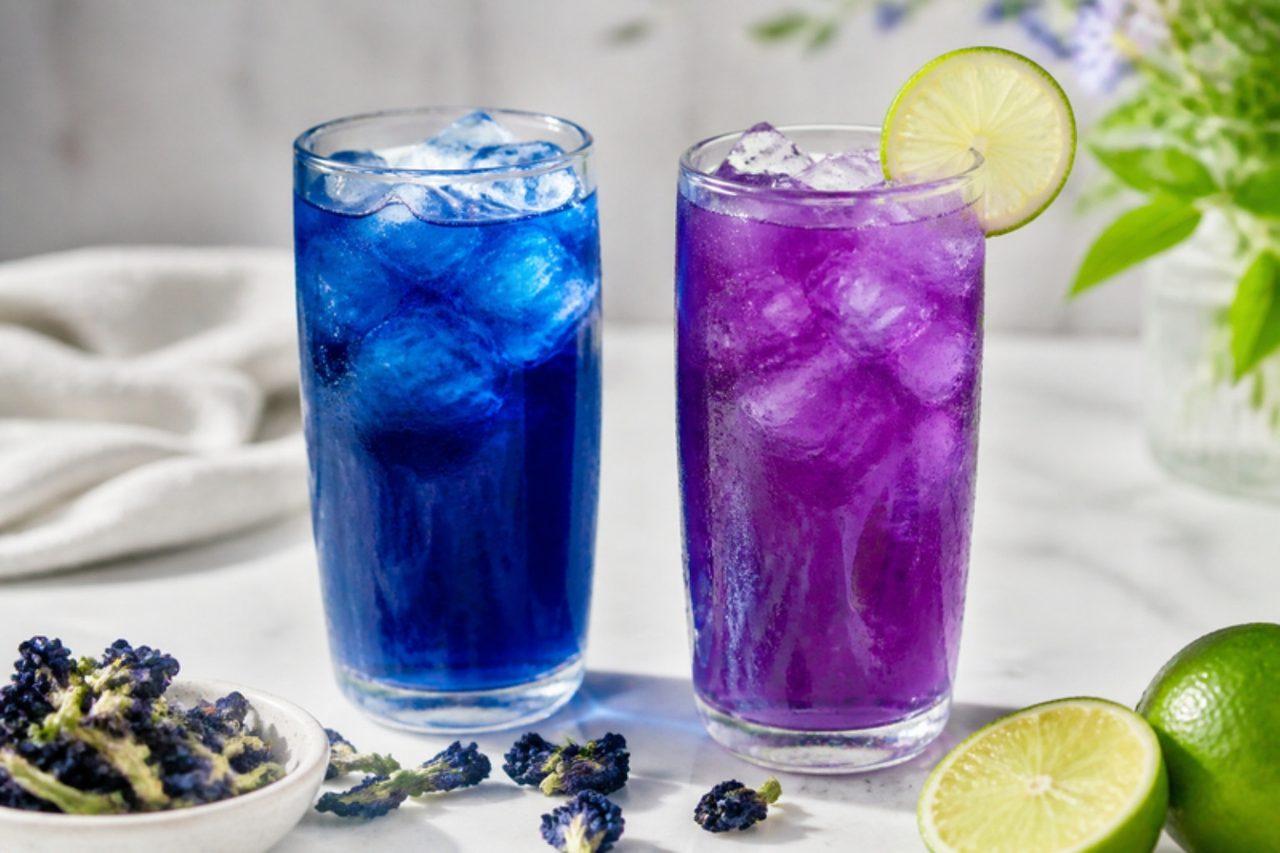
Nam dok anchan (butterfly pea lemonade)

Vines of butterfly pea climb fences in gardens all over Thailand, and cafés from Bangkok to Krabi serve the flowers as an iced drink that changes colour at the table. The tea itself is mild and earthy, blue as ink; stirring in lime juice turns it violet and makes it tangy, which children love to watch. Chef's tip: the common mistake is mixing the lime in beforehand; serve the blue tea and lime separately so the colour change happens in the glass.

15 minThaiDrinksVeganGluten free
by KrazyBadal 0 views

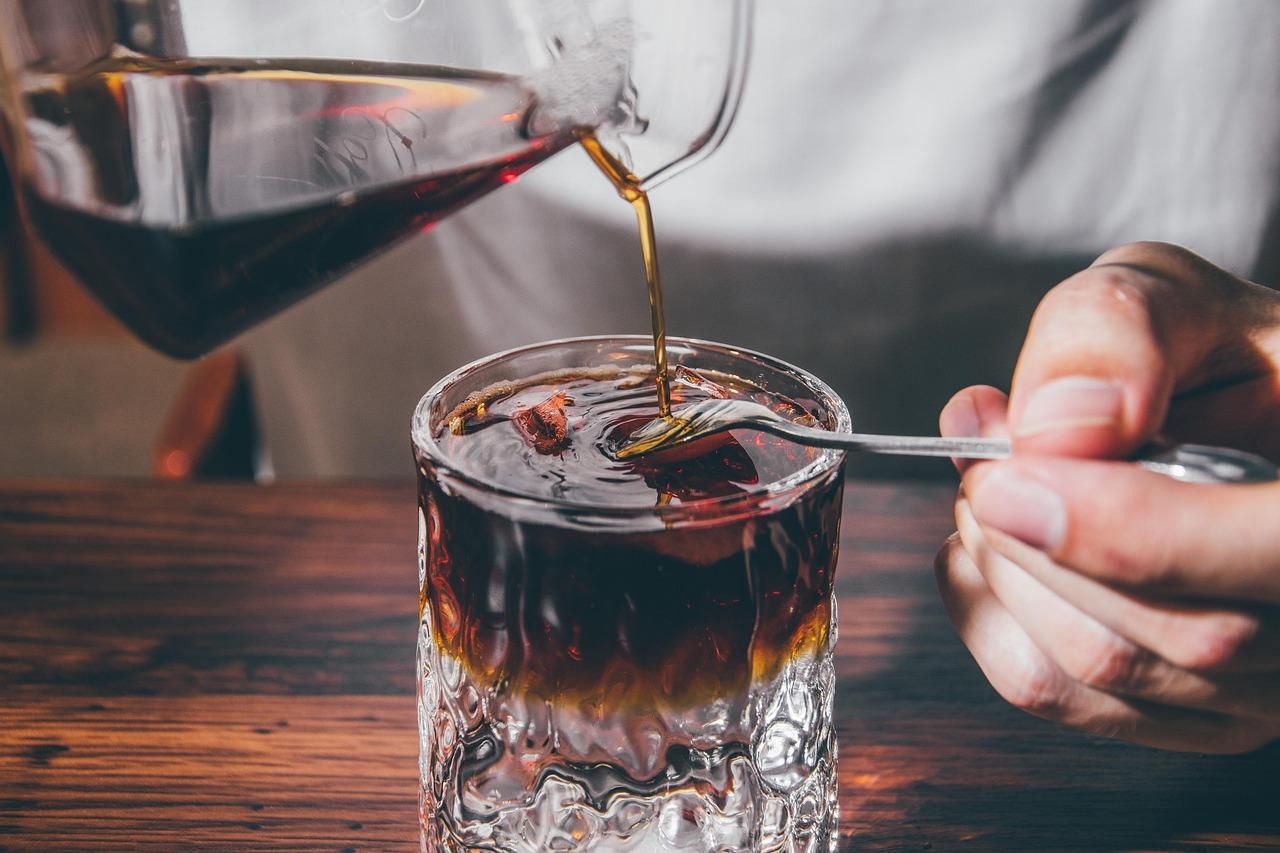
Oliang (Thai black iced coffee)

Old Bangkok coffee shops in Chinatown and Bang Rak still brew oliang through a long cotton sock, using a dark blend of coffee roasted with corn, soybeans, rice and sesame that gives it a toasty, almost cocoa-like flavour. It is served black, heavily sweetened and poured over crushed ice in tall glasses, a mid-morning pick-me-up for market traders. Look for any Thai 'oliang powder' blend in Asian shops, or mix dark coffee with roasted grains as below. It contains caffeine, so it is not one for children. Chef's tip: adding sugar after chilling is the mistake; dissolve it while the coffee is hot, or it stays gritty.

15 minThaiDrinksVeganGluten free
by KrazyBadal 0 views

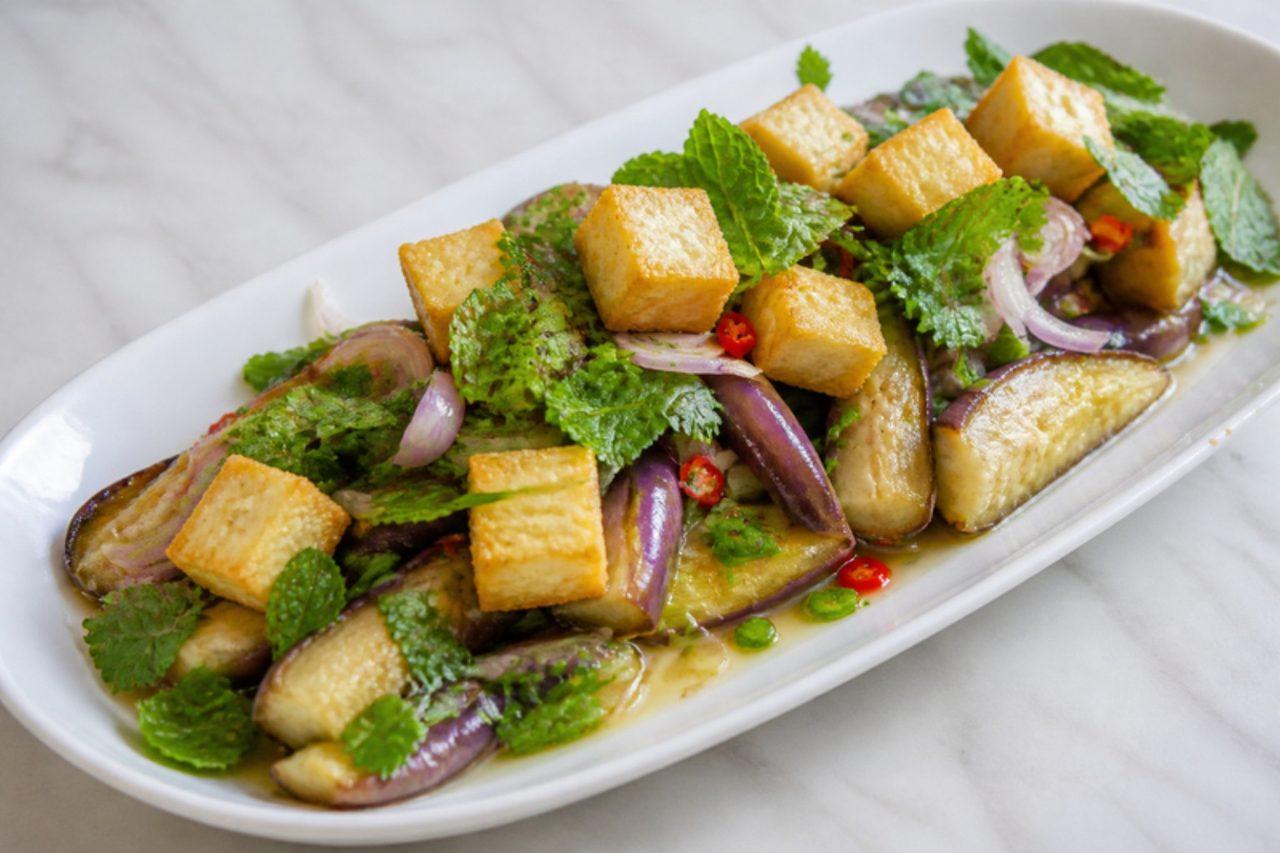
Yam makheua yao (grilled aubergine salad)

In Bangkok's evening markets, cooks blister long green aubergines straight over charcoal until the skins blacken, then peel them and dress the soft, smoky flesh with lime, chilli, shallot and plenty of herbs. It is a cooling side for grilled meats and sticky rice, or a light lunch on its own. Stalls usually top it with minced pork or dried shrimp and season with fish sauce; here crisp fried tofu and tamari make it vegan. Chef's tip: char the aubergines until they collapse completely and the skin is papery; pulling them off too soon leaves spongy, bitter centres.

30 minThaiSaladsVeganGluten free
by KrazyBadal 0 views

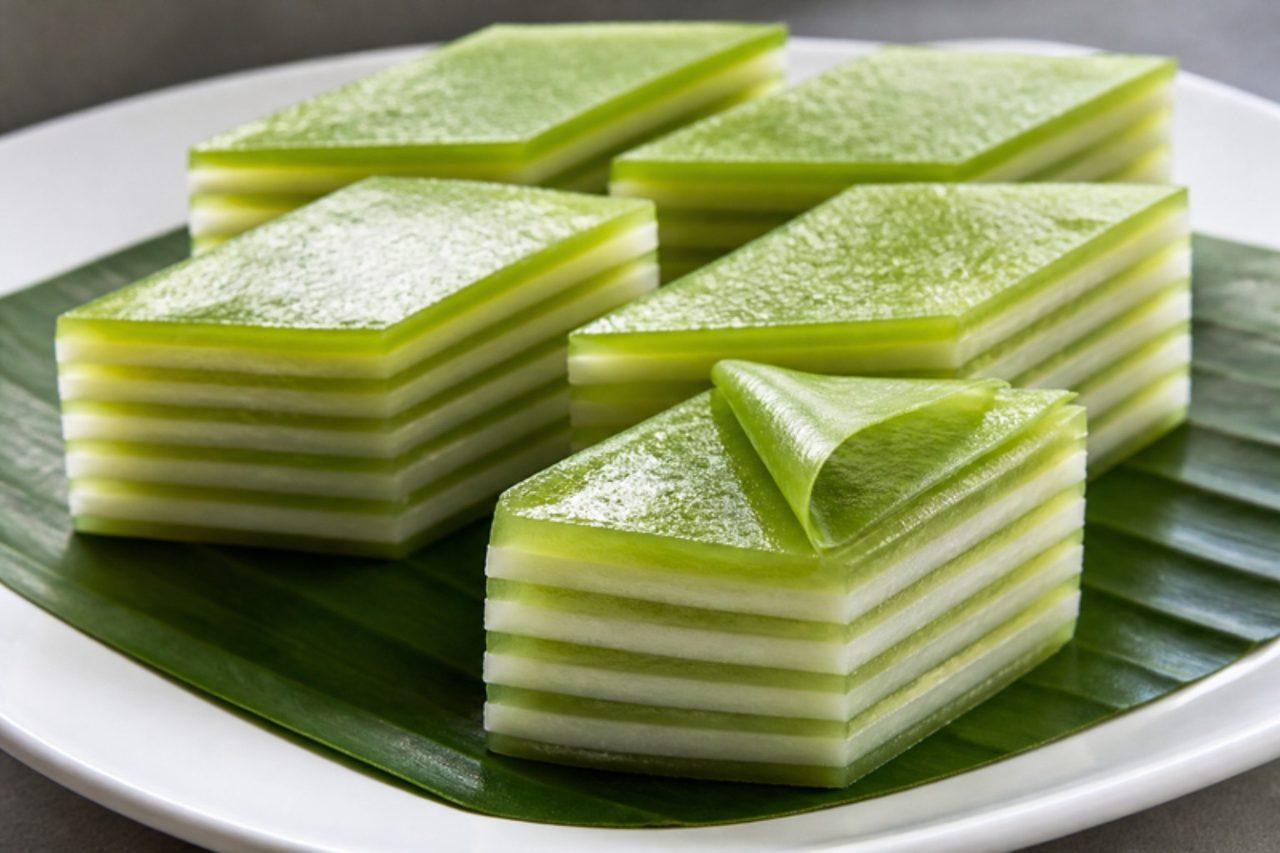
Khanom chan (layered pandan cake)

Bangkok's old dessert shops in Thonburi and the markets around Ayutthaya stack trays of this cake on their counters, and it turns up at weddings and house blessings because 'chan' also sounds like rising a level in life. Each green or white band is steamed on top of the last, so the finished slice is springy, faintly chewy and scented with pandan and jasmine; children eat it by peeling off one layer at a time. Serve it at room temperature with hot jasmine tea. Chef's tip: the classic mistake is pouring the next layer before the one beneath has turned fully translucent, which blurs the stripes; give each layer its full five minutes.

120 minThaiDessertsVeganGluten free
by KrazyBadal 0 views

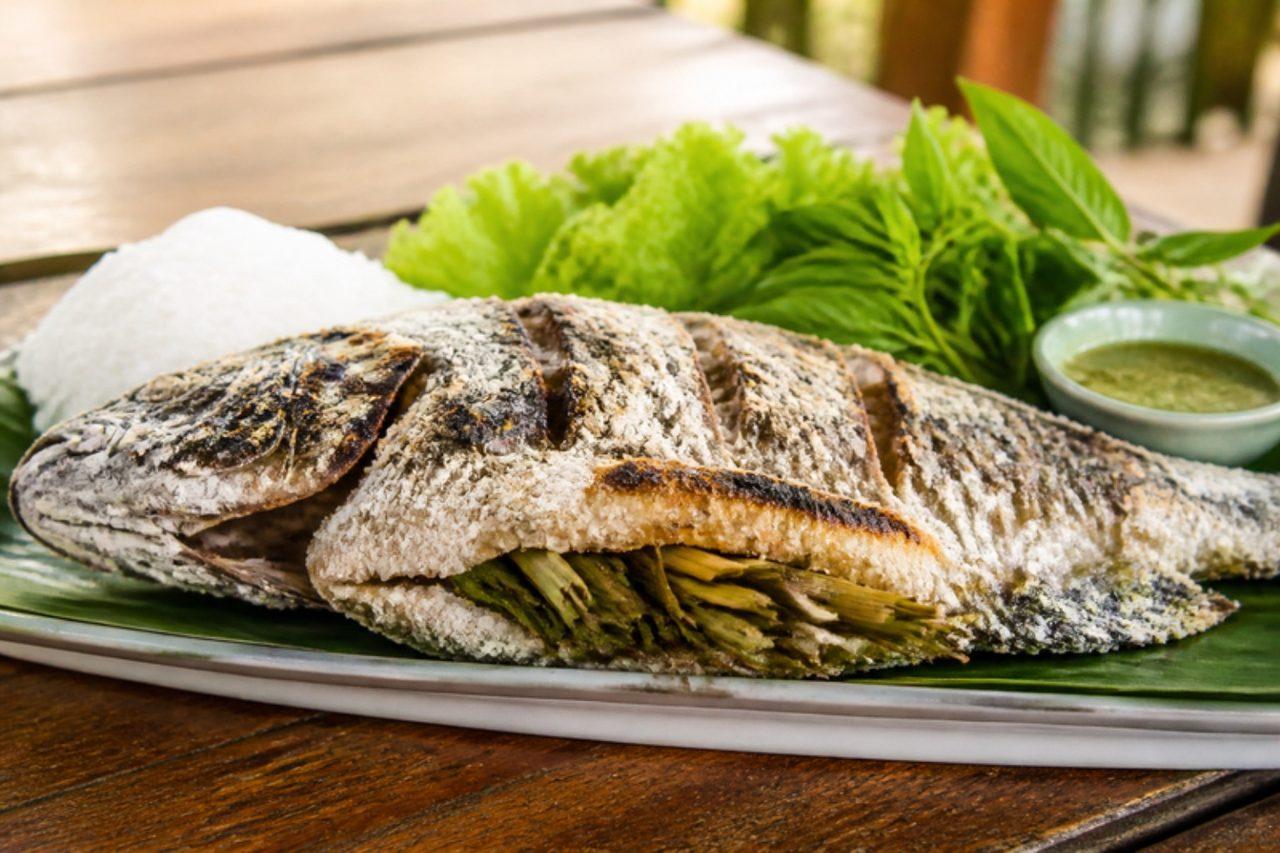
Pla pao (salt-crusted grilled fish)

Walk through any night market from Chiang Mai to Hat Yai and you will see rows of whole fish, white with crusted salt, grilling slowly over charcoal with lemongrass stalks poking out of their bellies. The salt shell keeps the flesh steaming in its own juice, so it comes out moist, clean-tasting and scented with lemongrass and pandan. People peel back the skin and eat the fish wrapped in lettuce with rice noodles, herbs and a fierce lime and chilli dip. Chef's tip: pat the fish completely dry before salting; a wet fish lets the crust slide off in the first five minutes.

55 minThaiFishGluten free
by KrazyBadal 0 views

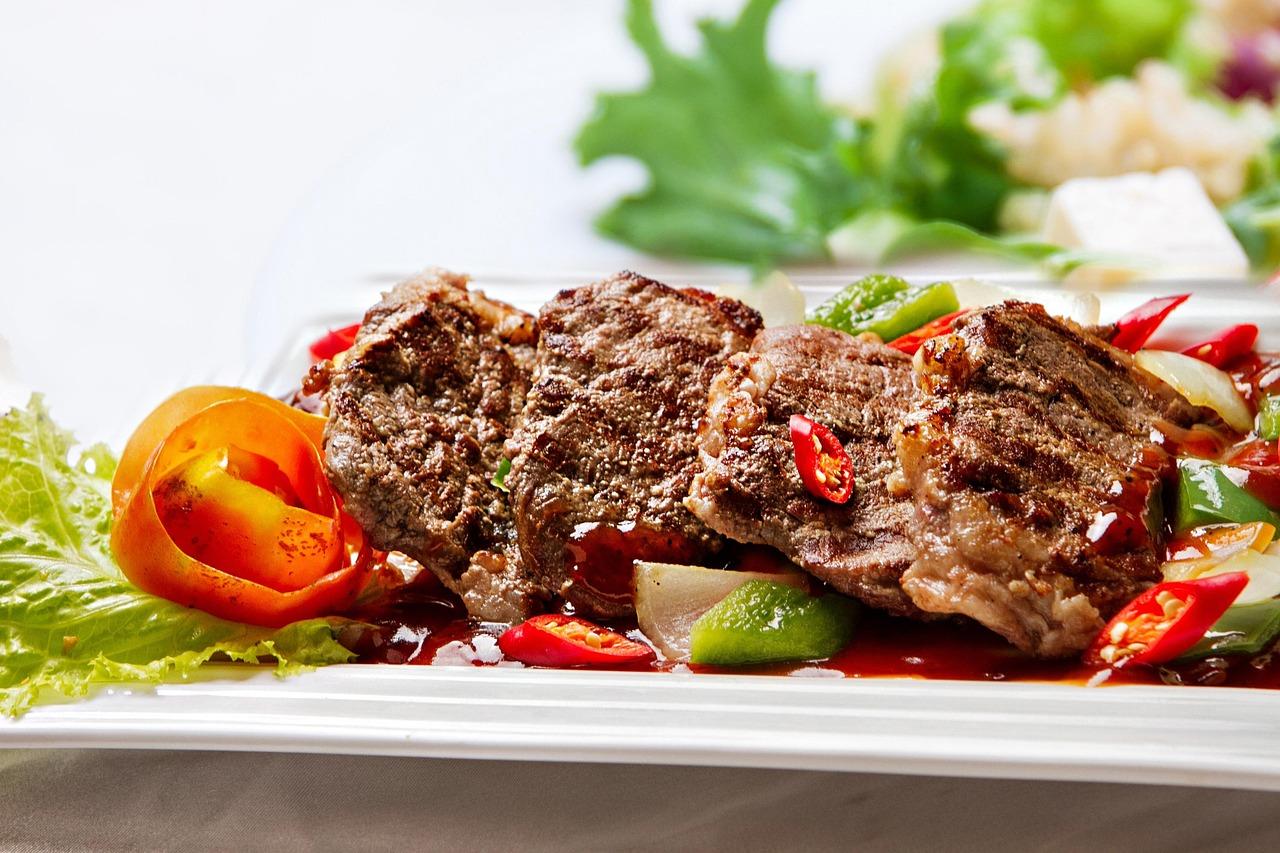
Yam nua (grilled beef salad)

Beer gardens and seafood restaurants around Bangkok put yam nua on the table as a drinking snack, but at home it is just as good with sticky or jasmine rice on a hot evening. Thick beef steak is grilled hard over charcoal, sliced and tossed while still warm with cucumber, tomato, onion, mint and coriander in a dressing that is very sour, salty and hot. Thai cooks often serve the beef quite rare; this recipe cooks it to medium so it is pink but not raw in the middle, which is safer for everyone at the table. Chef's tip: rest the steak before slicing and slice across the grain; cutting it straight off the grill floods the board with juice and leaves the strips chewy.

27 minThaiSaladsGluten freeSpicy
by KrazyBadal 0 views

Yam talay (Thai seafood salad)

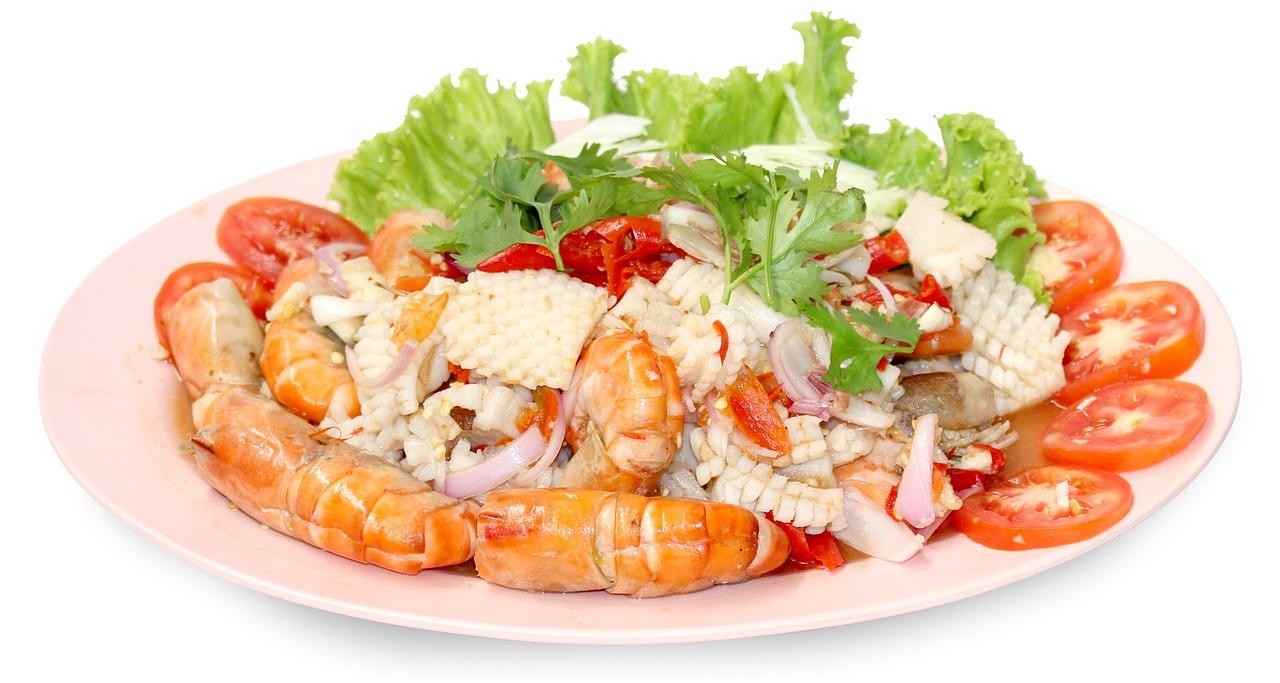
Beach shacks on Koh Samet and along the Pattaya coast bring yam talay out in a heap, the seafood still warm, glistening with lime and fish sauce, and scattered with Chinese celery and onion. It is light and very sour, eaten with ice-cold drinks before the grilled fish arrives, or with rice for lunch. Use whatever is freshest; the mix below is easy to find. Chef's tip: poach each type of seafood separately and briefly; tipping everything in together overcooks the squid into rubber bands before the mussels open.

25 minThaiFishGluten freeSpicy
by KrazyBadal 0 views

Yam som o (pomelo salad)

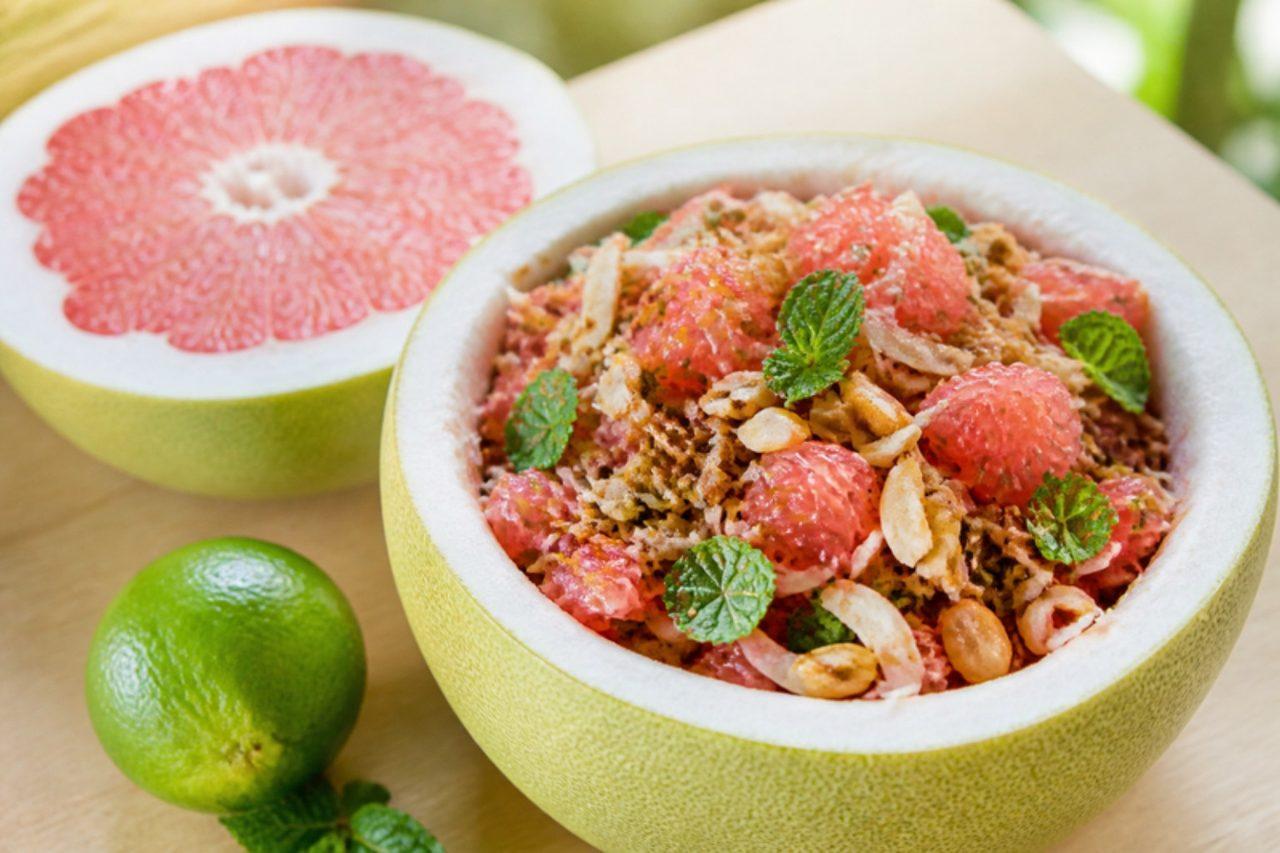
Pomelos from Nakhon Chai Si, west of Bangkok, are prized for their dry, juicy segments, and when they come into season in late summer this salad appears on restaurant menus across the central plains. The segments are broken into bursting sacs and tossed with toasted coconut, crisp shallots and peanuts in a dressing of lime, palm sugar and nam prik pao, so it eats sweet, sour, nutty and only mildly hot. Restaurants usually add poached prawns, fish sauce and a chilli jam made with dried shrimp; this version uses tamari and a vegan nam prik pao so it suits everyone. Chef's tip: dress the pomelo just before serving and toss with your fingertips; stirring hard with a spoon bursts the sacs and leaves a watery bowl.

25 minThaiSaladsVeganGluten free
by KrazyBadal 0 views

Khanom takoPandan coconut cream jelly cups

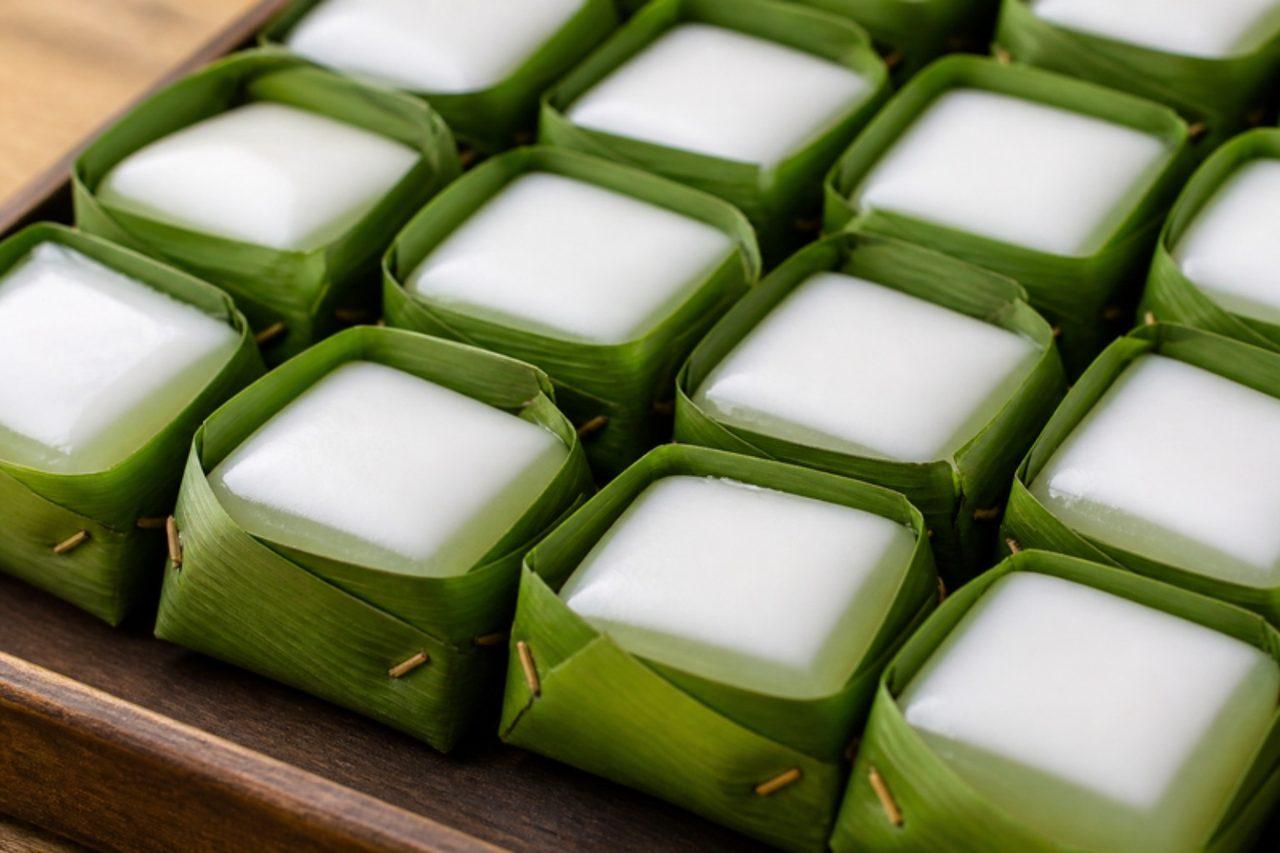
Little boxes of folded pandan leaf filled with jelly sit on the trays of every khanom seller in central Thailand, from Chatuchak's dessert stalls to the morning market in Nakhon Pathom. The base is firm, cool and green with diced water chestnut for crunch; the thick white top is coconut cream set with rice flour and seasoned with a clear note of salt, which is the whole point. They are eaten as a mid-afternoon snack, two or three at a time. Chef's tip: most people undersalt the coconut layer; it should taste lightly salty on its own, so the sweet base underneath sings.

by KrazyBadal 0 views

Thai green curry paste

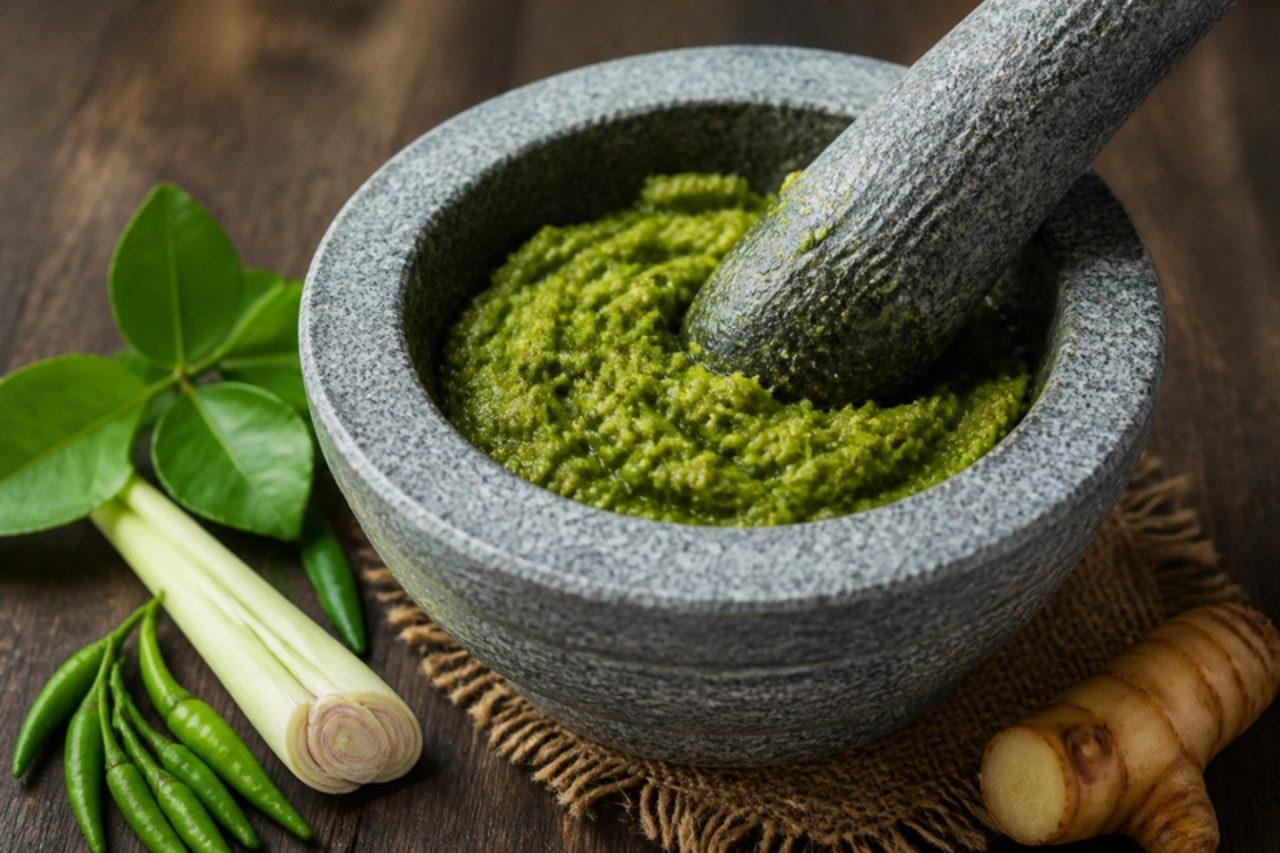
Green curry is a central-plains dish, cooked in Bangkok shophouse kitchens and eaten over rice or khanom jeen noodles at lunch. Its paste uses fresh green chillies rather than dried red ones, so it tastes grassy, hot and citrusy, with cumin and white pepper underneath. Thai cooks would add kapi (shrimp paste) at the end; here yellow soybean paste gives the savoury depth so the paste is vegan, and 1 tsp roasted shrimp paste can go back in for the traditional version. Chef's tip: don't add water to get the blender going; a watery paste won't fry in coconut cream and the curry tastes flat. Use a spoonful of oil and patience instead.

38 minThaiBasicsVeganGluten freeSpicy
by KrazyBadal 0 views

Showing 24 of 406 recipes

Show more recipes

Page 1 of 17