Skip to content
Recipes

All recipes

Vegetarian, or something you can't eat? Set your diet once and we'll hide recipes that don't fit.

CuchuflíFilled wafer tubes

Cuchuflí are the thin, crisp wafer tubes filled with manjar that vendors sell from baskets on Chilean beaches and outside football stadiums, and that children beg for at the Fiestas Patrias fondas. At home you can bake the wafers yourself and roll them round a wooden spoon handle. The usual mistake is waiting too long to roll them: the wafers set within seconds and crack. Bake only three at a time. Chef's tip: fill them with a piping bag just before serving, or the manjar softens the wafer; dip the ends in melted chocolate if you like.

by KrazyBadal 0 views

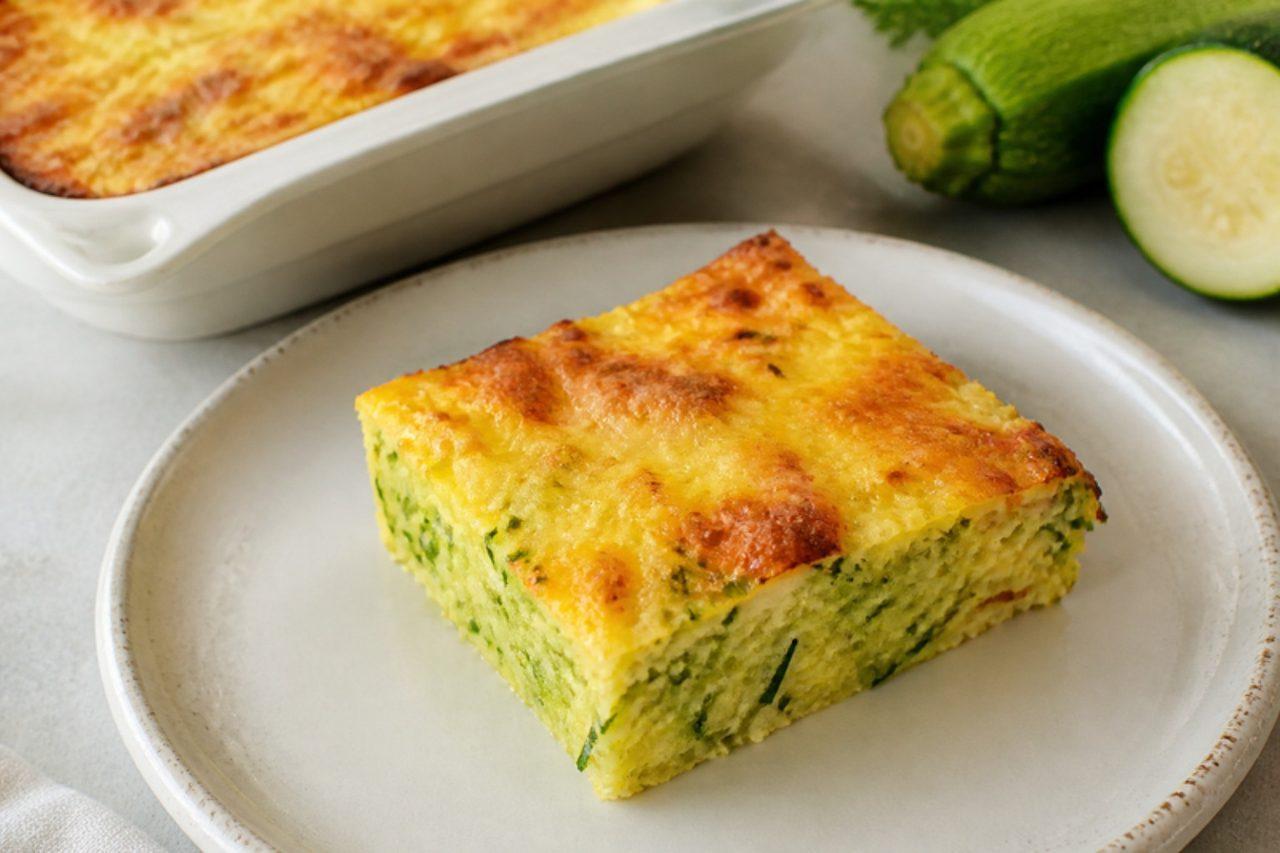
Budín de zapallo italianoBaked courgette pudding

In late summer, when courgettes (zapallo italiano) pile up in Santiago's ferias, home cooks turn them into budín: a soft, savoury bake bound with eggs, milk and cheese, served in squares with rice or a tomato salad for a light weekday lunch. Chileans use mild queso chanco or gouda, which is usually made with animal rennet; choose a cheese marked vegetarian if that matters to you. The big mistake is skipping the draining step: courgettes are mostly water, and a budín made with wet courgette weeps in the dish. Chef's tip: salt the grated courgette, leave it 15 minutes and squeeze it hard in a clean tea towel until it stops dripping.

by KrazyBadal 0 views

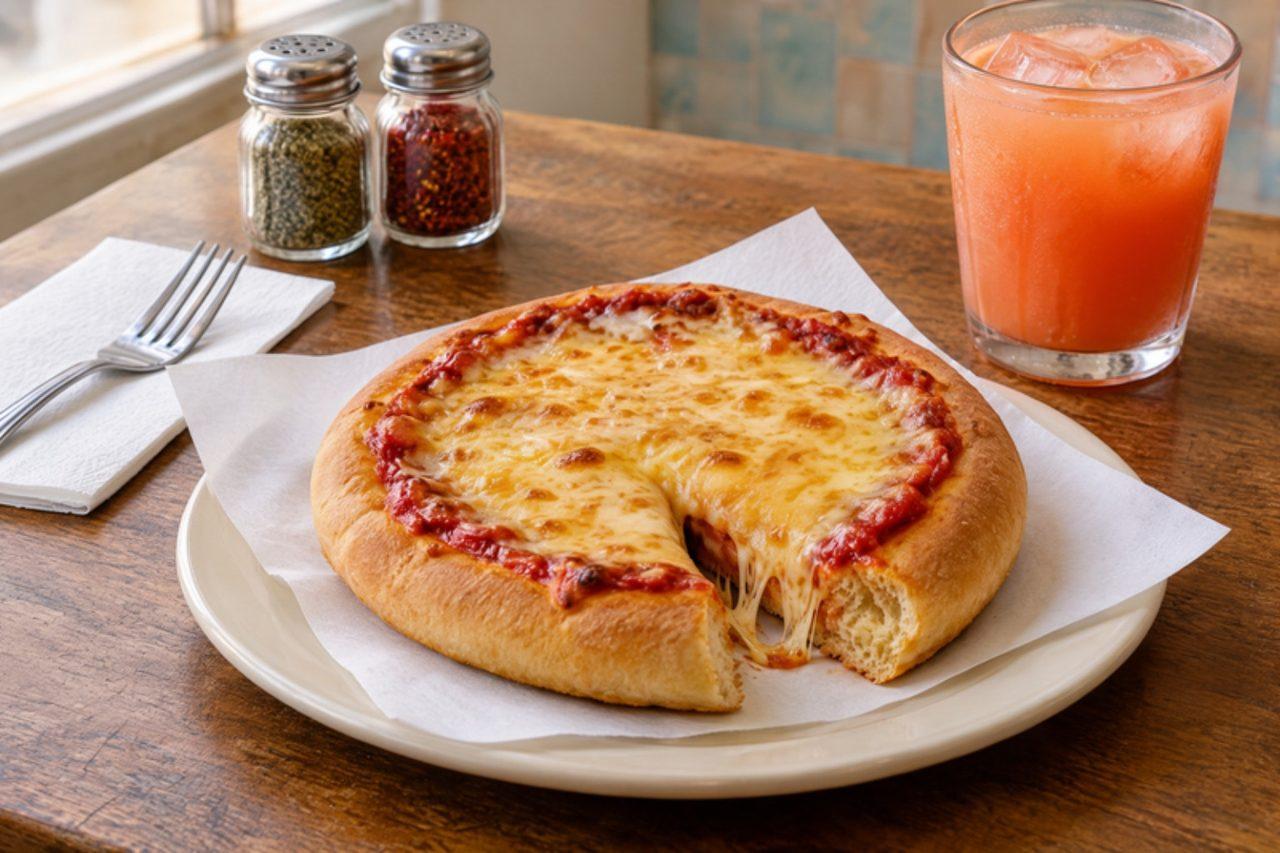
Pizza cubanaThick street pizza

Havana's own pizza is nothing like a crisp Neapolitan one. Sold from house windows and tiny cafeterías along Calle 23 in Vedado and around the University of Havana, it is a thick, soft, bready round about the size of a side plate, spread with a sweetish tomato sauce and smothered in mild melted cheese right to the edge. Students fold it in half and eat it on a square of paper for lunch or a late snack. Cuban vendors use a local gouda-style cheese; traditional cheeses of this type may be made with animal rennet, so choose one labelled vegetarian (microbial rennet). Chef's tip: bake it in small oiled tins or a frying pan with an ovenproof handle, so the base fries a little in the oil and turns golden.

90 minCubanPizza
by KrazyBadal 0 views

Brazo de reinaSponge roll with dulce de leche

The 'queen's arm' sits in the glass cabinet of every Chilean bakery: a light sponge rolled around a thick layer of manjar (Chilean dulce de leche) and dusted with icing sugar. At home it is the cake for a birthday tea or an unexpected visitor, because it bakes in 10 minutes. The common mistake is overbaking: a dry sponge cracks as you roll it. Take it out the moment it springs back. Chef's tip: roll the sponge up in a sugared tea towel while it is still hot and let it cool that way; it remembers the shape and won't crack when you fill it.

by KrazyBadal 0 views

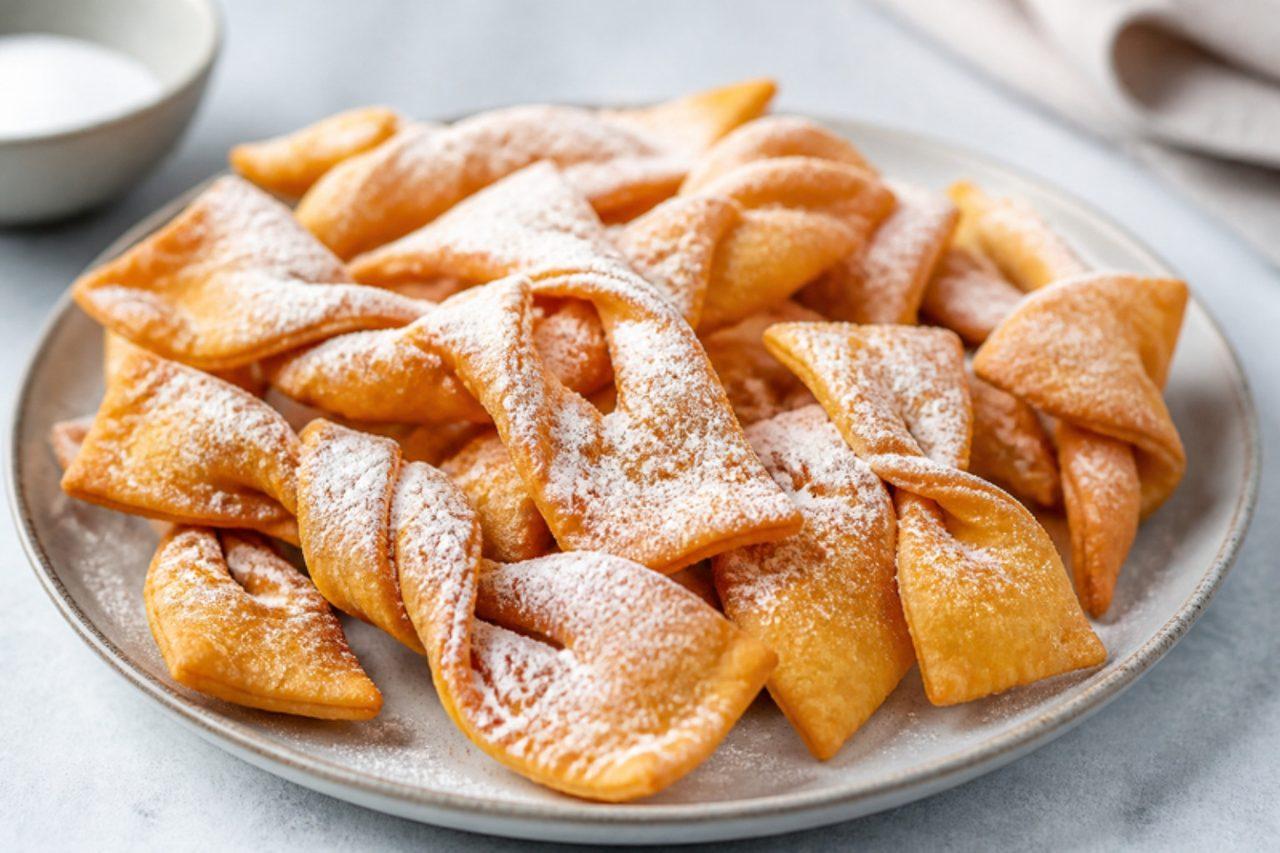
Calzones rotosKnotted orange fritters

Few sweets have a funnier name: calzones rotos, 'torn knickers', are strips of soft dough with a slit in the middle, one end pulled through to make a twist, then fried and buried in icing sugar. Chilean families fry a big plateful on rainy winter afternoons, and they are sold in paper bags at fairs from Valparaíso to Concepción. The usual mistake is oil that is too hot: they brown in seconds but stay raw and doughy inside. Keep it at 175 °C. Chef's tip: dust them with icing sugar only when they have cooled a little, so the sugar stays white instead of melting.

by KrazyBadal 0 views

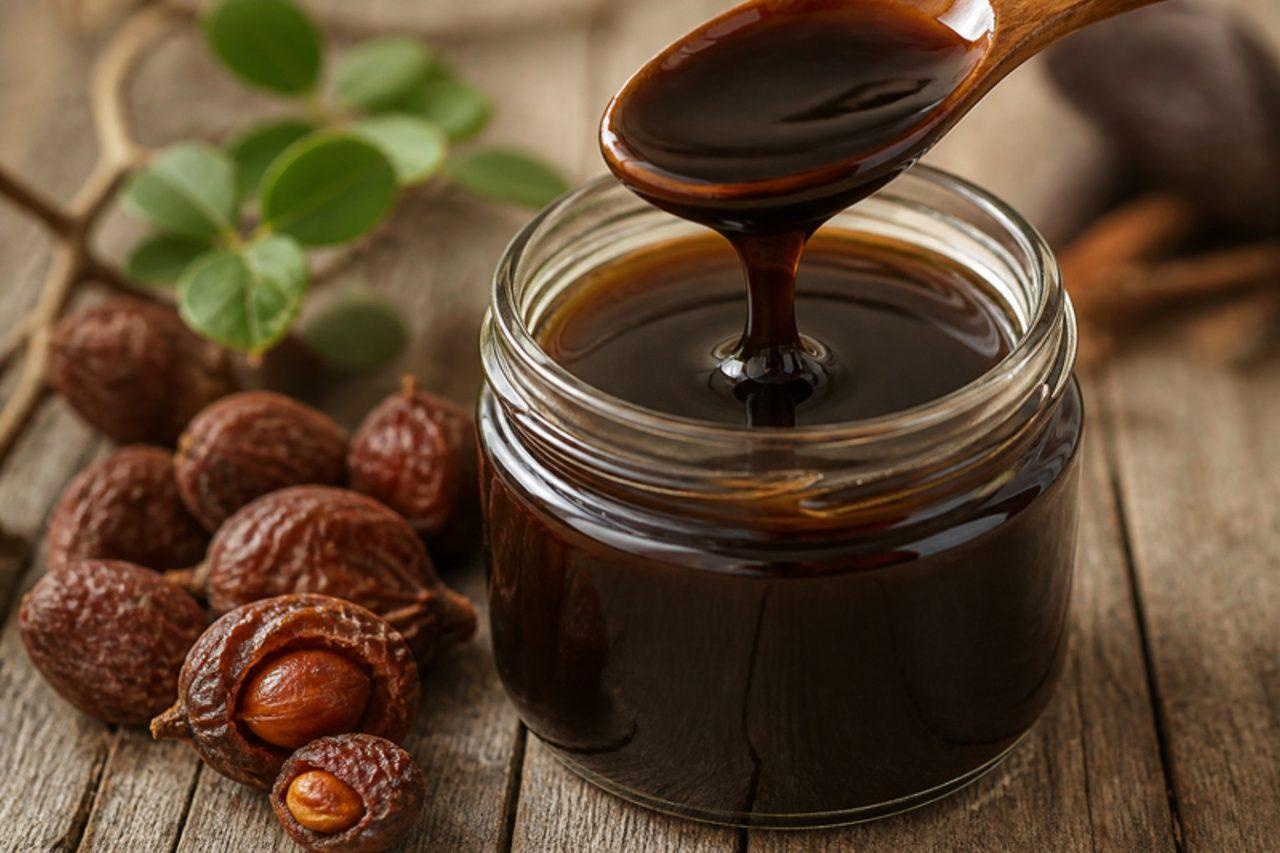
Arrope de chañarChañar fruit syrup

In the oases of the Atacama, from San Pedro to Toconao, the small brown fruit of the chañar tree is gathered in late summer, dried in the sun and boiled for hours into arrope, a molasses-like syrup with notes of dates and caramel. Grandmothers keep a bottle for winter coughs, but most of it ends up on toast, stirred into hot water or over mote (cooked wheat) and fresh cheese. Dried chañar is sold in northern markets and online; it needs no sugar at all. The classic mistake is walking away at the end, when the syrup thickens fast and scorches, turning bitter. Chef's tip: stop reducing when the syrup coats a spoon thinly; it sets much thicker as it cools.

by KrazyBadal 0 views

Maní tostadoRoasted peanuts

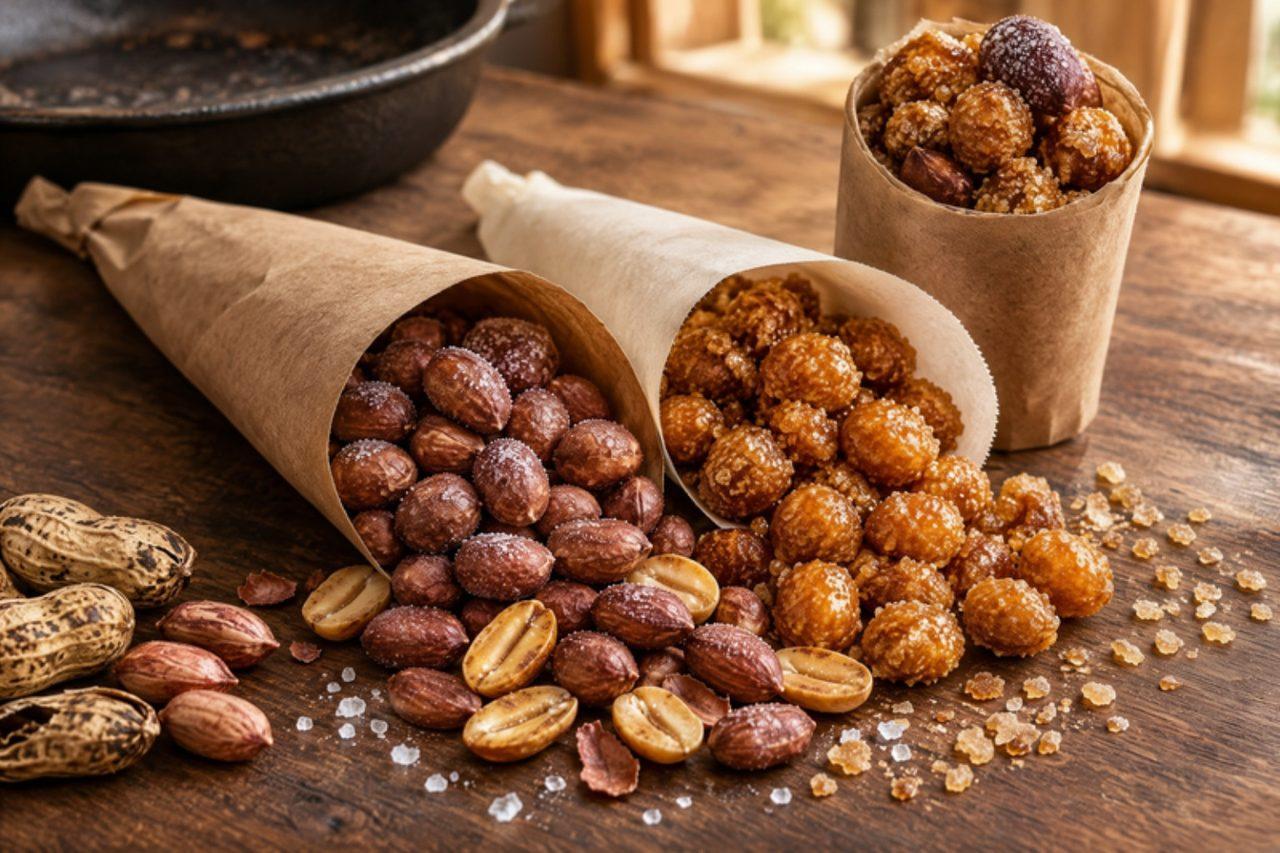
Walk along the Malecón or through Parque Central in Havana at dusk and you will hear the manisero before you see him, calling out "¡Maní!" with a basket of warm peanuts rolled into little paper cones. They are the snack for an evening stroll by the sea wall and for long nights in the stands at the Estadio Latinoamericano. Some vendors sell them simply salted, others glazed in a crunchy coat of sugar, so this recipe gives both. The nuts are toasty and crisp with papery skins that flake off as you eat. They contain peanuts, and whole nuts are a choking risk for children under five. Chef's tip: take the tray out when the nuts look a shade too pale; they keep colouring for a few minutes as they cool.

by KrazyBadal 0 views

Pan con minutaFried fish sandwich

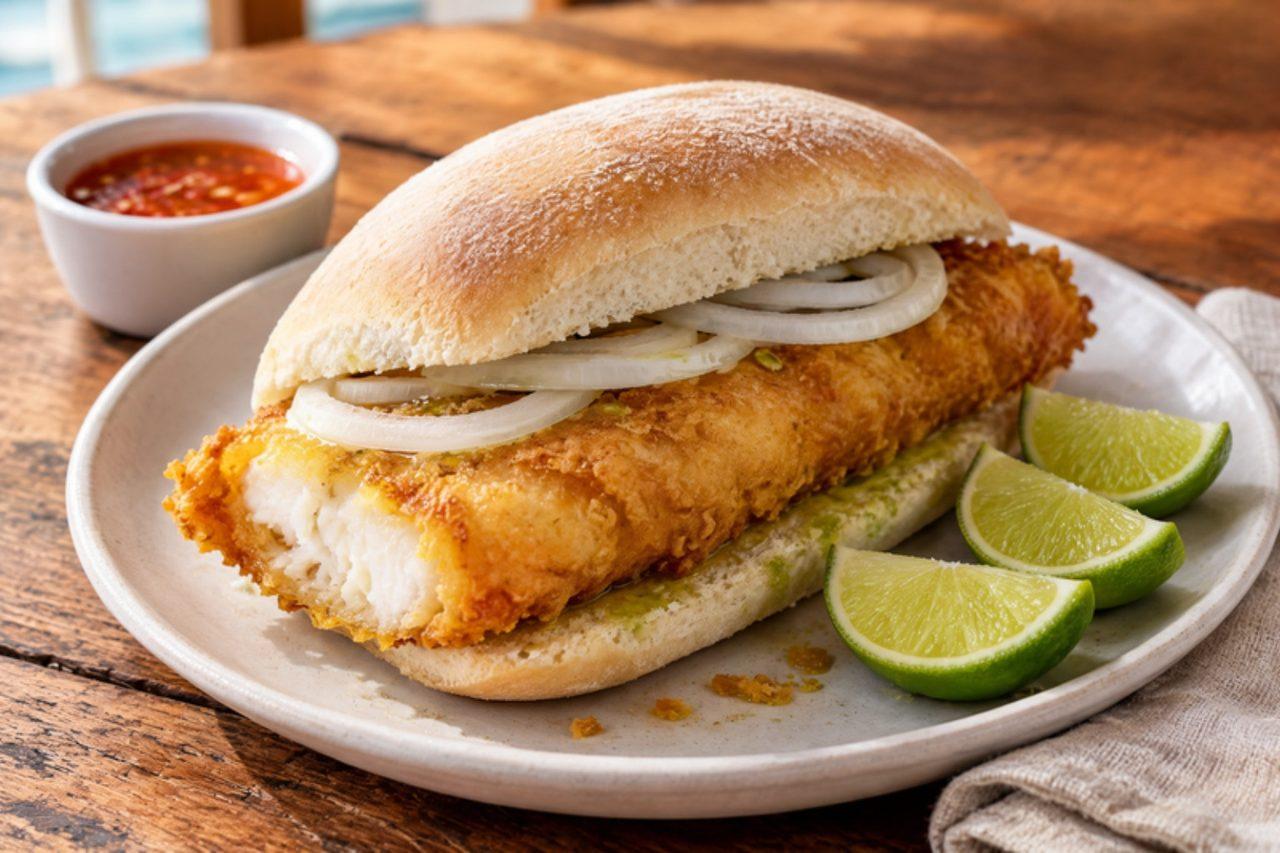
Minuta is what Cubans call a quick-fried fish fillet, cooked "in a minute" while you wait, and in a soft roll it becomes one of Havana's simplest street lunches. Look for it at kiosks along the Malecón near La Punta and in the fishing village of Cojímar, east of the city, where small boats bring in snapper. The fish is marinated briefly in lime and garlic, dipped in a light batter and fried until the crust crackles, then tucked into bread with sharp raw onion and another squeeze of lime. Chef's tip: keep the lime marinade short; after 15 minutes the acid starts to turn the fish chalky.

30 minCubanFish
by KrazyBadal 0 views

Durofrío de mangoFrozen mango milk pops

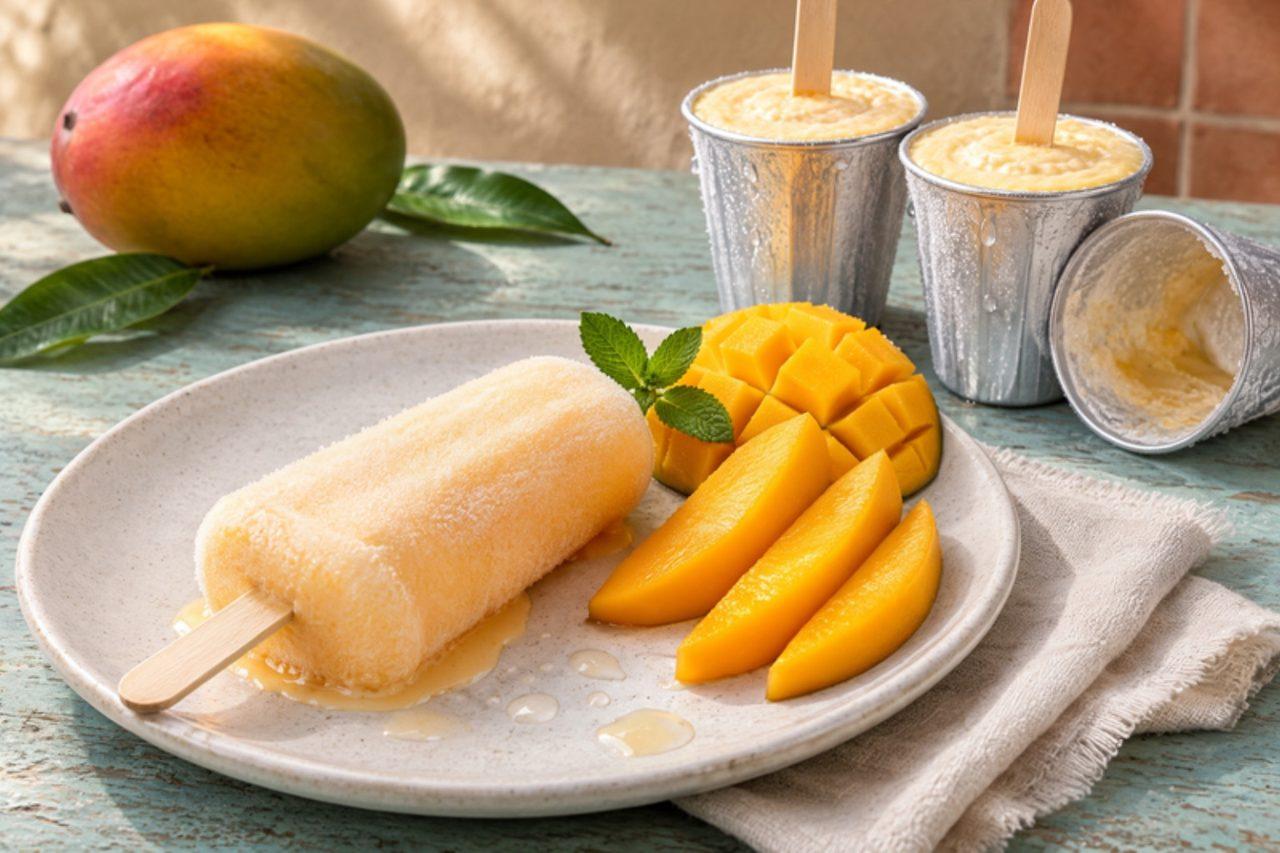
In the hot streets of Centro Habana, durofríos are sold straight from the front windows of family homes: a few pesos buys a frozen cup of fruit juice or fruit and milk, popped out and eaten on a stick or straight from its paper cup. Children queue for them after school in the long summer afternoons, when the sea breeze has dropped. This version blends ripe mango with milk and lime into a creamy, fruity ice that is firm, as the name says ("hard-cold"), rather than soft like ice cream. Swap the milk for water or guava juice for a dairy-free fruit ice. It contains milk. Chef's tip: make the mix taste a little too sweet before freezing; cold dulls sweetness.

by KrazyBadal 0 views

Huevos a la copaSoft-boiled eggs in a glass

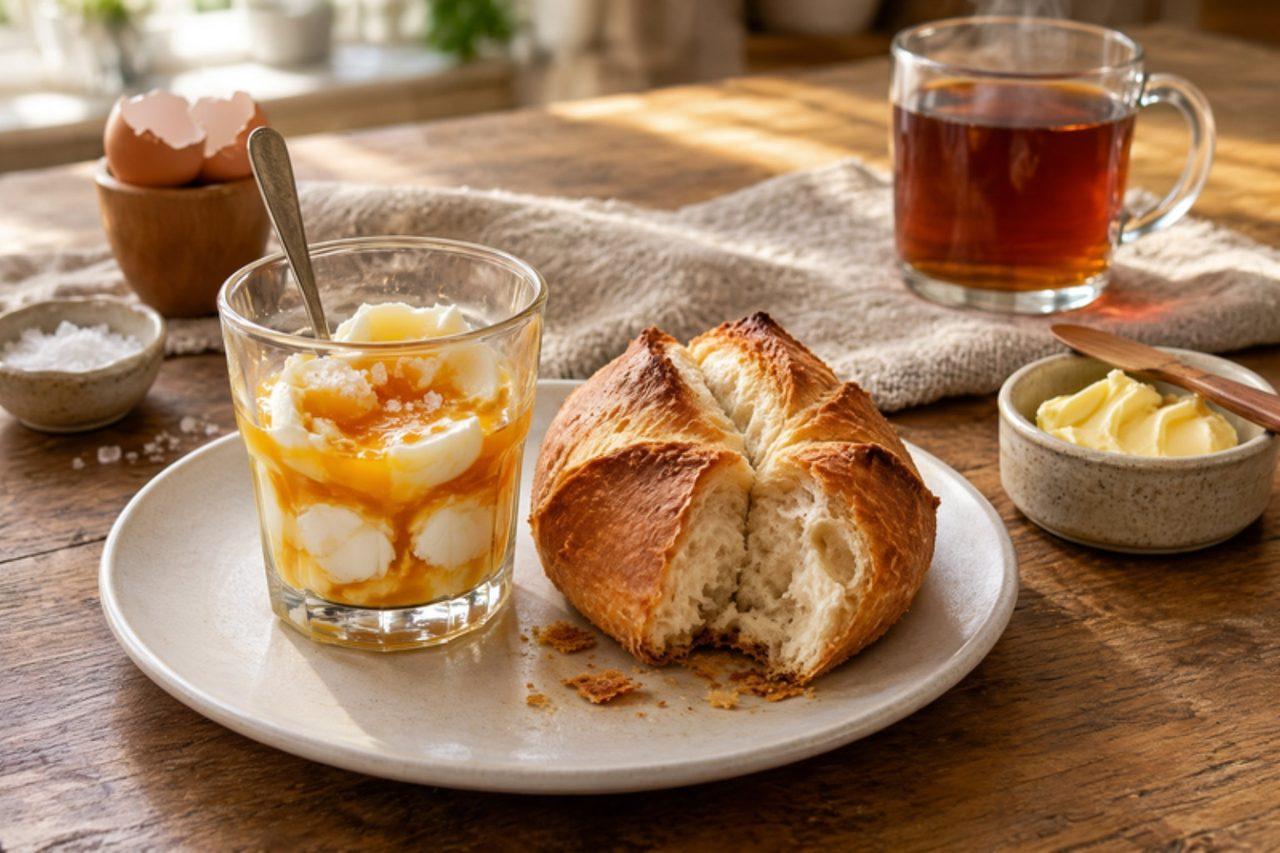
In Chilean homes, huevos a la copa are a weekday breakfast and a sick-day comfort: eggs boiled until the whites are just set and the yolks still runny, then scooped out of their shells into a small glass (the copa), broken up with a spoon, salted and eaten with warm marraqueta for dipping. The common mistake is timing from cold water, which makes the result unpredictable; lower the eggs into water that is already boiling. Runny yolks are not suitable for pregnant people, young children, older or vulnerable people; for them, boil the eggs for 9–10 minutes until fully set. If you need it gluten free, serve with gluten-free bread. Chef's tip: a tiny knob of butter stirred into the hot egg in the glass makes it silky.

by KrazyBadal 0 views

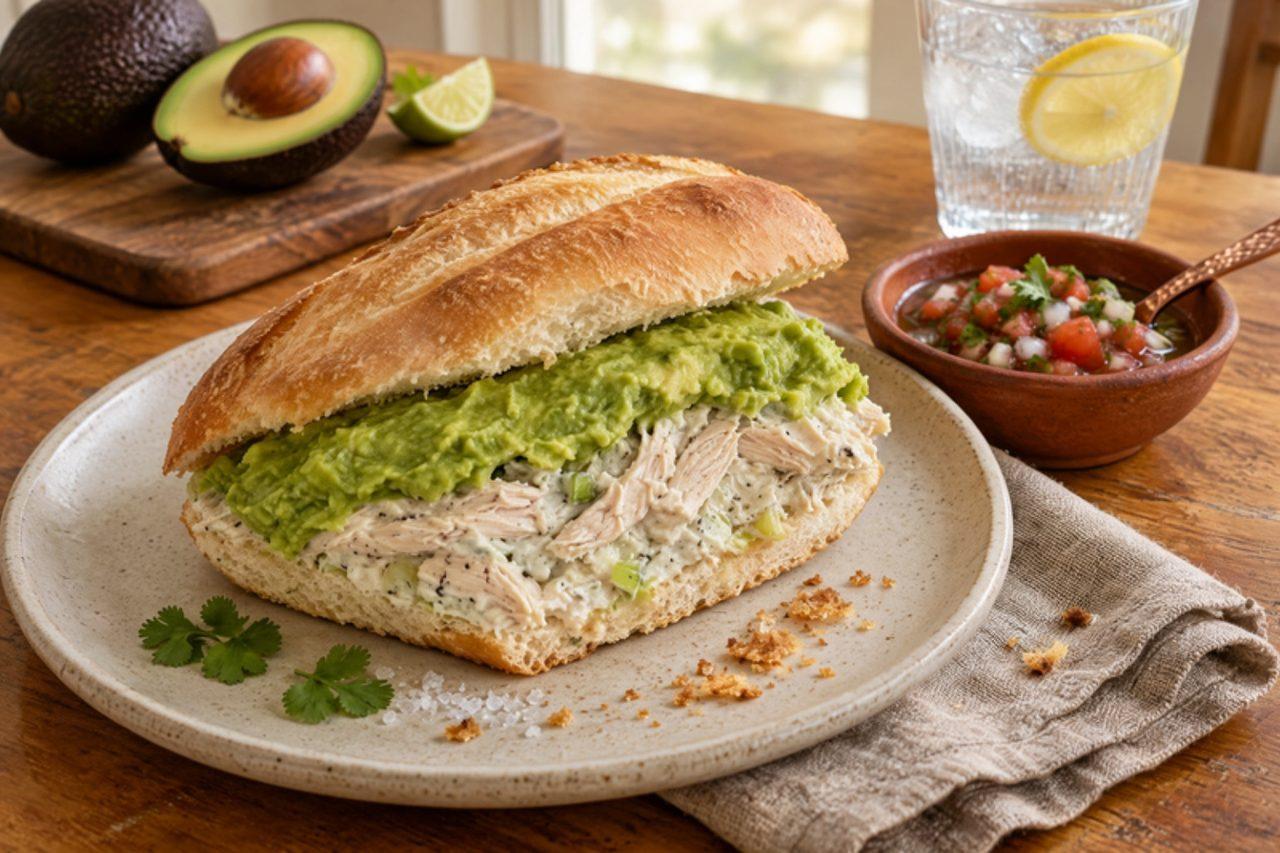
Ave paltaChicken and avocado roll

In Santiago's fuentes de soda and school kiosks, the ave palta is the lunch everyone orders: a soft hallulla or crusty marraqueta roll filled with shredded chicken in mayonnaise (ave mayo) and a thick layer of mashed avocado, palta. Chileans pack it for the office and for long bus journeys. The common mistake is mixing warm chicken with mayonnaise, which turns oily and is a food-safety risk; cool the chicken first. Pack it with an ice pack. Chef's tip: mash the avocado with lemon and salt just before assembling, so it stays green until lunch.

by KrazyBadal 0 views

MerkénSmoked chilli seasoning

Merkén comes from the Mapuche kitchens of Araucanía: cacho de cabra chillies are dried, smoked over a wood fire, then ground with toasted coriander seed and salt into a brick-red powder that is smoky, warm and lightly hot. In Temuco and across the south it is shaken over potatoes, eggs, sopaipillas, grilled fish and soups. Outside Chile, use dried smoked red chillies, or plain dried red chillies plus smoked paprika. The mistake to avoid is scorching the chillies in the pan: if they blacken, the whole jar is bitter. Chef's tip: grind it a little coarse, as it is sold in Temuco's market, so the coriander seeds stay noticeable.

by KrazyBadal 0 views

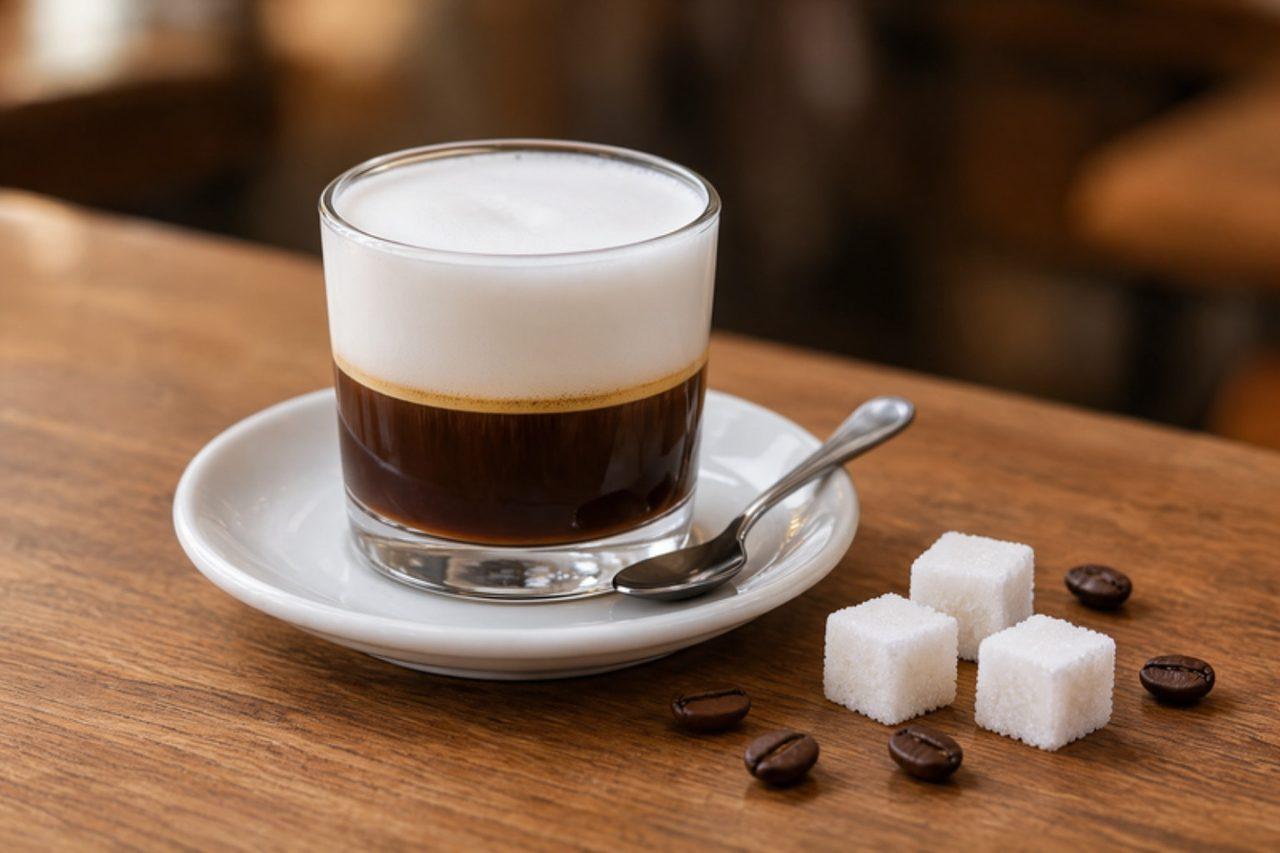
CortaditoEspresso with steamed milk

Havana runs on small cups of coffee: a cafecito standing at a ventanita, a colada shared in tiny plastic cups at work, and in the afternoon or with breakfast, a cortadito, which is Cuban coffee cut (cortado) with roughly as much hot milk. The coffee is brewed in a stovetop cafetera, and the first dark drops are whipped hard with sugar into a pale, thick espumita that floats on top of the cup. The result is rich, very sweet and caramel-like, with a velvety milk body and a strong, bitter edge underneath. It is high in caffeine, so it is not one for children. The common mistake is adding sugar to the pot or stirring it in at the end; without the espumita you get a thin, flat drink. Beat the first concentrated coffee with the sugar until it turns light tan and holds soft folds, then pour in the rest. It is ready when a pale foam floats on the cup and the milk has been heated until steaming, with small bubbles around the edge but not boiling. Chef's tip: catch only the first 2–3 teaspoons of coffee for the foam; later coffee is too thin to whip.

by KrazyBadal 0 views

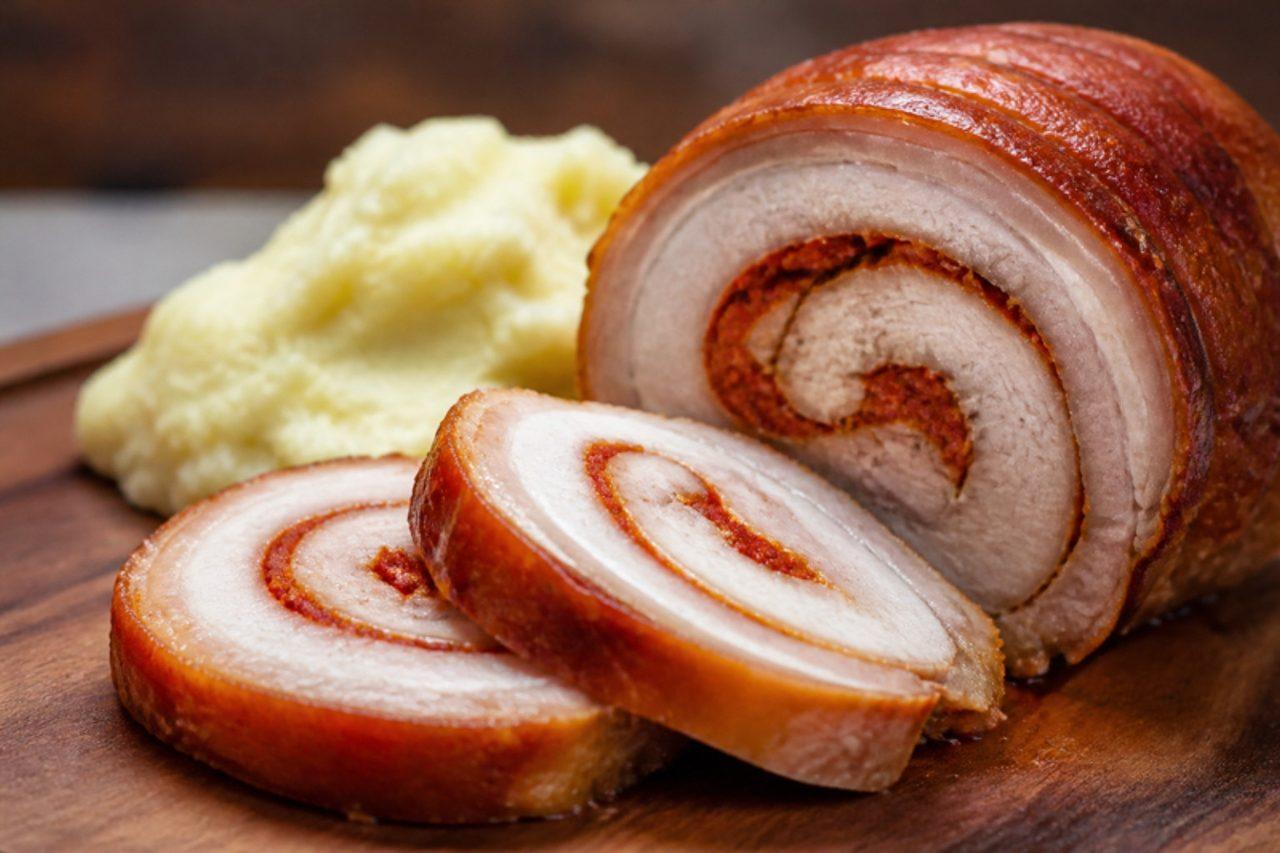
Arrollado huasoRolled spiced pork belly

Arrollado huaso, the 'countryman's roll', is the pork belly roll of the Central Valley: a flat piece of pork belly spread with ají paste, garlic and cumin, rolled tight, tied and wrapped, then simmered for hours and sliced cold. It is the star of September fondas and Christmas tables, sliced thin with hot bread, pebre and boiled potatoes. The mistake that spoils it is a loose roll, which unwinds and cooks unevenly; tie it every 3 cm. Chef's tip: cool it overnight in its cooking liquid with a weight on top; it sets firm and slices into neat spirals. The pork must reach 71 °C in the centre, as the rolled-in surface is now inside.

190 minChileanMeatGluten free
by KrazyBadal 0 views

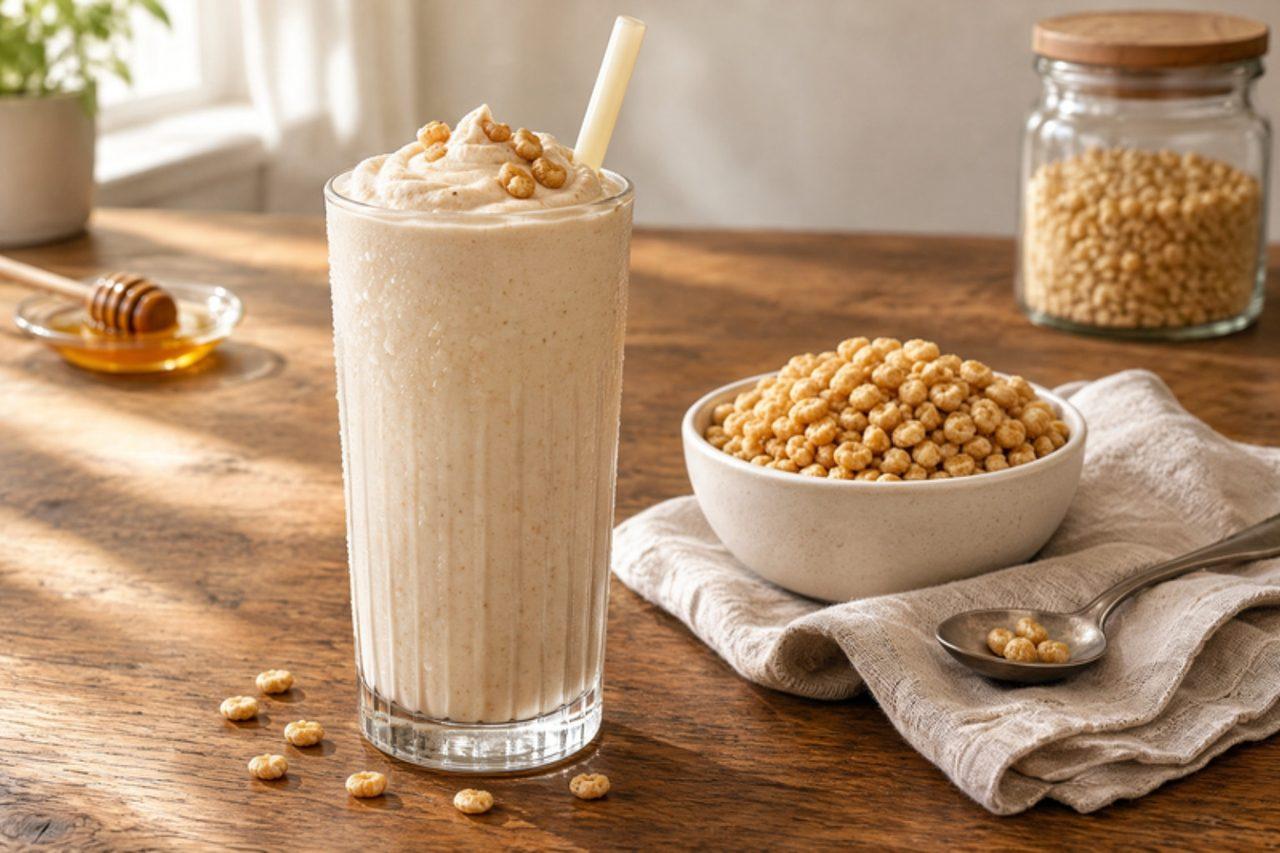
Batido de trigoPuffed wheat shake

Havana cafeterías and Miami ventanitas blend this for breakfast on the run: puffed wheat, cold milk, sugar and ice whizzed into a thick, frothy shake that tastes like a malted milk with toasted cereal. It is one of the most loved Cuban batidos, and quick to make at home. The common mistake is using sweetened, honey-coated cereal, which makes it cloying; plain puffed wheat lets the toasty grain flavour come through. Chef's tip: blend the puffed wheat with half the milk first until completely smooth, then add the ice, so you don't get soggy flecks of cereal.

by KrazyBadal 0 views

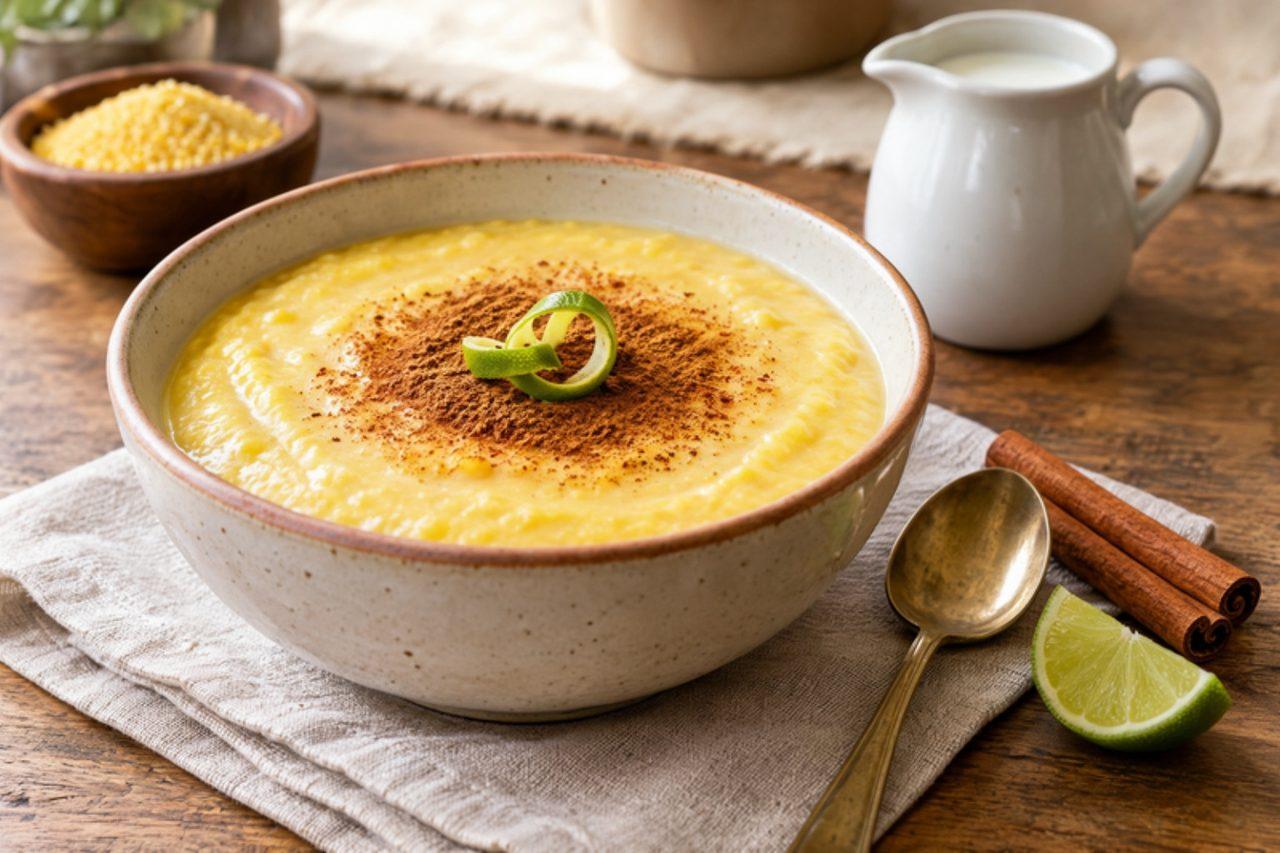
Harina de maíz dulceSweet cornmeal porridge

In Cuban homes "harina" means cornmeal, and harina dulce is the soft, sweet porridge that grandmothers in Havana and Santiago cooked for children before school, scented with cinnamon and a curl of lime peel the way rice pudding is. It should be smooth and spoonable, like a loose polenta. The usual mistake is pouring the cornmeal into boiling milk, which seizes into lumps at once: start it in cold liquid and whisk as it heats. Chef's tip: take the lime peel out once the porridge thickens, or its oils turn bitter as it sits.

by KrazyBadal 0 views

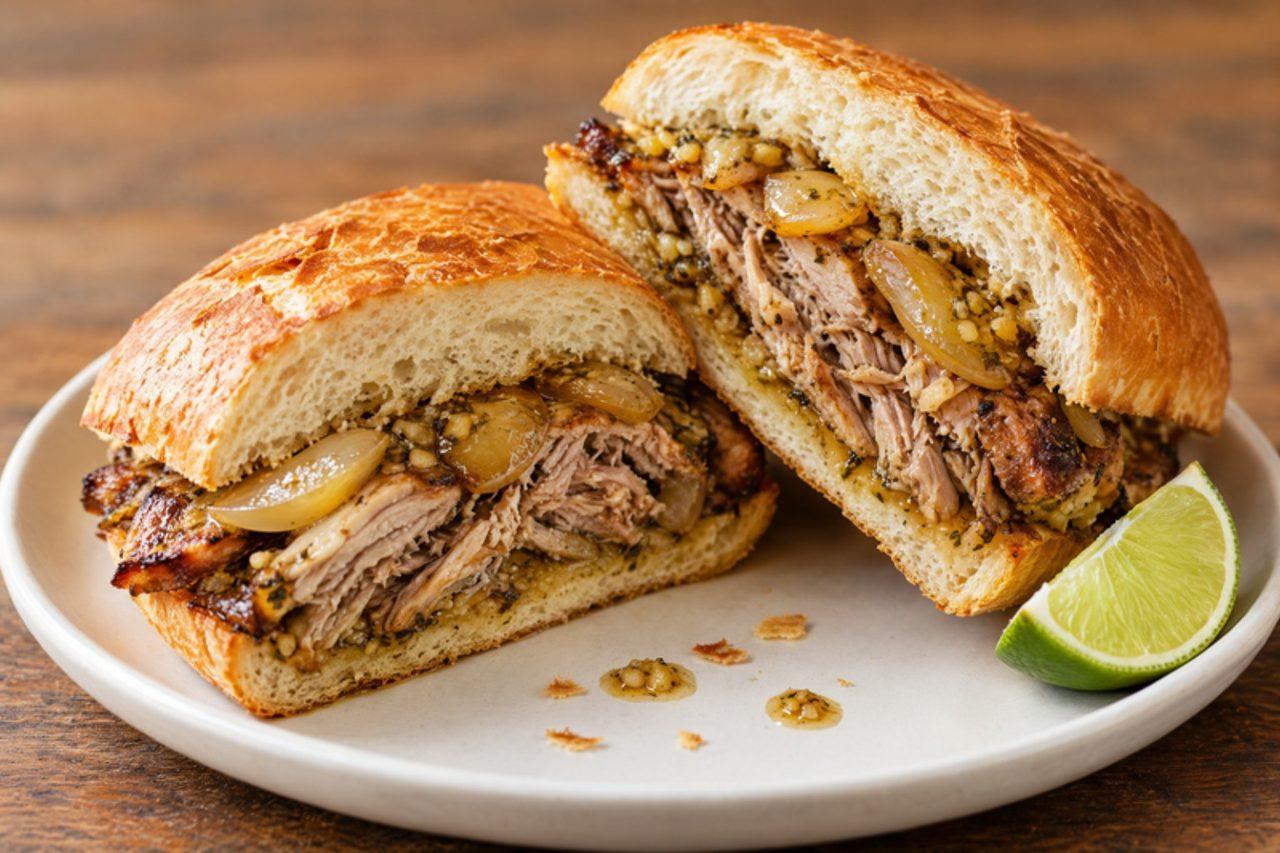
Pan con lechónRoast pork sandwich

Cuba's great feast is a whole roast pig for Noche Buena on Christmas Eve, and the next best thing is pan con lechón: slices of juicy roast pork stuffed into soft Cuban bread with onions and plenty of mojo. In Havana it is sold from cafeterías and street windows in Centro Habana and along Calle Obispo, especially at weekends, and it is a favourite lunch or late-afternoon bite. This home version uses a boneless pork shoulder marinated overnight in sour orange, garlic, cumin and oregano and roasted until it falls apart, with crackly edges. Chef's tip: keep a few spoons of fresh mojo aside before the raw pork goes in, so you have a clean sauce to spoon over the sandwiches.

240 minCubanMeat
by KrazyBadal 0 views

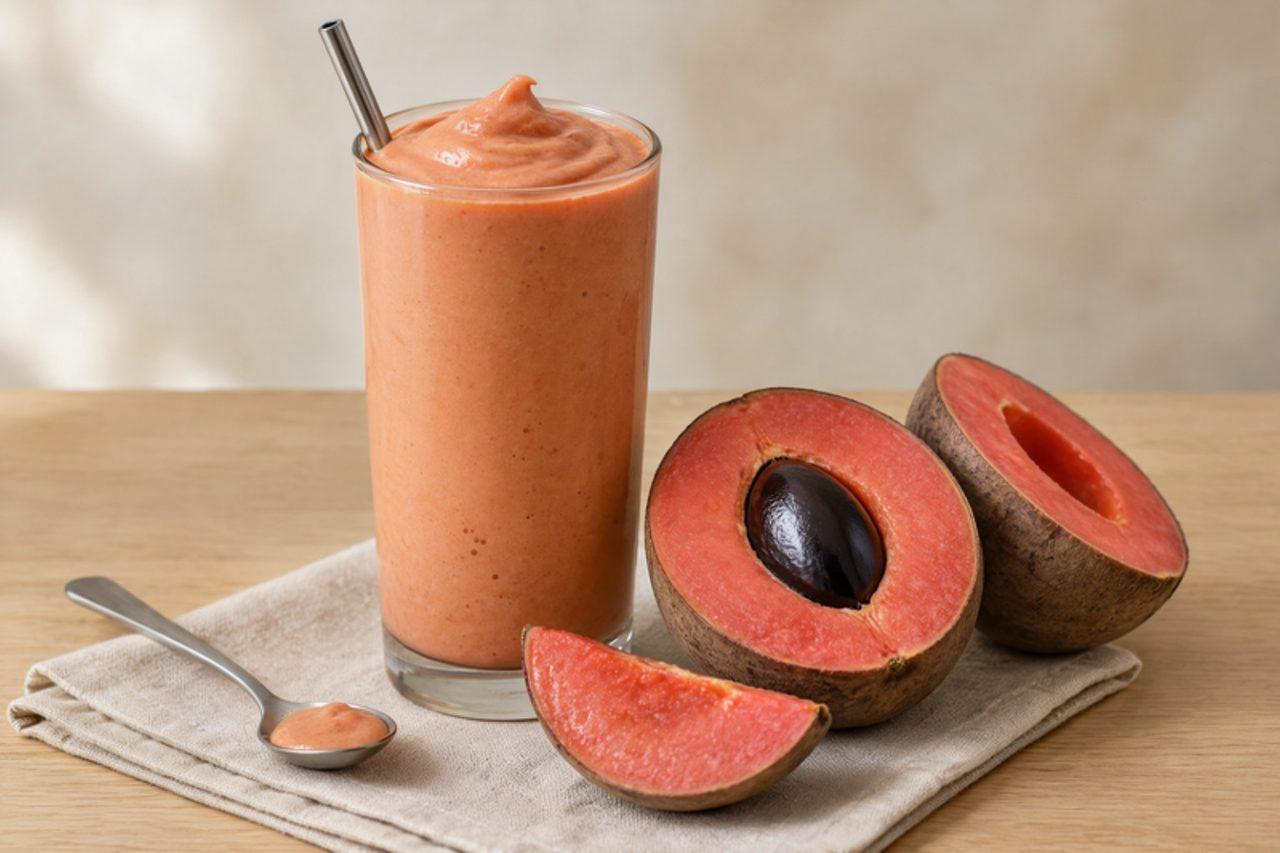
Batido de mameyMamey milkshake

In Havana and all over the island, the cafeteria counter has a blender that never stops, turning out batidos of mango, guanábana, papaya and the favourite of all, mamey. The fruit has a rough brown skin and a soft, salmon-red flesh that tastes like sweet potato, pumpkin pie, almond and apricot at once, and blended with cold milk it makes a shake so thick it is almost a dessert. It is drunk mid-afternoon on hot days, at breakfast with toast, or at a kid's birthday party; Miami's Cuban cafés keep the tradition alive with frozen pulp. The common mistake is using a hard mamey, which tastes starchy and slightly bitter; the fruit must give like a ripe avocado when pressed and show deep red flesh when you scratch the skin with a fingernail. The batido is ready when it is smooth, pumpkin-orange and pours slowly in a thick ribbon. Frozen mamey pulp from Latin American shops is a good substitute; reduce the ice because the pulp is already cold. Chef's tip: a pinch of salt and a drop of vanilla bring out mamey's almond notes.

by KrazyBadal 0 views

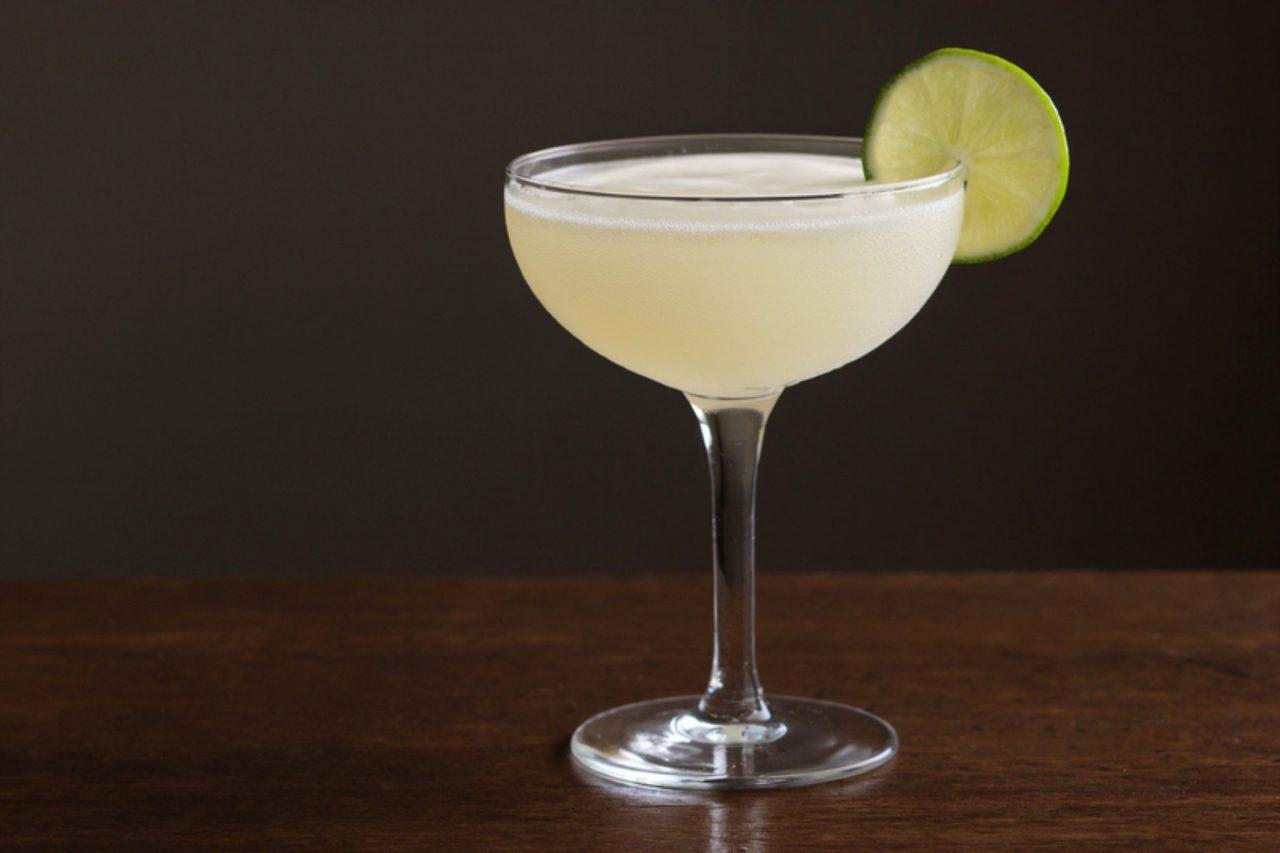
Daiquiri

The daiquirí is named after a beach and the old iron mines east of Santiago de Cuba, where engineers and miners at the turn of the twentieth century mixed the local white rum with lime and sugar to cut the heat. Later Havana's bars turned it into a frozen blended drink, but in eastern Cuba it is still drunk the plain way, shaken, in the late afternoon or before a dinner of congrí and roast pork. It is a cocktail for adults only, short and clean: tart lime, a light touch of sugar and the soft, dry vanilla notes of light rum, served so cold it almost stings. The common mistake is a lazy shake, which leaves the drink warm, harsh and too strong. Fill the shaker with ice and shake hard for a full 12–15 seconds. It is ready when the tin is too cold to hold, there are tiny shards of ice on the surface and the drink has a fine foam at the rim. Have one and drink responsibly. Balance matters more than amounts: taste your limes, and add a little more syrup if they are very sour. Chef's tip: chill the coupe in the freezer first; a daiquirí loses its magic within minutes in a warm glass.

by KrazyBadal 0 views

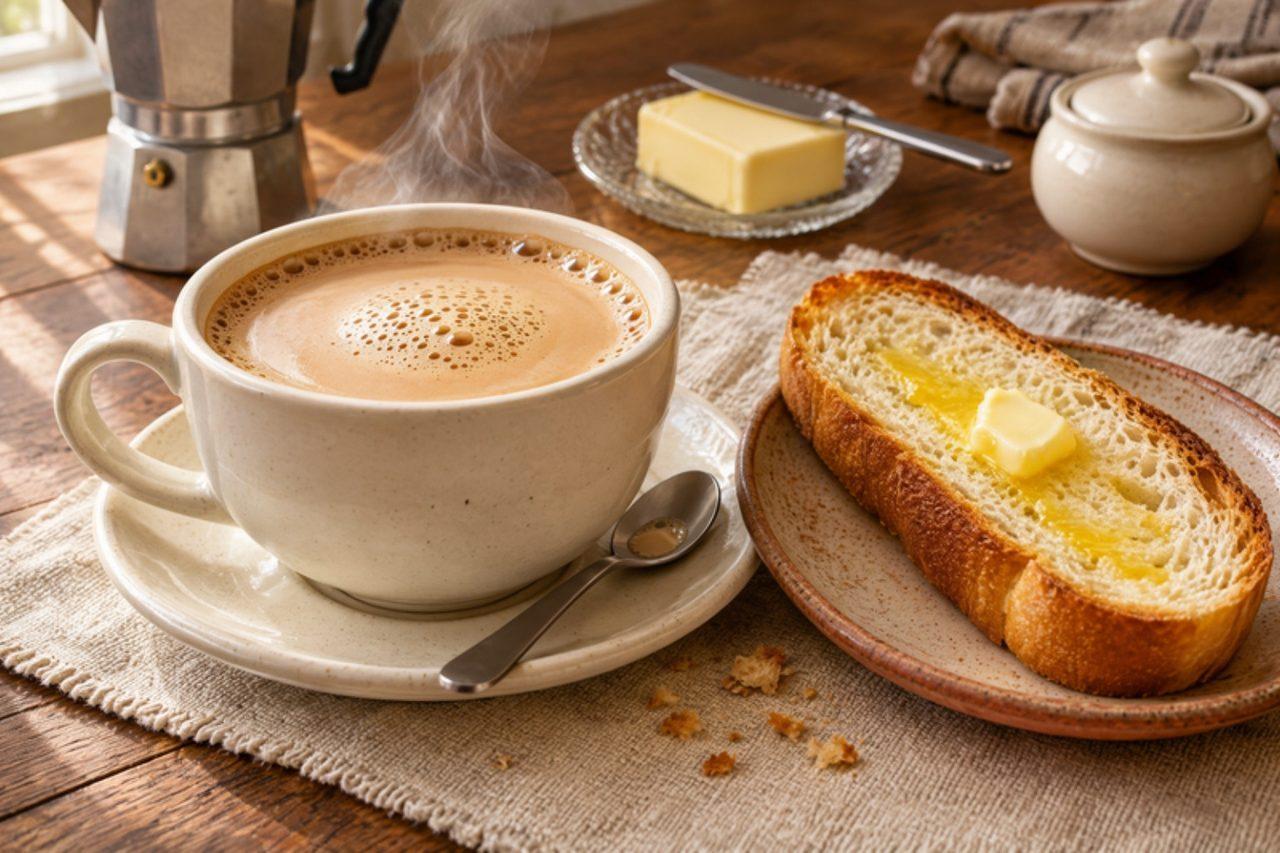
Café con lecheCoffee with hot milk

Every morning from Havana to Miami's Little Havana, breakfast is a big cup of café con leche with a length of buttered, pressed Cuban bread (tostada) to dunk in it. A moka pot of dark espresso-style coffee is whipped with sugar into a pale foam, the espumita, and poured into a mug of hot, lightly salted milk. The usual mistake is boiling the milk, which gives it a skin and a cooked taste; heat it only until it steams. Coffee contains caffeine, so this is a grown-up drink; children traditionally get a cup that is mostly milk. Chef's tip: whisk the first few drops of coffee hard with the sugar to a thick paste before adding the rest; that is what makes the creamy espumita on top.

by KrazyBadal 0 views

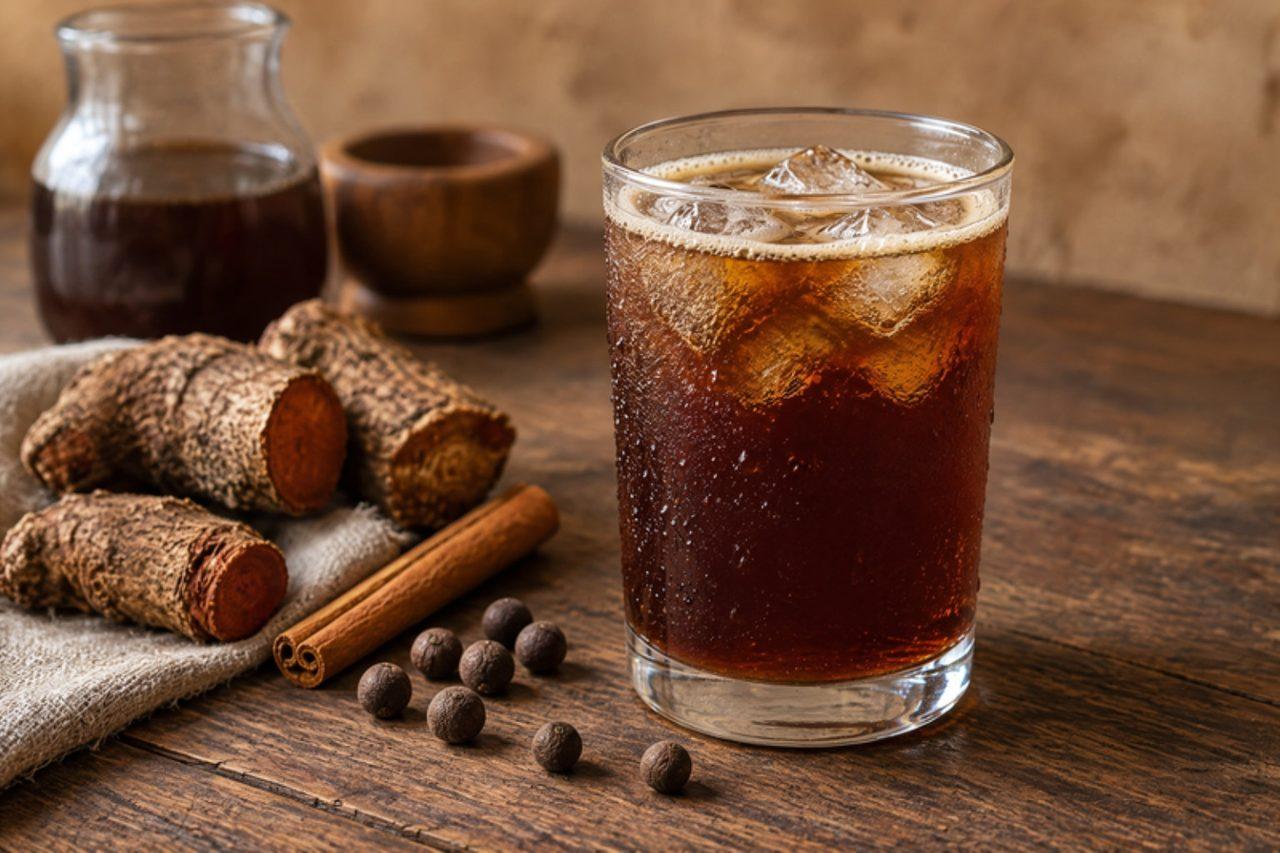
Prú orientalSpiced root drink

In Santiago de Cuba, Guantánamo and Baracoa, prú is sold from plastic bottles at the kitchen door and poured at every birthday, often next to a slab of cake. The recipe came from Haitian and French-Caribbean coffee planters who settled in the east, and families still keep a "madre", a starter jar from the last batch. Roots of raíz de China and bejuco ubí are boiled with pine, cinnamon and allspice, sweetened and left to ferment for a few days. It tastes like a wild, earthy root beer: woody, spiced, a little bitter, with a soft prickle. Fermentation makes a trace of alcohol, well under 1% if drunk young. Outside Cuba use dried sarsaparilla root, a close relative of China root. The common mistake is sealing bottles too early and leaving them warm, which builds dangerous pressure; use a plastic test bottle and chill once it is firm. It is ready when tiny bubbles rise and it smells sweet-sour, not yeasty. Throw it out if it grows fuzzy mould, turns slimy or smells rotten. Pregnant people should skip the pine needles, and anyone on medication should check with a doctor about herbal roots. Chef's tip: keep 250 ml back as the madre for your next batch.

by KrazyBadal 0 views

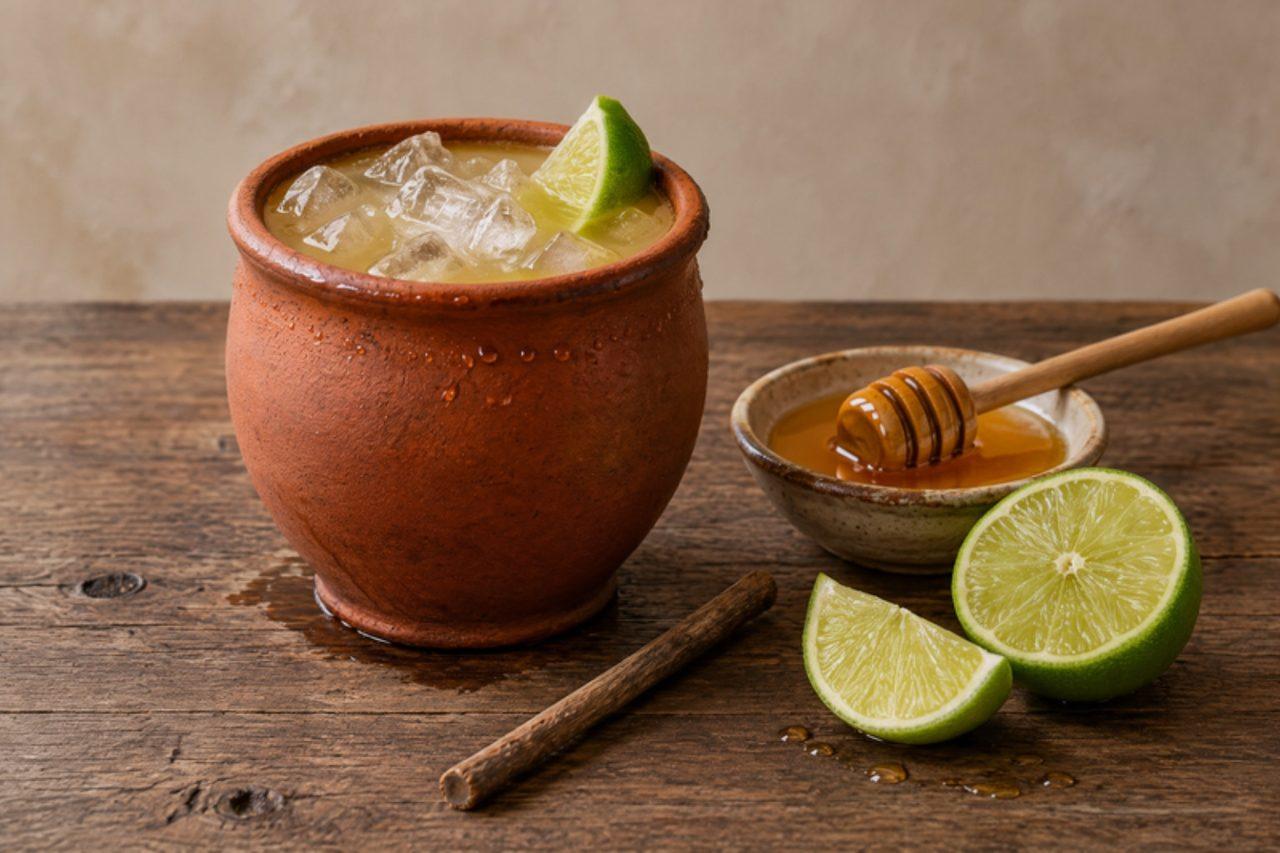
CancháncharaAguardiente, lime and honey cocktail

In the colonial town of Trinidad, in Sancti Spíritus province, the canchánchara is served in little clay cups to the sound of a son band in the late afternoon. Its roots are in the independence wars of the 1860s and 70s, when the mambí fighters drank cane aguardiente mixed with honey, lime and water, warm or at camp temperature. Today it comes with crushed ice, but it is still a drink for adults only, rustic and honest: floral honey, sharp lime and the raw, sugary heat of young cane spirit, cold and only slightly diluted. The classic mistake is pouring honey straight onto the ice, where it sets into a hard lump at the bottom and the drink tastes of nothing but sour spirit. Stir the honey into the lime and water first until no streaks remain, then add the ice and spirit. It is ready when the honey has disappeared into a cloudy, even mixture and the outside of the cup sweats with cold. Drink it slowly and responsibly. Outside Cuba, use unaged white rum or cachaça for the aguardiente; a short tumbler is fine if you have no clay cup. Chef's tip: soak the clay cup in cold water for ten minutes first; it keeps the drink cold for much longer.

by KrazyBadal 0 views

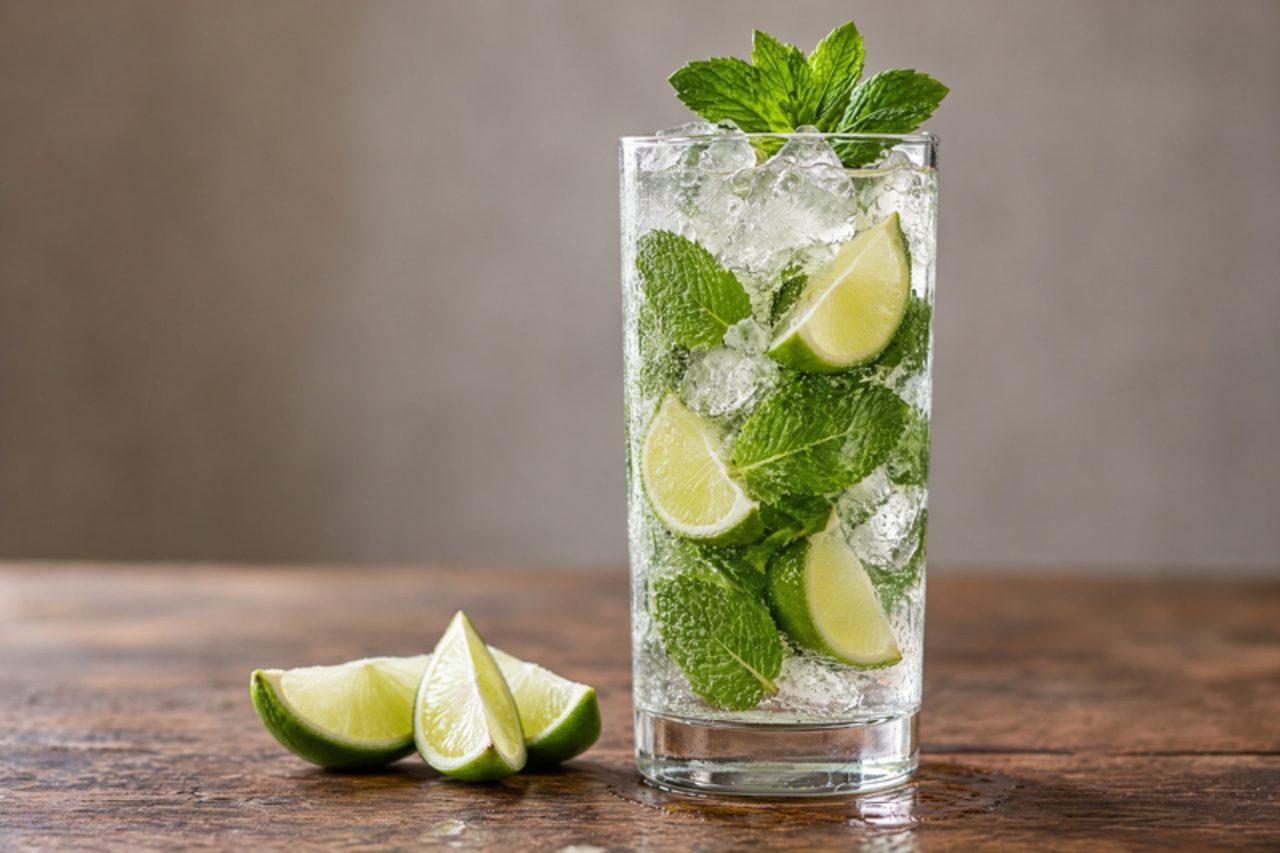
Mojito

In Old Havana the mojito is the answer to three o'clock heat: made at bar counters along Obispo Street, on the Malecón and at home on the patio, often with a plate of tostones or chicharritas on the side. It is a drink for adults only, though its cool, fresh taste can fool you; sip it slowly and drink responsibly. A real Cuban mojito is fragrant and grassy from hierbabuena, the mild local mint, sharp with lime, gently sweet and lightly sparkling, with the rum giving it backbone rather than burn. The common mistake is shredding the mint with heavy muddling: the leaves turn black, bitter and stick in your teeth. Press the leaves softly against the sugar and lime just until you can smell them strongly, then stop. It is ready when the sugar has dissolved, the glass is fully frosted and the mint leaves are scattered bright green through the ice. Outside Cuba, use spearmint; peppermint tastes like toothpaste here. Chef's tip: slap the garnish sprig between your palms before tucking it in beside the straw; every sip then comes with the smell of fresh mint.

by KrazyBadal 0 views

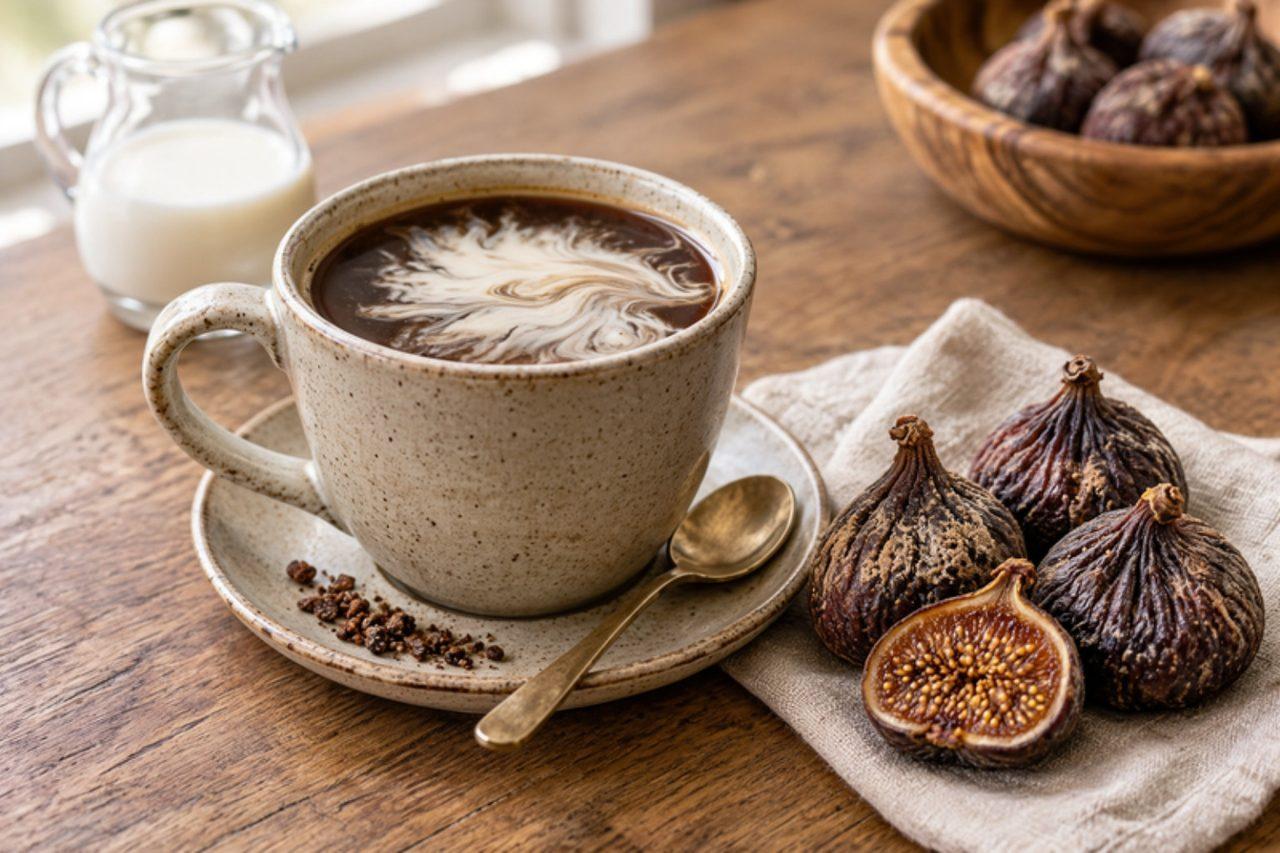
Café de higoFig and grain coffee

In the farmhouses of central Chile, in the Maule and O'Higgins valleys, people have long drunk café de higo: a dark, caffeine-free "coffee" made from dried figs roasted with grains such as barley and wheat, then ground. It's mellow, fruity and slightly caramel-like, and many Chileans still prefer it with milk at breakfast. The fig granules are sold in Chilean and Latin grocers. The common mistake is brewing it like instant coffee, with a quick stir; it's a ground blend, so simmer it briefly and strain. It contains grains, so it is not gluten free. Chef's tip: a strip of orange peel in the pan brings out the fig flavour.

by KrazyBadal 0 views

Showing 24 of 158 recipes

Show more recipes

Page 1 of 7